



If your lunch smells like fridge air by noon, Korean meal prep fixes that fast.
Not with one giant casserole. Not with a week of identical boxes that taste like reheated regret. Korean cooking gives you a better blueprint: bold sauce, sturdy rice, crunchy vegetables, and a finishing hit of sesame oil or scallion that still feels alive after a night in the fridge. That’s the real advantage. The food is built to travel.
I’d rather eat a container of bulgogi rice with kimchi, sesame spinach, and quick-pickled cucumbers than a sad takeout tray that arrived steaming hot and went limp ten minutes later. Delivery has a timing problem. Korean-style prep doesn’t. When you keep the wet, dry, crisp, and sauced parts in their own lanes until the last minute, the meal holds onto its shape and smell instead of collapsing into one soft note.
Heat is easy. Aroma is the part people remember. Garlic, scallion, gochujang, toasted sesame oil, rice vinegar, and kimchi do the heavy lifting here, and none of them need a giant kitchen session to show up. A smart 60-minute prep block can set up three or four lunches that taste like you planned them, not like you cleaned out the fridge.
Why Korean Meal Prep Starts With Aroma, Not Heat
Heat is cheap. Smell is what sells the lunch.
That sounds blunt, but it’s the truth behind why Korean meal prep works so well. If you build a box around only protein and rice, the second day gets flat fast. Add garlic, scallion, toasted sesame oil, and a little fermented funk from kimchi or gochujang, and the container opens with a real nose-tingle instead of an apology.
Garlic and scallion give the first hit
Fresh garlic does more than season. It gives the whole meal a bright, savory edge that survives refrigeration better than bland salt ever could. Scallions help even more. The white part softens into the sauce; the green tops stay sharp enough to sprinkle on at the end, which is why I save a handful for garnish instead of mixing every last stalk into the pan.
Fermented ingredients keep lunch from tasting stale
Gochujang, kimchi, and doenjang bring a deep, rounded flavor that doesn’t disappear after a few hours in the fridge. Fermentation gives you a built-in head start. It’s the same reason a spoonful of kimchi brine can wake up a bowl of rice that otherwise would have gone sleepy by lunch.
Toasted sesame oil belongs at the very end
I have one strong opinion here: do not fry sesame oil hard unless you want to burn off the good part. Warm it too long and it goes dull. Add it after cooking, or at least off the heat, and it stays nutty, almost sweet. That small move changes the whole smell of the box.
The other reason this style works is balance. Korean food loves contrast. Hot and cold. Soft and crunchy. Sweet, salty, and acidic in the same bite. That gives meal prep room to breathe. You are not forcing every component to do every job.
Smart Shopping for the Ingredients That Matter
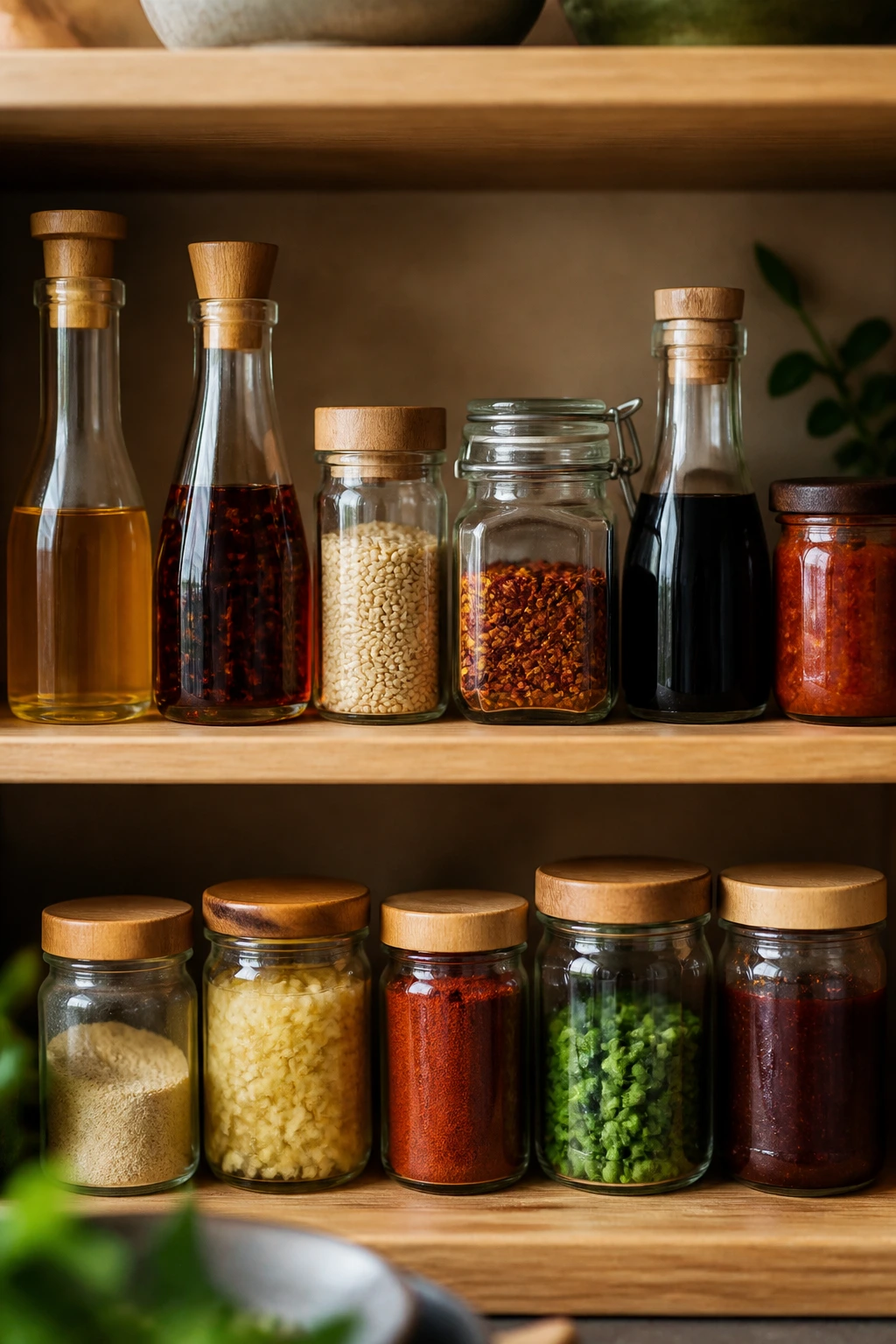
Which bottle on the shelf actually earns its place in the cart?
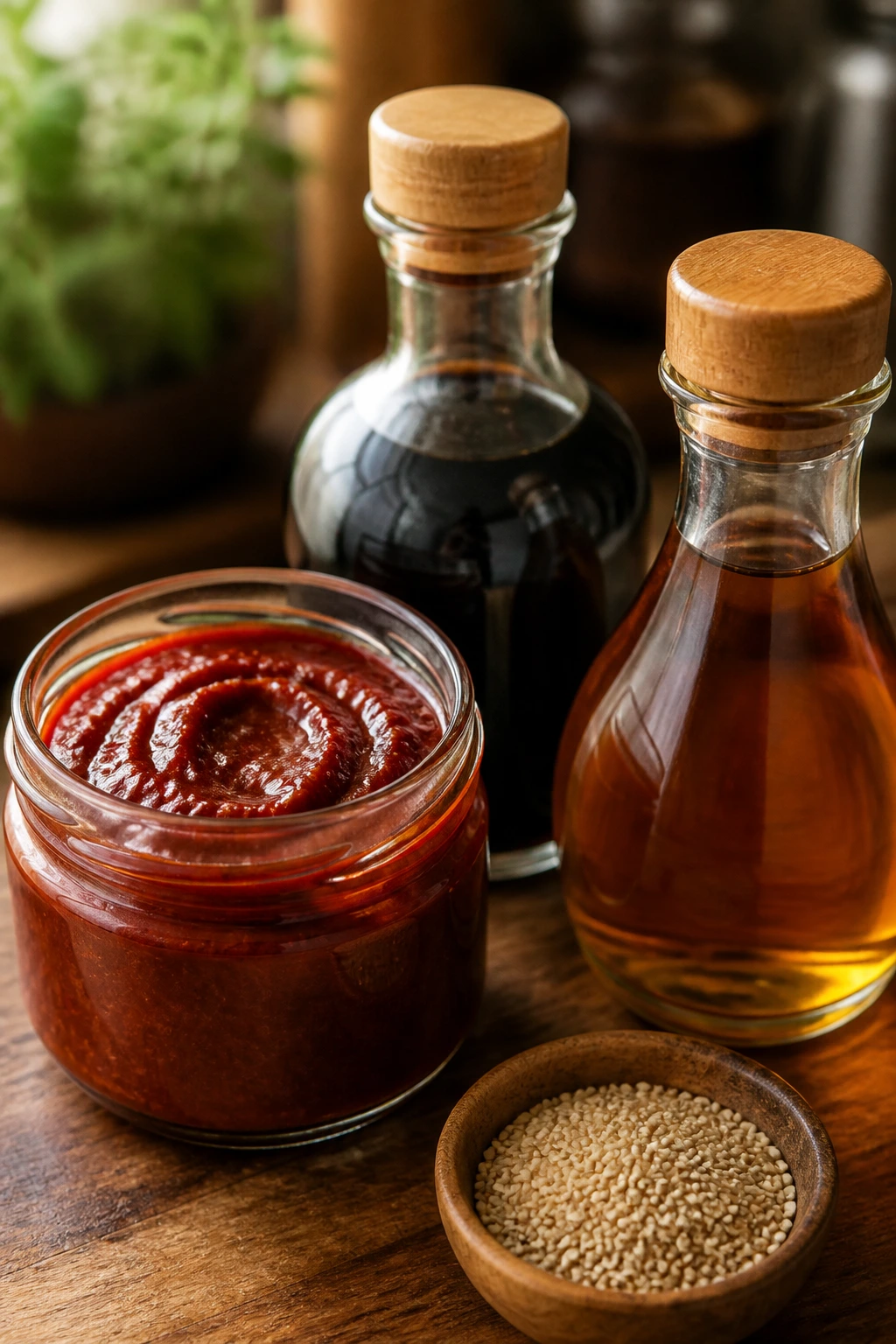
Start there. The flashy part of Korean meal prep isn’t the recipe, it’s the shopping. A good tub of gochujang, a reliable soy sauce, a bottle of toasted sesame oil, and a couple of vegetables that hold their shape will do more for your week than a cart full of random stir-fry odds and ends.
Pick the sauce shelf with some care
Gochujang should look thick and brick-red, not watery. It ought to cling to a spoon. If it pours like ketchup, it usually behaves more like a shortcut sauce than a proper paste, and the flavor tends to feel thinner. Soy sauce is simpler: a low-sodium version is easier to control because kimchi, gochujang, and any marinated protein bring their own salt.
Buy proteins for texture, not just price
Chicken thighs are my first choice for most Korean meal prep. They stay juicy after reheating and handle marinades better than breast meat. Ground beef in the 85/15 range is another smart buy because it browns well and keeps its shape. Pork shoulder, thinly sliced pork, and extra-firm tofu all work too, but each one needs a different amount of heat and attention.
Shop produce for crunch and staying power
Napa cabbage, carrots, cucumbers, mushrooms, spinach, scallions, and radish all fit this style because they keep their personality after a few days. Lettuce is much less cooperative. So are delicate greens unless you plan to eat them immediately. If a vegetable sulks in the fridge after 24 hours, it probably does not belong in your prep box.
A useful trick: buy one vegetable for crunch, one for sweetness, and one for something earthy. Carrot, cucumber, and mushroom is a good trio. So is cabbage, spinach, and scallion. That mix gives you more than one texture in the same bowl, which is the difference between “prepared lunch” and “leftovers in a hurry.”
The Pantry Shelf I’d Build First
A good Korean pantry is small at the start and strangely powerful by the end.
You do not need twenty bottles. You need the right eight or ten. The point is to make the fridge feel stocked enough that a weeknight bowl comes together without improvising a sauce from five half-empty jars.
- Gochujang — A thick fermented chili paste that brings heat, sweetness, and body to marinades, glazes, and rice bowls.
- Soy sauce or tamari — The salty backbone; tamari is the easy swap if you want a gluten-free pantry.
- Toasted sesame oil — Use this as a finishing oil, not a frying oil, so the nutty aroma stays intact.
- Rice vinegar — Brightens rich food and keeps leftovers from tasting heavy.
- Brown sugar or honey — Helps create gloss in bulgogi-style marinades and softens sharp heat.
- Garlic — Fresh cloves are worth the chopping. Jarred garlic works in a pinch, but the smell is flatter.
- Ginger — Grated ginger gives the sauce a clean edge and keeps the garlic from feeling one-note.
- Toasted sesame seeds — Small thing. Big payoff. They add crunch and a roasted note at the end.
- Kimchi — Treat it like a condiment, a side, and an ingredient in fried rice or sauces.
- Ssamjang — A thicker dipping sauce built for lettuce wraps, bowls, and anything that needs a deep savory hit.
- Short-grain rice — The base that catches sauce instead of letting it run away.
- Dangmyeon sweet potato noodles — Handy when you want a japchae-style box that holds up better than wheat noodles.
I keep gochujang in the fridge once it’s open. Not because it’s fragile, exactly, but because the flavor stays cleaner and the paste doesn’t dry out around the lid. Kimchi also lives in the fridge after opening. Fermented does not mean shelf-stable once the seal is broken. That mistake creates disappointment fast.
One more thing. Buy the size you’ll use. A giant bottle of sesame oil that goes stale in the back of the cupboard is not savings. It’s clutter with a label.
Proteins That Stay Juicy After Reheating
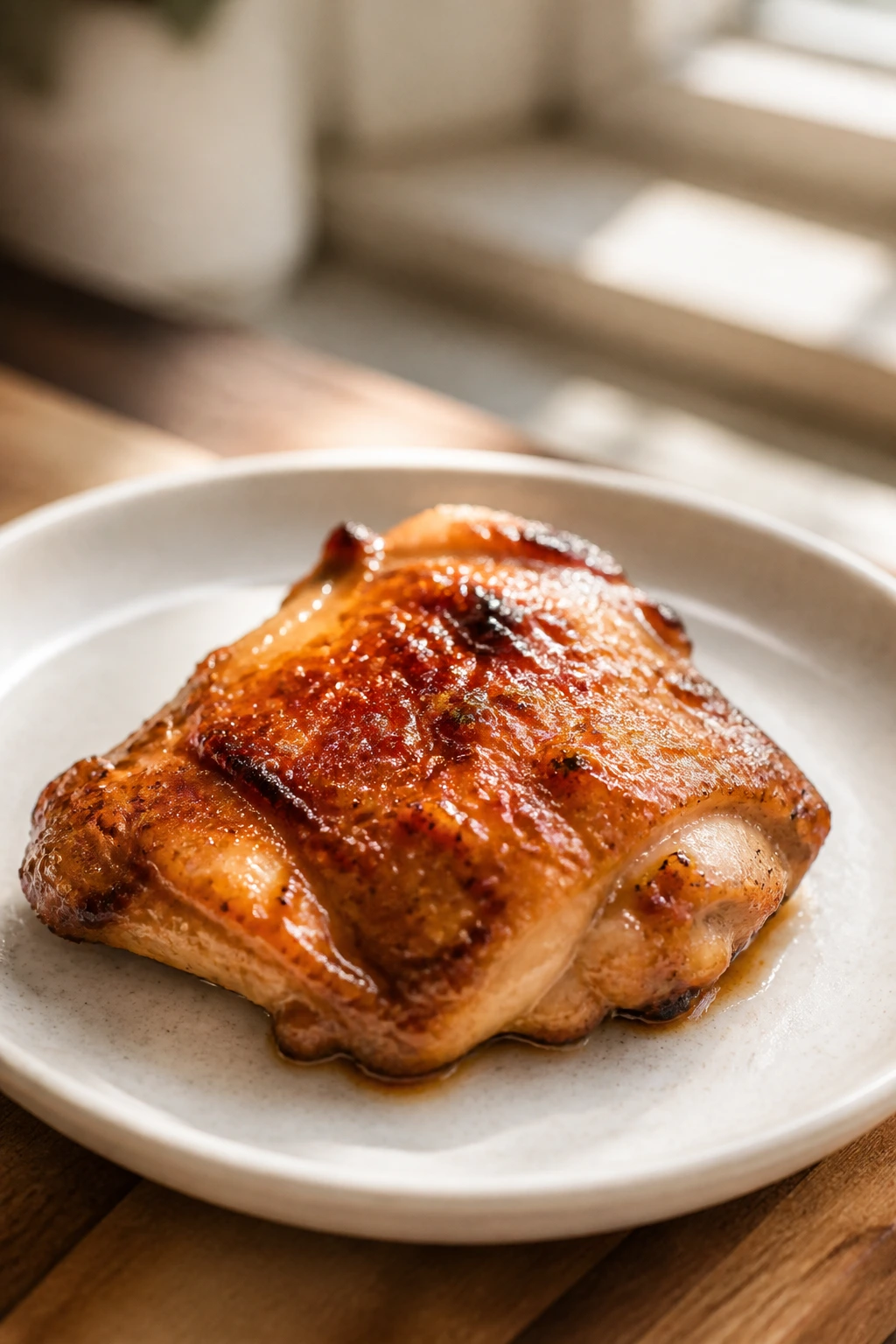
Chicken breast is not the hero here.
I know that sounds harsh, but meal prep is honest. Lean protein dries out when it’s reheated twice, or even once if the microwave runs hot. Korean flavors can rescue a lot, but they cannot resurrect overcooked chicken breast that was sliced too thick and packed while still steaming.
Chicken thighs do the least damage and the most good
Boneless, skinless chicken thighs are the easiest win. They take marinade well, brown fast, and stay tender even after a few days in the fridge. If you cut them into bite-size pieces before cooking, they reheat in minutes. That matters. A whole fillet can look fine on day one and then feel oddly tight by day three.
Beef and pork bring the strongest takeout energy
Thin-sliced beef for bulgogi, ground beef with garlic and scallion, or sliced pork with gochujang all hold up beautifully in a lunch box. Beef benefits from a little sugar and a little acid; that gives the glaze the sticky sheen people expect from takeout. Ground beef is especially useful because it reheats evenly and mixes cleanly with rice.
Tofu needs a little planning, not panic
Extra-firm tofu works if you press it, cube it, and give it enough surface heat to brown. If you skip the pressing, it turns spongy in a hurry. I like to bake or pan-sear tofu before it ever meets sauce. That creates a thin crust, and that crust keeps the cubes from falling apart in the fridge.
Eggs are the quiet fix
Hard-boiled eggs, jammy eggs, and thin rolled omelet strips all fit Korean-style meal prep better than people expect. They add richness without extra sauce. A soft yolk can turn a plain rice box into dinner. If you are packing lunches for a few days, eggs also help break up repetition without forcing you to cook a second protein.
A useful rule: choose proteins that either brown well or stay moist. Anything in between is where meal prep gets fussy.
Vegetables That Hold Their Shape in Lunch Boxes
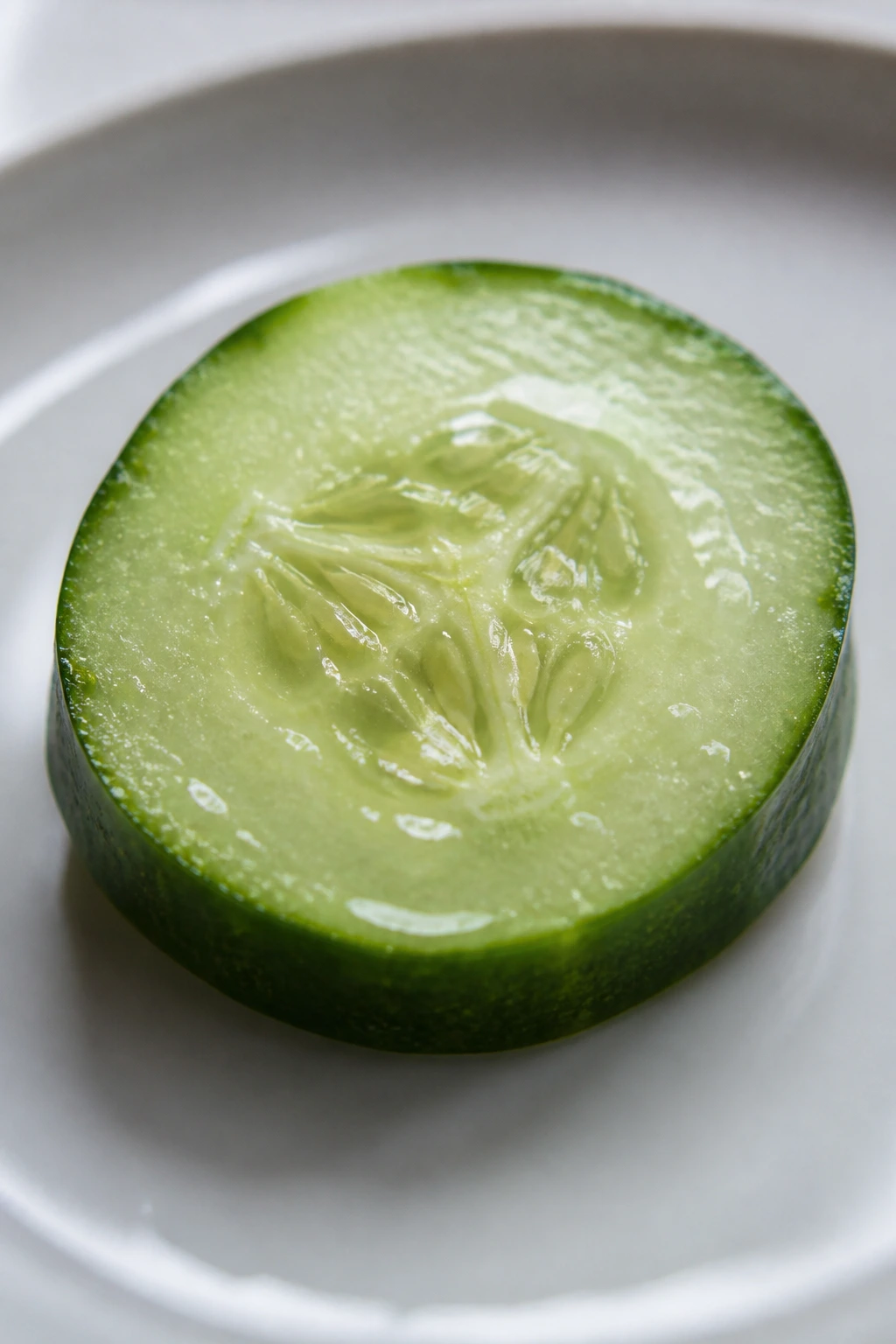
Cabbage, cucumber, and carrot do different jobs, and that is the whole point.
Korean meal prep gets lively because the vegetables are not all trying to be the same. Some bring crunch. Some go silky. Some live in a quick pickle and taste sharper by day two. That mix matters more than tossing in a random bag of mixed vegetables and hoping for the best.
Crisp vegetables should stay separate or lightly dressed
Cucumbers are the obvious choice. Slice them thick, salt them for 10 minutes, then pat them dry before dressing. That extra step keeps the box from flooding with water. Carrots can be julienned and quickly sautéed, or kept raw if you want bite. Napa cabbage is sturdy enough to slaw without giving up after a night in the fridge.
Cooked greens need fast heat and a short rest
Spinach, bok choy, and mushrooms all do well if you cook them quickly and do not drown them in sauce. Spinach should be blanched or wilted just until it goes dark and soft, then squeezed or drained so it doesn’t make the container soggy. Mushrooms need a hot pan and a little space. Crowded mushrooms steam; spaced mushrooms brown.
Pickled sides save the whole batch
Quick-pickled radish, cucumber, daikon, or onion adds acidity and crunch long after the main protein has been eaten. These are the parts that make the box feel brighter on day three than on day one. They also give you a safety valve if the rest of the meal needs a lift. A few spoonfuls of pickle on the side can fix a lot of blandness.
If you want a shortcut, think in three vegetable types: one raw crunch, one cooked green, one pickled or fermented. That formula is boring in the best possible way. It works.
Rice, Noodles, and Other Bases That Reheat Well
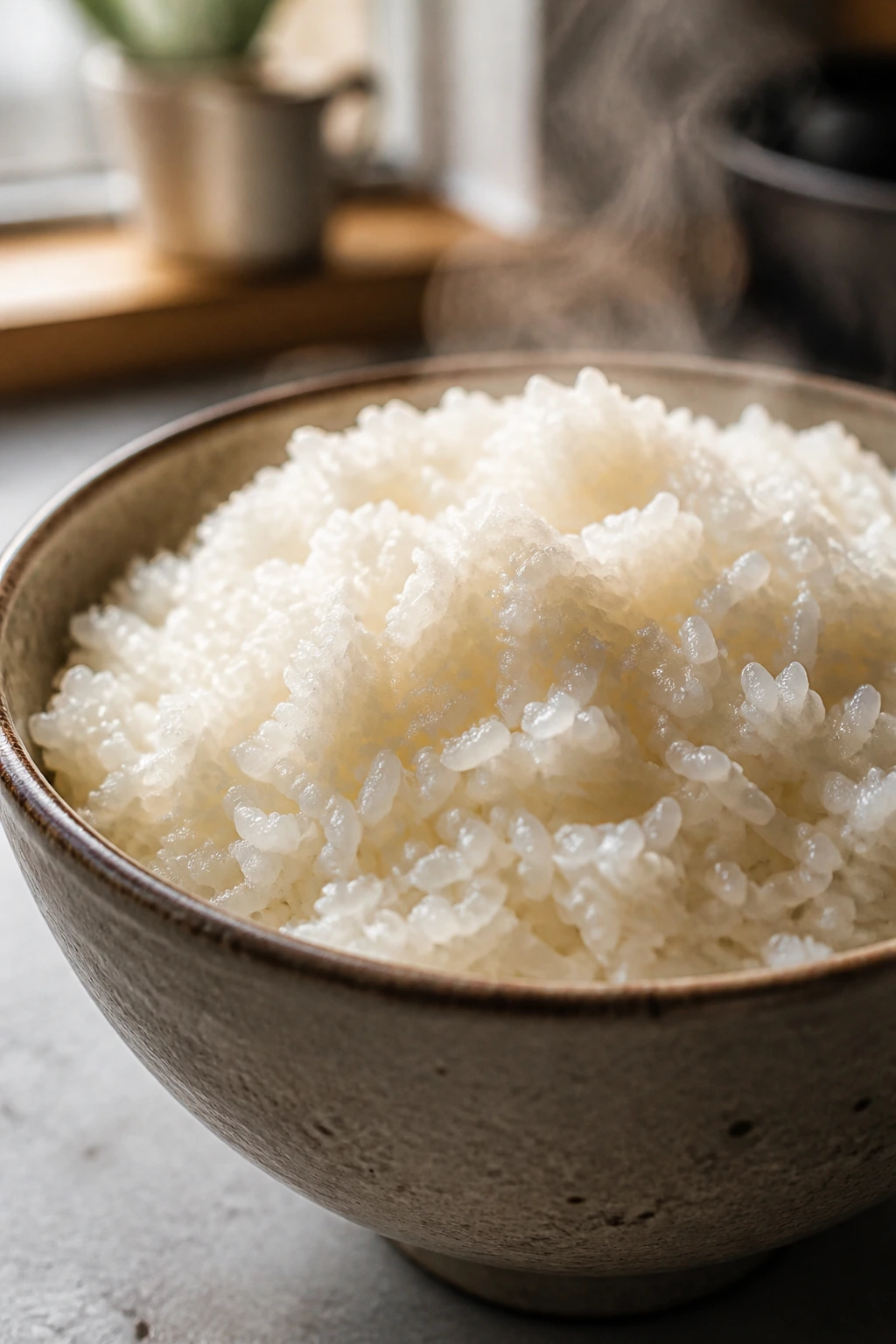
Rice matters.
That’s it. That’s the sentence. The base is not filler in Korean meal prep; it’s the thing that soaks up sauce, softens the spicy edges, and makes the whole bowl feel like a meal instead of a sampler plate.
Short-grain white rice is still the cleanest choice for most boxes. It clumps a little, which helps the sauce stay on the grain instead of sliding around the bottom of the container. Brown rice gives you a chewier bite and handles longer storage well, though it takes more water and a little more time. Mixed-grain rice is a nice middle road if you like a nutty finish.
Sweet potato noodles, or dangmyeon, are the noodle option I trust most for prep. They stay springy if you toss them with sesame oil and sauce after cooking. Wheat noodles tend to soften and glue themselves together unless you are extra careful with oil and storage. Japchae is famous for a reason. The texture survives.
A small note that saves a lot of grief: cook rice, then cool it quickly. Spread it out a little if you can. Rice that sits warm and thick in the middle of a deep pot turns gummy fast, and food safety gets messy if you leave it out too long. The safest, cleanest habit is to move it into shallow containers once the steam drops.
For a standard lunch box, I like this ratio:
- 3/4 to 1 cup cooked rice
- 4 to 6 ounces protein
- 1 cup vegetables
- 1 to 2 tablespoons sauce or glaze
- 1 small crunchy side or pickle
That gives you enough food to feel like dinner without burying the sauce under a mountain of grain. If you want a lighter box, cut the rice in half and add more cabbage, spinach, or cucumber on the side.
The 60-Minute Prep Session I’d Actually Do
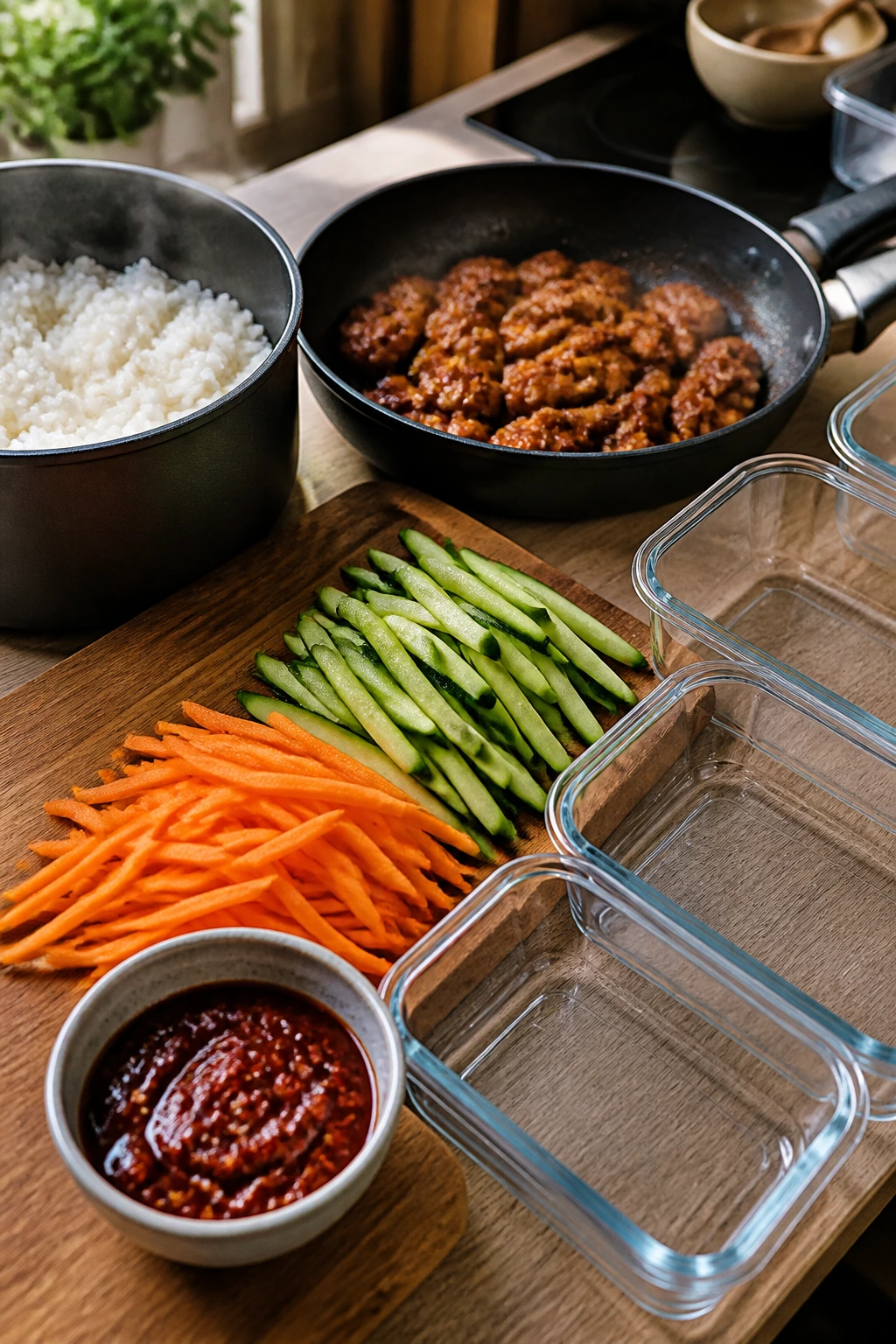
Sixty minutes is enough.
Not for every dish under the sun, but for a smart Korean lunch setup? Yes. If you start with one rice base, one protein, two vegetables, and one sauce, you can build a week of meals without sprinting around the kitchen like you’re under pressure from a delivery timer.
First 10 minutes: start the grain and mix the sauce
- Rinse and start the rice. Use short-grain rice if you have it, and rinse it until the water runs less cloudy. That prevents the sticky outside from becoming gluey.
- Whisk one main sauce. A simple batch might be soy sauce, gochujang, garlic, ginger, brown sugar, rice vinegar, and a little water. Taste it before it hits the pan. It should taste bold, not harsh.
- Set out shallow containers. Don’t wait until the end. You want clean landing spots ready before the hot food is done.
Next 15 minutes: prep the vegetables
- Slice one crunchy vegetable and one green. Cucumbers, carrots, cabbage, spinach, mushrooms — choose the pair you’ll actually eat.
- Quick-pickle the crunchy one. Toss it with salt, rice vinegar, and a pinch of sugar. Even 10 minutes changes the flavor.
- Wash, trim, and dry the greens well. Wet spinach or cabbage makes your boxes soggy, and there is no redeeming that later.
Next 20 minutes: cook the protein
- Cook the protein in batches if needed. Give the pan room. A crowded skillet steams meat instead of browning it, and browning is where the flavor lives.
- Finish with sauce off the heat. Let the meat or tofu get coated, not drowned. You want gloss, not soup.
Final 15 minutes: pack and cool
- Spread rice and protein in shallow layers. Let steam escape before sealing the lid.
- Pack sauce and pickles separately if you can. This is the move that keeps lunch from turning soft.
- Garnish at the end. Sesame seeds, scallion greens, or a few strips of seaweed are tiny details, but they matter.
If you can keep your prep to this shape, the week feels controlled. Not fancy. Controlled.
Cooling, Packing, and Food Safety Without Guesswork
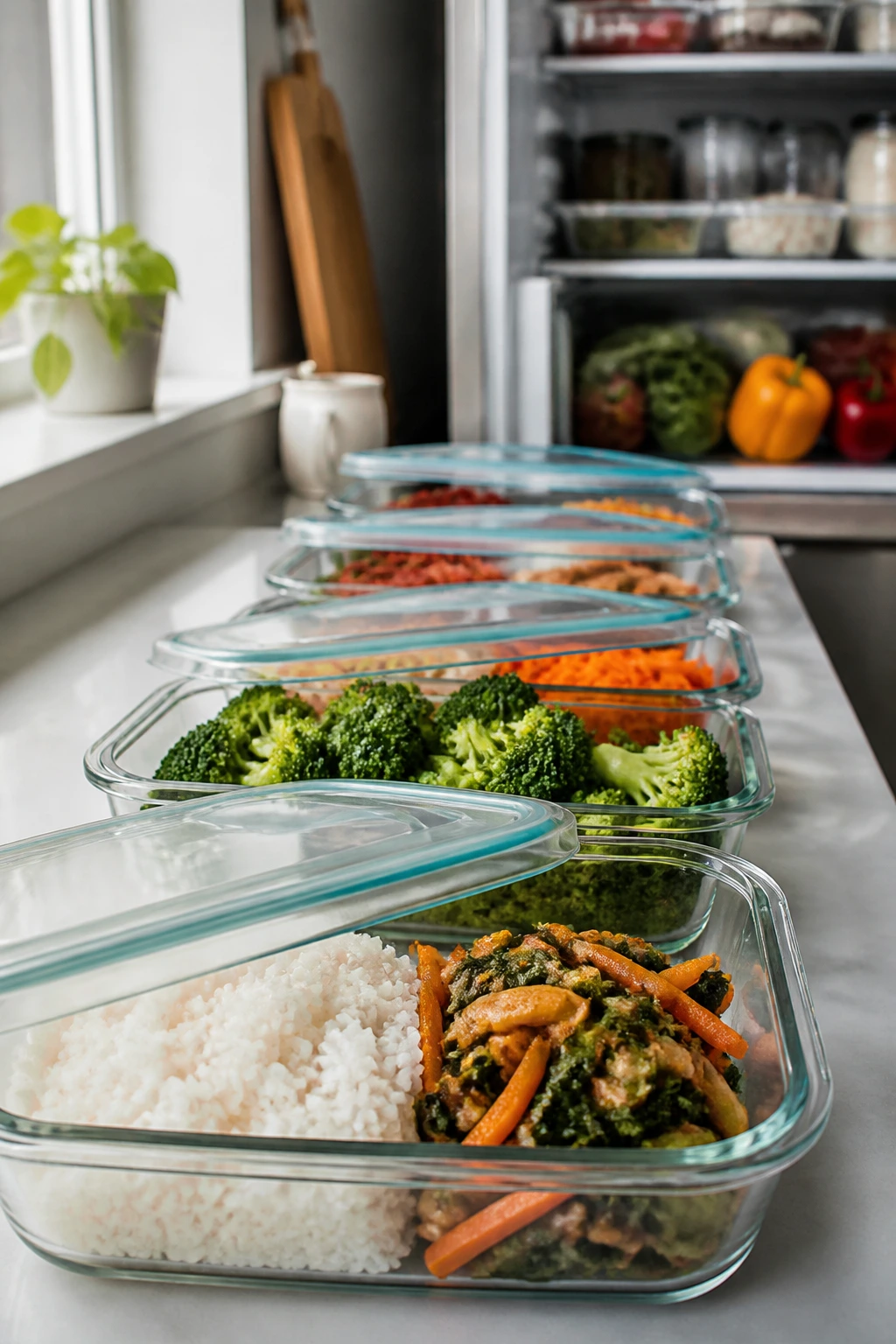
Do not trap steam in a box and call it meal prep.
That is how soggy rice happens. It is also how people accidentally warm their fridge with a stack of hot containers, which sounds minor until you realize the whole shelf gets too warm for comfort. The fix is boring, and boring is fine when food safety is involved.
The easiest rule to remember is the two-hour window. Get cooked food into the fridge within about two hours of finishing it, and sooner if your kitchen is hot. USDA-style leftover guidance usually puts refrigerated cooked food in the 3 to 4 day range, which is the line I trust for chicken, beef, rice, and most vegetables. After that, quality drops fast even if the food still smells okay.
Pack food while it is warm, but not steaming
Use shallow containers so the food cools faster. If your rice is in a deep mound, spread it out. If your chicken is piled in a heap, separate it. Leave the lids cracked for a few minutes if steam is obvious. Once the heat drops, seal the containers and move them to the fridge.
Keep the wet stuff out of the dry stuff
Sauces belong in small cups or in a separate compartment. Kimchi can live on the side. Quick pickles should not sit underneath the rice. The moment wet ingredients soak into the grain, the texture starts sliding downhill.
Freeze only the parts that deserve freezing
Cooked rice freezes well if you cool it fast and pack it flat. Most cooked meats also freeze fine for up to about 2 months if you want to stretch a batch. Crisp vegetables, cucumbers, and kimchi are another story. Those are better fresh or refrigerated, not frozen.
Labeling helps more than people admit. Even a piece of tape with the date on it prevents the “what is this container?” problem that shows up after a few days. It is not glamorous. It works.
Reheating Without Turning Dinner into Soggy Leftovers
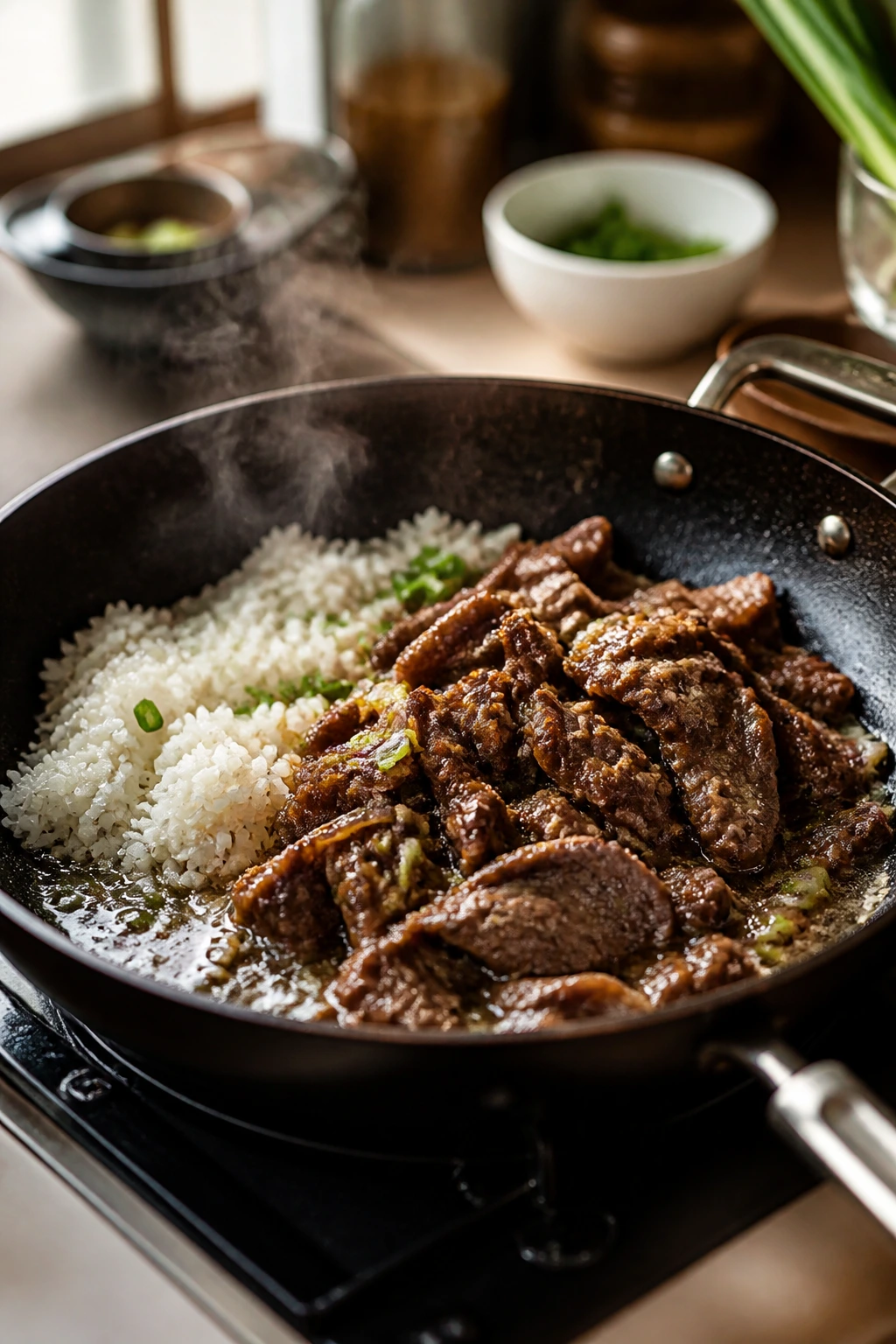
Microwave rice can be good. It just needs a little respect.
Korean meal prep is one of the few lunch styles where reheating can still feel satisfying if you do it in pieces instead of as one big blob. Rice, protein, vegetables, and finishing sauce all want different treatment. Treat them the same and the texture gets weird.
The microwave is fine for rice and sauced protein
Add a spoonful of water to the rice, cover the container loosely, and heat in short bursts — usually 60 to 90 seconds at a time. Stir once if the container is large. Chicken, beef, or tofu can go in at the same time, but stop as soon as it is steaming hot. If you are reheating poultry, aim for 165°F in the center.
The skillet is better for anything you want to keep lively
Ground beef, bulgogi slices, mushrooms, and tofu all perk up in a hot skillet with a teaspoon of water or a splash of broth. A minute or two is often enough. The point is not to cook them again. The point is to wake them back up. Once the heat has done its job, shut it off and finish with sesame oil or scallions.
Air fryer and oven work for crisp edges
If you packed chicken thighs, tofu, or roasted vegetables, a 350°F air fryer for 3 to 5 minutes can restore some edge. The oven takes longer but handles bigger amounts. I would not bother with this for cucumber, spinach, or pickles. Those stay cold and get added after the hot part is done.
One little habit makes a big difference: add fresh garnish after reheating. Sesame seeds, scallion greens, and a few drops of sesame oil do more for the smell of lunch than almost any other move. Heat first. Finish after.
How to Serve These Meals So They Still Feel Fresh
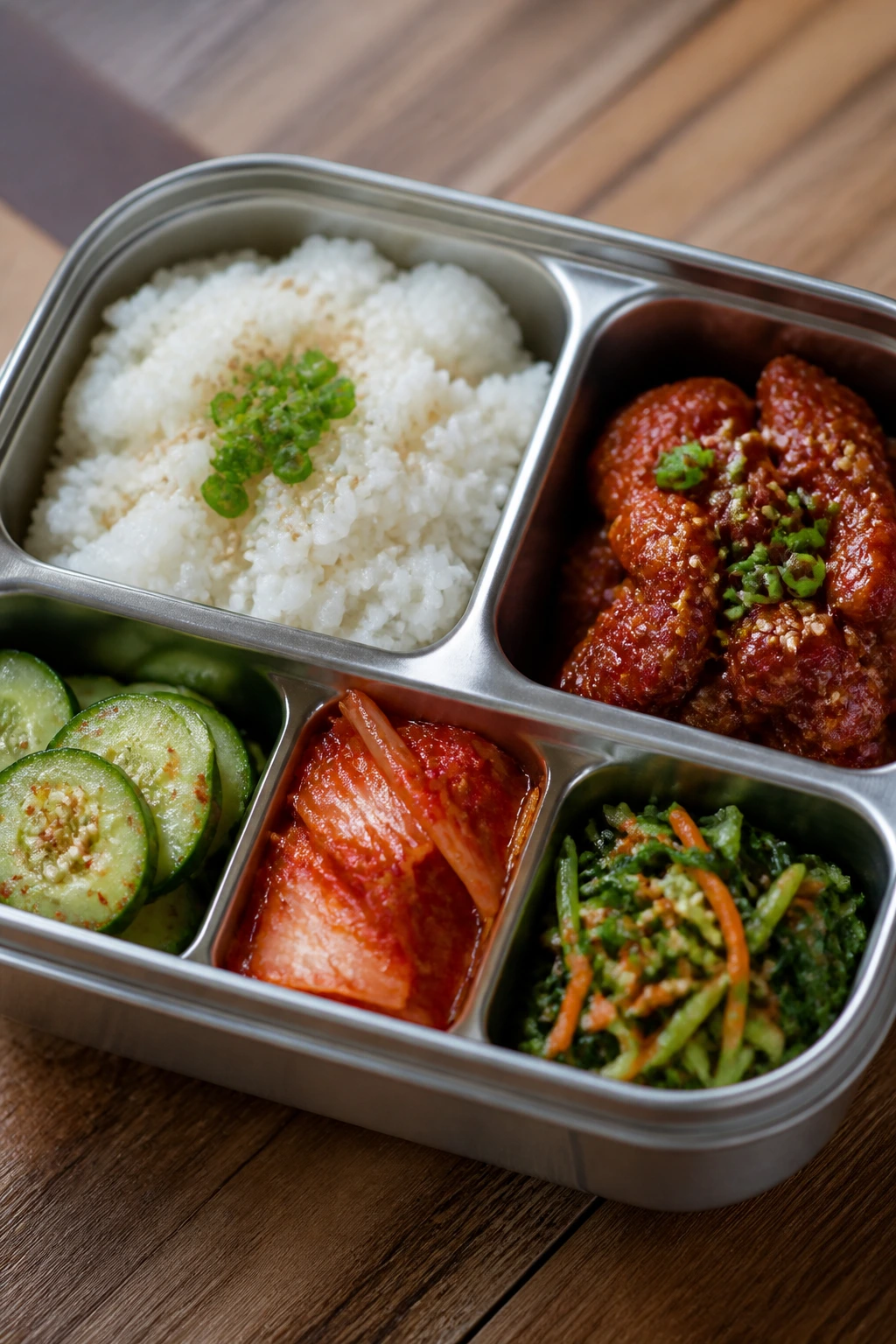
Presentation: Keep the rice as a base and let the protein sit in one section instead of mixing everything into a single pile. A bowl looks better and eats better when the cucumber, kimchi, and beef or tofu stay visually separate for the first few bites. In lunch containers, a clean line between sections matters more than people think. It keeps texture honest.
Accompaniments: Kimchi is the obvious side, but quick-pickled cucumbers, sesame spinach, sautéed mushrooms, seaweed strips, and a hard-boiled egg all fit the same box without fighting each other. If you want dinner instead of lunch, add a small bowl of broth or a simple soup on the side. A light cucumber salad also works when you want something cold against the warm rice.
Portions: For an average lunch, 1 cup cooked rice plus 4 to 6 ounces of protein and about 1 cup of vegetables usually feels right. If you are eating after a workout or packing for a long day, push the rice a little higher. If you want a lighter box, cut the grain back and lean on cabbage, spinach, and tofu for bulk. That part is easy to tune.
Beverage Pairing: Cold barley tea is the one I reach for most because it stays dry and clean next to spicy food. Unsweetened green tea works too. If this is dinner and not a desk lunch, a crisp lager or a light sparkling water with lemon keeps the palate from getting weighed down by the soy and sesame.
Essential Tools and Containers
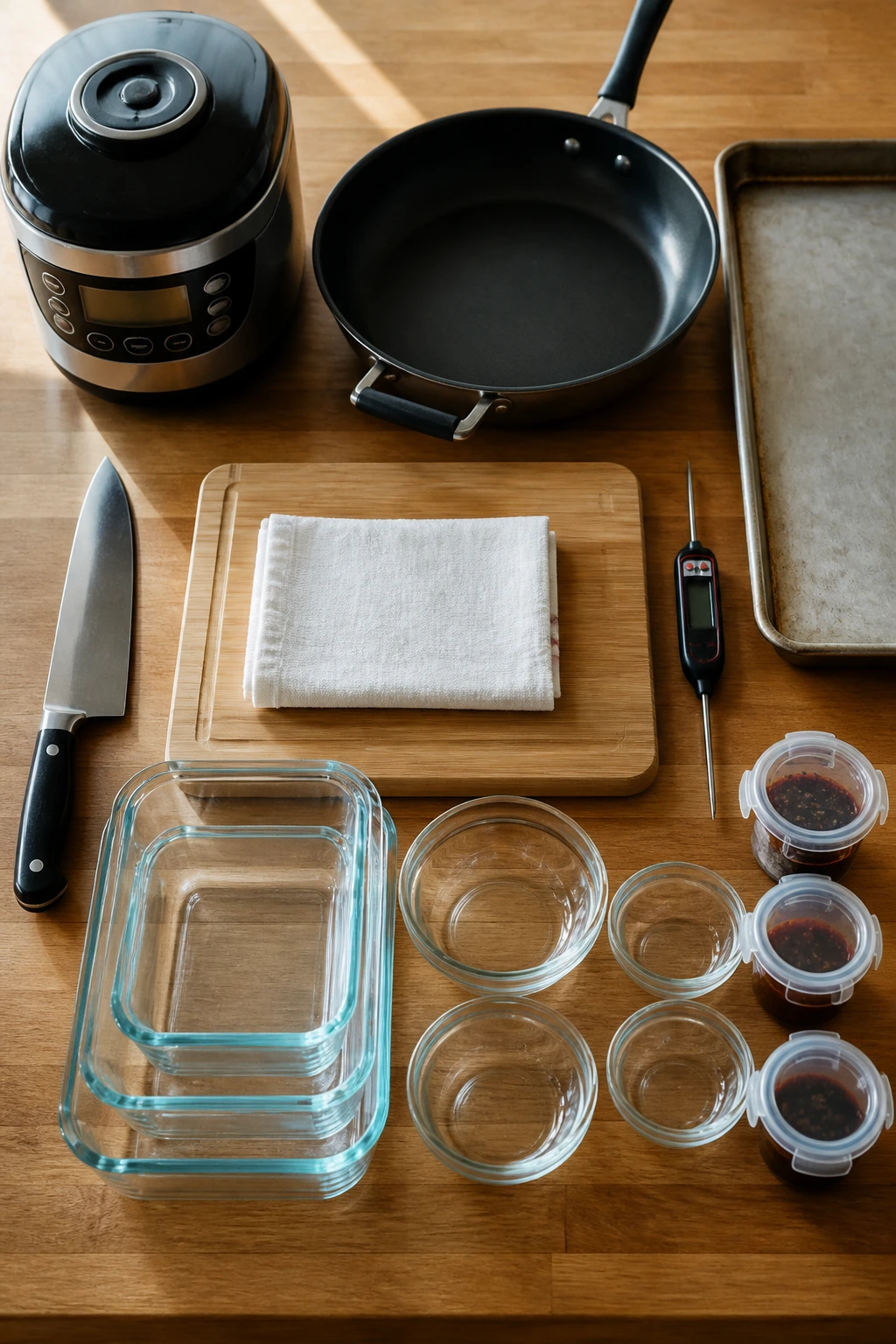
You do not need a kitchen full of gadgets. You need a few things that behave well under pressure.
- Rice cooker or medium saucepan — A rice cooker is convenient, but a lid and a burner work fine if you know your water ratio.
- 12-inch skillet or wok — Big enough to brown protein instead of steaming it.
- Rimmed sheet pan — Useful for cooling rice, cooling protein, or roasting vegetables in a single layer.
- Sharp chef’s knife — Thin slices matter here. A dull knife bruises scallions and tears cucumbers.
- Cutting board with a damp towel underneath — Keeps the board from sliding while you work through a pile of vegetables.
- Instant-read thermometer — Helpful for chicken and reheating leftovers to a safe temperature.
- Microplane or fine grater — Best for garlic and ginger when you want them to disappear into the sauce.
- Airtight glass containers — They hold heat and smell less after repeated use than thin plastic boxes.
- Small leakproof sauce cups — A tiny container saves the rice from getting soaked.
- Fine-mesh strainer — Handy for rinsing rice and draining quick-pickled vegetables.
- Tongs or a silicone spatula — Lets you turn protein without tearing it apart.
- Optional: air fryer — Nice for restoring a bit of crispness, but not required.
If you already own the first six items, you are set. The rest just make the process cleaner.
Additional Tips and Flavor Boosters
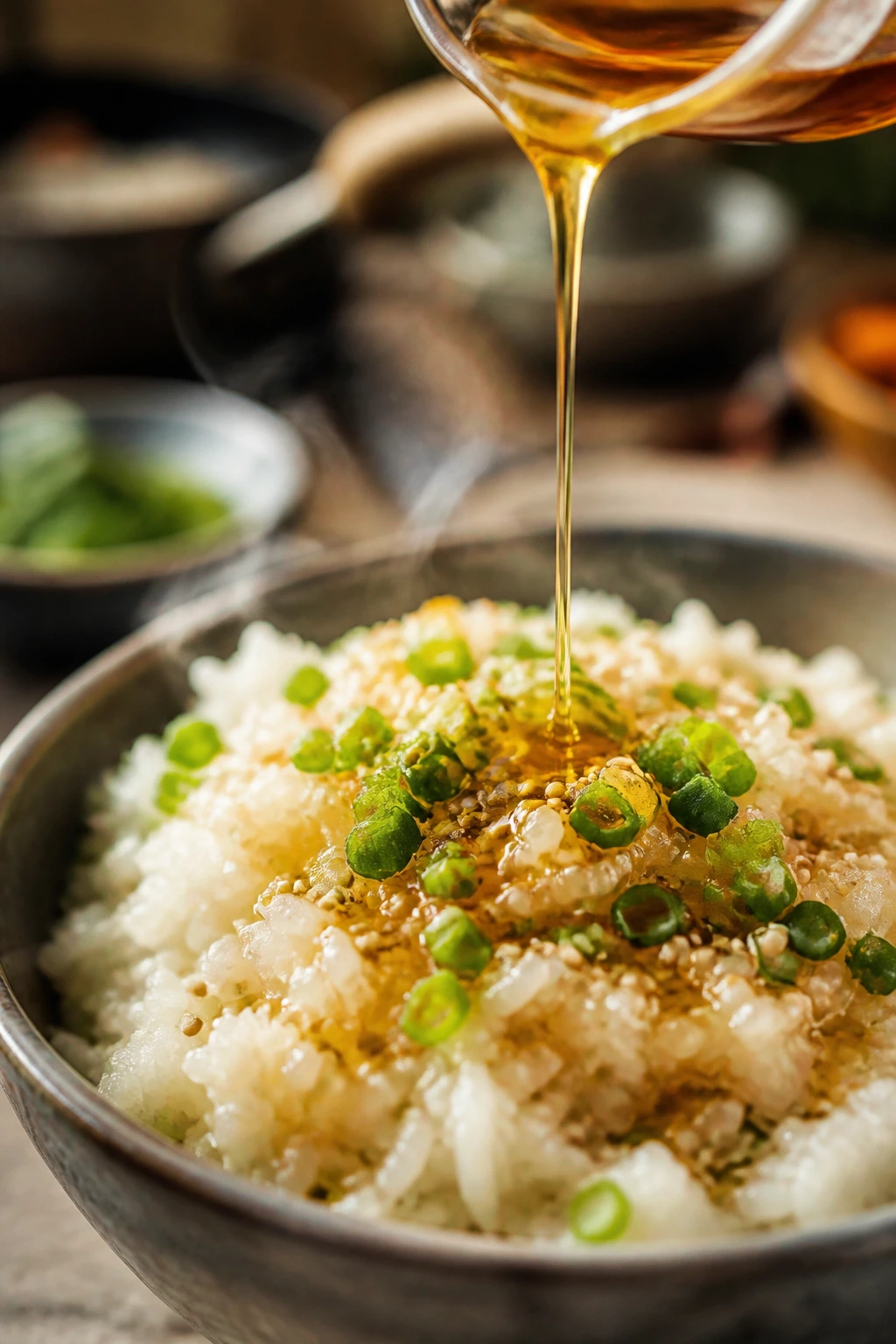
Flavor Enhancement: Finish hot rice with a few drops of toasted sesame oil and a pinch of sesame seeds, then add scallion greens right before closing the lid. That last little burst of aroma survives the fridge better than seasoning the rice at the start.
Customization: Grated Asian pear or apple in a bulgogi marinade gives the meat a softer edge and a glossy finish. A spoonful of kimchi brine can do the same for a spicy sauce if you want more tang without adding more heat. For extra kick, use gochugaru in place of some of the gochujang so the spice feels brighter and less sweet.
Serving Suggestions: A soft fried egg on top of a rice bowl makes everything feel more complete, and the yolk spreads into the sauce in a way that takes almost no effort. Seaweed strips, cucumber ribbons, and a scatter of chopped scallions also help the box feel fresh when you open it for the third time in a week.
Make-It-Yours: For gluten-free meal prep, use tamari and check the gochujang label, because some brands include wheat. For dairy-free meals, you do not need to change much at all; Korean-style boxes are naturally easy there. For vegetarian prep, press tofu hard, add mushrooms for depth, and lean on sesame seeds and scallions so the flavor still feels layered. If you want lower sodium, back off the soy sauce and lean harder on garlic, vinegar, and ginger.
Common Mistakes That Ruin the Batch
-
Over-saucing everything before it goes into the fridge. The symptom is soggy rice and gray-looking vegetables. The fix is simple: keep the main sauce separate and add it after reheating, or leave part of it out of the box entirely.
-
Cooking protein in a crowded pan. If the meat looks pale and wet instead of browned, the pan was too full. Work in batches. Browning happens when steam has room to escape.
-
Packing hot food too tightly. If the lid fogs up right away, the container is trapping steam and softening the whole box. Spread food in a shallow layer and let it cool before sealing.
-
Using lettuce as if it were cabbage. Lettuce is delicate and collapses fast. Napa cabbage, shredded carrot, and cucumbers are sturdier choices for prepped meals that last more than a day.
-
Treating sesame oil like a frying oil. Once it gets cooked hard, the perfume fades. Save it for the finish. That one habit changes the smell of the food more than almost anything else.
-
Skipping acid at the end. A box can taste fine in the pan and dull in the fridge. A splash of rice vinegar, a bit of kimchi, or even a squeeze of citrus can wake it back up.
Variations and Adaptations to Try
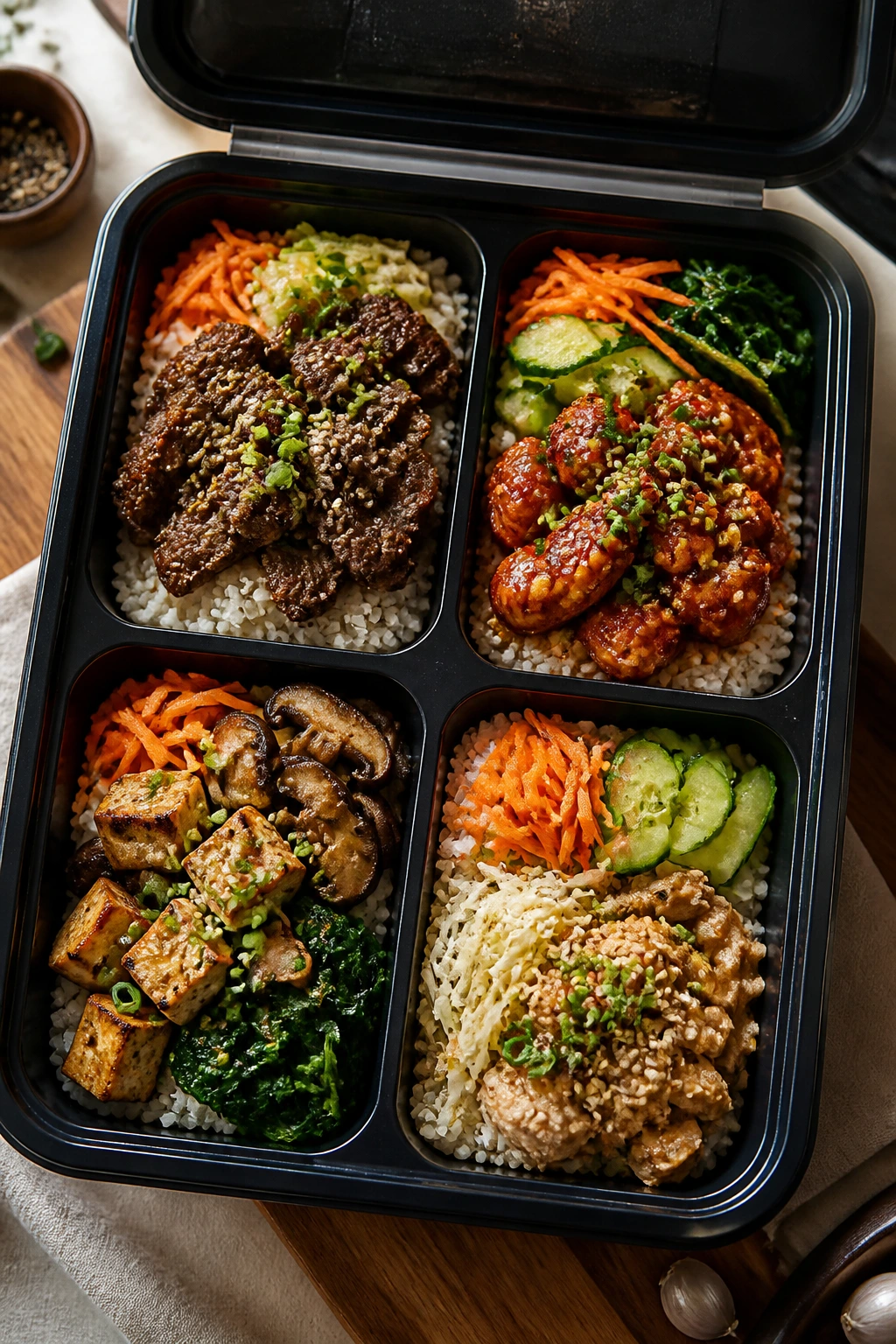
Classic Bulgogi Boxes: Thin-sliced beef, soy sauce, garlic, sesame oil, brown sugar, and a little pear or apple give you the sweet-savory bulgogi profile people expect. This version is the closest thing to a takeout replacement because the meat reheats cleanly and the sauce clings to rice. Add quick-pickled cucumber on the side and you’re done.
Gochujang Chicken Thigh Prep: Chicken thighs, gochujang, garlic, ginger, soy sauce, and honey make a sticky, red-glossy main that tastes even better the next day. I like this version when I want something bolder than plain soy-garlic but not so spicy that it overwhelms the rice. Keep the sauce a little loose so it coats instead of caramelizing into paste.
Tofu, Mushroom, and Spinach Bowls: Press extra-firm tofu, sear it hard, then add mushrooms and wilted spinach for a bowl that feels earthy and filling. The mushrooms give you the depth people often miss in vegetarian meal prep, and the tofu keeps the structure. A little toasted sesame oil at the end makes the whole thing feel cohesive.
Mild Sesame-Garlic Lunch Boxes: Cut the gochujang way back and lean on soy sauce, garlic, ginger, and a touch of honey. This is the version I’d pack for someone who likes Korean flavors but not much heat. It still tastes distinctly Korean because the sesame, scallion, and kimchi carry the identity.
Gluten-Free Tamari Prep: Swap soy sauce for tamari and check the labels on gochujang and kimchi. A lot of brands are fine, but not all are. The rest of the meal does not need special treatment, which is one reason this style is so easy to adapt.
No-Microwave Banchan Box: Build around rice, chilled cucumber, spinach, kimchi, sesame carrots, and a boiled egg, then keep the protein in bite-size pieces that taste good at room temperature. This version works for offices or classrooms where reheating is a pain. It feels less like leftovers and more like a composed lunch.
Frequently Asked Questions
How long does Korean meal prep keep in the fridge?
Most cooked proteins, rice, and cooked vegetables stay in good shape for about 3 to 4 days when they’re cooled quickly and stored in airtight containers. Kimchi and pickles last longer, but once you mix them into the box, the shortest-life ingredient wins. If something smells off or the texture turns slimy, don’t argue with it.
Can I freeze Korean meal prep?
Yes, but freeze the parts that freeze well. Cooked rice and cooked meat are the best candidates, usually for up to about 2 months if packed flat and airtight. Cucumber, lettuce, and most quick pickles do not freeze well, so keep those fresh or make them separately.
What if I don’t have gochujang?
You can still make a solid Korean-inspired box with soy sauce, garlic, ginger, a little sugar or honey, and chili flakes or chili garlic sauce. It will not taste the same, but it will still land in the right flavor family. Gochujang gives body as well as heat, so if you buy one Korean ingredient, that’s the one.
Can I use chicken breast instead of thighs?
You can, but it needs a gentler hand. Cut it thin, cook it just until done, and make sure it gets enough sauce so it does not dry out on day two. If meal prep is the goal, thighs are still the safer bet for texture.
How do I keep cucumbers crunchy?
Salt them lightly, let them sit for 10 minutes, then blot or drain them before packing. If you dress them too early, they’ll shed water into the container and soften. Keep them separate when you can, or tuck them into a small side compartment.
Is it safe to pack rice for lunch?
Yes, as long as it’s cooled promptly and refrigerated within about 2 hours. Rice is one of those foods that punishes lazy cooling, so spread it out and chill it fast. Reheat it until steaming hot, and don’t let it sit warm on the counter all morning.
What should I do if the meal tastes flat on day three?
Add acid and aroma. A few drops of rice vinegar, a spoonful of kimchi, fresh scallions, or a little sesame oil can bring the box back to life fast. Flat usually means the salt is fine but the brightness is gone.
Can I make this without a microwave at work?
Yes. Build a banchan-style box with rice, cold vegetables, and protein that tastes good warm or room temperature. A thermos or insulated container helps if you want the rice hot, but the cold side dishes are what keep the meal interesting when reheating is not an option.
Why I’d Pack This Over Ordering In
A good Korean lunch box gives you what takeout promises and usually misses: fragrance, texture, and enough contrast that the second and third bites still matter. The rice stays useful. The vegetables keep their edge. The sauce keeps its personality instead of fading into a one-note puddle at the bottom of the container.
That’s why I keep coming back to this style. It’s not about strict rules or a heroic amount of cooking. It’s about a few ingredients used with some care — garlic, sesame oil, rice, kimchi, a protein that can handle the fridge — and a habit of packing them so they still taste awake the next day. The next time the urge for delivery hits, open the fridge first. A better lunch might already be there.