



Authentic Italian food like Nonna used to make doesn’t begin with a showy flourish. It starts with the smell of onion softening in olive oil, the soft hiss of tomato hitting a hot pan, and the odd comfort of knowing dinner is already half-built before you’ve stirred twice.
That’s the part people miss. A lot of Italian home cooking is modest on paper — beans, bread, pasta, greens, cheese, a little pork, maybe a tin of tomatoes — but the technique gives those ingredients a louder voice than you’d expect. The difference between flat and memorable usually comes down to salt, heat, and how long you let things sit together.
And “authentic” is not one rigid flavor. A grandmother in Naples might lean on tomatoes and basil, while one in Bologna reaches for butter, pork, and Parmigiano; a Sicilian table can veer toward olives, sardines, raisins, and pine nuts without asking permission from anyone. Once you stop looking for one perfect Italian recipe and start looking for the logic underneath it, the whole style gets easier to cook — and a lot harder to fake.
Why This Approach Still Wins at the Table
-
It makes cheap ingredients taste deliberate: Dried pasta, canned tomatoes, beans, and stale bread become dinner because the method respects them instead of dressing them up.
-
It rewards a short ingredient list: When there are only 6 or 7 items in the pan, you can taste if the olive oil is peppery, if the tomatoes are dull, or if the cheese is doing its job.
-
It improves leftovers instead of punishing them: Ragù, tomato sauce, beans, and soups often taste rounder the next day after the flavors settle and the salt spreads through the pot.
-
It teaches seasoning in layers: Salt goes in the pan, the water, the sauce, and the finish; one late sprinkle can’t fix what should have been seasoned early.
-
It skips fake richness: Butter and cream have their place, but a lot of old-school Italian food gets body from starch, beans, cheese, and slow cooking, not a heavy dairy dump at the end.
-
It’s forgiving if you understand the rhythm: Miss the exact minute on a basil leaf or a bean soup? Usually fine. Burn the garlic or overcook the pasta? Different story.
What “Nonna Used to Make” Really Means in an Italian Kitchen
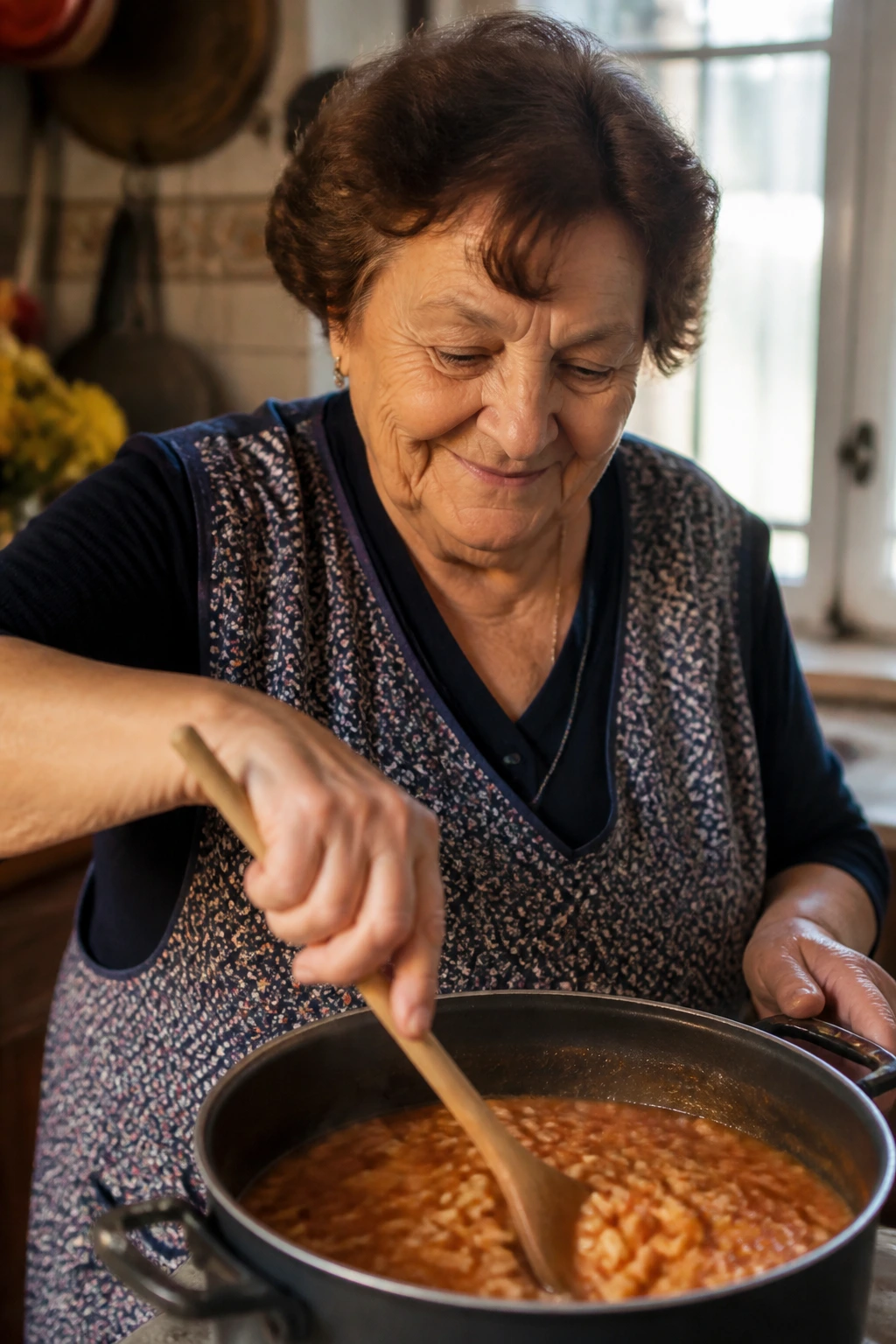
People use the word authentic as if it means strict obedience. In Italian home cooking, that’s not the point. A better word is coherent. The ingredients make sense together, the cooking method fits the ingredient, and nobody is trying to hide behind a blender full of noise.
That’s where cucina povera comes in. It literally means “poor kitchen,” but the phrase is misleading if you hear it as deprivation. It’s really the old habit of making a satisfying meal from what’s on hand: bread gone stale, beans from the dry jar, a heel of cheese, a handful of greens, a few tomatoes, a bone, a little sausage, maybe nothing more than onions and oil. The point was never luxury. The point was usefulness that tastes good.
A dish can be humble and still feel complete. That’s why a bowl of pasta e fagioli or a pot of lentils with olive oil can hit harder than a showy plate with too many garnish tucks and a drizzle of something neon. The food has to carry itself. That’s the test.
And there’s another thing worth saying plainly: Italian cooking is regional to the bone. If someone tells you there’s one “real” Italian way to make dinner, they’re probably selling an image, not a meal. The north uses more butter, rice, and polenta; the south leans harder on tomatoes, olive oil, citrus, and seafood; central Italy can be gloriously porky and peppery; island food often plays sweet against briny in a way that surprises people who only know red sauce. That spread is not a complication. It’s the whole charm.
The Pantry Shelf Behind the Flavor
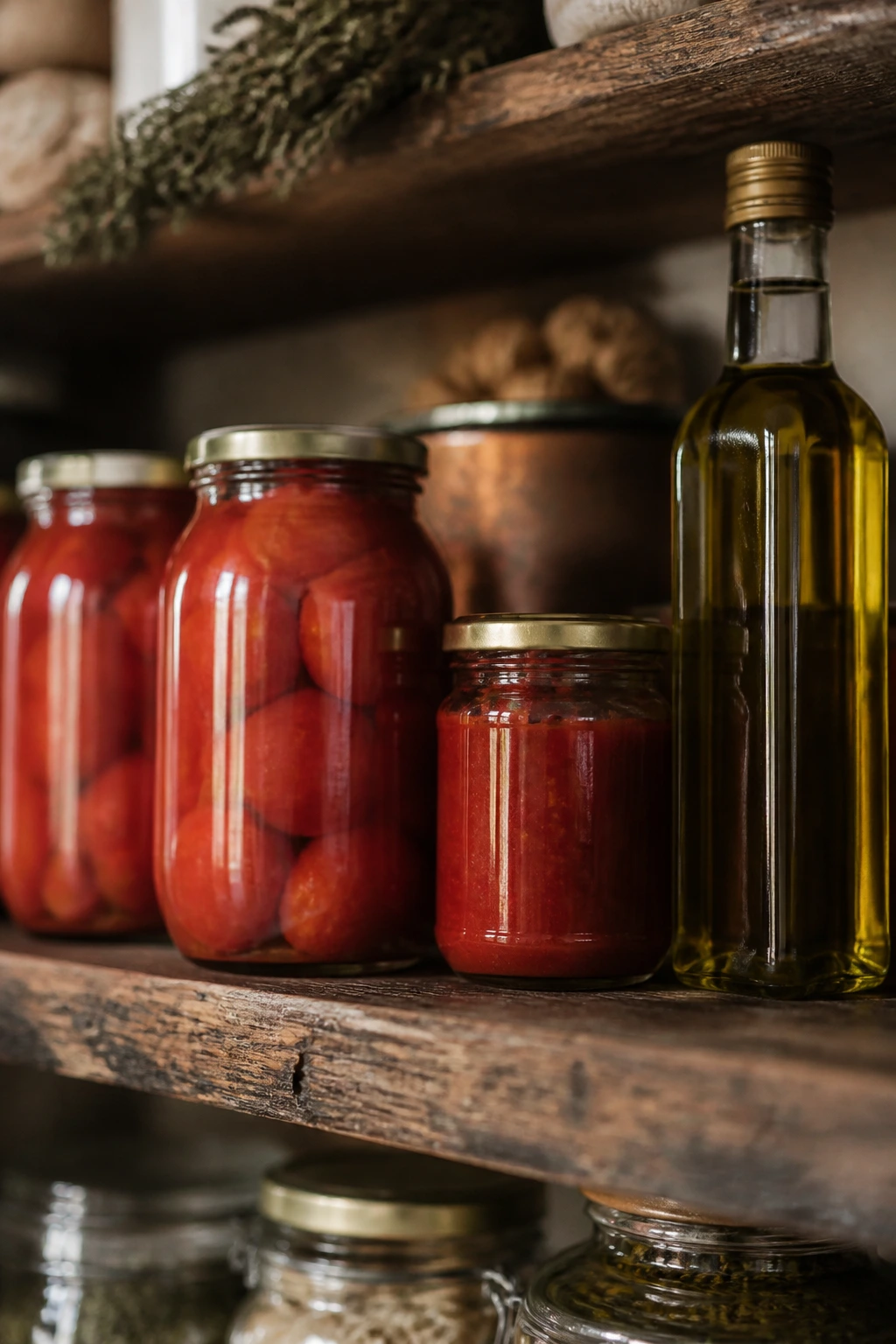
A kitchen that cooks like Nonna usually doesn’t have a fancy pantry. It has a smart one.
Tomatoes that still taste like tomatoes
If you want one ingredient that explains half of Italian home cooking, start here. Whole peeled canned tomatoes are often the best buy because they break down naturally and let you control the texture. Diced tomatoes are usually treated to stay firm, which sounds handy until you taste the odd, starchy cubes floating in sauce like they’ve been through a bad weather system.
San Marzano tomatoes are prized for a reason. The DOP version comes from a defined growing area near Naples, and the fruit tends to be meatier, lower in seed, and less harsh in acidity. You do not need the most expensive can on the shelf, but you do want tomatoes that smell clean when you open them — no metallic note, no flat sweetness, no muddy aftertaste. If the can lists only tomatoes, juice, and salt, that’s already a good sign.
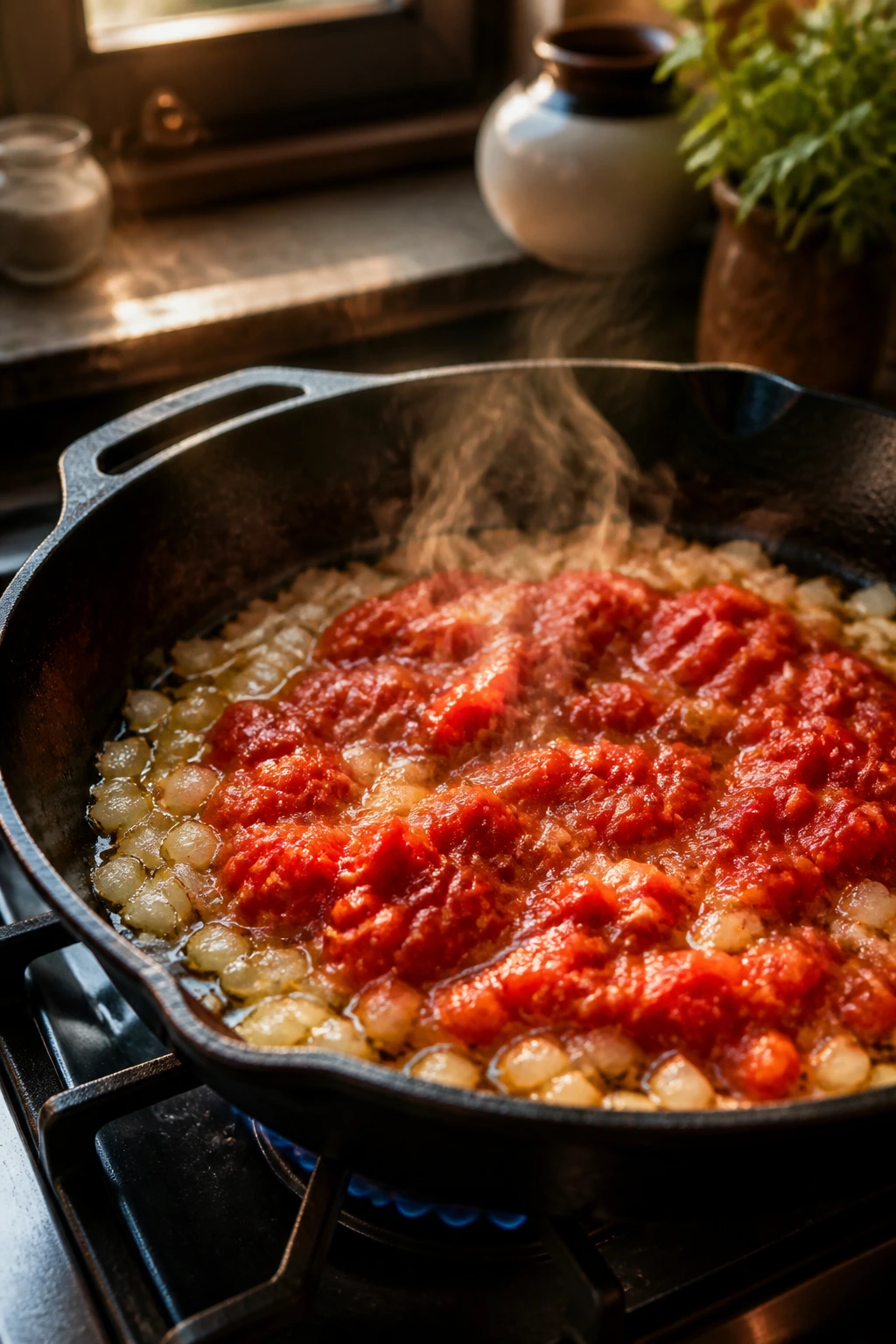
Tomato paste matters too. The best use for it isn’t “dump it in and hope.” Let it cook in the oil for 30 to 60 seconds until it darkens a shade and smells less raw. That short step gives the sauce a deep, cooked backbone.
Olive oil with a pulse
Extra virgin olive oil should taste like something. Peppery. Green. A little grassy. Maybe a whisper of artichoke, almond skin, or fresh-cut herbs. If it tastes like nothing, it’s not helping much beyond lubrication.
I’m suspicious of any bottle that lives in clear plastic under a bright light. Oil is fragile. Buy smaller bottles if you cook often, and keep them away from the stove where heat and steam beat them up. A good oil can finish soup, dress beans, and carry a soffritto without shouting. That’s the whole game.
Pasta, bread, and the starches that carry dinner
For pasta, semolina durum flour is the standard worth trusting. Bronze-drawn shapes — the box may say “bronze-cut” or “trafilata al bronzo” — have a rougher surface, which means sauce grabs instead of sliding off. It’s a small thing in the package and a big thing in the bowl.
Bread has a role too. Day-old bread is useful, not sad. It can become bruschetta, breadcrumbs, a soup thickener, or the base of a panzanella-style salad. Stale bread is not a problem in Italian kitchens. It’s a resource.
Cheese, anchovies, capers, and the salty finish
Parmigiano Reggiano is not the same as a cheap can of “Parmesan.” The real wedge has a gritty, nutty crunch and ages for at least 12 months under protected rules. Pecorino Romano is sharper and saltier, so a little goes farther. Use the one that fits the dish instead of treating them like interchangeable dust.
Anchovies deserve a defense. A fillet melted into hot oil does not make food taste fishy. It makes it taste fuller, deeper, and more expensive than it was. Capers do a similar job with brine and brightness. Together, they can make a plain tomato sauce or vegetable dish feel awake.
The Sofritto That Starts Nearly Every Good Pot
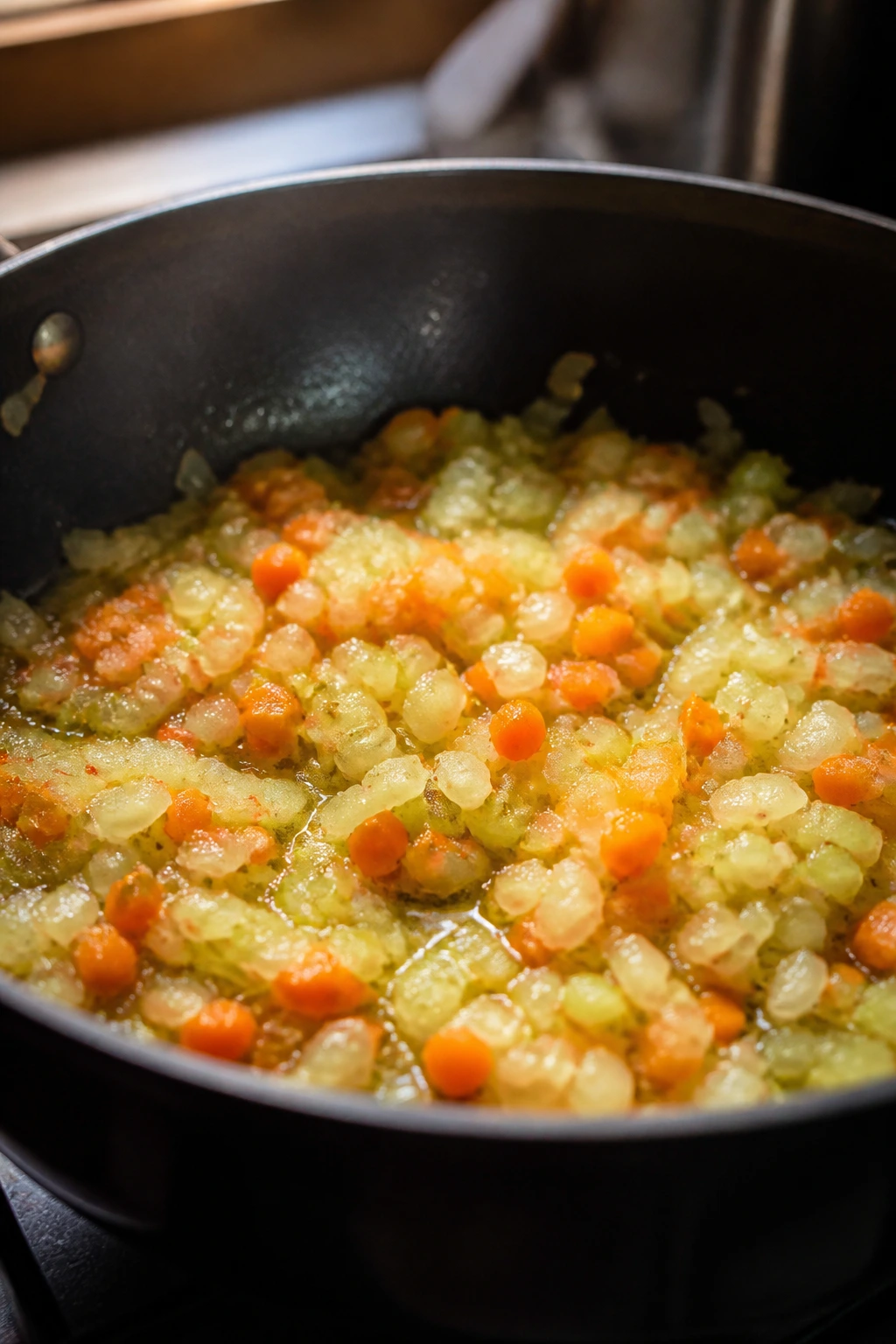
If the onions brown too fast, the whole pot starts lying to you.
Sofritto — onion, celery, carrot, sometimes garlic — is one of those old techniques that sounds quaint until you smell it. Then you remember why it stuck around. Finely diced aromatics cooked slowly in olive oil turn sweet and soft, and that sweetness becomes the quiet base under soups, ragù, bean dishes, and braises.
The key is patience at medium-low heat. Not high heat. Not “let’s get some color fast.” You want the vegetables to sweat, not fry hard. In a normal pot, 8 to 12 minutes is a good range for a classic soffritto, depending on how small you cut the pieces. The onions should turn translucent and give off a warm, savory smell. The carrots and celery should lose their raw edge and go tender without browning aggressively.
Salt helps here. A small pinch draws moisture out of the vegetables and speeds up the softening. The pan should sound gentle, not angry. If the oil starts spitting or the edges darken quickly, lower the heat. Burnt onion tastes sharp and cheap, and there’s no elegant way to hide it later.
Garlic is a judgment call. In some southern dishes, it leads. In other pots, it belongs in the background or gets removed whole after its flavor has infused the oil. I like garlic to behave like a supporting actor, not the whole cast. If it turns dark, it turns bitter. That’s the line.
Tomato Sauce, Broth, and the Long Simmer Habit
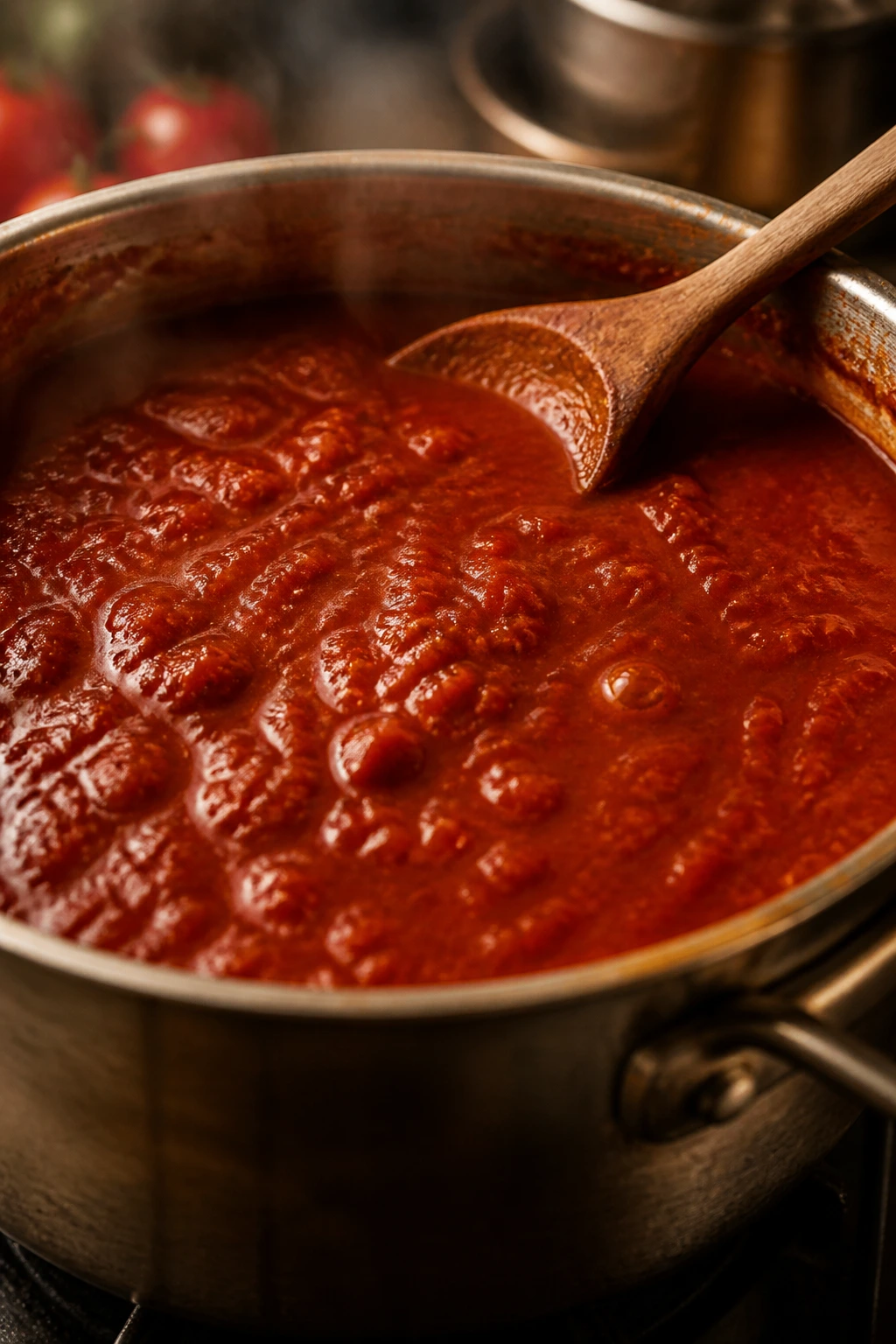
A tomato sauce that tastes round usually didn’t get there by accident. It got there by time.
Whole peeled tomatoes are the workhorse here. Crush them by hand if you want a rustic texture, or use a spoon for a smoother finish. Add them after the soffritto has softened and, if the dish wants it, after a small splash of wine has cooked off. Red wine brings a darker edge to meat sauces; white wine keeps lighter chicken or fish dishes from getting heavy.
The heat should stay low enough that the surface only breaks into lazy bubbles. Hard boiling is the enemy. It pushes moisture away too fast and can make meat tough or sauce harsh. A sauce simmering properly looks almost lazy from across the room. That’s a good sign.
Tomato paste is worth a second mention because people rush it. Let it fry in oil for a short moment before the tomatoes go in. That tiny step gives the finished sauce a deeper red color and a cooked sweetness that canned tomatoes alone don’t always deliver.
Broth matters in soups and braises, especially when the dish leans light. A good broth should taste like something had a life before it became liquid. If you’re using store-bought stock, choose one that tastes less like salt water and more like actual bones, vegetables, or mushrooms. If it’s flat, reduce it a bit before you build the dish. Thin liquid makes thin food.
And if the sauce tastes sharp after it simmers? Give it more time before you panic. Often another 15 to 20 minutes uncovered does more than sugar ever will. If it still needs rounding, a splash of olive oil, a knob of butter in northern-style dishes, or a Parmesan rind simmered in the pot can smooth the edges without making it taste manufactured.
Pasta, Rice, and Polenta: The Starch That Carries Everything
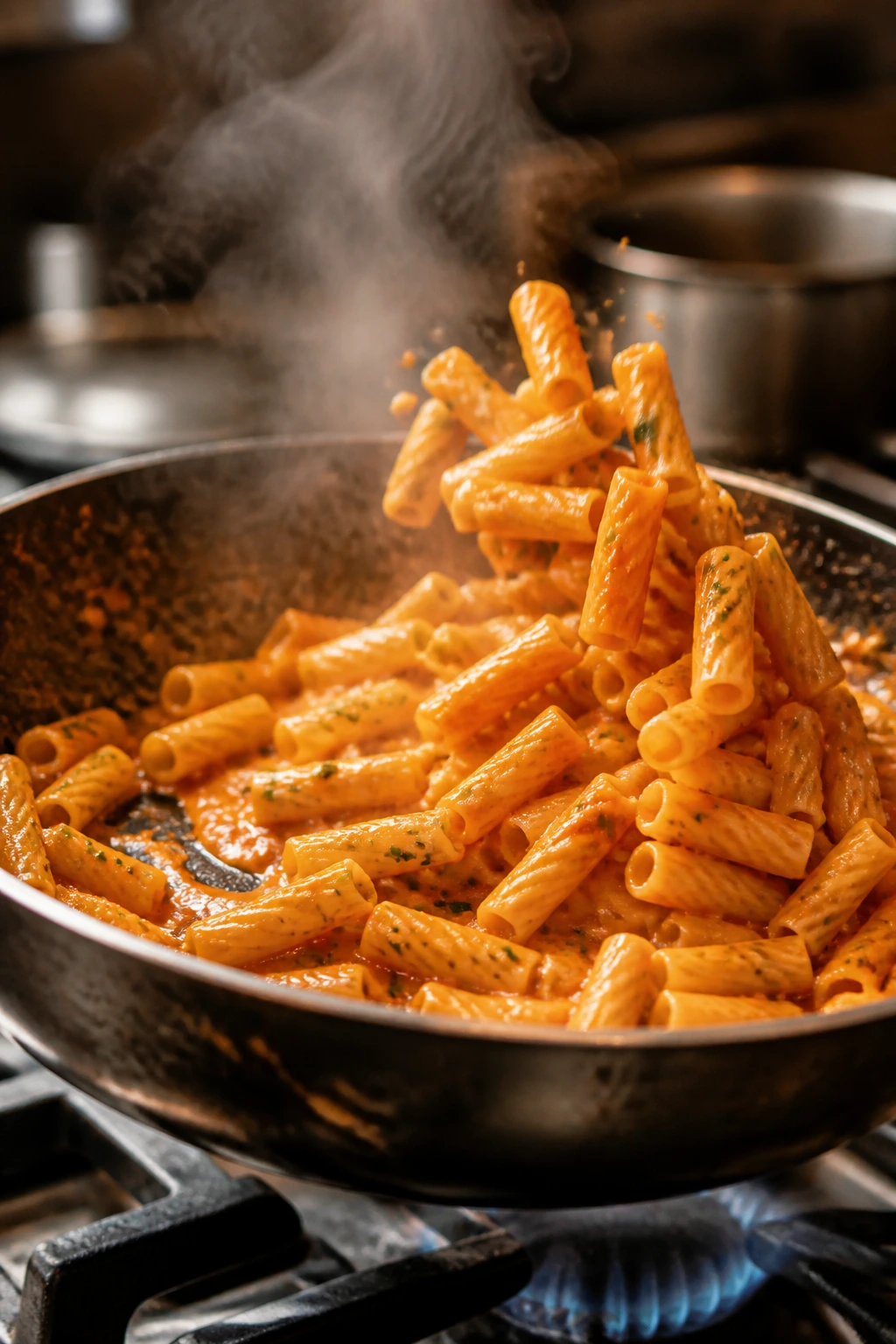
Pasta in a Nonna-style kitchen is not a side dish. It’s the main event, or at least the spine of the meal.
Salt the water enough that it tastes alive. For 1 pound of pasta, 4 quarts of water and 1 tablespoon kosher salt is a solid starting point. You can go a little lower if your sauce is already salty, but don’t turn the pot into a bland bath and expect the sauce to save you later. The noodle itself needs seasoning.
Cook the pasta until it is a minute shy of done, then move it straight into the sauce. That final minute in the pan matters. It lets the pasta drink the sauce and the sauce grip the pasta instead of sitting around it like a loose coat. Keep a cup of pasta water nearby. Two tablespoons at a time is often enough to turn a heavy sauce glossy and clingy.
That final toss has a name in Italian kitchens: mantecatura. It means pulling the pasta and sauce together with heat, fat, and starchy water until the whole thing looks connected. Not soupy. Not dry. Connected. If the sauce smears around the pan and coats the noodles instead of pooling beneath them, you’re there.
Rice and polenta follow a different rhythm, but the principle is the same. Risotto wants warm stock added gradually, not all at once. The spoon should meet resistance at first, then release it. Polenta needs enough stirring to lose its grit and enough patience to turn creamy. Instant polenta has a place, sure, but slow-cooked cornmeal has a depth and softness that feels closer to the old kitchen style.
Some cooks think starch is filler. It’s not. It’s the delivery system.
Cheese, Herbs, and the Final Finish
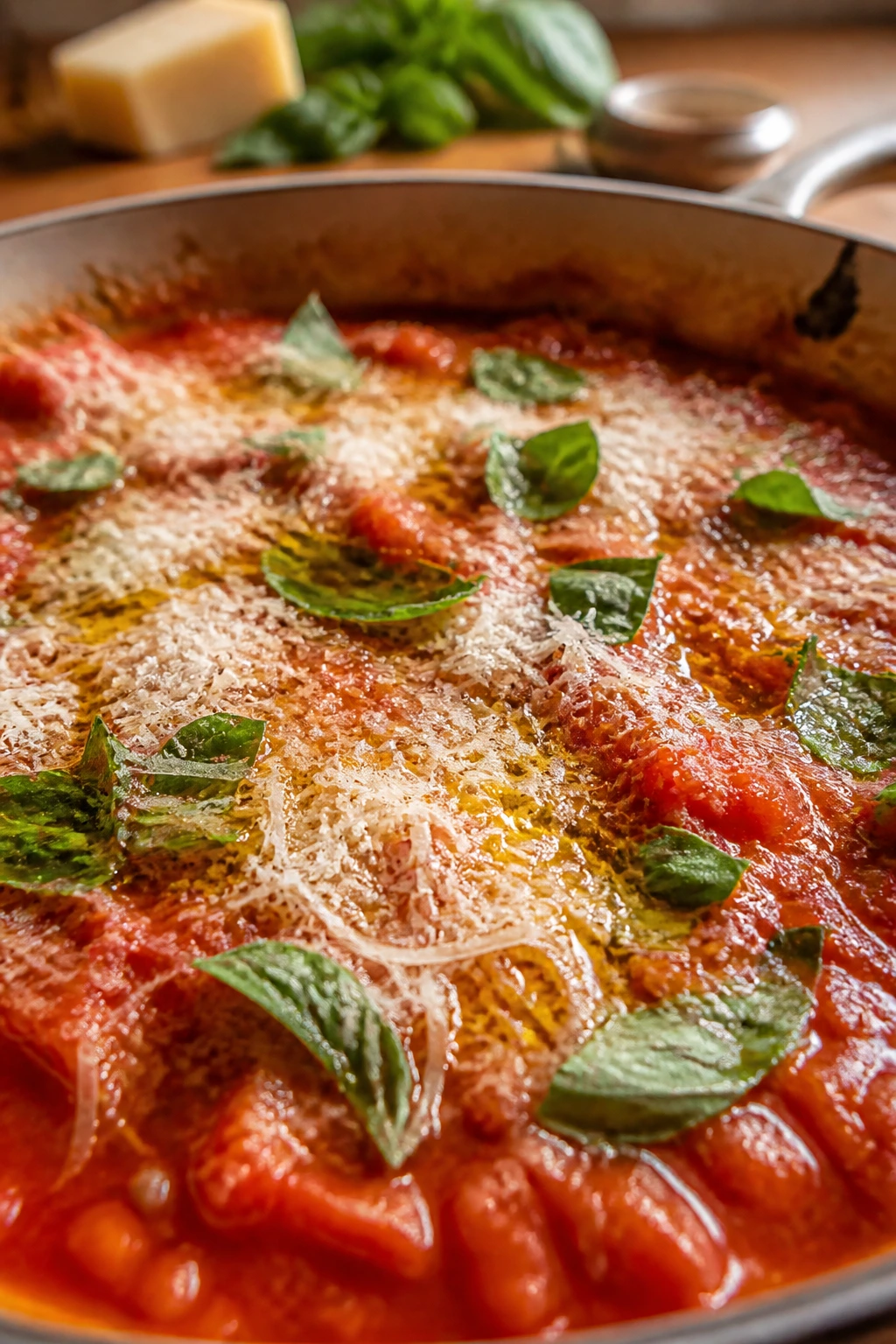
The last 30 seconds of an Italian dish can rescue or ruin it.
Cheese should be added with purpose. Parmigiano Reggiano brings nutty depth and a dry, savory finish. Pecorino Romano is sharper, saltier, and a little more aggressive. In Roman dishes, that bite is part of the point. In a softer tomato sauce, a mix of the two can work, but don’t bury everything under a blizzard of grated cheese just because the top of the bowl looks empty. You want flavor, not snow.
Freshly grated cheese melts cleaner than the pre-grated stuff in a tub. Those little shreds are often coated to keep them from clumping, and that coating changes how they behave in a hot pan. If the goal is a silky finish, grate the wedge yourself. It takes 20 seconds and tastes better every time.
Herbs need timing. Basil is fragile; it goes dark and dull if cooked too long, so tear it over the finished dish or stir it in at the very end. Parsley has more backbone and can handle a bit of heat. Rosemary and sage are tougher and should usually go into the pot earlier, especially with chicken, beans, or pork.
A final drizzle of olive oil is not decoration. It can wake up a pot of beans, a soup, or a simple tomato sauce, especially if the oil is good enough to smell like pepper and green fruit. Add a crack of black pepper, a little lemon zest if the dish wants brightness, and stop there. The food should still taste like dinner, not a garnish tray.
Why Regional Italian Cooking Changes the Rules
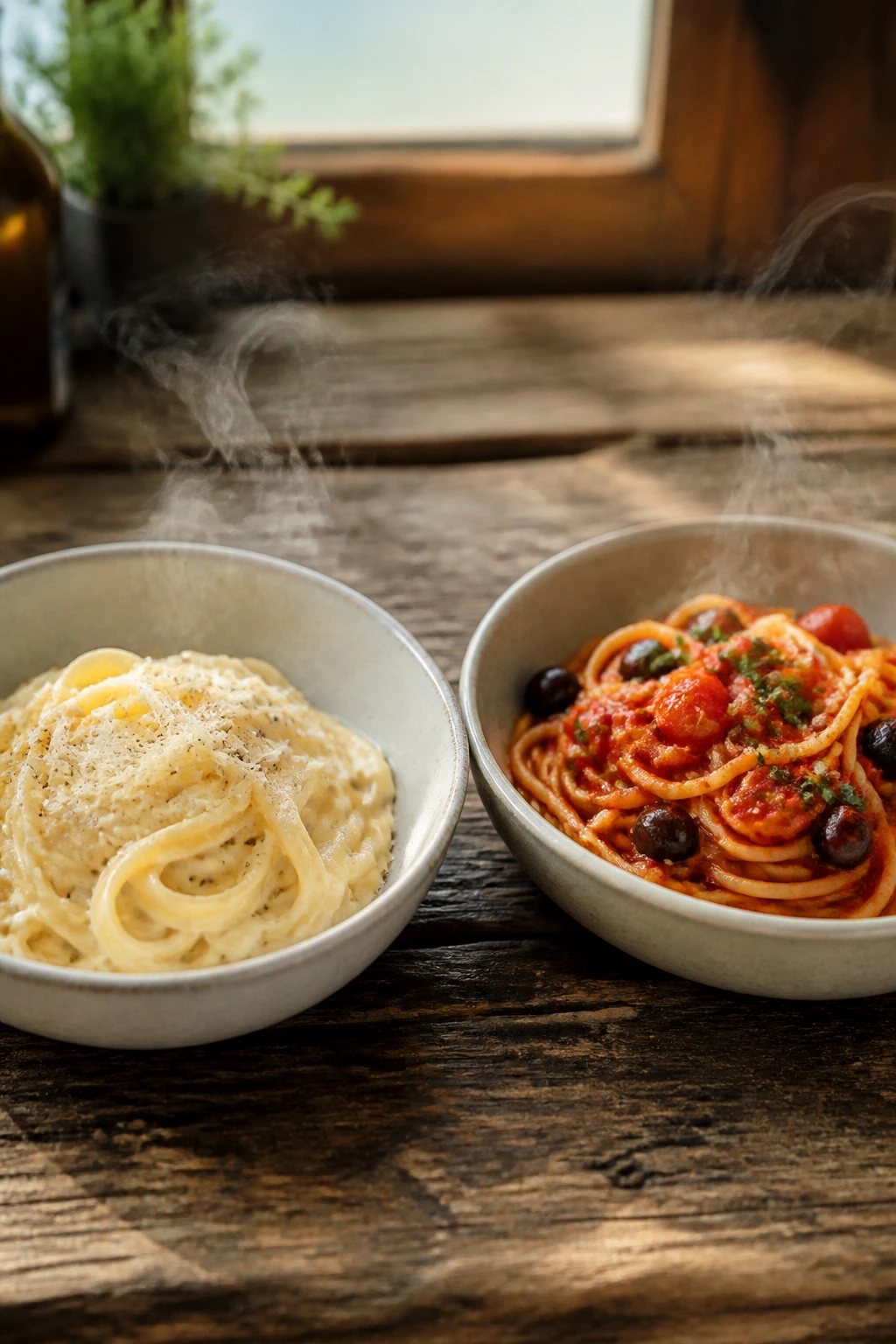
The biggest mistake is thinking Italy has one sauce.
It doesn’t. Not even close. A dish that feels deeply Italian in one town may look almost unfamiliar in another, and that’s before you get to the islands. The north cooks with butter, milk, rice, and polenta more often because the climate and agriculture lean that way. The center brings in pork, pecorino, black pepper, artichokes, and beans. The south reaches for olive oil, tomatoes, garlic, oregano, capers, olives, and seafood with more confidence. Sicily throws sweet and savory into the same bowl and acts like that’s the most normal thing in the world.
In the north, richness comes from dairy and long grains
Think risotto alla milanese, soft polenta, buttered vegetables, braised meats, and dense cheeses. The dishes tend to be rounder and less tomato-forward. They lean on stock and dairy for body.
In the center, pork and pepper do a lot of work
Rome is a good example. Guanciale, pecorino, black pepper, artichokes, chickpeas, and simple tomato sauces show up over and over. The flavors are direct. They don’t need much. A dish like cacio e pepe proves that pasta, cheese, pepper, and water can do serious work if you respect the method.
In the south, sunlight ends up in the pan
Tomatoes, eggplant, peppers, olives, anchovies, capers, citrus, and herbs shape the cooking. You taste brightness, salt, and oil in balance. Naples and Sicily both know how to make a vegetable taste fuller than a meat dish if the seasoning is right.
On the islands, the pantry can feel almost theatrical
Sardines, raisins, fennel, pine nuts, saffron, breadcrumbs, mint — these ingredients can look odd together to a cook trained on generic “Italian” food, but they make perfect local sense. The sweet-salty play is the point.
That regional split matters because it changes what “Nonna” even means. One grandmother’s idea of comfort is another grandmother’s idea of excess. Both can be right.
Dishes That Taste Straight From a Nonna’s Stove
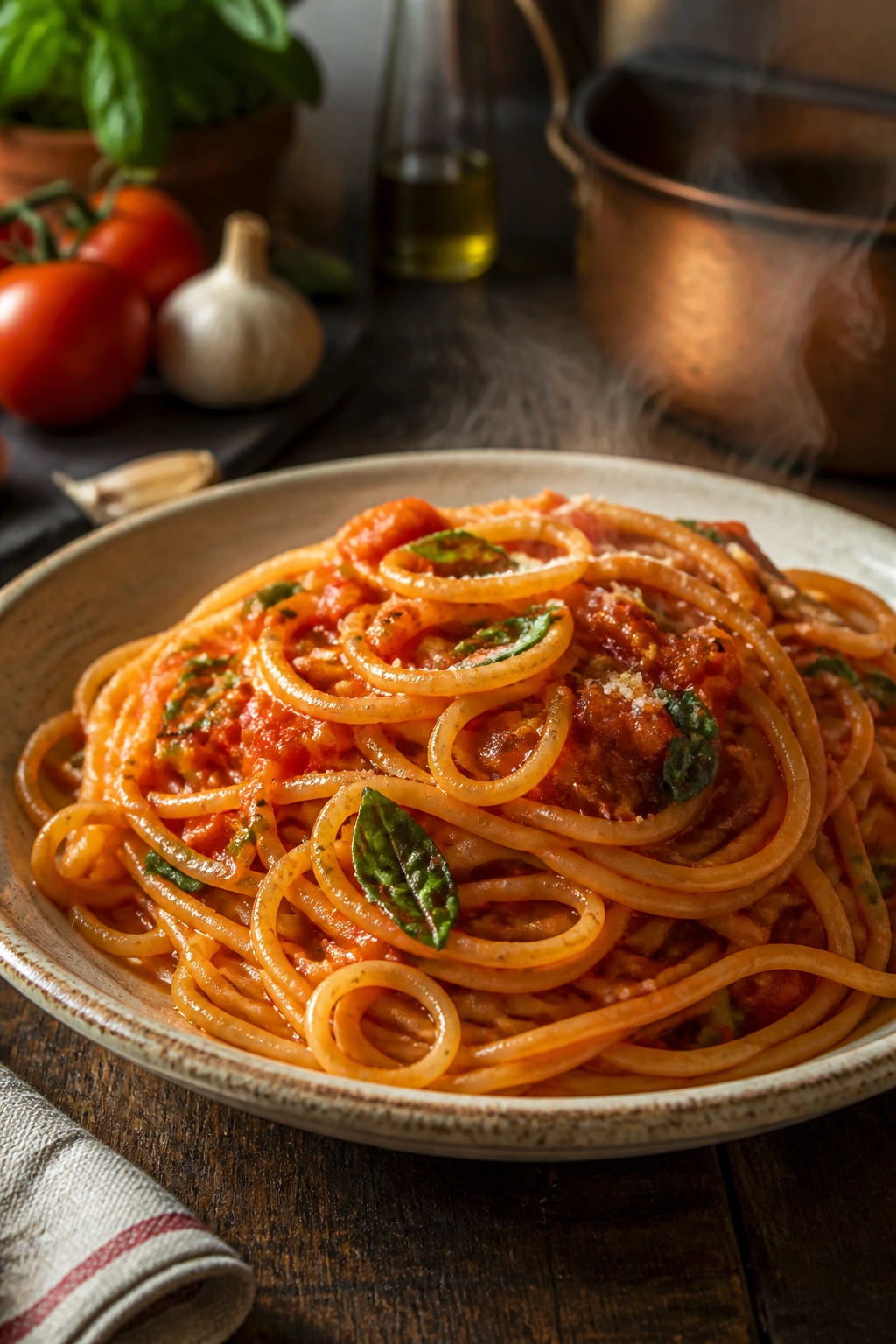
A lot of people come to Italian cooking asking for a single template. The better question is which dishes carry the home-kitchen logic most clearly. These are the ones that tend to feel closest to a real Italian table rather than a stylized restaurant plate.
Pasta al pomodoro
This is the sanity check. If a cook can’t make a simple tomato pasta taste good, the problem is usually not the recipe. It’s the tomatoes, the salt, or the timing. Good pasta al pomodoro uses a sauce that tastes cooked but still bright, with basil added at the end and pasta water helping the sauce cling.
The trick is not to overbuild it. A little onion or garlic, a quality can of tomatoes, olive oil, salt, maybe a touch of butter in some family styles. That’s enough. The finished bowl should smell like tomatoes and herbs, not like a spice cabinet that fell over.
Pasta e fagioli
Beans and pasta look humble right up until the first spoonful. This dish is all about getting the texture right. The broth should be thick enough to coat a spoon but not so dense that it turns stodgy. A Parmesan rind, if you have one, gives the pot a savory backbone as it simmers.
What makes it feel Nonna-like is the restraint. You don’t need half the pantry. Onion, carrot, celery, beans, broth, pasta, olive oil, and maybe rosemary or sage can make a bowl that feels complete enough to stand on its own. Bread on the side is not optional in my book.
Polpette in tomato sauce
Italian meatballs are not giant golf balls pretending to be dinner. Good polpette stay tender because the meat mix isn’t overworked and the breadcrumbs or soaked bread bring softness to the mixture. They’re browned lightly, then finished in sauce where they absorb flavor without drying out.
The sauce matters as much as the meat. A bland meatball in a strong sauce can still be respectable. The reverse usually falls apart fast. Serve them with pasta, yes, but also with bread and a plain salad if you want the plate to feel like Sunday.
Minestrone
A real minestrone tastes like what grew well. The vegetables can shift with the season, but the method stays grounded: sweat the aromatics, add beans, broth, tomatoes if the region or family style wants them, and finish with greens and pasta or rice. It should be nourishing without feeling muddy.
Cut the vegetables to roughly the same size so they finish together. That sounds small. It matters a lot. Uneven pieces turn one bite mushy and the next one underdone, and the whole soup starts to feel careless.
Chicken cacciatore
This is where Italian home cooking gets a little louder. Chicken thighs braised with onions, peppers, tomato, wine, olives, herbs, and sometimes mushrooms can taste like the stove has been working all afternoon even if it hasn’t. The skin can be crisped first, but the real payoff comes after the braise, when the meat softens and the sauce thickens.
Cacciatore is a fine example of the old kitchen habit: use a few stronger flavors, keep the sauce honest, and let the heat do the job.
Small Moves That Make Weeknight Cooking Work
You don’t need a five-hour window to cook in this style. You do need a few habits.
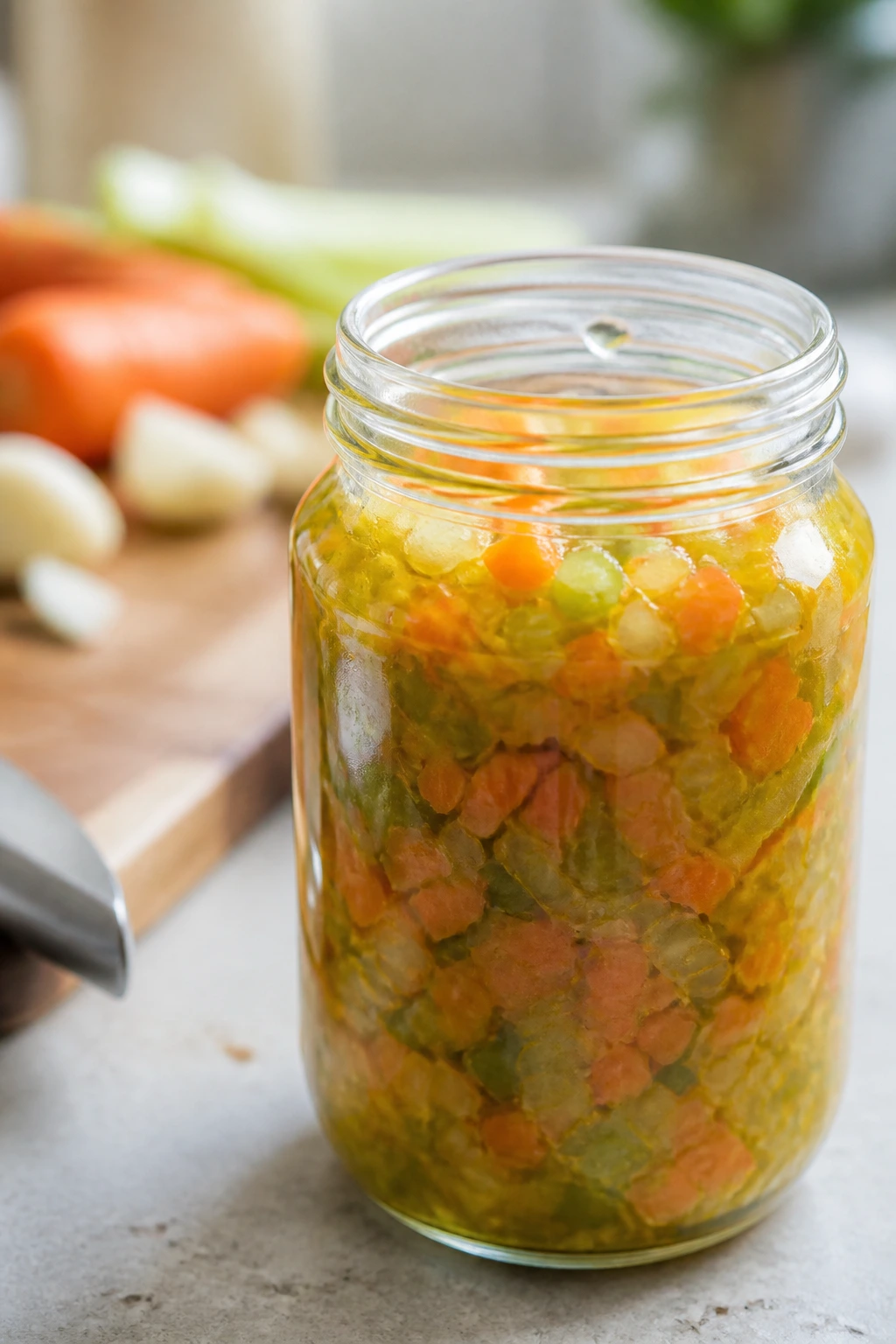
Keep one base ready: If you sweat onion, carrot, and celery in olive oil and store it in the fridge for 2 or 3 days, you’ve already cut the work in half for soup, sauce, or beans. That little jar turns into a head start every time you pull it out.
Use the pantry like it matters: Canned tomatoes, tuna, beans, capers, anchovies, pasta, and breadcrumbs are not backup food. They are the backbone of weeknight Italian cooking. A meal built around them can still taste like someone paid attention.
Finish with something fresh: A finished bowl often needs one bright note — basil, parsley, lemon zest, extra-virgin olive oil, a grind of black pepper, or a spoon of brine from capers. That final touch wakes up the whole dish.
Cook enough for tomorrow: Tomato sauce, braised chicken, beans, and ragù often improve after a night in the fridge. If you’re already standing at the stove, making a little extra is one of the easiest favors you can do for yourself.
Use one pot when it helps, not when it harms: It’s fine to boil pasta in one pot and build sauce in another. It’s also fine to use the same pot for both if the cleanup matters more than the ceremony. What you want is flavor, not a performance about efficiency.
Common Mistakes That Flatten the Food
-
Burning the garlic: If the pan smells bitter and the garlic turns brown fast, the heat was too high or the garlic went in too early. Lower the flame and treat garlic like a scenting ingredient, not a frying ingredient.
-
Dumping pasta on top of sauce and calling it done: Dry noodles with sauce spooned over them taste separate. Finish the pasta in the pan with a splash of pasta water so the starch and fat bind.
-
Using too many ingredients at once: When a dish has onion, garlic, carrot, celery, peppers, mushrooms, olives, capers, three herbs, and two kinds of cheese, nothing has a chance to speak. Cut the list down until you can taste each piece.
-
Skipping salt until the end: Flat sauce usually means flat layers. Salt the aromatics, season the water, taste the sauce, and finish with a careful final adjustment.
-
Boiling when you should be simmering: Meat gets tough, sauce gets harsh, and tomatoes can taste harsher than they should. A steady simmer — the surface just trembling — is the sweet spot for most of these pots.
-
Treating cheap cheese or lifeless oil as if they’re invisible: They aren’t invisible. They show up the second you finish the dish. If the cheese tastes dusty or the oil tastes tired, the whole bowl feels less alive.
Variations and Gentle Adaptations
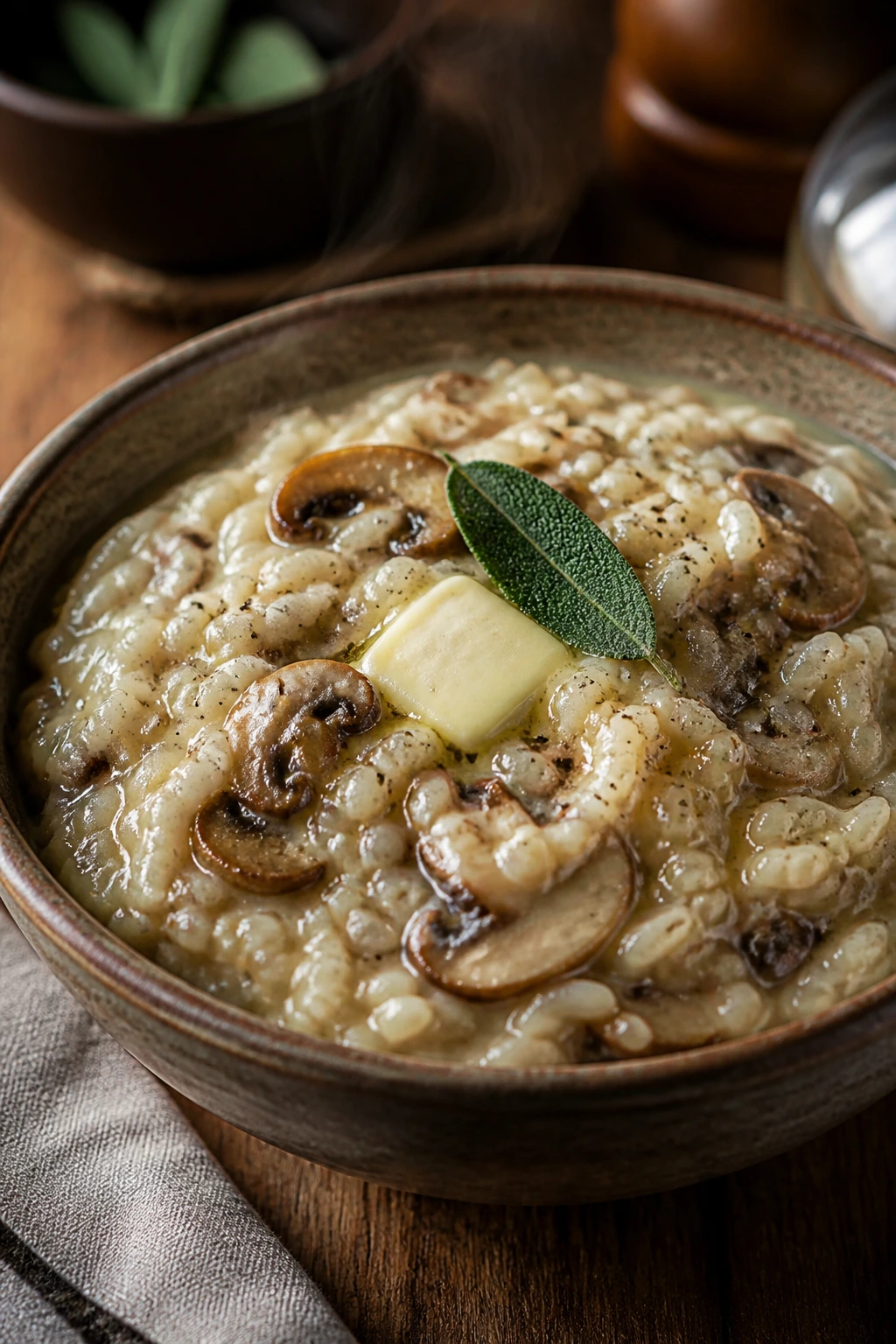
Northern Silk
Lean into butter, sage, mushrooms, risotto, or polenta. This version fits dishes where you want a softer, rounder finish and a little dairy depth without drifting into cream-heavy territory. It’s a better match for cooler-climate comfort food than tomato-forward sauces.
Southern Pantry
Use tomato, capers, olives, anchovy, oregano, and breadcrumbs. This style suits fish, chicken, eggplant, and simple pasta dishes that need salt and brightness more than heaviness. It has a sharper edge and a sunny, almost restless feel.
Meatless Market Day
Build around beans, lentils, greens, mushrooms, and Parmesan rind. This keeps the old kitchen logic intact because it still relies on a strong base, good seasoning, and a starch or bread component that makes the whole plate feel finished. It’s not a compromise; it’s a direct descendant.
Gluten-Free Table
Swap pasta for polenta, risotto, roasted potatoes, or chickpea-based pasta where the dish allows it. The important part is matching the sauce to the starch, not pretending every sauce needs wheat. A tomato braise over creamy polenta is a proper meal.
Dairy-Light Sunday
Use olive oil finish, toasted breadcrumbs, herbs, and a little lemon zest instead of loading the dish with cheese. This works well for seafood, vegetable soups, and tomato-based meals that already have enough body from the sauce itself. You still get depth, just with a lighter hand.
Tools Worth Keeping Near the Stove
-
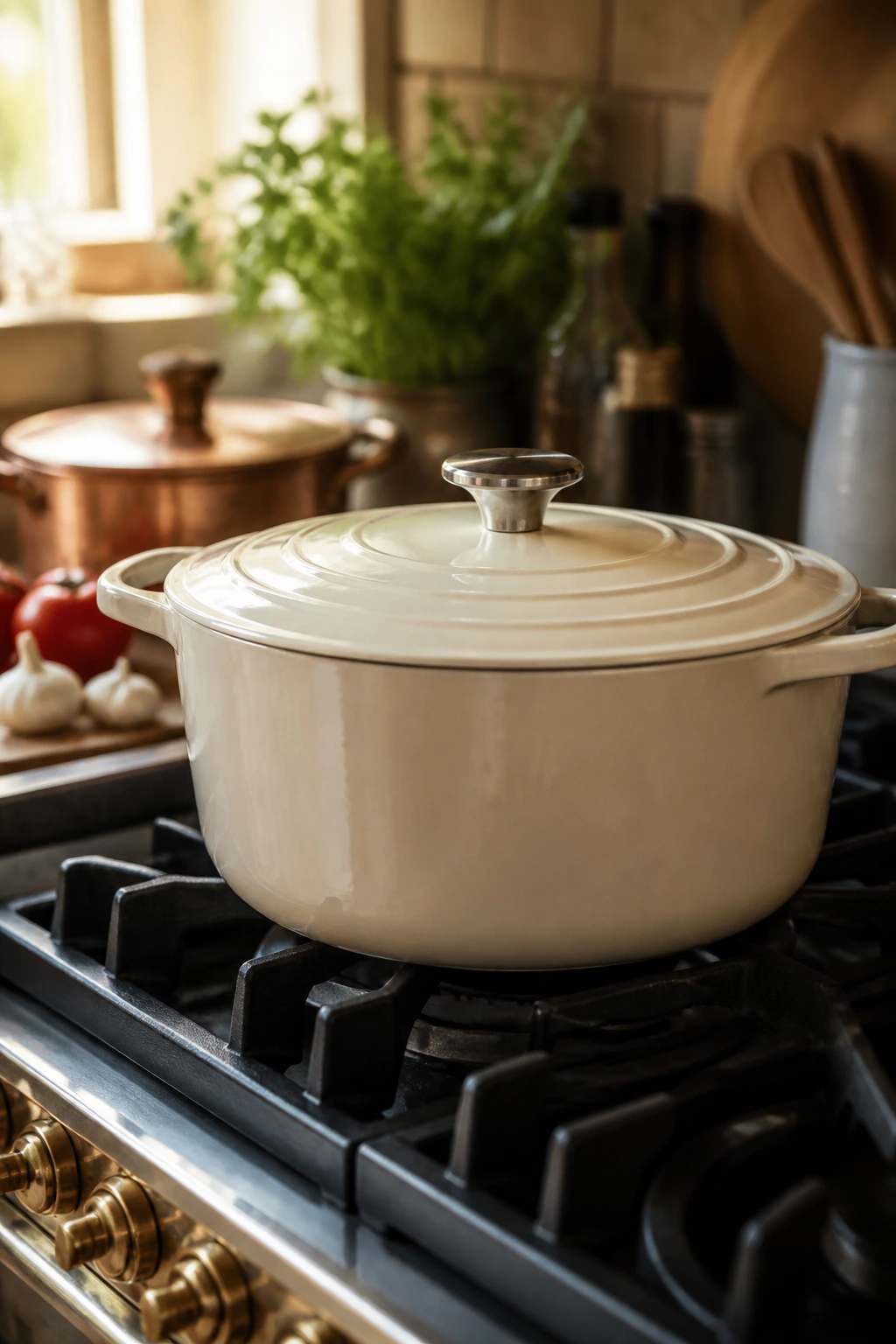
Heavy-bottomed Dutch oven: Best for ragù, soups, braises, and anything that needs steady heat without hot spots.
-
Wide sauté pan: Ideal for finishing pasta in sauce because it gives the noodles room to move and the liquid room to reduce.
-
Large stockpot: Necessary for pasta water, soup, and bean dishes; too small a pot means boiled-over water and sticky noodles.
-
Chef’s knife: A sharp knife makes soffritto, onion, garlic, and herbs behave. Dull blades smash as much as they cut.
-
Wooden spoon: Gentle on pans and perfect for stirring simmering sauce without scraping the pot raw.
-
Tongs: The easiest way to move pasta straight into sauce and toss it without breaking long shapes.
-
Microplane or fine grater: Useful for Parmigiano Reggiano, lemon zest, garlic in a pinch, and the final finishing touch.
-
Fine-mesh strainer or spider: Handy for lifting pasta, greens, or beans while keeping control over the water.
-
Potato masher: Great for breaking some beans in the pot to thicken soup without making it into puree.
-
Airtight storage containers: Leftover sauce, ragù, and beans keep better when they cool quickly and seal well.
How to Store, Reheat, and Keep Leftovers Worth Eating
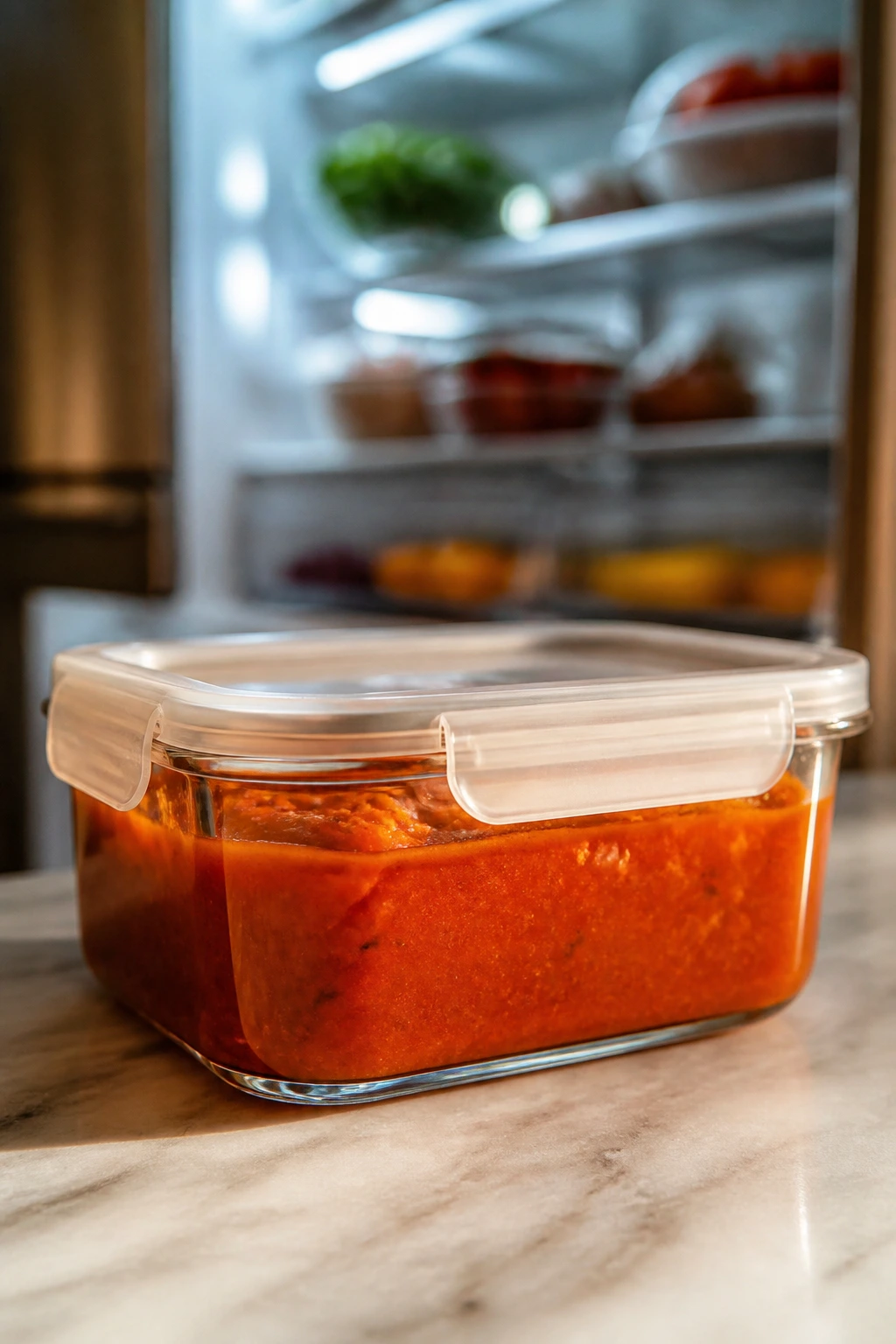
Italian home cooking often gets better after a day, but only if you store it right.
Tomato sauce and ragù keep in the refrigerator for 3 to 4 days in a sealed container. Let them cool for no more than about 2 hours before chilling. For the freezer, most sauces hold well for up to 3 months. Reheat them gently over low heat with a splash of water or stock so the texture loosens instead of tightening into paste.
Bean soups and minestrone are a little trickier because pasta can swell and go soft. If you know you’ll have leftovers, keep the soup base and the pasta separate. The soup base will keep for 3 to 4 days in the fridge and up to 2 months in the freezer. Add fresh cooked pasta when you reheat, and the bowl will taste far better.
Cooked pasta is best the day it’s made, but if it’s already tossed with sauce it can hold for 2 to 3 days refrigerated. Reheat it in a skillet with a spoonful or two of water, covered for a minute, then uncovered long enough for the sauce to wake back up. The microwave works in a pinch, but it tends to dry the edges and leave the middle limp.
Polpette, braised chicken, and other cooked proteins keep for 3 to 4 days in the fridge and up to 2 to 3 months in the freezer. Slice or portion them before freezing if you want faster reheating later.
Bread should not live in the fridge unless you like stale bread for sport. Freeze it sliced, then toast or warm it straight from frozen.
Questions People Ask Before They Start
What makes Italian cooking “authentic” if every nonna cooked differently?
Authenticity in Italian home cooking is about regional logic, seasonal ingredients, and sensible technique. A dish is more convincing when the ingredients make sense together and the method respects them than when it tries to imitate a stereotype.
Do I need San Marzano tomatoes for good sauce?
No, but good whole peeled tomatoes matter. San Marzano DOP tomatoes have a reputation for thicker flesh and cleaner flavor, yet a decent can with a short ingredient list will still make a solid sauce if you simmer it properly.
Can I use dried herbs instead of fresh basil or parsley?
Yes, though the timing changes. Dried herbs belong early in the cooking so they can hydrate and bloom in the sauce, while fresh basil and parsley are better at the end because they keep their bright smell.
Why does my sauce taste sharp even after it cooks for a while?
It may need more time uncovered, or it may need a little fat and salt layered in carefully. A Parmesan rind, a splash of good olive oil, or a bit more softened onion can round the edges better than dumping in sugar.
Can I make Nonna-style food vegetarian or vegan without losing the feel?
Absolutely. Beans, lentils, tomatoes, greens, mushrooms, polenta, and bread-based dishes already live deep in Italian home cooking. Use olive oil, herbs, and toasted breadcrumbs for finish when cheese is off the table.
Is Parmigiano Reggiano the same thing as Parmesan?
Not exactly. Parmigiano Reggiano is the protected cheese made under specific rules and aging standards; it has a granular texture and a deeper finish. If you can’t buy it, choose a real aged hard cheese instead of the dusty stuff in a shaker.
How do I keep pasta from sticking after I toss it with sauce?
Move it into the sauce while it’s still a bit firm, add pasta water a spoonful at a time, and toss over heat for a minute or two. The starch helps the sauce cling and keeps the noodles from drying out or clumping.
What if I only have one pot?
Use it. Make the sauce, set it aside, cook the pasta in the same pot, then finish everything together. Italian home kitchens have never been about fancy equipment; they’re about order, timing, and not wasting heat.
A Table That Stays Warm
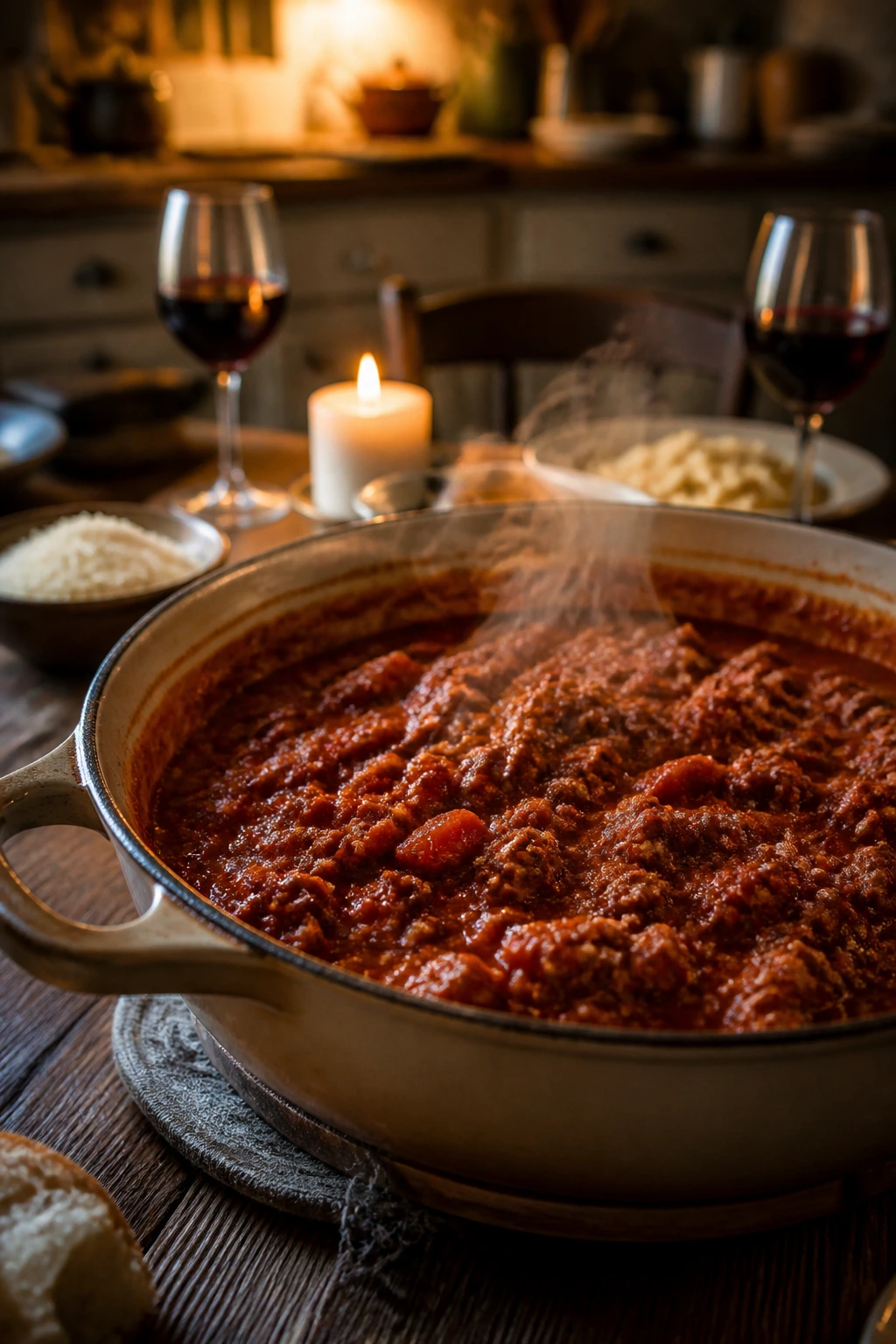
The appeal of Nonna-style Italian cooking is that it never asks you to perform. It asks you to notice. Smell the onion before it browns. Taste the sauce before you call it done. Give the pasta one last toss in the pan and watch the liquid turn glossy instead of watery.
That quiet discipline is why these dishes stay in rotation. They’re not fragile. They don’t need a dozen tricks. They need decent ingredients, a little restraint, and enough time for the flavors to meet each other properly.
Once you trust that rhythm, dinner starts to feel less like a project and more like a return.