



A sticky quick Asian dinner has to do two jobs at once: move fast and taste like it took more effort than it did. That’s the whole trick. The best versions hit the pan hot, fill the kitchen with garlic and ginger in under a minute, and finish with a glossy sauce that clings to chicken instead of sliding off like thin syrup.
Takeout-style stir-fries often miss one of those marks. The chicken gets cooked, sure, but it goes pale and a little rubbery. Or the sauce tastes fine in the bowl and then vanishes the second it touches the rice. This version fixes both problems by using a cornstarch-dusted sear, a soy-honey-hoisin glaze, and vegetables cut small enough to cook in the same short window as the meat.
I like chicken thighs here because they stay tender even when the pan runs a little hot, which it will. Broccoli, red pepper, scallions, garlic, and ginger give you the familiar Chinese-American takeout feel without needing a long marinade or a long ingredient list. If you’ve got leftover rice in the fridge, this turns into the kind of dinner that disappears before you’ve even set the serving spoon down.
Why This Sticky Quick Asian Dinner Earns Its Keep
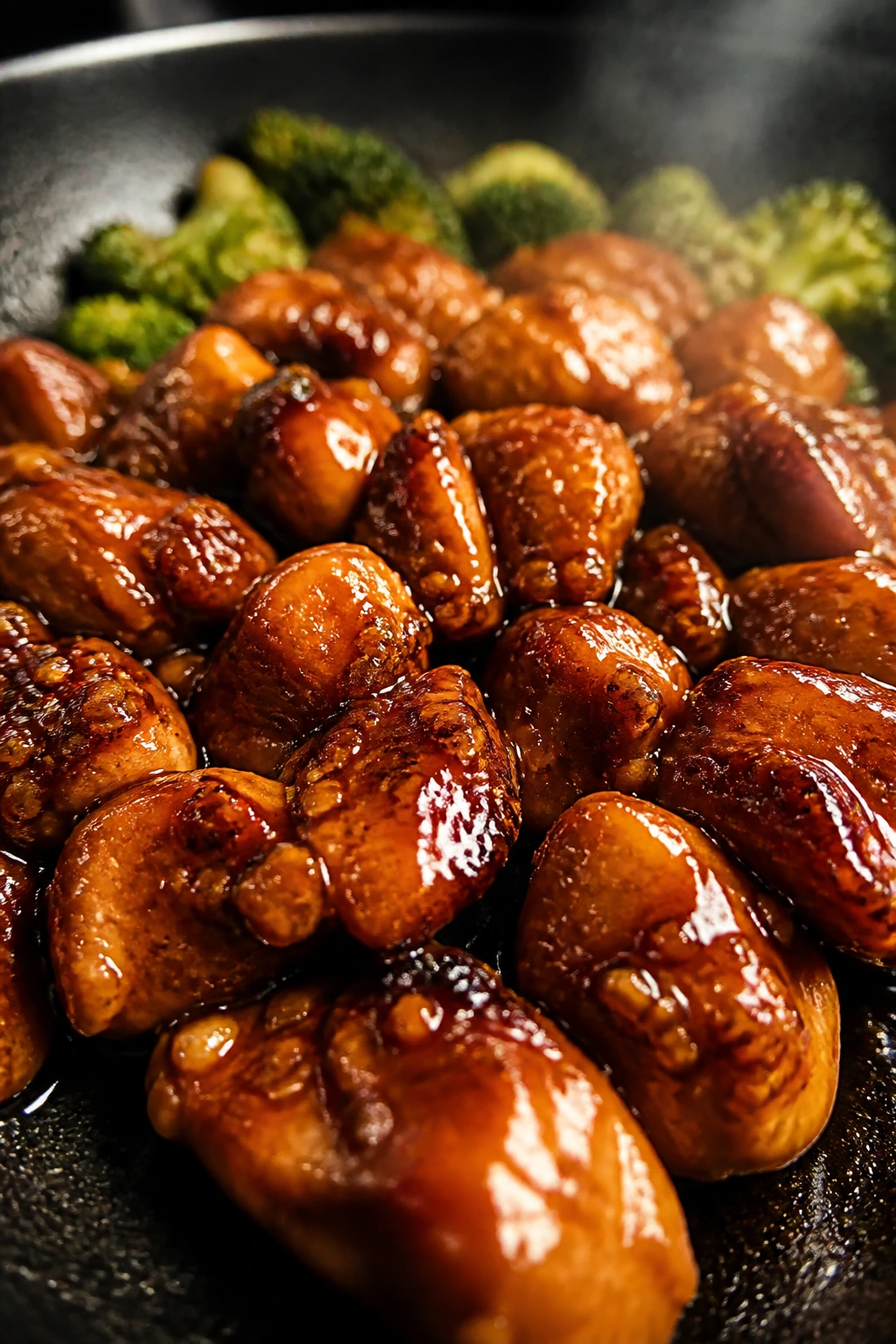
Fast without feeling rushed: The whole dish lands in the pan in about 15 minutes of active cooking, but the sauce still has enough body to coat every piece.
Glossy instead of watery: Cornstarch in the sauce and on the chicken gives you that shiny, lacquered finish that clings to rice instead of pooling at the bottom of the bowl.
Built from pantry workhorses: Soy sauce, honey, hoisin, rice vinegar, garlic, ginger, and sesame oil are the backbone here, which means you’re not hunting for a dozen obscure bottles.
Flexible with vegetables: Broccoli and red bell pepper are sturdy enough for high heat, but the recipe also forgives snap peas, mushrooms, or baby bok choy if that’s what’s in your crisper.
Better leftovers than most stir-fries: Because the sauce is a little thicker than what you get from a quick sauté, reheated portions still taste intentional instead of sad and separated.
Easy to scale up: If you’re feeding more people, the recipe grows cleanly as long as you use a wide skillet and cook the chicken in batches.
Quick Timing Before the Wok Gets Hot
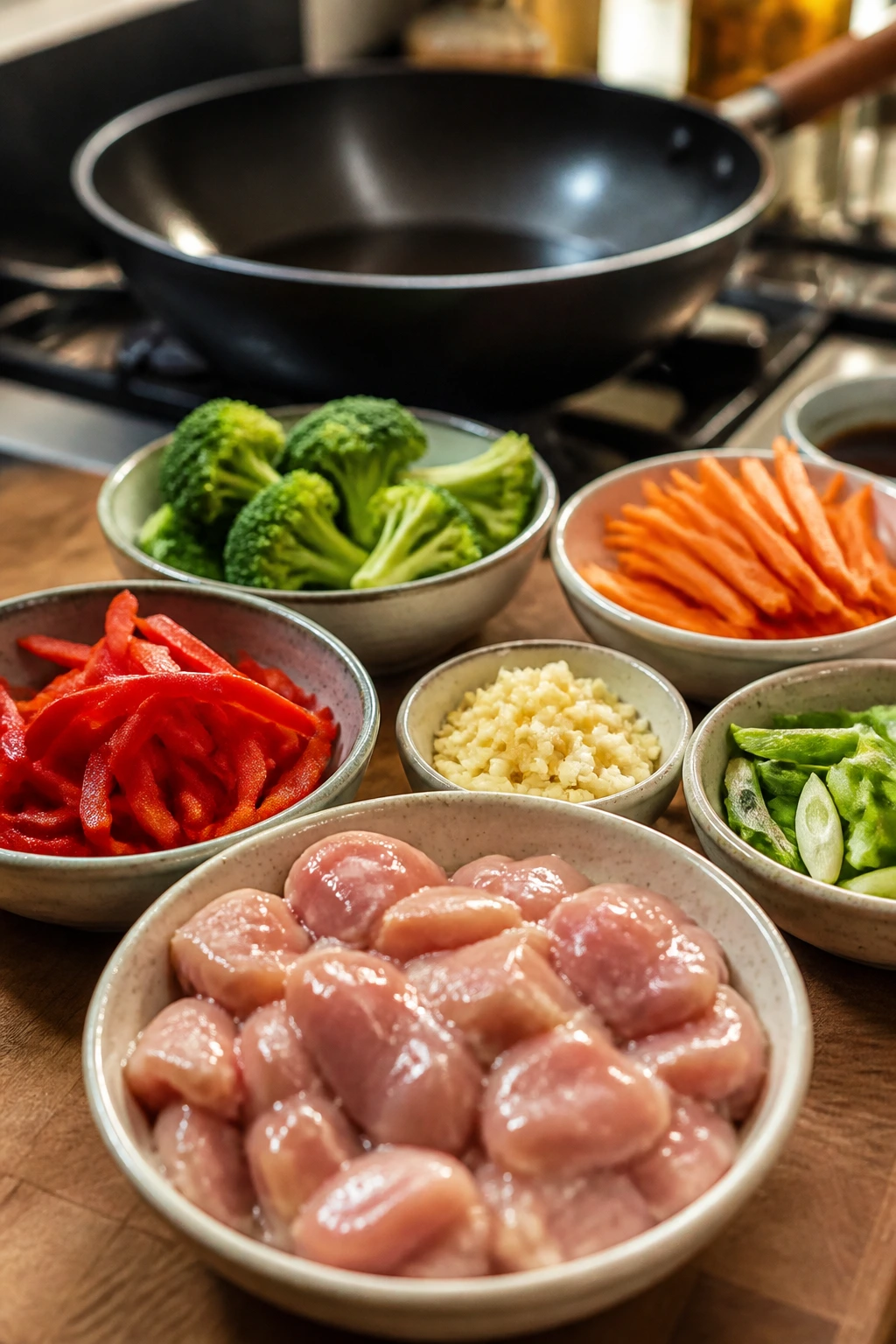
Yield: Serves 4
Prep Time: 15 minutes
Cook Time: 15 minutes
Total Time: 30 minutes
Difficulty: Beginner to Intermediate — the cutting is simple, but the pan asks for your attention once the sauce goes in.
Chill/Rest Time: None
Best Served: Right away, over warm jasmine rice while the sauce is still glossy.
What’s in the Pan, Measured and Ready
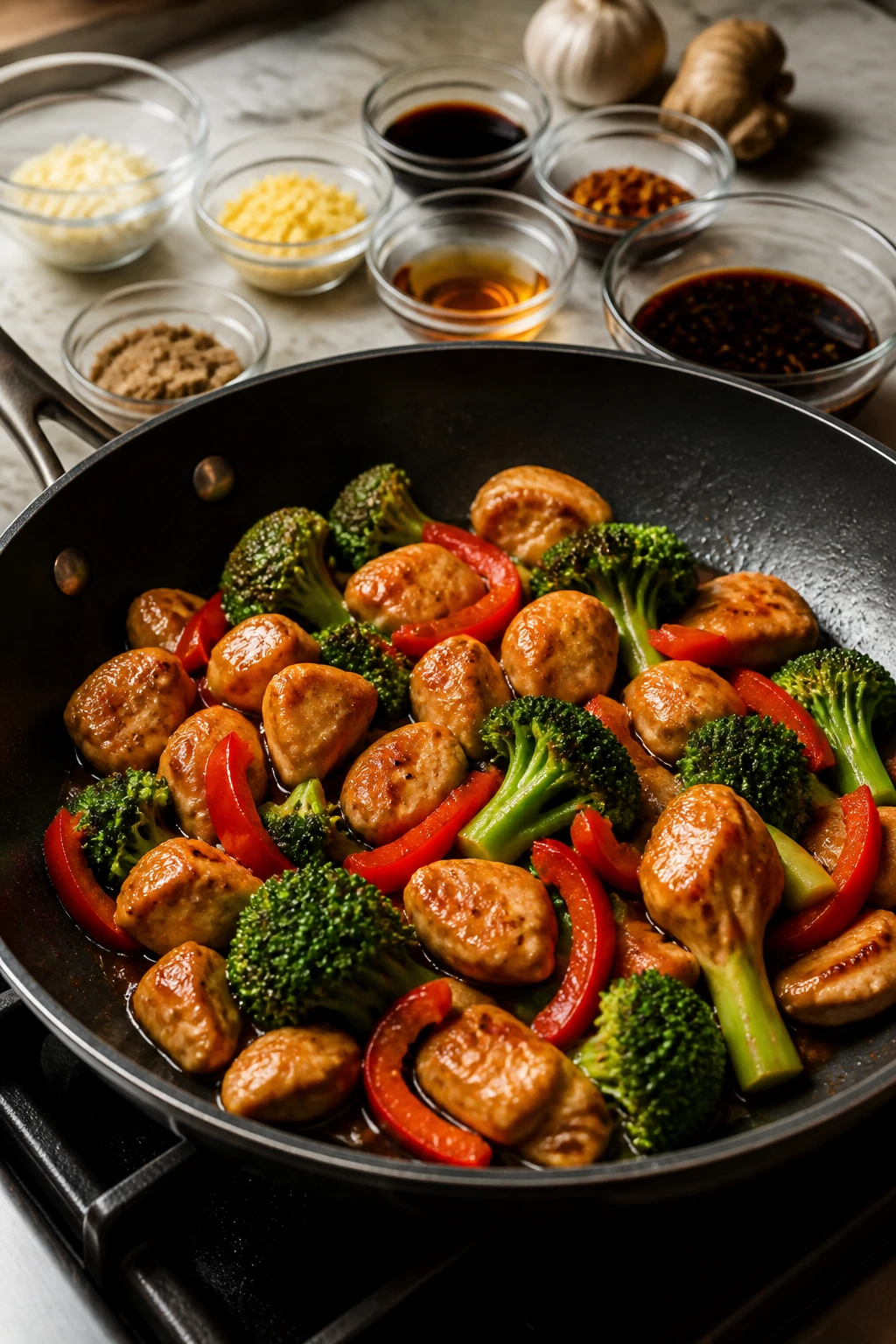
For the Chicken and Vegetables:
- 1 1/2 lbs boneless, skinless chicken thighs, cut into 1-inch pieces
- 2 tablespoons cornstarch
- 1/2 teaspoon kosher salt
- 1/4 teaspoon black pepper
- 2 tablespoons neutral oil, divided
- 3 cups broccoli florets, cut into small pieces
- 1 red bell pepper, thinly sliced
- 4 scallions, whites and greens separated
- 3 garlic cloves, minced
- 1 tablespoon fresh ginger, grated
For the Sticky Sauce:
- 1/3 cup low-sodium soy sauce
- 1/4 cup honey
- 2 tablespoons hoisin sauce
- 2 tablespoons rice vinegar
- 2 tablespoons water
- 1 teaspoon toasted sesame oil
- 1 tablespoon cornstarch
- 2 tablespoons cold water
For Serving:
- 3 cups cooked jasmine rice, warm
- 1 tablespoon toasted sesame seeds
- Lime wedges, optional
Chicken Thighs That Stay Tender Under High Heat
Main Protein
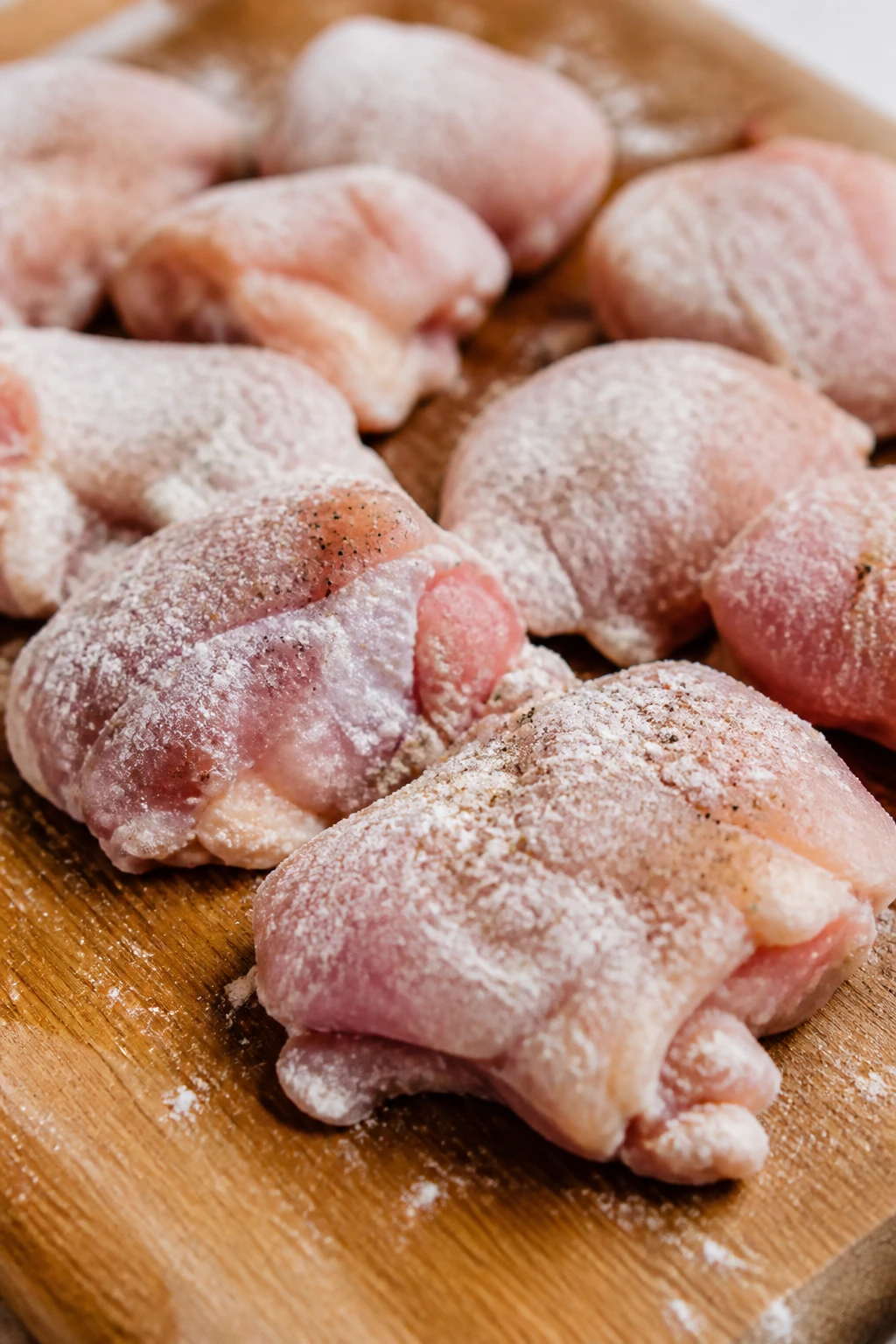
What to use: 1 1/2 lbs boneless, skinless chicken thighs cut into 1-inch pieces. That size matters. If the pieces are too large, the outside browns before the inside is done; if they’re tiny, they dry out fast once the sauce thickens.
Preparation: Pat the chicken dry first, then toss it with the cornstarch, salt, and pepper until every piece looks lightly dusted. The coating should look powdery, not paste-like. A dry surface browns. A damp one steams.
Substitutions: Chicken breast works if you prefer it, but cut it into even pieces and pull it off the heat a little earlier. Pork tenderloin, peeled shrimp, or pressed extra-firm tofu all fit the same sauce profile with small timing changes.
Tips: Thigh meat is the safe choice here because it tolerates the extra minute or two needed for the glaze to tighten. Breast meat can still work, but you need to watch it closely and stop the moment the center hits 165°F.
Chicken thighs also forgive the uneven heat that happens in a home skillet. That’s not a small thing. Takeout burners are ferocious; home stoves are not. Thighs keep their texture when the sauce bubbles for a short spell, which is exactly what you want when you’re trying to get that sticky finish without overcooking the meat.
The Sauce That Turns Shiny Instead of Runny
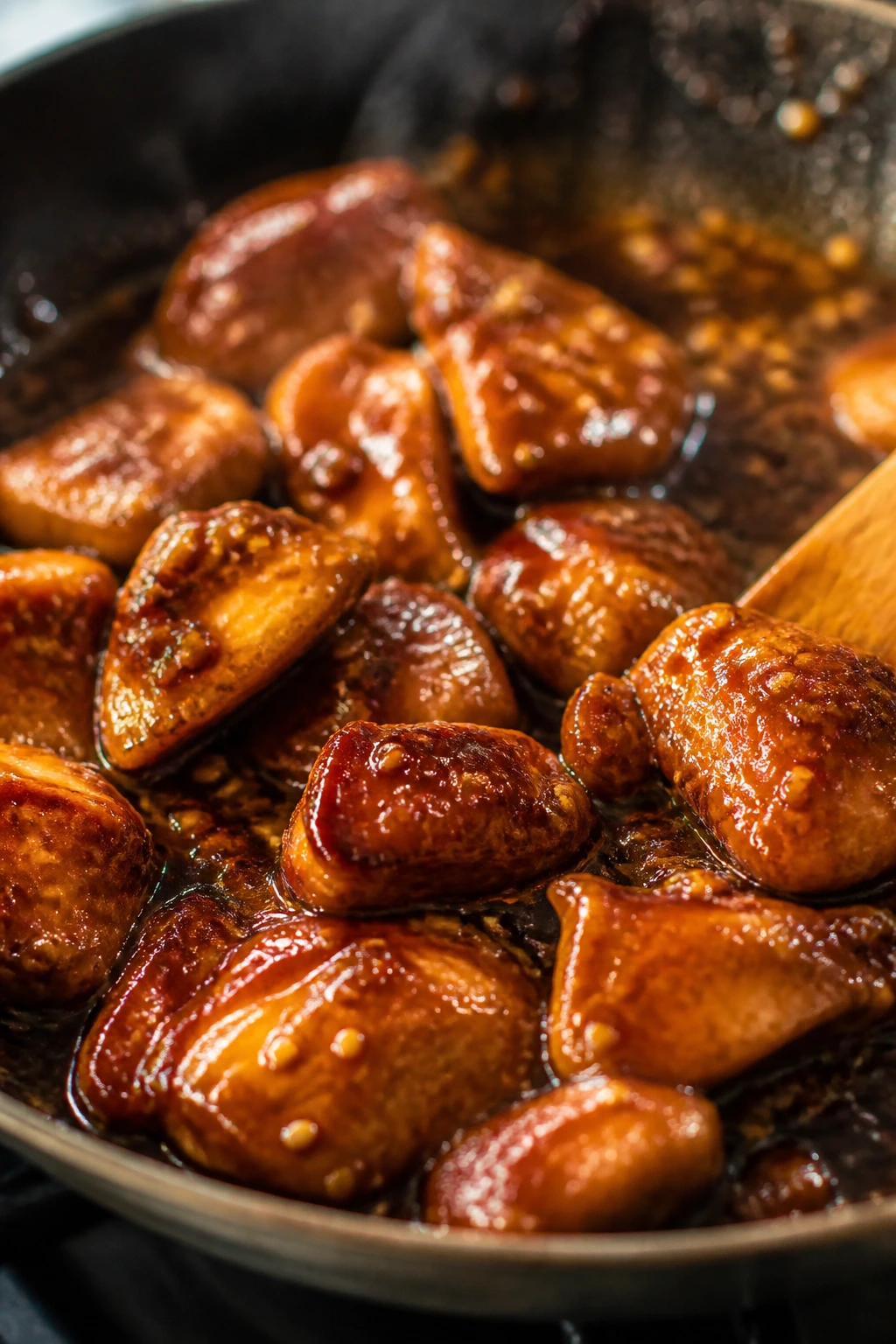
Sauce / Glaze
What to use: 1/3 cup low-sodium soy sauce, 1/4 cup honey, 2 tablespoons hoisin sauce, 2 tablespoons rice vinegar, 2 tablespoons water, 1 teaspoon toasted sesame oil, and a cornstarch slurry made from 1 tablespoon cornstarch plus 2 tablespoons cold water. That’s the engine of the dish.
Preparation: Whisk the sauce ingredients together before the pan is hot, and make sure the cornstarch is fully dissolved. Dry cornstarch dumped into hot liquid gives you little white lumps that never really go away. Cold liquid first. Always.
Substitutions: Tamari or coconut aminos can stand in for soy sauce, though coconut aminos will taste sweeter. Maple syrup can replace honey, and black vinegar can take the place of rice vinegar if you want a deeper, sharper edge. If you skip hoisin, add an extra teaspoon of honey and a pinch of five-spice.
Tips: Taste the sauce after it thickens, not before. Hot sauce tastes saltier and sweeter than it does in the bowl. If it feels too tight in the pan, a tablespoon or two of water loosens it without making it thin again.
The sauce is where a lot of home versions go wrong. People make it sweet enough, then stop. That’s how you end up with something sticky in the bad way — heavy, flat, one-note. The vinegar is there to keep the honey honest, and the hoisin gives the sauce that dark, savory depth that makes the whole thing smell like you made a smarter decision than takeout.
Broccoli, Bell Pepper, and Scallions That Keep Some Bite
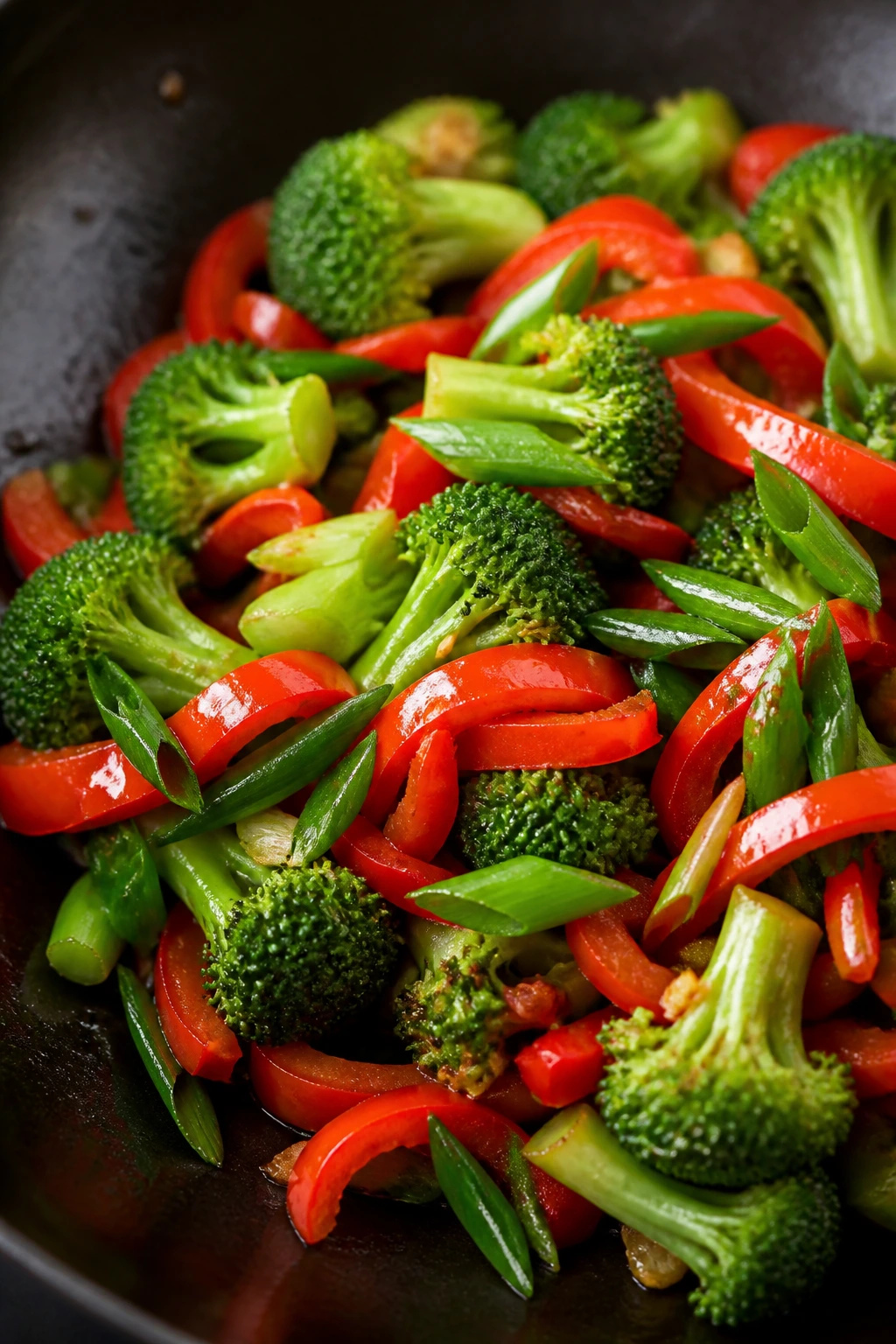
Vegetables & Aromatics
What to use: 3 cups broccoli florets, 1 red bell pepper, 4 scallions, 3 garlic cloves, and 1 tablespoon fresh ginger. The broccoli should be cut into small florets so the stems soften at the same rate as the tops.
Preparation: Slice the bell pepper thin, separate the scallion whites from the greens, mince the garlic, and grate the ginger. Do the cutting before the skillet heats. Once the oil is hot, there’s no time to hunt for a peeler or fumble with a knife.
Substitutions: Snap peas, snow peas, baby bok choy, mushrooms, or thin carrot coins all work here. Frozen broccoli can work too, but thaw it and dry it well if you want it to sear instead of leak water into the pan.
Tips: Keep the vegetable pieces small and fairly even. Big florets stay firm in the wrong way — crunchy in the middle while the chicken is already done. Small ones catch sauce better, and that matters more than people admit.
The garlic and ginger do the heavy lifting for aroma. The moment they hit hot oil, the kitchen smells like you’ve crossed into takeout territory, but in a good way. Garlic should smell sweet and warm, not brown and bitter. Ginger should smell bright, almost peppery. If either one starts to darken before the sauce goes in, the heat is too high or the pan sat empty too long.
Rice and Garnishes That Catch Every Drop
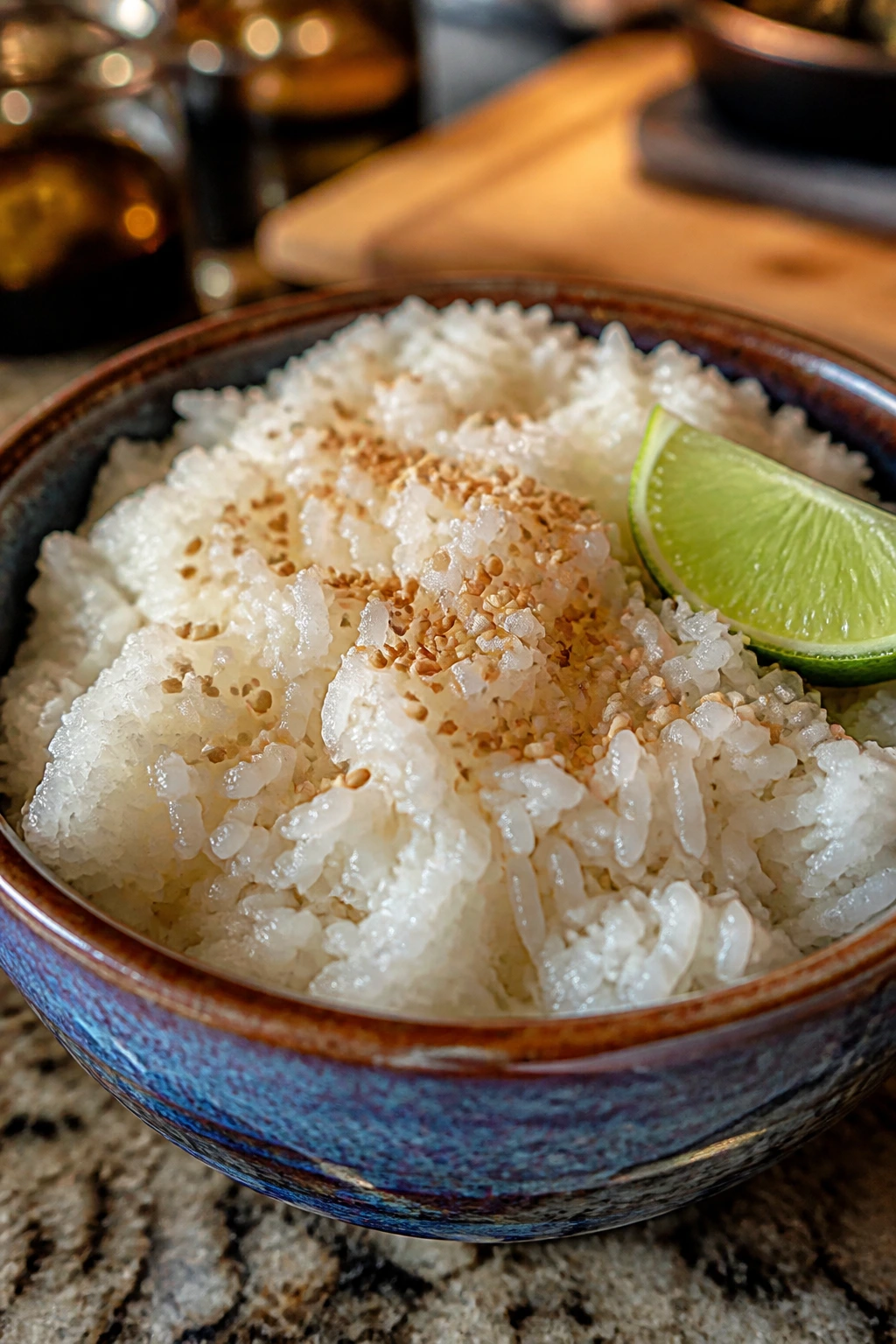
Serving Base and Finish
What to use: 3 cups cooked jasmine rice, 1 tablespoon toasted sesame seeds, and a few lime wedges if you want a sharper finish. Jasmine rice is the right shape for this because the grains stay separate but still pick up sauce.
Preparation: Keep the rice warm while the chicken cooks, or reheat leftover rice with a splash of water covered loosely so it doesn’t dry out. Toast the sesame seeds if they aren’t already toasted; a dry skillet for 1 to 2 minutes is enough.
Substitutions: Long-grain white rice works, and brown rice brings a nuttier bite if that’s your thing. Cauliflower rice can replace part of the rice if you want a lighter bowl, but it needs a minute or two to dry in a skillet first.
Tips: Don’t bury the garnish. Sesame seeds and scallion greens should sit on top where they stay crisp. A tiny squeeze of lime is optional, but it wakes up the sweet-salty sauce in a way that plain salt can’t.
I’m a fan of rice under this kind of dinner, not tossed through it. Let the grains catch the sauce at the edges of the bowl. That’s where the best bites live — the ones with a little chicken, a little broccoli, and a streak of glaze that lands right in the rice instead of disappearing into it.
The Wok, Skillet, and Small Tools I’d Reach For
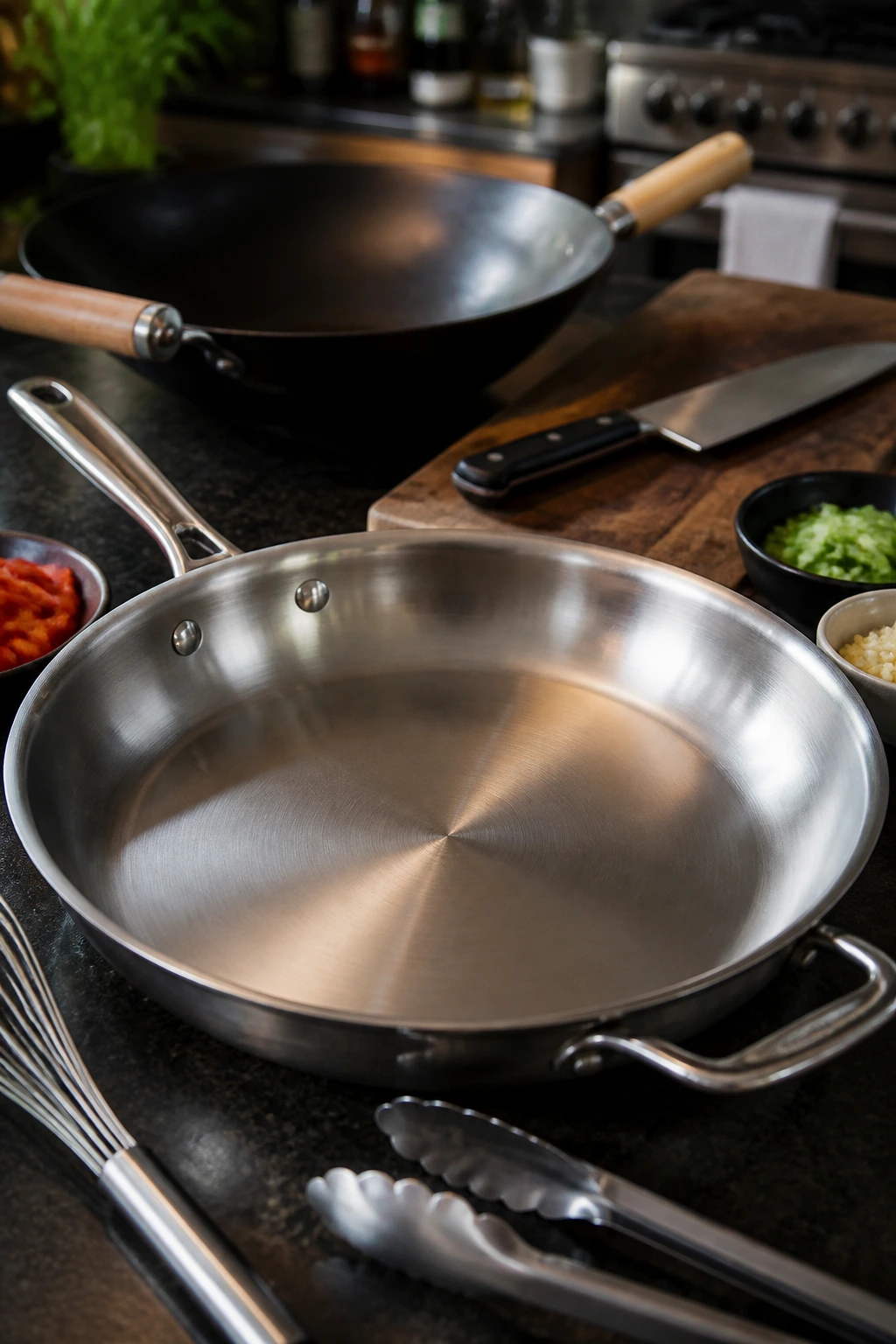
- 12-inch stainless-steel skillet or wok: A wide, flat cooking surface gives better browning than a crowded little pan.
- Sharp chef’s knife: Clean cuts matter here because the chicken and vegetables should cook at roughly the same speed.
- Cutting board: A stable board saves time and keeps the slicing clean; I like one with a damp towel underneath so it doesn’t skate around.
- Medium mixing bowl: For tossing the chicken with cornstarch and seasoning before it hits the heat.
- Small bowl and whisk: The sauce needs a real whisk, not a quick stir with a spoon, so the cornstarch disappears completely.
- Tongs or a sturdy spatula: You need something that can flip chicken pieces and scrape up browned bits without tearing the food apart.
- Microplane or fine grater: Best for ginger, because big chunks of ginger turn stringy in the final dish.
- Instant-read thermometer: Optional, but useful. 165°F takes the guesswork out of chicken.
How to Build the Sticky Pan Dinner Without Losing the Sauce
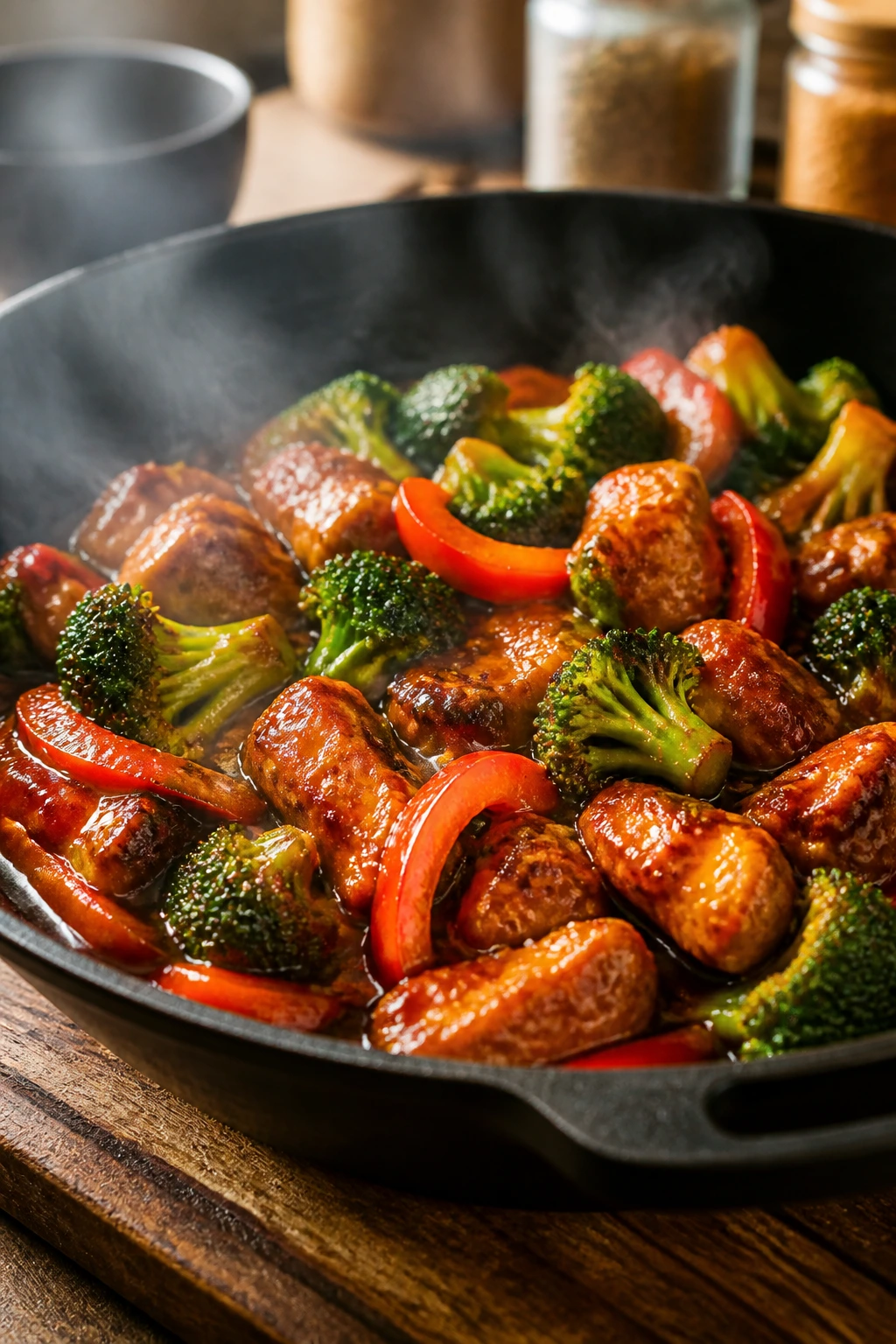
Prep the chicken and sauce first:
- In a small bowl, whisk together the soy sauce, honey, hoisin, rice vinegar, 2 tablespoons water, and toasted sesame oil until smooth.
- In another small bowl, stir 1 tablespoon cornstarch into 2 tablespoons cold water until no dry bits remain. Set that slurry aside.
- Toss the chicken pieces with the remaining 2 tablespoons cornstarch, salt, and pepper in a medium bowl until every piece is lightly coated.
Get the vegetables ready before the burner turns on: 4. Slice the broccoli, bell pepper, and scallions; mince the garlic; grate the ginger. Keep the scallion greens separate from the whites so you can add them at different points. 5. Have a plate ready for the cooked chicken. Once the pan starts moving, you won’t want to stop and search for one.
Sear and stir-fry: 6. Heat 1 tablespoon neutral oil in a 12-inch skillet over medium-high heat until it shimmers. Add the chicken in a single layer and let it sit for 3 minutes without moving it. Flip and cook another 2 to 3 minutes until lightly browned and the center is nearly done. Do not crowd the pan; the chicken should sizzle, not steam. 7. Transfer the chicken to the plate. Add the remaining 1 tablespoon oil, then the broccoli and bell pepper. Stir-fry for 2 minutes, tossing often, until the broccoli turns bright green and the pepper starts to soften at the edges. 8. Add the scallion whites, garlic, and ginger. Stir for 30 seconds, just until the garlic smells sweet. If it starts browning, lower the heat immediately.
Glaze and finish: 9. Return the chicken and any juices to the skillet. Whisk the sauce again, then pour it into the pan and stir constantly for 1 to 2 minutes. The sauce should go from thin to glossy and coat the chicken in a sheen that actually clings. 10. If the sauce tightens too quickly, splash in 1 to 2 tablespoons of water and stir. If you like a sharper finish, add a small squeeze of lime after the heat is off. 11. Turn off the heat, stir in the scallion greens and sesame seeds, then serve immediately over warm jasmine rice.
How to Plate It So It Looks Like You Meant It
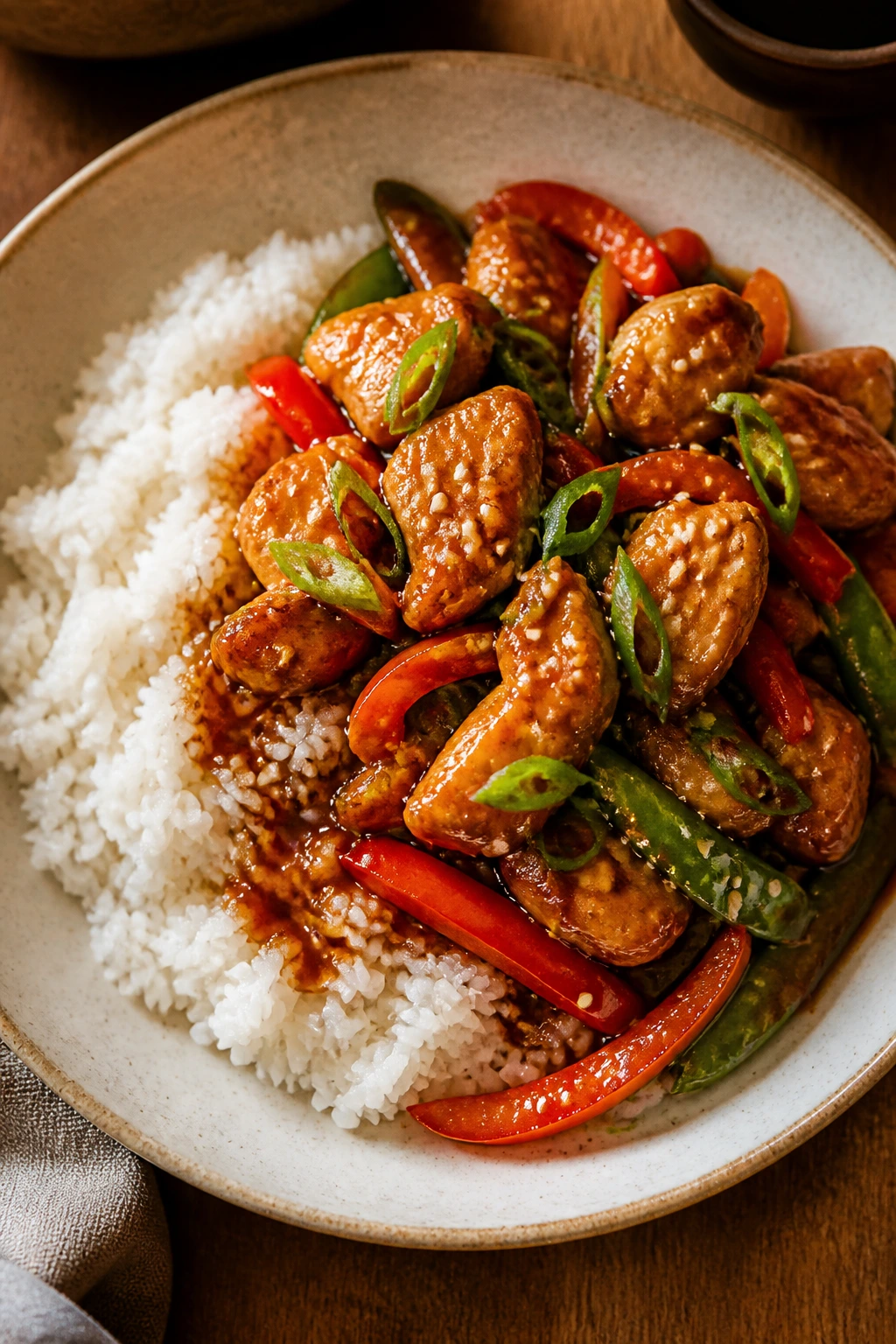
Presentation: Spoon the rice into shallow bowls or onto one side of a plate, then pile the chicken and vegetables over the top so the sauce drips down into the rice. A scatter of scallion greens and sesame seeds gives the bowl a finished look without requiring any extra cooking.
Accompaniments: A quick cucumber salad, steamed edamame, or simple chili-slicked greens fits alongside this without fighting the sauce. If you want a little more volume on the table, serve it with a bowl of miso soup or a small platter of pickled carrots.
Portions: Four generous servings is the honest answer if rice is part of the meal. If you add another cup or two of vegetables, it stretches closer to five lighter portions. For bigger appetites, double the rice before you double the sauce.
Beverage Pairing: Cold lager, unsweetened jasmine tea, or sparkling water with lime all work because they clear the sweet-salty glaze from your palate. I’d skip sugary drinks; they make the sauce feel heavier than it is.
Extra Tips That Make the Second Batch Better Than the First
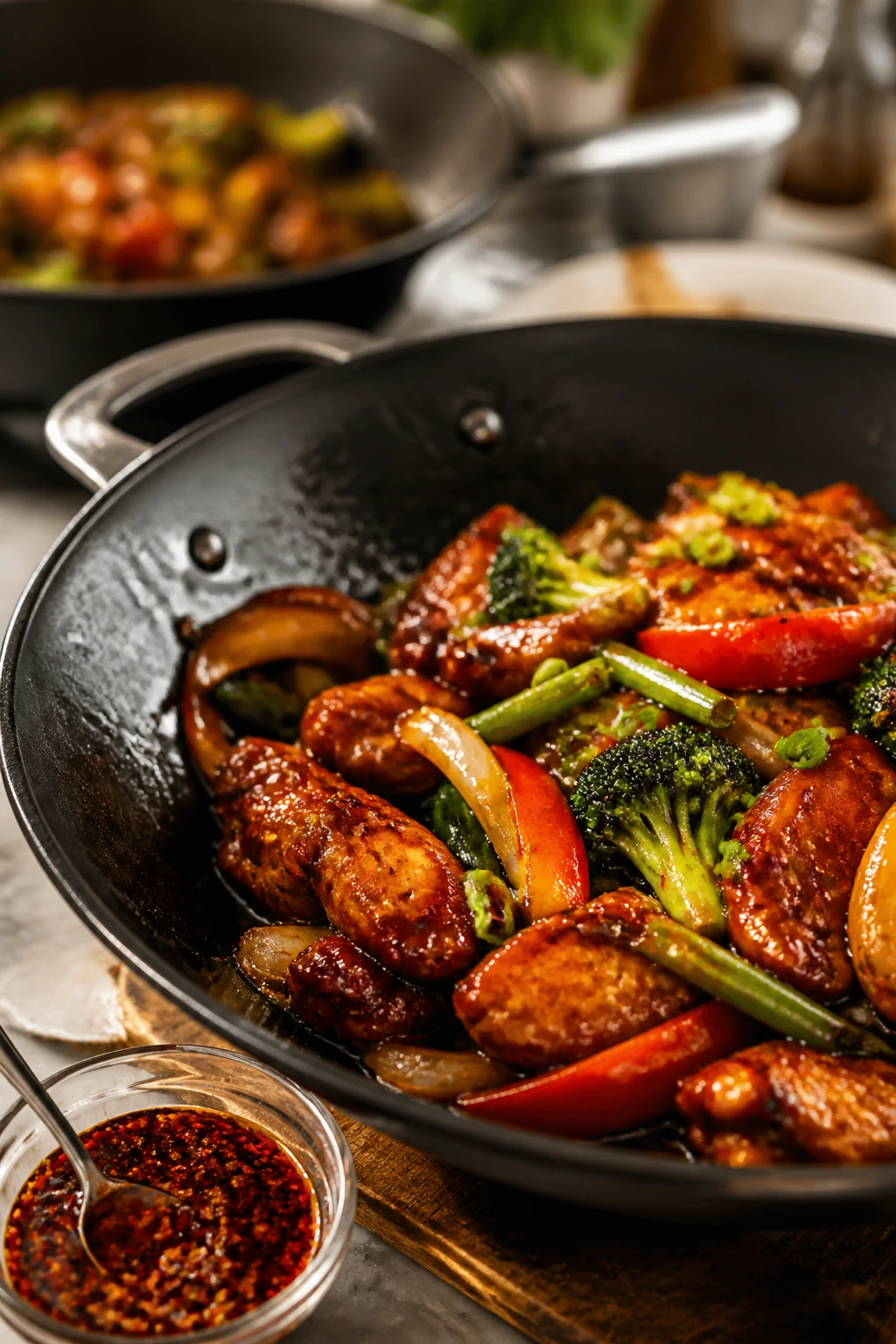
Flavor Enhancement: A spoonful of chili crisp at the table adds heat and texture without messing with the glaze in the pan. I prefer adding it after plating, because the bits stay crisp and the garlic oil keeps its smell.
Customization: Snap peas bring crunch, mushrooms bring depth, and thin carrot coins bring a little sweetness. If you want more vegetables, add them, but keep the pieces small enough to cook in the same short window as the chicken.
Serving Suggestions: Finish with sliced scallion greens, sesame seeds, and, if you like a little brightness, a squeeze of lime. A few crushed peanuts also work, though they push the dish closer to a peanut-sauce feel than the clean soy-honey profile here.
Make-It-Yours: For a gluten-free version, use tamari and check the hoisin label carefully. For a lower-sodium version, use less soy sauce and a touch more rice vinegar. For a kid-friendly bowl, keep the ginger but cut the garlic a little, then skip chili heat entirely.
The smallest upgrade I’d recommend is serving the sauce over rice that’s still warm enough to absorb it at the edges. Cold rice doesn’t catch the glaze the same way. That tiny temperature difference changes the whole mouthfeel.
Mistakes That Turn a Good Stir-Fry Flat or Soggy
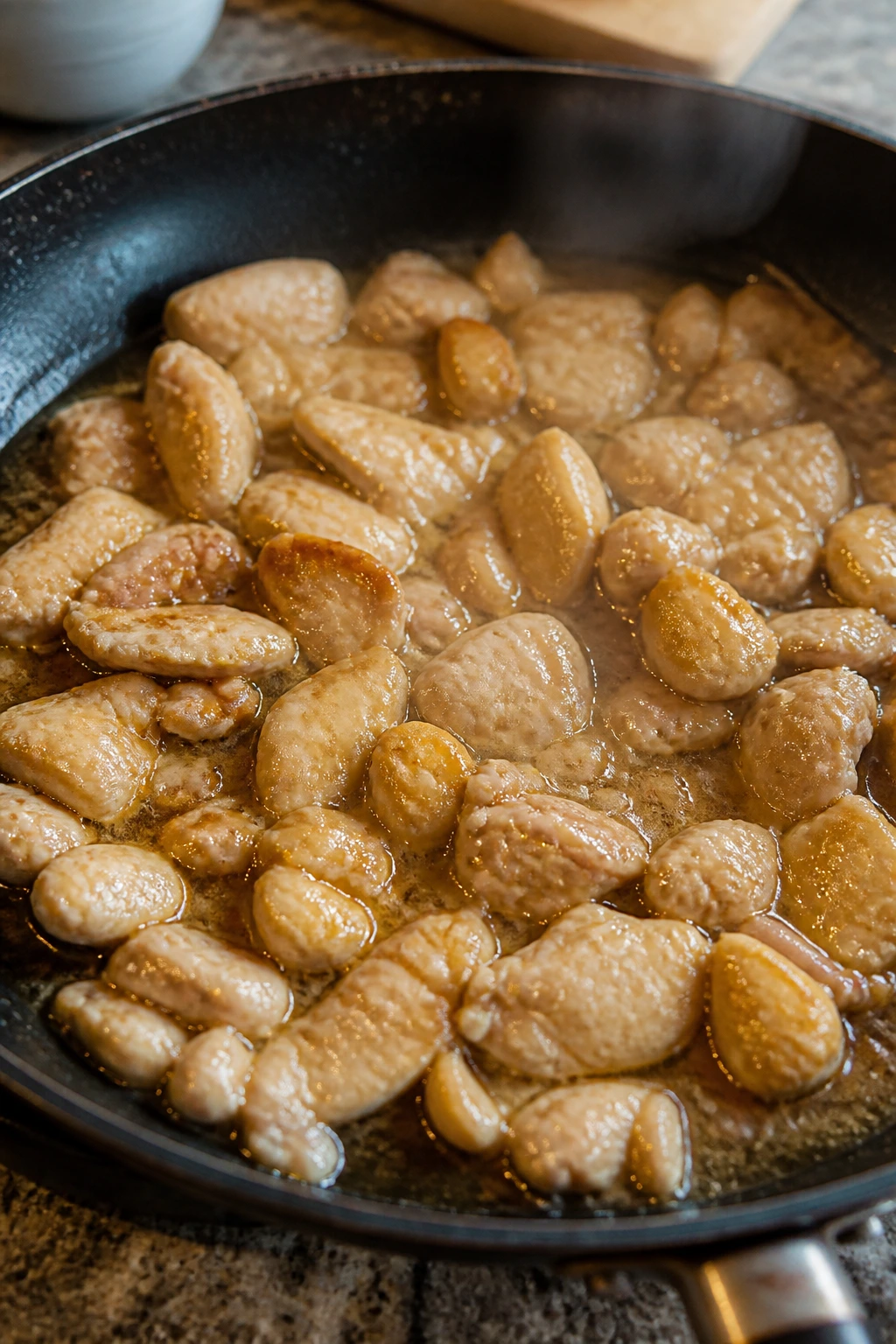
- Crowding the pan: If the chicken pieces sit on top of each other, they release moisture and gray out instead of browning. Cook in two batches if your skillet is not wide enough.
- Adding the sauce too early: Garlic burns fast, and honey scorches even faster. Let the chicken and vegetables get some color first, then bring in the glaze at the end.
- Skipping the cornstarch slurry: A sauce made only from soy, honey, and vinegar tastes fine for a second and then runs straight into the rice. The slurry gives you the cling.
- Cutting the vegetables too large: Broccoli florets bigger than a couple of bites need more time than the chicken can spare. Keep them small enough to soften in minutes, not quarters of an hour.
- Overcooking after the sauce thickens: Once the glaze turns glossy and the chicken is at 165°F, you’re done. Leave it on the heat much longer and the sauce gets tacky in a bad way.
- Forgetting the balance check: If the finished dish tastes mostly sweet, add a teaspoon of rice vinegar rather than more salt. Salt sharpens; vinegar wakes the whole pan up.
Four Ways to Change the Flavor Without Slowing the Pan
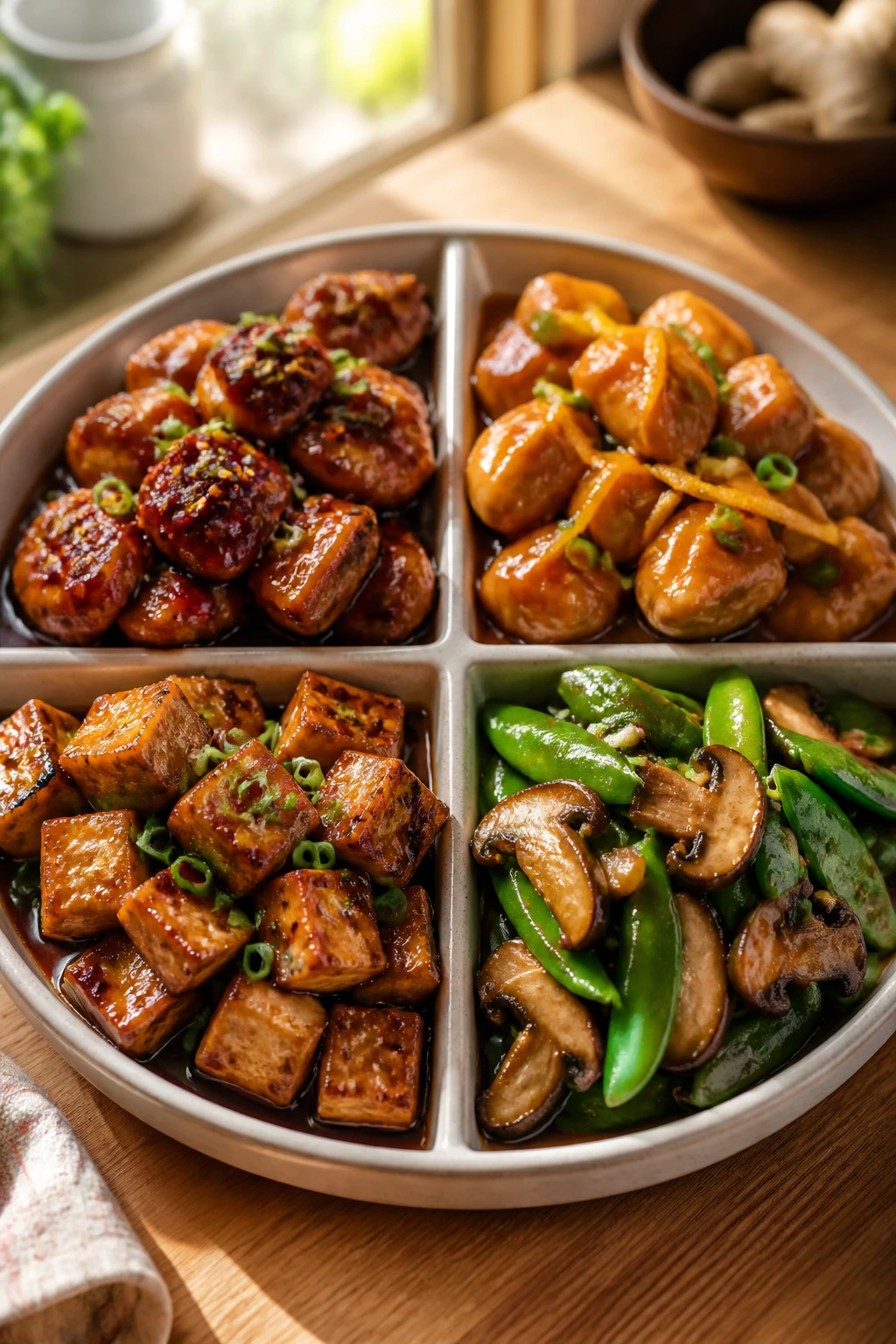
Spicy Chili Crisp Chicken: Stir 1 to 2 tablespoons of chili crisp into the sauce right at the end, or drizzle it over the finished bowls. This keeps the heat bright and crunchy instead of muddy, and it plays well with the sesame seed garnish.
Orange-Ginger Gloss: Swap 2 tablespoons of the honey for orange marmalade and add 2 tablespoons of orange juice to the sauce. The finished dish leans sweeter and more fragrant, with a citrus edge that works well if you’re serving it with plain rice and steamed greens.
Tofu and Broccoli Bowl: Use 14 ounces of extra-firm tofu, pressed for 20 minutes and cubed, instead of the chicken. Pat the tofu dry, dust it lightly with cornstarch, and brown it in oil until the edges are crisp before you add the vegetables and sauce.
Mushroom-Snap Pea Stir-Fry: Replace the chicken with 10 ounces of sliced cremini mushrooms and add 2 cups of snap peas. Mushrooms give you a deeper, meatier bite, and snap peas stay snappy even after the sauce thickens.
Keeping Leftovers Glossy, Not Sad
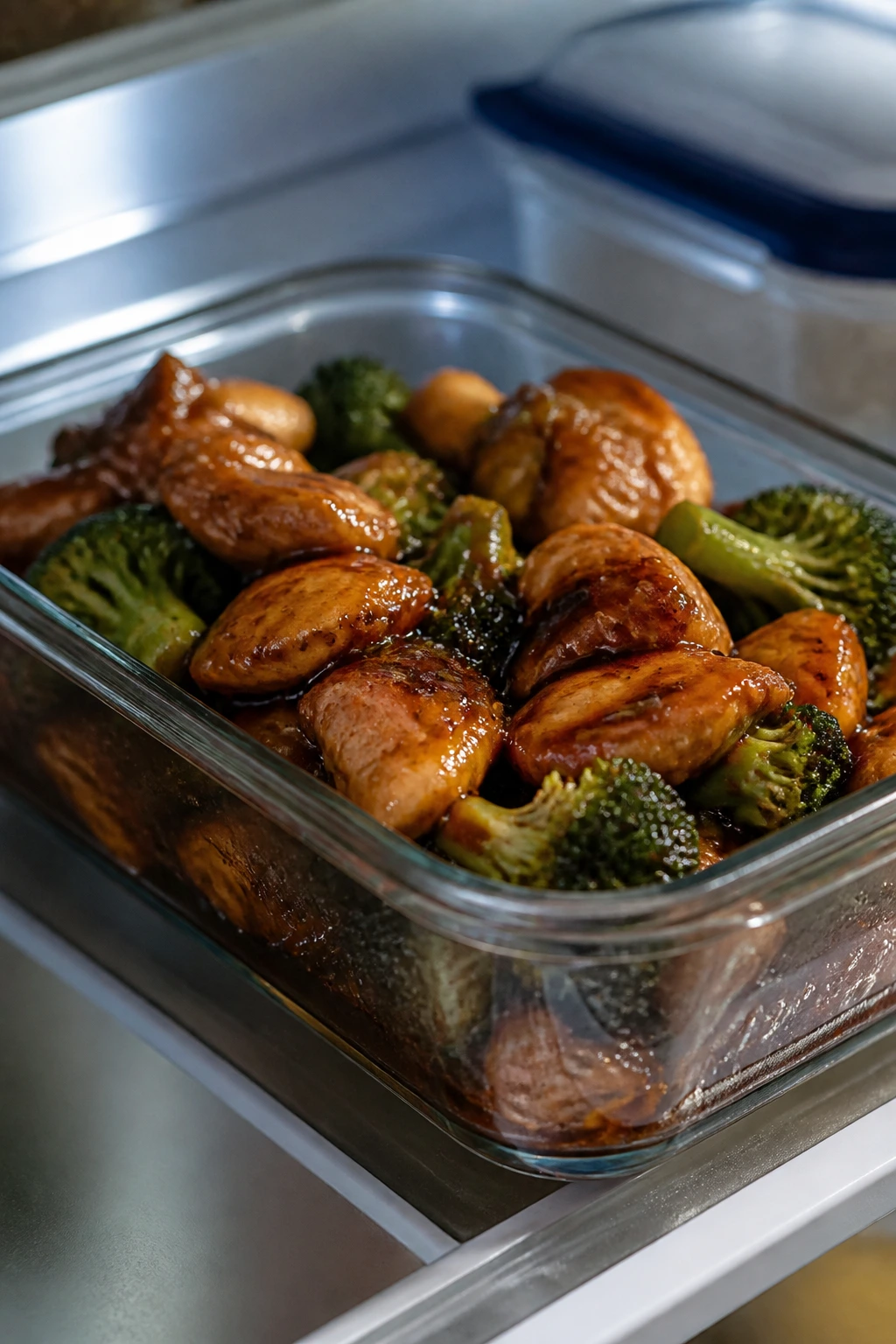
Store the chicken and vegetables in an airtight container in the refrigerator for 3 to 4 days. If you’ve got rice left too, keep it in a separate container; rice and stir-fry both hold up better when they aren’t packed together and steaming each other into softness.
For the freezer, this dish keeps for up to 2 months, though the vegetables soften a bit after thawing. Chicken thighs fare better than breast meat in the freezer, which is one reason I chose them here. Cool the food before freezing, and flatten it in a shallow container so it chills faster and reheats more evenly.
Reheat leftovers in a skillet over medium-low heat with 1 to 2 tablespoons of water to loosen the sauce. Stir until the chicken is hot and the glaze turns shiny again. The microwave works in a pinch; cover the bowl loosely and warm in short bursts so the sauce doesn’t split. If the dish tastes a little dull after reheating, a tiny splash of rice vinegar fixes that faster than extra soy sauce.
For make-ahead prep, you can whisk the sauce and chop the vegetables a day ahead, but I’d keep the cornstarch slurry separate until you’re ready to cook. It stays smoother that way, and the finished sauce turns out cleaner. Raw chicken can be cut and refrigerated for a day, though I prefer cutting it the same day I cook it because the texture stays fresher.
Questions People Ask Before They Cook It
Can I use chicken breast instead of thighs?
Yes, and the recipe still works. Cut the breast into even 1-inch pieces, sear it a minute or two less than thighs, and pull it the moment it reaches 165°F so it doesn’t dry out while the sauce finishes.
Do I need a wok for this?
No. A wide 12-inch skillet often works better in a home kitchen because it gives the chicken more direct contact with the heat. A wok is fine if it sits securely on your burner, but a flat skillet is easier to control.
Can I make this gluten-free?
Use tamari instead of soy sauce and check the hoisin label, since some brands contain wheat. If you can’t find gluten-free hoisin, skip it and add a bit more honey plus a small pinch of five-spice for depth.
What vegetables can I swap in if I don’t have broccoli?
Snap peas, snow peas, mushrooms, bok choy, and thin carrot slices all fit the same timing. Just keep the pieces small so they finish at the same pace as the chicken.
Why did my sauce get too thick so fast?
The pan may have been hotter than you thought, or the sauce sat on the heat a little too long after the slurry went in. Add a tablespoon of water, stir fast, and pull the pan off the burner once the coating looks glossy again.
Can I meal prep this for lunches?
Yes, and it holds up better than a lot of quick stir-fries because the sauce has enough body. Keep the rice separate, reheat with a splash of water, and add fresh scallions after warming so the bowl tastes brighter.
Can I make it spicier without wrecking the sauce?
Add chili crisp, sambal, or a little chili paste after cooking. That keeps the heat sharp and lets you control it by the spoonful, which is much safer than dumping chili flakes into hot oil and hoping for the best.
Why This Pan Keeps Getting Pulled Out Again
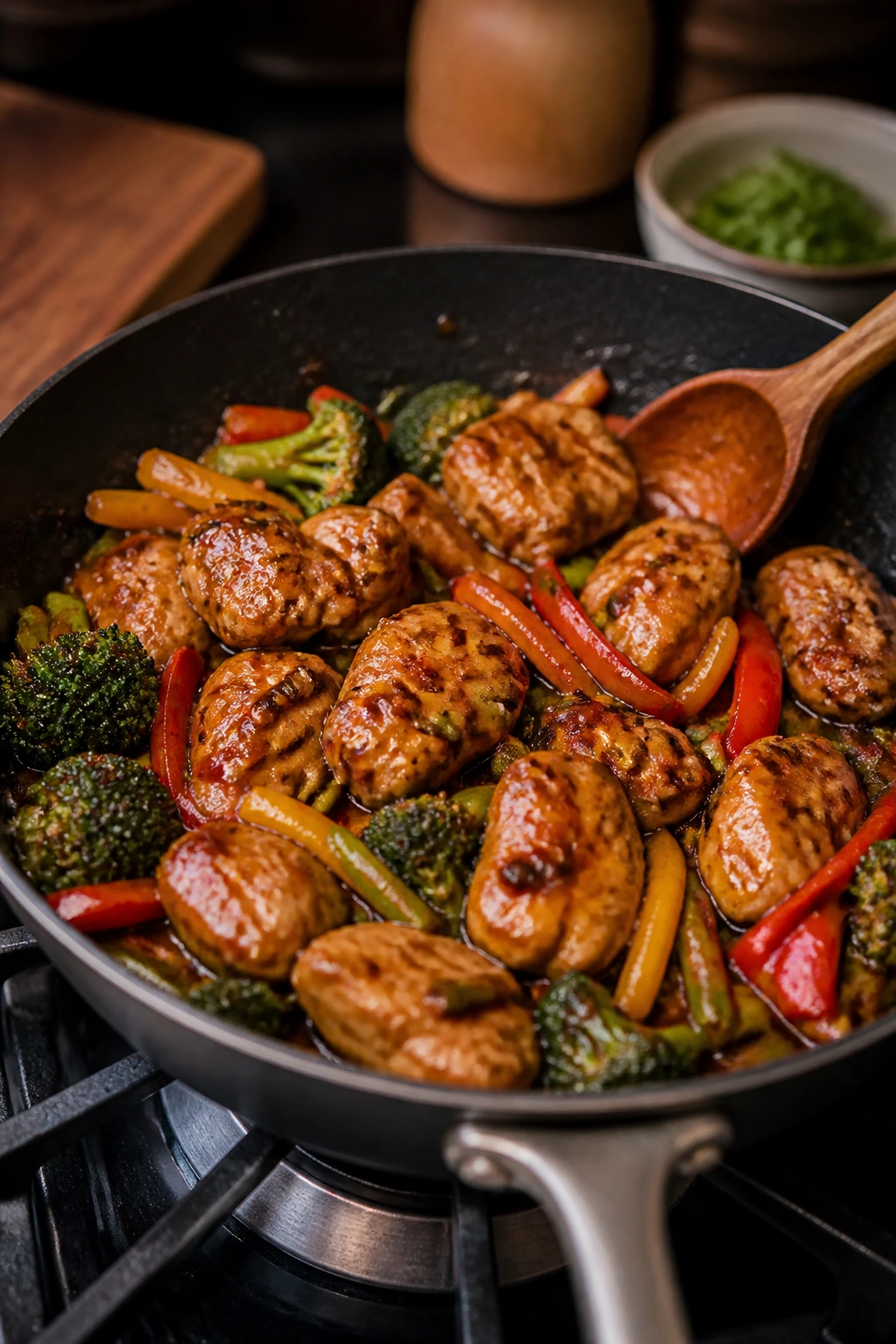
The thing I like most about this sticky quick Asian dinner is how little drama it asks for. A few pantry ingredients, a hot skillet, and some attention for ten minutes at the stove turn into a bowl that looks and tastes more deliberate than the effort suggests.
The sauce should be glossy. The chicken should stay tender. The rice should catch the edges of the glaze and carry the whole thing across the plate. Get those three pieces right, and this stops feeling like a backup plan and starts feeling like the dinner you reach for because it works every single time.
Sticky Quick Asian Chicken Dinner — Recipe Card
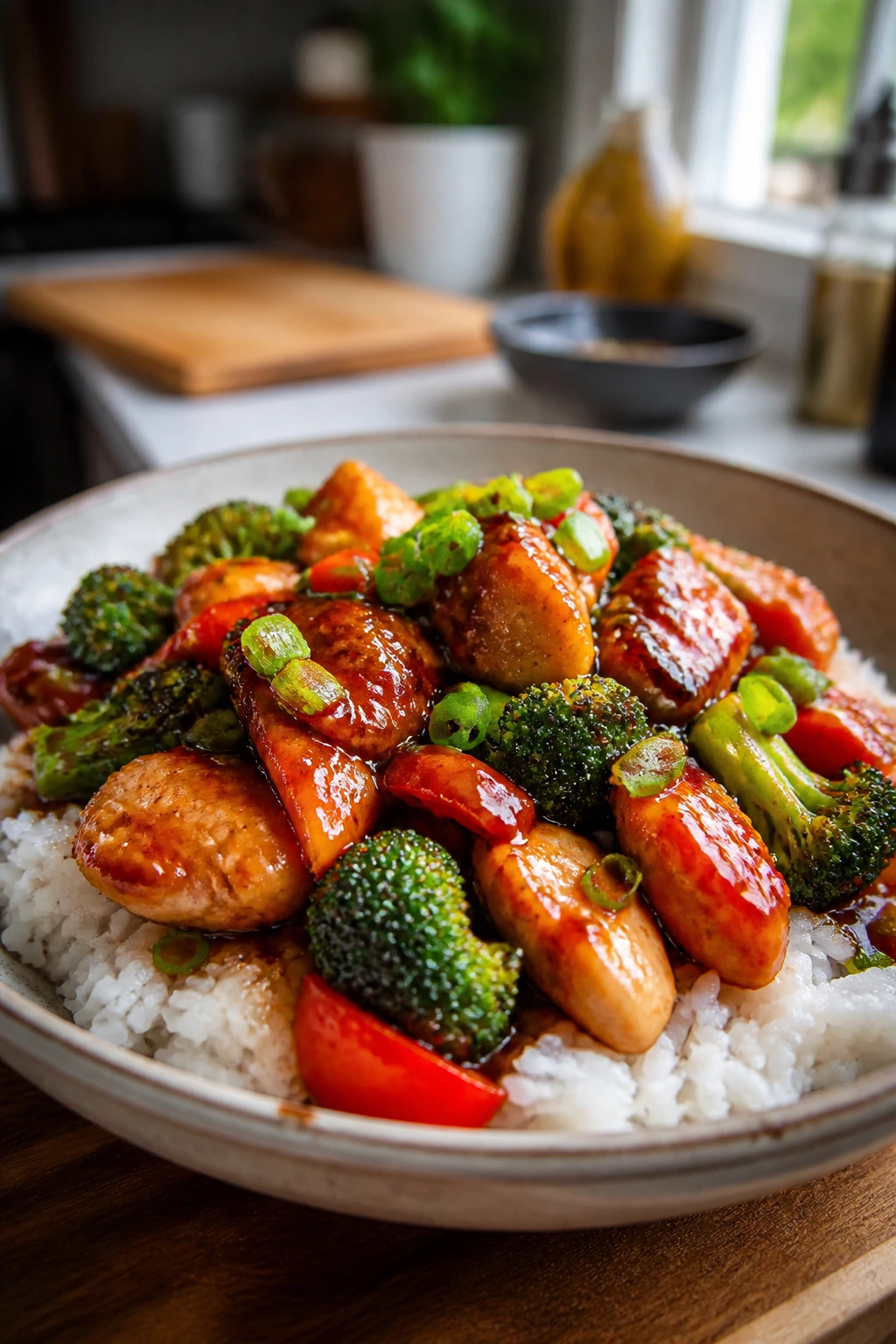
Recipe Name: Sticky Quick Asian Chicken Dinner
Description: Tender chicken thighs, broccoli, red bell pepper, and scallions cook in a glossy soy-honey-hoisin sauce that clings to every bite. Serve it over warm jasmine rice for a fast Chinese-inspired dinner with real takeout energy.
Prep Time: 15 minutes
Cook Time: 15 minutes
Total Time: 30 minutes
Course: Dinner, Main Course
Cuisine: Asian-Inspired, Chinese-Inspired
Servings: 4 servings
Calories: About 410 kcal per serving
Ingredients
For the Chicken and Vegetables:
- 1 1/2 lbs boneless, skinless chicken thighs, cut into 1-inch pieces
- 2 tablespoons cornstarch
- 1/2 teaspoon kosher salt
- 1/4 teaspoon black pepper
- 2 tablespoons neutral oil, divided
- 3 cups broccoli florets, cut small
- 1 red bell pepper, thinly sliced
- 4 scallions, whites and greens separated
- 3 garlic cloves, minced
- 1 tablespoon fresh ginger, grated
For the Sticky Sauce:
- 1/3 cup low-sodium soy sauce
- 1/4 cup honey
- 2 tablespoons hoisin sauce
- 2 tablespoons rice vinegar
- 2 tablespoons water
- 1 teaspoon toasted sesame oil
- 1 tablespoon cornstarch
- 2 tablespoons cold water
For Serving:
- 3 cups cooked jasmine rice, warm
- 1 tablespoon toasted sesame seeds
- Lime wedges, optional
Instructions
-
Whisk the soy sauce, honey, hoisin, rice vinegar, 2 tablespoons water, and sesame oil together in a small bowl. Mix 1 tablespoon cornstarch with 2 tablespoons cold water in a separate bowl.
-
Toss the chicken with 2 tablespoons cornstarch, salt, and pepper until lightly coated.
-
Heat 1 tablespoon oil in a 12-inch skillet over medium-high heat. Sear the chicken in a single layer for 3 minutes, flip, and cook 2 to 3 minutes more until browned and nearly cooked through.
-
Transfer the chicken to a plate. Add the remaining oil, then stir-fry the broccoli and bell pepper for 2 minutes. Add the scallion whites, garlic, and ginger and cook for 30 seconds.
-
Return the chicken and any juices to the skillet. Whisk the sauce again, pour it in, and stir for 1 to 2 minutes until glossy and thick enough to coat the chicken.
-
Turn off the heat. Stir in the scallion greens and sesame seeds, then serve immediately over warm jasmine rice. Add lime wedges if you want a sharper finish.
Notes: Cook the chicken in batches if your skillet feels crowded. If the sauce thickens too much, loosen it with 1 to 2 tablespoons of water. Reheat leftovers in a skillet with a splash of water so the glaze turns shiny again.