



Fresh seasoned vegetables for a healthy dinner only work if they taste like dinner, not like a polite afterthought on the edge of the plate. I want broccoli with browned tips, carrots that still have a little bite, tomatoes that have split and gone jammy, and zucchini that keeps its shape instead of collapsing into a green puddle. That means heat, salt, and timing matter more than a long ingredient list.
The difference between bland steamed vegetables and a tray you actually want to eat is smaller than people think. A hot oven, a little olive oil, and a bright finish of lemon can turn a basket of ordinary produce into something with crackly edges and a smell that makes the kitchen feel alive. Broccoli and carrots can take the first blast of heat; zucchini and tomatoes need to show up later or they go soft before the rest of the pan catches up.
I keep coming back to this style of dinner because it solves a real problem: you can put half a plate of vegetables in front of yourself without eating like you’re being punished. The trick is to treat the vegetables like the main event and not hide them under a sauce that smothers every crisp edge. A good pan of roasted vegetables has a little char, a little gloss, and enough seasoning that you can eat the first few bites straight from the pan. That’s the standard here.
Why Fresh Seasoned Vegetables Deserve a Place in the Middle of the Plate
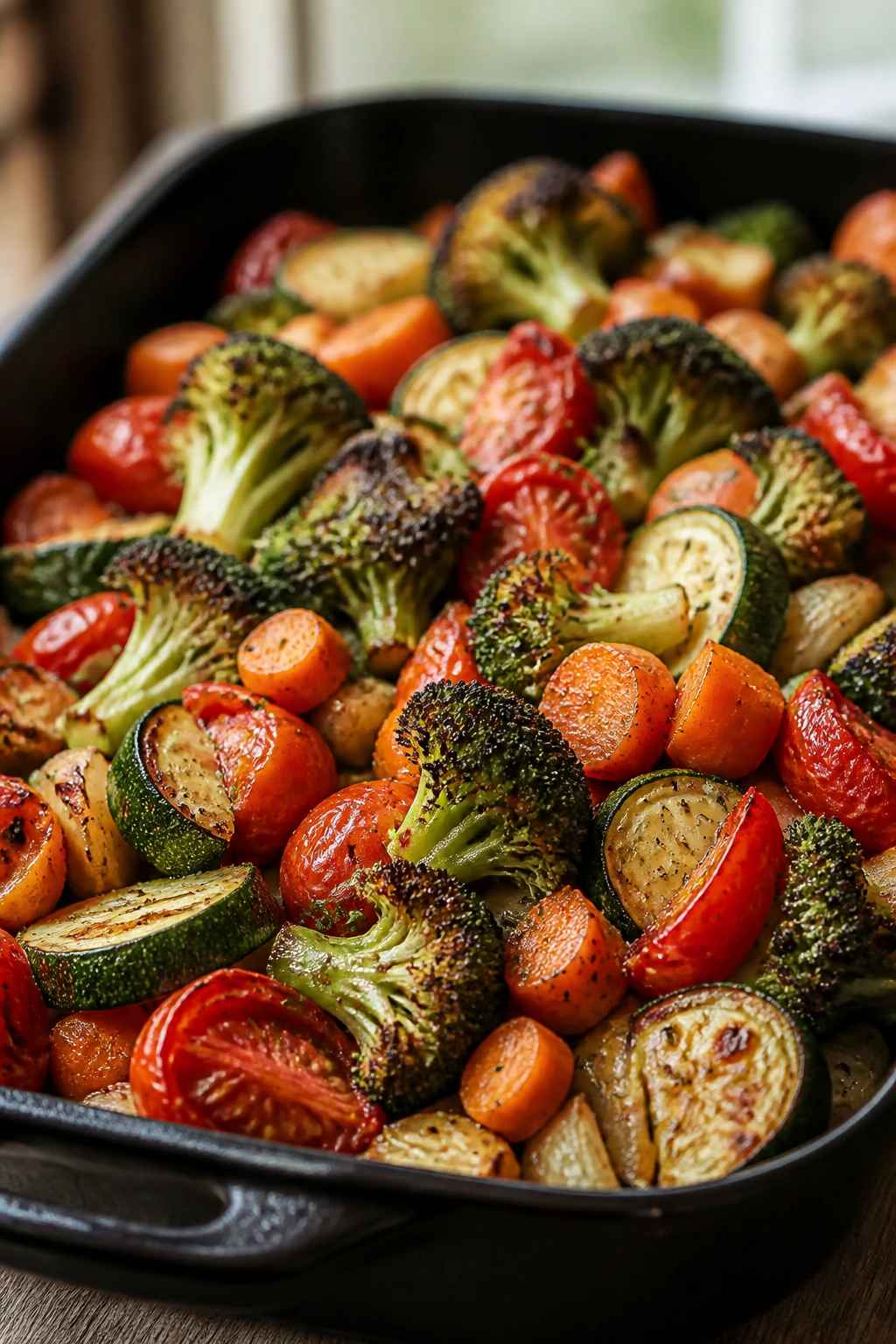
- The oven does the heavy lifting: A 425°F roast gives broccoli and carrots browned edges fast enough that they taste roasted, not boiled, and that’s the whole point.
- The flavor stays clean: Garlic, lemon, and smoked paprika give the vegetables shape without burying their own taste, which matters when the produce is actually good.
- You can build a full dinner from it: Spoon these vegetables over quinoa, tuck them beside eggs, or pile them into a bowl with beans and still feel like you made an intentional meal.
- Leftovers hold up better than you’d expect: Roasted broccoli, carrots, onions, and peppers keep their texture longer than a lot of vegetable sides, especially when you reheat them in a hot skillet.
- It uses what’s already in the crisper drawer: This recipe is built for the mix of firm and soft vegetables that most people have lying around, not for one exotic ingredient you’ll use once and forget.
- It behaves like real food: The vegetables taste different from one another. Broccoli is earthy, carrots go sweet, tomatoes collapse into little bursts of sauce, and that variety keeps the plate from feeling flat.
What to Pull Together Before the Oven Heats Up
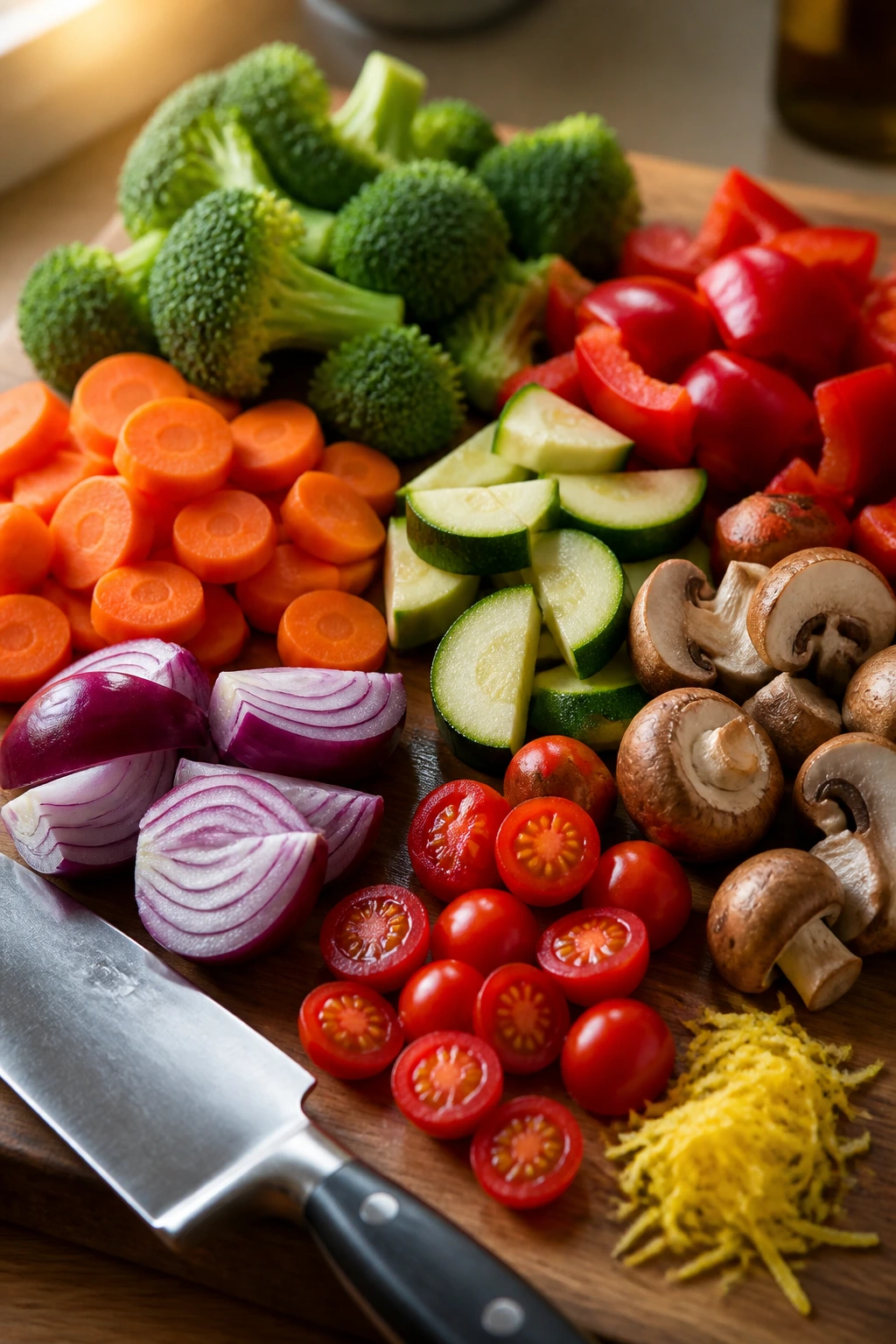
Yield: Serves 4 as a main-dish vegetable plate or 6 as a side dish
Prep Time: 20 minutes
Cook Time: 25 minutes
Total Time: 45 minutes
Difficulty: Beginner — the method is straightforward, but the staggered roasting keeps the softer vegetables from turning mushy.
Best Served: Warm from the oven with a squeeze of lemon and a final sprinkle of herbs
For the Vegetables:
- 4 cups broccoli florets, cut into bite-size pieces
- 2 medium carrots, peeled and sliced into 1/2-inch coins
- 1 red bell pepper, seeded and cut into 1-inch pieces
- 1 medium zucchini, cut into thick 3/4-inch half-moons
- 8 ounces cremini mushrooms, wiped clean and halved if large
- 1 small red onion, cut into 1-inch wedges
- 1 cup cherry tomatoes
- 1 lemon, zested and cut into wedges
For the Seasoning:
- 3 tablespoons extra-virgin olive oil
- 2 cloves garlic, very finely minced
- 1 teaspoon kosher salt
- 1/2 teaspoon black pepper
- 1 teaspoon dried Italian seasoning
- 1/2 teaspoon smoked paprika
For the Finish:
- 2 tablespoons chopped fresh parsley
- Optional: 1 tablespoon lemon juice from the same lemon, if you want a brighter finish
- Optional: red pepper flakes for heat
How Each Ingredient Earns Its Keep
The Vegetable Mix
What to use: 4 cups broccoli florets, 2 medium carrots, 1 red bell pepper, 1 medium zucchini, 8 ounces cremini mushrooms, 1 small red onion, and 1 cup cherry tomatoes.
Preparation: Cut the broccoli into florets that are close in size so the stems and tops finish together. Slice the carrots into coins no thicker than 1/2 inch, because chunky carrot coins stay crunchy while the rest of the pan races ahead.
Substitutions: Cauliflower can replace broccoli, asparagus can replace zucchini if you want a firmer vegetable, and green beans can slide in for bell pepper if that’s what you’ve got. If mushrooms are not your thing, use extra peppers or more onion.
Tips: Dry the vegetables well after washing them. Surface moisture is the enemy here; it turns roasting into steaming, and steaming is why so many vegetable dinners land with a thud.
The Seasoning Base
What to use: 3 tablespoons extra-virgin olive oil, 2 cloves finely minced garlic, 1 teaspoon kosher salt, 1/2 teaspoon black pepper, 1 teaspoon dried Italian seasoning, and 1/2 teaspoon smoked paprika.
Preparation: Mix the oil and seasonings in a small bowl before they touch the vegetables. That helps the garlic and spices coat every surface instead of getting stuck in one clump on the bottom of the pan.
Substitutions: Avocado oil works if you want a neutral fat with a higher smoke point, and dried oregano can stand in for Italian seasoning if that’s what lives in your spice drawer. Regular paprika works too, though you’ll lose the quiet smoky edge.
Tips: Salt the vegetables before they go into the oven, not after. Roasting draws out some moisture, and a salted surface browns better than one that starts out blank and gets corrected at the table.
The Bright Finish
What to use: 1 lemon, zested and cut into wedges, plus 2 tablespoons chopped fresh parsley.
Preparation: Zest the lemon before you cut it into wedges, because a halved lemon is a slippery little thing on the cutting board. Chop the parsley at the last minute so it stays bright and doesn’t sulk in the fridge.
Substitutions: Lime and cilantro work if you want a sharper, more playful finish. A spoonful of tahini thinned with a little water also works when you want a creamier plate without dairy.
Tips: Put the lemon on at the end. Acid before roasting gets dull and slightly muddy; acid after roasting wakes the vegetables up and makes the browned edges taste sharper.
The Few Tools That Make Roasted Vegetables Easier
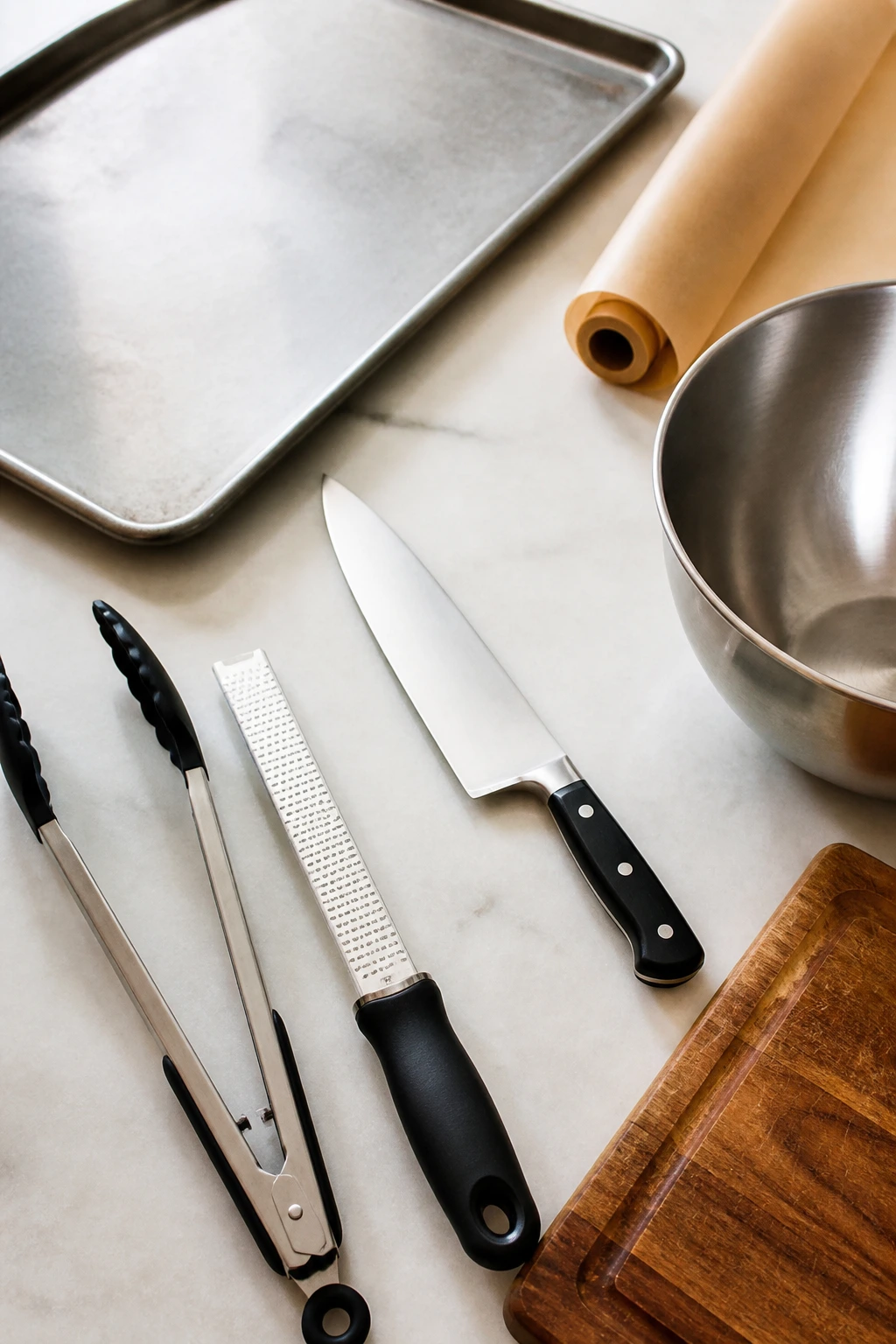
- Large rimmed sheet pan: The rim keeps oil and tomato juices from wandering off the edge and burning on the oven floor.
- Parchment paper: This helps the vegetables release cleanly, especially if you use tomatoes or a little extra oil.
- Large mixing bowl: You need room to toss the vegetables without half the seasoning ending up on the counter.
- Sharp chef’s knife: Even cuts matter here; a dull knife makes uneven pieces, and uneven pieces finish at different times.
- Cutting board: A stable board saves time and keeps the chop cleaner. I like a damp towel underneath if the board slides.
- Small bowl or jar: This is for whisking the oil, garlic, and spices together before they hit the vegetables.
- Tongs or a spatula: Useful for turning the vegetables once during roasting without tearing the softer ones.
- Microplane or fine grater: Handy for lemon zest if you want the finish to smell fresh instead of just sour.
How to Roast Fresh Seasoned Vegetables Without Steaming Them
Prep the Pan and Cut the Vegetables
-
Preheat the oven to 425°F (220°C) and set a rack in the center position. Line a large rimmed sheet pan with parchment paper.
-
Cut the carrots, broccoli, red onion, and bell pepper into pieces that will hold their shape during roasting. Leave the zucchini a little larger than you think you need; thin slices disappear fast in a hot oven.
-
Wipe the mushrooms clean with a damp paper towel instead of rinsing them under water. Mushrooms soak up moisture like a sponge, and too much water delays browning.
Season and Start the Firmer Vegetables
-
In a small bowl, whisk together the olive oil, minced garlic, salt, pepper, Italian seasoning, and smoked paprika.
-
Put the broccoli, carrots, and onion into a large bowl. Add about two-thirds of the seasoning mixture and toss until every surface looks lightly coated and shiny. Spread them across the sheet pan in a single layer.
-
Roast for 10 minutes, until the carrots have started to soften at the edges and the broccoli tips look slightly darkened. Do not crowd the pan; if the vegetables overlap heavily, split them between two pans.
Add the Softer Vegetables and Finish the Roast
-
Toss the bell pepper, zucchini, mushrooms, and cherry tomatoes with the remaining seasoning mixture. Pull the pan from the oven, scatter the softer vegetables over the firmer ones, and return it to the oven.
-
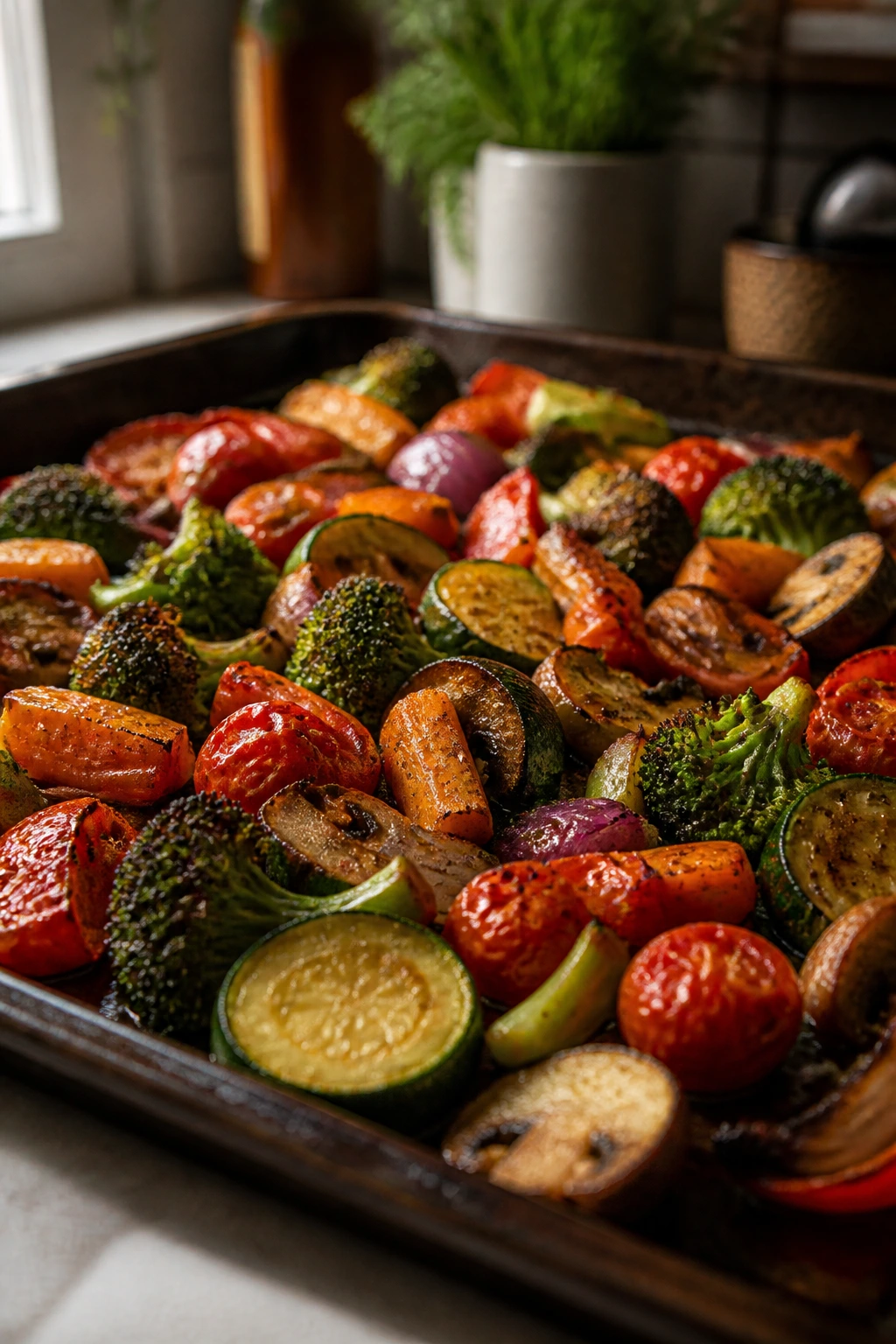
Roast for 12 to 15 minutes more, stirring once halfway through, until the tomatoes burst, the mushrooms shrink, and the broccoli edges are browned but not dry. The carrots should give when pierced with a fork, but they should not fall apart.
Brighten and Serve
-
Move the vegetables to a serving bowl or platter and squeeze over the lemon juice, if using. Add the lemon zest and parsley while the vegetables are still hot so the aroma blooms across the top instead of disappearing.
-
Taste a bite and adjust with a pinch more salt or an extra squeeze of lemon. This final correction matters; roasted vegetables almost always need a little lift at the end.
What a Finished Plate Should Look and Taste Like
Presentation: Pile the vegetables into a shallow bowl or spread them across a wide platter so the browned edges stay visible. I like to leave a few of the tomato halves whole on top and let the parsley fall in loose green flecks instead of chopping it so fine that it disappears.
Accompaniments: For a vegetarian dinner, spoon these vegetables over quinoa, farro, or warm white beans. If you want more protein, add a fried egg, a slab of baked tofu, or a scoop of hummus on the side. A hunk of crusty bread is useful here too, especially for catching the lemony juices at the bottom of the plate.
Portions: Four people can eat this as a main if you serve about 2 cups each and add a grain, bean, or egg. As a side dish, plan on 1 to 1 1/2 cups per person and scale the pan upward if your crowd likes to go back for seconds.
Beverage Pairing: Sparkling water with lemon keeps the plate bright. If you want wine, a dry sauvignon blanc or a light pinot grigio matches the lemon and herbs without weighing down the vegetables.
Small Tweaks That Change the Flavor Fast
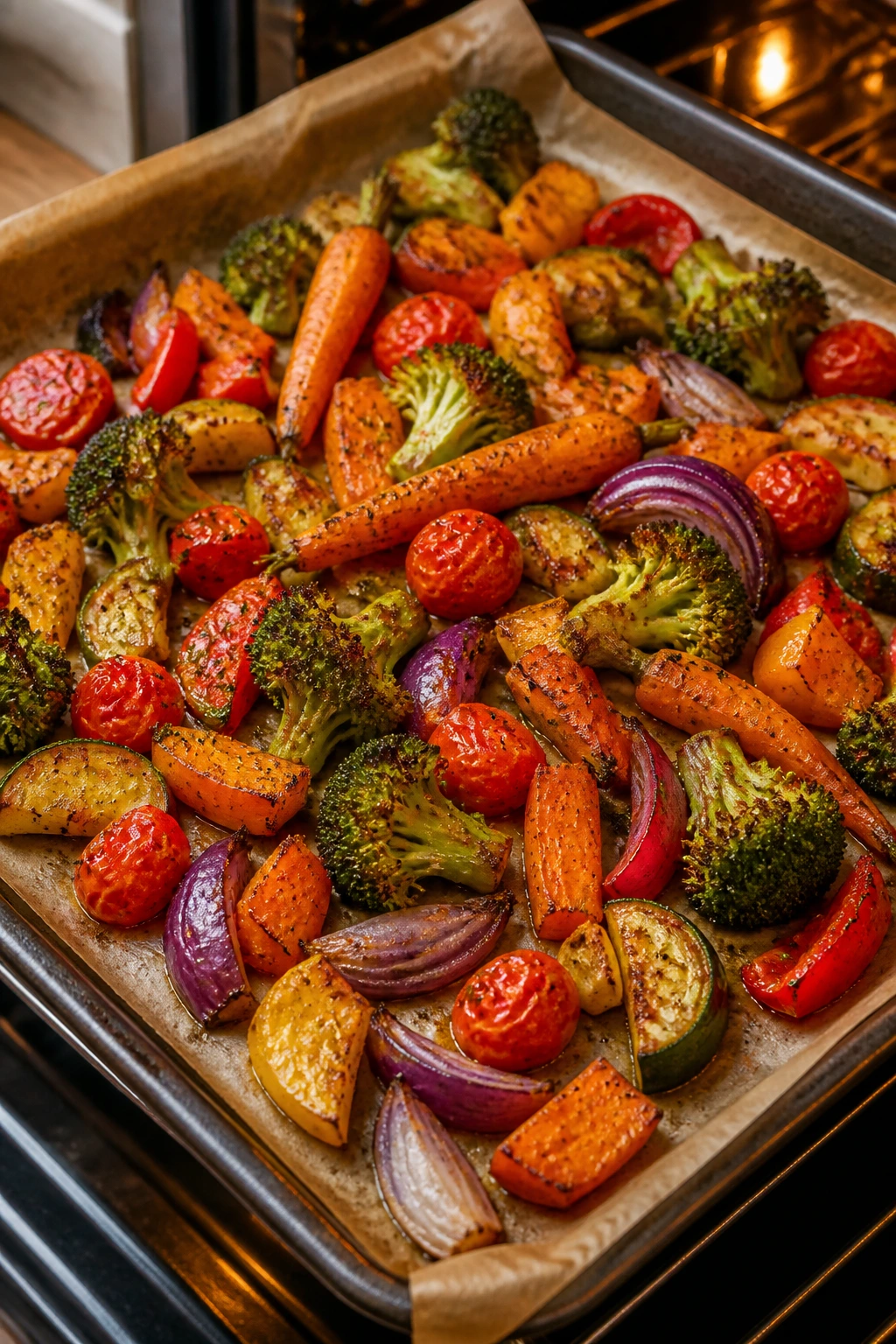
Flavor Enhancement: A spoonful of tahini thinned with lemon juice and water turns this into a more substantial bowl dinner without making it heavy. Drizzle it over the vegetables just before serving so it sits in little ribbons rather than disappearing into the pan.
Customization: Want more depth? Toss in 1 cup of cauliflower florets or a small handful of halved Brussels sprouts with the carrots and broccoli. Want more sweetness? Add a second handful of cherry tomatoes or a few strips of red pepper.
Serving Suggestions: Toasted pumpkin seeds or sunflower seeds add a dry, nutty crunch that the soft vegetables need. A little feta or Parmesan on top is useful if you like salt with your vegetables, though I’d keep it light so the lemon still comes through.
Make-It-Yours: For dairy-free meals, skip the cheese and finish with extra herbs or a tahini drizzle. For vegan plates that need more staying power, add a can of drained chickpeas during the first roasting stage so they crisp at the edges. For lower sodium versions, cut the salt by a quarter teaspoon and make the lemon finish a little more generous.
The Mistakes That Leave Vegetables Limp or Bland
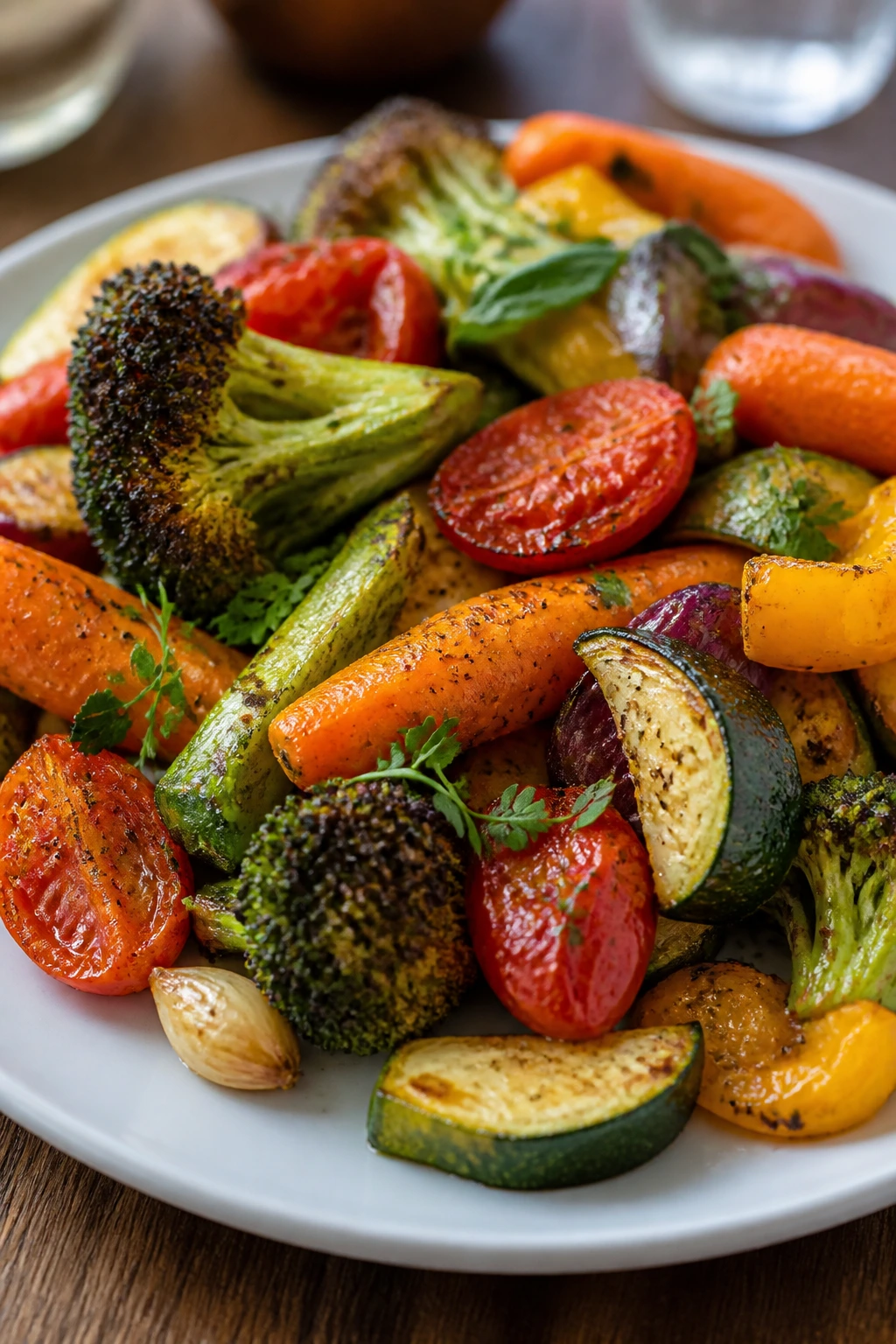
Crowding the pan is the biggest one. When vegetables sit on top of each other, they release steam and never get the dry heat they need for browning. Use two pans if you have to. A little extra washing is better than a tray of pale vegetables that taste like they came from a covered pot.
Cutting everything the same way is another trap. Broccoli florets and carrot coins do not need the same size, because they do not cook at the same rate as zucchini or mushrooms. The fix is simple: think in terms of density, not just aesthetics. Hard vegetables get smaller cuts; soft vegetables get bigger chunks.
Skipping the final acid is a sneaky mistake. Roasted vegetables can taste muted once they cool down a bit, especially if you used olive oil and salt but never added something sharp at the end. Lemon juice, lemon zest, or even a light splash of vinegar restores the brightness that roasting blunts.
Underseasoning at the start is common too. People worry about salt and end up with vegetables that look roasted but taste thin. Season the vegetables before they go in the oven, then taste again at the end and correct it while they’re still warm.
Using too much oil can ruin the texture. The vegetables should look lightly glossy, not drenched. If oil pools on the pan, blot it with a paper towel before roasting or the bottoms can go greasy instead of browned.
Variations for Different Cravings and Diets
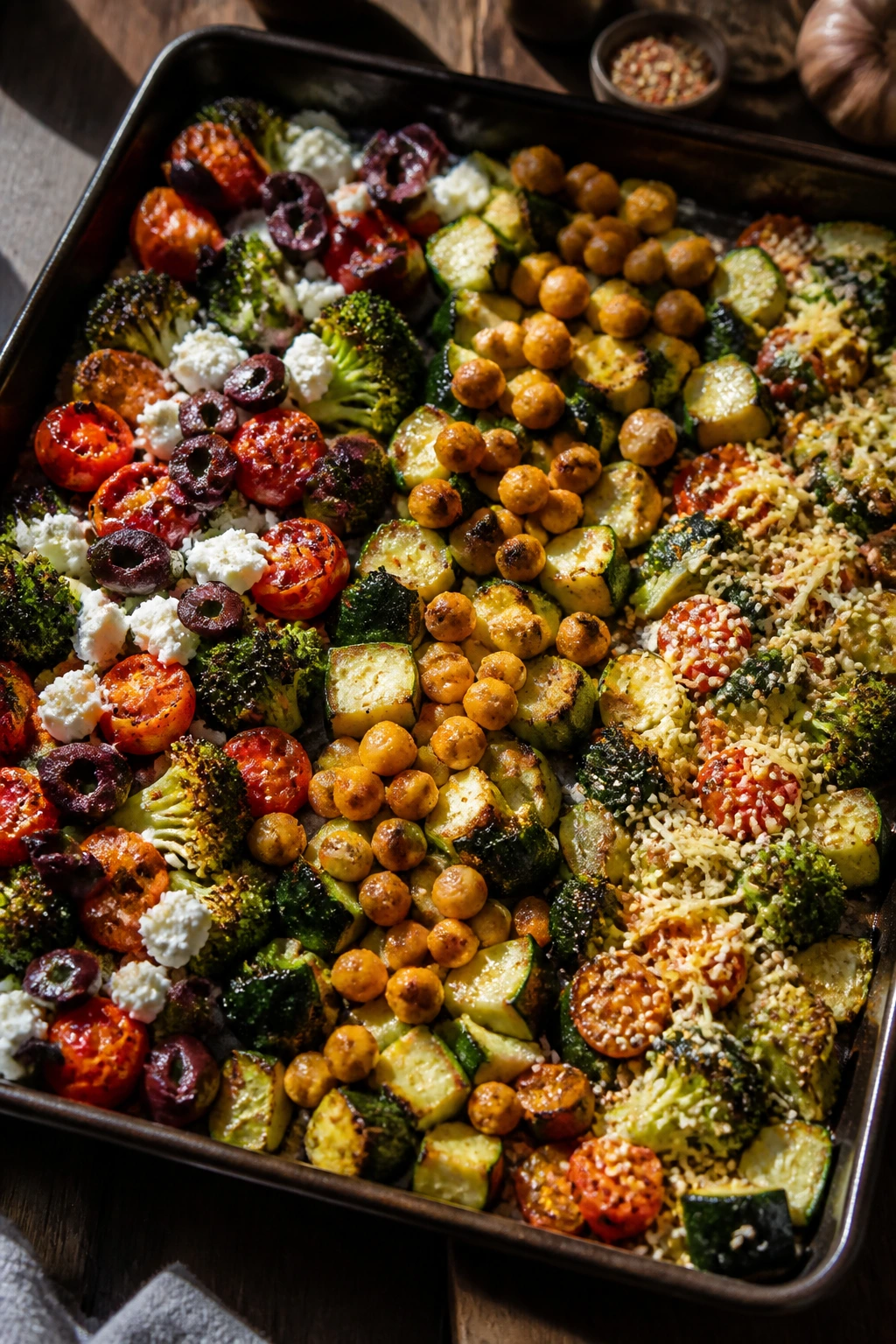
Mediterranean Market Tray: Swap the Italian seasoning for 1 teaspoon dried oregano and add 1/3 cup Kalamata olives in the last 5 minutes of roasting. Finish with crumbled feta and a pinch of chopped dill, and the whole pan starts tasting like it belongs next to grilled bread.
Smoky Chickpea Dinner: Add one 15-ounce can of drained, rinsed chickpeas to the carrots and broccoli in the first roasting stage. The chickpeas dry out a little on the outside and give you enough heft to call the meal dinner without adding anything else.
Ginger-Sesame Vegetable Bowl: Replace the Italian seasoning with 1 tablespoon grated fresh ginger and finish the roasted vegetables with 1 teaspoon toasted sesame oil and 1 tablespoon sesame seeds. This version is good with rice or soba noodles, and the sesame oil should go on after roasting or it loses its perfume.
Harissa Heat Tray: Stir 1 to 2 tablespoons harissa paste into the olive oil and spices, then roast as written. The vegetables pick up a red, smoky edge that works especially well with yogurt, cucumber, and flatbread.
Parmesan Herb Roast: Skip the lemon juice and toss the hot vegetables with 2 to 3 tablespoons finely grated Parmesan and a little extra parsley. The cheese melts into the browned edges and gives the carrots and broccoli a salty crust.
Keeping Leftovers Tasty for Another Meal
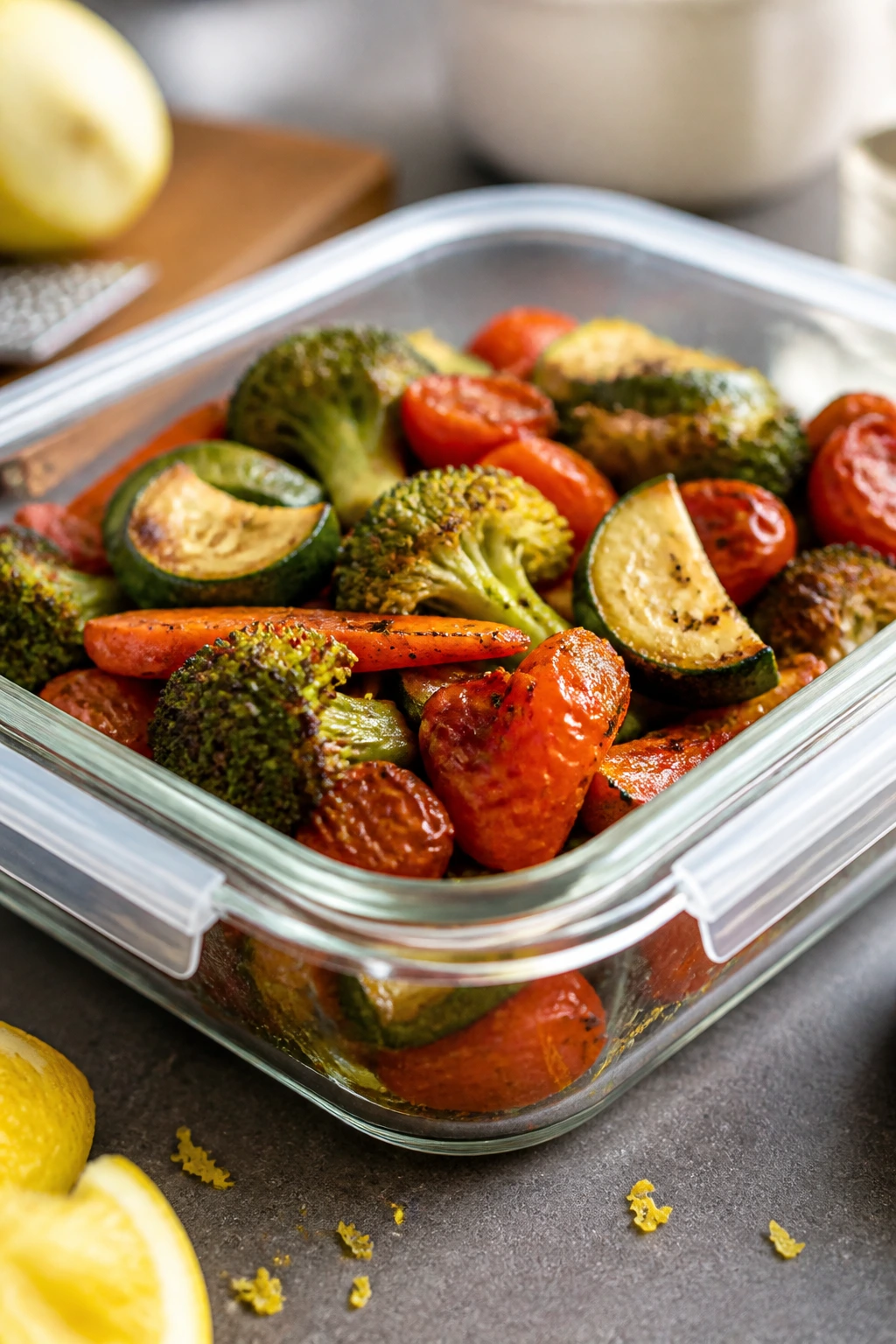
Roasted vegetables keep best in a shallow airtight container in the refrigerator for up to 4 days. If you pile them into a deep container while they’re still warm, the trapped steam will soften the edges, so spread them out on a plate for 10 to 15 minutes before sealing them away.
Freezing is possible, but it changes the texture. Broccoli, carrots, onions, and peppers freeze better than zucchini and tomatoes, which tend to go soft and watery after thawing. If you know you want freezer meals, freeze only the sturdier vegetables for up to 2 months, and keep the more fragile ones for the fridge.
Reheat leftovers in a 400°F (205°C) oven for 8 to 10 minutes or in a hot skillet over medium-high heat for 4 to 6 minutes. The oven brings back the edges best, while the skillet is quicker and gives you a little more char if you don’t mind standing at the stove.
Microwaving works in a pinch, but it softens everything and wipes out the crisp spots. If that’s your only option, use short bursts of 30 seconds and stop before the vegetables turn steamy. A fresh squeeze of lemon after reheating helps more than people expect.
For make-ahead prep, wash and chop the vegetables 1 day ahead and keep them in separate containers lined with paper towels. You can also mix the oil and seasoning up to 3 days ahead in a jar. The actual roasting should happen close to serving time; vegetables are at their best when they leave the oven and land on the plate while still hot.
Fresh Seasoned Vegetables Questions People Actually Ask
Can I use frozen vegetables instead of fresh ones?
Yes, but choose them carefully. Frozen broccoli, cauliflower, and green beans behave better than frozen zucchini or tomatoes, which turn soft fast, and you should roast them straight from frozen on a hot pan so they don’t dump extra water into the tray.
What vegetables need to go in first?
The dense ones. Carrots, broccoli, cauliflower, onions, Brussels sprouts, and potatoes need a head start because they take longer to soften and brown. Softer vegetables like zucchini, peppers, mushrooms, and tomatoes usually go in later or they fall apart before the firmer vegetables are done.
How do I keep the vegetables from getting soggy?
Use a hot oven, dry produce, and enough space on the pan. If the tray is packed, the vegetables steam instead of roast, so split them across two pans and resist the urge to stir them every few minutes.
Can I make this ahead for meal prep?
Absolutely. Roast the vegetables, cool them, and store them in a shallow container. They’re good for grain bowls, omelets, and wraps for several days, though they’re best eaten within the first 2 days if you care most about texture.
What if my carrots are still hard when the rest of the pan is done?
They were probably cut too thick or the oven was too cool. Next time, slice them thinner and give them the first roasting stage by themselves for a few minutes before adding the softer vegetables.
Can I cook these vegetables on the stovetop instead of in the oven?
You can, but the flavor changes. Use a wide skillet, work in batches, and keep the heat high enough to brown the edges without crowding the pan; otherwise, you’ll steam the vegetables and lose the roasted taste that makes this recipe worth making.
How can I make this more filling without adding meat?
Add chickpeas, white beans, or a grain like quinoa or farro. A fried egg on top also turns the plate into a real dinner fast, especially if you keep the yolk soft and let it run into the lemony vegetables.
What if the vegetables brown too fast before they’re tender?
Lower the oven by 25 degrees and cover the pan loosely with foil for the final stretch. That softens the heat a little without trapping so much steam that you lose all the browning.
A Dinner Pan Worth Repeating
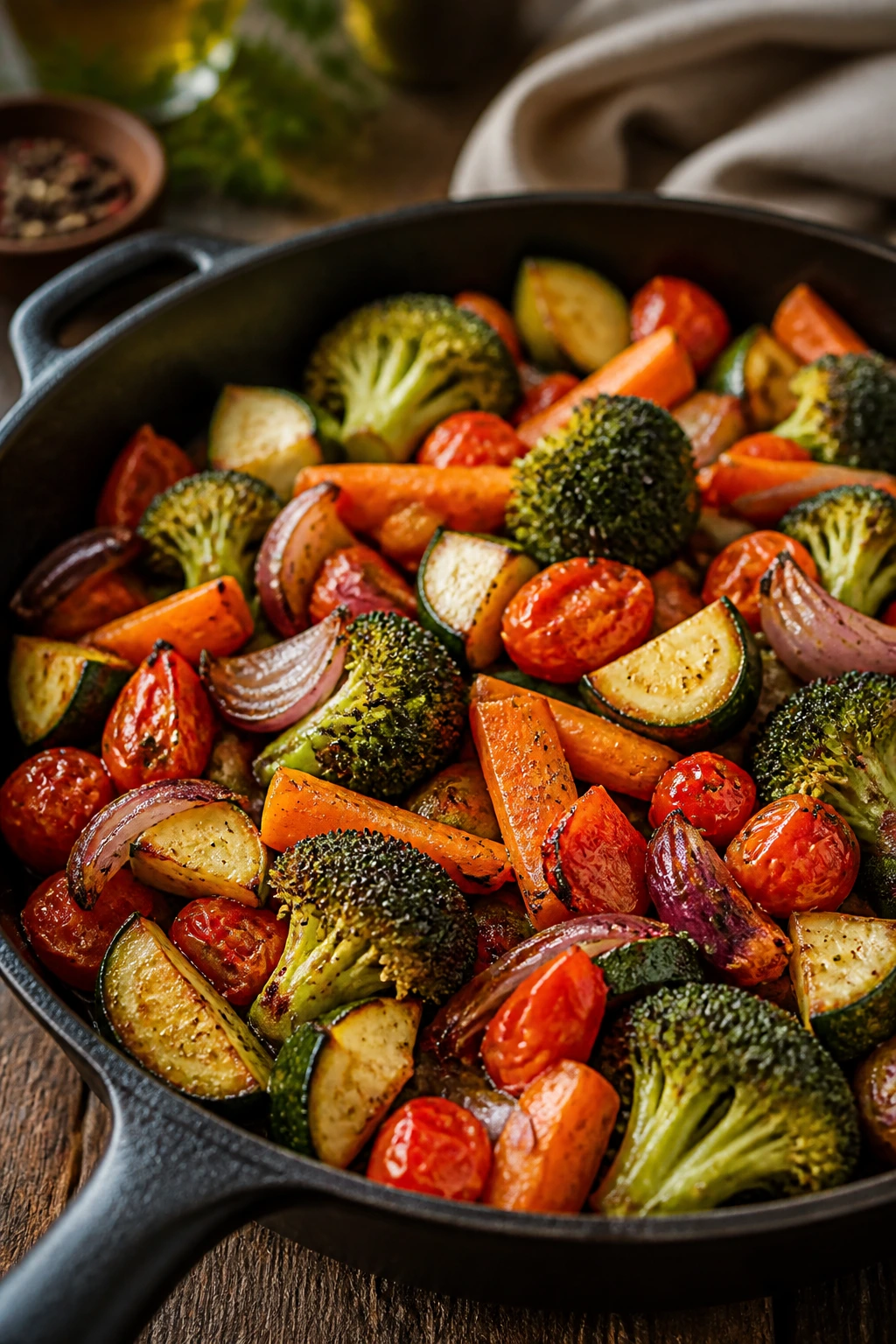
The best thing about fresh seasoned vegetables is that they don’t need to apologize for being vegetables. When they’re cut with care, roasted in a hot oven, and finished with salt and lemon, they earn a place in the middle of the plate instead of serving as decoration on the side. That’s the difference between a tray you tolerate and a tray you keep making again.
I like recipes like this because they stay useful when the fridge looks half empty. A few carrots, one zucchini, a pepper, some broccoli, and a lemon can turn into something that tastes arranged rather than improvised. Keep the heat high, keep the cuts even, and don’t skip the finish. The next time you want a healthy dinner that still feels like actual food, this is the pan to reach for.
Fresh Seasoned Vegetables for a Healthy Dinner — Recipe Card
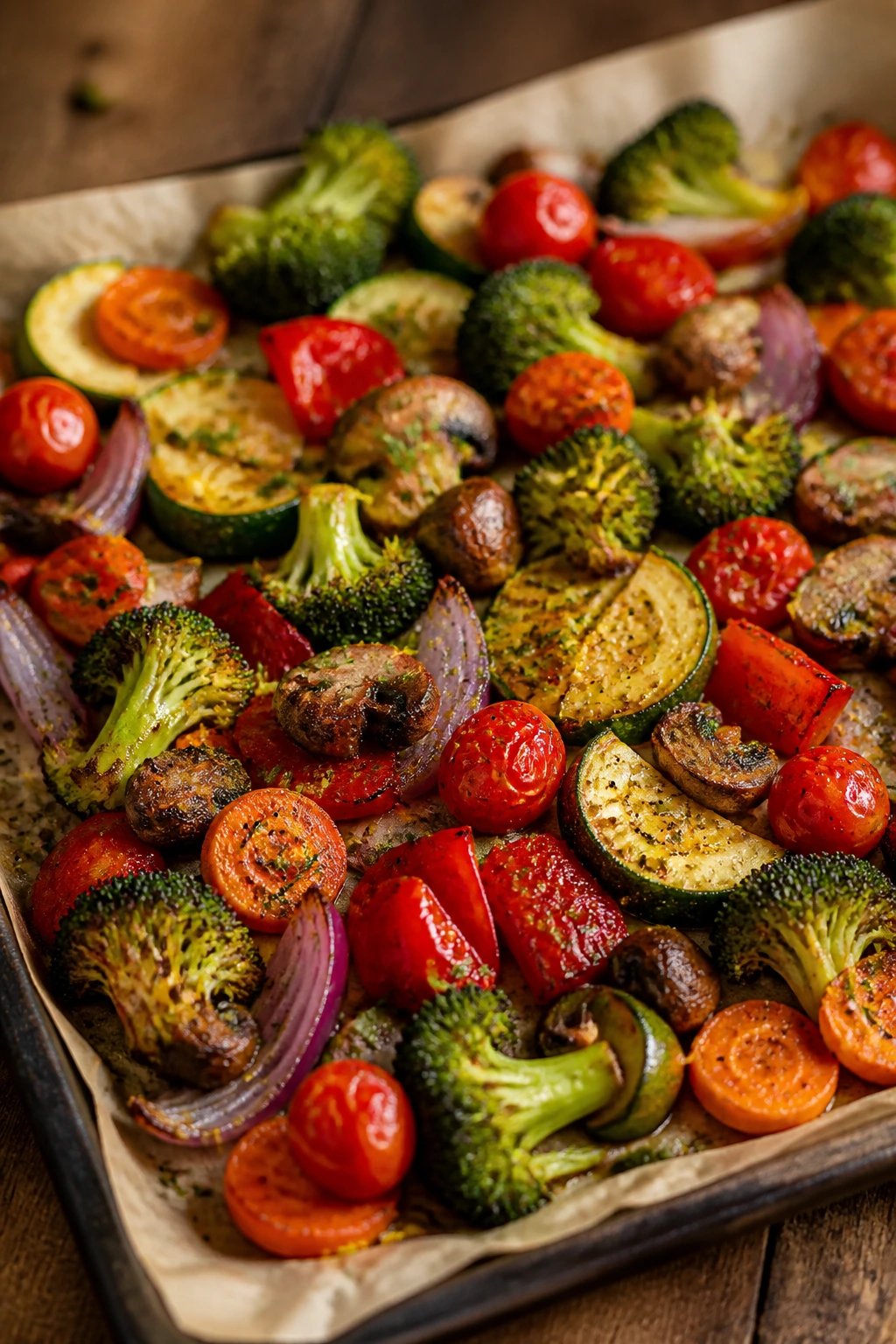
Recipe Name: Fresh Seasoned Vegetables for a Healthy Dinner
Description: A roasted vegetable medley with broccoli, carrots, bell pepper, zucchini, mushrooms, onion, and tomatoes tossed in olive oil, garlic, herbs, smoked paprika, lemon, and parsley. The vegetables stay distinct, browned, and bright instead of soft and dull.
Prep Time: 20 minutes
Cook Time: 25 minutes
Total Time: 45 minutes
Course: Main Course, Side Dish
Cuisine: American, Mediterranean-inspired
Servings: 4 servings
Calories: About 180 kcal per serving
Ingredients
- 4 cups broccoli florets, cut into bite-size pieces
- 2 medium carrots, peeled and sliced into 1/2-inch coins
- 1 red bell pepper, seeded and cut into 1-inch pieces
- 1 medium zucchini, cut into thick 3/4-inch half-moons
- 8 ounces cremini mushrooms, wiped clean and halved if large
- 1 small red onion, cut into 1-inch wedges
- 1 cup cherry tomatoes
- 1 lemon, zested and cut into wedges
- 3 tablespoons extra-virgin olive oil
- 2 cloves garlic, very finely minced
- 1 teaspoon kosher salt
- 1/2 teaspoon black pepper
- 1 teaspoon dried Italian seasoning
- 1/2 teaspoon smoked paprika
- 2 tablespoons chopped fresh parsley
- Optional: 1 tablespoon lemon juice
- Optional: red pepper flakes
Instructions
- Preheat the oven to 425°F (220°C) and line a large rimmed sheet pan with parchment paper.
- Toss the carrots, broccoli, and red onion with about two-thirds of the oil, garlic, salt, pepper, Italian seasoning, and smoked paprika. Spread on the pan in a single layer and roast for 10 minutes.
- Toss the bell pepper, zucchini, mushrooms, and cherry tomatoes with the remaining seasoning mixture.
- Add the softer vegetables to the pan and roast for 12 to 15 minutes more, stirring once halfway through, until the carrots are tender, the tomatoes burst, and the edges are browned.
- Transfer to a bowl or platter, add lemon zest, parsley, and lemon juice if using, then taste and adjust salt if needed.
Notes: Use two pans if the vegetables are crowded. Add lemon after roasting, not before. Leftovers keep for 4 days in the refrigerator and reheat best in a hot oven or skillet.