



A pot of tomato sauce can swallow a grated zucchini, two carrots, and half an onion without blinking. Give those vegetables a sharp knife, a hot pan, and a dinner that already wants sauce or filling, and they stop standing out like a side dish nobody asked for. That is the charm of fresh hidden vegetables for a healthy dinner: they don’t have to announce themselves to do real work.
A lot of people do not need another lecture about eating more vegetables. They need a weeknight meal that feels satisfying, still comes in under control, and doesn’t taste like a compromise. Hidden vegetables help because they add body to sauces, moisture to baked dishes, sweetness to savory bases, and a little more variety to the plate without turning dinner into a pile of steamed odds and ends.
There is a catch, though. Tossing raw chopped vegetables into any old pan and hoping for the best usually gives you a watery skillet, a bland casserole, or a weirdly chunky bite that gives the whole game away. The trick is knowing which vegetables disappear best, which ones need browning, and which cuts vanish into the background without making dinner taste flat.
Why This Approach Works
-
It adds actual food, not just a token garnish: A cup of grated zucchini or finely chopped mushrooms can disappear into sauce, filling, or soup and still bring fiber, moisture, and volume to the meal.
-
It makes vegetarian dinners feel less fragile: Beans, pasta, eggs, rice, and cheese all benefit from a vegetable base that keeps the dish from tasting one-note or dry.
-
It uses produce before it gets tired: The carrot with the bendy stem, the pepper that’s softened around the edges, the spinach that needs to be cooked tonight—they all fit neatly into a pan dinner.
-
It improves texture in the right dishes: Hidden vegetables can soften a dense filling, loosen a thick sauce, or give a baked dish a juicier bite without making the whole thing soggy.
-
It lets you build dinner around flavor first: You still taste garlic, onion, tomato, herbs, cheese, beans, or pasta. The vegetables support the meal instead of sitting in the front row.
-
It makes the healthy part of dinner less fussy: You do not have to juggle a separate side dish when the vegetables are already folded into the thing people actually want to eat.
Which Fresh Vegetables Disappear Best in a Healthy Dinner
Zucchini is the easy winner when you want something that melts into the background. Grated zucchini cooks down fast, gives up water fast, and picks up the flavor of whatever it’s sitting next to. Carrots are the opposite kind of useful: they bring sweetness, color, and a little body, and they almost always behave when diced small or grated into a sauce base. Neither one needs much convincing.
Mushrooms deserve their own category because they do two jobs at once. They disappear into a mince, yet they also add a deep savory note that makes a vegetarian dinner taste fuller. If you chop them fine and cook them until their moisture is gone, they stop reading as “mushroom” and start reading as “something rich happened here.”
The Vegetables That Blend In Fastest
Spinach is the shape-shifter. A big handful looks dramatic in the bowl, then collapses into a few glossy strands the moment heat hits it. Kale does the same thing, though it needs a little more time and a little more salt to stop tasting stubborn. If you want a leafy green inside a filling or sauce, those two are the safest place to start.
Cauliflower and cauliflower rice can be useful, but they ask for better technique than people expect. Steam or roast them first, then pulse or mash them into a base; if you throw raw cauliflower into a sauce, it can taste chalky and leave a faint crunch where you did not want one. Butternut squash and sweet potato are the sweeter cousins of the group. They work best when you want a softer, silkier texture and don’t mind a touch of sweetness underneath the savory notes.
Onions, celery, and bell peppers are the classic trio for a reason. They don’t vanish completely, but when they’re chopped small and cooked until soft, they become part of the backbone of dinner rather than a separate layer you have to chew around. This is where a lot of hidden-vegetable cooking starts, honestly. Not with tricks. With the base.
What to Use When You Want the Least Noticeable Result
If you want the vegetables to disappear as much as possible, go with grated zucchini, finely chopped mushrooms, minced onion, and a little carrot. That combination melts into tomato sauce, taco filling, lentils, shepherd’s pie, or a baked pasta with almost no drama. The closer your cut size is to rice grains, the less likely you are to get obvious pieces in the finished dish.
If you want the vegetables to disappear visually but still feel present in the meal, use spinach, kale, cauliflower, and squash purée. These are better in creamy sauces, soups, and fillings where color and texture get softened by dairy, beans, or broth. They don’t vanish quite as completely as the grated vegetables, but they do a cleaner job in dishes that need a little thickness.
The Grate, Chop, and Purée Moves That Make Fresh Hidden Vegetables Work
The cut matters more than the vegetable name. That sounds obvious until you watch the same zucchini go from obvious chunks to something that melts into a pan after a few strokes on a box grater. A food processor can do the same job in seconds, but it can also turn vegetables into wet confetti if you’re careless with the blade. Pulse, do not puree unless you mean it.
Grating Is the Fastest Route to Disappearing Vegetables
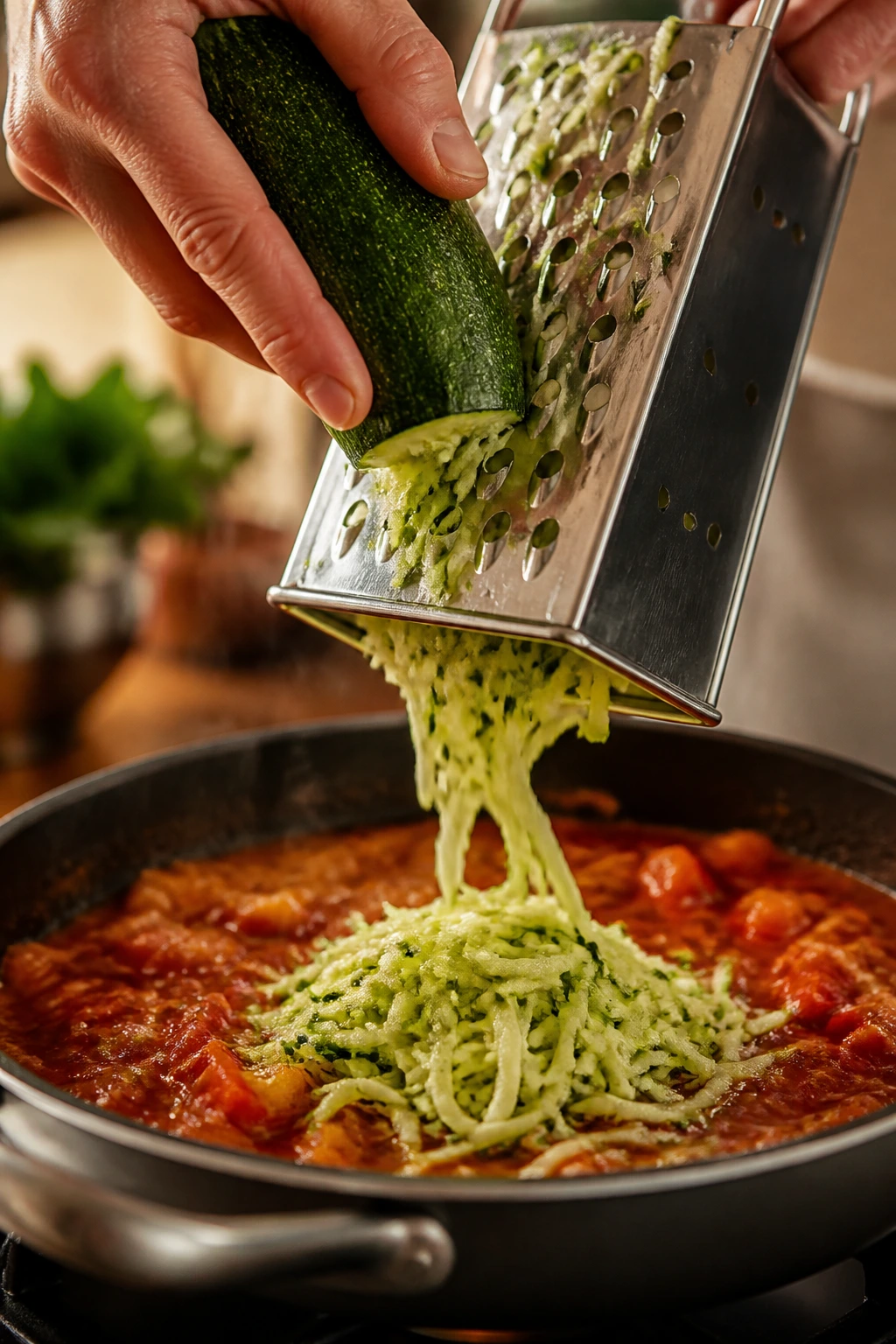
A medium zucchini, a carrot, or even a peeled parsnip grates down into little strands that cook quickly and blend into sauce or filling. Use the large holes of a box grater for a softer, less visible result, and the medium holes when you want the vegetable to vanish into a meatless meat sauce or savory bake. If the vegetable is watery, like zucchini, salt it for 10 minutes, then squeeze it in a clean kitchen towel until the surface feels dry and a little springy.
That step saves you from soggy dinner. It also changes the flavor a bit, which is useful. Salted zucchini tastes cleaner and cooks more like an ingredient than a puddle.
Chopping Is Better When You Want Texture but Not Clumps
Mushrooms, onions, celery, bell peppers, and carrots can all be chopped so small they behave like a background note instead of a bite. Aim for pieces around the size of coarse rice or tiny lentils if you want them to melt into a sauce or filling. A sharp chef’s knife is enough, though a food processor makes a fast job of mushrooms if you pulse it and stop before the mushrooms turn into paste.
Tiny pieces cook faster, which matters. A pan full of rough chunks stays suspicious longer, especially in a vegetable-packed dinner where everyone is already paying attention.
Puréeing Is Best for Creamy Bases
Cooked cauliflower, roasted squash, cooked carrots, and even white beans can be puréed into soups and sauces that look rich without relying on a lot of cream. An immersion blender is the easiest tool here because it lets you control texture while the pot stays on the stove. A regular blender works too, but only if you blend in batches and leave room for hot steam to escape.
The smartest move with purée is to cook the vegetable first. Raw purée can taste grassy, and in a dinner sauce it often reads as raw vegetable with a soft focus. Roast or simmer first, then blend. The difference is not subtle.
The Dishes That Welcome Fresh Hidden Vegetables First
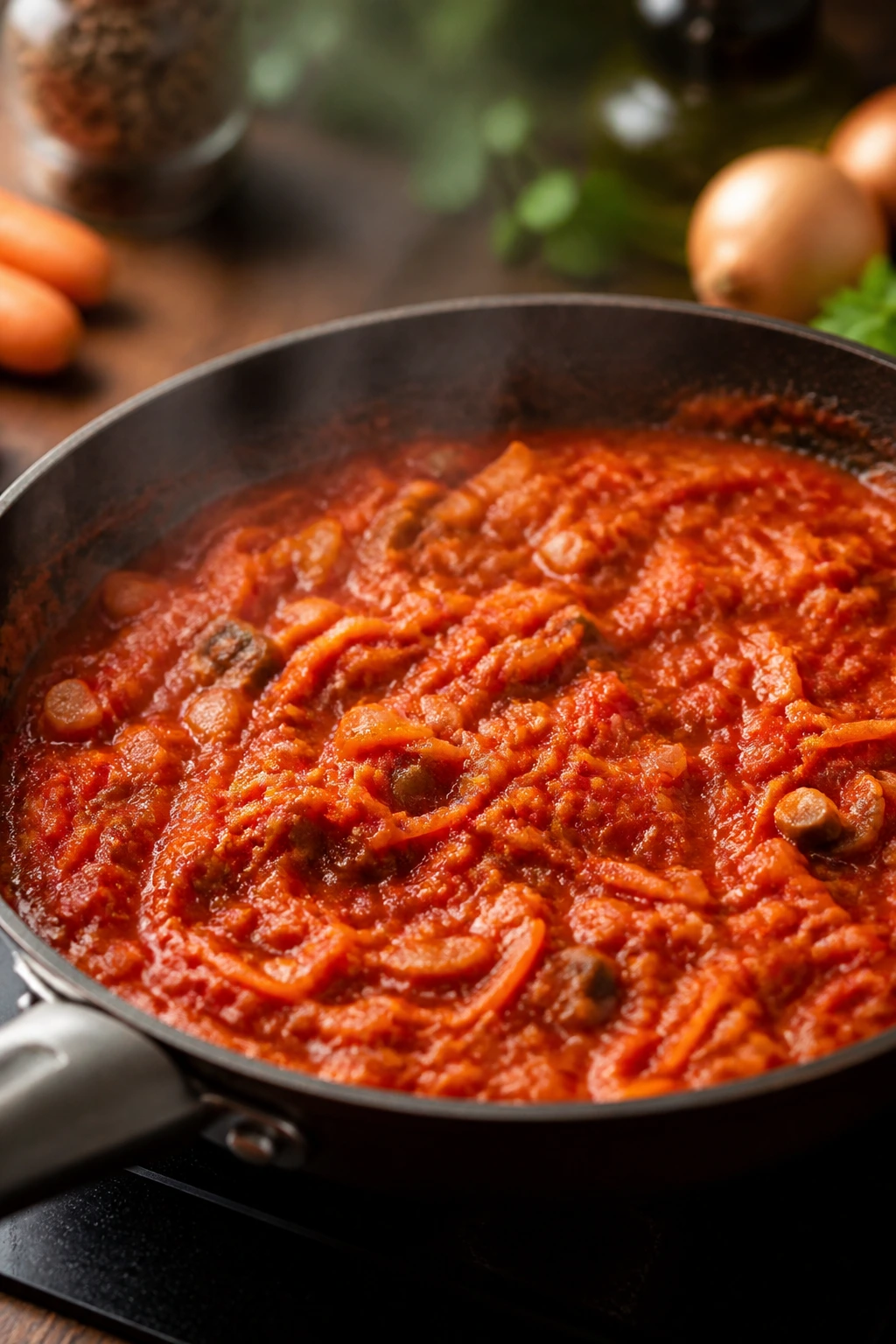
Some dinners are good hiding places. Others are terrible. A crisp salad, obviously, is not where you hide zucchini. But a skillet of tomato sauce, a tray of baked pasta, or a cheesy bean filling? Those are soft landings.
Pasta dinners are the most forgiving. Marinara, baked ziti, lasagna, stuffed shells, and even a weeknight lasagna skillet all accept grated carrots, minced onions, chopped mushrooms, and spinach without turning into a different meal. The sauce already has a job: coat, soften, and cling. That makes it the perfect place for vegetables to disappear while still doing something useful.
Taco fillings and enchilada mixtures work well too, especially when the vegetables are chopped small and cooked hard before the beans or cheese go in. Mushrooms with onions and a little grated carrot make a surprisingly good vegetarian taco base. Add black beans, cumin, and tomato paste, and you get a filling that tastes deliberate instead of like a fridge cleanout.
Dinners That Benefit Most From Hidden Vegetables
- Tomato-based pasta sauces: Best for carrots, zucchini, mushrooms, onion, celery, and spinach.
- Baked pasta dishes: Good for almost anything finely chopped, especially mushrooms and leafy greens.
- Savory pies and casseroles: A smart place for cauliflower, squash, carrots, and onions because the crust or topping hides the texture.
- Bean-and-cheese fillings: Great for spinach, zucchini, peppers, and minced mushrooms.
- Soups and stews: The easiest route for purées, since texture gets softened by broth and simmering.
- Skillet rice or grain bowls: Work well if the vegetables are chopped tiny and sautéed first.
The less delicate the dish, the easier the hiding job becomes. That is why shepherd’s pie, chili, and casserole-style dinners are such reliable targets. They already ask for a mixed, layered bite. You are not sneaking vegetables into a piece of fruit salad. You are building a meal where nobody expects every component to stand alone.
Tomato Sauces, Cheese Sauces, and Other Soft Landings
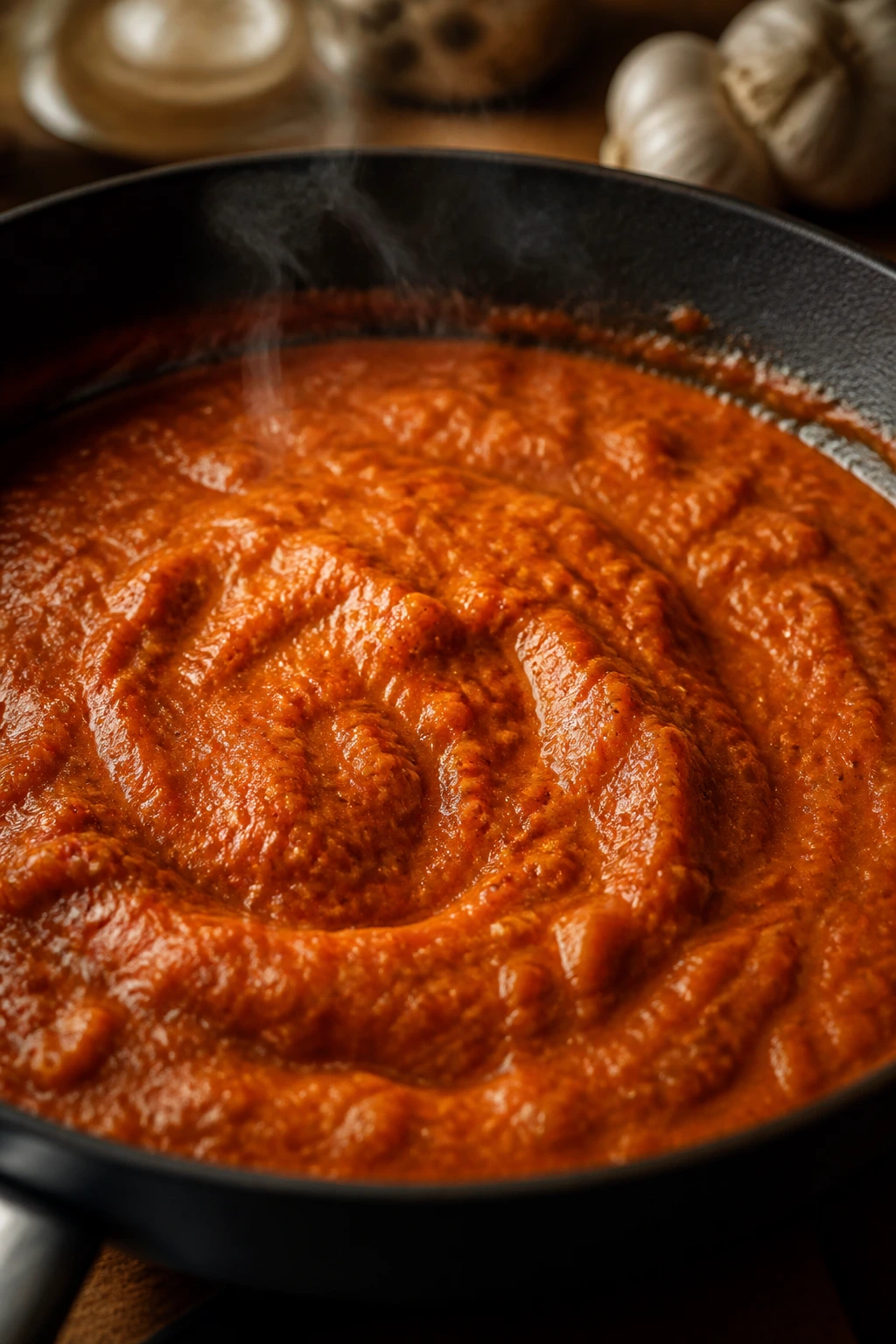
Red sauces are the obvious place to start because color helps you. A tomato base can absorb grated carrots, minced onions, chopped mushrooms, and zucchini without a visible fight, especially if the sauce simmers for 20 to 30 minutes and you give the vegetables time to soften before the tomatoes go in. The acid in tomatoes also keeps the sweetness of carrots from taking over. That matters more than people think.
Cheese sauces and creamy bases are trickier, but they’re still useful. Puréed cauliflower, cooked squash, and even a little white bean can loosen a heavy sauce without making it taste watery. The key is to blend until smooth and then season more aggressively than you would with a plain sauce. A creamy sauce that hides vegetables needs salt, pepper, and usually a hit of acid at the end—lemon juice, a splash of vinegar, or a spoonful of mustard if the dish can handle it.
Where the Vegetables Belong in a Sauce
Start them in the pan with onion and garlic when you want the vegetables to become part of the base. That gives you time to cook off moisture and build flavor before the sauce goes in. It also prevents the annoying problem where the vegetables float around like little islands in the pot.
If you’re using puréed vegetables, stir them into the sauce after the onions soften and before the main liquid goes in. That gives the purée a chance to cook off any raw taste. A quick 5-minute simmer is rarely enough. Give it at least 10 minutes if the vegetable purée is the backbone of the sauce.
Brothy soups are a little easier because they can absorb more vegetable presence without looking crowded. They’re still better if you cook the vegetable base first. A soup made with raw diced carrots and celery tastes different from one where the same vegetables spent 8 minutes in olive oil with onion and garlic. Better, usually. Rounder. Less sharp.
When Hidden Vegetables Need Browning, Not Hiding
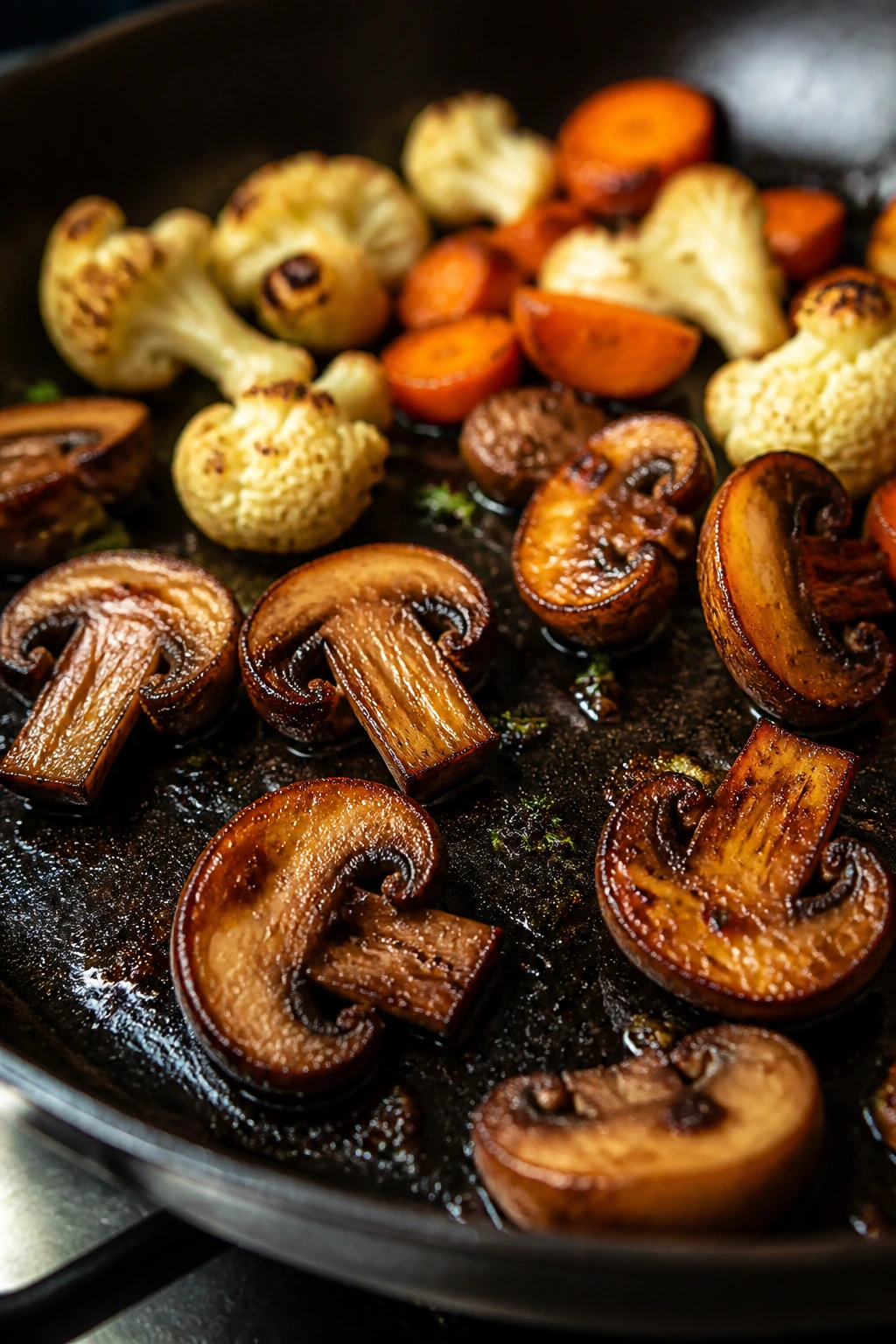
Some vegetables should not be hidden right away. They should be browned first, because that browned edge is where the flavor lives. Mushrooms are the best example. If you dump a pound of chopped mushrooms into a crowded skillet and keep the heat low, they steam. If you give them room, they shrivel, darken, and stop smelling like wet paper.
Roasting changes everything too. Cauliflower at 425°F for 20 to 30 minutes, tossed with olive oil and salt, gets nutty edges and a sweeter center. Same with squash. Same with carrots. That little bit of color makes them taste less like diet food and more like dinner. If you puree them after roasting, the flavor gets deeper without getting loud.
Browning Moves That Pay Off
- Roast at 425°F: Good for cauliflower, squash, carrots, peppers, and onions when you want sweetness and a hint of char.
- Sauté over medium-high heat: Best for mushrooms and finely chopped onions when moisture needs to cook off fast.
- Let the pan breathe: If the skillet is packed, vegetables steam instead of browning, and the flavor stays thin.
- Stir less than you want to: A little stillness helps browning happen. Constant movement stops it.
- Use oil, not a dry pan: A teaspoon or two is enough to keep the surface hot and help edges color instead of stick.
A lot of home cooks think hidden vegetables should be pale and invisible at the same time. That is not how flavor works. If you want vegetables to disappear inside dinner, they often need to become more themselves first—more browned, more sweet, more savory—before they can blend into the rest of the dish.
How to Season Hidden Vegetables So Dinner Still Tastes Like Dinner
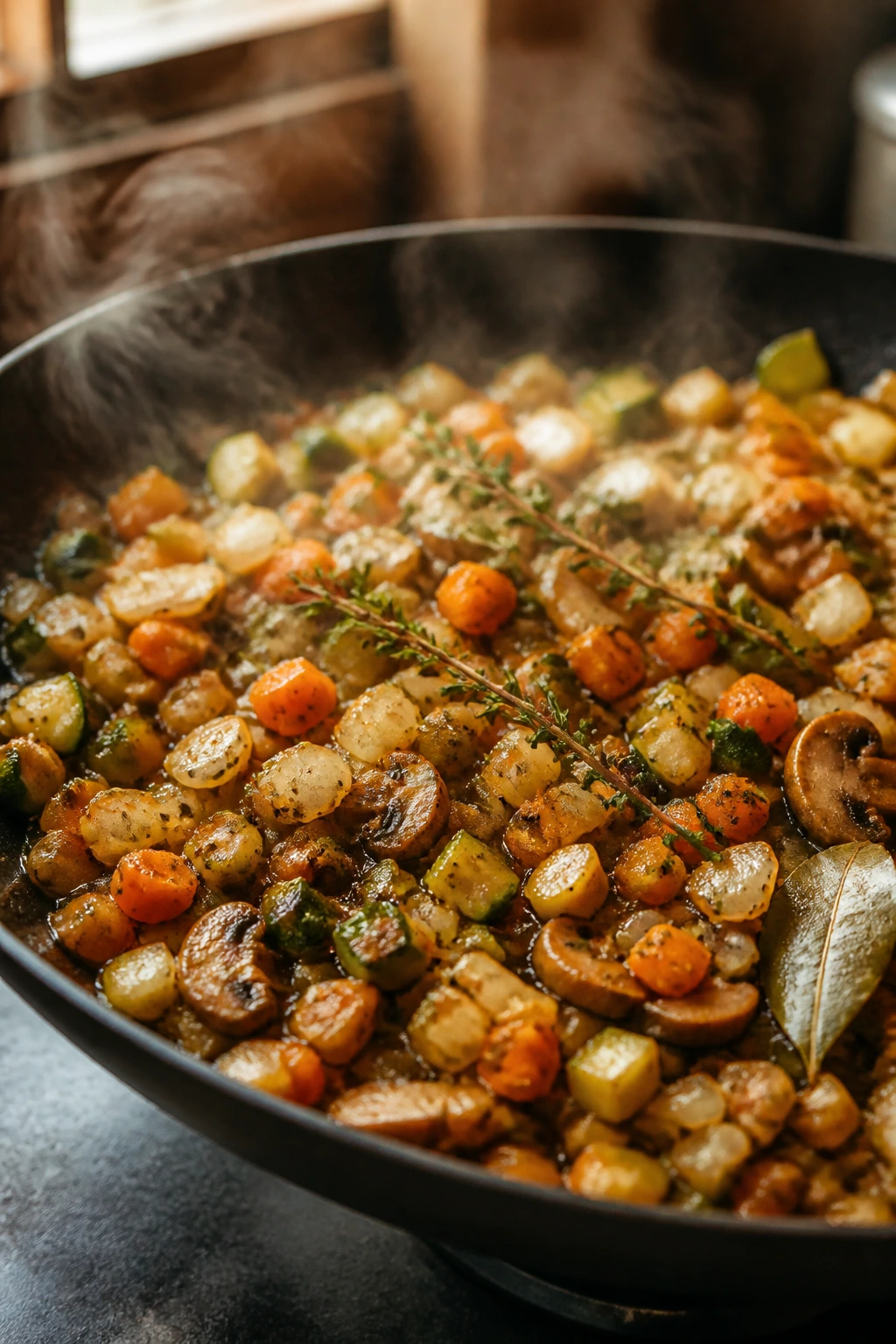
This is where a lot of otherwise smart vegetable cooking falls flat. The vegetables get added, but nobody seasons them well enough to make the flavor feel finished. Then the whole dish tastes like someone took the meat, the cheese, or the sauce away and left the pale leftovers behind. Not good.
The fix is not complicated. Start with salt early enough to draw out moisture, then season again once the vegetables are cooked and mixed into the meal. Hidden vegetables need the same seasoning logic as anything else: fat carries flavor, salt wakes it up, and acid keeps it from sitting heavy on the tongue. If you skip one of those pieces, the dish starts to feel muddy.
Seasoning Matches That Actually Work
- Carrot and onion: thyme, bay leaf, black pepper, a little nutmeg, and tomato paste.
- Zucchini: garlic, basil, oregano, parsley, lemon zest, and parmesan.
- Mushrooms: thyme, rosemary, soy sauce or tamari, black pepper, and a little balsamic vinegar.
- Cauliflower: cumin, smoked paprika, garlic, mustard, and a touch of lemon.
- Spinach and kale: garlic, chili flakes, lemon juice, dill, or a sharp cheese like feta or parmesan.
- Squash and sweet potato: sage, coriander, curry powder, ginger, and black pepper.
The important part is to match the seasoning to the role of the vegetable. Carrots like warmth. Mushrooms like savoriness. Greens like brightness. Squash likes spice or herbs that keep its sweetness in check. If you season the vegetables as if they are meant to be there—and not merely tolerated—they stop reading as hidden and start reading as integrated.
Keeping Moisture Under Control
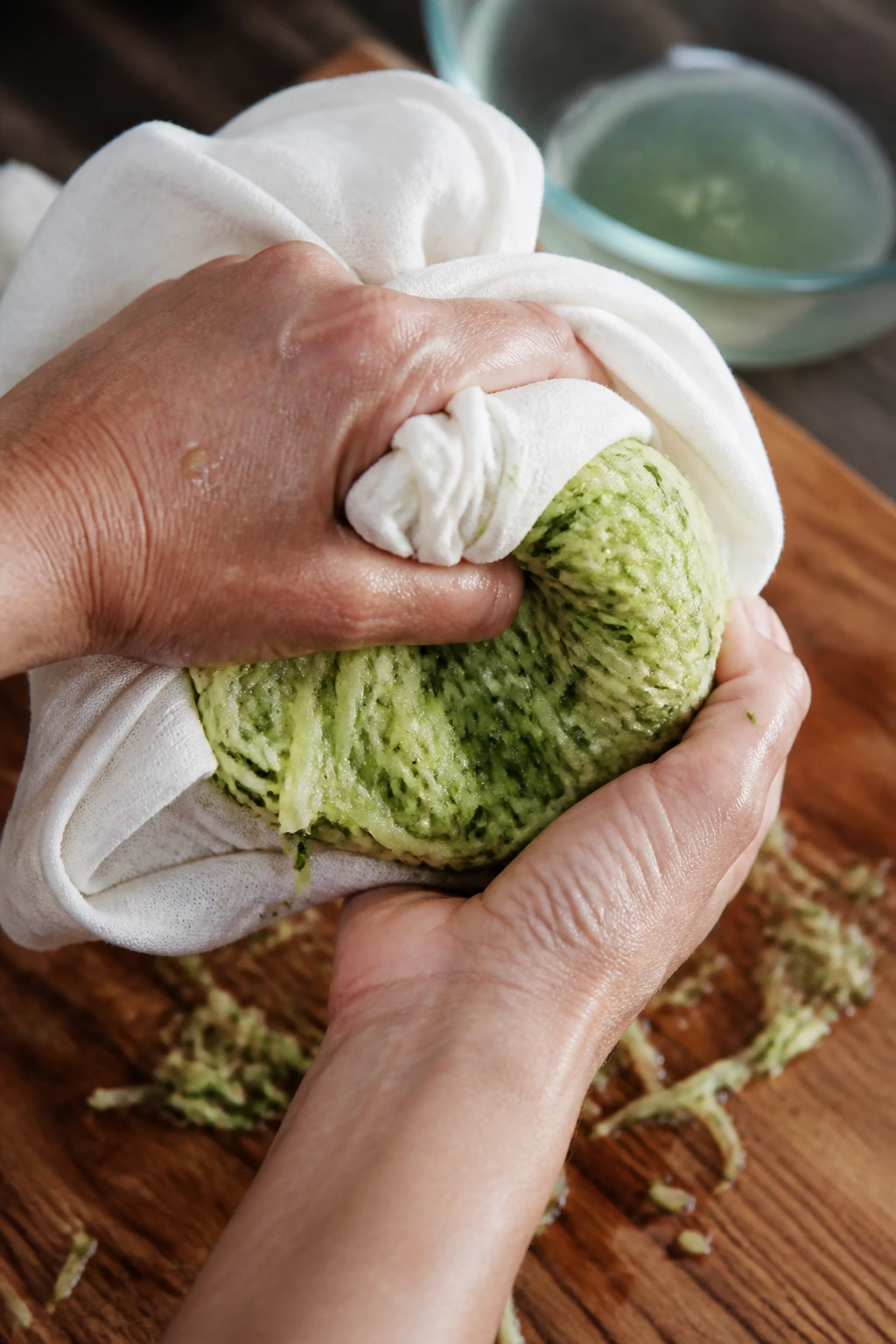
Water is the enemy of a good hidden-vegetable dinner, or at least the enemy of a dinner that keeps its shape. Fresh zucchini, mushrooms, tomatoes, spinach, and even peppers can let go of more liquid than you expect once heat hits them. If you do not plan for that, the sauce loosens too much, the filling slides, and the baked top goes pale instead of crisp.
The fix starts before the pan. Salt watery vegetables, let them sit, then press or squeeze them dry. A grated zucchini can lose a shocking amount of liquid in 10 minutes. Spinach should be wilted first and then squeezed once it cools enough to handle. Mushrooms need a hot skillet and enough room to release and reabsorb moisture before they go into the final dish.
The Fastest Ways to Dry Out Moist Vegetables
- Salt grated zucchini for 10 minutes, then squeeze it in a towel.
- Sauté mushrooms until the pan looks dry again and the mushrooms sound a little squeaky against the spoon.
- Roast squash and cauliflower instead of boiling them whenever possible.
- Let cooked vegetables cool for 5 to 10 minutes before folding them into cheese or egg mixtures.
- Keep tomato-heavy fillings uncovered for the last few minutes so steam can escape.
There’s one more detail people miss: if a dish already has watery vegetables, keep the rest of the ingredients drier. Use firm cheese instead of soft ricotta in one spot, or thicken a sauce with a spoonful of tomato paste, white beans, or breadcrumbs. That way you’re balancing the moisture instead of piling it on from every direction.
Building a Healthy Dinner Around One Hidden Vegetable Base
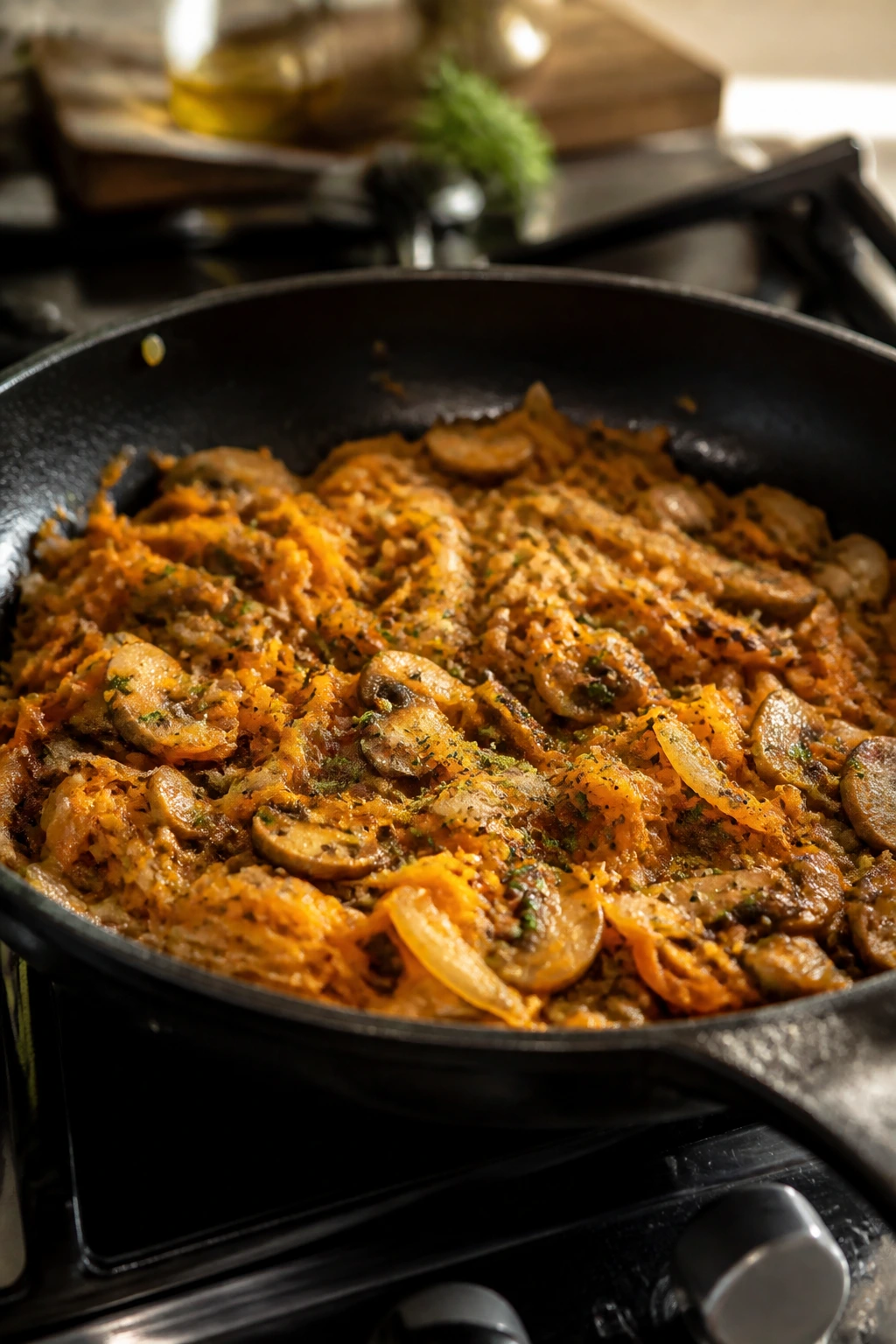
The easiest way to make this work on a regular night is to stop thinking in terms of “hiding vegetables in everything” and start thinking in terms of one smart vegetable base. Pick a dinner format, choose one vegetable that fits it, and let that ingredient support the whole meal rather than trying to do all the work alone.
For a pasta dinner, that base might be a sauce with grated carrot, onion, and mushrooms. For a grain bowl, it might be a skillet of spinach, onion, and roasted cauliflower mixed into rice or farro. For a casserole, it might be a layer of sautéed zucchini and peppers under beans, cheese, or eggs. One base. One job. Less chaos.
A Simple Dinner Formula That Holds Up
- Start with a visible anchor: pasta, rice, tortillas, potatoes, beans, or bread.
- Add one hidden vegetable base: about 1 to 1½ cups cooked vegetable mixture per 4 servings is a good starting point.
- Include protein or protein-rich ingredients: eggs, beans, lentils, tofu, cheese, yogurt, or tempeh.
- Add one sharp finish: lemon, vinegar, herbs, pickled onions, chili flakes, or a spoonful of pesto.
- Keep one texture obvious: toasted breadcrumbs, crispy edges, chopped herbs, or a fresh side salad.
That last point matters. If every part of dinner is soft, blended, or buried, the meal can feel flat even when it tastes fine. A little crunch on top makes the hidden vegetables feel intentional instead of mushy. Toasted seeds, breadcrumbs, or a handful of chopped herbs can fix more than you’d expect.
Additional Tips and Flavor Boosters
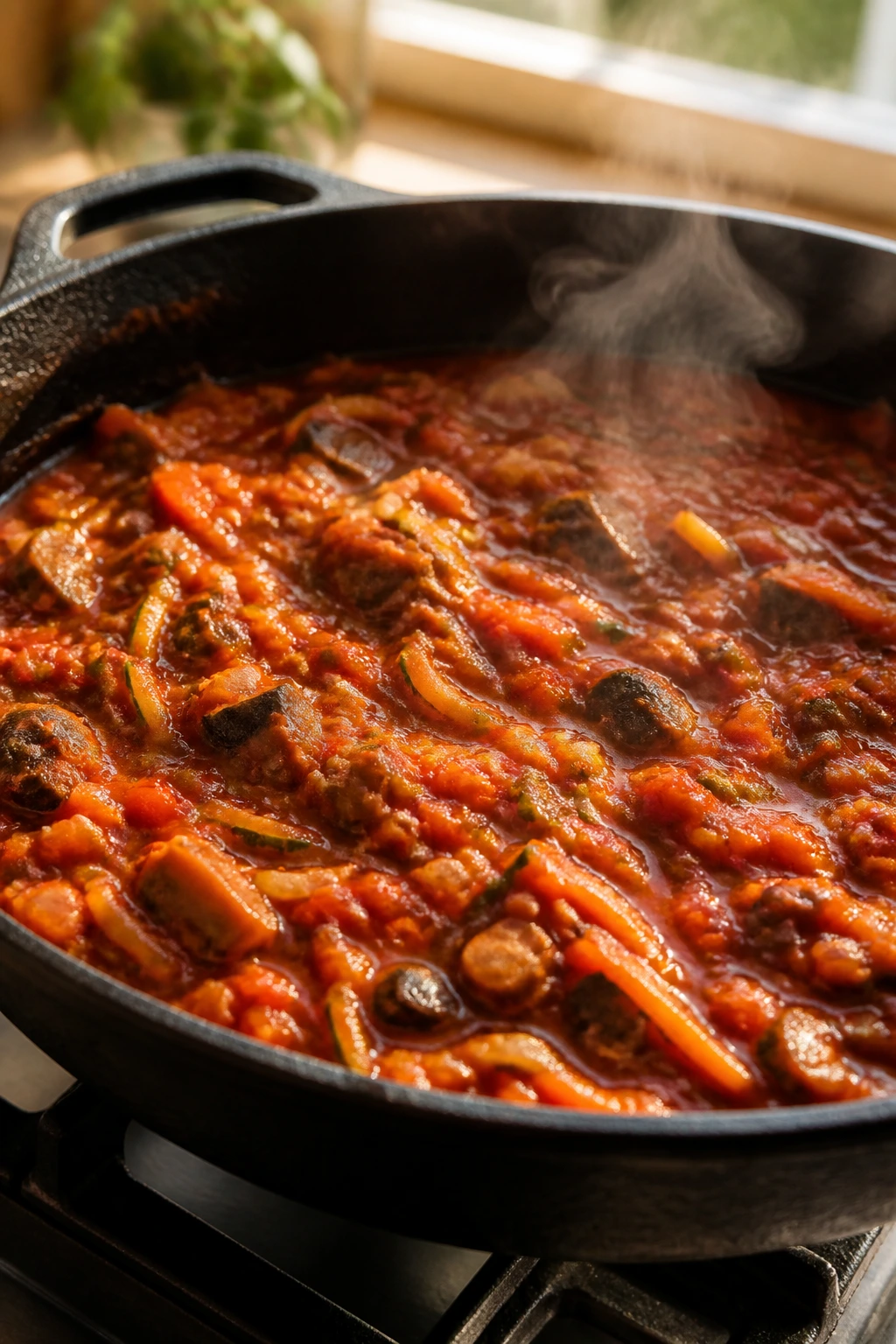
Flavor Enhancement: A tablespoon of tomato paste cooked with the vegetables for 1 to 2 minutes adds a deep, cooked flavor that makes hidden carrots, onions, and mushrooms taste like they belong in the pan. If you’re working with creamier dishes, a small spoonful of miso or mustard can do the same thing without changing the whole profile.
Customization: If the dinner needs more heat, add chili flakes or a diced jalapeño while the onions cook. If you want a softer, sweeter edge, use roasted red peppers or a little extra carrot. If the meal needs more savory depth, mushrooms, parmesan, or tamari usually help without taking over.
Serving Suggestions: Finish with fresh herbs, a drizzle of good olive oil, or a few toasted breadcrumbs for crunch. A little lemon zest on spinach-heavy dishes wakes them up fast. On tomato dishes, a shower of parmesan or pecorino makes the vegetables taste less like a trick and more like a smart base.
Make-It-Yours: For dairy-free dinners, use olive oil and a puréed vegetable base instead of cream. For gluten-free dinners, lean on rice, polenta, beans, or gluten-free pasta as the anchor. For extra protein, blend white beans or silken tofu into the sauce; they disappear well and help the meal feel more complete.
Essential Tools for the Job
- Box grater: The fastest way to turn zucchini, carrots, and even firm squash into a base that melts into sauce.
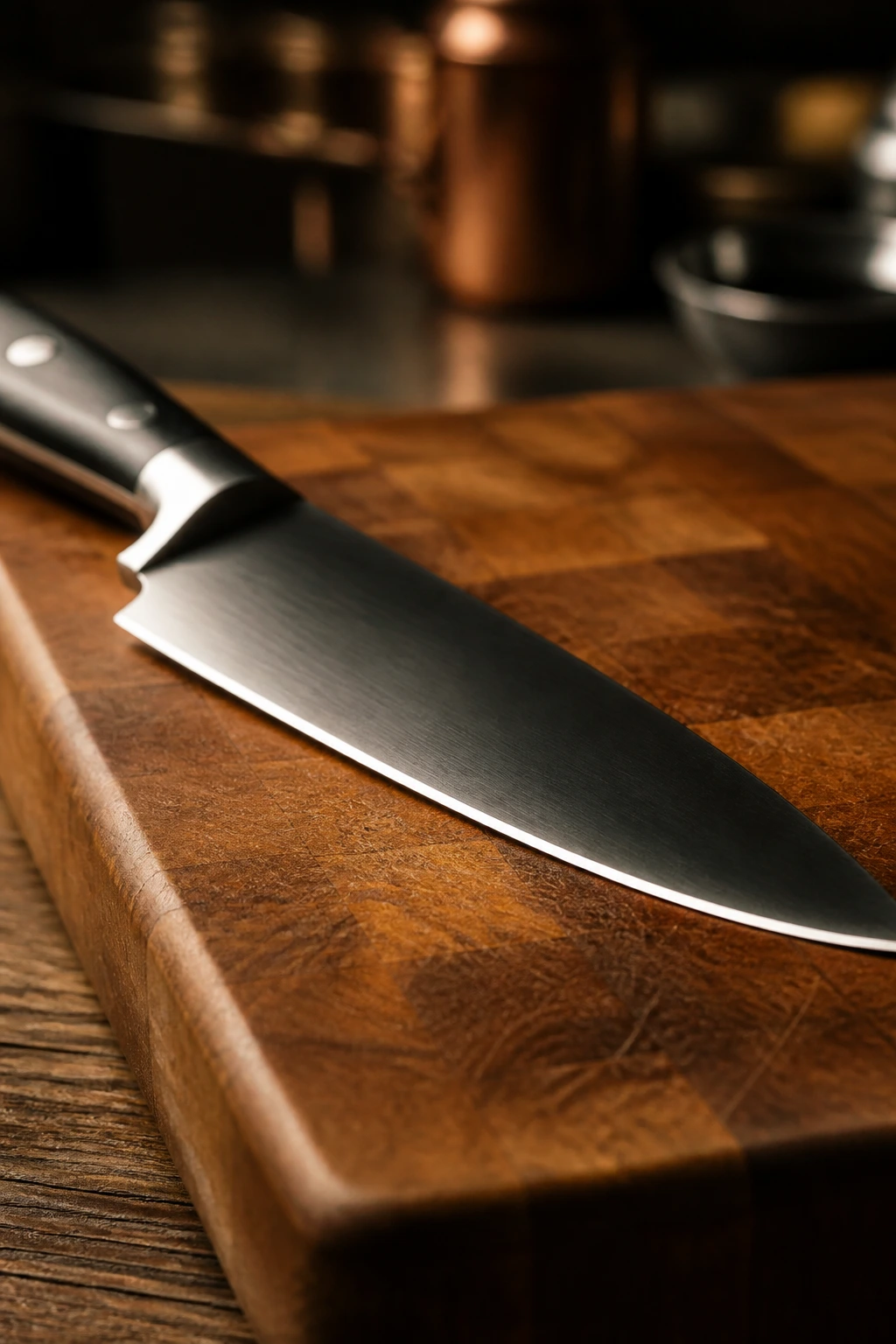
- Chef’s knife: Best for fine chopping onions, mushrooms, celery, and peppers when you want tight control over size.
- Food processor: Optional, but it’s the easiest route for mushroom mince or a quick vegetable pulse.
- Large skillet or sauté pan: Gives vegetables room to brown instead of steam.
- Rimmed sheet pan: Useful for roasting cauliflower, carrots, squash, and peppers at high heat.
- Immersion blender: The cleanest tool for turning cooked vegetables into a smooth sauce or soup base.
- Clean kitchen towel or cheesecloth: Needed for squeezing water out of grated zucchini or wilted spinach.
- Wooden spoon or heatproof spatula: Good for stirring without scraping the pan to death.
- Airtight containers: Handy for storing chopped vegetables or a cooked vegetable base ahead of dinner.
Make-Ahead, Storage, and Reheating
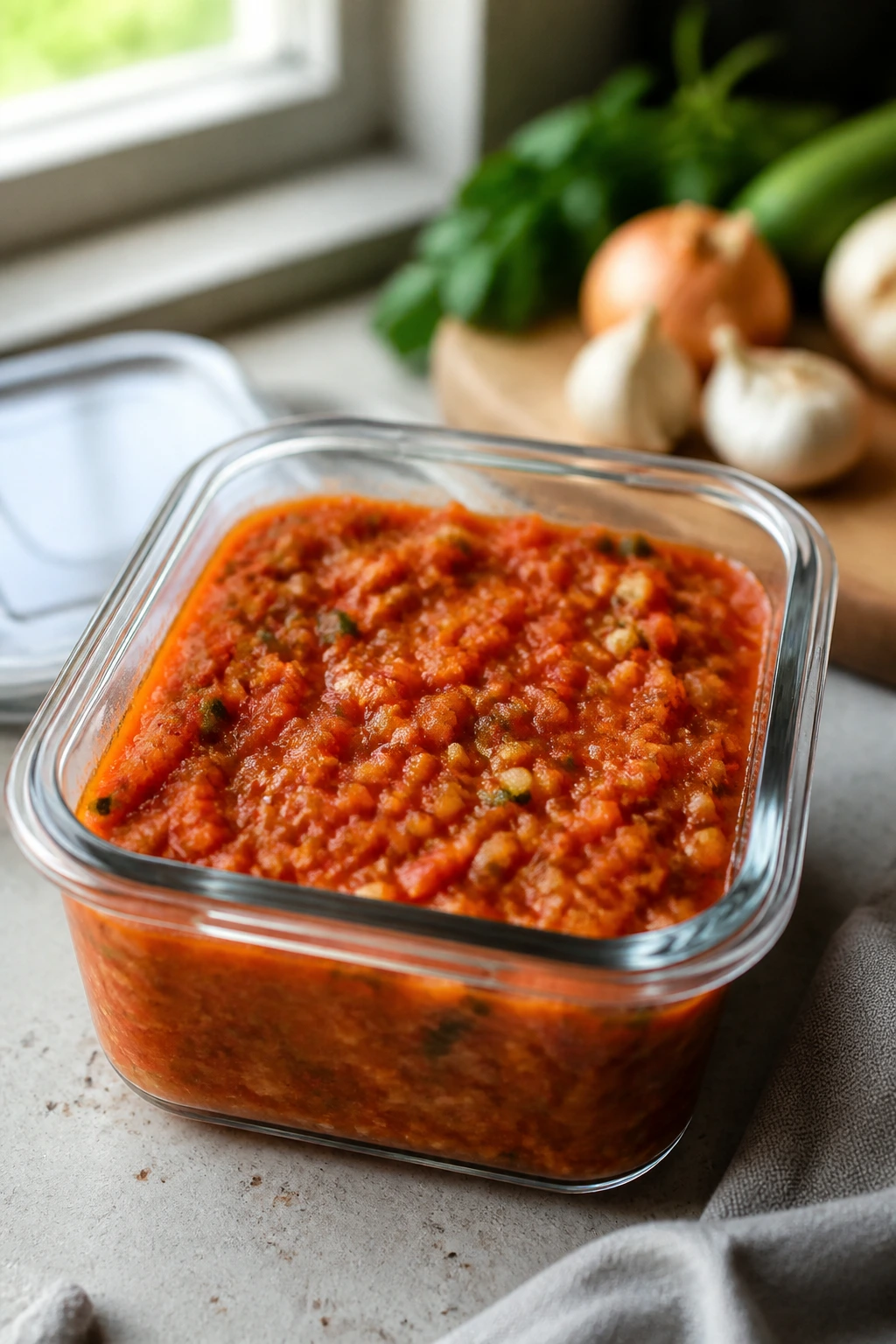
Most hidden-vegetable dinners hold up well if you store the vegetable base and the final dish the right way. A sautéed onion-carrot-mushroom base keeps for 3 to 4 days in the refrigerator in an airtight container. Pureed sauces usually keep for the same window, and many freeze neatly for up to 2 to 3 months if you cool them first and freeze in flat, labeled portions.
Raw chopped vegetables can be prepped ahead too. Hard vegetables like carrots, onions, celery, and peppers keep for 3 to 4 days once cut, while more delicate greens like spinach are better used within 1 to 2 days. Keep the cut greens dry, lined with a paper towel if needed, or they’ll turn slimy at the edges.
Reheating depends on the dish. Sauces and skillet mixtures do best over low to medium heat with a splash of water, broth, or tomato sauce to loosen them back up. Baked casseroles usually want 350°F (175°C) covered for 15 to 25 minutes, then uncovered for a few minutes if you want the top to crisp again. In the microwave, use shorter bursts and stir between rounds so the vegetables do not go from tender to rubbery.
One thing I would not do: freeze raw grated zucchini or spinach and expect good texture later. Those vegetables release too much water after thawing. If you want them in the freezer, cook them into a base first. Then the texture holds.
Variations and Alternative Approaches
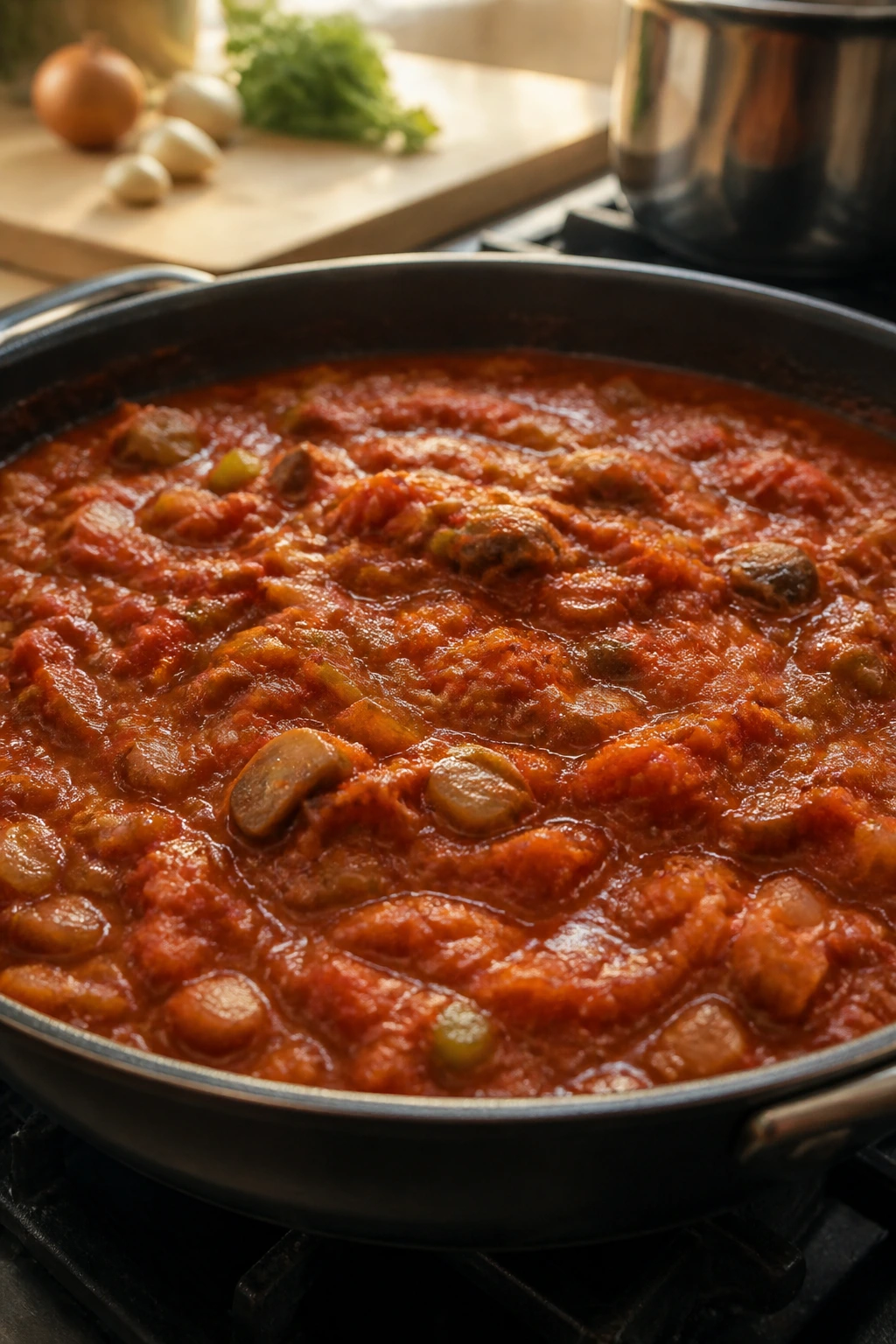
Red-Sauce Rescue: This version leans hard on grated carrot, minced onion, celery, and mushrooms stirred into marinara, then simmered until thick. It’s the easiest route for pasta, baked ziti, or lasagna because the tomato color hides a lot and the sauce can take a long simmer without complaint.
Creamy Cauliflower Cover: Roast cauliflower until the edges brown, then blend it into a silky base for soup, mac and cheese, or a creamy skillet sauce. If you want a dairy-free version, use olive oil, garlic, and oat milk or unsweetened soy milk for a smoother finish.
Mushroom-Heavy Savory Base: Chop mushrooms fine and cook them with onion until the pan goes dry and the mixture turns dark and savory. This works best in vegetarian taco filling, shepherd’s pie, stuffed peppers, or bean-based casseroles because mushrooms add the kind of depth that keeps the meal from tasting thin.
Green Fold-In Dinner: Wilt spinach, kale, or chard into the hot filling at the last minute, then finish with lemon and parmesan. It’s a clean option for egg bakes, grain bowls, and stuffed pasta because the greens disappear without asking for much attention.
Root-Veggie Sweet Spot: Use carrots, parsnips, sweet potato, or butternut squash when you want the hidden vegetables to soften the meal instead of disappearing completely. These are better for families who like a little sweetness in dinner, and they work well with cumin, sage, curry, or smoked paprika.
Common Mistakes That Make Vegetables Obvious
-
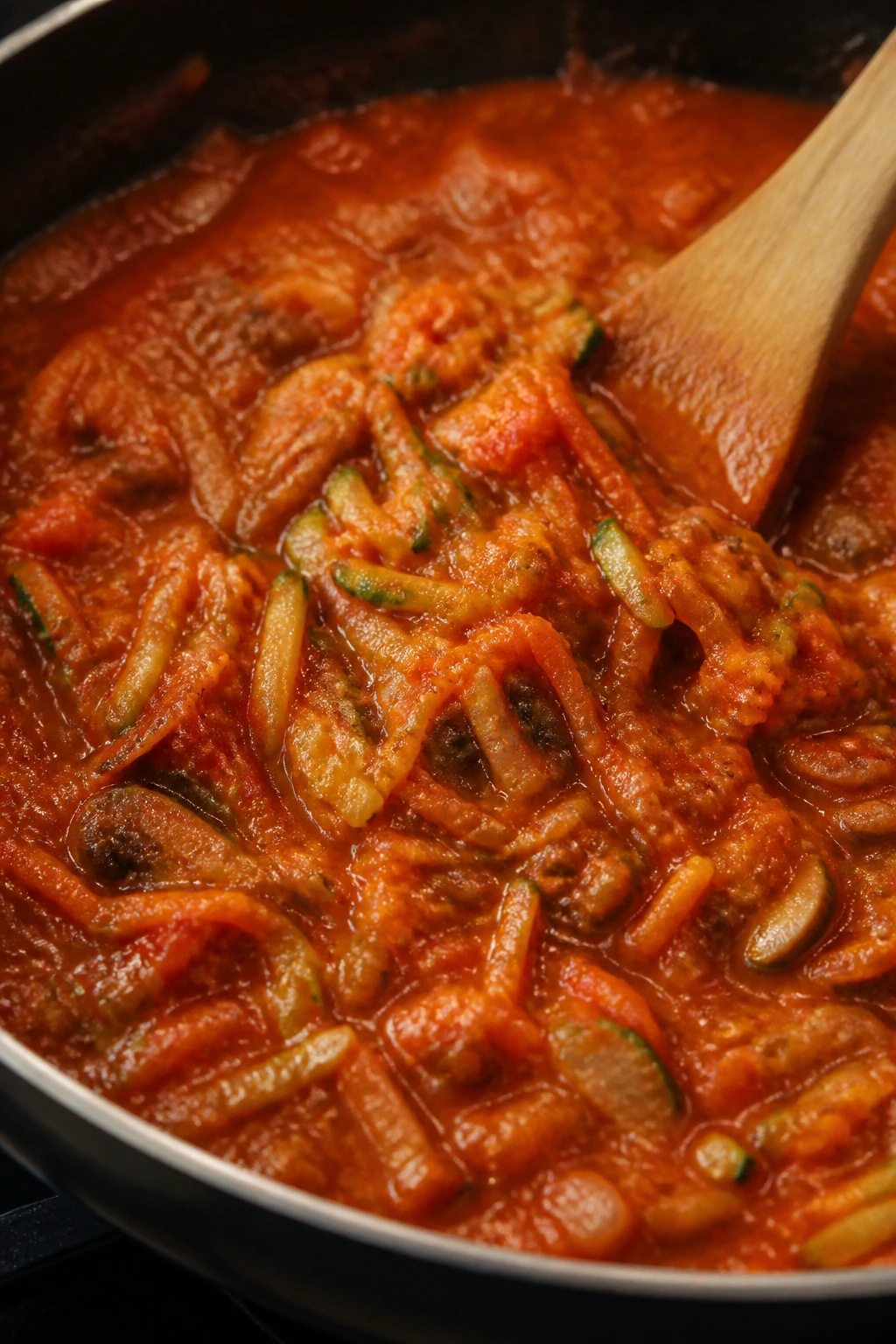
Using pieces that are too big: If you can pick out a carrot cube with your fork, it is not hidden. Fix it by grating, mincing, or chopping finer than feels natural.
-
Skipping the moisture step: Watery zucchini, spinach, and mushrooms can turn a sauce loose and make a casserole slump. Salt, squeeze, roast, or sauté until the steam is gone.
-
Underseasoning after the vegetables go in: A sauce can taste sweet and flat once the vegetables are blended through it. Add salt in small pinches, then finish with acid, herbs, or cheese.
-
Trying to hide vegetables in a dish that has no room for them: Crisp, delicate, or dry recipes do not forgive extra moisture. Save hidden vegetables for sauces, fillings, soups, and bakes.
-
Adding too much at once: A dinner with more vegetable base than main ingredient can drift into stew territory. Start with about 1 to 1½ cups cooked hidden vegetables per 4 servings, then adjust next time.
-
Forgetting texture elsewhere: If the vegetables are soft, the rest of dinner needs contrast. Toasted crumbs, chopped herbs, a crisp salad, or browned edges help the plate feel finished.
Questions People Ask Before Trying This
Which fresh vegetables hide the best in dinner?
Zucchini, carrots, mushrooms, onions, spinach, cauliflower, and peppers are the easiest to work with. Grated zucchini and carrot disappear fast in sauces, while mushrooms and onions give you a stronger savory base. If you want the least noticeable result, start with a sauce or filling that already has a lot of flavor.
How much vegetable can I add before the dish changes too much?
For most family dinners, 1 to 1½ cups of cooked hidden vegetables per 4 servings is a good starting point. That amount usually boosts the meal without turning it into a pure vegetable dish. If the sauce or filling still tastes like itself after that, you can nudge the number up next time.
Can I use frozen vegetables instead of fresh?
Yes, but frozen vegetables usually need more moisture control. Frozen spinach, cauliflower, or peas can work well if you thaw and drain them first. Fresh vegetables are easier when you want better browning or a cleaner texture, which is why they’re the better starting point here.
How do I keep hidden vegetables from making dinner watery?
Cook off moisture before the vegetables go into the final dish. Salt and squeeze zucchini, sauté mushrooms until the pan dries out, and roast squash or cauliflower instead of boiling them. If the sauce still feels loose, simmer it uncovered for 5 to 10 minutes.
Will picky eaters notice the vegetables?
Sometimes they will notice a sweeter sauce or a softer texture, but that does not mean the meal is a failure. The goal is not perfect invisibility; it’s getting more vegetables into a dinner people finish. Start with a dish they already like, then make the vegetable pieces smaller than usual.
Do hidden vegetables work in pasta sauce better than in casseroles?
Pasta sauce is usually easier because the sauce is already expected to be soft and blended. Casseroles work well too, but they punish excess moisture more quickly. If you’re new to this, marinara is the safest first test.
What if the finished dish tastes flat after I add the vegetables?
That usually means the sauce needs salt, acid, or a stronger finish. Add a pinch of salt, a little tomato paste, a splash of vinegar, or a squeeze of lemon depending on the dish. Vegetables absorb seasoning, so the last seasoning pass matters more than people think.
Can I make a hidden-vegetable base ahead of time?
Yes, and that is one of the smartest ways to cook this way. A sautéed onion-carrot-mushroom base or a roasted cauliflower purée keeps for several days in the fridge and freezes well in portions. That turns a weeknight dinner into something you can build in 10 minutes.
A Better Kind of Weeknight Dinner
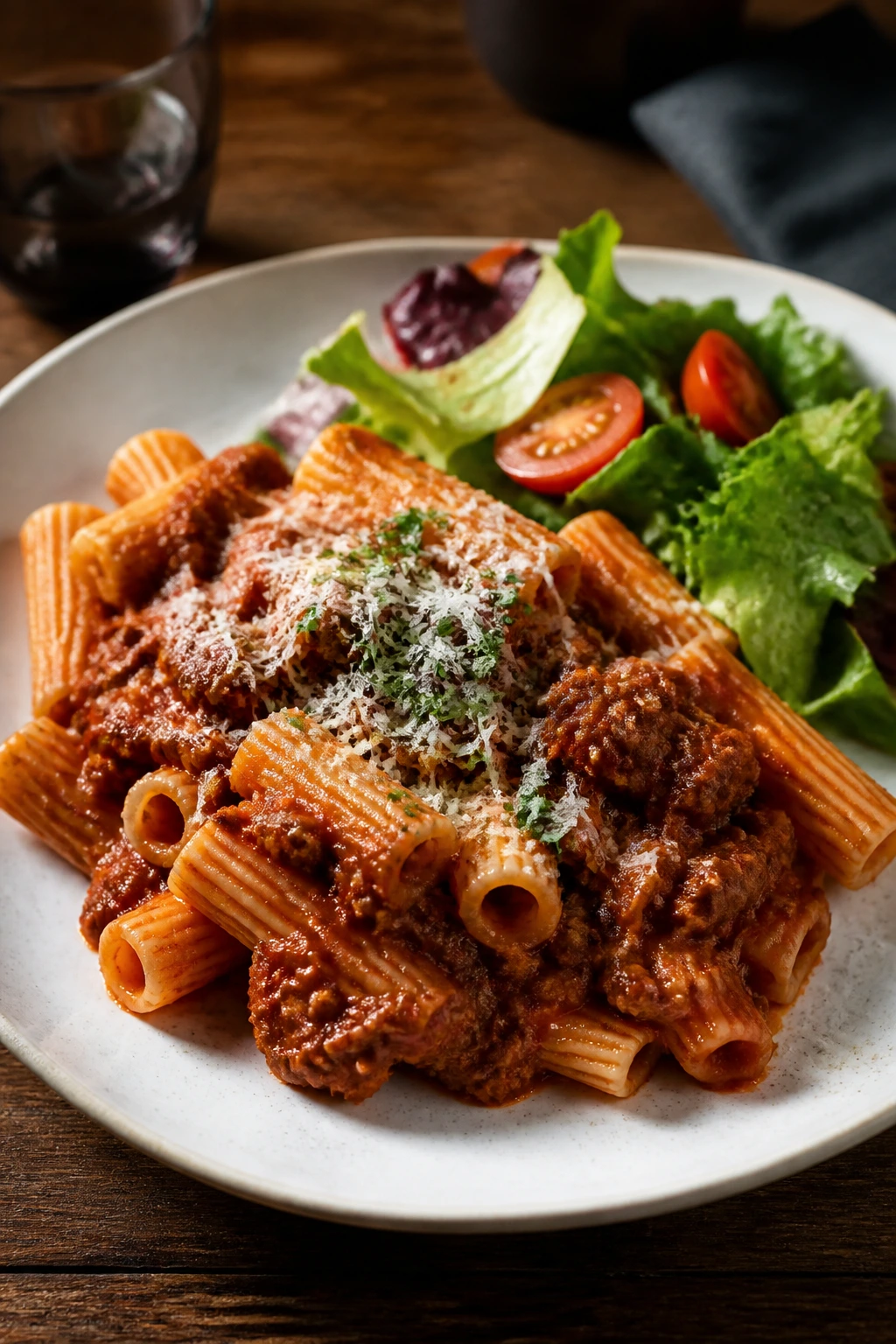
The nicest thing about hidden vegetables is that they stop feeling sneaky once you know the rules. Grate them small. Cook off the water. Season them like they belong. Put them into dishes that can handle a soft, savory base and a little extra moisture.
That is where the real payoff lives. A pasta sauce tastes deeper. A casserole holds together better. A skillet dinner feels fuller without becoming heavy. And if you keep one crisp or fresh element on the side, the whole plate wakes up instead of sinking into one soft note.
Start with one vegetable, one pan, and one dinner you already make on autopilot. Once that works, the rest gets easy.