



The best charred make-ahead picnic food is the tray that still smells faintly of smoke after a short drive, a little cool-down, and a stretch on the table while everybody else is poking at burgers. It’s the zucchini with real brown edges, the chicken thighs that stay juicy after resting, the potatoes that taste better after a night in the fridge because the dressing had time to settle in. That food has presence. It doesn’t wilt into apology.
A backyard cookout has a timing problem, and most people solve it the hard way. They crowd the grill at the last minute, juggle tongs, lose track of doneness, and then set out a pile of food that turns soft before the second plate is filled. Charred make-ahead picnic food fixes that mess without asking you to give up flavor. In fact, it usually tastes more deliberate because the salt, smoke, acid, and resting time all get a chance to do their jobs.
The trick is knowing which foods can take heat now and still taste lively later, which ones need a bright finish after chilling, and which ones should stay in the “make them right before serving” pile. Get that part right and the whole spread feels calmer. Better, too. The grill stops acting like a bottleneck and starts doing actual work.
Why Charred Make-Ahead Picnic Food Holds Up So Well
Browning is flavor insurance. A little char on chicken skin, corn, onion wedges, or thick-cut zucchini gives you roasted, smoky notes that survive cooling far better than plain steamed vegetables ever will. Once the food has browned, you’re not relying on heat alone to make it interesting; the surface already carries some of the flavor load.
Room-temperature food is not a compromise here. A lot of picnic food tastes thin when cold because the aromas disappear. Charred food is different. The browned bits, the olive oil, the salt, and the acid you add after grilling keep the flavors readable even after the tray has sat out for a while.
Sturdy ingredients take the trip better. Chicken thighs, halloumi, sweet potatoes, peppers, corn, and peaches all have enough structure to handle a cool-down and a reheat or a room-temp rest. Delicate greens and soft seafood do not. That difference matters more than most people admit.
One good grill session can feed two timelines. You can serve part of the food warm and part at room temperature without making the table feel mismatched. That’s a gift when the host is also supposed to be talking, pouring drinks, and keeping an eye on the cooler.
A charred surface likes a bright finish. Lemon, vinegar, yogurt, herb sauces, pickled onions, and fresh herbs all wake up grilled food after it chills. Without that final hit of acid or freshness, even well-cooked food can taste heavy by the time it reaches the table.
What Char Means When the Food Has to Sit on a Picnic Table
Char gets misunderstood a lot. People see dark marks and assume the food is either burned or undercooked, which is a shame because a proper char is one of the few cooking moves that actually improves with a little rest. It should look dark brown in places, maybe nearly black at the edges, but not dry, ashy, or brittle. You want smoke, not soot.
A good char starts with dry surfaces and high heat. If the chicken skin is damp or the zucchini is leaking water, the grill steams the food first and colors it later. That late color is weak. Give the surface a thin coat of oil, enough salt to pull flavor forward, and enough space on the grates that the food can touch heat instead of negotiating with its neighbors.
Some foods pick up char marks in a way that feels almost built-in. Corn kernels blister and darken. Onion wedges soften at the outer layers while the inner layers stay sweet. Eggplant develops that silky middle and a browned edge that can handle olive oil and lemon once it’s off the grill. Those are the foods that belong on a picnic table because they don’t need perfect timing to still taste like somebody cared.
A burnt smell is different. Burnt food smells sharp and bitter, like the grill stayed in the fire too long and the sugar or fat gave up. Charred food smells warm and savory, with a little bitterness and a little sweetness. One is a mistake. The other is the whole point.
The Best Vegetables, Proteins, and Starches to Char Ahead
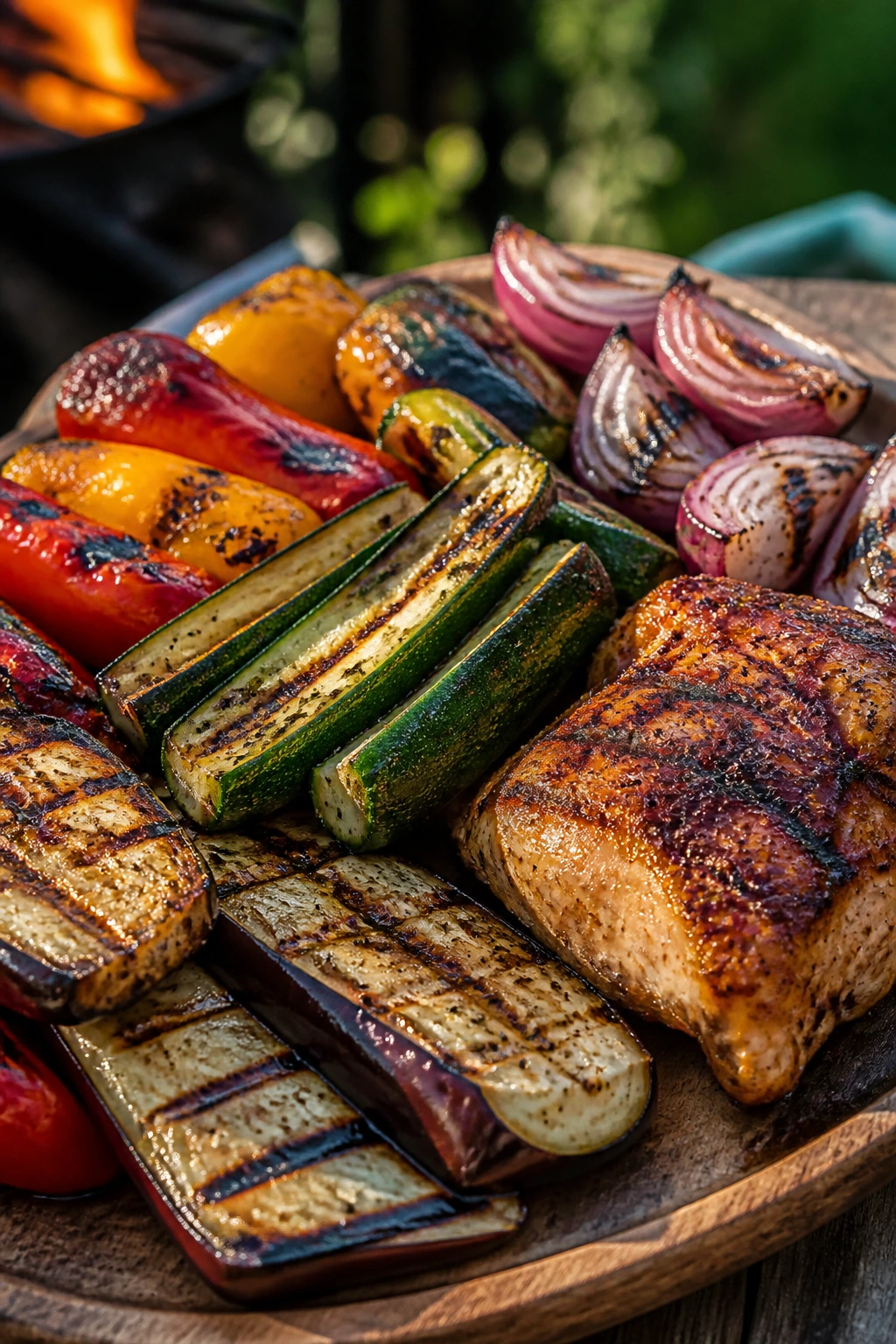
Vegetables with enough muscle
Zucchini, eggplant, bell peppers, onions, mushrooms, broccoli, cauliflower, and thick green beans all handle make-ahead grilling well if you cut them with some backbone. Thin slices turn floppy. Thick slices keep their shape. I like zucchini cut lengthwise into slabs about 1/2 inch thick, peppers in quarters, onions in thick wedges, and eggplant in broad planks that can soak up oil without collapsing into mush.
The biggest mistake people make with grilled vegetables is slicing them too thin because they want faster cooking. Faster is not always better. Thin vegetables dry out on the grill and then go limp once they sit. Thick cuts give you enough internal moisture to stay pleasant after cooling, which matters if they’re going to be on a buffet for more than a few minutes.
Proteins that stay juicy after a chill
Chicken thighs are the easy winner here. They have enough fat to stay tender after reheating, and the skin or outer surface takes on good color if you dry the meat well before grilling. Drumsticks also work. Pork tenderloin sliced after resting is good too, though it’s leaner and likes a sauce on the side. Flank steak and skirt steak can work if you slice them thin against the grain once they’ve rested.
Halloumi deserves a mention because it behaves almost like a protein on the grill. It browns, firms up, and still tastes fine at room temperature. Tofu can be just as useful if it’s pressed, marinated, and cooked until the edges tighten and pick up color. Shrimp are a bit more delicate; they’re workable for a same-day cookout, but they lose their charm faster than chicken thighs do.
Starches that do not turn sad
Baby potatoes, sweet potatoes, corn on the cob, grilled flatbread, pita, and sourdough all handle make-ahead treatment better than soft rolls or airy sandwich bread. Potatoes are especially forgiving. Once they’re halved, tossed in oil, grilled until the cut sides are deeply browned, and finished with salt and herbs, they can be served warm, room temperature, or gently reheated.
Farro, couscous, rice, and orzo salads also belong in this camp, especially if they’re dressed while still a little warm. They soak up smoky flavors and hold their shape better than leafy salads. That’s why grilled grain salads show up so often at actual cookouts instead of just in pretty photos.
Fruit that likes the grill
Peaches, nectarines, pineapple, and plums all pick up a grill mark without losing their shape, as long as they’re just shy of fully ripe. Soft fruit falls apart. Firm fruit caramelizes. That little bit of sugar at the surface gives you a dessert or side dish that can sit around without wilting into syrup.
What to Leave for the Last Few Minutes on the Grill
Some foods should not be made ahead, and pretending otherwise only creates extra work. Tender greens, soft herbs, and lettuce need to stay fresh and crisp until the last possible second. If you grill them at all, it should be for the briefest kiss of heat, not a full make-ahead session. They’re too fragile.
Thin fish fillets sit in the same category. Salmon can be made in advance for a dinner plate, but for a picnic table it’s a different story. The texture goes from silky to dry fast, and leftovers can get fishy in a way that no amount of lemon can completely hide. If fish is on the menu, I’d cook it right before serving and keep the rest of the spread ready ahead of time.
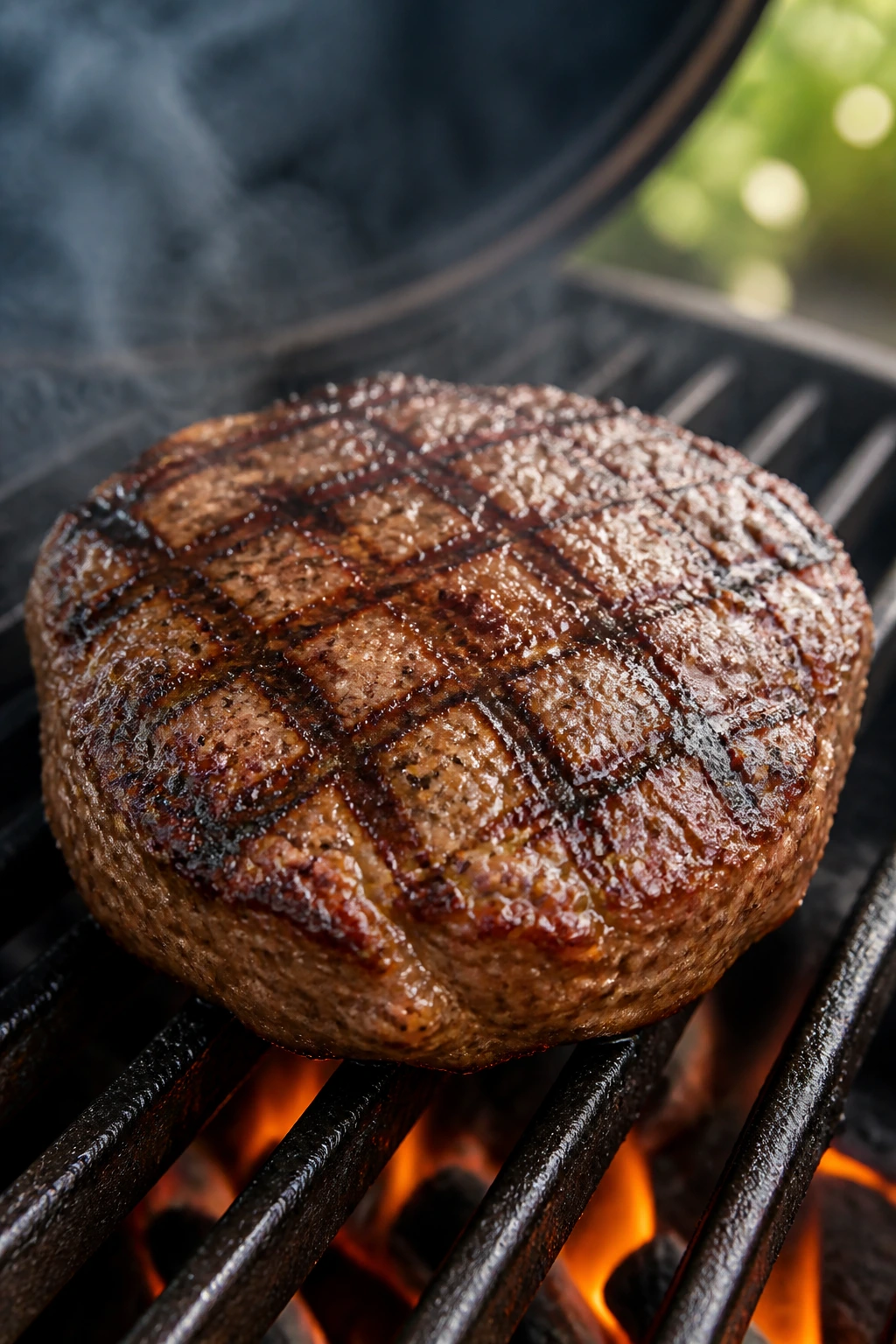
Burgers and hot dogs are another special case. They belong at a cookout, but they do not need to carry the make-ahead strategy unless you’re doing a very controlled warm hold. Grilled buns go stale if they sit too long, and a burger that cools all the way through loses its juiciness fast. Better to make the supporting dishes ahead and grill the burger patties last.
Anything glazed with honey, brown sugar, or a sticky barbecue sauce also needs care. Sugar burns before the inside of the food has a chance to finish, which means the outside can look done while the flavor tastes bitter. Save the sweetest glazes for the end, or brush them on after the food comes off the grill and use the heat that’s already there to set them.
Marinades, Rubs, and Brines That Stay Tasty After Chilling
Acid is useful, but it is not a free pass. Too much vinegar or lemon juice sitting too long can make vegetables soft and chicken a little mealy around the edges. For make-ahead grill food, I like marinades that are balanced enough to season without bullying the texture. Oil, salt, garlic, herbs, and a restrained amount of acid tend to behave.
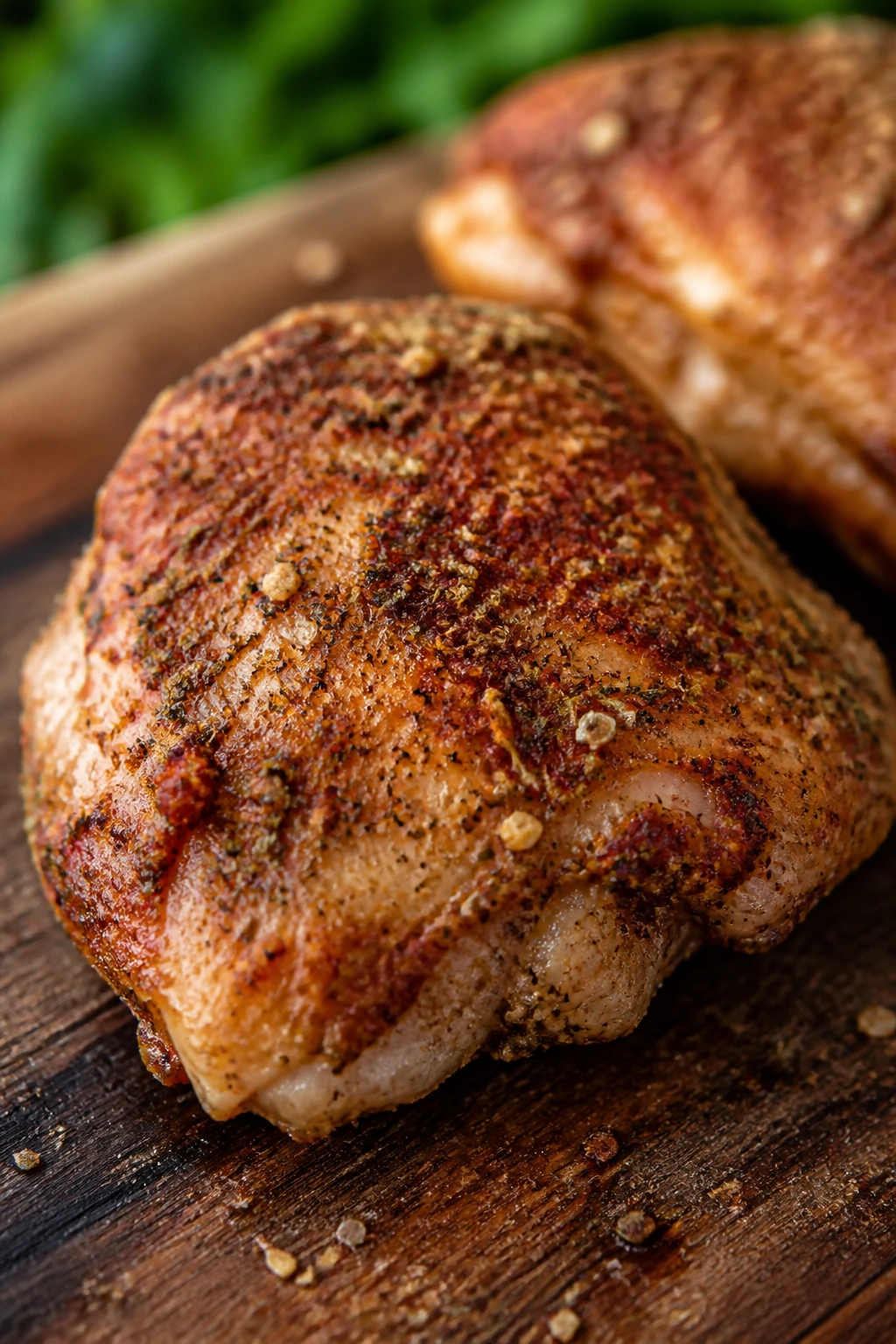
A dry brine is one of the most underrated moves for cookout food. Salt the chicken thighs, pork, or even thick vegetables a few hours or a day ahead, then leave them uncovered in the fridge if you can. The surface dries out a little, which means better browning later. You don’t get that slippery, wet skin that refuses to char.
For vegetables, a light coat of oil, salt, pepper, and something smoky like paprika or cumin is often better than a wet marinade. Wet marinades make the grill work harder. A thin film of oil helps the food touch the heat and makes it easier to transfer from tray to grate without leaving half the seasoning behind.
Yogurt-based marinades are useful for chicken and tofu because they cling well and help the surface brown without needing a heavy amount of oil. The key is to wipe off the excess before grilling. You want a film, not a blanket.
Flavor combinations that travel well
- Lemon, oregano, and garlic for chicken, zucchini, and potatoes.
- Smoked paprika, cumin, and olive oil for peppers, onions, cauliflower, and pork.
- Soy sauce, ginger, and sesame oil for tofu, mushrooms, and corn.
- Mustard, black pepper, and thyme for steak, potatoes, and onions.
Keep sugary ingredients out of the main marinade unless you plan to add them right at the end. A little sweetness helps with browning. Too much sugar gives you sticky black spots and a bitter finish. That’s not smoke. That’s a rescue mission.
Building a Backyard Cookout Menu in Layers
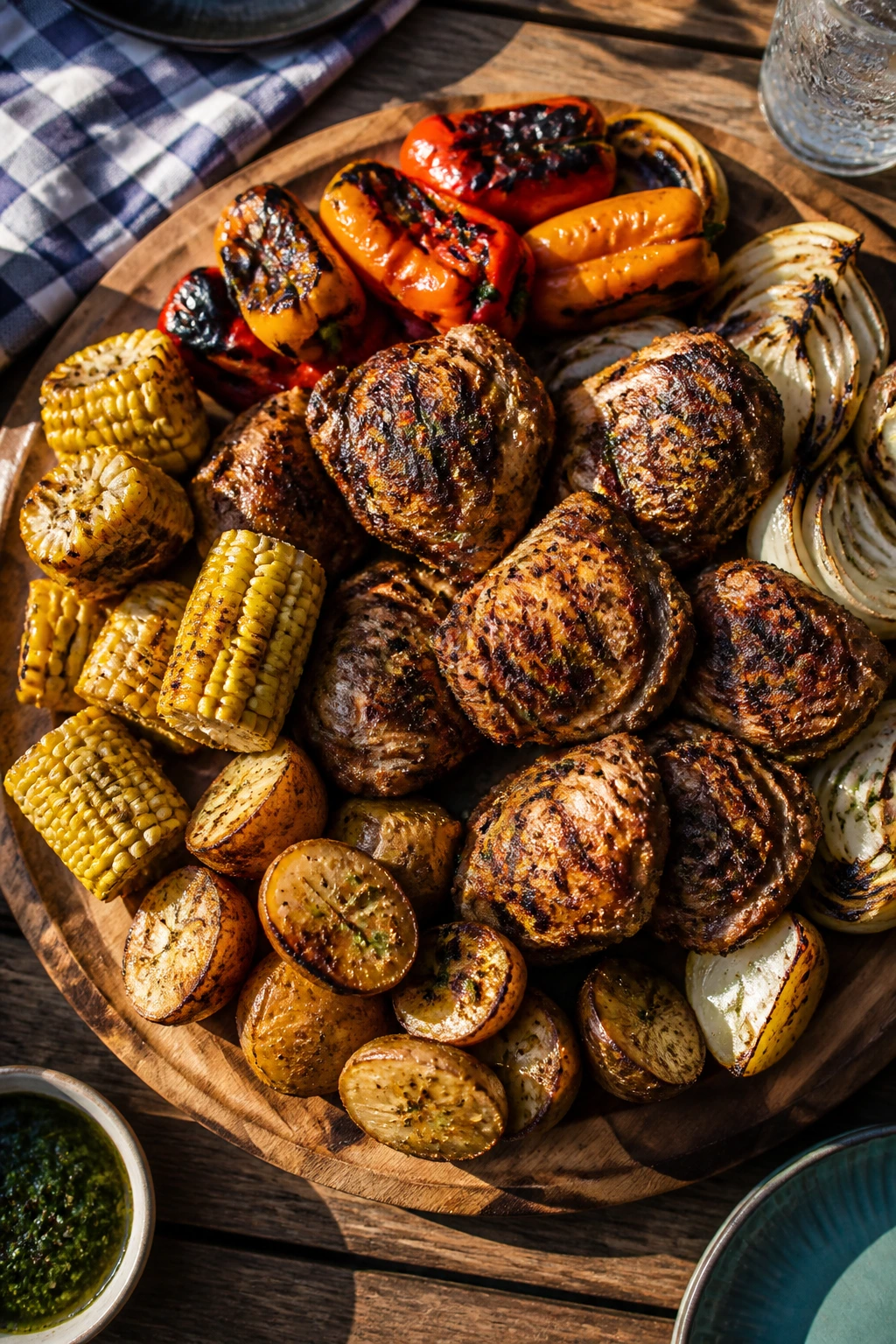
A good grill menu has levels. It does not look like somebody dumped every nice thing they could think of onto one table. I like to build it in layers: one anchor, two side pieces with different textures, one starch or bread, one bright sauce, and one raw or pickled crunch. That gives the food a spine.
The anchor
The anchor is the thing that can carry the plate. Chicken thighs, pork tenderloin, flank steak, halloumi, or thick tofu slabs all work. Pick one. Maybe two if the crowd is large. If you try to make three different mains, one of them ends up overcooked while you’re fussing with the others.
The color
Next comes the food that adds visual and textural contrast: charred peppers, blistered corn, onions, broccoli, cauliflower, or zucchini. These are the items that make the platter look full even before anyone notices the smoke. They also help the meal feel finished when the main is simply sliced and arranged on top.
The starch
A starch gives the cookout a resting place. Grilled potatoes, flatbread, pita, farro salad, or grilled sourdough are all good bets. I like at least one starch that can take sauce without dissolving. If the whole meal depends on a soft roll, you’ll feel that mistake by the second plate.
The bright finish
You need one thing with acid. Maybe chimichurri. Maybe a lemon yogurt sauce. Maybe pickled onions, vinegar slaw, or a salsa made with charred tomatoes and herbs. That bright piece keeps the menu from tasting flat once the smoke settles.
For a smaller cookout, one anchored protein plus two vegetables, a potato dish, and one sauce is plenty. For a bigger backyard spread, add a grain salad or fruit. The point isn’t abundance for its own sake. The point is balance, because balanced food survives a longer sit on the table.
The Grilling Timeline That Keeps Texture Intact
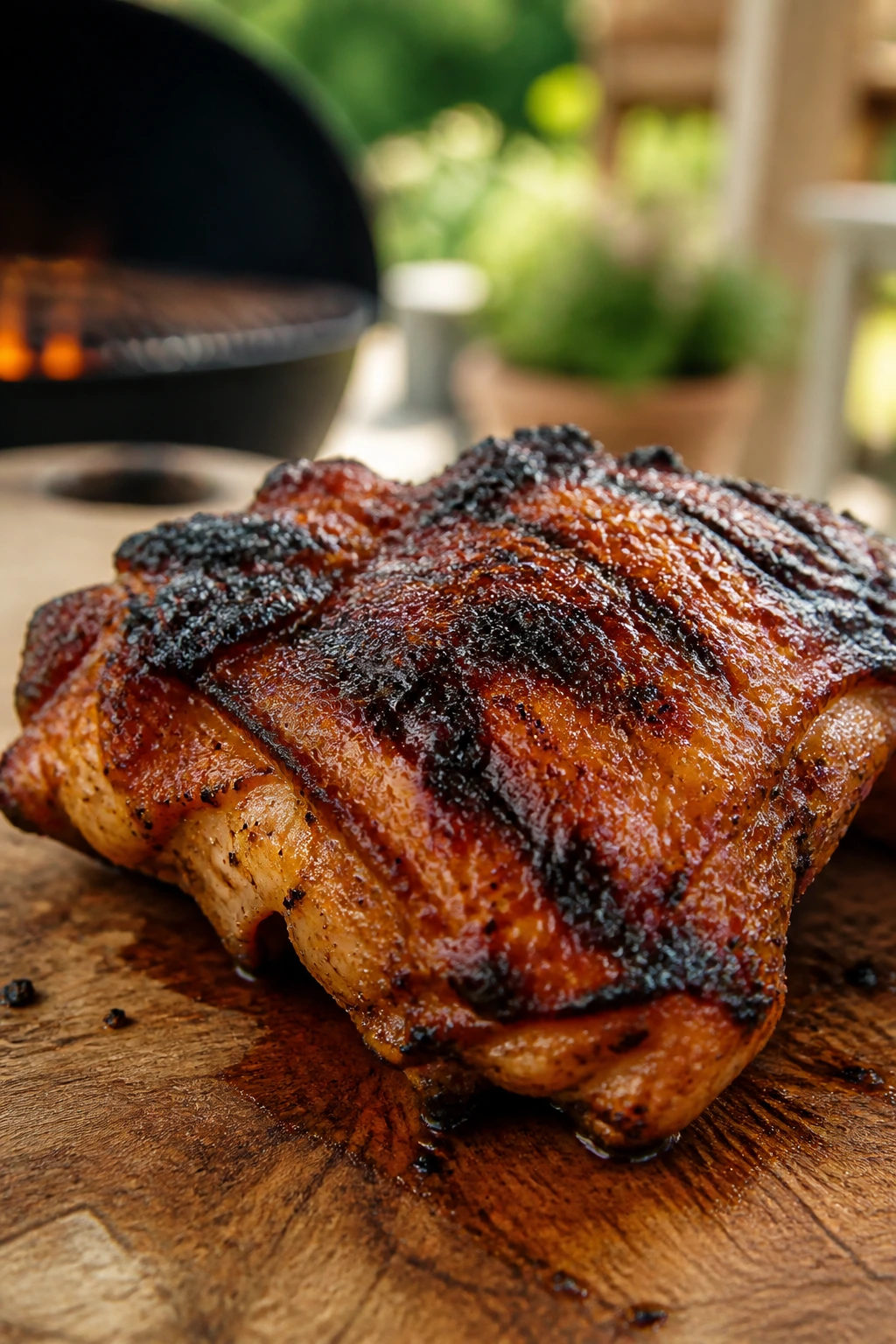
Day before: trim the vegetables, salt the proteins, and mix any sauces that taste better after a rest. Chimichurri, yogurt sauces, herb oil, and vinaigrettes all settle nicely overnight. Dry-brined chicken and pork also benefit from that pause. If a component needs to be cold and ready, this is the day to do it.
Morning of or a few hours before: cut the vegetables into grill-friendly shapes and store them in shallow containers. Keep anything watery, like cucumbers or tomatoes, separate until serving. If you’re making grain salad, toss the grains with a little dressing while they’re still warm so they drink in the flavor instead of sitting there like plain pasta.
Just before grilling: oil the grates, pat the food dry, and bring the setup into order. Raw proteins stay refrigerated until the moment they go on the heat. Cookout food should not sit around at room temperature waiting its turn. That’s not a flavor move. That’s a food safety problem.
While grilling: start with the pieces that can hold warmth without suffering. Chicken thighs, potatoes, and thicker vegetables can go first. Bread, fruit, and anything with a sugar-heavy finish should wait until the end. If the grill is crowded, the food steams; if the food steams, the char goes soft.
After grilling: let the food rest on a rack or a sheet pan, not in a deep bowl. Steam trapped in a bowl turns crisp edges floppy within minutes. Once the food is no longer steaming hard, move it into shallow containers and chill it promptly if you’re serving later.
Right before serving: add sauce, herbs, lemon, pickles, flaky salt, or a final brush of olive oil. That last step keeps the food from tasting stale. I’d rather serve grilled chicken with a fresh drizzle than drown it in sauce before it ever sees the table.
How to Set Out a Charred Picnic Spread
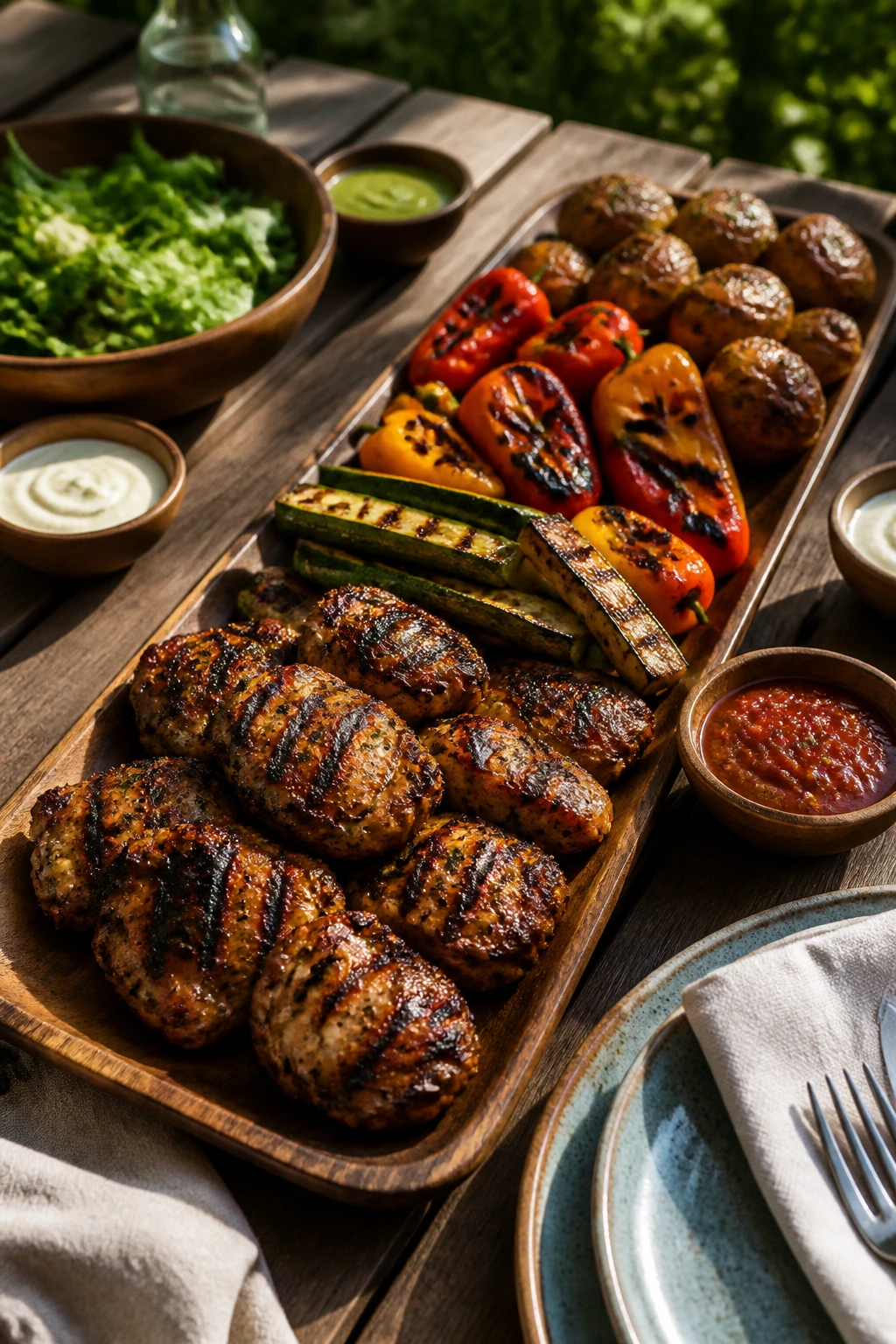
Presentation: Use long platters and shallow bowls instead of deep serving dishes. A shallow tray lets the brown edges stay visible and stops everything from steaming itself soft. Keep sauces in small bowls on the side, and finish the herbs or citrus zest after the food has cooled a little so they stay bright instead of turning muddy.
Accompaniments: Grilled chicken or halloumi wants a crisp cucumber salad, a mustardy potato salad, or a bowl of tomatoes with olive oil and salt. Charred vegetables like peppers and zucchini pair well with sourdough, flatbread, or a farro salad. If you’re serving fruit from the grill, add yogurt, whipped ricotta, or a spoonful of honey only after the fruit has had a minute to settle.
Portions: Plan on about 6 to 8 ounces of cooked protein per adult if the spread is built around a main dish. For vegetables, 1 to 1 1/2 cups per person is a better picnic estimate than the tiny portions people use at plated dinners. If the meal has several starches and sauces, you can trim the meat down a little and let the sides do more of the work.
Beverage Pairing: Crisp drinks make charred food taste sharper. A cold lager, a dry cider, sparkling water with lime, or iced tea with lemon all suit the smoky edge without weighing the table down. If you want wine, go with something bright and not too oaky. Heavy flavors fight the grill instead of riding with it.
Small Moves That Keep the Grill Flavor Bright
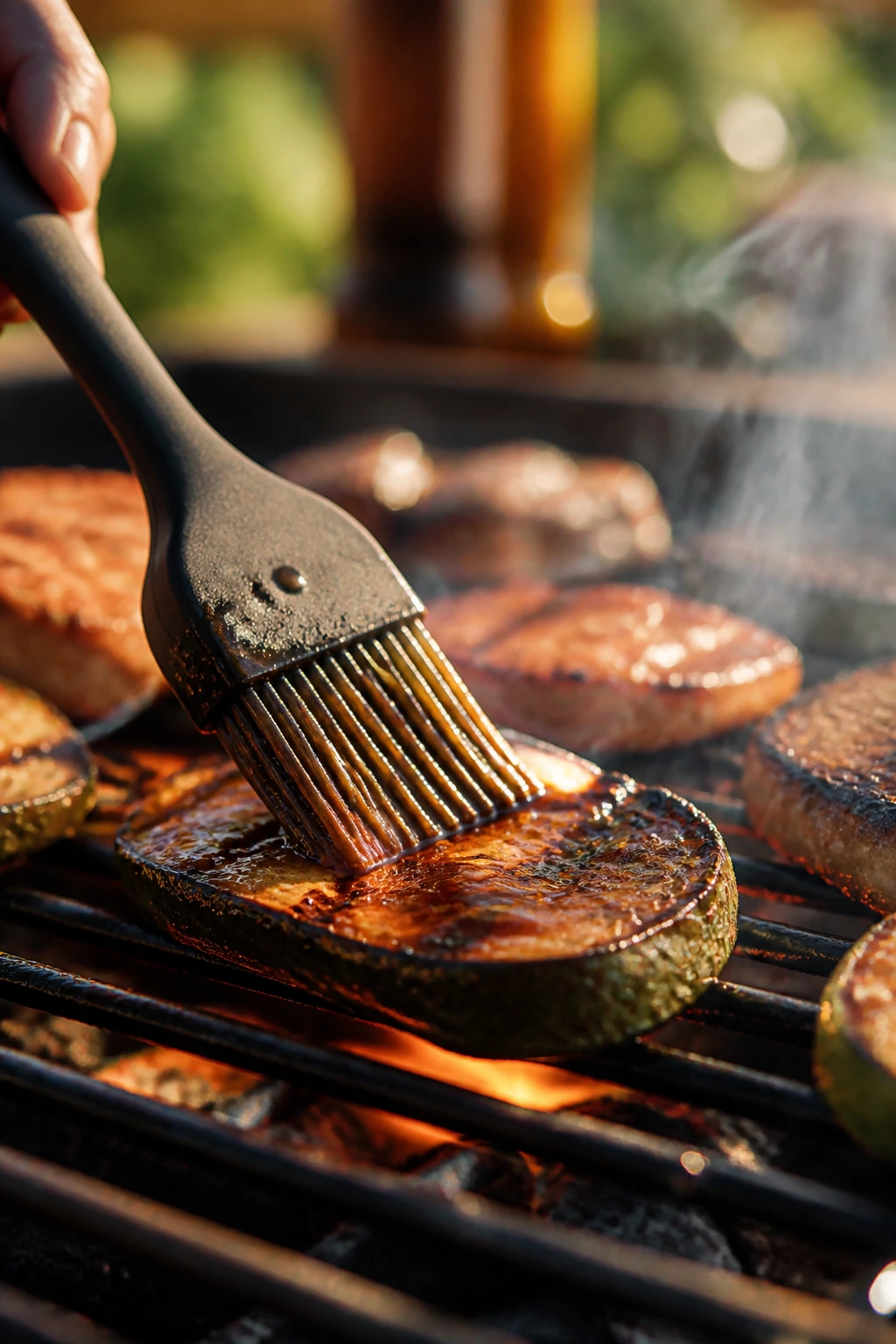
Dry before you grill. Water is the enemy of char. Pat vegetables and proteins dry with paper towels, especially after marinating. A wet surface steams first, browns second, and that second part may never arrive if the grill is busy.
Season in layers. Salt before grilling, then taste again after the food has cooled a little. A second pinch of flaky salt or a spoonful of vinaigrette can wake up grilled vegetables more than another minute over the flames ever will. Flat-tasting cookout food usually wants salt or acid, not more smoke.
Keep one fresh, crunchy thing on the table. Pickled onions, sliced scallions, chopped herbs, radishes, cucumber ribbons, or even a simple lettuce leaf salad give the charred food something to bounce against. Without that contrast, the whole spread can feel heavy by the third helping.
Use shallow containers for storage. Deep bowls trap heat and make the edges soft. Shallow trays cool faster and hold the texture better. If you’re packing food for transport, line the container with parchment if the food is still warm enough to make condensation.
Save the sauce for the last stretch. A brushed-on finish is better than a soaked surface when the food has to sit. Think chimichurri, lemon oil, yogurt sauce, herb pesto, or a vinegar-heavy dressing added just before serving. The sauce should wake up the char, not bury it.
Cut with the grain in mind. For steak and pork, rest the meat first, then slice against the grain so each piece stays tender. A tough slice gets tougher as it cools. That’s the part most people blame on the grill, when the real problem was the knife.
Common Mistakes That Make Cookout Food Soggy or Bitter
-
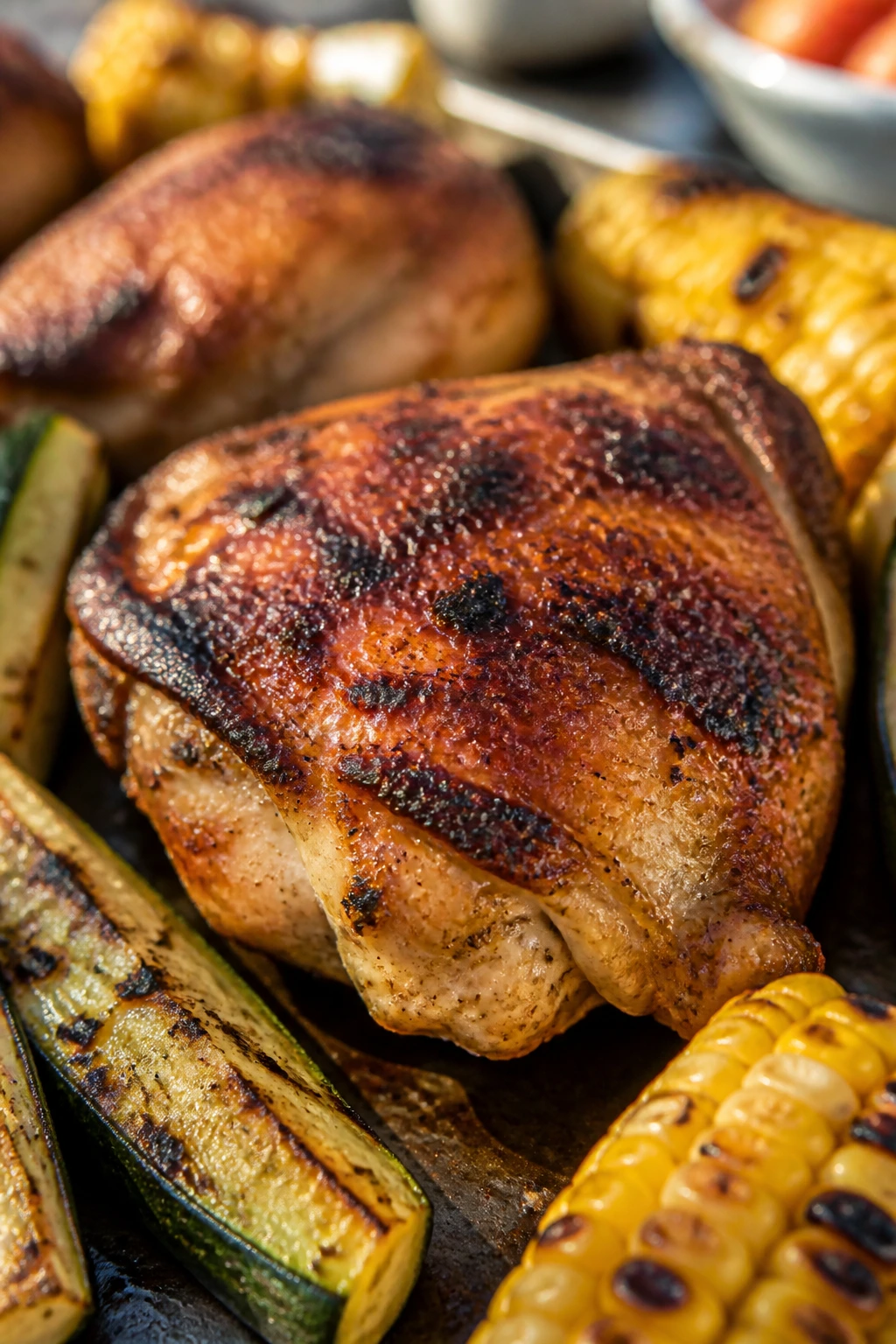
Trying to char everything until it looks black. The symptom is bitter edges and a dry, dusty smell instead of a warm smoky one. Pull the food when the darkest spots are brown-black, not when the whole surface has turned ashy.
-
Packing hot food into deep containers. Steam has nowhere to go, so the crisp edges soften and the vegetables collapse. Cool the food on a rack or sheet pan first, then move it into shallow storage.
-
Using too much acid too early. Vegetables can go limp and chicken can take on a slightly cured texture around the edges. Keep vinegar, lemon, and lime in check before grilling, then add more after the food comes off the heat.
-
Skipping a bright finish. The result is food that tastes muted once it cools. Fix it with herbs, a squeeze of lemon, pickled onions, or a sharp dressing right before serving.
-
Slicing proteins too soon. Juices run out onto the board, and the meat eats dry even if it was cooked well. Give chicken, pork, or steak a proper rest before cutting. Ten minutes is not wasted time; it’s part of the cooking.
-
Forgetting that sugar burns fast. Sweet glazes can turn bitter long before the inside of the food is ready. Brush them on late, or serve them on the side so people can add as much as they want.
Flavor Variations for Different Crowds
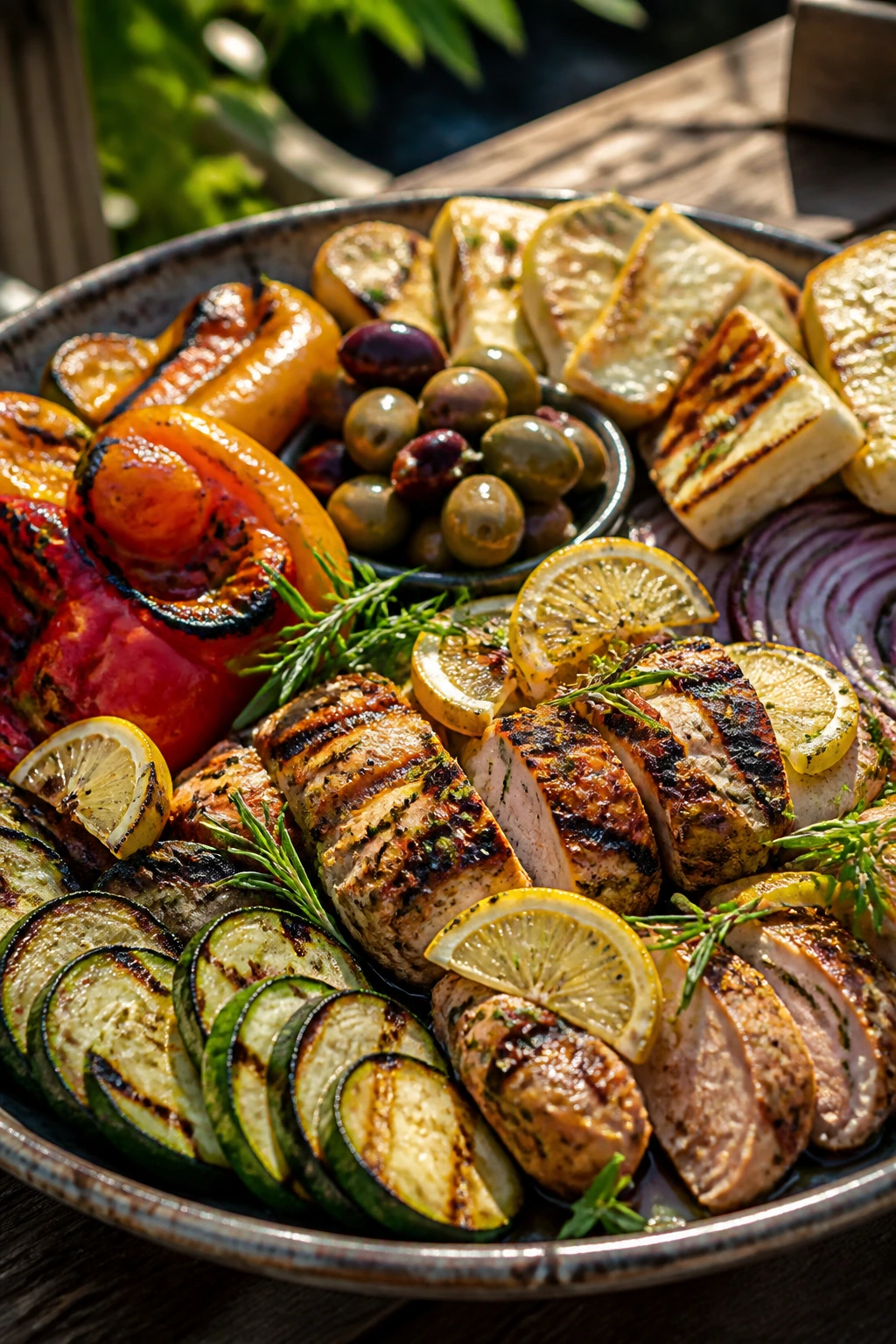
Mediterranean Lemon-and-Herb Spread
Use chicken thighs or halloumi with zucchini, peppers, onions, and a lemon-garlic dressing. Finish with dill, parsley, and a handful of olives or pickled onions. It’s the easiest route when you want something that feels bright instead of heavy.
Smokehouse Picnic
Go with pork, chicken thighs, or even grilled beans and potatoes if the crowd is mixed. Add a little brown sugar to the rub, but keep the sweet glaze for the end. Serve with vinegar slaw, pickles, and corn for the kind of table that smells like the grill from across the yard.
Vegetarian Char-and-Crunch Table
Build around eggplant, mushrooms, halloumi, cauliflower, tofu, and farro. Add a tahini sauce or herb yogurt, plus a crunchy element like radish salad or toasted seeds. The food needs body here, not just color, and these ingredients can carry it.
Charred Orchard Spread
This one leans into peaches, nectarines, plums, and pineapple alongside pork, chicken, or sourdough. A little blackened fruit next to salty meat is one of the best backyard combinations going. Add basil or mint at the end so the whole platter smells fresh instead of syrupy.
Kid-Friendly Mild Grill Tray
Back off the chili flakes and heavy smoke, then let sweetness do more of the work. Corn, potatoes, chicken thighs, and lightly charred bread tend to disappear quickly with kids because the flavors are direct and the textures are familiar. Keep spicy sauces on the side for the adults.
Tools That Make the Work Easier
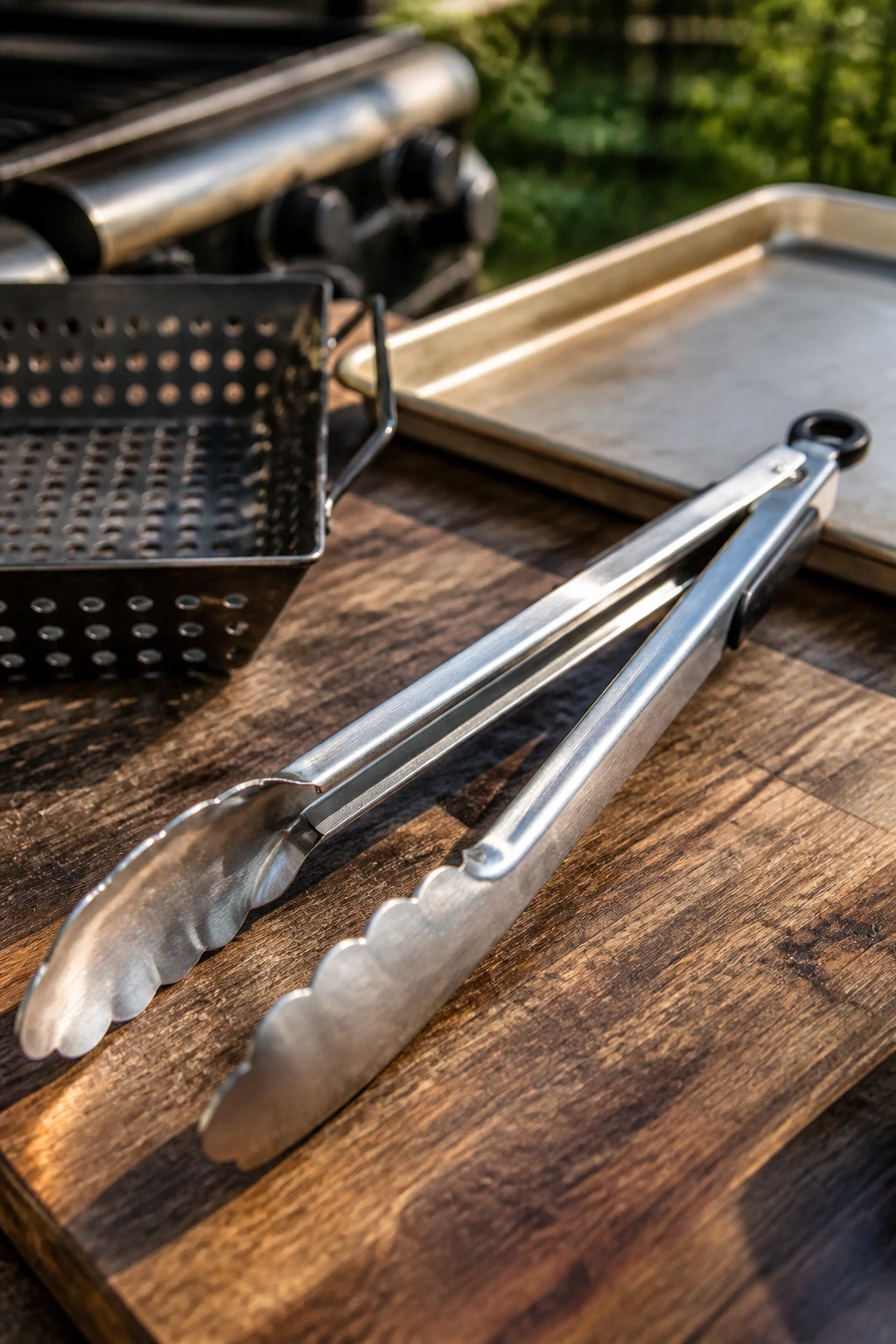
- A gas or charcoal grill — either one works; charcoal gives more smoke, gas gives more control.
- Long-handled tongs — short tongs put your hands too close to the heat and make batch cooking clumsy.
- Instant-read thermometer — the fastest way to keep chicken, pork, and steak from wandering past done.
- Rimmed sheet pans — perfect for staging, cooling, and carrying food from grill to table.
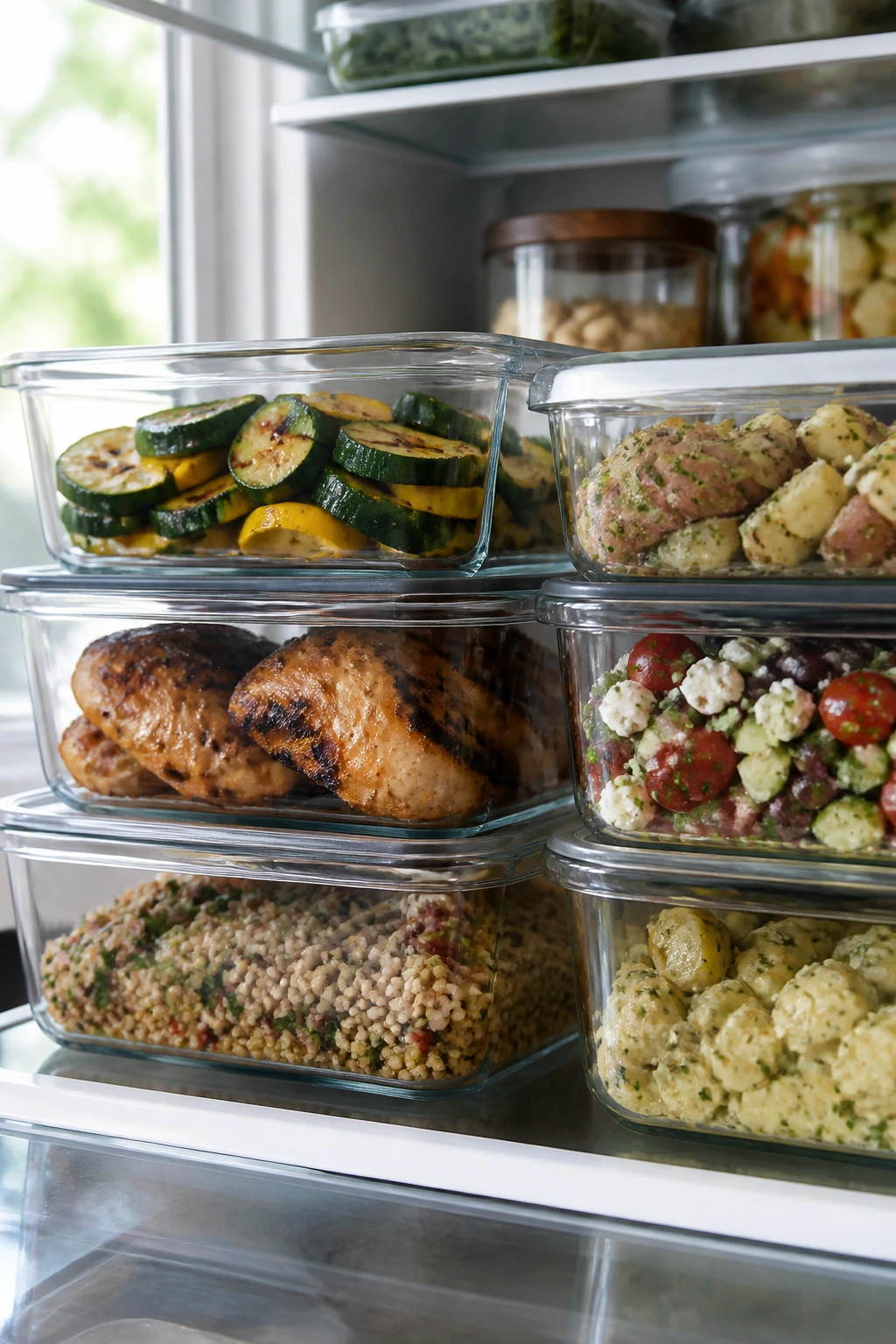
- Shallow storage containers with lids — these cool faster than deep bowls and travel better in a cooler.
- Grill basket or perforated tray — useful for green beans, mushrooms, and small vegetable pieces that would otherwise slip through the grates.
- Cutting board with a groove — especially helpful for sliced meats and juicy grilled fruit.
- Pastry brush or small silicone brush — good for oiling vegetables and adding finishing glaze at the end.
- Cooler with ice packs — essential when the food needs to travel or sit outside before serving.
- Foil and parchment paper — the unsung heroes of clean transport, gentle reheating, and keeping sticky items from welding to the pan.
Make-Ahead Windows, Storage, and Reheating
Refrigerator timing
Most grilled vegetables keep well for 3 to 4 days in the refrigerator if they’re cooled promptly and stored in a shallow container. Chicken, pork, steak, and tofu usually hold for the same window, though the texture is best when you eat them within the first 48 hours. Grain salads and potato salads with vinaigrette are usually good for up to 4 days, while creamy salads may need to be used sooner if the dressing is delicate.
Fresh herb sauces, chimichurri, and vinaigrettes often stay lively for 3 to 5 days depending on the ingredients. Yogurt sauces are shorter-lived and should be used sooner if they contain raw garlic or fresh herbs. If the sauce smells sharp in a bad way or looks separated beyond repair, make a fresh batch. It takes less time than arguing with a tired dressing.
Freezer timing
Cooked meats freeze better than vegetables. Grilled chicken, pork, and steak can usually be frozen for up to 2 months with decent quality if they’re wrapped tightly and cooled first. Grilled vegetables freeze, but the texture often turns soft when thawed, so I prefer to chop them and use them in frittatas, pasta, grain bowls, or blended sauces later. Bread can freeze too, though it should be wrapped well so it doesn’t take on freezer smell.
Reheating methods
For meat and hearty vegetables, a 325°F / 165°C oven works well. Put the food on a sheet pan, add a loose cover of foil, and heat until it’s warmed through and the edges are no longer cold in the center. Chicken thighs and pork usually need 10 to 20 minutes depending on thickness. Vegetables often need less.
A skillet works better for smaller portions. Add a splash of water or oil, then warm the food over medium heat until it steams lightly and recovers some of its edge. That method is good for potatoes, corn cut from the cob, and sliced vegetables. The microwave is the last resort, but if you use it, do short bursts and cover the food so it doesn’t dry out.
Serving cold or room temperature
A lot of charred picnic food tastes best after a short rest out of the fridge, not straight from the ice-cold container. Give it 20 to 30 minutes at room temperature before serving if the weather and food safety allow it, then put it back in the cooler or on the table as needed. Do not let food sit in the danger zone forever. If a platter has been out for too long, it belongs back in the fridge, not on a plate.
Questions People Always Ask About Picnic Grill Food
Can I make charred picnic food the day before?
Yes, and for a lot of dishes that’s the smart move. Grilled vegetables, chicken thighs, pork, grain salads, and sauces usually taste more settled after a night in the fridge. Bread, soft herbs, and crunchy toppings are better added closer to serving so they don’t go limp.
What vegetables hold up best after grilling?
Zucchini, eggplant, peppers, onions, broccoli, cauliflower, mushrooms, and corn all handle the make-ahead treatment well. They have enough structure to survive cooling and enough flavor to benefit from browning. Thin asparagus and delicate greens are more temperamental and should usually be cooked at the end.
Do I need a charcoal grill for good smoky flavor?
No. A charcoal grill gives a deeper smoke note, but a gas grill can still make excellent charred food if the heat is high and the surfaces are dry. The better question is whether you’re getting real browning. If you are, the food will taste like a cookout either way.
How do I keep grilled chicken juicy after it chills?
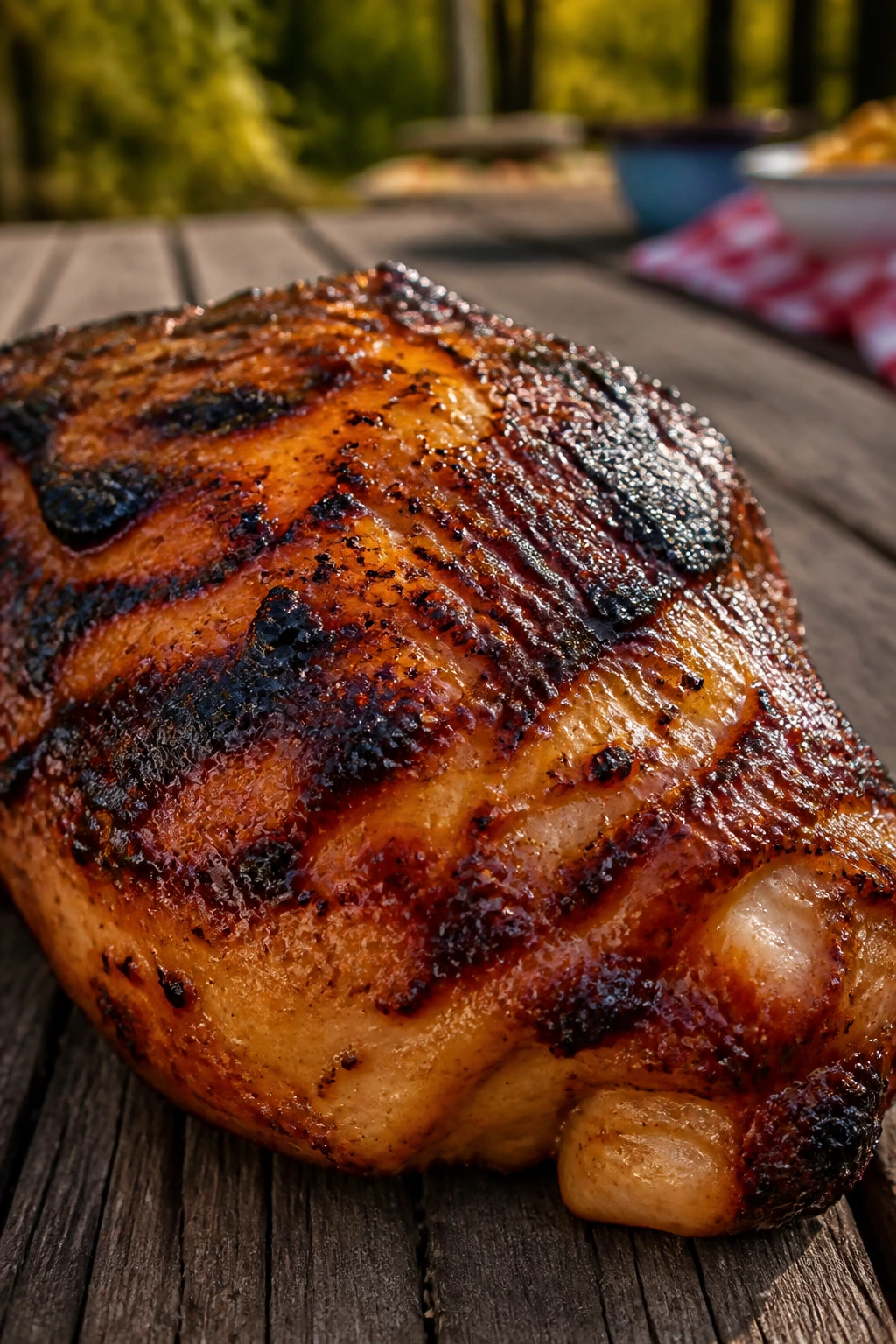
Start with thighs if you can. They’re more forgiving than breasts, especially after reheating. Salt them ahead, grill them until just done, rest them before slicing, and add a fresh sauce or squeeze of lemon when they’re back on the table.
What if my food tastes burnt instead of charred?
Usually the heat was too high, the sugar content was too high, or the food stayed on the grate too long. Trim the worst black bits, finish the dish with acid and herbs, and pull the food a little earlier next time. If the outside is black and the inside tastes bitter, it’s over the line.
Can I freeze grilled vegetables?
You can, but I wouldn’t freeze them for serving straight from thaw. Their texture softens. Freeze them only if you plan to chop them into soup, pasta, egg dishes, or grain bowls later. Meats freeze much better than vegetables in this category.
How far ahead can I make the sauces?
Most herb sauces and vinaigrettes are best within 3 to 5 days. Yogurt sauces should be used sooner if they contain raw garlic or fresh herbs, because the flavor gets sharper as they sit. If a sauce separates, whisk it again before serving or blend in a spoonful of fresh olive oil.
What should never be made too far ahead?
Anything that depends on crunch, crisp skin, or a fresh green taste. Lettuce, avocado, delicate fish, and bread that’s meant to stay soft all lose their appeal quickly. Those pieces can still belong on the table, but they should be added late, not parked in the fridge overnight.
A Cookout Table That Doesn’t Need Babysitting
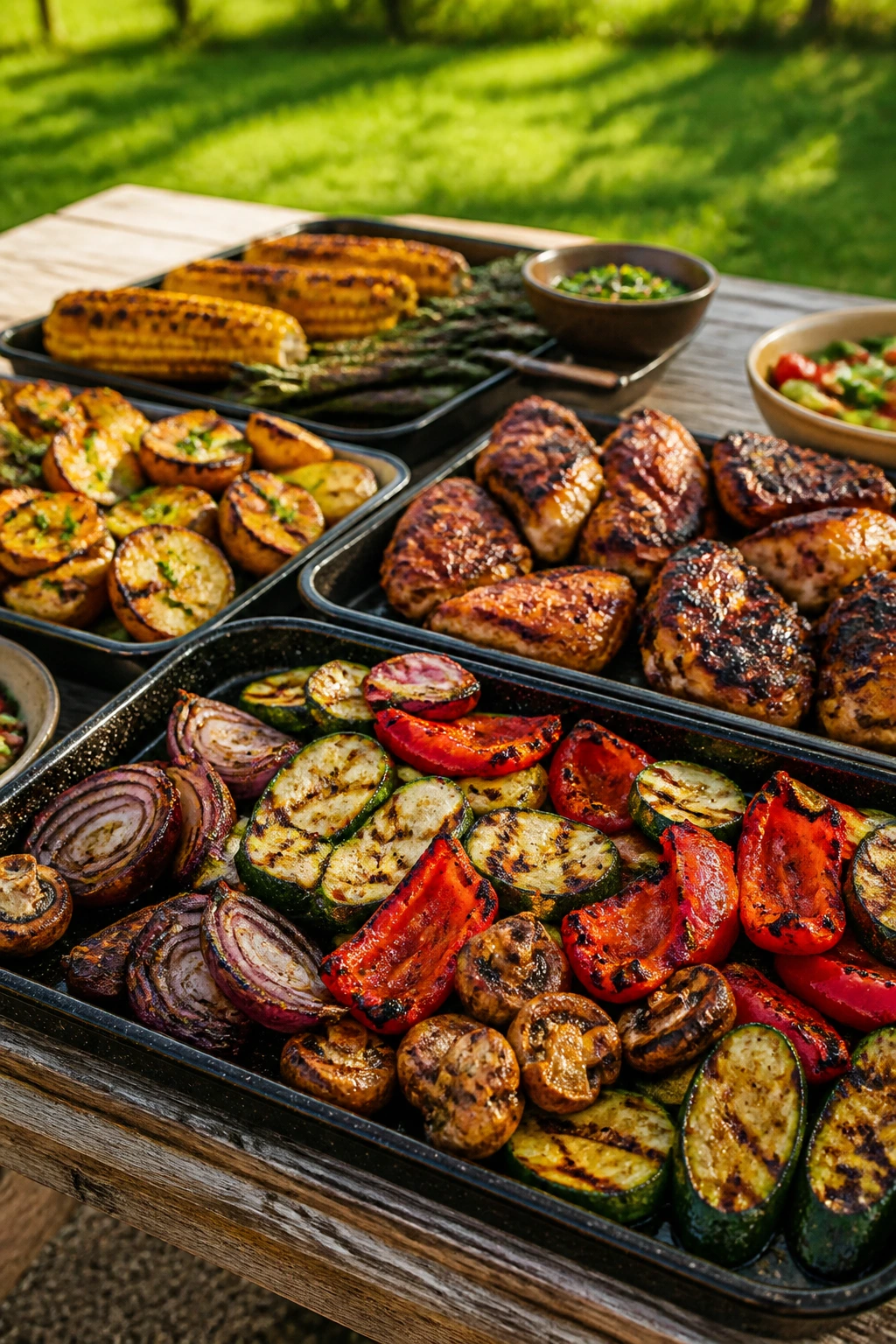
The nicest thing about this style of food is that it removes pressure without removing character. You still get the smoke, the browned edges, the smell of onions and oil on hot grates, and the little burst of acidity that wakes everything up at the end. You just stop demanding that all of it happen in one frantic ten-minute stretch while guests hover nearby with empty plates.
Build the menu around a few sturdy pieces, keep one bright sauce in your back pocket, and let the grill do its work before the crowd starts asking where the food is. That’s the whole trick. The next backyard cookout gets easier when the charred trays are already waiting, and the table tastes better for it.