



A grilled picnic spread for backyard cookouts works best when the heat does more than sear meat. It should toast the bread until the cut face turns crisp and nutty, blister the corn just enough to smell sweet, and leave a tomato salad bright enough to cut through the smoke. That balance is the whole game. Not fancy. Just smart.
The cookouts that feel easiest usually have a quiet structure behind them. One thing comes off the grill while another rests. A cold side is already dressed. The buns get a quick kiss of heat. Someone, somewhere, has remembered the pickles. Forget that structure and the table starts to wobble: hot food cools down too fast, salads get soggy, and the first plate tastes sharper than the last because nobody planned for the second round.
I like this kind of spread because it gives the grill more jobs without turning the afternoon into a circus. Chicken thighs, corn, peaches, onions, flatbread, burgers, a bean salad with enough acid to wake up the plate — all of it can live together if you think in textures instead of just recipes. Smoke, crunch, salt, cream, acid. That’s the mix. Get those pieces right and you can feed six people or sixteen without feeling like you’re sprinting at the fire.
The menu gets easier once you stop asking what to grill and start asking what needs contrast, what can hold, and what should stay cold until the last minute. That’s where the good cookout lives.
Why a Grilled Picnic Spread Feels Complete
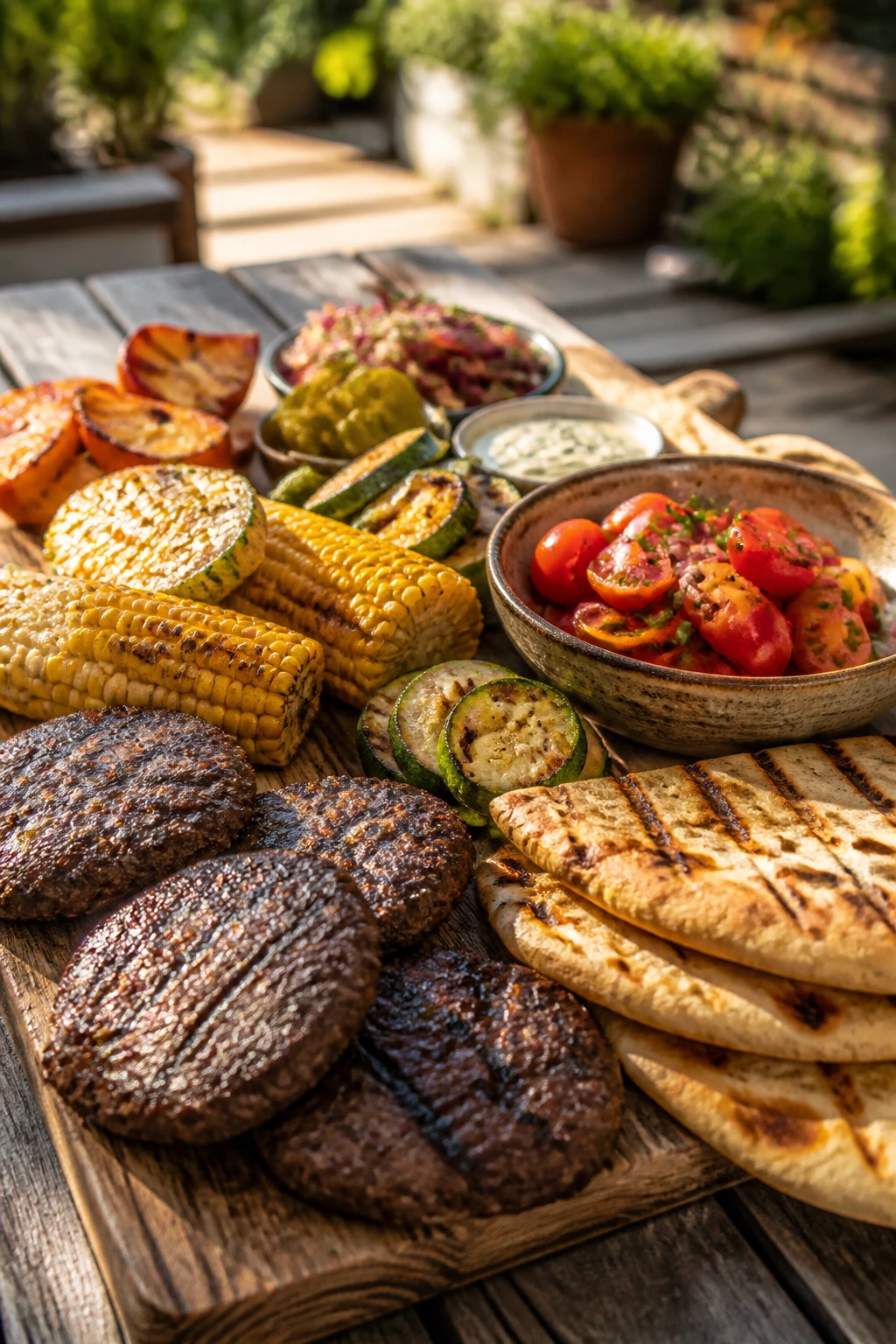
The grill does more than cook the main dish: One hot grate can handle burgers, corn, zucchini, flatbread, and even fruit, which means the whole meal picks up a little smoke instead of leaving that flavor on one lonely protein.
The food holds its shape longer: A spread built around charred vegetables, toasted bread, and sturdy salads stays appealing after people drift back for seconds, which is the real test of any backyard table.
It scales without drama: Adding one more tray of chicken thighs or another bowl of slaw is easier than trying to build a plated dinner for a shifting crowd.
Prep can happen in layers: Marinades, sauces, chopped herbs, sliced onions, and salad dressings can all be done before the grill is even lit. That makes the actual cooking window shorter and calmer.
The plate never feels flat: Hot meat, cold crunch, a salty pickle, and one sharp sauce keep each bite awake. Skip that mix and the whole spread starts tasting like one long note.
Building a Grilled Picnic Spread Around Heat, Smoke, and Cold Contrast
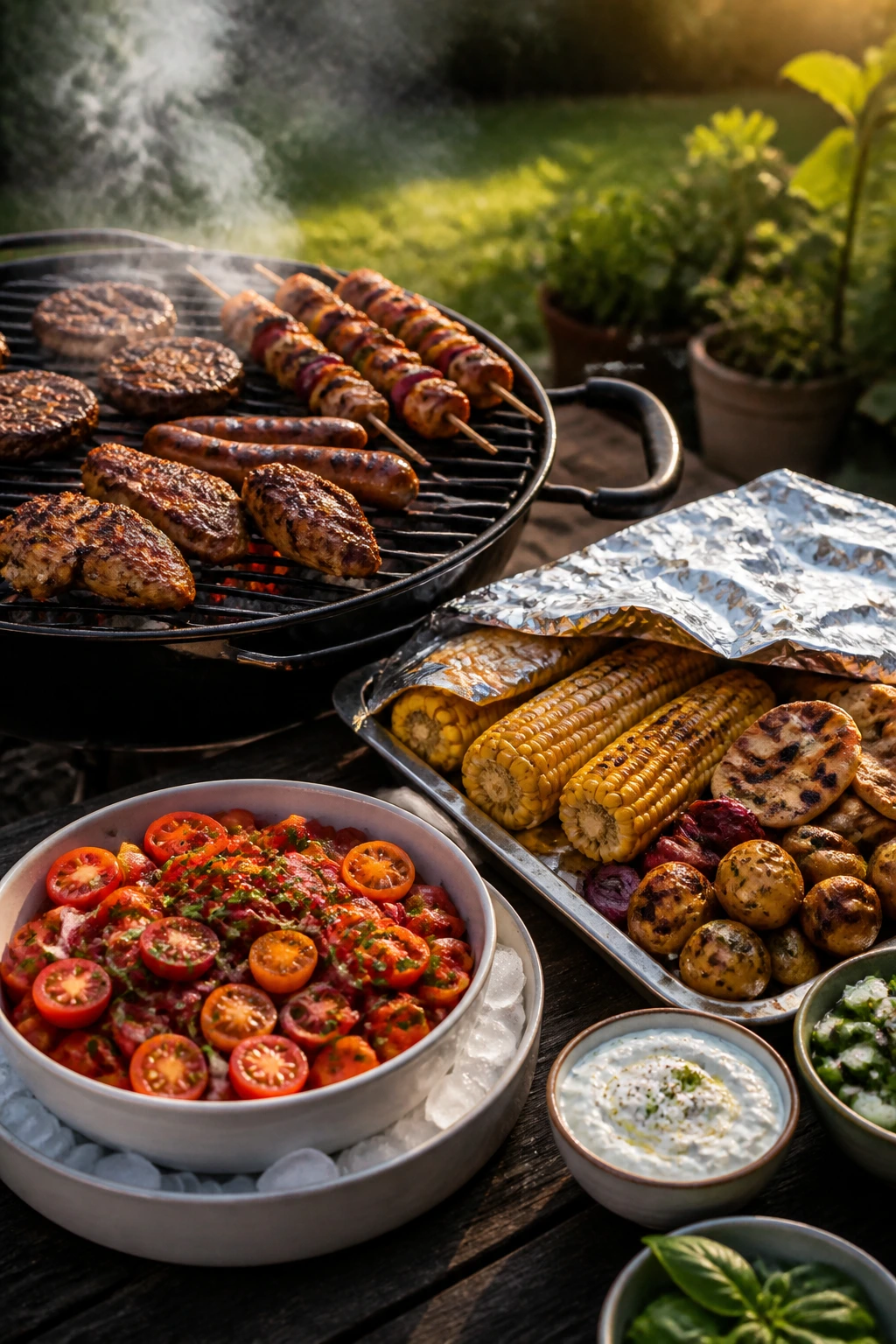
A good backyard spread is not a pile of grill marks. It’s a menu with temperature on purpose. I like to think in three lanes: hot food that comes off the grate and gets served right away, warm food that can wait a few minutes under loose foil, and cold food that should stay chilled until the last possible second.
That simple division saves more cookouts than any clever marinade ever will.
The three-lane rule
Hot food is your anchor. Burgers, chicken, sausages, skewers, grilled halloumi, or fish all belong here. Warm food fills the middle: corn, flatbread, charred potatoes, blistered peppers, or onion wedges. Cold food finishes the plate: slaw, cucumber salad, bean salad, potato salad, pickles, yogurt sauce, herb sauce, watermelon, or a tomato salad dressed at the table.
Once you see the menu that way, you stop overcooking the grill and underbuilding the sides.
Why contrast matters so much
Smoke alone gets old fast. So does creaminess. So does sweetness. The trick is to let each component answer the one before it. A charred burger wants a sharp pickle. Grilled corn wants lime, salt, and maybe chili. A rich chicken thigh wants a cool, crunchy slaw. Even grilled bread wants something soft or juicy on top so it doesn’t feel like you’re just chewing toast in the yard.
A practical ratio I trust
For most backyard cookouts, I aim for one main protein, one backup or vegetarian main, two grilled vegetables, one starch, one cold salad, and two sauces. That sounds like a lot until you realize the sauces and salads do half the work. They make a modest spread feel full.
And they save you from that awkward middle ground where there’s plenty of food, yet somehow nothing feels finished.
The Proteins That Stay Juicy on the Grill
Chicken breasts can be fine, but they are not my first choice for a picnic spread. They dry out if you blink at them wrong. Chicken thighs, on the other hand, handle the grill with a lot more grace because the extra fat gives you a wider landing strip. They can take a little more color, a little more time, and a little more chaos from guests wandering over to chat.
Sausages are another strong move. They’re forgiving, they’re fast, and they look good on a platter with mustard and pickles. Burgers still belong at the table, of course, but I’m picky about them. Use an 80/20 grind, shape them gently, and don’t smash them with the spatula unless you want dry meat and a smoky kitchen-floor smell that stays in your clothes.
My short list of reliable mains
- Chicken thighs: Boneless thighs usually cook in 6 to 8 minutes per side over medium-high heat, depending on thickness. Pull them at 165°F and let them rest 5 minutes.
- Burgers: Form 1/2- to 3/4-inch patties with a shallow dimple in the center so they don’t dome. Grill over direct heat until they hit 160°F for ground beef.
- Sausages: Brown them over medium heat, then move them to indirect heat if the casings are getting tight before the centers are hot.
- Shrimp skewers: These cook in a flash — usually 2 to 3 minutes per side — and need a dry surface before they hit the grill or they’ll stick.
- Halloumi or firm tofu: Both hold up better than soft cheeses or delicate vegetables. Halloumi gets salty edges and a chewy middle; tofu needs pressing and oiling, but it takes on smoke beautifully.
What I look for when choosing
A piece of meat that’s too thin is a troublemaker. It cooks before you can get a proper char. Thick, even pieces are easier to manage, and thighs are often more predictable than breasts because they don’t punish you for a minute of delay. With shrimp, I choose large ones so they stay juicy instead of turning rubbery. With sausages, I look for snap and balance, not just heft.
If you want the least stressful protein on the table, it’s probably chicken thighs. If you want the fastest, it’s shrimp. If you want the most universally loved, it’s burgers. Use that order when you’re planning.
Vegetables That Taste Better with Char Marks
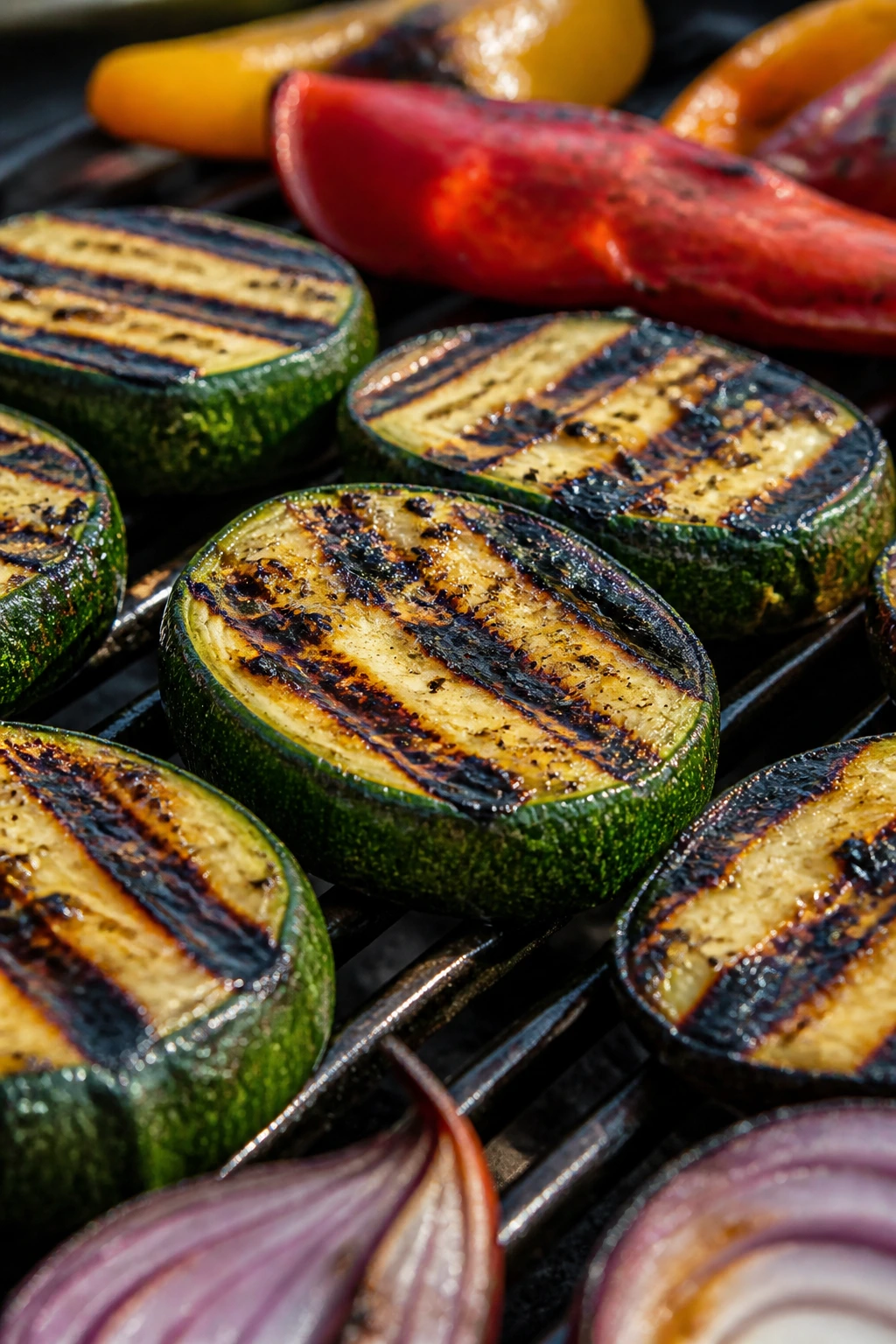
Grilled vegetables are the part of the table that quietly makes everything taste more expensive than it was. Not because they’re expensive. Because the grill strips away the dull edges. A zucchini slice with a little char, salt, and olive oil tastes like it had some thought put into it. A raw zucchini slice tastes like a sad summer apology.
Corn is the obvious winner here, but it’s not the only one. Thick onion wedges go sweet and silky. Bell peppers blister and soften in a way that changes their personality. Eggplant turns creamy if you keep the slices thick enough. Mushrooms take on smoke like they were born for it.
Best vegetables for the grate
- Corn on the cob: Grill in the husk for a more steamed texture, or husked for deeper char. Turn every couple of minutes until the kernels smell sweet and the outside picks up color.
- Zucchini and summer squash: Slice lengthwise into slabs about 1/2-inch thick. Too thin and they collapse; too thick and they stay bland in the center.
- Bell peppers: Quarter them, remove the seeds, and grill skin-side down until the skin blisters and darkens.
- Red onions: Thick wedges work best. You want them soft enough to bite through but still structured enough to fan out on the platter.
- Mushrooms: Portobellos and large creminis are easiest. Wipe them clean, oil them lightly, and grill until they release their moisture and pick up dark edges.
- Asparagus: Thicker spears are easier to manage. Thin spears can fall through the grate or overcook before they get any color.
A few rules that save the day
Dry vegetables first. Wet vegetables steam, and steaming is the enemy of a good char. Oil lightly, not heavily; too much oil flares and leaves you with soot instead of flavor. Salt is best applied with intent. Sometimes I salt before grilling, sometimes after, but I almost never dump it on in a hurry. The goal is seasoned food, not a shiny salt crust.
Grill vegetables in batches by density. Corn takes longer than zucchini. Onions can wait. Asparagus wants your attention for only a few minutes. If you put everything on at once, the softer pieces will lose their shape while the harder ones still need time.
Cold Sides That Still Feel Fresh After the Grill Gets Busy
A backyard cookout lives or dies by its cold sides. Not the watery kind that sit in a bowl and slowly become one with the tablecloth. I mean the sides with backbone. The ones that stay crisp, bright, and good even after a few trips through the serving line.
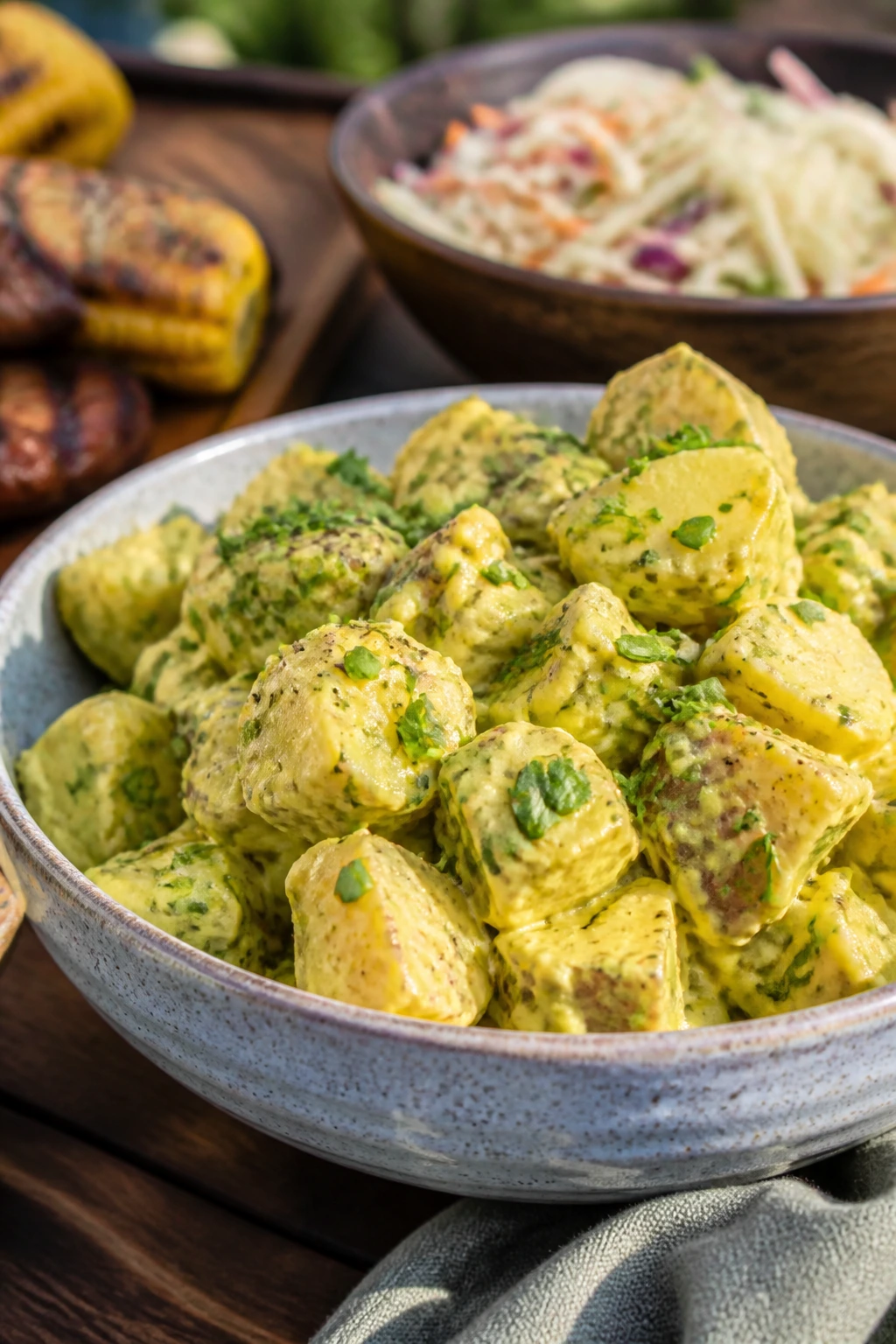
Potato salad is still welcome, but it needs a point of view. A mustardy version with herbs and chopped pickles holds up better than a heavy, all-mayo bowl that turns sleepy under the sun. Bean salad does a lot of work here. So does coleslaw, if you keep the dressing sharp and the cabbage sliced fine enough to eat without a fork wrestling match.
Cold sides that earn their space
- Vinegar-based slaw: Cabbage, a little carrot, dill or celery seed, and enough acid to cut through fatty meat.
- Bean salad: Cannellini, chickpeas, or black beans with herbs, onion, olive oil, and vinegar.
- Potato salad with mustard: Warm potatoes hold dressing better than cold cubes straight from the fridge.
- Tomato-cucumber salad: Salt the tomatoes, add cucumber, herbs, and a sharp vinaigrette right before serving.
- Grilled corn salad: Char the corn first, then cut it off the cob and toss it with lime, scallions, and herbs.
- Watermelon with salt and lime: It sounds simple because it is. That’s part of the appeal.
The cold-side trick most people skip
Keep the dressing separate when you can. Toss slaw lightly, but leave the final vinegar or herbs for the moment before serving. Same with tomato salad. Same with herbs. A lot of picnic food goes flat because it sits dressed too long and loses its edges.
I also like one side that is almost aggressively cold. Ice-cold cucumber salad, chilled potato salad, a platter of sliced melon — something that resets the palate. That one cold bite makes the next hot bite taste hotter, and more importantly, clearer.
Bread, Buns, and the Carbs People Reach for First
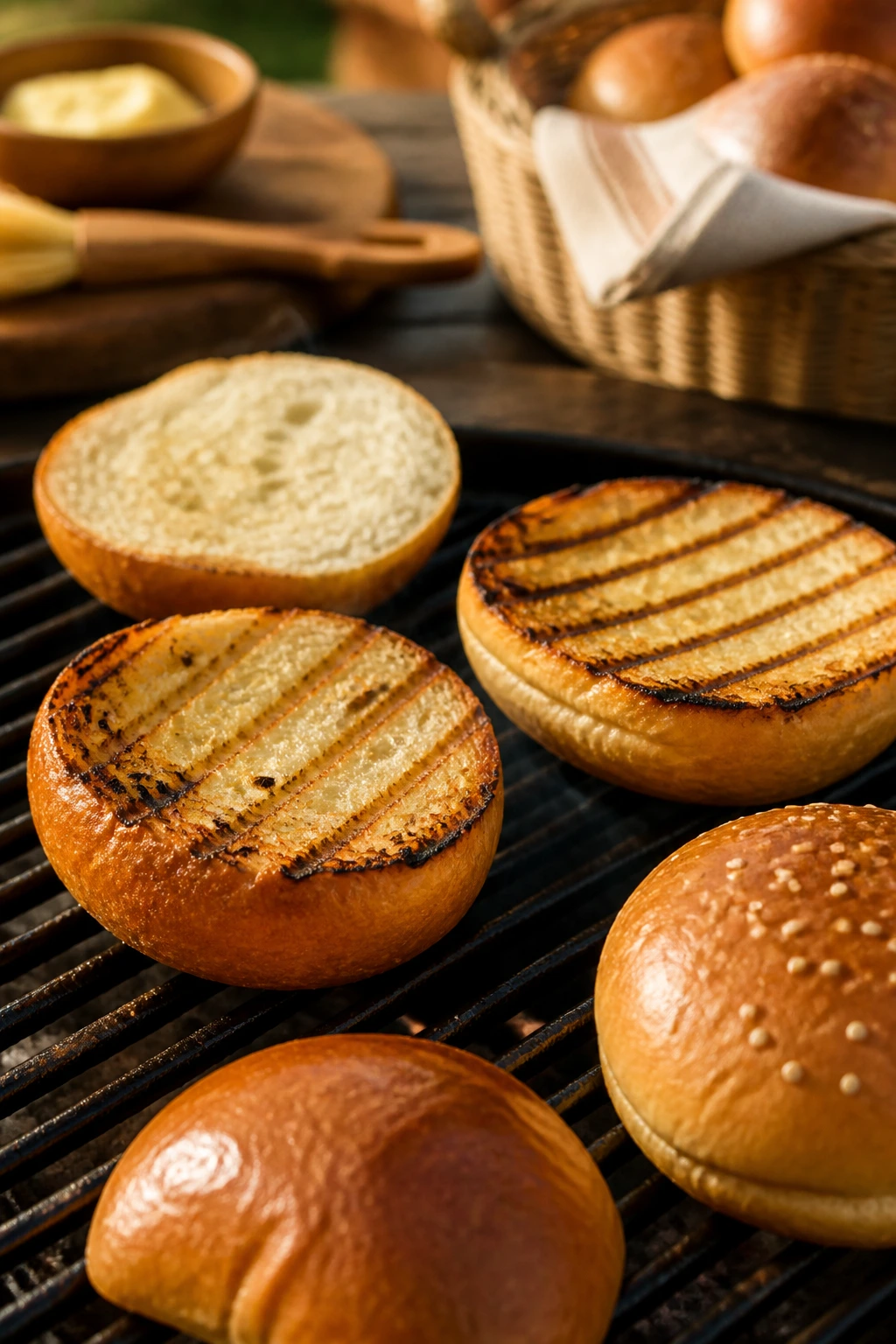
Buns get ignored in planning and then vanish in the first ten minutes. That’s because bread is the delivery system. It catches drips, carries sauce, and gives a burger or sausage enough structure to stay edible while you stand and talk with one hand on a paper plate.
I like buns with a little sturdiness. Potato buns, brioche buns with enough body, split-top rolls, sturdy sandwich rolls, grilled naan, and even warmed tortillas all make sense here. The flimsy cloud-roll look is lovely in photos and annoying in real life. One bite in, the juices leak through and the whole thing collapses into your wrist.
What bread should do for a cookout
It should hold juices without becoming wet. It should toast fast. And it should taste like it means something.
That’s not a high bar, but too many buns fail it.
Best ways to treat bread on the grill
Brush the cut sides with butter or olive oil. A little salt helps. Put them on the grate cut-side down for 30 to 60 seconds, just until they take on grill marks and feel crisp at the edges. You do not want a dry cracker. You want a bun that can survive a saucy burger, a pile of chicken, or a swipe of mayo and pickles.
Flatbreads are a strong move for mixed crowds. Warm them until they puff a little, then stack them in a towel-lined basket. They hold heat well and let guests build their own plate. Pita works too, especially if you’re serving grilled vegetables or halloumi. The whole thing feels less fussy than a pile of separate sandwich parts.
And yes, you can grill fruit bread if you want to get a little playful. Thick slices of sourdough or brioche with butter and a spoonful of grilled peaches on top? That’s a fine way to end the meal, or to tempt people into standing near the grill longer than they planned.
Sauces, Pickles, and Finishers That Wake Up the Plate
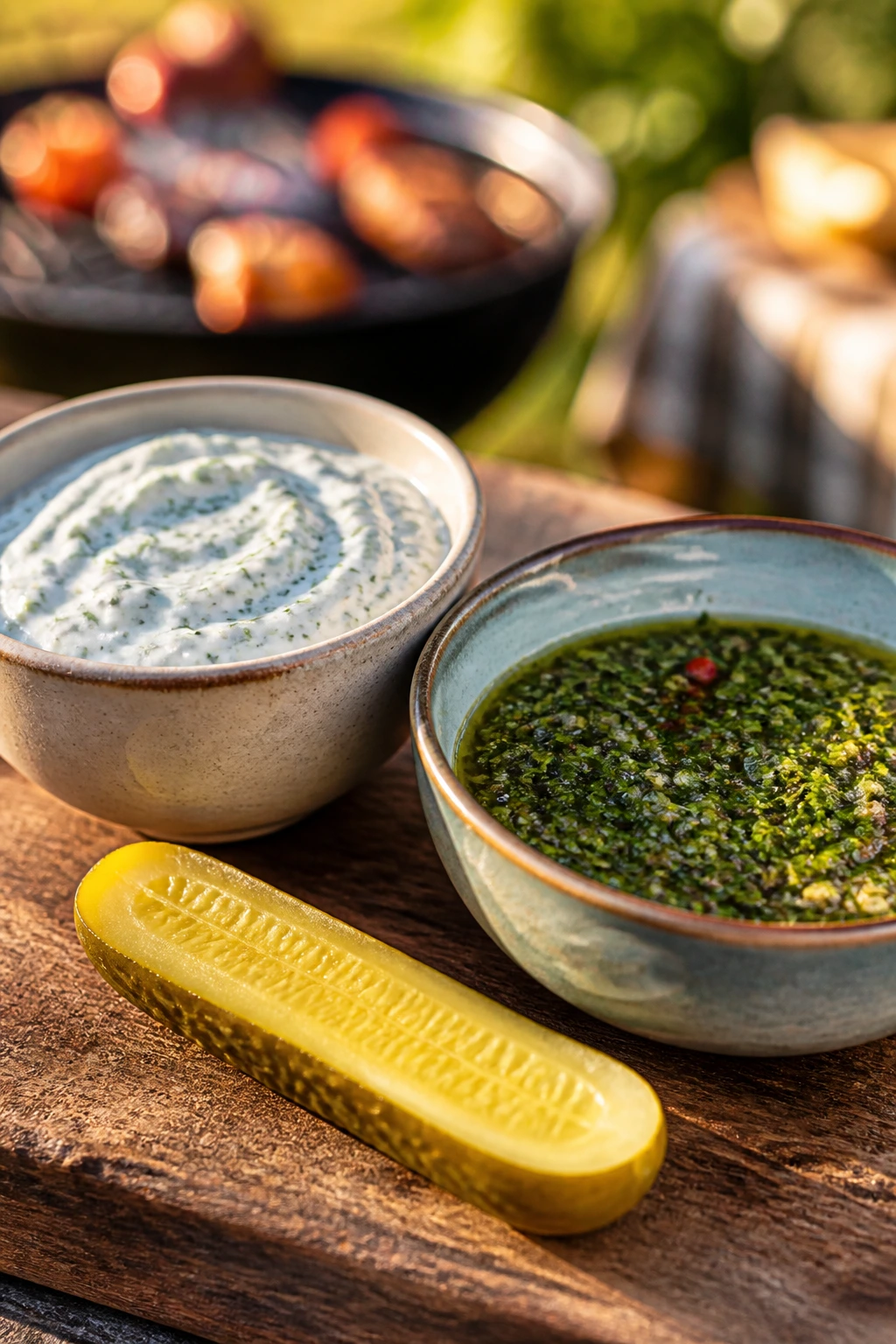
A grilled picnic spread without sauces is like a song with no bass line. You may still hear it, but it won’t move. The best condiments do three jobs at once: they add acid, they add moisture, and they change the rhythm of the bite. That’s why I’m so bossy about them.
One creamy sauce, one sharp sauce, and one punchy pickle usually cover the whole table.
The sauces I reach for most
- Herb yogurt sauce: Thick yogurt, garlic, lemon, parsley, dill, and a pinch of salt. It cools charred chicken and vegetables without smothering them.
- Chimichurri: Parsley, garlic, vinegar, oil, chili, and salt. It loves steak, shrimp, mushrooms, and grilled bread.
- Smoky barbecue sauce: Keep it a little looser than you think so it brushes on cleanly and doesn’t glue itself to the grate.
- Spicy aioli: Good with burgers, corn, and roasted potatoes.
- Mustard vinaigrette: Sharp enough to wake up beans, slaw, and grilled sausage.
Pickles matter more than people admit
Pickled onions are a cheat code. So are dill spears, sliced bread-and-butter pickles, quick-pickled cucumbers, and pickled peppers. They give the plate lift. They also help when the rest of the menu leans rich. A spoonful of pickle on a burger or chopped into potato salad makes the whole plate feel sharper.
If the table needs one last edge, use lemon or lime at the end. Not as a decorative thought. As seasoning. A squeeze right before serving can bring back flavor that got lost to smoke or heat. That final hit is usually what keeps people reaching for a second plate.
How to Pace a Grilled Picnic Spread So Nothing Waits Too Long
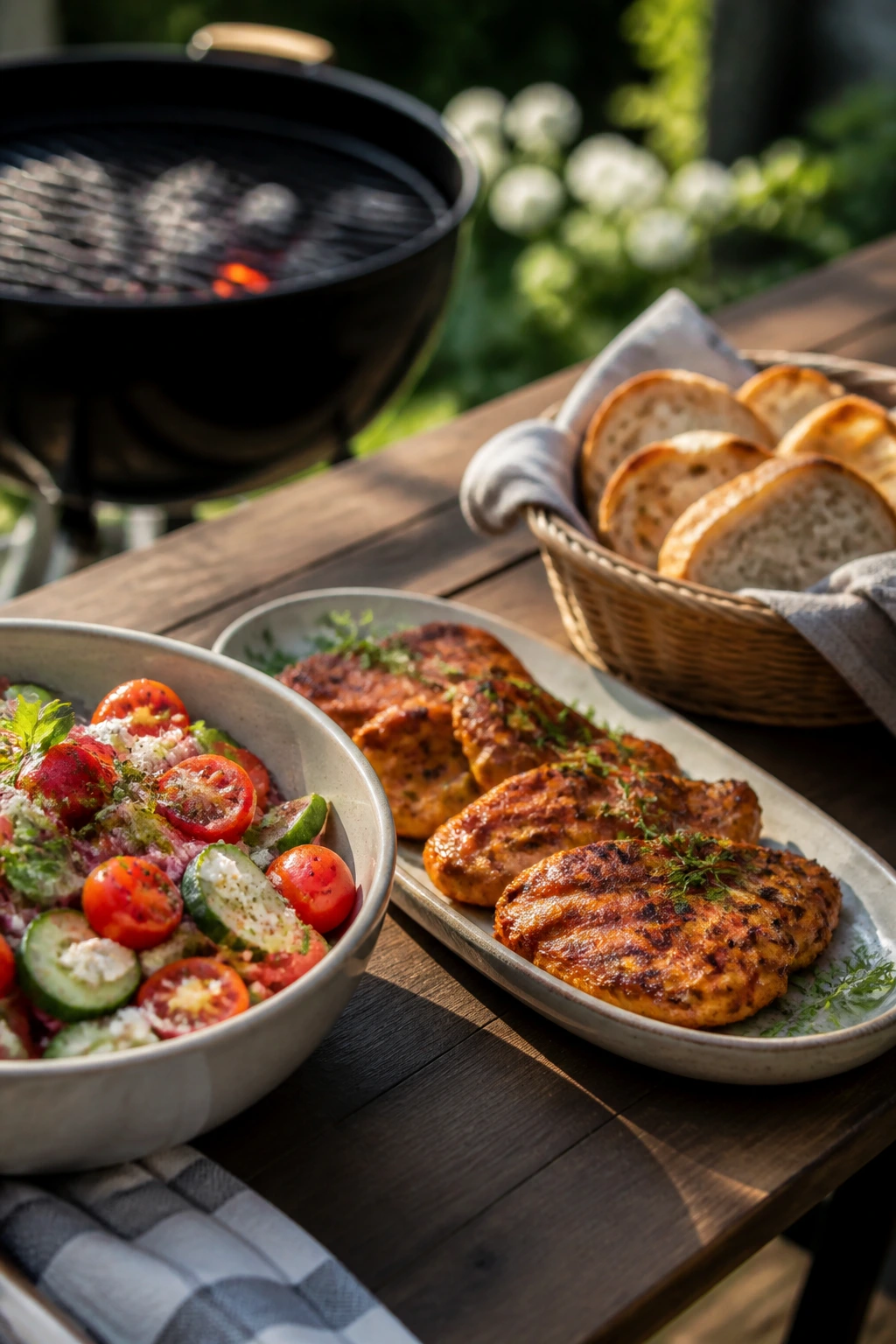
The grill should not feel like a traffic jam. If food is piling up on the side table while you try to finish everything at once, the pacing is off. A calmer cookout usually follows a simple order: cold sides first, slow-cooking items next, quick items last, bread at the very end, and sauces only when the food is ready to move.
That order saves texture. It also saves your mood.
A workable cookout sequence
- Make the cold sides first and move them straight to the fridge or a cooler with ice packs.
- Marinate or season the proteins early so they can sit while the grill heats.
- Start the grill 15 to 20 minutes before cooking so the grates are hot and clean.
- Put on the items that need the longest time — sausages, bone-in chicken, thicker vegetables, or potatoes.
- Add medium-speed foods next like burgers, corn, and onion wedges.
- Finish with quick foods such as shrimp, asparagus, naan, or sliced bread.
- Rest proteins for 5 to 10 minutes before slicing so the juices settle.
- Sauce and garnish at the table rather than on the side counter.
Direct heat and indirect heat both matter
Direct heat gives you sear and color. Indirect heat keeps the outside from going too far while the center catches up. I use indirect heat more than people expect, especially for sausages, thicker chicken pieces, and anything that needs a little tenderness before a final char. If the outside is dark and the center is still cold, move the food away from the hottest part of the grill and let it finish without punishment.
That little move saves more food than any fancy gadget.
Keep one hand for service
The fastest way to make a cookout feel messy is to cook like nothing can wait. A warm tray under loose foil, a side burner, or even a low oven inside can buy you ten calm minutes. Use them. The first plate and the tenth plate should taste like they came from the same kitchen, not two different planets.
The Layout of a Backyard Cookout That Keeps You Sane
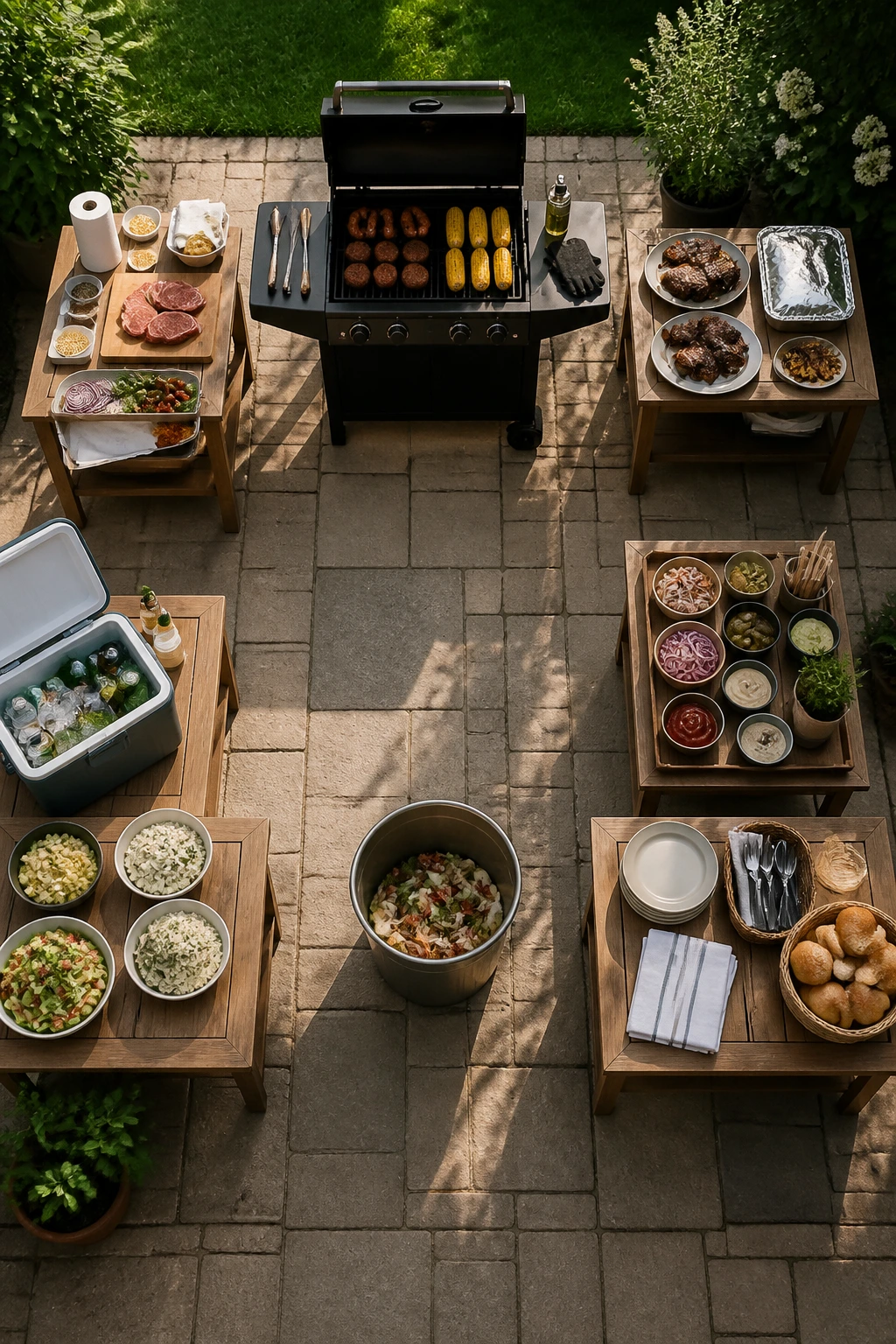
A good patio setup is not about looking polished. It’s about making the work obvious. If I have to cross the yard six times for tongs, plates, salt, and napkins, the whole evening starts to fray. So I like to split the space into small zones.
One zone for raw prep. One for the grill. One for cooked food. One for condiments and serving. That’s it.
The zones I always set up
- Raw prep zone: Cutting board, paper towels, seasoning bowls, and a tray for uncooked food.
- Grill zone: Tongs, thermometer, long spatula, oil brush, and heat-safe gloves.
- Cooked-food zone: Clean platters, foil, and a warm spot for resting proteins.
- Cold zone: Cooler, ice packs, chilled salads, sauces, and drinks.
- Serve zone: Plates, napkins, flatware, and the bread basket.
A second table helps a lot if you have one. If not, a clean sideboard, a rolling cart, or even a folded tray table does the job. The point is separation. Raw and cooked food should never share the same surface without a full reset in between.
I also like a trash bowl. Not glamorous. Hugely useful. Toss onion skins, husks, wrappers, and herb stems into one place instead of leaving a trail around the patio. Once you’ve cooked with a trash bowl in reach, you stop thinking of it as a nice extra. It’s part of the setup.
And keep a damp towel under the cutting board if it slides. That tiny fix saves knuckles, tomatoes, and your temper.
Food Safety Rules That Matter Outdoors
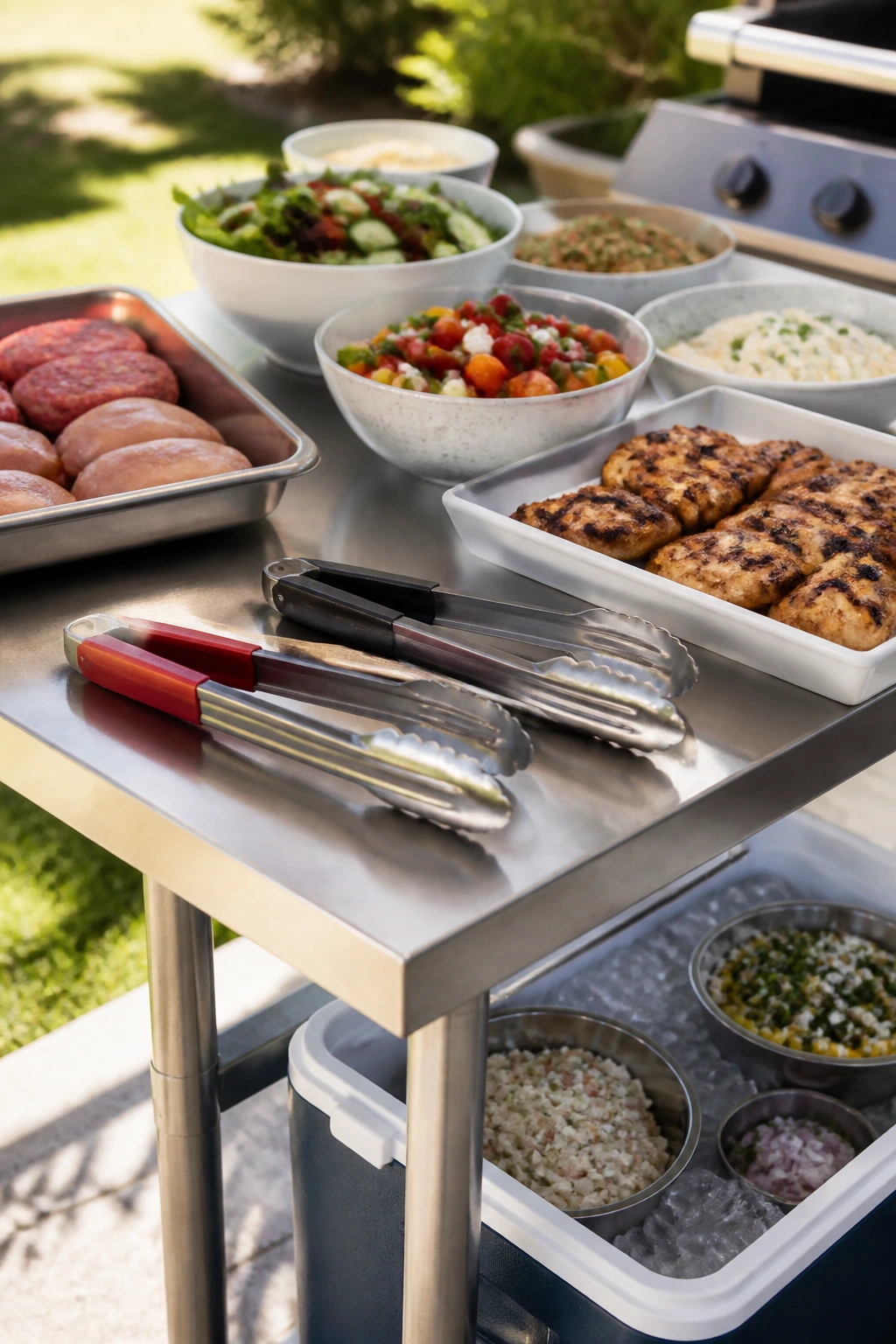
Outdoor food safety is not the fun part of a cookout, but it’s the part that keeps the whole spread from becoming a regret. Heat, sun, and shared serving utensils are where things get sloppy. The fix is not paranoia. It’s routine.
Use an instant-read thermometer. Every time. Guessing by color is how chicken stays underdone or burgers dry out because someone overcorrected.
The target temperatures I trust
- Chicken and turkey: 165°F in the thickest part.
- Ground beef, pork, and lamb: 160°F.
- Fish: 145°F, unless a trusted recipe or method states otherwise and you know exactly what you’re doing.
- Steaks and chops: 145°F with a 3-minute rest for safety and juiciness.
For hot holding, keep cooked food above 140°F when possible. For cold holding, keep salads, sauces, and dairy-based items below 40°F. That means smaller bowls, chilled platters, and quick refills from a cooler instead of putting every serving dish out at once.
A few habits that prevent trouble
Never put cooked food back on the raw tray. Use a clean platter. Keep one set of tongs for raw meat and another for finished food. If that sounds fussy, it’s still easier than wondering whether the burger platter touched the uncooked chicken tray an hour ago.
If you’re serving mayo-based salads in warm weather, keep them on ice or bring them out in smaller batches. I know people like to leave a big bowl on the table and call it casual. Casual is fine. Unsafe is not. The same goes for cut fruit, dairy dips, and anything with seafood.
I also change serving utensils before guests go back for seconds. A shared spoon left in the bean salad, then dipped into the potato salad, then into the slaw, is a tiny cross-contamination parade. Use separate spoons. It’s one of those boring things that feels invisible when done well and obvious when ignored.
Tools That Make the Whole Spread Easier to Pull Off
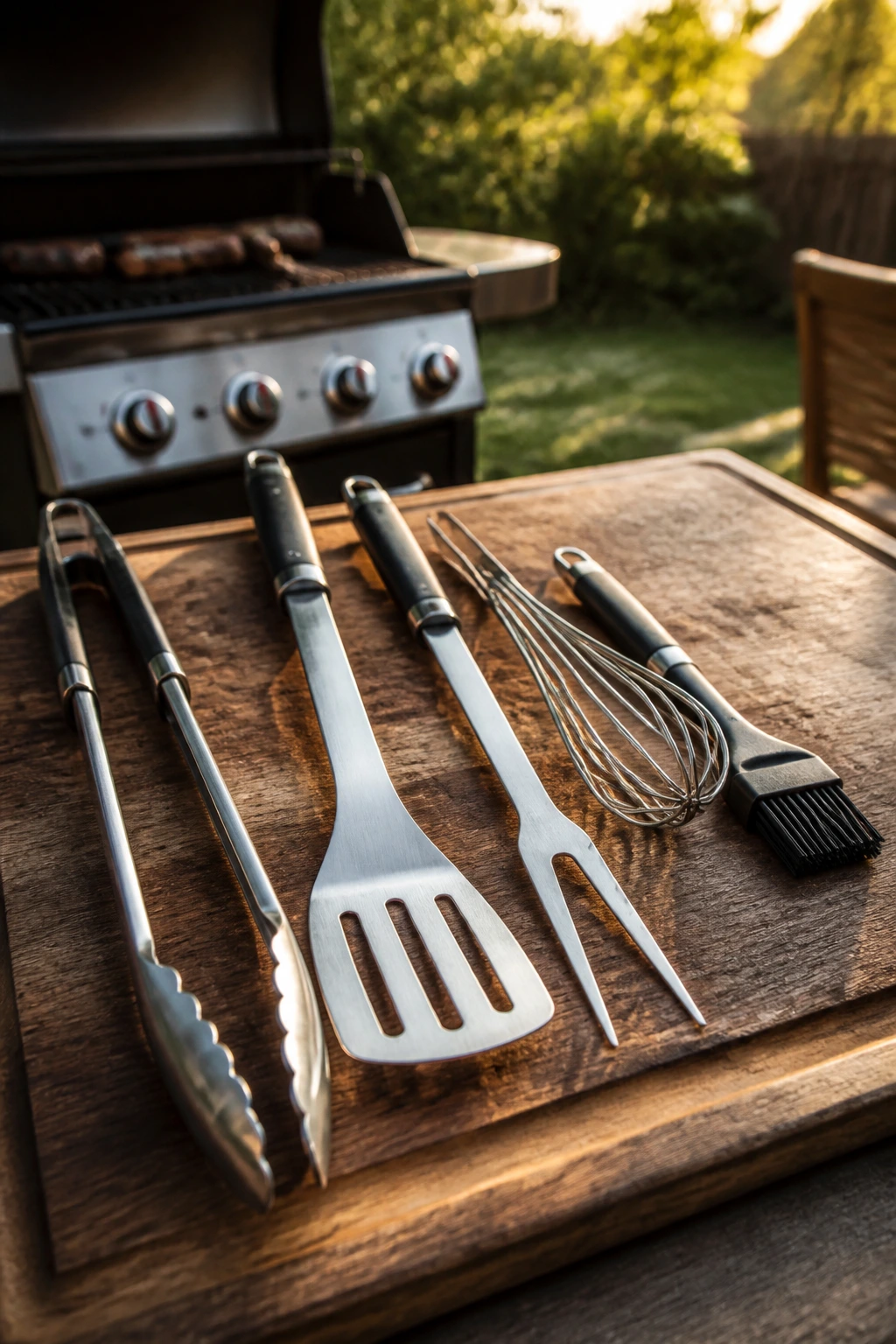
A cookout doesn’t need a wall of gadgets. It needs the right few things in the right places. Anything else is clutter with a price tag.
Here’s the short list I’d actually keep within arm’s reach:
- A grill with two heat zones: One hot side for sear, one cooler side for finishing thicker foods.
- Instant-read thermometer: The fastest way to know if meat is done without cutting into it.
- Long tongs: Reach matters when the grate is hot and the flare-up is rude.
- Wide metal spatula: Best for burgers, fish, and bread.
- Sheet pans or rimmed trays: Use one for raw food and one for cooked food so nothing gets mixed up.
- Cutting board with a grip pad or damp towel underneath: Keeps the board steady while you slice and serve.
- Basting brush: Handy for oiling vegetables, brushing bread, or adding sauce at the end.
- Mixing bowls in two or three sizes: Enough for salad tossing, seasoning, and holding toppings.
- Cooler or insulated tote: Keeps cold salads, drinks, and sauces in shape while the grill does its work.
- Aluminum foil: Useful for resting meat, tenting bread, or holding warm vegetables for a few minutes.
- Heat-resistant gloves: Optional, but nice if you move around hot grates or cast-iron pans.
- Grill basket or skewers: Helpful for small vegetables, shrimp, or chopped mushrooms that would otherwise fall through the grate.
If you only buy one non-obvious thing, make it the thermometer. It pays for itself the first time you avoid cutting into a steak or serving a chicken thigh that still needs another minute.
Practical Tips for a Smoother Cookout
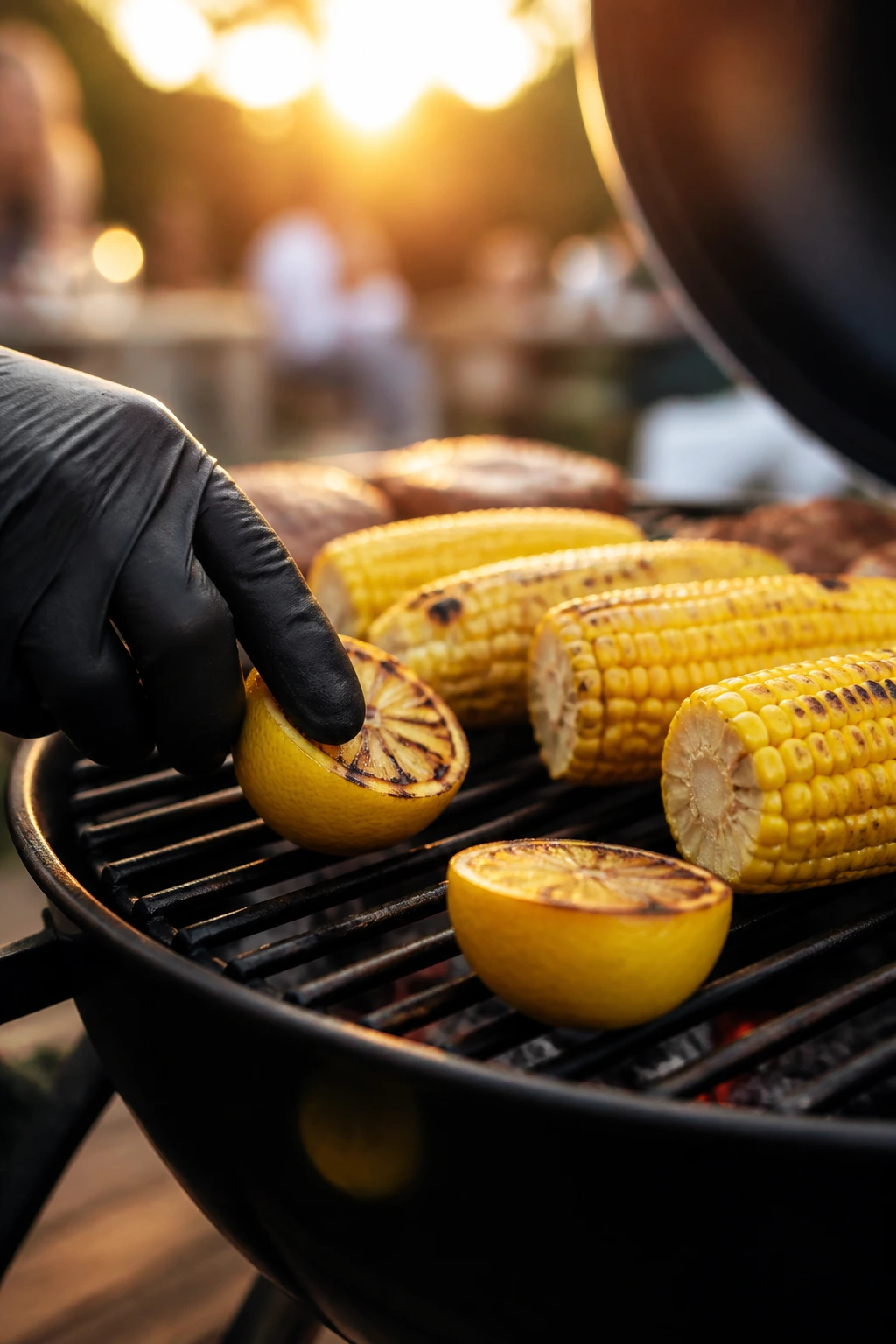
A few small moves make this kind of spread taste more deliberate and feel less improvised.
Flavor Enhancement: Finish grilled corn, chicken, or squash with a squeeze of charred lemon. I mean actual char: cut the lemon in half and put it cut-side down on the grill for a minute or two. The bitterness softens, the juice tastes rounder, and you get a cleaner finish than bottled dressing can give you.
Time-Saver: Par-cook anything dense before it hits the grill. Potatoes can be boiled until just tender, then crisped over heat. Corn can be blanched for a few minutes and finished on the grate. That trims the cooking window when guests are already arriving and asking where the napkins are.
Pro Move: Slice meat against the grain and fan it across a warm platter instead of piling it in a mound. The surface cools more evenly, the slices stay tender, and people can grab pieces without tearing through a whole chunk with a plastic fork.
Cost-Saver: Build one satisfying vegetarian anchor, like grilled halloumi, mushroom skewers, or a hearty bean salad. That lets you reduce the amount of meat without leaving the table thin. Most people won’t miss the extra pound of protein if the rest of the spread is strong.
Serving Trick: Keep flaky salt, chopped herbs, and pickled onions in separate little bowls. Guests can fix their own plate, and you get a nicer-looking table because the finishing pieces stay bright instead of sinking into the main dish.
Backup Plan: If the grill is running hot or the weather turns annoying, move the bread and vegetables inside for a fast finish under the broiler. It’s not cheating. It’s calm problem-solving.
Mistakes That Make the Table Feel Flat or Rushed
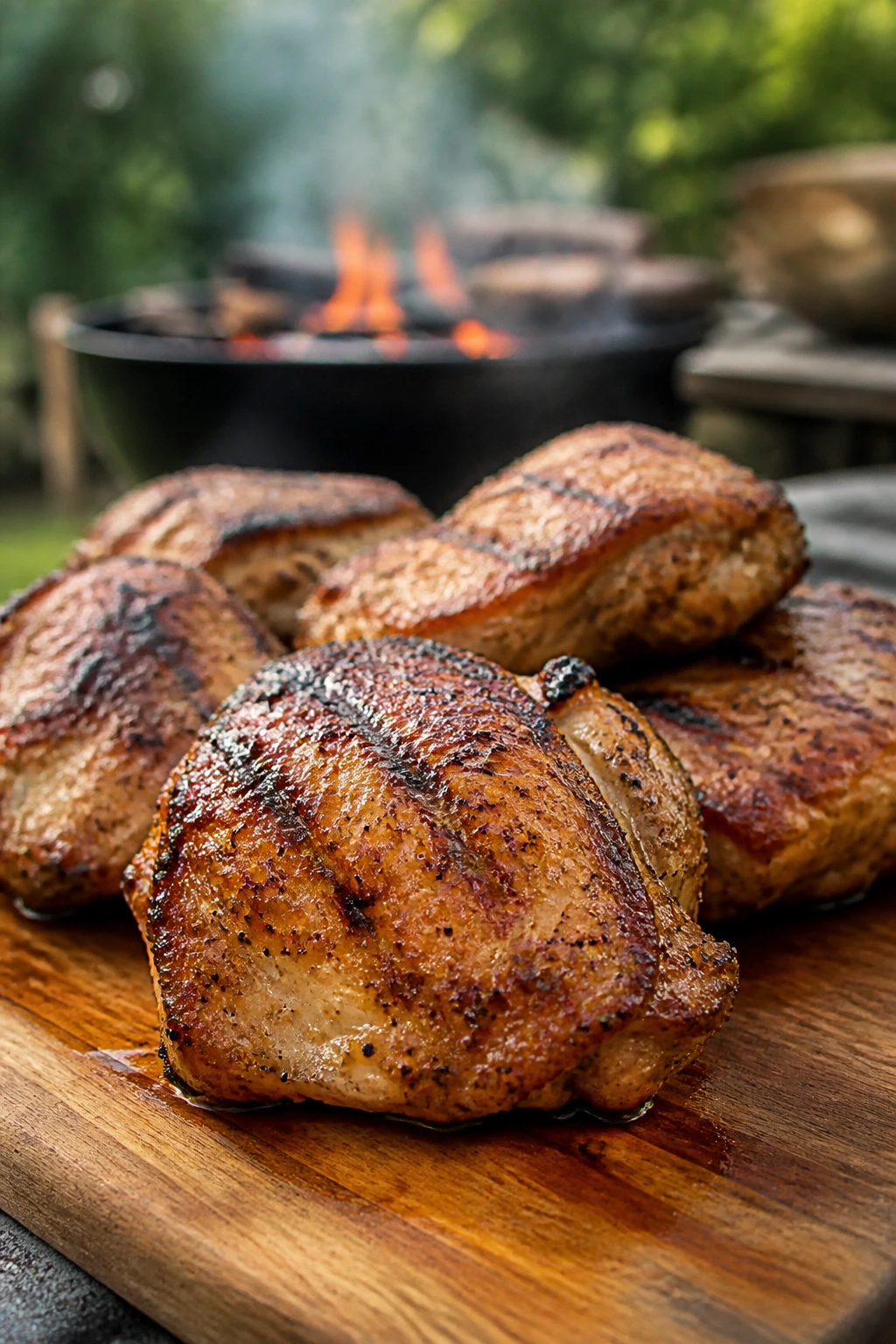
The most common cookout mistakes are not dramatic. They’re small, boring, and cumulative. That’s what makes them annoying.
Too much food on the grate at once: When the grill is crowded, it steams instead of searing. The fix is to cook in waves, leaving space around each piece so the heat can move. A fuller grate looks efficient and usually isn’t.
No sharp contrast on the table: A menu made of only rich, smoky foods gets heavy fast. If you don’t include acid — pickles, vinegar slaw, mustard, citrus, herb sauce — the second plate tastes duller than the first. Add one bright side on purpose.
Cutting meat before it rests: You’ll see the juices flood the board, and then everyone acts surprised when the meat tastes drier than expected. Give chicken, burgers, and chops a few minutes to settle before slicing. The juices stay where they belong.
Serving buns that are too soft: Fluffy buns sound nice until the sauce seeps through and the whole sandwich slumps. Toast them. Even a brief 30-second kiss on the grill gives structure.
Leaving mayo-based sides in the sun: Potato salad and creamy slaw don’t belong out for hours on a hot patio. Keep them chilled, set out smaller bowls, and refill from the cooler. One big bowl is convenient for hosts and rough on texture.
Skipping the thermometer because the meat looks done: Color lies. A thermometer doesn’t. Use it, especially for chicken and ground meat. If you’ve ever sliced into a burger and had to cook the middle while pretending nothing is wrong, you already know this.
Variations for Different Crowds and Grills
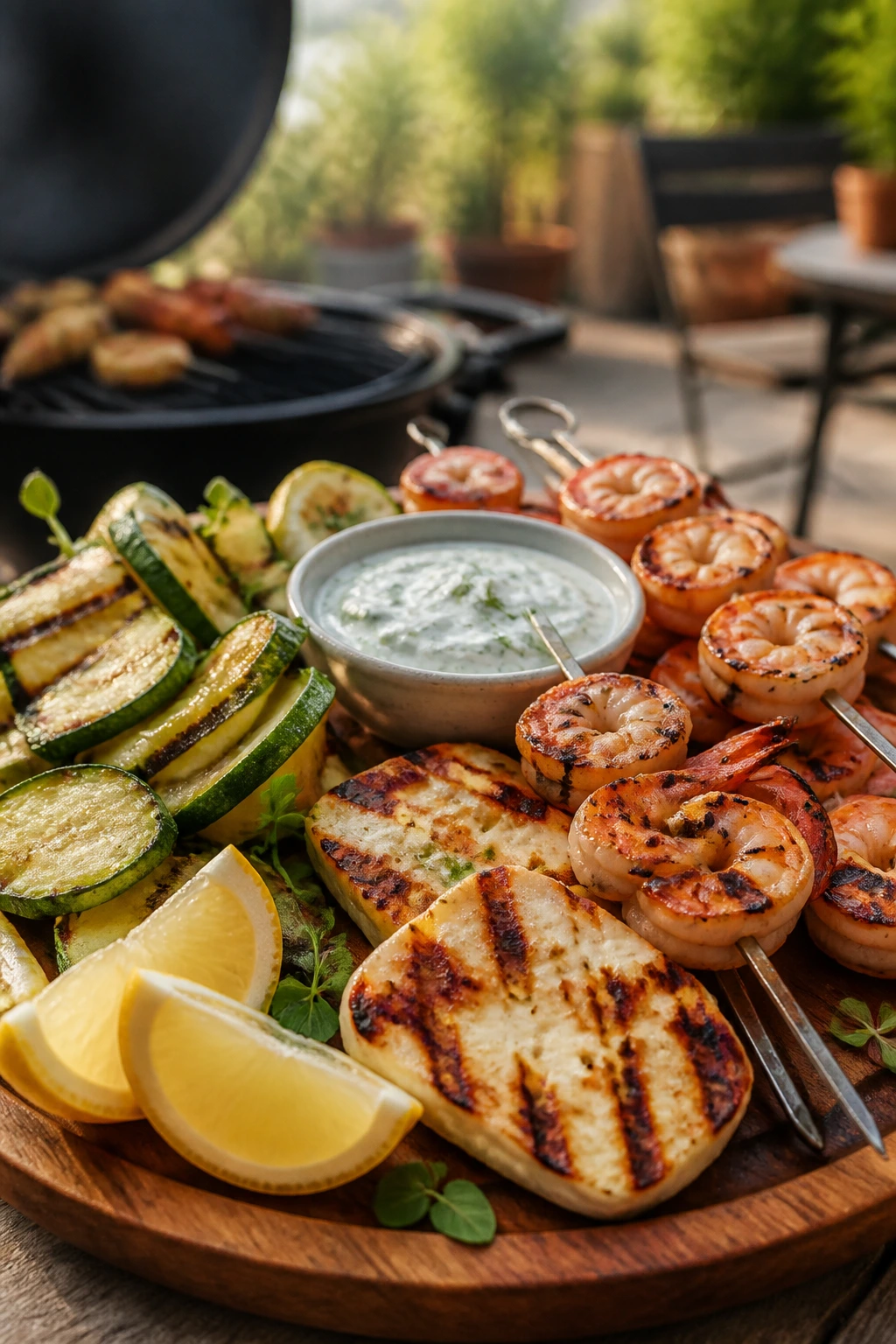
A grilled picnic spread should flex. If you can only cook one way for one group, you’re boxed in before the charcoal is even lit.
Smokehouse Classic: Build around burgers, sausages, grilled onions, corn, and a mustardy potato salad. This version leans rich and savory, and it works best when you keep pickles and sliced tomatoes close by so the plate doesn’t get too heavy.
Herb-and-Citrus Table: Use chicken thighs, shrimp skewers, grilled zucchini, lemon, and a yogurt-herb sauce. It feels lighter without turning flimsy, and the citrus keeps the meal from getting lost in smoke.
Vegetarian Grill Board: Halloumi, portobello mushrooms, charred peppers, grilled bread, bean salad, and a sharp tahini or herb sauce. This is one of those spreads that surprises people because the texture variety is so strong. Nobody misses the meat if the seasoning is good.
Kid-Friendly Backyard Plates: Go with mild sausages, buttered corn, toasted buns, sliced melon, and a simple cucumber salad. Keep the sauces separate and let the kids build their own plate. They usually eat more when they can choose.
Gluten-Free Spread: Use lettuce wraps, corn tortillas, grilled potatoes, rice salad, and a meat or vegetable main with sauces served on the side. The key is not treating this like a compromise menu. Plenty of grilled foods are naturally gluten-free if you don’t bury them in bread.
Char-and-Heat Swap: For a gas grill, lean on direct heat and a grill basket for the smaller pieces. For charcoal, keep one side cooler so you can slide food away from flare-ups. The menu can stay the same; the cooking path changes.
Make-Ahead, Storage, and Leftovers for a Grilled Picnic Spread
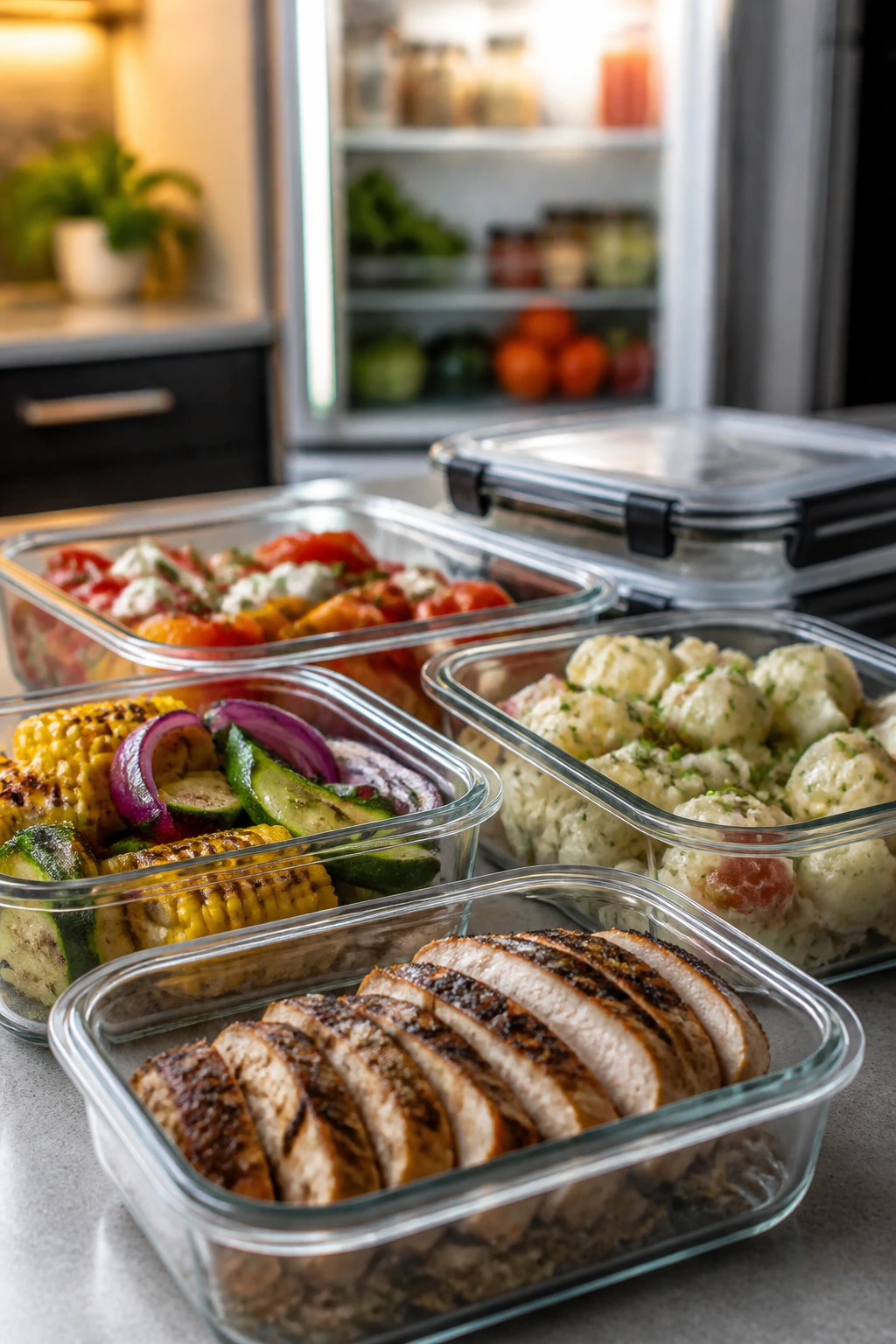
This kind of meal gets easier when you think about leftovers before the first plate is served. Separate components keep better than mixed ones, and the fridge is much kinder to a tray of grilled chicken than it is to a fully assembled sandwich.
Cooked meats keep 3 to 4 days refrigerated in sealed containers. Chicken, burgers, sausages, and shrimp should be cooled quickly and stored in the coldest part of the fridge. If you freeze them, aim for up to 2 months for the best texture. Thinly sliced grilled chicken and chopped sausage reheat better than a thick, whole piece, so I often slice before storing.
Grilled vegetables usually keep 3 to 4 days in the fridge. Peppers, onions, and mushrooms hold up better than zucchini or asparagus, which can turn soft by day two. If you want to freeze grilled peppers or onions, you can, but I wouldn’t bother with zucchini. It comes back watery and tired.
Cold salads need more care. Undressed slaw can last 2 to 3 days refrigerated. Once it’s dressed, the clock speeds up. Potato salad and bean salad are good for about 3 to 4 days if they’ve been kept cold and handled cleanly. Tomato-cucumber salad is best the same day, though leftovers can still be fine the next day if they weren’t overdressed.
Buns and bread are best kept at room temperature in a sealed bag for 1 to 2 days, or frozen for up to 1 month. Reheat them in a toaster oven or a dry skillet rather than microwaving, which turns them rubbery in seconds.
For reheating meat, use a low oven around 300°F or a covered skillet with a splash of water so the food warms through without drying out. Burgers can go in a skillet over medium-low heat for a few minutes per side. Chicken thighs do well in a foil-covered pan in the oven. Shrimp are trickier; I usually eat them cold the next day or tuck them into a salad rather than reheating them hard.
If you’re making ahead, prep sauces and dressings 1 to 3 days in advance. Chop herbs the same day if you can, because they bruise and lose their edge in the fridge. And if anything perishable has sat out for more than two hours, or less in very warm conditions, I’d rather throw it out than argue with it.
Frequently Asked Questions
What is the best main protein for a grilled picnic spread?
Chicken thighs are the safest all-around choice because they stay juicy and tolerate a little overcooking. If you want faster cooking, burgers or shrimp work well, but they need more attention. For a mixed crowd, I like one forgiving protein and one quick one.
How much food should I plan per person?
For a relaxed backyard cookout, plan about 1/3 to 1/2 pound of cooked protein per adult if there are several sides. If the group is heavy on eaters or the menu is more casual than plated, lean toward the upper end. I also like to budget one extra bun or one extra corn cob per few guests because those disappear first.
Can I make most of this ahead of time?
Yes, and that’s part of the appeal. Cold sides, sauces, chopped herbs, and some vegetable prep can be done a day ahead. I’d hold off on grilling bread and delicate vegetables until the last minute so they stay crisp and lively.
What if I only have a gas grill?
That’s fine. A gas grill still gives you strong char if you preheat it long enough and use a hot zone plus a cooler zone. You may not get the same smoky depth as charcoal, but careful browning, salted finishing, and a bright sauce fill in a lot of the gap.
How do I keep grilled chicken from drying out?
Use thighs if you can, not breasts. Pull them at 165°F, then rest them for a few minutes before slicing. A light marinade with oil, salt, acid, and herbs helps too, but the biggest fix is not letting the chicken sit over direct heat after it’s done.
What should stay in the cooler until serving time?
Mayo-based salads, yogurt sauces, cut fruit, soft cheeses, and anything with seafood should stay cold. Keep them in smaller bowls and refill as needed. That keeps the texture better and makes food safety much easier to manage.
Can I make a vegetarian version that still feels substantial?
Absolutely. Build around halloumi, grilled mushrooms, bean salad, corn, charred peppers, and bread with a strong sauce. The spread feels full when it has weight, salt, acid, and a little smoke — meat is not the only thing that can do that work.
What if rain or wind makes the grill hard to use?
Move the menu toward items that can finish fast under a broiler or in a grill pan inside. Grilled bread, vegetables, and even some sauces can shift indoors without making the meal feel like a compromise. Keep the cold sides and condiments ready, and the whole plan stays intact.
How do I keep the first plate and the last plate tasting the same?
Cook in batches, rest proteins, and hold finished food under loose foil or in a low oven for a short window. Don’t sauce everything ahead of time. Add the bright stuff — herbs, pickles, citrus, and finishing salt — right before serving so the last plate still has some life in it.
The Backyard Table I’d Happily Serve Again
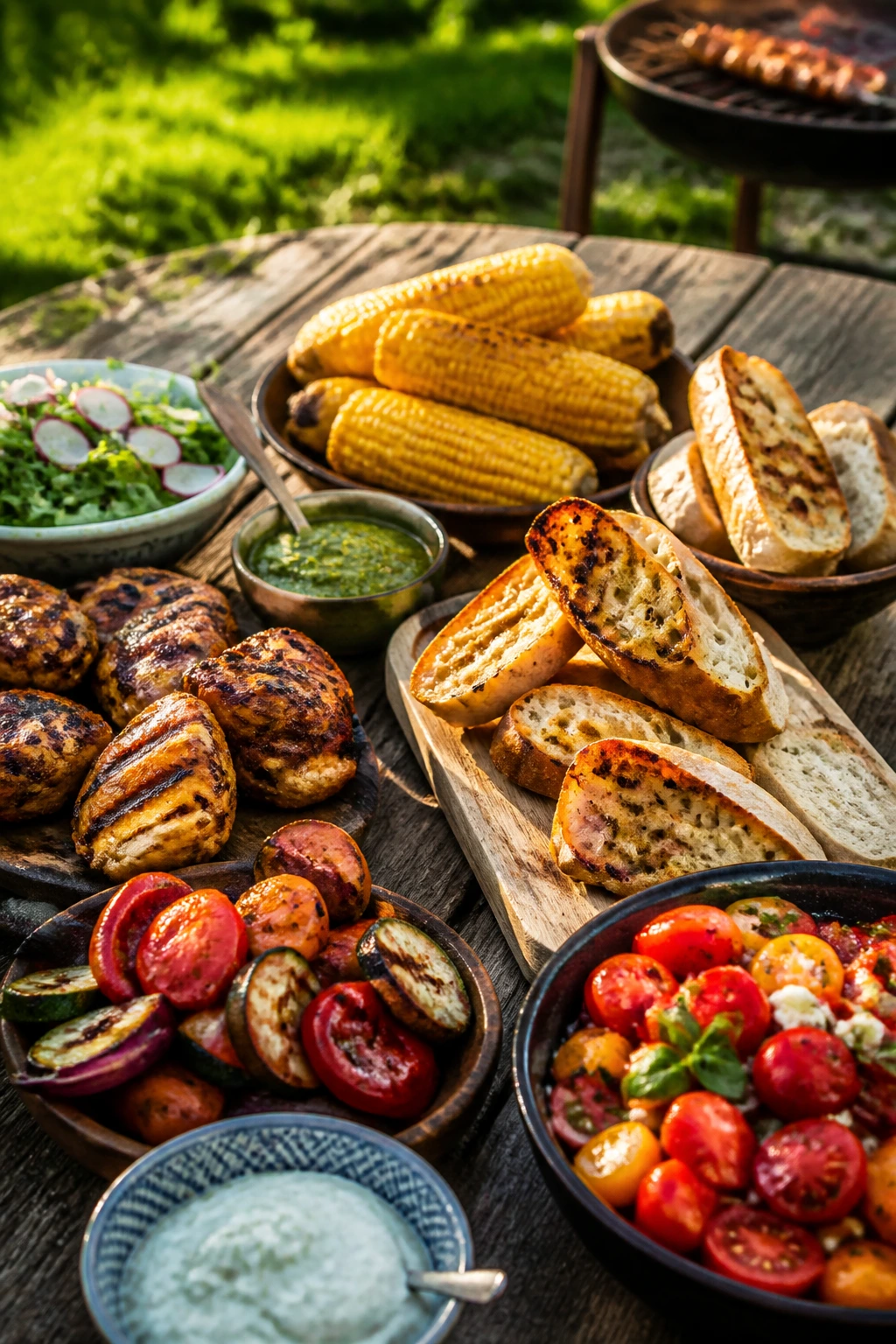
A grilled picnic spread for backyard cookouts works because it lets you build a meal with real contrast instead of just a long line of grilled things. You get smoke, yes, but also crunch, cold salad, warm bread, and one or two sharp finishing bites that keep the whole plate awake. That’s the difference between a table people politely sample and a table they circle back to three times.
The best part is how little of it depends on perfection. You do not need a flawless flame, expensive gear, or six complicated recipes. You need a decent plan, a thermometer, and enough sense to keep the cold things cold and the hot things moving. The grill handles the drama. You handle the order.
Once you start thinking this way, the backyard meal gets a lot easier to trust. And that, to me, is the whole point.