



A good cookout starts before the grill is even hot. The best summer spreads I’ve eaten weren’t the ones where someone stood over the flame all afternoon while guests hovered nearby with paper plates. They were the ones where half the food had already been grilled, rested, chilled, or tucked into a cooler, so the host could actually drink a glass of something cold and talk to people instead of babysitting a steak.
That’s the real appeal of grilled make ahead picnic food for summer backyard cookouts. Charred chicken thighs, blistered vegetables, smoky corn, sturdy salads, herby sauces, grilled bread that still has a little chew — these things don’t need to be rushed from grate to plate in a two-minute sprint. In fact, some of them get better after they sit for an hour or two. The smoke settles. The seasoning spreads out. The sharp edges soften.
And that matters because backyard food has a bad habit of collapsing under pressure. Burgers dry out. Lettuce goes limp. Mayo-based sides warm up too fast. The trick is not to fight that reality with more effort. It’s to build a menu that likes being made ahead, likes being transported, and still tastes like you meant to make something memorable.
Why Grilled Make-Ahead Picnic Food Wins at Summer Backyard Cookouts
The grill does not have to be the final step. That’s the first mental shift. Most people treat grilling like a live performance: everything happens at once, the timing is fragile, and if you step away for ten minutes the whole spread falls apart. Make-ahead grilling flips that around. You grill early, cool safely, then serve food that’s already seasoned, already marked with char, and already easier to manage when people start circling the table.
A dish like grilled chicken thigh salad, sliced steak with herbs, or smoky vegetable platters can be plated at room temperature without losing its shape or flavor. That’s the sweet spot. Hot food is demanding. Room-temperature food is generous. It gives you breathing room.
There’s also a practical side to this that gets overlooked. A cookout menu built around make-ahead grilled picnic food lets you use the grill in one clean window. You can batch-cook protein, vegetables, and bread while the heat is already going, instead of starting and stopping all afternoon. Less juggling. Fewer flare-ups. Better odds that the last batch tastes as good as the first.
Why this approach works:
- Better texture control: Foods like chicken thighs, sausages, peppers, and corn stay juicy after cooling, while thin burgers and delicate fish usually don’t.
- Less last-minute stress: You can finish the heavy lifting before guests arrive, then spend the actual party slicing, saucing, and serving.
- Smarter food safety: Grilled dishes can be cooled in shallow pans and kept cold in a cooler, which is a lot easier than trying to keep everything piping hot.
- More flavor layering: Salt, acid, smoke, and herbs all settle in after a rest, especially on meats and vegetables that were grilled simply.
- Better crowd flow: A buffet of make-ahead items means people can eat when they want, not when the host finally gets off the grill.
The best part? You don’t need fancy techniques. You need foods that behave well once they leave the heat.
What Actually Holds Up After the Grill
Some foods are born for this. Others are not. That distinction saves a lot of regret.
Fat, structure, and a little surface char are the three things that matter most. Chicken thighs beat chicken breasts because they keep their moisture after resting. Sausages work because the casing protects the meat and the fat inside stays supple. Flank steak and skirt steak, sliced thin against the grain, remain tender enough to serve warm or cool. Even pork tenderloin can fit here if you don’t cook it past the point where it starts to tighten.
Vegetables need a different kind of resilience. You want pieces that can take heat without turning mushy: zucchini cut lengthwise, thick rings of onion, bell peppers in wide strips, mushrooms with stems trimmed, eggplant brushed lightly with oil, corn still on the cob. The char gives you contrast, and the flesh underneath stays pleasant after a rest.
Fruit is the sleeper hit. Peaches, pineapple, and plums go from ordinary to a little wild on the grill. They don’t need to be cooked into jam. A quick sear is enough. Once cooled, they’re excellent with salty cheese, herbs, or vinegar.
Foods I’d Pick First
- Chicken thighs for juiciness and easy slicing
- Flank steak for fast grilling and good cold leftovers
- Sausages for low-fuss serving and reliable flavor
- Bell peppers and onions because they keep their shape
- Corn because it tastes sweet even after it cools
- Peaches or pineapple for a sharp, smoky-sweet finish
Foods I’d Be Cautious With
- Thin burger patties unless you’re serving them right away
- Delicate fish fillets that flake apart when chilled
- Leafy salads dressed too early
- Anything drowning in mayonnaise unless it stays properly cold
You can make those foods work. I just wouldn’t build the whole menu around them.
The Best Menu Formula for a Backyard Cookout
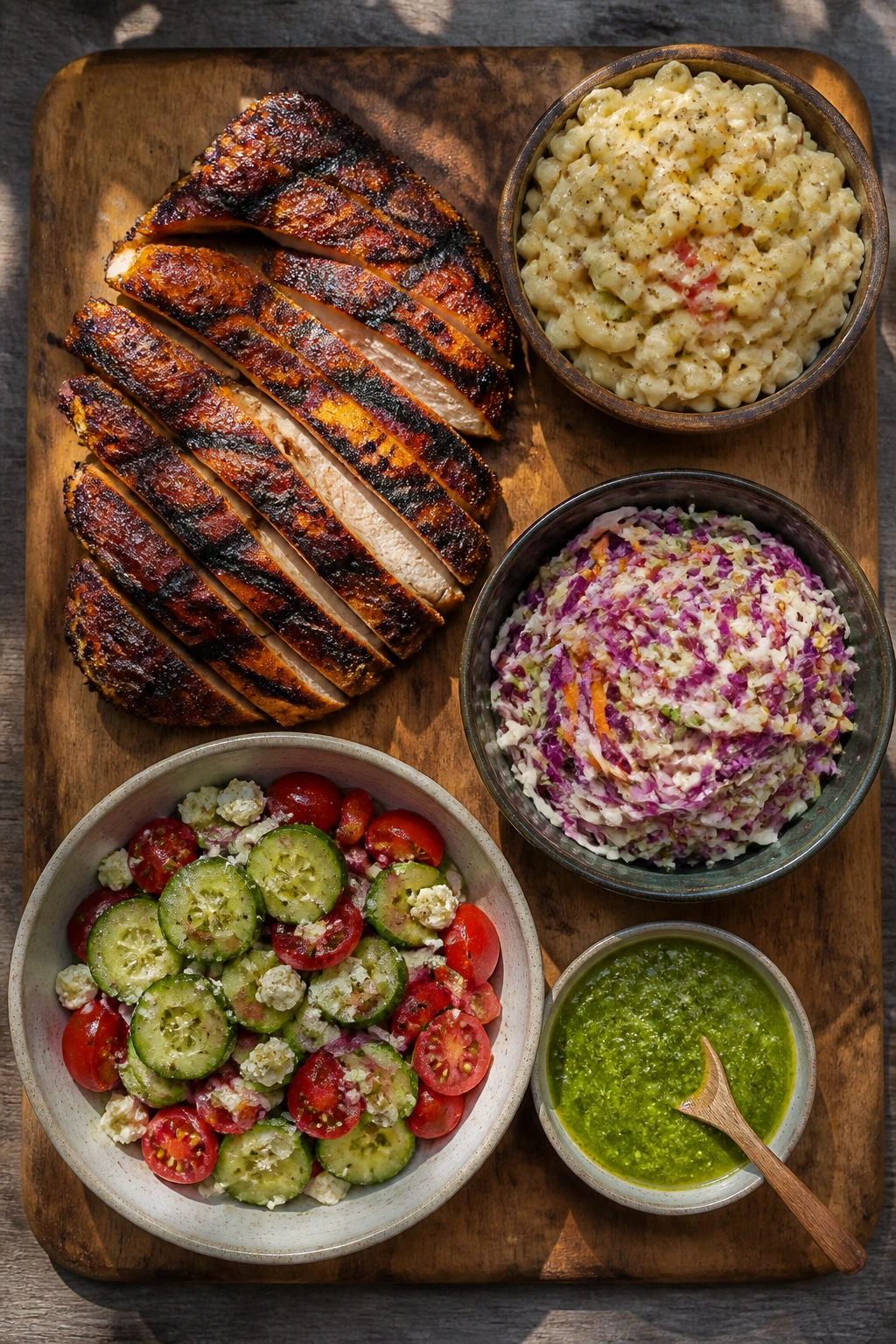
A strong cookout menu is basically a balance problem. Too many hot items and you’re trapped at the grill. Too many cold items and the whole spread feels flat. The easiest fix is to build around one main grilled protein, two sturdy grilled sides, one cold or room-temp salad, and one bright sauce. That’s it. Clean. Flexible. Easy to scale.
I like to think in layers.
Start with a protein that can be grilled early and sliced later: chicken thighs, sausage, steak, or thick-cut pork. Then add something vegetable-heavy that does not wilt into a puddle: charred peppers and onions, grilled asparagus, blistered zucchini, corn salad. Finish with one starch that can be served warm or at room temp — grilled bread, potato salad with herbs, or a rice-and-herb bowl that can sit in the shade without turning tragic.
Then you need acid. Not a ton. Just enough to wake the whole plate up. Chimichurri, salsa verde, yogurt sauce, lemon dressing, vinegar-heavy slaw, pickled onions. Smoke without acid tastes heavy. Acid without smoke tastes thin. Together, they make the food taste planned instead of merely cooked.
A Formula That Rarely Fails
- 1 grilled protein
- 2 grilled vegetables or fruit
- 1 sturdy starch
- 1 cold, sharp side
- 1 sauce or relish
That ratio works whether you’re feeding six people on a patio or hauling food to a picnic table at a park.
If you want numbers, plan about 6 to 8 ounces of cooked protein per adult when the menu has several sides. For vegetables, figure on 1 to 1 1/2 cups per person if they’re a real part of the meal and not just a garnish. Starches vary a lot, but one sturdy roll, a scoop of potato salad, or a slice of grilled bread per person is a fair baseline.
And yes, you can absolutely cheat a little. Pick up a good loaf from the bakery. Buy the corn. Use the reliable sausage. The goal is not martyrdom.
Marinades, Dry Rubs, and Brines You Can Do the Day Before
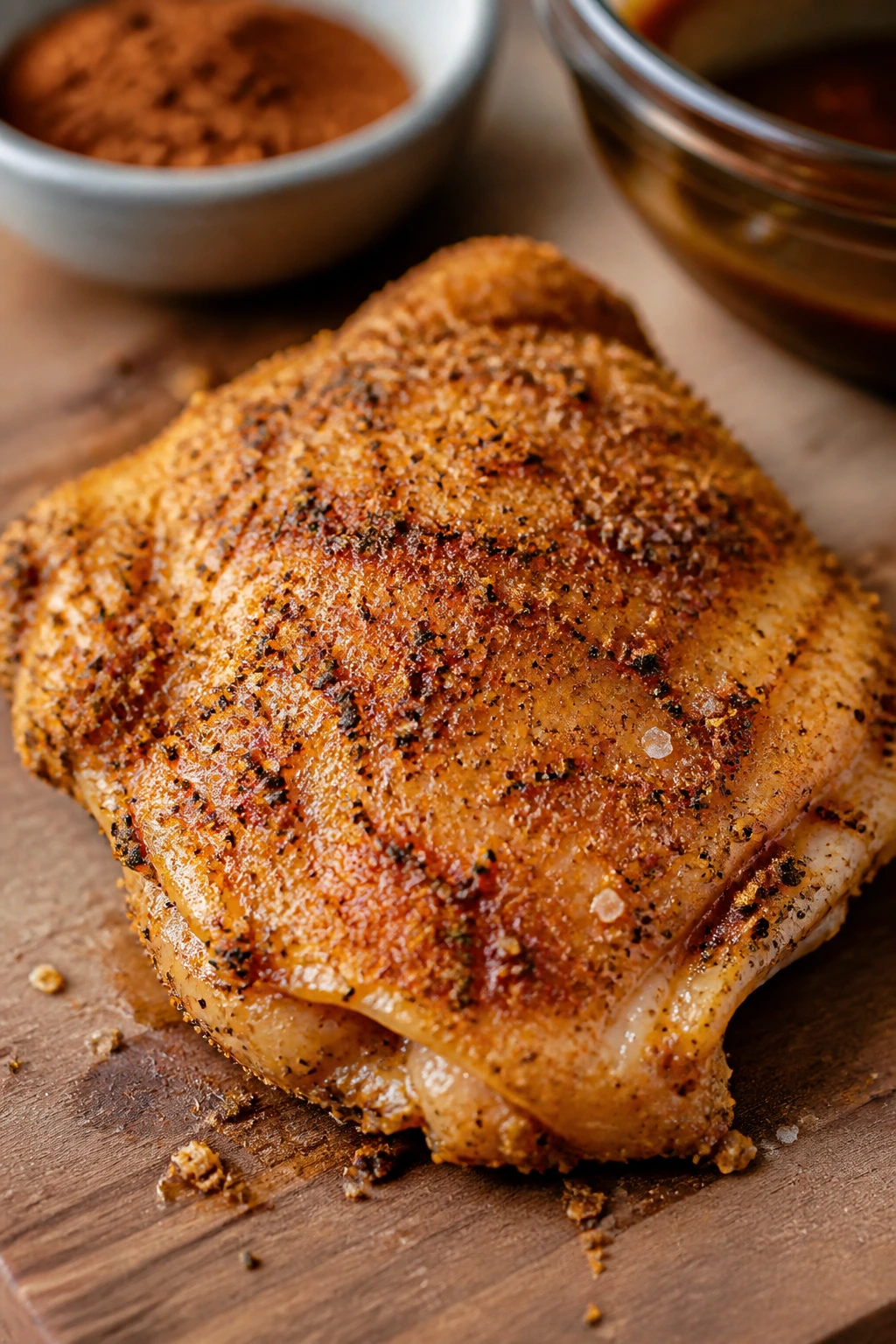
The day before a cookout is where the flavor work happens. The grill gets the credit, but the seasoning has already been doing the heavy lifting for hours.
Salt is the quiet boss here. It pulls seasoning into meat, helps the surface brown, and gives grilled food more flavor all the way through instead of only on the crust. A dry rub with salt, pepper, paprika, garlic powder, and a little sugar can sit on chicken thighs or pork for several hours and do more for the final result than an elaborate glaze slapped on at the end.
Marinades matter most when you want a built-in sauce and a little tenderness. For chicken, pork, and mushrooms, a simple mix of oil, acid, salt, garlic, herbs, and maybe mustard works beautifully. I’d keep citrus-heavy marinades shorter — a few hours, not a full day — because too much acid can make the exterior soft in a way that feels odd after grilling. Vinegar-based marinades are more forgiving.
Brines are useful for leaner cuts. If you’re determined to make chicken breasts or pork chops work in a make-ahead menu, a salt brine buys you insurance. It doesn’t make bad cooking good. It does make overcooking less punishing.
Practical timing that holds up
- Chicken thighs: 2 to 12 hours in marinade
- Pork tenderloin or chops: 2 to 8 hours
- Vegetables: 30 minutes to 4 hours with oil, salt, and herbs
- Mushrooms: 20 to 60 minutes so they don’t get soggy
- Dry rubs: a few hours to overnight, depending on the cut
A simple ratio helps: for a marinade, think 3 parts oil to 1 part acid as a starting point, then season it with salt and aromatics. You do not need to drown the food. A thin coating is enough.
Finish later with something fresh. A squeeze of lemon, chopped herbs, a spoonful of chili oil, or a drizzle of vinegar after grilling often matters more than the marinade itself.
Grilled Proteins That Taste Good at Room Temperature
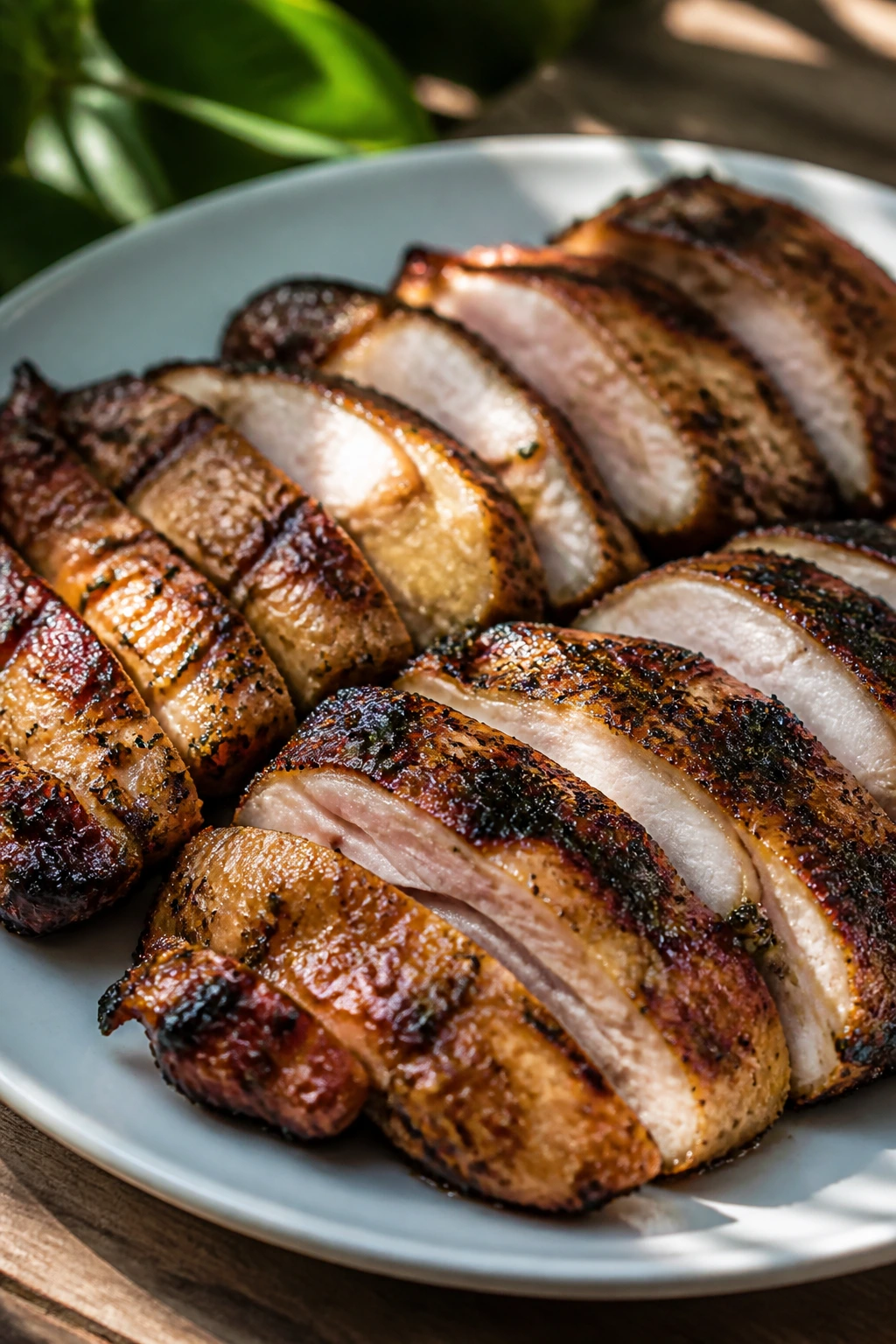
Cold grilled meat sounds suspicious until you taste the right version. Then it starts to make sense.
Chicken thighs are the gold standard for make-ahead grilling. They stay juicy, they take seasoning well, and they slice cleanly once rested. I prefer boneless thighs for picnic food because they cook evenly and can be cut into strips or chunks without wrestling with bones. Grilled skin-on thighs work too, but the skin loses its crisp edge once they’re packed away. That’s not a failure. It’s just reality.
Flank steak is another smart choice. Grill it hot and fast, rest it, then slice thin across the grain. That grain cut matters more than people think. Slice with the grain and the meat feels chewy. Slice against it and the whole thing relaxes. A good marinade plus that cut gives you steak that holds up on a platter or stuffed into rolls the next day.
Sausages are easy mode, and I mean that as a compliment. They’re forgiving, they don’t require a sauce to stay interesting, and they can be served whole or sliced into coins. Good kielbasa, bratwurst, or chicken sausage all work. Just don’t boil them into submission first. Grill them slowly enough to cook through without splitting the casing.
Other solid options
- Pork tenderloin if you pull it off the grill before it dries out
- Shrimp skewers if they’re served the same day and chilled promptly
- Turkey burgers if they’re thick and not overworked
- Lamb kebabs if your crowd likes bolder flavor
What I’d avoid as the main event
- Thin beef patties
- Lean, boneless chicken breasts with no sauce
- Very delicate fish
- Anything assembled into a bun too early
If you want a lunchbox-style picnic later, slice the protein and pack a sauce separately. It makes everything taste fresher and stops the bread from going soggy.
Vegetables, Fruit, and Skewers That Travel Without Sulking
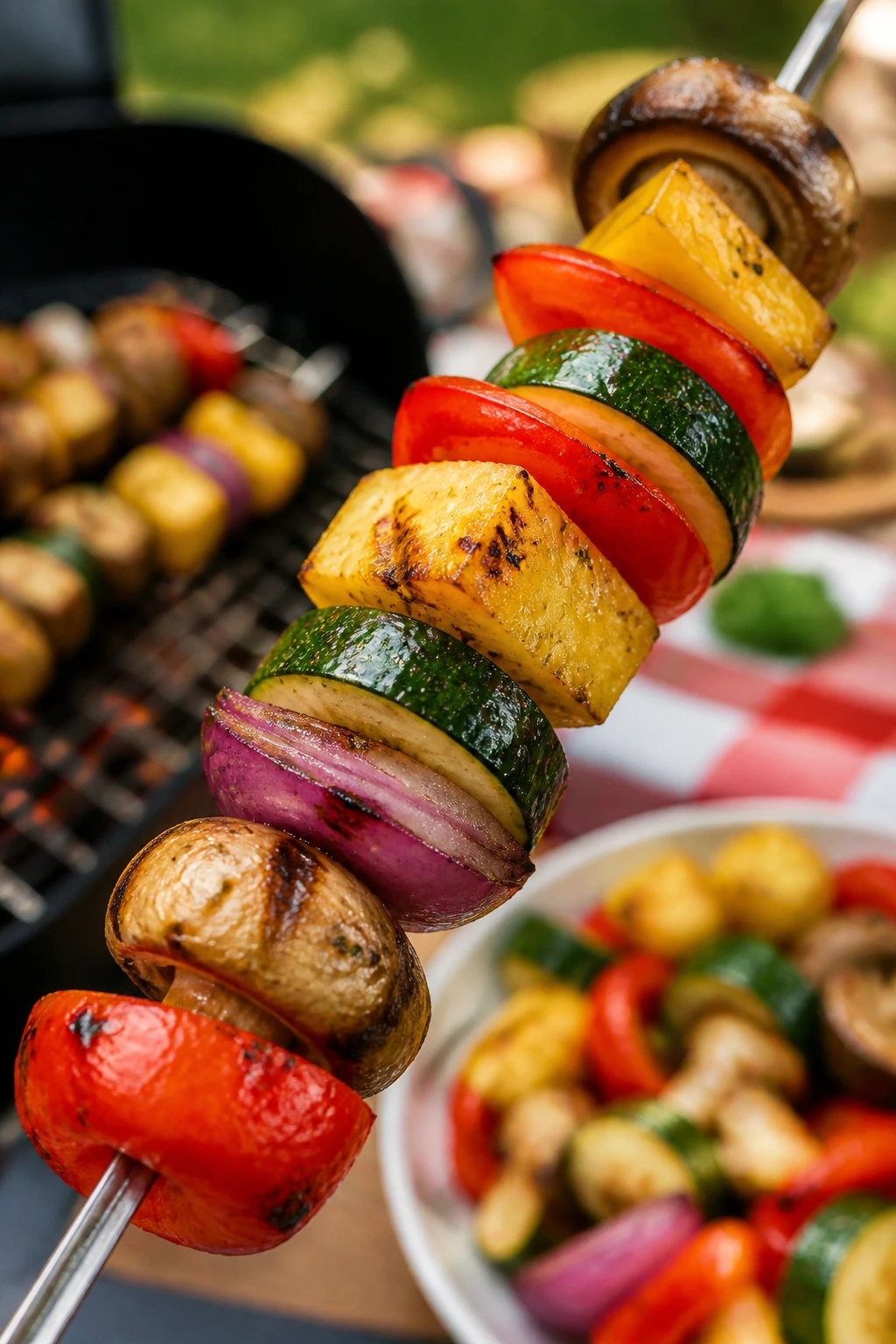
The vegetables are where a cookout stops being generic. A pile of grilled peppers or charred corn can do more than fill space; it gives the plate color, sweetness, and the kind of smoky edges people remember.
Choose vegetables with some structure. Bell peppers are nearly foolproof. Slice them into broad strips, oil them lightly, and grill until the skin blisters and the flesh softens. Zucchini should be cut thick enough that the pieces don’t droop through the grates. Eggplant wants a bit more oil than people expect, because it drinks it up and turns silky if you don’t starve it.
Onions are underrated. Thick rings or wedges become soft and sweet on the grill, and they keep their shape for hours. Mushrooms need space on the skewers and a short marinade so they can brown instead of steam. Corn gets sweet and smoky with surprisingly little work; you can grill it in the husk for a softer result or bare for more char.
Fruit deserves its place here too. Grilled peaches with a little salt taste luxurious in a way that sounds fussy and isn’t. Pineapple takes on a candy-like edge. Plums are sharp and juicy. Once cooled, all of them are good with herbs, cheese, or a spoon of yogurt.
Skewer logic that saves time
Group ingredients by cooking speed. Put quick-cooking mushrooms with other fast pieces. Keep chicken on separate skewers from vegetables so one doesn’t dry out while the other catches up. If you’re using wooden skewers, soak them long enough that they don’t turn into little torches.
A small trick I use often: grill vegetables just past the point where they seem done for hot service. Not mushy. Just soft enough that they won’t stiffen when cold. That extra minute on the grate pays off later.
Starches and Breads That Catch Smoke and Stay Useful
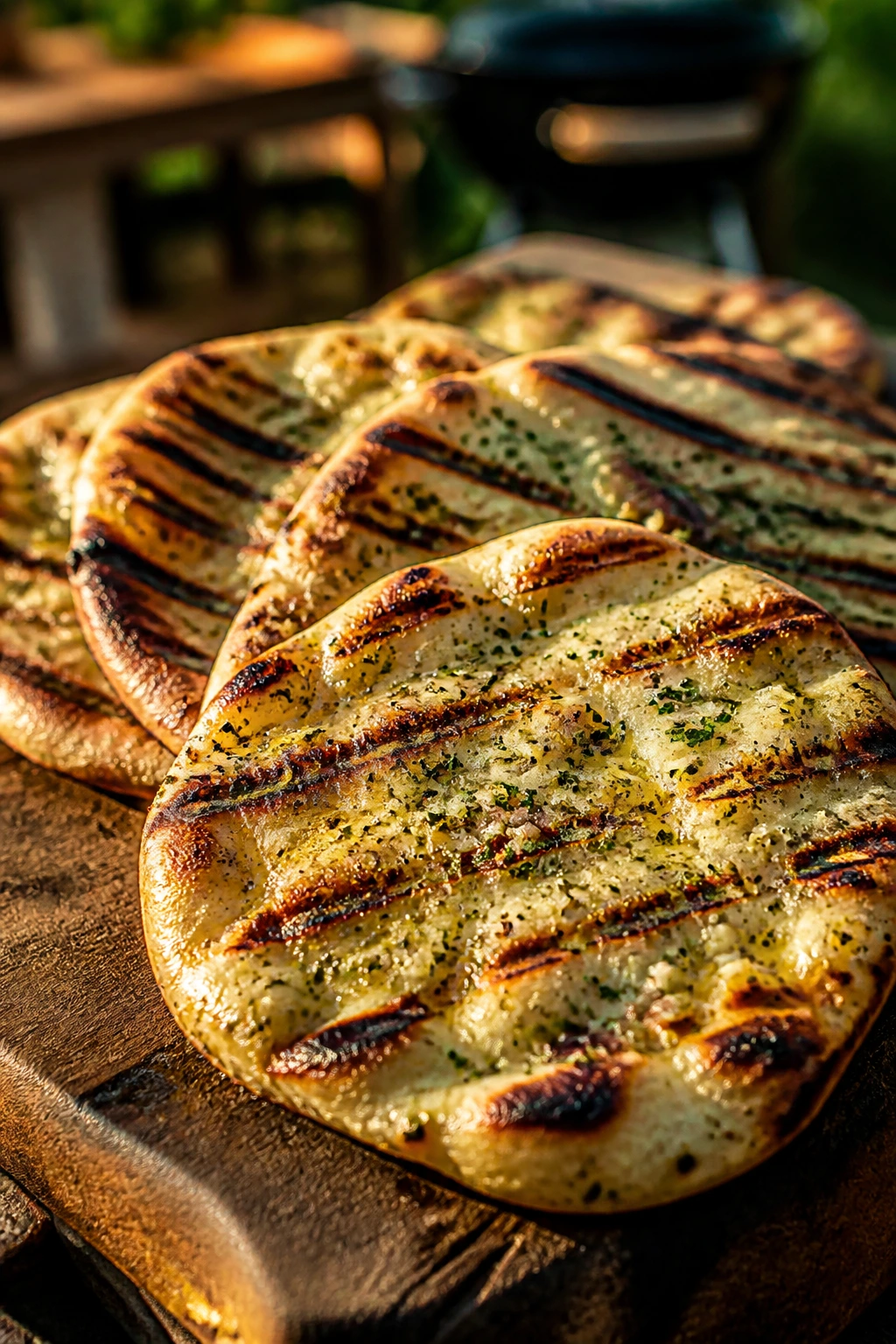
This is the section most cookouts underthink. They’ll spend money on good meat, then serve it with a limp roll and call it done. Shame.
Starches are what make grilled picnic food feel like a meal instead of a tasting plate. They also soak up sauce, catch drips, and give guests something to grab with their hands. A grilled flatbread brushed with oil and garlic can do a lot of work. So can grilled corn tortillas, charred pita, or a slab of focaccia sliced into rough squares.
Potatoes are a different story. They can be grilled, but they need planning. Thick wedges or par-cooked halves hold up much better than skinny fries. Toss them with oil, salt, and herbs, then finish them on the grill until the edges crisp. If you want potato salad, make it with firm potatoes and an acid-forward dressing so it doesn’t go gluey in the cooler.
Grilled bread is one of my favorite low-effort moves. Slice a loaf of sourdough or country bread, brush it with oil, and grill each side until you get dark stripes and a little chew. It’s good warm, and it’s still useful after it cools. Try doing that with sandwich bread. Don’t. It just collapses.
Good starch choices for make-ahead cookouts
- Grilled flatbread for dipping and wrapping
- Herbed potato salad with vinegar or mustard dressing
- Charred corn tortillas for tacos or quick roll-ups
- Focaccia or country bread brushed with oil
- Grilled potato wedges for sturdier plates
If you want one thing to remember here, make it this: starches should be sturdy enough to survive the trip from grill to table and still have a job to do. Nothing flimsy. Nothing soggy. Nothing that requires perfect timing to be useful.
Sides and Salads That Improve After a Few Hours
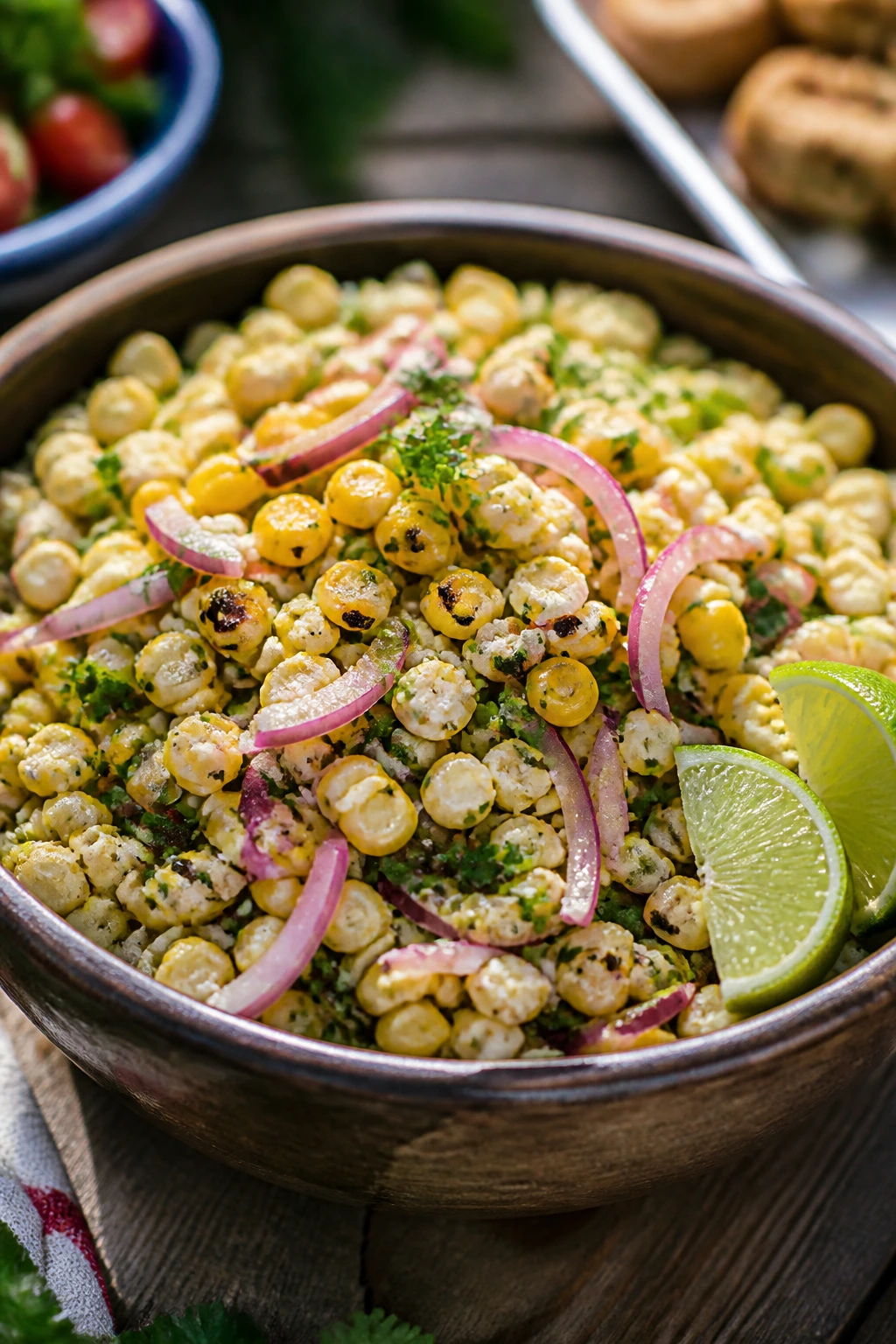
A lot of sides are better once they’ve had time to sit. That’s not a compromise. It’s the whole reason to make them.
Vinegar, herbs, and salt need time to spread out. A grilled corn salad with red onion and lime tastes sharper after it rests. A bean salad with herbs tastes more layered after it chills. Potato salad made with mustard and chopped pickles can mellow in the fridge and pick up a little depth. Even a simple slaw gets better when the cabbage has softened just enough to bend, not snap.
I’m not talking about sad buffet food. I’m talking about dishes that are designed to travel. The key is texture. You want crunch from cabbage, beans, radishes, celery, or fresh herbs. You want acidity from lemon, vinegar, pickles, or tomato. You want the grill’s smokiness to show up in one or two ingredients, not every single bite.
Lettuce-heavy salads are where people run into trouble. They look nice for five minutes, then they slump. If you want greens, use heartier ones — kale, romaine hearts, little gem — and dress them close to serving. Better yet, lean on grain salads, slaws, chopped vegetables, and beans.
Sides that hold up nicely
- Grilled corn salad with red onion and herbs
- Vinegar potato salad
- Bean salad with parsley, dill, or basil
- Cabbage slaw with a sharp dressing
- Tomato and cucumber salad if it’s salted right before serving
Dressings that behave
- Mustard vinaigrette
- Lemon and olive oil
- Yogurt sauces kept cold
- Herb-heavy vinaigrettes
- Salsa verde or chimichurri on the side
If a side looks prettier when it’s wet and glossy, it’s probably going to need more care than you want at a picnic.
Timing the Grill So You’re Not Stuck Cooking While Guests Eat
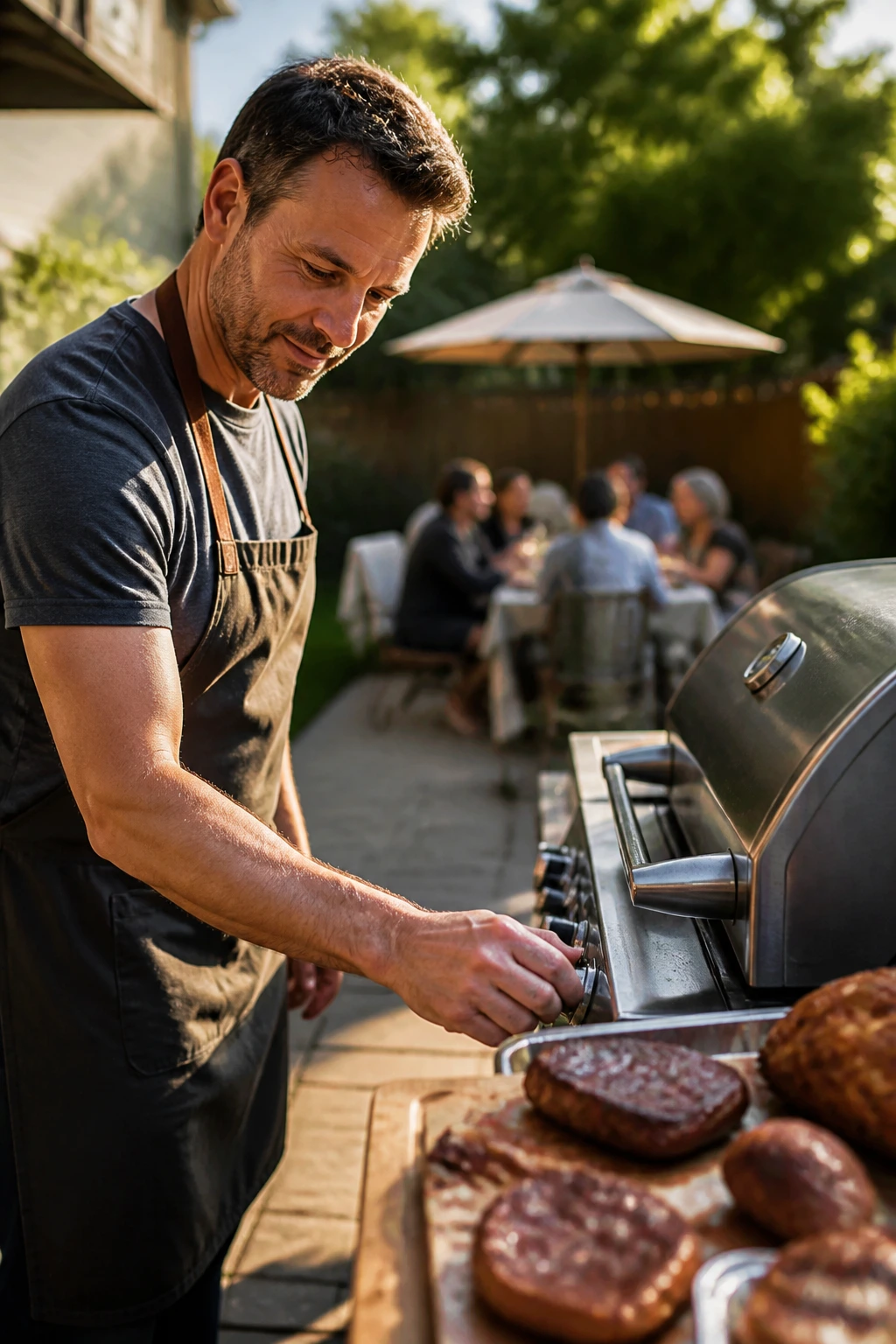
A calm grill schedule changes the whole mood of the event. You stop sprinting. The food starts feeling like it belongs to the party instead of interrupting it.
The safest way to cook ahead is to work backward from serving time. Decide what needs to be hot, what can be room temp, and what should stay chilled. Then assign grill order by thickness. Thick chicken thighs or sausages go first. Vegetables can follow. Bread and fruit often go last because they take seconds, not minutes.
Here’s the rhythm I like:
Day before
- Marinate proteins
- Slice vegetables
- Make sauces and dressings
- Chill serving platters if you have fridge space
A few hours before
- Grill proteins
- Rest them properly
- Grill vegetables and bread
- Cool everything in shallow containers
Right before serving
- Slice meats
- Dress salads
- Add herbs, citrus, pickles, or flaky salt
- Set out cold food last so it stays cold longer
Resting matters more than people admit. A steak that sits 10 to 15 minutes before slicing stays juicier. Chicken thighs can rest for the same window and still serve beautifully. If you rush that part, the cutting board gets messy and the meat loses more juice than it should.
One more thing: don’t try to do everything at full grill heat. High heat is good for searing steaks and getting quick char on vegetables, but if you use it for everything, the timing becomes a guessing game. Move food around. Use hot and cooler zones. Give yourself room.
Food Safety, Cooling, and Cooler Packing Rules
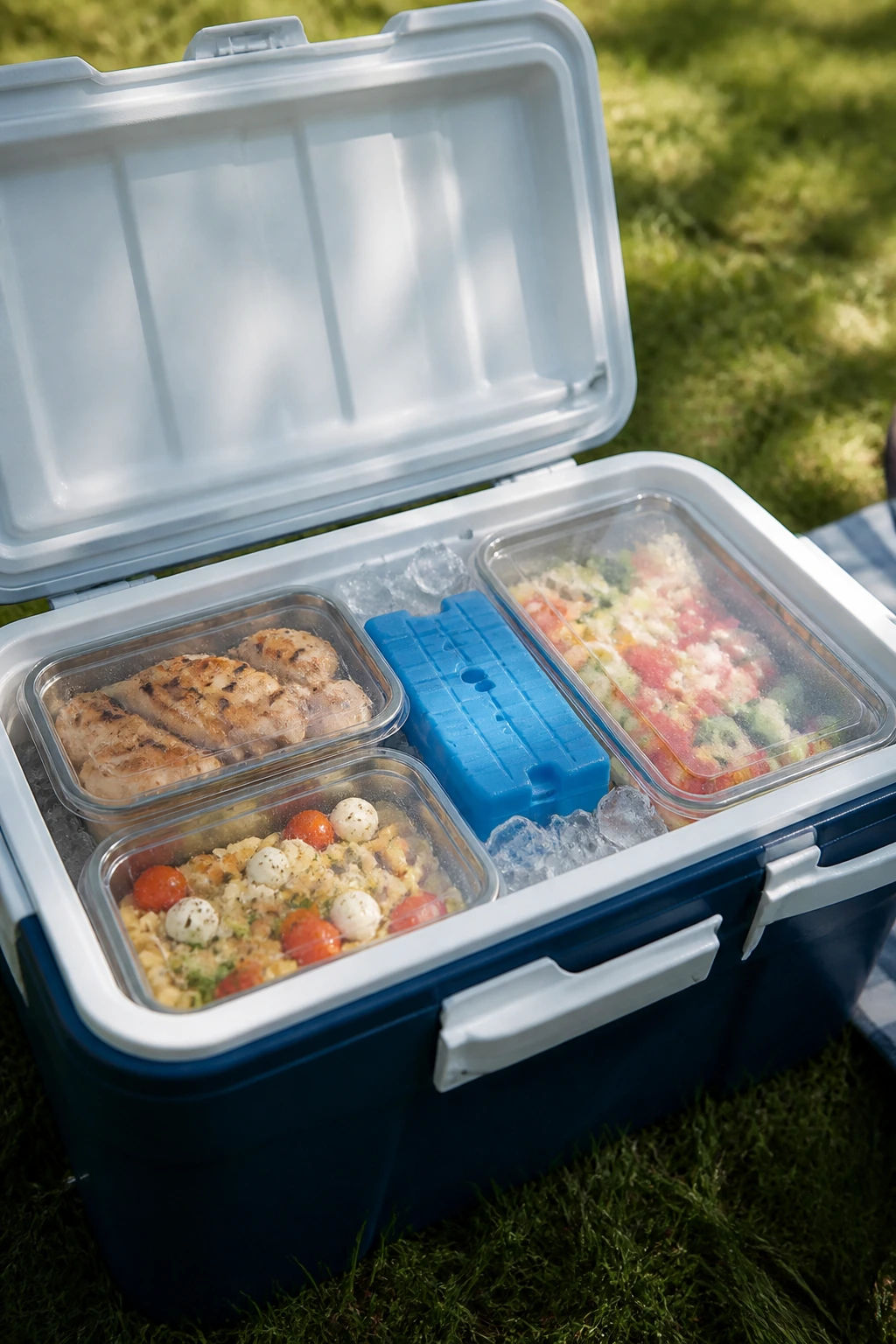
Good picnic food is not just about flavor. It’s about not making people sick.
The basic safety rule from USDA guidance is simple: do not leave perishable food out for more than 2 hours, or more than 1 hour if the temperature is above 90°F. That matters a lot with grilled food because people assume the smoke somehow makes it more stable. It doesn’t. A grilled chicken thigh is still a perishable food.
Cooling matters too. After grilling, spread food in shallow containers so the center can cool fast. Big deep bowls trap heat, which is bad for texture and safety. If you’re packing food for later, get it from hot to warm to cold without letting it sit in the danger zone for too long. For picnic transport, use an insulated cooler with ice packs, and keep raw and cooked foods separate.
A few rules that save headaches
- Use shallow pans for cooling.
- Keep cold foods at 40°F or below with ice packs or plenty of ice.
- Hold sauces separately so the grilled food doesn’t get soggy.
- Don’t pack hot food airtight immediately; steam creates condensation and softens the surface.
- Use clean tongs and platters for cooked food, never the ones that touched raw meat.
If you need to serve something warm later, reheat it until steaming hot, and for leftovers that were chilled, get them back to 165°F. That number is not arbitrary. It’s the point where you’re doing the food a real favor.
Honestly, this is the part of picnic cooking people skip until they get burned by it. It’s worth doing right.
Essential Gear for Picnic-Ready Grilling
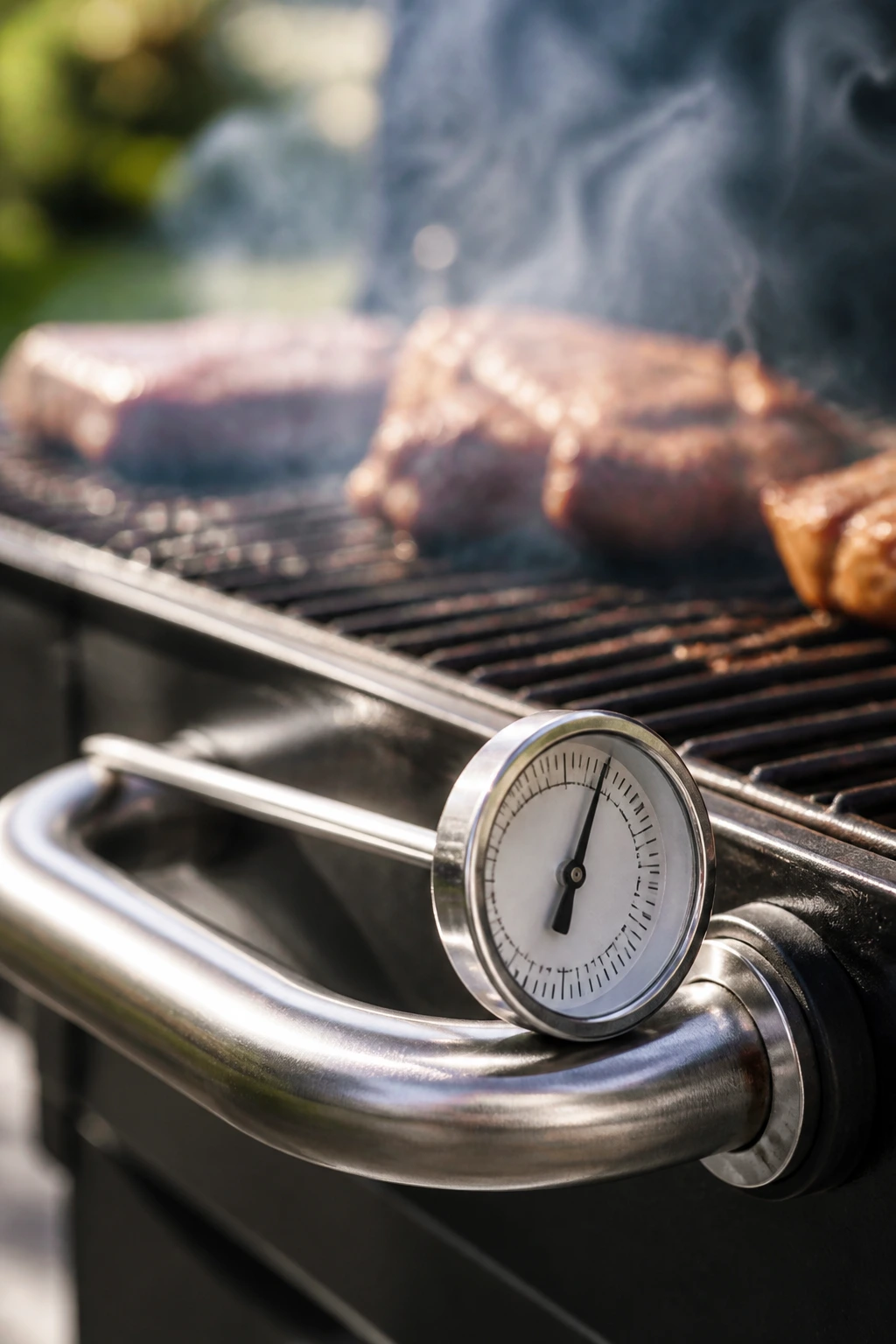
You can make this kind of food with a basic grill and a few sturdy containers, but a small set of tools makes the whole process easier.
- Instant-read thermometer — The fastest way to know chicken, pork, and steak are done without guessing.
- Grill thermometer or built-in lid gauge — Helpful for keeping heat zones consistent, especially on charcoal.
- Long tongs — Better than poking meat with a fork, which lets juices run out.
- Rimmed sheet pans — Good for carrying raw ingredients out, resting cooked food, and cooling everything safely.
- Wire rack — Lets grilled food cool without steaming itself soft underneath.
- Shallow airtight containers — Best for stacking in the fridge and cooler.
- Sharp chef’s knife — Crucial for slicing steak, chicken, and vegetables cleanly after resting.
- Cutting board with a groove — Keeps juices from flooding the counter.
- Large platter or tray — Useful for serving mixed grilled items without crowding them.
- Foil pans — Not glamorous, but they’re easy to transport and painless to clean.
A cooler with a hard shell helps more than people think. Soft bags are fine for a few items. If you’re bringing an entire cookout spread, the hard-shell version holds temperature better and keeps things from getting crushed.
Smart Shopping and Ingredient Tips
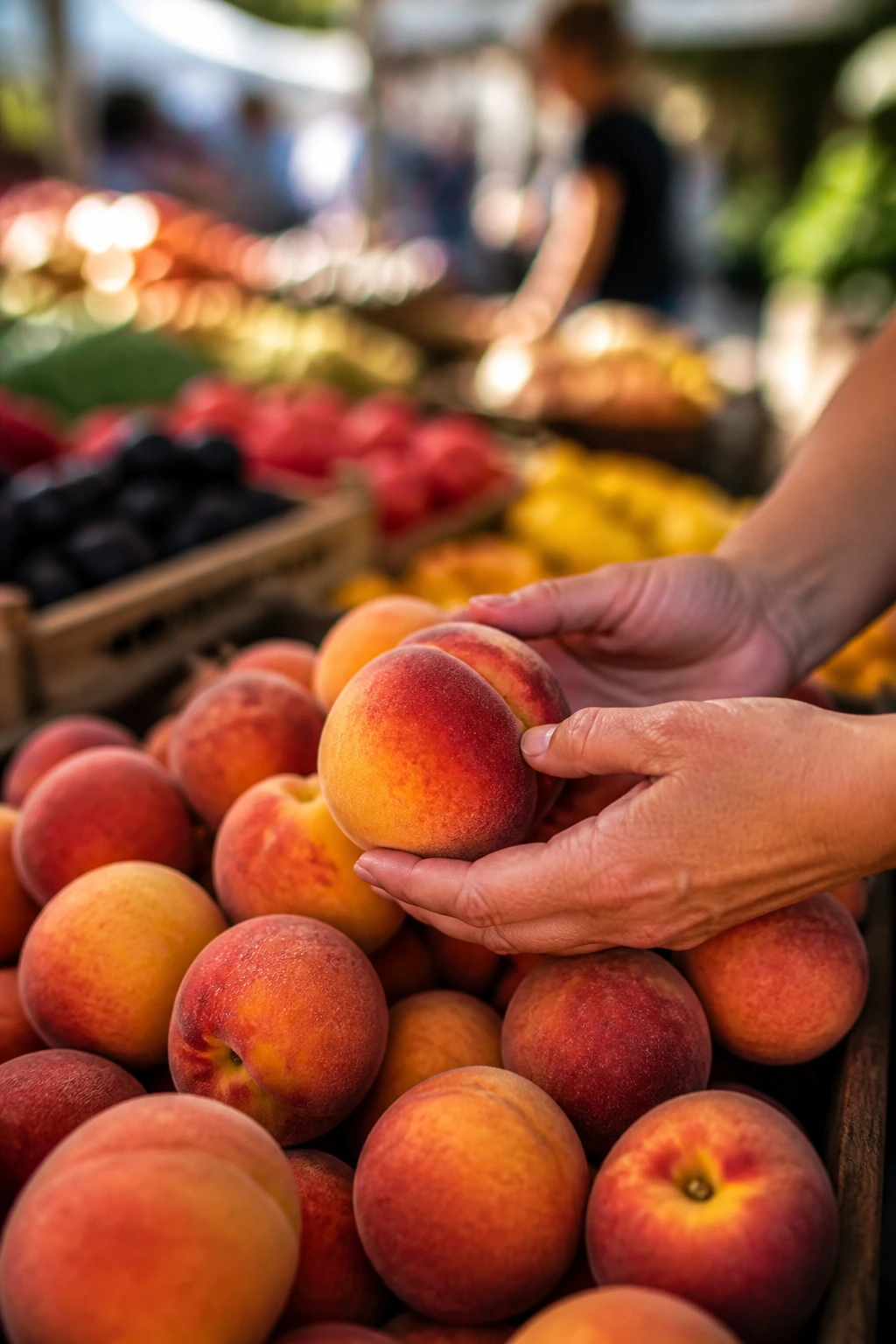
The shopping cart decides a lot of the outcome before the food ever touches heat.
Buy for shape and thickness, not just price. Chicken thighs should be fairly even in size so they finish together. Steak should have enough width to slice across the grain without falling apart into scraps. Zucchini should be medium-sized and firm, because giant ones tend to go watery and seedy. Bell peppers should feel heavy for their size and have tight, glossy skins. Peaches should yield slightly at the stem end without feeling bruised.
If you’re buying sausage, look for casings that seem intact and not overly wet. For seafood, pick shrimp that are firm and smell clean, not fishy. For herbs, choose bunches that look perky, not tired. Flat-leaf parsley, mint, dill, basil, and cilantro all pull their weight in grilled picnic food, but they wilt fast in a hot car, so I’d pack them in a damp paper towel and a bag.
Ingredient choices that make life easier
- Chicken thighs over breasts when you want forgiveness
- Flank steak over thin sirloin tips when you plan to slice and serve later
- Firm peaches or nectarines instead of overripe fruit
- Small red onions that can be grilled in thick wedges
- Yogurt or mustard-based sauces when you want something that stays bright
Buy a little more acid than you think you need. Lemons, limes, red wine vinegar, cider vinegar, pickled peppers — these are the quiet heroes. They keep grilled food from tasting heavy after it’s cooled.
And don’t sleep on salt. Fine kosher salt is the simplest tool you’ll use all day.
How to Serve a Backyard Cookout Spread
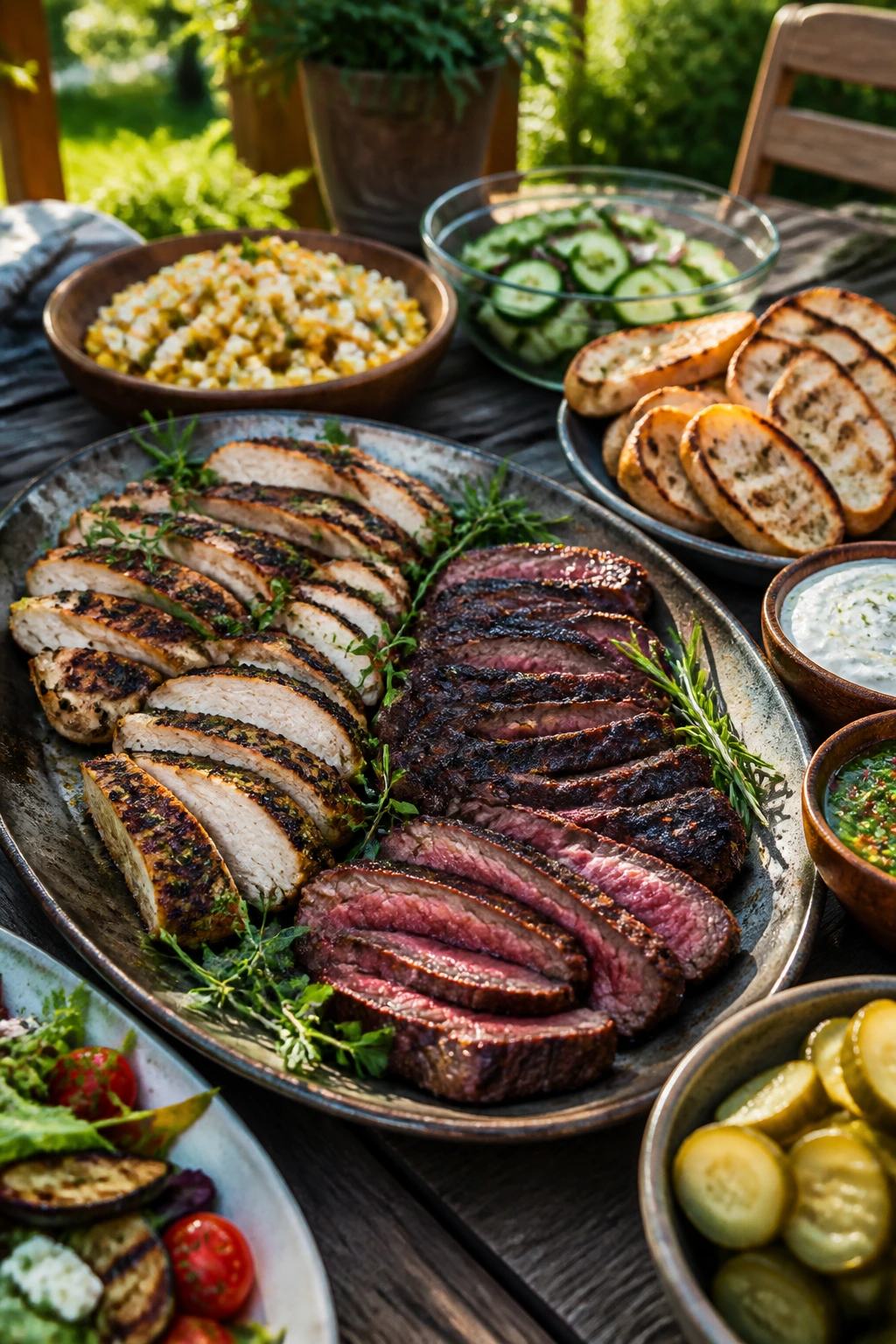
The food should look relaxed, not random. There’s a difference.
Presentation: Use wide platters and shallow bowls so the charred edges stay visible. Pile sliced chicken or steak slightly off-center and tuck herbs around the edges. Put sauces in separate small bowls instead of pouring them over everything. That keeps the food from going muddy, and it lets guests choose how much they want.
Accompaniments: I like grilled bread, corn salad, vinegar potato salad, slaw, and one cold crunchy thing — cucumbers, radishes, pickles, or a chopped herb salad. If you’re serving steak or sausage, add mustard or chimichurri. If you’re serving chicken, lemony yogurt sauce or herb vinaigrette is the move. For a more picnic-style plate, include watermelon or grilled fruit on the side. It sounds odd until the first bite.
Portions: For a mixed cookout menu with several sides, plan on 6 to 8 ounces of cooked protein per adult, then add about 1 to 1 1/2 cups of sides. If kids are involved, cut the protein portions down and keep a few mild items separate — plain grilled chicken, bread, fruit, and corn usually vanish first. If you’re serving buffet-style, put out smaller batches and refill them instead of dumping everything at once. Food looks better that way, and the cold items stay colder.
Beverage Pairing: Sparkling water with lime keeps the plate feeling sharp. Iced tea with lemon is a classic because it doesn’t fight with smoky food. If you want alcohol, a crisp lager or a dry rosé sits nicely next to grilled chicken, corn, and herb-heavy salads. For a no-alcohol option with more character, try ginger beer or cucumber-mint soda.
Keep napkins on the table. More than you think you need.
Additional Tips and Flavor Boosters
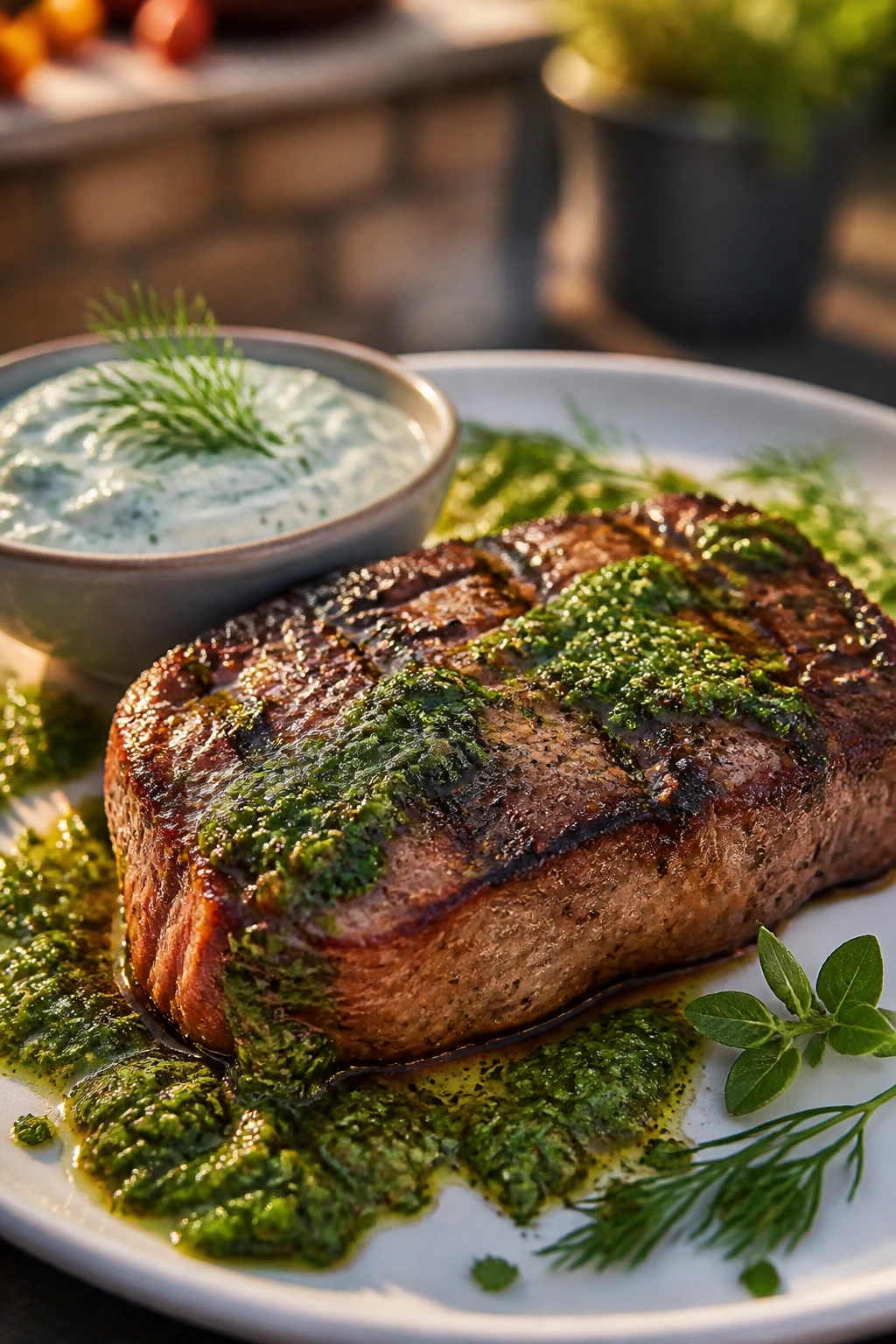
This is the fun part, the part where a solid cookout becomes your cookout.
Flavor Enhancement: A finishing sauce changes everything. Chimichurri on steak, salsa verde on chicken, dill yogurt on vegetables, or a spoonful of vinegar-based relish on sausage gives the food a second life after it cools. You only need a little. A thin stripe, not a flood.
Customization: If your crowd likes heat, add sliced jalapeños or chili flakes to the marinade, then keep the final sauce a little cooler for balance. If the crowd runs mild, lean on garlic, lemon zest, and herbs instead of heavy spice. For dairy-free guests, use olive-oil dressings and herb vinaigrettes instead of creamy sauces. For gluten-free plates, grilled corn tortillas, potatoes, rice salads, and vegetables are easy wins.
Serving Suggestions: Fresh herbs do more than look nice. They make grilled food taste alive. Scatter chopped parsley, mint, dill, or basil right before serving. A handful of pickled onions works wonders too. So does flaky salt on tomatoes, peaches, or sliced steak. Little move. Big payoff.
Make-It-Yours: If you like smoky food, add smoked paprika to your rub and grill over a slightly hotter fire to deepen the crust. If you want a sharper profile, use lemon, vinegar, and mustard in the sauces. If you want a more relaxed, kid-friendly spread, keep the spice in a side sauce and serve the grilled food plain.
I also like a tiny bit of crunch on top. Toasted seeds, chopped nuts, or fried shallots can make a soft grilled salad feel finished. Not mandatory. Just a nice touch when you want one.
Common Mistakes to Avoid
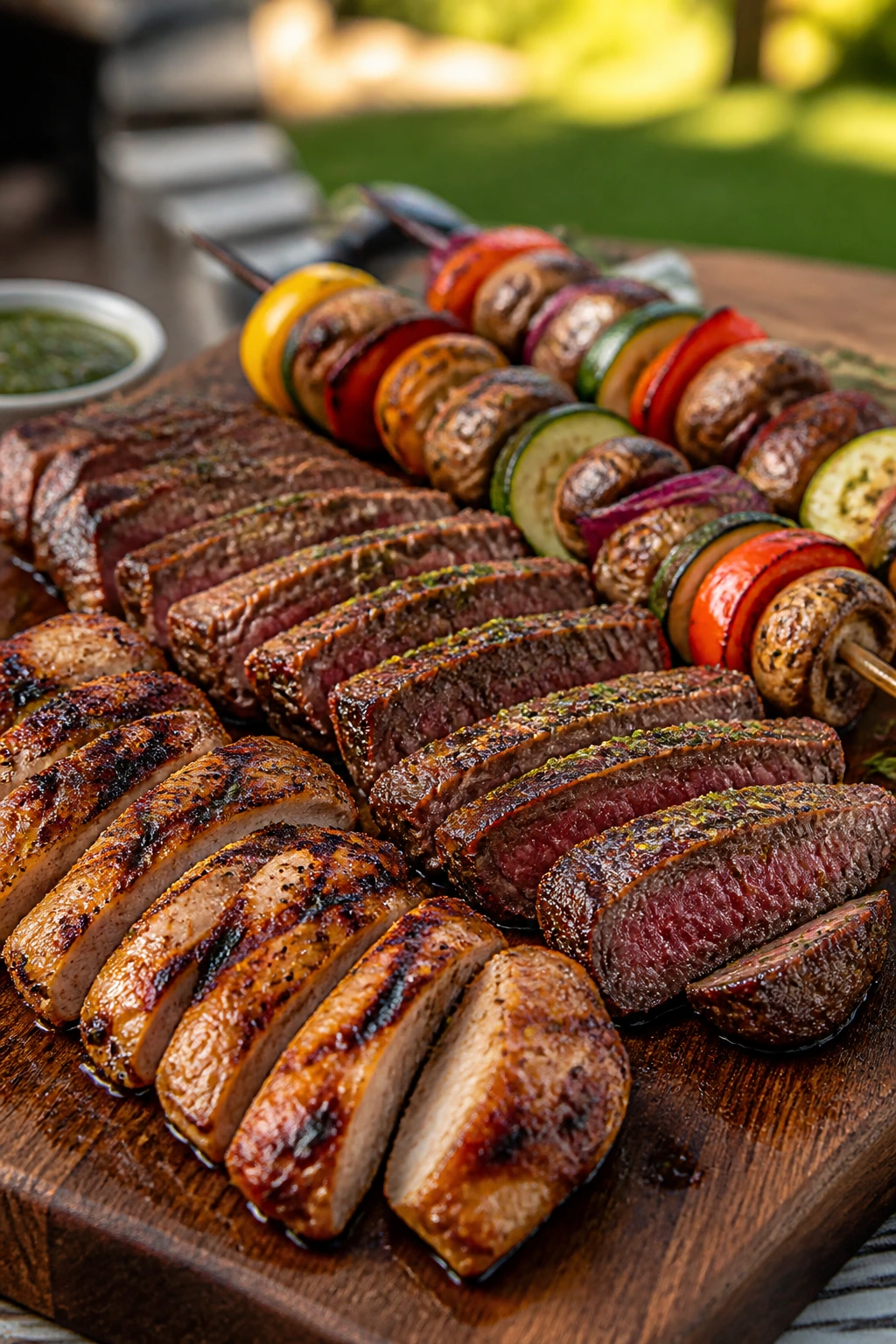
A lot of picnic food problems are self-inflicted. The good news is that most of them are easy to fix next time.
Overcooking because you plan to serve later. This is the big one. People push meat too far on the grill because they’re afraid of holding it, then wonder why the leftovers taste dry. The fix is to cook to the correct internal temperature, rest properly, then cool and store the food fast. Chicken should still be juicy when it comes off the grill, not scorched into submission.
Packing hot food into deep containers. Steam has nowhere to go, so the bottom layer gets soggy and the center stays warm too long. Use shallow pans and spread the food out. If you need to stack, cool it first.
Dressing everything too early. Slaw, herbs, sliced tomatoes, and bread can all suffer if they sit in sauce for hours. Keep dressings separate until close to serving, and add soft herbs at the end instead of the beginning.
Choosing delicate foods for a make-ahead spread. A thin fish fillet or lettuce-based salad is a lot more fragile than grilled chicken thighs or charred vegetables. You can include delicate items, but they should not carry the menu.
Skipping the slice-and-rest step for steak. Grill marks look nice. Slicing correctly tastes better. Rest the meat, then cut against the grain so every bite stays tender.
Forgetting the cold chain. A cooler with ice packs is not optional if food will sit out for a while. Grilled food still needs the same temperature discipline as any other perishable dish. The fire doesn’t grant immunity.
Variations and Adaptations to Try
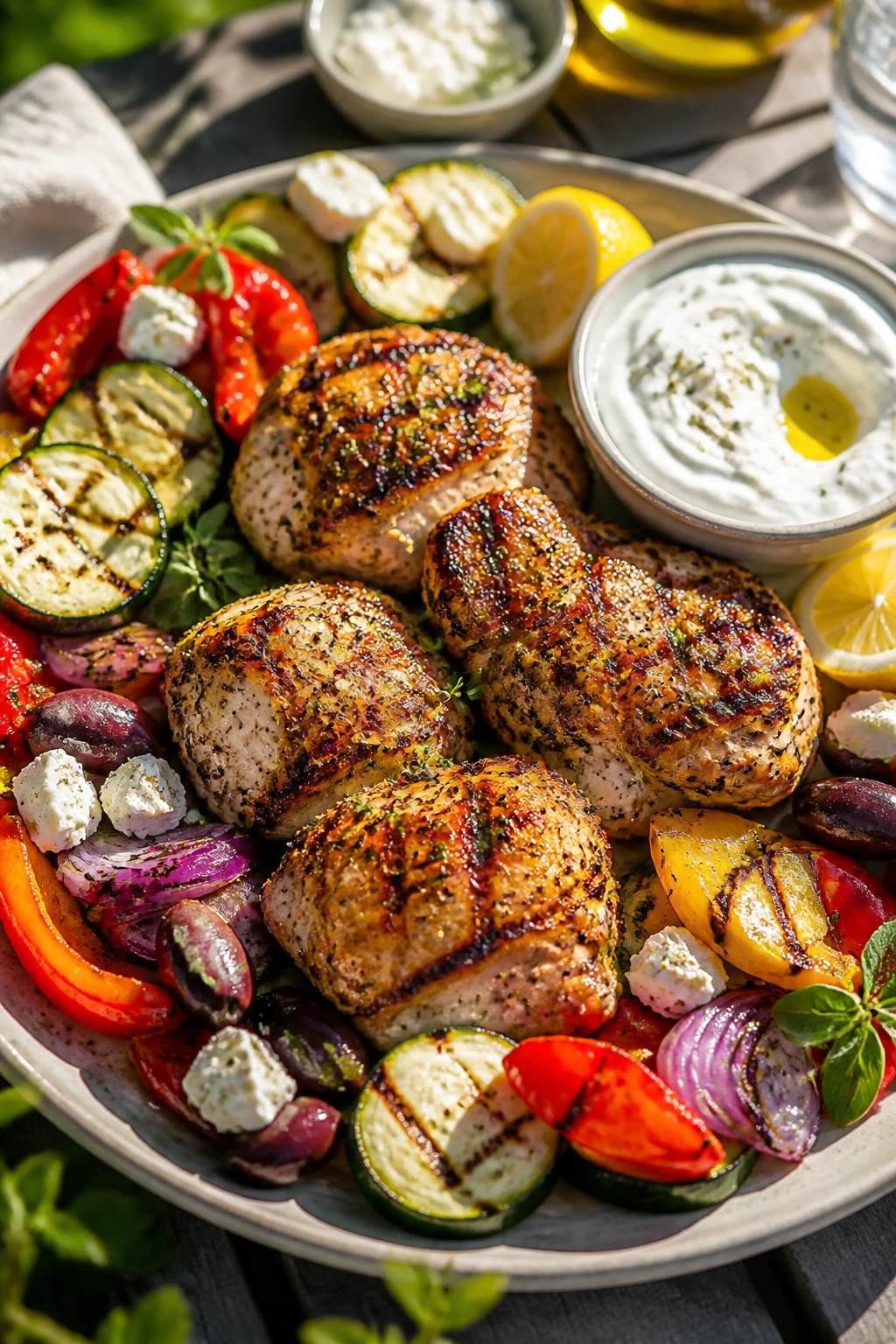
A cookout menu gets more useful when you can change direction without rebuilding the whole thing.
Mediterranean Herb Spread: Use chicken thighs or lamb skewers with oregano, garlic, lemon, and olive oil. Add grilled zucchini, peppers, and red onion, then serve with feta, olives, and a yogurt sauce. It’s bright, salty, and easy to eat at room temperature.
Smoky Southern Picnic: Go with sausage, grilled corn, vinegar slaw, and potato salad with mustard and chopped pickles. Add a tangy barbecue sauce on the side rather than glazing everything too early. The plate tastes familiar without feeling dull.
Vegetarian Char-and-Crunch Board: Build around halloumi, portobello mushrooms, peppers, onions, grilled peaches, and flatbread. Add bean salad, herb yogurt, or a chickpea spread. It’s the kind of spread that doesn’t make anyone feel shortchanged.
Gluten-Free Grill Plate: Keep the protein and vegetables the same, then use potatoes, rice salad, or corn tortillas instead of bread. Make sure any sauces and spice blends are checked for hidden wheat if that matters for your crowd. The rest is easy.
Kid-Friendly Mild Menu: Use plain grilled chicken, corn, grilled bread, fruit, and a mild dip. Put the hot sauce and pickles on the side for the adults. Kids usually do better when the food is recognizable and not overloaded with competing flavors.
Picnic-Only Cold Menu: Grill everything earlier in the day, cool it fully, then serve it chilled with sauces on the side. Steak, chicken thighs, charred vegetables, and potato salad all work well this way if you slice them before packing. It’s a smart option when the cookout is happening far from the grill.
Make-Ahead, Storage, and Reheating Guidance
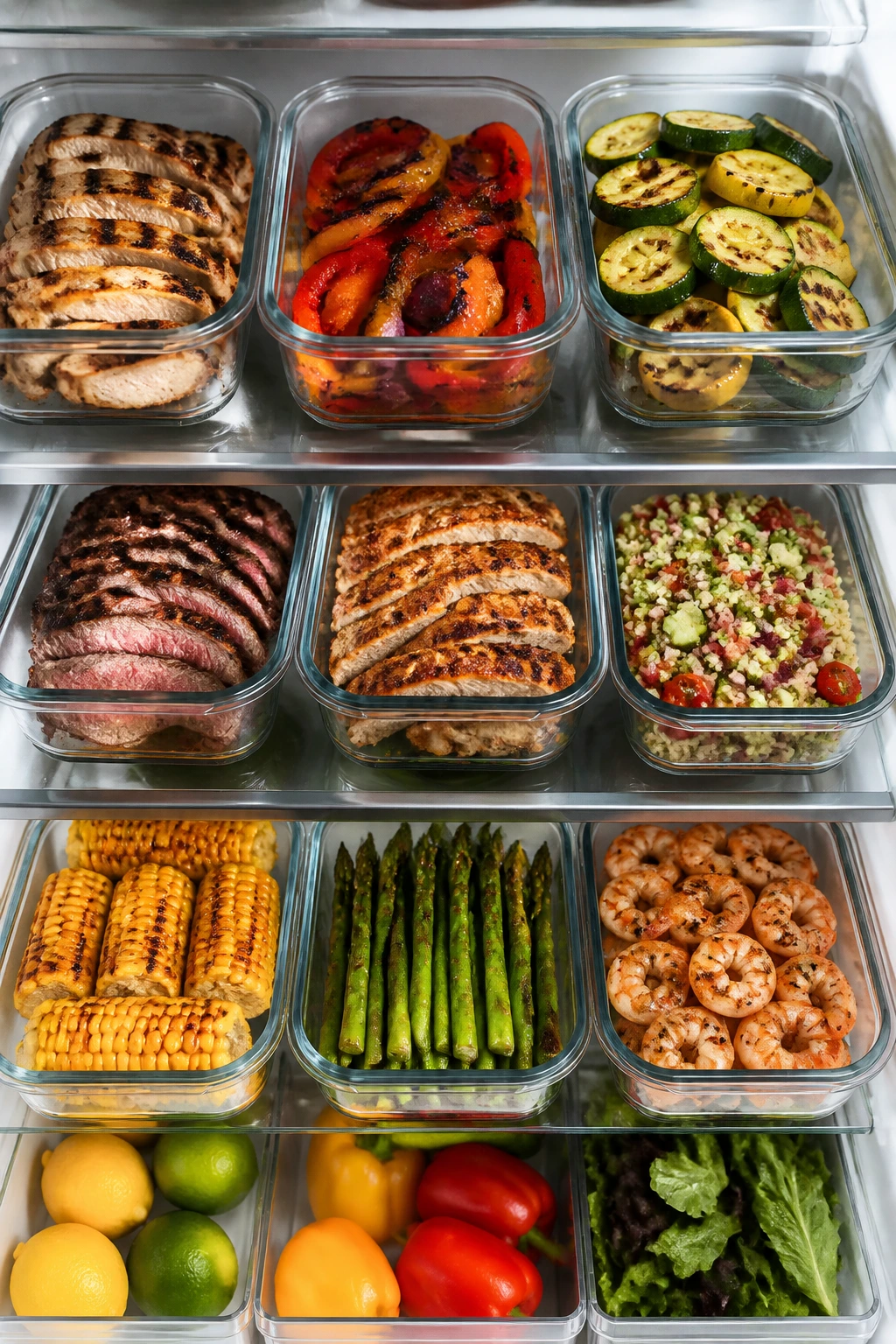
A make-ahead grill menu is only useful if it stores cleanly.
Most grilled meats keep 3 to 4 days in the refrigerator in shallow, covered containers. Steak usually stays best when it’s sliced after chilling and reheated gently, though it’s also fine cold in salads or wraps. Chicken thighs hold up well either way. Sausages stay usable for several days, but they’re best when reheated slowly so the casing doesn’t split.
Grilled vegetables usually keep 3 to 4 days refrigerated. They’re often better cold or room temp than reheated, especially peppers, onions, and zucchini. Grilled corn can be cut off the cob and mixed into a salad or reheated with a little butter or oil. Bread is the exception; it’s best within a day, though you can refresh it on the grill or in a hot oven for a few minutes.
For the freezer, grilled meats hold up for up to 2 to 3 months if wrapped tightly and packed with as little air as possible. Sliced steak and chicken can be frozen in portions for fast lunch prep. Vegetables can be frozen, but their texture softens more, so I’d freeze them only if they’re destined for sauces, soups, or grain bowls later.
Reheating that keeps the texture intact
- Oven: 300°F to 325°F until warm through, covered loosely with foil
- Skillet: Medium-low heat for sliced meats and vegetables, with a splash of water or oil if needed
- Microwave: Fine for saucy dishes, but not ideal for bread or anything you want crisp
- Grill refresh: A quick pass over medium heat can wake up bread, corn, and thicker vegetable slices
If a dish was fully chilled, make sure it heats all the way through before serving hot again. If you’re serving it cold, don’t reheat and rechill it repeatedly. That’s how food loses both texture and safety.
Frequently Asked Questions
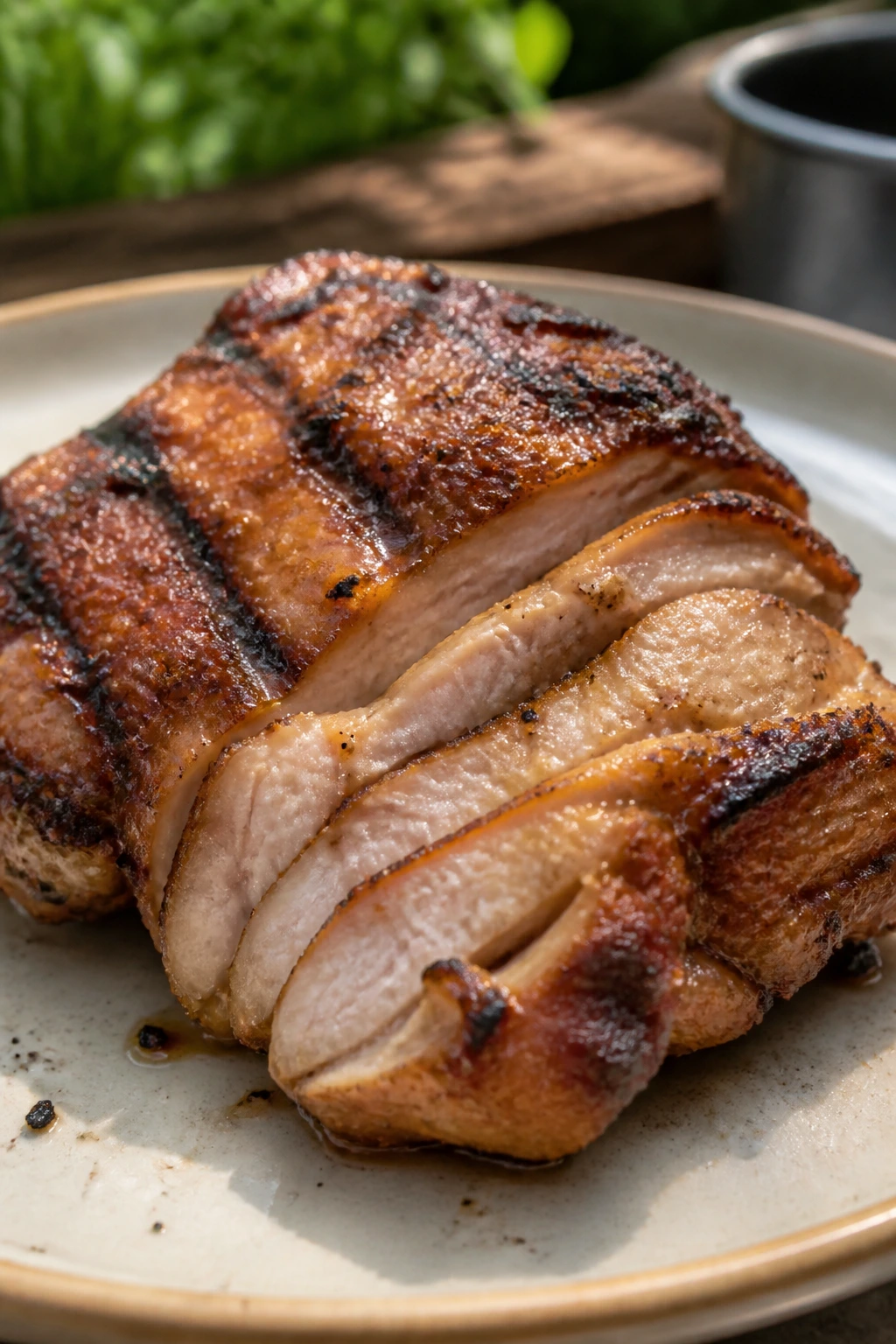
What grilled foods are best for a picnic and still taste good cold?
Chicken thighs, sliced flank steak, sausage, grilled corn, peppers, onions, and sturdy potato salads all hold up well. They keep their structure after chilling and don’t turn soggy the way lettuce-heavy dishes do.
Can I make grilled picnic food the day before the cookout?
Yes, and in many cases that’s the smart move. Grill the food, cool it quickly in shallow containers, then chill it overnight. Sauces, dressings, and sliced herbs often taste better after a short rest too.
How do I keep grilled chicken from drying out after it’s made ahead?
Use thighs instead of breasts when you can, stop cooking at the proper internal temperature, and rest the meat before chilling. A sauce on the side also helps, especially if you’re serving the chicken cold or reheating it gently later.
What’s the best way to transport grilled food to a picnic?
Pack hot foods only after they’ve cooled a bit, then chill them and move them in an insulated cooler with ice packs. Keep cold dishes cold, keep raw food separate from cooked food, and bring sauces in leakproof containers.
Can I grill vegetables ahead of time without ruining them?
Absolutely. Thick-cut zucchini, peppers, onions, mushrooms, and corn all travel well. They’re best when cooked until tender but not collapsing, then dressed just before serving so they keep some texture.
What should I avoid if I want the menu to feel make-ahead friendly?
Skip fragile lettuce salads, thin burgers, and delicate fish as the main attraction. They’re fine in a bigger spread, but they demand too much timing and don’t reward you with good leftovers.
How much food should I plan per person for a backyard cookout?
For a mixed menu with several sides, plan on about 6 to 8 ounces of cooked protein per adult. Add 1 to 1 1/2 cups of sides, plus bread or fruit if you want the meal to feel full without overdoing the meat.
Do I need a gas grill, or does charcoal work better for make-ahead food?
Either one works. Gas gives you steadier control and makes batch cooking easier, while charcoal gives a deeper smoke note if you’re comfortable managing the heat zones. The food matters more than the fuel.
The Cookout After the Fire
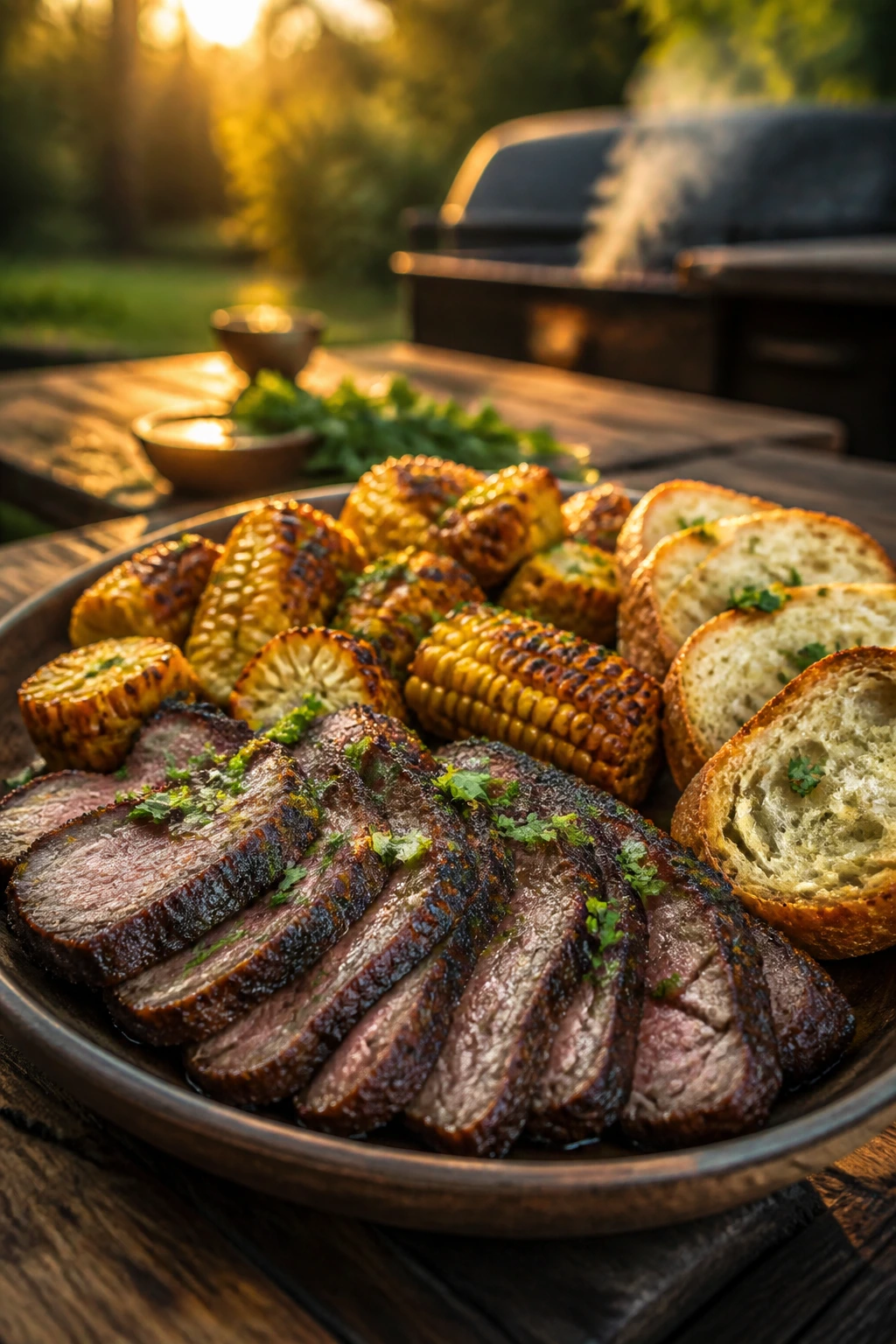
The nicest thing about a well-planned grill spread is that it doesn’t collapse when the flames die down. The food is already doing what it should do: resting into itself, picking up herbs, holding a little smoke, staying solid enough to move from platter to plate without drama.
That’s why grilled make-ahead picnic food for summer backyard cookouts feels so satisfying when it’s done right. You still get the char and the heat, but you also get space. Space to talk, to eat slowly, to pack extras for later, to keep the day from turning into a line of people asking when dinner will be ready.
And once you’ve built one menu this way, you start seeing how many pieces can be handled early. Chicken can wait. Corn can wait. Bread can wait. Even the steak, if you slice it well and treat it with a little care, is perfectly happy to be eaten after the grill has cooled. That’s the whole point.