



A child can stare at a plate of food with the suspicion of a tiny food critic and still happily eat the plain rice beside it. That’s the strange little puzzle at the center of fun cooking for family kids will actually eat: the meal does not need to be fancy, but it does need to feel readable. One color. One texture they trust. One smell that says dinner, not a dare.
Fun cooking for the family kids will actually eat starts when you stop trying to impress the table and start trying to feed it. A saucy casserole with everything mixed together can work, sure, but so can a plate with chicken, buttered noodles, and peas if each part has a clear job. Kids usually want the same things adults want, only louder: familiar shapes, manageable bites, and enough control that they don’t feel trapped by what lands on their fork.
And there’s a practical side to this that parents notice fast. Meals that kids actually eat tend to waste less, make better leftovers, and survive the long stretch between school pickup and the first clean plate. The trick is not a magic ingredient. It’s a set of repeatable choices that make dinner feel friendly before anyone has to negotiate with it.
Why Kids Walk Away From Dinner Before They Taste It
A plate can fail a child long before the first bite. That sounds dramatic, but it’s true. Kids read food with their eyes and nose first, and they’re not subtle about it. A stew with floating green bits, a casserole with three sauces mixed into one, or a roast that’s been cut into soggy cubes can set off a quick internal alarm: unknown, therefore suspicious.
Texture matters more than many adults want to admit. A child who loves apples may still reject applesauce if the mouthfeel feels too loose, and the same child may eat a roasted carrot if it has browned edges and a little firmness left in the middle. Soft and mushy is not a crime, but it is a harder sell than food with shape.
Smell counts too. Garlic, onions, curry paste, fish sauce, blue cheese, and even some baked vegetables can smell stronger to a child than they do to you. That doesn’t mean you need to cook bland food forever. It means you should build flavor in layers and give a younger eater a few points of entry instead of one big wall of aroma.
The other thing parents miss is how much kids dislike mixed messages. If a meal looks like one single pile, they have to guess what each forkful will do in their mouth. If the chicken stays on one side, the rice on another, and the sauce sits in a little bowl, the whole plate feels calmer. Calm food gets eaten more often than clever food.
What Makes a Family Meal Feel Safe to a Child
What does a kid actually trust at dinner? Usually not the recipe title. The plate. The shape. The smell. The first two seconds. That’s the real test.
A safe-feeling meal usually has three things going for it: a familiar base, a mild but real flavor, and at least one item that looks the way it did in the grocery store. Tortillas stay round. Pasta stays noodle-shaped. Roasted broccoli still looks like broccoli, not a green smear. Children may not say that out loud, but they notice.
The 3-Part Trust Test
Start with a base they already know. Rice, noodles, toast, potatoes, tortillas, or pasta give dinner a familiar foundation. Then add one protein that isn’t chewy or fussy. Last, choose one vegetable or fruit that has been cooked in a way that keeps its shape.
That’s why a bowl of rice, shredded chicken, and cucumber slices often wins over a fancy baked dish. The ingredients are simpler to parse. No one has to identify six things buried under sauce. No one has to wonder if the top brown layer hides onions.
Mild does not mean dull. A little salt, a little butter, a little cheese, or a spoon of tomato sauce gives food enough flavor to stay interesting. The trick is to season the backbone, not the whole building. You can put hot sauce on the table for the adults and keep the kid portion clean and friendly.
I keep coming back to one rule: give children a way in. A dip. A side bowl. A piece they can hold. A forkful that does not collapse on contact. That small amount of control changes everything.
The Build-Your-Own Plate Method
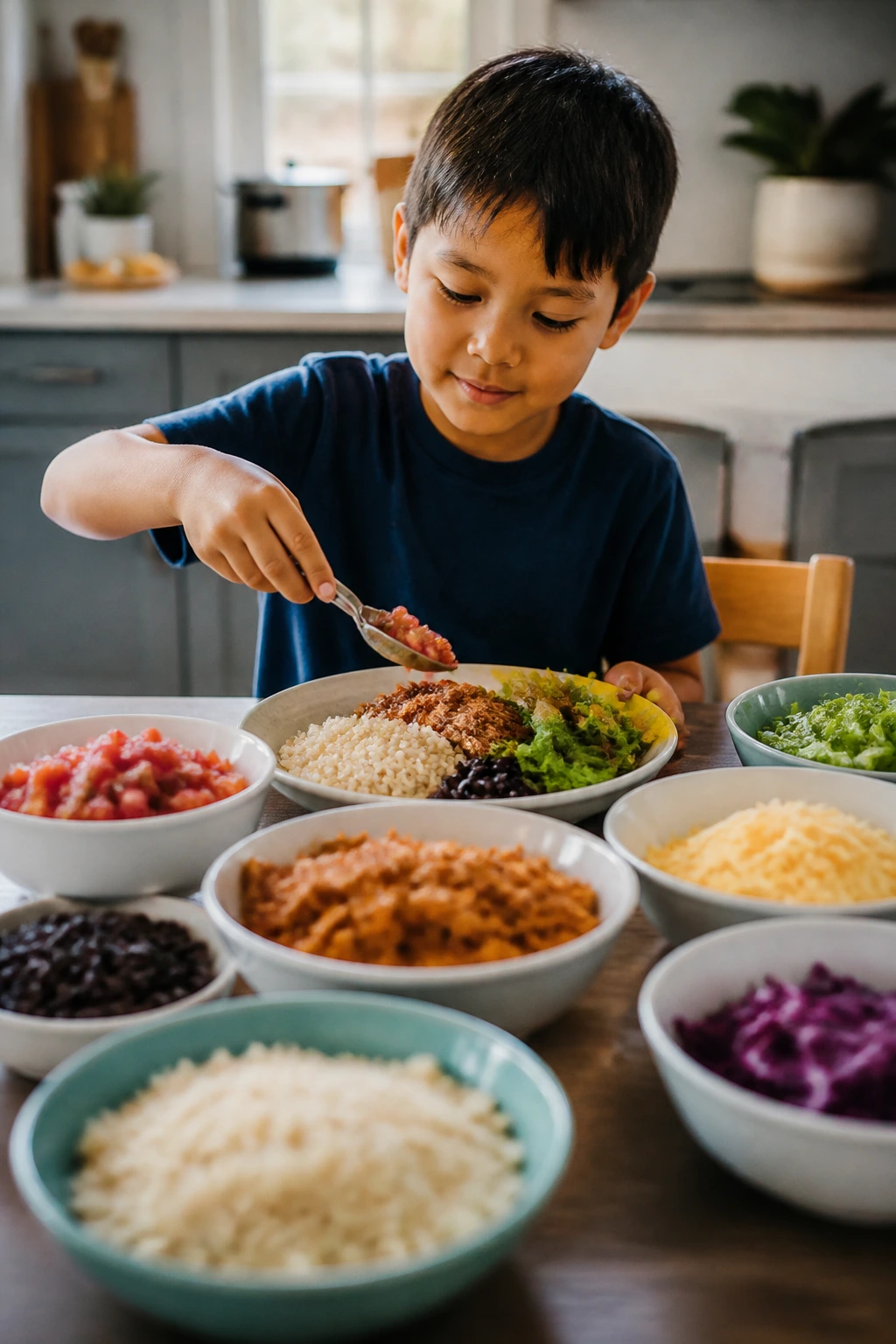
Some dinners work best when you stop pretending everyone wants the same exact plate. A build-your-own meal lets the child stop staring at a mound of mystery and start making tiny decisions, which is usually where the eating begins.
Think of dinner as four parts: a base, a protein, a vegetable or fruit, and a topping or sauce. The base is the safest piece. The protein gives the meal staying power. The vegetable brings color and crunch. The sauce ties the plate together, or stays politely to the side if the sauce is the part that causes trouble.
A taco bar is the clearest version of this, but the idea travels well. Rice bowls. Baked potato nights. Pasta with toppings in separate bowls. Even simple toast-and-topping dinners fall into the same pattern. Kids often eat more when they can build a bite themselves because the food stops feeling like a test.
Plates That Work Without a Fight
- Taco bowls: rice, seasoned chicken or beans, lettuce, cheese, salsa, avocado.
- Pasta bars: plain noodles, meatballs, marinara, parmesan, peas.
- Baked potato nights: potatoes, shredded cheese, broccoli, sour cream, leftover chili.
- Breakfast bowls: eggs, potatoes, fruit, toast, cheddar, yogurt.
- Rice plates: rice, teriyaki chicken, carrots, cucumbers, sesame seeds.
The point is not endless choice. Too many bowls turn dinner into a cafeteria. Two or three options is plenty. A child who gets to choose between cheese and cucumber is often calmer than a child told to eat the whole assembled plate.
And yes, there is a real adult advantage here. Build-your-own nights are one of the easiest ways to use leftovers without making yesterday’s dinner feel like punishment. A little cooked rice, a few roasted vegetables, leftover chicken, and a jar of sauce can become a new meal in ten minutes.
Dips, Sauces, and Crunch Change the Whole Plate
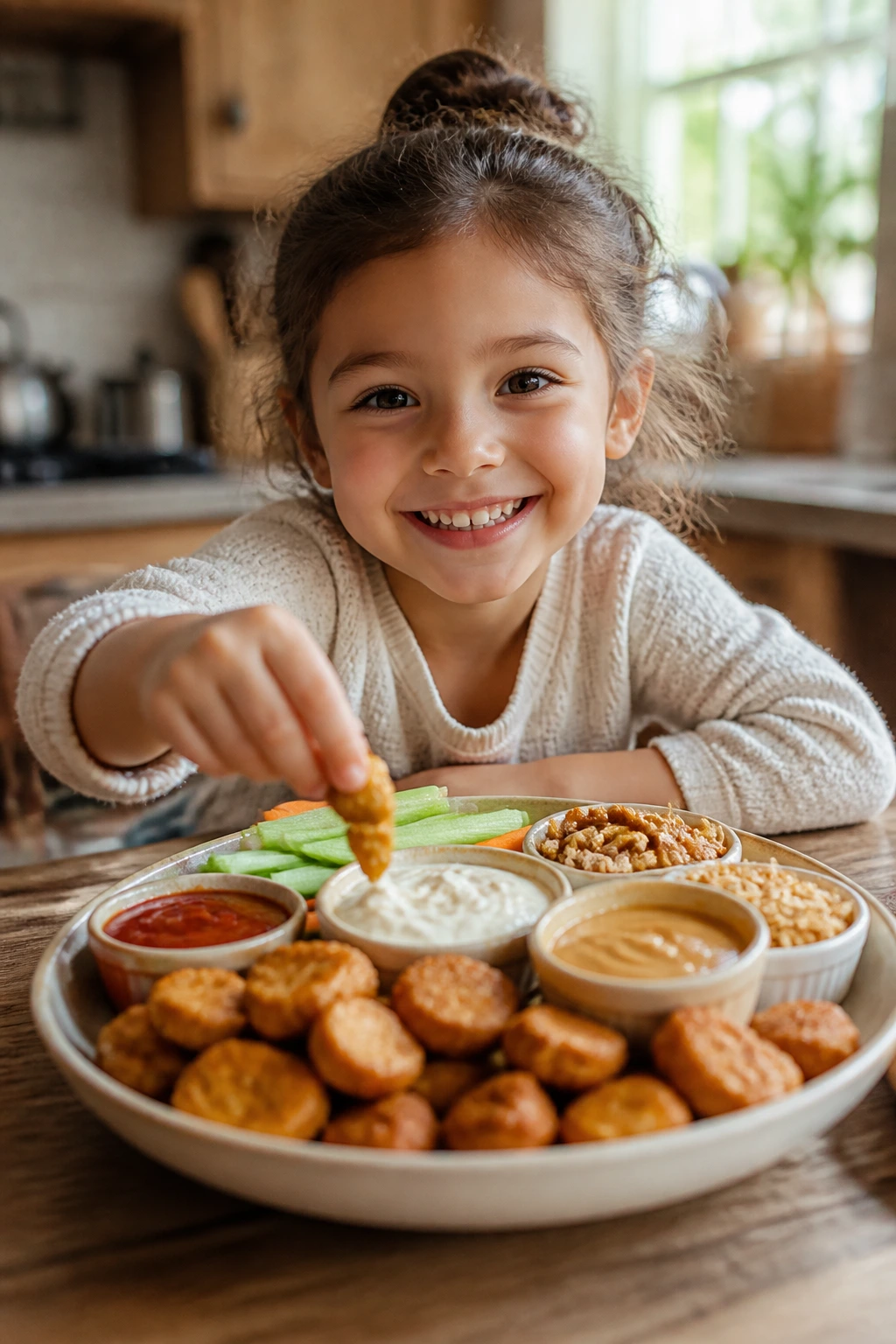
A plain piece of chicken can become lunchbox food. The same chicken with a little ranch, salsa, yogurt sauce, or melted cheese suddenly gets treated like dinner. That is not childish behavior in the insulting sense. It’s how many people eat, kids included.
The best dips do two jobs. They add flavor, and they let the child control intensity. A spoon of marinara over pasta is one thing. Marinara on the side becomes a choice. That small shift can turn a refused food into a sampled one.
Crunch matters just as much. Toasted breadcrumbs on baked mac and cheese, crushed tortilla chips over taco bowls, sesame seeds on rice, or crispy roasted potatoes next to a soft main all give the mouth something to do. Soft-only meals can feel flat to younger eaters. A little crunch wakes the plate up.
Sauce Ideas That Earn Their Keep
- Marinara: best with pasta, meatballs, mozzarella sticks, and baked chicken.
- Plain yogurt sauce: works with roasted vegetables, chicken, and pita.
- Honey mustard: useful with nuggets, baked tenders, and potato wedges.
- Salsa: good for tacos, eggs, rice, and quesadillas.
- Cheese sauce: helpful when broccoli or cauliflower needs a friend.
- Peanut sauce: useful for noodle bowls if allergies are not a concern.
Keep the sauce serving small. A puddle the size of a quarter is usually enough for a cautious kid. Bigger bowls can feel like pressure. Adults can always add more, which is the whole point.
A little acid can help too. A squeeze of lemon over roasted chicken or a tiny splash of vinegar in beans brightens the whole plate. Small finishes matter more than big recipes when you’re feeding kids. The food does not need a makeover. It needs one or two signals that say, “This will taste clean and good.”
Breakfast for Dinner When the Fridge Looks Empty
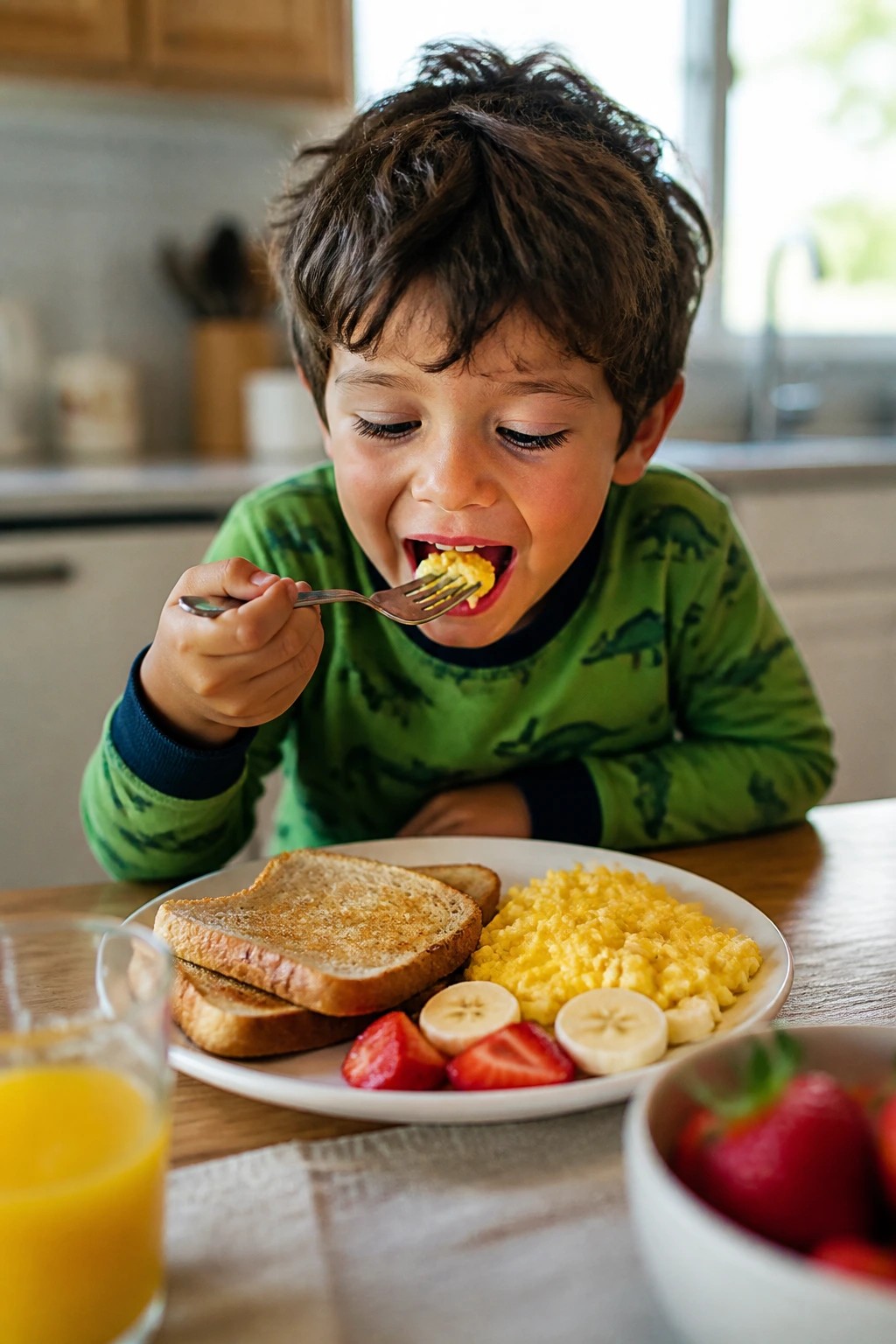
There are nights when dinner should not be ambitious. It should be fast, warm, and made of ingredients most children already trust. Breakfast for dinner is one of the best answers because the food is easy to recognize and easy to portion.
Eggs, toast, fruit, and potatoes can cover a lot of ground. Scrambled eggs with cheese and buttered toast is almost boring in the best possible way. Add sliced strawberries or apple wedges and you’ve got color on the plate without a second cooking project. If there’s bacon or sausage, fine. If not, beans or yogurt can fill the protein gap.
The nice thing about breakfast food is its flexibility. A child who refuses a fussy dinner may happily eat a breakfast taco with scrambled eggs, shredded cheese, and a little salsa. A pancake can be folded around banana slices. Oatmeal can become less mysterious when it shows up with peanut butter and cinnamon.
Easy Dinner-Style Breakfasts
- Scrambled eggs, toast, and fruit
- Breakfast burritos with eggs, cheese, and potatoes
- Pancakes with yogurt and berries
- Egg-and-cheese quesadillas
- Oatmeal with banana, peanut butter, and a side of milk
There’s a practical side here, too. Eggs cook in minutes. Toast keeps its structure. Potatoes can be roasted ahead and crisped in a skillet. If you need dinner out of the kitchen fast, breakfast gives you a respectable route there without making anyone feel like they’re eating leftovers in disguise.
I also like breakfast for dinner because it keeps the mood low-pressure. Nobody expects a masterpiece from scrambled eggs. That absence of drama helps.
Skillet Dinners That Stay Tidy
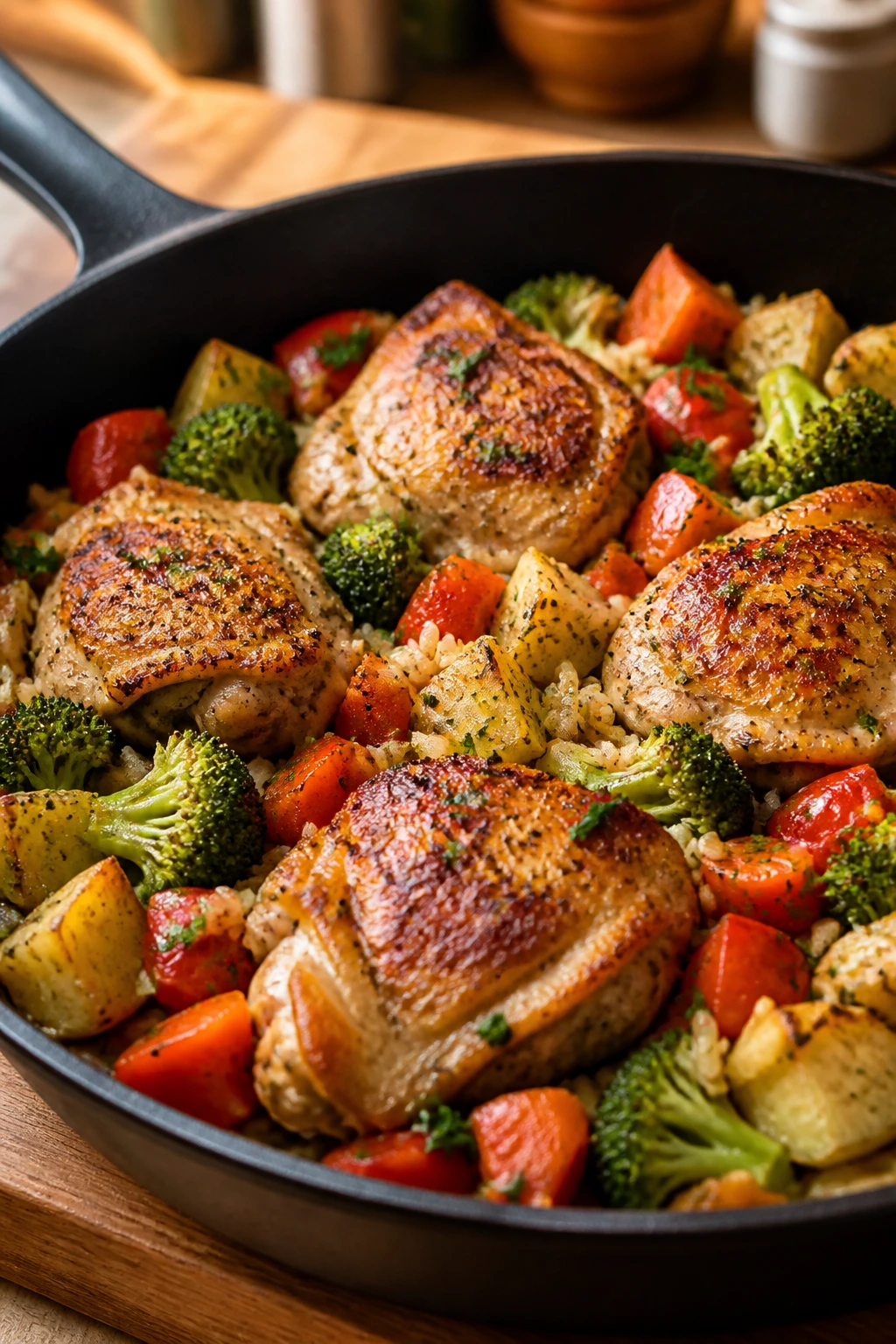
One skillet can solve a Tuesday, but only if the food inside it keeps some shape. The skillet is not the problem. The problem is the tendency to throw everything in at once and hope for the best, which usually ends in wet vegetables and gray edges.
A good family skillet dinner has a simple backbone: browned protein, one or two vegetables, and a starch that can soak up flavor without turning to mush. Ground turkey with taco seasoning, rice, and peas works. Meatballs with a little tomato sauce and spinach work. Chicken, noodles, and a handful of frozen corn work. The pan itself does the heavy lifting, but the food still needs space.
Use a 12-inch skillet when you can. Crowding a smaller pan makes the food steam, and steamed food gets ignored more often than roasted or browned food. Browning is not just for adults. Kids notice crispy edges. They may not say the word “Maillard,” but they know when dinner tastes more interesting.
What a Kid-Friendly Skillet Usually Needs
- One protein that cooks in bite-size pieces
- One starch that can absorb sauce or butter
- One vegetable that keeps its color
- A final note of cheese, herbs, or a squeeze of lemon
If the skillet meal leans soft, give it a crisp finish. Toasted breadcrumbs. Scallions. A few tortilla strips. Even a handful of crushed crackers can rescue a bowl that was drifting toward mush. Sounds small. Works anyway.
One of my favorite moves is to cook the main mixture in the skillet, then hold back a little sauce for the table. That lets adults add more heat or tang later without making the whole pan too bold for the younger crowd. It also keeps leftovers more flexible the next day.
Sheet-Pan Meals That Roast Instead of Steam
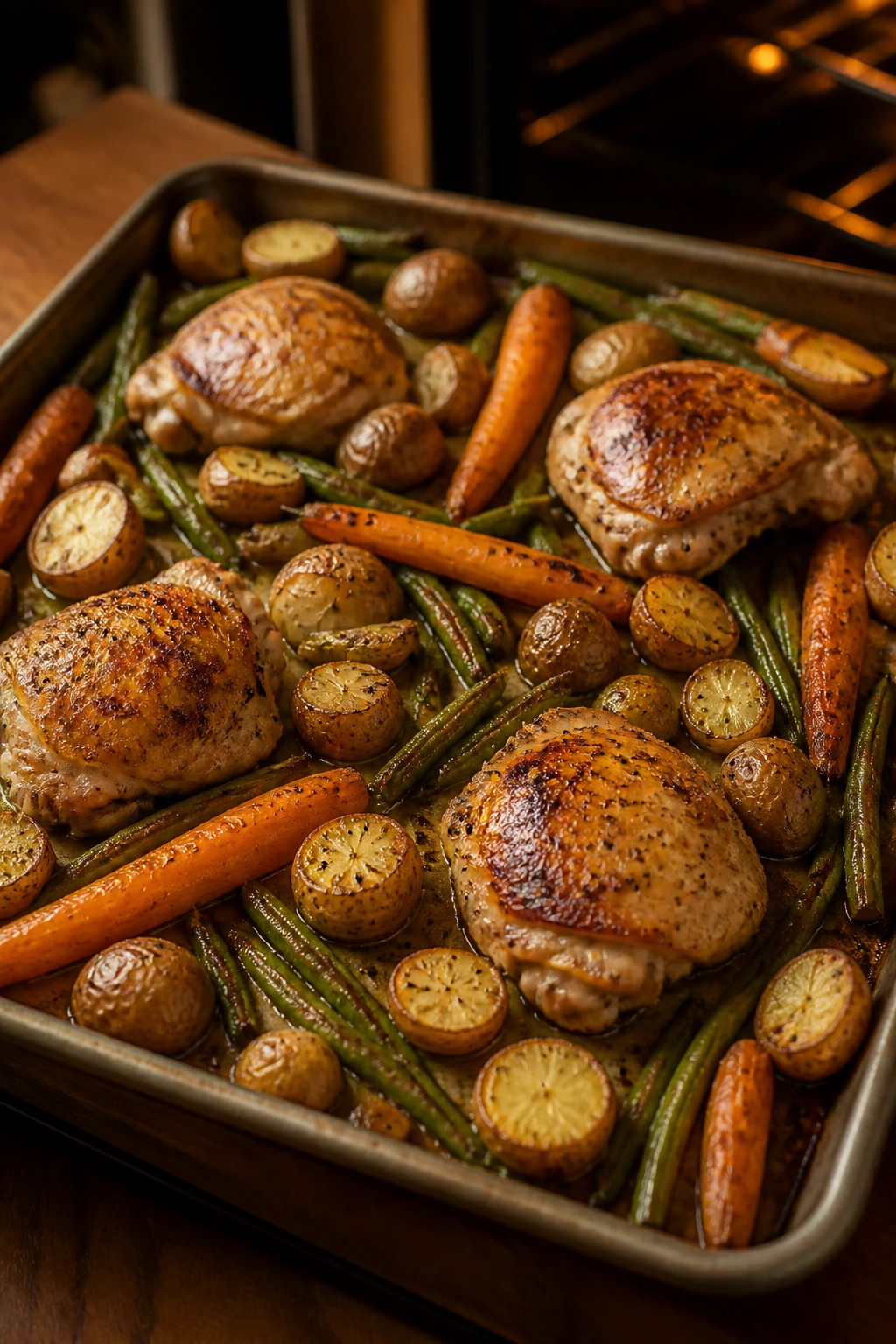
The oven is useful because it gives vegetables a little distance from each other. That matters. Kids notice when broccoli is browned at the edges and when carrots are limp because they sat under a pile of other vegetables. Texture changes the whole story.
Sheet-pan dinners work best when everything is cut to roughly the same size and spread out with some breathing room. Chicken thighs, baby potatoes, carrots, and green beans can all share a tray if they’re arranged with some common sense. If you pile them high, they steam. If you give them space, they roast.
Four hundred twenty-five degrees is a useful temperature for this style of dinner. Hot enough to brown. Not so hot that the outside burns before the inside catches up. Toss the vegetables with enough oil to gloss them, not drown them. A thin coating is enough. A slick, greasy tray just makes the food heavy.
A Good Sheet Pan Usually Has This Rhythm
First, give the potatoes or carrots a head start if they’re dense. Then add the quicker-cooking items like broccoli or sliced chicken. Finish when the edges are browned and the biggest piece feels tender when pierced with a fork or thermometer.
That little head start is the difference between “weirdly soft carrots” and “sweet roasted carrots with crisp corners.” Same vegetable. Better treatment.
Kids often prefer sheet-pan vegetables to boiled ones because roasting changes the flavor enough to feel like something on purpose. Broccoli gets nutty. Carrots get sweeter. Even cauliflower, which can be a hard sell, becomes more approachable when it gets browned rather than steamed gray.
And here’s the part I think many home cooks miss: you do not need to hide the vegetables on the tray. Put them in plain sight. A child may ignore them at first, but repeated, visible exposure builds trust faster than secret blending ever will.
Honest Ways to Add Vegetables Without a Food Fight
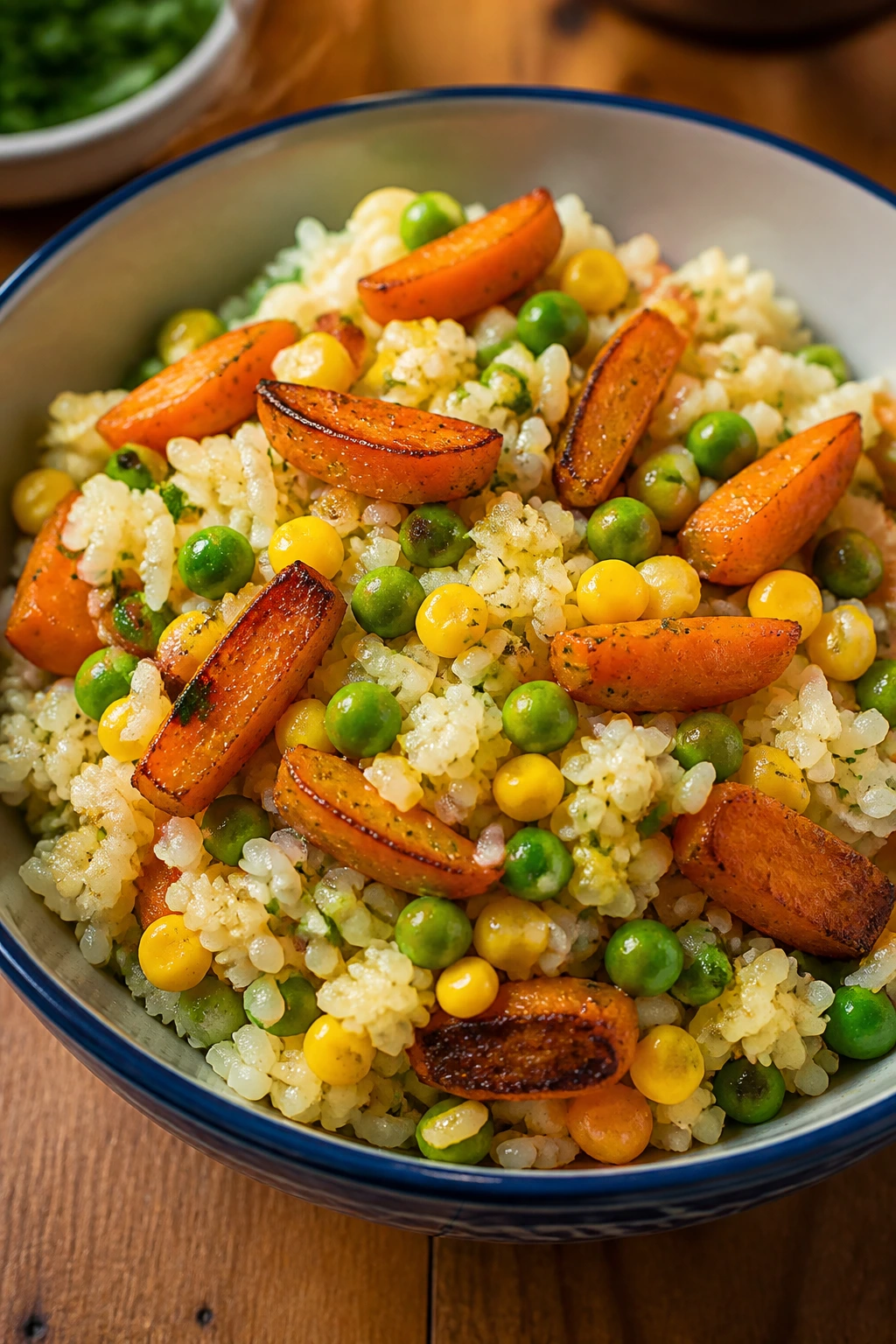
Hiding vegetables can help on a rough night. I’m not pretending otherwise. But hidden vegetables are not the whole strategy, and they should not be. Kids need to learn what vegetables look like cooked well, not only in disguise.
The better route is to choose vegetables that behave nicely and cook them until they taste like themselves. Roasted carrots with browned edges. Peas tossed with butter. Sweet corn folded into rice. Sautéed zucchini sliced thin enough to stay tender but not collapse. That’s honest cooking, and it works more often than clever camouflage.
Some vegetables can be folded into the meal without becoming invisible. Grated zucchini in meatballs. Finely chopped mushrooms in taco filling. Spinach stirred into pasta at the very end so it wilts but still looks like spinach. These are useful moves, especially when the goal is to raise the vegetable count without turning dinner into a puzzle.
Vegetable Moves Kids Usually Accept
- Roast carrots until the edges caramelize.
- Sauté spinach just until it collapses and glistens.
- Fold peas into buttered rice or pasta.
- Grate carrot or zucchini into meatloaf, meatballs, or muffins.
- Serve cucumbers, peppers, or tomatoes raw and cold when the child likes crunch.
The key is not trickery. It’s repetition. A child may need to see roasted broccoli eight times before deciding it’s worth a taste. That’s not failure. That’s normal. Keep serving the vegetable in a way that respects its texture, and keep the portion small enough that it doesn’t feel like a demand.
I have no patience for the old idea that every vegetable must be hidden to be acceptable. That advice solves one dinner and damages trust over time. Better to make the vegetable taste good and look like itself.
Getting Kids Into the Kitchen Without Losing the Room
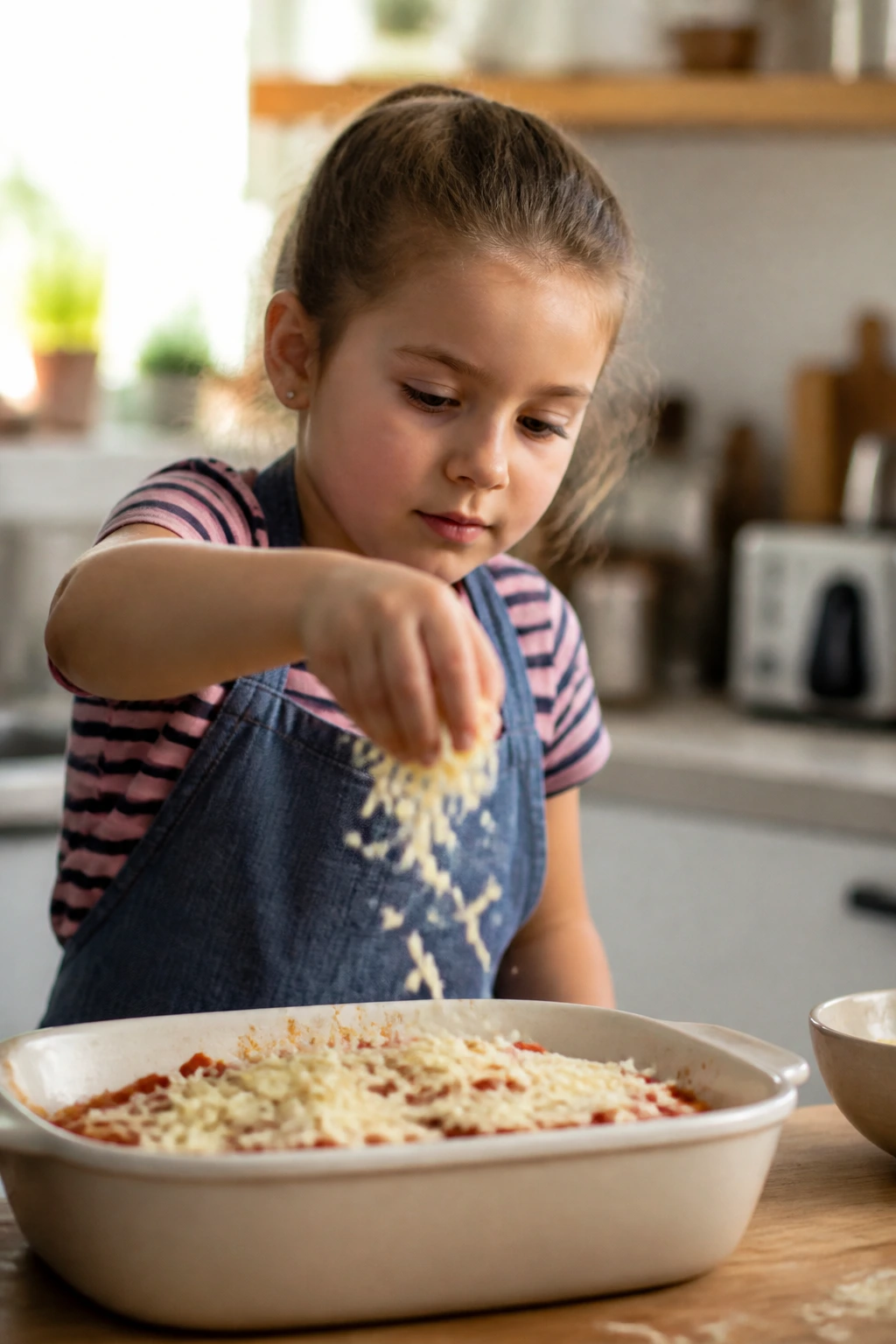
Can cooking with kids make dinner smoother? Yes, if the job is small enough and the expectations are sane. No child should be recruited into a full production of slicing, stirring, and cleaning as if they’re running a restaurant. That usually ends in flour on the floor and tears over a broken egg.
Give one task, one tool, one surface. That rule saves a lot of noise. A toddler can wash lettuce or tear basil. A preschooler can sprinkle cheese or stir batter. An older child can measure rice, crack eggs, or use a kid-safe knife on soft produce. A tween can handle a pan with supervision and can start learning how to taste for salt.
Jobs That Match Real Ages
- Toddlers: rinse berries, tear lettuce, place napkins on the table
- Preschoolers: stir dry ingredients, sprinkle toppings, help count spoonfuls
- Early elementary kids: spread sauce, mash potatoes, peel boiled eggs
- Older kids: chop soft vegetables, read a recipe, brown ground meat with supervision
The payoff is not just help. It’s buy-in. A child who stirred the sauce or chose the cheese is more likely to taste the result, even if they only take one bite. Control matters. So does pride, though I think “pride” sounds too grand for a child who just grated parmesan. Still, the feeling is real.
Keep the process short. A ten-minute job is better than a forty-minute project. Cooking with kids should make dinner lighter, not turn a weekday into a crafts-and-culinary hybrid that nobody asked for. If the child starts to drift, give them a clean exit. “Thanks, you’re done” is a useful sentence.
Pantry Staples That Save a Late Dinner
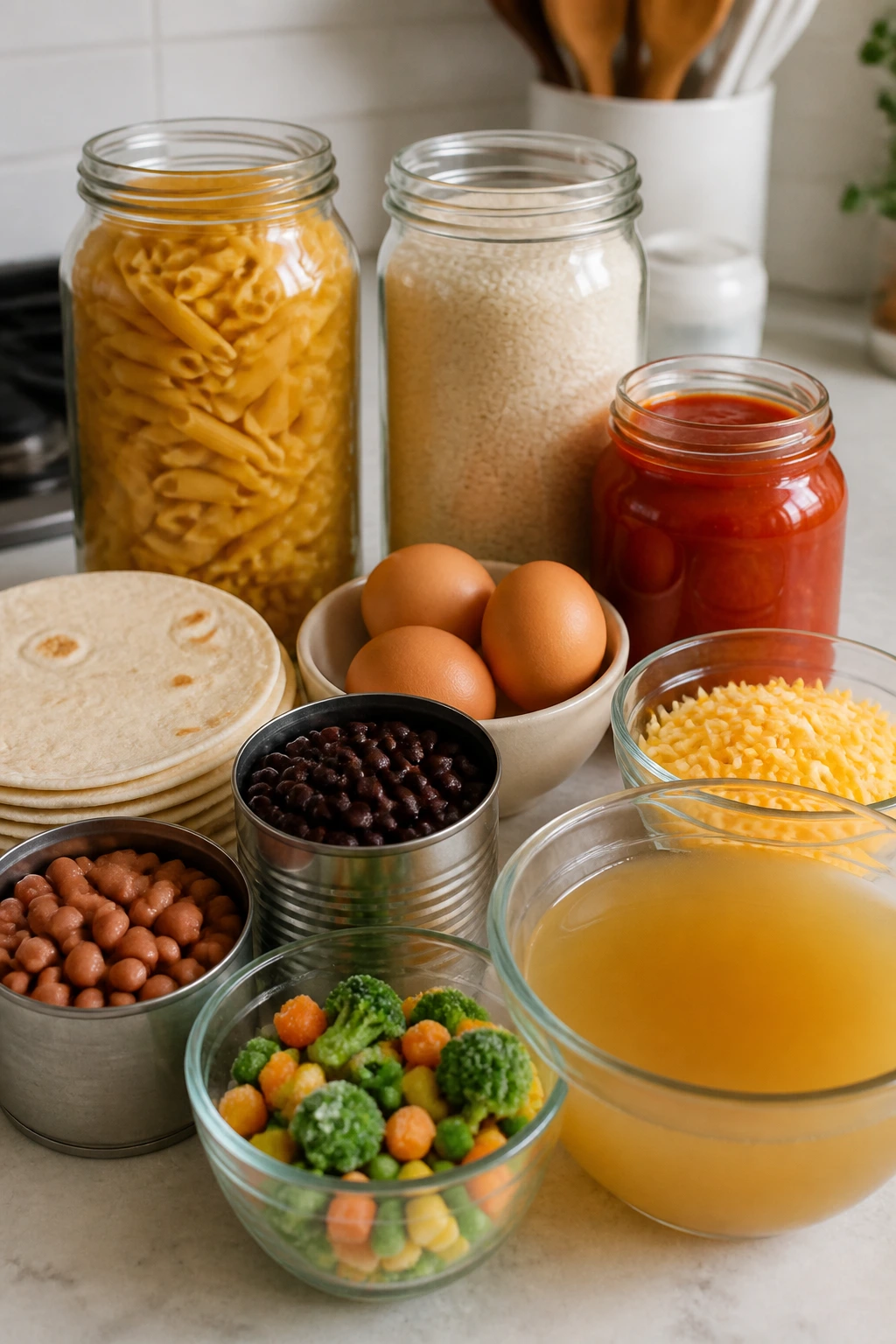
A good family pantry is not glamorous. It’s just useful. The best staples are the ones that can become dinner with almost no thinking, which is the whole point when everyone is hungry and patience is thin.
Pasta is the obvious one, and it earns its place. So do rice, tortillas, eggs, canned beans, frozen vegetables, jarred salsa, canned tomatoes, shredded cheese, and broth. Rotisserie chicken belongs in this category too if you buy it, because it can become tacos, soup, quesadillas, or a rice bowl without much effort.
The Staples I’d Keep Within Arm’s Reach
- Pasta: quick with butter, cheese, sauce, or peas.
- Rice: the base for bowls, stir-fries, and leftovers.
- Tortillas: useful for quesadillas, wraps, burritos, and pizza-style rounds.
- Eggs: fast protein for breakfast-for-dinner or fried rice.
- Canned beans: black, pinto, chickpeas, or white beans for bowls and soups.
- Frozen peas or corn: cook fast and taste sweet enough for younger eaters.
- Jarred marinara or salsa: both can rescue plain protein and starch.
- Shredded cheese: not precious, not fussy, and useful on almost everything.
- Chicken broth: turns dry grains or vegetables into something more forgiving.
Frozen vegetables deserve more respect than they get. Peas, corn, broccoli, and spinach are often picked and packed quickly, which means they can be just as useful as fresh on a weeknight. They also save you from a sad crisper drawer full of vegetables you forgot about.
The best pantry cooking is not about being crafty. It’s about having enough overlap between ingredients that dinner can move without a grocery run. That is what keeps the whole system from collapsing at 6:10 p.m.
Small Moves That Make Family Cooking Easier
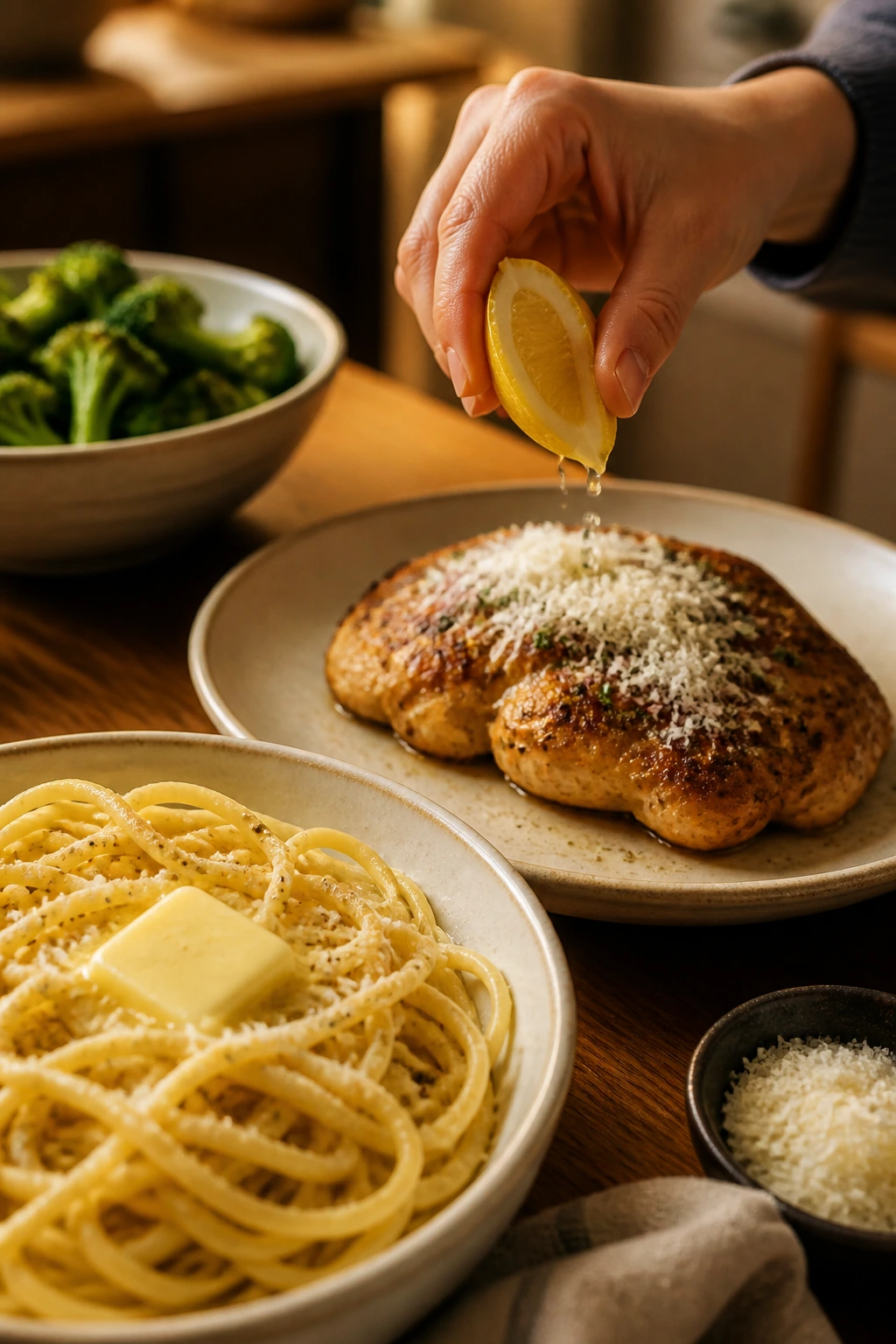
Tiny adjustments can change whether dinner gets eaten. A lot of home cooks chase bigger flavors when the real fix is a better finish, a cleaner texture, or a more forgiving setup. Small moves, not dramatic ones.
Flavor Enhancement: A little butter at the end of pasta, a squeeze of lemon over chicken, or a dusting of parmesan on broccoli can make a meal taste finished without making it louder. I also like a small spoon of pesto stirred into plain rice or mashed potatoes; it gives the dish a green, savory note without taking over.
Time-Saver: Cook one starch in a bigger batch and reuse it. Rice becomes rice bowls, fried rice, or soup. Potatoes become wedges one night and hash the next. Leftover roasted chicken can turn into quesadillas in under ten minutes if you keep tortillas and cheese on hand.
Cost-Saver: Lean on eggs, beans, thighs, potatoes, and frozen vegetables. These ingredients carry family meals without putting pressure on the budget, and they usually forgive mistakes better than expensive cuts do. A bone-in chicken thigh can survive a little overcooking. A breast often cannot.
Kid-Choice: Put two toppings on the table and let the child choose one. Cheese or salsa. Cucumbers or carrots. Ketchup or yogurt dip. The point is not endless autonomy. The point is one controlled choice, which tends to lower resistance.
Pro Move: Keep one “safe side” in rotation. Buttered noodles, plain rice, fruit, toast, or cucumber slices can help a child stay at the table long enough to try the rest. That is not surrender. It is a bridge.
Common Mistakes That Turn Dinner Into a Standoff
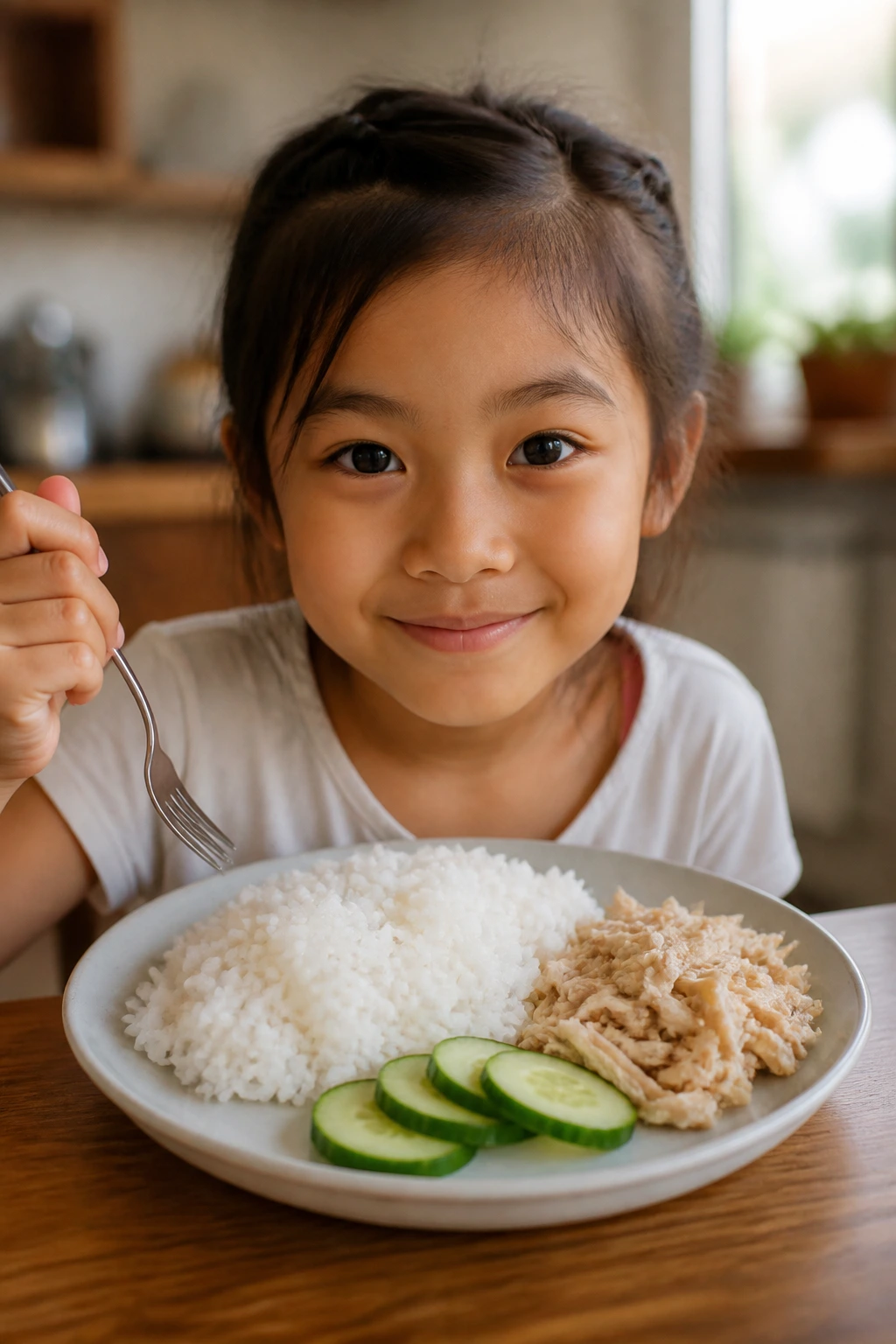
The mistakes are usually small, which is why they’re so annoying. Nobody sets out to build a dinner standoff. It just happens when too many little things go wrong at once.
-
Making every meal one mixed pile: Casseroles, stews, and bowls can be fine, but if every dinner hides its ingredients, the child loses the chance to identify anything familiar. The fix is simple: keep one component separate and visible, even if the rest is mixed.
-
Seasoning for adults only: A heavy hand with chili flakes, black pepper, raw garlic, or hot sauce can make a meal feel sharp to a younger eater. Season the base gently, then put the bolder condiments on the table.
-
Skipping the safe food: When there is no familiar item on the plate, the child is forced to gamble. Add one known food—bread, rice, fruit, plain pasta, or cheese—and the whole meal becomes easier to approach.
-
Overcrowding the pan or tray: Crowding leads to steaming, and steaming leads to limp vegetables and pale protein. Use two trays if you need to. It is better to wash one extra pan than to serve a tray of soggy carrots.
-
Turning dinner into a negotiation: Long speeches at the table rarely improve appetite. Set the food down, offer one or two choices, and let the child eat or not eat. Pressure makes food feel bigger than it is.
-
Using “hidden” vegetables as the only plan: Hiding spinach in sauce can help. Relying on it every night can backfire, because kids never learn what a well-cooked vegetable tastes like on its own. Keep some vegetables visible and cooked well.
Variations and Alternate Approaches
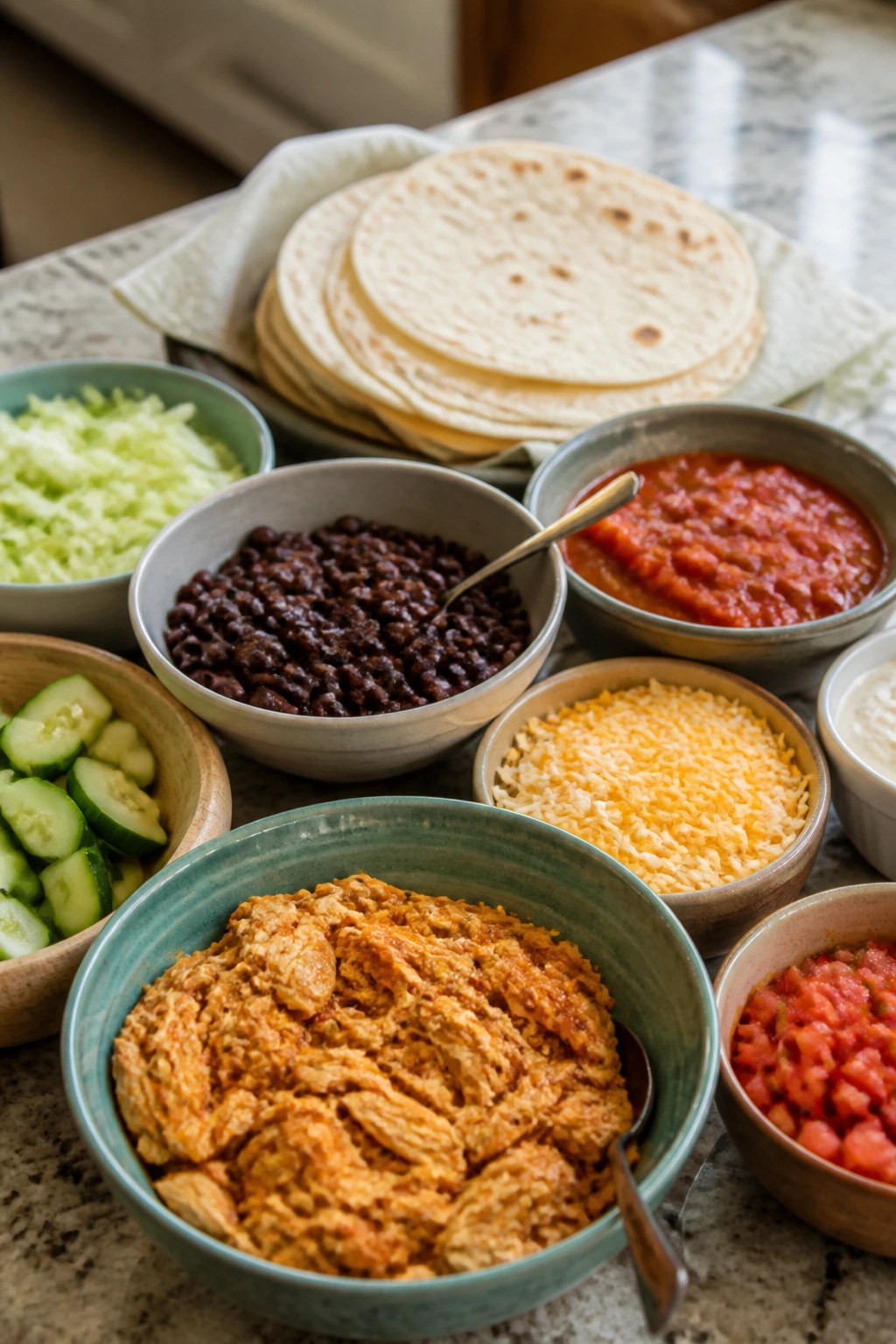
A good family cooking system should bend a little. If one style stops working, another should be waiting. These approaches keep dinner from becoming repetitive without making the menu chaotic.
The Taco-Bar Night: Set out tortillas, rice, seasoned chicken or beans, cheese, salsa, and one crunchy vegetable like shredded lettuce or cucumber. Kids can build tacos, bowls, or quesadillas from the same ingredients, which keeps the food recognizable and cuts down on complaints.
The Breakfast-Reset Night: Use eggs, toast, fruit, potatoes, and maybe bacon or beans. This works when the fridge looks thin and everyone is tired, because breakfast foods carry a low-threat vibe that younger eaters often trust.
The Soup-and-Dippers Plan: Serve a mild soup with crackers, bread, or grilled cheese strips. Tomato soup, chicken noodle, lentil soup, and butternut squash soup all become easier to eat when there’s something crisp and dunkable beside them.
The Mini-Food Menu: Mini pizzas, slider-sized sandwiches, small quesadillas, meatballs, or cut toast triangles can make dinner feel less overwhelming. The small size matters. Big portions can spook a cautious eater before the first bite.
The Dairy-Free or Gluten-Free Swap Table: Use rice, corn tortillas, potatoes, beans, roasted meats, fruit, and simple vegetable sides. The meal still feels complete if you keep the structure intact. Only the base changes, not the whole idea.
Essential Tools for Kid-Friendly Family Cooking
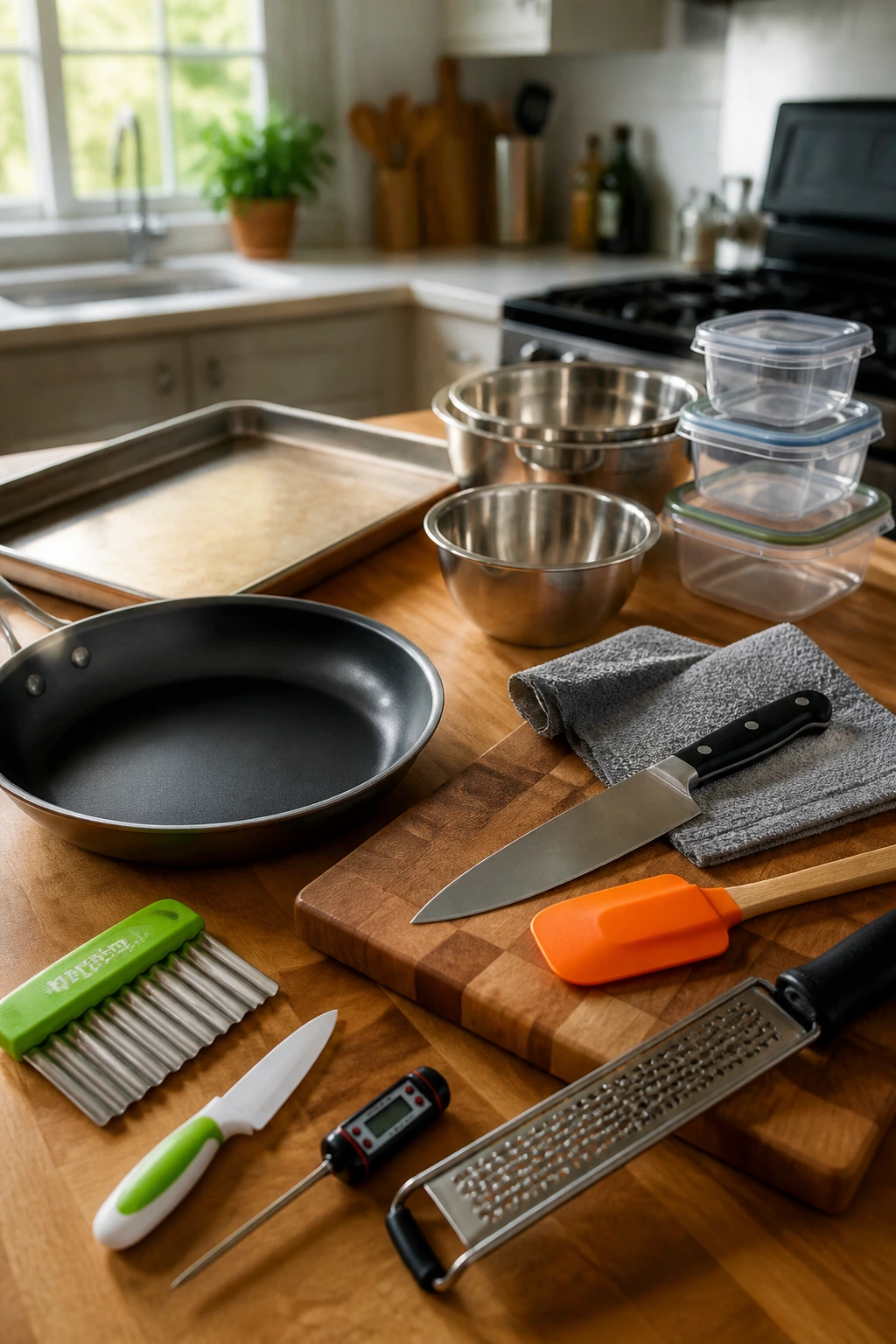
The right tools make family cooking less fussy. You do not need a drawer full of gadgets. You need a handful of sturdy, easy-to-clean pieces that help food move from fridge to table without drama.
- 12-inch skillet or sauté pan: Large enough for browning without crowding.
- Rimmed sheet pan: Keeps roasted vegetables and protein from sliding around in the oven.
- Sharp chef’s knife: A decent knife saves time and makes prep safer than fighting a dull blade.
- Cutting board with a stable base: A damp towel underneath helps keep it from skating across the counter.
- Mixing bowls in two or three sizes: Useful for batching sauces, beating eggs, and holding chopped ingredients.
- Silicone spatula: Good for scraping every bit out of a pan or bowl.
- Kid-safe knife or crinkle cutter: Helpful when children are old enough to help with soft fruits and vegetables.
- Instant-read thermometer: Takes the guesswork out of chicken, meatballs, and baked casseroles.
- Storage containers with tight lids: Essential for leftovers, lunchboxes, and make-ahead ingredients.
- Microplane or box grater: Handy for cheese, carrots, zucchini, and lemon zest.
A slow cooker and an air fryer can help too, but they’re optional, not required. The basic setup above will get you through most family dinners without much fuss.
Make-Ahead, Storage, and Leftover Strategy
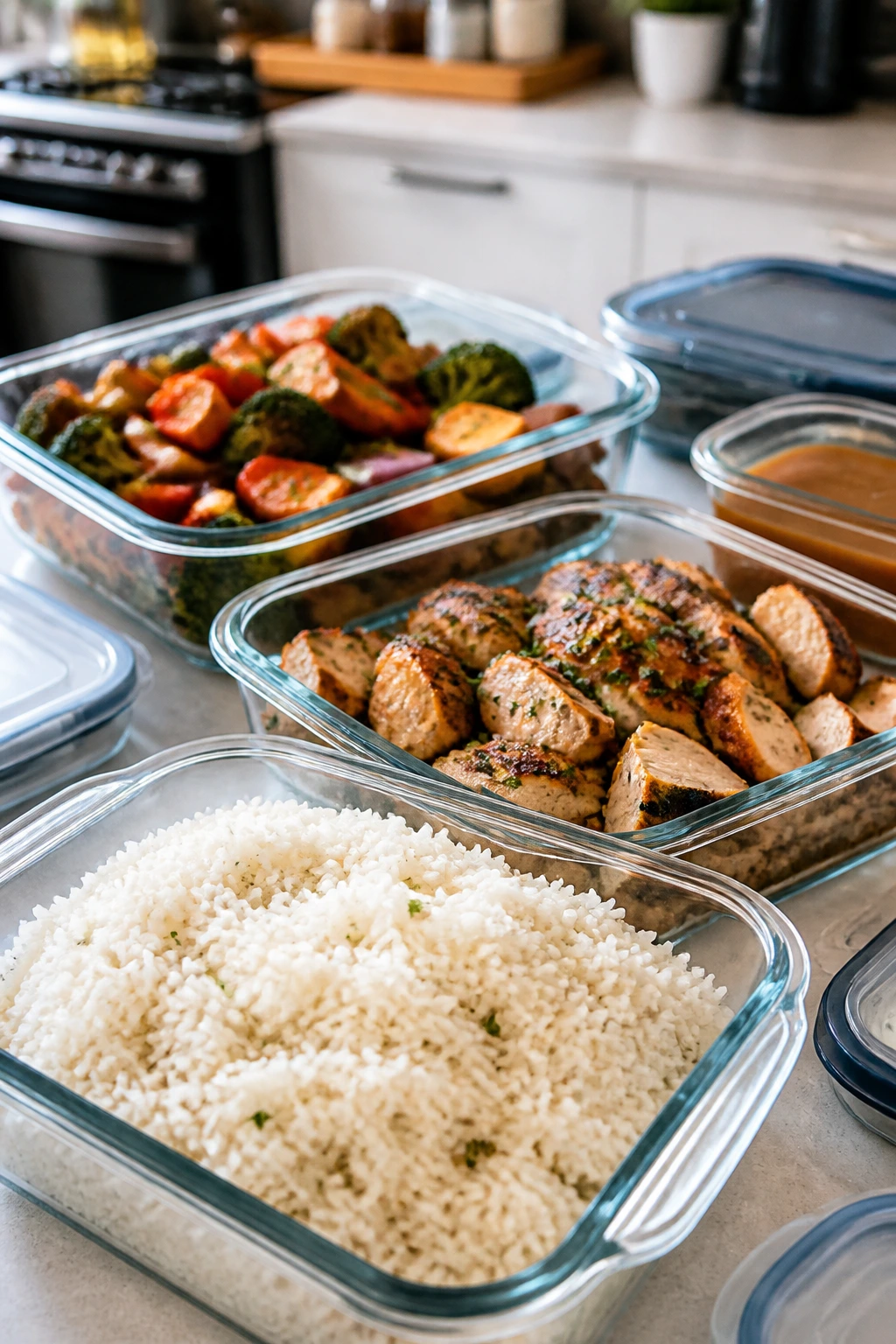
Family cooking gets easier when some parts of dinner are already finished before you start. That doesn’t mean cooking three days ahead. It means choosing pieces that hold well and reheating them in ways that keep their texture intact.
Cooked rice keeps in the fridge for 3 to 4 days if it’s cooled quickly and stored in a shallow container. Reheat it with a tablespoon or two of water, covered, either in the microwave or in a skillet over low heat. That little bit of moisture keeps the grains from drying into pebbly little grains.
Cooked chicken, meatballs, and roasted vegetables usually keep for 3 to 4 days in the refrigerator. Chicken and meatballs reheat best in a covered skillet with a splash of broth, or in a 325°F oven until hot through. Roasted vegetables can go back into a hot oven or air fryer for a few minutes if you want the edges to crisp again.
Sauces and dips are some of the easiest make-ahead wins. Marinara, yogurt sauce, cheese sauce, pesto, salsa, and hummus all hold well for several days in the fridge. Keep them in small containers so they stay out of the “mystery sauce” category.
Freezer storage helps with the parts kids usually accept without a fuss: meatballs, cooked beans, shredded chicken, taco meat, and some soups. A lot of these freeze well for up to 2 months. Label the container with the name and date. Future you will be grateful, and so will the child who wants food in less than ten minutes.
A few meals actually improve overnight. Pasta salad, soup, chili, and saucy meatballs often settle into themselves by the next day. Just keep crispy toppings separate until serving time. Nobody wants soggy breadcrumbs.
Questions Parents Ask About Meals Kids Will Eat

What foods do kids usually eat without a fight?
Most kids lean toward foods they can identify fast: noodles, rice, toast, potatoes, eggs, chicken, cheese, fruit, and simple vegetables like corn or peas. The real clue is not the category but the presentation. A familiar food with a predictable texture usually wins over a more complicated dish.
How do I cook one dinner for kids and adults with different tastes?
Use the same base and split the finish. Mildly season the main dish, then put sharper toppings, hot sauce, herbs, pickles, or extra cheese on the table for adults. That keeps the cooking load down without forcing everyone into the same flavor level.
Is it okay to serve plain pasta or rice with dinner?
Yes. Plain starch is often the bridge that keeps a child at the table long enough to try the rest of the meal. It is not a failure if a bowl of buttered noodles sits next to roasted chicken and green beans. That plate can still count as dinner.
How do I get vegetables on the plate without a battle?
Cook them well and keep the portion small. Roasted carrots, buttered peas, sautéed spinach, and crisp cucumbers are more approachable than mushy boiled vegetables. Repeating a vegetable calmly over several meals usually works better than pushing a large serving once.
What should I make if my child only eats three foods?
Build around one of those safe foods and pair it with one tiny new item. If the child eats pasta, serve pasta with a little butter and a side of peas or chicken. The safe food keeps the meal from turning into a standoff, and the new food stays small enough to be less threatening.
Can I make family meals ahead for busy nights?
Absolutely. Cook a batch of rice, roast a tray of chicken thighs, and prep a simple sauce or dip. Those pieces can become bowls, wraps, or skillet meals later in the week, which is a lot easier than starting from zero every night.
What if my child hates mixed foods?
Keep ingredients separate and let the child mix them only if they want to. Bowls, plates, and bento-style setups work better than casseroles for kids who dislike blended textures. You can still serve the same flavors without forcing them into one spoonful.
Are dips and sauces a crutch?
Sometimes they are, and that’s fine. Dips give kids control over flavor intensity, which often makes them more willing to eat the main food. The goal is not to remove dips from the table. It’s to use them as a bridge rather than a disguise.
The Dinner Table You Can Repeat
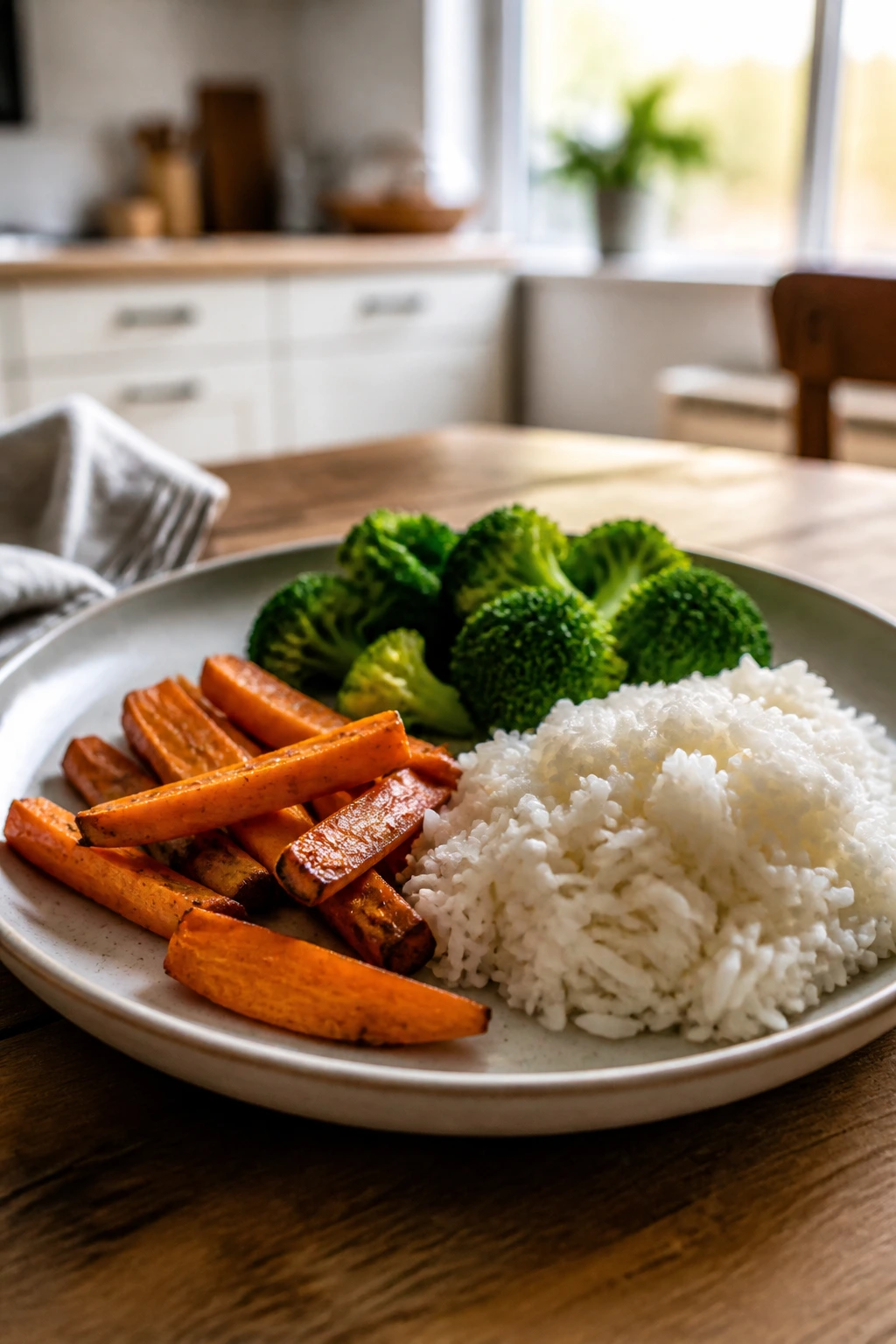
The best family dinners are not the ones that win applause. They’re the ones you can make again without groaning. That usually means a familiar base, a good texture, one calm vegetable, and a sauce or topping that keeps the plate from feeling flat.
Kids do not need perfect food. They need food that feels safe enough to try. Once that trust starts to build, the whole kitchen gets easier. A roasted carrot on one night, a taco bowl on another, a skillet of eggs and potatoes when everything else falls apart—that’s the kind of rhythm that keeps family cooking moving.
And honestly, that rhythm matters more than any single recipe. A meal kids actually eat is not a triumph because it looks pretty. It matters because it gets repeated, and repeated dinners are what make weekday life feel less like a scramble and more like something you can count on.