



Some nights, the hardest part of dinner is not the cooking. It’s the look on a child’s face when the broccoli shows up, the sauce touches the pasta, or the chicken has a single brown edge that seems to signal danger. If you live with picky eater kids, you know the routine: one safe bite, one suspicious sniff, and then the negotiating starts.
Easy picky eater kids will actually eat meals are rarely the fanciest ones. They’re the plates that feel predictable, look familiar, and don’t ask a child to do emotional heavy lifting at the table. That means simple shapes, familiar flavors, separate foods when needed, and enough control that the meal doesn’t feel like a trap.
I’ve always thought people overcomplicate picky eating. They chase hidden vegetables, three-sauce casseroles, and dramatic promises about “one meal for the whole family,” then wonder why the child stares at the plate like it’s a math test. The better move is usually calmer and a little less glamorous: keep one safe food on the plate, make the textures clear, and let repetition do its work.
Why This Approach Gets Real Bites
-
Predictable shapes matter: A child who rejects “dinner” may still eat chicken strips, buttered noodles, or carrot coins because the shape and texture stay easy to read.
-
Small portions work better than a full plate: One or two tablespoons of a new food feels less threatening than a mountain of it, and it’s easier for a child to say yes to a tiny taste.
-
Separate foods lower the pressure: Foods that touch can be a dealbreaker for some kids, so serving items in little piles or compartments often gets more bites without a single speech from the parent.
-
Dips give kids control: A ramekin of ranch, ketchup, marinara, or yogurt dip lets a child decide how much flavor to add, which is often half the battle.
-
Texture usually beats color: A pale food with the right crunch often wins over a bright green one that feels mushy or slippery.
-
Repetition beats persuasion: A new food may need to show up 10 to 15 times in a calm, no-drama way before a child actually trusts it.
What Picky Eater Kids Notice First on a Plate
Picky eating is rarely random. A child may refuse one pea but happily eat four crackers, and the difference usually has less to do with “being difficult” than with shape, smell, and the memory of what happened last time. Kids are not thinking in food pyramids. They’re thinking in texture, predictability, and whether the bite will surprise them.
The thing that gets missed most often is that a child can like a food category and still hate the way it’s prepared. Broccoli can be fine roasted until the edges turn a little nutty and brown, then turn into a hard no the second it’s steamed into a soft, wet pile. Apples can be adored in crisp slices and rejected in sauce form. Even chicken changes the story depending on whether it’s grilled, baked, breaded, shredded, or stewed.
The shape is part of the flavor
A lot of adults act as if flavor is the whole story. It isn’t. A round grape, a flat tortilla, and a crumbly meatball all feel different in a child’s mouth, and that mouth feel can matter more than the seasoning. If your kid eats goldfish crackers but not bread, you’re looking at a texture clue, not a personal insult.
The same goes for temperature. Warm mashed potatoes, cold potato salad, and room-temperature wedges are three different experiences. Kids who like “safe” foods often want the same experience every time, which is why one sloppy sandwich can ruin a lunch the child loved yesterday.
Food rejection often follows a pattern
If a child refuses anything mixed, that usually tells you something. If they only eat crunchy foods, that tells you something else. If they’ll eat a food only when it’s a certain brand, a certain shape, or served on a blue plate, that is not trivial. It is data.
And yes, you can work with data.
The trick is to stop treating every refusal like a crisis. A child who eats plain pasta, dry toast, apple slices, and scrambled eggs is already telling you the map. Build from there instead of dragging the whole family into a battle over lentils.
Texture Beats Color Every Time
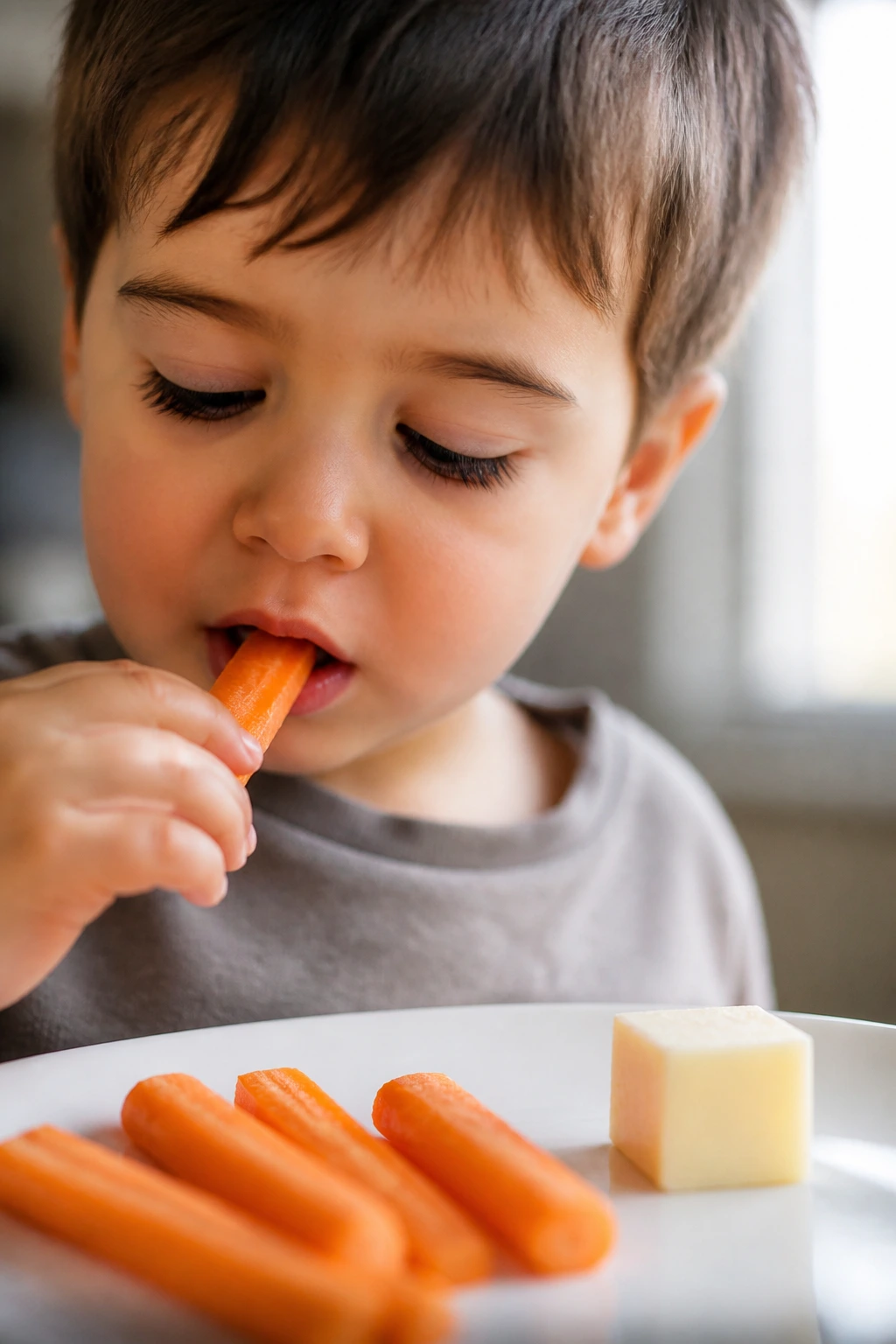
A green vegetable is not automatically the villain. Neither is a beige one automatically safe. Texture usually makes the first move, and color often gets blamed because it is the easiest thing to point at.
Think about the foods that tend to survive the picky-eater phase. Toast. Crackers. French fries. Buttered noodles. Chicken nuggets. Cheese cubes. What do they share? They have a clear outer surface, a familiar bite, and no surprise puddle hiding in the middle. Even when the flavor is plain, the mouth feel feels readable.
Mushy textures are where a lot of kids get stuck. Cooked zucchini, soft peas, wet casseroles, overripe bananas, and mushy rice can all trigger a full stop. That doesn’t mean every child hates softness. It means the wrong softness—the kind that collapses or squeaks or leaves a strange film—can be a problem.
Crisp foods help because they send instant information. Crunch says “this is what I promised.” Soggy says “I changed while you weren’t looking.” Kids notice that. They really do.
The textures that usually land better
-
Crunchy: raw cucumber sticks, apple slices, roasted chickpeas, dry cereal, toast strips, oven-baked potato wedges.
-
Soft but shaped: meatballs, mini pancakes, scrambled eggs, rice pressed into patties, banana slices, muffins.
-
Dry enough to hold: quesadilla wedges, turkey roll-ups, cheese cubes, pita triangles, pasta with a little butter or oil.
-
Dips on the side: ketchup, ranch, hummus, marinara, yogurt dip, peanut butter.
If you’re trying to widen a child’s food list, texture matching helps more than hiding things. Roasting carrots until the edges blister and sweeten will often work better than steaming them into limp coins. Baking chicken strips until they have a crisp shell will usually beat a saucy casserole, at least at first.
There’s a reason so many families end up living on nuggets and pasta. Those foods are easy to read. The goal is not to stay there forever. The goal is to build from foods that feel safe.
Breakfasts Built on Familiar Shapes
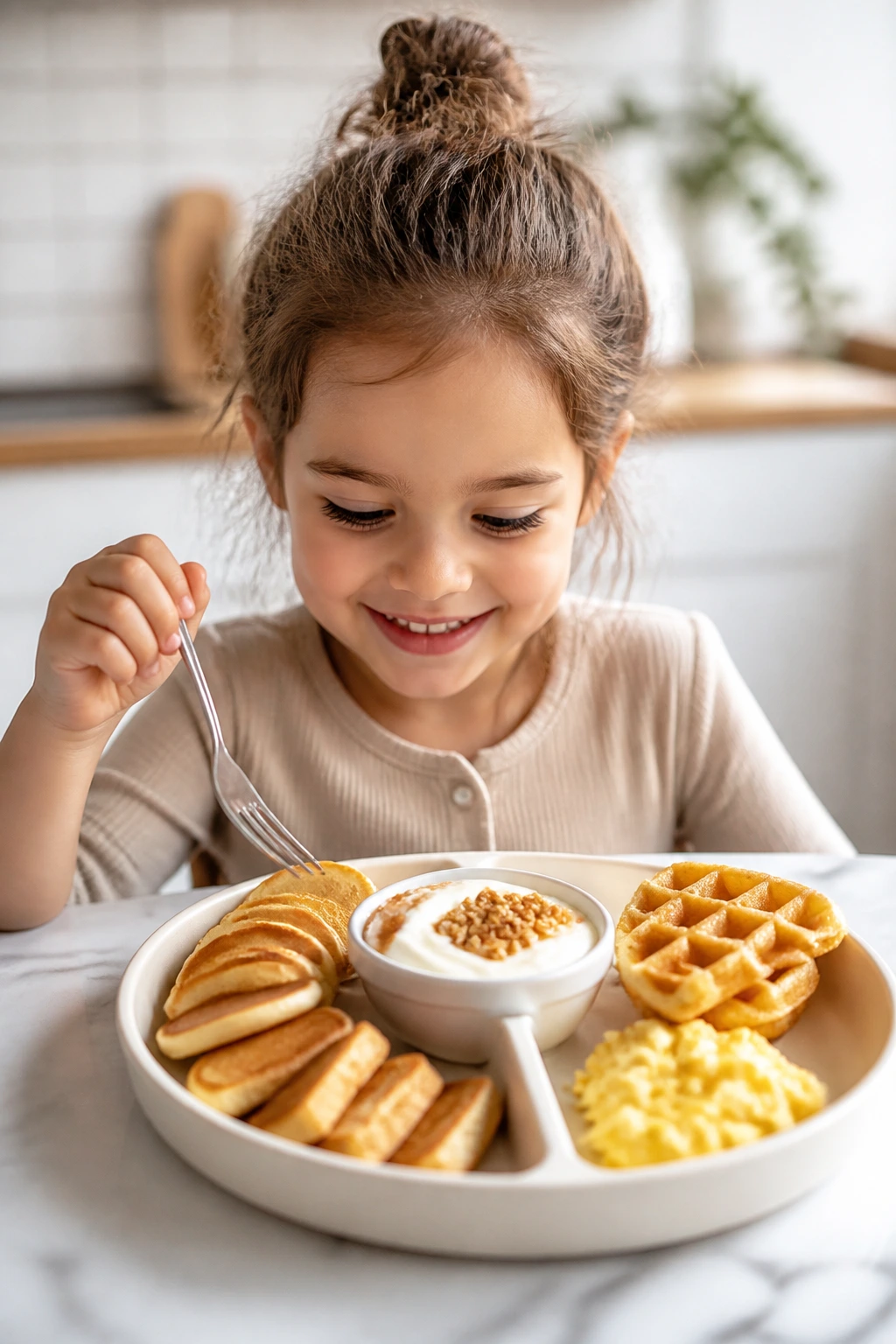
Breakfast is the easiest meal to win because it’s short, routine, and often less emotionally loaded than dinner. A child who refuses new food at 6 p.m. may eat it without protest at 7 a.m. when the table is calm and nobody is tired yet. Don’t waste that window on a struggle.
Start with foods that hold their shape. Mini pancakes, toast fingers, waffles, scrambled eggs, yogurt with a crunchy topping, oatmeal with mix-ins on the side. That last detail matters. If you stir berries, nuts, or seeds into the whole bowl, some kids will act as if you’ve contaminated breakfast. Put the extras in a little pile beside the bowl and let them decide.
One of my favorite breakfast moves is a two-texture plate. Soft scrambled eggs on one side, a dry toast strip on the other, and maybe a few grapes cut lengthwise. That combination gives the child control over what enters the mouth first. It also means that if one item gets refused, the whole plate doesn’t collapse.
Keep one dry thing on the plate
Dry foods are oddly reassuring. A piece of toast, a half waffle, a small handful of cereal, a plain muffin, or a tortilla triangle can anchor the meal. Kids who get nervous around wet or mixed foods often calm down when they see something crisp or plain waiting there.
A lot of parents try to “upgrade” breakfast too early. They fold spinach into eggs, fold chia into oatmeal, stir everything together, and then wonder why the child picks around the whole plate. Skip the grand gesture. Keep breakfast simple enough that your child can tell, at a glance, what each bite will be.
If you want to expand breakfast foods a little, change one thing at a time. Use the same pancake shape but swap in a bit of cinnamon. Keep the scrambled eggs plain, then add a tiny mound of shredded cheese on the side. Serve fruit in the same cut every single time for a week before you change it. That kind of repetition is boring for adults and useful for kids.
Lunchboxes That Survive Long Afternoons
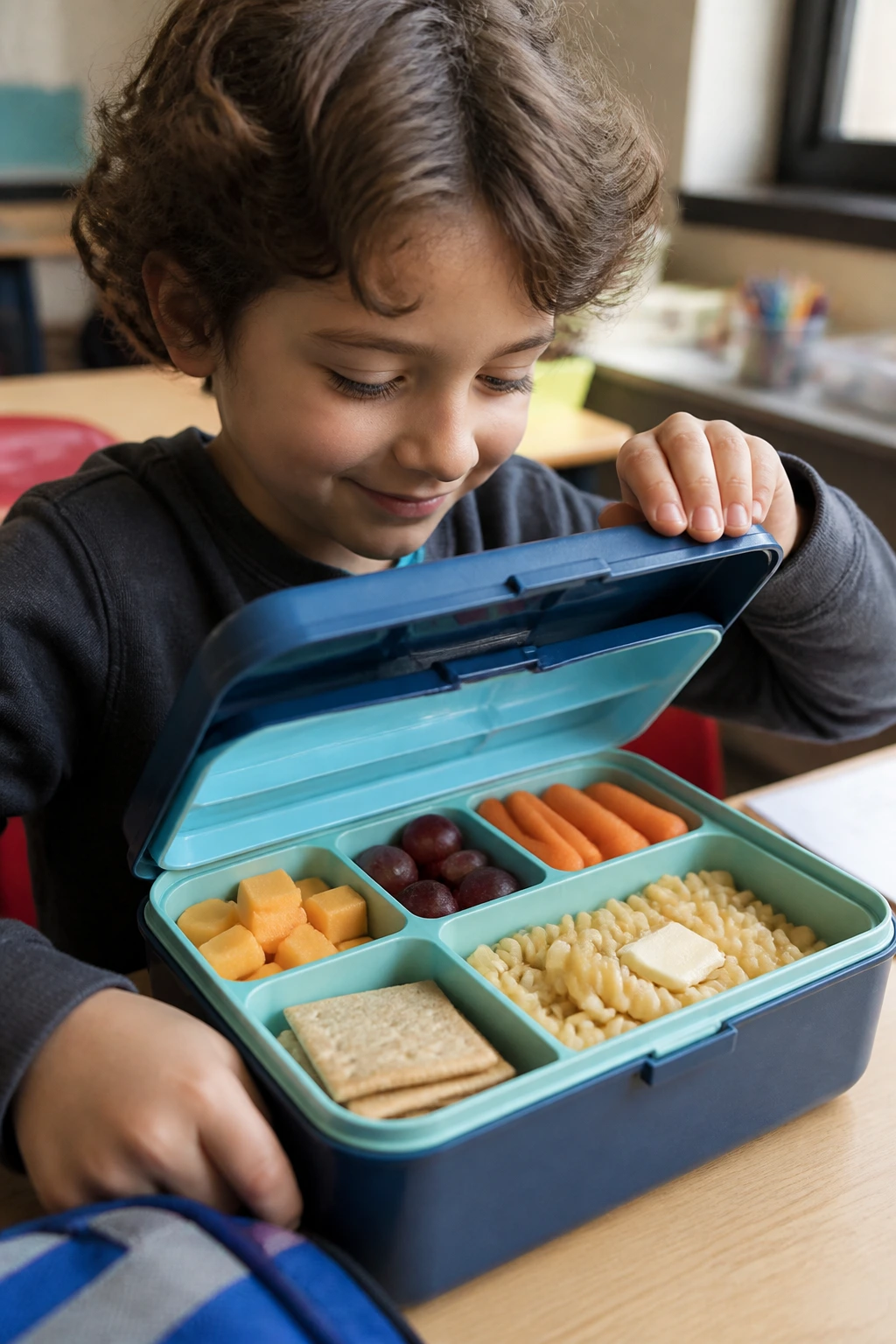
Lunch is a texture test in disguise. By the time it gets opened at school or after a busy morning at home, anything soggy, smushed, or sweaty can lose its appeal fast. A sandwich that sat too long in a warm backpack is not the same sandwich you packed. Kids know that. They just may not have the vocabulary for it.
Build lunches from foods that stay honest. Cheese cubes, turkey roll-ups, crackers, grapes cut in halves or quarters, carrot sticks, pretzel sticks, pasta with a little butter, rice balls, mini muffins, apple slices brushed with lemon juice if they’ll tolerate it. If the child likes a warm lunch, a thermos with mac and cheese, buttered noodles, soup with a familiar broth, or leftover pasta can work better than a cold box full of surprises.
Keep the damp foods separate
A sandwich with wet tomato slices and mayo will turn limp. A cracker topped with hummus five hours too early will do the same. If your child likes a meal component, pack the moist part in a tiny container and let it meet the bread, cracker, or tortilla only at the moment of eating.
That one habit changes a lot. It keeps foods from turning into a science experiment, and it also gives the child one small choice. They can dip, spread, or ignore the wet part entirely.
A lunchbox formula that tends to work
-
One familiar starch: crackers, bread, tortilla, pita, pasta, rice, or a roll.
-
One known protein: turkey, cheese, yogurt, egg, chicken, beans if accepted.
-
One fruit or vegetable in a known cut: apple slices, grapes, cucumber sticks, carrot coins, berries.
-
One little “fun” item: a cookie, a few chocolate chips, or a favorite crunchy snack.
That last item is not bribery. It’s a bridge. If the lunchbox looks like a punishment, kids start eating like they’re being trapped. If it looks like a small, reasonable meal with one pleasant surprise, they’re more likely to touch it.
Dinners Built Around One Safe Food
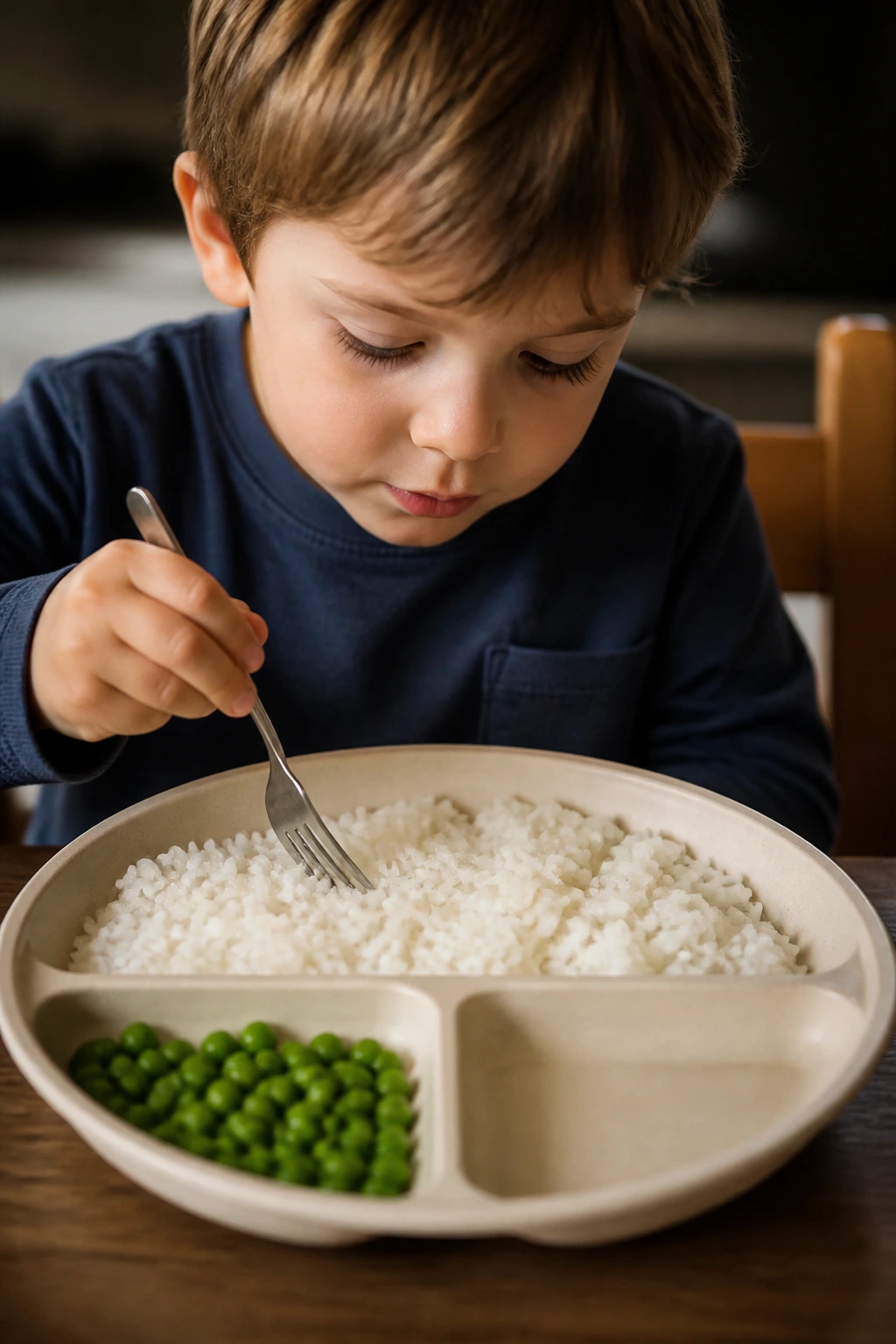
Dinner gets messy because everyone walks in tired, hungry, and a little more opinionated than they were at breakfast. So dinner needs a backbone. The backbone is the safe food: rice, pasta, potatoes, bread, tortillas, noodles, or whatever your child already trusts. Build around that, not against it.
A child who eats plain rice can handle rice bowls. A child who likes pasta with butter might accept the same pasta with a tiny spoonful of parmesan on top. A child who eats plain chicken tenders may tolerate roasted chicken strips if the coating stays crisp and the size stays familiar. The point is not to hide the whole meal inside a new sauce. The point is to make the new thing arrive next to something trusted.
The one-safe-food plate
I like a plate that has three parts: one safe starch, one protein, and one small side. That side can be a fruit, a vegetable, or even another safe food if the day has gone sideways. If the child eats only the starch and protein, that still counts as dinner. You do not need a speech about how the carrot was lonely.
The more interesting move is to keep the new food separate and tiny. A spoonful of roasted carrots. A few peas. A little scoop of corn. Don’t drown the safe food in a new sauce or bury the old favorites under a pile of unfamiliar stuff. The child needs to see the border between known and unknown.
Easy dinner combinations that tend to land
-
Buttered noodles, grilled chicken strips, and cucumber rounds.
-
Rice, baked meatballs, and roasted carrots with a dip.
-
Quesadilla wedges, black beans on the side, and fruit.
-
Mashed potatoes, baked fish sticks, and steamed broccoli for the brave day.
-
Pasta with olive oil and parmesan, turkey meatballs, and green beans cut small.
None of these are glamorous. That’s part of the point. Dinner for picky eaters usually works because it is boring in the right ways. Predictable. Warm. No ambushes.
Snacks That Buy You Peace Between Meals
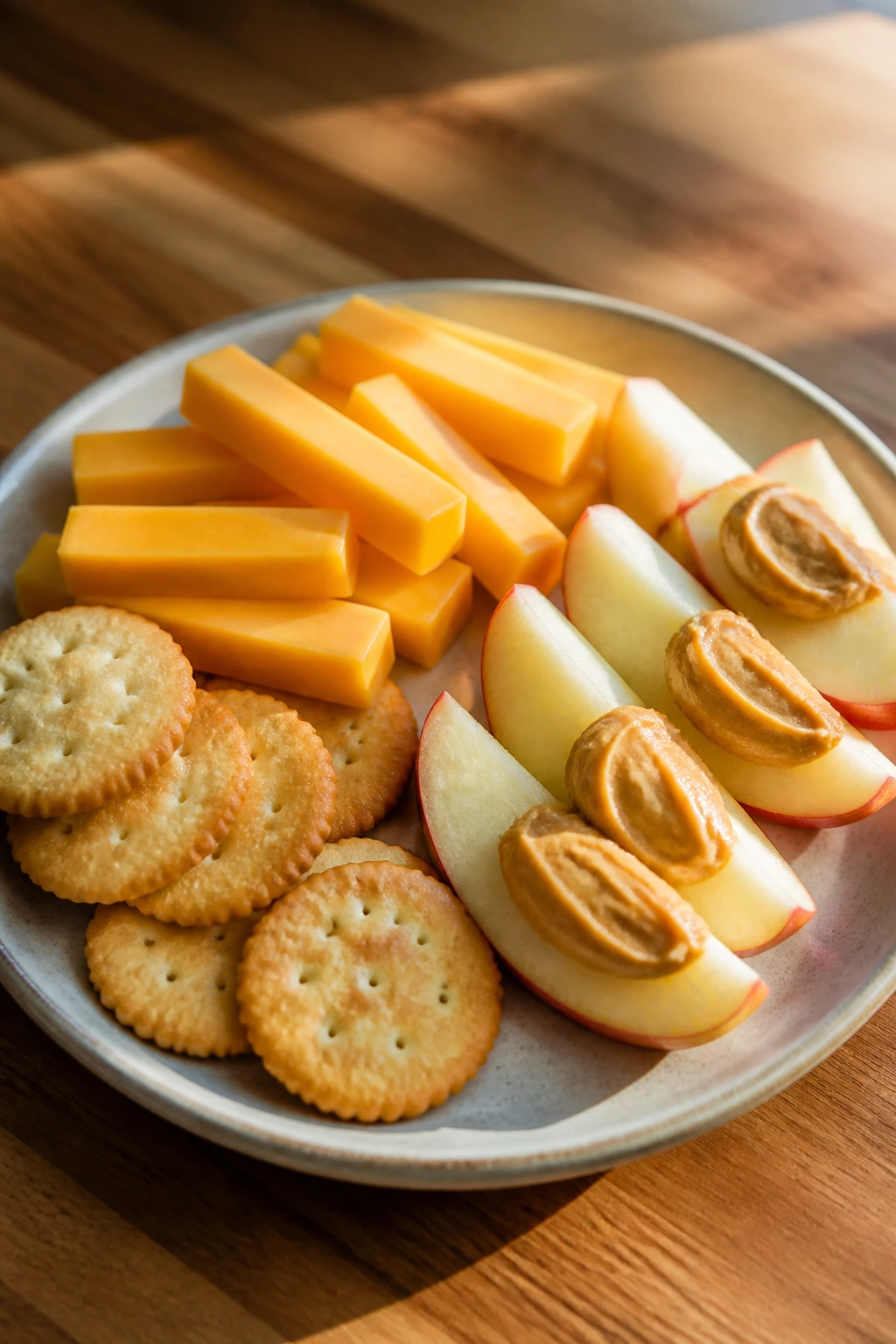
Snacks can rescue the afternoon or wreck dinner. The difference is timing and size. A small snack with protein and fiber can keep a child from melting down before dinner. A giant snack thirty minutes before the meal can erase appetite completely.
The best snacks for picky eaters usually look like mini meals rather than dessert in disguise. Cheese sticks, yogurt cups, apple slices with peanut butter, crackers with hummus, mini muffins, hard-boiled eggs if the child accepts them, smoothie pouches, or half a banana with toast. Older kids may do well with popcorn, trail mix, or pretzels paired with something more filling.
Use the bridge snack rule
If dinner is close, keep snacks light and boring. A piece of fruit. A few crackers. A cheese stick. Nothing that takes the edge off hunger so hard that dinner becomes a second lunch. That balance matters more than most parents think.
And yes, the child may complain that the snack is “not enough.” That doesn’t mean it’s wrong. It means it’s not a meal, which is the point.
What tends to backfire
Sugar-heavy snacks can make the dinner table louder, not calmer. A big handful of cookies or a giant pouch of fruit snacks can leave a child buzzing, then crashing, then refusing dinner because the body doesn’t know what it wants. If snack time is a habit in your home, keep it anchored with something that sticks: dairy, protein, fruit, or whole grains.
I also like snack foods that travel well from weekday to weekday. Sliced cheese, crackers, apples, grapes, and yogurt all repeat easily. Repetition is your friend here. Novelty is not always useful.
Dips, Sauces, and Condiments Kids Reach For
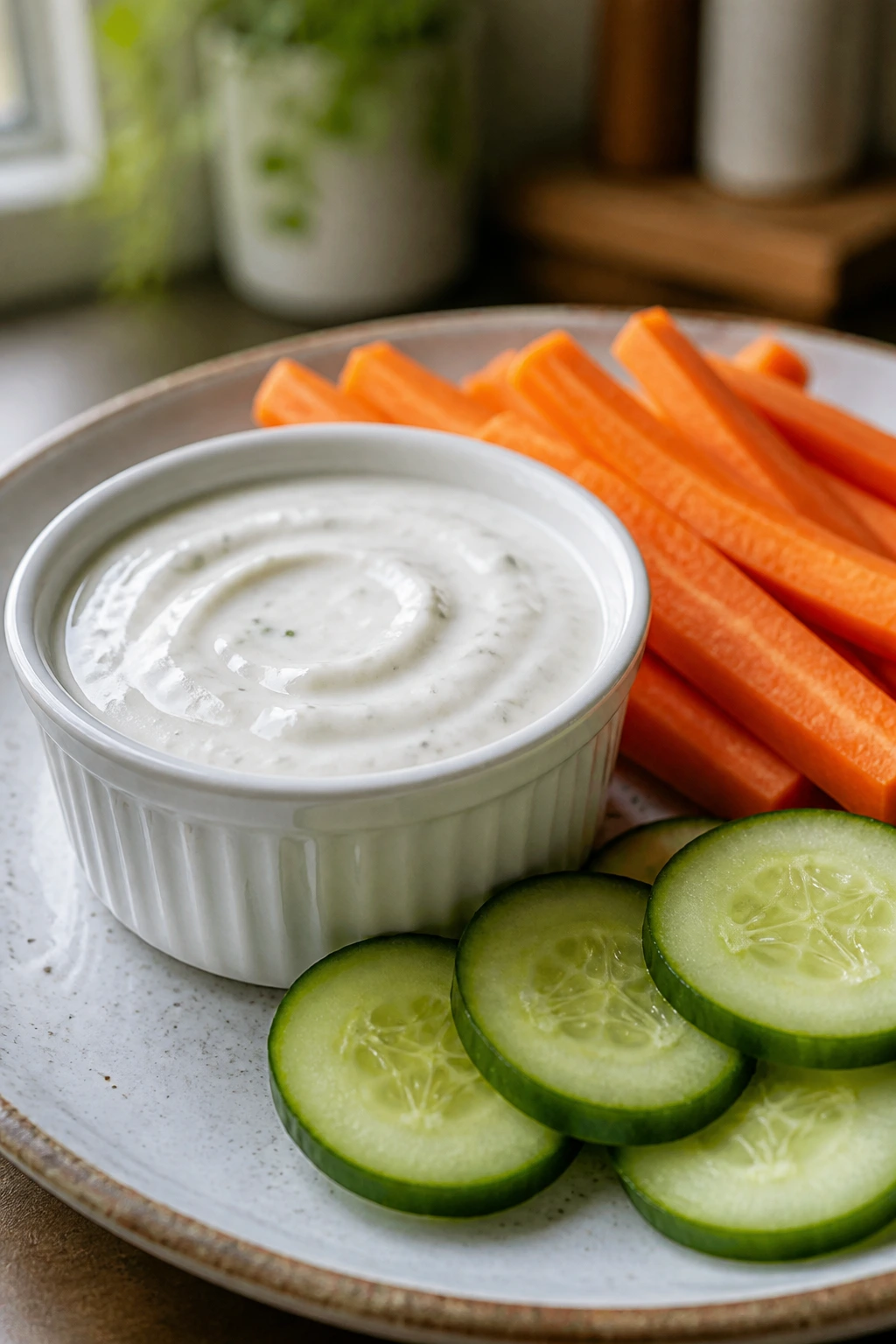
A lot of picky eaters are not rejecting the food as much as they’re rejecting the way the food enters the mouth. Dip solves that. It gives the child control over flavor, moisture, and pace. That’s why ketchup can rescue a whole plate of potatoes, and why ranch has survived several generations of family dinners.
The important part is serving the dip on the side. Do not pour it over everything unless you already know the child wants that. A tiny ramekin, a spoonful on the edge of the plate, or a squeeze into a separate compartment keeps the food looking clean and lets the child decide how much to use.
Dips that usually earn their keep
-
Ketchup: works with potatoes, nuggets, meatballs, and even some vegetables if the child likes the sweetness.
-
Ranch: useful with carrots, cucumbers, chicken strips, and roasted potato wedges.
-
Marinara: an easy bridge for pasta, breadsticks, and mozzarella sticks.
-
Yogurt dip: good with fruit, cucumbers, pita, and baked chicken.
-
Peanut butter or seed butter: strong with apples, celery, bananas, or toast.
A dip can also soften a texture problem. Dry chicken may become acceptable with ranch. Raw carrots may feel less sharp with hummus. Plain noodles may feel less boring with a little butter and parmesan. None of that is fancy. It just works.
Be careful with the amount, though. Too much sauce turns everything into one mixed texture, and that can spook a child who wants to see separate pieces. A little dip goes a long way.
Sneaking Nutrition Without Triggering the Alarm
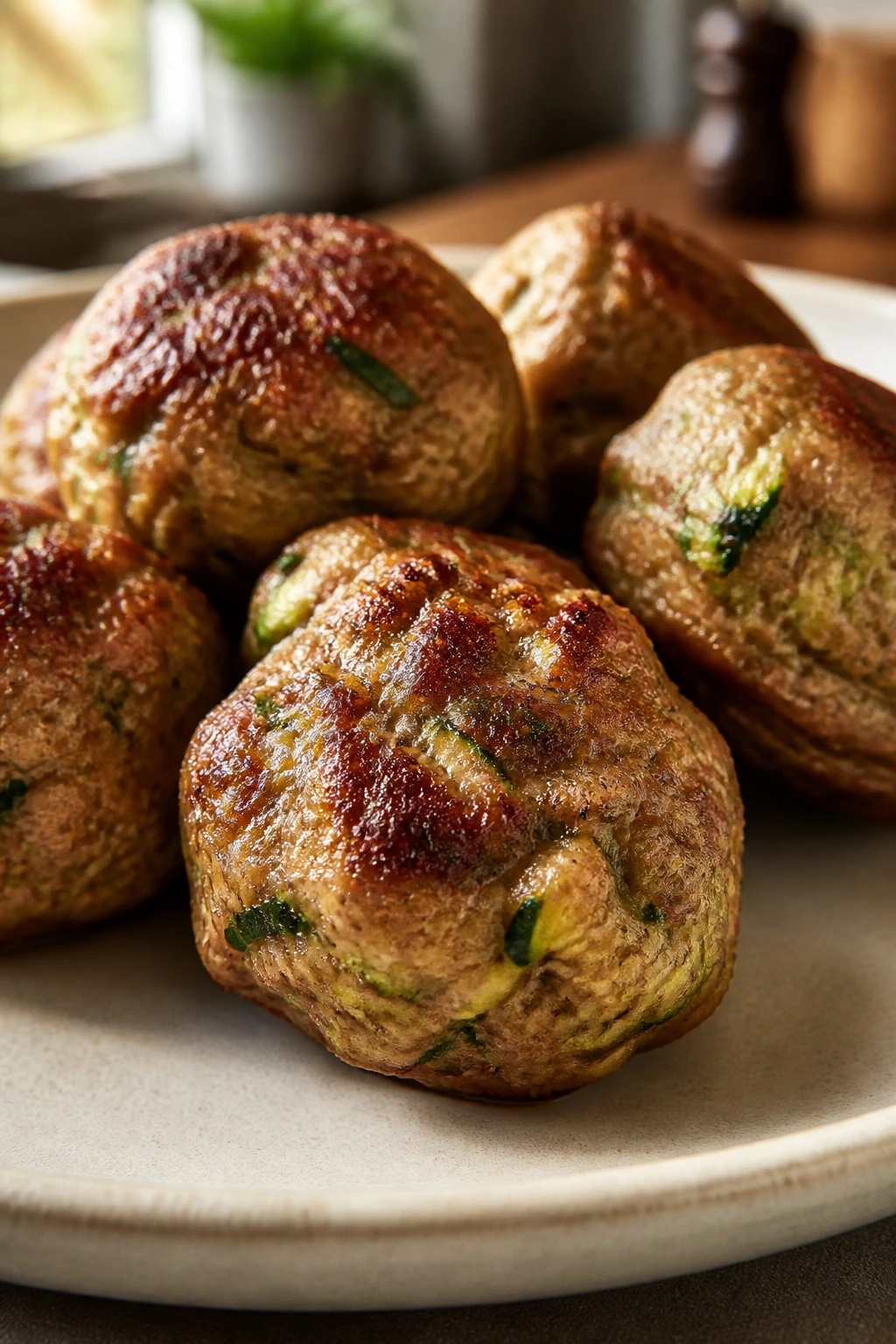
I’m not against hiding vegetables in meals, but I am against pretending that a blender fixes the whole problem. If a child trusts a dish and later discovers it tasted “different” in a way that feels deceptive, you’ve traded a short-term win for a long-term bruise. That trade is not worth it.
Use hidden nutrition with a light hand and a straight face. Grated zucchini in meatballs can disappear if you keep the ratio low. A spoonful of pumpkin in pancake batter can add color and moisture without changing the feel much. A few spinach leaves blended into a fruit smoothie will vanish if the fruit is bold enough. The point is to support the meal, not disguise it beyond recognition.
Tiny additions that usually stay in the background
-
1/4 cup pureed white beans in a soup or sauce can add body without a bean taste.
-
2 to 3 tablespoons finely grated zucchini in a batch of meatballs disappears better than a big pile.
-
1/4 cup pumpkin purée in pancake batter adds moisture and color without turning breakfast into dessert.
-
A small handful of spinach in a berry smoothie fades behind banana and berries.
-
1 to 2 tablespoons ground flax in oatmeal, muffins, or pancakes is often invisible if you don’t overdo it.
The real trick is to keep the texture familiar. If your child likes a soft meatball, don’t turn it into a wet loaf. If they like a fluffy pancake, don’t make it dense with too much add-in. A hidden ingredient that changes texture will get spotted faster than one that simply nudges the nutrition.
And if your child catches you? Own it. Don’t make a huge speech. Say, “Yep, there’s a little zucchini in there,” and move on. Calm honesty travels farther than stealth.
Smart Grocery Shopping for Picky-Eater Kitchens
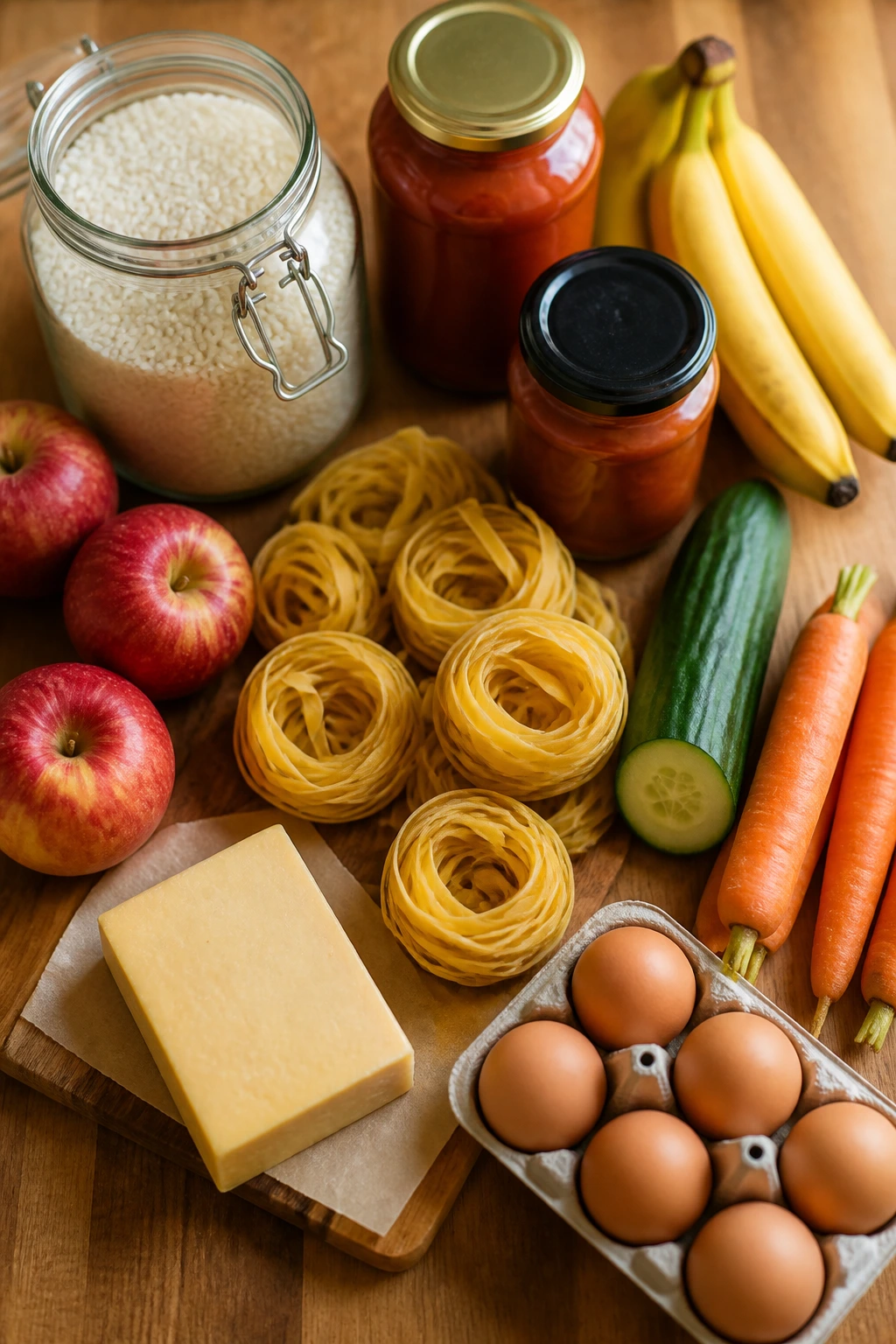
A picky-eater kitchen needs fewer random items and more repeatable building blocks. I like to shop the way I cook for this kind of home: with cross-use in mind. One ingredient should show up in three or four meals, not sit in the fridge waiting for a heroic moment that never comes.
Buy a few sturdy staples that can be dressed up or left plain. Pasta. Rice. Tortillas. Potatoes. Eggs. Cheese. Chicken. Yogurt. Apples. Bananas. Frozen berries. Frozen peas or corn. Bread. Crackers. A jar of marinara. A mild dip. That list doesn’t sound exciting, and that’s fine. It’s practical.
The shopping list I’d trust first
-
2 safe starches: pasta, rice, tortillas, potatoes, or bread.
-
2 proteins the child already tolerates: eggs, chicken, turkey, cheese, yogurt, beans if they’re already accepted.
-
3 fruits or vegetables in easy shapes: apples, grapes, cucumbers, carrots, berries, corn.
-
2 sauces or dips: ketchup, ranch, marinara, yogurt dip, hummus.
-
2 backup snacks: crackers, pretzels, mini muffins, dry cereal.
Frozen produce is worth using. Frozen berries are often better than soft fresh ones for smoothies, and frozen peas or corn can be easier to portion than a bag of fresh vegetables that spoils in two days. Rotisserie chicken is also a useful shortcut because it can become lunch, dinner, or snack meat if you shred it while it’s still warm.
I’d rather see a pantry built around 12 reliable items than 40 half-used ones. That’s where waste creeps in. Buy what repeats.
Serving Tricks That Lower the Pressure
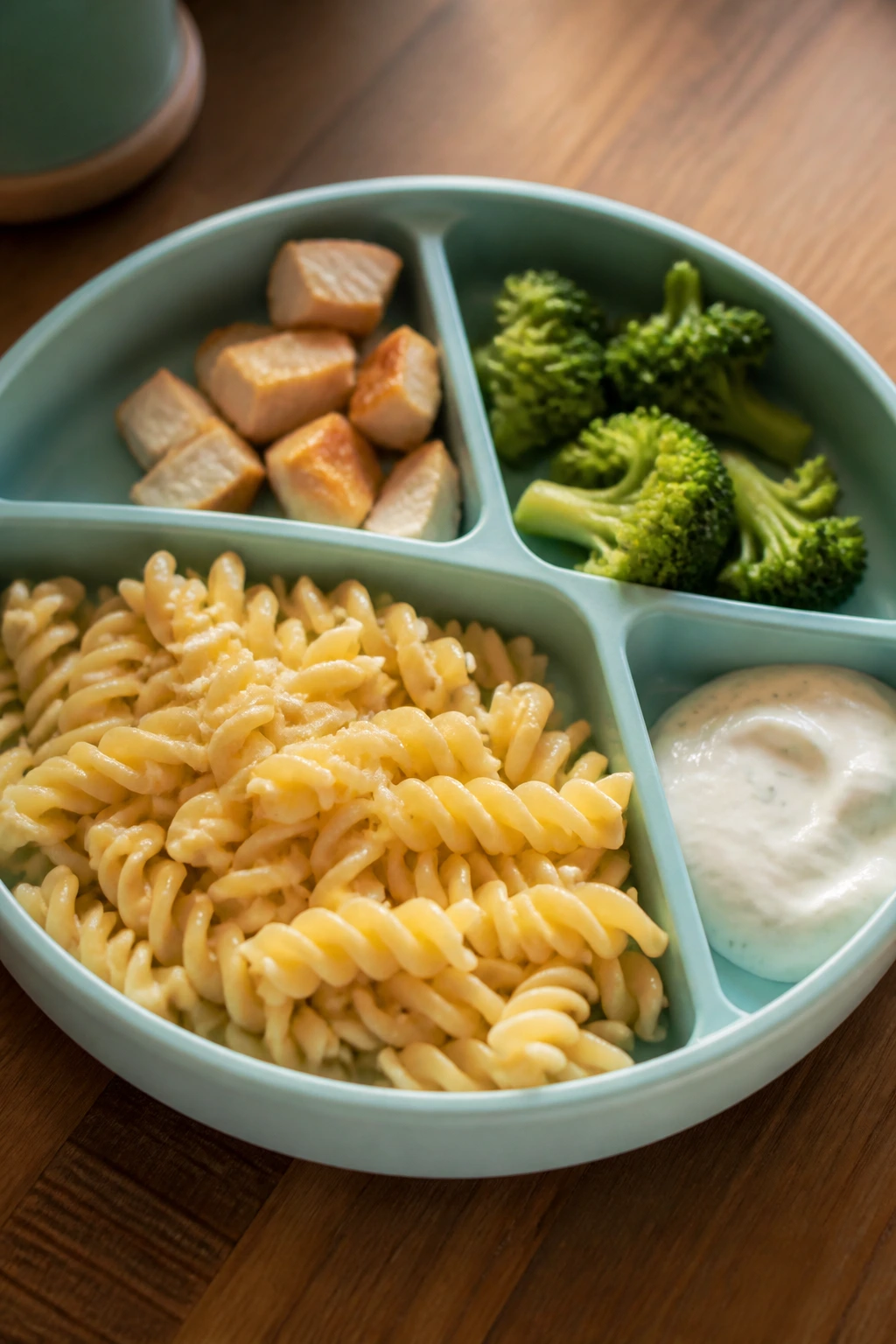
The plate matters more than most people want to admit. A divided plate, a muffin tin tray, or a small plate with clearly separated piles can make a meal feel safer before the child even takes a bite. Some kids are fine with food touching. Others act as if the peas and the pasta are in a custody battle. You learn which child you’ve got.
Keep portions small. A spoonful of rice, two chicken strips, three carrot coins, and a few grapes can look manageable. A full adult plate can feel like a dare. When the portions are tiny, the child can finish one thing and feel done, which builds momentum.
A calmer plate usually looks like this
-
One familiar food in the largest portion.
-
One protein in a small, readable shape.
-
One new food in a tiny amount.
-
One dip or sauce on the side.
If the child helps build the plate, even better. Put the components in little bowls and let them choose what lands where. That tiny bit of control can reduce resistance before the meal starts.
I also like to serve new foods alongside old favorites instead of replacing them. Change one piece at a time. A child who accepts plain pasta may tolerate pasta with a dusting of parmesan before they ever accept tomato sauce. Let the meal move in inches.
When Dinner Comes Back Untouched
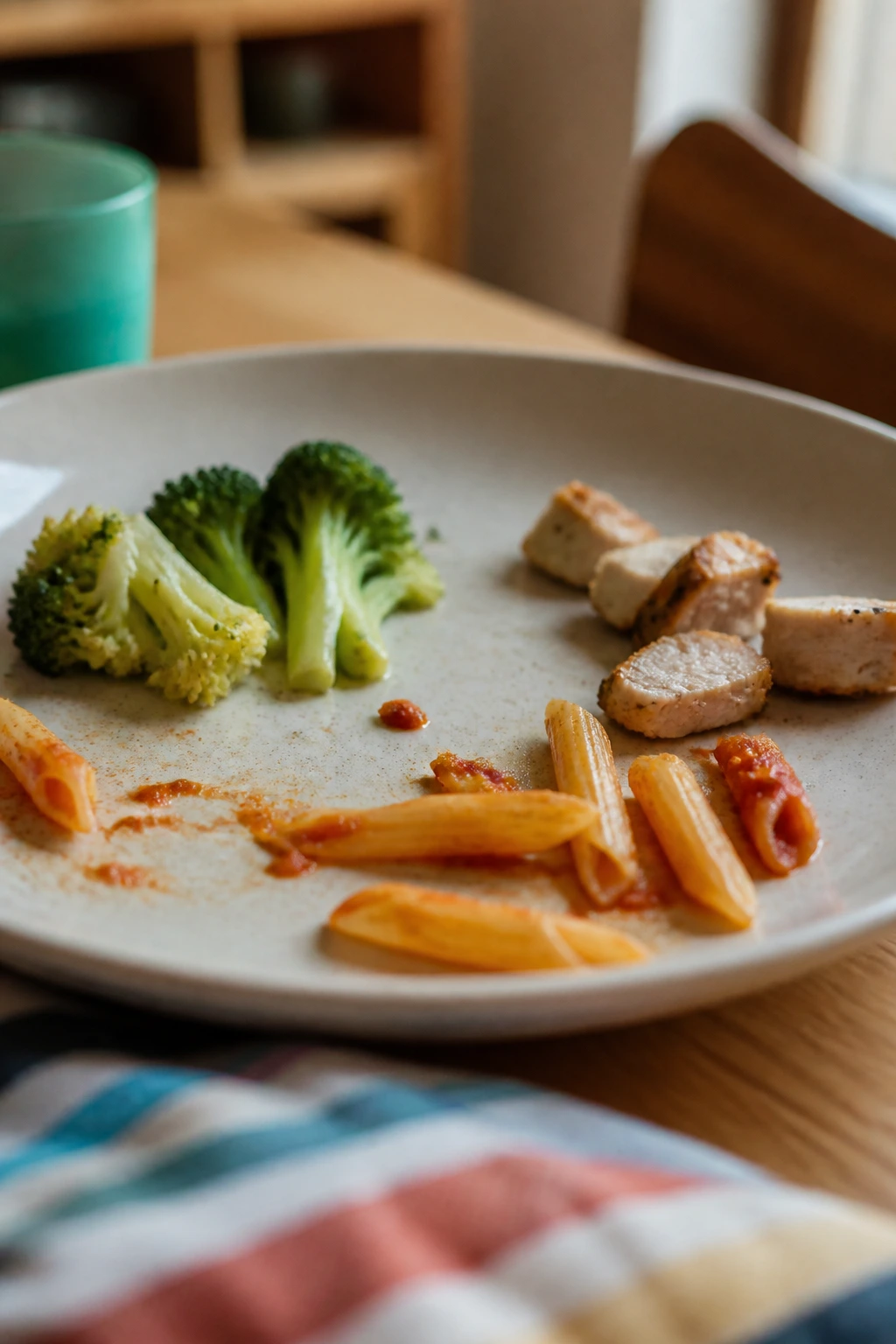
A plate that comes back untouched can ruin the mood fast. I get it. But a cold response from the grown-up table usually makes the whole problem bigger. The child learns that dinner is an exam, and exams are stressful even when the content is simple.
Stay calm and keep the routine. Offer the meal, point out the safe food, and leave room for the child to decide what they’ll eat. If they skip a new food, that does not mean the meal failed. It means the food showed up and got counted as a real exposure, which matters more than a dramatic bite.
What to do in the moment
-
Keep your tone neutral.
-
Don’t swap in a different meal immediately.
-
Leave one safe item on the plate.
-
Avoid lectures, bargaining, or “just one bite” speeches that stretch on too long.
A child who is hungry later can be offered the next planned snack or the next meal, not a whole new menu. That part can be hard, especially if you’re worried they’ll go to bed hungry. Most children will not starve in one evening. What they do need is predictability.
When the issue may be bigger than ordinary pickiness
If a child gags often, chokes, has pain while eating, drops weight, avoids whole textures, or seems anxious around all food groups, that is not the same as a kid who prefers pasta over peas. At that point, it makes sense to talk with a pediatrician or a feeding specialist. A hard-to-please eater and a child with a feeding issue can look similar from across the room. Up close, they are not the same thing.
Tiny Tweaks That Make Dinner Easier
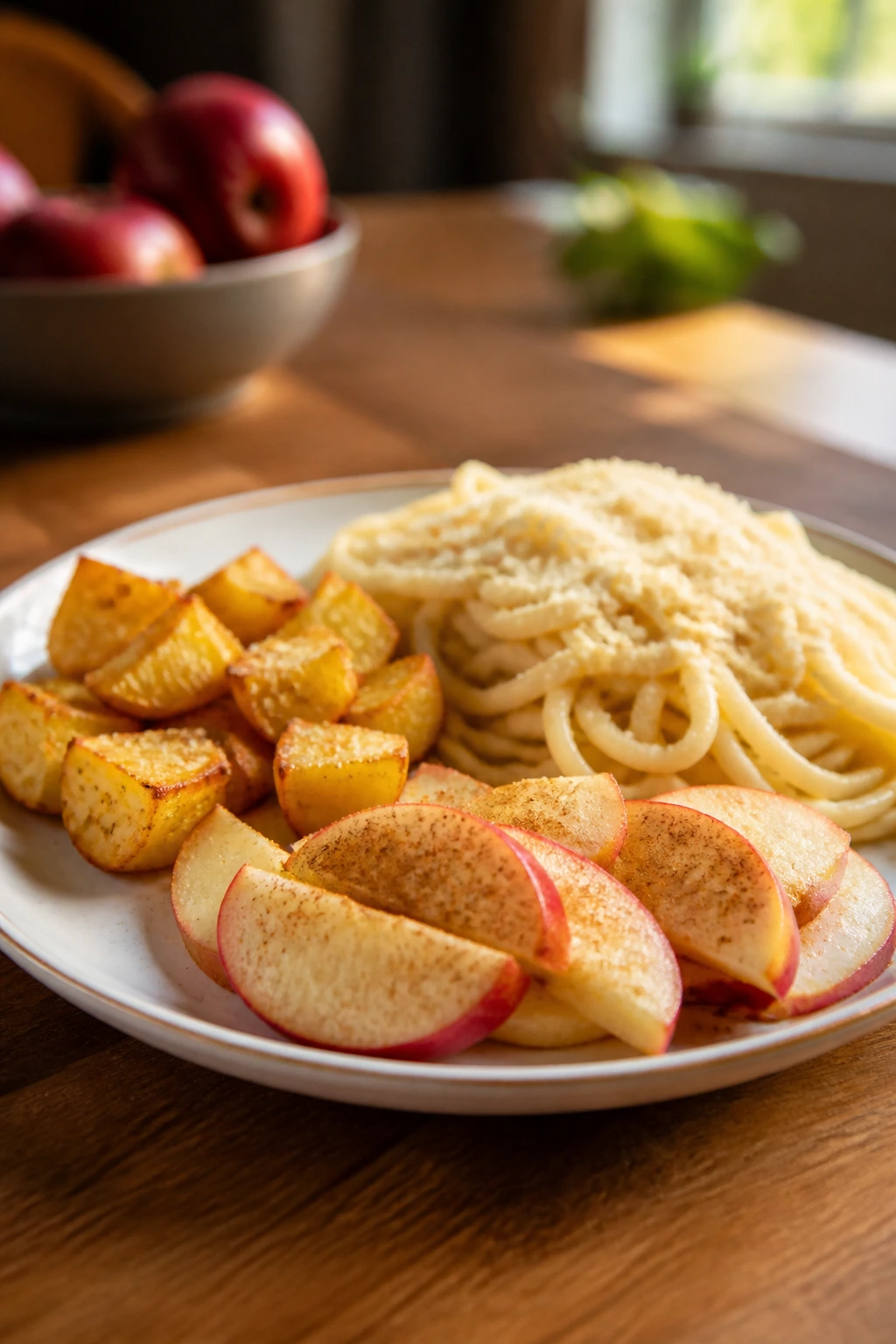
Some advice is dramatic and useless. This section isn’t that. These are the little changes that change the whole tone of the meal.
Flavor Drift: Season one family staple just a little more than usual. A pinch of garlic powder on roasted potatoes, a dusting of parmesan on noodles, or a tiny amount of cinnamon on apples can make the food feel new without looking new. The key is one move at a time, not a whole spice drawer dumped into the pan.
Texture Match: Match the texture your child already trusts. If they like crunchy chicken nuggets, bake breaded chicken strips until the outside is crisp. If they accept soft pasta, don’t suddenly switch to al dente and call it a win. Keep the bite familiar first; change the flavor second.
Time-Saver: Batch the parts, not the finished meals. Roast a tray of chicken, cook a pot of rice, and chop cucumbers once. Then turn those into lunches, dinners, and snacks across two or three days. Shorter prep means you’re less likely to panic-cook a separate dinner at 6:40 p.m.
Pro Move: Let the child assemble something. Taco bowls, snack plates, yogurt parfaits, and build-your-own toast all work because the child gets to choose. Control lowers resistance. It’s annoying, yes. It also works.
Cost-Saver: Lean on frozen produce and store-brand basics. Frozen corn, peas, berries, and green beans are often just fine in kid meals, and they cut waste because you can use exactly what you need.
One more thing. Don’t hide every change. If a child needs one plain thing, keep one plain thing. That is not failure. That is the bridge.
Mistakes That Make Picky Eating Harder
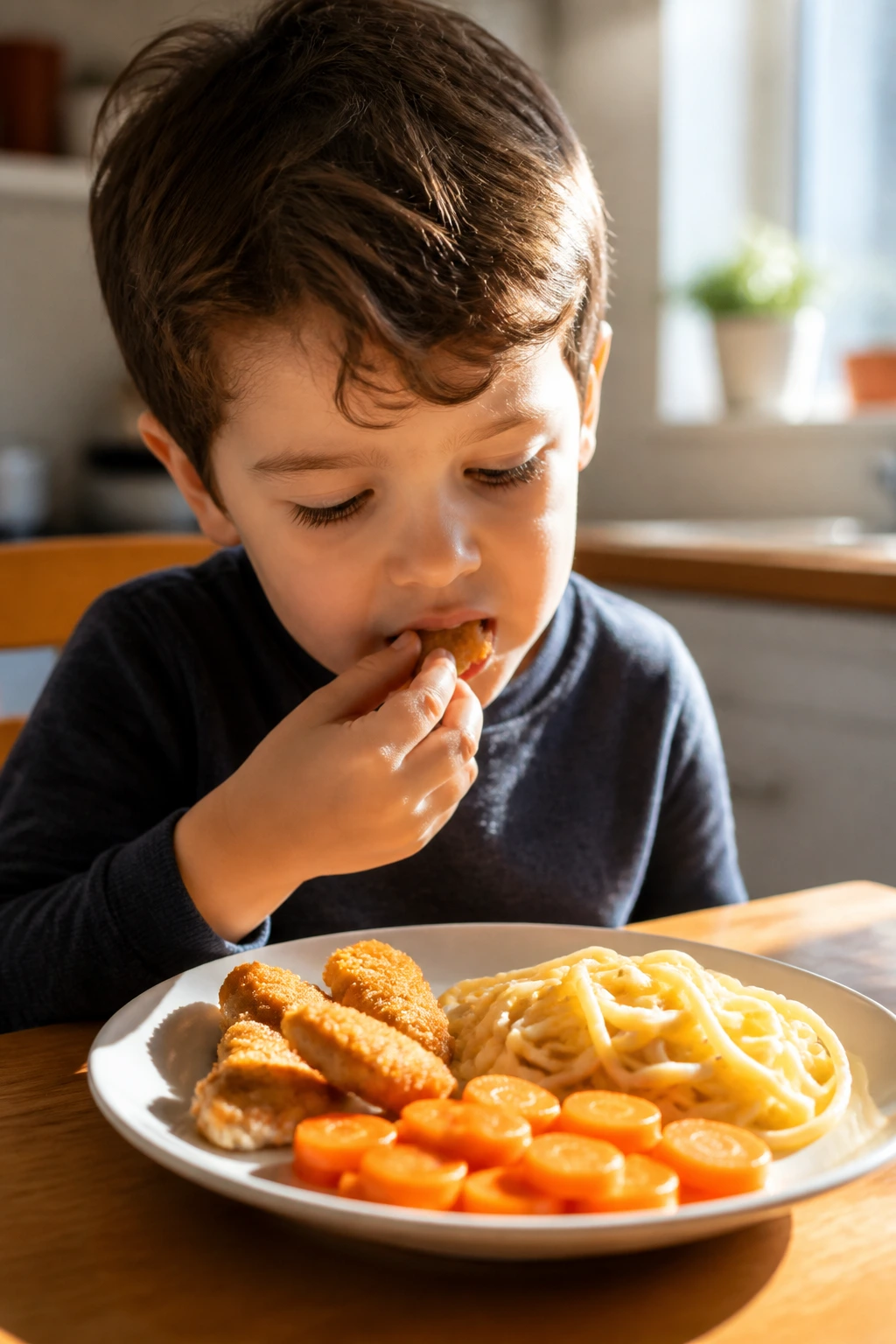
The most common mistakes are surprisingly ordinary. They come from good intentions and bad timing.
-
Making a second meal every night: If the child learns that refusal leads to custom noodles, they have no reason to build tolerance. Keep one safe food on the table, but don’t turn into a restaurant kitchen.
-
Serving too much food: A crowded plate can make a child freeze. Fix it by starting with tiny portions and offering more only after the child asks or finishes the safe items.
-
Changing too many things at once: New sauce, new protein, new vegetable, new plate. That is too much. Change one thing and keep the rest steady.
-
Talking too much about bites: “Just try it” gets old fast. So do rewards, threats, and long lectures. Keep the language plain and brief. Offer. Pause. Move on.
-
Letting snacks erase dinner hunger: If the child grazes all afternoon, the dinner plate won’t have much chance. Build a snack routine with a clear cutoff before the meal.
-
Assuming one refusal means forever: Kids are inconsistent. A food rejected one week may be accepted the next, especially if it shows up in the same shape, at the same temperature, in the same boring, useful way.
The fix is usually not more effort. It’s less noise.
Flexible Ways to Make the Same Meal Work
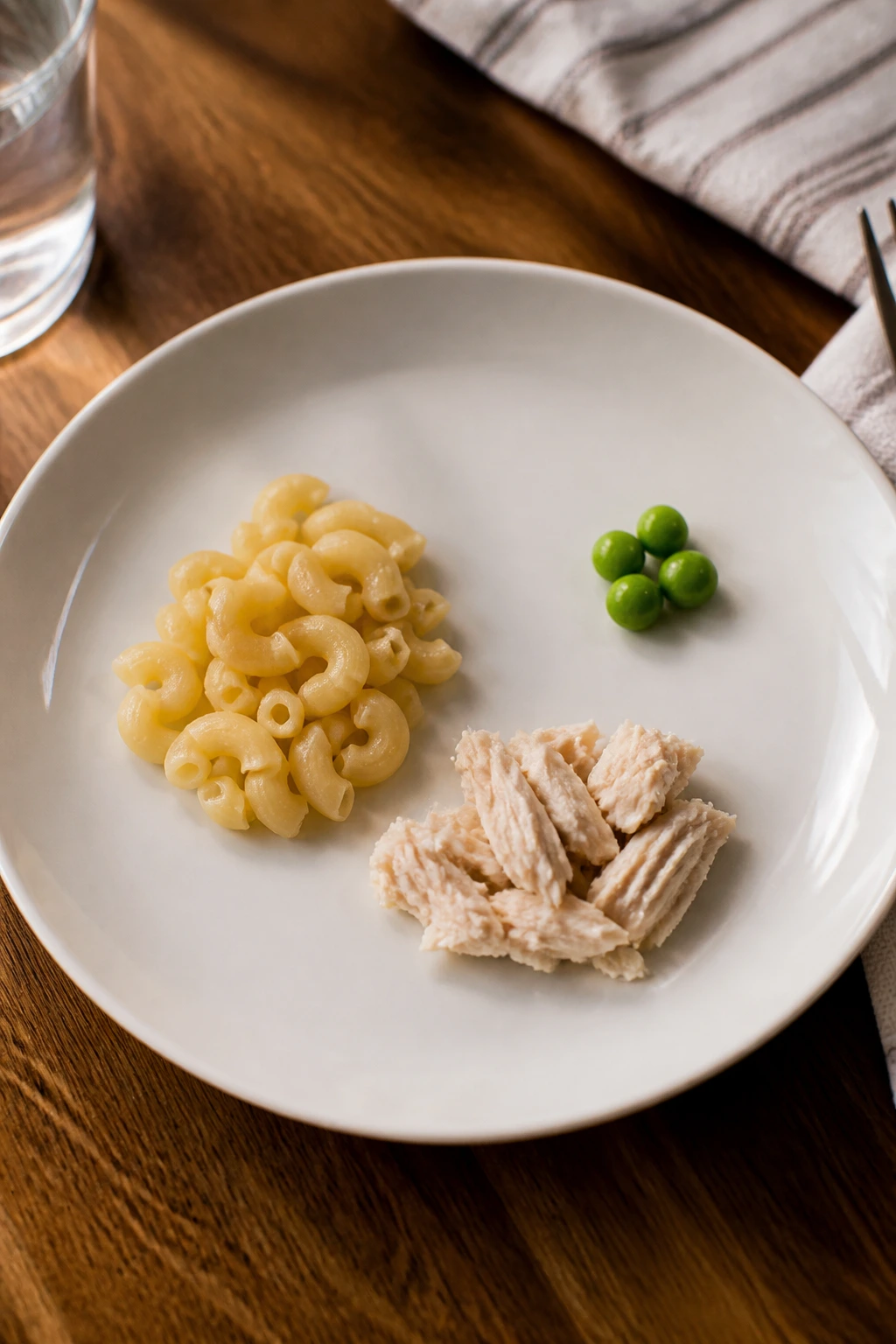
A rigid dinner plan can break on the first bad mood. Flexible meal styles survive because they bend a little.
The One-Safe-Food Plate: Serve one familiar starch, one small protein, and one tiny new item. Keep the new item separate and optional. This is the quietest way to stretch the menu without starting a debate.
Breakfast-for-Dinner Night: Scrambled eggs, toast, fruit, and maybe pancakes or waffles turn a hard evening into an easier one. Kids often accept breakfast foods because they already understand them, and parents get to stop fighting the clock.
Snack-Plate Supper: Cheese cubes, crackers, fruit, turkey slices, cucumber sticks, and a dip can become a complete meal when the family is tired. It works especially well when sitting down to a hot dinner feels too hard.
Deconstructed Taco Night: Put tortillas, meat, cheese, lettuce, tomatoes, beans, and salsa in separate bowls. Some kids build a taco. Some eat the components one by one. Both count.
Sauce-Bar Dinner: Keep the food plain and let the sauces do the talking. Marinara, ranch, ketchup, yogurt dip, or melted butter can turn a plain base into something the child recognizes as theirs.
Use the style that fits the night, not the fantasy of the night. That distinction saves dinner.
Tools That Make Picky-Eater Meals Easier
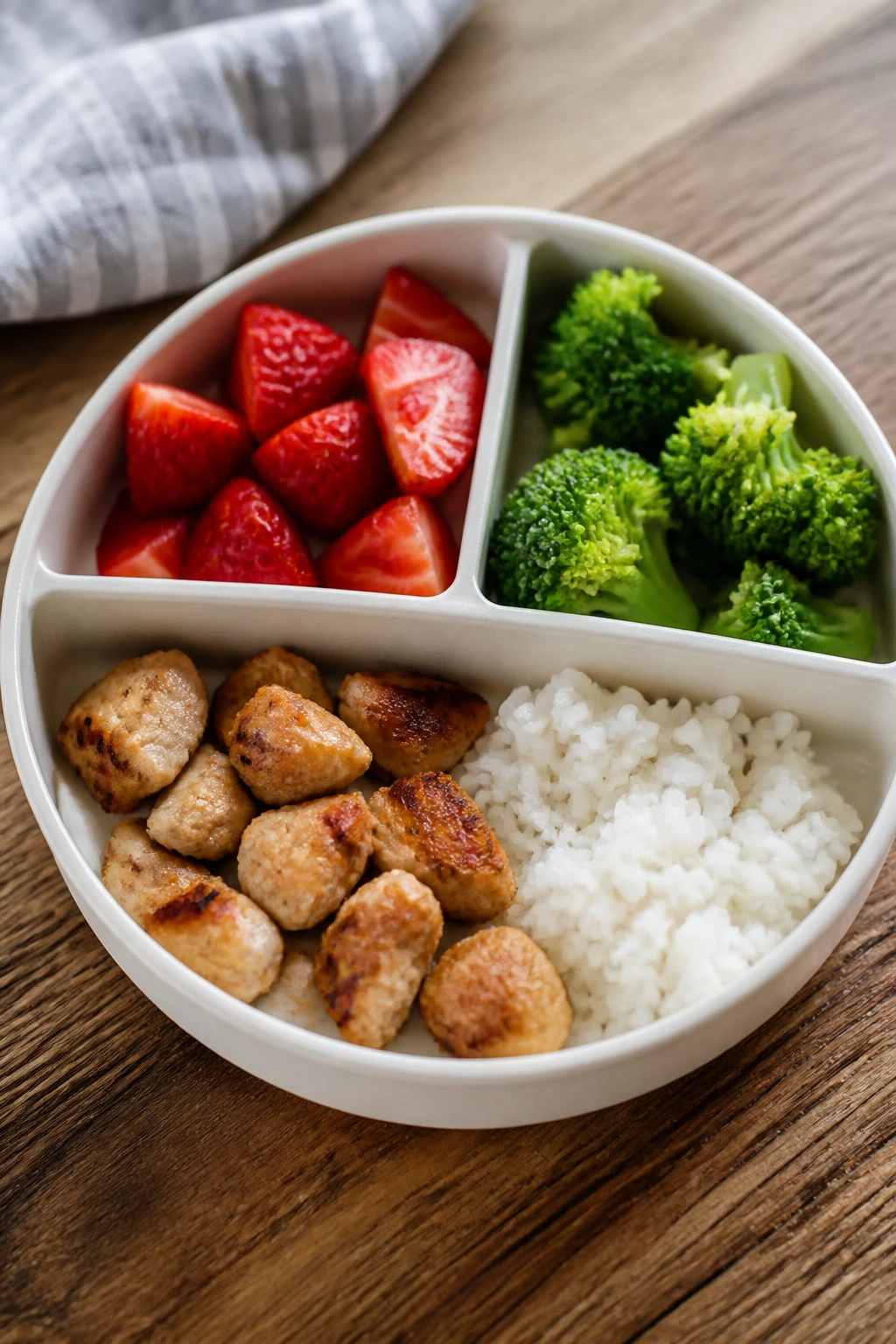
You do not need a drawer full of gadgets. You need a few tools that make food look clear and keep portions manageable.
-
Divided plates: Great for kids who hate food touching. The separate sections keep the plate calm and readable.
-
Small ramekins or condiment cups: These are ideal for dips, sauces, and tiny portions of new foods.
-
Mini muffin tin: Useful for snack plates, test portions, sauces, fruit, cheese cubes, and bite-sized meal builds.
-
Rimmed sheet pan: Roasts vegetables, chicken strips, potatoes, and nuggets evenly without a mess.
-
Sharp chef’s knife: A clean cut matters. Oddly shaped pieces can make picky eaters suspicious.
-
Kitchen scissors: Handy for cutting grapes, slicing quesadillas, and trimming chicken into smaller pieces fast.
-
Toaster oven or air fryer: Helpful for bringing back crunch in leftovers. Soggy reheated fries are a fast way to lose trust.
-
Airtight storage containers: Keep components separate so they don’t turn into one mushy leftover pile.
Small plates and small bowls are not childish in the insulting sense. They are useful. A huge plate with two sad bites on it makes food feel like a challenge. A smaller surface turns dinner into something a child can handle.
Leftovers, Meal Prep, and Keeping Foods Familiar
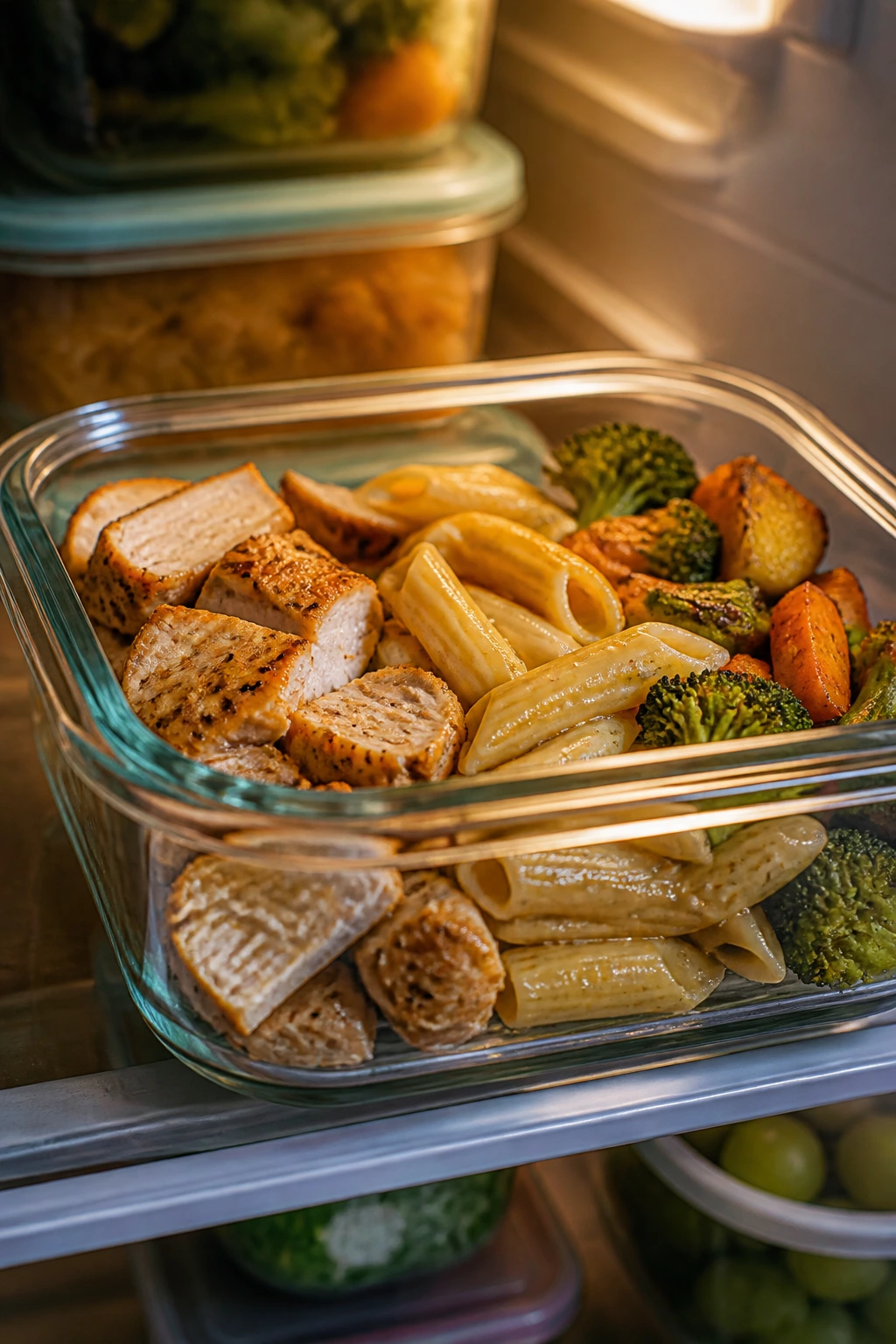
Picky eaters are picky about leftovers for a reason: texture shifts. Pasta dries out. Bread gets rubbery. Roasted vegetables soften. Chicken loses its crisp edge. If you want leftovers to get eaten, store them in a way that protects the parts the child already liked.
Keep cooked proteins and starches in the fridge for 3 to 4 days. That covers chicken strips, meatballs, pasta, rice, potatoes, and most simple casseroles. Sauces and dips usually hold for 4 to 5 days if they’re kept cold and sealed well. Fruit changes faster; cut apples and melon should be treated as short-life foods and used within 2 to 3 days.
Freezing helps when you batch the right things. Meatballs, pancakes, muffins, cooked rice, plain chicken pieces, and quesadilla wedges freeze well for up to 2 months. Wrap them tightly or store them flat in freezer bags so they don’t get freezer burn at the edges. Freeze in meal-sized portions, not one giant bag you’ll never open.
Reheating without ruining the texture
-
Crispy foods: Use a toaster oven or air fryer at 375°F until warmed through and the edges crisp back up. This is the best fix for nuggets, fries, and breaded chicken.
-
Soft foods: Microwave rice, pasta, or mashed potatoes with a splash of water and a loose cover so they don’t dry out.
-
Sauced foods: Reheat on the stove over low heat, stirring often, so the sauce doesn’t break or get grainy.
-
Lunchbox foods: Pack hot foods in an insulated container and preheat the thermos with boiling water first if you want them to stay warm longer.
I also recommend storing components separately whenever possible. Chicken in one container, pasta in another, dip in another. If everything sits together, the child may reject the whole batch just because one part changed too much.
Meal prep works best here when it’s boring and repetitive. Roast two trays of vegetables, cook two proteins, make one grain, and rotate the same safe toppings all week. That kind of repetition saves energy and reduces the odds of an emergency drive-thru run.
Questions Parents Ask at the Table
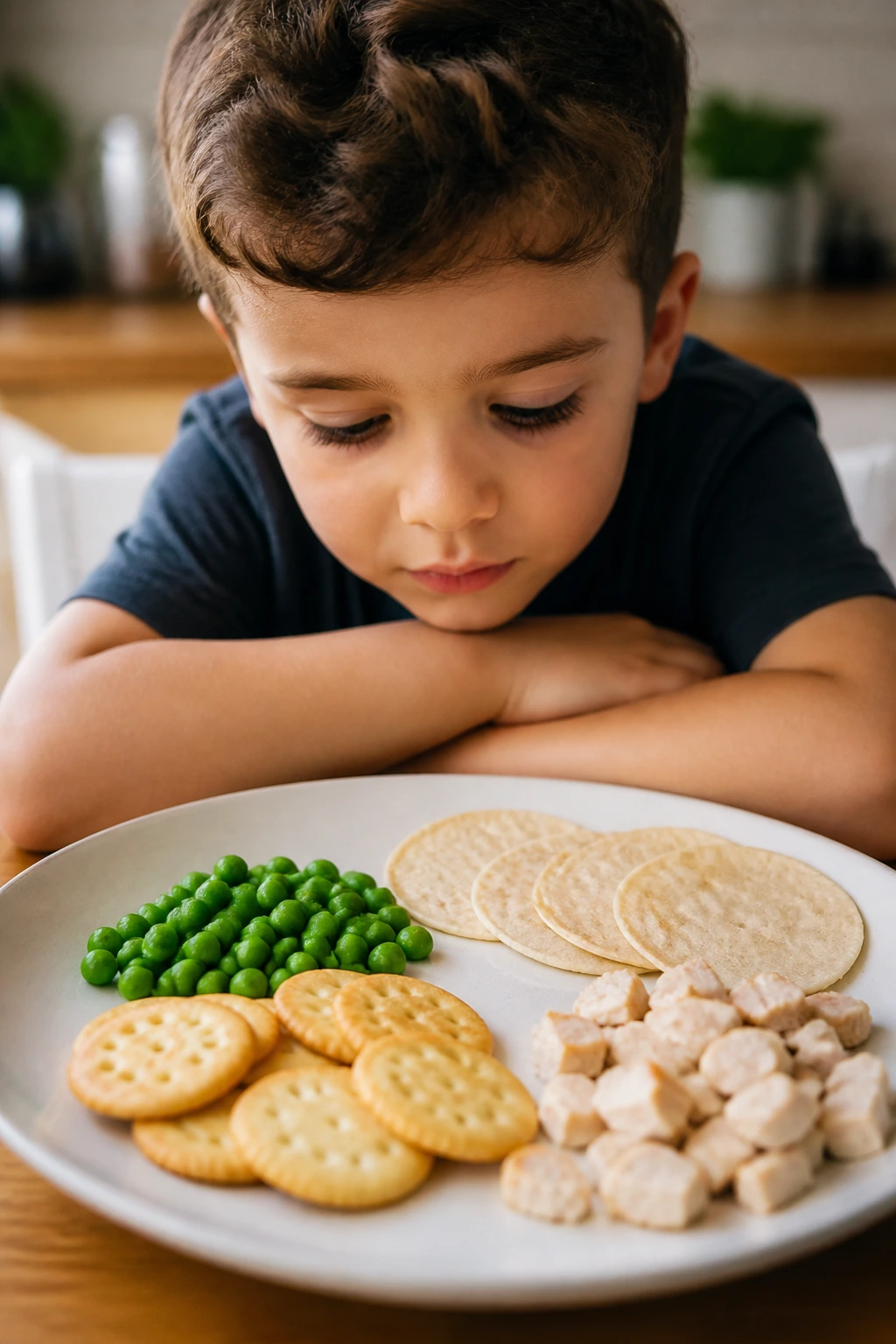
How many times should I offer a new food before I give up?
A single refusal means almost nothing. Many children need 10 to 15 calm exposures before they’ll taste a new food with any confidence, and some need more if the texture is unfamiliar. Keep the portions tiny and the tone neutral so each appearance feels like practice, not pressure.
Should I hide vegetables in everything?
Sometimes, yes, but lightly and honestly. A little grated zucchini in meatballs or a small scoop of pureed beans in soup can help, yet the real goal is to build tolerance, not make deception your main cooking style. If the child notices the change and feels tricked, the trust cost can be bigger than the nutrition gain.
What if my child only eats beige foods?
That phase is common, and it usually points to texture and predictability, not a lifelong truth. Keep offering one safe beige food plus one tiny non-beige food in a shape your child already likes, such as roasted orange carrots cut into coins or cucumber sticks with a familiar dip.
Is it a mistake to make a separate meal?
A separate meal every night teaches refusal. A separate safe food is different. Keep one trusted item on the plate so the child has something to eat, but avoid becoming a short-order cook for an entirely new menu after every protest.
What foods give the best chance of success for picky eaters?
Foods with stable texture usually win first: toast, pasta, rice, potatoes, chicken strips, scrambled eggs, cheese cubes, apples, grapes, and crackers. From there, move toward similar foods with tiny changes in seasoning, shape, or cooking method.
How do I handle a child who gags on certain textures?
Start by tracking the texture, not the food name. If mushy, mixed, or slippery foods trigger gagging, work around those first and talk with a pediatrician if the response is strong or frequent. Gagging that happens with many foods, or with pain, weight loss, or choking, deserves a closer look.
What is the best way to pack lunch for a picky eater?
Use a lunch that stays separate and dry: a starch, a protein, a fruit or vegetable in a familiar cut, and a small snack. If your child likes warm food, a preheated thermos can protect noodles, soup, or mac and cheese better than a cold sandwich ever will.
How do I know if this is normal pickiness or something more serious?
Normal pickiness usually stays selective but doesn’t block growth, swallowing, or a child’s general comfort with eating. If meals regularly involve gagging, pain, severe anxiety, or a very narrow list of accepted foods that keeps shrinking, it’s worth bringing up with a clinician who understands feeding issues.
A Softer Way to Serve Dinner
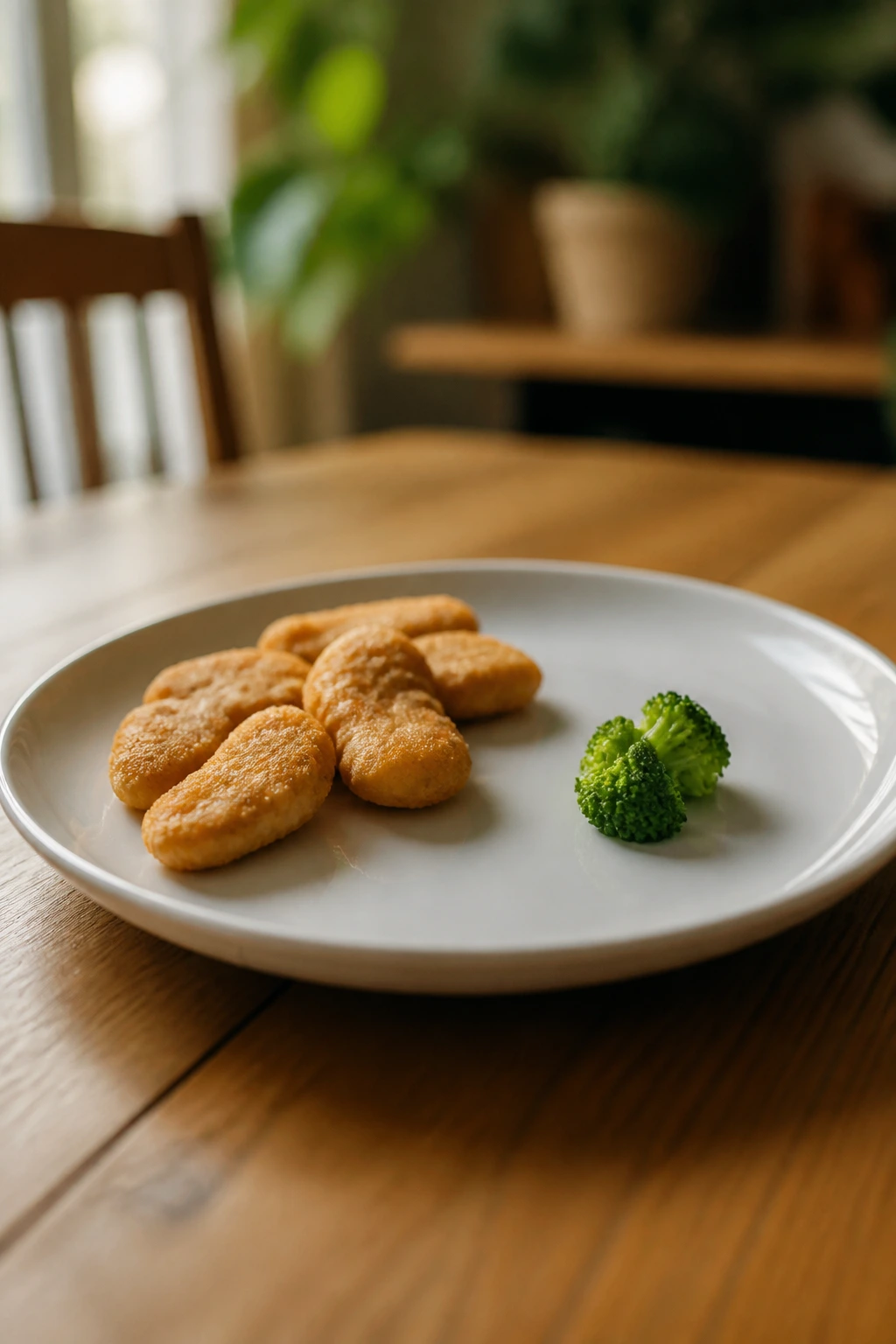
There’s a real difference between a child who needs a little structure and a child who needs a feeding evaluation, but both deserve the same basic respect at the table. Food should not feel like a trick, a test, or a tug-of-war. The calmer the setup, the more room a child has to try something without feeling cornered.
The best picky-eater meals are not about sneaking in victory. They’re about building a plate the child can recognize, trusting that repetition matters, and leaving enough room for small wins to count. One extra bite. One new dip. One vegetable that stays on the plate long enough to be touched. That’s progress, and it’s enough to keep going.
Start small tonight. One safe food, one tiny new food, and one quiet dinner without a speech about how great the broccoli is supposed to be.