



The peas are untouched, the chicken has been sliced into careful little strips, and somebody is already squinting at the sauce like it’s a legal document. Picky eaters kids will actually eat usually do not want a fancier dinner. They want a quieter one. Plain pasta, a familiar protein, a vegetable with some crunch left in it, and a dip cup they control can do more than any heroic casserole ever will.
What gets missed in a lot of family-food advice is that children are often reacting to surprise. A sauce puddle where they expected a dry bite. A mushroom hiding under cheese. A soft texture where they wanted a snap. Adults call that dinner. Kids call it a trap.
The goal is not to trick anyone. It’s to make the plate readable. Once a child can look at dinner and know where the safe food lives, the whole room gets calmer, and you can start moving from buttered noodles toward real family meals without turning every night into a standoff.
Why These Plates Work When Dinner Gets Stubborn
Familiarity lowers the volume at the table. A meal built around one known starch, one trusted protein, and one low-pressure fruit or vegetable gives a cautious eater fewer unknowns to inspect.
Texture matters before flavor does. Crispy chicken, firm cucumber, and pasta with a little bite are easier to accept than soft, mixed, or mushy food.
Control changes everything. A little bowl of ketchup, ranch, marinara, or yogurt sauce lets kids decide how much flavor lands on the bite instead of forcing the whole plate into one taste.
Separate parts beat mixed-up food. When peas, rice, and chicken are all touching, a child who dislikes one piece often rejects the whole thing. Keep the parts visible and the resistance usually drops.
Leftovers need to survive the fridge. The foods that work best for picky eaters usually reheat without turning weird. That matters more than people think, because the second dinner should not require a second opinion.
The same base can feed different ages. A toddler, a six-year-old, and a tired adult can all eat from the same tray if the food is straightforward enough. That is the whole trick.
What to Buy When Half the Plate Has to Feel Familiar
A calm dinner starts in the grocery aisle, not at the stove. If you know you’re feeding selective eaters, buy food that can stand on its own first and dress itself up later. That means a short list of true staples: a couple of starches, a couple of proteins, one or two vegetables that keep their shape, and at least one dip or sauce the kids already recognize.
Short pasta shapes are worth their shelf space. Rotini, shells, bow ties, and elbow macaroni hold a little butter or cheese without becoming slippery. Long noodles can work, but they ask for more coordination than some kids want to give dinner. Tortillas and small pita rounds do the same kind of job on the bread side. They feel familiar in the hand.
For protein, buy foods that can be plain, lightly seasoned, or breaded. Chicken tenders, meatballs, eggs, shredded chicken, mild turkey sausage, and cheese all fit that bill. If a protein only tastes good when it’s buried under a heavy sauce, it is probably not the right backup for a picky-eater night.
Produce is easier when you shop for shape, not just color. Cucumbers, apple slices, carrots, peas, corn, sweet peppers, and berries usually bring something predictable to the plate. Frozen vegetables are worth keeping around too, especially peas and corn. They often taste steadier than limp fresh produce that’s been sitting in the drawer for too long.
A few backup foods save a lot of grief. Frozen waffles. Frozen meatballs. A bag of broccoli florets. A box of crackers that doesn’t feel like a reward for bad behavior. Keep a couple of these around and the pressure comes down fast.
Why Texture Wins Long Before Taste Does
The first thing kids notice is not flavor. It’s texture, smell, and whether the food behaves the way they expected.
Crunch, Squish, and the Middle Ground
A roasted carrot with browned edges feels safe in a way steamed carrots often do not. One has shape. The other collapses. That’s a big deal to a child who wants the food to stay where it was put.
Stringy chicken can get rejected even when it tastes fine. So can scrambled eggs that went a minute too long and turned dry, or pasta that’s been boiled past softness and now sticks together in a sad little clump. Adults may call all of that “fine.” Kids do not.
Temperature Changes the Whole Plate
Hot food smells louder. Cold food feels more predictable. A child who refuses a steaming bowl of soup may eat the same vegetables if they’re in a cool cucumber salad or tucked into a room-temperature wrap. The temperature is part of the texture story, even when nobody says it out loud.
That’s why dinner gets easier when the food is served at the right moment. Crispy things need to be crisp when they hit the plate. Buttered noodles need to stay glossy, not gluey. A child’s trust tends to fall apart when the food sits so long that the texture changes under their nose.
Visual Clutter Is a Real Thing
Mixed foods can read as messy before a single bite happens. A casserole with onions, mushrooms, peas, and cream sauce may be delicious to you. To a cautious eater, it looks like one object with too many surprises buried inside.
Clean edges help. Separate piles help. Even a triangle cut from a grilled cheese feels less risky than a torn-up pile of bread and cheese. The food does not need to be fancy. It needs to be readable.
The First-Bite Foods Kids Usually Trust
The foods that clear the first-bite test are rarely glamorous. They’re plain, squarely familiar, and easy to classify at a glance. That’s the whole point.
- Butter noodles or plain pasta with a little cheese: Rotini, shells, and elbows are easier to trust than a slick pile of long noodles.
- Chicken tenders or nuggets: Breaded edges and a dry exterior give kids a sense of control before the first bite.
- Scrambled eggs: Soft curds beat rubbery eggs every time. Pull them from the heat while they still look a little glossy.
- Cheese quesadillas: Crisp tortillas with melted cheese are one of the most reliable low-drama dinners in the house.
- Apple slices or grapes cut safely: Crisp fruit tends to feel cleaner and more predictable than soft fruit cups.
- Rice with butter or a little soy sauce: The grains stay separate, and that structure matters.
- Toast, rolls, or pancakes: Bread gives nervous eaters something simple to anchor the rest of the meal.
- Mild yogurt or cheese sticks: Cold dairy is often easier to accept than a warm mixed dish.
- Roasted carrots or corn: Sweet vegetables earn more trust than bitter or watery ones.
A lot of parents overthink this part. They want the child to love the whole plate. That’s a mistake. One food that gets eaten and one food that gets touched is a better night than a plate of expensive food nobody will go near.
Sauce Cups, Not Sauce Floods
Sauce helps, but only when the child decides how it shows up. Pouring marinara over pasta, drowning chicken in ranch, or glazing every bite in a glossy coating can backfire fast. A lot of kids do better with a little cup on the side and a spoon they control.
That tiny bit of distance matters. A ramekin of ketchup feels like a choice. A ketchup-coated nugget feels like a surprise. Same flavor, different mood.
The best side sauces are usually the mild ones: ketchup, ranch, barbecue, marinara, melted butter, honey mustard, plain yogurt dip, or a simple cheese sauce. Keep the cups small. Two ounces is plenty. The point is not to build a buffet of condiments; the point is to make the meal feel manageable.
Sauce also works as a bridge. If a child already likes plain noodles, try a spoonful of marinara on the side first, then a little mixed in next time. If they like chicken tenders, let them dip a corner, not the whole piece. That tiny shift gives them room to say yes without feeling cornered.
And yes, crispy food should stay dry until the last second. Once fries, nuggets, or roasted potatoes sit under sauce, they lose the texture that made them appealing in the first place. That’s a common mistake, and it’s an easy one to fix.
Deconstructed Meals Beat One-Bowl Dinners
A bowl full of mixed ingredients can be convenient for the cook and overwhelming for the kid. Deconstructed dinners solve that problem without making more work. You serve the same meal components, just separated enough that the child can inspect each piece on its own.
Taco night is the obvious example. Put tortillas, cheese, seasoned meat, lettuce, tomato, and salsa in separate piles. A child who refuses lettuce may still eat the tortilla, meat, and cheese. That still counts. A lot.
Pasta can work this way too. Keep plain noodles in one bowl, sauce in another, and toppings off to the side. A little parmesan, a few peas, and some chicken pieces can be added one at a time. The meal stays familiar while the child gets to control the risk level.
Snack plates count here, and I’m a big fan of them on tired nights. Cheese cubes, crackers, apple slices, cucumber spears, turkey slices, and a dip cup can become dinner fast. It looks casual because it is casual. That’s the point. Sometimes the most successful dinner is the one that doesn’t act like a lecture.
The same idea works with breakfast food, too. Eggs, toast, fruit, and hash browns can sit separately and still feel like a meal. Mixed food is not the enemy. Hidden food is.
Protein Choices That Tend to Get Eaten
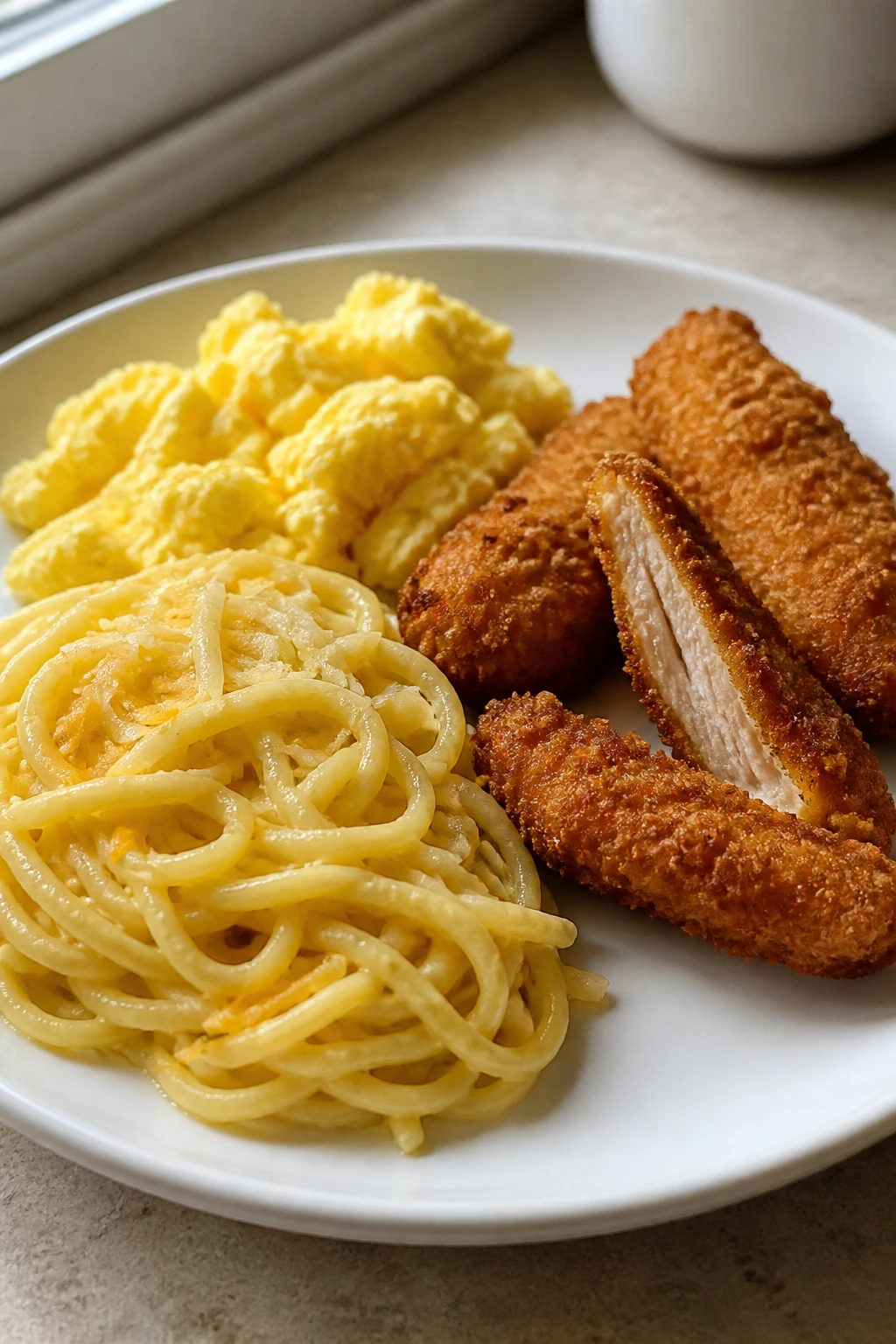
Protein is where a lot of dinner plans wobble. Kids will often accept a protein when it has the right shape, the right color, and the right amount of crunch or softness. They’ll reject the same ingredient when it arrives dry, stringy, or over-seasoned.
Chicken tenders are popular for a reason. The breading creates a predictable shell, and the inside stays soft if it isn’t overcooked. Meatballs work for the same reason. Round foods feel contained. They look finished before they reach the mouth.
Eggs are another useful protein, but only if they’re cooked gently. Scrambled eggs should be soft, not browned to a rubbery edge. Omelets work when they stay plain and folded neatly. Hard eggs are a tougher sell, though some kids will eat the whites if the yolk texture doesn’t bother them.
Cheese and yogurt deserve a place here too. A cheese stick, a small pile of shredded cheese, or a bowl of plain yogurt with honey can keep a meal from feeling too far away from breakfast or snack time. That matters when you’re trying to bridge a child from snacking to eating an actual dinner.
Shredded chicken is tricky. Some kids love it. Others hate the stringy feel, even if the taste is mild. If you need to use chicken in a nervous-eater meal, I’d rather see bite-size cubes, tender strips, or a well-breaded cutlet than a pile of loose shreds. Texture wins again.
Vegetables That Hold Up to the Kid Test
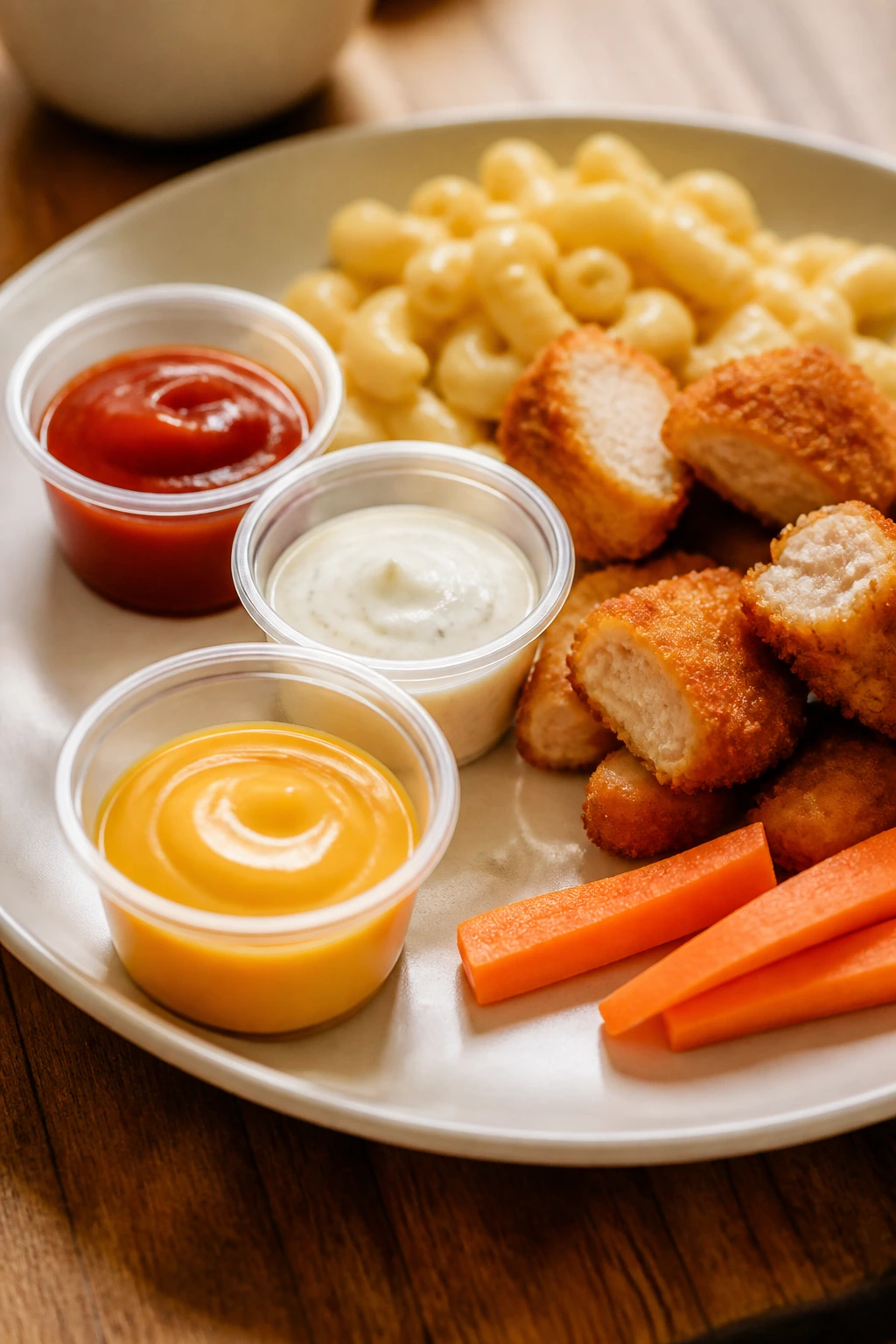
Not all vegetables ask for the same fight. Some are easier because they stay crisp, or sweet, or familiar enough to pass for a snack rather than a side dish.
Carrots are a strong candidate, especially when roasted until the edges caramelize. That slight browning turns the flavor sweeter and the texture more coherent. Steamed carrots can work too, but they need to stay firm. Limp carrots have a way of disappearing from the plate untouched.
Cucumbers are another easy sell when they’re cold, cut into spears or thick coins, and not swimming in dressing. They bring crunch and a clean taste. Same with snap peas. They’re bright, fast to eat, and less complicated than a mixed salad that looks like it’s been chopped by committee.
Corn is almost unfair. It tastes sweet, looks familiar, and stays its own little shape. Frozen corn sautéed in a pan with a little butter is one of the simplest ways to put a vegetable on the plate without starting an argument. Peas do better when they’re not overcooked into gray softness; keep them bright and tender.
Broccoli is where cooking method changes everything. Raw broccoli can be too bitter for some kids. Roasted broccoli with browned tips and a little salt? Different story. The edges crisp up, the smell gets sweeter, and the whole vegetable becomes less bossy. That one change can make a huge difference.
Starches That Make Dinner Feel Safe
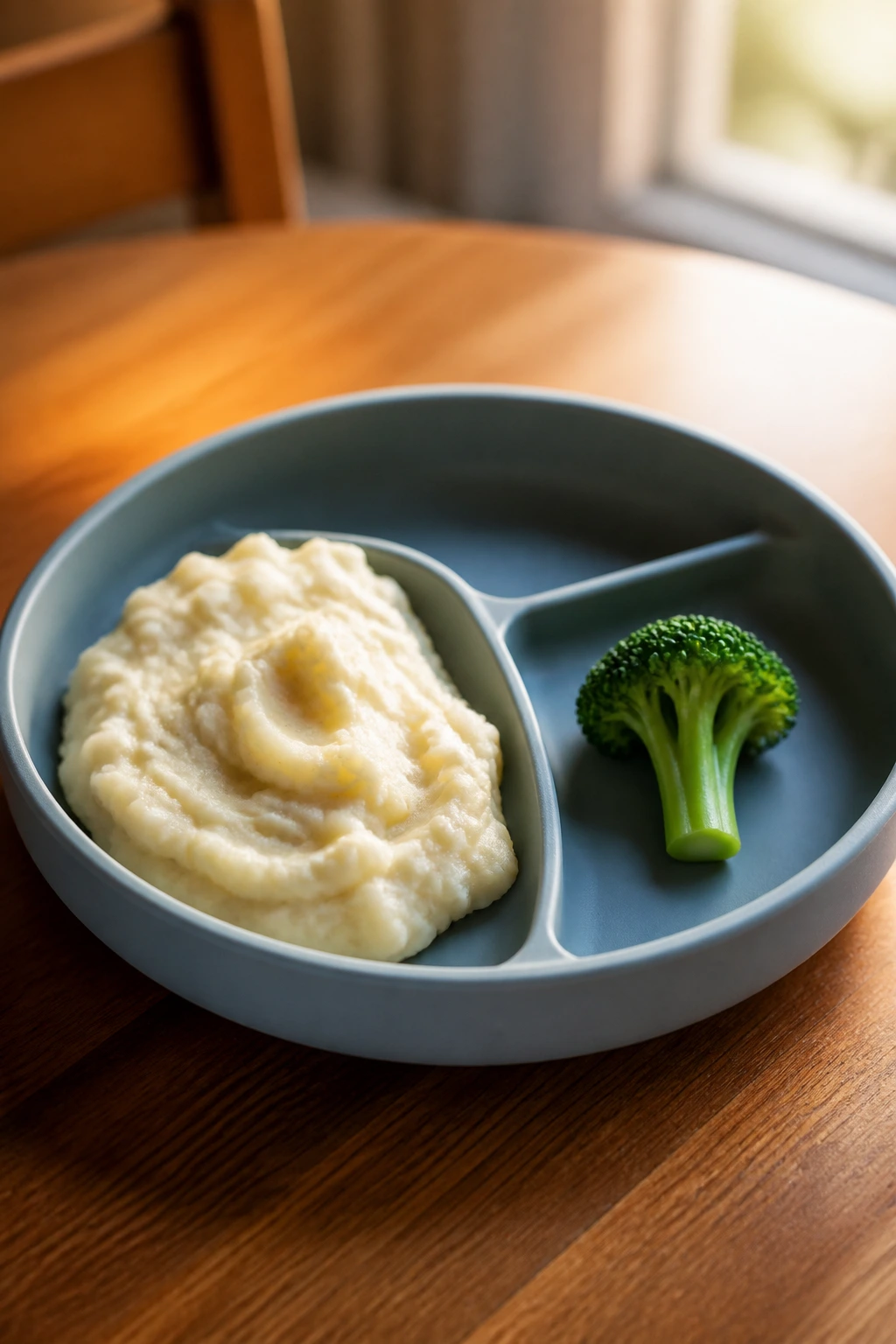
Starch is the anchor. It’s the thing many kids trust first, and it often buys enough goodwill for the rest of the meal to happen.
Plain pasta is the classic. Buttered noodles, a light sprinkle of parmesan, or a small spoon of red sauce on the side can carry the whole plate. Short pasta shapes are easier to manage than long spaghetti, and they feel less slippery in the mouth.
Rice works when it stays fluffy and separate. A scoop of rice next to chicken or vegetables can turn a noisy meal into a quiet one. Fried rice can be a bridge later, but plain rice with butter or a little soy sauce is the safer bet at first.
Potatoes are their own category of peace-making food. Mashed potatoes, roasted wedges, hash browns, and baked potato halves all give kids something solid and familiar. I’d rather see a plate with potatoes and a few carrot coins than a plate full of clever little bites that no one touches.
Bread matters too. Toast, dinner rolls, tortillas, pita rounds, and grilled cheese all give structure to a meal. Triangle cuts still matter more than they should. So do small pieces. A child often wants the shape to match the story they already have in their head.
Breakfast-for-Dinner and Other Low-Drama Plates
Breakfast food at dinner is not a gimmick. It’s a pressure release valve.
Scrambled eggs, pancakes, waffles, toast, and hash browns usually come with fewer objections than a lot of savory dinner foods because they’re already part of the child’s mental furniture. They know what these foods are. They know how they behave. That alone lowers the temperature in the room.
Keep the eggs soft and stop cooking before they dry out. A little butter in the pan helps. Pancakes and waffles should be plain enough to accept syrup or fruit, but not so dry they need rescuing. If you serve syrup, keep it on the side for kids who dislike wet bread.
Breakfast burritos are a useful middle step. Eggs, cheese, and maybe a little potato wrapped in a tortilla can feel familiar without becoming boring. If a child likes cheese quesadillas, breakfast burritos are not that far away. Food chaining works because the distance is small.
And there’s another thing breakfast-for-dinner does well: it lets you feed a tired child without demanding a “real dinner” performance. Some nights, that matters more than culinary dignity. Food is food.
How to Build a Plate With One Safe Food and One Stretch Food
The cleanest family-dinner framework I know is the old division-of-responsibility model associated with Ellyn Satter: adults choose what food is offered and when; kids choose whether to eat and how much. That sounds simple. It is simple. Harder to live with, maybe, but simple.
The Adult Job
Your job is to put food on the table that has a decent chance of being eaten. That means one safe food the child already trusts, one protein, one fruit or vegetable, and maybe a dip or sauce on the side. The meal does not need eight choices. Four is enough.
The Child Job
The child gets to decide what goes in the mouth. Not what gets cooked. Not what gets bought. Not whether broccoli is “ruined forever” because it was on the same plate as chicken. The child decides how much to eat, and some nights that amount will be tiny. Fine.
How Much Stretch Is Enough
Tiny. Smaller than most adults think.
A stretch food can be one broccoli floret, two cucumber coins, a spoonful of peas, or a bite-size piece of roasted pepper. The goal is exposure, not a victory lap. A child may need to see the same food on the table many times before it stops feeling suspicious. Ten calm exposures is not a magical number, but it’s a useful reminder that the first refusal does not mean much.
Food chaining helps here too. If a child eats plain noodles, move to buttered noodles. Then noodles with parmesan. Then noodles with a few peas. Then noodles with chicken. One change at a time. No surprise leaps.
And no pressure. Pressure makes food louder.
Tiny Adjustments That Make More Food Get Eaten
A picky-eater dinner often turns on small, boring details. Not magic. Details.
Flavor Enhancement: A pinch of salt on roasted carrots, a little butter on rice, or a dusting of parmesan on broccoli can make a food taste more like itself and less like a punishment. A squeeze of lemon over chicken can brighten it without making it taste “adult.”
Customization: Let kids choose one part of the meal. The dip. The shape of the pasta. The color of the fruit. Choice inside a narrow frame works better than open-ended “what do you want?” questions, which can turn dinner into a referendum.
Serving Suggestions: Use small ramekins, divided plates, or even muffin cups on a tray to keep foods separate. Put the crunchy things away from the steam. Serve hot food hot and cold food cold. That sounds obvious until you remember how often dinner sits on the counter while somebody finds a shoe.
Make-It-Yours: Gluten-free pasta can replace wheat pasta without changing the whole meal. Dairy-free butter or olive oil can stand in for regular butter. Vegetarian families can lean on eggs, cheese, tofu, beans, and hummus. Low-sodium seasoning blends are useful, but keep the flavors mild; this is not the night to prove a point with cumin.
A lot of parents overwork flavor when they should be working structure. Make the food easy to identify. The rest follows.
How to Plate a Kid-Friendly Dinner Without Turning It Into a Lesson
Presentation: Put the safe food in a visible corner of the plate and keep the new food in its own small space. A divided plate helps, but a plain plate with breathing room works too. Food that stays separate looks calmer, and calm plates get eaten more often.
Accompaniments: Pick one or two easy sides, not five. A piece of toast, some cucumber spears, a few apple slices, or a little bowl of rice can support the main food without crowding it. If you add too many extras, the plate starts to look like homework.
Portions: Start small. A tablespoon or two of a new food is enough for a young child, and even older kids can get overwhelmed by adult-sized servings of unfamiliar food. If they want more, great. If not, the plate still did its job.
Beverage Pairing: Water is the safest default. Milk fits breakfast-style dinners, pasta, and toast. If you use juice, keep it modest; a big cup can flatten appetite before the first bite. The drink should support dinner, not compete with it.
The quiet version of dinner usually wins. Fewer speeches. Fewer questions. More eating.
Mistakes That Make Selective Eating Worse
Too many choices on one plate: A child who stares at six items is often telling you the plate is too loud. Fix it by cutting the number of options down to three or four and keeping at least one of them familiar.
Hiding vegetables so aggressively that the child notices the trick: If every bite feels like a trap, trust gets dented. Put vegetables out in the open, even if the amount is tiny. Honesty at the table pays off later.
Pressuring bites or bargaining with dessert: That almost always backfires. Kids can smell a deal from across the room, and the meal turns into a test. Keep dessert separate from the eating conversation.
Serving food after it has gone soft, soggy, or cold in the wrong way: Crispy food loses its edge fast. Reheat nuggets, fries, and roasted potatoes in the oven or air fryer, not the microwave, if texture matters. The difference is not subtle.
Expecting a new food to land perfectly on the first try: Some children need to see, smell, poke, and ignore a food several times before they touch it. That’s not failure. That’s how cautious eating often looks.
Turning every dinner into a separate production: If you cook a second meal every night, the picky eater becomes the center of the house. Build one meal with a safe piece in it, and stop there.
Variations and Alternative Approaches to Try
Snack-Plate Supper: Put together cheese cubes, crackers, apple slices, cucumber spears, turkey slices, and a dip cup. It feels casual, but it often works because each item is readable. Great for nights when nobody has the patience for a long sit-down meal.
Build-Your-Own Bar Night: Tacos, baked potatoes, pasta bowls, and quesadilla stations work because the child can assemble a plate without taking on all the flavors at once. Keep the toppings separate and the base familiar. One person may make a tiny cheese taco; another may load up everything. Both are fine.
Food Chaining Night: Start with a food the child already eats and shift one feature only. Plain noodles become buttered noodles. Buttered noodles become buttered noodles with parmesan. Then maybe a few peas. This is the slow road, but it’s a steady one.
Breakfast Reset: Eggs, toast, fruit, hash browns, and pancakes are useful when dinner has become a battle and you need a clean reset. The flavors are mild, the parts stay separate, and the kid usually knows what to do with the plate.
Freezer-First Weeknight: Keep frozen meatballs, waffles, peas, and cut vegetables around so dinner can happen in ten minutes without a scramble. Frozen food is not a compromise when it preserves texture and reduces stress. It is sometimes the most sensible thing in the freezer.
Tools That Make Kid Meals Easier
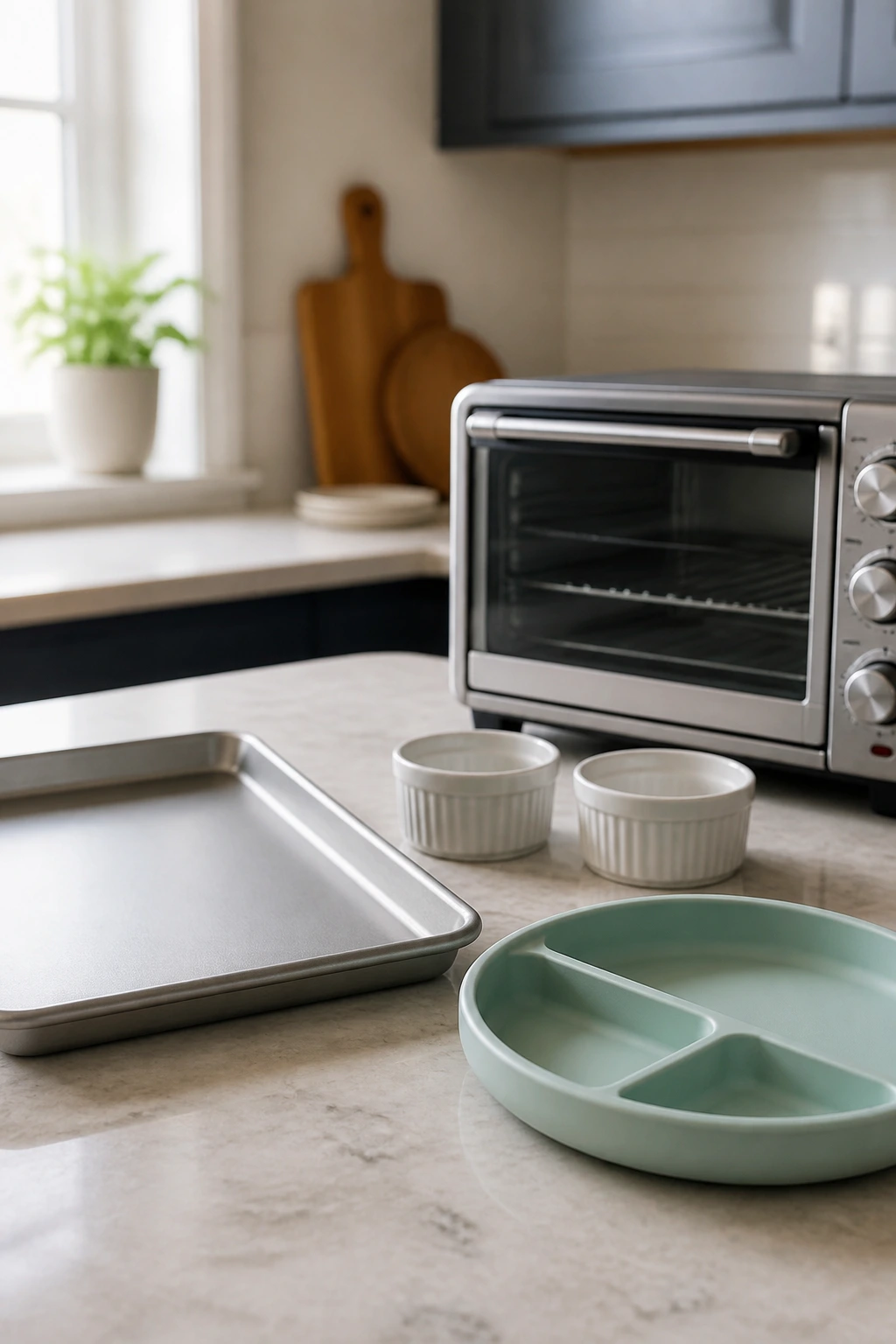
- Rimmed sheet pans: Best for roasting vegetables, chicken tenders, and potato wedges without losing half the food to the oven floor.
- Divided plates: Handy when a child needs visual separation between foods. They’re not mandatory, but they can lower the noise.
- 2-ounce ramekins or small sauce cups: Perfect for ketchup, ranch, marinara, hummus, or melted butter on the side.
- Toaster oven or air fryer: Useful for bringing crispness back to nuggets, fries, and roasted potatoes without making them floppy.
- Sharp paring knife: Better than a giant chef’s knife for cutting fruit, cucumbers, and sandwich shapes into kid-sized pieces.
- Kid-safe knife: Good for older children who want to help with bananas, soft fruit, or cheese. That tiny bit of control can matter.
- Cutting board with a damp towel underneath: Keeps the board from sliding when you’re cutting small, precise pieces.
- Storage containers with tight lids: Separate leftovers keep textures from mixing overnight in the fridge.
- Instant-read thermometer: Helpful when you want chicken cooked through without drying it out; 165°F is the standard safety target for poultry.
- Silicone muffin cups: Useful for portioning snacks, dips, fruit, or tiny side servings on a tray.
Keeping Leftovers From Turning Into Mush
Most cooked leftovers keep well in the fridge for 3 to 4 days if they’re cooled and stored promptly. Get them into containers within 2 hours of cooking, or within 1 hour if the room is hot. That’s the food-safety line that matters most.
Crunchy food needs special handling. Nuggets, fries, and roasted potatoes soften in the fridge because moisture moves around. Reheat them in a 375°F to 400°F oven or air fryer until the outside firms back up. The microwave will warm them, sure, but it also turns the coating soft, and that’s usually the part kids wanted.
Pasta and rice keep better when they’re not drowning in sauce. Store sauce separately if you can. When reheating pasta, add a spoonful of water or broth and cover the dish briefly so the noodles loosen without drying out. Rice does the same thing with a splash of water and a lid.
Cooked meatballs, chicken pieces, and scrambled eggs can be frozen for 2 to 3 months if packed well. Pancakes and waffles freeze especially well when separated by parchment or wax paper. Frozen vegetables last longer, but they should still taste like food, not ice crystals, so use them before freezer burn shows up.
Some foods are better made fresh. Cucumbers, lettuce, and dressed salads go limp fast. Apple slices can be stored, but they darken unless you use a little lemon juice or keep them airtight. If your child hates brown apples, cut them close to serving time.
Questions Parents Ask About Picky Eaters
How many times should I offer a new food?
Often more than people expect. A child may need to see the same food on the table many times before they touch it, and those exposures do not have to end in eating. Smelling, poking, and leaving it alone still count as progress.
Should I make separate meals for picky kids?
Usually no. Separate meals train the whole house to revolve around the hardest eater. A better move is one family meal with a safe food included and a small stretch food beside it.
Is it okay to hide vegetables in food?
Sometimes, but don’t make that your only strategy. If a child discovers the trick, trust can drop fast. Visible vegetables teach tolerance better than a nightly stealth mission.
What if my child only eats beige foods?
Start with the beige foods and build outward. Add a new shape, a new temperature, or a side of fruit before chasing color. A child who eats toast, pasta, and chicken nuggets can usually move toward cucumbers, apples, or carrots with time.
Which dips are best for selective eaters?
The familiar ones. Ketchup, ranch, butter, marinara, yogurt-based dips, and mild cheese sauce tend to work because they don’t change the food too much. Keep the dip small and separate so the child decides how far to go.
What if my child refuses dinner but eats later?
That happens. A child who grazes all day or drinks too much before the meal may not be hungry at the table. Keep regular meal and snack times, put the food out calmly, and avoid turning later hunger into a moral issue.
Can I use an air fryer or slow cooker for these meals?
Yes, but for different jobs. Slow cookers are useful for tender chicken, meatballs, and soups, while air fryers are better for bringing back crisp edges on nuggets, fries, and vegetables. If texture matters, the air fryer usually wins.
When should I worry about picky eating?
If eating is getting narrower over time, if your child gags, panics, or loses weight, or if meals have become a source of real distress, it’s worth talking with a pediatrician or feeding specialist. Ordinary pickiness is common. A shrinking food list that affects growth or daily life deserves attention.
A Softer Way to End the Dinner Battle
Dinner gets easier when the plate stops acting like a surprise box. The food does not have to be clever. It has to be familiar, visible, and easy to trust. That alone can turn a loud table into a manageable one.
Start with one safe food, one dip, and one small stretch item tonight. Keep the rest quiet. That’s often how picky eaters kids will actually eat begin to loosen up — one readable plate at a time.