



A pot of onions, garlic, and tomato paste drifting through olive oil can make a kitchen feel older than the apartment itself. That is the charm of classic Italian comfort food like Nonna used to make: the food looks plain at first, then the smell tells you to stay close. A bowl of pasta e fagioli, a tray of baked rigatoni, or a plate of braised greens with bread doesn’t need theatrics. It needs time, salt, and a hand that knows when to leave the pot alone.
There isn’t one single Nonna recipe, which is where a lot of people get tripped up. Italian home cooking is regional, seasonal, and stubbornly practical. In one house, comfort means ragù simmered with milk and wine; in another, it’s lentils with olive oil and pepper; somewhere else, it’s bread turned into supper because wasting food was never part of the plan.
That’s what makes this style of cooking feel so grounded. The good stuff comes from a few honest ingredients treated with care: a Parmigiano rind dropping into soup, a spoonful of tomato paste cooked until it turns brick-red, a casserole left to rest so the layers hold together when you cut in. Nothing fancy. Nothing rushed. Just enough attention to turn the ordinary into the thing everybody reaches for first.
Why Classic Italian Comfort Food Still Feels Like Home
-
It starts with pantry food: dried pasta, beans, canned tomatoes, onions, and stale bread can carry a meal farther than a lot of expensive ingredients.
-
The leftovers get better, not worse: ragù, soups, and baked pasta settle overnight and taste more integrated after the flavors have had time to calm down.
-
Regional cooking keeps it flexible: Emilia-Romagna, Naples, Sicily, and Tuscany all build comfort differently, so you can work with what you have without breaking the spirit of the dish.
-
Small moves change everything: a Parmigiano rind, a splash of wine, or five extra minutes uncovered can do more than a bigger handful of cheese.
-
It feeds a table, not just a plate: these dishes are made with bread, salad, coffee, fruit, or a second bowl in mind, and that’s why they feel complete.
-
The flavors are built in layers: onion, fat, acid, starch, and cheese each do a specific job instead of all shouting at once.
What Nonna’s Kitchen Actually Means
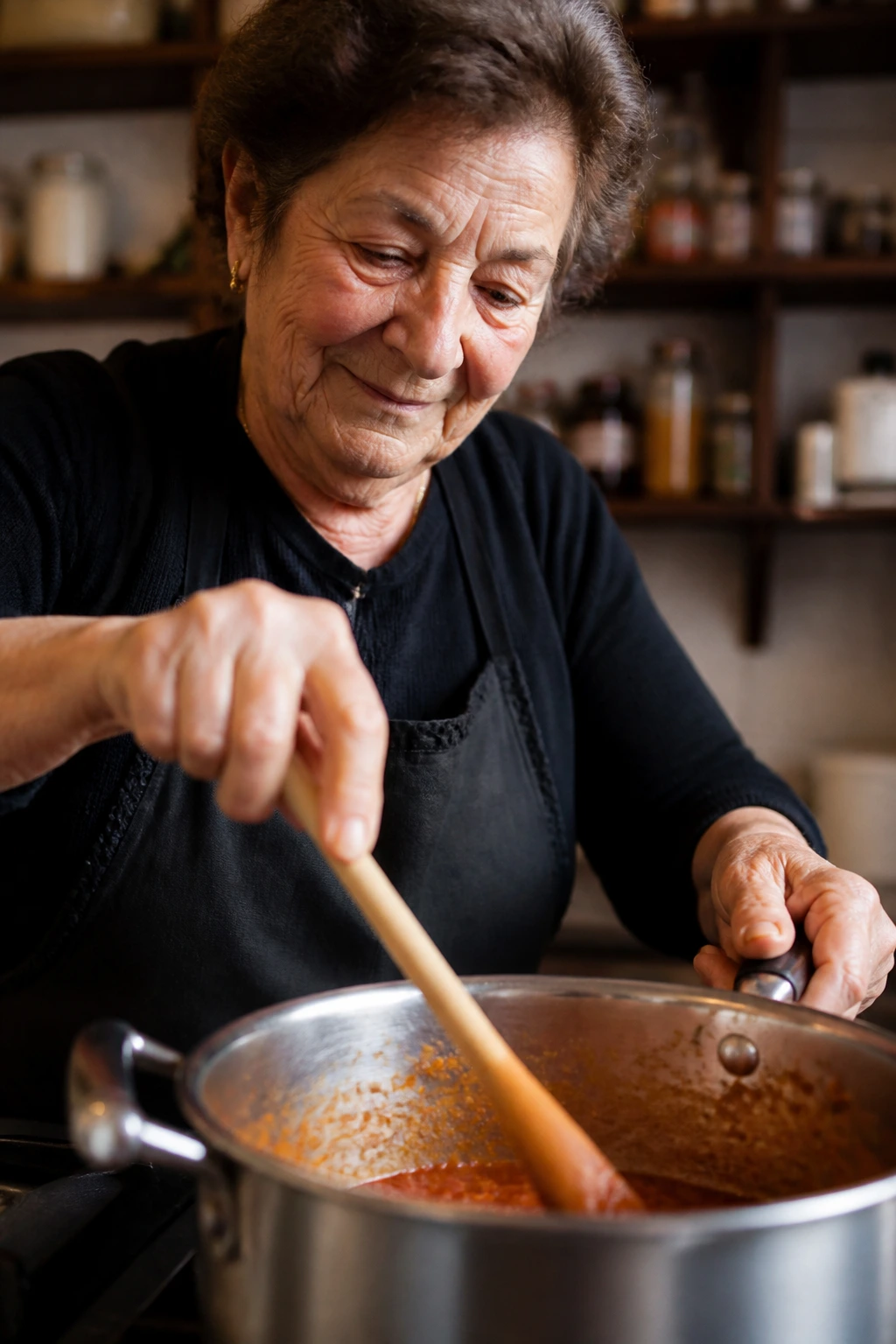
There’s a tendency to flatten Italian cooking into one cozy stereotype: red sauce, lots of cheese, and a grandmother in an apron. That picture is warm, but it’s thin. Real Nonna cooking is less about a single aesthetic and more about a way of thinking. You start with what’s on hand. You respect the season. You do not waste.
In the north, a comfort dish may lean on butter, rice, milk, and slow braises. In the south, olive oil, tomatoes, eggplant, capers, breadcrumbs, and pasta show up with more confidence. In the center, beans, greens, pork, and rustic breads carry more weight. None of that is a footnote. It’s the whole story.
What makes the food memorable is the way it lands on the table. A pot of chickpeas may get a drizzle of oil and black pepper, then bread on the side. A lasagna may be rich, but the salad is sharp and the coffee is bitter. A bowl of soup is never “just soup” if the broth has a Parmigiano rind in it and the beans were simmered until they started to break at the edges.
That balance matters. Italian comfort food is rarely about excess for its own sake. Even the heavier dishes usually have a counterweight: tomato against fat, cheese against acid, beans against broth, bread against braise. That’s one reason these meals stay satisfying without feeling sloppy. They are built like working recipes, not restaurant spectacles.
And yes, the best versions often come from memory. A little more garlic here. A little less tomato there. Someone’s hand reaching for the pepper grinder before the plate hits the table. That’s the part people remember, not because it’s perfect, but because it feels lived in.
The Pantry That Holds the Whole Thing Together
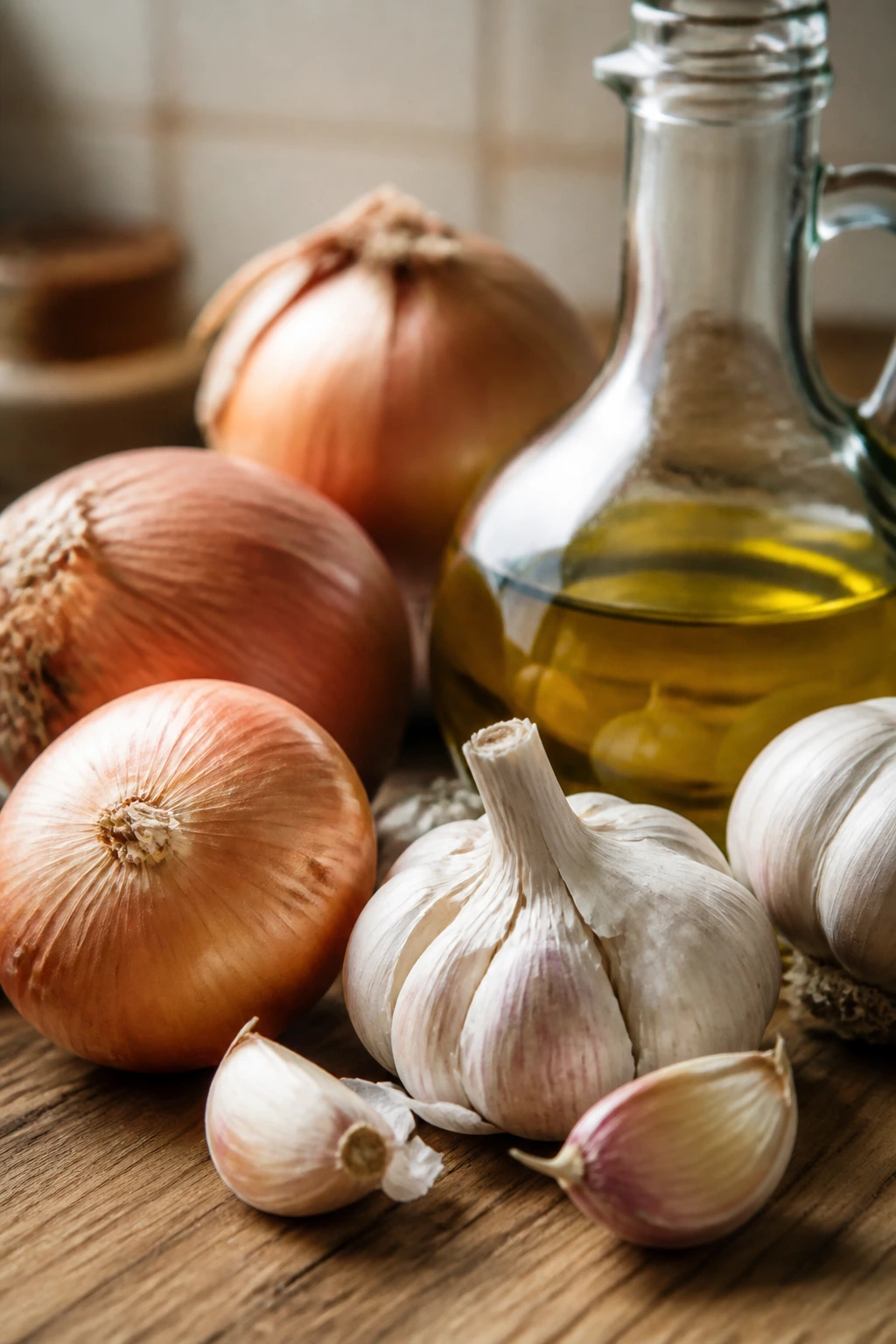
A good Italian pantry doesn’t need a dozen specialty jars. It needs a few things with actual jobs to do. If those are in place, a lot of “what’s for dinner?” problems disappear fast.
Tomatoes with body
Whole peeled canned tomatoes are the workhorse. They break down into sauce with more control than watery diced tomatoes, and you can crush them by hand or with a spoon to keep the texture where you want it. Tomato paste matters too. A tablespoon or two cooked in oil until it darkens and smells sweet gives a sauce backbone.
Passata is useful when you want a smoother texture, especially for quick sugo. If you use jarred sauce, it helps to treat it as a base, not a finished answer. Cook it a bit longer with onion, garlic, or a Parm rind, and it wakes up.
Olive oil, onion, and garlic
Extra-virgin olive oil is not just a finishing drizzle. It is the starting fat for a lot of sauces, soups, and vegetable dishes. Buy one that tastes peppery and clean if you plan to use it raw, but don’t save your expensive bottle only for special occasions. Good olive oil belongs in the pan.
Onion is the quiet hero. Garlic gets the attention, but onion makes the sweet, savory base that keeps tomato and broth from tasting sharp. Carrot and celery round it out when the dish needs more sweetness or a little body.
Cheese, cured meat, and herbs
Parmigiano Reggiano, Pecorino Romano, and their cousins do different work. Parmigiano gives nutty depth. Pecorino brings salt and bite. A rind from either one, simmered in soup or beans, softens into a small flavor engine. Don’t throw them away. Freeze them.
Pancetta, guanciale, prosciutto ends, and sausage are all useful in measured amounts. They are not there to make every bite meaty. They are there to season the pot. A couple of ounces can season a whole pound of beans or greens.
Herbs should be used like punctuation, not wallpaper. Bay leaf, rosemary, thyme, parsley, basil, and oregano all have a place, but they do not all belong in the same dish at the same time.
Pasta, rice, beans, and grains
Rigatoni, ziti, paccheri, ditalini, tubetti, and tagliatelle all behave differently in sauce. Short tubes catch chunky ragù. Ribbon pasta flatters a smoother meat sauce. Small shapes disappear into soups and bean pots in a good way.
Arborio, Carnaroli, and Vialone Nano are the rice names that matter for risotto. Polenta wants coarse cornmeal, not fine instant mush unless you are in a hurry. Beans and lentils are part of the same pantry logic: cheap, filling, and able to pick up flavor from broth, oil, and aromatics.
The Sofritto Base That Starts Half the Meal
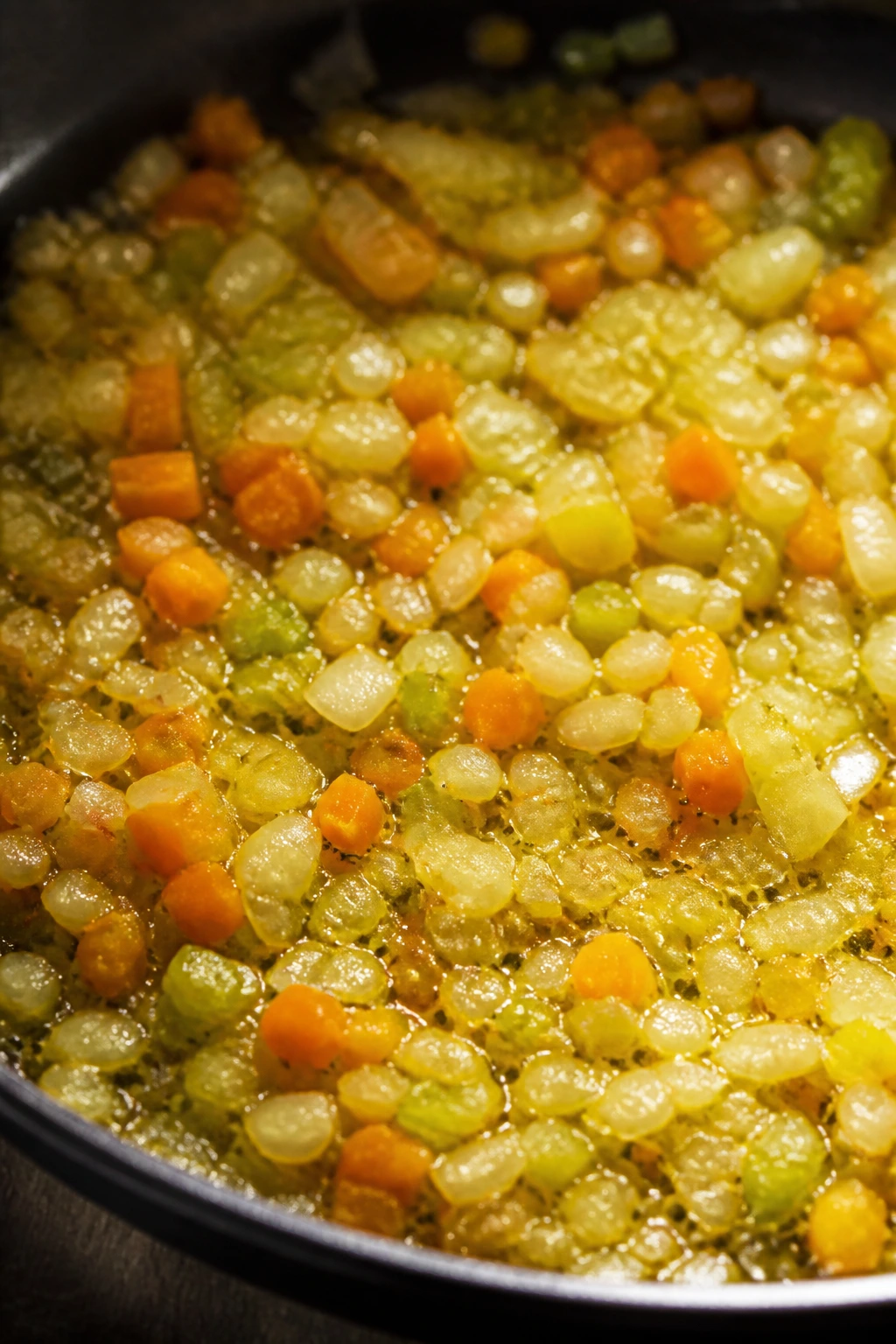
The first smell that tells you dinner is becoming dinner is the soffritto. Onion, carrot, and celery in olive oil, cooked low and slow until they soften, sweeten, and stop crunching. It is not glamorous. It is indispensable.
The trick is patience. If the pan is hot enough to sizzle hard, the vegetables will brown before they melt. You want a gentle sound, more whisper than hiss. Eight to twelve minutes is common, sometimes longer if the pan is crowded. The onion should go translucent and glossy. The carrot should lose its raw edge. The celery should give up the grassy bite and turn rounder.
Garlic is handled with more caution. In many kitchens it goes in after the onion has started to soften, and only for a minute or two. Burned garlic can wreck a sauce in a way that is hard to hide. If the smell turns sharp and bitter, the heat is too high.
Why it matters in practice
A good soffritto does three things at once. It sweetens tomato sauce. It gives body to bean soups. It keeps braises from tasting flat and one-note. You can build half of classic Italian comfort food from this base alone.
There are regional shifts, of course. Some kitchens leave out carrot and celery. Others add pancetta first and cook the vegetables in the rendered fat. A few use leek instead of onion. The point is not the exact trio. The point is the slow start that makes the rest taste deeper.
A rushed soffritto tastes like chopped vegetables in oil. A proper one tastes like the meal has already begun.
Ragù, Sugo, and the Slow Pot on the Back Burner
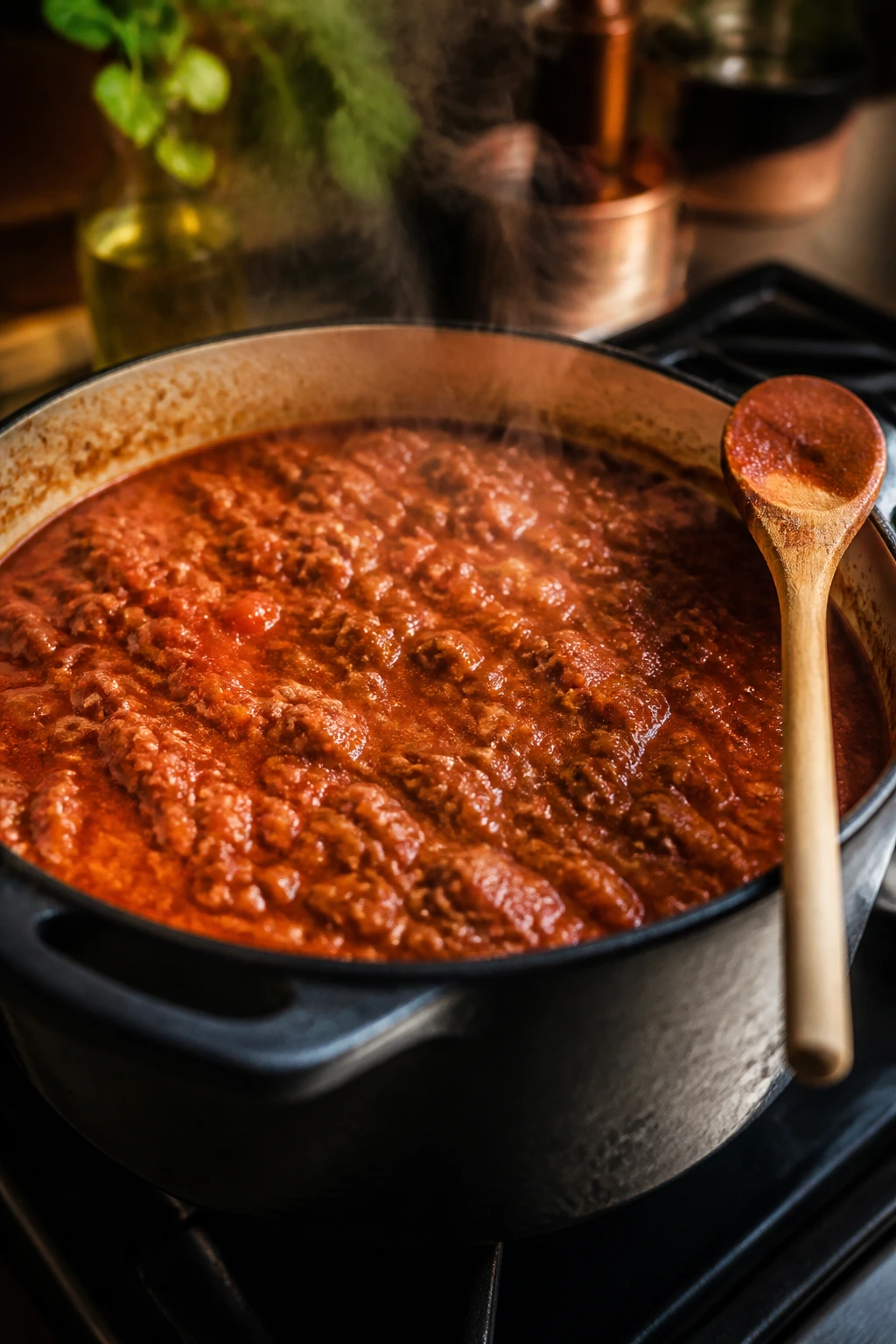
A lot of people call any red sauce “spaghetti sauce,” and that’s fine for conversation. In the kitchen, though, the details matter. A quick tomato sauce and a long-cooked ragù are not the same thing, and they do not behave the same way on the plate.
A sugo can be simple: onion, garlic, tomato, basil, olive oil, maybe a touch of butter in the north. It can come together in 25 to 40 minutes if the tomatoes are good and the pan is wide enough for evaporation. Ragù is slower and meatier. It asks for beef, pork, veal, sausage, or a mix, and it rewards a longer simmer — often 1½ to 3 hours — because the meat, fat, and tomato need time to become one thing.
Wine is not decoration here. A splash of dry white or red wine helps deglaze the browned bits after the meat goes in, and it gives the sauce a cleaner edge once the alcohol cooks off. Milk or a little cream shows up in some ragù recipes, especially in the north, because it softens the acidity and gives the sauce a rounder finish. That is not a gimmick. It changes the texture.
The lid matters too. Partially covered simmering keeps the sauce from drying out while still letting water escape so the flavor concentrates. If the sauce splatters, lower the heat. If it tastes thin after an hour, keep going uncovered for another 15 or 20 minutes.
What the sauce should look like
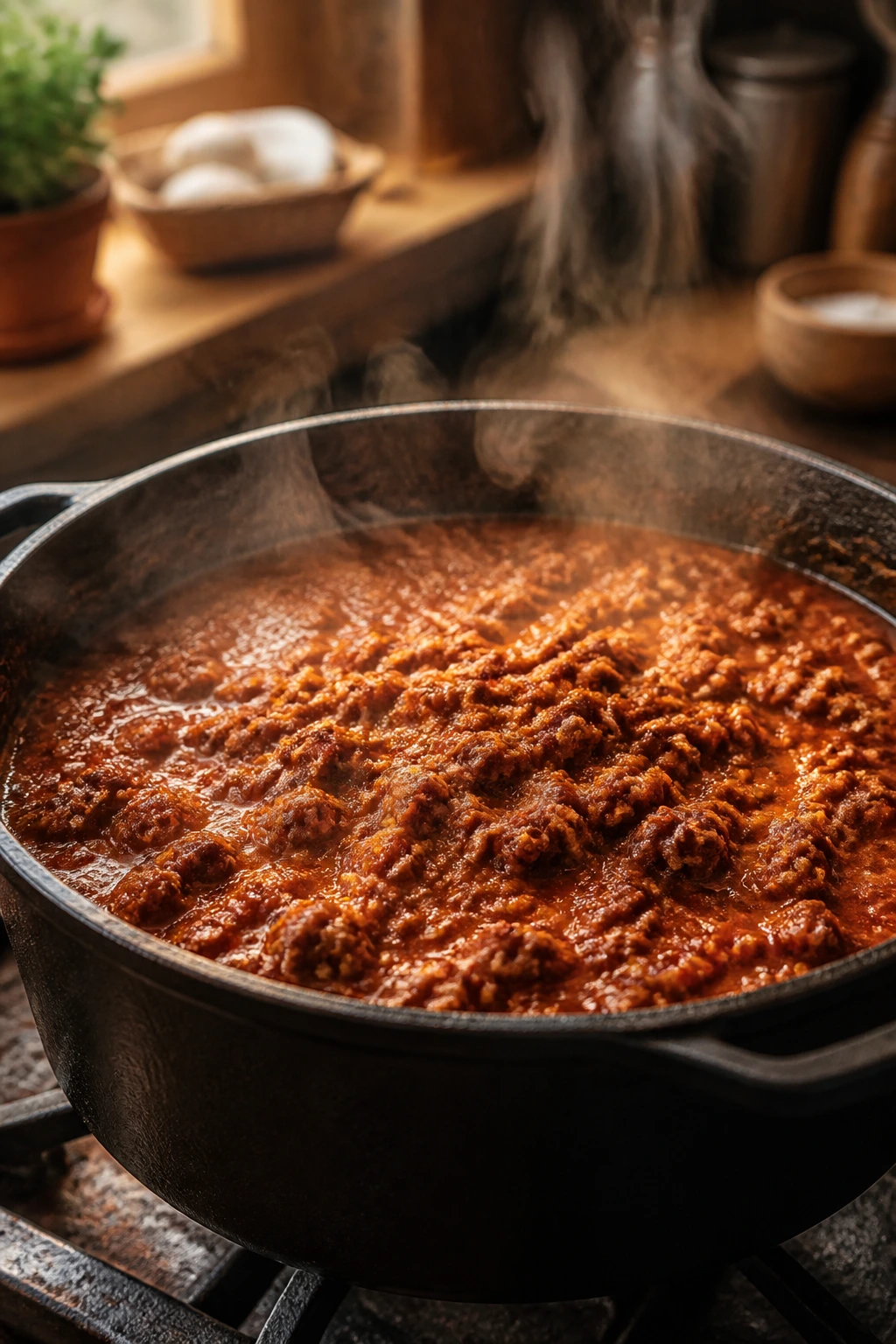
A finished ragù should cling to the spoon. It should not be watery, and it should not be a paste. You want a glossy, spoon-coating texture with visible meat and a deep brick-red color. The olive oil may separate slightly at the edges. That is normal.
This is the part of Italian comfort food that teaches patience without making a speech about patience. You start the pot and keep living your life. You stir now and then. The kitchen smells better every time you walk through it. By the time the sauce is ready, dinner already feels like an event.
Baked Pasta with Crisp Edges and a Soft Center
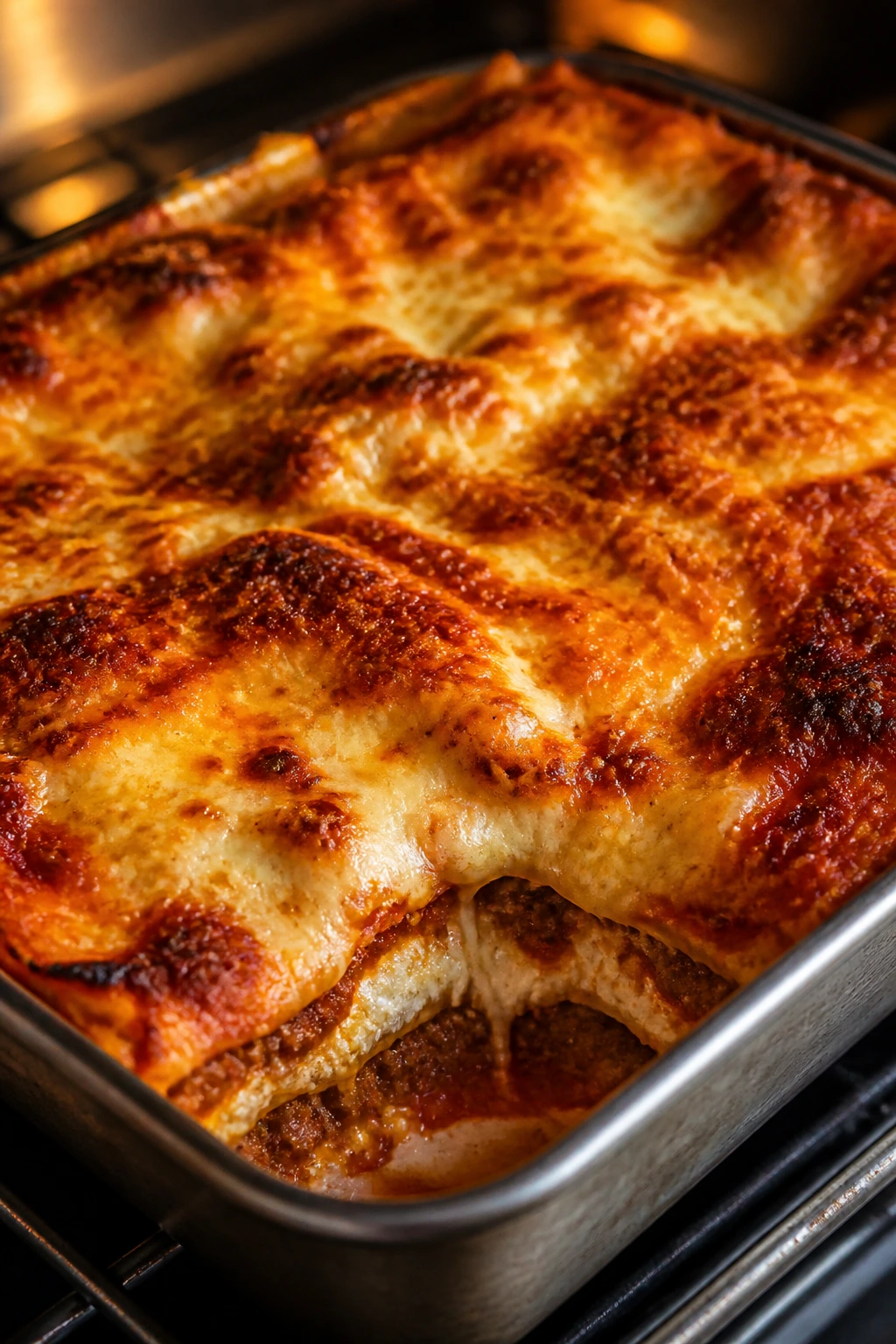
Baked pasta is where Italian comfort food gets a little louder, and I mean that as praise. A tray of lasagna, baked ziti, or pasta al forno gives you browned corners, a bubbling center, and enough structure to hold a slice without collapsing into the dish.
The trick is restraint. People often drown baked pasta in cheese and call it finished. That gives you a greasy top and a dry middle. What you want instead is sauce, pasta, and cheese in proportion, with the sauce a little looser than you think it needs to be. The pasta should be cooked well below full tenderness — usually 2 minutes shy of the package time — because it will keep cooking in the oven and again while it rests.
Lasagna is the most formal of the group, but even lasagna is still a practical dish at heart. The layering creates pockets of sauce and cheese, while the top browns into something almost brittle if it is left in the oven long enough. Baked ziti and rigatoni are more rustic. Their tubes catch sauce inside, and the top layer gets those little charred tips that people fight over.
The rest period is not optional
Pull the pan out and let it sit for 15 to 20 minutes before cutting. If you skip that step, the layers slide apart and the cheese runs all over the board. Resting firms up the starch, settles the sauce, and makes the slices cleaner. It is a small delay with a large payoff.
A little breadcrumb topping can be useful if you want crunch. A scattering of Parmigiano can help the top brown. Fresh mozzarella gives stretch, while low-moisture mozzarella gives better browning. Those are not interchangeable, and the texture changes more than people expect.
Baked pasta is one of those dishes that feels generous without being fussy. Feed a pan to six people, or cut a smaller one for two and freeze the rest. The format is flexible, which is part of why it survived generations of home cooks with one oven and too many relatives.
Soups That Eat Like Dinner
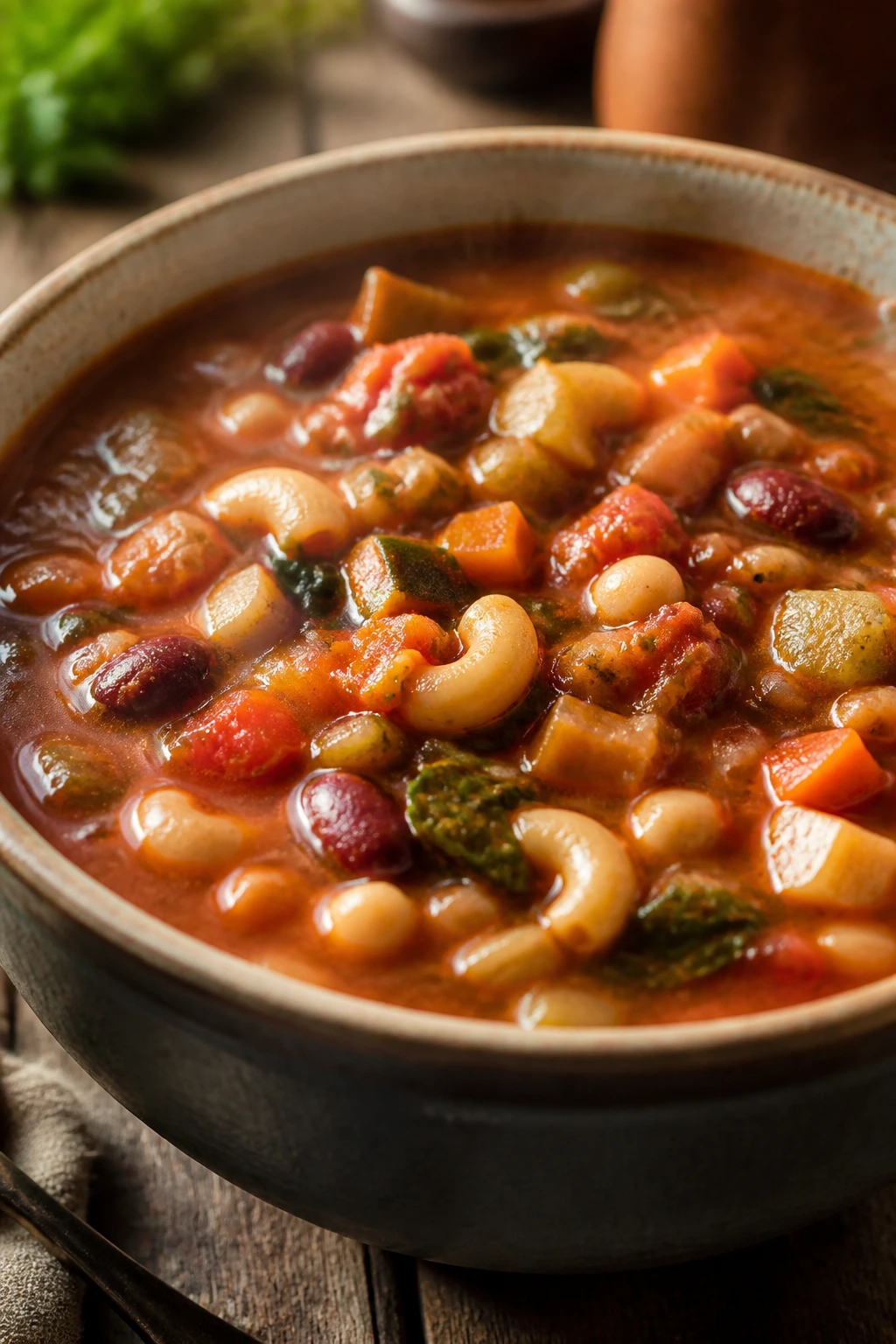
A proper Italian soup should not leave you rummaging for bread five minutes later. It should already have enough body to stand on its own, even if the bread still comes out anyway.
Minestrone is the obvious example. It changes with the season and with the pantry. Beans, onion, carrot, celery, potato, zucchini, cabbage, tomatoes, and short pasta all show up in different combinations. The best versions do not taste like vegetables floating in water. They taste like broth that has borrowed flavor from everything in the pot.
Pasta e fagioli is even more direct. Beans, pasta, garlic, onion, tomato, and broth are enough when they are handled well. Cannellini beans bring creaminess. Borlotti beans bring a little more earthiness. If the soup has a Parmigiano rind simmering in it for 20 or 30 minutes, the broth gets a salty, savory depth that makes the whole bowl feel stitched together.
Stracciatella is a different animal — egg whisked into hot broth with cheese and sometimes spinach. It comes out delicate, but it still works as comfort food because the texture is silky and the broth carries the weight.
Soup as a full meal
The difference between a side soup and a dinner soup usually comes down to three things: beans, pasta, or bread. At least one of those should be present, and two is better. A bowl of broth with a few floating vegetables can be lovely, but it doesn’t have the staying power of a soup with starch and protein.
Ribollita is the perfect example of thrift turning into comfort. It uses beans, kale or cavolo nero, stale bread, and a thick broth that gets reheated and eaten again. The bread dissolves, the soup thickens, and the texture turns almost stew-like. That is the whole point.
These soups are where Italian home cooking shows its best side. They are modest without feeling small. You can smell the garlic, the beans, the greens, and the olive oil before the bowl reaches the table. That smell does half the work.
Beans, Greens, and the Humble Main Course
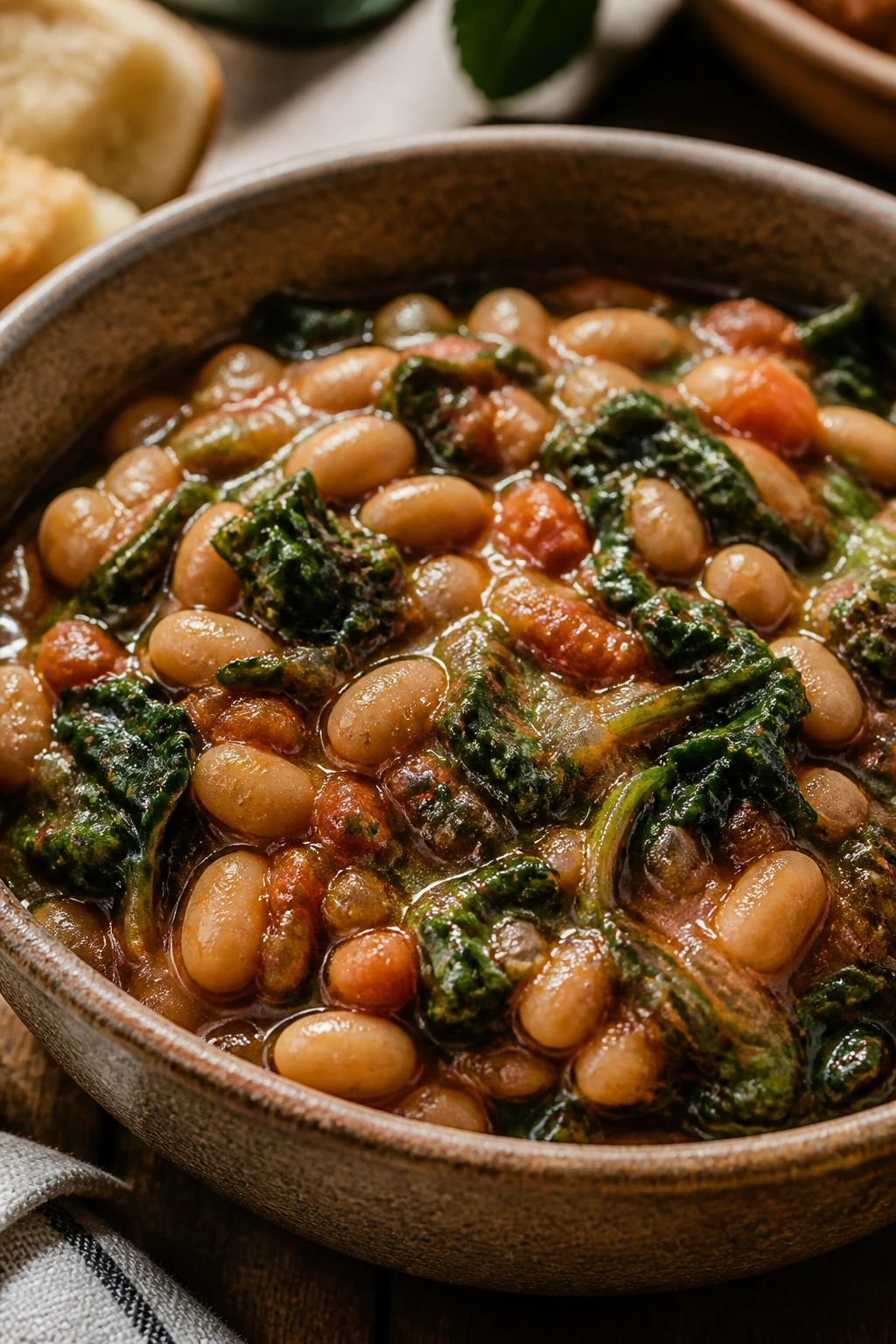
A lot of people think comfort food has to be heavy. Beans and greens prove otherwise. They are filling, sure. But they are also lively when cooked with enough oil, salt, and acid to keep the bitterness and earthiness in balance.
Cannellini beans are the gentlest place to start. They go creamy in soup or can be simmered with sage, garlic, and tomato until they taste far richer than the ingredient list suggests. Chickpeas work too, especially in southern dishes that lean on rosemary or chili. Lentils are quicker and more direct; they soften fast and make a good base for a thick, spoonable supper.
Greens matter just as much. Escarole, spinach, cavolo nero, chicory, dandelion greens, Swiss chard, and broccoli rabe all bring their own personality. Some are bitter. Some are sweet. Some collapse in a minute. Some need a proper simmer. Olive oil rounds them out. Garlic sharpens them. A squeeze of lemon or a splash of vinegar wakes them up at the end.
Bitter is not a flaw
A little bitterness gives these dishes shape. If everything in the bowl is soft and sweet, the flavor turns fuzzy. Bitter greens cut through beans and bread in the same way a sharp knife cuts through a thick tomato sauce — cleanly, without much fuss.
This is where a lot of home cooks get nervous and overcompensate. They add too much cheese, too much cream, or too much salt trying to make the greens “pleasant.” That usually backfires. What the dish needs is balance, not disguise. A handful of Parmigiano is fine. A blanket of cheese is not.
Some of the most satisfying Italian comfort dishes are barely more than beans, greens, garlic, oil, and bread. They are cheap. They are filling. They taste like somebody thought ahead.
Polenta, Risotto, and Other Starchy Anchors
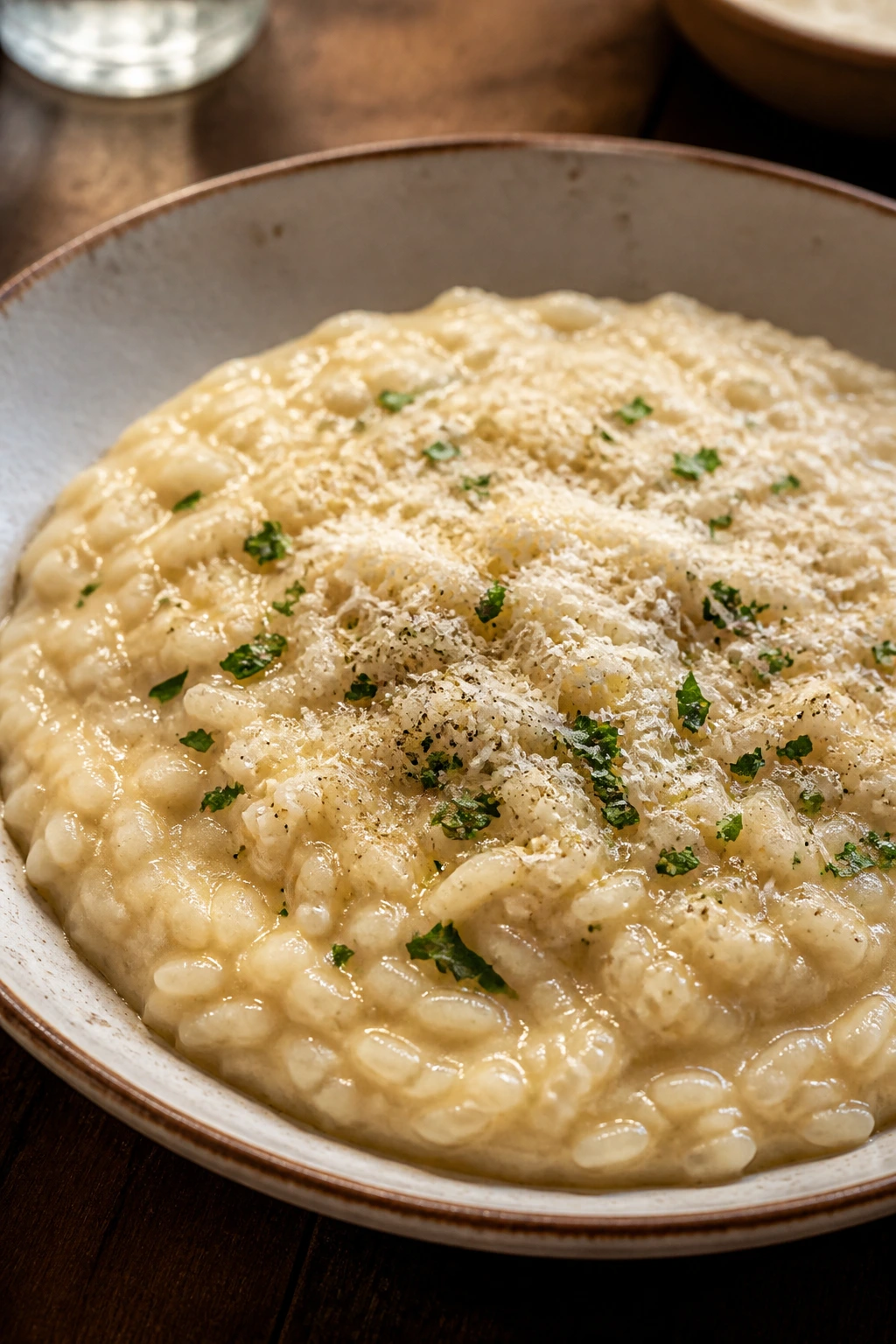
Pasta is the headline starch in a lot of Italian cooking, but it is not the only one worth paying attention to. Polenta and risotto carry a particular kind of comfort because they demand a little attention and give you a lot back.
Polenta wants liquid, stirring, and patience. Coarse cornmeal needs more time than the instant stuff, and the texture changes as it cooks. Early on it looks thin and gritty. Later it thickens into a spoonable, almost glossy porridge. Depending on the grind, you may need 30 to 45 minutes, sometimes longer. The cue to watch is texture, not the clock. It should lose its chalky rawness and taste like sweet corn with body.
Risotto works differently. The rice is first toasted in fat, then fed hot stock in stages. You do not dump all the liquid in at once if you want that creamy, loose finish. Stir enough to release starch, but not so much that the rice breaks. The grain should still have a little bite in the center when you stop. Then comes the finish — butter, cheese, maybe parsley, maybe saffron, depending on the region and the dish. That last step is called mantecare in many kitchens, and it matters because it turns separate parts into one smooth bowl.
What to pair with each
Polenta is happiest under braised mushrooms, sausage, ragù, or a pile of greens. It can also be left to set, sliced, and griddled later, which is a smart use of leftovers. Risotto can stand alone more easily, but it also pairs well with roasted squash, seafood, mushrooms, or peas.
Neither one likes to be rushed. If the pot is too hot, polenta spits and scorches. If the stock is cold in risotto, the rice cools down and cooks unevenly. Keep the heat controlled and the texture in view. That’s the difference between a bowl that feels velvety and one that feels grainy or stiff.
These are not background players. On a cold night, a bowl of good polenta can carry the whole meal. So can a pan of risotto spread on plates with a little extra cheese grated over the top. They are quiet dishes, but they stay with you.
Bread, Focaccia, and the Job of a Good Crust
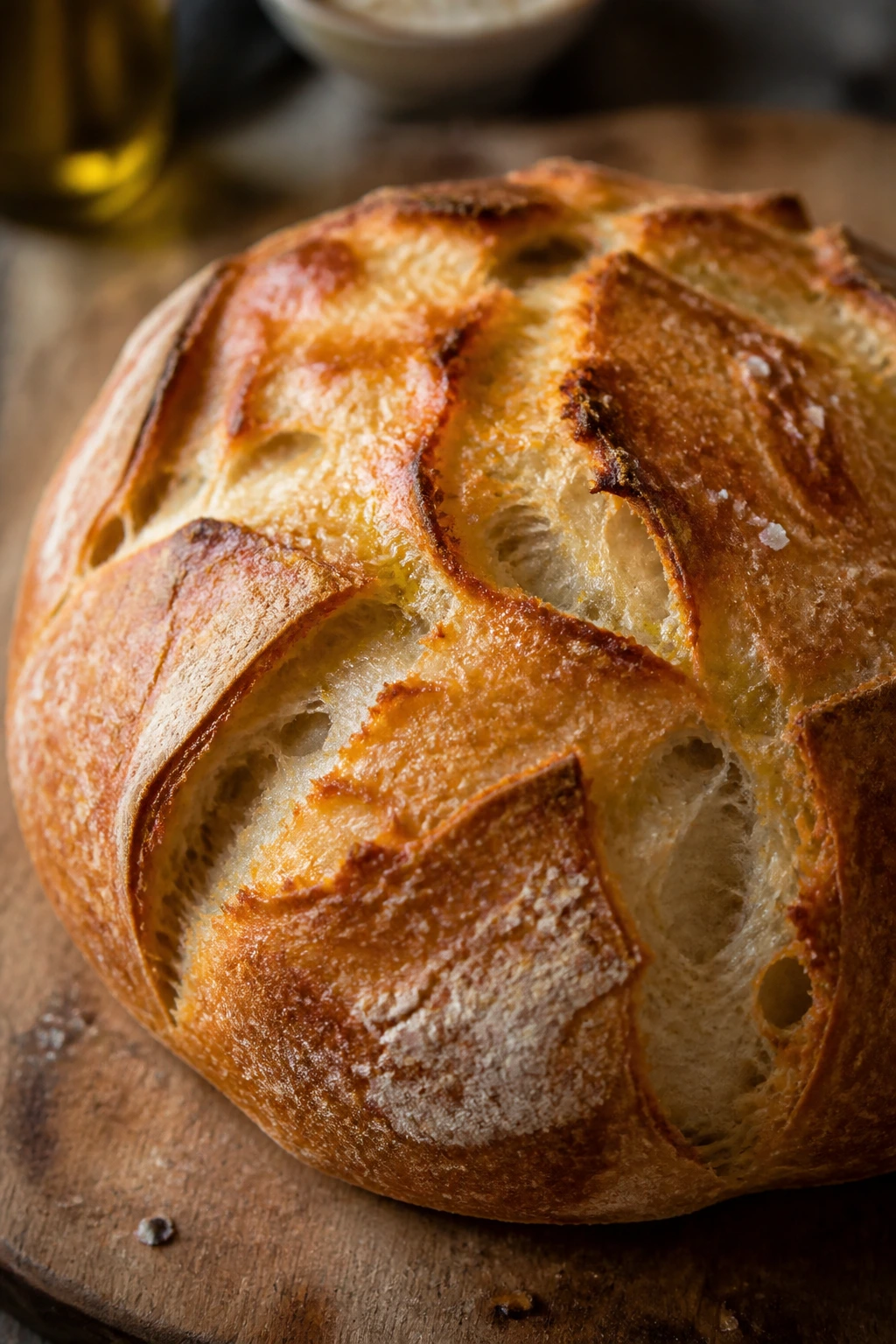
Bread is not filler in Italian comfort food. It is a tool. It mops sauce, catches oil, thickens soups, and keeps a meal from feeling incomplete.
A crusty loaf with enough chew to hold up under tomato sauce is worth more than a soft, forgettable sandwich bread. If you are making bruschetta, you want slices that can be toasted until the edges go crisp while the center stays sturdy. If you are serving soup, you want bread that can be torn and dunked without dissolving into mush after two bites.
Focaccia is its own comfort category. Olive oil on the pan, dough stretched by hand, dimples pressed into the surface, salt on top. That is enough. Add rosemary or onions if you want, but the basic version is already a strong thing. The crumb should be tender and a little springy, the bottom golden, the top salty and shiny.
Stale bread has a noble second life here. It goes into panzanella with tomatoes and vinegar. It turns ribollita into something thick enough to eat with a spoon. It can even be baked into breadcrumb topping for pasta or vegetables. Italians have never treated old bread as a problem if there’s a pot within reach.
The one thing I’d avoid
For this style of cooking, I would skip overly soft bread with a sweet profile unless the dish calls for it. That kind of loaf can disappear too quickly in soup and makes bruschetta soggy before the toppings settle. Better to choose bread with a proper crust and a crumb that can take a hit.
Bread makes Italian comfort food feel anchored. You can build a whole meal around a soup and a loaf if the loaf has backbone. That’s not a side note. It is the architecture of the meal.
Sweet Endings That Don’t Need a Mixer
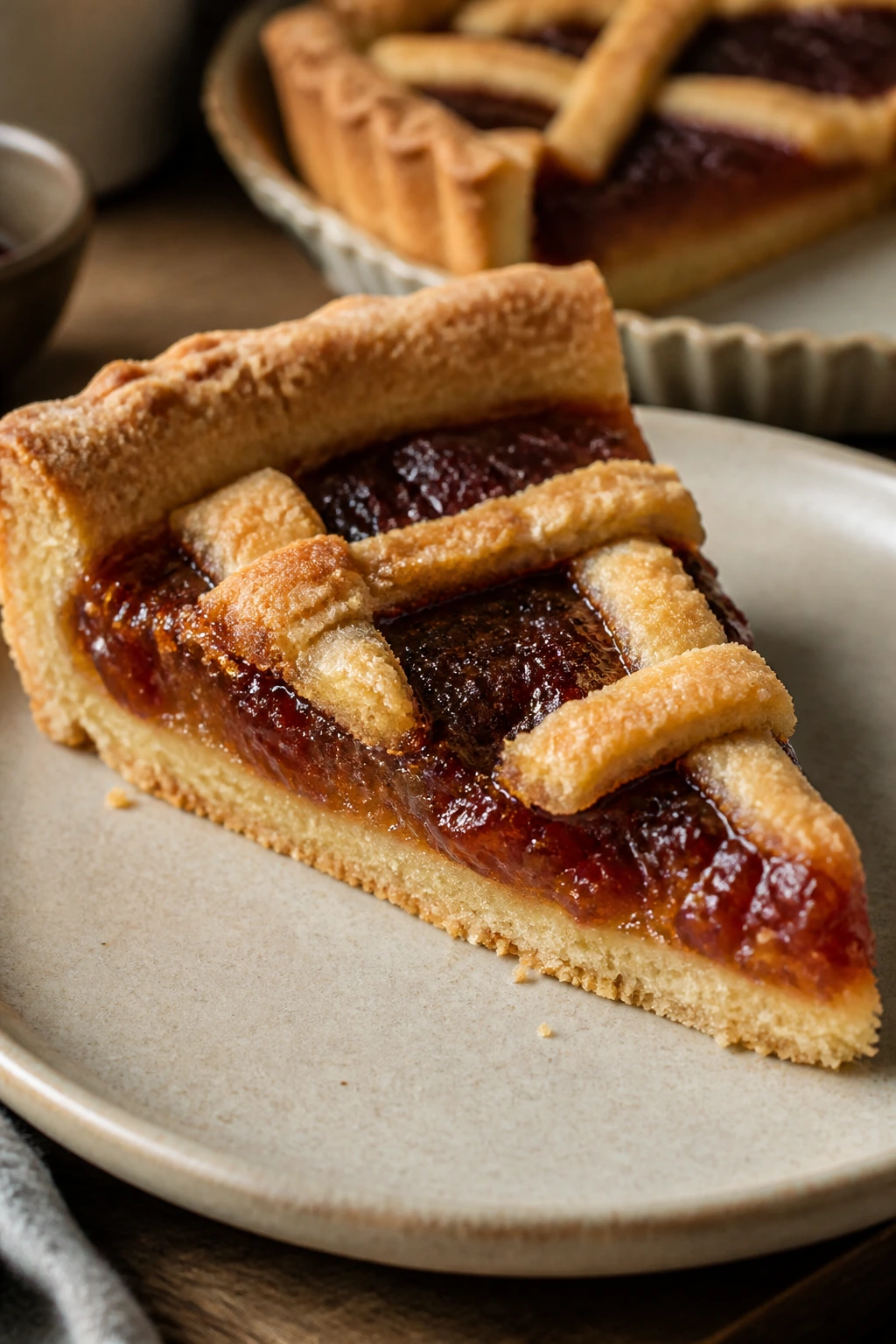
The dessert table in a Nonna-style kitchen is usually modest, but it is never empty-handed. Italian sweets tend to lean on eggs, dairy, citrus, coffee, nuts, fruit, and a sensible amount of sugar. That’s the point. They end the meal without bulldozing it.
Crostata is one of the cleanest examples. Jam in a butter crust. That’s it, if you want. Maybe a lattice top. Maybe a dusting of sugar. It slices cleanly, keeps well, and tastes better than its simplicity suggests. Biscotti are another pantry dessert — dry enough to dip in coffee or Vin Santo, sturdy enough to keep for days in a tin.
Tiramisù is richer, but even then the texture does the work. The coffee-soaked ladyfingers, mascarpone cream, cocoa on top. It should taste like coffee and cream, not a sugar bomb. Panna cotta is softer still, and if you have one with a little vanilla and a fruit sauce, it lands with a quiet confidence that a frosted cake never will.
What Nonna desserts usually avoid
They do not need a pile of frosting. They do not need five different fillings. They usually do not need a lot of decoration either. A spoonful of poached fruit, a little whipped cream, toasted almonds, or a dusting of powdered sugar is usually enough.
Ricotta cakes, almond cookies, zabaglione, semolina pudding, and olive oil cakes all belong in this family too. Many of them are good make-ahead desserts because the flavor settles as they cool. Citrus zest, espresso, and wine often appear in small amounts and make more difference than extra sugar ever could.
If dinner has been tomato-heavy, a lemony dessert or one with coffee is a smart finish. If the meal has been rich and meaty, a fruit tart or a simple biscuit is the better move. The dessert does not have to be dramatic. It just has to know its place.
How to Build a Nonna-Style Meal at Home
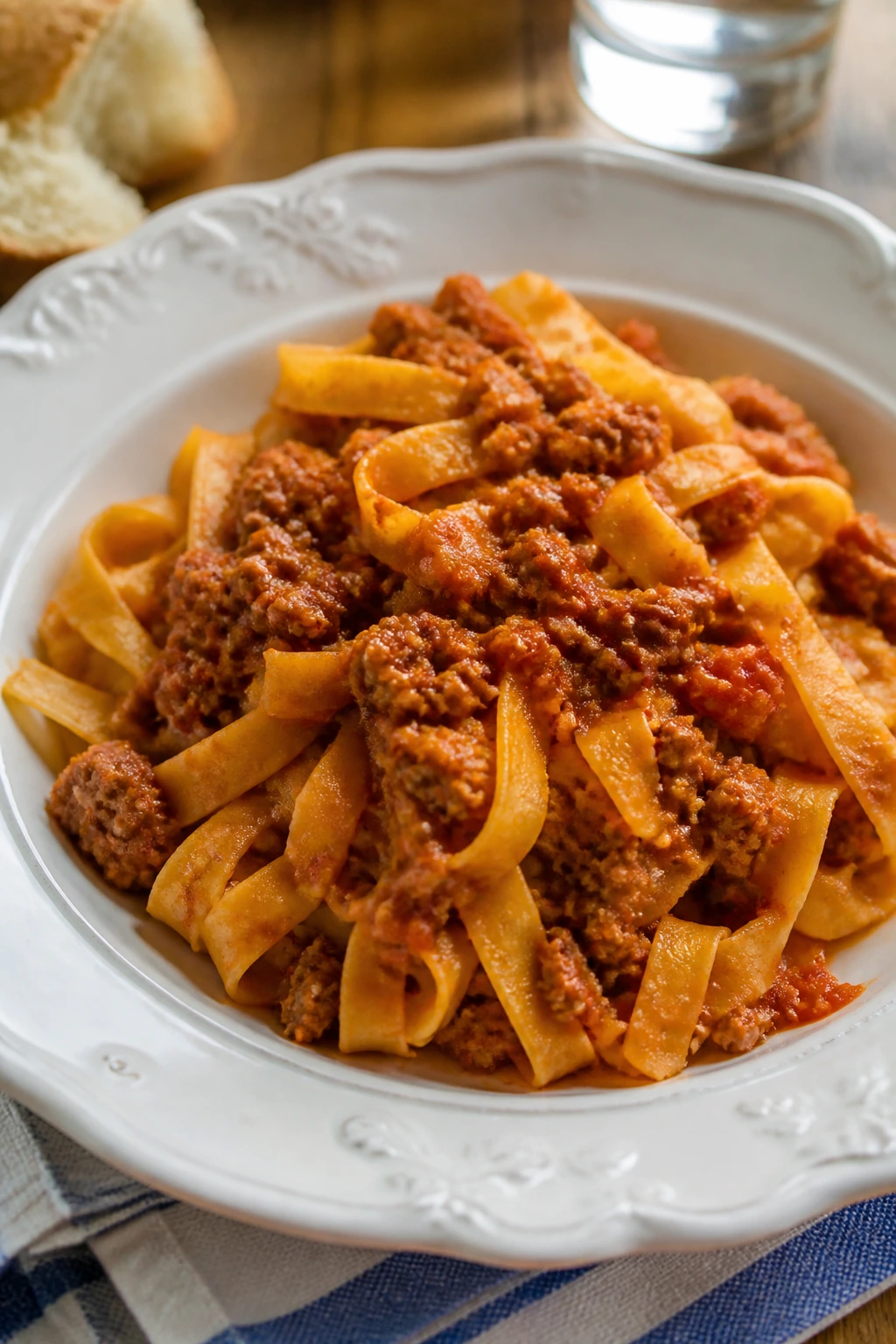
A Nonna-style meal doesn’t mean a five-course production with linen napkins and multiple saucepans boiling at once. It means structure. You choose one thing to carry the meal, then add a couple of clean, practical sides.
A simple version might be a pot of pasta e fagioli, a bowl of salad with sharp vinaigrette, and bread that can be torn by hand. That is enough for a weeknight. The soup brings body. The salad brings acid. The bread gives you something to chase the last spoonful with.
For a bigger table, a ragù over tagliatelle, roasted broccoli rabe, and a plate of fruit or cookies after dinner works beautifully. If you want baked pasta, keep the rest of the meal sparse: a green salad, maybe a fennel salad with citrus, and coffee. Too many rich sides crowd the plate and make the main dish feel heavier than it is.
Three ways to set the table
-
The cold-weather table: ragù, polenta, sautéed greens, and a crisp salad with vinegar.
-
The pantry table: pasta e fagioli, toasted bread, olives, and fruit.
-
The Sunday table: baked pasta, roasted vegetables, a simple green salad, and a small dessert.
The main thing is not to make every dish compete. If the pasta is rich, the salad should be sharp. If the soup is thick, the bread should be crusty. If the dessert has coffee and cream, keep the first courses straightforward.
That balance is what makes these meals feel complete without feeling forced. Everything has a role. Nothing is there by accident.
Small Moves That Make It Taste Like Home
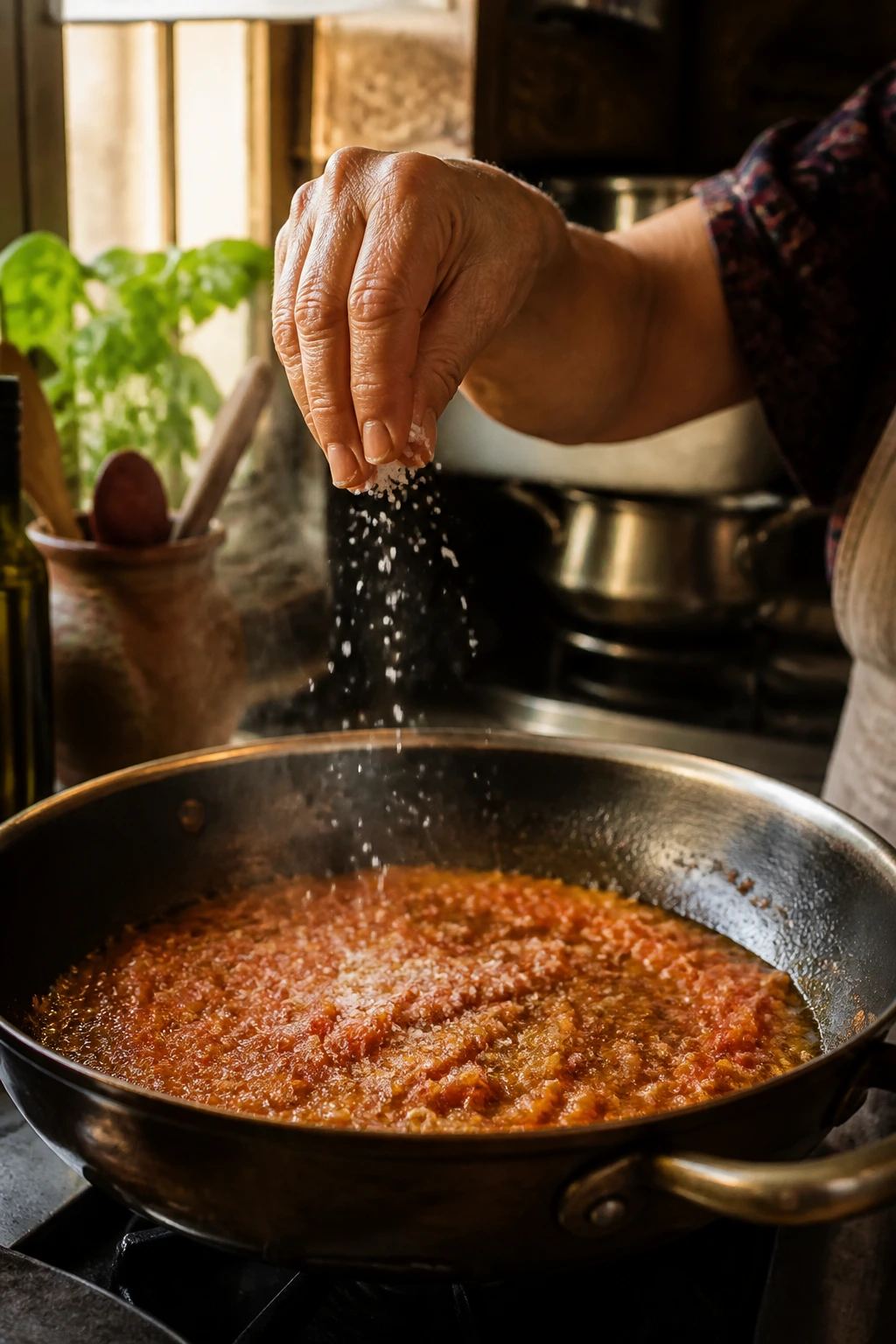
Salt in layers. Season the soffritto lightly, salt the sauce as it simmers, then taste again at the end. If you only salt once, right before serving, the flavors stay separate.
Use pasta water on purpose. A few tablespoons can loosen a thick sauce and help it cling to the noodles. Add it gradually. Too much and the sauce turns thin; the starch should help bind, not dilute.
Keep a Parmigiano rind in the freezer. Drop it into bean soup, tomato sauce, or minestrone and let it melt into the pot. Pull out what’s left before serving if it hasn’t fully broken down.
Finish with acid when the pot needs light. A squeeze of lemon, a splash of wine vinegar, or a spoon of caper brine can sharpen a heavy dish without making it taste sour. Use tiny amounts and taste between additions.
Choose one cheese to lead, not three. Parmesan, Pecorino, mozzarella, ricotta — they all have jobs, but if you pile on every cheese you own, the flavor gets muddy fast. A dish should taste focused.
Let the dish sit for a minute. Soup, ragù, risotto, and baked pasta all settle into themselves after a short rest. The flavor seems fuller because the temperature evens out and the starch stops moving around quite so much.
Those are small habits, but they add up. Most home cooks do not need more recipes. They need a better sense of where the flavor comes from and when to stop fussing.
Common Mistakes That Flatten the Flavor
Browning garlic too hard. Burned garlic turns bitter in a way that hangs around even after tomato and cheese go in. Start it later than the onion, keep the heat moderate, and pull the pan back if the edges darken fast.
Using sauce that is still watery. Baked pasta with thin sauce turns sloppy in the pan and dry on top. Reduce the sauce until it coats a spoon, or add a little extra tomato paste and simmer longer before layering.
Salting only at the end. If the beans, broth, or ragù taste flat halfway through, they will not magically fix themselves. Salt in stages, then finish with a final adjustment once the dish has reduced.
Cooking pasta all the way before baking it. That gives you mush in the oven. Stop the pasta while it still has a firm center, then let the sauce and heat finish the job.
Skipping the rest after baking. Cut lasagna or baked ziti too soon and the whole pan slides apart. Give it 15 to 20 minutes so the starch firms up and the layers hold.
Treating greens like an afterthought. If escarole, kale, or chicory goes into the pot without enough oil, salt, or acid, the result tastes rough instead of balanced. Greens need a little help, not a lot of masking.
Regional Swaps That Keep the Soul
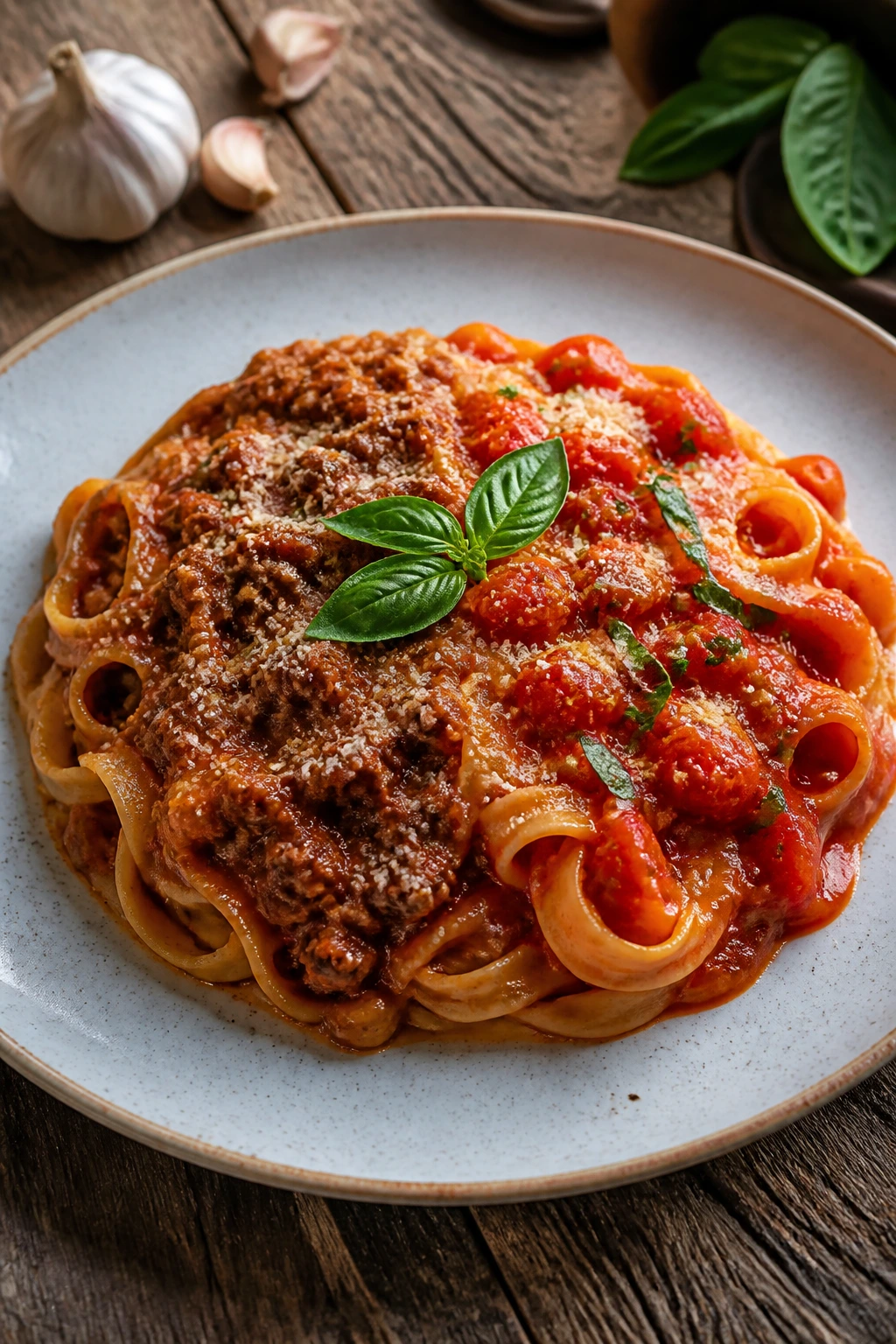
Emilia-Romagna Richness: Use butter, milk, beef, and Parmigiano more freely, then serve the sauce with tagliatelle or lasagna sheets. The flavor should feel round and savory, with less tomato and more depth from the meat and dairy.
Neapolitan Tomato Boldness: Lean into tomato, basil, garlic, olive oil, and mozzarella. Keep the sauce bright and the cheese restrained so the tomato stays in charge. This style works best when the ingredients are good enough to taste on their own.
Tuscan Bread-and-Bean Supper: Cannellini beans, cavolo nero or kale, olive oil, stale bread, and pepper make a meal that is sturdy without being heavy. It’s one of the cleanest expressions of Italian comfort food because nothing is there to show off.
Sicilian Sweet-Savory Edge: Add raisins, pine nuts, capers, eggplant, anchovy, or a little cinnamon where it makes sense. The balance between sweet, salty, and briny is the whole personality of the dish.
Weeknight Pantry Version: Use dried oregano, jarred beans, good canned tomatoes, and a short-simmer sauce built from onion, garlic, and sausage or mushrooms. It is not a compromise if the pan tastes right by the time you sit down.
If you need to keep things gluten-free, polenta, risotto, beans, soups, and braises are your easiest door in. If you want dairy-free, lean on olive oil, broth, herbs, and a touch of briny finish from capers or olives. The soul of the dish is in the layering, not in a strict list of ingredients.
Pots, Pans, and Other Things Worth Pulling Out
-
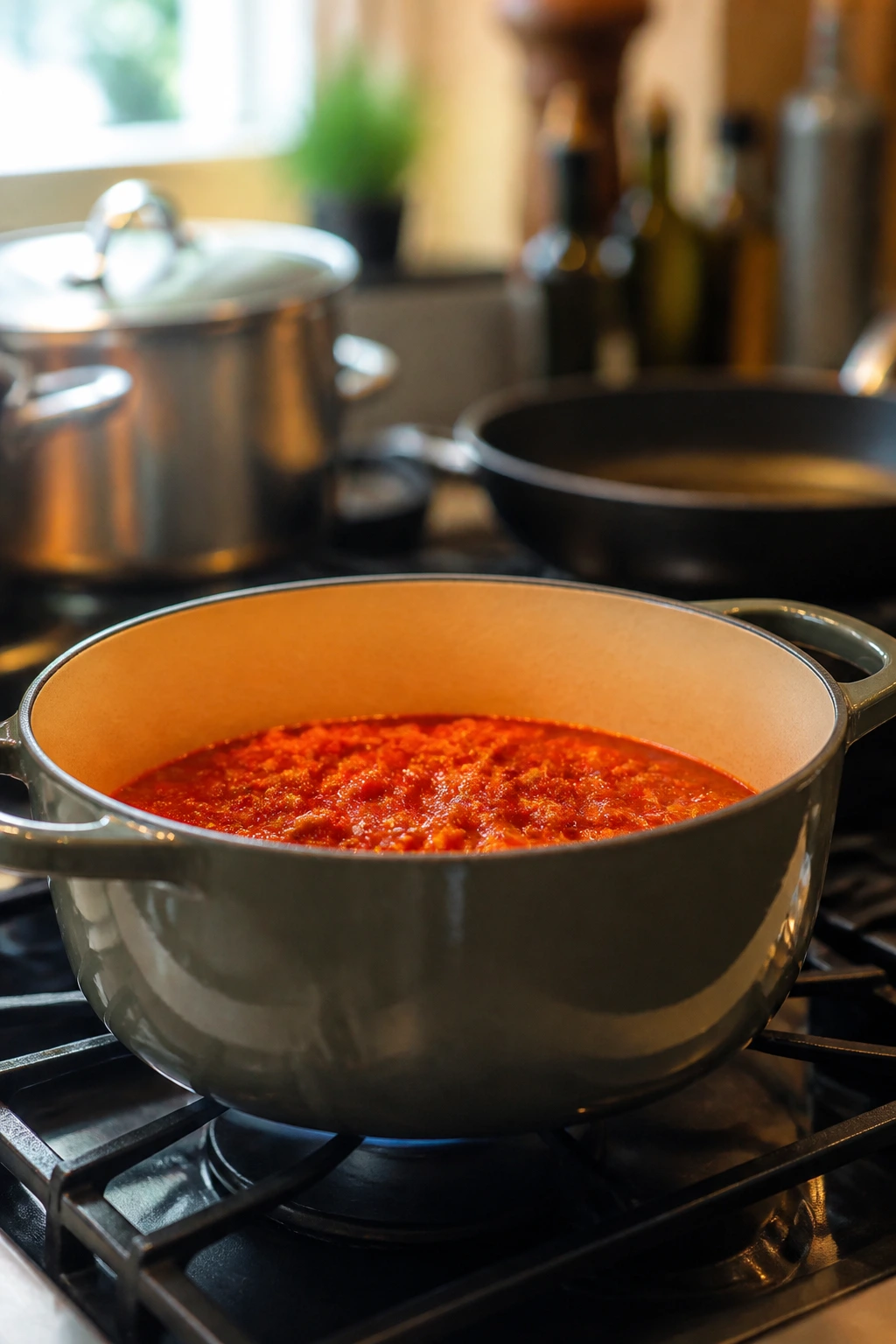
6- to 8-quart Dutch oven or heavy pot — Best for ragù, bean soups, braises, and anything that needs an even, gentle simmer without scorching.
-
Wide sauté pan — Useful for soffritto, quick tomato sauces, greens, and any dish where evaporation matters.
-
9×13-inch baking dish — The workhorse for lasagna, baked ziti, pasta al forno, and vegetable bakes.
-
Wooden spoon or heatproof spatula — Gentle on enamel and cast iron, and better for scraping the bottom of a pot than a whisk.
-
Chef’s knife and sturdy cutting board — Onion, carrot, celery, fennel, garlic, herbs, and bread all start here.
-
Microplane or box grater — For Parmesan, Pecorino, lemon zest, nutmeg, and the occasional grating of frozen butter into dough or filling.
-
Fine-mesh strainer or colander — Beans, pasta, and rinsed greens all need a safe drain.
-
Ladle — Soup and brothy bean dishes are easier to portion cleanly with one.
-
Sheet pan — Handy for roasting vegetables, toasting bread, or catching drips under bubbling baked pasta.
-
Immersion blender — Optional, but useful if you like a partially smooth soup or want to thicken a bean pot without transferring it to a blender.
-
A regional cookbook from one part of Italy — A single-region book teaches you more than a glossy catchall because it shows how the same pantry behaves in different hands.
Leftovers, Storage, and Reheating
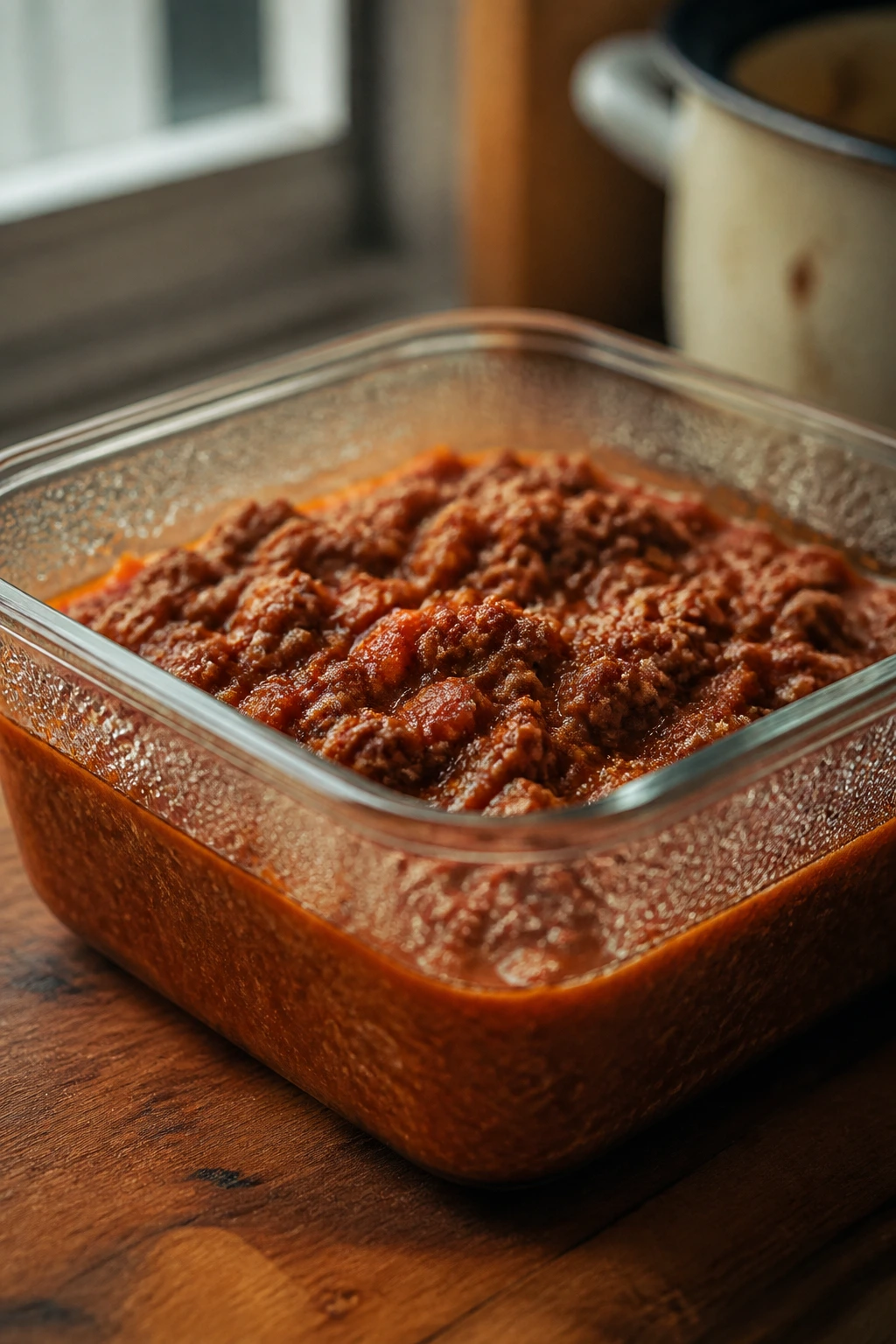
Ragù and tomato sauces keep well in the fridge for 3 to 4 days in a sealed container, and they freeze for up to 3 months. Cool them first, then portion into shallow containers so they chill quickly. Reheat gently on the stovetop over low heat with a splash of water if the sauce has thickened too much.
Soups and bean pots hold for 3 to 4 days refrigerated and freeze for 2 to 3 months. Pasta in soup does not always survive storage well, so if you know there will be leftovers, cook the pasta separately and add it to each bowl instead of the whole pot. That keeps the broth from turning starchy and thick.
Baked pasta keeps for 3 to 4 days in the fridge. If you want to freeze it, freeze it before baking or underbake it slightly, then cover tightly and freeze for up to 2 months. Reheat covered at 325°F (165°C) until the center is hot, usually 20 to 30 minutes for a smaller portion and longer for a full pan. Remove the foil for the last few minutes if you want the top to crisp again.
Polenta is best the day it is made, but leftovers can be chilled for 2 to 3 days and sliced or reheated with a splash of broth, milk, or water. Risotto is less friendly, though it can be revived in a pan with stock and finished with butter; if you know there will be extra, think about turning it into arancini or a crisped rice cake instead of trying to make it look fresh again.
Bread and focaccia are good for 1 to 2 days at room temperature if wrapped loosely, and slices freeze well for up to 2 months. Reheat bread directly on the oven rack or in a hot skillet to bring the crust back. Avoid the microwave unless you enjoy disappointment.
A lot of these dishes taste deeper on day two. That is not a sales line. It’s what happens when sauce, fat, starch, and salt stop arguing and settle into each other.
Questions People Ask Before They Start

What’s the easiest classic Italian comfort food to start with?
Pasta e fagioli is a smart first dish because it teaches the basics without asking for a lot of finesse. You get soffritto, broth, beans, pasta, and seasoning practice in one pot. Baked ziti is another good starting point if you want something more crowded and cheesy.
Do I have to use San Marzano tomatoes?
No. Good canned whole peeled tomatoes are enough if you cook them with care. San Marzano tomatoes have a nice balance and less watery flesh, but a standard can can still make a very good sauce once it has been simmered down properly.
Can I make these dishes without pork or meat?
Yes. Olive oil, mushrooms, beans, lentils, anchovy, tomato paste, Parmigiano rind, and good broth can build plenty of depth. A mushroom ragù or bean-and-greens soup can scratch the same comfort itch without meat at all.
Why does my tomato sauce taste sharp even after salt?
It probably needs balance, not just more salt. Try a small knob of butter, a drizzle of olive oil, a Parmigiano rind, or a tiny splash of vinegar if it tastes flat and acidic at once. The right fix depends on whether the problem is brightness, bitterness, or plain thinness.
How do I keep baked pasta from drying out?
Use a little more sauce than seems necessary, undercook the pasta, and cover the dish for most of the bake. Uncover only near the end if you want the top browned. Let it rest before serving so the steam settles into the layers instead of escaping all at once.
Can I freeze ragù, soup, or baked pasta?
Yes, and ragù freezes especially well. Soup freezes well too, though pasta should be added fresh if possible. Baked pasta is best frozen before the final bake so the texture stays better when it comes back to life.
What if I only have jarred sauce?
Use it, but cook it with onion, garlic, tomato paste, and maybe sausage, mushrooms, or a Parmigiano rind so it tastes less flat. A jar of sauce can be a starting point. It should not be the final word.
Is Italian comfort food always heavy?
Not at all. Bean soups, greens, polenta, tomato braises, and bread-based soups can feel substantial without leaning on cream or piles of cheese. The richness often comes from olive oil, broth, and slow cooking rather than sheer weight.
Which pasta shapes work best for ragù?
Short tubes like rigatoni and ziti hold chunky sauces well, while tagliatelle or pappardelle flatter a smoother meat ragù. Thin spaghetti tends to get lost under a heavy sauce, which is why it is not my first choice for the heartier stuff.
A Table Worth Sitting Down For
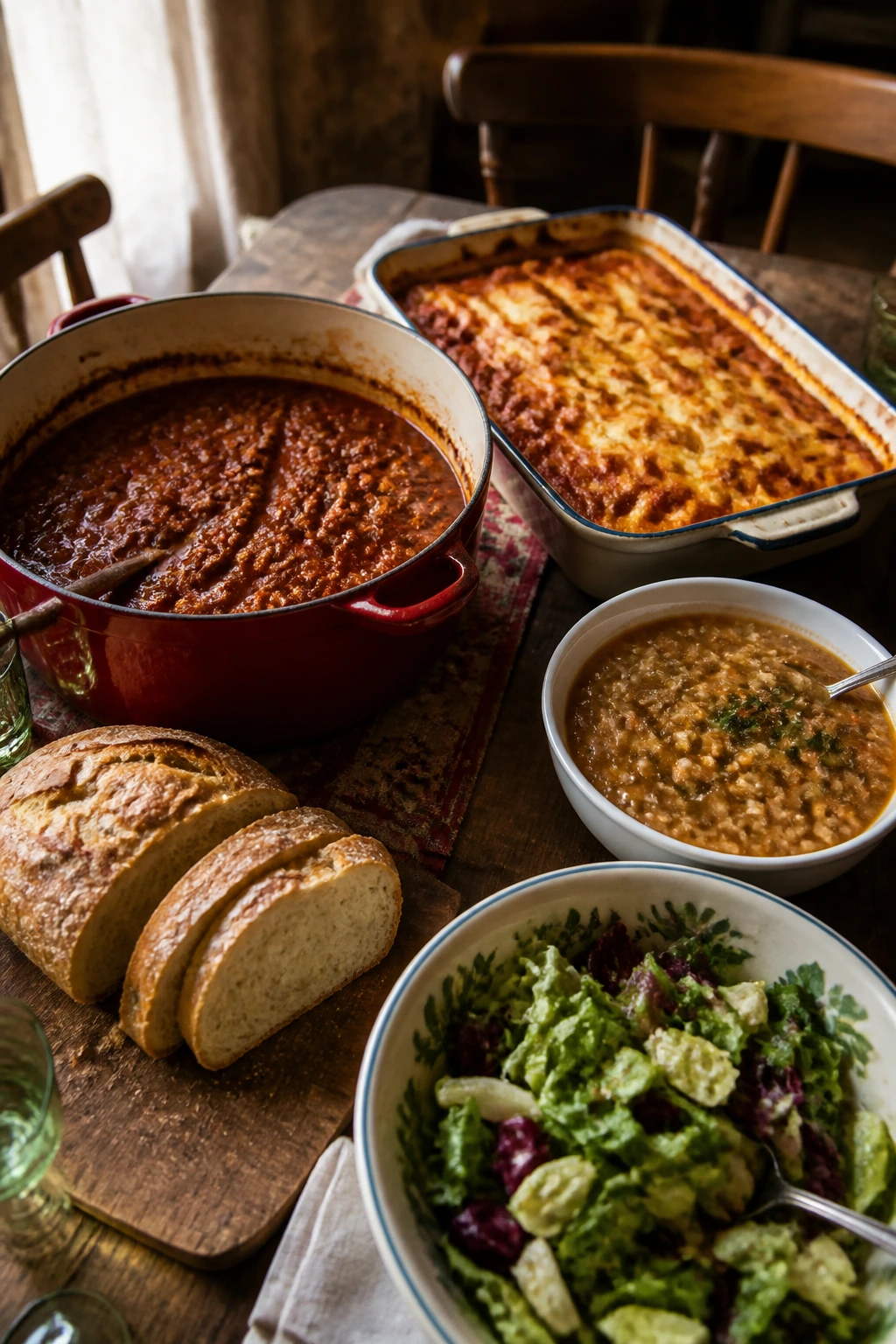
The dishes that stay with people are rarely the loudest ones. They’re the pot of ragù that has been whispering on the back burner, the soup that thickens as it sits, the tray of baked pasta that gets better after a short rest on the counter. Classic Italian comfort food works because it knows how to be steady.
That steadiness is part recipe, part rhythm. Start with onion and oil. Use enough salt to wake the ingredients up. Leave room for bread, a green salad, and a second helping if somebody wants it. Then let the food do what it has always done: gather people, feed them properly, and make the kitchen smell like someone cared.