



Garlicky Mediterranean ingredients have a way of announcing dinner before the first plate hits the table. A clove of garlic splits under the side of a knife, hits warm olive oil, and the whole kitchen changes character in seconds. The sharp edge softens. The oil turns fragrant. A spoonful of tomato paste darkens to a brick red. A few capers crackle. That’s the smell people usually mean when they say Nonna’s cooking, even if their own grandmother never cooked a Mediterranean dish in her life.
The magic is not about piling on more stuff. It’s about a small set of ingredients that know how to pull weight: olive oil, garlic, tomatoes, olives, capers, herbs, beans, lemon, and the right kind of cheese. Each one does a job. Skip the job and the dish falls flat. Get the order right and even the plainest beans or pasta suddenly taste like they’ve been simmering all afternoon.
That’s why this pantry still matters. It’s cheap enough to keep stocked, sturdy enough to survive a busy week, and forgiving enough that a little heat or a little extra salt doesn’t ruin the whole pan. It also teaches something useful: good cooking often comes down to timing, restraint, and knowing when to stop. Start there, and the rest makes sense fast.
Why These Ingredients Earn Their Keep
-
They build flavor in layers, not with clutter: Garlic, olive oil, and tomato paste can create depth long before you add anything fancy, which is why a short ingredient list can still taste complete.
-
They stretch across half the meal plan: The same jar of capers and can of tomatoes can show up in pasta, fish, roasted vegetables, bean stew, or a quick skillet sauce without feeling repetitive.
-
They reward basic technique: Warm oil, gentle heat, a late squeeze of lemon, and a handful of herbs do more here than a long ingredient list ever could.
-
They make leftovers better, not sadder: Tomato sauces, braised beans, and olive oil–based vegetable dishes usually settle and taste rounder after a night in the fridge.
-
They fit real kitchens: These are shelf-stable or fridge-friendly staples, which means you can cook with them on a Tuesday without a special shopping trip.
The Flavor Triangle That Makes It Work
A lot of home cooks try to make Mediterranean food with one loud note. Garlic. Or salt. Or acid. That’s how you get a pan that smells promising and still tastes oddly flat. The better approach is a triangle: fat, salt, and acid, with herbs or heat sitting in the wings.
Olive oil carries the garlic and helps tomatoes taste fuller. Salted ingredients like olives, capers, anchovies, pecorino, and feta wake up the middle of the dish. Then acid — lemon juice, red wine vinegar, white wine, even a splash of briny caper liquid — keeps the whole thing from collapsing into heaviness. The balance is not delicate in a fragile way. It’s practical. If one side is missing, you feel it in the bite.
Fat: The Part That Makes Everything Taste Rounder
Good olive oil doesn’t just grease a pan. It coats the tongue and gives garlic, herbs, and tomatoes somewhere to land. A plain tomato sauce made with cheap, tired oil tastes thinner and more sour than one made with a peppery extra-virgin oil. You notice it immediately when you dip bread into both.
Salt: The Quiet Backbone
Salt in this kind of cooking rarely comes from the salt cellar alone. It arrives through olives, capers, anchovies, cheese, cured fish, and even the pasta water. That’s why the best Mediterranean food often tastes layered rather than aggressively salty. The seasonings are doing several jobs at once.
Acid: The Part That Keeps You Coming Back
Lemon and vinegar do something a little sneaky. They sharpen the finish without making the dish taste sour. A teaspoon of lemon juice in a bowl of beans can make the herbs seem greener. A splash of white wine vinegar in tomato sauce can cut through sweetness and make the garlic feel brighter.
Choosing Olive Oil That Tastes Alive
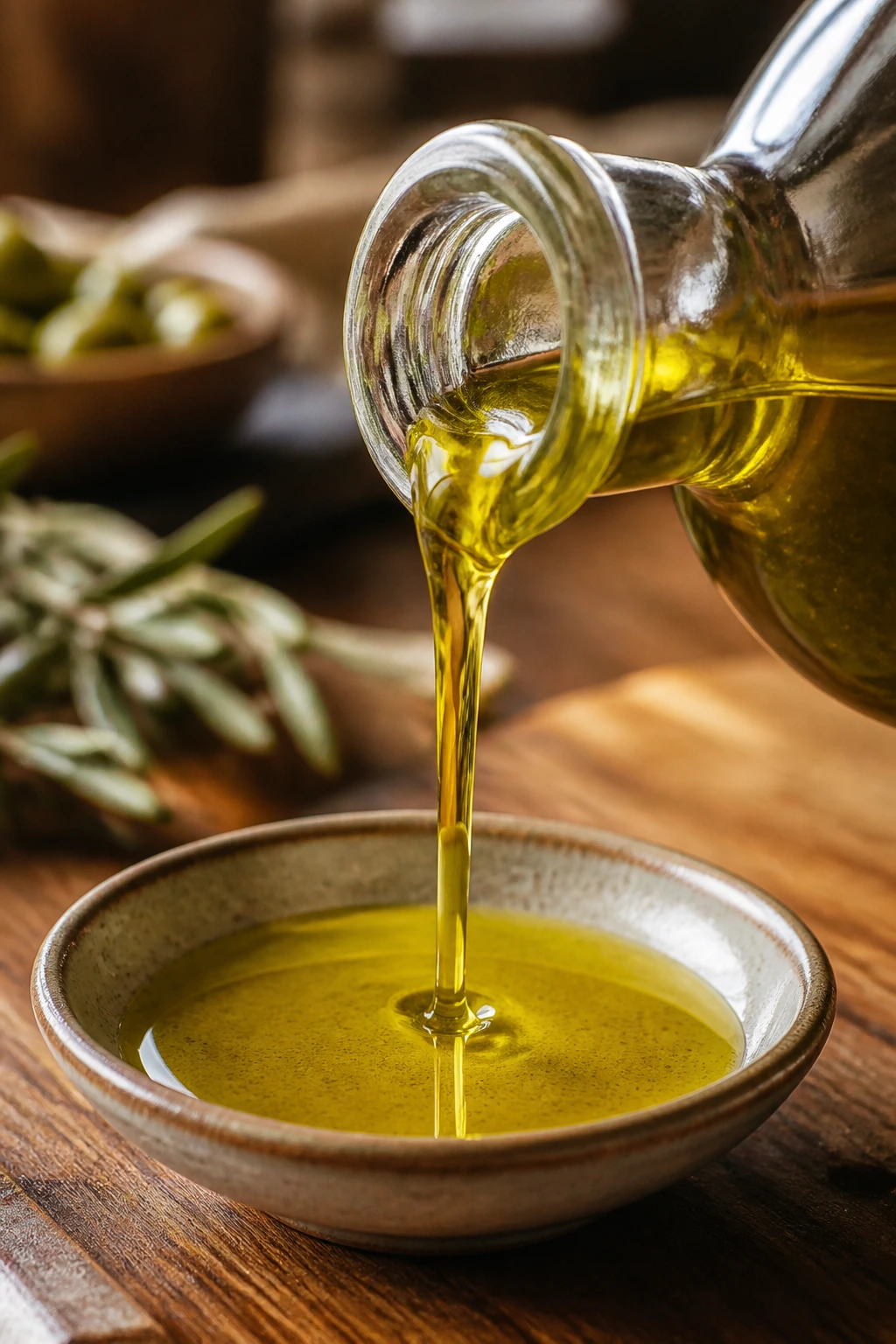
Olive oil is the first thing I’d defend in any Nonna-style pantry. Not the fanciest bottle on the shelf. Not the most expensive one. The bottle that smells like olives, green apple, grass, or pepper — something alive. If it smells like crayons, wet cardboard, or old nuts, put it back.
For everyday cooking, an extra-virgin olive oil with a fresh, clean aroma is the right move. You do not need to reserve the good bottle for “special” dishes. That habit usually backfires. If the oil never gets used, it goes stale. If you cook with the cheapest bottle every time, the whole pan tastes tired. The sweet spot is a bottle you’re happy to taste on bread and also happy to let meet a skillet.
What to Look For on the Label
A dark bottle helps. So does a harvest date or bottling date, because older oil loses its pepper and fruit. Single-origin oils can be lovely, but a well-blended extra-virgin oil is often more consistent for daily use. For dressings and finishing, choose the oil you’d happily drizzle over tomatoes and a pinch of flaky salt.
How to Cook With It
Use a moderate flame. Olive oil can handle sautéing onions, garlic, and tomatoes, but it should not be driven to the point of smoking unless you like bitter edges and a kitchen that smells like a mistake. A shallow layer in the pan should shimmer before the garlic goes in. That sheen matters. Cold oil makes garlic sit there and steam; hot oil makes it race toward brown faster than you expect.
When to Save the Fancy Stuff
The peppery, expensive bottle belongs on finished dishes: soup, grilled vegetables, toast, beans, and sliced tomatoes. The oil that goes into a slow sauce can be good, but it doesn’t need to be the bottle you’d bring out with a loaf of bread and nothing else. That’s a habit worth keeping. The pantry gets easier to live with when the expensive things are the ones you taste most clearly.
Garlic: When to Smash, Slice, or Slow-Simmer It
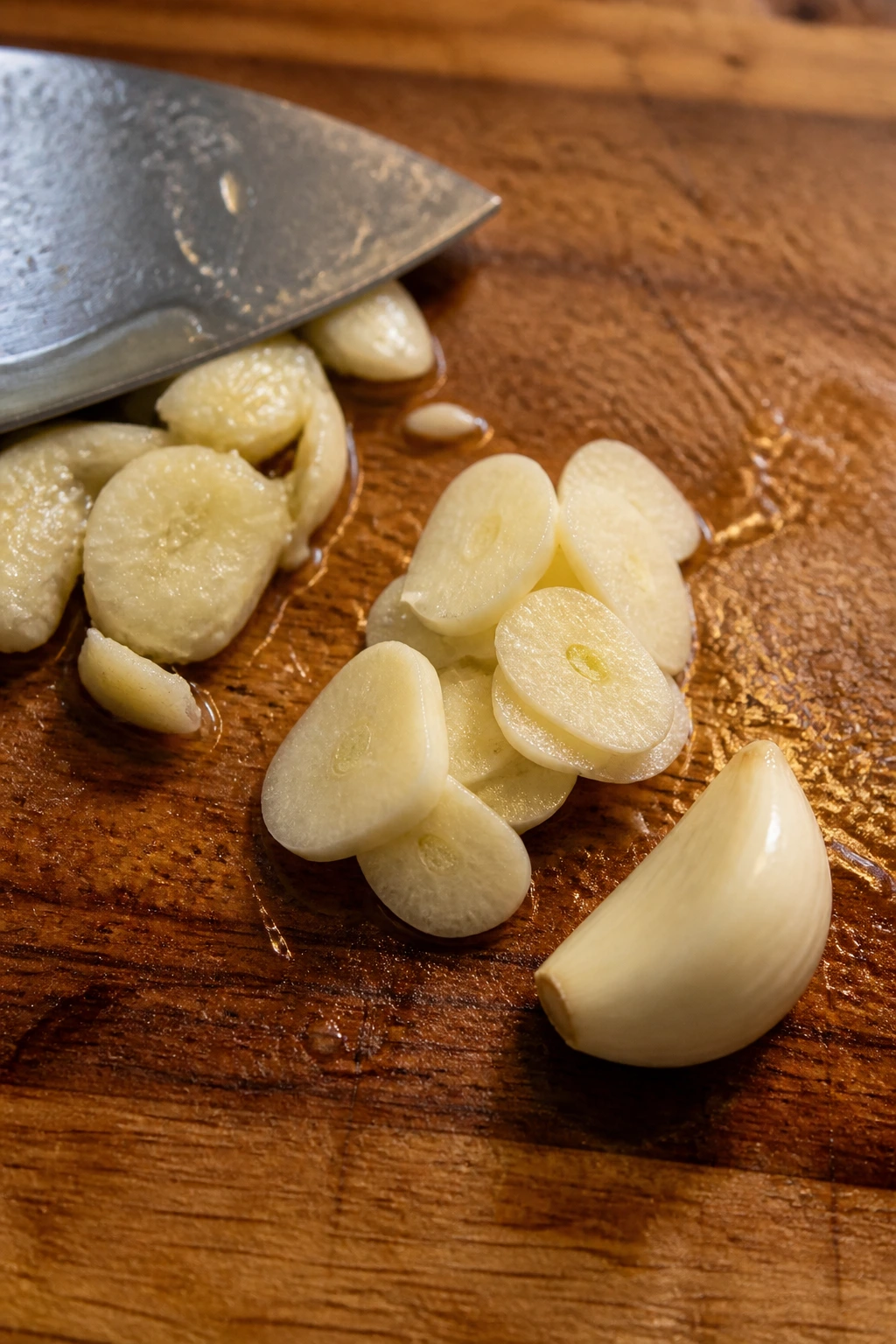
Garlic is the whole mood here, but it’s also the ingredient most likely to trip people up. Raw garlic tastes sharp and almost metallic. Garlic cooked gently in olive oil tastes sweet and nutty. Burned garlic tastes like punishment. The distance between those three outcomes can be less than thirty seconds.
Smashing garlic with the side of a knife gives you a softer, more rustic flavor. Slicing it thin gives you more surface area and a stronger hit. Grating or mashing it into a paste — with salt if you like a little friction — turns it into a near-instant seasoning that melts into dressings and quick sauces. Each form has a job. The trick is matching the cut to the dish.
Smashing vs. Slicing
Smashed cloves belong in soups, braises, and long-cooked sauces. They release flavor gently and can be fished out if you want a smoother finish. Sliced cloves are better for quicker sautéed dishes, especially when you want little golden bits of garlic showing up in the pan. They cook faster, so keep the heat lower.
Raw Garlic Has a Place, Too
Raw garlic belongs in dressings, herb sauces, and tomato toppings when you want a little bite. But raw garlic can bulldoze a dish if you overdo it. One small clove grated into a bowl of yogurt or lemon juice is plenty. Two can start tasting harsh fast, especially if you let it sit too long before serving.
The One Rule Nobody Should Ignore
Do not walk away once garlic hits oil. That’s the whole warning. If the garlic begins to brown at the edges before the onions or tomatoes go in, the flavor turns bitter and stays that way. I keep a spoon in the pan whenever garlic is the first thing in, because once it starts coloring, the next ten seconds matter.
Tomatoes in Their Best Form
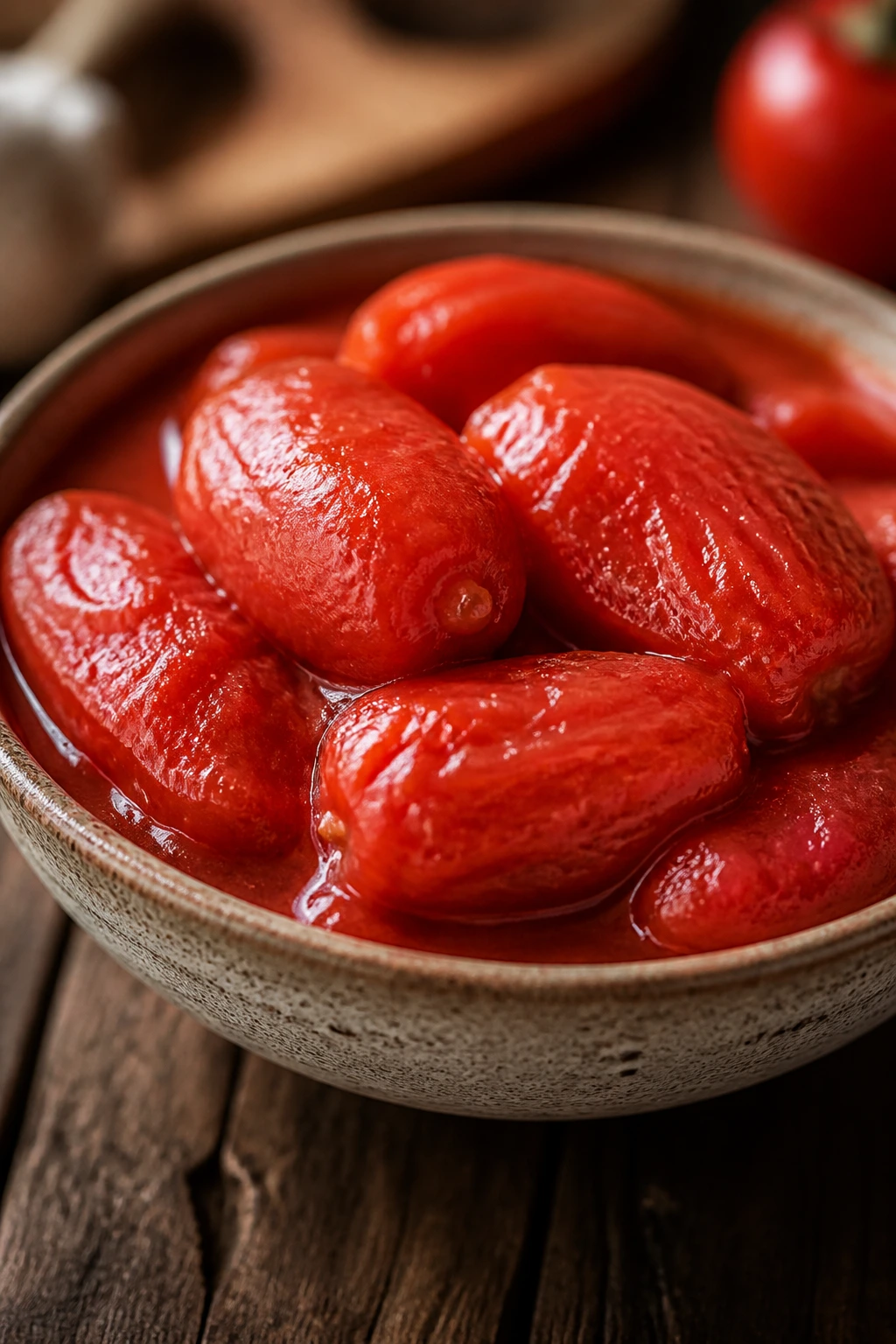
A lot of people insist fresh tomatoes are always better. That’s cute, and often wrong. A winter tomato can taste like damp cardboard no matter how lovingly you slice it. A can of good whole peeled tomatoes, on the other hand, can be more reliable than a pricey fresh tomato from a market stall that has been sitting under lights for two days.
Whole peeled tomatoes are the pantry workhorse. They give you control. You can crush them by hand for a rough sauce, blend them smooth for soup, or simmer them down with garlic and oil until they cling to pasta. Passata is useful when you want a silkier sauce without visible chunks. Tomato paste is the concentration move — a teaspoon or two cooked in oil deepens the whole pan before any liquid goes in.
The Forms Worth Keeping Around
- Whole peeled tomatoes: Best for sauces where texture should stay flexible.
- Passata: Best for smooth tomato bases and soups.
- Tomato paste: Best for concentrated depth in small amounts.
- Fresh ripe tomatoes: Best when they smell like tomatoes and yield slightly at the stem end.
What Makes Canned Tomatoes So Useful
Good canned tomatoes often taste rounder than bad fresh ones because the fruit was packed at ripeness. A can of whole tomatoes can be hand-crushed, simmered with garlic, and finished with oil or herbs in minutes. That’s why so many old recipes lean on them. They behave.
The Tiny Detail That Changes the Pan
Tomato paste should be cooked until it darkens from bright red to brick red. Not burned. Just cooked enough that the raw edge disappears and the sugars sweeten a little. That small change is where a quick sauce starts tasting as if it had more time than it actually did.
Olives, Capers, and Anchovies: Salt with Purpose
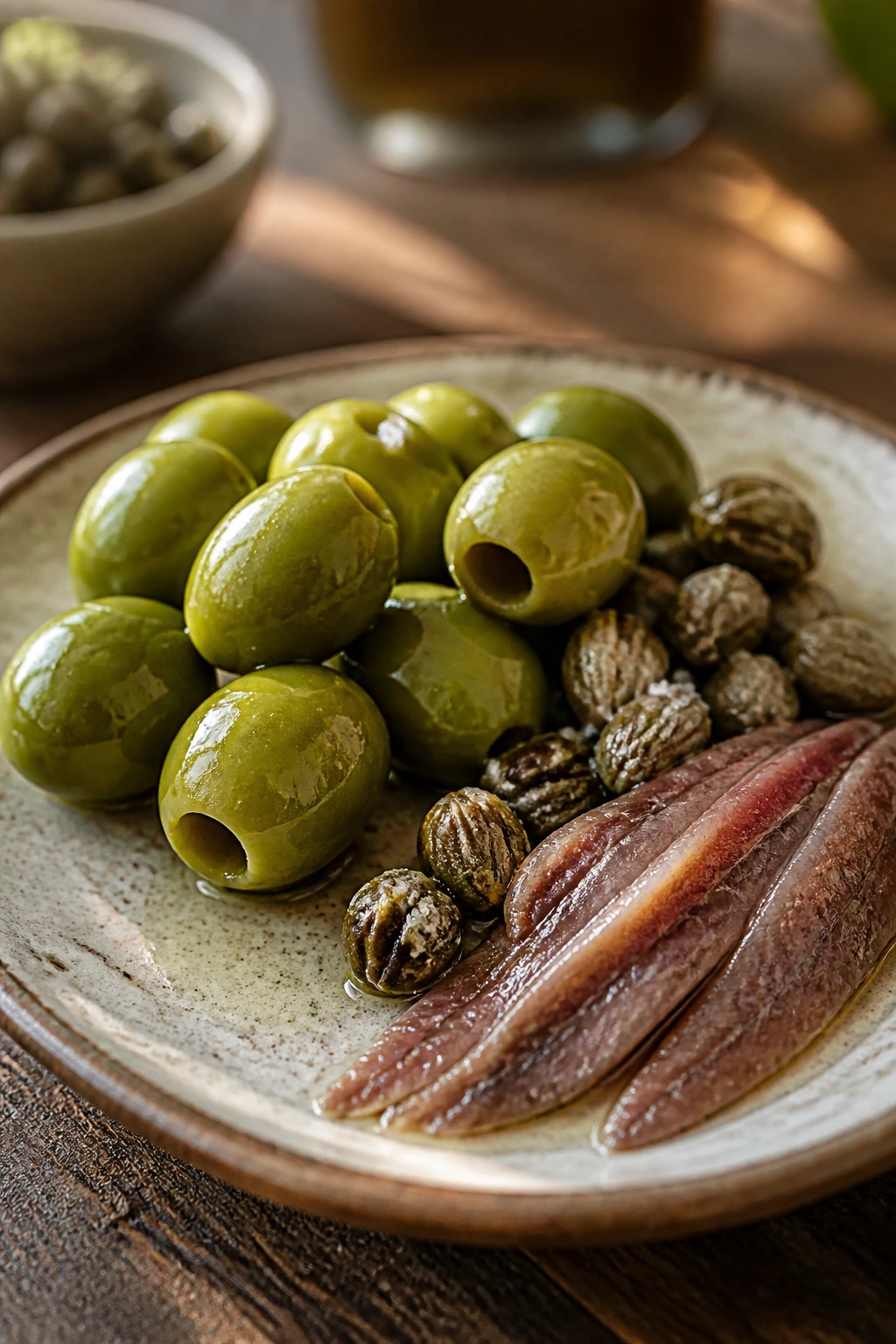
This trio can rescue a dish that feels too soft or too polite. Olives bring fruit and salt. Capers bring a briny snap. Anchovies, when cooked properly, bring a deep savory note that disappears into the sauce without tasting fishy. That last part matters. Good anchovy work should make people ask what tastes so rich, not what smells like the coast.
Olives come in different personalities. Castelvetrano olives are mild and buttery. Kalamata olives are darker, meatier, and more assertive. Oil-cured black olives have a chewy, almost smoky edge. Use them like you mean it. A few chopped olives can change a whole bowl of couscous or a pan of roasted eggplant.
Capers behave differently depending on how they’re packed. Salt-packed capers are intense and need rinsing. Brined capers are softer and a little more accessible. I like rinsing either type briefly if the dish already has olives or cheese. You want the caper to pop, not dominate every bite.
Anchovies deserve their good reputation back. Melt one or two fillets in olive oil over low heat and they vanish into the fat. Add garlic afterward and the pan tastes deeper, not fishier. If you are suspicious of anchovies, start small. Use one fillet in a sauce for four servings and pay attention to what happens. The result is usually less “anchovy” and more “why does this taste so complete?”
Herbs: The Green Finish That Keeps Food Awake
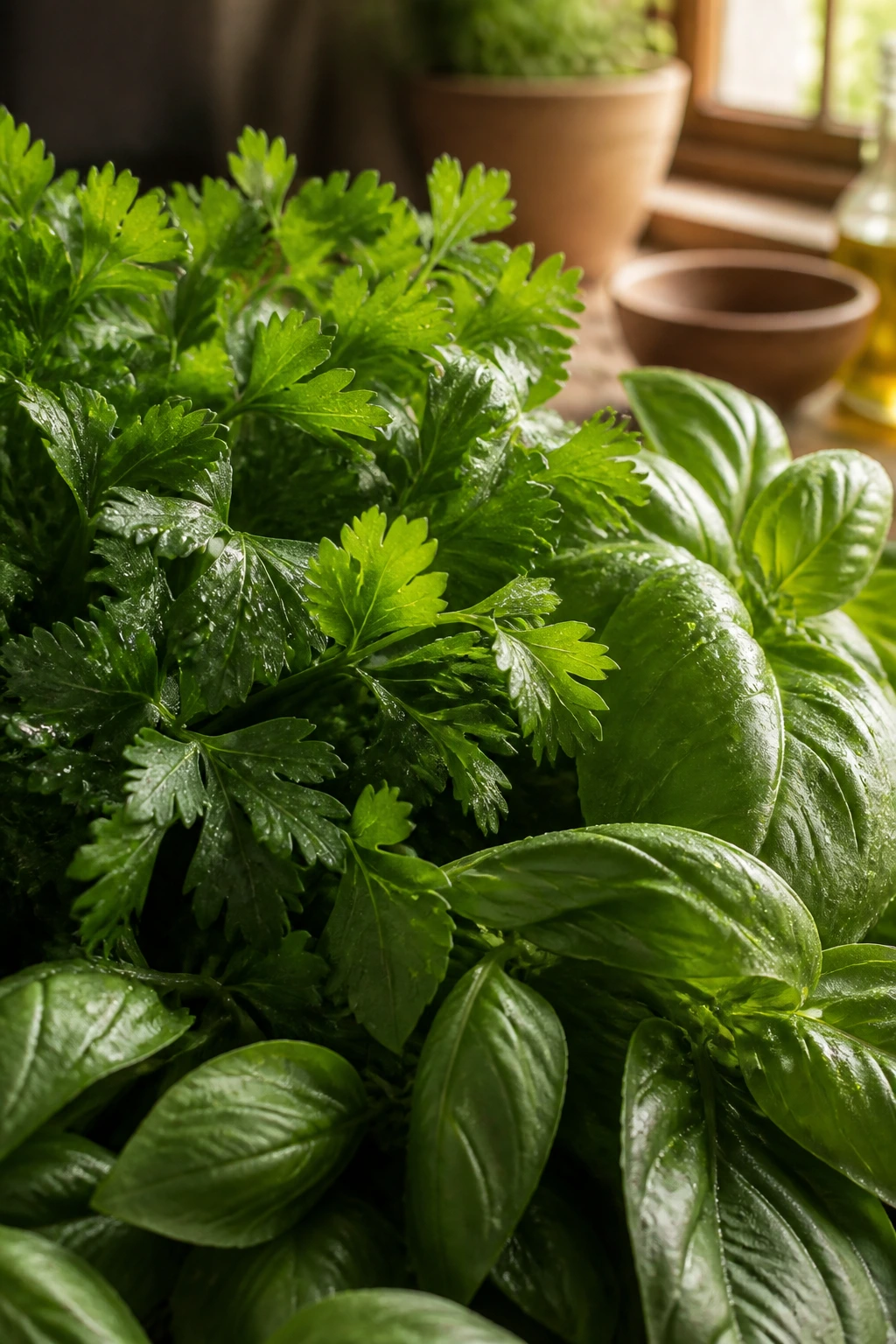
Herbs are where Mediterranean cooking stops sounding like a pantry and starts smelling like a kitchen. Fresh parsley at the end of a dish can make olive oil taste greener. Oregano gives tomato sauce that dry, slightly floral warmth that belongs under garlic. Basil goes soft and sweet around tomatoes. Rosemary and thyme bring an older, woodier scent that works best with beans, potatoes, bread, and slow braises.
The easiest way to think about herbs is by their texture. Tender herbs like parsley, basil, dill, mint, and cilantro go in late or stay raw. Woody herbs like rosemary, thyme, sage, and oregano can go into the pan earlier, especially if the dish has time to simmer. That difference matters more than whether the herb is fresh or dried.
Tender Herbs at the End
Parsley is the safest all-purpose finish. It brightens without shouting. Basil likes tomatoes and olive oil, but bruises fast, so tear it rather than mincing it if you want some shape left. Dill and mint move the dish toward Greek and Levantine flavors, which is useful if you want lighter salads, yogurt sauces, or bean bowls.
Woody Herbs in the Pan
Dried oregano is one of the few dried herbs I trust without hesitation. It holds onto flavor well and wakes up in oil. Rosemary should be used carefully; it can go from fragrant to pine-heavy if you overdo it. Thyme is gentler and plays well with tomatoes, beans, and roasted vegetables.
A small but useful habit: crush dried herbs between your fingers before they hit the pan. It breaks them open and helps the aroma wake up faster. Little thing. Big difference.
Beans, Lentils, and Chickpeas: The Quiet Backbone
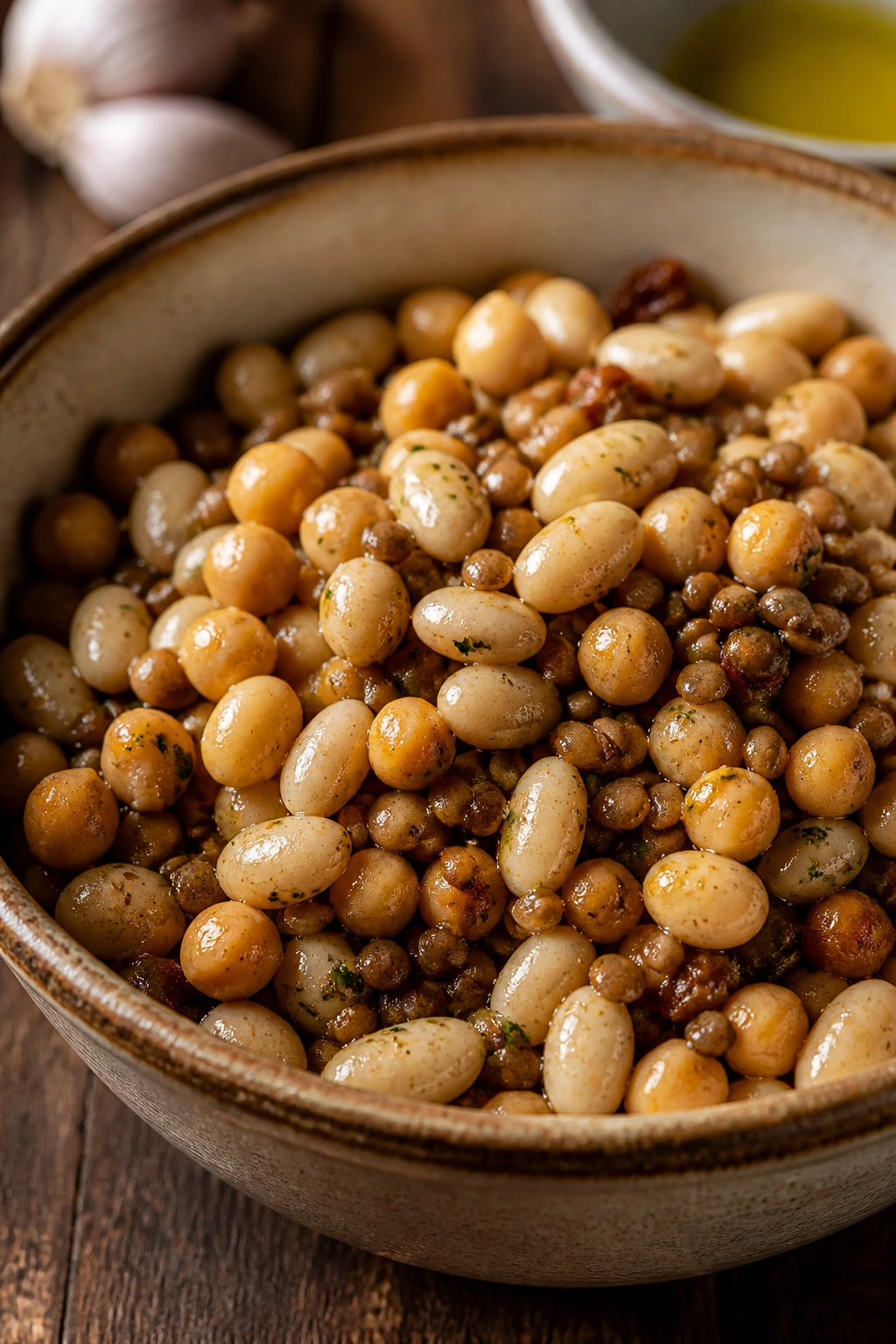
These ingredients don’t get enough credit because they’re humble, and because they tend to look beige in a bowl. But they’re one of the best ways to make a garlicky Mediterranean meal feel complete. Beans and lentils soak up olive oil, garlic, herbs, tomato, and citrus like they were built for it. Which, in practice, they were.
Cannellini beans are soft and creamy. Chickpeas hold their shape and carry spices well. Lentils cook faster and give you a denser, earthier bite. If you want dinner that tastes bigger than the ingredient list, start here. A pot of lentils with garlic, tomato, parsley, and lemon can eat like something that spent all day on the stove even when it didn’t.
Canned vs. Dried
Canned beans are the weeknight answer. Rinse them if you want less sodium and a cleaner sauce. Save a little of the liquid if you need body in a soup or stew. Dried beans are worth the trouble when you want more control over texture, but they need soaking or a longer simmer. No shame in either route.
Why They Fit This Pantry So Well
Beans welcome salty ingredients without getting overwhelmed. A spoonful of capers or chopped olives can wake them up. A little anchovy in the background makes them taste fuller. Even a simple mash of white beans, garlic, olive oil, lemon, and parsley can work as lunch, a side dish, or a spread for bread.
One Practical Habit
Keep at least one can of beans and one bag of lentils in the pantry. That pairing covers a lot of ground. If the fridge looks empty, those two can still turn into soup, salad, or a braise that doesn’t feel like an emergency meal.
Bread, Pasta, and Grains: The Things That Catch Sauce
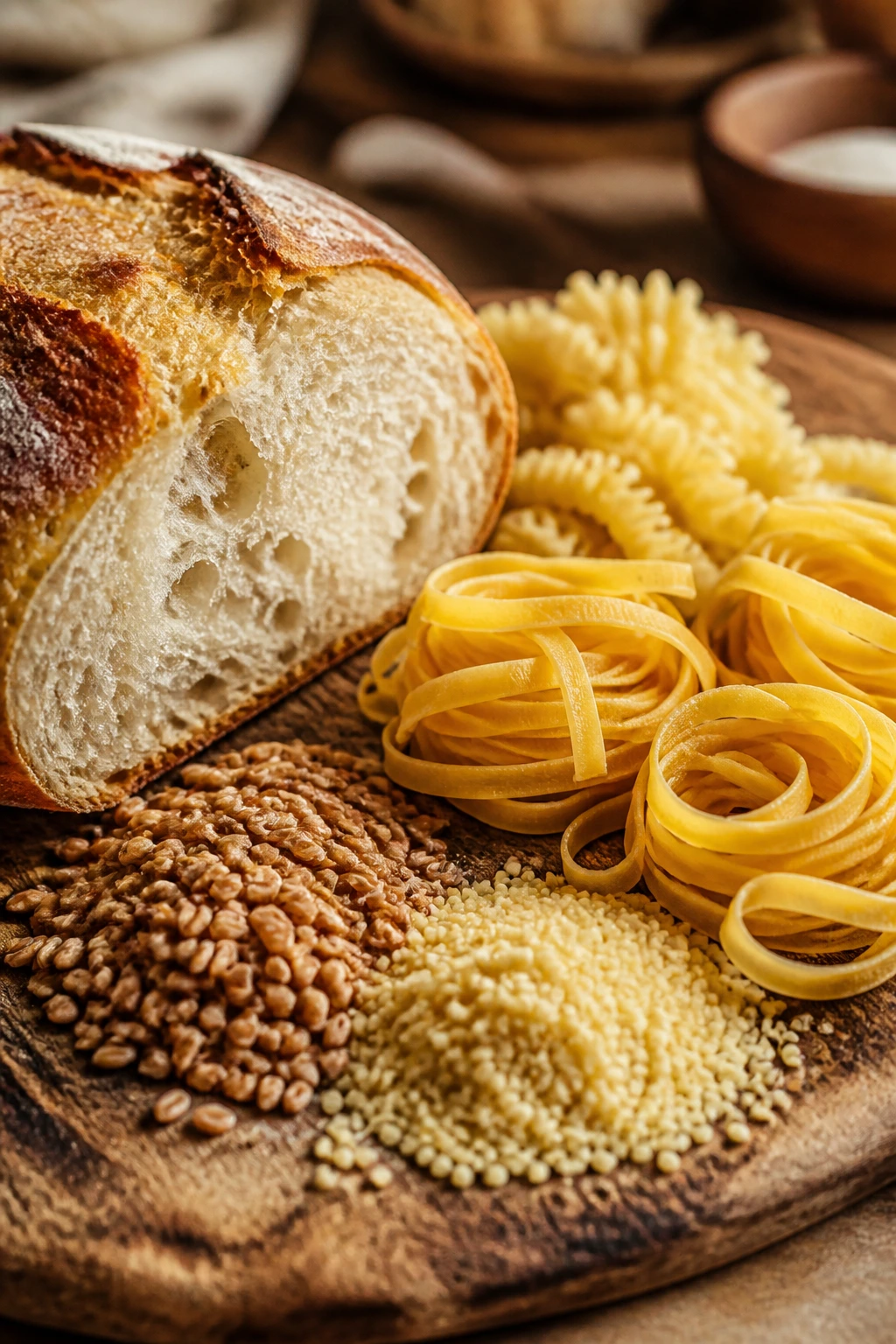
Sauce needs something to cling to. Otherwise it turns into decoration. That’s the job of bread, pasta, and grains in this style of cooking: they carry the garlic oil, mop up the tomato, and turn a pan of ingredients into an actual plate of food.
Pasta shape matters more than people admit. Long, smooth noodles are fine for lighter sauces, but short shapes with ridges or hollows catch tomato, olive pieces, and grated cheese better. Rigatoni, orecchiette, fusilli, and spaghetti all have different personalities. If you’ve ever watched sauce slide off a slick noodle and pool in the bowl, you already know why this matters.
Bread does a different job. A crusty loaf can be torn into soup or dipped into oil and tomato juices. Toasted breadcrumbs, especially when fried in olive oil with a bit of garlic and parsley, bring crunch to soft vegetables and beans. That old Italian habit of using breadcrumbs instead of more cheese is not thrift alone. It gives you texture.
Grains Worth Keeping Around
Polenta, couscous, farro, orzo, and bulgur all fit this pantry differently. Polenta goes creamy and steady under braised vegetables. Couscous soaks up olive oil and lemon in minutes. Farro holds shape and adds chew to bean salads. Orzo behaves a little like pasta and a little like rice, which is part of its charm.
One thing I like about these grains: they don’t argue with garlic. They let the garlic stay in charge.
Lemon, Vinegar, and Wine: Brightness Without Shouting
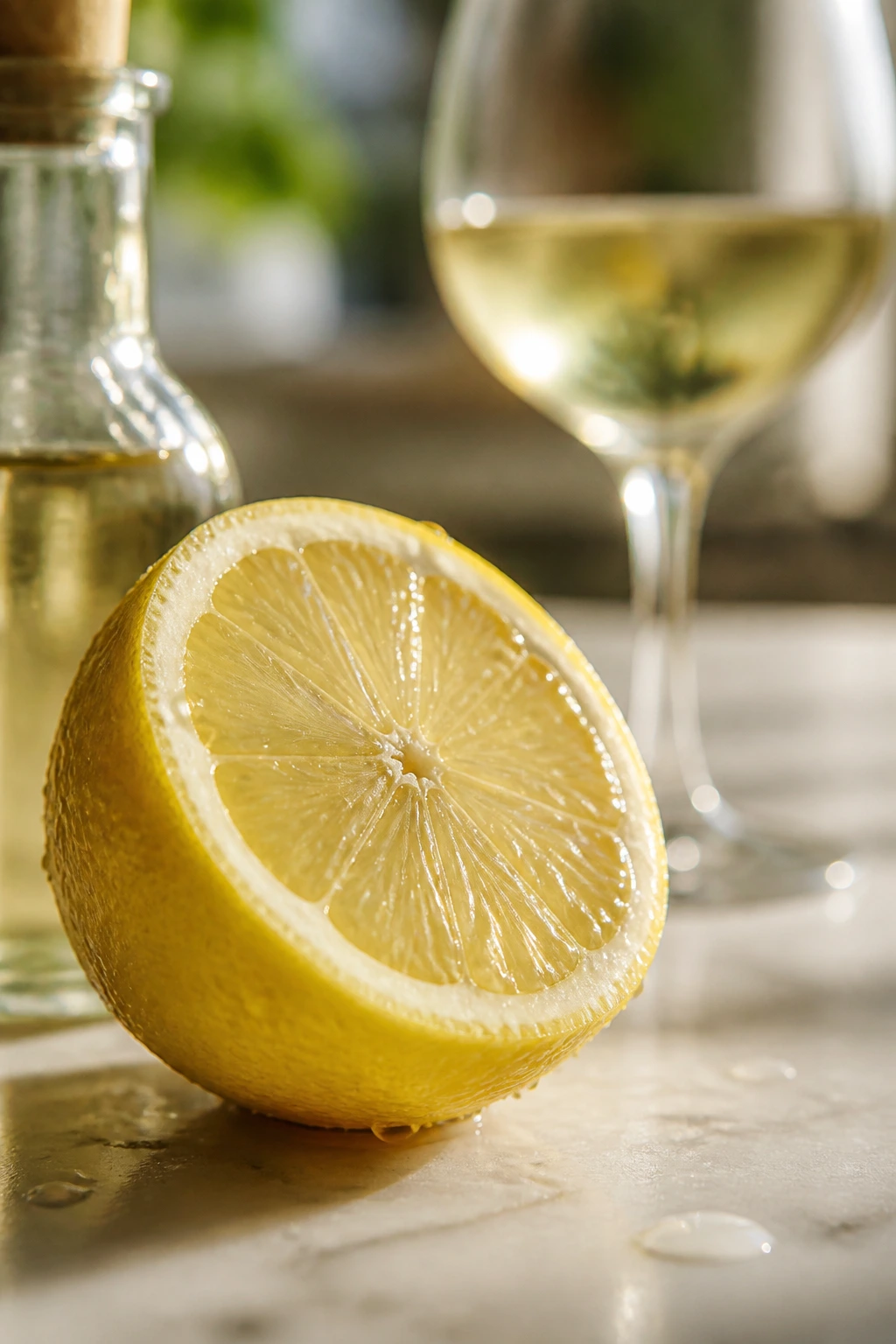
Acid is the thing that stops Mediterranean food from becoming heavy and one-note. Lemon is the cleanest version. Vinegar is the most direct. Wine sits somewhere in between, bringing body as well as brightness. Used well, they don’t make food sour. They make other flavors wake up.
Lemon zest is more aromatic than juice. If a dish needs perfume, zest is the move. Juice belongs near the end, when you want the sauce to feel lighter or the beans to taste sharper. Vinegar works well in cooked sauces, especially with tomatoes, greens, and legumes. White wine is a little softer; red wine vinegar is more forceful. Sherry vinegar lands in a pleasant middle ground and is especially good with roasted vegetables.
When to Add Acid
Add it late if you want freshness. Add it early if you want the edge to soften and merge into the sauce. A squeeze of lemon at the table can be smarter than a squeeze in the pot, because then each person can decide how bright they want the bowl.
The One Trick That Changes Leftovers
Leftover bean stew or tomato sauce often tastes duller straight from the fridge. A small splash of lemon, vinegar, or even a bit of the brine from capers can bring it back. That’s one of those little habits that makes old food feel new again.
Cheese and Dairy: When Richness Belongs, and When It Gets in the Way
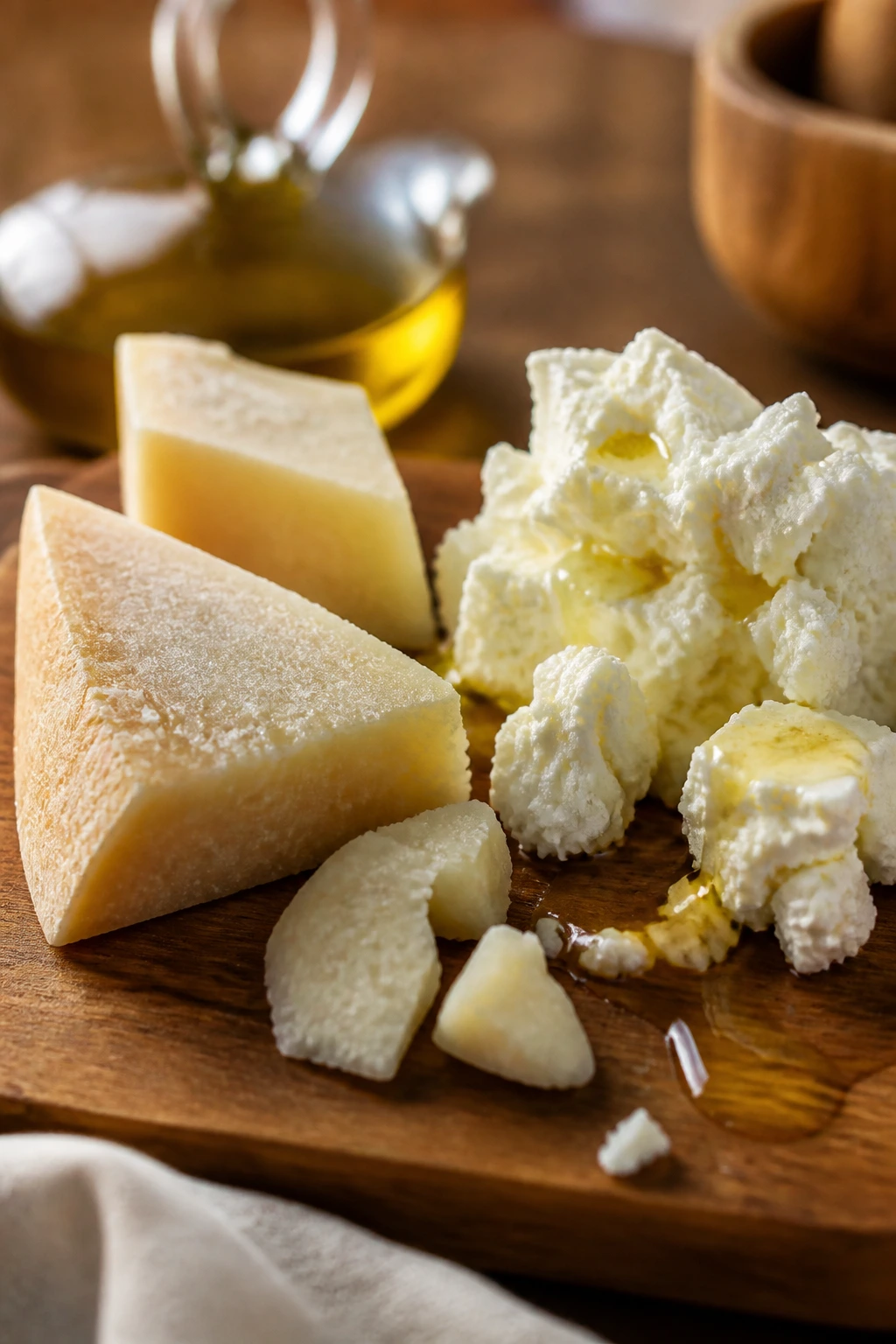
Cheese is not the point of every Mediterranean dish, and that’s part of what makes the good ones so balanced. A little grated pecorino over pasta or beans can sharpen the whole bowl. Feta gives you salty crumble and a creamy bite. Ricotta softens a dish without burying it. Yogurt can cool a spicy or garlicky edge, especially in sauces and spreads.
The key is knowing what dairy is doing. If the dish already has olives, capers, anchovies, and a good tomato base, it may need only a dusting of hard cheese. If the dish is mostly beans, greens, or grains, a spoon of yogurt or a crumble of feta can make it feel finished. But piling on cheese just because it’s there is usually a bad habit. It can flatten the brightness you worked to build.
Hard Cheeses
Pecorino Romano brings sharper salt than Parmesan and works beautifully with garlic-heavy pasta. Parmesan is a touch rounder and less aggressive. Grate either finely so it melts into the hot surface instead of sitting in dusty flakes on top.
Soft and Tangy Dairy
Feta should stay chunky if you want contrast. Yogurt is best as a cold finish under warm vegetables or spiced beans. Ricotta is lovely when spread on toast or dolloped over tomatoes, but it needs a drizzle of oil and a pinch of salt or it tastes empty.
How to Build a Pantry Shelf Like a Real Cook
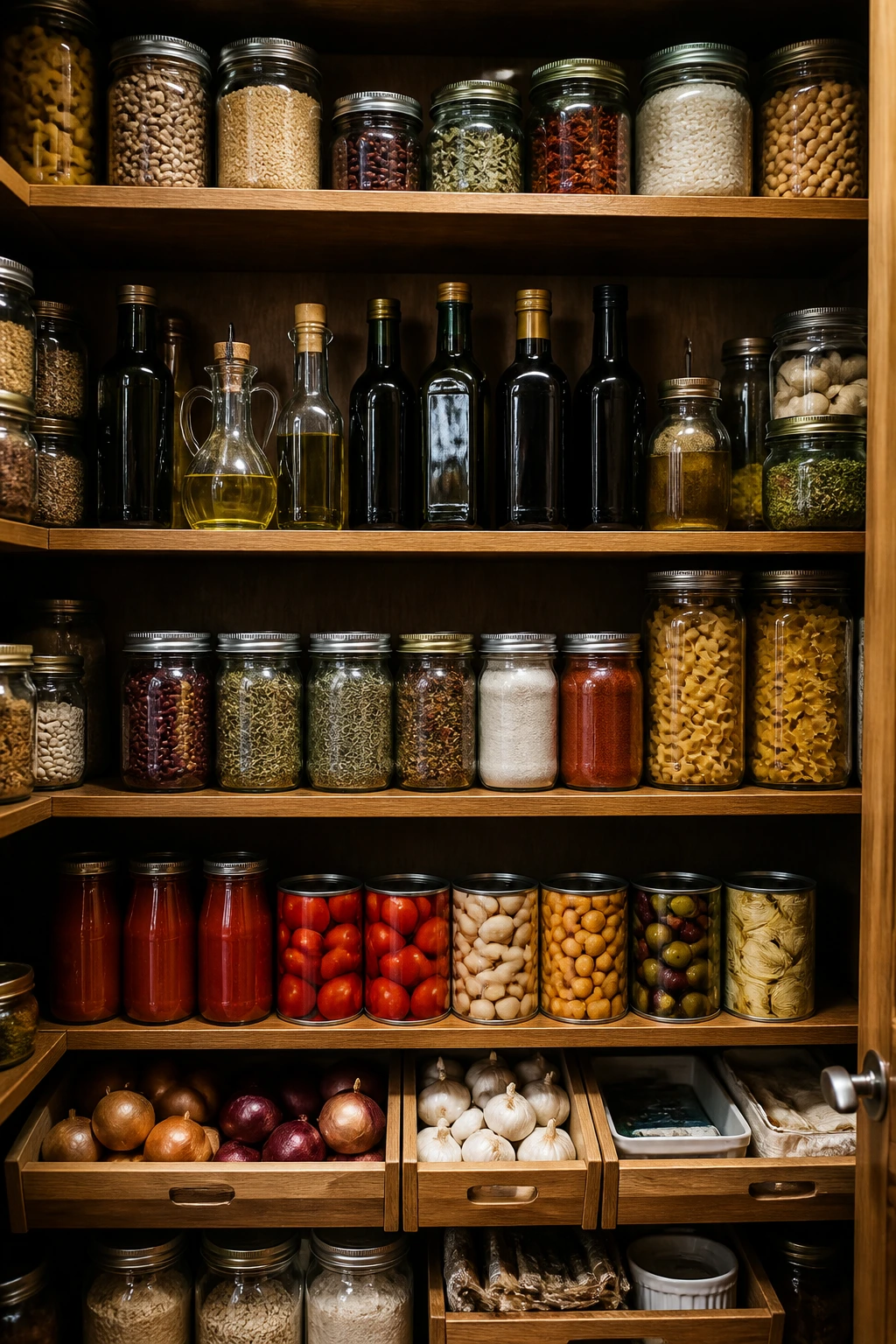
A good pantry is not a museum. It’s a working shelf that gets used and restocked before anything turns stale. The trick is to keep the ingredients in layers: dry staples, jarred and canned things, fridge items, and a few fast-finish extras.
The Dry Shelf
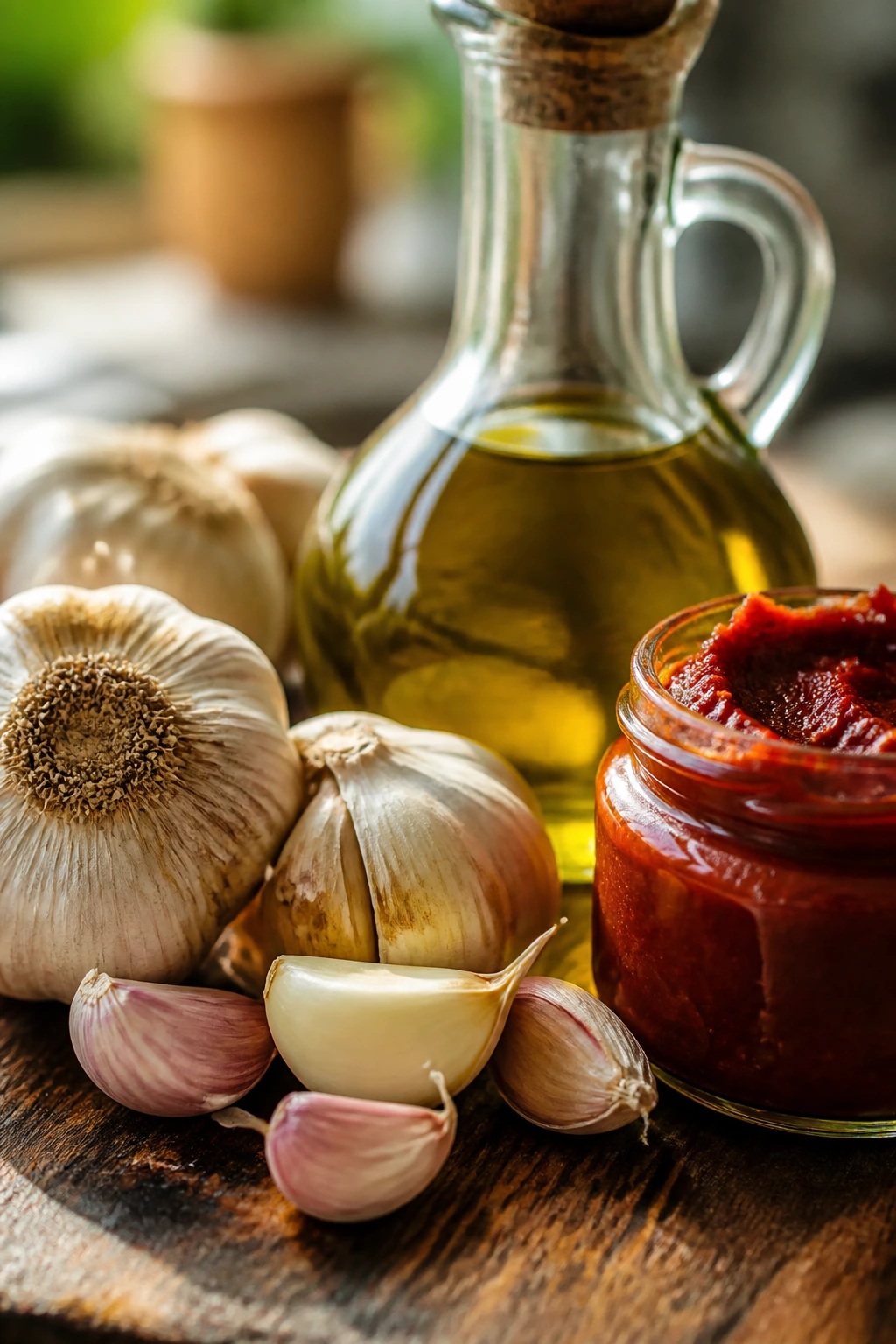
Keep extra-virgin olive oil in a cool, dark cabinet, not beside the stove. Store canned tomatoes, beans, chickpeas, lentils, pasta, rice, orzo, couscous, polenta, breadcrumbs, dried oregano, and good salt where you can see them. If you have to dig behind six things to find the tomatoes, you won’t use them as often.
The Fridge Door and Upper Shelf
This is where olives, capers, anchovies, opened jars of tomato paste, cheese, and lemons belong. Put the things you’ll reach for at the front. If you use anchovies often, keep the tin in a shallow container so the oil does not smell up everything else.
The Freezer
Freeze extra chopped herbs in olive oil in small cubes. Freeze tomato paste in teaspoon portions. Freeze peeled garlic cloves if you’ve bought a big batch and know you won’t get through them fast enough. The freezer is not a sign that you failed to shop well. It’s the place where good ingredients stay good.
Smart Shopping and Ingredient Swaps
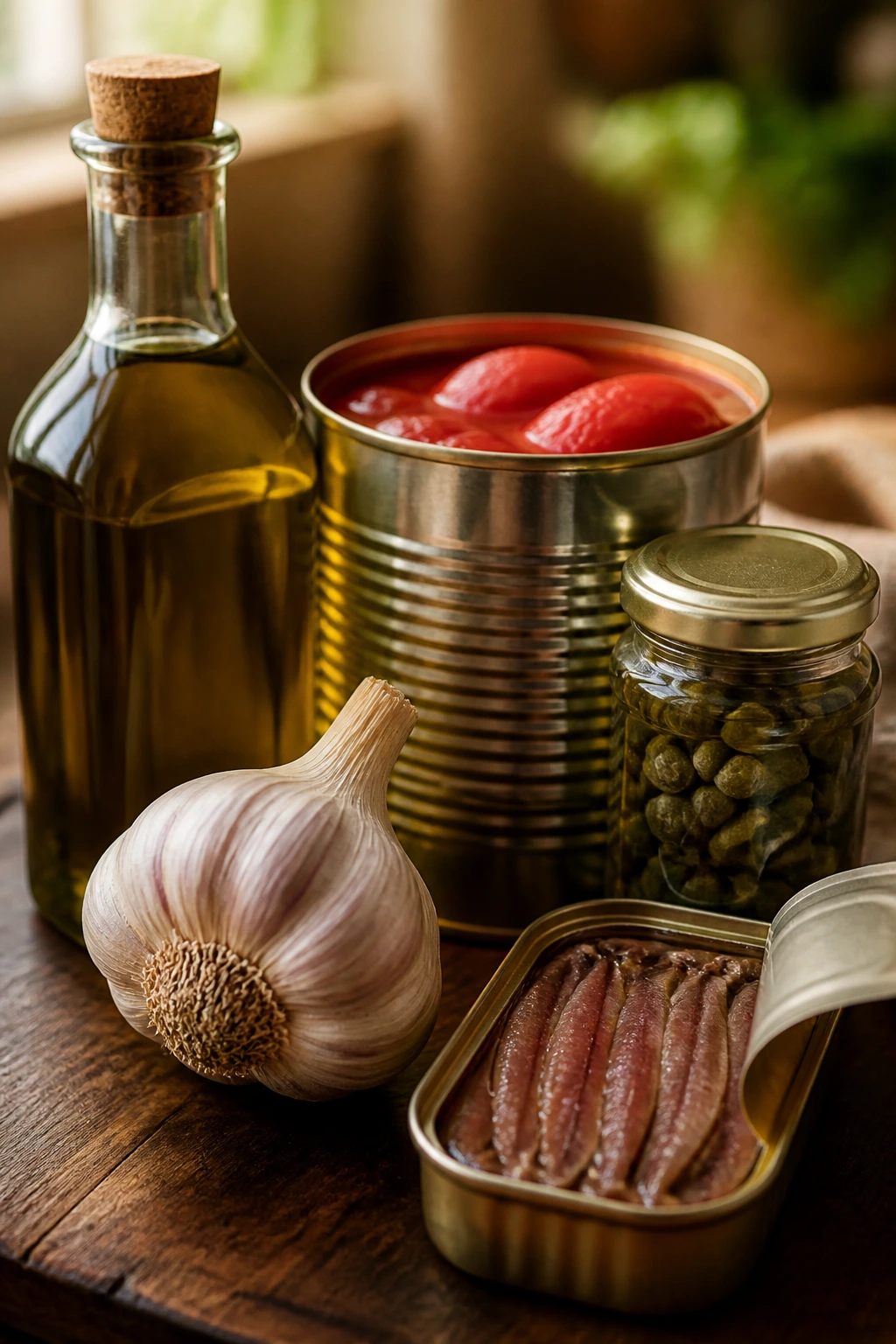
The best shopping habit is brutally simple: buy fewer things, but buy the ones that taste like something. A firm garlic bulb with tight skin beats a loose one with rubbery cloves. A can of whole peeled tomatoes beats diced tomatoes when you want control. A jar of capers in brine is easier to use than a salt-packed jar if you’re new to the pantry. And a bottle of olive oil that smells fresh on bread will probably behave well in the pan.
Here’s the shopping list I’d keep if I were stocking a Nonna-style cupboard from scratch:
- 2 bulbs garlic — one for quick cooking, one to keep in reserve.
- 1 bottle extra-virgin olive oil, 500 ml to 750 ml — small enough to stay fresh.
- 2 cans whole peeled tomatoes, 28 oz each — the most flexible tomato base.
- 1 small jar capers, 3 to 4 oz — enough for several dishes.
- 1 tin anchovy fillets, 2 oz — salty depth without waste.
- 1 jar olives, 10 to 12 oz — pick the variety you actually like eating.
- 1 bunch flat-leaf parsley — more useful than curly parsley for cooking.
- 2 lemons — one for juice, one for zest.
- 1 wedge Parmesan or Pecorino Romano — for finishing, not covering.
- 1 bag cannellini beans or chickpeas — canned or dried, depending on your schedule.
Easy Swaps That Still Make Sense
If you don’t keep anchovies, a little more olive oil, tomato paste, and parmesan can still build savory depth. If you want a dairy-free plate, finish with chopped herbs, lemon, and a thread of oil instead of cheese. If fresh basil is out of reach, dried oregano is the safer dried herb to lean on.
Tomatoes are the one place I’d be stubborn. If you have to choose between a mediocre fresh tomato and a solid can of whole peeled tomatoes, the can usually wins.
How to Turn Pantry Pieces Into a Meal
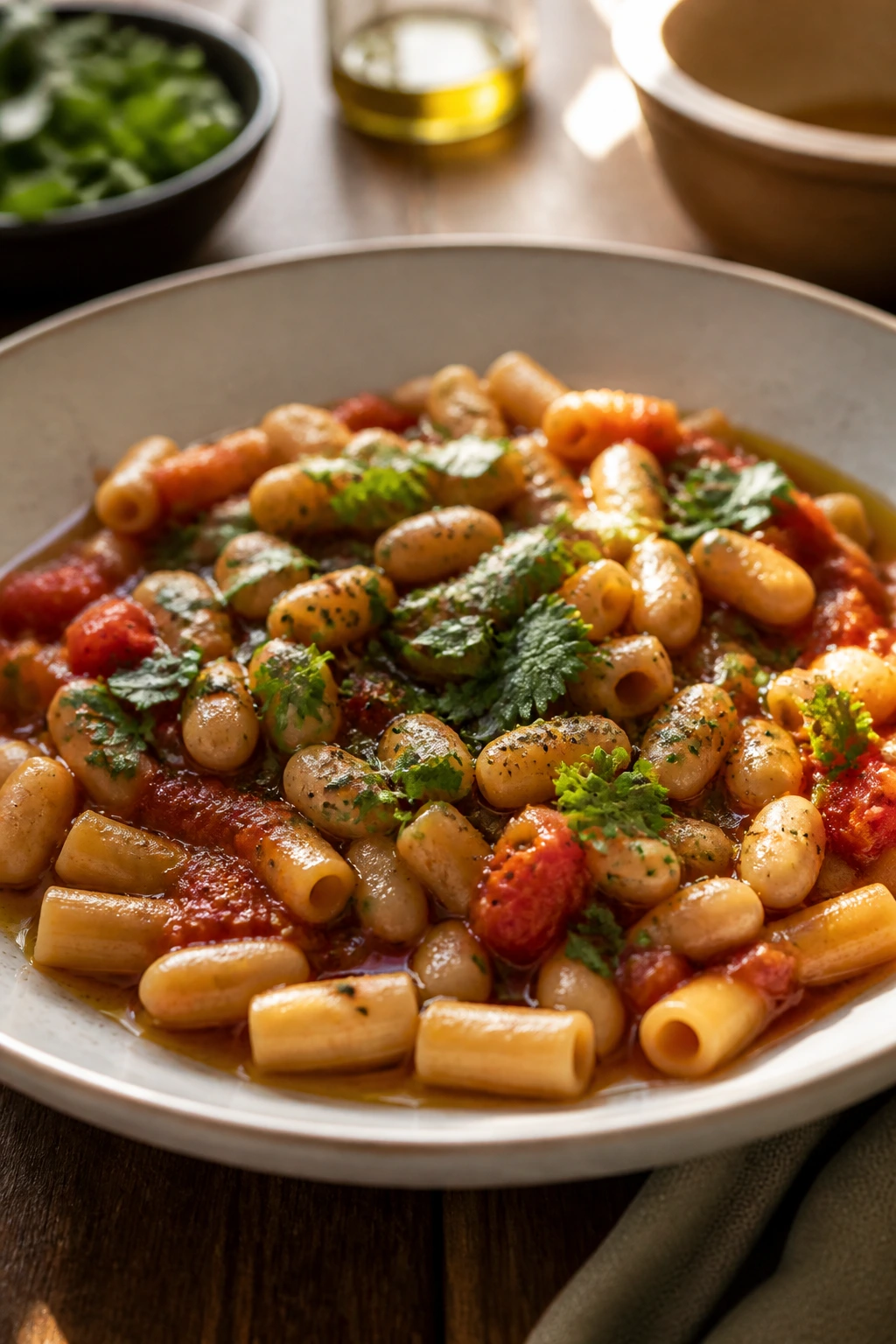
Presentation: Spoon saucy beans, pasta, or vegetables into shallow bowls instead of deep ones. You want the olive oil, herbs, and cheese to sit where you can see them. A few torn parsley leaves, a grind of black pepper, and a thin ribbon of good oil make the plate look finished without turning it fussy.
Accompaniments: Crusty bread belongs at the table. So do a simple green salad, roasted broccoli, sautéed greens, or a bowl of sliced cucumbers and tomatoes with salt and lemon. If the main dish leans rich — say pasta with anchovy and cheese — pair it with something crisp and plain on the side.
Portions: For a main dish, plan on about 2 ounces of dried pasta per person, 1 to 1½ cups of saucy beans or lentils, or 1 generous cup of braised vegetables with bread alongside. If you’re building a spread, keep the bowls smaller and let the table do the work. These ingredients are satisfying, but a little oil and cheese goes farther than people think.
Beverage Pairing: A crisp white wine, sparkling water with lemon, or an unsweetened herbal iced tea all work well here. If the dish leans tomato and garlic, something with acidity and a clean finish is usually the right call. If it leans olives and anchovies, go with a drink that can take salt without fighting it.
Practical Ways to Get More Flavor from the Same Ingredients
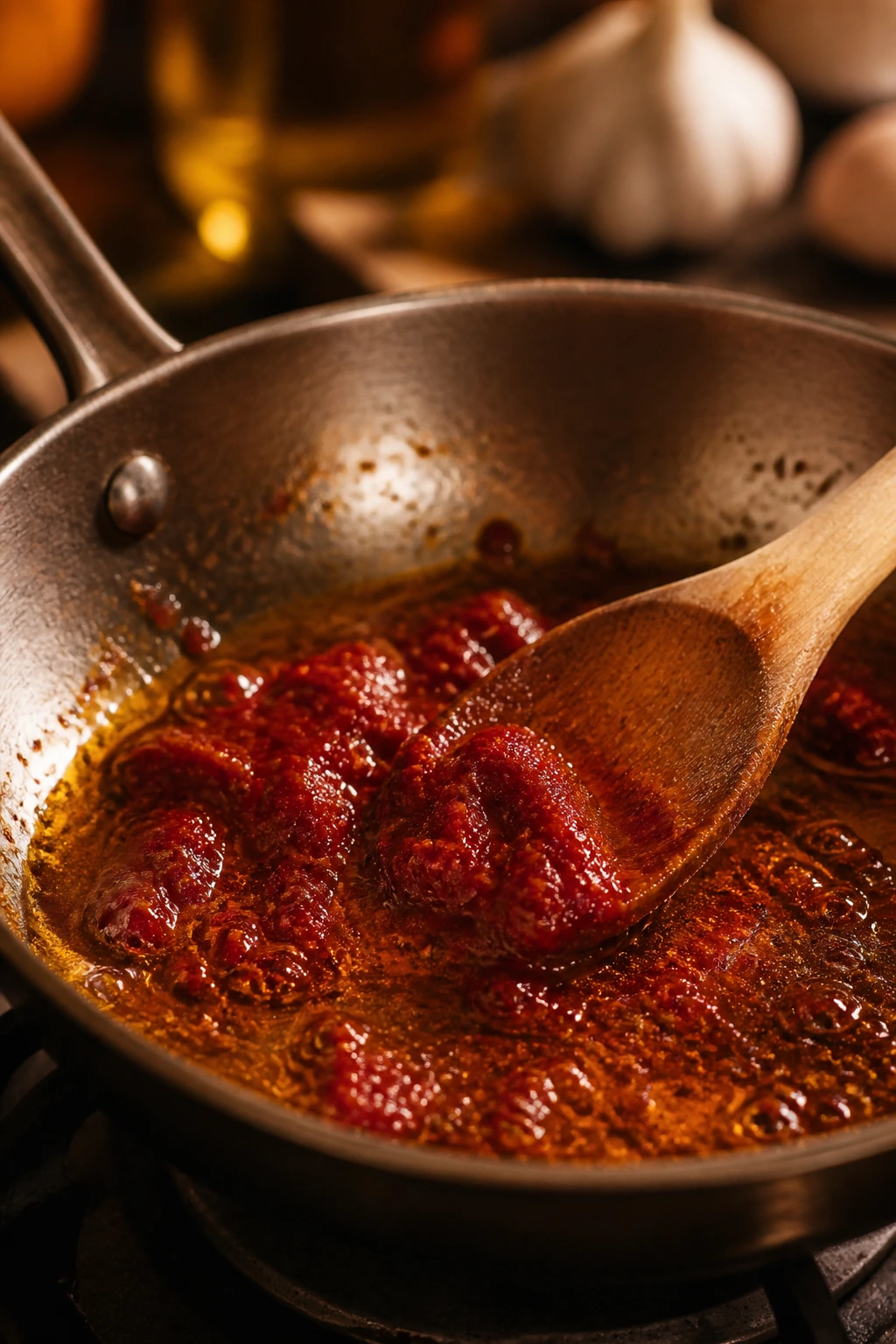
Flavor Enhancement: Cook a spoonful of tomato paste in olive oil until it darkens before adding tomatoes or broth. That one move gives a quick sauce a deeper, sweeter base without adding more ingredients.
Customization: Swap parsley for dill when you want a Greek edge, or add a pinch of crushed red pepper if the garlic and tomato need heat. A little lemon zest at the end can make a bowl taste fresher than adding more salt ever will.
Serving Suggestions: Finish with chopped herbs, a drizzle of raw olive oil, and either grated pecorino or a few flaky salt crystals. If you’re serving bread, rub the cut side of a toasted slice with a raw garlic clove while it’s still hot. Tiny move. Huge payoff.
Make-It-Yours: For dairy-free plates, use more olive oil, lemon, capers, and herbs. For vegetarian plates, lean on beans, lentils, and toasted breadcrumbs for body. For budget cooking, buy whole tomatoes, dried oregano, and canned beans, then spend the extra money on decent olive oil.
Common Mistakes That Flatten the Flavor
-
Burning the garlic: The symptom is easy to spot — the pan smells bitter and the garlic turns deep brown too fast. Keep the heat lower, add garlic after the oil has warmed, and move the next ingredient in quickly.
-
Using too many salty ingredients at once: Olives, capers, anchovies, cheese, and salted beans can stack up until the dish tastes one-dimensional. Pick two or three, then taste before adding more salt at the end.
-
Treating tired tomatoes like they’re fine: Pale, watery fresh tomatoes or a bland canned variety lead to flat sauce. Use whole peeled canned tomatoes when quality fresh tomatoes aren’t around, and cook tomato paste a minute or two in oil to build sweetness.
-
Adding acid too early and too much: Lemon or vinegar at the start can make a sauce taste harsh before the flavors have had time to meld. Add a smaller amount near the end, then adjust after tasting.
-
Using stale dried herbs: Dried oregano and thyme should smell like something when you open the jar. If they smell like dust, they’ll behave like dust. Replace them more often than you think.
Variations and Regional Twists
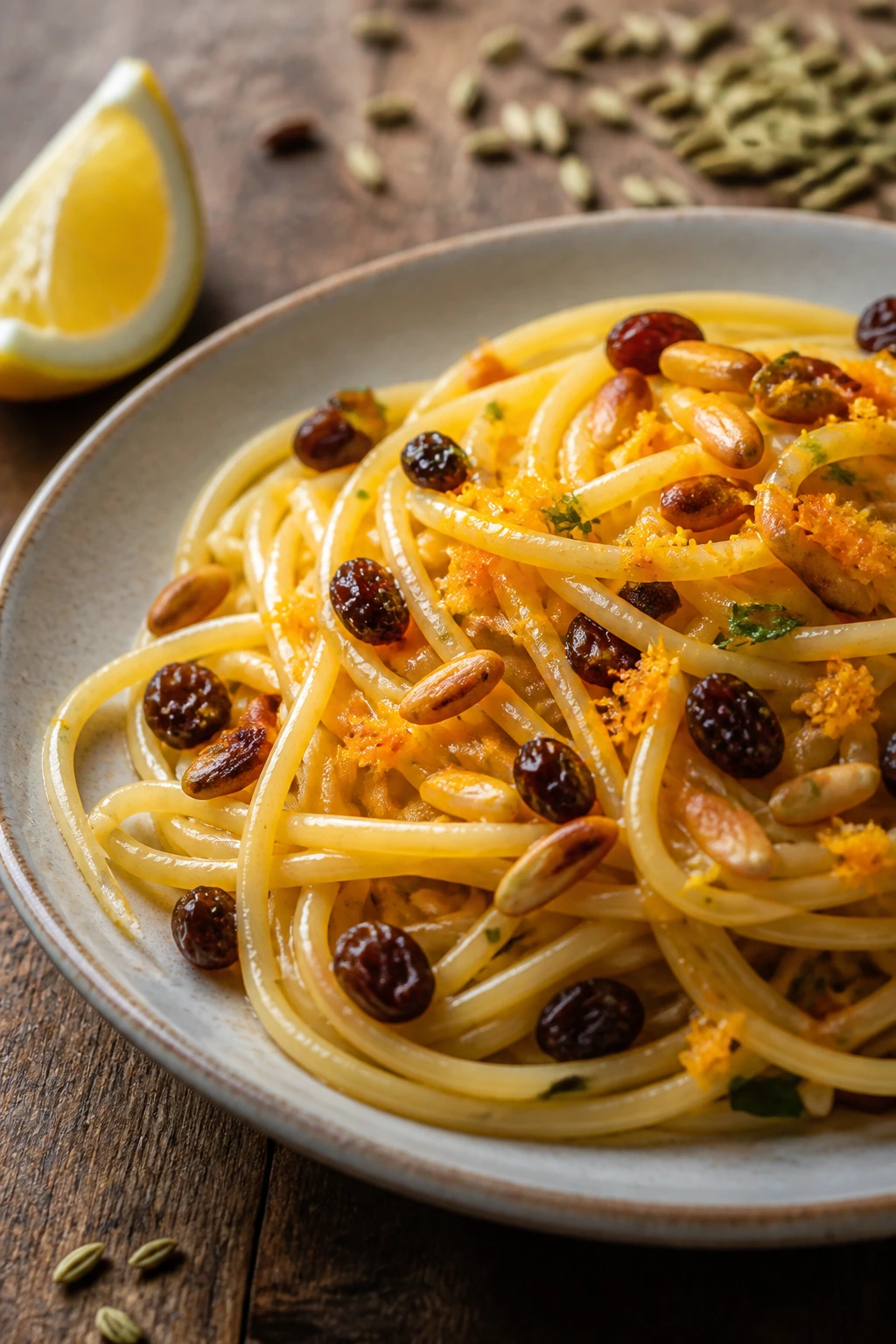
Sicilian Citrus and Pine Nut Turn: Add orange zest, raisins, and toasted pine nuts to tomato sauces, bean salads, or vegetable bowls. The sweetness and crunch make the garlic feel deeper and more layered, especially with fennel seed or a little chili.
Greek Taverna Shift: Lean on oregano, dill, feta, cucumbers, lemon, and olives. This version works especially well with chickpeas, roasted potatoes, or a cucumber-tomato salad where the garlic stays bright rather than heavy.
Adriatic Salt-and-Herb Plate: Use parsley, capers, anchovies, white wine, and a touch of lemon over fish, beans, or pasta. The profile is cleaner and more coastal, with less tomato and more briny lift.
Dairy-Free Pantry Bowl: Build around olive oil, garlic, beans, lemon, olives, herbs, and toasted breadcrumbs. You get body and finish without any cheese at all, and the plate stays lighter.
Budget Shelf Version: Use canned tomatoes, dried oregano, chickpeas, onions, and one small wedge of hard cheese for finishing. If the olive oil is the one place you spend a little more, the rest of the dish can stay inexpensive without tasting cheap.
Essential Equipment for This Style of Cooking
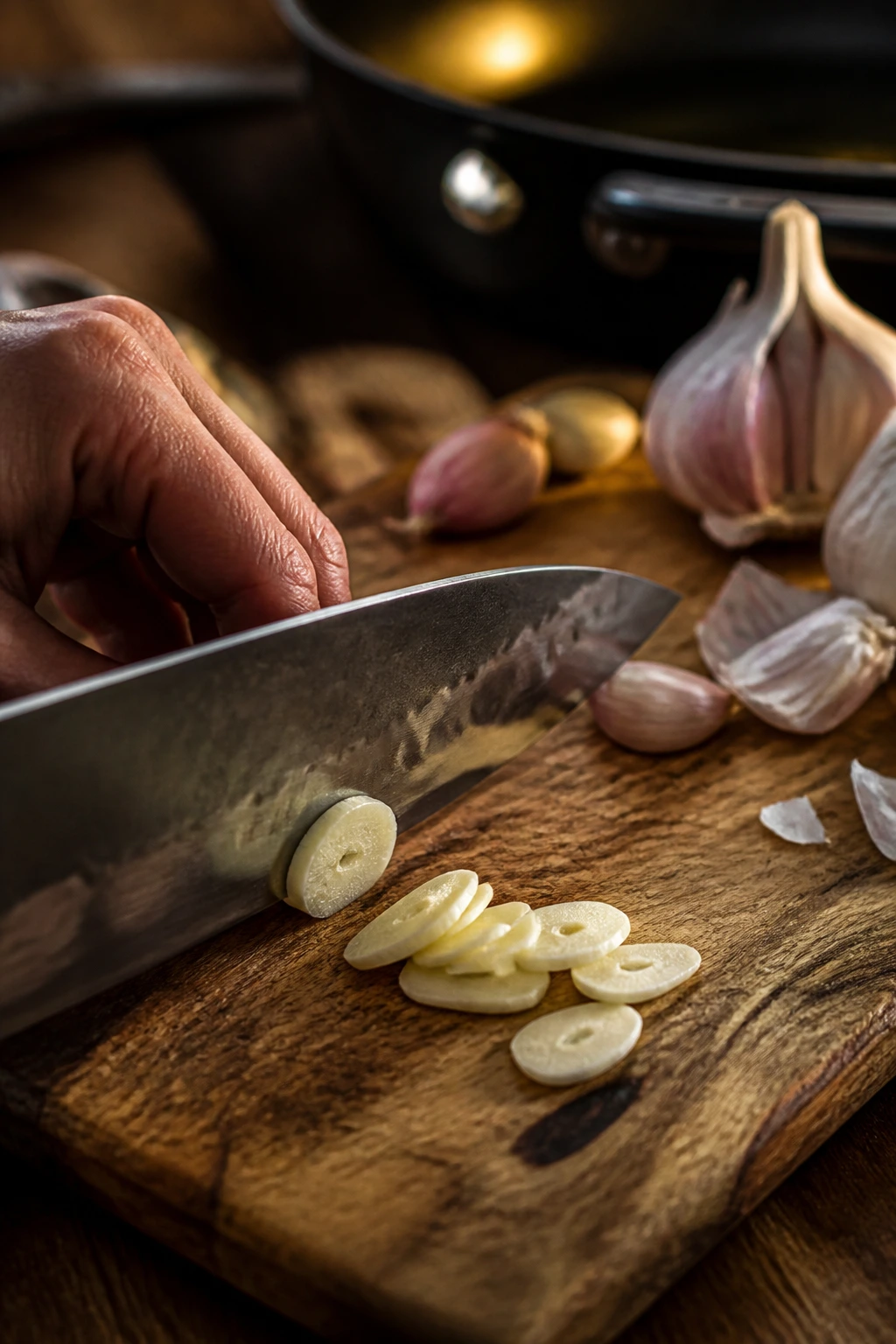
- Chef’s knife — sharp enough to slice garlic and herbs cleanly instead of crushing them.
- Cutting board — a roomy board keeps capers, parsley, and garlic from sliding around.
- Heavy skillet or sauté pan — stainless steel or cast iron both work well for garlic, tomatoes, and beans.
- Medium saucepan — useful for simmering sauces, cooking grains, or warming beans.
- Wooden spoon or silicone spatula — best for stirring tomato paste and scraping up fond without tearing the pan.
- Microplane or fine grater — ideal for lemon zest, hard cheese, or grating raw garlic into dressings.
- Can opener — boring, yes, but vital if your pantry leans on tomatoes and beans.
- Fine-mesh strainer — handy for rinsing capers, olives, and canned beans.
- Mortar and pestle — optional, but very good for smashing garlic with salt or making a rough herb paste.
- Airtight containers — the difference between a pantry that stays organized and one that turns into a pile of open jars.
Storage, Shelf Life, and Make-Ahead Habits
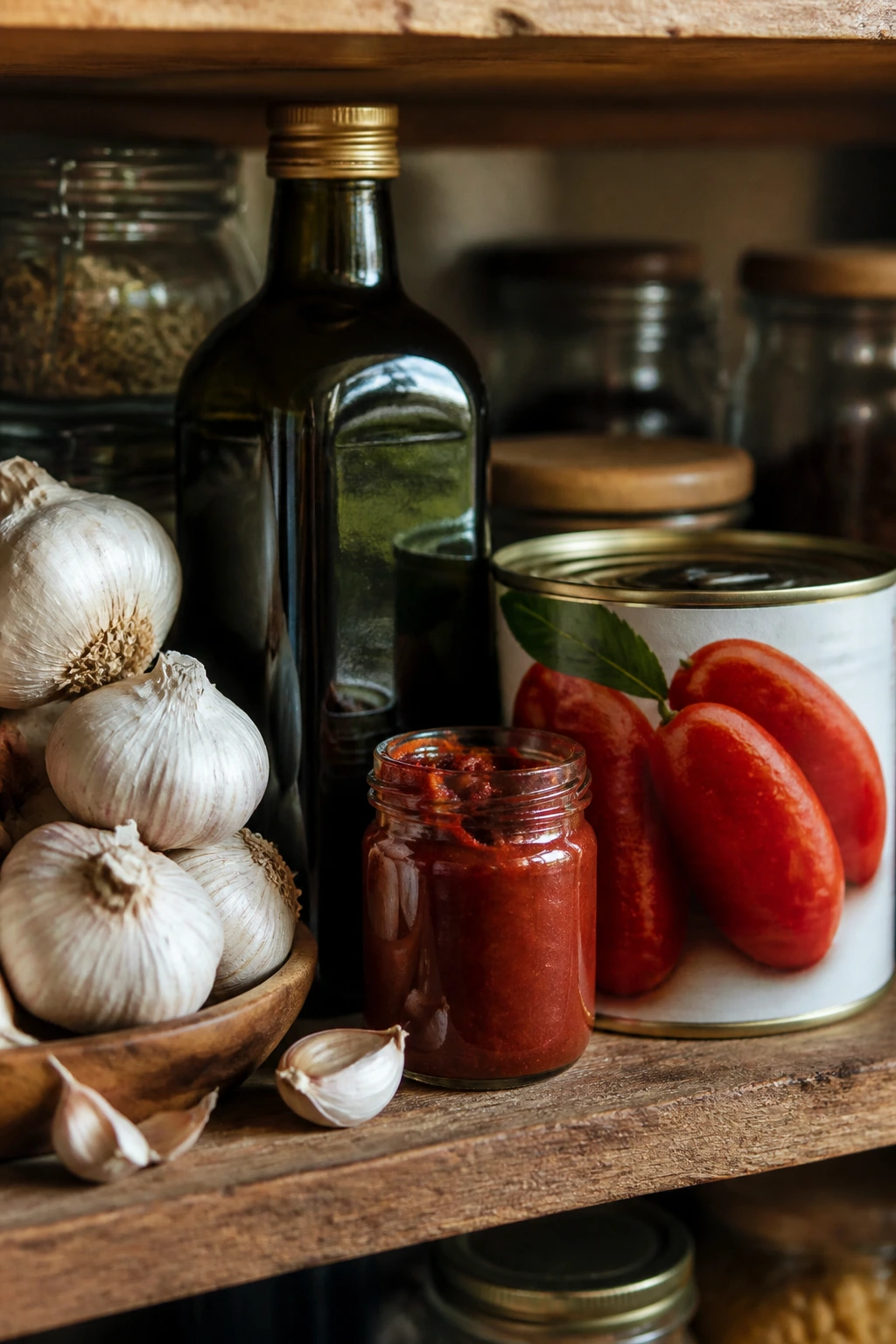
Dry pantry ingredients last longest when they stay cool, dark, and dry. Garlic bulbs keep for about 2 to 3 months in a ventilated spot, away from the stove. Once cloves are peeled, refrigerate them and use them within about 7 to 10 days. If you mince garlic and store it in oil, keep it refrigerated and use it quickly; do not leave it on the counter. That’s a food-safety rule worth respecting.
Olive oil likes darkness and distance from heat. Store it away from the stove and the window, and use an opened bottle for peak flavor within 3 to 6 months if you can. It won’t turn poisonous after that, but the fruitiness fades and the pepper drops off. That’s the part people notice first.
Canned tomatoes keep well unopened in a pantry for a long time; once opened, move leftovers to a container and refrigerate for 3 to 4 days. Tomato paste is excellent for make-ahead work. Freeze leftover paste in teaspoon-sized blobs on parchment, then tuck them into a freezer bag for up to 3 months.
Fresh herbs need a little babysitting. Parsley often lasts 4 to 7 days if you trim the stems and store it in a glass of water in the fridge, loosely covered. Basil is fussier; it can live on the counter in a glass of water for a few days, but it bruises in the fridge. Rosemary and thyme keep longer, often close to 1 to 2 weeks refrigerated.
Opened jars of olives and capers should stay refrigerated in their brine and are usually best within 1 to 2 months. Hard cheese wrapped well keeps for 3 to 4 weeks; if it starts drying at the edges, shave them off and keep going. Cooked beans and lentils hold for 3 to 4 days in the fridge and freeze well for up to 3 months.
Frequently Asked Questions
What makes these ingredients feel “Nonna” instead of just Mediterranean?
It’s the way they’re used, not the passport they carry. Nonna-style cooking usually means a small pantry, a sure hand with garlic and olive oil, and a refusal to let one ingredient shout over the others. The food feels homemade because the seasoning is deliberate, not busy.
Do anchovies make food taste fishy?
Not when they’re handled right. One or two fillets melted into olive oil disappear into the background and make tomatoes, beans, and vegetables taste deeper. If you can smell “fish” distinctly in the finished dish, too many anchovies or too much heat probably went in.
Can I use dried herbs instead of fresh ones?
Yes, but not all dried herbs behave the same way. Dried oregano, thyme, and rosemary are dependable; dried basil often tastes dull. If you use dried herbs, rub them between your fingers before adding them to the pan so the oils wake up faster.
Which tomatoes should I buy if I only keep one kind?
Whole peeled canned tomatoes are the safest bet. They can become sauce, soup, braise, or stew, and you control the texture yourself. Diced tomatoes are convenient, but they often stay too firm and less flavorful when you want a silky result.
How do I keep garlic from burning when I cook fast?
Lower the heat and give the oil a second to warm before the garlic goes in. If the pan is smoking, it’s already too hot. I also keep the next ingredient ready in the bowl, because once garlic hits the pan, you often have less than a minute before the color changes.
Can this pantry work without cheese?
Absolutely. Olive oil, garlic, lemon, herbs, beans, tomatoes, and olives already do a lot of the work. If you want a creamy finish without dairy, use a little extra oil, a spoon of bean puree, or toasted breadcrumbs for texture.
What’s the fastest way to make a real meal from these ingredients?
Warm olive oil with garlic, add canned tomatoes or beans, season with olives or capers, and finish with lemon and herbs. Serve it over pasta, with bread, or beside rice. That basic formula covers more weeknight dinners than most people expect.
Is it safe to keep garlic in oil on the counter?
No. Raw garlic stored in oil needs refrigeration and short storage because it can create a food-safety risk if left warm. If you want the flavor without the worry, freeze the garlic-oil mixture in small portions and thaw only what you need.
The Pantry Still Knows the Way
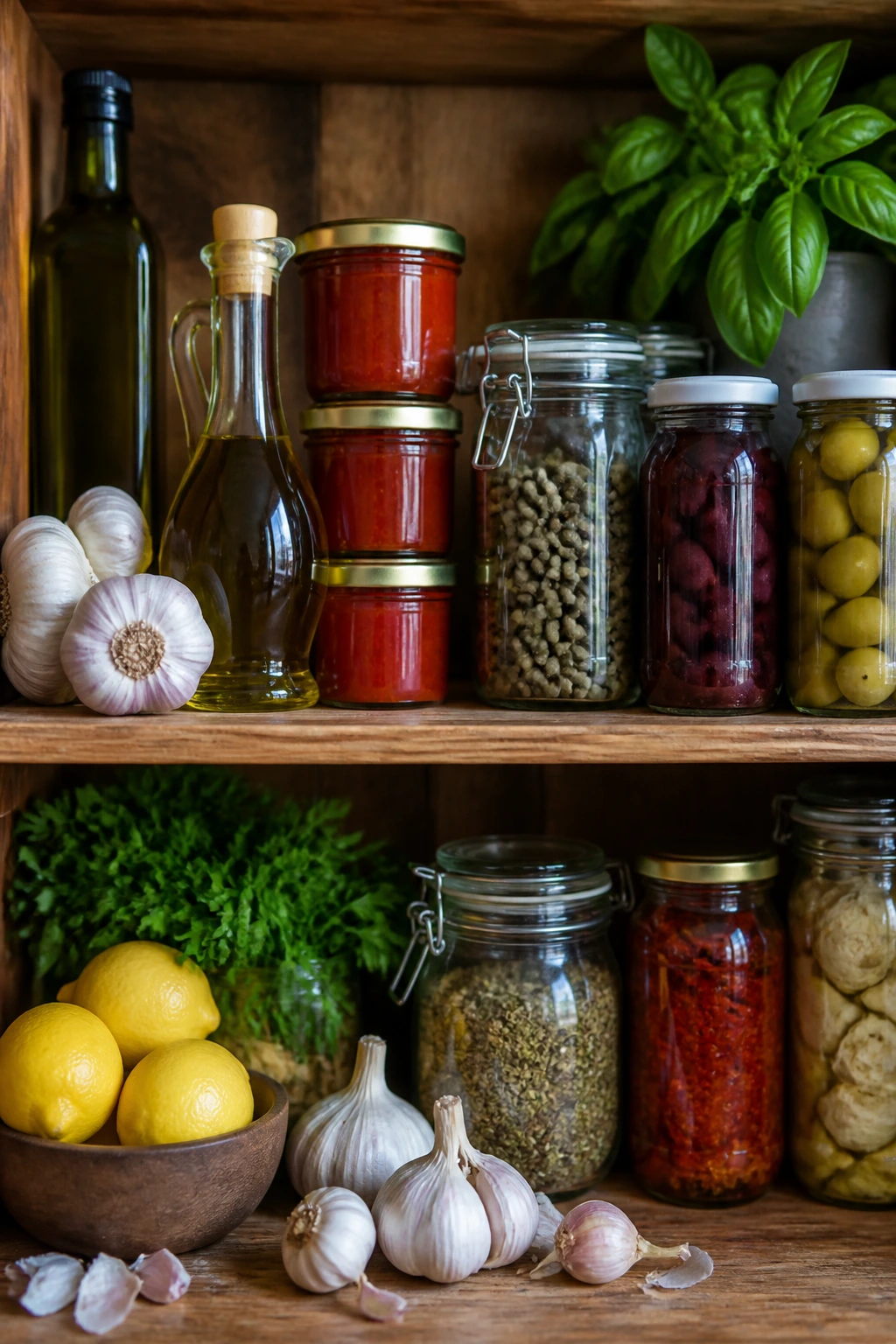
A well-stocked Mediterranean pantry is not about nostalgia for nostalgia’s sake. It’s about having ingredients that know how to behave in a hot pan, on a piece of toast, or in a bowl of beans when the day has gone sideways. Garlic, olive oil, tomatoes, olives, capers, lemon, herbs — they’re plain on paper, but in the right hands they make food that tastes as if someone paid attention.
That’s the real lesson hiding in Nonna-style cooking. Not abundance. Judgment. A little restraint. A willingness to let one clove of garlic, one good tin of tomatoes, and one bright squeeze of lemon do a job that more complicated cooking often misses. Keep those ingredients close, use them with care, and dinner starts feeling less like a question mark and more like a plan.