



The first thing you notice is the smell. Garlic powder warming against oregano, a little rosemary sharpness, and that soft paprika sweetness that keeps the whole jar from tasting like dried dust. A good garlicky Mediterranean spice blend does that rare pantry trick: it smells like a meal before anything hits the pan.
This is the kind of seasoning that feels borrowed from an older kitchen, the sort of jar that sat by the stove with the label rubbed soft from use. Nonna-style cooking was never shy about garlic, and it usually wasn’t precious about measurement either. Still, the best versions had balance. Too much rosemary and you get a piney mouthful. Too much paprika and the mix starts leaning barbecue instead of Mediterranean. Get the ratio right, though, and one spoonful can make roasted potatoes taste like they’ve been listening to a better playlist.
What I like most here is the flexibility. You can rub it on chicken thighs, toss it through chickpeas, stir it into olive oil for bread, or shake it over zucchini straight from the oven. The garlic shows up, but it doesn’t burn out the minute the pan gets hot. That matters. Garlic powder in a dry blend behaves differently from fresh garlic in oil, and that difference is exactly why this jar earns its place in a serious pantry.
Why This Little Jar Works So Well
-
Garlic Without the Burn: Garlic powder gives you that deep savory note without the bitter edge fresh garlic can pick up when it hits a hot pan too soon.
-
Mediterranean, Not One-Dimensional: Oregano, thyme, basil, rosemary, and marjoram create a layered herb profile that tastes like a real kitchen, not a store-brand label.
-
Flexible on Salt: You can keep the blend salted or leave the salt out and season each dish separately, which is a smart move for fish, beans, and anything already brined.
-
Good on More Than Meat: This jar wakes up potatoes, tomatoes, mushrooms, eggplant, white beans, and even plain olive oil with bread. That’s the useful kind of versatile.
-
Better After a Short Rest: A 30-minute rest lets the paprika and garlic powder settle in, and the herbs stop tasting like they were just mixed five seconds ago.
How Much This Batch Makes and How Long It Takes
Yield: About 2/3 cup seasoning blend, or roughly 33 teaspoons
Prep Time: 10 minutes
Cook Time: 2 minutes
Total Time: 12 minutes
Rest Time: 30 minutes for the flavors to settle, with overnight resting giving the cleanest aroma
Difficulty: Beginner — this is mostly measuring and mixing, with one optional toasting step if you want a little more depth
Best Served: After the blend rests, then used within a few months while the garlic and herbs still smell lively when you open the jar
The Spice Jar Lineup
For the Blend:
- 2 tablespoons dried oregano
- 1 tablespoon dried basil
- 1 tablespoon dried thyme
- 1 teaspoon dried marjoram
- 2 teaspoons dried rosemary, finely crushed
- 2 teaspoons dried parsley
- 2 tablespoons garlic powder
- 1 tablespoon onion powder
- 2 teaspoons sweet paprika
- 1 teaspoon smoked paprika
- 1 teaspoon ground coriander
- 1 teaspoon ground fennel seed
- 1 teaspoon fine black pepper
- 1/2 teaspoon crushed red pepper flakes
- 1 teaspoon fine sea salt, optional and easy to leave out if you want a salt-free jar
Why Each Spice Belongs Here
Dried Herbs: The Soft, Green Backbone
What to use: 2 tablespoons oregano, 1 tablespoon basil, 1 tablespoon thyme, 1 teaspoon marjoram, 2 teaspoons rosemary, and 2 teaspoons parsley.
Preparation: Crumble the oregano, thyme, and basil with your fingers before measuring if the leaves are large and shaggy. Rosemary needs the most help; crush it between your palms or chop it very fine so the needles don’t feel like little splinters later.
Substitutions: If you’re out of marjoram, add another 1/2 teaspoon of basil. If you want the jar to lean more Greek than Italian, swap the marjoram for a pinch of dried dill.
Tips: Buy dried herbs in smaller amounts if they sit for months in your cabinet. A jar that smells faintly of hay is already past its useful life, and oregano is usually the first one to lose its punch.
Garlic and Onion: The Savory Engine
What to use: 2 tablespoons garlic powder and 1 tablespoon onion powder.
Preparation: Break up any clumps with the back of a spoon before they go into the bowl. Garlic powder often looks smooth until you stir it, and then you find one stubborn little rock hiding at the bottom.
Substitutions: Garlic granules work in a pinch, but the texture is a little coarser and less even. If you don’t want onion powder, use 1 extra teaspoon garlic powder and 1 extra teaspoon oregano, though the mix loses some of its roundness.
Tips: Use garlic powder, not garlic salt, unless you are intentionally building a salt-heavy blend. Garlic salt can take over fast, and once it’s in the jar there’s no pulling it back out.
Warm Spice and Smoke: The Part That Makes It Taste Cooked
What to use: 2 teaspoons sweet paprika, 1 teaspoon smoked paprika, 1 teaspoon ground coriander, and 1 teaspoon ground fennel seed.
Preparation: Measure paprika into the bowl first, then add the other powders on top and whisk them through. Paprika likes to cling in little rust-colored pockets, and if you don’t mix it well you’ll get uneven bites.
Substitutions: If smoked paprika isn’t your thing, use all sweet paprika and add a tiny pinch of cumin for warmth. If fennel tastes too distinct for you, replace it with another 1/2 teaspoon of coriander and 1/2 teaspoon oregano.
Tips: This is the group that makes the blend smell like dinner instead of a spice rack. Fresh-ground coriander and fennel are worth the extra minute if you own a grinder; they taste rounder and less flat than old pre-ground jars.
Heat, Salt, and Balance: The Finishing Edge
What to use: 1 teaspoon fine black pepper, 1/2 teaspoon crushed red pepper flakes, and 1 teaspoon fine sea salt if you want a fully seasoned blend.
Preparation: Crush the red pepper flakes between your fingers if you don’t want big hot shards. Black pepper can go in as-is, but if yours is dusty and pale, replace it.
Substitutions: Use Aleppo pepper for a softer, fruitier heat, or leave the pepper flakes out entirely for a milder jar. If you want the blend salt-free, skip the salt and season the food separately when you cook.
Tips: Salt changes the storage behavior a little because it can invite clumping if your spoon is damp. A salt-free jar is more forgiving and gives you more control, which is why I keep one of each.
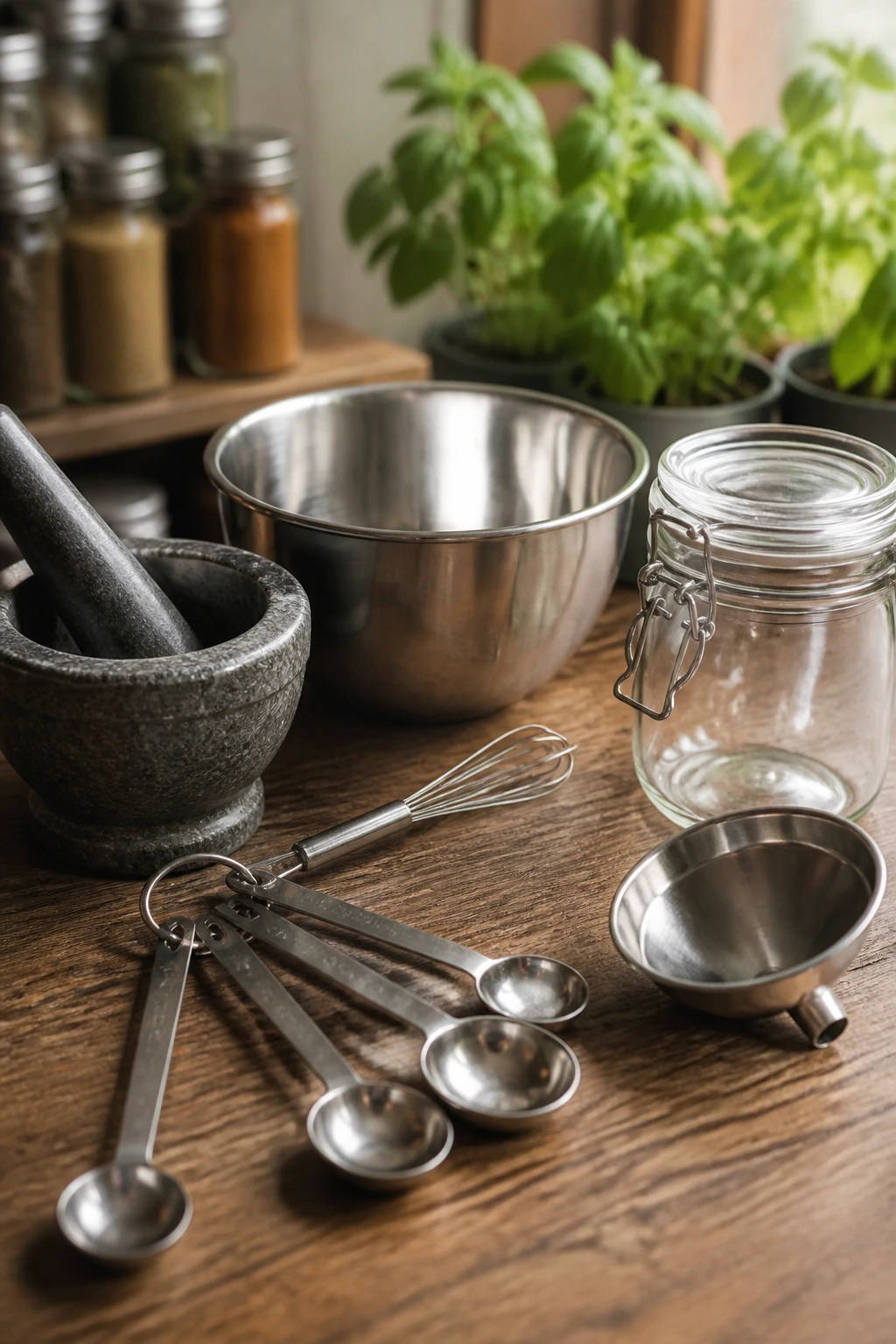
Tools That Keep the Blend Dry and Fragrant
-
Medium mixing bowl: Big enough to whisk without scattering paprika across the counter.
-
Measuring spoons: Dry spice measurements need consistency, especially when garlic powder and paprika are doing the heavy lifting.
-
Small whisk or fork: A whisk breaks up clumps better than a spoon and keeps the herbs evenly distributed.
-
Mortar and pestle or spice grinder: Optional, but useful if your rosemary is stubborn or you want to toast and grind fennel and coriander.
-
Airtight glass jar: A mason jar or any tight-lidded spice jar works; glass keeps smells from lingering the way plastic can.
-
Small funnel or folded sheet of parchment: Saves you from chasing paprika around the counter while you transfer the mix.
How to Mix It Without Losing the Best Aromatics
Optional Toasting Step:
-
If your fennel seed or coriander seed is whole, set a small dry skillet over medium-low heat and add them in a single layer. Stir or shake the pan for 45 to 60 seconds, just until they smell warm and nutty. Do not walk away; whole spices go from fragrant to bitter fast.
-
Scrape the seeds onto a plate and let them cool completely before grinding. They should feel room temperature, not even slightly warm, before they touch the rest of the blend. Moisture is the enemy here.
Mix the Blend:
-
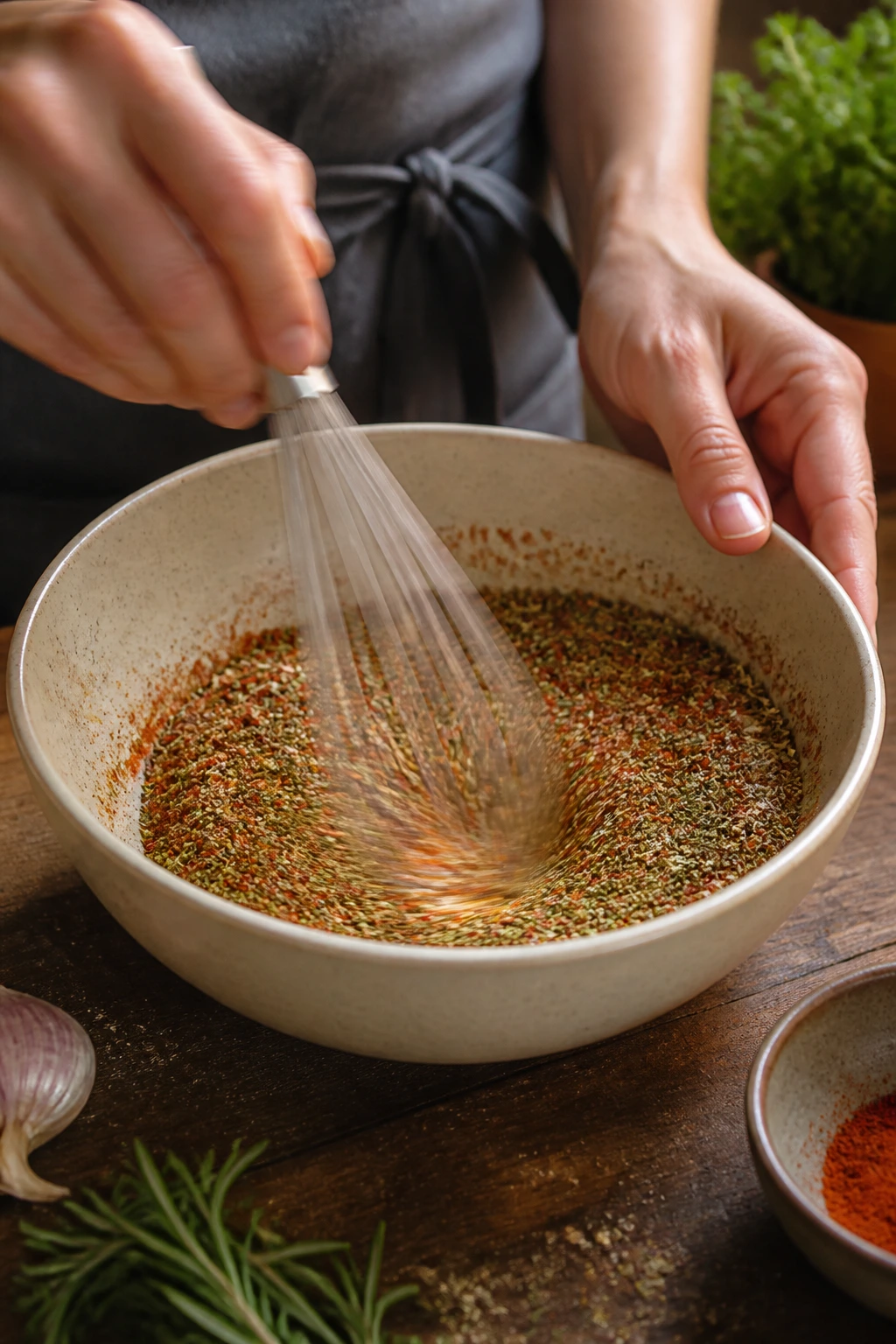
Put the oregano, basil, thyme, marjoram, rosemary, parsley, garlic powder, onion powder, paprika, coriander, fennel, black pepper, red pepper flakes, and salt, if using, into a medium bowl. Whisk for at least 30 seconds, or until the paprika no longer looks streaky and the herbs are evenly speckled through the powders.
-
Rub a pinch between your fingers and check the texture. You want a mix that feels fragrant and slightly rustic, not powdery enough to puff into the air the moment you move the bowl. If the rosemary pieces feel too sharp, crush them a little more.
Jar and Rest:
-
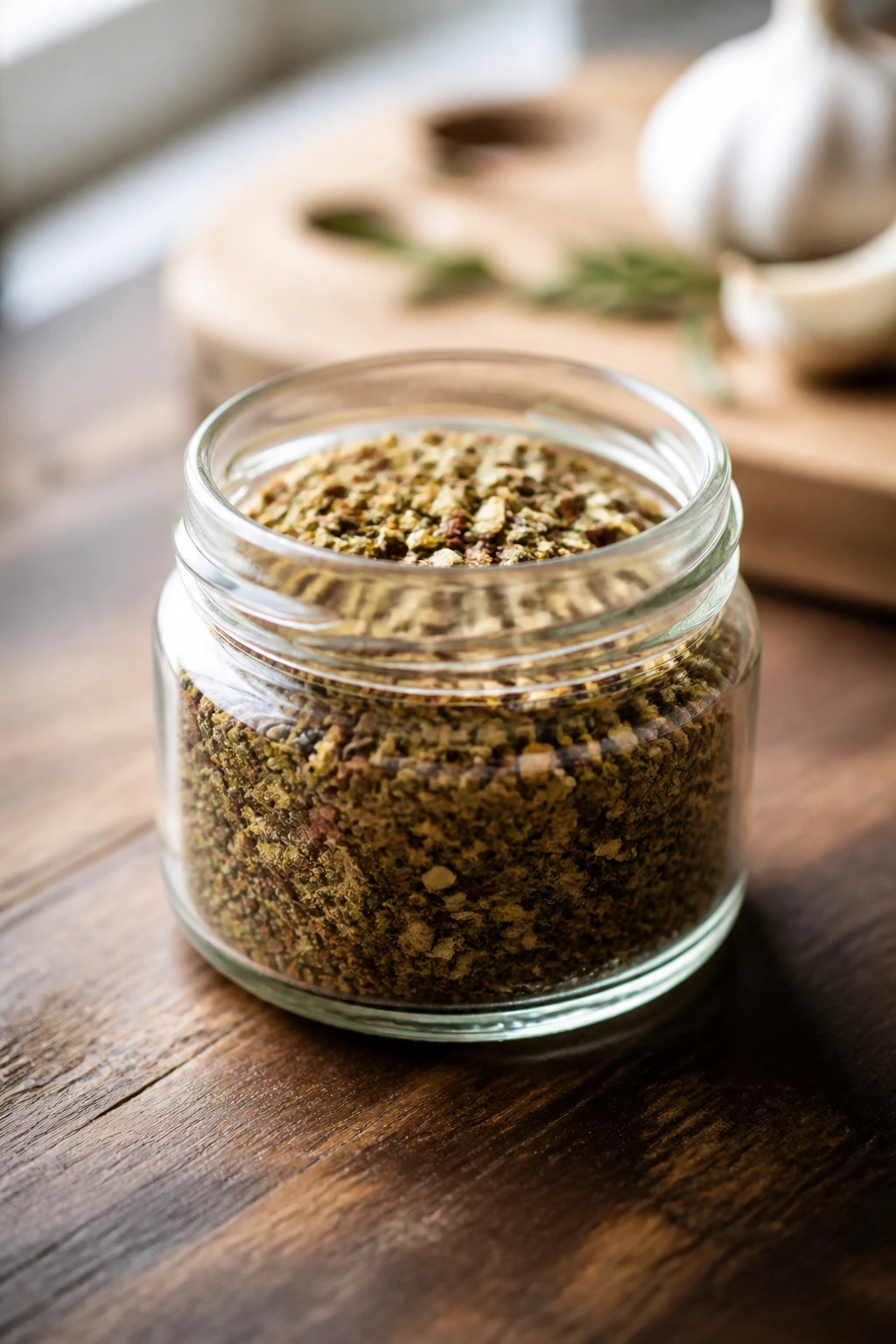
Funnel the blend into a completely dry glass jar and tap it gently on the counter two or three times so the herbs settle. Seal the lid tightly and let the jar sit for 30 minutes before using it. That resting window gives the garlic and paprika time to stop smelling separate and start smelling like one blend.
-
Taste a pinch mixed with a teaspoon of olive oil on a piece of bread or a slice of warm potato. If you want more salt, add it to the food instead of the jar unless you know you’ll use the blend only for heartier dishes.
How I Use This Blend on Chicken, Potatoes, and Beans
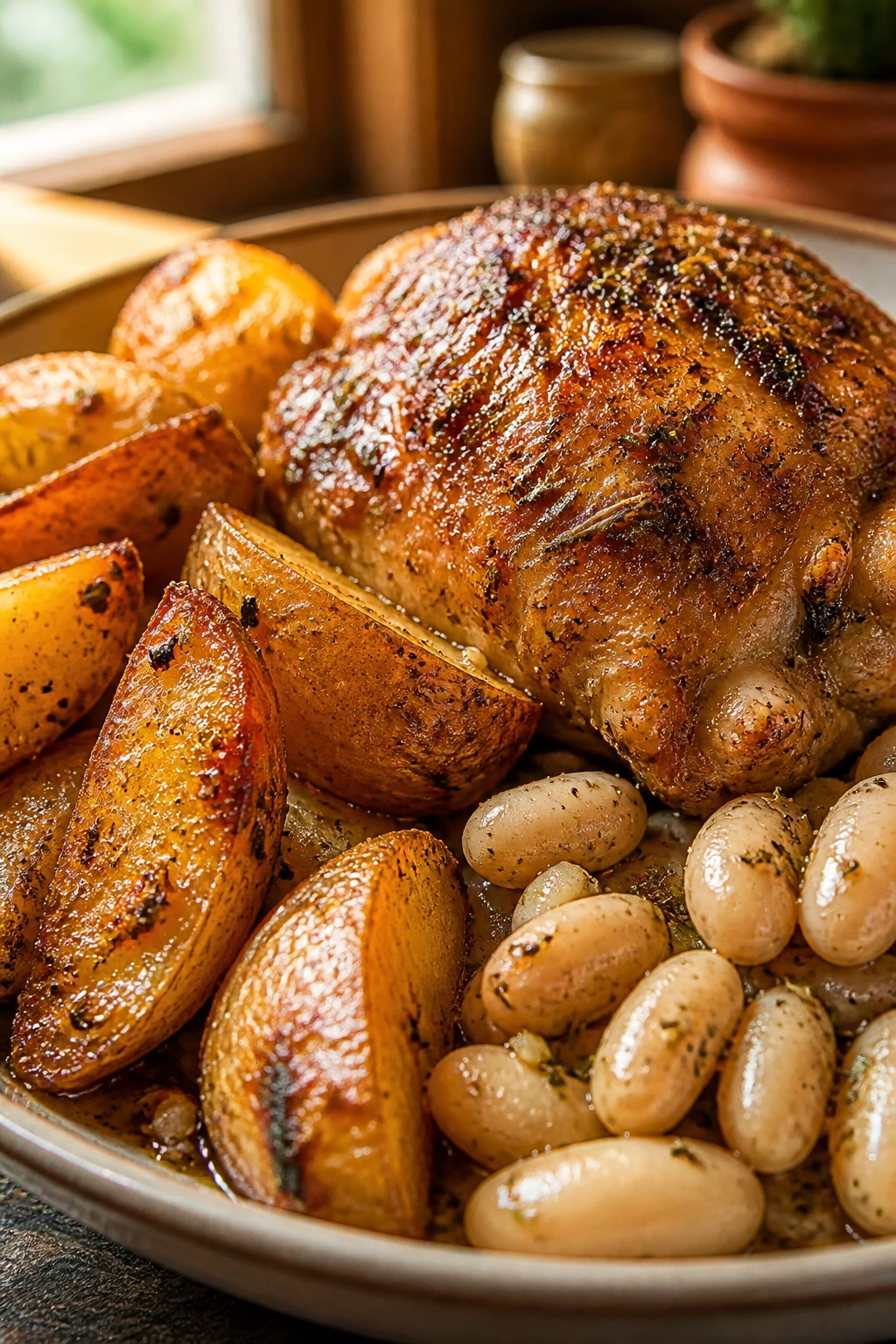
Presentation: I like to brush vegetables or chicken with a thin coat of olive oil first, then sprinkle the blend evenly so the herbs cling instead of falling off. On roasted potatoes, the paprika gives a warm color that looks especially good once the edges crisp and the garlic scent starts drifting out of the oven.
Accompaniments: This seasoning belongs with roast chicken thighs, salmon, white beans, chickpeas, zucchini, cauliflower, eggplant, tomatoes, and crusty bread. It also plays nicely with lemony yogurt sauce, hummus, or a plain spoonful of olive oil mashed with a little minced garlic when you want a dip that feels more deliberate than store-bought.
Portions: Use about 1 to 1 1/2 teaspoons per pound of chicken, 1 teaspoon for every two cups of vegetables, and 1/2 teaspoon stirred into a cup of beans or lentils. If you’re seasoning something delicate like fish, start smaller and add more after cooking; it’s easier to build flavor than to pull it back.
Beverage Pairing: A dry white wine, sparkling water with lemon, or even unsweet iced tea fits the herb-and-garlic profile without fighting it. For a full meal, I like this jar most with something cold and sharp on the side, because the spices already carry enough warmth.
Small Moves That Make the Jar Taste Better
Flavor Enhancement: Mix the blend with olive oil and let it stand for 5 minutes before using it on vegetables or bread. That short pause lets the paprika tint the oil and helps the garlic bloom more evenly when it hits heat.
Time-Saver: Make two jars at once and label one “salted” and one “salt-free.” The split version means you can season a tray of potatoes, a pan of fish, and a pot of beans without doing math every time.
Pro Move: Crush the rosemary before you measure it, not after. You’ll get a more even texture and fewer stiff little needles that stick in your teeth.
Cost-Saver: Buy oregano, thyme, and garlic powder in the biggest size you’ll actually use within a few months. The smaller jars at the back of the rack look tidy, but if they sit forever, they lose the very thing you paid for.
Serving Suggestion: Keep a pinch in a tiny bowl with olive oil and lemon zest when you bring bread to the table. It turns plain bread into something that tastes intentional, which is a small thing, but a useful one.
Mistakes That Make Herb Blends Taste Flat
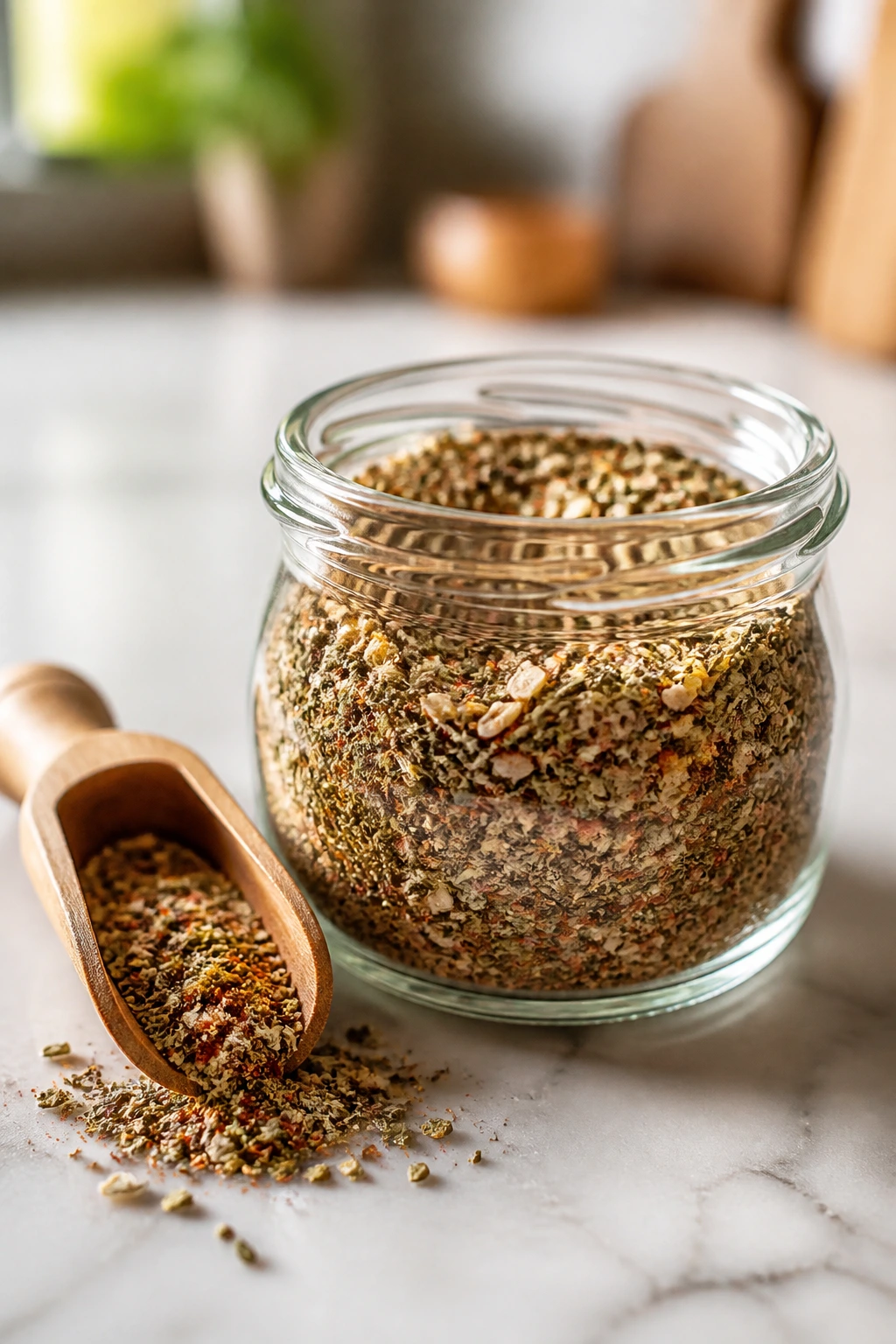
Using stale herbs: The most common problem is a jar that smells like paper instead of oregano. If you have to bend over the bowl and work to smell the herbs, replace them; dried herbs should announce themselves the second you open the container.
Letting rosemary take over: Rosemary is bossy. Too much of it, or pieces that are too large, gives the blend a sharp pine note that can sit on your tongue too long. Keep it fine, keep it under control, and don’t be tempted to “just add a little more” unless you want the whole mix to tilt woody.
Mixing with moisture nearby: A damp spoon, a jar that came out of the dishwasher too soon, or a bowl that still has a trace of rinse water can turn your spice blend into a clumpy mess. Dry everything fully before you start. Seriously.
Using garlic salt as a shortcut: It sounds harmless until you taste the finished food and realize the blend is both salty and thin. Garlic powder gives you more control, which is the whole point of making your own jar in the first place.
Storing it by the stove: Heat and steam eat spice blends alive. A pretty jar sitting above the oven may look convenient, but it will fade faster there than it will in a dark cabinet across the room.
Variations That Fit Different Kitchens
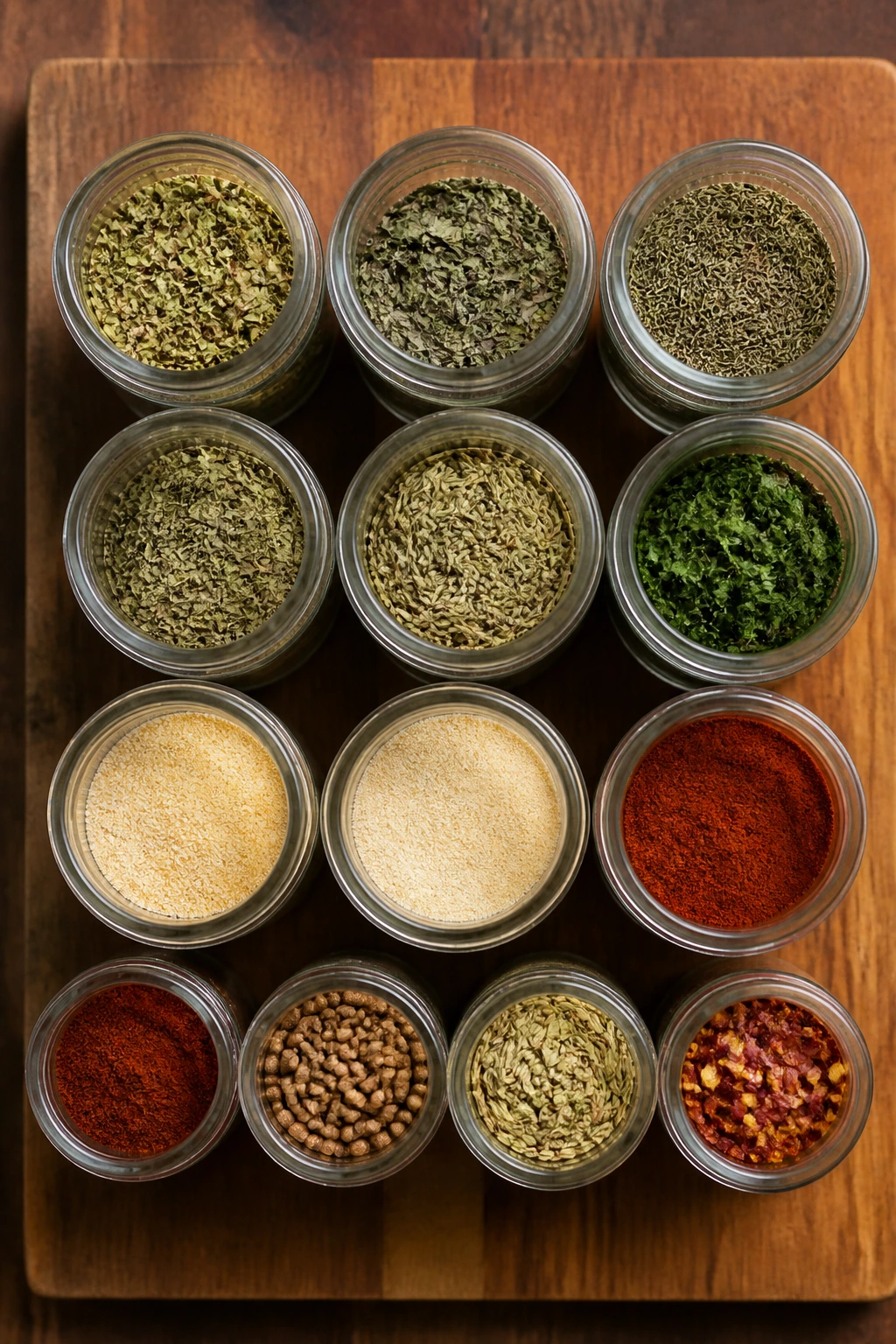
Tuscan Pantry Jar: Push this version toward Italy by adding another teaspoon of oregano and another teaspoon of basil, then dropping the coriander and fennel. It’s the one I’d use on tomato sauce, meatballs, or a tray of eggplant slices where you want the herbs to sound louder than the smoke.
Greek Lemon Brightener: Add 1 teaspoon dried dill and 1 teaspoon lemon zest powder, then reduce the smoked paprika to 1/2 teaspoon. That gives you a sharper, cleaner profile that works especially well on potatoes, cucumbers, roasted fish, and yogurt-based sauces.
Smoky Grill House Blend: Double the smoked paprika to 2 teaspoons and add 1/2 teaspoon ground cumin. This version tastes deeper and a little darker, which makes it better for grilled eggplant, lamb, or chickpeas that need more body.
Salt-Free Pantry Version: Leave out the salt and add another 1 teaspoon garlic powder plus 1 teaspoon oregano. The result is more flexible, especially if you cook with olives, feta, capers, or broth that already brings salt to the table.
Red Pepper Heat Jar: Increase the red pepper flakes to 1 teaspoon and black pepper to 1 1/2 teaspoons. It still reads Mediterranean, but now it has a little bite that makes roasted cauliflower and tomato pasta wake up faster.
Storage, Shelf Life, and Make-Ahead Notes
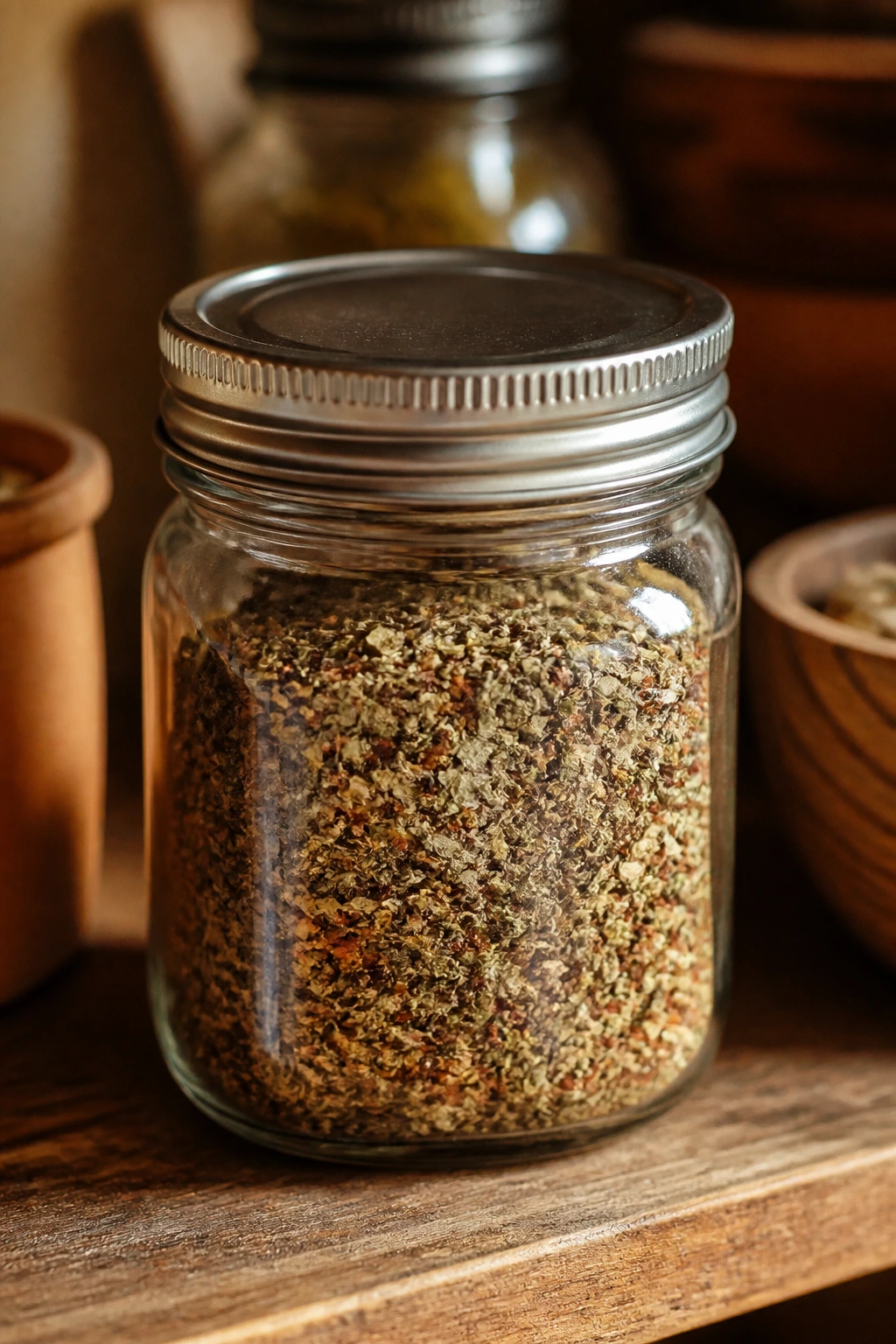
Store the blend in a tightly sealed glass jar away from light, heat, and steam. A cabinet or pantry shelf is better than the rack beside the stove, even if the rack looks convenient. Dried herbs lose fragrance faster when they’re exposed to warmth every time the burner turns on.
For the best aroma, use the blend within 4 to 6 months. It won’t suddenly spoil after that, but the garlic and herbs start to fade, and flat spice blends are the reason so many home cooks think dried seasoning “doesn’t taste like much.” It does, when it’s fresh enough.
You can mix this jar weeks ahead of time without any trouble. In fact, it tastes a little more settled after a day or two. If you toasted and ground any seeds, let them cool completely before sealing the jar so you don’t trap moisture inside. That tiny mistake can make the whole batch clump.
There’s no reason to refrigerate it. The fridge can create condensation, and condensation is how spice jars turn dusty, damp, and disappointing. If you want to keep the label honest, write the mix date on the lid with a piece of tape and a pen. That’s not fancy, but it works.
Questions People Ask Before They Make It
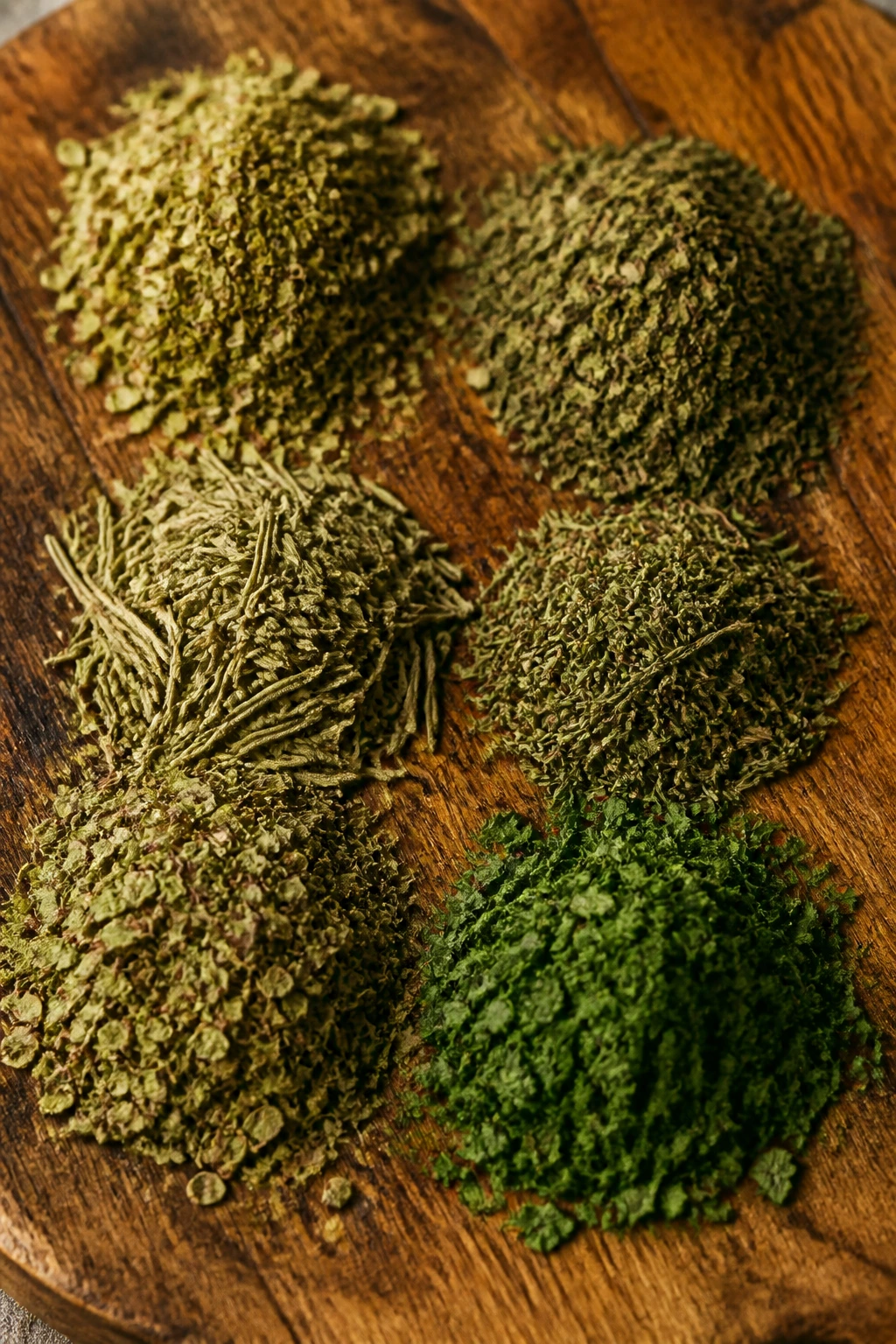
Is this the same as Italian seasoning?
Not quite. Italian seasoning usually leans on oregano, basil, thyme, and rosemary, while this blend adds more garlic, onion, paprika, fennel, and black pepper, so it tastes fuller and a little warmer. Think of this as the version that actually wants to season dinner, not just sit in the cabinet looking official.
Can I leave out the fennel if I don’t like that flavor?
Yes, and if fennel tastes too noticeable to you, leave it out completely. Replace it with an extra 1/2 teaspoon of oregano and 1/2 teaspoon of coriander so the blend keeps some depth without that sweet licorice note some people pick up immediately.
How much should I use on chicken?
For chicken thighs or drumsticks, start with 1 to 1 1/2 teaspoons per pound, mixed with a little olive oil. On chicken breasts, use a lighter hand; breasts dry out faster, and too much spice can taste harsh if the meat is already overcooked.
Can I make it without salt?
Absolutely, and honestly that’s the version I reach for most. A salt-free jar gives you more control over the final dish, especially if you’re using olives, cheese, canned tomatoes, or broth that already brings salt along for the ride.
Why does my blend taste dusty instead of fragrant?
Usually the herbs are old, the garlic powder is stale, or the rosemary pieces are too big. Dried herbs should smell strong the moment you open the jar, and if they don’t, the fix is replacement, not extra stirring.
Can I use fresh garlic or fresh herbs in the jar?
No, not in the jar itself. Fresh garlic and fresh herbs carry moisture, and moisture shortens shelf life fast. If you want fresh flavor, add fresh garlic or chopped herbs when you cook, then use this dry blend for the deeper background note.
Does this work on fish and vegetables, or is it mainly for meat?
It works on both, but with a lighter hand on delicate fish. For vegetables, the blend does its best work when you toss the food with olive oil first so the garlic powder and paprika stick to the surface and toast instead of falling onto the tray.
What if the rosemary still feels too sharp after I mix it?
Crush it more, or pulse the whole blend once or twice in a spice grinder. You want flecks, not little spear-shaped pieces. A rough texture is fine; a woody one is not.
A Jar That Earns Its Place by the Stove
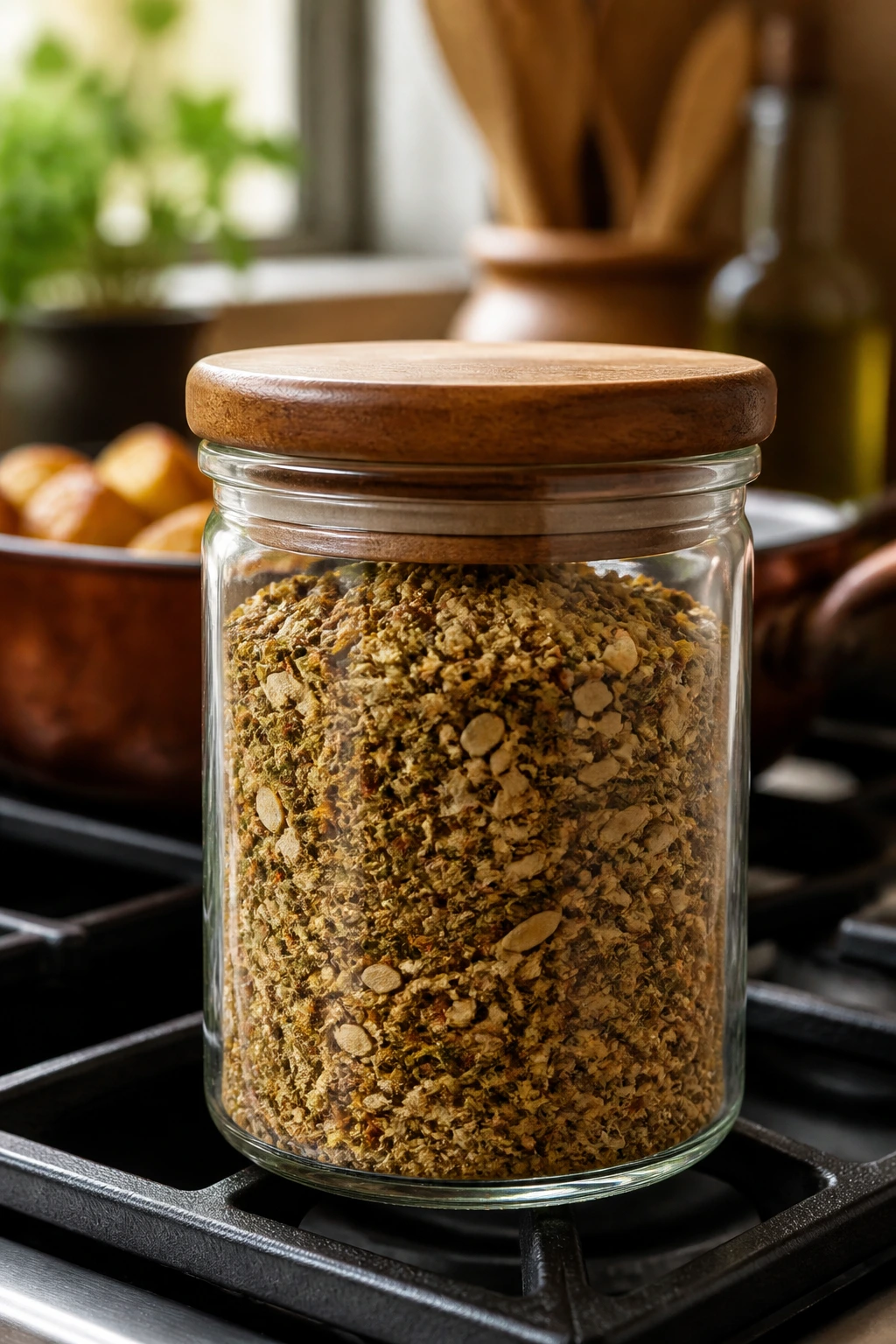
A good seasoning blend should make cooking feel easier without making dinner taste lazy. That’s the line this jar walks. It has enough garlic to matter, enough herbs to smell cooked, and enough paprika and black pepper to stop it from reading like a generic store-bought mix. It’s the sort of thing you reach for once, then keep reaching for because it keeps doing the job.
Make one jar, taste it on something simple, and adjust the next batch to your own kitchen. More garlic if that’s your lane. Less rosemary if you’re sensitive to the piney edge. Once you settle the balance, you’ll have a seasoning that can move from roasted potatoes to chicken thighs to beans without acting like it belongs only to one meal.
Garlicky Mediterranean Spices Like Nonna Used to Make — Recipe Card
Recipe Name: Garlicky Mediterranean Spices Like Nonna Used to Make
Description: A garlic-forward Mediterranean seasoning blend with oregano, thyme, basil, rosemary, paprika, and a little fennel for that old-kitchen aroma. Use it on chicken, vegetables, beans, potatoes, fish, and bread.
Prep Time: 10 minutes
Cook Time: 2 minutes
Total Time: 12 minutes
Course: Seasoning, Pantry Staple
Cuisine: Mediterranean, Italian-inspired
Servings: Makes about 33 teaspoons
Calories: About 5 kcal per teaspoon
Ingredients
For the Spice Blend:
- 2 tablespoons dried oregano
- 1 tablespoon dried basil
- 1 tablespoon dried thyme
- 1 teaspoon dried marjoram
- 2 teaspoons dried rosemary, finely crushed
- 2 teaspoons dried parsley
- 2 tablespoons garlic powder
- 1 tablespoon onion powder
- 2 teaspoons sweet paprika
- 1 teaspoon smoked paprika
- 1 teaspoon ground coriander
- 1 teaspoon ground fennel seed
- 1 teaspoon fine black pepper
- 1/2 teaspoon crushed red pepper flakes
- 1 teaspoon fine sea salt, optional
Instructions
-
If you’re using whole fennel or coriander seed, toast it in a dry skillet over medium-low heat for 45 to 60 seconds until fragrant, then cool completely and grind.
-
Measure all of the herbs and spices into a dry medium bowl.
-
Whisk for at least 30 seconds, breaking up any paprika or garlic powder clumps with your fingers if needed.
-
Transfer the blend to a completely dry airtight jar and tap it gently on the counter to settle the mix.
-
Let the jar rest for 30 minutes before using, then taste and adjust salt on the food rather than in the jar if you want more control.
Notes: Keep the jar away from heat and steam; use within 4 to 6 months for the strongest aroma. For a salt-free version, leave out the salt and season dishes separately.