



The smartest move on pasta night is to stop treating pizza as the backup plan. A hot, homemade pizza for pasta night gives you the same tomatoes, basil, garlic, cheese, olives, sausage, and herbs people already expect — but the oven turns them into something sharper and more textured, with a crust that crackles when you cut it and browned cheese that smells like it means business.
That shift matters more than it sounds. A pot of pasta can be soft and soothing; pizza brings contrast. You get blistered edges, a chewy center, and toppings that stay distinct instead of sinking into sauce. And when you keep the toppings in the same Italian-Mediterranean lane, the whole table still feels like one meal. Just a louder one.
These 18 pies lean into that idea from different angles. Some are classic and spare. Some borrow straight from pasta bowls — vodka sauce, carbonara-style cheese, lasagna flavors, scampi, meatballs — and some are the kind of white pies I’d happily eat with nothing more than a salad and a cold drink. The trick is always the same: hot oven, restrained topping layer, and enough moisture control to keep the crust from turning limp in the middle.
Why These Pizzas Earn a Spot on Pasta Night
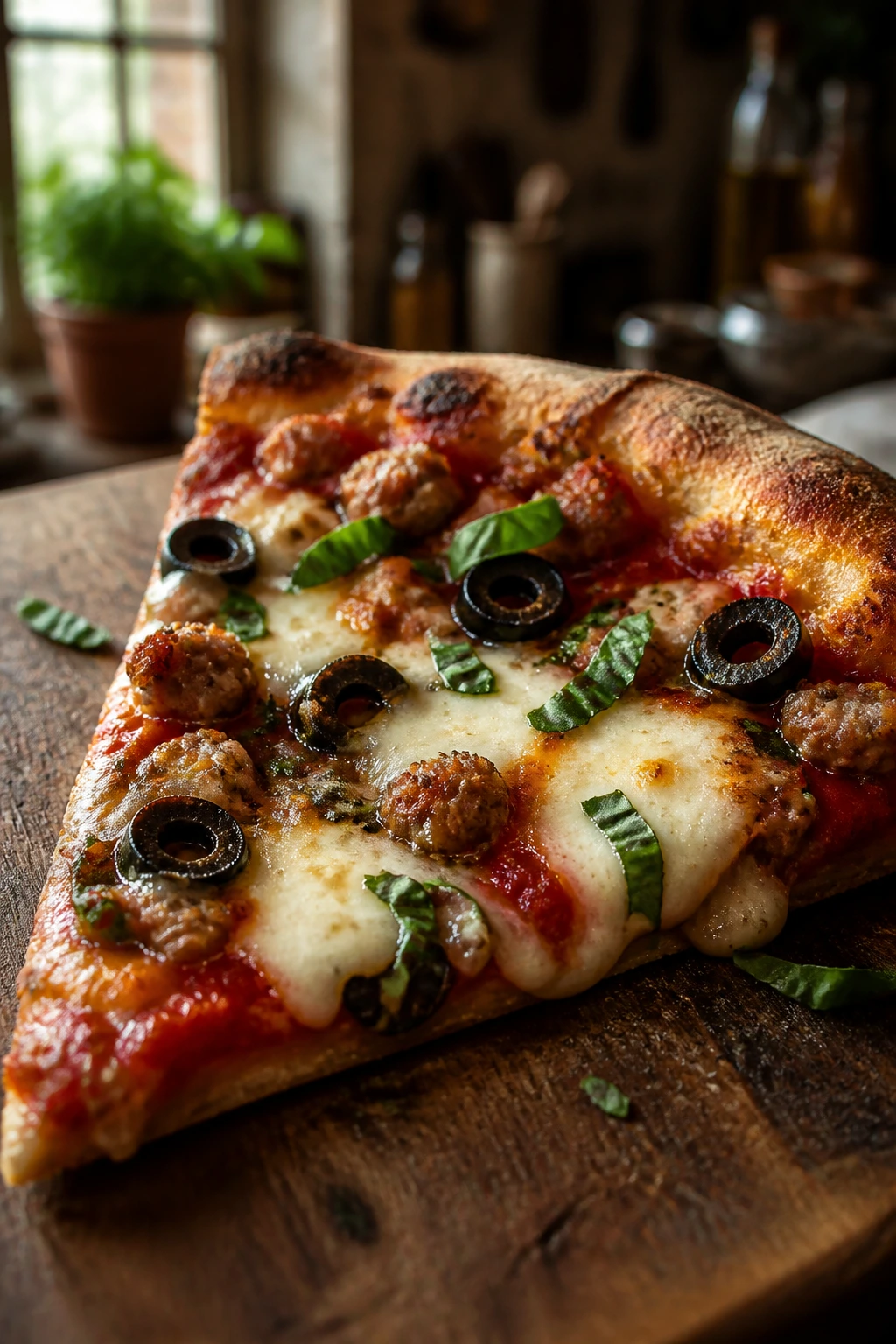
-
Same pantry, better texture: Tomatoes, basil, Parmesan, sausage, olives, and garlic all show up here, but the oven gives them browned edges and crisp bite that a pasta bowl can’t match.
-
One dough ball does a lot of work: A single 1-pound ball of pizza dough stretches into a 12-inch pie, which is enough for a quiet dinner or the first round of a bigger spread.
-
The timing is forgiving: Dough can warm while sauce simmers, mushrooms can brown while the oven heats, and several toppings can be cooked or drained ahead of time.
-
The leftovers hold up: Reheated slices in a skillet keep the bottom crisp. That matters. Soggy pizza is a sad thing, and no amount of optimism fixes it.
-
You can split the table cleanly: One pie can be red sauce, one can be white, one can be spicy, and nobody has to negotiate every topping in the room.
1. Margherita Pizza with Torn Basil
Margherita pizza is the quiet one that still steals the night. The crust gets those pale toasted blisters, the tomatoes taste bright instead of heavy, and the basil goes on after baking so the whole kitchen smells fresh rather than cooked-down. If you want the cleanest possible starter for homemade pizza for pasta night, this is the pie I’d put first.
Why It Works:
A thin layer of sauce leaves the dough room to puff, and low-moisture mozzarella melts into even patches instead of watery puddles. Fresh mozzarella adds creamy pockets, but only if you pat it dry first. A 500°F oven for 10 to 12 minutes gives you a browned rim before the center turns soft.
Key Ingredients:
- 1 pound pizza dough, room temperature — stretches without snapping back.
- 1/2 cup crushed San Marzano tomatoes or pizza sauce — keep the layer thin.
- 8 ounces low-moisture mozzarella, shredded — gives the best melt for the base.
- 4 ounces fresh mozzarella, patted dry and torn — adds soft, milky pockets.
- 1 tablespoon olive oil — helps the rim brown.
- 1/4 teaspoon fine sea salt — wakes up the tomatoes.
- 1/4 teaspoon black pepper — keeps the finish from tasting flat.
- 1/4 cup fresh basil leaves, torn — goes on after baking so it stays bright.
Quick Steps:
- Preheat the oven to 500°F with a pizza stone or steel on the middle rack for at least 30 minutes.
- Stretch the dough into a 12-inch round on a lightly floured peel or parchment.
- Spread the tomato sauce in a thin layer, leaving a 1-inch border.
- Scatter on the shredded mozzarella and the torn fresh mozzarella, then drizzle with olive oil.
- Bake for 10 to 12 minutes, until the crust is spotted gold and the cheese is bubbling.
- Finish with basil, salt, and a little black pepper. Rest 2 minutes before slicing.
Equipment for This Recipe:
- Pizza stone or steel — gives the bottom real color.
- Pizza peel or upside-down sheet pan — helps transfer the pie.
- Bench scraper — useful for handling the dough.
- Pizza cutter or sharp chef’s knife — for clean slices.
How to Serve This Dish:
Serve it with a peppery arugula salad and a few marinated olives. If you’re doing a larger pasta-night spread, this works as the bright, simple pie that gets cut first and disappears fast.
Pro Tips for This Recipe:
- Use less sauce than you think you need. Too much turns the middle soft.
- Pat the fresh mozzarella dry with paper towels. Wet cheese = watery top.
- Bake on the lower-middle rack if your oven runs hot on top.
- Tear the basil by hand, don’t chop it into confetti.
Variations on This Dish:
- Garlic Margherita: Rub the dough with a cut garlic clove before adding sauce.
- Tomato-Heavy Version: Swap the fresh mozzarella for extra shredded mozzarella if you want a firmer, less creamy pie.
Common Mistakes to Avoid with This Dish:
- Dumping on sauce: The center goes slack. Keep it thin.
- Adding basil before baking: It darkens and tastes dull. Finish with it instead.
- Using cold dough: It shrinks. Let it sit at room temperature first.
2. Cacio e Pepe White Pizza
Black pepper and Pecorino on pizza sound simple until the first hot slice lands on your plate. Then the crust, the cheese, and the pepper all hit at once — sharp, salty, and a little smoky from the oven. It tastes like a Roman pasta dish that took a left turn and came back with a better tan.
Why It Works:
White pizza needs fat and salt more than sauce, and this one uses ricotta, mozzarella, and Pecorino to build that. The pepper blooms in the heat, especially if you crack it coarsely. A lemon zest finish keeps the pie from feeling heavy.
Key Ingredients:
- 1 pound pizza dough, room temperature — the base should stretch easily.
- 1 tablespoon olive oil — brushed on instead of sauce.
- 1/2 cup ricotta — creates creamy pockets.
- 1 1/2 cups shredded mozzarella — gives the melt and stretch.
- 3/4 cup finely grated Pecorino Romano — sharp, salty backbone.
- 2 teaspoons coarsely cracked black pepper — the whole point of the pizza.
- 1 teaspoon lemon zest — lifts the rich cheese.
- 1 tablespoon chopped parsley — optional, but useful for freshness.
Quick Steps:
- Preheat the oven to 500°F with a stone or steel for 30 to 45 minutes.
- Stretch the dough into a 12-inch round and brush the surface with olive oil.
- Dollop ricotta over the dough, then scatter mozzarella evenly.
- Dust with Pecorino and cracked black pepper, making sure the pepper reaches the edges.
- Bake for 9 to 11 minutes, until the crust is golden and the cheese has browned in spots.
- Finish with lemon zest and parsley, then slice while hot.
Equipment for This Recipe:
- Pizza stone or steel — helps the bottom set fast.
- Microplane — best for the Pecorino and lemon zest.
- Mixing bowl — for softening the ricotta if you want to season it first.
- Pizza peel or parchment — whichever you trust more.
How to Serve This Dish:
Cut it into narrow slices and serve it with a bitter greens salad or roasted broccolini. It’s rich, so small pieces work better than giant wedges.
Pro Tips for This Recipe:
- Mix a pinch of salt and black pepper into the ricotta first.
- Keep the Pecorino finely grated so it melts instead of sitting in clumps.
- A little lemon zest goes a long way. Overdo it and the cheese gets lost.
- If the top browns too fast, move the pie down one rack for the last 2 minutes.
Variations on This Dish:
- Pancetta Pepper Pie: Add crisped pancetta after baking for a salty crunch.
- Mushroom Cacio e Pepe: Sauté sliced mushrooms first and tuck them under the cheese.
Common Mistakes to Avoid with This Dish:
- Too much ricotta: The center turns heavy. Use small dollops.
- Pre-ground coarse pepper that’s old: It tastes flat. Crack it fresh.
- Skipping the lemon finish: The pie tastes dense without it.
3. Pepperoni and Calabrian Chili Pizza
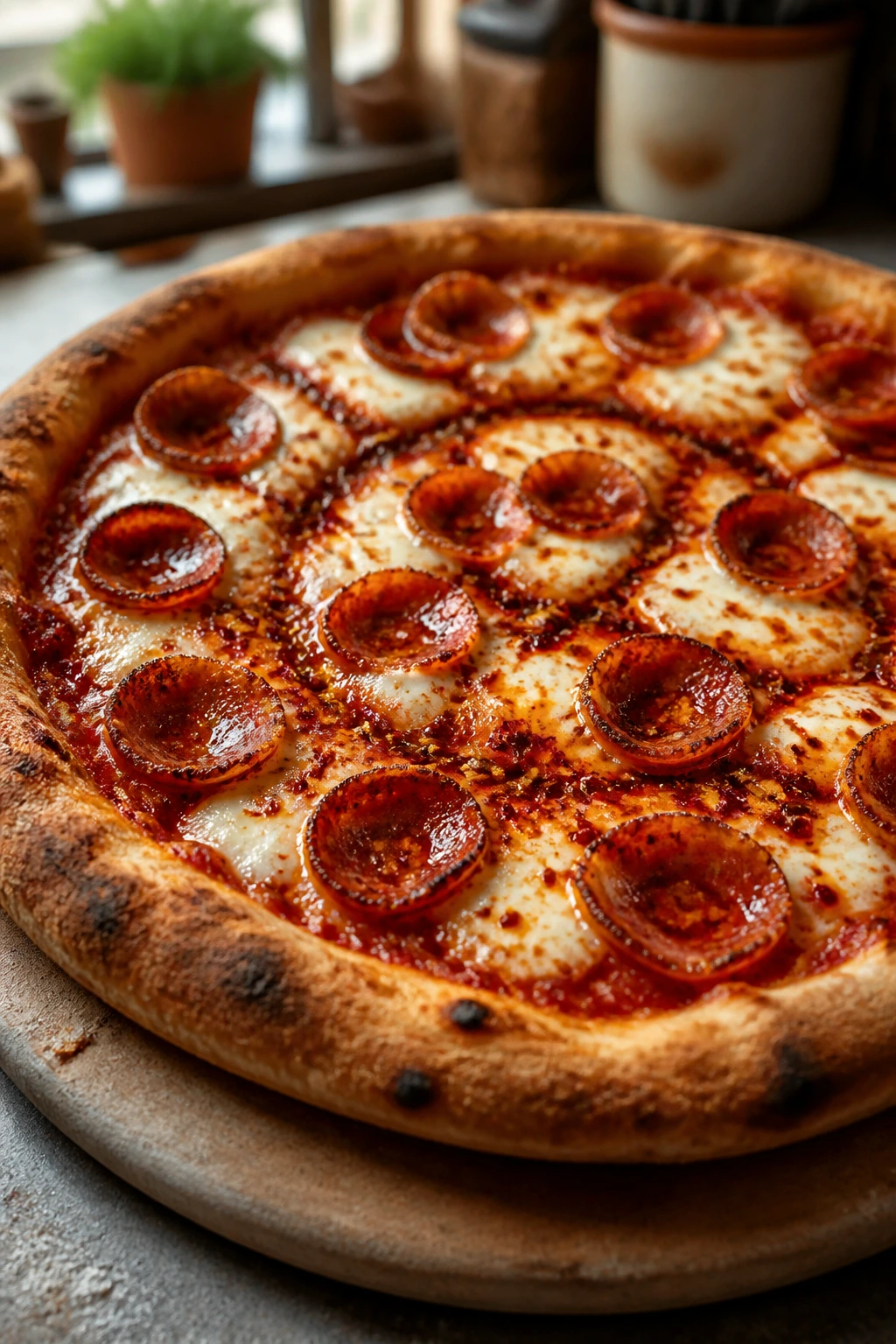
Pepperoni behaves differently when you give it a screaming-hot oven. The edges curl, the fat renders, and each slice of pepperoni turns into a tiny crisp cup with a pool of spice in the middle. Add Calabrian chili paste and the whole pie gets a slow burn instead of a blunt hit.
Why It Works:
This is the easiest way to build heat without making the whole pizza taste like chili sauce. Pepperoni brings salt and fat; Calabrian chili paste brings fruit and fire; mozzarella keeps the heat in check. A brief bake at 500°F crisps the top before the crust dries out.
Key Ingredients:
- 1 pound pizza dough, room temperature — easy to stretch.
- 1/2 cup pizza sauce — enough to flavor, not drown.
- 7 ounces shredded mozzarella — the main melt.
- 24 to 30 slices pepperoni — cupping pepperoni gives the best texture.
- 1 tablespoon Calabrian chili paste — spicy, bright, and not one-note.
- 2 tablespoons grated Parmesan — adds a salty finish.
- 1/2 teaspoon dried oregano — keeps the flavor in Italian territory.
- 1 teaspoon hot honey, for serving — optional, but useful if you like sweet heat.
Quick Steps:
- Preheat the oven to 500°F with a pizza stone or steel on the center rack.
- Stretch the dough into a 12-inch round.
- Spread the sauce thinly, then dot the chili paste across the top and swirl it lightly.
- Scatter on mozzarella, then layer the pepperoni so some slices overlap.
- Bake for 10 to 12 minutes until the pepperoni edges curl and the cheese bubbles hard.
- Finish with Parmesan, oregano, and a thread of hot honey if you want it.
Equipment for This Recipe:
- Pizza stone or steel — helps the pepperoni crisp.
- Small spoon — useful for dotting chili paste.
- Pizza cutter — cuts through the curled pepperoni cleanly.
- Sheet pan lined with parchment — works if you don’t own a stone.
How to Serve This Dish:
Serve it with a simple romaine salad and cold pickled peppers on the side. If you’re feeding people who like a little heat, cut the pie into smaller wedges and drizzle the slices individually with hot honey.
Pro Tips for This Recipe:
- Use pepperoni that’s sliced a little thick. Paper-thin rounds don’t crisp the same way.
- Keep the chili paste under the cheese in small spots so it doesn’t scorch.
- A small handful of grated Parmesan on top after baking makes the pepper taste sharper.
- If your pepperoni is very oily, blot a few slices after baking.
Variations on This Dish:
- Mushroom Heat Pie: Add sautéed mushrooms for a softer, earthier version.
- Sausage and Pepperoni Combo: Swap half the pepperoni for cooked crumbled sausage.
Common Mistakes to Avoid with This Dish:
- Overloading the pie with pepperoni: The center turns greasy. Use a single layer.
- Too much chili paste: The cheese gets buried. Dot it, don’t spread it thick.
- Baking on an unheated pan: The crust stays pale and limp.
4. Sausage, Fennel, and Onion Pizza
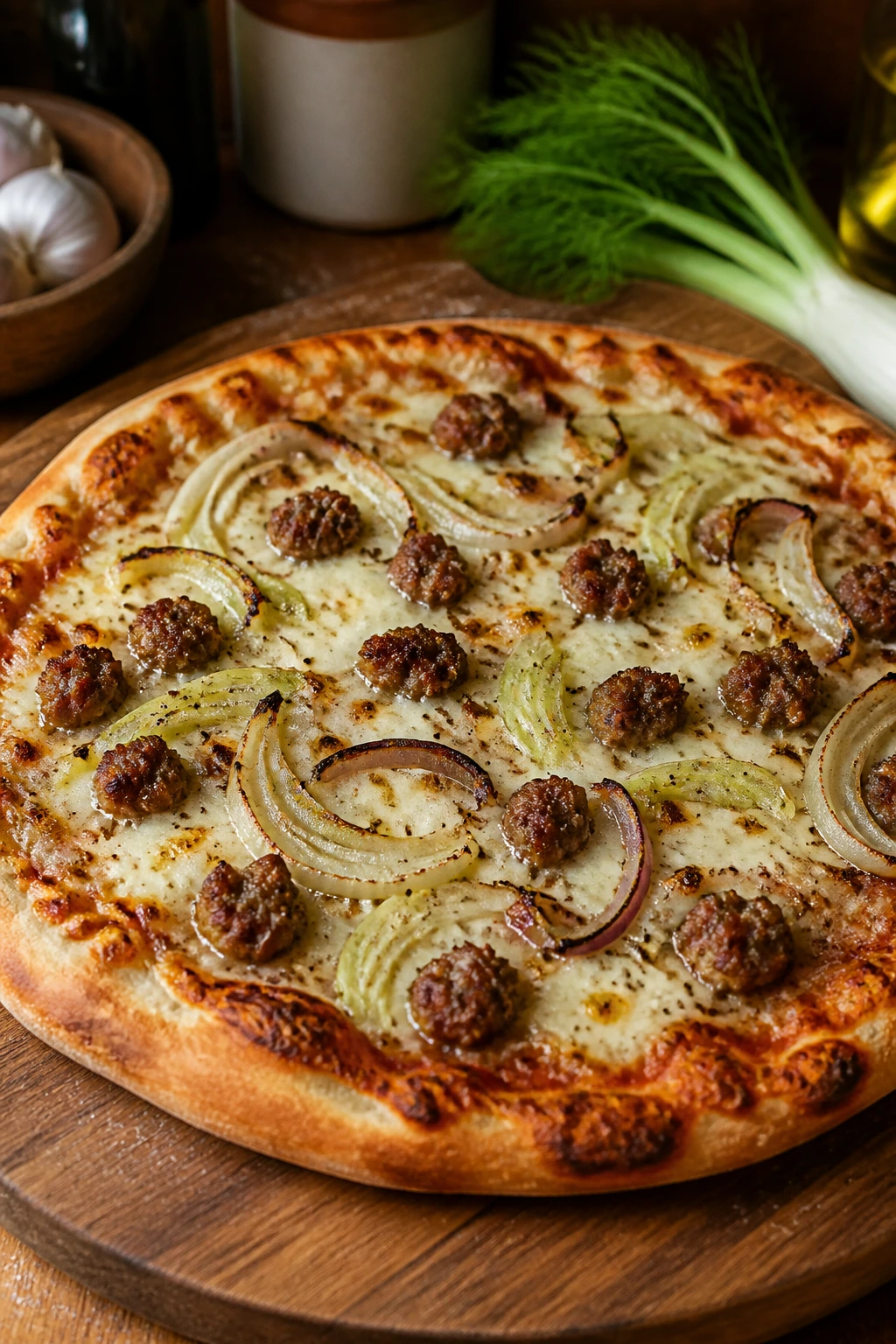
A sausage-and-fennel pie tastes like Sunday dinner caught in a better mood. The sausage brings depth, the onion goes sweet at the edges, and the fennel keeps the whole thing from feeling heavy. Once the cheese bubbles around the vegetables, the smell is the sort that pulls people into the kitchen without being asked.
Why It Works:
Sausage and fennel are old friends, and pizza gives them a wide, hot stage. Cooking the fennel and onion first matters because raw slices dump moisture onto the dough. A little provolone mixed with mozzarella adds a sharper finish than mozzarella alone.
Key Ingredients:
- 1 pound pizza dough, room temperature — the crust needs a full stretch.
- 1/2 cup pizza sauce — a modest red base.
- 8 ounces Italian sausage, casings removed and cooked — cool it before topping.
- 1/2 fennel bulb, thinly sliced — cooks down into sweetness.
- 1 small yellow onion, thinly sliced — softens and browns.
- 1 1/2 cups shredded mozzarella — for melt.
- 1/4 cup shredded provolone — gives a little bite.
- 1 teaspoon fennel seeds — optional, but nice if you like the flavor louder.
Quick Steps:
- Preheat the oven to 500°F with a stone or steel.
- Sauté the fennel and onion in 1 tablespoon olive oil over medium heat for 8 to 10 minutes until softened.
- Stretch the dough into a 12-inch round.
- Add a thin layer of sauce, then the mozzarella, provolone, sausage, fennel, and onion.
- Bake for 11 to 13 minutes until the crust is browned and the sausage edges are a little crisp.
- Finish with fennel seeds or parsley, then let it rest briefly before cutting.
Equipment for This Recipe:
- Large skillet — for cooking sausage and softening the vegetables.
- Pizza stone or steel — keeps the bottom from going soggy.
- Cutting board and sharp knife — fennel needs a clean slice.
- Pizza peel or parchment — makes transfer easier.
How to Serve This Dish:
Serve this with a sharp chopped salad or roasted cauliflower with lemon. It’s rich enough to stand alone, but a bitter green on the side keeps the meal from feeling too dense.
Pro Tips for This Recipe:
- Cook the sausage until no pink remains, then cool it before it hits the dough.
- Slice the fennel thin. Thick pieces stay crunchy in the wrong way.
- If the onion looks dry in the pan, add a teaspoon of water and keep it moving.
- A little extra provolone under the mozzarella gives the top a better pull.
Variations on This Dish:
- Spicy Sausage Version: Use hot Italian sausage and a pinch of red pepper flakes.
- White Sausage Pie: Skip the sauce and brush the dough with olive oil and garlic.
Common Mistakes to Avoid with This Dish:
- Adding raw fennel: It stays too firm and waters the crust.
- Using too much sausage: The pie turns greasy. Keep the layer even.
- Skipping the rest after baking: The cheese slides off if you cut it too soon.
5. Chicken Alfredo Spinach Pizza
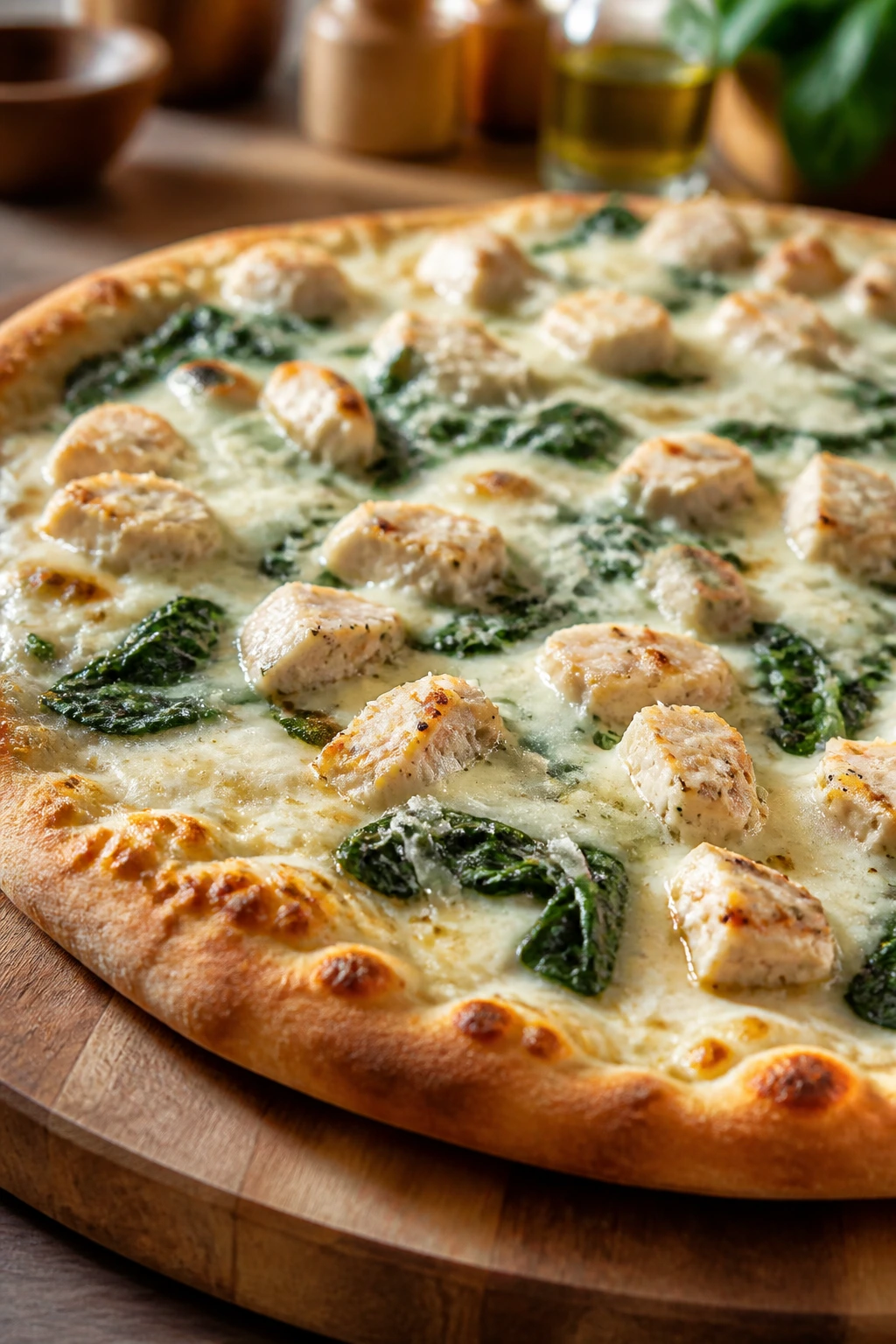
Alfredo sauce on pizza is richer than red sauce, and that’s the point. You get a creamy base, bits of chicken, and spinach that wilts just enough in the heat. It’s the kind of pie that eats like a full dinner without needing a second thought.
Why It Works:
Alfredo needs restraint. Spread it too thick and the crust loses shape; keep it thin and it melts into the dough instead of floating on top. Chicken and spinach both play nicely with Parmesan, and a pinch of nutmeg gives the sauce a quiet, old-school finish.
Key Ingredients:
- 1 pound pizza dough, room temperature — for a sturdy crust.
- 3/4 cup Alfredo sauce — use a thin layer.
- 1 cup cooked chicken, shredded or chopped — rotisserie chicken works.
- 2 cups baby spinach — lightly packed.
- 1 1/2 cups shredded mozzarella — the melt.
- 1/3 cup grated Parmesan — sharpens the cream sauce.
- 1/4 teaspoon garlic powder — keeps the sauce from tasting flat.
- Pinch of grated nutmeg — small amount, big payoff.
Quick Steps:
- Preheat the oven to 500°F with a stone or steel.
- Stretch the dough into a 12-inch round.
- Spread the Alfredo in a thin layer, leaving a bare border.
- Scatter on chicken, spinach, mozzarella, and Parmesan.
- Bake for 10 to 12 minutes until the cheese bubbles and the rim turns golden.
- Finish with a tiny pinch of nutmeg or extra Parmesan, then slice.
Equipment for This Recipe:
- Pizza stone or steel — helps the rich sauce bake cleanly.
- Box grater — best for Parmesan.
- Sheet pan or peel — to move the pizza in and out.
- Skillet, if warming the chicken first — optional but handy.
How to Serve This Dish:
Serve it with a lemony salad or roasted broccoli. If you want to keep the pasta-night feeling, pair it with a small bowl of garlic knots instead of a full starch.
Pro Tips for This Recipe:
- Use chilled Alfredo sauce if it’s very loose; it spreads cleaner.
- Squeeze the spinach dry if it’s wet from washing.
- Chop the chicken into small pieces so every slice gets some.
- If the top looks pale, broil for 30 to 45 seconds at the end — stay close.
Variations on This Dish:
- Mushroom Alfredo Pie: Add sautéed mushrooms for extra depth.
- Pesto Alfredo Twist: Swirl 2 tablespoons of pesto into the sauce before spreading it.
Common Mistakes to Avoid with This Dish:
- Too much Alfredo: The crust goes soggy. Thin layer only.
- Wet spinach: It steams the cheese. Dry it well.
- Overcooking the chicken before baking: It turns stringy. Start with cooked chicken that’s still moist.
6. Mushroom, Garlic, and Truffle Oil Pizza
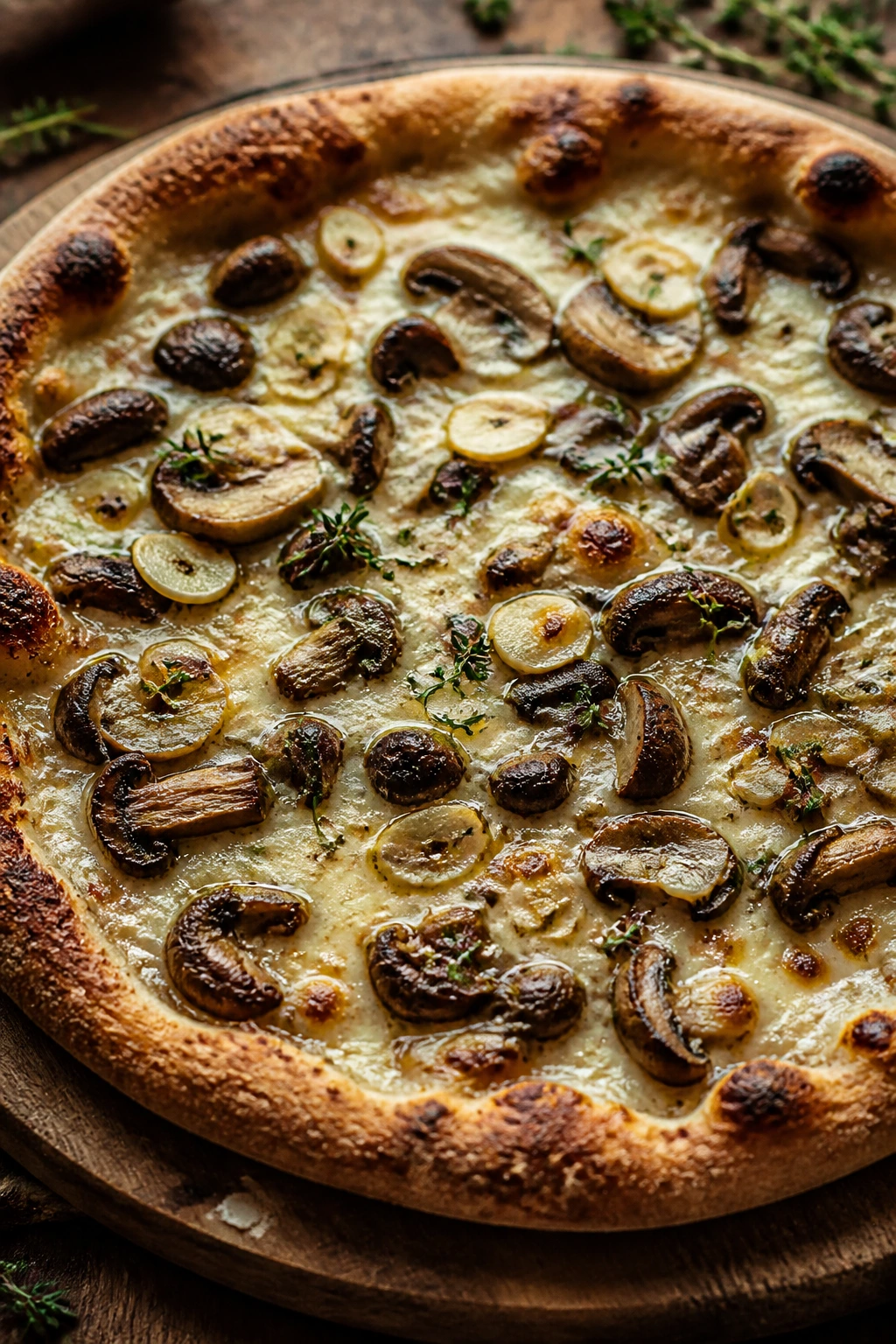
Mushrooms need space and heat before they hit the dough. Give them that, and they turn savory instead of wet, with browned edges that taste almost meaty. Truffle oil is the final brushstroke here — not a flood, not a perfume cloud, just enough to catch the steam when the pizza comes out.
Why It Works:
Mushrooms dump water if you throw them raw on dough, so a quick sauté is non-negotiable. Garlic and thyme deepen the flavor, while fontina melts into the mushrooms better than plain mozzarella alone. The truffle oil belongs at the end, never in the oven.
Key Ingredients:
- 1 pound pizza dough, room temperature — the crust should stretch cleanly.
- 2 tablespoons olive oil — for sautéing and base flavor.
- 8 ounces mixed mushrooms, sliced — cremini, shiitake, or button all work.
- 3 garlic cloves, minced — cook them briefly so they don’t burn.
- 1 cup shredded mozzarella — for stretch.
- 1/2 cup shredded fontina — brings a buttery melt.
- 2 tablespoons grated Parmesan — for salt and depth.
- 1 teaspoon fresh thyme leaves — or 1/2 teaspoon dried.
- 1 teaspoon truffle oil — finish only.
Quick Steps:
- Preheat the oven to 500°F with a pizza stone or steel.
- Sauté the mushrooms in olive oil over medium-high heat for 6 to 8 minutes until they release their liquid and it evaporates.
- Stir in the garlic and thyme for 30 seconds, then remove from the heat.
- Stretch the dough into a 12-inch round and top with mozzarella, fontina, mushrooms, and Parmesan.
- Bake for 10 to 12 minutes until the crust is browned and the cheese has pooled in the edges.
- Drizzle with truffle oil after baking and slice while hot.
Equipment for This Recipe:
- Skillet — for browning the mushrooms.
- Pizza stone or steel — to keep the bottom crisp.
- Microplane — helpful for Parmesan.
- Pizza peel or parchment — for easy transfer.
How to Serve This Dish:
This pie wants a small arugula salad with lemon and olive oil. It also works well next to a bowl of roasted vegetables if you’re making a bigger spread.
Pro Tips for This Recipe:
- Don’t salt the mushrooms early. They need time to brown first.
- Keep the truffle oil light. Too much and the pie smells like a candle.
- Fontina melts softly; if you can’t find it, use provolone.
- Let the mushrooms cool for a minute before topping the dough.
Variations on This Dish:
- Garlic-Parmesan White Pie: Skip the truffle oil and add extra garlic with a white sauce base.
- Wild Mushroom Version: Use a mix of cremini and oyster mushrooms for more texture.
Common Mistakes to Avoid with This Dish:
- Raw mushrooms on the dough: The crust gets wet fast.
- Truffle oil before baking: The flavor flattens out. Add it at the end.
- Too much garlic in the pan: Burnt garlic turns bitter fast.
7. Pesto Chicken and Tomato Pizza
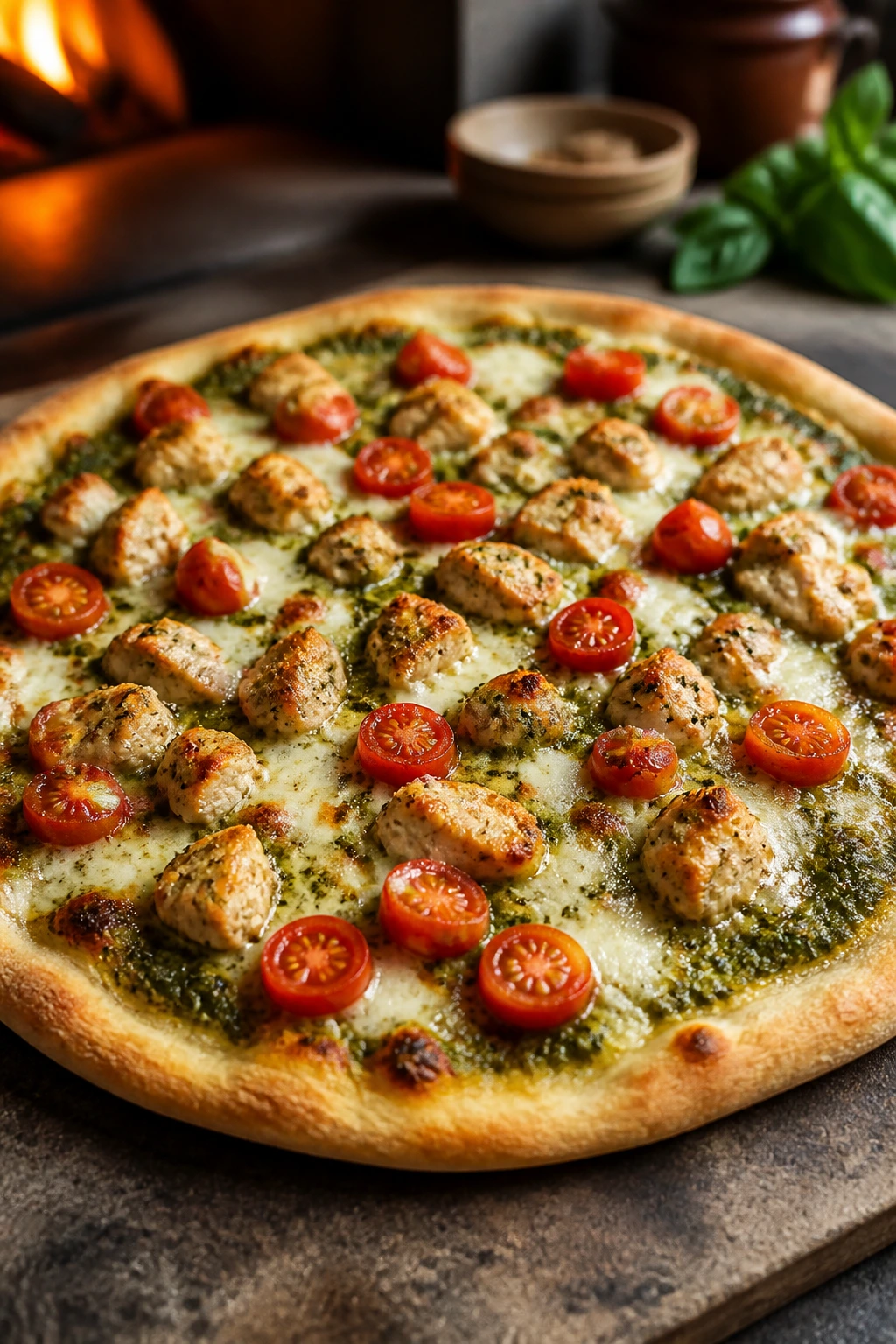
Pesto can get greasy if you use too much, but in the right amount it coats the dough like a bright herb paste and keeps the pie lively. Chicken gives it body, cherry tomatoes burst in the oven, and the mozzarella holds everything together without covering up the basil flavor. It tastes clean, a little rich, and easy to keep eating.
Why It Works:
Pesto is already concentrated, so you don’t need much. A thin spread gives the crust flavor without waterlogging it, and halved cherry tomatoes roast faster than big tomato slices. Parmesan and pine nuts add the little crunchy-salty finish that makes the pie feel complete.
Key Ingredients:
- 1 pound pizza dough, room temperature — for a flexible base.
- 1/2 cup basil pesto — spread thinly.
- 1 cup cooked chicken, chopped — plain chicken works best.
- 1 cup cherry tomatoes, halved — drain any juice from the cutting board.
- 1 1/2 cups shredded mozzarella — the melt.
- 1/4 cup grated Parmesan — sharp finish.
- 2 tablespoons pine nuts, lightly toasted — optional crunch.
- 1 tablespoon olive oil — for the crust edge.
Quick Steps:
- Preheat the oven to 500°F with a stone or steel.
- Stretch the dough into a 12-inch round and brush the rim with olive oil.
- Spread a thin layer of pesto, then add mozzarella, chicken, and cherry tomatoes.
- Bake for 10 to 12 minutes until the crust is golden and the tomatoes are blistered.
- Finish with Parmesan and pine nuts.
- Rest for 2 minutes, then slice.
Equipment for This Recipe:
- Pizza stone or steel — keeps the bottom crisp under the pesto.
- Small bowl — useful if you thin the pesto with a teaspoon of olive oil.
- Sharp knife — halving cherry tomatoes cleanly matters.
- Pizza peel or parchment — for transfer.
How to Serve This Dish:
Serve it with a cucumber salad or a plate of marinated artichokes. If you’re putting out a full pasta-night spread, this is the one I’d cut into smaller slices and let people graze on first.
Pro Tips for This Recipe:
- Thin thick pesto with a little olive oil so it spreads without tearing the dough.
- Pat the tomatoes dry after cutting. That one step saves the crust.
- Use plain cooked chicken, not heavily seasoned chicken, so the pesto stays in charge.
- Toast the pine nuts in a dry skillet for 2 to 3 minutes until just fragrant.
Variations on This Dish:
- Sun-Dried Tomato Version: Add chopped sun-dried tomatoes for a deeper, sweeter edge.
- Vegetable Pesto Pie: Swap the chicken for zucchini ribbons and roasted peppers.
Common Mistakes to Avoid with This Dish:
- Slathering on pesto: It turns oily and heavy. Use a thin coat.
- Wet tomatoes: They puddle on top. Dry them first.
- Burning the pine nuts: Add them after baking if your oven runs hot.
8. Vodka Sauce Pizza with Burrata
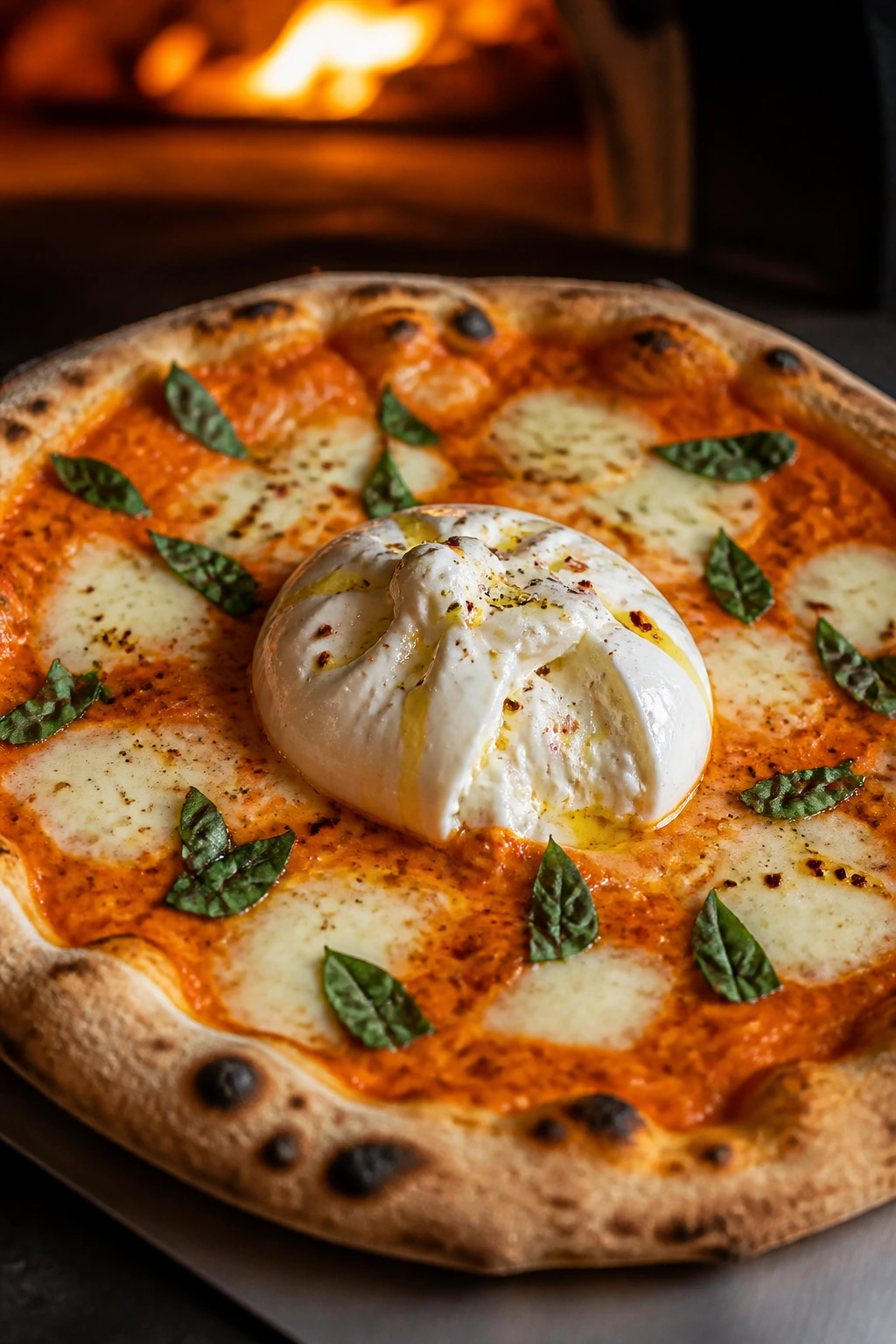
Vodka sauce makes sense on pizza because it clings. It has enough cream to soften the tomato and enough acid to keep the slice from feeling flat, and burrata on top adds a cold, rich center that melts into the heat when you cut it. It’s a little lush, a little dramatic, and very hard to stop eating.
Why It Works:
Vodka sauce is already balanced, which saves you from building that balance from scratch. The mozzarella underneath gives structure, while burrata finishes the pie with a soft center that should go on after baking. Basil and a pinch of chili flakes keep the whole thing from leaning too sweet.
Key Ingredients:
- 1 pound pizza dough, room temperature — needs a clean stretch.
- 2/3 cup vodka sauce — thinner than you’d use for pasta.
- 7 ounces shredded mozzarella — forms the base melt.
- 1 ball burrata, about 4 ounces, drained — goes on after baking.
- 2 tablespoons grated Parmesan — for salt.
- 6 to 8 basil leaves, torn — fresh finish.
- Pinch of red pepper flakes — optional heat.
- 1 teaspoon olive oil — for the rim.
Quick Steps:
- Preheat the oven to 500°F with a stone or steel.
- Stretch the dough into a 12-inch round and brush the rim with olive oil.
- Spread the vodka sauce thinly, then cover with mozzarella and Parmesan.
- Bake for 10 to 11 minutes until the cheese bubbles and the crust is browned.
- Tear the burrata over the hot pie, then add basil and red pepper flakes.
- Slice after a brief rest so the burrata doesn’t run everywhere.
Equipment for This Recipe:
- Pizza stone or steel — helps the base set before the sauce loosens.
- Spoon or ladle — for spreading vodka sauce thinly.
- Small bowl — to drain the burrata.
- Pizza cutter — for clean slices through the soft center.
How to Serve This Dish:
Serve this with a simple fennel salad or a bowl of roasted broccoli. It’s rich enough that you do not need much else, and honestly, that’s part of the appeal.
Pro Tips for This Recipe:
- Keep the vodka sauce thin. If it’s very thick, loosen it with a spoonful of water.
- Drain burrata on paper towels for 5 minutes before topping.
- Add basil after baking so it stays green and sharp.
- A tiny pinch of chili flakes helps the cream taste less heavy.
Variations on This Dish:
- Spicy Vodka Pie: Stir Calabrian chili paste into the sauce before spreading.
- Prosciutto Finish: Add a few ribbons of prosciutto after baking for a salty edge.
Common Mistakes to Avoid with This Dish:
- Too much sauce: The crust goes slack. Thin layer only.
- Adding burrata before baking: It loses its creamy center.
- Skipping the rest before slicing: The toppings slide off too fast.
9. Lasagna Pizza
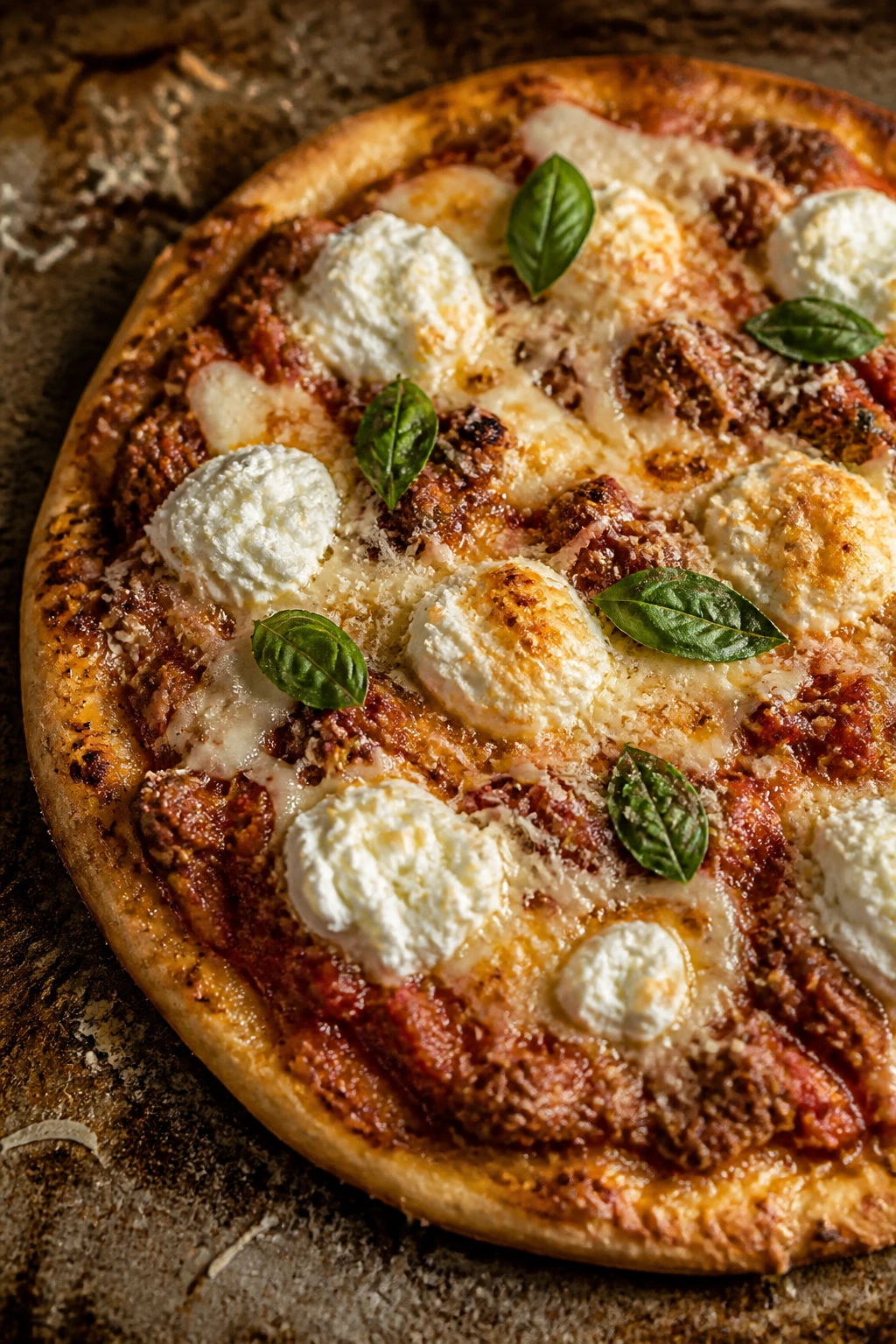
Lasagna pizza is exactly what it sounds like, but the trick is restraint. You want the meat sauce, the ricotta, and the mozzarella to suggest lasagna without turning the dough into a casserole. Done right, each slice tastes like someone took the best part of baked pasta and put it on a crust that actually stays crisp.
Why It Works:
This pie borrows lasagna’s three core moves: meat sauce, ricotta, and melted cheese. The difference is that the crust needs less moisture than noodles do, so the sauce should be thick and reduced. A few basil leaves at the end keep the whole thing from feeling too heavy.
Key Ingredients:
- 1 pound pizza dough, room temperature — sturdy enough for the toppings.
- 3/4 cup thick meat sauce or bolognese — reduced and not watery.
- 1/2 cup ricotta — spooned in small dollops.
- 1 1/2 cups shredded mozzarella — the main melt.
- 1/4 cup grated Parmesan — sharp finish.
- 1/2 cup baby spinach, chopped and squeezed dry — optional, but useful.
- 1/2 teaspoon dried oregano — gives that baked-pasta feel.
- 1 tablespoon olive oil — for the crust edge.
Quick Steps:
- Preheat the oven to 500°F with a pizza stone or steel.
- Stretch the dough into a 12-inch round and brush the rim with olive oil.
- Spread the meat sauce in a thin layer, then scatter the spinach if using.
- Add mozzarella, Parmesan, and small dollops of ricotta.
- Bake for 11 to 13 minutes until the crust is browned and the cheese spots are golden.
- Let it rest for 2 minutes, then slice and serve.
Equipment for This Recipe:
- Pizza stone or steel — keeps the crust from going soft.
- Spoon — for dolloping ricotta.
- Small skillet — helpful if you need to tighten the meat sauce.
- Pizza cutter — for neat slices.
How to Serve This Dish:
This goes nicely with a crisp Caesar salad or roasted garlic green beans. If you want the full pasta-night mood, serve it with a tiny bowl of buttered noodles on the side, not a giant one.
Pro Tips for This Recipe:
- Use thick bolognese. Thin sauce spreads too far and weakens the crust.
- Keep ricotta in small dots so the top doesn’t slide.
- If the sauce has extra oil on top, spoon it off before using.
- A little Parmesan at the end sharpens the whole slice.
Variations on This Dish:
- Vegetable Lasagna Pie: Replace the meat sauce with roasted zucchini and mushroom marinara.
- Spicy Sausage Lasagna Pizza: Swap the meat sauce for hot sausage ragu.
Common Mistakes to Avoid with This Dish:
- Using watery sauce: The crust turns limp. Reduce it first.
- Too much ricotta: It overwhelms the other flavors. Use small spoonfuls.
- Overbaking until the cheese hardens: Stop when the top is browned, not dry.
10. Spinach Artichoke White Pizza
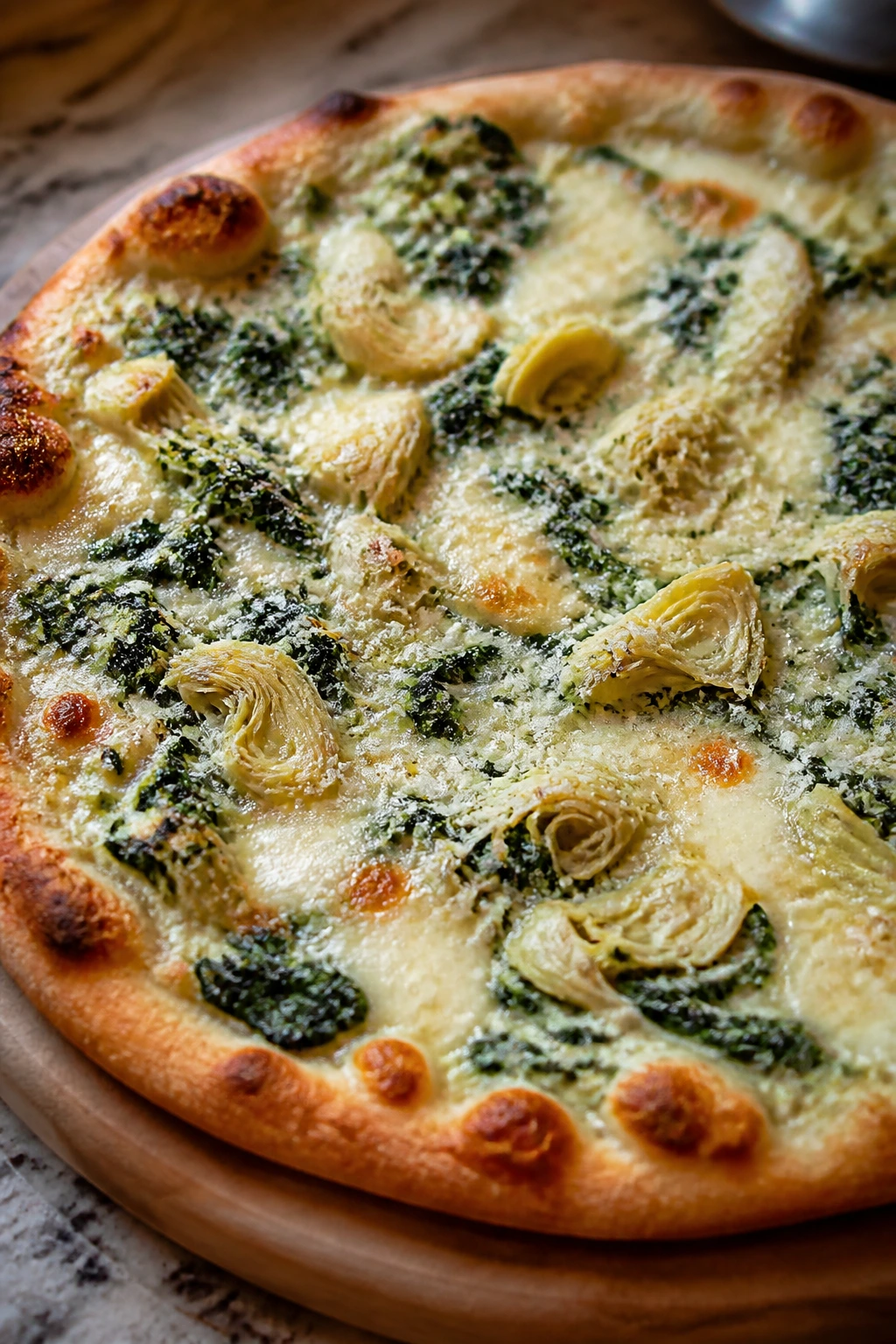
Spinach artichoke pizza is dip with a better crust. The filling stays creamy, the artichokes bring a little tang, and the spinach keeps the whole thing from tasting like pure cheese. If you like the flavor of a warm appetizer that doesn’t require chips, this is your pie.
Why It Works:
Cream cheese and ricotta make a thick base that clings to the dough instead of sliding off. Artichokes need to be chopped and dried so they don’t leak brine into the middle. A little garlic and lemon keep the pie lively, which matters when the toppings are this rich.
Key Ingredients:
- 1 pound pizza dough, room temperature — for a chewy crust.
- 4 ounces cream cheese, softened — gives the base body.
- 1/2 cup ricotta — loosens the filling a little.
- 1 cup baby spinach, chopped and squeezed dry — keeps the flavor fresh.
- 1 cup artichoke hearts, chopped and patted dry — drain them well.
- 1 1/2 cups shredded mozzarella — the melt.
- 1/4 cup grated Parmesan — sharpens the filling.
- 2 garlic cloves, minced — cooks fast under the cheese.
- 1 teaspoon lemon zest — brightens the finish.
Quick Steps:
- Preheat the oven to 500°F with a stone or steel.
- Mix cream cheese, ricotta, garlic, Parmesan, and lemon zest in a bowl.
- Stretch the dough into a 12-inch round and spread the cheese mixture thinly.
- Top with spinach, artichokes, and mozzarella.
- Bake for 10 to 12 minutes until the rim is browned and the top is bubbling.
- Rest briefly, then slice.
Equipment for This Recipe:
- Mixing bowl — for the creamy base.
- Pizza stone or steel — helps the thick topping bake cleanly.
- Spoon or offset spatula — for spreading the base.
- Paper towels — to dry spinach and artichokes.
How to Serve This Dish:
Serve it with a lemony iceberg salad or a few marinated tomatoes. The pizza is rich, so the side should be sharp and cold.
Pro Tips for This Recipe:
- Squeeze every bit of water out of the spinach.
- Dry the artichokes on paper towels before chopping.
- A thin layer of the cheese mixture works better than a thick one.
- If you want more color, finish with a few red pepper flakes.
Variations on This Dish:
- Jalapeño Artichoke Pie: Add thin jalapeño slices for heat.
- Roasted Garlic Version: Swap raw garlic for roasted garlic cloves mashed into the base.
Common Mistakes to Avoid with This Dish:
- Using wet artichokes: They ruin the crust fast.
- Spreading the filling too thick: The center stays dense.
- Skipping the lemon zest: The pie tastes flat without it.
11. Prosciutto, Arugula, and Parmesan Pizza
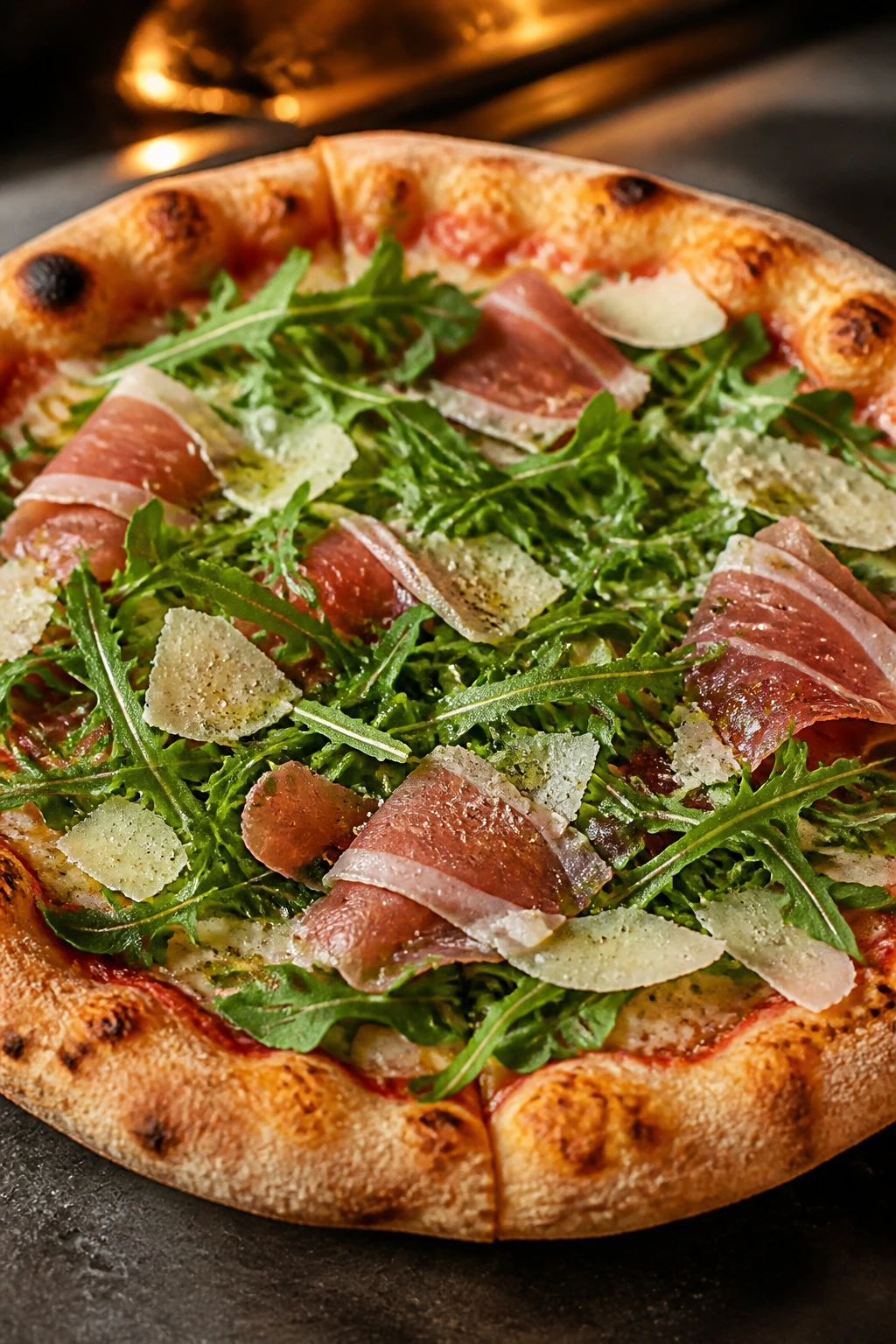
Prosciutto should never spend the whole bake in the oven. It turns dry and loses that delicate saltiness. Put it on after the crust comes out, pile on the peppery arugula, and the whole pie suddenly tastes lighter than the cheese-heavy versions next to it.
Why It Works:
This pizza relies on contrast. Warm crust, cool greens, salty meat, sharp cheese. The sauce can be red or nearly absent, but the important thing is that the prosciutto stays soft and the arugula gets dressed only at the end.
Key Ingredients:
- 1 pound pizza dough, room temperature — the crust carries the toppings.
- 1/2 cup pizza sauce — or skip it for a white version.
- 5 ounces shredded mozzarella — enough to anchor the pie.
- 3 ounces prosciutto, torn into strips — add after baking.
- 2 cups arugula — lightly dressed.
- 1/4 cup shaved Parmesan — finishes the slices.
- 1 tablespoon olive oil — for the arugula.
- 1 teaspoon lemon juice — keeps the greens sharp.
Quick Steps:
- Preheat the oven to 500°F with a stone or steel.
- Stretch the dough into a 12-inch round and add a thin layer of sauce if using.
- Scatter mozzarella over the dough and bake for 10 to 12 minutes.
- Toss the arugula with olive oil and lemon while the pizza bakes.
- Add the prosciutto, arugula, and Parmesan to the hot pie after it comes out.
- Slice right away while the greens are still cool and crisp.
Equipment for This Recipe:
- Pizza stone or steel — gives the crust structure.
- Mixing bowl — for tossing the arugula.
- Shaved Parmesan or vegetable peeler — makes the cheese easy to scatter.
- Pizza cutter — useful once the greens are on top.
How to Serve This Dish:
This one does well with marinated beans, a simple salad, or roasted asparagus. It looks best when the greens are piled loosely in the middle, not pressed flat by the cutter.
Pro Tips for This Recipe:
- Dress the arugula very lightly. Wet greens make the top messy.
- Tear the prosciutto; don’t cut it into straight strips.
- If you want a little sweetness, add a few drops of balsamic glaze.
- Use a light hand with the sauce so the toppings stay bright.
Variations on This Dish:
- Fig and Prosciutto Pie: Add thin fig slices or a little fig jam under the cheese.
- White Prosciutto Version: Skip the sauce and brush the crust with olive oil and garlic.
Common Mistakes to Avoid with This Dish:
- Baking the prosciutto: It dries out fast.
- Overdressing the arugula: The pizza gets slick.
- Using too much sauce: It hides the fresh toppings.
12. Broccoli Rabe and Sausage Pizza
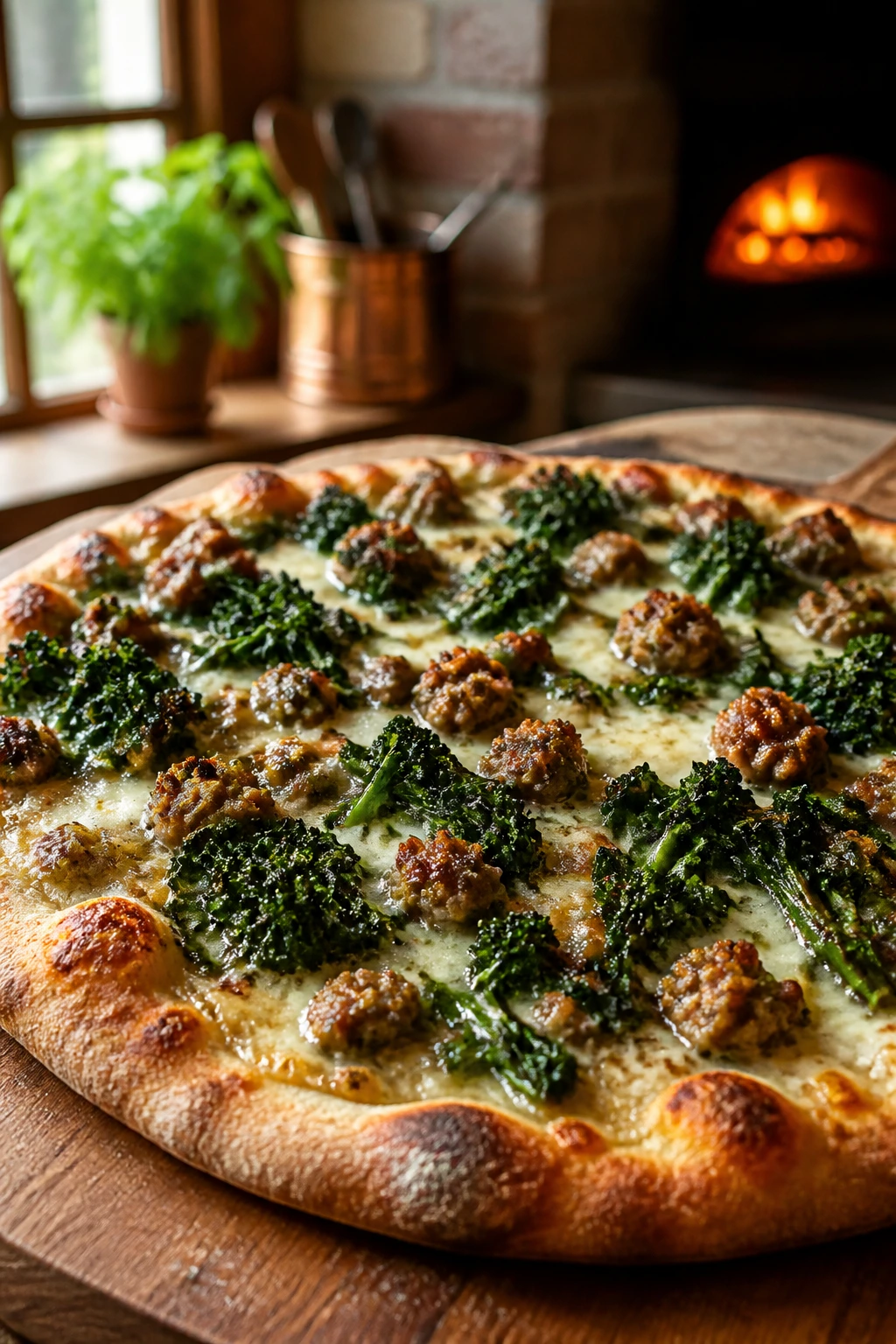
Broccoli rabe turns from harsh to sweet after a quick blanch, and that change is the whole reason to put it on pizza. With sausage and a little provolone, the green becomes the sharp edge that cuts through the cheese. This is the pie for people who want something a little bitter, a little smoky, and a lot more interesting than plain meat.
Why It Works:
Broccoli rabe needs to be tamed before it hits the crust. A short boil softens the stems and takes the bite down a notch. Sausage and provolone bring enough fat to round out the bitterness without erasing it, which is the balance that makes the pizza worth making.
Key Ingredients:
- 1 pound pizza dough, room temperature — the base should be sturdy.
- 6 ounces Italian sausage, cooked and crumbled — cool it before topping.
- 1 bunch broccoli rabe, blanched and squeezed dry — the bitterness needs taming.
- 2 garlic cloves, minced — cooked briefly with the greens.
- 1 1/2 cups shredded mozzarella — for melt.
- 1/4 cup shredded provolone — adds sharpness.
- 1/4 teaspoon red pepper flakes — optional heat.
- 1 tablespoon olive oil — helps the greens and crust.
Quick Steps:
- Blanch the broccoli rabe in salted boiling water for 2 minutes, then shock it in cold water and squeeze it dry.
- Sauté the garlic and broccoli rabe in olive oil for 1 minute.
- Preheat the oven to 500°F with a stone or steel.
- Stretch the dough into a 12-inch round and top with mozzarella, provolone, sausage, and broccoli rabe.
- Bake for 10 to 12 minutes until the crust is browned and the cheese is bubbling.
- Rest briefly, then slice.
Equipment for This Recipe:
- Large pot — for blanching the broccoli rabe.
- Skillet — for finishing the greens.
- Pizza stone or steel — helps the bottom stay crisp.
- Slotted spoon — useful when pulling the greens from boiling water.
How to Serve This Dish:
Serve it with a simple tomato salad or roasted lemon potatoes if you want a fuller meal. I like it with a crisp white wine because the bitterness and salt both wake it up.
Pro Tips for This Recipe:
- Squeeze the broccoli rabe until it feels almost dry.
- Cook the sausage first and drain off excess fat.
- If the greens taste too bitter after blanching, add a tiny splash of lemon.
- Keep the cheese layer even so the greens don’t slide off.
Variations on This Dish:
- Sausage and Rapini White Pie: Skip the sauce and use olive oil and garlic.
- Cheesy Broccoli Rabe Pie: Add a little ricotta in small dollops for extra softness.
Common Mistakes to Avoid with This Dish:
- Skipping the blanch: The greens stay too bitter and tough.
- Using wet broccoli rabe: The crust turns soggy.
- Too much sausage fat: Drain it before topping the pizza.
13. Four Cheese Pizza with Rosemary
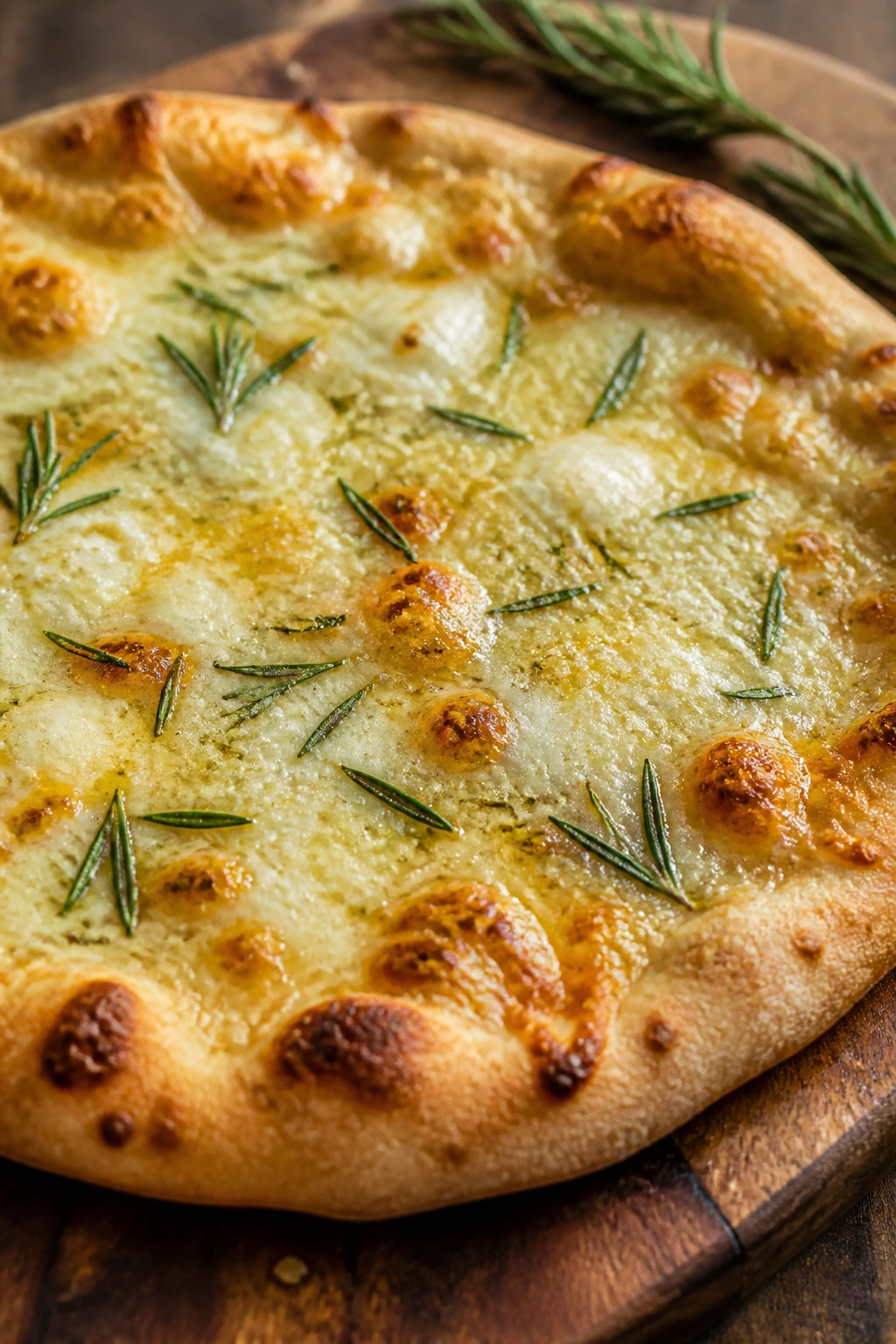
Four cheeses sound indulgent, but the crust needs to stay crisp or the whole thing turns heavy. Mozzarella gives you stretch, fontina adds butteriness, provolone brings a little edge, and Parmesan finishes the top with salt. Rosemary cuts through the richness so each slice still feels alive after the second bite.
Why It Works:
Different cheeses melt at different speeds, which is what gives this pie good texture. Rosemary keeps the flavor from going flat, and olive oil in place of sauce lets the cheeses do the work. A hot oven is the only real nonnegotiable here.
Key Ingredients:
- 1 pound pizza dough, room temperature — needs a good stretch.
- 2 tablespoons olive oil — brushed over the dough.
- 1 cup shredded mozzarella — the melt.
- 1/2 cup shredded fontina — creamy and buttery.
- 1/2 cup shredded provolone — sharpens the flavor.
- 1/2 cup grated Parmesan — salts the top.
- 1 teaspoon chopped rosemary — use less if it’s very strong.
- 1/4 teaspoon black pepper — optional but helpful.
Quick Steps:
- Preheat the oven to 500°F with a pizza stone or steel.
- Stretch the dough into a 12-inch round and brush with olive oil.
- Scatter the mozzarella, fontina, provolone, and Parmesan evenly.
- Sprinkle with rosemary and black pepper.
- Bake for 9 to 11 minutes until the top is bubbling and the crust is browned.
- Let it settle for 2 minutes before slicing.
Equipment for This Recipe:
- Pizza stone or steel — gives the crust proper color.
- Microplane or box grater — for the Parmesan.
- Sharp knife or kitchen scissors — to chop rosemary cleanly.
- Pizza peel or parchment — for moving the pie.
How to Serve This Dish:
Serve it with a bitter greens salad or a bowl of roasted grapes if you want something unusual alongside the cheese. It also does well with a few olives on the side, since salt and cheese are already the main event.
Pro Tips for This Recipe:
- Use rosemary sparingly. Too much turns piney.
- If your mozzarella is very moist, pat it dry first.
- A drizzle of honey after baking is not traditional, but it works.
- Try to keep the cheese layer even so one side doesn’t brown faster than the other.
Variations on This Dish:
- Garlic Cheese Pie: Add minced garlic to the olive oil before brushing the dough.
- Gorgonzola Edge: Replace a quarter of the provolone with crumbled gorgonzola for a sharper bite.
Common Mistakes to Avoid with This Dish:
- Too much rosemary: The flavor gets harsh fast.
- Using only one type of cheese: The pie loses its texture.
- Baking on a cold pan: The bottom stays pale and soft.
14. Eggplant Parmesan Pizza
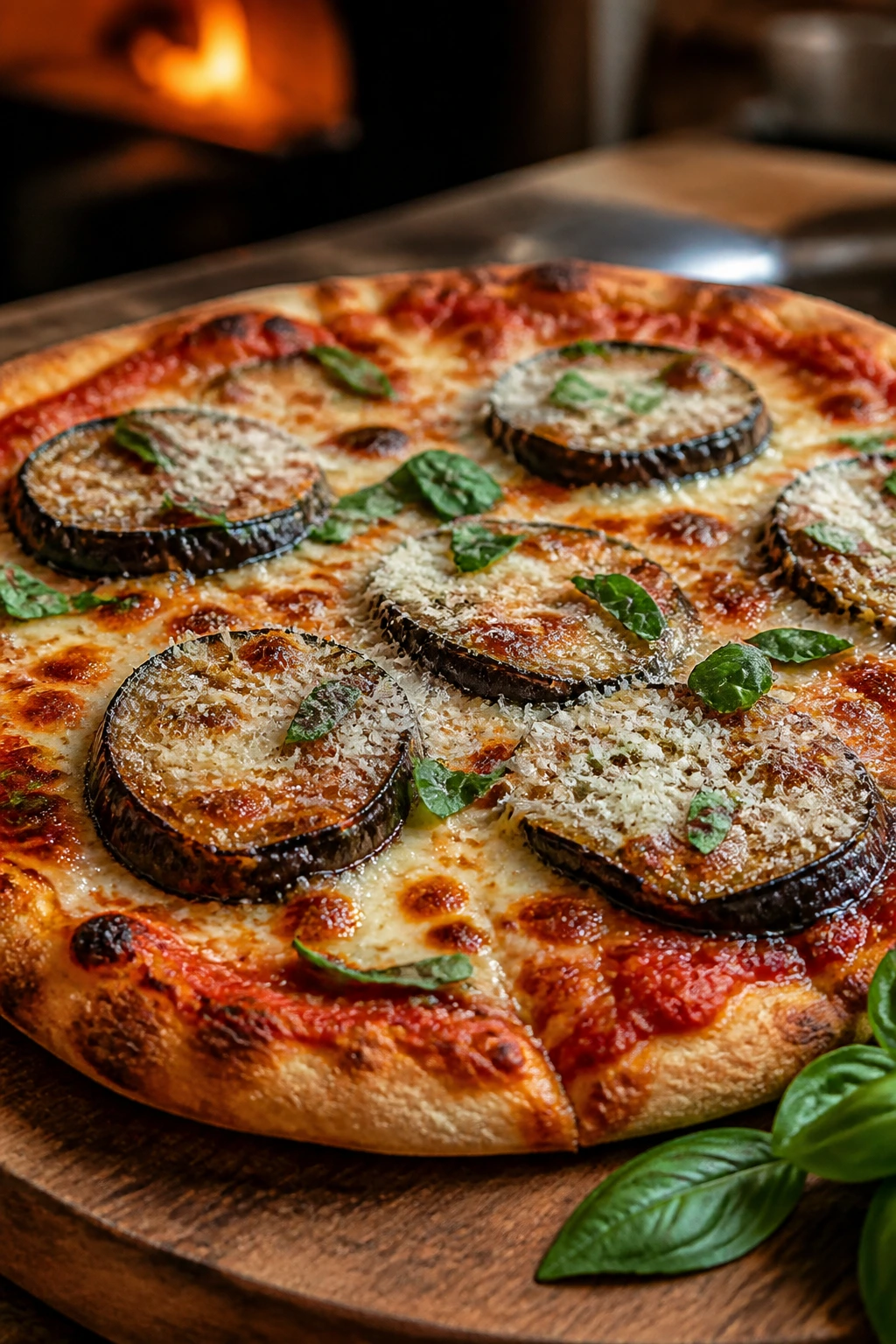
Eggplant Parmesan on pizza works best when the eggplant is cooked before the dough sees it. Raw slices hold too much water and never brown the right way. Once the eggplant is roasted or breaded and baked, it brings that tender, almost silky texture that plays beautifully with marinara and melted cheese.
Why It Works:
Eggplant loves heat, salt, and a little oil. A quick roast or shallow bake turns it soft at the center and browned at the edges, which keeps the pizza from becoming wet. Marinara, mozzarella, and Parmesan do the rest, and basil at the end keeps the whole slice from feeling heavy.
Key Ingredients:
- 1 pound pizza dough, room temperature — for a crisp base.
- 1 cup marinara sauce — use a thick one.
- 1 medium eggplant, sliced into 1/4-inch rounds — salt it first if needed.
- 1 1/2 cups shredded mozzarella — the melt.
- 1/4 cup grated Parmesan — gives the sharp finish.
- 1/2 cup panko breadcrumbs — optional if you want a breaded topping.
- 2 tablespoons olive oil — for roasting the eggplant.
- 1/4 cup torn basil — finish after baking.
Quick Steps:
- Preheat the oven to 475°F and also heat a stone or steel if you have one.
- Salt the eggplant slices lightly and let them sit for 10 minutes, then pat dry.
- Roast the eggplant with olive oil for 12 to 15 minutes until tender and lightly browned.
- Stretch the dough into a 12-inch round and spread on the marinara.
- Add mozzarella, Parmesan, and the eggplant slices.
- Bake for 10 to 12 minutes, then finish with basil.
Equipment for This Recipe:
- Baking sheet — for roasting the eggplant.
- Pizza stone or steel — helps the crust stay crisp.
- Paper towels — to dry the eggplant after salting.
- Pizza cutter — for neat slices through the layered top.
How to Serve This Dish:
Serve it with a chopped Italian salad or sautéed greens with garlic. It’s rich enough to stand alone, but a sharp side salad keeps the meal from feeling soft all the way through.
Pro Tips for This Recipe:
- Roast the eggplant until the slices collapse a little; undercooked slices stay spongy.
- Use a thick marinara, not a thin one.
- If you want a more classic Parm feel, add a light sprinkle of panko on top before baking.
- Basil belongs after the bake, not under the cheese.
Variations on This Dish:
- Breaded Eggplant Version: Dip the slices in egg and panko before roasting for a more cutlet-like finish.
- Spicy Eggplant Pie: Add red pepper flakes to the sauce or topping.
Common Mistakes to Avoid with This Dish:
- Raw eggplant on the dough: It turns soft in the wrong way.
- Too much sauce: The crust sinks.
- Skipping the salt step: The eggplant tastes flatter and holds more water.
15. Shrimp Scampi Pizza
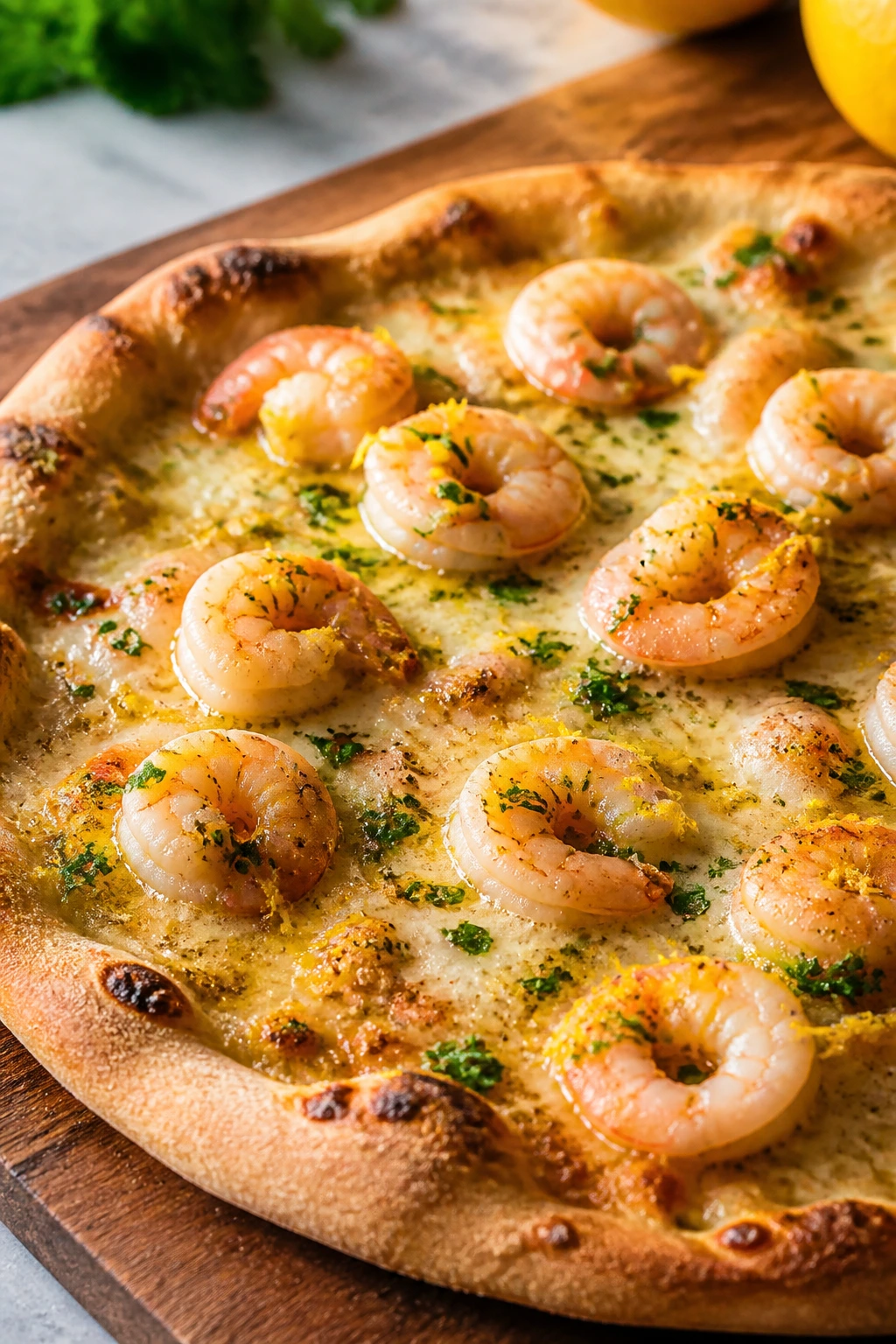
Shrimp scampi pizza lives or dies on timing. Shrimp cooks fast, garlic burns fast, and lemon can take over if you’re careless. Get those pieces right, though, and you get a bright, buttery pie with a clean finish and enough richness to stand beside any pasta-night dish without feeling redundant.
Why It Works:
Scampi already has the right shape for pizza: butter, garlic, lemon, parsley, and seafood. The shrimp should be barely cooked before the pie goes in, because the oven finishes the job fast. A little mozzarella or fontina helps the toppings cling without drowning the shrimp.
Key Ingredients:
- 1 pound pizza dough, room temperature — a sturdy base.
- 2 tablespoons garlic butter — or olive oil with minced garlic.
- 8 ounces shrimp, peeled and deveined — medium shrimp work well.
- 1/2 cup shredded mozzarella or fontina — light cheese only.
- 1/4 cup grated Parmesan — for salty finish.
- 1 teaspoon lemon zest — adds brightness.
- 1 tablespoon chopped parsley — fresh finish.
- Pinch of red pepper flakes — optional heat.
Quick Steps:
- Preheat the oven to 475°F with a stone or steel.
- Warm the garlic butter in a skillet, then cook the shrimp for 1 to 2 minutes per side until just opaque.
- Stretch the dough into a 12-inch round and brush with a little of the garlic butter.
- Scatter the cheese, shrimp, Parmesan, and lemon zest over the dough.
- Bake for 8 to 10 minutes until the crust is browned and the cheese is bubbling.
- Finish with parsley and a squeeze of lemon.
Equipment for This Recipe:
- Skillet — for the shrimp and garlic butter.
- Pizza stone or steel — gives the crust a clean bottom.
- Citrus zester — for the lemon.
- Pizza peel or parchment — for easy transfer.
How to Serve This Dish:
Serve it with roasted asparagus or a fennel salad. It also works as the lighter pizza in a heavier spread, which is useful when pasta night starts leaning rich.
Pro Tips for This Recipe:
- Pull the shrimp off the heat before it looks fully done.
- Use lemon zest, not just juice; zest carries the flavor better.
- Keep the cheese light so the shrimp stays visible and juicy.
- If your garlic starts to brown in the pan, stop and start over. Burnt garlic ruins the pie.
Variations on This Dish:
- White Wine Scampi Pie: Add a splash of white wine to the garlic butter and cook it down before topping.
- Scampi with Cherry Tomatoes: Add halved cherry tomatoes for a little sweetness and color.
Common Mistakes to Avoid with This Dish:
- Overcooking the shrimp: They turn rubbery fast.
- Too much garlic butter: The crust gets slick.
- Skipping the lemon finish: The pie tastes heavy without it.
16. Puttanesca Pizza
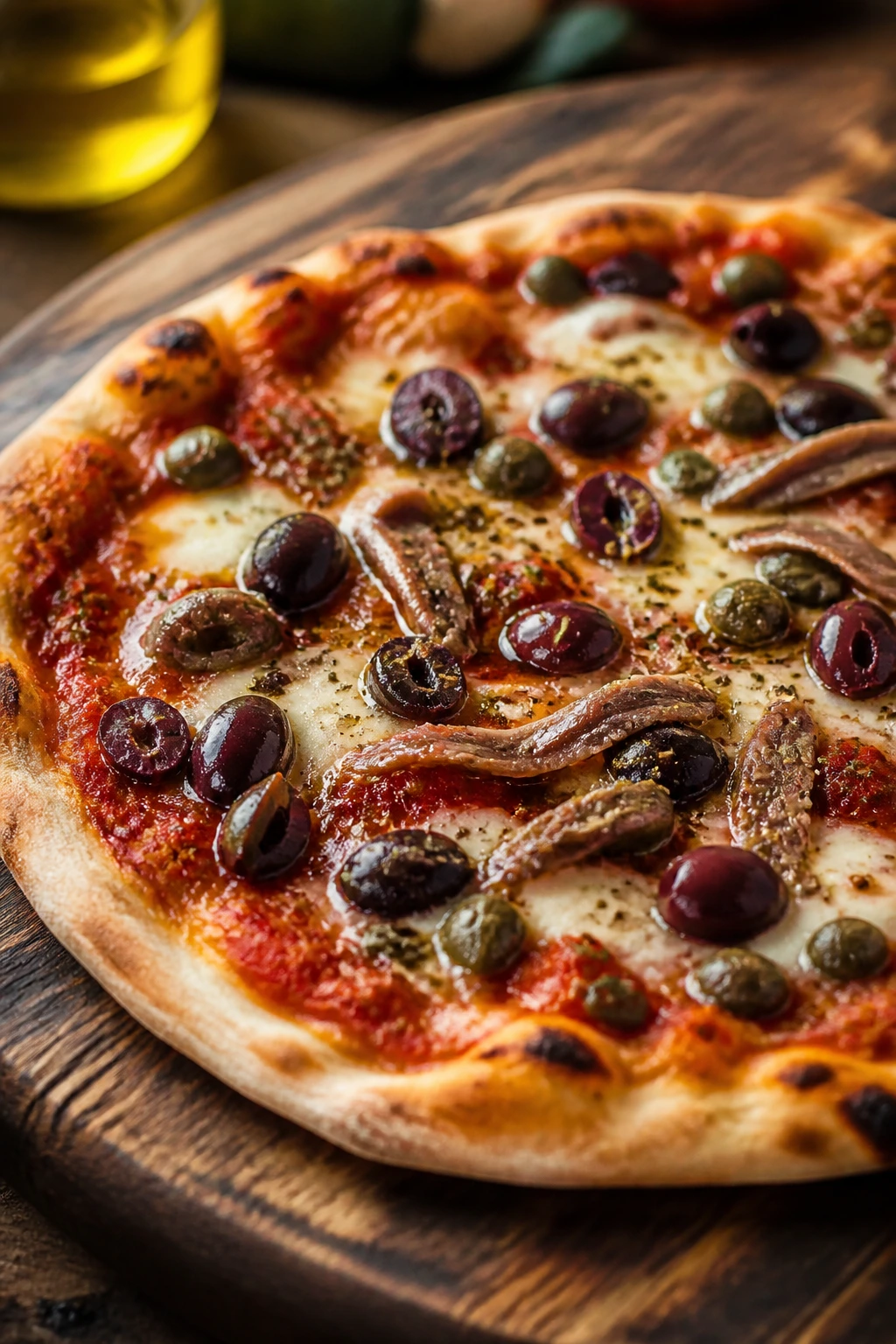
Puttanesca has enough salt to wake up even plain dough. Olives, capers, garlic, and anchovy all hit at once, and the pizza needs a restrained hand so it doesn’t turn into a briny wall. Done right, it tastes bold, sharp, and strangely elegant for something so loud.
Why It Works:
This is a topping set built on contrast: salty, acidic, spicy, and savory. A thin layer of tomato sauce keeps it grounded, while a little mozzarella softens the edges without muting the character. Use the anchovy lightly; it should deepen the sauce, not announce itself from across the room.
Key Ingredients:
- 1 pound pizza dough, room temperature — for a chewy crust.
- 1/2 cup tomato sauce — keep it thin.
- 1/4 cup pitted olives, sliced — black or Kalamata.
- 2 tablespoons capers, drained — rinse if they’re very salty.
- 2 anchovy fillets, mashed, or 1 teaspoon anchovy paste — optional but powerful.
- 2 garlic cloves, minced — keeps the sauce lively.
- 1/4 teaspoon red pepper flakes — gives the proper bite.
- 5 ounces shredded mozzarella — just enough to smooth it out.
- 1 tablespoon chopped parsley — finish after baking.
Quick Steps:
- Preheat the oven to 500°F with a stone or steel.
- Mix the tomato sauce, garlic, anchovy, and red pepper flakes in a small bowl.
- Stretch the dough into a 12-inch round and spread the sauce thinly.
- Scatter mozzarella, olives, and capers over the top.
- Bake for 10 to 12 minutes until the crust is browned and the cheese is bubbling in patches.
- Finish with parsley and slice.
Equipment for This Recipe:
- Small bowl — for mixing the sauce.
- Pizza stone or steel — helps the bottom crisp fast.
- Sharp knife — for slicing olives cleanly.
- Pizza cutter — for neat cuts through the salty topping.
How to Serve This Dish:
Serve it with a simple cucumber salad or roasted peppers. Because the pizza is already loud, the side should stay quiet and cool.
Pro Tips for This Recipe:
- Rinse capers if they taste aggressive straight from the jar.
- Keep the cheese light so the briny toppings stay sharp.
- Mash the anchovy into the sauce so it disappears into the background.
- If you dislike anchovies, leave them out; the pizza still works.
Variations on This Dish:
- Veggie Puttanesca: Add mushrooms or artichokes and skip the anchovy.
- Extra-Spicy Version: Increase the red pepper flakes and add a few sliced Calabrian chiles.
Common Mistakes to Avoid with This Dish:
- Too many salty toppings: The pizza becomes harsh. Keep the layer even.
- Too much cheese: It hides the whole point of the pie.
- Not rinsing very salty capers or olives: The topping gets one-dimensional fast.
17. Caprese Pizza with Balsamic Glaze
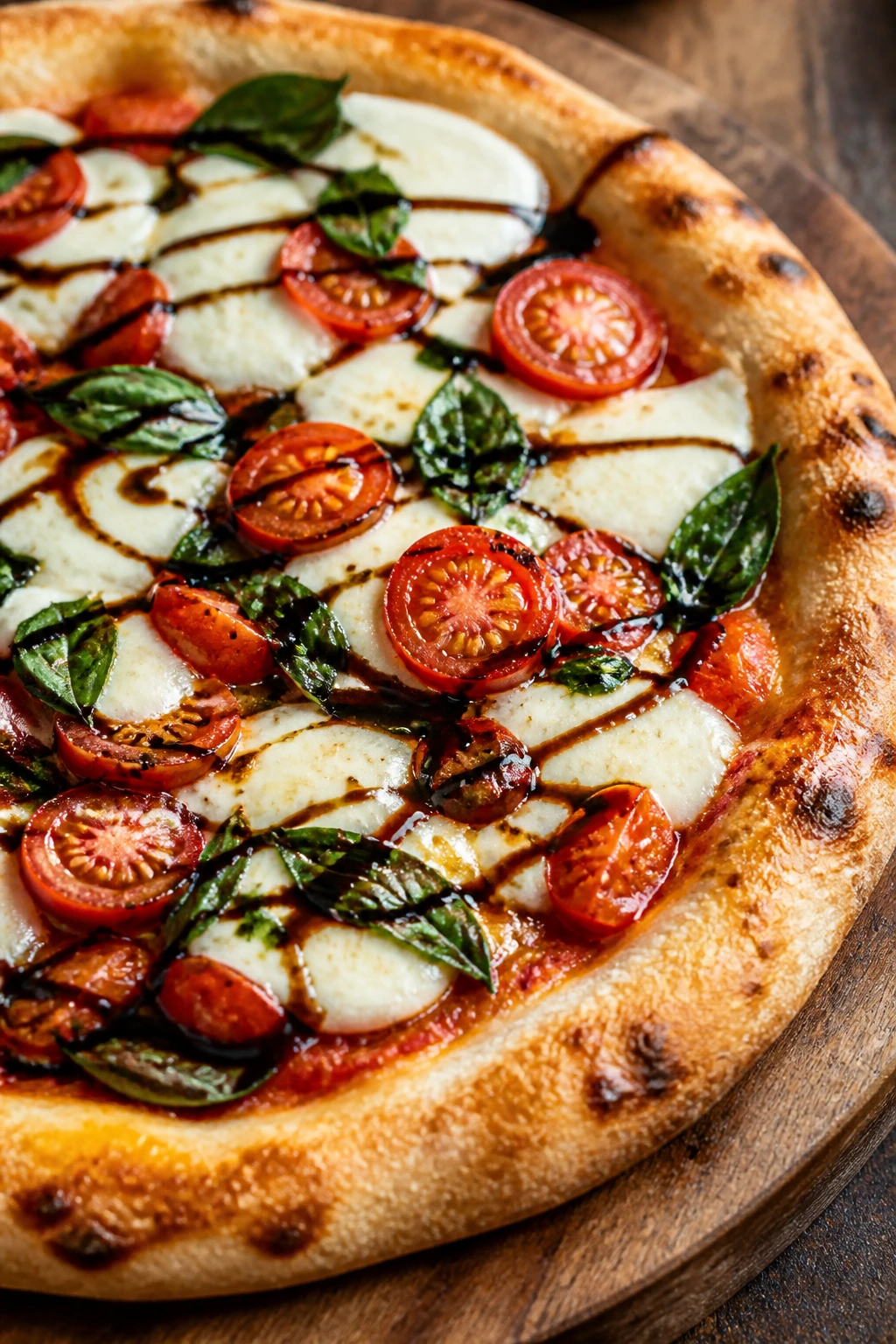
Caprese pizza needs temperature control more than extra toppings. Fresh mozzarella, tomatoes, and basil are all delicate, and they work best when the oven is hot enough to soften them without drying them out. The balsamic glaze goes on last, where it lands in sweet dark ribbons and tastes far better than another layer of sauce.
Why It Works:
Caprese has three jobs: melt the cheese, warm the tomatoes, and keep the basil fresh. That means the cheese needs to be drained, the tomatoes need to be cut small enough to roast quickly, and the glaze needs to stay on the outside of the bake. When those pieces line up, the pizza tastes bright and clean.
Key Ingredients:
- 1 pound pizza dough, room temperature — for a crisp base.
- 1 tablespoon olive oil — brushed on the dough instead of sauce.
- 8 ounces fresh mozzarella, sliced and patted dry — drain well.
- 1 cup cherry tomatoes, halved — roast fast and stay juicy.
- 1 cup fresh basil leaves — add after baking.
- 1 to 2 tablespoons balsamic glaze — finish with a light hand.
- 1/4 teaspoon sea salt — brings the tomatoes up.
- 1/4 teaspoon black pepper — optional, but useful.
Quick Steps:
- Preheat the oven to 475°F with a stone or steel.
- Stretch the dough into a 12-inch round and brush with olive oil.
- Scatter the mozzarella and cherry tomatoes over the dough.
- Bake for 10 to 12 minutes until the crust is browned and the tomatoes have split.
- Top with basil, salt, pepper, and balsamic glaze after baking.
- Slice after a short rest.
Equipment for This Recipe:
- Pizza stone or steel — keeps the crust from getting soft under the fresh cheese.
- Paper towels — essential for drying mozzarella.
- Small squeeze bottle or spoon — useful for the balsamic glaze.
- Pizza cutter — for slicing without pulling the topping apart.
How to Serve This Dish:
Serve it with roasted zucchini or a simple salad dressed with olive oil and lemon. It’s one of the lightest pies in the collection, so it works well when the rest of the night leans rich.
Pro Tips for This Recipe:
- Pat the mozzarella dry twice if it’s very wet.
- Halve the tomatoes and let the cut side face up for a better roast.
- Add basil only after the pizza comes out.
- Use balsamic glaze sparingly; it should frame the tomatoes, not cover them.
Variations on This Dish:
- Pesto Caprese: Swap the olive oil base for a very thin layer of pesto.
- Heirloom Tomato Version: Use sliced heirloom tomatoes in summer and salt them lightly first.
Common Mistakes to Avoid with This Dish:
- Wet mozzarella: The crust gets soggy. Dry it well.
- Too much glaze: The pie turns sweet and sticky.
- Baking basil: It loses its fresh flavor and darkens.
18. Meatball and Ricotta Pizza
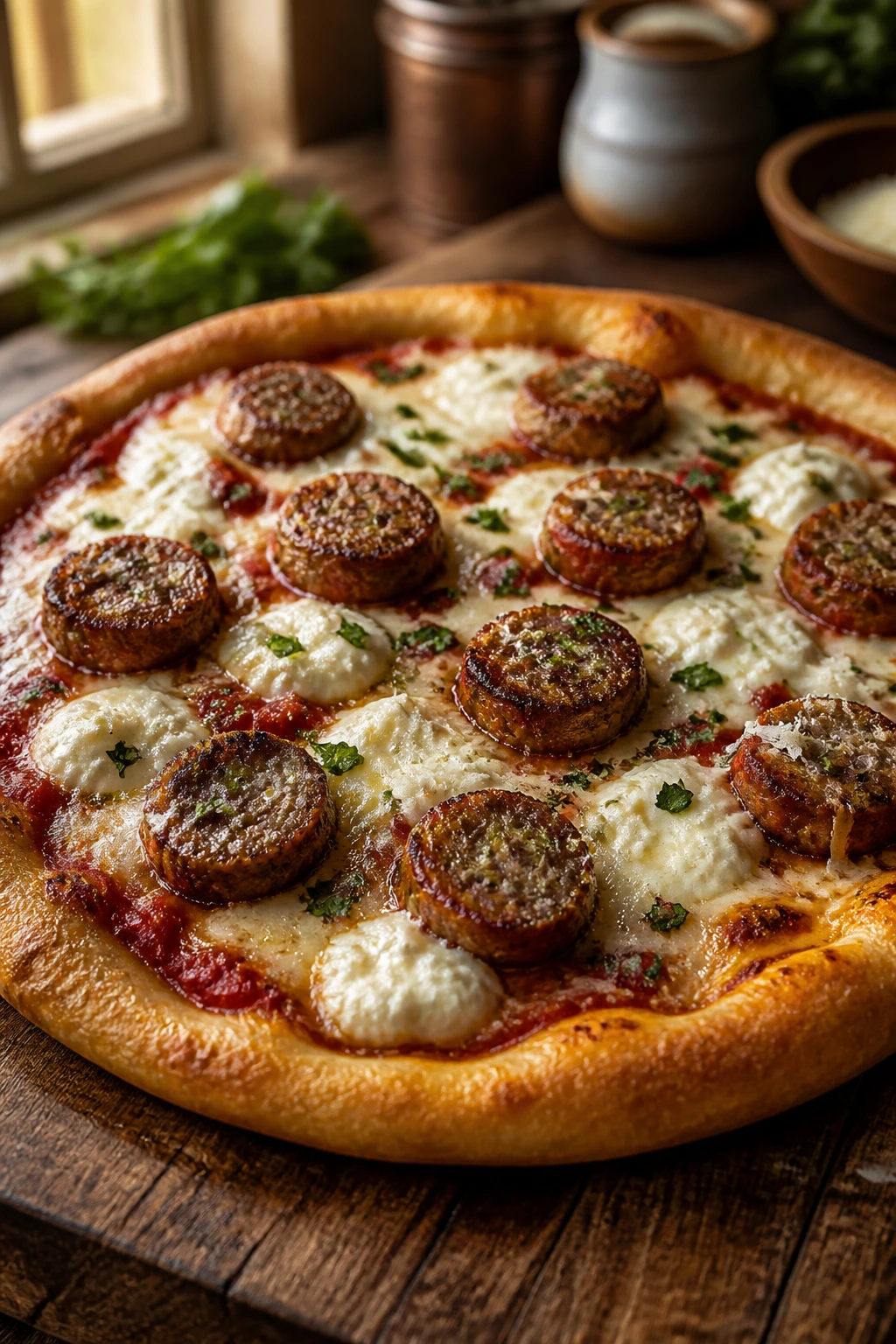
Meatball pizza is the one everyone reaches for first, so slice it cleanly and keep the layers even. The meatballs bring heft, the ricotta softens the edges, and the marinara ties the whole thing back to pasta night without actually becoming pasta. It’s rich, familiar, and a little bit messy in the best way.
Why It Works:
This pizza borrows from meatball subs and baked ziti at the same time. The sauce should be thick so it doesn’t soak the crust, the meatballs should be cooked before topping, and the ricotta should land in small spoonfuls so each slice gets a soft pocket rather than a giant mound.
Key Ingredients:
- 1 pound pizza dough, room temperature — gives the pie enough structure.
- 1/2 cup thick marinara sauce — keep it restrained.
- 6 small cooked meatballs, sliced or crumbled — cool them first.
- 1/2 cup ricotta — dolloped, not spread.
- 1 1/2 cups shredded mozzarella — the main melt.
- 1/4 cup grated Parmesan — sharp finish.
- 1 tablespoon chopped parsley — brightens the top.
- Pinch of red pepper flakes — optional.
Quick Steps:
- Preheat the oven to 500°F with a stone or steel.
- Stretch the dough into a 12-inch round and spread a thin layer of marinara.
- Scatter mozzarella over the sauce, then add the meatball slices.
- Add small dollops of ricotta and finish with Parmesan.
- Bake for 10 to 12 minutes until the crust is browned and the cheese bubbles at the edges.
- Sprinkle with parsley, rest briefly, and slice.
Equipment for This Recipe:
- Pizza stone or steel — helps the bottom crisp under the meat.
- Spoon — for ricotta dollops.
- Sharp knife — for slicing meatballs cleanly.
- Pizza cutter — for easy serving.
How to Serve This Dish:
Serve it with a chopped salad or roasted broccoli with lemon. If you’re feeding a hungry group, cut this one into eight slices and put it on the table first — it never sits long.
Pro Tips for This Recipe:
- Use small meatballs. Large ones make the pizza hard to cut.
- Thick marinara matters here; thin sauce disappears into the crust.
- Keep ricotta dollops small so they don’t slide off.
- A little Parmesan after baking sharpens the meatball flavor.
Variations on This Dish:
- Turkey Meatball Version: Use smaller turkey meatballs for a lighter pie.
- Garlic Bread Crust Twist: Brush the rim with garlic butter before baking.
Common Mistakes to Avoid with This Dish:
- Wet sauce: The crust softens too fast.
- Meatballs that are too big: The slices fall apart.
- Cutting too soon: The ricotta and sauce slide off the first slice.
Why Homemade Pizza Works So Well on Pasta Night
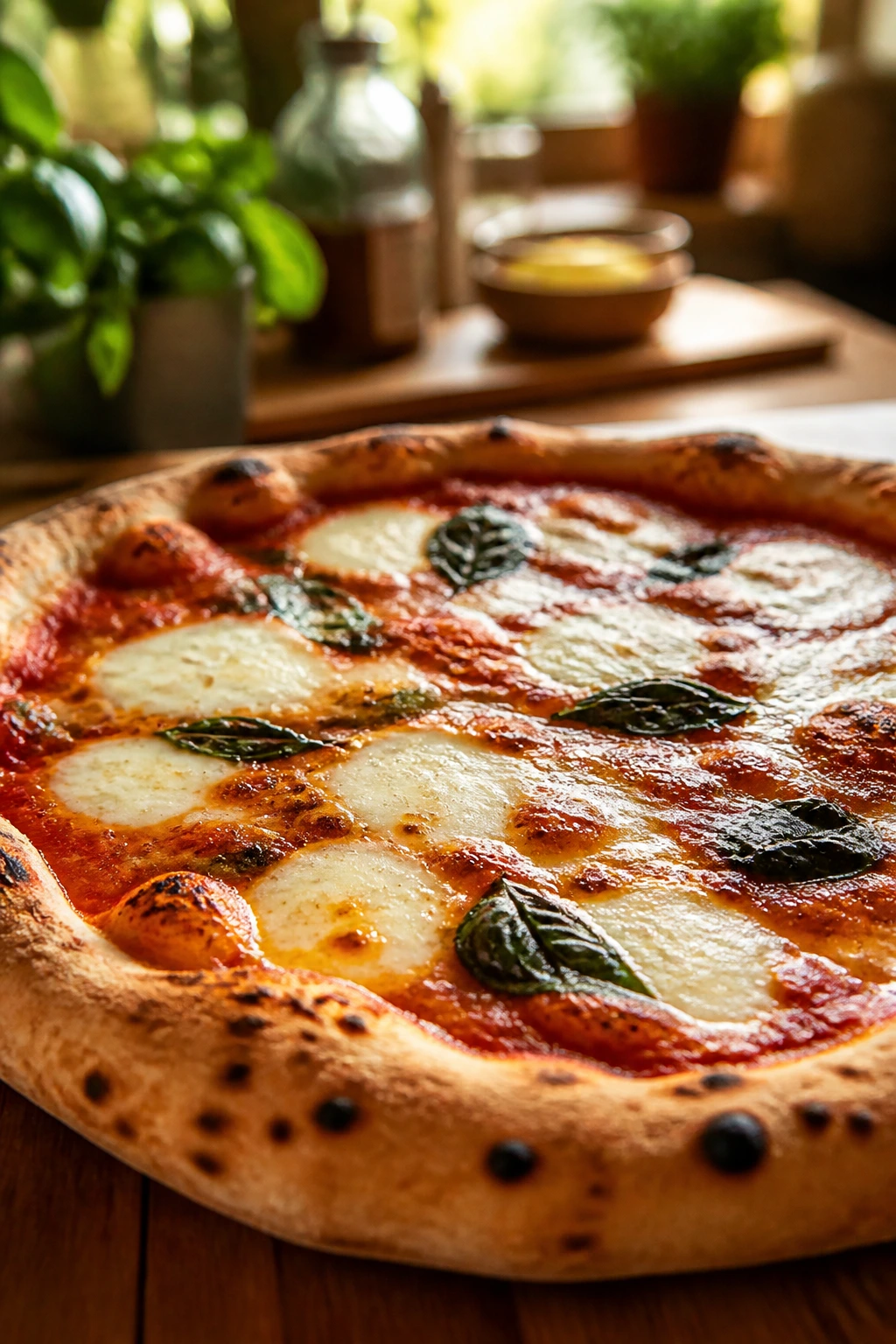
A good pizza night and a good pasta night borrow from the same pantry, but the oven changes the whole mood. Tomatoes, basil, garlic, olives, sausage, ricotta, and Parmesan all show up with different jobs depending on whether they’re stirred through pasta or scattered across dough. On pizza, they keep their edges. You taste the browned bits, the crisp crust, the little pockets of cream or heat, and that makes the meal feel more composed than a bowl of noodles ever can.
I like this style of dinner because it respects the ingredients instead of burying them. A sauce can be thick and slow, but a pizza is honest about what it is. Too much topping and it tells on you. Too little heat and the crust stays pale. Get the balance right, though, and the room fills with the smell of toasted dough, garlic, and melting cheese in a way that makes people start hovering near the counter.
Essential Equipment for These Recipes
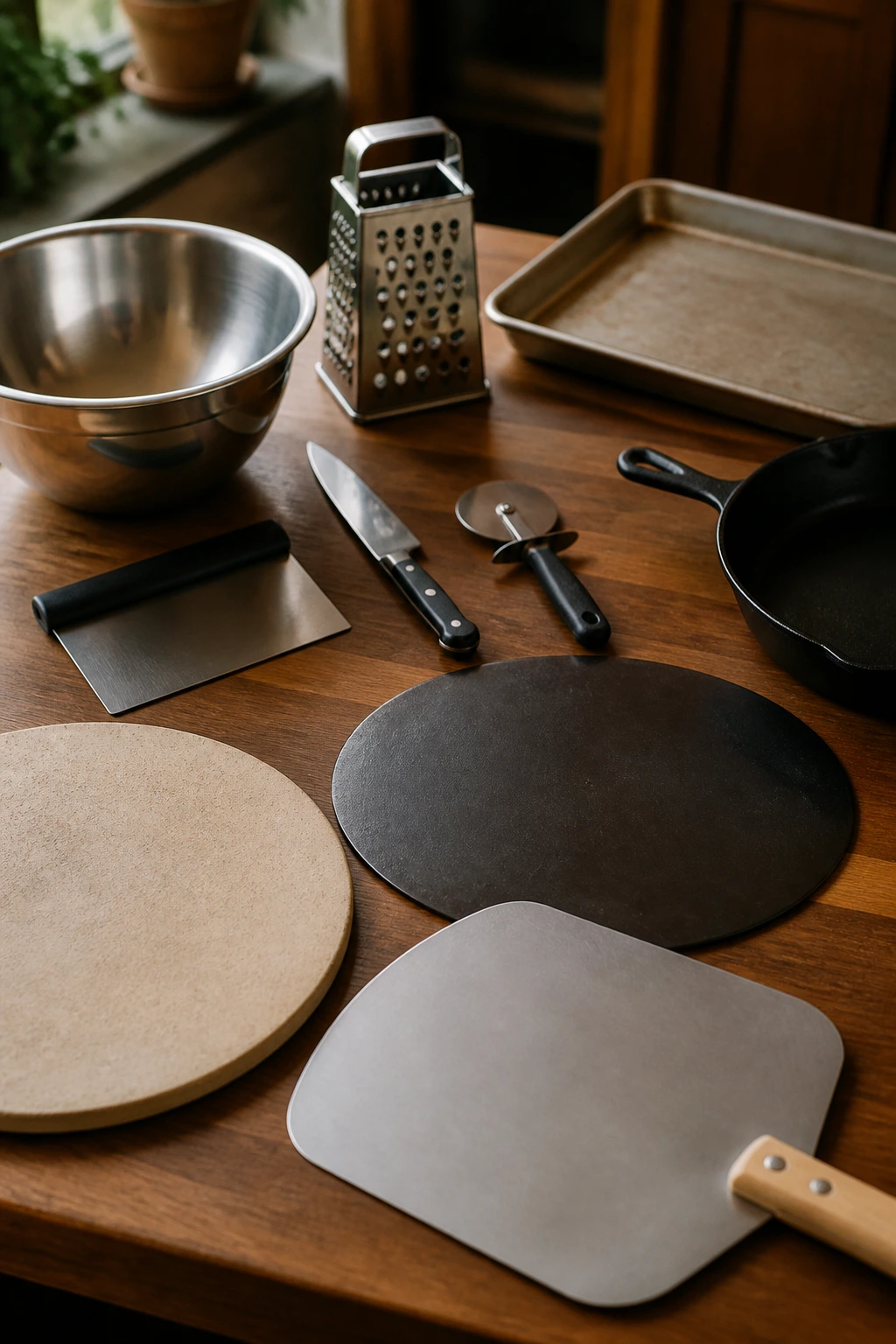
- Pizza stone or pizza steel: The best tool in the room for getting a crisp bottom and browned rim.
- Pizza peel or inverted baking sheet: Helps move the dough onto the hot surface without tearing it.
- Rimmed sheet pan: A solid backup for anyone without a stone or steel.
- Large mixing bowl: Useful for seasoning dough, tossing greens, or mixing sauces.
- Bench scraper: Makes sticky dough easier to handle and divide.
- Sharp chef’s knife: Better than a dull knife for herbs, vegetables, and finished slices.
- Pizza cutter: The easiest way to cut hot pies without dragging the toppings.
- Box grater or microplane: Needed for Parmesan, Pecorino, lemon zest, and garlic in a pinch.
- Large skillet: Handy for sausage, mushrooms, shrimp, or vegetables that need moisture cooked off first.
- Paper towels: Not glamorous, but essential for drying mozzarella, artichokes, spinach, or burrata.
Smart Shopping and Ingredient Tips
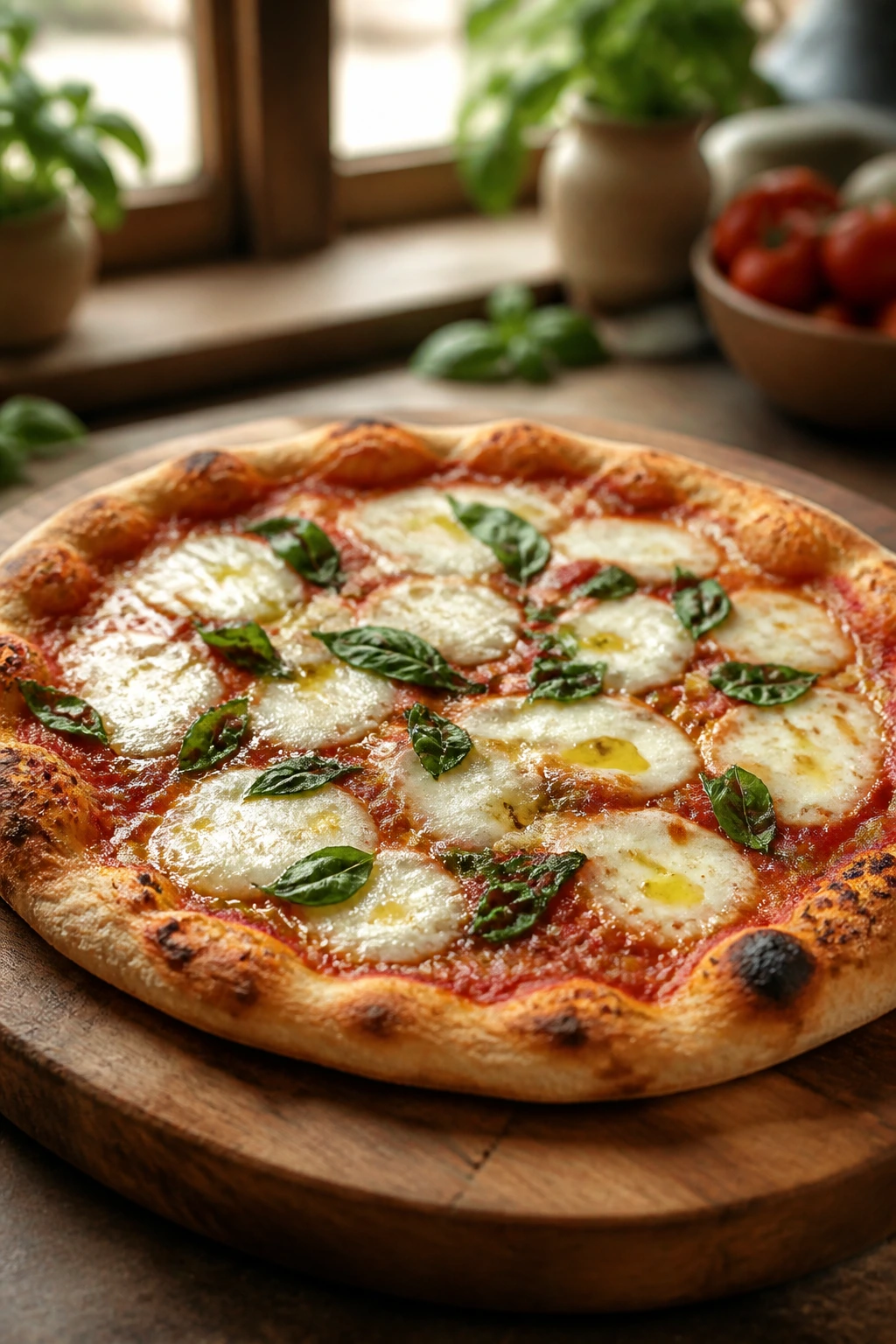
The dough matters, but the cheese and toppings matter just as much. A good ball of pizza dough should feel elastic, not stiff, and it should rest at room temperature for about 45 to 90 minutes before you stretch it. Cold dough fights back. Warm dough gives you a cleaner shape and a better rim.
For cheese, block mozzarella usually melts more cleanly than very fine pre-shredded cheese, though pre-shredded is fine when time is tight. I like a mix: low-moisture mozzarella for structure, fresh mozzarella when you want soft creamy pockets, and a wedge of Parmesan or Pecorino grated fresh at the end. Buy one good wedge and use it across the whole collection. It earns its place quickly.
Sauce is another place where restraint pays off. Thick marinara or a simple crushed tomato sauce works better than a watery one. If you’re using jarred sauce, simmer it for a few minutes to thicken, especially for the more loaded pies like meatball, lasagna, or sausage. Vodka sauce and Alfredo should be spread thin. Pesto should be thinned only if it’s too stiff to brush.
Vegetables need moisture control. Mushrooms, eggplant, spinach, broccoli rabe, artichokes, and tomatoes all release water in the oven, so cook or drain them first if they’re at all juicy. That one habit keeps the crust from going soft in the center. And for meats, buy or cook them first, then let them cool a bit before topping the dough. Hot sausage and hot dough together make a slippery mess.
How to Serve Homemade Pizza for Pasta Night
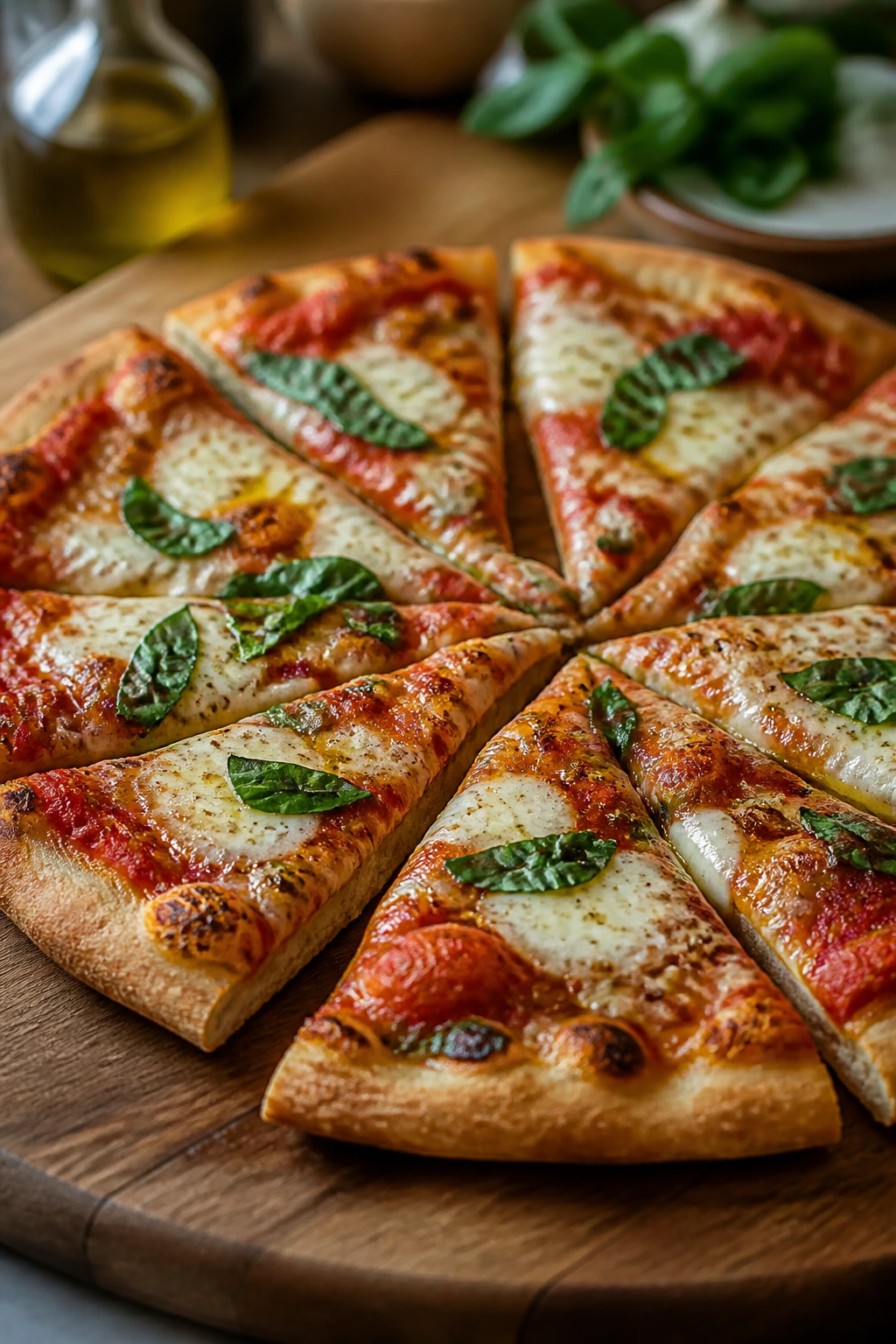
Presentation:
Cut the pies on a board, not on the baking sheet, and let the slices overlap slightly so the edges stay crisp. A few torn basil leaves, a light drizzle of olive oil, or a finishing ribbon of balsamic glaze goes a long way. I’m not a fan of burying hot pizza under piles of garnish. The pizza should still look like pizza.
Accompaniments:
Keep the sides sharp and simple: arugula salad, Caesar salad, roasted broccoli, lemony fennel, marinated olives, or a plate of pickled peppers. If you want to keep the pasta-night feeling, set out a small bowl of garlic spaghetti or buttered linguine, not a second full carb mountain. Bread is optional. With pizza, it usually is.
Portions:
One 12-inch pizza serves 2 hungry adults as a main course, or 3 to 4 people if you add salad and vegetables. If you’re feeding a mixed crowd, figure on 1 to 1 1/2 pizzas per 2 adults and cut each pie into 6 or 8 slices depending on how rich the toppings are. White pies and meat-heavy pies feel bigger than margherita or caprese pies, so slice accordingly.
Beverage Pairing:
A dry Lambrusco, Chianti, or a crisp Italian lager handles tomato, cheese, and salt without flattening them. For a nonalcoholic pairing, sparkling water with lemon or a lightly bitter soda works better than a sweet drink. Sweet drinks fight the pizza. Bad idea.
Additional Tips and Flavor Boosters
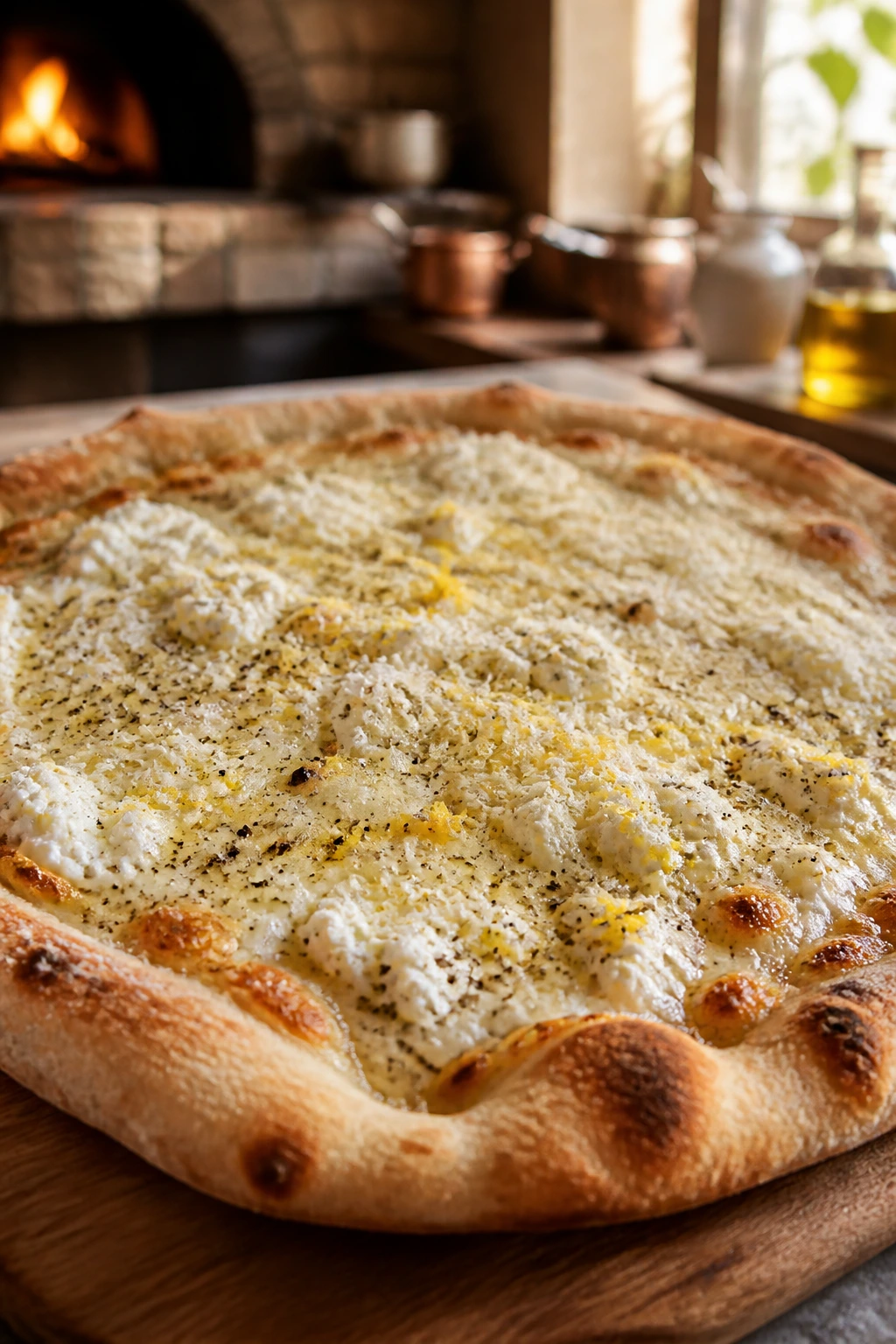
Flavor Enhancement:
A finishing oil changes more than people think. A thread of fruity olive oil on margherita, a few drops of truffle oil on mushroom pie, or a spoonful of chili oil on pepperoni can sharpen the whole slice. Keep the finishing touch small. The point is to wake up the toppings, not drown them.
Customization:
Use the same dough and split the toppings into smaller zones if you’re feeding picky eaters. One half can stay plain, one half can get sausage, and one quarter can turn into a white pie with ricotta. That’s useful when everyone wants a vote and nobody wants to make two separate dinners.
Serving Suggestions:
Fresh herbs belong at the end. Basil, parsley, and arugula all lose their snap if they bake too long. A little shaved Parmesan or Pecorino on top of a hot pie is one of the simplest upgrades in the whole collection. It melts on contact and gives the slice a salty edge that pre-grated cheese can’t match.
Make-It-Yours:
Gluten-free dough works if you pre-bake it a little longer and keep the toppings lighter. Dairy-free mozzarella is fine on the red-sauce pies, especially the pepperoni and puttanesca versions. For a lower-salt version, rinse capers, go lighter on Pecorino, and choose unsalted ricotta or fresh tomatoes with a careful hand.
Make-Ahead, Storage, and Reheating Guidance
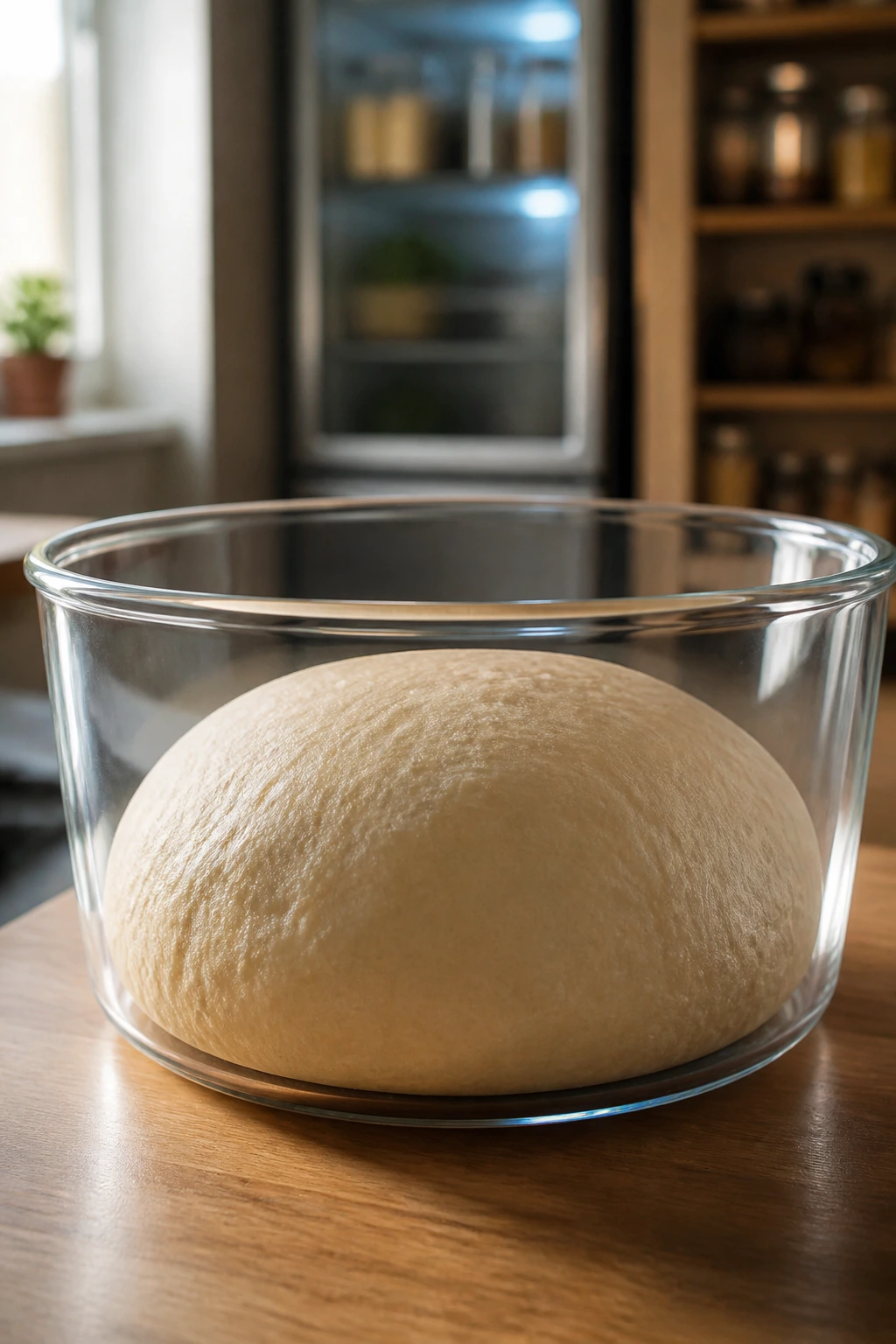
Pizza dough can be made ahead and kept in the refrigerator for 24 to 72 hours, depending on the dough formula. Bring it back to room temperature for 45 to 90 minutes before stretching so it doesn’t snap back. If you freeze dough, wrap it well and thaw it overnight in the refrigerator before giving it time on the counter.
Sauces and cooked toppings hold well for a few days. Thick tomato sauce, pesto, sautéed mushrooms, roasted eggplant, cooked sausage, and meatballs all keep for about 3 to 4 days in the refrigerator. Keep watery toppings like tomatoes, spinach, and burrata separate until the day you bake. That tiny bit of planning makes the finished pizza better.
Finished slices keep for 3 to 4 days in the refrigerator if wrapped or stored in an airtight container. They freeze for up to 2 months, though pies with fresh basil, arugula, or burrata are best eaten fresh because the garnish doesn’t like the freezer. To reheat, use a skillet over medium heat for 3 to 4 minutes with a loose lid for the last minute, or bake slices at 425°F for 6 to 8 minutes until the crust crisps again. The microwave works only if you want soft bread and sad cheese, so I’d skip it.
For party prep, bake the dough and pre-cook the toppings a few hours ahead, then assemble and finish the pies right before dinner. A half-prepped pizza still counts as easy. And it eats better, which is the part that matters.
Variations and Adaptations to Try
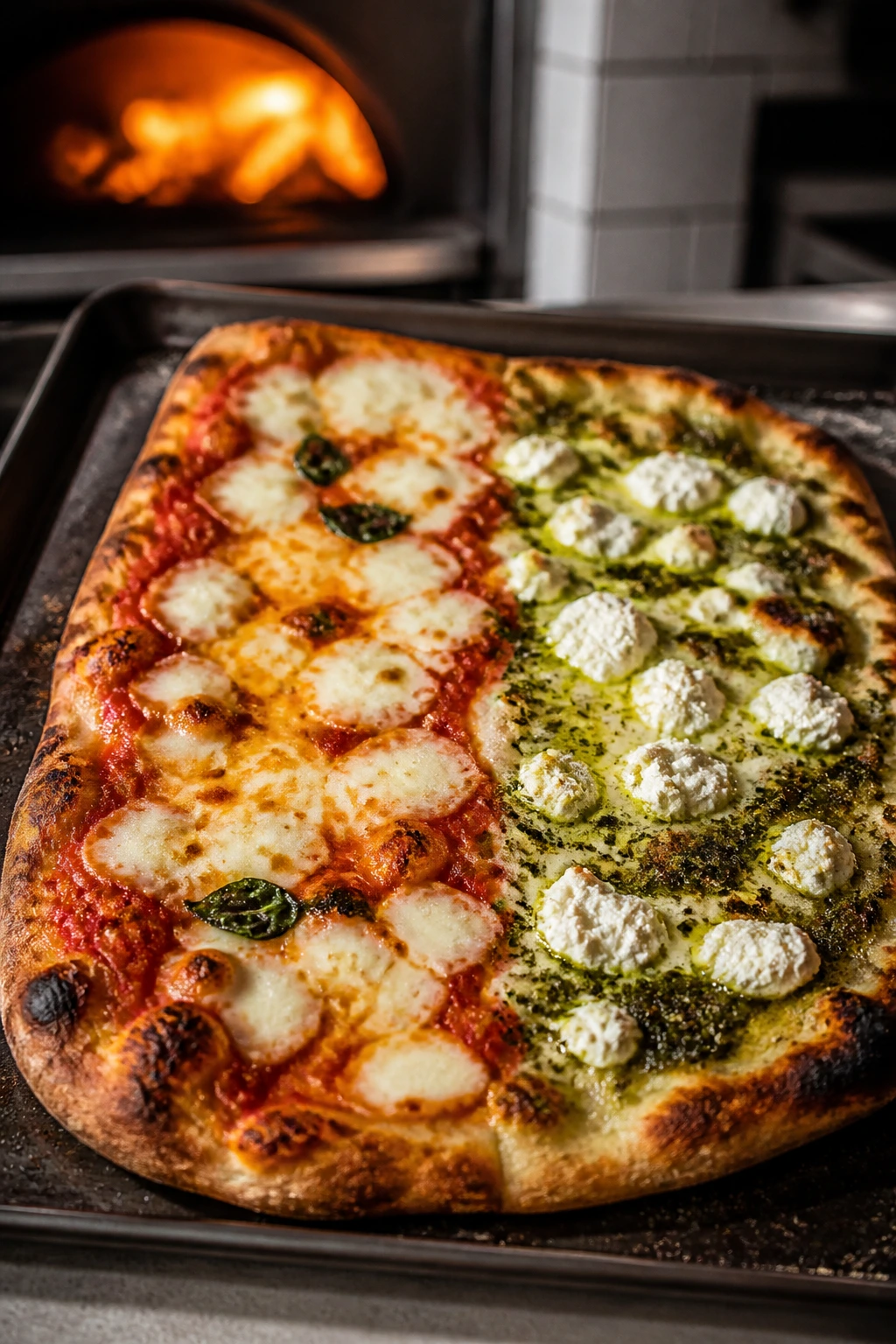
Sheet-Pan Family Pie:
Stretch the dough onto a large oiled sheet pan when you need more servings and fewer rounds. The crust will be a little thicker and softer in the middle, which is fine if you’re feeding a crowd. Give it a few extra minutes in the oven so the bottom browns properly.
Gluten-Free Crust Swap:
Use a gluten-free crust that can handle high heat, and pre-bake it before adding the toppings. These crusts tend to brown faster on the edges and stay more fragile in the center, so keep the toppings lighter and more even. Red-sauce pies usually behave better than heavy white pies on GF bases.
No-Red-Sauce Night:
A whole pasta-night spread can happen without tomato sauce at all. Olive oil, ricotta, pesto, Alfredo, or garlic butter all work as the base for white pies like cacio e pepe, mushroom, spinach artichoke, and shrimp scampi. It’s a useful switch when you want variety without opening another jar.
Vegetable-First Italian Night:
Roast mushrooms, eggplant, peppers, onions, and broccoli rabe ahead of time, then use them across several pizzas. The flavor deepens, and you spend less time babysitting a skillet while the oven heats. This is the adaptation I’d use when a single dinner needs to feed different appetites without turning into three separate meals.
Lower-Salt Edit:
Rinse olives and capers, use less Pecorino, and choose plain mozzarella as the main cheese. Lean harder on lemon zest, basil, thyme, and black pepper for flavor. The pizza still tastes full, but the salt doesn’t dominate the table.
Common Mistakes to Avoid
The first mistake is piling on too much sauce. It sounds harmless until the center goes weak and the slices droop on the plate. Keep the layer thin enough that you can still see bits of dough through it.
The second mistake is using wet toppings straight from the bowl or pan. Tomatoes, spinach, mushrooms, artichokes, burrata, and eggplant all carry extra moisture, and that moisture goes straight into the crust if you’re careless. Drain, sauté, roast, or blot first. Every time.
The third mistake is working with cold dough. Cold dough fights back, tears more easily, and springs back into a smaller shape. Give it time on the counter. A relaxed dough makes a better pie, and you don’t need to wrestle it for ten minutes to learn that.
The fourth mistake is underheating the oven. A lukewarm oven gives you pale crust and cheese that melts before the bottom sets. If you have a stone or steel, preheat it long enough that the heat really builds. If your oven only reaches 475°F, that’s fine — just bake a touch longer and watch the rim.
The fifth mistake is adding delicate ingredients too early. Basil, arugula, prosciutto, burrata, and balsamic glaze all work best after the pie comes out. Bake them and they lose their edge. Finish them and they do the job they were meant to do.
Frequently Asked Questions
Can I use store-bought dough for these pizzas?
Yes, and there’s no shame in it. Good store-bought dough just needs time to warm up and relax before you stretch it. Let it sit at room temperature until it feels soft and flexible, not tight and cold.
Do I need a pizza stone or can I use a sheet pan?
A stone or steel gives you a crisper bottom, but a preheated inverted sheet pan works well enough. Put the pan in the oven while it heats, then slide the pizza onto the hot surface so the crust starts browning right away. Cold pans are the problem.
What’s the best cheese for homemade pizza?
For most of these pies, low-moisture mozzarella is the workhorse because it melts evenly. Add fresh mozzarella when you want soft creamy pockets, and bring in Parmesan or Pecorino for sharper flavor. A blend usually tastes better than one cheese alone.
How do I keep the center from getting soggy?
Use less sauce, dry wet toppings, and pre-cook vegetables that carry a lot of water. Also, don’t overload the pie. A pizza can only handle so much weight before the middle gives up.
Can I make these pizzas ahead of time for a party?
Yes. Cook the toppings in advance, keep sauces and cheeses ready, and shape the dough shortly before baking. If you need to get even more ahead, par-bake the crust for a few minutes, cool it, and finish it with toppings just before serving.
What’s the best way to reheat leftover pizza without soft crust?
A skillet is my favorite. Set the slice in a dry pan over medium heat for 3 to 4 minutes, cover it loosely for the last minute, and the bottom stays crisp while the cheese remelts. The oven works too, especially if you’re reheating several slices at once.
Can I use naan, flatbread, or tortillas instead of dough?
You can, but the bake time changes a lot. Naan and flatbread make good quick versions, especially for caprese, pesto, or margherita-style toppings. Tortillas get very crisp very fast and work best only if you want a thin, cracker-like base.
Which pizzas in this collection freeze best?
The sausage, margherita, pepperoni, meatball, and lasagna-style pies freeze better than the ones with fresh herbs or soft garnishes. Cool the slices completely, wrap them well, and reheat them in the oven or skillet rather than the microwave. Fresh basil and arugula should be added after reheating, not before freezing.
When Pasta Night Turns Into Pizza Night
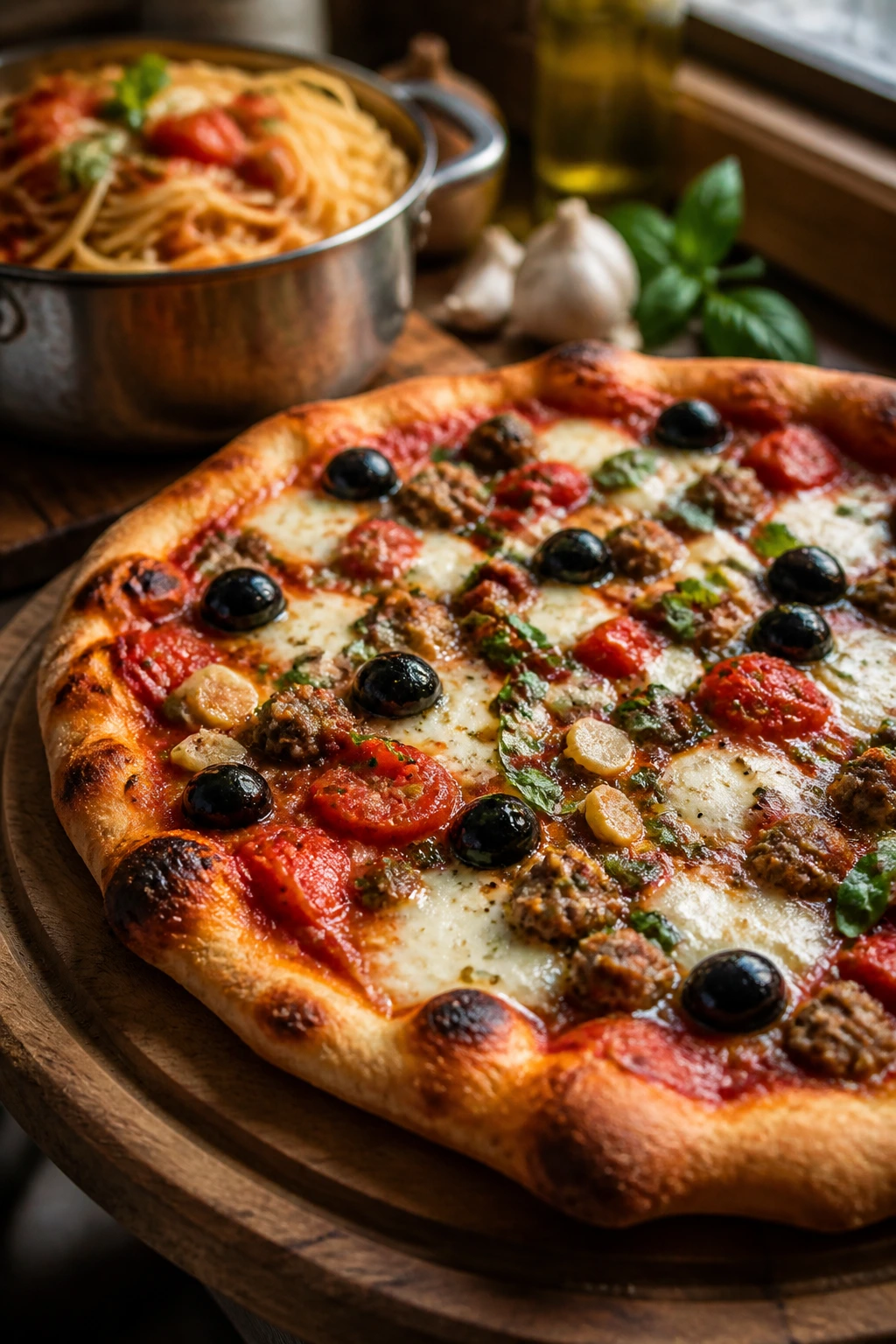
Pizza night feels calmer when the toppings already belong to the same pantry family as pasta night. Tomatoes, basil, garlic, cheese, mushrooms, sausage, olives, and ricotta know how to play together; they just need a hotter stage and a crust that can hold them up.
That’s the part I like best here. Keep the dough relaxed, the oven hot, and the toppings honest. The rest is just waiting for that first slice to come out blistered at the rim, still steaming in the center, ready to disappear faster than the pasta ever could.