



A comforting cold weather soup has a job to do before the first spoonful even lands. It needs to steam up your glasses, smell like onions and herbs, and make the room feel less severe after you’ve been out in the cold. The best bowls do that quietly. No theatrics. Just a steady hit of salt, heat, and something soft to lean on.
The soup I trust on cold winter nights is never the prettiest thing on the stove, and that’s fine. Pretty is optional. A broth that tastes rounded, a little fat to carry the aroma, and enough body to make the bowl feel complete are the things that matter. A thin, underseasoned pot can be technically “soup” and still feel like a missed opportunity.
There’s a reason people keep coming back to soup when the air gets sharp. It turns an onion, a couple of carrots, a handful of beans, or a leftover chicken thigh into dinner without asking for much ceremony. It also gives you a rare kind of kitchen satisfaction: one pot, one simmer, and a meal that tastes like the stove has been paying attention. The details are where the whole thing either sings or falls flat.
Why This Bowl Works So Well on Cold Winter Nights
-
It uses heat on purpose: A good cold weather soup should warm your hands, open your nose, and taste a touch more seasoned than plain broth, because hot liquid carries aroma straight to the front of your palate.
-
It turns pantry scraps into a real dinner: Onion, celery, carrot, beans, rice, potatoes, noodles, or shredded meat can all carry the bowl if they’re given enough salt and a proper simmer.
-
It can be light or rich without changing the method: A brothy chicken soup, a thick lentil pot, and a creamy potato bowl all start the same way—fat in the pan, aromatics, liquid, then a gentle cook.
-
Leftovers usually improve overnight: Beans soften a little more, herbs settle into the broth, and the soup picks up body. Noodles and rice need a little more care, but the flavor often gets better on day two.
-
It forgives real-life cooking: If the carrots are cut unevenly or the broth is a little thin, soup usually gives you a path back through time, salt, or a small splash of stock. That flexibility is half the reason it earns its place in winter.
Why a Bowl of Soup Feels Different on a Bitter Night
Soup has always been the meal people make when the weather stops being polite. The ingredients can be modest, but the effect is not. A simmering pot sends steam into the kitchen, and that steam changes the room before the bowl ever reaches the table.
Cold weather soup also works because it hits more than one need at once. It warms you. It hydrates you. It gives you salt, which your body notices fast on a dry, chilly night. And if the soup has a little fat—olive oil, butter, chicken drippings, bacon, even coconut milk—that fat rounds out the broth and lets the aromatics stay on your tongue long enough to matter.
The best part is how little the dish asks of you. A good soup doesn’t need a hard sell. It needs a pot, a knife, and enough patience to let onions soften before you rush the rest. That’s it.
There’s also something deeply practical about soup in winter. You can stretch one onion into dinner for four if the rest of the pot is doing its job. You can use dried beans, a heel of parmesan, a lone potato, or the last bits of leftover roast chicken and end up with a bowl that tastes intentional. That economy never feels cheap when the broth is rich and the seasoning is sharp.
One sentence worth keeping in mind: soup is not a backup plan—it’s a way of cooking that knows how to make the most of what you already have.
The Broth Is the Backbone, Not the Background
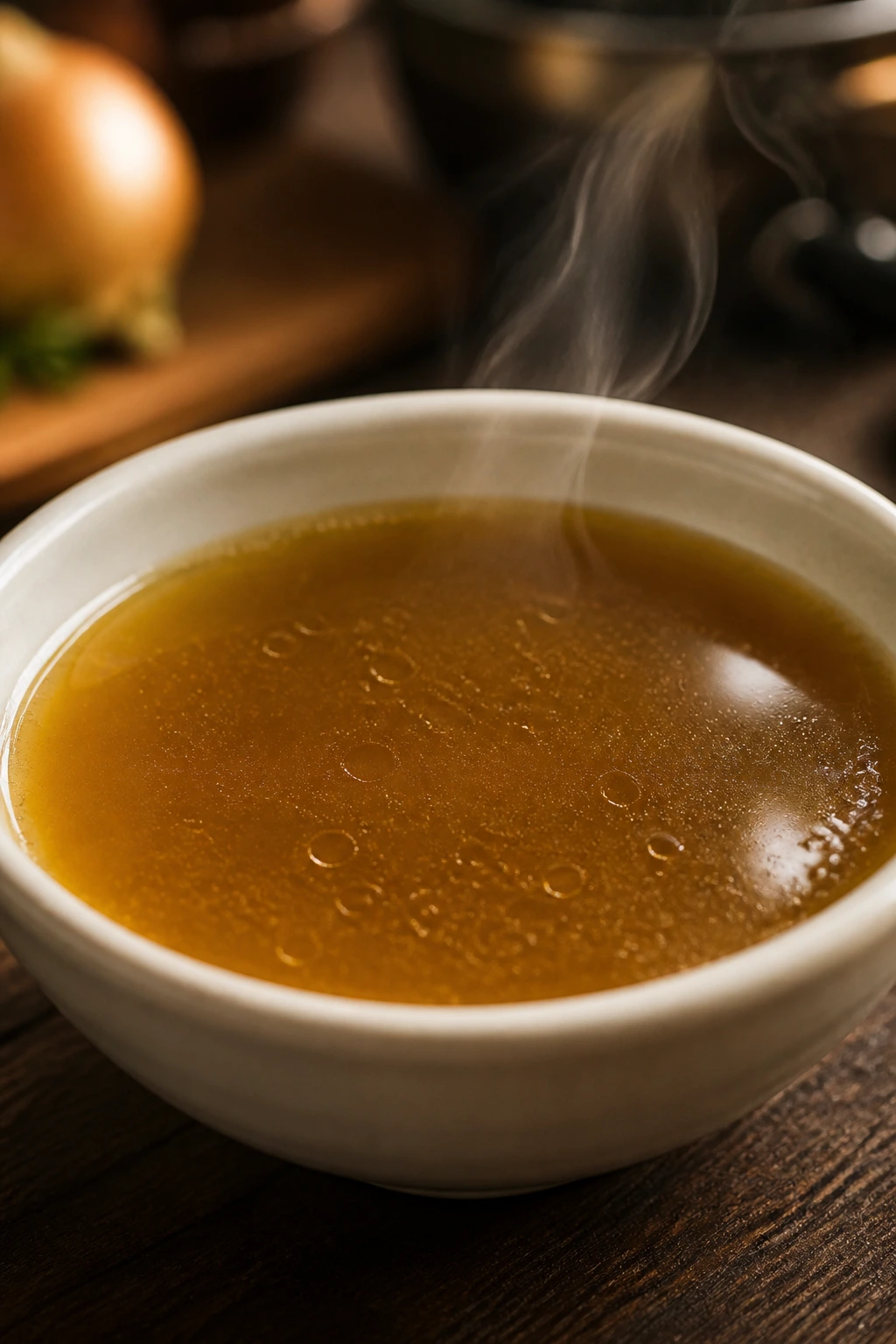
A lot of people treat broth like scenery. That’s how you end up with soup that tastes watery even after a long simmer. Broth carries the whole pot, and if the base is thin or flat, no amount of garnish will rescue it. The broth has to taste good on its own before the vegetables and starches even show up.
Stock, broth, and plain water all have jobs
Homemade stock gives you the deepest base because it brings body from collagen and slow-cooked bones. Store-bought broth can work just fine, especially if you choose a low-sodium version and build on it with aromatics. Water is not a failure, either, but it needs help—mushrooms, tomato paste, parmesan rind, dried herbs, or a good amount of sautéed onion can turn plain water into something worth eating.
If you’re buying broth, taste it warm before it goes into the pot. Cold broth always tastes flatter than it will in soup, but even warmed up, a poor one stays poor. I would rather start with a clean, low-sodium carton and season it myself than use a salty, exhausted broth that fights every ingredient you add after it.
Gelatin changes the whole mouthfeel
That slightly silky, almost sticky feeling on the tongue is not an accident. It comes from gelatin, which is why stock made from bones or joints often feels fuller than water with salt in it. When a soup chills and turns a little jiggly in the fridge, that’s not a flaw. That’s body.
You do not need gelatin for every soup, but it matters in cold-weather bowls because it gives the broth weight without making it creamy. Chicken soup made with a stock that has some natural gelatin clings to the spoon in a way plain broth never will. Beef soup, mushroom soup, and chicken noodle all benefit from that quiet thickness.
Salt belongs in layers, not once at the end
The biggest broth mistake is waiting until the last minute to season everything. Salt needs a little time to dissolve and settle into the vegetables, meat, and liquid. Add a pinch when you sweat the onions. Taste again after the stock goes in. Taste again after the simmer.
A well-salted broth should taste a shade too awake when it’s hot. That is not a problem. Soup cools, starch absorbs salt, and the flavors settle down. If you season for the exact moment the spoon leaves the stove, the bowl will taste dull ten minutes later.
Aromatics and Fat: The First Five Minutes Matter
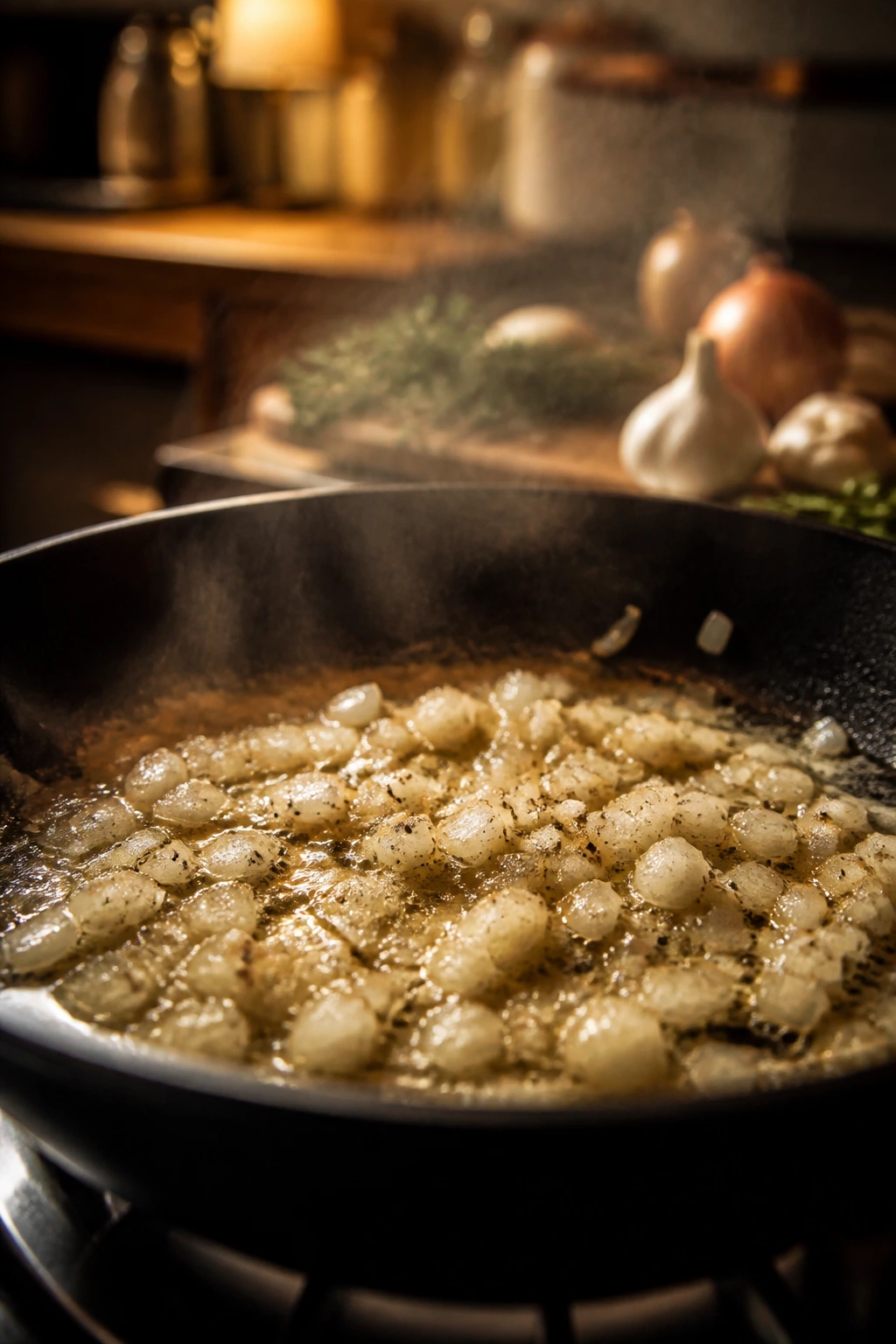
The beginning of a soup is where the real flavor is made. Onions, carrots, celery, leeks, garlic, ginger, and spices all behave differently in hot fat, and if you rush that first stage, the whole soup feels thin in a way that is hard to fix later.
Onion first, always
Onion needs time. Not a dramatic amount, but enough for the edges to soften and the raw bite to fade. In a Dutch oven over medium heat, I like to give chopped onions 5 to 8 minutes with a little salt until they turn translucent and start smelling sweet instead of sharp.
If you add garlic too early, it can scorch before the onion has even settled. That bitter edge will hang around in the finished soup. Garlic wants the last 30 to 60 seconds of the aromatic stage, just long enough for the kitchen to smell right before the broth goes in.
Fat is not just there for richness
Fat carries flavor molecules. That is the practical reason a spoonful of butter, olive oil, bacon fat, schmaltz, or sausage drippings changes the pot so much. The aromatics sizzle in the fat, the spices bloom, and the whole mixture tastes deeper after the liquid is added.
If you are making a lean vegetable soup, don’t skip this. A tablespoon or two of olive oil can be the difference between “light” and “unfinished.” A soup can be meatless and still taste round if you start it with enough fat to coat the onions and let them soften properly.
Spices need heat before broth
Paprika, cumin, coriander, curry powder, chili flakes, and ground fennel all taste stronger once they’ve spent a short time in hot fat. Thirty seconds can be enough. A minute or two can be enough. What you want is that warm smell that rises from the pot before the liquid goes in.
Tomato paste is the same way. Cook it for 60 to 90 seconds until it darkens a shade and stops smelling metallic. That tiny step gives a tomato-based winter soup more backbone, and it works just as well in bean soups and beef soups as it does in a simple vegetable pot.
Beans, Grains, Potatoes, and Noodles: Choosing the Body
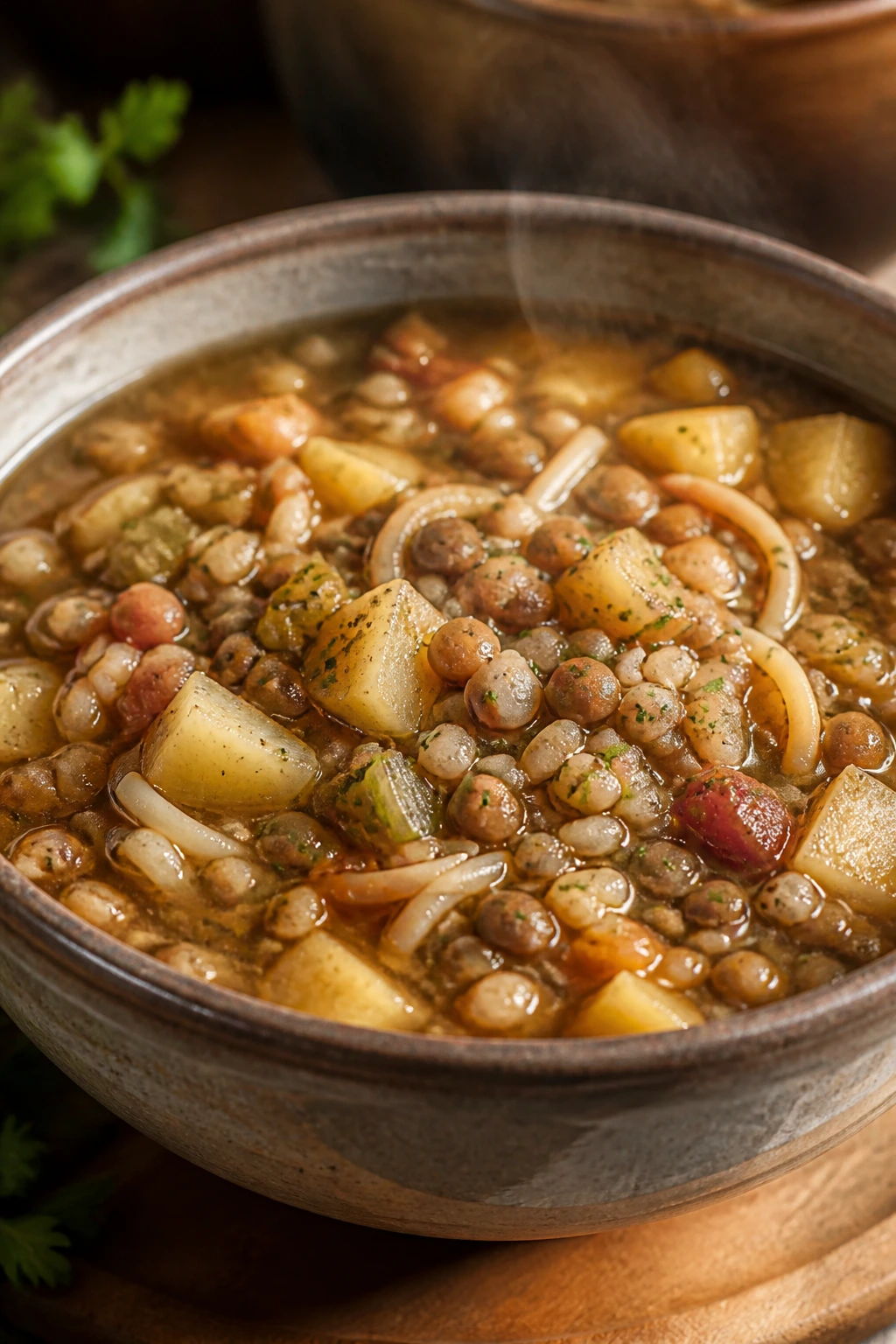
A cold-night soup needs something to chew on or something to cradle the broth. Body matters. Without it, even a well-seasoned pot can feel like a starter instead of dinner.
Lentils are the fastest path to a soup that eats like a meal. Brown and green lentils hold some shape and take about 20 to 30 minutes to soften. Red lentils break down more and make the broth thicker, which is useful if you want a more rustic, almost creamy texture without dairy. They are a little messy in the best way.
Beans do two jobs at once. They add protein and they make the broth feel fuller. Canned beans can go in near the end, around the last 10 to 15 minutes, just long enough to absorb the broth and lose the canned taste. Dried beans need their own strategy, because they either require a separate cook or a long enough simmer to fit the rest of the recipe.
Potatoes are one of the best tools for winter soup because they change the texture of the broth as they cook. Yukon Golds hold their shape and give you soft chunks. Russets fall apart faster and can thicken the soup naturally. If you want that spoon-coating quality without cream, a few russets are worth their weight in gold.
Grains and noodles need more caution. Barley adds chew and holds its shape well, but it drinks broth while it cooks. Rice softens quickly and can make leftovers much thicker the next day. Egg noodles, orzo, and small pasta are satisfying, but they are best cooked with the idea that they will keep absorbing liquid after the pot is off the stove.
One shortcut I like: build the soup around one body ingredient, not five. Lentils plus carrots. Potatoes plus leeks. Beans plus greens. Noodles plus chicken. The pot gets muddy when everything tries to be the star.
Protein That Holds Up in a Long Simmer
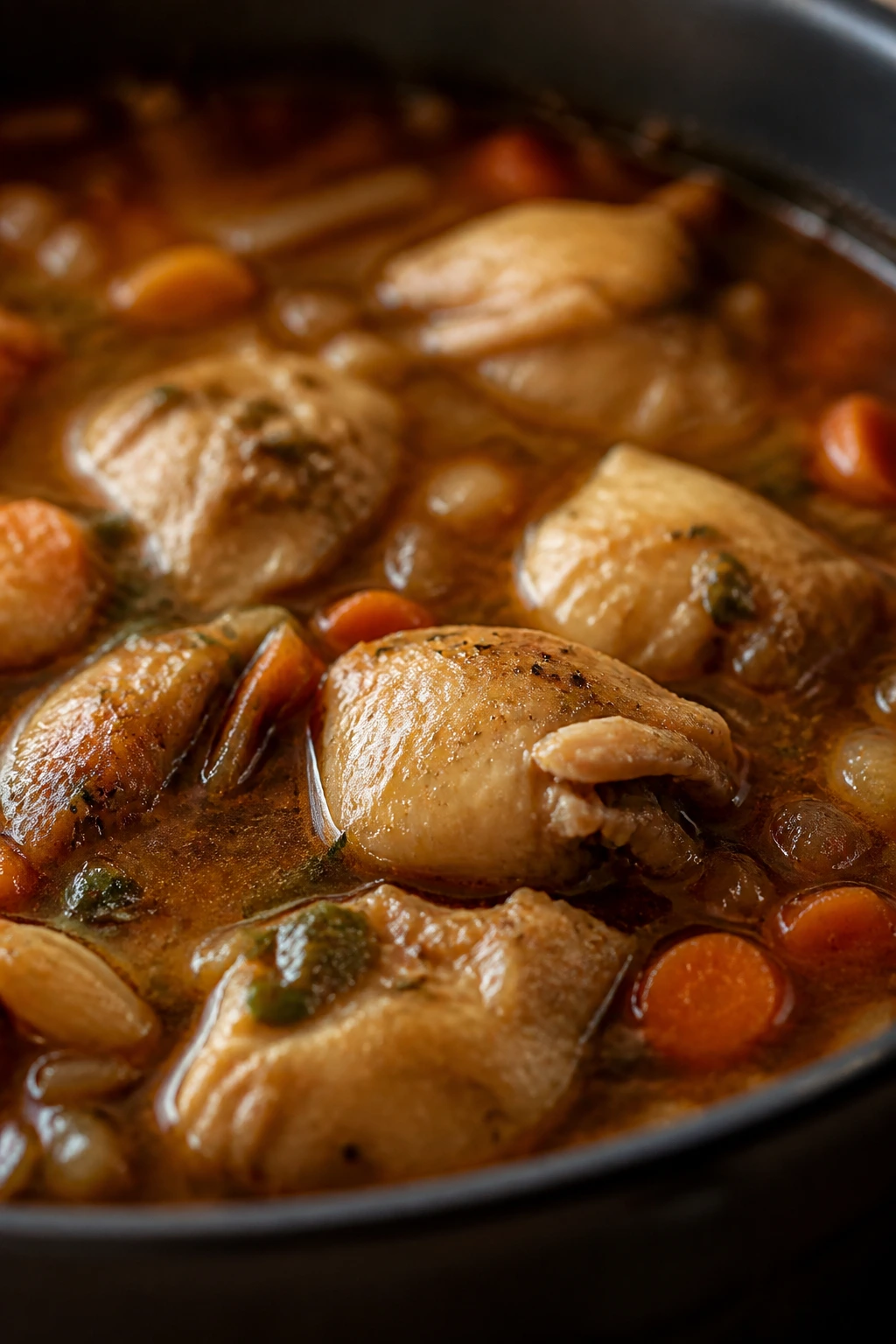
Not every protein survives the stove the same way. Some turn tender and luscious. Some turn dry. Some bring flavor to the whole pot without needing much time at all. Choosing the right one makes a bigger difference than people think.
Chicken and turkey want the right cut
Chicken thighs are my first choice for long-simmering soup because they stay moist and shred cleanly. Breast meat can work, but it should be added later or cooked just until done, then pulled out and shredded before it goes back in. If you simmer breast meat too long, it gives you pale, stringy pieces that taste like they’ve been overmatched.
Turkey behaves the same way. Dark meat has more forgiveness. Leftover roasted turkey is excellent in soup, but it only needs to warm through. If you cook it like raw meat, it loses the whole point of being leftover turkey.
Beef, sausage, and smoked meat bring backbone
Beef chuck, short ribs, and shank give a winter soup a deep, almost stew-like body when they’re cooked slowly. These cuts carry connective tissue, which melts into the broth and gives the spoon some heft. Sausage is a different kind of help: it seasons the pot fast and leaves behind fat and spice that spill into the broth.
Smoked sausage, bacon, ham hocks, and pancetta all do a similar job. They are not there to be subtle. They are there to make the broth taste like it had a stronger opinion than plain stock.
Vegetarian proteins can carry more than people expect
Beans and lentils already earned a spot earlier for body, but tofu and tempeh deserve a mention too. Firm tofu holds up best in broth, especially if you cut it into larger cubes so it doesn’t disappear. Tempeh has a nuttier, firmer bite and works well with smoky or gingery soups.
If you want a vegetarian soup with serious depth, combine beans or lentils with mushrooms, miso, and a good stock base. Mushrooms bring a meaty aroma, miso fills gaps in the broth, and the beans or lentils keep the bowl from feeling airy.
Thickening Without Turning the Pot Heavy
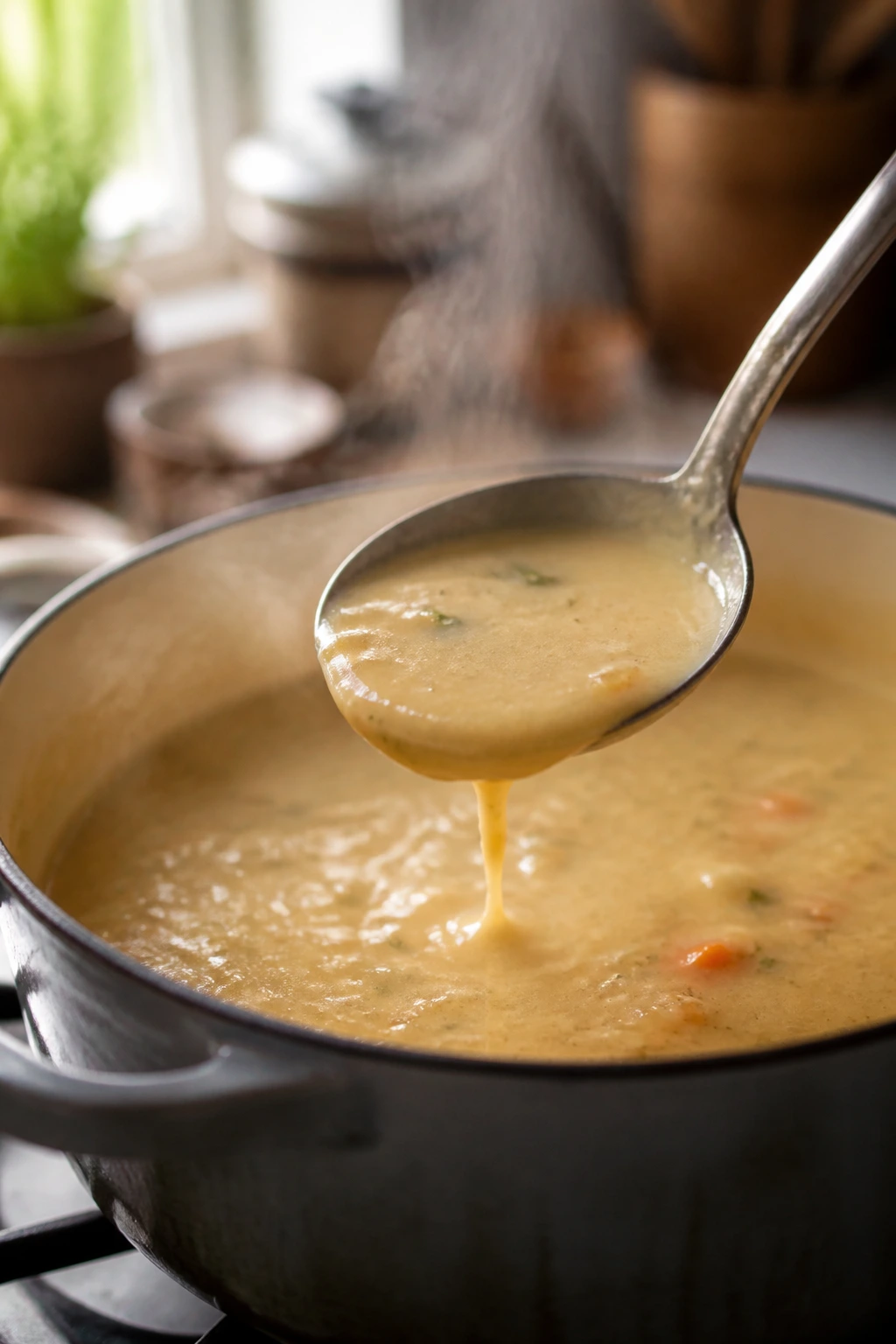
There’s a sweet spot between brothy and gluey. The soup should coat the spoon lightly, not sit on it like paste. That balance is easier to hit than most people think, as long as you pick one thickening method and use it with a little restraint.
Pureeing a portion of the soup is the cleanest move
If you want thickness without losing freshness, blend one or two ladles of the soup and stir them back in. This works especially well with potato, squash, carrot, cauliflower, white bean, and lentil soups. An immersion blender makes this easy, but a regular blender works too if you blend in batches and leave room for steam.
I like this method because it thickens the pot using the ingredients that are already there. No flour taste. No chalky slurry. Just a smoother spoon.
Roux and starch slurries need a light hand
A roux—equal parts butter and flour cooked together—gives soup a classic, steady thickness. It is the right move for creamy chicken soup, potato soup, and chowder-style bowls. A cornstarch slurry, on the other hand, thickens fast and gives a slicker finish, which can be useful if you need just a small adjustment at the end.
The catch with both is overdoing them. Too much flour tastes starchy. Too much cornstarch can make the broth go glossy in a way that feels strange instead of comforting. Add a little, simmer for a few minutes, then stop and reassess.
Cream, coconut milk, and dairy need gentleness
Cream, half-and-half, sour cream, yogurt, and coconut milk all change the mood of the soup quickly. They can turn a broth into something lush and round, but they should usually go in at the end or over low heat. A hard boil can split dairy or make coconut milk look grainy.
If you want a creamy winter soup that still feels clean, add the dairy after the heat is down and the vegetables are already tender. Then taste again. Cream softens salt, so the soup may need a pinch more seasoning than you expected.
Salt, Acid, and Umami: The Final Seasoning Layer
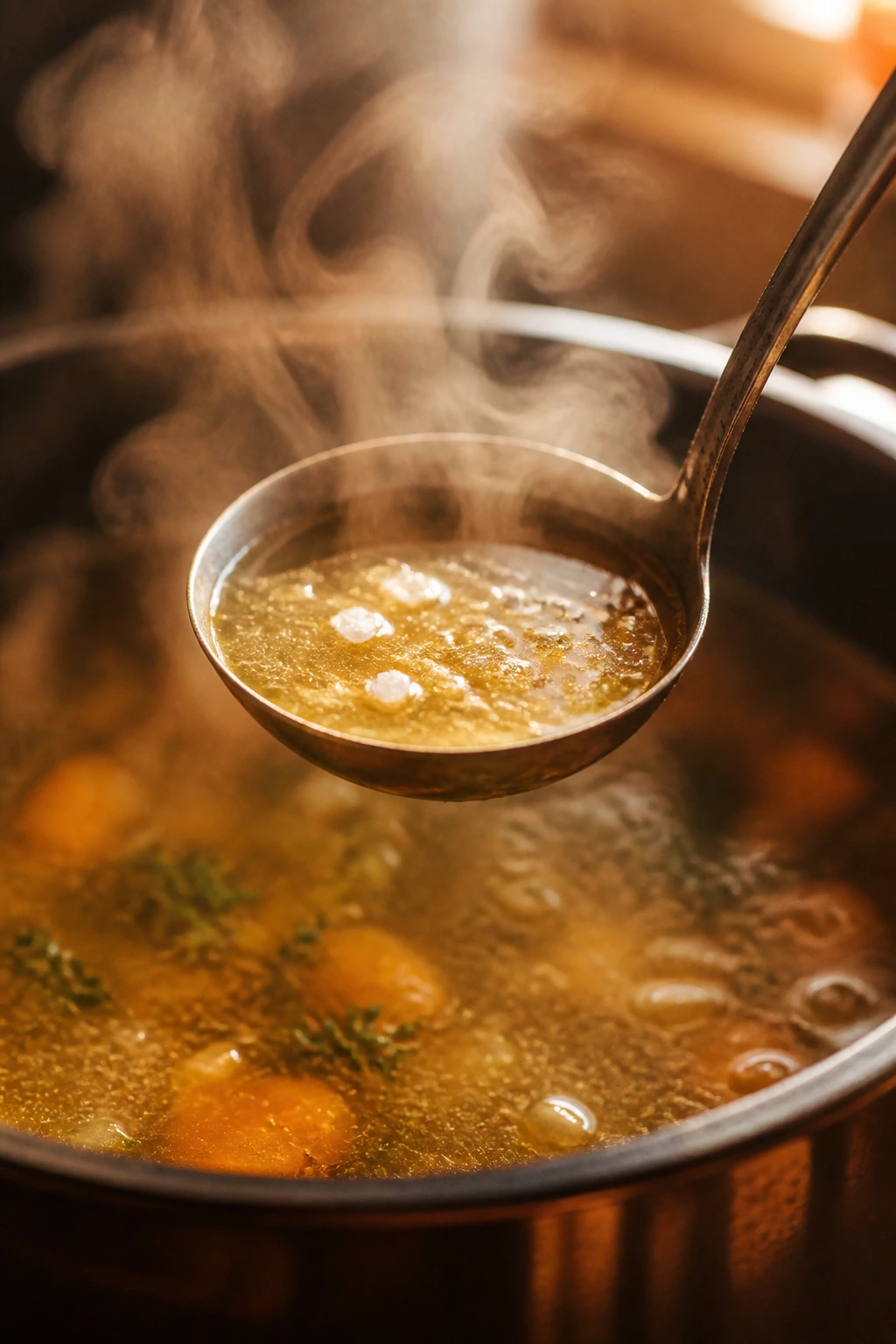
The last 10 percent of flavor is where soup becomes memorable. Up to that point, you’ve built the body. Now you’re making the broth taste awake.
Salt should be tasted in stages
If you season only once, the soup will almost always mislead you. Hot liquid hides things. Beans and grains absorb salt. Potatoes mute everything around them. Taste after the aromatics soften, after the stock goes in, and again when the soup is nearly done.
A spoonful taken off the spoon should taste clear, not vague. You should know what the main ingredient is the second the broth hits your tongue. If you have to think about it, it probably needs salt.
Acid is the reset button
A squeeze of lemon, a splash of cider vinegar, a little red wine vinegar, or even a few drops of sherry vinegar can rescue a soup that tastes heavy or sleepy. Acid doesn’t make soup sour when used properly. It sharpens the edges so the broth, vegetables, and fat stop blending into one dull note.
This matters most in rich winter bowls. Potato soup, bean soup, chicken soup with noodles, and creamy squash soup all benefit from a small amount of acid at the end. Without it, the last spoonful can feel dull no matter how long the pot simmered.
Umami fills the gaps
A parmesan rind simmered in the broth, a spoon of miso, a splash of soy sauce, a few anchovies melted into the base, or a little tomato paste can all deepen the pot. None of these should shout. They should round out the edges.
Fresh herbs go in late. Parsley, dill, chives, cilantro, and basil lose their best flavor if they’re cooked too long. Dried herbs like thyme, oregano, rosemary, and bay leaf do the opposite; they need heat and time to bloom. That split is worth remembering. It saves a lot of flat soup.
How to Serve Soup Like the Main Event
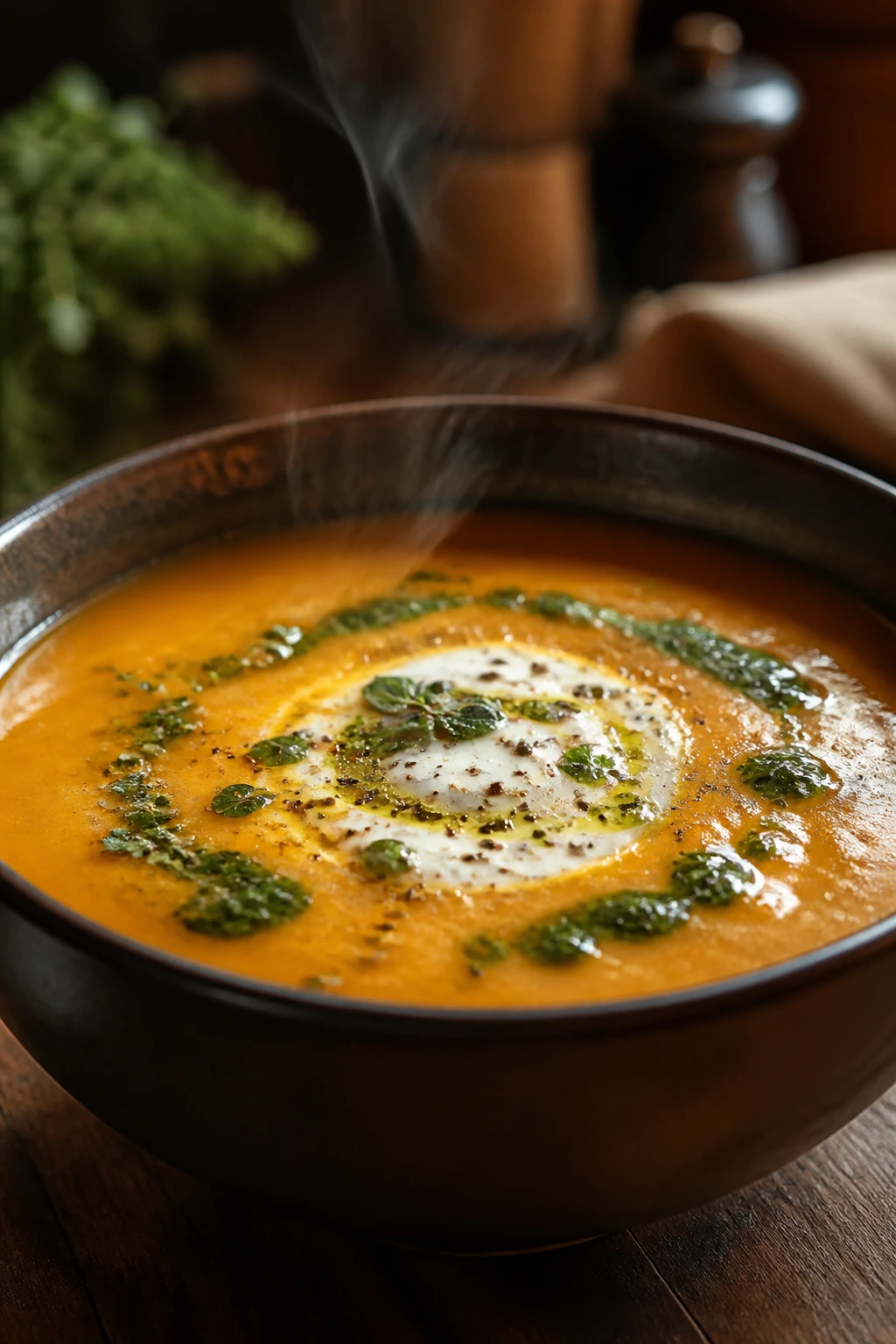
Presentation: Warm the bowls first if you can. A hot soup in a cold bowl loses steam too quickly, and the whole meal feels less inviting. Spoon the soup in, then finish with something bright or glossy on top—herbs, a swirl of cream, good olive oil, black pepper, or a spoon of yogurt if the flavor wants tang.
Accompaniments: Crusty bread is the obvious answer, but it shouldn’t be the only one. Grilled cheese, cheddar biscuits, saltines, rye toast, garlicky croutons, or a sharp green salad all do different jobs. A thick soup likes plain bread to mop up the bowl. A brothy soup benefits from something crisp or buttery on the side.
Portions: As a main course, a winter soup usually lands best at 1½ to 2 cups per adult, depending on how much bread or salad is beside it. If you’re serving it before a bigger dinner, 1 cup is enough. If you’re feeding someone who walked in from the cold with a hungry face, don’t be shy about the ladle.
Beverage Pairing: Brothy chicken or vegetable soups play nicely with black tea, dry cider, sparkling water with lemon, or a crisp lager. Creamy bowls can handle a dry white wine or a light amber beer. Rich beef or bean soups can stand up to something darker and a little maltier. The drink should cool the palate, not fight the pot.
Practical Tips for Better Soup on Cold Nights
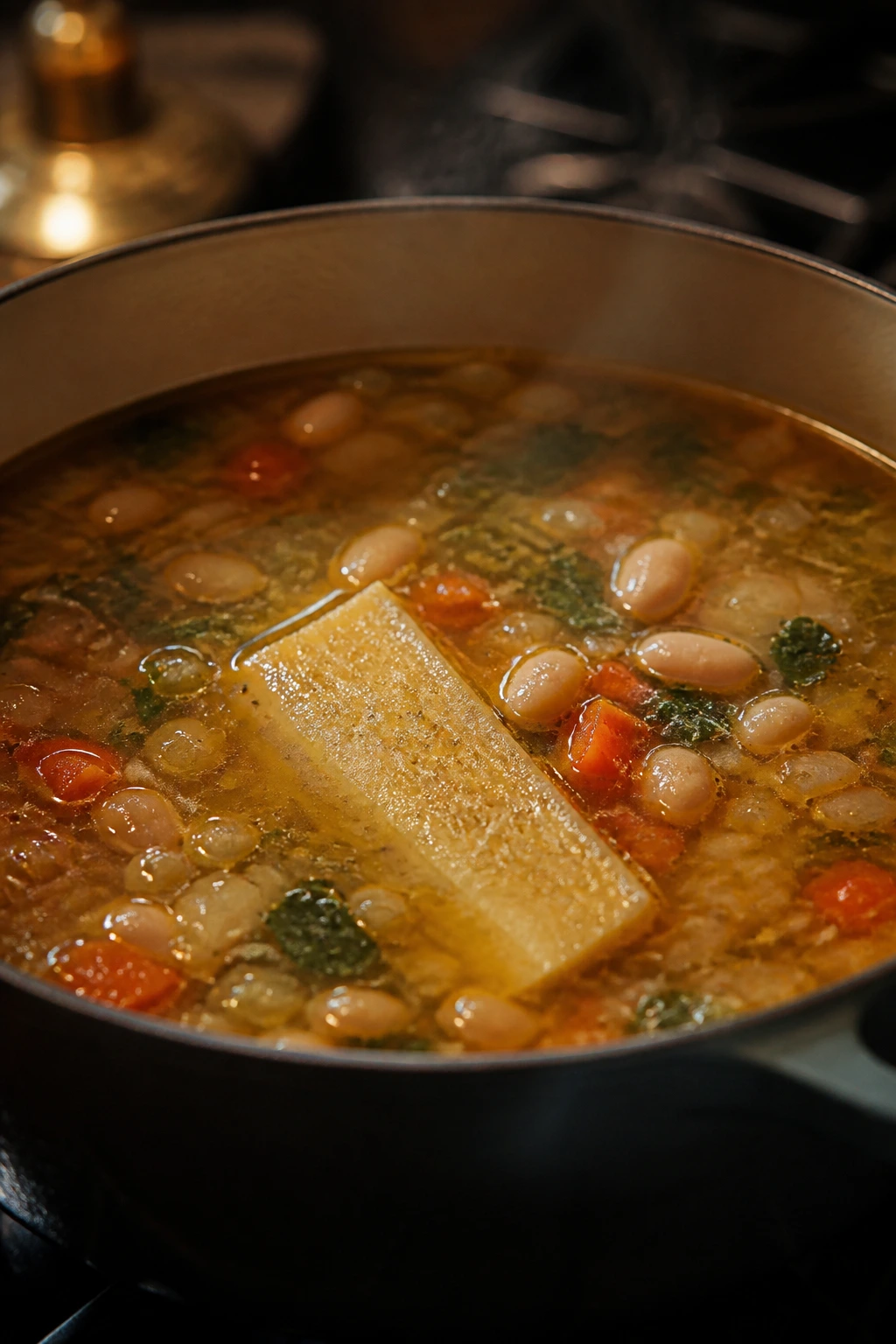
Flavor Enhancement: Add one ingredient that deepens the broth without making it louder. A parmesan rind, a spoonful of miso, or half a teaspoon of fish sauce can make a stock taste older and fuller in a good way. Use one, not all three, unless you want the pot to get bossy.
Time-Saver: Keep a bag of chopped onion, celery, and carrot in the freezer if you cook soup often. Frozen mirepoix softens right in the pot and saves the chopping stage on nights when your energy is low. Canned beans and boxed stock do the same kind of work without making the meal feel lazy.
Pro Move: Brown tomato paste, sausage, or a spoonful of flour in the pot before the liquid goes in. That short browning step gives the finished soup a deeper color and a more complete flavor. Sixty to ninety seconds is often enough; longer than that and you’re flirting with bitterness.
Cost-Saver: Buy bone-in thighs, dried lentils, split peas, potatoes, and cabbages. These ingredients make some of the best winter soups precisely because they are inexpensive and durable. You do not need fancy cuts to get a pot that tastes rich.
Texture Control: If you plan leftovers, cook pasta and rice separately or undercook them by a minute or two. They keep absorbing broth after the pot is off the heat, and a soup that was perfect on night one can turn thick and tired by day two. Keep extra broth nearby and loosen the pot when you reheat it.
Common Mistakes That Make Winter Soup Flat, Thin, or Mushy
-
Boiling instead of simmering: Hard boiling clouds broth, toughens meat, and breaks delicate vegetables apart. Keep the pot at a low simmer—small bubbles, gentle movement, no angry rolling.
-
Adding every ingredient too early: Noodles turn to paste, peas vanish, and herbs lose their top notes if they sit in the pot for too long. Add quick-cooking ingredients late and pull the soup from the heat before they go mushy.
-
Underseasoning in layers: A soup can taste fine at the start and still land flat at the table because the salt never made it past the broth. Season after sautéing, after adding stock, and again at the end.
-
Forgetting acid: Heavy soups need a final bright note or they can taste thick in the wrong way. A squeeze of lemon or a spoon of vinegar often fixes what more salt cannot.
-
Using dairy too aggressively: Cream, milk, and yogurt can split or curdle if the soup is boiling hard. Lower the heat first, then stir in the dairy slowly and stop at a bare simmer.
-
Overfilling the pot: If the pot is packed to the rim, vegetables steam instead of browning, and it becomes hard to taste and adjust as you go. Leave room for stirring and for the broth to move.
Variations and Alternate Bowls for Different Cravings
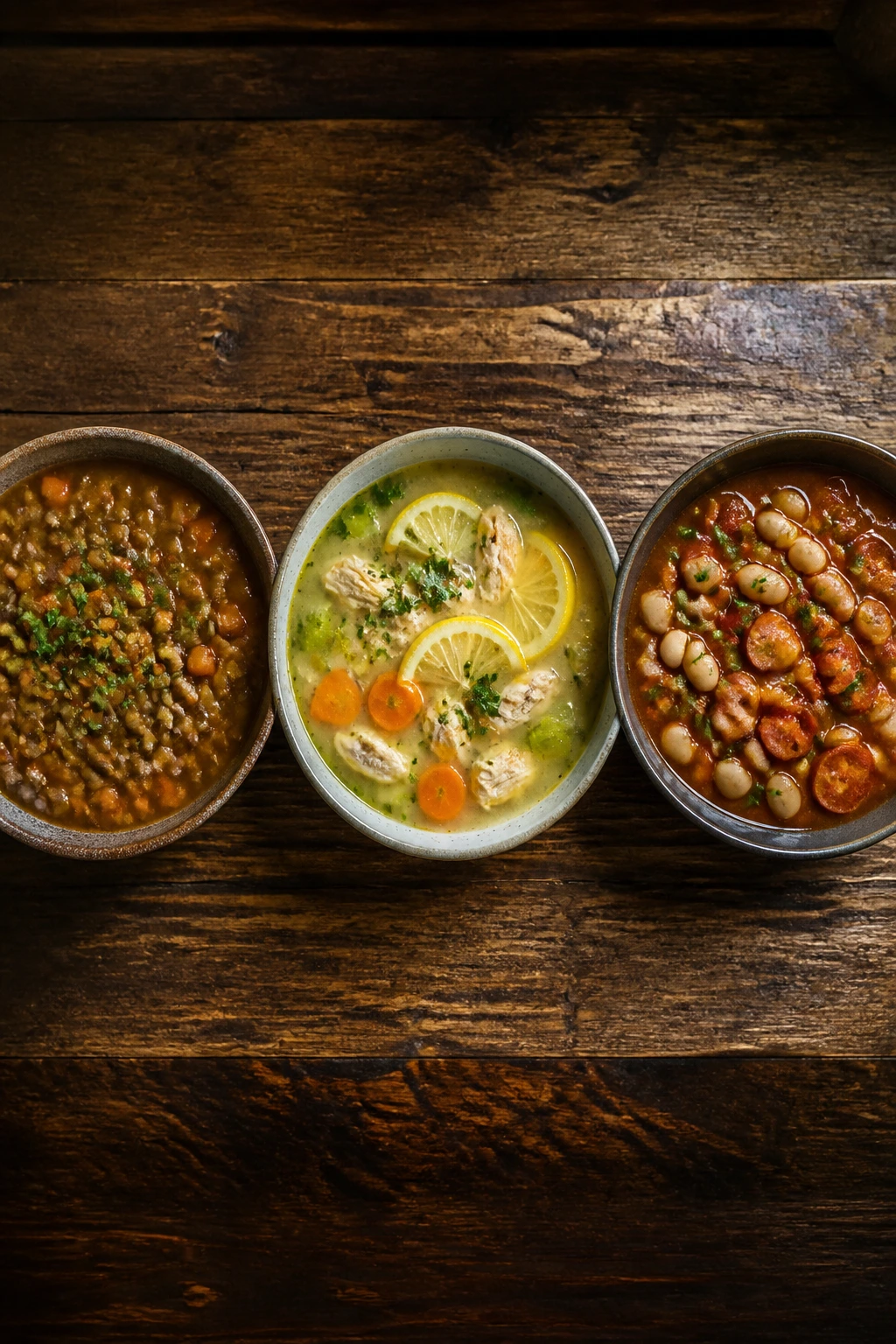
Root Cellar Lentil Pot
Brown lentils, carrots, celery, parsnips, onion, thyme, and a bay leaf make a sturdy vegetarian bowl that feels built for a long evening. A spoonful of tomato paste or a parmesan rind adds extra depth if you want the broth to taste older and rounder.
Lemon Chicken and Rice Night Soup
This one is bright, clean, and useful when you want comfort without heaviness. Chicken thighs, rice, lemon zest, lemon juice, dill, and parsley give the broth enough lift to taste fresh even after a cold walk home.
Smoky Bean-and-Sausage Bowl
White beans, smoked sausage, onion, garlic, kale, and smoked paprika make a soup that eats almost like a stew. It’s the right move when you want something with more backbone, and it gets especially good after a night in the fridge.
Velvet Potato and Leek Blizzard Soup
Potatoes and leeks are a classic for a reason. The leeks go sweet in butter, the potatoes break down just enough to thicken the pot, and a small splash of cream or oat milk at the end gives the soup that soft, almost silky finish.
Tomato-Orzo with Parmesan Rind
If you want something a little brighter, this bowl leans on canned tomatoes, orzo, garlic, onion, and a parmesan rind simmered right in the pot. A handful of basil or parsley at the end keeps the flavor lively and stops the broth from feeling too dense.
Tools That Make Soup Easier to Cook
-
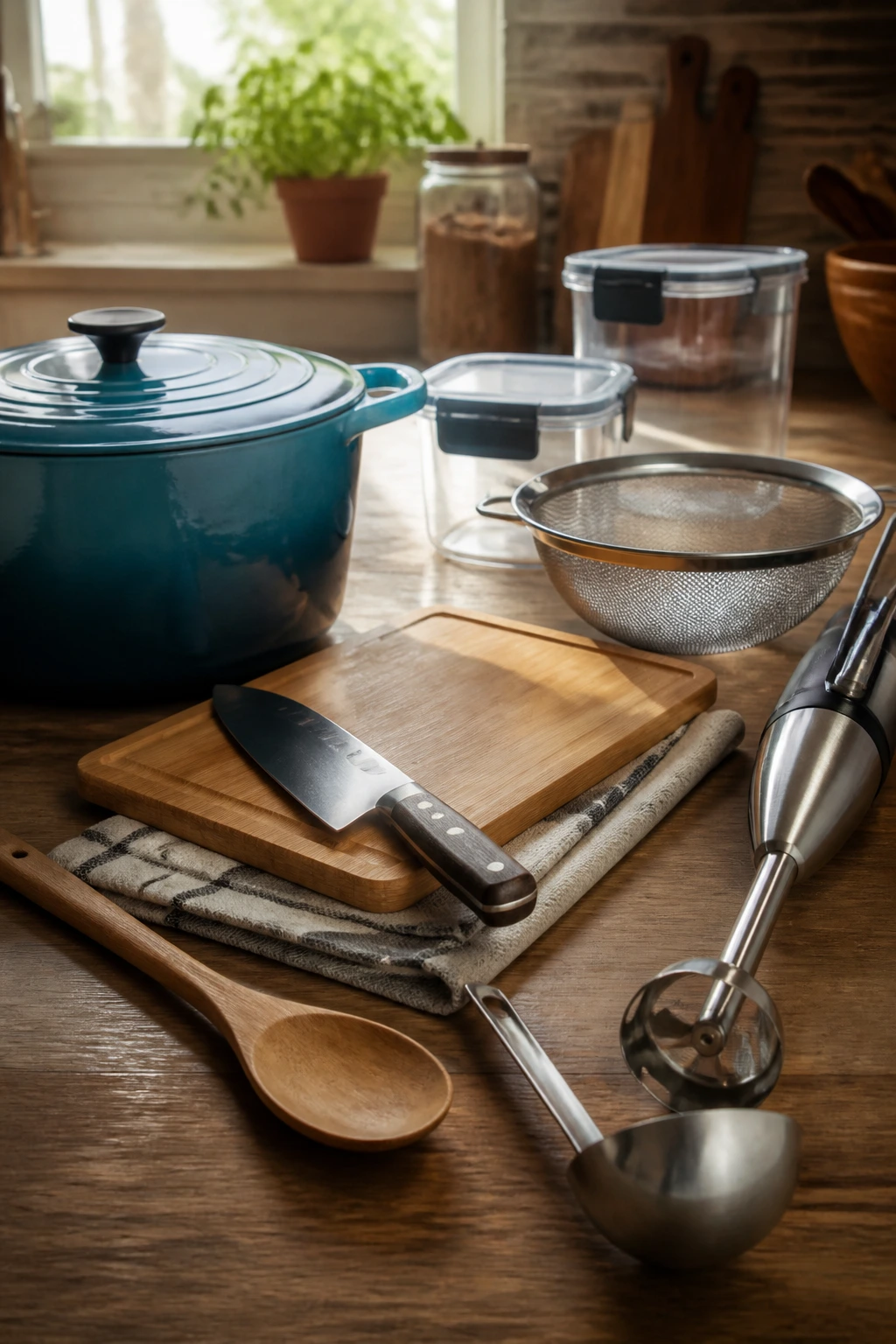
6- to 8-quart Dutch oven: Heavy enough to hold an even simmer and roomy enough for a real batch without crowding.
-
Sharp chef’s knife: Soup starts with chopping, and a dull knife makes the whole process slower and more annoying than it needs to be.
-
Cutting board with a towel underneath: Keeps the board from sliding when you’re chopping onions or carrots in a hurry.
-
Wooden spoon or heatproof spatula: Good for scraping up browned bits from the bottom of the pot without scratching the surface.
-
Ladle: Makes serving cleaner and keeps you from spilling broth all over the counter.
-
Immersion blender: Optional, but useful when you want to thicken part of the soup without transferring hot liquid to a blender.
-
Fine-mesh strainer: Handy for stock-based soups and for skimming small bits you do not want in the final bowl.
-
Airtight storage containers: Choose a few shallow ones if you plan to cool or freeze soup in portions.
Make-Ahead, Storage, and Reheating That Protect the Texture
Cooling it safely
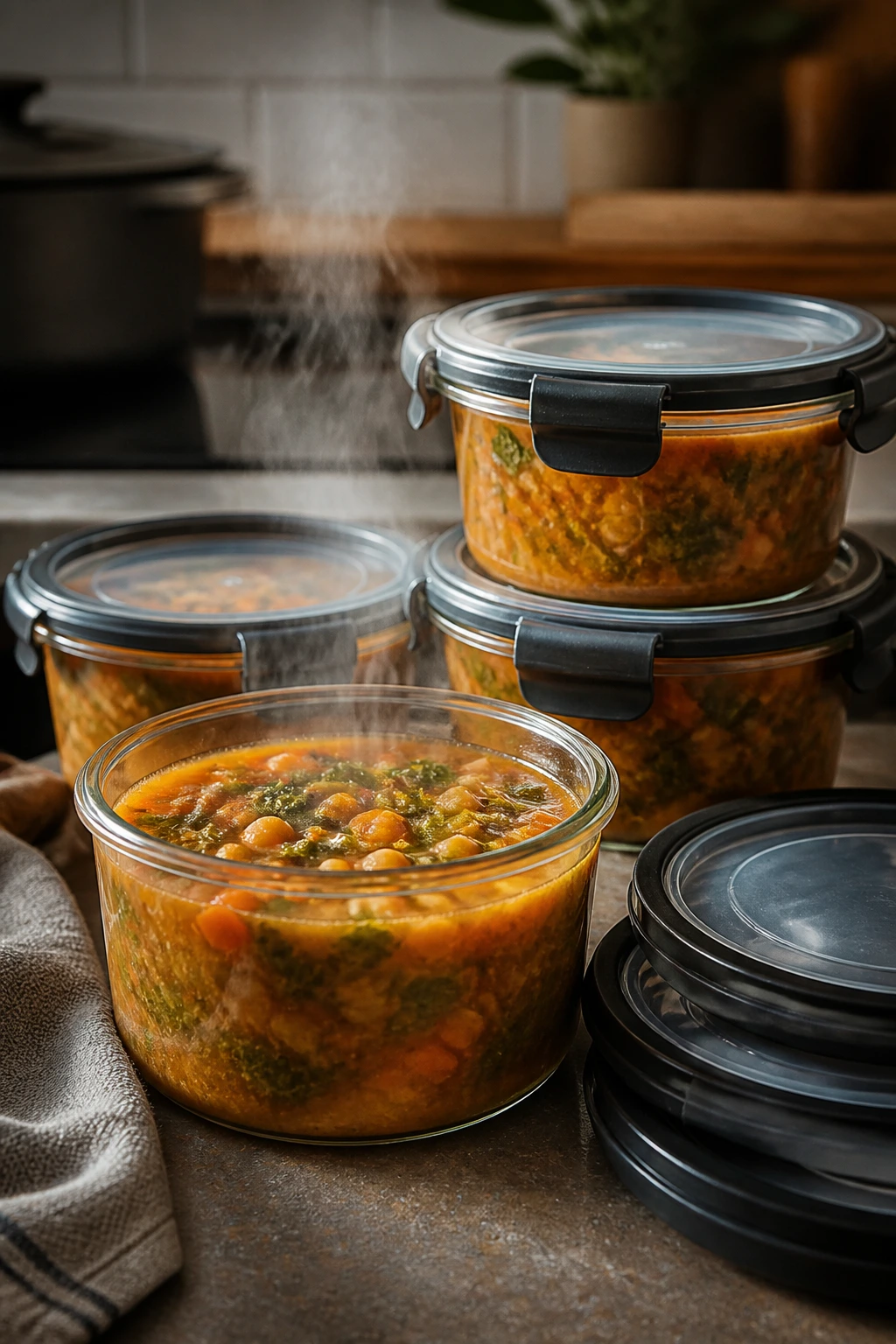
Cooked soup should not sit on the counter all evening. Food safety guidance from the USDA is plain: get it into the fridge within two hours, and faster is better if the pot is large. Shallow containers cool more quickly than one deep pot, so split the soup if you can. Leave the lid slightly loose until the steam fades, then seal it.
Fridge life and freezer life
Most soups keep well in the refrigerator for 3 to 4 days. Brothy soups with vegetables, beans, grains, and shredded meat tend to hold up best. Cream-based soups can still last that long, but their texture may separate a bit and need stirring when they reheat.
Freezing works for many winter soups, especially broth-based or bean-based ones. Aim for up to 2 to 3 months frozen for the best texture. Soups with potatoes, pasta, rice, or cream can still be frozen, but the texture is less graceful after thawing. If that bothers you, freeze the base without those ingredients and add them fresh when you reheat.
Reheating without wrecking the bowl
Reheat soup slowly on the stovetop over medium-low heat, stirring now and then so the bottom doesn’t scorch. If it has thickened in the fridge, add a splash of broth or water before it warms fully. Cream soups should stay below a hard boil; a gentle simmer is enough.
Microwaving works for single bowls, but use medium power and stir halfway through so you don’t get a cold center and a boiling edge. If you kept noodles or rice separate, add them after the soup is hot. That one habit makes leftovers taste much closer to the original pot.
Make-ahead strategy that actually helps
The broth base, sautéed aromatics, and cooked beans or meat can often be made a day ahead and held in the fridge. Many soups taste better after a night of rest, especially bean, lentil, tomato, and chicken soups. Hold back fresh herbs, acid, and any delicate starches until the end so the final reheated bowl still tastes alive.
Frequently Asked Questions About Cold Weather Soup
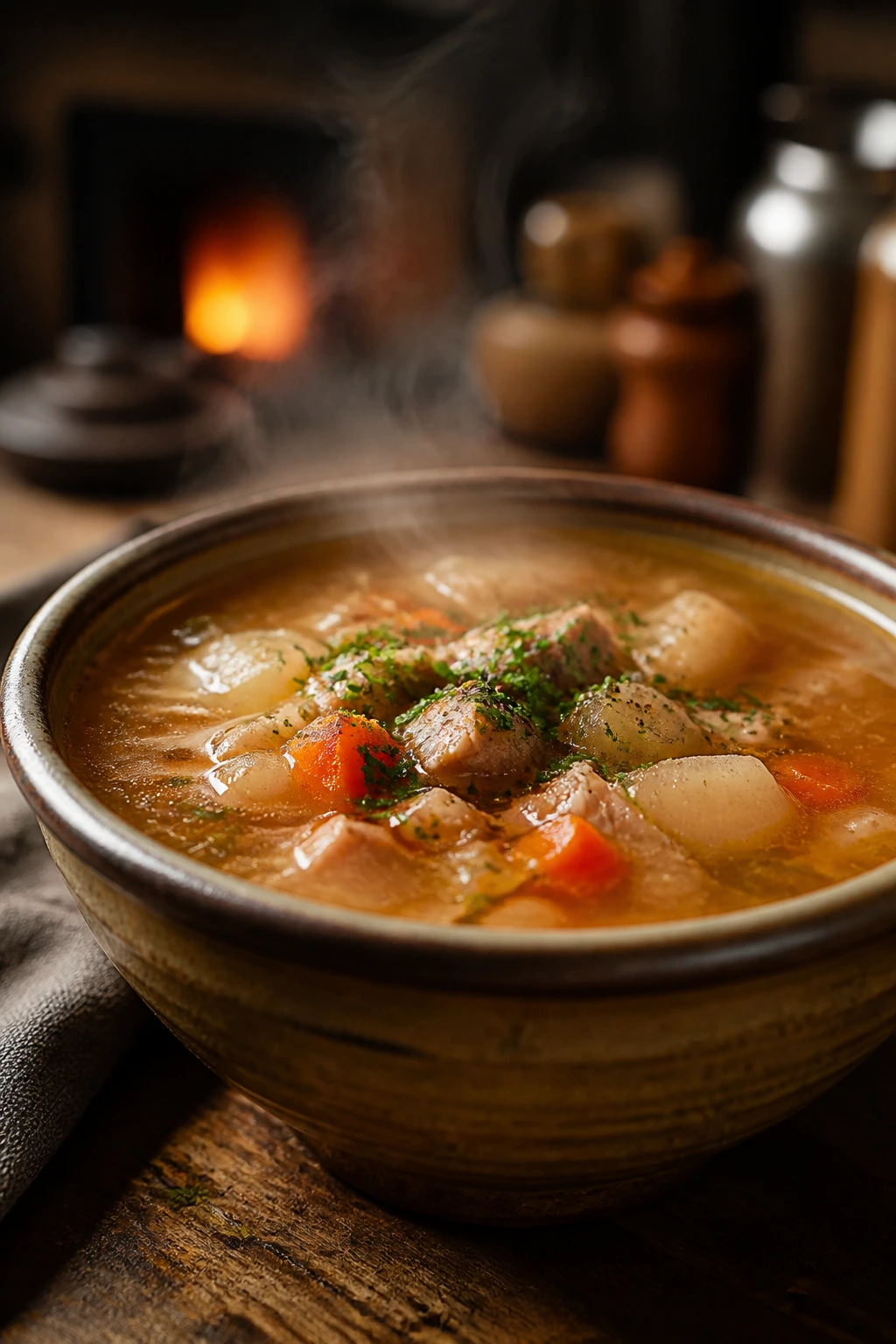
What makes a soup feel comforting instead of just hot?
Heat is only part of it. A comforting bowl usually has enough salt, some kind of fat, and a texture that gives your spoon a little resistance—beans, noodles, potatoes, grains, or shredded meat. If it tastes thin, the bowl feels thin.
Can I use water instead of broth?
Yes, if you build the flavor carefully. Start with sautéed onions and a decent amount of aromatics, then add mushrooms, tomato paste, parmesan rind, or a bouillon base if that suits the soup. Water alone will not taste weak if the rest of the pot is doing real work.
How do I keep noodles from getting mushy?
Cook them separately or add them near the end and stop cooking while they still have a little bite. Noodles keep soaking up broth after the heat is off, so a soup that seems perfect in the pot can turn soft by the time you sit down. If you know there will be leftovers, separate is best.
Can I freeze soup with cream in it?
You can, but it may separate when thawed. The cleaner approach is to freeze the soup base without the dairy, then stir in cream, milk, or yogurt after reheating. That keeps the texture smoother and gives you more control over the final consistency.
Why does soup taste better the next day?
The flavors settle and mingle, and the salt has time to spread more evenly through the broth. Beans, grains, and vegetables also absorb seasoning overnight, which gives the soup a fuller taste. Add a little fresh herb or acid after reheating so the pot doesn’t taste sleepy.
Is a slow cooker good for winter soup?
Yes, especially for bean, lentil, beef, and chicken soups. But if you have time, browning the onions, meat, or tomato paste first gives the soup a deeper flavor than dumping everything in raw. A slow cooker is convenient; a short browning step still matters.
How do I fix soup that tastes flat?
Start with salt, then add acid, then think about umami. A pinch of salt can wake up the broth, while lemon juice, vinegar, a parmesan rind, or a little soy sauce can make the whole pot feel fuller. Flat soup is usually missing one of those three, not all three.
What if my soup is too salty?
Dilute it with unsalted broth or water, then rebuild the flavor with aromatics, herbs, or a little cream if the style fits. A potato can soften the edge a little while it cooks, but it will not perform miracles. If the soup is truly salty, dilution is the honest fix.
A Bowl Worth Repeating
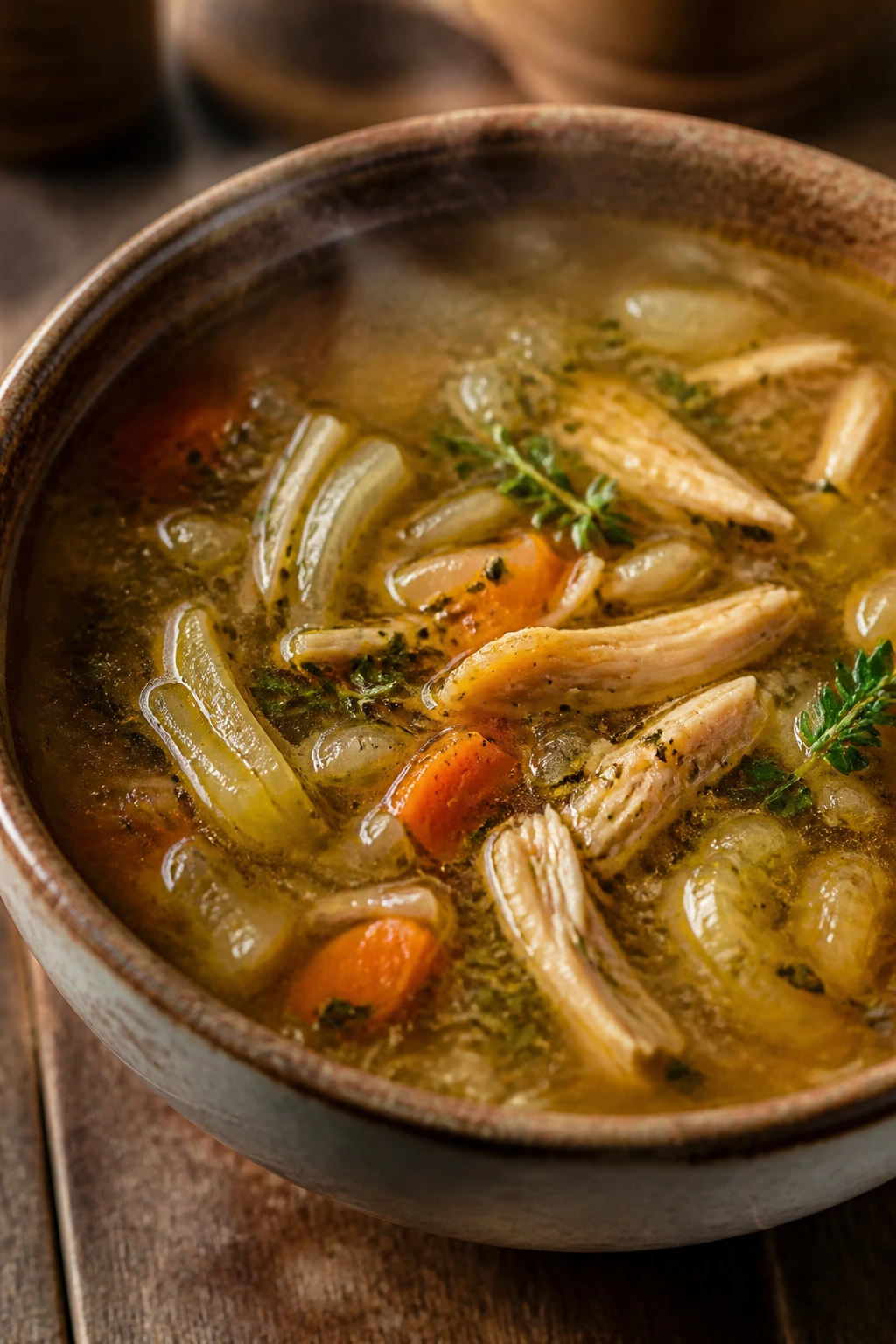
The best cold-weather soup is the one that makes the kitchen feel inhabited. Not crowded. Inhabited. A pot on the stove, a ladle beside it, and a bowl that smells like onions, herbs, and enough simmer time to matter. That’s the kind of dinner people return to without needing a reason.
The nice thing about soup is that it rewards attention in small, useful ways. Sweat the onions longer. Season in layers. Add acid at the end. Keep noodles from soaking all night in the broth if you care about leftovers. Small moves. Big difference.
When the air gets sharp and the house feels too quiet, a good pot of soup is still one of the most dependable things you can put on the stove. Make it once, then make it better the next time.