



Cold soup sounds like a dare until you taste one built for the fridge instead of borrowed from it. A creamy chilled soup made with roasted cauliflower, leeks, Yukon Gold potatoes, and a little dairy doesn’t feel thin or apologetic; it feels dense, cool, and almost spoon-coating, the way a good potato gratin feels before the oven gets involved.
That’s why this version works on cold winter nights. The vegetables are roasted first, so the soup gets a quiet, nutty depth instead of tasting like a pale purée that was never allowed to become itself. Then the dairy goes in after the base cools, which keeps the texture clean and velvety instead of grainy or split. The final bowl is chilled, yes, but the flavor is rich enough to feel like dinner, not a compromise.
I like cold soup when the weather is sharp because it changes the pace of a meal. You don’t get steam fogging your glasses or a heavy bowl that sits like a brick. You get something quieter. Cleaner. A little elegant, but not fussy. The trick is to treat the chill as part of the recipe, not an afterthought, and that starts with ingredients that can carry their weight once they come out of the refrigerator.
Why This Bowl Belongs on a Cold Night Table
- It tastes fuller than its temperature suggests. Roasted cauliflower, leek, and potato give the soup a base that lands somewhere between savory and buttery, even though it’s served cold.
- The texture gets better after a proper chill. The potato starch tightens the body a bit in the fridge, so the soup turns thicker and smoother after a few hours.
- It uses winter vegetables without turning heavy. Leeks and cauliflower bring sweetness, while lemon, dill, and a touch of horseradish keep the bowl from feeling sleepy.
- It’s made ahead on purpose. A chilled soup needs time to settle, so you can cook once and serve later without scrambling at the stove.
- The garnish matters here. A drizzle of olive oil, fresh dill, and a few cracks of black pepper give the cold surface a clean finish and keep the first spoonful from tasting flat.
Yield: Serves 4 as a main course or 6 as a starter
Prep Time: 25 minutes
Cook Time: 45 minutes
Total Time: 1 hour 10 minutes active + 4 hours chilling
Difficulty: Beginner — the steps are straightforward, but the soup needs proper cooling and chilling so the dairy stays silky.
Chill/Rest Time: At least 4 hours, or overnight for the cleanest texture
Best Served: Very cold, stirred well, with a drizzle of olive oil and plenty of herbs
What Goes Into the Bowl and Why Each Ingredient Earns Its Place
This is the sort of soup that borrows the bones of a classic chilled potato-leek soup and gives them a winter coat. The cauliflower adds a gentle sweetness and a faint nutty note once it’s roasted. The potatoes make the body thick enough to stand up to the fridge, which matters because a chilled soup needs more structure than a hot one.
There’s also a small, useful trick here: the dairy is layered in after the vegetables are cooked and cooled, not dumped in at the start. That keeps the base from tasting chalky and helps the soup land with a smooth, spoonable finish. If you’ve ever had a chilled soup that tasted vaguely watery and oddly flat, that usually means someone skipped the browning, the seasoning, or both.
Roasted Vegetables
- 1 medium cauliflower, about 2 pounds, cut into florets
- 2 medium leeks, white and light green parts only, sliced into 1/2-inch half-moons and rinsed well
- 1 medium yellow onion, peeled and cut into wedges
- 2 medium Yukon Gold potatoes, about 12 ounces total, peeled and cut into 1-inch chunks
- 4 garlic cloves, unpeeled
- 3 tablespoons olive oil
- 1 3/4 teaspoons kosher salt
- 1/2 teaspoon black pepper
For the Creamy Finish
- 4 cups low-sodium vegetable broth
- 1 cup plain whole-milk Greek yogurt
- 1/2 cup sour cream
- 1 cup buttermilk
- 2 tablespoons fresh lemon juice
- 1 teaspoon finely grated lemon zest
- 2 tablespoons chopped fresh dill, plus more for serving
- 1 teaspoon prepared horseradish, optional
- 1 tablespoon chopped chives, optional
- 1 tablespoon extra-virgin olive oil, for drizzling
- Flaky sea salt and extra black pepper, for finishing
Aromatics & Vegetables
- What to use: 1 cauliflower, 2 leeks, 1 onion, 2 Yukon Gold potatoes, and 4 garlic cloves make the backbone of the soup.
- Preparation: Cut the cauliflower into even florets, slice the leeks and rinse them carefully, and keep the potato pieces close in size so they roast and simmer at the same pace.
- Substitutions: Celeriac can replace half the cauliflower if you want something earthier; shallots can stand in for the onion if that’s what’s in the crisper.
- Tips: Leeks hide grit in their layers, and grit in a chilled soup is a lousy surprise. Rinse them after slicing, then shake them dry in a colander before they hit the pan.
Liquids & Dairy
- What to use: 4 cups vegetable broth, 1 cup Greek yogurt, 1/2 cup sour cream, and 1 cup buttermilk create the creamy, tangy base.
- Preparation: Let the soup cool before the dairy goes in so the yogurt and sour cream stay smooth instead of turning grainy.
- Substitutions: Plain kefir can replace the buttermilk, and full-fat crème fraîche can stand in for the sour cream if you want a milder tang.
- Tips: Full-fat dairy makes a visible difference here. Low-fat versions can taste sharp and thin once chilled, which is exactly what you do not want.
Seasonings & Brighteners
- What to use: 2 tablespoons lemon juice, 1 teaspoon lemon zest, 2 tablespoons dill, 1 teaspoon horseradish, and black pepper keep the soup awake.
- Preparation: Grate the lemon zest before you cut the fruit in half, then chop the dill just before you stir it in so it stays fragrant.
- Substitutions: White wine vinegar can replace half the lemon juice, and chopped parsley can stand in for dill if you want something less grassy.
- Tips: Cold food mutes salt and acid. Taste the soup before chilling, then taste it again after it’s cold and add a pinch more salt if the flavor feels shy.
Optional Finishing Ingredients
- What to use: 1 tablespoon olive oil, extra dill, chopped chives, flaky sea salt, and extra black pepper make the bowl look finished instead of accidental.
- Preparation: Keep the herbs dry and chop them right before serving.
- Substitutions: Toasted pumpkin seeds or rye crumbs can replace the chives if you want crunch.
- Tips: A cold soup needs contrast. If the surface is all one color and one texture, the first spoonful lands flat.
Roasting the Vegetables Until They Taste Sweeter Than They Look
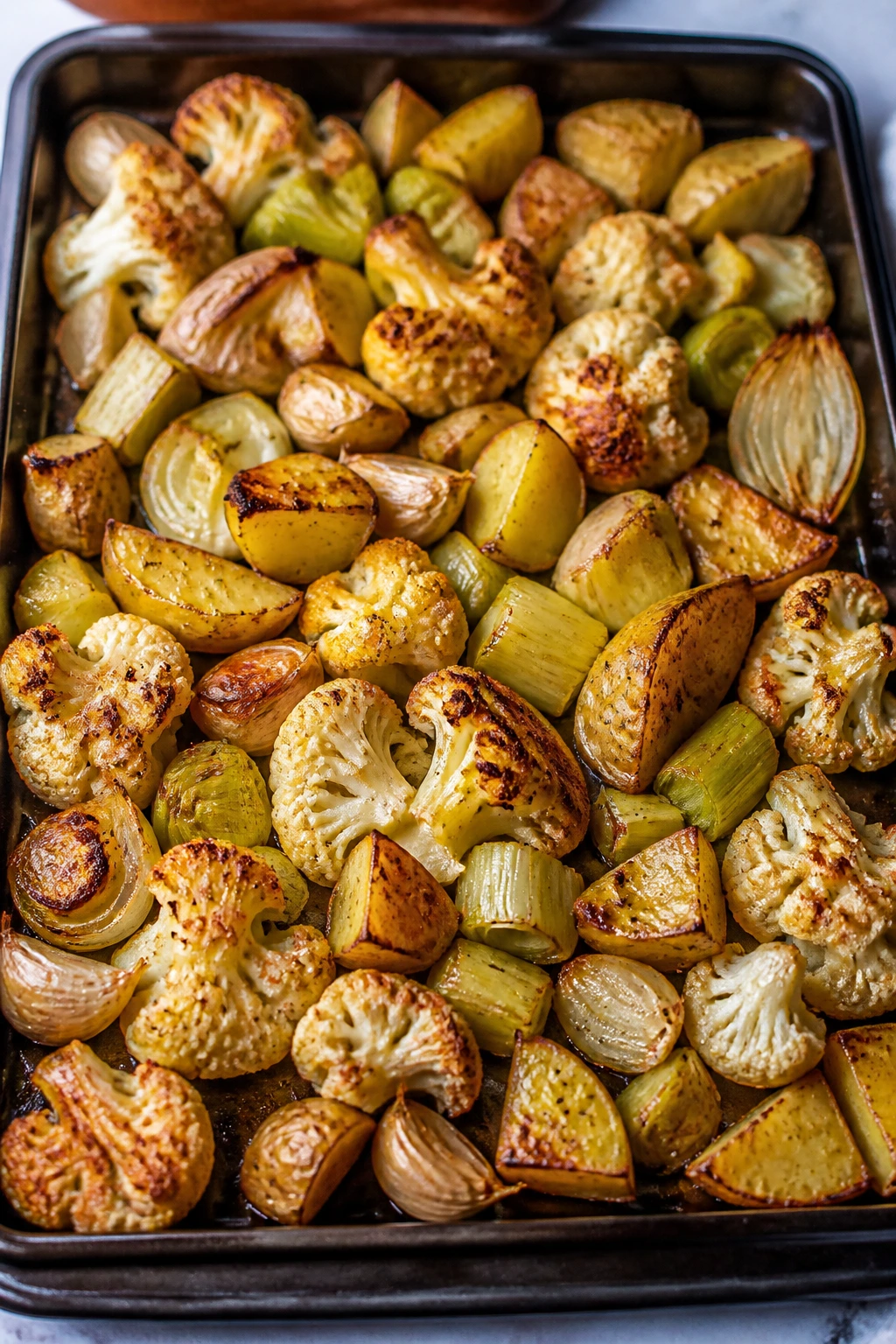
Roasting does the part boiling never can. It pulls sweetness out of the cauliflower and leeks, softens the onion, and gives the potato edges a little caramelized toastiness that shows up later as depth in the bowl. If you skip this step and simmer everything raw, the soup will still work, but it will taste like it got dressed in a hurry.
The oven should be hot enough to brown, not merely warm things through. 425°F / 220°C is the sweet spot here. At that temperature, the cauliflower gets a few browned ridges in about 30 to 35 minutes, and the leeks turn silky without collapsing into mush. A crowded sheet pan is the enemy. Give the vegetables room, or they steam and go soft in the wrong way.
I also prefer to roast the garlic in its skin because it stays mellow and almost sweet. You squeeze it out later like paste. No raw bite. No bitter edge. Just soft garlic that disappears into the soup the way it should.
How to Blend the Soup Until It Feels Like Velvet
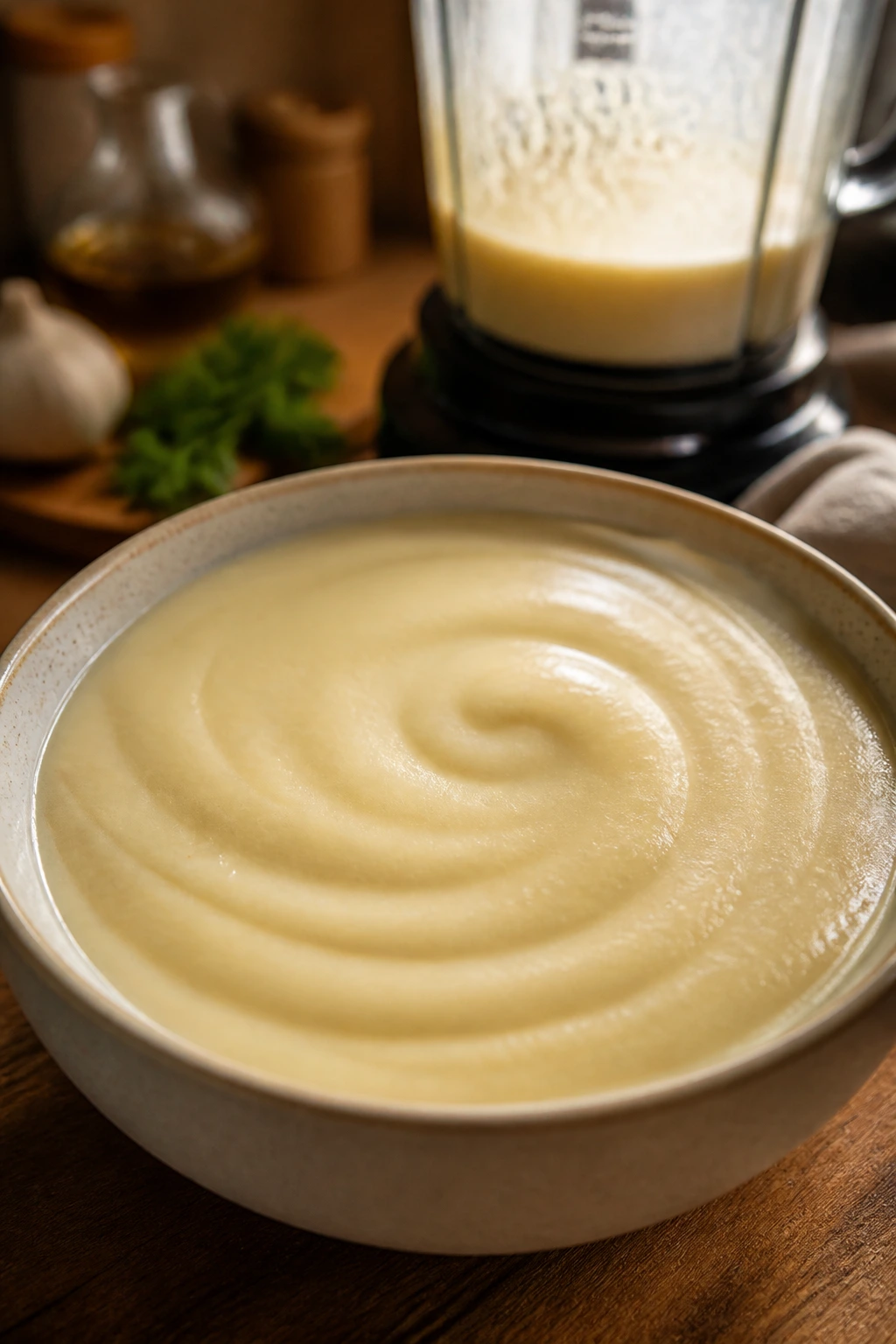
The blender is where the soup either turns luscious or gets left a little rough around the edges. A good puree should look smooth enough that it can be poured in one steady ribbon from the spoon. If you can still see tiny flecks of cauliflower after blending, that isn’t a disaster, but it does change the feel of the first mouthful.
An immersion blender is easy and less messy, but a countertop blender gives you a silkier finish. I prefer the countertop version for this soup, though I always blend in batches and never fill the pitcher more than halfway with hot liquid. Steam pressure can be sneaky. It can also blast the lid off if you’re careless. That’s one of those mistakes that teaches itself only once, and that’s enough.
If you want the soup to feel especially polished, pass it through a fine-mesh sieve after blending. It takes a few minutes and catches the last tiny bits of leek fibers or cauliflower grain. Not mandatory. Worth it if you like a cleaner, more spoon-slick texture. Once the base is smooth, the dairy and herbs go in after it has cooled, and that order matters more than most people think.
Special Equipment for a Silky Finish
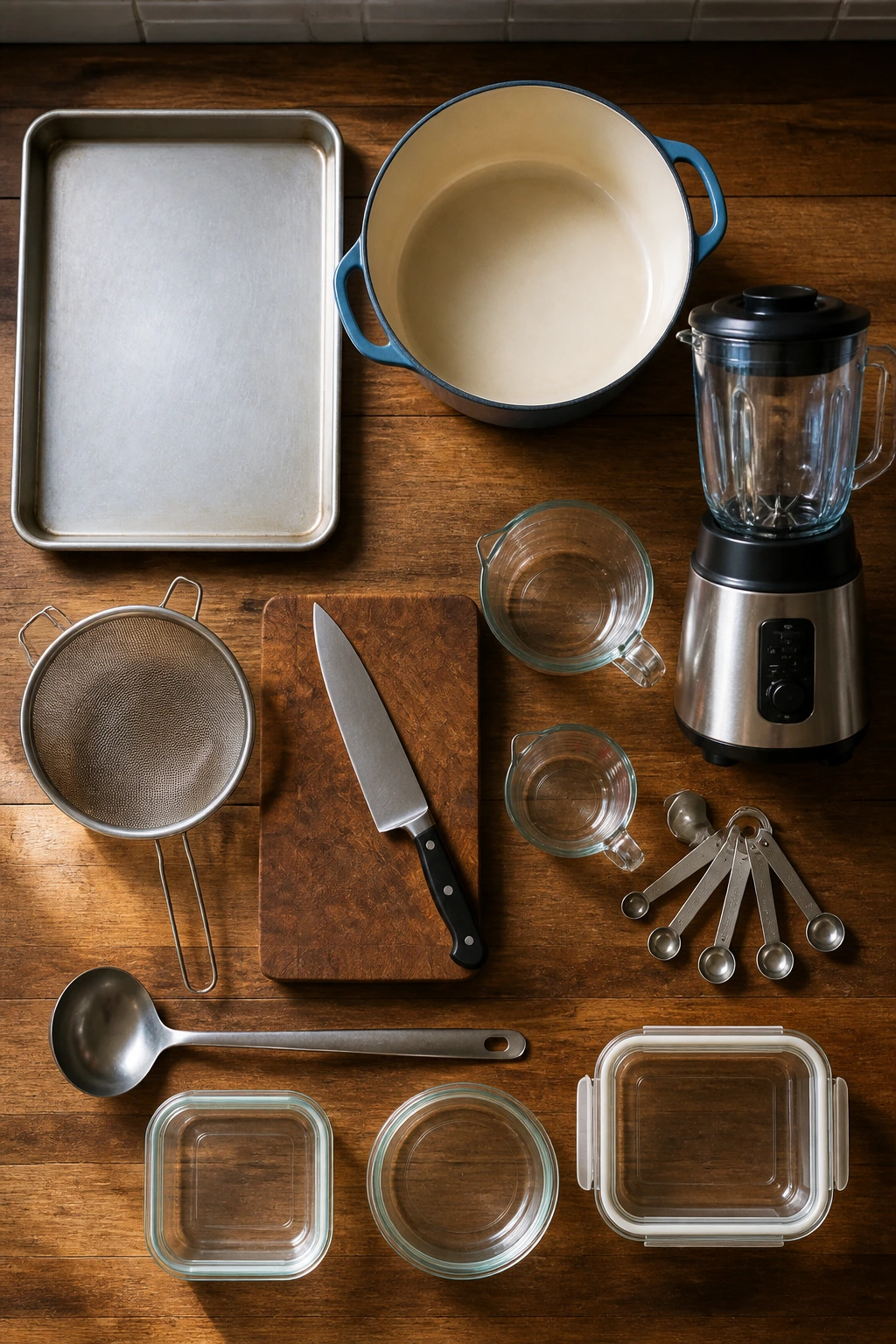
- Large rimmed sheet pan — gives the vegetables enough room to roast instead of steam.
- Large Dutch oven or heavy soup pot — useful for simmering, cooling, and holding the blended soup.
- Immersion blender or countertop blender — the immersion blender is simpler; the countertop blender makes the soup smoother.
- Fine-mesh sieve — optional, but helpful if you want a very refined texture.
- Sharp chef’s knife — makes leeks, cauliflower, and potatoes much easier to prep evenly.
- Cutting board — a large one keeps the vegetables from sliding all over the place.
- Measuring cups and spoons — important here because the dairy and acid need balance.
- Ladle and airtight containers — useful for chilling, serving, and storing leftovers without spills.
How to Make the Soup Step by Step

The method is simple, but the order matters. Roast first, simmer second, blend third, chill last. If you rush the cooling or toss the dairy in too early, the texture gets muddy. That’s the one place this soup can bite back.
Roast the Vegetables
-
Preheat the oven to 425°F (220°C) and line a large rimmed sheet pan with parchment if you want easier cleanup.
-
Toss the cauliflower, leeks, onion, potatoes, and unpeeled garlic cloves with the olive oil, kosher salt, and black pepper in a large bowl. Spread everything into a single layer on the sheet pan. Do not crowd the pan — if the vegetables pile up, they steam instead of browning.
-
Roast for 30 to 35 minutes, turning once halfway through, until the cauliflower has browned edges, the leeks look soft and sweet, and the potato pieces slide off a knife tip with almost no resistance. The garlic should feel soft when pressed through its skin.
Build and Blend
-
Transfer the roasted vegetables to a large Dutch oven or soup pot. Squeeze the garlic cloves out of their skins and add them to the pot. Pour in the vegetable broth, set the pot over medium heat, and bring it to a gentle simmer for 8 to 10 minutes so the flavors settle together.
-
Remove the pot from the heat and let it cool for 10 to 15 minutes. Blend the soup with an immersion blender until smooth, or blend in batches in a countertop blender, filling the pitcher only halfway and holding the lid down with a folded towel. Hot liquid expands, so move slowly and release steam carefully.
-
If you want a cleaner, more polished texture, push the blended soup through a fine-mesh sieve into a clean bowl or pot. This step is optional, but it makes the finished soup feel especially smooth on the tongue.
Finish and Chill
-
Let the blended soup cool to room temperature, then whisk in the Greek yogurt, sour cream, buttermilk, lemon juice, lemon zest, dill, and horseradish if using. Taste the soup and add more salt or black pepper if it feels flat. Season a little more boldly than you would for a hot soup — cold dulls flavor.
-
Cover the soup and refrigerate it for at least 4 hours, or overnight if you have the time. Stir it before serving. If it feels too thick, whisk in a splash of buttermilk until it flows like cold cream.
-
Ladle into chilled bowls, drizzle with olive oil, and finish with extra dill, chives, flaky salt, and black pepper. The soup should look pale, glossy, and smooth, with a few bright green flecks on top.
How to Serve It Without Making It Feel Like Leftovers

Presentation: Use chilled shallow bowls if you have them. A cold bowl keeps the soup from warming too quickly, and the pale green-white color looks sharp against a dark plate or wooden board. A thin drizzle of olive oil and a small pile of dill in the center keep the surface from looking blank.
Accompaniments: Warm rye toast, seeded sourdough, or a thin grilled cheese on sturdy bread works especially well because the soup itself is cool and creamy. If you want something lighter, serve it with a shaved fennel salad or a little plate of sliced radishes and salted butter. The contrast matters more than the side dish being fancy.
Portions: As a starter, plan on about 3/4 cup per person. As a main course, 1 1/4 to 1 1/2 cups feels right, especially if you add bread. If you’re serving it for a small supper, set out a larger bowl and treat it like a quiet, one-bowl meal instead of a dainty first course.
Beverage Pairing: A dry hard cider fits the leeks and lemon nicely, and a crisp sauvignon blanc does the same if you want wine. For a nonalcoholic choice, sparkling water with a slice of lemon or cucumber keeps the meal bright without fighting the dill.
Small Fixes That Make the Soup Taste Intentional

Flavor Enhancement: A drizzle of good olive oil at the table matters more than people expect. The soup is cold, so the oil stays separate on the surface for a second before you stir it in, which gives the bowl a richer smell right away. If you like a little smoke, a pinch of smoked paprika in the garnish is a smart move.
Time-Saver: Roast the vegetables the day before, cool them, and store them in the fridge. The next day, all you need to do is simmer with broth, blend, cool, and finish with dairy. That cuts the active work to the bare minimum without sacrificing texture.
Pro Move: Chill the serving bowls for 20 to 30 minutes before dinner. A cold bowl keeps the soup from warming too fast at the table, and the first few spoonfuls stay firm and refreshing instead of lukewarm.
Cost-Saver: If leeks are expensive or skinny, use one leek and one extra yellow onion. The onion will not taste identical, but once roasted and blended with cauliflower and potato, it fills the same savory gap and keeps the soup from becoming a special-occasion-only project.
Make-It-Yours: If you like more tang, push the lemon juice up by 1 teaspoon and add a little extra dill. If you prefer a rounder, gentler bowl, leave out the horseradish and swap the sour cream for an extra 1/2 cup of yogurt.
What Usually Goes Wrong with Chilled Cream Soups

-
The vegetables never brown enough. Pale roasted vegetables make a pale-tasting soup, which means the finished bowl can feel thin even if the texture is fine. Use a hot oven, spread the vegetables out, and let the cauliflower pick up color at the edges before you pull it out.
-
The dairy goes in while the soup is still hot. That’s how you get a slightly broken, grainy texture that never fully comes back together. Cool the base until it’s warm, not steaming, before adding yogurt, sour cream, and buttermilk.
-
The soup tastes flat after chilling. Cold mutes salt, acid, and herbs, so a soup that tasted perfect warm can seem sleepy from the fridge. Taste it again after it’s fully chilled and add a pinch of salt, a little pepper, or a squeeze of lemon if needed.
-
The texture turns too thick overnight. Potato starch keeps tightening in the fridge, especially if the soup is blended very smooth. Thin it with a splash of buttermilk or cold broth, then stir until it loosens to the consistency you want.
-
The leeks are gritty. Leek sand is stubborn, and a single missed rinse can show up in the bowl like tiny bits of gravel. Slice first, then rinse in a colander or bowl of water so the grit falls away instead of hiding inside the layers.
-
The blender is overloaded. Hot soup expands and can push the lid up if the pitcher is packed too full. Blend in batches, leave room at the top, and use a folded towel over the lid if you’re working with a countertop blender.
Ways to Change the Soup Without Losing Its Character

Smoky Paprika Winter Bowl: Stir 1 teaspoon smoked paprika into the vegetables before roasting, then finish the soup with a few drops of olive oil and a pinch of paprika on top. The smoke adds a deeper edge that works well if you plan to serve the soup with rye toast or a sandwich.
Dill and Horseradish Vichyssoise: Increase the horseradish to 2 teaspoons and add another tablespoon of dill. This version tastes sharper and more awake, which is useful if you want the soup to act as a starter before a heavier main course.
Dairy-Free Cashew Silk: Replace the yogurt, sour cream, and buttermilk with 1 1/2 cups soaked raw cashews blended with 1 cup cold water, 2 tablespoons lemon juice, and 1 tablespoon white miso. The result is less tangy but still creamy, and it keeps the same cold, spoonable feel.
Celery-Root Swap: Replace half the cauliflower with peeled celery root cut into 1-inch chunks. The soup turns a little earthier and more savory, with a sharper vegetable note that feels especially good in colder weather.
Herb-Forward Green Finish: Keep the base the same, but blend in 1/4 cup flat-leaf parsley with the dill. The soup will look a shade greener and taste brighter, which is useful if you want a fresher finish without changing the core recipe.
Storing, Chilling, and Reheating Without Ruining the Texture

The soup keeps well in the refrigerator for up to 4 days in an airtight container. In fact, the flavor is often better on day two because the cauliflower, leek, and lemon settle into each other. Just give it a good stir before serving, because chilled soups like this one tend to separate a little at the edges.
Room temperature is not the place to linger. Once the soup has been served, put leftovers back in the fridge within 2 hours, or within 1 hour if the room is warm. That matters more with the dairy in the recipe than it would with a plain vegetable purée.
Freezing is possible, but the texture is best if you freeze the base before adding the yogurt, sour cream, and buttermilk. The dairy can go in after thawing. If you freeze the finished soup anyway, expect a little separation; whisk it hard after thawing, then taste and rebalance with lemon and salt. Frozen soup base keeps for up to 2 months.
If you want to serve it warm from leftovers, reheat gently over low heat until it’s just steamy, not boiling. Once dairy is in the pot, a hard boil can make the texture break. Honestly, I prefer this soup cold, but a softly warmed version makes a respectable lunch if you’re not in the mood for a chilled bowl.
Questions People Actually Ask About Chilled Winter Soup

Can I serve this soup warm instead of chilled?
You can, but it changes the character of the dish. Warm soup brings out more of the cauliflower and leek sweetness, while the chilled version tastes cleaner and a little sharper. If you plan to serve it warm, stop before the yogurt and sour cream go in, then whisk them in off the heat very carefully.
How do I keep the dairy from curdling?
Let the soup base cool until it’s warm rather than steaming before adding the yogurt, sour cream, and buttermilk. Full-fat dairy also behaves better than low-fat here, which is why I would not trim fat aggressively in this recipe.
Can I use an immersion blender instead of a countertop blender?
Yes, and it’s the easiest option if you don’t want to transfer hot liquid. The finished soup will be a little less polished, but it still works well. If you want a smoother finish, blend with the immersion blender first, then pass the soup through a sieve.
What if my soup tastes bland after it chills?
Add a pinch of salt first, then a small squeeze of lemon, and taste again. Cold dulls seasoning, so a soup that seemed fine warm can need a second round of adjustment once it’s fully chilled.
Can I make the base a day ahead?
Absolutely. In fact, the base benefits from a night in the fridge. If you want the cleanest texture, make the roasted-and-blended vegetable base ahead, then stir in the dairy and herbs after it cools the next day.
What’s the best substitute for buttermilk?
Plain kefir is the closest swap, and whole milk with an extra teaspoon of lemon juice will also work in a pinch. The soup just needs a little tang and enough liquid to loosen the yogurt and sour cream once it chills.
Do I have to strain the soup?
No, but it makes a difference if you want a very smooth texture. A sieve catches the tiny leek fibers and cauliflower bits that can make the bowl feel a little rough, especially once it’s cold.
What should I do if the soup gets too thick in the fridge?
Whisk in a splash of cold buttermilk, whole milk, or vegetable broth until it loosens again. Add the liquid a little at a time, because chilled potato soup can go from thick to thin faster than you’d expect.
A Bowl Worth Pulling From the Fridge

There’s a small pleasure in opening the fridge on a cold night and finding dinner already waiting. This soup leans into that feeling. It’s creamy without being heavy, chilled without feeling detached from the season, and built from winter vegetables that get better once they’ve been roasted, blended, and left alone for a few hours.
The part I like most is the contrast. The room may be cold, but the bowl tastes polished and calm, almost like it was designed for exactly that moment when you want something soothing but don’t want to stand over a stove. Keep the garnish simple, keep the seasoning lively, and let the fridge do the last bit of work.
Creamy Chilled Cauliflower-Leek Soup — Recipe Card

Recipe Name: Creamy Chilled Cauliflower-Leek Soup with Lemon, Dill, and Yogurt
Description: A smooth, savory chilled soup made with roasted cauliflower, leeks, potato, and tangy dairy, finished with lemon, dill, and a little horseradish. It tastes rich and clean at the same time, which is the whole point.
Prep Time: 25 minutes
Cook Time: 45 minutes
Total Time: 1 hour 10 minutes active + 4 hours chilling
Course: Soup, Starter, Light Main
Cuisine: American
Servings: 4 to 6 servings
Calories: About 230 kcal per serving
Ingredients
Roasted Vegetables
- 1 medium cauliflower, about 2 pounds, cut into florets
- 2 medium leeks, white and light green parts only, sliced into 1/2-inch half-moons and rinsed well
- 1 medium yellow onion, peeled and cut into wedges
- 2 medium Yukon Gold potatoes, about 12 ounces total, peeled and cut into 1-inch chunks
- 4 garlic cloves, unpeeled
- 3 tablespoons olive oil
- 1 3/4 teaspoons kosher salt
- 1/2 teaspoon black pepper
For the Creamy Finish
- 4 cups low-sodium vegetable broth
- 1 cup plain whole-milk Greek yogurt
- 1/2 cup sour cream
- 1 cup buttermilk
- 2 tablespoons fresh lemon juice
- 1 teaspoon finely grated lemon zest
- 2 tablespoons chopped fresh dill, plus more for serving
- 1 teaspoon prepared horseradish, optional
- 1 tablespoon chopped chives, optional
- 1 tablespoon extra-virgin olive oil, for drizzling
- Flaky sea salt and extra black pepper, for finishing
Instructions
-
Preheat the oven to 425°F (220°C) and line a large rimmed sheet pan with parchment if desired.
-
Toss the cauliflower, leeks, onion, potatoes, and garlic with olive oil, salt, and pepper. Spread in a single layer on the sheet pan and roast for 30 to 35 minutes, turning once, until browned at the edges and tender.
-
Transfer the roasted vegetables to a large pot. Squeeze the garlic from its skins, add the broth, and simmer over medium heat for 8 to 10 minutes.
-
Remove from the heat and cool for 10 to 15 minutes. Blend until smooth with an immersion blender or in batches in a countertop blender. Strain through a fine-mesh sieve if you want an extra-silky texture.
-
Let the soup cool to warm, then whisk in the yogurt, sour cream, buttermilk, lemon juice, lemon zest, dill, and horseradish if using. Taste and adjust salt and pepper.
-
Cover and refrigerate for at least 4 hours, or overnight, until very cold and slightly thickened.
-
Stir well before serving. Ladle into bowls, drizzle with olive oil, and finish with extra dill, chives, flaky salt, and black pepper.
Notes: Use full-fat dairy for the smoothest texture. If the soup thickens too much in the fridge, whisk in a splash of buttermilk before serving. For a sharper version, add an extra teaspoon of lemon juice.