



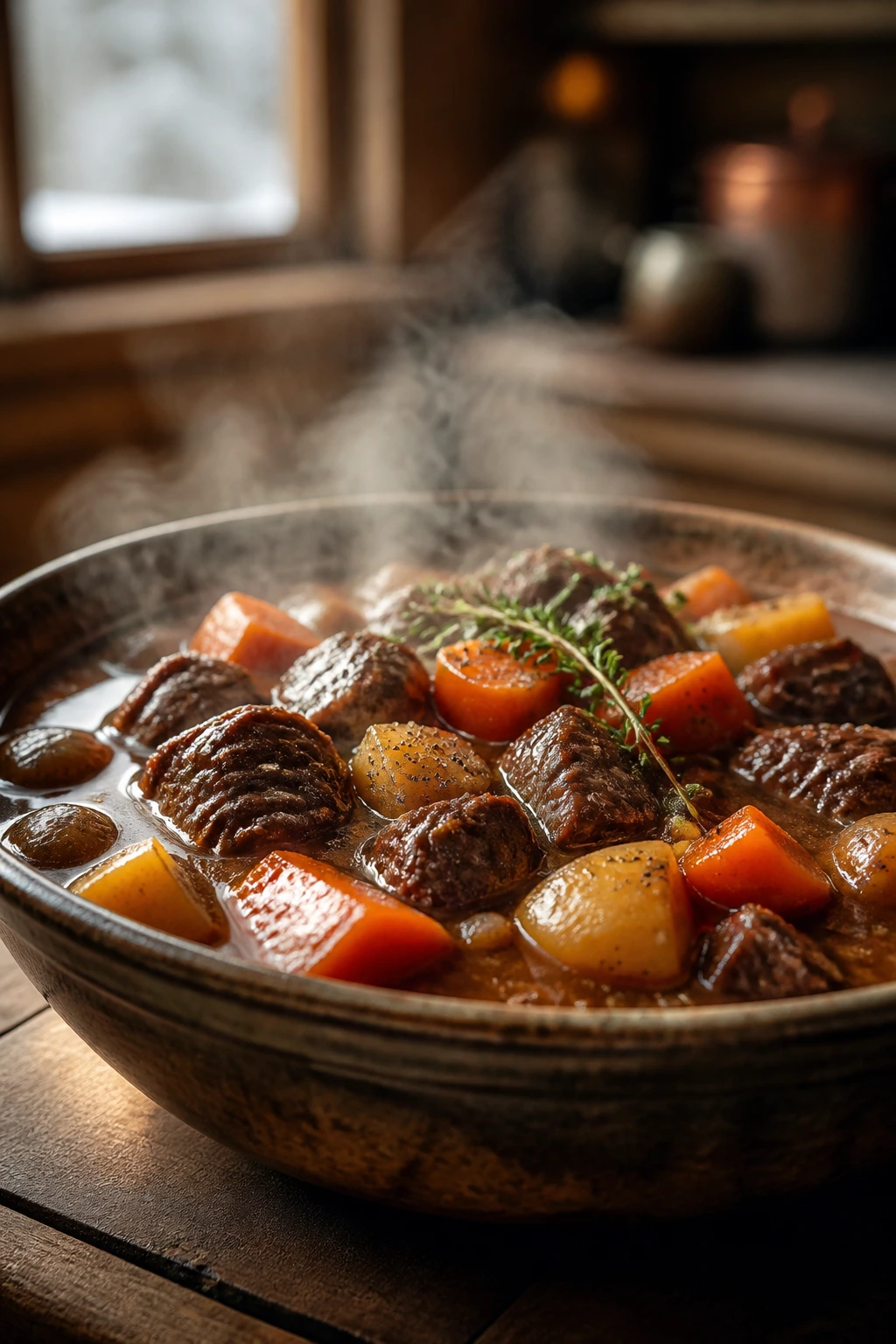
When the windows start to rattle and the kitchen feels a little too quiet, a hearty stew dinner for cold winter nights does something most meals never bother to do: it makes the room warmer before the first bite. Onion hits the pot. Fat renders. Browning meat leaves sticky brown bits on the bottom, and then the broth takes on that deep, savory smell that makes people wander into the kitchen asking how much longer. That smell is doing half the work.
A good stew is not just “something simmered for a while.” It’s a controlled transformation. Tough meat softens, root vegetables stay intact long enough to keep the spoon interesting, and the broth thickens just enough to coat bread without turning gluey. The difference between a flat pot and a memorable one usually comes down to a few small decisions: the cut of meat, how hard the heat runs, when the salt goes in, and whether you bothered to scrape the bottom of the pot. Those are the moves that matter.
And stew is forgiving in the best way. It doesn’t demand perfect knife cuts or pristine produce. It wants patience, a decent pot, and a willingness to let the ingredients do their slow work. Get the basics right and dinner practically assembles itself from there.
Why a Stew Dinner Earns Its Keep on Cold Nights
-
Deep flavor from simple ingredients: Browning, deglazing, and slow simmering turn onions, meat, stock, and herbs into something far richer than the ingredient list suggests.
-
Built for tough cuts: Chuck, short ribs, shank, chicken thighs, and pork shoulder all get better when they’re given time; lean cuts usually go dry and stubborn.
-
One pot, real dinner: A stew can sit at the center of the table and still feel complete with bread, potatoes, rice, or dumplings alongside it.
-
Leftovers get better, not worse: The broth settles, the seasoning spreads, and the texture usually smooths out after a night in the fridge.
-
Flexible without feeling random: You can move from beef to mushrooms, barley to potatoes, or wine to cider without losing the shape of the meal.
-
Quietly practical: A pot of stew feeds people without a second pan, a fussy sauce, or a lot of last-minute juggling.
The real reason stew hangs around in cold-weather cooking is simple. It has range. You can make it plain and sturdy, or dark and winey, or packed with beans and greens, and it still feels like the same kind of dinner: solid, warm, and unhurried.
That matters on a freezing night. Fast food can be hot. A stew dinner feels earned.
Why Stew Feels Heavier Than Soup
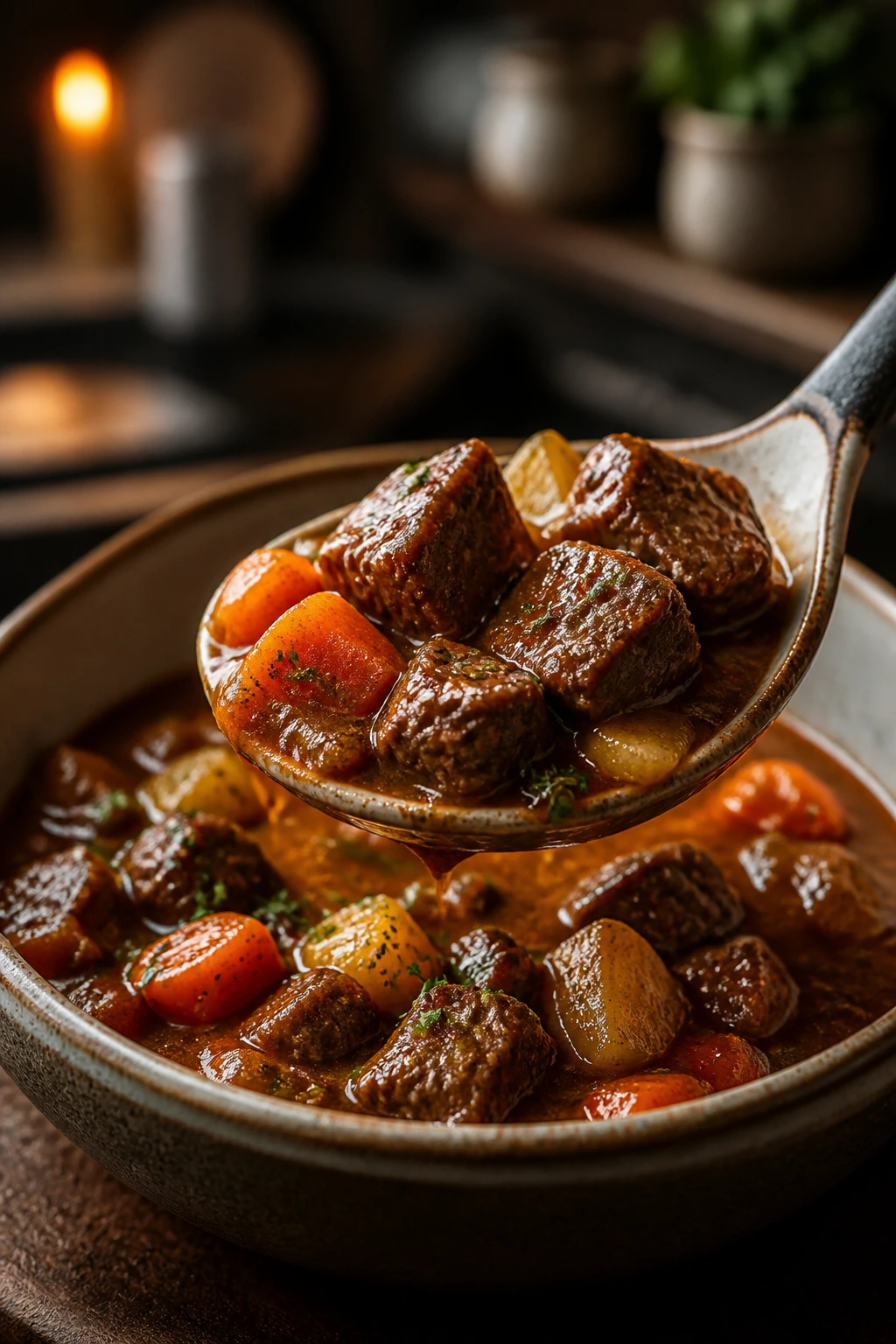
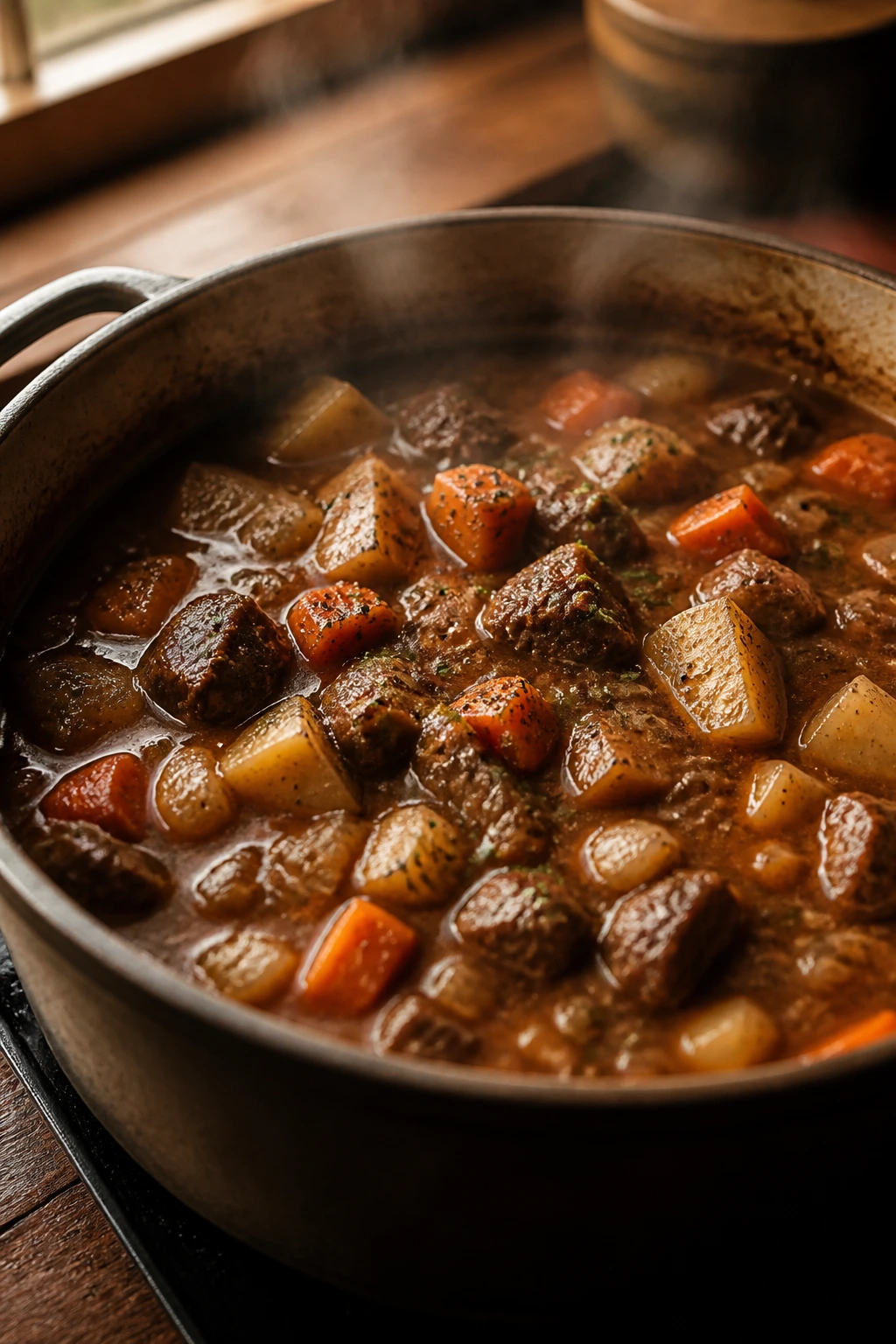
A stew is not soup with better marketing. It lives in a different lane. Soup gives you more liquid than solids, which means the broth is the star and the ingredients are there to support it. Stew flips that ratio. You want enough liquid to move heat through the pot and soften everything inside, but not so much that the bowl turns into a sloshy puddle.
The texture tells you a lot. A spoonful of stew should carry meat, vegetables, and broth together. It should land with a little weight. If the liquid pours around everything like water, you’ve drifted too far toward soup. If the spoon leaves a brief trail through the pot before the broth settles back, you’re closer to the right place.
That difference changes how you build the whole meal. In stew, the ingredients need to hold their shape. Carrots cut too small vanish. Potatoes cut too small collapse. Beans can help thicken the broth, barley can make it feel fuller, and long-simmered onions melt in just enough to round the edges. Soup can tolerate more delicate treatment. Stew wants structure.
The spoon test
If you can drag a spoon through the pot and see the bottom for a second, the body is about right. That little wake matters more than fancy language about “rustic” anything. It tells you the liquid has enough substance to cling without becoming heavy.
Why the ratio matters
Too much broth, and the flavors spread thin. Too little, and the stew cooks dry or scorches on the bottom. A good middle ground lets the meat braise gently while the vegetables stay anchored instead of floating around like they’ve been misplaced.
One more thing. Stew is closer to braise than soup, and that’s why it feels so satisfying. The ingredients are doing a slow, shared job instead of showing off individually.
Choosing Meat, Beans, or Mushrooms That Stay Tender
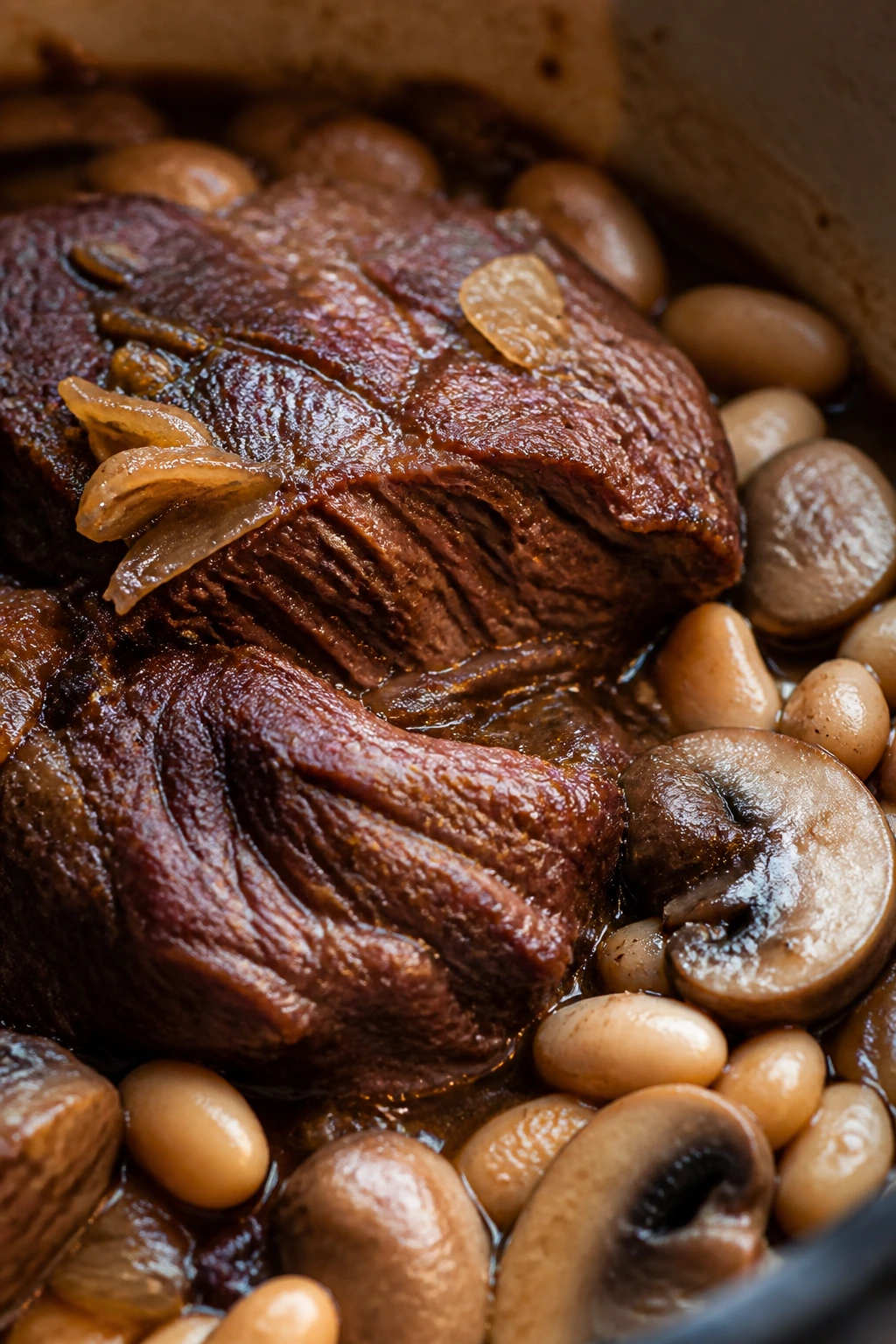
A stew lives or dies on the ingredients that can survive time and heat. If you start with the wrong cut, the best broth in the world won’t save you.
Beef and lamb cuts that actually work
Chuck roast is the dependable classic. It has enough marbling and connective tissue to soften into juicy, pull-apart pieces after a long simmer. Beef shank gives even more body because the collagen breaks down into gelatin, which makes the broth feel richer without needing cream. Short ribs are luxurious and a little more expensive, but the meat comes out deeply flavored and the bones add weight to the pot.
Lamb shoulder works the same way. It’s a little bolder, a little earthier, and excellent with rosemary, garlic, and beans. Lean beef cuts like sirloin sound useful until they sit in hot liquid for an hour and a half and turn tight. That’s not a stew problem. That’s a cut problem.
Chicken, turkey, and pork that hold up
For poultry, bone-in or boneless chicken thighs are the sweet spot. They stay tender through a long simmer and don’t shred into dry threads the way breasts can. Turkey thighs do the same job and bring a deeper, darker flavor than white meat ever will. Pork shoulder is another solid choice, especially if you want a stew with paprika, onions, and beans.
One-sentence truth: lean poultry breast in stew is a compromise you usually regret.
Beans, lentils, and mushrooms for meatless pots
You do not need meat to make a stew feel substantial. Cannellini beans, chickpeas, and lentils each bring their own body and starch. Green or brown lentils hold shape better than red lentils, which break down fast and push a stew toward puree. Mushrooms—especially cremini, shiitake, and king oyster—add that deep, almost meaty edge people are usually chasing with beef.
A mixed mushroom stew can be excellent if you treat the mushrooms like the main event, not a filler. Brown them hard. Let them get some color. Otherwise they just steam and fade.
If you want a stew that tastes expensive without actually being expensive, chuck roast is still the best place to start. If you want a stew that feels light but complete, chicken thighs and mushrooms are hard to beat. The ingredient has to match the kind of cold you’re trying to fight.
The Pot, the Heat, and Why Low Simmer Beats a Rolling Boil
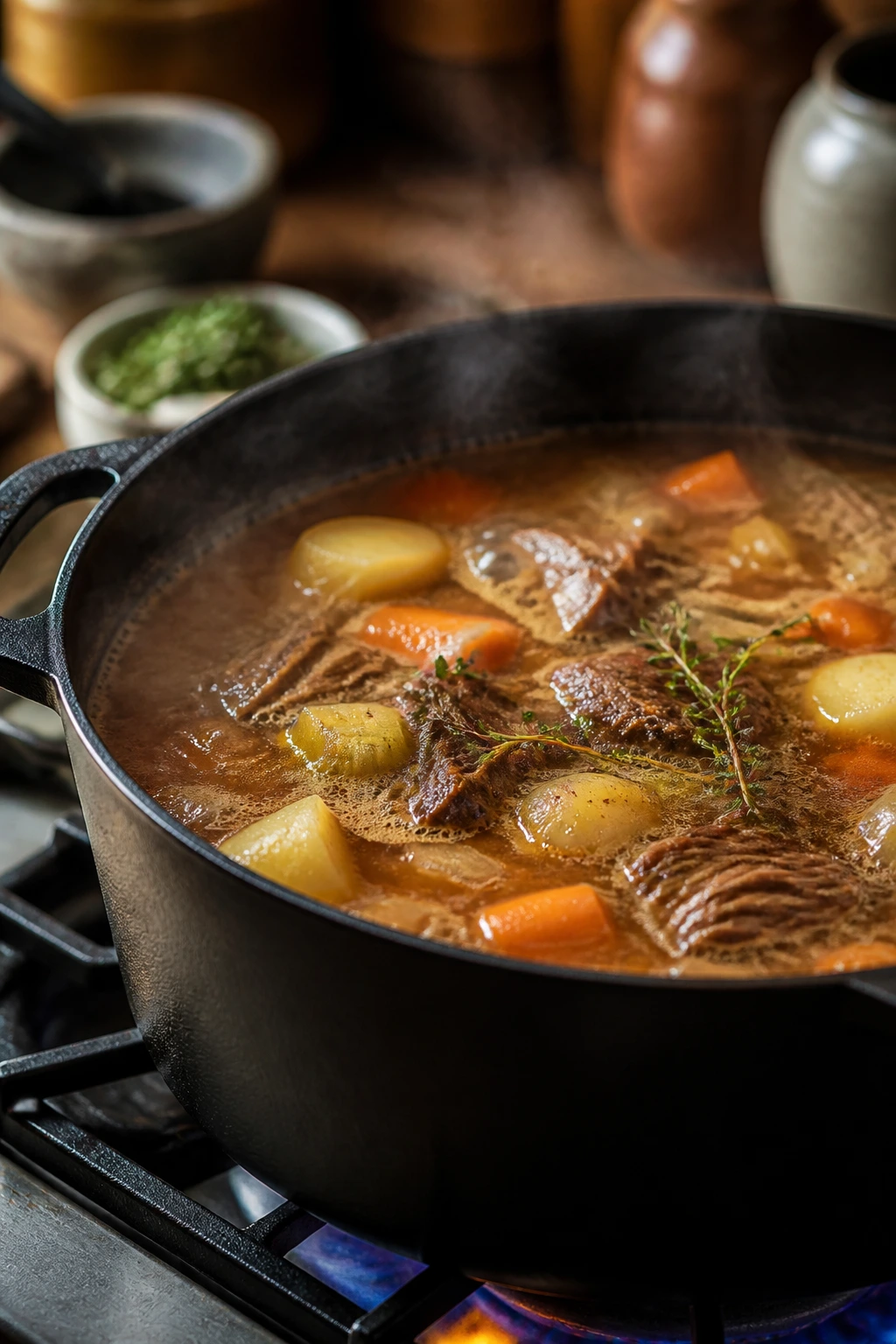
Boiling is rude.
A stew needs heat, but not that kind of heat. A full boil throws meat around, clouds the broth, and tightens the fibers before they’ve had time to relax. What you want is a gentle simmer—just enough movement to send the heat through the pot, with lazy bubbles rising at the edges instead of a frantic churn in the center.
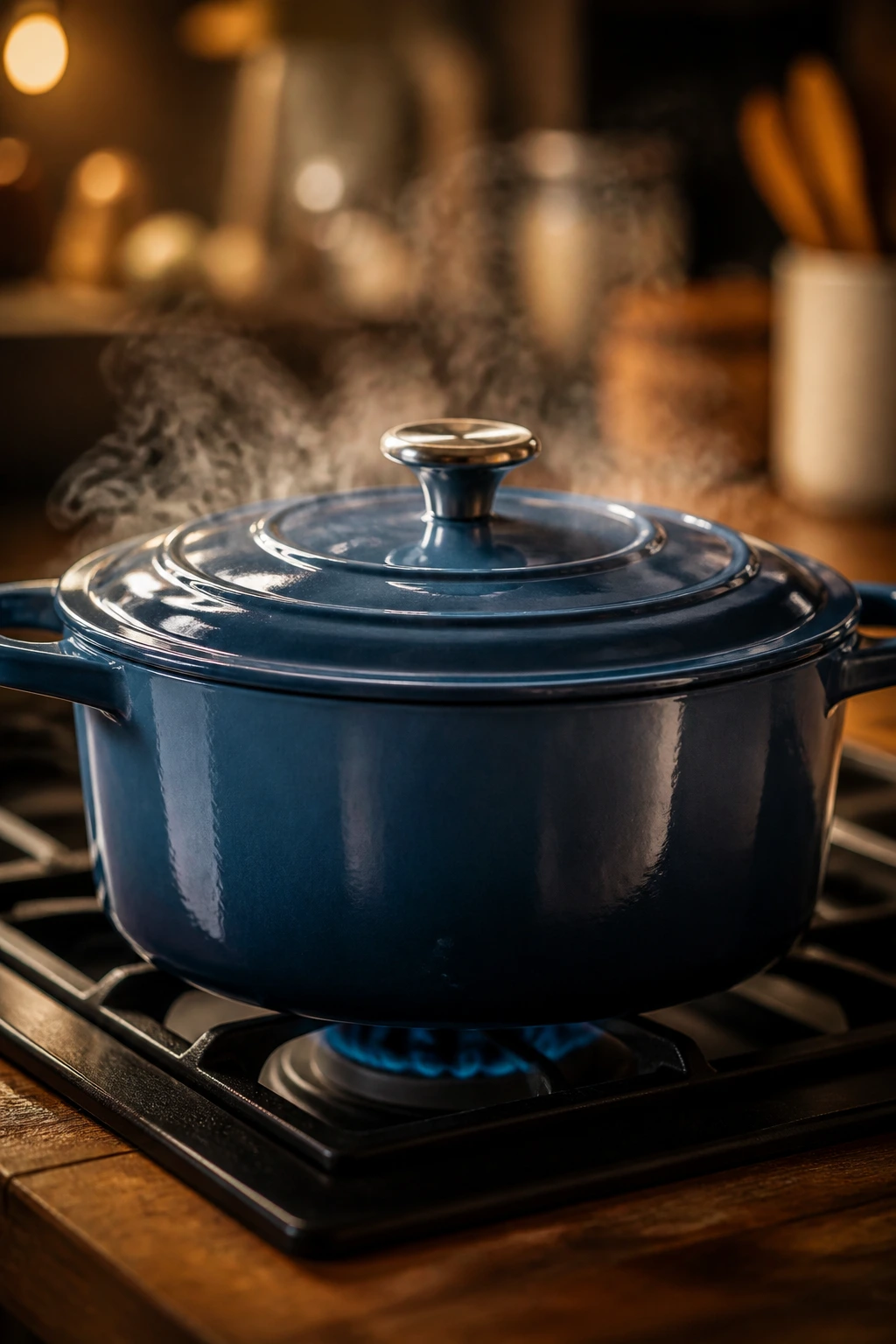
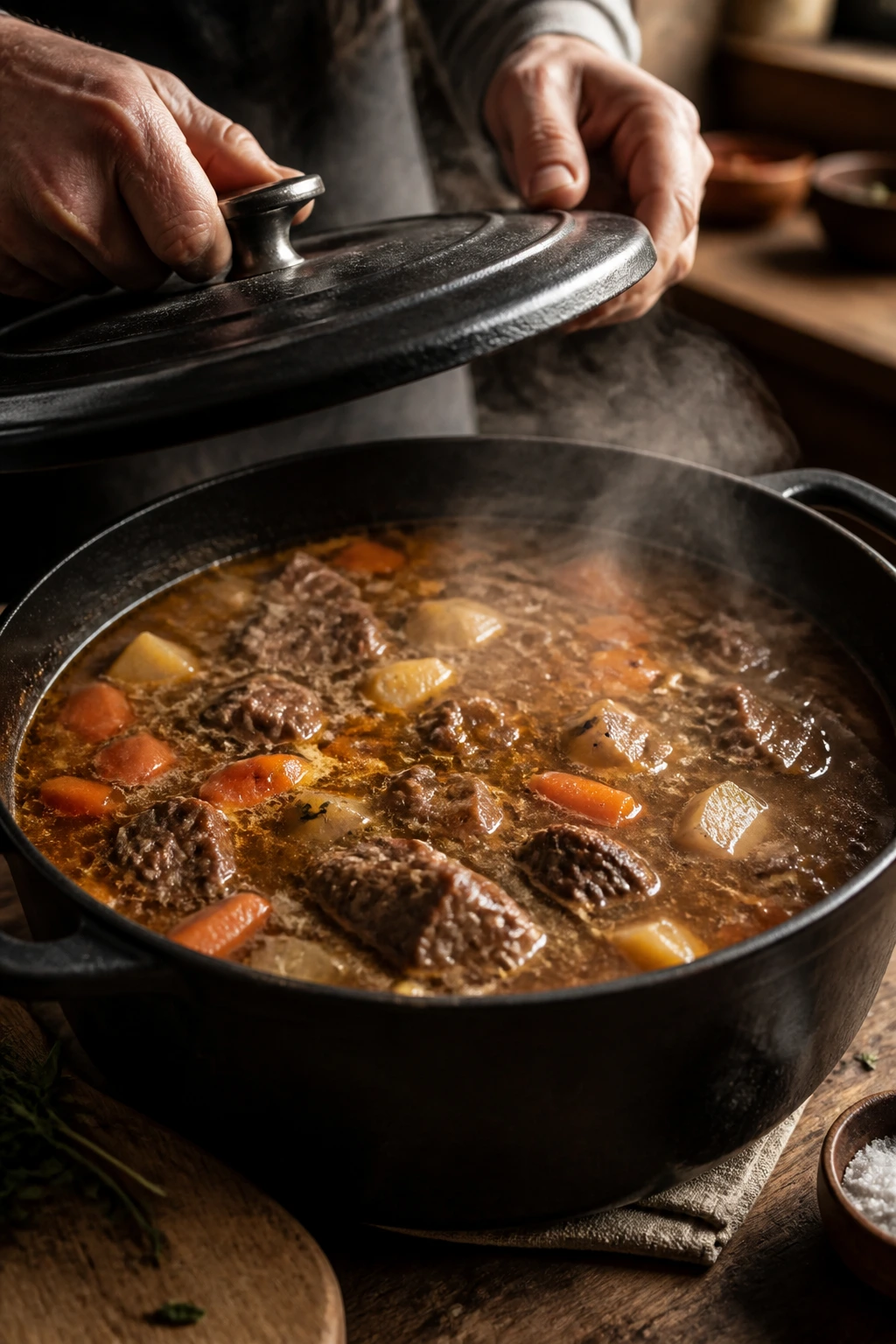
That’s where a heavy pot earns its keep. A Dutch oven holds temperature evenly, which means fewer hot spots and less burnt onion stuck to the bottom. Thin pots punish you. They scorch one corner and leave another corner barely warm. If you’ve ever had stew taste fine near the top and a little singed at the bottom, the pot was probably part of the problem.
Stovetop control
The stovetop gives you the most direct control. Lower the heat once the liquid comes up to a simmer and adjust as needed. If you hear vigorous bubbling or see the lid rattling, it’s too hot. You want calm, not drama.
Oven braising
The oven is underrated for stew because the heat comes from all sides. Once the pot is at a simmer, a covered Dutch oven can go into a moderate oven and stay there without constant babysitting. The liquid stays more even, and the bottom is less likely to scorch than on a hard-running burner.
Slow cooker and pressure cooker
A slow cooker is useful if you brown the ingredients first and give the final pot some structure before it goes in. It won’t build as much reduction as the stove, so the broth can taste a little loose unless you finish uncovered for a bit. A pressure cooker goes the other way: fast tenderness, less flavor development on the front end, so you usually want to sauté first and reduce at the end.
The science part is worth knowing. Tough cuts become tender because collagen breaks down into gelatin over time. That happens best in a gentle, sustained heat range. Not rushed. Not boiling. Just patient.
Building the Flavor Base With Onions, Garlic, and Tomato Paste
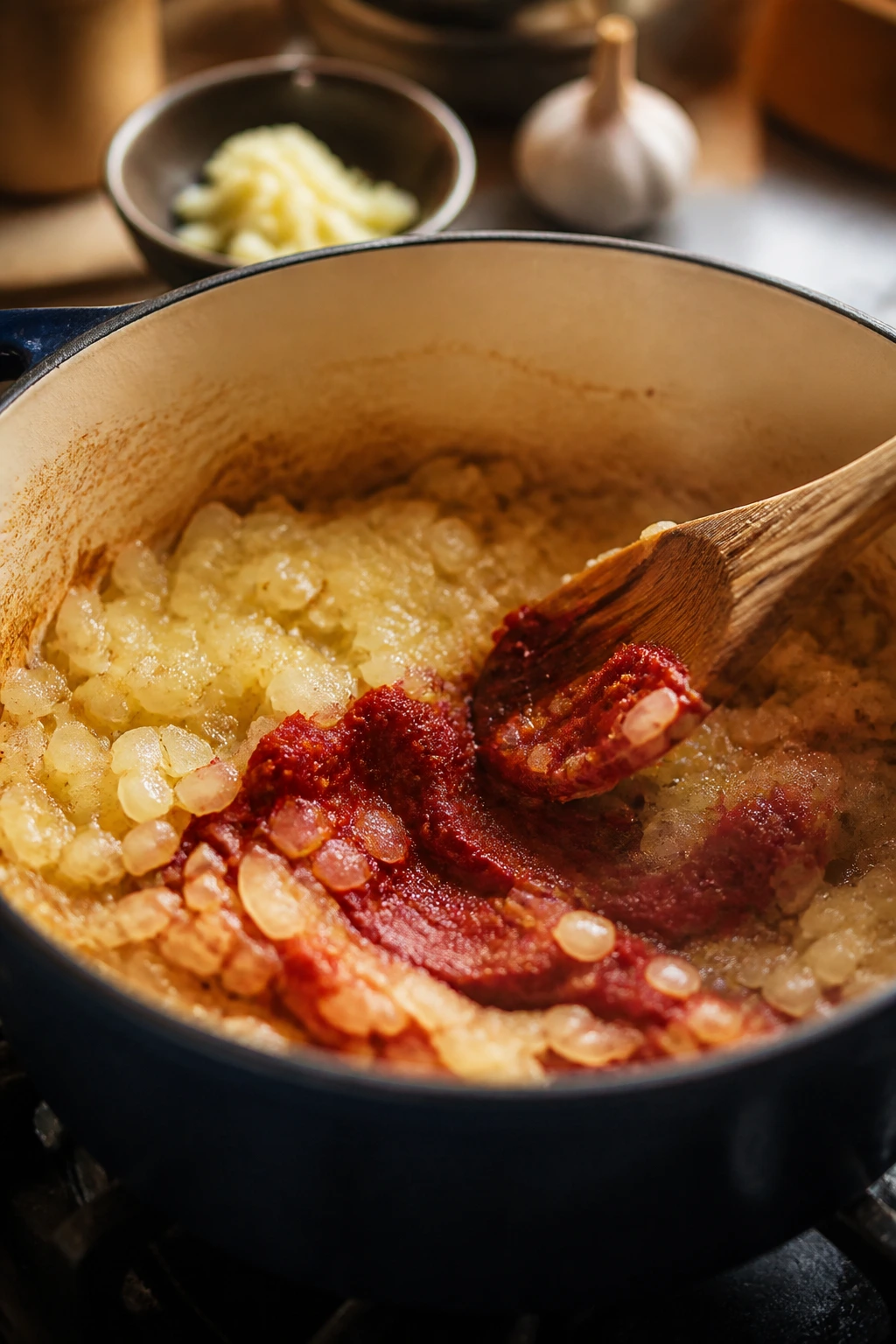
A stew rarely tastes deep because of one big ingredient. It tastes deep because the base was handled with care.
Start with onions, and do not rush them. They should soften until translucent, then edge toward gold at the corners. If you’re using carrots and celery, let them sweat with the onions so the pot starts releasing sweetness before the meat or stock goes in. Salt helps here. It pulls moisture out and keeps the vegetables from just frying in their own surface heat.
Garlic belongs later. That’s the part people get wrong. If garlic goes in too early, it can burn and turn bitter in a way that hangs around for the rest of the pot. Thirty seconds in the oil, maybe a minute if the pan is gentle, is often enough.
Tomato paste is not optional in many stews
A spoonful or two of tomato paste does more than make the broth red. It deepens the savory notes, adds a little acidity, and helps the pot taste like it has been simmering longer than it actually has. Cook it until it darkens and smells less raw, more toasted. That small color change matters. Brick red becomes rusty brown. That’s when the flavor wakes up.
Herbs need room to breathe
Bay leaves, thyme, rosemary, and parsley stems can all go into the base or the simmering liquid. Dried herbs benefit from a quick rub between your fingers before they hit the pot. Fresh rosemary is strong, so use a light hand unless you want the entire stew to lean piney. Thyme is easier to live with. Bay leaves are background actors, which is exactly why they work.
That smell when onions, tomato paste, and garlic meet in the same pot? That’s the point. If the base is flat, the stew never climbs out of it.
Browning and Deglazing Without Wasting the Fond
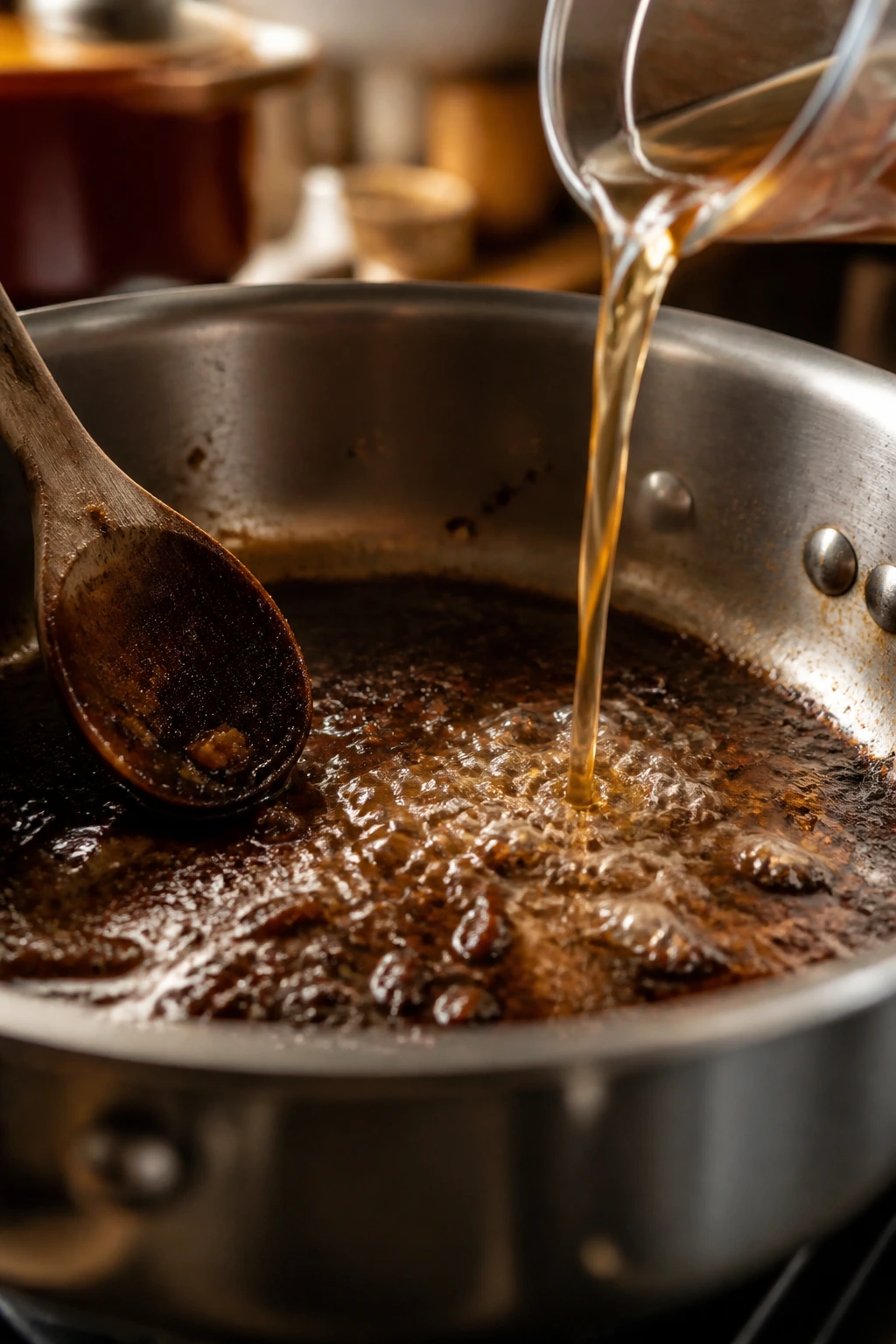
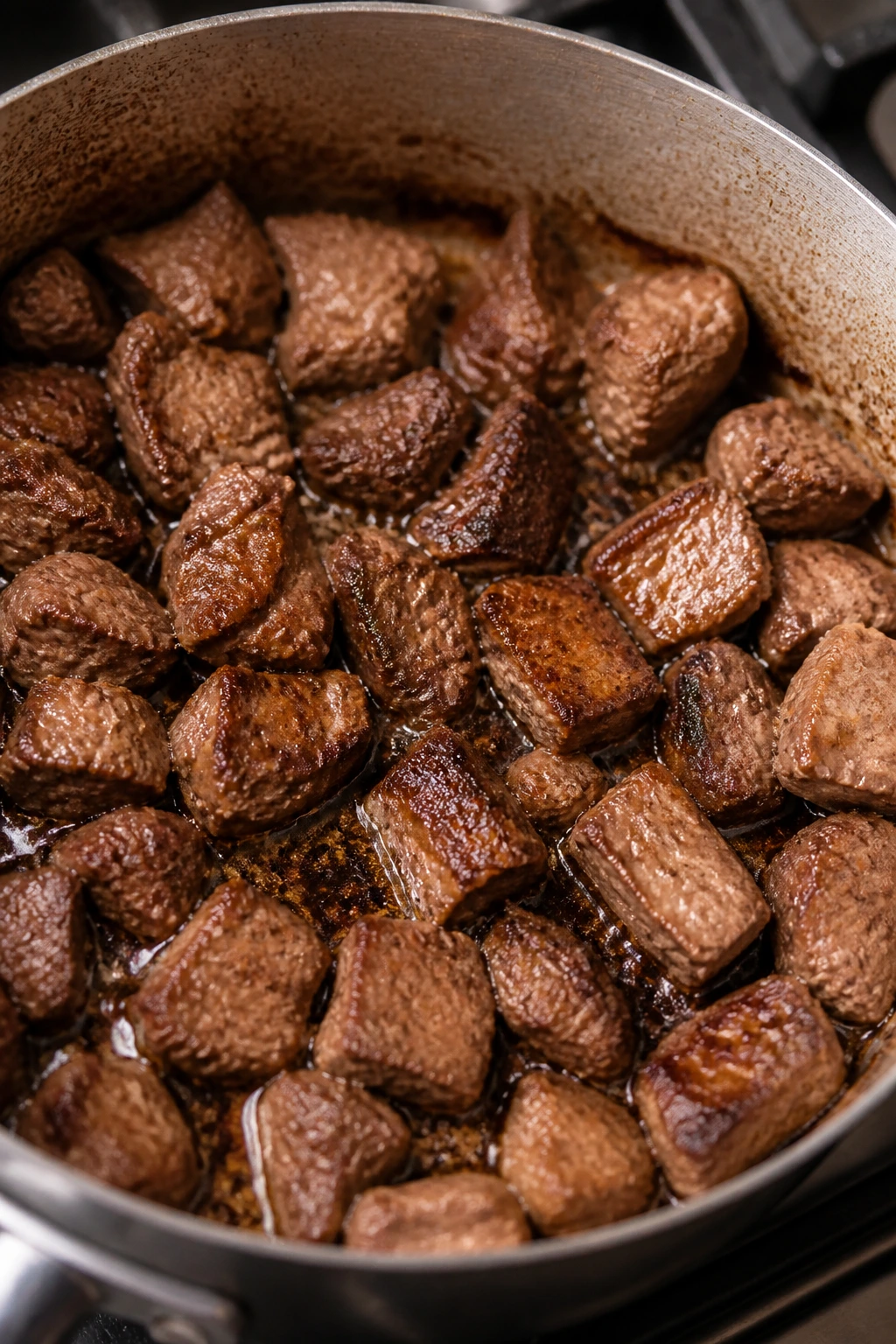
Those brown bits on the bottom of the pot are not dirt. They’re the best part.
Fond is the sticky residue that forms when meat and aromatics brown in fat. It holds concentrated flavor, and if you leave it behind, you’re throwing away the easiest depth you’ll ever get in a stew. The trick is to brown properly first, then deglaze the pot so that flavor gets pulled back into the liquid.
Brown in batches
Crowding the pot is the fastest way to ruin the sear. The meat releases moisture, the pan temperature drops, and suddenly you’re steaming gray chunks instead of browning anything. Work in batches with space around each piece. If the pieces touch, they should do so lightly. A little restraint here pays off later in the broth.
Let the crust form before you move anything
If you try to flip meat too early, it sticks. If you wait, it releases on its own. That’s the sign the crust is ready. You want dark brown, not black. Burnt bits taste bitter and permanent. Brown bits taste like lunch earned its keep.
Deglaze with something that can carry flavor
Wine is the classic move, and dry red works especially well with beef. Beer can be excellent too, especially stout or brown ale in a beef or sausage stew. Stock, water, or cider can work when alcohol is not part of the plan. Pour in a splash, scrape with a wooden spoon, and listen for the bottom of the pot to start loosening. That scraping sound matters. It means the fond is coming back into the stew instead of staying stuck to the metal.
One simple test: the pot should smell richer after deglazing, not flatter. If it smells burnt, the fond went too far and you need to be careful not to carry that bitterness into the rest of the pot.
What to Put Next to the Bowl so It Feels Like Dinner
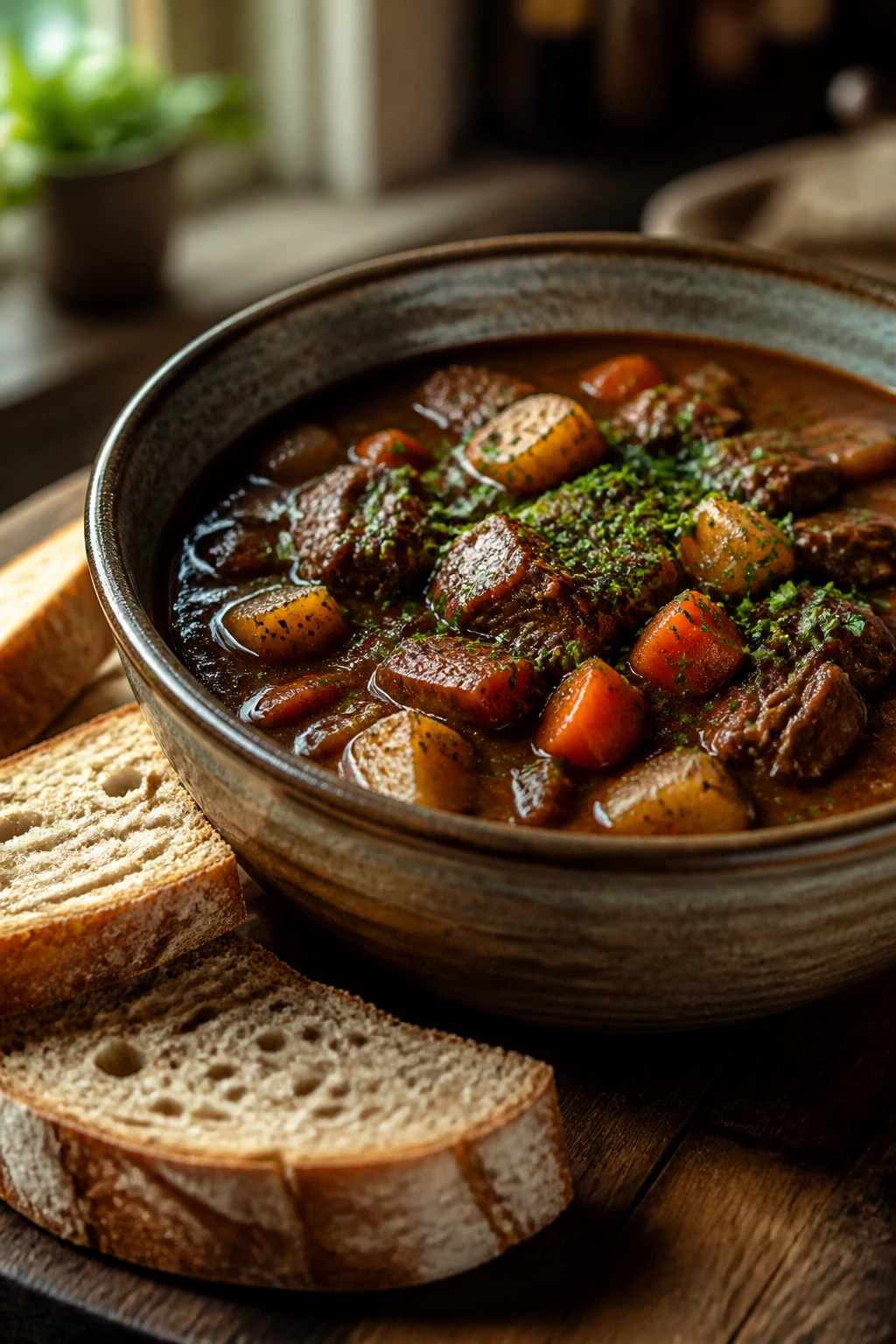
A stew can carry itself, but the right sides make the whole meal feel finished instead of accidental.
Presentation: Use wide bowls rather than deep mugs. Spoon the solids first, then ladle a little broth around them so the bowl still looks substantial without drowning the ingredients. A sprinkle of chopped parsley, dill, or chives gives the surface some lift. A little black pepper on top helps too. So does a tiny drizzle of good olive oil if the stew is lean.
Accompaniments: Crusty sourdough is the obvious answer for a reason. It grabs broth, resists collapsing, and gives you something to wipe the bowl with at the end. Buttered biscuits fit stews with chicken or pork. Creamy mashed potatoes are a smart base for beef stew if you want the bowl to feel heavier. Polenta works well with tomato-rich or sausage-based pots. A sharp green salad—something with mustardy dressing or lemon—cuts through the richness and keeps the meal from feeling heavy.
Portions: For a main dish, figure on about 1½ to 2 cups of stew per adult if there are sides. If the stew is doing the entire job by itself, lean closer to 2 cups. Children usually eat less, but a second bowl is common when the broth is good and the bread is nearby. If you’re serving over potatoes, rice, or noodles, a slightly smaller bowl goes farther than you’d expect.
Beverage Pairing: Beef stew likes a dry red wine, brown ale, porter, or even a strong lager. Chicken or vegetable stews work well with cider or a crisp white wine. If you want a nonalcoholic pairing, sparkling water with lemon, unsweetened iced tea, or a hot mug of black tea gives the palate a clean reset between bites.
I’m partial to bread over almost everything else. A good loaf does more for stew than a fussy side dish ever could.
Small Moves That Make a Stew Taste Deeper
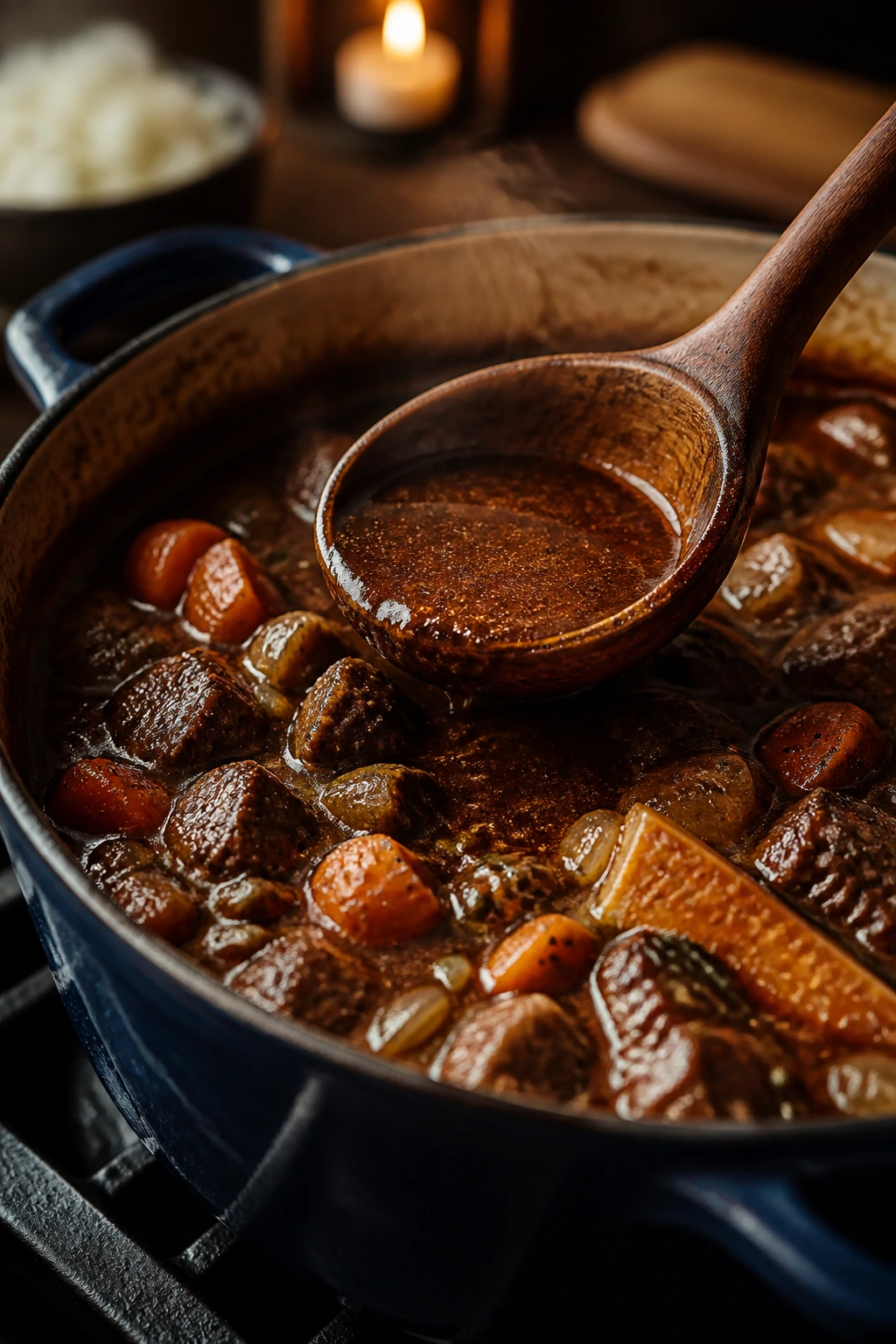
The difference between a decent stew and one people remember is often tiny. A teaspoon here. A finish there. Nothing flashy.
Flavor Enhancement: Add a small splash of Worcestershire sauce, soy sauce, or fish sauce near the end of cooking, especially in beef, mushroom, or bean stews. You are not trying to make the pot taste like the sauce. You’re trying to widen the savory notes so the broth tastes fuller and less one-dimensional. A Parmesan rind does the same trick for vegetable or bean stews. Drop it in early and fish it out before serving.
Customization: If you want the stew brighter, add a spoonful of vinegar or a squeeze of lemon at the end. Not much. Just enough to wake up the broth. If you want it richer, stir in a pat of cold butter right before serving. That last move gives the liquid a soft sheen and rounds off any sharp edges from wine or tomatoes.
Time-Saver: Brown the meat and aromatics ahead of time if you know the next evening will be chaotic. The pot can be chilled after deglazing, then finished the next day with stock and vegetables. The flavor base is already there. You’re just picking it back up.
Cost-Saver: Use larger chunks of meat and more vegetables instead of trying to make a lean cut stretch by overcooking it. Chuck, thighs, pork shoulder, dried beans, and barley all give you good volume without flattening the pot. One pound of barley or potatoes can make a stew feel twice as substantial.
Make-It-Yours: For extra greens, stir in kale, escarole, or shredded cabbage near the end. For a more earthy finish, use mushrooms or turnips. For a sweeter edge, add parsnips. Small changes like that shift the whole mood of the bowl without making it feel like a different recipe.
A stew rewards restraint. One good finish can matter more than three extra spices.
The Stew Errors That Flatten Flavor or Ruin Texture
-
Crowding the pot while browning: The meat steams instead of sears, and the broth never gets that deep base note. Fix it by browning in batches and giving the pieces enough room to lose moisture before they color.
-
Letting the pot boil hard: The liquid turns cloudy, the meat tightens, and the vegetables start breaking apart before the broth has any balance. Lower the heat until you see only lazy bubbles around the edges.
-
Cutting everything too small: Carrots melt, potatoes collapse, and the whole stew starts tasting like a thick puree instead of a bowl with texture. Cut root vegetables into pieces that are big enough to survive 60 to 90 minutes of simmering.
-
Adding delicate vegetables too early: Peas, spinach, zucchini, and fresh herbs can go dull and soft if they sit in the pot the whole time. Add them near the end so they keep color and shape.
-
Underseasoning until the finish: A pot that isn’t salted in layers usually tastes flat even when it is technically “seasoned.” Salt after browning, salt after deglazing, then taste again at the end.
-
Using lean meat and expecting tenderness: Sirloin, chicken breast, and other lean cuts don’t have enough connective tissue to profit from a long simmer. Use them only in shorter-cook stews or mix them with richer cuts.
Most stew problems are not mysterious. They’re heat problems, cut-size problems, or seasoning problems. Fix those three and a lot of the usual disappointment disappears.
Variations Worth Trying When You Want a Different Mood
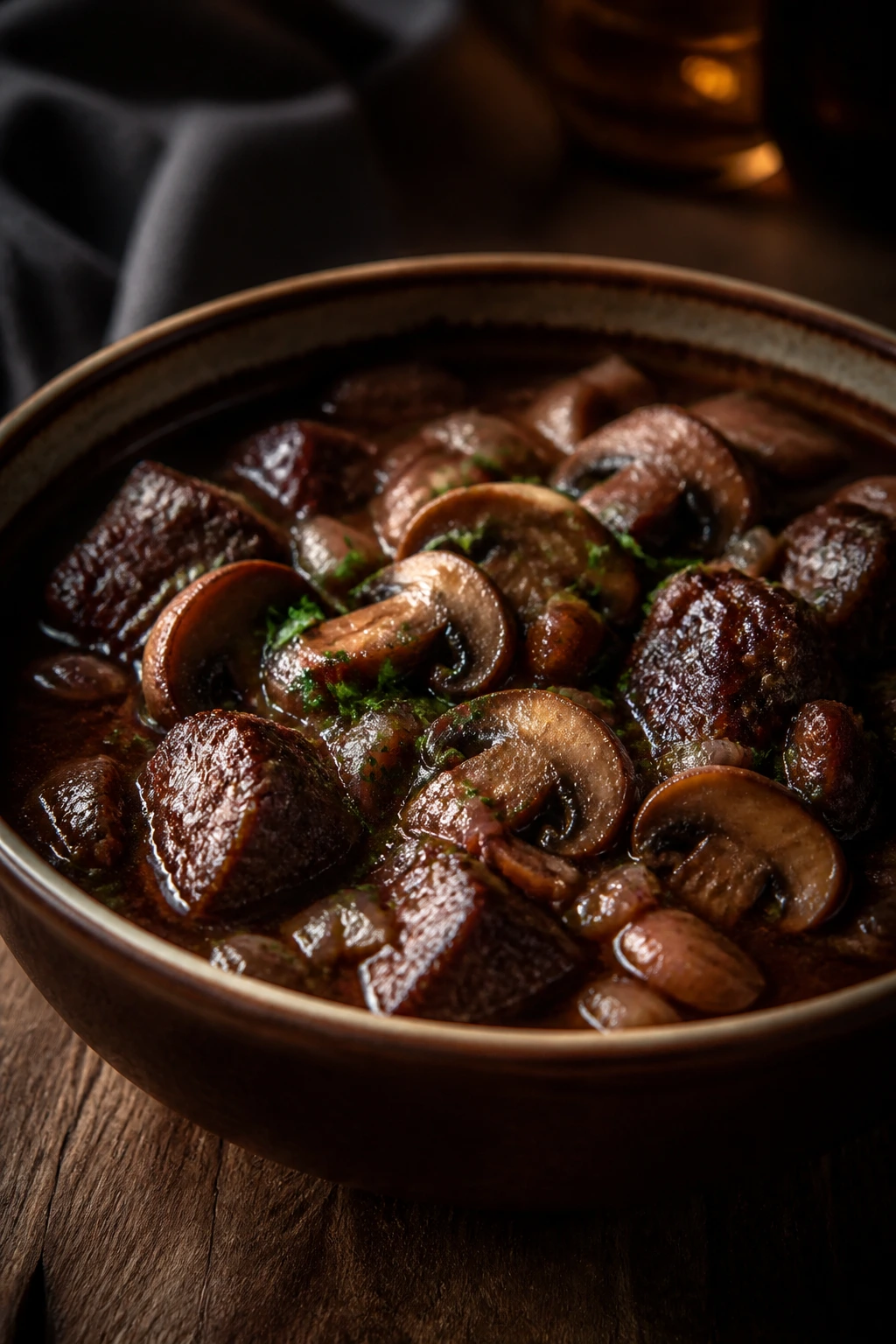
Red-Wine Chuck and Mushroom Stew
This is the dark, woodsy version that tastes like it wants a slice of bread beside it. Use beef chuck, cremini mushrooms, red wine, thyme, and pearl onions. It’s the one I’d make when I want the broth to be the main event and the kitchen to smell like it’s been working all afternoon.
Chicken Thigh, Leek, and Potato Stew
Chicken thighs keep this lighter but still substantial. Leeks soften into the broth, Yukon Gold potatoes hold their shape, and a bit of white wine or dry cider gives the pot a cleaner finish than beef would. Add dill or tarragon if you want the flavor to tilt toward fresh rather than dark.
Smoky Sausage, Bean, and Kale Pot
This is the weeknight version that still eats like a meal. Smoked sausage, cannellini beans, kale, and a little paprika make a stew that comes together faster than beef and still tastes full. Good bread helps, but so does a spoon and a quiet half-hour.
Mushroom and Barley Pantry Stew
Cremini, shiitake, or mixed mushrooms plus pearl barley turn pantry ingredients into something earthy and dense. Tomato paste, soy sauce, rosemary, and carrots build the base; a splash of vinegar at the end keeps it from feeling muddy. This is the meatless version I recommend to people who think vegetarian stew has to be thin. It doesn’t.
Root Vegetable and Lentil Stew
Lentils cook faster than beans and give the pot a soft, hearty body. Carrots, parsnips, turnips, and bay leaf make the broth sweet and layered, while a little mustard or lemon at the end keeps it from tasting too soft. It’s a smart choice when you want a bowl that feels complete but not heavy.
The nice thing about these variations is that they don’t require a new method. Same basic logic. Different ingredients, different mood.
Tools That Make Stew Night Easier
-
Dutch oven, 5 to 7 quarts: The gold standard for even heat and slow simmering; enamel or bare cast iron both work.
-
Heavy stockpot with a lid: A workable backup if it’s wide enough to brown in and heavy enough not to scorch the bottom.
-
Wooden spoon or heat-safe spatula: Best for scraping fond without scratching the pot.
-
Tongs: Useful for turning meat in batches and moving larger chunks of vegetables without breaking them.
-
Chef’s knife: A sharp knife makes it easier to cut even chunks, which helps everything cook at the same pace.
-
Cutting board with a towel underneath: Keeps the board from sliding when you’re chopping carrots, onions, or tough squash.
-
Instant-read thermometer: Most useful for chicken and turkey stew, where you want a clear check on doneness.
-
Ladle: Makes serving easier and helps you portion broth-heavy stews without spilling it down the side of the pot.
-
Fine-mesh skimmer or spoon: Handy if you want to skim excess fat from the top before serving.
-
Airtight containers: Shallow ones are best for cooling and storing leftovers quickly and safely.
-
Slow cooker or pressure cooker: Optional, but useful if your schedule pushes you away from the stove. Brown first when you can.
If you already own a heavy pot and a decent knife, you have most of what you need. The rest makes the job cleaner, not possible.
Keeping Stew Good for Leftovers and Make-Ahead Meals
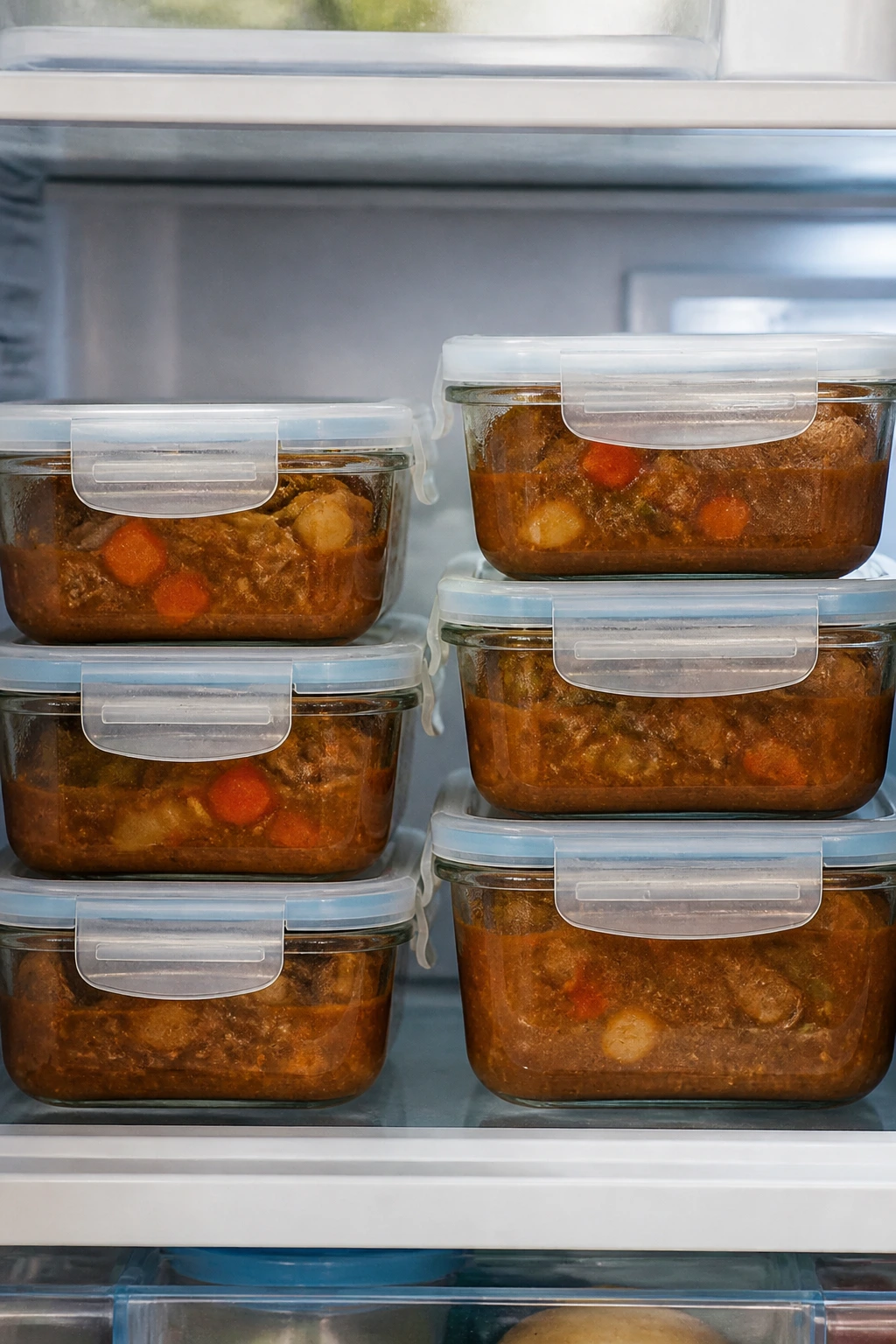
Stew handles leftovers better than most dinners, but the details still matter. Let it cool a little before storing, then portion it into shallow containers so the center cools quickly. Food safety guidance is clear on this part: get it into the refrigerator within 2 hours, sooner if the kitchen is warm. Deep pots cool slowly, and that’s where trouble starts.
In the fridge, most stews hold well for 3 to 4 days. Beef, lamb, bean, and vegetable stews usually stay in good shape across that window. Chicken stews are in the same range, but I’m fussier about keeping poultry well chilled and reheating it thoroughly. If you’re reheating chicken or turkey stew, make sure it gets hot all the way through, not just warm at the edges.
Freezing works too. Most stews keep for 2 to 3 months in the freezer with good texture, though potato-heavy pots can turn grainy or waterlogged after thawing. If freezing is part of the plan, undercook the potatoes slightly or leave them out and add fresh ones later. Barley and noodles soak up liquid, so if a stew includes them, freeze a little extra broth on the side. That keeps the reheated bowl from turning into a mound.
Reheat stew gently on the stovetop over medium-low heat, stirring once or twice so the bottom doesn’t catch. If it looks too thick, add a splash of stock or water. Microwave reheating works in a pinch, but use short bursts and stir between them; otherwise the edges overcook while the middle stays cold. A cream-based stew or one finished with sour cream wants especially gentle reheating, or the dairy can split.
Make-ahead is where stew quietly shines. Many versions taste better after resting overnight because the salt spreads evenly, the herbs mellow, and the fat firms up at the top so you can skim it if you want. If you know you’re cooking ahead, stop a few minutes short on the vegetables so they finish on the reheat instead of going soft. That small adjustment keeps the bowl looking and tasting fresher the next day.
Questions That Come Up Right Before the Lid Goes On
What cut of beef makes the best stew?
Chuck roast is the easiest answer because it has enough fat and connective tissue to soften into tender chunks. Short ribs and shank are richer and more dramatic, but chuck gives you the best mix of value, flavor, and dependable texture.
Can I make stew in a slow cooker?
Yes, but brown the meat and aromatics first if you can. A slow cooker is better at holding heat than building flavor from scratch, so the sear and deglaze matter even more there. Add peas, greens, or fresh herbs near the end so they don’t collapse.
How do I thicken stew without flour?
Reduce it uncovered for 15 to 20 minutes, mash a few potatoes or beans into the broth, or stir in a cornstarch slurry at the end. I like reduction best because it keeps the flavor clean. Cornstarch is fine when you need speed.
Why does stew taste better the next day?
The seasoning spreads through the liquid, the fat firms up and re-incorporates when you reheat it, and the whole pot has time to settle. Fresh herbs are the one thing I’d still add at the end, because they brighten the reheated bowl instead of fading into it.
Can I freeze stew with potatoes?
You can, but the texture often changes after thawing. If the stew depends on potatoes for body, undercook them a little or leave them out until you reheat the base. That keeps the chunks from turning mealy.
What if my stew tastes flat?
Taste for salt first, then add a little acid—vinegar, lemon, or a splash of wine—before reaching for more spice. Flat stew often needs brightness, not heat. A teaspoon of Worcestershire or soy sauce can also help beef or mushroom stews feel deeper.
How do I know when the meat is done?
For stew, tenderness matters more than the clock. Beef and lamb should break apart easily with a fork, and chicken should be fully cooked through and juicy, not stringy. If you’re using poultry, check that it reaches a safe internal temperature of 165°F before serving.
Can I make a vegetarian stew that still feels hearty?
Absolutely. Use mushrooms, lentils, beans, barley, or a mix of all four, and build the broth with tomato paste, onions, garlic, and a little soy sauce or Parmesan rind. The body comes from starch and browning, not meat alone.
What if the broth turns too salty?
Dilute it with unsalted stock or water and add more vegetables if you have room in the pot. A peeled potato can soak up some liquid, but it’s not a magic fix. The honest fix is dilution, then a short re-simmer so the flavor settles again.
One Pot, Many Cold Evenings
A good stew dinner does not need a dramatic presentation or a complicated ingredient list. It needs the right cut, the right heat, and enough time for the pot to do its quiet work. That’s it. The rest is detail, and the detail is where the good stuff lives.
Cold nights tend to make people want food that feels steady. Stew does that without trying too hard. It’s thick where it should be, loose where it needs to move, and flexible enough to become beef, chicken, beans, mushrooms, or something in between depending on what’s in the kitchen.
Keep one reliable stew in your back pocket, and the first cold snap stops feeling like a dinner problem. It starts feeling like an excuse to let the stove do exactly what it’s good at.