



The trick to crispy BBQ pork with brown sugar glaze is annoyingly simple: you have to wait to sauce it.
That’s the part most people rush, and it’s why so many sweet pork dishes come out soft instead of crisp. The meat steams under a wet layer, the sugar gets sticky in all the wrong places, and what should be a crackly edge turns limp by the time it reaches the plate. Hold the glaze back until the pork has already browned, and the whole dish changes. The edges stay snappy. The sauce clings. The brown sugar turns glossy instead of grainy.
I like this recipe because it has a real contrast problem to solve. You want pork that tastes smoky and savory at the core, with a brown sugar glaze that lands in that sweet-salty middle ground, not dessert territory. You also want enough heat to create crisp edges without drying out the meat. That means the cut matters, the pan matters, and the order of operations matters more than usual. A wire rack isn’t a cute extra here. It’s doing the hard work.
If you’ve ever dragged a fork through a tray of saucy pork and found only soggy bits underneath, this version is the fix I’d actually hand you. Use the right cut, give it room, and finish with the glaze at the end. The result is sticky in the good way, with browned edges that still have a little bite when you press them with a fork.
Why This Pork Earns a Spot on the Table
-
Crunch First: A light cornstarch coating and a hot rack help the pork brown before the glaze goes on, which is the whole reason the edges stay crisp instead of turning wet.
-
Sweet-Salty Balance: The brown sugar glaze has enough vinegar and Worcestershire to keep the sweetness sharp, so it tastes like barbecue, not candy.
-
Built for Real Dinner Plates: This works on rice, mashed potatoes, toasted buns, or a pile of slaw without needing a second sauce to rescue it.
-
No Fancy Pantry Hunt: Everything here comes from ordinary shelves — pork, BBQ sauce, brown sugar, vinegar, garlic, spices. Nothing strange. Nothing fussy.
-
Leftovers Have a Job: The pork reheats better than battered or breaded meat because the flavor lives in the glaze, not in a crust that falls apart the next day.
-
Easy to Scale Up: If you’re feeding a crowd, this recipe doubles cleanly as long as you roast the pork in batches and keep the pieces spread out.
Timing, Yield, and When to Serve It
Yield: Serves 6
Prep Time: 20 minutes
Cook Time: 35 to 40 minutes
Total Time: 55 to 60 minutes active, plus 10 minutes resting
Difficulty: Intermediate — nothing here is complicated, but you do need to juggle a skillet, a tray, and a glaze without crowding the pan.
Chill/Rest Time: 10 minutes before serving
Best Served: Hot from the oven, when the glaze is still shiny and the edges still have a little snap
The timing works because the sauce simmers while the pork roasts. That’s the real rhythm of the dish. If you stop to make the glaze only after the meat is done, you lose the cleanest part of the cooking window and the pork sits around too long.
If your pork pieces come straight from the fridge, add a few extra minutes in the oven. Cold meat takes longer to brown, and brown is what you want here. Pale pork under a sweet glaze is disappointing. Brown pork under a sweet glaze is dinner.
What Goes Into Crispy BBQ Pork with Brown Sugar Glaze
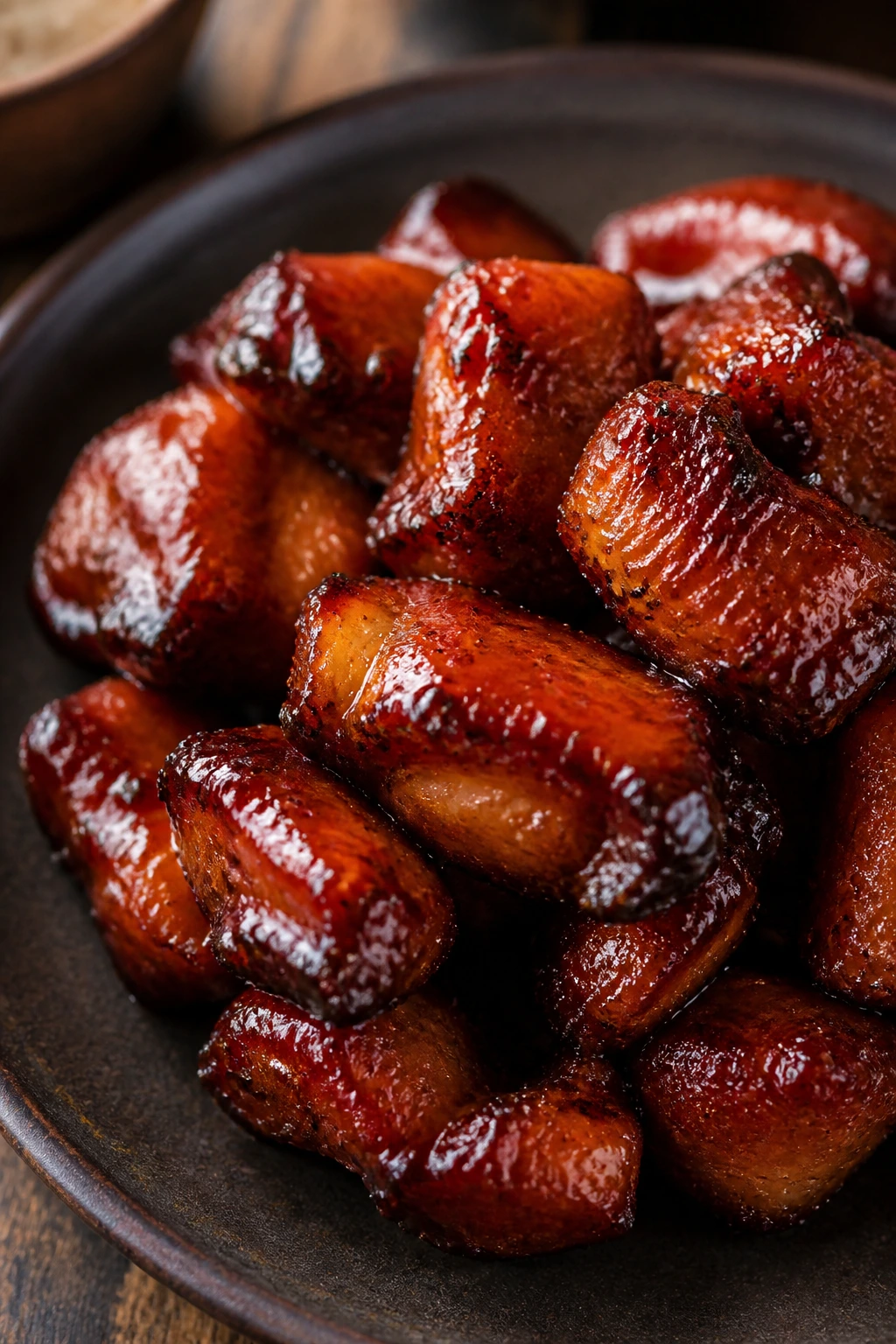
For the Pork:
- 2½ pounds boneless country-style pork ribs or pork shoulder, cut into 1½-inch pieces if needed
- 1 tablespoon kosher salt
- 1 teaspoon black pepper
- 2 teaspoons smoked paprika
- 1 teaspoon garlic powder
- 1 teaspoon onion powder
- 2 tablespoons cornstarch
- 2 tablespoons neutral oil
For the Brown Sugar BBQ Glaze:
- ¾ cup BBQ sauce
- ⅓ cup packed light brown sugar
- 2 tablespoons apple cider vinegar
- 1 tablespoon Worcestershire sauce
- 1 tablespoon soy sauce or tamari
- 1 teaspoon Dijon mustard
- 2 cloves garlic, finely grated or minced
- 2 tablespoons water
- 1 tablespoon unsalted butter
- ½ teaspoon crushed red pepper flakes, optional
For Serving:
- 2 scallions, thinly sliced
- 1 tablespoon toasted sesame seeds, optional
Why Each Ingredient Pulls Its Weight
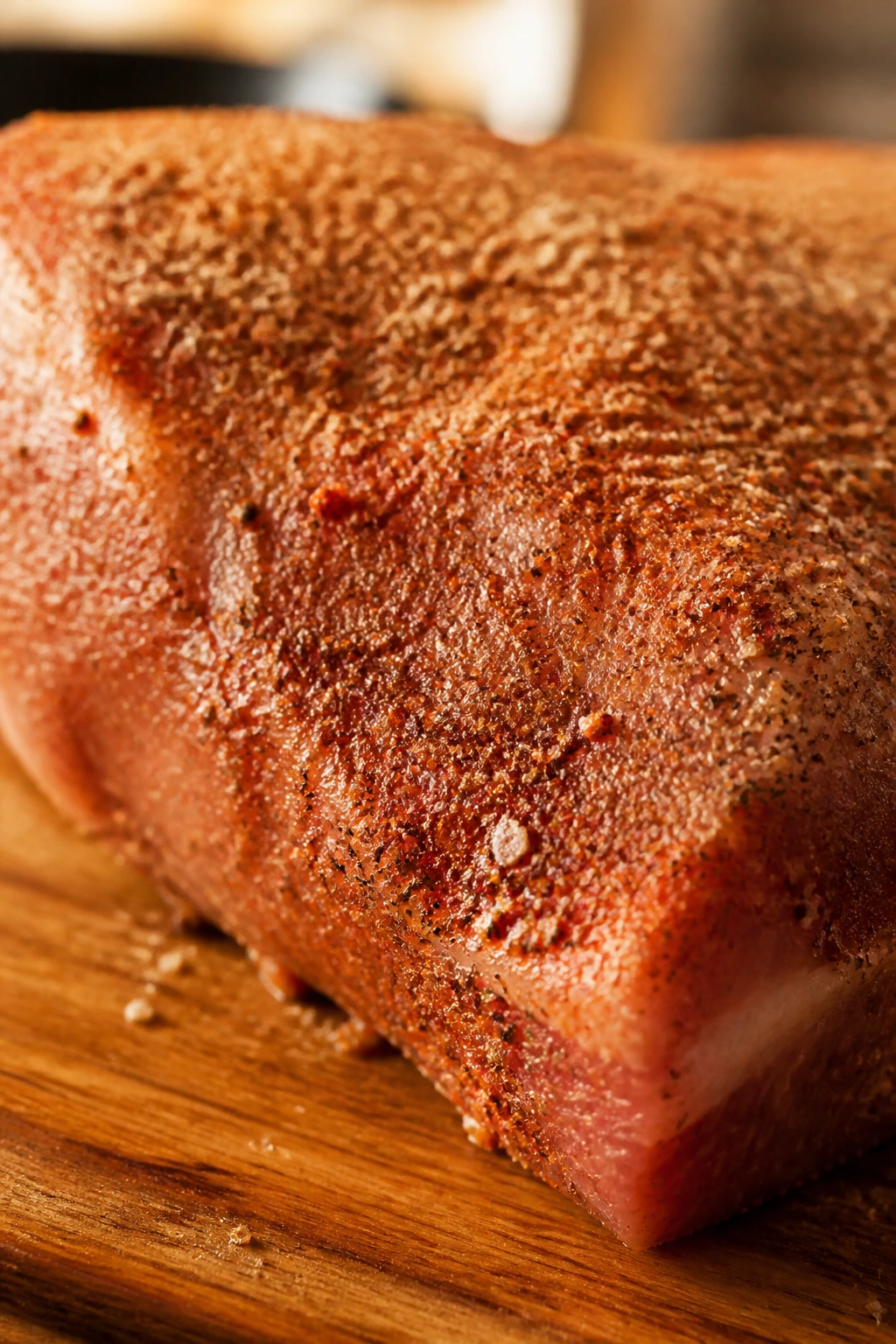
The Pork
- What to use: 2½ pounds boneless country-style pork ribs or pork shoulder, cut into roughly 1½-inch pieces.
- Preparation: Trim away any thick, hard exterior fat, but leave the marbling alone; that fat is what keeps the meat juicy while the edges crisp.
- Substitutions: Boneless pork loin can work if you want a leaner version, though it needs less oven time and a gentler hand; pork belly gives you a richer, fattier result.
- Tips: Keep the pieces fairly even in size. Big chunks lag behind and small ones dry out, and nobody wins that trade.
The Dry Seasoning
- What to use: 1 tablespoon kosher salt, 1 teaspoon black pepper, 2 teaspoons smoked paprika, 1 teaspoon garlic powder, and 1 teaspoon onion powder.
- Preparation: Mix the spices together before they touch the pork, then toss until every surface is lightly coated.
- Substitutions: Regular paprika works if smoked paprika is missing, though the flavor will be flatter; a pinch of chipotle powder can stand in for part of the smoked paprika if you want more heat.
- Tips: Don’t drown the pork in spices. A thin, even coating helps the meat brown. A clumpy rub can burn in patches.
The Crisping Coat
- What to use: 2 tablespoons cornstarch and 2 tablespoons neutral oil.
- Preparation: Sprinkle the cornstarch over the seasoned pork and toss until the surface looks lightly dusty, then sear in the oil.
- Substitutions: Arrowroot can replace cornstarch if needed, though it behaves a little more delicately; all-purpose flour works in a pinch, but it’s less crisp.
- Tips: The starch should look almost invisible once it hits the meat. If you can see thick white patches, you’ve gone too far.
The Brown Sugar BBQ Glaze
- What to use: ¾ cup BBQ sauce, ⅓ cup packed light brown sugar, 2 tablespoons apple cider vinegar, 1 tablespoon Worcestershire sauce, 1 tablespoon soy sauce or tamari, 1 teaspoon Dijon mustard, 2 cloves garlic, 2 tablespoons water, 1 tablespoon unsalted butter, and optional red pepper flakes.
- Preparation: Simmer the glaze until it looks glossy and slightly thickened, with the bubbles getting slower and the sauce clinging to the spoon.
- Substitutions: Honey can replace part of the brown sugar if that’s what you have, and a splash of bourbon adds a deeper, rounder finish.
- Tips: Don’t start with a sauce that’s already syrup-thick. It needs room to reduce, or it will turn into candy before the pork is coated.
The Pan, Rack, and Other Gear That Make the Crisp Happen
-
Rimmed sheet pan: This catches the glaze and any drips; if you skip the rim, the sauce can run off and burn in the oven.
-
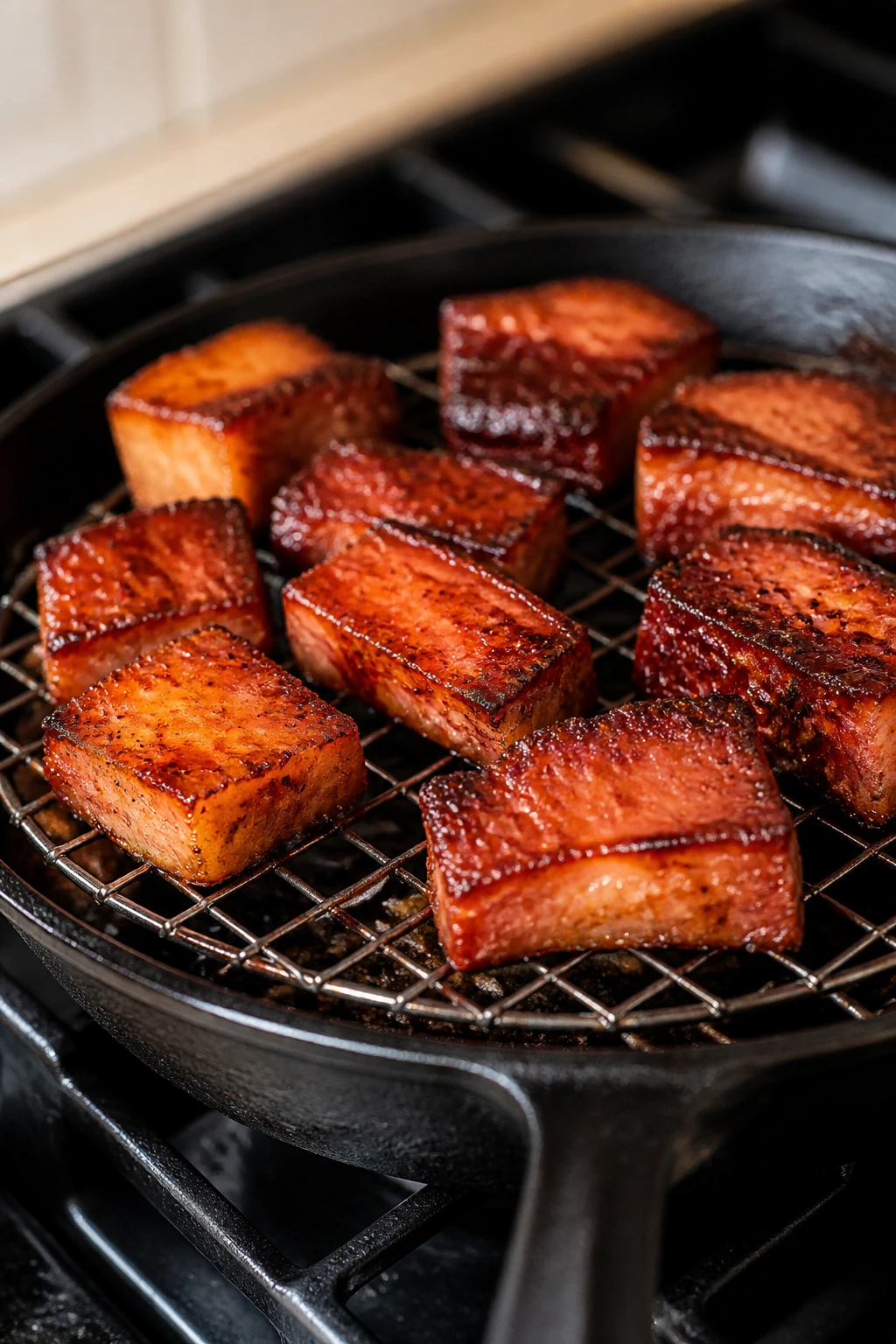
Wire rack: The rack keeps the pork lifted so hot air can move around it. Without it, the bottoms sit in rendered fat and go soft.
-
Large cast-iron skillet or heavy sauté pan: You want steady heat for the sear, not a flimsy pan that cools down the second the pork hits it.
-
Small saucepan: The glaze thickens best in a small pan, where evaporation happens faster and more evenly.
-
Instant-read thermometer: Not glamorous. Very useful. It keeps you from guessing when the pork is tender enough.
-
Mixing bowl: Big enough to toss the pork without sending paprika across the counter.
-
Tongs: Long tongs give you control when you flip the pork and move it to the rack.
-
Foil or parchment, optional: Line the sheet pan if you want easier cleanup. Just keep the rack on top so the pork still drains properly.
How to Cook the Pork So the Edges Actually Crisp
Prep the Pan and Pork
-
Preheat the oven to 425°F (220°C). Set a wire rack inside a rimmed sheet pan and place the whole setup in the upper-middle position of the oven if you like it to preheat with the oven. The rack matters; it’s what keeps the pork out of the puddle of fat that would otherwise soften the crust.
-
Pat the pork dry with paper towels. If any pieces have thick, waxy fat caps, trim them down a little, but don’t chase every trace of fat — the marbling is doing useful work here.
-
In a large bowl, mix the salt, black pepper, smoked paprika, garlic powder, and onion powder. Add the pork and toss until the seasoning clings evenly to every side.
-
Sprinkle the cornstarch over the seasoned pork and toss again until each piece looks lightly dusted. You’re after a thin, dry coat, not a white shell. If the starch turns pasty, the meat was still too wet.
Sear and Roast
-
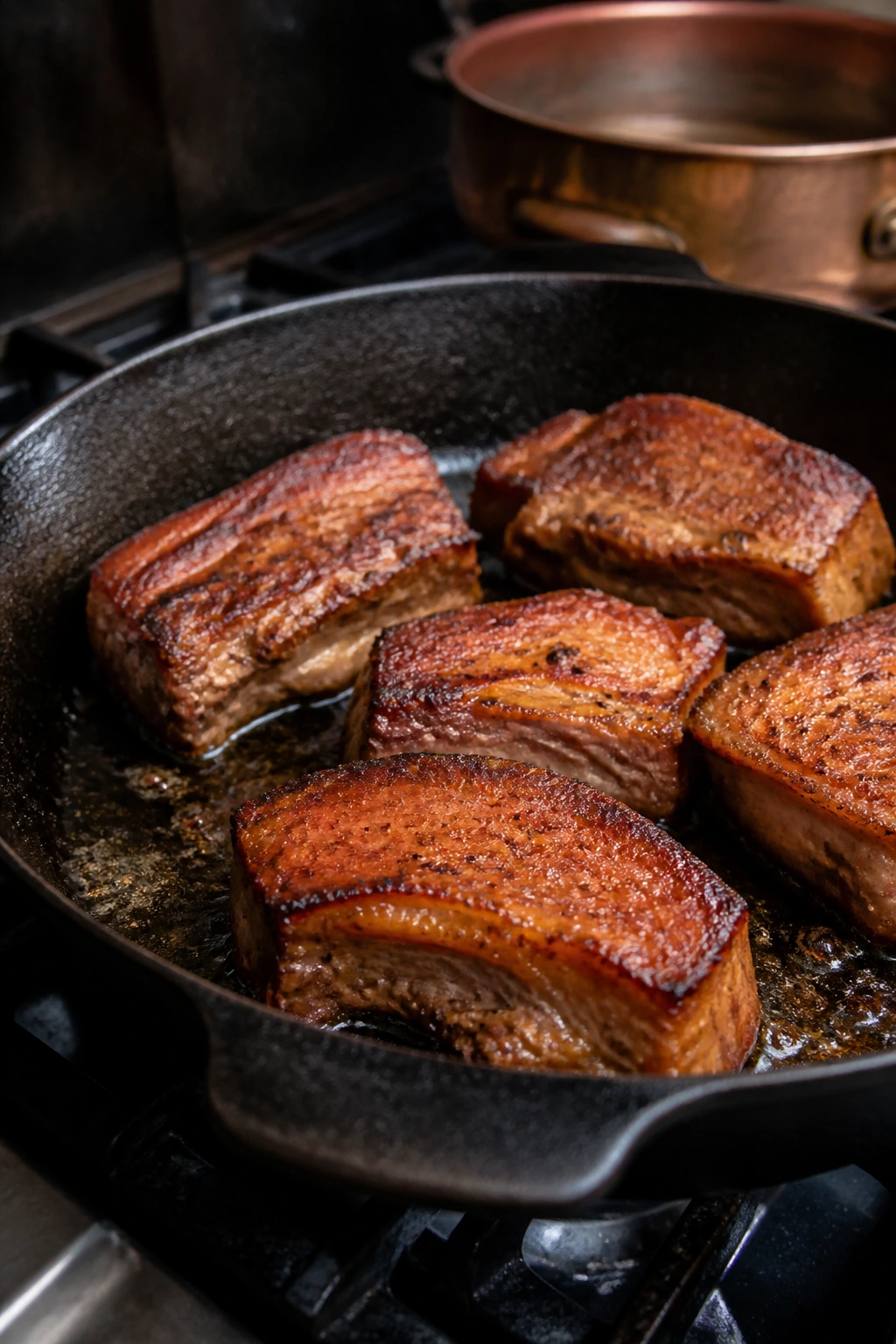
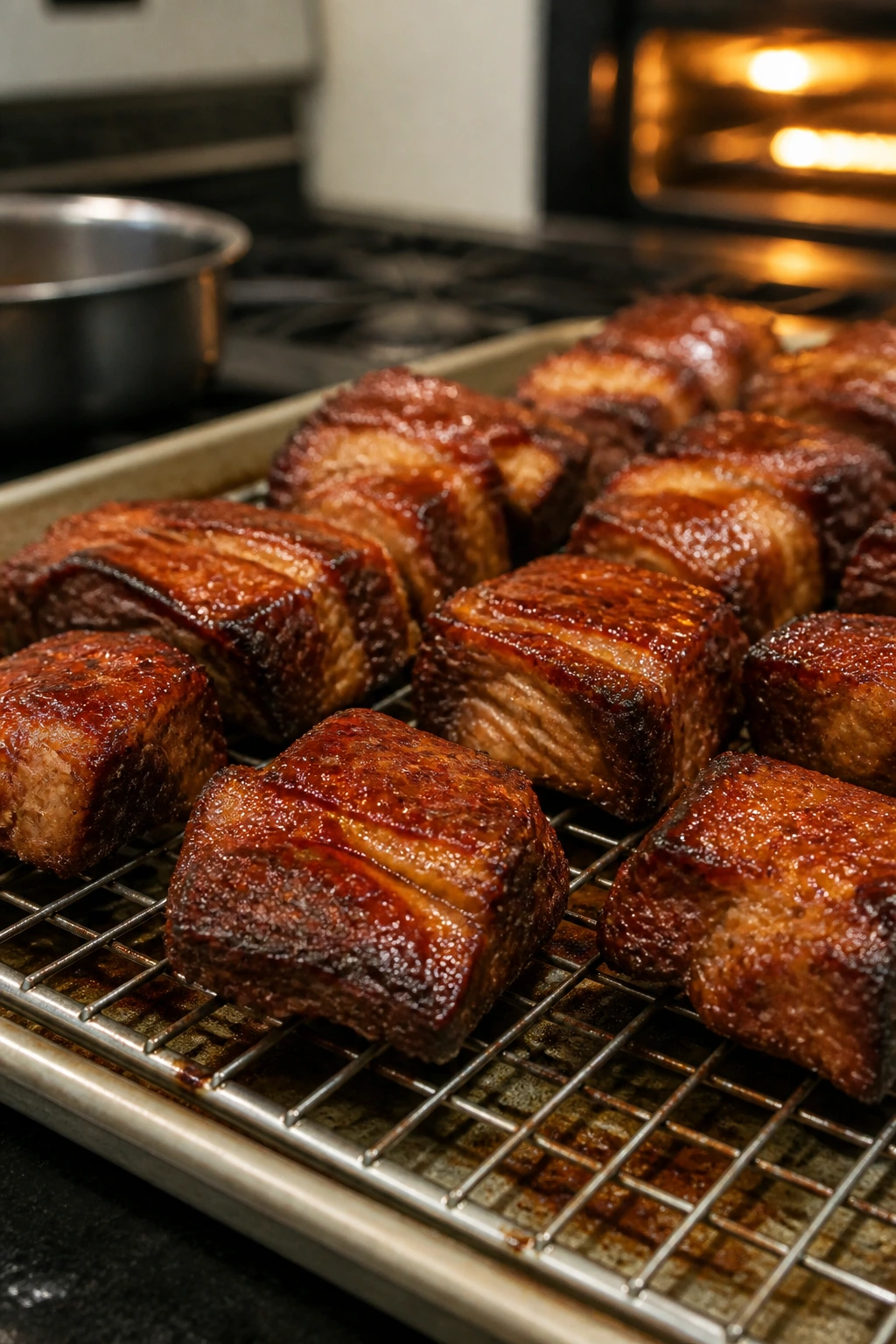
Heat the neutral oil in a large cast-iron skillet over medium-high heat until it shimmers. Add the pork in batches and sear for 2 to 3 minutes per side, until the surfaces are deep golden and the corners look crisp. Transfer each batch to the wire rack. Do not crowd the pan. Crowding drops the heat and gives you gray pork with soft edges.
-
Roast the pork for 15 to 18 minutes, flipping once halfway through, until the edges are browned and the thickest pieces register about 180°F to 185°F on an instant-read thermometer. If you’re using a shoulder-heavy cut and it still feels tight, give it another 5 minutes. It should feel tender when you press it with tongs.
Make the Glaze
- While the pork roasts, add the BBQ sauce, brown sugar, apple cider vinegar, Worcestershire sauce, soy sauce, Dijon mustard, garlic, water, butter, and optional red pepper flakes to the small saucepan. Set it over medium-low heat and simmer for 4 to 5 minutes, stirring often, until the glaze looks glossy and coats the back of a spoon. You want thickened, not jammed.
Glaze and Finish
-
Remove the pork from the oven and brush or toss it with about two-thirds of the glaze. Return the coated pork to the rack and bake for 5 minutes.
-
Brush on the remaining glaze, then switch the oven to broil and broil the pork for 1 to 2 minutes, watching constantly, until the glaze bubbles and the edges darken in tiny spots. Do not step away. Brown sugar can go from caramelized to bitter fast under a broiler.
-
Let the pork rest on the rack for 5 to 10 minutes. Spoon any glaze that collected on the pan back over the top, then finish with scallions and sesame seeds if you’re using them. The rest time feels small, but it keeps the glaze from sliding off the second you cut in.
Serving It So the Crunch Stays Put
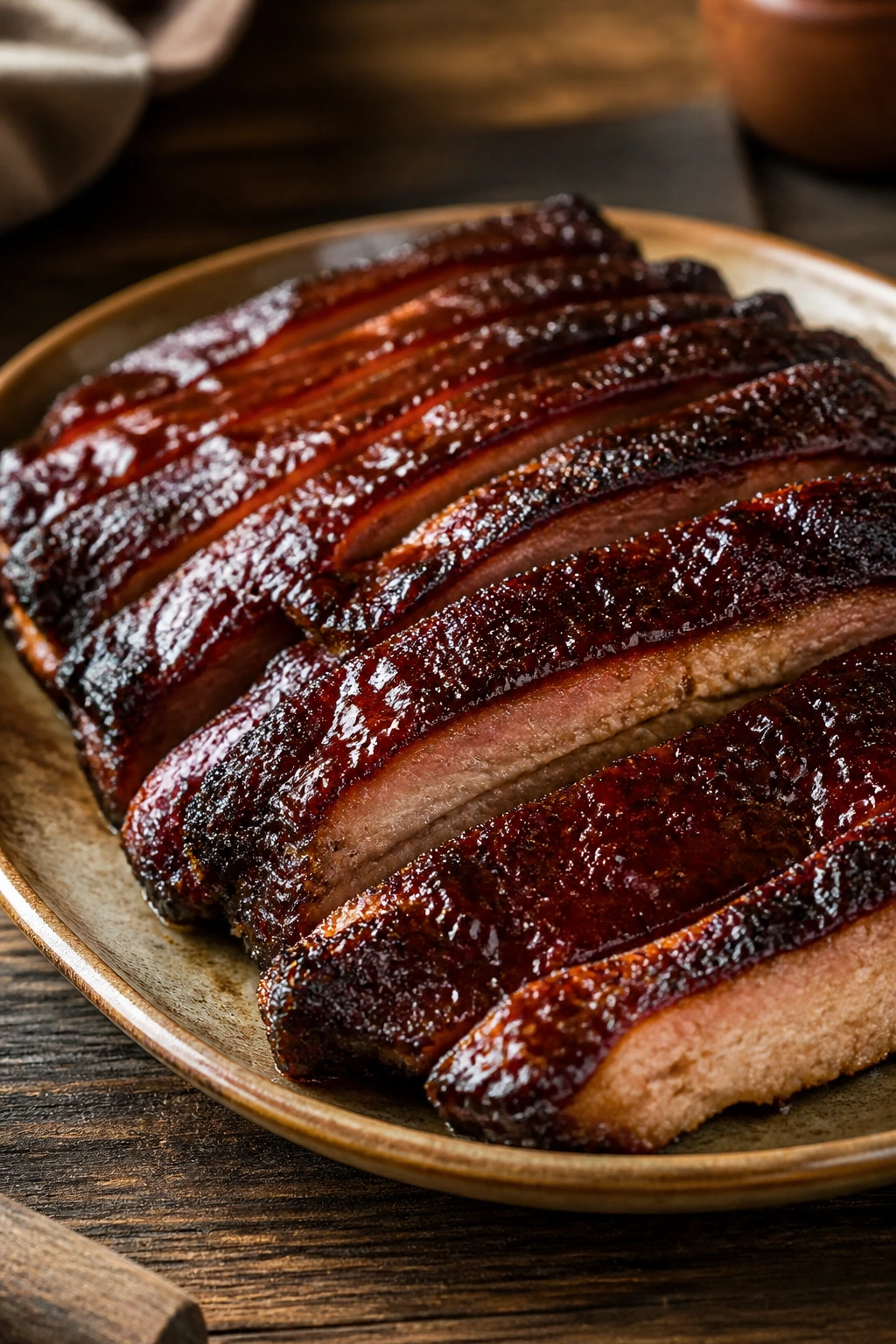
Presentation: Pile the pork on a warm platter instead of a deep bowl. A shallow layer lets the glaze stay on the surface where people can see it, and it keeps the crisp edges from steaming against each other.
Accompaniments: Creamy coleslaw, roasted broccoli, buttered corn, mashed potatoes, or steamed rice all make sense here. If you’re serving the pork on buns, toast the buns first and add a spoonful of slaw so the bread doesn’t soak through in ten minutes.
Portions: This recipe serves 6 as a main dish, or 8 if you tuck the pork into sliders or serve it over rice with a few side dishes. For very hungry eaters, count on about 6 to 7 ounces of cooked pork per person.
Beverage Pairing: A cold lager, dry hard cider, unsweetened iced tea, or a bourbon-and-soda all work. You want something with enough lift to cut the glaze, not another sweet drink fighting for attention.
Small Moves That Make the Glaze Taste Deeper
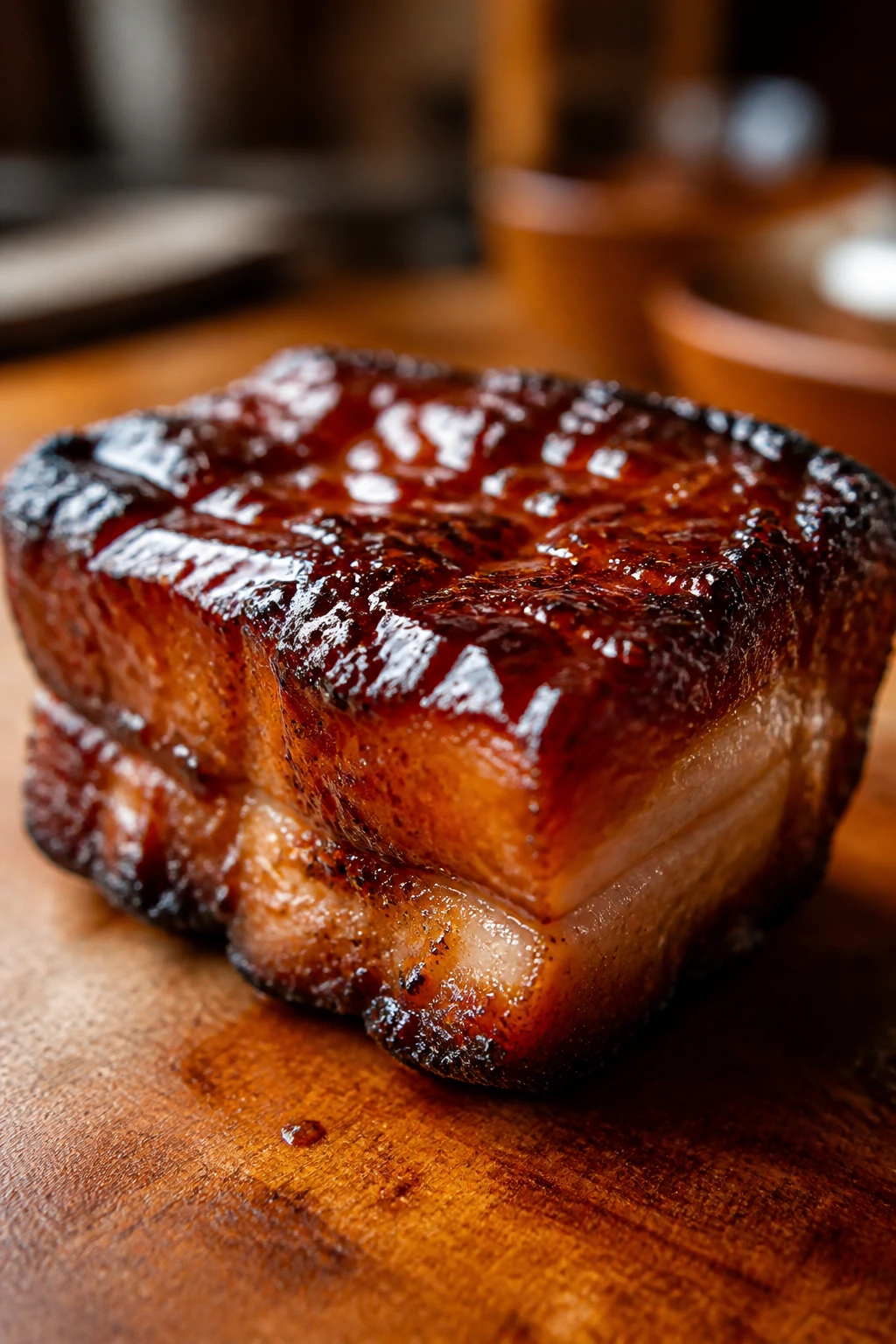
Flavor Enhancement: A teaspoon of molasses or a tablespoon of bourbon in the glaze gives it a darker, slower sweetness. I like this if the BBQ sauce tastes sharp or one-note on its own.
Customization: If you want heat, add 1 teaspoon chipotle powder or a small spoonful of minced chipotle in adobo to the glaze. If you want more tang, bump the apple cider vinegar by another teaspoon and skip the extra sweetness elsewhere.
Serving Suggestions: Pickled onions, sliced scallions, or a few thin jalapeño rings cut the richness in a way plain herbs don’t. Sesame seeds add a little visual texture, but they also give you a faint toasted note that fits the glaze.
Make-It-Yours: For gluten-free cooking, use tamari instead of soy sauce and check that your BBQ sauce is gluten-free. For dairy-free cooking, leave out the butter and use an extra tablespoon of water. For a less sweet version, cut the brown sugar to ¼ cup and let the vinegar do more of the talking.
Mistakes That Turn Sticky Pork Soft
-
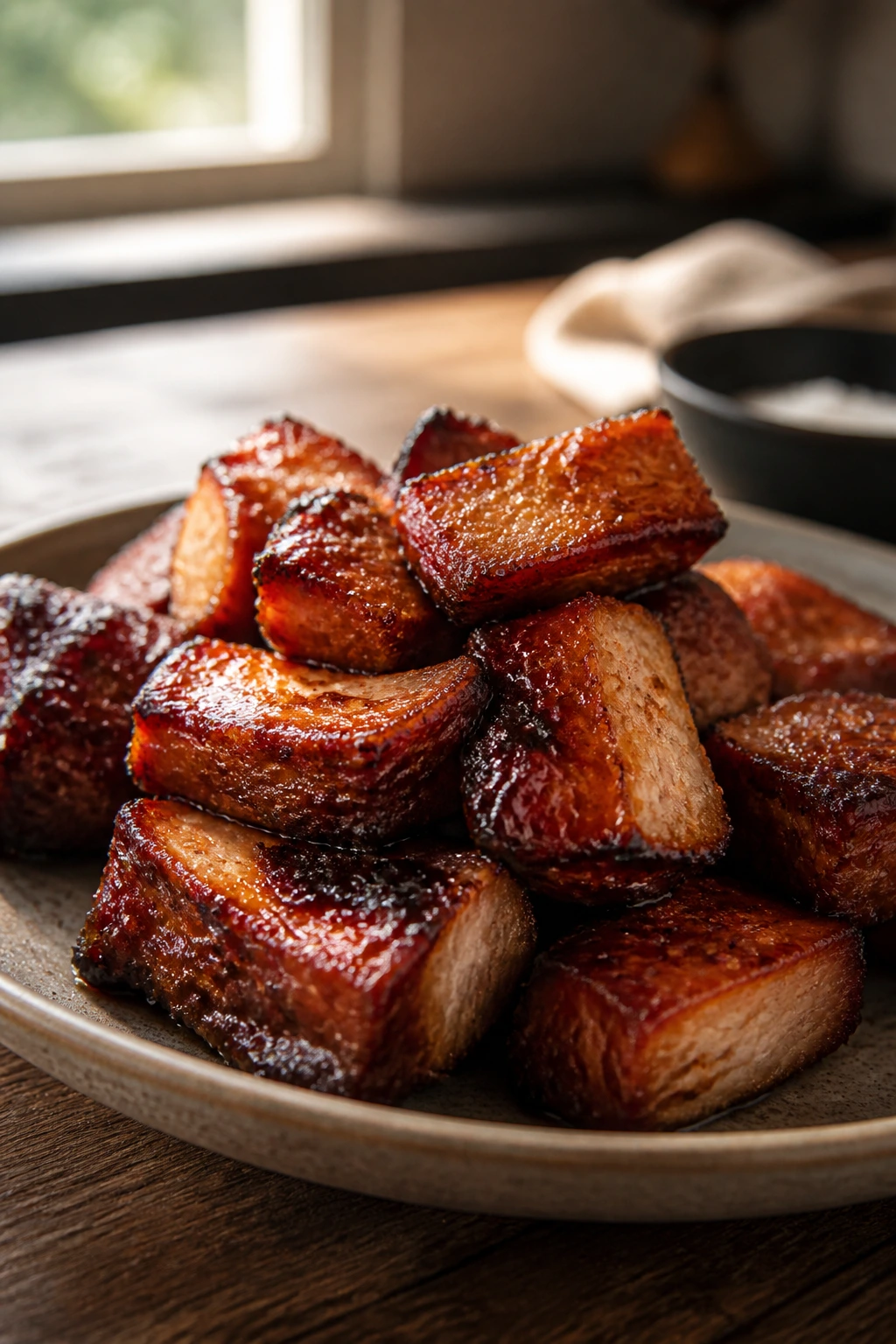
Glazing too early: If the sauce goes on before the pork has browned, the sugar burns before the meat gets a chance to crisp. The fix is simple: roast first, glaze late, broil last.
-
Crowding the pan: Too many pieces in one skillet or on one tray trap steam, and steam is the enemy here. If the pork is touching all over, work in batches and give each piece space.
-
Using a thin, watery glaze: A runny sauce slides off the meat and pools on the pan, where it burns and scorches instead of coating the pork. Simmer until it clings to the spoon and moves slowly.
-
Pulling the pork at the wrong temperature: For shoulder-style pork, 145°F is safe but not tender enough for the texture this recipe wants. Aim for the 180°F to 185°F range for pieces that need to soften a bit while still holding shape.
-
Skipping the rest: Cut too soon and the glaze runs everywhere, taking the juices with it. Five to ten minutes is enough to let the surface settle.
-
Standing too far from the broiler: That last minute of heat is where the glaze gets its shiny finish, but it turns ugly fast if you leave it alone. Stay close and use your eyes, not a timer alone.
Flavor Swaps and Easy Variations
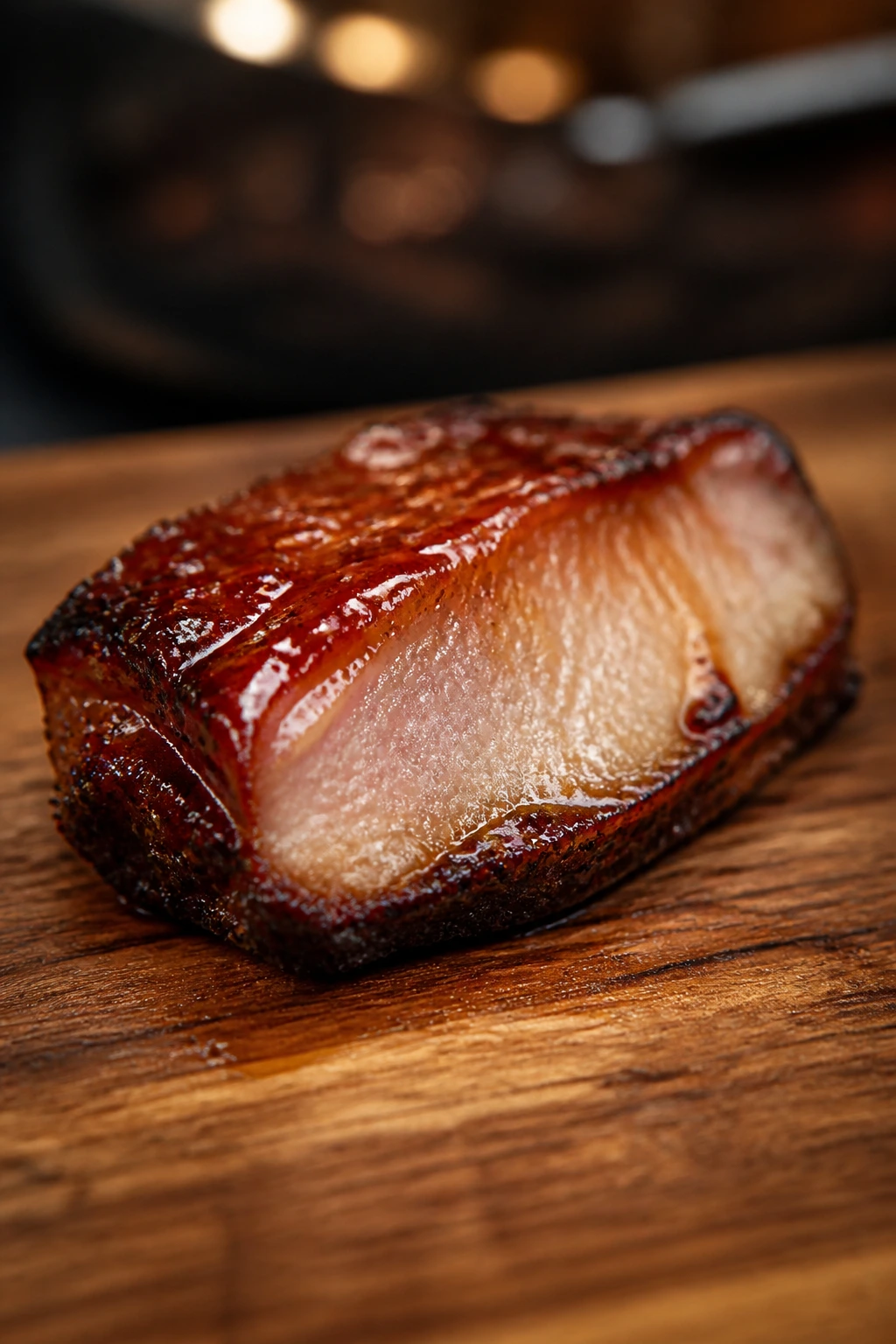
Smoky Chipotle Pork: Stir 1 to 2 teaspoons of chipotle powder or 1 tablespoon minced chipotle in adobo into the glaze. The smoky heat fits especially well if you’re serving the pork on buns with crunchy slaw.
Bourbon Brown Sugar Pork: Replace 2 tablespoons of the water with bourbon and add a pinch of cayenne. The bourbon rounds out the brown sugar and gives the glaze a deeper, more grown-up finish.
Ginger-Sesame Pork: Add 1 tablespoon finely grated fresh ginger to the glaze and finish with extra scallions and sesame seeds. This leans a little more savory and works nicely over rice with quick cucumbers on the side.
Honey-Mustard Finish: Swap 2 tablespoons of the brown sugar for 2 tablespoons honey and increase the Dijon to 2 teaspoons. The sauce gets brighter and a little less sticky-sweet, which I prefer when the pork is going on sandwiches.
Air Fryer Version: After searing, cook the pork in a single layer in the air fryer at 400°F until browned, then glaze and return it briefly to set. Use smaller batches. Air fryers punish overcrowding even faster than ovens do.
Keeping Leftovers Juicy
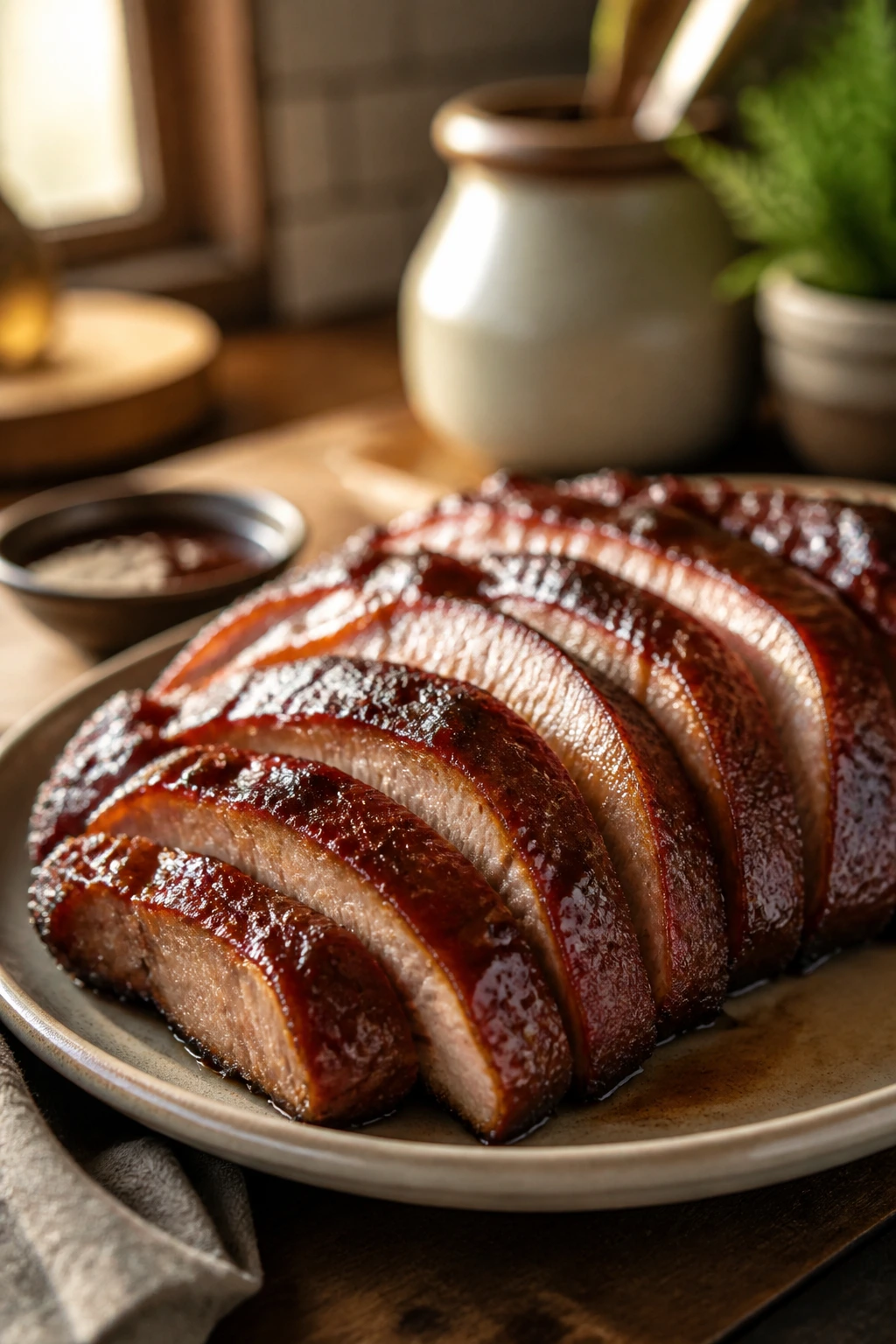
Store leftovers in an airtight container once they’ve cooled for no more than 2 hours at room temperature. In the fridge, the pork keeps for 3 to 4 days. In the freezer, it holds up for about 2 months if you pack it tightly and press out extra air.
For the best texture, keep extra glaze separate if you can. The pork and sauce both freeze fine, but storing them apart gives you more control when reheating. If the pork is already coated in sauce, expect the crust to soften a bit. That’s normal.
To reheat in the oven, spread the pork on a foil-lined sheet pan and warm at 375°F for 10 to 12 minutes, uncovered, until hot. If you want a little edge back, turn on the broiler for the last 1 minute and watch it closely.
A skillet works too. Set the pork in a nonstick or cast-iron skillet over medium heat with a teaspoon of water, cover for 2 minutes to heat through, then uncover for another minute so the glaze tightens again. It won’t come back with full-day-one crunch, but it stays better than a microwave job.
If you’re making ahead, you can season and cut the pork up to 24 hours in advance and keep it covered in the fridge. The glaze can be made 3 days ahead and gently reheated before serving. I would not fully glaze and broil the pork ahead of time unless you enjoy soft edges.
Questions People Ask Before They Make It
Can I use pork chops instead of country-style ribs?
Yes, but pork chops cook faster and don’t need the same long roast. Use thick-cut boneless chops, sear them well, then shorten the oven time so they stay juicy. They’re a different texture, though — leaner, firmer, less plush.
Do I have to use cornstarch?
No, but it helps the pork brown with a lighter, crisper surface. Without it, the meat still works, just with a softer crust. If you skip it, give the pork a little more time in the skillet and rack up the browning carefully.
Can I make this in an air fryer?
Yes, and it’s one of the better shortcuts for a smaller batch. Cook the pork in a single layer, work in batches, and glaze only near the end so the sugar doesn’t scorch on the basket. Don’t pile the pieces on top of one another.
What if my glaze gets too thick?
Stir in 1 teaspoon of water at a time while it’s still warm. You want it brushable, not gluey. If it turns syrup-thick in the pan, it will seize up harder once it hits the pork.
How do I know the pork is done if I’m not making pulled pork?
Use both a thermometer and your hands. For shoulder-style pieces, you’re aiming for tenderness and a temperature around 180°F to 185°F. The pork should give a little when pressed, not bounce back like a rubber ball.
Can I make the glaze ahead of time?
Yes. Make it up to 3 days in advance and keep it in the fridge. Rewarm it gently before glazing so it spreads evenly and doesn’t clump on the pork.
Why does the pork lose its crunch after saucing?
Because sauce is wet, and wet softens browned surfaces. The fix is to use a thicker glaze, add it late, and return the pork to the oven just long enough to set the coating instead of soaking it.
Sticky Edges, Clean Plates
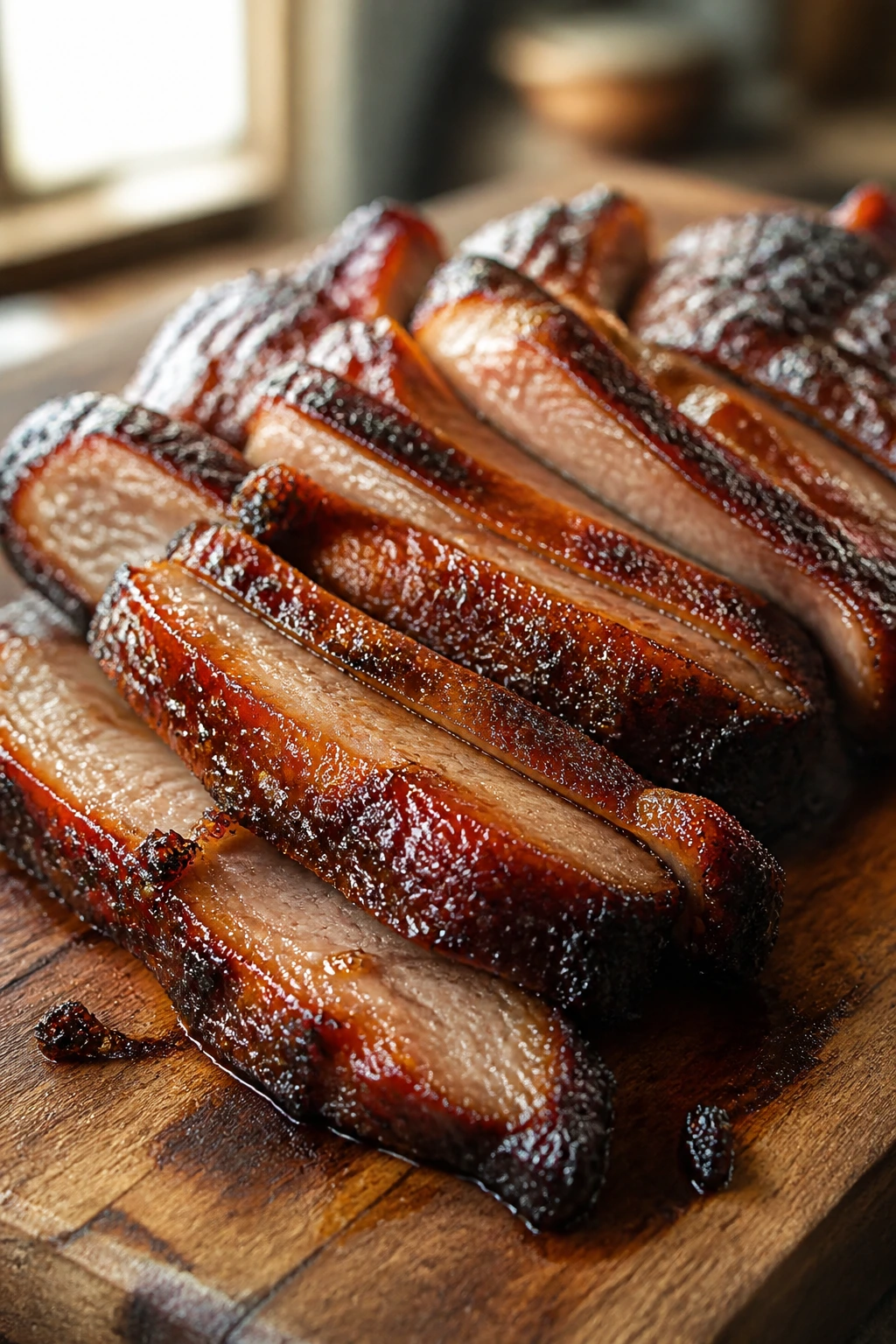
A good tray of crispy BBQ pork with brown sugar glaze has a specific kind of pull: browned edges, glossy sauce, and a sweet-smoky smell that hangs around the kitchen long after dinner starts. The meat should still have shape when you cut into it. The glaze should cling instead of running. Those little details matter more here than any dramatic flourish.
I like this dish because it rewards restraint. Don’t drown the pork. Don’t rush the browning. Don’t treat the glaze like soup. Give the meat space, keep the heat honest, and you end up with something that feels richer than it looks on paper.
Make it once and you’ll start seeing the structure behind it — dry surface, hot pan, late glaze, quick broil. That sequence is the whole trick, and it’s worth remembering.
Crispy BBQ Pork with Brown Sugar Glaze — Recipe Card
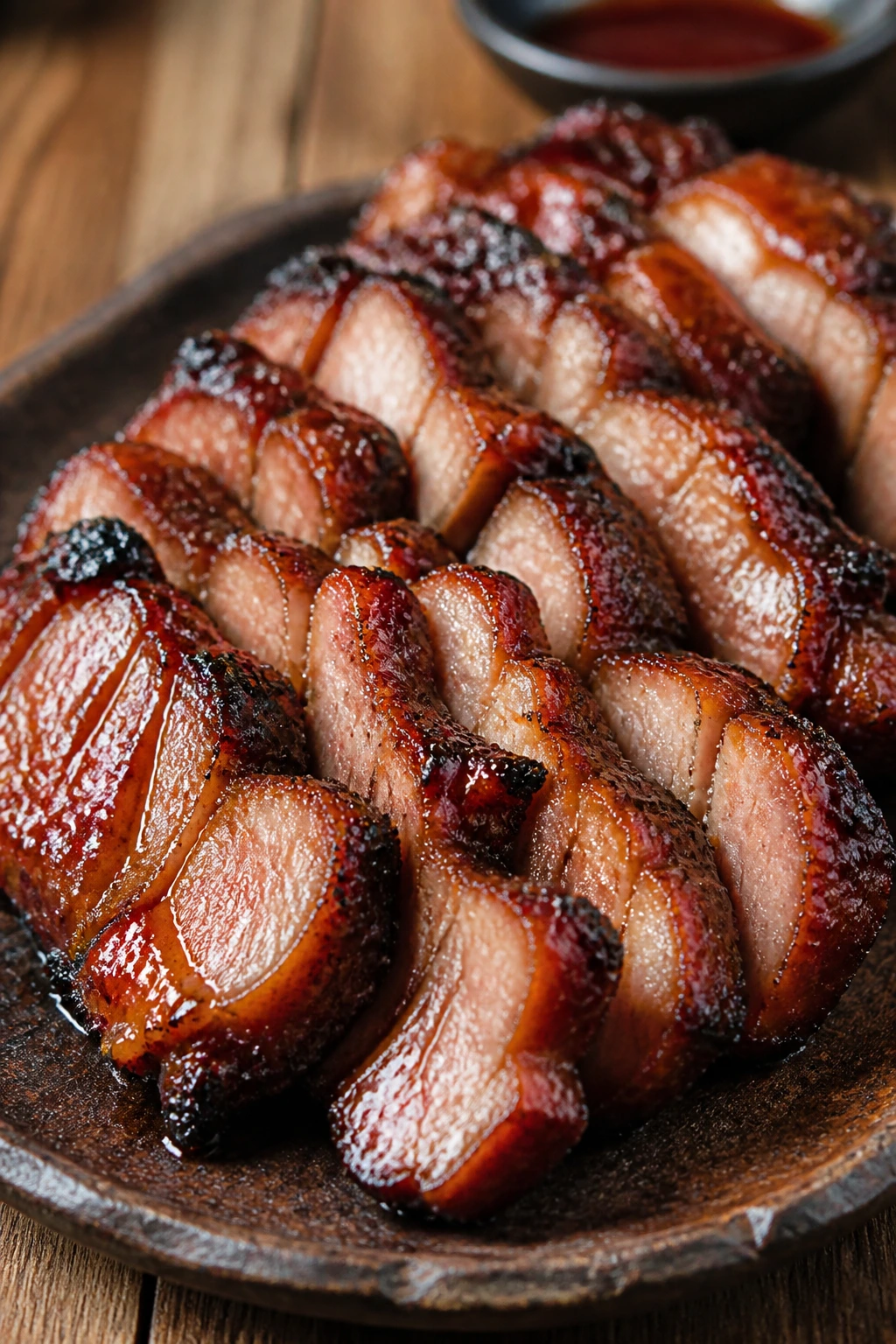
Recipe Name: Crispy BBQ Pork with Brown Sugar Glaze
Description: Tender, browned pork coated in a sticky brown sugar BBQ glaze with crisp edges and a sweet-salty finish. The pork is seared, roasted, and glazed at the end so the surface stays caramelized instead of soggy.
Prep Time: 20 minutes
Cook Time: 35 to 40 minutes
Total Time: 55 to 60 minutes active, plus 10 minutes resting
Course: Dinner, Main Course
Cuisine: American
Servings: 6
Calories: About 470 kcal per serving
Ingredients
For the Pork:
- 2½ pounds boneless country-style pork ribs or pork shoulder, cut into 1½-inch pieces if needed
- 1 tablespoon kosher salt
- 1 teaspoon black pepper
- 2 teaspoons smoked paprika
- 1 teaspoon garlic powder
- 1 teaspoon onion powder
- 2 tablespoons cornstarch
- 2 tablespoons neutral oil
For the Brown Sugar BBQ Glaze:
- ¾ cup BBQ sauce
- ⅓ cup packed light brown sugar
- 2 tablespoons apple cider vinegar
- 1 tablespoon Worcestershire sauce
- 1 tablespoon soy sauce or tamari
- 1 teaspoon Dijon mustard
- 2 cloves garlic, finely grated or minced
- 2 tablespoons water
- 1 tablespoon unsalted butter
- ½ teaspoon crushed red pepper flakes, optional
For Serving:
- 2 scallions, thinly sliced
- 1 tablespoon toasted sesame seeds, optional
Instructions
-
Preheat the oven to 425°F (220°C) and set a wire rack inside a rimmed sheet pan.
-
Pat the pork dry, trim any thick hard fat, and cut into 1½-inch pieces if needed.
-
Mix the salt, pepper, smoked paprika, garlic powder, and onion powder, then toss the pork with the seasoning.
-
Sprinkle the cornstarch over the pork and toss until lightly coated.
-
Heat the oil in a large skillet over medium-high heat and sear the pork in batches for 2 to 3 minutes per side until browned.
-
Transfer the pork to the rack and roast for 15 to 18 minutes, flipping once halfway through, until the edges are browned and the thickest pieces reach about 180°F to 185°F.
-
While the pork roasts, simmer the BBQ sauce, brown sugar, vinegar, Worcestershire, soy sauce, Dijon, garlic, water, butter, and red pepper flakes for 4 to 5 minutes until glossy.
-
Brush or toss the pork with about two-thirds of the glaze, then return it to the oven for 5 minutes.
-
Brush with the remaining glaze and broil for 1 to 2 minutes, watching closely, until the glaze bubbles and the edges darken slightly.
-
Rest the pork for 5 to 10 minutes, then finish with scallions and sesame seeds before serving.
Notes: Keep the glaze for the very end so the pork stays crisp. If your BBQ sauce is already very sweet, you can reduce the brown sugar slightly, but don’t skip the vinegar — it keeps the glaze sharp and balanced.