



A tray of crispy cooked vegetables can rescue dinner, but only if you stop treating the oven like a steam room. If you’ve ever pulled out a pan of broccoli that looked promising at the edges and then tasted soft, pale, and oddly tired, you already know the frustration. The fix is not a magic seasoning blend. It’s heat, space, dryness, and a little bit of nerve.
What you want on the plate is not a sad pile of warm vegetables with flavor dusted over them. You want browned cauliflower with nutty edges, carrots that have gone sweet and sticky in spots, Brussels sprouts with dark cut faces, and green beans that snap before they slump. That mix of crisp and tender changes everything. Dinner feels finished. It feels intentional. It feels like someone paid attention.
And yes, you can keep it healthy without turning it into a punishment. A little oil, a hot pan, and the right cut turn humble vegetables into the part of the meal people actually reach for first. The trick is learning which vegetables like dry heat, which ones need to be handled gently, and which ones should be left alone for another method entirely.
Why Crispy Vegetables Make Dinner Feel Complete
Texture keeps the plate interesting: A forkful of roasted broccoli with browned tips tastes bigger than steamed broccoli ever will, because crisp edges and tender centers give your mouth something to work through.
High heat does more with less oil: A tablespoon or two of oil per pound is enough to carry heat across the surface and help browning happen fast instead of leaving the vegetables greasy.
Some vegetables are built for it: Cauliflower, Brussels sprouts, cabbage, carrots, and green beans brown well because their surfaces dry out before the inside collapses.
The method works across diets: You can keep the vegetables vegetarian, vegan, gluten-free, dairy-free, or finished with cheese and still get the same base of crunchy edges and savory flavor.
Dinner becomes modular: Put the vegetables over rice, tuck them beside eggs, pile them onto farro, or serve them with tofu and a sharp sauce. They stop acting like a side dish and start carrying the meal.
You get flavor from the pan, not just the garnish: That browned bit on a roasted cauliflower floret tastes faintly sweet, a little nutty, and more complex than raw vegetables ever will.
The Vegetables That Brown, Char, and Stay Interesting
Not every vegetable wants the same treatment. That’s the part people skip, and then they blame the recipe when the zucchini turns slack while the carrots are still hard in the middle. Different vegetables give up moisture at different speeds, which means the crispest results come from pairing the right produce with the right method.
The reliable winners
Broccoli, cauliflower, Brussels sprouts, carrots, parsnips, green beans, snap peas, fennel, and cabbage are the dependable crew. They handle strong heat, and their surfaces can go from matte to browned without falling apart. Brussels sprouts love a cut face on the pan. Cauliflower likes roomy florets with enough stem to hold them together. Green beans and snap peas want only a short blast so they stay snappy, not shriveled.
The tricky ones
Zucchini, mushrooms, eggplant, and tomatoes can still be delicious, but they do not behave like broccoli. Zucchini carries a lot of water and goes soft fast if you crowd it. Mushrooms need space and heat so they can release moisture and then brown again. Eggplant wants more oil than you’d think, while tomatoes usually turn jammy rather than crisp.
The best way to group them
Dense vegetables belong together. Soft vegetables belong together too, if you insist on using them. Carrots and cauliflower can roast on the same pan because they want similar timing. Zucchini and asparagus need a shorter stay in the heat. If you mix everything into one heap, the fastest-cooking pieces collapse before the slow ones are done.
A good rule: choose one anchor vegetable and one supporting vegetable, not six random odds and ends from the drawer. Broccoli plus carrots. Brussels sprouts plus red onion. Cauliflower plus chickpeas. That kind of pairing gives you a cleaner pan and a better bite.
Cutting and Drying Before the Pan Touches the Heat
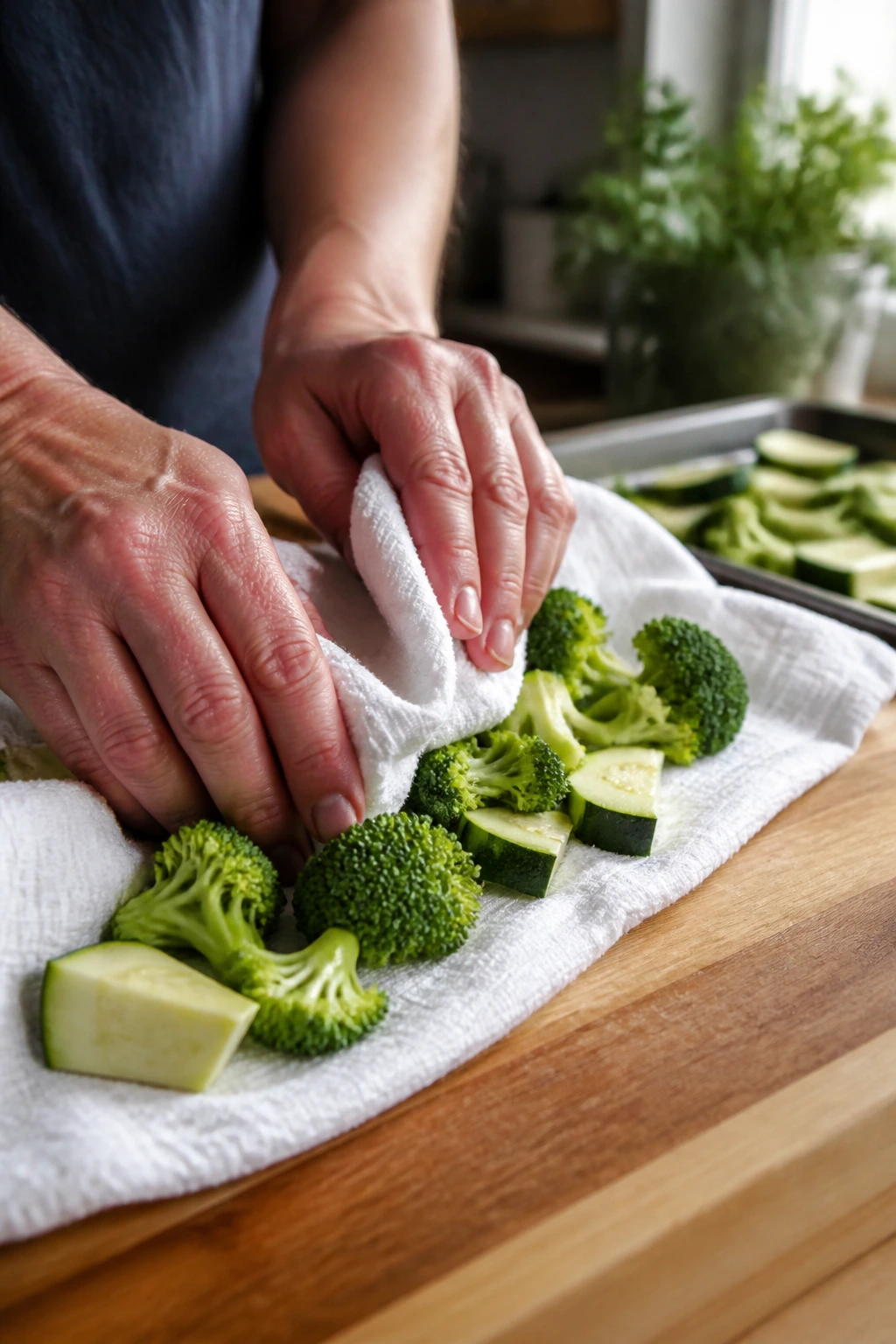
Surface dryness is half the battle. Water is the enemy of browning because it has to leave the vegetable before the vegetable can crisp. If your broccoli florets are still beaded with rinse water, the pan spends the first several minutes making steam, not color.
Cut for flat contact
Give vegetables at least one flat side whenever possible. Brussels sprouts should be halved through the stem so the cut face can sit on the pan. Cauliflower florets should be trimmed into pieces with enough stem to stay together. Carrots do better as thick coins or long spears, not thin shavings that burn before the inside softens.
Dry more than you think
Pat vegetables with a clean kitchen towel or paper towels after washing. If you have the patience, let them sit in a colander for 10 to 15 minutes before seasoning. Mushrooms should be wiped with a damp towel instead of rinsed under running water; they act like little sponges and hold onto water in the gills and caps.
Salt with a little judgment
Salt draws moisture out, which helps, but it can also make watery vegetables weep if you let them sit too long after salting. For vegetables you’re roasting right away, salt them just before they hit the pan. For a stubborn mushroom mix, you can salt lightly in the pan and let the heat do the rest.
Size matters more than most people admit
Keep pieces close in size so the pan finishes in one window. Broccoli florets should be about golf-ball sized. Carrot coins should be about ½ inch thick. Brussels sprouts should be halved or quartered if they’re large. That kind of uniformity stops the outer pieces from burning while the center pieces are still raw and chalky.
Sheet-Pan Roasting for Deep Browning
Sheet-pan roasting is the method I reach for when I want vegetables that taste like they belonged in the oven. The heat is dry, the browning is broad, and the edges get those dark spots that turn sweet instead of bitter when you pull the pan at the right second.
The basic pattern
- Preheat the oven to 425°F for most vegetables, or 450°F if you’re roasting sturdy vegetables like cauliflower, carrots, or Brussels sprouts and your oven runs a little soft.
- Set the empty sheet pan in the oven for 5 minutes if you want a stronger sizzle when the vegetables hit the metal. Skip this with delicate vegetables like asparagus or zucchini.
- Toss 1 pound of vegetables with 1 to 2 tablespoons of oil, ½ teaspoon of kosher salt, and any dry spices you want. The vegetables should look lightly coated, not glossy and dripping.
- Spread them out in a single layer with visible space between pieces. If the pan looks crowded, split the vegetables across two pans.
- Roast for 15 to 35 minutes depending on the vegetable. Broccoli and asparagus need less time; carrots and Brussels sprouts need more.
- Flip or stir once halfway through if the vegetables are cut small. Large wedges can often stay where they are.
- Finish when the edges are browned and the centers give easily to a fork. You want color first, tenderness second.
How to read the pan
The smell changes before the timer does. Browning vegetables start to smell nutty, toasty, and faintly sweet. If the pan smells flat and wet, the vegetables are still steaming. If the edges are blackening while the centers are hard, your cut size was too small or the heat was too aggressive.
When to add extra ingredients
Garlic, fresh herbs, and delicate grated cheese are better added near the end. Raw garlic burns quickly on a hot pan and turns bitter. Parmesan can go on for the last 3 to 5 minutes if you want a salty crust. Fresh parsley, dill, or lemon zest works best after the pan comes out.
Sheet-pan roasting is the easiest way to build a dinner where the vegetables have personality instead of just being warm filler. It asks for a little space. That’s all.
Skillet Crisping for Faster Weeknight Dinners
A hot skillet gives you a different kind of crisp. Not the broad, even browning of the oven. More like sharp, concentrated spots where the vegetables touch cast iron or stainless steel and pick up color quickly.
This is the method for smaller batches, for vegetables that need attention, and for nights when you want the pan on the stove instead of waiting for the oven to do its thing.
Best vegetables for the skillet
Green beans, zucchini rounds, mushrooms, peppers, cabbage ribbons, asparagus, and thin carrot coins all handle skillet cooking well. Dense vegetables can work too, but they usually need a quick head start with a lid or a splash of water so they don’t stay raw in the center while the outside darkens.
The skillet rhythm
Start with medium-high heat and let the pan get hot before the vegetables go in. Add enough oil to coat the bottom in a thin film, then spread the vegetables out in one layer. Don’t stir right away. Let the first side brown for 2 to 4 minutes, depending on the vegetable.
Once the underside has color, stir or flip the pieces and give the other side time to catch up. If you’re cooking mushrooms, leave them alone long enough to dump their water and then brown again. If you move them too soon, they never get past the gray, damp stage.
Why this method works so well
The skillet concentrates heat in the spots where the vegetables meet the metal, which means more immediate browning and less waiting. You can also control the finish with more precision than in the oven. Want your cabbage still a little juicy? Pull it early. Want the mushrooms darker? Let them sit another minute.
A small finishing move helps here: a spoonful of soy sauce, a squeeze of lemon, or a dash of vinegar after the heat turns off. Skillet vegetables carry bold flavors well, but they need that last sharp note to keep the taste from going heavy.
Air-Frying Small Batches Without Drying Them Out
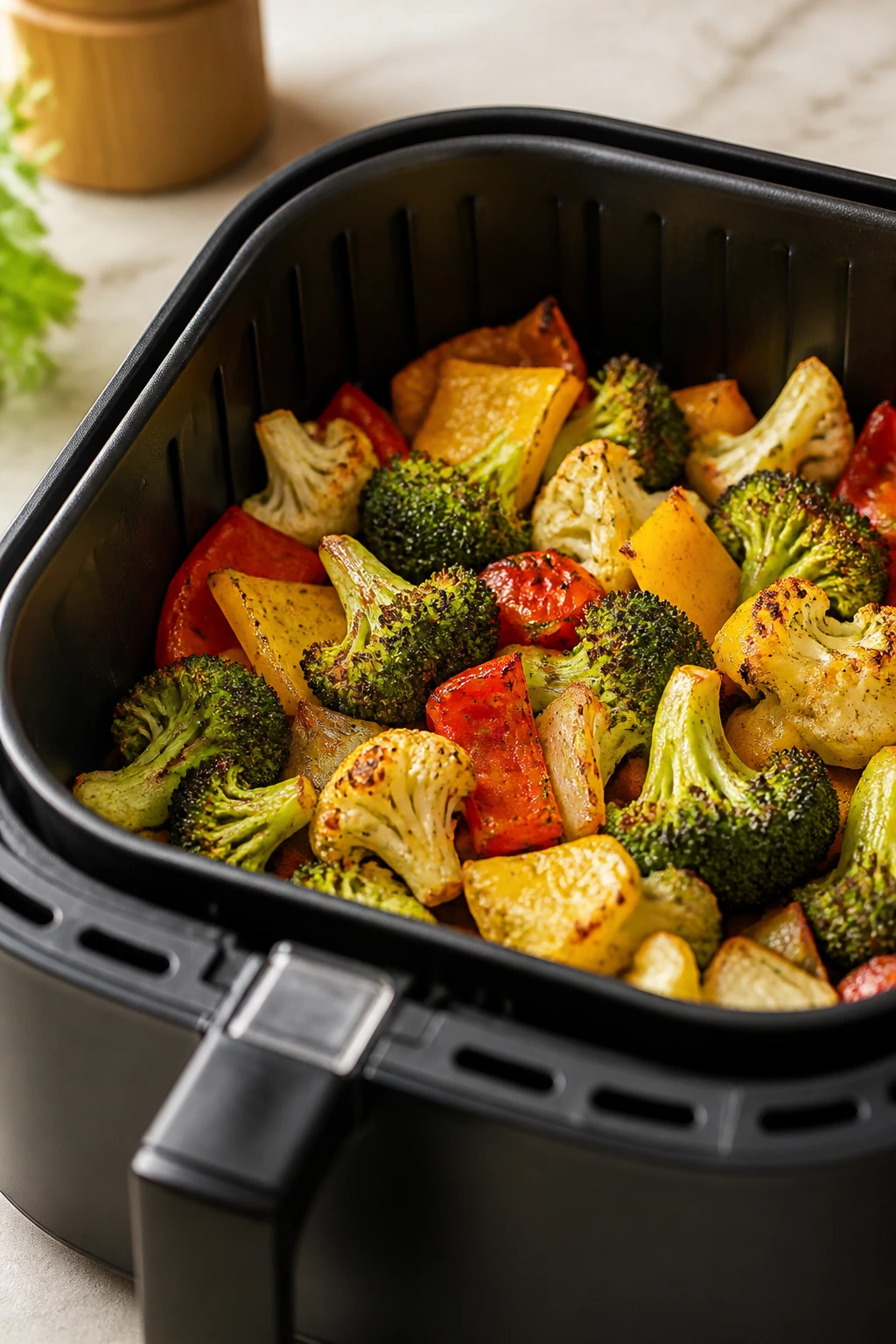
The air fryer is not magic. It’s a tiny convection oven with a strong fan and very little patience. Which is why it works so well for crispy vegetables when you don’t need enough to feed a crowd.
Use it for Brussels sprouts, broccoli, cauliflower, green beans, zucchini, and carrot coins. Keep the pieces close in size and don’t overload the basket. Two to three cups per batch is plenty for most home models.
A simple air-fryer pattern
- Preheat to 375°F to 400°F if your model needs it.
- Toss the vegetables with a small amount of oil, about 1 tablespoon per pound.
- Shake the basket every 4 to 5 minutes so the pieces that started on the bottom get a turn near the hot air.
- Cook for 8 to 18 minutes depending on the vegetable and cut size.
- Pull them when the edges are browned and the smallest pieces look crisp but not shriveled.
What the air fryer does well
It’s good at turning moisture into speed. Thin green beans come out blistered in a way that feels almost snacky. Brussels sprouts pick up browned edges fast. Cauliflower gets little browned freckles that taste far richer than plain boiling or steaming ever will.
What it doesn’t do well
It does not love crowded baskets, dripping marinades, or very wet vegetables. If you add a honey glaze too early, the sugar can scorch. If you pile in zucchini and onions together, the zucchini will go limp while the onion is still catching up. Keep the load small, and treat the air fryer like the fast, strict little machine it is.
Seasoning That Sticks, Browns, and Finishes Clean
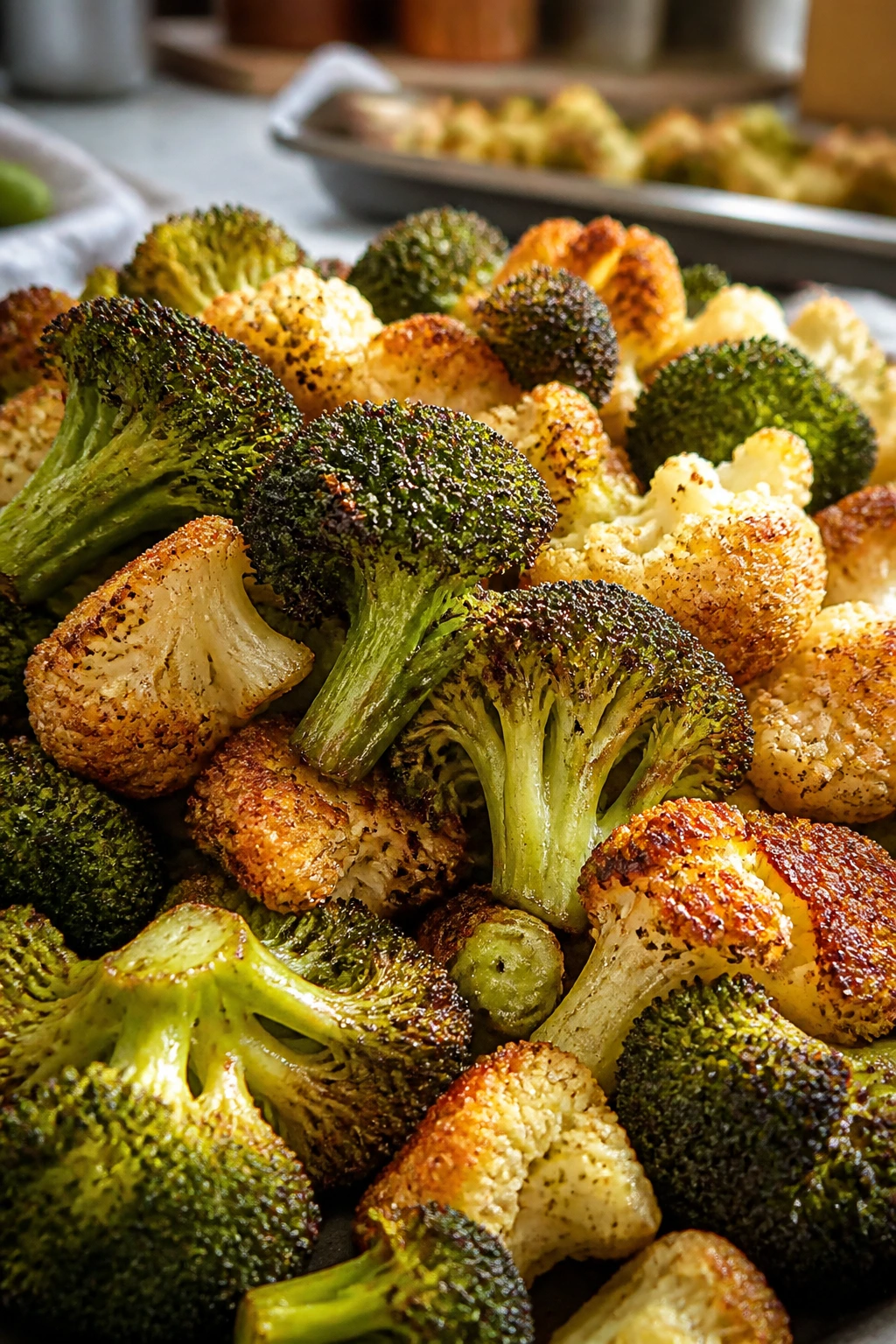
The biggest mistake with seasoning vegetables is dressing them like they’re salad. Wet marinades, sugary sauces, and heavy dressings can block browning and make the pan slippery. What works better is a dryish coating that helps the surface color, then a finish that wakes the whole thing up at the end.
The seasoning base
For 1 pound of vegetables, start with:
- 1 to 2 tablespoons olive oil
- ½ to 1 teaspoon kosher salt
- ¼ to ½ teaspoon black pepper
- ½ teaspoon garlic powder
- ½ teaspoon smoked paprika
That combination is plain in the best way. It brown-sticks. It doesn’t scorch easily. It makes the vegetables taste cooked instead of merely dressed.
Add the sharp thing at the end
Once the vegetables are out of the oven or skillet, add one bright finish. Lemon juice. Lime juice. Sherry vinegar. Red wine vinegar. A spoonful of tahini loosened with water. You don’t need much. Half a lemon over a full tray is often enough.
Use herbs like a finishing move, not a punishment
Fresh basil, parsley, dill, and mint lose their best qualities in a hot pan. Chop them and scatter them over the vegetables right before serving. Dried rosemary and thyme can go in earlier because they can handle the heat, but even then I’d use them sparingly. Too much rosemary turns the pan into a pine forest.
When cheese belongs
Parmesan, pecorino, and feta can all work, but they should be used with restraint. Parmesan melts into a salty crust if it goes on during the final minutes of roasting. Feta stays crumbly and adds a sharp, creamy contrast after cooking. Goat cheese is softer and better dolloped on the plate than tossed into the pan.
Turning Vegetables Into a Full Healthy Dinner
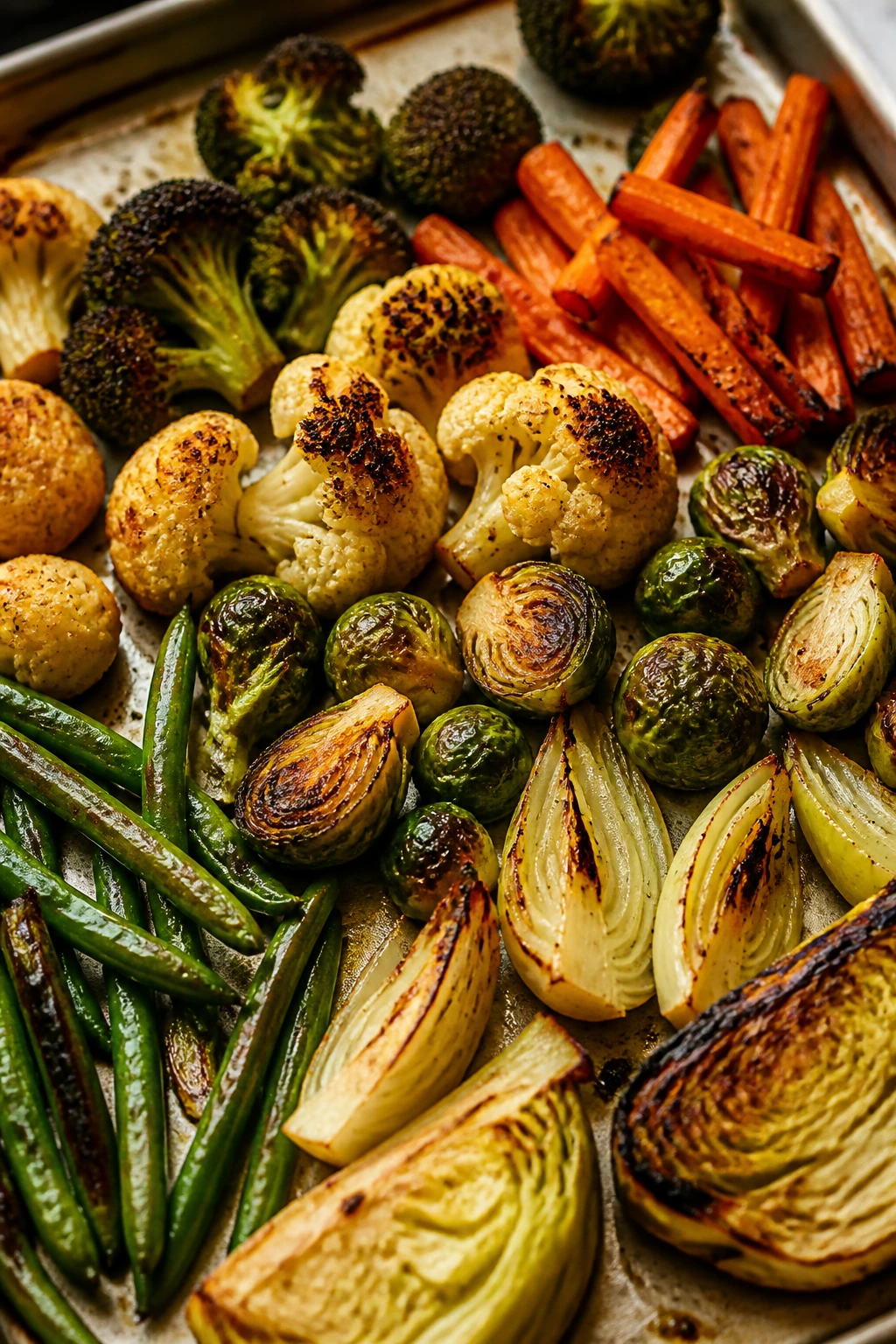
A tray of crisp vegetables is a strong start, not the whole meal. Dinner works better when the vegetables are part of a plate with some weight to it. That might mean grains, beans, eggs, yogurt, tofu, or fish if you eat it.
Build the plate in layers
Start with something starchy and mild: quinoa, brown rice, farro, couscous, or roasted potatoes if you want the meal to lean heartier. Add a protein that can handle a sharper vegetable side, like chickpeas, white beans, lentils, baked tofu, fried eggs, salmon, or chicken. Then put the crispy vegetables on top or beside the grain so the browned edges stay visible.
A few combinations that actually make sense
- Broccoli, brown rice, and sesame tofu with a squeeze of lime.
- Brussels sprouts, fried eggs, and toast with chili flakes.
- Carrots, chickpeas, and tahini sauce over farro.
- Cauliflower, lentils, and yogurt herb sauce with toasted seeds on top.
- Green beans, potatoes, and a soft-boiled egg with mustard vinaigrette.
These are not fancy plates. They’re just balanced. The crisp vegetables bring the texture, the grains bring the base, and the sauce ties it together without turning everything soft.
Presentation that helps the meal feel finished
Pile the vegetables so the browned side faces up if you can manage it. Drizzle sauce around the edges instead of over the top if you want to keep the crisp. A little chopped herb or lemon zest makes the plate look bright and fresh, but the more important job is practical: keep anything wet on the side until the last second.
Portions that keep dinner honest
A useful serving target is about 1½ to 2 cups of cooked vegetables per person when they’re the main event, or 1 cup per person when they’re sharing space with grains and protein. If you’re feeding very hungry people, make the vegetables first and double the pan rather than hoping one crowded tray will do it.
Small Tweaks That Make More Crunch
A hot pan helps, but the details decide whether you get crisp edges or just warmed vegetables. These are the moves I use when I want the result to feel less casual and more deliberate.
Batch size: If your vegetables are touching in a dense layer, they’ll steam. Use two pans if the single pan starts looking crowded after the toss. Space is not a luxury here. It is the whole trick.
Pan choice: A heavy, rimmed sheet pan browns better than a flimsy one because it holds heat more evenly. Dark metal usually gives more color than shiny aluminum, though it can also brown faster, so keep an eye on it.
Preheat the pan: For broccoli, cauliflower, and Brussels sprouts, a hot empty pan helps create immediate sizzle. That first contact can make the difference between bronzed edges and pale, soft ones.
Use dry spices first, fresh herbs later: Paprika, cumin, coriander, and garlic powder can go on before cooking. Basil, parsley, and dill should wait until the vegetables are out of the heat.
Finish with acid: A few drops of lemon or vinegar after roasting cuts through the oil and makes the crispness taste more vivid. Without that, the vegetables can taste heavy even when the texture is right.
Save the sauce for the side: If you’re using tahini, yogurt sauce, pesto, or a soy-based glaze, put it under or beside the vegetables instead of drowning them. Crisp food loses its edge fast once it’s swimming.
One more thing. If you want the most obvious crisp on the table, use vegetables with cut faces. A Brussels sprout halved from stem to crown browns better than one left whole, and that tiny change is often the difference between “fine” and “I want another bite.”
Where Crispy Vegetables Usually Go Wrong
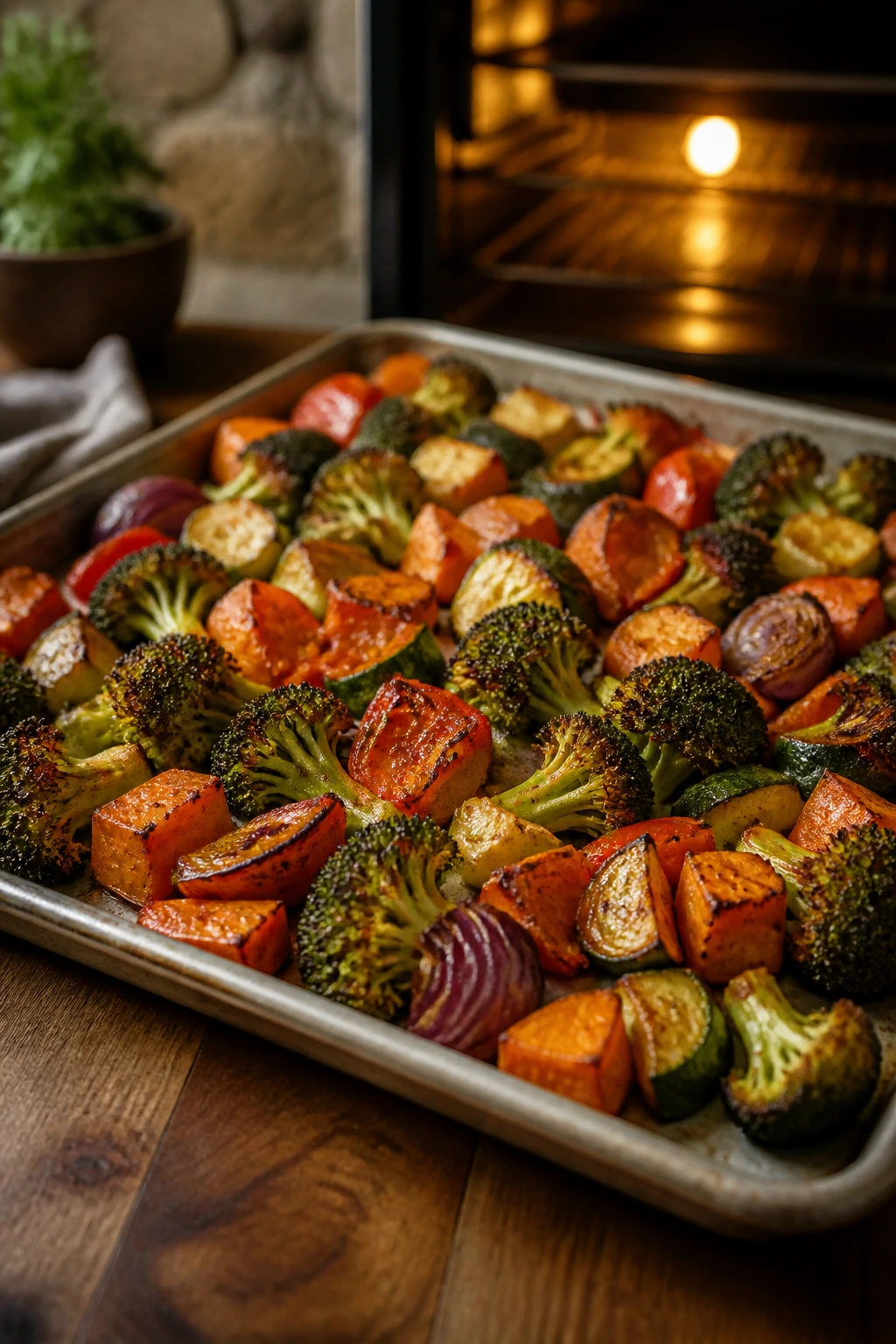
Limp vegetables are rarely the result of bad vegetables. They’re usually the result of too much moisture, too little heat, or a pan that got bullied into overcrowding. The fix is usually obvious once you see the mistake, which is why it’s so annoying that people keep making the same ones.
Crowding the pan
When vegetables sit on top of each other, steam gets trapped. The symptom is pale color and soft bottoms. The fix is simple: use a second pan, or roast in batches. If the pan looks full before it goes in the oven, it’s already too crowded.
Starting with wet vegetables
If the vegetables still have rinse water clinging to them, that water has to evaporate before browning starts. You get soft surfaces and delayed caramelization. Dry them with a towel, then let them sit for a few minutes before seasoning if they’re especially wet.
Using too much oil
Oil should coat, not pool. Too much oil can make the vegetables greasy, which slows browning and gives the seasoning something slippery to slide around on. If you can see oil collecting under the vegetables, you’ve gone too far.
Cutting everything the same size without thinking
Uniform size matters, but so does density. A carrot coin and a zucchini coin are not the same thing just because they’re both a half-inch thick. Hard vegetables need a head start; soft vegetables need a shorter run. Match by cooking time, not just by shape.
Pulling them too early
A vegetable can be tender and still not crisp. If you pull it the second a fork slides in, you’ll miss the browned edge that gives the dish its character. Look for color, smell, and a little bit of collapse at the edges. Then stop. Waiting another minute after that can save you from underbrowning, but too much more can push you into dry territory.
Adding sugary sauces too soon
Honey, maple syrup, and sweet glazes burn before the vegetables finish cooking. The symptom is blackened spots that taste bitter instead of caramelized. Brush or drizzle them on during the last few minutes, or even after the vegetables come out.
Flavor Swaps for Different Cravings
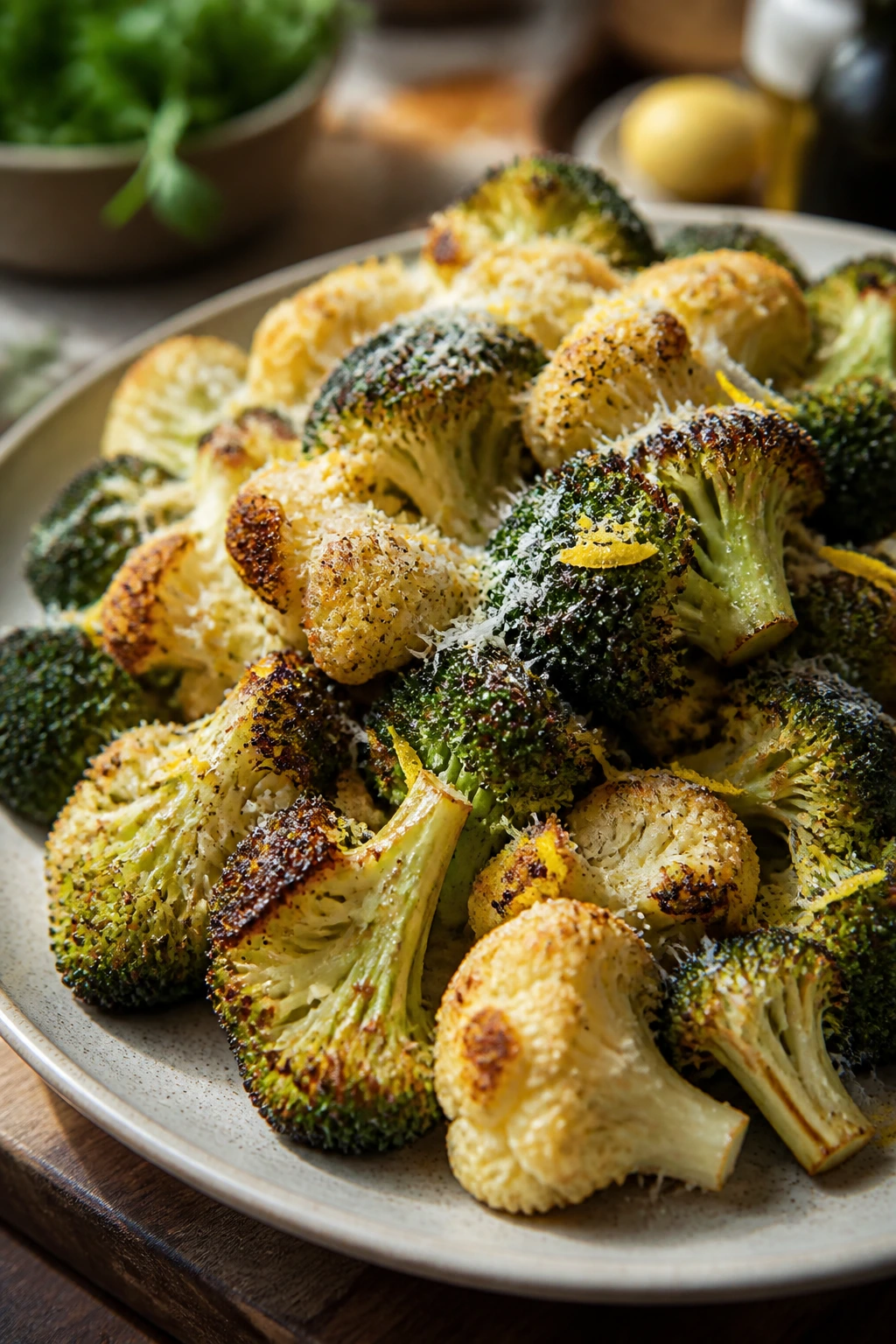
Once you understand the basic method, the variations come easy. I like that part. You’re not trapped in one seasoning lane, and you don’t need a new recipe every time the vegetable drawer changes shape.
Lemon-Parmesan Broccoli and Cauliflower
Toss broccoli and cauliflower with olive oil, salt, black pepper, and garlic powder, then roast until browned. Finish with lemon zest and a handful of finely grated Parmesan while the pan is still hot so the cheese melts into the edges instead of sitting in little dry clumps.
Smoky Paprika Brussels Sprouts
Halved Brussels sprouts love smoked paprika, a pinch of cumin, and a splash of sherry vinegar after roasting. The paprika gives the sprouts a campfire edge without making them taste like barbecue sauce, which is where a lot of versions go wrong.
Sesame-Ginger Green Beans
Use a skillet or air fryer, then finish with toasted sesame oil, sesame seeds, a little grated ginger, and a few drops of soy sauce. Keep the soy light; the point is a clean, savory finish, not a wet glaze that wipes out the crisp.
Harissa Carrots With Yogurt
Roast carrot spears with harissa paste thinned with olive oil. Serve them with plain yogurt on the side so the heat has somewhere to land. The combination is sharp, creamy, and a little smoky, and it works especially well with cumin.
Dairy-Free Tahini Vegetables
Any roasted vegetable can take this route. Blend tahini with lemon juice, water, garlic, and salt until it’s pourable, then drizzle it around the vegetables or under them on the plate. It tastes rich without adding cheese, and it keeps the meal in vegetarian territory cleanly.
The Gear That Helps the Pan Work
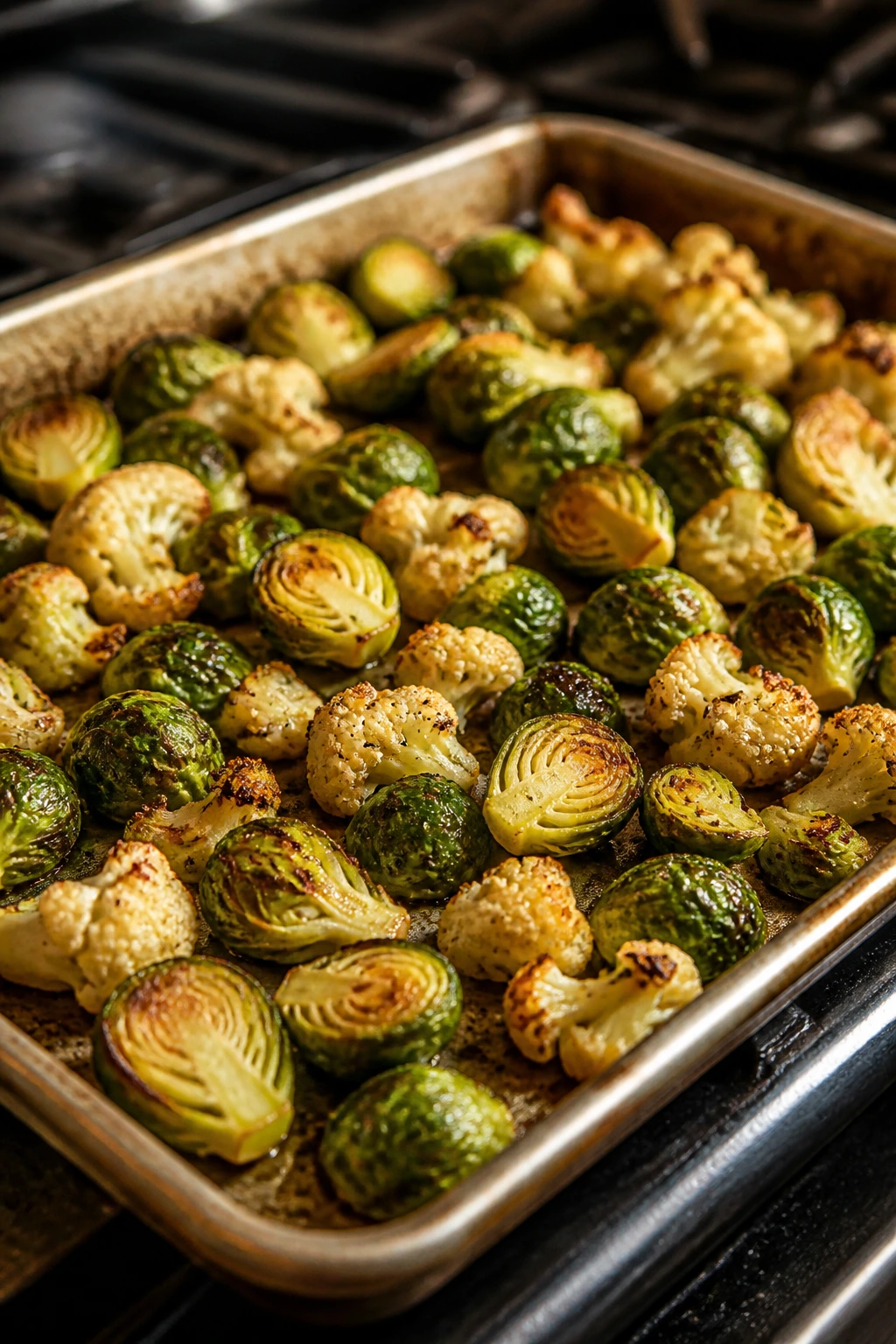
You do not need a cabinet full of gadgets. You need a few solid tools and the discipline to use them well.
- Rimmed sheet pan: This is the backbone for oven-roasted vegetables. The rim keeps oil and juices from sliding off.
- Heavy skillet, cast iron or stainless steel: Best for quick browning and concentrated heat. Thin pans cool too fast.
- Large mixing bowl: Gives the vegetables room to get coated evenly without flinging oil onto the counter.
- Clean kitchen towel or paper towels: Moisture control matters more than expensive seasoning.
- Tongs or a thin spatula: Useful for flipping without tearing apart soft vegetables.
- Air fryer basket: Optional, but useful when you want a fast batch with extra browning.
- Microplane or fine grater: Handy for lemon zest, garlic, ginger, or a final dusting of hard cheese.
- Instant-read thermometer: Not necessary for vegetables, but helpful if you’re pairing them with fish, chicken, or tofu and want dinner to finish together.
Parchment paper can help with cleanup, but if you want the deepest browning on a sturdy pan, bare metal usually does better. A little inconvenience is the price of a better crust. I’d pay it.
Keeping Leftovers Crisp Enough to Matter
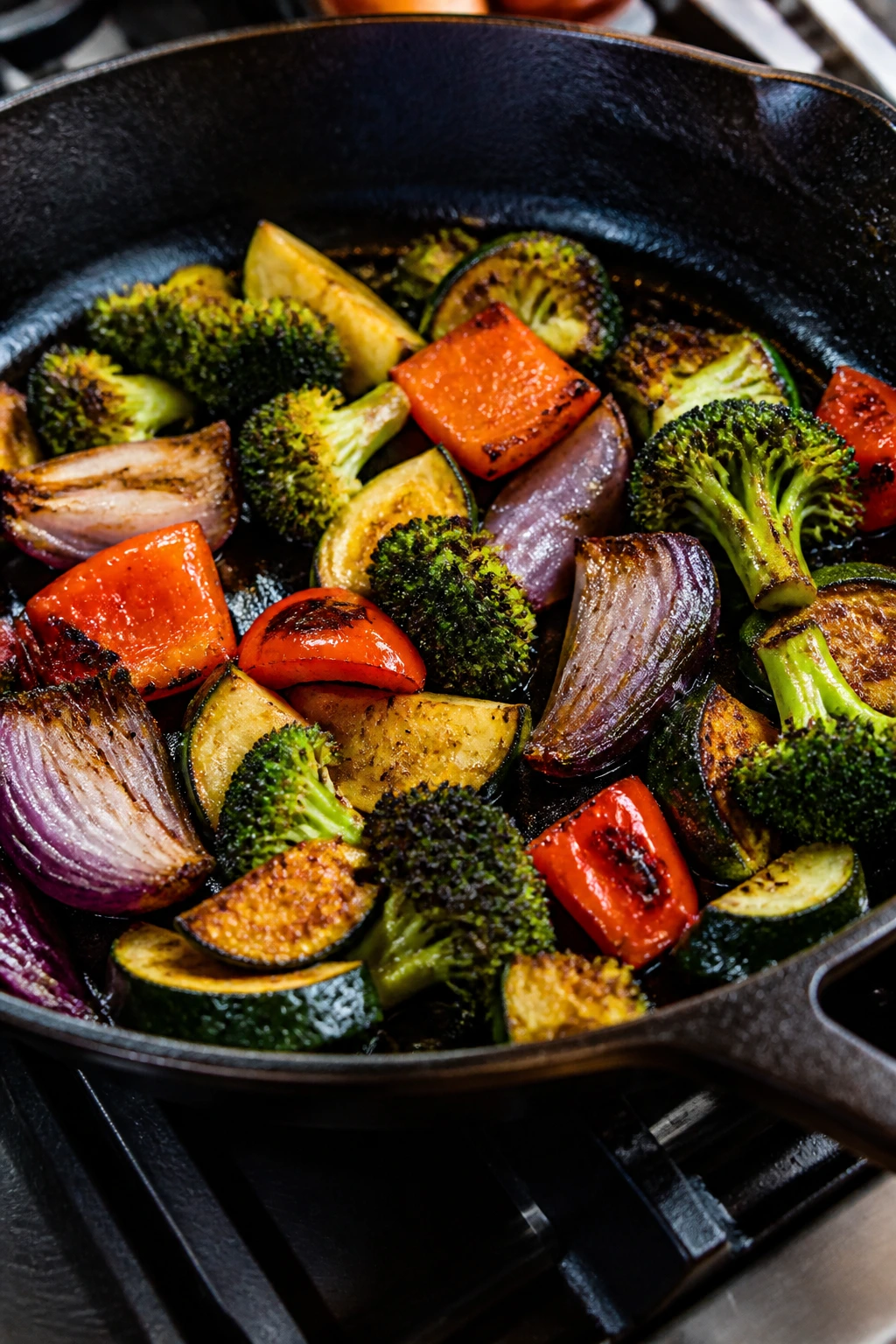
Crispy vegetables are at their best right after cooking, but leftovers are not hopeless. You just need to treat them like leftovers and stop expecting the microwave to preserve texture it was never built to protect.
Refrigerating
Let the vegetables cool for 20 to 30 minutes, then store them in an airtight container in the fridge for 3 to 4 days. If they’re sitting in sauce, separate the sauce if you can. Wet food softens itself overnight.
Freezing
Roasted vegetables can be frozen for up to 2 months, though they’ll lose some crispness when thawed. Freeze them in a single layer on a tray first if you want to keep them from clumping. Brussels sprouts, cauliflower, and carrots hold up better than zucchini or mushrooms.
Reheating
The best way to bring back texture is a 425°F oven for 8 to 12 minutes or an air fryer at 375°F for 4 to 6 minutes. Spread the vegetables out and let the heat do the work again. A skillet over medium-high heat works too, especially for smaller leftovers. The microwave is fine if you care more about warmth than texture, but it won’t give you crisp edges.
Make-ahead prep
You can wash and cut most vegetables a day ahead. Dry them well, then store them in a container lined with a paper towel so the moisture doesn’t sit against the cut surfaces. I would not oil them until cooking time. Once oil hits the vegetables, the clock starts moving faster.
Some vegetables even improve in planning terms. Carrots and Brussels sprouts are easy to prep early because they don’t brown awkwardly on the cut edges while waiting. Zucchini and mushrooms, on the other hand, should be handled closer to cooking time or they’ll start leaking water before the pan even gets hot.
Questions People Always Ask About Crispy Vegetables
Can I make crispy vegetables without much oil?
Yes, but you need to accept a slightly different result. A very light coating of oil still helps heat move across the surface and gives the vegetables a better chance to brown. If you cut the oil too far, the texture shifts toward dry roasting, which is fine for some vegetables but not as satisfying for broccoli or Brussels sprouts.
Which vegetables get the crispiest in the oven?
Brussels sprouts, cauliflower, broccoli, cabbage wedges, and green beans tend to brown well and keep some bite. Root vegetables like carrots and parsnips also do well, though they’re more about caramelized edges than shattering crispness. Zucchini rarely gets truly crisp in the oven; it usually goes soft with a few browned spots.
Why do my vegetables keep coming out soggy?
Crowding and moisture are the usual culprits. If the vegetables were wet when they went on the pan, or if the pan was packed too tightly, they steamed instead of roasting. Dry them well, use a hotter oven, and give them enough room to breathe.
Do I need parchment paper?
No. Parchment makes cleanup easier, but bare metal usually browns better because it transfers heat more directly. If your pan is good quality and you don’t mind washing it, skipping parchment often gives you a deeper crust on the vegetables.
Can I use frozen vegetables?
You can, but they need a different attitude. Frozen vegetables release more moisture, so they’re harder to crisp. Roast or air-fry them straight from frozen with extra space and expect more browning than crunch. They’re useful, but they are not the same as fresh vegetables cooked properly.
What’s the best temperature for roasted vegetables?
Most vegetables do well at 425°F, which is hot enough to brown but not so aggressive that the outside burns before the inside softens. Dense vegetables can handle 450°F if you watch them closely. Delicate ones like asparagus are happier closer to 400°F.
How do I keep them crisp when I’m cooking for guests?
Cook them slightly underdone, then reheat them briefly at high heat right before serving. Hold sauce on the side and finish with herbs or lemon after the vegetables leave the oven. If they sit under a lid or in a covered dish, the steam will erase the crisp edges fast.
Can I use the same method for all vegetables?
Not cleanly. That’s the trap. Broccoli and carrots can share a pan because they tolerate similar heat, but zucchini, mushrooms, and asparagus need shorter cooking times. Group vegetables by density and moisture, and your results will improve immediately.
A Crisp Finish
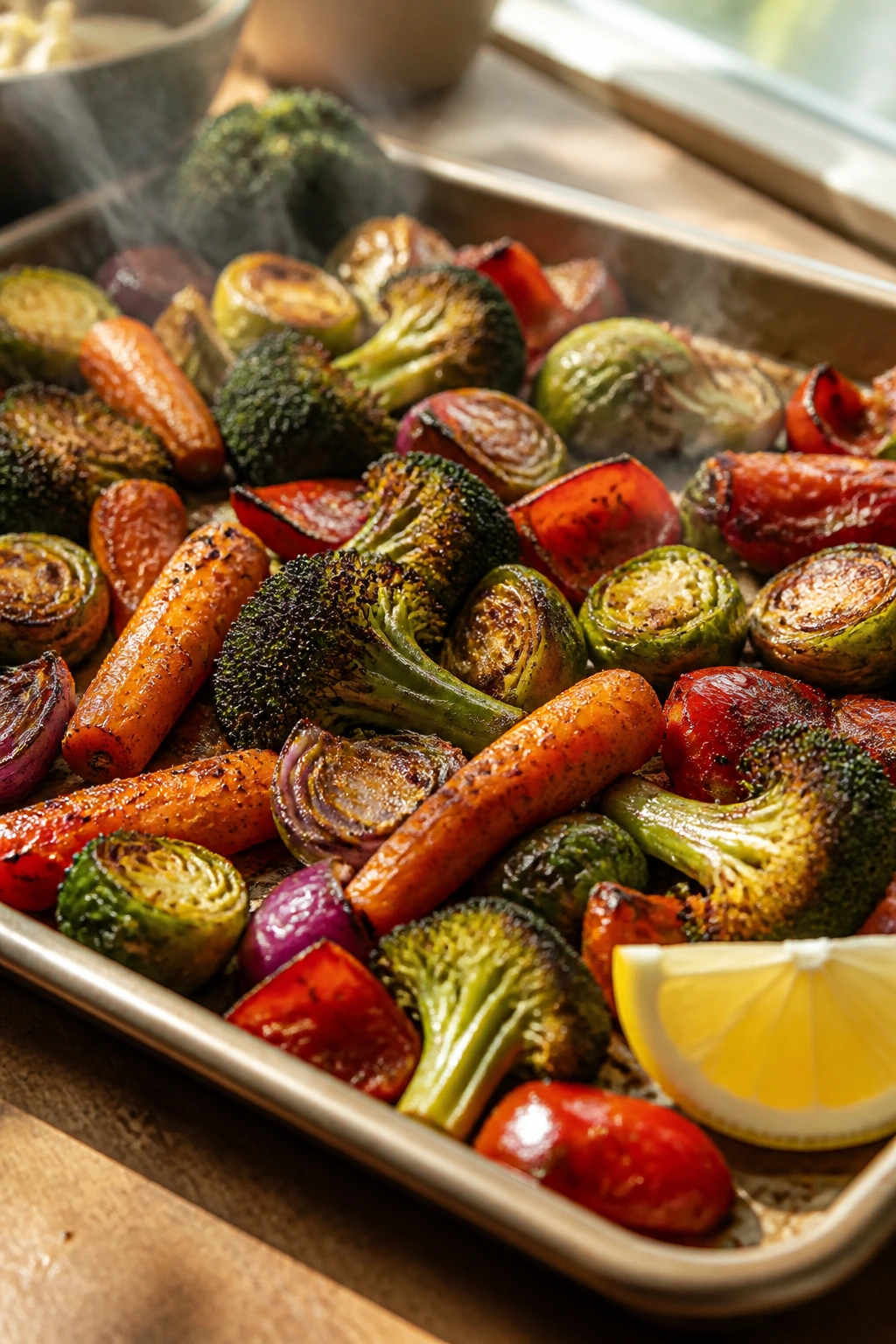
Once you stop asking vegetables to behave like soup ingredients, dinner changes. A hot pan, a little oil, and enough space to brown are enough to turn ordinary produce into something with real texture and a proper finish. That first bite matters. It sounds small, but it isn’t.
I keep coming back to this because the difference is so plain once you taste it. Crisp vegetables don’t feel like a concession. They feel like dinner paid attention to itself. Keep one sheet pan ready, keep a lemon nearby, and the rest gets easier every time you do it.