



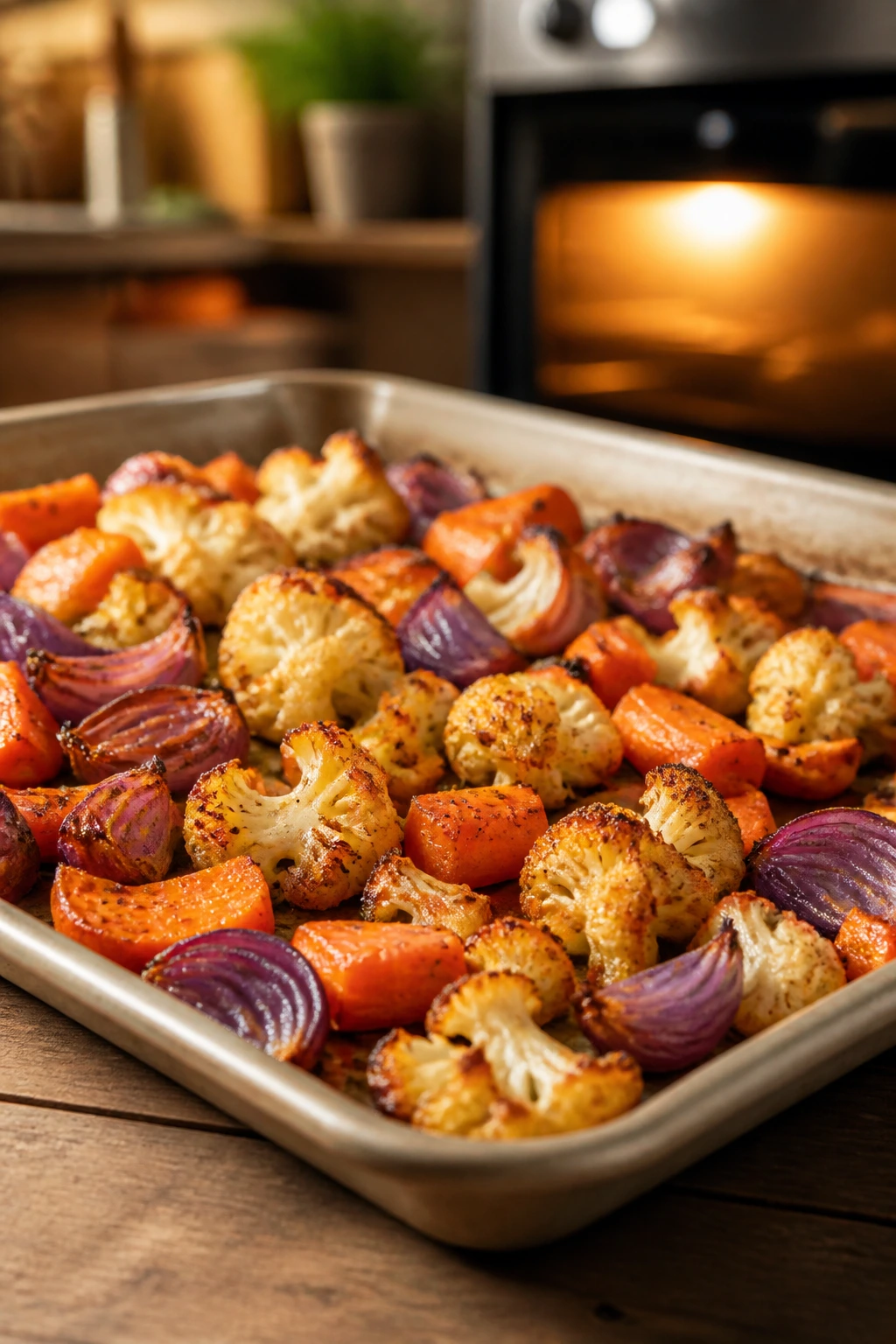
The smell is the first clue. Put carrots, cauliflower, and onions on a hot sheet pan and the kitchen stops smelling like raw produce and starts smelling like dinner — browned, sweet, a little savory around the edges, the kind of smell that makes people drift into the kitchen and ask what’s in the oven.
That’s the whole appeal of roasted hidden veggies for a healthy dinner. The vegetables don’t sit there looking virtuous and a little sad. They soften, caramelize, and take on enough flavor that they can be blended into sauce, folded into grains, tucked inside a casserole, or served in plain sight without feeling like a punishment plate. Roast them hard enough — usually 425°F, give or take the personality of your oven — and they stop tasting watery and start behaving like body, sweetness, and depth.
There’s a reason this approach keeps showing up in practical nutrition advice. USDA’s MyPlate pushes a simple idea that’s easy to remember: make vegetables take up real space on the plate. That sounds boring on paper. In a kitchen, it’s useful. Fiber-rich vegetables help a dinner feel more substantial without relying on a mountain of starch, and roasting makes that vegetable part of the meal easier to repeat because it tastes like something you’d choose on purpose.
The trick isn’t to hide vegetables so well that nobody notices them. It’s to make them work harder. Once you know which vegetables roast into sweetness, which ones need a shorter run in the oven, and how to fold the tray into actual dinner instead of a lonely side dish, the whole thing gets a lot easier.
Why Roasted Hidden Veggies Work Better Than Steamed Ones
-
Browned edges do the heavy lifting. Steamed vegetables stay meek and a little one-note; roasted vegetables lose water, pick up color, and taste sweeter without needing a sugary sauce.
-
You can hide them three different ways. Roast them, then mash some with a fork, puree part of the tray into sauce, or chop them finely and fold them into something familiar.
-
A hot oven creates honest flavor. At 425°F, the surface dries enough to brown while the centers stay soft, which gives you vegetables that taste like dinner instead of boiled compromise.
-
The nutrients still matter. Fiber, potassium, and the bulk of the minerals stay put, and the fat in olive oil helps your body use the carotenoids in carrots, squash, and sweet potatoes.
-
It stretches a small budget. A couple of pounds of carrots, onions, cauliflower, or sweet potatoes can turn into a full pan of food with almost no expensive extras.
-
Leftovers actually earn their keep. The same tray can become tomorrow’s pasta sauce, grain bowl, frittata filling, or soup base without much extra work.
Steam is polite. Roasting has opinions.
And that opinion is usually better.
The vegetables get quieter. Not invisible. Quieter. That’s the difference between a tray that feels like a health project and one that feels like dinner you’d make again because it tastes good enough to matter.
Which Vegetables Roast Soft Enough to Blend, Mash, or Fold In
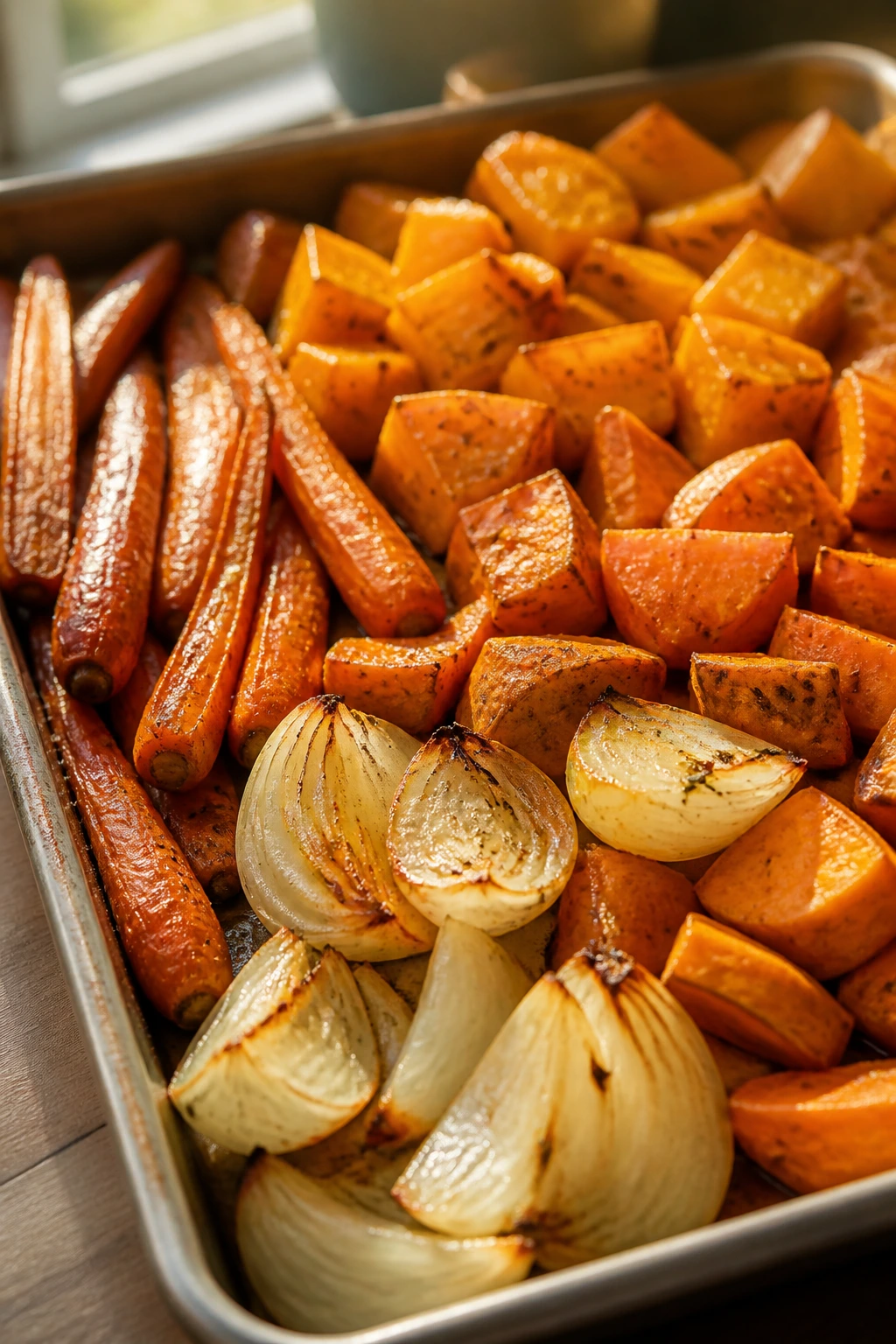
A hidden-veggie dinner lives or dies on the produce you choose. Some vegetables roast into soft sweetness and practically beg to be blended. Others stay too loud, too watery, or too crisp unless you treat them carefully. The goal isn’t to use every vegetable in the crisper drawer. The goal is to pick the ones that roast into a texture you can control.
Sweet vegetables that turn jammy
Carrots, sweet potatoes, butternut squash, and onions are the easy wins. They lose their raw edge fast, and the oven draws out the sugars so they taste fuller and rounder than they do raw. Carrots are especially useful because they hold shape without going mushy, which makes them easy to mash partway or puree with broth. Sweet potatoes and squash go softer and creamier, so they’re good when you want a tray that can become a mash or a thick base for bowls.
Onions are the secret weapon here. Roast them long enough and they collapse into something sweet enough to make the whole tray taste more cooked. I’m partial to red onions for color and yellow onions for deeper sweetness, though either one works if you cut them into thick wedges so they don’t burn before the rest of the vegetables finish.
Savory vegetables that add body
Cauliflower, mushrooms, cabbage, and fennel give a tray more backbone. Cauliflower is the classic hidden-veg move because it goes soft without shouting. Roasted cauliflower can be mashed into potatoes, pulsed into rice, or blended into soup with hardly any fuss. Mushrooms do the opposite: they shrink and concentrate, so they add a savory note that makes the final dish taste more like food and less like produce.
Cabbage is underrated. Slice it into thick ribbons or wedges, roast it until the edges go bronzed, and it gets sweet in a way that surprises people who only know it from slaw. Fennel can be lovely too, but it brings a licorice note. Use it if you already like fennel; skip it if you don’t want the tray announcing itself.
Vegetables that need special handling
Zucchini, bell peppers, broccoli, and green beans can work, but they need more care. Zucchini is the big one: it carries a lot of water, so it can turn limp if you pile it in with dense vegetables from the start. Salt it lightly, let it sit, blot it dry, and add it late. Bell peppers are sweet and easy to blend into sauces, though they stay visually obvious if you leave them in large pieces. Broccoli and green beans roast well, but they don’t disappear as neatly as cauliflower or carrots unless you chop them fine or puree them into another component.
If you want the vegetables to disappear into a meal, think in terms of texture first and flavor second. The quieter the vegetable, the easier the disguise. The best hidden-veggie trays aren’t random. They’re planned around how each vegetable softens, browns, and folds into the rest.
How to Cut and Season the Tray So It Cooks Evenly
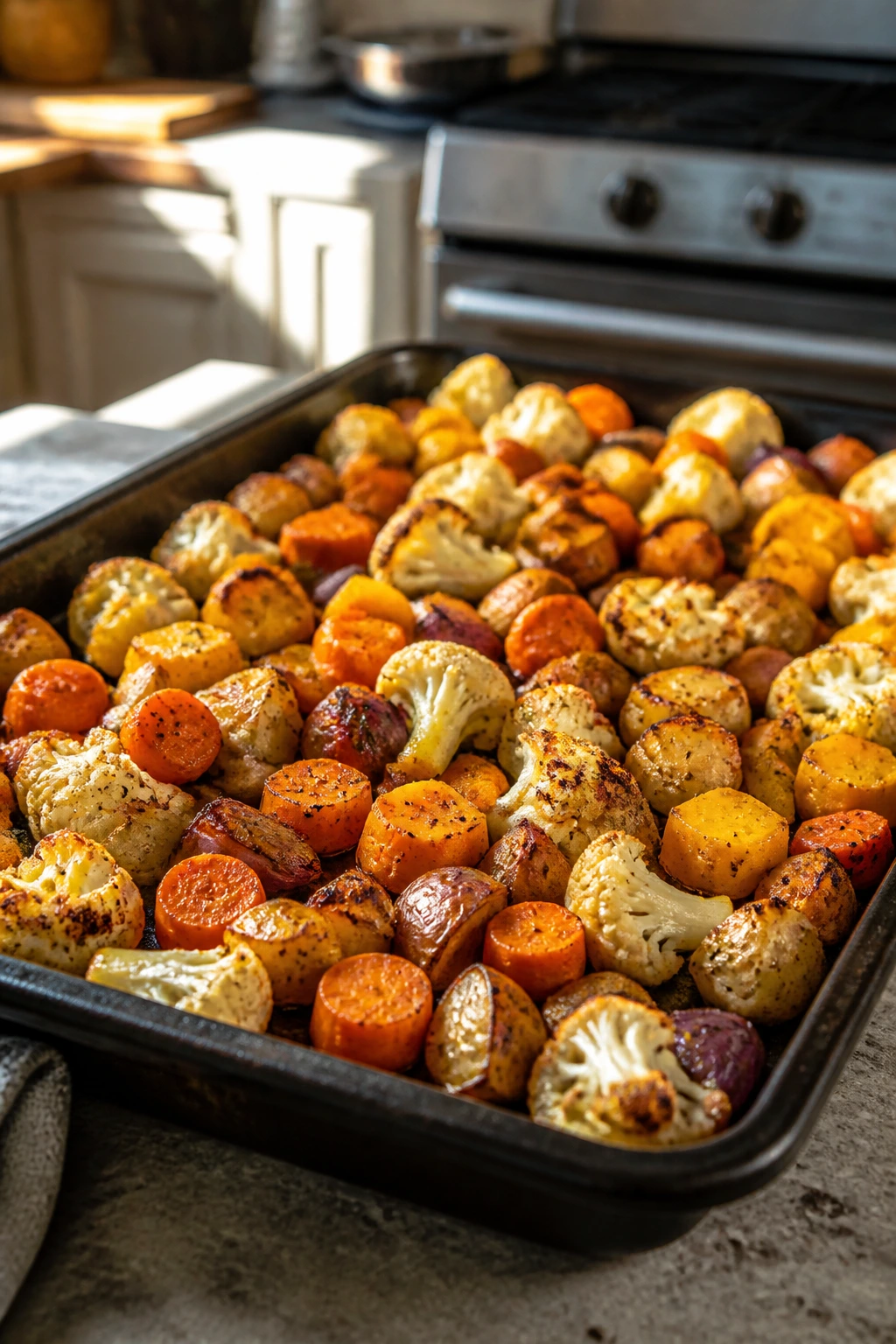
Three-quarter-inch pieces are the sweet spot for most hidden vegetables. Smaller pieces brown faster, which is handy if you want them to disappear into sauce or mash. Bigger pieces hold shape longer, which helps when you want part of the tray visible and part of it folded into the meal. Mix the sizes on purpose. Don’t cut everything the same way just because it looks neat on the cutting board.
A dark rimmed sheet pan is better than a flimsy cookie sheet. It holds heat, helps the edges brown, and gives you a little margin if some carrot juice or squash syrup drips out. Parchment paper makes cleanup easier, but if you want stronger browning, a thin film of oil directly on the pan works better. That’s one of those small kitchen tradeoffs people skip over. They shouldn’t.
Here’s the simple formula I trust for one standard tray:
- 2 pounds mixed vegetables — choose 2 to 4 types that roast at roughly the same speed.
- 2 to 3 tablespoons olive oil — enough to coat, not drown.
- 1 teaspoon kosher salt — more if the tray will be folded into rice or plain pasta.
- 1/2 teaspoon black pepper — enough to wake the vegetables up.
- 1 teaspoon garlic powder — better than raw garlic for long roasting.
- 1 teaspoon smoked paprika or dried thyme — choose based on the meal.
- 1 tablespoon balsamic vinegar or lemon juice — finish at the end, not before roasting.
The seasoning matters because hidden vegetables can taste flat if you’re timid. Salt brings out sweetness. Oil helps browning and carries flavor. A little acid at the end keeps the tray from tasting like every other roasted vegetable on earth. I like garlic powder more than fresh garlic for this job because fresh garlic can scorch before dense vegetables finish. Burnt garlic is loud, and not in a good way.
One more thing: toss hard vegetables and soft vegetables separately if you can. Carrots and squash need more time. Mushrooms and zucchini need less. If you combine everything blindly, you’ll end up with either undercooked carrots or vegetables that have given up and turned to mush.
The One-Tray Formula I Trust on Busy Nights
This is the part where the whole idea becomes repeatable. Not fancy. Repeatable.
Baseline yield: about 6 cups roasted vegetables, enough for 4 people as a main base or 6 as a side.
Hands-on time: 15 minutes.
Oven time: 25 to 35 minutes.
Best temperature: 425°F / 220°C.
Best texture: deep golden edges with tender centers — not pale, not limp, not charred to bitterness.
-
Preheat the oven to 425°F and line a rimmed sheet pan. If your oven runs cool, give it a full 15 minutes to preheat so the pan actually gets hot.
-
Prep 2 pounds of vegetables by density. Cut carrots and sweet potatoes into 3/4-inch pieces, cauliflower into 1-inch florets, onions into thick wedges, and mushrooms into halves or quarters. Keep zucchini or peppers separate if you’re using them.
-
Toss the vegetables with oil and seasoning. Use 2 to 3 tablespoons olive oil, 1 teaspoon kosher salt, 1/2 teaspoon black pepper, 1 teaspoon garlic powder, and 1 teaspoon smoked paprika or thyme. Coat everything evenly. Every piece should look lightly glossed, not slick.
-
Spread the vegetables in a single layer. Leave space between pieces. If the pan looks crowded, split it across two pans. Crowding steams the vegetables, and steaming is the enemy here.
-
Roast for 20 minutes without stirring. Let the first side brown. That first uninterrupted stretch matters more than most people think.
-
Stir, flip, or rotate the pan, then roast 8 to 15 minutes more. You’re looking for browned edges and tender centers. A knife should slide into carrots without resistance. The onions should look soft and a little collapsed. The mushrooms should have shrunk and darkened.
-
Hide the vegetables in the way your dinner needs. Mash a third of the tray with a fork if you want texture. Puree half with a splash of broth or tomato sauce if you want a smoother base. Fold the rest into whatever dinner you’re building.
-
Finish with acid or herbs. A squeeze of lemon, a spoonful of balsamic, chopped parsley, or a dusting of grated cheese changes the whole impression at the table.
If you’re using zucchini or bell peppers, add them during the last 10 to 12 minutes. If you’re using broccoli, give it about 18 to 22 minutes depending on size. Dense vegetables need the runway. Delicate ones need a late entrance.
The point is not to bury every vegetable until it disappears. The point is to use the oven to change the texture so the hidden part feels intentional instead of sneaky. That’s a much better trick.
How to Turn Roasted Vegetables Into Pasta, Bowls, Wraps, and Casseroles
A tray of vegetables is not dinner yet. It becomes dinner when you give it a second job.
Into pasta sauce
Blend 2 cups of roasted carrots, onions, cauliflower, or squash with 1 can of crushed tomatoes, 1/2 cup pasta water, and a handful of basil or parsley. That gives you a sauce that tastes fuller than plain tomato sauce, with enough body to coat noodles without looking heavy. If you want it creamy, add 2 tablespoons of cream, ricotta, or cashew cream. If you want it sharper, finish with a tablespoon of balsamic vinegar.
This is my favorite use for hidden vegetables because nobody at the table needs to hear a speech. The sauce just tastes richer.
Into grain bowls and mash
Fold chopped roasted vegetables into brown rice, farro, quinoa, or mashed potatoes. Start with about 1 cup vegetables for every 1 cup cooked grain if you want the tray to lead the bowl. Add beans, tofu, or a fried egg for protein, and you’ve got something that eats like a proper meal instead of a side piled on starch.
If the vegetables are soft enough, mash them into potatoes or cauliflower mash with a knob of butter or olive oil. Roasted sweet potatoes and carrots are especially good here because they bring sweetness and color without needing much help.
Into wraps, quesadillas, and hand pies
Chop the vegetables finer if you’re stuffing them into tortillas or pastry. You want bits, not chunks. Spread the vegetables thinly so the wrap doesn’t tear and the filling doesn’t slide out on the first bite. A little cheese helps hold everything together, but so does a spoonful of hummus, white bean spread, or mashed avocado.
Into eggs and casseroles
Stir roasted vegetables into a frittata, baked egg dish, or casserole. If you’re making a baked pasta, mix the vegetables into the sauce before you layer it so they settle into the dish instead of sitting on top like an afterthought. For a vegetable-heavy casserole, keep the moisture in check. Too much liquid and the whole thing turns slumpy.
One of the nicest things about roasted hidden veggies is that they don’t ask you to cook a whole separate dinner. They become part of the thing you were already making.
How to Serve a Roasted Hidden-Veggie Dinner at the Table
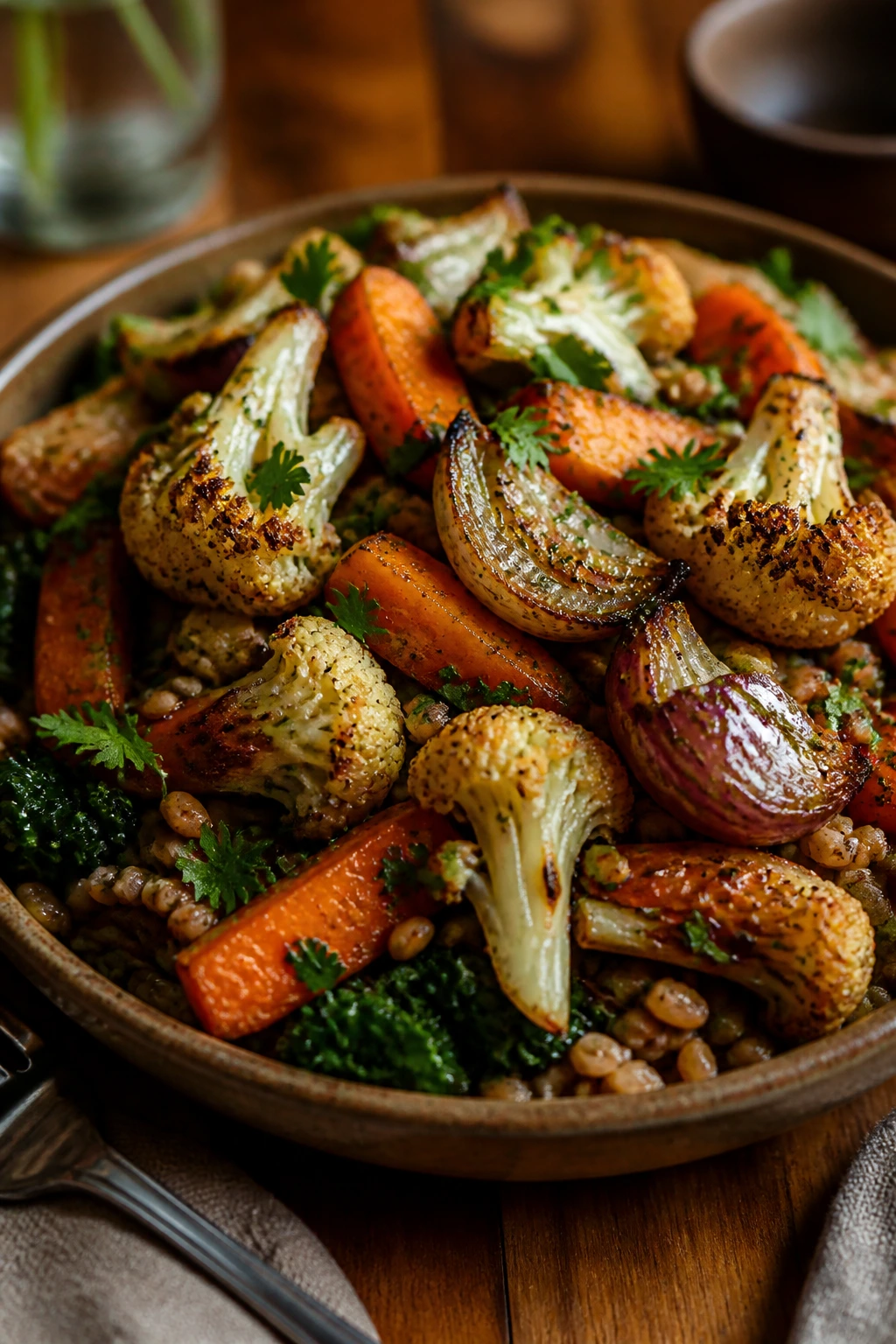
Presentation: Spoon the vegetables into warm shallow bowls or plate them over grains so they don’t look like a side dish that wandered off. A little contrast helps: bright herbs, a squeeze of lemon, toasted seeds, crumbled feta, or a spoon of yogurt on top. If you want the meal to look intentional, build height instead of spreading everything flat.
Accompaniments: Crusty bread, brown rice, quinoa, soft polenta, lentils, and simple green salad all work. If you want more staying power, add chickpeas, white beans, tofu, fried eggs, or a spoonful of hummus. The vegetables do the flavor work; the starch or protein gives the plate structure.
Portions: For a main dinner, plan on about 1 1/2 to 2 cups roasted vegetables per adult, plus a protein or bean component. As a side, 3/4 to 1 cup is usually enough. If you’re serving picky eaters, start with a smaller visible portion and use the rest inside sauce, mash, or filling so the plate doesn’t look crowded.
Beverage Pairing: Sparkling water with lemon is the easy win. Unsweetened iced tea works too. If you want something with a little more character, a dry white wine or a crisp cider stands up nicely to roasted sweetness without smothering it.
A warm plate helps more than people think. Cold plates make roasted vegetables feel like leftovers, and leftovers are a different mood. If you want dinner to feel like dinner, serve it hot, keep the sauce warm, and don’t drown the tray in liquid before it hits the table.
Practical Tips That Make the Vegetables Taste Like Dinner
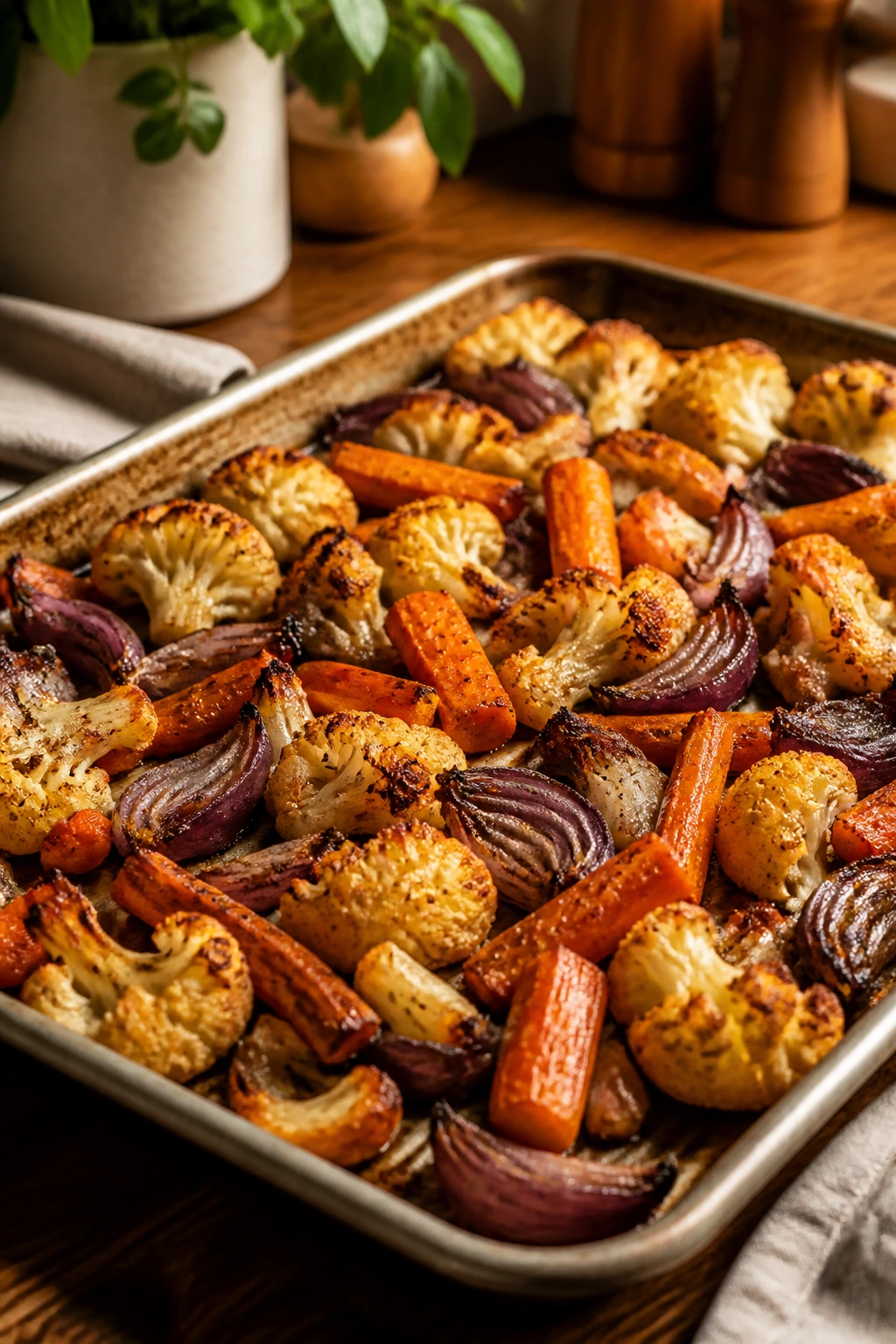
Flavor Enhancement: Finish the tray with acid, not more salt. A teaspoon or two of lemon juice, balsamic vinegar, or sherry vinegar brightens roasted carrots and squash in a way that makes the whole dish taste more complete. A little tahini or yogurt drizzle also works if you want creaminess without making everything heavy.
Time-Saver: Use the food processor’s shredding disk for carrots, cauliflower, and onions if you’re short on time. Thirty seconds in the processor beats fifteen minutes of knife work, and the smaller pieces disappear more easily into pasta sauce or filling. Just stop before the vegetables turn to paste.
Pro Move: Roast dense vegetables first, then add zucchini, mushrooms, or peppers for the last 10 to 12 minutes. That staggered timing keeps the softer vegetables from collapsing into puddles while the harder ones catch up. It also gives you better browning, which is half the point.
Cost-Saver: Carrots, onions, cabbage, potatoes, and cauliflower do a lot of work for very little money. Use the pricier vegetables as support instead of the main event. A single pepper or a handful of mushrooms can give the tray enough character without turning dinner into a grocery splurge.
Make-It-Yours: Keep a few flavor lanes in your head. Cumin, coriander, and chili flakes make the tray lean toward tacos. Thyme, Dijon, and parsley push it toward a more French-ish supper. Curry powder, ginger, and yogurt make it feel warm and round. You don’t need a different recipe every time; you need a different finish.
One of my favorite tiny upgrades is a spoonful of miso whisked into olive oil and brushed over the vegetables during the last few minutes. It sounds fussy. It isn’t. It just makes carrots and cauliflower taste deeper, the way a good stock does.
And if your tray smells sweet but not savory enough, the vegetables probably need more salt or a little more browning. Sweetness needs a little backbone.
The Mistakes That Make Hidden Veggies Obvious
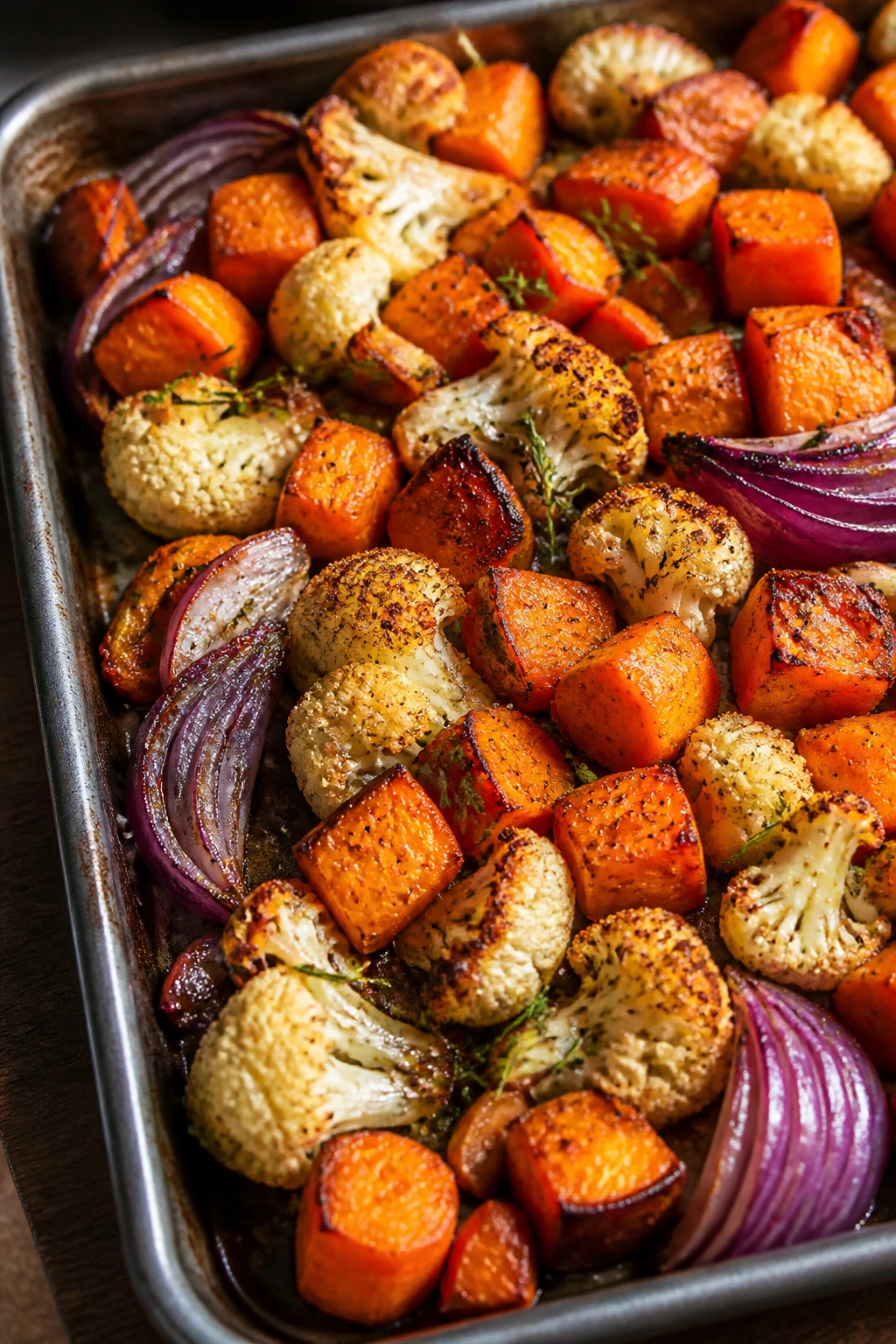
Most hidden-veggie dinners fail for the same reason: the vegetables were treated like an apology instead of the main flavor-building tool. That usually shows up as pale color, soggy texture, or a plate that tastes like a health swap no one asked for.
-
Crowding the pan: The vegetables steam instead of roast, so they come out soft, wet, and a little gray. Fix it by using two pans or cutting the amount down. If the pieces touch in a thick layer, you’re already losing browning.
-
Using the same cut for every vegetable: Carrots and squash need more time than mushrooms and zucchini. If you cut everything to the same size, some pieces burn while others stay hard in the middle. Group vegetables by density and roast them in stages if you need to.
-
Skipping salt because you’re trying to keep things “healthy”: Unsalted vegetables taste flat, which makes the whole dish feel like diet food. Salt before roasting, then taste again at the end. A finishing squeeze of lemon or vinegar helps too.
-
Stopping the roast too early: Pale vegetables are the tell. They smell cooked but don’t taste cooked, and they usually lack the sweet browned notes that make the tray feel like dinner. Wait for the edges to go deep gold or chestnut brown in spots.
-
Pureeing everything into paste: If the final dish needs some texture, over-blending turns it into baby food with better lighting. Pulse instead of blitzing, and leave a few visible pieces if you want the vegetables to feel intentional rather than hidden for the sake of being hidden.
-
Letting watery vegetables hog the tray: Zucchini, peppers, and tomatoes can flood the pan if you don’t manage them. Salt and blot zucchini, and keep juicy vegetables separate until the end. If you’re using tomatoes, roast them on their own or fold them into sauce, where the liquid makes sense.
There’s one more mistake I see a lot: people add a sauce too early and then wonder why the tray tastes steamed. Wet sauce belongs at the finish or in a second component. Browning first, sauce second. That order matters.
Variations for Different Kitchens and Different Eaters
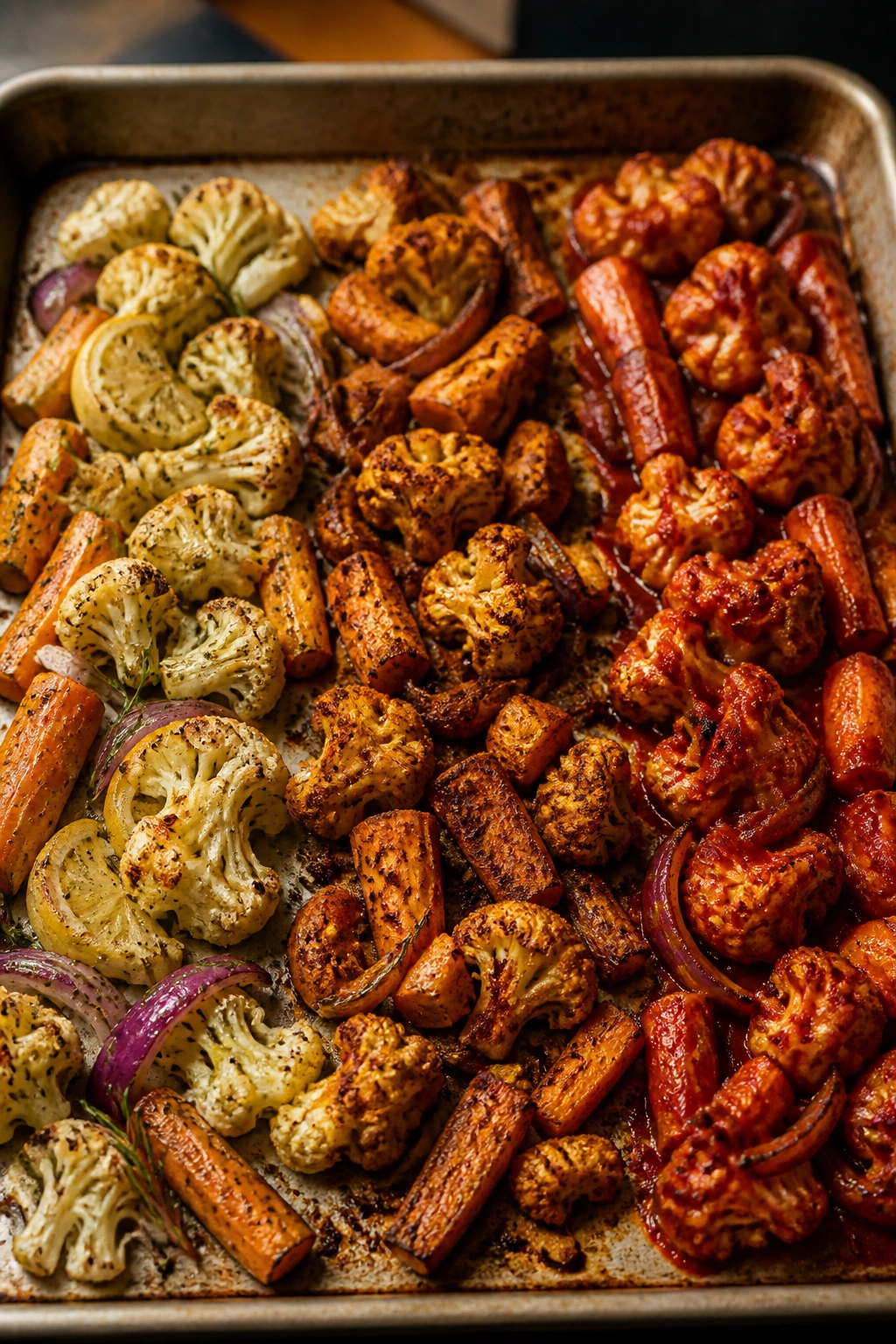
Tuscan Pantry Tray: Roast cauliflower, carrots, and red onion with rosemary, garlic powder, and olive oil, then toss them with cannellini beans and lemon zest. Finish with Parmesan if you eat dairy. It’s sturdy, earthy, and good with crusty bread or polenta.
Smoky Taco Night Tray: Use sweet potatoes, onions, and bell peppers with cumin, smoked paprika, chili powder, and a little oregano. Fold the vegetables into black beans, spoon them into tortillas, and finish with avocado, cilantro, and lime. This one is excellent when you want the vegetables to feel like filling instead of garnish.
Creamy Tomato Blend: Roast carrots, cauliflower, and onions until deeply browned, then blend them into marinara for pasta or baked ziti. A splash of cream, ricotta, or cashew cream makes the sauce silkier, but it’s not required. This is the easiest way to make a jarred tomato sauce taste like it simmered all afternoon.
Curried Coconut Bowl: Roast sweet potatoes, cauliflower, and carrots with curry powder, ginger, and a pinch of cayenne. Serve over rice with chickpeas and a spoonful of yogurt or coconut milk. The roasted sweetness and the warm spice play off each other instead of fighting.
Green-Herb Version: Use broccoli, leeks, and zucchini, but roast the zucchini late and keep the broccoli pieces small. Finish with parsley, dill, lemon, and feta. This version tastes lighter and fresher, which is useful when you want the tray to feel less rooted and more bright.
Kid-Friendly Mild Tray: Stick to carrots, sweet potatoes, and cauliflower with just salt, pepper, and a little garlic powder. Mash half of it into mashed potatoes or blend it into mac and cheese sauce. Less spice, more sweetness, and a texture that doesn’t feel like a lecture.
Pick the version that fits the rest of the meal instead of forcing vegetables to do the same job every time. Different dinners need different kinds of camouflage.
The Tools That Make Roasting Easier
-
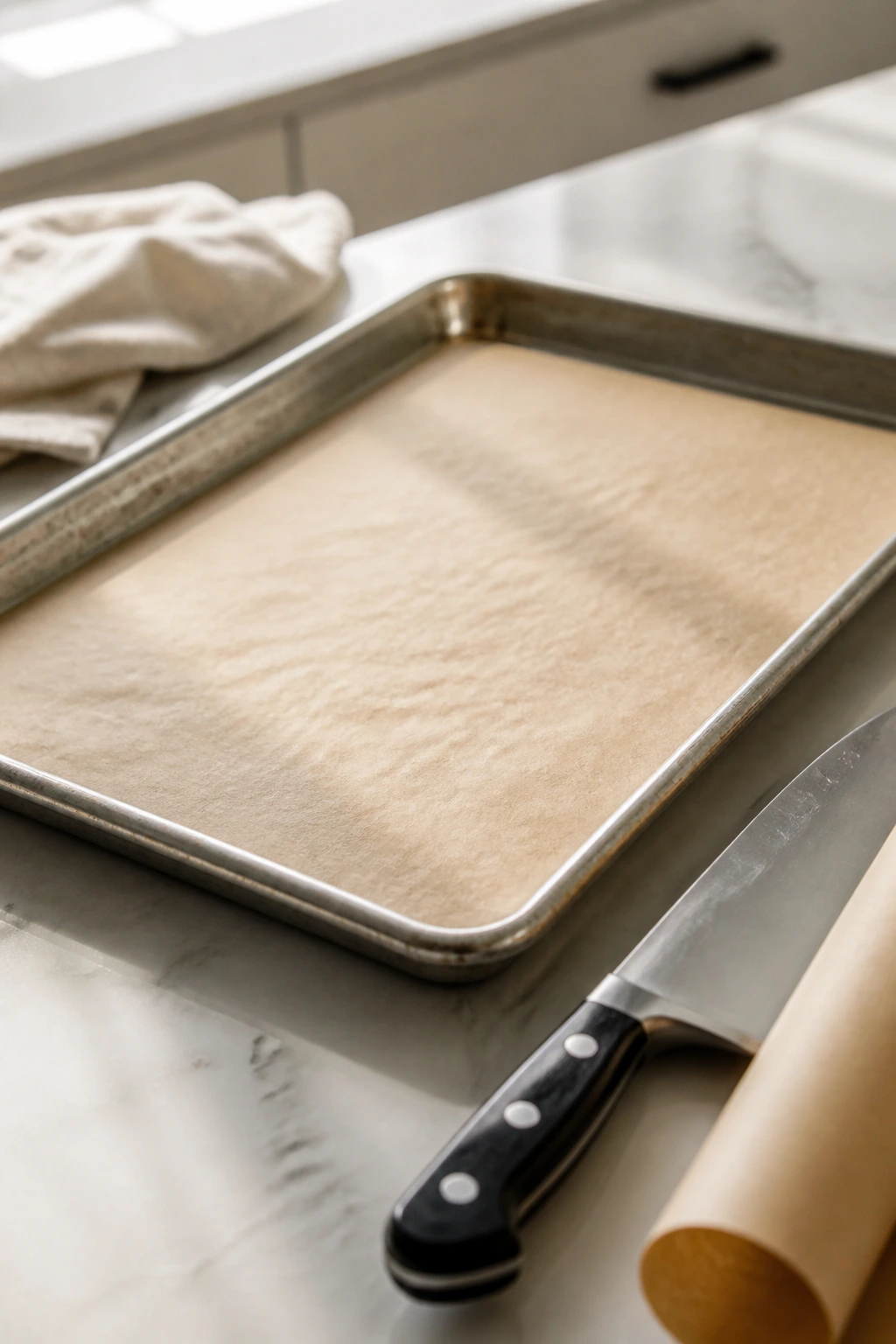
Rimmed sheet pan: This is non-negotiable. The rim keeps oil and juices from sliding off the pan and onto the oven floor.
-
Parchment paper: Makes cleanup easier and helps prevent sticking. Skip it if you want a little more direct browning on the pan itself.
-
Chef’s knife: A sharp knife matters more than a fancy one. Even cuts roast more evenly and save you from underdone carrots with burnt onion edges.
-
Box grater or food processor: Useful when you want the vegetables to disappear into sauce, filling, or mash. A coarse shred is usually better than a fine puree.
-
Large mixing bowl: Gives you enough room to toss everything with oil and seasoning without spilling half the tray onto the counter.
-
Silicone spatula or wooden spoon: Helpful for turning the vegetables halfway through roasting and scraping every bit of caramelized goodness off the pan.
-
Immersion blender or countertop blender: Needed if you’re turning the tray into sauce or soup. An immersion blender is easier for small batches and hot liquid.
-
Airtight storage containers: Important if you’re making the tray ahead or stashing leftovers. Flat containers cool faster and reheat more evenly than deep ones.
-
Microplane or fine grater: Great for finishing with lemon zest, Parmesan, or fresh garlic when the vegetables come out of the oven.
A second sheet pan is not glamorous, but it’s worth having if you roast often. The minute you stop cramming all the vegetables onto one pan, the quality jumps.
Storage, Reheating, and Make-Ahead Timing
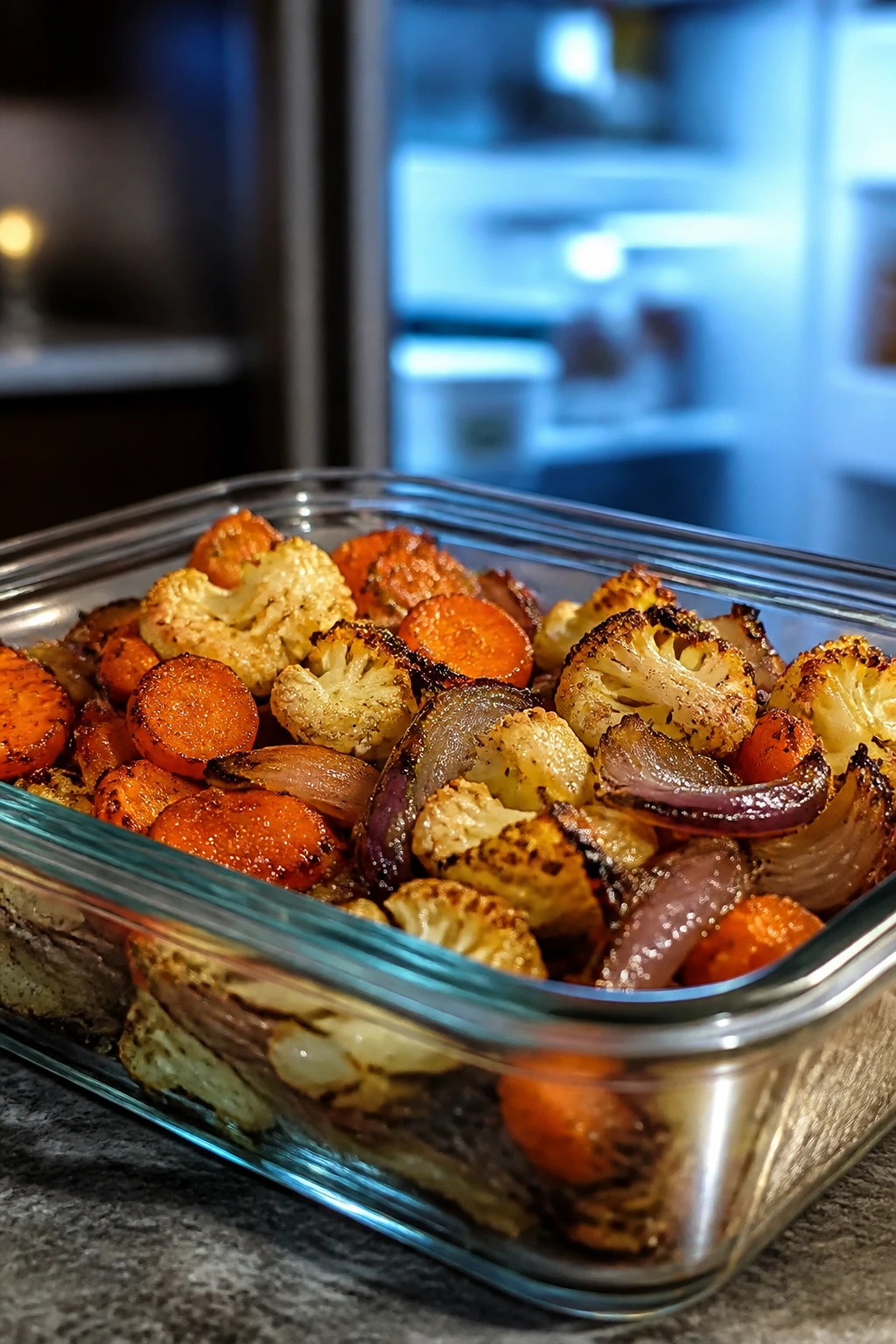
Roasted hidden veggies keep better than most people expect, but texture changes fast if you treat them carelessly. Let the vegetables cool for about 15 to 20 minutes, then get them into containers within 2 hours. After that, refrigerate them for 3 to 4 days. If the vegetables are part of a sauce or puree, they’ll usually hold a little longer than a plain tray because the moisture is more controlled.
Freezing is possible, but it works best when the vegetables have already been blended, mashed, or tucked into a sauce. Plain roasted zucchini, peppers, and mushrooms get softer after thawing, which can be fine in soup or pasta sauce and disappointing in a bowl. For the best texture, freeze plain roasted carrots, cauliflower, squash, or sweet potatoes for up to 2 months. Sauces and purees can usually go a little longer, but the sweet spot for flavor and texture is still the first couple of months.
Reheat plain roasted vegetables on a sheet pan at 400°F for 8 to 12 minutes. That brings back some of the edges instead of steaming them into submission. A skillet over medium heat with a teaspoon of oil works well too, especially if you want a little more browning. Microwaving is fine for sauce or puree, but it softens the vegetables too much when they’re meant to stay distinct.
Make-ahead works in stages. Chop the vegetables a day ahead and keep them in the fridge in a sealed container. Roast the tray in the morning, cool it, then reheat just before dinner if you need to. If you’re using the vegetables as a sauce or filling, roast them ahead and finish the blending or assembly later. That way the vegetables still taste fresh, not exhausted.
One small caution: if you’re mixing in cheese, yogurt, or fresh herbs, add those at the end. They don’t freeze well and they can taste dull after a long chill.
Questions People Ask Before They Try This for Dinner

Can hidden veggies still taste good if I don’t puree them?
Absolutely. Pureeing is only one option. Finely chopping, mashing half the tray, or folding roasted vegetables into grains and casseroles keeps the texture more obvious while still making the vegetables feel integrated.
Which vegetables are easiest to hide in a roasted dinner?
Carrots, cauliflower, onions, sweet potatoes, and butternut squash are the easiest. They roast soft, sweet, and mellow, which makes them simple to blend into sauce or mash without a strong vegetable “tell.”
Can I use frozen vegetables?
Yes, but pick the right ones. Frozen cauliflower, broccoli, or chopped onions can work if you thaw them and dry them well first. Frozen zucchini is usually a bad fit because it turns watery and soft in a way that’s hard to rescue.
How do I keep zucchini from turning to mush?
Salt it lightly, let it sit for 10 minutes, blot it dry, and add it to the pan late. You can also roast it separately at a slightly higher heat for a shorter time. Zucchini is useful, but it needs supervision.
Do I need to peel the vegetables first?
Not always. Carrots can be scrubbed instead of peeled if the skins are thin and clean. Sweet potatoes, squash, and cauliflower don’t need peeling, though a thick-skinned squash may be easier to work with if you remove the skin after roasting.
Can I make this without oil?
You can, but the vegetables won’t brown as well and the flavor will be flatter. A light coating of olive oil or avocado oil helps the vegetables caramelize and carries the seasoning. If you’re cutting oil down, use less rather than none.
What protein should I add to make it a full meal?
Beans, lentils, tofu, eggs, Greek yogurt, and cheese all work. I like chickpeas with curry-roasted vegetables, white beans with Tuscan-style vegetables, and fried eggs over a grain bowl. Each one adds enough substance to keep the meal from feeling like a side dish stretched too far.
Does roasting destroy the nutrients?
Some heat-sensitive vitamins soften with cooking, especially vitamin C, but you still keep fiber, minerals, and a lot of the vegetable’s value. Cooking also helps with the absorption of carotenoids in orange vegetables like carrots and squash when a little fat is present. The bigger issue is usually whether you’ll eat the vegetables at all.
Can I do this in an air fryer?
Yes, in batches. Use a slightly lower load, around 375°F to 400°F, and start checking early because the small basket cooks faster than a sheet pan. It’s a good option when you want more browning and don’t mind cooking in rounds.
The Tray Worth Repeating
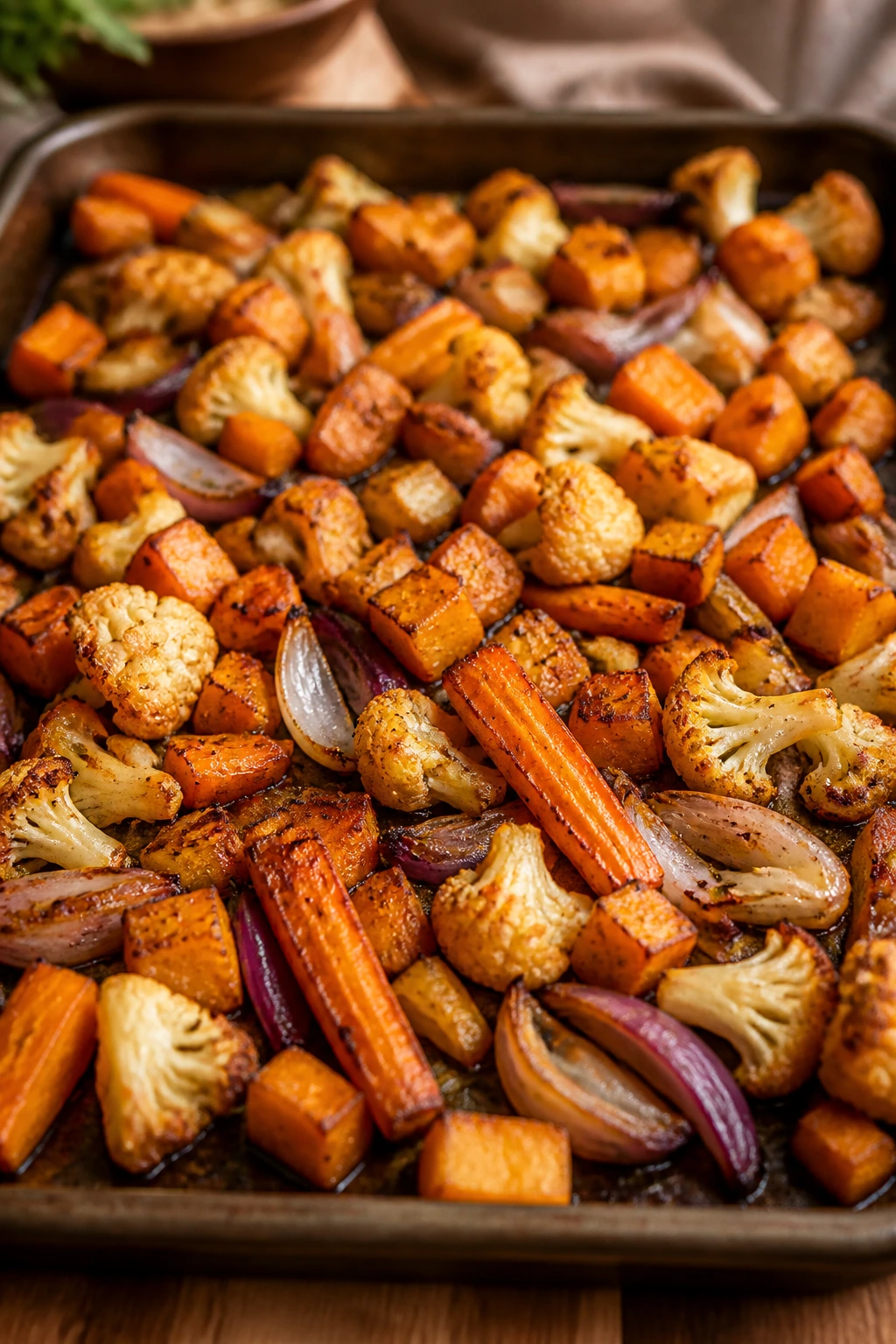
I like dinners that do two jobs at once. Feed people. Keep the vegetable part honest. Roasted hidden veggies pull that off because they don’t ask you to choose between flavor and balance — they just make the vegetables taste like they belong there.
The real win is not secrecy. It’s repeatability. Once you know how to cut the vegetables, how much salt they need, and how long to keep them in the oven before they cross from soft to browned, the whole dinner starts working with you instead of against you. That’s a better kind of weeknight cooking, and it tends to stick.