



The difference between a decent vegetable bowl and one worth making again is the pan. Put broccoli, cauliflower, and chickpeas in a crowded oven, and you get steam. Give them space and enough heat, and the edges go bronzed, the chickpeas tighten up, and the whole thing starts tasting roasted instead of merely warmed through.
That’s what I want from a crispy veggie bowl for a healthy dinner: not a pile of polite vegetables, not a sad “clean eating” situation, but a bowl with contrast. Creamy tahini. Warm quinoa. Cool cucumber. Little crunchy sesame seeds. Maybe a slice of avocado if the fruit drawer is behaving. The best bites have a little bit of everything, and this one is built around that idea from the start.
I keep coming back to this format because it solves the usual weeknight problem without looking like compromise food. You get enough texture to keep the fork moving, enough fiber and protein to feel like dinner, and enough flavor to avoid the bland-bowl trap that haunts so many roasted-vegetable recipes. The oven does the heavy lifting, the sauce ties the whole thing together, and the rest is just smart timing.
Why This Crispy Veggie Bowl Earns Dinner Duty
-
Crunch Without a Fryer: A hot oven, dry chickpeas, and a little cornstarch give you crisp edges and a toasted finish without dealing with a skillet full of oil.
-
Texture Does the Work: Creamy tahini, tender quinoa, roasted vegetables, and cool cucumber keep each bite from tasting flat or samey.
-
Fast Enough for a Weeknight: The quinoa cooks while the vegetables roast, so the hands-on part stays short even though the bowl tastes layered.
-
Flexible Without Feeling Random: You can swap the grain, change the vegetables, or nudge the sauce in another direction and still end up with the same basic bowl structure.
-
Good for Leftovers, If You Pack It Right: Keep the sauce, avocado, and cucumber separate, and the base components hold up for a few days without turning soggy.
-
Built for Real Hunger: Quinoa and chickpeas bring enough heft that this doesn’t read as a side dish pretending to be dinner.
Yield: Serves 4 generous dinners
Prep Time: 20 minutes
Cook Time: 35 minutes
Total Time: 55 minutes
Chill/Rest Time: 5 minutes for the quinoa to steam off after cooking
Difficulty: Beginner — the steps are straightforward, but the roasting and assembly need a little care if you want the vegetables crisp at the edges.
Best Served: Warm, right after assembly, with the dressing drizzled on top and the crunchy toppings added at the last second
The Ingredient List for a Bowl With Real Crunch
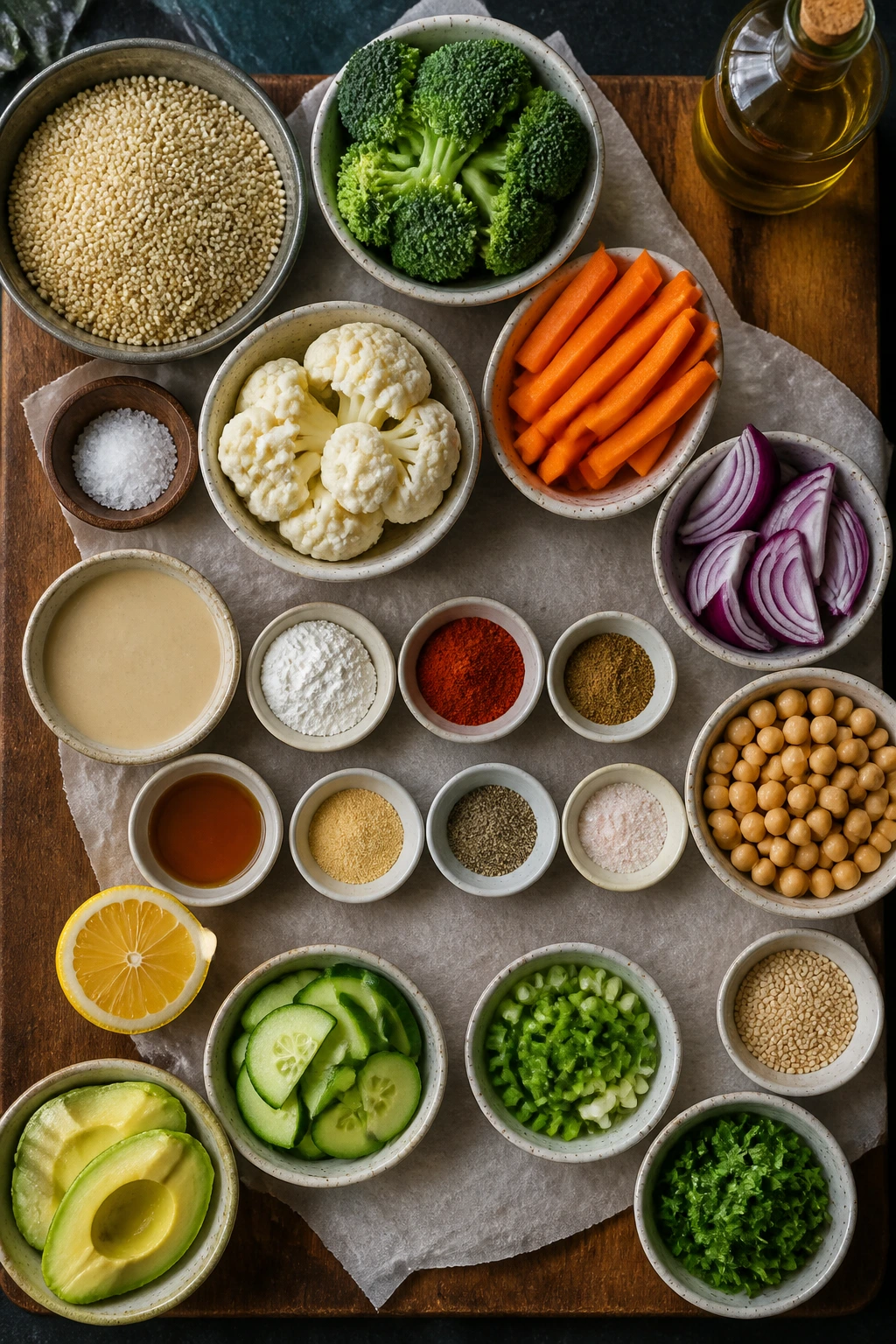
For the Quinoa Base:
- 1 cup quinoa, rinsed well
- 2 cups water
- 1/2 teaspoon fine salt
For the Roasted Vegetables and Chickpeas:
- 1 large head broccoli, cut into bite-size florets, about 5 cups
- 1 medium head cauliflower, cut into bite-size florets, about 4 cups
- 2 medium carrots, peeled and cut into 2-inch sticks
- 1 red onion, cut into 8 wedges
- 1 (15-ounce) can chickpeas, drained, rinsed, and patted very dry
- 3 tablespoons olive oil, divided
- 1 tablespoon cornstarch
- 1 teaspoon smoked paprika
- 1 teaspoon ground cumin
- 1 teaspoon garlic powder
- 3/4 teaspoon fine salt, divided
- 1/2 teaspoon black pepper, divided
For the Tahini Lemon Dressing:
- 1/3 cup tahini
- 3 tablespoons fresh lemon juice
- 1 small garlic clove, finely grated
- 1 tablespoon maple syrup
- 1/2 teaspoon fine salt
- 3 to 5 tablespoons warm water, as needed for thinning
For the Fresh Toppings:
- 1 avocado, sliced
- 1 cup cucumber, diced
- 2 green onions, thinly sliced
- 2 tablespoons chopped parsley or cilantro
- 1 tablespoon toasted sesame seeds or pumpkin seeds
- Pinch of red pepper flakes, optional
Why Each Ingredient Pulls Its Weight
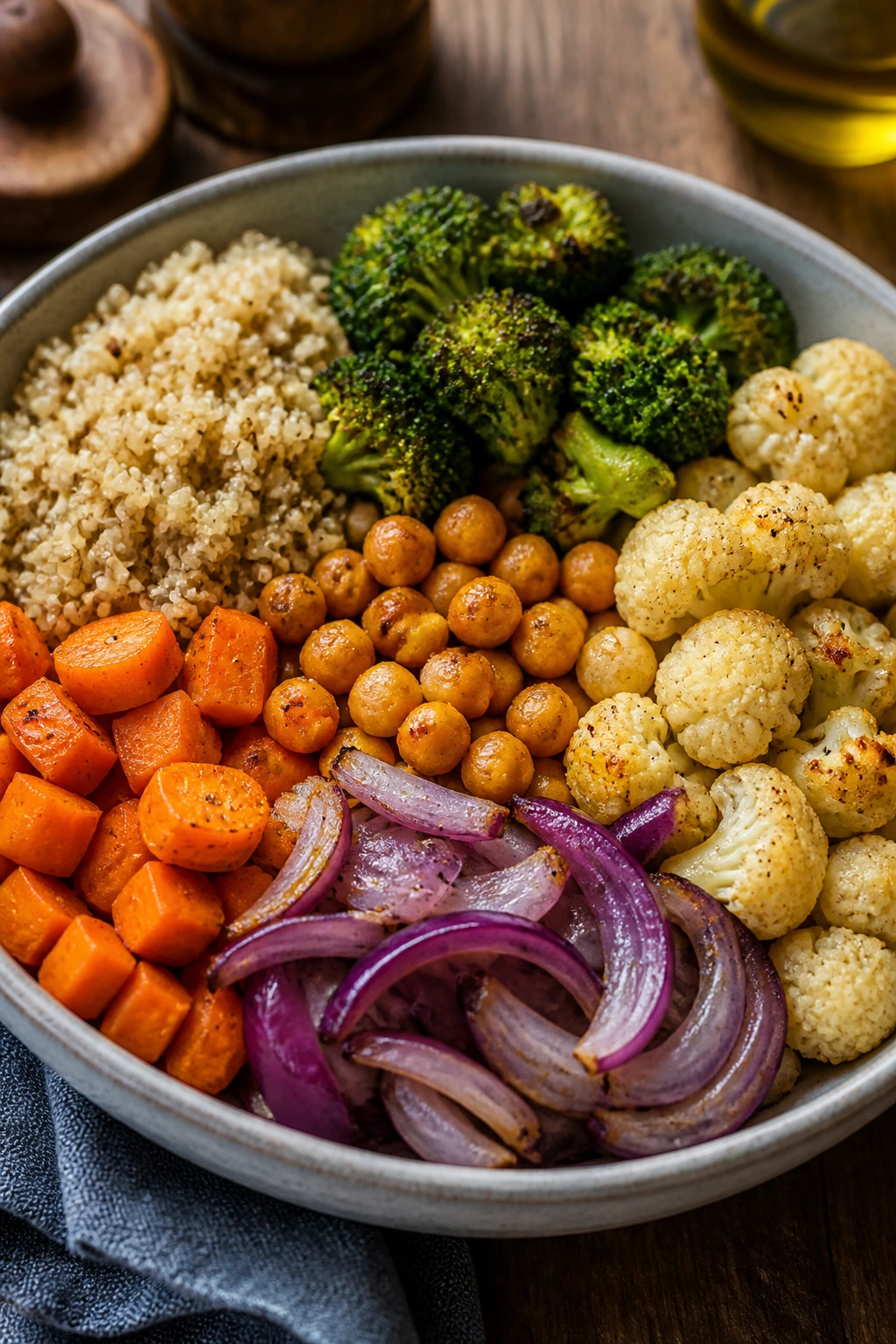
This is the part most recipes rush past, and it’s the part that matters most if you want the bowl to taste deliberate instead of assembled from leftovers. Each ingredient has a job here. Skip the job, and the bowl falls apart into mush, beige, or “fine, I guess.”
Quinoa, the base that catches the sauce
- What to use: 1 cup rinsed quinoa simmered in 2 cups water with 1/2 teaspoon salt.
- Preparation: Rinse it in a fine-mesh sieve until the water looks less cloudy, then let it steam off after cooking so it fluffs instead of clumping.
- Substitutions: Brown rice works if you want more chew, farro gives you a toothier bite, and cauliflower rice keeps the bowl lighter.
- Tips: Salt the cooking water. Unsalted grains make the whole bowl taste dull, even if the vegetables are beautifully browned.
Broccoli, cauliflower, carrots, and onion, the roasted core
- What to use: 1 large head broccoli, 1 medium head cauliflower, 2 carrots, and 1 red onion.
- Preparation: Cut the florets into similar sizes, keep the carrots in thin sticks, and leave the onion wedges large enough that the layers stay intact.
- Substitutions: Brussels sprouts, sweet potato, and parsnips all roast well here, though sweet potato needs slightly smaller pieces so it cooks on time.
- Tips: Bigger pieces are better than tiny ones. Tiny bits char before the centers soften, and then the whole pan tastes half-burned, half-raw.
Chickpeas, the crisp little thing that changes the whole bowl
- What to use: 1 can chickpeas, dried thoroughly before they touch oil or spices.
- Preparation: Pat them dry with a towel, and if some skins fall off, leave them alone. That thin skin helps them blister and crisp.
- Substitutions: White beans can work in a pinch, but they won’t get the same crunchy bite. Edamame adds protein, though it behaves more like a soft topping.
- Tips: The drier the chickpeas, the better the crust. Moisture is the enemy here, and canned liquid left clinging to the beans will sabotage the roast fast.
Tahini, lemon, garlic, and maple, the sauce with backbone
- What to use: 1/3 cup tahini, 3 tablespoons lemon juice, 1 grated garlic clove, 1 tablespoon maple syrup, salt, and warm water.
- Preparation: Whisk tahini with lemon first, then add water slowly. The mixture will seize before it loosens, and that is normal.
- Substitutions: Almond butter or sunflower seed butter can step in if tahini is missing. Greek yogurt works if you want a dairy version with a tangier finish.
- Tips: Warm water matters. Cold water makes tahini go thick and pasty; warm water gives you a sauce that drizzles instead of clumps.
Fresh toppings, the part that keeps the bowl awake
- What to use: Avocado, cucumber, green onions, herbs, and sesame seeds.
- Preparation: Cut them right before serving so the cucumber stays snappy and the avocado doesn’t brown while the rest of the bowl is still cooking.
- Substitutions: Pickled onions, shredded cabbage, radishes, or baby spinach all fit here without fighting the rest of the bowl.
- Tips: Use at least one cold, raw topping. Without it, the bowl leans too roasted and starts tasting heavy by the halfway mark.
Tools That Make the Roasting Part Easier
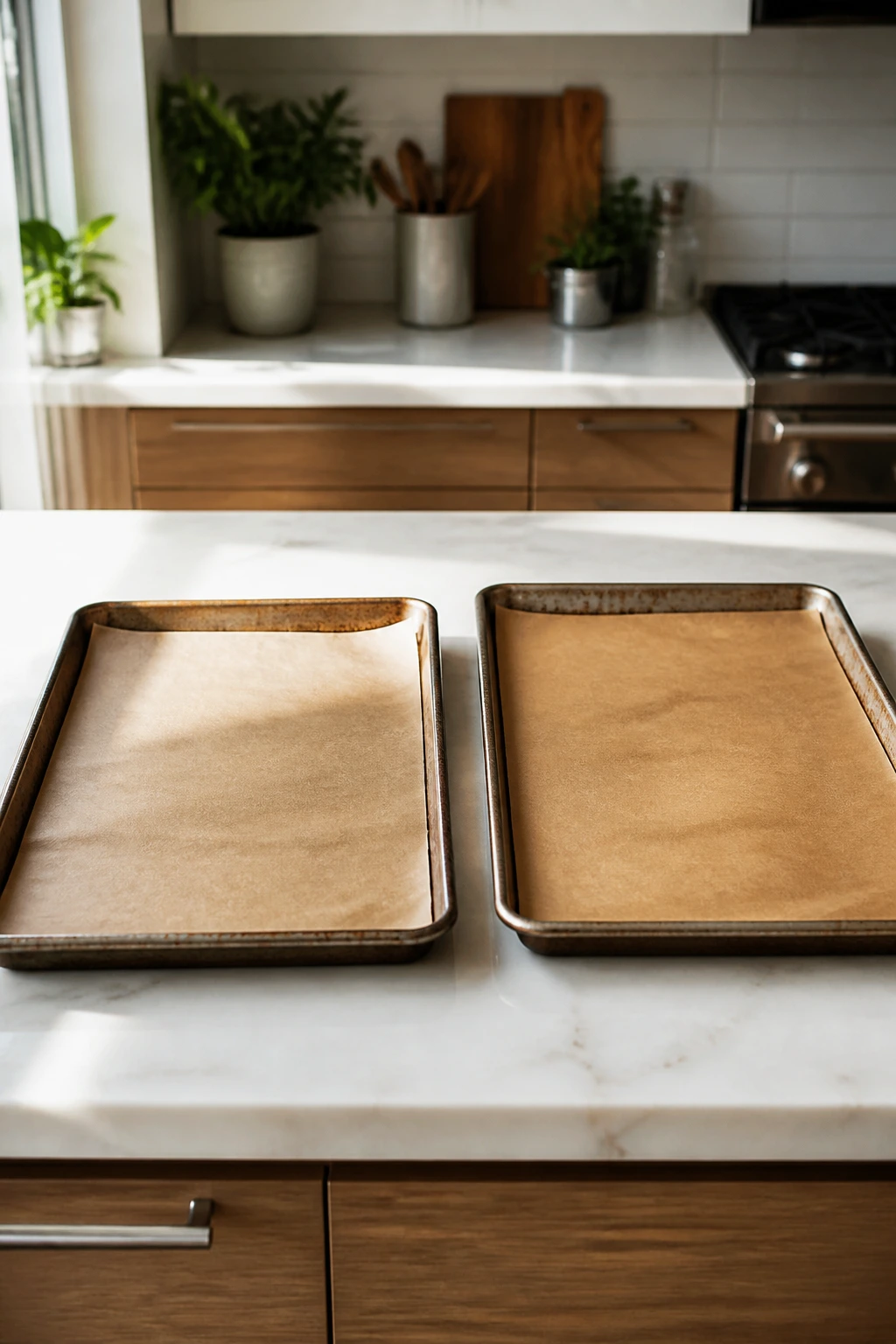
You do not need fancy gear for this recipe, but a few ordinary tools make a big difference once the oven is hot and the vegetables are waiting.
-
2 rimmed sheet pans, 18 x 13 inches: The room matters more than people think. Two pans keep the vegetables from steaming and let the chickpeas dry out instead of softening.
-
Parchment paper: It keeps the chickpeas from sticking and makes cleanup much easier. Foil works in a pinch, but parchment behaves better with roasted vegetables.
-
Medium saucepan with a lid: Any saucepan that can hold the quinoa and water without bubbling over will do the job.
-
Large mixing bowl: You need space to toss the vegetables without scattering paprika across the counter.
-
Small bowl or jar for the dressing: A jar with a lid is handy because you can shake the tahini sauce if it tightens up.
-
Chef’s knife and sturdy cutting board: Uniform cuts are half the battle. If the broccoli pieces are wildly different sizes, the pan finishes unevenly.
-
Clean kitchen towel or paper towels: Drying the chickpeas is not optional. This is the cheap tool that saves the whole crispy part.
How to Build the Bowl Step by Step
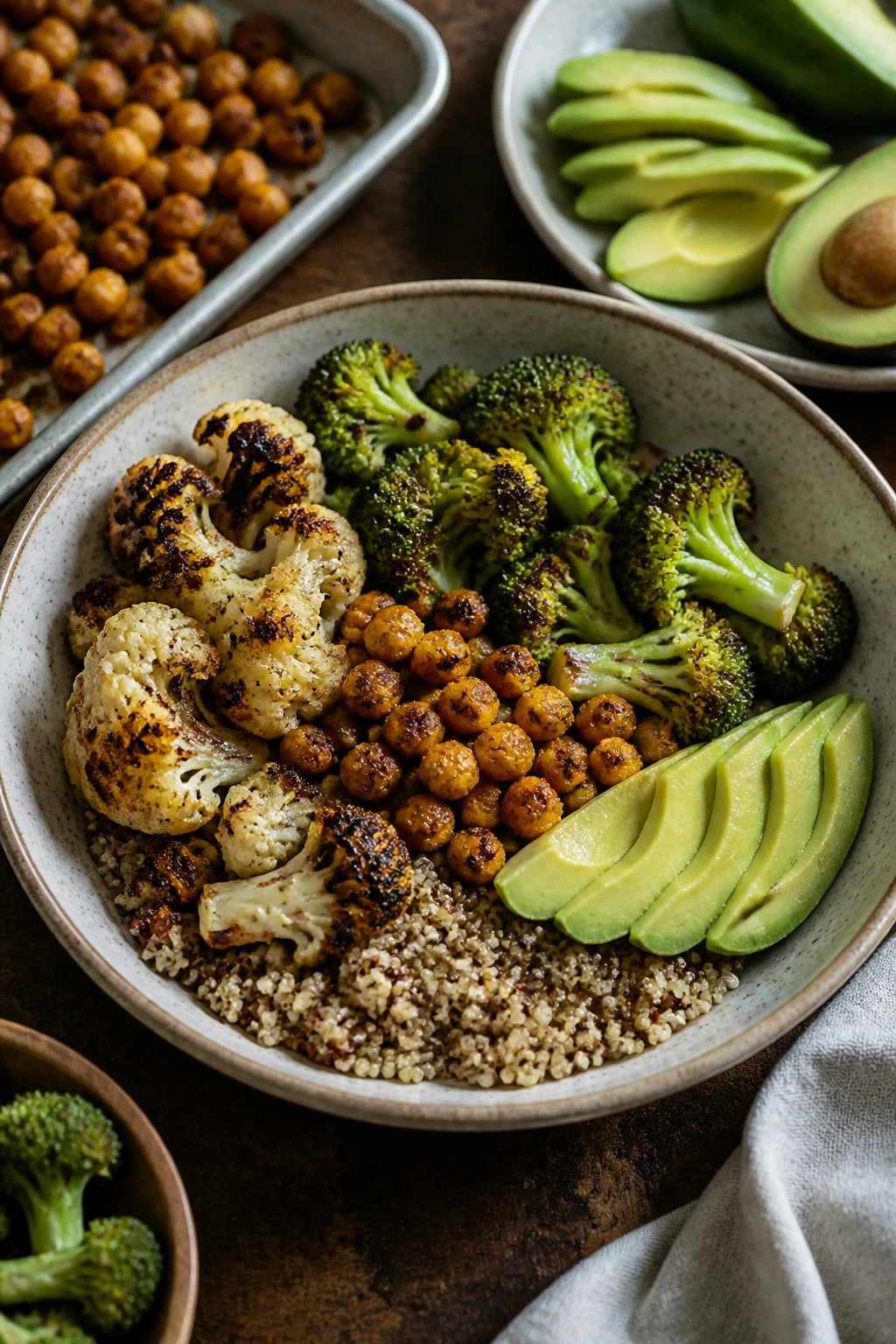
Cook the quinoa
-
Preheat the oven to 425°F (220°C) and line two rimmed sheet pans with parchment paper. Set a medium saucepan on the stove and get your measuring tools ready before you start chopping.
-
Rinse 1 cup quinoa in a fine-mesh sieve under cool running water until the water looks less cloudy. Combine the quinoa, 2 cups water, and 1/2 teaspoon salt in the saucepan, bring it to a boil, then reduce the heat to low, cover, and simmer for 15 minutes until the liquid is absorbed and the tiny germ rings have popped out.
-
Remove the pan from the heat and let it sit, covered, for 5 minutes. Fluff with a fork and spread the quinoa in a wide bowl so the steam can escape; it should smell nutty and dry at the top, not wet or gluey.
Prep the vegetables and chickpeas 4. Pat the chickpeas very dry with a towel. In a large bowl, toss them with 1 tablespoon olive oil, 1 tablespoon cornstarch, smoked paprika, cumin, garlic powder, 1/4 teaspoon salt, and 1/4 teaspoon black pepper until every chickpea has a light dusty coating. If they still look damp, keep drying — damp chickpeas roast into soft little pebbles instead of crisp ones.
- In the same large bowl, toss the broccoli, cauliflower, carrots, and red onion with the remaining 2 tablespoons olive oil, the remaining 1/2 teaspoon salt, and the remaining 1/4 teaspoon black pepper. Spread the vegetables on one sheet pan and the chickpeas on the other in a single layer. Do not pile them up; crowded trays trap steam and steal the browning.
Roast until the edges brown 6. Roast for 15 minutes, then pull both pans from the oven. Flip the vegetables with a spatula and shake the chickpeas around the pan so they can dry on a new side.
- Return the pans to the oven and roast for 10 to 15 minutes more, until the broccoli edges are dark gold, the carrots are tender but still have a little bite, the onion edges are browned, and the chickpeas sound dry when you tap them with a spoon. If the chickpeas look done a minute or two before the vegetables, remove them and let them cool on the pan; they crisp further as they cool.
Make the dressing 8. Whisk the tahini, lemon juice, grated garlic, maple syrup, and 1/2 teaspoon salt in a small bowl. The tahini will tighten up at first and look stubborn. Add warm water 1 tablespoon at a time, whisking after each addition, until the sauce turns smooth and pourable.
Assemble the bowls 9. Divide the quinoa among 4 bowls. Top with the roasted vegetables, crisp chickpeas, diced cucumber, sliced avocado, green onions, herbs, sesame seeds, and a pinch of red pepper flakes if you want a little heat.
- Drizzle the tahini dressing over the top, or serve it on the side if you want to keep the chickpeas extra crisp at the table. Eat immediately while the vegetables are warm and the contrast between creamy and crunchy is still sharp.
How to Serve a Crispy Veggie Bowl at Dinner
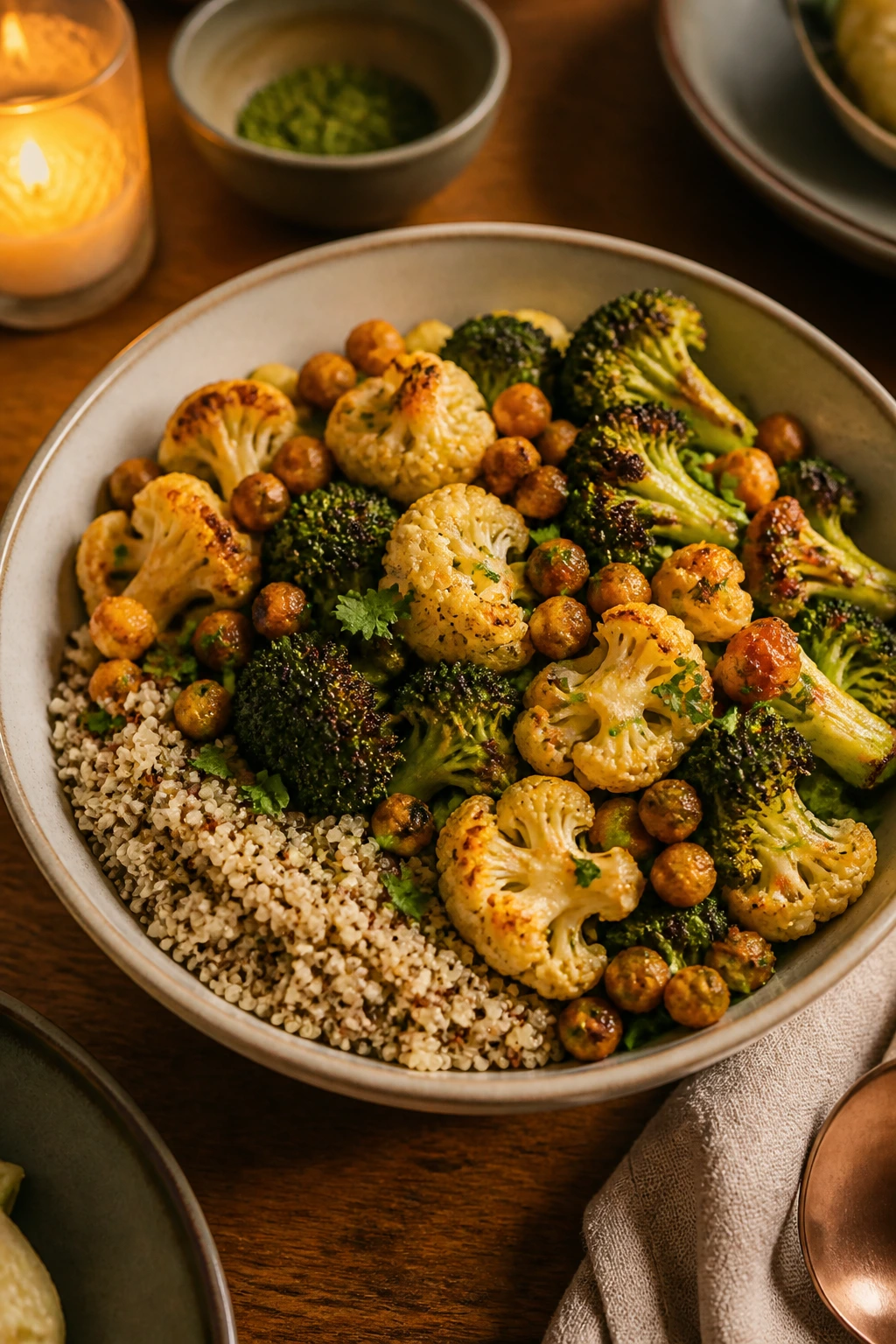
Presentation: Start with a bed of quinoa, then lean the roasted vegetables against one side of the bowl instead of piling everything flat. The height looks better, and it keeps the chickpeas from disappearing into the grain.
Accompaniments: I like a simple lemon wedge on the side, plus a piece of warm pita or flatbread if you want something to swipe through the dressing. A plain green salad is redundant here; a bright, shaved-cabbage slaw works better if you want a second side.
Portions: Four bowls is a comfortable dinner yield, especially if you serve them with the avocado and chickpeas. For lighter appetites, it stretches to five. For bigger eaters, add another half cup of quinoa or a fried egg on top.
Beverage Pairing: Sparkling water with lemon keeps the bowl feeling fresh. If you want wine, a dry Sauvignon Blanc or a light Pinot Grigio handles the lemon-tahini sauce without fighting it. Mint tea works well too, especially if you want something simple and clean.
Extra Tips for Sharper Flavor and Better Texture
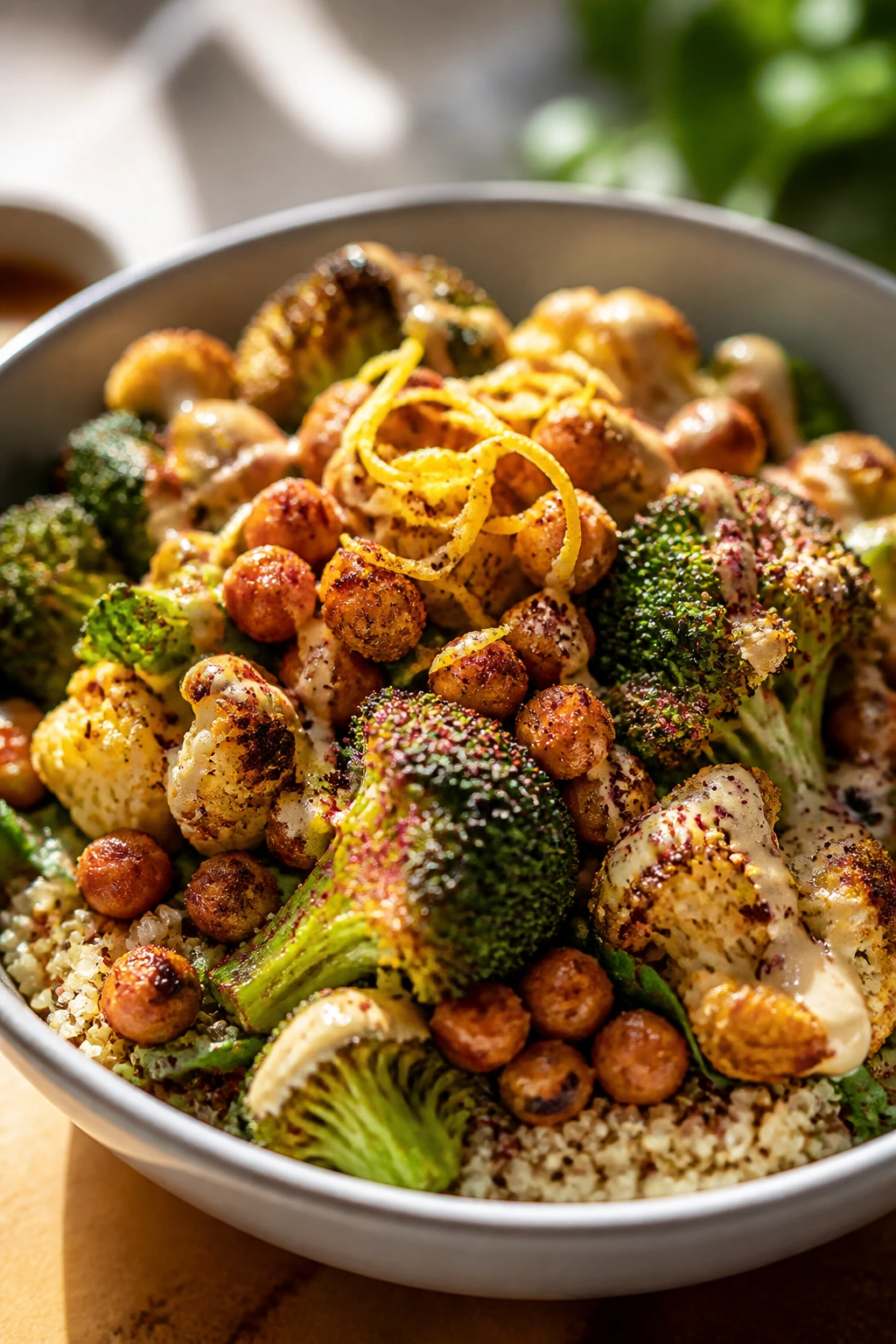
Flavor Enhancement: A little lemon zest in the tahini sauce wakes the whole bowl up. If you want a sharper edge, add 1/2 teaspoon of sumac or a small splash of apple cider vinegar to the dressing.
Time-Saver: Cook the quinoa ahead and stash it in the fridge. Cold quinoa reheats well in the microwave with a damp paper towel over the bowl, and it means the vegetables can go straight from prep board to oven.
Cost-Saver: Broccoli and cauliflower don’t need to appear in equal amounts if one of them is expensive or looks tired. Use more carrots, more onion, or even a few extra chickpeas, and the bowl still holds together.
Make-It-Yours: Add crumbled feta if you eat dairy, or spoon on a soft-boiled egg if you want more richness. For a vegan bowl, keep the current sauce and finish with chopped herbs and pumpkin seeds for extra texture.
Common Mistakes That Make the Bowl Soft
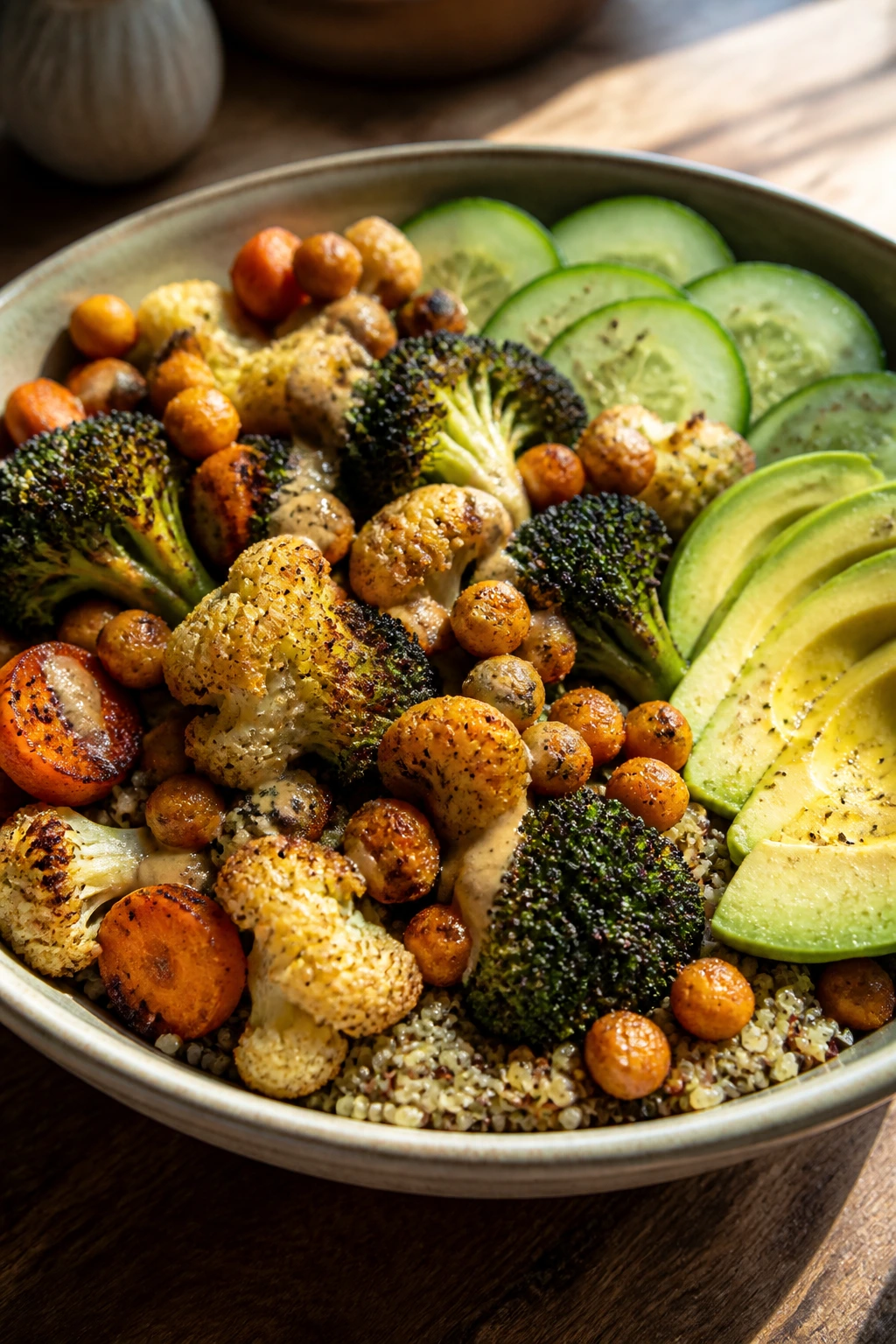
Wet chickpeas going onto the tray: If you toss chickpeas that still feel damp, they go leathery instead of crisp. Dry them aggressively with a towel and let them sit on the counter for a minute before they meet the oil.
Stuffing too much onto one pan: A crowded tray looks efficient and tastes wrong. The vegetables will steam, the broccoli will lose its browned edges, and the chickpeas will stay pale; use two pans and give everything breathing room.
Cutting the vegetables in different sizes: A giant cauliflower floret and a pencil-thin carrot stick will not finish at the same time. Keep the pieces close in size, and cut the carrots a little smaller than the broccoli if you want them done together.
Adding the sauce too early: Dress the whole bowl before serving, and the cucumber starts leaking, the quinoa softens, and the chickpeas lose their edge. Drizzle at the table or keep the dressing in a small cup until the last second.
Whisking cold tahini with cold liquid: That’s when the sauce turns thick and gritty. Use warm water, whisk patiently, and stop adding liquid only when the sauce moves in a ribbon off the spoon.
Skipping the salt on the quinoa: The roast gets all the attention, but bland grains drag the whole bowl down. Salt the cooking water and taste the quinoa after fluffing; it should taste like a mild, nutty side on its own.
Variations That Still Keep the Crunch
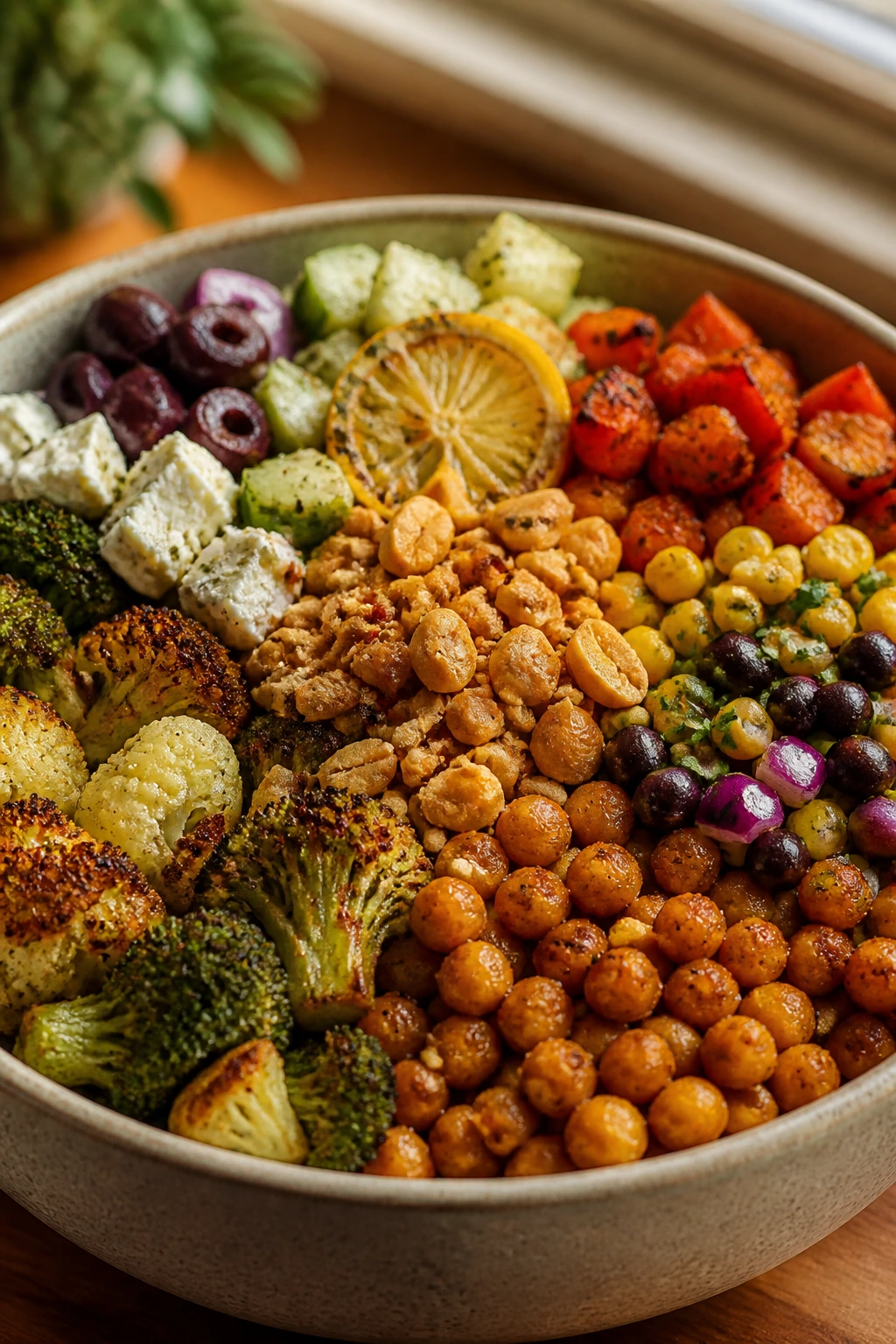
Mediterranean Lemon-Herb Bowl
Swap the cucumber for diced tomato, add a handful of kalamata olives, and crumble feta over the top if dairy is on the menu. A little dried oregano in the tahini sauce pushes the bowl toward a sharper, saltier profile that tastes especially good with warm pita.
Spicy Peanut Crunch Bowl
Use broccoli, carrots, and shredded cabbage instead of cauliflower, then switch the tahini sauce for a peanut-lime dressing with a spoonful of grated ginger. Add chopped peanuts or roasted cashews on top, and the bowl takes on a bolder, sweeter finish that leans more lunch-cart than spa menu.
Smoky Southwest Bowl
Keep the chickpeas, but add roasted corn and a spoonful of black beans for a more filling bowl with a different flavor lane. Blend chipotle powder into the dressing and finish with cilantro, lime, and pepitas. It’s still crisp, just warmer and smokier.
Miso-Sesame Mushroom Bowl
Roast sliced mushrooms with the broccoli and cauliflower, then whisk a teaspoon of white miso into the dressing along with a few drops of sesame oil. The mushrooms bring a deep, savory note that makes the bowl feel richer without turning it heavy.
Grain-Free Green Bowl
Skip the quinoa and serve everything over shredded cabbage or a pile of baby spinach. That version feels lighter and crisper, which is useful if you want the roasted vegetables to sit on a more salad-like base without losing the dinner feel.
Make-Ahead, Storage, and Reheating Notes
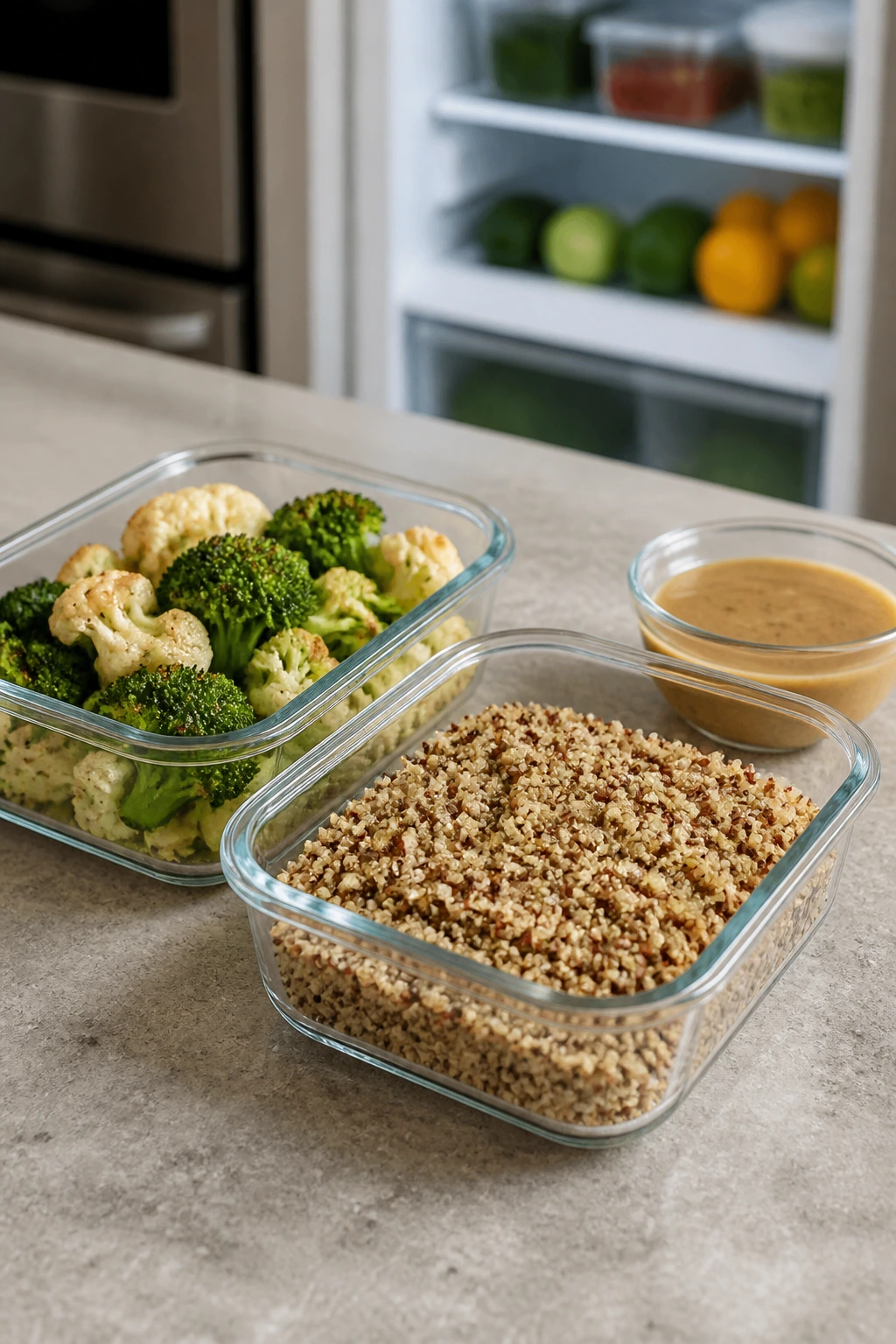
The parts of this bowl keep best when they are stored separately. Quinoa will hold in the refrigerator for 4 days in a covered container, and roasted vegetables keep for about the same amount of time if they cool fully before they’re packed up. The dressing lasts 5 days in the fridge, though it may thicken a little and need a splash of warm water before serving.
Chickpeas are the one ingredient that suffer most after storage. They’re best on the day you roast them, and they still taste good for 2 to 3 days, but the crisp shell softens by the second day. If you want to bring them back, spread them on a tray and reheat them in a 400°F oven for 5 to 7 minutes, or use an air fryer at 375°F for 3 to 4 minutes.
Freezing works for the quinoa and the roasted vegetables, though the vegetables lose a bit of their snap once thawed. Pack them in airtight containers for up to 2 months. I do not bother freezing the assembled bowl, and I wouldn’t freeze the dressing unless you’re fine with a little separation after thawing.
For make-ahead lunches, cook the quinoa and dressing up to 2 days ahead, and chop the vegetables 1 day ahead if you store the carrots and broccoli dry in sealed containers. Roast the vegetables the same day if you can. Avocado and cucumber are both last-minute ingredients here; they’re the difference between “still good” and “why is this soggy.”
Questions People Ask About Crispy Veggie Bowls
Can I use brown rice instead of quinoa?
Yes, and it’s a solid swap if you want a chewier base. Brown rice takes longer, though, so plan for the extra simmer time and give it enough salt while it cooks.
How do I keep the chickpeas crispy after roasting?
Dry them thoroughly, use the cornstarch, and roast them in a single layer. If you store them, let them cool completely before sealing the container; trapped steam softens the crust fast.
Can I make this with frozen vegetables?
You can use frozen broccoli or cauliflower if you thaw them first and blot them dry. Frozen vegetables carry more water, so they need a little more oven time and a lot more space on the pan.
Is this recipe vegan and gluten-free?
As written, yes. The bowl uses quinoa, chickpeas, vegetables, tahini, and fresh toppings, so there’s no gluten or dairy hiding in the base recipe. Just check labels on spice blends if you buy them pre-mixed.
What if my tahini sauce gets too thick?
Add warm water 1 teaspoon at a time and keep whisking. Tahini can go from paste to pourable in a few seconds, and it usually loosens more than you expect once the liquid starts working through it.
Can I make it higher in protein?
Absolutely. Add a fried egg, toss in edamame, or include roasted tofu on a second pan. The bowl already has a decent amount of protein from quinoa and chickpeas, but those additions push it into a more filling dinner.
Can I meal prep this for lunches?
Yes, and it’s one of the better grain bowls for that job. Keep the cucumbers, avocado, and dressing separate, then reheat the grain and vegetables before you pack them together so the bowl stays structured instead of wet.
A Bowl Worth Repeating
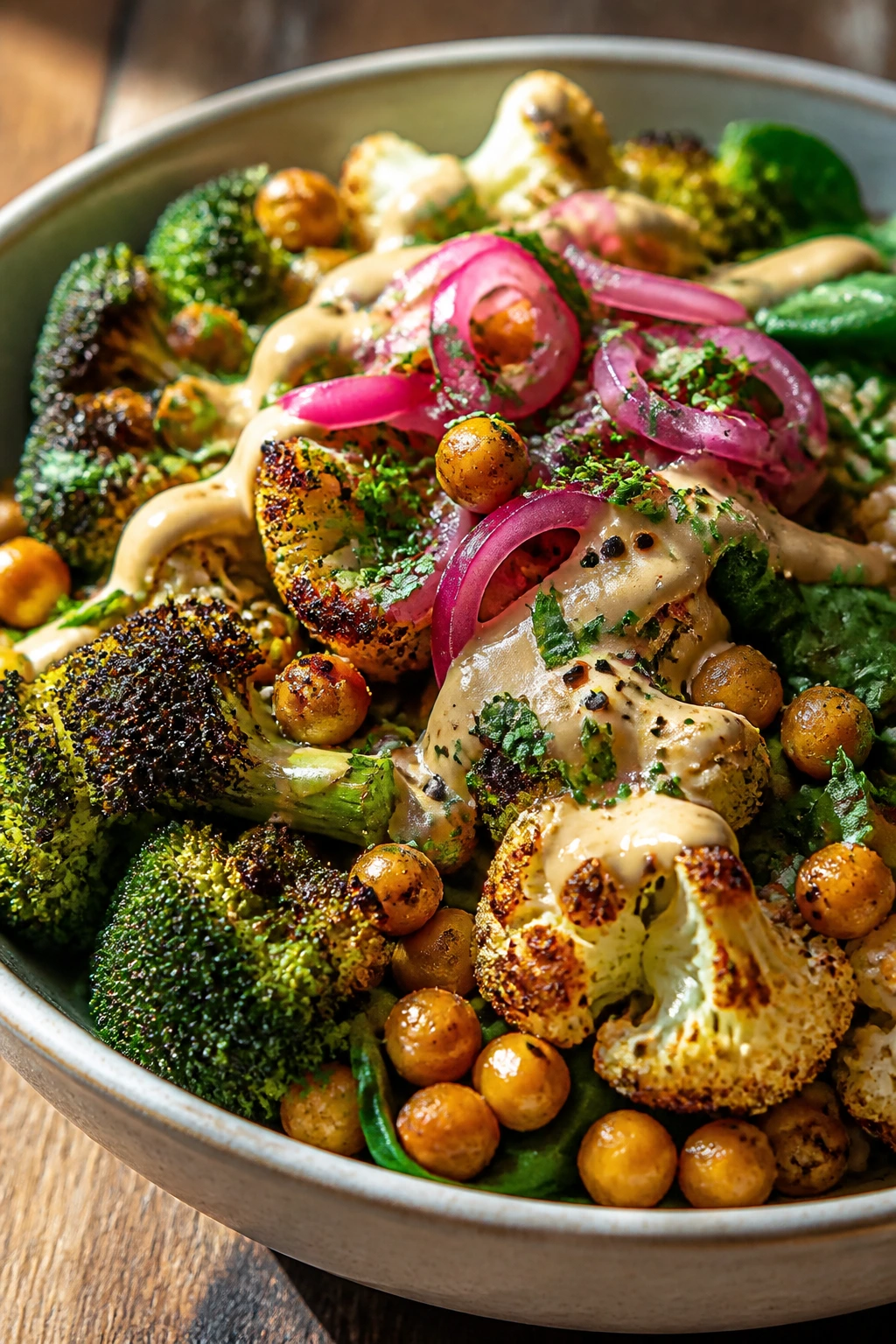
What makes this crispy veggie bowl work isn’t a secret ingredient. It’s the care taken with texture. You get browned edges instead of limp vegetables, chickpeas that actually crisp, and a sauce bright enough to keep the whole thing from feeling heavy.
That’s why I like this kind of dinner so much. It’s practical, but it doesn’t taste like it was built out of obligation. Make it once, then start moving the pieces around — different grains, different herbs, a sharper sauce, a little feta if you want it — and it turns into one of those recipes you keep in the rotation because it keeps paying you back.
Crispy Veggie Bowl for a Healthy Dinner — Recipe Card
Recipe Name: Crispy Veggie Bowl for a Healthy Dinner
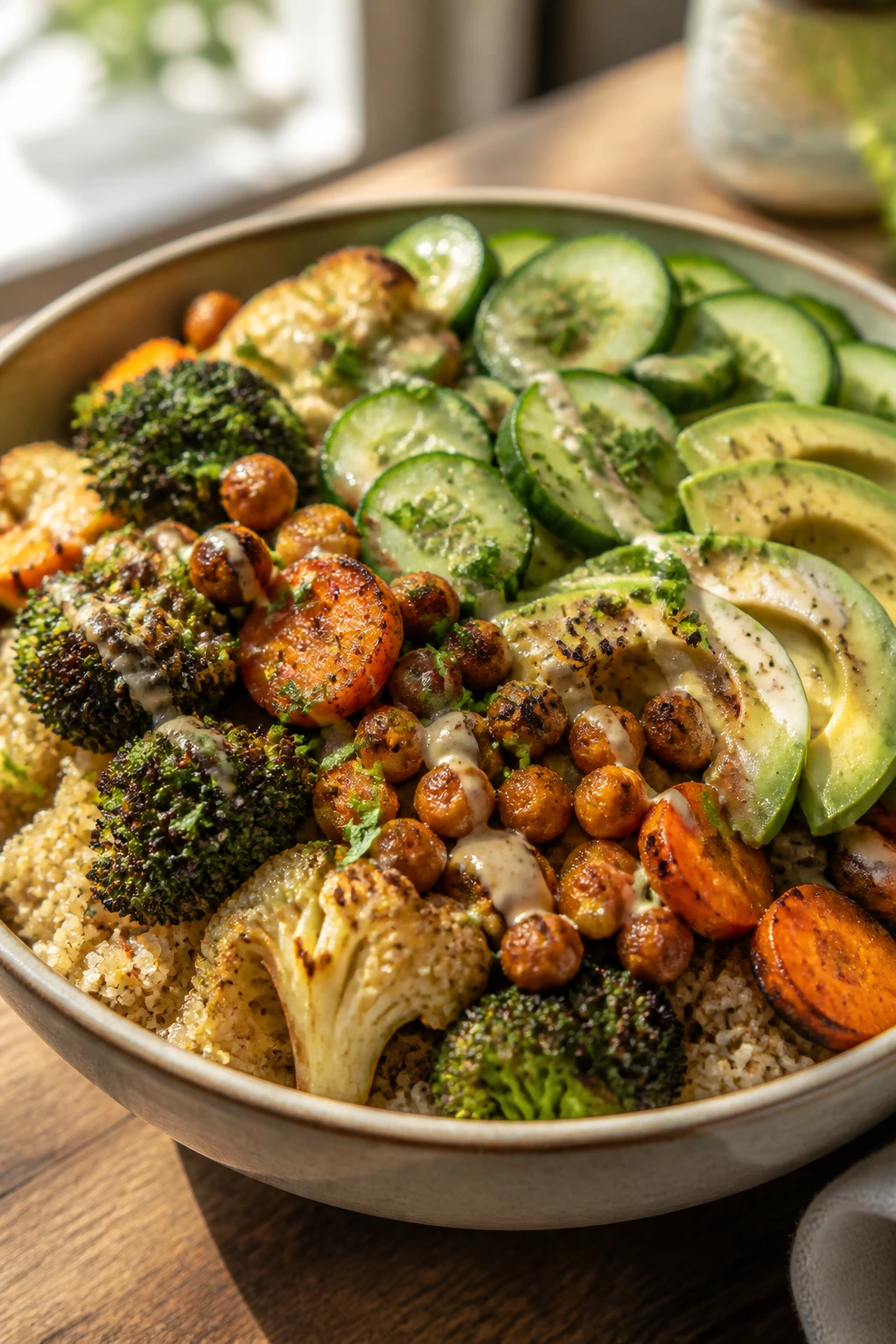
Description: Roasted broccoli, cauliflower, carrots, and crisp chickpeas sit on a bed of quinoa with cucumber, avocado, and herbs, then get finished with a lemon-tahini dressing. The bowl is warm, crunchy, creamy, and built for a proper dinner.
Prep Time: 20 minutes
Cook Time: 35 minutes
Total Time: 55 minutes
Course: Main Course
Cuisine: American-inspired Vegetarian
Servings: 4 servings
Calories: About 455 kcal per serving
Ingredients
For the Quinoa Base
- 1 cup quinoa, rinsed well
- 2 cups water
- 1/2 teaspoon fine salt
For the Roasted Vegetables and Chickpeas
- 1 large head broccoli, cut into bite-size florets
- 1 medium head cauliflower, cut into bite-size florets
- 2 medium carrots, peeled and cut into 2-inch sticks
- 1 red onion, cut into 8 wedges
- 1 (15-ounce) can chickpeas, drained, rinsed, and patted very dry
- 3 tablespoons olive oil, divided
- 1 tablespoon cornstarch
- 1 teaspoon smoked paprika
- 1 teaspoon ground cumin
- 1 teaspoon garlic powder
- 3/4 teaspoon fine salt, divided
- 1/2 teaspoon black pepper, divided
For the Tahini Lemon Dressing
- 1/3 cup tahini
- 3 tablespoons fresh lemon juice
- 1 small garlic clove, finely grated
- 1 tablespoon maple syrup
- 1/2 teaspoon fine salt
- 3 to 5 tablespoons warm water, as needed
For the Fresh Toppings
- 1 avocado, sliced
- 1 cup cucumber, diced
- 2 green onions, thinly sliced
- 2 tablespoons chopped parsley or cilantro
- 1 tablespoon toasted sesame seeds or pumpkin seeds
- Pinch of red pepper flakes, optional
Instructions
-
Preheat the oven to 425°F (220°C) and line 2 rimmed sheet pans with parchment paper.
-
Rinse the quinoa, then combine it with the water and salt in a saucepan. Bring to a boil, cover, reduce to low, and simmer for 15 minutes until the water is absorbed.
-
Remove the quinoa from the heat and let it stand, covered, for 5 minutes. Fluff with a fork.
-
Pat the chickpeas very dry. Toss them with 1 tablespoon olive oil, cornstarch, smoked paprika, cumin, garlic powder, 1/4 teaspoon salt, and 1/4 teaspoon pepper.
-
Toss the broccoli, cauliflower, carrots, and onion with the remaining 2 tablespoons olive oil, remaining 1/2 teaspoon salt, and remaining 1/4 teaspoon pepper. Spread the vegetables on one sheet pan and the chickpeas on the other in a single layer.
-
Roast for 15 minutes, then flip the vegetables and shake the chickpeas.
-
Roast for 10 to 15 minutes more, until the vegetables are browned at the edges and the chickpeas are crisp.
-
Whisk the tahini, lemon juice, garlic, maple syrup, salt, and warm water until smooth and pourable.
-
Divide the quinoa among 4 bowls, then top with the roasted vegetables, chickpeas, cucumber, avocado, green onions, herbs, and seeds.
-
Drizzle with the dressing and serve right away.
Notes: Dry chickpeas well for the best crunch, and keep the dressing separate until serving if you want leftovers to stay crisp. If the tahini sauce tightens in the fridge, whisk in another teaspoon or two of warm water.