



Fire does what a stovetop can’t. A hot grill turns plain vegetables into something with edges: sweet onion that goes sticky and bronze, zucchini with a tender center and faint scorch marks, mushrooms that taste deeper because their moisture has to leave before the browning starts. Caramelized grilled vegetables are one of the rare healthy dinner moves that feels richer than it has any right to feel.
The trick is not throwing everything over flame and hoping for the best. It’s choosing vegetables that can take the heat, cutting them so they cook at the same pace, and giving the surface enough oil and salt to brown instead of dry out. Miss that part, and you get a tray of smoky, limp pieces with a few pretty marks on top. Get it right, and the vegetables taste concentrated, almost glossy at the edges, with enough char to keep each bite interesting.
That’s why this dish earns a place at dinner instead of staying stuck in the “side dish” lane. It can sit next to grains, folded into pita, piled over beans, or topped with feta and herbs if you want it to feel more complete. And because the flavor comes from heat, not a complicated sauce, the whole thing stays bright and clean rather than heavy. The first hot sizzle tells you everything is working.
Why Caramelized Grilled Vegetables Deserve the Main Event
-
Big flavor, small ingredient list: A handful of vegetables, olive oil, balsamic, garlic, and salt do most of the work, so you’re not chasing a long shopping list before dinner.
-
Char without soggy edges: Grilling drives off surface moisture fast, which is the difference between a soft vegetable and one that still has shape when it reaches the plate.
-
Easy to stretch into a meal: Add farro, chickpeas, a fried egg, or a scoop of hummus, and the vegetables stop acting like a side note.
-
Flexible around the fridge: Zucchini, peppers, onion, mushrooms, and eggplant all play well here, and you can swap in what looks good at the market.
-
Leftovers stay useful: Cold grilled vegetables are excellent in grain bowls, omelets, wraps, or chopped into a warm salad the next day.
-
The grill does the heavy lifting: Once the grates are hot and the vegetables are cut properly, the cooking is mostly about timing and restraint.
Batch Size and Timing at a Glance
Yield: Serves 4 as a main with grains, or 6 as a hearty side
Prep Time: 20 minutes
Cook Time: 18 to 22 minutes
Total Time: 40 to 45 minutes
Difficulty: Beginner — the work is mostly cutting vegetables evenly and keeping the grill hot enough to brown rather than steam.
Best Served: Warm, within 20 minutes of grilling, when the edges still have their crisp little char points
What Goes Into the Grill Basket
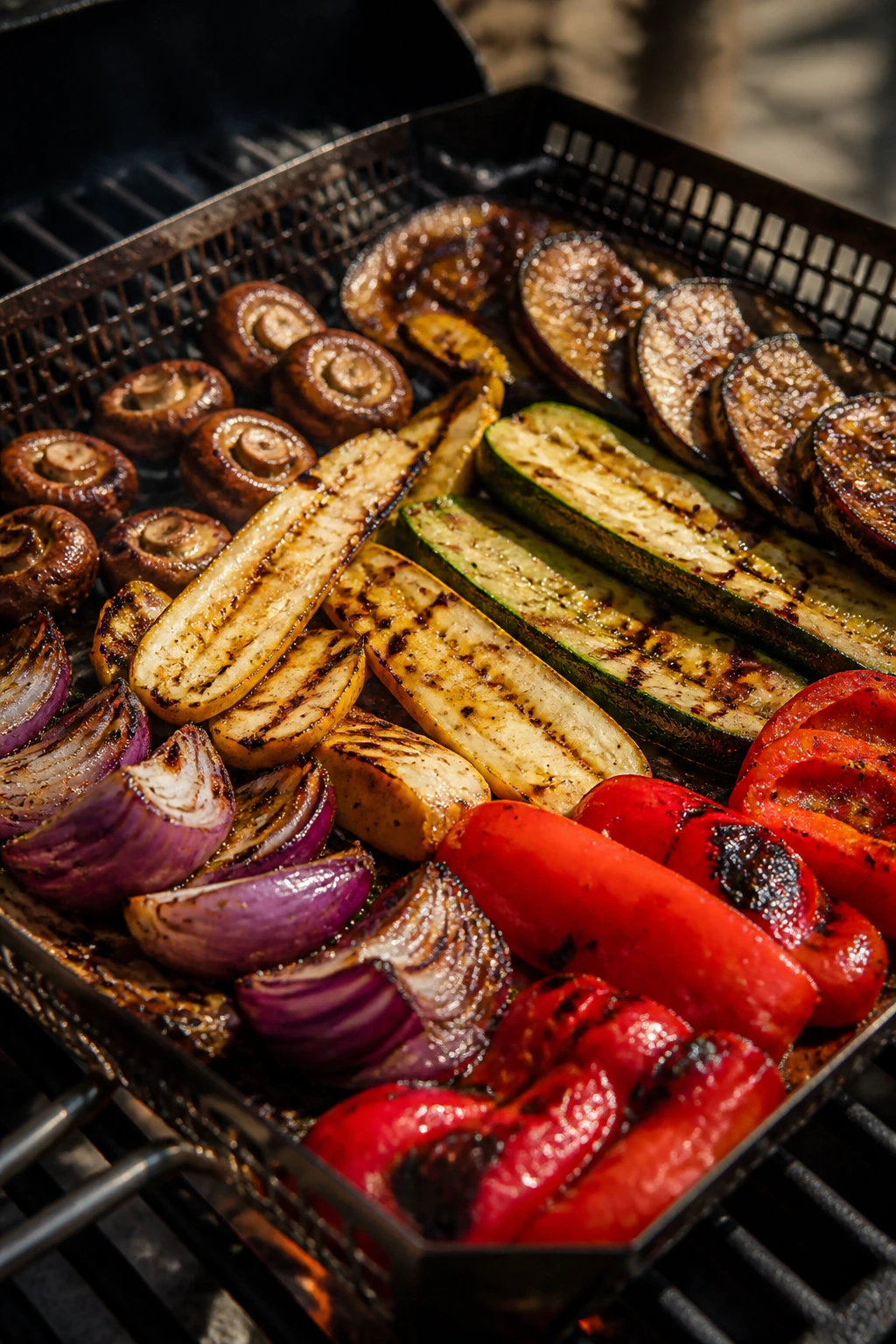
For the Vegetables:
- 2 medium zucchini, cut lengthwise into 1/2-inch planks
- 2 medium yellow squash, cut lengthwise into 1/2-inch planks
- 2 red bell peppers, quartered, seeded, and cut into large flat pieces
- 1 large red onion, cut into 1/2-inch wedges with the root end left on
- 8 ounces cremini mushrooms, stems trimmed
- 1 small eggplant, about 12 ounces, sliced into 1/2-inch rounds
For the Caramelizing Marinade:
- 3 tablespoons extra-virgin olive oil
- 1 1/2 tablespoons balsamic vinegar
- 1 tablespoon pure maple syrup
- 2 garlic cloves, finely grated or minced
- 1 teaspoon kosher salt
- 1/2 teaspoon black pepper
- 1 teaspoon smoked paprika
- 1 teaspoon finely grated lemon zest
To Finish:
- 1 tablespoon chopped fresh parsley
- 1 to 2 tablespoons crumbled feta, optional
- Lemon wedges, for serving
Why Each Vegetable Earns Its Spot
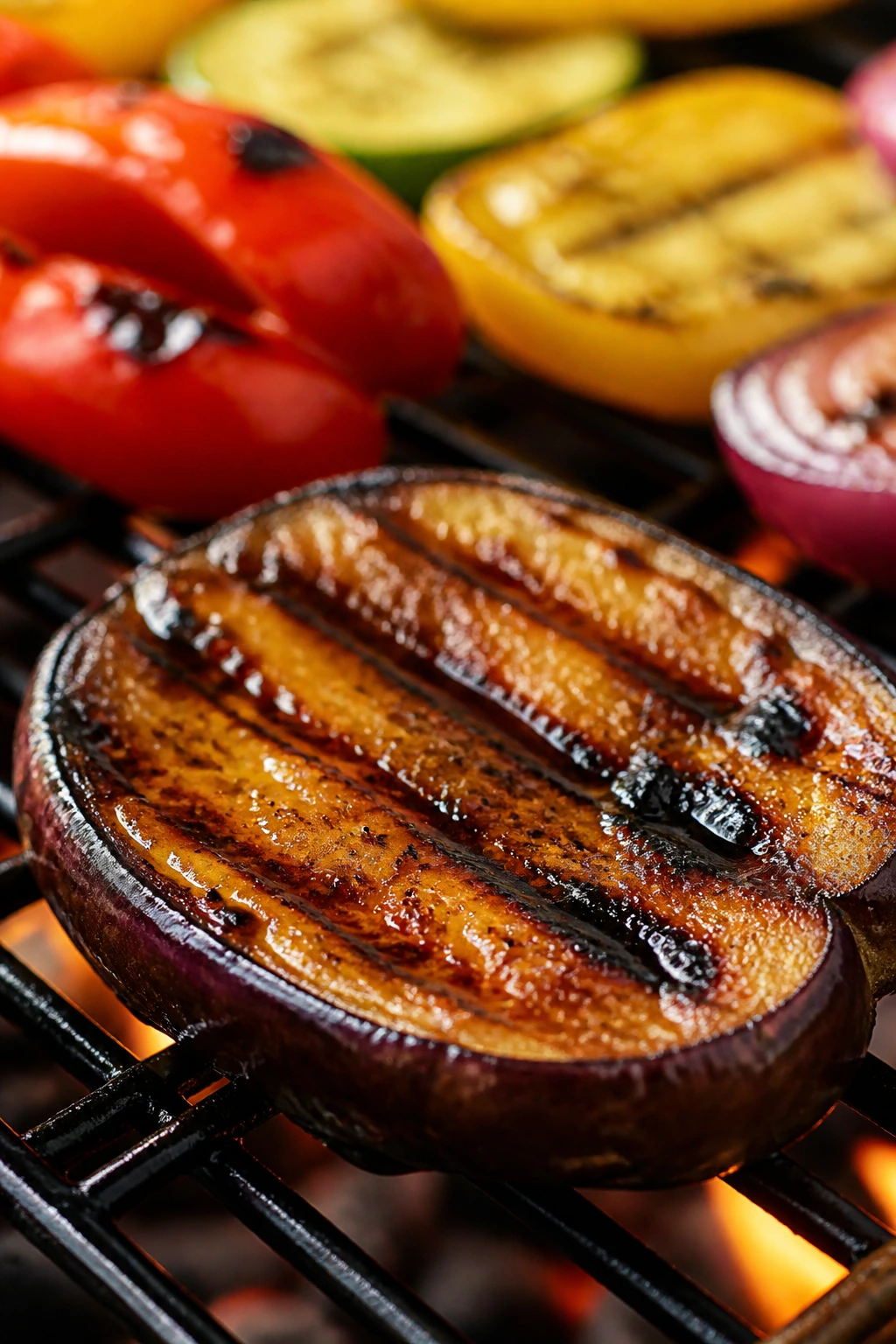
The sturdy pieces that need the most heat: 1 small eggplant, 1 large red onion, and 8 ounces of cremini mushrooms carry the deepest caramelization in this recipe. They have enough body to sit on the grill long enough for their sugars to brown, and they give the plate that dark, savory flavor that keeps grilled vegetables from tasting thin.
What to use: Eggplant sliced into 1/2-inch rounds, onion cut into root-end wedges, and mushrooms trimmed clean so they don’t wobble on the grate.
Preparation: Pat the eggplant dry before seasoning, keep the onion wedges connected at the root so they don’t fall apart, and trim only the mushroom stems rather than cutting the caps into tiny pieces.
Substitutions: Portobello caps can stand in for cremini mushrooms, and shallots can replace some of the onion if you want a sweeter, more delicate finish.
Tips: Eggplant drinks oil fast, so don’t be stingy with the marinade on those slices. Mushrooms release moisture as they cook; give them space or they’ll steam and go soft in a hurry.
The quick-cooking vegetables that bring color: 2 medium zucchini, 2 medium yellow squash, and 2 red bell peppers keep the plate bright and a little juicy. These are the pieces that cook fast enough to stay lively, but they still take on grill marks and a faint sweetness at the edges.
What to use: Zucchini and squash cut into wide planks, peppers cut into flat panels that can sit directly on the grate.
Preparation: Slice everything into pieces with the same thickness so the thinner edges do not burn before the centers soften.
Substitutions: Asparagus works well in spring, and thick spears of broccolini can step in if you want more bite. You can also swap one pepper for a poblano if you like a little heat.
Tips: Zucchini can go watery if it sits in salt for too long, so grill it within about 15 to 20 minutes of tossing. Peppers need the skin to blister a bit before they taste fully sweet.
The marinade that makes the char taste round, not sharp: Olive oil, balsamic vinegar, maple syrup, garlic, salt, pepper, smoked paprika, and lemon zest form the flavor base. The oil helps the vegetables brown instead of sticking, the balsamic sharpens the sweet edges, and the maple syrup nudges caramelization without making the glaze syrupy.
What to use: 3 tablespoons olive oil, 1 1/2 tablespoons balsamic vinegar, 1 tablespoon maple syrup, 2 garlic cloves, 1 teaspoon kosher salt, 1/2 teaspoon black pepper, 1 teaspoon smoked paprika, and 1 teaspoon lemon zest.
Preparation: Whisk the marinade before tossing so the syrup and oil actually cling to the vegetables instead of pooling at the bottom of the bowl.
Substitutions: Honey can replace maple syrup, and sherry vinegar can replace balsamic if you want a sharper finish. If you do not have smoked paprika, a pinch of regular paprika and a small pinch of cumin will still give the marinade some depth.
Tips: Keep the sweetener modest. Too much sugar burns before the vegetables finish cooking, and burnt sugar on a grate tastes bitter fast.
The final lift that keeps the whole plate awake: Fresh parsley, lemon wedges, and a little feta finish the dish with brightness and salt. Without that last step, the vegetables can taste a touch flat, especially if you serve them over grains.
What to use: 1 tablespoon chopped parsley, lemon wedges, and 1 to 2 tablespoons crumbled feta if you want a salty finish.
Preparation: Chop the parsley just before serving so it stays lively, and cut the lemon into wedges you can squeeze over the vegetables at the table.
Substitutions: Mint or basil can take parsley’s place, and shaved Parmesan can replace feta if you want a drier, sharper cheese.
Tips: Use the finishing salt and acid at the end, not at the start. That last squeeze of lemon wakes up the browning in a way that no extra seasoning in the bowl can.
Why the Grill Beats the Oven for This Dish
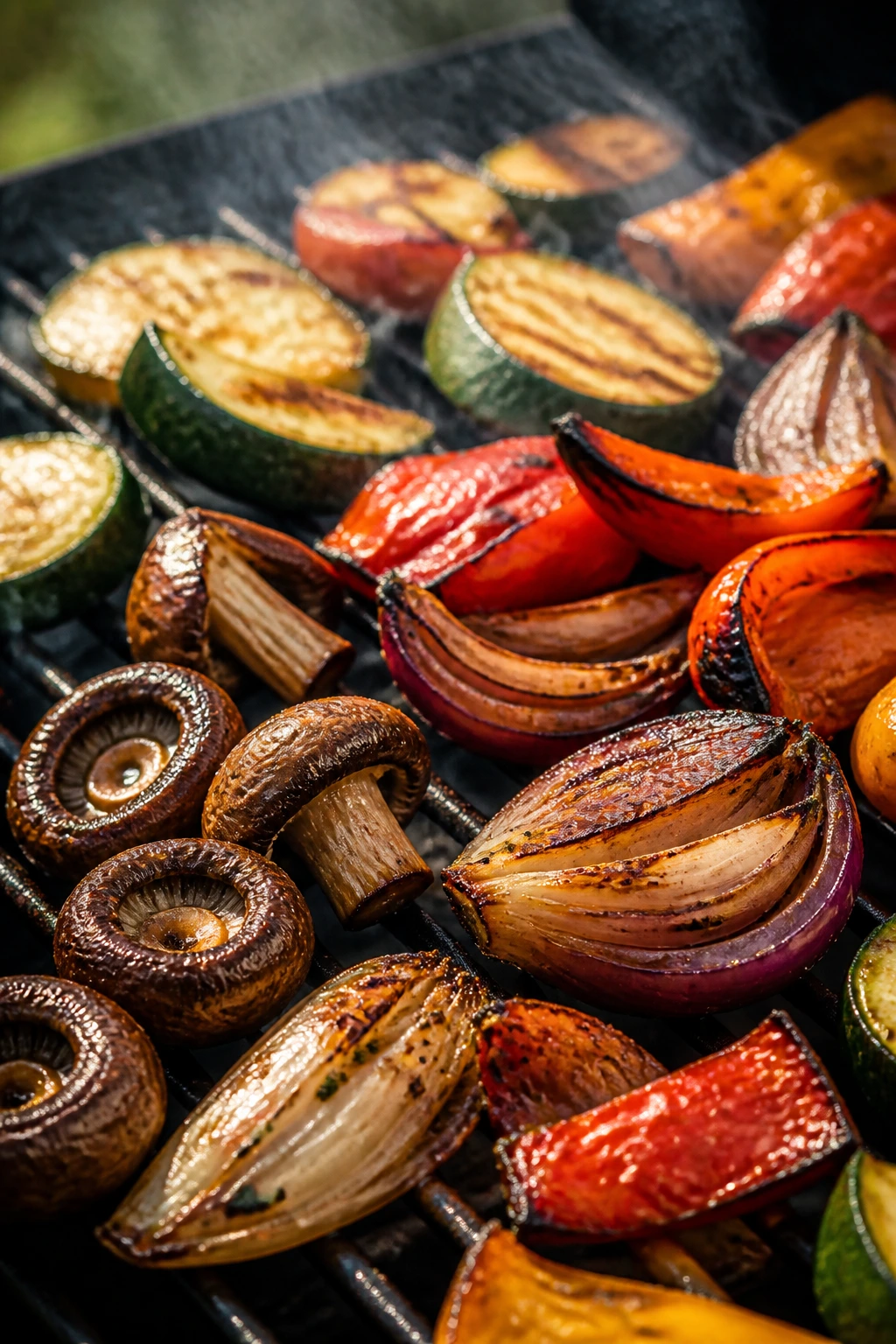
Grilled vegetables taste different because the heat hits them fast and hard. The direct flame pulls moisture off the surface, the sugars concentrate, and the cut sides start to brown before the inside turns mushy. That’s the sweet spot. A roasted vegetable can be lovely, but it usually gives you more even softness and less of the dark, smoky edge that makes this dish feel alive.
There’s also a practical reason I keep coming back to the grill for this kind of dinner. You can keep the vegetables in big, clean pieces, which means less cutting, less stirring, and fewer broken bits left on the tray. A zucchini plank stays intact on the grate. A red onion wedge keeps its shape. A mushroom cap can get a deep, savory sear without having to be baby-sat like a pan sauce.
And yes, the grill basket has its place. No shame there. If your grates are wide or you hate losing pieces to the fire, a basket gives you control, especially with mushrooms and smaller peppers. But when you can place vegetables straight on the grates, the contact patch is wider and the browning is better. More surface against heat means more of that dark, sweet flavor.
The other thing people miss is that char and bitterness are not the same thing. Brown edges taste nutty and almost sweet. Blackened spots taste burnt. That line is thinner than it looks, which is why medium-high heat and a watchful eye matter more than cranking the grill to maximum and wandering off.
Tools That Keep the Batch Clean and Even
-
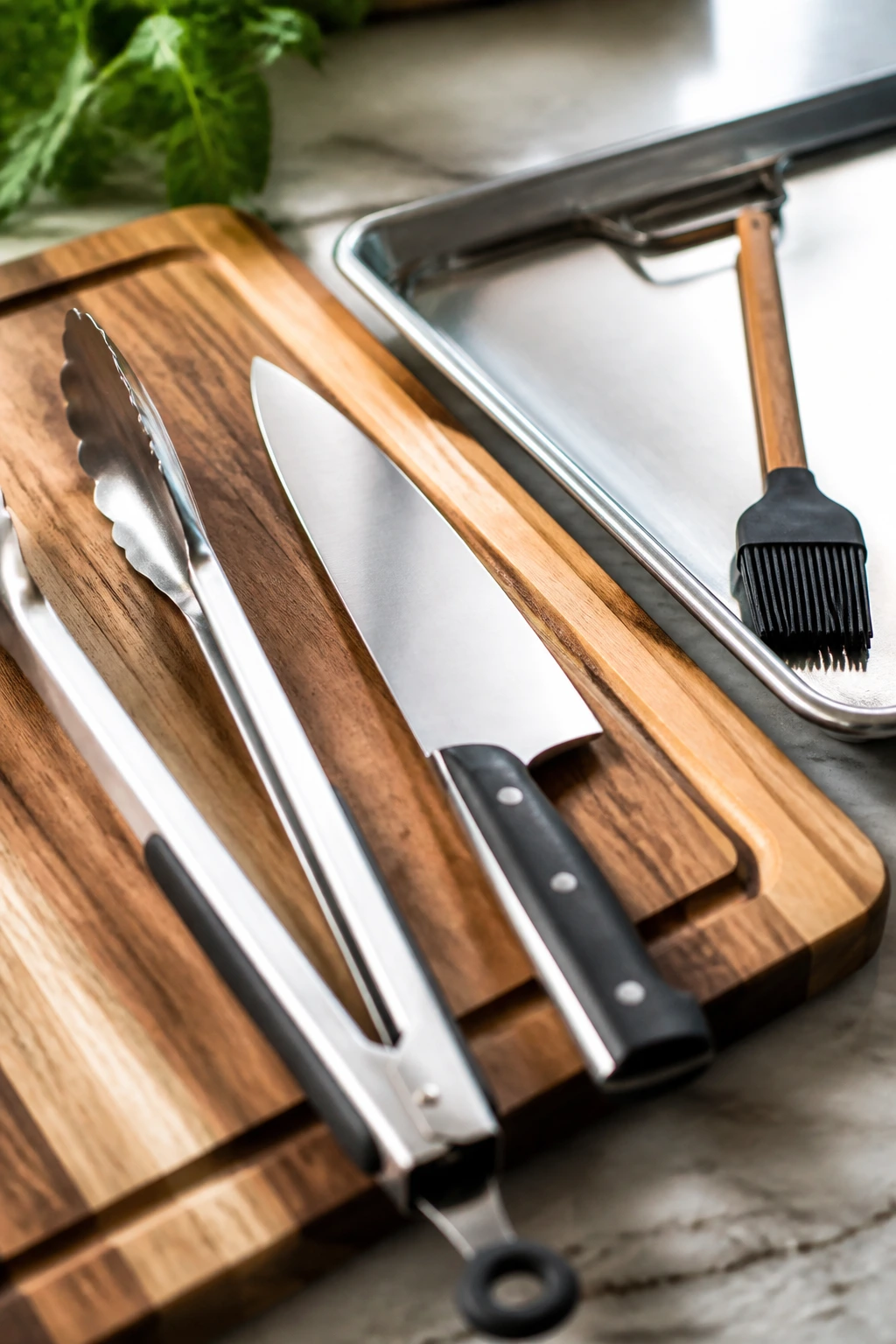
Large grill with medium-high heat control: Gas or charcoal both work, but you need a way to keep the temperature in the 425 to 450°F range.
-
Long-handled tongs: Short tongs put your hand too close to the heat, and they make it harder to flip vegetables without tearing them.
-
Sharp chef’s knife: Clean cuts help the vegetables cook evenly. A dull knife crushes the onions and smears the eggplant.
-
Large cutting board: You’ll want room to arrange different vegetables in separate piles before they hit the grill.
-
Large mixing bowl: A wide bowl makes tossing easier and keeps the marinade from splashing out.
-
Silicone brush or folded paper towel with oil: Useful for oiling the grates so the vegetables release cleanly.
-
Rimmed sheet pan or platter: Set finished vegetables here so they do not keep cooking on the hot grill while you juggle the rest of the batch.
-
Grill basket, optional: Handy for mushrooms, pepper pieces, or any vegetable that tends to slip through the grates.
Step-by-Step Grilling Method
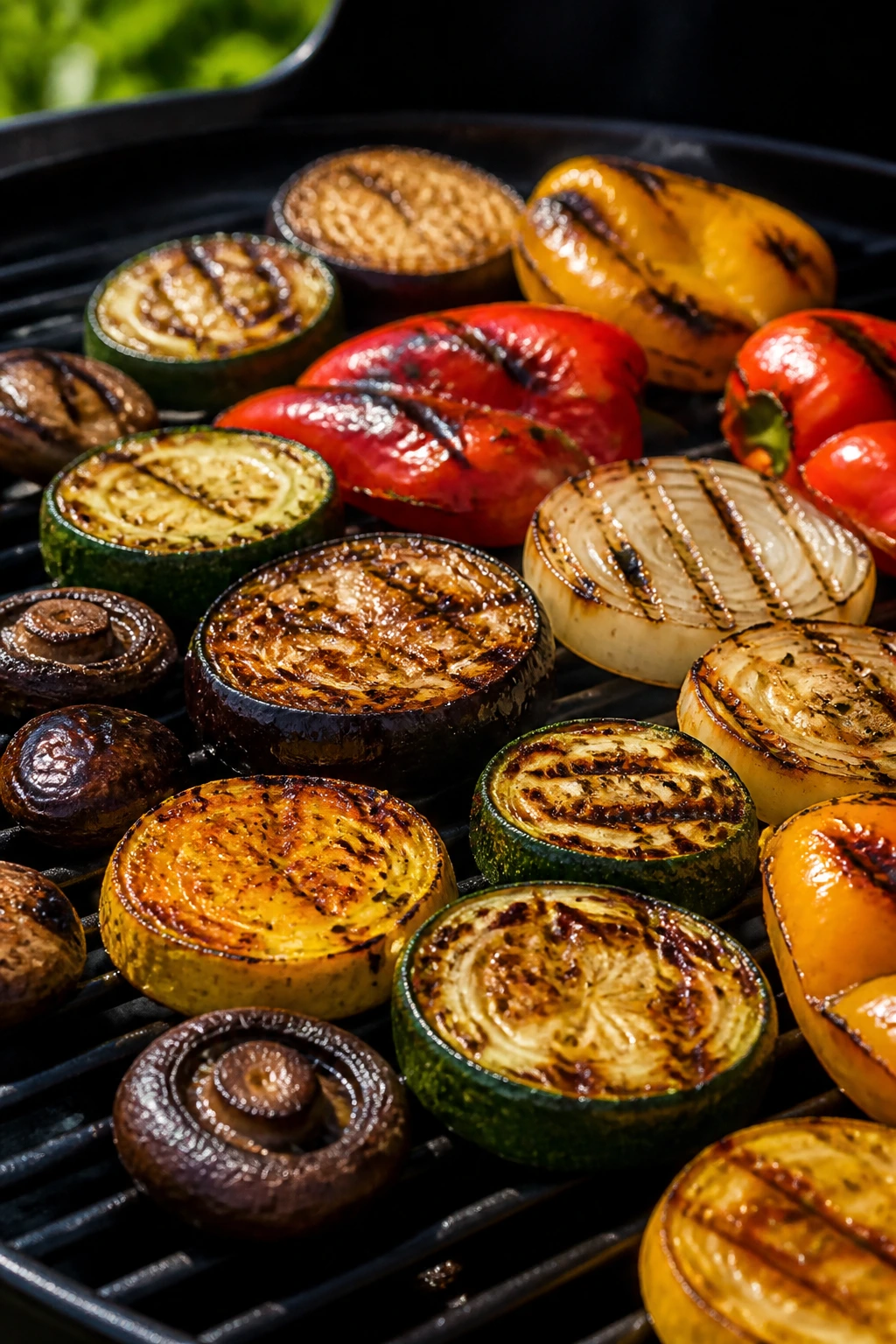
Prep the grill and the vegetables:
- Preheat your grill to medium-high heat, about 425 to 450°F, and let it run for 10 to 15 minutes so the grates get hot, not just the air inside the lid.
- Clean the grates with a grill brush, then oil them lightly using tongs and a paper towel dipped in olive oil. Do not skip the oil step — vegetables stick fast when the grates are dry.
- In a large bowl, whisk together the olive oil, balsamic vinegar, maple syrup, garlic, salt, pepper, smoked paprika, and lemon zest until the marinade looks glossy and unified.
- Add the zucchini, yellow squash, peppers, onion, mushrooms, and eggplant to the bowl. Toss until every piece has a thin coating. Let the vegetables sit for 10 to 15 minutes while the grill finishes heating. Do not let them sit much longer than 20 minutes or the salt will pull out too much moisture, especially from the zucchini.
Grill in batches: 5. Lay the eggplant slices and onion wedges on the grates first. Grill for 4 to 5 minutes on the first side, until the undersides show deep brown lines and the vegetables release easily. Flip and cook 3 to 4 minutes more, until the eggplant is tender all the way through and the onion edges look sticky and bronze. 6. Add the red peppers and mushrooms. Grill the peppers for 2 to 3 minutes per side and the mushrooms for about 3 to 4 minutes per side, until the caps darken and the peppers soften enough to bend without collapsing. If you are using a grill basket, cook them in a single layer and stir every 2 to 3 minutes. 7. Finish with the zucchini and yellow squash, which usually need only 2 to 3 minutes per side. Pull them when the cut sides are marked and the centers still have a little structure. If you wait until they are floppy, you’ve gone too far. 8. Transfer everything to a rimmed sheet pan or serving platter. Squeeze over half a lemon, scatter the parsley, and add feta if you like a salty finish. Taste one piece, then season with a pinch more salt only if needed.
Serve immediately: 9. Let the vegetables rest for 2 to 3 minutes before serving so the juices settle and the flavors stop tasting jagged. The edges should still be warm and lightly crisp when they hit the table.
How to Turn Them Into a Full Dinner
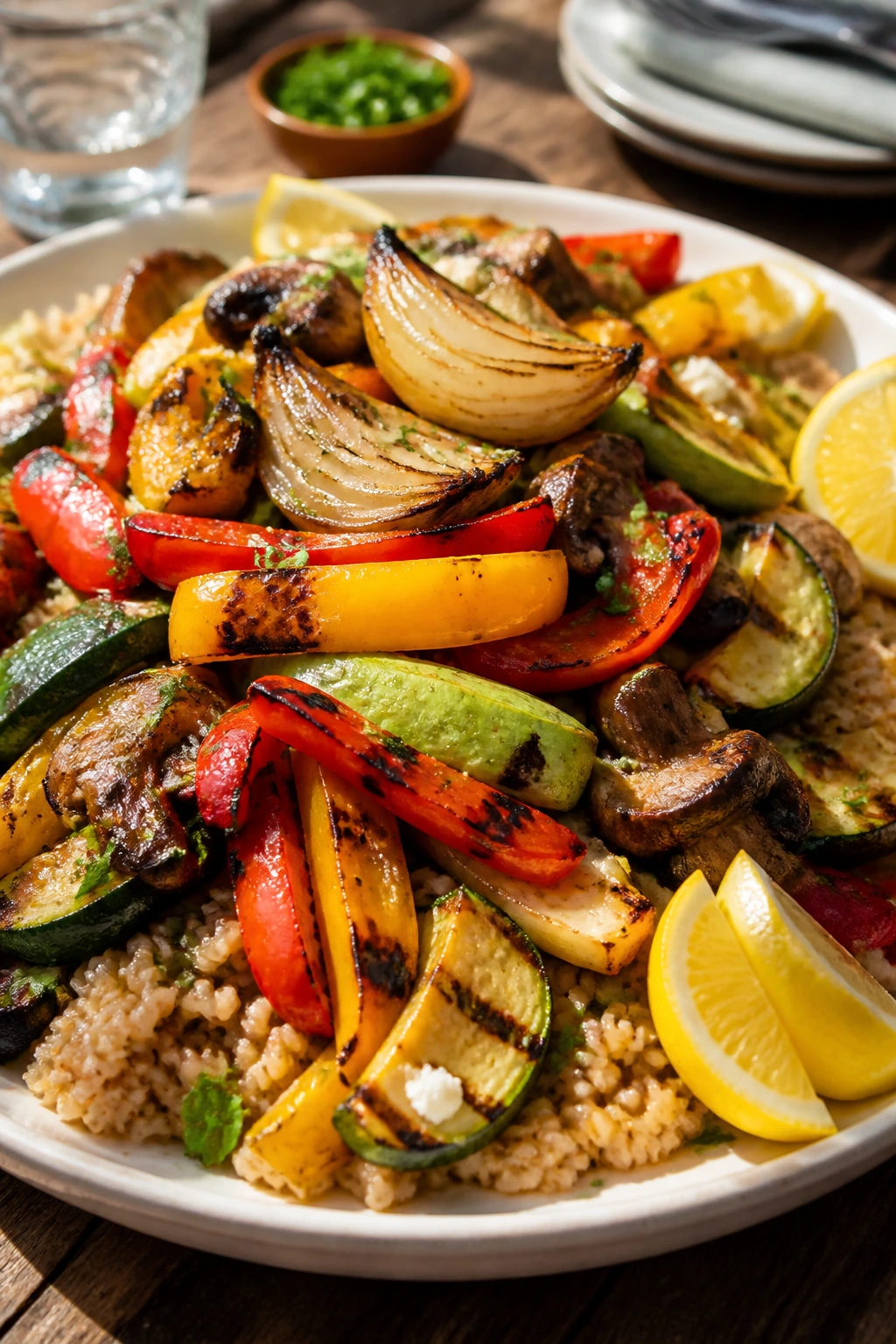
Presentation: I like these piled high on a wide platter rather than stacked in a bowl. The onion wedges should sit on top where their browned edges show, the peppers should drape over the zucchini, and the lemon wedges should be tucked around the rim so the table knows a squeeze of acid is part of the plan.
Accompaniments: For a real dinner, spoon the vegetables over 1 to 1 1/2 cups of cooked farro, quinoa, or brown rice per person. If you want more protein, add chickpeas, white beans, or a fried egg with a runny yolk. Warm pita, hummus, or a simple cucumber salad also fits the plate without making it feel heavy.
Portions: As a main course, figure about 2 cups of grilled vegetables per person plus a grain or protein base. As a side, 3/4 to 1 cup per person is plenty, especially if the rest of the meal already has starch or meat.
Beverage Pairing: A crisp Sauvignon Blanc, dry Vermentino, or sparkling water with lemon and a few mint leaves keeps the smoke and sweetness from feeling too dense. If you want something non-alcoholic with a little more shape, chilled unsweetened iced tea with lemon works well too.
Finishing Moves That Brighten the Char
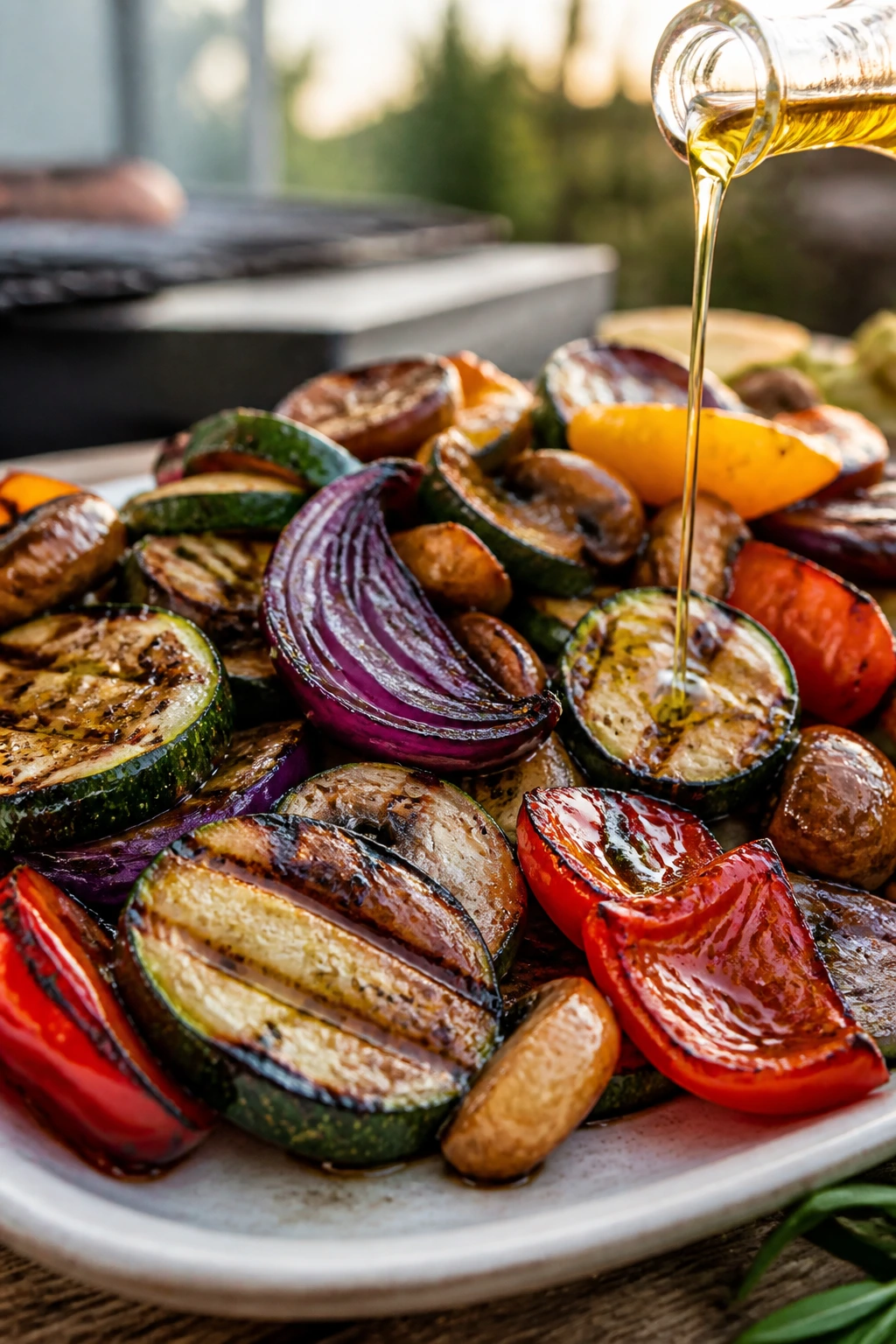
Flavor Enhancement: A final drizzle of good olive oil and a teaspoon of sherry vinegar over the platter gives the vegetables a last hit of shine and bite. If you like heat, a few drops of chili crisp or a pinch of Aleppo pepper make the char taste deeper, not louder.
Customization: Fold in a handful of halved cherry tomatoes during the last 2 minutes of grilling if you want a burst of juice. You can also add slices of halloumi on a cooler part of the grill for a salty, chewy contrast that turns the plate into something closer to a composed dinner.
Serving Suggestions: Toasted pine nuts, sesame seeds, or chopped pistachios add crunch that the vegetables themselves will never give you. I also like torn basil when the grill basket comes off the heat — the herb smell lands cleanly against the smoke.
Make-It-Yours: For a vegan plate, leave off the feta and finish with tahini thinned with lemon juice and water. For a lower-sodium version, cut the salt in the marinade to 3/4 teaspoon and let the lemon, herbs, and char carry more of the flavor. For a heartier main, add a can of rinsed chickpeas to the serving bowl so the vegetables have something starchy and filling to sit on.
Mistakes That Flatten the Flavor
-
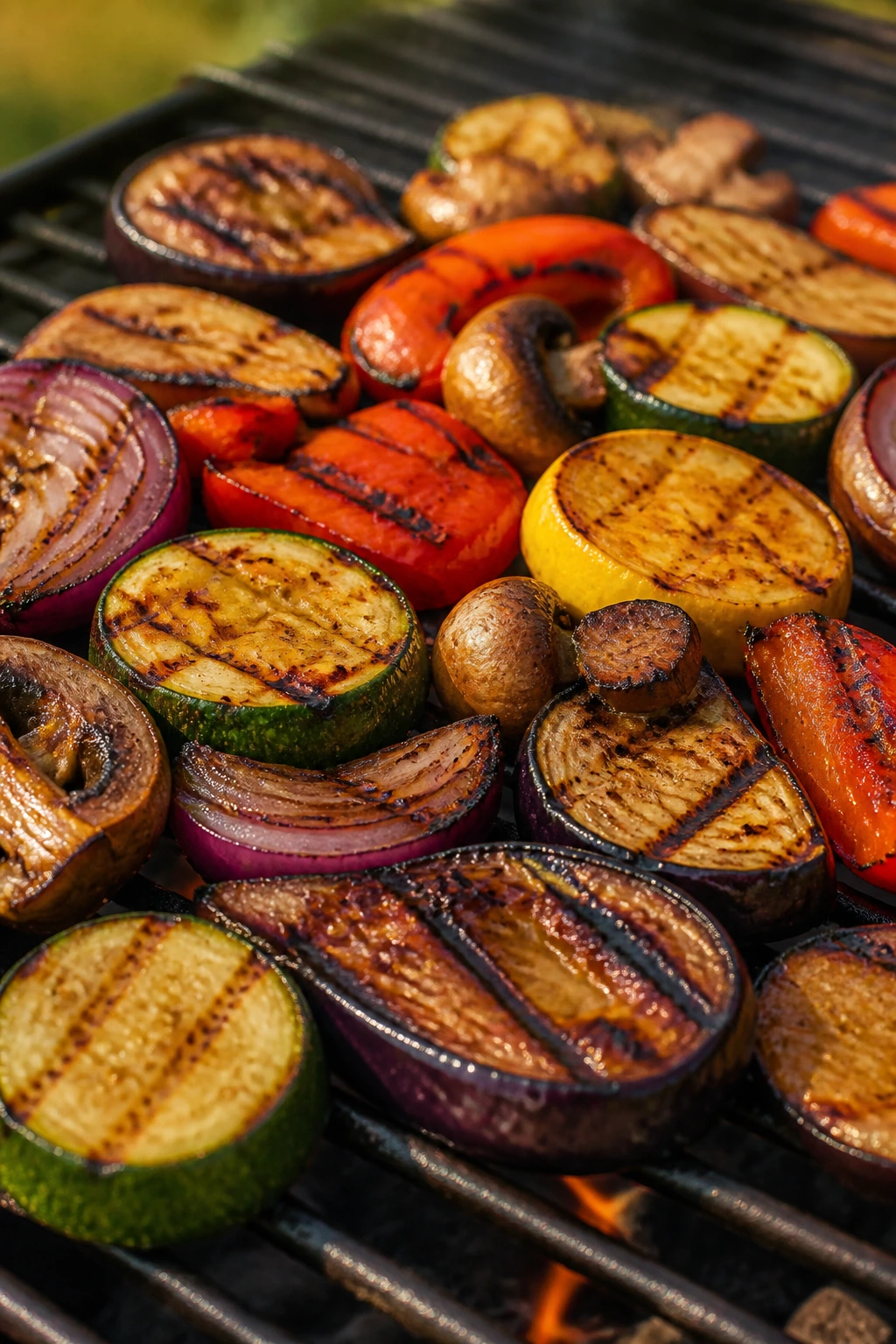
Crowding the grill: When the vegetables sit too close together, they trap steam and go pale instead of browned. Give each piece room, even if that means grilling in two rounds.
-
Skipping the size check: A zucchini plank that is thinner than the onion wedge will burn before the onion softens. Cut with the whole batch in mind, not one vegetable at a time.
-
Drowning the vegetables in sweetener: Too much maple syrup or honey blackens the outside before the centers are tender. Keep the sweetener to a tablespoon, maybe a little less if your grill runs hot.
-
Flipping too often: Every time you move a vegetable, you interrupt the browning. Let each side sit long enough to release cleanly from the grate before turning it.
-
Using wet vegetables straight from rinsing: Water on the surface turns into steam the second it hits the heat. Pat everything dry before the marinade goes on, especially the mushrooms and eggplant.
-
Leaving the vegetables on the grill until they collapse: Tender is not the same thing as soft and soggy. Pull them when they still hold shape, because they will keep cooking for a minute on the platter.
Variations Worth Trying
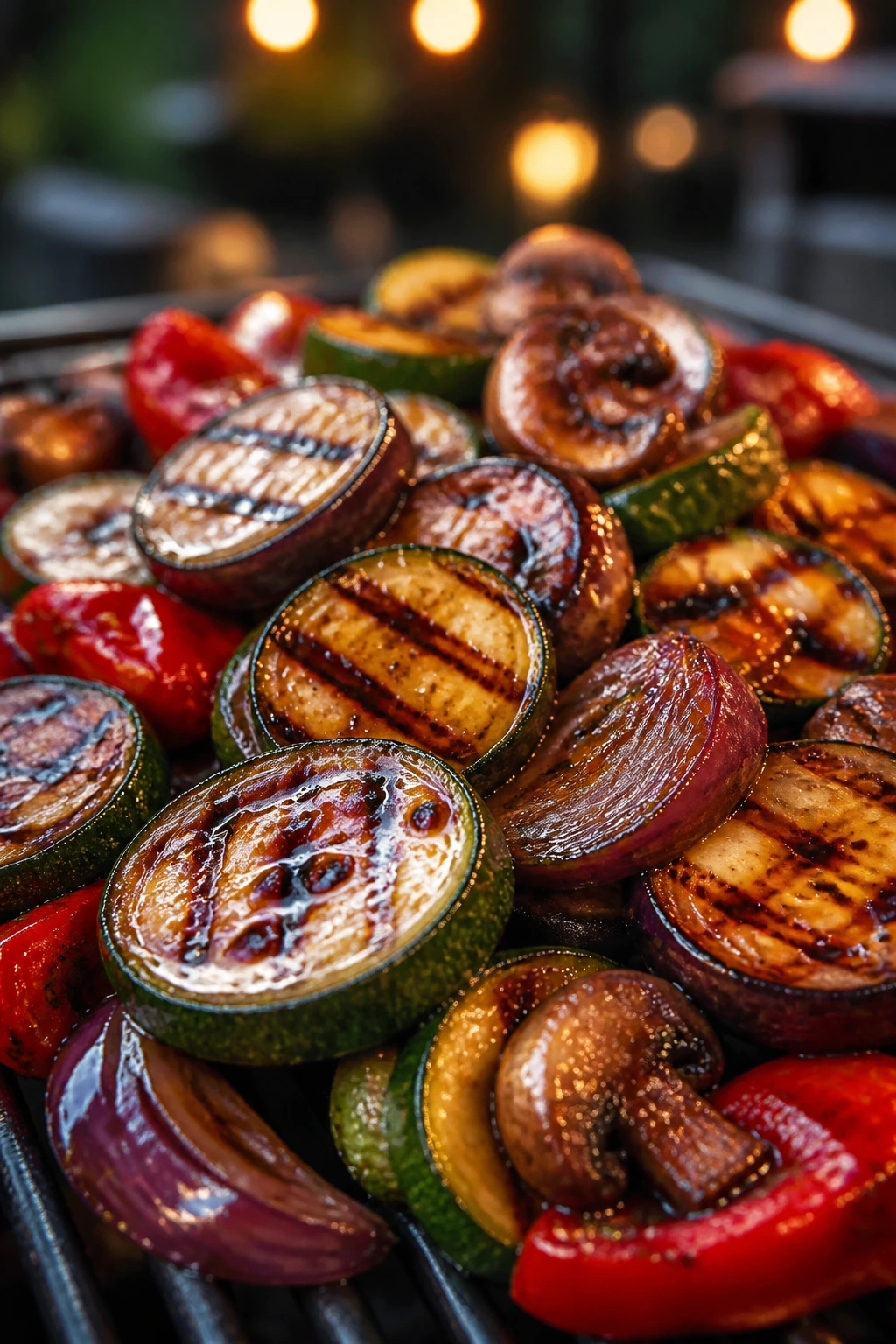
Smoky Harissa Char: Swap the smoked paprika for 1 to 2 teaspoons of harissa paste in the marinade and add a pinch of cumin. The result is deeper and a little fierier, which works well if you’re serving the vegetables with yogurt, couscous, or chickpeas.
Lemon-Herb Market Mix: Use basil, mint, and dill instead of parsley, and finish with extra lemon zest instead of feta. This version tastes brighter and cleaner, which makes it a good match for fish, grilled chicken, or a bowl of white beans.
Miso-Balsamic Glaze: Whisk 1 tablespoon white miso into the marinade and reduce the maple syrup to 2 teaspoons. The miso adds salt and a savory edge that makes the vegetables taste rounder, especially mushrooms and eggplant.
Halloumi and Vegetable Dinner Board: Thread the vegetables onto skewers or grill them in sections, then add sliced halloumi for the last 2 minutes so it browns at the edges. Serve everything over grains with a spoon of tahini and a handful of herbs, and you’ve got a plate that eats like a full meal.
Indoor Grill Pan Backup: If the weather or equipment says no to the outdoor grill, use a heavy grill pan over medium-high heat and cook the vegetables in smaller batches. You will lose a little of the open-flame smoke, but the browned stripes and caramelized edges are still worth chasing.
Make-Ahead, Storage, and Reheating
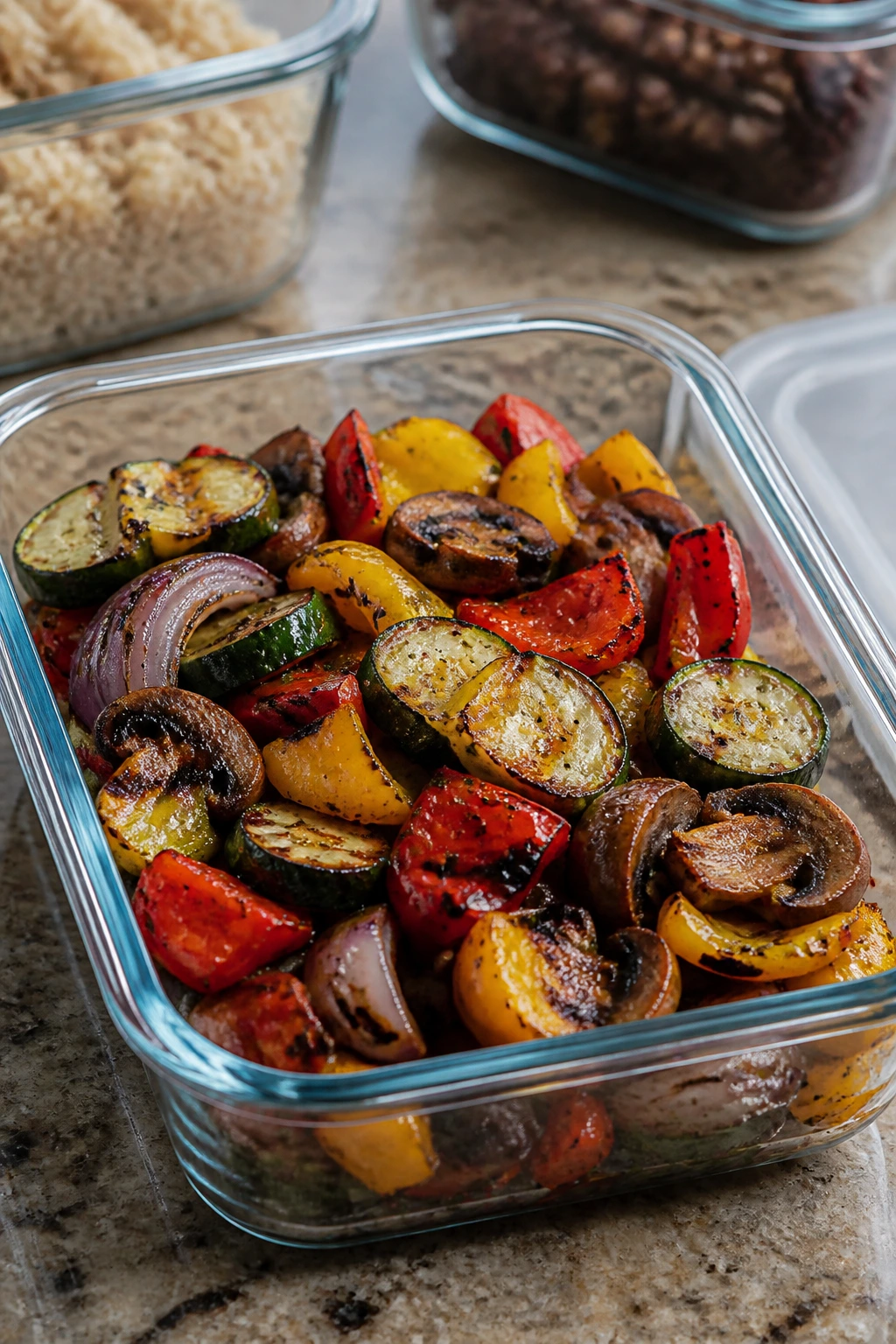
The vegetables can be prepped a day ahead, which is the easiest way to make this feel like a weeknight dinner instead of a project. Cut the zucchini, squash, peppers, onion, and eggplant, then store them in separate airtight containers or zip-top bags in the fridge. The marinade can be whisked and chilled for up to 2 days; just stir it again before using because the oil may firm up slightly.
Once grilled, the vegetables keep well in the refrigerator for 3 to 4 days in an airtight container. They’re best on day one, when the edges still have some texture, but they hold up better than a lot of people expect. For meal prep, store the vegetables separately from grains or beans so nothing turns wet and tired.
Freezing is possible, but I only recommend it if you plan to repurpose the vegetables in soup, pasta sauce, or a blended dip. Grilled zucchini and peppers lose some of their shape after freezing, so keep them frozen for up to 2 months and accept that they’re headed for a softer job. If you want freezer-friendly leftovers, eggplant and onion hold up a bit better than zucchini.
For reheating, the best move is a hot skillet over medium-high heat for 3 to 5 minutes, just until the vegetables warm through and pick up a little edge again. An oven at 425°F for about 8 minutes also works, especially if you spread them on a sheet pan in a single layer. A microwave will get the job done for lunch, but the texture turns softer and the char fades. If you’re building bowls, the vegetables can go in cold and still taste good once they hit warm grains.
Frequently Asked Questions
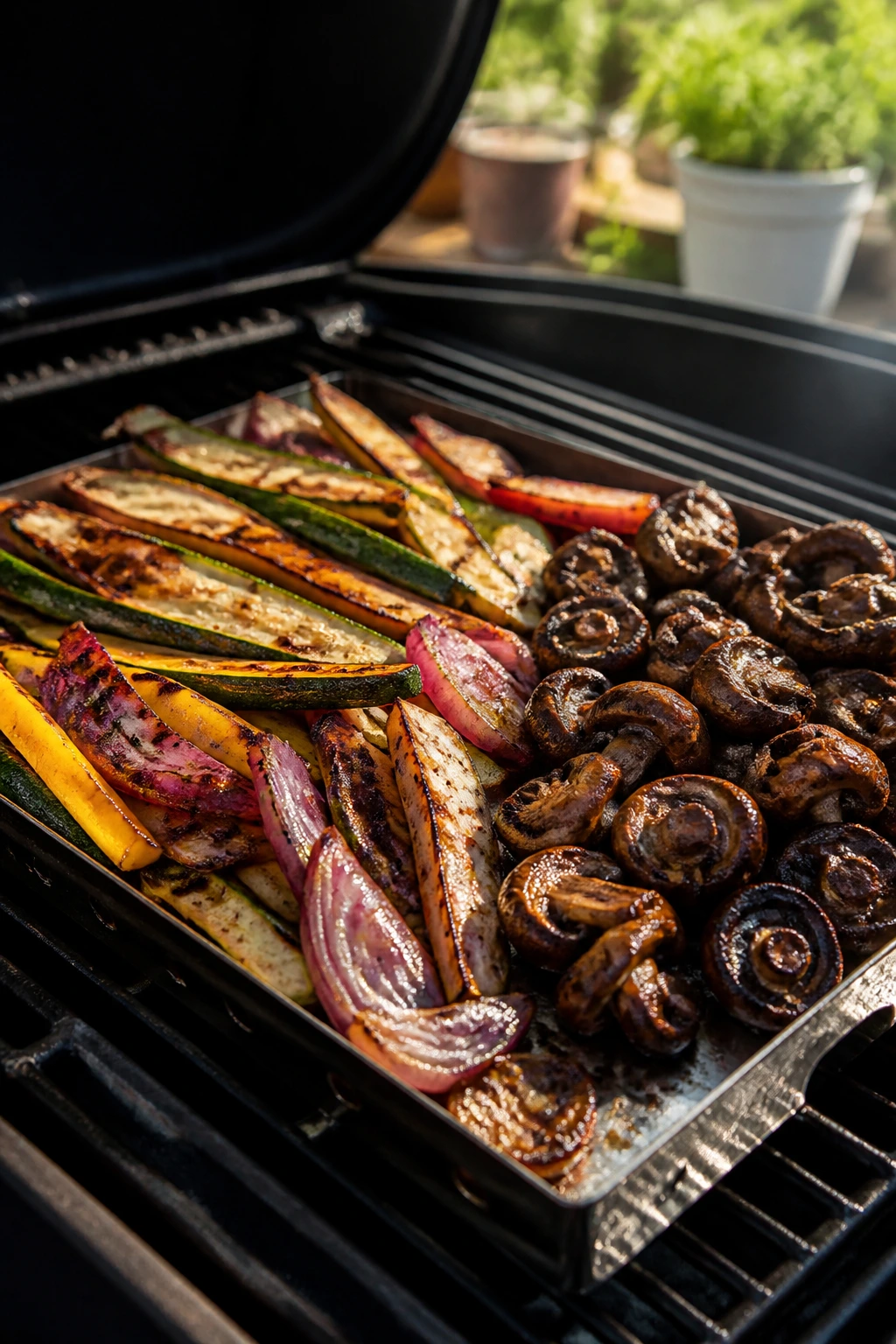
Can I make caramelized grilled vegetables without an outdoor grill?
Yes. A grill pan on the stovetop gives you the same striped browning, and a hot broiler can help if you keep the vegetables close to the heat and watch them carefully. The flavor will be a little different, but the caramelized edges are still there.
Which vegetables work best if I want to change the mix?
Zucchini, peppers, onion, eggplant, mushrooms, asparagus, and broccolini all handle high heat well. I would avoid very delicate vegetables like leafy greens or thin-sliced tomatoes as the main event, because they collapse before they brown.
How do I keep zucchini from turning mushy?
Cut it into thick planks, pat it dry, and grill it briefly over hot grates. If it sits in the marinade too long, it starts to weep, so keep the rest time short and pull it from the grill while the center still has shape.
What if the vegetables keep sticking to the grate?
The grill is either too dry, not hot enough, or both. Oil the grates, oil the vegetables lightly, and wait until each piece releases on its own before you try to turn it — forced flipping tears the surface and leaves half the char behind.
Can I prep everything in the morning and grill at dinnertime?
Absolutely. Slice the vegetables and store them chilled, then whisk the marinade separately and toss everything together just before grilling. If you season too early, watery vegetables like zucchini and mushrooms start leaking liquid and lose some of their browning power.
How do I stop the balsamic and maple from burning?
Keep the sweetener modest and use medium-high heat instead of maximum heat. The small amount in this recipe helps the edges brown; it is not meant to form a thick lacquer, which is where burnt sugar flavor starts to show up.
Can I turn this into a meal with protein?
Yes, and it’s a smart move if you want the vegetables to anchor dinner. Chickpeas, white beans, fried eggs, grilled chicken, salmon, or halloumi all work, but I prefer beans or eggs because they keep the plate feeling light while still making it filling.
A Last Pass Over the Grates
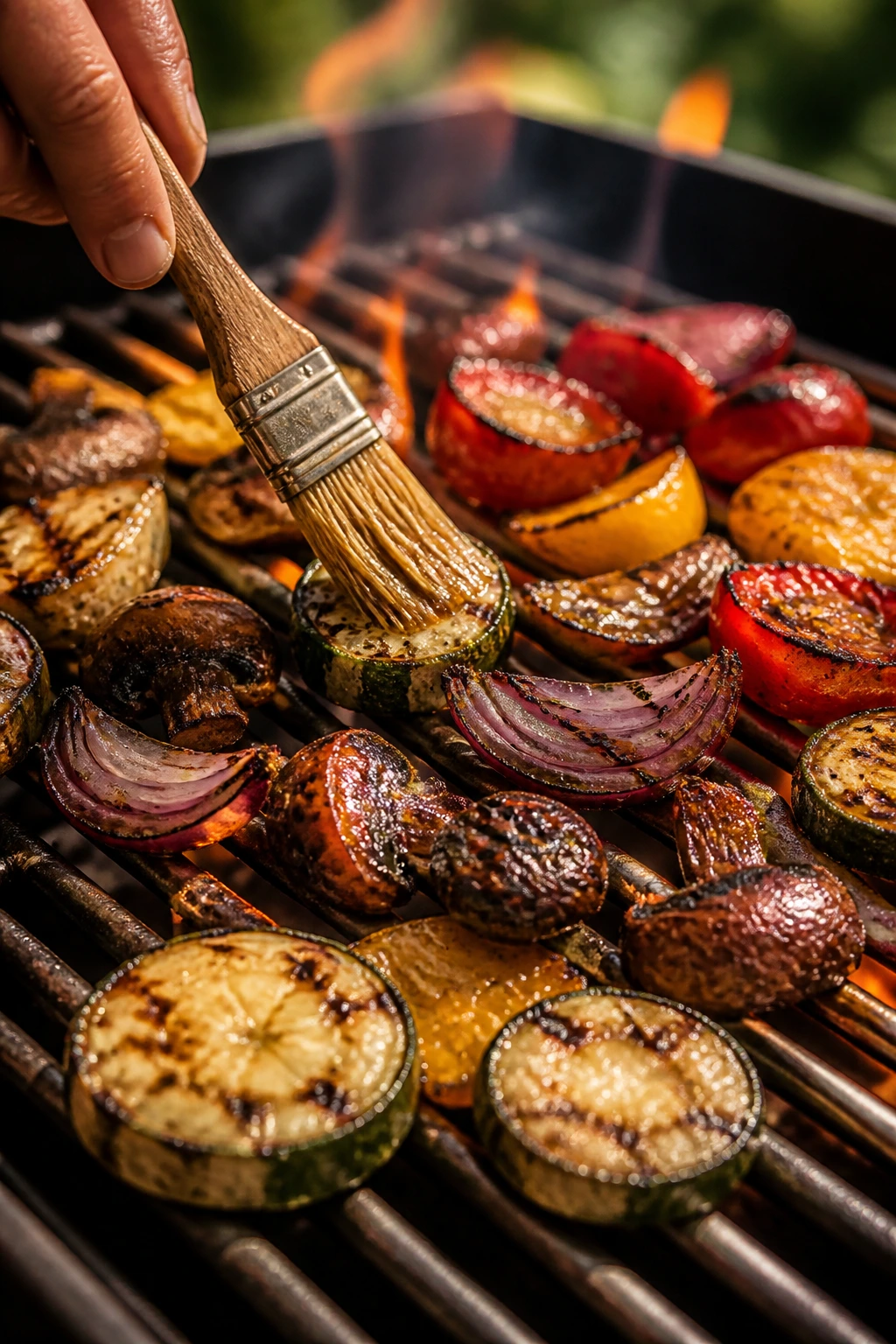
What makes this dish worth repeating is not just the flavor. It’s the way it gives you a dinner that feels deliberate without becoming fussy. Hot grates, a little oil, a few vegetables with enough structure to hold their own — that’s enough to build something you’ll want to eat straight off the platter.
The details matter, though. Cut evenly. Grill in batches. Pull the vegetables before they slump. Then finish them with lemon, herbs, and a pinch of salt so the char stays sharp and the sweetness doesn’t flatten out. That’s the whole rhythm, and once you’ve got it, the recipe becomes one of those reliable meals that slides into rotation without asking for much.
Caramelized Grilled Vegetables for a Healthy Dinner — Recipe Card
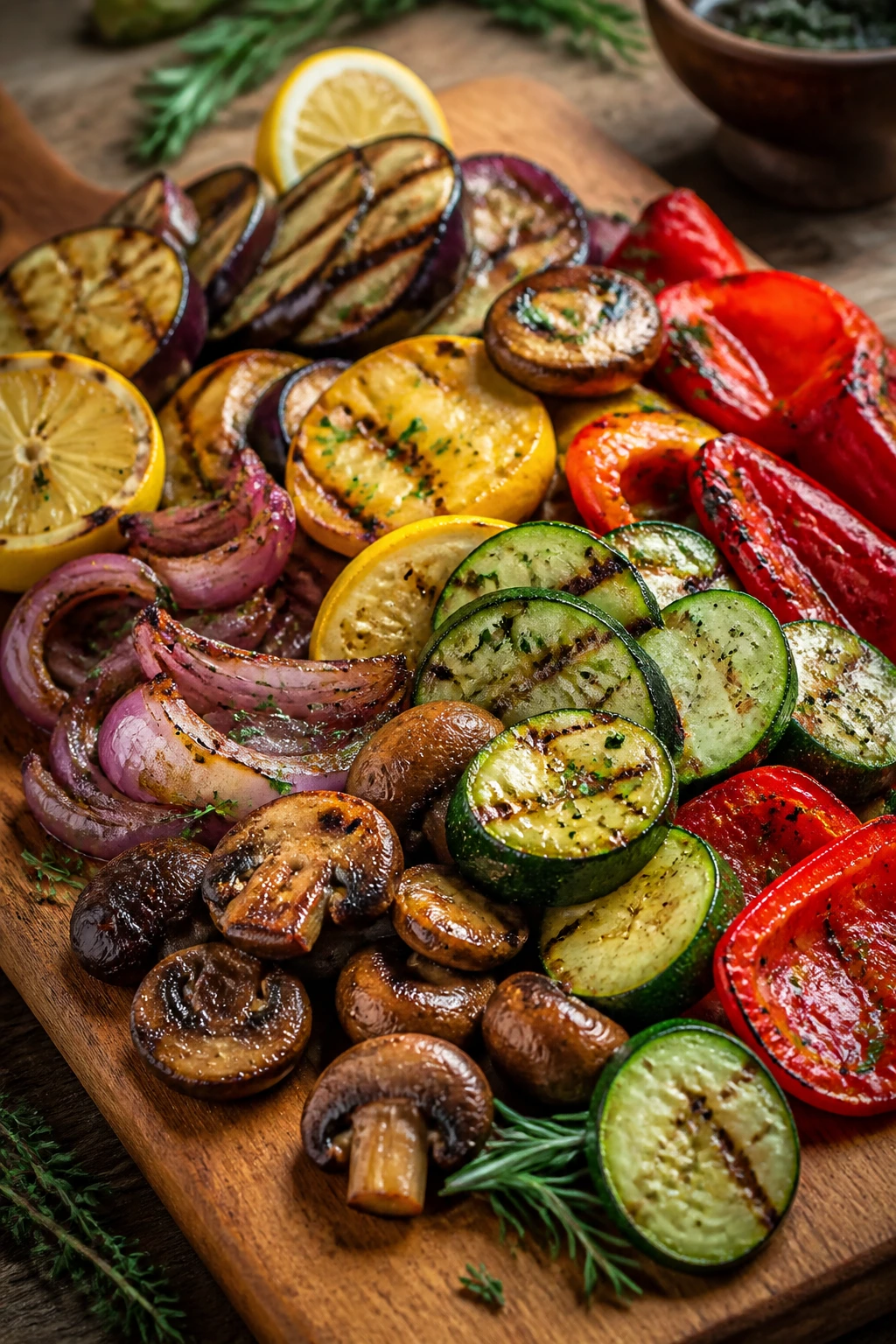
Recipe Name: Caramelized Grilled Vegetables for a Healthy Dinner
Description: Smoky grilled zucchini, squash, peppers, onion, mushrooms, and eggplant tossed in a balsamic-garlic marinade, then finished with lemon and herbs. Serve them as a vegetable main over grains or as a hearty side.
Prep Time: 20 minutes
Cook Time: 18 to 22 minutes
Total Time: 40 to 45 minutes
Course: Dinner, Main Course, Side Dish
Cuisine: American, Mediterranean-inspired
Servings: 4 servings as a main, 6 servings as a side
Calories: About 190 kcal per serving
Ingredients
For the Vegetables:
- 2 medium zucchini, cut lengthwise into 1/2-inch planks
- 2 medium yellow squash, cut lengthwise into 1/2-inch planks
- 2 red bell peppers, quartered, seeded, and cut into large flat pieces
- 1 large red onion, cut into 1/2-inch wedges with the root end left on
- 8 ounces cremini mushrooms, stems trimmed
- 1 small eggplant, about 12 ounces, sliced into 1/2-inch rounds
For the Caramelizing Marinade:
- 3 tablespoons extra-virgin olive oil
- 1 1/2 tablespoons balsamic vinegar
- 1 tablespoon pure maple syrup
- 2 garlic cloves, finely grated or minced
- 1 teaspoon kosher salt
- 1/2 teaspoon black pepper
- 1 teaspoon smoked paprika
- 1 teaspoon finely grated lemon zest
To Finish:
- 1 tablespoon chopped fresh parsley
- 1 to 2 tablespoons crumbled feta, optional
- Lemon wedges, for serving
Instructions
-
Preheat the grill to medium-high heat, about 425 to 450°F, and clean the grates.
-
Whisk together the olive oil, balsamic vinegar, maple syrup, garlic, salt, pepper, smoked paprika, and lemon zest in a large bowl.
-
Add the zucchini, yellow squash, peppers, onion, mushrooms, and eggplant. Toss to coat and let sit for 10 to 15 minutes.
-
Oil the grates lightly, then grill the eggplant and onion first for 4 to 5 minutes per side, until browned and tender.
-
Grill the peppers and mushrooms for 2 to 4 minutes per side, until softened and marked.
-
Grill the zucchini and yellow squash for 2 to 3 minutes per side, until tender but still holding shape.
-
Transfer everything to a platter, squeeze over lemon juice, scatter with parsley, and add feta if using. Serve warm.
Notes: Keep the maple syrup modest so the vegetables caramelize instead of burning. If your grill runs hot, pull the zucchini and squash first. Leftovers keep 3 to 4 days in the fridge and are excellent in grain bowls.