



The best kind of dinner is the one that smells like you worked harder than you did. Easy crockpot soup has that trick down cold: a few chopped vegetables, a decent broth, a protein that doesn’t mind a long simmer, and a lid that stays shut while the rest of your day keeps moving.
There’s a reason slow cooker soup survives every kitchen trend. It doesn’t ask for attention every ten minutes. It doesn’t punish you for getting busy. And when it’s done well, the broth tastes rounded and calm, the vegetables stay tender instead of collapsing into paste, and the whole pot feels like it spent the afternoon becoming itself.
The catch is that crockpot soup can also go dull in a hurry. Too much liquid, too-early pasta, limp greens, bland broth, stringy chicken breast that had one hour too many in the heat — I’ve seen all of it. The good news is that the fixes are plain, and once you know them, a slow cooker becomes one of the easiest ways to get a real bowl of soup on the table without standing over a stove.
Why Crockpot Soup Earns Its Place in a Real Kitchen
A slow cooker soup is not a compromise meal. Done right, it has a specific kind of depth that a quick boil rarely manages. Gentle heat gives onions time to sweeten, dried herbs time to soften, and tough cuts of meat time to relax into the broth instead of seizing up.
- It builds flavor while you do something else. The low heat keeps garlic, onion, carrots, and celery from scorching, so the base can mellow for hours without turning bitter.
- It handles sturdy ingredients beautifully. Chicken thighs, chuck roast, lentils, split peas, potatoes, and winter squash all come through with better texture than they do in a rushed stovetop soup.
- It keeps the kitchen calm. No watching for boil-overs, no constant stirring, no steam fogging every window in the room.
- It’s easy to scale up. A 6-quart crockpot can feed a small crowd without much extra work, and soup is one of the few dishes that still tastes good when you make a bigger batch.
- It forgives interruptions. If you need to step out, answer the door, or leave the house for a few hours, the pot keeps going without asking for a babysitter.
- It gets better with a night in the fridge. Brothy soups, bean soups, and tomato-based versions often taste more cohesive the next day, when the salt and aromatics have had time to settle in.
One thing I like about this method: it rewards plain ingredients. You do not need some glamorous stock or a dozen specialty add-ins. A good onion, decent broth, a bay leaf, and enough salt to wake everything up can carry a soup farther than people expect.
The Soup Styles That Behave Best in a Slow Cooker
Not every soup is equally happy in a crockpot. Some recipes thrive there; others only survive. That difference matters more than most people think, because the slow cooker changes texture in ways that are easy to miss until the bowl is on the table.
Broth-Based Soups
Chicken noodle, vegetable barley, minestrone, tortellini soup, and bean soups are natural fits. They like the long, gentle simmer because the broth stays clear enough, the vegetables soften evenly, and the flavors have room to blend without turning muddy. If you like a soup that slurps cleanly from a spoon and doesn’t lean heavy, this is your lane.
Creamy Soups
Potato, broccoli cheddar, cauliflower, corn chowder, and creamy chicken soups all work, but they need timing discipline. Dairy goes in late, and the base should be cooked before the cream or cheese ever shows up. If you pour milk or shredded cheese into a pot that has been hammering away for six hours, you’ll get graininess or split fat, and neither one looks appetizing.
Bean and Lentil Soups
These are the most crockpot-friendly pantry soups of all. Lentils soften without much drama, split peas turn silky, and canned beans behave well if you add them at the right time. I prefer these when I want something filling without a long ingredient list. A bag of lentils, an onion, carrots, broth, and smoked paprika can carry a weeknight.
Chicken and Beef Soups
Chicken thighs are the safe bet. They stay juicy and shred into the broth without drying into fibers that feel like twine. Beef chuck has the same advantage for heartier soups. Lean chicken breast can work, but it is less forgiving; leave it in too long and it goes chalky around the edges.
Soups That Need a Light Touch
Seafood soups, delicate greens-only soups, and any broth with quick-cooking noodles are usually better finished fast on the stove. You can still use the slow cooker for the base, but the final ingredients should go in near the end. That little distinction saves you from mush, which is the slow cooker’s most common sin.
The Pantry Staples Worth Keeping on Hand
A good set-and-forget soup starts long before you plug in the pot. It starts with a pantry that can throw a soup together on ordinary days, not just when you’ve planned a special grocery run.
Broth and stock are the obvious starting point, but the quality of the liquid matters more than the label. Chicken broth, vegetable broth, and beef broth all work, though I prefer low-sodium versions because the slow cooker concentrates flavor as it heats. That gives you room to salt properly at the end instead of ending up with a pot that tastes like a bouillon cube wearing a disguise.
Aromatic vegetables are the backbone: onions, carrots, celery, and garlic. If you keep those around, you can make a soup from almost anything else in the kitchen. A single onion and two carrots are enough to make the pot smell like dinner is happening even before the broth goes in.
Sturdy vegetables earn their keep because they hold shape. Potatoes, sweet potatoes, butternut squash, parsnips, cabbage, fennel, and green beans all do well. Broccoli and zucchini are trickier; they can work, but they should be added late or they’ll go limp and swampy.
Beans and lentils are the pantry heroes nobody has to talk into showing up. Canned white beans, black beans, chickpeas, brown lentils, red lentils, split peas — these are the ingredients that let you build a real dinner from the back of the cupboard. I keep a few cans of beans and a bag of lentils around for exactly this reason.
Seasoning staples matter more than fancy extras. Bay leaves, dried thyme, oregano, smoked paprika, cumin, black pepper, red pepper flakes, tomato paste, and a bottle of vinegar or lemon juice can turn a flat soup into something you’d actually want a second bowl of. Tomato paste is especially useful because a tablespoon or two adds body and a quiet sweetness.
Small finishers are where a soup wakes up. Parsley, dill, basil, grated Parmesan, sour cream, yogurt, toasted bread, croutons, and a little olive oil drizzle can make the bowl look and taste finished. None of that is complicated. It just needs to be there.
Building the Pot in the Right Order
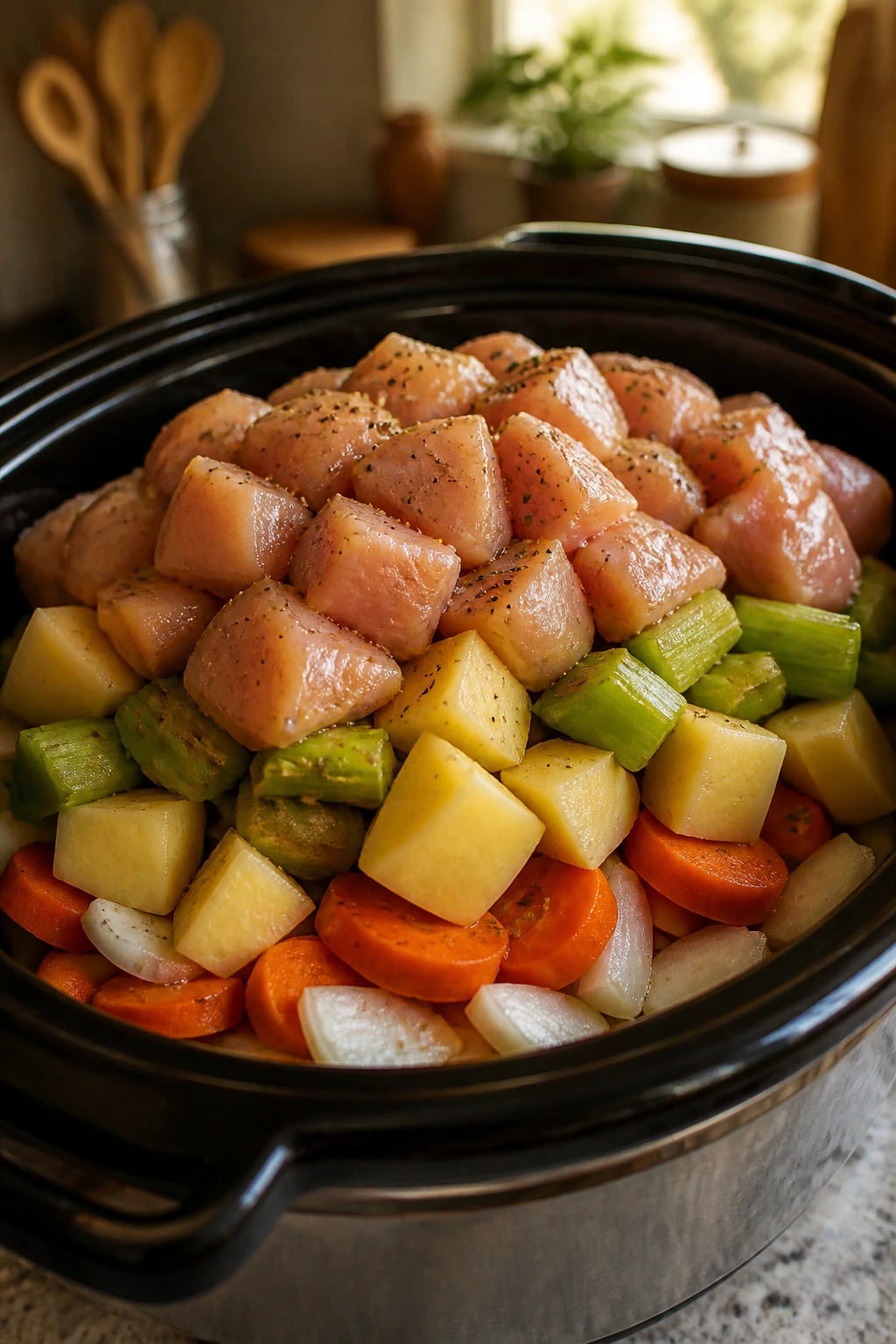
Dumping everything in at once is how you end up with soup that tastes muddy or cooks unevenly. The order of ingredients matters because heat moves from the bottom up, and the slow cooker is not especially subtle about it.
Start with the hardest vegetables and denser aromatics on the bottom: onions, carrots, celery, potatoes, squash, and turnips. They can take the long simmer. If you’re using meat, tuck it in with or just above those vegetables so the juices drip into the liquid as it cooks.
Salt deserves a place early, but not all of it. I like to add a portion at the start, then taste and adjust near the end. That’s especially true if you’re using broth, canned tomatoes, soy sauce, bouillon, or anything already salty. Slow cookers don’t evaporate much liquid, so seasoning concentrates differently than it does on a stovetop.
Put dried herbs and spices in early so they have time to bloom in the broth. Bay leaves, thyme, oregano, cumin, paprika, coriander, fennel seed — these all benefit from the long cook. Fresh herbs are a different story. Basil, parsley, dill, cilantro, and chives usually taste brighter if you add them at the end.
Leave quick-cooking ingredients for later. Peas, corn, spinach, kale, tender zucchini, pasta, rice, and dairy all come in near the finish line. If you bury them at the start, they won’t survive with any dignity.
A neat trick: if you’re making a soup with tomato paste, stir the paste with a little broth or oil before it goes into the pot. That keeps little red clumps from hiding at the bottom and gives the tomato flavor a better start. It’s a small thing. It matters.
Getting the Broth-to-Solid Ratio Right
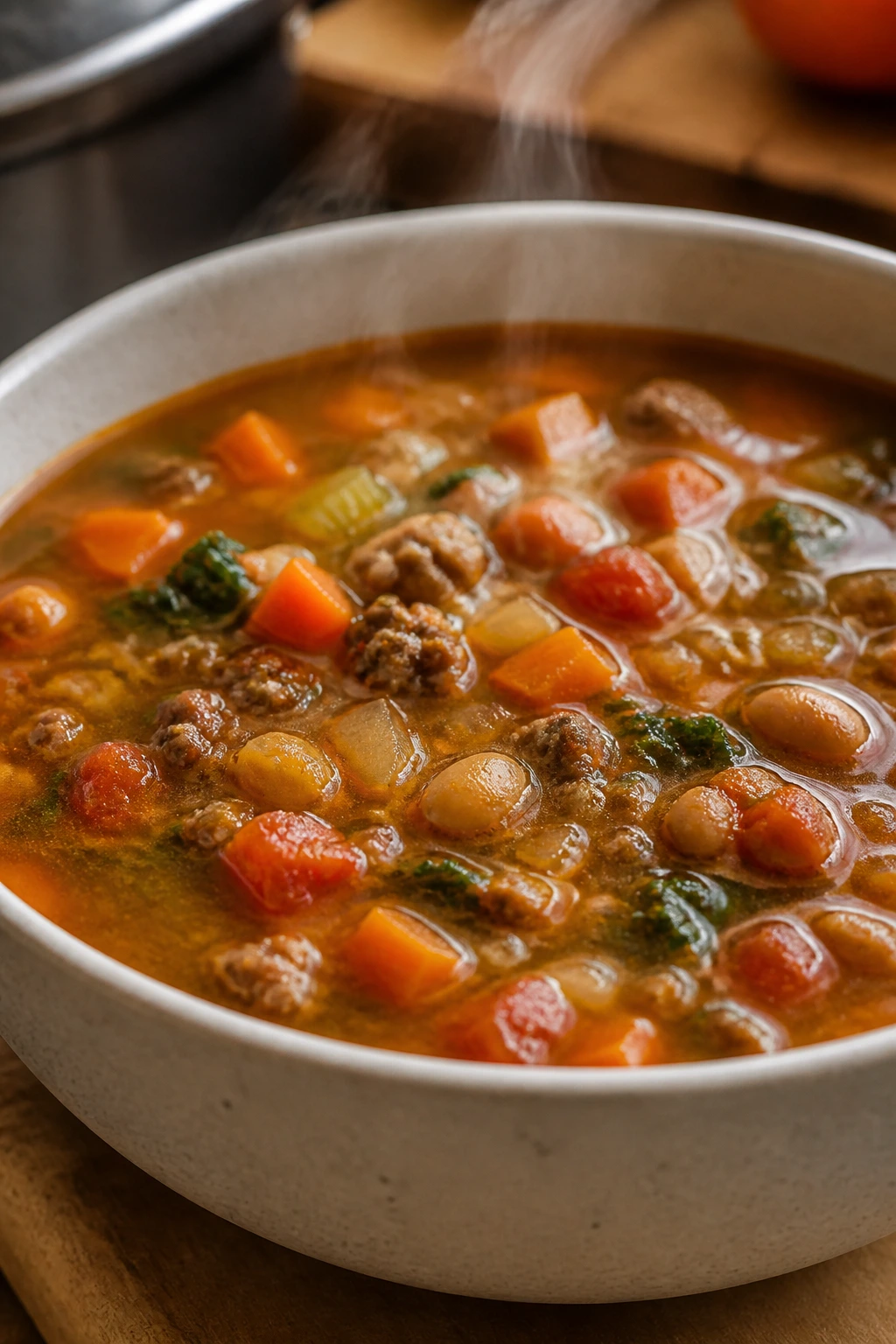
A slow cooker holds steam. That sounds obvious, but it changes the whole balance of soup. On the stove, water evaporates as the pot simmers. In the crockpot, the lid keeps most of that moisture where it is, which means you usually need less liquid than your instinct wants to pour in.
For a standard 6-quart slow cooker, I usually start with 4 to 6 cups of broth for a chunky soup and 6 to 8 cups for something more brothy. If the ingredients are watery — tomatoes, zucchini, mushrooms, cabbage — I lean lower. If the ingredients are dry and absorbent, like lentils or barley, I lean a bit higher.
That first pour is not a final verdict. You can always add liquid near the end. Pulling it back is harder.
If the soup feels too thin at the end, there are a few good fixes:
- Mash a cup of potatoes or beans directly in the pot.
- Stir in a slurry of 1 tablespoon cornstarch mixed with 1 tablespoon cold water.
- Simmer with the lid off for 20 to 30 minutes if your slow cooker has that setting.
- Add a few spoonfuls of instant potato flakes for a chowder-style body.
- Blend a small portion of the soup and stir it back in.
I prefer the first two methods because they keep the flavor honest. A soup thickened with pure starch can feel glossy in a way that doesn’t always match the rest of the bowl. Pureed beans, potatoes, or squash give you body and flavor at the same time.
Too thick is easier to fix. Just add hot broth or hot water in small splashes until the spoon moves the way you want it to. Small splashes. Not a full cup all at once. That’s how a good soup goes from silky to skimpy.
Low, High, and the Clock on the Wall
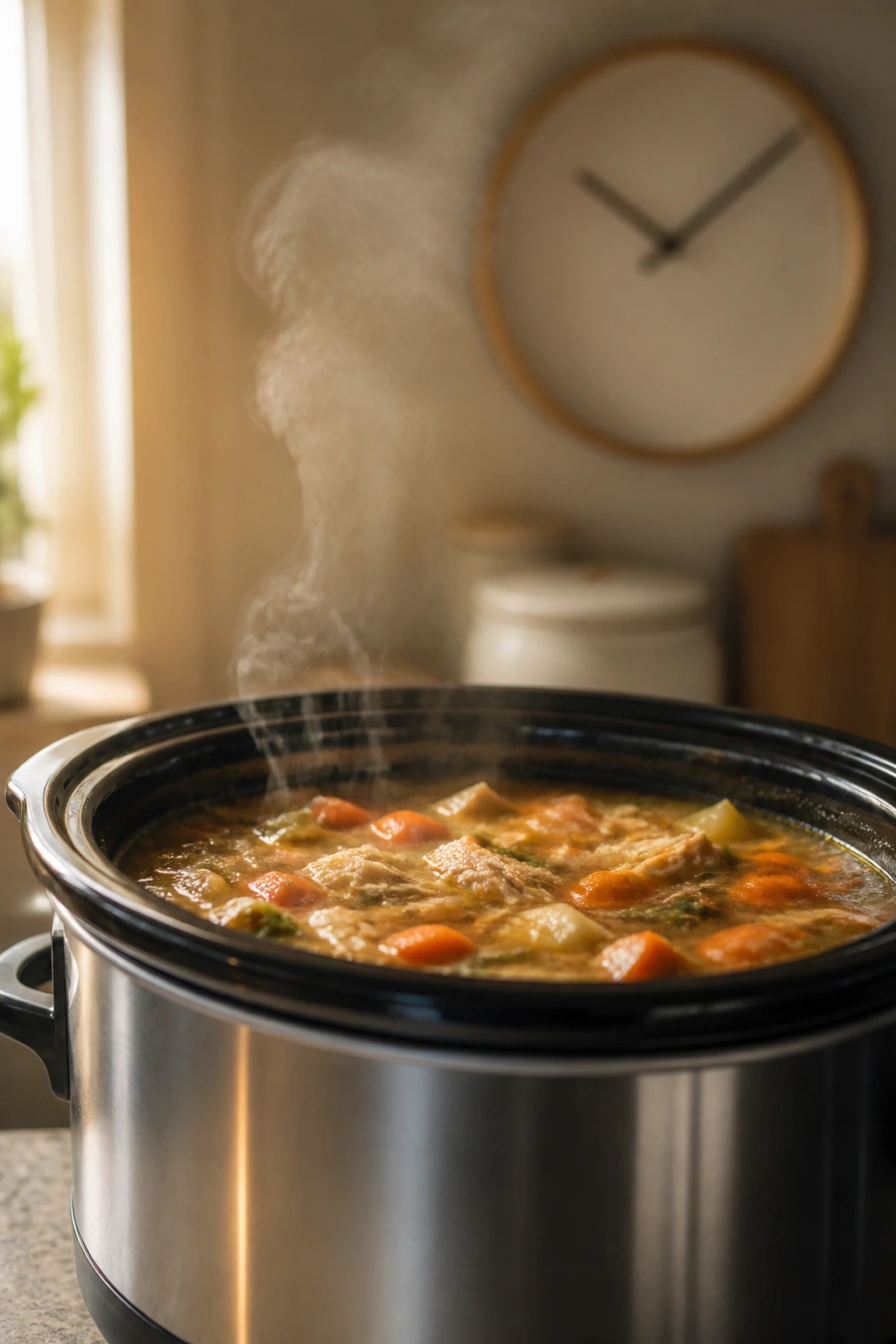
People talk about slow cookers as if the “set and forget” part means the clock doesn’t matter. It does. A lot. The difference between a good bowl and a tired one often comes down to whether the ingredients got the amount of heat they actually needed.
Low heat is the setting I trust most for soups with meat, dried beans, or root vegetables. It usually runs 6 to 8 hours, sometimes longer if the pot is full and the ingredients are cold from the fridge. Low heat gives collagen time to soften in chicken thighs or chuck roast, and it helps vegetables cook through without splitting apart.
High heat works when you need speed and the ingredients are already small, tender, or partly cooked. That means things like canned beans, diced vegetables, or soup bases that don’t need a long softening period. High usually means 3 to 4 hours, but I still check for texture rather than trusting the clock blindly.
I’m picky about one thing here: if your soup includes pasta, cream, cheese, or tender greens, those almost never belong in the full cook time. The base can run on low all day, then the fragile ingredients go in at the end. That’s the part people get wrong when they think the slow cooker can do everything at once.
There’s also the matter of what happens when you’re out longer than expected. If the soup is finished and your slow cooker has a proper keep-warm setting, that’s fine for a while. It is not a substitute for refrigeration. Food safety guidance is plain on this: cooked soup should not sit out at room temperature for more than about 2 hours before it’s cooled and stored.
One more practical detail. Chicken thighs and bean soups usually tolerate an extra hour better than lean chicken breast or pasta. The ingredients tell on the pot. If the soup is built from forgiving pieces, you can lean on the timer a little more. If it’s built from delicate ones, the timer has to be respected.
Flavor Without Babysitting: Browning, Herbs, and Shortcuts That Matter
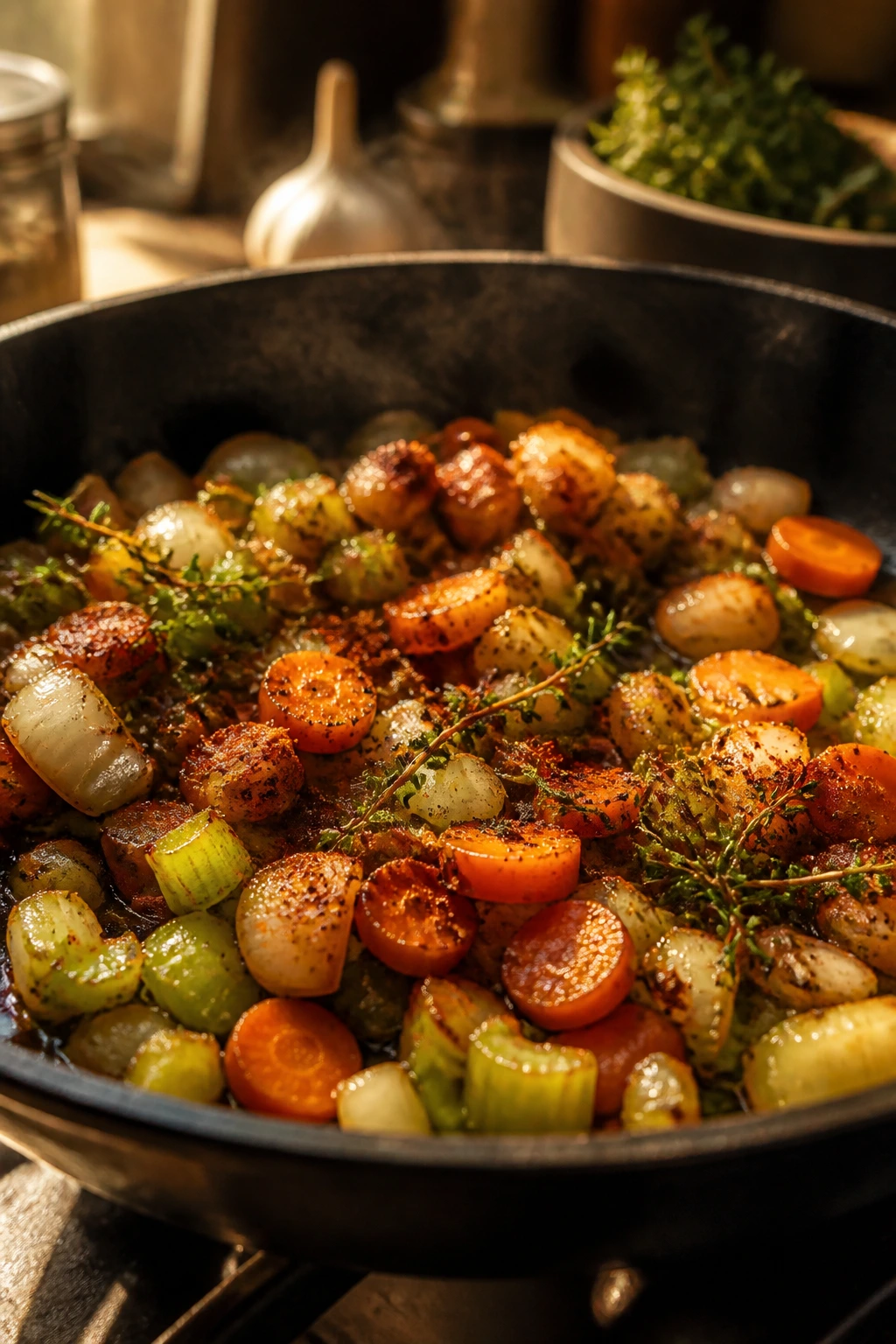
A crockpot can make soup taste good. It cannot make weak flavor strong. That part still belongs to you.
If you have ten spare minutes, sauté the onions, carrots, celery, garlic, and any dry spices in a little oil before they go into the pot. The onions soften faster, the garlic loses that raw edge, and the paprika or cumin wakes up in the fat instead of swimming around like dust. Is it required? No. Does it help? Absolutely.
Tomato paste is one of my favorite shortcuts for slow cooker soup. A tablespoon or two, cooked briefly with the vegetables or stirred into hot broth, gives the base more body. It makes tomato soups taste fuller and bean soups taste less one-note.
A few other flavor moves are worth keeping close:
- A parmesan rind in bean or vegetable soup adds savory depth without making the bowl taste cheesy.
- A teaspoon of soy sauce or tamari can round out chicken or mushroom broth without turning the soup Asian-inspired or salty.
- A splash of vinegar or lemon juice at the end sharpens flat broth and makes vegetables taste fresher.
- Smoked paprika gives lentil, bean, potato, and sausage soups a warm edge without extra work.
- Fresh herbs at the end are not decoration; they change the smell the second the lid comes off.
One thing I’d skip unless you have a reason: dumping in a whole spice cabinet because the soup looks pale. Pale does not mean bland. Sometimes it just means unfinished. Taste first. Then adjust.
When to Add Pasta, Rice, Beans, Greens, and Dairy
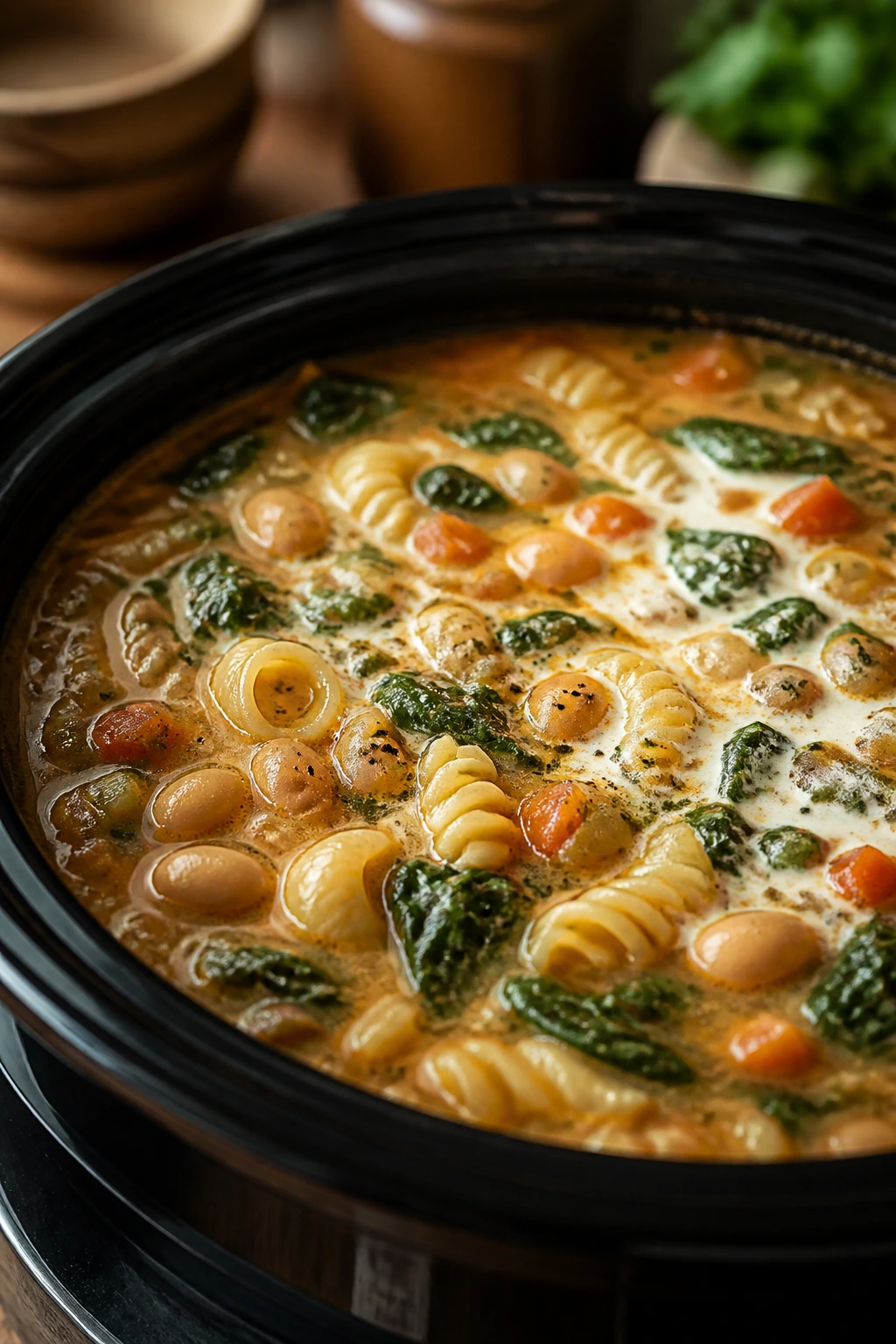
This is where a lot of slow cooker soup goes sideways. The ingredients that cook in ordinary soup time do not all behave the same inside a crockpot.
Pasta should almost always go in near the end. Small shapes like ditalini, shells, and elbow macaroni need roughly 20 to 30 minutes on high or a little longer on low, depending on your cooker. If they sit for hours, they absorb broth until the pot turns into a casserole with soup aspirations. I’d rather cook pasta separately and add it to each bowl if I know there will be leftovers.
Rice is a mixed case. Uncooked white rice can work in some soup bases, but it thickens the broth as it sits. If you want a clear, clean soup, cook rice separately. If you don’t mind a thicker pot, add it late and watch the liquid level. Brown rice takes longer and is more predictable if pre-cooked.
Beans are best handled carefully. Canned beans can go in during the last 30 to 45 minutes so they warm through without blowing apart. Dried beans are a different matter. Some beans, especially red kidney beans, need proper boiling before they’re safe to eat; the slow cooker is not the place to do that from dry. For simple, safe soup, canned beans or fully pre-cooked beans are the easy answer.
Greens need barely any time. Spinach wilts in a few minutes. Kale and chard need around 10 to 20 minutes depending on how tough they are and how fine they’re sliced. Toss them in near the end so they stay green and slightly chewy instead of army-blanket dull.
Dairy should be the last thing in the pot. Milk, half-and-half, cream, cream cheese, sour cream, and shredded cheese all behave better when the soup is hot but no longer aggressively bubbling. Stir them in during the final 10 to 15 minutes and keep the heat gentle. If you add dairy too early, the texture can break. If you add it to a rolling boil, it can split. Neither outcome is the dream.
Small Moves That Make the Bowl Taste Finished
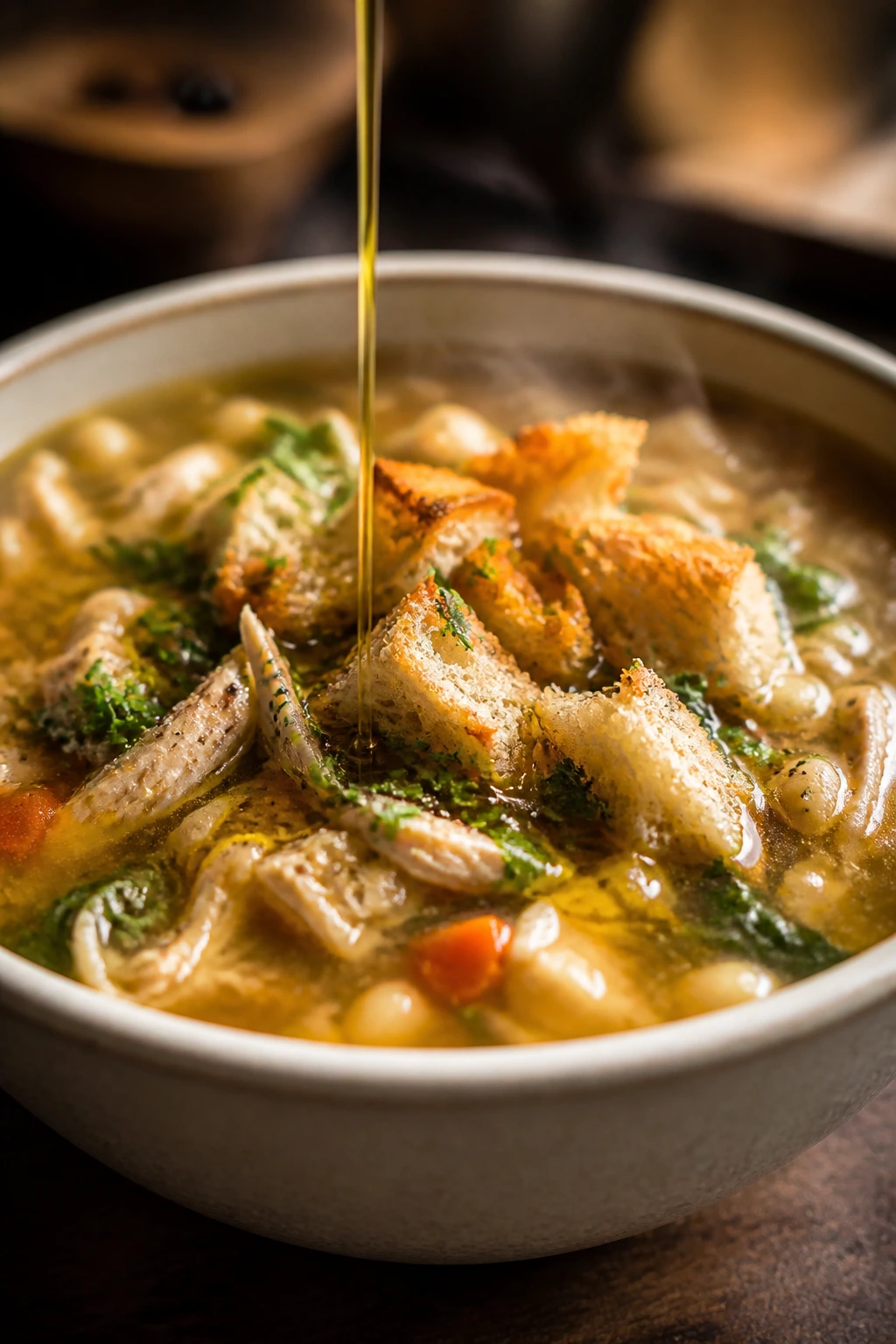
The difference between “fine soup” and the bowl people remember is often one or two careful moves at the end. That’s where the meal stops feeling like it came from a machine and starts feeling like dinner.
Salt in layers. A little at the start, more at the end. Broth, canned tomatoes, bouillon, olives, Parmesan, bacon, sausage — all of them bring salt of their own, and slow cooking can hide that until you’re right at the table. Taste the broth with a spoon, not just the vegetables. If the broth tastes flat, the whole pot tastes flat.
Add acid in small doses. A teaspoon of lemon juice, vinegar, or pickle brine can brighten a heavy soup faster than another pinch of salt. I like this especially in bean soups, potato soups, and chicken soups that lean creamy. The acid doesn’t make the soup sour. It makes the other flavors stand up.
Use texture on purpose. Toasted bread, crackers, crispy onions, torn herbs, grated cheese, or a spoonful of yogurt give the bowl shape. Soup without texture can feel a little sleepy. Soup with a crunchy edge wakes up fast.
Leave a little headroom in the pot. If your slow cooker is packed to the brim, it’s harder to adjust seasoning and harder to stir in finishing ingredients without making a mess. A soup that fills about two-thirds to three-quarters of the crock has room to breathe.
Lean on one strong finish rather than five weak ones. A little dill in chicken soup. A dusting of paprika on bean soup. Olive oil on tomato soup. You don’t need every garnish available in the drawer.
That final taste test matters more than people admit. Hot broth on a spoon should taste like it has a shape. If it doesn’t, keep adjusting in tiny steps until it does.
Mistakes That Turn Good Soup Flat or Mushy
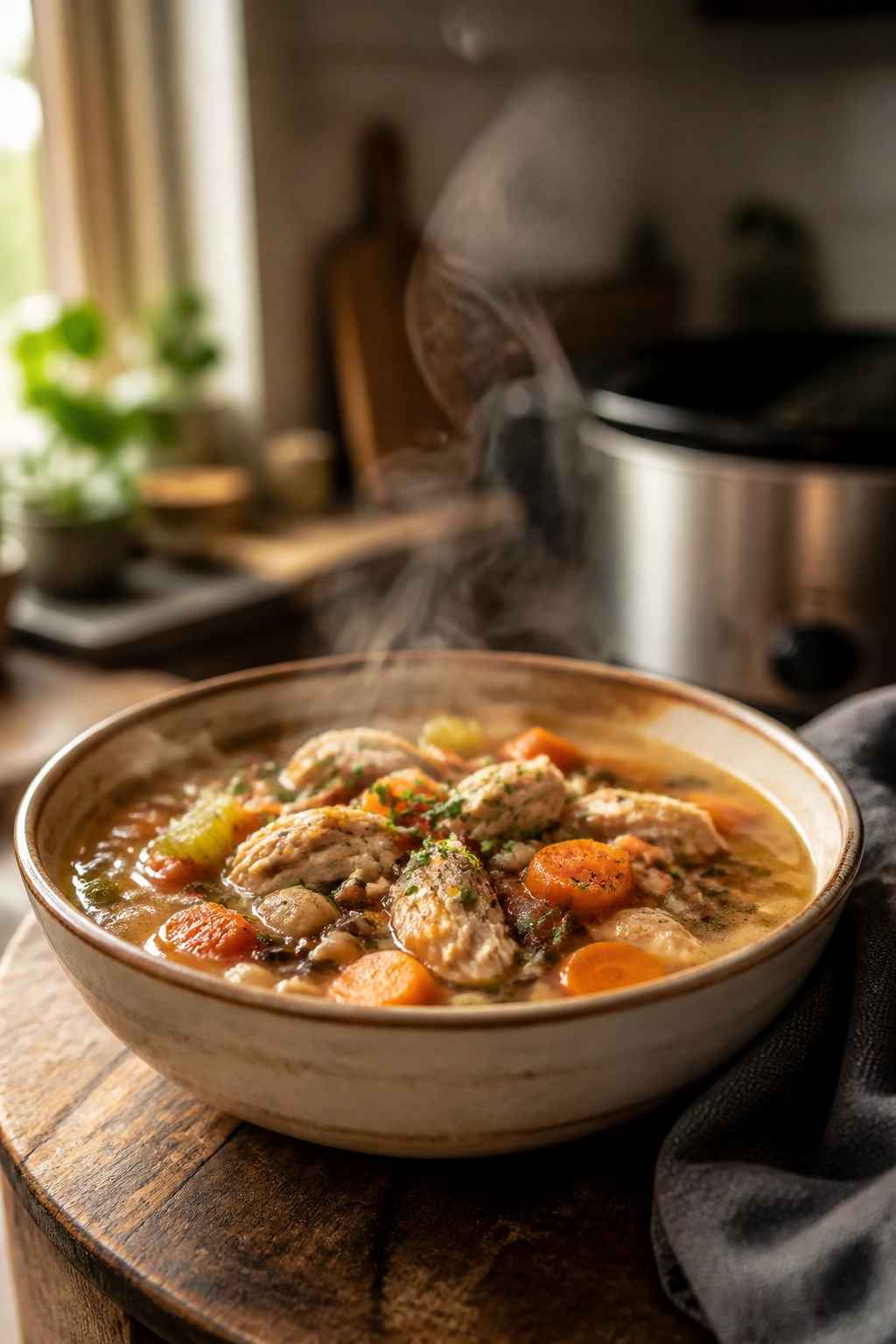
The slow cooker is forgiving, but not infinitely forgiving. A few common errors show up over and over, and once you know what they look like, they’re easy to avoid.
- Adding pasta at the start. The symptom is obvious: the noodles swell until they’re soft in the center and gluey on the outside, and the broth disappears. The fix is to cook pasta separately or add it during the final 20 to 30 minutes.
- Using too much broth too soon. Soup tastes watery, even after hours of cooking, because the crockpot doesn’t evaporate much liquid. Start lower than you think you need; you can always add more later.
- Putting dairy in early. The soup may look fine at first, then the milk or cream turns grainy, split, or oily on top. Stir dairy in near the end and keep the heat gentle.
- Skipping salt until the very end. The pot may taste strangely empty even with good ingredients. A little salt early helps the broth absorb flavor, and a final adjustment brings it into focus.
- Using lean meat that cooks too long. Chicken breast and some lean beef cuts can get dry or stringy. Chicken thighs, chuck, and short rib tolerate the slow cooker better.
- Overloading delicate vegetables. Zucchini, spinach, peas, and broccoli don’t want to cook for six hours. Add them late or they’ll break down into a green blur.
There’s a quieter mistake, too: expecting the slow cooker to replace finishing. It won’t. A squeeze of lemon, a spoonful of herbs, or a little grated cheese can do more for a soup than another hour of heat ever will.
Variations That Actually Change the Bowl
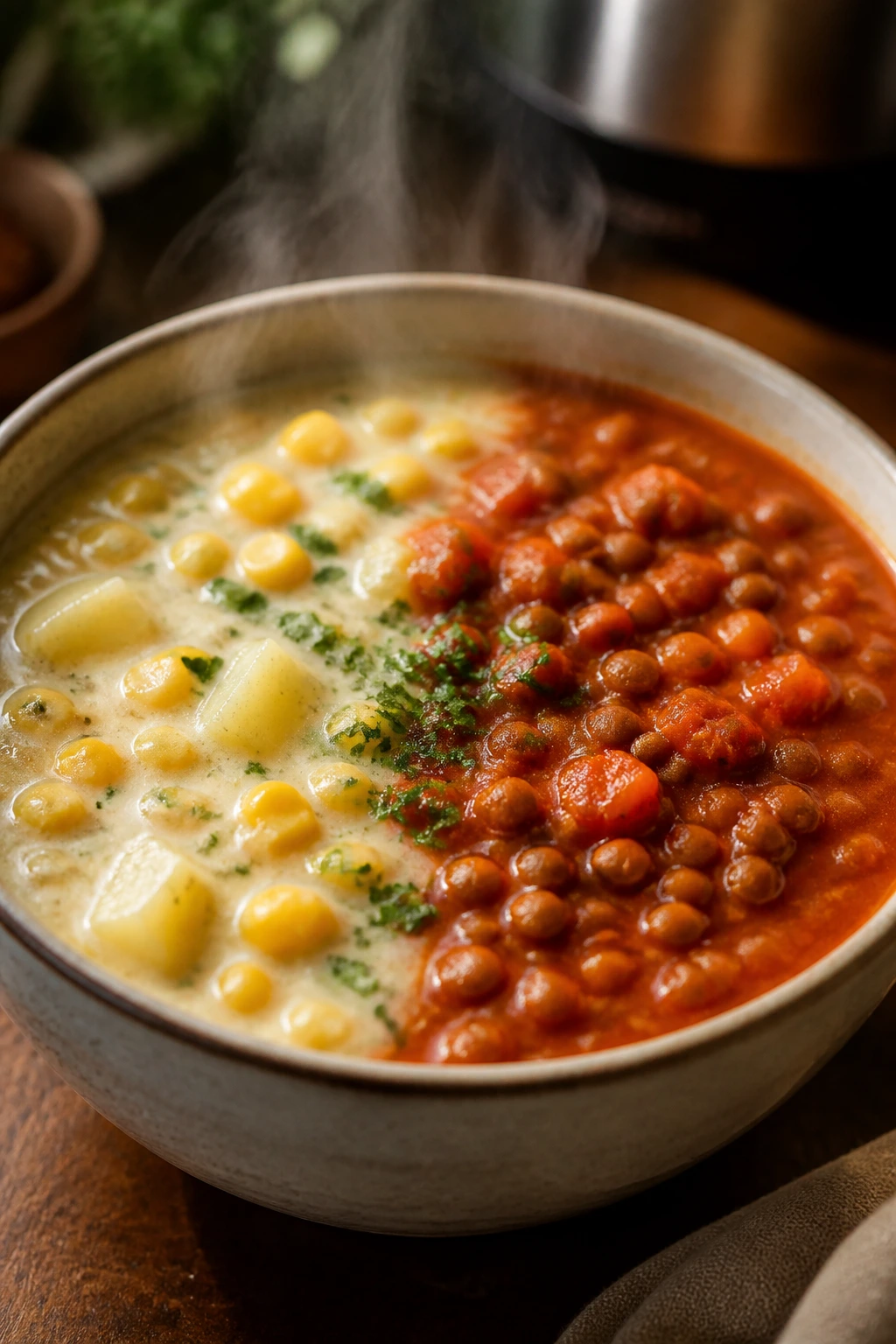
A good base method lets you steer the soup in different directions without starting from scratch. I like that. It keeps dinner from getting stuck in one flavor lane.
Chicken and Wild Rice Comfort
Use chicken thighs, carrots, celery, onions, broth, and a wild rice blend added late enough that it doesn’t collapse. Finish with a splash of cream and chopped parsley. The rice gives the bowl a nutty bite, and wild rice holds up far better than white rice in long heat.
White Bean and Rosemary Pantry Soup
Start with onions, garlic, canned white beans, potatoes, rosemary, thyme, and Parmesan rind. Blend one cup of beans with broth before cooking if you want a thicker body. This is the soup I make when the fridge is thin but the pantry is generous.
Smoky Lentil Tomato Soup
Brown or green lentils, canned tomatoes, carrots, onions, smoked paprika, cumin, and broth make a soup that tastes deeper than the ingredient list suggests. A spoonful of vinegar at the end keeps the tomatoes from reading flat. If you want protein without meat, this one holds the line.
Creamy Potato Corn Chowder
Potatoes, corn, onion, celery, broth, and a little bacon or smoked paprika can give you a chowder that feels sturdy without being heavy. Add milk or half-and-half near the end, and don’t let it boil once the dairy is in. The corn gives the soup little sweet bursts that keep each spoonful awake.
Beef and Barley Slow Simmer
Chuck roast, barley, carrots, celery, onions, and beef broth turn into a soup with a stew-like feel and a broth that tastes almost glossy. It’s the most patient version of the bunch, but the payoff is a bowl that eats like a meal, not a prelude.
What to Put Next to the Bowl
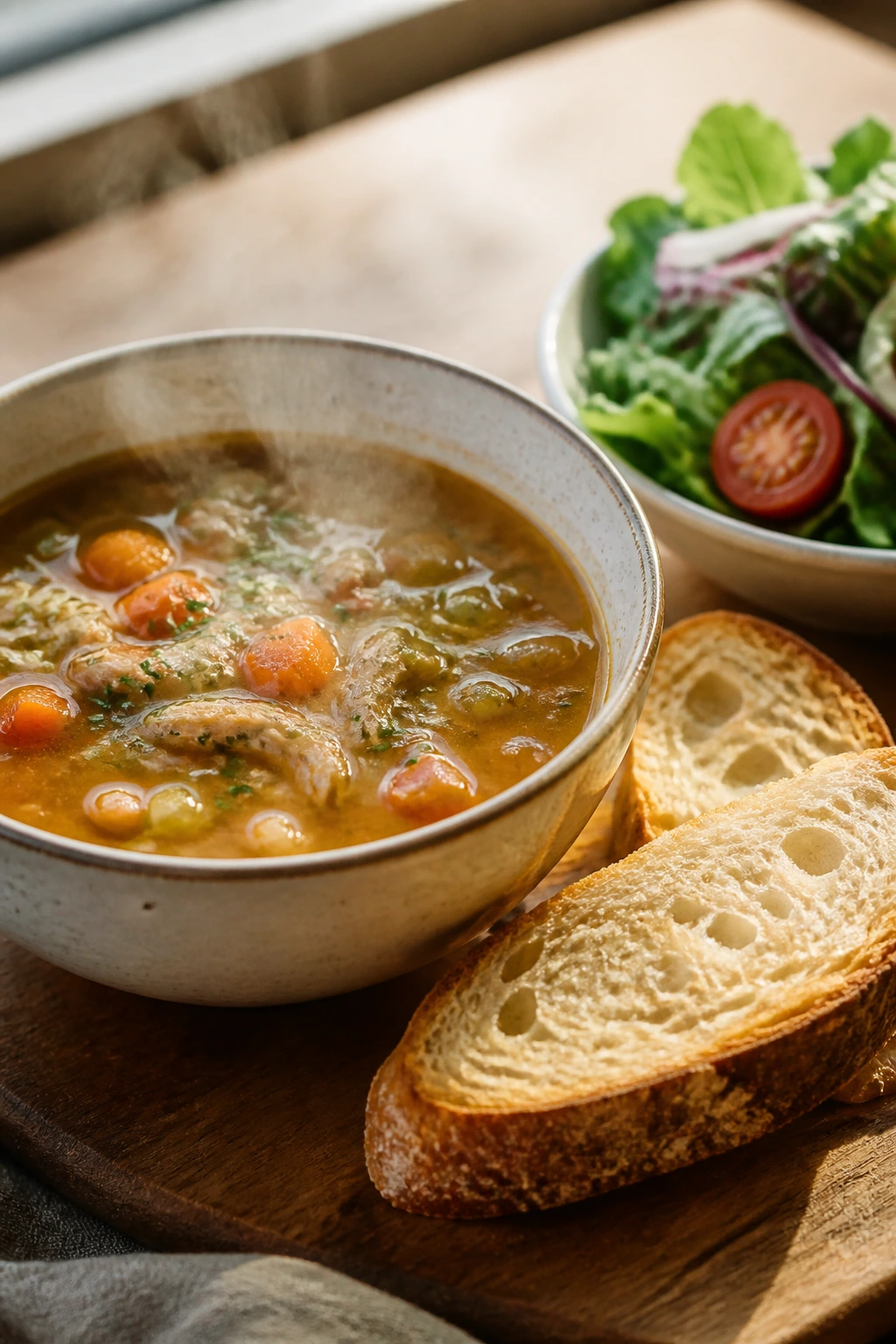
A crockpot soup can stand alone, but the right side dish changes how the meal lands. A bowl and a spoon are fine. A bowl, bread, and something crisp on the side feels like somebody planned dinner with intent.
Presentation: Ladle the soup into warm bowls if you can manage it, then finish with one clear garnish instead of scattering a dozen things over the top. A pinch of herbs, a drizzle of olive oil, or a little grated cheese gives the surface shape. Thick soups look best with a small swirl; broth soups look cleaner with a tidy mound of herbs in the center.
Accompaniments: Crusty bread, garlic toast, saltines, a grilled cheese sandwich, or a simple green salad all fit the job. For bean soups, I like cornbread. For creamy potato or corn soups, a crisp salad with sharp vinaigrette keeps the meal from feeling heavy. If the soup is already loaded with starch, keep the side light and crunchy.
Portions: A hearty crockpot soup usually serves 4 to 6 people if there’s bread or salad alongside it. If it’s mostly broth and vegetables, people often go back for seconds, so plan a little more generously. For a bigger crowd, soup is easy to stretch with extra broth, an extra can of beans, or a few more potatoes.
Beverage Pairing: I like sparkling water with lemon for lighter soups, iced tea for bean and vegetable soups, and a dry white wine if the soup leans creamy or chicken-based. If you want something nonalcoholic with more body, tomato-based soups do well with a tart shrub or a very cold ginger beer.
The Tools That Make Soup Day Easier
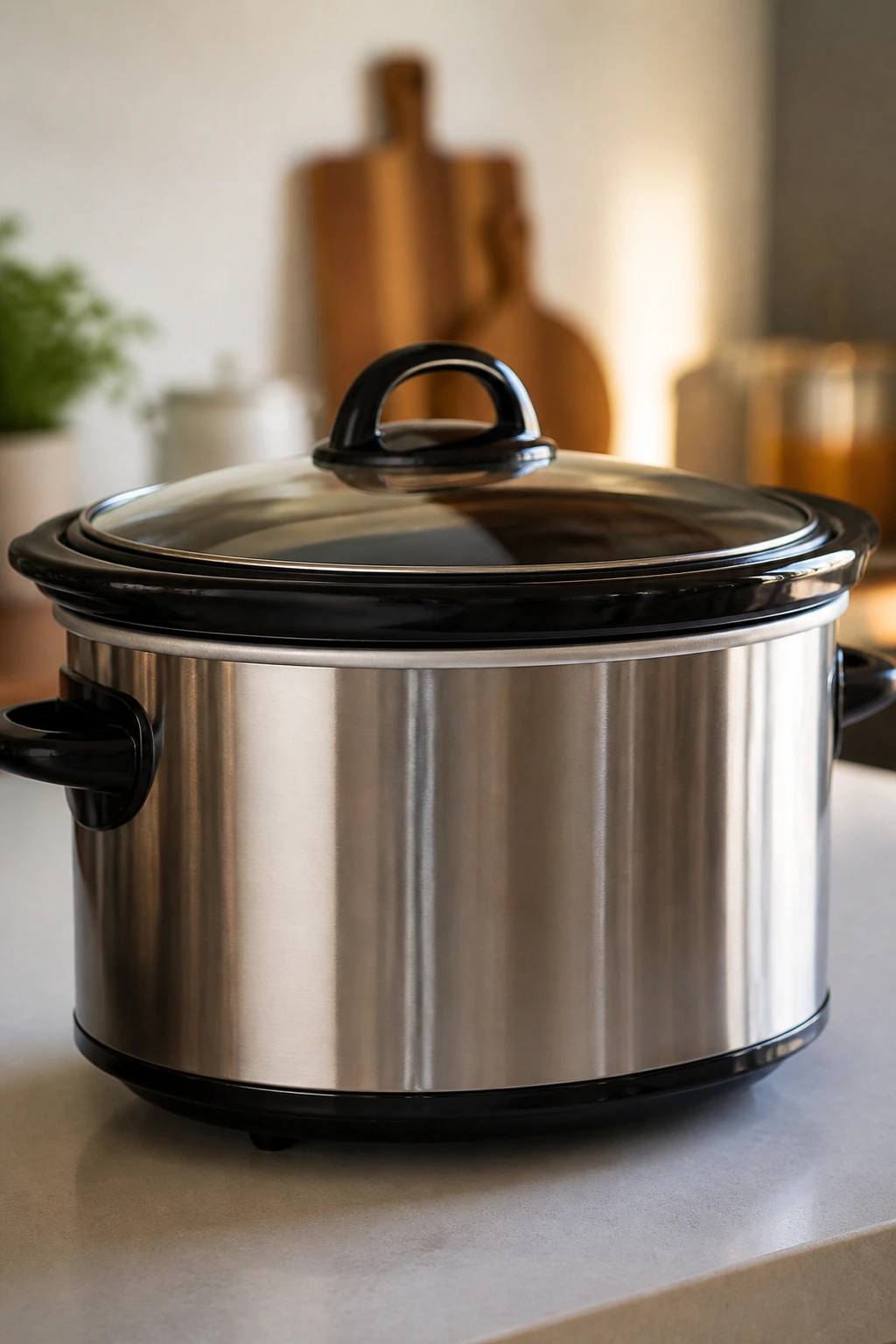
You do not need a drawer full of gadgets to make easy crockpot soup. A few solid tools do most of the work, and the rest is bonus.
- 6-quart slow cooker — The sweet spot for most family-size soups; smaller pots work, but they fill quickly.
- Chef’s knife — A sharp, medium-sized knife makes chopping onions, carrots, and celery faster and safer.
- Cutting board — A sturdy board with enough space for a full pile of vegetables keeps prep from feeling chaotic.
- Wooden spoon or silicone spatula — Good for stirring the base and scraping tomato paste from the edges.
- Liquid measuring cup — Helps you control broth, especially when you’re testing a new soup ratio.
- Ladle — A real ladle saves you from spilling hot broth across the counter.
- Immersion blender — Optional, but handy for creamy soups and for thickening part of the pot without transferring hot liquid.
- Fine-mesh strainer — Useful if you want a clearer broth or need to rinse canned beans well.
- Airtight storage containers — Soup keeps best when you portion it into shallow containers that cool quickly.
If you make soup often, a kitchen scale can help with batch sizing, but it isn’t required. Honest knife work and a decent slow cooker get you most of the way there.
Make-Ahead, Storage, and Reheating Without Losing the Texture
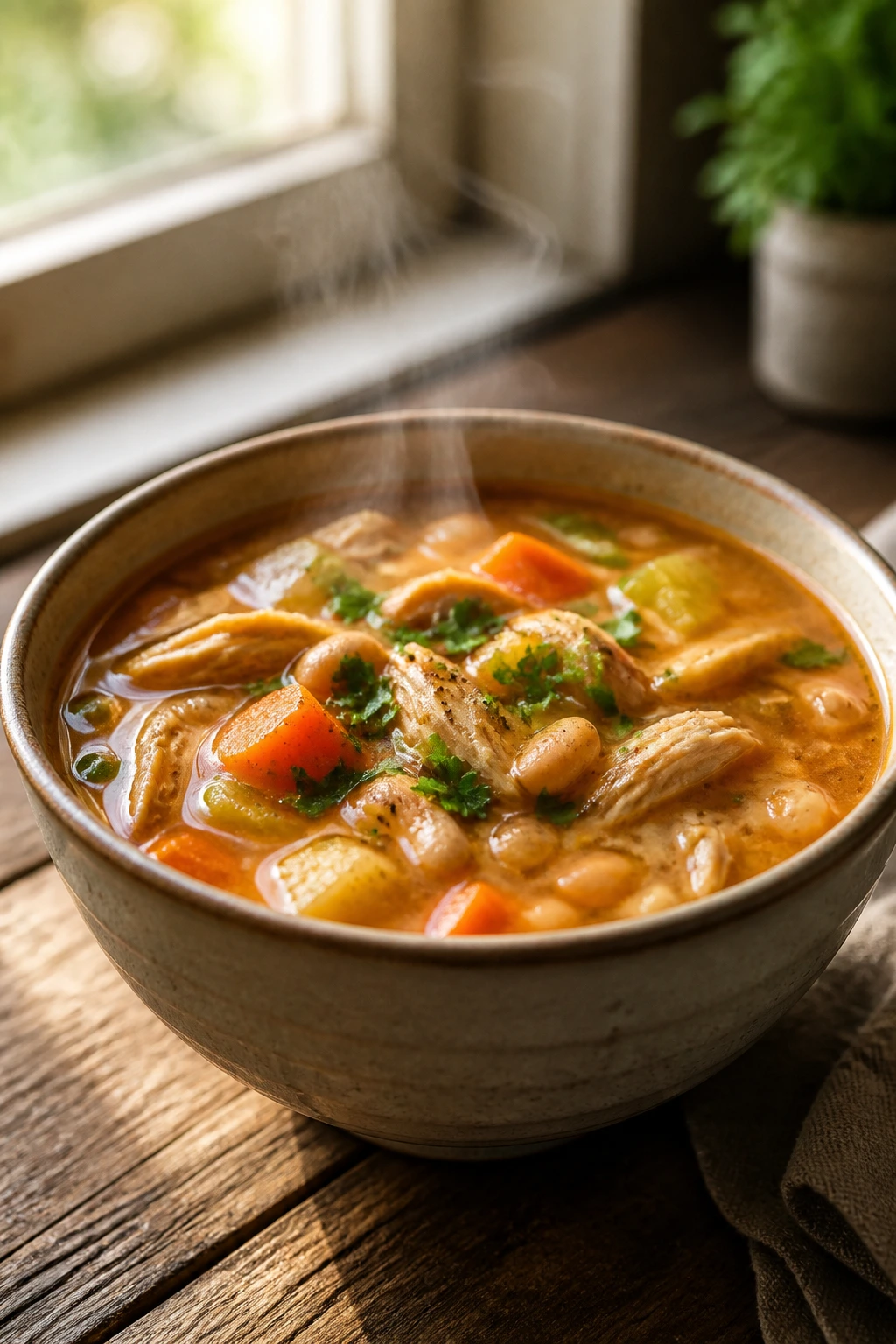
Soup is one of the best make-ahead meals in the kitchen, though a few kinds behave better than others. Brothy soups, bean soups, tomato soups, and chicken soups usually hold up well in the fridge for 3 to 4 days. Creamy soups can last that long too, but they need gentler reheating so the dairy doesn’t separate.
If you want to freeze soup, think about the ingredients first. Broth-based soups freeze best for up to 2 to 3 months. Soups with potatoes, pasta, and cream are more temperamental. Potatoes can turn grainy, pasta can go soft, and dairy can split when thawed. If freezing matters, leave those ingredients out and add them fresh when you reheat.
Cool the soup in shallow containers so the heat escapes quickly. That’s not fussy advice; it matters for both quality and food safety. Warm soup packed into a deep container stays hot in the center for too long, which is exactly what you do not want. USDA guidance is plain here: cooked food should be cooled and refrigerated within about 2 hours.
For reheating, a saucepan over medium-low heat gives the best control. Stir often, especially if the soup has any starch or dairy in it. If the soup thickened overnight, add a splash of broth or water before it fully heats. Microwaves work too, but use a lower power setting and stir halfway through so you don’t get hot spots.
A few soups improve overnight. Bean soups, tomato soups, and many chicken soups taste more settled the next day, as if the salt and aromatics finally sat down and had a conversation. Pasta soups are the exception. Those are best made with the pasta stored separately or added to each bowl at serving time.
Questions People Ask Before the Lid Goes On
Can I put raw chicken straight into the slow cooker?
Yes, as long as the soup cooks long enough for the chicken to reach 165°F in the center. Chicken thighs handle this better than breast because they stay juicier during a long cook. If you shred the chicken before serving, it should pull apart cleanly without any pink in the middle.
Do I need to brown the meat first?
Not always. Browning adds a deeper, roasted flavor, especially for beef or sausage, but it is a flavor boost, not a rule. If the soup is meant to be quick and low-effort, skip the browning and lean on herbs, salt, and a finishing acid at the end.
Why does my crockpot soup taste bland even with good ingredients?
Usually it needs salt, acid, or both. Slow cooking softens harsh edges, which is nice, but it can also flatten flavor if the broth is weak or the seasoning is timid. Taste the broth itself and adjust in tiny steps until it tastes full, then add a spoonful of lemon juice or vinegar if it still feels sleepy.
Can I cook dry beans from scratch in the slow cooker?
Some beans can cook in a slow cooker, but safety and texture are touchy, especially with red kidney beans. Canned beans or pre-cooked beans are the easier, safer choice for most home cooks. If you want dry beans, check a reliable bean-cooking method first and plan on proper boiling before the slow cook stage.
What if my soup is too thin at the end?
Mash some potatoes or beans into the broth, or stir in a cornstarch slurry and let it cook for another 10 to 15 minutes. You can also remove the lid and let the soup reduce if your slow cooker allows that. The key is to thicken in small steps rather than dumping in a big scoop of starch.
Can I add rice or pasta at the beginning and save time?
You can, but I wouldn’t. Rice and pasta keep absorbing liquid long after they’re cooked, which means your soup will thicken into something heavier than you planned. If you care about the texture the next day, cook them separately or add them at the end.
Does the keep-warm setting count as cooking time?
No. It’s meant to hold food at serving temperature after it has finished cooking, not to rescue undercooked ingredients. It’s useful for an hour or two around dinner, but it should not replace refrigeration once the meal is over.
How do I make crockpot soup taste fresher after long cooking?
Fresh herbs, citrus juice, chopped scallions, a little yogurt, or a drizzle of good olive oil work fast. Add them just before serving so they stay bright. Long-cooked soup often wants one clean, fresh note at the end more than it wants more salt.
The Quiet Payoff of a Good Crockpot Soup
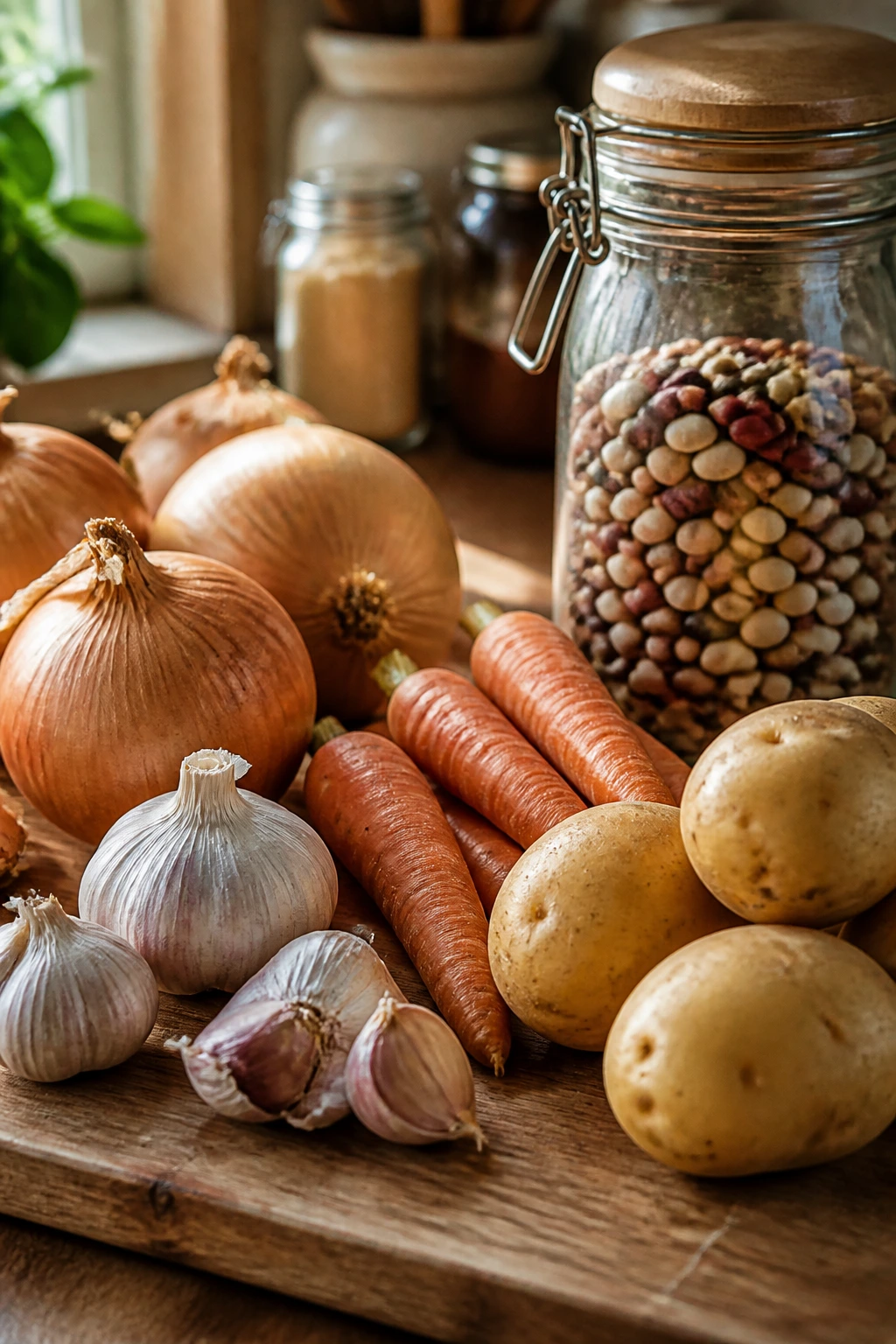
Easy crockpot soup works because it respects the shape of a day. You chop, season, and pour, then let time do the gentle part while you handle the rest of your life. That’s not laziness. It’s a smart way to cook.
The best bowls have a little structure: sturdy vegetables that still have some bite, broth that tastes rounded instead of watery, and a finish that wakes the whole thing up at the last second. Keep those three things in mind, and the slow cooker stops being a backup plan. It becomes the thing you reach for on purpose.