



The best crockpot Chinese food doesn’t try to be a wok. It does something else, and honestly, that other thing is what makes it worth making: it turns a cheap, sturdy cut of meat into glossy shreds, lets soy sauce and ginger soften into one deep, savory note, and gives you a bowl that smells like takeout the second you lift the lid. The steam alone can sell the whole idea. Garlic, sesame, a little sweetness, and that dark soy-sauce edge that hits the nose before the first bite.
What the slow cooker does beautifully is time. It gives collagen time to melt. It gives onions time to disappear into the sauce. It gives a pork shoulder or chicken thighs enough heat, over enough hours, to stop acting like meat and start acting like dinner. What it does not do is crisp broccoli, sear a sauced surface, or create wok hei—the smoky, high-heat flavor that only comes from a screaming-hot pan. That’s fine. It’s not supposed to.
So the real trick with Chinese takeout-style slow cooker meals is not pretending the crockpot can do everything. It can’t. It can, however, do the part most home cooks care about on a tired night: build a bowl with tender meat, a sauce that clings, and just enough freshness at the end to keep the whole thing from tasting soft and samey. Get that balance right, and this stops being a novelty and starts being one of those dinners you keep coming back to.
Why This Slow-Cooker Takeout Style Earns Its Keep
-
Tough cuts get a second life: Chicken thighs, pork shoulder, and chuck roast turn tender after 6 to 8 hours on low, which is exactly the kind of time a skillet can’t give them.
-
The sauce stays glossy, not dusty: Soy, ginger, garlic, hoisin, and vinegar have room to mingle slowly, so the final bowl tastes integrated instead of like separate ingredients dumped together.
-
You control the finish: Broccoli can go in late, scallions can stay fresh, and sesame oil can be saved for the last minute, which keeps the bowl from tasting cooked into the ground.
-
The budget stretches farther: A 3-pound pork shoulder or a family pack of thighs feeds a crowd without needing expensive cuts that dry out under long heat.
-
The flavor is easy to steer: A spoon of rice vinegar pushes the sauce brighter, a pinch of white pepper gives it that restaurant-style back note, and chili crisp at the table lets everyone choose their own heat.
-
It actually works for busy days: You do the chopping once, set the lid down, and the cooker takes over the slow part while you handle rice, vegetables, or nothing at all.
Why Crockpot Chinese Food Works Best for Braises, Not Stir-Fries
A slow cooker is a braising tool wearing a very specific hat. It’s great at moisture, time, and tenderness. It is not a high-heat machine, and that distinction matters more here than in almost any other kind of dinner.
If a dish depends on evaporation, caramelized edges, or a fast blast of heat, the crockpot will flatten it. If a dish depends on sauce, connective tissue, and meat that benefits from a long, gentle simmer, the crockpot suddenly looks smart. That’s why shredded chicken in a ginger-soy sauce works. That’s why pork shoulder with hoisin does so well. That’s why a chuck roast can become silky enough to fall apart when you lift it with tongs.
The dishes that behave best are the ones already leaning saucy or braised.
What the slow cooker loves
Think in terms of dishes that can absorb flavor without needing a crisp finish to make sense.
- Red-braised beef with soy, star anise, and garlic
- Shredded chicken with orange, ginger, and scallions
- Pork shoulder with hoisin, five-spice, and rice vinegar
- Meatballs in a sweet-sour or black pepper sauce
- Beef and mushrooms with oyster sauce and onion
All of those can survive hours of gentle heat because they rely on soft textures and a sauce that benefits from time.
What it should not fake
Skip anything that depends on crunch or split-second cooking.
- Tempura-style coatings
- Delicate fish fillets
- Snow peas left in for hours
- Broccoli cooked from the start
- Noodles soaked all afternoon
That doesn’t mean you can’t serve those foods with a crockpot meal. It means they belong at the edge of the bowl, not in the pot. The slow cooker can be the center of the meal, but it needs a supporting cast.
The Dishes That Actually Belong in a Slow Cooker
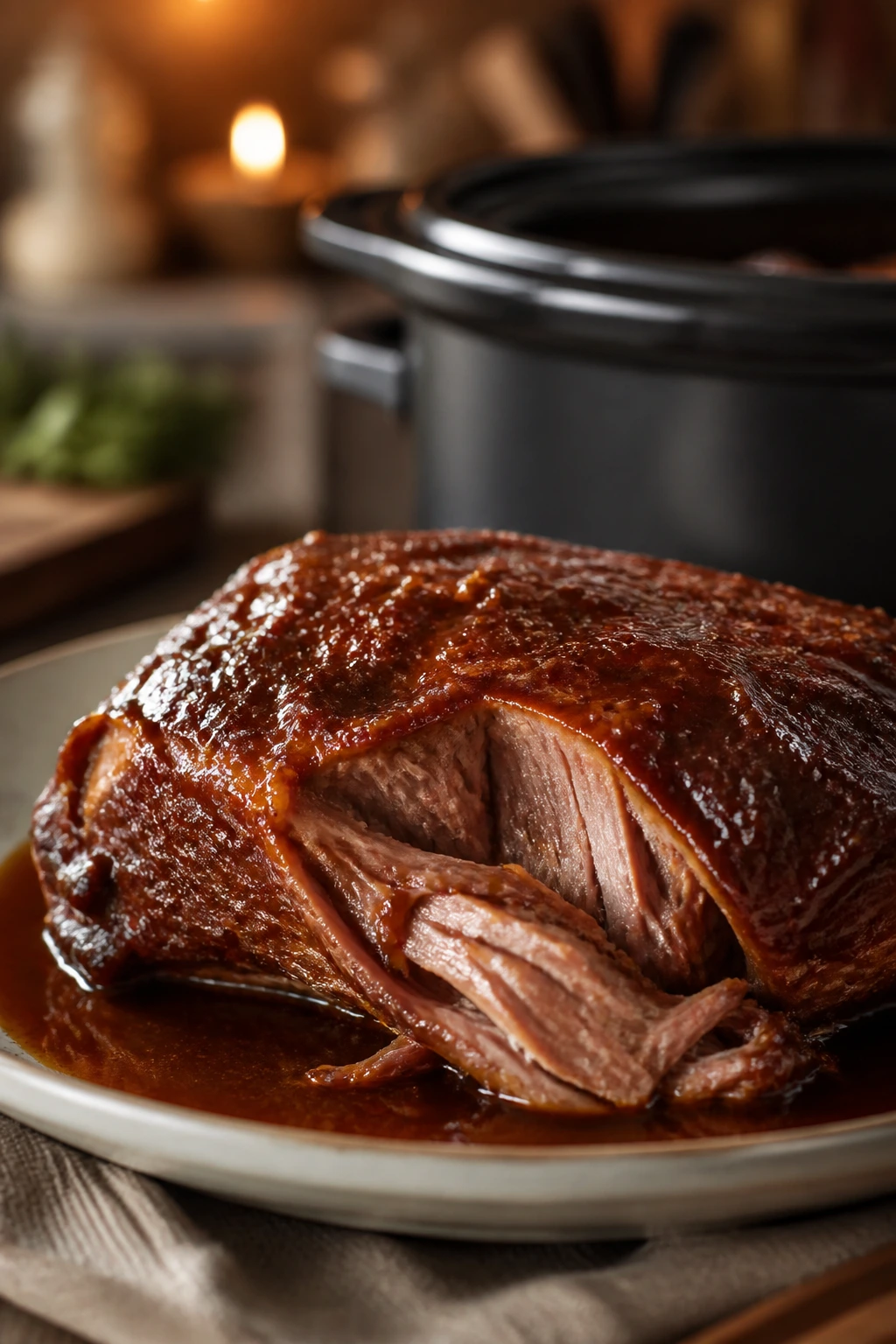
Which Chinese-style dishes survive long, moist heat and still taste worth eating? Not many if you insist on crispness. Plenty if you care about tenderness.
The best candidates are dishes with fat, collagen, and sauces that get better when they sit. Pork shoulder is the obvious star. Chicken thighs are the easy weeknight answer. Beef chuck is the quiet powerhouse, especially when you want something dark, savory, and spoon-tender. Meatballs can also work well, especially if they’re browned first and finished in a sauce that has enough acid to keep them from tasting heavy.
A lot of people try to force every takeout favorite into a crockpot. Bad idea. Chow mein? Keep the noodles out until the end. Beef and broccoli? Yes, but only if the broccoli comes in late. Sesame chicken? Absolutely, but use thighs and plan on a little finishing work. General Tso-style shredded chicken? Much better than the breaded version, because the slow cooker can’t do the breading anyway. The glossy, sticky sauce is the part that survives. Lean into that.
The dishes that behave
These are the ones I’d put at the top of the list when the goal is fall-apart texture:
- Shredded chicken thighs in ginger-soy or orange-ginger sauce
- Pork shoulder with five-spice, hoisin, and garlic
- Beef chuck with black pepper, onion, and oyster sauce
- Frozen or homemade meatballs in a sweet-savory glaze
- Short ribs if you want something richer and don’t mind trimming fat afterward
There’s a reason these cuts keep showing up in braises across cuisines. They have connective tissue. That tissue melts. The meat stops fighting you.
The dishes that should stay out of the pot
These are better left to a hot pan or a quick finish:
- Anything breaded and meant to stay crisp
- Delicate fish
- Stir-fried greens that should stay bright
- Noodles you want springy, not swollen
- Any dish where the sauce is supposed to cling thinly rather than pool
I’m not saying the crockpot is useless for Chinese-inspired cooking. Far from it. I’m saying the right target is a saucy braise with a few crisp, fresh things added at the end. That’s the sweet spot.
The Sauce Formula That Survives Hours of Heat
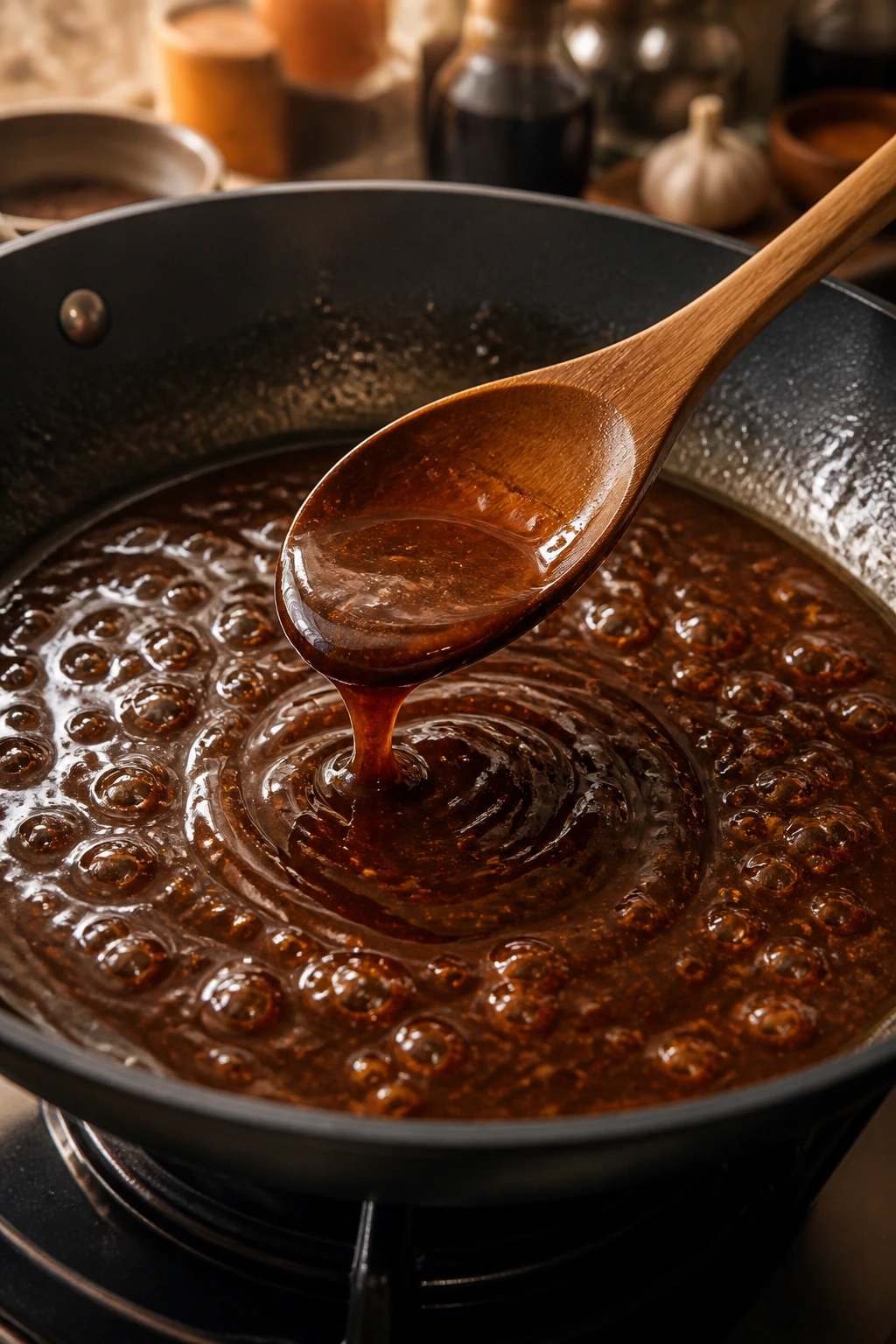
Soy sauce, ginger, garlic, and a little sweetness do most of the heavy lifting here, but the balance is what keeps the bowl from tasting flat. A good slow-cooker Chinese-style sauce needs salt, sweetness, acid, and body. Leave one of those out, and you feel it.
My working formula usually starts with a salty base, then gets sweetness to round it out, then acid to keep it from turning syrupy, then one sauce with weight—hoisin, oyster sauce, or black bean sauce, depending on the direction you want. Garlic and ginger go in early. Sesame oil goes in late. Cornstarch goes in even later, after the meat is done and the sauce has had a chance to settle.
A useful rough ratio for about 1½ to 2 pounds of meat looks like this:
- ½ cup soy sauce or tamari
- 2 to 3 tablespoons hoisin or oyster sauce
- 2 tablespoons rice vinegar
- 2 to 3 tablespoons honey or brown sugar
- ¾ to 1 cup broth, water, or a mix
- 4 cloves garlic, minced or grated
- 1 tablespoon fresh ginger, grated
- 1 teaspoon toasted sesame oil at the end
- 1 tablespoon cornstarch mixed with 1 tablespoon cold water for thickening
That ratio is flexible, not sacred. If the dish is orange-based, part of the broth can become orange juice and the sugar can drop a little. If you want more black-pepper punch, add white pepper and cut back on the sweetener. If you like heat, add chili garlic sauce, but keep it modest until the end; long cooking blunts heat in a way that can be surprising.
Salt, sweetness, acid, and body
Soy gives the dish its backbone. Hoisin or oyster sauce gives it weight. Sugar or honey keeps the edges from tasting harsh. Vinegar keeps the whole thing from collapsing into one brown note.
That’s the part a lot of home versions miss. They go sweet because sweetness is easy to notice, then wonder why the final sauce tastes vague. A spoonful of rice vinegar or a few drops of Chinese black vinegar can wake the whole thing up. Same with white pepper. It doesn’t shout. It just makes the sauce feel finished.
When to thicken
Don’t thicken at the beginning unless you enjoy glue. Cornstarch can go in toward the end, once the meat is done and you’re happy with the flavor. Mix it with cold water first. Cold. Not warm. If you dump dry starch into hot liquid, you get little clumps that never really disappear.
Let the sauce bubble for a minute or two after adding the slurry. That matters. Raw starch tastes pasty if it doesn’t cook out. If the cooker runs thin even after that, remove the lid for the last 15 to 20 minutes or move the liquid to a saucepan and reduce it there. Both work. Blindly adding more starch usually doesn’t.
Chicken Thighs, Pork Shoulder, and Beef Chuck: The Cuts That Collapse Properly
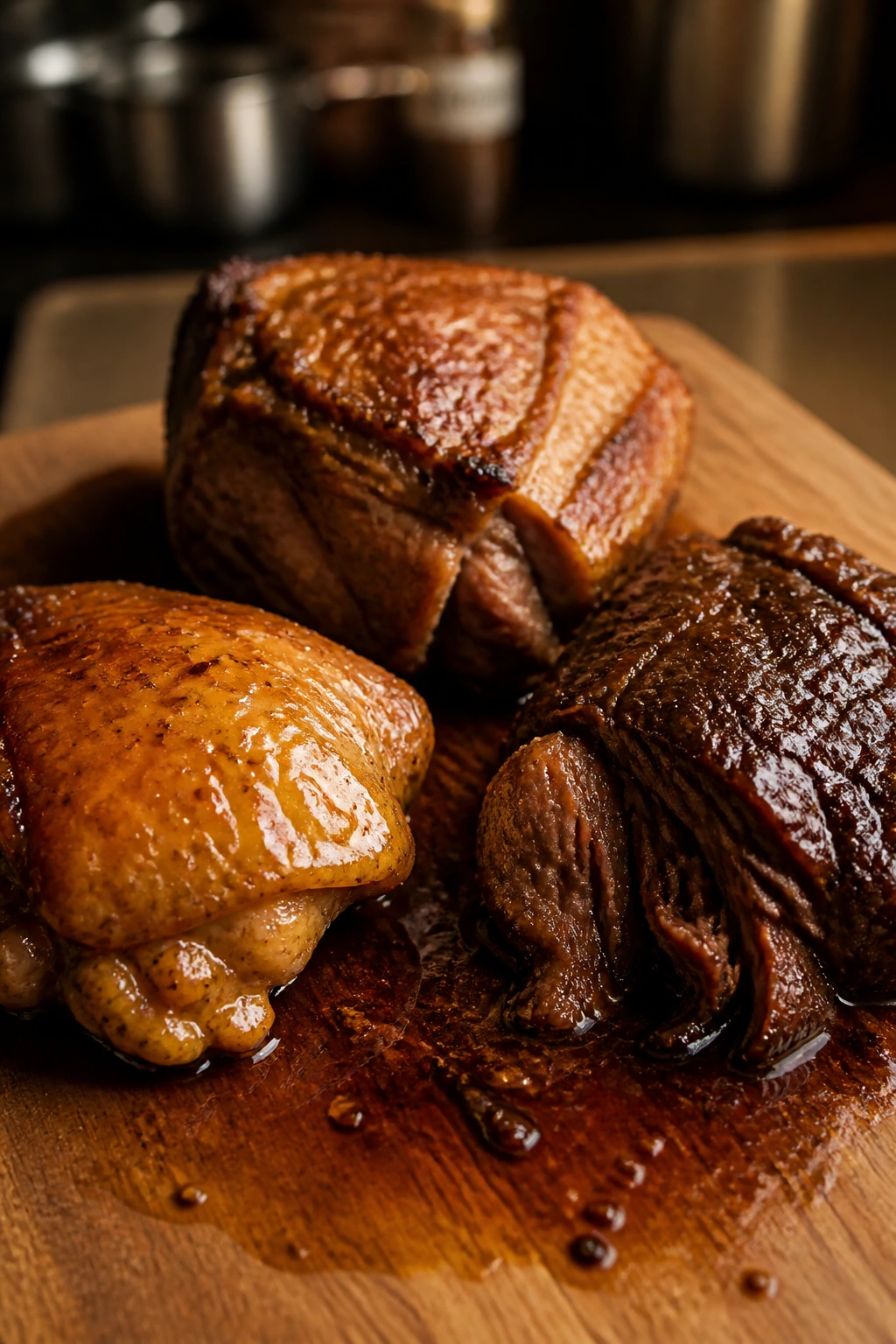
Chicken thighs beat chicken breasts here, and I don’t say that lightly. Breasts can work if they’re cooked carefully and pulled early, but thighs are the cut that forgives mistakes. They stay juicy, they shred cleanly, and they soak up sauce without turning stringy. If you want a set-and-forget dinner that still tastes like you cared, thighs are the easy answer.
Pork shoulder is the sleeper champion. It has enough fat and connective tissue to turn generous after a long cook, and its flavor can stand up to sweet soy sauce, garlic, and five-spice without disappearing. Beef chuck does the same thing on the beef side—firm at the start, tender at the end, a little richer, a little darker, and especially good with onions or mushrooms.
My cut-by-cut preference
- Chicken thighs: Best for ginger-soy, orange, sesame, and General Tso-style shredded bowls
- Pork shoulder: Best for char siu-inspired flavors, five-spice, hoisin, and sticky sauces
- Beef chuck: Best for black pepper beef, Mongolian-style bowls, and mushroom-heavy sauces
- Short ribs: Best when you want a richer, more luxurious texture and don’t mind trimming fat later
Cut size matters too. Big chunks keep their shape. Smaller pieces shred faster but can dry out if you forget them. For most braise-style bowls, I like 2-inch pieces. They’re big enough to handle the slow cook, but small enough that the sauce gets inside the meat instead of sitting on the outside like a coat.
The breast meat problem
Chicken breast is lean, and the slow cooker does lean meat no favors if you leave it alone too long. It gets dry, then stringy, then it starts absorbing sauce as a compensation prize. That’s not the same as tenderness.
If you have to use breast meat, cut it larger, cook on the shorter side, and pull it out the moment it reaches 165°F in the thickest part. Better yet, use thighs and enjoy the extra margin. I would rather have a slightly richer bowl than a dry one pretending to be light.
Fat is your friend here
This is one of those cooking situations where fat is doing real work. It carries flavor. It protects the meat. It gives the sauce a silkier mouthfeel. Trim obvious hard fat, sure, but don’t strip the cut down until it’s nervous and bare. The crockpot needs something to melt into the sauce.
Vegetables Need Their Own Exit Strategy
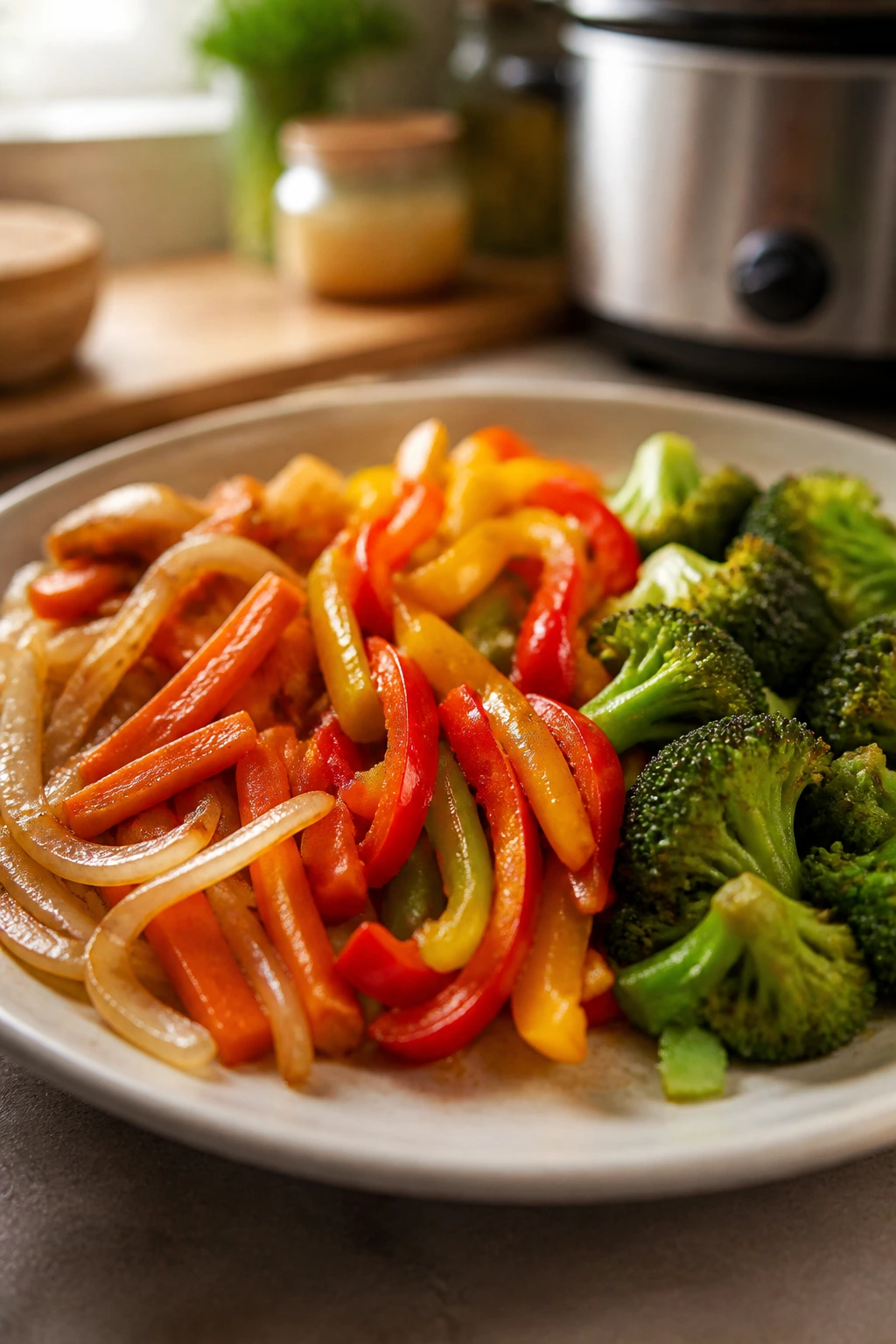
Leave broccoli in the slow cooker for six hours and you don’t get broccoli. You get a soft green memory of broccoli. Same with snow peas, bell peppers, and bok choy leaves. They need a different clock.
The trick is to separate vegetables by how much abuse they can take. Onions, carrots, mushrooms, and even sliced celery can go in early because they either dissolve into the sauce or hold shape well enough to survive. Broccoli, snap peas, baby bok choy, and bell peppers need to show up late. Scallions, cilantro, and herbs should stay outside the cooker until serving.
Early, mid, and late vegetables
- Early: onions, carrots, mushrooms, dried shiitakes, celery
- Midway: bell peppers, bamboo shoots, baby corn, water chestnuts
- Late: broccoli florets, snow peas, snap peas, bok choy stems
- At the table: scallions, cilantro, toasted sesame seeds, chili crisp
I like to think of vegetables as having a doorway into the dish. Some walk in with the meat and stay the whole time. Some pop in near the end. Some should never cross the threshold at all.
Broccoli is the biggest offender because it goes from crisp to limp fast. If you want it bright, steam or blanch it separately and add it to the bowl right before serving. That keeps the color and the snap. Bok choy works the same way if you separate stems from leaves—stems can cook a little longer, leaves should be stirred in at the end.
Cut smart, not just pretty
The way you cut vegetables changes how they survive. Thick broccoli stems, peeled and sliced, hold up better than tiny florets alone. Bell peppers cut into wide strips keep more texture than tiny squares. Mushrooms should be left in larger pieces if you want them to stay meaty instead of vanishing into the sauce.
Frozen vegetables can work in a pinch, but they release water and soften fast. I use them only when the texture is already destined to be soft, not when I care about crunch.
Rice, Noodles, and the Side Dishes That Keep Up
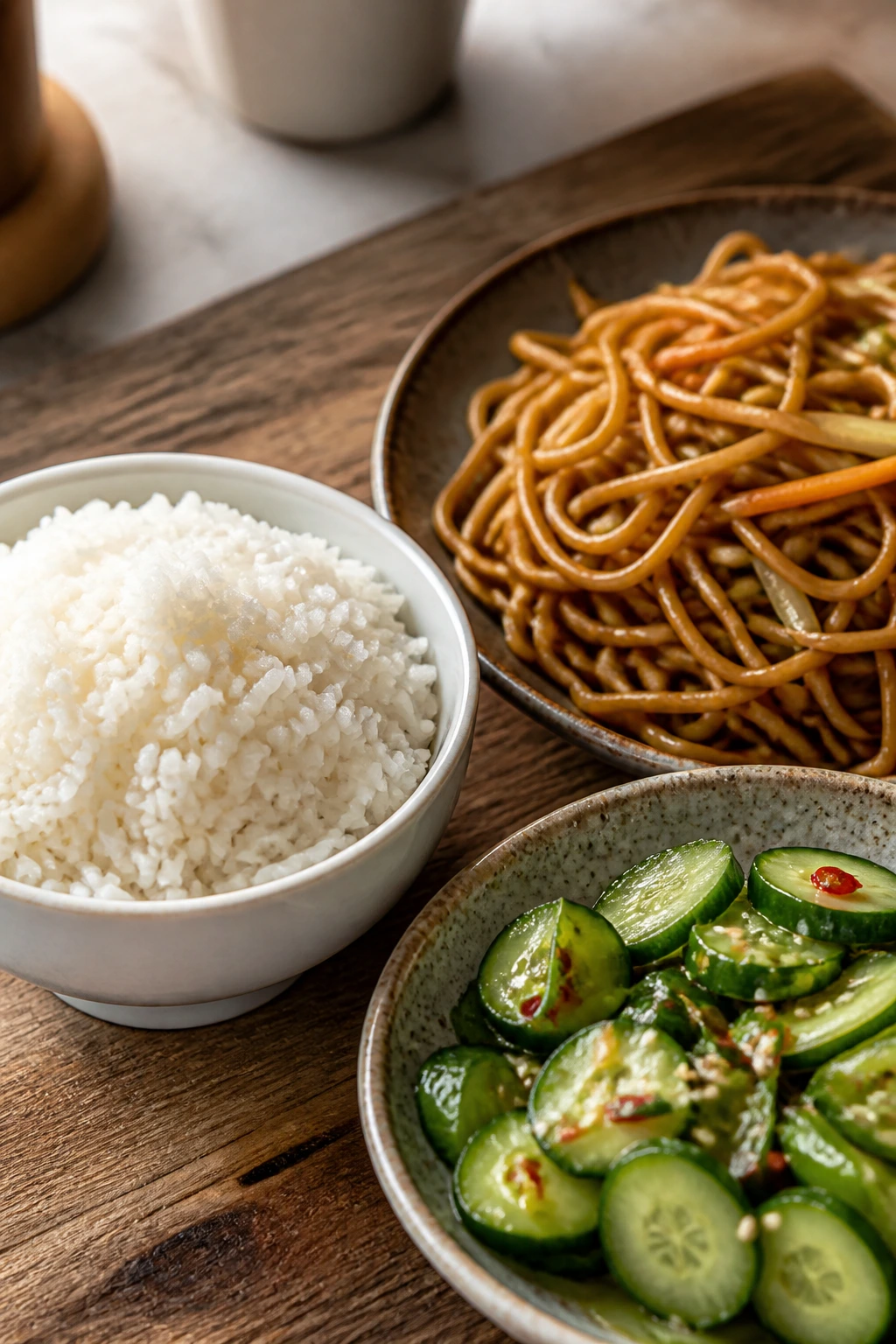
Rice is the easiest thing to get wrong and the easiest thing to fix. Noodles are even more fragile. Both want to be handled separately from the slow cooker if you care about texture at all.
Jasmine rice is my default for saucy Chinese-American bowls because it has enough aroma to smell good under soy sauce and enough structure to hold a spoonful of meat. Short-grain rice can work, but it tends to get stickier. Basmati is fine if that’s what you keep around, though it reads a little less like takeout. Whatever you use, cook it separately. Do not let rice sit in the crockpot all afternoon unless you want something between pudding and glue.
What to keep on the side
- Steamed jasmine rice
- Simple fried rice made in a skillet
- Lo mein noodles cooked separately and tossed at the end
- Rice noodles for saucy dishes served immediately
- Cucumber salad, if you want something crisp and cold beside the bowl
Noodles are a little more annoying, but not by much. Cook them to al dente, rinse if the style calls for it, and toss them with a little oil or sauce right before serving. If you put noodles into the slow cooker too early, they drink the sauce, swell up, and turn the dish into a casserole. Some people don’t mind that. I do.
There’s also a small but important serving trick here: keep the starch plain and the sauce bold. That way the rice or noodles can absorb what they need without the whole meal turning muddy. A simple bowl of white rice and a deeply flavored meat-and-vegetable sauce is more satisfying than most overloaded versions people try to make in one pot.
Small Upgrades That Make the Bowl Taste More Like Takeout
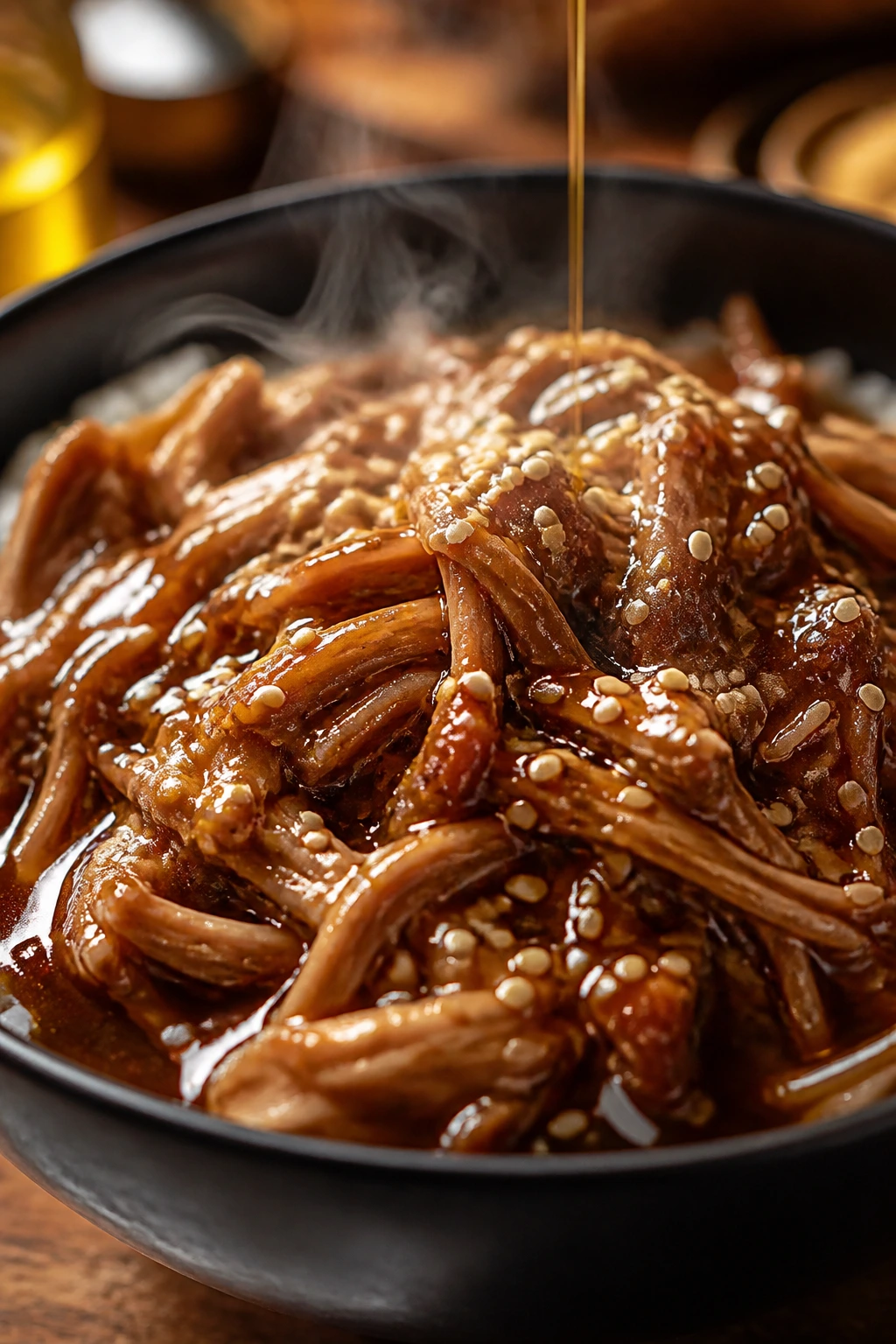
Little things. That’s where this style gets better.
Flavor Enhancement: Toasted sesame oil belongs at the end, not the beginning. A teaspoon or two stirred in after cooking gives the bowl a round, nutty smell that disappears if it spends six hours in heat. The same goes for a splash of Chinese black vinegar or rice vinegar right before serving. That last hit of acid keeps the sauce from tasting heavy.
Time-Saver: Grate garlic and ginger on a microplane instead of mincing by hand. They break down faster in the sauce, and you don’t end up with sharp little chunks of raw ginger in the final bowl. If you cook this kind of food often, keeping a knob of ginger in the freezer is a nice trick—freeze it whole and grate it straight from frozen.
Cost-Saver: Dried shiitake mushrooms add a deep, almost meaty note to pork or chicken sauces without costing much. Soak them, slice them, and drop a few tablespoons of the soaking liquid into the pot if it tastes clean. That liquid has more body than plain water, and it helps the sauce taste less thin.
Heat Control: Chili crisp, chili oil, and red pepper flakes are better served at the table than cooked for hours. Long heat flattens the brightness and can make the spice taste dull. A spoon on top of the finished bowl gives each person their own level of heat, which is nicer anyway.
Freshness: Keep scallions, cilantro, sesame seeds, and even a few thin cucumber slices for the end. The contrast matters. Without something fresh and sharp on top, a slow-cooked bowl can taste too unified, like it was cooked in one brown thought.
I also like a quick broiler finish when I’m working with shredded pork or chicken. Spread the meat on a sheet pan, spoon a little sauce over it, and give it 2 to 3 minutes under a hot broiler. You get sticky edges and deeper color without pretending the crockpot can crisp on its own.
The Tools That Save Texture and Sanity
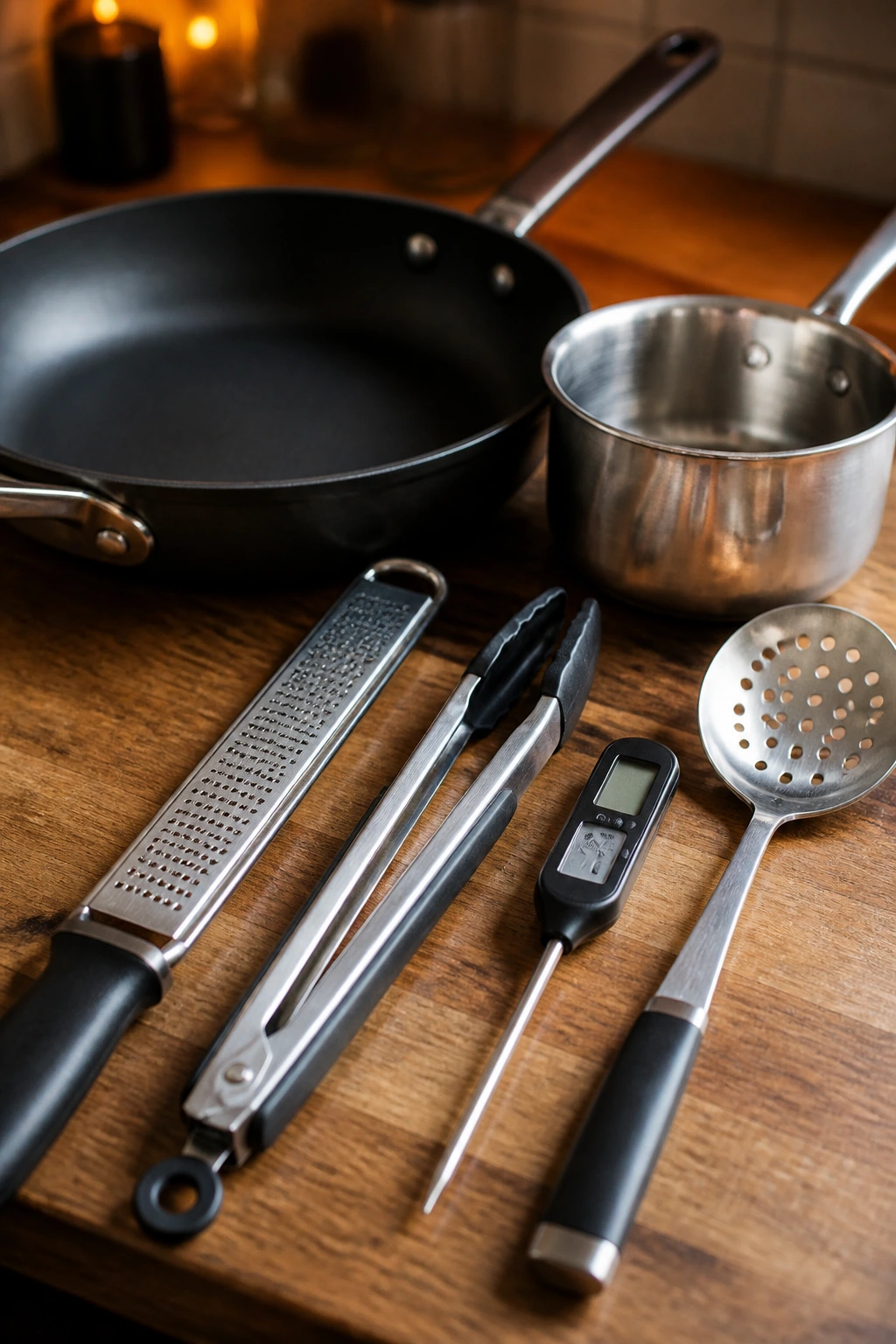
A slow cooker is the center of the operation, but a few small tools make this style much easier to live with.
-
5- to 7-quart slow cooker with a removable insert: This gives enough room for 2 to 4 pounds of meat and sauce without crowding, and the removable insert makes cleanup much less annoying.
-
Large skillet or sauté pan: Use it for searing meat, blooming garlic and ginger, or reducing sauce if the cooker leaves it a little thin.
-
Instant-read thermometer: Especially useful for chicken. The thickest part should hit 165°F, and the thermometer keeps you from guessing.
-
Microplane or fine grater: Great for ginger, garlic, orange zest, and even a little fresh garlic when you want it to disappear into the sauce.
-
Tongs or a slotted spoon: Handy for lifting meat out without dragging half the liquid with it.
-
Small saucepan: Best for thickening sauce separately if you want tighter control than the slow cooker gives you.
-
Rice cooker or medium saucepan with a tight lid: Because the rice should be a separate job, not an afterthought.
-
Shallow airtight containers: Useful for leftovers, since shallow storage cools faster and reheat better than deep, crowded boxes.
If you have a broiler-safe sheet pan, keep it nearby. It is optional, but it’s the easiest way to give shredded meat a little caramelized edge before serving. The crockpot does the tender part; the sheet pan does the last bit of drama.
Make-Ahead, Storage, and Reheating Without Turning It Mushy
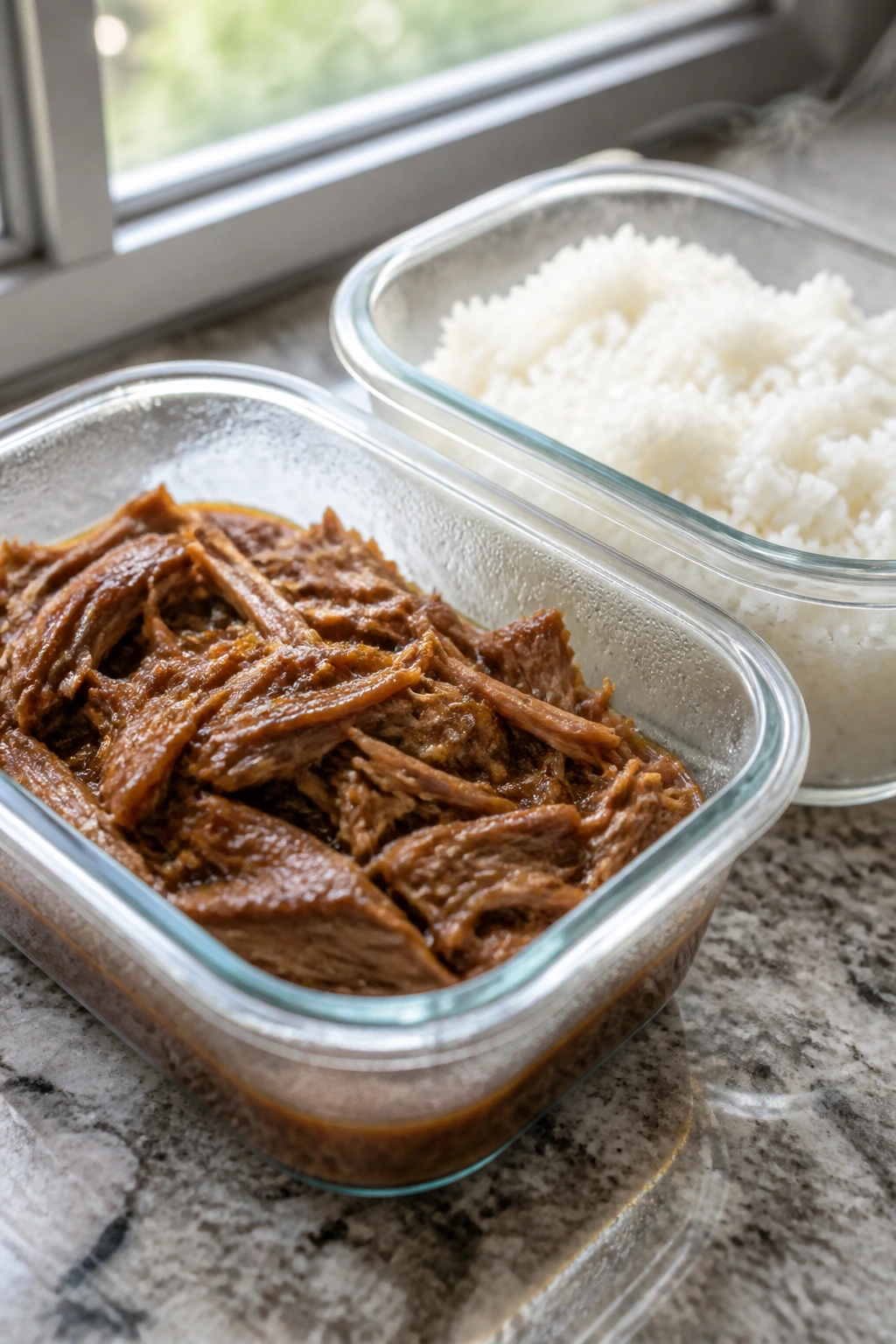
Leftovers are where this kind of dinner either gets better or turns soft and tired. The difference usually comes down to how you store the parts.
Saucy meat keeps well in the fridge for 3 to 4 days if it’s cooled quickly and packed in a shallow container. Cool it within 2 hours, lid it only after steam stops pouring off the top, and keep the rice separate if you can. Rice holds for about 3 to 4 days as well, though I like to freeze extra rice in flat bags or shallow containers because it reheats more cleanly that way.
Most saucy meat dishes freeze for up to 2 months with decent texture, sometimes 3 if the sauce isn’t too watery. Pork shoulder and beef chuck freeze especially well. Chicken is fine too, but if the sauce includes a lot of soft vegetables, the thawed texture may slide a little. Broccoli and snap peas are the first things to lose their nerve, so I would not freeze them in the same container unless you’re already happy with a softer result.
Best reheating methods
-
Stovetop: My favorite for saucy meat. Put it in a small saucepan over medium-low heat with a splash of water or broth, stir once or twice, and let it come back to steaming hot.
-
Microwave: Use 50 to 70 percent power and stir halfway through so the edges don’t dry out before the middle warms.
-
For rice: Sprinkle a little water over the grains, cover loosely, and reheat until steaming. A damp paper towel works in the microwave. A steamer basket works even better if you already have one out.
If the dish contains chicken or pork, make sure it reheats to 165°F in the center. That’s the safe number, and it’s easy enough to check if you’re reheating a large batch. Noodles are the most sensitive component; they reheat best when you splash them with sauce at the end rather than storing them soaked in it for days.
Common Mistakes That Turn a Good Bowl Soft or Flat
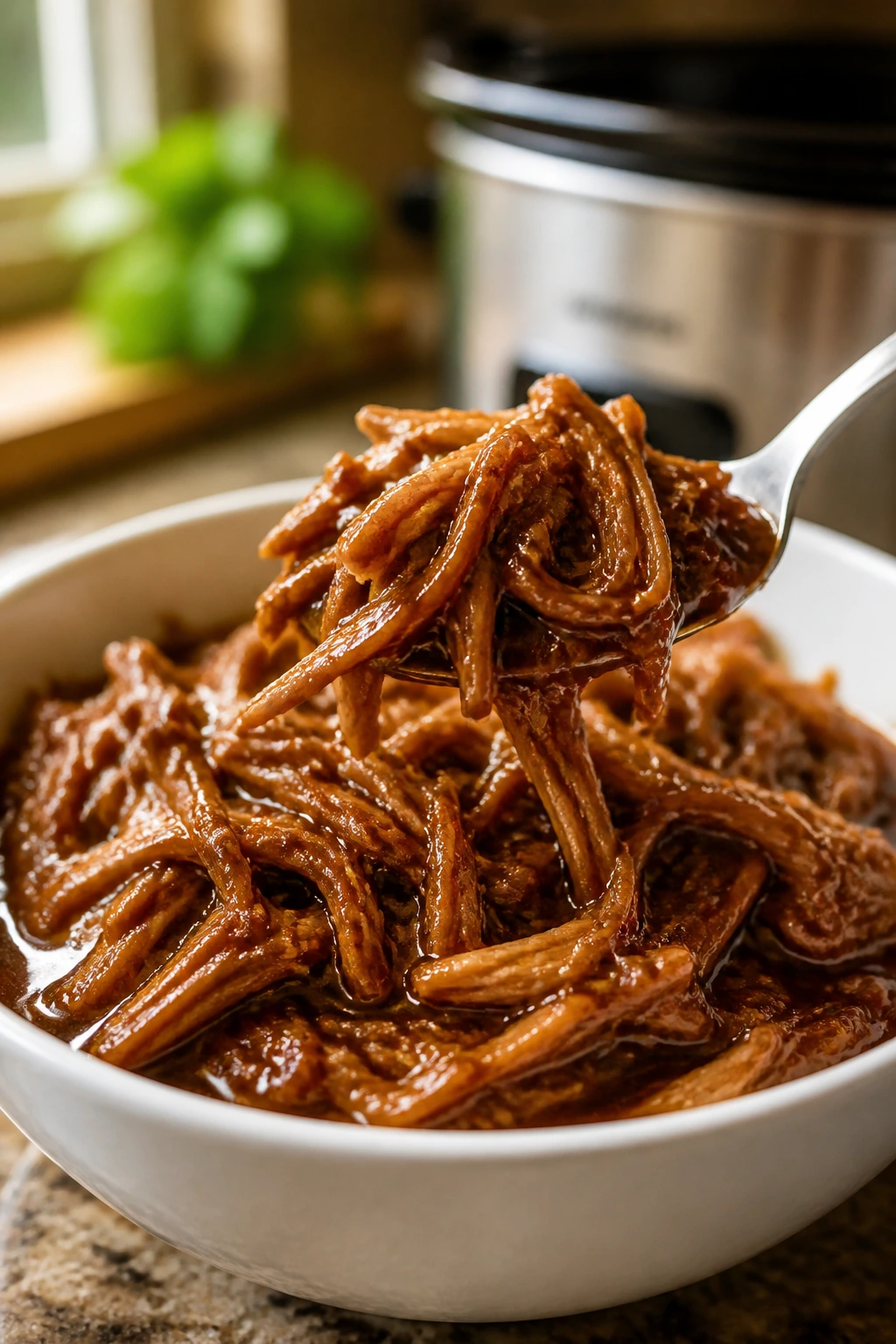
What ruins these dishes most often? It’s usually not the slow cooker itself. It’s the choices made around it.
-
Too much liquid from the start: The sauce comes out thin, and the meat looks boiled instead of braised. The fix is simple: start with less liquid than you think you need, because the lid traps moisture and almost nothing evaporates.
-
All the vegetables go in early: Broccoli turns dull, bell peppers go limp, and snap peas lose their snap. Keep sturdy vegetables for the beginning and add delicate ones near the end or cook them separately.
-
Chicken breast stays in too long: The texture turns stringy and dry. Use thighs when you can, or pull breast meat early and let it rest in the sauce off heat.
-
Skipping the acid finish: The bowl tastes heavy, sweet, or muddy. A spoonful of rice vinegar, black vinegar, or even a little lime at the end can wake the sauce up fast.
-
Opening the lid every half hour: The cooker loses heat, the timing stretches, and the sauce gets thinner from condensation. Trust the timer. Peek only when you need to check tenderness near the end.
-
Thickening too early: Cornstarch breaks down or turns the sauce gluey. Add it only after the meat is done, then give it a minute or two of heat so it cooks properly.
There’s also a quieter mistake that shows up all the time: using sauce to hide poor seasoning. If the dish tastes flat, more sugar is usually the wrong answer. Salt, acid, and a little white pepper usually fix the problem faster.
Flavor Variations Worth Trying
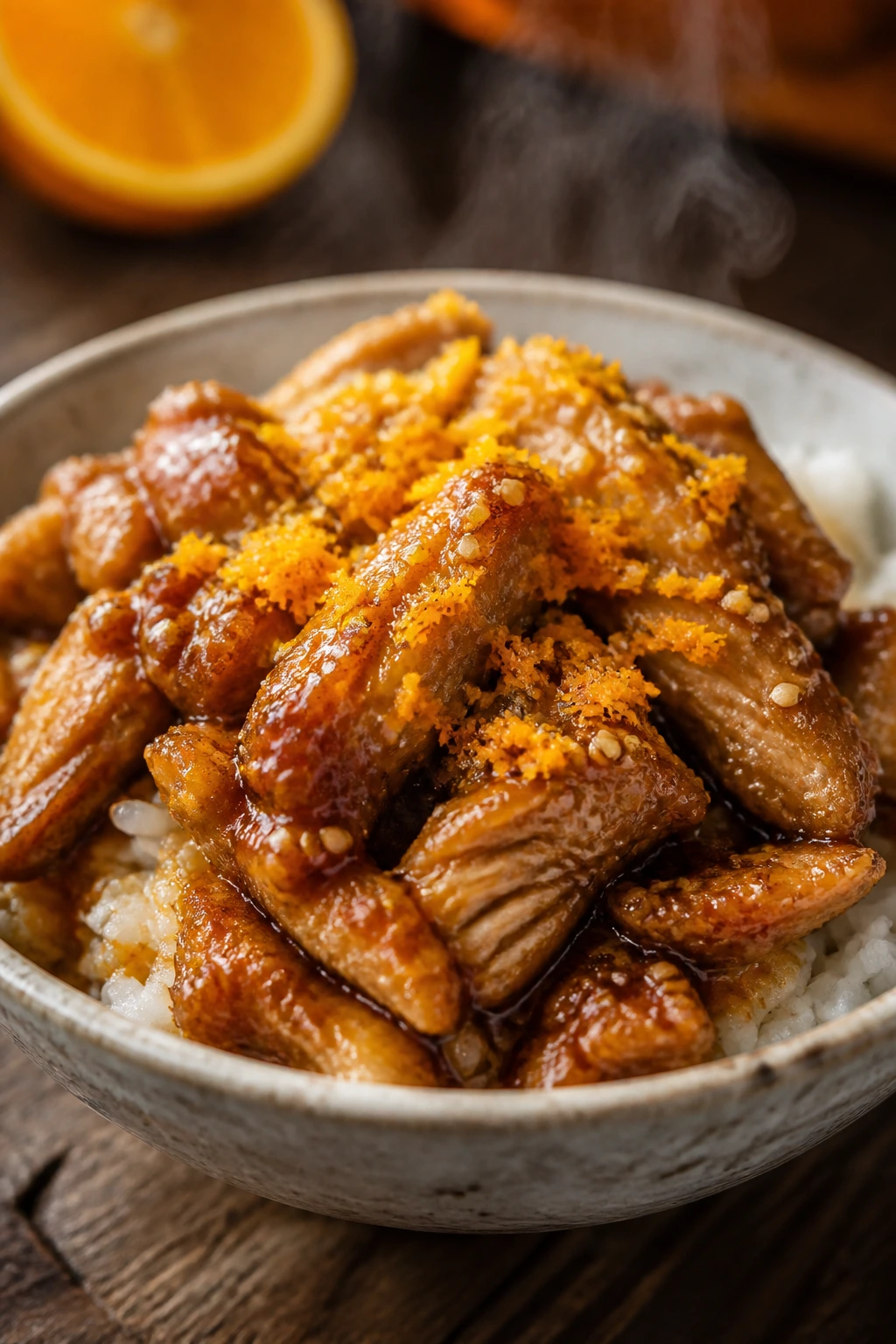
Orange and five-spice are not the only roads here. The crockpot can handle a few different Chinese takeout moods if you keep the basic structure intact.
Orange-Zest Chicken Thighs: Use chicken thighs, orange juice, orange zest, ginger, garlic, soy sauce, and a modest amount of honey. Add the zest at the end so the citrus still smells bright, not cooked into the ground. This one likes scallions and a few sesame seeds on top.
Five-Spice Char Siu Pork: Pork shoulder is the cut you want here. Hoisin, soy, five-spice powder, garlic, and a little honey give you that sticky, sweet-savory char siu feel without a rotisserie oven. If you want edges that taste closer to barbecue, shred the pork and broil it for a couple of minutes before serving.
Black Pepper Beef and Onions: Chuck roast, thick-sliced onions, oyster sauce, soy, and a heavy hand with black pepper make a darker, more savory bowl. This version is especially good with steamed rice and a simple green vegetable on the side because the sauce is already doing a lot.
Chili Crisp Mushroom Bowl: For a meatless version, use a mix of mushrooms—cremini, shiitake, or oyster if you can get them—and add firm tofu near the end so it doesn’t fall apart. Finish with chili crisp at the table, not in the pot, so the crunch survives.
Gluten-Free Tamari Sesame Chicken: Swap soy sauce for tamari and check hoisin or oyster sauce labels if gluten matters at your table. The rest of the build stays the same, and the bowl still tastes like the same family of dinner—salty, glossy, aromatic, and easy to spoon over rice.
I like these variations because they don’t ask the slow cooker to become a different machine. They just steer the sauce and protein a little. That’s usually enough.
How to Serve It So It Still Feels Like Takeout
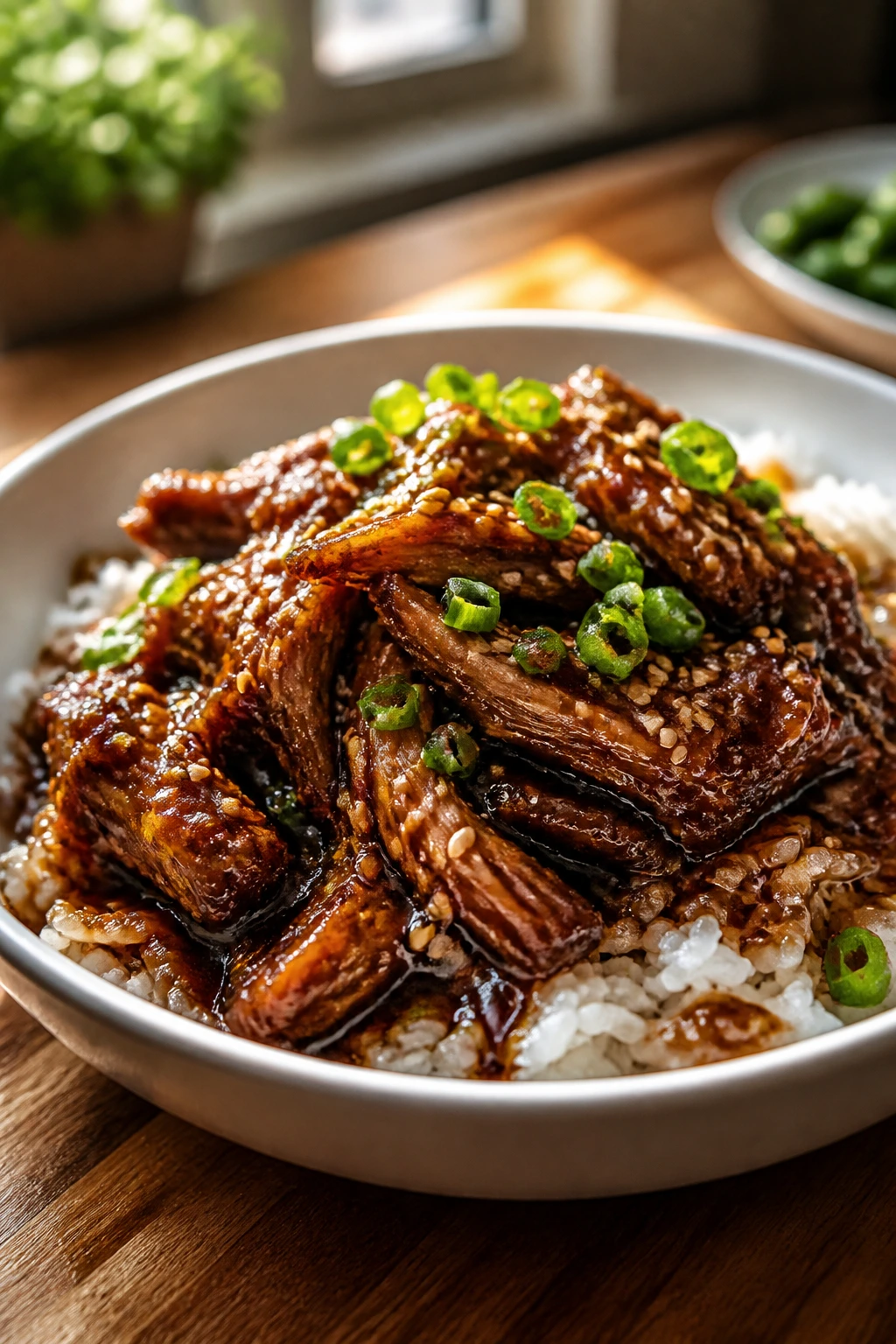
A glossy bowl still needs a little staging. Not fussy staging. Just enough to make the meal feel finished instead of dumped onto rice.
Presentation: Spoon rice into a shallow bowl, then pile the meat and sauce in the center so some of the sauce runs into the grains. Finish with scallions, toasted sesame seeds, and a few thin slices of fresh chili if you want color. If you’ve broiled the meat for a minute or two, let some of those sticky edges sit on top where people can see them.
Accompaniments: Steamed bok choy, cucumber salad, blistered green beans, or quick-pickled radishes cut through the sweetness and give the plate some movement. If you want a fuller spread, add egg rolls, scallion pancakes, or a simple bowl of soup on the side. Keep the sides light if the main dish is already rich.
Portions: Plan on about 4 to 6 ounces of cooked meat per adult, plus ¾ to 1 cup of rice. If the dish is mostly vegetables and sauce, people may want a little more rice. If it is richer—pork shoulder, short ribs, a heavy sesame glaze—smaller bowls go farther.
Beverage Pairing: Hot jasmine tea keeps the whole meal clean and calm. Dry Riesling works if you want wine, and a pale lager handles sweet-salty sauces without getting bullied by them. Sparkling water with lime is the quiet winner when you want the bowl to stay the center of the table.
I also like to serve the sauce a little wetter than I would for a plated dinner. Rice needs something to soak into. Dry takeout-style meat on a bed of plain rice is a missed opportunity.
Questions People Ask About Slow Cooker Chinese Food
Can I use chicken breasts instead of thighs?
You can, but I wouldn’t make them my first choice. Breasts dry out faster and need a shorter cook time, while thighs stay juicy and shred better after a long simmer.
Do I really need to sear the meat first?
No, but it helps. A quick browning in a skillet gives the finished dish a deeper flavor and better color, especially with chicken thighs, beef chuck, or pork shoulder. If you skip it, the meal still works; it just tastes a little flatter.
Can I put broccoli in at the beginning?
Not if you want broccoli that still tastes like broccoli. Add it in the last 10 to 20 minutes, or steam it separately and fold it into the bowl at the end.
What if my sauce comes out watery?
Pull out the meat, move the liquid to a saucepan, and reduce it over medium heat, or leave the lid off the slow cooker for the last 20 minutes. A cornstarch slurry can help too, but only after the sauce has been cooked through a bit.
Is it okay to start with frozen meat?
I don’t recommend it. Frozen meat takes too long to heat evenly, and that throws off both the texture and the food safety window. Thawed meat cooks more predictably and shreds better.
How do I keep noodles from getting mushy?
Cook them separately and toss them with the sauce right before serving. If they sit in the slow cooker for hours, they soak up liquid and lose their shape fast.
Can I make this gluten-free?
Yes. Use tamari instead of soy sauce and check the label on hoisin or oyster sauce, since those can contain wheat. Rice vinegar, ginger, garlic, and sesame oil are naturally fine.
What if the sauce tastes too sweet or too salty?
Too sweet usually needs acid, not more salt. Add rice vinegar or black vinegar a teaspoon at a time. Too salty needs dilution—more broth, a little water, or a larger portion of rice on the plate to balance it out.
A Bowl Worth Repeating
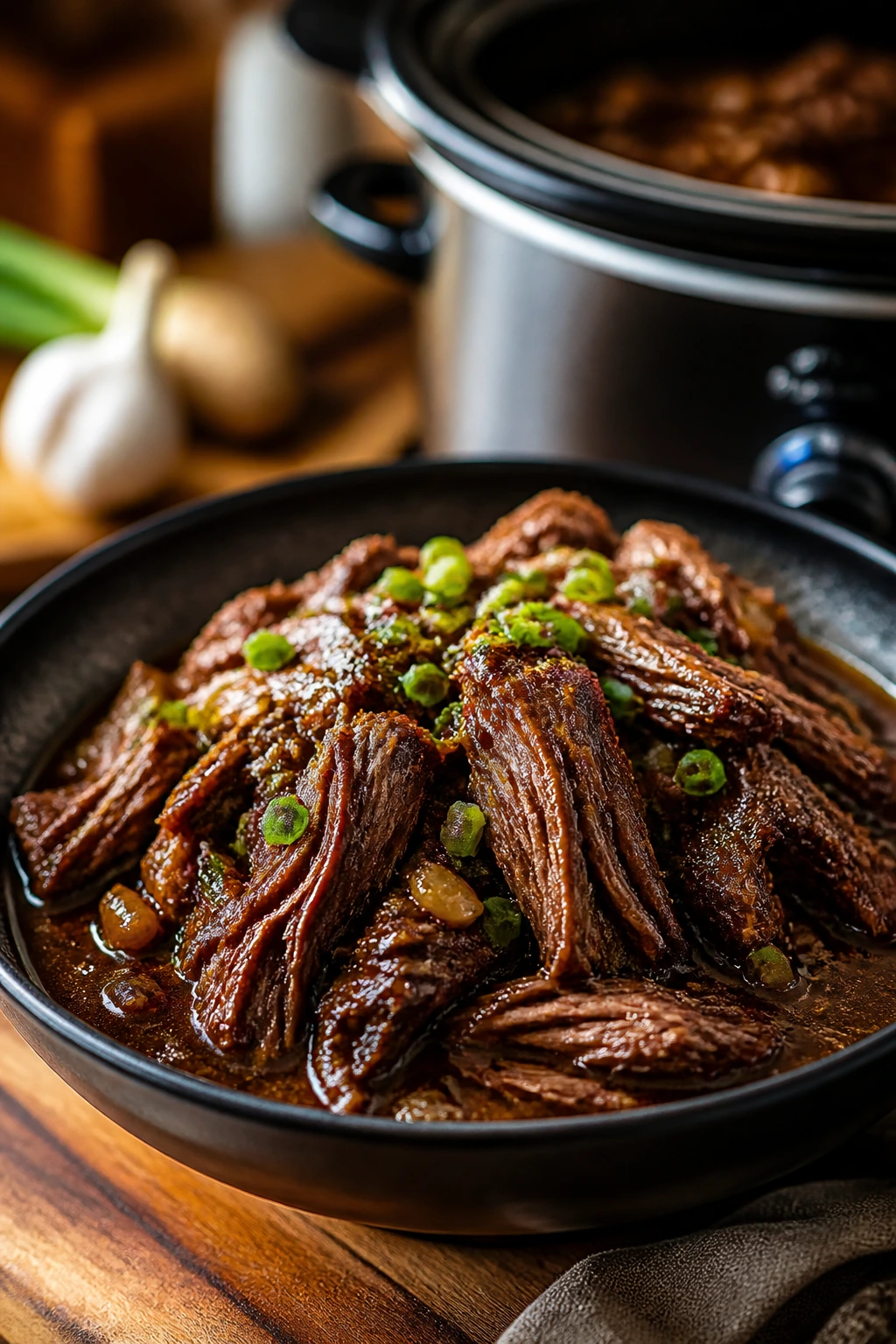
The reason this style works is not that it copies a wok. It doesn’t. It works because it knows what the slow cooker can do better than almost anything else: make sturdy meat tender, let sauce deepen without constant attention, and give you enough flexibility at the end to add crunch, heat, and freshness where they matter.
That’s the whole game, really. Keep the broccoli late. Keep the sesame oil for the finish. Pick a cut that likes to be cooked for hours, not rushed. The rest falls into place with less effort than people expect, and the payoff is a bowl that feels composed even on the nights when the rest of life doesn’t.