



An easy dinner for picky eaters kids will actually eat usually looks almost suspiciously plain to adults: a tidy protein, a familiar starch, and one vegetable that hasn’t been buried under sauce or turned into a mystery. Put those pieces on the table separately, keep the portions small, and the mood changes fast. Less pleading. Less bargaining. Fewer forks hovering over the plate like they’re inspecting evidence.
That’s the part people miss. The goal is not to make a dinner that looks impressive from across the room. The goal is to make a plate a cautious child can actually approach without feeling ambushed. A casserole can taste fine and still fail, because the problem is often the shape, the smell, the sauce, or the way everything gets mixed together before the child has even had a chance to decide what belongs where.
The best family dinner ideas for selective eaters tend to be boring in the right ways. Familiar. Predictable. Built from foods that already have a track record, then nudged a little at a time. That’s where the win lives: not in tricking kids, not in hiding food so well nobody notices, but in building meals that feel safe enough to try. And once you see the pattern, dinner gets a lot easier to plan.
Why Easy Dinner for Picky Eaters Kids Will Actually Eat Starts With Familiar Food
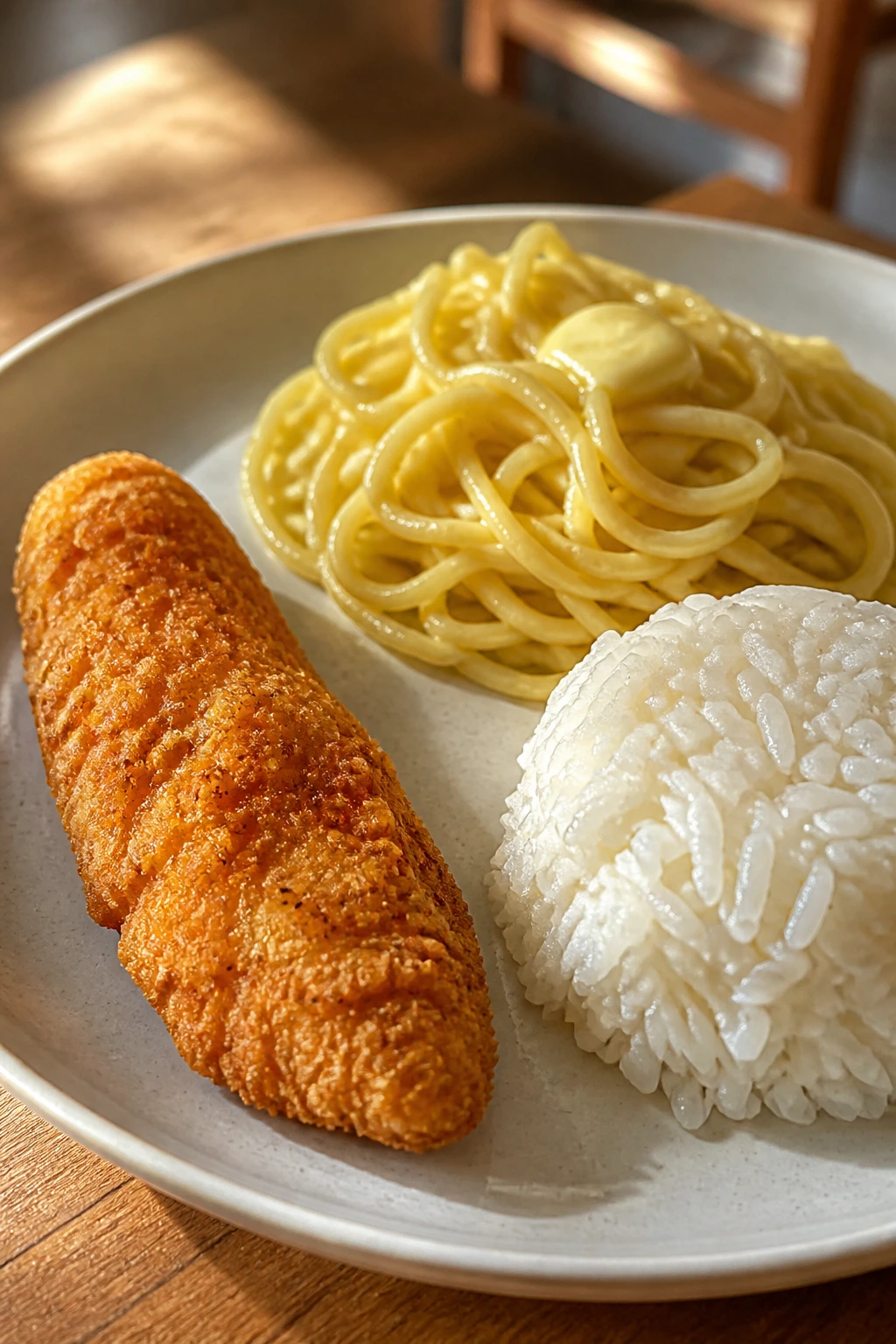
Familiar shapes lower the alarm. A chicken strip, buttered noodle, or rice mound looks less risky than a saucy bake where everything has merged into one soft pile.
Small portions feel manageable. Three peas and one bite of chicken land better than a plate that looks like it expects a full performance.
Separate foods give kids a way in. A child who refuses mixed food may still eat the rice, then the chicken, then maybe one carrot coin if it stays on its own side of the plate.
One safe food changes the whole dinner. When there’s at least one item nobody questions, the rest of the meal stops feeling like a trap.
Calm plating beats long explanations. The less you narrate the food, the less pressure it carries, and that matters more than any garnish ever will.
The Dinner Formula That Keeps the Table Calm
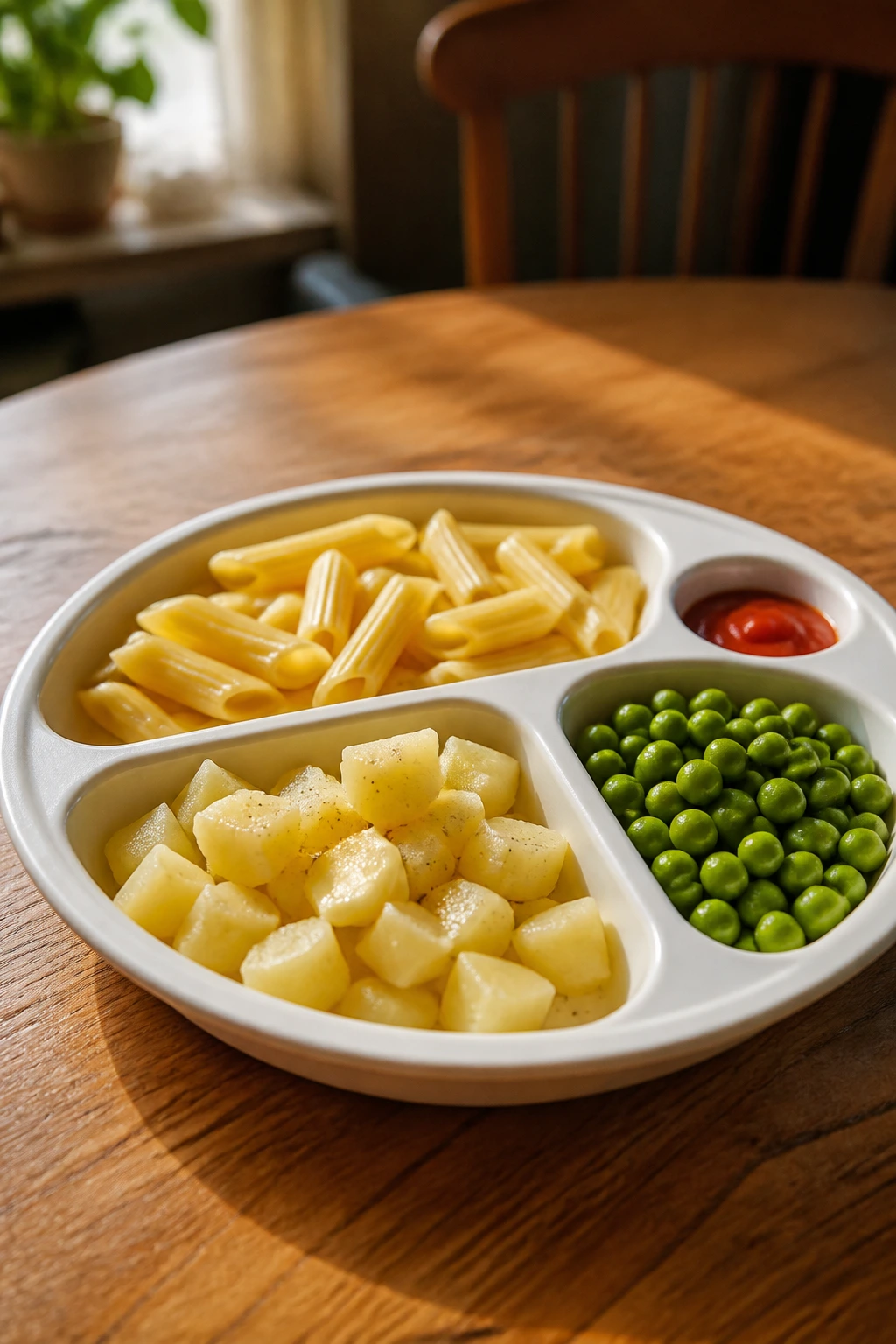
The simplest dinners for picky eaters usually follow the same shape: one anchor, one side, one small stretch, and one optional dip or finishing touch. That structure works because it gives the child a known place to start. No guessing. No surprise textures hiding under melted cheese.
One Safe Anchor
Start with the food your child already accepts most nights. Plain pasta, rice, chicken nuggets, scrambled eggs, tortilla wedges, roasted potatoes, or buttered toast all count. The anchor doesn’t have to be exciting. It just has to be dependable.
That one dependable thing does a lot of heavy lifting. It keeps dinner from feeling like a dare, and it also keeps you from having to reinvent the wheel every night. A bowl of rice can carry shredded chicken and cucumbers one evening, then meatballs and peas the next. Same structure. Different details.
One Small Stretch
The stretch food is the piece you want to slowly normalize. Maybe that’s peas, carrot coins, cucumber rounds, apple slices, black beans, or a little shredded lettuce beside tacos. Keep the amount tiny at first. Tiny is not a failure. Tiny is strategic.
A child who sees one new thing next to familiar food has a chance to inspect it without feeling crowded. A child facing a heap of five unfamiliar foods usually shuts down before the first bite. The difference is visual, not philosophical.
One Easy Finish
A little cheese, a dip, a squeeze of lemon, or a spoonful of mild sauce can soften the edges of dinner. Kids who reject “mixed” food often accept a finish if they can control it. Ranch in a small cup. Ketchup on the side. A pat of butter over noodles. That kind of thing.
The finish should not mask the meal completely. It should make the food easier to accept, not unrecognizable. Plain food with a little help tends to work better than heavily sauced food pretending to be something else.
Familiar Shapes Beat Fancy Food
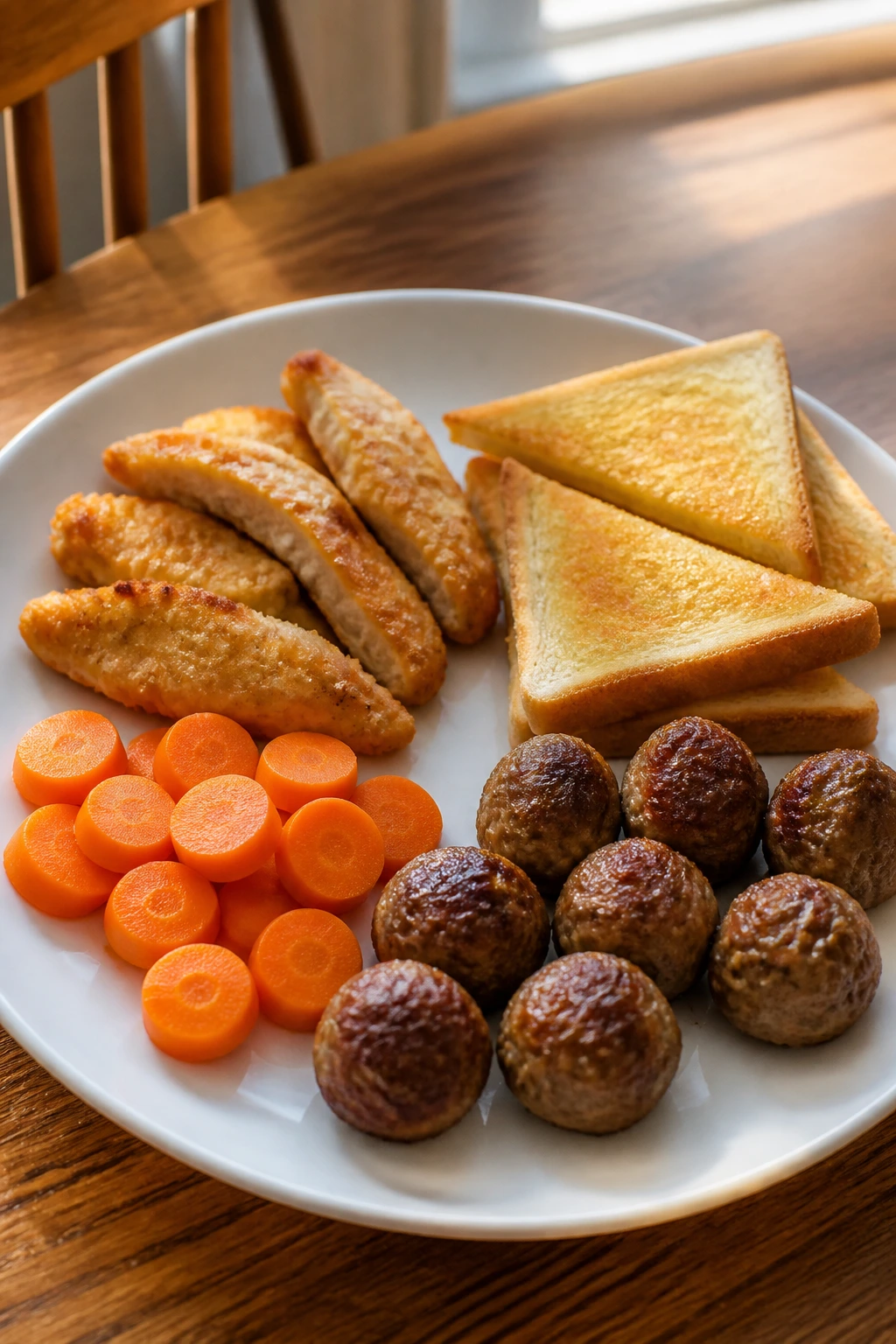
A child’s first reaction to dinner is often visual. Long noodles feel different from a baked noodle casserole. Cubes feel different from chunks. Finger foods feel safer than spoon foods. That is not fussiness for the sake of fussiness. It’s texture and predictability doing their usual thing.
Think of the foods that disappear fastest in picky-eater homes. Chicken strips. Pasta shells. Mini meatballs. Quesadilla wedges. Toast soldiers. Rice that stays fluffy instead of clumping into a brick. Those shapes are easy to recognize and even easier to grab. No one has to decode them.
The Best Shapes for Cautious Eaters
- Strips: chicken, toast, tortillas, and cheese slices cut into strips are easier to handle than round or oddly shaped pieces.
- Wedges: quesadillas, baked potatoes, and sandwich triangles feel neat and familiar.
- Rounds: meatballs, cucumber coins, and carrot coins are easy to count and inspect.
- Scoops: rice, mashed potatoes, macaroni, and yogurt-based dips work when the child wants to use a spoon.
- Separate piles: a few plain foods on a divided plate often beat a mixed bowl every single time.
The shape matters because it changes the first touch. That first touch is where a lot of dinner resistance lives. If the child can pick up one piece, sniff it, or set it aside without disturbing the whole plate, the food already feels less threatening.
I like deconstructed meals for this reason. A taco bowl can be a much safer dinner than a soft taco. Buttered noodles with chicken on the side can beat chicken noodle casserole. A plate with distinct parts gives kids room to decide how much mixing they can tolerate, if any.
Mild Flavors, Sauces on the Side
Big spice, heavy garlic, and very sweet sauces can be a hard sell for selective eaters. Not always. But often enough that it’s worth paying attention. Mild food doesn’t mean bland food; it means clean flavors, obvious ingredients, and no surprise heat in the back of the throat.
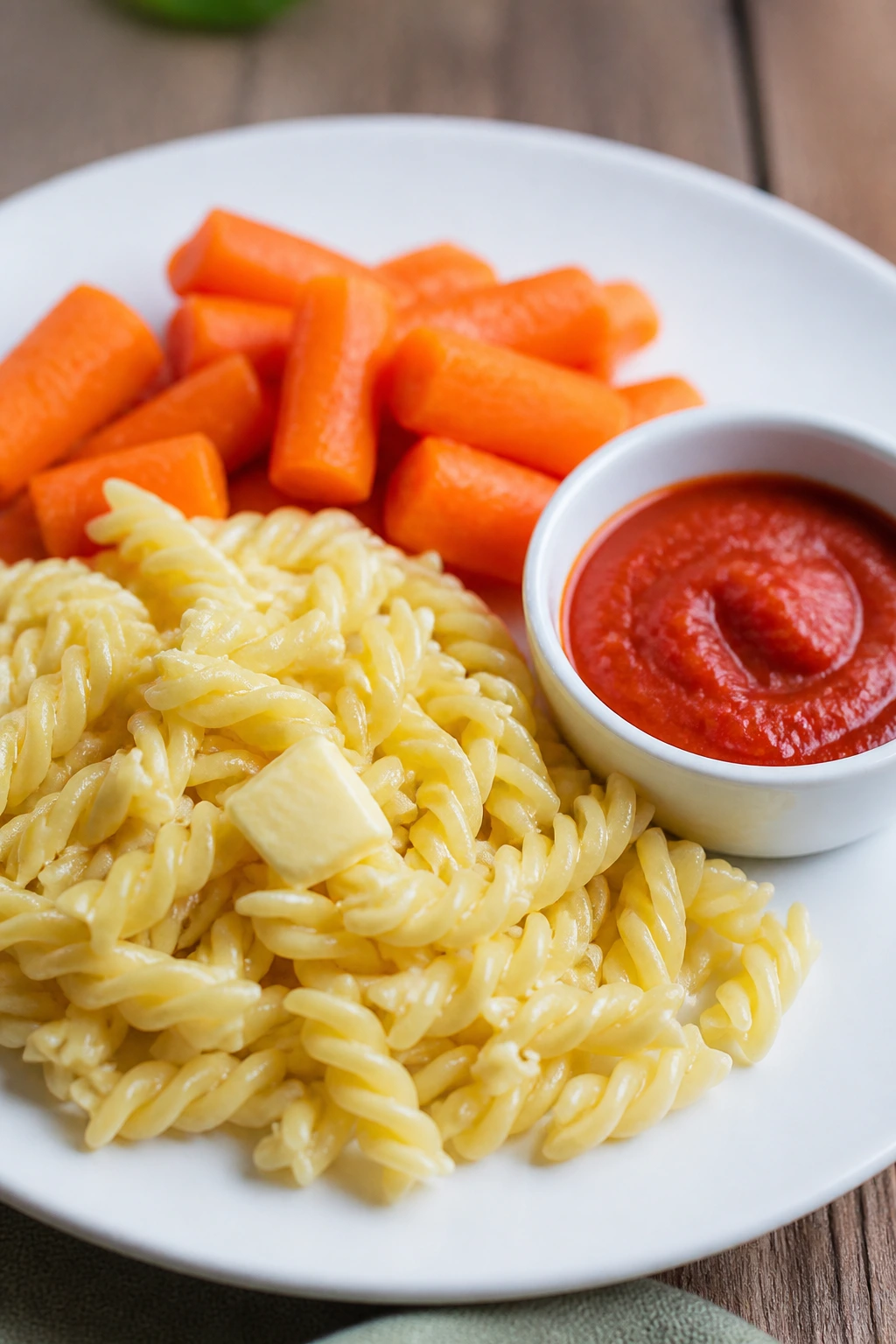
Sauces on the side solve a lot of problems at once. They let kids try one bite without committing to the whole plate. They also keep textures from collapsing into one soft, slippery thing. That’s a real issue for kids who hate mixed food. A little bowl of sauce changes the whole negotiation.
Keep Heat Optional
If adults want chili flakes, hot sauce, or a garlicky finish, add it at the table. Don’t bake the whole meal around your own spice tolerance and expect a child to be thrilled. A mild base with optional heat is kinder to everyone.
I’m not shy about this. If the same meal needs to work for grown-ups too, hold back most of the seasoning until the last minute. A squeeze of lime, a spoon of salsa, a pinch of pepper, or extra cheese can wake up an adult portion without scaring off a cautious eater.
Salt in Stages, Not All at Once
A tiny child’s dinner doesn’t need to taste flat. It needs to taste clear. Salt the chicken lightly, season the rice enough to have flavor, and keep the sauce gentle. Then let the table add more if they want it.
That staged approach keeps the food flexible. If your child’s taste changes halfway through the meal, the plate still works. And it often does. Kids who reject a fully seasoned dish may accept the same ingredients when they can control the final taste.
The Best Dip Bowls Are Small
Use a little ramekin, a condiment cup, or even the corner of a divided plate. A tiny amount of ranch, ketchup, hummus, or yogurt dip feels less like pressure than a puddle of sauce spread everywhere. Too much sauce can look like an attempt to hide something.
A child who dips one carrot coin on their own terms is doing more than eating. They’re participating. That’s a different feeling entirely.
Proteins That Stay Tender
Dry chicken breast can ruin a peaceful dinner in about three bites. So can rubbery eggs, overcooked fish, or meatballs that were left in the oven until they turned dense. Protein matters more than people think because kids notice texture before they notice seasoning.
The easiest proteins for picky eaters tend to be the ones that stay soft, bite cleanly, and don’t smell too strong coming off the stove. Ground meat, eggs, shredded chicken, mild fish, and tofu cooked the right way all fit that description. The trick is to keep the cooking gentle and the pieces small enough to manage.
Chicken Thighs and Shredded Chicken
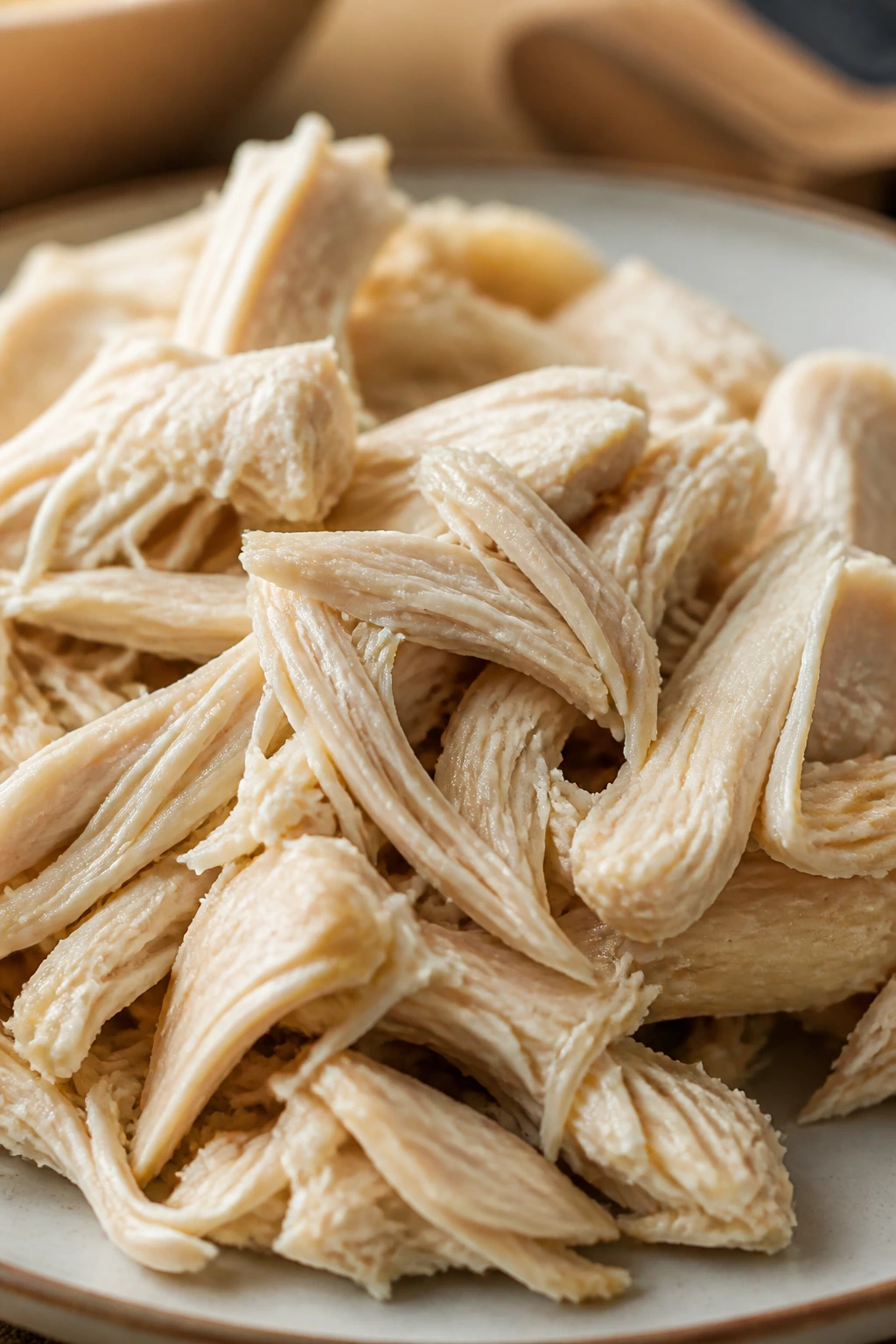
Chicken thighs stay juicier than chicken breast and tolerate a little extra cooking without turning leathery. Shredded rotisserie chicken is another safe option because it can be mixed into a bowl or served plain. Keep the seasoning light and the texture moist.
If you use breast meat, don’t overcook it. Pull it the moment it reaches a safe internal temperature and let it rest before slicing. Dry chicken gets rejected fast, and once a child decides chicken is “the dry one,” it takes effort to undo that memory.
Meatballs That Stay Soft
Small meatballs made from beef, turkey, or chicken are easy to portion and easy to dip. Bake them until just done, not until they’re tough little rocks. A 1-inch meatball usually works better for kids than a huge restaurant-style one.
You can keep the seasoning simple: salt, a little garlic powder, perhaps grated onion if your family tolerates it. Serve the sauce on the side when you can. Some kids like the meatball plain first, then dipped.
Eggs, Fish, and Gentle Vegetarian Options
Scrambled eggs with a soft curd are one of the most underrated dinners in a picky-eater house. So are egg quesadillas, breakfast-for-dinner plates, and plain omelets folded with a bit of cheese. They’re quick, soft, and familiar.
Mild fish sticks, salmon cakes, and baked tofu can work too, though tofu usually needs a very specific texture to win over hesitant eaters. Crisp edges help. So does serving it beside something already trusted. Put tofu in the same bowl as rice and peas, not floating alone in a sauce.
Vegetables That Don’t Start a Fight
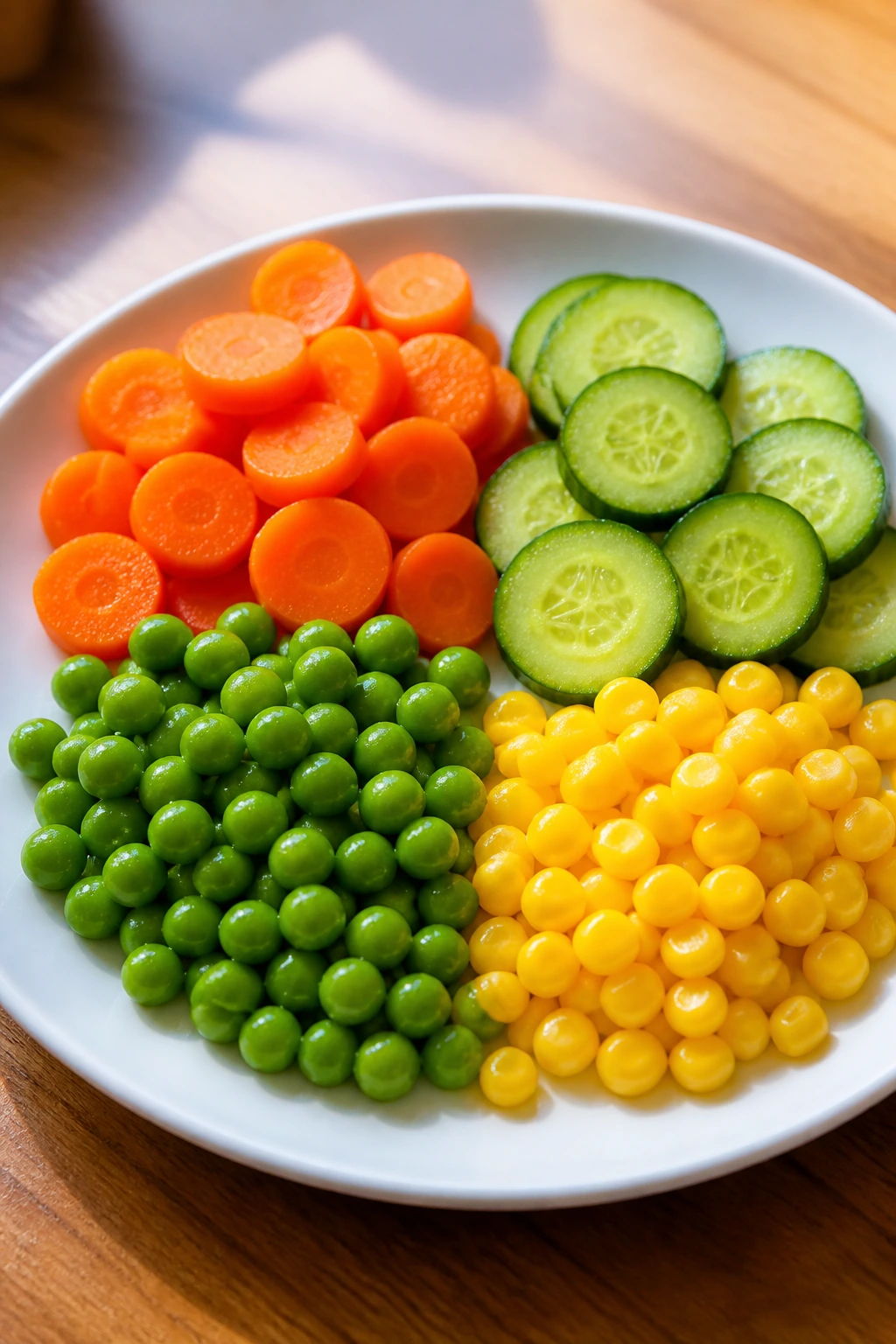
Vegetables are where dinner often goes off the rails, but not because kids hate all vegetables. Usually they hate the wrong texture, the wrong smell, or the feeling that the vegetable has taken over the plate. A floppy, overcooked broccoli crown can feel a lot more suspicious than a small pile of sweet carrots or a few frozen peas warmed in butter.
Sweetness helps. So does a familiar crunch. A little salt helps too. The goal is not to disguise vegetables into something else. The goal is to make them approachable enough that they don’t dominate the meal.
Sweet and Soft Works Better Than Bitter and Loud
Roasted carrots, corn, peas, sweet potato cubes, and sautéed zucchini can all land well if they’re cooked to the right point. Carrots should be tender with browned edges. Peas should be warm and bright, not gray and mushy. Sweet potatoes should hold their shape.
A lot of adults overcook vegetables for children because they assume softer means easier. Sometimes. Not always. Mushy broccoli can be worse than crisp broccoli. Texture still matters.
Crunchy and Raw Has Its Place
Cucumber coins, bell pepper strips, snap peas, and cherry tomatoes can be easier for some children than cooked vegetables because they stay crisp and predictable. Add a dip and the whole thing becomes less like a lecture and more like a snack.
That doesn’t mean raw vegetables work for every child. They absolutely don’t. But if your child likes crunch, don’t keep serving only soft sides. Crunch can be the bridge.
Keep Vegetables Small and Visible
A handful of peas next to pasta is less intimidating than a giant scoop of mixed vegetables folded into sauce. Tiny portions feel achievable. Visible pieces feel honest.
I’m a fan of placing vegetables in their own little zone on the plate. Not hidden. Not piled. Just there, waiting. Kids can choose them or ignore them, and either response keeps dinner calm.
The Pantry Staples That Make Easy Dinner for Picky Eaters Work
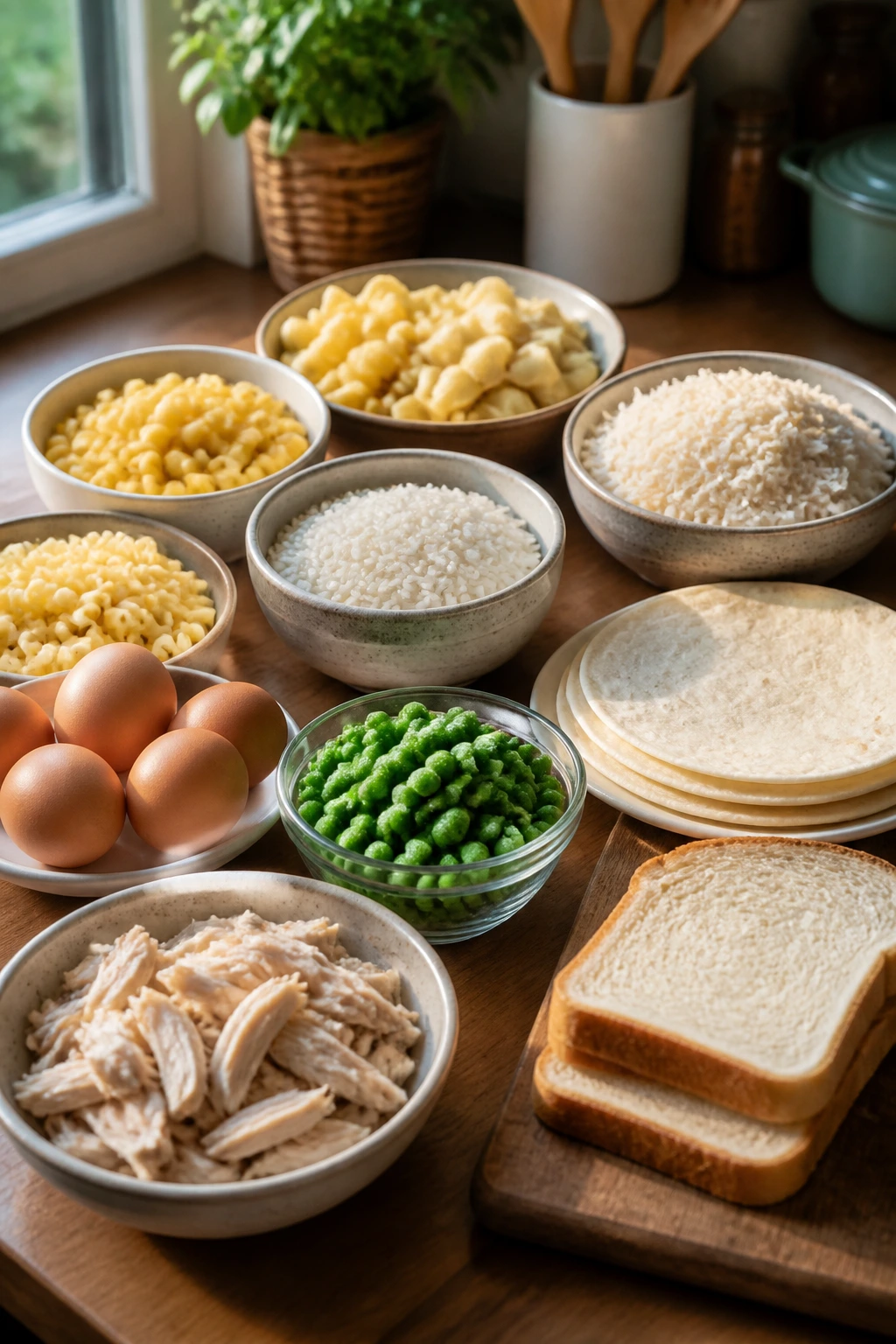
A good picky-eater dinner often starts long before 5:30. It starts in the pantry, freezer, and fridge with foods that can become a meal in ten minutes without requiring a store run. That doesn’t mean stocking everything under the sun. It means keeping a short list of reliable pieces that can be mixed and matched without much thought.
The Staples Worth Keeping Around
- Plain pasta shapes: elbows, shells, rotini, and spaghetti are easy to pair with butter, cheese, or a mild sauce.
- Rice: white rice, brown rice, or microwave rice cups give you a fast base when the evening is crowded.
- Tortillas: soft tortillas, taco shells, or pita can turn leftover chicken into a meal that feels new.
- Eggs: scrambled eggs, egg sandwiches, and quesadillas are hard to beat on a tired night.
- Rotisserie chicken or cooked ground meat: shred it, portion it, freeze part of it, and you’ve got a protein that behaves.
- Frozen peas, corn, and carrots: they cook fast and usually keep a better texture than limp fridge vegetables.
- Shredded cheese: mild cheddar or mozzarella melts into a lot of different meals without taking over.
- Plain yogurt or sour cream: useful for dips, potato toppings, and taco bowls.
- Bread and crackers: not glamorous, but they save dinner more often than people admit.
- Mild fruit: apples, bananas, berries, and melon can round out a plate when the vegetable fight is not worth having.
Buy the versions your child already recognizes. If they like short pasta, don’t suddenly bring home farfalle and expect applause. Same with cheese. Mild often wins over sharp. Small details matter here.
Frozen vegetables are not a compromise to apologize for. They’re often better than the sad bag of fresh broccoli you forgot in the crisper drawer. On a school night, that counts.
The Plate Setup That Gets the First Bite
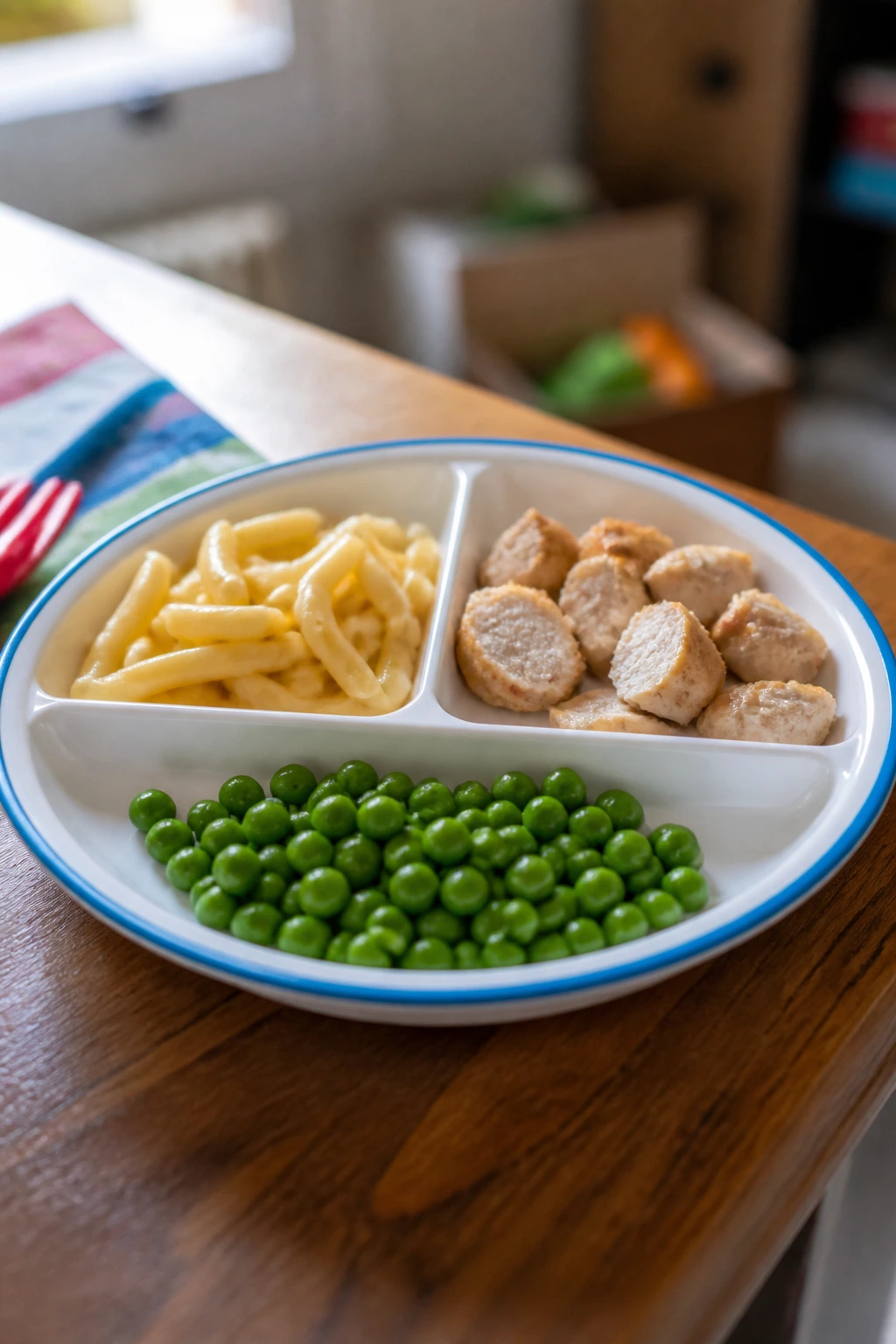
Presentation: Use a divided plate if you have one, or just separate the foods into small piles on a regular plate. Keep the portions visible and neat; a child who likes control usually does better when the foods are not touching unless they want them to be.
Accompaniments: Pair one safe starch with one soft protein and one low-drama vegetable, then add a dip in a tiny bowl if that helps. Buttered noodles with chicken and peas, rice with meatballs and cucumbers, or quesadilla wedges with corn and yogurt dip are all easy plate combinations that don’t ask for a lot of bravery.
Portions: Start small. A few bites of each thing is enough. A child can always ask for more, and a second serving is easier to accept than a plate that looks like a dare. Bigger portions also cool slower, which is a bad trade when a child already eats slowly.
Beverage Pairing: Water is usually the cleanest choice because it doesn’t crowd out appetite. Milk works with pasta, eggs, and cheese-heavy meals. If you serve juice, keep it small; a full cup before dinner can flatten interest in the food before the first bite lands.
A calm plate often works better than a “fun” plate that’s overloaded with shapes and colors. Too much visual activity can feel noisy. A simple plate gives the child one job at a time.
Small Changes That Get More Food Eaten
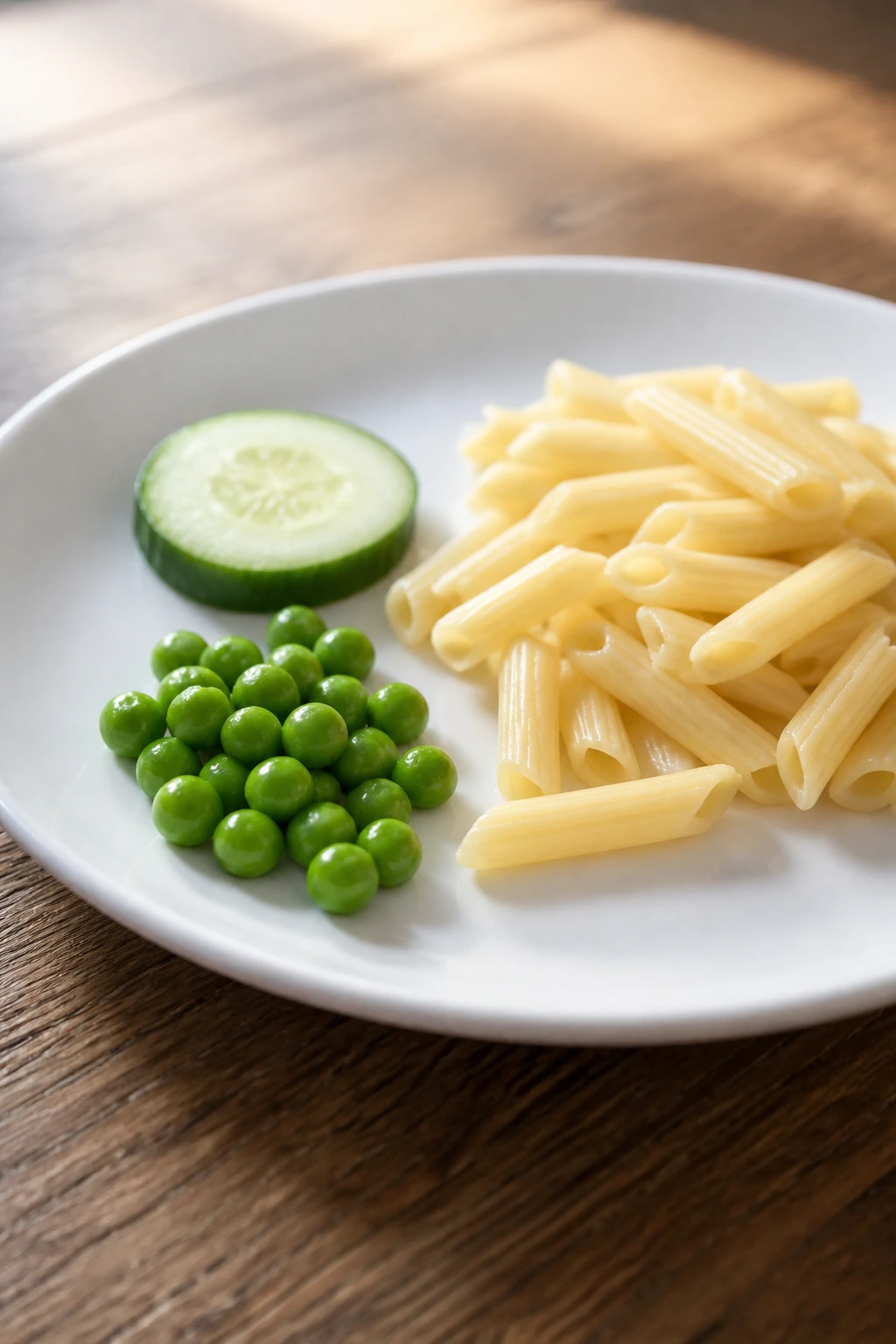
The trick with picky eaters is not to turn every dinner into a lesson. That sounds sensible in theory and exhausting in practice. The better move is smaller. Quieter. One small change, then another, then stop.
Start with one reliable food. If your child eats plain pasta, serve plain pasta. Then put the new thing beside it, not into it. One safe food lowers the guard enough for the rest of the plate to have a chance.
Keep new foods tiny. A teaspoon of peas is plenty. A single cucumber slice is enough. Small portions say, “You don’t have to commit,” which is exactly what nervous eaters need to hear without hearing it.
Let kids build their own plate when you can. A child who chooses two meatballs and one tortilla wedge often eats more than the child handed a finished plate they didn’t help shape. Choice changes the tone of dinner fast.
Stay boring at the table. No pressure. No countdown. No award ceremony for one bite of broccoli. The more you comment on each forkful, the more the food becomes a performance.
Repeat the same meal structure before changing the menu. If a rice bowl worked once, try it again with a different protein. Don’t overhaul everything at once. Kids need to recognize the outline before they start trusting the details.
That little bit of repetition is not a lack of imagination. It’s how you build momentum.
Mistakes That Turn Dinner Into a Standoff
The worst dinner nights usually don’t come from one disastrous dish. They come from a few small choices that make the whole plate feel bigger, louder, or less predictable than it needed to be.
-
Mixing everything together too early. A child who hates casserole textures will often reject a meal that could have worked in separate parts. Keep components apart until the child asks for them mixed, not before.
-
Using adult-size portions. A huge plate can look like a command. Start with a small plate or a divided plate and offer seconds if they want them.
-
Turning dinner into a bite-counting contest. “Just one more bite” sounds harmless, but it changes dinner into a negotiation. Serve the food, stay calm, and let the meal be the meal.
-
Introducing three new foods at once. One new vegetable beside two trusted foods is manageable. A full plate of new textures is not. The fix is obvious, and worth repeating.
-
Overcooking the safe food. Dry chicken, soggy pasta, or limp vegetables can make the child distrust the whole meal. Cook the anchor food well, even if everything else is plain.
-
Talking too much about the food. Pointing out hidden spinach, praising every pea, or asking too many questions can backfire. Quiet confidence at the table usually works better than a speech.
The symptom is usually the same: a child who starts pushing food around, talking about the meal instead of eating it, or freezing the second the plate lands. When that happens, the fix is usually to simplify, not intensify.
Variations for Different Kinds of Picky Eaters
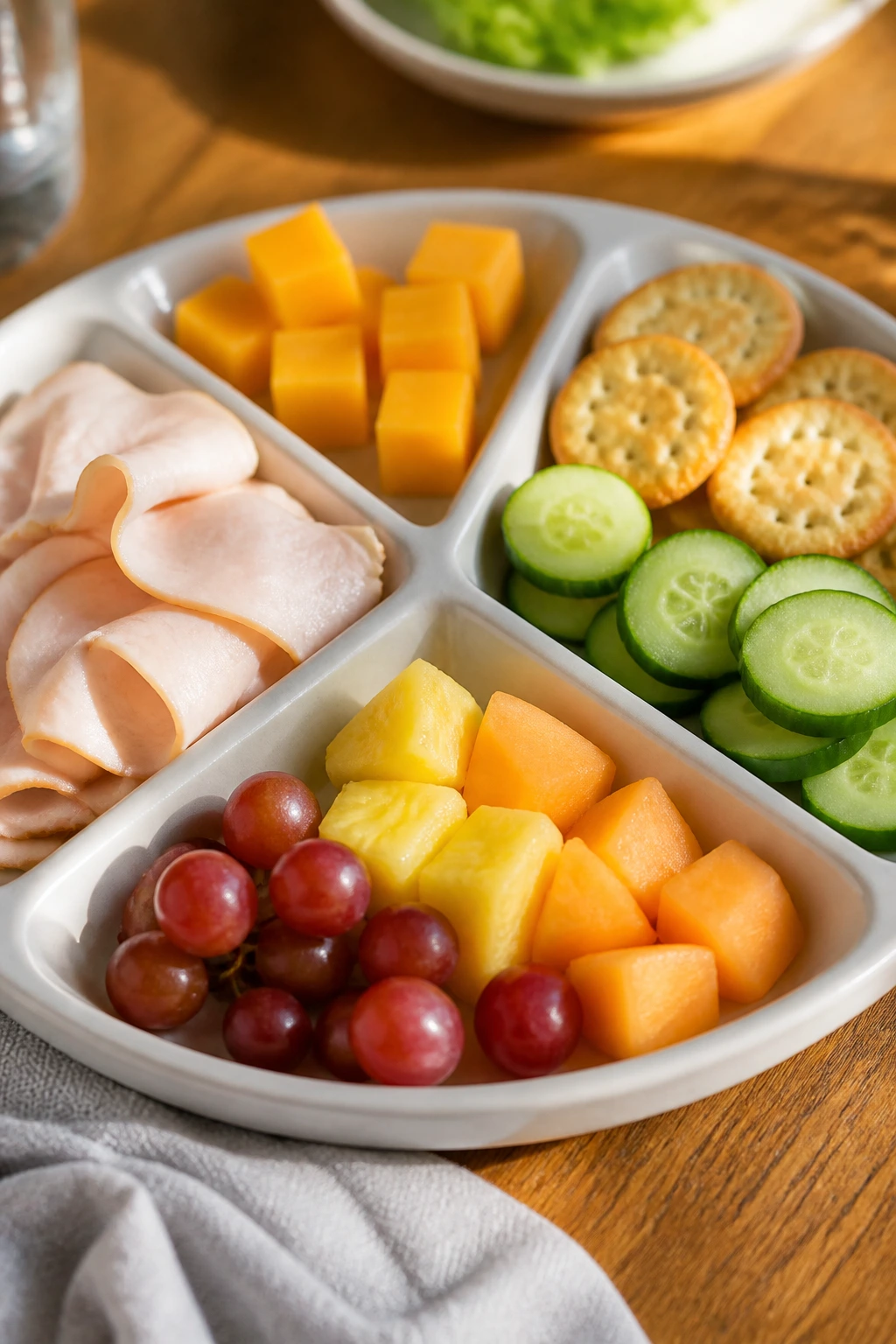
Snack-Plate Supper: Put together turkey slices, cheese cubes, crackers, cucumber rounds, and fruit. This works for kids who hate hot dinner but will happily graze on cold foods with familiar textures. It also buys you a calmer night when everyone is tired.
Breakfast-for-Dinner Rescue: Scrambled eggs, toast, fruit, and maybe a little bacon or sausage can land better than a “real” dinner when the evening feels tense. The food is recognizable, soft, and fast. No one has to negotiate sauce.
Deconstructed Taco Night: Serve seasoned meat, shredded cheese, tortillas, rice, and toppings in separate bowls. Kids can build a taco, make a rice bowl, or ignore the toppings entirely and still eat dinner. That flexibility matters.
Creamy Pasta Without the Casserole: Buttered noodles or mild mac and cheese with plain chicken and peas on the side gives you the comfort of pasta without forcing everything into one dish. This is one of the easiest family dinner ideas when you need near-guaranteed acceptance.
Sheet-Pan Finger Food: Roast chicken tenders, potato wedges, and carrot sticks on one tray, then serve them in neat piles. The food comes to the table looking simple and separate, which helps a lot with kids who dislike mixed textures.
Dairy-Light Plate: If cheese is a problem, keep the meal built around rice, chicken, fruit, and vegetables with a dip based on olive oil, hummus, or plain salsa. You can still keep dinner friendly without leaning on dairy as the main rescue.
Tools That Earn Their Spot in the Drawer
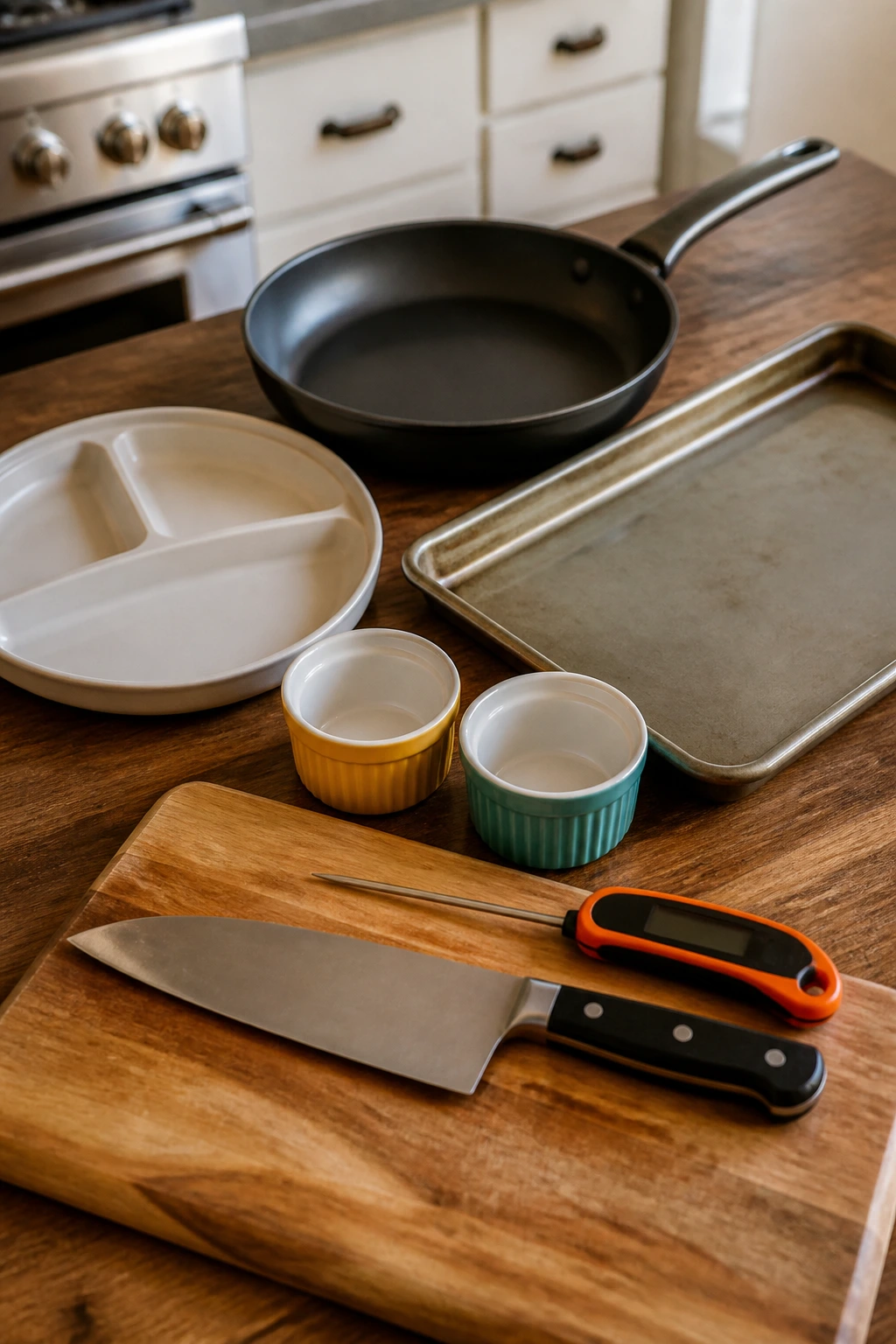
- Divided plates: These keep foods from touching and cut down on plate anxiety.
- Small ramekins or condiment cups: Perfect for dips, ketchup, yogurt, and sauce portions that don’t overwhelm the plate.
- Rimmed sheet pan: Useful for roasted finger foods, chicken tenders, and potato wedges.
- 12-inch nonstick skillet: Good for eggs, quick chicken, and small batches of vegetables.
- Instant-read thermometer: Helps you cook chicken and meatballs through without drying them out.
- Sharp chef’s knife: Clean cuts matter when you’re making kid-friendly strips, cubes, or wedges.
- Cutting board with a damp towel underneath: Keeps the board from sliding while you slice.
- Fine-mesh colander: Handy for pasta, rice rinsing, and draining frozen vegetables.
- Airtight storage containers: Keep leftovers separated so each component can be reheated the right way.
- Air fryer or toaster oven: Optional, but useful for bringing back crisp edges on nuggets, potatoes, and breaded foods.
Nothing fancy required. A few small tools make the work easier, and that’s enough.
Leftovers, Make-Ahead, and Reheating
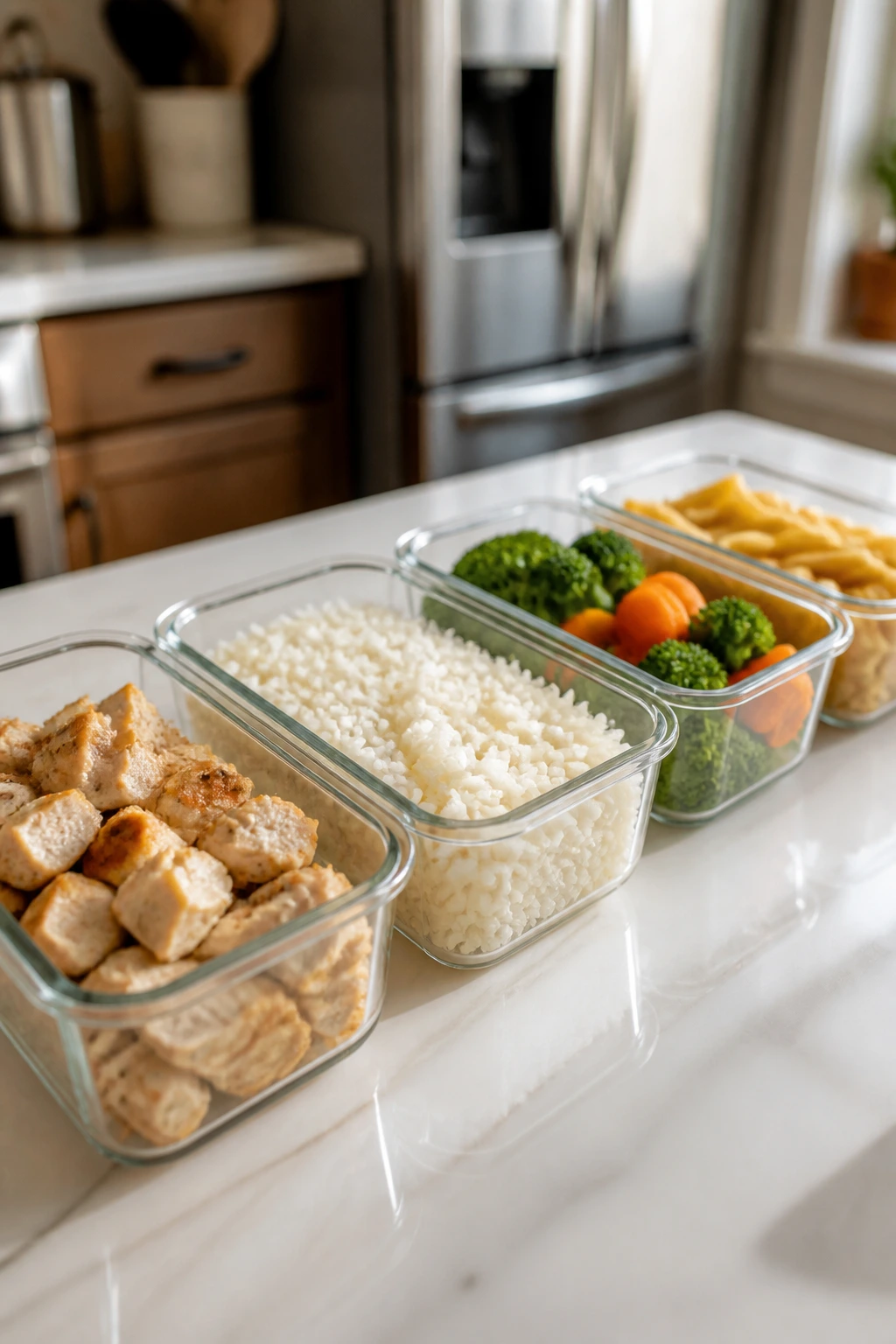
The smartest make-ahead move for picky-eater dinners is to prep the building blocks, not the whole meal. Cook the chicken, rice, pasta, or vegetables ahead of time, then store each part separately so you can reassemble dinner in a minute or two. Mixed dishes often get mushy overnight. Separate components hold up better.
Cooked chicken, meatballs, rice, pasta, and roasted vegetables usually keep 3 to 4 days in the refrigerator when stored in airtight containers. Most of them freeze well for up to 2 months, though pasta and potatoes can get softer after thawing. Sauce can be frozen too, but dairy-heavy sauces sometimes separate a bit and need a good stir.
Reheat chicken and meatballs in a skillet with a splash of water or broth if you want the edges to stay tender. Microwave works too, but keep the cover loose and stop once the food is hot, not after it has dried out. Rice should be reheated until steaming all the way through. If it sat out too long before cooling, toss it.
For vegetables, a quick skillet reheat often beats the microwave because it brings back a little texture. For breaded foods, use a toaster oven or air fryer if you want to revive the crispness. And if you’ve got sauce, keep it separate until the last minute. Always.
One more thing: if a meal is already assembled, eat it within a day or two. Once the foods start blending together, the picky-eater advantage disappears fast.
Questions Parents Ask at 5:30 P.M.

What if my child only eats one or two foods?
Keep serving those foods without making a scene about them. Put one new or less-loved food beside the safe one in a tiny portion, then move on. The goal is exposure without pressure.
Is hiding vegetables a bad idea?
Not always, but it solves a different problem. Hidden vegetables can help with nutrition, yet they do not build trust with the vegetable itself. If your child needs to learn to accept vegetables, keep at least one visible version on the plate too.
How many foods should I put on the plate?
Three or four items is a good ceiling for many kids: one safe food, one protein, one vegetable, and maybe a dip. More than that can feel cluttered. Fewer is often better when the child is sensitive to textures.
Should I make separate dinners for different kids?
Separate parts, yes. Separate full meals, usually no. It’s better to serve one base dinner with a few optional pieces than to cook three different menus every night and burn yourself out by Thursday.
What if my child refuses the whole plate?
Stay calm, clear the food after the meal window, and wait for the next planned snack or meal. Don’t replace dinner with a parade of alternatives. If total refusal happens often, or if eating seems painful or stressful, talk with a pediatrician or feeding specialist.
Are casseroles a bad idea for picky eaters?
Sometimes they’re fine, but mixed textures can be a dealbreaker. A deconstructed casserole often works better: noodles, chicken, cheese, and vegetables served separately instead of baked into one soft mass. Same ingredients. Different response.
What are the best backup foods to keep around?
Eggs, pasta, rice, tortillas, shredded cheese, yogurt, fruit, crackers, and frozen peas cover a lot of ground. Add rotisserie chicken or cooked meatballs and you can make a real dinner from almost nothing. That kind of backup is worth its weight on hectic nights.
How do I stop dinner from turning into a battle over bites?
Say less. Seriously. Put the food down, keep your tone even, and let the routine carry the meal instead of your commentary. The more attention the bites get, the heavier they feel.
Can this approach work for toddlers and older kids at the same time?
Yes, if you keep the base meal simple and portioned well. A toddler may need smaller pieces and softer textures, while an older child can handle more seasoning or a second dip. The plate structure stays the same; the size of the pieces changes.
A Quieter Way to Get Dinner on the Table
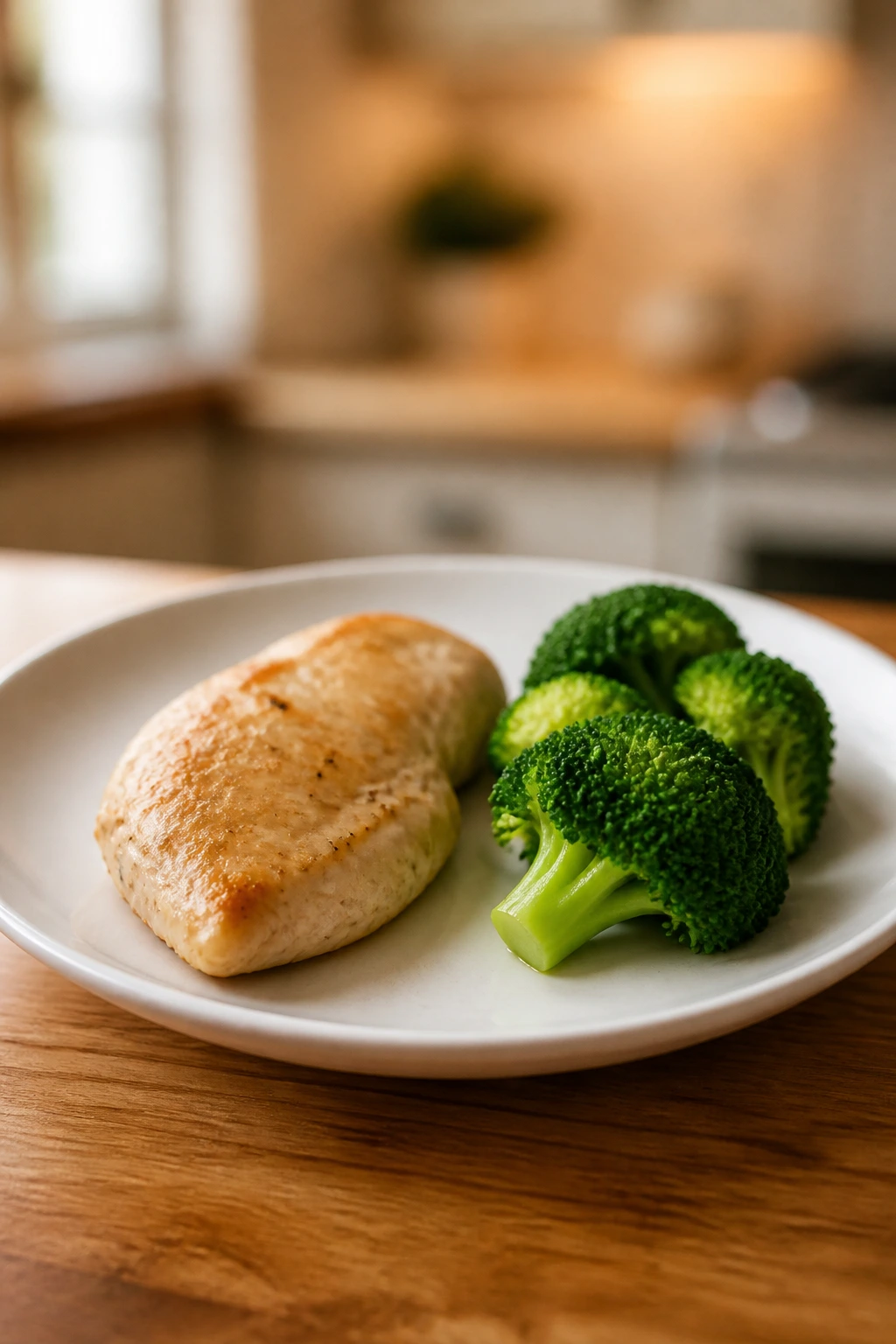
The meals that work best for picky eaters are rarely the dramatic ones. They’re the plates that arrive with one food the child trusts, one food that’s still earning its place, and no extra noise around the edges. That quiet structure is what makes dinner feel possible on tired nights.
I’d take a simple plate that gets eaten over a clever one that sits there untouched. Every time. If the food looks familiar, stays separate, and doesn’t demand a speech, you’ve already lowered the temperature in the room. That’s a real win.
Start there tomorrow night. Keep the plate small, the flavors plain, and the dip on the side.