



Easy family food prep kids will actually eat starts with one blunt truth: if the food turns weird by the next day, it does not matter how organized your Sunday felt.
A box of limp cucumber coins, dry chicken, and a cracker that’s gone soft from one stray spoonful of hummus is not a meal. It’s a tiny disappointment with a lid on it. Kids notice texture first, then smell, then whether the food looks familiar enough to trust.
The good news is that family food prep does not need to be fancy, and it definitely does not need to be a parade of identical containers lined up like a factory line. The version that works in real houses is simpler: build from parts, keep the parts separate until the last possible moment, and choose foods that still behave after a night in the fridge. A pot of rice, a tray of roasted carrots, a bowl of berries, a batch of turkey meatballs, and a small container of dip can turn into breakfast, lunch, snack time, and dinner without anyone eating the same exact plate three days in a row.
Why This Style of Prep Works
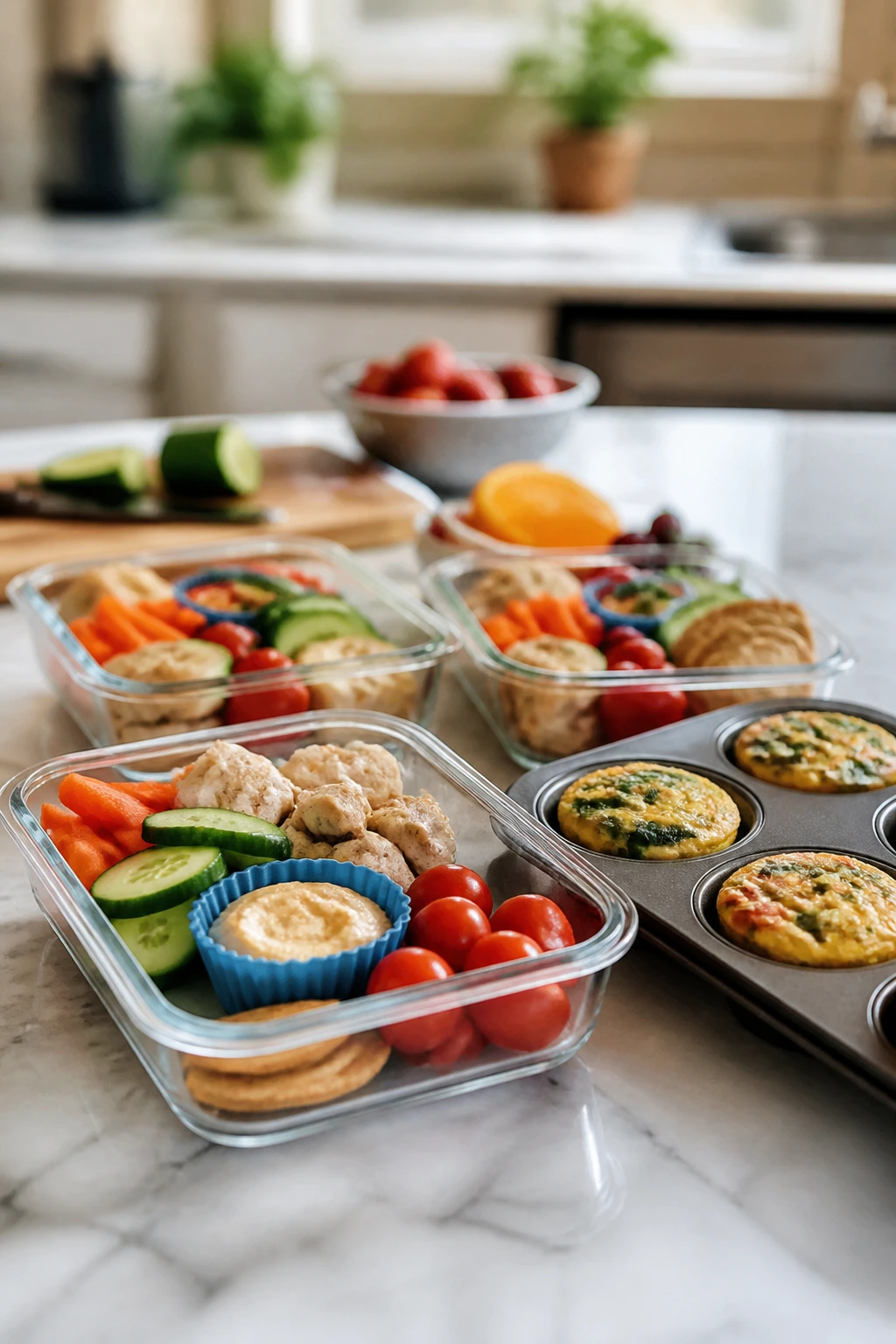
- Less food gets wasted: Foods that hold their shape for 3 to 4 days in the fridge are the ones kids actually see and eat, which means fewer half-eaten containers getting shoved behind the milk.
- Picky eaters get some control: A lunchbox with one safe food, one familiar food, and one new thing gives kids room to choose without turning every meal into a negotiation.
- Mornings get shorter: When breakfast is already portioned into muffin cups, jars, or freezer bags, you are not scrambling for bowls while somebody is looking for a missing shoe.
- The grocery budget stretches farther: Eggs, oats, rice, tortillas, beans, frozen vegetables, and a few rotating proteins can carry a whole week if you stop forcing each ingredient into a single meal.
- The food stays recognizable: Kids are far more likely to eat apple slices, plain pasta, and chicken strips than a casserole where everything is mixed together and browned beyond recognition.
- You get leftovers that still have a job: A container of roasted potatoes can become breakfast hash, lunch, or a dinner side instead of becoming “that thing nobody wants.”
What Kids Actually Eat Is a Texture Problem
Taste matters. Texture usually wins.
That’s the part many family food prep plans miss. Adults look at nutrition labels and macros and grocery receipts. Kids look at a stringy piece of chicken, a wet sandwich, or broccoli that has gone from crisp to damp. One bite of mush can sink an entire lunch.
Soft food blurs. Crunchy food survives.
If a child likes raw carrots, they may still refuse carrots that were cooked yesterday and sat under plastic wrap. If they love pasta, they may hate pasta salad once the dressing soaks in and the noodles lose their spring. That is not defiance. It’s a very normal reaction to food that has changed shape, smell, and mouthfeel.
The win is in choosing foods that stay honest. Apples stay apples. Turkey roll-ups stay firm. Roasted potatoes keep a browned edge if you reheat them correctly. Cheese cubes stay easy to grab. A simple dip cup gives even plain food a little leverage.
Kids also trust separation. A lunchbox where each thing has its own spot feels more readable than a mixed bowl where the peas have rolled into the rice and the sauce is all over the crackers. Readable food gets eaten.
The Five-Part Prep Formula That Keeps Food Moving
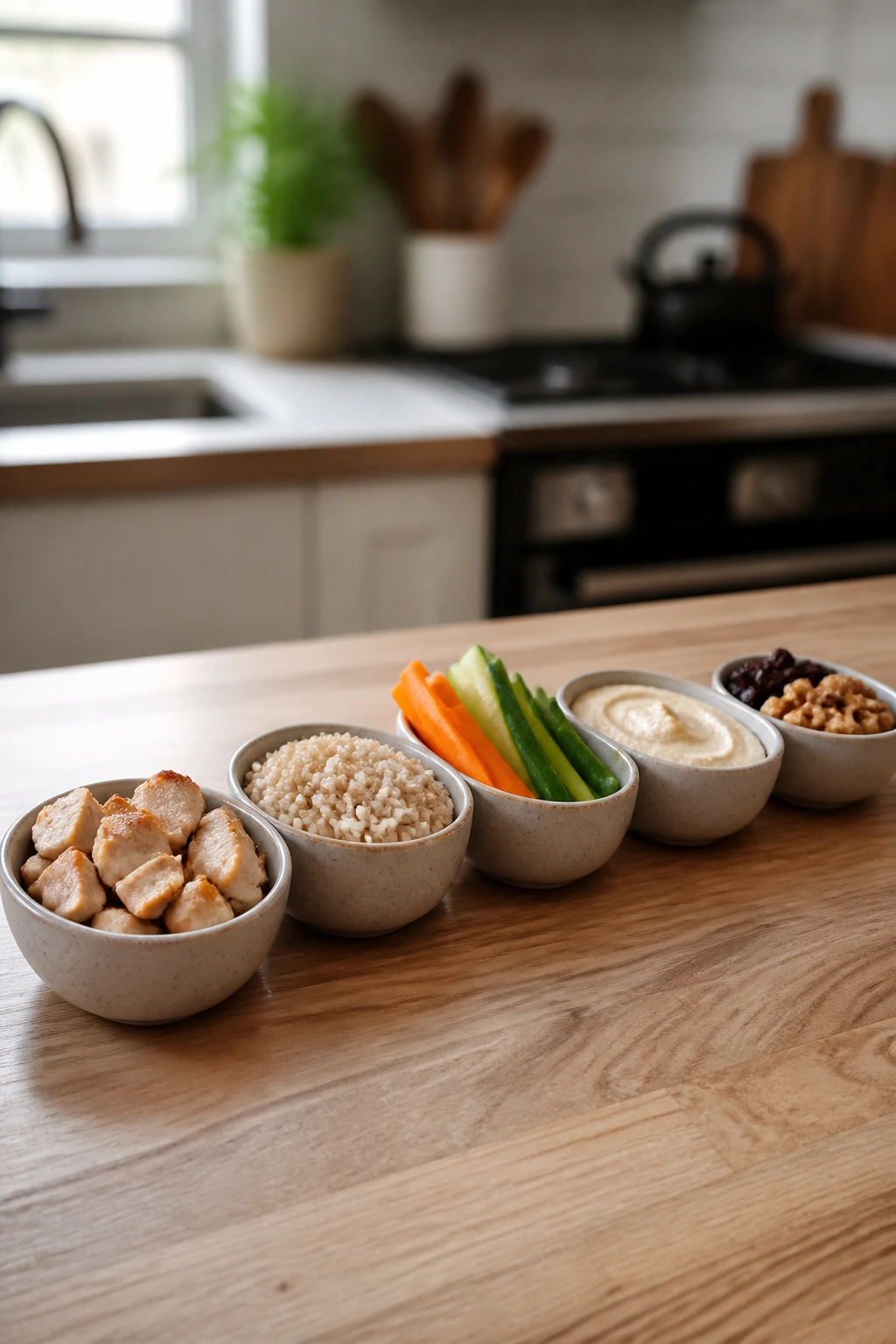
The best family food prep is not a giant casserole. It’s a small stack of building blocks you can rearrange without thinking too hard.
Start With One Protein That Still Works Cold
Cooked chicken thighs, turkey meatballs, hard-boiled eggs, baked tofu, tuna salad, beans, and shredded rotisserie chicken all earn their place because they can go into a lunchbox cold, into a thermos hot, or back onto a dinner plate with very little fuss. I lean toward foods with a little moisture and a little fat. Dry chicken breast gets punished fast.
Add One Starch That Doesn’t Punish Reheating
Rice, pasta, roasted potatoes, tortillas, pita, oats, and couscous all do different jobs. Rice and pasta soak up sauce. Tortillas hide leftovers in a way children accept without complaint. Oats make breakfast cheap and calm. Potatoes survive the toaster oven better than people expect.
Keep One Crisp Fruit or Vegetable Ready
Apples, grapes, snap peas, carrot sticks, bell pepper strips, and dry cucumber slices give a box some life. They also bring the crunch kids often want even when they can’t say that’s what they want. The trick is to keep them dry and cold.
Include One Soft or Dippable Item
Yogurt, hummus, cottage cheese, guacamole, cream cheese, nut butter, sunflower seed butter, or a little ranch-style dip make food feel less like a chore. The dip matters more than adults admit. A spoonful can turn plain carrots or crackers from “no thanks” into lunch.
Leave One Safe Food in Every Box
One familiar item buys you peace. It might be plain crackers, cheese cubes, a banana, a peanut-butter sandwich, or a handful of dry cereal in a container. That small anchor matters on days when everything else is uncertain.
One sentence that saves a lot of grief: build the box so nothing has to get soggy before the last bite.
Breakfasts That Survive the Fridge
Breakfast prep for kids needs to do one thing well: wake up in a state that still feels normal. That means fewer fragile items and more foods that can handle sitting overnight without turning rubbery or watery.
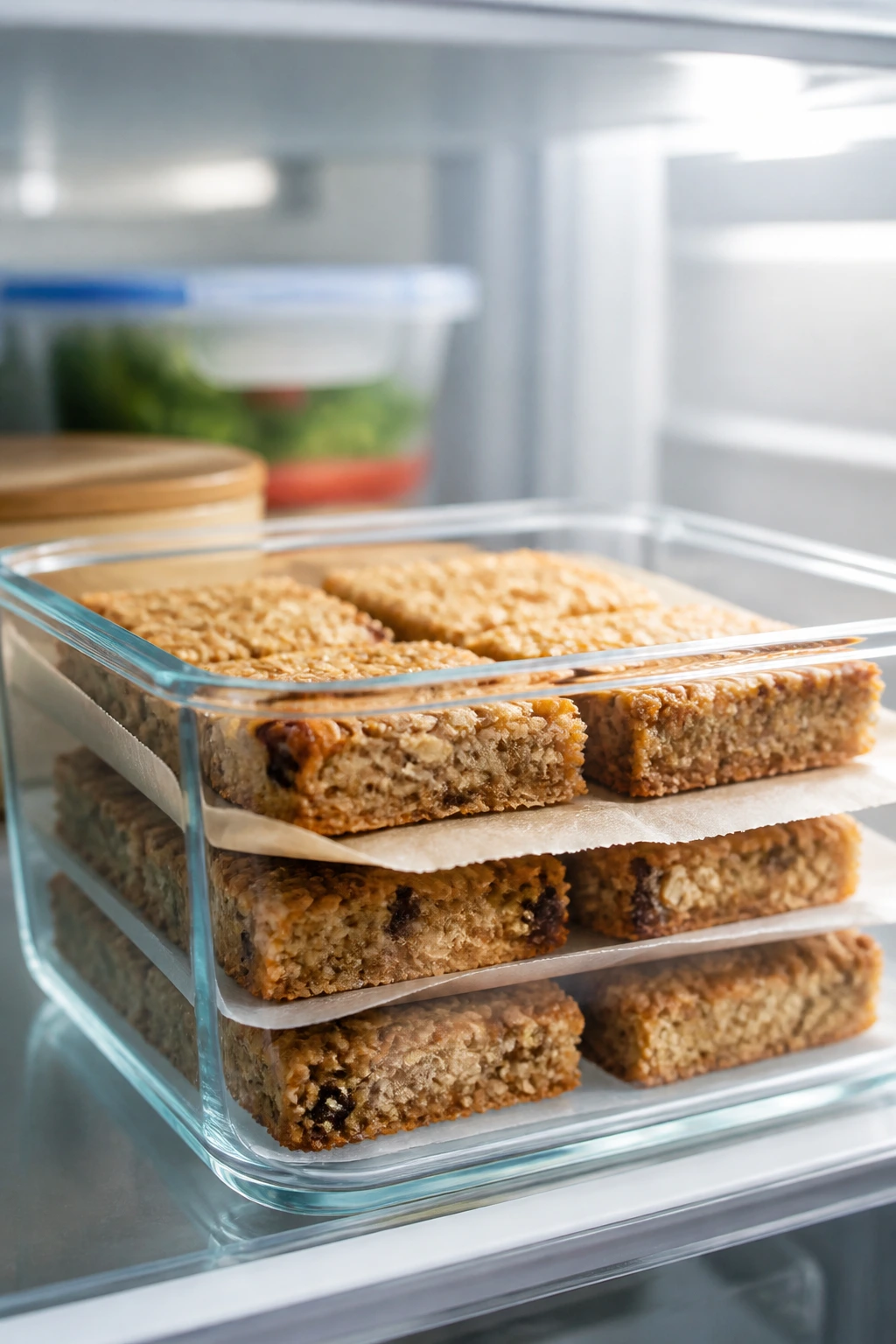
Baked oatmeal is one of my favorites because it holds together in squares and tastes fine warm or cold. You can bake it in a square pan, cut it into bars, and store the pieces in a container with parchment between layers. Add cinnamon, chopped apples, or blueberries, and you get something that feels like breakfast instead of dessert pretending to be responsible.
Egg muffins are a different animal. They’re not elegant. They are useful. Whisk eggs with a little milk, fold in shredded cheese and tiny bits of ham or chopped spinach, then bake in a greased muffin tin until the centers are just set. They reheat fast, and they do not require a fork if your child is the type who eats in the car.
Freezer waffles and pancakes earn their keep, too. Toast them straight from frozen. Don’t microwave them unless you enjoy limp edges. A toaster or air fryer brings the surface back to life in a way a microwave never will.
Better-Looking Breakfast Prep
Yogurt jars work when the crunchy part stays separate. Granola goes in a little bag or a cup, not on top overnight where it softens into paste. Fruit can sit beside the yogurt, not buried inside it. Kids often eat more when the layers are not collapsed into one grayish mix.
Foods That Travel Better Than They Look
Breakfast burritos can be excellent if you keep the filling simple: scrambled eggs, a little cheese, and maybe beans or sausage. Wrap them tightly, chill them, and reheat in a skillet or toaster oven rather than blasting them until the tortilla becomes tough. The same idea applies to breakfast sandwiches. Keep the egg layer soft, not overcooked, and don’t drown the bread in sauce.
If your child does not love warm breakfast, stop forcing it. Cold overnight oats with cinnamon and sliced banana, a cheese stick, a muffin, and a piece of fruit can be a calmer start to the day than a hot meal nobody wants.
Lunchboxes That Come Home Mostly Empty
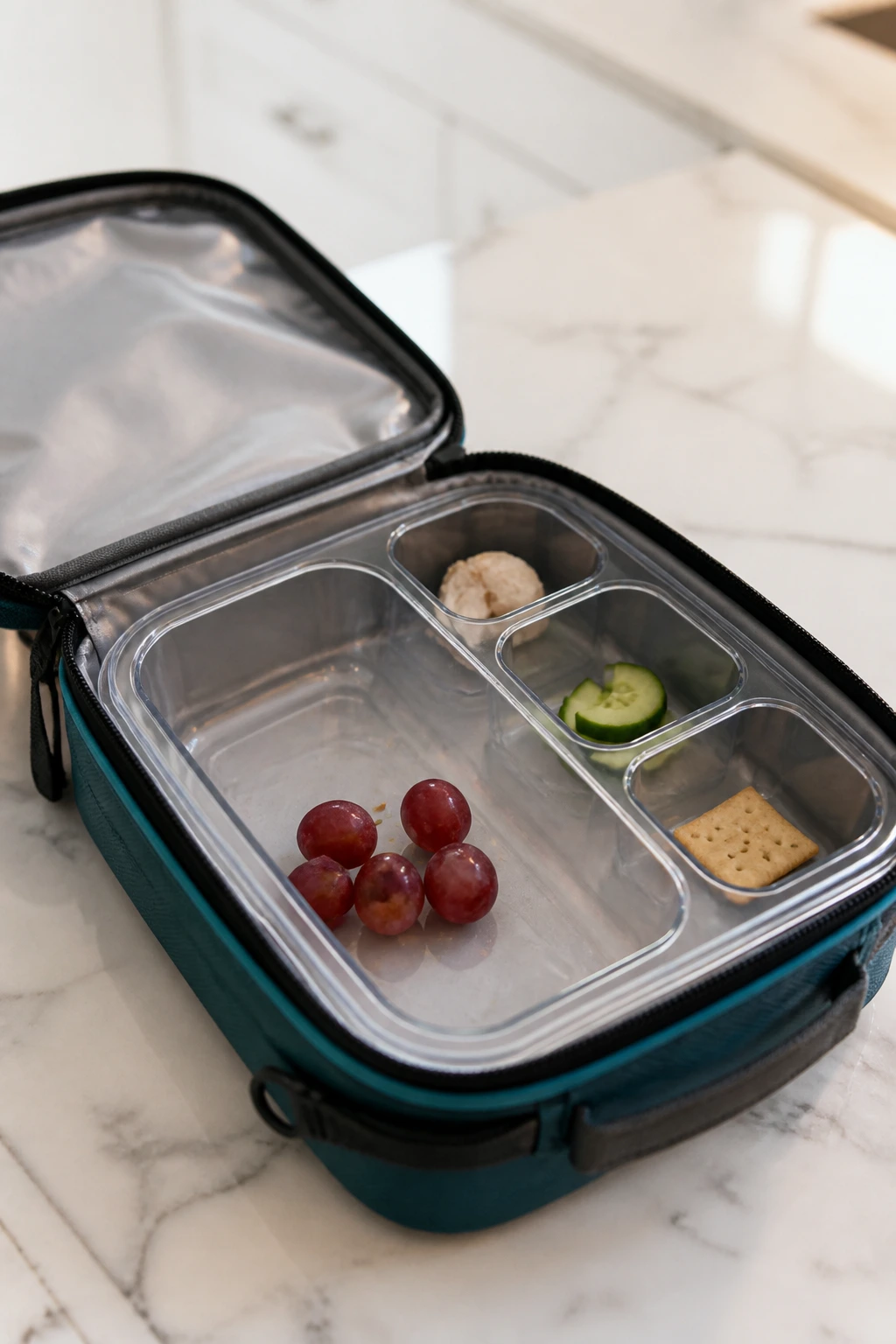
Lunch is where good intentions meet a real child with a real opinion and a very small window before recess ends.
The most reliable lunchbox formula is boring in the best possible way: one protein, one starch, one fruit, one vegetable, one crunchy thing, and a dip if you can manage it. That does not mean six full servings. It means six small, manageable pieces that do not fight each other in the container.
Cold lunches travel best when each part keeps its own texture. Turkey roll-ups stay neat. Pasta can work if it is lightly dressed and cooled before packing. Cheese cubes, grapes, apple slices, pretzels, and carrot sticks are simple because they hold up. The goal is not a fancy bento board. The goal is edible food at 12:15.
Cold Lunches That Don’t Get Sad
A good cold lunch might look like this: turkey and cheese roll-ups, apple slices with a squeeze of lemon, pretzels, snap peas, and a little hummus cup. Another one: leftover chicken cut into strips, rice, cucumber coins dried well, pineapple chunks, and crackers. If the food is already familiar, the odds go up fast.
Sandwiches still deserve a place, but they need protection. Put wet ingredients in the middle, not against the bread. Use a thicker spread like cream cheese or hummus as a moisture barrier if the sandwich has tomatoes or sliced cucumbers. Wrap it tightly and keep it cold.
Thermos Lunches for Warm-Meal Kids
Some kids want hot food, not because they are fussy, but because warm food feels more satisfying. A preheated thermos can carry pasta, rice and beans, mac and cheese, meatballs in sauce, or leftover fried rice. Fill the thermos with boiling water for a few minutes first, dump it out, then add the hot food. That small step makes a real difference.
The food going into the thermos should already be piping hot. Lukewarm food cools fast, and nobody enjoys that in a closed container. Thick soups, noodle bowls, and saucy rice dishes work better than thin broth.
A lunch that comes home empty is not always the prettiest lunch. Sometimes it’s the one with the least drama.
After-School Snacks That Keep Everyone Calm
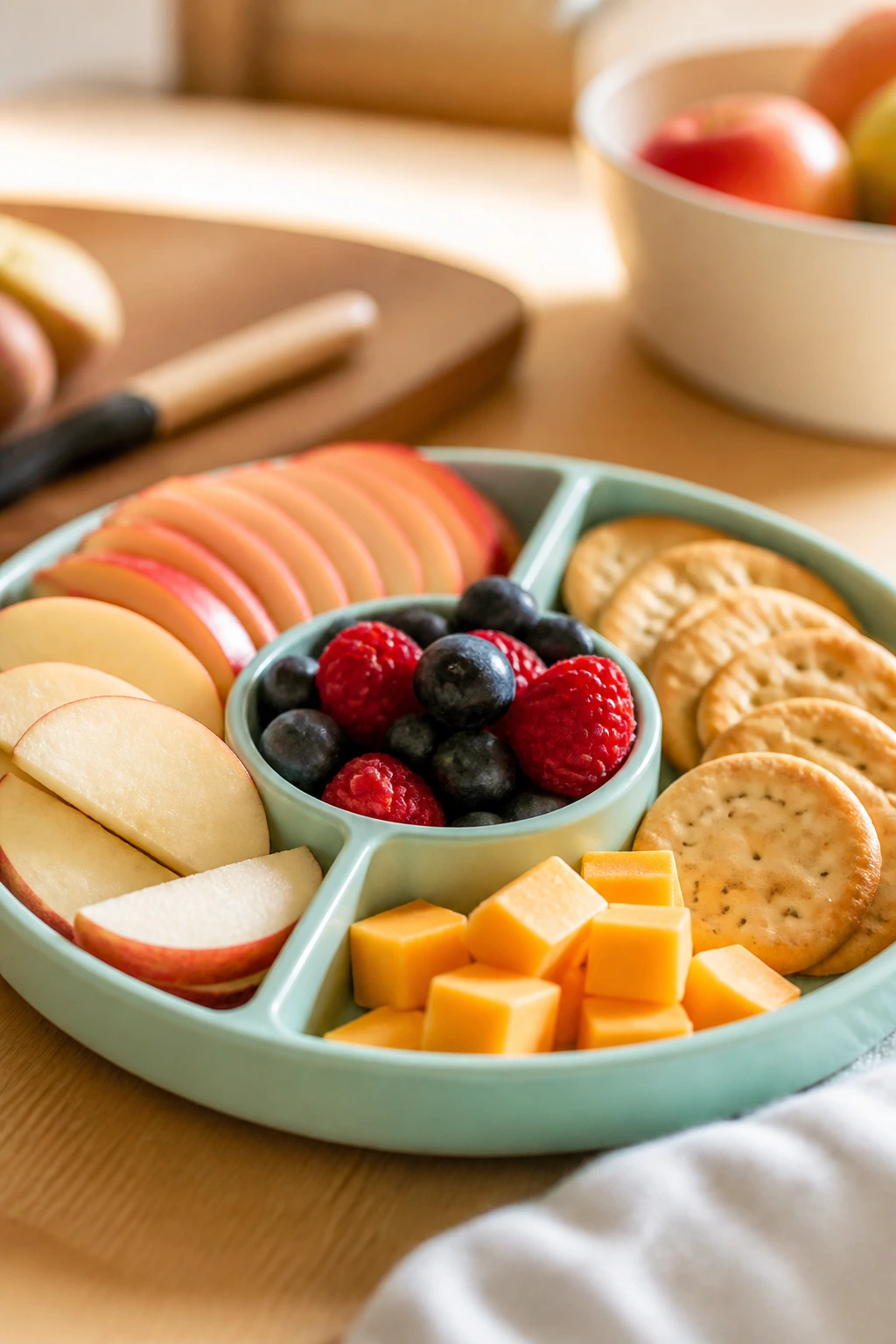
The after-school hour has a reputation for chaos because kids are hungry, tired, and one missing snack can turn into a whole mood.
Snack prep gets easier when you stop treating snacks like tiny meals and start treating them like bridges. The job is to buy time until dinner, not to solve every nutrient problem in one container. That shift alone cuts the pressure in half.
Good snack prep uses short ingredient lists. Apple slices and cheddar. Crackers and hummus. Yogurt and berries. Pretzels and peanut butter. Popcorn and a cheese stick. None of that is fancy. All of it is useful.
The Best Snack Combos Are Simple
Protein plus carb beats sugar alone almost every time. A banana by itself disappears fast. A banana with peanut butter sticks longer. Toast with almond butter gets eaten more slowly than cookies from a bag. You do not need a lecture about blood sugar to notice that kids stay calmer when the snack has some staying power.
Pre-portioning matters here. A tray of grapes, a few cheese cubes, and small containers of dip ready in the fridge make “I’m starving” easier to answer without opening five packages. If your child grazes, create a shelf with approved snacks in small containers. If they inhale everything in sight, pre-portioning keeps the whole week from evaporating by Tuesday.
Make the Snack Visible
Kids eat what they can see. That sounds obvious until you open a fridge full of containers and realize the thing most likely to get eaten is the one at eye level with a clear lid. Put the fruit in front, not in the crisper drawer where berries go to disappear. Keep a bin of snack-sized containers in one place so nobody has to dig.
A snack doesn’t need to be elaborate to work. It needs to be reachable.
Dinner Building Blocks Kids Recognize
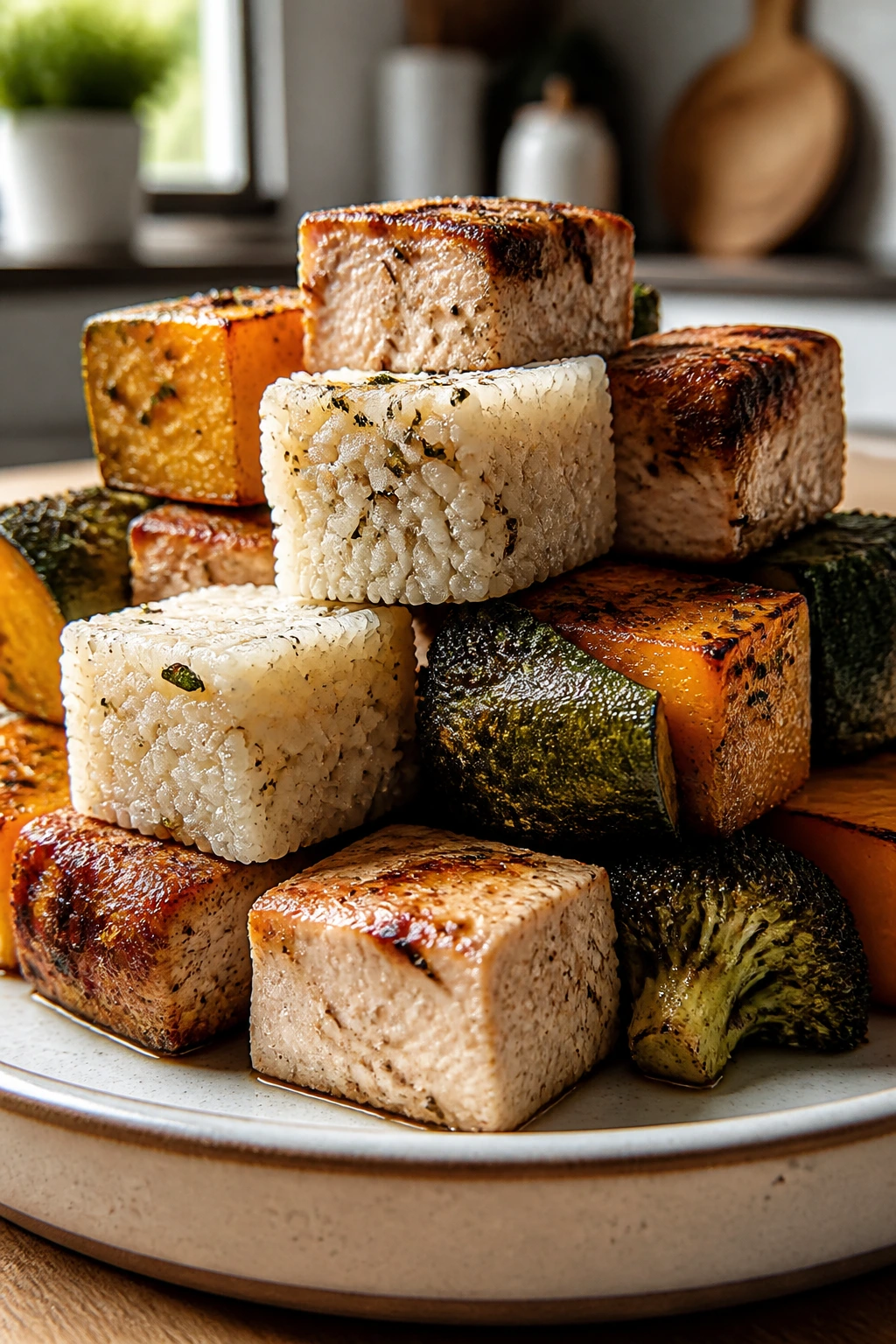
Dinner prep gets easier when you stop making full dinners in advance and start making pieces that can change jobs.
That’s the difference between a plan that survives real life and one that turns into leftovers nobody wants. Cook one protein well, make one starch that reheats cleanly, roast one vegetable that can handle another pass in the oven, and keep a sauce or dip around to wake everything up.
Chicken thighs do more for family food prep than a lot of fancier cuts because they stay juicy. Ground turkey or beef can become taco filling, pasta sauce, stuffed peppers, or rice bowls. Meatballs can be eaten plain, dipped, or simmered in sauce. Hard-boiled eggs can be breakfast, snack, or the protein in a lunchbox without asking for extra work.
The Dinner Pieces That Rebuild Best
Rice is useful because it fills gaps. Potatoes are useful because they crisp back up in a skillet or air fryer. Pasta works when it is lightly sauced and not drowned. Roasted broccoli, carrots, cauliflower, and green beans all handle a second trip through the heat better than steamed vegetables do.
One practical habit helps a lot: season the base lightly and offer the stronger flavor later. Kids who like plain pasta may reject pasta already coated in a bold sauce, but they may happily add Parmesan or marinara themselves. The same goes for taco bowls and grain bowls. Give them parts. Let them build.
One Cook, Three Dinners
A tray of roasted chicken thighs can become chicken and rice bowls the first night, chicken quesadillas the next, and chicken noodle soup later in the week. That kind of repurposing is what makes prep feel worth it. You are not making leftovers. You are making options.
Plain food isn’t the goal. Flexible food is.
Sauces, Dips, and Condiments That Rescue Plain Food
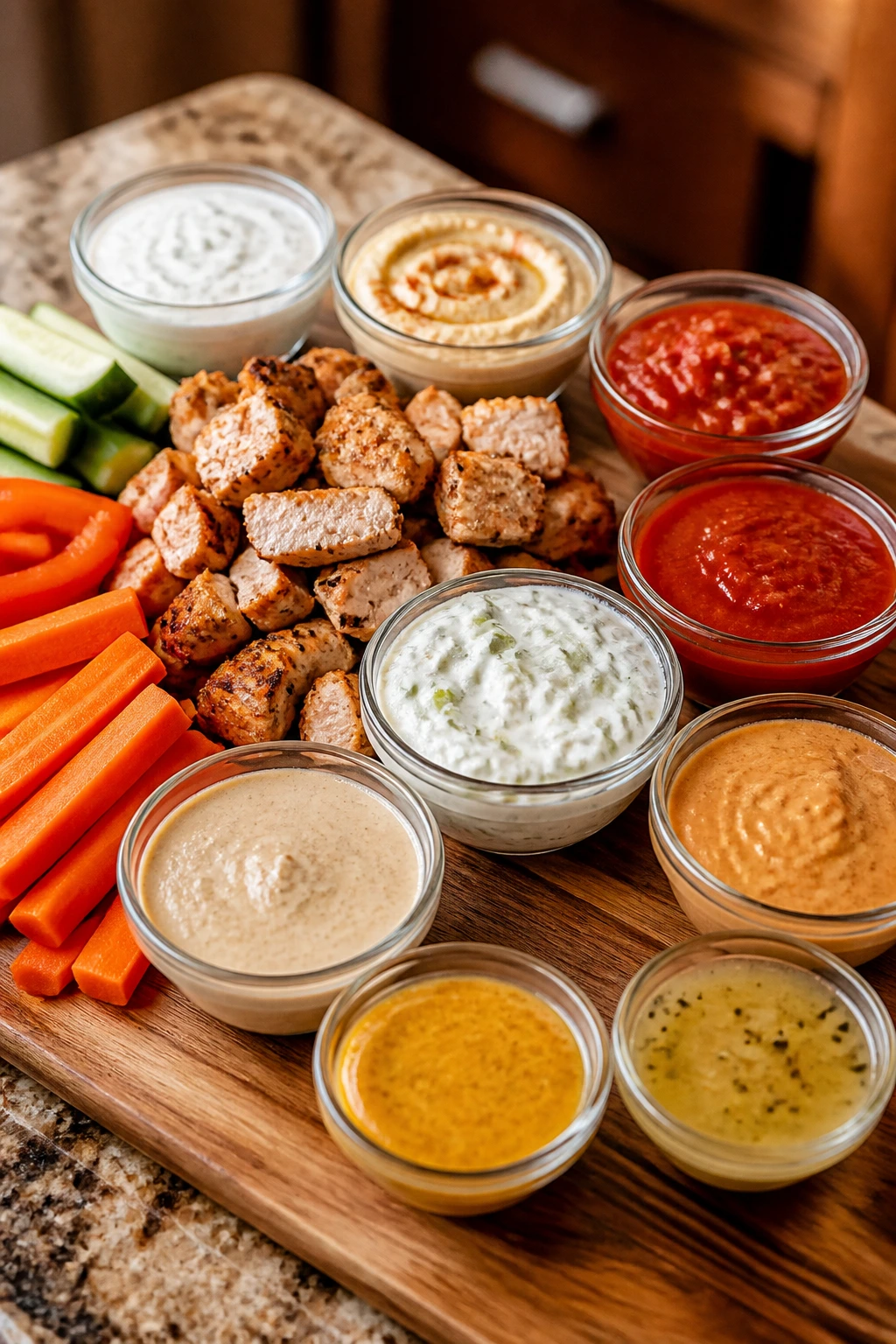
A lot of “kids don’t like meal prep” complaints are really “the food got dry and nobody felt like fighting it.”
Sauce fixes that. Not a flood of it. Just enough to make plain food feel less like a chore. A two-tablespoon cup of dip can do more than another side dish, especially when the rest of the box is dry or cold.
Yogurt-based ranch, hummus, salsa, marinara, tzatziki, peanut sauce, seed-butter sauce, honey mustard, and even a simple olive-oil-and-lemon mix all pull different jobs. Some belong with vegetables. Some belong with chicken. Some are better with pasta or rice. Keep one or two that your house actually likes and stop buying the rest out of guilt.
Build a Small Sauce Shelf
If you keep sauces in the fridge, keep them in the front where they can be seen. A buried jar tends to expire before it becomes useful. Smaller containers work better than giant bottles when your goal is portioning. Sauce in a squeeze bottle or a tiny lidded cup helps with kids who hate messy fingers.
A good dip also changes the mood of a vegetable. Raw carrots feel more like a choice when there’s hummus in reach. Cucumber slices feel less like an obligation when there’s ranch-style dip. Even plain roasted potatoes get more interesting with a little ketchup or garlic mayo on the side.
Don’t Hide the Sauce in the Food
That’s the mistake. Once sauce soaks through bread, crackers, or noodles, the texture goes south. Keep the sauce separate until serving time unless the dish needs it to cook. This matters even more for school lunches, where an early spill can ruin three other foods before noon.
The right sauce should make the food easier to eat, not turn it into soup.
Produce That Stays Crisp Instead of Going Sad
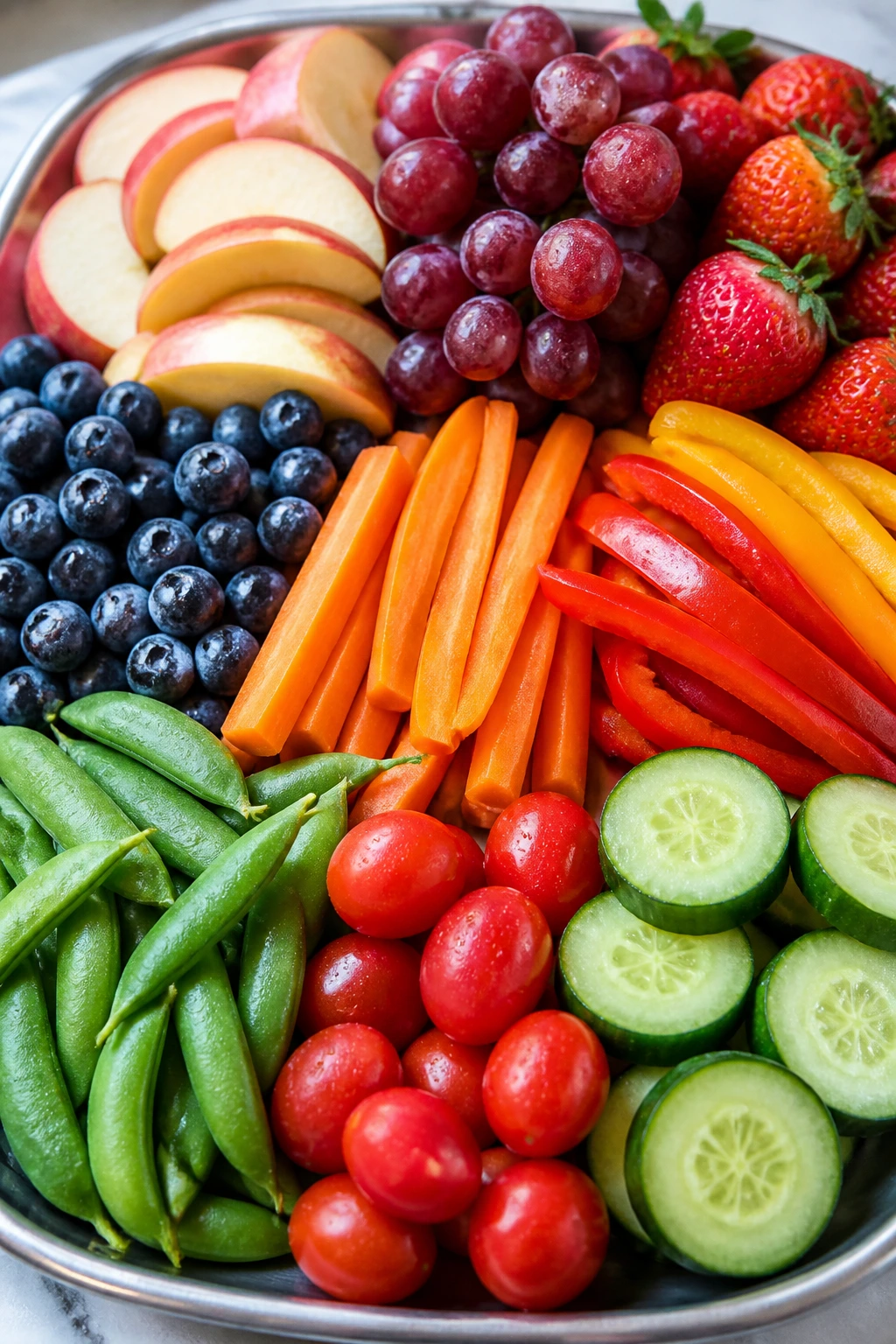
Fresh fruit and vegetables are the backbone of kid-friendly meal prep, but only if you choose the ones that survive packing.
Apples, grapes, strawberries, blueberries, carrot sticks, bell peppers, snap peas, cherry tomatoes, and cucumber slices all have a decent shot at making it through the fridge if you handle them properly. The critical part is dryness. Water is what turns berries soft, cucumbers slippery, and greens limp.
Dry produce before it goes into storage. Really dry it. A salad spinner helps with greens and herbs. Paper towels in the container help with berries. A clean kitchen towel works for washed grapes or carrot batons. Moisture is the enemy of anything you want to stay crisp.
The Best Prep Moves for Produce
Apples brown because of oxidation, so cut them close to serving time or toss them lightly with lemon juice, lime juice, or a splash of diluted fruit juice. Keep bananas whole until the last moment; sliced bananas belong in a breakfast bowl, not a lunchbox that sits for hours. If you want melon, choose firm pieces and store them cold in a sealed container.
Vegetables need different handling. Bell peppers can be sliced into long strips and stored dry. Carrots stay happy in sticks or coins. Snap peas should stay intact. Cucumbers do better when you scoop out the watery seeds and blot the pieces before packing. Cherry tomatoes can stay whole, which saves them from turning into a wet mess.
Cooked Vegetables Need a Different Approach
Roasted vegetables behave better than steamed ones. Carrots, sweet potatoes, broccoli, cauliflower, and green beans get more appeal when they have browned edges and a little salt. Cook them hot enough to dry the surface instead of softening them into submission. That little bit of texture makes them easier to reheat later, too.
Produce does not need to be hidden. It needs to be chosen well.
Packing the Plate Without a Protest
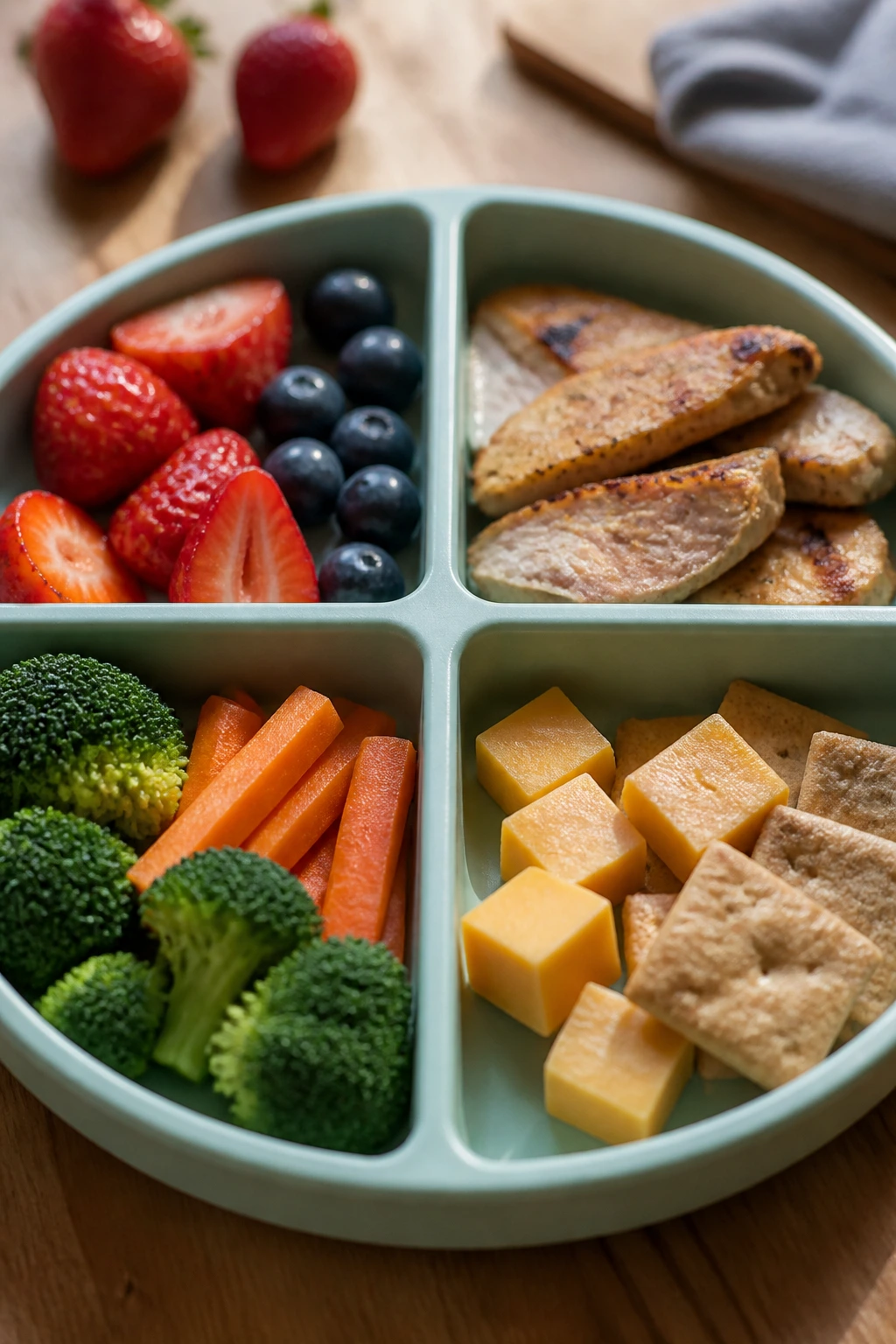
How you serve prepped food matters almost as much as what you cook.
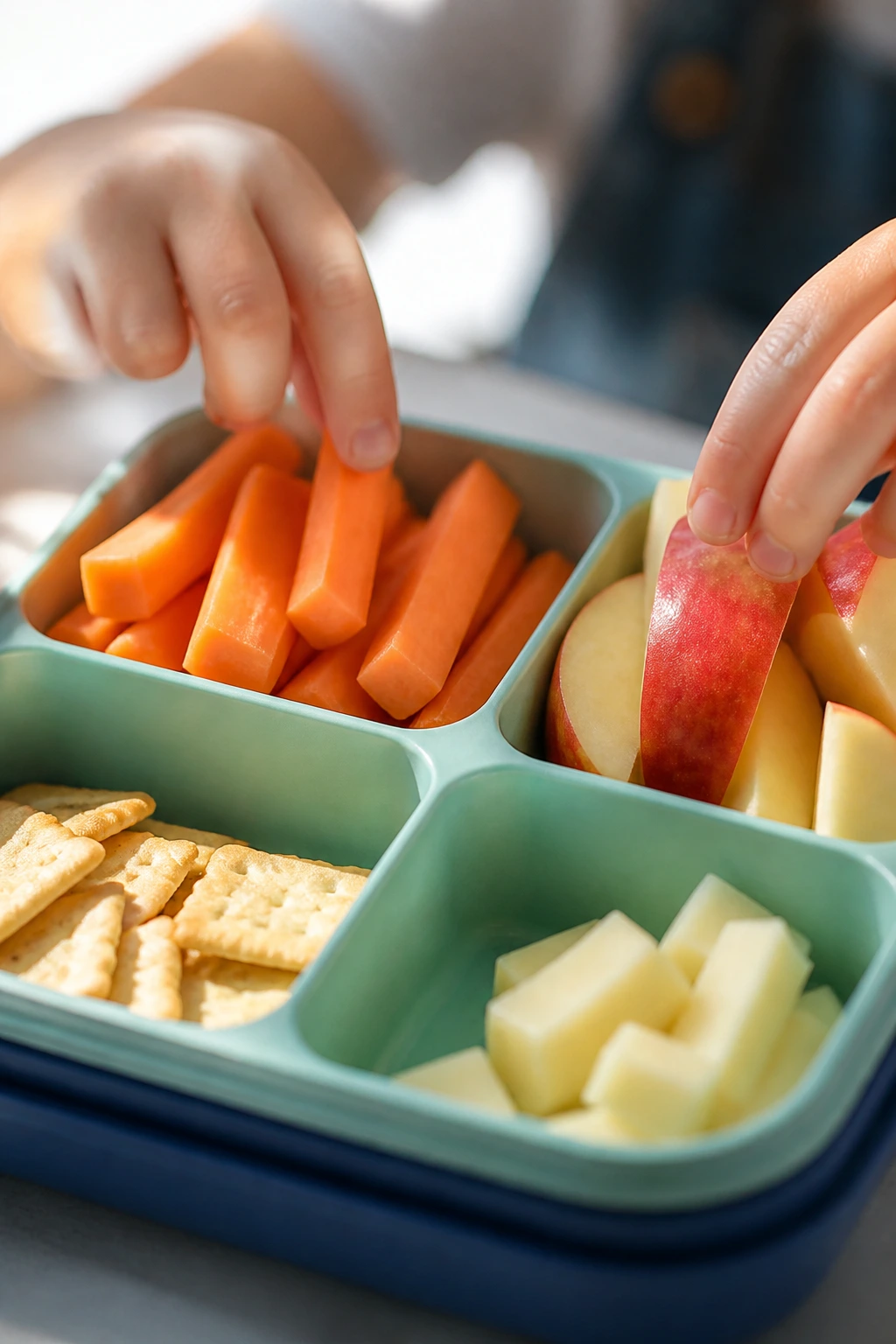
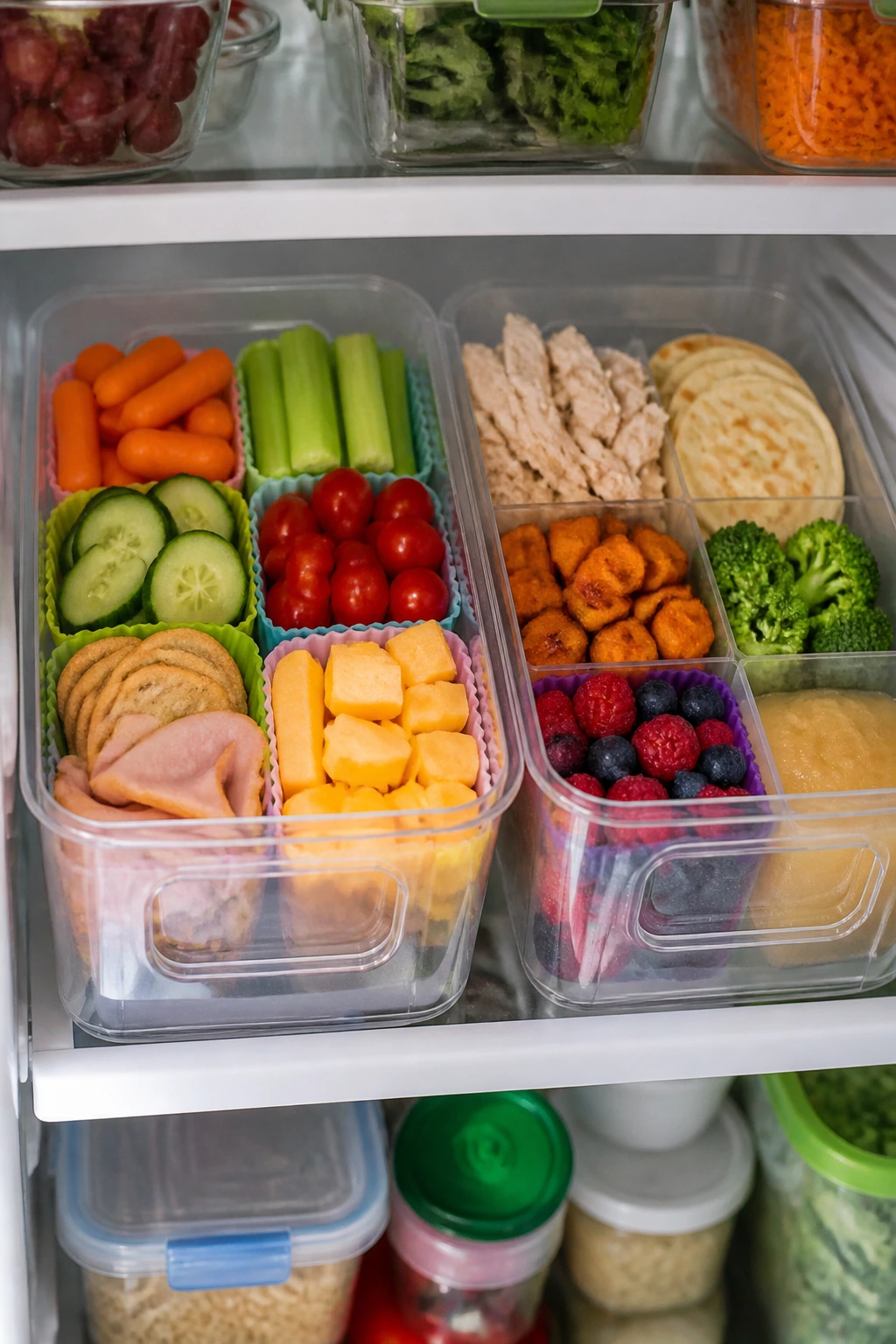
Presentation: Separate compartments help kids see the food instead of seeing a pile. A divided lunch container, a plate with a corner for each item, or a small tray with one dip cup and four loose pieces feels cleaner than a bowl where everything has merged. Color helps too. Green snap peas next to red grapes next to yellow cheese cubes looks readable, even to a tired child.
Accompaniments: Pair soft foods with something crisp. Pair plain proteins with bread, crackers, tortillas, or rice. A yogurt cup goes better with granola in a separate pouch. Chicken strips get more traction with ketchup, ranch, or hummus than with silence. If dinner is built from leftovers, add one fresh thing so the plate doesn’t feel like yesterday reheated in disguise.
Portions: Smaller is often smarter. A younger child usually does better with a few bites of four or five foods than one giant serving of a single item they may reject. Older kids can handle bigger portions, but even then, leaving the food in smaller piles makes the plate look less intimidating. A meal is easier to approach when it does not resemble homework.
Beverage Pairing: Water should be the default. Milk fits breakfast and many snack boxes. Unsweetened soy milk works well in households that use it. For hot lunches, keep the drink simple and cold so the food can do the talking. I would rather see a good lunch with water than a messy lunch with a sugary drink that competes with the food.
The plate should look like a choice, not a challenge.
Tools and Containers That Make the Whole Thing Easier
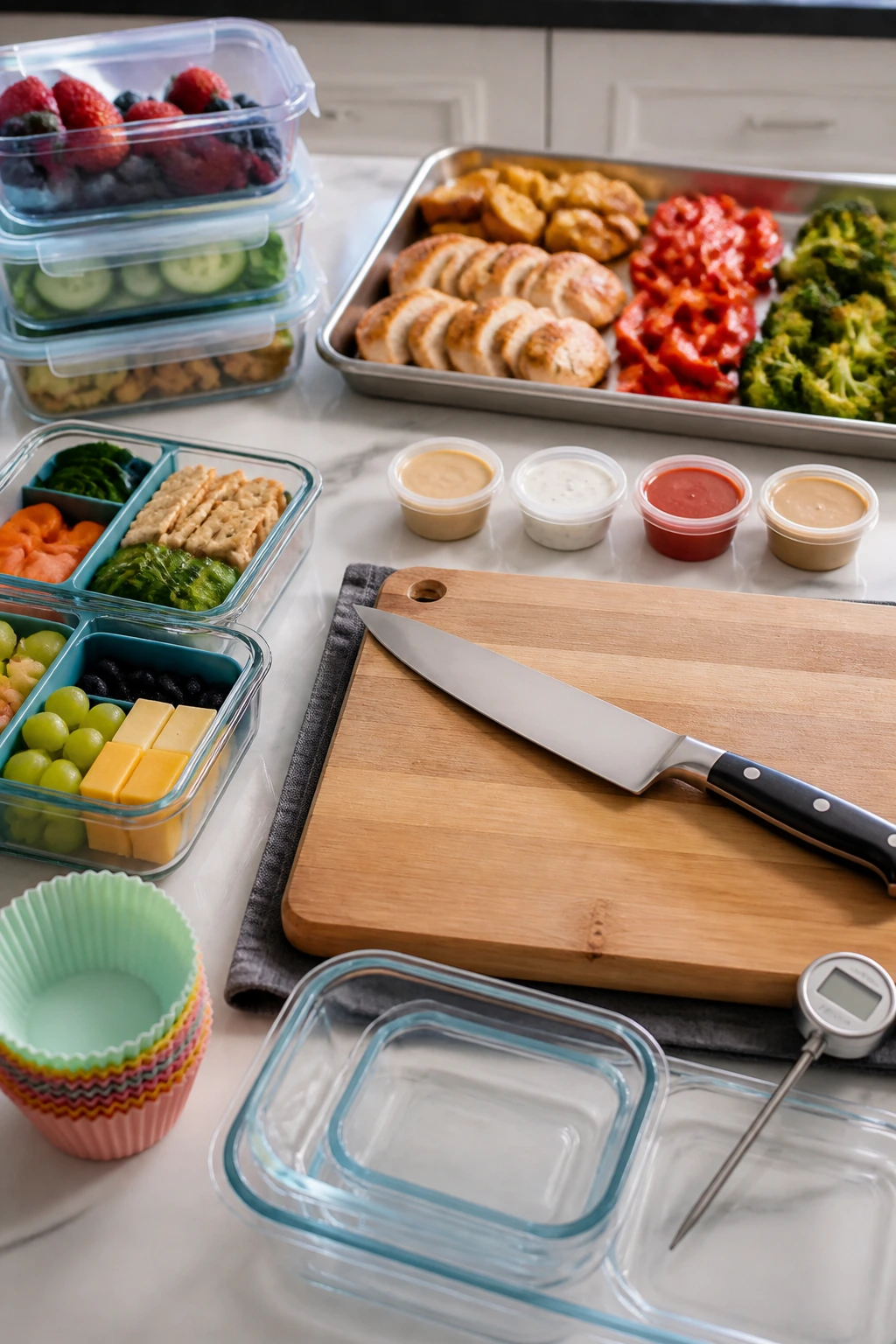
Good containers save more food than good intentions do.
- Divided lunch containers: These keep wet and dry foods apart so crackers, bread, and fruit do not suffer before noon.
- Small leakproof sauce cups: A two- or three-ounce cup holds hummus, ranch, salsa, or nut butter without making the rest of the lunchbox damp.
- Clear fridge bins: One bin for breakfast, one for lunch, one for snacks. If you can see it, you’ll use it.
- Rimmed sheet pans: One of the best prep tools in any kitchen. Roasting vegetables, chicken, and potatoes on separate zones works well if you line the pan with parchment.
- Sharp chef’s knife: Uneven produce goes uneaten more often. Clean slices make apples, peppers, and chicken strips easier to pack and eat.
- Cutting board with a damp towel underneath: Keeps the board from sliding when you’re knocking out a pile of carrots or fruit.
- Food storage containers in mixed sizes: You need a few large ones for batch cooking and several small ones for grab-and-go portions.
- Silicone muffin cups or mini cups: Great for dividing snacks inside a lunchbox without buying another gadget with a weird hinge.
- Instant-read thermometer: Especially useful for chicken, meatballs, and egg dishes. Dry food from overcooking is one of the easiest problems to avoid.
- Insulated lunch bag and ice packs: If a lunch needs to stay cold for hours, the bag matters as much as the box.
The best gear is the gear you’ll reach for on a tired night.
Practical Ways to Make the System Stick
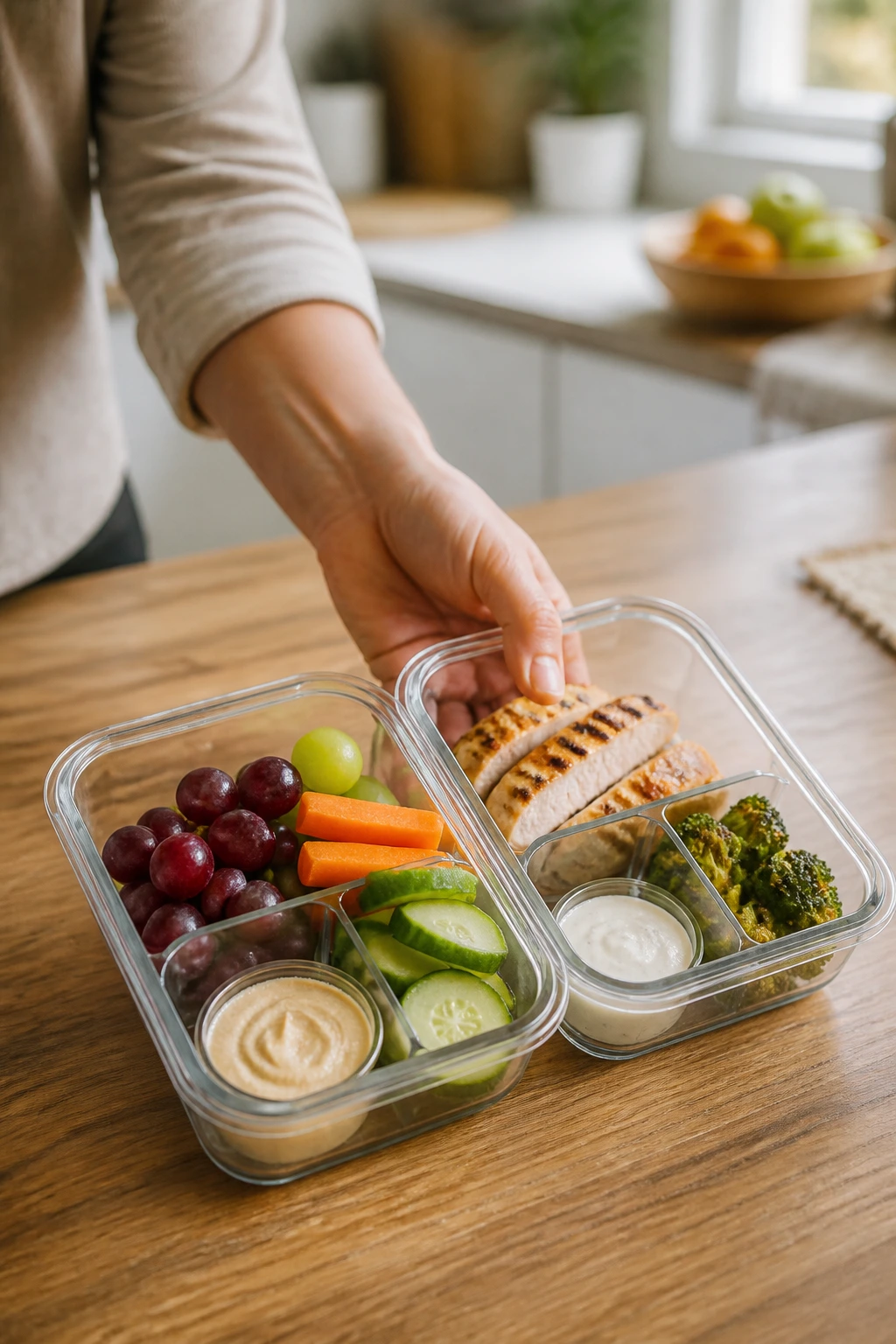
Meal prep fails when it becomes a performance. It works when it becomes a habit with a few shortcuts built in.
Time-Saver: Roast two sheet pans at once. Put chicken on one pan and vegetables on the other, or use one pan for breakfast items and one for lunch components. The oven is already hot; make it earn the square footage. If your fridge is tiny, portion food straight into lunch containers while it’s cooling so you don’t have to move it later.
Flavor Enhancement: Keep a finishing move on hand. A squeeze of lemon over chicken, a little Parmesan over roasted broccoli, cinnamon on oats, or sesame seeds on rice can make a reheated plate feel fresher. You do not need a complicated sauce if one bright thing is enough.
Kid-Control Move: Offer two choices, not ten. Two fruits. Two dips. Two breakfast options. Too much choice can make kids freeze up, and too little choice creates a fight. Two is the sweet spot in a lot of houses.
Cost-Saver: Build around foods that stretch. Eggs, oats, beans, rice, frozen vegetables, tortillas, and yogurt can absorb a few pricier items without wrecking the budget. A little shredded cheese can make a whole container of beans or rice feel more finished.
Backup Plan: Keep a rescue shelf or bin. Think shelf-stable crackers, tuna packets, applesauce pouches, a few microwave rice cups, and one or two emergency proteins. That stash saves dinner on the nights when the prep plan gets derailed by traffic, homework, or a nap that ran long.
The goal is not a perfect system. The goal is a system that still works when the day gets messy.
Common Mistakes That Make Good Food Go Limp
The failures are predictable. That’s useful, because predictable problems are fixable.
- Packing hot food too soon: Steam traps in the container and turns bread, crackers, and roasted vegetables soft. Let hot food cool in a shallow container for 15 to 20 minutes before sealing it.
- Using one texture for everything: A box full of soft food gets boring fast. Add crunch somewhere—pretzels, snap peas, apple slices, toasted pita, or carrots—so the meal has some shape.
- Seasoning every component the same way: Kids often want food that tastes distinct. If the chicken, rice, and vegetables all taste exactly like garlic salt, the box feels flat. Keep the base mild and put stronger seasoning in a dip or sauce.
- Prepping produce that collapses overnight: Sliced cucumbers, berries, and lettuce need dryness and smart storage. If they sit in water or condensation, they’ll taste tired by lunch.
- Making too much of a food no one likes yet: A giant tray of a new recipe is risky. Make a small batch, serve it beside a safe food, and see if it gets a second look.
- Forgetting the escape hatch: If every meal depends on the perfect plan working, the whole week gets fragile. Keep a backup snack, a backup starch, and one food your child eats without discussion.
Bad prep usually looks neat on day one and soggy on day three. That’s the clue.
Variations for Picky Eaters, Allergies, and Tight Budgets
No one household eats the same way, and that’s fine. The prep system should bend without breaking.
The Two-Bin Fridge: Keep one bin for breakfast and snacks, one for lunch and dinner parts. This works well in crowded refrigerators because the food stays visible and the categories stay simple. Kids can grab from the snack bin without disturbing the dinner bin.
The Freezer-First Backup: Make muffins, waffles, meatballs, rice portions, and cooked beans in bulk, then freeze them flat in bags or stackable containers. On rough nights, you can pull only what you need instead of cooking from scratch while everyone is already hungry. This is the version I recommend to anyone whose evenings tend to unravel.
The Budget Pantry Week: Lean on oats, eggs, rice, pasta, beans, canned tuna, frozen vegetables, and tortillas. Add one fresh fruit, one fresh vegetable, and one dairy item if your house uses them. The rest can come from shelf-stable staples that keep the bill from climbing.
The Allergy-Safe Swap Box: Use sunflower seed butter instead of peanut butter, dairy-free yogurt if needed, rice crackers or gluten-free pretzels, and hummus or bean dip for protein. The trick is to keep the box familiar in shape even when the ingredients change. A child who expects a dip, a crunch, a fruit, and a protein will usually accept swaps more easily.
The No-Heat Dinner Night: Build from rotisserie chicken, cheese, chopped vegetables, fruit, pita, tortillas, and dip. This is not a cop-out. It’s a pressure release valve for nights when the stove needs a break and everyone still needs to eat.
Each variation keeps the same backbone. That’s why they work.
Storage, Reheating, and Make-Ahead Timing
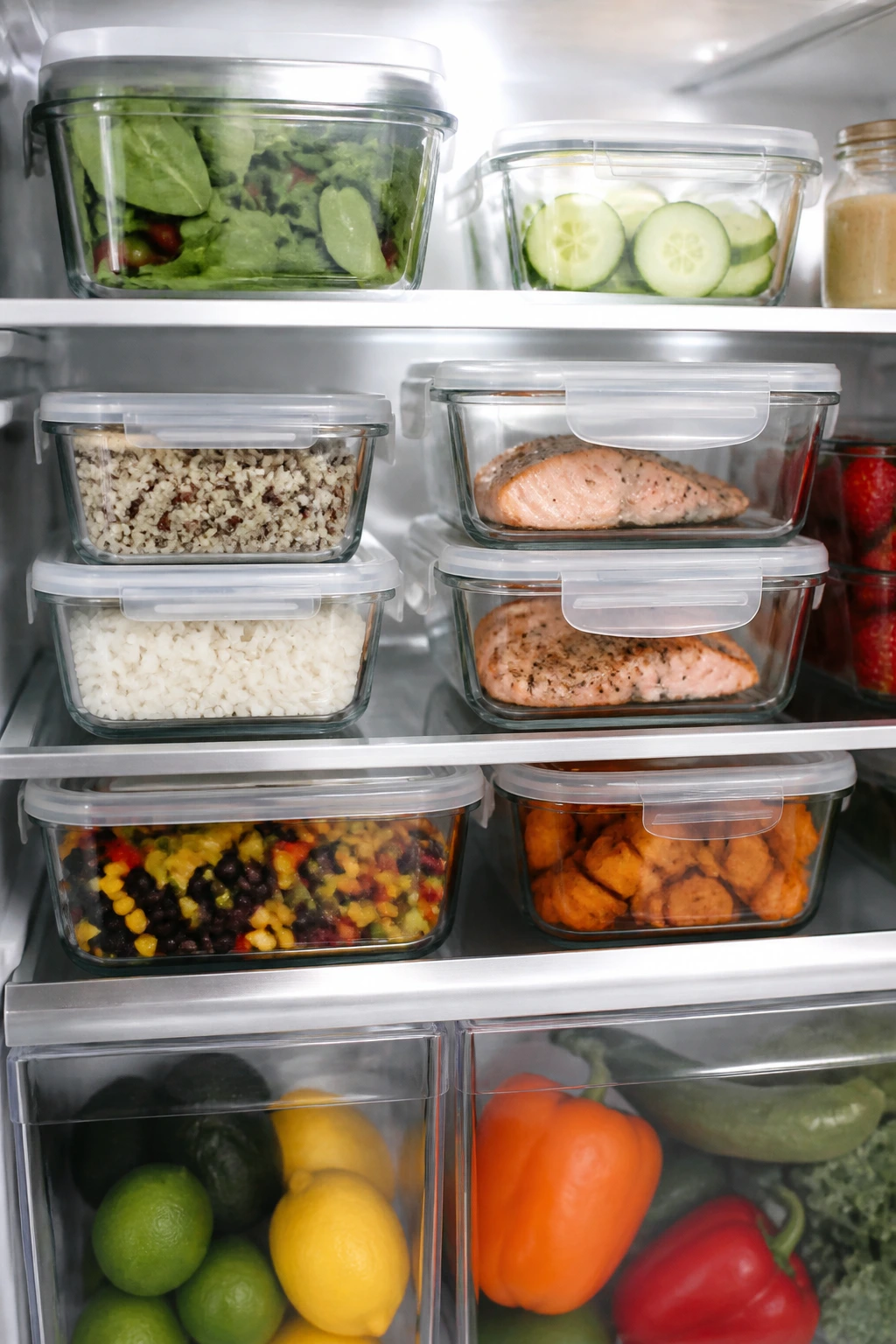
Food only counts as prep if it’s still good when you need it.
Cooked chicken, turkey, meatballs, rice, pasta, roasted vegetables, and most baked egg dishes keep well for 3 to 4 days in the fridge if they’re cooled promptly and stored in shallow containers. Hard-boiled eggs, left unpeeled, keep for about 1 week. Most breakfast muffins, waffles, and cooked meatballs freeze for up to 2 months, sometimes a little longer if they’re tightly wrapped and the freezer stays cold and steady.
The cooling step matters more than people think. Spread hot food into a shallow container so the center cools faster. Don’t seal in steam and hope for the best. Once the food is cool enough, portion it into containers with tight lids. Label the date if your fridge tends to accumulate mystery boxes.
What Reheats Best
Roasted vegetables wake up nicely in a hot oven or air fryer. A few minutes at 400°F usually brings back some edge, though the exact time depends on the size of the pieces. Chicken and meatballs do well in a skillet with a splash of water or broth, covered for a few minutes so they heat through without drying out. Pasta usually wants a spoonful of sauce or a small splash of water before microwaving.
Egg muffins and breakfast burritos reheat best in the microwave at short intervals. Use a damp paper towel over the top if they look dry. Waffles and pancakes should go into the toaster or oven from frozen rather than into the microwave, which makes them bendy in all the wrong ways.
What Should Stay Separate
Keep crunchy things out of damp containers until serving time. Crackers, granola, toasted nuts, and tortilla chips go stale fast if they sit on wet food. Salads need dressing held back until the end. Apples stay happier if they’re cut close to eating time or treated with a little acid first. Berries stay better when they’re dry and not crushed under heavier food.
A lot of make-ahead food gets ruined by one small mistake: putting everything together too early. Resist that. Separating parts buys you an extra day or two of decent texture.
Frequently Asked Questions
What foods are the safest bet if I only want to prep a few things?
Start with foods that hold shape and have a low chance of turning soggy: hard-boiled eggs, chicken thighs, rice, pasta, apples, grapes, carrots, hummus, yogurt, tortillas, and cheese. Those ingredients can move between breakfast, lunch, snack time, and dinner without much extra work.
How far ahead can I make lunches before they get too soft?
Most lunch components are best within 3 to 4 days, but the packing matters more than the calendar. Keep crackers, toast, and granola separate until the last minute, and put wet items like salsa or dip in their own cup so the whole lunch doesn’t blur together.
What if my child refuses mixed foods?
Stop mixing them. Serve the same ingredients in separate piles or compartments and let the child combine them if they want to. A child who rejects chicken salad may happily eat chicken, apple slices, and crackers side by side.
Can I freeze breakfasts like egg muffins, pancakes, and baked oatmeal?
Yes. Egg muffins and pancakes freeze well for about 2 months if you freeze them on a tray first and then bag them. Baked oatmeal also freezes in squares, which makes it easy to pull out only two servings instead of thawing the whole pan.
How do I keep apple slices from browning in lunchboxes?
Cut them as close to serving time as you can, or toss them lightly with lemon juice, lime juice, or diluted fruit juice. If the slices are going in a box for several hours, store them cold in a sealed container and keep them away from moisture.
What if I only have one hour to prep for the whole week?
Do not try to cook everything. Pick one protein, one starch, one fruit, one vegetable, and one breakfast item. If you roast chicken, cook rice, wash fruit, cut vegetables, and bake muffins in that hour, you’ll have enough material to build several meals.
Is it okay to serve leftovers cold?
Some foods are better cold than others. Chicken strips, pasta, rice, roasted potatoes, and many snack foods work fine chilled if they were cooled and stored safely. Soup, meatballs, and egg dishes often taste better reheated, so use your judgment and the food’s texture as the guide.
How do I handle gluten-free or dairy-free kids without cooking separate meals?
Build the meal around the part that everyone can share—roast chicken, rice, beans, fruit, vegetables, potatoes, or tortillas—and swap the one ingredient that needs changing. A dairy-free lunch can still look like everyone else’s lunch if the structure stays the same.
What should I do when the food comes back half-eaten?
Look at what was left, not just what was eaten. If the carrots vanished but the sandwich returned, the issue may be the bread, the filling, or the size of the portion. That feedback is gold. Use it to trim down the failing part and keep the part that already worked.
A Fridge That Makes the Week Easier
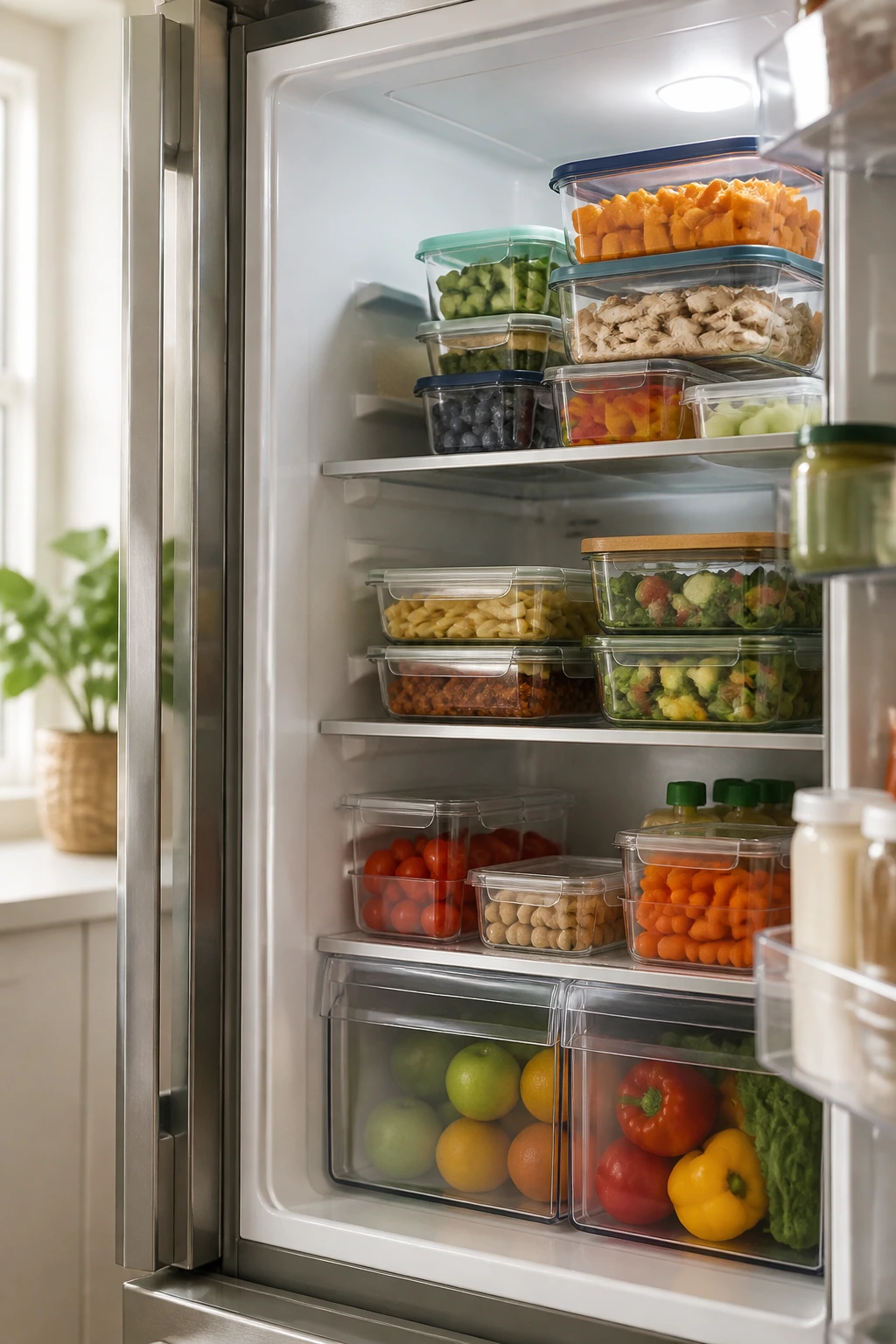
The best family food prep is not the most elaborate one. It’s the plan that survives a missed alarm, a cranky morning, and a kid who suddenly decides a food they loved last week is “weird” today.
Build from parts, keep the wet things away from the dry things, and choose a few foods that can move from one meal to the next without collapsing. That is where the real payoff lives. Not in perfect containers. Not in a color-coded fridge. In a Tuesday that runs a little quieter because lunch is already handled.
Start with one protein, one starch, one crisp fruit or vegetable, and one dip. That small stack will do more for your week than a heroic cooking marathon ever will.