



An easy kids dinner kids will actually eat usually looks less impressive than the meal you had in your head at 4:10 p.m. That’s the annoying part. A plate of buttered noodles, chicken cut into strips, cucumber rounds, and a little cup of ranch beats the beautiful skillet dinner that arrives at the table looking like a culinary argument.
Kids notice shape before flavor, texture before seasoning, and whether two foods are touching before they notice you spent twenty minutes making a sauce. I have watched a child reject a perfectly cooked piece of salmon because it had the wrong edge. Not the wrong taste. The wrong edge. That’s dinner reality, and fighting it wastes time.
So the job is not to trick kids or cook separate restaurant orders every night. It’s to build a plate that feels safe, then add one small stretch at a time. Once you start looking at dinner through that lens, the whole thing gets easier—and a lot less personal.
Why an Easy Kids Dinner Kids Will Actually Eat Usually Looks Familiar
- Familiar shapes win first: Short pasta, triangles, sticks, cubes, and half-moons are easier to accept than a mysterious pile of mixed bits.
- Separate food feels safer: A plate with clear zones lets kids inspect dinner without the panic of everything touching.
- One known item lowers the stakes: Buttered rice, toast, plain noodles, or fruit they already trust gives the meal a foothold.
- Dip changes the first bite: Ketchup, ranch, hummus, yogurt sauce, or marinara makes a new food feel less abrupt.
- Small portions reduce pressure: A teaspoon of peas is a test; a mound of peas is a dare.
- Repeating the same food matters: Kids often need to see a food many times before they’ll touch it with confidence, and that usually happens when the table stays calm.
The Signals Kids Read Before the First Bite
Kids are reading dinner like tiny food detectives. They’re not being difficult for sport. They’re checking whether the plate looks predictable enough to spend energy on.
Shape First, Flavor Second
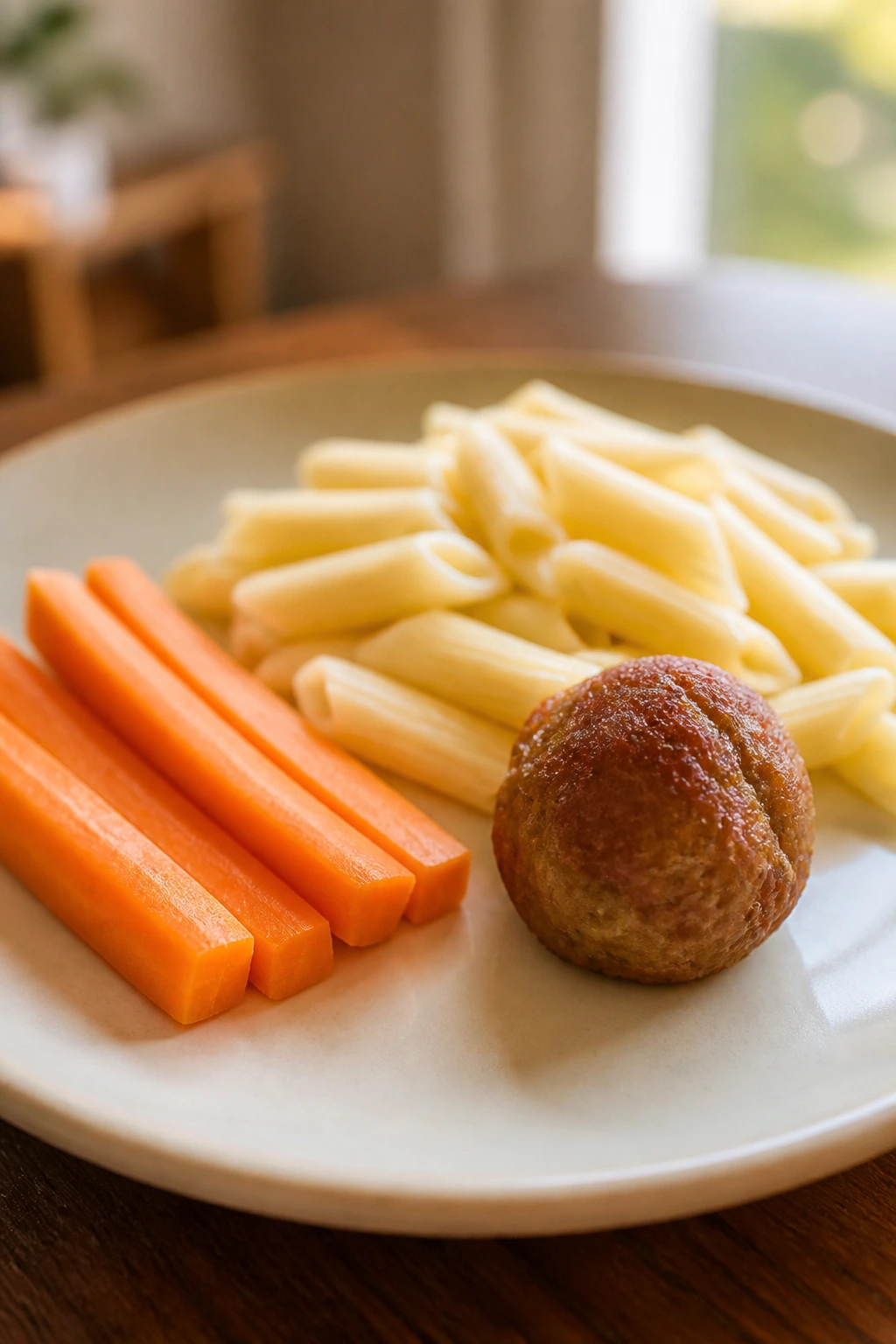
A carrot stick can feel acceptable where a pile of shredded carrots feels suspicious. A meatball is often easier than a meatloaf slice, even if the ingredients are nearly the same. A child who refuses “fish” may happily eat a fish stick because the shape tells a different story.
That’s why dinner should look legible. If you can name the object at a glance, a child can usually decide whether to trust it.
Texture Is the Real Deal-Breaker
Soft, dry, crisp, creamy, wet. Those are the categories that matter. A kid who likes crunchy crackers may reject a silky stew, not because the stew tastes bad, but because it feels like a texture ambush.
I lean hard toward keeping textures separate when I can. Crispy chicken next to soft rice. Tomato sauce beside plain pasta. Raw cucumber beside a warm sandwich. The plate feels calmer, and calm plates get eaten.
Smell Sets the Tone Before Sitting Down
Garlic, butter, and toasted bread smell friendly. Burnt onions and overcooked broccoli announce themselves from across the room. That does not mean you must avoid strong flavors, but the first smell at the table should usually be warm and familiar.
If dinner smells sharp, I like to soften the edges with a neutral side. Rice, bread, plain noodles, or apples on the side can pull the whole plate back into friendly territory.
Build Dinner Around One Safe Food, Then Add One Small Stretch
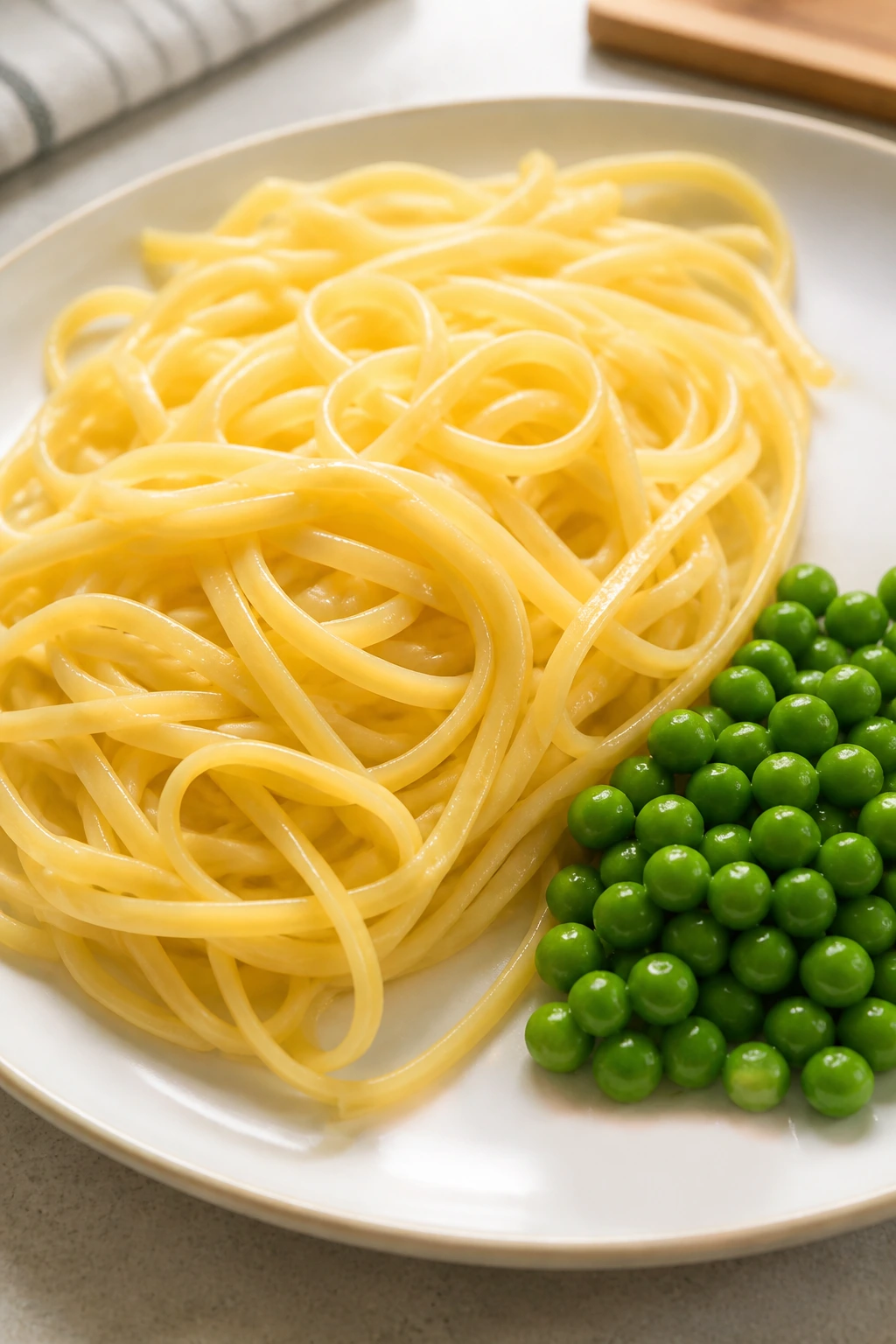
This is the simplest trick I know, and it saves a lot of grief. Start with one food the child already trusts. Then add one thing that nudges the meal forward without turning it into a referendum.
Maybe the safe food is plain pasta. The stretch item is peas. Maybe it’s rice, and the stretch item is shredded chicken. Maybe it’s toast, and the stretch item is scrambled eggs or avocado sliced thin enough to feel nonthreatening. That’s the game.
The mistake is stacking too many unknowns on the same plate. A new sauce, a new protein, and a new vegetable all at once can be too much. One new thing is a conversation. Three new things is a lecture.
I also like to keep the safe food slightly larger than the stretch food. Not huge. Just enough to tell the eye, “You’re still home.” That little cue matters more than people think.
Pasta Night Without the Drama
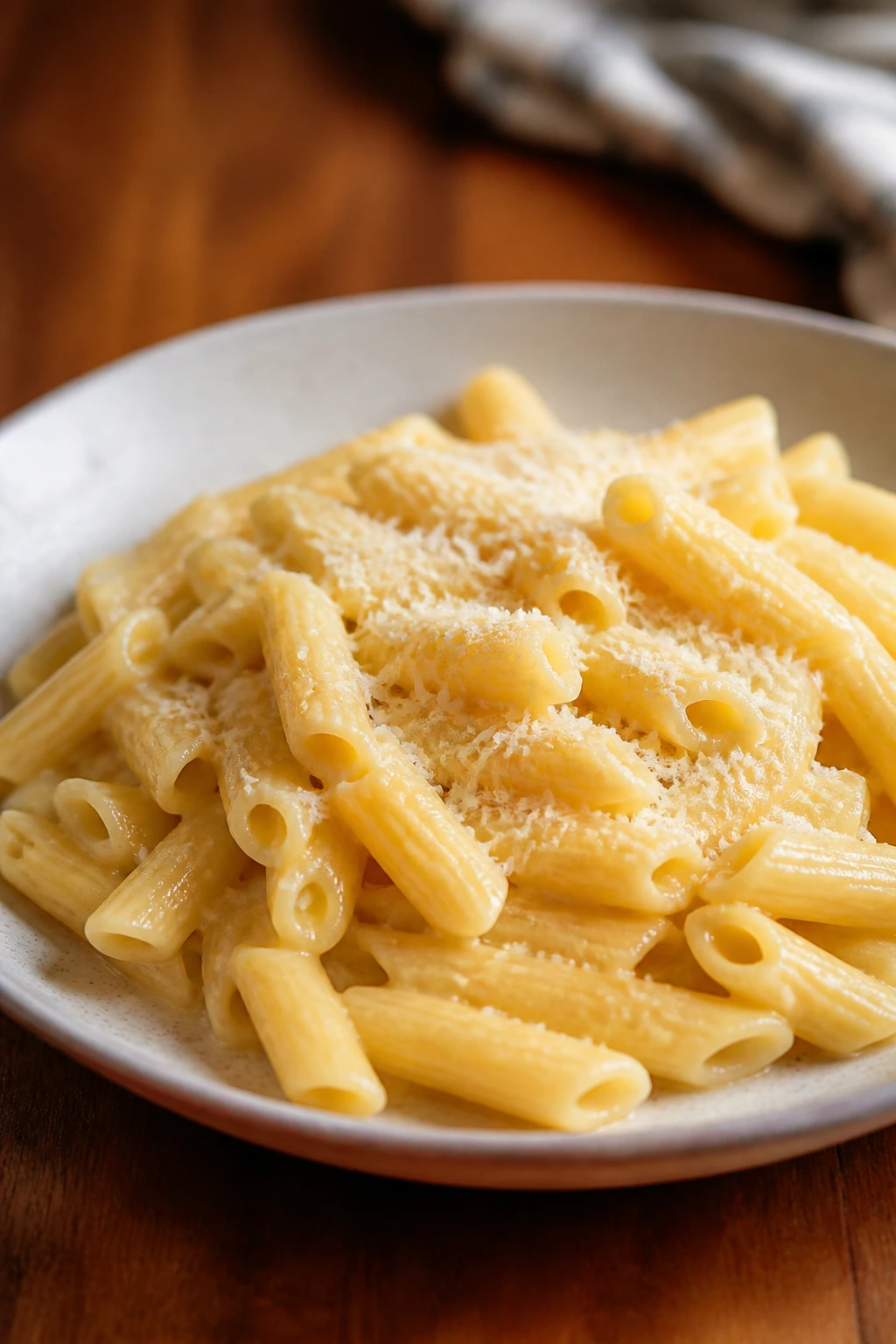
Pasta is the closest thing to a universal weeknight peace treaty, but only if you treat it right. Overcooked noodles turn gluey and dreary; kids spot that texture from the doorway. Under-sauced pasta can also feel too dry, which is why a tiny bit of butter or olive oil often helps more than a big, heavy sauce.
The best kid pasta usually stays simple. Rotini, shells, bowties, and spaghetti all work because they look familiar and behave predictably on the fork. If you want to add protein, go with small meatballs, shredded chicken, or finely chopped turkey rather than big chewy chunks that need extra effort. Kids usually eat what they can spear fast.
Sauce is worth thinking about. A thin layer of marinara clings better than a watery puddle, and a little grated cheese can make the whole bowl feel finished. If you’re adding vegetables, peas, tiny broccoli florets, or finely chopped spinach tend to disappear more politely than big slices of peppers. And if the child hates “mixed,” keep the sauce on the side. That’s not coddling. That’s smart.
One rule I follow: cook the pasta a minute shy of the package time, then finish it in the sauce or with butter in the pan. It keeps the noodles springy. Soft, mushy pasta is one of the fastest ways to lose a child’s trust.
Handheld Dinners That Fit Small Hands
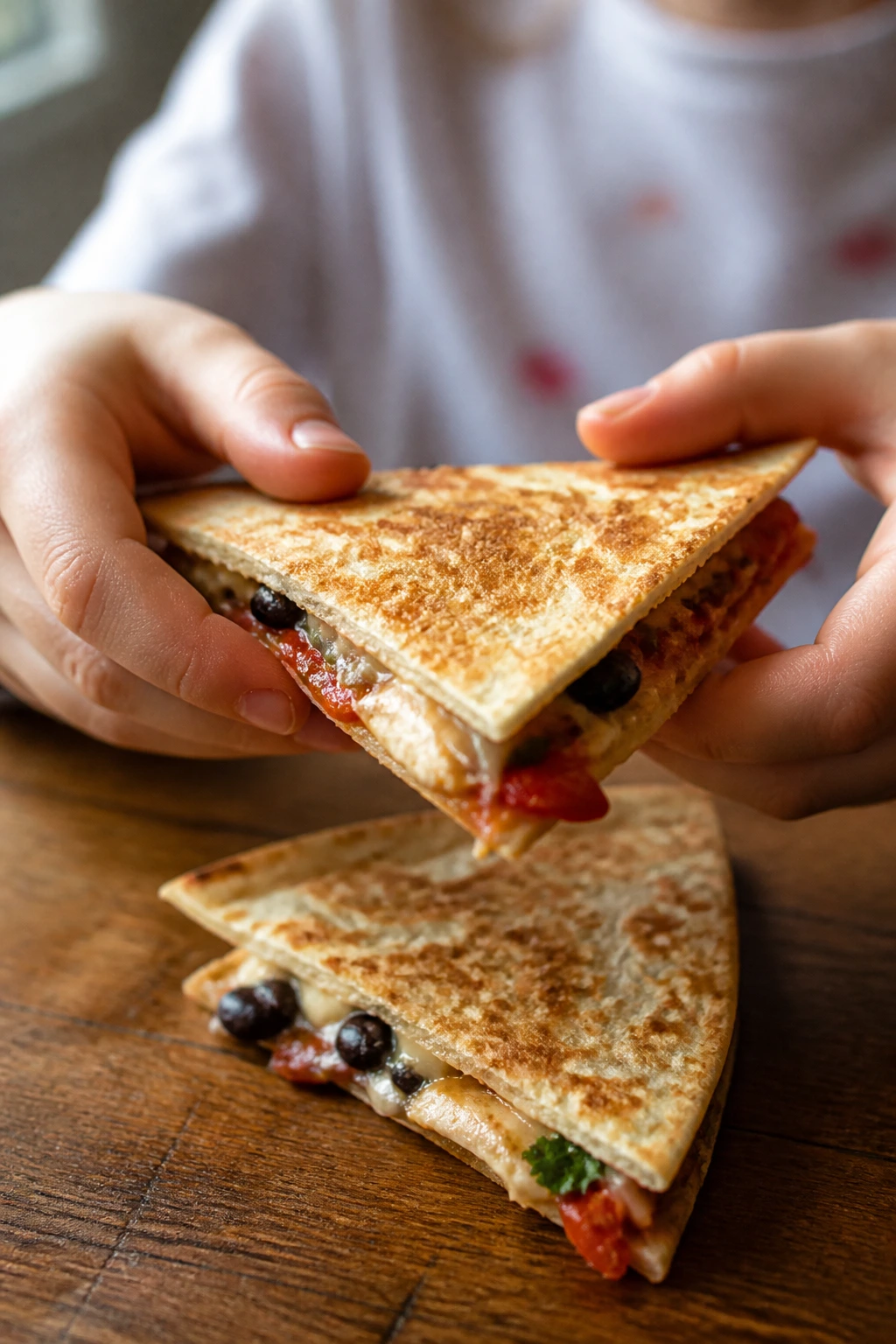
A dinner a child can pick up often gets eaten faster than a dinner that requires strategy. That’s not mystery; that’s hand-eye coordination and patience. Handheld food feels manageable.
Quesadillas Cut Into Thin Triangles
Quesadillas work because the filling stays tucked inside and the tortilla gives off a crisp, toasted edge. I like to keep the filling dry enough that the tortilla doesn’t go floppy. Shredded cheddar, mild mozzarella, chicken, or black beans are all safer bets than a wet filling that leaks onto the pan.
Cut them into thin triangles or strips. Thick wedges look bigger and can be harder to commit to. Serve salsa, sour cream, or plain yogurt on the side and let the child choose whether to dip. That tiny control tends to matter.
Wraps That Don’t Collapse
Wraps are useful when you keep them tight and avoid overfilling. Turkey and cheese, hummus and cucumber, chicken and shredded lettuce—those combinations stay neat. If you stuff a wrap full of slippery fillings, it turns into an unraveling problem, which kids notice before they taste anything.
A short toast in the pan helps. It gives the tortilla a little grip and keeps the edges from feeling damp.
Sliders and Mini Sandwiches
Mini sandwiches are less intimidating than a giant burger or a full deli stack. A slider bun or even half a sandwich cut into rectangles can help. Peanut butter and banana, turkey and cheese, or a simple grilled cheese all work because the size tells a child they’re in charge of the bite.
If a child loves one specific bread, use it. Dinner is not the moment to win a bread contest.
Sheet-Pan Suppers With Separate Zones
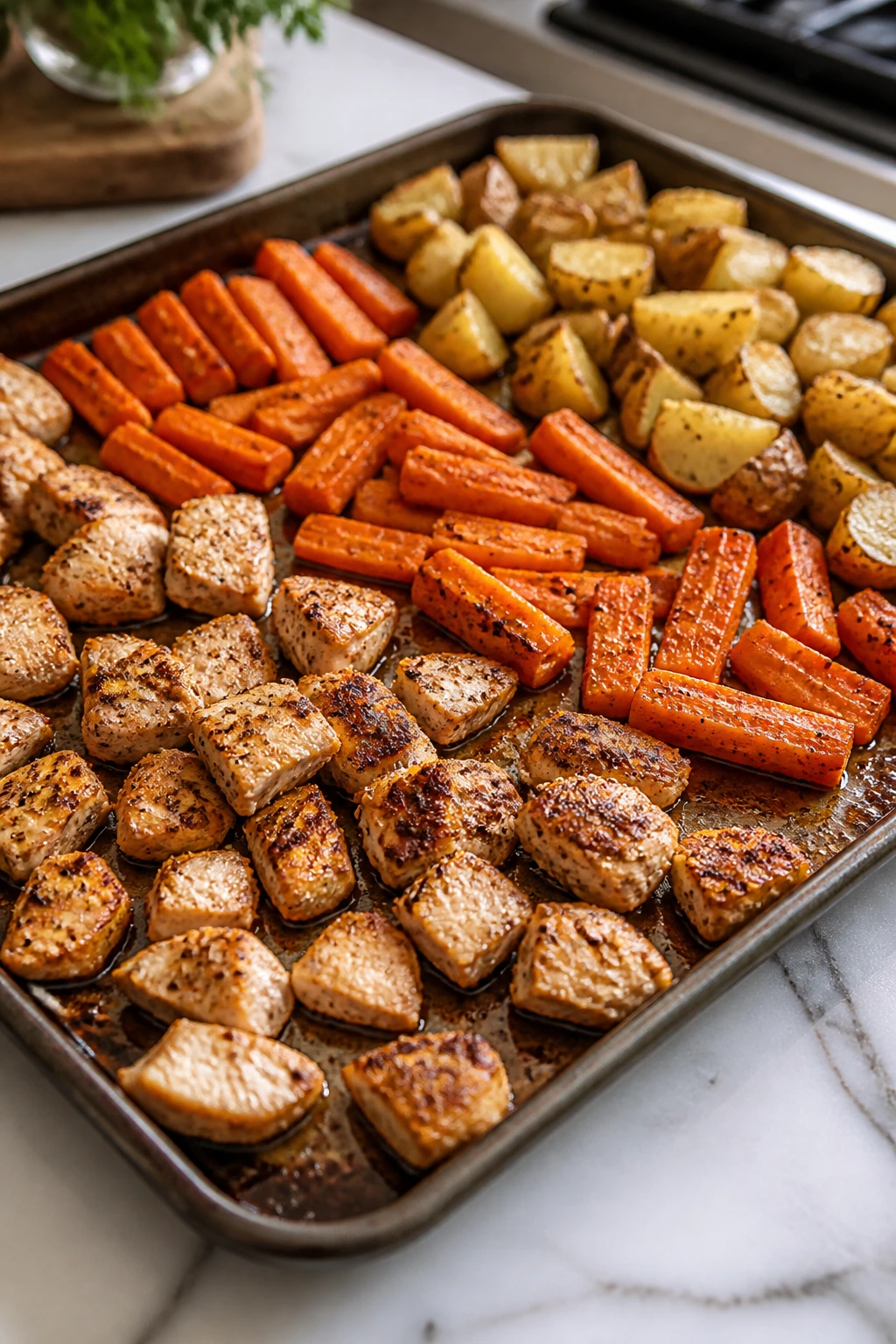
Sheet-pan dinners are good when the ingredients stay distinct. I’m less interested in the trendy “everything on one tray” version than the version that roasts chicken, carrots, and potatoes in their own little territories. Kids like being able to identify what is what.
Roasting changes vegetables in a way that helps. Carrots become sweet at the edges. Potatoes pick up crisp bottoms. Chicken thighs or strips get browned spots that smell like dinner instead of like “health food,” which is a phrase children can somehow detect from miles away. A 425°F oven usually gives you the right kind of browning without turning everything gray and sad.
Keep the pans uncrowded. Crowding traps steam, and steam is the enemy of crisp edges. If you’re cooking nuggets, potatoes, and broccoli together, give each thing enough space to breathe. It makes the food look more intentional and less like leftovers from a school cafeteria tray.
I also like to keep one part of the pan plain. A few potato wedges with salt only. A few carrots with olive oil only. That way there is always one familiar bite if the seasoned version gets a side-eye.
Breakfast for Dinner That Feels Like a Treat
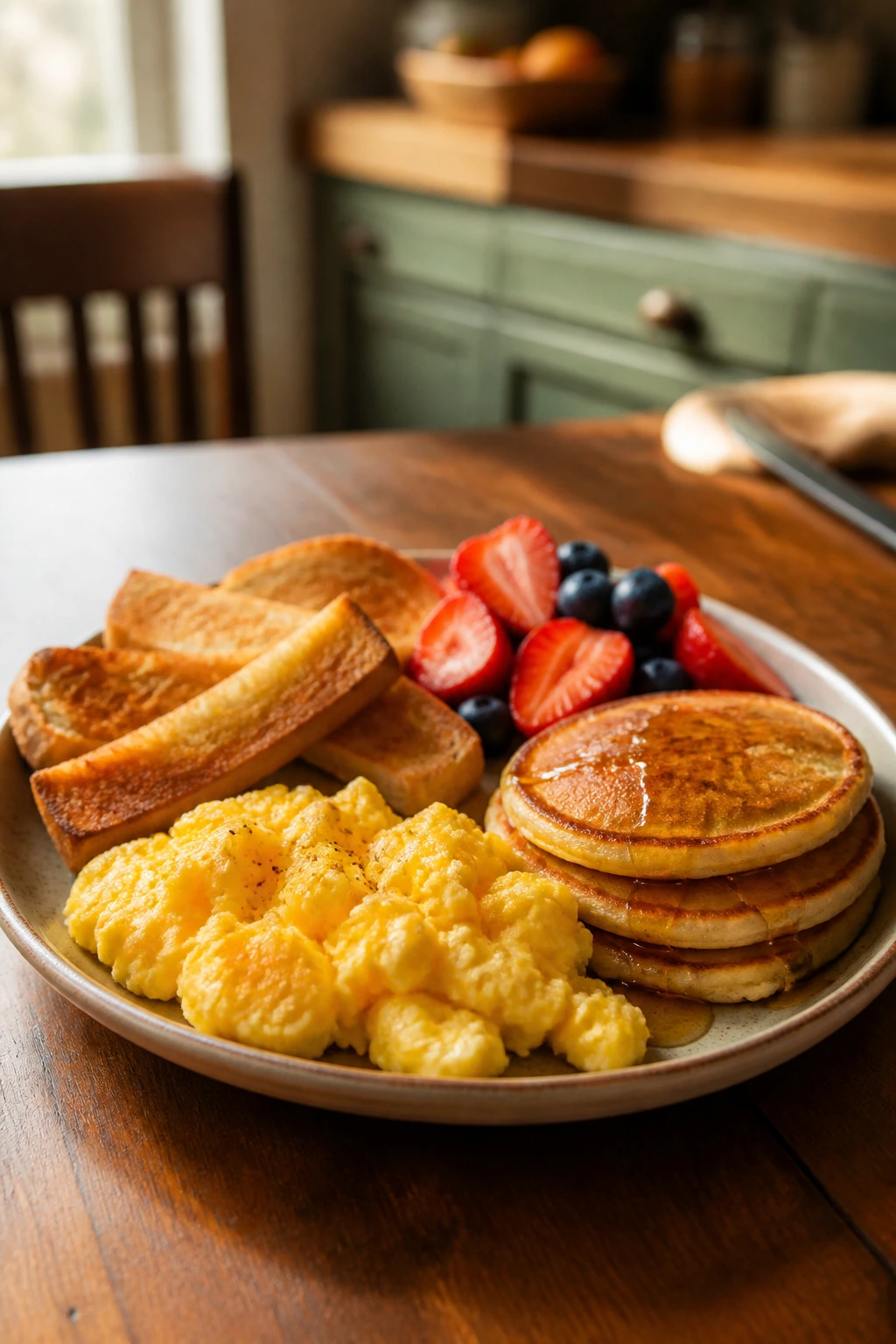
Breakfast for dinner is the emergency exit that doesn’t feel like one. Eggs, toast, fruit, pancakes, waffles, and bacon or sausage can reset a child’s mood fast, partly because the meal is familiar and partly because the smell of butter in a hot pan usually gets attention.
Scrambled eggs tend to work better than fancy omelets. Omelets can feel stuffed and unpredictable. Scrambled eggs are soft, plain, and easy to portion. If a child doesn’t like eggs on their own, put them beside toast fingers or a small stack of pancakes so the plate feels less single-minded.
Fruit matters here, too. Strawberries, orange segments, banana slices, or melon cubes give the plate color and a cool, juicy texture. That contrast is one reason breakfast-for-dinner gets eaten more often than a heavier savory meal. It’s almost like the plate is doing half the convincing for you.
And yes, maple syrup can help. I am not above this. Sometimes a little syrup on pancakes or a few dipped strawberries does more than an extra ten minutes of conversation at the table.
Bowls and Taco Bars That Let Kids Build Their Own Plate
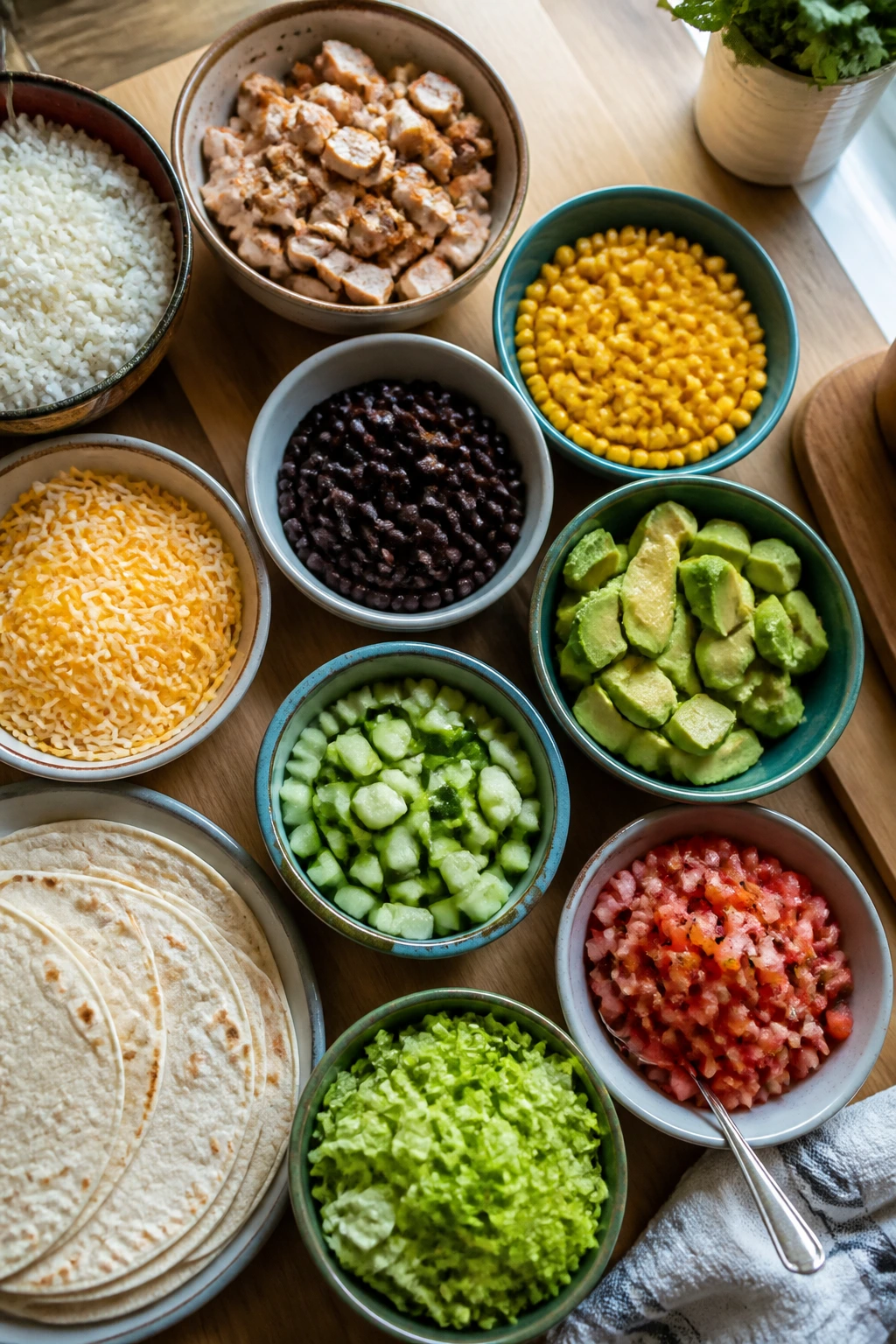
Control is a powerful thing at dinner. Not total control. We are not building a restaurant. But letting a child choose between two or three toppings can lower resistance enough that the food gets eaten.
Rice bowls work because the base stays mild and the toppings can be separated in tiny piles. Chicken, corn, avocado, shredded cheese, black beans, or cucumber all work depending on the child. Keep the seasoning light. A bowl with rice, protein, and one colorful topping is enough. You do not need six garnishes to make it valid.
Taco bars work for the same reason. Warm tortillas, mild ground beef or shredded chicken, cheese, lettuce, tomato, salsa, and sour cream let each child build a version that feels safe. Some kids want one tortilla with meat and cheese. Others want a deconstructed plate of parts. Fine. Both count.
Rice Bowls, Taco Plates, and Potato Bars
A baked potato bar is underrated. A plain baked potato with butter and cheese can be a friend to picky eaters, and the toppings stay separate. Same with rice and beans. Same with taco plates. The more the components can stay visually distinct, the less negotiating you need to do.
Kids often do better when they can assemble their own dinner in front of them. The food is less of a surprise that way. It becomes a project.
Vegetables Kids Accept More Often
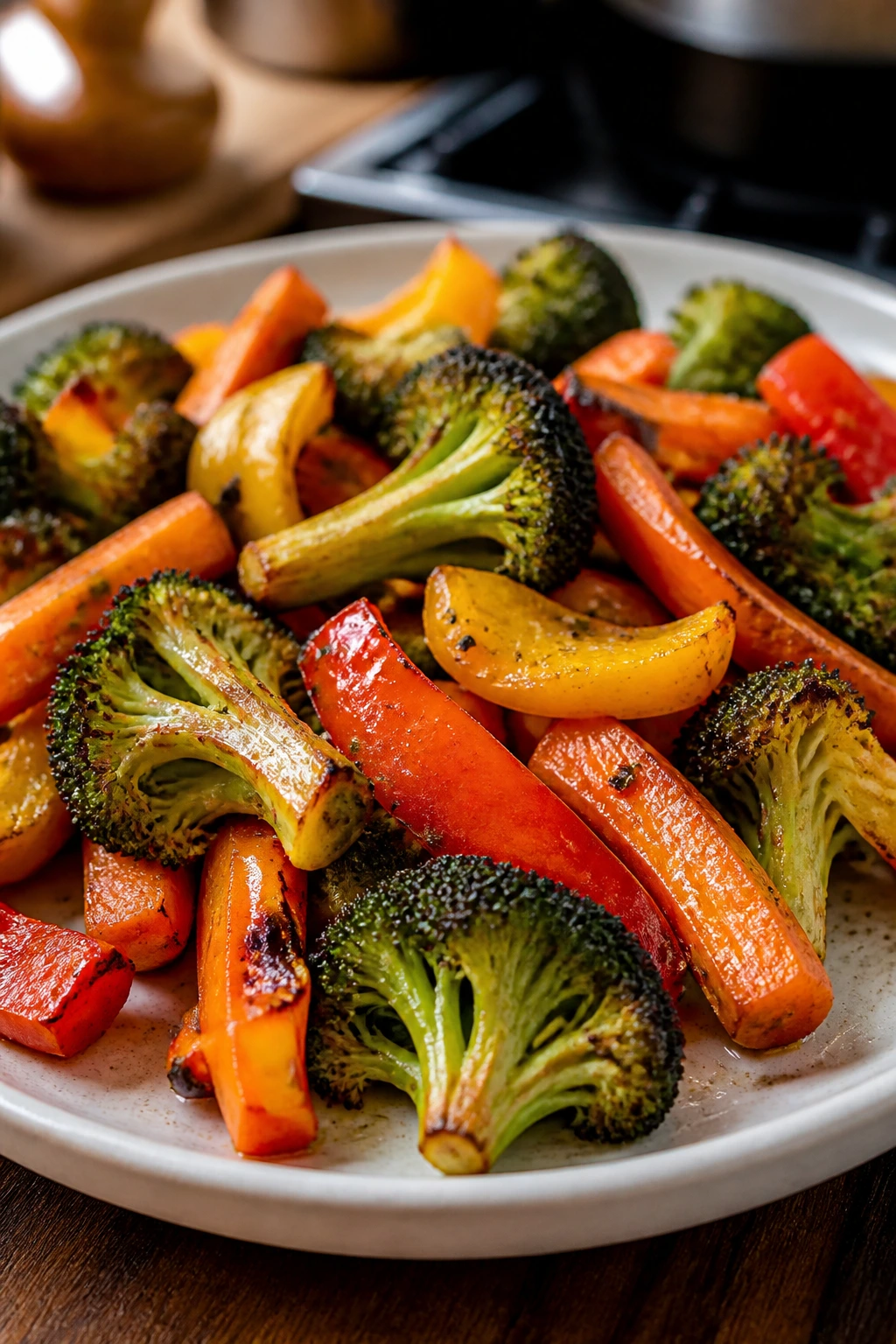
Vegetables don’t need to be hidden to be accepted. They do need to be prepared with some thought. Raw broccoli crowns in a giant pile are not the same thing as roasted florets with browned edges. The second one has a shot.
- Carrots: Roast cut sticks at 425°F until the tips caramelize, or serve raw coins with ranch if crunch is the point.
- Peas: Stir frozen peas into hot rice, buttered noodles, or mac and cheese; they thaw in the steam and stay sweet.
- Cucumbers: Peel them if the skin bothers your child, slice them thin, and serve with salt or yogurt dip.
- Bell peppers: Slice them very thin and sauté until just soft; raw thick strips can feel bitter and loud.
- Corn: Kernels are easy to accept because the texture is familiar and the sweetness is obvious.
- Broccoli: Roast it until the stems are tender and the edges are dark brown in places; pale broccoli tastes more like punishment than dinner.
I’m cautious with vegetables that are naturally watery or fibrous unless I know the child already likes them. Raw celery, big tomato wedges, and giant salad leaves can feel like too much work. Small cuts help. So does serving vegetables with a food the child already trusts.
Sauces, Dips, and Cheese: The Quiet Helpers
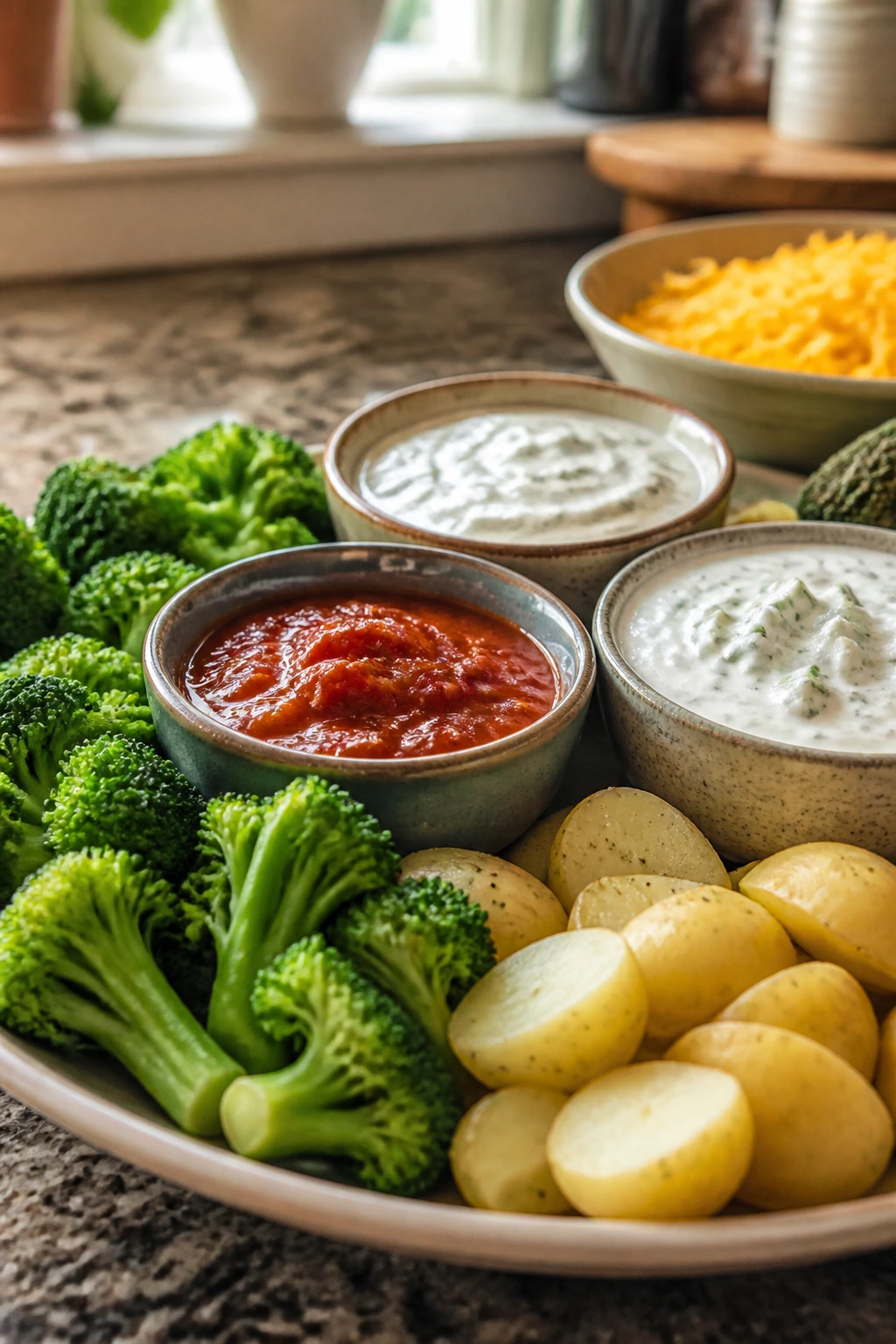
A good sauce can carry dinner. A bad sauce can sink it. The difference is usually whether the sauce is acting as a bridge or as a flood.
Ketchup, ranch, hummus, plain yogurt mixed with a pinch of salt, marinara, peanut sauce, and mild cheese sauce all have a place here. The trick is to treat them like a side tool, not a mandatory blanket. Too much sauce makes the plate feel messy, and mess is often what picky eaters object to before they even think about taste.
Cheese deserves its own mention. Mild cheddar melts into a soft layer that helps broccoli, potatoes, and noodles feel more familiar. Mozzarella gives stretch and mild flavor. Parmesan adds salt and a little sharpness. If a child is already suspicious, start mild.
I like dips because they hand the child a job. Dip the carrot. Dip the chicken. Dip the potato wedge. The first bite feels like an action, not a command. That changes the tone at the table more than people expect.
One Dinner, Two Different Eaters
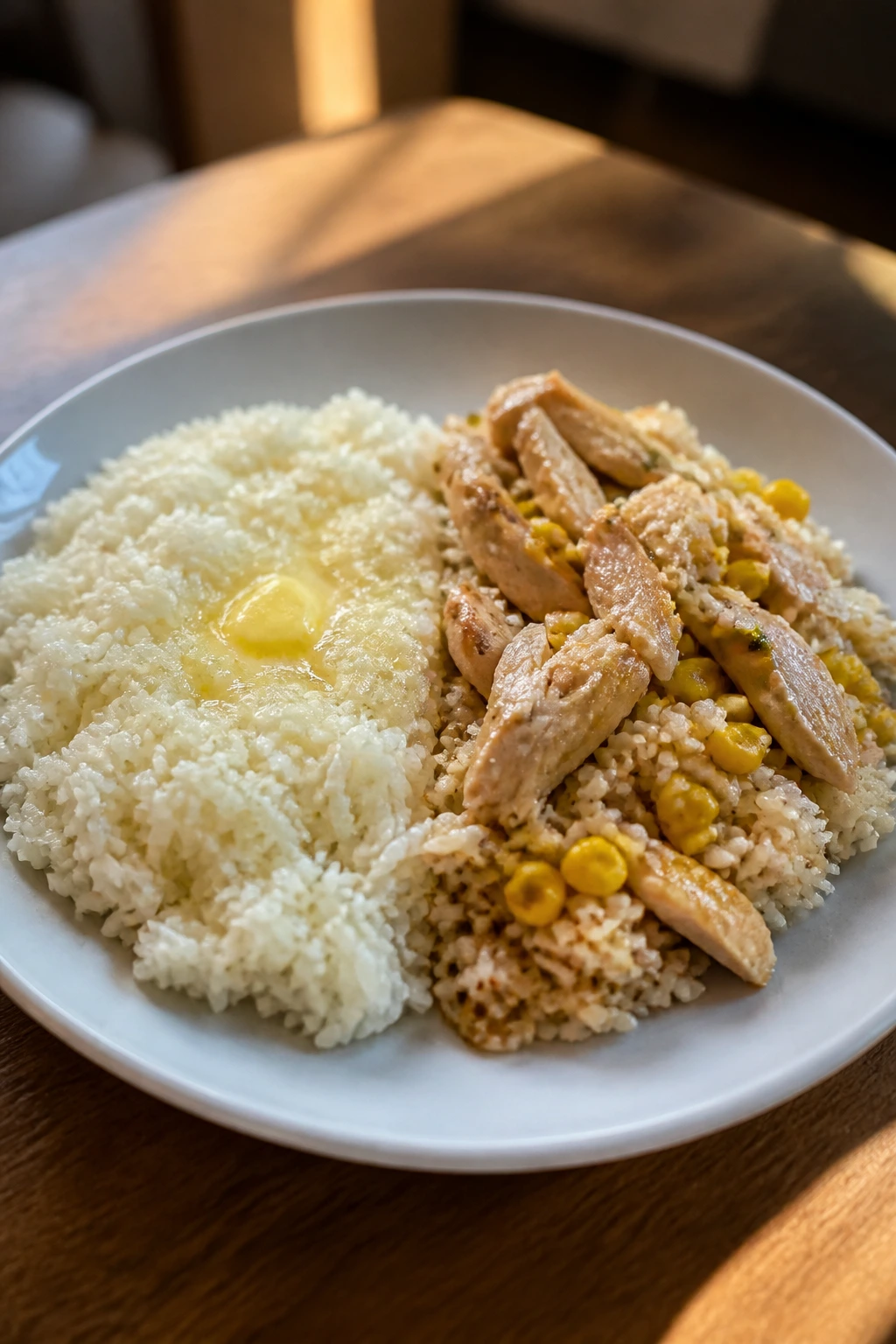
The hardest school-night problem is not cooking. It’s cooking once for two or three different levels of bravery.
A good strategy is to make one base dinner and split the topping game. Maybe everyone gets rice, but one child gets plain rice with butter, another gets rice with chicken and corn, and an adult gets extra herbs and chili crisp. Maybe the family eats tacos, but one child gets cheese and meat in a tortilla while another wants all the fillings on a plate with crackers. That’s not failure. That’s flexible structure.
I do not recommend cooking totally separate entrées unless there’s a real allergy or texture issue that calls for it. That train gets expensive in time and attention. But I also do not like the idea that everyone must eat the same exact plate in the same exact way. Somewhere in the middle is sanity.
The version that works best in my house-of-experience logic is: one starch, one protein, one vegetable, one sauce. Then let the adults add the chaos at the end.
Practical Tips for Getting Dinner on the Table Faster
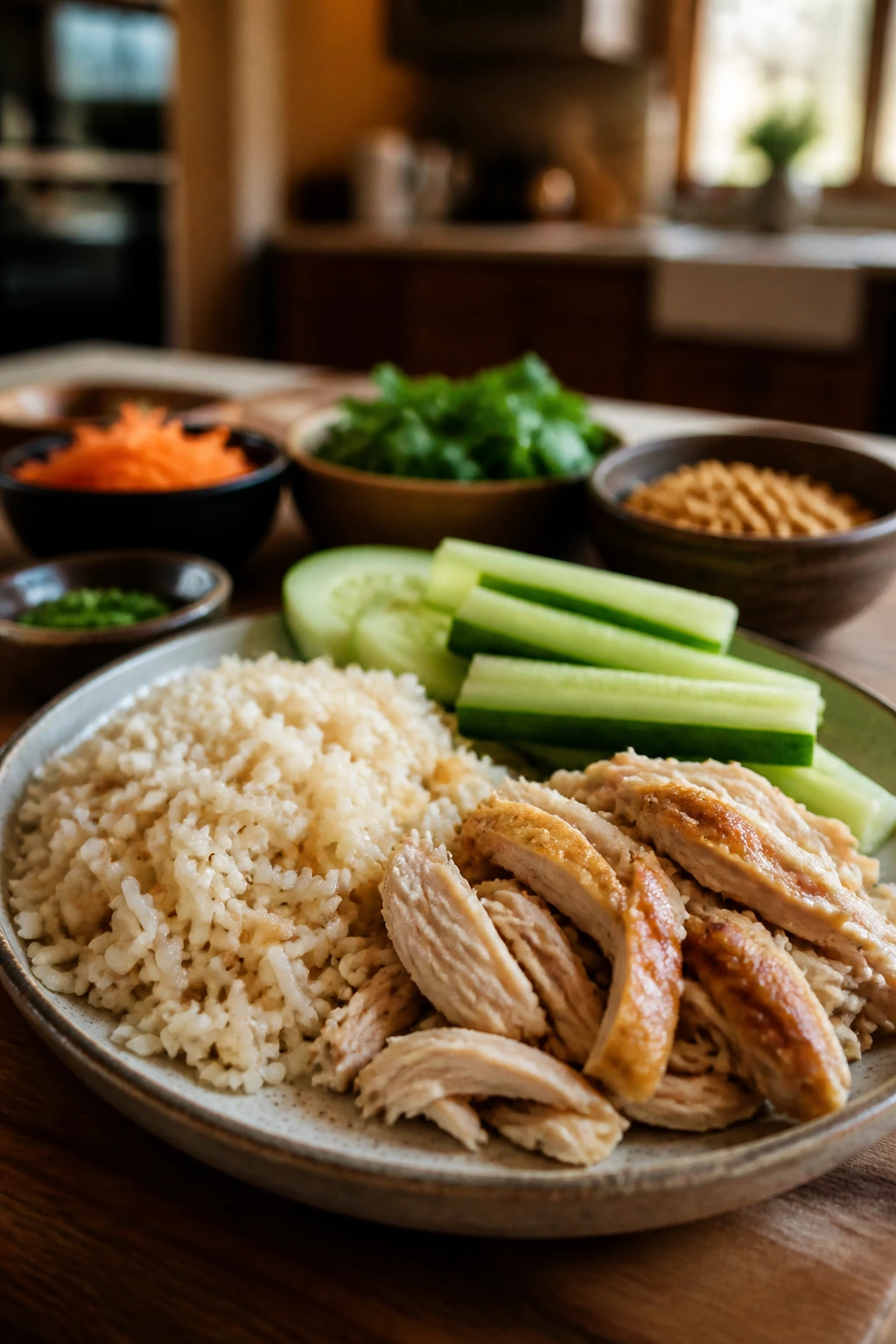
- Batch the safe starch: Cook a pot of rice or pasta that can be reheated for two nights. Plain starch is dinner insurance.
- Keep one emergency protein ready: Rotisserie chicken, frozen meatballs, eggs, canned beans, or leftover taco meat can save a bad hour.
- Use small bowls for toppings: When the cheese, corn, salsa, and cucumbers are in tiny bowls, dinner feels calmer and kids can see the choices.
- Pre-cut the crunchy stuff earlier in the day: Carrot sticks, cucumber rounds, apple slices, and bell pepper strips hold up well in the fridge.
- Re-crisp in the oven, not the microwave: Nuggets, roasted potatoes, and quesadillas get their texture back at 375°F to 400°F for a few minutes.
- Serve the known food first: Put the safe item on the plate before you add the stretch item. The eye relaxes faster that way.
I’ve found the biggest time-saver is not a gadget. It’s deciding ahead of time that dinner only needs to solve one problem. You are feeding people. You are not auditioning for a cooking show.
Common Mistakes That Make Kid Dinners Harder
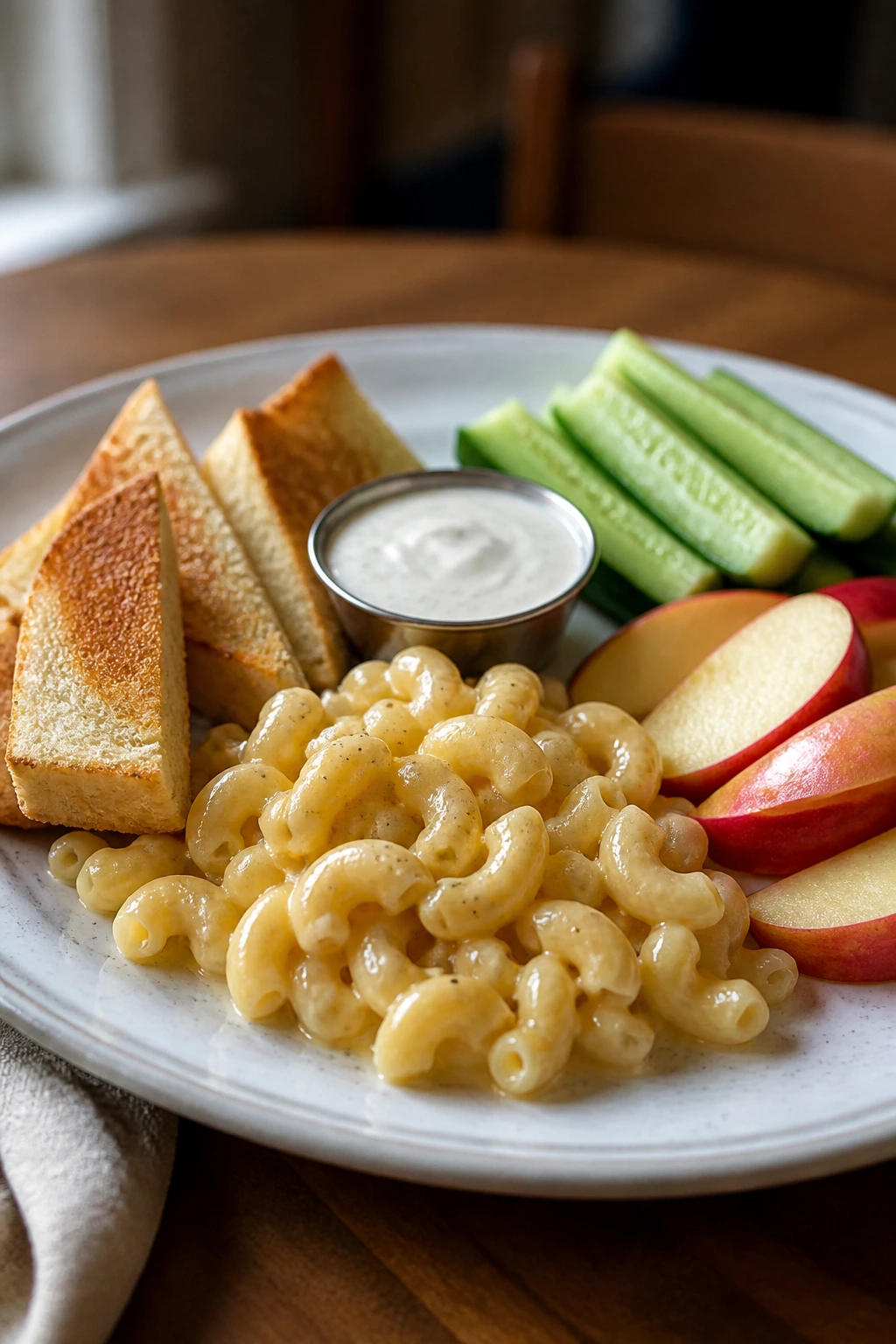
- Too many new foods at once: If the plate has three unfamiliar items, the child often freezes. Fix it by keeping one safe food and one stretch food.
- Mixed textures everywhere: A casserole with noodles, sauce, hidden vegetables, and mystery chunks may taste fine but look hard to trust. Fix it by separating components when you can.
- Serving giant portions: A plate that looks overloaded can make a child feel trapped. Fix it with a small first serving and the promise of more.
- Overcooking to avoid chewing: Mushy pasta, chalky chicken, and limp vegetables send the wrong signal. Fix it by stopping a minute early and checking texture.
- Treating dinner like a negotiation: Long speeches at the table usually make children more wary. Fix it by keeping the tone matter-of-fact and calm.
- No backup plan: If a child truly cannot do the main plate, a small fallback like toast, fruit, or yogurt prevents the whole evening from collapsing. That is not caving. That is planning.
Variations for Picky Eaters, Sensory Needs, and Allergies
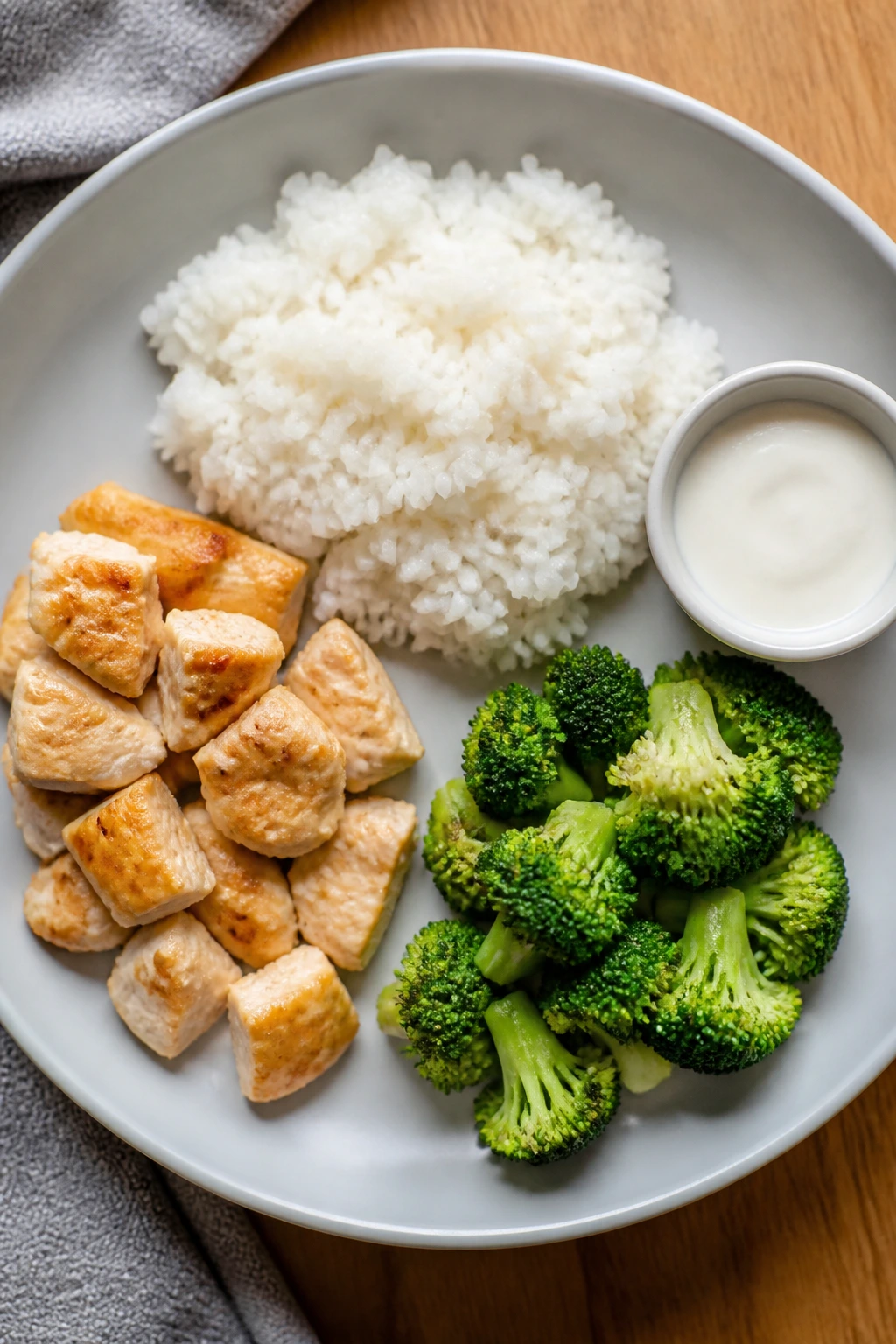
The Separate-Pile Plate
This version is built for children who hate mixed food. Put the rice, protein, and vegetable in their own little zones, with sauce on the side. The plate looks orderly, which matters a lot when a child is sensitive to visual clutter.
The Soft-Texture Dinner
For children who struggle with crunchy or fibrous foods, keep the menu soft and predictable: scrambled eggs, mashed potatoes, pasta, yogurt, ripe fruit, or steamed carrots. You can still make it balanced; it just needs fewer sharp edges and less chewing.
The Allergy-Safe Swap
Dairy-free meals can lean on olive oil, avocado, hummus, and tomato-based sauces. Gluten-free meals work well with rice, potatoes, corn tortillas, quinoa, and naturally gluten-free pasta. If egg is out, use chicken, beans, or tofu for protein; the shape and seasoning matter more than the label.
The Budget Pantry Night
Canned beans, frozen vegetables, pasta, rice, eggs, and tortillas can make a solid dinner without a long shopping list. Bean and cheese quesadillas, rice with peas and eggs, or pasta with marinara and canned tuna are all practical, not tragic. Pantry food gets dismissed too quickly. It shouldn’t be.
The Tiny-Appetite Plate
Some kids do better with a plate that looks almost too small. A few bites of pasta, two cucumber slices, a small handful of chicken, and a quarter of a banana can be enough. The goal is not an adult portion on a child plate. The goal is a plate the child can finish without feeling buried.
Tools and Equipment That Earn Counter Space
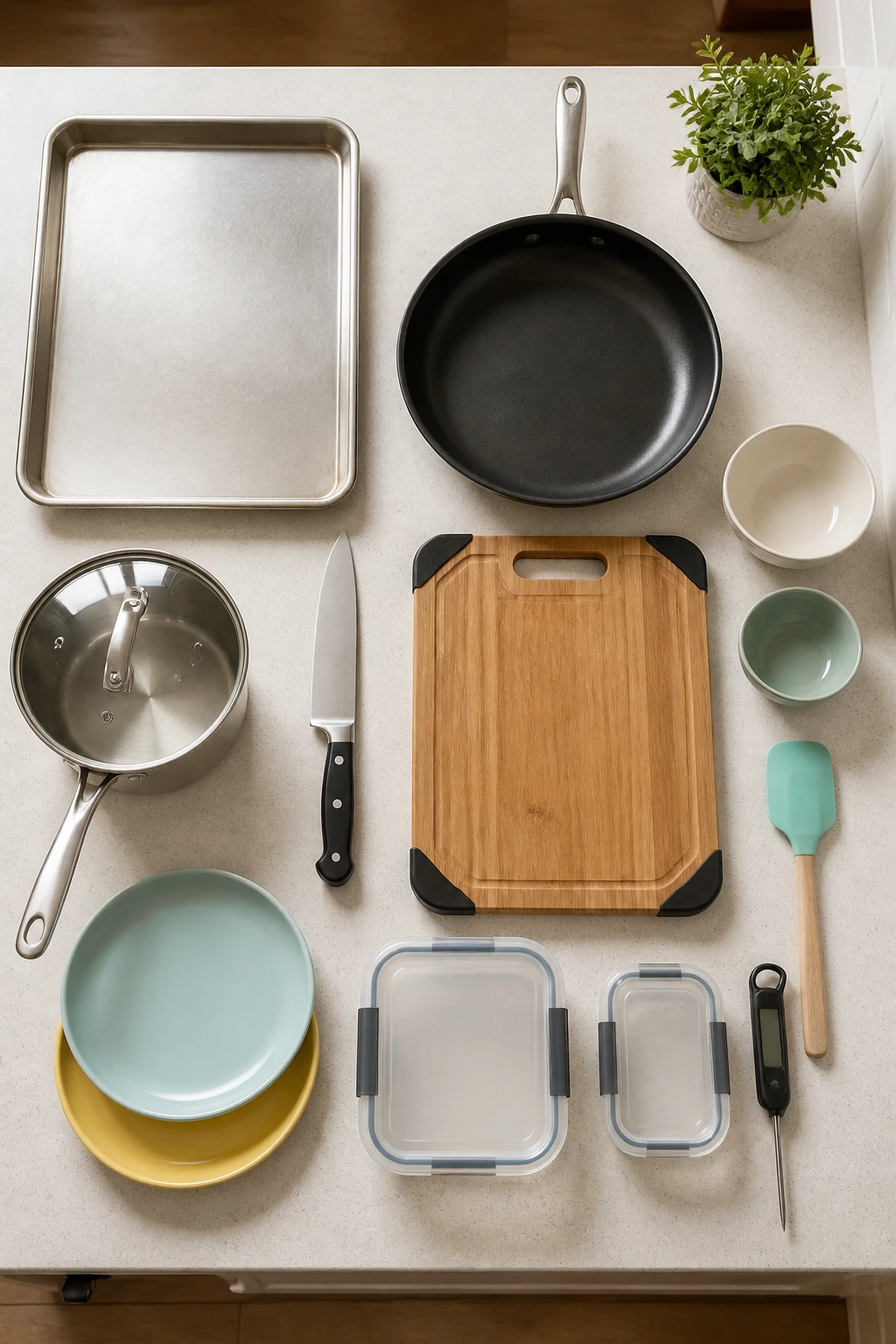
- Rimmed sheet pan: Roasts vegetables, nuggets, potatoes, and chicken with less mess.
- 12-inch skillet: Good for quesadillas, scrambled eggs, sautéed vegetables, and quick protein.
- Saucepan with a lid: Handles pasta, rice, beans, and reheating leftovers.
- Sharp chef’s knife: Makes clean cuts on apples, cucumbers, chicken, and peppers; dull knives crush food and waste time.
- Cutting board with a stable grip: A slipping board is the enemy of fast prep.
- Small bowls or ramekins: Useful for dips, toppings, and “separate pile” dinners.
- Silicone spatula: Good for eggs, cheese, and scraping every bit of food from the pan.
- Kid-sized plates and cups: A smaller plate can make dinner look less overwhelming.
- Storage containers with tight lids: Important for keeping safe foods, chopped vegetables, and leftovers ready for the next meal.
- Instant-read thermometer: Helpful for chicken and meatballs so you do not overcook just to be safe.
Make-Ahead, Storage, and Leftover Reheating
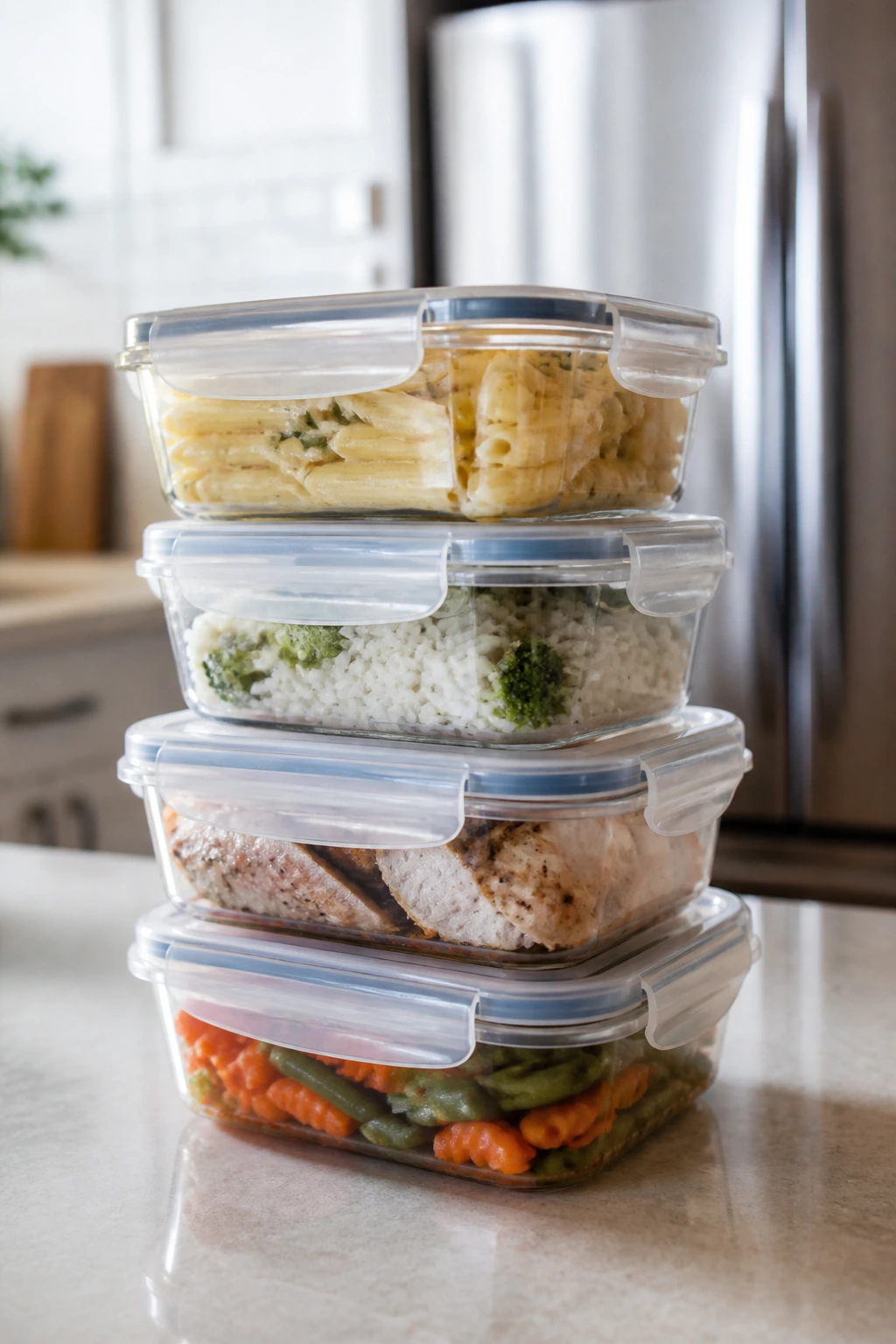
Most kid-friendly dinners hold up better than people think if you store them in separate parts. Cooked rice, pasta, roasted vegetables, and sliced proteins usually keep 3 to 4 days in the refrigerator. Sauces and dips generally keep about the same amount of time, though fresh yogurt dips are best within a few days and anything with lots of raw garlic can sharpen as it sits.
Freezing works well for taco meat, meatballs, cooked chicken, and many pasta sauces for up to 2 to 3 months. Plain cooked pasta can be frozen, but I do not love the texture after thawing unless it’s tucked into a saucy dish. Rice freezes fine in flat bags and reheats with a splash of water.
For reheating, use the method that protects texture. Microwave pasta with a teaspoon or two of water and cover it loosely so it steams back to life. Re-crisp quesadillas, nuggets, potato wedges, and sheet-pan chicken in a 375°F oven for a few minutes. Stir halfway through if you’re reheating a skillet meal so the edges don’t dry out.
Make-ahead helps most when you prep the boring parts. Wash and cut vegetables earlier in the day. Cook rice or pasta in the afternoon. Mix a dip or shred cheese before dinner starts. The more you do before the first hungry complaint, the smoother the evening feels.
Frequently Asked Questions
What is the easiest dinner for a picky eater?
Usually the easiest dinner is one familiar starch, one mild protein, and one dip. Buttered pasta with chicken strips and cucumber slices is far more likely to get eaten than a heavily mixed casserole with three unfamiliar flavors.
Should I make a separate meal for my child?
Not every night. A better approach is to make one dinner with a safe base and a small stretch item, then offer the stretch food without pressure. Separate meals become a trap if they happen too often, because everyone starts waiting for custom service.
How do I get my child to eat vegetables without a battle?
Serve vegetables in forms that match the child’s texture preferences. Roasted carrots, peas in pasta, or thin cucumber slices with dip tend to work better than giant raw salad portions. Keep the portion small and repeat the exposure without making it a performance.
What if my child only eats one shape of pasta or one brand of food?
That happens more often than people admit. Use the preferred shape or brand as the base, then change one small thing at a time—maybe a tiny bit of butter, then a spoonful of sauce, then a few peas. Shape loyalty is real.
Is breakfast for dinner a cop-out?
No. It’s a useful reset when the day has gone sideways. Eggs, toast, fruit, and pancakes can make a calm meal with very little friction, and there’s nothing lazy about feeding people with foods they’ll eat.
How much sauce should I put on a child’s plate?
Less than an adult would probably want. Start with a small spoonful on the side or a light coating on the food, then add more if they ask. Too much sauce can make a plate feel messy and harder to trust.
What if my child eats dinner one night and rejects the same food the next night?
That’s normal. Appetite, mood, and sensory tolerance shift from day to day. Keep the food available in a calm way and avoid treating one refusal as a verdict on the recipe.
Can these dinners work for gluten-free or dairy-free households?
Absolutely. Rice, potatoes, corn tortillas, eggs, beans, plain meats, fruit, and many vegetables fit either approach easily. The key is to keep the plate simple and the textures clear so the substitutions do not feel like a penalty.
What should I do if my child gags on certain textures?
Take that seriously and do not push through it at the table. Start with textures that feel safer—smooth, soft, crisp, or dry—and work gradually. If gagging happens often or across many foods, it’s worth talking with a pediatric professional who understands feeding issues.
How do I keep dinner from becoming a negotiation every night?
Set the menu earlier in the day, keep one part of the meal familiar, and stop talking about the food once it’s on the plate. Calm repetition beats constant persuasion. Kids notice pressure fast.
Making Dinner Feel Safe Again
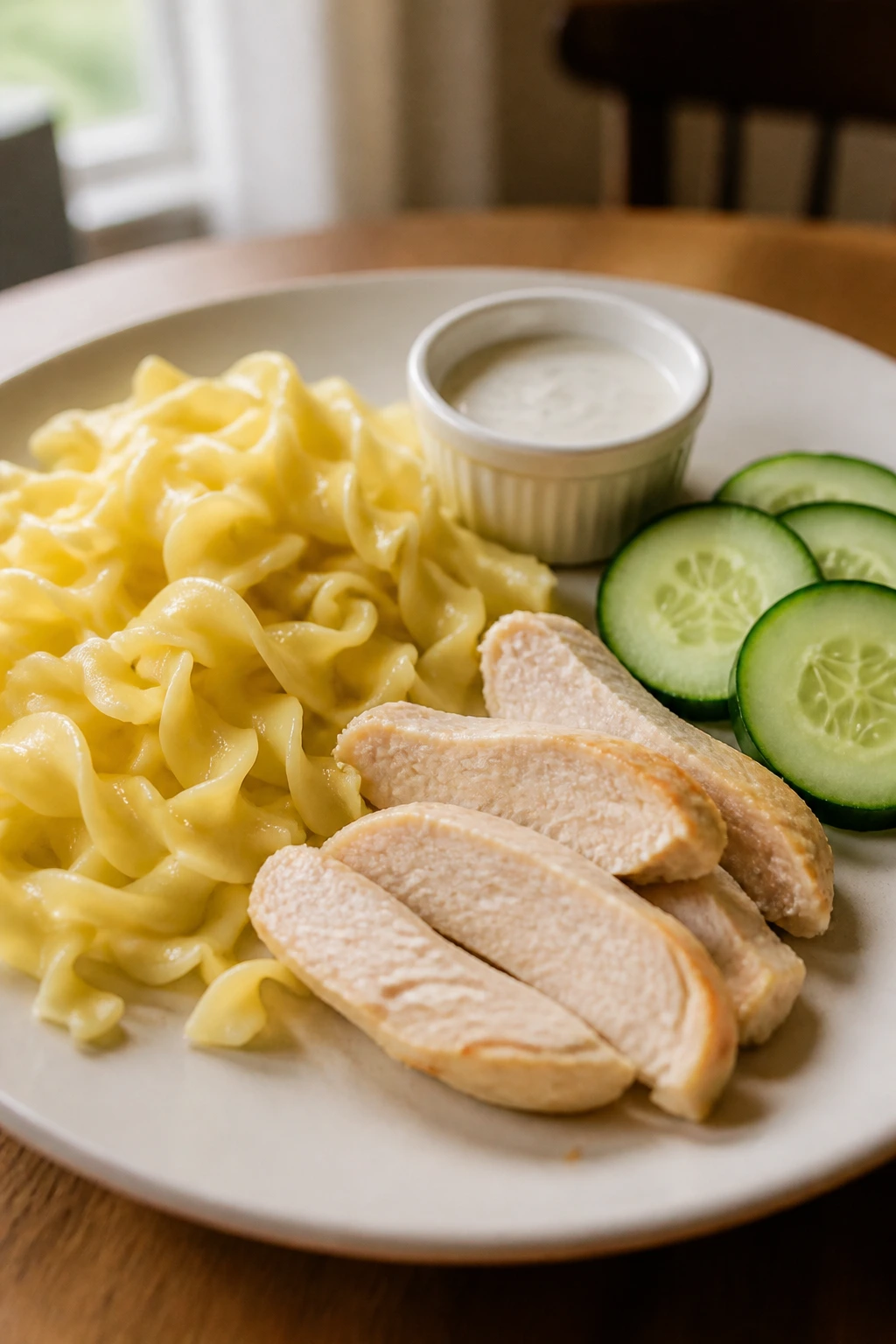
The best kid dinner is not the prettiest plate and not the most ambitious recipe. It’s the one that gives a child a clear way in: one familiar thing, one small stretch, and maybe a dip on the side if the bite needs a little help. That kind of dinner tends to disappear from the plate with less drama and fewer speeches.
A quieter table is worth a lot. So is the confidence that comes from knowing you can put together a solid meal without turning the evening into a culinary standoff. Start with one safe base tonight, keep the shapes simple, and let that do more work than a complicated sauce ever will.