



A fluffy simple cookie with cream cheese frosting is the kind of bake that disappears from a cooling rack faster than you expect. The cookie itself sits somewhere between a soft sugar cookie and a tiny vanilla cake: pale on top, tender in the middle, and sturdy enough to hold a thick swipe of tangy frosting without collapsing into a sugary mess. That balance is the whole game.
I like this style of cookie because it does not rely on crunch or deep browning to be interesting. The flavor comes from butter, vanilla, a little sour cream, and the clean bite of cream cheese on top, so every bite feels soft, cool, and gently sweet instead of bluntly sugary. When the dough is mixed with a light hand and baked at the right moment, the crumb stays plush for days.
The tricky part is that the difference between “soft and fluffy” and “flat and dry” is only a few small choices. Too much flour, too long in the oven, butter that’s too warm, frosting slapped on before the cookies cool—each one leaves a mark you can taste. Get the details right, though, and this becomes one of those recipes you keep in the back of your head for birthdays, lunchboxes, potlucks, and the kind of ordinary afternoon that needs a little lift.
Why These Cookies Earn a Spot in the Rotation
-
Soft bakery texture: Cornstarch, sour cream, and a short bake keep the centers plush instead of dry and crumbly.
-
Simple pantry base: The dough uses everyday baking staples, so you can make it without a special trip for a single odd ingredient.
-
Tangy frosting that cuts the sweetness: Cream cheese frosting keeps the cookies from tasting flat or overly sugary, which matters more here than it does on a sturdier cookie.
-
Easy to decorate: The flat, pale tops take sprinkles, citrus zest, or a neat frosting swirl without much fuss.
-
Friendly for make-ahead baking: You can chill the dough, freeze the baked cookies unfrosted, or make the frosting a day ahead and whisk it smooth again before serving.
-
Works for more than one occasion: These cookies look at home on a dessert tray, but they also pack neatly into a tin or lunchbox if you want them for later.
What One Batch Gives You and What Goes in It
One batch makes a tidy tray of cookies without forcing you to clear the whole counter. If you use a 2-tablespoon scoop, expect 22 to 24 cookies; if you spoon them a little generously, you’ll land closer to 20. Mine usually come out at 22 when I’m being careful and 24 when I stop pretending I’m measuring.
Yield: 22 to 24 cookies
Prep Time: 25 minutes
Cook Time: 10 to 12 minutes per batch
Total Time: 1 hour 10 minutes
Difficulty: Beginner — the method is straightforward, and the only real judgment call is pulling the cookies before they turn gold.
Chill/Rest Time: 30 minutes
Best Served: At room temperature, after the frosting has set for 20 to 30 minutes
For the Cookies:
- 2 1/2 cups (300 g) all-purpose flour
- 1 tablespoon (8 g) cornstarch
- 2 teaspoons baking powder
- 1/2 teaspoon baking soda
- 1/2 teaspoon fine salt
- 1/2 cup (113 g) unsalted butter, softened
- 3/4 cup (150 g) granulated sugar
- 1 large egg, room temperature
- 1 large egg yolk, room temperature
- 1 teaspoon vanilla extract
- 1/2 cup (120 g) full-fat sour cream, room temperature
- 1/2 teaspoon almond extract, optional
For the Cream Cheese Frosting:
- 4 oz (113 g) block cream cheese, softened
- 1/4 cup (57 g) unsalted butter, softened
- 2 1/2 cups (300 g) powdered sugar, sifted
- 1 teaspoon vanilla extract
- Pinch fine salt
- 1 to 2 tablespoons whole milk or cream, only if needed
- Sprinkles or citrus zest, optional for topping
Why the Dough Stays Soft and the Frosting Stays Tangy
The cookie dough is built around tenderness. That means the dry ingredients, the dairy, and the fat each have a job, and none of them is there by accident. If you understand those jobs, the recipe stops feeling like a list and starts feeling like a very manageable piece of kitchen logic.
Dry Ingredients: Flour, Cornstarch, Leavening, and Salt
What to use: 2 1/2 cups all-purpose flour, 1 tablespoon cornstarch, 2 teaspoons baking powder, 1/2 teaspoon baking soda, and 1/2 teaspoon fine salt.
Preparation: Whisk these together well before they touch the butter. You want the leavening and salt spread evenly through the flour so one cookie does not puff more than the one next to it.
Substitutions: If you only have cake flour, use 2 1/4 cups cake flour and skip the cornstarch; the cookies will be even softer, though a little less structured. If you need to skip the baking soda, increase the baking powder to 2 1/2 teaspoons, but the cookies will lose a touch of browning and spread a little differently.
Tips: Spoon and level the flour if you are using cups, or weigh it if you can. That 300-gram number matters here; a packed cup can quietly turn a soft cookie into a dry one.
Butter, Sugar, Eggs, Vanilla, and Sour Cream
What to use: 1/2 cup unsalted butter, 3/4 cup granulated sugar, 1 large egg, 1 large egg yolk, 1 teaspoon vanilla extract, 1/2 cup full-fat sour cream, and 1/2 teaspoon almond extract if you want that bakery-cookie smell.
Preparation: The butter should soften enough that your finger leaves a dent, but it should still hold its shape. The egg and sour cream should sit at room temperature so the dough mixes smoothly instead of looking curdled.
Substitutions: Full-fat Greek yogurt can stand in for the sour cream in the same amount, though the cookies will taste a little less rich. If you do not want almond extract, skip it; the cookies will still taste like vanilla, just a little quieter.
Tips: Cream the butter and sugar until the mixture looks lighter in color and feels fluffy, not greasy. That extra minute or two adds air, and it shows up in the baked texture.
Cream Cheese Frosting
What to use: 4 oz block cream cheese, 1/4 cup unsalted butter, 2 1/2 cups powdered sugar, 1 teaspoon vanilla extract, a pinch of salt, and 1 to 2 tablespoons milk or cream only if the frosting needs loosening.
Preparation: Soften the cream cheese and butter before you beat them, then sift the powdered sugar so the frosting comes out smooth instead of dusty.
Substitutions: Mascarpone makes a richer frosting with less tang, while dairy-free cream cheese and plant butter work if you need a non-dairy version. The texture changes a bit, but the same basic method still holds.
Tips: Block-style cream cheese is the better choice here. Tub cream cheese is softer and wetter, which makes frosting that slides off the cookies before it has a chance to settle.
The Tools That Make the Process Less Annoying
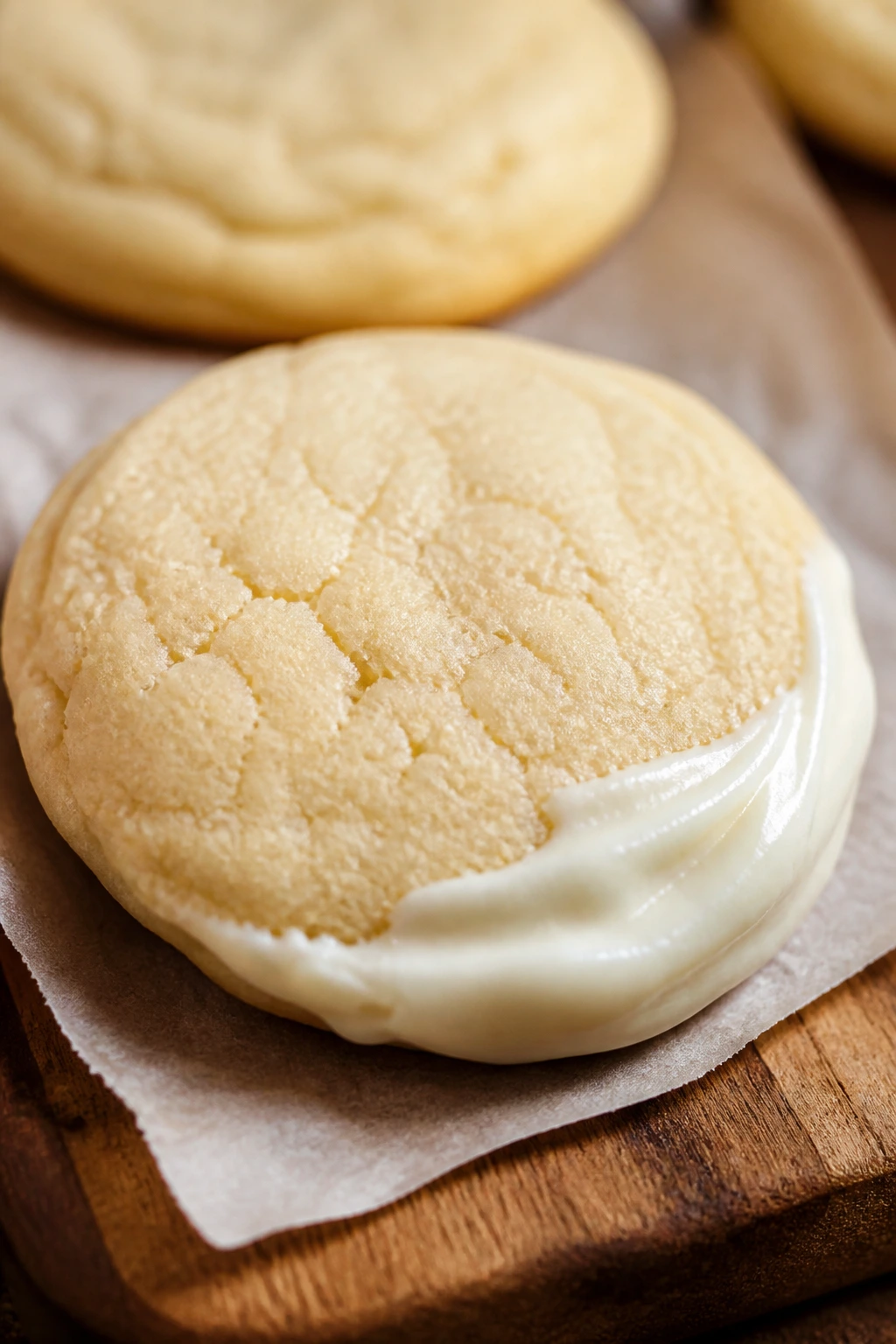
A cookie like this does not need fancy gear. It does, however, benefit from a few sensible tools that keep the dough even and the frosting neat.
-
Large mixing bowl: Gives you enough room to cream the butter and sugar without flinging flour all over the counter.
-
Hand mixer or stand mixer: Makes the butter, sugar, and frosting smooth fast; a sturdy wooden spoon will work for the dough if you do not mind extra elbow grease.
-
Medium bowl for dry ingredients: Keeps the flour mixture from getting clumpy before it joins the wet ingredients.
-
2-tablespoon cookie scoop: Helps the cookies bake evenly and keeps you from making one giant cookie and one timid one.
-
Parchment-lined baking sheets: Prevents sticking and makes the pale bottoms easier to check.
-
Wire cooling rack: Lets the cookies cool all the way through instead of trapping steam underneath.
-
Offset spatula or butter knife: Useful for spreading the frosting in a tidy layer.
-
Fine-mesh sieve: Worth using for the powdered sugar if your frosting usually ends up with tiny lumps.
A kitchen scale is a nice bonus, not a requirement. Still, if you bake often, this is the sort of cookie where weighing the flour pays off immediately.
Mixing, Baking, and Frosting the Cookies
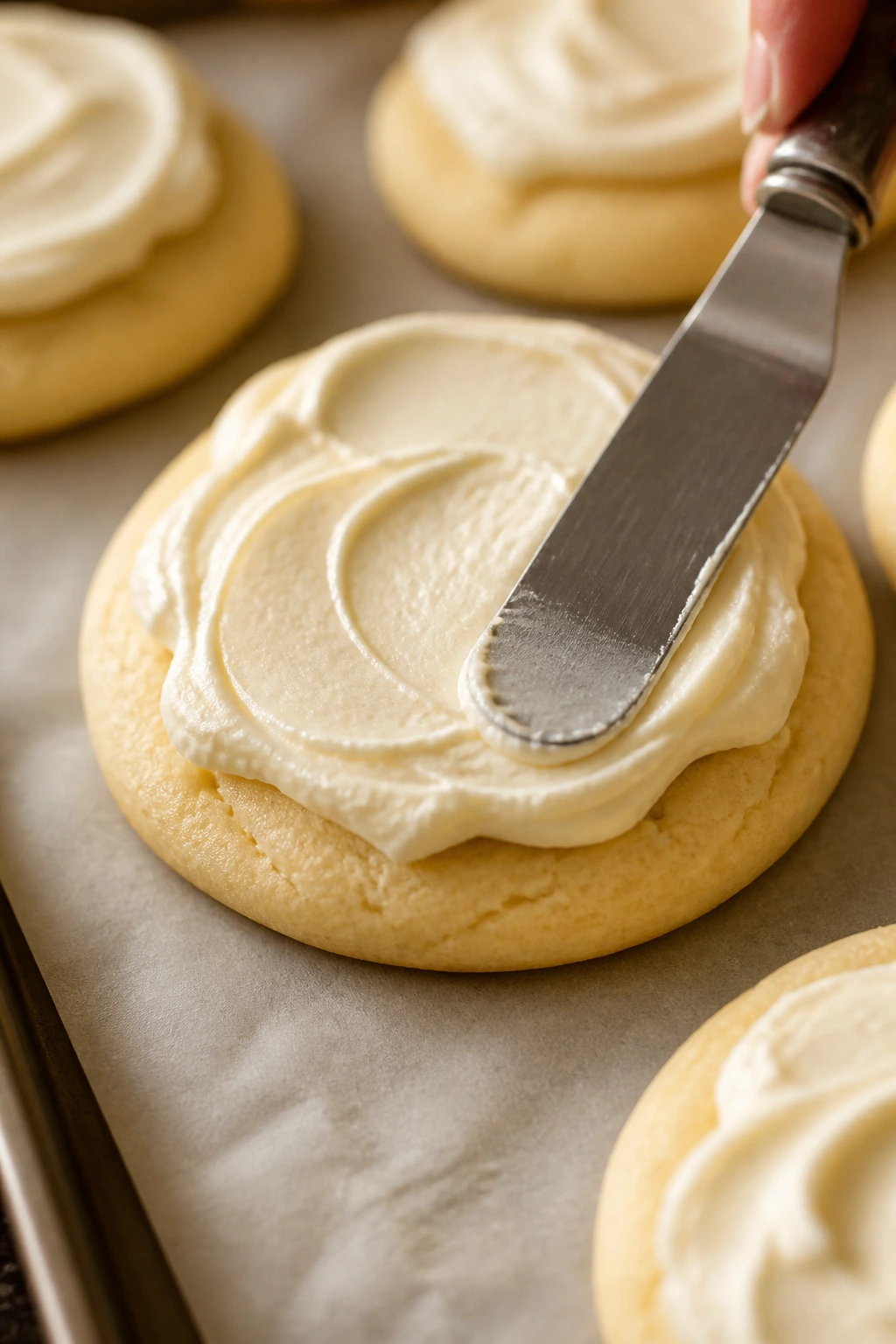
Prepare the Dough
-
Preheat the oven to 350°F (175°C) and line two baking sheets with parchment paper.
-
Whisk the flour, cornstarch, baking powder, baking soda, and salt together in a medium bowl until the mixture looks even and light. Set it aside.
-
In a large bowl, beat the softened butter and granulated sugar on medium speed for 2 to 3 minutes, until the mixture looks pale, fluffy, and slightly increased in volume. Do not rush this part; the air you build here helps the cookies rise instead of spreading into flat rounds.
-
Beat in the egg, egg yolk, vanilla, sour cream, and almond extract if you are using it. Stop once the mixture looks smooth. A faintly curdled look is fine for a moment; it settles when the flour goes in.
-
Add the dry ingredients in two additions on low speed, mixing only until the flour disappears and the dough looks soft and thick. Scrape the bowl once or twice so no dry pockets hide at the bottom. Do not keep mixing after the flour is incorporated; that is how a fluffy cookie turns tight and bready.
-
If the dough feels sticky enough to cling to your fingers in a heavy layer, cover it and chill it for 30 minutes. If your kitchen is cool and the dough already holds its shape, you can move on sooner.
Shape and Bake
-
Scoop the dough into mounds using a 2-tablespoon scoop and place them about 2 inches apart on the prepared baking sheets. Lightly flatten each mound with your fingertips or the bottom of a glass until each one is about 3/4 inch thick. The goal is a domed cookie, not a puck.
-
Bake for 10 to 12 minutes, rotating the pans halfway through if your oven has a hot spot. The cookies are ready when the edges look set and the centers still look pale and a little soft. Pull them before they brown much; pale tops are part of the texture here.
-
Let the cookies cool on the baking sheet for 5 minutes, then move them to a wire rack and let them cool completely. If you frost them too soon, the frosting will melt and slide.
Make the Frosting and Finish
-
Beat the softened cream cheese and butter together on medium speed for 1 minute, until smooth and creamy. Add the powdered sugar, vanilla, and salt, then beat on low at first so the sugar does not explode out of the bowl.
-
Turn the mixer up to medium and beat the frosting for 1 to 2 minutes, until it looks fluffy and spreadable. If it feels too thick, add milk or cream 1 teaspoon at a time. If it feels loose, chill it for 10 minutes before using.
-
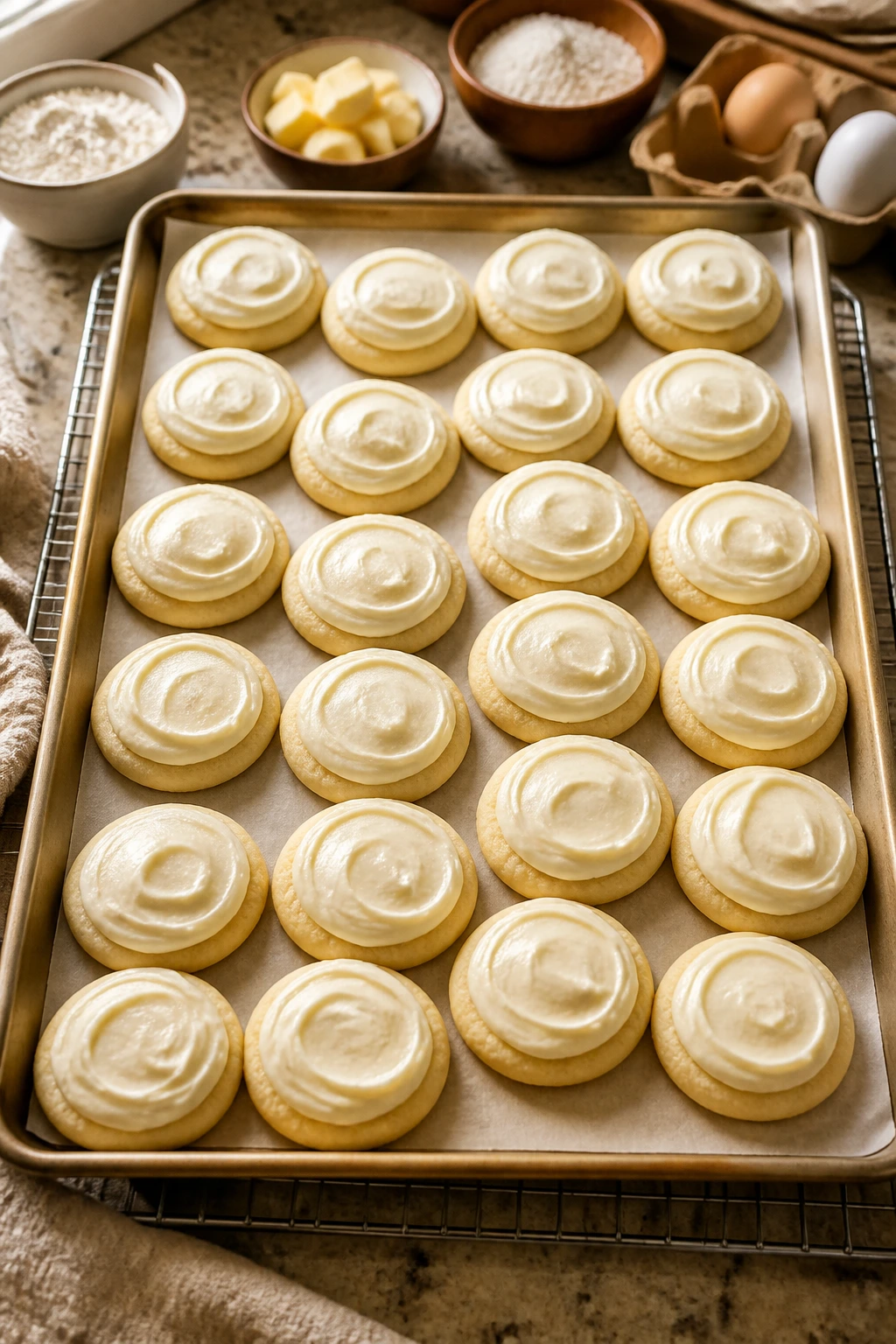
Spread or pipe the frosting onto the cooled cookies, then finish with sprinkles or a little citrus zest if you want a brighter look. Let the frosted cookies sit for 20 minutes so the top firms up enough to stack carefully.
How to Serve Them Without Smearing the Frosting
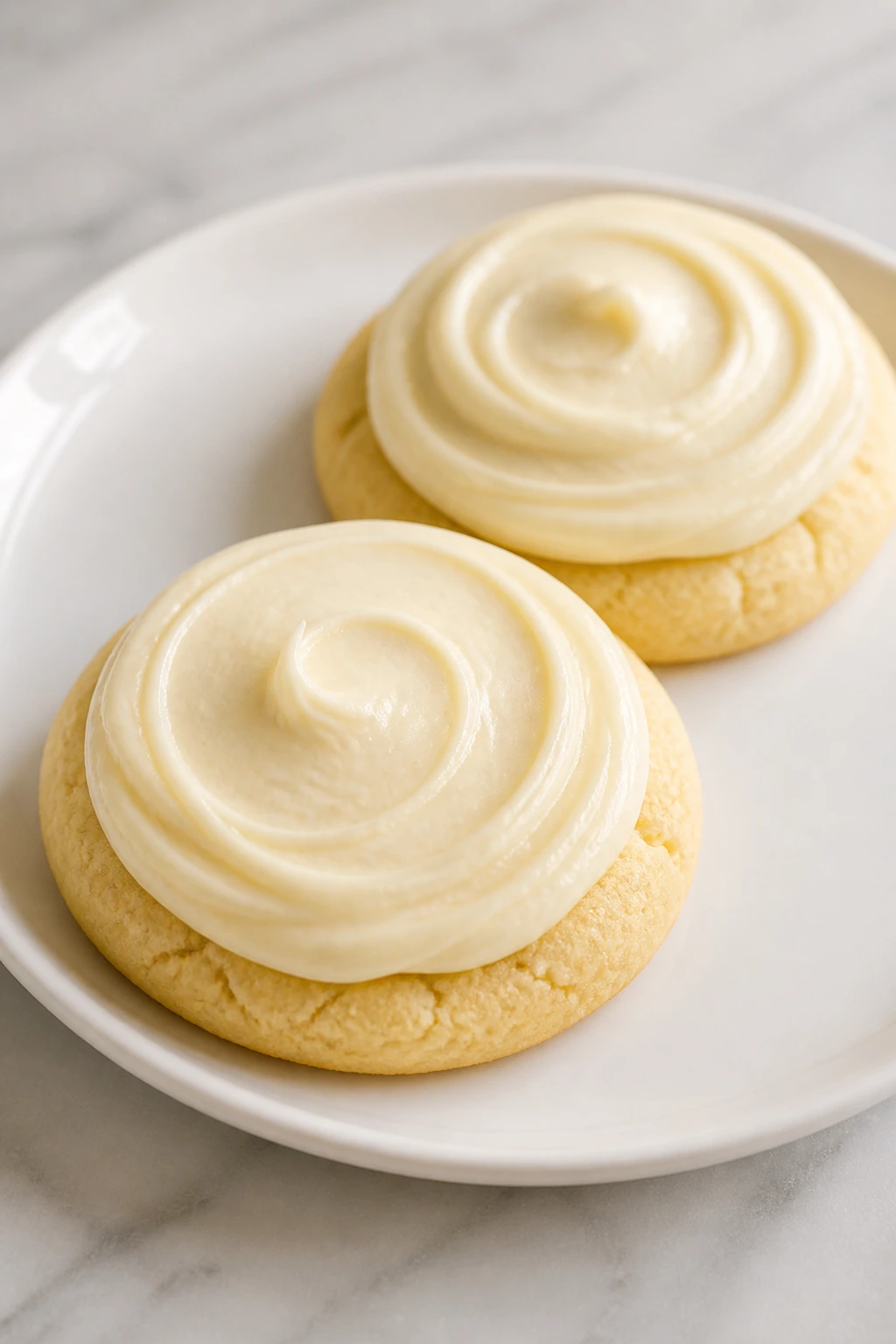
Presentation: I like these cookies best on a plain white plate or a shallow platter, because the frosting looks cleaner when the background stays quiet. A small offset spatula makes a nice swirl, but a spoon works too if you keep the top slightly domed instead of scraping it flat. If you are adding sprinkles, use a light hand; a few scattered on the center look neat, while a heavy rain of them makes the whole cookie feel busy.
Accompaniments: Cold whole milk is the obvious match, but coffee does a better job of cutting the sweetness than you might expect. A plain latte, black tea, or Earl Grey all work. If you want to put these on a dessert board, pair them with fresh berries, slices of pear, or a bowl of salted nuts so the plate does not feel like pure sugar from edge to edge.
Portions: Two cookies make a generous dessert portion after a normal dinner. For a party tray, plan on 2 to 3 cookies per person if these are the only sweets on the table. If you are serving them alongside pie or cake, one cookie per person is usually enough because the frosting has enough personality on its own.
Beverage Pairing: A strong cup of coffee is my favorite choice because it keeps the cream cheese frosting from feeling heavy. If you want something softer, cold milk or a lightly sweetened iced tea works well. The tang in the frosting likes a drink with some backbone.
Small Adjustments That Improve the Batch
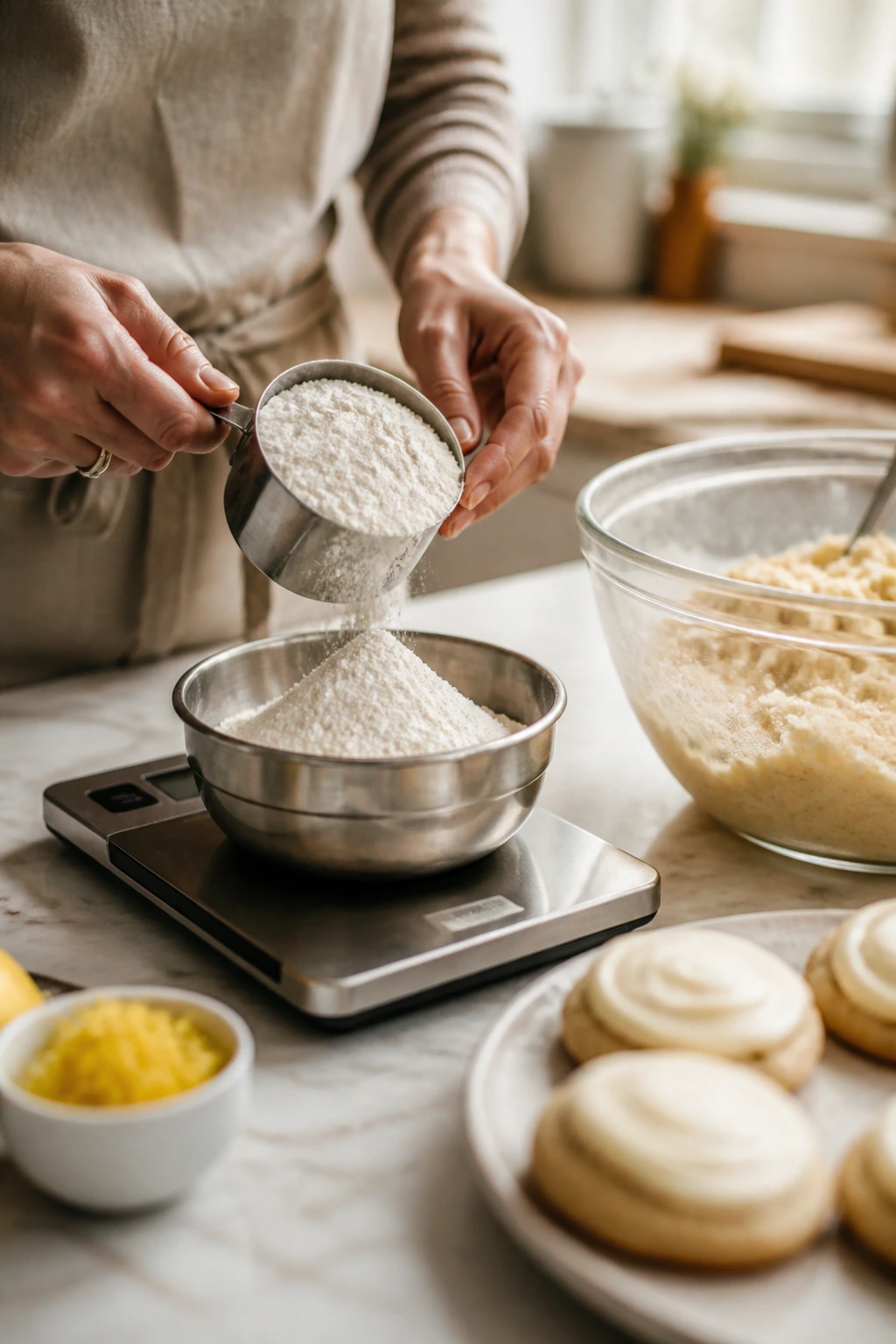
Texture Control: If you bake by cups, weigh your flour at least once and see how your measuring habit behaves. The difference between 300 grams and a packed, accidental extra 30 grams is enough to turn these from plush to chalky. That one change solves more cookie problems than people want to admit.
Flavor Boost: A little lemon zest in the frosting goes a long way. I usually add 1 teaspoon when I want the cookies to taste brighter without becoming lemon cookies, and I add it after the sugar so it stays evenly distributed. The vanilla still leads; the citrus just lifts the finish.
Time-Saver: Scoop the dough before chilling it. The mounds hold their shape better in the fridge, and you can bake straight from the tray when you are ready. If the dough firms up too much, let it sit on the counter for 5 to 10 minutes before baking.
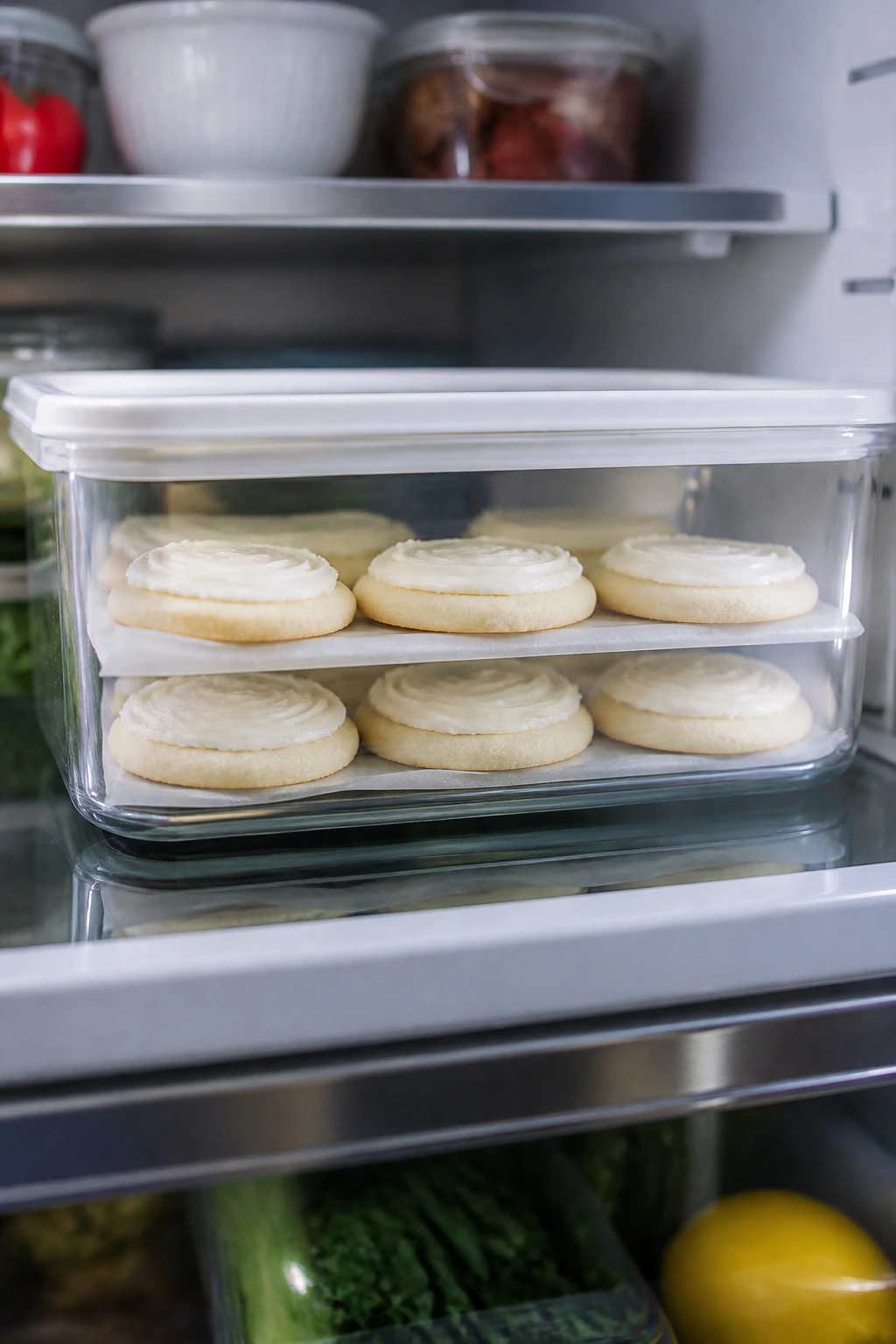
Finish Like a Baker: Frost only the cooled cookies, and let the frosting set before stacking them. If you need to transport them, slip parchment between layers so the tops do not smudge. It takes one extra minute and saves a whole tray from turning into a soft mess.
Make-It-Yours: For a less sweet cookie, cut the frosting sugar to 2 cups and add a pinch more salt. For a richer taste, swap the almond extract in the dough for an extra half teaspoon of vanilla bean paste. If you want them more dessert-like, add a fine shower of sanding sugar over the frosting while it is still soft.
The Mistakes That Flatten the Batch
-
Using butter that is too soft: If the butter looks shiny or puddled before you start, the dough spreads faster in the oven. The fix is simple: the butter should dent under your finger, not collapse. If it starts melting while you mix, chill the bowl for 10 minutes before scooping.
-
Packing in the flour: A heavy scoop of flour makes the dough dry and the cookies cakier in the wrong way. If the dough seems stiff before baking, you probably added too much flour. Spoon and level the flour, or weigh it, and the problem usually disappears.
-
Baking until the tops brown: These cookies are not supposed to look toasted. If you wait for deep color, the centers dry out before you notice what happened. Pull them when the edges are set and the centers still look soft and pale; they finish cooking from the pan’s heat.
-
Frosting warm cookies: Warm cookies melt the cream cheese frosting into a slippery glaze, and that is nobody’s idea of neat. Let the cookies cool fully, then frost them. If you are in a hurry, cool them on a rack in a single layer so the air can move around them.
-
Beating the frosting too long: Cream cheese frosting should be smooth and fluffy, not whipped into a loose, glossy cloud. If it starts looking airy and unstable, stop mixing, chill it briefly, and stir by hand before spreading. Overbeating tends to make the texture slide around instead of sitting up.
-
Skipping the chill on a warm day: If your kitchen is warm, the dough can spread before the leavening has time to do its work. A 30-minute chill helps the cookies hold their height. That short rest makes a bigger difference than people expect.
Variations That Keep the Same Soft Texture
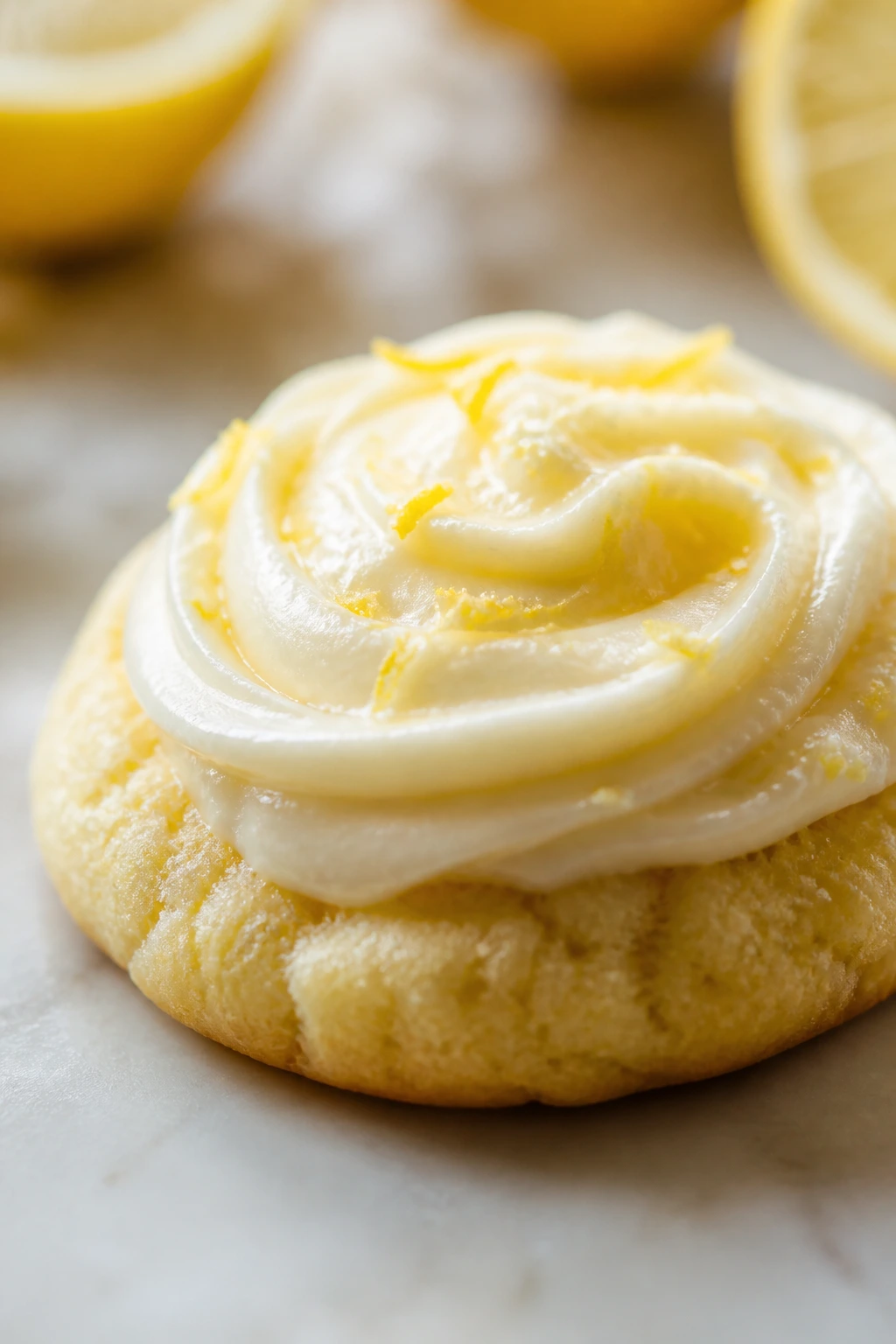
Lemon Zest Cloud Cookies: Add 1 teaspoon lemon zest to the dough and another teaspoon to the frosting. The cookies stay soft, but the lemon sharpens the finish and keeps the cream cheese frosting from tasting heavy. I like this version when I want something bright without turning the cookie into a full citrus dessert.
Birthday Sprinkle Batch: Fold 1/3 cup rainbow jimmies into the dough and top each frosted cookie with a few more. Jimmies hold their color better than nonpareils inside the dough, which can bleed and make the batter look muddy. This is the obvious choice for parties, and honestly, it earns the obvious choice status.
Brown Sugar Vanilla Cookies: Swap 1/4 cup of the granulated sugar for light brown sugar and keep the rest the same. The cookies come out with a deeper, almost caramel note and a little extra chew around the edges. The frosting still works, but the cookie underneath tastes a bit warmer and more rounded.
Cherry Almond Tea Cookies: Stir 1/3 cup finely chopped dried cherries into the dough and keep the almond extract. The fruit gives tiny tart pockets that wake up the frosting, which is a nice shift if you like cookies that feel more grown-up than celebratory. Do chop the cherries small; large pieces tear the soft dough.
Dairy-Free Soft Batch: Use plant butter sticks in both the dough and frosting, plus dairy-free cream cheese in the frosting. The cookies stay tender, though the frosting may need an extra few minutes in the fridge before spreading. If the plant-based frosting tastes a little flat, a pinch more salt usually helps more than extra sugar.
Storage, Freezing, and Make-Ahead Notes
These cookies behave best when you treat the dough, the frosting, and the finished cookies as three separate jobs. That may sound fussy, but it gives you a lot more control over texture. And texture is the point here.
Unfrosted baked cookies: Keep in an airtight container at room temperature for 2 days or in the fridge for up to 5 days. They stay softer at room temp, but if your kitchen is warm, the fridge is safer. Let chilled cookies sit out for 15 to 20 minutes before serving so the crumb stops feeling firm.
Frosted cookies: Store in a single layer or with parchment between layers in the fridge for up to 3 days. Cream cheese frosting likes the cold, and these cookies taste good straight from the fridge if you enjoy a firmer frosting. If you want a softer bite, let them sit on the counter for 20 minutes before serving.
Freezer storage: Freeze unfrosted baked cookies for up to 2 months in a zip-top bag or airtight container. You can also freeze the scooped dough balls on a tray, then transfer them to a freezer bag once firm; bake them straight from frozen and add 1 to 2 extra minutes in the oven. Frosting freezes too, but it’s easier to make fresh because thawed cream cheese frosting can look a little loose until you beat it again.
Make-ahead plan: The dough can be chilled overnight, then scooped and baked the next day. If it gets too firm, leave it on the counter for a few minutes until it scoops cleanly. The frosting can be made a day ahead, covered, and refrigerated; give it a quick beat before spreading so it loosens back up.
A small warning: frosted cookies should not sit out forever. If you are serving them for a party, keep them out for the event, then move the leftovers to the fridge once the table clears. That is the safest way to keep the frosting tasting fresh.
Questions Bakers Usually Ask
Can I make the dough ahead of time?
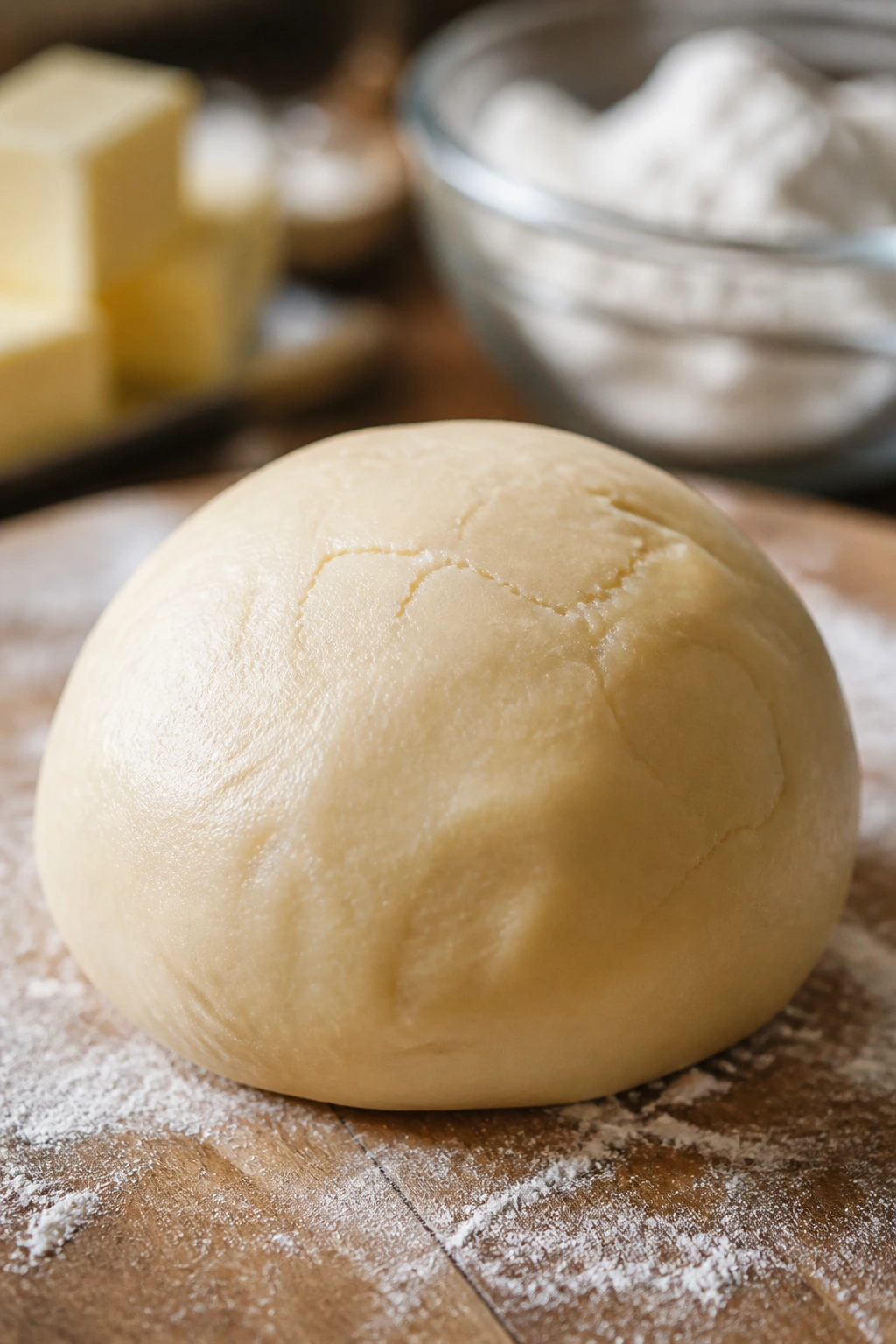
Yes. You can refrigerate the dough for up to overnight without any trouble, and it often bakes a little neater after the chill because the butter firms up. If it sits longer than that, scoop the dough first and freeze the rounds so they are easier to portion later.
Do these cookies have to be chilled before baking?
A short chill is helpful, not a moral requirement. If your kitchen is cool and the dough holds its shape, you can bake sooner; if the dough feels sticky or the butter looks soft, a 30-minute chill keeps the cookies from spreading too much.
Why did my cookies come out flat instead of fluffy?
The usual causes are butter that was too warm, too much flour, or an oven that ran too hot and set the edges before the dough had time to puff. Start by checking the butter texture and your flour measurement, then move to oven temperature if the first two look right. Flat cookies can also happen when the dough skips the chill in a warm room.
Can I use Greek yogurt instead of sour cream?
Full-fat Greek yogurt works in the same amount, and the cookies will still stay soft. The flavor ends up a touch cleaner and a little less rich, so I prefer sour cream when I have it and Greek yogurt when that’s what’s in the fridge. Low-fat versions tend to bring extra water, which can make the dough looser.
Can I pipe the cream cheese frosting?
Yes, if you keep it thick. Start with the recipe as written, then chill the frosting for 10 to 15 minutes if it feels soft. If you want sharper ridges from a piping bag, add a small spoonful more powdered sugar until the frosting holds its shape without cracking.
Do these need to be refrigerated because of the cream cheese frosting?
Yes, once they are frosted and not being served right away, the fridge is the smart place. They can sit out for a couple of hours during serving, but after that I’d move them to an airtight container in the refrigerator. Unfrosted cookies are more forgiving and can stay at room temperature longer.
Can I freeze the finished cookies?
You can, but the texture is better if you freeze them unfrosted and add the cream cheese topping after thawing. Frosted cookies freeze in a pinch if you lay them flat first and protect the tops with parchment, though the frosting may sweat a little as it thaws. If you do freeze them frosted, thaw in the fridge rather than on the counter.
Soft Edges, Clean Finish
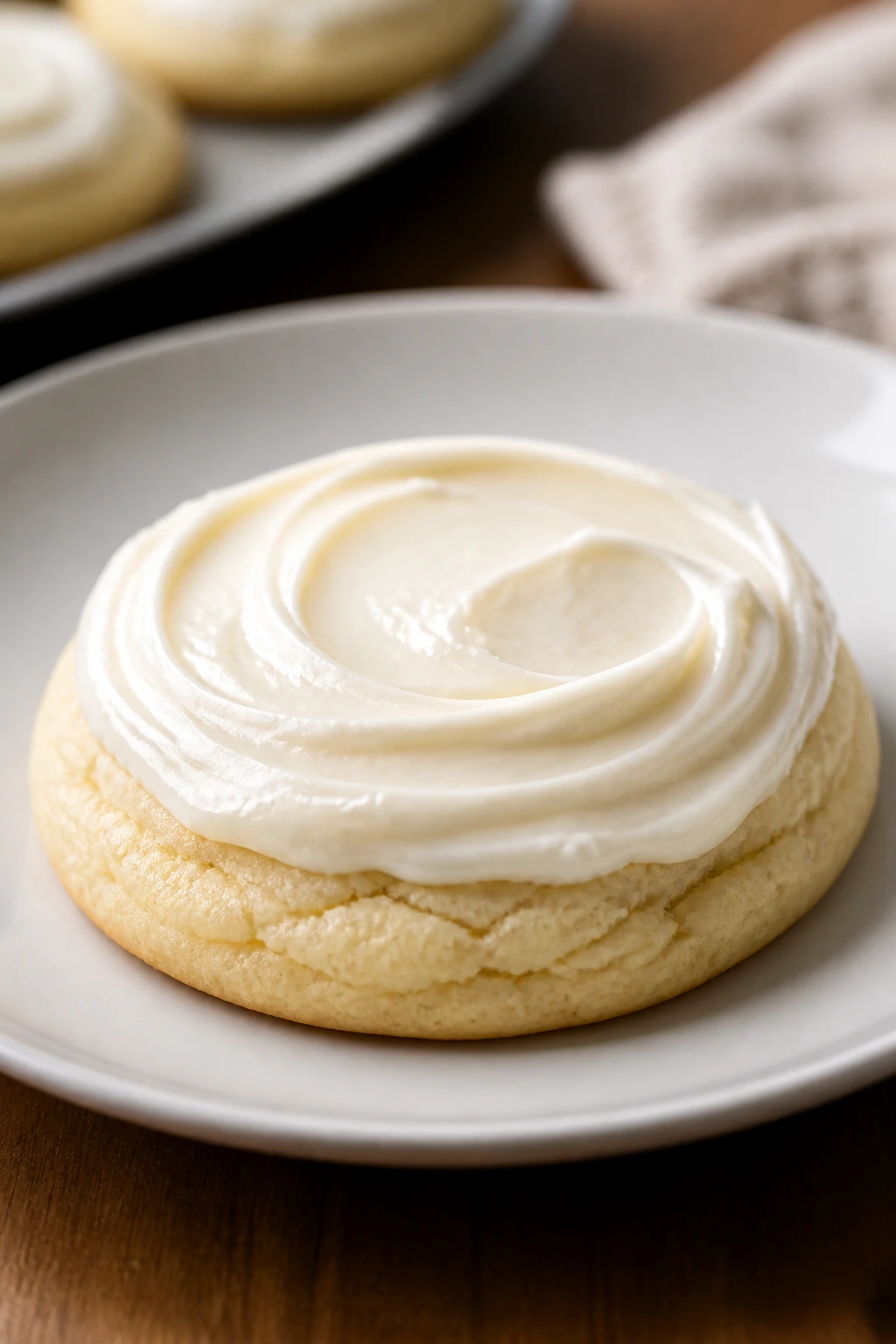
What makes this cookie worth repeating is not fancy technique. It is the quiet precision of a few small things done well: a tender dough, a short bake, and a frosting that tastes tangy instead of merely sweet. That combination gives you a cookie that feels soft from the first bite and still holds together when you pick up the second one.
I keep coming back to this style because it has a useful kind of restraint. No hard edges. No brittle snap. Just a pale, pillowy cookie with a cool cap of cream cheese frosting that settles into the crumb like it belongs there. Bake them once, and you will probably start keeping sour cream and cream cheese around for the next tray.
Fluffy Simple Cookie with Cream Cheese Frosting — Recipe Card
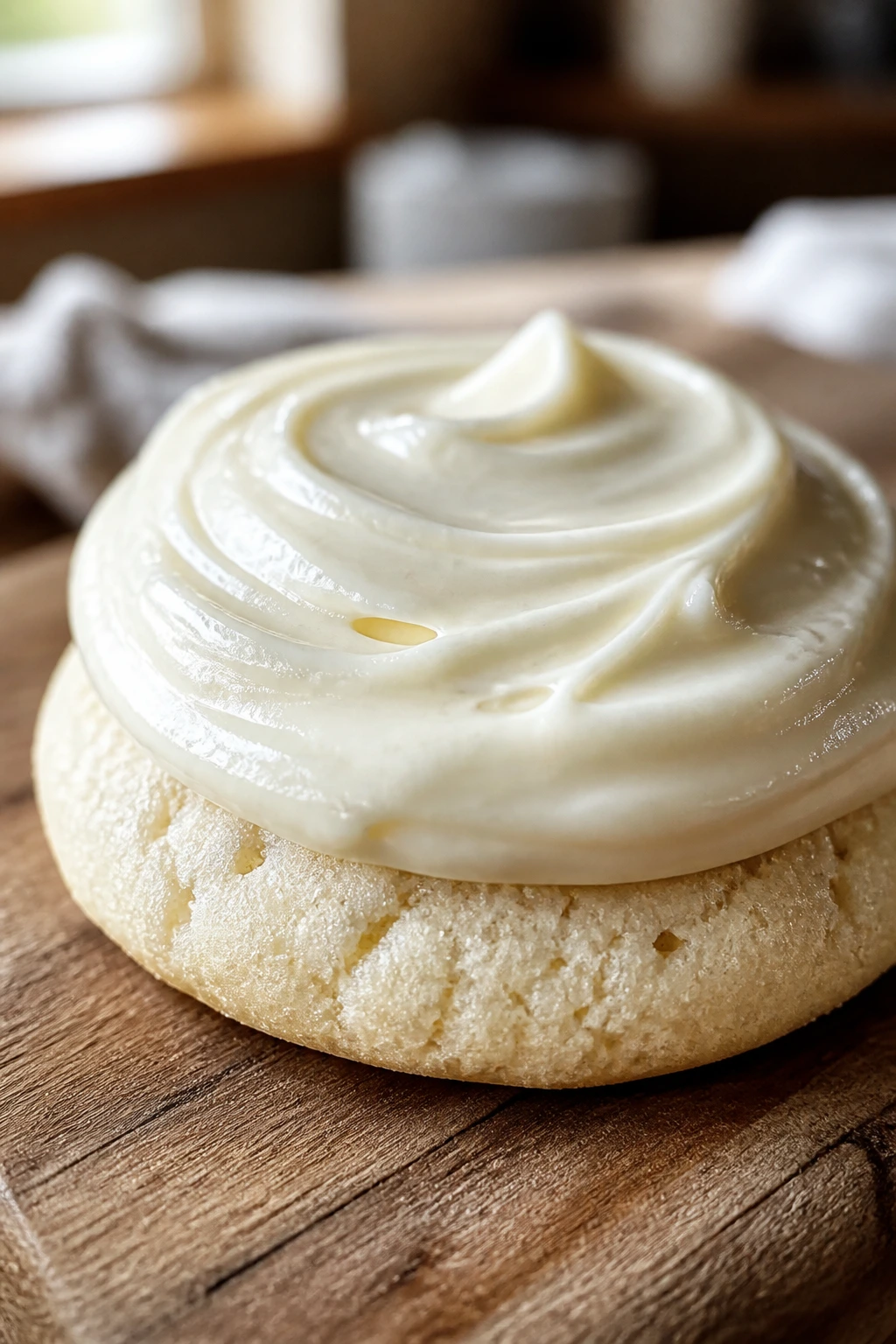
Recipe Name: Fluffy Simple Cookie with Cream Cheese Frosting
Description: Soft vanilla cookies with a light, cake-like crumb and a tangy cream cheese frosting. The cookies stay tender for days and hold their shape well once frosted.
Prep Time: 25 minutes
Cook Time: 10 to 12 minutes
Total Time: 1 hour 10 minutes
Course: Dessert
Cuisine: American
Servings: 22 to 24 cookies
Calories: About 200 kcal per cookie
Ingredients
For the Cookies:
- 2 1/2 cups (300 g) all-purpose flour
- 1 tablespoon (8 g) cornstarch
- 2 teaspoons baking powder
- 1/2 teaspoon baking soda
- 1/2 teaspoon fine salt
- 1/2 cup (113 g) unsalted butter, softened
- 3/4 cup (150 g) granulated sugar
- 1 large egg, room temperature
- 1 large egg yolk, room temperature
- 1 teaspoon vanilla extract
- 1/2 cup (120 g) full-fat sour cream, room temperature
- 1/2 teaspoon almond extract, optional
For the Cream Cheese Frosting:
- 4 oz (113 g) block cream cheese, softened
- 1/4 cup (57 g) unsalted butter, softened
- 2 1/2 cups (300 g) powdered sugar, sifted
- 1 teaspoon vanilla extract
- Pinch fine salt
- 1 to 2 tablespoons whole milk or cream, only if needed
- Sprinkles or citrus zest, optional
Instructions
-
Preheat the oven to 350°F (175°C) and line two baking sheets with parchment paper.
-
Whisk the flour, cornstarch, baking powder, baking soda, and salt together in a medium bowl.
-
Beat the softened butter and granulated sugar for 2 to 3 minutes, until pale and fluffy.
-
Beat in the egg, egg yolk, vanilla, sour cream, and almond extract if using.
-
Add the dry ingredients in two additions on low speed and mix only until combined. Chill the dough for 30 minutes if it feels sticky.
-
Scoop the dough into 2-tablespoon portions, place them about 2 inches apart, and lightly flatten each mound.
-
Bake for 10 to 12 minutes, until the edges are set and the centers still look pale.
-
Cool the cookies on the baking sheet for 5 minutes, then move them to a wire rack and cool completely.
-
Beat the cream cheese and butter until smooth, then add the powdered sugar, vanilla, and salt. Add milk or cream only if needed to loosen the frosting.
-
Frost the cooled cookies and finish with sprinkles or citrus zest if you like. Let the frosting set for 20 minutes before stacking or serving.
Notes: Chill the dough if your kitchen is warm. Frost only fully cooled cookies. For the softest texture, bake until the tops are still pale, not golden.