



A healthy dinner can fall apart for one simple reason: the vegetables go soft, dull, and a little sad before you’ve even sat down. Fresh crunchy vegetables fix that in a way most people underestimate. They bring sound to the plate. They bring bite. They make a dinner feel awake instead of obedient.
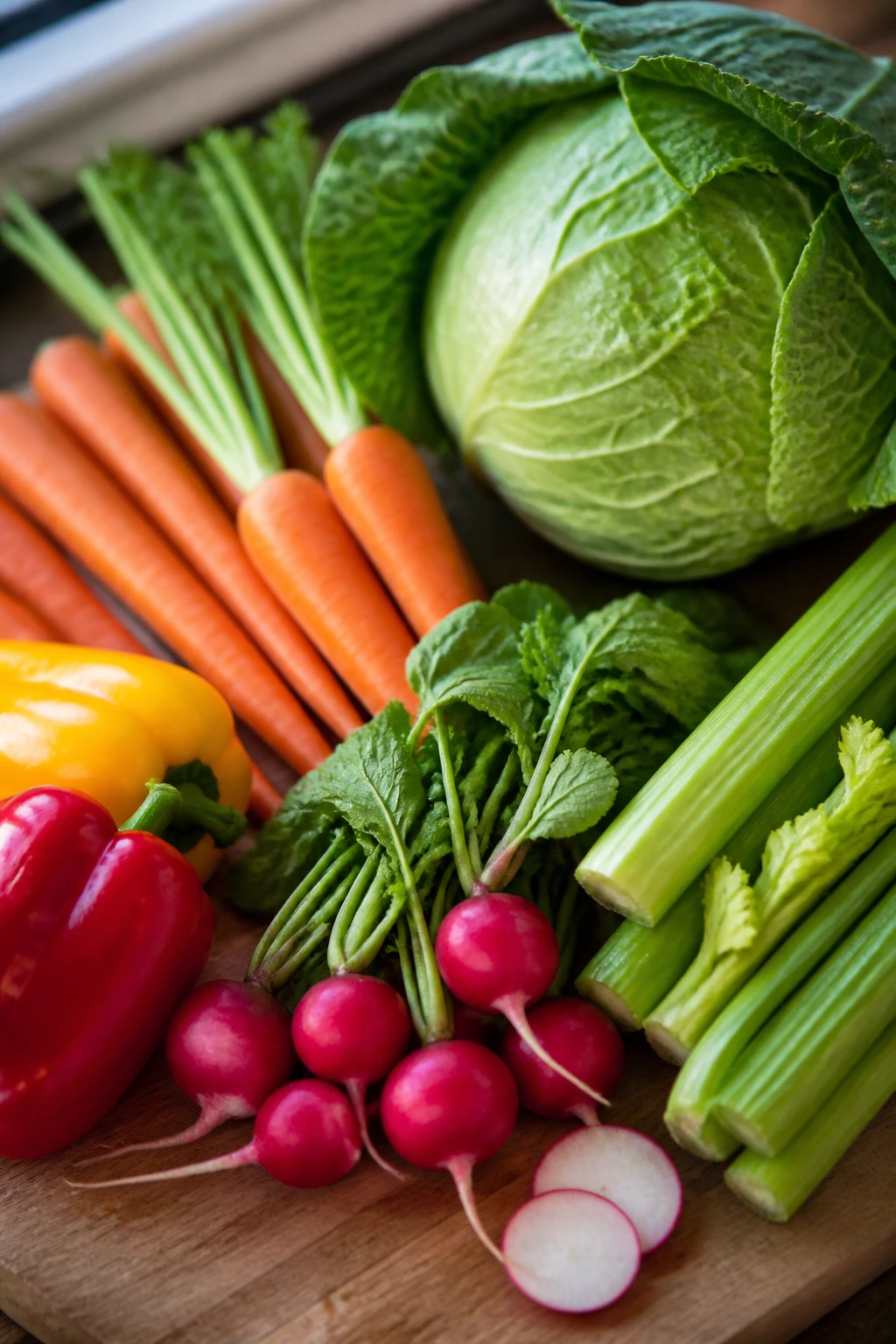
And yes, crunch matters. A crisp cucumber slice tastes cleaner than a limp one. A radish should crack, not collapse. Shaved cabbage, sliced bell pepper, snap peas, fennel, celery, and carrots all carry their own kind of snap, and that texture changes how a meal eats from the first bite to the last.
What I like about crunchy vegetables at dinner is that they don’t have to be the whole dinner to matter. A handful of raw carrots can sharpen a bowl of rice and beans. A fast slaw can rescue roasted tofu. A plate of bitter endive, juicy tomatoes, and shaved fennel can make a plain omelet feel like a proper meal. The trick is not just buying vegetables. It’s choosing the right ones, handling them the right way, and keeping them crisp long enough to matter.
Why Crunch Belongs at the Dinner Table
Crunch is not decoration. It changes the entire eating experience.
When vegetables stay crisp, they bring contrast against soft rice, creamy beans, tender tofu, warm grains, and dressed greens. That contrast is what keeps a healthy dinner from feeling flat. A bowl of steamed broccoli and quinoa can be fine. Add raw cabbage, cucumber, and toasted seeds, and the same bowl suddenly has teeth.
- It makes smaller portions feel more complete: A plate with crisp vegetables, protein, and a simple starch usually feels more filling than the same plate without texture.
- It keeps healthy dinner from feeling heavy: Fresh crunch adds volume and chew without turning the meal into a brick.
- It makes seasoning easier to notice: Acid, salt, and herbs land harder on crisp vegetables than on soft ones.
- It gives you something to prep ahead: Cabbage, carrots, radishes, and fennel can wait in the fridge better than delicate greens.
- It works raw or lightly cooked: Not every crunchy vegetable has to stay raw to stay interesting; a quick blanch or fast roast can keep the bite where you want it.
There’s another reason I keep coming back to crunch at dinner: it slows you down just enough to pay attention. That sounds small. It isn’t. A crisp dinner asks for chewing, and chewing gives sauces time to spread, herbs time to bloom, and your brain time to register that the meal actually satisfies you.
The Freshest Crunchy Vegetables to Keep on Hand
Some vegetables are built for this job. Others can play along, but only if you treat them right.
The vegetables that stay crisp longest
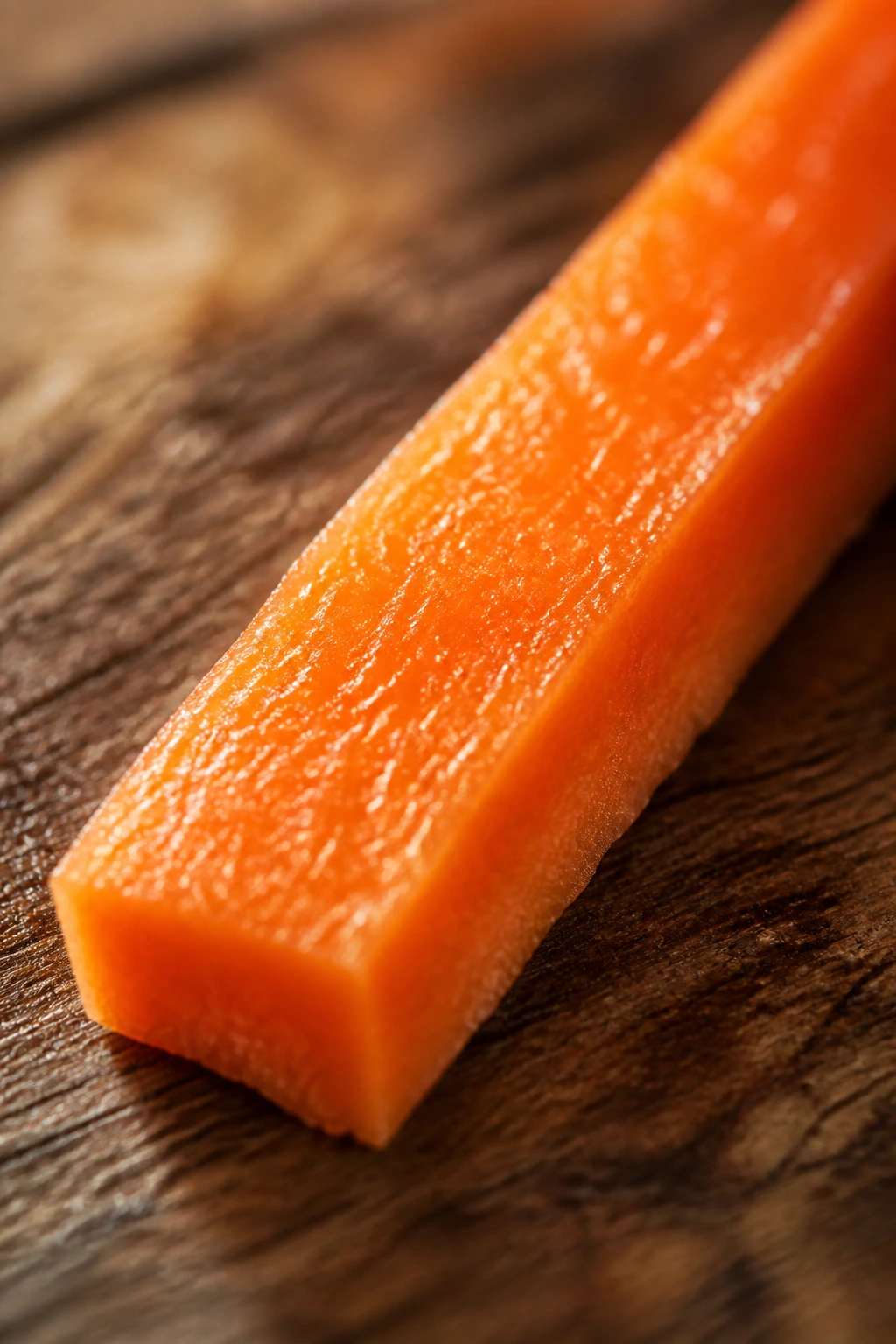
Carrots are the refrigerator workhorse. They stay firm for weeks when trimmed and kept dry, and they can be cut into sticks, ribbons, coins, or shaved curls without losing their shape.
Cabbage is one of the best dinner vegetables in the kitchen, full stop. Green cabbage, red cabbage, and Napa cabbage all hold up after slicing, tossing, and dressing. They soften a little, but not in a bad way.
Celery is underrated because it sounds boring. Then you slice it thin, add lemon, salt, and herbs, and it acts like a bright, salty backbone for beans, eggs, or lentils.
Radishes bring snap and pepper. They should feel dense for their size, with smooth skin and no mushy ends. If they’re soft, pass.
Bell peppers bring crunch with sweetness. A good pepper feels taut and heavy, not wrinkled or hollow.
The vegetables that disappear fast, but taste worth it
Cucumbers are great, but they need a little care. Pick firm cucumbers with thin skin and no soft spots. English cucumbers and Persian cucumbers usually give you the cleanest crunch for dinner salads and bowls.
Snap peas and snow peas bring a sweet, green crunch that feels almost snack-like. Snap peas are meatier; snow peas are flatter and more delicate. I use snap peas when I want the crunch to last in a composed bowl.
Fennel tastes faintly like licorice and celery had a smarter cousin. Slice it thin, and the bulb stays crisp while the flavor gets cleaner and brighter.
Jicama is pure crunch. It’s watery in the best way, almost apple-like, and it stays firm even after slicing. If you’ve never used it in dinner, it’s worth fixing that.
The ones that need a little timing
Broccoli stems, kohlrabi, endive, and baby romaine can all bring good crunch, but only when they’re fresh. These are the vegetables I buy when I already know what dinner will be.
If the cut edge looks dry or the leaves are limp in the bag, skip them. The crunch is gone before you get home.
Raw, Blanched, Roasted, or Stir-Fried?
Not every crunchy vegetable belongs in the same bowl. That’s where dinner gets interesting.
Raw keeps the snap loudest
Raw vegetables give you the cleanest texture and the brightest flavor. Use raw carrots, cucumbers, radishes, cabbage, fennel, bell peppers, and celery when you want the plate to feel crisp from first bite to finish. This is where a good knife matters more than people think. A ragged cut edge bruises faster and weeps moisture sooner.
Raw works best when the vegetable already tastes good on its own. A pepper should be sweet. A cucumber should smell cool and fresh. A radish should have that sharp, peppery bite that wakes up the palate.
Blanching softens the edge without killing the crunch
Blanching is the move when you want vegetables to look fresh but feel a little less raw. Drop green beans, snap peas, asparagus, or broccoli florets into salted boiling water for 45 to 90 seconds, then shock them in ice water. Drain them well and dry them before serving.
That tiny dip gives you color and tenderness while keeping the bite. It’s especially useful for dinner salads that include warm components, because the vegetables don’t feel cold and harsh.
Roasting gives you crunch at the edges
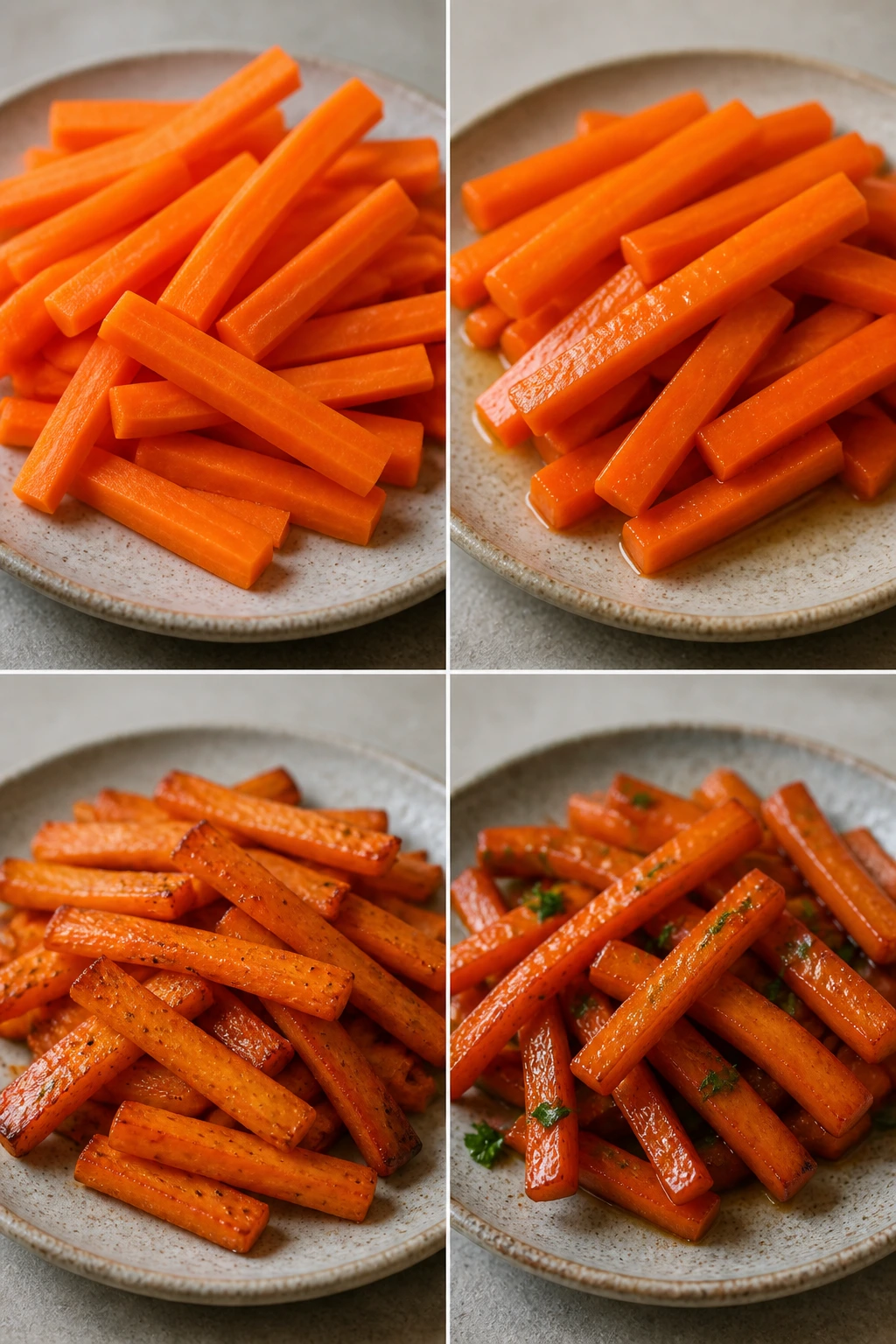
Roasted vegetables are not the same as raw crunch, and they shouldn’t pretend to be. What roasting does well is give you caramelized edges and a firmer center. Think broccoli florets, carrots, Brussels sprouts, fennel wedges, or green beans tossed with oil and roasted at 425°F until the edges brown and the centers stay firm.
Crowding ruins this. If the vegetables sit on top of each other, they steam. Use a rimmed sheet pan, spread them out, and give them room.
Stir-frying is the fastest way to keep dinner lively
A hot skillet or wok can keep vegetables crisp if you move fast. Slice carrots thin, cut peppers into strips, and keep broccoli florets small. Cook them over medium-high to high heat for 2 to 4 minutes, just until they turn bright and lose the raw edge.
The pan should be hot before the vegetables go in. If it isn’t, they soften before they brown.
How to Wash, Dry, and Slice for Maximum Snap
Wet vegetables go limp faster. That’s the rule.
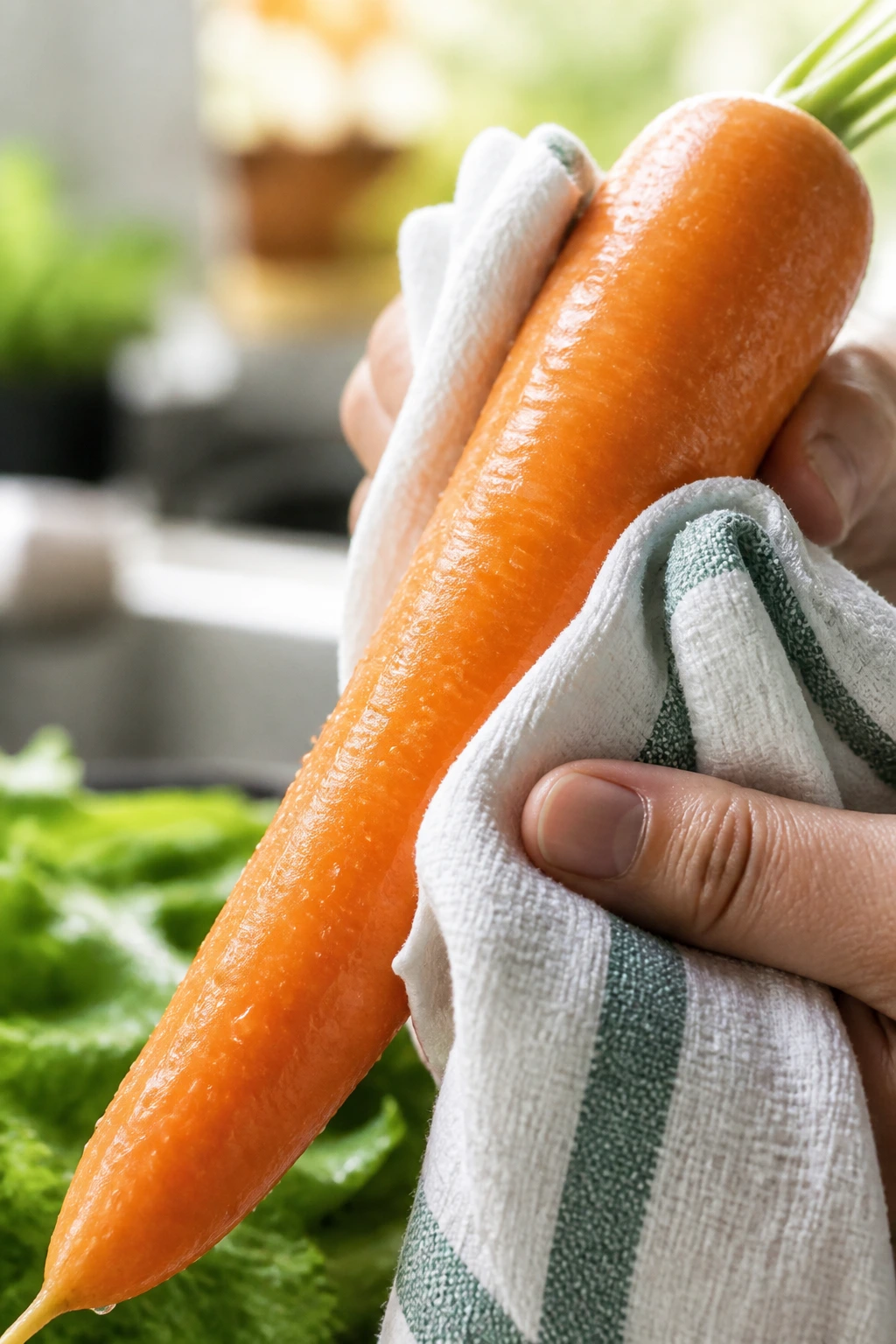
Rinse produce under running water, then dry it well. Food-safety guidance is plain about this, and for crunchy vegetables the practical reason matters too: surface water becomes steam, and steam kills texture. A salad spinner earns its counter space here. So does a clean dish towel that can blot cabbage, herbs, lettuce, and sliced cucumbers without bruising them.
A few vegetables need special handling. Cabbage can be cut ahead because it holds its shape. Cucumbers should be sliced close to serving time unless you’re salting them first and draining off the water. Radishes keep their snap better when the greens are removed as soon as you get home. Carrots stay crisp longer if you trim the tops and store them dry, not floating in a drawer puddle.
Cutting style matters too.
- Thick strips work well for carrots, peppers, and cucumber spears.
- Thin shavings suit fennel, cabbage, and kohlrabi when you want a slaw-like dinner side.
- Diagonal slices make green beans and celery look more finished and taste less blunt.
- Small, even florets roast better because they brown at the same pace.
A sharp knife is not a luxury here. It cuts cleanly, and clean cuts keep vegetables from looking ragged and tired. A dull blade crushes the edge. You can see it, and you can taste it.
Building a Healthy Dinner Around Crunchy Vegetables
Crunch works best when it isn’t trying to carry the whole plate by itself.
The easiest structure is simple: vegetables for volume, protein for staying power, starch for comfort, and a sauce or dressing to tie it together. You do not need all four every time, but the plate gets more satisfying when you have at least three. A pile of raw carrots is fine. Carrots with white beans, brown rice, and lemon-tahini is dinner.
I like the half-plate rule because it keeps the meal honest. Half the plate can be crunchy vegetables or a mix of crunchy vegetables and greens. The rest can be split between tofu, eggs, lentils, chickpeas, tempeh, or cheese, plus a grain or potato if you want one. That balance keeps the dinner feeling light without turning it into a snack board.
A few combinations do the job especially well:
- Shaved cabbage + chickpeas + warm rice + sesame dressing
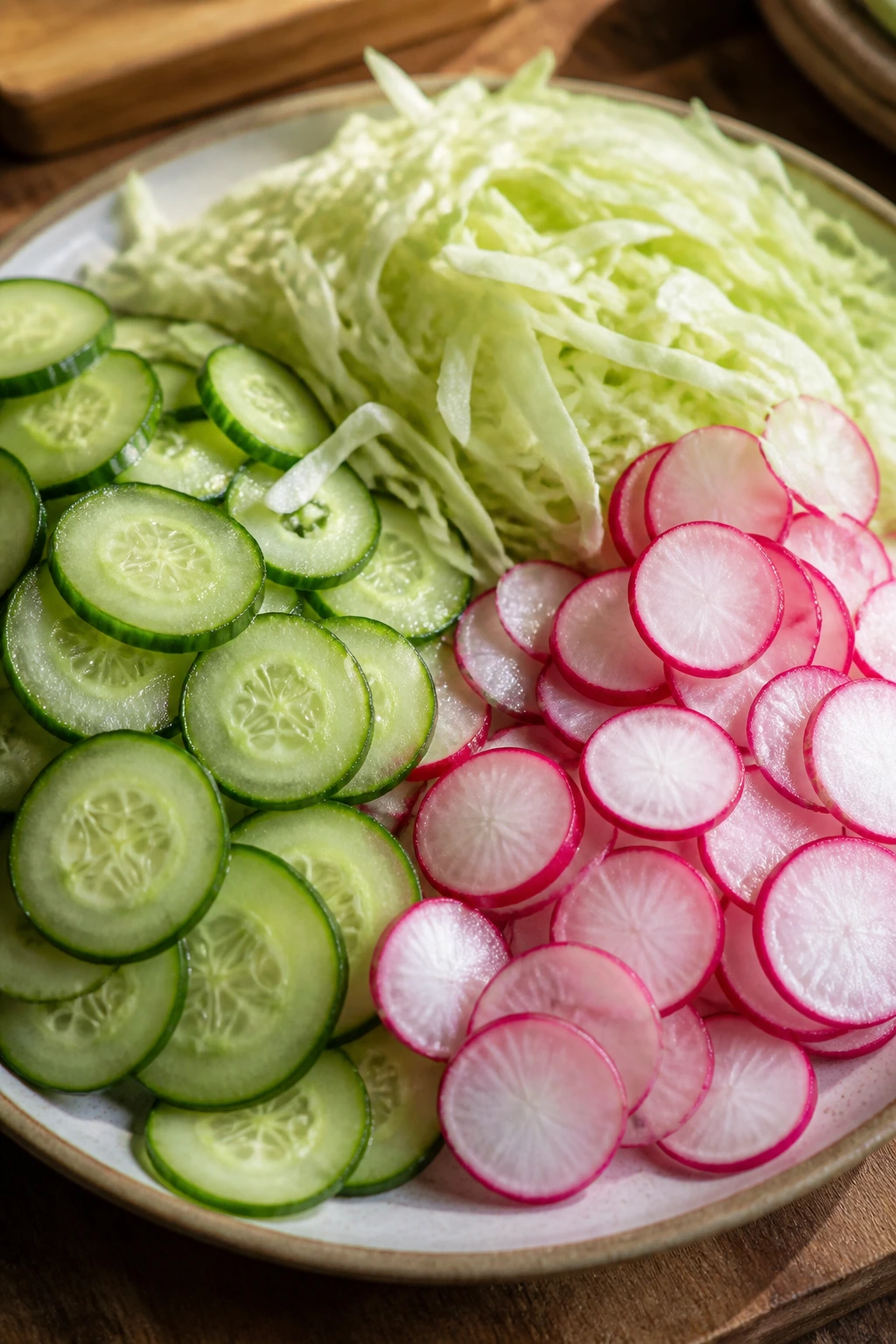
- Cucumber + radish + tofu + soba noodles
- Roasted broccoli + lentils + tahini + toasted seeds
- Carrot ribbons + white beans + avocado + lemon vinaigrette
- Fennel + orange segments + olives + baked tofu
What matters is contrast. Soft needs hard. Warm needs cool. Creamy needs sharp. The vegetables are doing more than bringing color; they’re keeping the rest of the dinner from blending into one texture.
That’s one reason I think crunchy vegetables are so useful for vegetarian dinners. Beans, grains, eggs, tofu, and cheese all lean soft, dense, or creamy. Crunch cuts through that. It makes the plate breathe.
Dressings, Dips, and Finishes That Wake Them Up
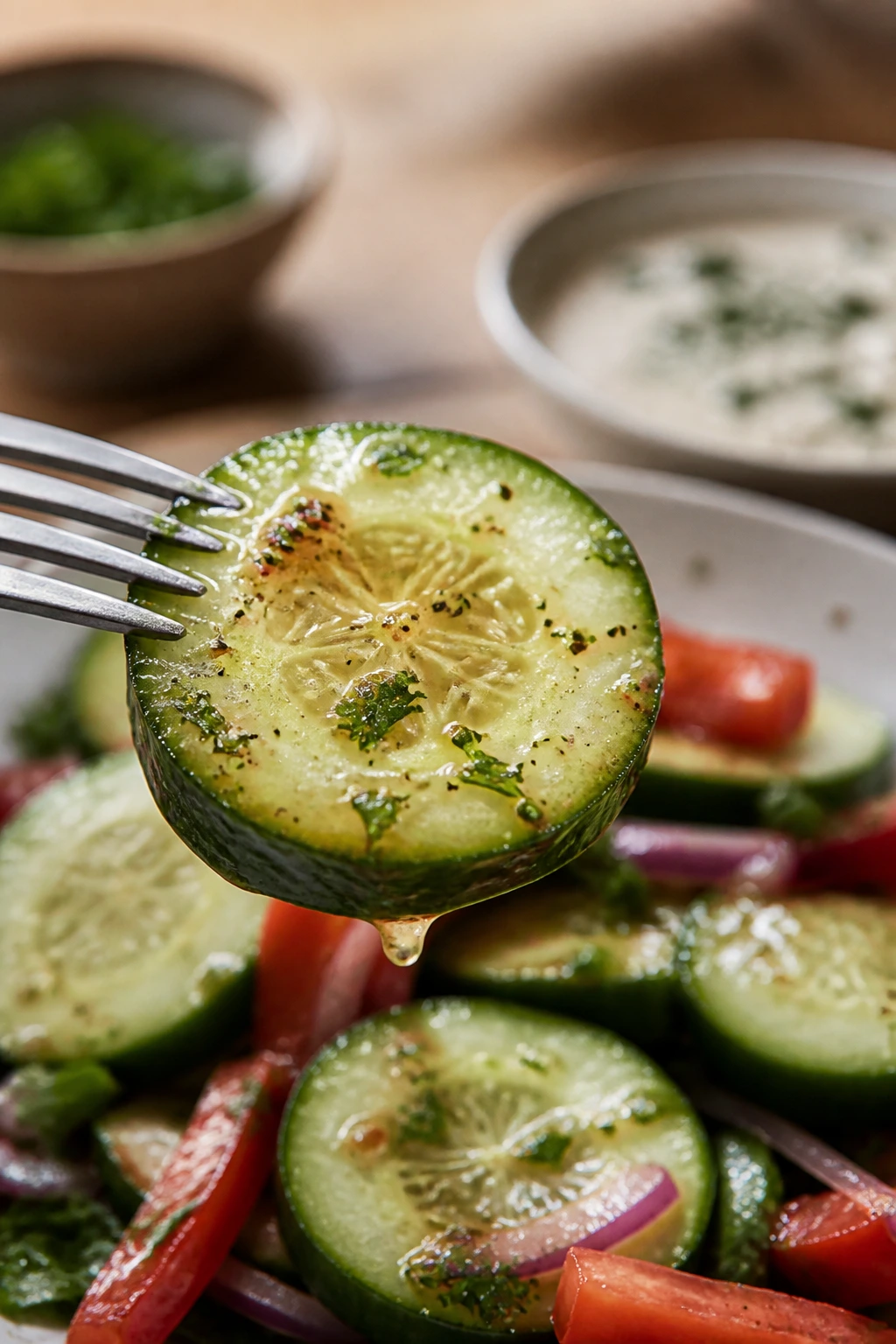
A crunchy vegetable without seasoning can taste like busywork. The fix is not complicated. It usually comes down to acid, salt, fat, and a little heat.
Acid makes the vegetables taste alive
Lemon juice, lime juice, rice vinegar, sherry vinegar, and red wine vinegar all sharpen vegetables in different ways. Lemon is bright and clean. Rice vinegar is softer. Sherry vinegar gives cabbage and fennel a deeper note that feels grown-up without trying too hard.
A tiny squeeze can be enough. A heavy hand can drown the whole plate.
Fat helps the dressing cling
Olive oil, tahini, yogurt, avocado, peanut butter, and sesame oil all give a dressing something to grab onto. A vinaigrette that’s only acid and salt tends to slide off. Add a spoonful of tahini or a splash of oil, and the vegetables carry the flavor instead of leaving it in the bowl.
My favorite quick combinations are the plain ones:
- olive oil + lemon + salt
- tahini + water + garlic + lime
- yogurt + dill + lemon + black pepper
- peanut butter + rice vinegar + soy sauce + warm water
Crunch on crunch is not too much
Toasted sesame seeds, chopped peanuts, pepitas, sunflower seeds, crispy chickpeas, fried shallots, or a handful of herbs can make a bowl feel finished. Just don’t pile on so much that you lose the point of the vegetables. A spoonful of seeds is enough. A snowstorm of them starts to feel clumsy.
For delicate vegetables, dress at the last minute. For sturdy cabbage slaws, you can toss them with salt and dressing and let them sit for 10 to 15 minutes so the leaves relax a little without collapsing. That little rest helps the vegetables absorb flavor while still keeping their bite.
Tools That Make the Work Easier
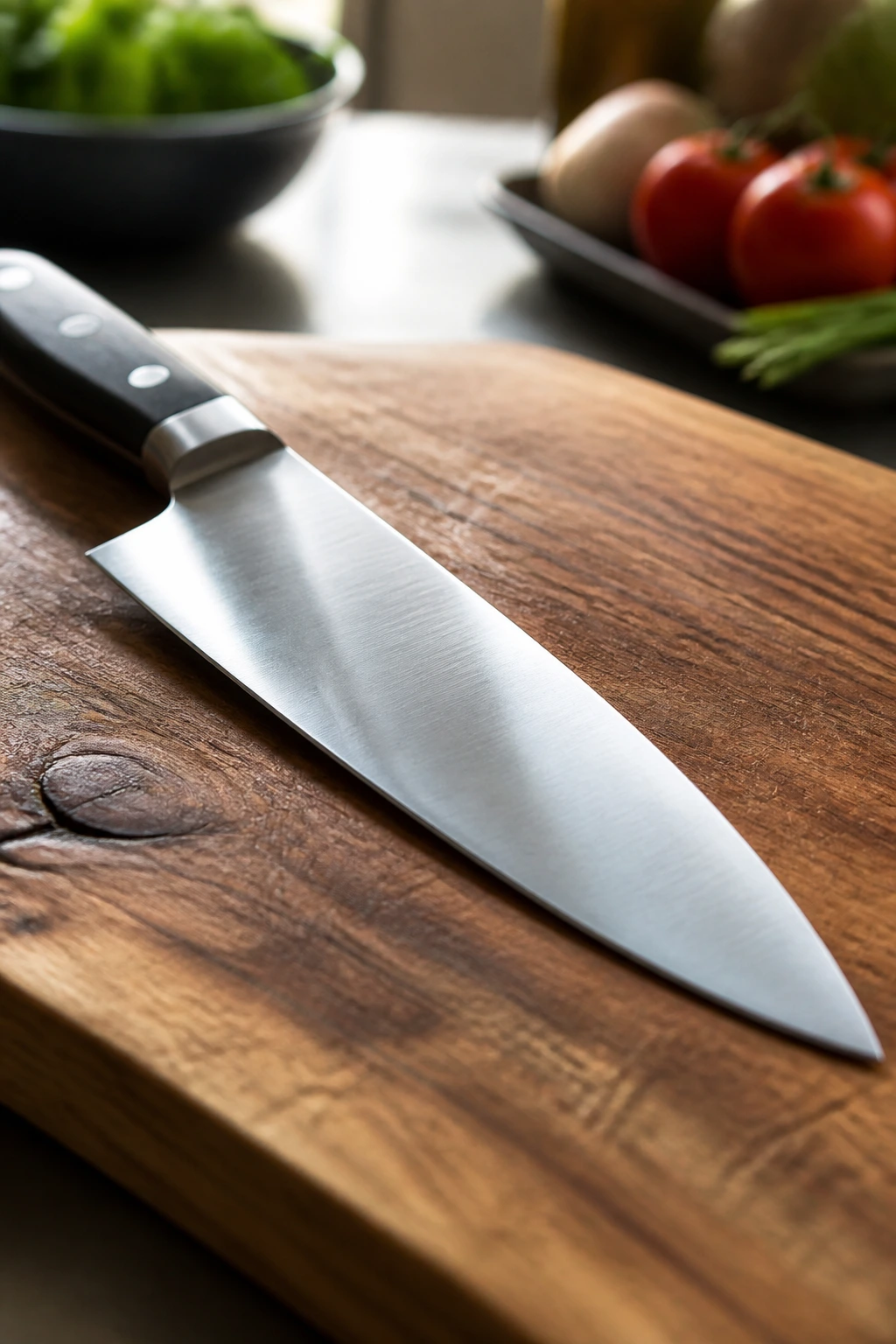
You can make crunchy vegetables with a knife and a bowl. But a few tools make the job cleaner and faster.
- Chef’s knife: A sharp 8-inch knife gives you clean cuts and less bruising on cabbage, peppers, and herbs.
- Cutting board: Use a board large enough that vegetables don’t pile up. A damp towel underneath keeps it from sliding.
- Salad spinner: Best for greens, herbs, and sliced cabbage. Dry vegetables hold crunch longer.
- Mandoline with guard: Useful for fennel, radishes, cucumbers, and cabbage if you want paper-thin slices. Keep the guard on. Seriously.
- Box grater or microplane: Good for quick carrot ribbons, garlic, ginger, and citrus zest.
- Large mixing bowl: You need room to toss vegetables without crushing them.
- Sheet pan: Essential if you want roasted vegetables with browned edges instead of steamed ones.
- Fine-mesh colander: Handy for blanching and draining vegetables fast.
- Airtight containers: Glass or sturdy plastic boxes with lids keep prepped vegetables from drying out or picking up fridge smells.
If you use a mandoline, wear the cut-resistant glove. The gadget is useful. The blood loss is not.
Shopping and Storage Moves That Keep Vegetables Crisp
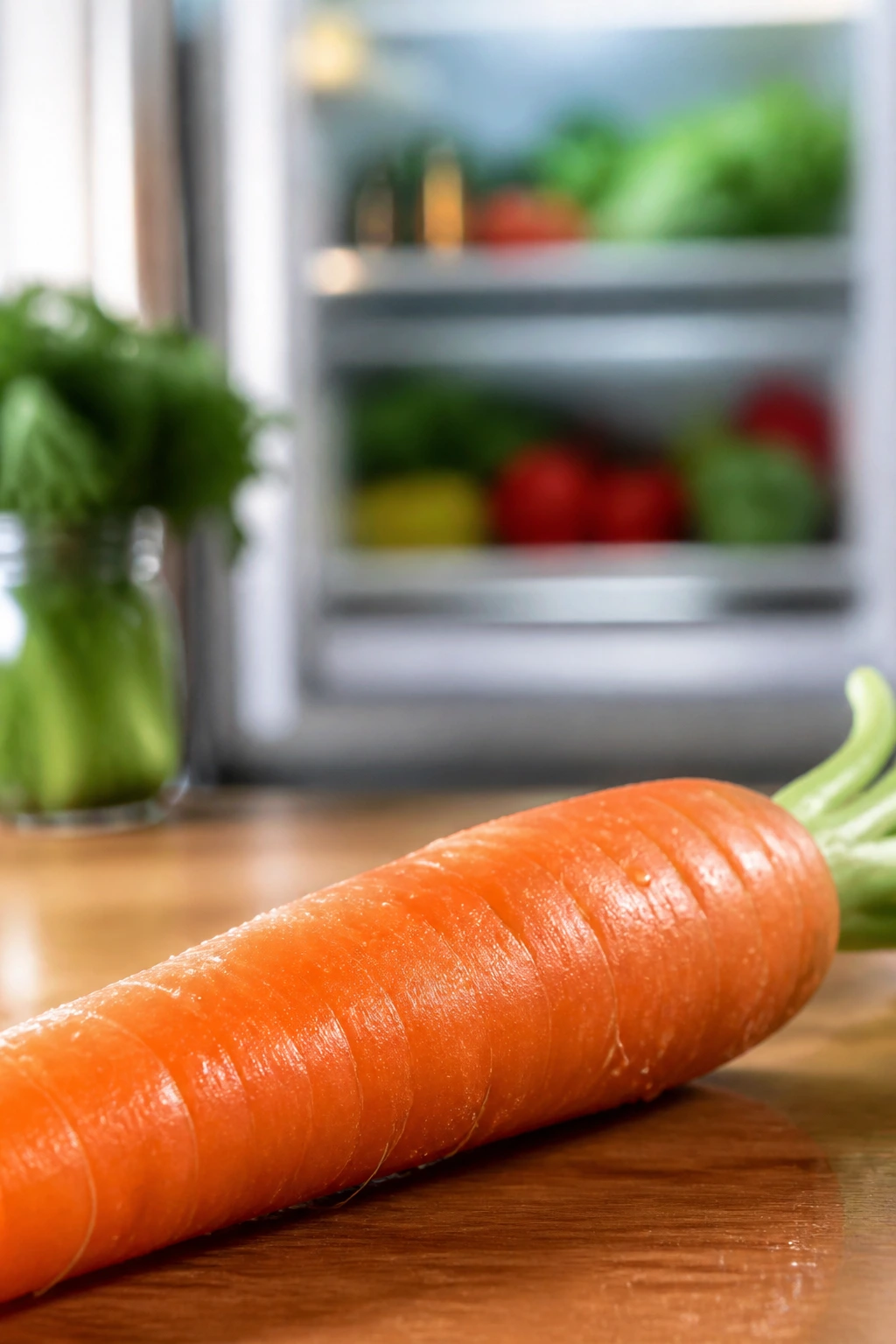
Buy vegetables like you plan to notice the difference.
Look for weight, firmness, and clean edges. Carrots should snap, not bend. Celery should squeak when you separate a rib. Bell peppers should feel dense and smooth, with no soft shoulders. Radishes should be tight and glossy. Cabbage should feel heavy for its size, with leaves packed close together.
A few things I watch for every time:
- Leafy greens: Choose leaves that look dry and lively, not wet and dark at the edges.
- Cabbage and fennel: Pick heads that feel solid and heavy, with no cut surfaces turning brown.
- Cucumbers: Avoid wrinkled skin or any soft spot near the ends.
- Snap peas: Look for pods that are full and crisp, not dimpled or stale-looking.
- Carrots: Smooth skin and bright color usually mean better texture.
Storage is mostly about dryness and temperature. Keep whole carrots, celery, and radishes in the refrigerator, ideally in the high-humidity drawer or wrapped loosely in paper towels inside a bag. Remove radish greens the day you bring them home; the tops pull moisture from the bulb. Store cabbage and fennel whole until you need them. Once cut, wrap them well and use them within 3 to 5 days.
Cut vegetables need a little more care. Put sliced cucumbers, peppers, and carrots into airtight containers lined with a dry paper towel. If the towel gets damp, swap it. That tiny step can buy you an extra day of decent texture.
Do not store everything wet because “washed and ready” sounds efficient. Wet storage is how crisp vegetables turn limp, then slimy, then annoying.
Weeknight Tricks for a Dinner That Stays Fresh
A lot of people want dinner to feel fresh after they’re already tired. That is fair. The answer is not more effort. It’s fewer mistakes.
Time-Saver: Wash and dry your sturdier vegetables in one session, then store them in separate containers. Cabbage, carrots, celery, and radishes can all sit prepped for a few days if they stay dry. When dinner time shows up, you’ve already removed the slow part.
Flavor Boost: Keep one acid on the counter and one in the fridge. A lemon for squeezing, a vinegar for dressing, maybe a jar of pickled onions if you like sharper food. Crunchy vegetables wake up fast with acid, and they need less salt than people think.
Make-Ahead Move: If you want slaw or chopped vegetables for later in the week, prep the crunchy base but keep the dressing separate until serving. A dressed cabbage salad can handle a short rest. A dressed cucumber salad goes watery in a hurry.
Pro Move: Build one warm element and one cold element into the same bowl. Roasted broccoli with raw radish. Warm rice with chilled cucumber. Baked tofu with shaved fennel. That temperature contrast does more than most sauces, and it takes almost no extra time.
If you only have ten minutes, don’t aim for a perfect meal. Aim for a sharp one. Sliced carrots, a quick bean salad, good olive oil, lemon, salt, pepper. Dinner can be plain and still feel complete.
Common Mistakes That Turn Crunch into Limpness
Crunch disappears faster than people expect, and the mistakes are almost always mechanical.
- Storing vegetables while they’re still wet: The symptom is slippery, soft edges in the container. Dry them well before they go into the fridge, and line the container with a paper towel if needed.
- Dressing too early: Cucumbers, lettuce, and herbs turn watery and heavy. Dress them right before serving, or hold the dressing back and toss only what you’ll eat that night.
- Cutting pieces too small: Tiny cucumber dice and paper-thin carrot coins lose texture fast. If you want dinner crunch, cut a little larger than you would for a garnish.
- Crowding the roasting pan: The vegetables steam instead of browning. Use two sheet pans if you have to. Space is not optional here.
- Using a dull knife: The cut edges get ragged and bruise. Sharpen the blade, or at least use the sharpest one you own.
- Buying vegetables that are already tired: No storage trick can rescue a cucumber with a soft core or celery that bends like rubber. Start with firm produce and you’ve already won half the battle.
The fastest fix for limpness is to stop trying to rescue everything. Some vegetables can be revived in ice water or with a fresh cut. Some can’t. Better shopping saves more dinners than heroic trimming ever will.
Variations for Different Kinds of Vegetarian Dinners
One of the nicest things about crunchy vegetables is that they slide into almost any dinner style without acting precious.
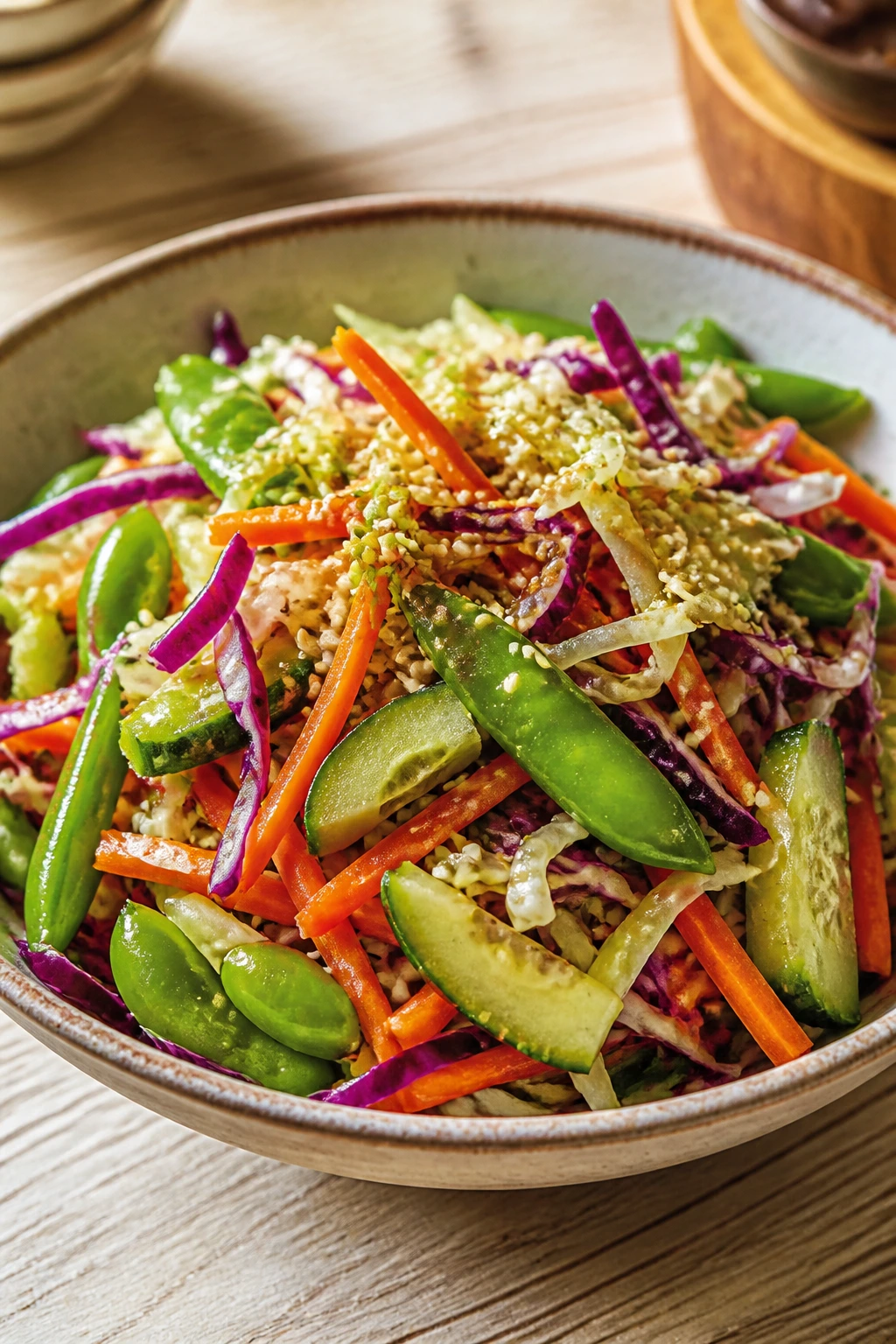
Sesame Snap Bowl
Use shredded cabbage, snap peas, carrots, cucumber, tofu, and a sesame-ginger dressing. This version tastes best when the dressing is salty enough to coat the vegetables without puddling at the bottom of the bowl.
Mediterranean Chop Plate
Build the plate from cucumber, bell pepper, fennel, cherry tomatoes, chickpeas, olives, and feta if you eat dairy. A lemony olive oil dressing keeps the vegetables bright, and a handful of herbs makes the whole thing taste more finished than it really is.
Warm-and-Cool Tray Dinner
Roast broccoli, carrots, and cauliflower until the edges brown, then finish the tray with raw radish slices, shaved celery, or fennel on top. This is the version I like when I want one pan to do most of the work but still want a crisp bite at the end.
No-Cook Pantry Plate
Use carrots, celery, cucumbers, canned beans, pita, hummus, and whatever crunchy green you have left in the drawer. Add olive oil, lemon, and flaky salt. It’s not glamorous, but it solves the “I need dinner and I need it now” problem without turning into takeout.
Peppery Crunch Salad Dinner
Focus on radishes, endive, arugula, cucumber, and toasted seeds, then add eggs, lentils, or white beans for staying power. The bitterness from endive and pepper from radish make the bowl feel sharper, which is useful when the rest of the meal is mild.
Frequently Asked Questions About Crunchy Vegetable Dinners
Which vegetables stay crunchy the longest in the fridge?
Carrots, celery, cabbage, radishes, fennel, and whole bell peppers usually hold up best. They tolerate a few days of prep without losing their bite, especially if they’re kept dry and cold.
Can I prep crunchy vegetables ahead for several days?
Yes, but choose sturdy vegetables and store them separately. Carrots, celery, cabbage, and radishes can often last 3 to 5 days after cutting if they’re dried well and sealed in containers. Cucumbers and herbs are fussier, so I’d prep those closer to serving time.
What’s the best way to keep cucumbers from getting watery?
Slice them shortly before dinner, or salt them lightly, let them sit for 10 minutes, then blot or drain the liquid. English and Persian cucumbers usually behave better than thick-skinned ones, which can have more seeds and water.
Are raw vegetables enough for dinner, or do I need to cook them?
Raw vegetables can absolutely anchor dinner if you pair them with protein and something substantial, like beans, tofu, eggs, or grains. If the plate is only raw vegetables, it tends to feel more like a snack tray than a meal.
Can frozen vegetables work if I want crunch?
Not for raw crunch. Frozen vegetables are useful for soups, stir-fries, and roasted dishes where texture matters less, but they won’t give you the crisp snap you get from fresh carrots, cabbage, radishes, or peppers.
How do I revive limp vegetables?
A quick soak in ice water can help leafy greens, celery, and some cut vegetables perk back up a little. It won’t fix everything, though. If the vegetable has turned mushy or smells off, skip the rescue mission.
What if I don’t have a salad spinner?
Use a clean kitchen towel or paper towels and blot the vegetables dry in batches. It takes a little more time, but the result is close enough for weeknight cooking. Drying matters more than the tool.
How much should I serve per person at dinner?
A good rough target is 2 to 3 cups of vegetables per person when they’re part of a full meal with protein and starch. If vegetables are the center of the plate, go higher and build in something creamy or hearty so the meal still feels like dinner.
The Plate I Reach For First
A crunchy vegetable dinner works because it respects texture as much as flavor. That sounds small until you’ve eaten a plate that tastes bright, cool, sharp, and alive instead of soft and vague. The vegetables do not have to be fancy. They just need to be fresh, dry, and treated like they matter.
I keep coming back to the same idea: the best healthy dinner is the one you actually want to keep eating after the first five bites. Crunch helps with that. It makes a bowl feel more active. It makes a simple meal feel planned. And it gives you a practical way to eat more vegetables without turning dinner into a lecture.
Start with one crisp thing tonight. A cucumber. A handful of radishes. Shaved cabbage with lemon and salt. Build the rest of the plate around that snap, and dinner gets easier from there.