



Fresh healthy veggies for a healthy dinner only sound plain when they’re treated like a side note. A bowl of steamed broccoli next to a dry chicken breast is not a plan; it’s a grudge. Give the vegetables enough heat, enough salt, and a little fat, and they stop acting like decoration. They start carrying dinner.
The biggest lie in vegetable cooking is that healthy has to mean soft. It doesn’t. The best vegetable dinners have crunch where you want crunch, caramelized edges where you want sweetness, and a little sharpness at the end so the whole plate wakes up. The USDA’s MyPlate model leans on that same idea in a very practical way: fill about half the plate with vegetables and fruit, then let protein and grains do the rest.
That simple structure works because vegetables do something a lot of dinner foods can’t. They bring volume without heaviness, color without fuss, and enough texture to make a meal feel complete when you cook them with a bit of care. And once you learn how to choose, prep, season, and pair them, a healthy dinner stops feeling like a compromise and starts feeling like the part of the day you actually want to eat.
Why Fresh Vegetables Work So Well at Dinner
Half the plate stops being a theory: The MyPlate plate model gives you a clean target—about half vegetables and fruit—so dinner has a shape instead of becoming random pieces on a tray.
Fiber changes the meal’s pace: Broccoli, cabbage, carrots, beans, and greens slow down the bite, which makes dinner feel more satisfying without piling on heavy starch.
Texture keeps the plate interesting: Crisp snap peas, creamy roasted squash, browned mushrooms, and snappy green beans give you four different mouthfeels in one meal.
Fresh produce stretches a budget: A pound of carrots, onions, or cabbage can make a small amount of tofu, eggs, or chicken feel like a full dinner.
One vegetable can go in several directions: A tray of cauliflower can become lemony and bright, smoky and spicy, or rich with tahini, depending on what you pour on top.
Dinner gets easier to build: Once vegetables are the anchor, the rest is just choosing a protein, a grain, and one strong finishing flavor.
How to Spot Good Produce Before You Buy It
A vegetable dinner lives or dies at the store. Limp greens, bruised tomatoes, and rubbery mushrooms don’t get better in the fridge, and no amount of garlic can hide tired produce for long.
Look for weight, snap, and dry surfaces
Broccoli should feel heavy for its size, with tight florets and firm stalks. Zucchini ought to be small to medium, smooth, and glossy, not giant and spongey in the middle. Mushrooms should feel dry, not slick, and the caps should be clean without a slimy film.
Carrots and beets are best when they feel hard all the way through. Green beans should snap when bent. Bell peppers ought to have taut skin and a little heft in the hand, while leafy greens need crisp stems and no yellowing at the edges. If the leaves are wet and collapsing in the bin, keep walking.
Match the vegetable to the job
Not every fresh vegetable wants the same treatment. A firm cauliflower head can take a blast of heat and come out nutty; spinach barely needs a minute in a hot pan. That matters more than people think. If you buy a vegetable that needs a long roast and then try to cook it with delicate greens in the same pan, one of them will lose.
I’m also a fan of buying the ugly one if it’s firm. A misshapen carrot or pepper that still feels dense and smells clean is fine. A cut surface that’s dried out, brown, or sticky is not.
When the freezer aisle is the smarter move
Fresh is great, but frozen vegetables are not a cop-out. Frozen peas, spinach, corn, and edamame often beat out-of-season fresh versions because they’re picked and frozen quickly. If the fresh bin looks sad, the freezer is a better choice than pretending a tired vegetable is “good enough.”
The Fastest Vegetables for Skillet Dinners
Some nights you need vegetables that go from cutting board to plate in under 20 minutes. That’s not laziness. That’s dinner surviving real life.
The quick-cook crowd
Mushrooms, zucchini, asparagus, snap peas, green beans, bell peppers, cherry tomatoes, spinach, and baby bok choy all play nicely in a hot skillet. They don’t need a long roast or a two-hour braise. They need heat, space, and a little attention.
Mushrooms are one of the best examples of this. Put them in a dry hot pan first and let the moisture cook off before you add much fat. That gives you browned edges instead of gray, boiled slices. Zucchini works the same way in spirit: high heat, short time, and no overcrowding.
A better way to think about timing
Tender vegetables usually want 3 to 7 minutes in a skillet. Leafy greens want even less. Spinach and baby kale wilt fast; if you blink, they’re done. That’s not a flaw. It’s a gift on weeknights.
Use a little hierarchy in the pan. Put onions or garlic in first if you want a flavor base. Add mushrooms next, then peppers, then softer vegetables, then greens at the end. One pan can still be fast, but not every ingredient should arrive at the same second.
A skillet formula I trust
Try this shape: one aromatic, two vegetables with similar cooking times, one finishing acid, one salty topping. That could look like sliced onions, mushrooms, and spinach with lemon juice and parmesan. Or garlic, asparagus, cherry tomatoes, and toasted sesame seeds with a splash of soy sauce. It’s simple because it needs to be.
Soft is not the goal. Tender is.
The Best Vegetables for Roasting and Sheet-Pan Meals
If a vegetable can take the heat, roasting is where it gets interesting. The oven does two jobs at once: it softens the inside and browns the outside. That browned edge is where dinner starts tasting like itself.
The 425°F sweet spot
For most fresh vegetables, 425°F / 220°C gives you enough heat for browning without turning everything to ash. Cut the pieces in similar sizes, coat them lightly in oil, salt them properly, and give them space. If the pan looks crowded, use two pans. That’s not overkill. It’s common sense.
Carrots, broccoli, cauliflower, Brussels sprouts, red onions, fennel, sweet potatoes, and parsnips are the classic roasting vegetables for a reason. They all have enough body to survive a hot oven and enough natural sugar to brown in a useful way. Red onions turn jammy and sweet. Carrots get a little sticky at the edges. Cauliflower loses its raw smell and picks up a nutty note that steamed cauliflower never gets near.
Give hard vegetables a head start
This part saves dinners. Hard vegetables—think carrots, beets, sweet potatoes, and thick onion wedges—need more time than broccoli florets or zucchini chunks. If you want them on the same tray, start the hard vegetables first for 10 to 15 minutes, then add the quicker ones.
I do not love the “throw everything on one pan at once and hope” method. It makes half the tray limp and the other half underdone. Better to stagger the timing or break the tray into zones.
Finish with something sharp
Roasted vegetables often taste their best in the last 30 seconds of the meal. That’s when a squeeze of lemon, a spoon of vinegar, a scatter of feta, or a handful of chopped herbs changes the whole pan. The oven gives you sweetness. The finish gives you lift.
Without that final sharp note, roasted vegetables can feel heavy in a way that surprises people. With it, they taste alive.
Building a Plate That Feels Full Without Feeling Heavy
A vegetable dinner doesn’t have to be a salad with ambition. It needs a shape. Once you know that shape, healthy dinners stop feeling random.
Use the half-plate rule as a starting point
The MyPlate idea works because it’s plain and practical: fill about half the plate with vegetables and fruit, then split the rest between protein and grains or starches. For dinner, that might be roasted cauliflower on one side, quinoa or rice on the other, and tofu, beans, eggs, or fish in the middle.
Beans and lentils are useful here because they count as vegetables in the USDA vegetable group and also bring protein. That makes them one of the easiest anchors for a meatless dinner. A bowl with roasted carrots, chickpeas, greens, and yogurt sauce feels like a meal because it has chew, creaminess, and enough salt.
Think in layers, not categories
One texture is boring. Two textures is fine. Three textures makes people go back for seconds. A good plate often has a soft base, a browned vegetable, and something crisp or raw on top. That might be rice, roasted broccoli, and shaved radish. Or farro, sautéed mushrooms, and cucumber salad. The point is contrast.
Fat matters here too. Olive oil, tahini, avocado, nuts, seeds, cheese, and yogurt help vegetables taste rounder and keep the meal from feeling dry. That doesn’t mean drowning the plate. A spoonful of tahini sauce or a few toasted almonds can do a lot.
The dinner feels bigger when one thing is saucy
Vegetables alone can get a little monochrome. Add one saucy part—a salsa, a yogurt drizzle, a vinaigrette, a curry broth, or a peanut sauce—and the plate suddenly has movement. That’s often the difference between “I ate vegetables” and “I made dinner.”
Sauces, Herbs, and Seasonings That Wake Up Plain Veggies
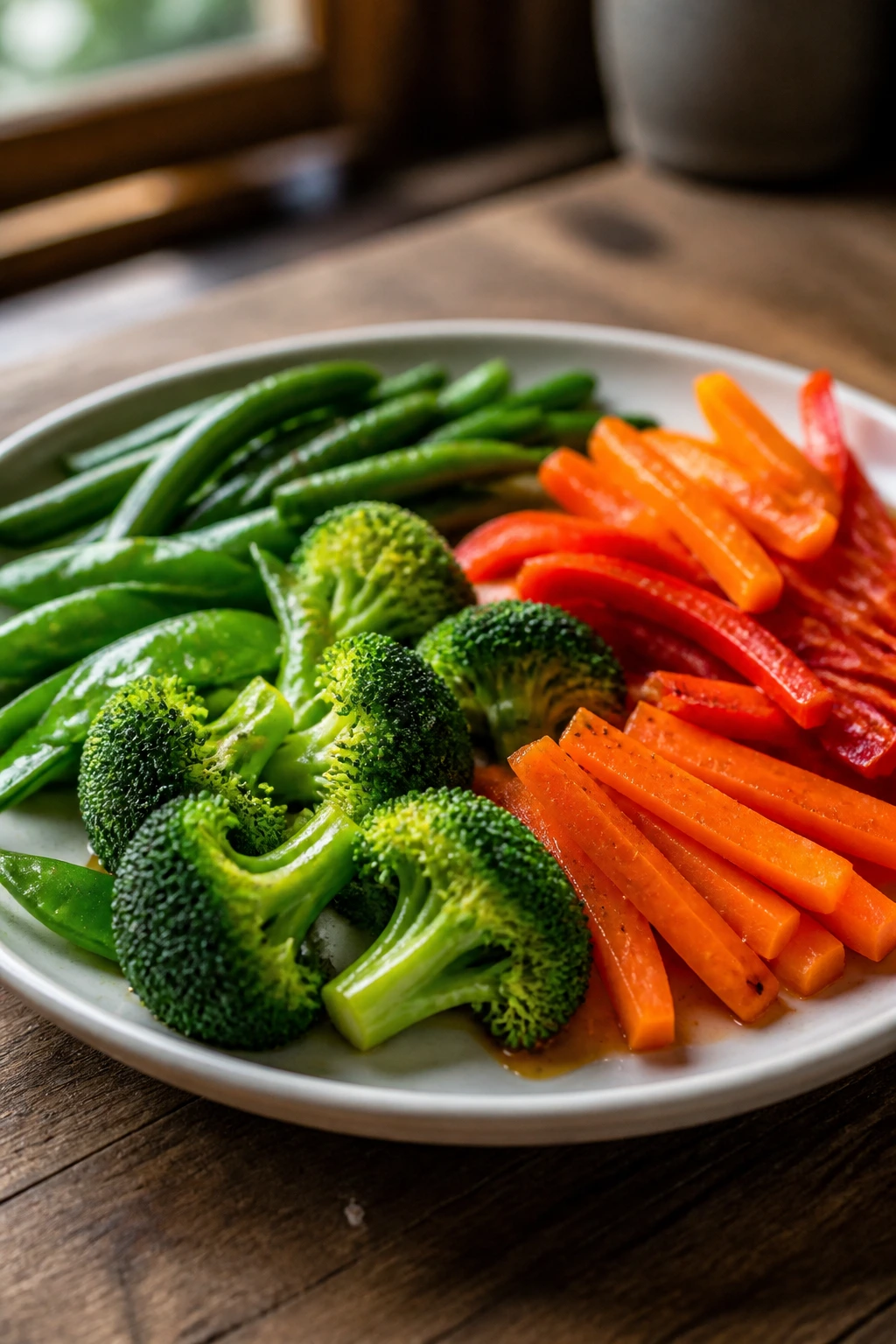
A lot of bad vegetable cooking comes from fear. People under-salt the pan, then blame the broccoli. Poor broccoli. It was never the problem.
Salt first, acid last
Salt is not optional. It should go on the vegetables before or during cooking, not only at the end. Salt helps pull flavor out of onions, mushrooms, and tomatoes as they cook, and it keeps roasted vegetables from tasting dusty. Acid comes later—lemon juice, lime, vinegar, pickle brine, sumac, or tomato all work because they brighten the finished bite.
The order matters. Salt builds depth. Acid lifts the top notes. If you dump lemon juice in early and cook it off, you lose the brightness and mostly keep the sourness. I’d rather add it at the end and keep the snap.
Pick a flavor lane
A vegetable dinner gets easier when you choose a lane and stay in it. Garlic, lemon, and parsley make one kind of meal. Chili flakes, soy sauce, and sesame oil make another. Cumin, coriander, and yogurt move in a different direction altogether. Same vegetables. Different dinner.
A few combinations I reach for:
- Lemon + olive oil + dill for green beans, broccoli, asparagus, and peas
- Soy sauce + ginger + sesame for mushrooms, bok choy, and cabbage
- Tahini + garlic + cumin for cauliflower, carrots, and sweet potatoes
- Balsamic + rosemary + onion for Brussels sprouts and roasted roots
Herbs are not garnish if you use enough
Fresh herbs should not be a sad afterthought. A real handful of parsley, cilantro, dill, basil, or mint changes the aroma as soon as the heat hits them. Add tender herbs at the end. Add woody herbs, like rosemary or thyme, earlier so their flavor has time to bloom.
A bowl of roasted vegetables without herbs can taste finished but flat. The same bowl with herbs suddenly smells like someone actually cooked.
Prep Work That Saves You on Busy Nights
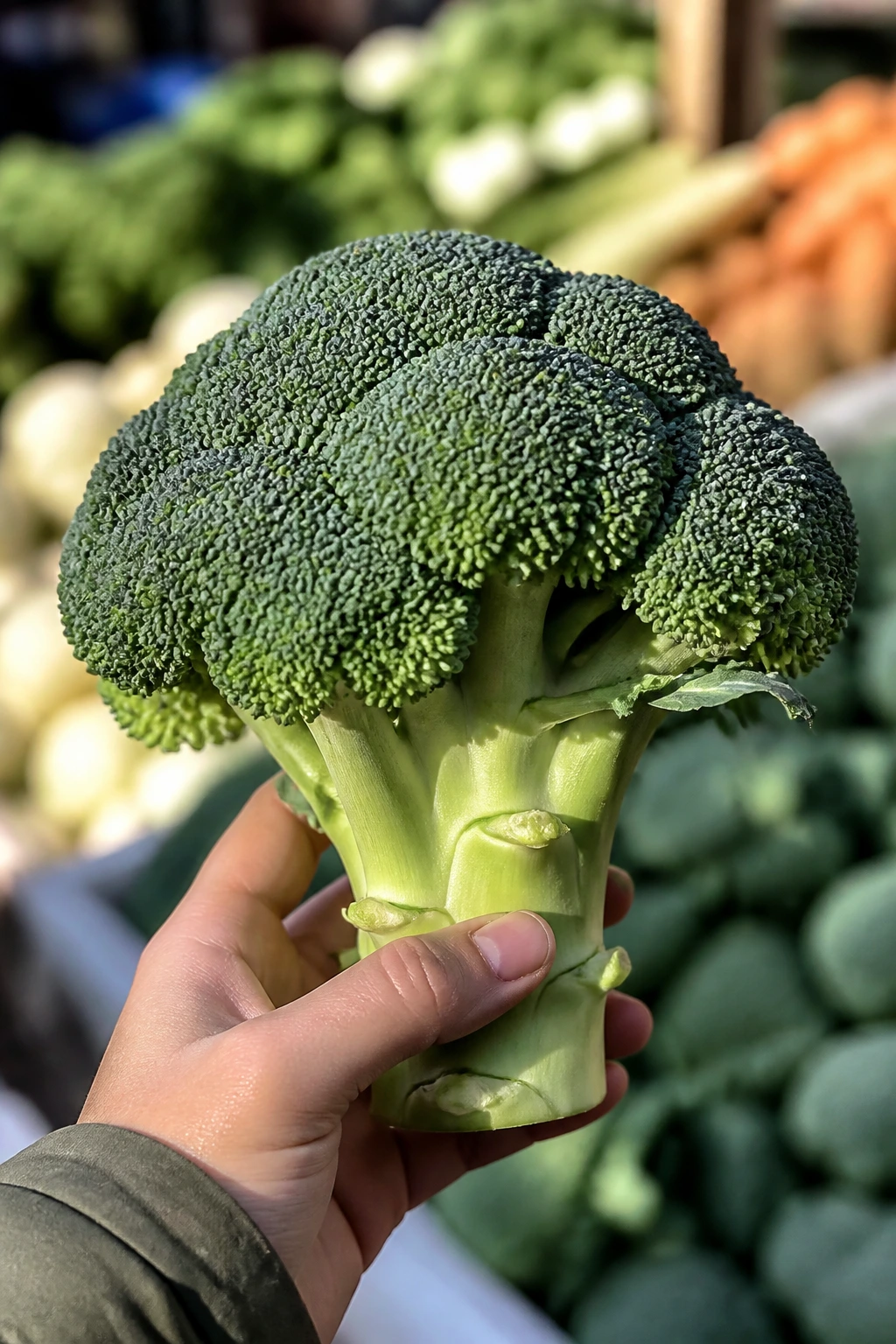
The best vegetable dinner trick is boring and useful: do a little prep before you need it. Not a full Sunday production line. Just enough to make weeknights less annoying.
Wash smarter, not harder
Wash produce only when you need it unless it’s dirty or sandy. Wet greens rot faster in the fridge, and damp mushrooms go slimy faster than people expect. If you do wash greens ahead of time, dry them well in a salad spinner and line the container with a paper towel.
Carrots, celery, and bell peppers can be cut into sticks or chunks and stored in sealed containers for a few days. Onions, once cut, should go into a lidded container because they take over the fridge. No need to pretend otherwise.
Cut for the cooking method
Uniformity matters less than matching the cut to the heat. Thin slices cook fast in a skillet. Bigger chunks survive a roast. A carrot cut into coins cooks faster than a carrot cut into thick batons. A broccoli floret with a big stem needs more time than one with a small stem, so trim the stems if you want even cooking.
One useful habit: keep the vegetables that need similar timing in the same bowl. That way you’re not scrambling over the sink while the pan gets too hot.
A little prep that pays back all week
I like to keep one washed green, one hard vegetable, and one quick-cook vegetable ready at the same time. That might be spinach, carrots, and mushrooms. Or cabbage, peppers, and zucchini. With those three pieces in place, dinner becomes assembly instead of effort.
Shopping Smart Without Wasting Money
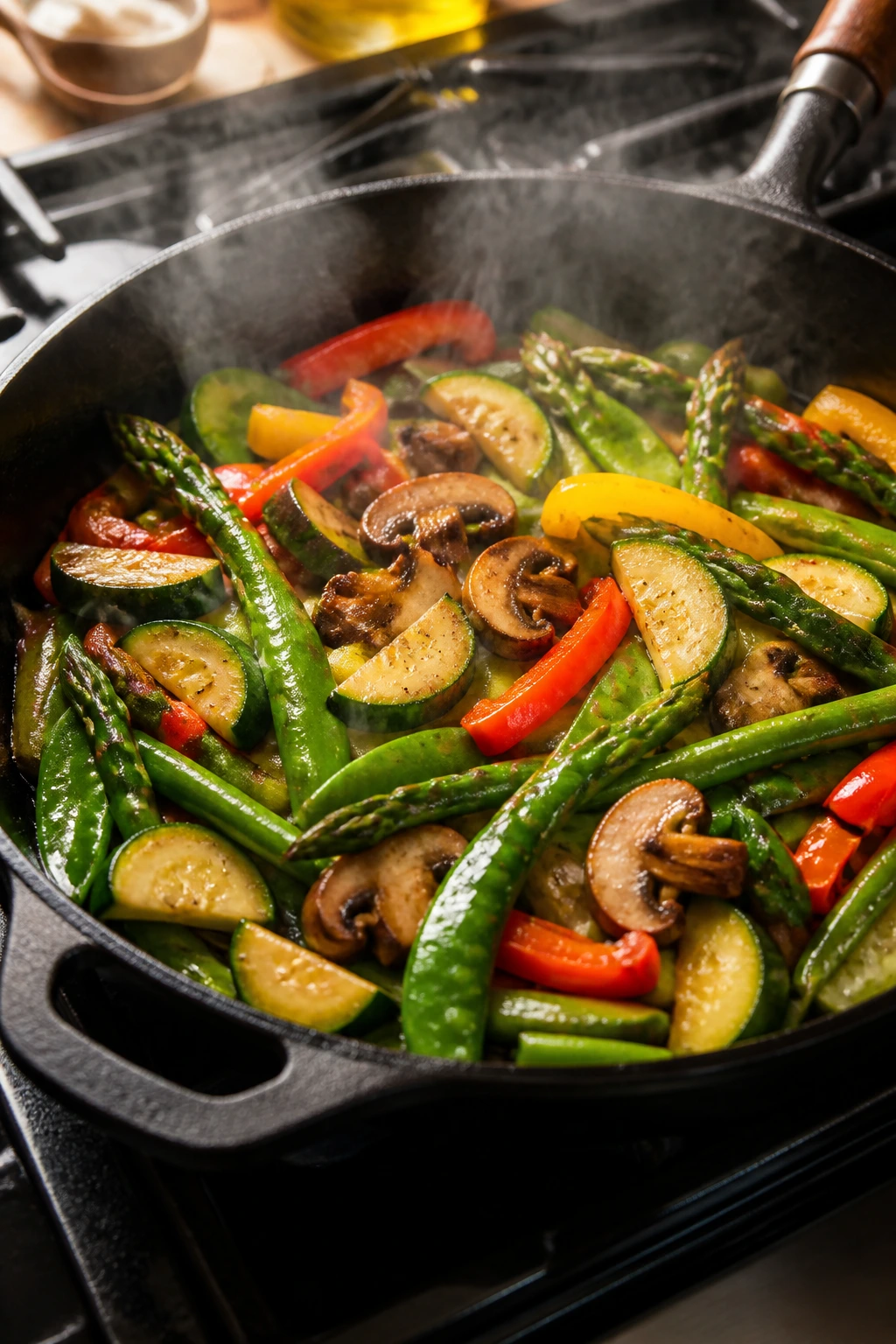
Fresh vegetables can be cheap or expensive depending on what you buy and how you buy it. The trick is not chasing perfection. It’s buying vegetables that hold up.
Buy the vegetables that store well
Cabbage, carrots, onions, potatoes, beets, cauliflower, and winter squash usually give you the best return because they last. They also do a lot of work in a pan or oven. A single cabbage can become slaw, sautéed cabbage, cabbage soup, or a wok dinner. That’s a better use of money than buying a bunch of flimsy ingredients that wilt before Thursday.
Baby greens, berries, and delicate herbs are still worth buying, but use them quickly. They’re the fragile items in the cart. Buy them with a plan.
Pre-cut is a convenience tax, not a sin
Pre-chopped vegetables cost more, and the markup is often steep. Still, there are days when paying for that 10 minutes is worth it. If the bagged broccoli looks dry and fresh, if the sliced mushrooms aren’t wet, if the shredded cabbage smells clean, go ahead. Just don’t pay extra for convenience and then let the bag sit in the fridge until it turns sad.
Don’t ignore the frozen section
Frozen peas, corn, spinach, artichoke hearts, and edamame are easy wins. They work especially well when the fresh version is weak or overpriced. Since they’re frozen soon after harvest, they keep a lot of their flavor. That’s not a second-best move. It’s a smart one.
How to Plate Vegetable Dinners So They Look Like Real Dinner
People eat with their eyes first, and vegetable dinners need a little help here. The fix is not fancy plating. It’s structure.
Presentation: Use a wide plate or shallow bowl instead of a deep soup bowl. Put the grain or starch down first, pile the vegetables on top or beside it, and finish with one bright garnish—herbs, seeds, lemon zest, yogurt, or a drizzle of sauce. A messy pile reads as lunch. A layered plate reads as dinner.
Accompaniments: Garlic toast, brown rice, quinoa, couscous, lentils, crusty bread, or a crisp salad all work. If the vegetables are roasted and rich, pair them with something cool or tangy. If the vegetables are light and quick-cooked, give them a hearty starch or beans so the meal lasts.
Portions: When vegetables are the main event, I usually aim for about 2 to 3 cups of vegetables per person if they’re cooked down, a little more if they’re leafy and raw. If you’re serving them with protein and grains, 1½ to 2 cups per person is a comfortable dinner portion. Scale up if the vegetables are the star and down if they’re only one piece of the plate.
Beverage Pairing: Sparkling water with lemon is the easiest fit. Herbal tea works if you want something quiet and warm. If you drink wine, a dry white with enough acid to match the vegetables—something crisp rather than buttery—keeps the meal from feeling heavy.
Common Mistakes That Make Vegetables Taste Flat
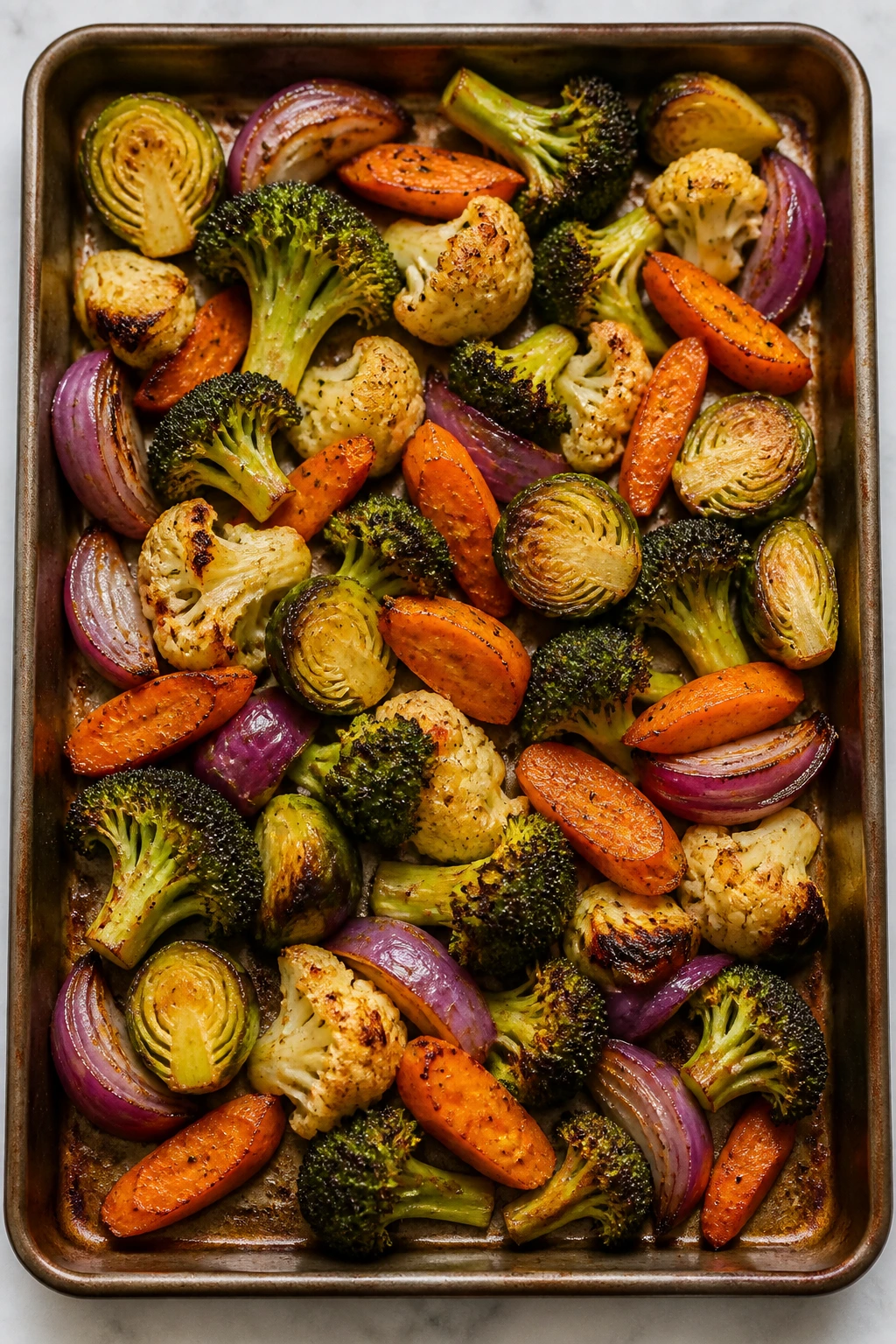
The good news is that most vegetable problems are fixable. The bad news is that the mistakes repeat themselves all over home kitchens.
-
Crowding the pan: Vegetables release steam when they cook, and if the pan is packed, that steam has nowhere to go. The result is pale, soft vegetables instead of browned ones. Spread them out or use two pans.
-
Leaving them wet after washing: Water on the surface turns into steam and keeps the edges from caramelizing. Dry greens, mushrooms, and chopped vegetables with a towel or salad spinner before they hit the heat.
-
Cooking everything at the same speed: Broccoli, carrots, and zucchini do not have the same timeline. Cut with the cooking time in mind, or add the faster vegetables later. One-size-fits-all prep usually means overcooked soft vegetables and stubborn hard ones.
-
Under-salting at the start: If you wait until the end to season, the vegetables taste hollow in the middle. Salt early, taste late, and adjust again if the pan needs it.
-
Skipping acid or crunch at the finish: A plate of soft vegetables can feel dull even if it’s cooked well. Add lemon, vinegar, herbs, nuts, seeds, or a crisp raw element to wake it up.
-
Buying oversized produce when smaller would taste better: Giant zucchini, overgrown cucumbers, and big woody broccoli stalks tend to be watery or fibrous. Smaller, firmer vegetables usually cook better and taste cleaner.
Fresh Veggie Dinner Variations Worth Keeping
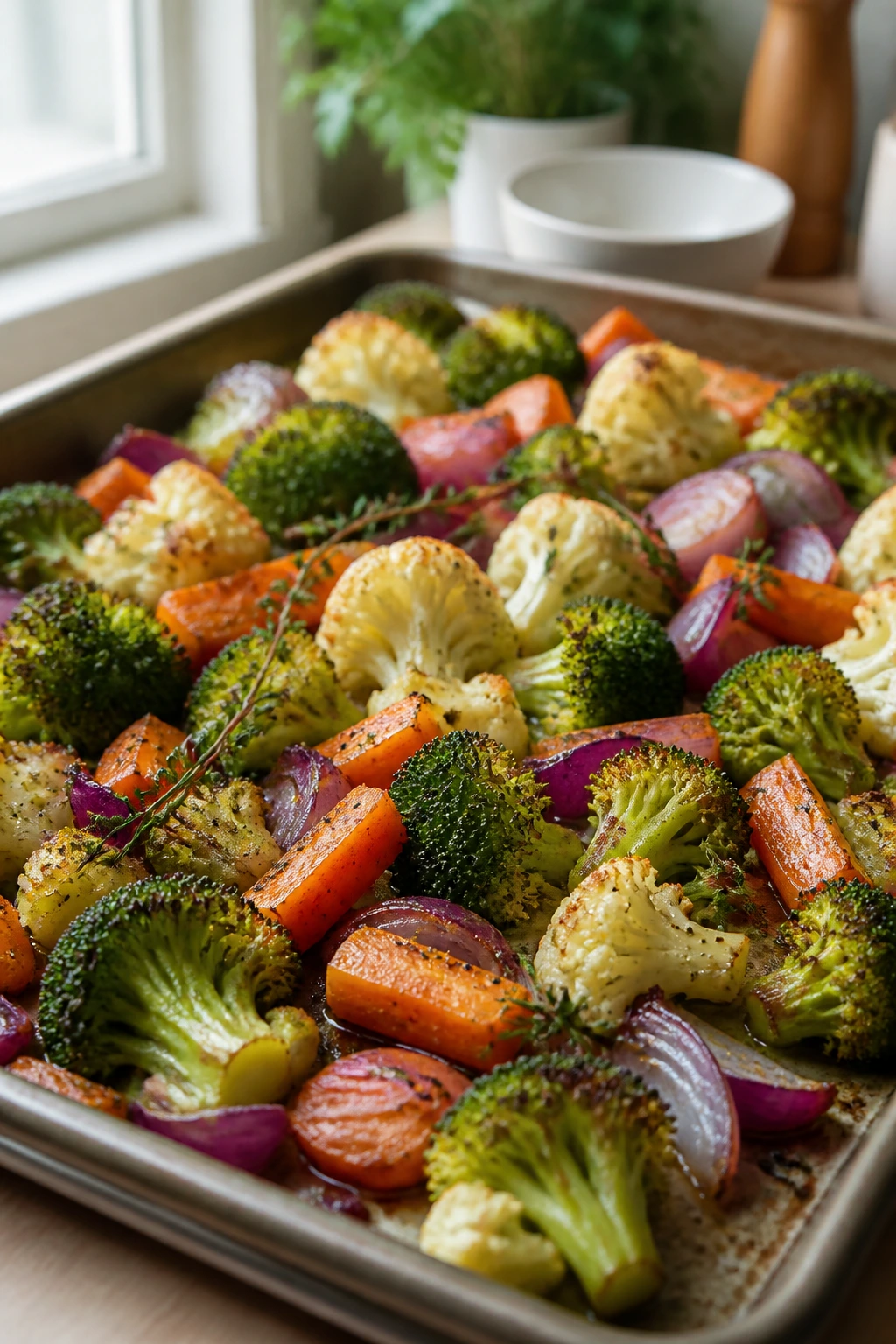
The structure stays the same; the flavors change. That’s the part I like best. Once you know the skeleton, you can make dinner feel different without relearning anything.
Sheet-Pan Rainbow Dinner
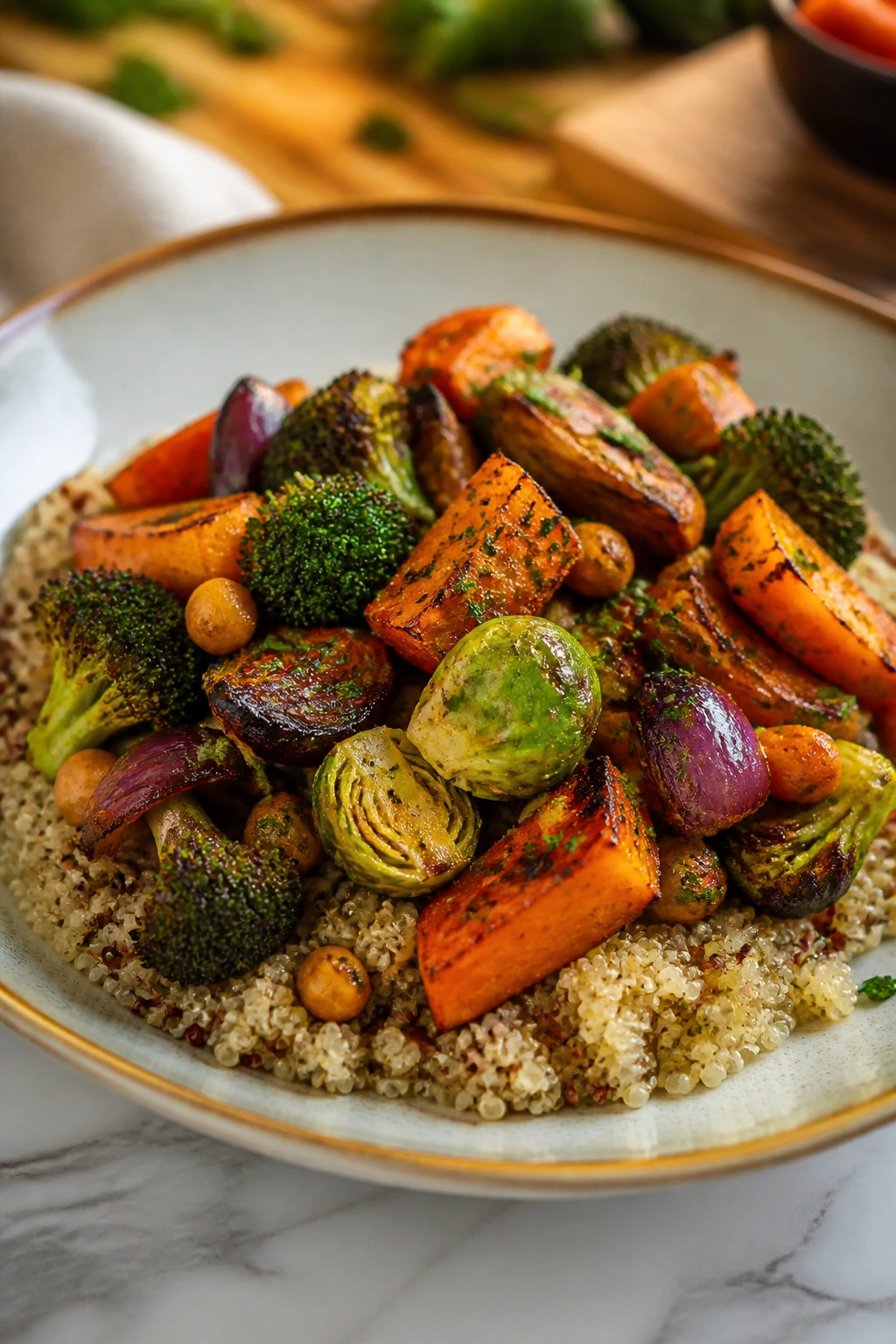
Toss broccoli, carrots, red onion, and cauliflower with olive oil, salt, pepper, and smoked paprika, then roast at 425°F / 220°C until the edges brown. Add chickpeas for extra body, or serve it with feta and lemon if you want a salty finish. This is the easiest route when you want one pan and minimal cleanup.
Skillet and Sauce Night
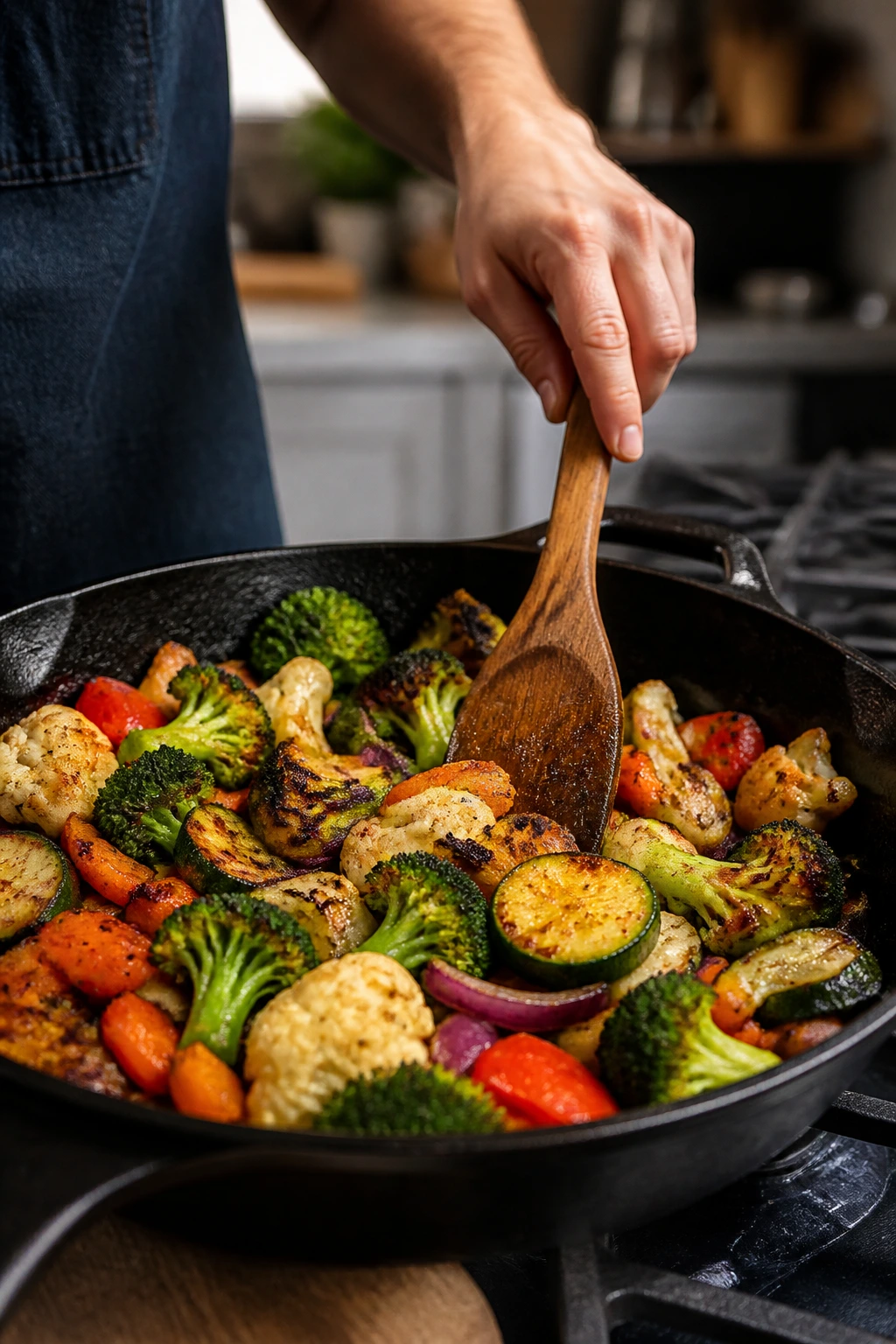
Cook mushrooms, snap peas, zucchini, and garlic in a hot skillet, then finish with soy sauce, lime, and sesame oil. Spoon the vegetables over rice or noodles and top with scallions. It works when you need dinner fast and want the vegetables to taste brighter than a plain stir-fry.
Warm Grain Bowl Dinner
Build the bowl from the bottom up: farro or quinoa, a pile of roasted sweet potatoes or cauliflower, something green, and a sauce like tahini-lemon or yogurt-herb. Add pumpkin seeds, herbs, or pickled onions for crunch and acid. This is the version I’d choose when I want dinner to feel complete without a lot of moving parts.
Soup-First Supper
Start with onion, celery, and carrot in olive oil, then add cabbage, zucchini, greens, broth, and beans. You get a spoonable dinner that still feels loaded with vegetables. Good broth matters here. Bland broth makes everything taste like boiled office lunch.
Crunchy Salad Bowl
Use raw shaved cabbage, carrots, cucumbers, herbs, and a protein like chickpeas, eggs, or tofu. Add nuts or seeds and a sharp dressing. This is the answer when the oven feels too hot and you still want something crisp and fresh.
Tools That Make Vegetable Cooking Easier
-
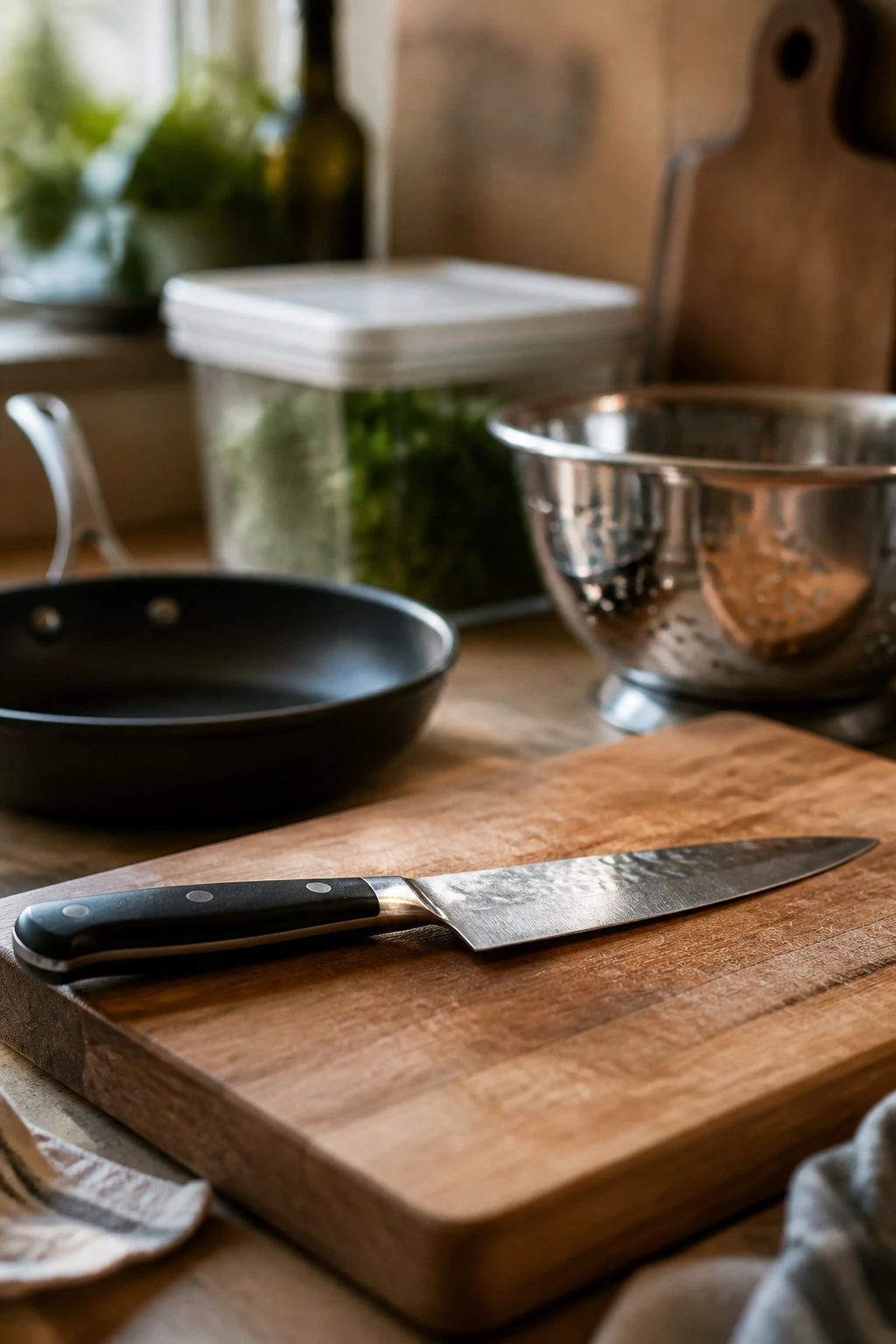
Chef’s knife: A sharp 8-inch knife gives you cleaner cuts and faster prep, which matters when you’re slicing onions, carrots, and peppers in the same session.
-
Cutting board: A large board gives vegetables room and keeps you from chasing chopped pieces off the edge.
-
Rimmed sheet pan: The rim keeps oil and juices from sliding off the pan, especially with tomatoes, mushrooms, and onions.
-
Large skillet, preferably cast iron or stainless steel: Use this for browning mushrooms, sautéing greens, or cooking mixed vegetable dinners with enough heat.
-
Salad spinner: It dries greens fast and keeps washed herbs and lettuce from turning soggy in the fridge.
-
Mixing bowls: One bowl for chopped vegetables, one for seasoning, and one for finished ingredients keeps the workflow sane.
-
Tongs or a wide spatula: These help you turn vegetables without smashing them, especially on a crowded tray or in a hot skillet.
-
Microplane or fine grater: Useful for lemon zest, garlic, ginger, and parmesan when you want a clean finish.
-
Airtight storage containers: Pick ones with a flat base so chopped vegetables and leftovers stack neatly in the fridge.
-
Paper towels or clean kitchen towels: These are small things, but they matter for drying produce and lining storage containers.
Keeping Produce Fresh and Leftovers Tasteful
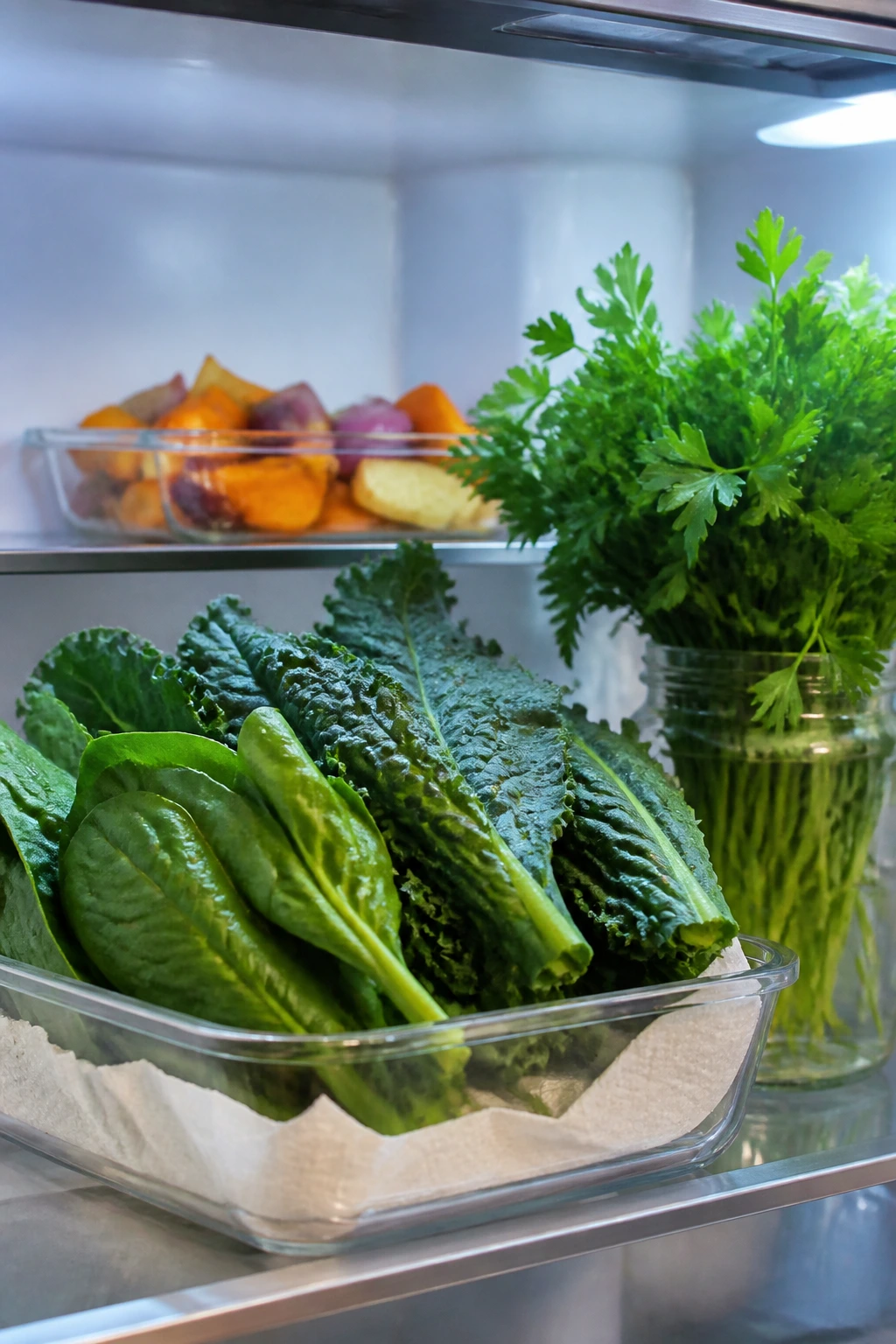
Fresh vegetables are easiest to enjoy when you store them the right way. A little care in the fridge saves a lot of money, and it keeps dinner from starting out tired.
Raw produce storage that actually helps
Leafy greens usually last 3 to 5 days when washed, dried well, and stored with a paper towel in an airtight container or bag. Herbs like parsley, cilantro, and dill do well in a jar with a little water and a loose bag over the top. Change the water every couple of days.
Carrots, celery, and radishes keep well for 1 to 2 weeks in the crisper drawer. Mushrooms last 3 to 5 days in a paper bag or a breathable container; plastic traps moisture and makes them slick. Cut onions and peppers are fine for 3 to 4 days in the fridge if sealed tightly.
Cooked vegetables need a little respect
Roasted vegetables keep for 3 to 4 days in the fridge. Reheat them in a hot oven at 400°F / 205°C for 8 to 12 minutes if you want the edges to crisp back up. A skillet over medium-high heat works too, especially for mushrooms, onions, green beans, and zucchini.
Microwaving is fine in a pinch, but it softens the texture. If you use the microwave, cover the vegetables loosely and heat in short bursts so they don’t steam into mush.
Freezing works for some, not all
Roasted vegetables can be frozen for up to 2 months, though texture softens after thawing. They’re best in soups, grain bowls, or frittatas after freezing. Leafy greens freeze well if you blanch them first or use them cooked. Raw cucumbers and lettuce do not freeze well at all, which is one reason they belong in the fresh-and-fast category.
Practical Tips for Better Veggie-Forward Dinners
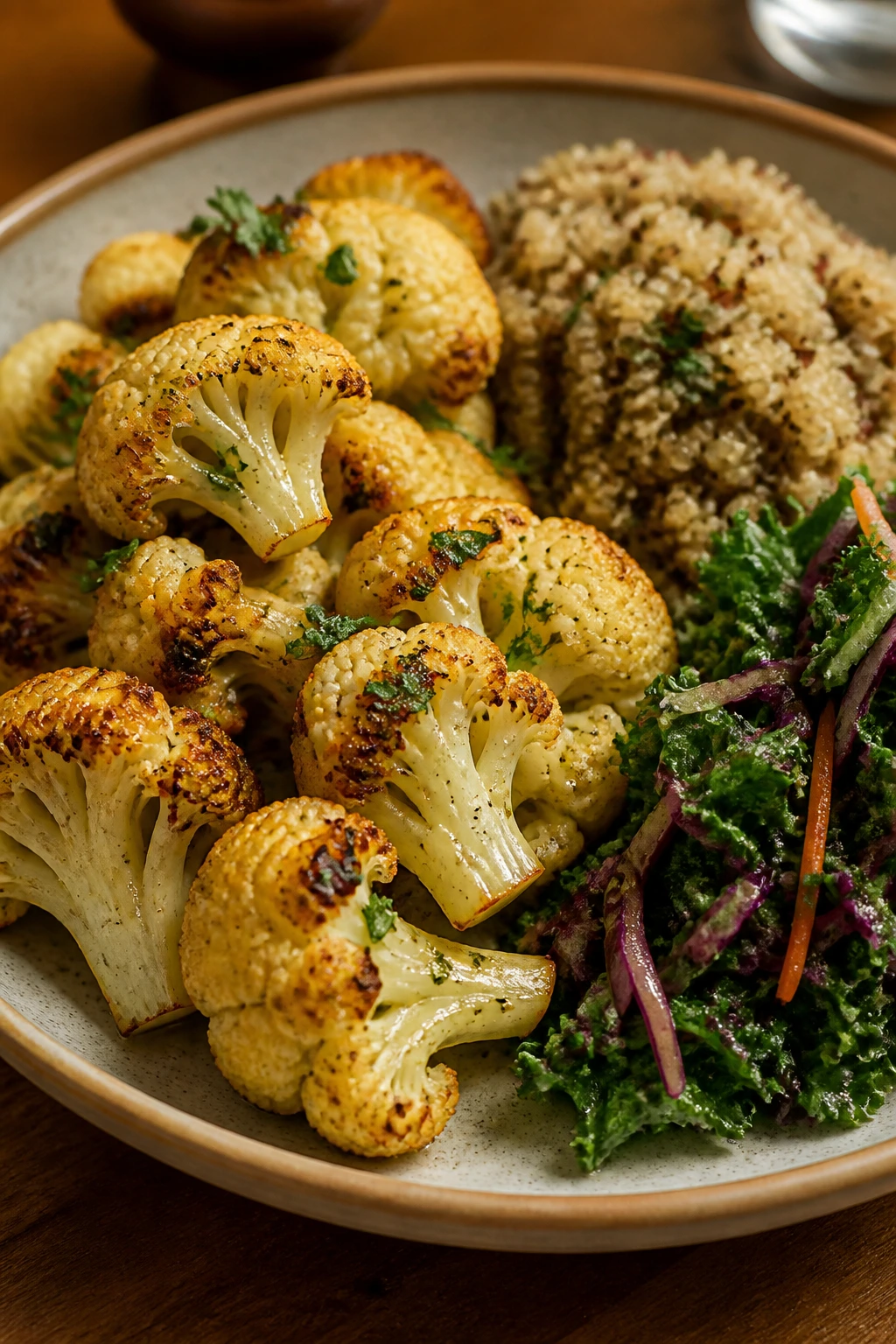
Flavor Enhancement: Finish cooked vegetables with one sharp thing—lemon juice, sherry vinegar, pickle brine, or a spoon of yogurt. That last hit of acidity wakes up the whole plate.
Time-Saver: Chop one sturdy vegetable and one fast vegetable at the same time. Carrots plus spinach. Cauliflower plus peas. It keeps the meal moving without making you prep three separate bags of produce.
Pro Move: Roast one vegetable hard and add one fresh vegetable at the end. Hot broccoli with shaved radish, roasted carrots with arugula, or sautéed mushrooms with chopped herbs gives you heat and contrast in the same bite.
Cost-Saver: Build around cabbage, onions, carrots, potatoes, and beans. They’re cheap, they store well, and they don’t collapse into mush after one day in the fridge.
Make-It-Yours: If you like heat, add chili crisp, harissa, or red pepper flakes. If you want creaminess, use tahini, pesto, sour cream, or yogurt. If you want crunch, finish with seeds, nuts, or fried shallots.
A useful rule: make sure the dinner has one soft thing, one browned thing, and one bright thing. That’s the whole trick. It sounds too simple until you taste the difference.
Common Questions About Fresh Healthy Veggies at Dinner
Are frozen vegetables okay for a healthy dinner?
Yes, and in some cases they’re better than tired fresh produce. Frozen peas, spinach, edamame, and corn hold up especially well because they’re frozen close to harvest. Use them straight from frozen into a hot pan or soup so they don’t water out.
How do I make vegetables filling enough to replace meat?
Pair them with protein and a little fat. Beans, lentils, tofu, eggs, yogurt, nuts, and cheese all help a vegetable dinner feel complete, and grains or potatoes give it extra staying power.
What vegetables are best for meal prep?
Carrots, cabbage, broccoli, cauliflower, green beans, and beets store well and reheat without falling apart. Leafy greens can work too, but they’re better if you keep them washed and dry and cook them within a few days.
Can I roast different vegetables together on one pan?
Yes, but only if their cooking times line up or you stagger them. Carrots and sweet potatoes need a head start; broccoli, zucchini, and cherry tomatoes cook faster. If the tray looks crowded, split it.
How do I keep zucchini, mushrooms, or spinach from getting soggy?
Use high heat and keep the pan uncrowded. Mushrooms should start in a dry hot pan so moisture cooks off; zucchini needs a quick cook; spinach should go in at the very end and only until wilted.
What if my family says they don’t like vegetables?
Start with browning, salt, and a sauce. Most vegetable resistance comes from bland texture, not the vegetable itself. Roast carrots until they caramelize, sauté mushrooms until they brown, and serve them with something familiar like rice, pasta, or cheese.
Do I need a sauce every time?
Not every time, but some kind of finish helps. It can be a drizzle of olive oil, a squeeze of lemon, a spoon of pesto, or a yogurt dressing. Without a finish, good vegetables can still taste a little flat.
How much fresh vegetable should I plan per person?
For a side, about 1 to 1½ cups cooked or 2 cups raw is usually enough. If vegetables are the main part of dinner, plan closer to 2 to 3 cups cooked per person and add protein or grains around them.
The Dinner Habit That Sticks
Vegetable dinners work best when they stop pretending to be a compromise. Brown the edges. Salt early. Add acid at the end. Give the plate something creamy, something crisp, and something warm enough to feel like dinner.
That’s the part people miss when they chase “healthy” and forget appetite. Fresh vegetables do not need to be hidden. They need to be treated like the main event, with enough heat and enough flavor to earn their place on the plate.
Start with one vegetable you already like, cook it a little harder than you think, and finish it with something bright. Do that a few times, and healthy dinner stops being a category. It becomes the way you eat.