



Six o’clock can feel rude. The fridge is half-open, the sink has one bowl in it, and you need a garlicky vegetarian dinner that tastes like you meant to make something thoughtful instead of just assembling odds and ends. That is exactly the lane this skillet lives in. It starts with olive oil and garlic, picks up sweetness from onion and tomatoes, then turns into a full dinner with chickpeas, spinach, and couscous doing the heavy lifting.
Garlic carries the whole thing, but not in a shouty way. If you add it at the right moment, it softens in the oil and smells sweet, almost creamy. Rush it, and the pan turns bitter in a blink. That little timing choice matters more here than any fancy garnish, and it’s the reason this kind of healthy dinner tastes composed instead of tired.
I like meals like this because they’re sturdy. Chickpeas hold their shape, couscous drinks up the broth, spinach disappears into the heat without fighting the rest of the pan, and feta brings a salty finish that keeps you from reaching for the shaker every other bite. Nothing in the skillet is decorative. Every ingredient has a job, and the pan is better for it.
Why This Garlicky Vegetarian Dinner Earns a Spot in the Rotation
- Big garlic flavor, no gimmicks: Eight cloves sound bold until they hit warm oil with onion and tomato paste; then they taste round and sweet instead of sharp.
- One skillet, one lid, one cleanup: The couscous steams right in the pan, so there’s no separate pot waiting to be scrubbed after dinner.
- Actually fills you up: Chickpeas plus whole-wheat couscous give this dinner enough body that it doesn’t vanish an hour later.
- Bright at the end, not flat: Lemon juice, feta, and parsley land after the heat turns off, which keeps the whole thing tasting lively instead of muddy.
- Easy to bend without breaking: Swap the zucchini, switch the green, or skip the feta and the skillet still behaves.
- Good for lunch boxes too: The leftovers hold together better than most grain bowls, and a splash of broth wakes them back up.
The Pantry Story Behind the Skillet
This is the sort of dinner that grows out of ordinary things: a can of chickpeas, a lemon sitting in the crisper, a box of couscous you bought for one recipe and never really used again. The trick is not novelty. It’s restraint. Garlic, onion, tomatoes, herbs, and olive oil have been making peace with one another in kitchens for a very long time, and this skillet leans into that old agreement.
The version here is built the way I actually like to cook on a weeknight. Onion goes in first to take the edge off the oil. Garlic follows after the onion has started to soften, because raw garlic burns faster than most home cooks expect. Tomato paste goes in briefly, too, just long enough to darken from bright red to brick red and stop tasting tinny. Those little moments are what give the final pan depth.
Chickpeas make the whole thing feel like dinner rather than a side dish. A cup of chickpeas brings roughly 14 grams of protein and a solid hit of fiber, so the skillet has some staying power. Couscous, especially whole-wheat couscous, catches the broth and tomato juices without asking for a separate pot of water. Then spinach folds in at the end and fades into the steam. Simple. Not thin.
One more thing. Lemon matters more than people think. Without it, the pan is all warm notes and salt. With it, the garlic wakes back up.
Timing, Yield, and the Best Moment to Serve It
A quick look at the clock tells you a lot about whether this recipe earns a place in your routine. It’s fast enough for a Tuesday, but it doesn’t taste rushed, which is a much rarer trick than people admit.
Yield: 4 generous servings
Prep Time: 15 minutes
Cook Time: 20 minutes
Total Time: 35 minutes
Difficulty: Beginner — the method is straightforward, and the only real skill is keeping an eye on the garlic so it stays sweet.
Best Served: Right away, while the couscous is fluffy, the spinach is still bright, and the feta hasn’t had time to disappear into the heat.
If you’re making this for lunch the next day, it still behaves. The couscous firms up a little in the fridge, which is normal, and a spoonful of broth or water brings it back. For dinner, though, the pan is best the minute it comes off the stove. That’s when the herbs smell freshest and the lemon still has some lift.
What Goes Into the Pan
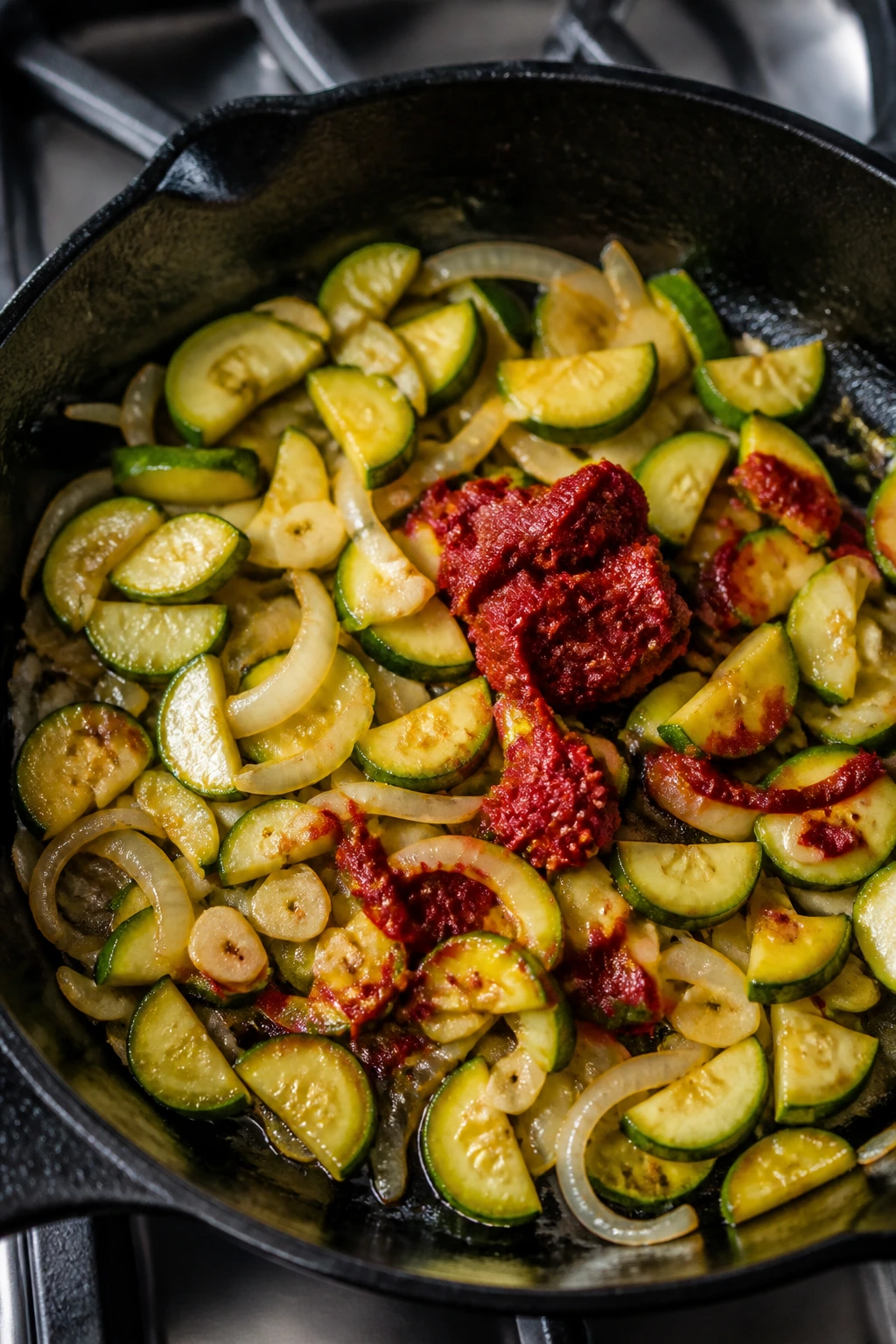
The ingredient list is short, but every item has a purpose. If you keep good chickpeas, decent olive oil, and a lemon around, you’re already most of the way there.
- 2 tablespoons extra-virgin olive oil — This is the fat that carries the garlic and keeps the skillet from tasting dry.
- 1 medium yellow onion, diced small — Small dice helps it melt into the base instead of staying crunchy.
- 1 medium zucchini, diced into 1/2-inch pieces — These little cubes soften without turning mushy.
- 8 cloves garlic, thinly sliced — Sliced garlic gives the oil a sweet, mellow flavor and is less likely to burn than a fine mince.
- 1 tablespoon tomato paste — It deepens the sauce and gives the pan a richer color.
- 1 teaspoon dried oregano — A classic herb note that fits the tomatoes and chickpeas.
- 1/2 teaspoon crushed red pepper flakes — Enough to keep the skillet lively without making it hot.
- 1/2 teaspoon kosher salt, plus more to taste — Start here; the feta and broth will add more salt later.
- 1/4 teaspoon black pepper — A small amount, but it keeps the pan from tasting one-note.
- 1 pint cherry tomatoes, halved — They burst in the pan and make their own sauce.
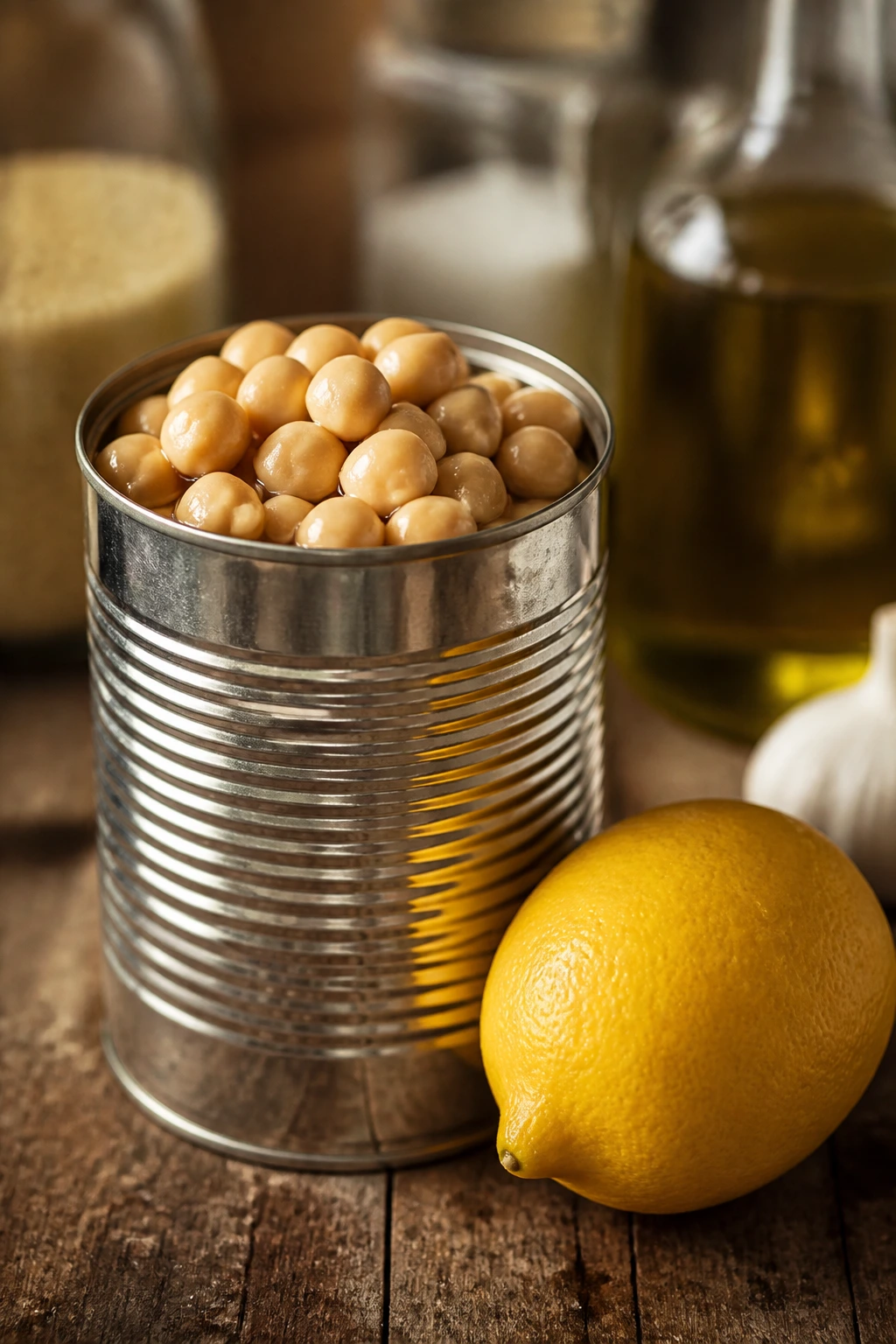
- 1 can (15 ounces) chickpeas, drained and rinsed — The main protein and the thing that gives the meal structure.
- 1 3/4 cups low-sodium vegetable broth — This becomes the cooking liquid for the couscous.
- 1 cup whole-wheat couscous — Fast-cooking, nutty, and good at soaking up flavor.
- 3 packed cups baby spinach — It collapses fast and adds color without fuss.
- Zest and juice of 1 lemon — The final brightness that keeps the skillet from feeling heavy.
- 1/3 cup crumbled feta — Salty, creamy pockets that finish the dish.
- 2 tablespoons chopped fresh parsley — Fresh green flavor and a cleaner look on the plate.
Why Each Ingredient Has a Job
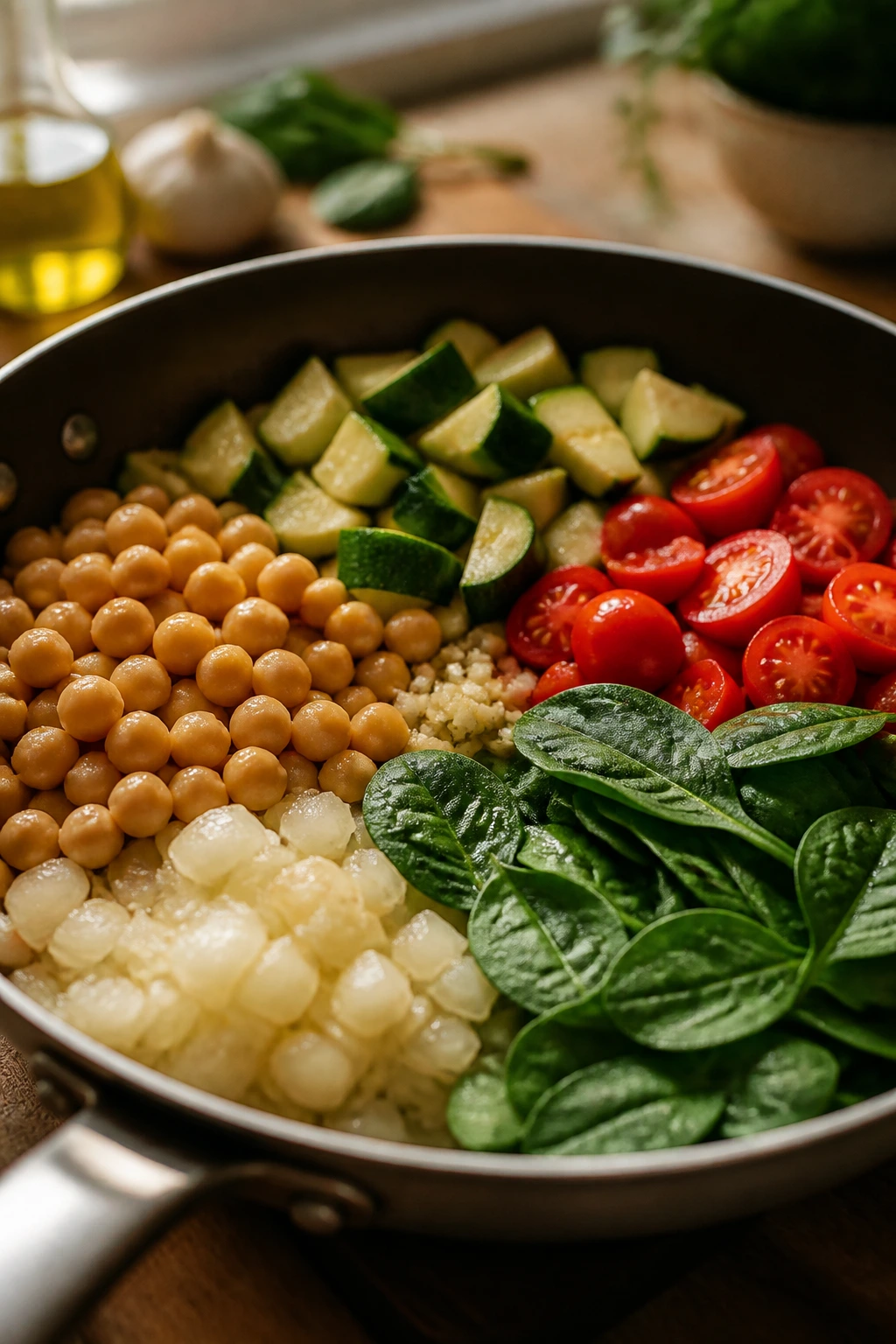
Main Base
What to use: 1 can chickpeas, 1 cup whole-wheat couscous, and 1 3/4 cups low-sodium vegetable broth.
Preparation: Drain and rinse the chickpeas until the water runs mostly clear, then shake off the excess. Keep the couscous dry until the moment it goes into the pan.
Substitutions: Canned cannellini beans work if chickpeas are missing, and regular couscous can replace whole-wheat couscous in the same amount. For gluten-free cooking, quinoa can step in, but the liquid and timing change.
Tips: Low-sodium broth keeps the final seasoning in your hands instead of the carton’s. Chickpeas need salt and acid around them; otherwise they taste like they’re just passing through.
Vegetables and Greens
What to use: 1 medium yellow onion, 1 medium zucchini, 1 pint cherry tomatoes, and 3 packed cups baby spinach.
Preparation: Dice the onion small, cut the zucchini into 1/2-inch pieces, and halve the tomatoes so they can burst in the heat. Keep the spinach whole until the very end.
Substitutions: Bell pepper can stand in for zucchini, and kale can replace spinach if you’re fine with a slightly firmer green. If tomatoes aren’t in the fridge, a chopped ripe tomato works; it just takes a little longer to break down.
Tips: The zucchini should still have a little shape when it leaves the pan. If you cut it too small, it melts into mush before the couscous even hits the liquid.
Aromatics and Seasoning
What to use: 8 cloves garlic, 1 tablespoon tomato paste, 1 teaspoon dried oregano, 1/2 teaspoon crushed red pepper flakes, 1/2 teaspoon kosher salt, and 1/4 teaspoon black pepper.
Preparation: Slice the garlic thinly so it perfumes the oil without scorching in seconds. Measure the oregano and red pepper before the stove turns on; once the pan is hot, you won’t want to be hunting for spice jars.
Substitutions: Smoked paprika can replace some of the red pepper flakes if you want warmth without much heat. If dried oregano is missing, dried thyme is a decent stand-in, though it leans a little woodier.
Tips: Tomato paste needs about 30 to 45 seconds in the pan to lose its raw edge. That minute is worth it. Don’t rush it.
Finishers and Brightness
What to use: Zest and juice of 1 lemon, 1/3 cup crumbled feta, and 2 tablespoons chopped fresh parsley.
Preparation: Zest the lemon before you cut it, then juice it. Crumble the feta ahead of time so it lands in the pan without breaking up into a paste.
Substitutions: Parsley can be swapped for dill or basil, depending on what you have. For a dairy-free finish, skip the feta and use a spoonful of tahini whisked with lemon juice and salt.
Tips: Add the lemon off heat so it stays sharp. Feta melts more if the pan is screaming hot, so wait until the couscous is fluffed and the spinach is wilted before you scatter it.
The Tools That Make the Process Smooth
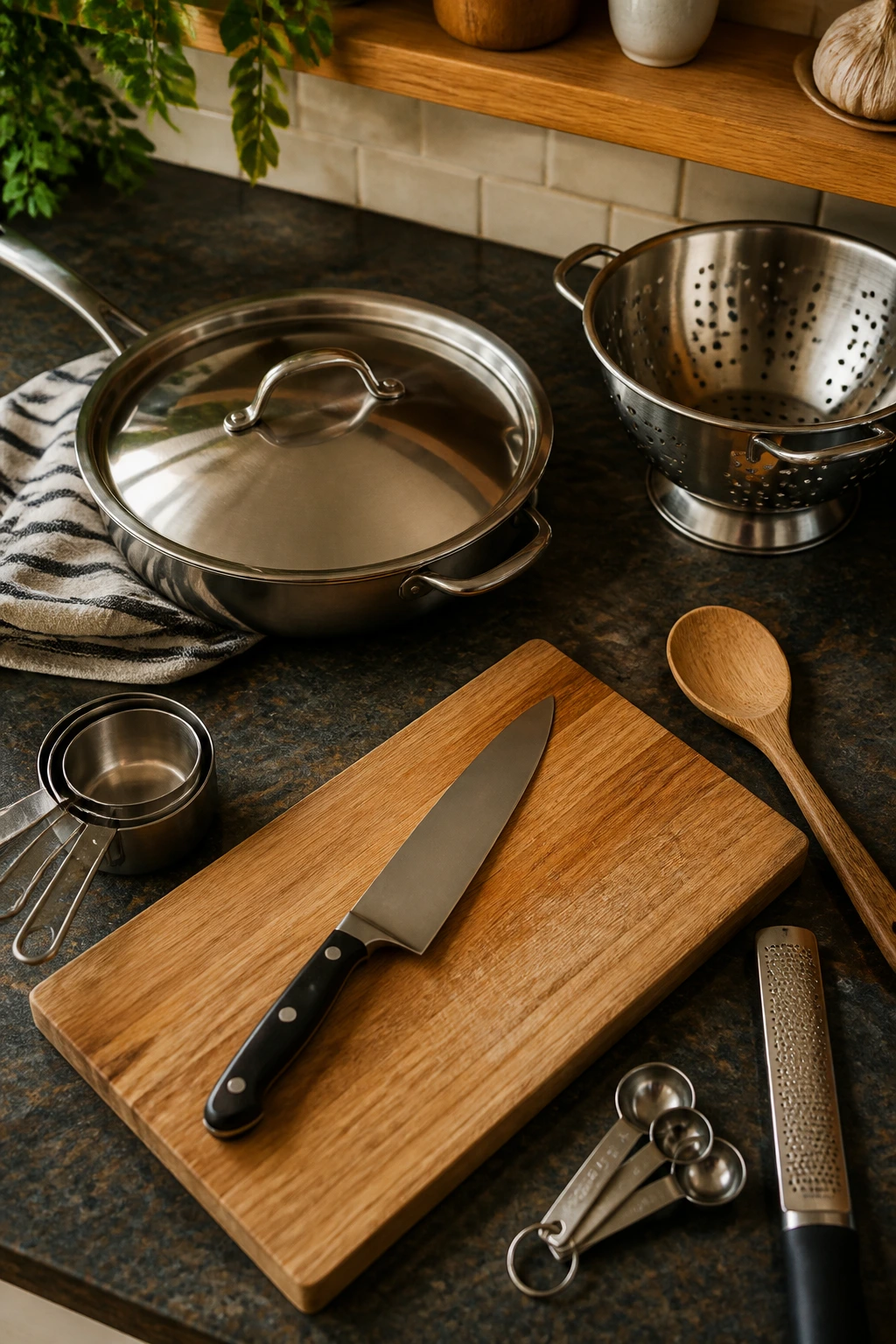
A short list of the right tools keeps this recipe calm. Nothing here is fancy, but a couple of choices make the cooking feel much cleaner.
- 12-inch skillet with a lid — The wide surface gives the tomatoes room to burst, and the lid traps steam for the couscous. If your skillet lid doesn’t fit, a baking sheet or inverted plate can work in a pinch.
- Chef’s knife — You’ll be dicing onion, zucchini, and garlic, so a sharp blade matters more than a decorative one.
- Sturdy cutting board — A board that doesn’t skate around keeps the vegetable prep easy. I like to tuck a damp kitchen towel under mine.
- Wooden spoon or silicone spatula — Useful for scraping up the tomato paste and folding in the couscous without smashing it.
- Measuring cups and spoons — The broth-to-couscous ratio matters enough that eyeballing it is a bad bet.
- Colander or fine-mesh strainer — For draining the chickpeas well. Extra water in the can means extra liquid in the skillet.
- Microplane or fine grater — Optional, but it makes quick work of the lemon zest and gets more fragrance from the peel.
From Raw Ingredients to Dinner
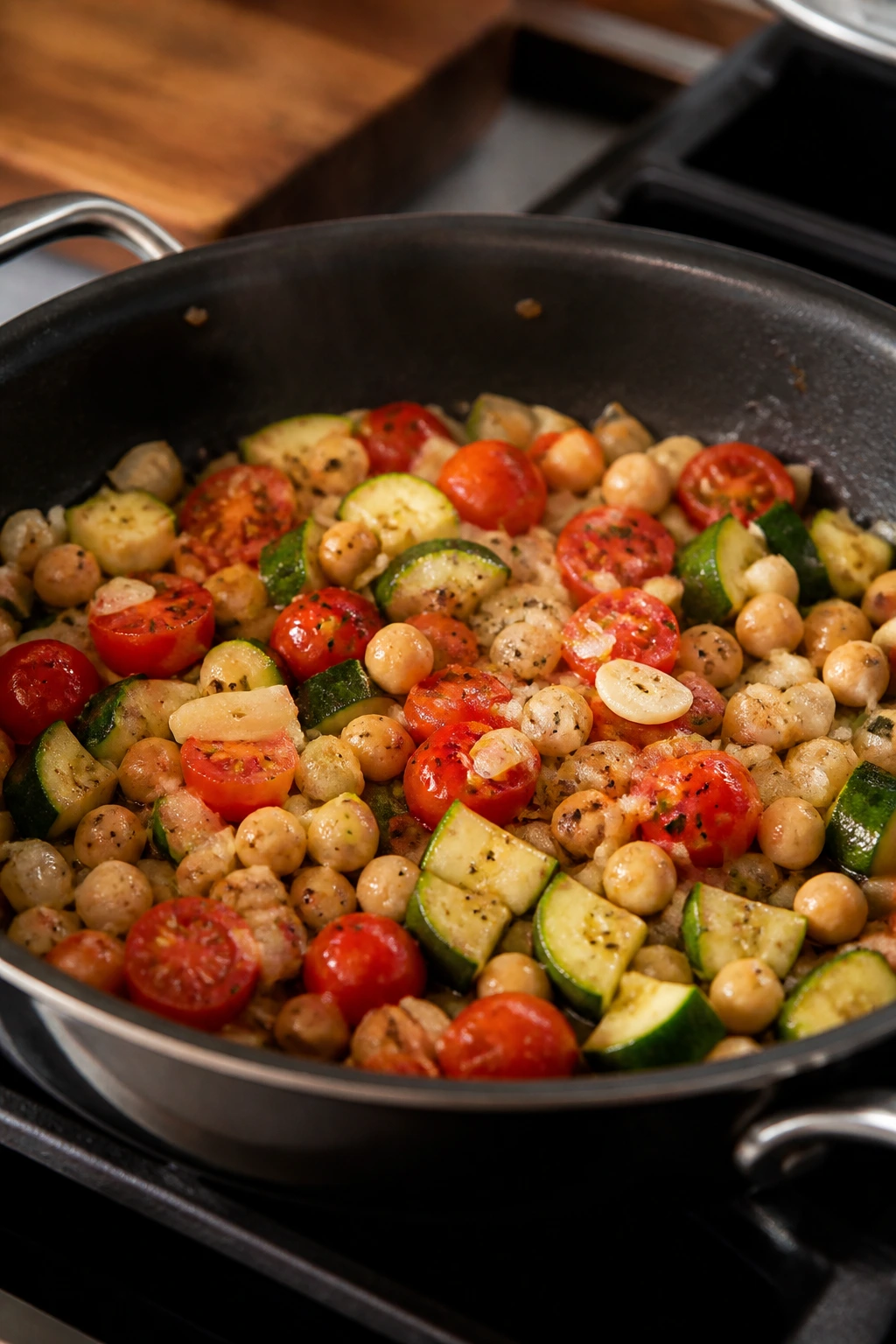
A pan like this rewards timing more than brute force. Each stage has a smell attached to it, and if you pay attention, the smell tells you when to move on. That is a nicer way to cook than staring at a timer and hoping the garlic forgives you.
Prep the Vegetables
-
Dice and measure: Dice the onion, cut the zucchini into 1/2-inch pieces, halve the cherry tomatoes, drain and rinse the chickpeas, and slice the garlic. Keep the spinach, lemon, feta, and parsley nearby so the finish feels easy rather than frantic.
-
Warm the pan: Set a 12-inch skillet over medium heat and add the olive oil. Let it warm for 30 seconds, just until it shimmers. If the oil starts smoking, the pan is too hot and the garlic will be in trouble later.
Build the Flavor Base
-
Cook the onion and zucchini: Add the onion, zucchini, and kosher salt. Cook for 5 to 6 minutes, stirring every minute or so, until the onion looks translucent and the zucchini has a few golden spots at the edges. The vegetables should soften, not collapse.
-
Bloom the garlic and tomato paste: Stir in the garlic, tomato paste, oregano, red pepper flakes, and black pepper. Cook for 45 seconds to 1 minute, stirring constantly, until the garlic smells sweet and the tomato paste darkens to a brick-red color. Do not walk away here; garlic burns fast and turns bitter even faster.
-
Add the tomatoes and chickpeas: Tip in the cherry tomatoes and chickpeas. Cook for 2 to 3 minutes, stirring gently, until the tomatoes start to split and release juice. Some will burst; some will wrinkle. That mix is good.
Steam the Couscous and Finish
-
Pour in the broth and couscous: Add the vegetable broth and scrape the bottom of the skillet to loosen any browned bits. Bring the liquid to a lively simmer, then stir in the couscous. Cover the skillet, remove it from the heat, and let it sit for 5 minutes. Don’t keep it boiling once the couscous goes in, or the grains can turn pasty.
-
Fluff and fold in the greens: Uncover the skillet and fluff the couscous with a fork. Fold in the spinach, lemon zest, and lemon juice. Cover for 1 minute, or stir until the spinach just wilts and turns glossy. Taste and add more salt or lemon if it needs either one.
-
Finish with feta and parsley: Scatter the feta and parsley over the top. Give the pan a last drizzle of olive oil if you want a softer finish, then serve immediately. The finished skillet should look loose, not dry, with bright green flecks and soft white feta scattered through it.
How to Plate It So It Feels Complete
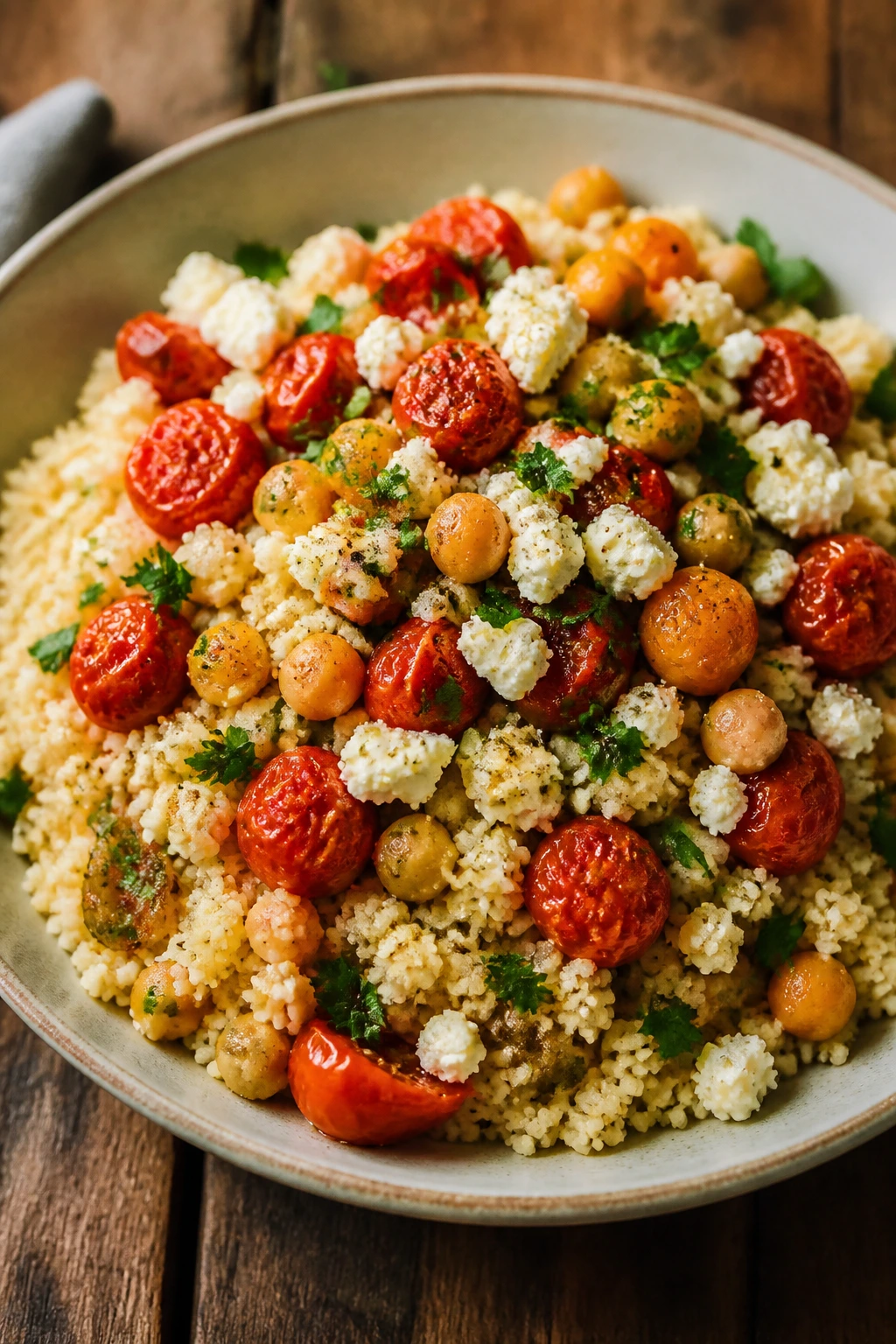
Presentation: Spoon the couscous into shallow bowls so the chickpeas, tomatoes, and feta sit on top rather than disappearing into the grains. A final grind of black pepper and a little extra parsley make the plate look intentional with almost no effort.
Accompaniments: Toasted pita, warm flatbread, or a simple arugula salad with lemon and olive oil all fit naturally. If you want something cooler alongside the skillet, plain yogurt with grated cucumber works well against the garlic.
Portions: Four generous dinner portions is the honest answer, though it stretches to six smaller servings if you’re pairing it with bread or a salad. If you’re feeding bigger appetites, add another can of chickpeas and another 1/2 cup broth, then increase the couscous to 1 1/2 cups.
Beverage Pairing: Sparkling water with a squeeze of lemon keeps the plate feeling light. A crisp white wine or a cold lager also works if you want something with enough edge to meet the garlic and feta.
Little Tweaks That Make a Big Difference
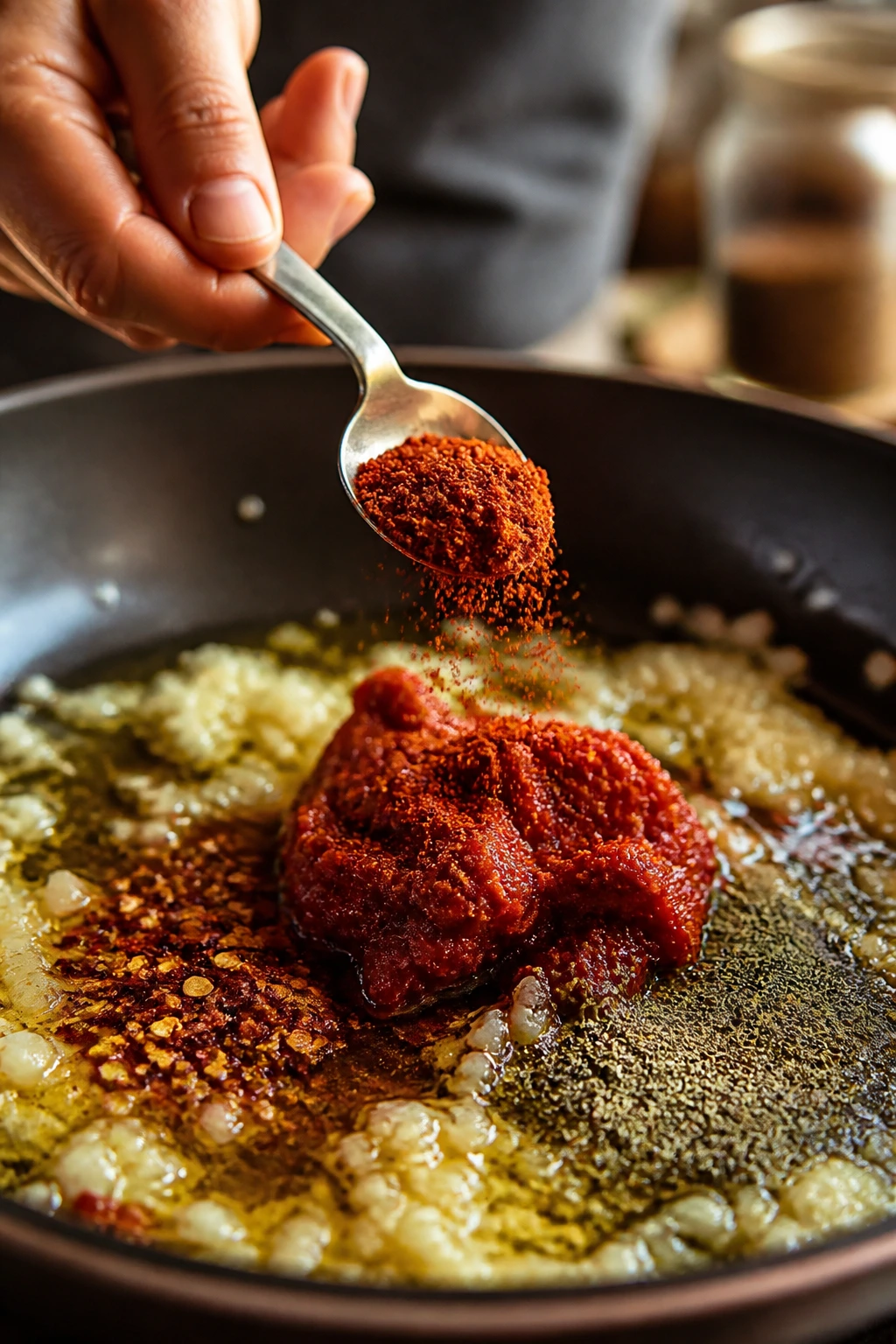
Flavor Enhancement: Stir in 1 teaspoon of harissa or 1/2 teaspoon of smoked paprika with the tomato paste if you want the skillet to taste warmer and a little deeper. A teaspoon of capers at the end gives the chickpeas a sharper, brinier finish that plays well with lemon.
Time-Saver: Chop the onion and zucchini while the skillet warms. The recipe is forgiving about perfect knife work, and the sauce does not care whether the dice are picture-perfect.
Texture Move: Keep the spinach whole until the very end and fold it only until it collapses. Overworking it gives you dark, slippery greens instead of bright ribbons.
Make-It-Yours: For a dairy-free finish, skip the feta and drizzle on tahini whisked with lemon juice, water, and salt. For more protein, tuck in browned cubes of tofu or a few slices of seared halloumi if you don’t mind a saltier pan.
Mistakes That Make the Skillet Fall Flat
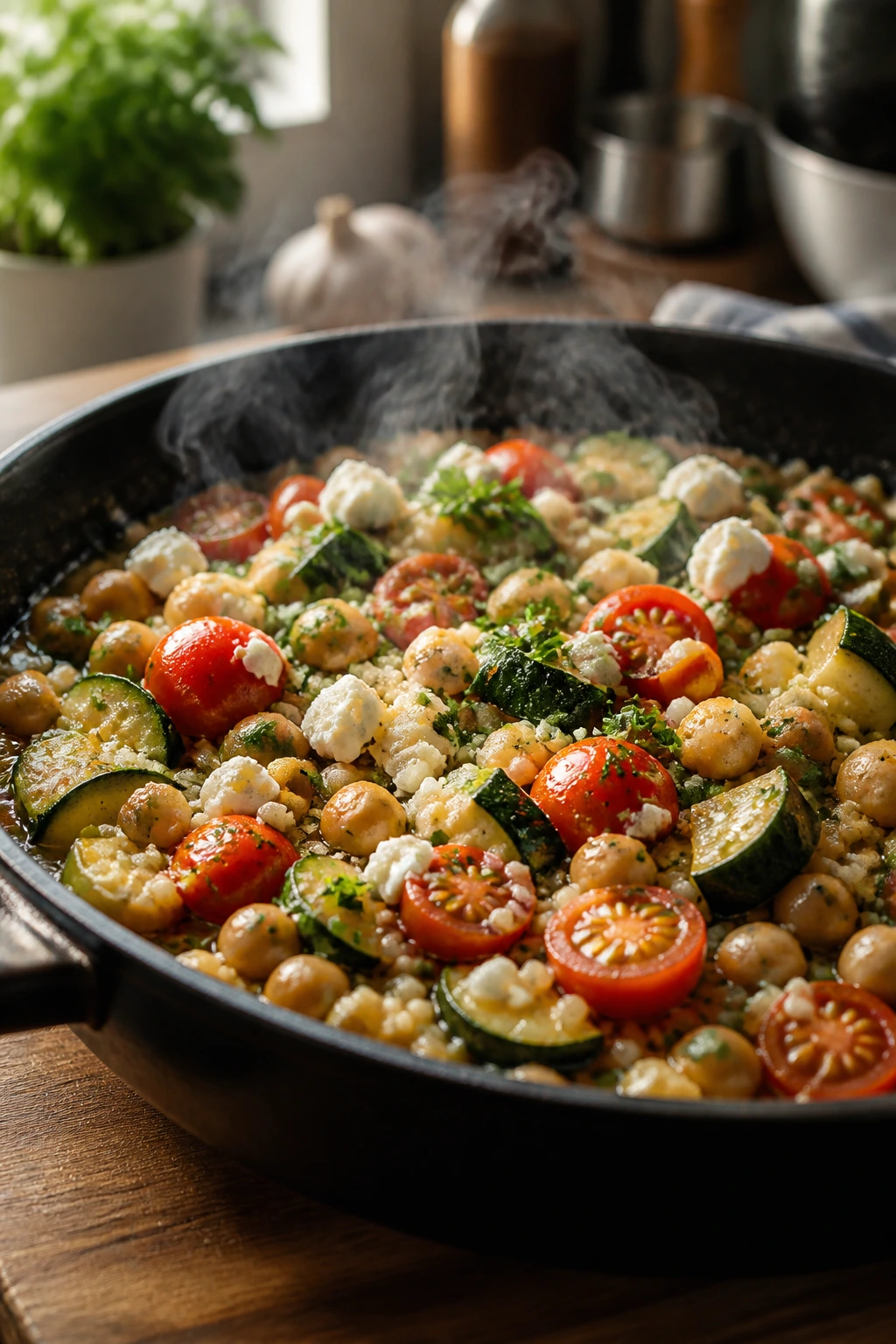
The most common problems here are not dramatic. They’re the small, annoying ones that show up as a pan that tastes dull, looks wet, or smells faintly burnt. Fortunately, they’re easy to stop.
Burning the garlic is the fastest way to ruin the flavor. The symptom is a sharp, bitter smell that hits your nose before the dish is even done. The fix is simple: keep the heat at medium, stir the garlic the moment it goes in, and move on as soon as it smells sweet.
Adding too much liquid makes the couscous sad and soggy. If the pan looks soupy after resting, you probably used a loose measurement on the broth or didn’t let the tomatoes cook down enough first. Measure the broth carefully, cover the pan off heat, and if you still have extra liquid, uncover and cook it for 1 to 2 minutes more over low heat.
Underseasoning the chickpeas leaves the whole dish flat. Chickpeas are polite to a fault, which means they need salt, lemon, and something savory around them. Season the onions early, taste before adding feta, and don’t be shy about another pinch of salt at the end.
Putting spinach in too early gives you dark, wet greens. Spinach should hit the pan when the couscous is already done and the heat is mostly off. If it cooks for long, it loses color and turns slimy around the edges.
Forgetting to fluff the couscous after resting makes clumps. Couscous should be lifted with a fork, not smashed with a spoon. Two gentle passes through the pan is enough; after that, stop.
Variations That Fit Different Pantries
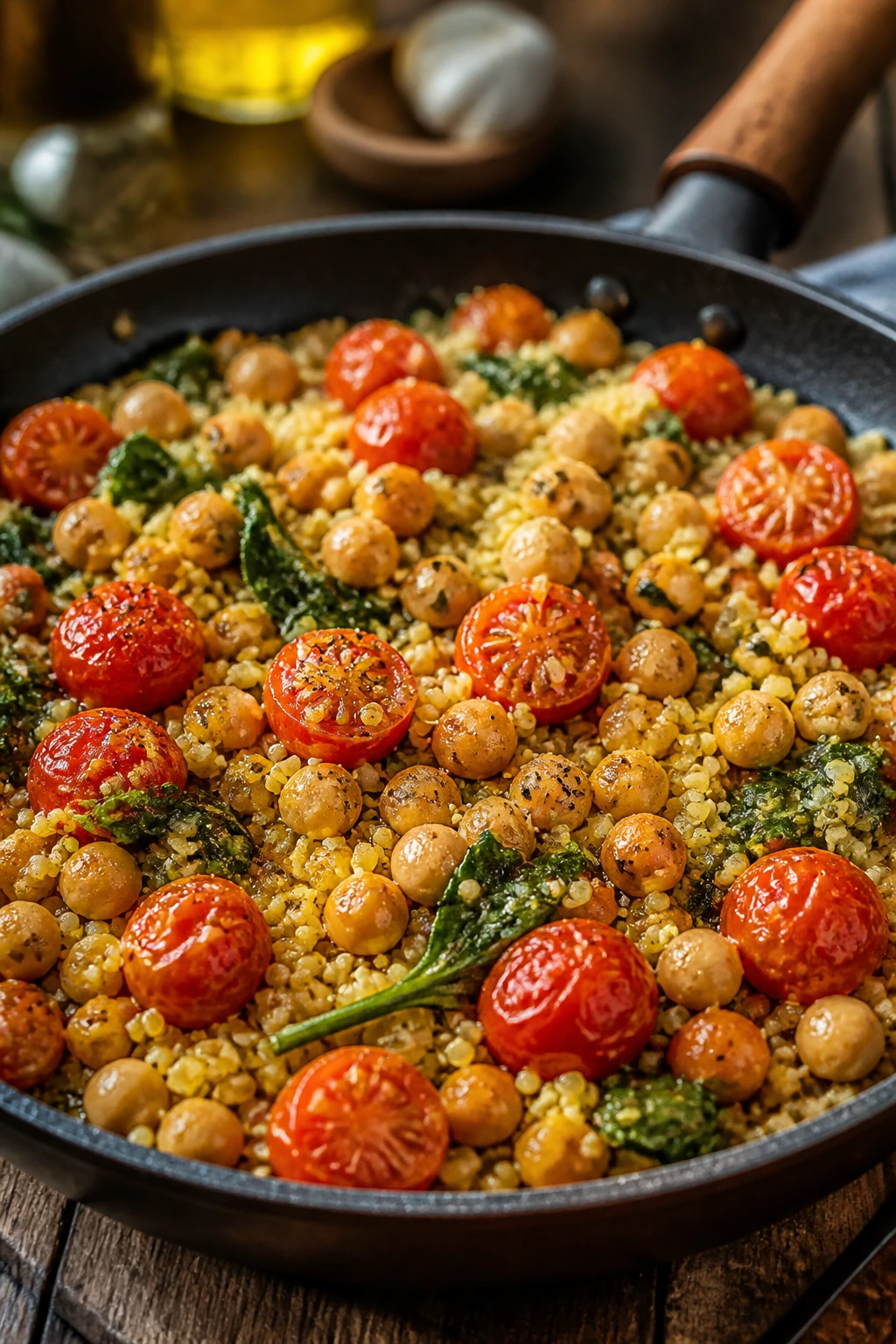
Gluten-Free Quinoa Skillet: Swap the couscous for 1 cup rinsed quinoa and raise the broth to 2 cups. Bring it to a simmer, cover, and cook until the quinoa is tender and the little tails have split, usually about 15 minutes. The texture is less fluffy and more nutty, which works nicely with the chickpeas.
Harissa Heat Version: Stir 1 to 2 teaspoons of harissa paste into the pan with the tomato paste. A spoonful of yogurt on top cools the heat without dulling it, and the whole skillet picks up a deeper red color.
Olive-and-Artichoke Pantry Pan: Add 1/2 cup chopped kalamata olives and 1 cup drained marinated artichoke hearts when the tomatoes go in. The olives make the pan saltier and more savory, so taste before adding extra feta.
Creamy Lemon Finish: Stir 1/4 cup plain Greek yogurt into the finished pan off heat, along with the lemon zest and juice. It softens the edges and makes the couscous a little silkier.
Green-Heavy Version: Replace the zucchini with 2 cups chopped kale and add 1 cup frozen peas along with the spinach. The kale needs a couple more minutes in the pan than spinach does, so give it time to soften before the couscous goes in.
Make-Ahead, Storage, and Reheating
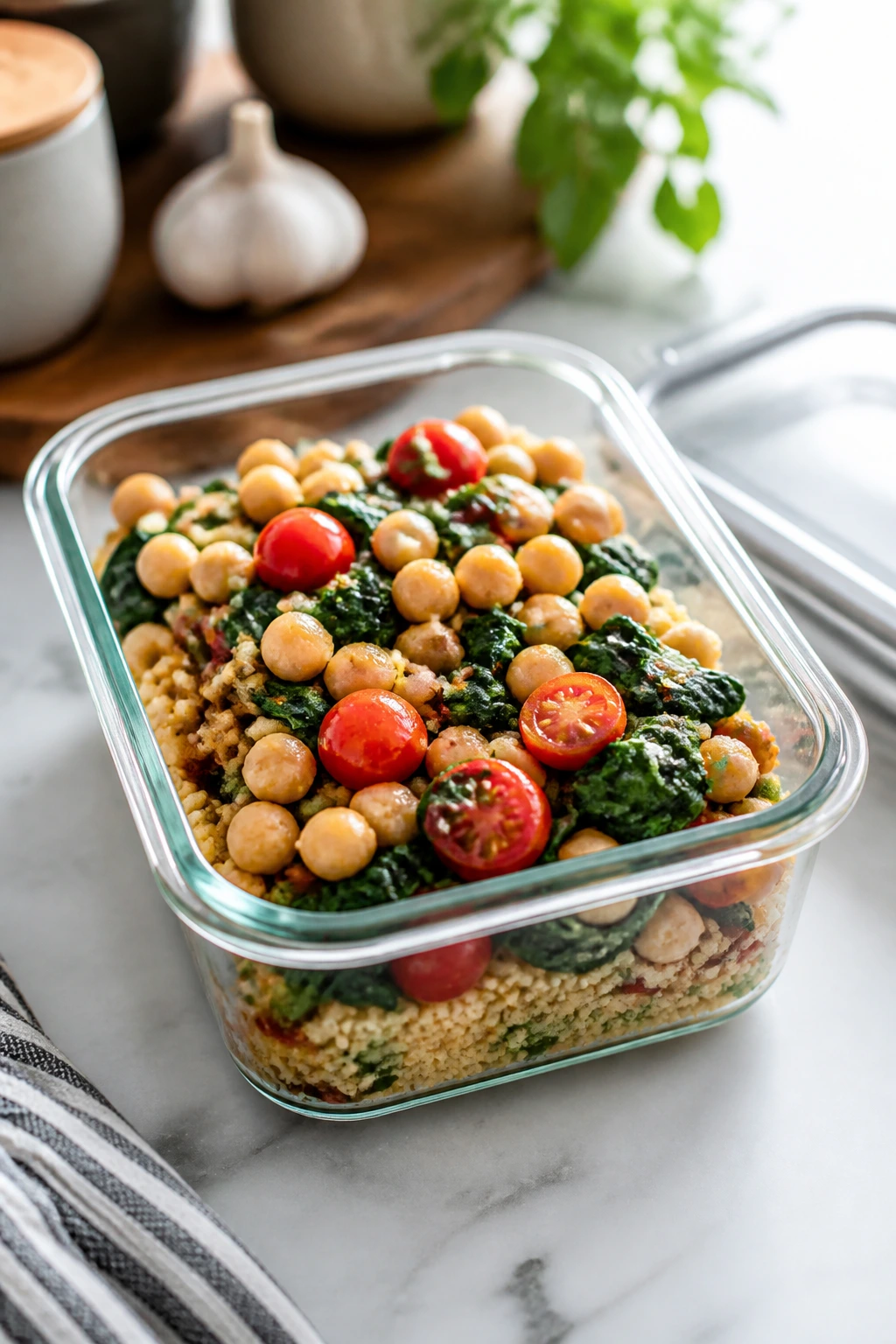
This skillet keeps well, but like most couscous dishes, it likes a little help when it comes back from the fridge. The grains tighten up as they sit, and the lemon note fades first, which is why a fresh squeeze at the end matters on day two.
You can chop the onion, zucchini, and garlic up to 1 day ahead and store them in separate airtight containers in the fridge. Drain and rinse the chickpeas ahead of time too, if that helps. If you want to fully prep the dish in advance, cook the skillet through the couscous step, then cool it quickly and add the spinach, feta, parsley, and lemon only after reheating.
Room Temperature: Don’t leave the finished skillet out for more than 2 hours.
Refrigerator: Store leftovers in an airtight container for 3 to 4 days.
Freezer: Freeze the base, without feta if possible, for up to 2 months. The spinach will soften more after thawing, but the flavor still holds up.
Reheating: Warm leftovers in a skillet over medium-low heat with 1 to 2 tablespoons of water or broth, covered, for 4 to 6 minutes, stirring once or twice. For the microwave, use a covered bowl and heat in 45-second bursts, stirring between rounds. Add fresh lemon juice after reheating; it wakes the whole pan up.
Questions People Ask Before Cooking It
Can I make this garlicky vegetarian dinner without couscous?
Yes. Cooked quinoa, farro, or even small pasta shapes can stand in, though the liquid amount changes. Couscous is the fastest option because it cooks from steam, not a long simmer.
What if I don’t like chickpeas?
Cannellini beans are the cleanest swap because they stay soft and creamy without falling apart. White beans make the skillet a little gentler and less nutty, which some people prefer with the lemon and feta.
Can I use frozen spinach instead of fresh?
You can, but thaw it first and squeeze out the water as well as you can. Frozen spinach is denser and less bright, so use about 1 cup thawed and drained spinach instead of 3 packed cups fresh.
How do I keep the garlic from tasting harsh?
Slice it thin, cook it after the onion has softened, and keep the heat at medium. Garlic should smell sweet and a little nutty; if it smells sharp or starts to brown hard, the pan is running too hot.
Can I make this ahead for lunches?
Yes, and it packs better than you might expect. If you know it will sit overnight, keep a little lemon juice back and add it after reheating so the lunch box doesn’t taste dull by noon.
What if the skillet looks dry before the couscous is tender?
Add 2 to 3 tablespoons of hot broth or water, cover again, and let it sit for another minute. Some tomatoes release more liquid than others, and the fix is usually a small splash, not a big pour.
Can I make it vegan?
Absolutely. Skip the feta and finish with tahini, chopped parsley, and extra lemon. A few sliced olives also help replace the salty edge that feta usually brings.
A Dinner Worth Reaching For
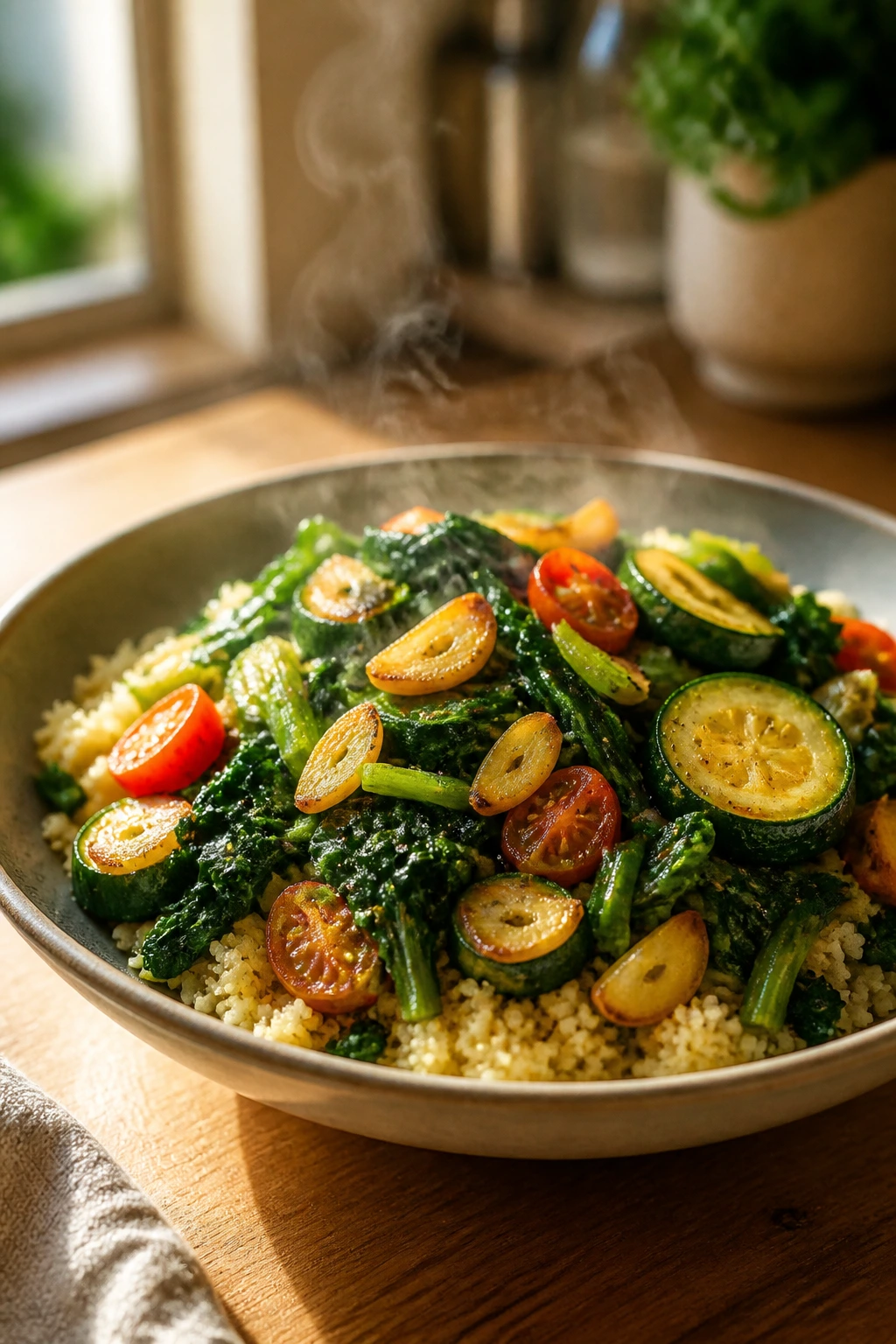
The nice thing about a skillet like this is that it doesn’t ask for a mood. It works when you’re tired, when the fridge looks bare, and when you want a healthy dinner that still tastes like you cooked on purpose. Garlic, chickpeas, tomatoes, couscous, lemon. That’s the whole tune, and it plays well.
Keep the ingredients around once, and you’ll probably make it again without looking at the instructions. That’s usually the sign that a recipe has earned its place. Small number of ingredients. Clear flavors. No drama.
Garlicky Chickpea, Tomato, and Spinach Couscous Skillet — Recipe Card

Recipe Name: Garlicky Chickpea, Tomato, and Spinach Couscous Skillet
Description: A one-skillet vegetarian dinner with sweet garlic, tender chickpeas, burst tomatoes, whole-wheat couscous, spinach, lemon, and feta. It’s quick, filling, and built to taste fresh at the table.
Prep Time: 15 minutes
Cook Time: 20 minutes
Total Time: 35 minutes
Course: Dinner, Main Course
Cuisine: Mediterranean-Inspired
Servings: 4 servings
Calories: About 430 kcal per serving
Ingredients
For the Skillet:
- 2 tablespoons extra-virgin olive oil
- 1 medium yellow onion, diced small
- 1 medium zucchini, diced into 1/2-inch pieces
- 8 cloves garlic, thinly sliced
- 1 tablespoon tomato paste
- 1 teaspoon dried oregano
- 1/2 teaspoon crushed red pepper flakes
- 1/2 teaspoon kosher salt, plus more to taste
- 1/4 teaspoon black pepper
- 1 pint cherry tomatoes, halved
- 1 can (15 ounces) chickpeas, drained and rinsed
- 1 3/4 cups low-sodium vegetable broth
- 1 cup whole-wheat couscous
- 3 packed cups baby spinach
- Zest and juice of 1 lemon
- 1/3 cup crumbled feta
- 2 tablespoons chopped fresh parsley
Instructions
-
Warm the olive oil in a 12-inch skillet over medium heat. Add the onion, zucchini, and salt, then cook for 5 to 6 minutes until the onion is translucent and the zucchini has golden spots.
-
Stir in the garlic, tomato paste, oregano, red pepper flakes, and black pepper. Cook for 45 seconds to 1 minute, stirring, until the garlic smells sweet and the tomato paste darkens.
-
Add the cherry tomatoes and chickpeas. Cook for 2 to 3 minutes until the tomatoes begin to split and release their juices.
-
Pour in the broth, scrape up any browned bits, and bring the liquid to a simmer. Stir in the couscous, cover the skillet, remove from heat, and let stand for 5 minutes.
-
Fluff the couscous with a fork, then fold in the spinach, lemon zest, and lemon juice. Cover for 1 minute or stir until the spinach wilts.
-
Taste and adjust with more salt or lemon, then finish with feta and parsley. Serve hot.
Notes: For gluten-free cooking, swap the couscous for quinoa and use 2 cups broth with a longer covered cook. Add extra lemon right at the end if the leftovers taste muted after reheating.