



Smoke tells on a backyard cookout before the first plate leaves the kitchen. A good one has a rhythm: onions hit the grate and go sweet, fat drips and flashes, somebody carries out a bowl of cold slaw with a spoon stuck in it, and the whole yard starts smelling like dinner before anyone has sat down. That’s the draw of backyard cookouts done right. Not the paper-plate nostalgia. The practical part. The part where the fire is hot enough, the meat is rested, and nobody is standing around waiting for one lonely burger to finish while everything else goes limp.
The ugly truth is that a lot of grilled summer cookouts fail in very ordinary ways. The chicken is still raw near the bone. The burgers are dry because they spent too long on a screaming-hot grate. The corn looks pretty and tastes like warm water. The host keeps sprinting between the grill and the kitchen, which is usually the moment the meal starts to feel like work instead of a meal. None of that is mysterious. It’s just heat management, timing, and a menu that respects what a grill can do well.
A better cookout is less about showing off and more about stacking small wins. Put the right foods on the grill. Separate fast-cooking items from the ones that need a little patience. Use a thermometer instead of guessing. Set the table before the fire goes on. Follow the USDA’s food-safety temperatures without turning the whole thing into a lecture. Do those things, and the evening gets easier in a hurry. The charcoal smell, the crackle, the first bite of a properly rested steak—that part takes care of itself.
Why Backyard Grilled Cookouts Keep Winning
-
The fire does the heavy lifting: Direct heat gives you char, indirect heat keeps thicker cuts from burning on the outside while they’re still underdone in the center.
-
The menu can be built for real life: Thighs, burgers, corn, onions, peppers, and kebabs all finish at different speeds, which means you can assemble a meal without everything landing on the grill at once.
-
You can serve outside without chaos: A single clean platter, a few bowls, and a drink station keep people out of the kitchen and out of your way.
-
The best cookout food is often the cheapest: Chicken thighs, sausage, corn, zucchini, onions, and bread pick up smoke and char without asking for luxury ingredients.
-
Thermometers save dinner: Burgers hit 160°F, poultry 165°F, fish 145°F, and pork chops 145°F with a short rest; those numbers are boring, and they keep you from serving guesswork.
-
Grilled food forgives a little weather and a little drift: If a steak rests five minutes longer than planned or a tray of vegetables waits on a warm side of the grill, it usually survives. That’s part of the appeal.
Choosing the Right Grill for the Food You Actually Cook
A grill is not just a hot box with a lid. It’s a set of trade-offs, and the right one depends on what you cook most often, how much time you want to spend standing beside it, and how much smoke you want to argue with on a Saturday afternoon.
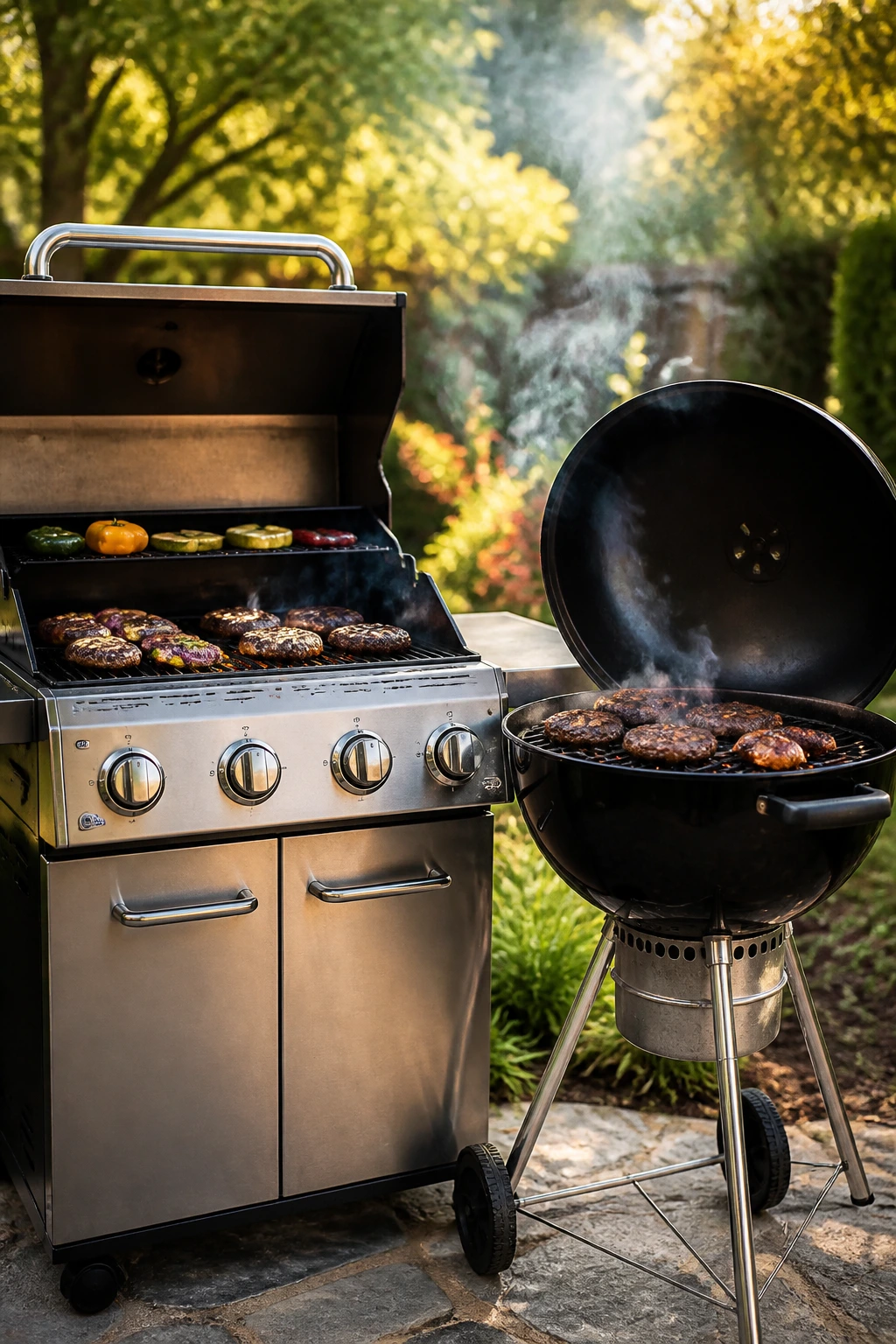
A gas grill is the easiest place to start if your cookouts lean toward burgers, chicken thighs, hot dogs, sausages, and vegetables. Push a knob, wait for heat, and you’re cooking. The best gas grills for home use are the ones with enough burner space to create a hot side and a cooler side. Four burners are a sweet spot because you can light two or three and leave one off. That gives you room to sear and then finish, which matters more than fancy knobs or a chrome shelf you’ll never use.
A charcoal grill gives you more control over flavor and more responsibility for heat. That’s the trade. A kettle-style grill is still one of the smartest tools in a backyard because you can bank the coals to one side, build a zone for direct searing, and keep the other side gentler. It’s excellent for steaks, chicken quarters, sausages, corn, and anything that benefits from a little smoke. It does ask for attention. If you hate paying attention, charcoal will punish you.
A pellet grill sits in a different lane. It’s less about snap-quick cooking and more about steady temperature, which is why people reach for it when they want ribs, whole chickens, or a cookout that leans into low-and-slow timing. It usually won’t give you the same blistered crust as a roaring charcoal fire, so I like it for longer cooks and less for burgers. It’s the calm friend, not the dramatic one.
Size matters more than brand names
A small grill can be fine if you’re cooking for four and the menu is modest. A crowded grate, though, is a miserable place to work. You need room for hot spots, a landing zone, and a few minutes of grace while one side finishes. If your grate is packed edge to edge, you’re steaming food, not grilling it.
Lid height matters too. Thick steaks, spatchcocked chickens, and bone-in thighs need some breathing room. A low lid can scrape the top of the food and trap flare-ups in a way that burns skin before the meat is done. Annoying. Very avoidable.
Building Two Heat Zones Without Guesswork
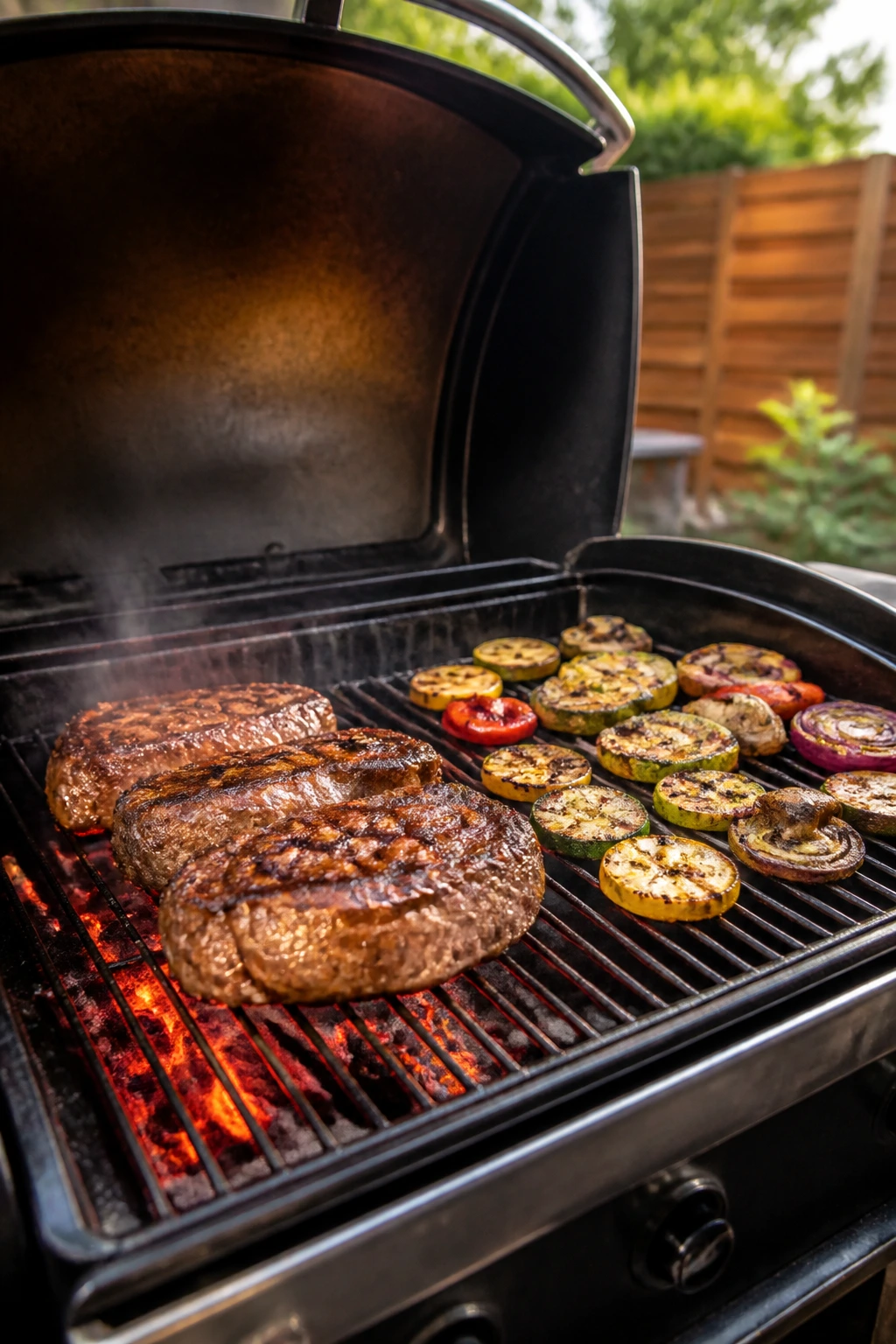
If there’s one grilling habit that fixes a pile of common problems, it’s the two-zone fire. Hot side, cooler side. That’s the whole trick. It sounds almost too plain to matter, and yet it’s the difference between a burger that chars before the center sets and one that browns fast, then finishes cleanly.
On a gas grill, turn one or two burners high and leave another burner off. Let the grill preheat with the lid closed for about 10 to 15 minutes, then check that you’ve got a hot area and a more forgiving area. On a charcoal grill, pile the coals to one side or use a ring of coals around the edge and leave the middle calmer. You’re not trying to create a perfect laboratory. You’re trying to make a place where food can move when the fire gets mean.
That cooler side earns its keep constantly. Chicken thighs can brown on the hot zone and then finish off to the side without blackening. Thick pork chops can sear, then cook through with the lid down. Vegetables that are already tender can move away from direct flame before they collapse into mush. Even sausages benefit from this setup because their skins split less often when they’re not parked over the hottest spot the entire time.
A quick heat map helps
-
Hot zone: 450°F to 550°F grate temperature for searing burgers, steaks, sausages, and fast vegetables.
-
Medium zone: Around 375°F to 425°F for chicken pieces, pork chops, thicker kebabs, and corn with husks removed.
-
Cool zone: Around 300°F to 350°F for finishing thick cuts, holding cooked food, or keeping bread warm without turning it to toast dust.
The lid changes the game, too. Open-lid grilling is fine for fast items. Closed-lid grilling evens out the heat, especially on thicker cuts. If you’re cooking bone-in chicken or anything bigger than a thin steak, close the lid and stop treating the grill like a stovetop.
The Menu That Can Ride the Heat Curve
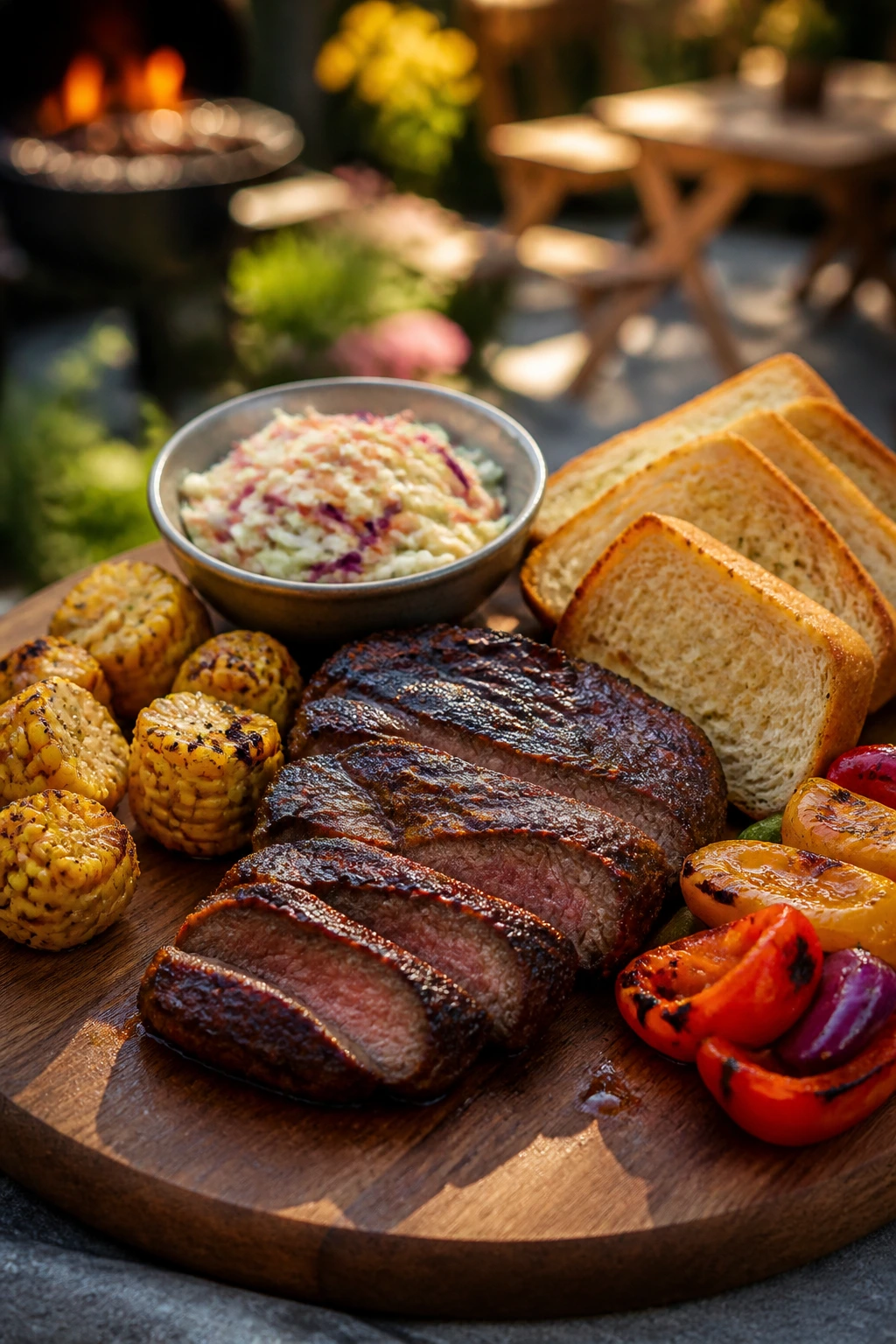
A cookout menu works best when every part knows its job. One fast protein. One slower protein, if you want it. One or two vegetables. Something starchy. Something cold and crunchy. That mix keeps the whole plate from getting heavy, and it keeps you from trying to force every dish through the same timeline.
I like to build around a main protein, a supporting side from the grill, a cold side, and a bread or starch that can sit happily on a tray for a few minutes. Burgers and grilled onions. Chicken thighs and corn. Sausages and peppers. Steak with tomatoes, cucumber salad, and charred bread. The menu starts to feel planned instead of improvised, which matters more than people admit.
Fast movers and slow movers
Fast movers are things that grill in minutes: shrimp, thin vegetables, burgers, hot dogs, sliced bread, peaches, and asparagus. Slow movers are the ones that want indirect heat or a little patience: bone-in chicken, thick pork chops, whole fish, and anything that’s been marinated in a sugary sauce. Mixing the two without thinking is how people end up with one plate ready and one plate still waiting on raw chicken.
If you want a smoother cookout, assign each food a lane. Something goes on first. Something goes on last. The grill is not supposed to be a democratic space.
A simple menu structure that works
-
One anchor protein: burgers, chicken thighs, pork chops, or steak.
-
One smaller flame-kissed protein: sausages, shrimp skewers, or skewered chicken.
-
Two vegetables: one sturdy, one quick. Think corn and zucchini, or mushrooms and asparagus.
-
One cold, acidic side: vinegar slaw, tomato salad, cucumber salad, or beans with lemon.
-
One starch: grilled bread, potato salad, baked potatoes, or a pasta salad that doesn’t turn gluey.
That’s enough. More food is possible, obviously, but it’s not always better. A cookout gets sloppy when there are too many moving parts and nobody can tell what belongs on the plate.
Grilling Proteins Without Drying Them Out
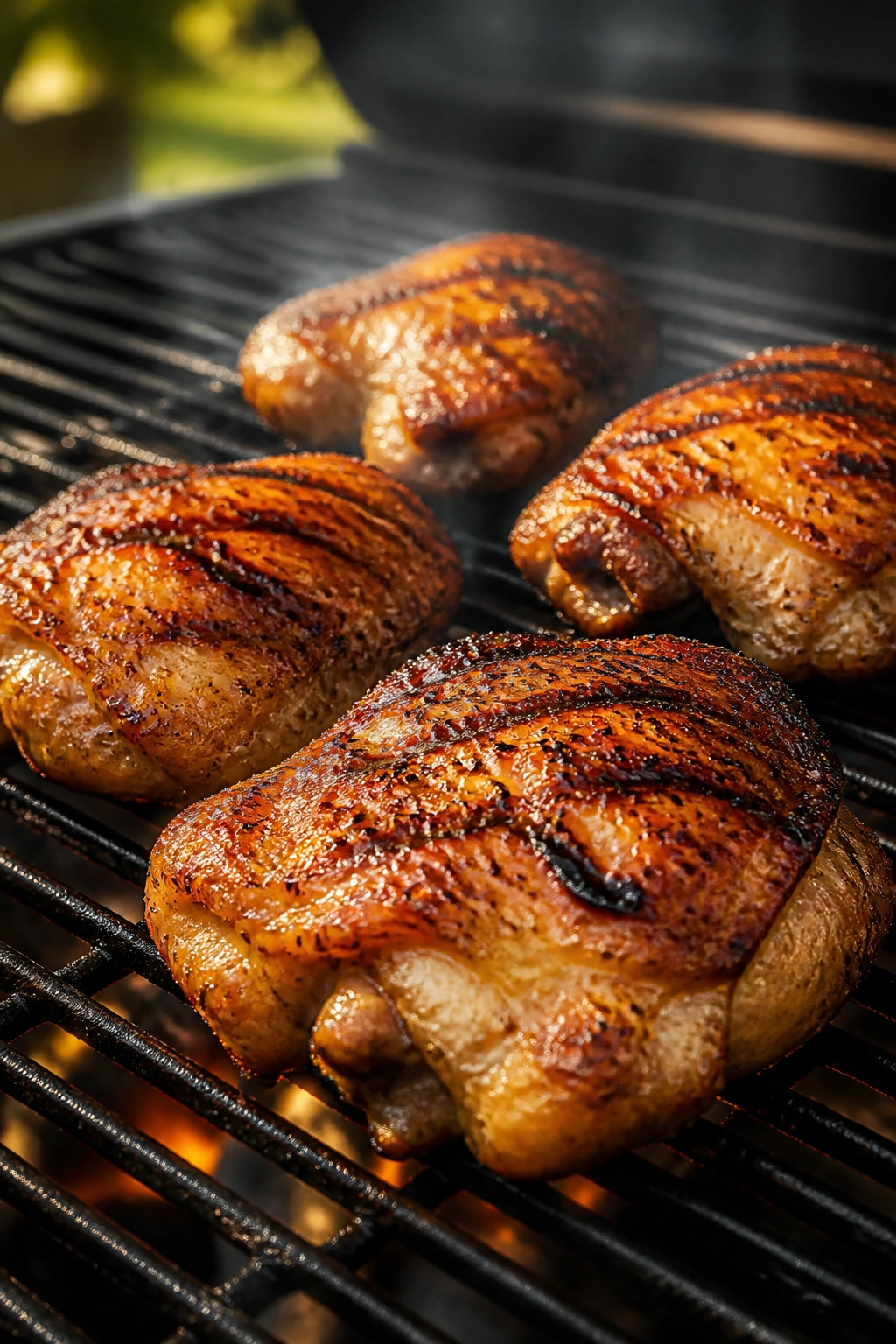
Protein is where backyard grill confidence is won or lost. People overcook it because the surface looks done before the center is safe. They under-season it because they’re afraid of salt. They drown it in sauce too early and then act surprised when the sugars burn. None of these habits is mysterious, and all of them are fixable.
Chicken thighs are the most forgiving grill meat in the bunch. Bone-in, skin-on thighs can take heat, which means you get crisp skin and juicy meat without having to babysit them like a soufflé. Season them aggressively. If you have time, dry-brine them with kosher salt for several hours or overnight in the fridge. A rough starting point is about 1 teaspoon kosher salt per pound of chicken for a simple dry brine, then pepper, garlic, paprika, and a little oil before grilling.
Chicken breasts are a different animal. They dry out fast, especially if they’re unevenly thick. If you’re using them, pound the thicker end lightly so the piece cooks more evenly, or slice the breast into cutlets. Pull them as soon as the thickest part hits 165°F and rest them briefly. Don’t wander off and come back later. That’s how chicken becomes sawdust.
Beef burgers need a gentle hand. Use 80/20 ground beef if you want a juicy burger that still holds together. Mix the meat as little as possible, form patties that are a little wider than the buns, and press a shallow dimple in the center so they don’t dome up. Season the outside just before grilling. Burgers are done at 160°F in the center, and if that sounds a little more done than you like, that’s the food-safety number worth respecting for ground beef.
Steaks, chops, and sausages each play by different rules
A steak likes high heat and a dry surface. Pat it dry with paper towels first. If you want a good crust, don’t shove it around on the grate every 20 seconds. Let it sit and make contact. A 1-inch steak can usually handle direct heat beautifully, then a short rest before slicing. Pork chops do better with some fat and some thickness; thin chops tend to dry out if you blink too long. Bone-in chops around 3/4 to 1 inch thick give you enough margin to sear and finish without panic.
Sausages are underrated because they do one thing so well: they carry smoke. Use the cool side after the skins brown, and if the sausages are especially thick, split cooking into two phases so the outside doesn’t burst before the center gets hot. Nobody wants a sausage spill on the grate. That’s just sad.
Fish can absolutely belong at a cookout, but it needs a plan. Salmon fillets, trout, and thick swordfish steaks are the easiest grill candidates. Delicate fillets need a clean, oiled grate or a fish basket. Pull fish at 145°F or when it flakes easily and the flesh turns opaque. If the flesh still looks translucent in the middle, it needs more time.
Vegetables, Corn, and Fruit That Belong on the Fire
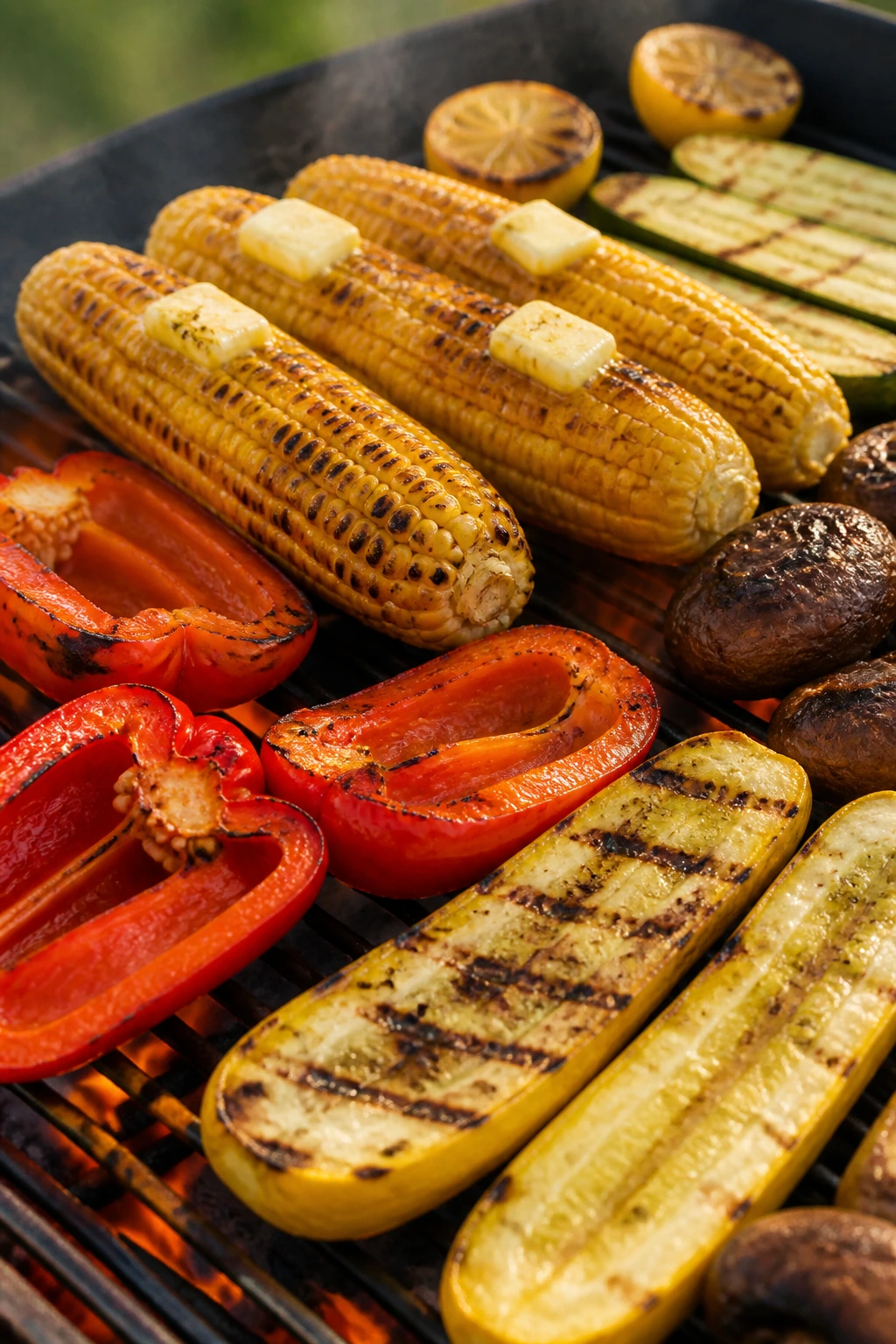
People treat vegetables like grill filler, which is a shame because the grill can do more for a zucchini than most people give it credit for. Heat concentrates sugars. Water evaporates. Edges char. A plain vegetable starts to taste like it had a good idea and followed through.
Corn on the cob is the obvious place to start. You can grill it in the husk for a steamed, gentle result, or shuck it and get more char. I prefer shucked corn brushed with butter or oil and turned often until the kernels pick up brown spots. It tastes sweeter that way, and the texture stays snappy instead of soft. If you want the shortest path to happy guests, grilled corn with salt, lime, and chili powder is a hard thing to argue with.
Zucchini and summer squash are good because they cook fast and like smoke. Cut them lengthwise into thick planks or big diagonal slices so they don’t fall through the grate. If you slice them too thin, they go floppy and want to stick. Bell peppers do better in wide strips or halves. Mushrooms need oil and space. Onions can be cut into thick rounds and held together with a skewer or grill basket if the layers start to wander.
Fruit on the grill is not a gimmick
Peaches, pineapple, and even halved plums behave well over flame. The sugars caramelize, the edges darken, and the fruit gets soft enough to serve with yogurt, ice cream, or a sharp cheese. I like grilled peaches best when they’re cut in half, brushed lightly with oil, and cooked cut-side down until the surface gets a little color. You want caramel, not jam.
A few vegetables deserve more respect than they get:
-
Asparagus: Toss with oil, salt, and pepper, then grill over medium-high heat until the tips blister and the stalks still have some snap.
-
Eggplant: Salt it lightly if the slices are thick, then grill until the flesh turns creamy and the surface picks up a deep brown pattern.
-
Romaine hearts: Split lengthwise, oil the cut side, and grill quickly. The bitterness softens and the center stays crisp enough to hold dressing.
-
Tomatoes: Use sturdy tomatoes for grilling or just warm them quickly. Soft tomatoes can collapse before you notice.
These are not side notes. These are the parts of the meal people go back for when they’ve had two burgers and should probably stop.
Sauces, Rubs, and Finishes That Make the Fire Taste Intentional
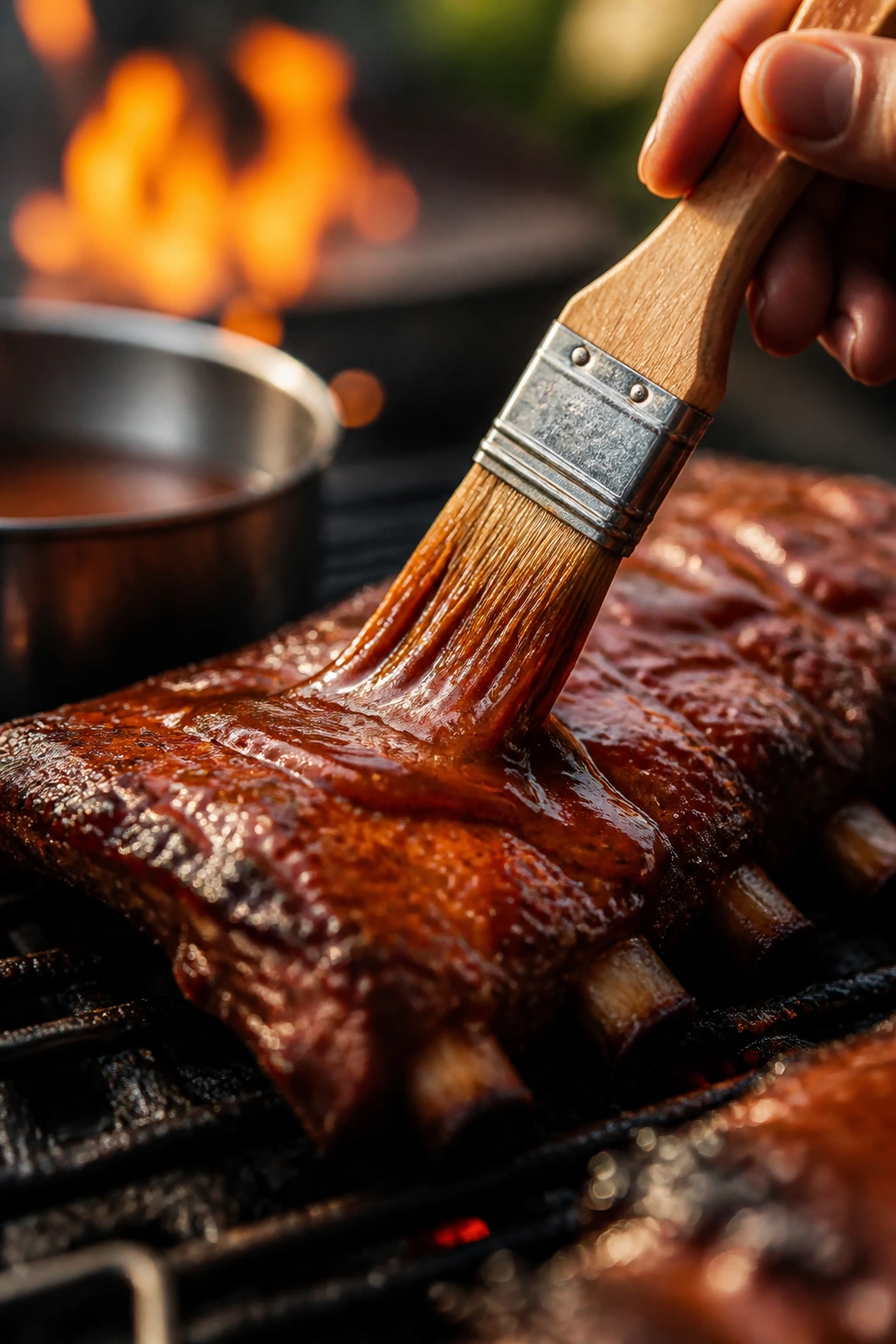
A good sauce on a grilled meal should do one of two things: protect the food from dryness or wake it up at the end. What it should not do is sit on the grate too early and turn black. Sugar burns fast. Honey burns faster. Thick barbecue sauce can go from shiny to bitter in one ugly minute if you slap it on too soon.
Dry rubs are the safest place to start. Salt, black pepper, paprika, garlic powder, onion powder, and a little brown sugar if you’re careful with heat. That’s a strong baseline for ribs, chicken thighs, and pork chops. If you use sugar, keep the heat medium or finish the food in indirect heat so the sugar doesn’t scorch before the meat is done.
Sauces belong in the last few minutes or after grilling. Brush them on chicken during the final stretch, or serve them at the table. Chimichurri is one of my favorite answers to grilled meat because it cuts fat with herbs, garlic, vinegar, and oil. Salsa verde does something similar with a brighter edge. A yogurt-based sauce with lemon and dill can rescue grilled chicken breasts from dryness without making the meal feel heavy.
Finishing touches matter more than people think
A squeeze of lemon over grilled vegetables changes the whole plate. A pinch of flaky salt on sliced steak sharpens the beefy flavor. Pickled onions bring acid and crunch to burgers. Herb oil drizzled over corn or tomatoes makes the plate taste assembled instead of random. None of this takes long. All of it matters.
If you’re cooking for a mixed crowd, keep at least one sauce on the side that is not hot. Not spicy. Cool. Something like ranch with herbs, tzatziki, or a simple garlic-lemon sauce gives people an escape hatch when the rub leans smoky or the grill got a little too enthusiastic.
Timing the Cookout So Hot Food Stays Hot and Cold Food Stays Cold
The easiest way to ruin a cookout is to treat every dish as if it can wait forever. It can’t. Cookout food has a narrow window where it tastes exactly right, and if you miss that window, the buns go stale, the chicken cools down, and the salad starts sweating in its bowl.
Work backward from the food that takes the longest. If chicken pieces need 25 to 35 minutes and corn needs 10 to 12, the chicken goes on first. If the burgers take 8 to 10 minutes and the bread takes 1 minute, you already know where the order should go. Write it down if you need to. Nobody gets bonus points for remembering a three-part grilling schedule from memory while talking to guests.
Cold food needs its own discipline. Keep salads chilled until they’re ready to come out. Set condiments in the shade, not on the table in direct sun. If something should stay cold, a metal bowl nested in ice is not overkill. It’s the difference between crisp and tired.
A rough cookout timeline helps a lot
-
The day before: Mix rubs, chop vegetables that won’t discolor, make sauces, and clean the grill grates.
-
A few hours before: Marinate or dry-brine proteins, set out serving platters, and make sure you have enough charcoal or propane.
-
30 to 45 minutes before cooking: Light the grill, prep the cold sides, and bring out only the food that should be near room temperature.
-
During cooking: Move cooked items to a warm platter or a low oven around 200°F if they need to hold for a few minutes.
-
After cooking: Serve promptly. Don’t let grilled food sit around like it’s waiting for a bus.
The one-hour and two-hour food-safety rules are worth following. If it’s a hot day and food is sitting out in the sun, don’t push it. Move leftovers inside fast and chill them in shallow containers. That’s the boring part. It’s also the part that keeps tomorrow’s lunch from becoming a bad decision.
Setting Up the Yard for Easier Serving, Shade, and Cleanup
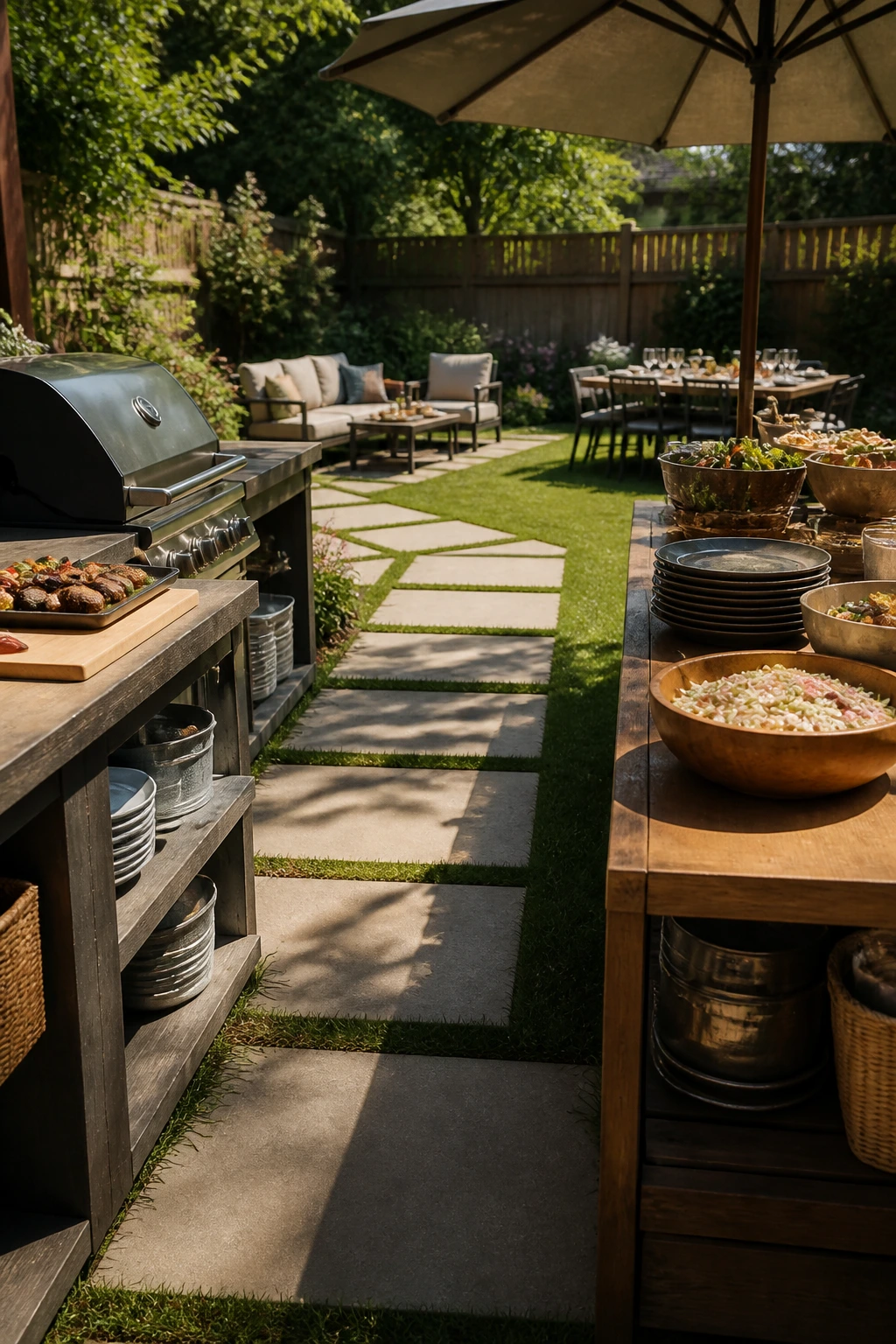
A good cookout isn’t only about the grill. It’s also about the places where food lands, people stand, and mess disappears. If you set the yard up like a thoughtless picnic, the host spends the whole evening making minor emergencies look normal. If you set it up well, people serve themselves and you get to spend a few minutes acting like a person who is not on duty.
Start with the serving path. The grill should lead to a clean resting area, then to a serving table, then to the seats. That sounds obvious, but people love to create a traffic jam by making the drink cooler, the food tray, the napkins, and the trash can fight for the same square foot of patio. Separate them. Give the cook room to move with tongs in one hand and a platter in the other.
Shade matters more than most hosts plan for. Plates loaded with hot food and buttered bread do not like sitting in full sun. A patio umbrella, canopy, or even a folding table moved under a tree can keep people from racing through the line and rushing the food. If you’ve ever watched cheese melt where it shouldn’t, you know why this matters.
Make the setup self-serve
A stack of plates. Napkins. Tongs for guests. A dedicated sauce station. A second platter for cooked food that never touches raw meat. A trash can that people can find without asking. Those little pieces make the whole thing feel calm.
String lights are nice. So is a speaker at a sane volume. But the unglamorous stuff does more good: extra ice, a roll of paper towels, a damp rag near the grill, insect repellent tucked out of sight, and a cooler that holds drinks so the fridge doesn’t get raided every six minutes. That is what makes the evening smooth.
Essential Gear for Backyard Grilling Nights
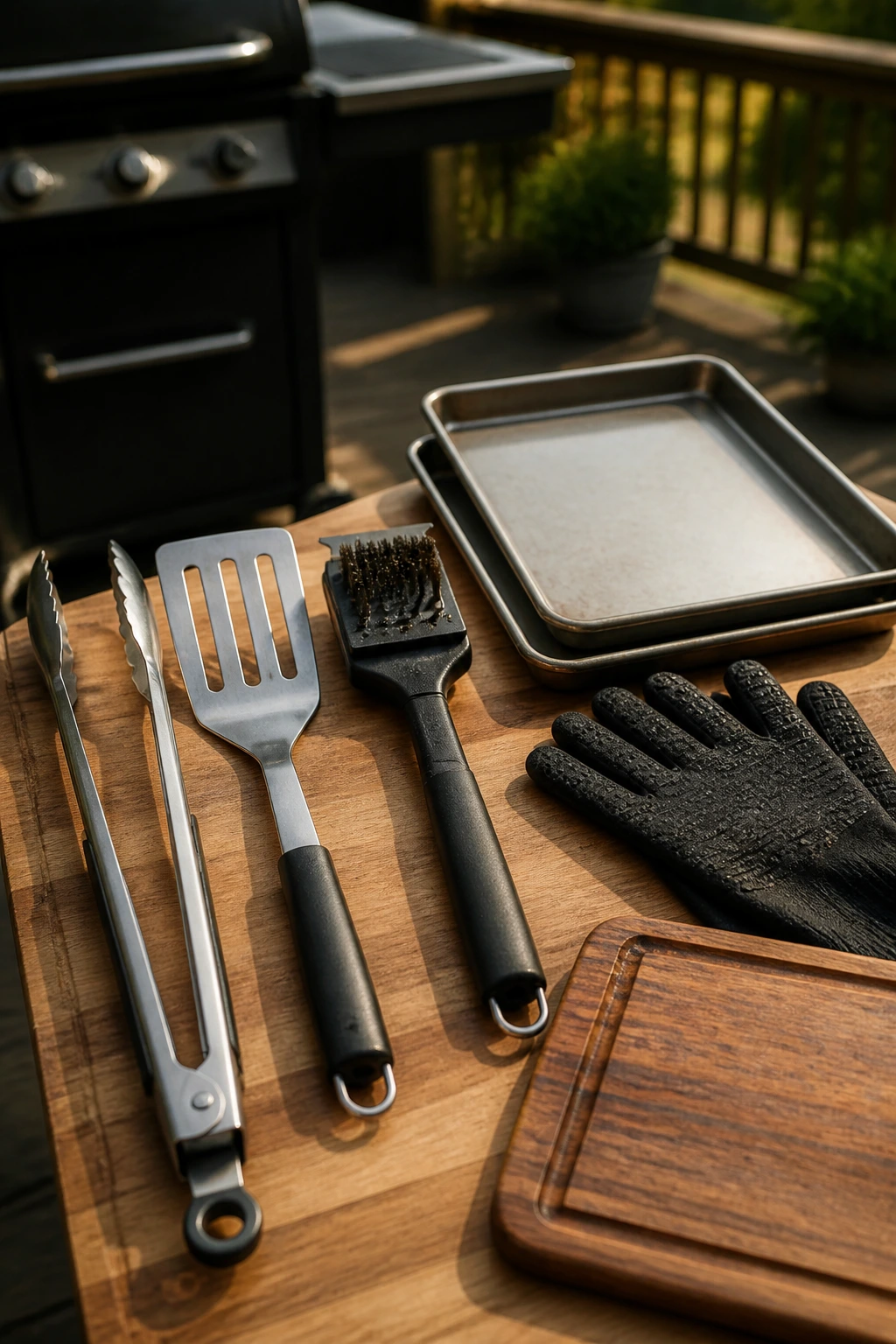
You do not need a garage full of gadgets. You do need the right few tools, and each one earns its space.
-
Gas, charcoal, or pellet grill: Choose the one you’ll actually use; the best grill is the one that gets fired up often.
-
Instant-read thermometer: The fastest way to stop guessing on chicken, burgers, pork, and fish. A good one saves dinner.
-
Long-handled tongs: Let you move food without singeing your knuckles or poking holes in meat that should keep its juices.
-
Wide metal spatula: Useful for burgers, fish, and anything delicate that needs a clean lift.
-
Grill brush or scraper: Clean grates give you better sear marks and less sticking. Replace brushes with loose bristles.
-
Two rimmed sheet pans: One for raw food, one for cooked food. The clean separation matters.
-
Cutting board for cooked meat only: A separate board prevents cross-contamination.
-
Heatproof gloves: Handy when you’re moving hot grates, adjusting charcoal, or handling a Dutch oven near the fire.
-
Charcoal chimney starter: Not needed for gas, obviously, but it makes charcoal lighting cleaner and more predictable.
-
Aluminum foil and a drip tray: Cheap, useful, and excellent for indirect cooking or keeping flare-ups under control.
-
Serving platters with a lip: They catch juices better than flat plates and keep food from sliding off when you carry them outside.
-
Cooler with ice packs: Great for keeping drinks, raw marinades, and cold sides safe and shaded.
Smart Shopping and Ingredient Tips for Grilled Summer Cookouts
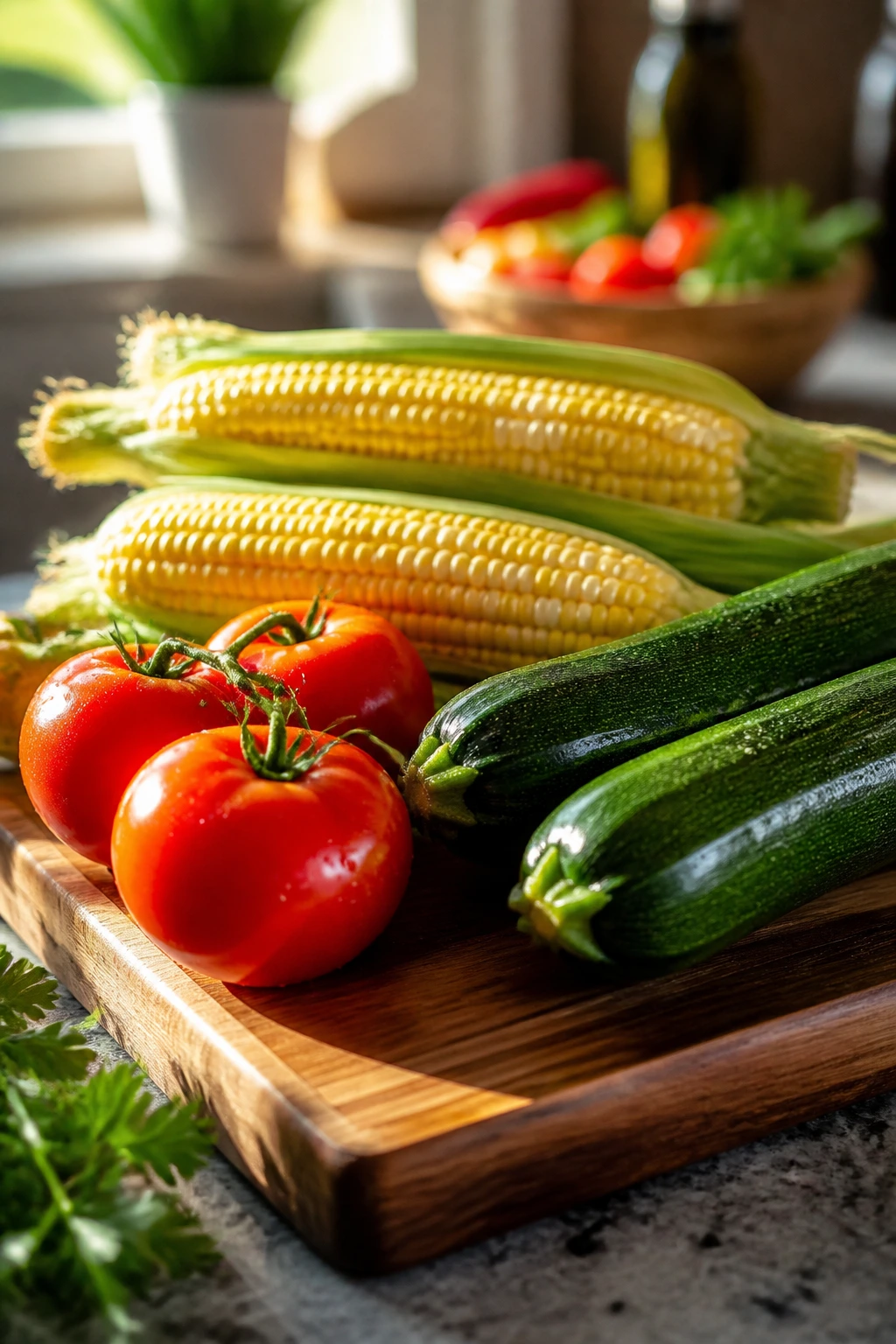
A cookout starts in the store, not at the grill. The cart choices matter because grilling magnifies both the good and the mediocre. A great tomato gets sweeter. A watery one gets sad. A decent chicken thigh becomes excellent. A flimsy chicken breast can go dry in a blink.
For meat, buy cuts that can take heat. Chicken thighs are safer than breasts for most home grillers because the extra fat keeps them forgiving. Bone-in pork chops hold moisture better than paper-thin boneless cuts. If you’re buying burgers, go for 80/20 ground beef unless you have a strong reason not to. Leaner beef can work, but the burger gets drier and you lose some of that juicy, drippy bite people want from a cookout burger.
For steak, thickness matters more than a fancy label. A 1-inch strip steak, ribeye, or sirloin is easier to grill than something thinner because you have a little more room between crust and overcooked center. If the steak is unusually thick, plan to finish it over indirect heat. That small adjustment keeps the outside from racing ahead of the inside.
Produce deserves the same level of care. Pick corn with green husks that feel snug and moist, not dried out and papery. Choose zucchini and yellow squash that are medium-sized, because the oversized ones can get seedy and watery. For mushrooms, look for caps that are firm and dry, not slimy. Peaches should smell fragrant near the stem and give slightly when pressed, but not collapse in your hand.
Pantry items do more work than you think
The right bread is worth the extra minute in the aisle. Look for buns that can hold juice without disintegrating in 30 seconds. Brioche is rich, but a sturdier potato bun or sesame bun often handles burgers better. For sauces and seasonings, keep a decent kosher salt, black pepper, smoked paprika, garlic powder, cider vinegar, olive oil, and Dijon mustard around. Those basics can cover a ridiculous amount of ground.
Frozen produce is fine in some places. Frozen corn can be excellent in salsa or a grilled corn salad if fresh ears aren’t appealing. Frozen shrimp are usually better than old-looking fresh shrimp sitting in a tray too long. But for the grill itself, fresh vegetables with enough structure tend to win.
How to Serve a Crowd Without Becoming a Short-Order Cook
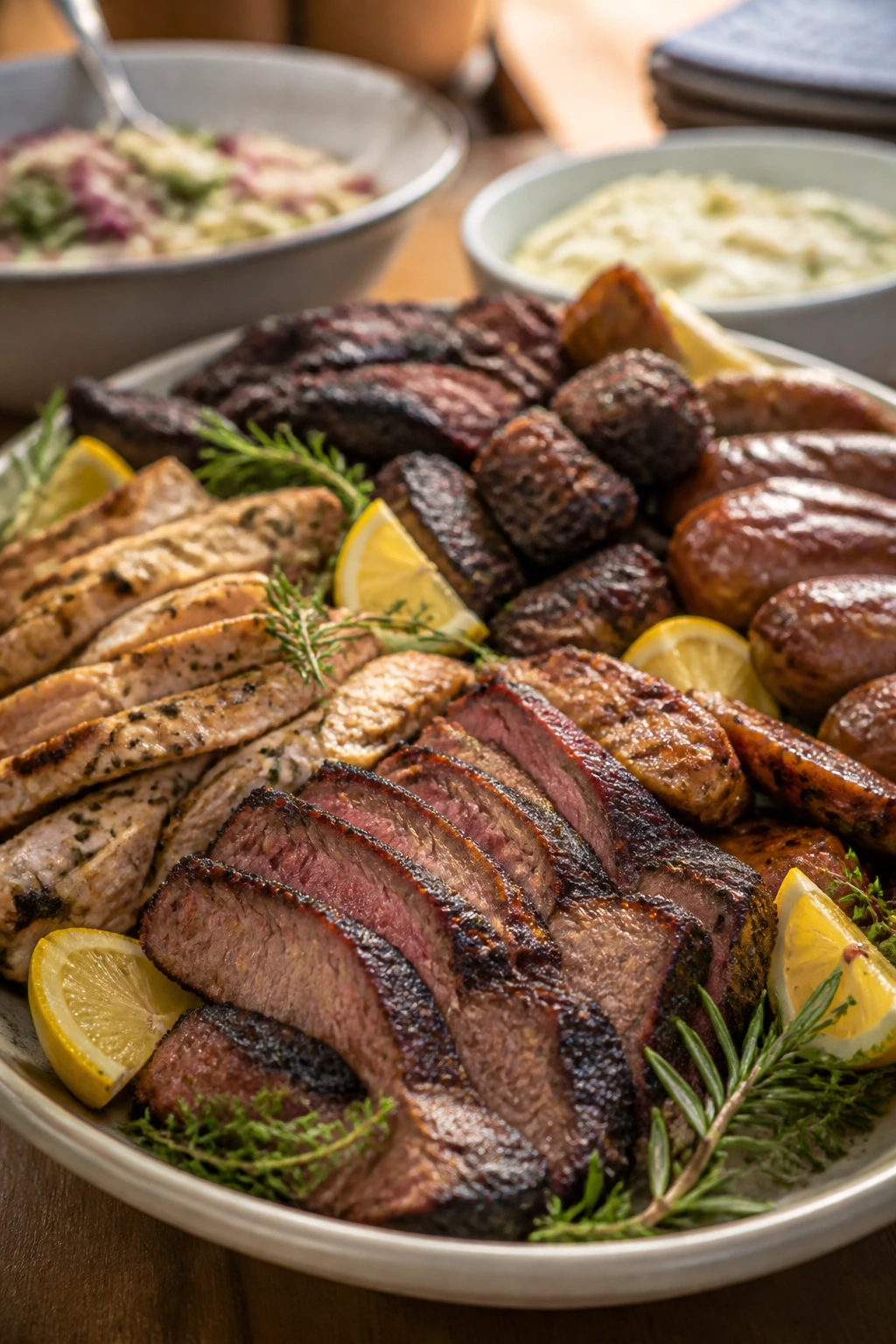
Presentation: Put grilled meats on a warm platter and slice only what needs slicing right before it reaches the table. A whole flank steak or a pile of thighs looks more generous than a tray of pre-cut scraps, and it holds heat better. Tuck lemon wedges, herbs, or a handful of sliced scallions around the edges so the plate looks finished without turning fussy.
Accompaniments: The safest sides for backyard grilled meals are the ones that like a little delay: vinegar slaw, tomato-cucumber salad, baked beans, potato salad, grilled bread, or a bean salad with herbs. If you want a starch that absorbs juices, make grilled potatoes in foil packets or thick slices brushed with oil. Cold pasta salad works too, but only if it’s dressed lightly and doesn’t sit in a heavy mayo puddle.
Portions: For a cookout with several sides, plan on about 1/3 to 1/2 pound of cooked protein per adult. If the menu is mostly meat and bread, bump that up. For chicken pieces, two thighs or one large thigh plus other food is a comfortable plate for many adults. For burgers, one 1/4- to 1/3-pound patty per person is standard; some people will want two, so keep a few extras if your crowd runs hungry.
Beverage Pairing: Ice water with lemon should never be an afterthought. Beyond that, lager, light beer, iced tea, or sparkling water with lime fits nearly any grill spread. If you want something a touch more festive, a simple sangria or a citrusy spritz works well with smoky food without fighting it.
The trick is to keep the plate balanced. A piece of charred meat, a crisp vegetable, something acidic, and something starchy. That combo keeps people from feeling like they’ve been fed only smoke and salt, which is a surprisingly easy mistake to make.
Additional Tips and Flavor Boosters
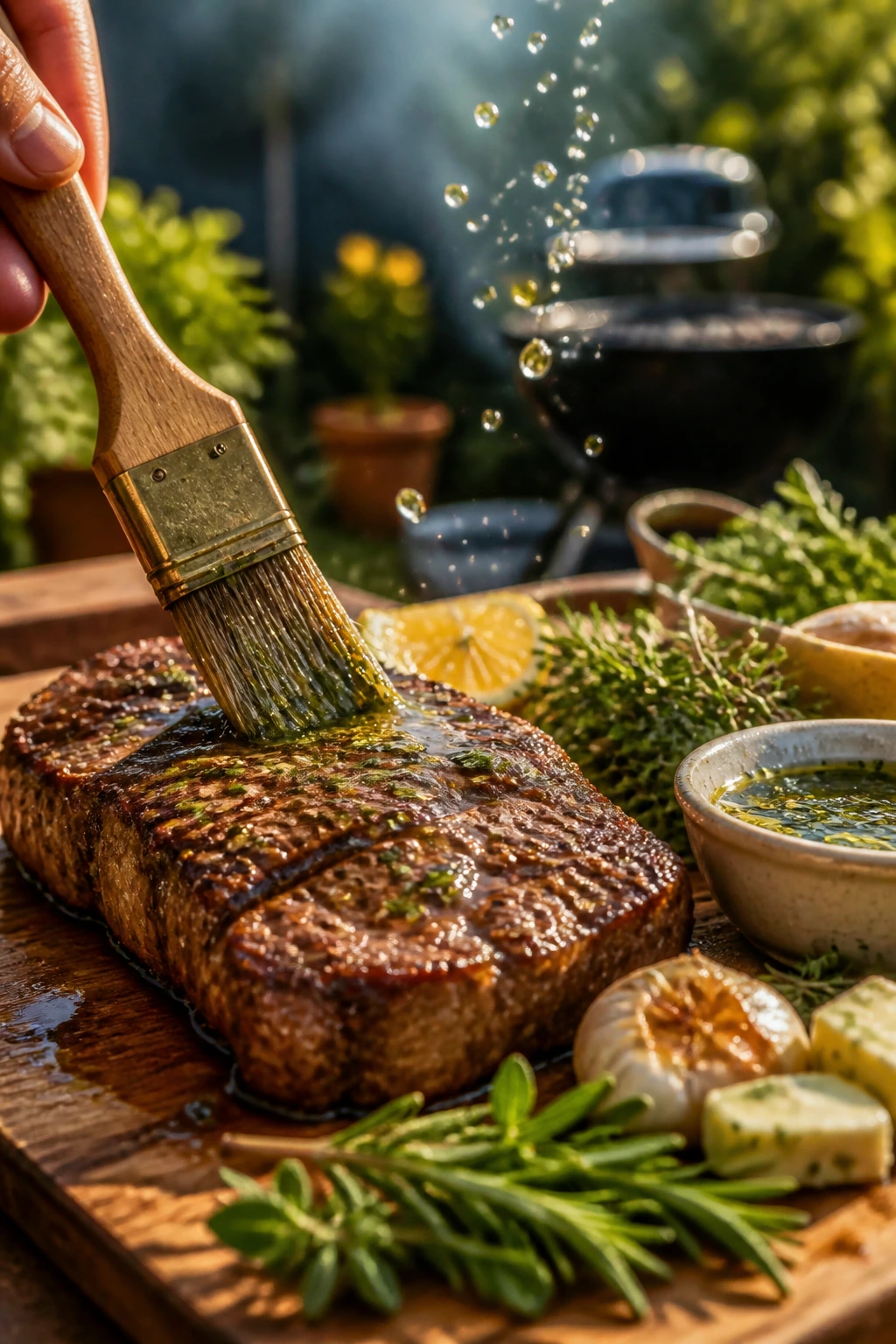
Flavor Enhancement: A quick finish of herb oil, lemon juice, or vinegar right after grilling wakes up meat and vegetables before the first bite. If you want more depth, brush corn or grilled bread with garlic butter during the last minute, not at the start.
Customization: Build the meal in layers. Serve chopped chilies, pickled onions, sliced herbs, and extra sauces on the side so guests can push their plates in different directions without needing a second menu. That helps with heat lovers, garlic lovers, and the people who pretend they want spice and then ask for ranch.
Serving Suggestions: Finish steak with flaky salt. Finish chicken with parsley and lemon. Finish grilled vegetables with crumbled feta or grated parmesan if dairy fits the menu. A few sprigs of dill or mint can make a platter look considered instead of accidental.
Make-It-Yours: For a gluten-free spread, skip the buns and lean on lettuce wraps, grilled potatoes, and corn. For dairy-free diners, use olive oil and herb sauces instead of butter-based finishes. For a vegetarian-friendly table, grilled halloumi, portobello mushrooms, tofu skewers, or thick slabs of cauliflower can hold their own if they’re salted well and not drowned in sweet sauce.
A small note that saves a lot of regret: save sugary glazes for the end. If a sauce contains honey, brown sugar, or a sticky barbecue base, apply it when the food is almost done. That one habit keeps a lot of grill sessions from sliding into bitterness.
Common Mistakes to Avoid
-
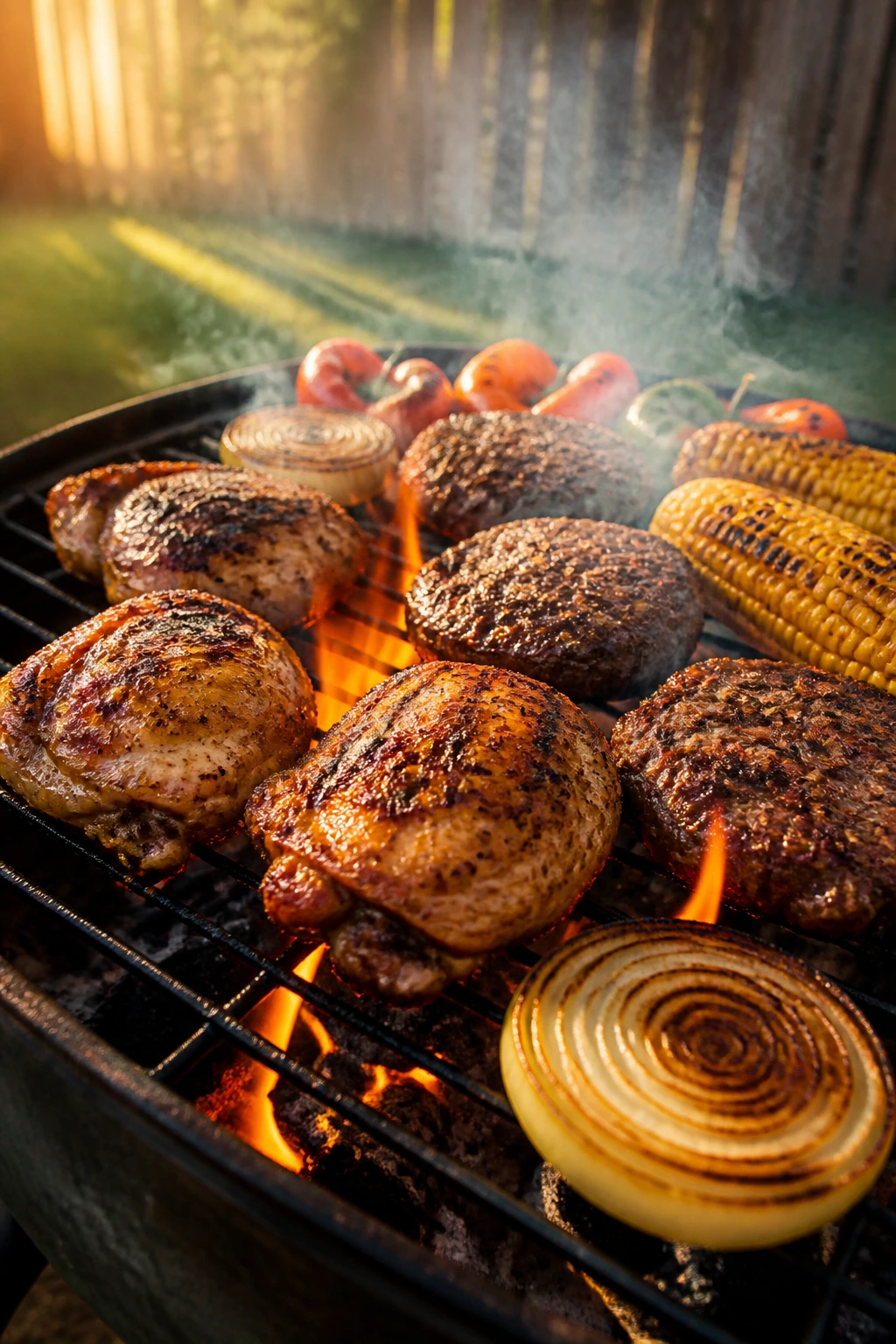
Starting with a filthy grate: Old grease and char make food stick and taste burnt before it’s actually cooked. Scrape the grate while it’s still warm, then oil it lightly before the next batch goes on.
-
Using only one heat level: A blast-furnace grill burns the outside while the center lags behind. Set up a hot side and a cooler side so food can move when it needs to.
-
Saucing too early: Sweet sauces blacken fast and taste bitter when they spend too long over flame. Brush them on near the end, or serve them separately.
-
Guessing doneness by color: A brown burger can still be raw, and a pale chicken thigh can still be ready. Use an instant-read thermometer and check the thickest part of the meat.
-
Crowding the grate: When food is packed too tightly, it steams instead of sears. Leave gaps, work in batches if needed, and accept that one overfull cookout is usually worse than two calm rounds.
-
Skipping the rest: Slicing steak, pork, or burgers too fast sends juices onto the cutting board instead of back into the meat. Give it a few minutes, even if the crowd is hovering nearby.
The biggest mistake, honestly, is trying to do too much at once. A cookout looks simple from ten feet away. On the grill, it rewards calm, not speed.
Variations and Different Approaches
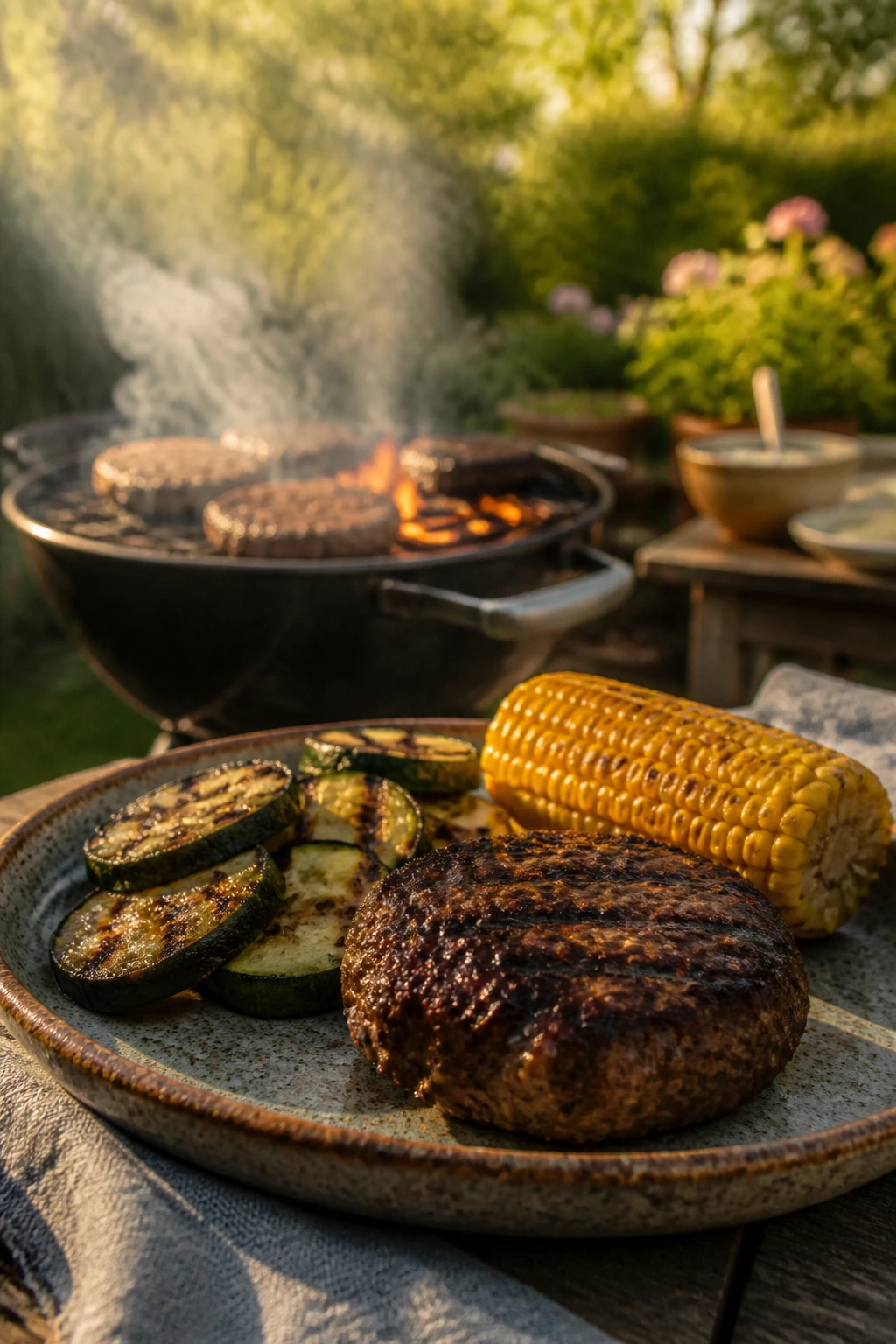
The Weeknight Grill Plate: Keep it stripped down to burgers, zucchini, and corn. Fewer items means less timer-juggling, which is helpful when you still want the cookout feel without turning the evening into a production.
The Smoke-Lover’s Spread: Use charcoal, add bone-in chicken thighs, onions, mushrooms, and corn, then finish with a vinegar-heavy sauce or chimichurri. This version gives you a deeper char and a little more drama from the fire itself.
The Bright-and-Herby Menu: Lean on lemon, dill, parsley, and mint. Serve grilled fish, asparagus, and potatoes, then finish everything with herb oil and extra citrus. It tastes lighter, but not flimsy.
The Backyard Burger Bar: Grill burgers, onions, peppers, and maybe mushrooms, then set out buns, sliced tomatoes, pickles, cheese, lettuce, and two sauces. People build their own plates, which cuts down on special requests.
The Vegetarian-Heavy Cookout: Put halloumi, portobellos, corn, eggplant, and grilled peaches on the menu. Add a sturdy bean salad and grilled bread. Nobody leaves hungry, and nobody feels like the vegetables were an apology.
The Spice-Forward Night: Use chili powder, cumin, smoked paprika, and a little lime. Brush proteins with a light glaze near the end, then serve with cool yogurt sauce or ranch to balance the heat.
Keeping the Grill Ready and Leftovers Safe
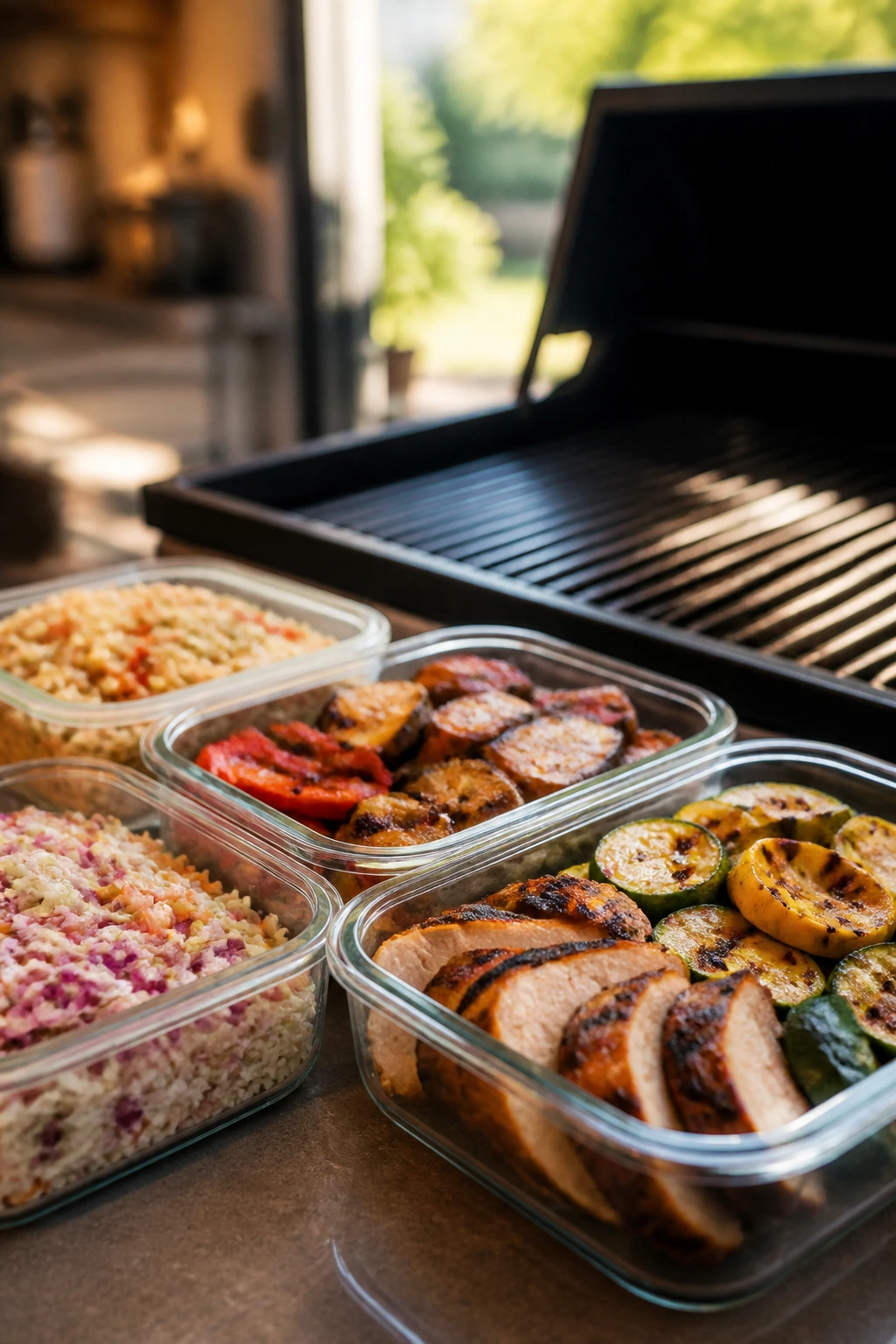
A grill lasts longer when you treat cleanup as part of cooking, not a separate chore you’ll “get to later.” While the grate is still warm, brush off stuck bits. Once the grill cools, empty ash from a charcoal grill so it doesn’t hold moisture and clump up the next time. On a gas grill, check the grease tray and wipe spills before they harden into sticky armor.
Grease buildup is where a lot of annoying problems begin. It can flare, smoke, and make food taste dirty. A light coat of oil on the grate after cleaning helps prevent rust, especially if the grill lives outside and sees damp weather. If you use a wire brush, inspect it every so often. Loose bristles are not a charming surprise in anyone’s dinner.
Leftovers should go into shallow containers and into the fridge within 2 hours of cooking, or within 1 hour if the food has been sitting out in hot conditions. Cooked chicken, beef, pork, and grilled vegetables usually keep 3 to 4 days refrigerated. Most cooked grilled meats freeze for up to 2 to 3 months if wrapped well and sealed in a freezer bag or container. Thaw them in the fridge, not on the counter.
Reheating without wrecking the texture
For chicken and pork, a low oven around 300°F with a splash of broth or a covered pan helps keep the meat from drying out. Burgers and steak slices are better in a skillet over medium-low heat for a short time. Grilled vegetables can go in a hot skillet for a minute or two, or onto a sheet pan in a moderate oven. Microwaving is the last resort, not the plan.
Cold sides need different care. Potato salad, slaw, and sauce-based dishes should stay chilled and should not sit out for hours once they’re served. If a dish contains mayonnaise, yogurt, or dairy, I’d keep it cold and move it back into the fridge as soon as the eating slows down.
Frequently Asked Questions
How much meat should I buy for a backyard cookout?
For a spread with several sides, plan on about 1/3 to 1/2 pound of cooked meat per adult. If burgers are the star and there aren’t many sides, buy more than you think you need—people tend to eat with more enthusiasm outdoors.
What’s the easiest protein for a beginner griller?
Chicken thighs are the friendliest place to start. They’re more forgiving than breasts, handle a little extra time, and still taste good even if the fire runs a touch hotter than planned.
Can I grill everything ahead of time?
Some things, yes. Chicken thighs, sausages, and vegetables reheat well if you don’t overcook them the first time. Burgers and steaks are best cooked closer to serving because reheating tends to dry them out.
How do I keep burgers juicy?
Use 80/20 beef, handle the meat lightly, and don’t press the patties while they cook. Pull them at 160°F, rest them briefly, and serve on buns that can handle the juices without turning to mush.
What if my grill has one hot spot that burns everything?
Use it on purpose. Put the sear-heavy food there for a short time, then move the pieces to the cooler side to finish. A bad hot spot becomes useful the minute you stop fighting it.
Is charcoal better than gas for cookouts?
Charcoal gives deeper smoke and a more pronounced crust. Gas is easier, faster, and more predictable. I like charcoal when I have time to pay attention and gas when the goal is a clean, low-drama dinner outside.
How do I keep grilled food warm without drying it out?
Use a low oven around 200°F and cover the platter loosely with foil. For meats, avoid sealing them tight in foil for too long or the crust softens fast.
Can I make a good cookout with mostly vegetables?
Absolutely. Grill corn, peppers, onions, mushrooms, asparagus, eggplant, and bread, then add a sturdy salad or beans. The trick is salt, heat, and enough browning to make the vegetables taste intentional instead of like a side note.
A Backyard Meal Worth Repeating
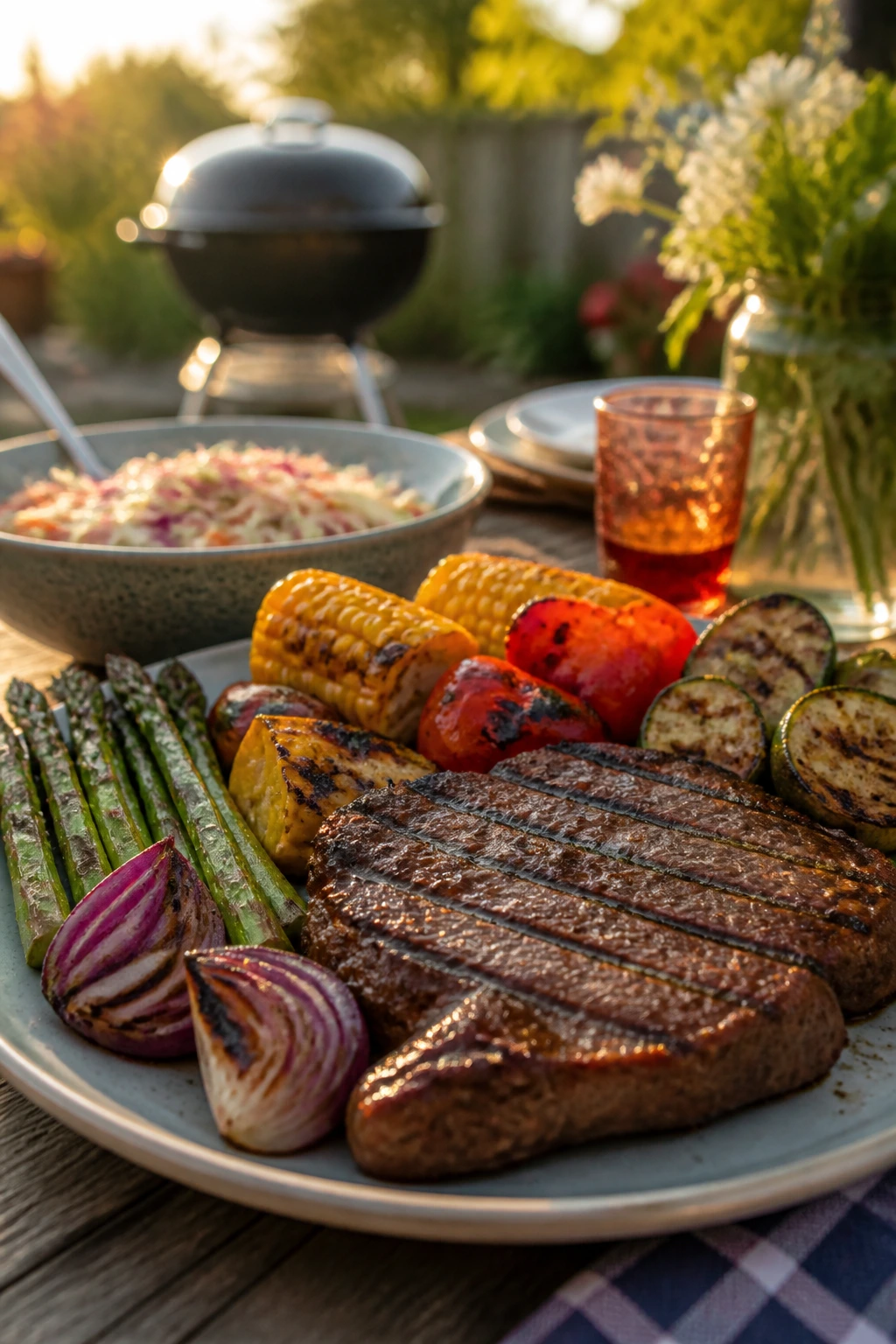
The best backyard cookouts don’t depend on luck. They come from a grill with a plan, a menu that respects timing, and a host who knows when to stop fussing with the fire. Once the heat zones are set and the food is lined up sensibly, the whole evening feels less like a performance and more like a meal that happens to smell better outdoors.
That’s the real appeal here. Not perfection. Not a tray full of identical grill marks. Just smoke, steady timing, and plates that make sense when they hit the table. Get those parts right, and the cookout starts earning its place as the thing people ask about before they even leave.