



Grilled summer cooking gets unforgiving fast. A steak over live fire will tell on you in two minutes: too much heat, and the fat flares up; too little, and the crust stays pale and soft. A rack of chicken thighs will do the same thing, only more slowly, which is somehow even more annoying.
That’s why backyard cookouts have a reputation for being casual but not actually easy. The food looks simple. Burgers, corn, skewers, maybe a few peaches if you’re feeling smug. But the whole thing lives or dies on a few decisions that happen before anyone even walks through the gate: how hot the grill is, where the cool zone sits, what gets sauced early, what gets rested, and what goes on first so the last thing isn’t waiting around under a tent of foil.
I like cookouts for that exact reason. They reward attention. A gas grill with clean grates and a thermometer can turn out gorgeous chicken and vegetables without drama. Charcoal gives you that hard-edged crust and a little smoke that clings to the food in a way indoor cooking never quite matches. Either way, the food tastes best when it’s cooked with a plan instead of a shrug.
Why Backyard Cookouts Still Taste Better Outdoors
Smoke changes the first bite. Even a small amount of wood smoke gives grilled food a deeper, saltier-looking edge, especially on beef, chicken skin, corn, and onions. It doesn’t take much. A few chunks on charcoal or a small smoker box on gas is enough.
The grill makes simple food less boring. A sliced zucchini with oil, salt, and a hot grate tastes different from zucchini in a skillet. The surface dries, browns, and picks up a little char, which is the whole trick. Summer vegetables need that sharp edge.
A cookout gives the meal a rhythm. There’s a reason people hover near the grill. Food appears in waves. You can hand off the first platter of sausages while the corn finishes and the bread warms. That staggered pace keeps the table alive.
Backyard cooking handles mixed appetites better than an oven does. One side of the grill can hold burgers at high heat, while the other side finishes chicken or keeps vegetables from burning. That flexibility matters when half the crowd wants medium-rare steak and the other half wants shrimp, onions, and grilled peaches.
Cleanup starts outside, which is the part I always appreciate. A grill, a cutting board, a tray, and a bowl of sauces create less kitchen wreckage than a full indoor spread. The mess stays near the hose, not on the backsplash.
Grilled Summer Cooking Starts With Heat Control
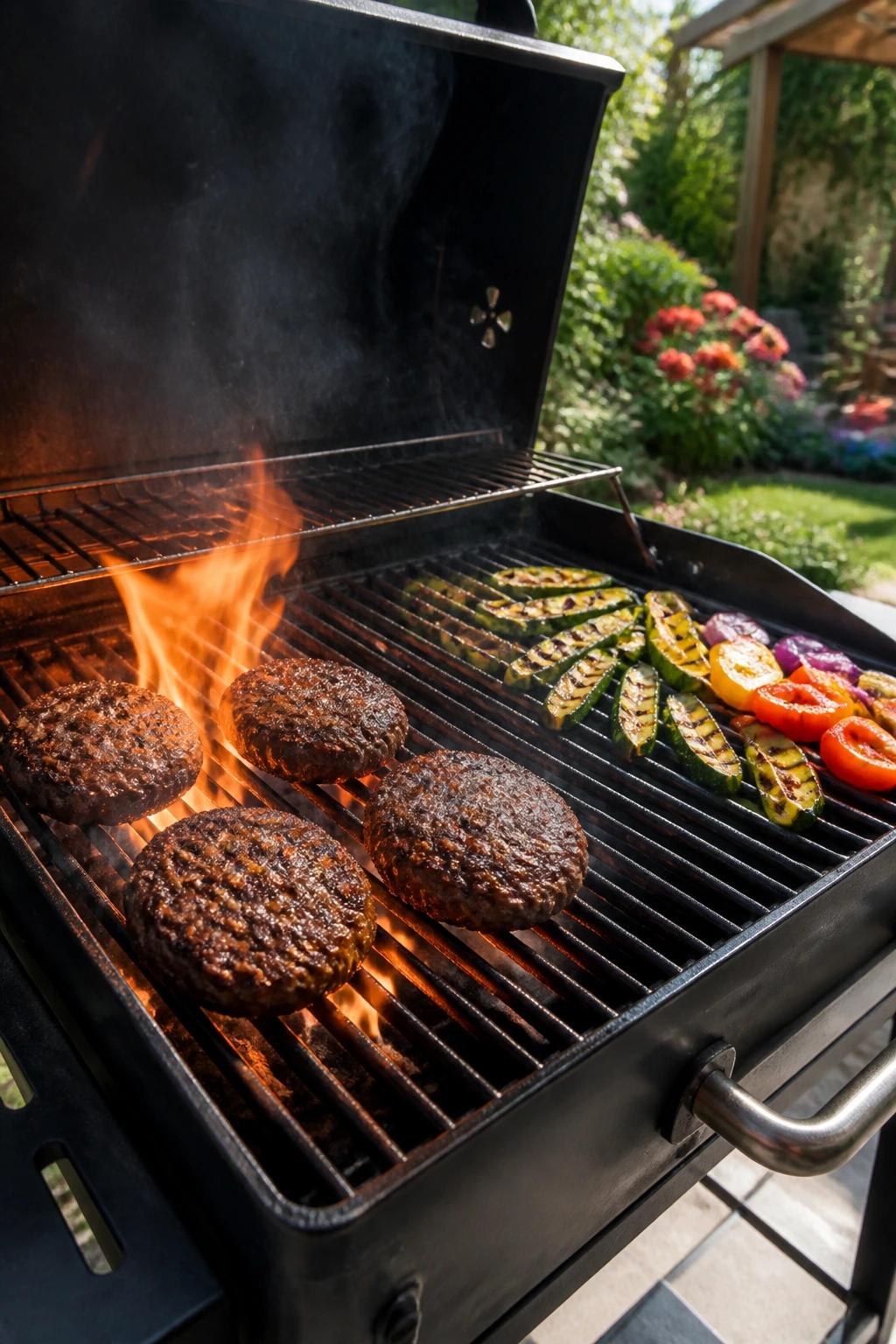
Heat is the whole game. If you only remember one thing, remember this: the difference between a cookout that feels relaxed and one that turns frantic is whether you can move food around the grill instead of betting everything on one hot spot. A good grill day has at least two zones. One side is hot enough to sear. The other side is calm enough to finish thicker cuts without burning the outside.
A lot of backyard cooks blast the burners or pile the coals into a single mountain and call it done. That works for a minute. Then the chicken skin blackens before the center reaches safe temperature, or the burgers pick up bitter char before the cheese melts. Two-zone cooking is the fix, and it’s not fussy. On gas, light one side or turn one burner high and leave the other low. On charcoal, bank the coals to one side and keep the other side clear.
Direct Heat, Indirect Heat, and Why Both Matter
Direct heat is the searing side. It belongs under burgers, skirt steak, lamb chops, thin chicken cutlets, corn, and anything that benefits from fast browning. Think 450°F to 550°F at the grate if you’re using a lid thermometer, though the exact number matters less than the fact that the grate is hot enough to sizzle the moment food touches it.
Indirect heat is where bigger or thicker food lives after the first sear. Bone-in chicken thighs, pork chops thicker than an inch, whole sausages, and salmon fillets often do better when they start hot and then finish away from the flame. That prevents the outside from racing ahead of the center.
The Lid Is Not Decoration
Close the lid when you want even cooking. Open it when you want to keep a close eye on a thin item that can go from brown to burnt in a blink. That sounds obvious, but I still see people leave the lid up for the entire cook. Then they wonder why chicken takes forever and why one side of the grate is doing all the work. A closed lid turns the grill into a rough oven with much better flavor.
Use a Thermometer, Not Hope
A reliable instant-read thermometer is the least glamorous tool on the grill, and it is the one that saves dinner. Poultry needs to hit 165°F in the thickest part. Ground beef should reach 160°F. Pork chops are done at 145°F with a rest. Beef steaks can come off earlier if you like them medium-rare, usually around 125°F to 130°F before resting, because they climb a little while they sit.
Hope is not a temperature.
Choosing Between Charcoal, Gas, Pellet, and Griddle
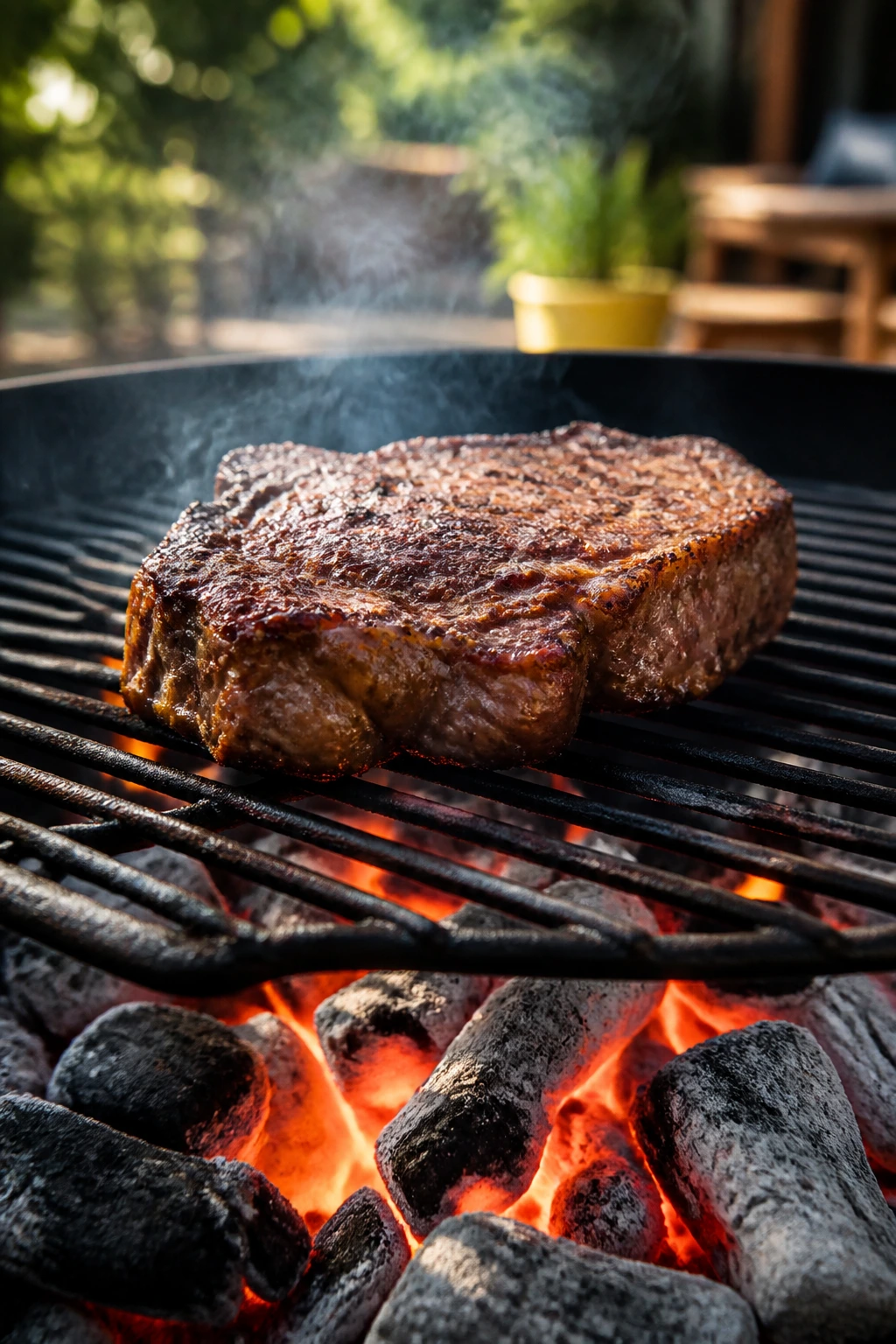
The grill you own shapes the menu you should plan. Charcoal, gas, pellet, and flat-top griddles all work for backyard cookouts, but they shine in different ways. People like to argue about this as if one answer wins forever. It doesn’t. The better question is which machine fits the kind of food and pace you actually cook.
Charcoal for the Best Crust and the Most Smoke
Charcoal is my pick when the meal leans on steak, burgers, bone-in chicken, and anything that benefits from a hard sear. It takes longer to light, usually 15 to 25 minutes until the coals are ashed over, but the heat feels deeper and the char looks better. The downside is that charcoal asks for attention. Vent control matters. So does ash cleanup. If you ignore both, the fire gets moody.
Use charcoal when you want a little show, a little smoke, and food with a darker edge. It’s especially good for shorter menus where you can focus on a few mains and let side dishes come from the kitchen.
Gas for Speed, Simplicity, and Reliable Zone Control
Gas is the easiest grill to live with. Turn it on, preheat for 10 to 15 minutes with the lid closed, and you’re cooking. That predictability makes it a strong choice for bigger gatherings where you need to move quickly from one batch to the next. Chicken breasts, vegetables, salmon, shrimp, and burgers all do fine on gas.
The common complaint is flavor. Fair enough. Gas won’t give you the same smoke personality as charcoal, but you can fix part of that with a small smoker box, a foil packet of soaked chips with holes punched in it, or by finishing with a bold sauce or herb oil.
Pellet Grills for Long, Gentle Cooking
Pellet grills hold temperature well and make life easy when the cookout includes ribs, pulled pork, or a whole tray of chicken parts that need steady heat. They’re less dramatic than charcoal and less immediate than gas, but they do a fine job if your idea of summer cooking includes a slower pace. The tradeoff is crispness. You may need to finish thicker meats over a hotter zone or sear at the end for more color.
Griddles for Burgers, Onions, and Crowd Feeding
A flat-top griddle is a different animal. It’s not open-grate grilling, and I wouldn’t use it for everything, but it’s gold for smash burgers, onions, peppers, tortillas, bacon, and breakfast-style cookouts. The surface holds juices and lets you cook more food at once. If you’re feeding a crowd that wants burgers, grilled onions, and toasted buns at the same time, a griddle can be a lifesaver.
What Belongs on a Hot Grate First
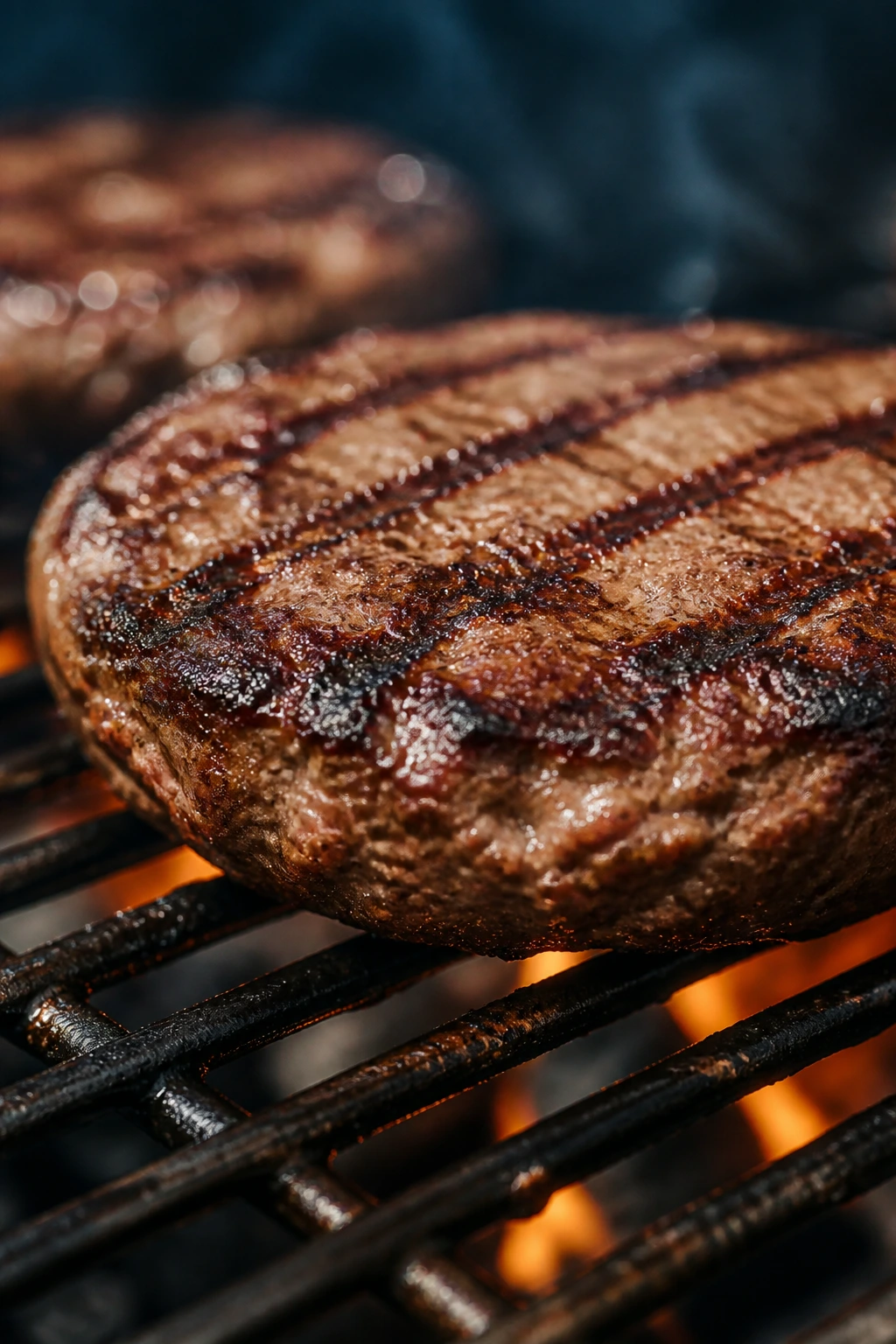
Not every food deserves the same fire. The best backyard cookout menus are built from foods that tolerate direct heat, recover from a little delay, and don’t fall apart the moment you turn them. That’s why some foods feel made for the grill while others need too much coddling to be worth the trouble.
Fast-Cooking Meats That Love High Heat
Burgers, sausages, skirt steak, flank steak, lamb chops, chicken cutlets, and shrimp all belong here. They cook quickly, they brown well, and they let the cookout move. A half-pound burger patty usually needs only a few minutes per side on a hot grate. Shrimp take even less. Thin cuts of steak get a strong sear, then a short rest. That’s it.
Bone-in chicken thighs sit in a slightly different lane. They need heat that’s hot enough to brown the skin but gentle enough to finish without burning. This is where direct-and-indirect zones earn their keep. The same goes for pork chops that are thick enough to take on a nice crust without drying out.
Vegetables That Can Handle the Fire
Corn, zucchini, eggplant, mushrooms, bell peppers, onions, asparagus, and green beans all do well if you cut them with some thought. If the pieces are too thin, they vanish into the grates. If they’re too thick, they stay raw in the middle while the outside blackens. The sweet spot is food that can be brushed with oil and turned once or twice without collapsing.
Mushrooms need enough heat to drive off water and brown the edges. Corn likes a little char on the kernels. Onions get sweet when they soften and pick up dark streaks. Asparagus is one of those summer vegetables that tastes better after the grill marks show up.
Unexpected Winners
Peaches. Pineapple. Romaine hearts. Halloumi. Thick slices of sourdough or country bread. The fruit caramelizes at the cut surface and turns almost jammy. Halloumi stays intact and gets a squeaky, salty crust. Bread needs only a few seconds per side, but that short time gives you a warm, smoky base for sandwiches or tomatoes.
If you’re building a menu from scratch, start with one or two meats, one vegetable with bite, one softer vegetable, and one thing that feels a little indulgent. That balance keeps the plate from getting heavy.
Marinades, Dry Rubs, and Sauces That Hold Up to Fire
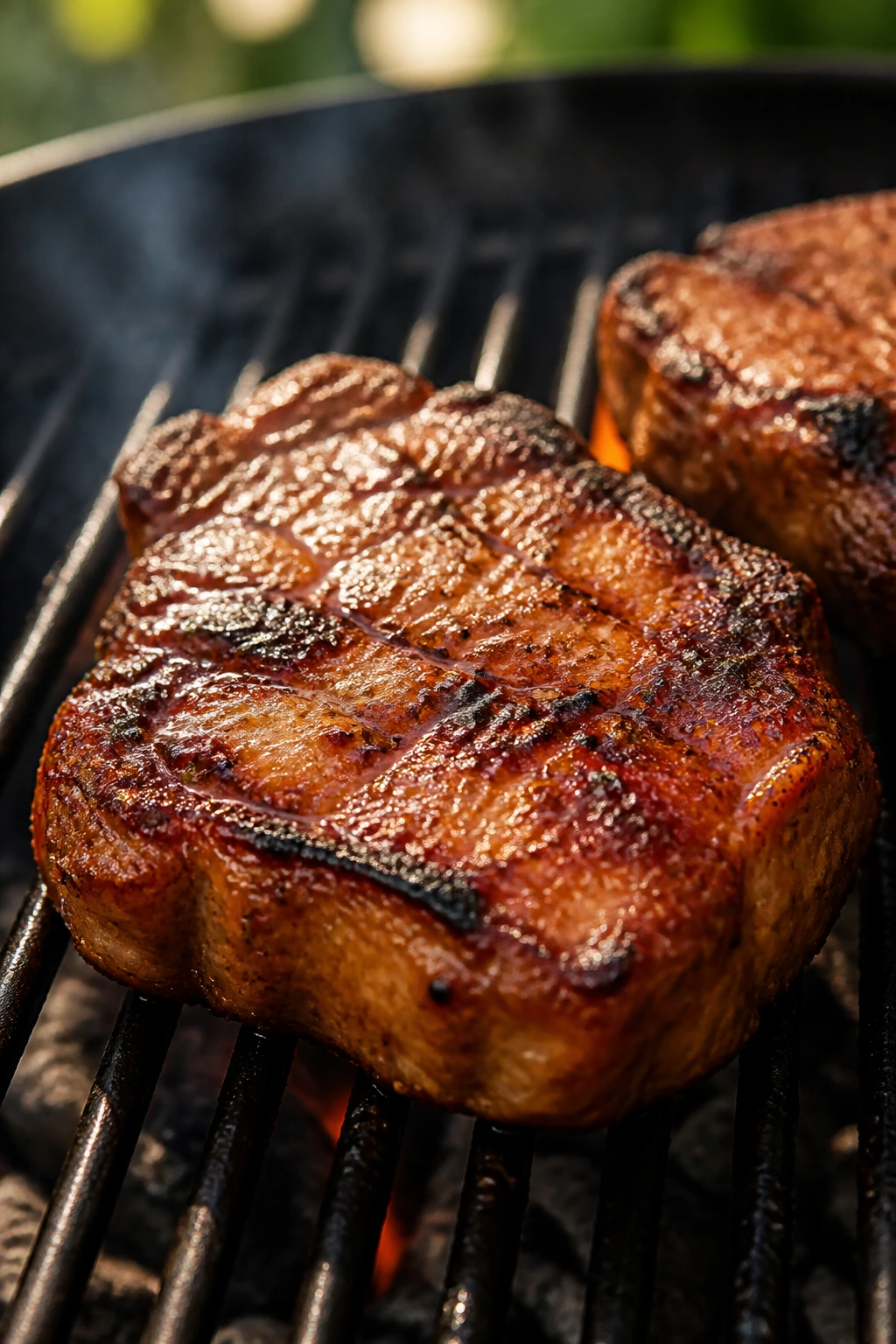
Fire magnifies everything. A bland marinade tastes flatter. A good rub tastes louder. A sugary sauce can go from glossy to burnt in under a minute if you put it on too early. The grill rewards restraint and timing more than it rewards complicated ingredients.
Salt First, Then Everything Else
Salt is the part that actually changes texture. It seasons the surface and helps meat hold onto moisture. For thicker cuts like pork chops or chicken thighs, a dry brine with salt and spices an hour or more before grilling does more for the final bite than a long, acidic soak. If you salt early, the surface starts to dry a little, which helps browning.
For a dry rub, I like salt, black pepper, garlic powder, paprika, and a touch of brown sugar only if the grill isn’t running too hot. Brown sugar can scorch. Used lightly, it gives you a darker crust and a sweeter edge. Used carelessly, it turns bitter.
Acid Has a Job, But It’s Not the Whole Job
Lemon juice, vinegar, and yogurt can all work in marinades, but acid should support flavor, not steamroll it. A marinade full of citrus and vinegar can make chicken taste sharp on the outside and oddly soft in the wrong way if it sits too long. For fish and shrimp, keep the marinating time short. For chicken, a few hours is plenty unless the marinade is mostly oil and herbs.
Yogurt marinades are one of my favorite summer tools for chicken because they cling, brown well, and bring garlic and spice along for the ride. They also forgive a little overcooking better than lean, bare chicken breast does.
Sauce Goes on Late
If a sauce has sugar, ketchup, honey, molasses, or even a decent amount of fruit purée, brush it on during the last few minutes only. Let the meat cook through first. Then glaze it and close the lid long enough to set the surface. If you sauce too early, the sugars scorch before the food is ready.
Chimichurri, salsa verde, herb oil, and compound butter behave differently. Those can go on at the end because they’re not sugar-heavy. They bring freshness, brightness, and a little gloss without fighting the heat.
Grilling Vegetables, Fruit, and Bread Without Ruining Them
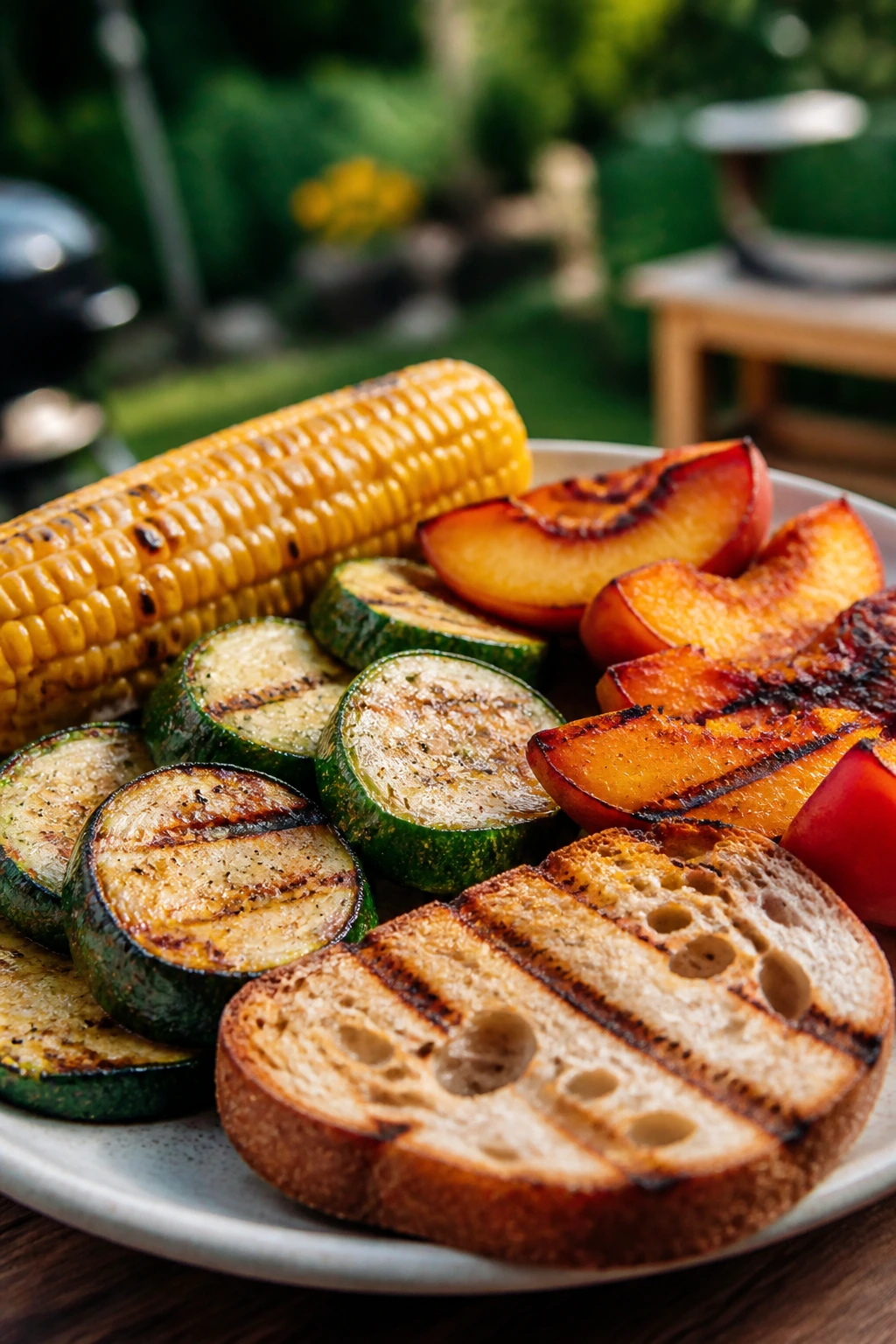
Vegetables need more respect than most grill menus give them. People toss them on, walk away, and act surprised when zucchini turns limp or asparagus dries into strings. The fix is simple enough: cut for the grill, oil lightly, salt with intent, and don’t let delicate items sit over raging direct heat longer than they need.
The Vegetables That Grill Best
Zucchini and summer squash should be cut lengthwise into slabs or thick planks, not little coins that fall through the grate. Bell peppers do best in wide strips or big quarters. Mushrooms like to stay whole if they’re small, or halved if they’re larger. Onions should be sliced thick enough to hold together. Corn can go in the husk or directly on the grate, depending on how much char you want.
Asparagus is the one I treat carefully. Trim the woody ends, oil the spears, and grill over medium-high heat for 4 to 6 minutes total, rolling them once or twice until the tips just blister. Any longer and they lose snap.
Fruit Needs Less Heat Than You Think
Peaches, plums, pineapple, and even watermelon can be grilled, but they need a hot surface and a short stay. Cut fruit should be firm enough to hold its shape. Brush the cut side with a thin film of oil so it doesn’t stick. Two to three minutes per side is usually enough for peaches and plums. Pineapple can go a little longer. You want caramelized edges and a warm center, not fruit jam glued to the grate.
Bread Wants Only a Hint of Fire
Thick slices of sourdough, ciabatta, or rustic sandwich bread can be kissed by the grill for 30 to 60 seconds per side. That gives you crunch and a little smoke without drying the crumb. Rub the bread with a cut clove of garlic after grilling if you want a fast, old-school move that makes tomato toast and sandwiches taste like you tried harder than you did.
A grill basket helps with chopped vegetables, shrimp, and smaller fruit pieces. I use one when I don’t want to baby every turn. It’s not mandatory, but it prevents the classic tragedy of expensive vegetables slipping into the fire.
A Cookout Timeline That Keeps Food Moving
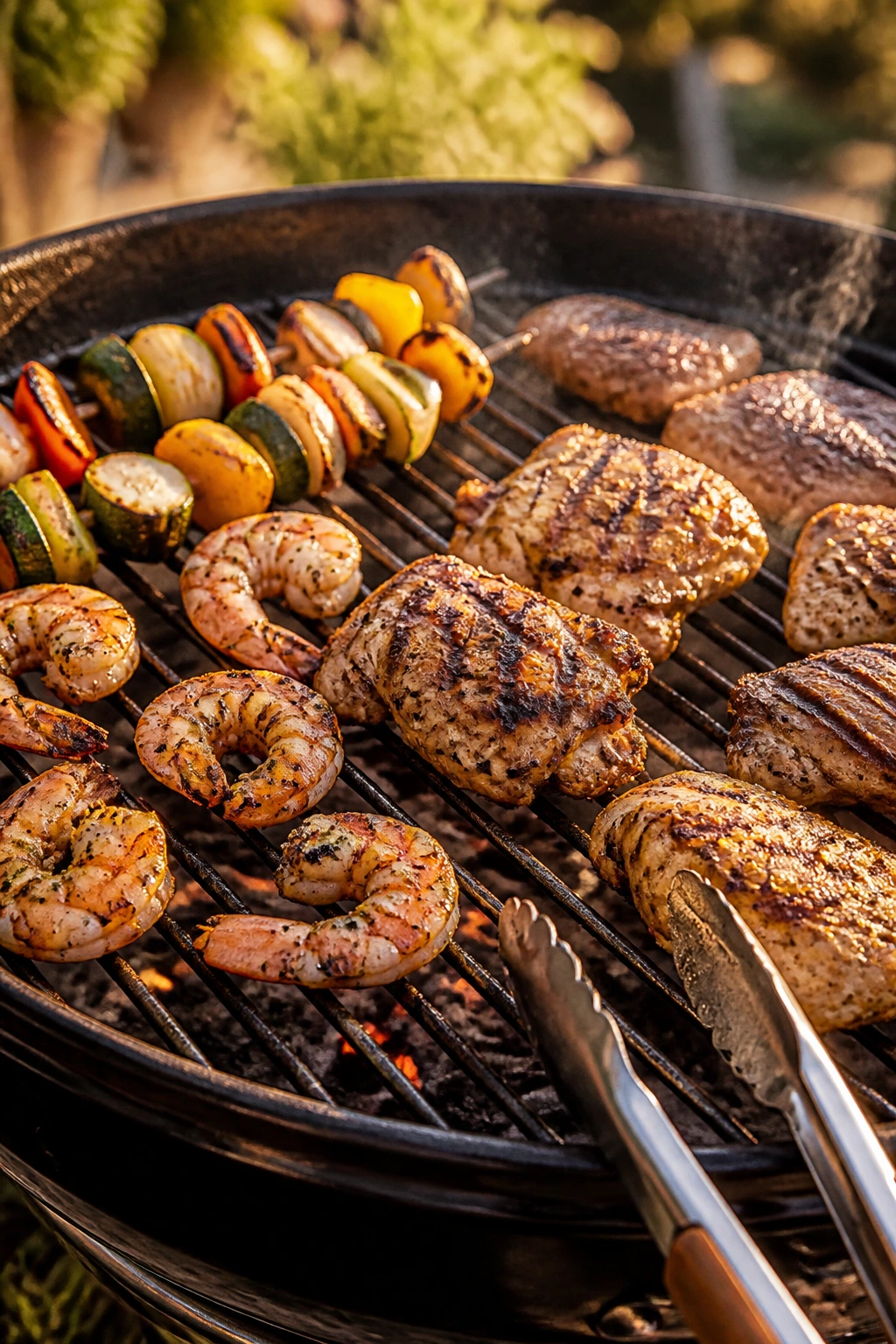
Timing matters more than menu size. A small cookout with bad timing feels more stressful than a bigger one with a clean sequence. The trick is to stage the meal so the grill is never overloaded and the first plate doesn’t cool while the last one is still raw.
Ninety Minutes Before Guests Arrive
Light the grill, clean the grates, and set out platters, tongs, sauces, and a thermometer. Season meats. Cut vegetables. Make any cold salad dressings now so they’re ready to toss later. If you’re using charcoal, this is when the fire should begin to settle into a usable bed of coals.
Forty-Five Minutes Before
Put the cool sides where they’ll stay cold. Fill a bowl with ice if you need to hold shrimp or a chilled dessert. Slice bread and portion butter or herb oil. If you’re serving burgers, shape patties and press a shallow dimple in the center so they don’t puff into meatballs on the grill.
Twenty Minutes Before
Oil the grates. Set up your direct and indirect zones. Move your proteins close to the grill in the order they’ll cook. The food should be within reach but not crowding the fire. That little bit of staging saves you from sprinting back and forth while the grill lid sits open and the heat escapes.
During Service
Cook the longest items first. Bone-in chicken, thick pork chops, and sausage links go on before shrimp, bread, or sliced vegetables. Pull finished pieces to a tray and tent loosely. Keep sauces on the side unless they’re meant for final brushing. If the grill has a cooler zone, use it as a parking area for items that are done on the outside but need another minute or two inside.
Final Ten Minutes
Grill bread, finish vegetables, garnish with herbs, and bring meat back to temperature only if needed. Then serve. Fast. Food gets limp when it waits too long under foil, and nobody needs that.
Sides and Salads That Stay Fresh on the Table
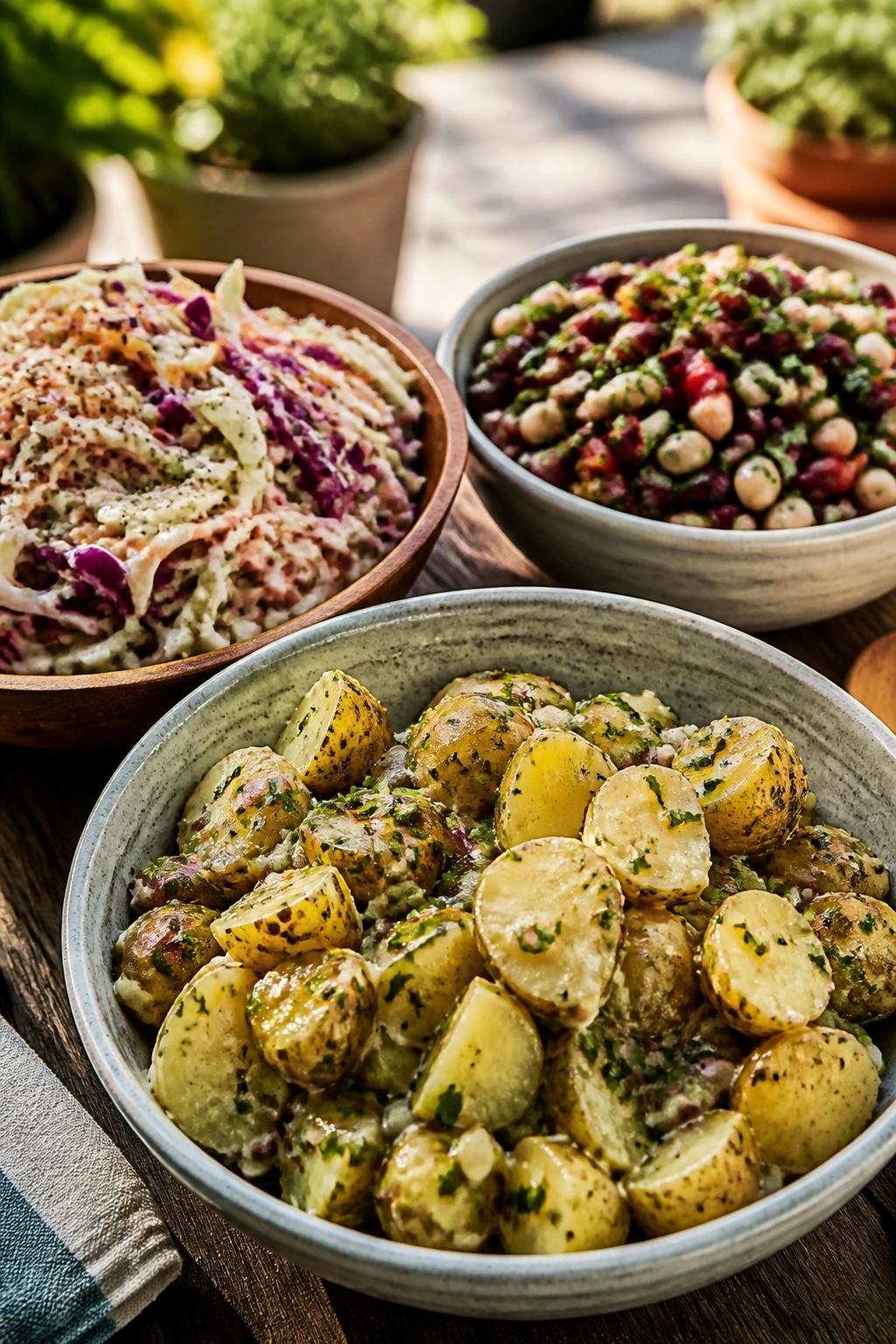
A cookout plate gets better when something cool pushes back against the heat. Rich grilled meat without a crisp side tastes heavy. Bright sides without enough substance feel unfinished. I like one creamy thing, one acidic thing, and one crunchy thing. That’s the balance that keeps people reaching for a second plate.
Sides That Travel Well
Potato salad is a classic for a reason, but I prefer versions that lean a little vinegar-forward rather than drowning in mayonnaise. They hold up better in warm weather and don’t turn greasy after an hour on the table. Slaw is even better if it starts with sturdy cabbage and a dressing that can stand up to smoke, such as a mustard vinaigrette or a light mayo dressing with lots of black pepper.
Bean salad works when it includes enough herbs, onion, and acid to stay lively. A mix of chickpeas, green beans, or black beans can sit out longer than a lettuce salad. Pickles, olives, cherry tomatoes, and sliced cucumbers give the table a cold snap that cuts through grilled fat.
Bread Is Not Optional
You can get away without dessert. Bread, though? Bread is how people clean plates. Toasted rolls, grilled flatbread, sliced sourdough, or hamburger buns warmed on the top rack all have a job. They catch sauce, hold onions, and rescue any meat that was sliced a touch too early.
Fruit Can Play Side Dish
Watermelon with a little salt and lime. Grilled peaches beside burrata or soft cheese. Chilled melon salad with mint. Summer fruit makes a grill menu feel more open and less heavy. It also gives you something cold without asking the kitchen to do much.
If you like a crowded table, put the sides in shorter bowls and platters instead of one giant dish. People reach more easily, and the food stays neater. That matters. Sloppy buffet setup turns clean food into a pile.
Safe Temperatures and Food Handling in Warm Weather
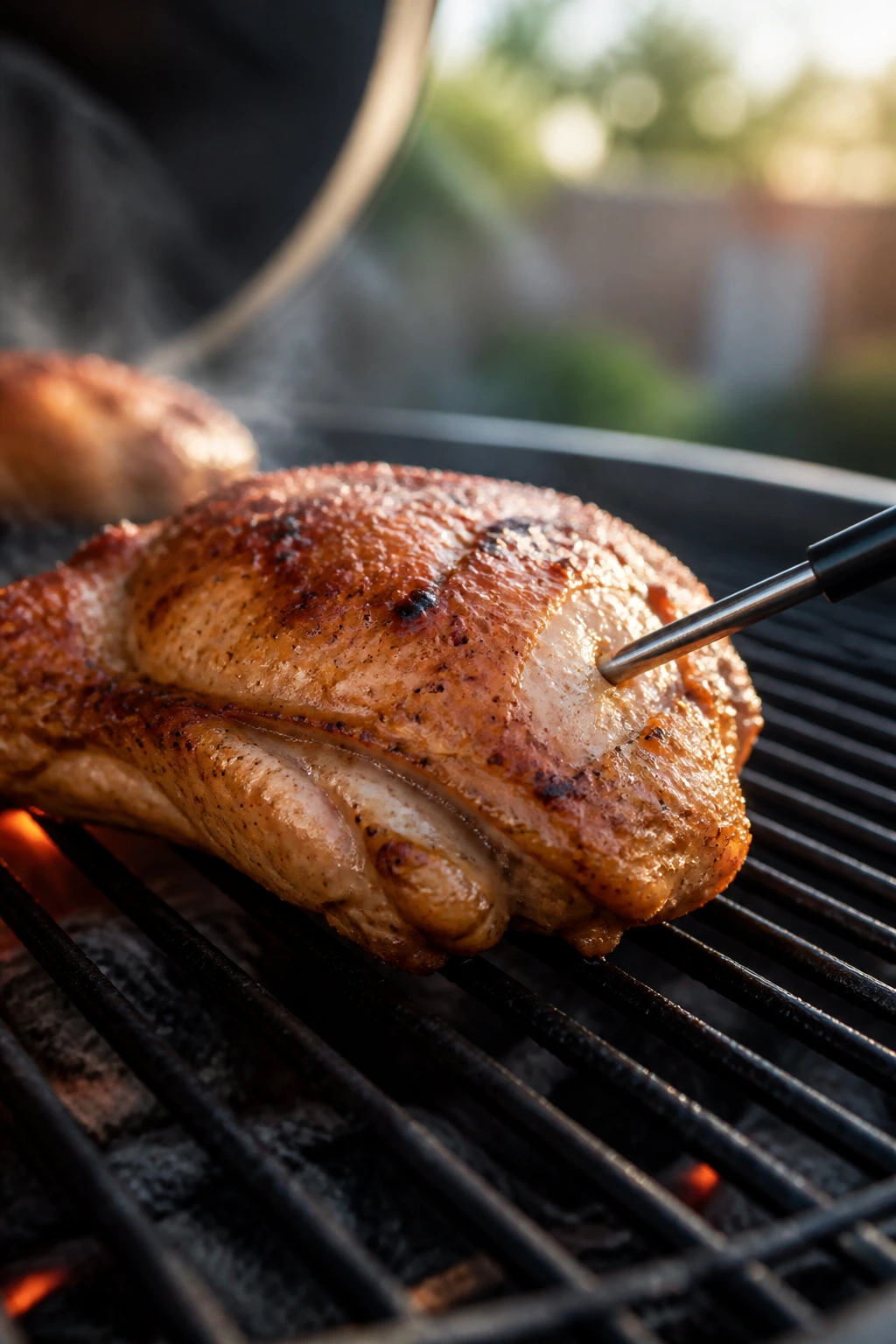
Warm air changes how long food can sit out. You do not need to turn a backyard cookout into a lab, but you do need to respect raw meat, cooked meat, and the way a hot afternoon can turn a side dish risky faster than you expect. The USDA temperature numbers matter because they are tied to actual safety, not just habit.
Use a Thermometer on the Thickest Part
Poultry needs to reach 165°F. That includes chicken breasts, thighs, wings, and turkey burgers. Ground beef should reach 160°F because the bacteria are mixed through the meat. Whole cuts of beef and pork can be cooked to lower temperatures if that’s your preference, but the thermometer still needs to go in the middle, not near the edge or bone.
Keep one thermometer for raw checks and one clean one for finished food if you’re doing a lot of grilling. Wipe the probe between uses. Tiny habits like that are boring until they stop cross-contamination from becoming the reason someone gets sick.
Give Raw and Cooked Food Separate Zones
Use one tray for raw proteins and another for cooked food. Don’t let the same tongs touch both unless they’ve been washed. A sauce brush used on raw chicken should not go back into the finished glaze unless you’ve boiled that glaze first. I know people who skip this and have been lucky. Luck is not a plan.
Watch the Clock on the Table
Perishable food should not sit out for hours while people graze. In practical cookout terms, once a platter of cooked meat or dairy-heavy salad has been sitting around for about 2 hours, it needs to be refrigerated or discarded. On a very hot day, shorten that window. The food smells fine long after it has entered the danger zone, which is part of what makes this so easy to mishandle.
Keep a Cooler for the Quiet Stuff
If you’re serving fish, shrimp, mayo-based salads, cut fruit, or dessert with dairy, keep a cooler with ice packs nearby. It does not need to be glamorous. A plain hard-sided cooler under a table works. Cold food stays colder, and the grill area stays cleaner.
Serving a Backyard Cookout With a Smooth Buffet Flow
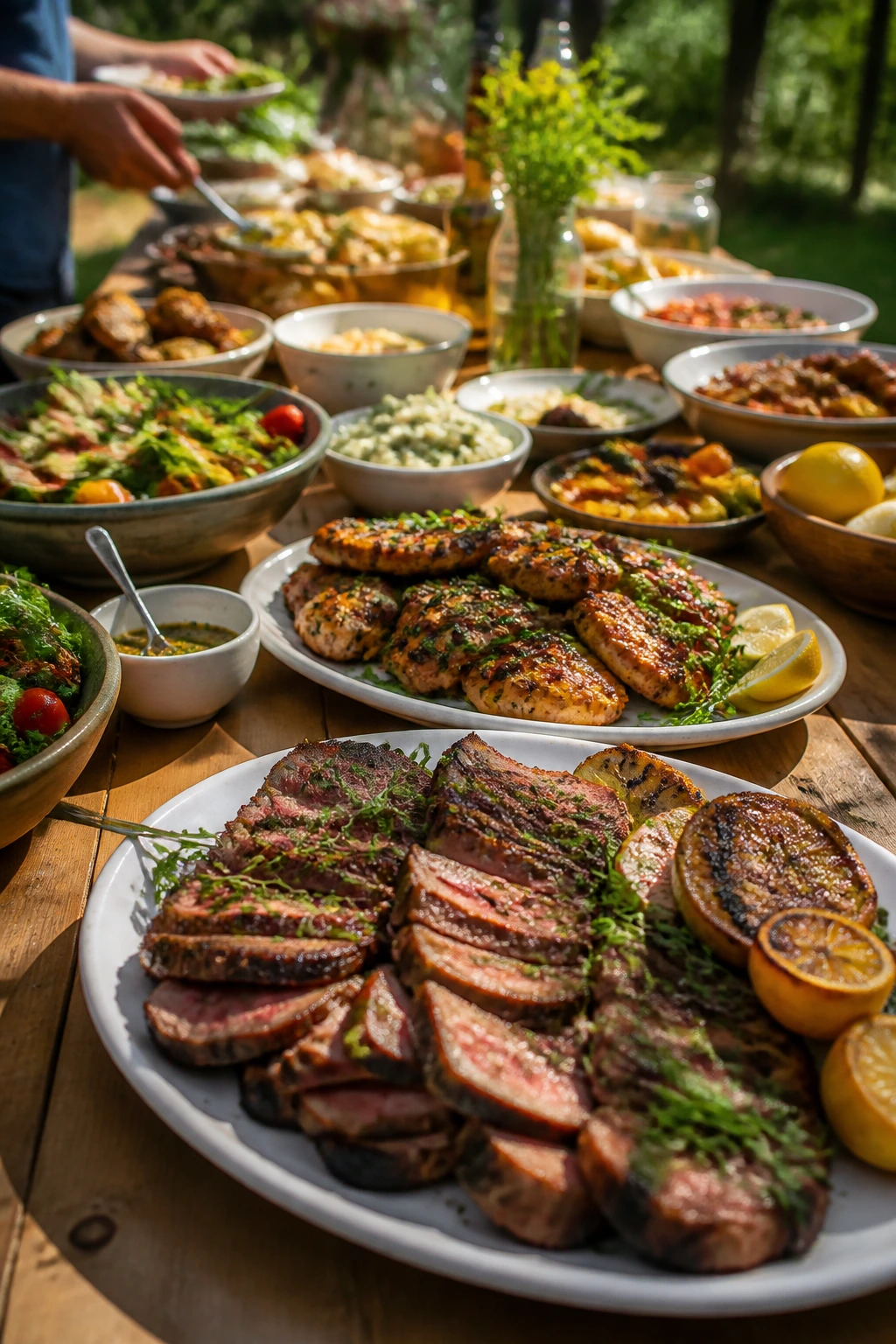
The best cookout serving setup feels casual while quietly preventing chaos. Put the food where it can be reached quickly, but keep the most delicate things out of direct sun and away from the hottest traffic. That balance matters more than fancy plating.
Presentation: Use a large platter for each protein instead of stacking everything on one tray. Leave room between pieces so the charred edges stay visible and the steam can escape. Scatter herbs, lemon wedges, sliced scallions, or a spoonful of salsa verde over the top right before serving. The food should look freshly finished, not trapped.
Accompaniments: Put condiments in small bowls instead of leaving jars on the table. Grainy mustard, barbecue sauce, herb oil, pickled onions, chopped herbs, and a fast cucumber salad all make sense next to grilled meat. Cornbread, grilled bread, potato salad, and slaw fill in the edges without making the plate heavy.
Portions: Plan on about 6 to 8 ounces of cooked meat per adult if the grill is the main event, a little less if there are several sides. For burgers, one patty per person plus one extra for the inevitable second round is a safe move. Vegetables disappear faster than people expect, especially if they’ve been cooked well enough to earn attention.
Beverage Pairing: Cold lager, sparkling water with citrus, iced tea with lemon, and dry rosé all sit nicely beside smoke and salt. For a softer option, cucumber water or limeade keeps the palate fresh. Skip drinks that are too sweet; they flatten the char on the food.
Common Backyard Grill Mistakes and How to Fix Them
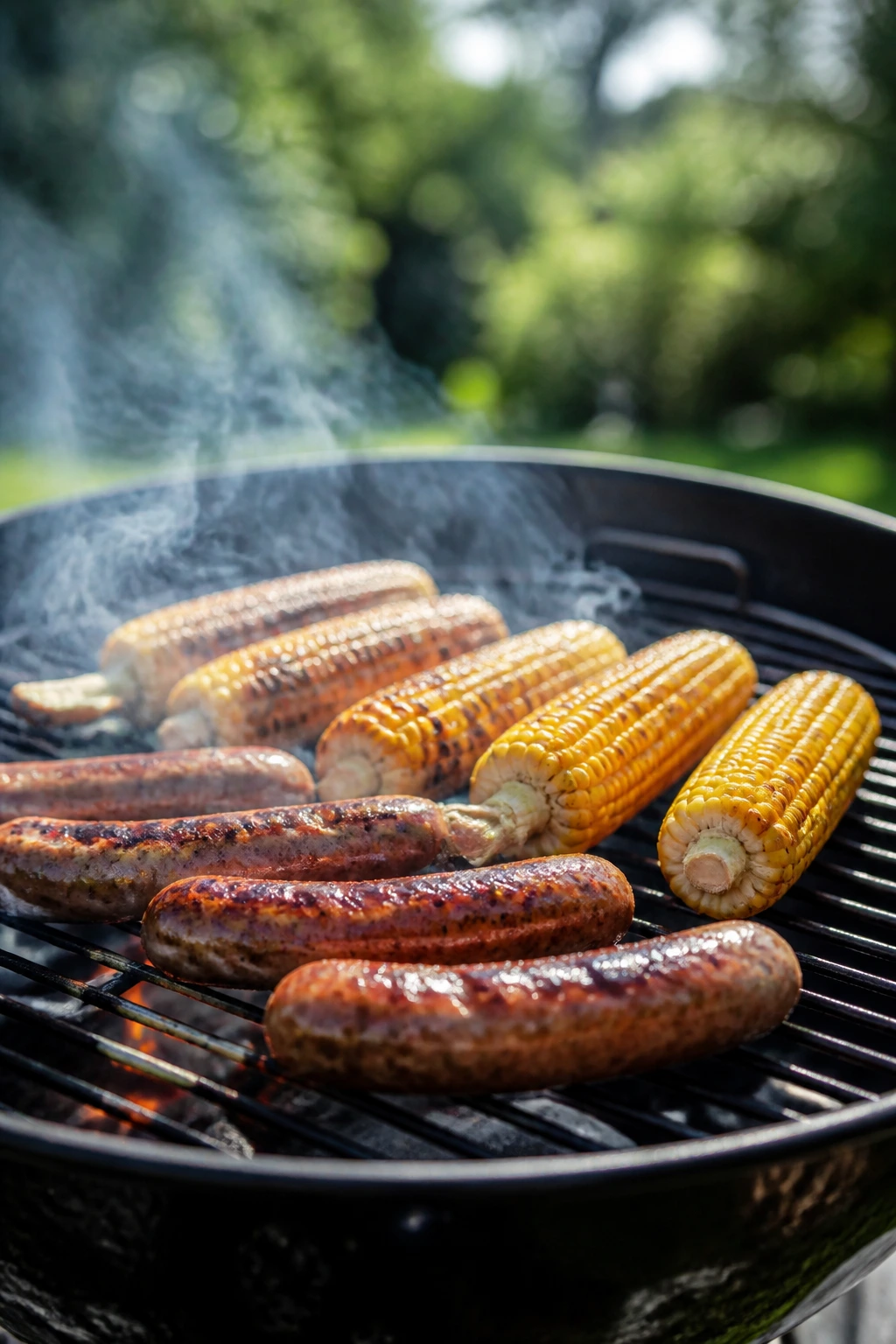
The grill forgives a lot. It does not forgive laziness. Most bad cookout food comes from a small set of habits that sound harmless until the final plate lands on the table.
-
Starting with a grill that isn’t hot enough: Food sticks, browns slowly, and dries out before it gets color. Fix it by preheating longer than feels necessary, usually 10 to 15 minutes on gas and until charcoal is mostly ashed over.
-
Crowding the grate: When pieces touch or sit too close, the grill steams instead of sears. The symptom is pale meat with soft edges. Leave gaps, even if that means cooking in two rounds.
-
Saucing too early: Sugary sauce burns before the center is done. Brush it on during the last few minutes only, or serve it on the side and let people add it themselves.
-
Walking away from thin food: Shrimp, fish, sliced vegetables, and chicken cutlets need your attention. If they turn gray and dry, you waited too long. Stand near the grill and use a timer.
-
Cutting meat the moment it leaves the grate: Juices run out, the cutting board floods, and the slices look sad. Rest steak, chicken, and pork for a few minutes so the fibers relax.
-
Using too much oil: A slick grate can flare up hard. A thin film on the food or a lightly oiled towel on the grates is enough. You want a barrier, not a frying pan.
Practical Tips for Better Grilled Summer Cooking
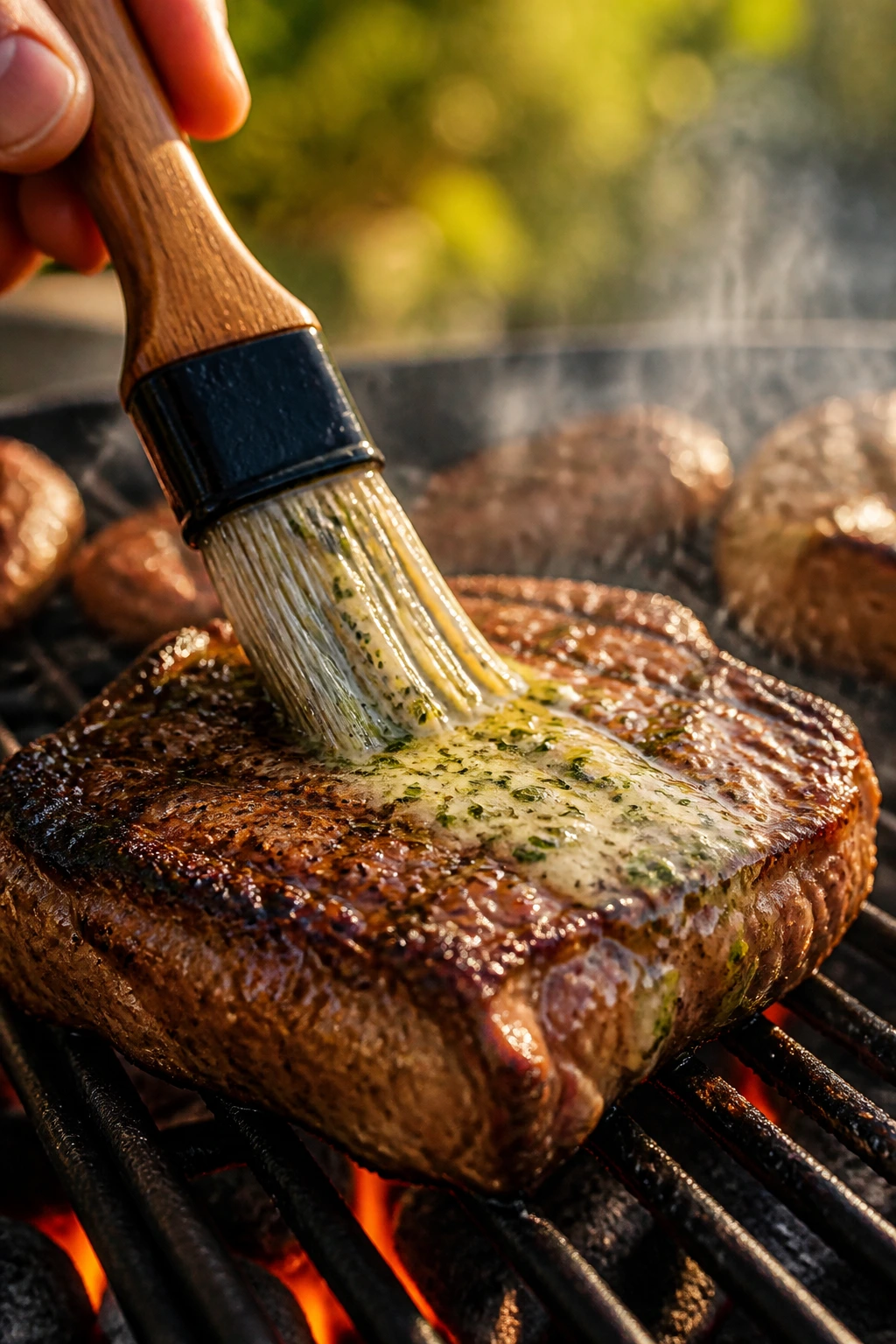
Flavor Enhancement: Finish grilled meat with a fast herb oil or a small knob of compound butter right after it comes off the heat. The butter melts into the crust and gives you the glossy finish people think came from some elaborate trick. It didn’t.
Time-Saver: Par-cook potatoes, carrots, or dense vegetables before the grill if they’re part of the menu. A quick simmer or microwave steam shortens grill time and keeps the outside from burning before the inside softens. This matters when you’re juggling more than one protein.
Pro Move: Salt chicken or pork early and leave it uncovered in the fridge for a few hours before grilling. The surface dries slightly, which gives you better browning and less slippery skin. The difference is visible. Not subtle.
Cost-Saver: Use the grill for the expensive cuts and let cheap produce do half the work. A platter of charred onions, peppers, corn, and grilled bread stretches a modest amount of steak or chicken farther than most people expect.
Cleanup Trick: Put a sheet pan lined with foil under the cutting board and keep a second one for cooked food. Drips stay contained, and you won’t spend the next hour scrubbing sticky sauce off the counter.
Heat Trick: If the outside of a thick cut is coloring too fast, move it to indirect heat and close the lid. That short shift saves the crust from burning while the center finishes. It’s the simplest rescue move on the grill.
Variations and Alternative Cookout Styles
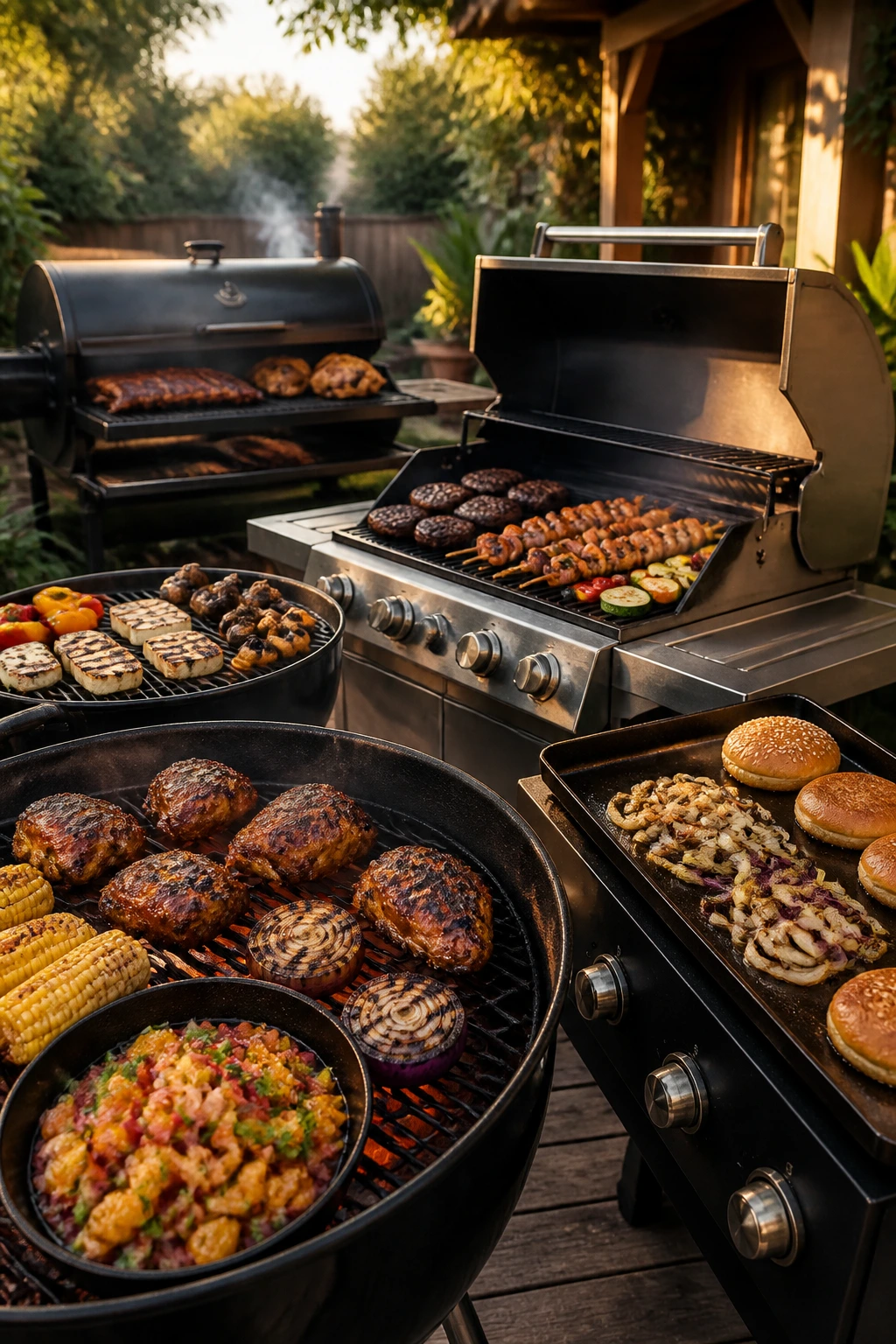
Charcoal-and-Citrus Night: Build the menu around chicken thighs, corn, grilled onions, and a citrus-forward salsa. The smoke likes the brightness, and the acid keeps the plate from tasting heavy. This style works well when the grill is the main event and you want a little drama from the flame.
Gas-Grill Weeknight Spread: Use burgers, shrimp skewers, zucchini, and toast. Gas is fast, so the menu should be too. Keep the sauces simple and the sides cold. This is the version for people who want dinner outside without a production.
Smoke-Lover’s Slow Spread: Pick ribs, sausage, bone-in chicken, and a few vegetables that can ride along on indirect heat. Pellet or charcoal both work here. The food takes longer, but the payoff is that soft smoke and deeper color on the meat.
Vegetarian Grate Board: Build the whole menu from halloumi, mushrooms, peppers, corn, onions, peaches, bread, and a bold sauce. You don’t need meat to make the grill pull its weight. You do need enough salt and enough browning.
Griddle-and-Grill Hybrid: Put burgers, onions, and buns on a flat-top or griddle, then use the grate for corn, asparagus, and chicken. I like this when I’m feeding a larger group and need to control the pace. The griddle handles volume. The grill adds smoke and char.
Essential Equipment for Backyard Grilling
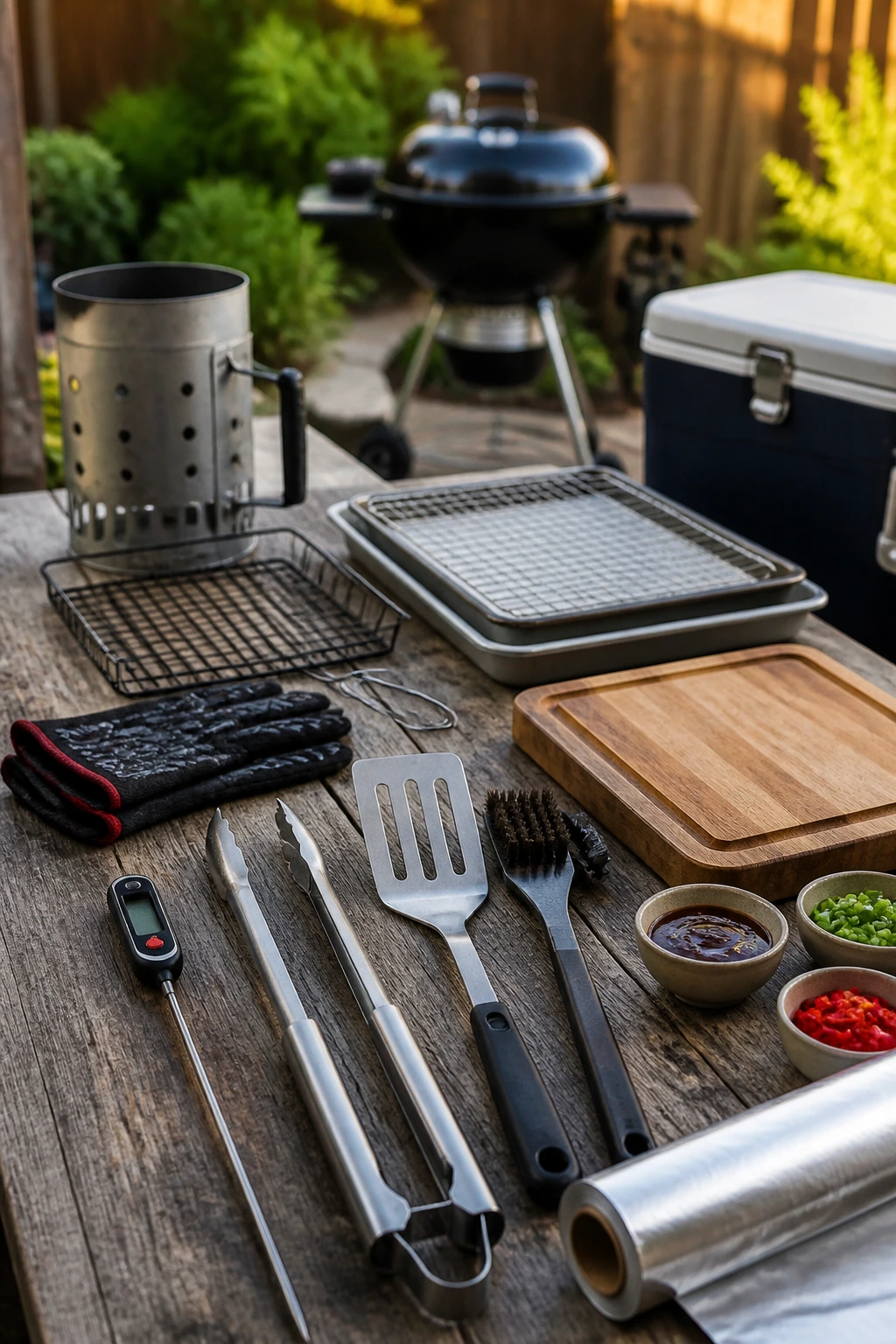
- Instant-read thermometer — The fastest way to know when meat is done without guessing or cutting into it.
- Long-handled tongs — Better control, safer distance, and fewer dropped burgers.
- Wide metal spatula — Useful for fish, smash burgers, and anything that wants a flat lift.
- Grill brush or scraper — Clean grates sear better and stick less.
- Chimney starter — The easiest charcoal ignition tool if you use lump or briquettes.
- Heat-resistant gloves — Handy for moving grates, pans, and hot foil packets.
- Sheet pans with a rack — Great for staging raw food, resting cooked meat, and moving items from house to grill.
- Grill basket — Optional, but worth it for vegetables, shrimp, and small fruit pieces.
- Cutting board with a groove — Keeps meat juices from flooding the table.
- Small bowls for sauces and garnishes — Better than hauling half-open jars outside.
- Cooler or insulated tote — Keeps cold sides, drinks, and delicate ingredients safe in warm weather.
- Aluminum foil — Useful for indirect cooking packets, resting, and tenting without wrapping food too tightly.
Make-Ahead, Storage, and Grill Maintenance
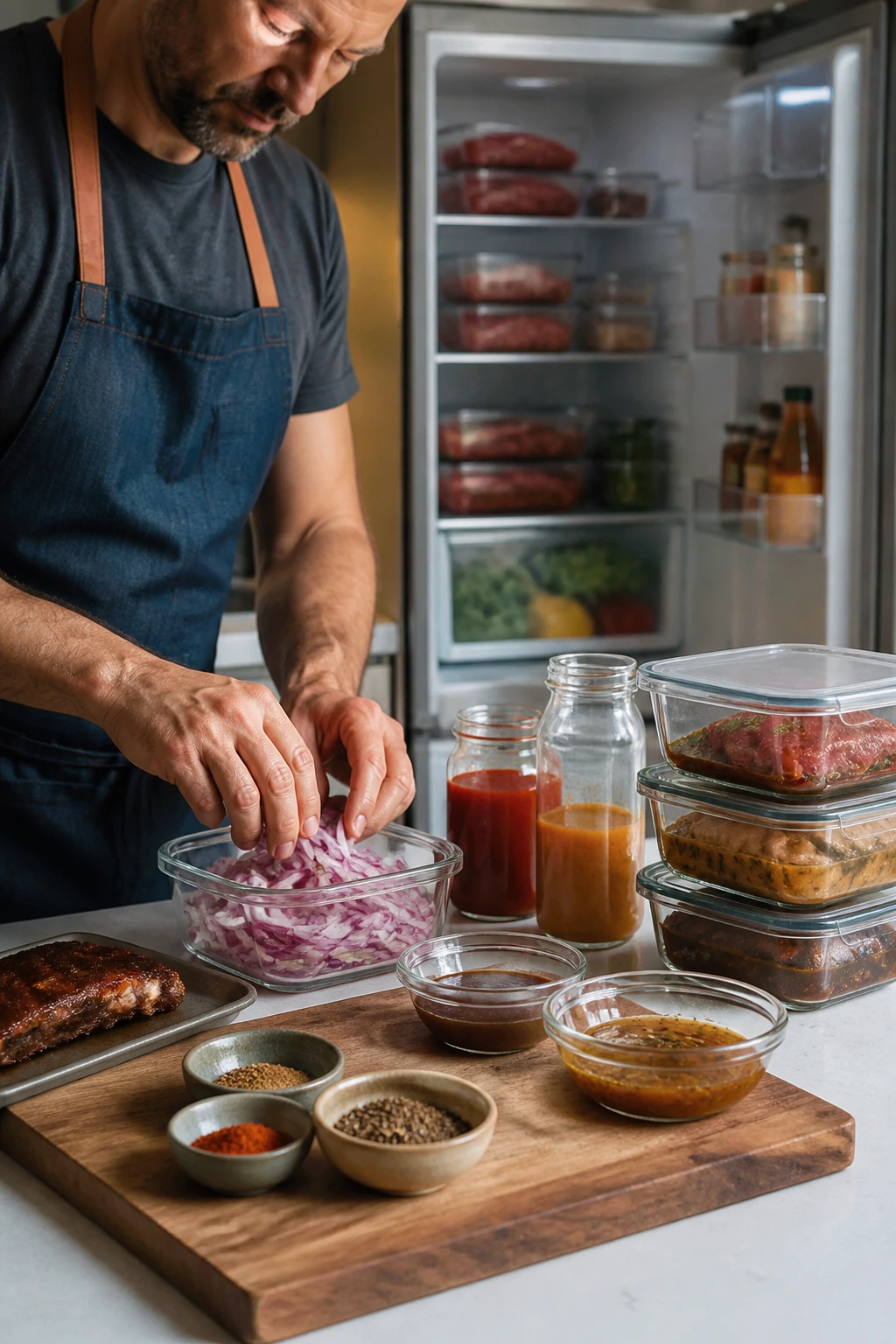
A smart cookout starts before the first flame. You can chop onions, trim vegetables, mix sauces, and make dry rubs a day ahead without hurting quality. In fact, that kind of prep makes the actual grilling calmer. Marinades can also be mixed early, though I like to keep meat in them for a sensible amount of time instead of leaving everything to float overnight in acid.
Grilled meats keep well in the fridge for about 3 to 4 days in a covered container. Cooked vegetables usually hold for 3 days, though softer items like zucchini and peppers lose texture faster than corn or onions. If you’re freezing leftovers, meat does better than vegetables. Sliced steak, pork, or chicken can freeze for up to 2 months if wrapped tightly. Vegetables freeze too, but they soften when reheated and work best in soups, hashes, or grain bowls.
Reheat meat gently. A 300°F oven, loosely covered with foil, works better than high heat because it keeps the outside from drying out before the center warms. A skillet with a splash of water or broth is good for sliced chicken and pork. For burgers, a covered skillet on low heat brings them back without blasting the bun into cardboard. Grilled vegetables do fine in a hot skillet for a minute or two, or in a low oven just until warm.
The grill itself wants maintenance after the party, not a week later when the grease has hardened into glue. Scrape the grates while they’re still warm, then brush them clean. Empty the ash if you used charcoal. Wipe down the exterior once it’s cool, and check the burners or vents for clogging. If you cover the grill only after it has fully cooled, the cover lasts longer and you won’t trap moisture inside.
Questions People Ask Before the First Burger Hits the Grate
How hot should the grill be for burgers?
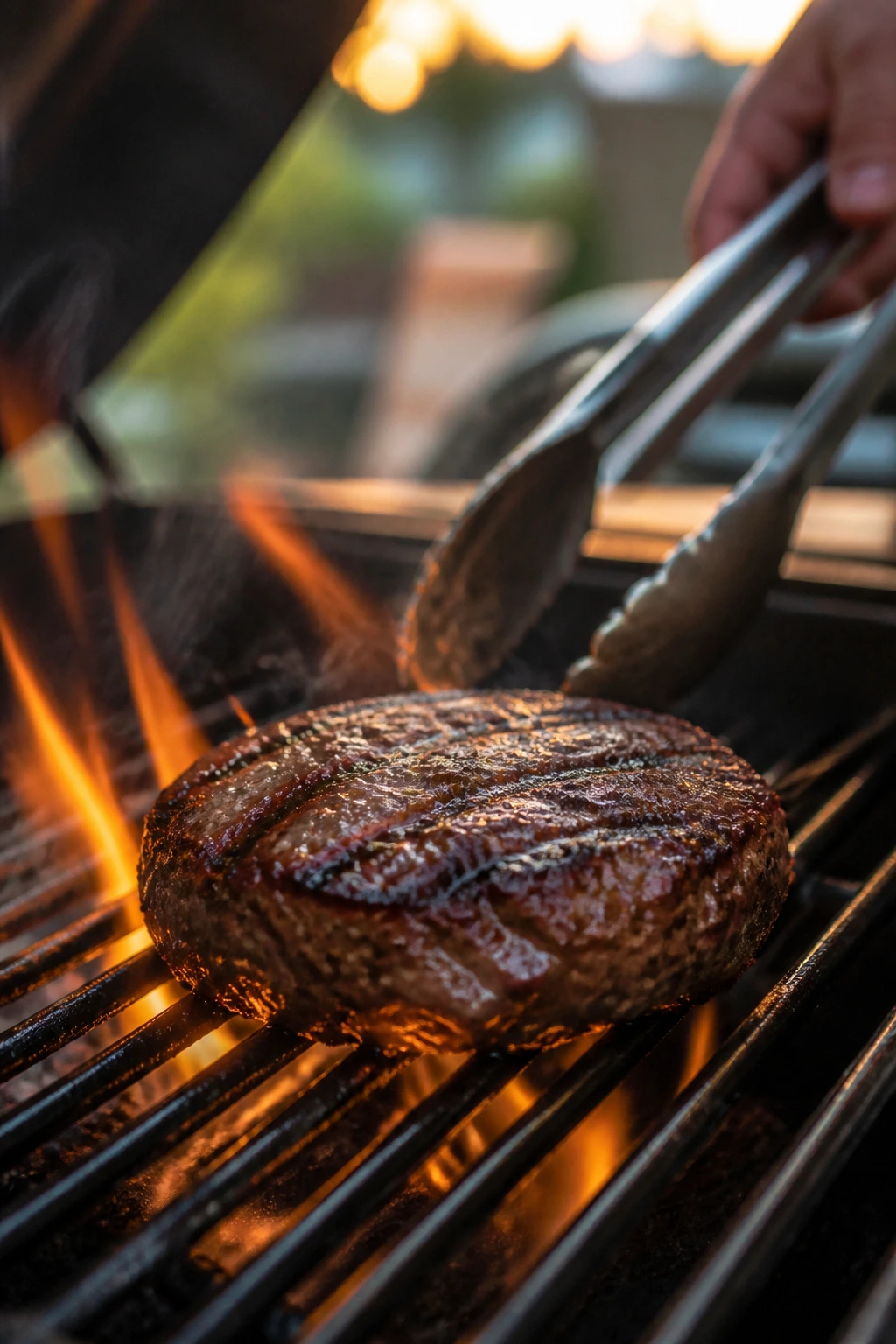
Hot enough that the patties sizzle when they hit the grate, usually in the 450°F to 500°F range. That gives you a browned crust without drying the meat before the center cooks.
Should I oil the grates or the food?
I usually oil the food lightly and keep the grates clean. A thin film on the meat or vegetables is enough to help with release. Too much oil leads to flare-ups.
What’s the best cut of chicken for backyard grilling?
Bone-in, skin-on thighs are hard to beat. They tolerate heat better than breasts and stay juicy even if the cook runs a minute long. Breasts can work, but they need more attention and a gentler finish.
Can I grill vegetables on gas and still get good char?
Yes. Preheat the grill longer than you think, keep the lid closed while the vegetables cook, and avoid crowding. A hot gas grill can brown peppers, zucchini, mushrooms, and asparagus nicely.
How do I keep food hot while the last batch finishes?
Use a low oven, a covered foil tray, or the cooler side of the grill with the lid closed. Don’t wrap food too tightly unless you want to steam the crust you just worked to build.
What if the food sticks to the grate?
Leave it alone for another minute. Food usually releases once the surface has browned enough. If you force it too early, you tear the crust and make the sticking worse.
Can I prep the whole cookout earlier in the day?
Most of it, yes. Sauces, chopped vegetables, seasoned meat, and salad components can all be ready ahead of time. I would keep delicate herbs and dressings separate until the last minute so they don’t wilt or dull.
How do I cook for vegetarians and meat eaters on the same grill?
Use a clean section of grate or a grill basket, and cook the vegetable items first if you want them away from raw meat juices. Halloumi, mushrooms, peppers, corn, onions, and bread make a strong vegetarian plate without feeling like an afterthought.
When the Coals Go Gray and the Platters Come Back Empty
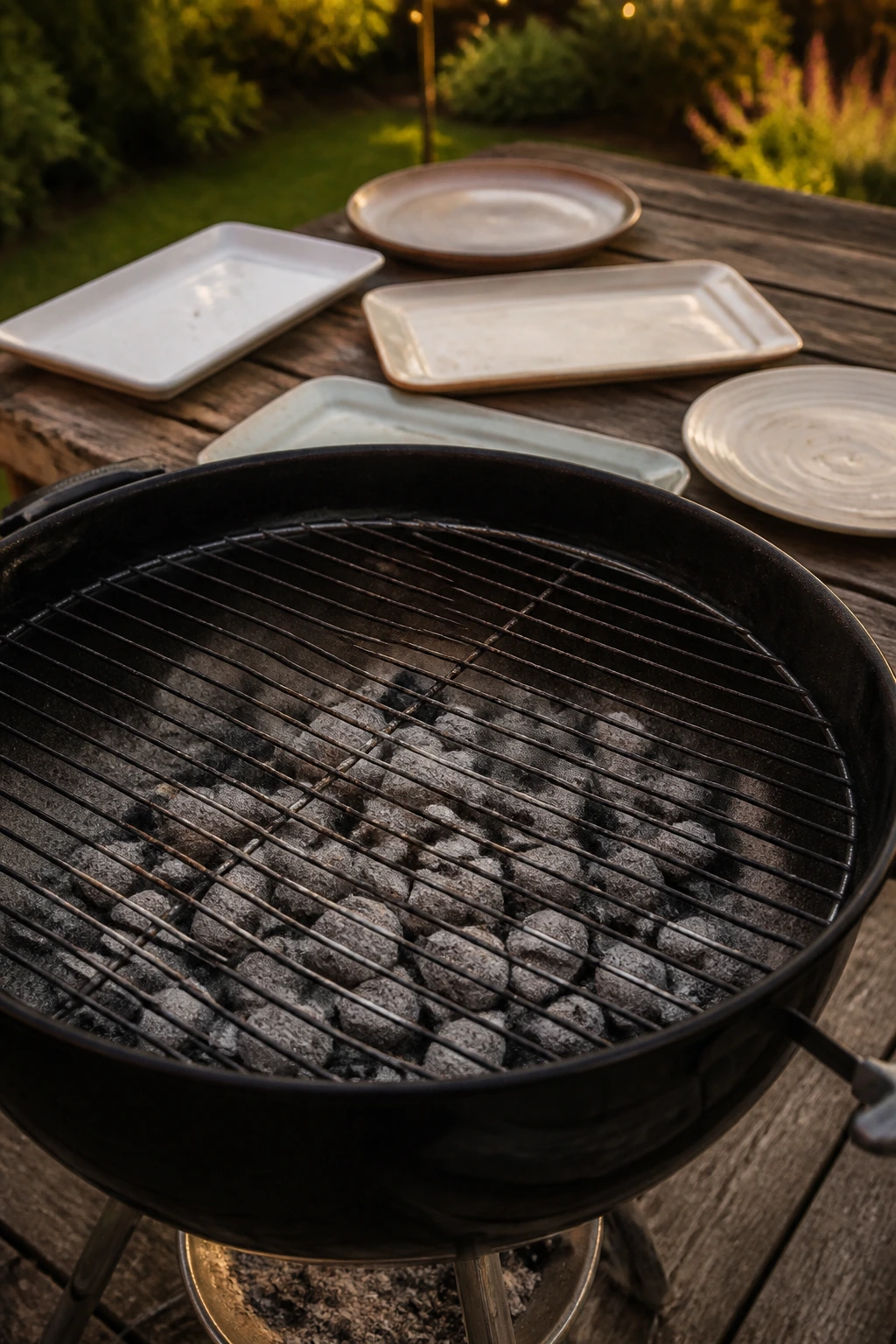
A good backyard cookout does not need a huge menu or a pile of clever tricks. It needs steady heat, food that makes sense for the grill, and enough timing discipline that the first bite still tastes as sharp as the last one. That’s the part people often miss. The flavor isn’t only in the smoke. It’s in the order, the resting, the sear, the side dishes that cool the plate down, and the moment you pull the food off before it turns tired.
I’ll take a simple menu cooked with care over a crowded spread that never quite comes together. Every time. If you can keep the grate hot, the zones clear, and the sauces in their place, the rest becomes almost easy. Not effortless. Never that. Just controlled enough to let the food do the talking.
Next time the grill lights, start with fewer distractions and a cleaner plan. The fire will give you the rest.