



A juicy backyard picnic for backyard cookouts doesn’t happen by accident. It happens when the grill, the cooler, and the serving table are arranged like they know each other. The food can look casual, even a little improvised, but the best spread has a cold side and a hot side, a crunchy thing and a soft thing, and enough salt and fat to keep every bite from drying out before people get back for seconds.
The trick is not abundance. It’s balance.
I’ve seen too many cookouts lean on one tired bowl of chips, a pile of overcooked chicken breasts, and a salad that turned soggy in the sun before the first person sat down. That’s not a picnic. That’s a polite way to ruin good weather. A real backyard picnic works because the food can sit, travel, rest, and still taste like someone cared about it.
Why a Backyard Picnic Works So Well for Cookouts
-
It gives the grill a clear job. Hot food comes from the fire, cold food comes from the cooler, and nobody has to pretend a single tray can do both jobs well.
-
It forgives timing. Chicken thighs, sausages, slaw, and potato salad can all wait ten or fifteen minutes without falling apart or going chalky.
-
It keeps texture in the picture. Charred edges, crisp cabbage, buttery bread, and creamy potatoes give the plate some snap, which matters more outside than it does at a dining room table.
-
It scales without drama. Doubling a burger batch or a pasta salad batch is easy. Doubling a delicate plated dinner is where hosts start muttering to themselves.
-
It buys you breathing room. Food-safety guidance is friendlier when you work with dishes that stay hot above 140°F and cold below 40°F, which means less racing around with a stack of flimsy bowls.
-
It leaves room for leftovers that still make sense. A grilled thigh, a pickle, a spoonful of slaw, and a bun are still useful the next day. So is a bowl of potato salad. That matters.
A backyard picnic feels relaxed because the menu is doing some of the labor for you. The dishes are built to hold. The good ones do not mind waiting their turn.
What Makes a Backyard Picnic Work Better Than a Regular Cookout
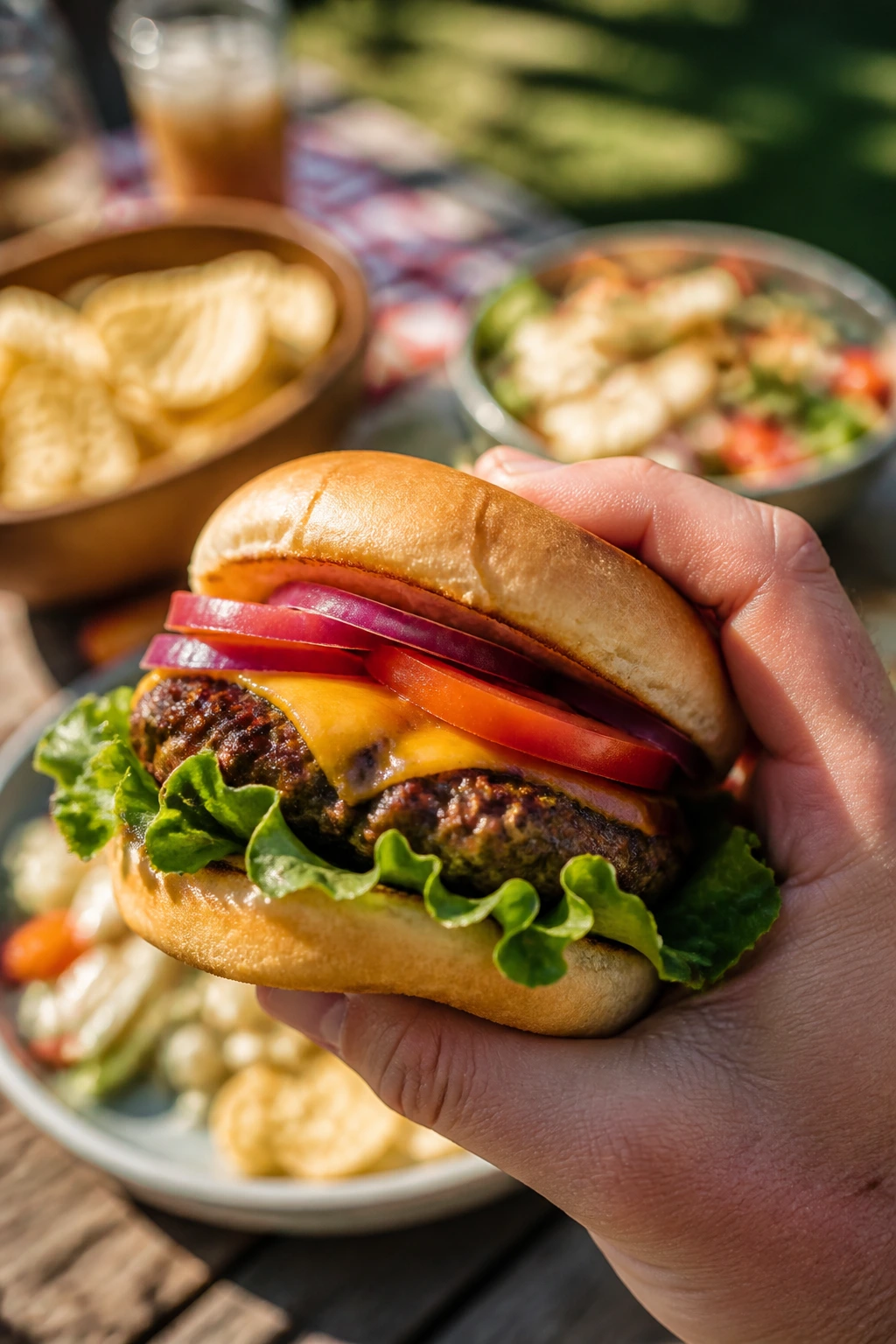
A plain cookout asks one question: what’s on the grill? A backyard picnic asks a better one: what still tastes good after people have wandered, talked, poured drinks, and come back with extra paper napkins stuck to their wrists?
That difference changes everything.
A picnic-style cookout needs foods that can survive temperature swings, a little wind, a few careless seconds on a table in full sun, and the general chaos of guests serving themselves. One-hand foods help. So do dishes that can be eaten at room temperature without turning dull. A wedge salad is pretty. A wedge salad at a picnic is a pain. A slaw, by contrast, gets better as it sits for a bit because the cabbage softens just enough to catch dressing without collapsing.
Portable beats precious
A host can fall in love with fussy food very fast. I get it. Shaved fennel, delicate herbs, tiny garnish leaves — all lovely on a plate, and all slightly annoying outdoors.
The better move is to choose food that can be scooped, stacked, or wrapped. Burgers. Split-top rolls. Chicken thighs. Corn salad. Potato salad. Thick slices of watermelon. These are not fancy tricks. They are practical ones, and practical wins when the table is outdoors and everyone is already standing up half the time.
Texture after ten minutes matters more than texture at serving
A dish that tastes fine the second you set it down is not enough. It needs to stay good long enough for the second wave of eaters, the kids who are still chasing each other, and the person who wandered off to help with music or yard games.
That’s why acid, salt, and fat matter so much. They keep grilled chicken bright. They keep sausages from tasting flat. They keep potato salad from feeling gluey. If you’ve ever had a picnic plate that seemed dull after five minutes, the problem was usually not the cooking. It was the lack of those three things doing their job.
Choosing Foods That Stay Juicy Once They Leave the Grill
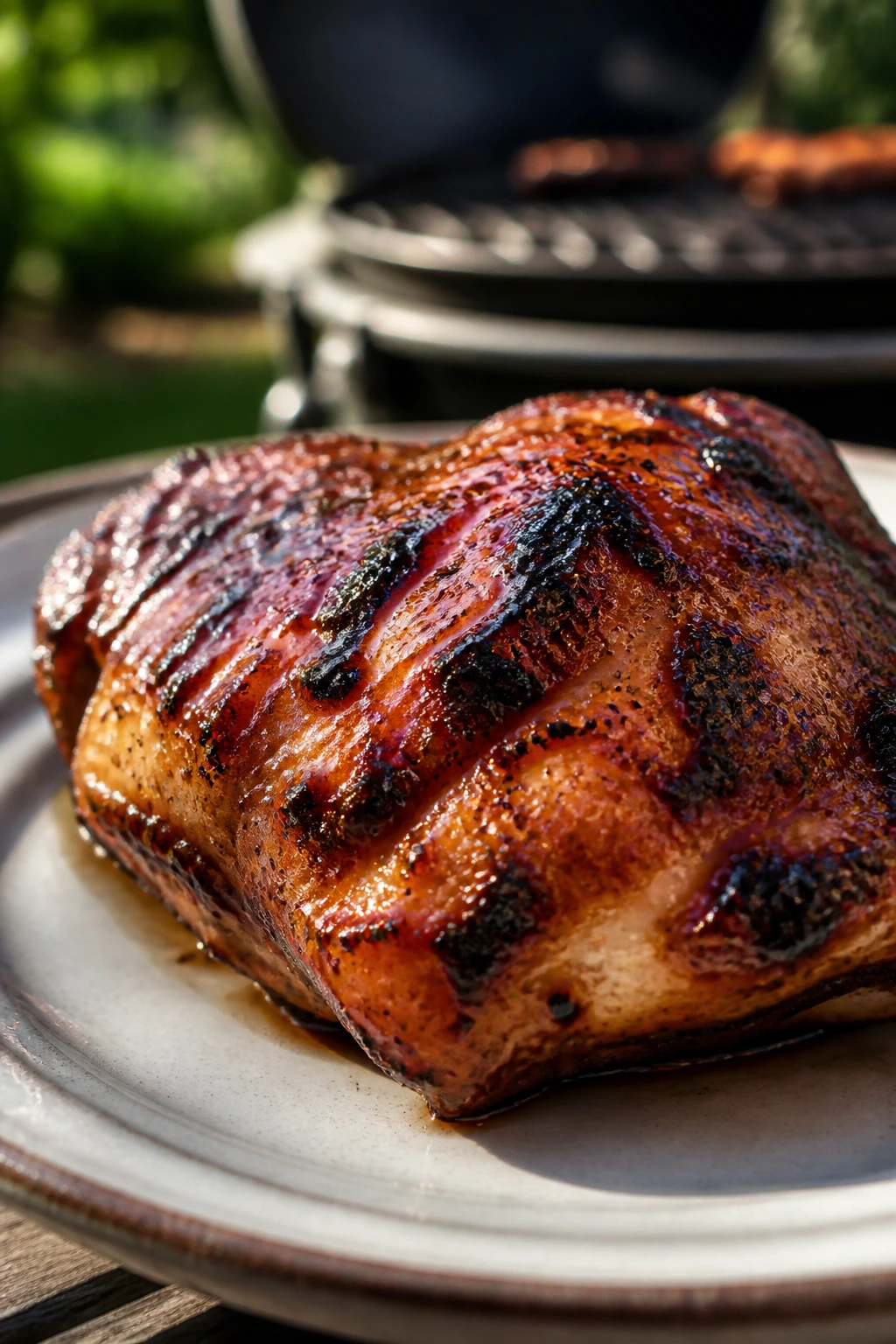
Juicy food is usually seasoned food, rested food, and slightly fatty food. That’s the honest version. Not every cut of meat can be treated the same way, and not every dish should be asked to perform outdoors.
If you want the easiest path, choose ingredients that already have some built-in forgiveness. Chicken thighs beat chicken breasts here almost every time. Burgers made from 80/20 ground beef stay tender better than lean blends. Sausages hold onto their fat because the casing keeps things together until you cut in. Pork shoulder can be cooked ahead, pulled, and reheated without losing its personality.
Nope. Lean proteins do not magically become juicy because you grill them outside.
Fat buys you forgiveness
Fat melts. That sounds obvious, but outdoors it makes the difference between a bite that feels plush and one that feels like someone forgot to stop cooking. The little pockets of fat in ground chuck, the marbling in pork shoulder, and the skin on chicken thighs all help protect the meat from overcooking for a few extra minutes.
That’s why I’d rather feed people grilled chicken thighs than chicken breasts if I’m cooking for a picnic. Thighs stay tender after resting, and they do not punish you for a grill that runs a little hotter than you planned. Breasts need more care, and more care is exactly what a backyard cookout usually lacks once the guests start arriving.
Brine beats bravado
A short salt brine does more for juiciness than a dramatic overnight marinade soaked in acid. For chicken, even a 30- to 60-minute salt brine gives you a little cushion. For pork chops or chicken breasts, it helps the meat hold onto moisture while the outside browns.
Acid has a place. Lemon, vinegar, yogurt, and buttermilk all have their fans. But too much acid for too long can make the outer layer mushy without actually helping the center stay moist. That’s the part people miss. A marinade that smells wonderful is not automatically a better marinade.
Temperatures are not negotiable
USDA-style food-safety targets are simple, and they’re worth following outdoors:
- Poultry: 165°F
- Ground beef and ground poultry: 160°F
- Whole cuts of beef, pork, veal, and lamb: 145°F with a 3-minute rest
If you want juicy food, use a thermometer. Guessing is where good meat becomes forgettable meat.
The Mains I Trust When the Grill Is Doing the Heavy Lifting
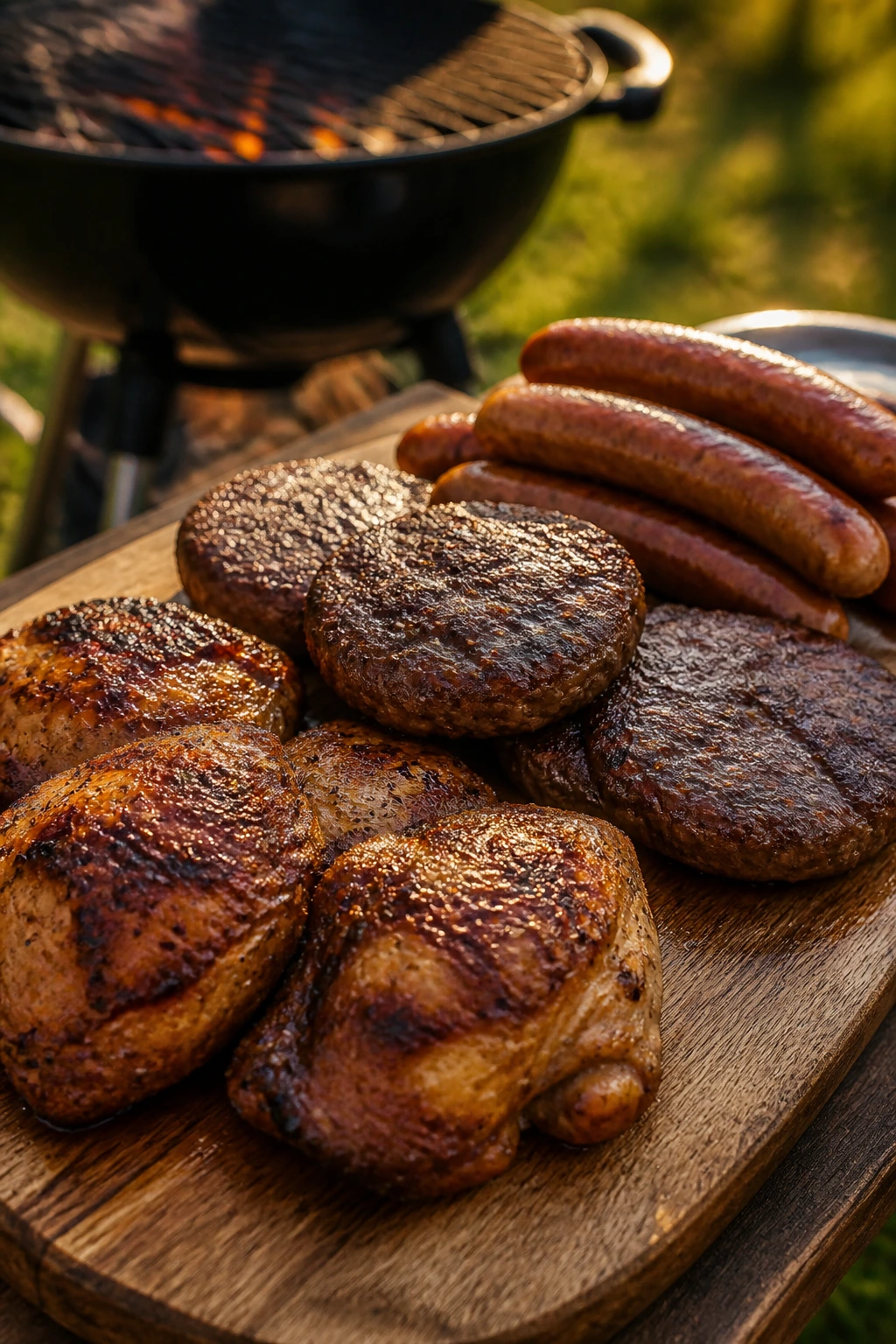
If I had to build one backyard picnic menu from scratch, I’d start with three things: chicken thighs, burgers, and sausages. That’s the cleanest trio. It gives you one easy holdover, one crowd-pleaser with built-in fat, and one item that behaves on the grill even when everyone nearby is talking too much.
Chicken thighs with char and skin
Chicken thighs are the picnic workhorse. They take seasoning well, they keep their shape, and they stay juicy after a rest. Bone-in thighs give you more insurance, but boneless thighs are easier if you need speed. Either way, they like medium heat, not a roaring inferno.
I like to season them early with salt, pepper, garlic, and a little paprika, then let them sit while the grill heats. If you want a tiny upgrade, brush them with a mix of melted butter and lemon juice during the last couple of minutes. The skin gets glossy. The edges get sticky. That’s the good stuff.
Burgers that still taste like meat, not a dry hockey puck
Burgers need enough fat to stay soft, which is why 80/20 ground beef earns its reputation. Mix the meat as little as possible. Form the patties gently. Make a shallow dimple in the center so they don’t puff into domes.
The biggest burger mistake is pressing the patty while it cooks. Don’t. That sizzling sound you hear is dinner leaving the grill. Add cheese near the end, cover the grill for a minute to melt it, and pull the burgers when they reach 160°F. Rest them for a few minutes on a warm tray, not in a sealed container, or the bottoms get soggy.
Sausages that make the table look full fast
Sausages are picnic gold. They’re fast, they look generous, and they do not require a knife unless you want one. Bratwurst, Italian sausage, chicken sausage, and kielbasa all work if you cook them over medium heat and let the casing brown without splitting.
A lot of people slice sausages open on the grill because they’re nervous. That’s a waste. Cook them whole, rest them, then serve them in rolls with mustard, grilled onions, or a sharp pickle. The first cut should happen at the table, not in the fire.
Pulled pork when you want to feed more people than you planned for
Pulled pork is the best make-ahead main if your crowd is larger or your timing is loose. A pork shoulder can be cooked earlier, rested, shredded, sauced lightly, and warmed back up without losing its shape. It’s forgiving in a way steak never will be.
I like it when the menu leans a little smoky and a little messy. Put the pork on split buns, add vinegar slaw, and let people make their own sandwiches. That’s a very good use of a back patio.
Picnic Sides That Stay Crisp, Creamy, and Worth a Second Spoonful
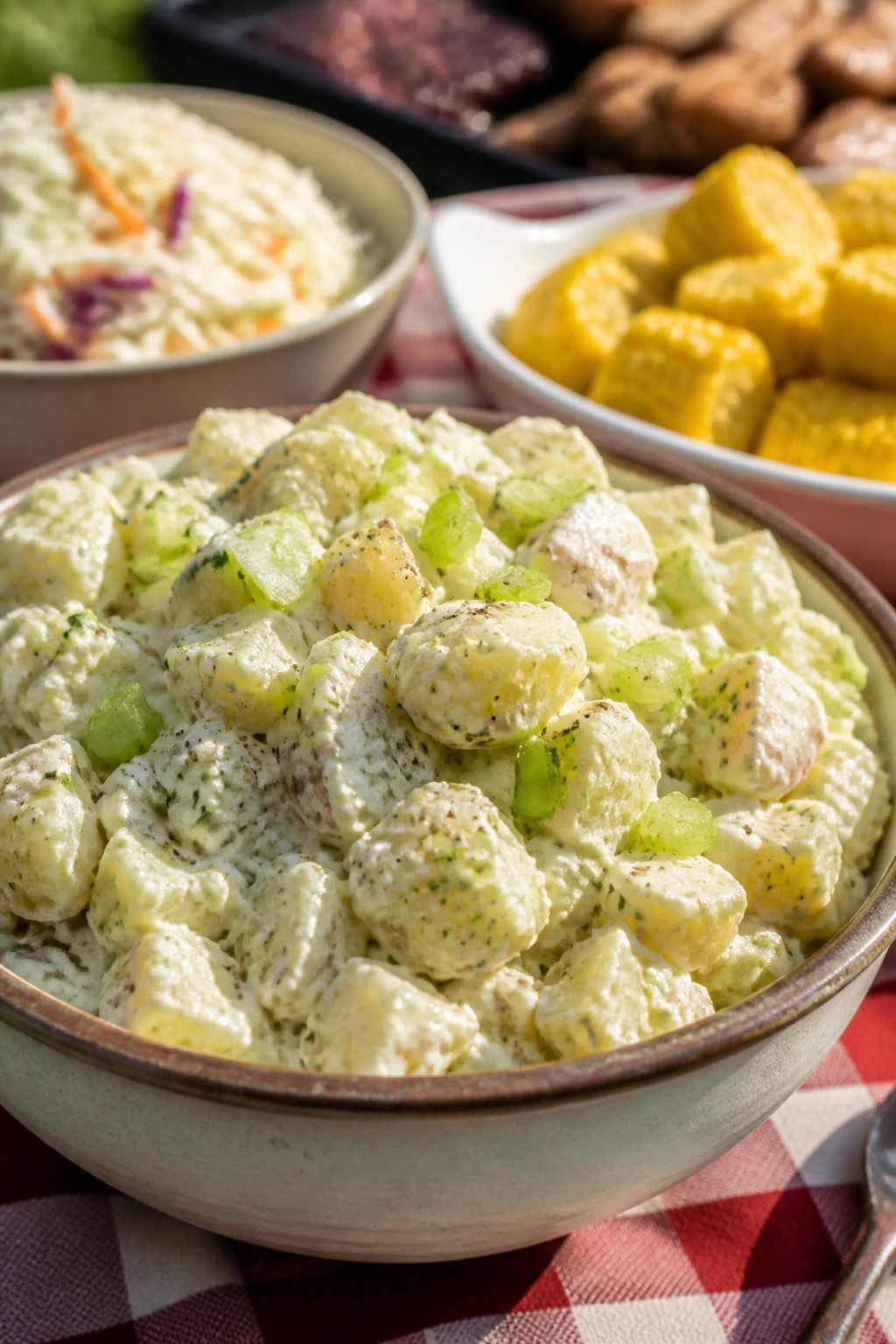
The side dishes are where a backyard picnic either becomes memorable or wanders into bland territory. Hot meat needs cold contrast. Rich meat needs acid. Soft buns need crunch somewhere else on the plate.
Potato salad, slaw, pasta salad, grilled corn, and a fruit dish that’s not drowning in syrup — these are the side dishes that keep showing up for a reason. They hold. They balance. They still taste like themselves after a few minutes outside.
Potato salad with enough structure to stay useful
Use waxy potatoes like red or Yukon Gold, not floury baking potatoes. Waxy potatoes keep their shape and don’t collapse into mash once dressed. I like to dress them while they’re still warm so they drink up the vinegar, mustard, salt, and pepper before the mayo goes in.
A good potato salad should be creamy, but not heavy enough to glue itself to the spoon. Celery gives you crunch. Chives or scallions bring a fresh onion note. A little pickle juice can sharpen the whole bowl without making it taste like a deli counter.
Slaw that keeps its crunch
Cabbage is picnic-friendly because it doesn’t panic in the heat. Salt it lightly, let it sit for ten minutes, and drain off the extra liquid before dressing if you want a tighter texture. That step takes almost no time and prevents the watery puddle that ruins so many bowls of coleslaw.
I prefer vinegar slaw for outdoor eating because it stays bright longer than a mayo-heavy version. Mayo slaw has its place, but if the table will sit out for a while, vinegar gives you more breathing room. Toss in carrots, green apple, or a little celery seed if you want more bite.
Pasta salad that doesn’t become glue
Short pasta shapes hold dressing better than long noodles. Think rotini, fusilli, or shells. Cook them one minute shy of the package time, then dress them while they’re still warm so they absorb flavor instead of sitting there like plain starch.
Cherry tomatoes, chopped cucumbers, olives, feta, and herbs all work well. Keep anything watery in check. If you load the bowl with raw tomatoes and cucumbers too early, the pasta turns slick and the whole thing starts tasting like the bottom of a salad spinner.
Grilled corn and fruit for sweetness
Corn belongs at a backyard cookout because it gives you sweetness without needing a dessert course. Grill it in husks if you want steam and softness, or naked for more char. Finish with butter, lime, chili powder, or grated cheese if you like a little drama.
Watermelon, peaches, or a simple melon mix can cool the whole table down. Just keep them separate until serving. Once cut fruit gets salted or mixed with soft herbs too early, it bleeds liquid fast. That’s fine if you like a puddle. I usually don’t.
Breads, Condiments, and the Small Extras People Always Reach For
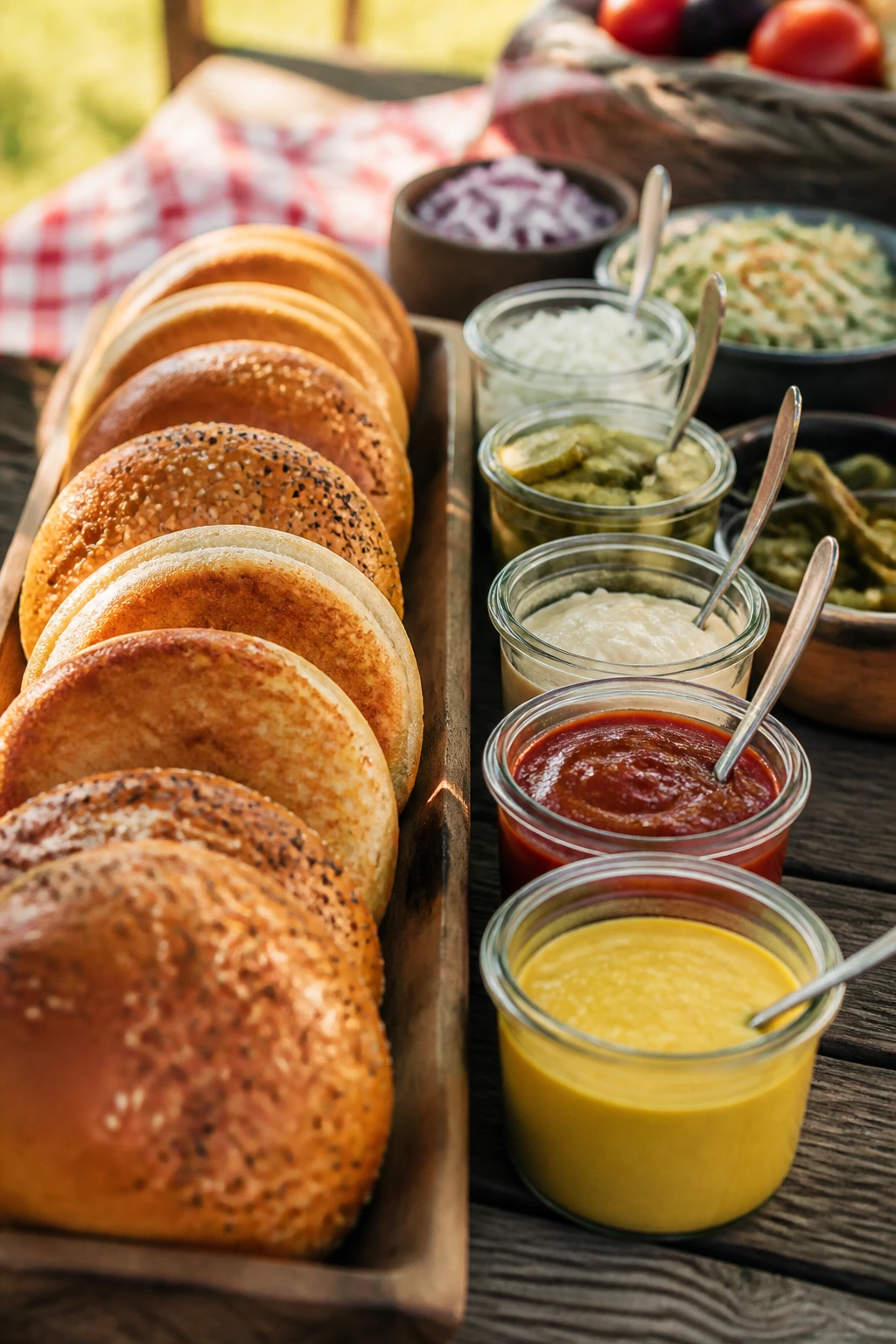
A picnic menu lives or dies on the little things. A good bun can rescue a burger. A sharp pickle can wake up rich meat. Toasted bread can keep a sandwich from collapsing into your lap.
That’s not garnish. That’s engineering.
Build a condiment lane
Put sauces in one obvious place. Mustard, barbecue sauce, hot sauce, herb mayo, relish, and pickled onions all deserve space, but not chaos. I like squeeze bottles for anything thin and small bowls for chunky things. It sounds fussy until you watch six people try to dip a paper plate into a sauce bowl at once.
Pickles matter more than most people admit. Dill pickles cut fat. Bread-and-butter pickles bring sweetness. Pickled red onions add color and acid in a way raw onions never quite do. If your mains are rich, your condiments should lean sharp.
Toast the bread, even if it seems unnecessary
Buns that hit the grill for 30 to 60 seconds cut-side down hold up much better than soft, plain buns. The toast gives you a thin dry layer that resists sauce and meat juices. That matters if the burgers or pulled pork sit for more than a few minutes before serving.
Brioche buns are soft and rich. Split-top rolls are sturdy. Kaiser rolls are old-fashioned in the best way. Pick the bread based on the filling, not the photo in your head. A delicate bun for a greasy sandwich is a mistake you can taste before the second bite.
Give the plate something crisp
Leafy lettuce works if it’s dry and crisp. Thin cucumber slices, radishes, celery, and quick-pickled vegetables do even more work because they bring crunch without much effort. Outside, texture is half the meal.
If you want a very simple upgrade, put a bowl of sliced scallions and another of chopped herbs near the condiments. People will use them. They always do.
How to Set Up the Table So Guests Serve Themselves Without Chaos
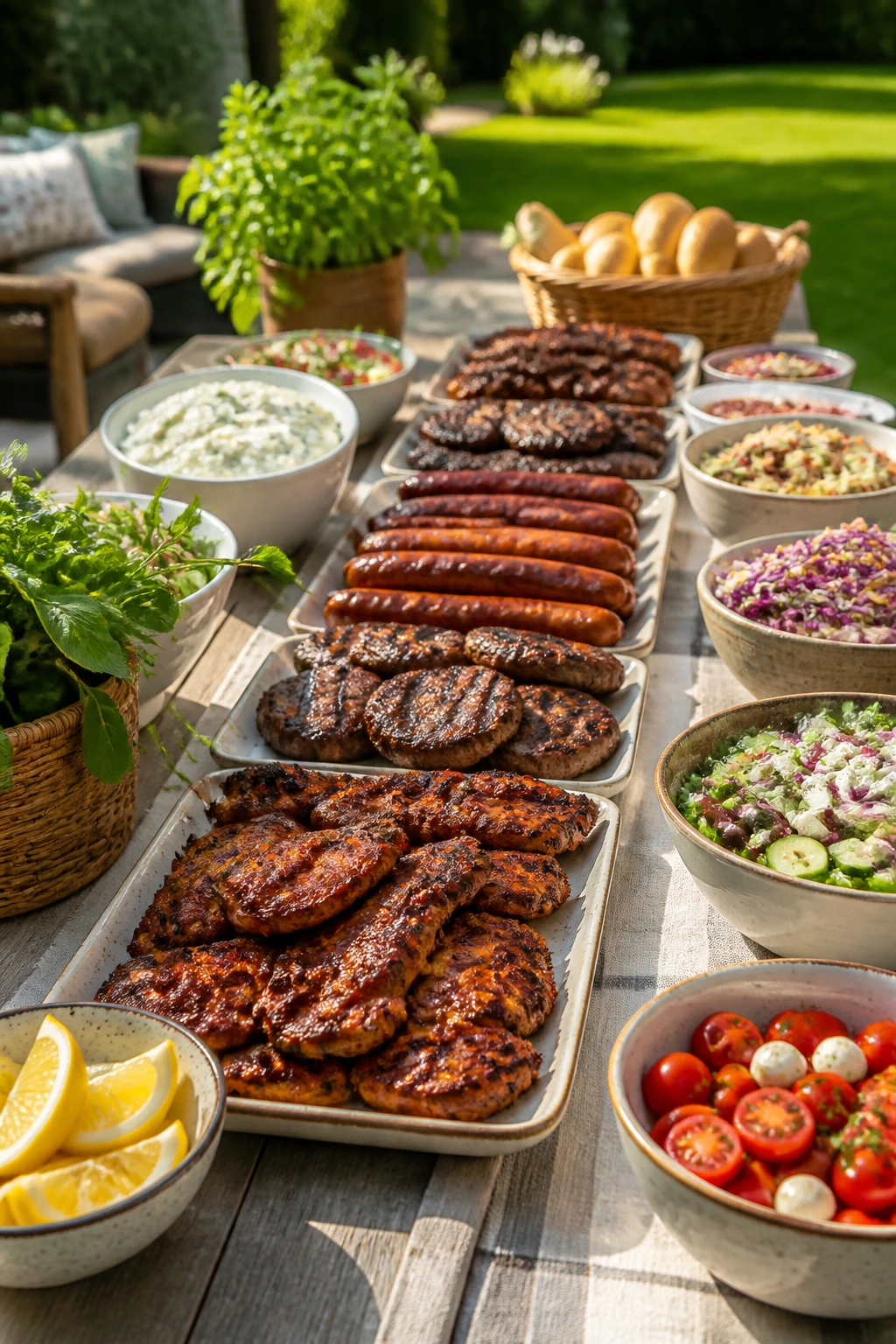
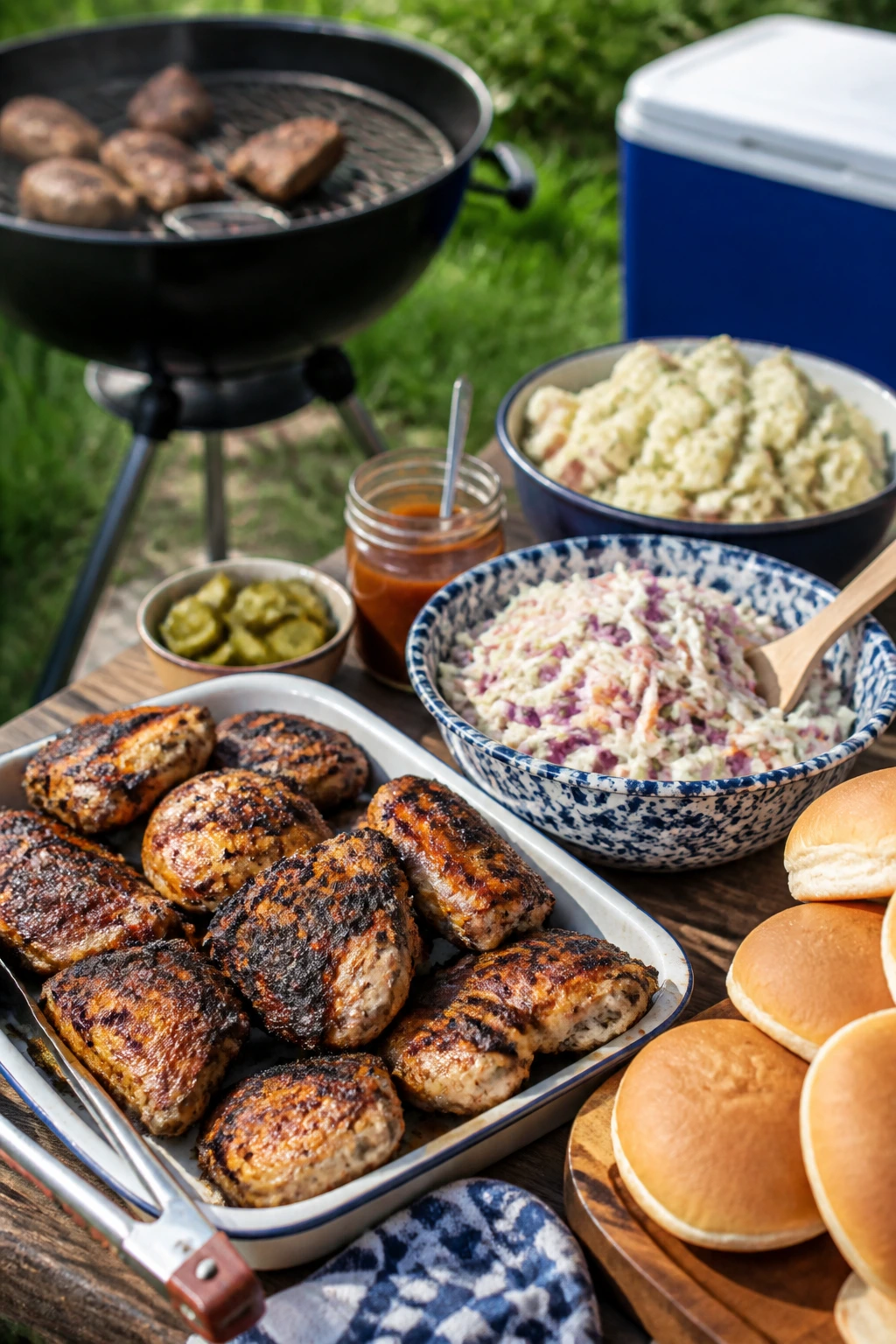
Presentation: Put the hot food on one long tray or two medium platters rather than scattering it across the table. A neat line of grilled chicken, burgers, or sausages looks calmer than a pile of mixed serving dishes, and calm food gets eaten faster because people can see what they’re doing. Keep cold bowls shallow so the good stuff is visible, and tuck lemon wedges or herbs into the corners if the spread needs color.
Accompaniments: Every main needs something cool, something starchy, and something sharp. A burger wants potato salad and pickles. Pulled pork wants slaw and toasted buns. Grilled chicken wants corn salad or pasta salad with a lemony finish. If the menu is rich, keep the sides brighter and more acidic. If the mains are light, let the sides carry a little more cream or butter.
Portions: For a mixed backyard picnic with several sides, plan on 6 to 8 ounces of meat per adult. If the menu is simple and the sides are light, move closer to 8 to 10 ounces. For burgers, one 5- to 6-ounce patty per person is a solid baseline. For kids, half portions usually work better than guessing. Nobody needs a mountain of food they cannot finish.
Beverage Pairing: Cold lemonade, unsweetened iced tea, sparkling water with lime, and a light lager all make sense here. If the food leans smoky or spicy, a citrusy drink helps reset the palate. If the menu is richer, keep the drink colder and sharper rather than sweeter.
A good serving setup also keeps the flow simple. Plates first. Napkins next. Food in the middle. Drinks off to the side so nobody reaches over a hot tray with a sweating glass in hand.
Timing the Grill So Everything Hits the Table Hot at the Same Time
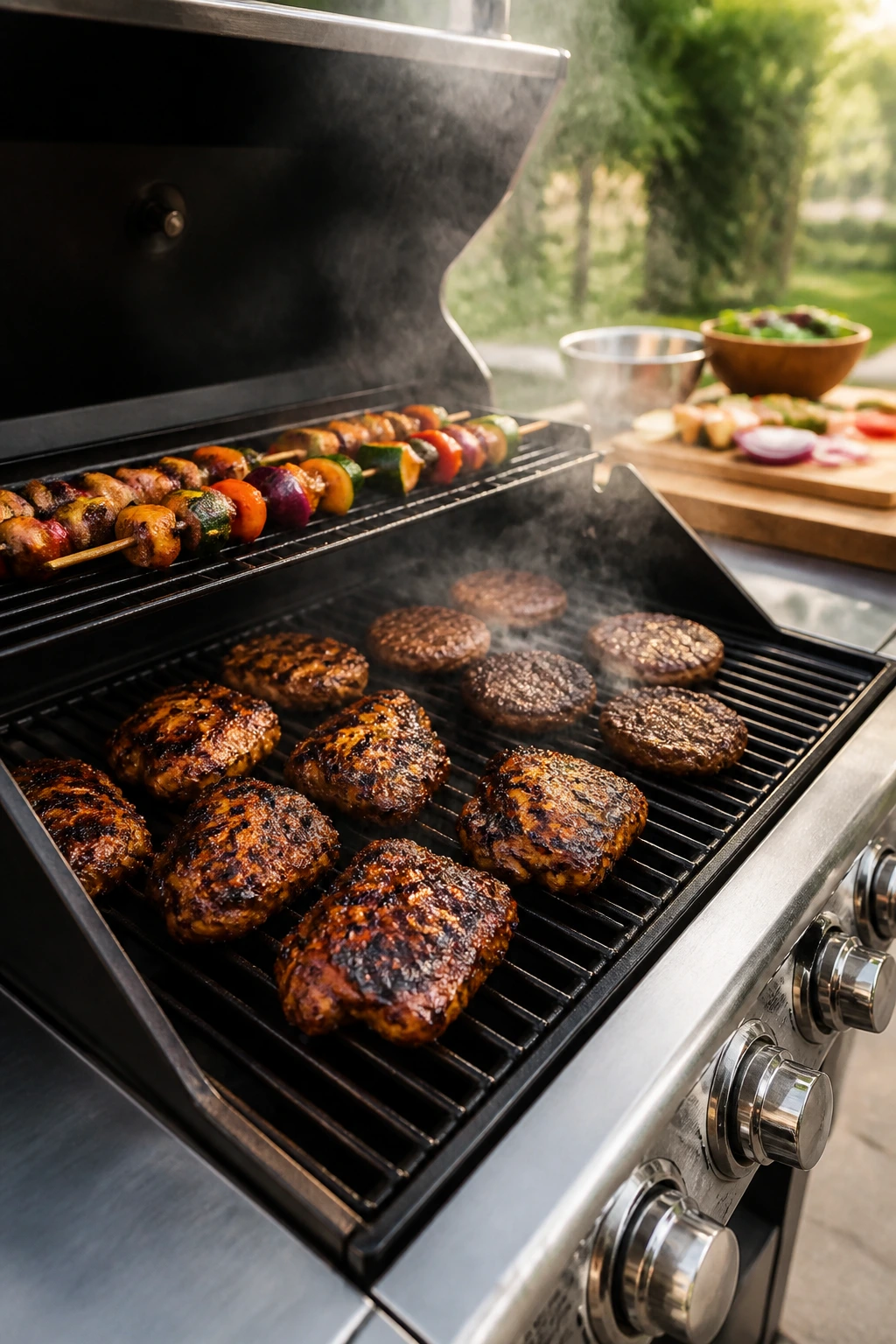
A grill can make you look brilliant or scatterbrained. The difference usually comes down to sequence.
Start by working backward from when people will eat. That’s the cleanest way to avoid stacking hot meat under foil for twenty minutes while the sides get ignored. If charcoal is your fuel, give the chimney enough time to ash over before you even think about meat. If you’re using gas, preheat until the grate is properly hot and the lid feels like it belongs on a serious machine, not a toy.
The backward timeline that keeps things sane
- 2 hours before serving: Move cold salads to the fridge’s coldest shelf, set out coolers, and clear the serving table.
- 45 minutes before serving: Season meat, slice onions, and get sauces into bowls or squeeze bottles.
- 30 minutes before serving: Fire the grill and let the grates heat fully.
- 20 minutes before serving: Start the sides that need last-minute heat, like corn or toasted buns.
- 10 to 15 minutes before serving: Grill burgers, chicken thighs, or sausages according to thickness and doneness.
- 5 to 10 minutes before serving: Rest the meat on a rack or warm tray, then assemble cold sides and condiments.
That rest time matters more than people think. If you cut grilled meat the second it comes off the grate, the juices run onto the board. Wait a few minutes, and the fibers settle down. The meat slices cleaner. The bite stays wetter.
Give yourself one “extra” dish that can wait
A smart host always has one item that can sit without pain. For me, that’s often sausages or pulled pork. If the burgers need another minute or the kids disappear for a bathroom break, the whole meal doesn’t fall apart because one component is flexible.
That one choice lowers the temperature in the room, literally and figuratively.
Essential Gear for Backyard Picnic Cooking
-
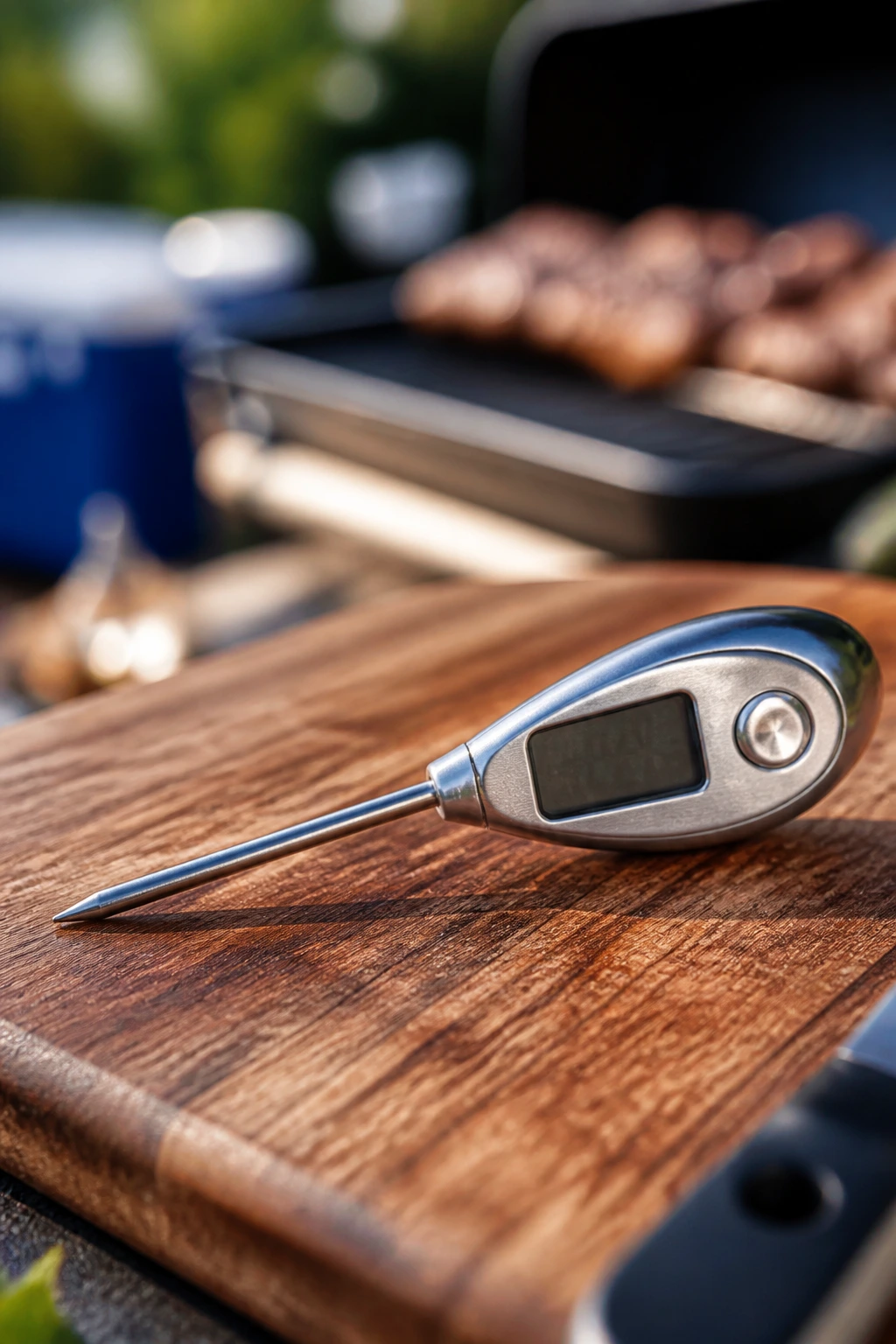
Instant-read thermometer: The one tool that stops guesswork. If you buy only one thing for outdoor cooking, buy this.
-
Long grill tongs: Keep your hands away from flare-ups and let you turn sausages or chicken without stabbing them.
-
Wide metal spatula or fish spatula: Better than a flimsy turner for burgers and delicate grilled vegetables.
-
Rimmed sheet pans: Useful for carrying raw seasoned meat out to the grill and resting cooked food without spilling juices everywhere.
-
Cutting board with a juice groove: Worth it for carving chicken, slicing pork, or cutting watermelon without making a mess.
-
Cooler with ice packs: A proper cooler keeps cold salads, drinks, and make-ahead sauces at safe temperatures.
-
Serving platters and shallow bowls: Shallow dishes help food stay visible and easy to serve.
-
Aluminum foil and disposable pans: Handy for resting meat, transporting sides, or covering food when weather gets tricky.
-
Squeeze bottles: Excellent for barbecue sauce, herb oil, or vinaigrette. Less mess. More control.
-
Grill brush or scraper: Clean grates brown food better and make sticking less likely.
-
Heat-proof gloves: Helpful if you move hot pans or adjust charcoal.
-
Paper towels and trash bowl: Not glamorous. Absolutely necessary.
If your setup is minimal, the thermometer, tongs, and cooler matter most. The rest makes life easier, but those three keep the food safe and the cook calm.
Practical Ways to Keep the Food Juicy and the Host Calm
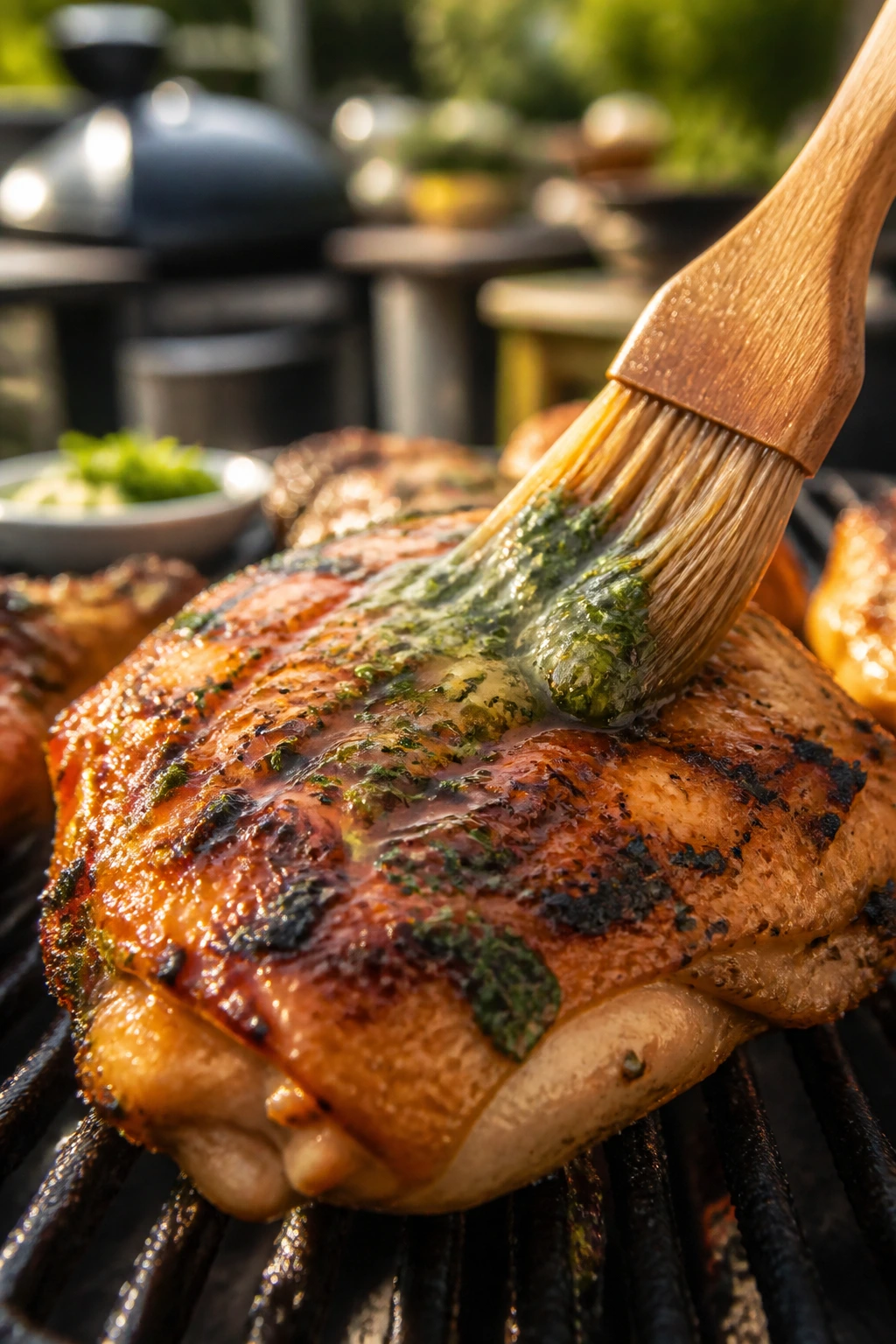
Flavor Enhancement: Brush grilled chicken thighs or sausages with a little herb butter, chimichurri, or lemon-garlic oil right after they come off the fire. The heat melts the fat into the charred surface, and you get that glossy finish without drowning the meat in sauce.
Time-Saver: Season proteins the night before and let them rest uncovered in the fridge for a drier surface and better browning. Chop cabbage, wash herbs, and mix dressings ahead too. A dry head of cabbage tucked in a bag with a paper towel stays crisp for days.
Pro Move: Pull meat a touch early and let carryover heat do the rest. Chicken thighs can come off around 160°F and finish climbing to 165°F while resting. Whole pork chops at 145°F with rest are usually safer and juicier than the tired habit of waiting until they look “done enough.” Thermometers are boring. They also save dinner.
Cost-Saver: Build the menu around chicken thighs, sausages, potatoes, cabbage, and corn. These foods stretch well, taste good outdoors, and do not need expensive trimming or special handling. A backyard picnic does not need steak to feel generous.
Cold-Plate Fix: Chill serving platters for 20 minutes before loading them with slaw, cut fruit, or pasta salad. It buys you a little insurance against warm air and direct sun. If you have a spare metal pan, fill it with ice and set the salad bowl inside it.
Texture Boost: Toast buns, leave salad dressing off until the last moment when needed, and keep crunchy toppings separate. A handful of fried onions or sliced radishes added at the table gives you the snap that makes the plate feel finished.
Small moves. Big payoff. That’s the whole game.
The Backyard Cookout Mistakes That Dry Things Out
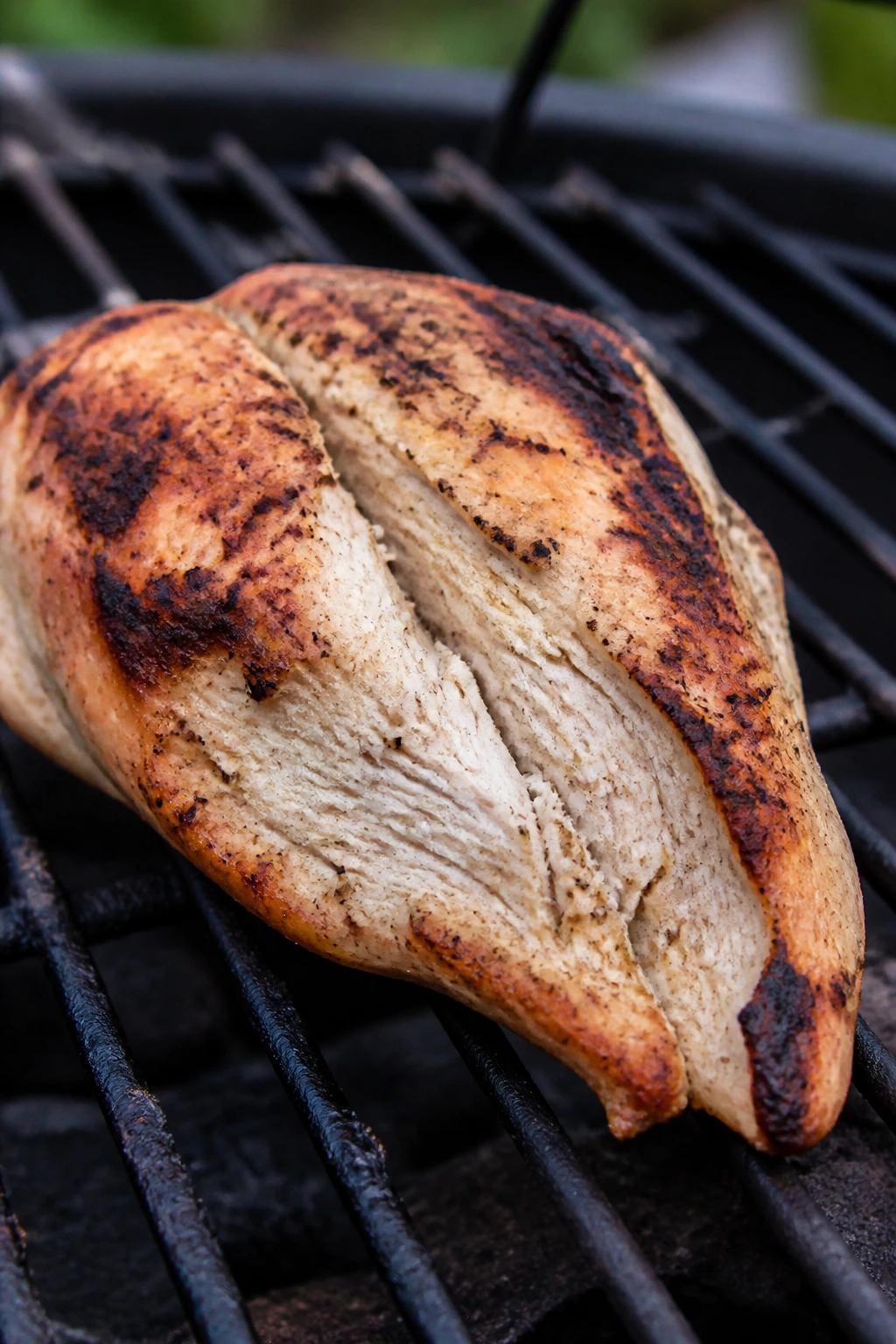
A dry backyard picnic usually starts long before the food reaches the plate.
The worst mistakes are rarely dramatic. They’re small, ordinary habits that stack up — too much heat, too little rest, too much dressing too early, and not enough attention to where the sun is hitting the table.
-
Using the wrong cut for the job: Chicken breasts, lean burgers, and overtrimmed pork chops can all work, but they give you almost no buffer. The symptom is familiar: white, chalky meat with sharp edges and no softness. The fix is to choose fattier cuts or brine the lean ones carefully.
-
Pressing burgers on the grill: You’ll hear the sizzle and think you’re helping. You’re not. The symptom is a burger that shrinks and tastes less juicy than it should. Leave it alone and use the spatula only to turn.
-
Dressing salads too early: Slaw turns watery, pasta gets slick, and greens lose their edge. Toss right before serving when possible, or keep the dressing separate until the last minute.
-
Skipping the rest: Slicing chicken or pork too fast sends the juices onto the board. Rest on a rack or warm tray for several minutes, loosely covered, not sealed tight under foil.
-
Overcrowding the grill: Too much food at once drops the heat and creates uneven cooking. The symptom is gray meat with little char. Cook in batches if you need to, or keep one zone cooler and one hotter.
-
Leaving food exposed for too long: Hot meat cools quickly outside. Mayo salads warm up even faster. Keep cold dishes under 40°F as long as possible and don’t let perishables sit out beyond standard food-safety limits. For picnic foods, the line is usually 2 hours maximum, or 1 hour if it’s hot out and the table is taking direct sun.
The fix for all of this is the same: think in stages, not in one big rush.
Flavor Variations for Different Crowds and Different Palates
Porch-Style Southern Spread: Build the menu around pulled pork, vinegar slaw, baked beans, cornbread, and sliced peaches. This version feels hearty without needing a dozen moving parts, and it tastes even better when the pork has been cooked earlier and warmed gently before serving.
Smoke and Citrus Picnic: Use lemon-brined chicken thighs, grilled corn with lime butter, cucumber salad, and an herb-heavy potato salad. The lemon keeps the chicken bright, and the fresh herbs help the table feel lighter. This is the version I’d pick when the weather is warm and the crowd wants seconds without feeling weighed down.
Backyard Burger Bar: Go with 80/20 burgers, toasted buns, pickles, cheddar, sliced tomato, grilled onions, and two sauces — one tangy, one smoky. Keep toppings separate so people can build their own plates. Kids like control. Adults do too, if they’re honest.
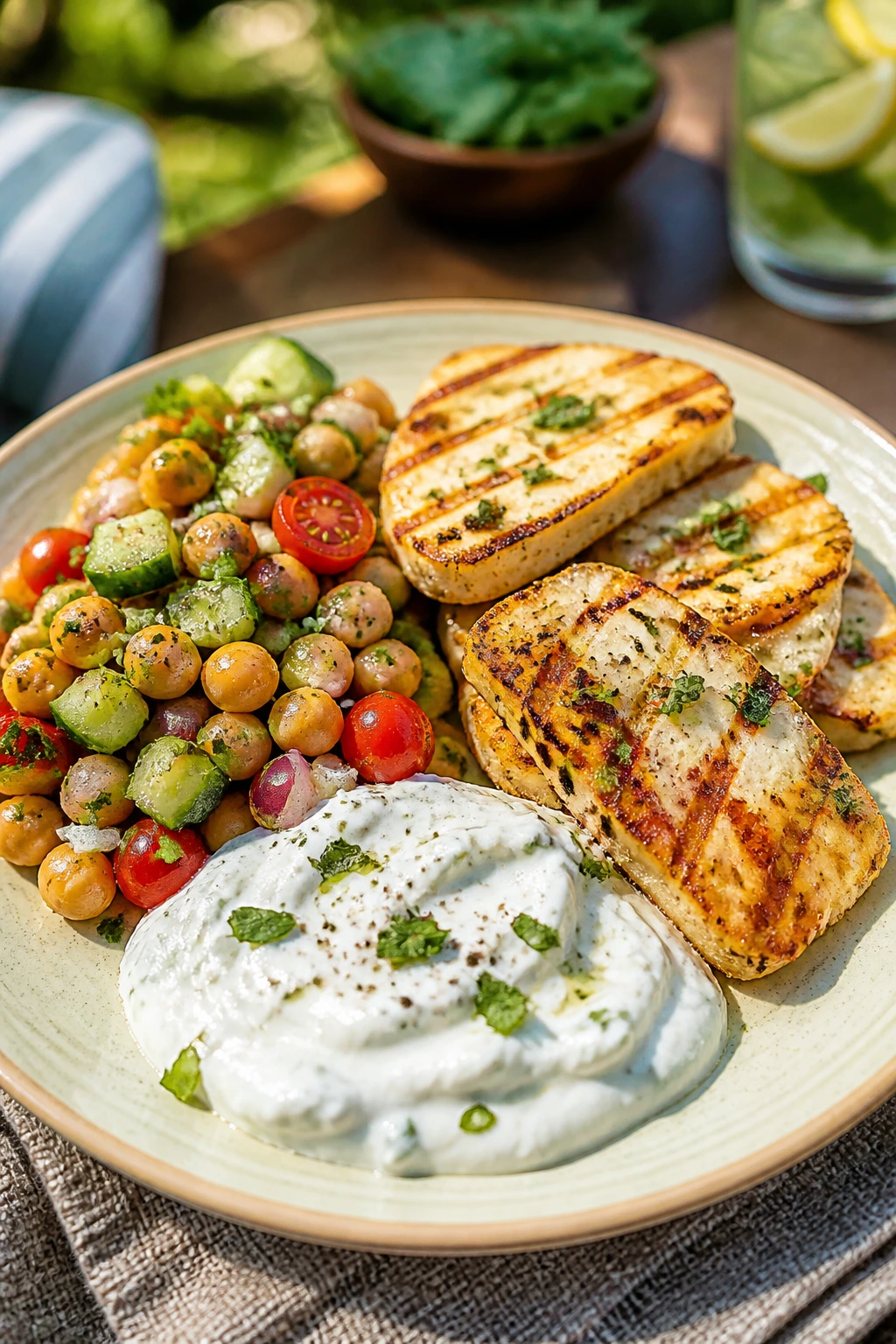
Plant-Forward Char and Crunch: Grill halloumi, portobello mushrooms, zucchini ribbons, and corn, then serve with chickpea salad and a garlicky yogurt sauce. You still get smoke, salt, and texture, which is what people usually miss when they assume a meatless cookout will be thin and boring.
Spicy Backyard Night: Bring in hot sausage, jalapeño slaw, pepper relish, and cornbread with honey butter. A little heat makes cold drinks taste colder, and the menu feels more alive when the flavors have some edge.
Kid-Friendly Picnic Plate: Keep the seasoning gentler, use smaller burger patties or sliced chicken thighs, and serve fruit, corn, and a mild pasta salad. When kids are eating outside, less sauce on the plate often means less whining and fewer abandoned napkins.
Pick the version that matches the group in front of you, not the fantasy version in your head. That’s where hosts get clever in the wrong direction.
Make-Ahead, Storage, and Leftover Care
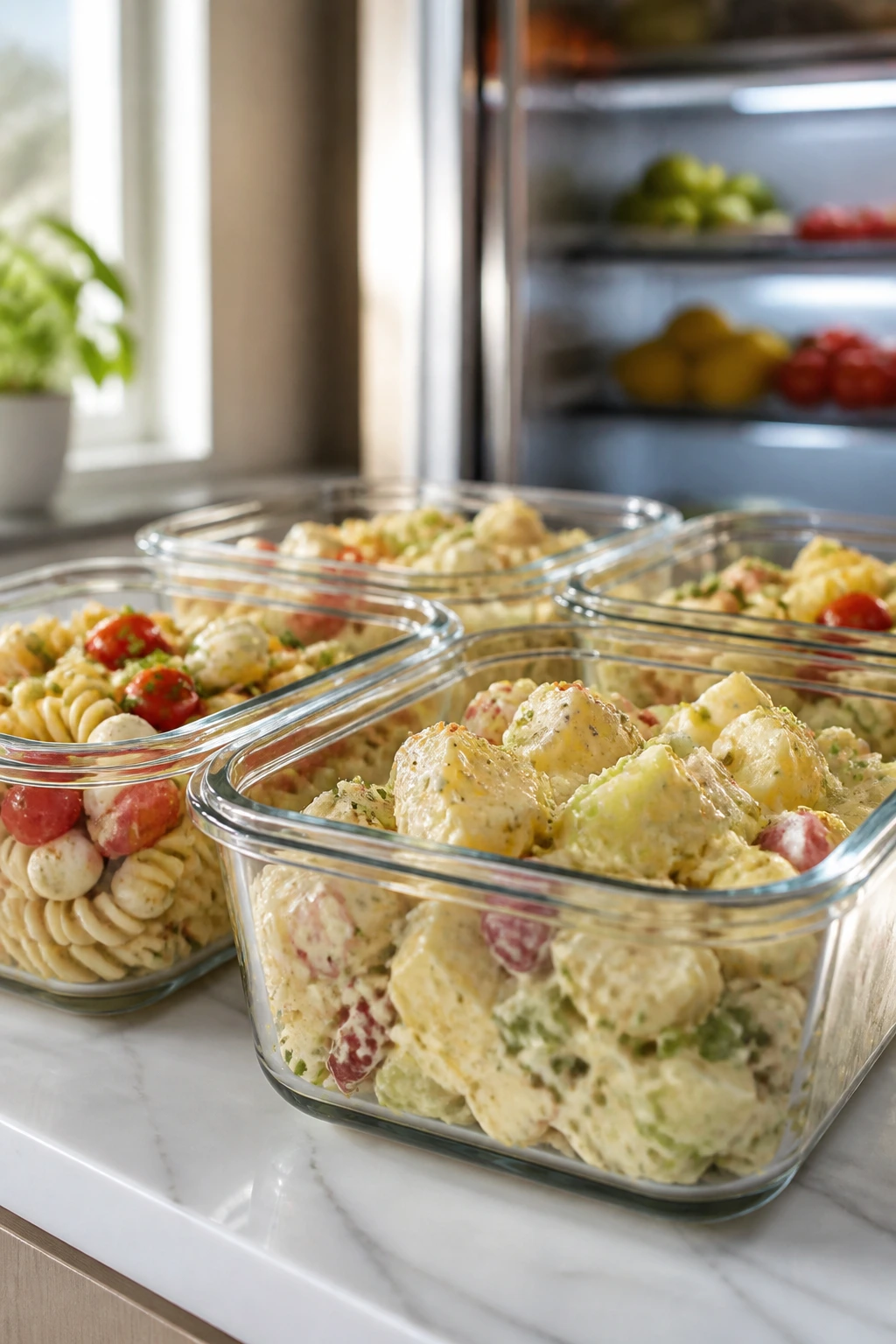
The smartest part of a backyard picnic is what you finish before anyone arrives.
Cold sides can usually be made a day ahead. Potato salad, pasta salad, slaw dressing, herb sauces, and chopped toppings all benefit from a little fridge time. Some even taste better the next day because the salt has had time to settle in and the flavors stop shouting over one another. Just keep any mayonnaise-heavy salad cold and do not leave it out for more than 2 hours; if the day is hot and the table sits in direct sun, cut that to 1 hour.
Grilled meats store well in shallow containers for 3 to 4 days in the refrigerator. Pulled pork also freezes well for 2 to 3 months if you wrap it tightly and then bag it to block freezer burn. Burgers hold for about 3 days in the fridge, though they’re best reheated sliced or chopped rather than left as one thick patty. Sausages and chicken thighs fit the same general window.
Reheating is where texture gets saved or ruined. A 300°F oven works well for chicken, pork, and sausages if you cover them loosely with foil and add a spoonful of broth, water, or pan juices. A skillet with a lid is great for sausage links and sliced meats because the bottom can re-crisp a little while the lid traps steam. Microwaves are fine for short bursts, but use 50% power and stop as soon as the food is hot enough to eat. Full-power reheating turns good meat weird.
Fruit and cut vegetables are best eaten within a day or two, depending on how watery they are. Watermelon gets soft fast. Cucumber salads loosen up. Tomato slices weep. Keep those items separate until the last possible minute if you want the leftovers to stay pleasant.
One more thing. If something spent too long sitting out, don’t try to rescue it with the fridge. When in doubt, toss it.
Backyard Picnic FAQs
What is the best single protein for a backyard picnic?
Chicken thighs are the safest all-around answer if you want juiciness, affordability, and grill tolerance in one package. Burgers are a close second when you use 80/20 beef, but they need a little more watchfulness. If you want something that can sit and rest without drama, thighs win.
Can I make this style of cookout on a gas grill?
Yes. Gas grills make timing easier because you can control the heat more precisely and build a two-zone setup without much fuss. Preheat the grates well, keep one side medium-high and the other lower, and use the cooler side to hold food that needs a few extra minutes.
How far ahead can I make the cold sides?
Most cold sides can be made the day before, and some improve overnight. Potato salad, pasta salad, and slaw dressing all hold well in the fridge, though you should toss crunchy greens or watery vegetables right before serving if you want better texture.
Is mayo-based potato salad safe outside?
Only if you keep it chilled and move it back to the cooler quickly. The standard picnic rule is 2 hours out at most, or 1 hour if the weather is hot and the bowl sits in direct sun. Use a smaller bowl and refill from the cooler rather than leaving one big dish out all afternoon.
How do I keep burgers from drying out?
Use 80/20 ground beef, mix it as little as possible, make a shallow center dimple, and avoid pressing the patties while they cook. Pull them at 160°F and rest them briefly on a rack or tray so the juices settle instead of flooding the cutting board.
What if I do not have a big enough cooler?
Split the load. Put drinks in one cooler or tote and food in another, because guests open drink coolers constantly and that warms everything else. Frozen water bottles are a useful backup since they chill the cooler and become drinks later.
Can I make a backyard picnic without mayonnaise?
Absolutely. Vinegar slaw, mustard potato salad, herb-dressed pasta, grilled corn, fruit, pickles, and oil-based sauces give you plenty of room to build a full menu. You can still keep everything rich enough to feel complete without leaning on mayo at every turn.
What should I do if the food gets cold before everyone sits down?
Rewarm it gently, not aggressively. A covered pan in a 300°F oven or a few minutes on the cooler side of the grill usually brings it back without drying it out. Microwaving everything at full blast is how you end up with rubbery chicken and sad sausages.
Can I serve everything family-style on one table?
You can, and it works well if you keep the layout organized. Put hot food in one zone, cold sides in another, and condiments in a third so people can move through the line without reaching over each other’s plates. That small bit of order makes the whole meal feel easier.
A Cookout Worth Repeating
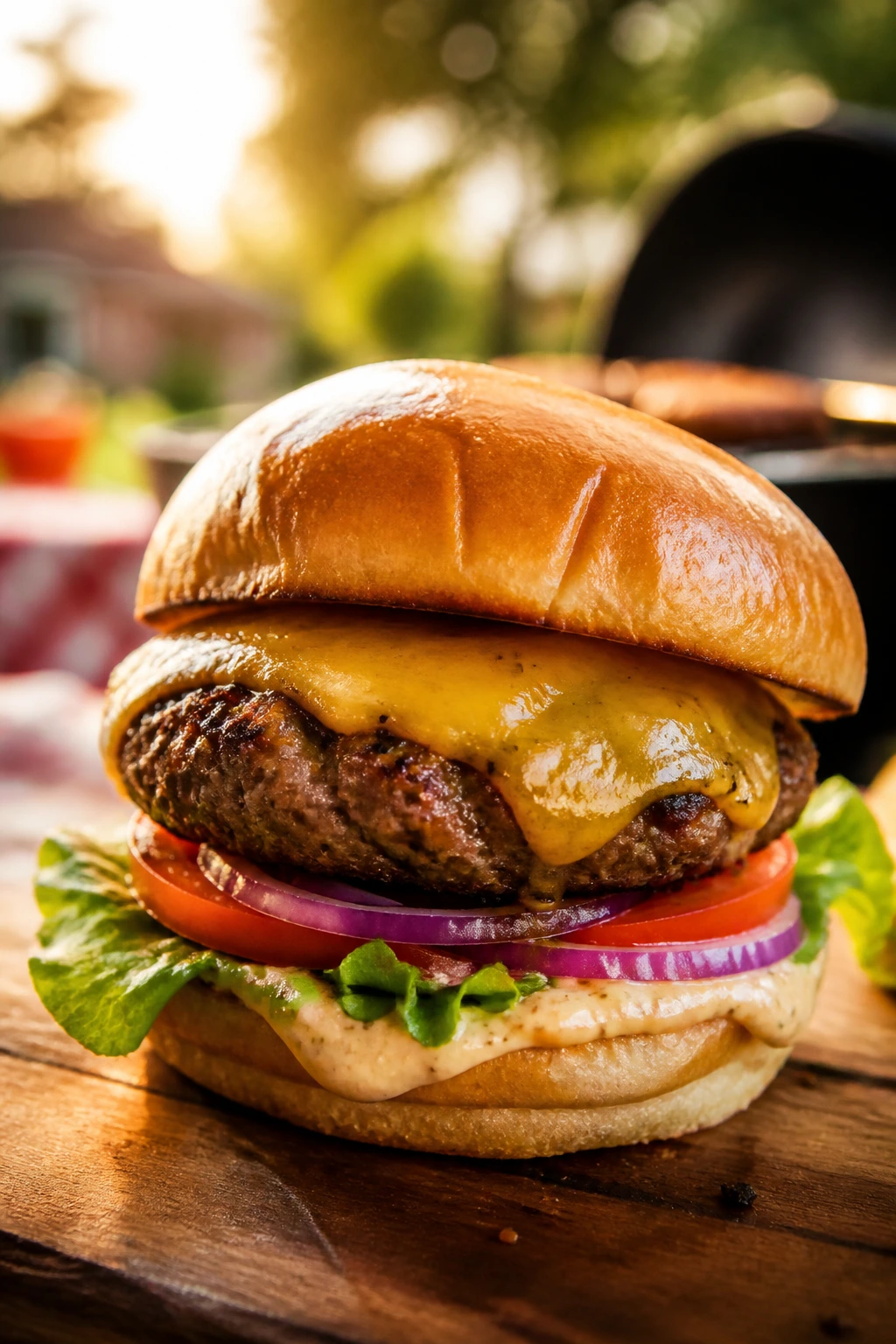
The best backyard picnic is not the one with the most dishes. It’s the one where the meat still tastes juicy after it rests, the slaw still has crunch, the buns are warm, and nobody has to hover over a serving bowl wondering if the food was meant to survive outside. That kind of cookout feels loose on the surface because the details were handled before the first guest arrived.
Get the balance right once — hot food, cold food, a little salt, a little acid, and enough planning to keep the table calm — and the whole thing starts to feel repeatable. Which is the point, really. A good backyard picnic should make you want to do it again, not recover from it.