



Smoky easy picnic food for backyard cookouts is the kind of menu I trust when the grill is hot, the cooler is sweating in the shade, and nobody wants to babysit a dish that falls apart after ten minutes on a paper plate.
The best cookout food does two jobs at once. It tastes good with a little char, and it still tastes good after it cools. That’s the sweet spot. A piece of grilled chicken thigh with a dark edge and a squeeze of lemon can sit beside a cabbage slaw, a bowl of potato salad, and a stack of toasted buns, and none of it needs a last-minute rescue mission from the kitchen.
That’s why smoke matters here. Not a heavy, campfire blast. Just enough to make the food taste like it spent time over fire, with a little salt, a little acid, and enough structure to survive a plastic fork. If a dish turns gluey, soggy, or brittle the moment it leaves the burner, it doesn’t belong on this table. The pages that follow lean hard into the stuff that holds up, travels well, and keeps its edge.
Why Smoky Easy Picnic Food Works So Well at a Backyard Cookout
- It tastes better as it cools: Grilled chicken thighs, bean salads, and vinegar slaws keep their shape and flavor after a ten-minute walk from the grill to the table.
- It lets smoke do more than one job: A wood-kissed crust, smoked paprika in the rub, and a sharp sauce on the side build layers instead of one flat note.
- It works with hand-held eating: Sliders, wraps, skewers, and sturdy scoops on potato chips are easier to manage than anything that needs a knife and a clean corner of the plate.
- It respects the heat: Dishes built on cabbage, potatoes, corn, beans, and dark meat can sit out longer without turning limp or dry.
- It scales cleanly: A second tray of chicken thighs or another bowl of slaw is easy to add when more people show up with extra appetites.
- It saves money without feeling sparse: Cabbage, potatoes, onions, beans, and chicken thighs give you real volume and real flavor without leaning on expensive cuts.
What “Smoke” Means When You’re Cooking Outside
Smoke is not one thing, and that’s part of the fun. It can come from the grill itself, from the seasoning, or from a sauce that tastes like it got the memo. If you treat all three the same, you get muddled food. If you use them together with a little restraint, the whole plate wakes up.
Char is the most obvious version. That’s the dark edge on a chicken thigh, the blister on a pepper, the blackened stripe on a corn cob. It gives you bitterness, sweetness, and a faint toastiness in the same bite. I like that contrast. A cookout without any char feels flat to me, like the grill was there for decoration.
Then there’s seasoning smoke. Smoked paprika does a ton of work in a dry rub, especially when you mix it with garlic powder, black pepper, cumin, and brown sugar. Chipotle powder or chopped chipotle in adobo brings heat with a deeper, earthy note. Liquid smoke can help, but use it with a careful hand. It’s a scalpel, not a ladle.
The three kinds of smoke I actually use
- Fire smoke: Comes from charcoal, wood chunks, or a smoke tube on a gas grill. Use it for meat, corn, peppers, onions, and sturdy fruit.
- Spice smoke: Comes from smoked paprika, chipotle, or a smoky dry rub. Best for chicken, pork, beans, and potatoes.
- Sauce smoke: Comes from a barbecue sauce with paprika, a relish with charred scallions, or a dip finished with a pinch of smoked salt.
A gas grill can absolutely handle smoky easy picnic food for backyard cookouts. You need one hot zone and one cooler zone. Keep the food moving to where it needs to be. If the lid smells like a damp bonfire after you’ve opened it three times, back off. Too much smoke makes everything taste muddy and a little bitter, and nobody comes to a backyard cookout hoping for a campfire ash tray.
How to Build a Backyard Cookout Menu That Stays Easy
A smart cookout menu has a spine. One main, two sides, one thing cold and crunchy, one sauce, and maybe one handheld item if people are staying long enough to get hungry again. That’s the structure I keep coming back to because it works with real life, not magazine logic.
The best spread usually has one item that comes off the grill first and gets eaten warm, one item that’s just as good at room temperature, and one item that gets better after twenty minutes in the fridge. That mix matters. If everything depends on the same serving window, you’re stuck running back and forth with tongs while everyone else is already halfway through their plates.
The one-hot, one-cold rule
Hot food should be sturdy enough to rest for a few minutes without collapsing. Think chicken thighs, sausage links, burgers, or a tray of grilled vegetables. Cold food should be built to stay sharp and clean: slaw, bean salad, potato salad with a vinegar base, cucumber salad, or a pasta salad that isn’t drowning in mayo.
The acid anchor
Smoke without acid gets heavy fast. A squeeze of lemon, a bowl of pickled onions, or a vinegar-heavy slaw gives the rest of the plate some lift. I’d rather have one sharp side than three creamy ones. That’s not me being fussy. It’s the difference between a plate that drags and a plate people keep going back to.
How many dishes is enough?
For a small group, one main and three supporting dishes are enough. For a bigger crowd, add one handheld item and one extra cold side. Past that, you’re not making the meal better. You’re just making your own job longer.
Grill-Ready Mains That Hold Up on a Paper Plate
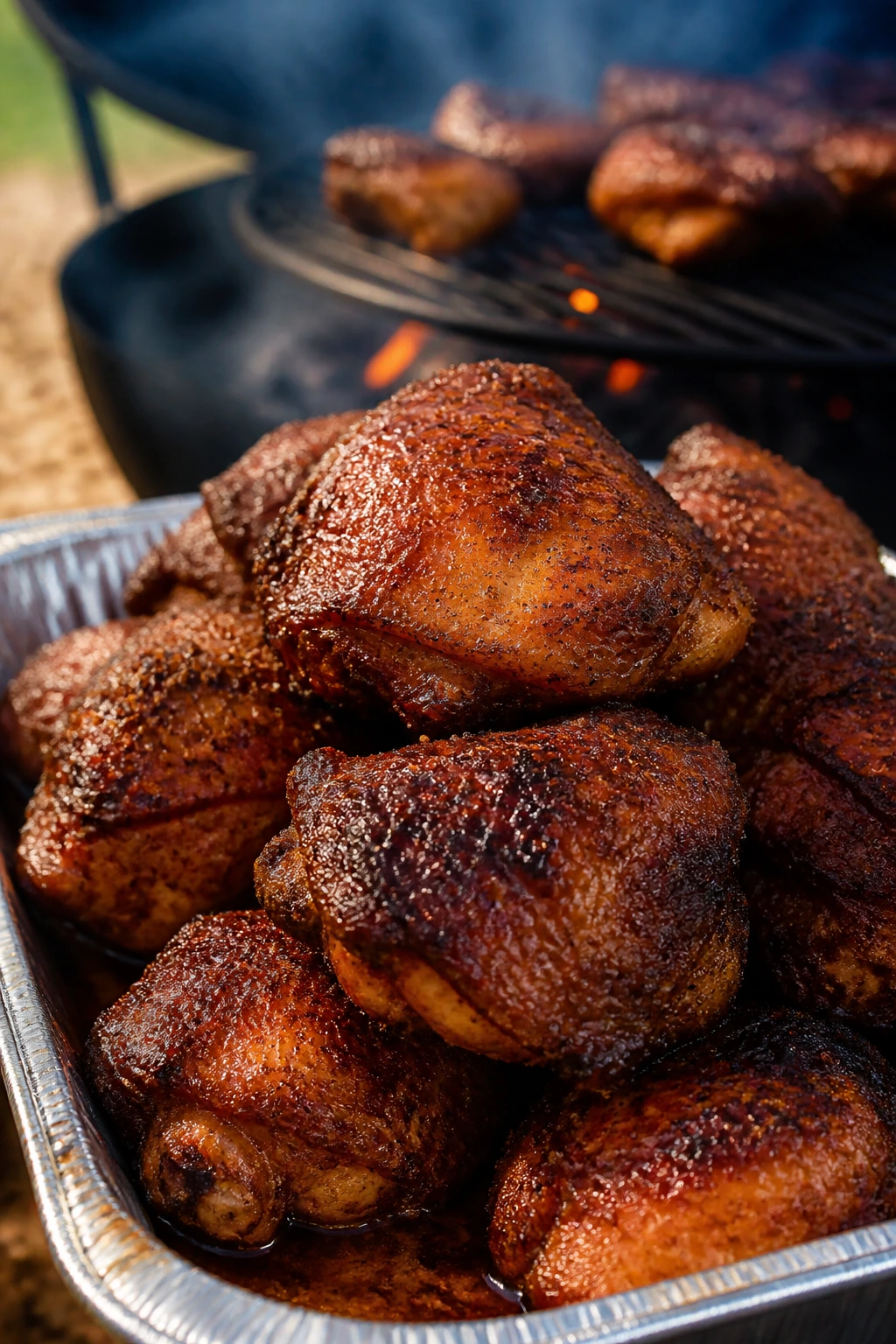
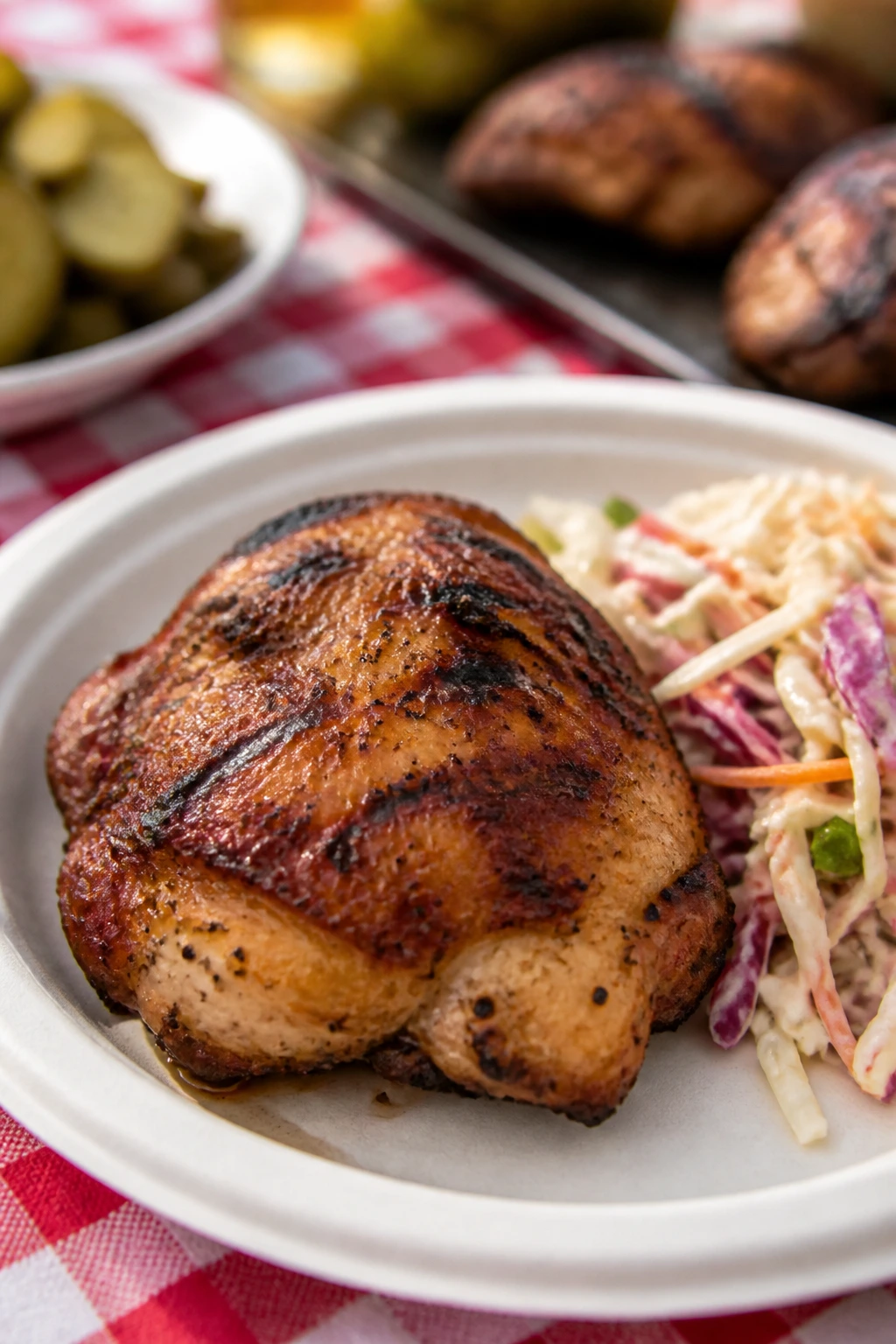
Chicken thighs are my default answer for this kind of menu. They take smoke well, they stay juicy, and they don’t punish you if they sit for a few minutes before serving. Dark meat has more forgiveness built in. That’s not a moral judgment; it’s just useful anatomy.
Pork shoulder is the other dependable giant. It needs more time, yes, but the payoff is meat that shreds easily and stays soft in a foil pan or serving dish. If you’re planning ahead, pulled pork is one of the safest bets for a backyard table because it tolerates being held warm without turning sawdust-dry. Serve it with a vinegary sauce and a sharp slaw. That combination never gets old.
Sausages deserve more respect than they get. The casing keeps them moist, the fat keeps them flavorful, and the grill does the browning work for you. I like them because they can be pre-cooked gently over indirect heat and finished over direct flame for color. Slice them for sandwiches, or leave them whole for the people who prefer to eat with one hand and talk with the other.
The mains I’d put money on
- Chicken thighs: Boneless or bone-in both work, but thighs are steadier than breasts and much less likely to dry out.
- Pork shoulder or butt: Best when cooked ahead, shredded, and held warm in a pan with some sauce.
- Sausage links: Easy to grill, easy to portion, easy to wrap in buns if you want handhelds.
- Burger patties with 80/20 beef: Thick patties stay juicier; thin ones overcook and go leathery fast.
- Grilled shrimp skewers: Fast and sharp, but serve them right away because shrimp turn rubbery if they sit too long.
- Halloumi or thick marinated tofu: Good for a vegetarian anchor when you want something sturdy enough to hold grill marks.
Burgers are fine if you treat them like what they are: a quick-grill item, not an all-afternoon centerpiece. Go with 80/20 ground beef, shape patties a little wider than the buns, and make a shallow thumbprint in the center so they don’t dome like little footballs. Don’t fuss with them on the grate. Pressing them is how you squeeze the good stuff out.
Fish is trickier. Thick salmon fillets can work if the party is moving quickly, but I would not make them the main attraction for a picnic-style spread unless you know the timing is tight. A cookout table rewards patience and toughness. Delicate fish doesn’t love either.
Picnic Sides That Still Taste Good After the Grill Cools
The sides do a lot of the heavy lifting here. They fill the plate, yes, but they also reset the palate after smoke and salt. A good side should have a clear shape, a clean temperature, and enough acidity or crunch to make the next bite interesting.
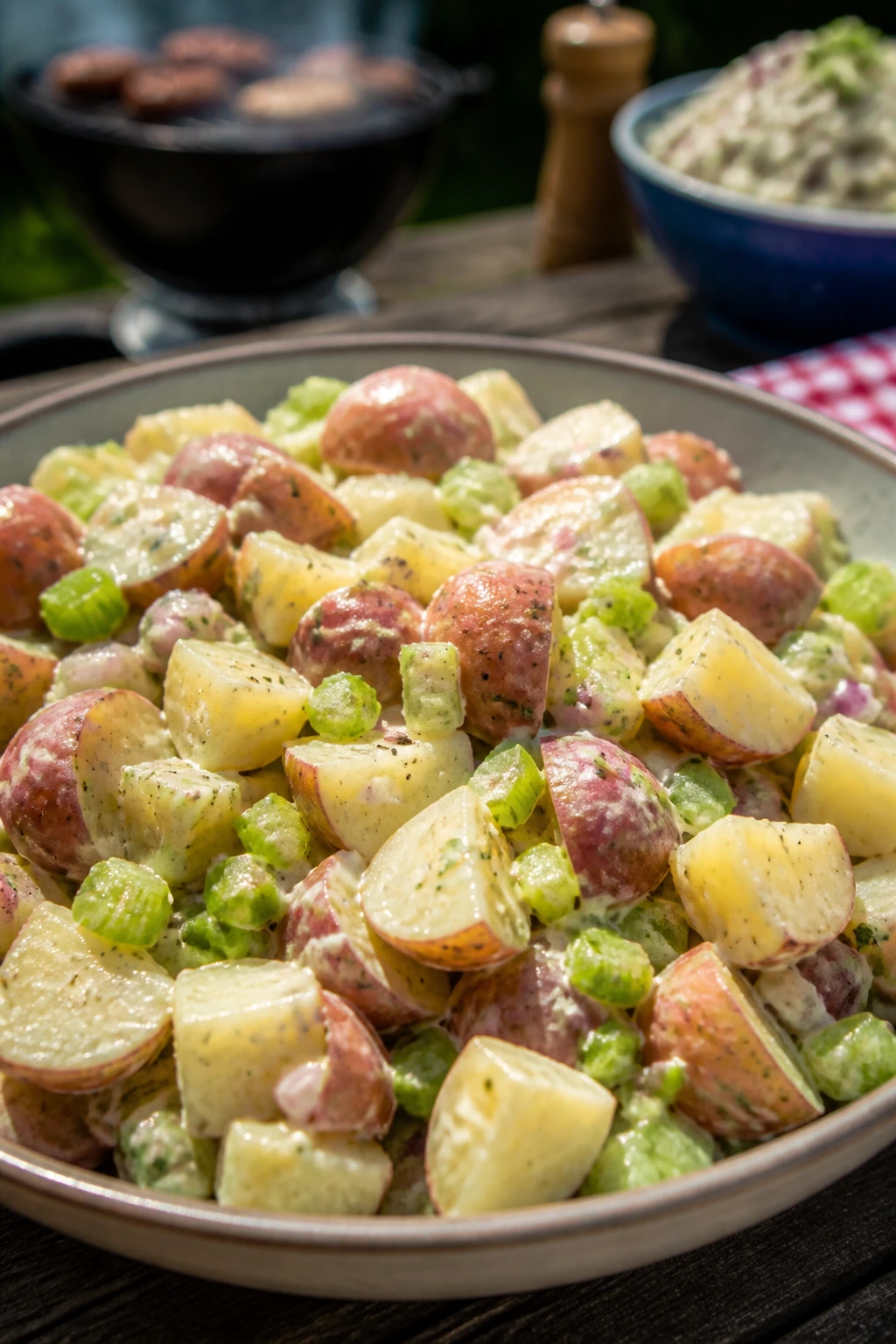
Potato salad is the classic, and I’m picky about it. Waxy potatoes like Yukon Golds or red potatoes hold their shape better than floury ones, which can go crumbly or gluey. If I want the salad to feel bright, I toss the warm potatoes with vinegar, mustard, chopped celery, and onion before adding any mayo. That way the flavor goes into the potato instead of sitting on the surface like a hat.
Cole slaw is one of the best things you can bring to a smoky cookout because it fights back. Shredded cabbage stays crisp longer than lettuce, and it loves vinegar, lime juice, and a little sugar. If you’re using a creamy slaw, keep the dressing lighter than you think. Heavy slaw turns into a damp nap after a short while in the sun.
Sides that earn their place
- Vinegar potato salad: Sharp, sturdy, and much less fragile than the mayo-heavy version.
- Cabbage slaw: Cheap, fast, and still crunchy after a half hour on the table.
- Bean salad: Use chickpeas, black beans, or cannellini beans with herbs, onion, and a vinaigrette.
- Pasta salad with roasted vegetables: Keep the pasta short and the dressing light so it doesn’t seize up.
- Grilled corn salad: Cut kernels off the cob and mix with lime, cilantro, and a little cotija or feta.
- Baked beans: Smoky, sweet, and useful for feeding a larger crowd without extra grill space.
Pasta salad can be good, but only if it isn’t trying too hard. Use short shapes with ridges, cook them until they’re just tender, then toss with a bit of oil before adding the rest of the dressing. A smooth, slick mayo bath is what turns it into cafeteria food. That’s not the vibe.
Beans deserve more love. A bean salad with chopped parsley, diced red onion, olive oil, vinegar, salt, and pepper takes ten minutes and doesn’t care if it sits for twenty more. It also fills the gap for people who want something substantial without another slab of meat.
Sandwiches, Wraps, and Buns That Don’t Turn Soggy
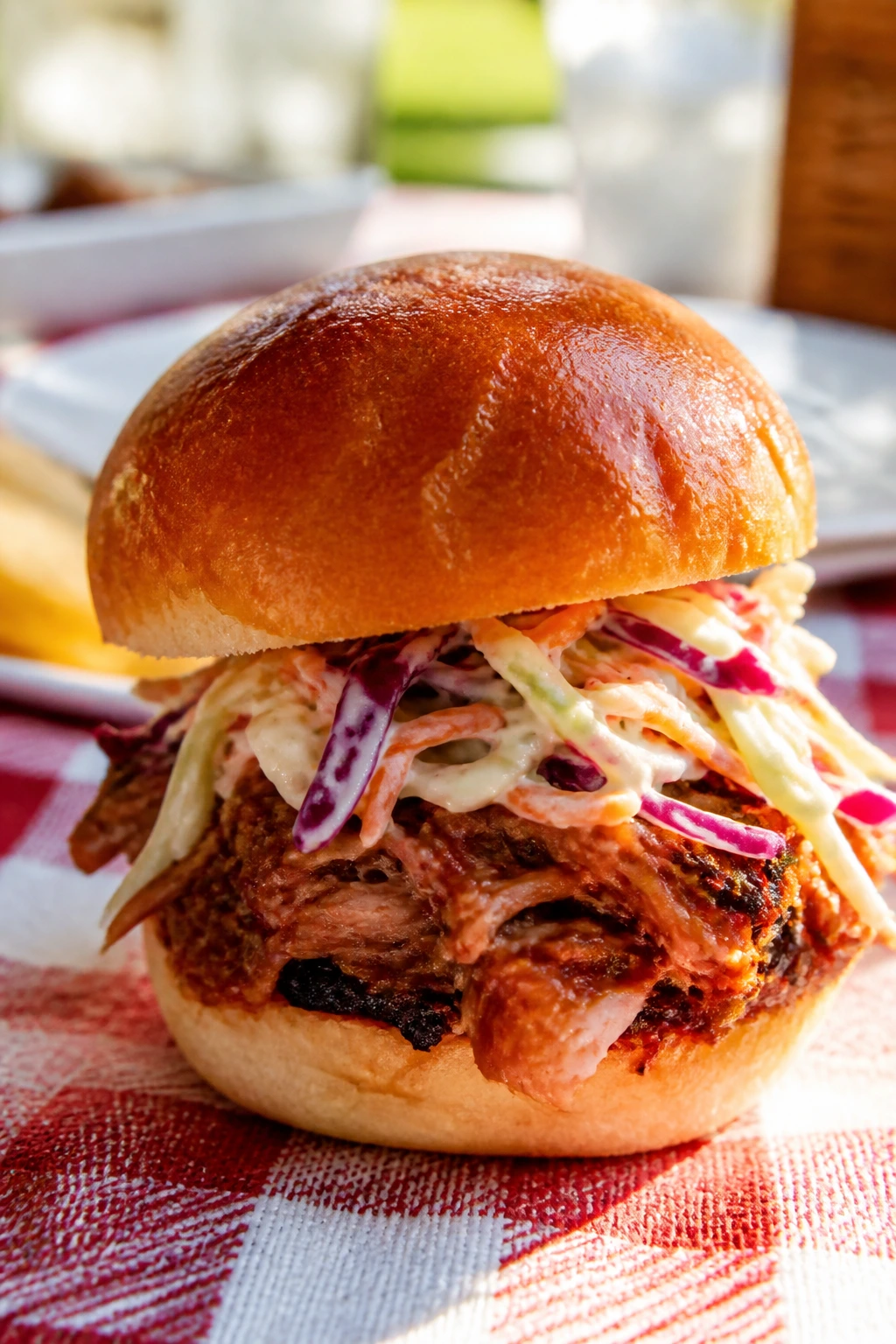
Handheld food is the most forgiving move you can make at a backyard cookout. People can stand, wander, or sit cross-legged on a blanket without needing a fork. But handheld food also exposes every sloppy habit in the kitchen. If the filling is wet and the bread is weak, the whole thing turns to paste.
The fix starts with the bread. Use buns or rolls with some structure: potato rolls, split-top buns, sturdy brioche, ciabatta, or warm pita. A delicate white sandwich loaf is asking for trouble once juices start moving. Toasting the cut sides for a minute or two helps a lot. It creates a thin barrier and gives you a little chew.
Build from dry to wet. Put cheese, lettuce, or a roasted pepper layer against the bread if you can. Add saucy meat in the middle, not right against the surface. If I’m making pulled pork sandwiches, I keep the slaw separate until the last minute. Same with chopped chicken and any creamy spread. Nobody needs a bun that gives up before the first bite.
Handhelds that work especially well
- Pulled pork sliders: Small, tidy, and easy to make in batches.
- Grilled chicken sandwiches: Best with toasted buns, lettuce, and a mustardy sauce.
- Sausage-and-pepper hoagies: Strong flavor, easy portioning, and forgiving at room temperature for a short stretch.
- Veggie wraps: Grilled zucchini, peppers, hummus, and greens in a tortilla or flatbread.
- Open-faced toast piles: Useful if you want a more casual setup and don’t mind a knife.
- Cornbread wedges: Not a sandwich, exactly, but a sturdy base for bean salads or chili-style leftovers.
A wrap can be cleaner than a bun, but it needs thoughtful packing. Dry greens first, then cooked filling, then sauce in a thin stripe rather than a puddle. Roll it tightly and wrap the whole thing in parchment before slicing. That little step stops the tortilla from springing open the second someone picks it up.
If you’re serving a long table, I’d cut the handhelds in half before people arrive. It sounds small. It isn’t. Half-sandwiches are easier to manage, and they encourage people to try more than one thing instead of committing to a single overloaded stack.
Vegetables and Fruit That Love a Little Char
Charred vegetables might be the most underrated part of a picnic spread. They bring smoke without needing a heavy sauce, and they make the whole plate look and taste fresher. A grill is wasted if all it ever sees is meat and buns.
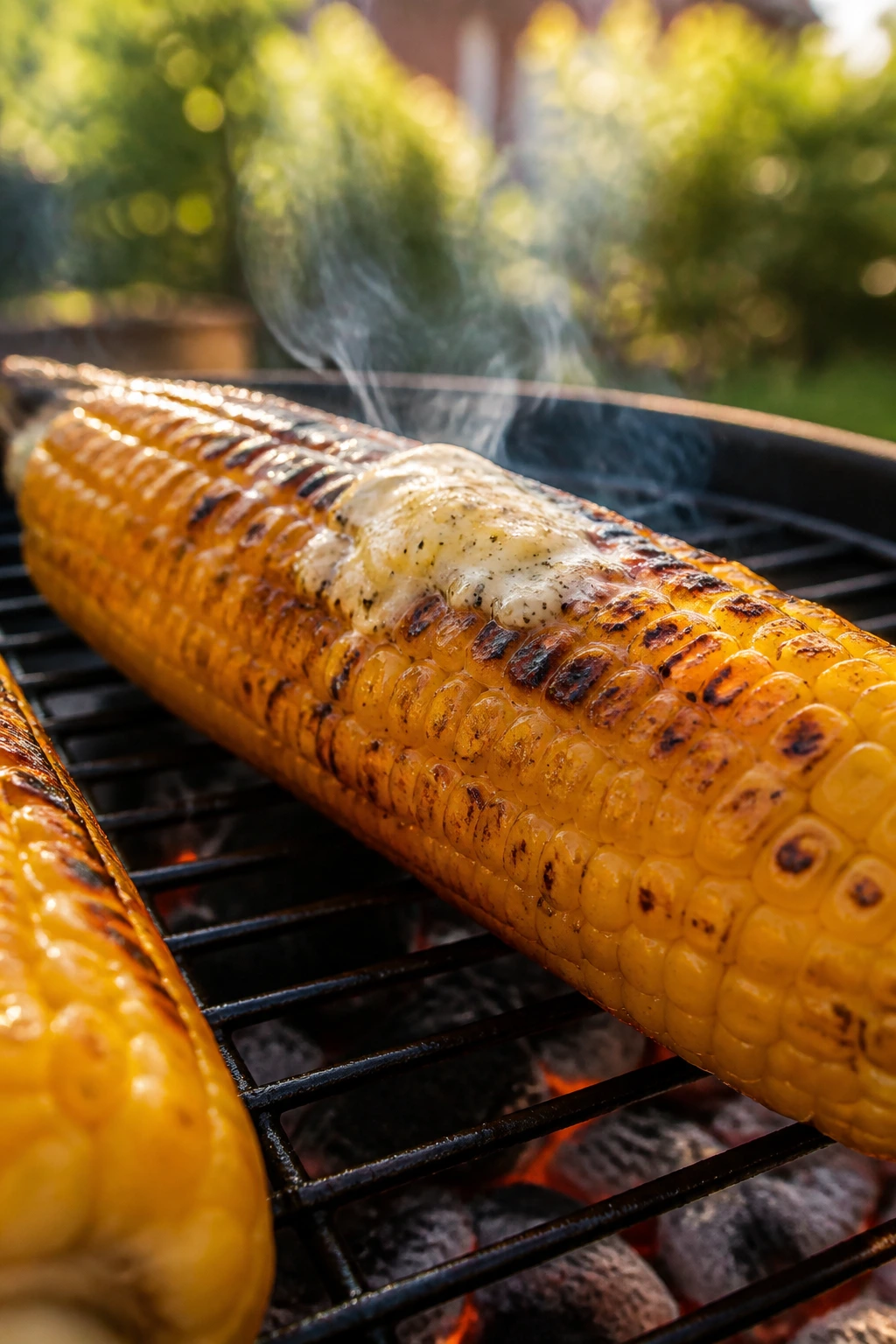
Corn is the obvious win. You can grill it in the husk for a softer, steamier result, or peel it back and let the kernels pick up more color. I like peeling it fully, brushing it with a little oil, and turning it until there are spots of deep gold and brown. Finish with butter, lime, and salt. That’s it. You don’t need much more.
Peaches are a little more dramatic. Halve them, pull out the pit, and grill the cut side for a minute or two until the surface softens and the sugars start to darken. Serve them with yogurt, fresh herbs, or beside smoky pork if you want a sweet-salty contrast that feels more thoughtful than it actually is. Pineapple works too, especially if you want something that leans toward sweet heat.
The vegetables I keep reaching for
- Corn: Sweet, cheap, and easy to grill in batches.
- Zucchini: Slice lengthwise into thick planks so they don’t fall through the grates.
- Eggplant: Needs enough oil to stay silky instead of leathery.
- Bell peppers: Best when blistered and peeled or sliced into strips.
- Onion rounds: Thick slices caramelize at the edges and pick up grill marks fast.
- Mushrooms: Portobellos or large creminis soak up marinade and hold their shape well.
- Peaches or nectarines: A fast grill turns them into a clean, smoky-sweet side.
Fruit on the grill sounds like a gimmick until you do it once with enough salt. Then it makes perfect sense. The heat pushes the sweetness forward, and the char keeps it from tasting candy-like. A grilled peach with flaky salt beside a smoky chicken thigh is one of those combinations that feels almost unfair in how well it works.
Vegetables need a light hand with oil. Too much and they go greasy; too little and they dry out before the grates do their job. Brush, don’t drown. That’s the whole trick.
Sauces, Relishes, and Dips That Carry the Smoke
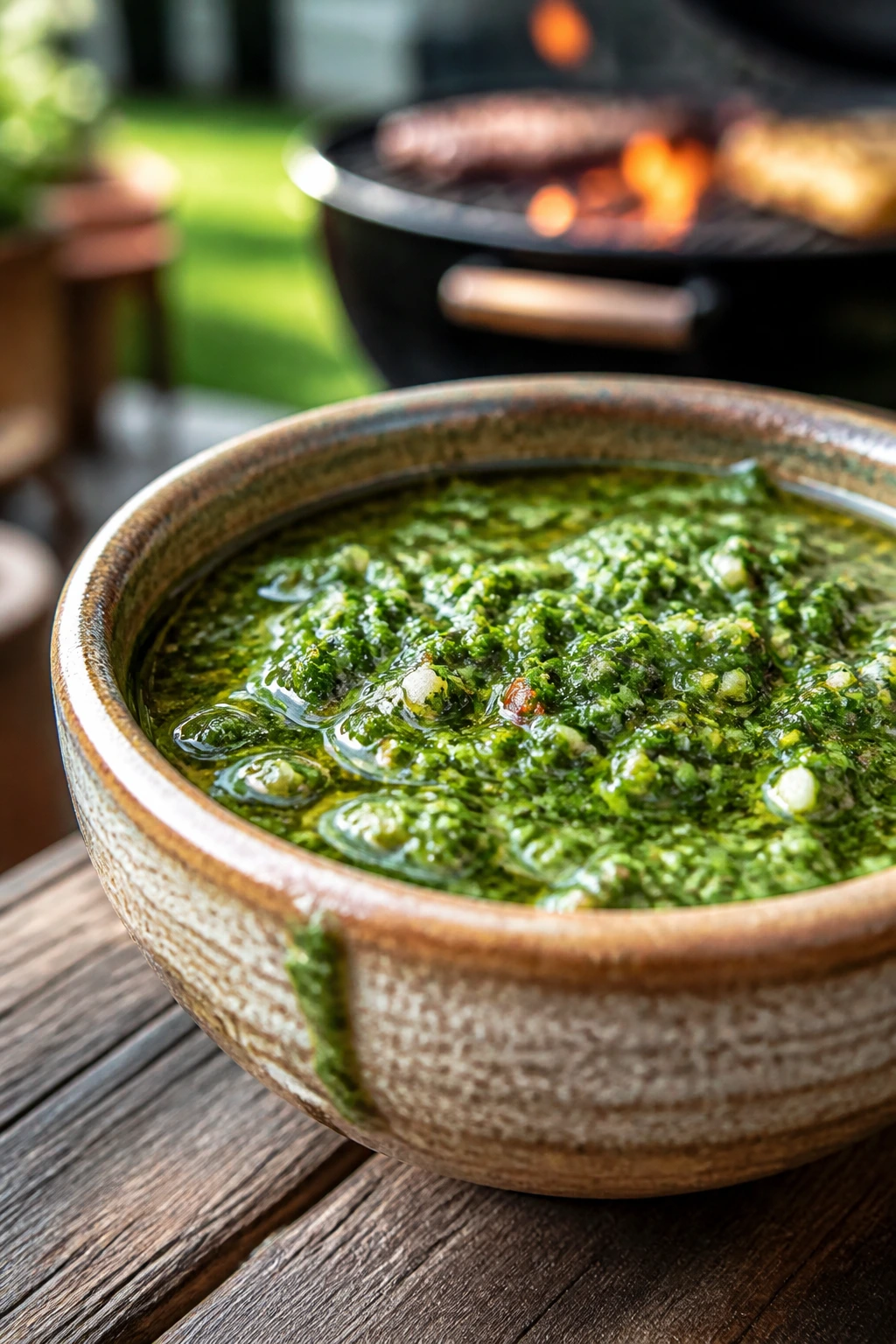
Sauces are where a picnic menu becomes a real menu. They tie the hot and cold dishes together, and they let you control the last bite instead of hoping the meat or salad did all the work alone. A cookout without sauce usually tastes like it was assembled on purpose, but not finished.
Chimichurri is one of my favorites because it cuts through smoke and fat at the same time. Parsley, garlic, vinegar, olive oil, chili flakes, and salt do the job without any extra drama. It’s especially good on chicken, pork, or grilled vegetables. You can make it early and let it sit while the grill heats.
Pickled onions are even simpler, and they punch above their weight. Thin-sliced red onion, vinegar, salt, sugar, and a little water are enough. They turn bright pink, lose the harsh bite, and bring a sharp snap to pulled pork, burgers, tacos, and bean salads. If I had to choose one condiment for a smoky picnic spread, I’d probably choose these.
Sauces and condiments worth making
- Chimichurri: Fresh, garlicky, and excellent on grilled meat or vegetables.
- Mustard barbecue sauce: Tangy enough to keep pork from feeling heavy.
- Yogurt-herb sauce: Good on chicken, corn, and wraps, especially if you want something cooler.
- Hot honey: Brush it on the last minute for a sweet finish with a little burn.
- Pickled onions: Cheap to make and useful across almost every dish on the table.
- Cucumber relish: A cold, crunchy option that wakes up rich meat and sausage.
- Smoky aioli: Use it sparingly with fries, sandwiches, or grilled corn.
Keep sauces in squeeze bottles or small jars if you can. It makes serving cleaner, and it stops people from dragging a serving spoon through the whole bowl. Cold sauces belong in a shaded spot or nested in ice. Mayo-based dips are not the thing to leave out beside a blazing grill for an hour while everyone talks about baseball and somebody’s new fence.
I also like to offer one plain thing on the side. Plain yogurt, plain mustard, or a simple oil-and-vinegar dressing gives picky eaters something safe to reach for. Not everyone wants layers of smoke. Some people want the meat, a roll, and a spoonful of slaw. That’s fine.
Essential Equipment for a Low-Stress Cookout Spread
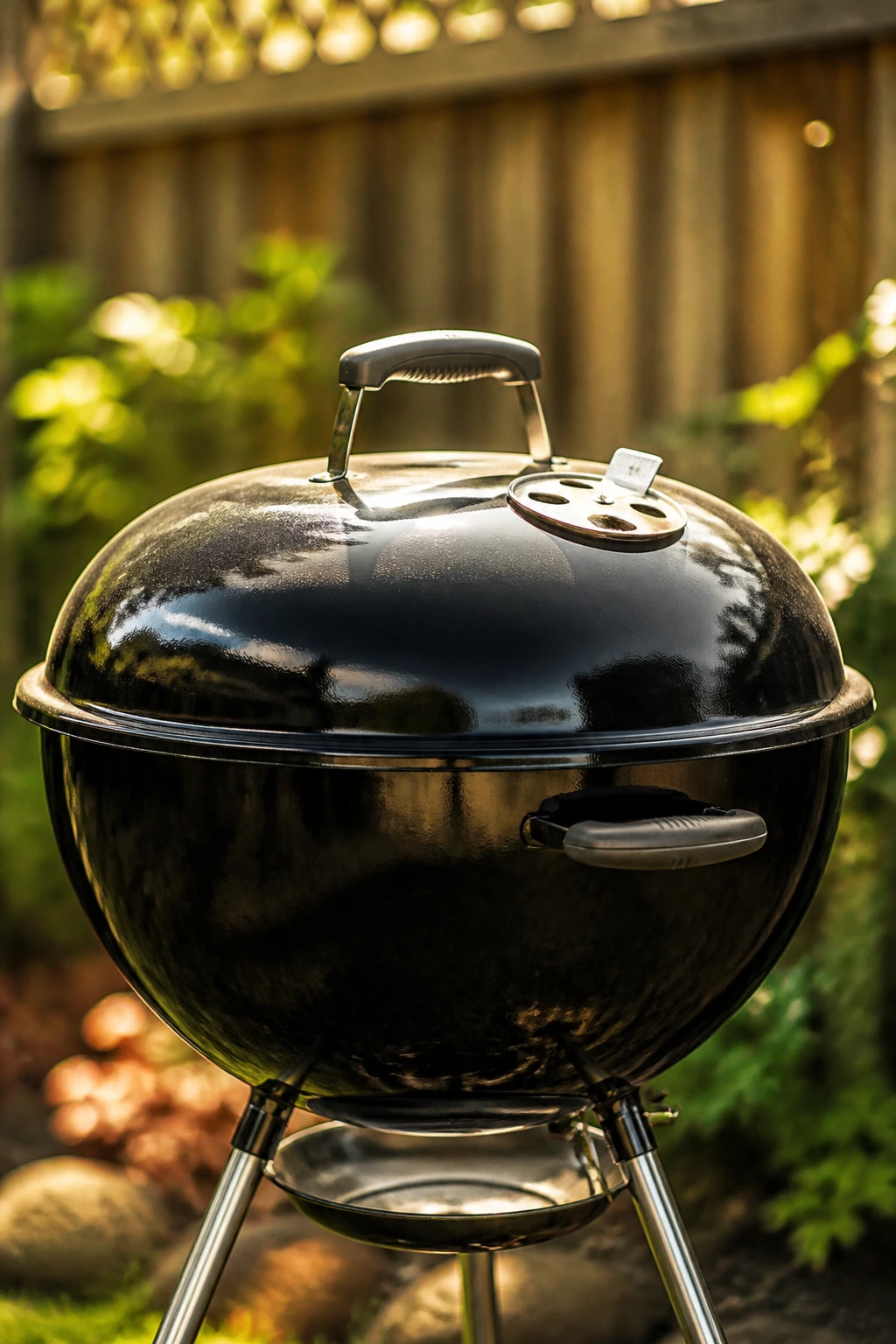
The right tools don’t make the food better on their own, but they keep the food from getting messy, late, or unsafe. Backyard cookouts punish underprepared cooks. A missing thermometer, a flimsy tray, or one too-small cooler can create more chaos than a bad marinade.
- Grill with a lid: Charcoal, gas, or pellet all work; the lid helps you control heat and smoke.
- Instant-read thermometer: The fastest way to know if chicken, pork, or burgers are done without cutting into them.
- Long-handled tongs: Better than a fork for turning meat without losing juices.
- Heavy rimmed sheet pans: Useful for carrying food, resting meat, and keeping juices contained.
- Foil pans: Handy for pulled pork, baked beans, and holding grilled vegetables warm.
- Cutting board with a groove: Catches meat juices before they flood the table.
- Sharp chef’s knife: Slices sandwiches, onions, peaches, and grilled meat cleanly.
- Cooler with ice packs: Keeps salads, sauces, and drinks in separate zones.
- Squeeze bottles or small jars: Great for sauces, dressings, and pickled onion brine.
- Parchment paper and foil: Parchment for wrapping sandwiches, foil for holding hot food or making a quick drip tray.
A thermometer is the one item I would not skip. Chicken thighs may forgive a little overcooking, but raw poultry in the middle of a party is not a cute problem. You want chicken at 165°F, ground beef at 160°F, and pork at the temperature and texture that match the cut you’re using. Guessing wastes food and nerves.
Separate boards matter too. Raw meat on one board, cooked food on another. It’s basic, but backyard setups get sloppy fast because the grill is outdoors and the kitchen feels far away. That’s exactly how shortcuts get turned into regrets.
Smart Shopping for Smoke, Char, and Fresh Ingredients
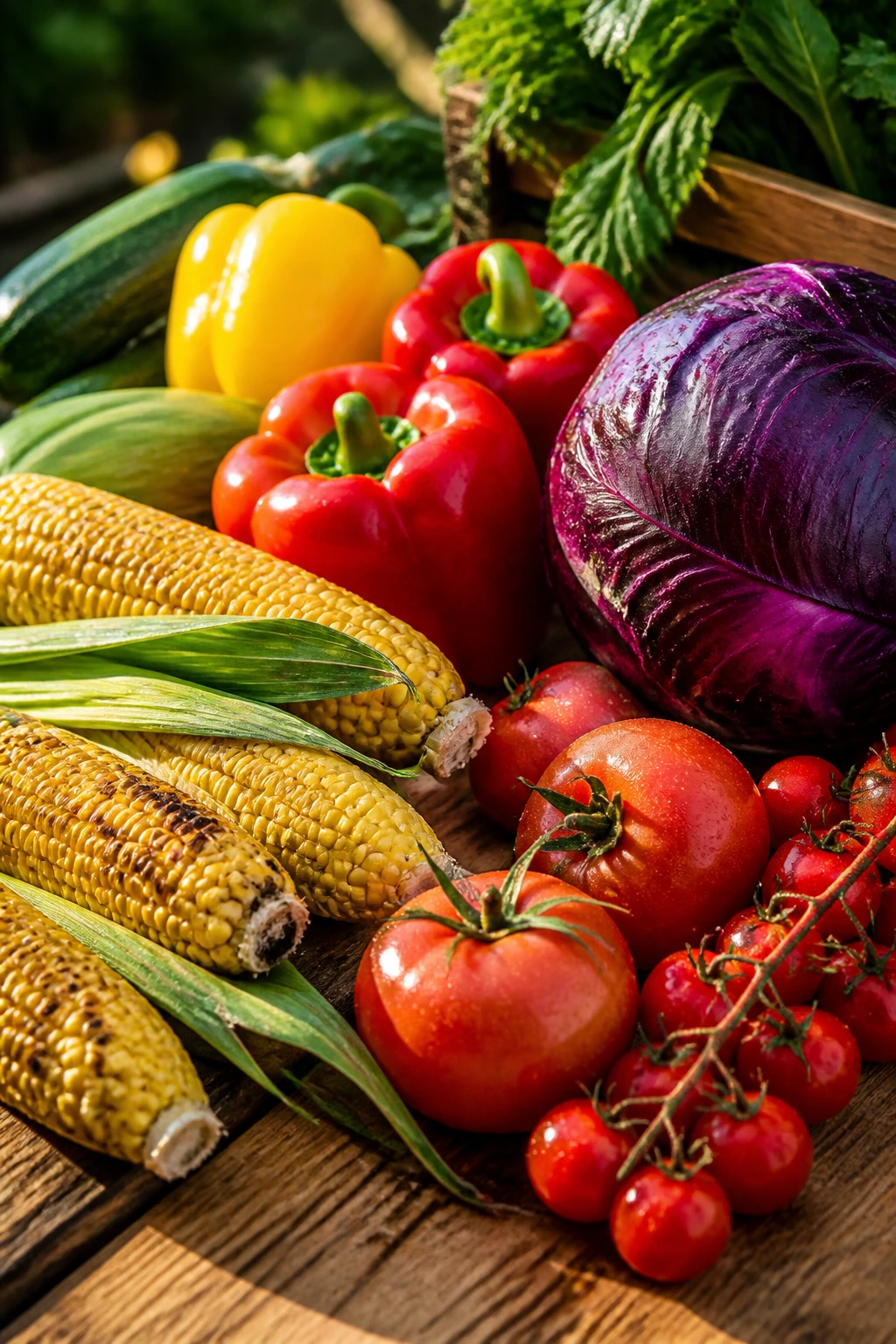
Good picnic food starts in the cart, not at the grill. If the ingredients are flimsy, overripe, or already watery, no amount of seasoning will save them. That’s especially true with smoky food, because smoke magnifies whatever else is going on. Good produce looks brighter. Bad produce looks tired after cooking.
For meat, choose cuts that keep their moisture. Chicken thighs beat breasts here, and bone-in thighs can handle longer cooking without drying out. For burgers, use 80/20 ground beef so there’s enough fat to keep the patty juicy. For pork, shoulder and butt are your workhorses; tenderloin is leaner and easier to overcook. Sausage should feel firm and look evenly packed, not soft and slack.
For vegetables, buy the sturdy ones. Cabbage should feel heavy for its size. Potatoes should be smooth, firm, and free of green patches. Corn should have tight husks if you’re buying it in the husk, and the kernels should feel plump under the leaves. Tomatoes, if you use them, should be ripe but not collapsing in your hand.
Shopping notes that save a cookout
- Smoked paprika: If you buy one smoky spice, buy this one. It shows up in rubs, sauces, beans, and dressings.
- Chipotle in adobo: A spoonful adds depth and heat, but don’t pour it in blind.
- Waxy potatoes: Hold together in salad and keep their texture after chilling.
- Cabbage: Cheap, long-lasting, and better than lettuce for a picnic.
- Buns with structure: Potato rolls, split-top buns, or sturdy brioche hold fillings better than soft white sandwich buns.
- Fresh herbs: Parsley, dill, cilantro, and mint add brightness that smoke tends to mute.
- Vinegar: Apple cider vinegar, red wine vinegar, and white vinegar each do different work in slaw and dressing.
Liquid smoke deserves a mention. Use it carefully, and only if you know exactly why you’re reaching for it. A few drops can help a beans-and-sausage pot if the grill setup is basic. A heavy hand will make the whole spread taste synthetic. If you can get actual grill smoke, do that first.
I’m also picky about tomatoes at a picnic. Fresh tomatoes are glorious, but they’re messy. If you want them in a sandwich or salad, slice them thick, salt them lightly, and let the cut face drain on a towel for a few minutes. That keeps a bun from going soft before the main dish lands on the plate.
How to Set Out the Food So Guests Can Serve Themselves
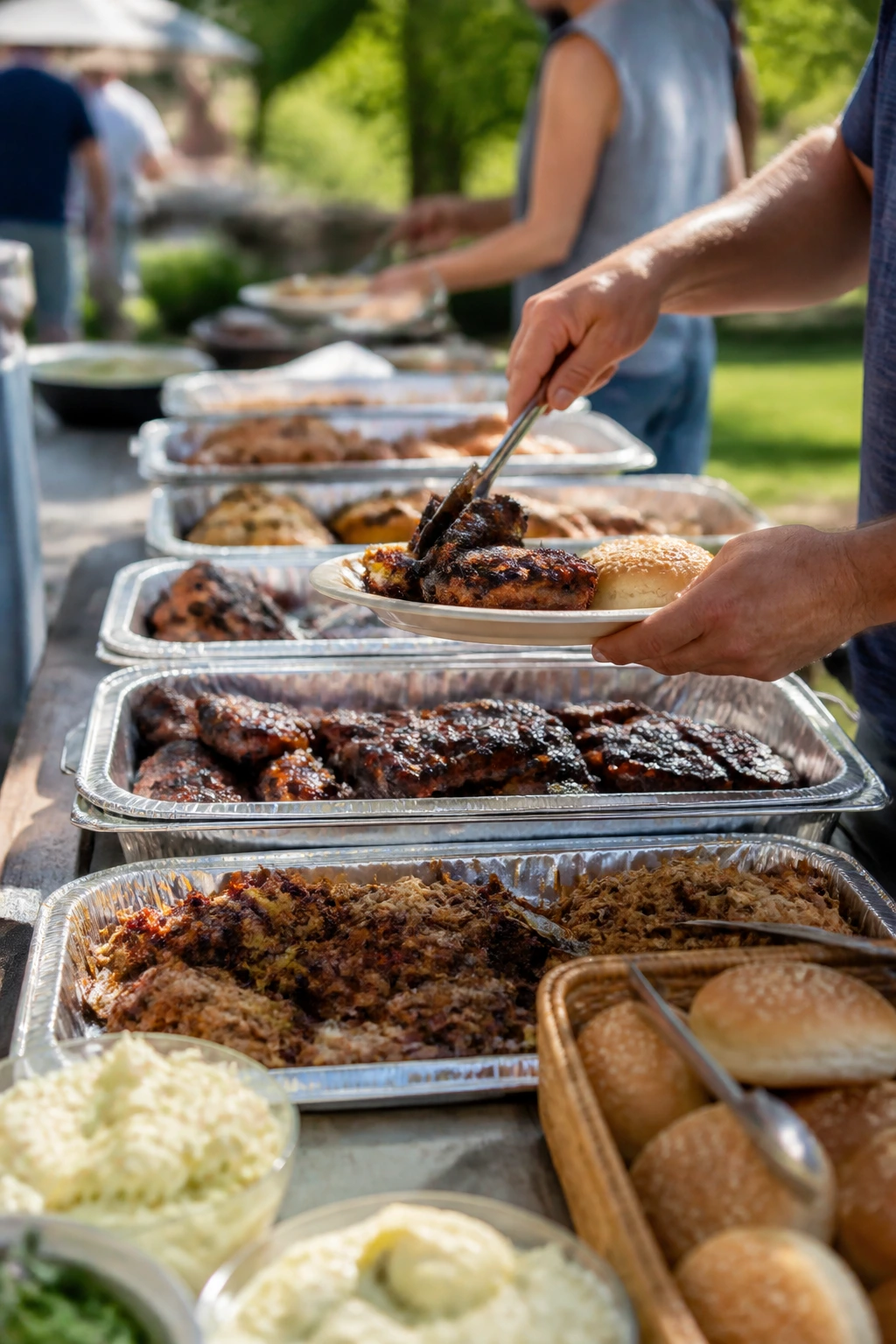
A cookout line works best when people can read it at a glance. Hot food here, cold food there, sauces on the side, utensils where they’re needed, and napkins closer than you think. The fewer decisions a guest has to make, the less likely they are to stack a bun, a forkful of slaw, and a dripping chicken thigh into some unstable edible tower.
Presentation: Put the grilled items on a warm platter or in a shallow tray lined with foil so juices don’t run away. Slice meats against the grain where it makes sense, and leave a few pieces whole so the platter looks generous. Cold sides should live in bowls nested over ice or in a shaded spot, not beside the grill grate where the mayonnaise starts getting ideas.
Accompaniments: Pair the smoky stuff with crisp slaw, vinegar potato salad, bean salad, corn, grilled onions, and a clean green salad if you want one. Bread belongs nearby, but not under the hot tray. I like to keep buns wrapped in a towel inside a basket so they stay soft without steaming themselves into mush.
Portions: Plan on about 6 ounces of cooked meat per adult if the spread includes multiple sides, or closer to 8 ounces if the menu is lean. For sides, a half-cup to a full cup per person is a fair range depending on whether the side is starch-heavy or mostly vegetables. Kids usually eat less, though a good slider and some corn can disappear faster than you expect.
Beverage Pairing: Iced tea with lemon is the safest bet. Lemonade works if the meal leans smoky-salty. A light lager or crisp pilsner suits grilled meat without fighting it, and sparkling water with lime keeps the whole thing from feeling heavy.
Set utensils before people arrive. Tongs for the main tray, spoons for salad, forks for beans, and a separate knife for bread. It sounds obvious until the first five minutes of a cookout, when everyone is hungry and the serving spoon is somehow in the potato salad.
Additional Tips and Flavor Boosters for More Depth
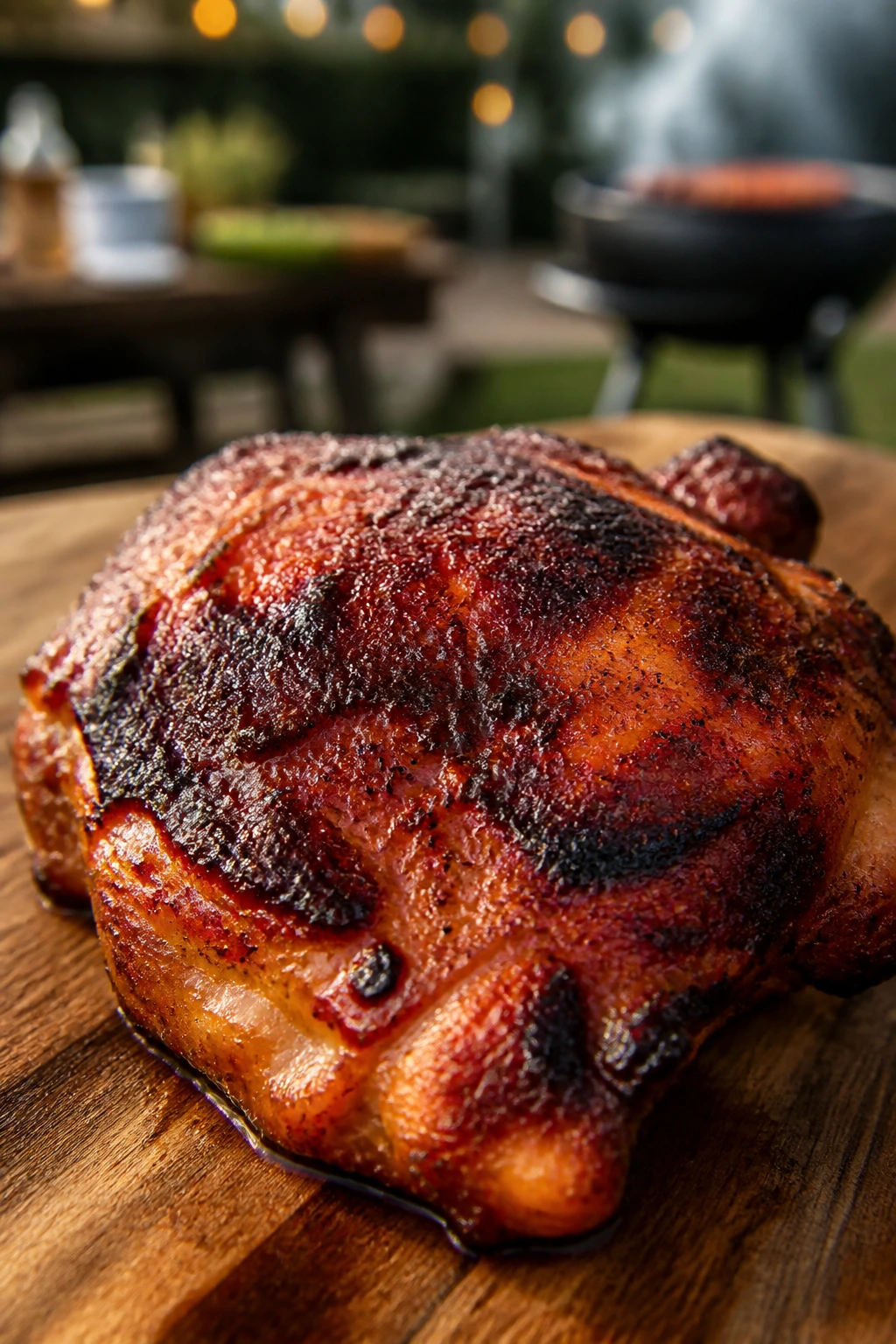
A little finish goes a long way with smoky food. The trick is to sharpen, not smother. Smoke can flatten flavors if you don’t keep feeding the plate with acid, herbs, and texture.
Flavor Enhancement: Brush grilled meat with a thin glaze in the final two or three minutes, not sooner. Hot honey, mustard sauce, or a vinegar-butter finish gives you shine and contrast without burning into a sticky crust. On vegetables, a squeeze of lemon and a pinch of flaky salt right after they leave the grill changes the whole bite.
Customization: Add sliced jalapeños to slaw, chopped dill to potato salad, or crumbled feta to grilled corn if your crowd likes a little edge. For a softer crowd-pleaser, keep the heat in one sauce and leave the rest mild. That way nobody has to negotiate spice at the table.
Serving Suggestions: Finish plates with chopped parsley, cilantro, scallions, or thin-sliced radishes. They don’t just look fresh; they taste fresh. That matters after several smoky bites in a row. A little crunch on top also keeps a soft dish from feeling too heavy.
Make-It-Yours: Swap mayo-heavy sides for olive-oil dressings if you want a dairy-free route. Use corn tortillas or lettuce cups for gluten-free handhelds. Halloumi, portobello mushrooms, or marinated tofu can stand in for meat when you need a vegetarian anchor that still works on a grill.
I also like to keep one little bowl of something pickled on the table. It can be cucumbers, onions, jalapeños, or even a quick carrot pickle. That one cold, sharp thing often ends up being the piece people remember most.
Common Mistakes That Make Cookout Food Fall Flat
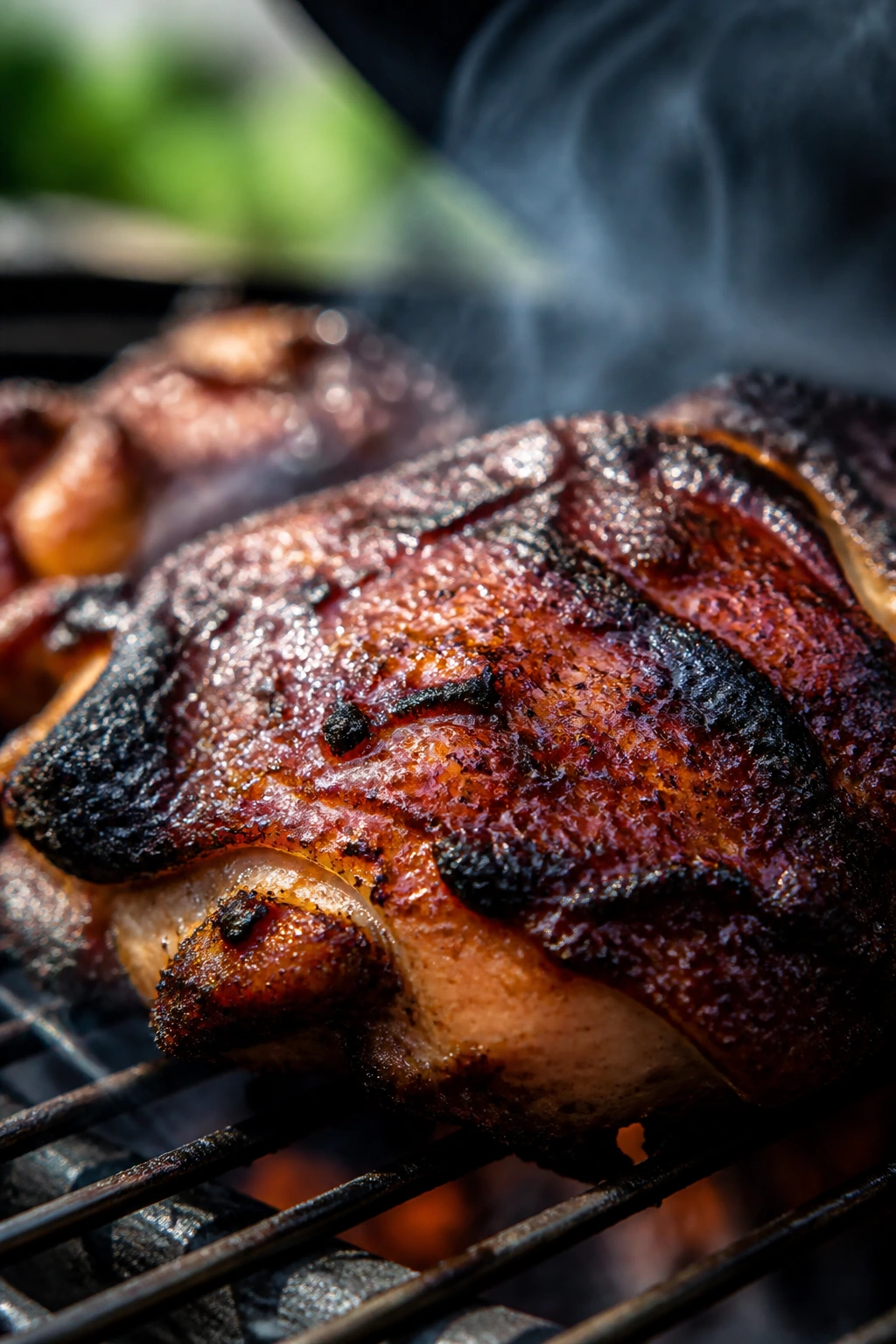
A smoky menu is forgiving, but it’s not magic. A few recurring mistakes can drag the whole spread down. Most of them come from trying to do too much at the last minute or not giving the food enough structure.
- Using cuts that are too lean: Chicken breasts, pork loin medallions, and thin burgers dry out quickly on a grill and get worse as they sit. The fix is simple: choose thighs, shoulder, sausages, or 80/20 beef when the food needs to travel or rest.
- Dressing cold sides too early: Slaw goes limp, herbs darken, and pasta salad turns soft if it sits in dressing for hours. Toss just before serving when you can, or keep the dressing separate until the last moment.
- Under-salting the food before grilling: Smoke and char mute seasoning more than most people expect. Season the meat, the vegetables, and the salad dressing with enough salt to taste alive, not polite.
- Mixing hot and cold food in one container: Hot meat will steam the bread, wilt the greens, and warm the sauce. Keep them separate until serving, and use a cooler or a shaded table for anything chilled.
- Piling on smoke like it’s a contest: Bitter, acrid food happens when smoke sits too long or wood chips smolder instead of burn cleanly. Use enough smoke to notice, then stop.
- Saucing too early: Sugary barbecue sauce and glaze can burn before the food cooks through. Brush it on near the end, or serve it on the side.
The food safety issue is worth saying plainly. Mayo-based salads, cooked poultry, and any dish with dairy need temperature control if the spread is outside for a while. Keep cold foods cold. Serve from smaller bowls and refill them from the cooler instead of parking the whole batch in the sun for an hour.
And don’t skip the resting time for meat. A few minutes off the heat helps juices settle. Slice too soon and the cutting board becomes part of the meal.
Variations and Alternative Approaches for Different Grills and Eaters
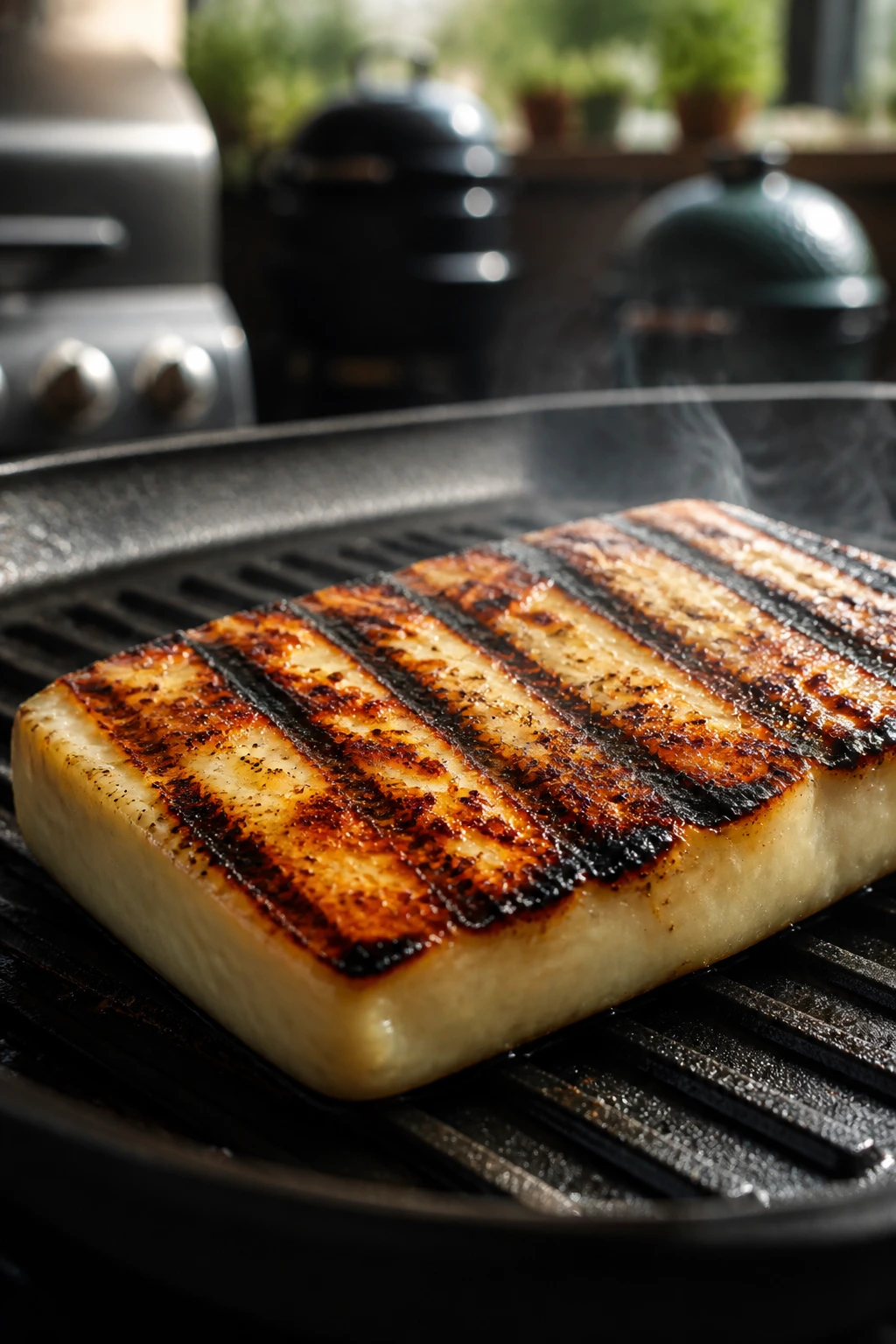
There’s no single right setup for a backyard cookout. A charcoal grill, a gas grill, a pellet grill, and even a stovetop grill pan each give you a different kind of smoke and char. The menu should bend with that.
Charcoal Kettle Classic: If you have a charcoal kettle, lean into it. Use indirect heat for chicken thighs or sausage, then finish over a hot zone for color. A small wood chunk or two goes a long way, and the food will pick up a deeper crust than it usually does on gas.
Gas-Grill Shortcut: Gas grills need help, but they’re still useful. A foil packet of wood chips, a smoke box, or a smoke tube can add a little aroma without turning the cookout into a science project. Keep one burner on high and one off so you can move the food as it finishes.
Vegetarian Smoke Tray: Build the whole spread around grilled halloumi, marinated mushrooms, corn, bean salad, and cucumber slaw. The trick is to give the vegetables enough salt and acid so they don’t feel like a consolation prize. A good herb sauce makes the tray feel complete.
Kid-Friendly Mild Plate: Skip the chili heat, keep the smoke light, and let the sweetness come from corn, ketchup-mustard sauce, grilled pineapple, or a little honey glaze. Kids usually respond well to simple shapes and predictable flavors. Tiny sliders, corn on the cob, and fruit skewers tend to disappear fast.
Lower-Sodium Version: Rely more on herbs, garlic, lemon, and vinegar, and lean on fresh vegetables for contrast. You can still get a smoky impression from char, smoked paprika, and grilled onions without salting every layer aggressively. The plate won’t taste flat if you keep the acid bright.
Gluten-Free Board: Use corn tortillas, rice salad, potato salad, grilled meat, and naturally gluten-free sauces. The main thing is to keep crumbs from buns and bread away from the rest of the spread. One separate platter makes a big difference.
A mixed menu can also solve picky-eater stress. Offer the smoky main, one mild side, one sharp side, and one fresh thing. That’s enough range to make a table feel generous without turning the cookout into a buffet of half-finished ideas.
Make-Ahead, Storage, and Reheating Guidance
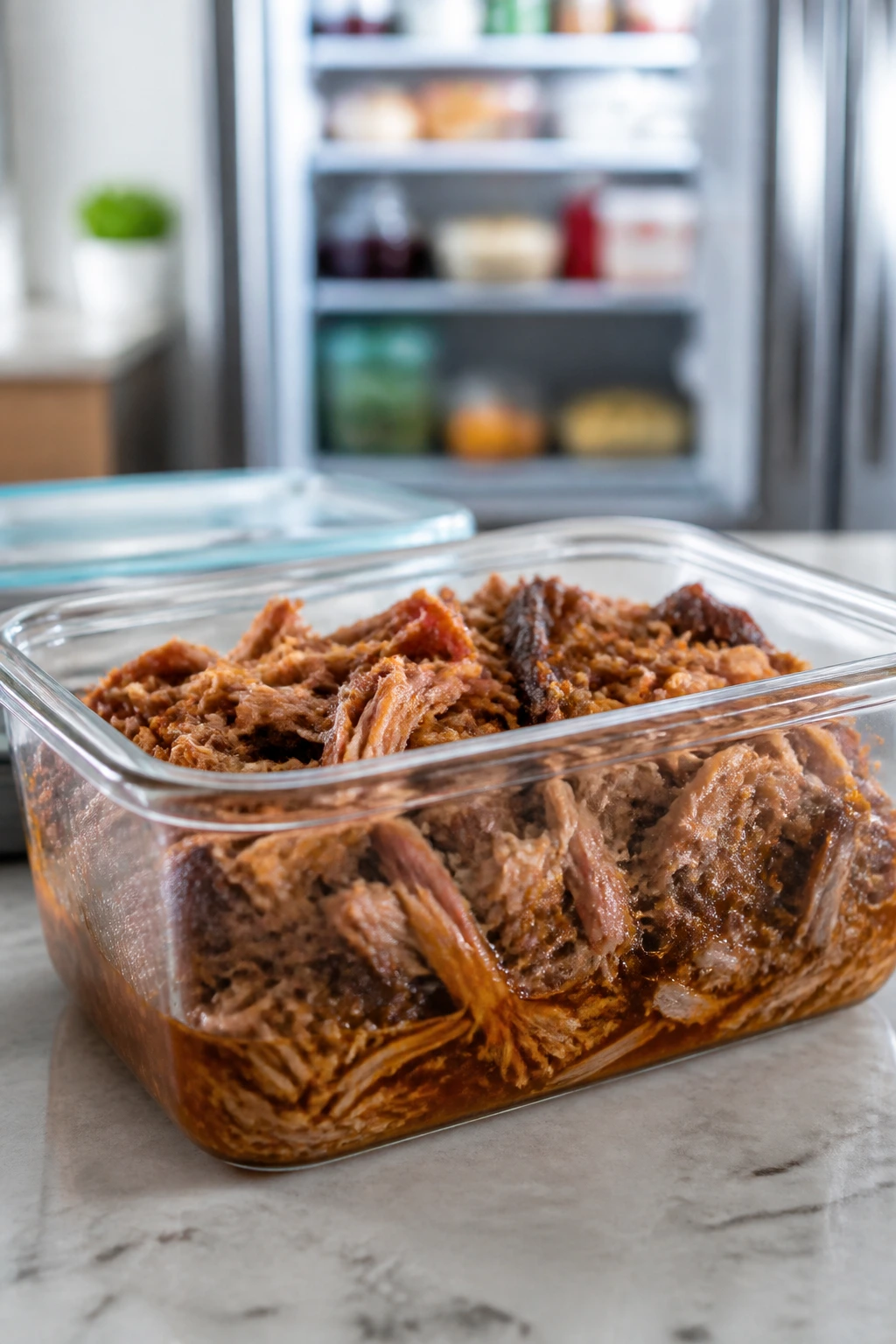
The best backyard food often gets better with a little planning. Some parts should be made the same day. Others are better after a short rest in the fridge. Knowing the difference keeps the whole spread calmer.
Cooked chicken, pork, sausage, and grilled vegetables will keep in the refrigerator for 3 to 4 days in airtight containers. Pulled pork can also be frozen for up to 2 months if you pack it with a little sauce or cooking juices so it doesn’t dry out. Reheat meat gently in a 300°F oven covered with foil, or in a covered skillet with a splash of broth or water, until it reaches 165°F and tastes hot all the way through.
Potato salad is best eaten within 3 to 4 days, but only if it’s kept cold and handled with clean utensils. If it’s mayo-based, I treat it more carefully and keep it out of the heat as long as possible. Vinegar-based potato salad can take a little longer to come together in the fridge and often tastes better the next day because the potatoes absorb the dressing.
Slaw depends on the dressing. Vinegar slaw stays crisp for 1 to 2 days. Creamy slaw is best the day it’s mixed, though it can still be fine the next day if you don’t drown it in dressing. Bean salad keeps for 3 to 4 days and usually improves after a few hours because the beans absorb the vinaigrette.
The safest make-ahead order
- Two days ahead: Make pickled onions, vinaigrette, barbecue sauce, and dry rub.
- One day ahead: Prep slaw vegetables, wash herbs, boil potatoes, and marinate meats that benefit from it.
- Day of cooking: Grill the main proteins, char the vegetables, toast the buns, and dress the final salads.
- Just before serving: Add herbs, fresh lemon, flaky salt, and any creamy sauce that you want to keep cold.
Room temperature matters more than people admit. Cooked food should not sit out more than 2 hours, and if the weather is hot enough to make the ice melt fast, give yourself a shorter window. Keep cold bowls in a cooler or over ice. Keep hot dishes in covered pans. A little discipline here saves the whole picnic.
Leftover buns are the least forgiving item. They dry out fast once split. Wrap them tightly and toast them again the next day rather than trying to store them open on the counter. If you’ve ever had a leftover slider bun turn into a crumbly sponge, you already know why this matters.
Frequently Asked Questions
What is the easiest smoky food to make for a backyard cookout?
Chicken thighs. They take seasoning well, they’re hard to dry out, and they taste good with a dry rub, a quick grill, or a short rest under foil. Sausages come close if you want less prep and an easier grill schedule.
Can I make smoky picnic food on a gas grill?
Yes. Use a hot zone and a cooler zone, and add smoke with a foil packet of wood chips or a smoke tube if you want extra aroma. The food still needs good seasoning and proper browning, so don’t lean on the smoke device to do all the work.
Which sides travel best to a cookout?
Vinegar-based potato salad, bean salad, cabbage slaw, corn salad, and sturdy pasta salad hold up far better than lettuce-heavy greens or creamy dishes that are left in the sun. If a side wilts when it warms, it belongs in a chilled bowl and a smaller serving window.
How do I keep sandwiches from getting soggy?
Toast the bread, build a dry barrier with lettuce or cheese, and keep saucy fillings from touching the bun too early. If the filling is especially wet, pack it separately and assemble just before eating. Parchment wrapping helps too.
What if the food tastes too smoky?
Add acid and freshness. A squeeze of lemon, a vinegar dressing, chopped herbs, or a plain yogurt sauce can pull the plate back into balance. Serving it with a simple starch, like bread or potatoes, also softens the smoke.
Can I make this menu ahead the night before?
Most of it, yes. Sauces, pickles, dressings, slaw vegetables, and potato salad can be made ahead. Grill the proteins the day of if you want the best texture, or cook them ahead and reheat gently if the schedule is tight.
How much food should I plan per person?
For a spread with sides, I’d plan on about 6 ounces of cooked meat per adult and 1 to 2 cups of sides split across the table. If you’re serving mostly handhelds and fewer sides, go a little higher on the protein and buns. Kids usually need less, though corn, fruit, and sliders tend to vanish fast.
What vegetarian foods fit this style of cookout?
Halloumi, thick mushrooms, grilled corn, bean salad, cabbage slaw, and smoky potatoes all fit neatly. The key is texture. You want vegetables and cheese that can take grill marks and still feel substantial on the plate.
Can leftovers be frozen?
Pulled pork freezes best, especially if it’s sauced or packed with juices. Chicken thighs and sausage can be frozen too, though they’re better reheated gently and used within a couple of months. Potato salad, slaw, and most mayonnaise-based sides are poor freezer candidates and lose their texture fast.
The Cookout I’d Put on the Table First
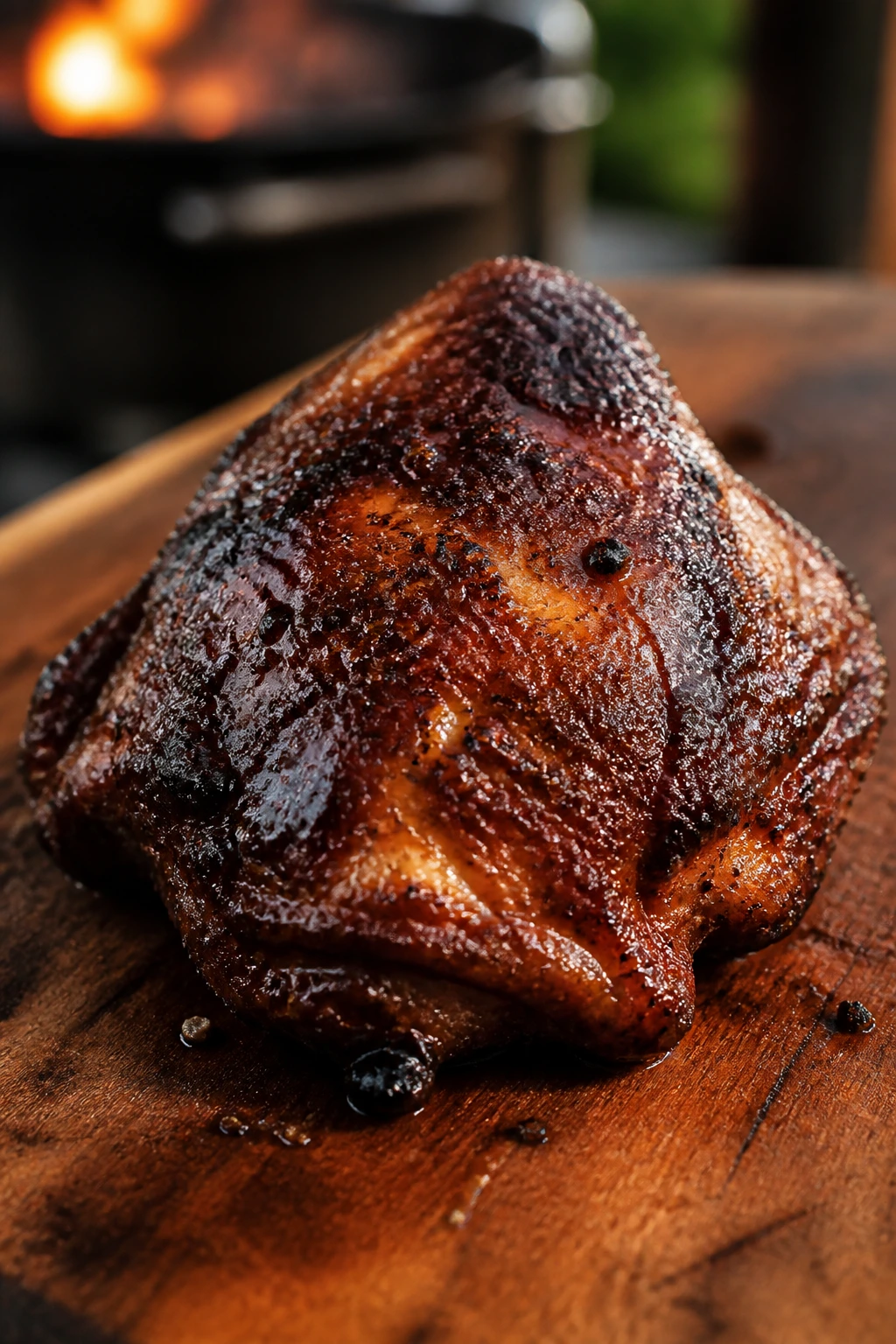
The nicest thing about smoky easy picnic food for backyard cookouts is how little it asks once you’ve made a few smart choices. A sturdy main, a cold sharp side, a crunchy slaw, and one sauce with acid will carry a whole afternoon. You don’t need ten dishes. You need the right four or five.
That’s the part I keep circling back to: food that can sit still for a minute and still taste alive. Smoke, salt, and a little brightness do the heavy lifting. The rest is making sure the bread stays dry, the salad stays crisp, and the grill gets a little more respect than a rushed flare-up and a shrug.
Set out one thing hot, one thing cold, one thing acidic, and one thing hand-held. The table will take care of itself after that.