



A skillet of ground beef and broccoli can look plain from across the stove, then hit the table and smell like a weeknight with some backbone. The browned crumbles, dark soy glaze, and bright green florets give you three different textures in one pan, and the whole thing comes together fast enough that the rice can finish steaming while the sauce thickens.
I like ground beef here more than sliced steak on a normal night. It browns faster, grabs sauce in all those ragged edges, and doesn’t need marinating or careful slicing against the grain; the payoff is a pan that tastes fuller and a lot less fussy. When the beef is 85/15 and the broccoli stays just tender, the dish lands in that sweet spot between takeout comfort and something you can cook without checking a recipe twelve times.
There’s also a practical bonus that matters more than it gets credit for: ground beef gives you a little fat to build the sauce, and broccoli stems—peeled and sliced instead of tossed—add crunch where the florets bring softness. That contrast matters. A saucy beef-and-broccoli skillet can turn muddy if everything gets overcooked; the version that works keeps one part crisp, one part juicy, and the sauce glossy enough to coat a spoon.
Why This Ground Beef and Broccoli Keeps Getting Requested
-
Fast Browning: Ground beef takes on a deep, savory crust in 6 to 8 minutes, and those browned bits become the backbone of the sauce instead of a side note.
-
Real Substance: A full 1½ pounds of beef gives the skillet enough weight to stand on its own over rice, noodles, or even mashed potatoes if that’s where the night is headed.
-
Broccoli With a Pulse: The florets steam only until they’re bright green and barely tender, so the dish keeps a little bite instead of collapsing into soft, gray vegetables.
-
Sauce That Clings: Soy sauce, broth, oyster sauce, and cornstarch make a glaze that sticks to beef crumbles and broccoli ridges instead of sliding to the bottom of the bowl.
-
One Pan, Fewer Excuses: Everything happens in a single skillet with a lid, which means the pan stays hot and the dish doesn’t lose steam between steps.
-
Leftovers Hold Their Shape: The sauce loosens back up with a splash of water, and the beef doesn’t dry out into pellets the way some ground-meat dinners do.
What Makes This Version Feel Hearty Instead of Thin
Some beef-and-broccoli pans taste like they were assembled from leftovers. This one doesn’t.
The difference starts with the beef. I want enough fat in the pan to flavor the broccoli and carry the sauce, which is why 85/15 works better here than ultra-lean beef. Leaner meat can taste tidy. Tidy is not the goal. You want craggy little pieces with browned edges, a little sheen from the rendered fat, and enough richness that the sauce doesn’t need a heavy hand to taste like something.
Broccoli matters more than people think. A sad, boiled broccoli floret turns the whole skillet flat. Fresh florets that are cut to similar sizes, plus peeled stem slices, give the dish two textures: a soft bite at the crown and a firmer snap near the stem. That’s what keeps each forkful from feeling one-note.
The sauce is where a lot of home versions fall apart. Too much broth and not enough starch, and you get flavored liquid. Too much sugar, and you get sticky sweetness without depth. The version here leans savory first, then edges into sharpness from rice vinegar and a little warmth from ginger and garlic. It tastes cooked, not poured together.
And yes, this is the kind of dish that likes a bowl of rice underneath it. The sauce needs something to catch on. Without that base, the pan still works, but it feels a little more like a stir-fry than a dinner.
Timing, Yield, and What the Finished Skillet Should Look Like
Yield: Serves 4 to 6
Prep Time: 15 minutes
Cook Time: 20 minutes
Total Time: 35 minutes
Difficulty: Beginner — the method is straightforward, and the only thing that really demands attention is the sauce thickening at the end.
Best Served: Right away, over rice, noodles, or cauliflower rice
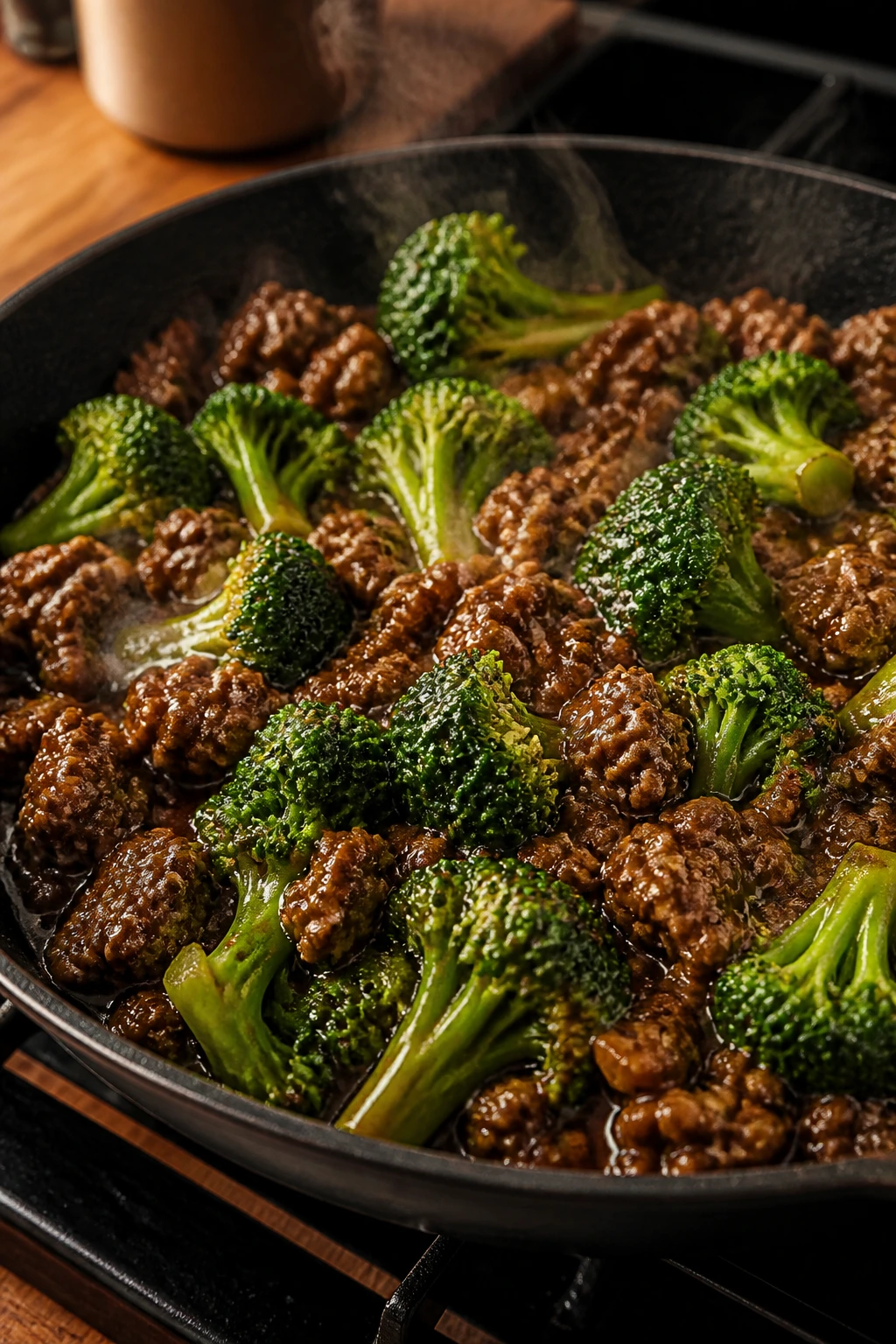
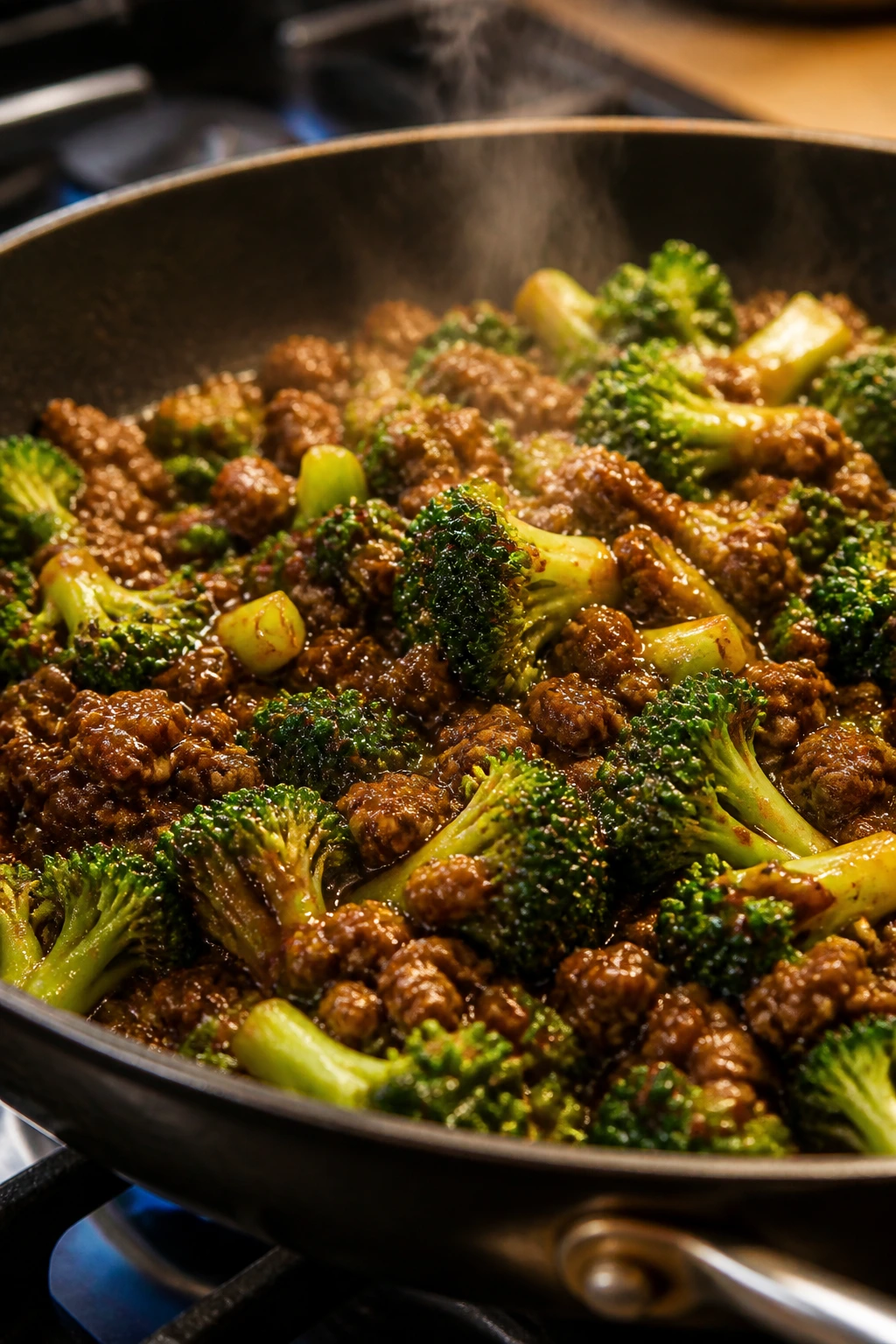
The finished pan should look glossy, not soupy. The broccoli will still hold its shape, the beef will be coated instead of swimming, and you should be able to drag a spoon through the sauce and see the bottom of the skillet for a moment before it settles back in.
The Ingredient List I’d Buy Again
For the Beef and Vegetables:
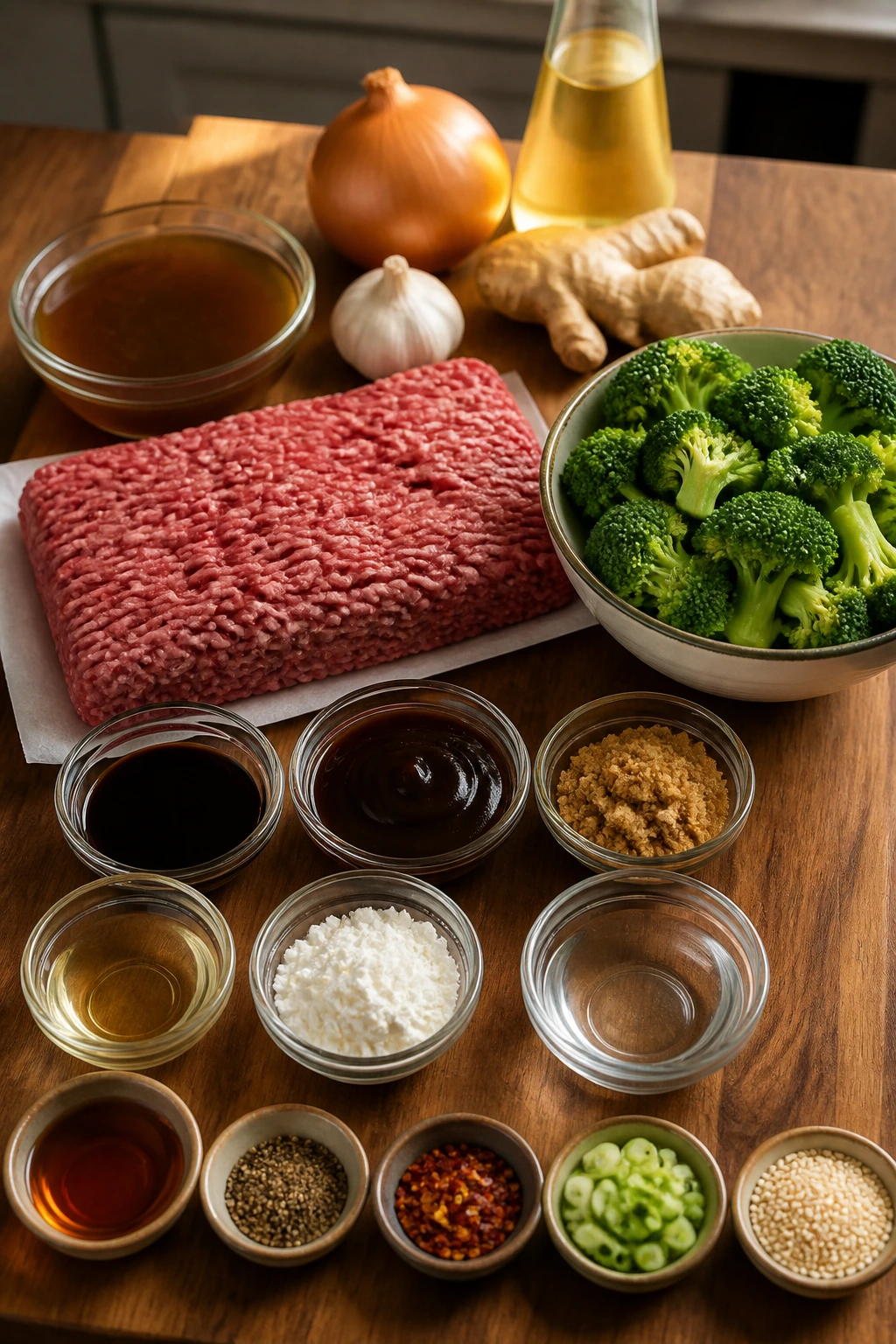
- 1½ pounds ground beef, preferably 85/15
- 6 cups broccoli florets, cut into bite-size pieces
- 1 medium yellow onion, diced into ½-inch pieces
- 4 garlic cloves, minced
- 1 tablespoon fresh ginger, grated or very finely minced
- 1 tablespoon neutral oil, if your beef is lean or the skillet looks dry
For the Sauce:
- ¾ cup low-sodium beef broth
- ¼ cup low-sodium soy sauce
- 2 tablespoons oyster sauce
- 1 tablespoon packed light brown sugar
- 1 tablespoon rice vinegar
- 1 tablespoon cornstarch
- 2 tablespoons cold water
- 1 teaspoon toasted sesame oil
For Finishing:
- ¼ teaspoon freshly ground black pepper
- ¼ teaspoon crushed red pepper flakes, optional
- 2 tablespoons sliced green onions
- 1 tablespoon toasted sesame seeds
Why Each Ingredient Pulls Its Weight
Ground Beef
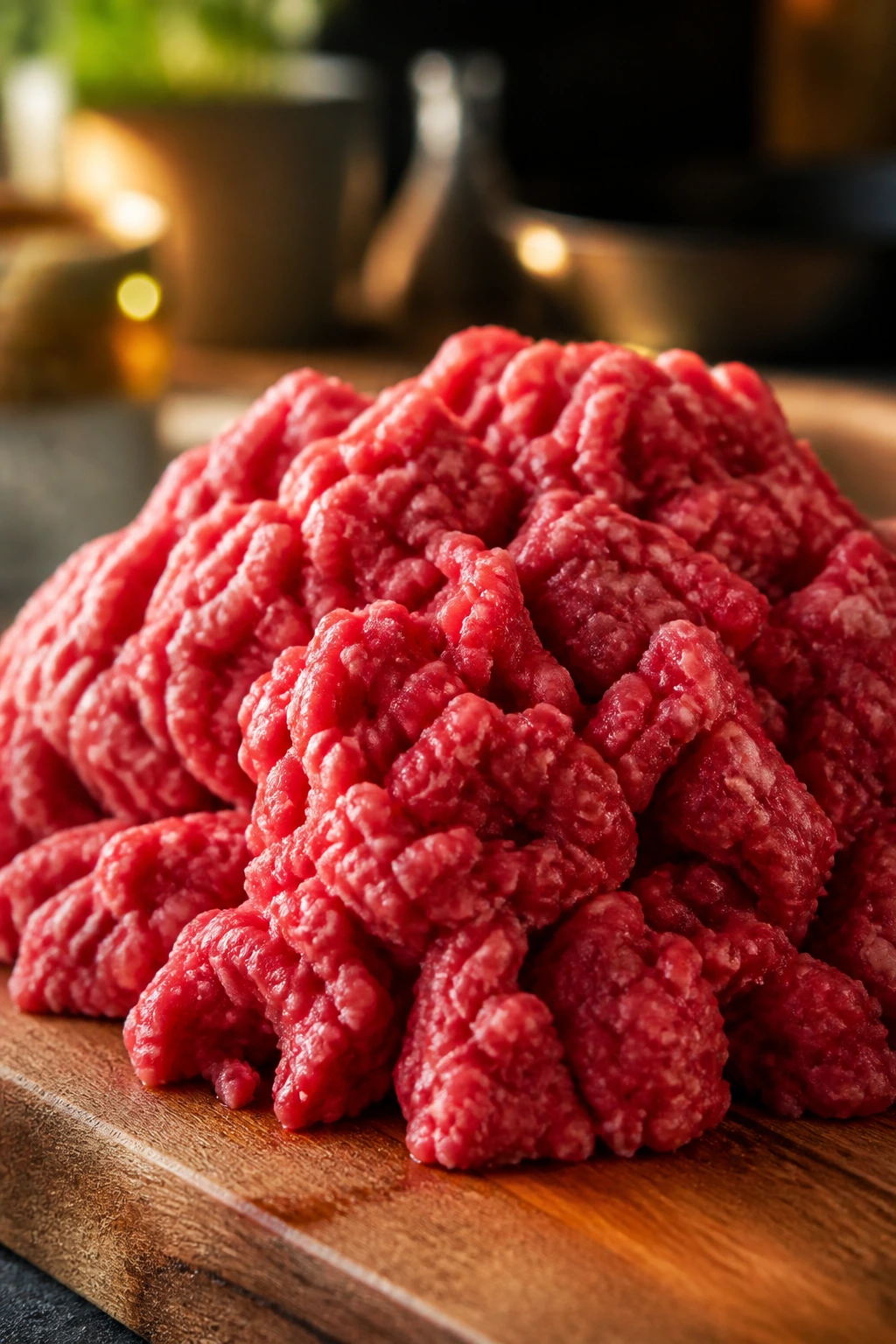
What to use: 1½ pounds ground beef, with 85/15 being the sweet spot for flavor and moisture. That amount gives the skillet enough body to serve four hungry people without needing filler.
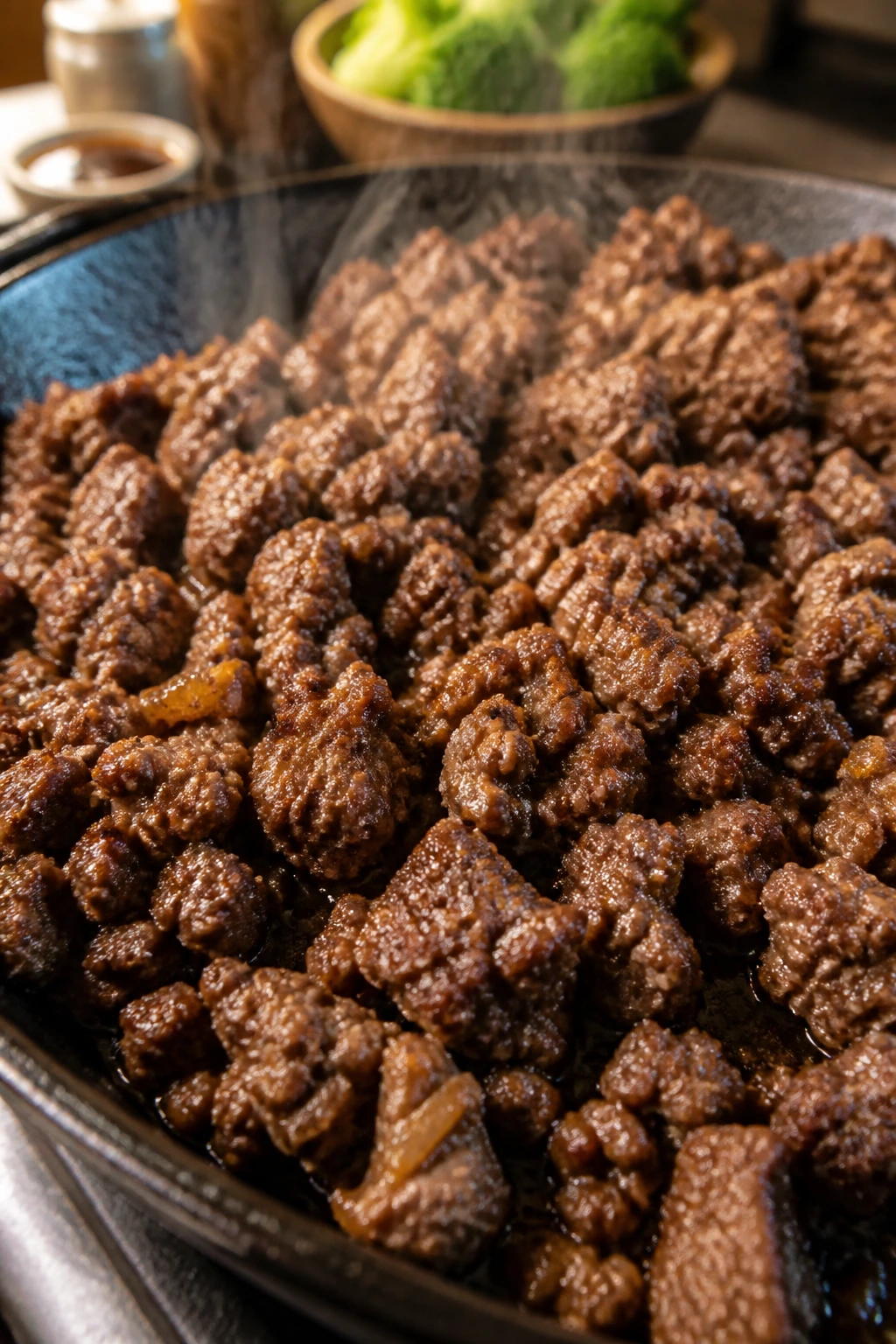
Preparation: Keep the beef loosely packed and let it hit the hot pan in an even layer. Break it up after the first minute or two so it can brown in places instead of turning into steamed crumbs.
Substitutions: Ground turkey works if you want a lighter pan, and ground chicken works too, though it needs a little extra oil and a more careful hand with seasoning. Plant-based crumbles can work in a pinch, though the sauce will taste better if you use broth with a little depth.
Tips: If the beef spits a lot of liquid, keep cooking until that moisture cooks off before you worry about browning. Browning happens after the water is gone. That’s the part people rush.
Broccoli
What to use: 6 cups broccoli florets, which is usually 2 medium heads once the stems are trimmed and the crowns are cut down into bite-size pieces. If the heads are large and thick, you may get a little extra.
Preparation: Cut florets to a similar size so the pan cooks them evenly. Peel the tough outer layer of the stems and slice the tender middle into thin coins; they cook fast and give you more texture for the money.
Substitutions: Frozen broccoli can stand in if fresh isn’t in the fridge, but it brings more water and a softer end result. Sugar snap peas, green beans, or a mix of broccoli and cauliflower can replace part of the broccoli if you want more crunch.
Tips: Don’t chop the florets too small. Tiny pieces collapse before the sauce finishes. Bigger, bite-size pieces keep their shape and catch the glaze better.
The Sauce Base
What to use: ¾ cup low-sodium beef broth, ¼ cup low-sodium soy sauce, 2 tablespoons oyster sauce, 1 tablespoon brown sugar, 1 tablespoon rice vinegar, and 1 tablespoon cornstarch mixed with 2 tablespoons cold water.
Preparation: Whisk the sauce in a bowl before the pan gets hot. That keeps the cornstarch from clumping and lets the sugar dissolve before it hits the skillet.
Substitutions: Tamari can replace soy sauce for a gluten-free version. Hoisin can stand in for oyster sauce if that’s what you have, though hoisin brings a sweeter finish. If you want less sweetness, cut the brown sugar to 2 teaspoons.
Tips: Low-sodium soy sauce is the right call here because the sauce reduces fast. Regular soy sauce can still work, but the difference between savory and salty gets thin in a hurry once it starts bubbling.
Aromatics and Finishers
What to use: 1 medium onion, 4 garlic cloves, 1 tablespoon grated ginger, 1 teaspoon toasted sesame oil, black pepper, red pepper flakes, green onions, and sesame seeds.
Preparation: Dice the onion into small pieces so it softens at the same pace as the beef. Mince garlic finely, grate the ginger, and keep the sesame oil out of the pan until the very end.
Substitutions: Shallots can replace onion, garlic paste can replace fresh garlic, and ground ginger can work if that’s what’s in the cupboard, though the fresh version smells cleaner and brighter. Chopped cilantro can replace green onions if you like a fresher finish.
Tips: Toasted sesame oil is a finishing oil, not a frying oil. A teaspoon at the end adds more aroma than a tablespoon cooked hard at the start ever could.
Tools That Make the Skillet Move Smoothly
-
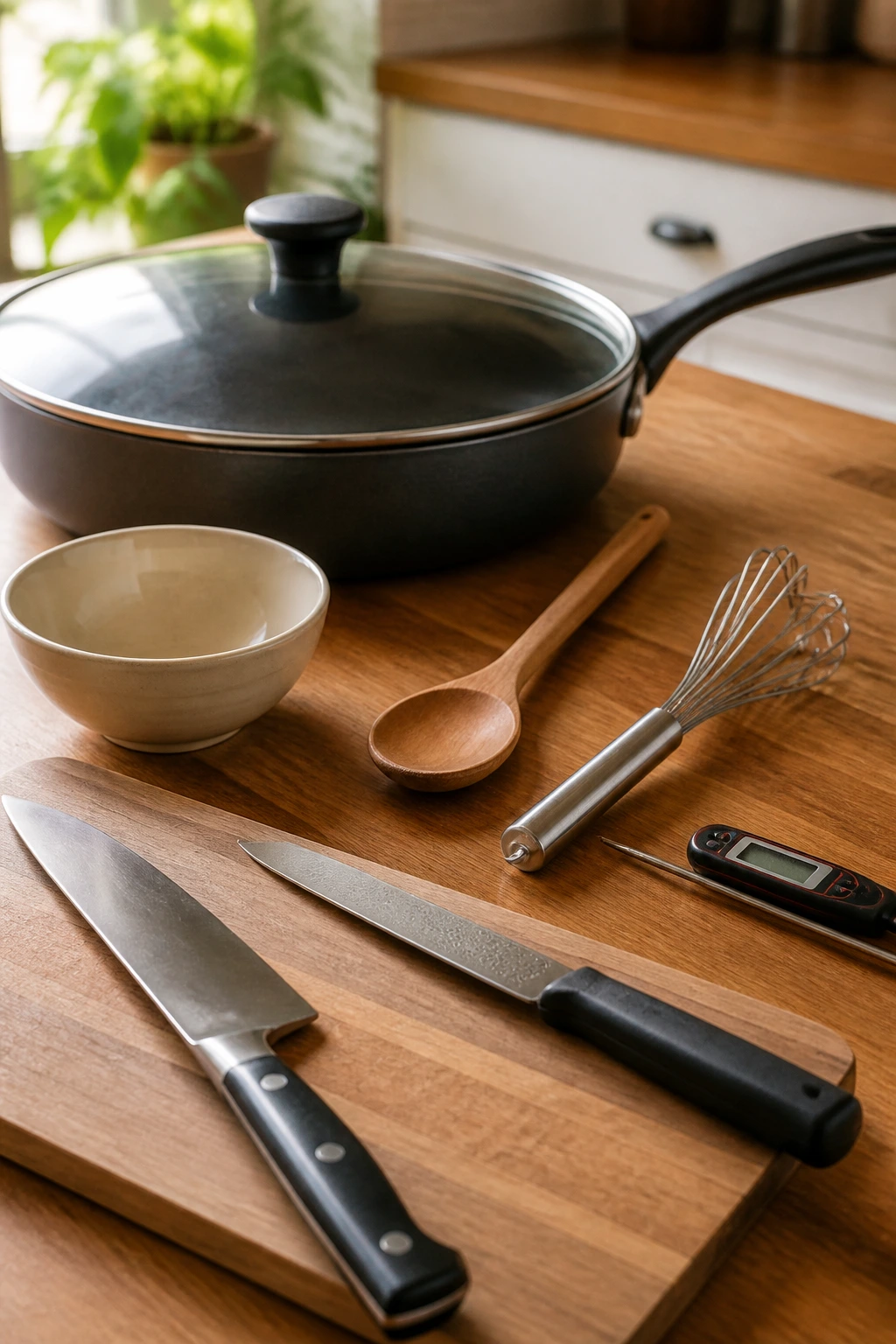
12-inch skillet with high sides or a wide sauté pan: Gives the beef room to brown and keeps the broccoli from crowding itself into mush.
-
Tight-fitting lid: Needed for the short broccoli steam at the end; a lid that traps heat for 3 to 4 minutes matters more than people expect.
-
Wooden spoon or sturdy spatula: Useful for breaking the beef into small pieces without scraping the pan so hard that the fond disappears.
-
Small mixing bowl: For whisking the sauce before it ever touches heat.
-
Whisk: Keeps the cornstarch smooth and the sauce silky instead of lumpy.
-
Chef’s knife and cutting board: A sharp knife makes the broccoli florets less ragged and the onion easier to dice evenly.
-
Microplane or fine grater: Handy for ginger; the paste-like texture blends into the sauce better than rough chunks.
-
Instant-read thermometer: Optional, but useful if you want to check that the ground beef has reached 160°F in the center, which is the food-safety target for ground beef.
Browning the Beef Until It Actually Tastes Like Dinner
Prep the Sauce and Vegetables
-
In a small bowl, whisk together the beef broth, soy sauce, oyster sauce, brown sugar, rice vinegar, cornstarch, and cold water until the mixture looks smooth and the sugar has dissolved. Set it close to the stove.
-
Cut the broccoli into bite-size florets, peel and slice the stems if you’re using them, dice the onion, and mince the garlic and ginger. Keep each one separate so you can move fast once the skillet is hot.
Brown the Beef
-
Set a 12-inch skillet over medium-high heat and add the neutral oil only if the beef is lean or the pan looks dry. Add the ground beef in an even layer and let it sit for 1 minute before stirring. Cook for 5 to 7 minutes, breaking it into small crumbles, until the beef is browned in spots and the center reaches 160°F. If a lot of liquid gathers in the pan, keep cooking until it evaporates; beef that steams won’t brown.
-
If there’s more than about 1 tablespoon of fat in the skillet, spoon off the excess. Leave enough behind to cook the onion and carry the sauce. Add the diced onion and cook for 2 to 3 minutes, stirring now and then, until it softens and the edges turn glossy.
-
Stir in the garlic and ginger and cook for 30 seconds, just until fragrant. Do not let the garlic go dark; once it turns brown, it brings bitterness that the sauce can’t hide.
Steaming the Broccoli and Thickening the Sauce
-
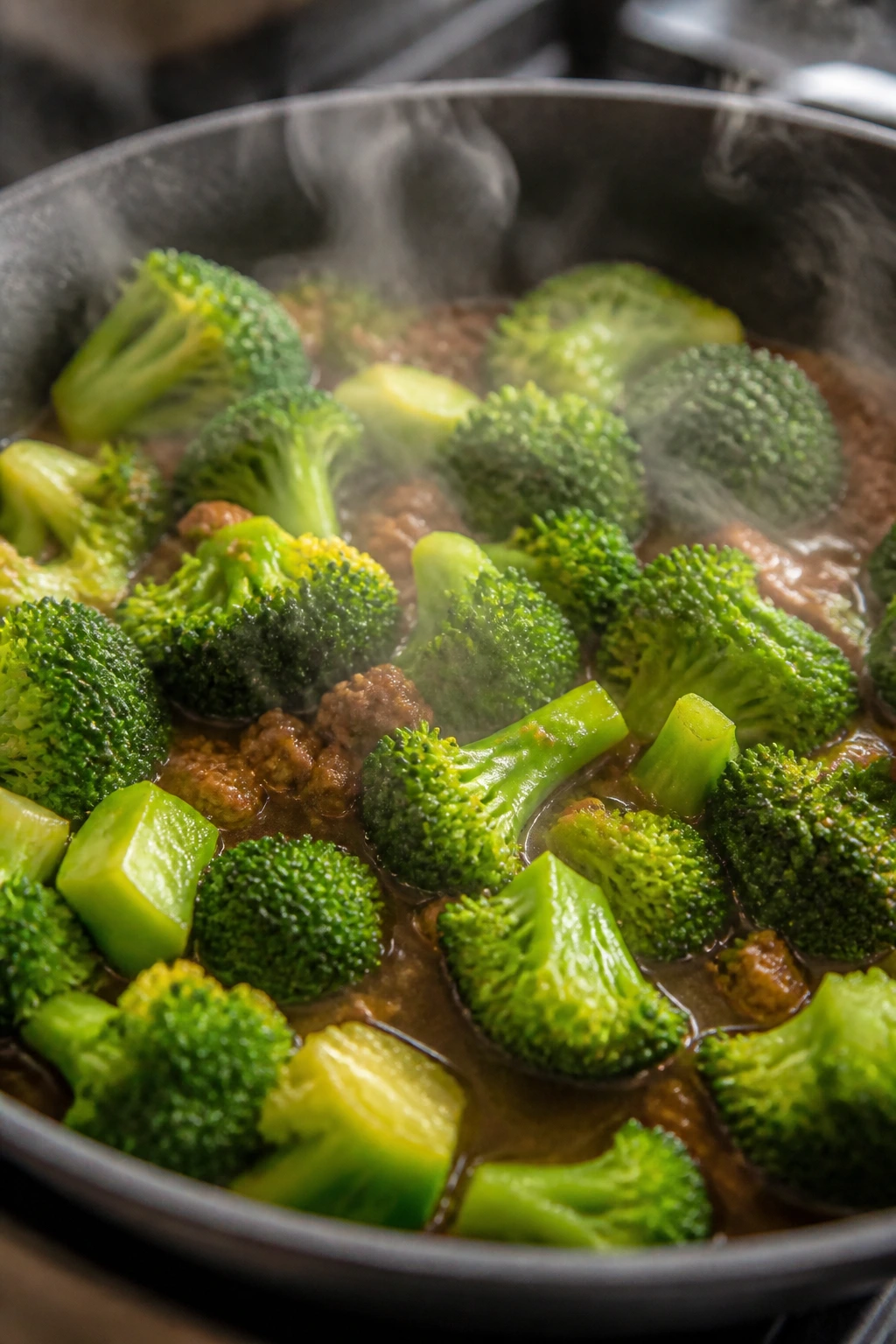
Add the broccoli florets and ¼ cup water to the skillet. Cover with the lid and cook for 3 to 4 minutes over medium heat, until the broccoli is bright green and the stem of a floret gives a little when pierced with a knife. The goal is tender, not soft.
-
Uncover the skillet and give the sauce a quick stir again. Pour it into the pan and stir constantly for 1 to 2 minutes over medium heat, until it turns glossy and thick enough to coat the back of a spoon. If the sauce seems too tight before it finishes thickening, splash in 1 to 2 tablespoons of water or broth.
-
Return the beef to the skillet if any pieces were moved aside, then toss everything together for another minute until the beef and broccoli are coated in a dark, shiny glaze. Turn off the heat, drizzle in the sesame oil, and fold through the black pepper, red pepper flakes, green onions, and sesame seeds.
-
Taste a bite of beef and a bite of broccoli. If it needs a sharper edge, add a teaspoon of rice vinegar. If it needs more salt, add a small pinch only after tasting, because the soy sauce and oyster sauce already bring plenty of seasoning.
How to Serve It So the Plate Feels Complete
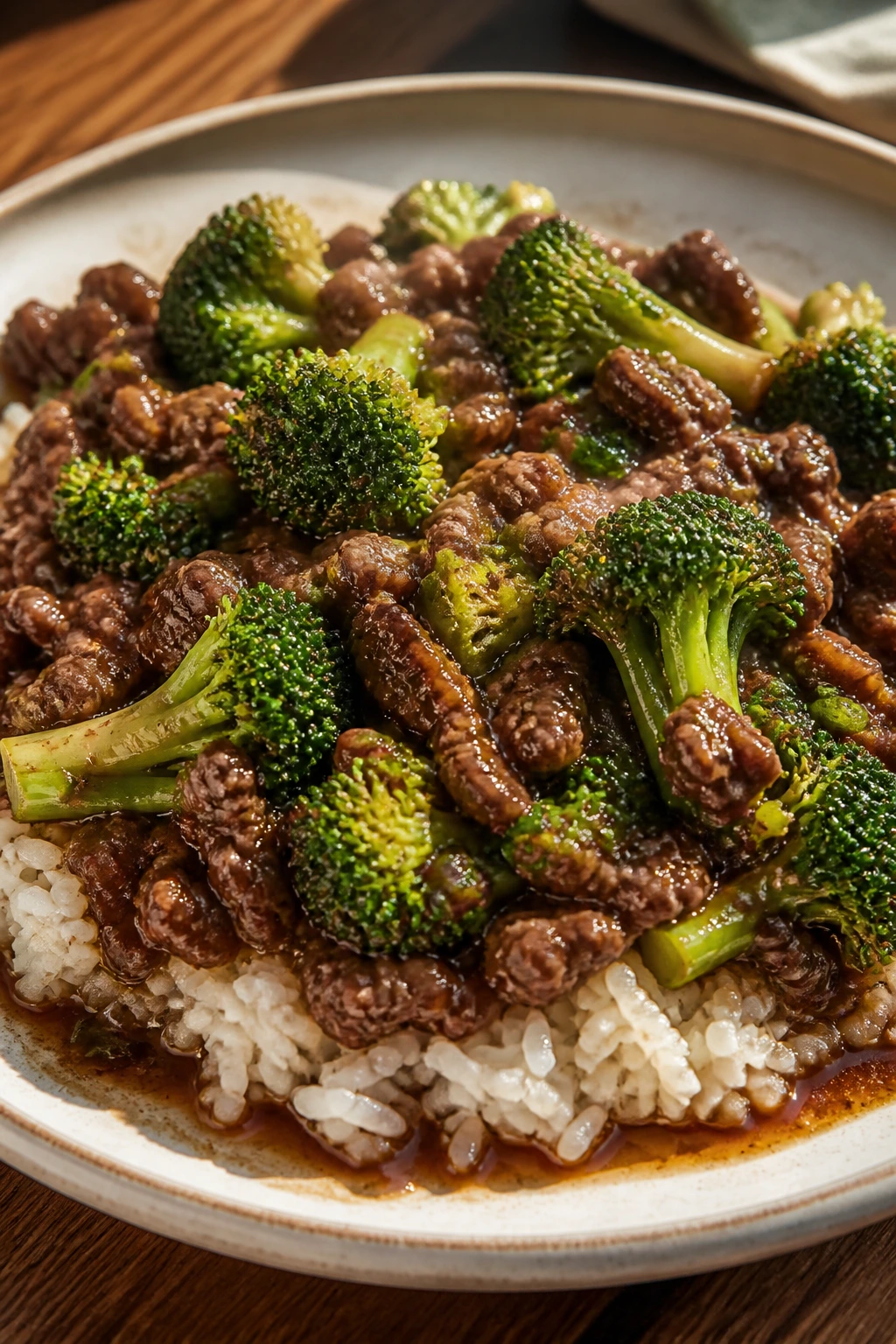
Presentation: Spoon the beef and broccoli into shallow bowls or over a wide bed of rice so the sauce can pool a little around the edges. I like to put the broccoli on top instead of burying it; the green against the dark sauce makes the plate look fresh, and it keeps the florets from getting smashed.
Accompaniments: Steamed jasmine rice is the cleanest match, but brown rice brings more chew and rice noodles make the dish feel looser and more slurpable. A simple cucumber salad with rice vinegar and a pinch of sugar cuts through the richness, and steamed edamame gives the plate a little extra heft without making it heavy.
Portions: Plan on about 1½ cups of the beef-and-broccoli mixture per person if it’s the main event, or a little less if you’re serving it alongside noodles and a second side. Four people can eat it generously over rice; six people can eat it comfortably if the portions lean smaller and there’s a side dish involved.
Beverage Pairing: Cold jasmine tea keeps the meal clean and unsweetened, while a dry lager or a crisp Riesling handles the soy-sesame flavors without getting muddy. Sparkling water with a squeeze of lime works well too, especially if you’ve added chili flakes and want something sharp to sip between bites.
Small Moves That Improve the Whole Pan
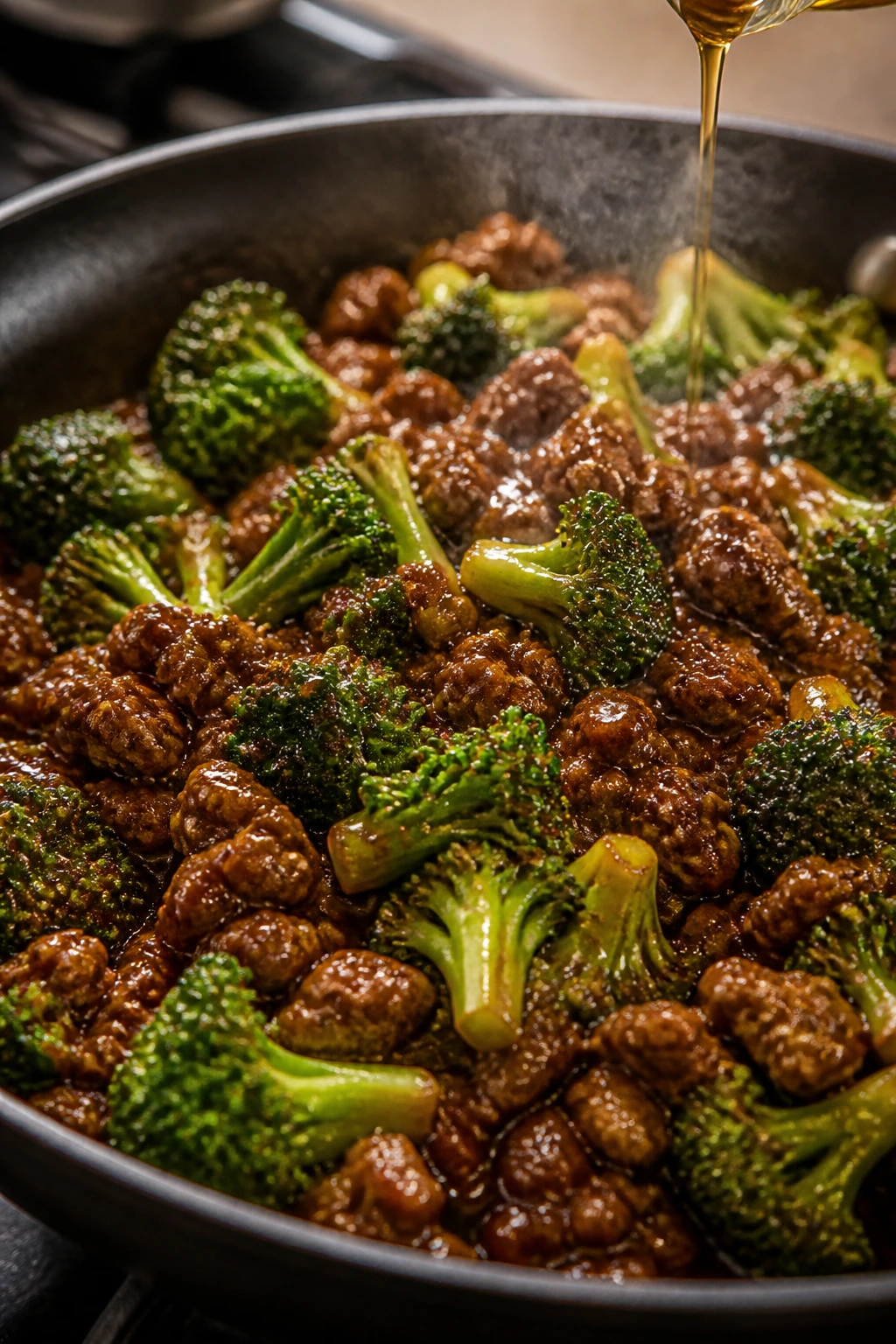
Flavor Enhancement: A teaspoon of chili crisp or a spoonful of gochujang stirred in at the end gives the sauce a warm, savory heat that sits on top of the beef instead of burying it. Add it after the sauce has thickened so it doesn’t cook flat.
Time-Saver: Buy broccoli crowns instead of whole heads if trimming takes too long; the crowns have fewer woody stems and less waste. You can also whisk the sauce in the morning and leave it covered in the fridge, then give it a quick stir before dinner.
Cost-Saver: If 85/15 beef is on the higher side for your budget, 80/20 works fine as long as you spoon off extra fat after browning. The broccoli stems also deserve more credit than they get—peeled and sliced, they stretch the vegetable side without adding anything weird.
Make-It-Yours: Swap half the beef for sliced mushrooms if you want a meatier mushroom note and a little less richness. If you need the dish gluten-free, use tamari and a gluten-free oyster sauce or extra tamari with a pinch more brown sugar.
Serving Suggestions: A scatter of sliced green onions at the end is worth the tiny effort. So are sesame seeds, but only if they’re toasted; the raw ones look fine and taste like nothing.
Where Home Cooks Usually Go Wrong
-
Using beef that’s too lean: 93/7 beef can leave the skillet dry and a little flat unless you add more oil and accept a lighter result. The fix is simple: use 85/15, or if you go lean, add a tablespoon of oil and keep an eye on the pan so the beef doesn’t dry out before it browns.
-
Overcooking the broccoli under the lid: The florets go from bright green to dull olive fast, and the stems lose their bite. Steam for 3 to 4 minutes, test a stem with a knife, and pull the lid off as soon as the broccoli bends but doesn’t collapse.
-
Skipping the cornstarch slurry: Dumping cornstarch straight into a hot skillet creates pale little lumps that never fully disappear. Whisk it with cold water first, and stir the sauce again right before it goes into the pan.
-
Salt-testing too early: Soy sauce and oyster sauce both bring salt, and the broth reduces as it simmers. Taste only after the sauce thickens; that’s when you’ll know whether it needs more salt or just a teaspoon of vinegar to wake it up.
-
Adding sesame oil too soon: Heat dulls toasted sesame oil fast. Finish with it after the burner goes off, and you’ll get the nutty aroma instead of a muted shadow of it.
Variations That Stay True to the Dish
Spicy Chili Crisp Skillet: Stir 1 to 2 tablespoons of chili crisp into the finished sauce, then cut the brown sugar back to 2 teaspoons so the heat doesn’t get buried. This version is especially good over plain rice, where the crisp little chili bits can do the talking.
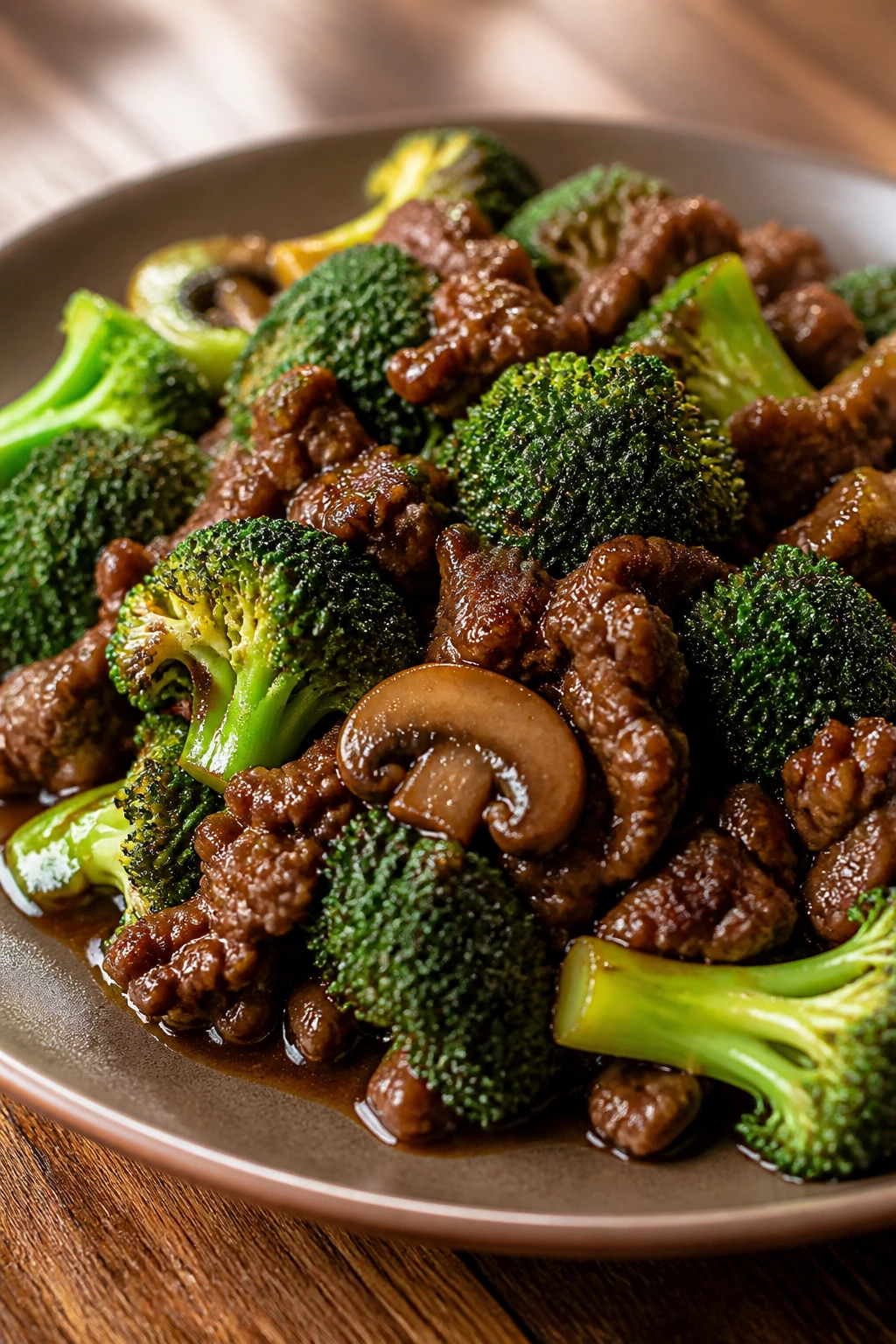
Mushroom and Broccoli Stretch: Add 8 ounces of sliced cremini mushrooms with the onion and let them brown before the garlic goes in. They soak up the sauce, stretch the beef a little farther, and make the skillet taste earthier without changing the shape of the meal.
Gluten-Free Tamari Bowl: Swap the soy sauce for tamari and use a gluten-free oyster sauce if you can find one. If you can’t, use an extra tablespoon of tamari and a small pinch more sugar so the sauce still has balance.
Ground Turkey Swap: Use 1½ pounds of ground turkey and add 1 tablespoon of neutral oil at the start. Turkey needs a little more help with richness, so don’t cook it until it looks dry and dusty; pull it as soon as it reaches 165°F and build the sauce quickly.
Storage, Reheating, and Make-Ahead Notes
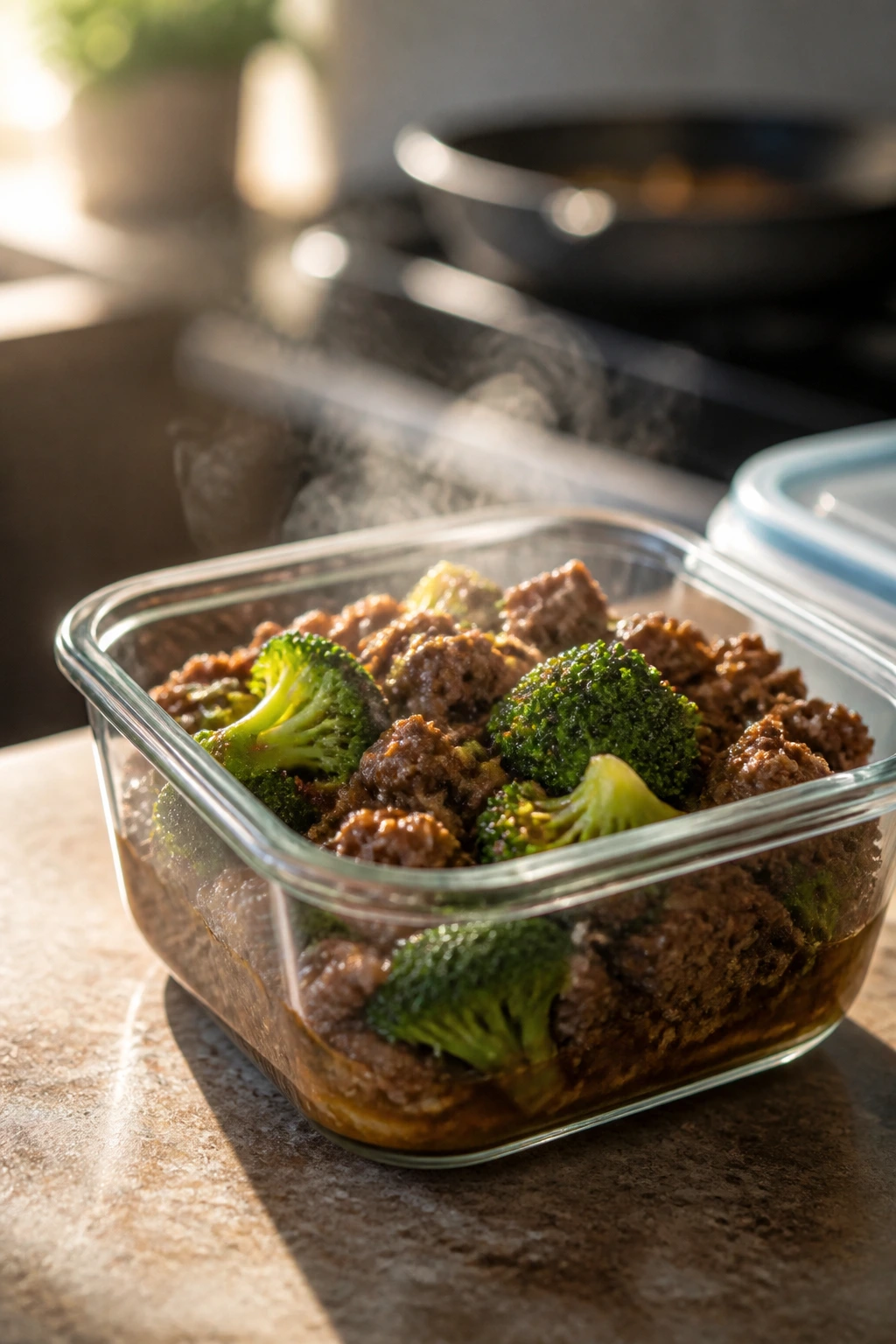
Leftover ground beef and broccoli keeps well if you cool it fast and store it right. Let the skillet cool for no more than 2 hours at room temperature, then pack the leftovers into an airtight container and refrigerate them for up to 3 to 4 days. After that, the broccoli gets limp and the sauce starts to lose its clean taste.
Freezing works, but broccoli softens once it thaws. If you want to freeze the dish, tuck it into a freezer-safe container for up to 2 months and expect the vegetables to lose some snap. I actually prefer freezing only the beef-and-sauce portion, then adding fresh broccoli when reheating if I know I’m making a batch for later.
Reheating is best on the stovetop. Put the leftovers in a skillet over medium-low heat with 1 to 3 tablespoons of water or broth, cover for a minute, then stir until the sauce loosens and the beef is steaming hot. The microwave works too; use 60-second bursts, stir between rounds, and stop as soon as the broccoli is hot so it doesn’t turn stringy.
For make-ahead, the sauce can be mixed and refrigerated for up to 3 days. Broccoli can be cut the day before and stored in a sealed bag with a paper towel to catch moisture. If you want a head start on a busy night, brown the beef and onions ahead of time, then finish the broccoli and sauce at the last minute so the vegetables keep their shape.
Questions People Ask Before Cooking Ground Beef and Broccoli
Can I use frozen broccoli instead of fresh?
Yes, but the texture changes. Frozen broccoli releases more water, so add it straight from the freezer, keep the skillet uncovered a little longer at the end, and expect softer florets than you’d get from fresh.
What kind of ground beef tastes best here?
85/15 is my pick because it gives you enough fat for flavor without turning the pan greasy. 80/20 can work if you drain the excess fat, while 90/10 needs a little oil and a little more attention so it doesn’t dry out.
Do I really need oyster sauce?
No, but it gives the sauce a deeper, rounder flavor. If you skip it, use hoisin or add an extra tablespoon of soy sauce plus a small pinch more brown sugar to keep the sauce from tasting thin.
Why did my sauce come out watery?
Usually the cornstarch wasn’t fully mixed, or the broccoli gave off more moisture than expected. Bring the sauce back to a steady simmer for another minute or two, and if it still looks thin, stir in a tiny extra slurry made with 1 teaspoon cornstarch and 1 tablespoon cold water.
Can I make this with ground turkey or chicken?
Absolutely. Add a tablespoon of oil at the start, season the meat a little more aggressively, and stop cooking as soon as it reaches the safe internal temperature so it stays tender instead of dry.
Is this good for meal prep?
Yes, with one caveat: broccoli gets softer in the fridge. If meal prep is the goal, undercook the broccoli by a minute and store the rice separately so the bowl doesn’t turn soggy.
What’s the best way to keep the broccoli bright green?
Don’t oversteam it and don’t leave the lid on longer than needed. The moment the florets turn vivid green and the stems give a little when pierced, the lid should come off and the sauce should go in.
Can I serve this without rice?
You can, though the sauce feels more complete with a starch under it. Rice noodles, mashed potatoes, cauliflower rice, or even buttered egg noodles all give the beef and broccoli somewhere to land.
Why This Skillet Deserves Another Night
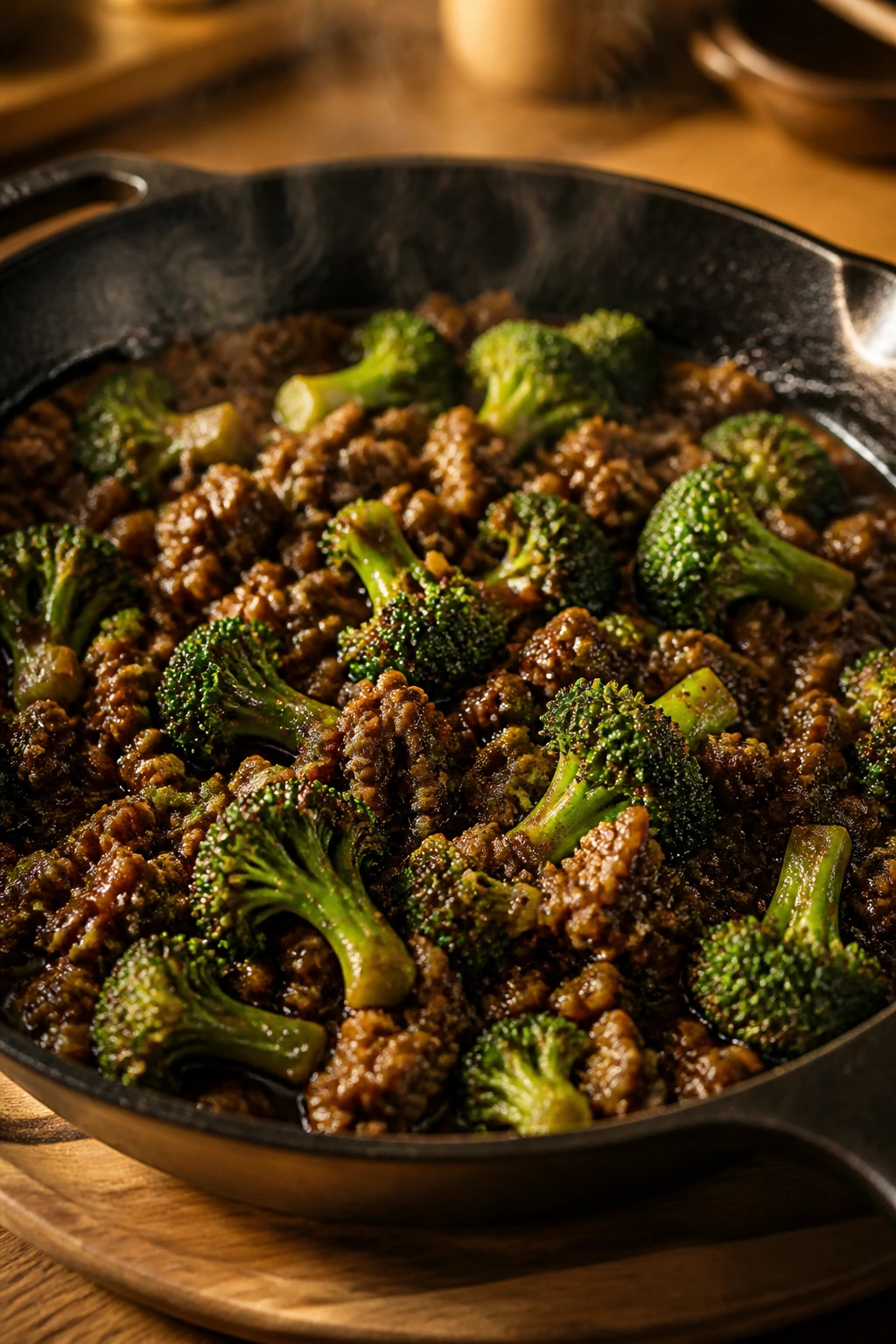
Ground beef and broccoli works because it knows what it is. It doesn’t chase the polished look of restaurant stir-fry, and it doesn’t need it. What you get is a hot, glossy skillet with browned meat, broccoli that still has a little backbone, and a sauce strong enough to turn plain rice into dinner.
That’s the kind of meal I keep coming back to. Not flashy. Not fussy. Just enough garlic, enough ginger, and enough browned beef to make the pan smell like you meant it. The next time you want a hearty dinner without a pile of dishes, this is the skillet I’d put on the stove first.
Hearty Ground Beef and Broccoli — Recipe Card
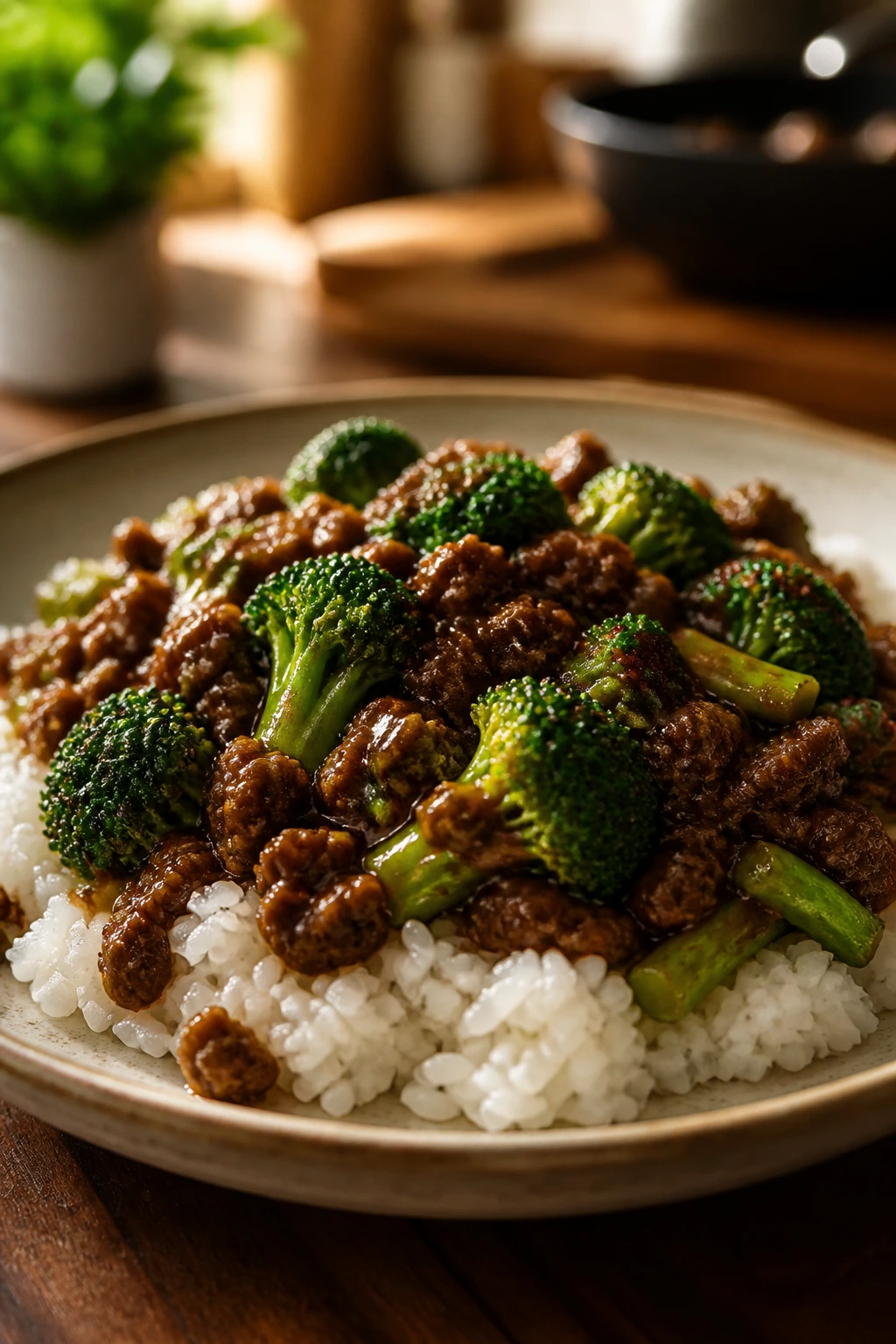
Recipe Name: Hearty Ground Beef and Broccoli
Description: A savory skillet of browned ground beef, tender broccoli, and a glossy soy-garlic sauce. Serve it over rice or noodles for a filling, no-fuss dinner that tastes like it took more effort than it did.
Prep Time: 15 minutes
Cook Time: 20 minutes
Total Time: 35 minutes
Course: Dinner, Main Course
Cuisine: American Chinese-inspired
Servings: 4 to 6 servings
Calories: About 375 kcal per serving
Ingredients
For the Beef and Vegetables:
- 1½ pounds ground beef, preferably 85/15
- 6 cups broccoli florets, cut into bite-size pieces
- 1 medium yellow onion, diced into ½-inch pieces
- 4 garlic cloves, minced
- 1 tablespoon fresh ginger, grated or very finely minced
- 1 tablespoon neutral oil, if needed
For the Sauce:
- ¾ cup low-sodium beef broth
- ¼ cup low-sodium soy sauce
- 2 tablespoons oyster sauce
- 1 tablespoon packed light brown sugar
- 1 tablespoon rice vinegar
- 1 tablespoon cornstarch
- 2 tablespoons cold water
- 1 teaspoon toasted sesame oil
For Finishing:
- ¼ teaspoon freshly ground black pepper
- ¼ teaspoon crushed red pepper flakes, optional
- 2 tablespoons sliced green onions
- 1 tablespoon toasted sesame seeds
Instructions
-
Whisk the beef broth, soy sauce, oyster sauce, brown sugar, rice vinegar, cornstarch, and cold water in a small bowl until smooth.
-
Cut the broccoli, dice the onion, and mince the garlic and ginger.
-
Heat a 12-inch skillet over medium-high heat. Add the oil if needed, then brown the ground beef for 5 to 7 minutes, breaking it into crumbles, until the center reaches 160°F. Spoon off excess fat if needed.
-
Add the onion and cook for 2 to 3 minutes until softened. Stir in the garlic and ginger and cook for 30 seconds until fragrant.
-
Add the broccoli and ¼ cup water, then cover and steam for 3 to 4 minutes until bright green and barely tender.
-
Stir the sauce again, pour it into the skillet, and simmer for 1 to 2 minutes until glossy and thickened.
-
Return the beef to the pan if needed, toss to coat, then turn off the heat and finish with sesame oil, black pepper, red pepper flakes, green onions, and sesame seeds.
Notes:
Use low-sodium soy sauce so the glaze doesn’t turn salty after reducing. For a spicier pan, add chili crisp at the end. If the sauce thickens too fast, loosen it with 1 to 2 tablespoons water or broth.