



Cold leftover chicken can go from useful to rubbery in a hurry. One blast of high heat, one long stint in a deep container, one dry sauce, and the whole thing starts tasting like it was cooked with apology instead of intent. That’s a shame, because cooked chicken is one of the most useful things you can have sitting in the fridge. Give it a little care and it turns into tacos, soups, grain bowls, pasta, wraps, fried rice, and quick skillet dinners without making you start from zero.
That’s the real appeal of leftover chicken for weeknight dinners: it’s already done. The trick is keeping the meat from losing the last bit of moisture it has while you turn it into something new. Breast meat needs more help than thighs. Shredded chicken behaves differently than sliced chicken. Sauce matters. So does the heat. So does whether you toss the chicken into a bubbling pan and walk away or tuck it into the dish at the end where it belongs.
I’m blunt about this because there’s a simple pattern behind good leftover chicken and a very common pattern behind bad leftover chicken. The good version is tender, seasoned, and folded into the meal late enough that it stays soft. The bad version sits on high heat until the fibers clamp shut and the edges turn stringy. That difference is often the whole dinner.
Why Leftover Chicken Deserves a Better Plan
Moisture stays in the meat only if you stop fighting it. Chicken that’s reheated hard and fast usually tightens up, while chicken warmed gently with a little liquid stays much closer to the texture you remember from day one.
It saves time without making dinner feel scraped together. A cup or two of cooked chicken can become a skillet meal, a soup, or a wrap filling in 10 to 20 minutes if you build around it smartly.
It keeps waste off the counter. Food-safety guidance is plain about this: cooked chicken should be refrigerated within 2 hours, kept in shallow containers, and used within 3 to 4 days if it’s staying in the fridge.
Texture changes depending on the cut and the shape. Shredded chicken soaks up sauce fast. Sliced chicken stays meatier. Cubed chicken can dry out faster than either if you overcook it again.
A little broth or sauce goes a long way. Even 2 to 3 tablespoons of liquid per cup of chicken can keep the meat from tasting parched, especially in a skillet or microwave reheat.
What Makes Leftover Chicken Turn Dry So Fast
The short answer is simple: protein tightens when it warms. Chicken does not “get done” twice. It gets tighter twice. That’s why a breast that felt juicy on Tuesday can taste chalky by Wednesday if you reheat it like a fresh cut of raw meat.
Lean breast meat is the main culprit here. It has less fat to buffer the heat, so the window between “warm” and “overcooked” is narrow. Thigh meat buys you a little more forgiveness because the fat and connective tissue help it hold on to moisture. That doesn’t make thighs invincible. It just means they’re less dramatic about it.
Lean breast meat loses water faster
A leftover chicken breast needs attention because it dries from the inside out. If the original cook took it much past 165°F, the meat has already squeezed out some of its moisture. Reheating then pushes it farther. That’s why breast meat does best in saucy dishes where it can sit in a little liquid instead of getting blasted on a sheet pan.
Surface area matters more than people think
The more you cut, shred, or chop, the more surface area you expose to heat. That sounds useful, and sometimes it is, but it also means the meat loses tenderness faster. Shredded chicken is perfect for tacos, soups, and saucy skillet meals. Cubed chicken is fine too, but it asks for more liquid and shorter heat.
The first cook decides the second
Leftover chicken is only as good as the meal that made it. If the original batch was roasted until the fibers turned dry and pale, no sauce can fully put the toothpaste back in the tube. On the other hand, chicken that was cooked just to doneness and cooled quickly usually has enough structure left to survive another round. That’s why I trust thighs, rotisserie meat, and chicken saved with pan juices far more than plain, overbaked breast meat.
The Refrigerator Window That Keeps It Worth Cooking
Time matters more than most people admit. Cooked chicken doesn’t become unsafe the minute it cools, but it does get more fragile the longer it sits. You want it in the fridge fast, in a container that lets it chill quickly, not in a deep bowl with a lid slapped on while the center stays warm for an hour.
A shallow container is your friend. It cools faster, which is better for safety and better for texture. If you’ve got a lot of chicken, split it into two or three smaller containers instead of piling it into one mound. The chicken chills more evenly, and you’re not digging through a giant cold block later with a fork, which is how shredded meat gets torn into sad little fibers before it ever hits a skillet.
USDA-style food-safety guidance is consistent on the important bits: refrigerate cooked chicken within 2 hours, or within 1 hour if the room is hot; keep it around 40°F or below; and use it within 3 to 4 days. That 3 to 4 day window is the point where the chicken is still useful and still worth eating. Past that, quality falls off fast even if the meat looks fine.
If you know you won’t use it by then, freeze it. Freeze cooked chicken in portions you’ll actually cook with later: 1-cup bags for wraps, 2-cup bags for soups, or flat packets that thaw quickly. Press the air out before sealing. Air is what turns frozen chicken into dry, icy disappointment.
One more thing. Smell matters. So does feel. If the chicken smells sour, looks slimy, or has a sticky film that doesn’t wash off with a quick rinse of the senses, don’t push your luck. Toss it. Dinner is not worth a gamble with leftovers.
Reheating Leftover Chicken Without Turning It Tough
The best reheating method depends on what you’re making, but the rule is the same every time: use the least heat that gets the job done. If you need the chicken hot enough to eat, you also need it hot enough to be safe. That means an internal temperature of 165°F. It does not mean you need to nuke the life out of it.
Microwave: fast, but only if you baby it a little
Put the chicken in a microwave-safe bowl and add a small splash of broth, water, or sauce — about 1 to 2 teaspoons per cup of chicken if it’s plain, a little more if it looks dry. Cover the bowl loosely with a lid or plate. Heat at 50% to 70% power in 30-second bursts, stirring or turning the pieces between bursts, until the chicken reaches 165°F and feels hot all the way through.
The cover matters. So does the lower power. High heat gives you dry edges and a cold center, which is the worst of both worlds.
Skillet: my favorite for sauced dinners
Set a skillet over low to medium-low heat. Add the chicken with 1 to 3 tablespoons of broth, stock, salsa, or sauce, depending on how much you have. Cover the pan for 2 to 4 minutes, then stir or turn the pieces and keep going just until the meat is heated through. If the chicken starts to hiss hard, the heat is too high.
This is the move for taco filling, shredded chicken with gravy, or anything that needs to be glossy rather than soupy. The lid traps steam, which keeps the surface from drying out before the middle warms.
Oven or toaster oven: best for bigger batches
Spread the chicken in a baking dish, add a few tablespoons of liquid, and cover tightly with foil. Bake at 325°F until hot, usually 10 to 15 minutes for a moderate portion and a bit longer for a dense pan. If you’re using the toaster oven, keep a close eye on it; those little ovens can run hot and dry out breast meat in a blink.
Use this method when you’re feeding more than two people or when the chicken is part of a bake, casserole, or sandwich tray.
Soup and stew: the gentlest heat of all
If the chicken is going into soup, chili, or stew, add it near the end. Let the broth or sauce simmer first, then stir in the chicken and warm it for just 3 to 5 minutes. Boiling the chicken for 15 minutes is how you get stringy shreds that taste like they’ve been negotiated with.
Soup is one of the best places for leftovers because the liquid does the work for you. The chicken only needs to join the party, not run it.
Sauces, Broths, and Fats That Put Moisture Back
A dry piece of chicken does not need a magic trick. It needs liquid, fat, and a little seasoning at the right moment. That’s the whole job. And if you do it well, the chicken stops tasting like leftovers and starts acting like part of the dinner instead of the thing everyone tolerates.
Think in ratios. For every 2 cups of chopped or shredded chicken, 1/3 to 1/2 cup of sauce is often enough for a skillet meal. For plain reheating, 1 to 3 tablespoons of broth can make a huge difference. If you’re making wraps or sandwiches, a spoonful of mayo, yogurt, or sour cream can keep the meat from tasting dusty and flat.
Broth is the simplest fix. Chicken broth, stock, or even a little water with salt can loosen dry fibers.
Fat gives the meat a softer mouthfeel. Olive oil, butter, mayo, tahini, crema, and coconut milk all do different jobs, but the effect is the same: they coat the meat and keep it from feeling wiry.
Acid wakes the whole thing up, but use it at the end. Lemon juice, vinegar, lime juice, or hot sauce should finish the dish, not cook in it for ages.
That last bit matters. If you add too much acid too early, the flavor can go sharp and thin. Add too little and the chicken tastes sleepy. A squeeze of lemon over a warm pan of shredded chicken can do more than a whole extra spoonful of salt.
There’s also a texture trick here. A glossy sauce clings to shredded chicken better than a watery one. If your sauce runs off the meat and pools in the pan, simmer it a minute or two before adding the chicken. If it’s too thick, thin it with a spoonful of broth. You want the chicken coated, not drowned.
Weeknight Dinner Formats That Treat Chicken Kindly
The best leftover chicken dinners are not complicated. They’re built around one idea: warm the chicken in something that protects it. That something can be salsa, broth, pasta sauce, curry, pesto, or a simple pan gravy. The dish matters less than the method.
Tacos, quesadillas, and enchilada skillets
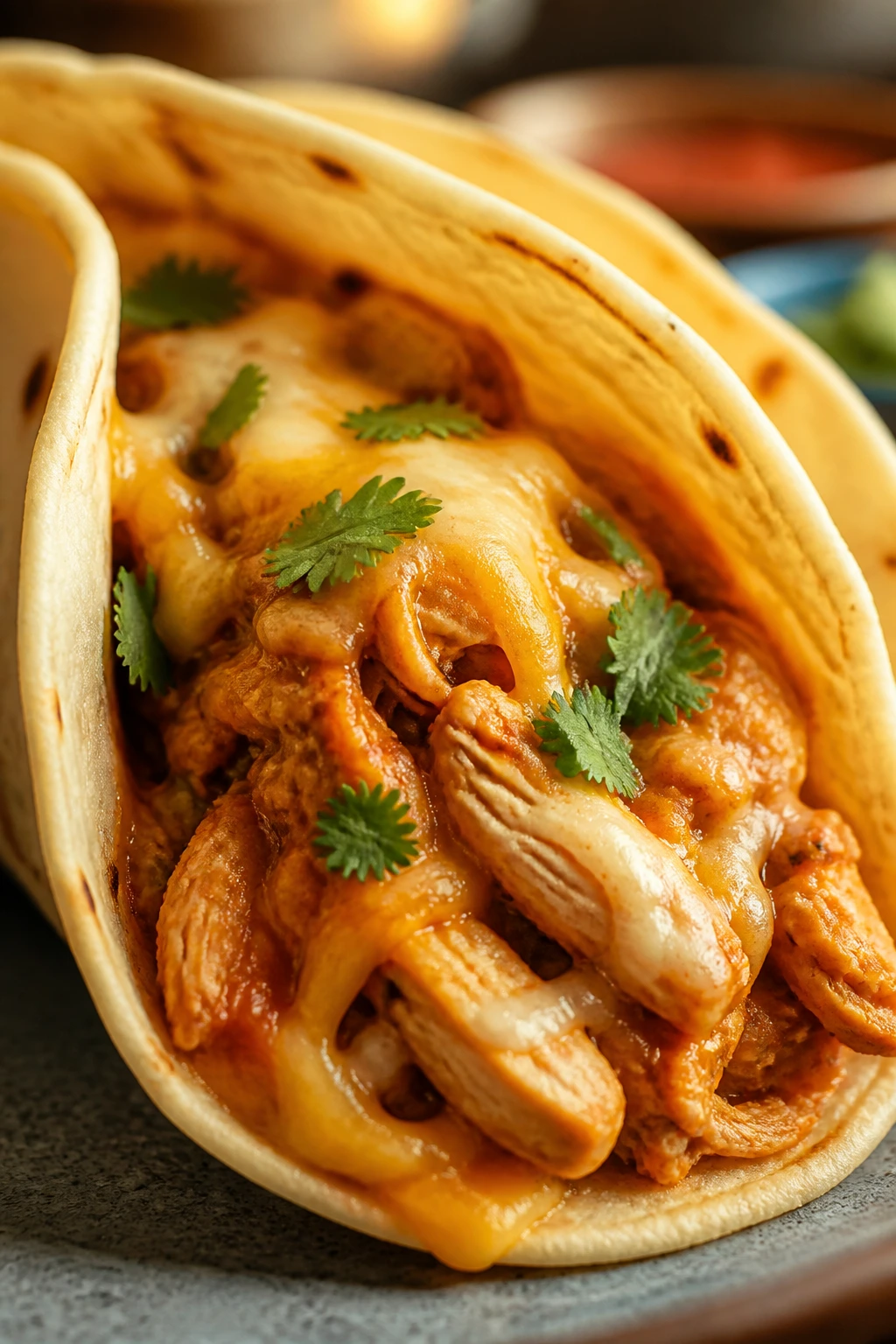
Shredded leftover chicken belongs here because tortillas and cheese are forgiving. Warm the chicken in a skillet with salsa, enchilada sauce, or a little stock plus cumin and garlic until the meat is hot and glossy. For 2 cups of chicken, 1/2 cup of sauce is a good starting point. Add a squeeze of lime off the heat, then tuck the filling into warm tortillas.
Quesadillas want chicken that’s chopped small or shredded fine so every bite catches melted cheese. Enchilada skillet meals work well too because the sauce cushions the chicken while the tortillas soften around it. These are the nights when leftover chicken feels like a shortcut that actually tastes planned.
Pasta, rice, and grain bowls
Pasta can be excellent with leftover chicken, but the sauce has to be ready first. Warm the sauce, loosen it with a splash of pasta water if needed, then fold in the chicken during the last minute so it warms without overcooking. Cream sauces, tomato sauces, and pesto all work. What fails is dumping dry chicken into a hot pan and stirring for five minutes because you’re “just making sure.”
Rice and grain bowls are better than people think because the grains act like a soft landing pad. A warm bowl of rice, farro, or quinoa with chicken on top needs some kind of dressing or sauce — teriyaki, lemon vinaigrette, tahini, yogurt sauce, peanut sauce, even a quick soy-ginger mix. Add something crunchy too. Cucumbers, scallions, toasted seeds, or shredded cabbage keep the bowl from feeling mushy.
Soups, stews, and noodle bowls
This is where leftover chicken behaves best. Broth-based meals protect texture, and the chicken only needs a short time in the pot. Egg noodles, rice noodles, white beans, potatoes, carrots, celery, kale, and spinach all play nicely here. The trick is timing: simmer the base first, then add the chicken near the end and stop once it’s hot.
If you want the chicken to stay juicy in soup, shred it by hand and keep the pieces a little large. Fine shreds disappear into broth too easily and can go stringy if they’re stirred too long. A couple of bigger pieces hold up better and feel more like dinner.
Salads, wraps, and sandwiches
Cold leftover chicken is fine here. Sometimes better. But it needs dressing or a spread to keep it from tasting dry and tired. Mix it with mayo, Greek yogurt, olive oil, pesto, hummus, or avocado, then add something bright and crunchy: celery, dill pickles, red onion, apple, radish, or chopped herbs.
Wraps and sandwiches are where texture gets obvious. Chicken that’s cut too thick feels clumsy. Chicken chopped into bite-size pieces or shredded by hand spreads more evenly and takes less chewing. If the filling is plain, it will eat plain. A tablespoon of dressing per half cup of chicken is not too much.
Casseroles and bakes
Casseroles are useful when you have enough chicken for two or three portions and you want a one-pan dinner. But they can also punish you if you bake the chicken too long. Add the chicken after the sauce is mixed and the starch is mostly ready. Then bake just until bubbling. If you’re using a topping, let it brown without letting the chicken sit in the oven for 30 minutes on its own.
A chicken casserole should taste like the sauce, not like the oven.
The One-Batch Plan for Three Different Dinners
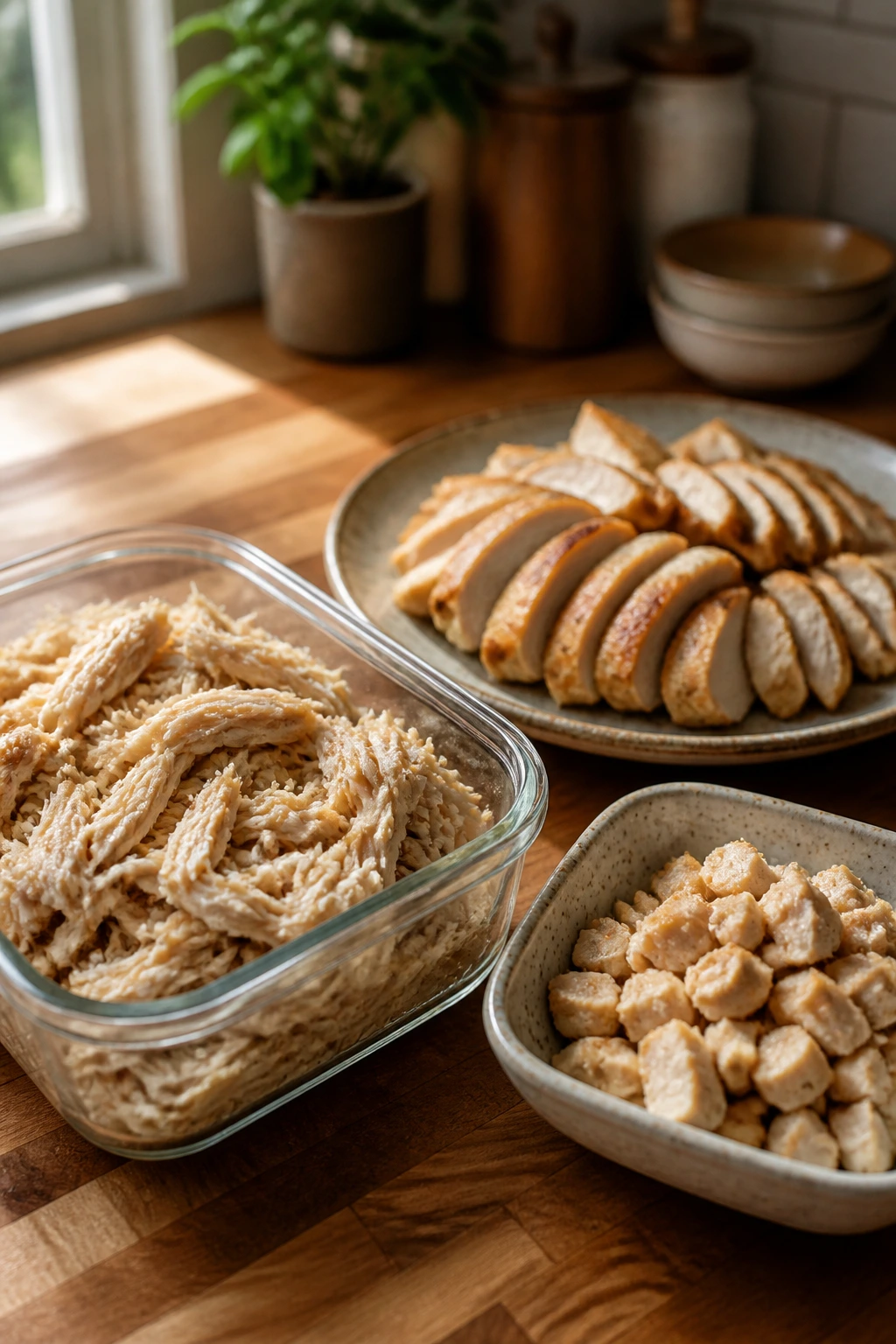
A container of chicken should not force you into three nearly identical dinners. That’s the fastest way to get bored and start reaching for takeout. Better to portion with intent the moment the chicken cools.
I like to split cooked chicken into at least two forms: shredded and sliced. Shredded chicken is your sauce sponge. Sliced chicken is your reheated centerpiece. If you’ve got a lot of meat, a third container of diced chicken can be useful for fried rice or skillet meals. Label the containers if you need to. It’s not fussy. It’s efficient.
A simple three-night plan looks like this:
Night 1: warm shredded chicken in salsa and stuff it into tacos or spoon it over rice.
Night 2: stir sliced chicken into a pasta sauce or creamy skillet with peas, mushrooms, or spinach.
Night 3: turn the last portion into soup, where the broth keeps the meat tender and the meal feels different enough to matter.
That’s enough variety to stop leftovers from feeling like leftovers. And if you keep a small jar of broth, a lemon, a jar of salsa, and one creamy sauce component on hand, the plan gets even easier.
The other thing this method does is protect texture. You’re not reheating the whole batch four times. You’re heating only what you need, which is the quiet little trick that keeps chicken from becoming dry cardboard by Thursday.
Small Habits That Keep Leftover Chicken Juicy
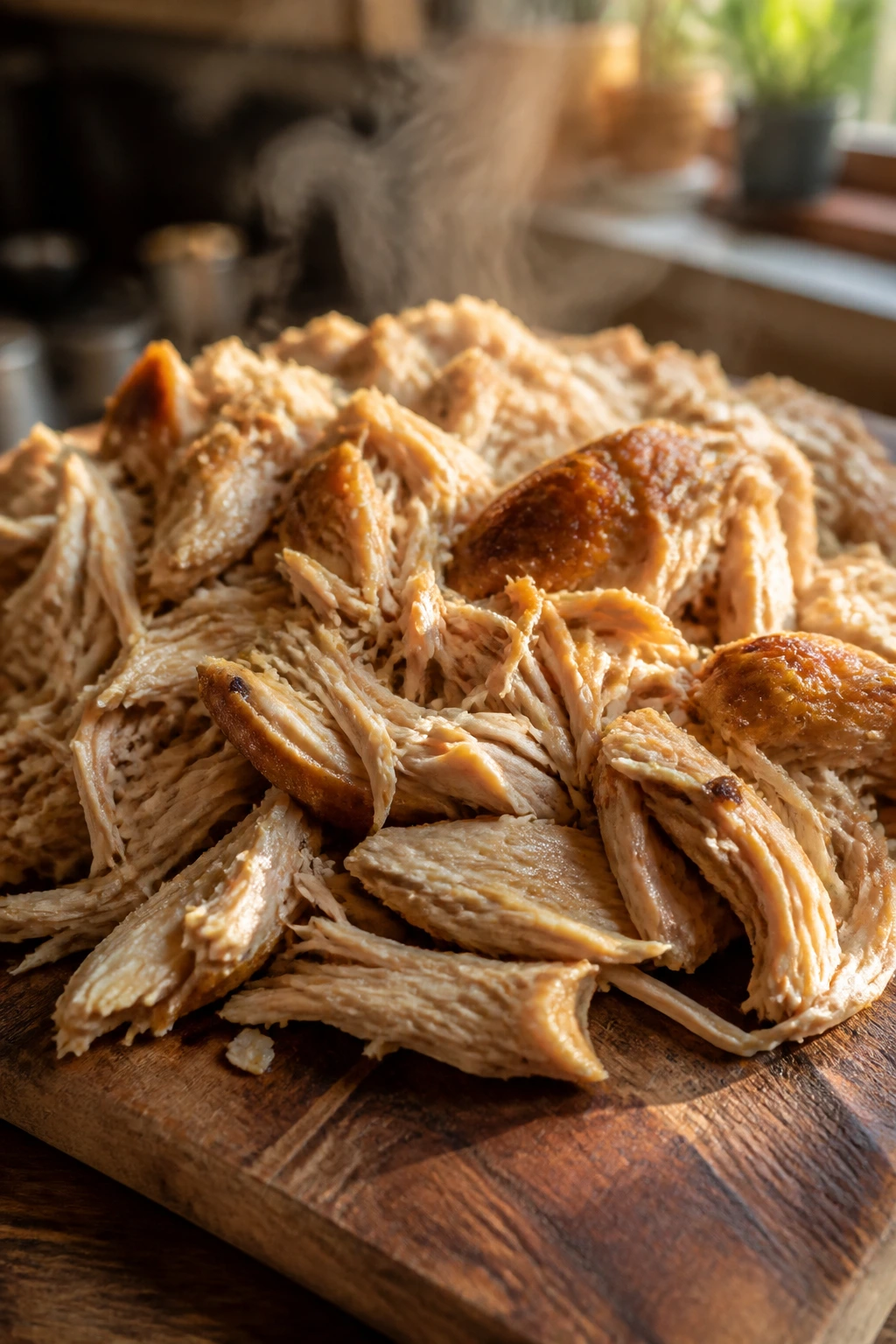
Portion first. Reheat the amount you’re going to eat, not the entire container. Every extra warming cycle strips out a little more moisture, and the chicken pays for it.
Slice later. Keep bigger pieces intact until you’re ready to serve. Large pieces lose less juice during reheating than small ones, especially in the microwave or oven.
Sauce early, acid late. Warm the chicken with broth, salsa, gravy, or pasta sauce. Then finish with lemon, vinegar, lime, or hot sauce after the heat is off. That one move keeps the flavor bright without making it sharp.
Use the lid. A covered skillet or covered bowl traps steam and protects the surface of the meat. If you cook with the lid off, the chicken dries at the exact moment you’re trying to save it.
Taste the chicken itself. Don’t rely on the sauce to do everything. If the chicken tastes flat before it goes into the dish, season it lightly with salt, pepper, garlic, or a pinch of spice first. Sauce helps. It doesn’t erase blandness.
Choose the right shape for the meal. Shredded chicken is best for tacos, soups, and saucy bowls. Sliced chicken holds up better in salads, wraps, and grain bowls. Cubes look tidy, but they dry fastest unless you keep them coated.
These are boring habits. I know. They also work.
The Usual Ways Leftover Chicken Goes Wrong
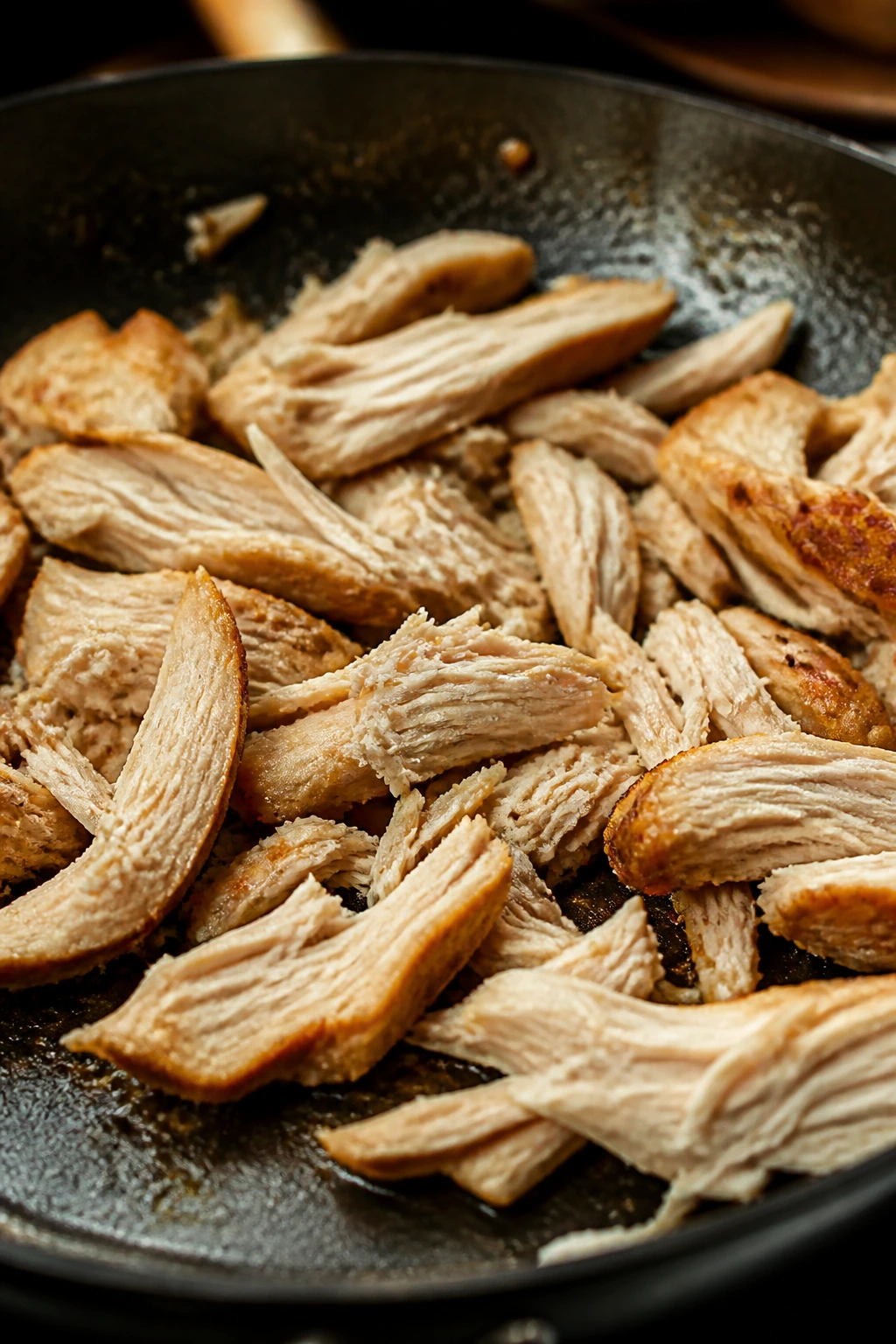
The fastest way to ruin leftover chicken is to treat it like a raw chop that needs a fresh round of cooking. That mistake shows up immediately: white, hard edges, stringy interior, and a slightly squeaky chew that no amount of sauce can fully hide.
Mistake: blasting it with high heat.
Symptom: the outside turns dry before the middle is warm.
Fix: use low to medium-low heat, add a splash of liquid, and cover the pan or bowl.
Mistake: reheating the whole batch over and over.
Symptom: the last serving tastes drier than the first, even if the recipe is the same.
Fix: portion it out before reheating and keep the rest cold.
Mistake: adding chicken too early to soups, curries, or pasta.
Symptom: the meat goes stringy and seems to disappear into the sauce.
Fix: heat the base first, then add the chicken in the final few minutes.
Mistake: storing it in a deep, crowded container.
Symptom: the middle stays warm too long, and the surfaces get wet, then dry out later.
Fix: spread it in a shallow container and chill it quickly.
Mistake: using plain chicken in a dish that needs a little help.
Symptom: the meal tastes watery, salty in the wrong way, or just blank.
Fix: season the chicken itself, not only the sauce. Even a pinch of salt, garlic powder, or pepper before reheating helps.
Mistake: forgetting that breast meat needs more protection than thighs.
Symptom: breast meat dries while dark meat stays tender.
Fix: use breast meat in sauces, soups, or dressed salads; save thighs for dishes that can take more heat.
Variations for Different Kitchens and Eating Styles
Tex-Mex Taco Night
Toss shredded chicken with salsa, cumin, garlic powder, and a little chili powder. Warm it in a skillet for 3 to 5 minutes, then finish with lime juice and chopped cilantro. This works best when you want strong flavor to carry the leftovers, and it’s one of the easiest ways to mask chicken that’s starting to lose moisture.
Creamy Pantry Skillet
Stir chicken into a quick sauce made with broth, a spoonful of cream cheese, sour cream, or Greek yogurt, and frozen peas or spinach. Keep the heat low so the dairy doesn’t split. This is the move for breast meat that needs a softer landing and for nights when the fridge looks bare.
Herby Lemon Bowl
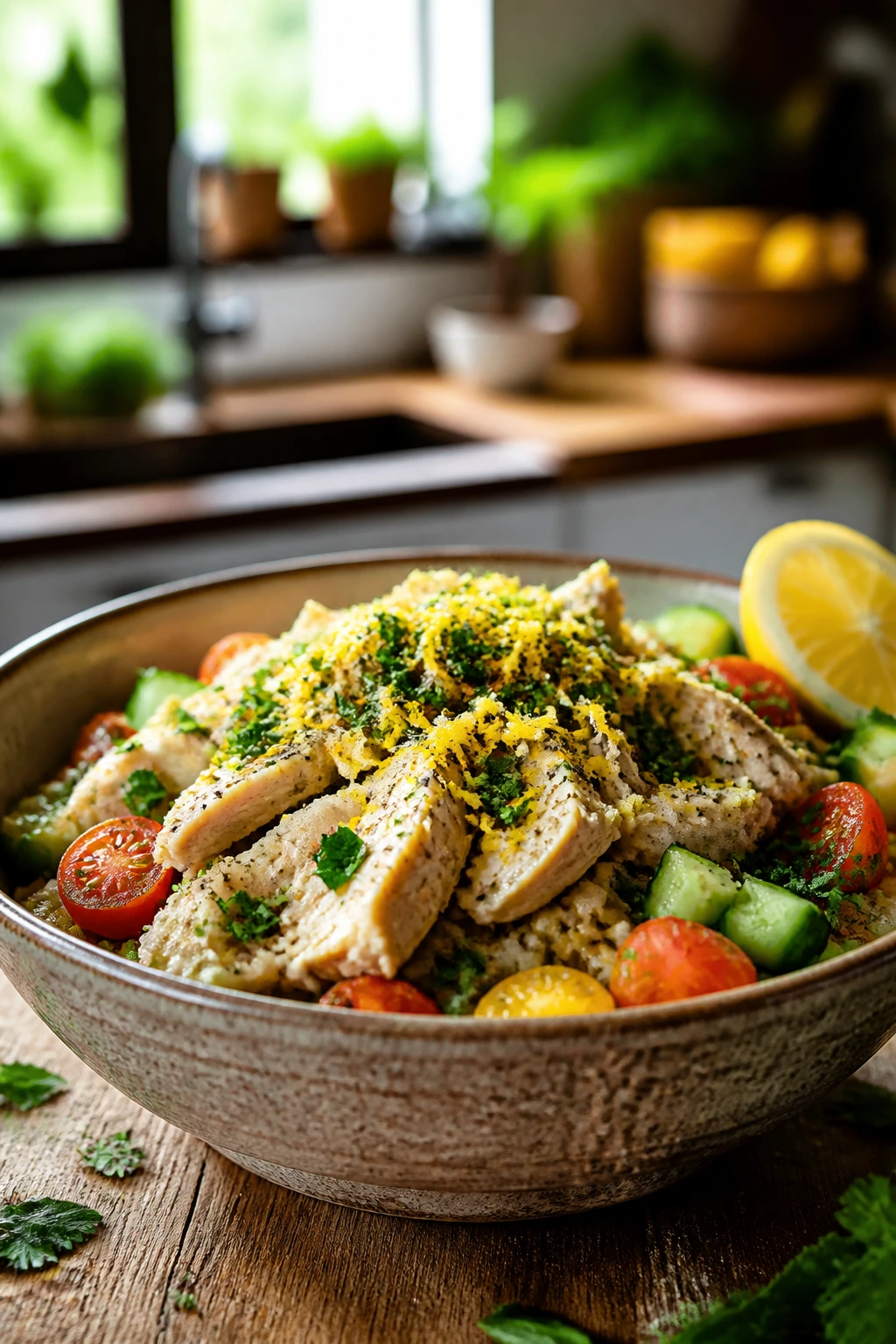
Mix chicken with olive oil, lemon zest, chopped parsley, dill, or mint, then serve it over rice, couscous, or roasted potatoes. Add cucumbers or cherry tomatoes if you have them. The bright herbs and acid wake the chicken up without burying it under heavy sauce.
Sesame-Ginger Noodle Bowl
Toss chicken with soy sauce, rice vinegar, ginger, garlic, and a little sesame oil. Add noodles, shredded cabbage, and scallions. This version is especially good when the chicken is already sliced because the sauce clings fast and the whole bowl eats cleanly.
Low-Carb Lettuce Wraps
Use shredded chicken mixed with mayo, yogurt, or avocado, then pile it into lettuce leaves with chopped celery, herbs, or diced pickles. The cold crunch keeps the filling from feeling heavy. If you want extra flavor, add mustard or a tiny splash of hot sauce.
These aren’t separate categories you have to memorize. They’re just different roads out of the same fridge container.
Tools and Equipment Worth Keeping Nearby
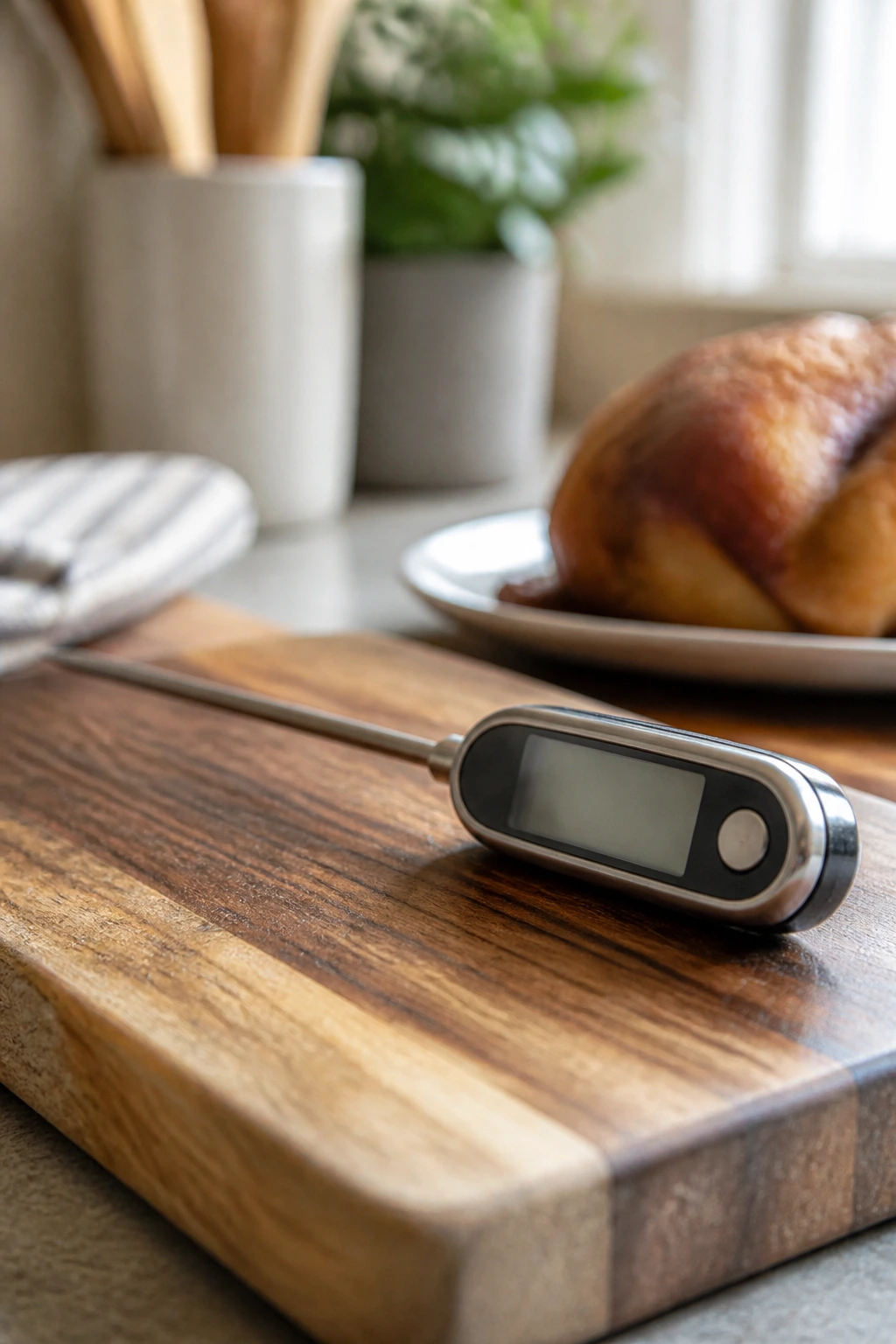
- Instant-read thermometer — The easiest way to know when the chicken is hot enough without guessing and overcooking it.
- 10- to 12-inch skillet with a lid — Ideal for sauced chicken, quick skillet dinners, and gentle reheating.
- Microwave-safe bowl or deep plate — Useful when you need speed and a covered reheat.
- Shallow airtight containers — Better for cooling, storing, and portioning chicken than a deep tub.
- Sharp chef’s knife — Makes slicing chicken cleaner and faster, which matters when the meat is already cooked.
- Cutting board — A stable place to shred or slice without losing juices all over the counter.
- Wooden spoon or silicone spatula — Good for stirring chicken through sauce without tearing it apart too much.
- Measuring cups and spoons — Handy for broth, sauce, and seasoning so you don’t oversoak the meat.
- Freezer bags or wrap — Best for pressing out air if you want to freeze portions flat.
- Sheet pan or baking dish — Useful for larger reheats, bakes, or casseroles.
- Small jar or container for broth/juices — One of those tiny habits that makes tomorrow’s dinner better.
Storage, Make-Ahead, and Reheating Rules That Actually Matter
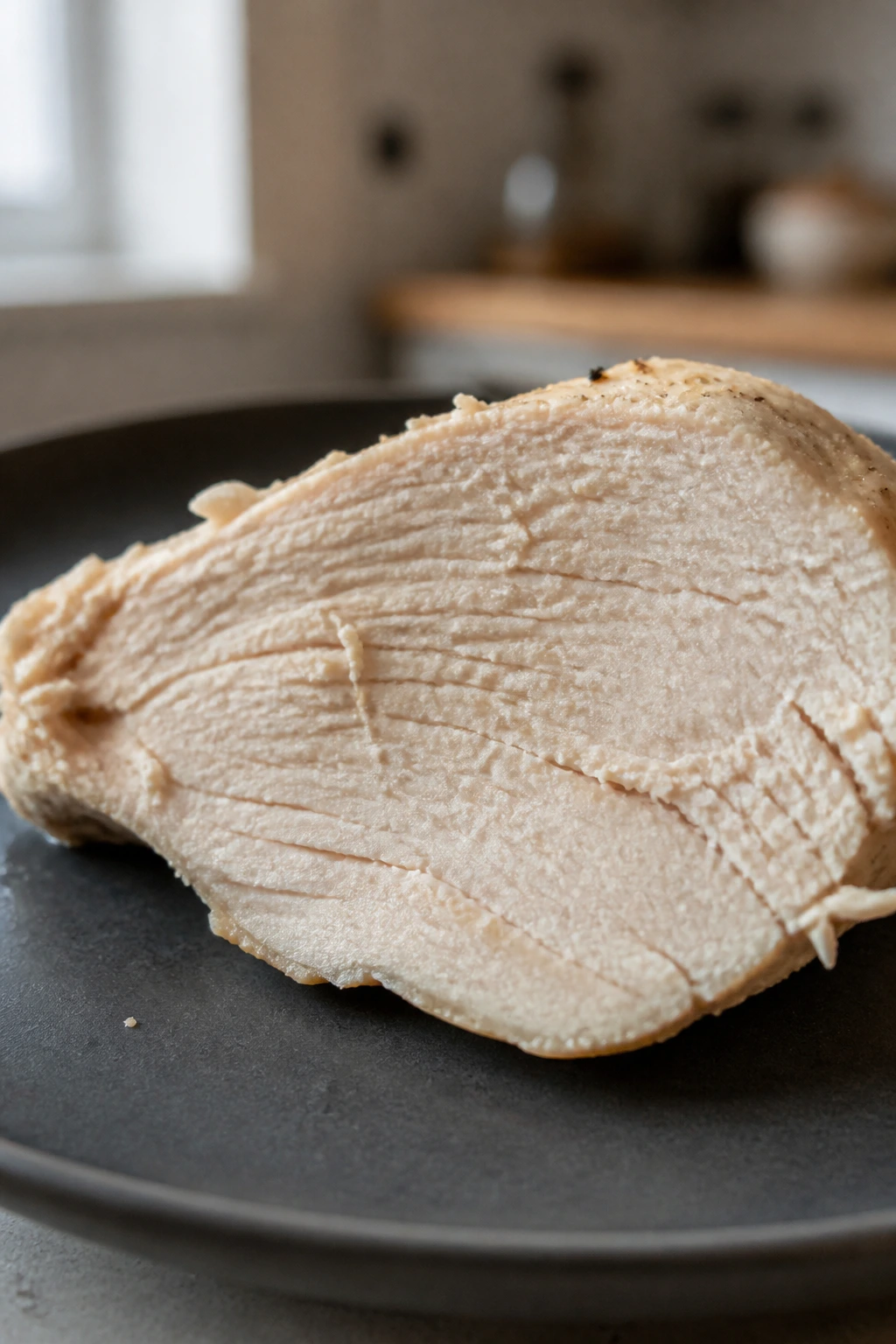
Cooked chicken holds up best when it cools fast, stays cold, and doesn’t get handled more than necessary. The fridge window is short enough that you should treat leftovers as a plan, not a maybe. If the chicken will be eaten within 3 to 4 days, keep it refrigerated in shallow containers at 40°F or below. If it’s going to sit longer, freeze it before the quality drops off.
Room temperature is the enemy here. Two hours is the standard limit for cooked chicken sitting out; if the kitchen is hot, cut that to one hour. Don’t leave a roasting pan on the stove while you answer messages and then wonder why the meat tastes tired later. Move it into smaller containers once it’s cool enough to handle.
Freezing works best when the chicken is portioned with its future dinner in mind. Shredded chicken freezes well in flat bags because it thaws quickly and takes sauce easily. Sliced chicken is fine too, but it can get a little drier after thawing, so it often does better in soup, casserole, or sauced skillet meals. If the chicken is already mixed with sauce, freeze it that way. The sauce protects the texture.
For reheating, thaw in the fridge overnight if you can. If you’re short on time, go straight from frozen to a covered skillet with a little sauce or broth and keep the heat low. Microwave reheating works too, but only in short bursts with a cover and a splash of liquid. Reheat only what you need. Heating and cooling the same chicken over and over is how a good leftover turns into a sad science project.
If the chicken smells off, feels sticky, or has been hanging out beyond the safe window, toss it. Being careful here is not fussy. It’s the difference between a quick dinner and a bad evening.
Questions That Come Up Right at the Fridge Door
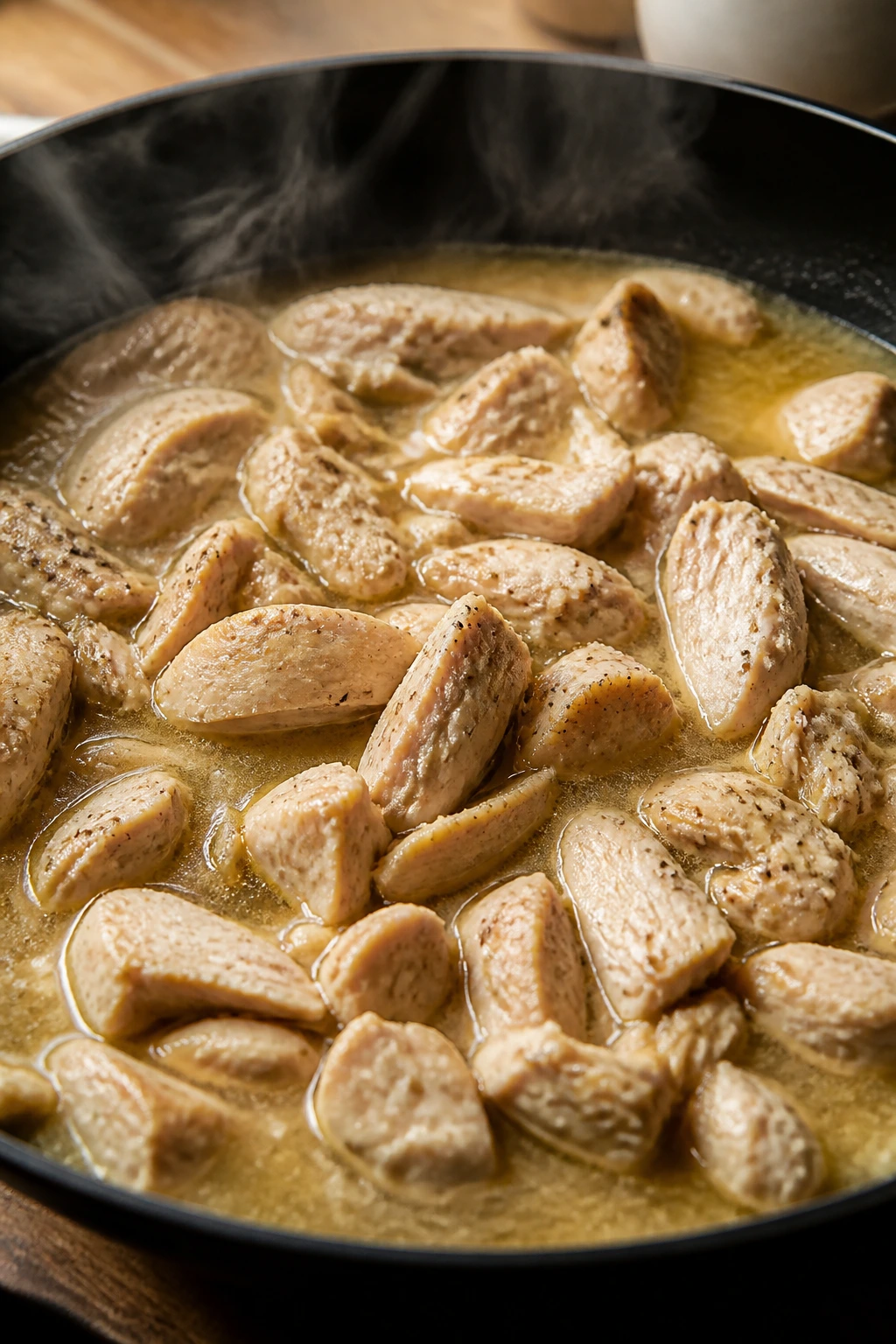
Can I reheat leftover chicken in the microwave without drying it out?
Yes, if you cover it and add a little liquid. Use 50% to 70% power in short bursts, about 30 seconds at a time, and stop once it reaches 165°F. High power is what dries out the edges first.
Is shredded chicken or sliced chicken better for weeknight dinners?
Shredded chicken is better for saucy dishes like tacos, soups, and enchiladas because it drinks up flavor fast. Sliced chicken works better when you want the meat to stay distinct in salads, bowls, and wraps. I keep both forms if I have enough leftovers.
What if the chicken already tastes dry?
Don’t try to “cook it back to life.” Add it to a moist dish: soup, gravy, a creamy sauce, or a filling with mayo, yogurt, or salsa. A little broth and a little fat usually help more than another round of heat.
Can I freeze cooked chicken that’s been in the fridge for a couple of days?
Yes, as long as it’s still within the safe storage window and hasn’t developed off smells or texture. Freeze it before day 4 if you know you won’t use it. The sooner it gets frozen, the better the texture later.
What’s the best way to use leftover chicken in pasta?
Warm the sauce first, then fold in the chicken during the last minute so it heats through without overcooking. Thick sauces like Alfredo or tomato cream coat the meat better than thin, watery sauces. A spoonful of pasta water helps the sauce cling.
Can I add cold chicken straight into soup or stir-fry?
You can, but add it near the end. In soup, let it warm in the hot broth for a few minutes. In stir-fry, the chicken should go in after the vegetables are mostly cooked and the sauce is ready, not at the beginning when the pan is screaming hot.
Is rotisserie chicken the same as leftover chicken?
In practice, yes. Treat it the same way: cool it quickly, store it in shallow containers, and reheat gently. Rotisserie chicken often starts a little wetter than home-roasted breast meat, which makes it especially useful for weeknight dinners.
How do I keep chicken juicy in a salad or wrap?
Mix it with a dressing or spread before it goes on the plate. Mayo, yogurt, pesto, hummus, or even olive oil with lemon can keep the meat from feeling dry and flat. Tiny chopped add-ins — celery, pickles, herbs, scallions — help the texture too.
A Better Ending for the Chicken in Your Fridge
Leftover chicken only feels boring when it’s treated like a problem to get through. Handled well, it becomes the fastest part of dinner and the part most likely to still taste like food someone actually wanted to eat. That’s a small thing until you’re tired, hungry, and staring at a container on the middle shelf.
Keep the heat gentle, keep a little liquid nearby, and stop reheating the whole batch just because it’s there. Those three habits rescue more weeknight dinners than any fancy trick ever will. The next time you open the fridge and see cooked chicken waiting for you, you don’t need a new recipe from scratch. You need a good direction, a skillet, and five quiet minutes.