



The worst fast-food order is the one that looks harmless until the receipt tells on it. A grilled chicken sandwich with cheese, ranch, and fries can blow past 700 calories without much drama, and that’s before the milkshake, dessert, or “small” fountain drink show up. If you’re trying to keep things clean, dairy-free, and under 500 calories, the menu board can feel like a trap laid by someone who knows exactly which button to push.
It does not have to be that way.
Clean dairy-free fast food under 500 calories is less about perfection and more about knowing where the calories hide, what dairy sneaks into plain sight, and which orders actually hold up once the sauce is gone. A plain bun can be fine. A single slice of cheese can be the quiet little troublemaker. A fried coating can drag a meal upward faster than the protein ever could. Once you start seeing the pattern, the drive-thru gets a lot less mysterious.
And here’s the useful part: you do not need a nutrition degree to order well. You need a few default builds, a short list of dairy traps, and the nerve to say “no cheese” without apologizing for it. That’s where the real control starts.
Why Clean Dairy-Free Fast Food Under 500 Calories Works Better as a Rule Than a Wish
A lot of people try to eat “better” at fast-food places by relying on vague instincts. That usually ends with a sandwich that sounds lean, a side that was supposed to be small, and a drink that quietly added more sugar than the meal needed. A cleaner rule works better because it narrows the decision tree before you get hungry, impatient, and tempted by the combo meal.
- The damage usually comes from the add-ons, not the main protein: One slice of cheese, a couple tablespoons of ranch, or a mayo-heavy sauce can add 60 to 200 calories fast, which matters a lot when your ceiling is 500.
- Dairy hides in more places than people expect: Buns, tortillas, breaded coatings, creamy dressings, mashed potato sides, and “light” sauces can all carry milk, whey, casein, or butter.
- Grilled beats breaded almost every time: The difference between a grilled chicken sandwich and a breaded chicken sandwich is often the difference between staying inside your calorie target and overshooting it before you even look at the side.
- A simple order is easier to repeat: If you save two or three go-to orders, you do not have to solve the same menu puzzle every time you’re stuck in line.
- The side choice changes everything: Water, unsweetened tea, fruit, or a side salad keeps the meal near 400 to 500 calories; fries and sweet drinks can double the damage in one move.
- Under 500 calories still leaves room for satisfaction: A single patty burger, a grilled chicken sandwich, or a taco bowl with beans and salsa can all feel like real food, not punishment food.
What “Clean” Actually Means When You’re Staring at a Drive-Thru Board
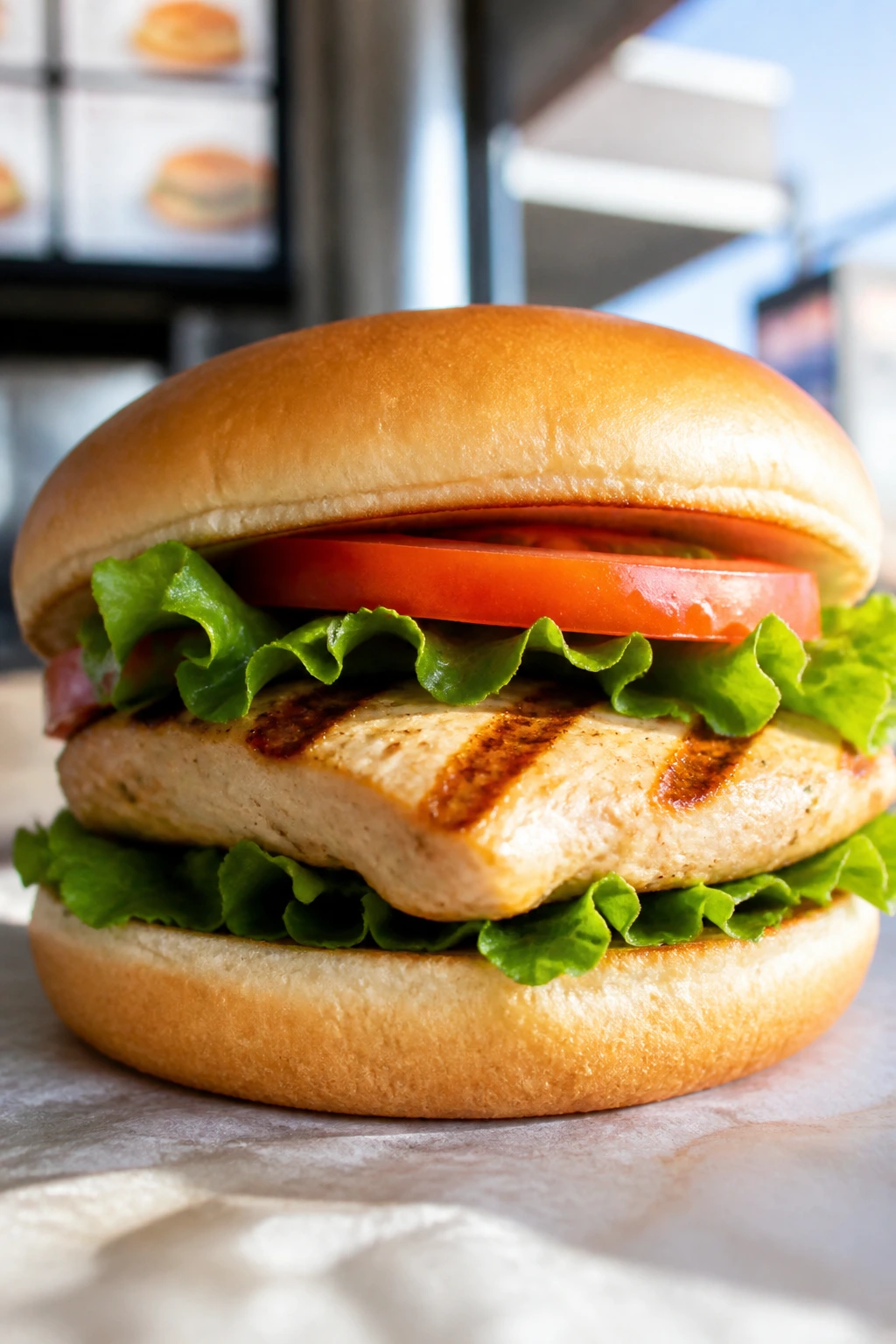
“Clean” is a slippery word, and fast food makes it even slippier. In this context, I use it to mean a shorter ingredient list, fewer creamy sauces, no cheese, no butter-heavy extras, and a build that looks like food you could explain in one sentence. It does not mean raw vegetables and saintly restraint. It means you cut the obvious junk without pretending the place is a health spa.
The easiest way to define it is by what you remove first. Cheese goes. Creamy sauce goes. Fried coating goes when you can avoid it. Milkshakes, specialty coffee drinks, and loaded sides are out unless you have calories to spare and you truly want them more than anything else on the menu.
A cleaner order usually has three things going for it:
A real protein anchor
Single burger patty. Grilled chicken breast. Eggs. Beans. Beef or turkey in a taco bowl. You want something that gives the meal shape. Without that, you end up over-ordering bread, starch, or side items trying to feel full.
A simple sauce plan
Mustard, salsa, hot sauce, vinegar, or a small amount of ketchup can work. Creamy dressings, aioli, and ranch are the ones that sneak up on people. They taste harmless in a squeeze packet. They are not.
A calm carb choice
A regular bun, one tortilla, a small portion of rice, or no carb at all if that genuinely suits the meal. The trick is not to fear carbs. The trick is to stop stacking them. A burrito, fries, and sweet tea is where things go sideways. A burrito bowl with rice measured by the scoop is a different animal.
One more thing. Dairy-free at fast food is not the same as vegan, and it’s not the same as “healthy” in any grand sense. A bunless burger with mustard can be dairy-free and still salty. That’s fine. We’re working with a practical rule, not a purity test.
The Calorie Traps That Hide in Plain Sight
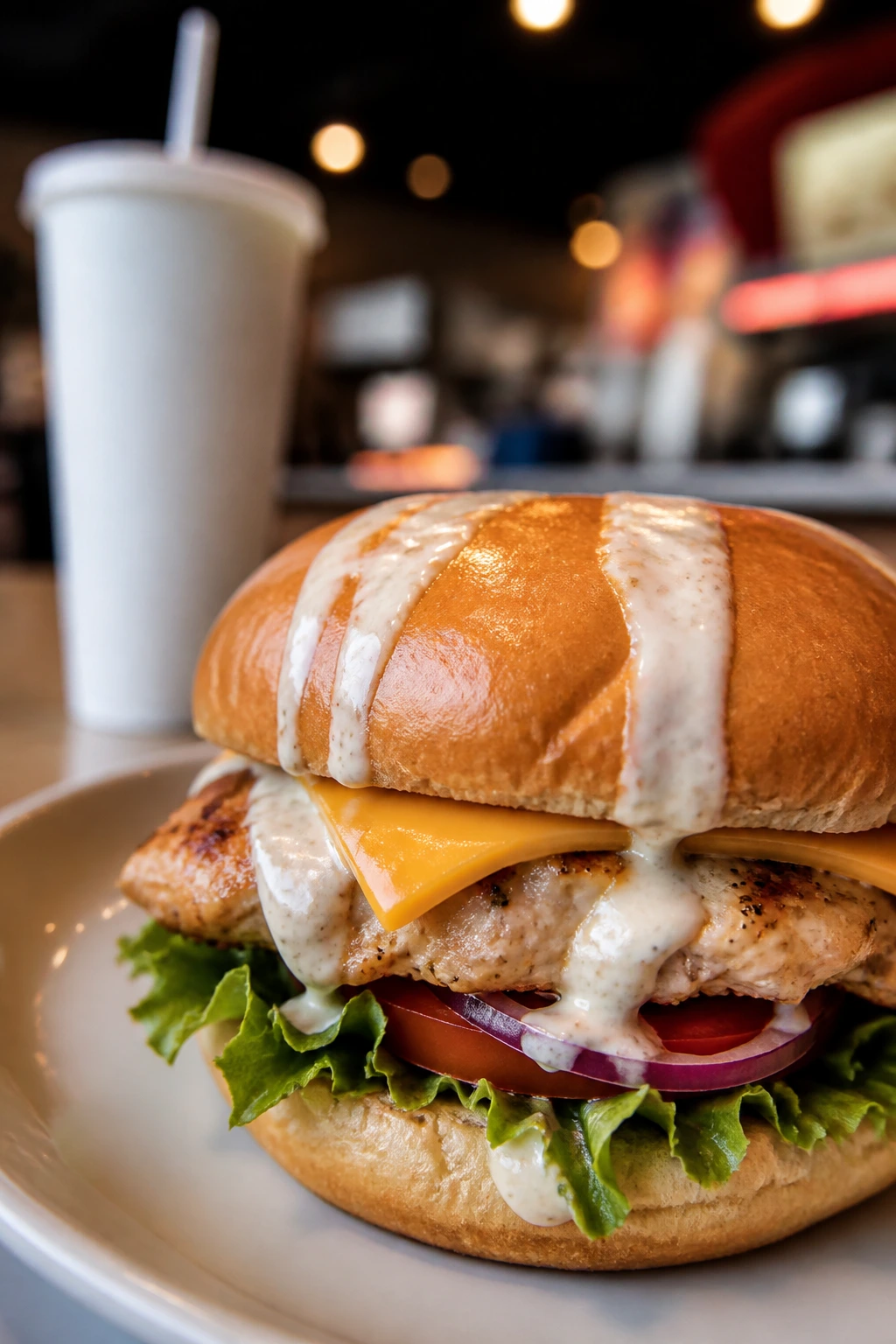
Fast food is full of calories that don’t announce themselves. The menu item gets the attention. The extras do the damage. That’s why a sandwich you thought was around 350 can end up much closer to 600 once the kitchen adds the usual little comforts.
Cheese is the obvious one, but not the only one. A single slice often adds around 60 to 110 calories, depending on the style. A creamy dressing packet can run 100 calories or more if you pour freely. Ranch, mayo, aioli, and specialty burger sauces are where a lot of “light” orders go to die.
Drinks are another quiet problem. A regular soda can add 150 to 250 calories before you’ve even started chewing. A smoothie or frozen coffee drink can act like dessert wearing a fake mustache. If the drink is sweet, blended, or milk-based, it usually needs a hard look.
Breaded items deserve their own warning. Chicken tenders, fish sandwiches, and crispy wraps often pull in milk powder, whey, or cheese seasoning inside the coating, and the fryer oil pushes the calories higher than grilled items ever would. The breading also makes portion size feel deceptive. Three breaded pieces can look modest and still eat up most of your budget.
The three biggest leaks
- Creamy sauce: Usually the fastest way to add 80 to 200 calories with almost no visual warning.
- Cheese: Small in size, loud in calorie impact, and often easy to remove.
- Fried sides: Fries, onion rings, hash browns, and breaded nuggets can take a clean order and make it heavy in a hurry.
The funny part
A plain side salad with the wrong dressing can carry more calories than a decent burger. That is not an exaggeration. It happens all the time because people trust the word “salad” and stop paying attention. Don’t do that.
Breakfast Orders That Stay Dairy-Free and Light
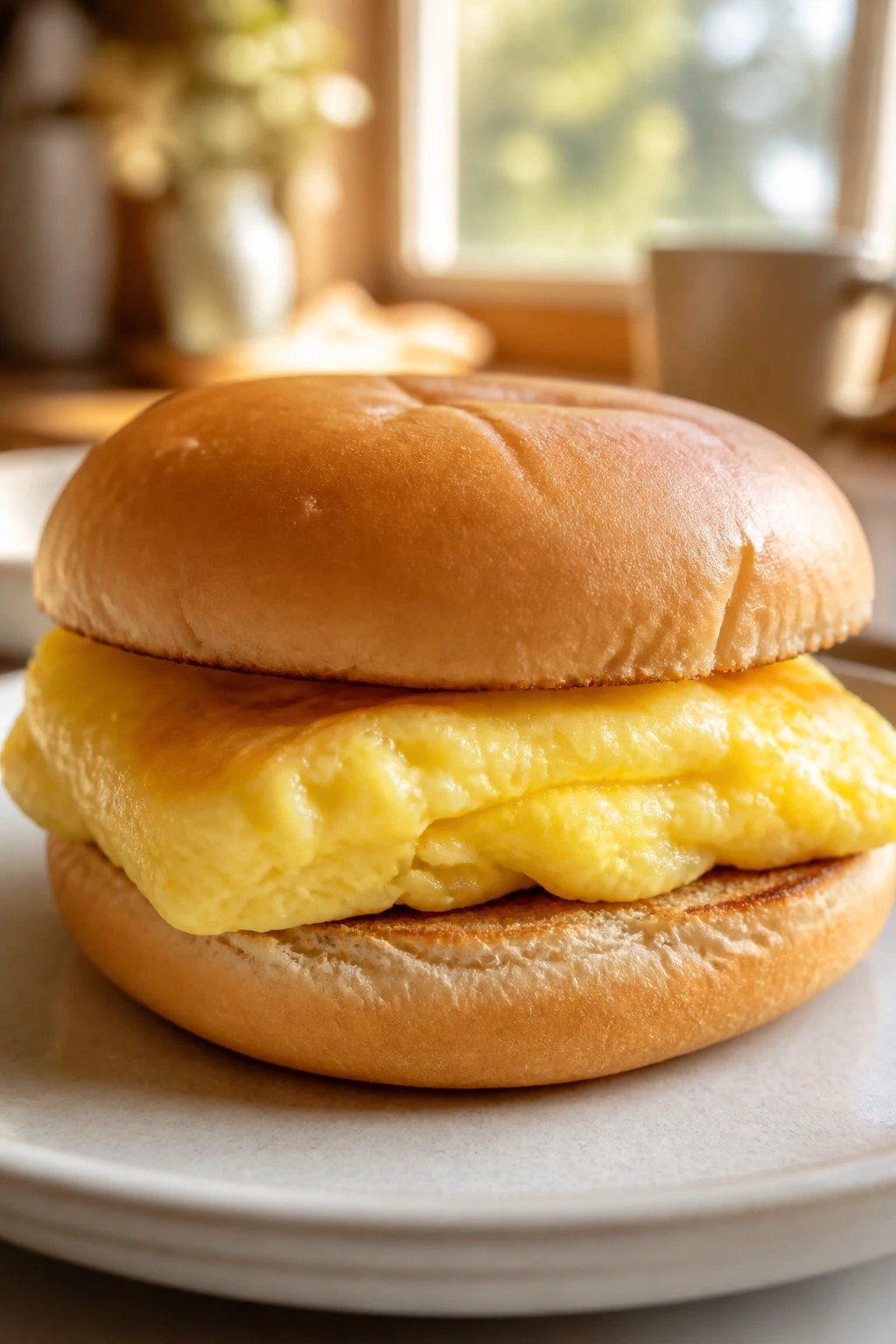
Breakfast menus are where good intentions get mugged by butter. Croissants are rich. Biscuits are richer. Most breakfast sandwiches arrive with cheese whether you asked for it or not. If you want to keep breakfast fast-food orders dairy-free and under 500 calories, the best move is to start with the least dressed-up version of the meal.
Egg-based orders are the safest place to begin. A simple egg sandwich on a plain bun or English muffin, with no cheese and no creamy sauce, often lands in the 250 to 400 calorie range depending on the size of the bread and whether bacon or sausage is involved. If the restaurant offers a breakfast burrito, ask for no cheese and no sour cream, then lean on salsa or hot sauce for flavor.
Oatmeal is another useful option, though you need to watch the toppings. Plain oatmeal can be a quiet win under 200 calories, but brown sugar packets, dried fruit, and nut clusters can move it upward fast. I like oatmeal best when the place gives you a plain base and you control the add-ins yourself. That keeps the calories honest.
Better breakfast builds
- Egg sandwich, no cheese, no mayo, mustard or salsa if available
- Breakfast burrito, no cheese, no sour cream, extra egg or extra beans if the chain allows it
- Plain oatmeal with fruit on the side
- Two eggs or egg bites only if the recipe does not hide dairy in the base
The bread matters more than most people think. A croissant or biscuit can eat up 250 to 350 calories on its own. An English muffin or standard bun gives you the sandwich shape without the same butter load. If the menu lets you swap bread, do it.
And yes, sausage and bacon can fit. You do not need to ban them. You just need to stop pairing them with cheese, cream, and a sugary drink all at once. That combination is what pushes breakfast into the danger zone.
Burger and Sandwich Orders That Keep the Plate Honest
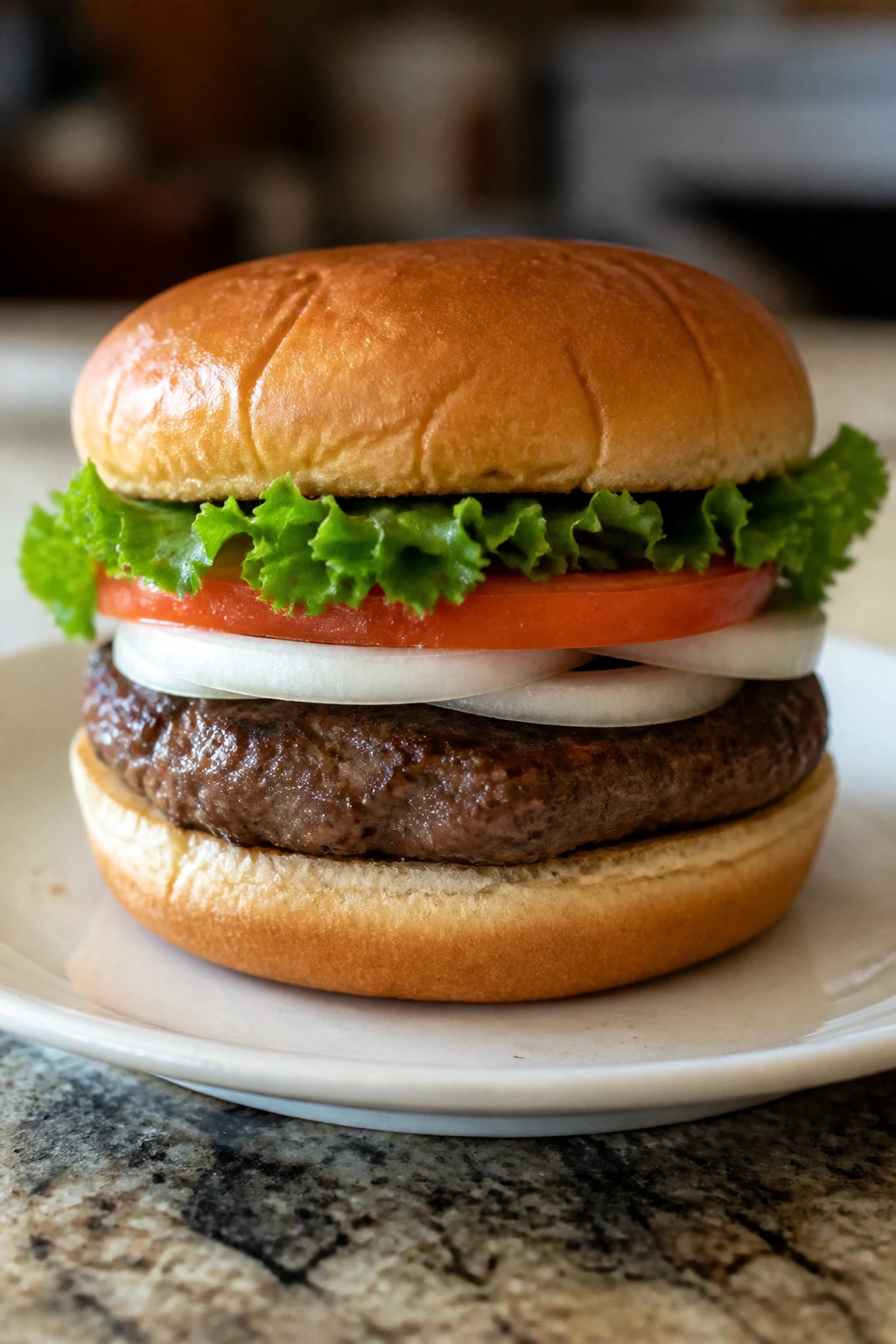
Burger places can be surprisingly workable if you stop ordering the default combo. The single biggest mistake is assuming that “no cheese” is enough. It isn’t. Mayo, special sauce, bacon, and oversized buns can still turn a modest sandwich into a heavyweight.
The cleanest move is usually a single burger patty with lettuce, tomato, pickles, onions, mustard, and ketchup if you want it. Skip the cheese, skip the mayo, and keep the bun unless you truly want to go low-carb. A regular bun often makes more sense than bunless because it gives you enough structure to feel like you ate a meal instead of a pile of protein on a tray.
Most single-patty burgers can stay under 400 calories if you keep the add-ons sane. A plain hamburger with vegetables and mustard is often in the 250 to 350 range. Once you add cheese, mayo, or bacon, the number climbs fast. A double burger usually makes the 500 target much tighter, and I would not treat it as a casual choice if calorie control matters.
What to ask for
- Single hamburger, no cheese, no mayo
- Mustard, pickles, onions, lettuce, tomato
- No special sauce
- Side salad or apple slices instead of fries
- Water, unsweetened tea, or black coffee
Sandwich shops can work the same way. A turkey or grilled chicken sandwich on plain bread, no cheese, no mayo, and plenty of vegetables can slide under 500 more easily than a loaded sub. Watch the bread size. A six-inch roll is one thing; a giant hoagie bun is another. Bread is not the enemy, but oversized bread is where people get careless.
One rule helps here: if the sandwich already has cheese on the standard build, assume you need to remove it or the sandwich is no longer part of this category. Don’t bargain with yourself at the counter. That’s how a 430-calorie order turns into a 690-calorie problem.
Grilled Chicken Orders That Actually Fill You Up
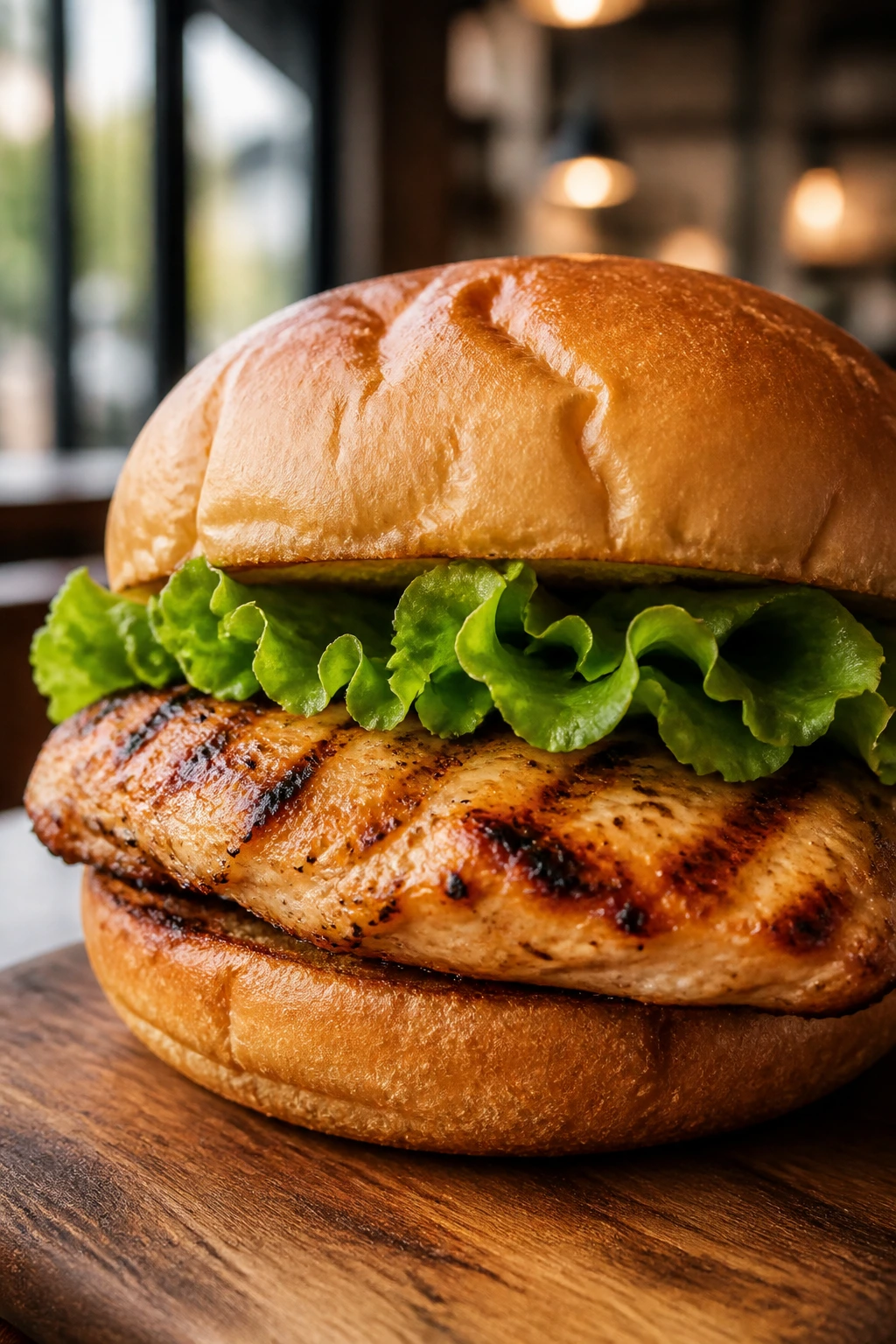
Grilled chicken is the workhorse of this whole category. It is boring in the best possible way. The reason it works is simple: you get more protein per calorie than you do with breaded chicken, and you do not inherit the dairy that often hides in the coating or sauce of crispy items.
A grilled chicken sandwich with no cheese and no mayo often lands between 300 and 450 calories, depending on the bun and the portion of chicken. Add one creamy sauce and you can add 80 to 150 calories without changing the shape of the meal. That’s why grilled chicken is only a good choice if you order it plainly.
If the chain offers grilled chicken strips or grilled chicken on a salad, the same rule applies. The chicken is the anchor. Everything else is support. Once the support starts carrying the meal, the calorie count gets slippery.
How to keep grilled chicken under 500
- Use mustard, salsa, or a vinegar-based sauce instead of creamy dressings
- Keep the bun or tortilla small
- Skip cheese and bacon
- Ask for extra lettuce, tomato, onion, or pickles
- Choose fruit, salad, or nothing on the side if the sandwich is already substantial
A grilled chicken salad can be a smart order, but it depends almost entirely on the dressing. A pile of greens with grilled chicken and a creamy ranch packet is not automatically light. If you pour the whole packet, the salad stops being a bargain. Keep the dressing on the side and use a few spoonfuls, not a flood.
I also like grilled chicken because it usually gives you a little more breathing room later in the day. A heavy lunch makes the afternoon weird. A grilled chicken meal with a fruit cup or side salad usually settles more cleanly. You can go back to work, errands, or the school pickup line without feeling like you swallowed a brick.
Taco, Burrito, and Bowl Orders That Let You Build Your Own
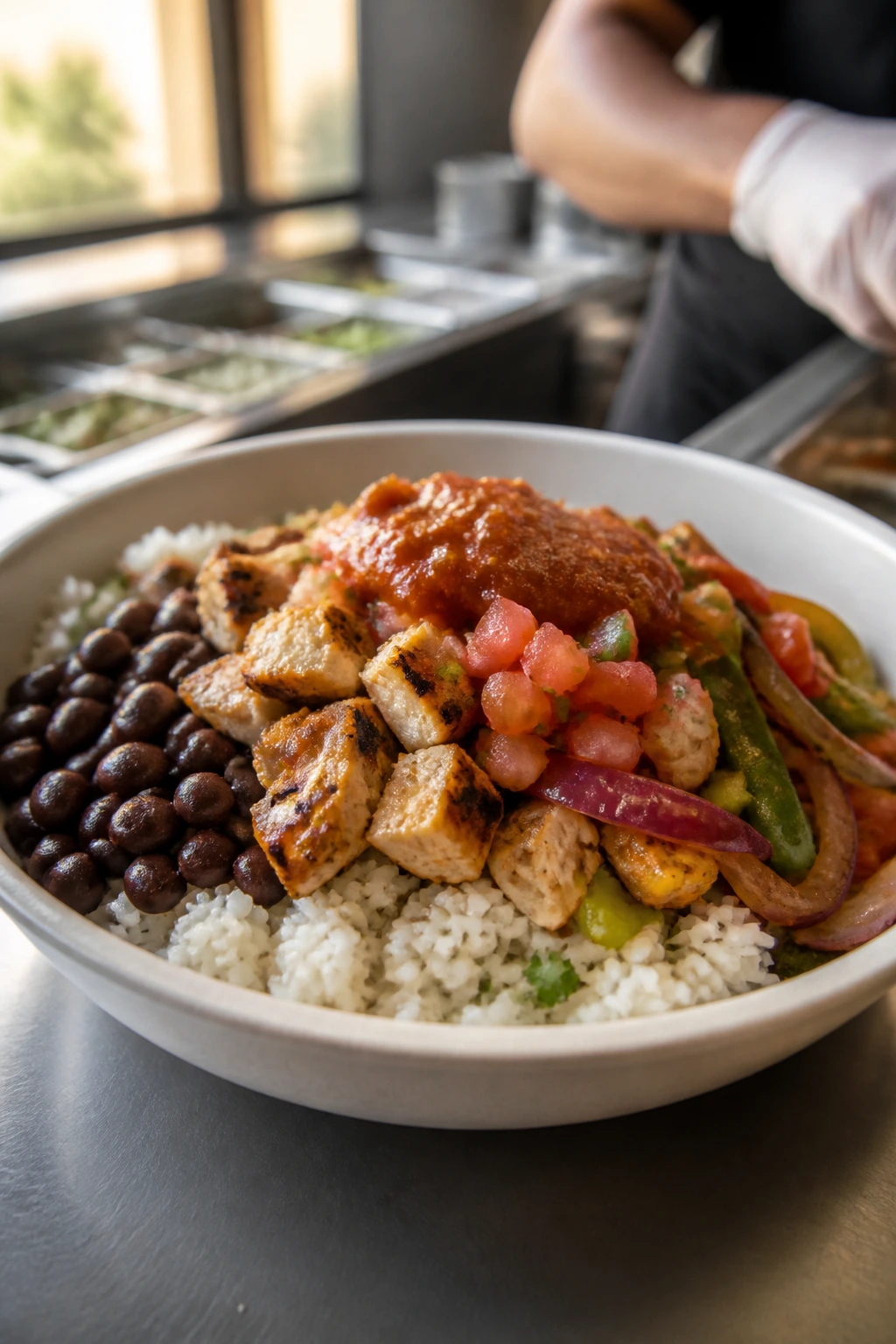
Mexican-style fast food is one of the easiest places to stay dairy-free, but only if you resist the cheese avalanche. The menu can look safe because it has rice, beans, chicken, and vegetables. Then you notice the queso, sour cream, shredded cheese, creamy jalapeño sauce, and fried shell options waiting like traps with better branding.
The smartest order is usually a bowl or soft taco build with a plain protein, beans, salsa, lettuce, and fajita vegetables. Keep the cheese and sour cream out of it. If you want avocado or guacamole, that can work too, but the portion matters. Guacamole is not evil. It just costs calories quickly.
A burrito bowl is especially useful because the ingredients are easier to control. Rice is the part that tends to sneak past people. One scoop is fine. Two big scoops plus beans, meat, guac, and salsa can still fit under 500 if the portions are reasonable, but you have less room to wander. A burrito wrapped in a tortilla adds another calorie layer that bowls don’t have to carry.
Clean bowl formula
- 1 scoop rice or half rice
- Beans
- Chicken, steak, or beef
- Fajita vegetables
- Pico de gallo or salsa
- No cheese, no sour cream, no queso
Soft tacos can also work well. Two or three tacos with meat, lettuce, tomato, and salsa can stay under 500 if the tortillas are modest and the fillings are not overdone. Crispy shells are less predictable and often less satisfying. They shatter. Soft tacos hold together and usually make the meal easier to manage.
One thing I like about this category is that it feels customizable without becoming ridiculous. You are not asking for a stunt order. You are just building a bowl that makes sense. That’s a much better place to be than trying to peel melted cheese off a tortilla with a plastic fork.
Salad Orders That Don’t Turn Into a Dressing Bomb
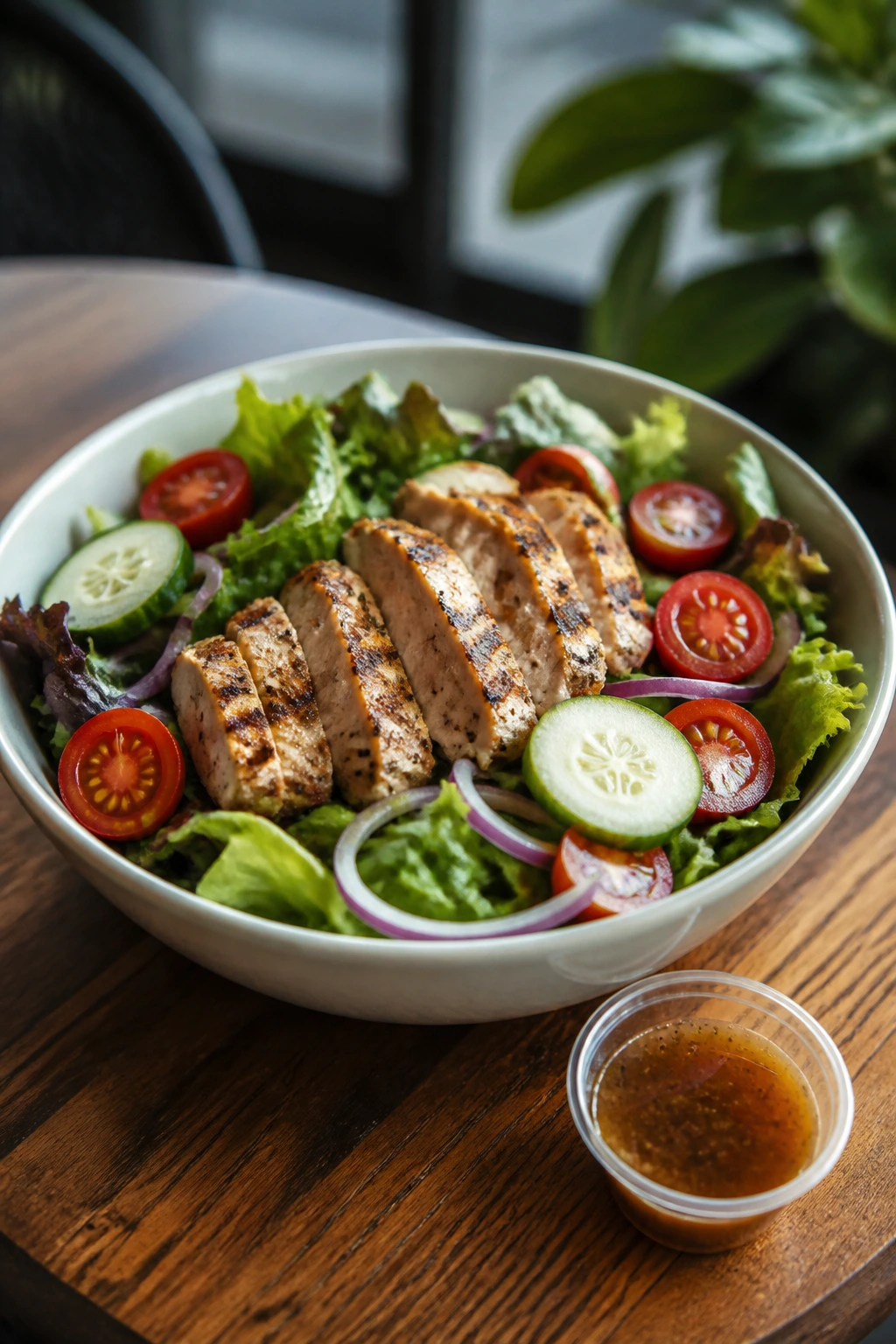
Salads are the most misunderstood item on the fast-food menu. People treat them like automatic health food. Then they get dumped with cheese, croutons, candied toppings, crispy tortilla strips, fried chicken, and a dressing packet that could double as a condiment for an entire family meal. The salad was never the problem. The build was.
A good fast-food salad under 500 calories needs a few guardrails. Start with grilled protein if possible. Skip cheese. Ask for dressing on the side. Leave out the crunchy add-ons unless they are truly small. That alone changes the math in a big way.
I’m not against salad. I’m against salad cosplay.
A salad with grilled chicken, tomatoes, cucumbers, onions, and a light vinaigrette can work well. A salad with fried chicken, cheddar, bacon bits, croutons, and ranch can be more calorie-dense than a burger. If you want a clean dairy-free order, the dressing choice matters as much as the greens.
Salad rules that actually help
- Choose grilled protein over crispy
- Ask for no cheese and no creamy dressing
- Use half the dressing packet if the packet is the only option
- Keep croutons or tortilla strips small or skip them
- Add salsa, vinegar, or lemon if the restaurant offers it
One practical trick: if the salad already comes with cheese in the base, it is usually easier to choose a different item than to pretend the cheese won’t matter. A salad with cheese removed is still often fine, but the kitchen usually won’t make it lighter by removing dairy and leaving everything else untouched. You save more calories by starting with a simpler order.
Sauces, Sides, and Drinks That Keep the Count Honest
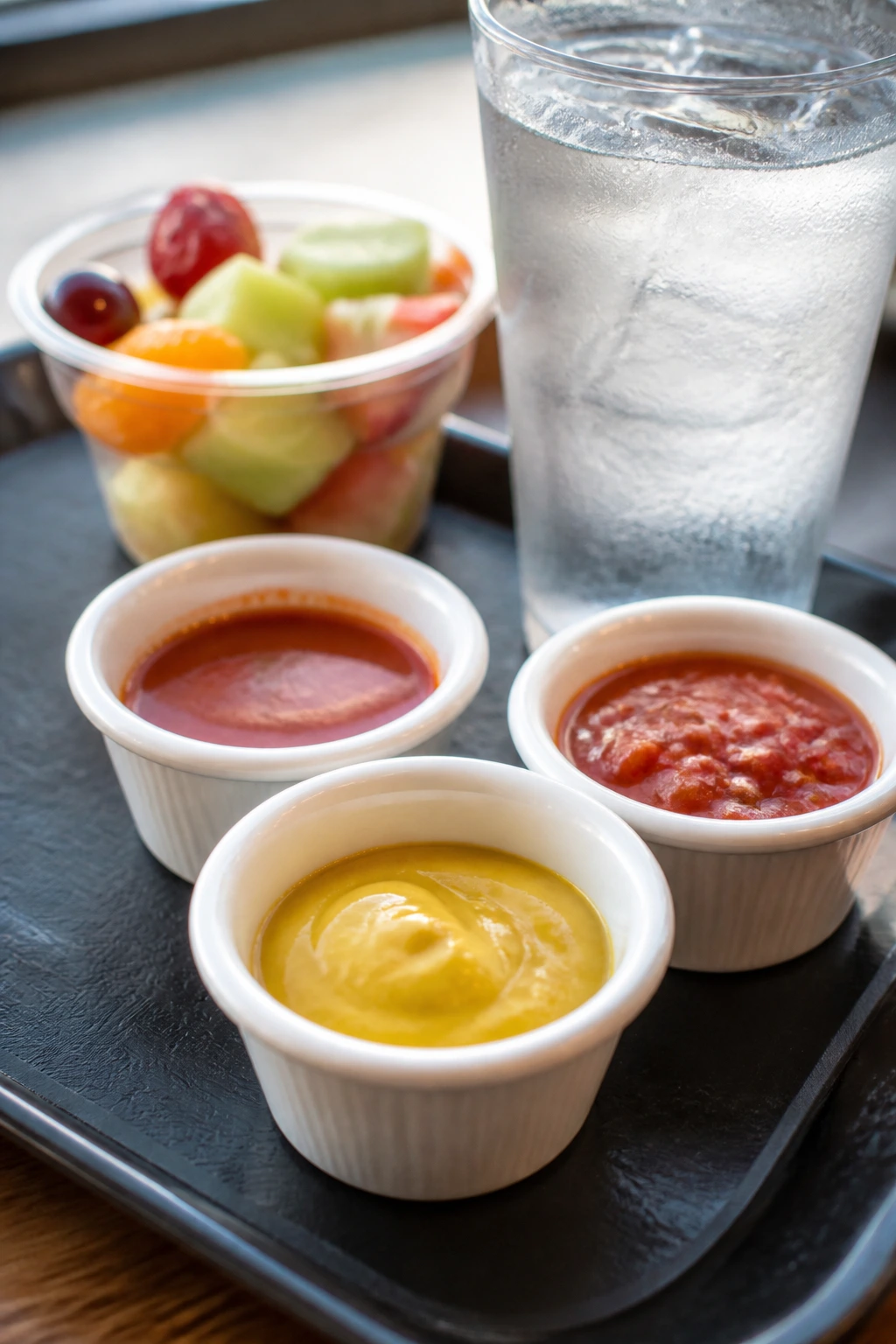
Sauces are where fast food gets sneaky. The meal looks modest. The packet is tiny. Then the calories land like a hidden tax. Creamy sauces are the main offenders, but sweet sauces and sugary drinks do their part too.
Mustard, hot sauce, salsa, and vinegar-based dressings are your friends. They add flavor without loading the meal with fat. Ketchup is fine in moderation. Mayo, ranch, aioli, special sauce, and creamy chipotle dressings are the ones that tend to eat your calorie budget while pretending to be a detail.
The side order deserves the same attention. Fries are the classic problem, but hash browns, onion rings, fried cheese curds, and breaded appetizers can be just as rough. If you want to stay under 500, fruit cups, apple slices, side salads, plain vegetables, or no side at all usually make more sense.
Drinks are the easiest place to save calories because they are the least filling. Water is the cleanest option, obviously. Unsweetened iced tea and black coffee work too. Diet soda keeps calories low if you care more about the number than the ingredient list. I don’t treat diet soda as “clean,” but I do treat it as a useful calorie tool when you need one.
A fast rule for sauces and drinks
- Creamy sauce: treat it like a side dish
- Sweet sauce: use a little, not a pool
- Water or unsweetened tea: safest default
- Milk-based coffee drinks: usually not worth the calories if you’re chasing the 500 mark
- Smoothies: often act like dessert in a cup, even when the label looks innocent
One of the smartest swaps I’ve seen is this: order the better sandwich and drop the fries, not the other way around. A decent burger or grilled chicken sandwich gives you more staying power than fries ever will. If you are hungry, the protein matters. If you are thirsty, drink water. That combination works better than trying to make a fry basket do a job it was never built for.
How to Order Fast, Clearly, and Without Sounding Rude

The best fast-food order is the one the person on the other side of the speaker can understand the first time. Long, tangled requests slow things down and increase the odds of mistakes. A short script works better. It sounds calm, and the kitchen has fewer chances to miss something.
Start with the base item, then name the removals, then add the one or two toppings you actually want. That structure matters. “Single hamburger, no cheese, no mayo, mustard instead, add pickles” is clean and easy to process. “Can I get the thing but, like, without the dairy and maybe with the normal toppings except not the sauce” is where orders fall apart.
If you are using an app, the app is often better than the counter because the substitutions are written down. Use it when you can. The order screen is less charming than a human, but it is also less forgetful. If the app shows calories after each removal, that’s even better. It removes guesswork and keeps you honest.
A few usable scripts
- Burger spot: “Single hamburger, no cheese, no mayo, mustard and pickles only, water, no fries.”
- Chicken spot: “Grilled chicken sandwich, no cheese, sauce on the side, side salad if available.”
- Taco spot: “Two soft tacos with chicken, no cheese, no sour cream, extra salsa.”
- Breakfast spot: “Egg sandwich, no cheese, no buttered bread if that’s possible, black coffee.”
You do not need to apologize for the request. Restaurants already offer substitutions because enough people ask for them. The polite version is simple and direct. That’s the whole trick. You are not inventing a new menu item. You are selecting from the ones already there.
Practical Tips for Staying Under 500 Without Feeling Stuck

The details matter more here than in most food decisions. A few small habits keep the whole order from drifting upward. The good news is that none of them require a spreadsheet. They just require attention.
Flavor Enhancement: Use mustard, salsa, hot sauce, pickle brine, or vinegar-heavy dressings to keep the meal lively without adding much fat. A burger with pickles and mustard tastes more finished than the same burger with no seasoning at all.
Time-Saver: Save two or three default orders in your phone notes. One for burgers, one for chicken, one for tacos. You will make faster decisions, and you will stop improvising when you’re hungry and impatient.
Pro Move: Order the sauce on the side even when you think you’ll use it. A side packet forces you to measure. A poured sauce disappears before you notice what happened.
Cost-Saver: Skip the combo meal if you do not want the side. A la carte ordering is often cheaper than paying for fries and a drink you were going to ignore anyway.
Protein First: If the meal feels small, add more lettuce, tomato, onions, or salsa before you add another carb. Volume from vegetables is a better deal than a second bun or extra fries.
A small warning, too. “Healthy” menu language can be slippery. A wrap sounds lean. A bowl sounds virtuous. A salad sounds like a promise. None of those words matters if the dressing or cheese turns the item into a calorie bomb. Check the build, not the label.
Common Mistakes That Blow the Calorie Budget
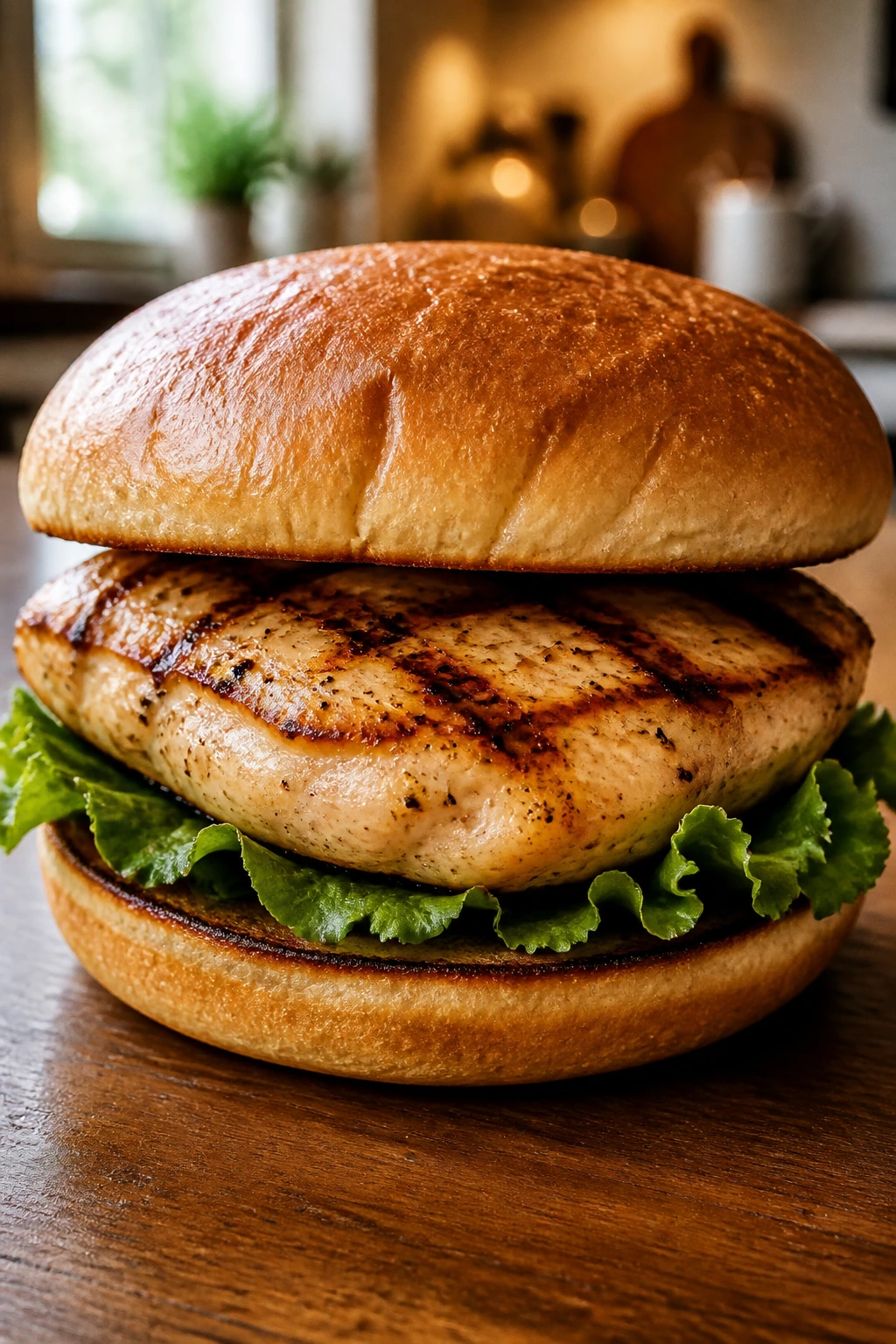
People usually miss the same few things. That’s good news, because it means the fix is repeatable. Once you know the traps, they’re easier to spot from across the counter.
Mistake: Treating “no cheese” as enough.
The symptom is simple: the meal still feels heavy and the calorie count is higher than expected. Mayo, special sauce, creamy dressings, and buttered bread often do the rest of the damage. Fix it by removing cheese and checking the sauce, bread, and side.
Mistake: Choosing fried chicken because it still sounds like chicken.
The bite is different, the oil is different, and the calorie count is different. Breaded chicken often eats most of your budget before the meal starts to feel complete. Choose grilled when the goal is staying under 500.
Mistake: Trusting salads without reading the dressing.
The salad itself may be fine. The packet may not be. A creamy dressing can erase the calorie savings from the greens in one pour. Use dressing on the side and stop at a few tablespoons.
Mistake: Drinking calories without noticing.
A sweet tea, soda, or coffee drink can turn a neat order into a sloppy one. Water, unsweetened tea, and black coffee are the cleanest choices if the calorie cap matters.
Mistake: Ordering “small” fries as a harmless extra.
A small fry is not small in practical terms. It can still be 200 to 300 calories, sometimes more depending on the chain. If you want fries, make them the main side and keep the sandwich plain. Don’t stack both.
Mistake: Assuming bunless is always better.
Sometimes it is. Sometimes it just leaves you with a meal that feels incomplete, so you chase satisfaction with more sauce or more sides. A normal bun plus a clean topping list often works better than a bunless order that turns into a greasy protein pile.
Variations and Alternatives for Different Eating Styles
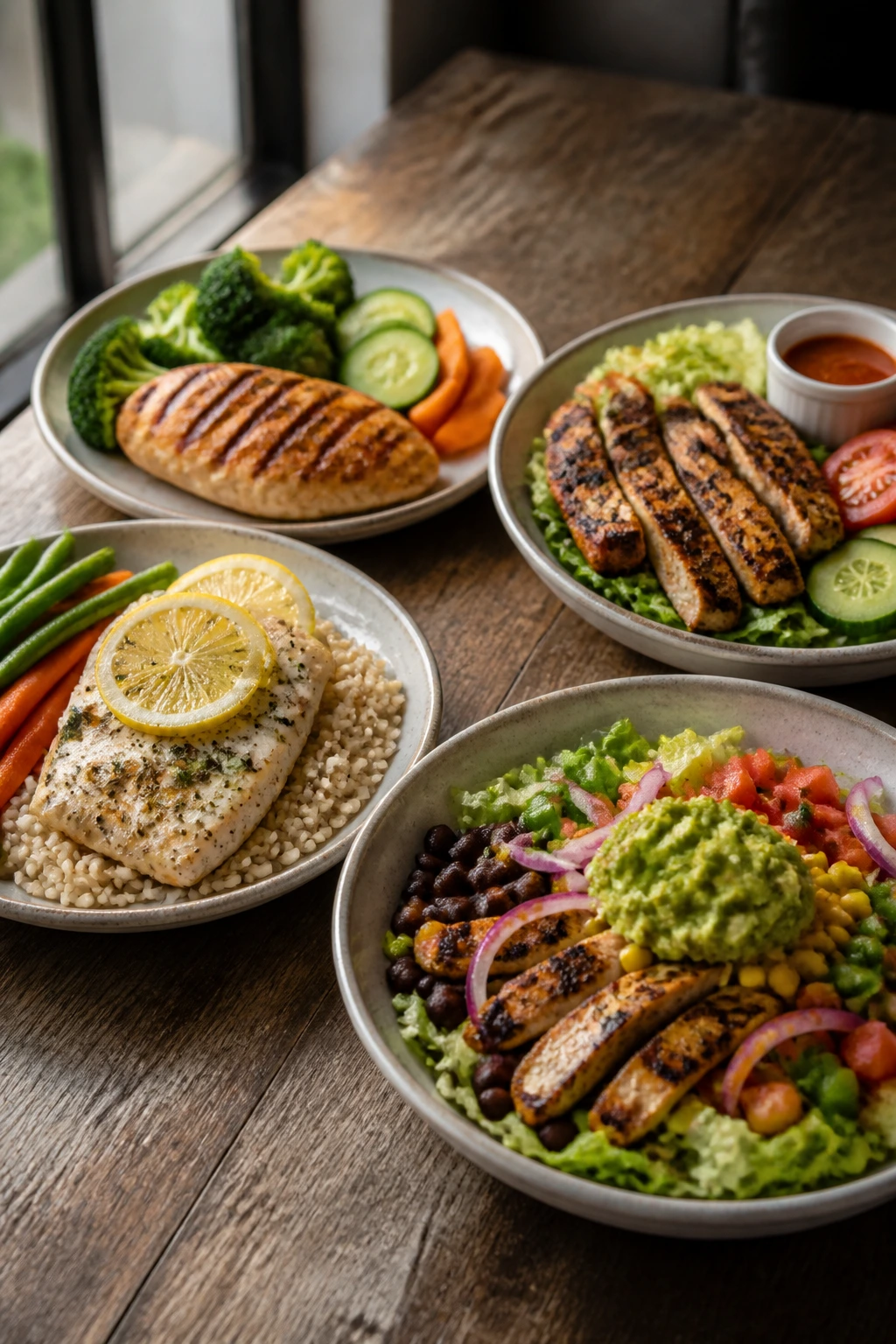
Different days call for different priorities. A clean dairy-free fast-food order under 500 calories can lean higher protein, lower sodium, lower carb, or just simpler, depending on what matters most that day.
The Plain-Protein Default
This version keeps the order stripped down: grilled chicken or a single burger patty, vegetables, mustard or salsa, and water. It is the easiest path when you want the least guesswork and the shortest ingredient list.
The Higher-Protein Build
Choose grilled chicken, turkey, or a single burger with extra meat if the calorie math allows it. Drop the fries and keep the drink unsweetened. This version works when you need the meal to carry you for several hours and you’d rather spend calories on protein than bread.
The Lower-Sodium Rescue
Skip bacon, pickles, extra seasoning packets, and salty sauces. Choose simple grilled protein, plain vegetables, and one modest carb. Fast food is rarely low in sodium, but this version keeps the salt load from getting silly.
The Taco-Bowl Shortcut
Use rice sparingly, then load up on beans, salsa, grilled protein, lettuce, and fajita vegetables. This build is easy to customize and usually easier to keep dairy-free than a burrito with everything tucked inside one tortilla.
The Breakfast-First Fix
Go with an egg sandwich, no cheese, and a plain coffee or tea. If the place has oatmeal, that can work too, especially if you add fruit rather than sugar-heavy toppings. Breakfast menus get less chaotic when you stop chasing the biggest sandwich.
Tools, Apps, and Small Resources That Make Ordering Easier
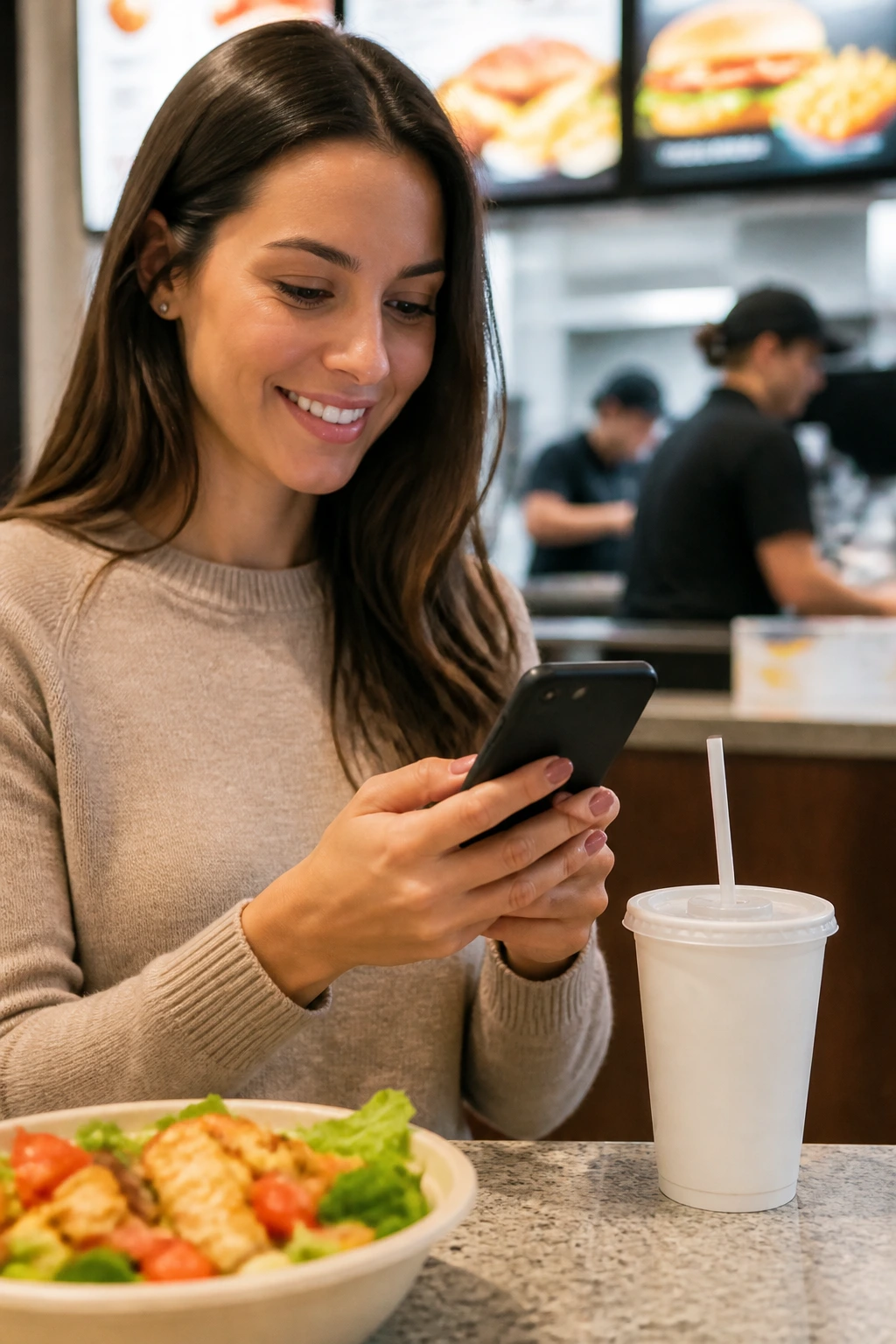
You do not need special gear, but a few practical tools make dairy-free ordering easier and less annoying.
- Restaurant app with nutrition info: Lets you check calories after swaps instead of guessing at the counter.
- Phone notes with saved default orders: A short burger, chicken, and taco script saves time when you’re hungry.
- Ingredient lookup list: Keep a note with dairy words like whey, casein, milk solids, lactose, butter, cream, and cheese so you can spot them fast.
- Reusable water bottle: Sounds basic. It saves you from buying a sweet drink when you only wanted something cold.
- Travel fork or spoon: Useful if you lean on bowls, salads, or side items and do not want to depend on flimsy plastic utensils.
I’d also keep one old-fashioned resource handy: a memory of what actually works at your regular spots. A place with a good grilled chicken sandwich is worth remembering. So is a taco counter that lets you pull the cheese and keep the salsa. The best tools are the ones that reduce decision fatigue.
Leftovers, Storage, and Reheating Without Ruining the Meal
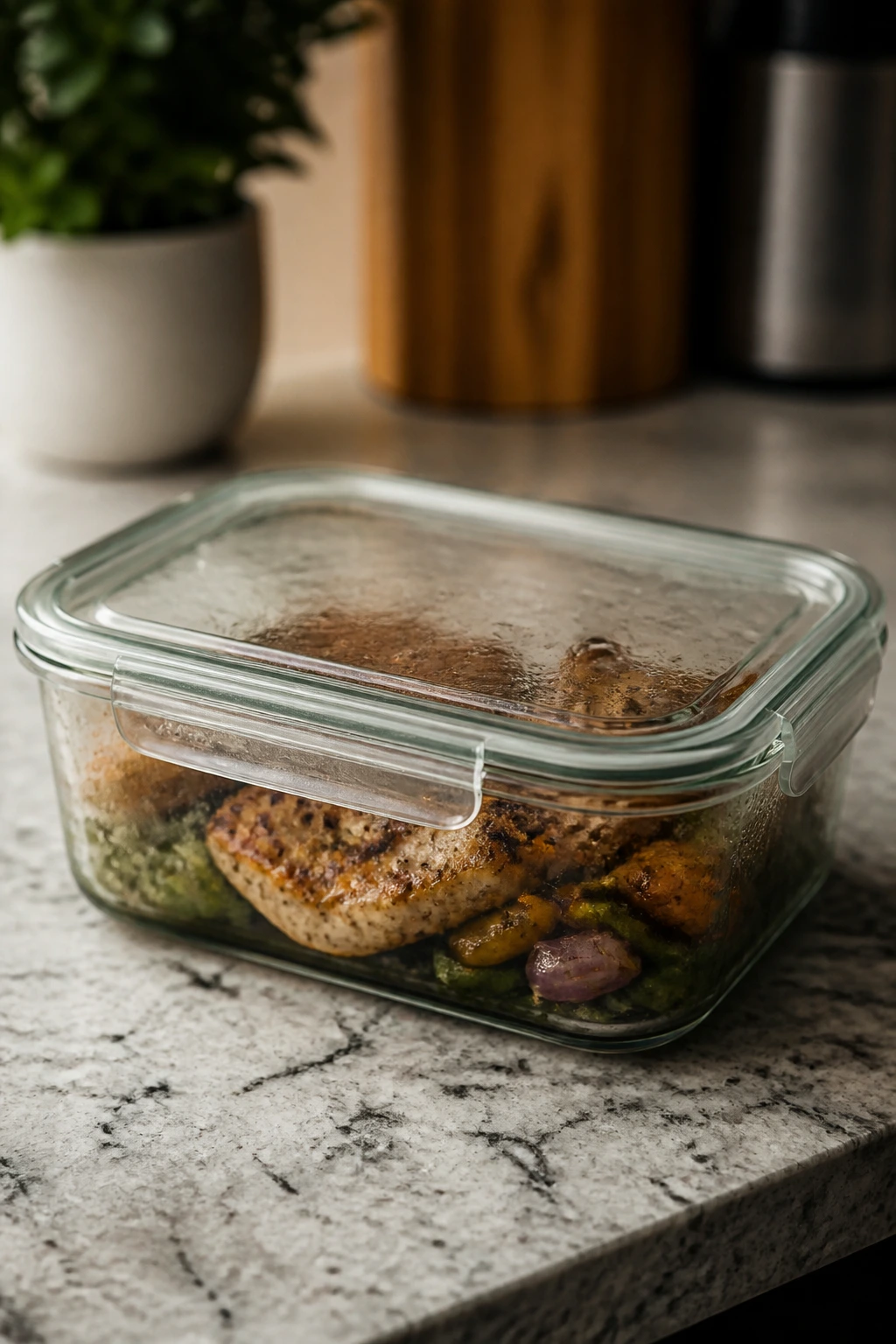
Fast food is not usually bought with leftovers in mind, but half a sandwich or a second taco happens more often than people admit. The trick is to store the pieces that survive well and stop pretending the rest will be edible later.
Refrigerate leftovers within 2 hours. That part is not glamorous, but it matters. Burger patties, grilled chicken, tacos with dry fillings, and bowl components usually keep for 3 to 4 days in the fridge if they’re sealed well. If you plan to freeze anything, freeze the protein or the bunless components, not the whole saucy sandwich.
The best reheating method depends on the item. A grilled chicken patty or burger patty does better in a 350°F oven for about 8 to 10 minutes or in an air fryer for a few minutes until warmed through. Microwaves are faster, but they soften buns and make bread limp. If you must microwave, separate the bread from the protein and reassemble afterward.
Bowls reheat well if you keep the wet parts in one container and the dry parts in another. Rice, beans, and chicken can go in the microwave with a splash of water so they don’t dry out. Add salsa or lettuce after reheating, not before. Salads are usually not worth saving once dressed.
A few practical habits help here:
- Pull off sauce packets before chilling
- Store buns separately from hot fillings
- Keep lettuce and tomato out of the microwave
- Use glass or airtight containers so the food doesn’t taste like the fridge
If you know you’ll only eat part of the meal, split it right away. That keeps the second portion from turning into a sad, cold pile at the back of the refrigerator.
Questions People Actually Ask Before They Order

How do I know if a fast-food item contains dairy?
Check the ingredient list or nutrition panel when the restaurant publishes one, and look for whey, casein, milk, cream, butter, or cheese in the bun, sauce, or breading. If the item is creamy, crispy, or cheesy, treat it as suspicious until you verify it.
Is grilled chicken always dairy-free?
Not always. The chicken itself may be fine, but the marinade, bread, or sauce can still contain dairy. If you need to be strict, ask about the bun, seasoning, and any finishing sauce.
Can I stay under 500 calories at breakfast without eating tiny portions?
Yes. An egg sandwich with no cheese, an oatmeal bowl with fruit, or a breakfast burrito without dairy can all fit if you keep the bread and sauces modest. The trick is to avoid the biscuit, croissant, cheese, and sweet coffee drink all in the same order.
Are fries ever worth it?
If fries matter to you, make them the chosen side and keep the rest of the meal lean. A sandwich plus fries plus a sweet drink usually blows the 500-calorie cap, so pick one indulgence instead of three.
What if the app won’t show calories after my custom changes?
Use the posted base nutrition as your guide and estimate the removals. Dropping cheese, mayo, and creamy sauce usually saves enough calories to matter even if the app does not recalculate perfectly.
Is a salad the safest choice?
Only if you control the dressing and the toppings. A salad with grilled chicken and a light dressing can be a smart order; a salad with fried chicken, cheese, bacon, croutons, and ranch is a different story.
How do I order quickly if the line is busy?
Use a short script: base item, removals, one sauce, no combo. “Single hamburger, no cheese, no mayo, mustard only, water” is fast, clear, and much less likely to get mangled than a long explanation.
What if I need more protein but still want to stay dairy-free?
Choose grilled chicken, burger patties, eggs, beans, or a taco bowl with extra meat and less rice. Protein keeps the meal satisfying, and it usually costs fewer calories than extra bread or fries.
The Order That Holds Up
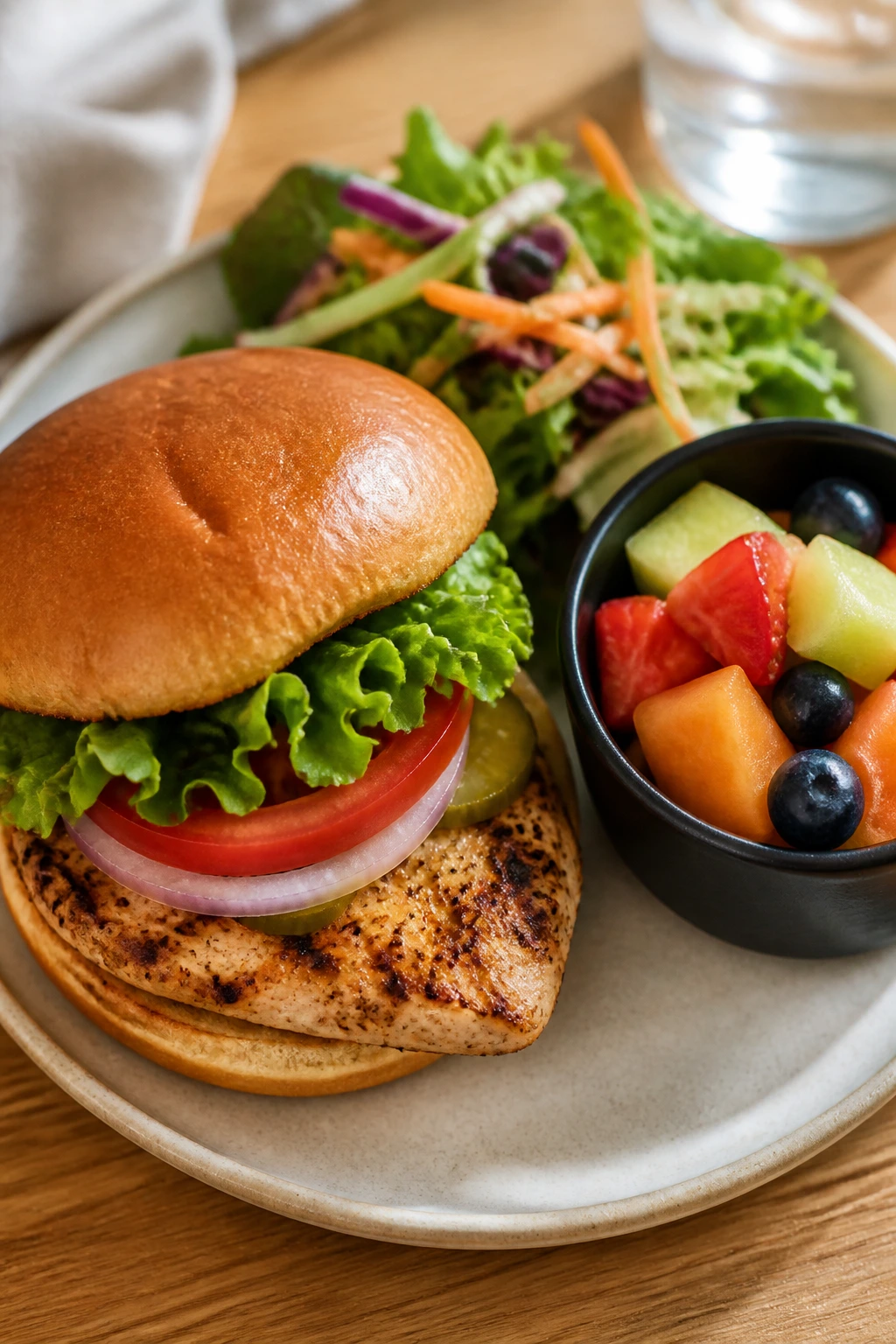
A clean dairy-free fast-food order under 500 calories is not about winning some purity contest. It is about eating like someone who has seen a menu board before and knows where the sneaky calories live. Once you start treating cheese, creamy sauce, fried coatings, and sugary drinks as the real decision points, the whole thing gets simpler.
The best orders are rarely the flashiest ones. They’re the ones that show up, taste normal, and don’t leave you feeling like you overpaid in calories for convenience. Keep a few defaults in your phone, keep the sauces on the side, and keep your eyes on the extras. That small bit of discipline turns the drive-thru from a gamble into a workable meal, and the next time you’re stuck in a parking lot between errands, you’ll know exactly what to say.