



The first good sign is the smell. Garlic and vinegar hit the meat, the grill warms up, and the whole yard starts smelling like somebody knows what they’re doing. That is what marinated easy BBQ for backyard cookouts does best: it gives you a head start. Not a vague promise. A real one. The meat comes to the grill already seasoned inside and out, and when the heat gets to work, you get that sticky edge, a little char, and a center that still tastes like itself.
I’ve always had more faith in a marinade than in a last-minute sprinkle of seasoning when the cookout has guests, kids, side dishes, and one grill that behaves differently on the left side than the right. A dry rub can be great. So can sauce. But a good marinade gives you breathing room. It covers the flavor base early, then lets the grill do the dramatic part. That’s a useful division of labor. And it keeps you from standing over the fire trying to save bland chicken with a brush and a prayer.
The trick is that marinade is not magic. It’s structure. Salt does one job. Acid does another. Fat carries flavor. Sugar browns, then burns if you get cocky. Smoke, garlic, mustard, soy sauce, citrus zest, herbs — they all work differently, and backyard BBQ gets better when you stop treating them like an undifferentiated dump-and-stir situation. Once you understand that, the whole cookout gets calmer, and the food gets sharper in the right places.
Why Marinating Does More Than Add Flavor
It seasons deeper than surface rubs. Salt in a marinade works its way into the first layer of the meat, so the finished bite tastes seasoned instead of merely coated. That matters on the grill, where a lot of flavor gets lost to heat, smoke, and impatient people grabbing food before the rest timer is done.
It buys you forgiveness. A lightly acidic marinade with oil and a little sugar can soften the blow if your grill runs hot or your timing slips by two minutes. That little cushion is worth a lot when the conversation is loud and the tongs are already in someone else’s hand.
It makes lean cuts behave better. Chicken breast, pork chops, and even flank steak can dry out fast if they start with no moisture help. A marinade won’t turn them into butter, but it does improve the odds that the inside stays juicy while the outside gets a proper sear.
It gives you cookout rhythm. Marinate in the morning, prep the sides at lunch, fire the grill at dusk, and you’ve got a meal that feels relaxed instead of frantic. That is the real luxury here. Not a fancy ingredient list.
It plays well with backyard heat. Sugar and fat in the right amounts help food brown instead of taste flat, but they also need a cooler zone on the grill. That tension is useful. It gives you flavor without turning the whole cookout into a flare-up contest.
Why Marinated BBQ Works Better Than Last-Minute Seasoning
A rushed barbecue dinner usually fails in one of two ways. The meat gets overcooked because it wasn’t seasoned enough to taste good at a shorter cook, or it gets sauced too early and the sugars burn before the center is done. Marinade helps you avoid both mistakes, which is why I reach for it whenever the menu includes more than one protein and more than one side dish.
The other advantage is boring in the best possible way: consistency. A quick shake of seasoning on wet meat clumps in odd places, especially on chicken thighs or unevenly cut pork. Marinade wraps the surface more evenly, and if you let the meat rest in the fridge long enough, the salt starts doing the quiet work of evening things out. That’s the part people skip when they think BBQ is only about smoke. It isn’t. It’s about making the meat taste seasoned all the way through.
A backyard cookout also has a specific kind of chaos. Someone wants the table set. Someone else is asking where the extra ice is. The grill lid is open too long. A marinade gives you a buffer because the flavor work starts before the crowd arrives. You are not building everything from scratch in the last ten minutes, which is a terrible way to spend a pleasant evening.
There’s also a practical reason marinated BBQ tastes better across different cuts. One marinade can be adjusted for chicken, pork, beef, or vegetables with small changes in salt and acid. You do not need four separate sauces and a full prep station. You need a formula that behaves.
Choosing the Right Meat for a Backyard Cookout
Not every cut is equally happy on the grill. Some meat wants high heat and a short stay. Some wants a little more patience. A good marinated cookout starts with choosing the cut that matches your plan, your grill, and your tolerance for hovering over coals.
Chicken thighs are the easy favorite in my book. They forgive higher heat, stay juicy better than breast meat, and take on marinade without getting delicate in a bad way. Bone-in thighs need a longer cook, but the payoff is worth it because the skin gets bronzed and the meat stays plush.
Chicken breasts can work beautifully, but they demand more care. Pound them to an even thickness, keep the marinade on the milder side, and pull them at 165°F without letting them wander into dry, stringy territory. Thick breasts can handle a little time in yogurt, citrus, or herb-heavy marinade, but they don’t like being forgotten.
Pork chops sit in a useful middle ground. Boneless chops grill fast, so they benefit from a salty, savory marinade with a little sweetness. Bone-in chops are more forgiving and usually taste better because the bone slows down the cooking just enough to keep the center from getting mealy.
Pork tenderloin takes marinade well, but it cooks quickly and dries out if you push it too far. Keep an eye on the thermometer. That’s non-negotiable.
Beef flank steak, skirt steak, and sirloin like bold, salty marinades more than heavy, sugary ones. They want fast, hot grilling and a short rest. Thin cuts can take on a lot of flavor in 30 minutes to a few hours, which is handy when the cookout gets moved up.
Shrimp and firm fish are a separate game. They need short marinating times — often 15 to 30 minutes — because acid can turn the texture odd if you leave them too long. Great flavor. Tiny window.
Vegetables deserve a mention too. Mushrooms, zucchini, peppers, onions, and halved eggplant all soak up marinade well, especially when the mixture includes oil, salt, and herbs. They’re not there as a consolation prize. They’re there because grilled vegetables with a sharp, garlicky marinade are excellent and don’t need apologizing for.
If you want one cookout menu that feels cohesive, pick cuts that can share a similar heat plan. Chicken thighs, pork chops, and skewered vegetables can all live comfortably in the same two-zone grill setup. A thick ribeye and a tray of shrimp? That’s a different show.
What Belongs in a BBQ Marinade That Actually Works
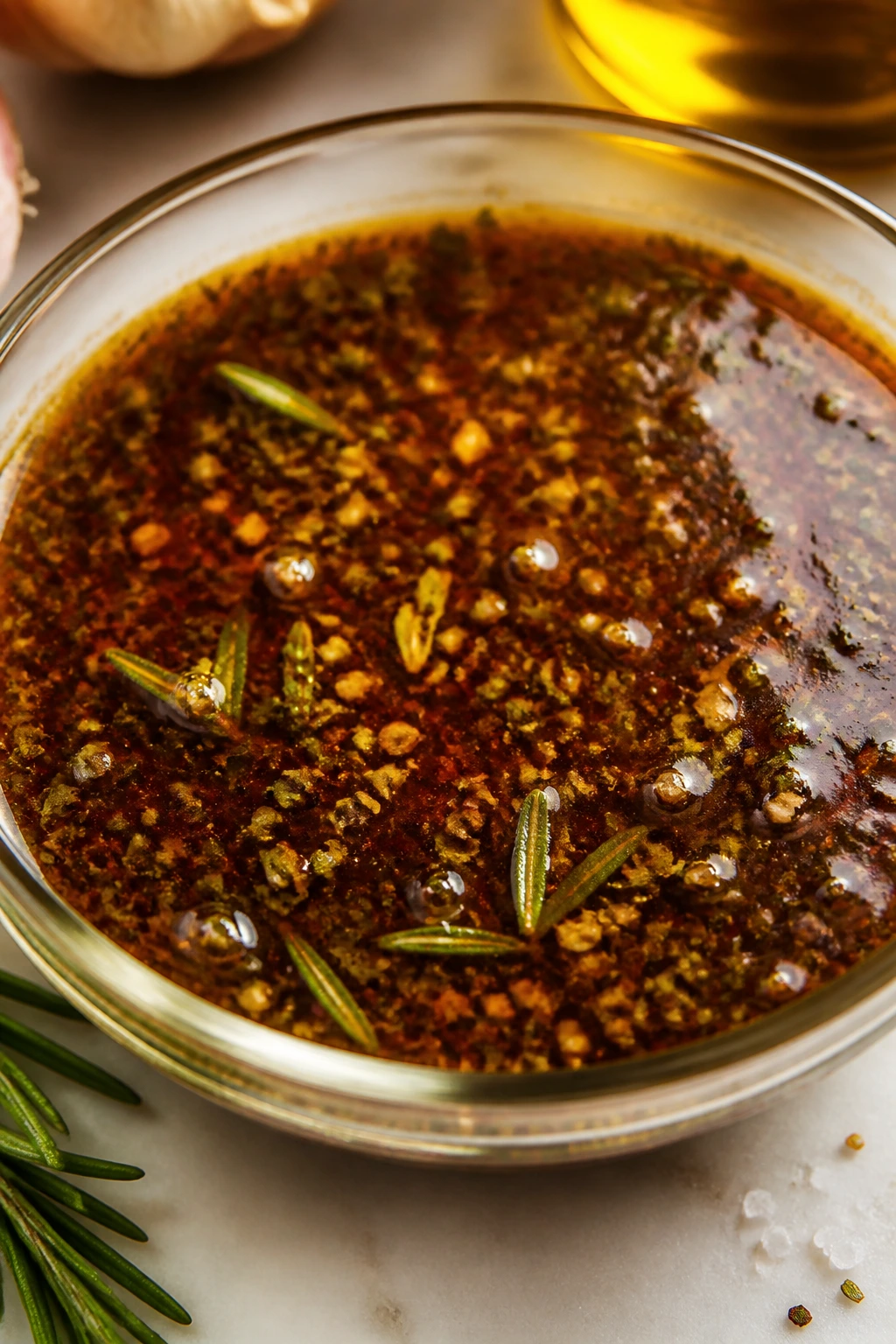
A good marinade has a job, and every ingredient should earn its place. I’m suspicious of long ingredient lists that feel more decorative than useful. Backyard grilling doesn’t reward fuss for its own sake. It rewards balance, and balance comes from understanding what each part does.
Salt and umami
Salt is the quiet workhorse. Kosher salt, soy sauce, tamari, Worcestershire sauce, fish sauce, or even pickle brine can all play this role. Salt helps the meat taste seasoned instead of flat, and umami adds that round, savory finish people usually credit to smoke. It isn’t all smoke. A lot of it is salt doing its mundane little miracle.
Acid
Vinegar, citrus juice, yogurt, buttermilk, wine, or even tomato can bring acidity. Acid brightens flavor and helps the surface of the meat take on marinade quickly. Too much of it, though, and you get chalky chicken or a soft, strange surface on delicate proteins. That’s why I favor a restrained hand. Bright, not punishing.
Fat
Oil carries spices and herbs and helps the marinade cling to the meat. It also improves browning, which matters on a grill where dry surfaces can go pale and tough. Neutral oil, olive oil, avocado oil, or even rendered bacon fat can work, depending on the flavor you want.
Sweetness
Brown sugar, honey, maple syrup, molasses, pineapple juice, or a spoonful of ketchup can help the meat caramelize. You want enough to deepen color and round out acidity, not so much that the outside burns before the center is done. If a marinade tastes sugary before it touches the meat, I usually pull back.
Aromatics and spices
Garlic, onion powder, black pepper, smoked paprika, chili flakes, cumin, mustard powder, oregano, thyme, rosemary, and ginger all belong here. Fresh garlic gives sharpness; garlic powder gives a cleaner, more even note. Smoked paprika is one of the easiest ways to make a home grill taste like it has been doing this longer than it has.
A practical backyard formula
For about 2 pounds of meat, a very workable starting point is:
- about 1/3 cup oil
- about 1/4 cup acid
- 2 to 3 tablespoons salty ingredient
- 1 to 2 tablespoons sweetener
- 3 to 4 cloves garlic or 1 to 2 teaspoons garlic powder
- 1 to 2 teaspoons dried spices
- black pepper to taste
That’s not a prison. It’s a starting point. If you’re marinating chicken breasts, keep the acid modest. If you’re doing flank steak, a little extra soy sauce and garlic can carry a lot of flavor. If the recipe leans sweeter, plan to grill over medium heat instead of screaming-hot coals.
How Long to Marinate Without Making the Meat Soft
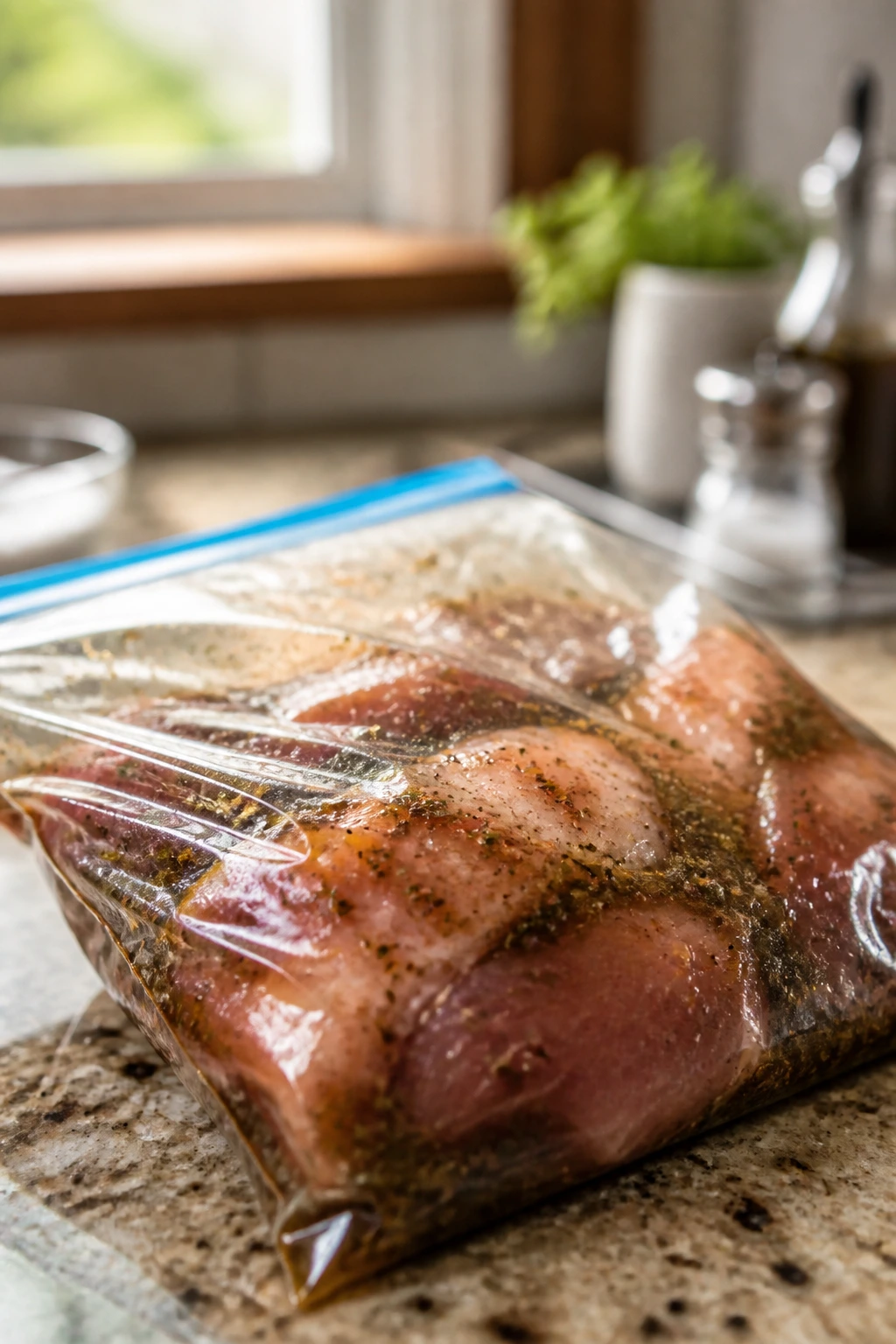
Time matters more than most people think, and more time is not automatically better. That’s the part that gets ignored, usually because the meat is already in the bag and someone says, “Let’s leave it overnight.” Sometimes that’s fine. Sometimes it’s a texture mistake waiting to happen.
Chicken breasts usually do well with 2 to 6 hours in a marinade that includes acid. If the marinade is mostly salty, oily, and herbal, you can stretch that longer, but I still wouldn’t let delicate chicken float around for days. It starts to lose its clean bite.
Chicken thighs and drumsticks can handle 4 to 12 hours without drama. Their darker meat and higher fat content give you more room. Bone-in pieces are especially forgiving. I’ve had good results with an overnight marinade, but I keep acidic marinades restrained.
Pork chops like 2 to 8 hours. A tenderloin can be marinated overnight if the acid stays moderate. Thick chops hold up better than thin, lean ones.
Beef steaks can range from 30 minutes to 8 hours depending on thickness and cut. Flank and skirt steak take flavor quickly and don’t need a long soak. Ribeye barely needs a marinade at all, though a brief savory bath can be nice if you’re after a specific flavor profile.
Shrimp are the speed runners. Fifteen to 30 minutes is usually enough. Leave them too long in an acidic marinade and they turn mealy or oddly firm in the wrong way.
Vegetables vary by type. Mushrooms and zucchini can sit for 15 to 30 minutes. Onion wedges and peppers can take longer, but they don’t need a full overnight soak.
If your marinade is strongly acidic — lots of lemon, lime, vinegar, or wine — shorten the time. If it leans salty and oily with very little acid, the clock is less dangerous. And if you’re not sure, start shorter. You can always baste with a fresh, uncontaminated sauce at the end. You cannot undo mush.
The Grill Setup That Gives You Smoke, Sear, and Control
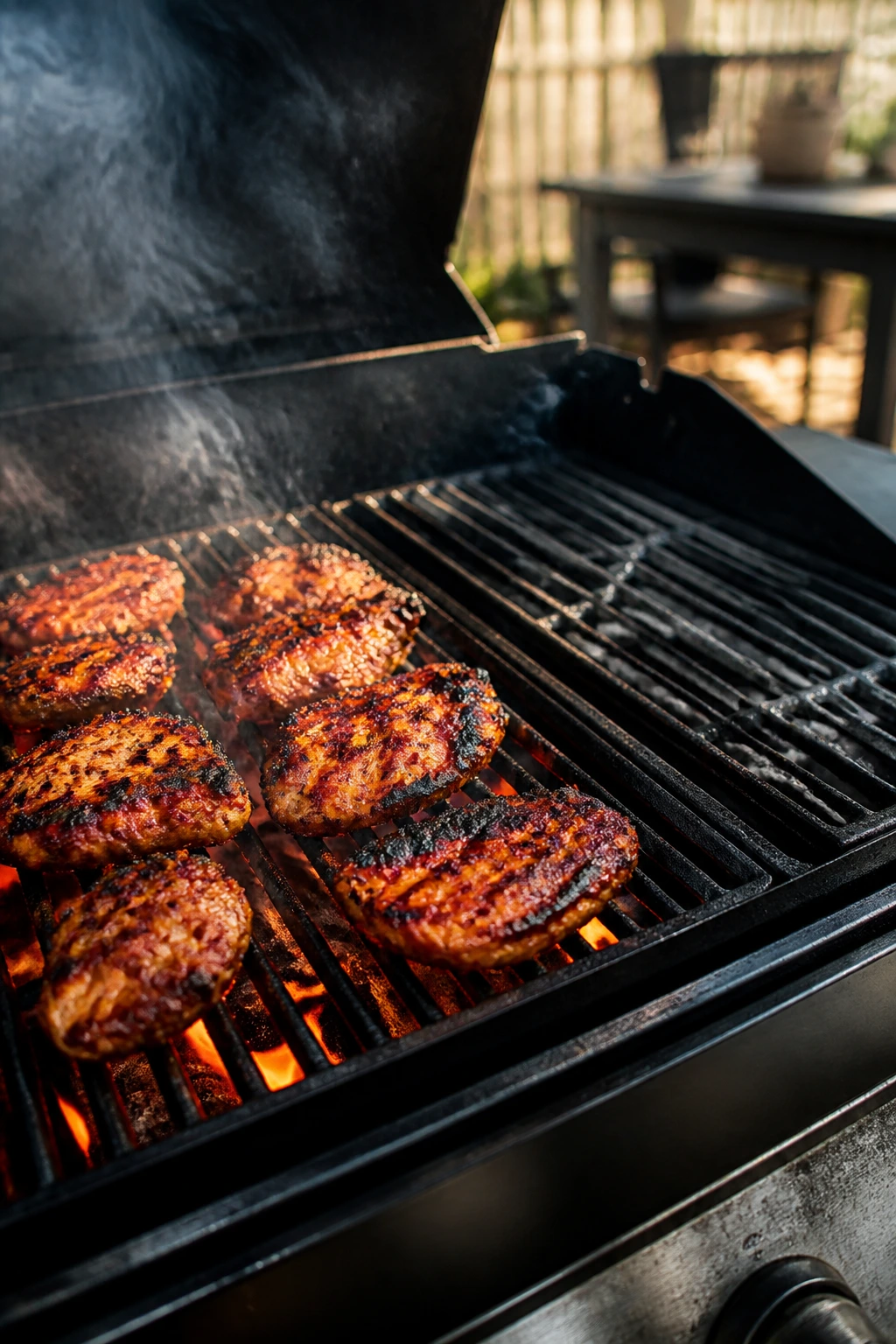
A marinated cookout lives or dies on grill setup. Not the fanciest grill. The smartest one. The goal is not a perfect blaze. The goal is control, because control is what keeps sugar from scorching and chicken from finishing with a black shell and a raw middle.
A two-zone fire is the setup I trust most. On a gas grill, that means lighting one or two burners and leaving one area cooler. On charcoal, it means stacking coals on one side and leaving the other side open. The hot side gives you color. The cooler side finishes the meat gently. That little bit of patience saves dinner.
Clean grates matter more than people admit. Old burnt sugar from the last cookout will stick and tear up your marinade-coated meat before it has a chance to set. Brush the grates while they’re hot, then oil them lightly with a folded paper towel or an oil-safe grill brush. Do not drench them. You want a sheen, not a grease slick.
If the marinade contains honey, brown sugar, pineapple juice, or ketchup, expect flare-ups. That’s not a sign that you’ve failed. It’s a sign that the fire needs a cool zone and a lid you’re willing to close. Keep a spray bottle nearby only if you know how to use it; water can kick ash and make the mess worse. Sometimes moving the meat a few inches is smarter than panic.
Charcoal adds a deeper smoke note, especially with hardwood chunks, but gas gives you better repeatability. I’m not loyal in a religious sense. I’m loyal to the result. If you want clear grill marks and less chaos, gas is fine. If you want a more pronounced fire flavor and are willing to tend the heat, charcoal earns its place.
A small thing that pays off
Bring the marinated meat out of the fridge while the grill preheats. Ten to twenty minutes on the counter is enough to take the chill off without leaving food in unsafe territory. Cold meat hits the grate sluggishly. Roomier meat sears more cleanly.
How to Cook Marinated Meat Without Drying It Out
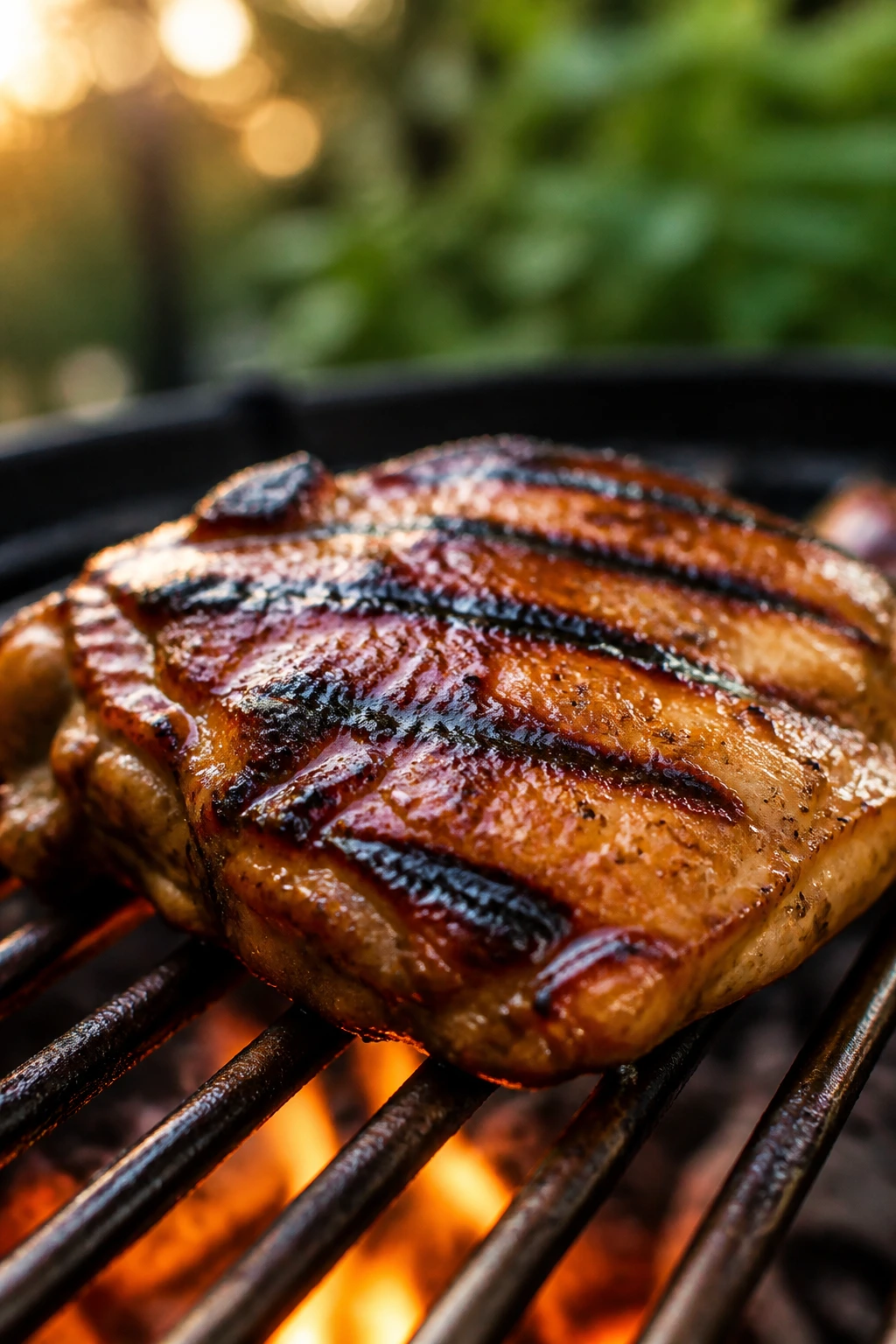
The thermometer is not optional. It’s the difference between juicy and “well, at least the outside looked nice.” Backyard grilling looks casual, but precision is what keeps it from turning into guesswork.
Start by letting excess marinade drip off. You want the meat coated, not dripping like a salad bowl. Too much wet marinade on the surface steams before it sears. A light pat with paper towels helps if the marinade is especially sugary or thick.
Place the meat on the hotter side first if you want color, then move it to the cooler zone to finish. Chicken thighs like that approach. Pork chops like it too. Thin steaks may only need one fast pass over high heat. Shrimp usually want a short hot grill and not much fuss after that.
A few internal temperature markers help:
- Chicken: 165°F in the thickest part. Thighs often eat better if they climb a little higher, where the connective tissue softens.
- Pork chops and tenderloin: 145°F with a 3-minute rest.
- Beef steaks: 130-135°F for medium-rare, 135-140°F for medium, depending on cut and preference.
- Shrimp: opaque, pink, and curled into a loose C. Tight little O-shapes usually mean overcooked.
Pull the meat a few degrees before the target if you’re working with a thick cut, because carryover heat is real. A chop can jump several degrees while resting under loose foil. That resting time matters. It lets the juices settle instead of spilling onto the cutting board the moment you slice in.
Sauce belongs at the end unless it’s been separated from raw meat contact and handled safely. If you brush on a sugary BBQ glaze too early, you’ll get burnt sugar before you get proper doneness. Five to ten minutes before the end is usually enough for sauce to lacquer the surface without turning bitter.
Cut the meat the right way when serving. Flank steak wants to be sliced against the grain. Chicken thighs can be served whole or sliced. Pork tenderloin looks cleaner in medallions. That final cut changes the chew more than most people realize.
Sides, Sauces, and Drinks That Fit a Marinated BBQ Plate
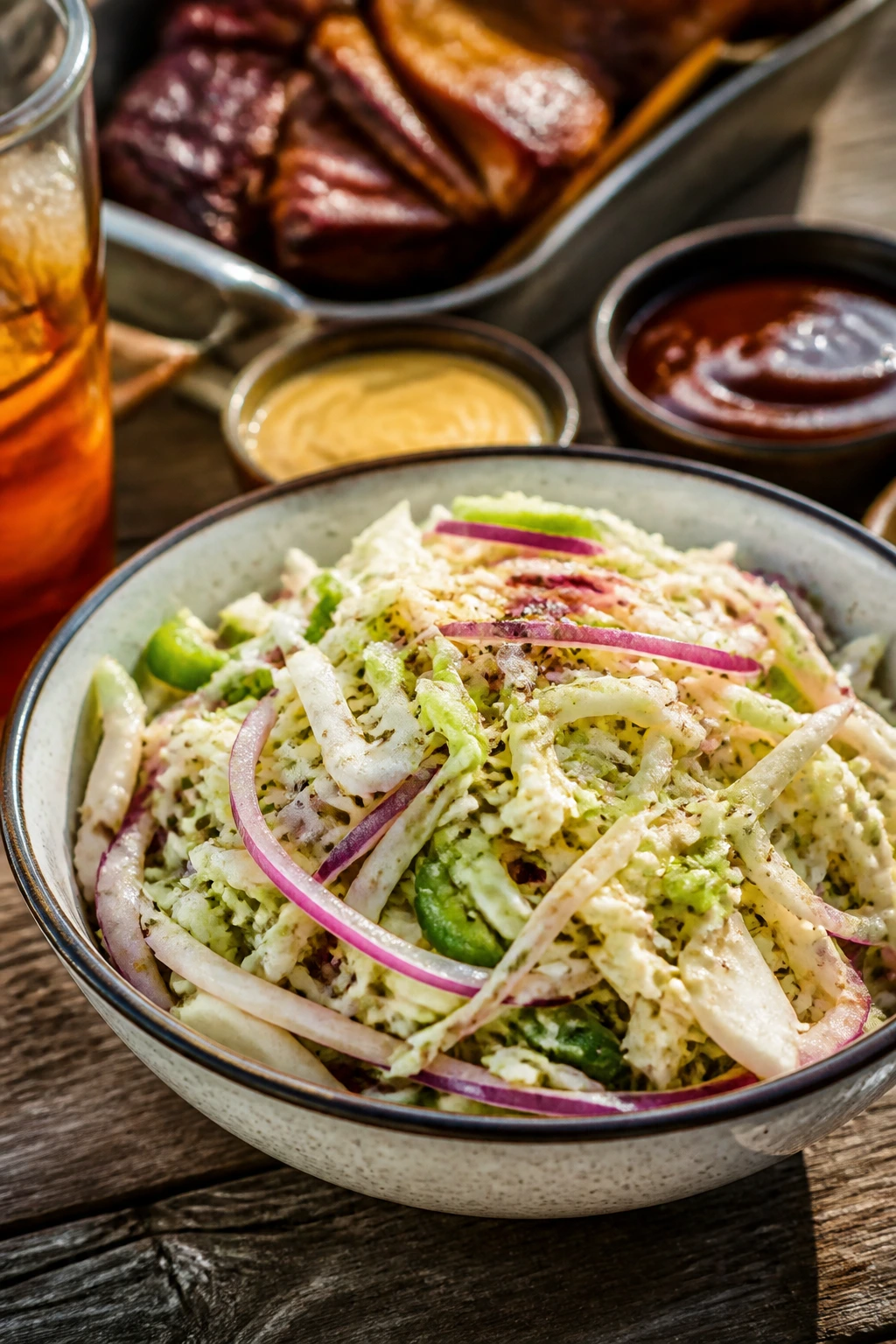
A backyard cookout falls apart when every side tastes like it came from the same sweet, heavy box. You want contrast. Tang, crunch, something cold, something starchy, maybe one thing with enough vinegar to wake up your mouth between bites of smoky meat.
Vinegar slaw is my first pick for marinated BBQ. The sharp cabbage crunch cuts through sugar and oil, and it holds up better than mayo-heavy slaw if the plates sit on the table for a while. Add celery seed, thin-sliced onion, and a little mustard if you want it to behave more like a proper side than a picnic afterthought.
Grilled corn belongs on the same table almost by default. Brush it with melted butter, lime, and chili powder, or keep it simple with salt and a squeeze of citrus. The sweet kernels play nicely with smoked paprika or soy-heavy marinades.
Potato salad depends on the meat. If the marinade is sweet, I like a mustard or dill potato salad to keep the plate from drifting into cloying territory. If the meat is peppery and savory, a creamier potato salad with chives and pickles works just fine.
Beans — baked beans, white beans, or a bean salad — do a heavy-lifting job for a crowd. They hold heat well, scale up easily, and make the meal feel complete. A smoky marinade on the meat and smoky beans on the side can get heavy, though, so add vinegar or diced onion to keep the flavors from sitting on top of one another.
Bread matters more than people think. A crusty roll, soft bun, grilled flatbread, or even warm tortillas gives you a way to catch drips and build a proper bite. If the marinade is garlicky and savory, bread becomes part of the main event.
For drinks, I like iced tea with lemon, a cold lager, or a sparkling citrus drink. A little acidity in the drink keeps the plate from feeling sticky. If the marinade is sweet and smoky, a dry beverage works better than something syrupy. Backyard cookouts should feel generous, not sugar-drenched.
Gear That Makes Backyard Grilling Less Annoying
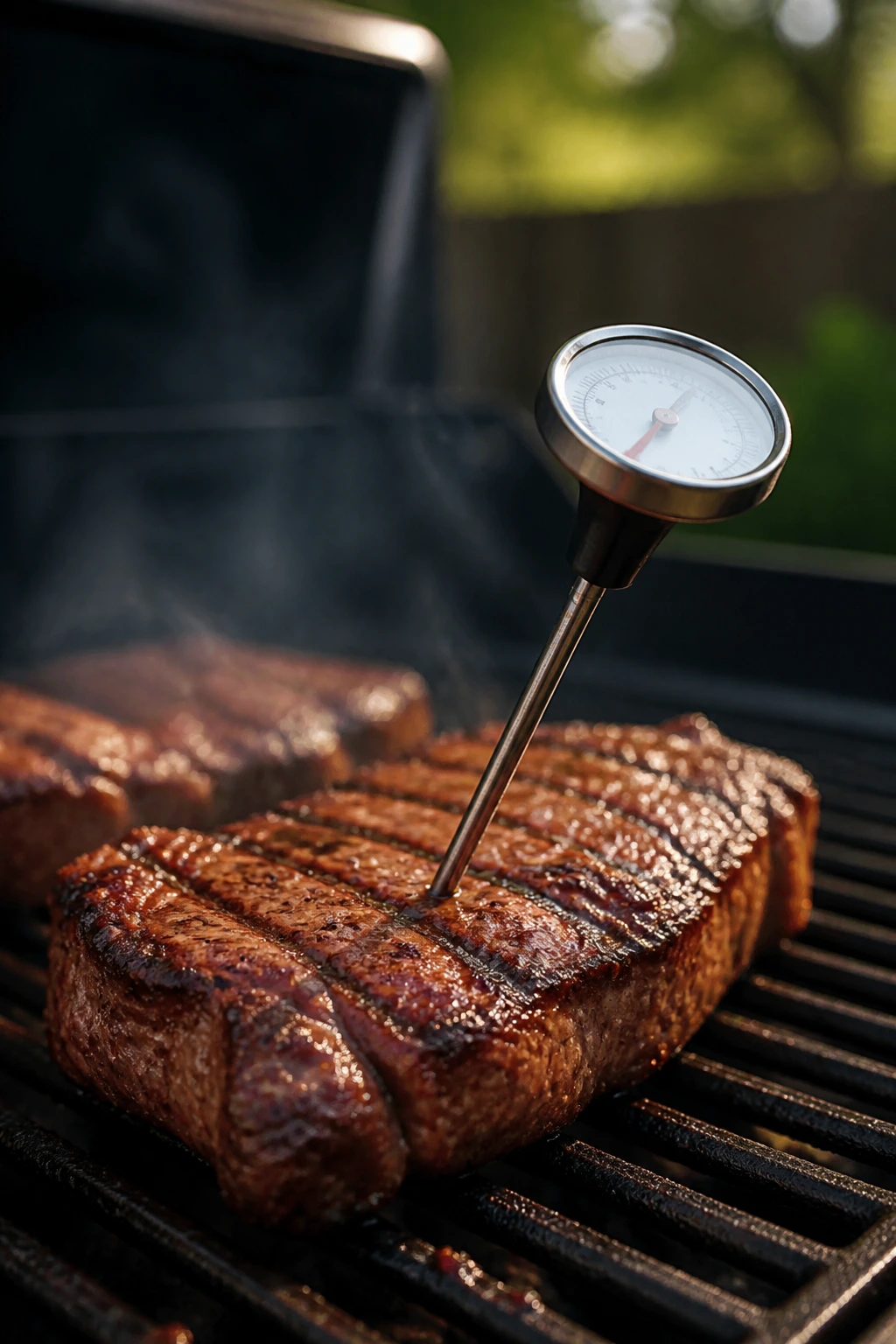
You can grill with less equipment than most people think, but a few tools change the whole experience. Nothing here is flashy. All of it saves you time, smoke, or stress.
- Instant-read thermometer — The single most useful tool in the whole setup. It keeps you from guessing on doneness, especially with chicken and pork.
- Long-handled tongs — Short tongs force your hand too close to the heat. Long ones let you move meat without scorched knuckles.
- Two rimmed sheet pans — One for raw marinated meat, one for cooked meat. That separation keeps juices where they belong.
- Zip-top bags or shallow glass containers — Bags save space and help the marinade coat evenly; shallow dishes are easier for large chops and vegetables.
- Basting brush — Use it only with reserved, uncontaminated sauce. Raw marinade and cooked glaze are not the same thing.
- Grill brush or scraper — Clean grates make better marks and fewer sticking disasters.
- Heatproof platter — Resting meat on a proper platter matters more than people expect. A cold cutting board steals heat and can flood the surface with juices.
- Paper towels — Cheap, unglamorous, always useful. Patting meat dry before grilling improves browning.
- Small saucepan — Handy if you want to boil reserved marinade for a safe finishing sauce.
- Foil pan or cooler side tray — Useful for moving meat from hot to cool zones, especially when you’re juggling several items at once.
A meat thermometer and a clean resting platter cover most of the important work. Everything else is support.
Little Moves That Improve Flavor Fast
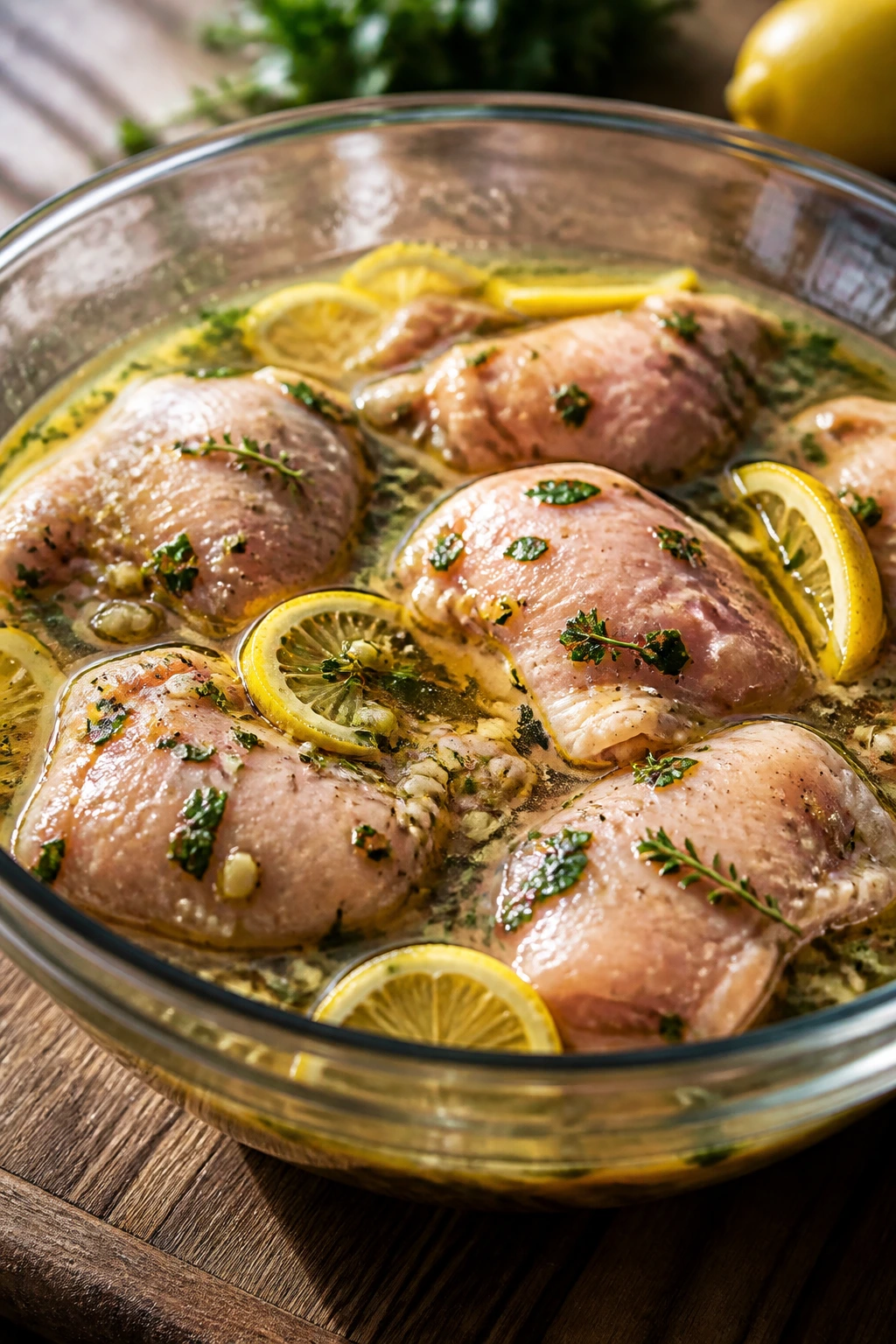
A few small habits make marinated BBQ taste far more finished than the effort level suggests. None of them require special gear. All of them change how the food lands on the plate.
Save a clean finishing portion. If you want extra sauce for brushing or drizzling, split it before the raw meat goes in. That one move keeps you from having to boil contaminated marinade later, and the flavor stays brighter.
Dry the surface before grilling. A wet, glossy exterior looks promising in the bowl and performs badly on the grate. Patting the meat dry for 20 to 30 seconds with paper towels improves browning immediately. You don’t want it bone-dry. You want it ready.
Use zest, not only juice. Citrus zest brings aroma without adding extra acid. Lime zest in a chicken marinade, lemon zest in a herb marinade, or orange zest with soy and garlic can make the whole thing smell more alive before it even hits the grill.
Rest the meat on a rack, not a puddle. If you’ve got a wire rack over a sheet pan, use it after the grill. Air circulates around the meat, the crust stays intact, and the bottom doesn’t go soggy from trapped steam.
Finish with something sharp. A squeeze of lemon, a spoon of chimichurri, a few sliced scallions, or a quick pickle on the side changes the whole feel of marinated BBQ. The marinade handles the base. The finishing acid wakes it back up.
Taste the marinade before it meets raw meat. It should taste a touch salty and a touch strong. If it tastes flat in the bowl, it will taste flatter on the grill.
What Goes Wrong Before the Meat Hits the Grate
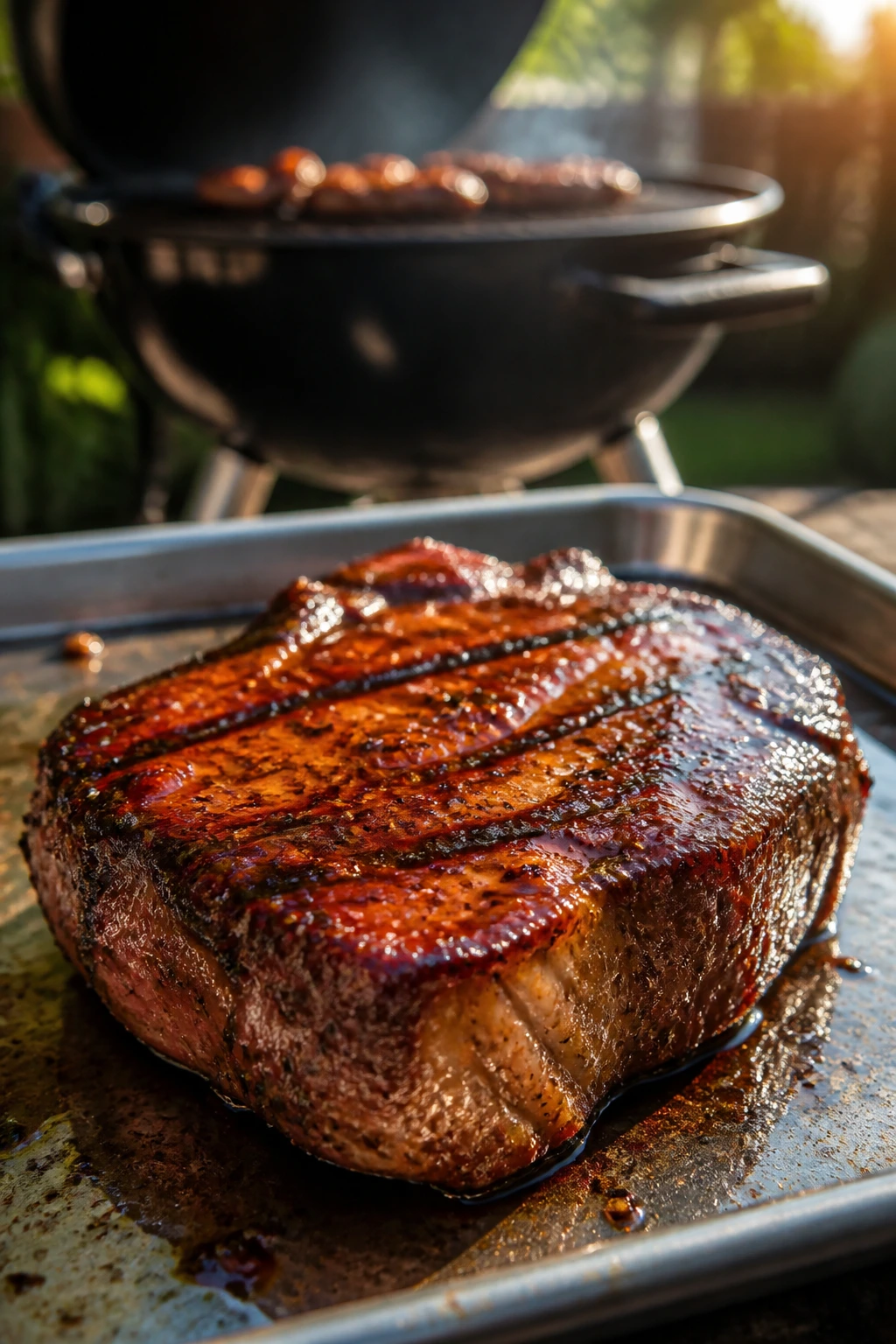
Most marinade mistakes happen before the food even touches the fire. That’s annoying, but also useful, because it means the fix is in your control.
Too much acid, too long. This shows up as chicken that feels oddly soft on the outside or fishy, broken-down edges on seafood. The fix is simple: shorten the marinating time and reduce the citrus or vinegar. If you like bright flavor, add zest or a finishing squeeze instead of more juice.
Too much sugar too early. The symptom is black streaks and bitter spots before the interior is done. Keep sugary marinades for moderate heat, and reserve thick sauce for the final minutes. If the surface starts darkening too fast, move the meat to the cooler zone immediately.
Skipping the drying step. Wet marinade on wet meat steams in the first minute. You get pale patches instead of a browned exterior. Pat the meat dry lightly before grilling. That small habit makes a huge difference.
Forgetting the thermometer. Guessing leads to either dry chicken or undercooked pork, and neither one is charming when people are standing around with plates. Use the thermometer. Check the thickest part. Do not trust the clock alone.
Reusing raw marinade as-is. That’s a food safety problem, not just a flavor issue. If you want it for basting or serving, reserve some before the raw meat goes in, or boil the used marinade for at least a minute. No shortcuts here.
Marinating in a bowl that’s too big or too shallow. Meat that barely touches the marinade won’t pick up flavor evenly. Use a zip-top bag or a shallow dish where the liquid can actually contact the surface. Flip the meat once or twice if needed.
A lot of backyard frustration comes from expecting the marinade to do everything. It won’t. It does its job best when the grill setup and the resting step are both treated like part of the same plan.
Four Ways to Change the Flavor Without Rewriting the Whole Menu
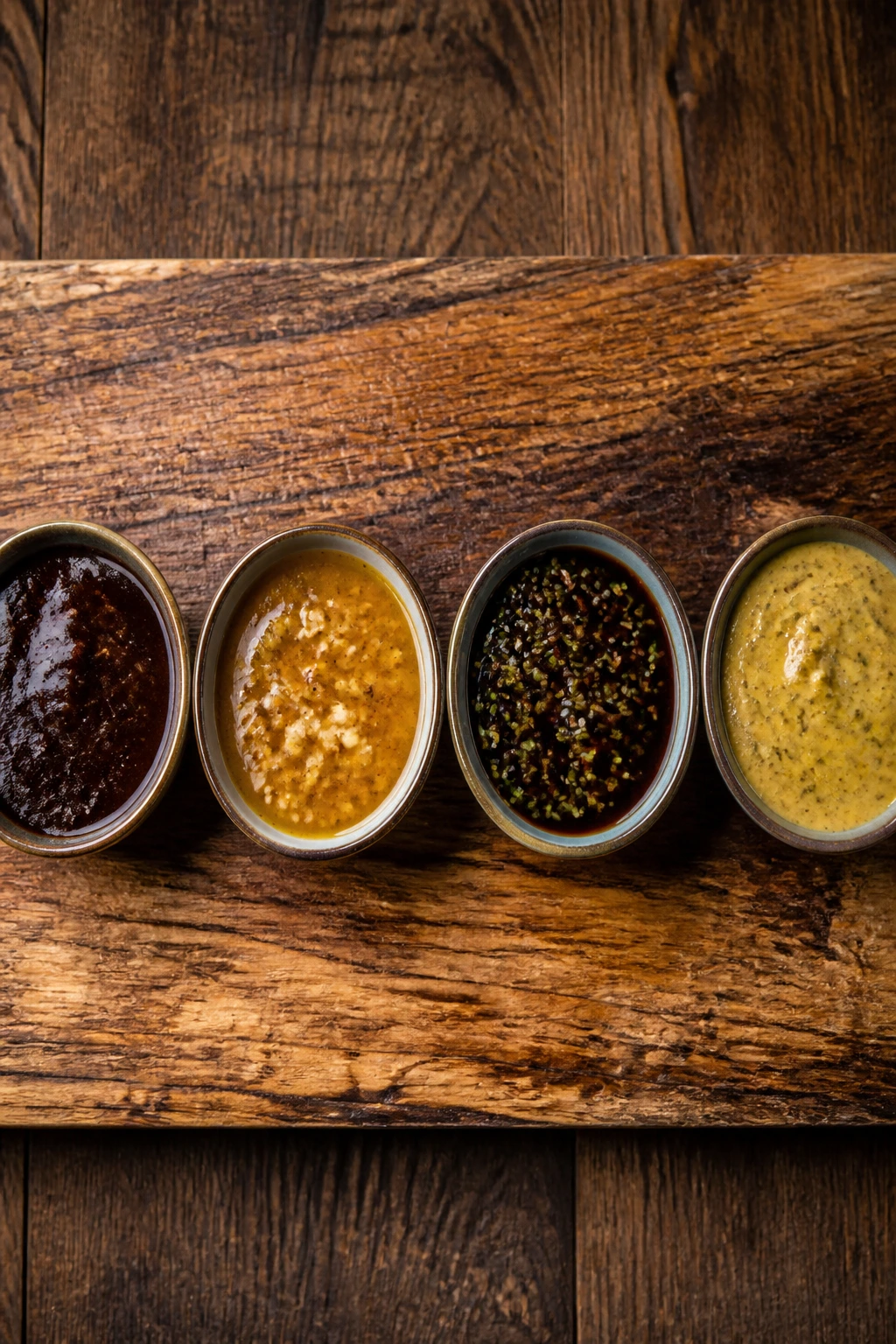
The easiest way to keep marinated BBQ from getting dull is to change the flavor direction while keeping the same basic method. Same grill. Same timing. Different mood.
Smoky Molasses Glaze
This version leans darker and a little deeper, which is useful for pork chops or bone-in chicken thighs. Use molasses or dark brown sugar, smoked paprika, garlic, and a measured splash of vinegar. It gives you a sticky, lacquered finish that wants a cool-zone finish so the sugars can settle before they burn.
Citrus-Garlic Brightside
Lime or lemon juice, zest, garlic, olive oil, oregano, and black pepper create a sharper profile that works especially well with chicken breasts and shrimp. It feels cleaner on the palate and pairs nicely with corn, slaw, and cold drinks. Keep the marinating window shorter because the acid is more active.
Soy-Sesame Backyard Twist
Soy sauce, sesame oil, ginger, garlic, a little brown sugar, and scallions push the flavor in a savory, slightly glossy direction. I like this with chicken thighs or flank steak. Serve it with rice, cucumber salad, or grilled scallions if you want the plate to feel intentional rather than random.
Mustard-Herb Grill Coat
Dijon, olive oil, thyme, rosemary, garlic, and a splash of vinegar make a sharp herb marinade that works nicely on pork tenderloin or chicken. It browns beautifully and doesn’t rely on sweetness, which is useful if you hate sticky BBQ sauces. The mustard helps the marinade cling, which is one of those small things that feels smarter every time you use it.
Spicy Chipotle Edge
Chipotle in adobo, lime, garlic, cumin, and a little honey give you heat with smoke instead of heat alone. This one is excellent for chicken thighs, flank steak, and grilled vegetables. Keep a hand on the grill because the adobo sauce adds body and sugar, which means the browning can accelerate fast.
Storage, Make-Ahead, and Leftover Handling
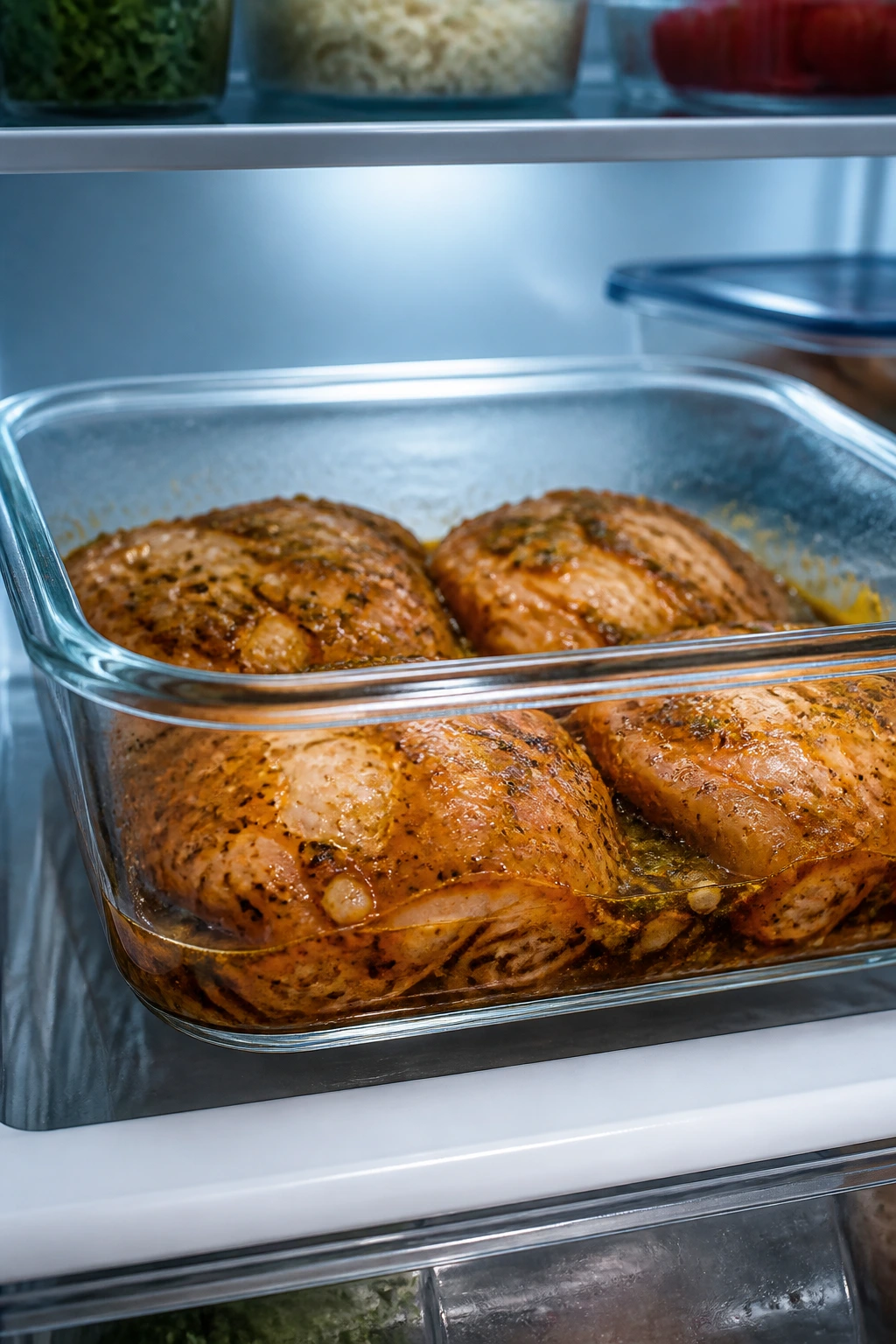
Marinated BBQ works well for planning ahead, but only if you respect the fridge. Raw meat should marinate cold, not on the counter. That isn’t negotiable. A zip-top bag or covered container in the refrigerator is the safe route every time.
For chicken and pork, most marinades are best used within 2 to 24 hours, depending on how much acid they contain and how delicate the cut is. Chicken breasts need less time than thighs. Pork tenderloin can handle more than thin chops. If the marinade is especially acidic, stay on the shorter side.
For beef steaks, 30 minutes to 8 hours usually covers the useful range. Thick cuts can go longer if the marinade is salt-forward and not overly acidic. Flank steak takes flavor fast and usually does not need an overnight soak.
For shrimp, keep it short. Fifteen to 30 minutes is plenty. If you forget them in a citrus bath for a few hours, the texture can go strange and tight.
You can freeze raw meat in marinade in a freezer bag for up to 2 months. Flatten the bag so it thaws more evenly, then move it to the refrigerator the day before you plan to grill. That method works well for weeknight planning, and the meat often tastes more evenly seasoned because the marinade has time to sit during thawing.
Leftover cooked meat keeps for 3 to 4 days in the fridge if it’s cooled promptly and stored in airtight containers. Sliced meat reheats more evenly than whole pieces. For chicken or pork, a covered skillet over low heat with a tablespoon or two of water works better than blasting it in the microwave. The oven, set around 300°F, also does the job if you cover the meat loosely with foil.
If you saved a clean, unused portion of marinade, it can be simmered and turned into a finishing sauce. Cook it until it bubbles steadily for at least a minute. If you did not reserve a clean portion, toss the used marinade. That’s the safe call.
The flavor often improves overnight on the leftovers, especially if the marinade was herb-heavy or soy-based. Tomato-heavy or sugary versions can tighten up a bit after chilling, so warm them gently instead of rushing the reheat.
Questions People Ask Before the Grill Gets Hot
How long should chicken marinate for backyard BBQ?
Chicken breasts usually need 2 to 6 hours, while thighs and drumsticks can sit in the marinade for 4 to 12 hours. If the marinade is acidic, shorter is safer. Long soaks in lemon or vinegar can make the texture soft in the wrong way.
Can I marinate meat overnight?
Yes, but not everything likes it. Chicken thighs, pork tenderloin, and some beef cuts handle overnight marinating well if the acid is moderate. Shrimp, thin fish, and very acidic marinades do not. Overnight is a timing choice, not a rule.
Do I need oil in the marinade?
I think so, most of the time. Oil helps the seasoning cling and gives you better browning on the grill. Without it, the meat can taste sharp but thin, especially if the marinade leans heavy on vinegar or citrus.
Can I use the leftover marinade as sauce?
Only if you reserved some before the raw meat touched it, or if you boil the used marinade for at least a minute. Raw marinade and finished sauce are not the same thing, and mixing them casually is a bad habit.
Should I poke holes in the meat so the marinade gets in deeper?
Usually no. That old trick creates channels for juice to leak out during cooking, and it rarely improves flavor in any meaningful way. A good marinade, enough time, and proper salt do the work without turning the meat into a sieve.
What if my grill keeps causing flare-ups?
Move the meat to the cooler zone, close the lid for a minute or two, and stop feeding the flame with sugar-heavy drips. Trim excess fat where appropriate, shake off extra marinade before grilling, and keep a two-zone setup ready. Flare-ups are manageable when you plan for them.
Can I marinate vegetables the same way as meat?
Yes, but they need less time. Mushrooms, zucchini, peppers, and onions pick up flavor quickly, and too long in a salty bath can make them watery. Fifteen to 30 minutes is often enough.
What’s the best way to reheat leftovers without drying them out?
Low heat. Slice larger pieces, cover them, and rewarm them gently in a skillet or oven. A splash of water or broth helps chicken and pork stay moist, while beef is better pulled from the heat before it gets hot all the way through.
The Cookout That Feels Easier to Run

Marinated BBQ earns its place because it makes the rest of the cookout feel less rushed. The meat tastes seasoned before it ever sees the flame. The grill has a little more mercy in it. And the plate ends up with the one thing that backyard food often misses when it’s improvised: a clear flavor direction.
That direction does not have to be complicated. A smart marinade, a sensible marinating window, a clean grill, and a thermometer will take you a long way. Everything else is garnish, timing, and the luck of how hungry people are when the platter comes off the grate.
The nicest part is that this style of cooking can be repeated without getting boring. Switch the acid, swap the herbs, tilt the seasoning toward smoke or citrus or mustard, and the same basic method gives you a different dinner each time. That is the kind of flexibility a real cookout can use.
If the yard smells like garlic, smoke, and browned sugar by the time the meat rests on the platter, you’ve done it right.