



A backyard cookout lives or dies in the first ten minutes.
Smoky apps for a BBQ party have a simple job: keep people fed while the grill heats, keep the mood loose while the main food finishes, and make the whole yard smell like somebody knows what they’re doing. That last part matters more than people admit. The first whiff of charred scallions, bacon, and wood smoke tells guests they’re not standing around a patio with paper plates; they’re waiting for a feast.
The catch is that smoky appetizers can go wrong fast. Too much heat and they dry out. Too much sauce and they turn muddy. Too much smoke and the food tastes like an ashtray near a campfire ring. The sweet spot is narrower than it looks, which is exactly why the best backyard starters lean on sturdy textures, bright acid, and just enough smoke to make the flavors feel deeper rather than heavier.
Smoke is not one thing, either. It can come from a chunk of oak on a grill, a spoonful of smoked paprika in a dip, a strip of bacon crisped over hot coals, or a tray of onions left on the grate until the edges blacken in the right places. Once you start thinking that way, the whole appetizer table opens up.
Why Smoky Apps Earn Their Spot Before the Main Event
- They buy you time: A platter of grilled skewers or a warm dip keeps hungry guests busy while burgers, ribs, or chicken finish cooking.
- They survive outdoor heat better: Smoke, char, salt, and acid hold up better than delicate cream-heavy snacks that slump in the sun.
- They let the grill do double duty: You can cook the appetizer course right on the same heat source you’re already using for the main food.
- They can be scaled without drama: A second tray of peppers, another bowl of bean dip, or one more batch of sausage bites is easy to add when people arrive with friends.
- They make the whole menu feel tied together: When the starter has the same wood smoke, spice rub, or charred garnish as the main dish, the cookout tastes intentional.
- They’re forgiving in a way most party food isn’t: A little char on a pepper or mushroom is welcome, not a defect.
What Makes Smoky Appetizers Taste Like Backyard Food
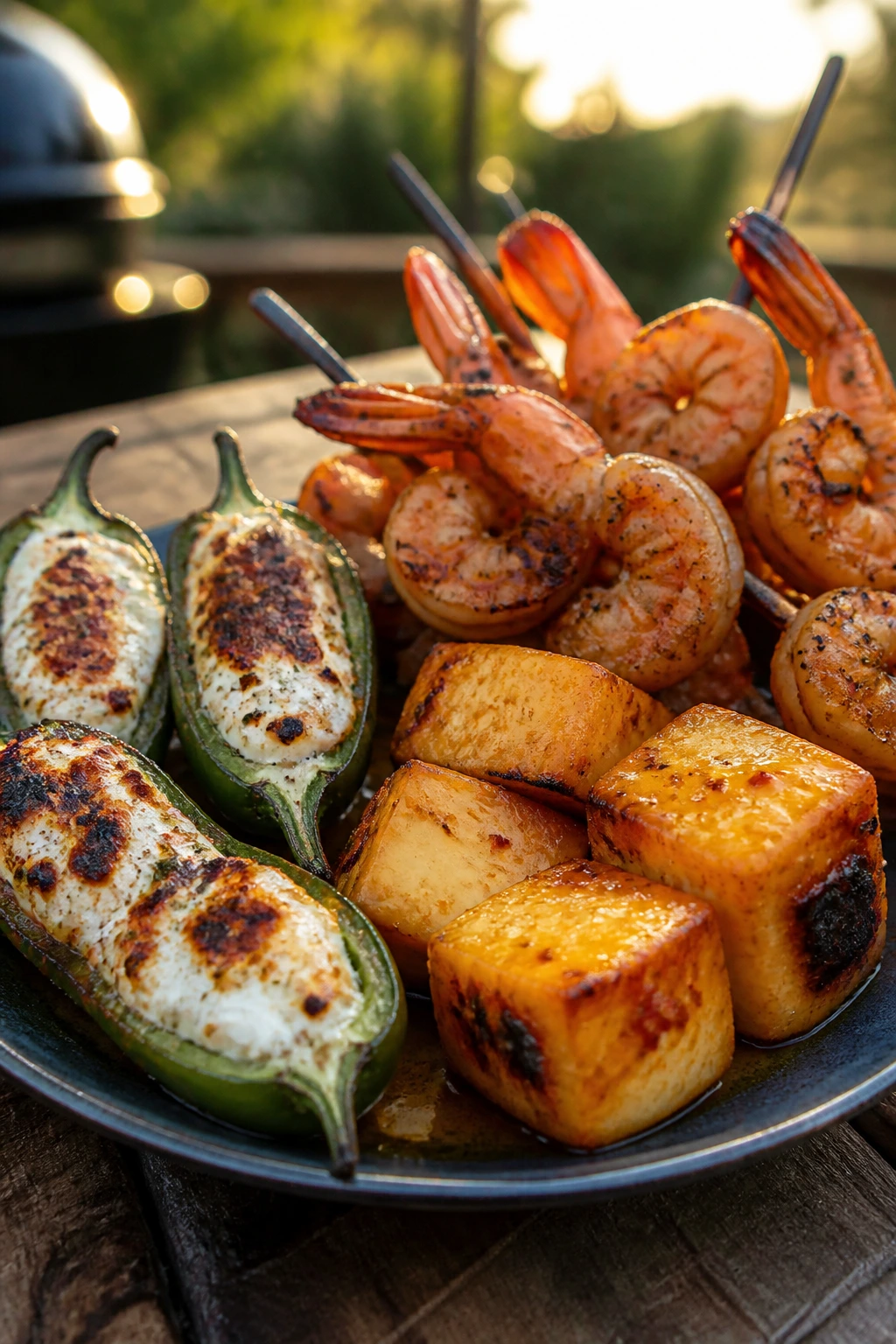
Smoke on an appetizer plate is mostly about contrast.
You want something browned at the edges, something rich in the middle, and something bright at the finish. That could be a blistered jalapeño stuffed with cream cheese, a bowl of smoked queso with pickled onions, or shrimp skewers brushed with lime after they come off the heat. The smoke itself is only part of the job. The other part is giving it somewhere to land.
Char Is Not the Same Thing as Smoke
A blackened edge does not automatically mean the flavor is deep. Sometimes it just means the grill was too hot and the food got punished. Real smoke flavor comes from a mix of browned fat, dry heat, and whatever wood aroma is moving through the lid.
That distinction matters with backyard cookout appetizers because the food is smaller. A big brisket can carry a lot of smoke. A mushroom cap cannot. So the smoky note has to be cleaner and more precise. Think of it as seasoning in the air, not a costume the food wears.
Fat, Salt, and Acid Do the Heavy Lifting
Smoke tastes flat when the food underneath it is under-seasoned. Salt wakes it up. Fat gives the smoke something to cling to. Acid keeps it from reading heavy.
That is why smoked paprika in a bean dip tastes better with lime juice, why bacon-wrapped dates need a little vinegar in the glaze, and why grilled peppers get more interesting after a splash of sherry or red wine vinegar. A smoky bite without a bright finish can feel dusty. A smoky bite with lemon, pickles, or hot sauce feels alive.
Smoke Sources That Work on a Grill, in a Pan, or in the Spice Drawer
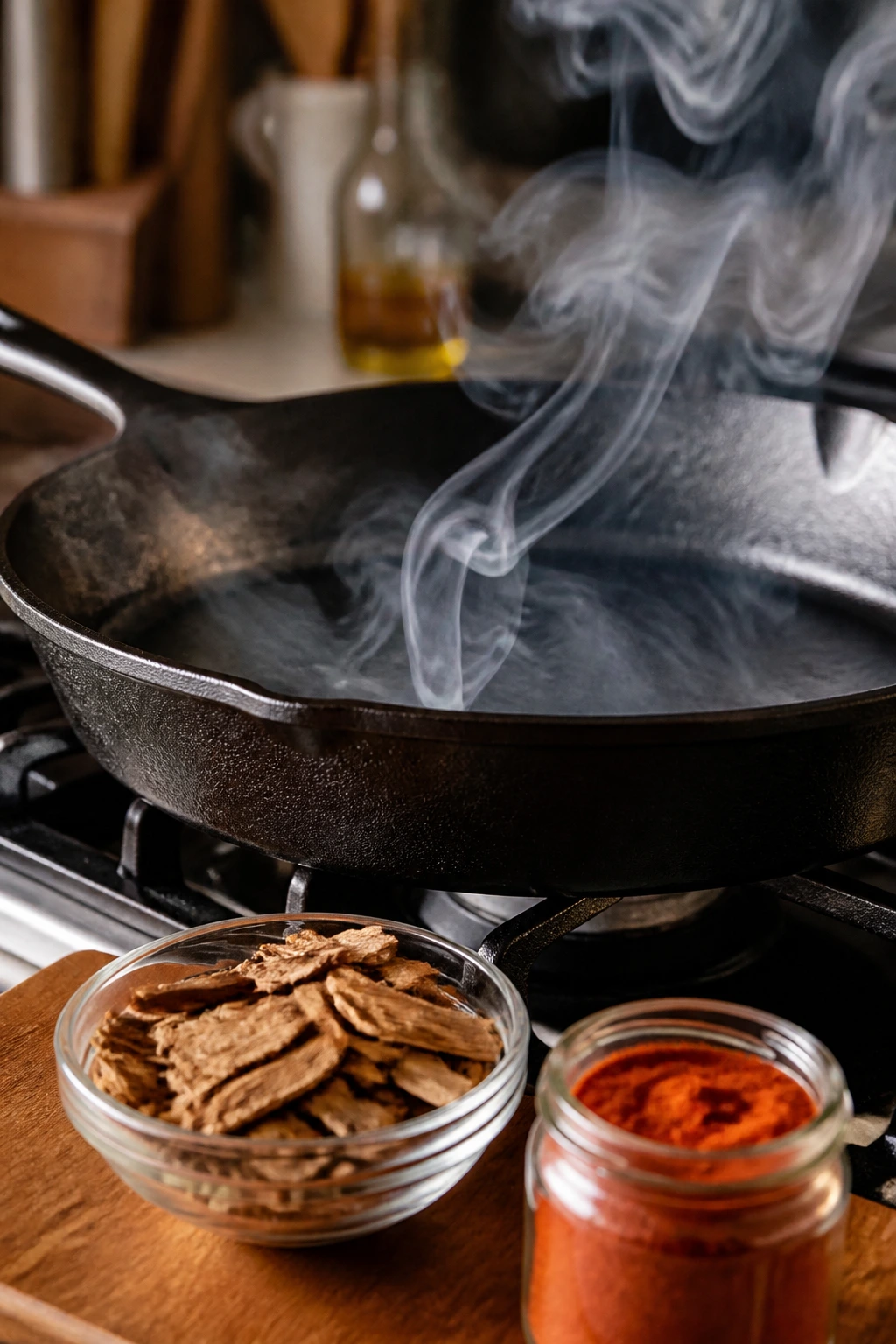
If you do not own a smoker, are you out of luck? Not even close.
A grill with a lid can build a surprising amount of smoke. A hot skillet can bring char. A spice cabinet can fake the mood with enough honesty that nobody complains. I’d rather have one well-chosen smoke source and clean seasoning than a pile of tricks that all fight each other.
Wood Choices for the Grill
- Oak: Clean and steady, with enough backbone for chicken skewers, corn, onions, and cheese dips.
- Hickory: Stronger and a little more old-school. Use it with bacon, pork bites, beans, and sausage. Go light if you’re cooking delicate vegetables.
- Apple: Mild, slightly sweet, and good for shrimp, chicken, peppers, and anything that needs a softer smoke note.
- Cherry: Similar to apple but a touch richer. It plays well with pork and vegetables, and it gives food a deeper color.
- Mesquite: Sharp, bold, and easy to overdo. Use tiny amounts with beef or sausage. It can turn bitter fast if the food cooks too slowly.
- Pecan: Warm and nutty, with enough presence to matter without bulldozing the plate.
A useful rule: if the appetizer is tiny, the smoke should be gentle. Shrimp do not need hickory punching them in the face.
Pantry Smoke That Actually Pulls Its Weight
Smoked paprika is the safest bottle on the shelf. It gives bean dips, deviled eggs, roasted nuts, and spice rubs a grill-like note even if the food never left the kitchen.
Chipotle powder brings smoke plus heat. Use it in tiny amounts if you’re feeding a mixed crowd. It works in mayo-based sauces, black bean dips, and dry rubs for shrimp.
Smoked salt is a finishing move, not a base layer. A pinch on grilled corn, charred mushrooms, or a tomato salsa can make the smoke seem more real.
Liquid smoke is useful, but it needs a careful hand. One or two drops in a pot of baked beans, a pot of queso, or a barbecue sauce can help. More than that and you get the kind of flavor that tastes like the bottle.
Handheld Bites That Stay Good on a Buffet Table
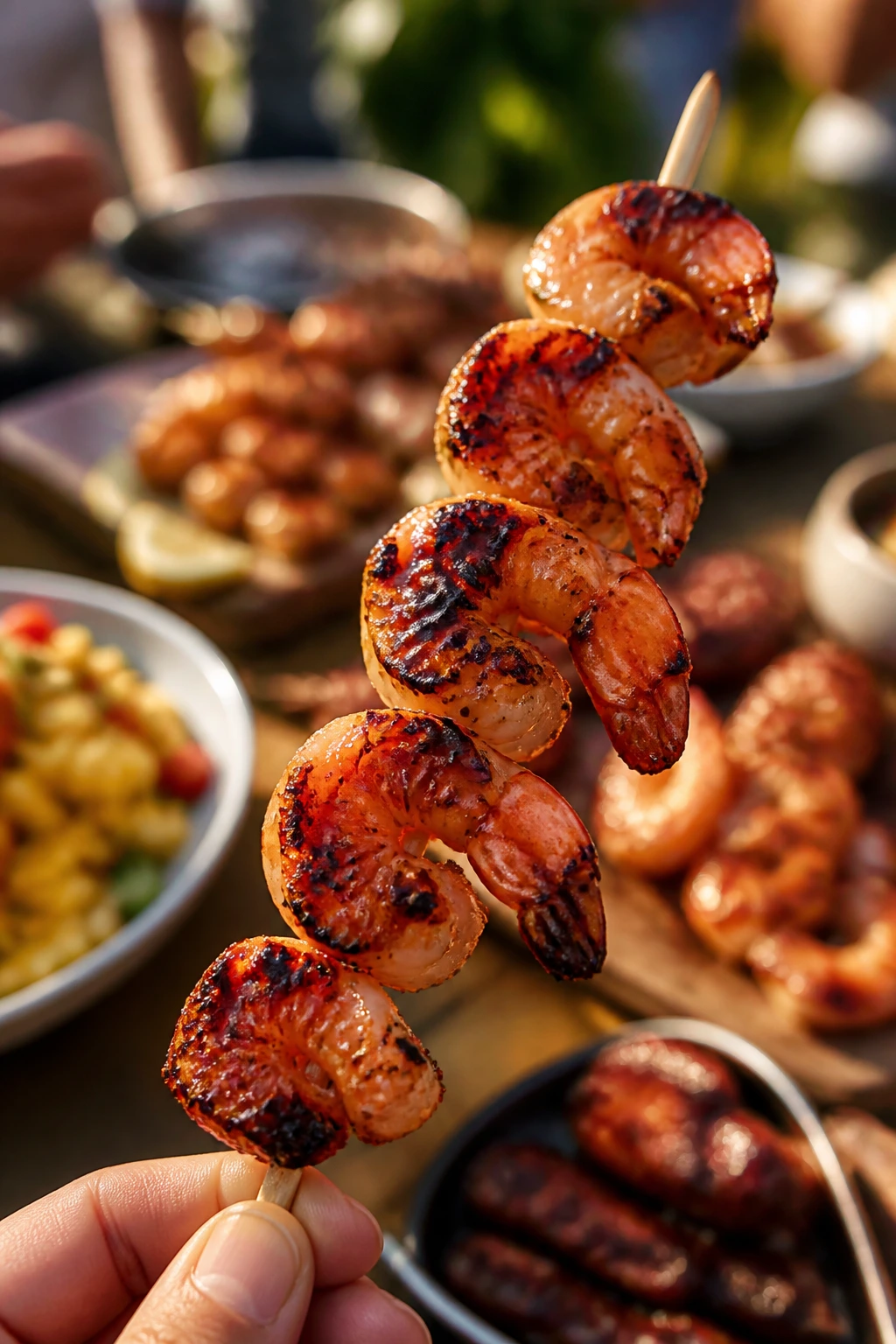
A skewer survives a backyard table because it has edges.
That sounds small, but it’s the whole game. Handheld smoky appetizers are easier to grab, easier to balance on a paper plate, and easier to eat while someone is still talking to the host about whether the burgers are ready. The shapes that work best are the ones that hold heat, hold seasoning, and don’t collapse into a puddle after five minutes in the open air.
Three bites are enough to make a guest stop circling and start eating.
Formats That Behave Well Outdoors
- Skewers: Shrimp, chicken, sausage, peppers, onions, and mushrooms all work here. The stick gives you control, and the bits brown nicely on their edges.
- Stuffed mushrooms: They’re small, rich, and good at holding smoke from the grill lid or a finishing sprinkle of smoked salt.
- Bacon-wrapped dates or jalapeños: One bite, maybe two. They’re the kind of thing people pretend they’ll save for later and never do.
- Mini meatballs: Best if they’re seared first, then finished with a brush of barbecue glaze in the last few minutes.
- Deviled eggs: Not grilled, usually, but they take smoked paprika, crispy bacon, pickled onion, or a few drops of hot sauce beautifully.
- Slider-sized bites: Fine if the buns are sturdy and the filling is not drowning in sauce. Soft buns and a humid afternoon are not friends.
Why the Shape Matters More Than People Think
If the appetizer has a wide surface and a short path from grill to mouth, it usually wins. That’s why skewers, mushroom caps, and stuffed peppers feel so at home at a cookout. There’s less chance for the food to steam itself sad.
Huge platters of wet food are a different story. A silky dip can work. A wet salad pretending to be an appetizer usually cannot. The more fragile the shape, the faster the smoke and the sun beat it up.
Smoky Dips and Spreads That Keep People Hovering
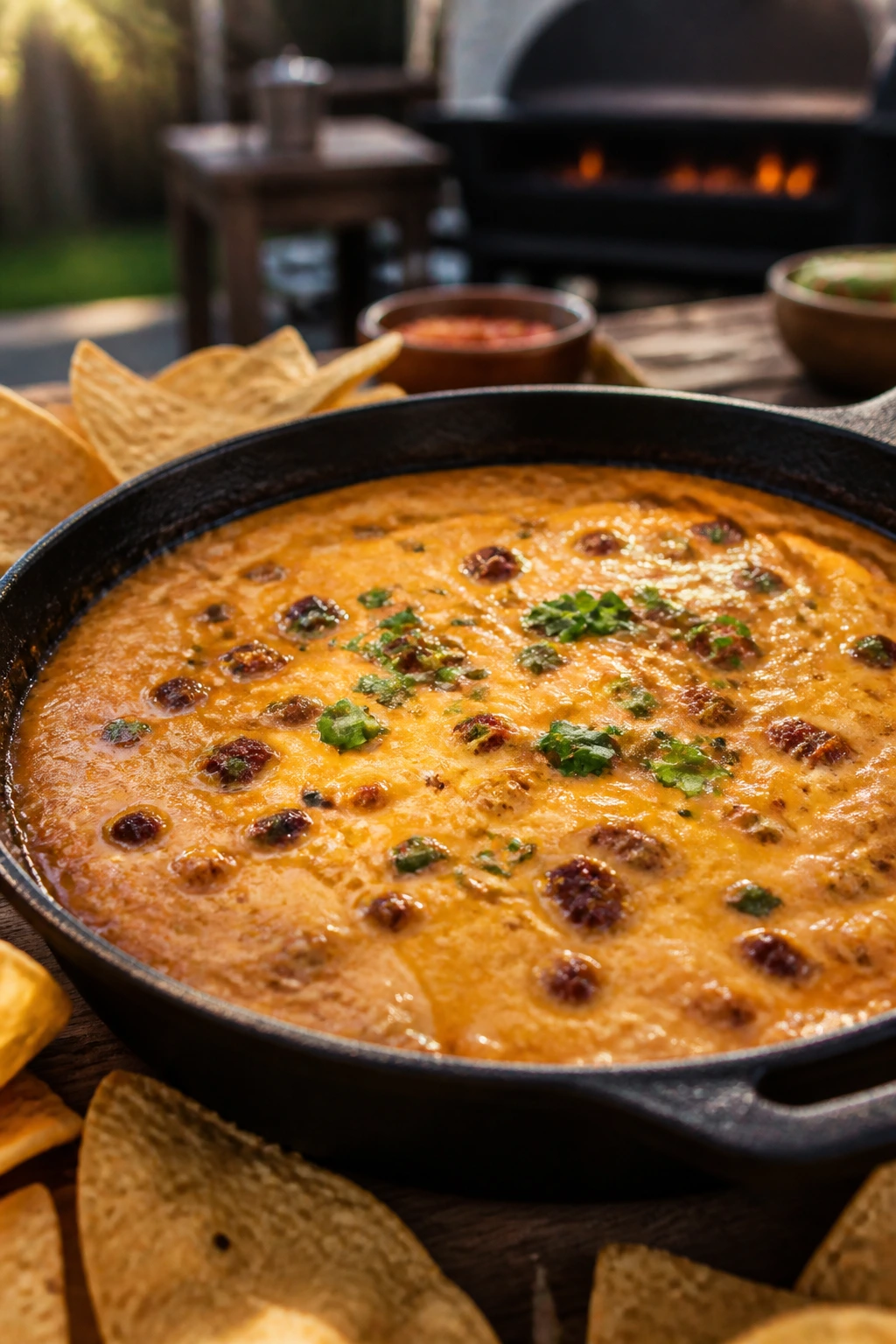
A warm dip is the thing guests keep returning to between grill rounds.
It also gives you a place to build smoke without depending on perfect grilling. Smoked queso, black bean dip with chipotle, charred corn spread, pimento cheese with smoked paprika, and roasted eggplant dip all make sense here because they can be held in a skillet, served with chips or bread, and refreshed with one bright garnish at the end. They are practical. That sounds dull until you watch a bowl disappear in eight minutes.
Dips That Fit a Backyard Cookout
- Smoked queso: Melted cheese, roasted chiles, diced tomato, maybe a little ground sausage. Serve it in a cast-iron skillet so it stays hot.
- Chipotle black bean dip: Black beans, garlic, cumin, lime, and enough chipotle to give the bowl a dark, smoky edge.
- Pimento cheese with smoked paprika: Sharp, salty, and excellent with celery sticks, crackers, or grilled bread.
- Baba ghanoush: Roasted eggplant naturally picks up smoke, especially if you char the skin well before blending it with tahini and lemon.
- Whipped feta with charred peppers: Saltier than you expect, which is a good thing when the rest of the menu leans rich.
- Warm beer cheese: Not subtle. Not apologetic. Very useful.
What Keeps Them from Going Limp
Temperature control matters. A hot dip wants a thick bowl, a skillet, or a shallow pan that can hold heat. A chilled spread wants shade, an ice tray underneath, or a serving bowl nested over crushed ice. If you leave a dairy-heavy dip sitting in direct sun, it loses both texture and safety faster than people realize.
For food safety, perishable foods should not sit out longer than 2 hours, and if the weather is hot enough to make the serving trays sweat, shorten that to 1 hour. That rule is not glamorous, but it beats serving guests a story they never wanted.
Vegetables That Pick Up Char in All the Right Places
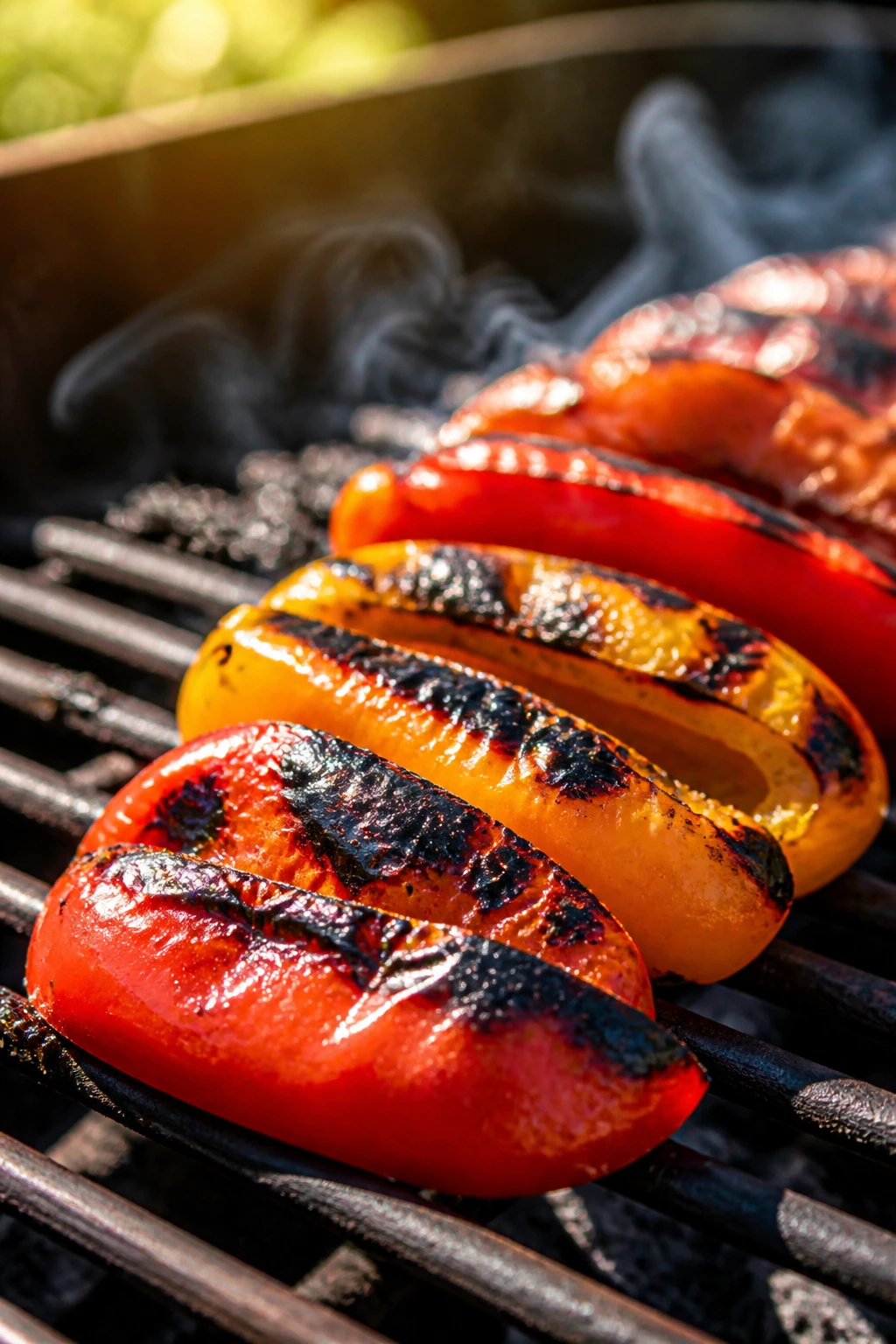
Vegetables and smoke get along better than most people expect.
The reason is simple: most grillable vegetables have enough water to take the edge off the heat, enough surface area to brown, and enough natural sugar to reward a little char. Peppers, onions, mushrooms, zucchini, corn, eggplant, and asparagus all behave differently, but they share one useful trait. They taste more interesting after a few black marks show up.
The Vegetables I Reach For First
- Bell peppers and mini sweet peppers: Their skins blister fast, and the sweetness deepens when the skin collapses a little.
- Red onions: Thick wedges hold together well and go sweet and smoky as the edges soften.
- Mushrooms: Cremini and king oyster mushrooms soak up smoke and fat without falling apart.
- Corn: On the cob, it gives you char, sweetness, and a great excuse for chile-lime butter.
- Zucchini: Cut lengthwise into slabs so the flesh can sear instead of sliding through the grates.
- Eggplant: It loves smoke, but it needs oil and patience. Salt it first if the slices are thick.
- Asparagus: Fast, bright, and best with a little lemon after grilling.
How to Cook Them So They Still Taste Like Themselves
Keep the pieces bigger than you think. Thin slices dry out before they brown, and tiny vegetable chunks drop through the grate unless you’re using a basket. A light coat of oil is enough; heavy oil makes smoke turn greasy and can dull the clean char you’re after.
Season before they hit the grill, but finish with salt after they come off. That last pinch matters more than people think. Grilled vegetables can taste a little muted at first because the heat pulls moisture and flavor to the surface. A final hit of salt and acid sharpens everything.
A grill basket is worth owning if you host often. It saves the chopped vegetables, yes, but it also lets you cook onion pieces, mushrooms, and corn kernels evenly without playing catch-the-fallout over hot coals.
Meat, Seafood, and Sausage Bites for Bigger Appetites
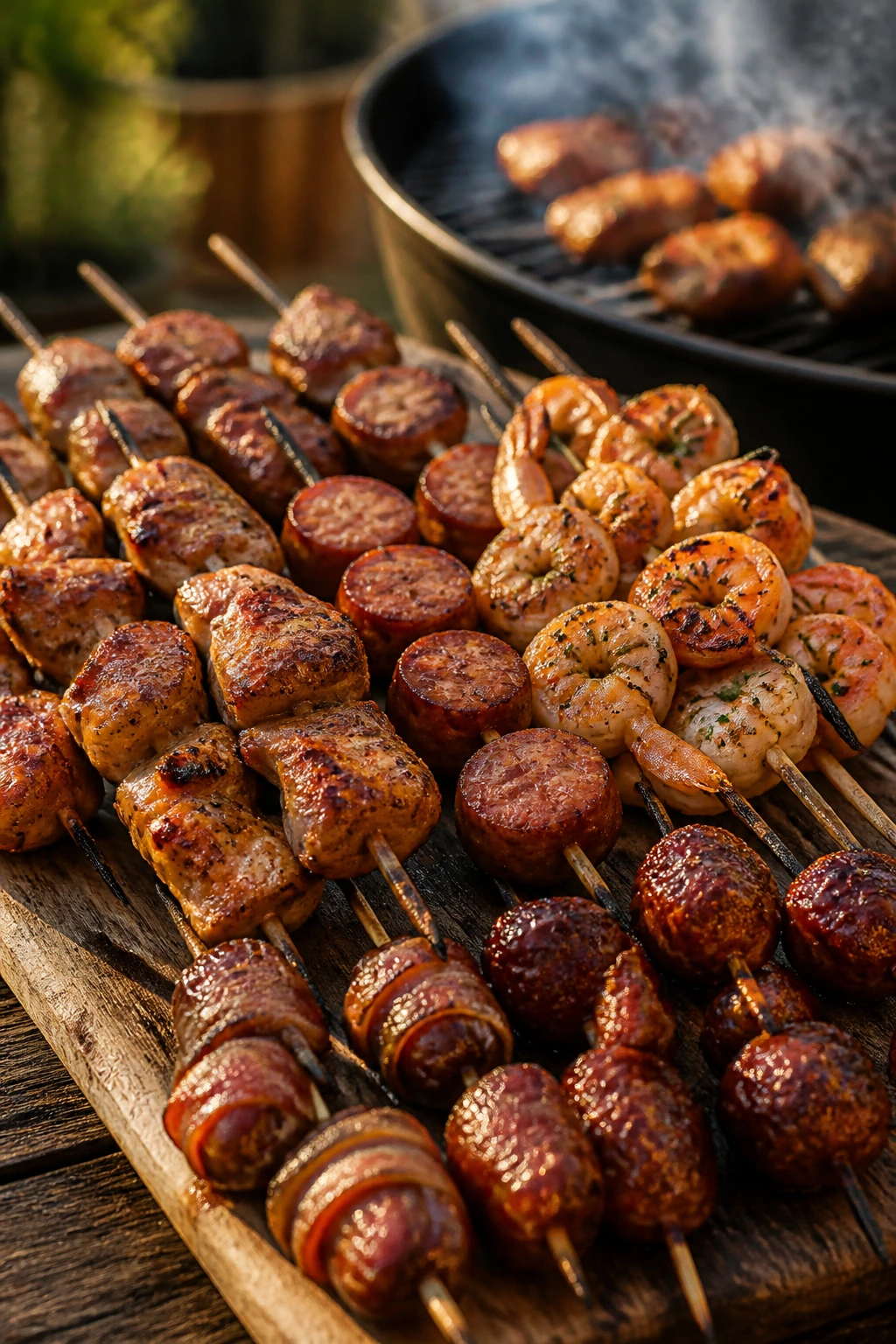
If the crowd includes people who measure joy in protein, give them small grilled bites.
This is where the grill earns its keep. A skewer of chicken thigh pieces with a chipotle rub, sausage coins with mustard sauce, shrimp brushed with garlic oil, or mini meatballs glazed at the end can feel generous without requiring a whole plate. They also anchor the rest of the appetizers. People may come for the dip, then stay for the shrimp.
Reliable Crowd Moves
- Chicken thigh skewers: Thigh meat is more forgiving than breast meat. It stays juicy at the higher heat that gives you better grill marks.
- Shrimp skewers: Choose medium to large shrimp, peeled and deveined, so they cook in 3 to 5 minutes and stay tender.
- Sausage coins or links: Pre-cooked sausage slices well and browns fast. Fresh sausage can work too, but it needs a thermometer and more attention.
- Mini meatballs: Great with barbecue glaze, especially when the glaze goes on near the end instead of at the beginning.
- Bacon-wrapped dates: Sweet, salty, and made for a quick blast of heat. If the bacon is thick, partially cook it first so the dates do not turn into charcoal before the fat renders.
- Pork tenderloin bites: Quick to grill if you cut them small and don’t overcook them. Pull them at 145°F and let them rest.
The Temperatures Worth Remembering
USDA-safe internal temperatures are not decorative details. They’re the line between “nicely cooked” and “please stop serving that.” Chicken should reach 165°F. Ground meat wants 160°F. Seafood is done at 145°F, and pork can come off at 145°F with a rest.
That said, appetizers do not forgive guesswork well. A skewer the size of your thumb can go from perfect to dry in a minute. Use an instant-read thermometer, especially for chicken and pork. It’s one of the few tools that saves both food and pride.
How to Time the Whole Spread So Everything Lands Hot
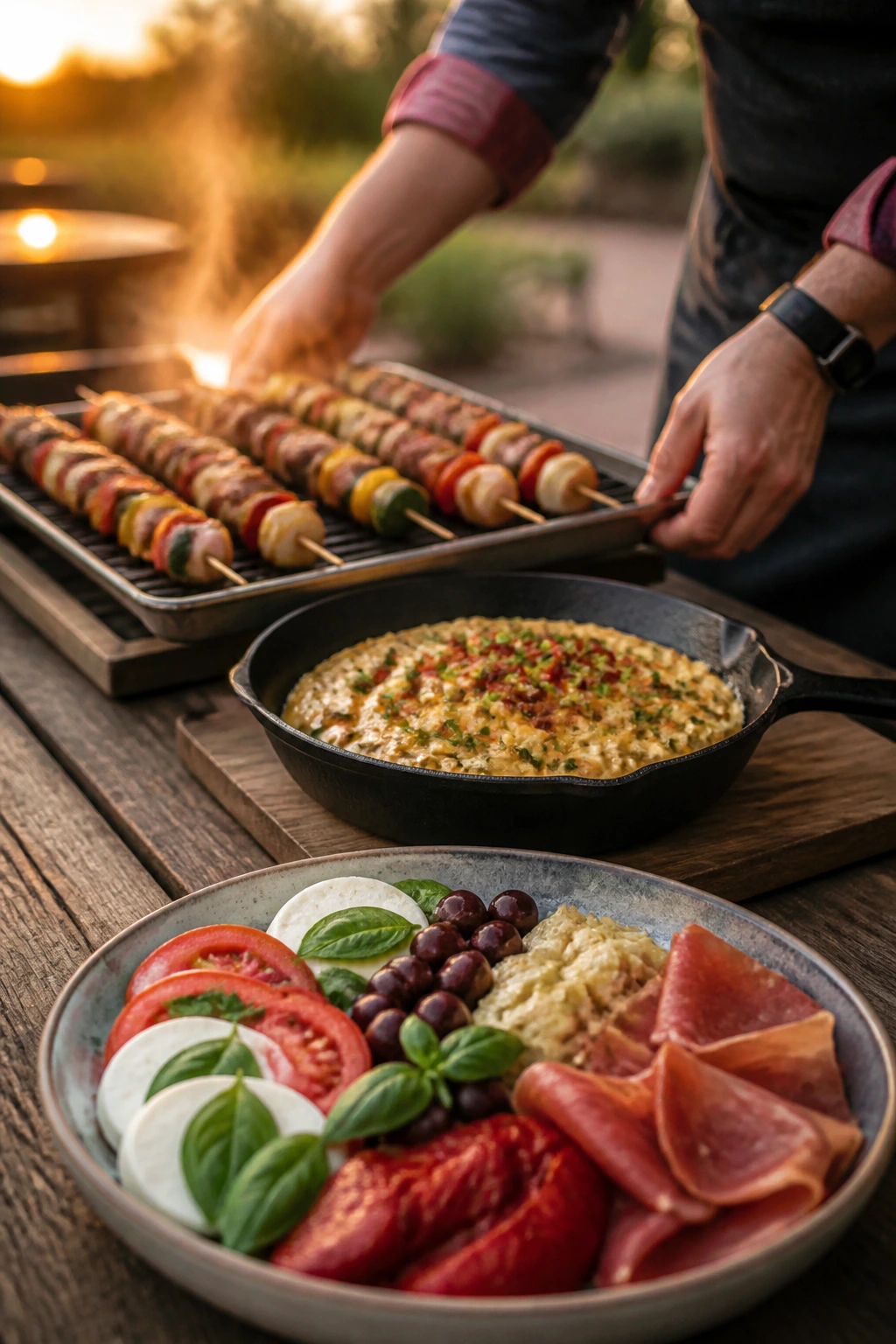
How do you keep five dishes hot without turning the host into a line cook?
You stagger. That sounds boring, but it’s the move that keeps backyard appetizers from turning into an obstacle course. One tray goes on the grill, one dip sits warm, one cold plate stays in the shade, and the garnish gets added at the last second. No single dish carries the whole load.
A Practical Party Timeline
The day before:
Mix sauces, dry rubs, and marinades. Chop onions, peppers, and herbs. If you’re making a bean dip or pimento cheese, it usually tastes better after a night in the fridge because the seasoning settles into the mixture.
Several hours before guests arrive:
Skewer proteins and vegetables. Keep them chilled on sheet pans. Make sure bamboo skewers have had a soak in water for at least 30 minutes if you’re using them.
About an hour before serving:
Light the grill. Set out platters, tongs, serving spoons, napkins, and any sauces that need to be ready. This is also the moment to pull cold ingredients from the fridge so they lose the chill without sitting out too long.
Right before guests start circling:
Cook the quick items first — shrimp, zucchini, peppers, sausage coins. Save the holdable items like dips, stuffed mushrooms, and bacon-wrapped bites for the final stretch.
During service:
Refill in small batches. A fresh tray that arrives every 10 to 15 minutes feels abundant. One giant tray that sits for 40 minutes feels tired by the time the second guest reaches it.
The Holding Zone Matters
If you have an oven, set it to a low warm setting, around 200°F to 250°F, and use it as a holding zone for cooked bites. Keep foods covered loosely with foil so they don’t dry out, but do not wrap them tightly or the crisp edges turn soft. For dips, a warming tray or cast-iron skillet works better than a metal bowl.
And please keep cooked food and raw food on separate platters. Separate tongs. Separate boards. Separate everything. That detail is not fussy; it’s just how you keep a cookout from becoming a contamination lesson.
How to Serve a Smoky App Board
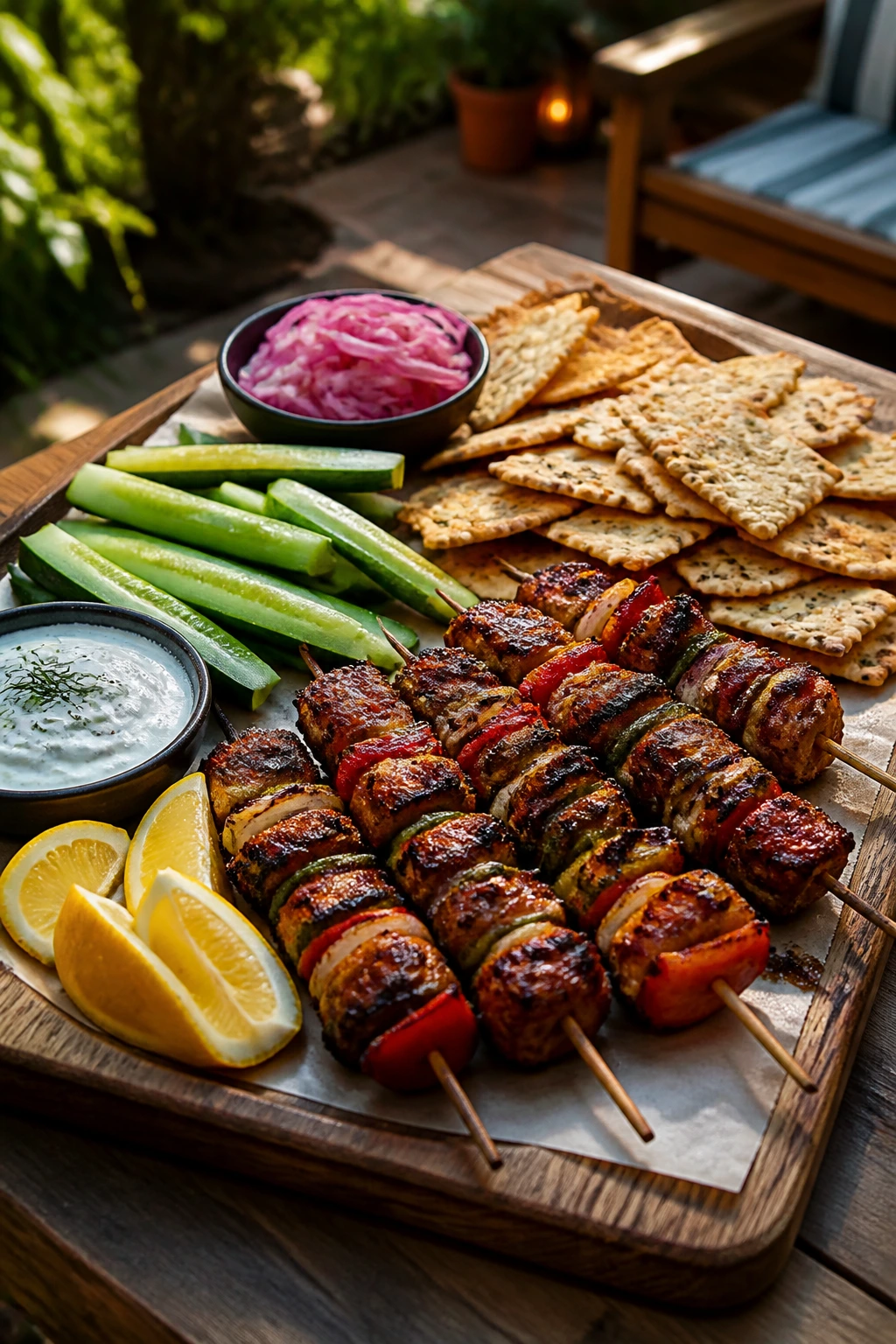
A good serving board should look like it can survive a breeze and a hungry hand.
That means a mix of textures, temperatures, and shapes, with the hot food near the center and the cooler bites around the edges. I like using a wooden board for dry items, a cast-iron skillet for anything molten, and a wide platter lined with parchment for greasy or sauced bites. The parchment is not glamorous, but it saves you from a board that smells like smoke and onion for two days.
Presentation: Put the most fragrant thing in the middle — usually the warm dip or the grilled skewers — and build outward with crunchy, cool, or acidic pieces. Add pickled onions, lemon wedges, lime wedges, and a few fresh herb leaves so the board has a little color and the flavors can wake up at the end.
Accompaniments: Serve smoky appetizers with grilled pita, sturdy crackers, saltines, corn chips, cucumber spears, celery, radishes, pickled jalapeños, and a bowl of barbecue sauce or ranch for dipping. A little bread matters more than people think. Smoke and starch get along.
Portions: If appetizers are a pre-dinner nibble, plan for 3 to 5 small bites per person. If the appetizers are the meal, aim for 6 to 8 bites per person plus at least one dip or spread. For mixed boards, I like to think in waves: one hot item, one cold item, one crunchy item, one sauce.
Beverage Pairing: A crisp lager or pale ale cuts through smoke and salt cleanly. Unsweet tea with lemon, sparkling water with lime, or a dry hard cider also works if you want something lighter. For a richer menu, a bourbon lemonade or an amber ale can stand up to bacon, sausage, and queso without getting lost.
Essential Equipment for Backyard Smoke-Friendly Apps
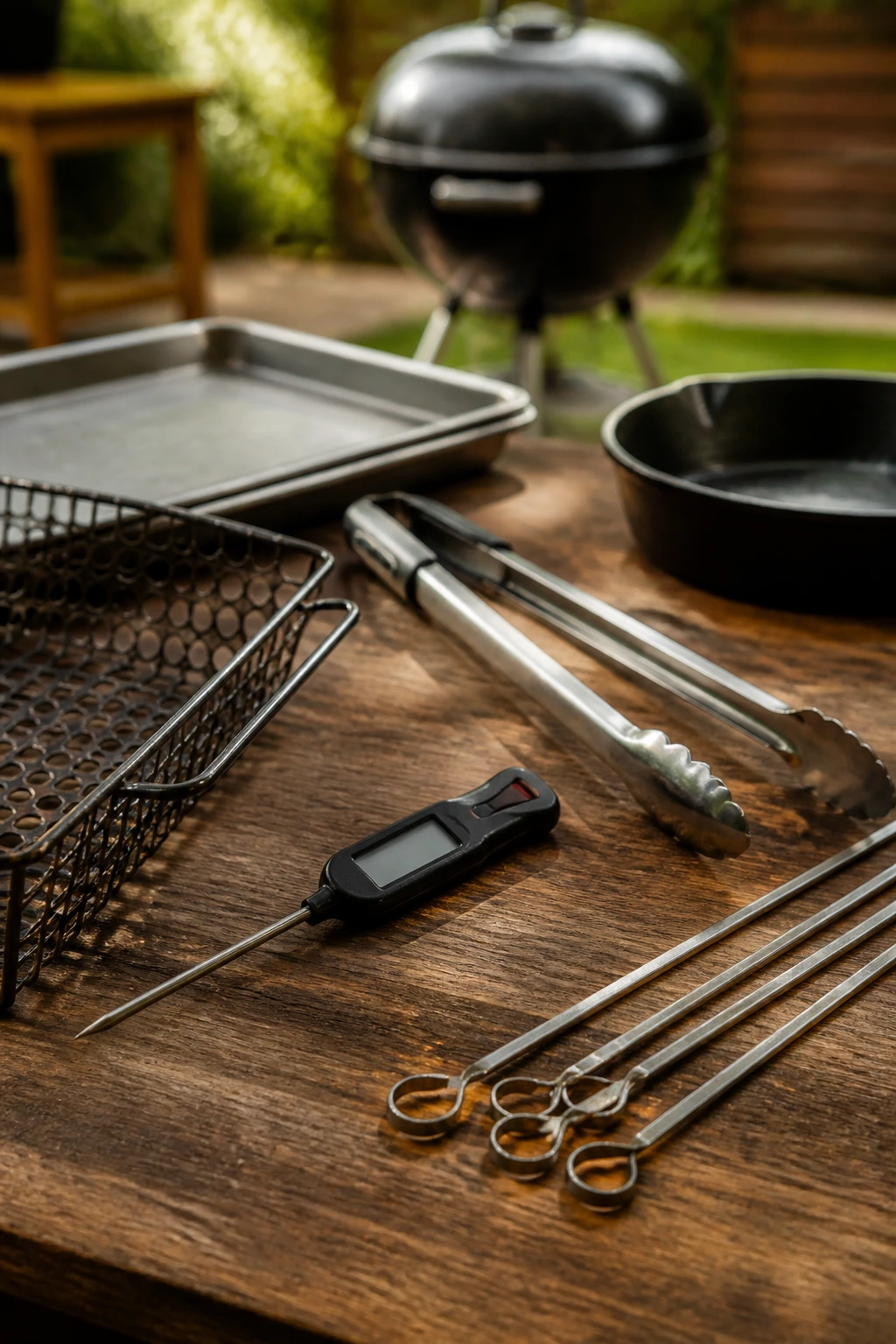
If you only buy five tools, make one of them an instant-read thermometer.
- Grill with a lid: Charcoal or gas both work. A lid gives you control over smoke, heat, and flare-ups.
- Instant-read thermometer: Essential for chicken, pork, shrimp, and anything small enough to overcook by accident.
- Long tongs: Short tongs put your knuckles in the wrong place.
- Grill basket: Useful for chopped vegetables, mushrooms, and anything that wants to slip through the grates.
- Metal skewers or soaked bamboo skewers: Metal lasts forever; bamboo works fine if you remember the soak.
- Cast-iron skillet: Best for queso, warm dips, and anything you want to hold heat on the table.
- Rimmed sheet pans: Good for prep, transport, and staging food before it goes outside.
- Heatproof spatula: Handy for turning fish, shrimp, or delicate stuffed items.
- Serving platters and small bowls: Keep sauces separate from crispy food until the last possible second.
- Cooler or ice bath: Necessary for chilled dips, dairy-heavy spreads, and keeping raw ingredients cold before grilling.
- Wood chunks or chips, optional: Only if you want actual wood smoke. Dry chunks are cleaner than damp, half-soaked chips.
Shopping Smart for Smoke, Char, and Texture
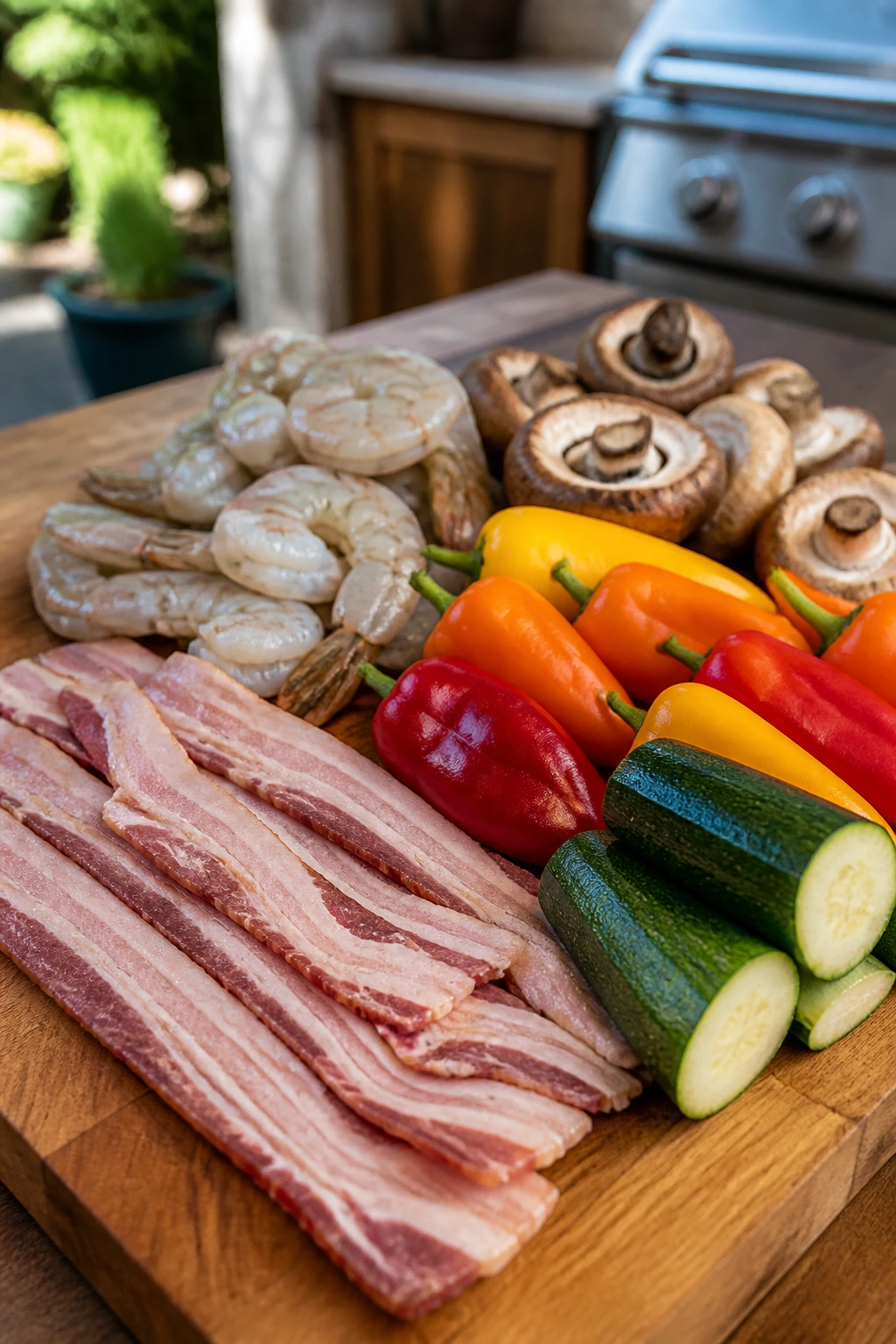
Shopping cheap is fine in some places. Bacon and shrimp are not those places.
Smoke-friendly appetizers depend on ingredients that can take heat without collapsing. Thick-cut bacon gives bacon-wrapped bites enough structure to cook properly. Shrimp should be firm, clean-smelling, and not so tiny that they curl into rubber before you’ve turned the skewer once. For vegetables, choose pieces with a little body: cremini mushrooms with closed caps, peppers with taut skin, zucchini that still feels heavy for its size.
What to Buy and Why
- Bacon: Thick-cut if you’re wrapping things. Thin bacon can burn before the filling is hot.
- Shrimp: Medium-large sizes, peeled and deveined. Shrimp labeled 16/20 or 21/25 are easier to grill than tiny ones.
- Cheese: For dips and spreads, buy blocks and shred them yourself if you need melting cheese. Pre-shredded cheese has anti-caking agents that can make queso grainy.
- Beans: Canned black beans, cannellini beans, or chickpeas all work. Rinse them well so the dip doesn’t taste tinny.
- Peppers: Mini sweet peppers are easy to fill or grill whole. Jalapeños are the right size for poppers and pick up smoke fast.
- Herbs: Cilantro, parsley, dill, and chives should be bright and perky, not limp. Add them near the end or they vanish.
- Bread and crackers: Buy sturdy ones. Flimsy chips break the minute they meet a thick spread.
- Wood: Choose dry, clean smoking wood meant for food. Random yard scraps are not seasoning.
Buy for Texture, Not Just Flavor
A smoky appetizer is only as good as the thing holding the smoke. That’s why halloumi works so well, why eggplant is better than you’d think, and why a bean dip can outshine a salad even if the salad looks prettier. The ingredient has to stand up to the job.
Frozen corn is fine. Canned beans are fine. Jarred roasted peppers are fine. In fact, some of those shortcuts are better than their fresh counterparts when the goal is speed and a reliable result. The grill will supply enough drama. You do not need every ingredient to be precious.
Additional Tips and Flavor Boosters
Smoke is easy to overdo. Easy.
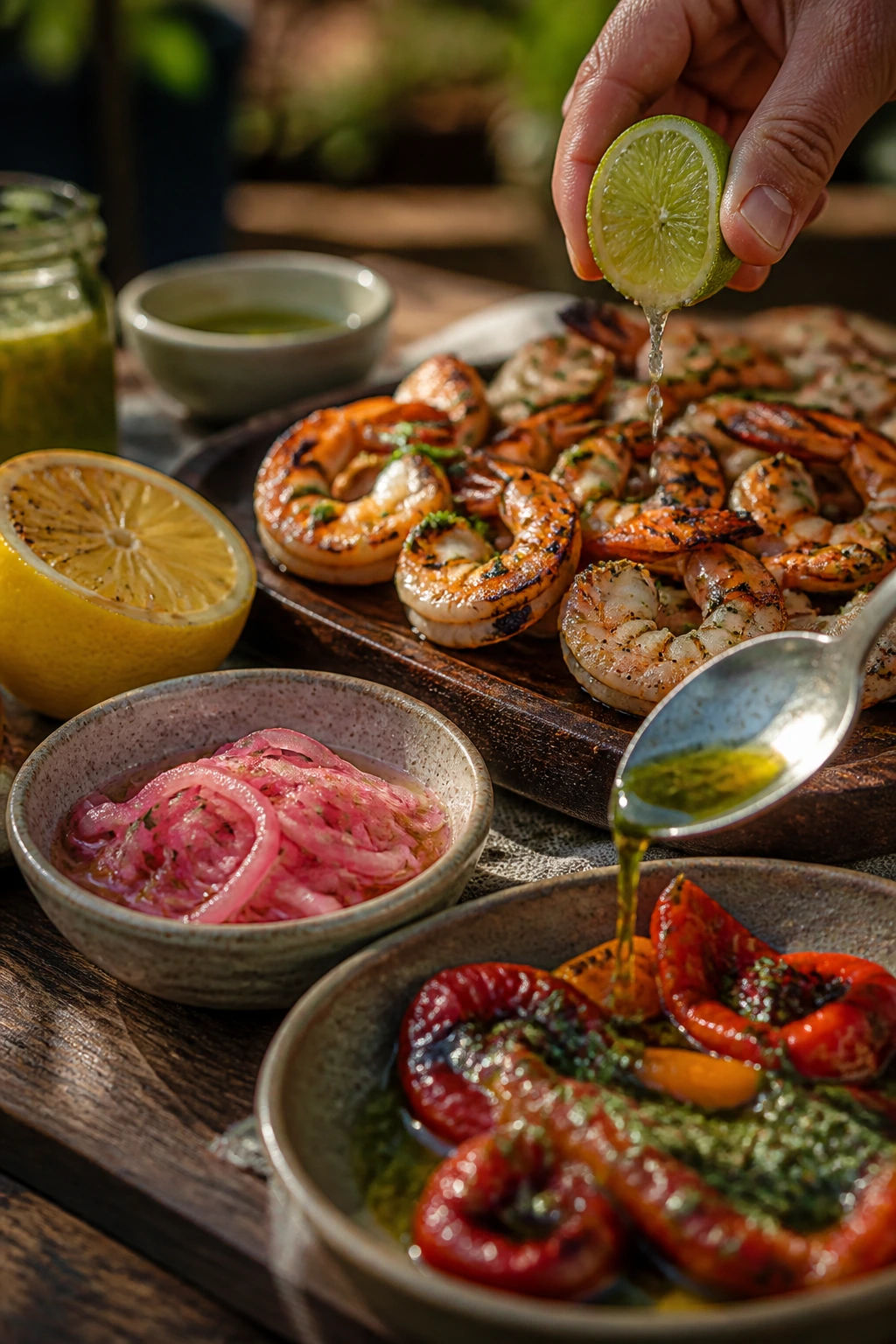
A small finishing move often matters more than another hour of cooking. If a tray tastes flat, it usually needs acid, salt, or a sharper garnish — not more smoke. I reach for the lemon half, the pickled jalapeño, or the vinegar bottle before I reach for a second handful of wood chips.
Flavor Enhancement: Add one bright finish to every smoky appetizer. A squeeze of lime over grilled shrimp, a splash of red wine vinegar over peppers, or a spoonful of pickled onions on top of queso keeps the smoke from going dusty.
Customization: If a crowd runs mild, lean into applewood, cherry wood, smoked paprika, and roasted garlic. If the crowd likes heat, add chipotle, cayenne, or sliced fresh chile — but keep one cool element on the plate so the heat doesn’t flatten everything else.
Serving Suggestions: Finishing salts, chopped herbs, toasted sesame seeds, and a drizzle of herb oil make the board look cared for. A few charred lemon halves on the side are worth the small effort. They wake up shrimp, vegetables, and dips in one squeeze.
Make-It-Yours: For a dairy-free spread, build around baba ghanoush, white bean dip, grilled vegetables, and salsa. For a gluten-free board, keep the chips corn-based and use sturdy veggie dippers. For meatless guests, mushrooms, halloumi, smoked chickpeas, and pimento cheese with crackers give you enough body that nobody feels shorted.
Common Mistakes to Avoid
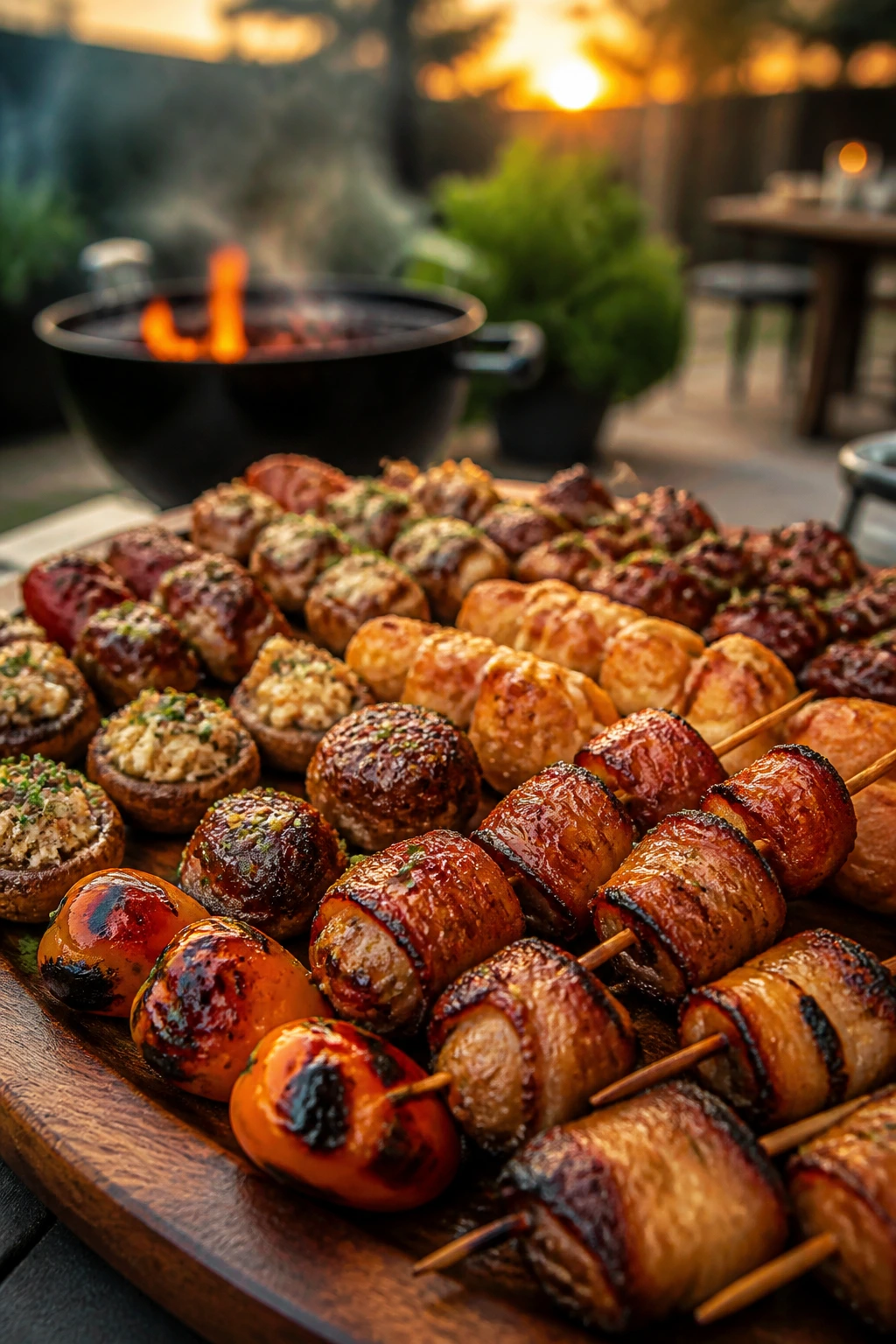
Most bad backyard appetizers fail for the same reason: too much moisture, too much sugar, or too much confidence.
Here are the mistakes that show up most often, and the fixes that actually help.
- Over-smoking the food: Bitter, gray, or ashy flavor usually means too much wood or too much time over heavy smoke. Use less wood than you think, keep the lid closed, and choose a milder wood for small bites.
- Glazing too early: Sweet barbecue sauce burns on contact if the grill is hot. Brush it on during the last 2 to 4 minutes so it turns sticky instead of black.
- Serving wet food on wet plates: A watery dip or grilled vegetables sitting in their own steam will go limp fast. Use a rack, a skillet, or a dry platter lined with parchment.
- Under-seasoning because of the smoke: Smoke can mute salt. Season before grilling and taste again after finishing. A final pinch often fixes what the grill softened.
- Crowding the grate: If the food sits too close together, it steams instead of browns. Leave space, work in batches, and accept that an extra round is better than one crowded, pale tray.
- Ignoring food safety at the table: Perishable foods need to stay out of the danger zone as briefly as possible. Get leftovers into shallow containers fast, keep cold dishes cold, and keep hot dishes hot.
A smoky appetizer should taste deliberate. If it tastes tired, it probably spent too long waiting for the crowd.
Variations and Alternatives to Try
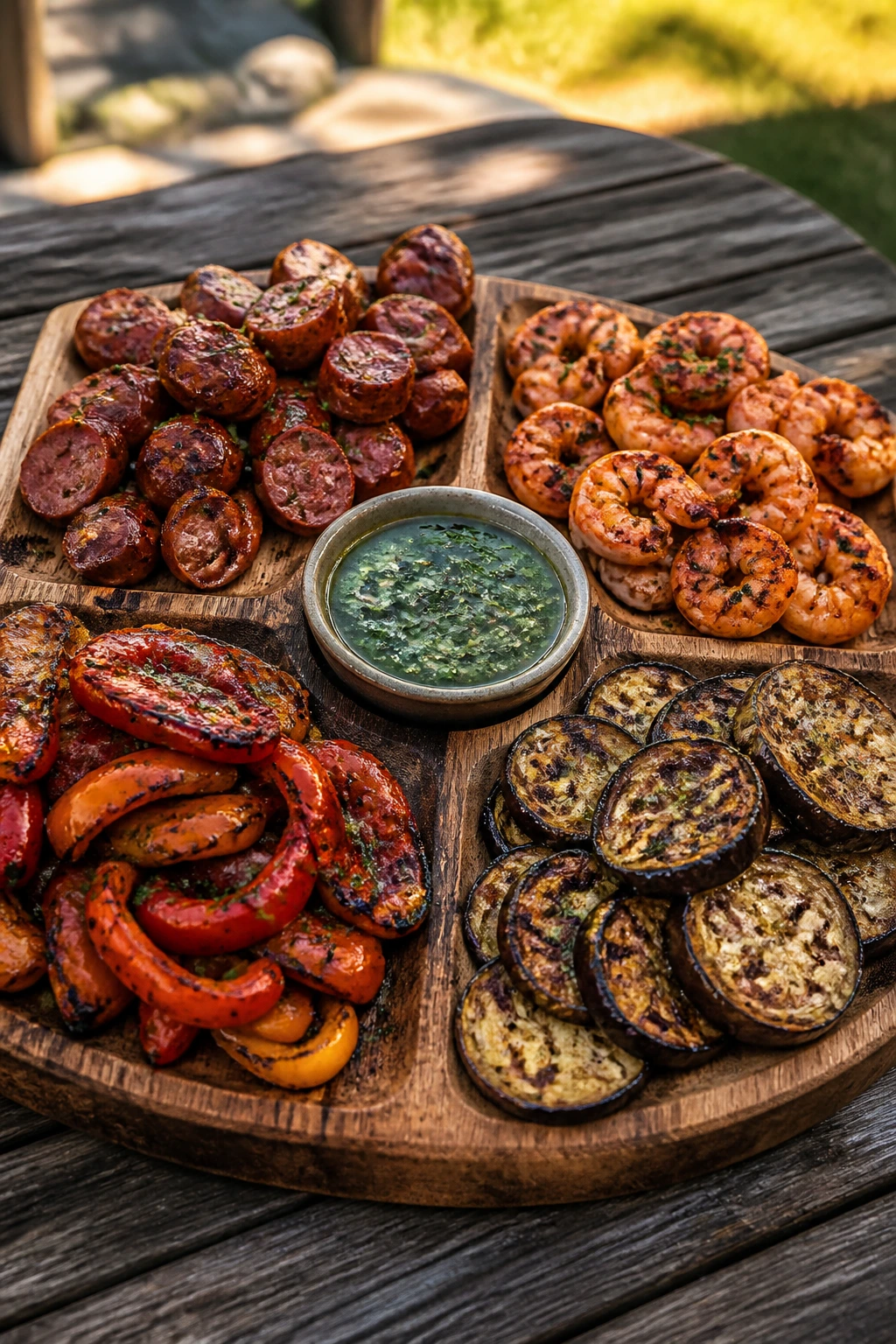
A Texas-style platter looks different from a Mediterranean one, but the logic underneath is the same.
You’re still trying to balance smoke, fat, salt, and something bright at the end. The difference is which ingredients carry the weight. Once you see that, you can tilt the whole spread in a new direction without losing the backyard feel.
Texas Driftwood Board: Use oak or hickory for sausage coins, chicken thighs, grilled onions, and a mustardy dip. Add pickles, white bread, and a vinegar-forward sauce so the richer bites do not wear out their welcome.
Chipotle Citrus Tray: Build around shrimp, corn, black bean dip, and grilled peppers with chipotle, lime, and cilantro. This version leans bright and lively, which helps when the rest of the meal is already heavy.
Mediterranean Char Plate: Grill eggplant, zucchini, halloumi, and onions, then serve them with whipped feta, olives, lemon, and dill. The smoke comes from the grill and the paprika, not from chiles, so the plate stays savory rather than hot.
Vegetarian Campfire Spread: Use smoked chickpea dip, charred mushrooms, grilled sweet peppers, corn ribs, and pimento cheese or a dairy-free spread. The trick is to lean on texture — crisp, creamy, juicy, and smoky all at once.
Lower-Heat, High-Smoke Version: Choose apple or cherry wood, smoked paprika, roasted garlic, and mild peppers. This is the board I’d set out when half the guests like heat and the other half want to keep talking after the first bite.
Make-Ahead, Storage, and Reheating Guidance
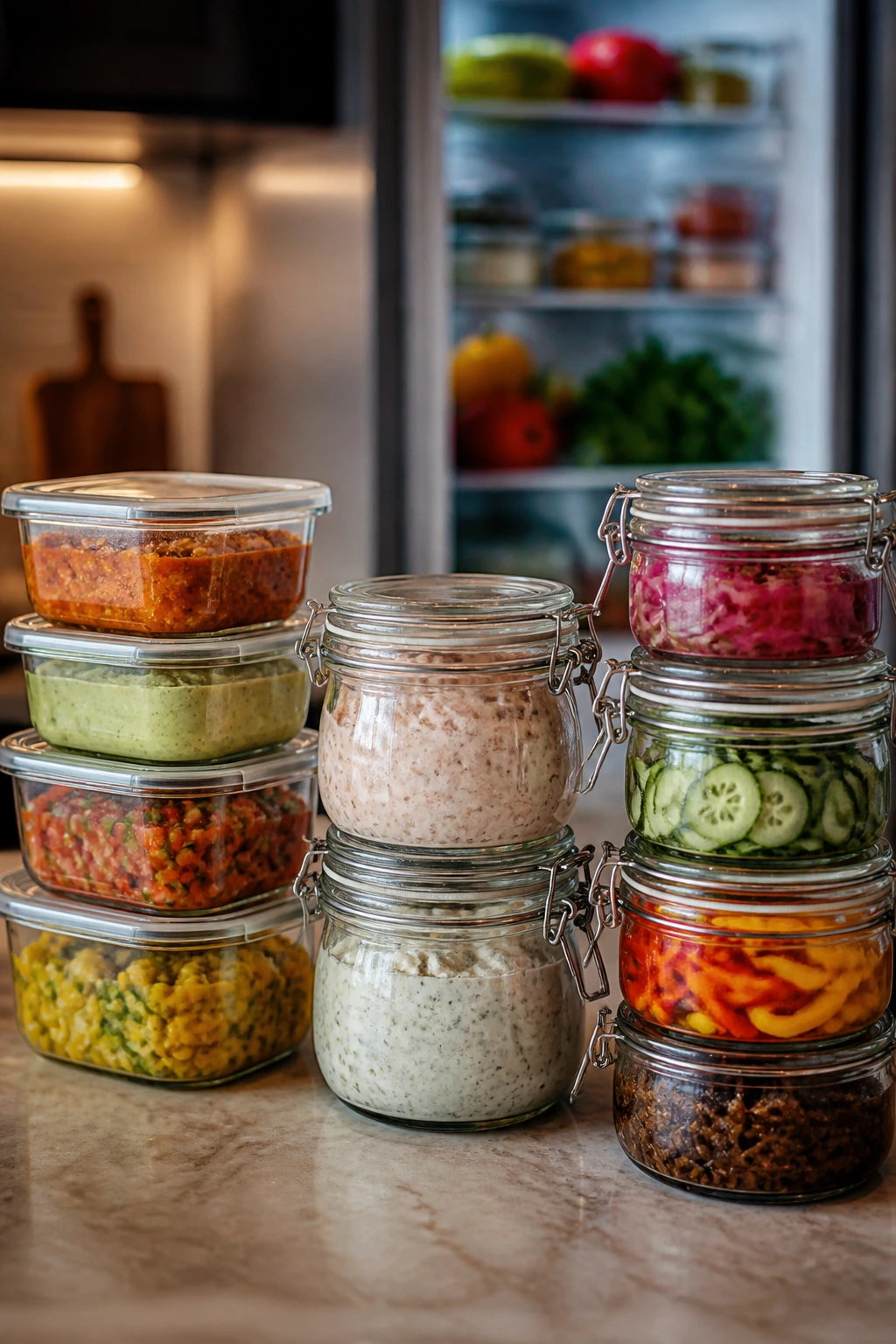
Leftover smoke clings to a container lid long after the food cools.
That’s useful, because a lot of these appetizers can be made ahead or rescued later without losing their shape. The trick is knowing which ones get better overnight and which ones turn strange after a night in the fridge. Sauces and dips often improve. Crispy items usually do not.
What to Prep Ahead
- Dips and spreads: Make them 1 to 3 days ahead. Smoked queso, bean dips, pimento cheese, and baba ghanoush hold up well and often taste more settled the next day.
- Chopped vegetables: Most can be washed, trimmed, and stored in airtight containers 1 day ahead.
- Marinades and rubs: Mix them ahead and keep them separate from the food until you’re ready to cook.
- Skewers: Assemble a few hours ahead if needed, then keep them chilled and covered.
- Garnishes: Chop herbs, pickle onions, and cut citrus wedges ahead so the final plate comes together fast.
How Long Things Keep
- Cooked grilled meat and sausage bites: 3 to 4 days in the fridge.
- Cooked shrimp and seafood: 1 to 2 days in the fridge. Seafood gets fussy faster than chicken.
- Grilled vegetables: 3 to 4 days in the fridge, though the texture softens after day 2.
- Dairy-based dips: 3 to 4 days in the fridge if handled cleanly.
- Bean-based dips and spreads: 4 to 5 days in the fridge.
- Freezer life: Meatballs, sausage bites, and some bean dips can freeze for up to 2 months. Cream-cheese-heavy dips and mayo-heavy spreads usually come back grainy or broken.
Reheating Without Ruining the Texture
For grilled meats and sausage, reheat in a 300°F to 325°F oven, covered loosely with foil, until warm through. Add a spoonful of water, broth, or sauce if they look dry. Shrimp can be warmed briefly in a skillet over medium-low heat or wrapped in foil on the grill for a minute or two; too much heat and they turn rubbery.
Vegetables are better in a hot skillet or a brief oven blast than in the microwave. Dips rewarm best over low heat, with steady stirring. If the dip is thick, add a splash of milk, broth, or water before heating so it loosens instead of tightening.
Food should not sit out more than 2 hours, and only 1 hour if the day is warm enough to make the platter sweat. That rule does not care how good the smoked queso smells.
Questions People Ask Before the Grill Cools

Can I make smoky appetizers without a smoker?
Yes. A grill with a lid, a hot cast-iron skillet, and a few pantry ingredients will get you close enough for most backyard food. Smoked paprika, chipotle, bacon, charred onions, and grilled peppers do a lot of the work.
How much smoke is enough before the food tastes bitter?
Less than most people think. For small bites, one or two wood chunks or a light layer of chips is plenty, especially with fish, shrimp, vegetables, or cheese. If the food starts tasting like a campfire after an old rainstorm, the smoke has gone too far.
What smoky appetizers hold best if guests arrive late?
Warm dips in a skillet, sausage bites, stuffed mushrooms, and grilled vegetables hold better than crisp fried items. Deviled eggs also work well if they stay chilled until serving. Anything with a very thin crust or a loose sauce tends to suffer first.
Can I use liquid smoke in a backyard spread?
Yes, but use it like hot sauce, not like water. A drop or two in beans, queso, or barbecue sauce can help when you do not have wood smoke available. Too much gives the whole plate a fake, sharp edge.
What’s the easiest dairy-free smoky appetizer?
Grilled vegetables with a smoky vinaigrette, smoked bean dip, or charred eggplant spread are all strong options. They give you smoke, salt, and texture without relying on cheese or cream. A good salsa with grilled corn and roasted chiles also works.
Which appetizers are safest to make ahead the day before?
Bean dips, pimento cheese, sauces, chopped vegetables, and marinades are all smart make-ahead candidates. Cooked seafood is the one I’d avoid preparing too far in advance because it dries out and picks up fridge flavor fast.
How do I keep grilled apps hot without drying them out?
Use a low oven, around 200°F to 250°F, and cover the food loosely with foil. Put a damp towel under a serving platter if you need a short hold on a table, but keep it away from direct heat. A cast-iron skillet helps because it holds warmth longer than a thin pan.
What should I do if the grill runs too hot?
Move the food to indirect heat, close the lid, and give yourself a little more time. Shrimp, vegetables, and sausage can all recover if you pull them off before they scorch. If the outside is browning too fast, use a cooler zone or a foil tray for the final minutes.
Can I serve these as a full meal instead of appetizers?
Absolutely. Add a starch — grilled bread, corn, chips, rice, or roasted potatoes — and increase the portions. A spread built from skewers, dip, vegetables, and one rich cheese or meat item can stop being “snacks” very quickly.
The Smell That Pulls Everyone to the Table
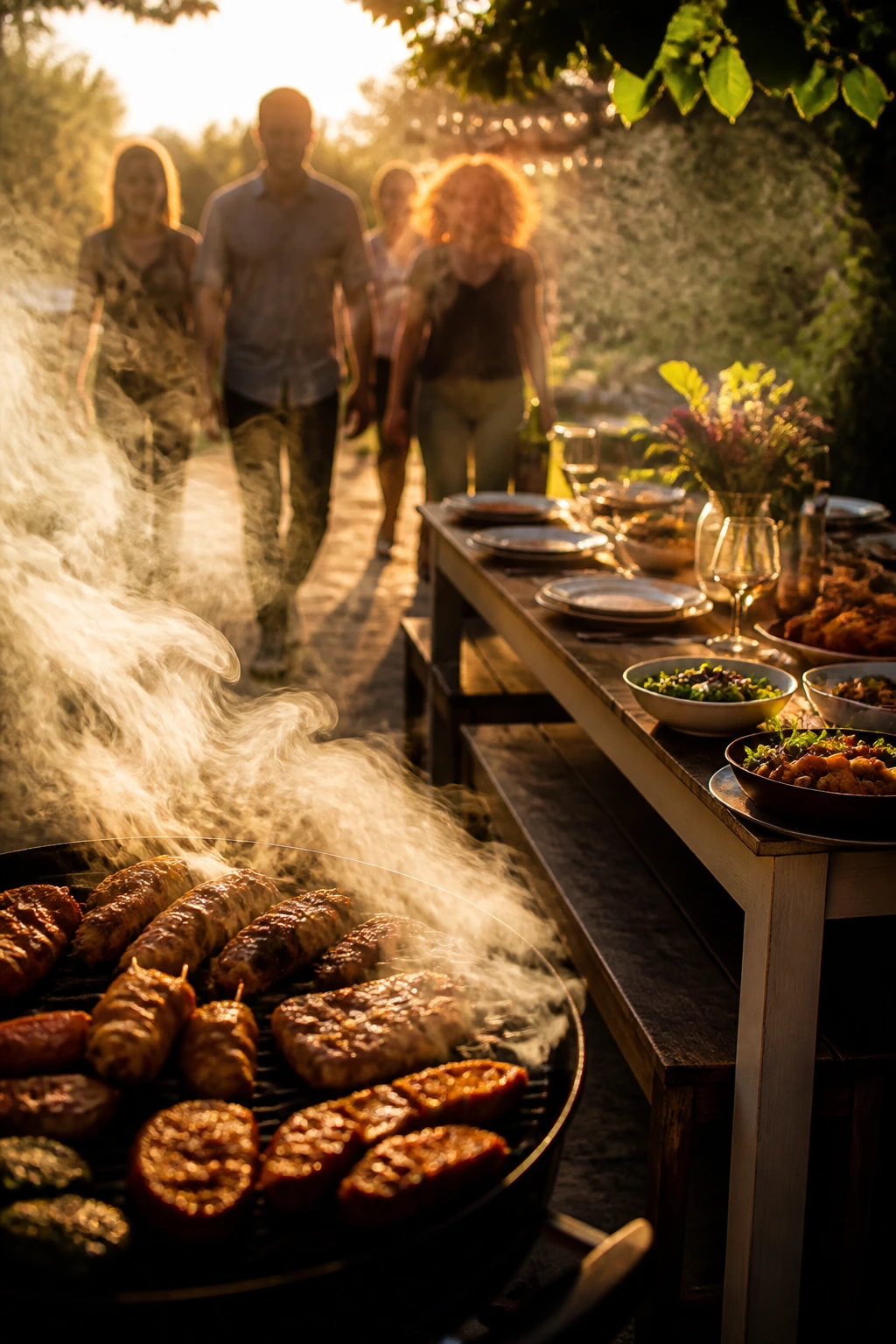
Smoke is a small ingredient with loud manners.
Used well, it makes the yard smell like dinner before anyone has taken a bite. It also gives you permission to be a little loose with the menu: one warm skillet, one cold dip, one tray of charred vegetables, a few skewers, and the whole thing reads as generous. That’s the part I like best. You do not need a perfect line of formal courses to make a cookout feel complete.
The smartest smoky apps do one thing beautifully and do not try to be everything. They let the grill show off a little, they keep the table moving, and they leave enough room for the main course to still matter. Get the salt right, keep the smoke clean, and finish with something bright. The rest is just the sound of people reaching back for another bite.