



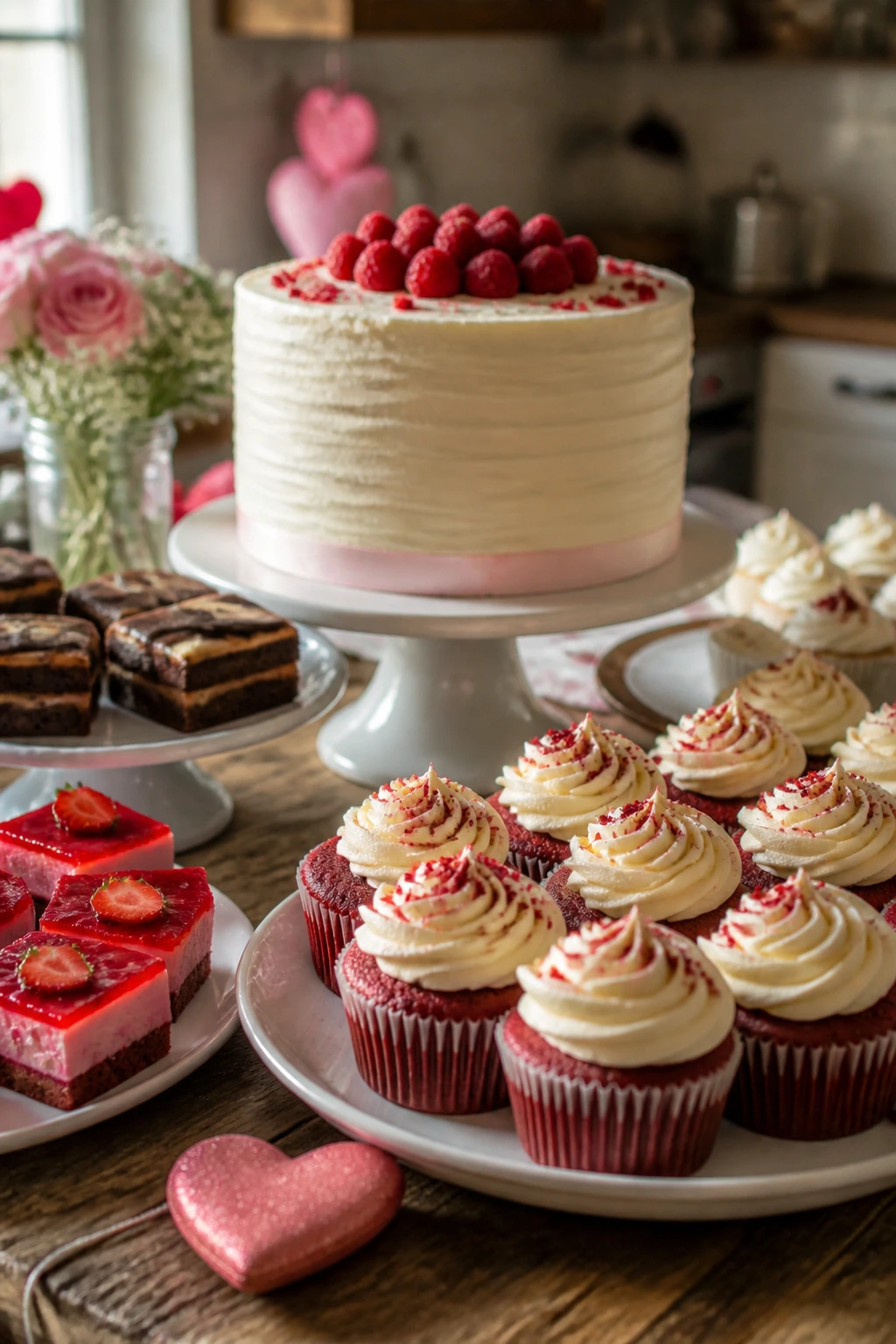
A moist Valentine dessert table with cream cheese frosting works because it gives the whole spread one clear flavor spine: soft crumb, cool tang, and enough sweetness to feel festive without turning cloying by the third bite. Red velvet cupcakes, strawberry bars, chocolate squares, and even a plain vanilla layer cake start to belong to the same party once that frosting lands on top.
Most dessert tables fail for a boring reason. They’re built like a collage instead of a menu. One tray is dry, another is overdecorated, and a third sits under warm lights until the frosting starts to loosen and the berries on top look tired. No thank you.
I like cream cheese frosting here because it does something buttercream often doesn’t: it wakes up chocolate and berries instead of burying them. The catch is that it has a softer backbone, so the cakes underneath have to be chosen with care — oil-based batter, sour cream, buttermilk, and a little restraint in the oven all matter more than people admit.
Get those basics right, and the dessert table starts behaving like a planned spread instead of a last-minute pile of sweets. The flavor is half the story; the rest is keeping each piece plush, cool, and tidy long enough to make the last plate worth grabbing. From there, the choices get fun.
Why a Cream Cheese Frosting Dessert Table Works So Well
Cream cheese frosting earns its place because it gives you contrast without noise. A sweet table can turn mushy fast when every bite tastes like the same cloud of sugar, but the tang in cream cheese snaps things back into focus. It’s the difference between “pretty desserts” and a table people keep circling.
-
Tang keeps the sweetness in check: Cream cheese frosting has enough bite to make berries, cocoa, and vanilla taste sharper, so the table doesn’t flatten into one sugary note.
-
Soft bases survive the chill: Oil cakes, brownies, and buttery bars stay tender after refrigeration better than airy sponge cakes do, which matters when the table sits out and gets nibbled over time.
-
One frosting, many forms: The same batch spreads on a sheet cake, pipes on cupcakes, and sandwiches between brownie layers without changing the formula.
-
Color does some of the decorating: Pale frosting, red fruit, and cocoa dust give you contrast fast; you do not need a gallon of dye or a dozen piping tips.
-
It scales cleanly: A single batch can cover 12 cupcakes or a modest 9-inch layer cake, and the ratio doubles without drama if you keep the texture in check.
One more thing. Cream cheese frosting reads as more grown-up than plain vanilla buttercream, which makes it a smart anchor for a Valentine dessert table aimed at adults as much as kids. That tang gives chocolate a deeper edge and keeps strawberry desserts from tasting like candy with a bow on top.
The Flavor Map: Chocolate, Berry, Vanilla, and Tang
Cream cheese frosting can handle a lot, but it does not love chaos. It works best when the desserts around it each play a clear role: one rich, one bright, one mellow, one with a little crunch. The table feels intentional when every flavor has a job.
Chocolate Wants Salt and Tang
Chocolate desserts are the easiest win. Cream cheese frosting adds acidity, which keeps dark cocoa from turning muddy, and the slight chill of the frosting gives brownies or a chocolate layer cake a cleaner finish. You taste the chocolate first, then the tang slips in and keeps the bite moving.
For a Valentine table, I like chocolate in two forms: something tall and soft, like a small layer cake or cupcakes, and something low and square, like brownies cut into neat bites. The contrast matters. A brownie with a thick frosting swirl hits differently from a slice of cake with a thin filling and a sharper outer coat.
Skip anything too bitter unless you know your crowd likes it. A 72% chocolate ganache cake can drown out the cream cheese if you pile on too much frosting. A 55% to 65% cocoa range is friendlier, especially when the frosting is already bringing its own tang.
Strawberries Need Dry Edges, Not Wet Puddles
Fresh strawberries look like Valentine’s Day without any help, but they leak. That juice turns a white frosting blush-pink in the wrong spots and softens the top of the cake if you add them too early. I use sliced berries as garnish, then blot them twice and place them at the last minute.
Freeze-dried strawberry powder is the cleaner answer when you want pink frosting without adding water. It gives color and flavor in one shot, and it doesn’t loosen the structure the way puree does. If you want a berry filling, make it thick — think jam, not sauce.
A strawberry sheet cake with cream cheese frosting is the kind of dessert that disappears faster than it looks like it should. Maybe that’s the real trick here. Strawberry and cream cheese taste nostalgic, but the flavor still feels crisp enough for a fancy table.
Vanilla Needs a Sharper Friend
Vanilla cake can carry cream cheese frosting, but it needs something with a little edge or it starts tasting flat beside stronger flavors. Lemon zest, almond extract, or a thin layer of raspberry jam between the layers fixes that fast. A plain vanilla cupcake topped with plain cream cheese frosting needs a garnish — otherwise it reads as bakery neutral.
This is where a dessert table gets smarter than a single cake. One vanilla piece with tart filling, one chocolate piece with plain frosting, and one berry square with a darker topping create a rhythm the guest can taste. That rhythm matters more than matching every color exactly.
Red Velvet Was Built for This Job
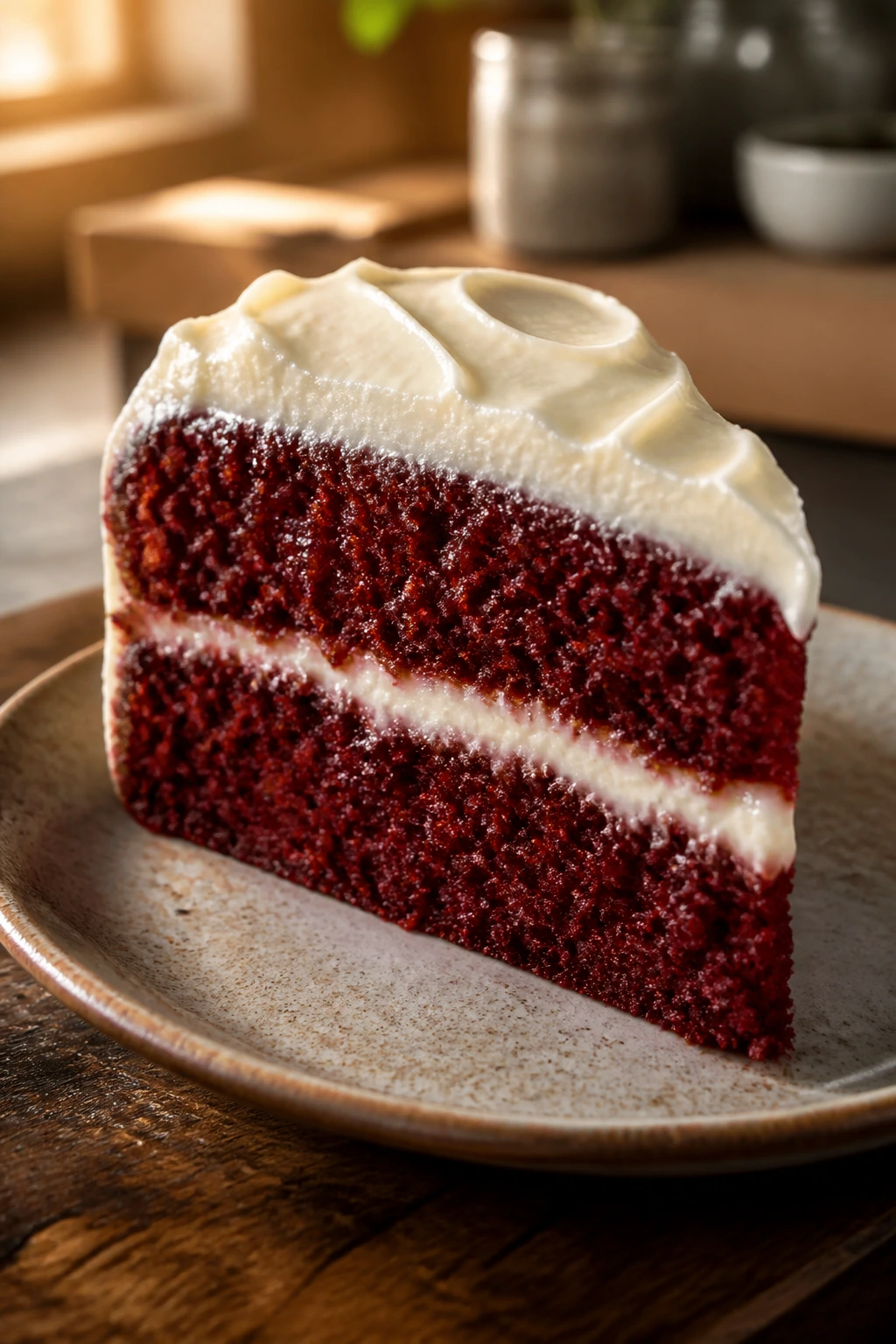
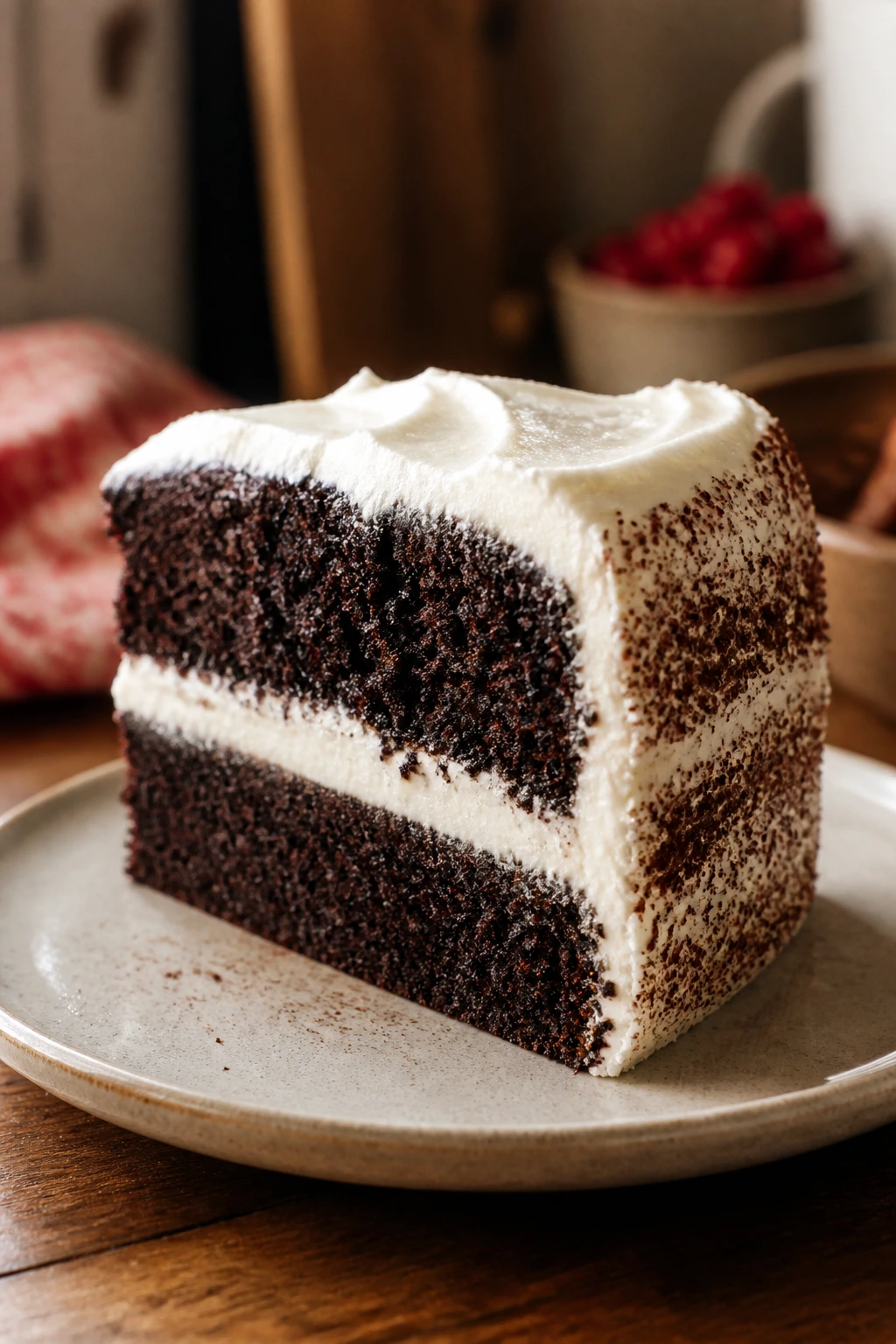
Red velvet already has buttermilk and cocoa pulling in the same direction as cream cheese frosting. The crumb stays soft, the frosting tastes less sweet, and the red color does most of the Valentine work by itself. If I had to choose one dessert to anchor the table, this is the one I’d reach for first.
Red velvet also looks clean when sliced. The red crumb against white frosting is easy to read from across the room, which sounds trivial until you’re trying to make a table feel polished without a florist’s budget. It does the visual heavy lifting for you.
Desserts That Stay Soft Under Cream Cheese Frosting
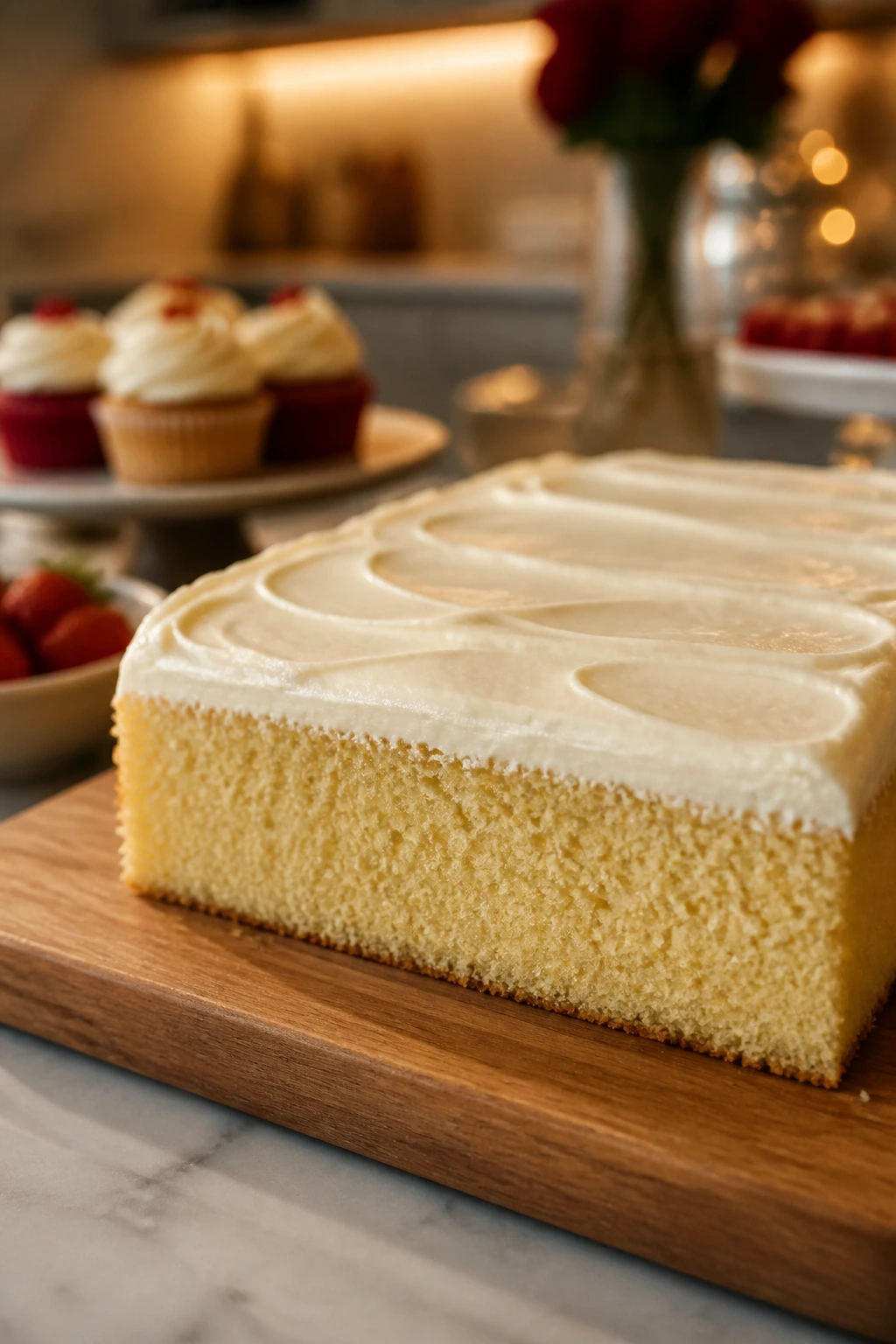
Not every baked good likes this frosting. Some desserts dry out under a cold chill, and some collapse when you add a heavy top. You want sturdy, moist bases that hold shape after refrigeration and still taste soft after 20 minutes on the counter.
Sheet Cakes and Snack Cakes
Sheet cakes are underrated for dessert tables because the edges stay neat when cut, and you can frost them in one smooth layer instead of wrestling with stacked rounds. Snack cakes, especially vanilla, red velvet, or chocolate, keep their crumb better when made with oil, sour cream, or buttermilk. That moisture buffer matters once the cake gets chilled.
A 9×13-inch cake also gives you more serving control. You can cut narrow rectangles for a lighter dessert service or thicker squares if the table is the main event. No one needs a wedge that topples over on a paper plate.
Cupcakes and Mini Layer Cakes
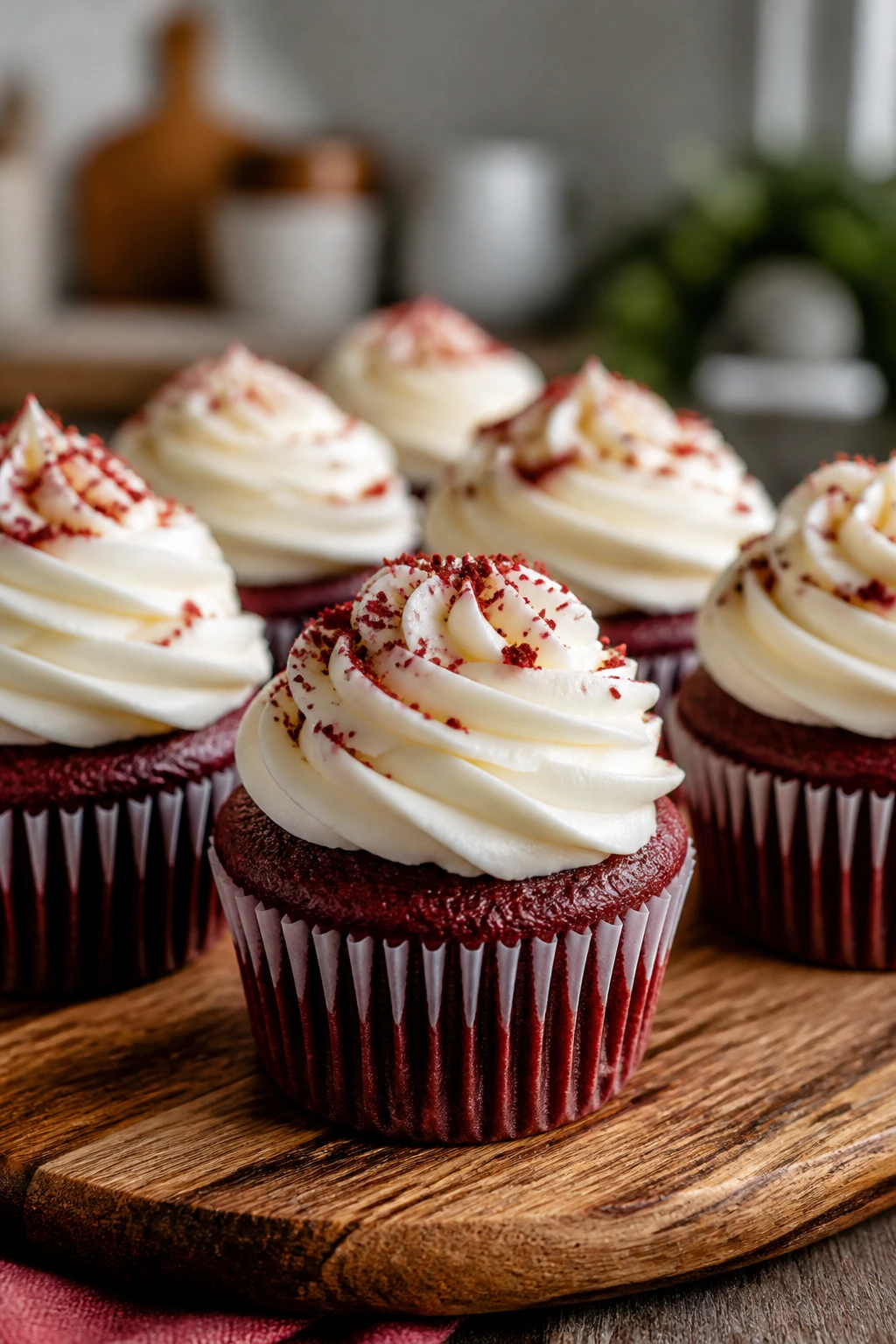
Cupcakes are useful because they solve the serving problem before it starts. Each one carries its own frosting cap, and if you keep the swirl medium-sized instead of towering, they travel well and hold their shape on a tray. Mini layer cakes work too, but they need a firmer crumb than people expect.
I like cupcakes for the first wave and a small centerpiece cake for the visual anchor. The cupcakes invite quick grabbing; the cake gives the table a focal point. That mix keeps guests from hovering over a single platter and making a mess of the frosting.
Bars, Brownies, and Blondies
Bars are the quiet workhorse of a dessert table. Brownies, blondies, and cookie bars slice cleanly, stack neatly, and stay moist even after a night in the fridge. Their flat shape also gives you a good surface for a thin smear of frosting or a piped border.
Use parchment and chill the pan before cutting if you want sharp edges. A hot knife sounds fussy, but it’s worth it. Two clean passes through a frosted brownie beat one jagged cut that drags frosting into crumbs.
Cheesecake Bites and Filled Treats
Cheesecake bites are a good side player, not the center of the table. They’re already built on the cream cheese idea, which makes them taste at home beside the frosting without repeating the exact same texture. Their best role is chilled contrast.
Filled desserts — a cake with raspberry jam, cupcakes with strawberry compote, brownies with a thin chocolate layer — do well as long as the filling is thick. Thin filling leaks. Thin filling always leaks. The top of the table can look lovely, but if the middle runs when you slice it, the whole thing loses polish.
The Cream Cheese Frosting Formula That Actually Holds
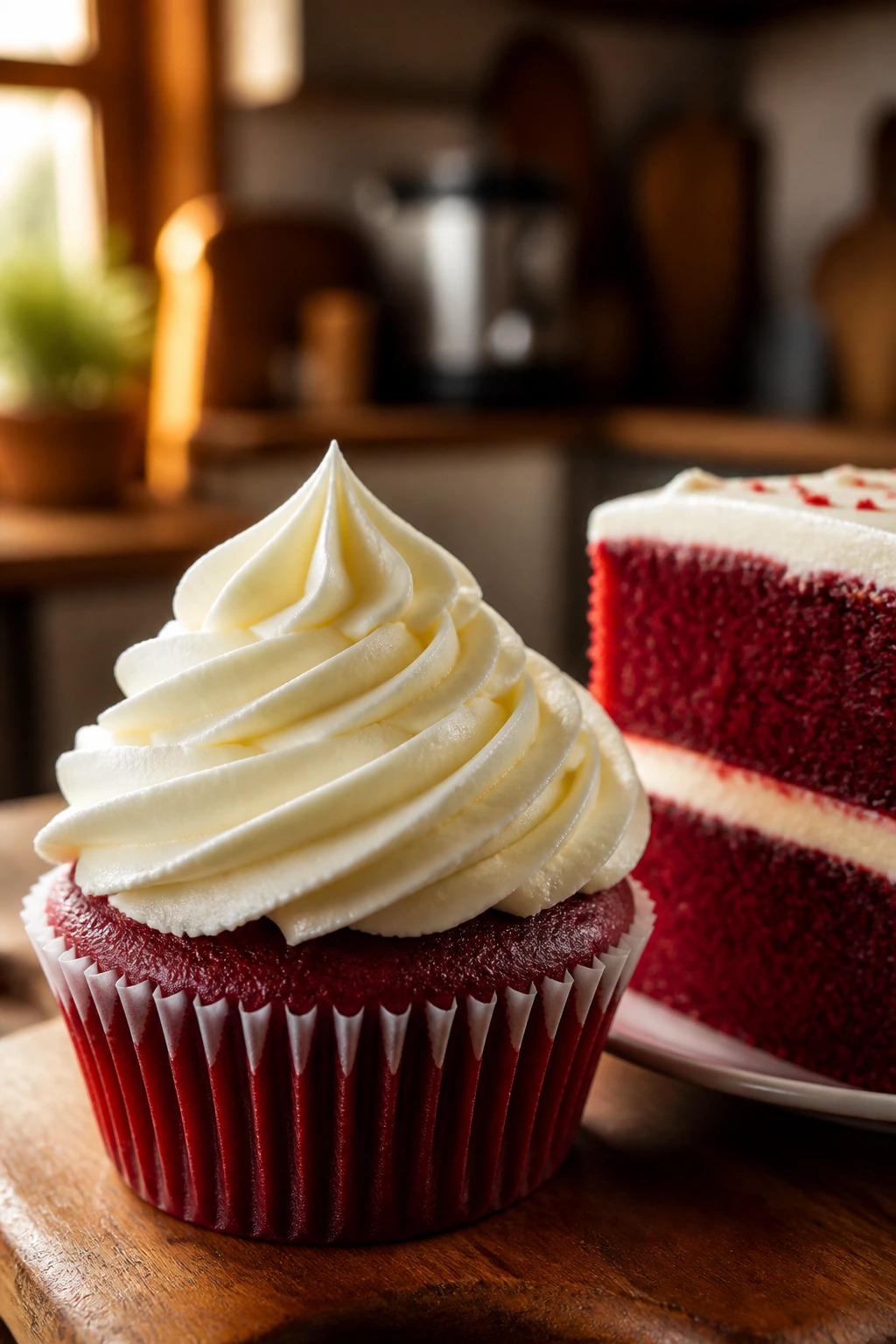
If the frosting is the anchor, the ratio matters. Too much cream cheese and it slumps. Too much powdered sugar and it turns sweet and chalky. The sweet spot is a frosting that spreads easily, pipes with a little shape, and holds a ridge when you drag a spoon through it.
The Base Ratio I Trust
-
8 ounces full-fat block cream cheese, softened but still cool
Use block cream cheese, not the whipped tub stuff. The tub version has more water and gives you a loose, lazy frosting. -
1/2 cup unsalted butter, softened
Butter gives the frosting body and a smoother finish. Salted butter works in a pinch, but I still add a tiny pinch of salt. -
3 1/2 to 4 cups powdered sugar, sifted
Three and a half cups gives you a softer spread for cakes and bars. Four cups is the better call if you want to pipe rosettes or tall swirls on cupcakes. -
1 teaspoon pure vanilla extract
Vanilla rounds out the tang. It should smell like cream and warm sugar, not like a bottle of perfume. -
1/4 teaspoon fine salt
Do not skip this. Salt keeps the frosting from tasting flat and helps the cream cheese come forward. -
1 to 2 teaspoons lemon zest or 1 tablespoon freeze-dried strawberry powder, optional
This is where you tune the frosting for the rest of the table without watering it down.
How to Mix It Without Making Soup
Beat the butter and cream cheese together on medium speed just until smooth. That usually takes 30 to 45 seconds if both are softened properly. If you keep going because you want it “extra fluffy,” you can push the mixture past the point where it wants to stay stable.
Add the powdered sugar in two or three additions on low speed. Low speed matters here. A high-speed blast sends sugar across the counter and adds too much air, which can make the frosting look fluffy for 10 minutes and then collapse into softness.
Once the sugar disappears, stop. Seriously. Taste it, then decide whether it needs more sugar or more salt. If it’s too loose for piping, chill it for 15 to 20 minutes instead of burying it in extra sugar all at once.
How Far You Can Push the Texture
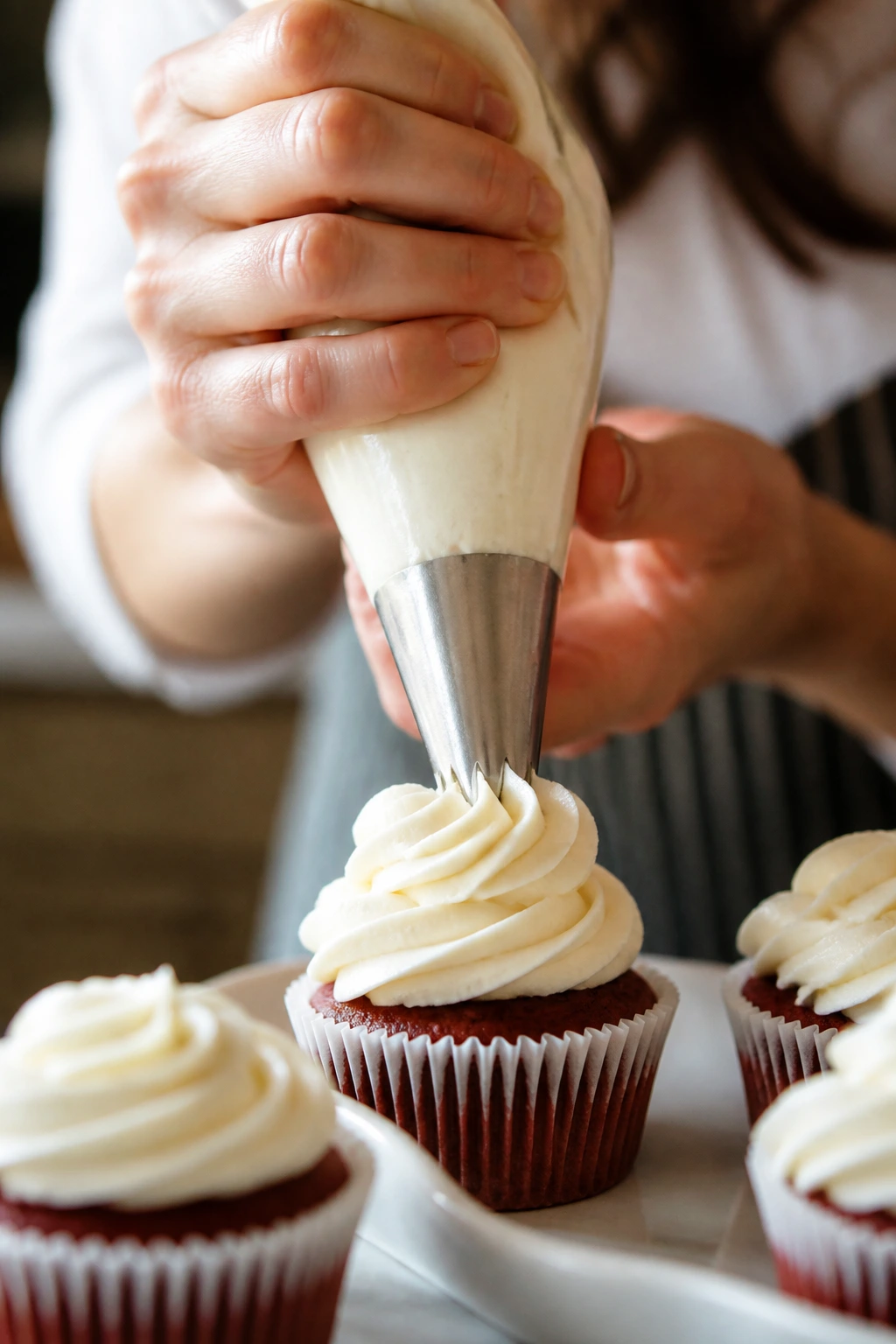
For a rustic swipe on a sheet cake, a softer frosting is a gift. You get easier spreading and a cleaner, more luscious bite. For cupcake swirls or simple borders around a layer cake, go thicker and chill the finished frosting a little before piping.
If you want pink frosting, use gel color or freeze-dried strawberry powder. Liquid food coloring can thin the frosting and give you a sad, slippery finish. Gel color is the safer choice when the table will sit out for a while.
Building a Moist Valentine Dessert Table With Cream Cheese Frosting
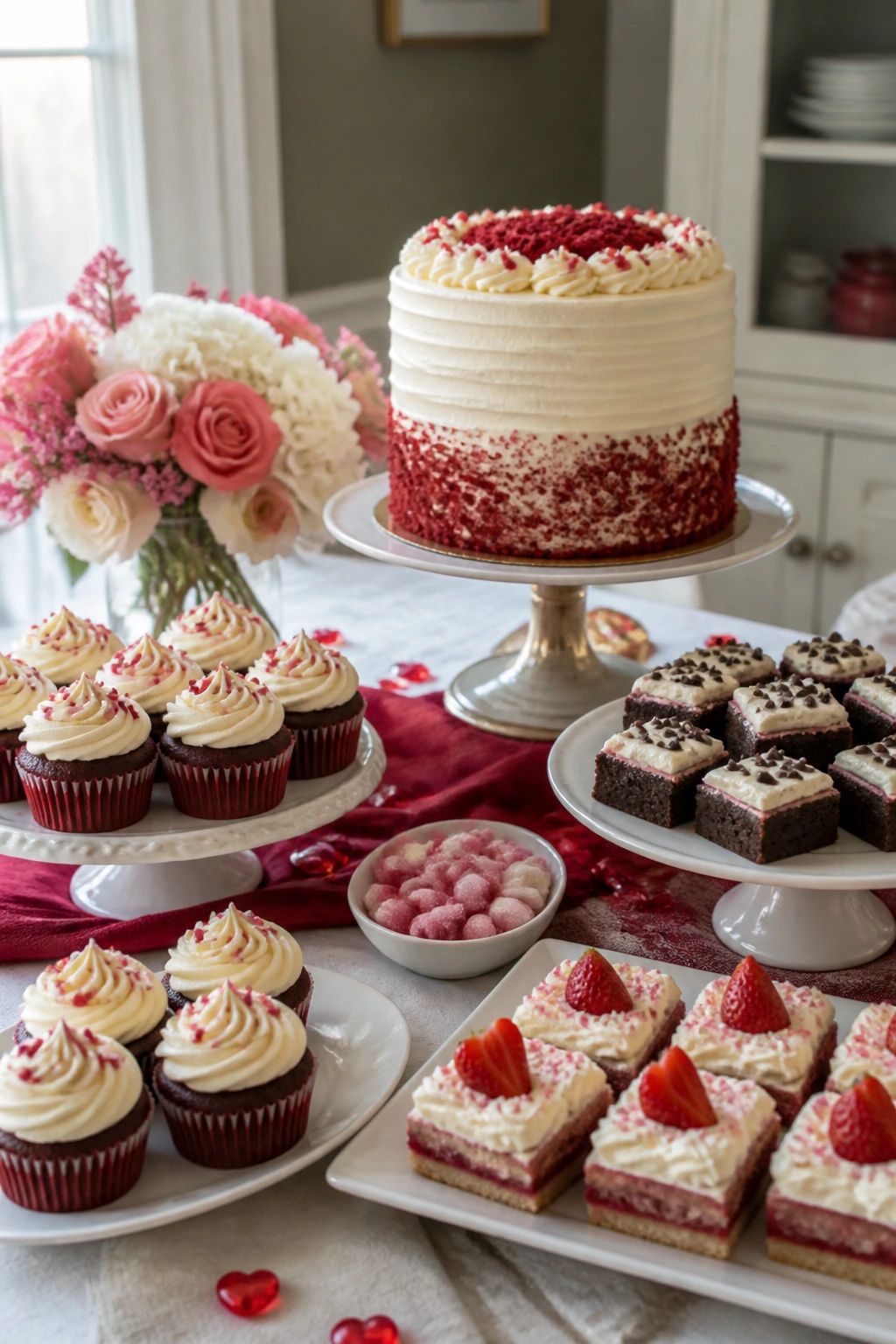
The table itself should work like a small set, not a warehouse shelf. One tall dessert, a couple of medium-height trays, and a few low pieces are enough. More than that and the display starts fighting with itself.
Start with a centerpiece. A 9-inch cake on a stand, a square sheet cake with neat swirls, or a mini stacked cake wrapped in piped borders will do the job. Put it slightly off-center if you want the layout to feel less stiff. That little shift keeps the eye moving.
Then build outward with desserts that have different heights and widths. Cupcakes on one tray, brownies or bars on another, a bowl of fresh berries, and maybe a small dish of chocolate curls or candied pink sprinkles. Not everything needs to shout. One or two surfaces with strong color are enough.
The space between desserts matters more than people think. If the frosting swirls are nearly touching, the table starts to look crowded before anyone takes a bite. Leave a little cloth or platter visible. The empty space gives the cream cheese frosting room to read as clean and cool, not smeared and busy.
A good dessert table also has a “backup zone.” Keep one tray of frosted cupcakes or bars chilled in the fridge and bring it out only when the first tray is half gone. That keeps the display fresh-looking for longer, especially if the room is warm or packed with people.
One shortcut I like: build the table around one hero dessert, two supporting trays, and one bright fruit accent. That’s enough structure to look planned without making you feel like you catered a wedding.
How to Serve the Spread Without Letting the Frosting Melt
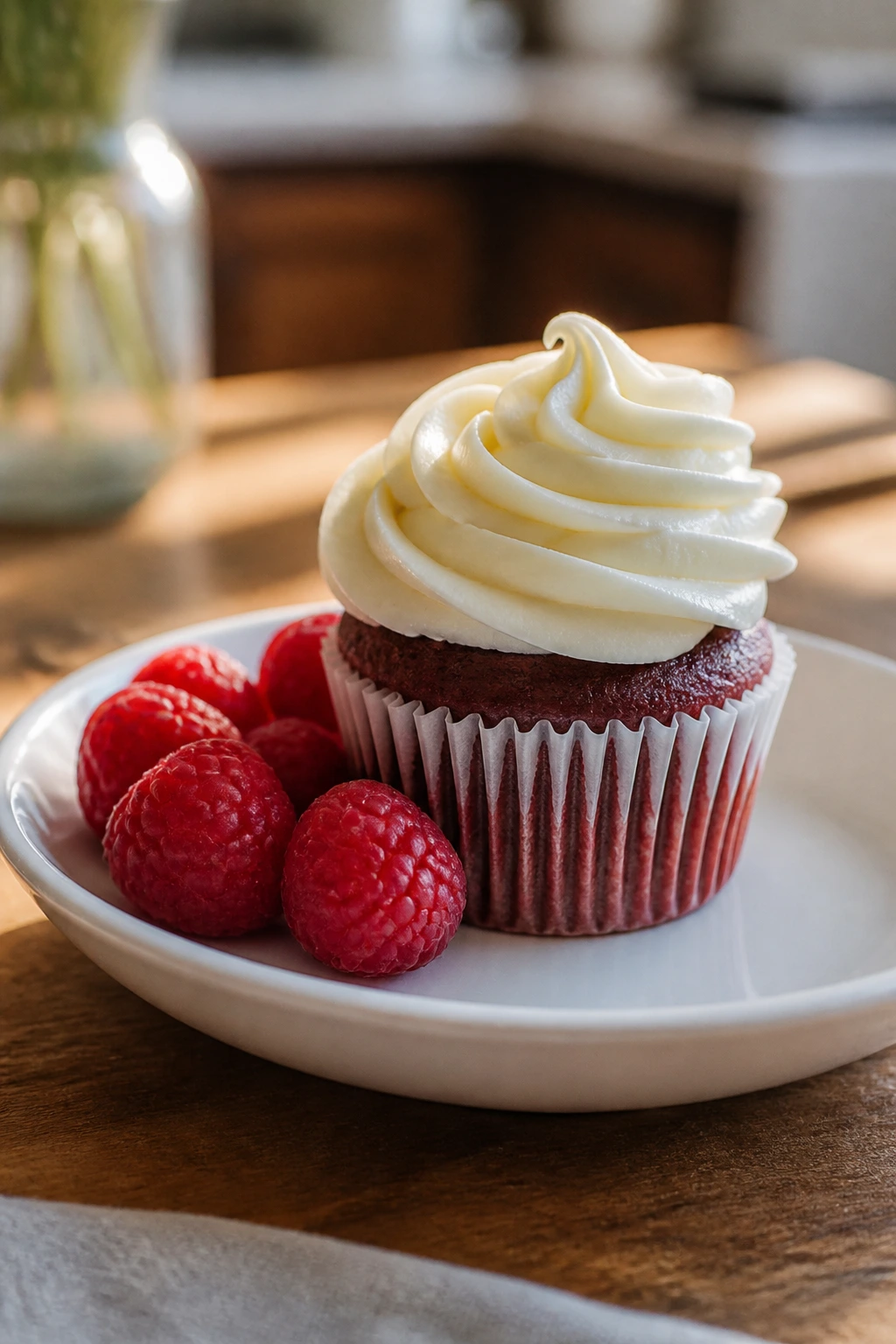
Presentation: Put the tallest dessert toward the back or center and keep the lower pieces in front so the table reads clearly from across the room. If you’re using berries, tuck them around the base of the cake instead of burying the top in fruit; the frosting should stay visible, with the garnish acting like punctuation.
Accompaniments: Keep the sides clean and simple. Fresh raspberries, sliced strawberries, a small bowl of unsweetened whipped cream, and a few shards of dark chocolate are enough. On the drink side, black coffee, Earl Grey, sparkling rosé, or plain sparkling water with lemon all cut through the frosting without fighting it.
Portions: If dessert comes after a full meal, plan on one small slice of cake, one cupcake, or one brownie square per person, then keep a few extras nearby for the second round. If the dessert table is the main event, cut the cake into smaller slices and treat the bars as part of the count, not an afterthought.
Beverage Pairing: Dry drinks work best here. A bitter coffee, a tea with citrus, or a sparkling wine with enough acidity keeps the frosting from feeling heavy. Sweet drinks can make the whole table feel syrupy by the third plate, and that’s a fast way to lose interest.
The other serving detail that matters is temperature. Bring refrigerated desserts out about 20 to 30 minutes before serving so the frosting softens just enough to taste creamy. If you leave them out much longer, the tops start to relax and the edges lose their clean lines.
Small Moves That Keep Every Bite Moist
A dessert table only looks moist if the baked goods stay that way after chilling, slicing, and sitting under a few hands. Moisture is not a vibe. It’s a set of tiny decisions made early.
Use the fridge on purpose.
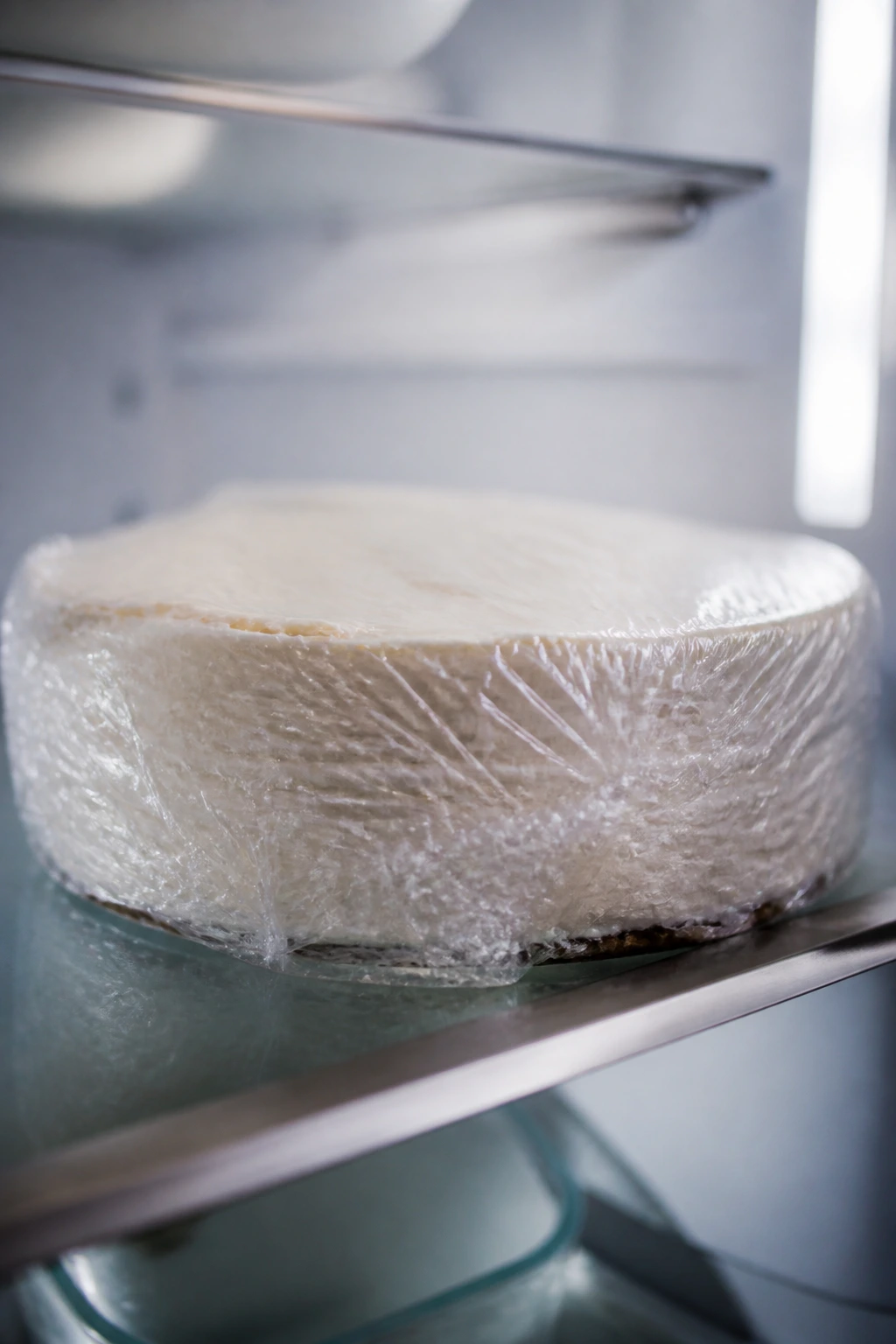
Bake cake layers or bars a day ahead, cool them completely, then wrap them tightly in plastic wrap so the air doesn’t steal moisture. A naked cake on the counter dries out far faster than people think, especially around the edges.
Brush, don’t drown.
If a cake layer feels a little dry, a light brush of simple syrup fixes it. Use 1 to 2 teaspoons per layer, not a soak. Too much syrup turns the crumb gummy and makes the frosting slide when you stack the layers.
Protect the fruit.
Strawberries and raspberries should be washed, dried, and cut close to serving time. Water on the surface of the berries will bleed into the frosting and leave pink streaks that look accidental rather than pretty. A paper towel under the berries in the fridge helps more than a lot of people expect.
Don’t overbake for safety.
Take cakes and brownies out when a toothpick comes out with a few moist crumbs, not when it’s bone dry. Dry brownies are a waste of chocolate, and dry cake gets worse once it chills. A slightly early pull is your friend here.
Keep fillings thick.
Jam, compote, and fruit curd should all be thick enough to sit on a spoon. If they run like sauce, they’ll seep into the crumb and make the frosting slump. Thick filling stays put; thin filling escapes.
One more small move: chill the frosted tray for 15 minutes before transport or final garnish. It firms the edges just enough to make the table look neat when the plates come out.
Essential Equipment for the Setup
-
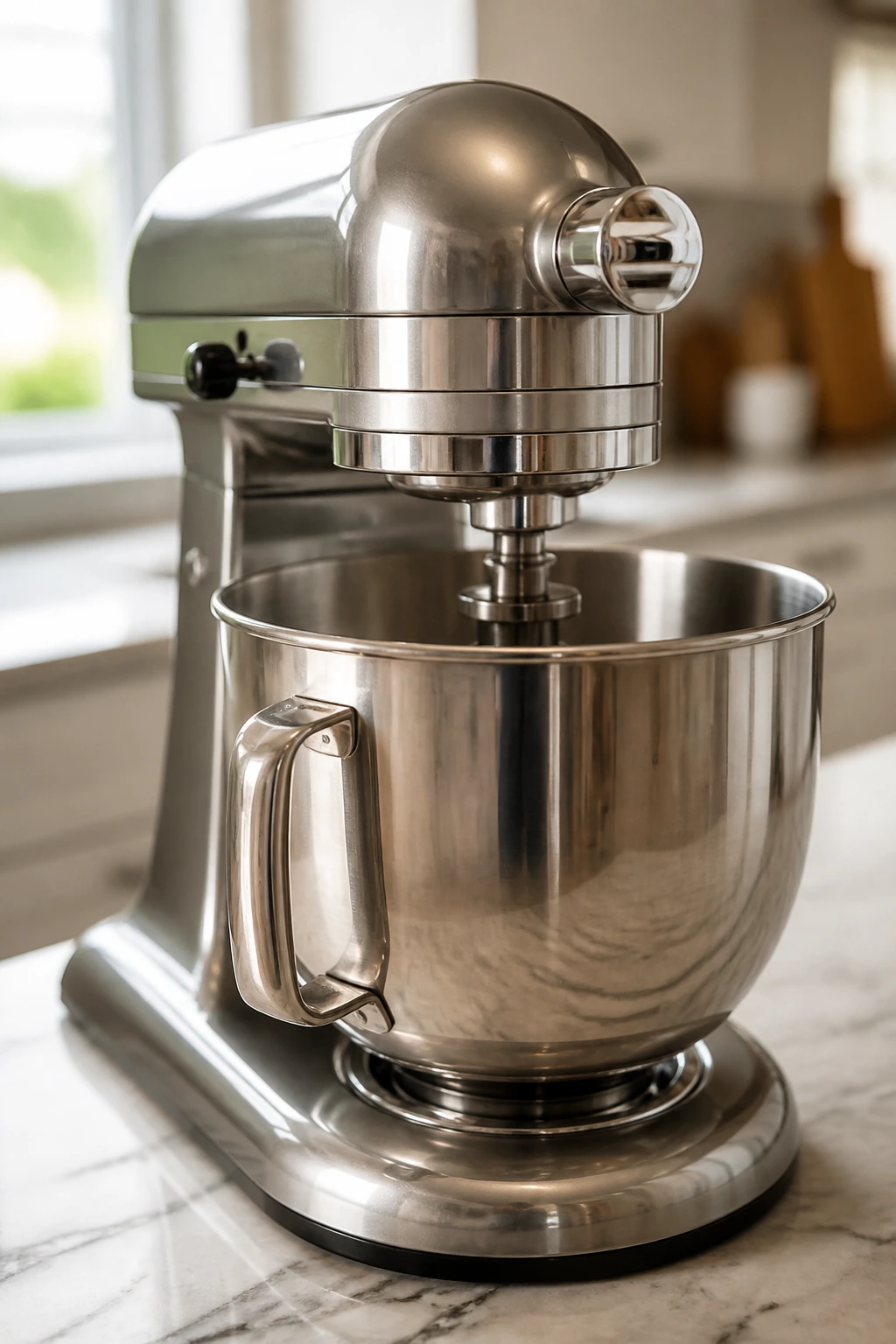
Stand mixer or hand mixer — A hand mixer is enough for frosting, but a stand mixer saves your arm if you’re making multiple batches.
-
Large and medium mixing bowls — You’ll want one bowl for frosting, one for dry ingredients, and one spare for berries or garnishes.
-
Offset spatula — This is the tool that makes frosting look intentional, especially on sheet cakes and brownies.
-
Piping bags with a large star tip or round tip — Optional, but useful for cupcake swirls and borders.
-
Cooling racks — Cakes and brownies need air underneath them so the bottoms don’t sweat.
-
Sheet pans with parchment paper — Great for baking bars, cooling cupcakes, and staging desserts before transfer.
-
Cake stands or risers — Different heights keep the table from looking flat. If you don’t own risers, a sturdy upside-down bowl under a platter can work in a pinch, though it should be hidden by cloth.
-
Serrated knife — Best for slicing cake cleanly without smashing the frosting edge.
-
Small dessert tongs or a cake server — Guests can serve themselves without dragging fingers through the icing.
-
Airtight containers or a cake carrier — These matter more than fancy garnish tools. Good storage protects moisture and keeps the frosting tidy.
-
Parchment squares and waxed paper — Handy for separating bars, brownies, and frosted cupcakes in a transport box.
Make-Ahead Planning for a Calm, Clean Finish
Two Days Before
Bake the sturdier pieces first: cake layers, brownies, blondies, or snack cakes. Let them cool fully, then wrap them tightly so they don’t dry out. If you’re building a layer cake, you can freeze the layers at this point and thaw them later in the fridge.
One Day Before
Make the frosting and chill it in a covered bowl. It usually tastes better after a short rest, and the texture firms up in a way that makes spreading easier. Wash berries, dry them thoroughly, and store them with a paper towel in the container so they don’t sit in their own moisture.
The Morning Of
Assemble the centerpiece cake, frost the cupcakes, and cut the bars once they’re fully cold. If you need clean edges on brownies or sheet cake pieces, use a hot dry knife and wipe it between cuts. That little habit saves you from ragged frosting smears.
Thirty Minutes Before Guests Arrive
Bring the chilled desserts out, arrange the final garnish, and put backup trays in a cool place. Fresh berries, powdered sugar dusting, mint leaves if you’re using them, and piped rosettes should usually wait until the last minute. They look sharper that way.
A simple rule helps here: frost early, garnish late. The frosting likes a little chill. The fruit likes a short public life.
Flavor Boosters and Personal Tweaks
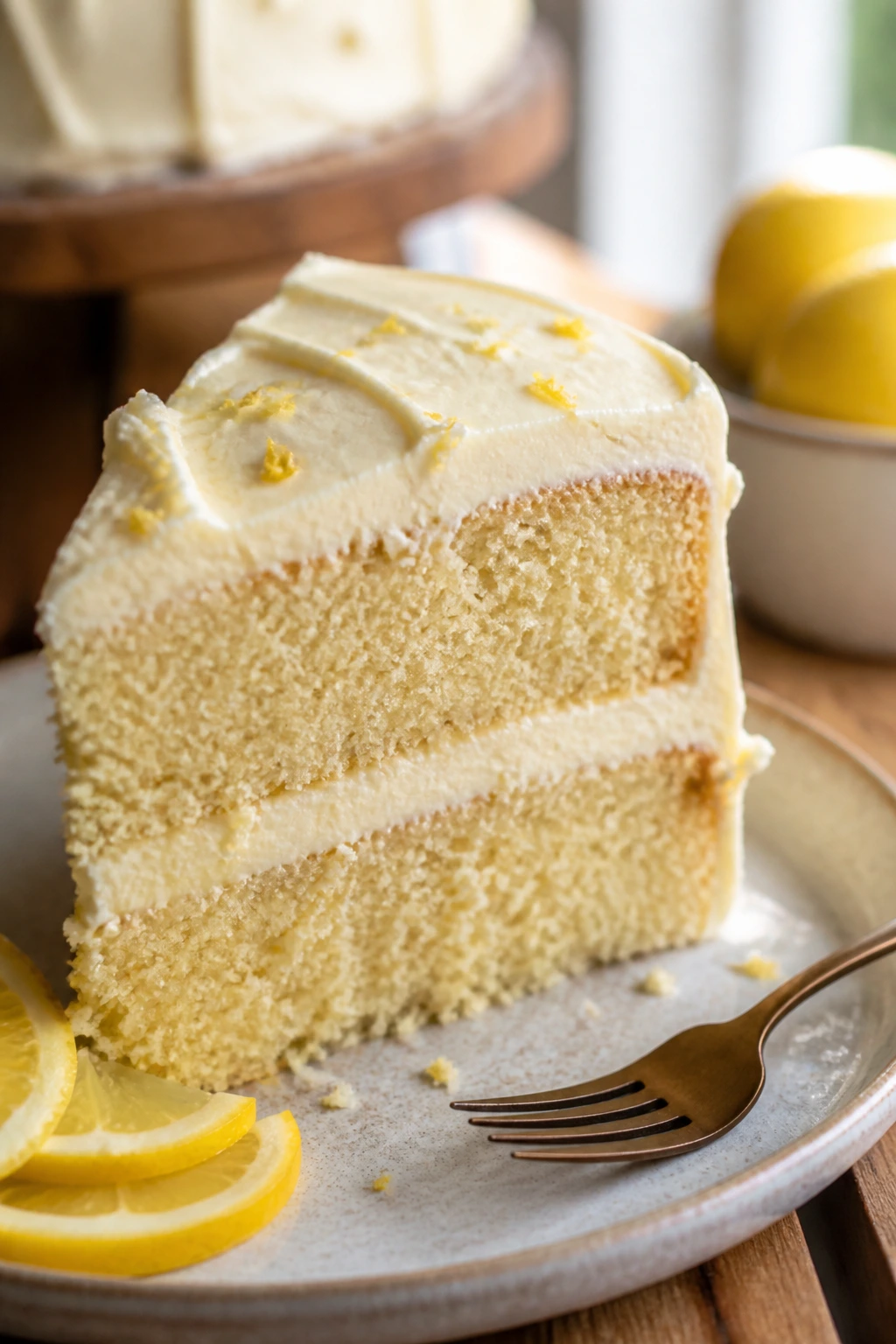
Flavor Enhancement: A little lemon zest in the frosting wakes up strawberry desserts without making them taste lemony. On chocolate cakes, a pinch of espresso powder in the batter or a dusting of cocoa on the frosting edge gives the dessert a deeper finish.
Customization: Freeze-dried strawberry powder is my favorite way to turn frosting pink without thinning it. If you want a darker Valentine palette, add a ribbon of raspberry jam between cake layers and keep the outer frosting plain.
Serving Suggestions: Shaved dark chocolate, sugared raspberries, and tiny curls of white chocolate all work, but use them lightly. The frosting should still be the main thing you see. A dusting of powdered sugar on unfrosted bars can also help tie the table together without making everything look identical.
Make-It-Yours: For a less sweet table, cut the powdered sugar back to the lower end of the range and focus on a tart filling. For a dairy-free version, use a vegan cream cheese and plant butter, then chill the frosting longer so it sets up before piping. Gluten-free guests do well with almond flour brownies or a GF vanilla cake, since both stay soft under cream cheese frosting.
I also like to think about texture here. A table that has only soft things can feel flat, so tuck in one crunchy element — toasted nuts on one tray, chocolate curls on another, or a brittle edge on a brownie square. The contrast gives the cream cheese frosting more to do.
Common Mistakes That Make the Table Slip
-
Using the wrong cream cheese — Tub cream cheese and whipped cream cheese hold too much water for sturdy frosting. The symptom is a loose, glossy mix that won’t pipe or spread cleanly. Use full-fat block cream cheese from the foil brick and soften it just enough to press a finger into it.
-
Beating the frosting too long — If the mix goes from smooth to airy and then suddenly soft, you’ve gone too far. The fix is simple: stop once the sugar disappears and chill it for 15 to 20 minutes if it needs to firm up.
-
Putting wet fruit on too early — Strawberries and raspberries bleed color and moisture. The top of the cake starts to stain, and the frosting gets slippery where the juice pools. Dry the fruit well and add it at the end, not before the cake goes on display.
-
Choosing a dry base — Angel food, dry sponge, and overbaked butter cake all feel crumbly once they’re chilled. The fix is to use a moister batter — oil, sour cream, buttermilk — or brush the layers lightly with simple syrup before frosting.
-
Leaving the table out too long — Cream cheese frosting is not built for endless room-temperature lounging. If it sits out too long, it softens and starts to lose those clean ridges. Keep a chilled backup tray and rotate pieces instead of letting everything sit open all afternoon.
-
Crowding the display — Too many platters, too many colors, too many heights, and the table stops reading as dessert and starts reading as clutter. One centerpiece, two support trays, and a small fruit accent usually look better than a dozen half-full dishes.
Variations and Dietary Swaps That Still Fit the Theme
Red Velvet Anchor:
This is the obvious classic, and I mean that in the nicest way. Red velvet cupcakes or a red velvet sheet cake with cream cheese frosting gives you the full Valentine look without extra decoration, and the buttermilk crumb stays soft even after a chill.
Chocolate-Cherry Romance:
Use a dark chocolate cake or brownie base, then add a thick cherry jam layer or a few chopped tart cherries between the layers. Cream cheese frosting softens the cocoa and keeps the cherry note bright instead of syrupy.
Strawberry-Lemon Brightness:
A vanilla cake with lemon-zest cream cheese frosting and a thin layer of strawberry filling feels lighter and more spring-like without losing the Valentine color story. This one is good when you want pink and white without leaning too hard into chocolate.
Almond and Raspberry Squares:
Bake an almond cake or almond blondies, frost them thinly, and finish with crushed freeze-dried raspberries. The almond gives the table a bakery smell that feels more polished than plain vanilla, and the raspberry powder keeps the top dry.
Dairy-Free Cocoa Version:
Use a plant butter and dairy-free cream cheese, then lean on cocoa, vanilla, and a little salt so the frosting still tastes round. It won’t behave exactly like the dairy version, so chill it longer and keep the layers thicker rather than overly ornate.
If you need a lower-sugar direction, choose a tart filling and let the frosting do less work. A sweeter filling plus full powdered-sugar frosting gets heavy fast. Better to keep one sweet element and one sharp one.
Keeping a Moist Valentine Dessert Table With Cream Cheese Frosting Fresh
Cream cheese-frosted desserts are safest out of the fridge for about 2 hours total, and less if the room is warm or the table sits under lights. I treat that window as serving time, not storage time. If the room is hot enough to make the frosting soft in minutes, shorten the window and keep replacements chilled.
Refrigerate frosted cakes, cupcakes, bars, and cheesecake bites in a covered container for 3 to 4 days. If the top includes fresh fruit, aim for the shorter end of that range because berries soften fast and can bleed color. A dessert covered with a cloche or a cake carrier stays neater than one wrapped loosely in plastic, especially if the frosting has piped ridges.
Unfrosted cake layers freeze well for up to 2 months when wrapped tightly in plastic and then foil. Brownies and bars freeze well too, and they usually hold their shape better than delicate cakes once thawed. If you must freeze frosted pieces, freeze them uncovered until firm, then wrap them carefully so the top doesn’t smear.
Thaw frozen layers in the fridge overnight. Bring them to room temperature for 20 to 30 minutes before frosting or serving so the texture turns soft again without going greasy. If you notice condensation on the outside of the container, leave it closed until the moisture settles; opening too early can put droplets right back on the frosting.
Leftovers are best handled in individual slices or squares instead of stacked layers. The stack crushes the frosting, and the fruit garnish turns sloppy. A single layer in a lidded container is the easiest way to save the table for the next day without turning it into a repair job.
Questions People Ask Before They Start Piping
Can cream cheese frosting sit out on a dessert table?
Yes, but only for a limited window. I’d keep it out no longer than 2 hours total, and less if the room is warm or the table sits near lights or sunlight. Keep a chilled backup tray ready so you can swap in fresh pieces if needed.
What desserts hold up best under cream cheese frosting?
Oil-based cakes, red velvet, carrot cake, brownies, blondies, and sturdy vanilla snack cakes do well. Airy sponge cakes, meringues, and crisp tart shells get soft or collapse once the frosting and chill are added.
How do I keep the frosting from turning runny?
Use block cream cheese, not whipped or tub cream cheese, and stop mixing once the texture turns smooth. If it still feels loose, chill it for 15 to 20 minutes before adding more sugar. That usually fixes more than people expect.
Can I make the frosting a day ahead?
Yes, and it often behaves better after a short chill. Store it in a sealed bowl in the fridge, then beat it briefly — 10 to 15 seconds is enough — before spreading or piping so it loosens up again.
How do I color cream cheese frosting pink without thinning it?
Gel coloring is the cleanest option. Freeze-dried strawberry powder is even better if you want both color and flavor, because it doesn’t add water the way liquid dye or puree does.
What if my cake layers came out a little dry?
Brush each layer with 1 to 2 teaspoons of simple syrup, or spread a thin layer of jam between the cake and frosting. Don’t flood it. A little moisture rescue goes a long way; too much turns the crumb gummy.
Can I transport the dessert table to another house?
Yes, but chill everything first and pack the frosted items snugly so the decorations don’t slide. Move berries, chocolate curls, and other delicate garnish separately, then finish the setup after you arrive. That keeps the table from looking shaken up.
Do I need a big assortment of desserts for the table to feel complete?
No. One centerpiece cake, one tray of cupcakes or bars, and one fruit accent can be enough if the flavors are chosen well. The frosting is the thread that ties it together; the rest is just making sure the table doesn’t look bare.
A Table Worth Repeating
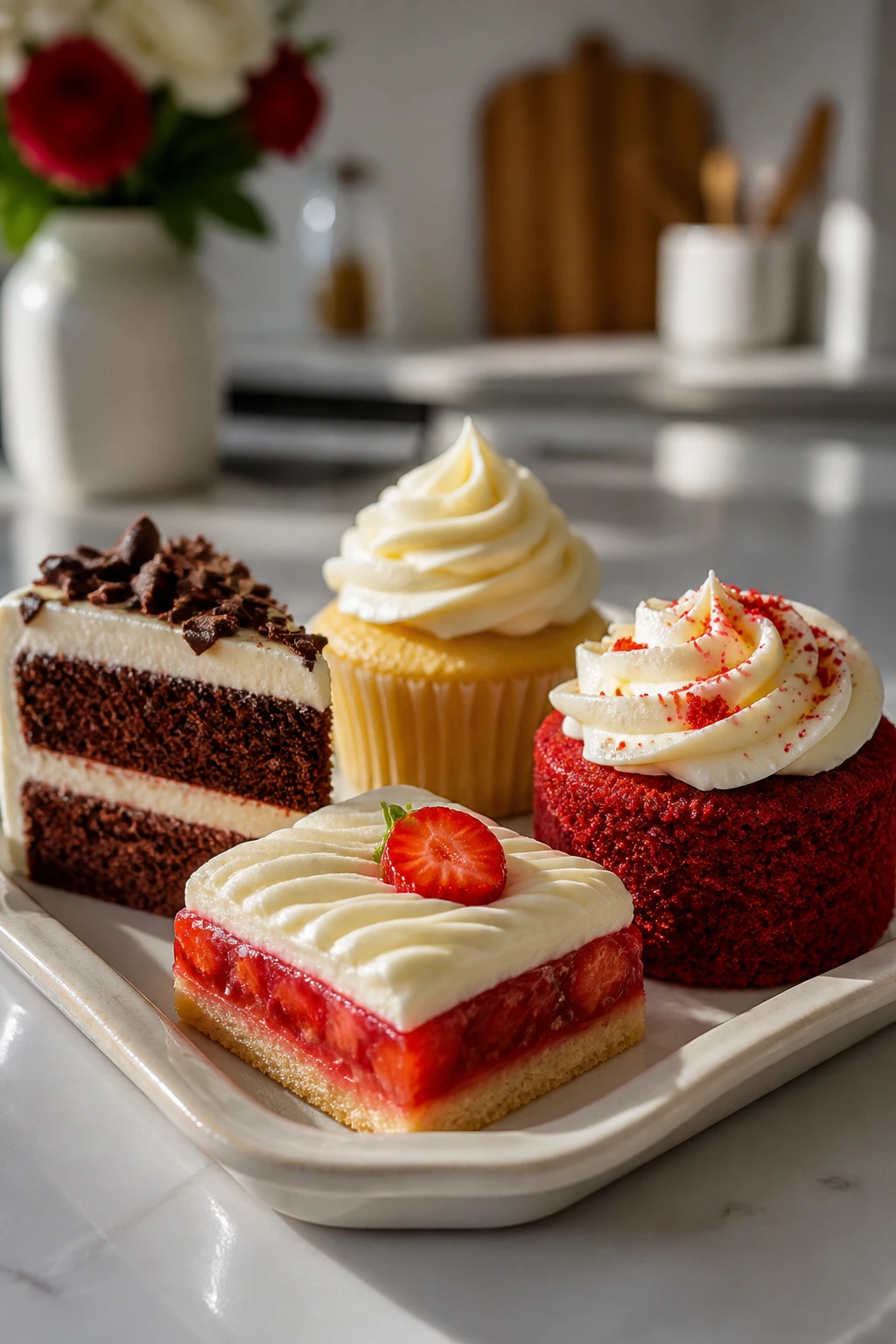
A Valentine dessert table doesn’t need to be louder than the room. It needs structure, a few smart contrasts, and frosting that tastes like someone cared enough to stop at the right texture instead of beating it into submission. That’s what makes cream cheese frosting so useful here — it gives you a soft, tangy center and a finish that doesn’t melt into generic sweetness.
Build it once with care and you’ll notice the pattern. People reach first for the cake, then drift back for the bars, then ask who made the frosting. That’s the version worth repeating — the one where the last slice still tastes fresh, and the table looks as if it knew exactly what it was doing from the start.