



Avocado in dessert still makes people hesitate, which is a shame, because the first spoonful of this moist avocado chocolate pudding with cream cheese frosting does all the convincing that matters. The chocolate hits first. Then the cold, dense, almost mousse-like body comes through, and only after that do you realize the richness came from ripe avocado rather than a pile of cream and eggs.
That’s the trick here. A good avocado disappears into chocolate instead of announcing itself, leaving behind a pudding that feels thick and spoon-coating rather than loose or slick. If the fruit is ripe enough, you get a clean, buttery backdrop; if it’s underripe, the whole bowl turns grassy and stubborn, which is why this dessert lives or dies on the quality of the avocados.
The cream cheese frosting matters more than it gets credit for. Straight chocolate-avocado pudding can be lush, but it can also feel a little one-note if you don’t give it contrast. Tangy frosting solves that problem in one swipe, especially when it’s cold and slightly firm on top of the pudding. Rich against sharp. Smooth against fluffy. That contrast is the whole point, and it’s the reason this dessert keeps people going back for one more spoonful.
Why This Dessert Actually Works
-
The avocado disappears into the chocolate: Ripe Hass avocados bring fat and body, not a loud flavor, so the pudding turns thick and satiny without needing cornstarch or a long stove-top cook.
-
The cocoa needs the fruit fat: Unsweetened cocoa powder can taste dusty if it’s left on its own; avocado fat rounds the edges and gives the chocolate a fuller, darker finish.
-
Cream cheese keeps the sweetness in check: A tangy frosting stops the dessert from sliding into candy territory, which matters when you’re already using maple syrup and melted chocolate in the base.
-
No oven means less to wreck: There’s no curdling, cracking, or bake time to babysit. The whole dessert depends on blending well and chilling long enough for the cocoa to settle.
-
Cold temperature improves the texture: A chilled avocado pudding firms up in the fridge and tastes cleaner after 30 to 60 minutes, when the flavors stop tasting separate and start tasting like one thing.
-
It’s forgiving in a glass: Even if your frosting isn’t perfect, layered cups hide a lot. A spooned swirl, a cocoa dusting, and some chocolate shavings make the whole thing look intentional.
Timing, Yield, and the Chill Window
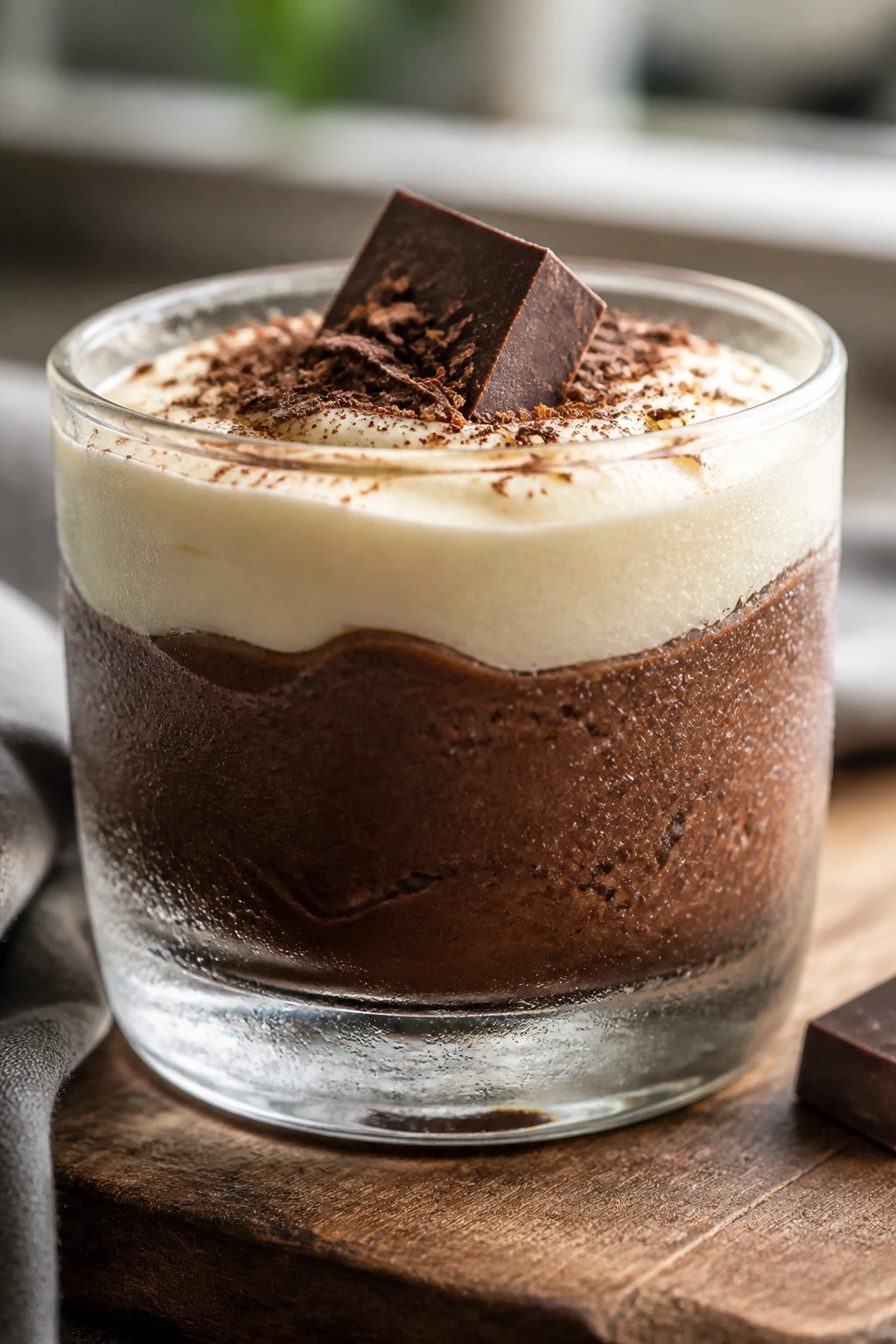
Yield: Serves 8 small to medium dessert cups
Prep Time: 20 minutes
Cook Time: 0 minutes
Total Time: 20 minutes active + 1 hour chilling
Difficulty: Beginner — the method is straightforward, but the avocados need to be ripe and the chilling step matters.
Chill/Rest Time: At least 1 hour for the best texture; 30 minutes works in a pinch, but the pudding tastes looser.
Best Served: Well chilled, ideally within 24 hours of assembling
Cold matters here. A lot. The pudding base tastes flat and a little soft when it first comes out of the blender, and the frosting behaves better after a short rest in the fridge. Give it time.
What Goes Into the Bowl
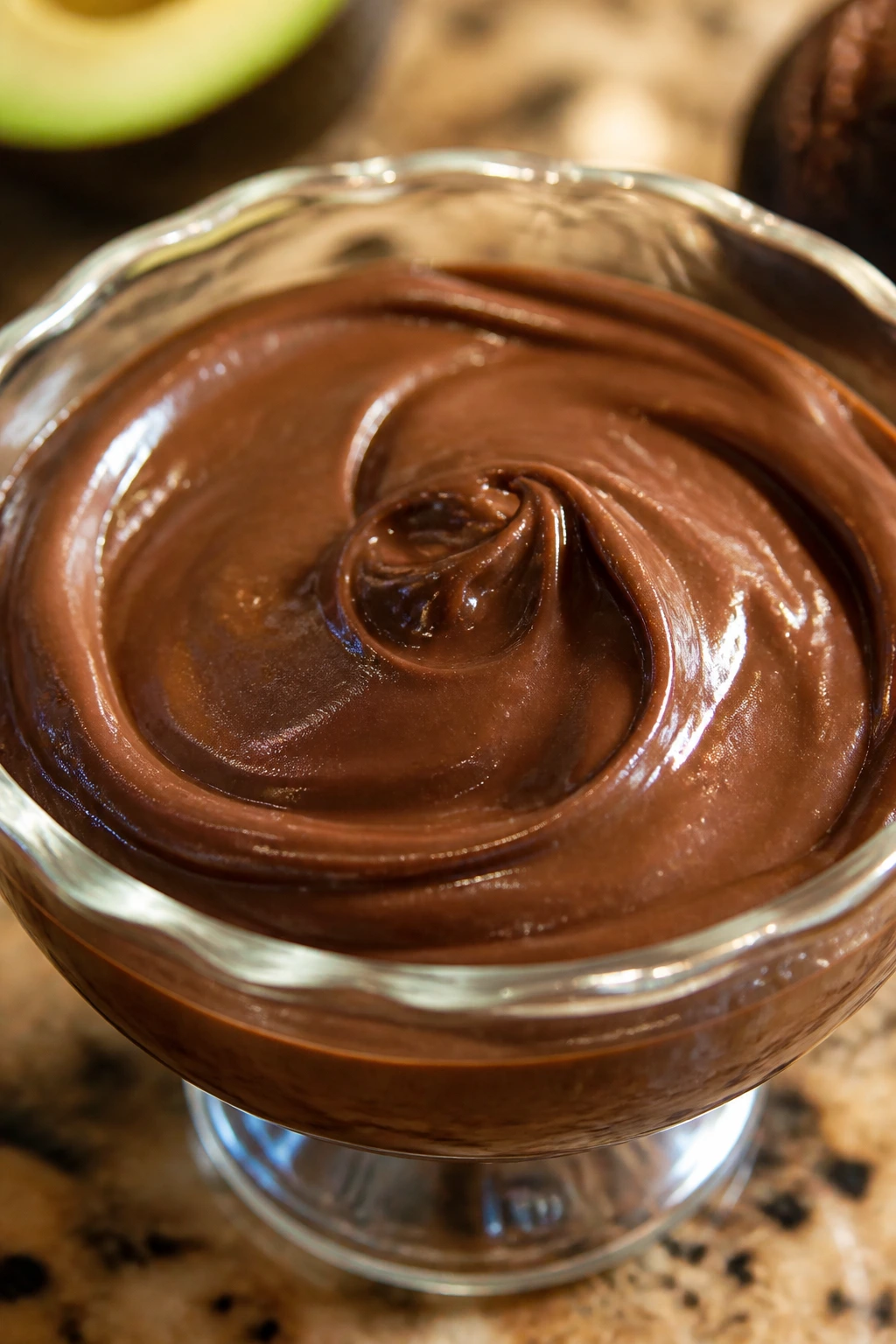
For the Chocolate Avocado Pudding:
- 3 large ripe Hass avocados, about 1 1/2 pounds total, peeled, pitted, and chopped
- 1/2 cup unsweetened cocoa powder, sifted if lumpy
- 1/2 cup pure maple syrup
- 1/4 cup whole milk, plus 1 to 3 tablespoons more as needed
- 2 tablespoons heavy cream
- 2 teaspoons pure vanilla extract
- 1 tablespoon fresh lemon juice
- 1/4 teaspoon fine sea salt
- 2 ounces semisweet chocolate, melted and cooled for 5 minutes
- 1 to 2 tablespoons powdered sugar, optional, if the cocoa tastes too sharp
For the Cream Cheese Frosting:
- 8 ounces full-fat cream cheese, softened
- 4 tablespoons unsalted butter, softened
- 1 1/4 cups powdered sugar, sifted
- 1 teaspoon pure vanilla extract
- Pinch of fine sea salt
- 1 to 2 tablespoons heavy cream, only if needed for a pipeable texture
For the Finish:
- 2 tablespoons shaved chocolate or cocoa powder
- 1/4 cup fresh raspberries or sliced strawberries, optional
- 2 tablespoons toasted chopped pistachios or almonds, optional
How Avocado and Cream Cheese Pull Their Weight
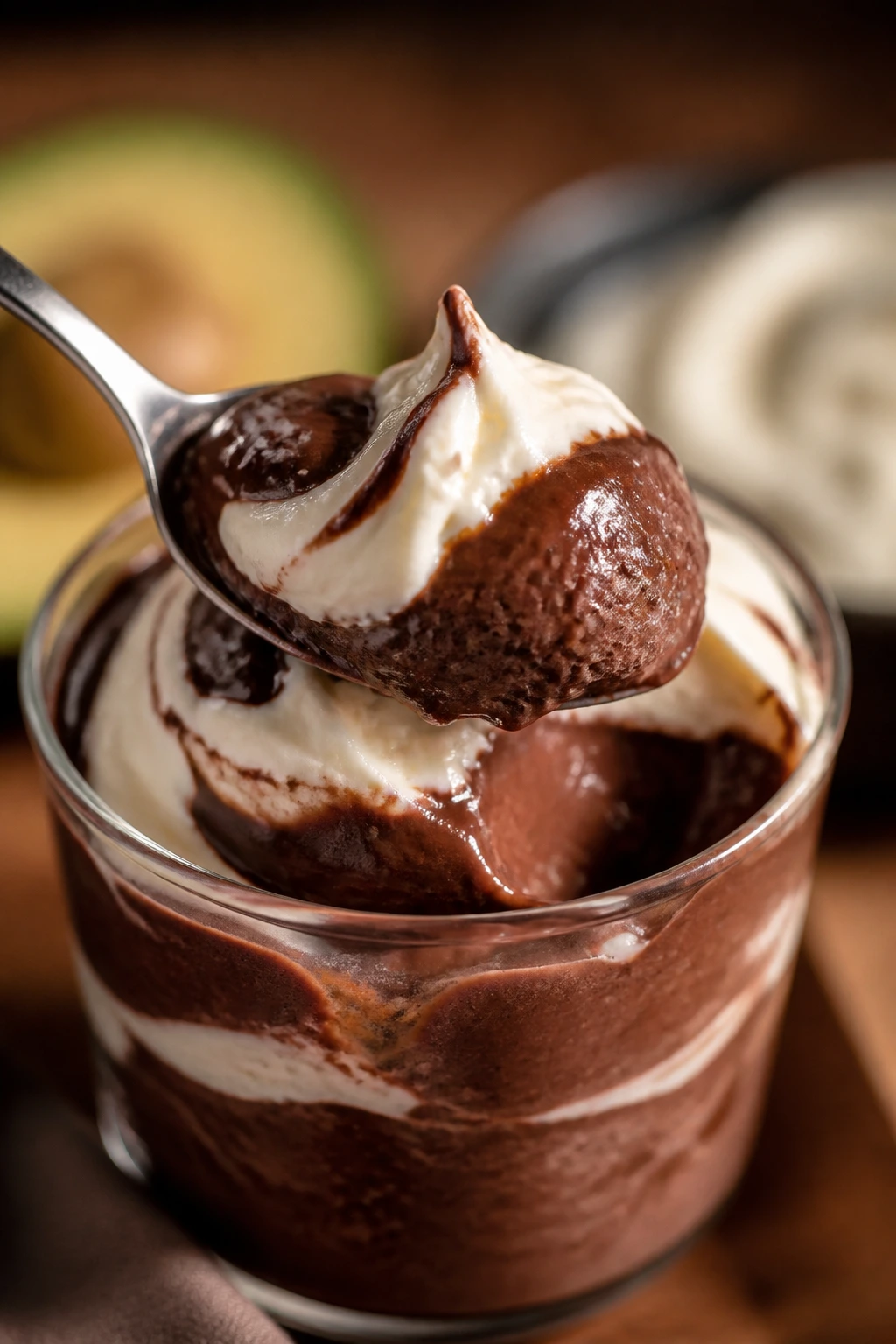
For the Chocolate Avocado Pudding
What to use: Three ripe Hass avocados, cocoa powder, maple syrup, milk, cream, vanilla, lemon juice, salt, and melted semisweet chocolate. That combination gives you a base that tastes dark and cool, not green and oddly sweet.
Preparation: Peel the avocados only when they’re ripe enough to yield to firm pressure near the stem end. Chop them before blending so the blades catch them quickly and the mixture turns smooth without a lot of scraping.
Substitutions: Honey can stand in for maple syrup if you want a rounder sweetness, and oat milk works if you want a softer dairy note. Dark chocolate chips can replace the semisweet chocolate, though the flavor will lean a little firmer and less mellow.
Tips: Use Dutch-process cocoa if you want the pudding darker and less bitter, but regular unsweetened cocoa works too. If the avocado flesh has any stringy bits, don’t panic; blend a little longer and they usually disappear.
For the Cream Cheese Frosting
What to use: Full-fat cream cheese, butter, powdered sugar, vanilla, salt, and a splash of cream if needed. That’s enough to make a frosting with some structure, not a runny topping that collapses into the pudding.
Preparation: Let the cream cheese and butter sit out until soft but not greasy. If they’re still cold in the center, the frosting will look grainy and refuse to fluff up.
Substitutions: Mascarpone can replace half the cream cheese if you want a softer, less tangy finish. For a lighter version, whipped cream cheese can work in a pinch, though it won’t hold the same shape.
Tips: Sift the powdered sugar if it has clumps. It sounds fussy. It isn’t. Tiny sugar lumps show up fast in cold frosting, and nobody wants a gritty topping on a dessert that’s supposed to feel smooth.
For the Garnishes
What to use: Shaved chocolate, a dusting of cocoa, a few berries, and maybe chopped nuts. The garnish should add contrast, not a second dessert on top of the first one.
Preparation: Keep berries dry and cold until the last minute. Wet fruit melts the frosting faster than people expect.
Substitutions: Toasted coconut or cacao nibs can stand in for nuts if you want crunch without adding extra sweetness.
Tips: Don’t overload the top. Two or three small finishing touches read as deliberate; a mountain of toppings reads as panic.
The Tools That Keep the Texture Smooth
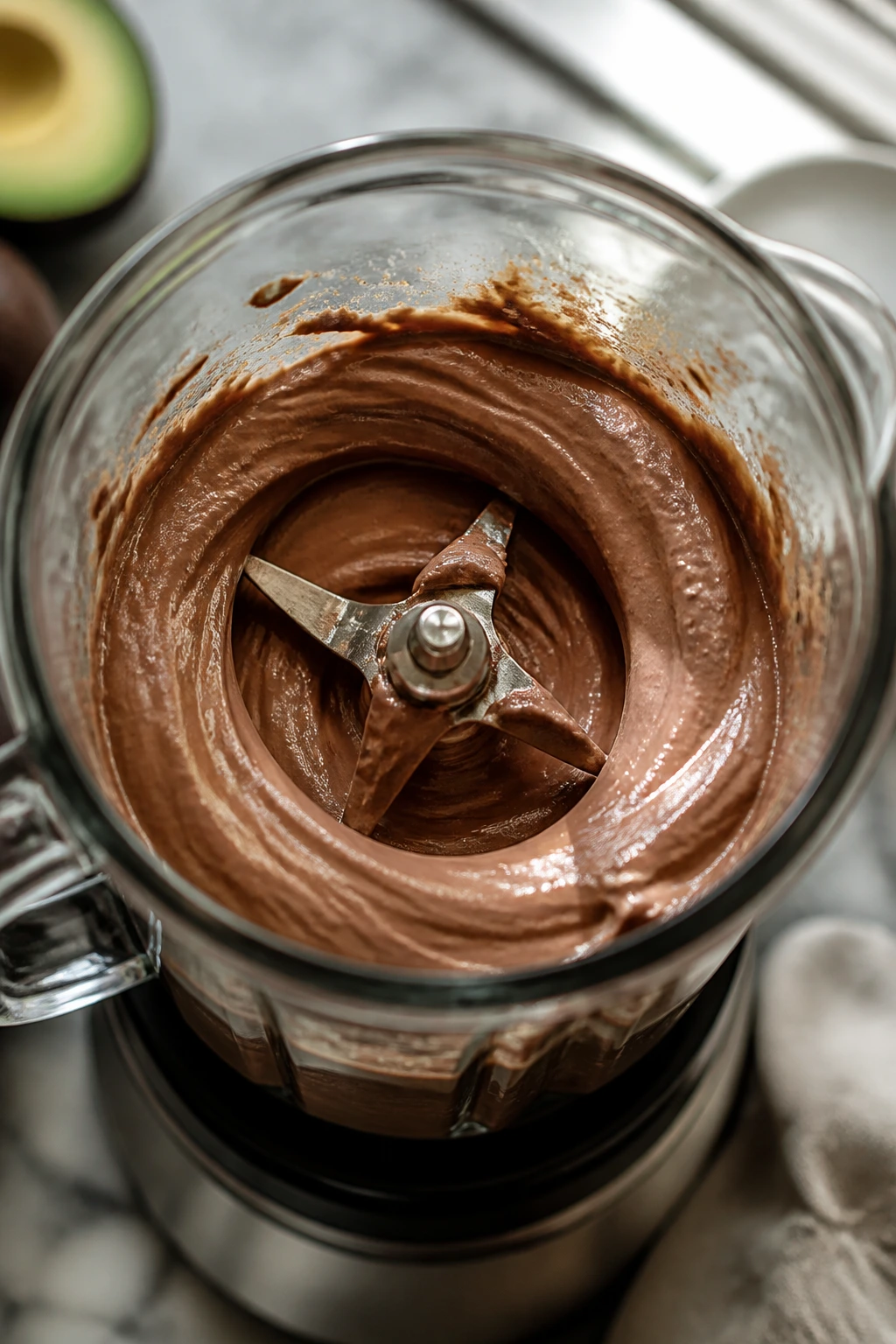
A short tool list matters here because texture is the whole game. Chunky pudding is a disappointment, and the right equipment makes that a lot less likely.
- Food processor or high-speed blender: A food processor gives the most reliable control, but a strong blender works if you stop to scrape the sides once or twice.
- Rubber spatula: Useful for moving the mixture down toward the blades and for scraping every bit of frosting from the bowl.
- Medium mixing bowl: Needed for the frosting, unless you’re using a stand mixer bowl.
- Hand mixer or stand mixer: The frosting comes together faster and with less elbow grease when the cream cheese and butter get beaten properly.
- Fine-mesh sieve, optional: Handy if your cocoa powder is clumpy or if you want to sift powdered sugar into the frosting.
- 6 to 8 small glass cups, ramekins, or jars: Clear glasses show off the layers and make the dessert feel more finished than a regular bowl.
- Piping bag or zip-top bag: Optional, but worth using if you want the frosting in neat swirls instead of spooned dollops.
If your blender is small, work in batches. Stuffing everything into one cramped jar is how you end up with a thick ring of avocado paste stuck above the blade.
Blend, Chill, Whip, and Assemble
Prepare the Ingredients:
-
Set the dairy out first. Leave the cream cheese and butter on the counter for 30 to 45 minutes so they soften evenly. They should feel cool and pliable, not oily or melted.
-
Melt the chocolate and let it cool. Place the 2 ounces of semisweet chocolate in a microwave-safe bowl and heat it in 15-second bursts, stirring between each one, until smooth. Let it sit for 5 minutes so it’s fluid but no longer hot. Hot chocolate can thin the pudding and make the frosting loose if it’s added too soon.
Make the Chocolate Avocado Pudding:
-
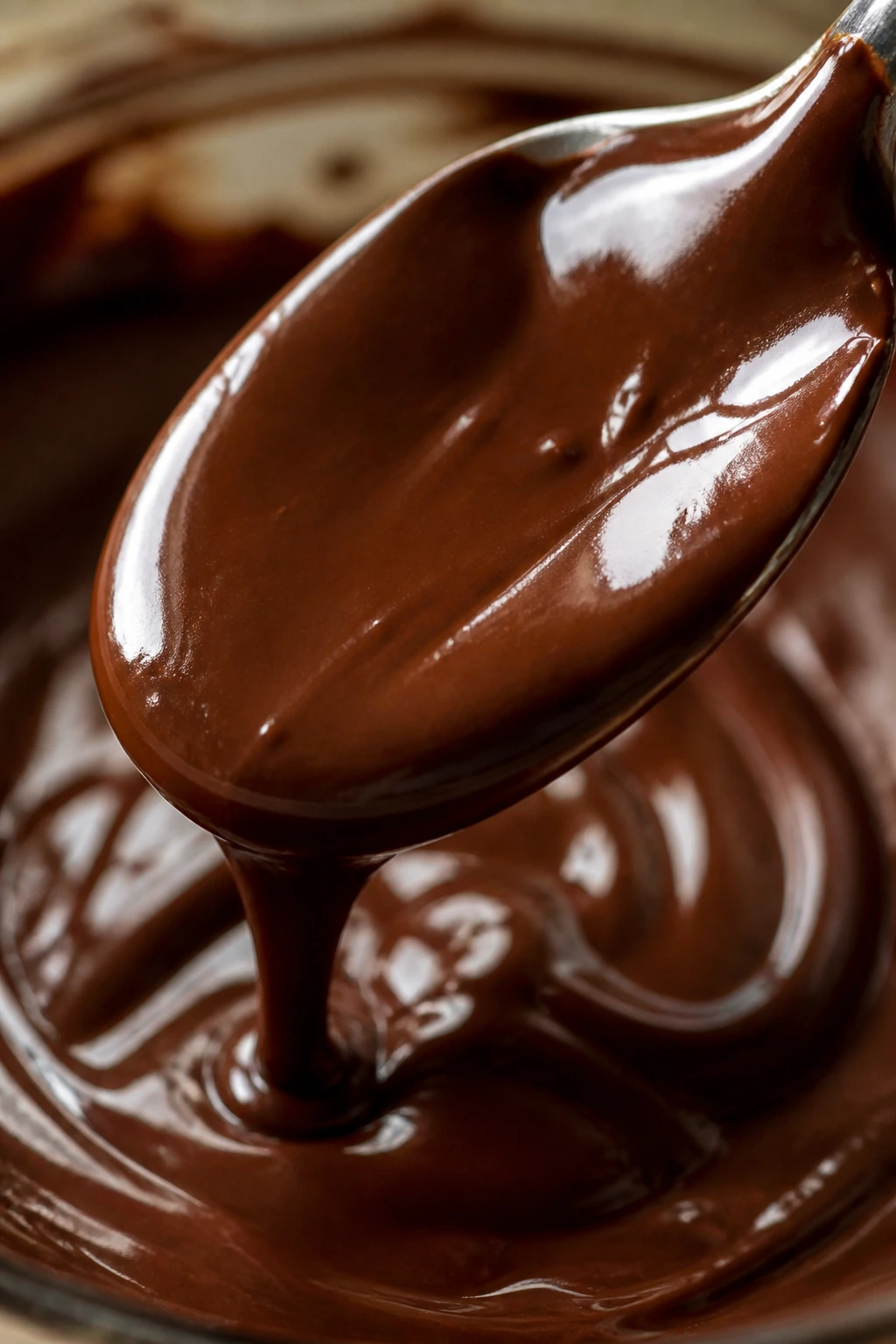
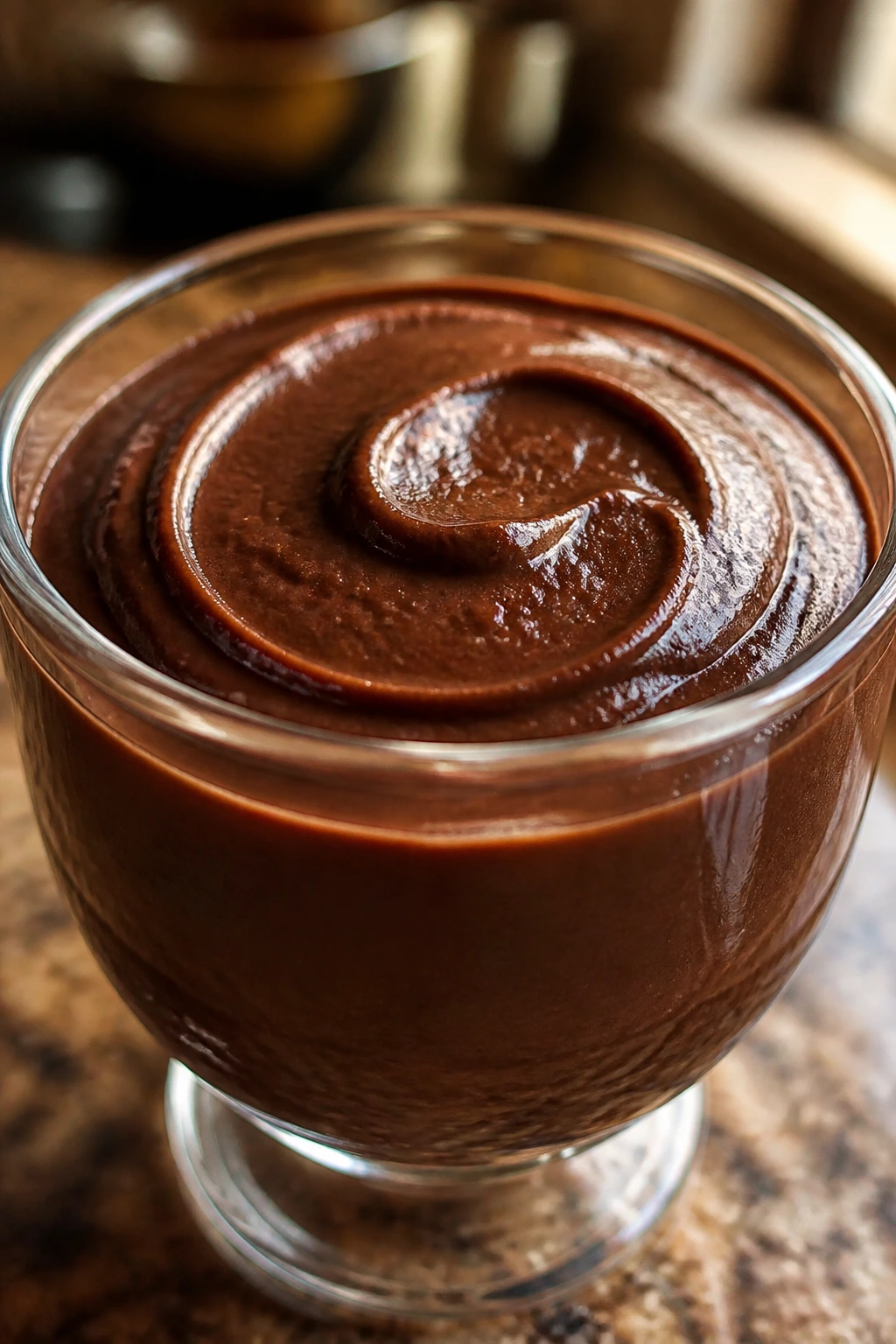
Add the pudding ingredients to the blender or food processor. Put in the chopped avocados, cocoa powder, maple syrup, milk, heavy cream, vanilla, lemon juice, salt, melted chocolate, and optional powdered sugar. Start on low, then move to high and blend for 60 to 90 seconds, stopping once or twice to scrape the bowl. The mixture should look glossy and dark, with no pale green streaks.
-
Taste and adjust while the pudding is still in the machine or in a bowl. If it tastes too sharp or bitter, add 1 tablespoon maple syrup or powdered sugar and blend briefly again. If it feels too thick to spoon smoothly, add milk 1 tablespoon at a time until it loosens just enough to spread easily. Do not overdo the liquid — this should be thick pudding, not a pourable sauce.
-
Chill the pudding base for 30 minutes. Transfer it to a bowl, press a piece of parchment or plastic wrap directly onto the surface if you want to reduce air contact, and refrigerate. The texture will thicken and the chocolate will taste more settled after the rest.
Make the Cream Cheese Frosting:
-
Beat the cream cheese and butter together. In a medium bowl, beat the softened cream cheese and butter on medium speed for 1 to 2 minutes until smooth and pale. Scrape the bowl once halfway through. If the mixture still looks lumpy, keep beating; cold cream cheese is the usual culprit.
-
Add the sugar and flavorings. Beat in the powdered sugar, vanilla, and salt on low speed at first, then raise to medium and whip for another 1 to 2 minutes. If you want a pipeable frosting, add heavy cream 1 teaspoon at a time until it holds soft ridges.
Assemble the Dessert Cups:
-
Spoon the pudding into cups or ramekins. Fill each one about three-quarters full, then smooth the tops with the back of a spoon. If you want cleaner layers, chill the pudding-filled cups for 10 to 15 minutes before adding the frosting.
-
Top each cup with frosting and finish it cold. Pipe or spoon the cream cheese frosting over the pudding, then dust with cocoa, shaved chocolate, berries, or nuts. Refrigerate the assembled cups for at least 30 minutes before serving so the frosting firms slightly and the base holds its shape.
Serving the Pudding So It Stays Cold and Sharp
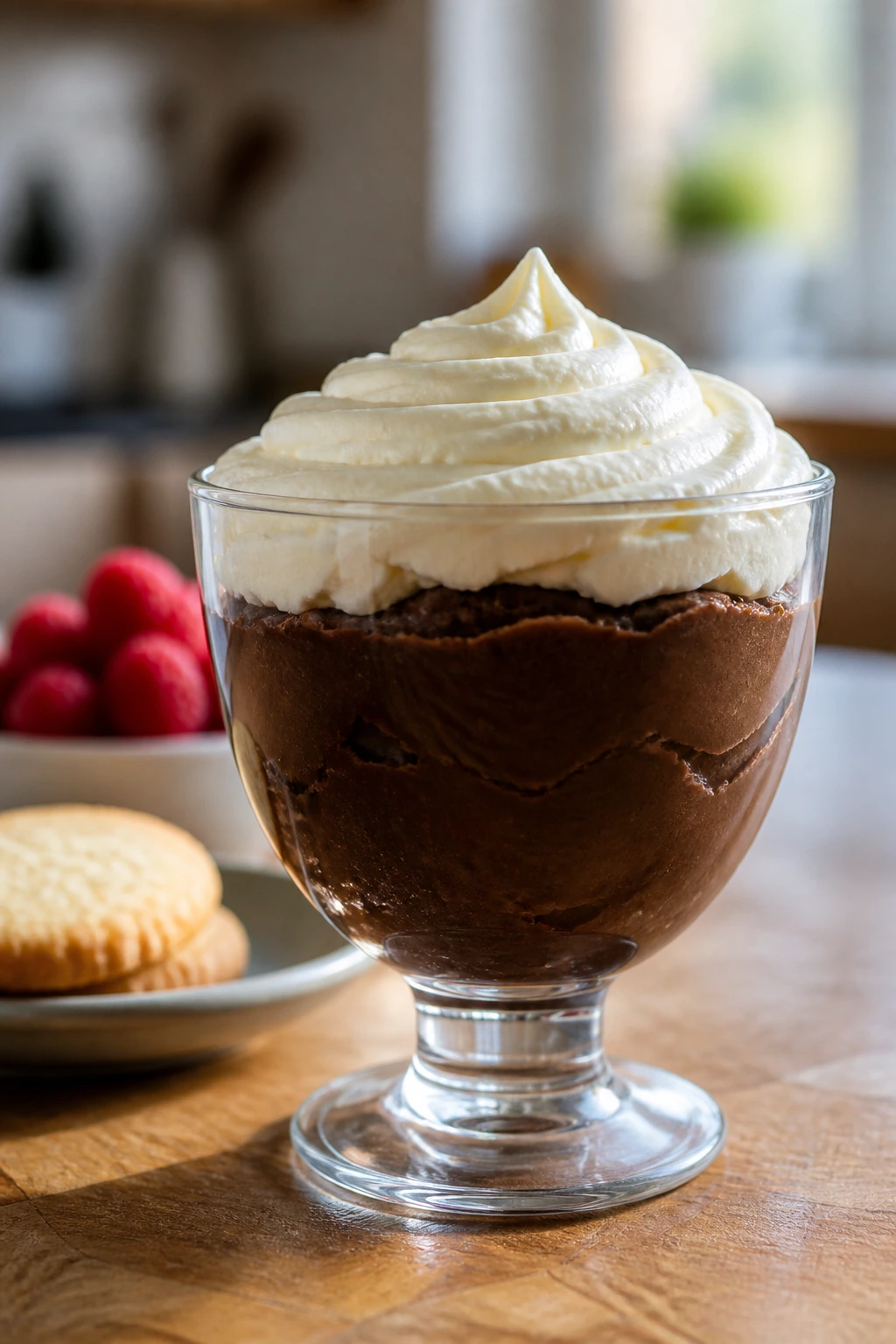
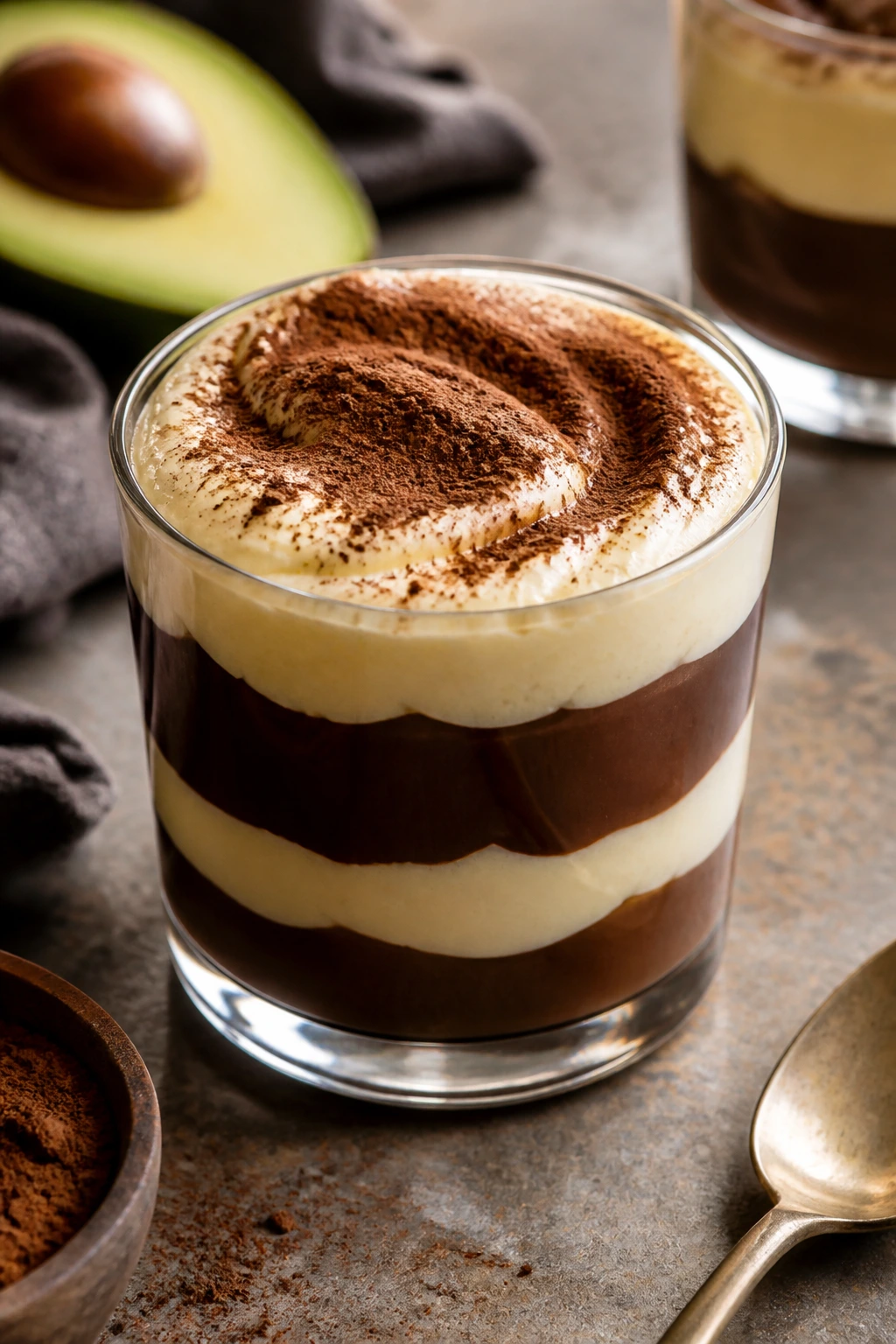
Presentation: Clear glasses are the move. They show off the dark pudding against the pale frosting, and the contrast is half the appeal. If you’re using ramekins instead, drag the back of a spoon through the frosting in one swoop, then dust a small crescent of cocoa on one side so the top doesn’t look flat.
Accompaniments: Keep the extras restrained. A handful of raspberries, a few sliced strawberries, or a small plate of crisp butter cookies is enough. This dessert already has plenty going on; it doesn’t need a second rich sweet beside it unless you want to lean into a full dessert tray. Espresso or cold brew fits especially well because the coffee bitterness cuts through the avocado and cream cheese.
Portions: Plan on about 1/2 to 2/3 cup pudding plus 2 tablespoons frosting per serving. That sounds small until you eat it. The dessert is dense enough that a large portion can feel heavy halfway through, especially if you’ve dusted on chocolate and nuts too.
Beverage Pairing: Strong coffee is the obvious partner, but not the only one. A glass of cold milk works if you want something simple, while an unsweetened black tea keeps the sweetness from stacking up. If you’re serving this after dinner, a tiny demitasse of espresso is my favorite choice. Clean finish. No clutter.
Small Adjustments That Make the Chocolate Hit Harder
Flavor Enhancement: A pinch of instant espresso powder in the pudding — about 1 teaspoon — makes the chocolate taste deeper without turning the dessert into a coffee cup. Stir it into the cocoa before blending so it disappears cleanly.
Texture Control: If the pudding looks smooth but not silky after blending, run it for another 20 to 30 seconds and scrape the sides again. Avocado fibers sometimes cling to the upper rim of the blender jar and pretend they’re done.
Time-Saver: Make the pudding base and frosting separately up to 24 hours ahead. Assemble the cups the same day you want to serve them if you care about the neatest frosting shape and the brightest avocado color.
Make-It-Yours: Orange zest in the pudding gives the chocolate a sharper edge, and a tiny pinch of flaky salt on top makes the whole dessert taste more finished. If you want a slightly lighter version, spoon on less frosting and add fresh berries instead of extra chocolate shavings.
One thing I like here: the dessert doesn’t need a kitchen sink of extras. A single small adjustment, done well, is usually enough.
Common Slip-Ups That Leave the Pudding Grainy or Flat
-
Choosing avocados that aren’t ripe enough
The pudding tastes grassy, and the texture feels a little chalky instead of dense. Pick avocados that give slightly when pressed near the top; if they’re hard enough to make a dull knock on the counter, wait. -
Adding the chocolate while it’s still hot
Hot melted chocolate can thin the base and soften the frosting if you’re moving fast. Let it cool for 5 minutes after melting so it stays smooth but doesn’t heat the rest of the mixture. -
Skipping the chill on the pudding base
The flavor seems blunt and the texture feels softer than it should. Thirty minutes in the refrigerator gives the cocoa time to hydrate and the pudding time to firm up. -
Using cold cream cheese for the frosting
The frosting turns grainy, then stays that way no matter how long you beat it. Soften the cream cheese and butter first, and if you forgot, cut them into small chunks so they warm faster. -
Sweetening only by instinct before tasting it cold
Warm pudding always tastes sweeter than chilled pudding. Taste after the base has rested in the fridge for a bit, then adjust in small steps if it needs more maple syrup or powdered sugar. -
Blending a full batch in a weak machine
The top looks okay, but the bottom has little green specks or a chunky ring near the blade. If your blender struggles, work in two batches and scrape the sides between pulses.
Flavor Swaps That Still Make Sense
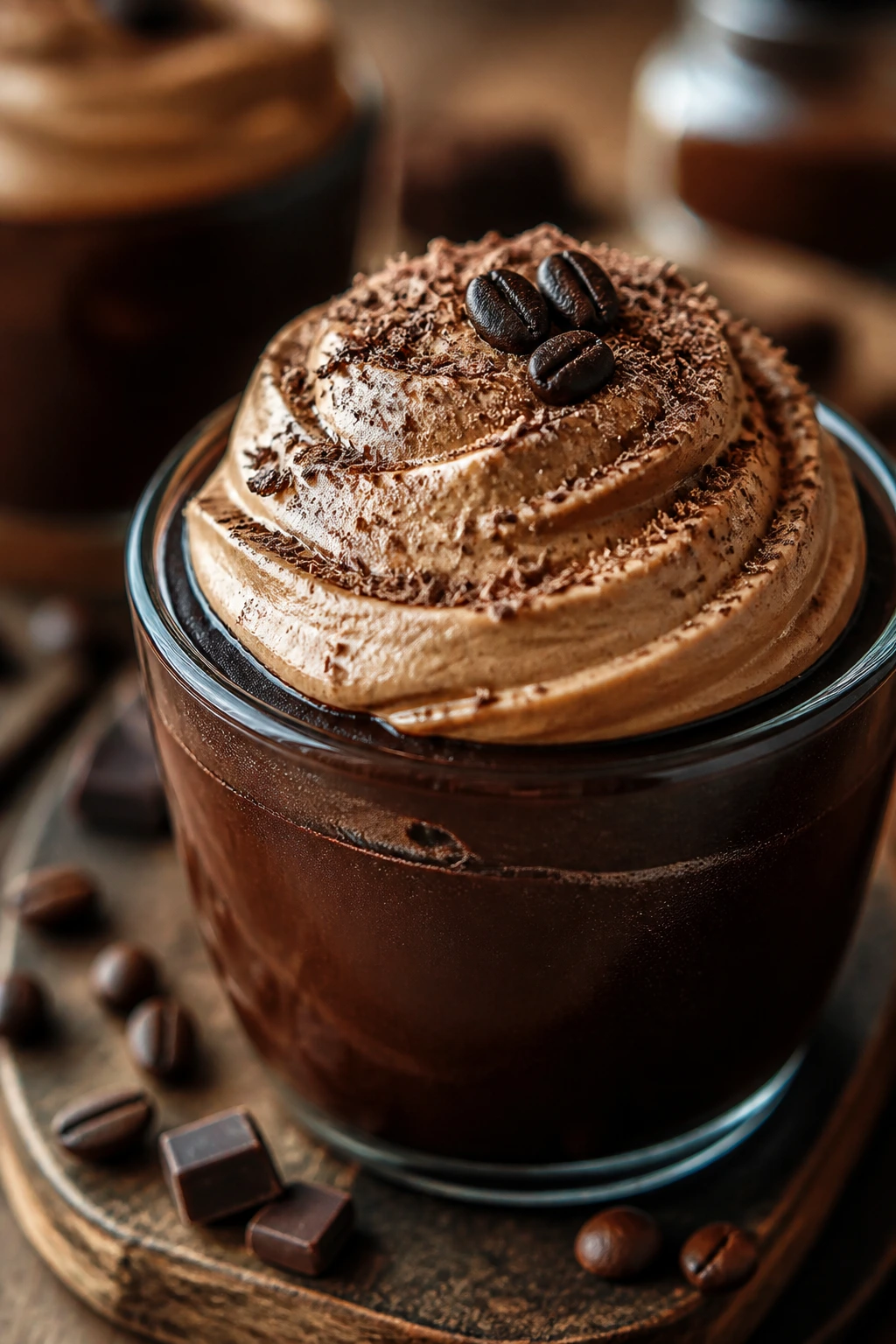
Midnight Espresso Cups: Add 1 teaspoon instant espresso powder to the pudding and another 1/2 teaspoon to the frosting. The coffee note stays in the background, but the chocolate gets a deeper, less sweet edge that suits adults more than kids.
Orange-Chocolate Glasses: Stir 1 teaspoon finely grated orange zest into the pudding and 1/2 teaspoon into the frosting. The citrus lifts the avocado’s richness and makes the whole dessert taste brighter, especially when you finish it with extra zest on top.
Peppermint Cream Version: Swap the vanilla in the frosting for 1/4 teaspoon peppermint extract, then top with crushed chocolate mints or a few shards of dark chocolate. Use a light hand with the mint; too much and it turns toothpaste-fast.
Dairy-Free Velvet Cups: Replace the milk and cream in the pudding with canned coconut milk, and use dairy-free butter and dairy-free cream cheese in the frosting. The coconut brings a softer, tropical note, which works better than you’d think with dark cocoa.
Crunchy Cookie Bottoms: Spoon 1 tablespoon of chocolate cookie crumbs or crushed graham crackers into each cup before adding the pudding. It’s not necessary, but it gives the texture a bit of bite and makes the dessert feel more like a layered parfait.
Keeping It Cold Without Losing the Color
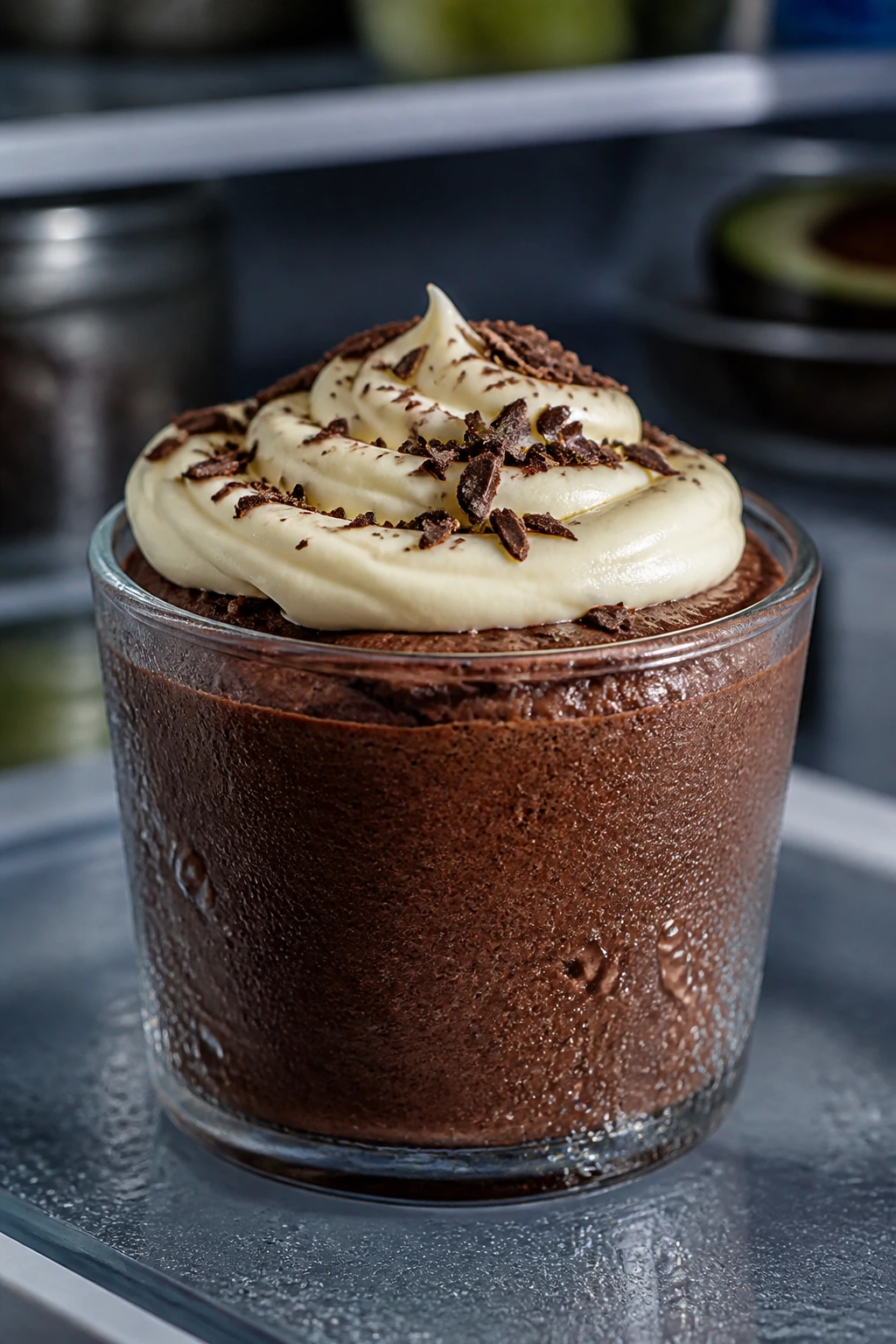
The pudding base keeps best in the refrigerator for up to 3 days in a tightly covered container. Press parchment or plastic wrap directly against the surface if you want to slow browning, though the cocoa helps hide color changes better than most people expect. The flavor is best during the first 24 hours, when the avocado still tastes fresh and the chocolate hasn’t gone flat.
The frosting can be made up to 4 days ahead and stored separately in the fridge. Give it a quick beat with a spoon or hand mixer before using, because cold cream cheese frosting can stiffen at the edges and soften in the center. If it feels too firm to pipe after chilling, let it sit on the counter for 10 minutes.
Assembled cups are best eaten the same day or within 24 hours. After that, the frosting softens, the garnish gets a little tired, and the avocado base loses some of its clean look. If the dessert sits out at room temperature, keep it to about 30 to 45 minutes before returning it to the fridge.
Freezing works only for the pudding base, not the assembled cups. Freeze the base in an airtight container for up to 1 month, then thaw overnight in the refrigerator and whisk or blend briefly to restore the texture. It won’t come back perfectly smooth, but it can still pass as a frozen mousse-style dessert if you’re not chasing perfection. Warming it is a bad idea. Cold is the whole point.
Questions People Ask Before the First Spoonful

Can I taste the avocado in this pudding?
Not when the avocados are ripe and the chocolate is balanced properly. The fruit should read as body and smoothness, not as a separate flavor; if it tastes green, the avocados weren’t ripe enough or the cocoa/sweetener balance is off.
What kind of avocados work best?
Hass avocados are the safest choice because they’re creamy and have a fairly mild taste. Avoid hard avocados, and skip any fruit with big brown stringy streaks inside, since those can leave little fibers in the final pudding.
Can I make this without a food processor?
A high-speed blender works, and a standard blender can work too if you blend in smaller batches. A whisk alone won’t give you the same silky texture; avocado needs real blade power to disappear into the cocoa.
Why is my frosting runny?
The cream cheese or butter was probably too warm, or the ratio of sugar to dairy got too loose. Chill the frosting bowl for 10 to 15 minutes, then beat in a little more powdered sugar if it still won’t hold shape.
Can I make the pudding ahead of time for a party?
Yes. The pudding base is actually better after a short rest, and the frosting can be made ahead too. Assemble the cups a few hours before serving if you want them to look neat, then keep them cold until the last minute.
What if my pudding tastes too bitter?
Add maple syrup or a spoonful of powdered sugar in small increments, then blend and taste again. A tiny pinch more salt can help too; salt sharpens chocolate and keeps the sweetness from tasting flat.
Can I freeze the leftovers?
The pudding base can be frozen, but the texture changes when it thaws and becomes closer to semifreddo than pudding. I wouldn’t freeze the assembled dessert cups because the frosting tends to break and the toppings get soggy.
A Dessert Worth Keeping in the Fridge
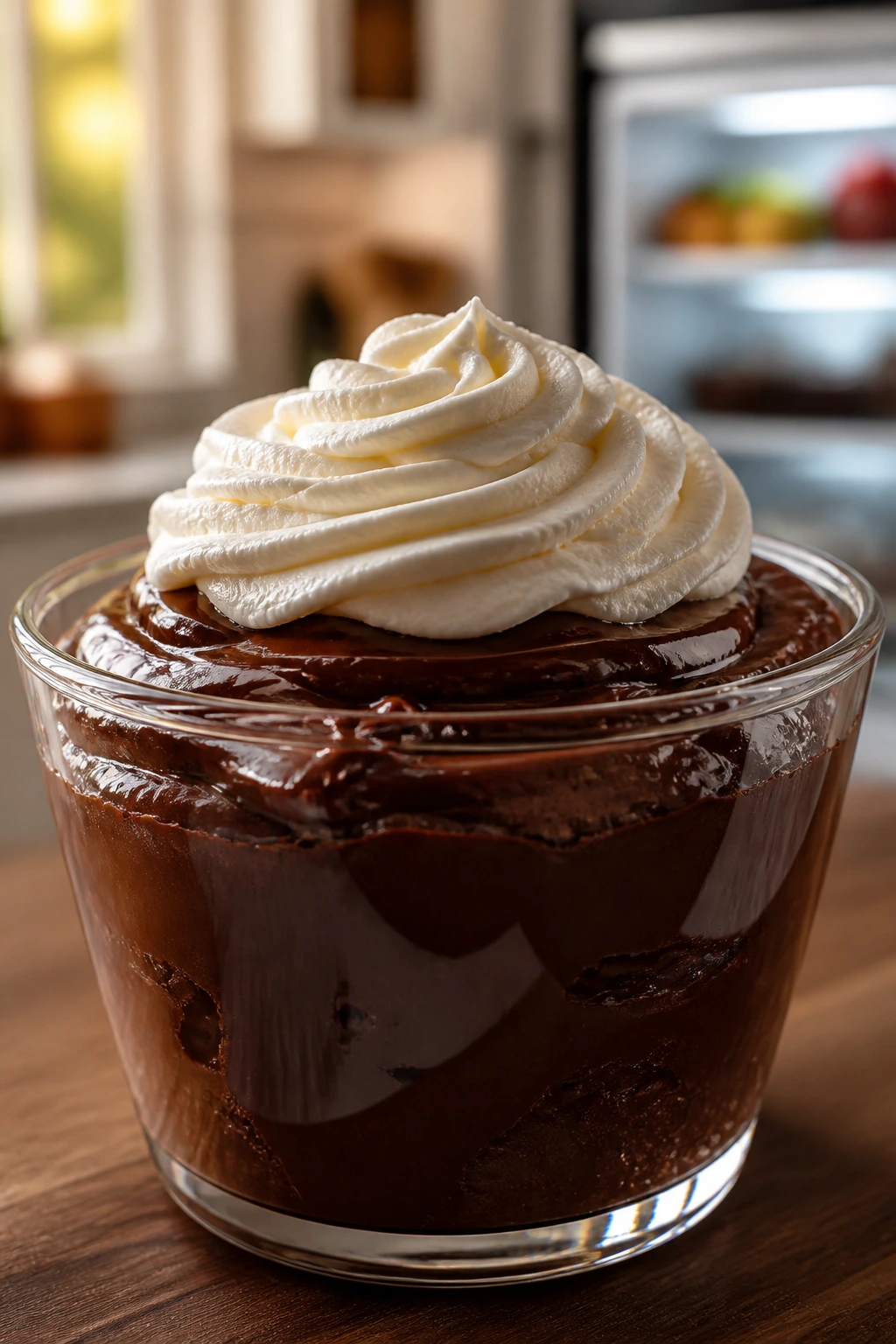
This dessert works because it knows what it is. The avocado isn’t there to be clever; it’s there to bring body, chill, and that dense spoonful you usually only get from custard or mousse. The chocolate does the heavy lifting on flavor, and the cream cheese frosting cuts through the richness with a sharp little bite that keeps the whole thing awake.
The details matter more than usual here: ripe fruit, cooled chocolate, enough blending to erase the green, and enough chilling to let the texture settle. Get those right and the dessert feels polished without trying to be fussy. That’s the kind of recipe I keep around.
Make it once, and you’ll stop thinking of avocado as the odd ingredient in the fridge and start thinking of it as the reason the pudding holds together in the cold. That’s a much better use for a ripe avocado than waiting for toast.
Moist Avocado Chocolate Pudding with Cream Cheese Frosting — Recipe Card
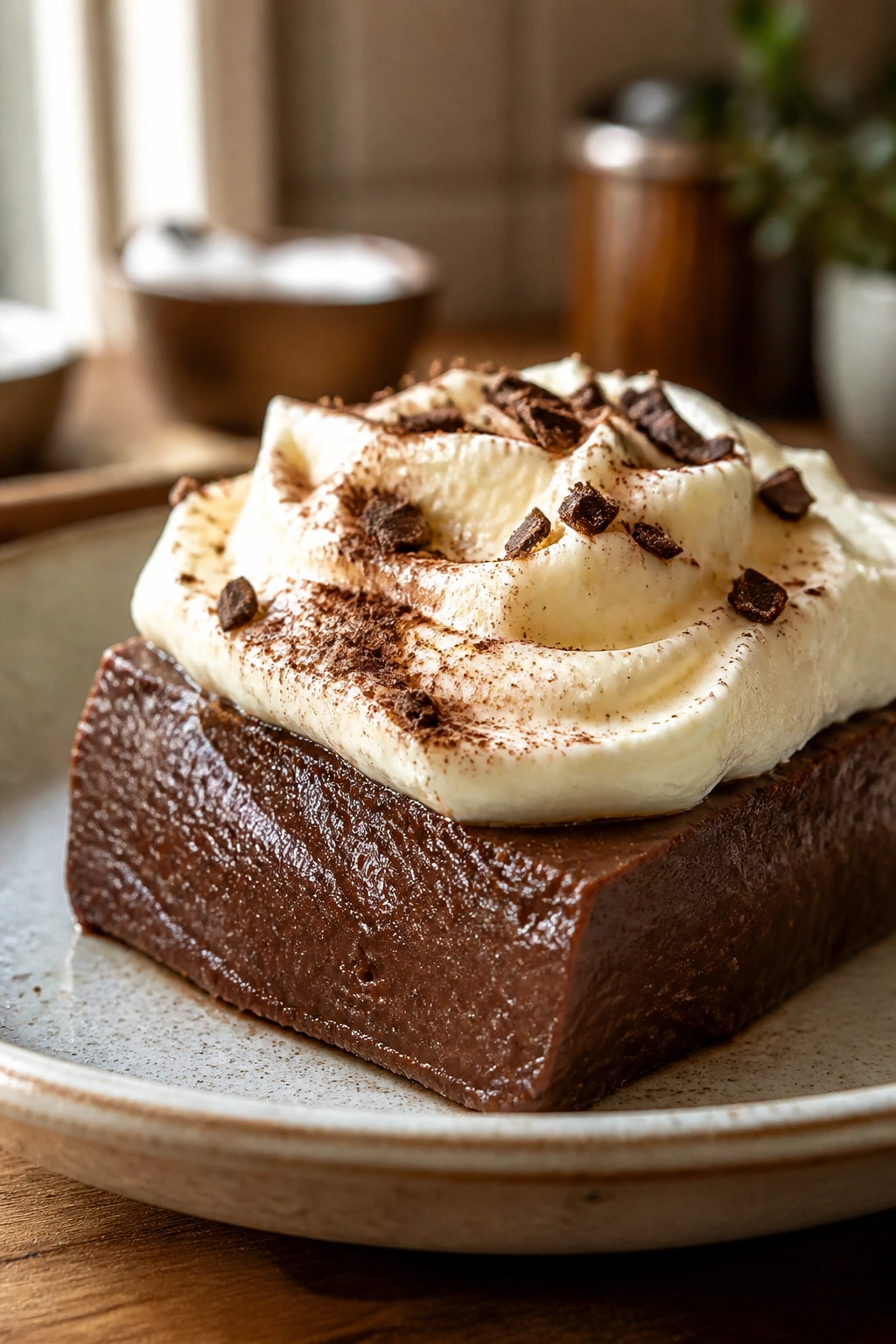
Recipe Name: Moist Avocado Chocolate Pudding with Cream Cheese Frosting
Description: A rich, chilled chocolate pudding made with ripe avocado for body and smoothness, topped with tangy cream cheese frosting and a simple chocolate finish. Cold, thick, and far more luxurious than the ingredient list suggests.
Prep Time: 20 minutes
Cook Time: 0 minutes
Total Time: 20 minutes active + 1 hour chilling
Course: Dessert
Cuisine: American
Servings: 8
Calories: About 360 kcal per serving
Ingredients
For the Chocolate Avocado Pudding:
- 3 large ripe Hass avocados, about 1 1/2 pounds total, peeled, pitted, and chopped
- 1/2 cup unsweetened cocoa powder, sifted if lumpy
- 1/2 cup pure maple syrup
- 1/4 cup whole milk, plus 1 to 3 tablespoons more as needed
- 2 tablespoons heavy cream
- 2 teaspoons pure vanilla extract
- 1 tablespoon fresh lemon juice
- 1/4 teaspoon fine sea salt
- 2 ounces semisweet chocolate, melted and cooled for 5 minutes
- 1 to 2 tablespoons powdered sugar, optional
For the Cream Cheese Frosting:
- 8 ounces full-fat cream cheese, softened
- 4 tablespoons unsalted butter, softened
- 1 1/4 cups powdered sugar, sifted
- 1 teaspoon pure vanilla extract
- Pinch of fine sea salt
- 1 to 2 tablespoons heavy cream, only if needed
For the Finish:
- 2 tablespoons shaved chocolate or cocoa powder
- 1/4 cup fresh raspberries or sliced strawberries, optional
- 2 tablespoons toasted chopped pistachios or almonds, optional
Instructions
-
Melt the chocolate and let it cool for 5 minutes.
-
Blend the avocados, cocoa powder, maple syrup, milk, heavy cream, vanilla, lemon juice, salt, melted chocolate, and optional powdered sugar until smooth and glossy.
-
Taste and add more maple syrup or milk only if needed; blend briefly again.
-
Chill the pudding base for 30 minutes.
-
Beat the cream cheese and butter until smooth, then add powdered sugar, vanilla, and salt; beat until fluffy. Add heavy cream only if needed.
-
Spoon the pudding into 8 cups or ramekins.
-
Top with frosting, then finish with shaved chocolate, cocoa, berries, or nuts.
-
Chill the assembled cups for at least 30 minutes before serving.
Notes: Use ripe Hass avocados for the smoothest texture. Assemble no more than 24 hours ahead if you want the cleanest color. If the pudding tastes flat, a tiny pinch more salt usually helps more than extra sugar.