



Grilled chicken breast can be dull enough to make you stare at the plate, or it can be smoky, juicy, and satisfying enough that you don’t miss the extra cheese, the breading, or the mountain of sauce. The difference usually isn’t the grill itself. It’s the way the meal gets built: measured oil, a protein that fits the heat, a sauce that sharpens instead of smothering, and sides that do their job without eating half the calorie budget.
That’s the part people often miss. A protein-packed healthy grilling under 500 calories dinner does not have to feel tiny, and it does not need to taste like a compromise. Grill marks, blistered vegetables, and a properly rested piece of meat carry a lot of flavor on their own. If you’ve ever had a chicken breast that tasted oddly expensive for something so plain, that’s usually the trick — heat, salt, and timing doing real work.
The danger zone is familiar: too much oil brushed everywhere, sugary marinades left to burn, sides that quietly become a second dinner, and no thermometer in sight. But handled with a little restraint, the grill is one of the easiest ways to keep dinner high in protein, reasonable in calories, and still worth sitting down for. A few smart choices get you there fast.
Why This Approach Works So Well
-
Protein carries the meal: A 5- to 6-ounce portion of chicken, shrimp, salmon, pork tenderloin, or tofu can bring 25 to 50 grams of protein to the plate without blowing past 500 calories.
-
The grill adds flavor without piling on fat: Browning, char, and smoke make food taste finished even when the sauce is light and the oil is measured.
-
Oil is the hidden budget breaker: One tablespoon of olive oil is about 120 calories, which is why brushing beats pouring every single time.
-
Vegetables are the easiest way to add volume: Two cups of grilled zucchini, peppers, mushrooms, or asparagus usually add more color than calories.
-
It scales from fast to meal prep: The same grilled protein that works for dinner tonight can be sliced into lunch bowls tomorrow and still taste clean after a quick reheat.
-
It works with more than one eating style: Meat, seafood, tofu, and tempeh all fit here, which makes the whole approach flexible without becoming chaotic.
The Calorie Math That Actually Matters on the Grill
A 500-calorie cap sounds strict until you break it into pieces. Then it starts to feel useful. The meal is usually won or lost in three places: the protein portion, the cooking fat, and whatever sneaks onto the plate as a side.
Here’s the part that saves people the most trouble: measure the things that are calorie-dense and relax about the rest. A teaspoon of oil barely changes the taste of a marinade, but a careless pour changes the whole dinner. Same with barbecue sauce. A glossy brush of sauce at the end is one thing. A thick lacquer on both sides is another.
A good rule of thumb for a grill dinner under 500 calories looks like this:
- Protein: 5 to 6 ounces of lean meat, seafood, or tofu
- Vegetables: 1 to 2 cups, grilled or raw
- Starch, if you want one: 1 small portion, not a heap
- Sauce or dressing: 1 to 2 tablespoons
- Oil for cooking: 1 teaspoon to 1 tablespoon, depending on the protein and grill setup
That formula gives you room to breathe. It also gives you room to choose richer proteins without losing the calorie cap. Salmon, for instance, is naturally higher in fat than chicken breast, but if the rest of the plate stays clean — asparagus, lemon, herbs, maybe a small potato — you’re still in the zone.
A few reference points help:
- 1 tablespoon olive oil: about 120 calories
- 2 tablespoons barbecue sauce: often 60 to 80 calories, sometimes more
- 1/2 avocado: about 120 calories
- 1/2 cup cooked rice or quinoa: roughly 100 to 120 calories
- 1 cup grilled vegetables: usually 30 to 70 calories, depending on the oil
That’s why the plate can get into trouble even when the protein itself is lean. The chicken isn’t the problem. The “a little extra” is.
The Best Proteins for High-Protein Grilling
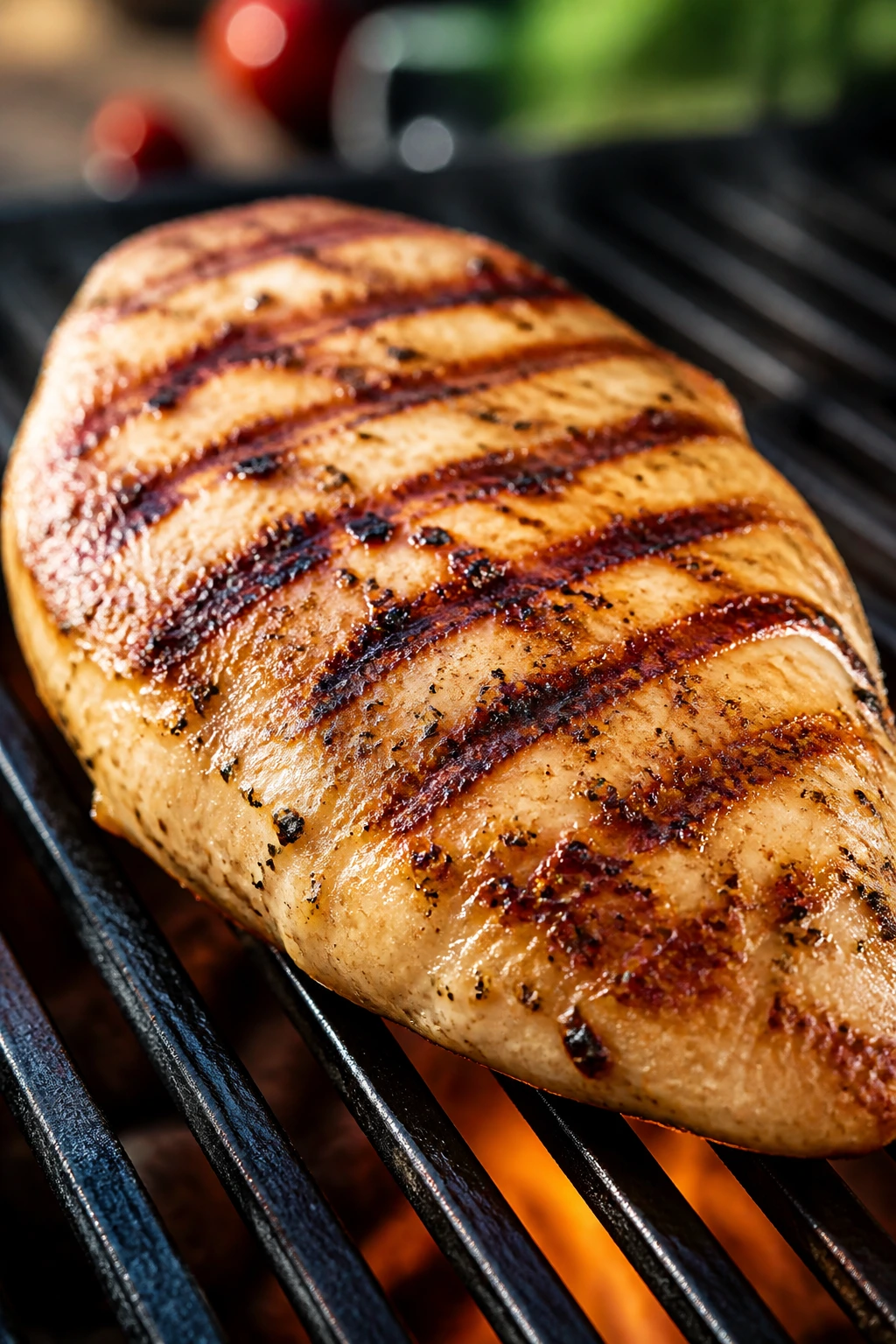
Chicken breast gets the most attention, and fair enough — it’s lean, cheap, and easy to season. But the grill doesn’t belong to chicken alone. Some proteins are better for speed, some are better for richness, and some are better when you want the meal to feel less like a spreadsheet and more like dinner.
Chicken Breast: The Leanest Workhorse
Chicken breast is the cleanest path to a high-protein, low-calorie plate. A 6-ounce cooked portion usually lands around 260 to 300 calories and gives you roughly 45 to 52 grams of protein, depending on thickness and trim. That leaves enough room for vegetables, a starch if needed, and a proper sauce.
The catch is dryness. Chicken breast punishes overcooking faster than almost anything else on the grill. Pound thicker pieces to an even thickness, season them well, and pull them the moment the center reaches 165°F. If you wait for “a little more color,” you often end up with something fibrous and pale in the middle. No one wants that.
Shrimp: Fast, Lean, and Hard to Mess Up Once You Learn the Timing
Shrimp is one of the easiest ways to keep a meal under 500 calories while pushing protein high. A 5-ounce serving is usually around 140 to 160 calories with about 30 grams of protein. That’s a lot of payoff for a few minutes over heat.
Shrimp likes a hot grill and short contact. Two to three minutes per side is often enough, and the shift from translucent to opaque is the moment to watch. Overcook it and the texture turns rubbery in a hurry. Undercook it and you’ll know immediately. There’s not much middle ground here, which is part of the reason shrimp works so well for weeknight grilling.
Salmon: Rich Enough That You Don’t Need Much Else
Salmon is the most forgiving “lean-ish” protein on this list. A 5-ounce portion often comes in around 230 to 280 calories with 30 to 35 grams of protein, depending on the cut. That richness means you can keep the rest of the plate simple — lemon, herbs, grilled asparagus, maybe a small potato — and it still feels complete.
The only trap is drowning it. Salmon already has flavor and fat. It does not need a heavy glaze to taste like dinner. Skin-on fillets grill better than skinless ones because the skin protects the flesh and helps keep the fish intact. If you like a crisp bottom, start skin-side down and leave it alone for a few minutes.
Pork Tenderloin: Mild, Lean, and Better on the Grill Than People Expect
Pork tenderloin is underrated in healthy grilling. It’s lean enough to fit the calorie budget easily — a 6-ounce serving is often around 260 to 300 calories with 35 to 40 grams of protein — and it takes on marinades beautifully.
The flavor is mild, which is a feature, not a flaw. You can steer it toward garlic and rosemary, smoked paprika and mustard, or lime and cumin. Grill it whole, then slice it after resting, or cut it into medallions for faster cooking. Either way, don’t skip the thermometer. Pork should reach 145°F with a 3-minute rest.
Sirloin and Other Lean Beef Cuts: Best When You Want a Steakhouse Feel
Lean sirloin gives you that beefy, grilled flavor without turning the meal into a calorie bomb. A 5-ounce portion can sit around 250 to 320 calories with about 35 to 40 grams of protein, depending on the cut and trim. That makes it a strong fit when you want something more savory and a little less delicate than chicken or fish.
The key is choosing lean cuts and keeping the extras in check. A sirloin steak with a heap of butter on top is not the same dinner as a trimmed sirloin with grilled onions, mushrooms, and a mustard vinaigrette. Same protein. Very different math.
Tofu and Tempeh: The Plant-Based Options That Still Bring Real Protein
Extra-firm tofu and tempeh both grill well if you treat them properly. A 6-ounce serving of extra-firm tofu usually lands around 170 to 220 calories and gives you 15 to 20 grams of protein. Tempeh is a touch higher in calories but usually brings more protein and a firmer bite.
Press tofu first. That part matters. If it still carries a lot of water, it will steam instead of sear and never pick up the grill’s best edge. Tempeh benefits from a short steam or simmer before grilling so it doesn’t taste dry in the middle. Both take on strong marinades well — soy, ginger, lime, garlic, chili, mustard — and both fit easily under 500 when the rest of the plate stays sane.
Marinades and Dry Rubs That Pull Real Flavor
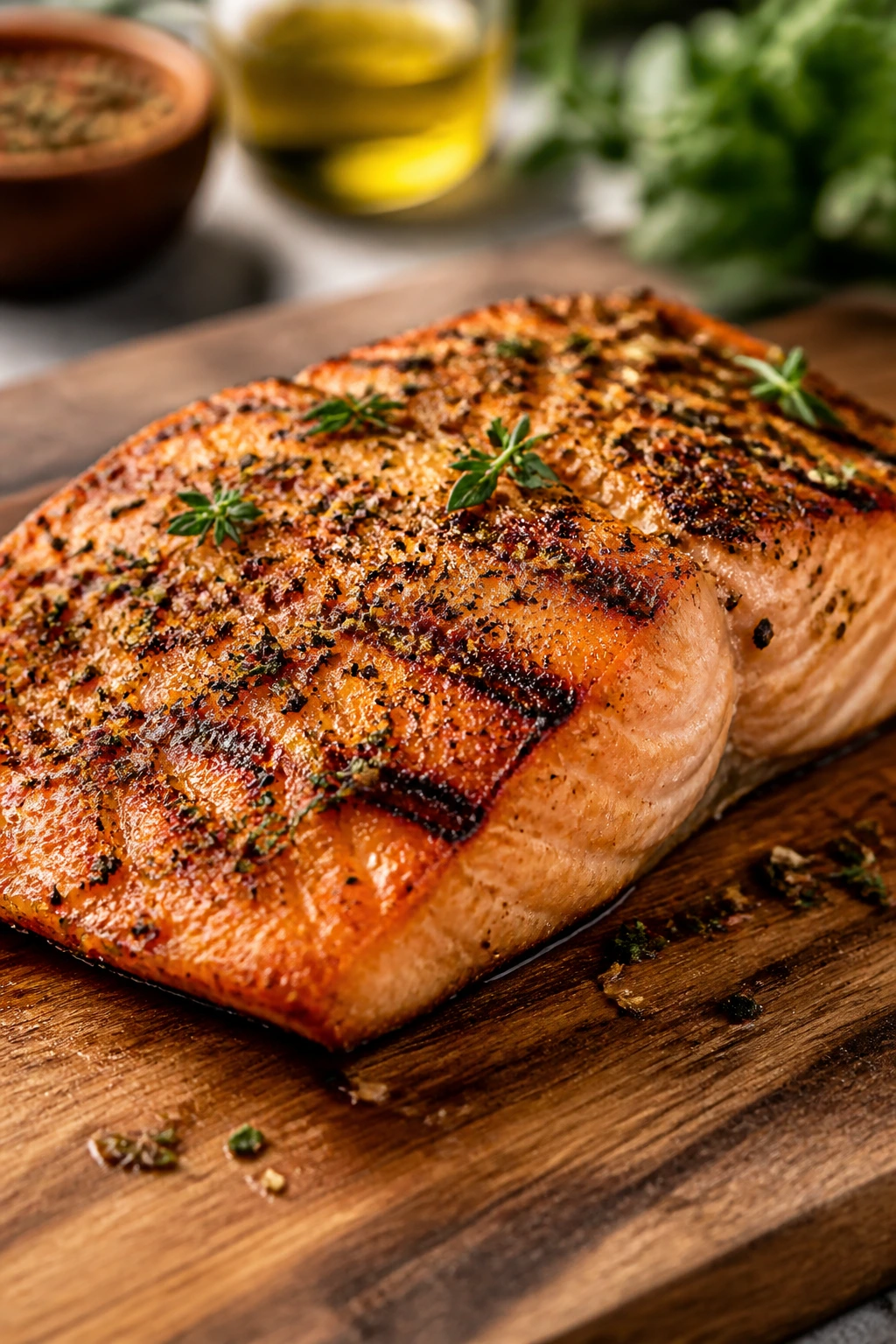
A marinade does not need a cup of oil to taste like something. A dry rub does not need sugar by the spoonful. Most of the time, you need salt, acid, herbs, and enough heat to wake everything up. That’s it.
The smartest low-calorie marinades are built around the same idea: use tiny amounts of fat for mouthfeel, then let acid and seasoning do the heavy lifting. Lemon juice, lime juice, vinegar, mustard, garlic, ginger, chili flakes, smoked paprika, cumin, black pepper, and fresh herbs can make a lean protein taste fully dressed without costing much in calories.
A simple formula works across chicken, pork, shrimp, tofu, and even salmon:
- 1 tablespoon oil for the whole batch, not per piece
- 1 to 2 tablespoons acid such as lemon juice, lime juice, red wine vinegar, or rice vinegar
- 1 to 2 teaspoons salt-friendly seasoning like soy sauce, Dijon mustard, or Worcestershire
- 1 to 2 teaspoons spices such as paprika, cumin, chili powder, or oregano
- Garlic, ginger, citrus zest, or herbs for the sharp top note
That formula gives you enough surface flavor to taste deliberate. If you want a little sweetness, use 1 teaspoon honey or maple syrup, not a glug. Sweet ingredients brown well, but they also burn fast on a hot grate.
A few combinations work especially well:
- Lemon, garlic, oregano, and black pepper for chicken breast or pork tenderloin
- Lime, cumin, chili powder, and cilantro for shrimp or flank steak
- Dijon, thyme, and parsley for salmon
- Soy, ginger, garlic, and rice vinegar for tofu or tempeh
Timing matters just as much as ingredients. Shrimp only needs 15 to 30 minutes in a marinade. Fish needs even less if the acid is strong — often 10 to 15 minutes is enough. Chicken and pork can sit longer, anywhere from 30 minutes to 8 hours depending on the marinade. Leave a citrus-heavy marinade on shrimp too long and the texture goes mushy. Leave sugar-heavy sauce on direct flame too soon and it blackens before the protein is ready.
How to Grill Lean Meat Without Drying It Out
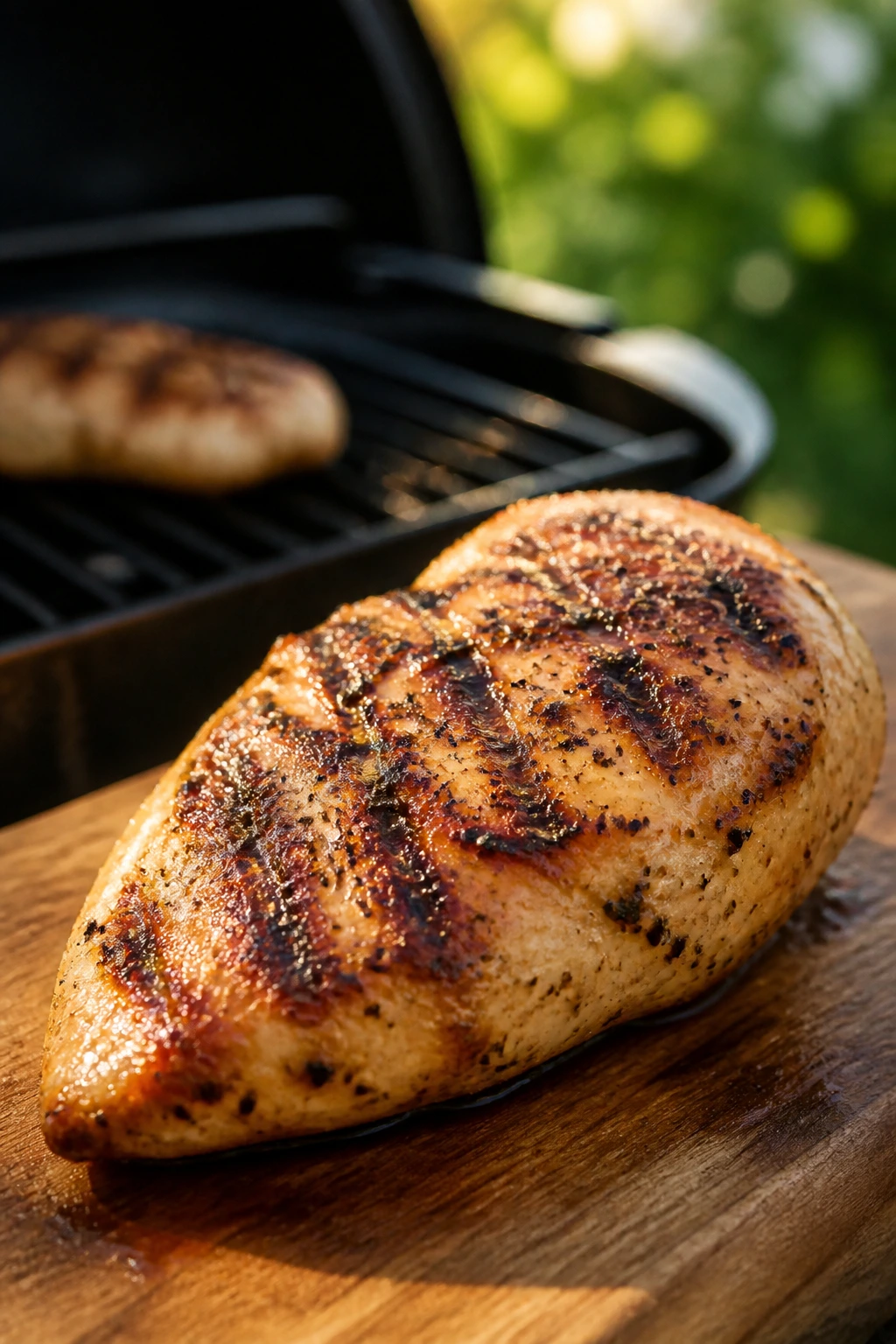
Dry meat on the grill usually starts long before the lid goes down. It starts with uneven thickness, cold grates, weak heat, and the old habit of poking the protein every thirty seconds to see what’s happening. None of that helps.
Preheat the grill properly. Ten to fifteen minutes is not overkill. You want the grates hot enough that the food sizzles the moment it lands. If the grill is only lukewarm, the protein sticks and the vegetables go limp before they brown.
Use a two-zone setup when you can. One side hot for searing, one side cooler for finishing. That matters a lot for thicker chicken breasts, pork tenderloin, and salmon fillets. Sear first, then move to gentler heat if the outside is moving faster than the center.
Chicken and Turkey Need Even Thickness
If the chicken breast has a thick knob on one side, it will overcook by the time the thin end is done. Pound it to an even thickness or butterfly it into cutlets. That single step does more for juiciness than almost any marinade.
Grill chicken breasts over medium-high heat, usually 5 to 7 minutes per side depending on thickness, until the center reaches 165°F. Turkey cutlets cook a little faster. Pull them when they’re just done; turkey dries out even faster than chicken if you’re not paying attention.
Shrimp and Thin Fish Need Speed
Shrimp should be opaque and firm, not curled into a tight little O and not left on the heat long enough to become squeaky. Large shrimp often take 2 to 3 minutes per side on a hot grill. If they’re skewered, you’ll turn them more easily and lose fewer pieces through the grates.
Salmon is more forgiving. Skin-side down for most of the cook is the easiest route. Depending on thickness, 4 to 6 minutes skin-side down and a short finish on the second side often gets you there. Aim for 145°F if you want to stay within the standard food-safety mark, but many cooks prefer to pull it a touch earlier and let carryover finish the job. The flesh should flake with gentle pressure and still look moist in the middle.
Pork and Beef Like Resting Time
Pork tenderloin can be grilled whole, then rested before slicing. That keeps the juices where they belong instead of on the cutting board. For medallions or thinner chops, use direct heat and pull them at 145°F for pork or 130s to low 140s°F for beef if you like medium-rare, depending on the cut and your comfort level.
Resting is not optional. It is the difference between a juicy slice and a plate full of runoff. Give chicken, pork, and steak 5 to 10 minutes. Salmon needs a shorter rest, maybe 2 to 3 minutes. Shrimp can rest briefly while the sides finish.
Tofu and Tempeh Need a Little More Help
Tofu needs a dry surface to grill well. Press it for 15 to 20 minutes, cut it into slabs, brush lightly with oil, and grill until the edges pick up color. Tempeh can be sliced and grilled after a short steam or simmer so it doesn’t taste dry or bitter in the center.
If you only remember one thing here, remember this: hot grill, dry surface, measured fat, thermometer in hand. That’s the whole game.
Building a Plate That Stays Under 500 Calories
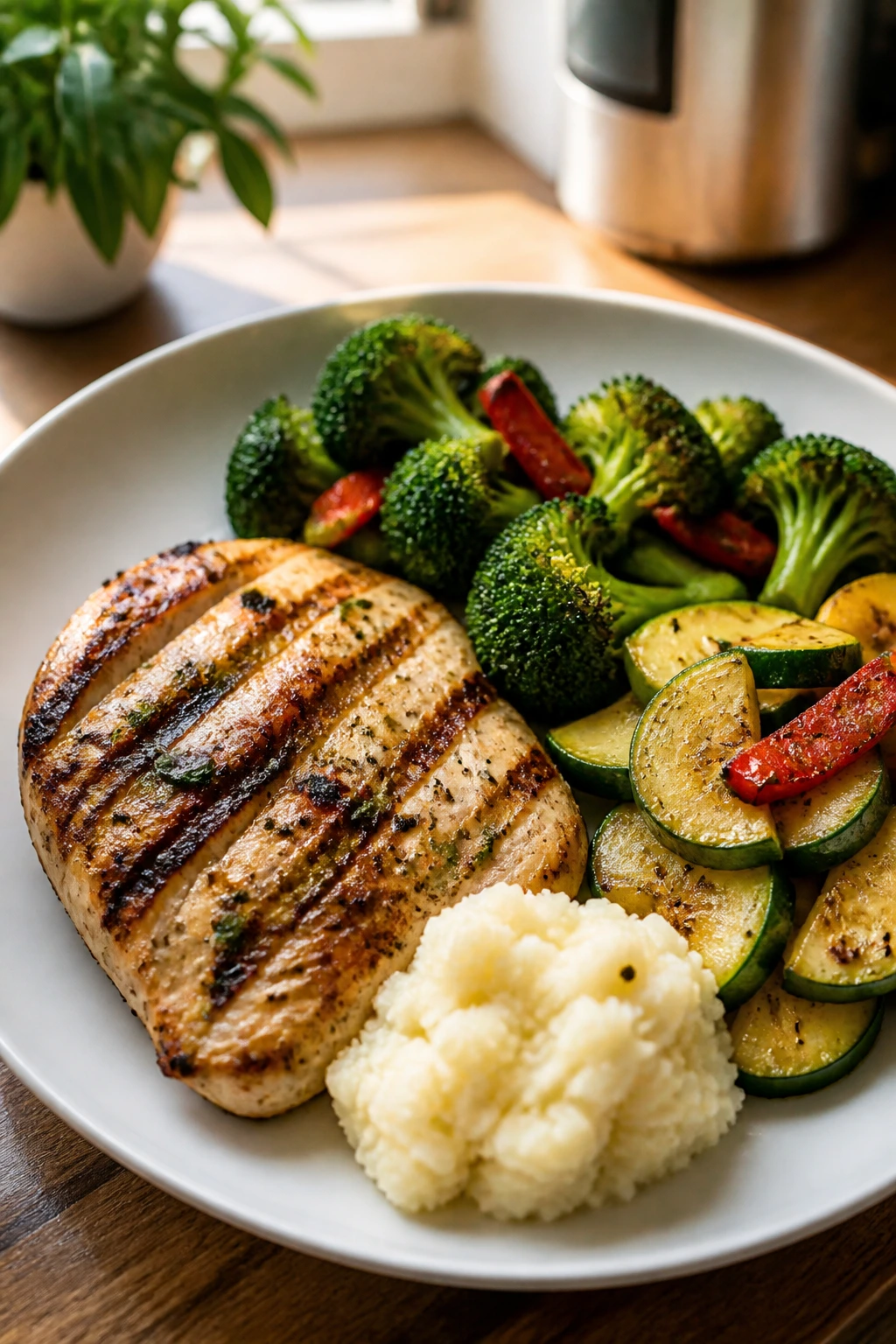
A plate under 500 calories is mostly a math problem. That sounds unromantic, but it’s useful. Once you know where the calories hide, you can build dinner with your eyes open instead of hoping the portions magically behave.
A reliable pattern looks like this:
- 5 to 6 ounces of protein
- 2 cups of vegetables
- 1 small starch if you want one
- 1 to 2 tablespoons of sauce
- A small amount of oil, measured instead of guessed
Here are a few complete grill dinner templates that stay under the line:
-
Grilled chicken breast plate: 6 ounces chicken breast, 2 cups zucchini and peppers, 1 small baked potato, 2 tablespoons yogurt-herb sauce. Roughly 430 to 480 calories and 45+ grams of protein.
-
Shrimp fajita plate: 5 ounces shrimp, grilled onions and peppers, 1/2 cup rice, salsa, lime, and a few slices of avocado. Roughly 390 to 450 calories and 30+ grams of protein.
-
Salmon and greens plate: 5 ounces salmon, grilled asparagus, cucumber salad, and 1/2 cup quinoa. Roughly 430 to 490 calories and 30 to 35 grams of protein.
-
Pork tenderloin plate: 6 ounces pork tenderloin, grilled peaches, arugula, and a small serving of corn salad. Roughly 400 to 460 calories and 35+ grams of protein.
-
Tofu and vegetable plate: 6 ounces extra-firm tofu, mushrooms, zucchini, bell peppers, and 1/2 cup brown rice with a soy-ginger glaze. Roughly 380 to 450 calories and 18 to 25 grams of protein, depending on the tofu brand and the amount of rice.
A lot of people try to make the plate feel full by doubling the starch or pouring on sauce. That works for fullness in the short term, but it usually destroys the calorie target. The better move is to let grilled vegetables do some of the volume work. Two cups of asparagus and peppers take up space, taste like dinner, and barely move the calorie needle.
If you want a fuller meal without breaking the limit, lean on texture contrast. A crisp salad next to a soft protein. A grilled peach beside a salty pork chop. A cool yogurt sauce over hot chicken. That balance reads as complete, even when the calorie total stays disciplined.
Sides That Carry the Meal Without Taking Over
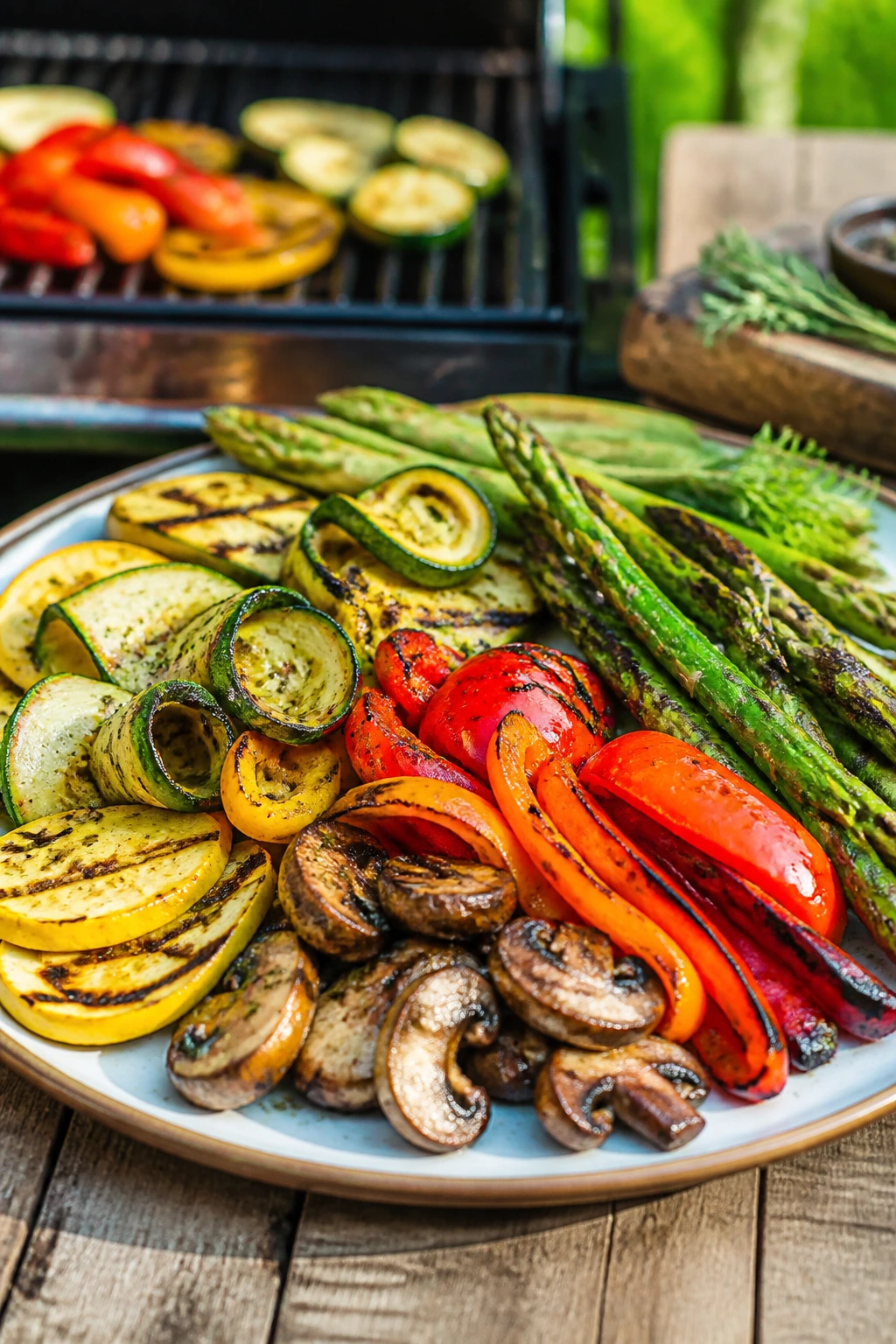
The side dish is where most low-calorie grill dinners go sideways. The protein behaves. The vegetables behave. Then the potatoes, rice, cheese, and bread arrive like they’re late for a different meal.
The easiest sides are the ones that give you volume, crunch, or acidity without asking for much oil. Grilled vegetables are the obvious answer, but the trick is choosing the right ones and not drowning them.
Best low-calorie sides for grilled protein
- Asparagus: Fast, crisp-tender, and usually around 30 calories per cup when lightly oiled.
- Zucchini and yellow squash: They absorb seasoning well and soften into something almost silky at the edges.
- Bell peppers and onions: Sweet after grilling, especially with a little salt and black pepper.
- Mushrooms: They shrink, darken, and taste meatier than their calorie count suggests.
- Cucumber-tomato salad: Cool, sharp, and a good break from smoky food.
- Vinegar slaw: Cabbage, a little salt, vinegar, herbs. Clean, bright, and cheap.
- Half ear of corn: Perfect when you want something that feels like summer without turning the plate into a corn festival.
- Small potato or 1/2 cup quinoa: Useful when the protein is very lean and you need the meal to feel finished.
The best side depends on the protein. Salmon likes a bitter green or something bright and acidic. Chicken breast can take a starch. Pork tenderloin loves fruit and mustard. Shrimp gets along with slaw, corn, and cilantro. Tofu tends to welcome a little sesame, scallion, and crisp cucumber.
A practical plate rule: if the protein is rich, make the side sharp; if the protein is lean, make the side a little more substantial. That keeps the whole plate from tasting flat or feeling unbalanced.
Sauces, Finishes, and Small Extras That Matter
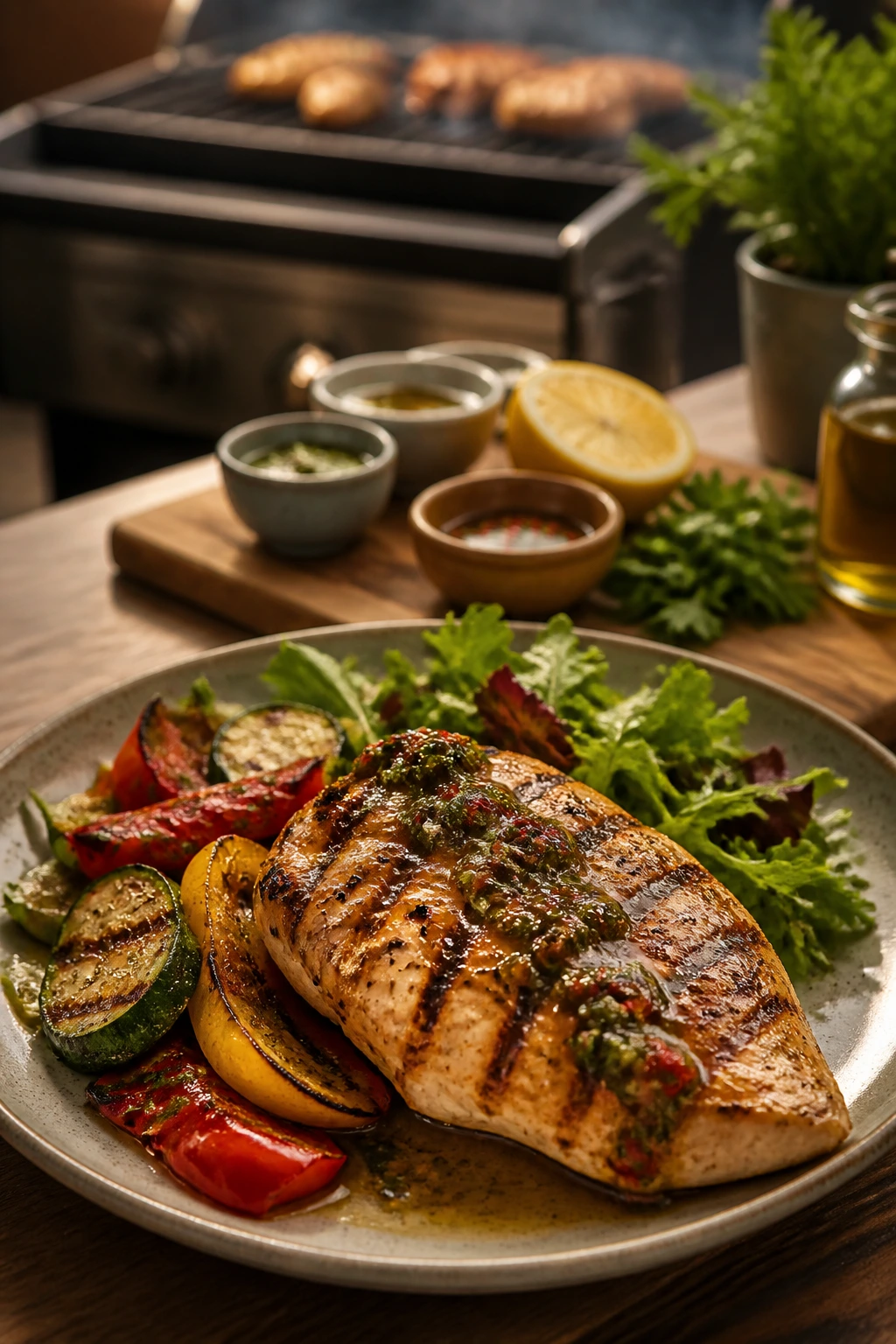
Sauces are where restraint pays off. They’re also where dinner starts tasting personal.
A good low-calorie sauce should do one of three things: add acid, add freshness, or add heat. If it does all three, even better. Heavy cream sauces don’t belong on this plate. Neither does a puddle of bottled glaze. Use something smaller and sharper.
The smartest finishing moves
- Greek yogurt herb sauce: Mix plain Greek yogurt with lemon juice, garlic, dill, salt, and pepper. Two tablespoons usually stay around 25 to 40 calories and give chicken, salmon, and pork a cool contrast.
- Salsa or pico de gallo: Bright, low in calories, and excellent on shrimp, chicken, or grilled vegetables.
- Chimichurri, used lightly: A spoonful can wake up steak or pork, but oil-heavy versions climb fast, so keep the pour small and herb-forward.
- Mustard vinaigrette: Dijon, lemon, vinegar, pepper, and a measured splash of olive oil. Sharp enough to cut through char without making the plate greasy.
- Pickled onions: Nearly calorie-free and worth the five minutes they take to make.
- Fresh herbs and citrus zest: Parsley, cilantro, mint, dill, basil, lemon zest, lime zest — these things sound small until you realize how much they change the finished plate.
One thing worth repeating: sauce at the end, glaze early only if the sugar content is low. A sugary sauce on direct heat burns fast. A vinegar-heavy finishing sauce can wait until the food is on the plate and still do its job.
A tiny garnish changes the feel of the meal more than people expect. A squeeze of lemon over salmon. A pinch of flaky salt on tomato salad. A few chopped herbs over chicken. No drama. Just enough to make the plate taste deliberate.
Small Adjustments That Make the Biggest Difference
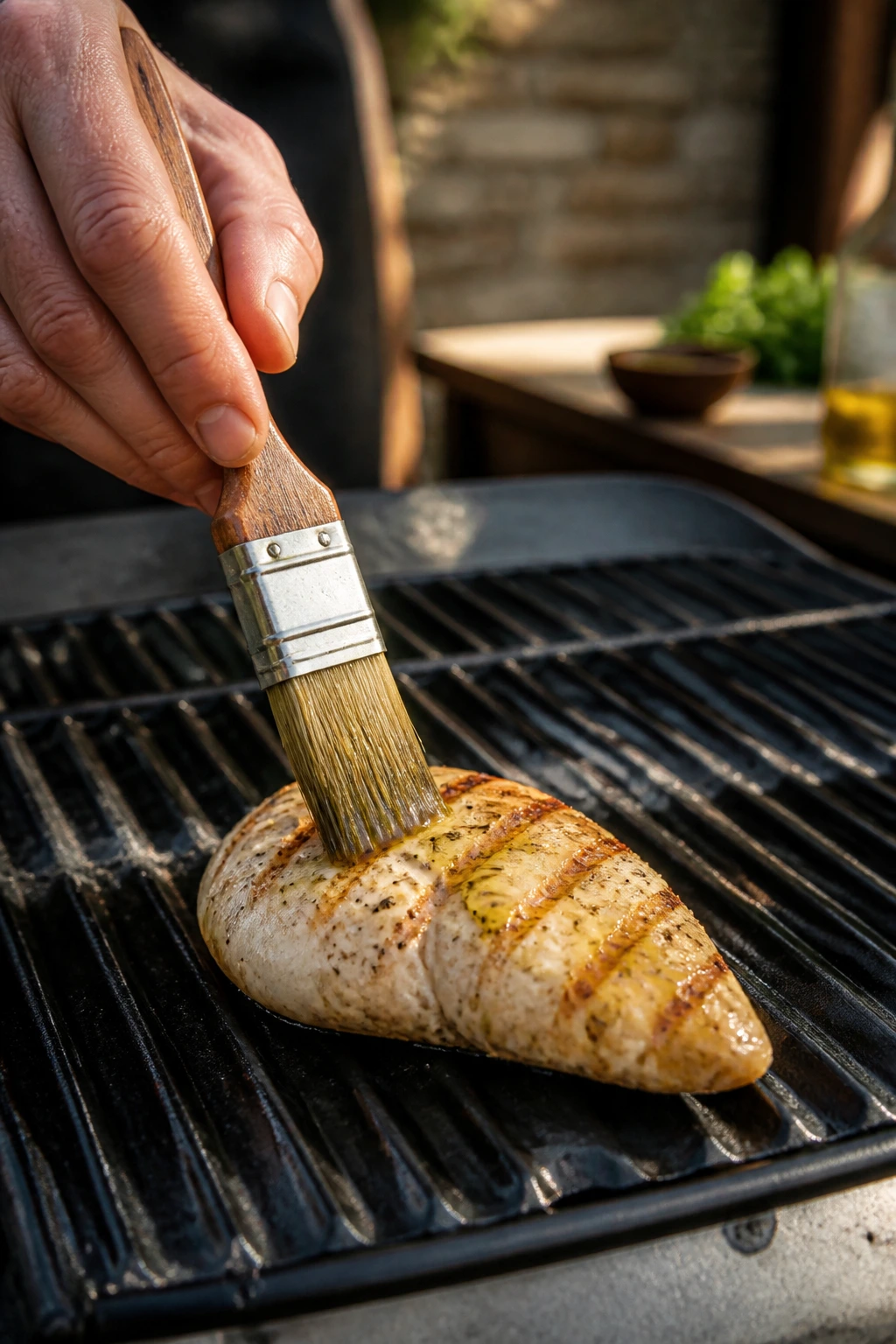
Three habits will improve this style of grilling more than any clever seasoning blend.
Thermometer habit: Use an instant-read thermometer and stop guessing. Chicken and turkey should reach 165°F, pork 145°F with a short rest, and fish about 145°F if you want the standard safe mark. That one tool prevents both dryness and undercooking, and it removes the vague part of dinner.
Measured-fat habit: Brush oil on the food or the grill with a spoon, brush, or spray, but keep the amount honest. If you’re counting calories, measure the oil in teaspoons and tablespoons. A little oil helps browning. A lot of oil turns a healthy grill plate into a stealth calorie pile.
Finish-light habit: Put the brightest ingredient on at the end. Lemon juice, fresh herbs, pickled onions, salsa, or a spoonful of yogurt sauce should land right before serving. That final hit gives lean protein a second life and keeps the meal from tasting one-note.
A few more details help if you cook this style often:
- Salt chicken and pork ahead of time, even if it’s only 30 minutes before grilling.
- Pat shrimp, fish, and tofu dry before they hit the grate.
- Use a cooler zone for anything that’s browning too fast.
- Keep a tray nearby so cooked food can rest without crowding the raw side of the prep area.
- If you want crisp vegetables, cut them into pieces large enough to stay on the grill instead of falling through it.
These sound small because they are. That’s the point. Small corrections make the difference between “healthy enough” and a plate you’d actually repeat.
Common Grill Mistakes That Blow the Budget
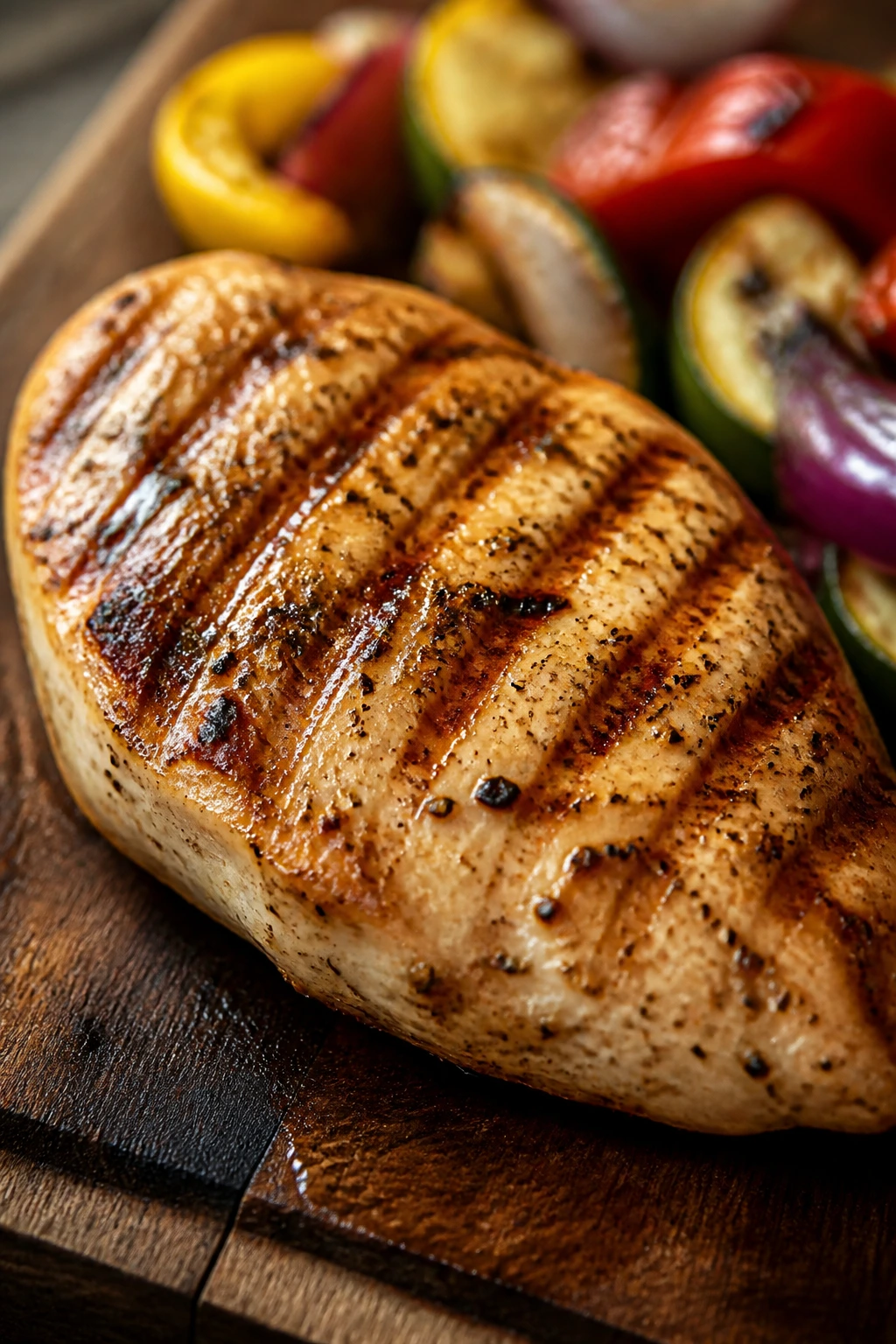
A lot of healthy grilling problems are actually portion or heat problems. The food itself is fine. The process gets sloppy.
-
Pouring oil instead of brushing it: The symptom is flare-ups, greasy vegetables, and calorie creep. The fix is simple: measure oil into a small bowl and use a brush or spoon so you know what went on the food.
-
Using a sugar-heavy sauce too early: If the glaze turns black before the protein is done, the sugar hit the heat too soon. Brush it on during the last minute or two, or serve it on the side.
-
Crowding the grill: Stuffed grates steam food instead of browning it. Spread chicken, shrimp, and vegetables out so the heat can actually reach the surface.
-
Skipping the thermometer: This one causes both dryness and anxiety. Guessing is how chicken breast becomes sawdust and salmon gets cut open too early. Use the thermometer and save yourself the drama.
-
Forgetting the resting step: Slice too soon and the juices run straight onto the cutting board. Rest chicken, pork, and steak for 5 to 10 minutes before cutting.
-
Letting the sides balloon: The protein can stay under 300 calories and the plate still blows past 500 if the rice, potatoes, cheese, or bread turn into the main event. Measure the starch once or twice until your eye stops lying to you.
The fix for almost all of these is boring. That’s fine. Boring is useful when dinner is on the line.
Flavor Paths and Dietary Swaps to Try
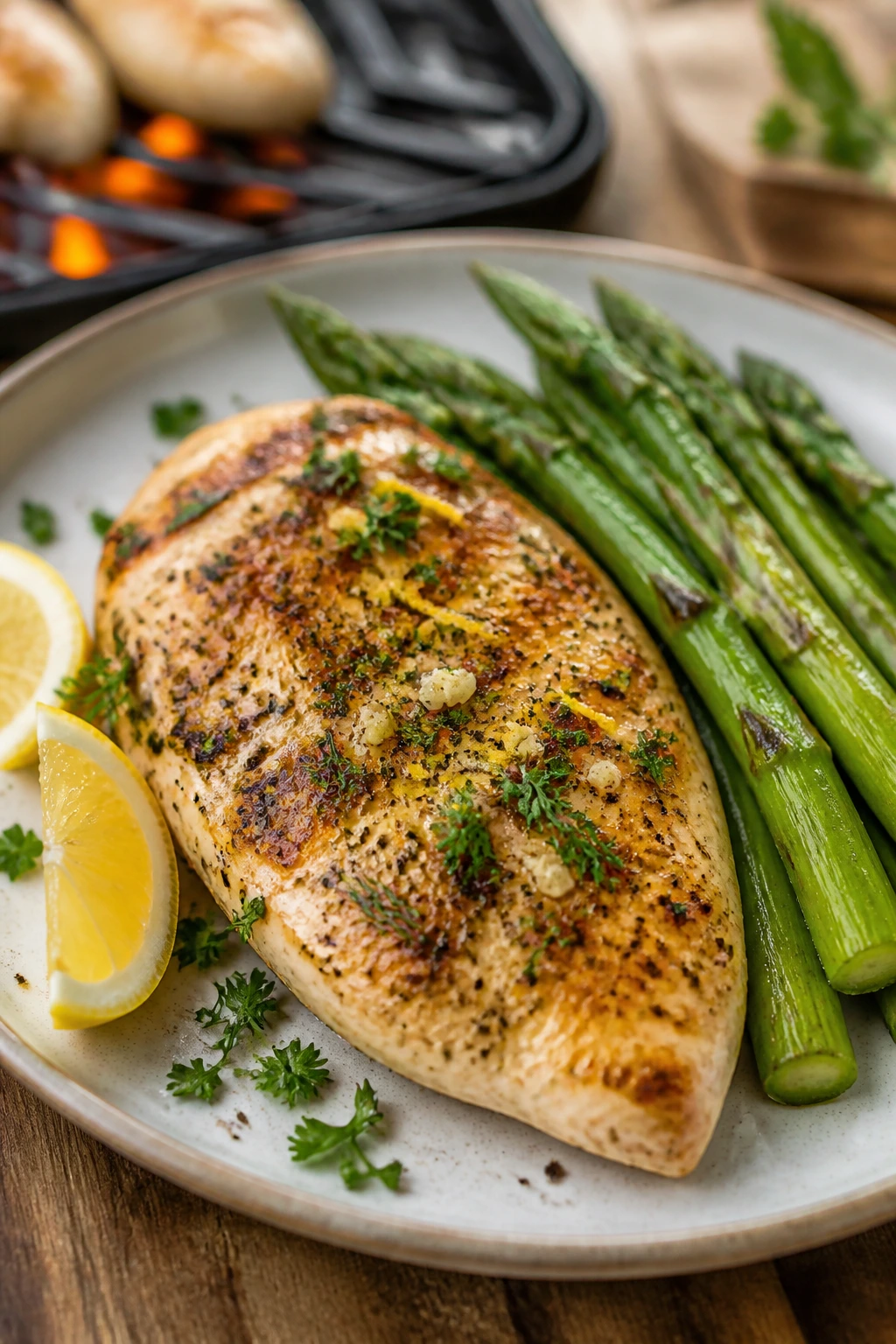
Different flavor profiles keep this style from getting repetitive. Nobody wants three weeks of plain grilled chicken and a sad pile of asparagus. The calorie limit stays the same; the mood changes.
Bright Lemon-Herb Night
Chicken breast or salmon gets lemon zest, garlic, parsley, dill, and black pepper. Pair it with asparagus and a spoonful of yogurt sauce. The fresh herbs keep the plate sharp, which works especially well when the protein is mild.
Smoky Chipotle Plate
Chicken thighs, shrimp, or sirloin get chipotle powder, smoked paprika, cumin, and lime. Use a light hand with sauce — smoky spices already give you plenty of depth — and keep the sides simple with grilled peppers or a cabbage slaw.
Mediterranean Grill Board
Pork tenderloin, chicken, or tofu can carry oregano, garlic, red wine vinegar, and chopped parsley. Add cucumber, tomato, grilled zucchini, and a little feta if the calories allow. The key here is acidity; it makes the whole plate feel cleaner.
Ginger-Sesame Finish
Salmon, tofu, or shrimp work well with soy sauce, ginger, rice vinegar, scallions, and a small drizzle of sesame oil. Sesame oil is powerful, so a teaspoon goes a long way. Use it like perfume, not cooking fat.
Plant-Forward Protein Plate
Extra-firm tofu or tempeh, grilled mushrooms, peppers, and a crisp salad can stay under 500 easily if you keep the oil measured and use a soy-lime glaze. If you want more protein, add edamame or a side of Greek yogurt dip if dairy fits your plan.
Lower-Sodium Reset
Use citrus zest, herbs, garlic, vinegar, and black pepper as the main flavor drivers, then let the salt take a smaller role. This works well with salmon and chicken, especially when you’re tired of bottled marinades.
A good swap rule: keep the cooking method the same, change the seasoning and the side dish. That gives you variety without having to relearn the grill every time.
Tools and Equipment That Make Lean Grilling Easier
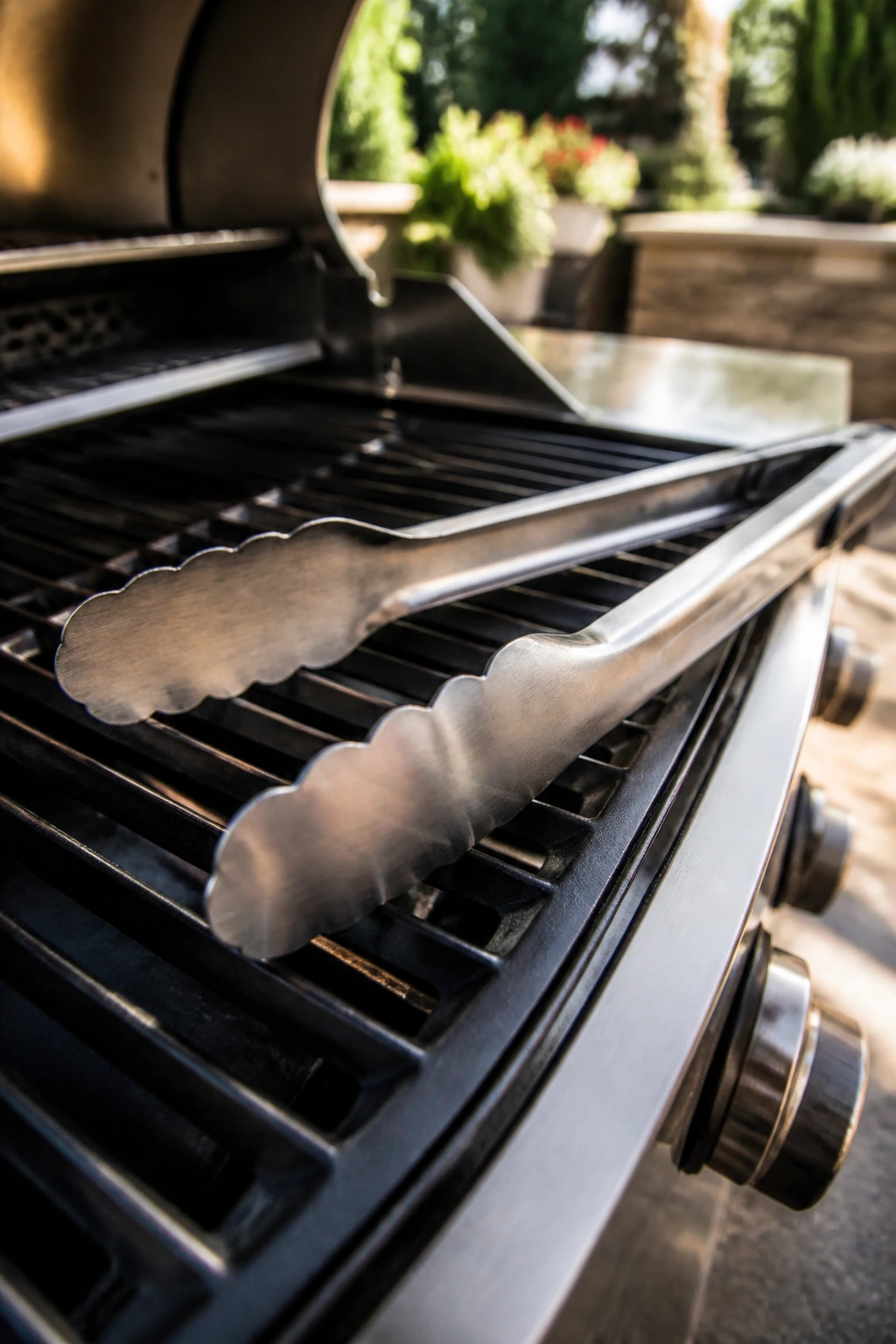
Good gear is boring until it saves dinner. Then it feels smart.
- Gas or charcoal grill: Either works. Gas gives you control; charcoal gives you deeper smoke and a little more ritual.
- Instant-read thermometer: The most useful tool in the whole setup. It keeps chicken juicy and fish safe without guessing.
- Long tongs: Better than a fork for turning meat without letting juices escape.
- Grill brush or scraper: Clean grates stick less and brown better.
- Metal skewers or soaked wooden skewers: Handy for shrimp, chicken bites, or mixed vegetable skewers.
- Grill basket: Useful for asparagus, mushrooms, peppers, and smaller pieces that want to fall through the grates.
- Basting brush: Makes it easier to apply a measured amount of oil or sauce.
- Sheet pan or tray: Helps you carry raw and cooked food without juggling plates.
- Small bowls for marinades and spice blends: Keeps seasoning organized and helps you see how much oil you actually used.
- Airtight storage containers: Important if you plan to meal prep the leftovers.
If you grill indoors with a grill pan, the thermometer matters even more. You lose a little of the outdoor smoke and a little of the room for error. Precision helps.
Make-Ahead, Storage, and Reheating Without Soggy Results
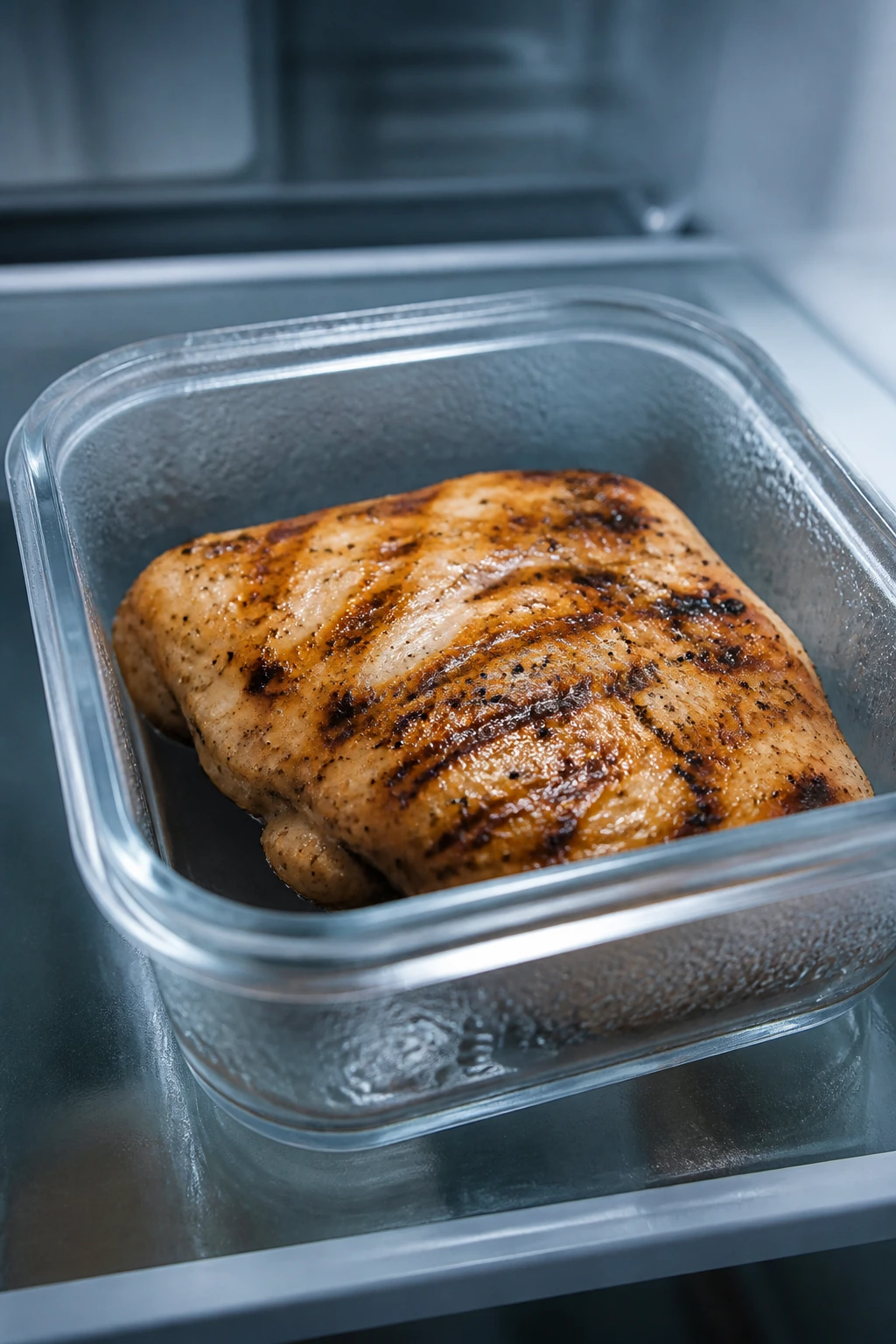
Cooked grilled protein keeps well, but only if you cool it and store it right. Let the food sit at room temperature for no more than 2 hours after cooking, then move it into shallow containers so it cools quickly in the fridge.
Most grilled chicken, pork tenderloin, sirloin, and tofu keep for 3 to 4 days refrigerated. Shrimp and salmon are a little fussier; they’re best within 2 to 3 days for texture, even if they remain safe a bit longer. If you want to freeze cooked chicken, pork, or tofu, portion it first and freeze for up to 2 to 3 months. Cooked salmon freezes less gracefully, usually best within 1 to 2 months. Shrimp can freeze, but the texture softens, so I’d treat it as a short-term move.
Keep sauces separate. Always. A yogurt sauce or vinaigrette can make the leftovers taste fresh, but if you store it already poured over the protein, the whole thing gets softer and less appealing by day two.
Best reheating methods by protein
- Chicken and pork: Reheat in a 300°F oven for 8 to 12 minutes, loosely covered, or warm gently in a skillet with a tablespoon of water.
- Shrimp: Use low heat for a minute or two, just until warmed through. Overheating shrimp turns it rubbery fast.
- Salmon: Warm at low heat, covered, just until the center loses its chill. Microwave only if you keep the power low and stop early.
- Tofu and tempeh: Reheat in a skillet so the edges regain some texture.
For meal prep, marinate chicken and pork up to 24 hours ahead, shrimp for 15 to 30 minutes, and fish for 10 to 15 minutes. If you’re planning a grill night later in the week, prep the vegetables, mix the dry rubs, and whisk the sauce ahead of time. That way the actual cooking goes fast and the plate still feels fresh.
Common Questions About Protein-Packed Healthy Grilling
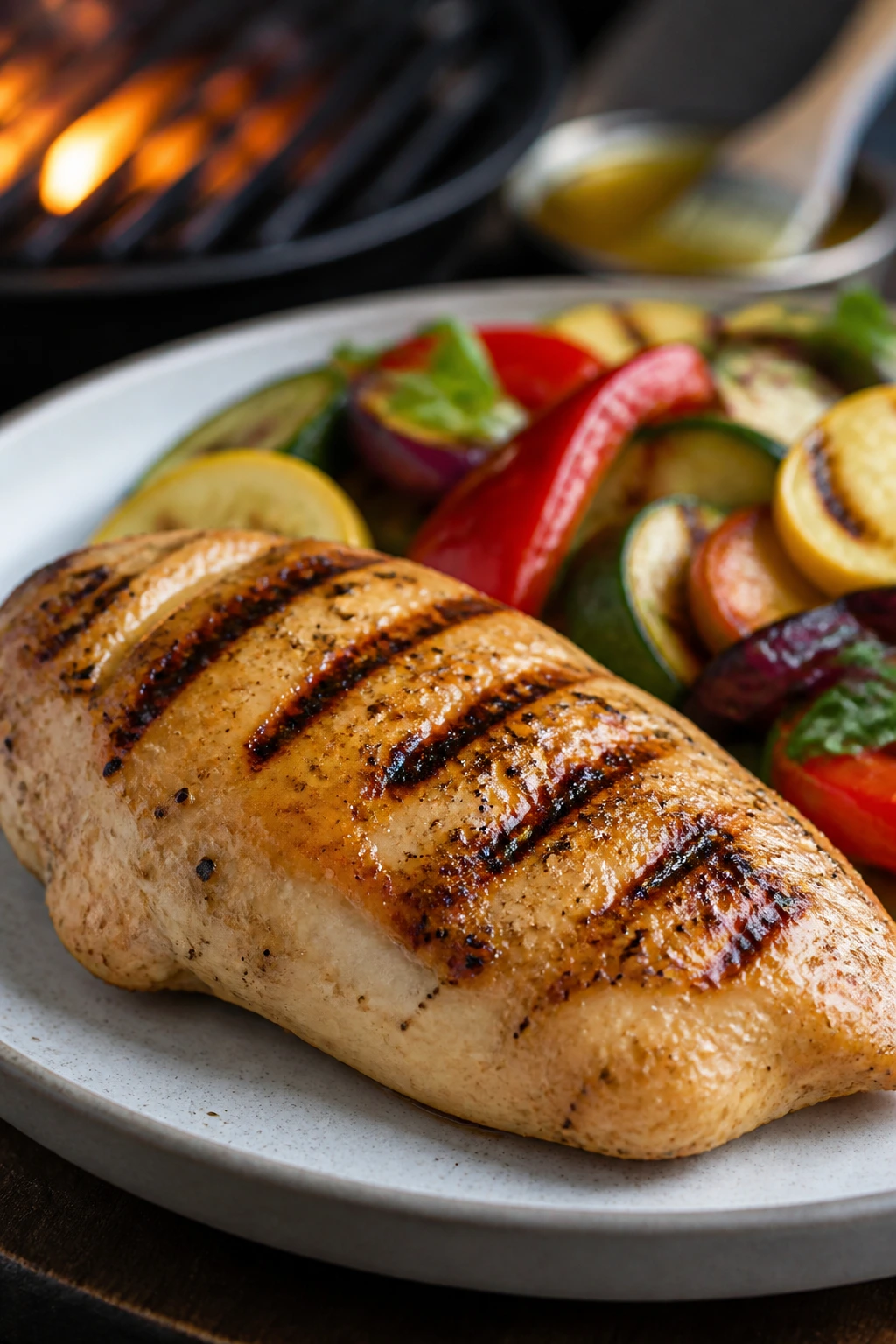
What’s the easiest protein to keep under 500 calories?
Chicken breast and shrimp are usually the easiest because they’re naturally lean and forgiving of simple seasoning. Chicken gives you more bulk; shrimp gives you speed. Both leave room for vegetables and a small starch.
Can I still use chicken thighs and stay under the calorie limit?
Yes, if you keep the portion reasonable and stop the sauce from getting heavy. Boneless, skinless thighs have more fat than breast, so a 4- to 5-ounce serving with grilled vegetables usually fits better than a big heaping portion.
How do I know the calories without weighing every ingredient?
Use weights and measuring spoons when you’re building the plate, then trust the pattern once you’ve done it a few times. Oil, sauce, cheese, avocado, rice, and potatoes are the main calorie players, so those are the things worth measuring first.
What’s the best low-calorie sauce for grilled food?
Greek yogurt sauce, salsa, mustard vinaigrette, and pickled vegetables are all strong choices. They add brightness without the calorie load of creamy sauces or sugary glaze-heavy marinades.
How do I keep shrimp from turning rubbery?
Cook it hot and fast, and pull it the moment it turns opaque and just firm. A short marinade is fine, but don’t leave shrimp sitting in lemon juice or vinegar for hours. Acid changes the texture too much.
Can I grill these meals indoors on a grill pan?
You can, and the calorie math stays the same. The main difference is the heat control: grill pans get hot in spots, so use smaller batches and watch the surface closely so nothing steams in the grooves.
What if my grill burns the outside before the inside is done?
Move the food to a cooler zone and finish it there. That’s why a two-zone setup helps so much. For thick chicken or pork, sear first, then let the gentler side finish the center without blackening the edges.
Can I meal prep these dinners for lunches?
Absolutely. Grilled chicken, pork, tofu, and vegetables hold up well for several days if you keep the sauce separate. Add the sauce after reheating so the texture stays better and the plate doesn’t taste flat.
The Plate That Still Feels Like Dinner
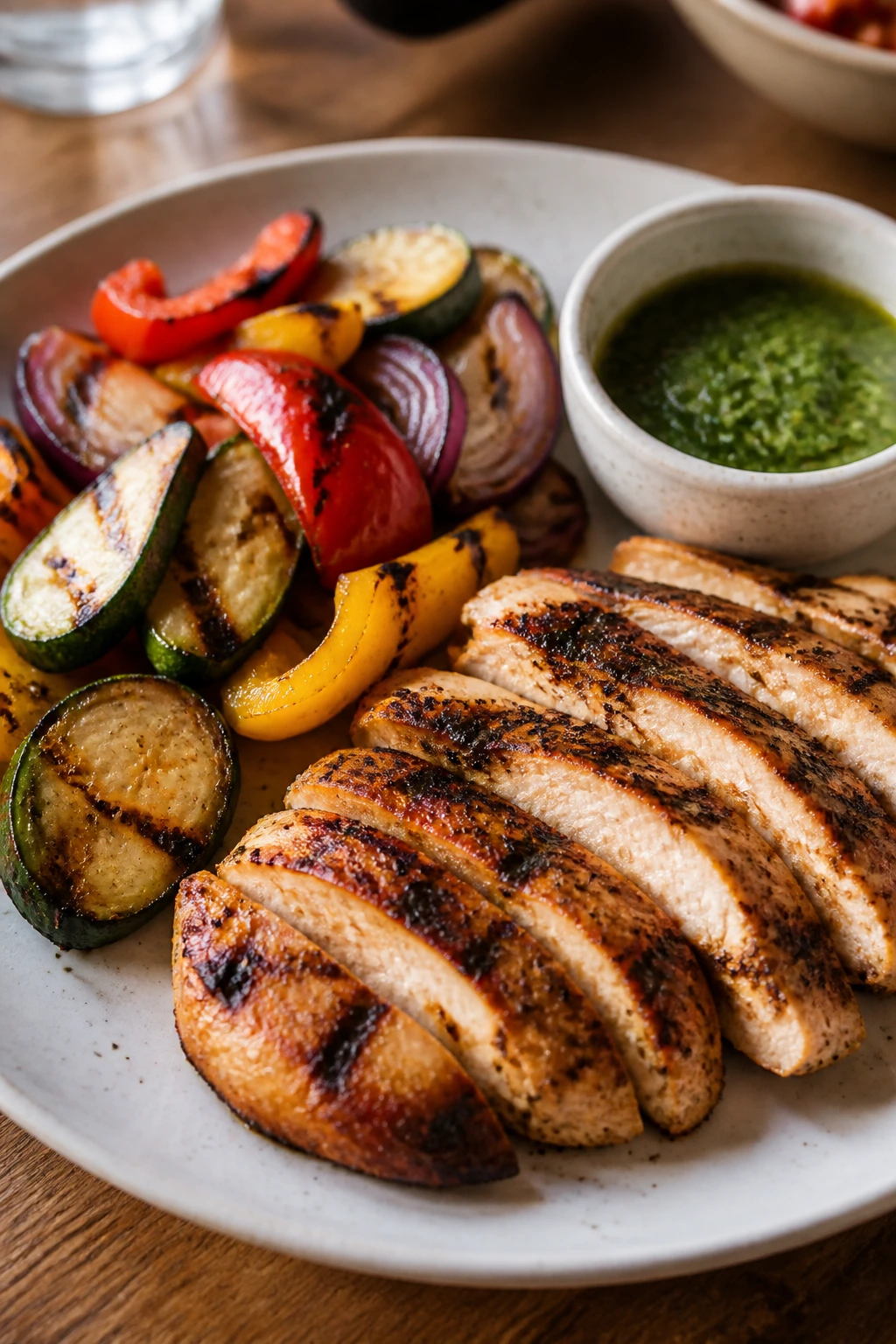
A good grill dinner doesn’t need a breadcrumb crust, a heavy sauce, or a side dish that hogs the plate. It needs heat, timing, and a little restraint with the oil. Once those pieces fall into place, protein-packed healthy grilling under 500 calories starts to feel less like a restriction and more like a clean template you can use over and over.
The real win is not only the calorie count. It’s that the food still tastes finished. Smoky edges. Juicy centers. Bright sauce on the side. Vegetables with a little bite left in them. That’s the kind of dinner that makes the calorie target feel like a smart boundary instead of a chore, and it’s worth keeping in rotation the next time the grill is already hot.