



A bowl of lettuce with dry chicken breast is not dinner. It’s punishment with ranch on the side.
Finding lean cheap healthy food under 500 calories gets much easier when you stop treating calories like the only number that matters. A meal needs protein, fiber, and enough volume to feel like food, not a calorie receipt.
The cheapest path is usually the least glamorous one: eggs, canned tuna, Greek yogurt, tofu, lentils, frozen broccoli, cabbage, carrots, onions, oats, and rice. None of those are flashy. All of them can build a plate that lands under 500 calories without leaving you hunting for crackers ten minutes later.
The trick is balance, not deprivation. Once you know which ingredients pull their weight, you can mix them into breakfast, lunch, or dinner without living on sad salads.
Why This Approach Works
- Protein keeps the meal from collapsing: A 20- to 30-gram protein target is a useful sweet spot for many 300- to 500-calorie meals, because it gives the plate some staying power instead of turning lunch into a snack.
- Frozen vegetables save money and time: Broccoli, spinach, mixed peppers, green beans, and cauliflower rice usually cost less per usable cup than fresh produce that shrinks in the crisper drawer.
- Cheap doesn’t have to mean beige: Cabbage slaw, tomato salsa, mustard, vinegar, garlic, and chili flakes can make budget food taste cooked on purpose, not assembled in a hurry.
- One measured starch goes a long way: Half a cup of rice, one slice of bread, a small potato, or a tortilla can make a meal feel complete without pushing it past 500 calories.
- The same ingredients can be remixed: A pot of lentils becomes soup, a bowl, or a side; a tray of chicken and broccoli turns into a wrap the next day.
- Store brands usually work fine here: Plain oats, eggs, canned fish, frozen vegetables, and yogurt do not need a fancy label to behave well in the kitchen.
Why 500 Calories Is a Smart Ceiling for Cheap Meals
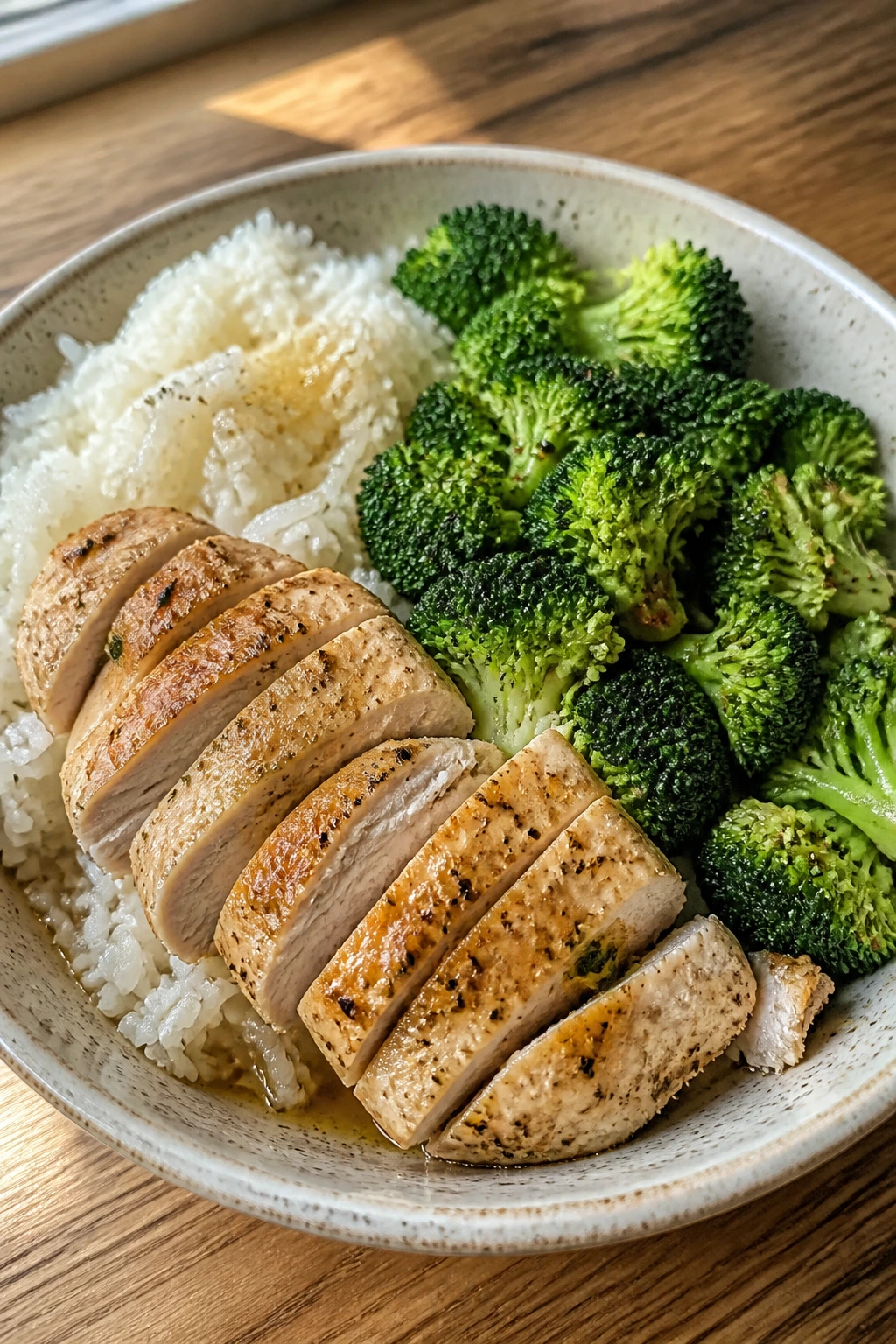
Five hundred is a useful line because it leaves room for real food. Not tiny food. Real food. A plate in this range can hold a lean protein, a pile of vegetables, and one sensible starch, which is a much better shape for everyday eating than a random snack that leaves you rummaging through the pantry an hour later.
A 480-calorie bowl made from chicken, broccoli, and rice behaves differently from a 480-calorie pastry or a handful of chips. Same number. Very different result. The bowl brings protein and chew, and that matters more than people like to admit when they’re trying to eat cheaply without feeling hollow by midafternoon.
The other reason this ceiling works is that it’s easy to build toward. A breakfast around 300 calories, a lunch around 450, and a dinner under 500 can leave room for coffee, fruit, or a small snack without turning the day into a math problem. That kind of structure is calmer than trying to count every bite.
One useful rule: if the meal looks too small to satisfy a grown adult, it probably needs more vegetables, not more oil.
What 500 Calories Looks Like on a Plate
- 4 ounces chicken breast + 1/2 cup cooked rice + 2 cups broccoli + 1 teaspoon oil lands around 350 to 420 calories, depending on the rice and the pan fat.
- 2 eggs + 1 cup egg whites + 1 slice whole-grain toast + spinach + salsa usually sits near 300 to 350 calories.
- 1 can tuna + 2 slices whole-grain bread + lettuce, tomato, and mustard often lands around 320 to 380 calories.
- 1 cup nonfat Greek yogurt + 1/3 cup oats + berries + cinnamon usually comes in near 250 to 330 calories.
Those are not magic numbers. Brand labels move around, and portion size matters. Still, the shape is stable: protein first, vegetables second, starch measured, fat measured.
Cheap Does Not Have to Mean Starchy and Sad
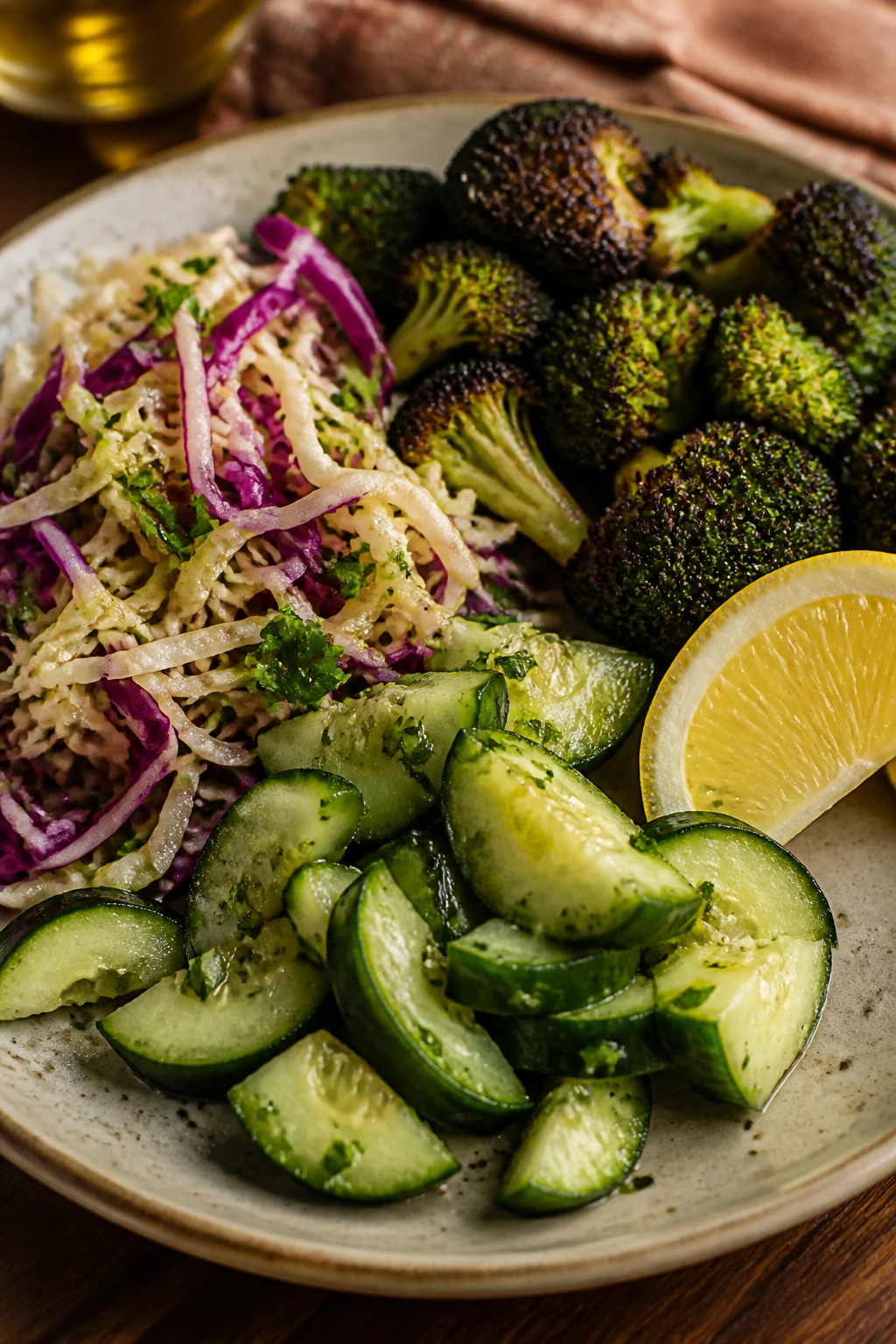
A lot of budget food gets wrecked by one problem: it’s soft, pale, and gone too fast. A pot of plain noodles. A tray of limp potatoes. A sandwich with almost no crunch. Cheap food becomes boring when every bite feels the same.
The fix is texture. Crunchy cabbage, crisp cucumber, frozen broccoli roasted hard at the edges, and a squeeze of lemon or vinegar can make the same cheap ingredients feel like somebody actually cooked them. I’d rather eat a cabbage-and-egg bowl with chili crisp than a sad pile of plain pasta with a splash of jar sauce, and not by a small margin.
Cheap meals also get more satisfying when you stop pretending fat is the only thing that gives comfort. Salt helps. Acid helps. Browning helps. A chicken thigh or salmon fillet can be great, but a chicken breast seared in a hot pan until the edges go gold will do plenty of work if you treat it right.
Think of the plate in layers. One soft thing, one crisp thing, one savory thing, one fresh thing. That’s enough to stop cheap food from tasting like a compromise.
The Lean Proteins That Earn Their Keep
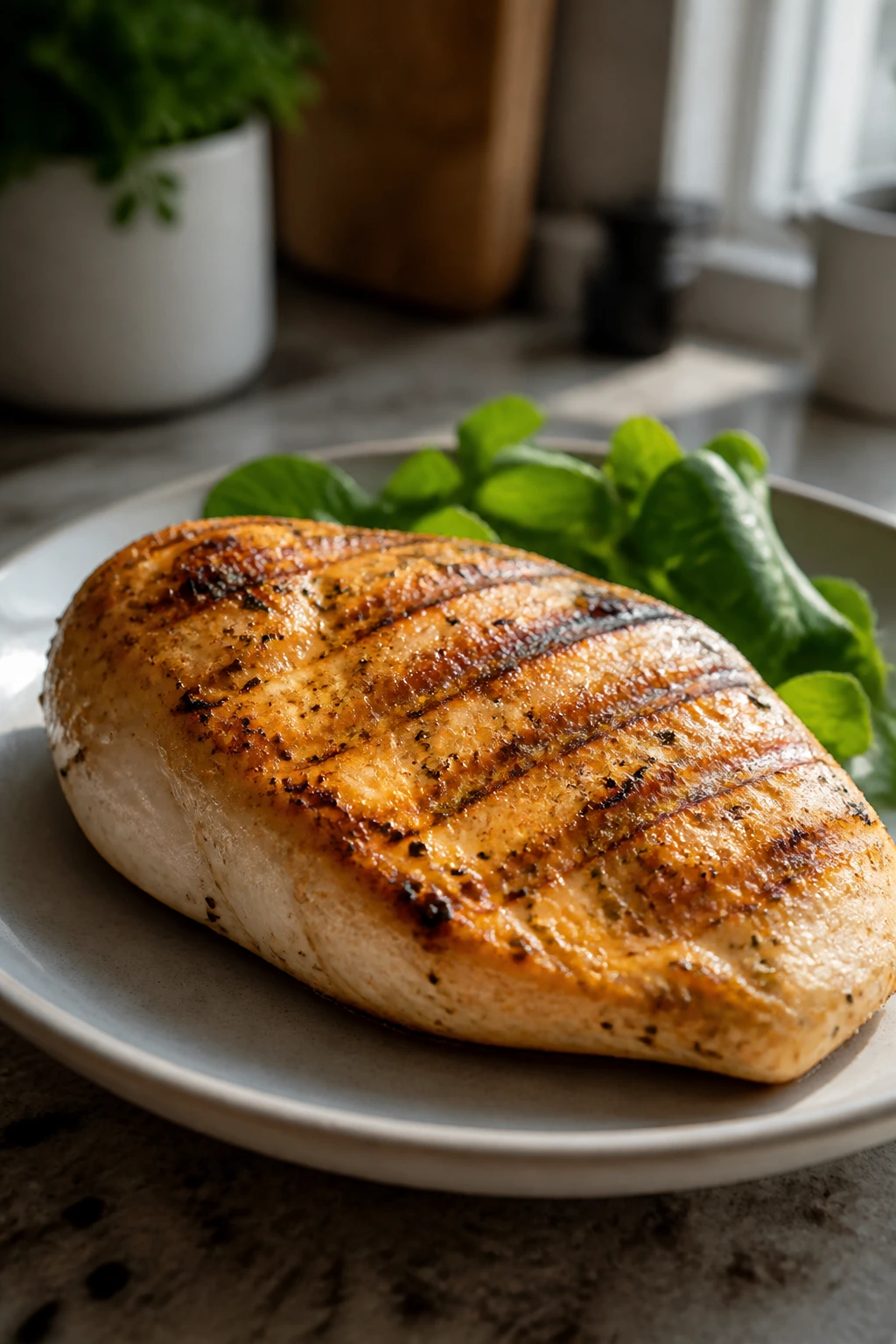
If you want lean cheap healthy food under 500 calories to work long term, protein is the first shelf to stock. This is where the plate gets structure. Protein is also where a lot of people overspend, because they buy convenience wrapped in branding instead of buying the plain versions and seasoning them themselves.
Pantry and Fridge Staples
- Canned tuna in water: A 5-ounce can usually brings about 120 to 140 calories and roughly 26 to 30 grams of protein. Drain it well, mix with mustard or plain yogurt, and it turns into lunch fast.
- Eggs and egg whites: Two whole eggs plus a cup of egg whites gives you a soft scramble with a lot more protein than eggs alone, while keeping calories under control.
- Nonfat Greek yogurt: A cup often gives you around 130 calories and more than 20 grams of protein. It works in bowls, sauces, dressings, and even as a sour cream stand-in.
- Cottage cheese: One cup can bring 25 grams of protein without much prep. It’s plain by itself, which is a feature, not a bug; season it with tomatoes, pepper, or fruit.
Grocery Store Workhorses
- Chicken breast: Four ounces cooked usually sits around 170 calories with about 30 grams of protein. Buy it in larger packs when the price makes sense, then freeze portions flat so they thaw fast.
- Extra-lean ground turkey: Look for 93% or 99% lean, depending on budget and texture. The 99% version dries out if you cook it carelessly, so it likes sauce.
- Tofu: A half-block of extra-firm tofu can bring solid protein with a mild cost. Press it if you want better browning; skip the press only if you’re in a hurry and accept softer texture.
- Lentils: Cooked lentils aren’t lean in the strictest technical sense, but they are low in fat, cheap, and filling. A cup runs about 230 calories with close to 18 grams of protein.
A lot of people get hung up on one protein being “cleaner” than another. That’s the wrong fight. The better question is whether the protein fits your budget, your stomach, and the way you actually cook.
Frozen Vegetables Are the Budget Shortcut I Trust
Fresh produce gets romanticized. Frozen produce gets ignored. That’s backwards.
Frozen vegetables are picked at a decent stage, blanched, and packed before they can turn floppy in the fridge. Broccoli, spinach, peas, green beans, cauliflower rice, and mixed peppers hold up well because they’re already portioned and already trimmed. You’re not paying for stems, peels, or the sad little bits that end up in the compost bin.
I use frozen spinach in egg scrambles more than fresh. Fresh spinach looks lush in the bag and then vanishes to nothing the second it hits heat. Frozen spinach has the opposite problem: it holds too much water unless you squeeze it dry. That’s not a flaw. It’s a cue.
Cabbage, carrots, onions, and potatoes are the fresh vegetables I’d put in the same budget bucket. They last longer than delicate greens, and they do a lot of work in soups, slaws, hash, and tray bakes. A head of cabbage turns into multiple meals if you stop trying to treat it like a garnish.
Cheap Vegetables That Deserve a Regular Spot
- Frozen broccoli: Roast it hot, stir it into rice, or steam it and finish with lemon.
- Frozen cauliflower rice: Good when you want volume without many calories, especially under saucy chicken or turkey.
- Frozen spinach: Best in eggs, soups, lentils, and pasta sauce.
- Cabbage: Shreds into slaw, wilts into soup, and stays cheap.
- Carrots and onions: They carry flavor farther than people expect and survive a week or two without much drama.
- Green beans: Cheap, quick, and sturdy enough for sheet-pan dinners.
The common mistake is buying vegetables that sound healthy but spoil before you use them. That’s how budget plans break. Frozen and long-keeping produce fixes that.
Breakfasts Under 500 Calories That Actually Hold You
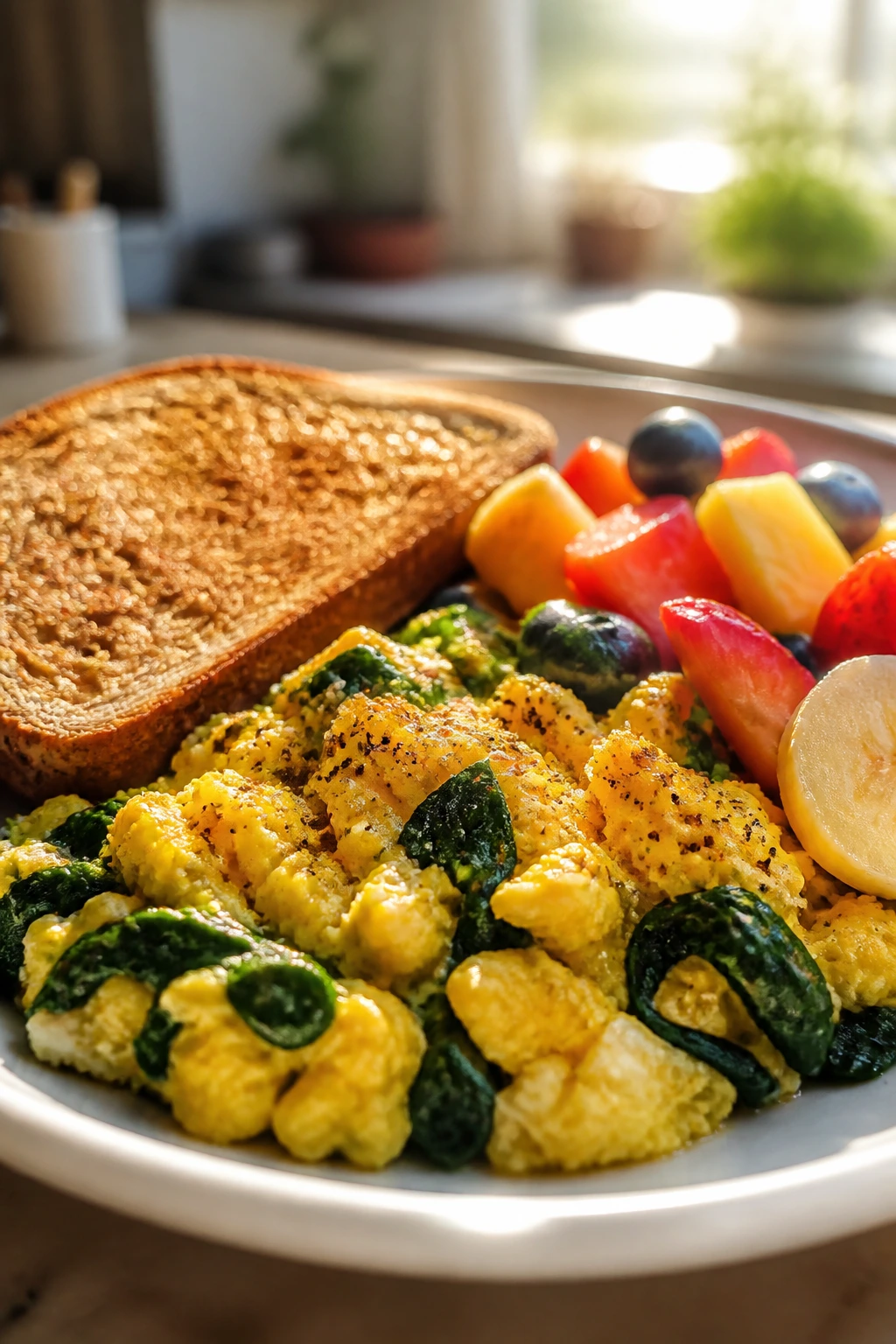
Breakfast gets weird when people treat it like dessert or skip it until they’re shaking. A cheap, lean breakfast needs enough protein to last and enough texture to feel like a meal. Sugar alone won’t do that job for long.
Savory Egg Scramble With Toast and Fruit
Two whole eggs, one cup of egg whites, a handful of spinach, one slice of whole-grain toast, and a spoonful of salsa make a breakfast that lands around 300 to 350 calories. The eggs bring richness, the spinach disappears into the scramble, and the salsa keeps the pan from tasting flat.
I like this one because it’s fast and hard to ruin. Cook the eggs over medium-low heat, not screaming high heat, or you’ll get dry curds and rubbery edges. The toast gives the plate some chew, and a piece of fruit on the side makes the whole thing feel bigger without pushing the calorie count in the wrong direction.
Greek Yogurt, Oats, and Berries Bowl
A cup of nonfat Greek yogurt, a third cup of oats, half a cup of berries, and cinnamon usually stays around 250 to 330 calories. Stir the oats in and let them sit for 5 to 10 minutes if you want a thicker, spoonable bowl. The texture gets better as the oats soften.
This one works especially well when you want cold breakfast food without going straight to cereal. The yogurt gives you protein, the oats slow things down, and the berries bring enough sharpness to keep it from tasting like chalk. If you need a little more fuel, a tablespoon of peanut butter takes it up a notch fast.
Cottage Cheese Bowl With Tomato, Pepper, or Peach
Cottage cheese is one of those foods that splits people into two camps. I’m firmly in the pro-cottage-cheese camp, especially when money is tight. A cup of cottage cheese with sliced tomato, black pepper, and a piece of whole-grain toast makes a savory breakfast that stays under 350 calories.
If you’d rather go sweet, use peaches, pineapple, or strawberries. The point is to pair it with something crisp or juicy so the texture doesn’t go flat. That extra bite matters more than people think.
Lunches That Travel Well in One Container
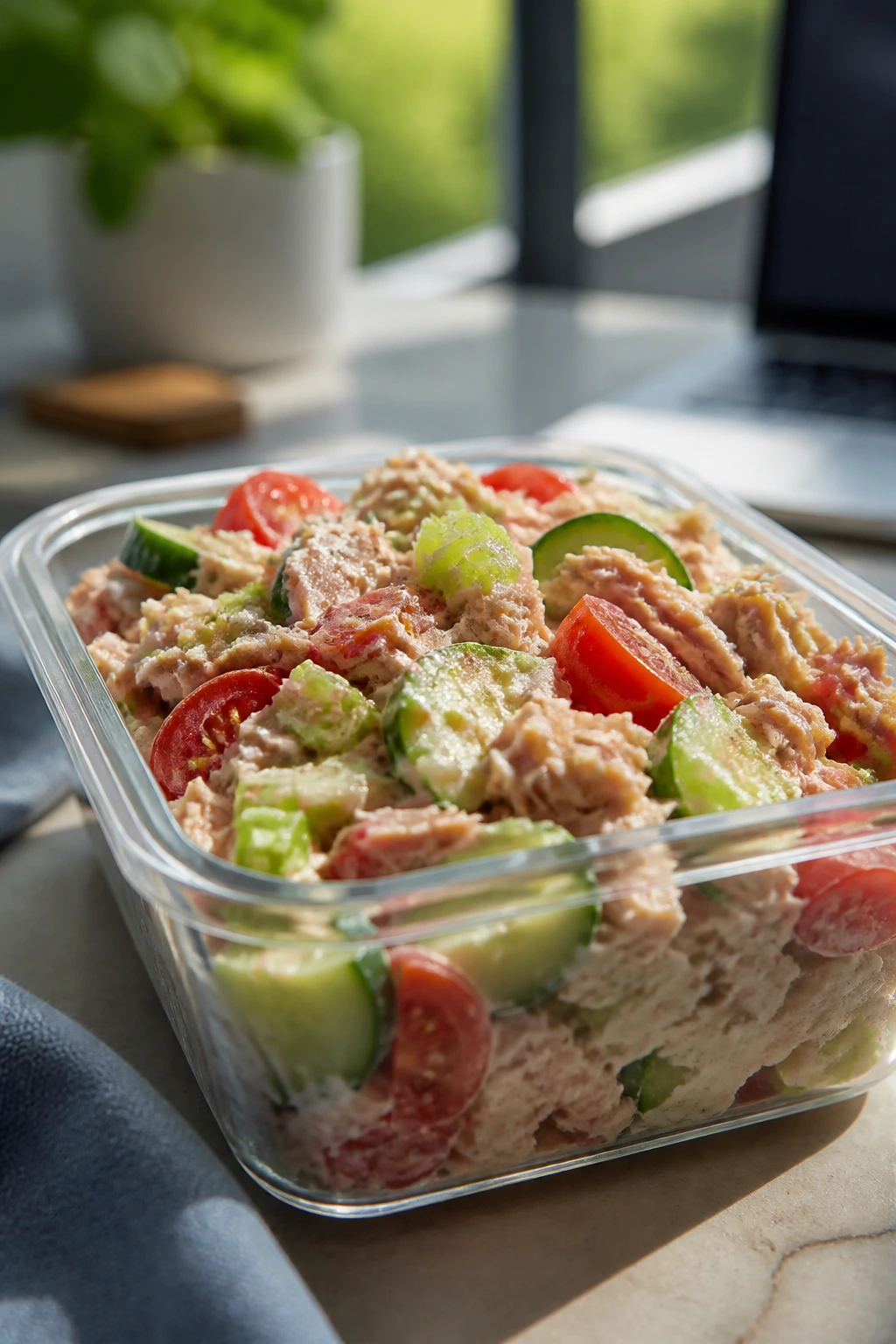
Lunch has to survive real life. It gets packed, carried, shoved in a fridge, and eaten fast. Cheap healthy lunches fail when they’re mushy by noon or built from ingredients that taste fine warm but awful cold.
Tuna Crunch Bowl
One can of tuna in water, chopped cucumber, celery, cherry tomatoes, a spoon of plain Greek yogurt, mustard, and a handful of crackers or a slice of bread makes a lunch that usually lands between 300 and 400 calories. The yogurt softens the tuna without turning it greasy, and the mustard keeps the flavor sharp.
This is one of my favorite budget lunches because it takes almost no time. Drain the tuna well, or you’ll end up with a watery bowl. Add the crunchy vegetables at the end so they stay crisp instead of getting soggy under the dressing.
Chicken, Rice, and Broccoli Box
Four ounces of cooked chicken breast, half a cup of brown rice, two cups of broccoli, and a teaspoon of olive oil or soy sauce can give you a lunch around 350 to 450 calories. It’s plain in the best way. You can season it with garlic, lemon, paprika, or a spoonful of salsa depending on your mood.
The trick is to keep the rice measured. Rice gets expensive calorie-wise when it goes from half a cup to a full heap. A small measured scoop is enough when the rest of the box is loaded with vegetables.
Lentil Soup and Bread
A thick lentil soup made with carrots, onions, garlic, and broth can hit 250 to 350 calories per generous bowl, and a slice of whole-grain bread pushes it toward the 400 range. The soup tastes better after it sits overnight, which makes it a sneaky good meal prep option.
I like lentil soup when the weather is cold enough that a cold salad feels ridiculous. You can blend part of the pot if you want a creamier texture without adding cream. That keeps the cost down and the calories where you want them.
Dinners That Feel Bigger Than They Are
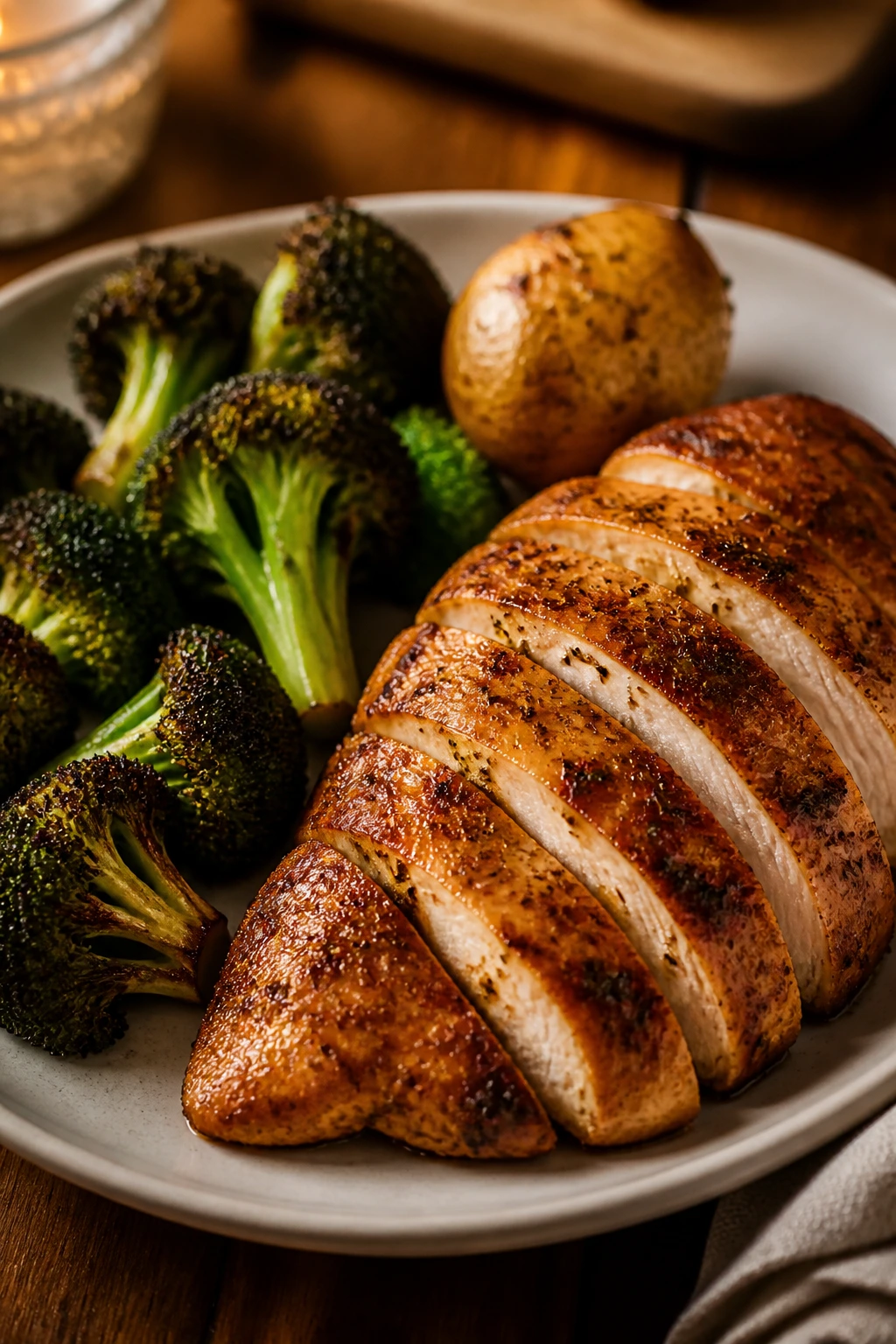
Dinner is where cheap meals usually fall apart, because people want a plate that looks like an ending, not a snack with a fork. You can keep dinner under 500 calories and still make it feel like a real plate if you lean on browning, sauce, and enough vegetables to fill the edges.
Sheet-Pan Chicken and Broccoli
Four ounces of chicken breast, two cups of broccoli, a small potato, a teaspoon of oil, and seasoning can come in around 400 to 450 calories. Roast it at 425°F until the broccoli chars at the tips and the chicken hits 165°F in the thickest spot.
That little bit of browning matters. Broccoli that’s been roasted hard tastes sweet and nutty instead of boiled. A small potato gives you enough starch to make the plate feel finished, but not so much that the meal tips over.
Turkey Chili With Beans
Extra-lean ground turkey, canned beans, tomatoes, onion, garlic, and chili powder make a pot that can land between 350 and 450 calories a bowl depending on how much bean and meat you use. It’s cheap, reheats well, and doesn’t ask much from the side dish.
If your chili tastes flat, it probably needs salt, vinegar, or both. A splash of acid at the end wakes up the tomatoes and makes the whole pot taste slower-cooked than it really was. That’s the part people miss when they think budget food has to be bland.
Tofu Stir-Fry With Rice
Extra-firm tofu, frozen mixed vegetables, ginger, garlic, soy sauce, and half a cup of rice make a dinner that sits comfortably under 500 calories if you keep the oil measured. Press the tofu if you have time; if not, pat it dry and accept a softer sear.
Tofu absorbs flavor better than many people expect. The key is to brown it first, then add sauce. If you drown it too early, you’ll steam it and lose that crisp edge that makes the dish worth eating.
Snacks and Small Meals That Hold You
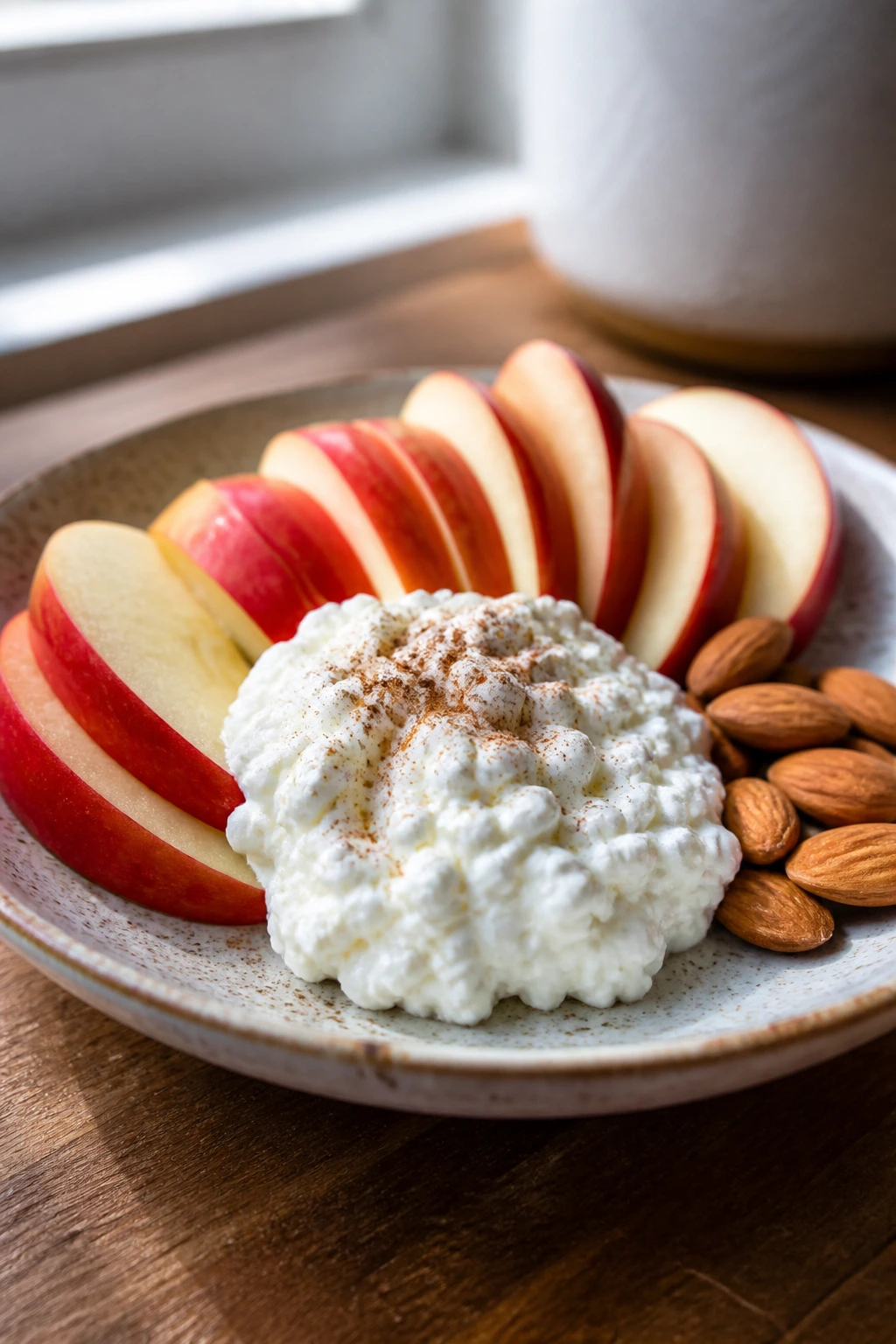
A snack should do one of two things: tide you over, or rescue the day when dinner is still too far away. The worst snack is one that tastes fine for four bites and then leaves you back in the pantry.
Fruit plus protein is a good pattern. An apple with cottage cheese, berries with Greek yogurt, or carrots with hummus and turkey slices can land anywhere from 150 to 300 calories. That range is useful because it buys you time without swallowing the calories you meant to save for a meal.
Hard-boiled eggs are another clean answer. Two eggs with cucumber and a little salt is not glamorous, but it’s fast, cheap, and stable in the fridge for several days. If you need more crunch, keep celery, snap peas, or roasted chickpeas around. Roasted chickpeas are not the leanest option, but a small portion gives you a salty crunch that can stop the snack spiral.
Popcorn can work too, as long as you keep the butter tantrum under control. Air-popped popcorn with a few sprays of oil and salt gives you volume for relatively few calories. That’s useful on long afternoons when you’re not actually hungry enough for dinner, but you know a bad snack choice is waiting in the wings.
How to Build a Week of Cheap Lean Eating Without Counting Every Bite
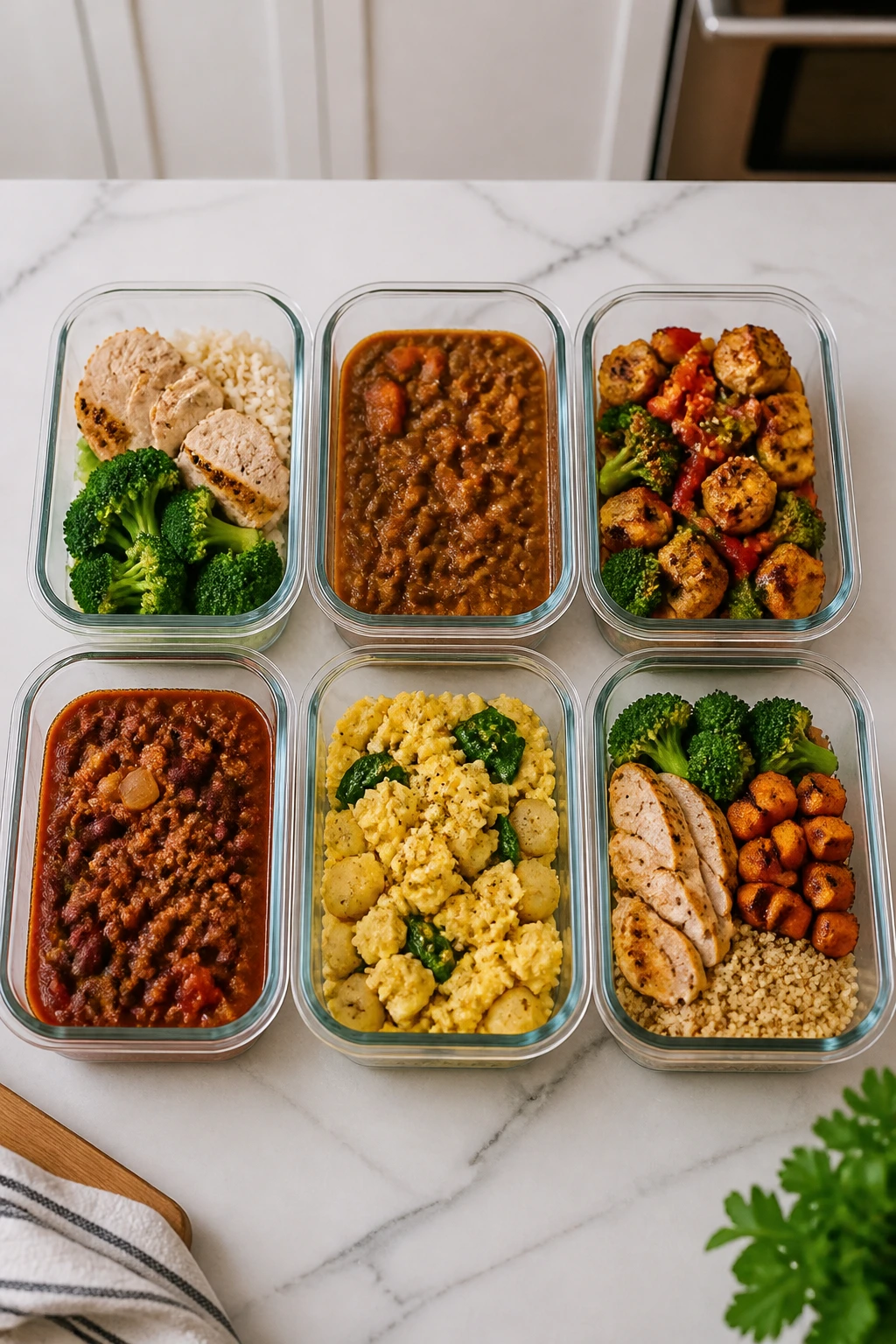
A week gets easier when you stop thinking in single meals and start thinking in ingredients that can repeat without feeling identical. I like a simple base: two proteins, three vegetables, two starches, and one or two sauces. That’s enough variation to keep meals from blending together.
Cook one tray of chicken breast, one pot of lentils, one pot of rice, and one big pan of roasted vegetables. The chicken can become wraps, bowls, or a soup topper. The lentils can become chili or soup. The rice can sit under anything saucy. The vegetables can move from dinner to lunch to a breakfast hash without much effort.
The old MyPlate split still makes sense: half the plate in vegetables, a quarter in protein, a quarter in starch. That shape keeps meals cheap because vegetables are doing the volume work, not expensive meat or piles of grains. It also keeps the calorie count from creeping up when you use oil, cheese, or nut butter.
A Simple Rotation That Works
- Monday: chicken, broccoli, and rice
- Tuesday: tuna wrap with slaw
- Wednesday: lentil soup and toast
- Thursday: tofu stir-fry
- Friday: turkey chili
- Saturday: egg scramble with potatoes
- Sunday: leftover bowl with whatever is left
No drama. No elaborate prep boxes with six sauces and twelve tiny containers. Just a few ingredients that can be swapped around so you don’t get bored.
Smart Shopping for Budget-Friendly Lean Food
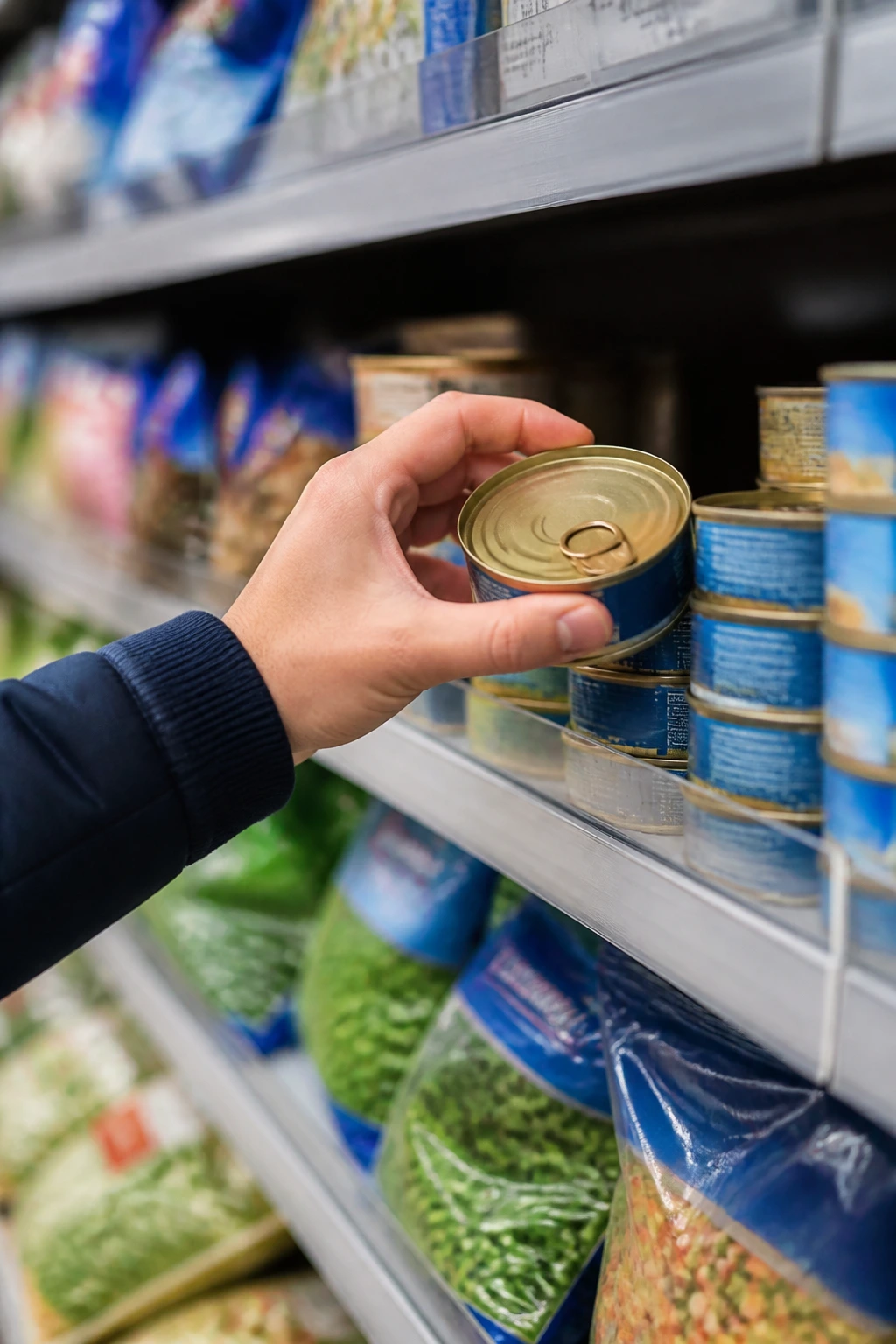
The grocery store can either help you or quietly drain your wallet. The difference is usually label reading and choosing foods that stretch across several meals. Store brands are often fine here. Fancy packaging is not what you’re buying.
Start with the protein aisle and the freezer section. Canned tuna in water, eggs, nonfat Greek yogurt, cottage cheese, tofu, chicken breast, and extra-lean ground turkey cover a lot of ground. In the freezer, grab broccoli, spinach, cauliflower rice, green beans, and mixed vegetables without sauce. Skip the stuff that comes drenched in cheese or butter unless you’ve already made room for it.
For pantry food, oats, rice, lentils, beans, whole-grain bread, canned tomatoes, and broth do the heavy lifting. Dry lentils are especially good because they cook fast and cost less than canned. Canned beans are still useful; just rinse them if sodium matters to you.
Fresh produce is where you want boring, sturdy items. Cabbage, onions, carrots, apples, bananas, and potatoes last longer than delicate greens or berries. That means less waste and fewer emergency grocery runs.
What I’d Buy First
- Eggs
- Plain Greek yogurt
- Canned tuna
- Chicken breast or extra-lean turkey
- Dry lentils or canned beans
- Frozen broccoli and spinach
- Oats
- Rice
- Cabbage, onions, carrots, apples
Those ingredients can build breakfast, lunch, dinner, and a snack without asking for a separate shopping trip.
The Kitchen Tools That Make This Easier
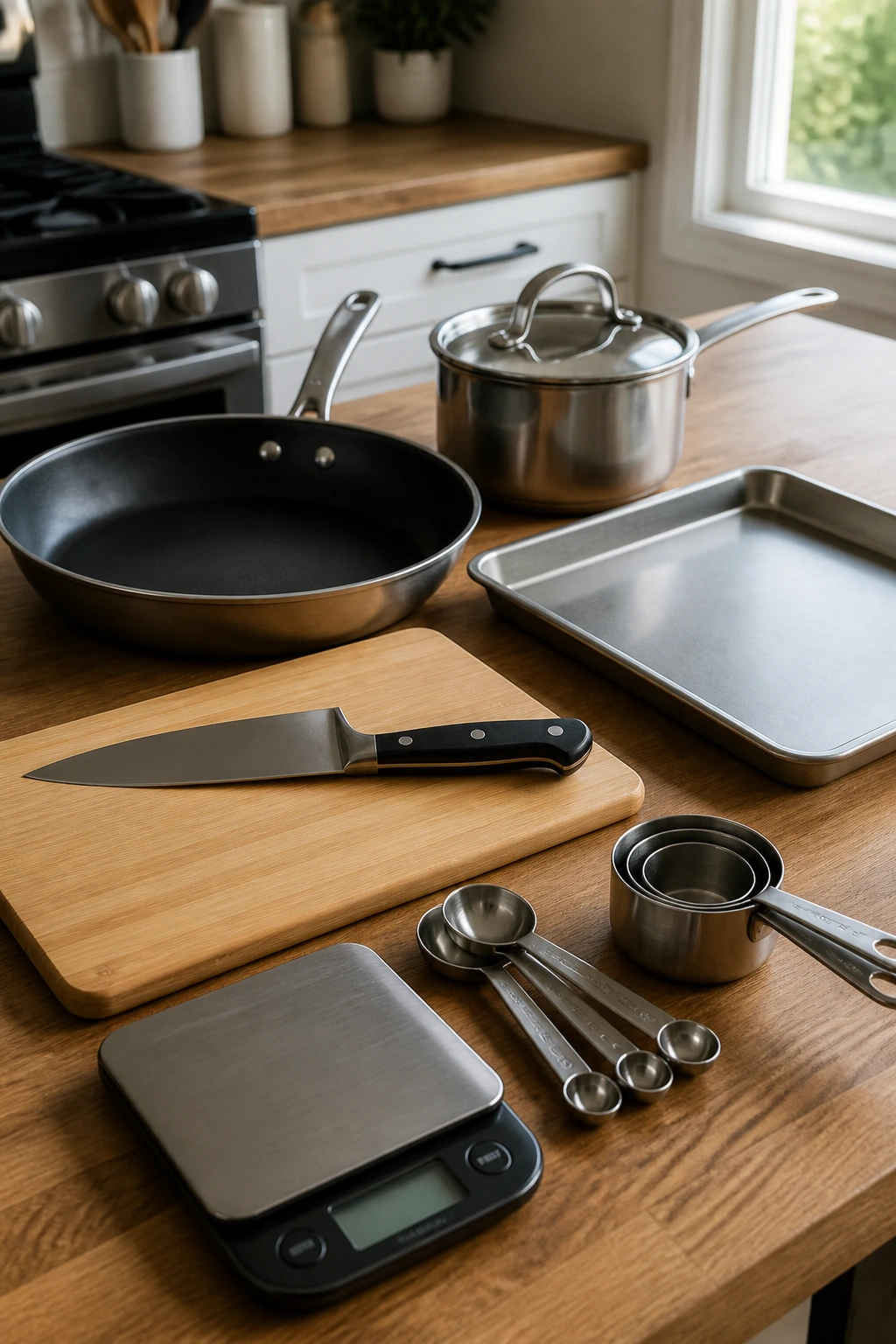
You do not need a fancy setup to eat well on a budget. You do need a few tools that let you cook fast and portion with some accuracy.
- 12-inch skillet: Large enough for eggs, turkey, tofu, and quick vegetable sautés without crowding.
- Rimmed sheet pan: Good for chicken, broccoli, potatoes, and any meal that benefits from heat and browning.
- Medium saucepan with lid: Useful for rice, lentils, soup, and boiled eggs.
- Sharp chef’s knife: A dull knife makes cabbage and onions annoying, and annoying usually leads to takeout.
- Cutting board: A stable one matters more than people think; a sliding board slows everything down.
- Measuring cups and spoons: Helpful for rice, oats, oil, and sauces when you want meals to stay under 500 calories.
- Food scale: Optional, but useful if you want a better sense of what 4 ounces of chicken or a half-cup of rice actually looks like.
- Airtight containers: The difference between “meal prep” and “mystery fridge box” is usually the lid.
A rice cooker, air fryer, or immersion blender can help, but they’re not required. If you already own them, use them. If not, a skillet and a pot can get you a long way.
Flavor Boosters That Cost Pennies
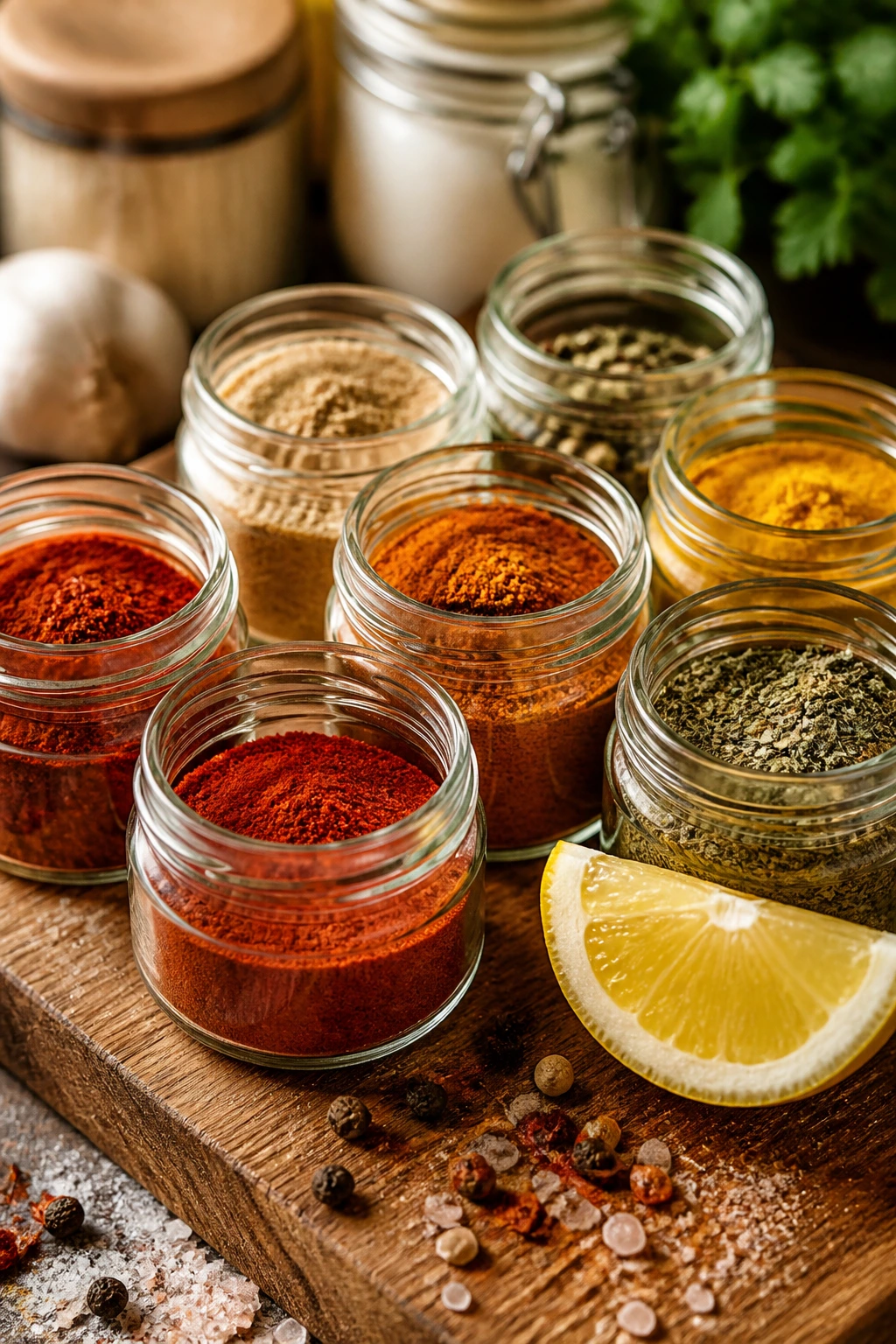
Cheap food gets better when you stop expecting it to taste expensive on its own. The flavor fixes are usually small, measured, and repeatable.
Flavor Enhancement: Keep garlic powder, onion powder, black pepper, smoked paprika, cumin, chili flakes, and curry powder within reach. A teaspoon or two can change the mood of eggs, chicken, tofu, or lentils without adding many calories.
Texture: Add something crisp at the end. Pickles, sliced cucumber, shredded cabbage, scallions, toasted breadcrumbs, or a few crushed tortilla chips can wake up a bowl that feels too soft.
Cost-Saver: Use acid as often as sauce. Lemon juice, lime juice, vinegar, mustard, and pickle brine cost less than heavy dressings and keep meals bright.
Customization: If you like heat, add hot sauce or chili crisp in measured spoonfuls. If you prefer a milder plate, use herbs, citrus zest, and yogurt-based sauces instead.
Make-It-Yours: For dairy-free meals, use tofu, beans, soy yogurt, or tahini in small amounts. For higher protein, add egg whites, extra chicken, or a second scoop of Greek yogurt. For lower carb meals, lean harder on vegetables and skip the rice or bread.
The mistake is using too many flavor boosters at once and turning a simple meal into a muddy one. Pick one main direction. Garlic and paprika. Or soy and ginger. Or lemon and herbs. Not all of them at once.
Common Mistakes That Make Cheap Healthy Meals Worse
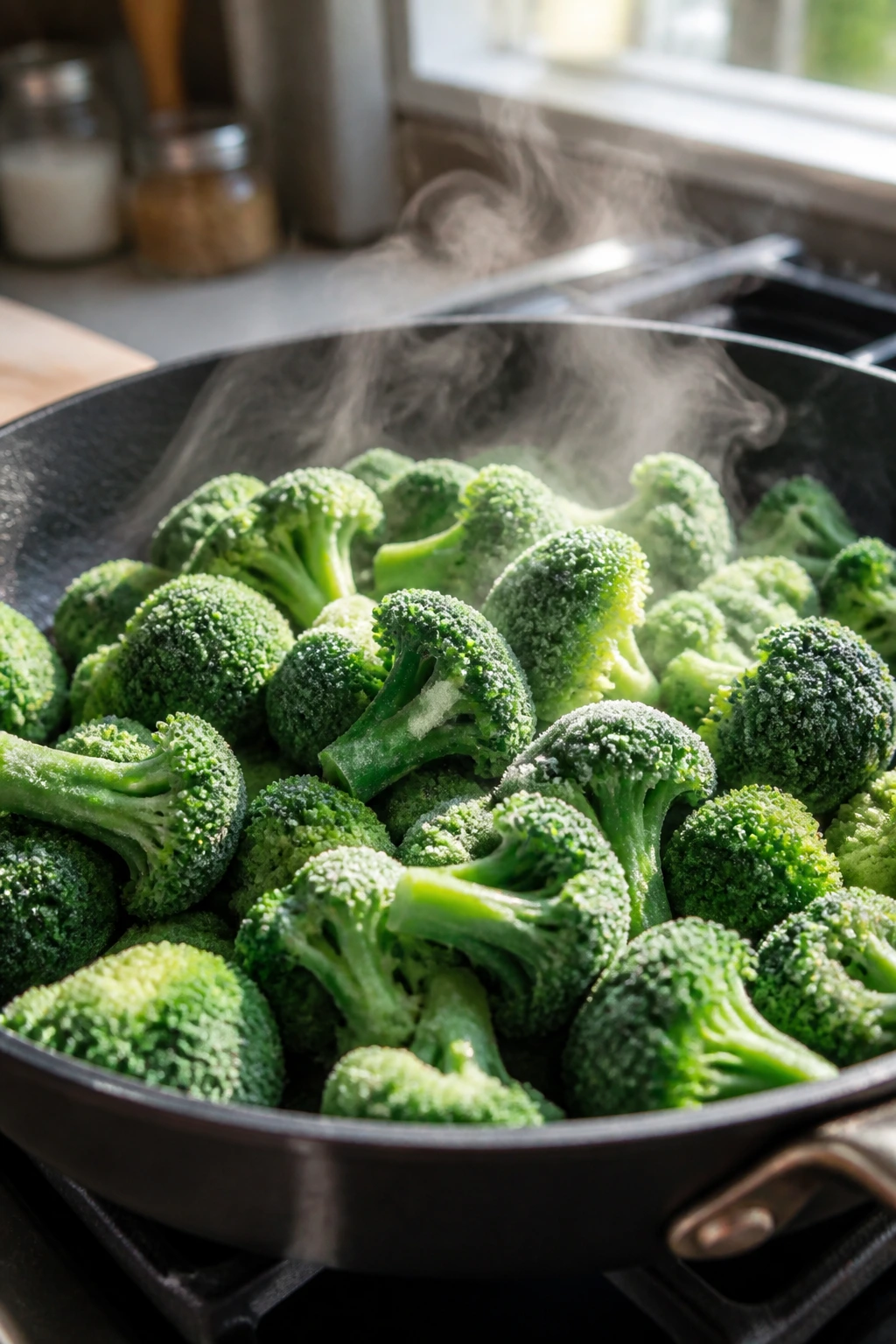
The first mistake is chasing low calories so hard that the meal gets tiny. A 260-calorie lunch that leaves you hungry at 3 p.m. is not a win. Fix it by adding protein and vegetables first, then trimming starch and fat if you need to bring the total down.
The second mistake is pouring oil without measuring it. Oil is sneaky. One heavy glug can add 100 calories before the food even hits the plate. Use a teaspoon or a spray, and let a good nonstick pan do part of the work.
The third mistake is skipping salt and acid because the food is “healthy.” That usually leaves you with bland chicken and bored broccoli. Salt the vegetables before roasting, and finish with lemon, vinegar, mustard, or salsa so the plate tastes awake.
Another one: buying packaged “light” foods that barely have any protein. A low-cal snack cake is still a snack cake. Check the protein and fiber before you buy. If both numbers are low, the food probably won’t hold you for long.
Finally, a lot of people overbuild the starch and underbuild the vegetables. Rice, bread, and pasta are fine, but they work best as part of the meal, not the whole meal. If half your container is starch and the rest is sauce, you’ll know about it an hour later.
Variations and Adaptations to Try
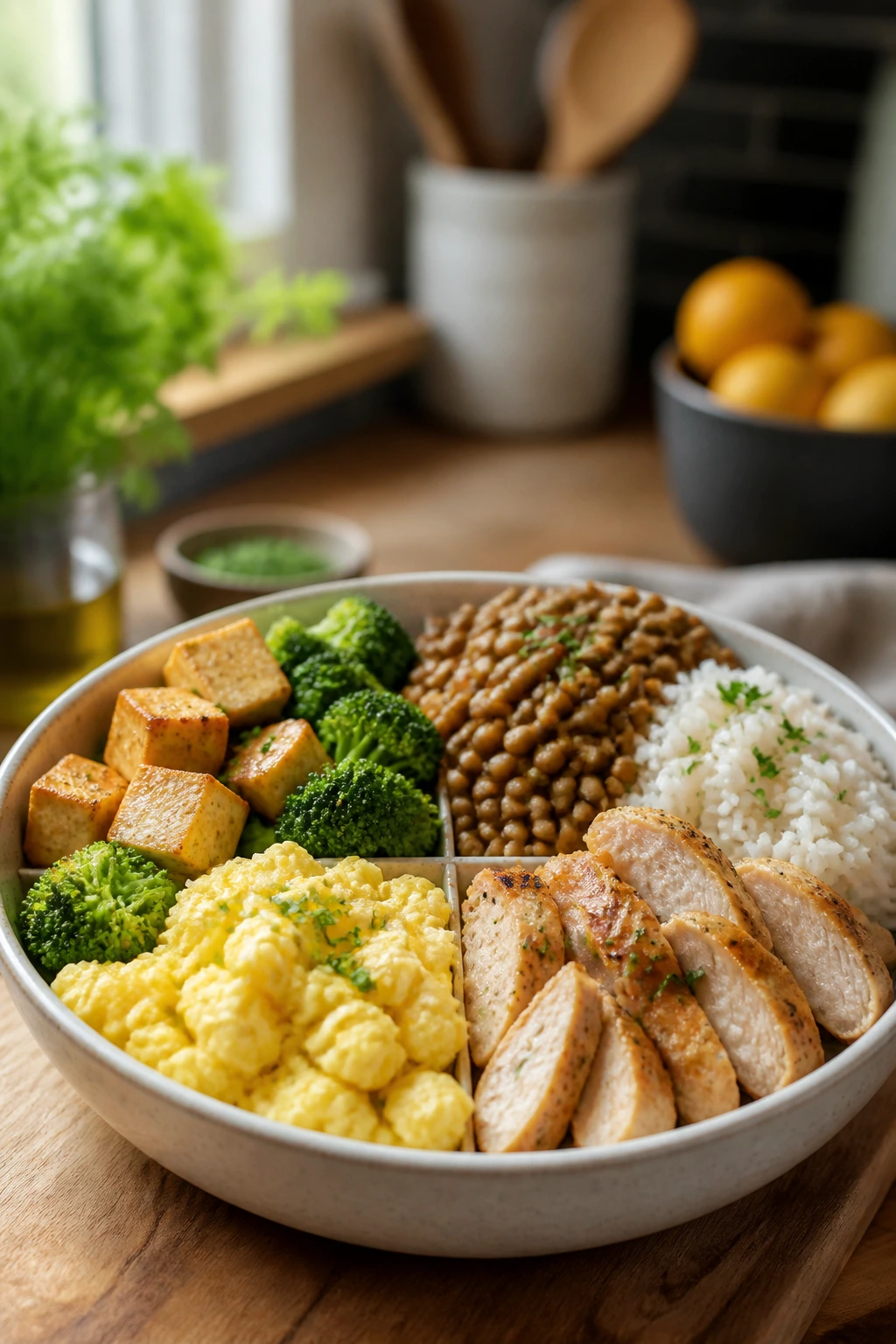
Vegetarian Lean Plate: Use tofu, lentils, eggs, Greek yogurt, and cottage cheese as the protein base. A tofu-and-broccoli bowl with rice can stay under 500 calories if you keep the oil measured and use a strong sauce like soy, garlic, and ginger.
Dairy-Free Budget Bowl: Swap yogurt sauces for hummus, tahini, salsa, mustard, or blended white beans. Soy yogurt works well in breakfast bowls if you want something creamy without dairy.
Higher-Protein Cut: Double the chicken, turkey, or egg whites and trim the starch portion a bit. This version works well for people who want a fuller plate without going much higher in calories.
Ultra-Low-Cost Pantry Week: Build meals from oats, rice, lentils, beans, eggs, frozen vegetables, canned tomatoes, and canned tuna. It’s not fancy, but it’s one of the cheapest ways to keep meals under 500 without feeling like you’re eating random ingredients.
Low-Sodium Reset: Use no-salt-added tomatoes, rinse canned beans, choose plain yogurt, and season with herbs, citrus, garlic, and vinegar instead of salty sauces. This one takes a little more attention, but it still tastes good when the seasoning is handled with some care.
Kid-Friendly Swap: Keep the same protein and vegetables, then soften the flavors. Mild salsa, shredded cheese in a measured sprinkle, or a small portion of ketchup can make a bowl easier to eat without changing the whole plan.
Make-Ahead, Storage, and Reheating Guidance
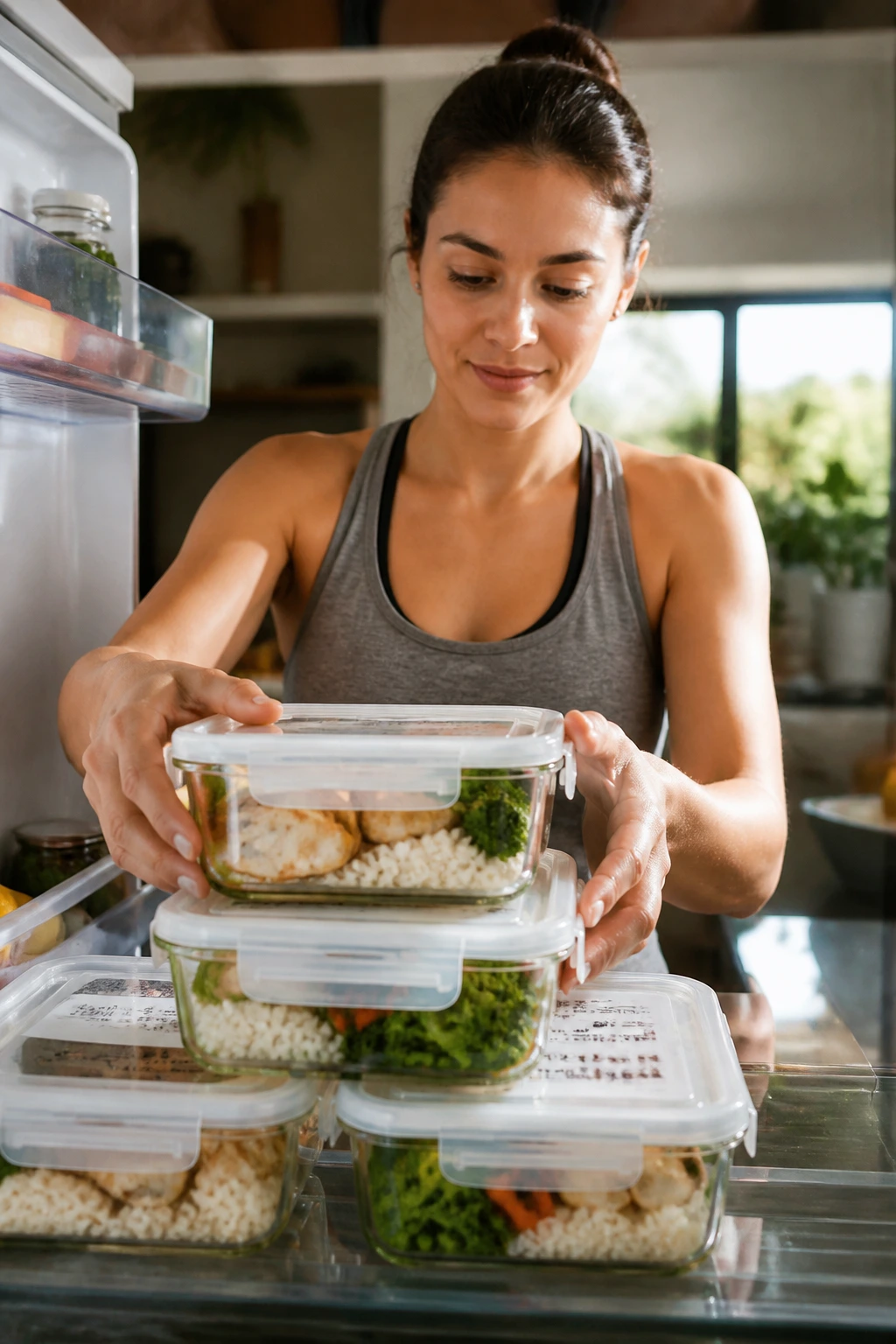
Cooked chicken, turkey, rice, lentils, and roasted vegetables keep 3 to 4 days in the fridge in airtight containers. Soups and chili usually hold up for the same window, and they often taste better on day two because the seasoning has time to settle.
Freezing works well for chili, cooked lentils, rice, chicken, and tofu dishes that have sauce. Pack them in flat freezer bags or shallow containers, and they’ll thaw faster than a giant brick. Most of these foods keep well for up to 2 to 3 months frozen if they’re cooled and sealed properly.
Cool hot food within about 2 hours before refrigerating. That matters more with rice and chicken than people think. Don’t stack hot containers straight into the fridge and trap the steam inside; you’ll end up with soggy food and a warm refrigerator shelf.
Reheat chicken and turkey to 165°F if you’re using a thermometer. A skillet with a splash of water works better than a microwave for roasted vegetables, because it brings some life back to the edges. Soups and chili can go on the stovetop over medium heat until steaming hot.
A few foods are better fresh. Eggs can be reheated, but they don’t freeze well. Salad greens and cucumber should stay separate until serving. If you want a make-ahead breakfast, freeze burritos or egg muffins instead of a loose scramble.
Questions People Ask About Lean Cheap Meals
Can a meal under 500 calories still keep me full?
Yes, if it has enough protein and volume. A chicken-and-broccoli bowl usually holds up much better than a 500-calorie pastry or a bare salad because it gives your mouth something to chew and your body something to work with.
What is the cheapest lean protein to buy?
Eggs, canned tuna in water, and dry lentils are usually at the top of the list. Chicken breast and extra-lean ground turkey are also useful when bought in bulk or on sale, then portioned and frozen.
Are beans and lentils lean enough for this style of eating?
Strictly speaking, beans and lentils aren’t lean proteins in the same way chicken breast or tuna are, but they still fit well because they’re low in fat, high in fiber, and cheap. They’re especially useful when you need a meal that fills the bowl without draining the wallet.
How do I stay under 500 calories without weighing every bite?
Use a repeatable plate shape: one palm of protein, two fists of vegetables, and one cupped hand of starch. After a few weeks, you’ll know what your usual portions look like and won’t need to measure everything every time.
What if I’m hungry after eating one of these meals?
Add vegetables first, then protein, then a small starch. Don’t jump straight to more oil or cheese. A second cup of broccoli or a bit more chicken usually helps more than another spoonful of sauce.
Can I make these meals if I only have a microwave?
Yes, though the texture will be softer. Use microwave rice, frozen vegetables, canned beans, tuna, Greek yogurt, cottage cheese, and pre-cooked chicken. A little hot sauce, mustard, or salsa goes a long way when the cooktop isn’t available.
Do these meals work for meal prep?
They do, especially chicken bowls, lentil soup, turkey chili, and rice-based lunches. Keep sauces separate and store crunchy vegetables in a different container so the whole thing doesn’t turn limp by day three.
How do I make budget food taste better without adding many calories?
Use acid, salt, and browning. Lemon juice, vinegar, mustard, garlic, smoked paprika, and a hard roast on vegetables will usually do more than another heavy sauce. That’s the part people miss when they think low-calorie food has to taste plain.
Cheap Plates Worth Repeating
The best part of this style of eating is that it stops feeling fragile once you’ve cooked a few rounds. You start to see the pattern: protein that actually satisfies, vegetables that give the plate some size, and starch or sauce used with restraint instead of panic. That’s a much better place to be than staring at a fridge full of random “healthy” ingredients and still ordering takeout.
A cheap meal under 500 calories should not taste like a compromise. It should taste like somebody knew what they were doing with a skillet and a grocery list. Frozen broccoli can do that. So can eggs, tuna, lentils, cabbage, and a measured spoon of sauce.
Next grocery run, build one breakfast, one lunch, and one dinner from the same handful of ingredients. That’s where the savings start — and it’s usually where the food starts tasting more like dinner too.