



Weeknight party food on a budget under $10 has a funny habit of looking too plain in the grocery cart and suddenly looking generous on the counter. A bag of potatoes, a can or two of beans, an onion, and a bit of cheese don’t sound festive when you’re staring at the shelf tags. Put them in the oven, hit them with salt and acid, and the whole room starts circling back to the kitchen.
Cheap doesn’t have to mean apologetic. It has to mean strategic. If you spend your ten dollars on ingredients that can do double duty — a starch that can become a base, a bean that can turn into a dip, an onion that can season three things at once — you get a spread that feels bigger than the receipt. That’s the whole trick.
I’m counting pantry basics like oil, salt, pepper, vinegar, mustard, and maybe a little flour as already living in the cupboard. If you have to buy every one of those from zero, the math changes fast. But if you’ve got even a half-decent pantry, ten dollars buys a lot more bites than people expect. And the bites that matter most are the ones with crunch, salt, heat, and one sharp little finish that wakes everything up.
Why a Ten-Dollar Spread Works Better Than It Sounds
-
Pantry Math: Beans, potatoes, eggs, bread, and tortillas give you far more servings per dollar than packaged party snacks, and they still taste like food instead of emergency filler.
-
Texture Wins: People remember the crack of toasted bread, the skin on roasted potatoes, and the creaminess of a bean dip long after they forget what the shopping receipt looked like.
-
One Bright Finish Changes Everything: A spoonful of pickles, a squeeze of lemon, a splash of vinegar, or a handful of chopped onion can make a cheap bowl taste finished instead of flat.
-
Hot Food Feels Fuller: Warm trays smell louder, and smell pulls people in. A tray that’s just come out of the oven reads as abundant even if it came from a short grocery list.
-
The Menu Can Stay Small: You do not need seven different dishes. Two strong bites and one crunchy side usually beat a crowded table of weak snacks.
-
It’s Fast Enough for Weeknights: Most of the best low-cost options are either stovetop quick or oven simple, which matters when guests are arriving between work emails and the doorbell.
What Weeknight Party Food on a Budget Under $10 Actually Looks Like
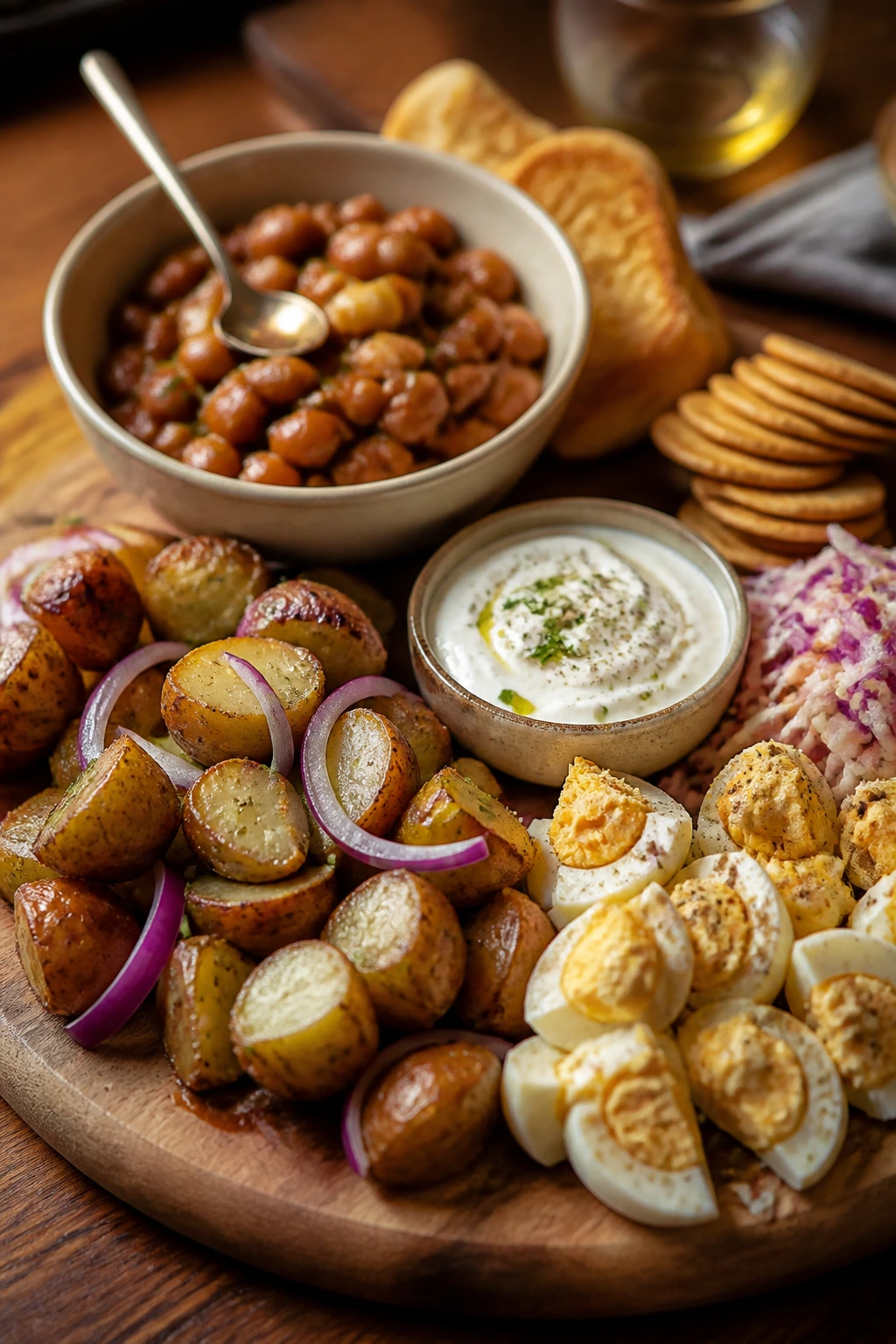
The best version of this idea is not a sad bowl of chips and wishful thinking. It’s a small spread with a clear shape: one sturdy base, one salty or creamy thing, and one crisp thing to scoop with or pile on top. That could be roasted potatoes with yogurt dip and sliced onion. It could be beans warmed with garlic and cumin, then served with toast points or tortillas. It could be hard-boiled eggs chopped with mustard and mayo, paired with cabbage slaw and crackers.
That’s enough. Honestly, it usually is.
A ten-dollar budget works best when you stop trying to build variety for its own sake. Variety is expensive when it means buying five half-used ingredients that don’t speak to each other. Variety is cheap when you build from the same core foods in different shapes. One onion can season a pan, top a bowl, and go into a cold salad. One loaf of bread can become toast points, crumbs, and garlicky slices if you’re paying attention.
The other thing people miss is that party food doesn’t have to be tiny or ornate. Tiny costs more. Ornate costs more. Big scoops, rough chop, browned edges, and one good sauce are where the value lives. That’s true for a Tuesday night crowd just as much as a holiday crowd that wandered into your kitchen on a weeknight.
Smart Shopping for Weeknight Party Food on a Budget Under $10
Start with the shelf, not the recipe. If you’re standing in the store trying to invent a menu from the fancy snack aisle, the budget is already wobbling. The cheap path is to grab one or two big anchors, then build around what they can do. That’s the same logic you see in USDA-style budget planning and in the way diners, school cafeterias, and food banks stretch food: starch, legume, egg, onion, cabbage, and a little fat will carry more people than any bag of novelty snacks ever will.
Here’s the shopping shape I trust most:
The pantry anchors
- 1 bag potatoes — the cheapest way to create something hot, filling, and easy to season.
- 2 cans beans or 1 pound dried beans — the backbone of dips, salads, and hot spreads.
- 1 onion — it does more than most “garnishes” people waste money on.
- 1 loaf bread or 1 bag tortillas — your scooping tool, your toast point, your filler, your backup plan.
- 4 to 6 eggs — hard-boiled, chopped, deviled, or turned into a spread.
- 1 small block of cheese, if the budget allows it — block cheese usually stretches better than shredded.
- 1 lemon, lime, or bottle of vinegar — the bright note that keeps cheap food from tasting dull.
- 1 head cabbage or a bag of carrots — crunchy, cheap, and much more useful than pre-cut salad kits.
The one fresh thing worth buying
If you can only afford one fresh item beyond the staples, make it an onion, a lemon, or a cabbage. Those are boring in the store and brilliant on the plate. A cucumber is nice. Parsley is nice. But a lemon or onion fixes more food.
What to skip without guilt
- pre-cut fruit
- tiny crackers in a decorative box
- pre-shredded garnish cheese
- fresh herbs when only half a bunch will be used
- specialty hummus, specialty chips, specialty dips, specialty everything
The budget dies in that aisle. Fast.
The Cheap Ingredients That Pull the Most Weight
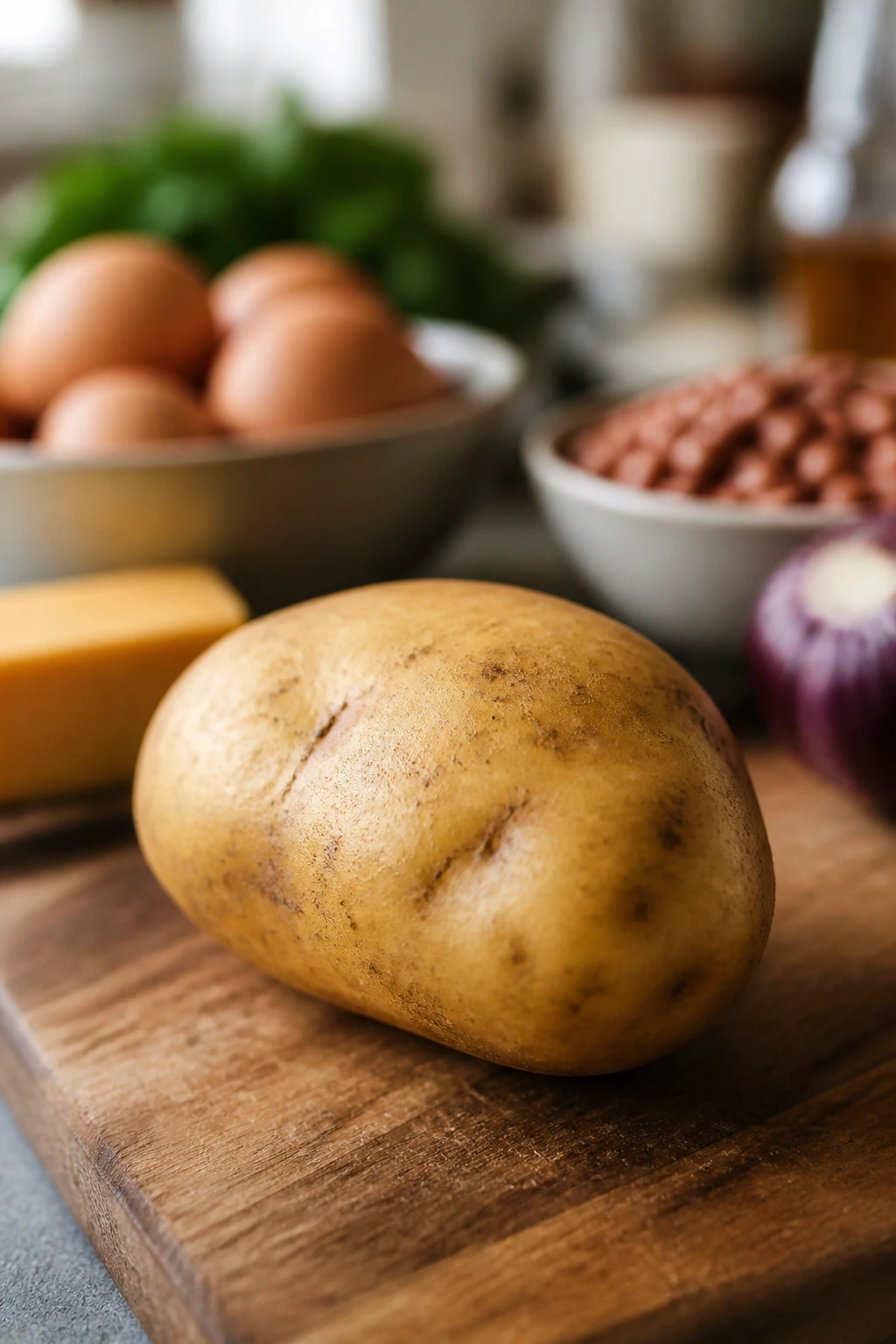
Cheap ingredients are not valuable because they’re cheap. They’re valuable because they can wear more than one hat. A potato can be crispy, creamy, smashed, roasted, or chopped cold into a salad. A bean can be a dip, a filling, a salad, or a mashed spread on toast. That kind of flexibility is what lets ten dollars feel like more.
Potatoes
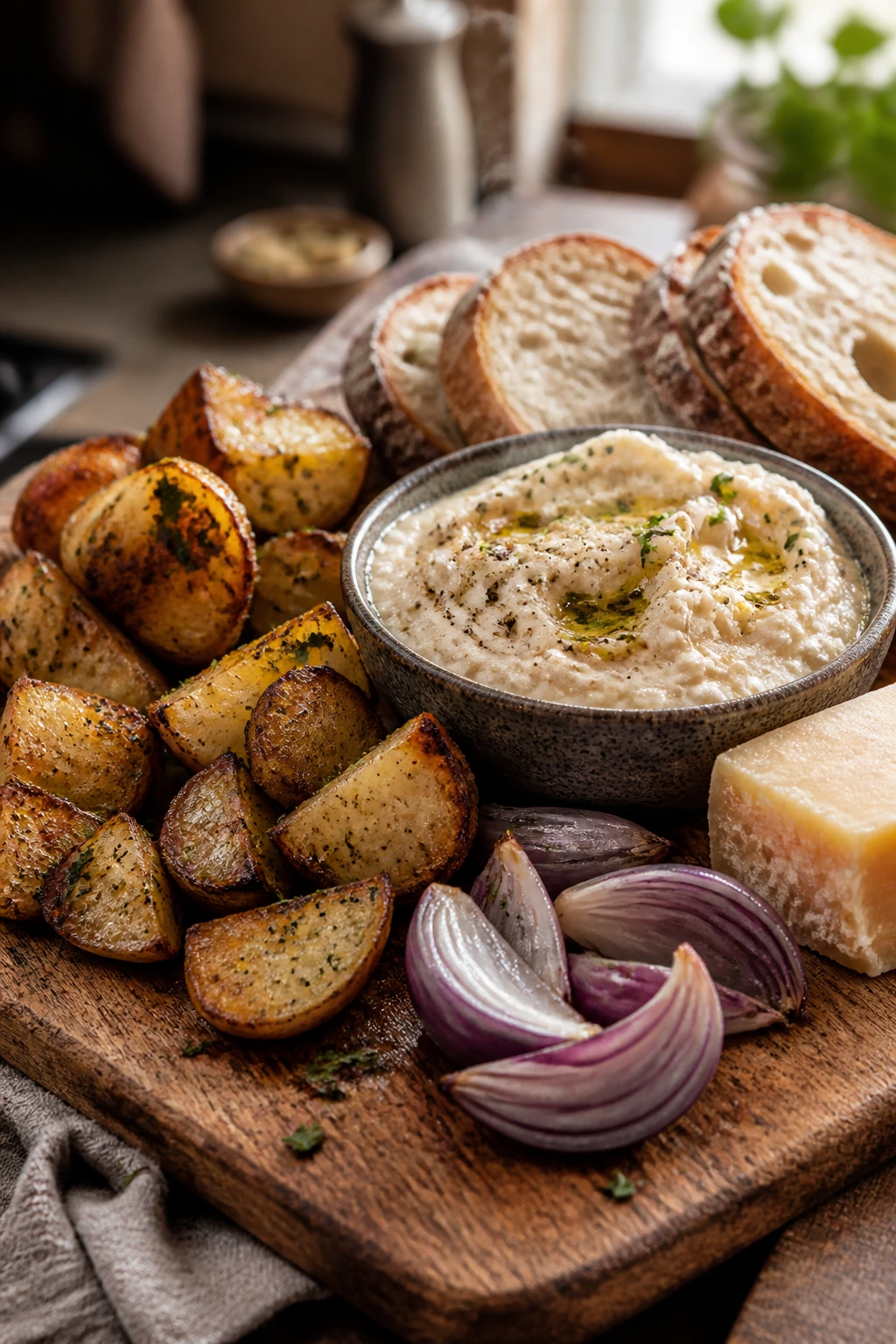
Potatoes are the easiest win in budget party food. They’re quiet in the bag and loud on the tray. Roast them at 425°F / 220°C with oil and salt, and the edges go bronzed while the centers stay soft. Smash them after boiling and you get more surface area, which means more browning, which means more flavor. That’s the whole potato scam, and I mean that affectionately.
Beans
Beans are the cheapest thing in the cart that can still act like a centerpiece. Black beans, cannellini beans, pinto beans, chickpeas — any of them can be mashed, warmed, seasoned, and served with a spoon and a pile of chips. Rinsed canned beans usually taste cleaner and hold seasoning better than the liquid they came in. If you have dried beans already cooked, even better. They’re a bargain nobody needs to apologize for.
Eggs
Eggs are part snack, part structure. Hard-boiled eggs become deviled eggs or egg salad, but even chopped eggs tossed with mustard, mayo, salt, and pepper can live on toast points or crackers. They’re especially useful when you need something that tastes richer than it costs. One egg on top of a potato slice suddenly makes the plate feel designed.
Bread and tortillas
Bread is better than people give it credit for. Day-old bread can become toast points, garlic toasts, croutons, or little open-faced bites. Tortillas can be cut into wedges, toasted, or baked into quick chips. If you only buy one of these, you’ve bought your serving vessel and part of your menu.
Cabbage, onions, and carrots
These are the underrated budget trio. Cabbage stays crisp in the fridge for days, onions soften into sweetness when cooked, and carrots can be shaved into a quick slaw that makes a spread feel fresher. They’re not the glamorous part of the table. They’re the part that keeps the rest of it from feeling heavy and flat.
Three Budget Party Food Builds That Feel Full
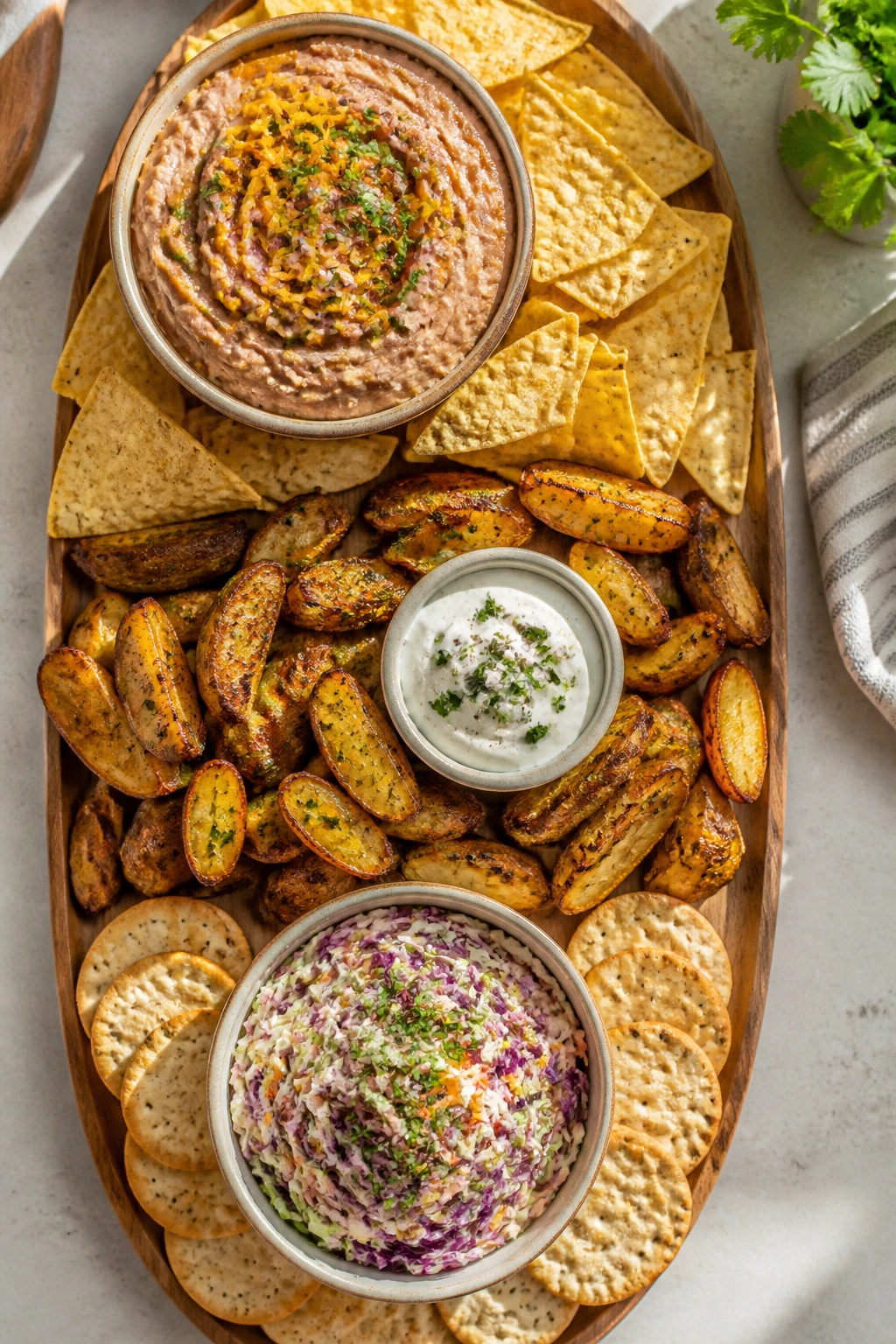
A good cheap spread usually needs only one of three shapes. I keep coming back to this because it works: a warm dip or mash, a hot tray with edges, or a cold plate with crunch. Pick one shape and commit.
Bean Dip, Chips, and a Sharp Topping
This is the easiest way to make a little food feel plentiful. Warm a couple cans of beans with minced onion, a little oil, garlic, cumin, and salt until they’re thick enough to mound on a spoon. If you have a small bit of cheese, scatter it over the top and let it melt. If you don’t, finish with chopped onion, hot sauce, or a spoonful of pickled jalapeños.
The reason this works is simple: beans are soft and filling, chips are loud and crunchy, and the topping keeps the whole bowl from tasting like it was assembled by a tired adult in a hurry. Serve it in one wide bowl, not a tiny deep one. Depth hides how much food you actually have.
Roasted Potato Wedges With a Cold Dip
Potato wedges are one of those dishes that make sense the second the tray comes out of the oven. Toss cut potatoes with oil, salt, pepper, and whatever seasoning is already in the cupboard — paprika, garlic powder, chili flakes, dried rosemary, all fine. Roast until browned on the bottom and soft when poked. A quick yogurt dip, sour cream dip, or mustard dip gives the tray some lift.
This is the spread I’d choose if I wanted people to keep reaching. The smell helps. The crispy edges help more. And because potatoes take on seasoning so well, a cheap grocery list can feel like real cooking rather than damage control.
Egg Toast Points With Cabbage Slaw
Hard-boiled eggs chopped with mustard and mayo can become a spread, a filling, or a topping. Spoon it onto triangles of toasted bread, then add a few strands of very thin cabbage slaw dressed with vinegar, salt, and a little sugar if you’ve got it. The crunch of the cabbage matters more than it sounds like it should.
This is the nicest-looking option on a tiny budget because the colors work for you: pale egg, green-white slaw, browned toast. It also stretches well because the bread carries the filling and the slaw makes the plate feel fresh. Cheap? Yes. Weak? Not even close.
How to Stretch One Base Into Three Different Snacks
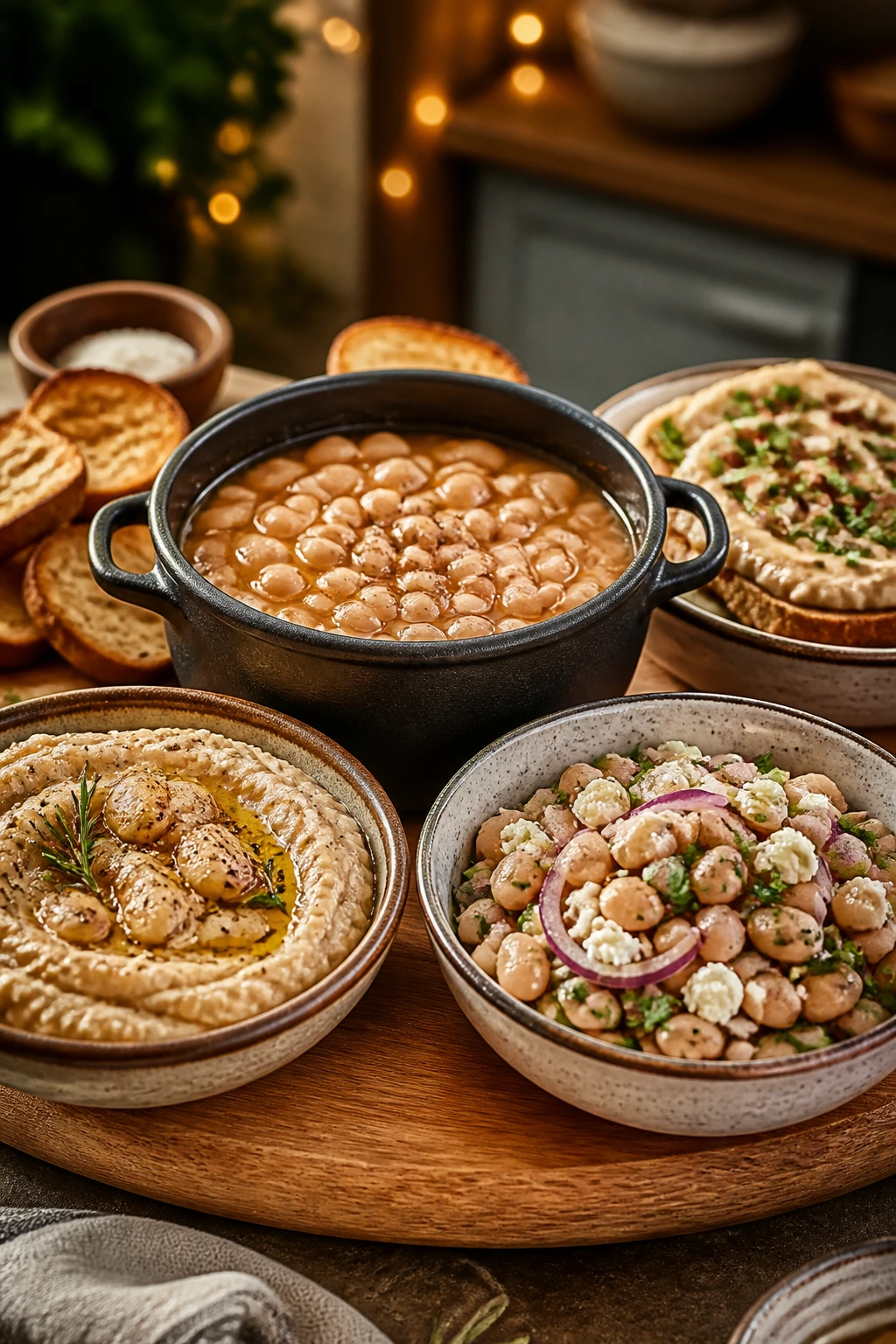
This is where the money stops disappearing. Buy one thing that can be reshaped three ways, and the menu feels bigger without the cart getting heavier. It’s the difference between shopping and thinking.
One pot of beans, three uses
Cooked or canned beans can become a warm dip tonight, a spoonable topping for toast tomorrow, and a cold bean salad if you toss them with onion, vinegar, and chopped carrot. Add cumin for one version, mustard for another, and chili flakes for the third. Same pot. Different attitude.
If you’re using canned beans, mash only part of them. Leave some whole so the bowl has texture. A completely smooth bean spread reads more expensive than it is, but it also eats like glue if you overwork it. The little bit of chunk keeps it alive.
One batch of potatoes, three directions
Roasted potatoes can be served as wedges the first night, smashed and re-roasted until craggy the next, or chilled and tossed with mustard, onion, and herbs for a cold salad. If you know you’ll have leftovers, under-season slightly at first so you have room to finish them later with salt and acid.
A hot potato tray is the easiest way to buy volume. A cold potato salad is the easiest way to reuse it. And smashed potatoes? Those are the fun middle ground. Crisp on the edges, soft inside, still cheap enough to feel almost rude.
One loaf of bread, three jobs
Bread can be toast points for egg salad, garlic slices for bean spread, and crumbs for topping anything that needs crunch. Don’t throw the ends away. Brush them with oil, toast them hard, and they become the best thing on the plate.
Cheap food gets boring when every component stays in one shape. Change the shape, and it feels like a menu.
Hot Tray Food That Feels Bigger Than the Price Tag
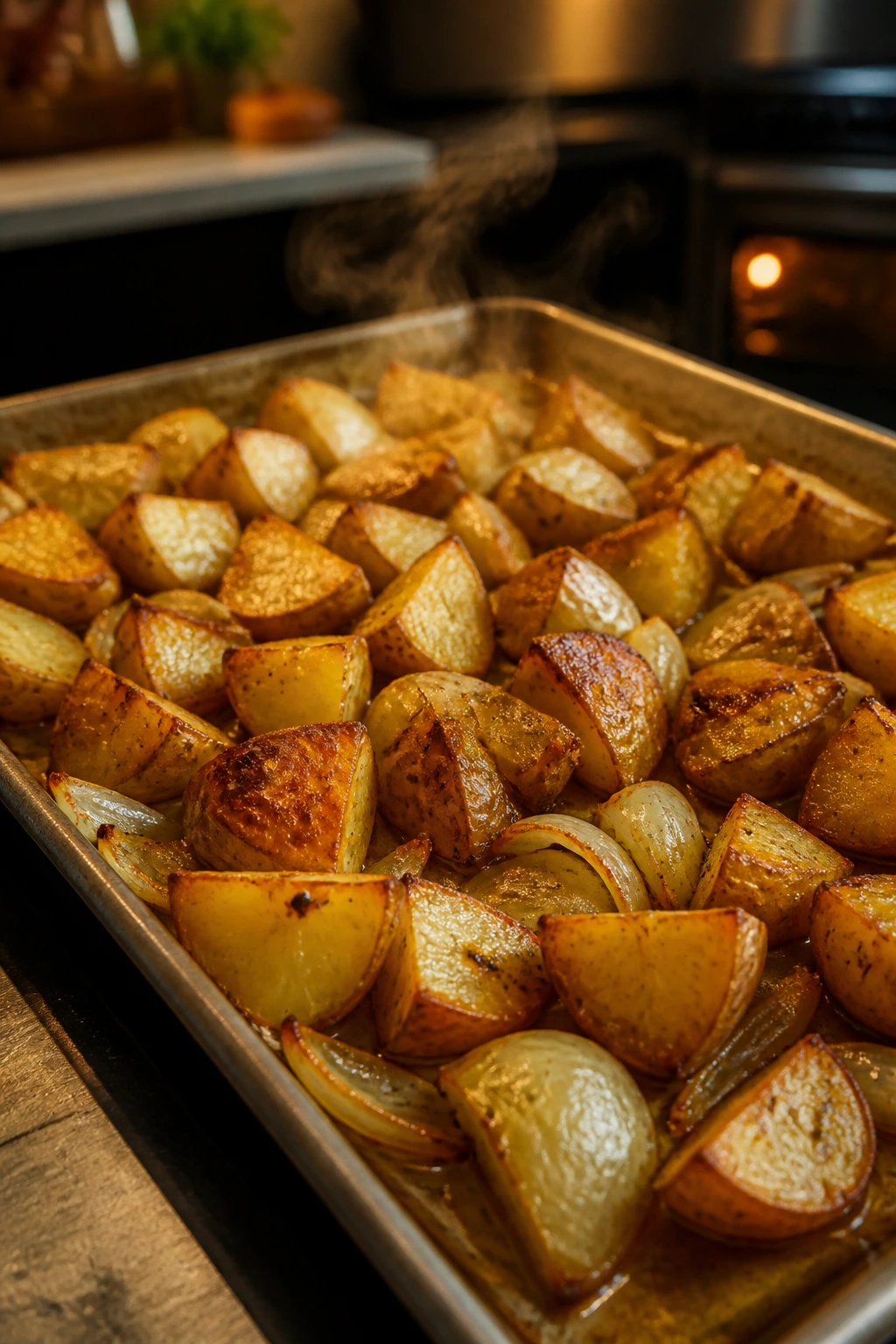
There’s a reason people gather around a hot tray. Steam changes the room. Browning changes the smell. Even a very modest sheet pan can look abundant once the edges start to darken and the oil is shimmering in the corners. Hot food also slows people down, which sounds small until you’re trying to make a ten-dollar spread feel like there’s enough to go around.
The best hot-budget moves are simple:
- Roasted potatoes at 425°F / 220°C — they brown faster than a casserole and need almost no expensive add-ins.
- Bean-and-cheese toast under the broiler — use the broiler for 1 to 2 minutes, and stay there. Walk away and you’re eating charcoal.
- Nacho-style trays — a modest layer of chips, beans, onions, and a light scatter of cheese is plenty if you don’t drown it.
- Sheet-pan onions and carrots — they get sweet at high heat and can stretch a spread that otherwise leans heavy.
What I like here is the honesty. Hot tray food doesn’t pretend to be dainty. It’s a hand-reaching, plate-grabbing, no-forks-needed kind of setup. And because the browned bits are doing some of the heavy lifting, you can get away with less cheese, less meat, and less fuss.
One warning: don’t overbuild the tray. Too many toppings, and the chips collapse. Too much liquid, and everything turns soggy. A thin, even layer usually looks and eats better than a pile that’s trying too hard.
Cold Bites for Nights When the Oven Is Busy
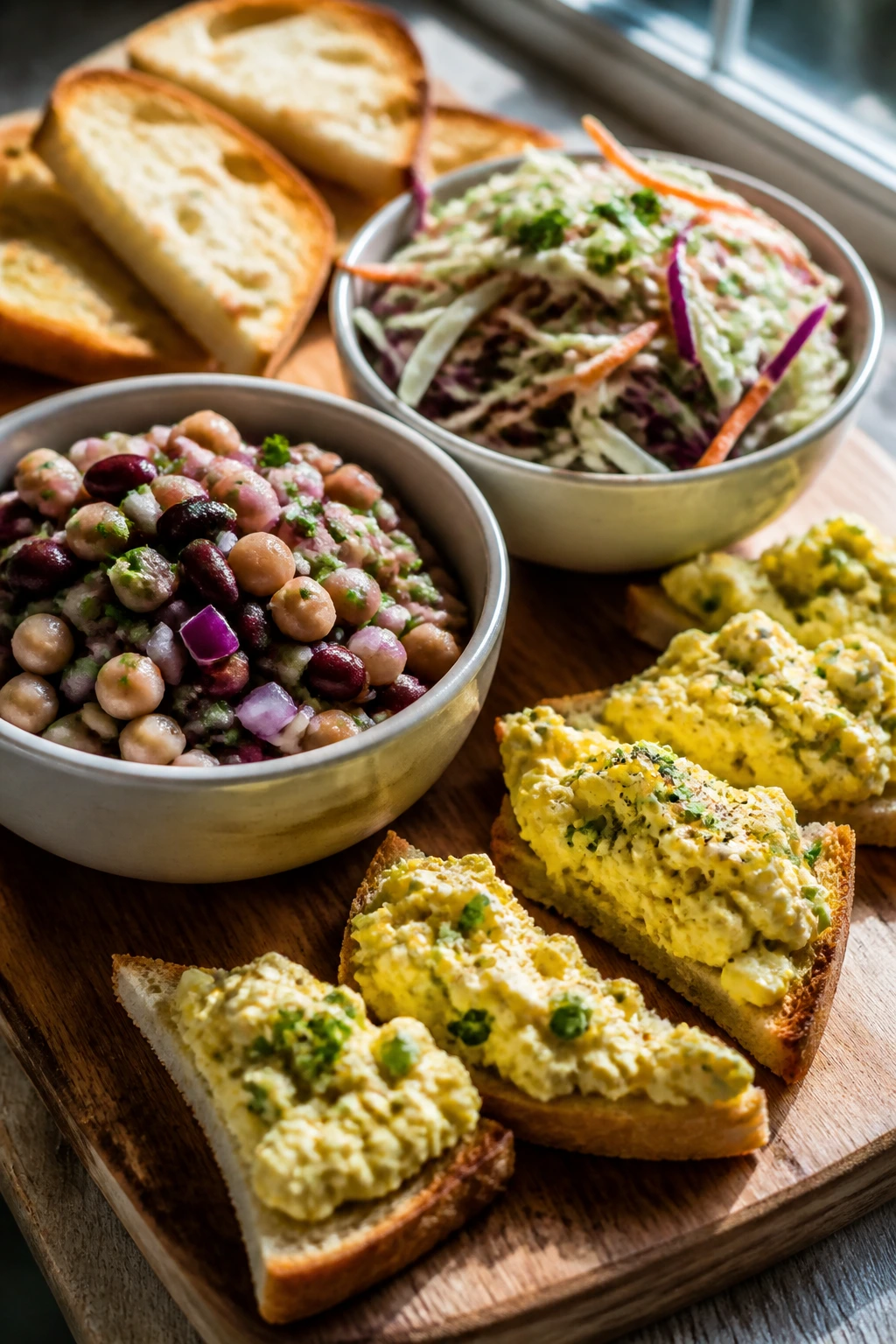
Cold food gets dismissed too quickly. The trick is that cold food has to earn its place by being crisp, salty, or tangy. If it’s just beige and soft, it feels like a compromise. If it has bite, it feels intentional.
A cheap cold spread can look like this:
- egg salad on toast points
- bean salad with onion and vinegar
- cabbage slaw with a mustard dressing
- sliced carrots with a yogurt dip
- crackers with mashed seasoned beans
The thing that saves cold food is contrast. A creamy mixture needs a crunchy edge. A soft egg spread needs something sharp alongside it. A bean salad needs acid. Without that, the plate goes dull fast.
I also like cold food for weeknights because it buys you breathing room. You can make it an hour ahead, keep it chilled, and focus on the rest of your evening. That matters when guests are casual and the clock is not. Just do not leave anything with mayo, yogurt, or eggs sitting out for long stretches — two hours is the ceiling, and less is better if the room is warm.
Small Upgrades That Make Cheap Party Food Taste Intentional
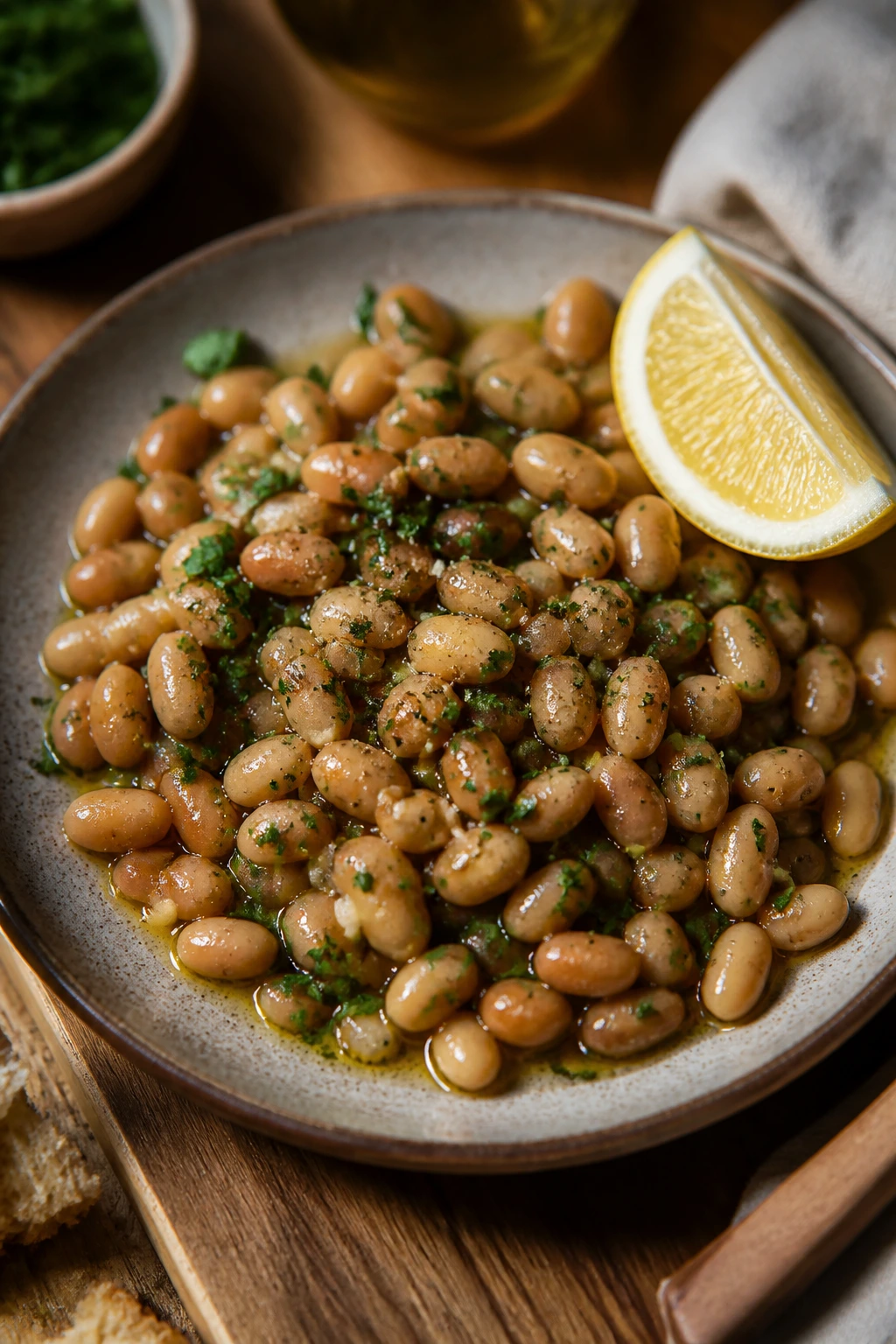
Flavor Enhancement: Acid is the cheapest upgrade on the table. A squeeze of lemon, a splash of vinegar, or a spoon of pickled juice can make beans taste seasoned instead of heavy. If the food tastes flat, reach for acid before you reach for more cheese.
Customization: Use one seasoning in two places instead of buying six. Paprika can go into potatoes and egg salad. Cumin can season beans and cabbage slaw. Chili flakes can finish a hot tray and a dip. The menu starts to feel designed when the seasonings repeat on purpose.
Serving Suggestions: Finish with one fresh thing and one crunchy thing. That might be chopped onion and toasted bread crumbs, or parsley and cabbage, or scallions and crushed chips. A tiny green fleck goes further than people think, especially against beige food.
Make-It-Yours: For a dairy-free spread, lean on beans, potatoes, mustard, oil, and vinegar. For a vegetarian spread, keep eggs and beans front and center. For a kid-friendly version, go lighter on chili and hotter sauces, and keep the textures separate so the plate doesn’t turn into one soft mound.
Cost-Saver: Buy block cheese and grate it yourself if cheese is part of the plan. Pre-shredded cheese is convenient, but block cheese usually melts better and goes farther because you can use only the amount you need.
How to Set a Budget Spread So It Looks Thoughtful
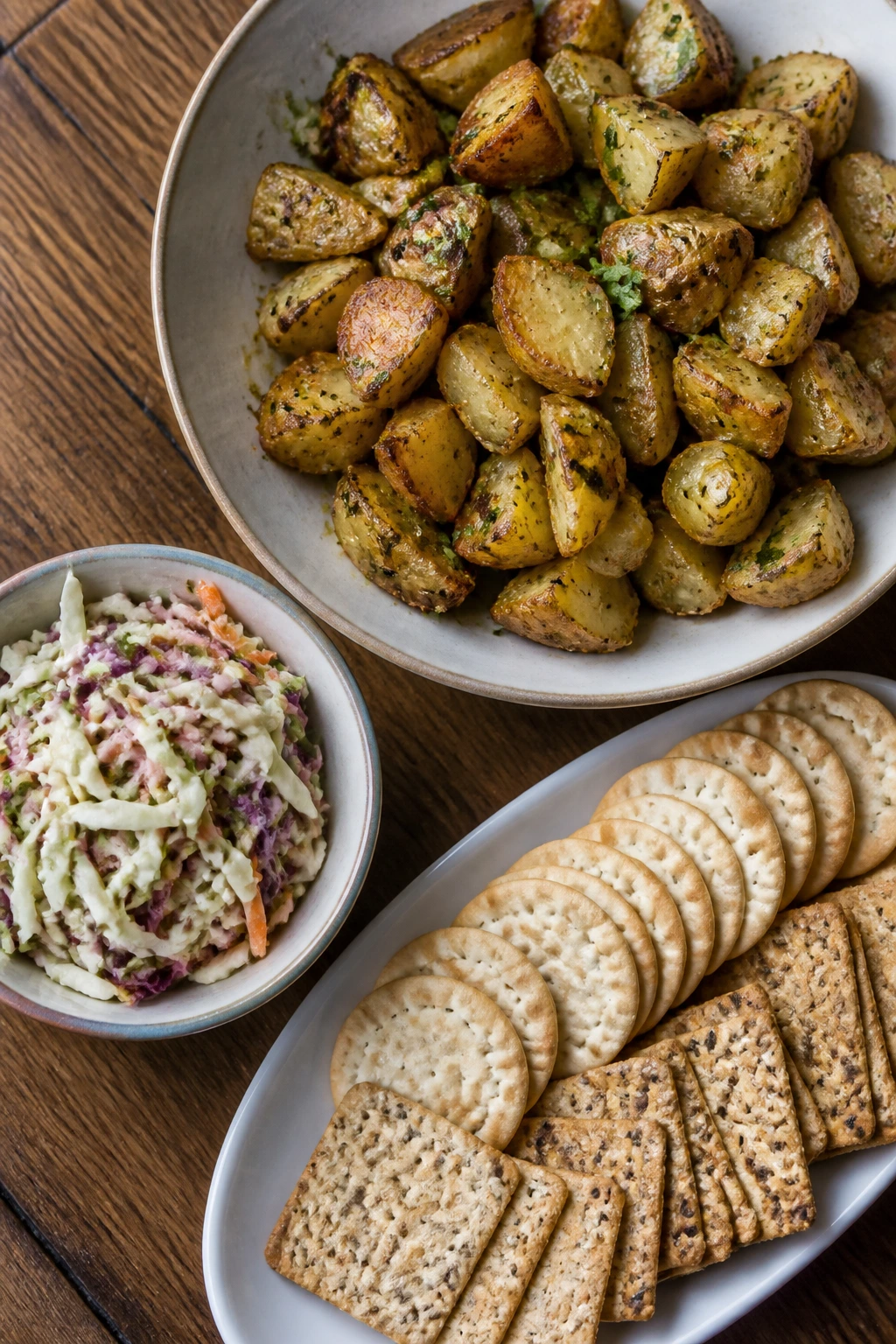
Presentation: Use one large shallow bowl, one rimmed tray, and one smaller dish instead of a pile of random containers. A low, wide shape looks fuller than a deep bowl, and it’s easier for people to serve themselves without digging.
Accompaniments: Pair one hot item with one cold item and one crunchy item. Roasted potatoes, egg salad toast points, and cabbage slaw make a more interesting table than three variations of the same soft dip. If you only have one hot dish, give it a crisp side so the table doesn’t turn mushy.
Portions: If the food is a snack before dinner, plan on 3 to 4 decent bites per person. If it’s replacing dinner, push that closer to 8 to 10 bites and lean harder on potatoes, beans, bread, or tortillas. Under-feed a snack crowd and they eat the table dry in five minutes.
Beverage Pairing: Sparkling water with lemon, iced tea, and a cheap lager all work with salty budget food. If the spread is especially spicy, a cold citrus drink does more work than soda ever will. I’d rather have one inexpensive drink that tastes clean than a cart full of random cans nobody wants.
Tools You Actually Need for Cheap Party Food
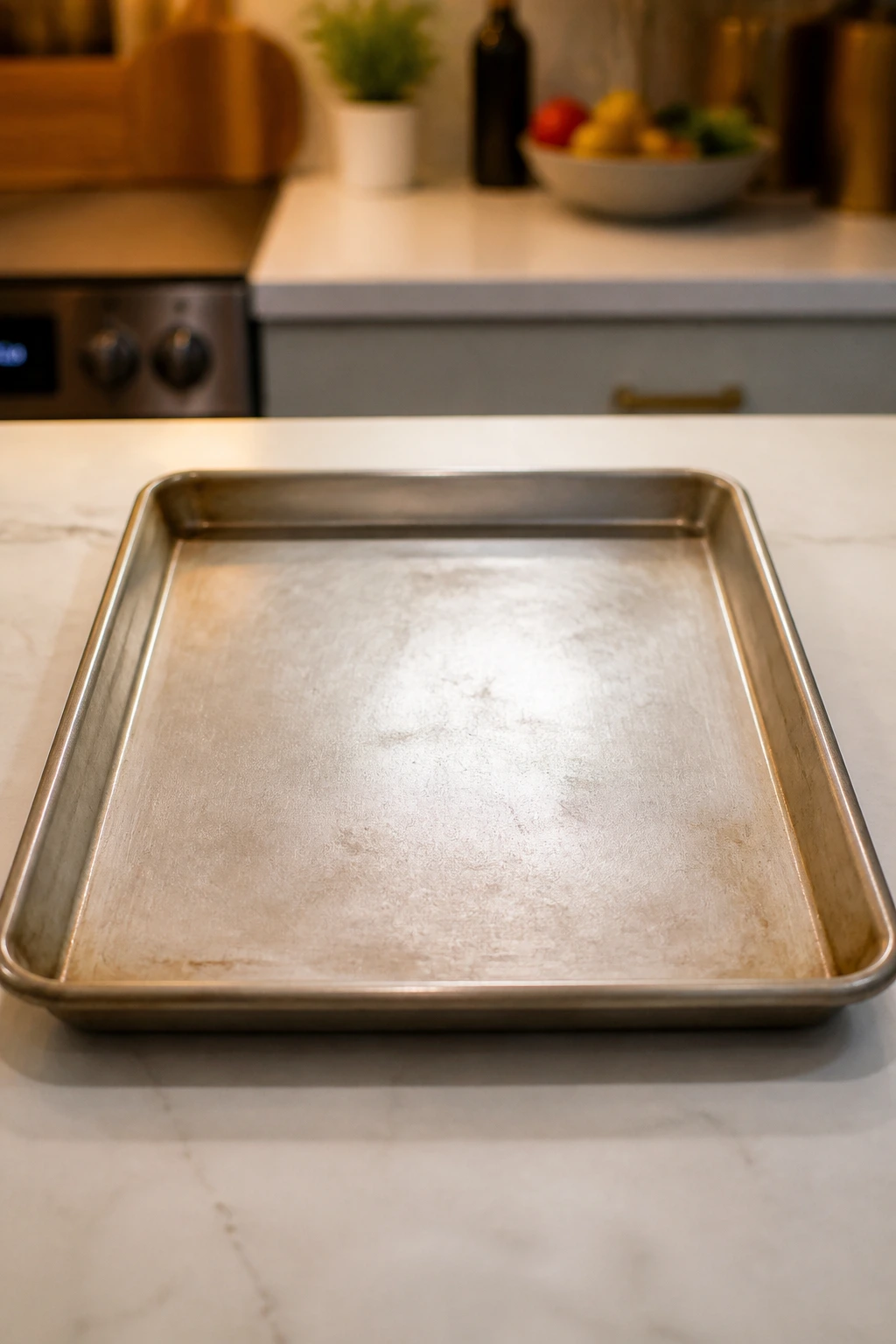
- Rimmed sheet pan — ideal for roasted potatoes, toast points, and anything that might leak oil or melted cheese.
- Large mixing bowl — one bowl can handle slaw, bean mash, or potato seasoning without splashing everywhere.
- 12-inch skillet or medium saucepan — useful for warming beans, cooking onions, or boiling eggs.
- Sharp knife and sturdy cutting board — cheap food often relies on onion, cabbage, and potatoes, and all of them are easier with a real knife.
- Box grater — faster than fancy tools for cheese, carrot, or even hard butter if you’re making a quick sauce.
- Can opener — not glamorous, but it matters when the whole menu leans on beans or tomatoes.
- Foil or parchment — keeps cleanup from eating your evening.
- Serving bowls and one platter — a mismatched set is fine, but shallow bowls help the spread look abundant.
- Airtight containers — leftovers are part of the budget, not an afterthought.
- Immersion blender, optional — handy if you want a smoother bean dip and don’t want to drag out a full blender.
Smart Shopping and Ingredient Swaps That Keep the Bill Down
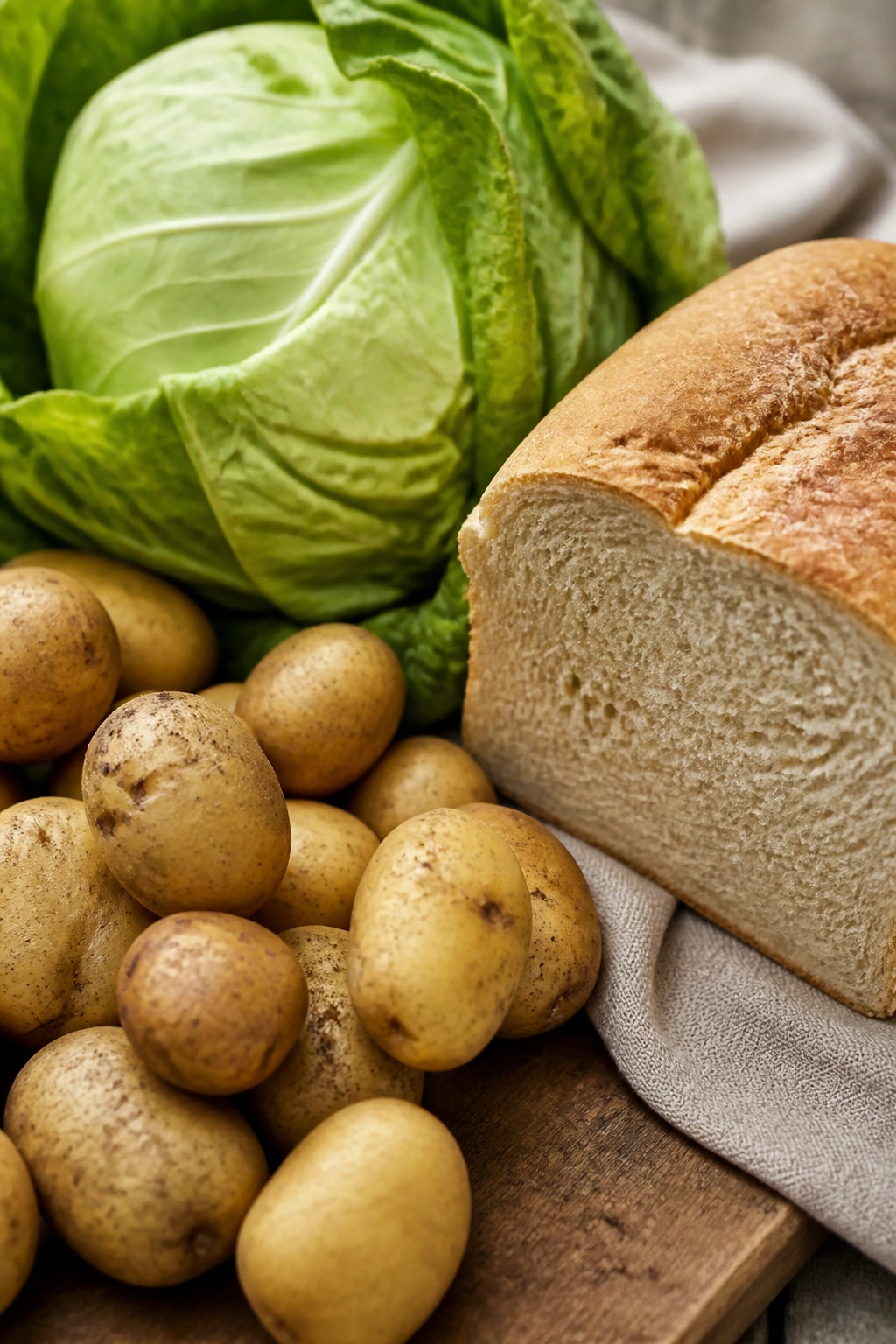
If the budget is tight, the store is not the place to get creative. It’s the place to get selective. Store brands are fine here, and in some cases they’re better because they cost less and do not pretend to be precious. Canned beans, tortillas, mustard, mayo, bread, and potatoes are all safe places to save money. The same goes for frozen vegetables if you want crunch without the chopping.
A few swaps I use all the time:
- Canned beans instead of dried beans when the clock is tighter than the budget.
- Yogurt instead of sour cream if it’s already in the fridge.
- Cabbage instead of lettuce because cabbage survives longer and costs less.
- Day-old bread instead of fresh bakery bread if you’re toasting it anyway.
- A block of cheese instead of pre-shredded because you control the amount and the melt is usually better.
- Vinegar instead of fancy dressing because you can season it yourself in thirty seconds.
One smart shopping habit that saves a lot of money: build the menu around the store’s cheapest shape of the ingredient, not the prettiest one. Potatoes are cheaper whole than pre-cut. Cabbage is cheaper whole than pre-shredded. Beans are cheaper in cans or bulk than in a prepared side dish. That’s where the margin is, and it adds up faster than people expect.
Make-Ahead, Storage, and Reheating Rules
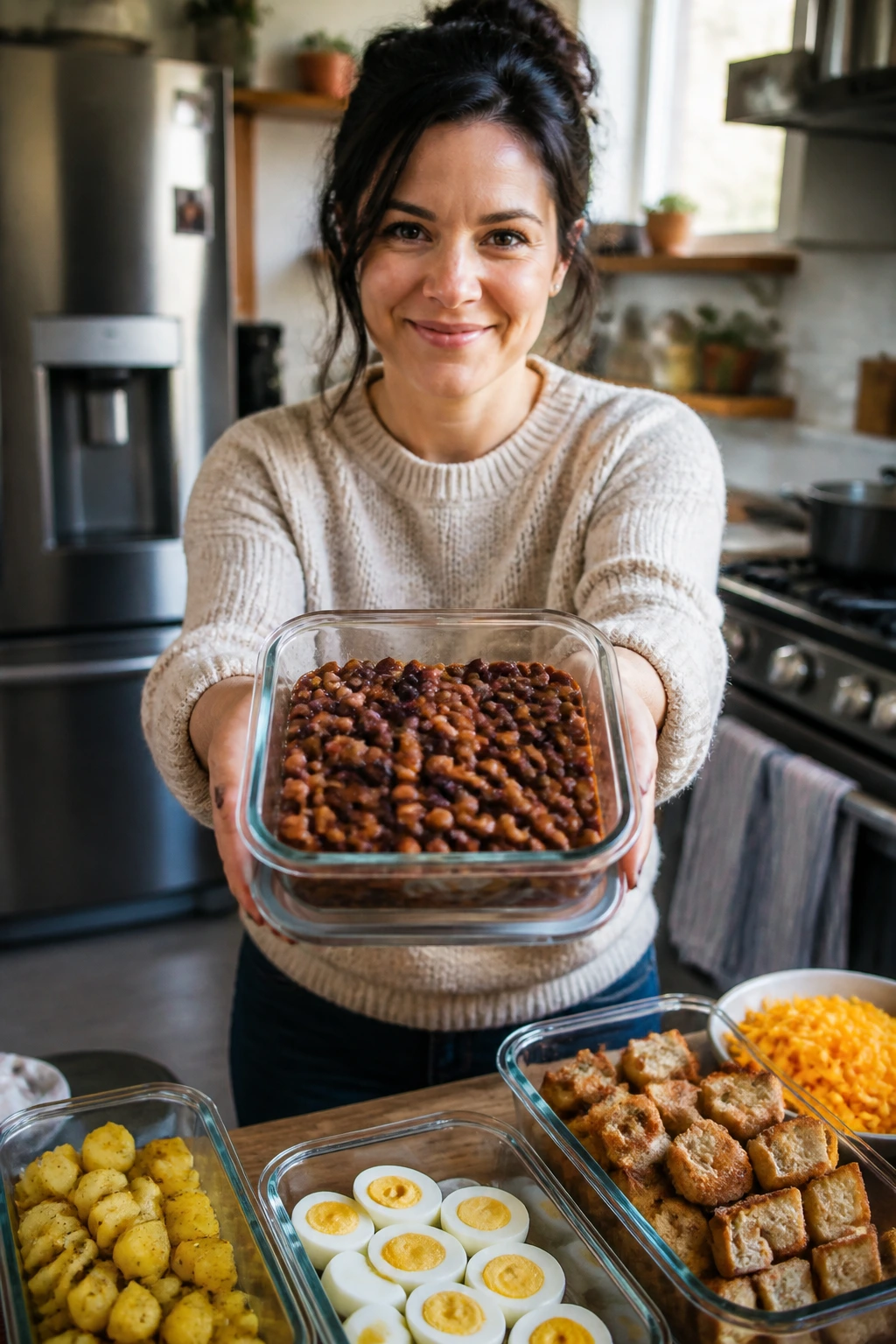
Budget party food tends to hold up well, but the details matter. If you’re making beans, potatoes, eggs, or bread-based bites, the storage plan should be part of the recipe in your head before the first thing hits the pan.
Beans and bean dips usually keep 3 to 4 days in the refrigerator and can freeze for up to 2 months if they don’t rely heavily on dairy. Reheat them on the stovetop over low heat with a spoonful of water or broth so they loosen instead of drying into a paste. The microwave works too, but stir every 30 to 45 seconds so the edges don’t overcook.
Roasted potatoes are best the day they’re made, but they’ll still hold for 3 days in the fridge. Reheat them on a sheet pan at 400°F / 205°C for about 10 to 15 minutes so the edges crisp again. The microwave will make them soft and a little sad, which is fine if you’re in a hurry and not fine if you want them to feel party-ready.
Egg salad and deviled eggs are a different story. Keep them cold and eat them within 2 days. Do not freeze them. Do not leave them lounging on the counter all evening. Anything mayo-based should get back into the fridge within 2 hours, and sooner if the room is warm.
Bread and toast points are best made close to serving time, but plain bread can be toasted a few hours ahead and kept in a dry container. If it softens, a 350°F / 175°C oven for 5 minutes will wake it up. Tortilla chips and crackers stay crisper if you keep them sealed away from steam, which sounds obvious until you open the bag and realize half the tray was built on soggy regret.
Common Mistakes That Blow a Small Budget
-
Buying too many separate snack items.
The symptom is a cart full of half-used crackers, one dip, one cheese, and no real base. The fix is brutal but simple: choose one anchor, then build around it. -
Skipping salt and acid.
Cheap food goes flat fast if you forget both. A bland bean spread or a starchy potato tray usually needs more salt than you think and one sharp finish — vinegar, lemon, mustard, or pickle brine. -
Making everything soft.
If every bite is creamy, mashed, or warm and loose, the table feels heavy. Add one crunchy element: toasted bread, cabbage, tortilla chips, carrot sticks, or browned potato edges. -
Overspending on garnish.
Tiny herbs and decorative toppings are the first money hole I’d close. Use one green thing if it matters, not three different herbs that wilt before anyone notices them. -
Ignoring the serving plan.
If you don’t think about how people will pick up the food, you end up with good food trapped in a bad bowl. Shallow dishes, sturdy scoops, and the right utensils solve more problems than a fancier ingredient ever will. -
Assuming leftover-friendly and party-friendly mean the same thing.
Some foods reheat well but taste weak at room temp. Others taste fine cold but die when warmed. Know which camp each dish belongs to before you make the whole batch.
Variations and Alternatives for Different Crowds
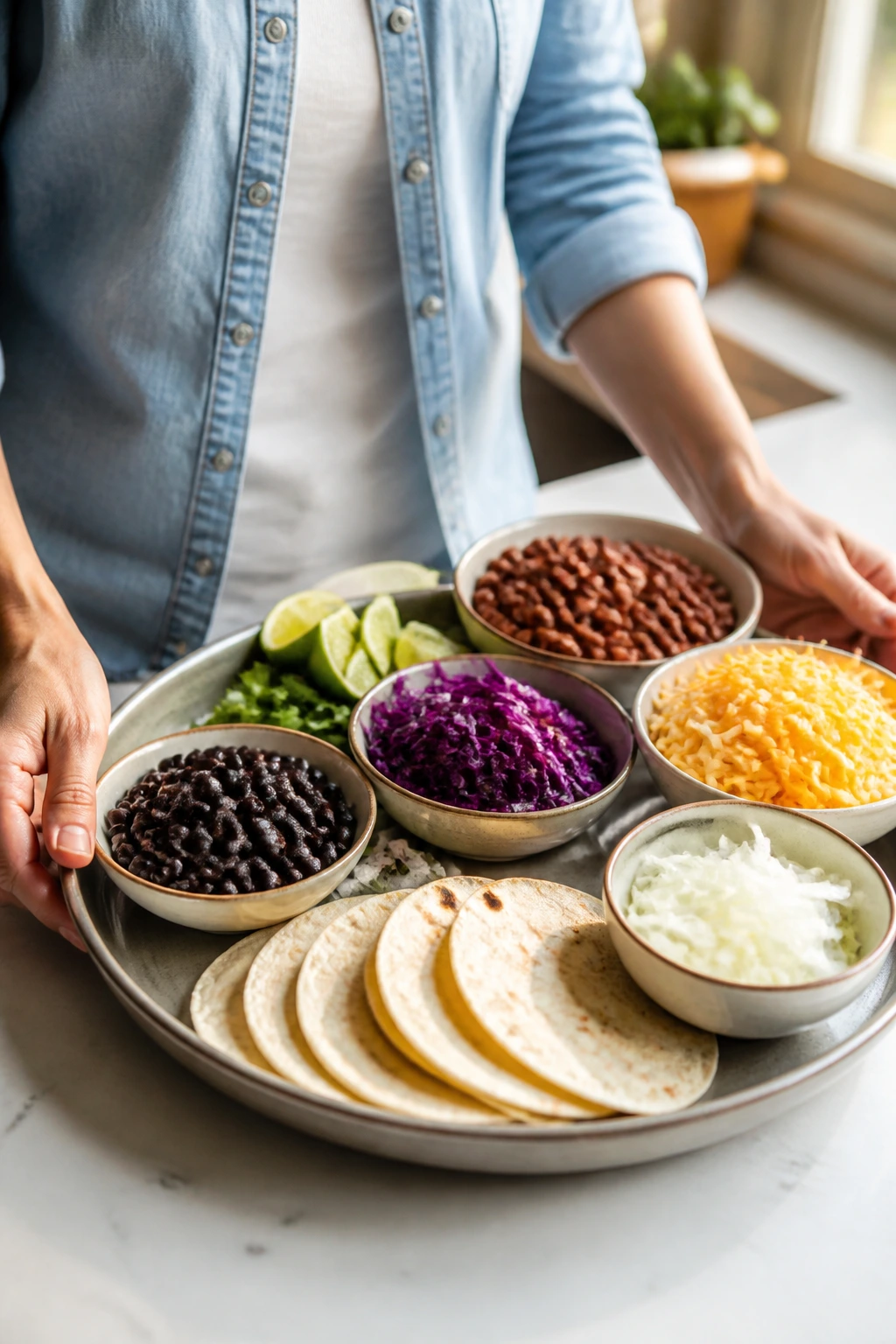
The Pantry Taco Tray:
Use beans, tortillas, cabbage, onion, and a little cheese if you can swing it. Warm the beans with cumin and garlic, pile them into tortillas or tortilla chips, and finish with shredded cabbage for crunch. It eats like a casual taco bar without asking you to buy every taco bar ingredient on earth.
The Breakfast-After-Work Spread:
Hard-boiled eggs, roasted potatoes, toast points, and hot sauce make a cheap crowd plate that feels oddly luxurious when you set it down hot. This one is especially good when people are arriving in waves and you need food that can sit for a few minutes without collapsing. A little mustard in the eggs gives it backbone.
The Dairy-Light Board:
Lean on bean dip, cucumber slices, cabbage slaw, toasted bread, and vinegar-heavy toppings. This version works when you want the food to stay bright and you don’t want to spend money on cream or cheese. It’s cleaner, lighter, and easier to keep in rotation across different diets.
The Kid-Quiet Version:
Keep the spice low, use mild cheese if you’re buying any, and serve separate components instead of everything mixed together. Kids usually do better when they can build their own bites with bread, potato wedges, or tortilla triangles. A little ketchup or ranch on the side rarely hurts.
The Heat-Lover’s Table:
Add chili flakes, hot sauce, pickled jalapeños, or a spoon of spicy mustard to the bean bowl or potatoes. You do not need expensive spicy ingredients to make the table feel alive. A little heat on the finish is usually enough.
Frequently Asked Questions
How many people can weeknight party food on a budget under $10 feed?
If the spread is a snack before dinner, it can usually cover 4 to 6 people without feeling stingy. If it’s replacing dinner, you’ll want to lean on potatoes, beans, bread, or tortillas and keep the portions more modest. The size of the pantry matters more than the raw dollar amount.
What if my pantry is almost empty?
Start with the cheapest staples that can do more than one job: potatoes, onions, eggs, bread, and canned beans. If you also need salt, oil, and acid, your ten dollars should probably go there before you buy anything decorative. The menu gets better when the ingredients can season, fill, and finish each other.
Can I make this work without an oven?
Yes. A skillet and a saucepan can carry a lot of the load. Warm beans, boil eggs, pan-toast bread, and crisp potatoes in a covered skillet with a little oil if you have to. The oven just makes the food broader and easier to batch.
What’s the easiest thing to buy first if I only have a few dollars?
Potatoes or beans. They buy the most volume and can be pushed in several directions. Add an onion and one acid if your budget stretches that far, because the flavor jump is bigger than the cost jump.
Are store-brand ingredients good enough for party food?
Usually, yes. In a budget spread, store-brand beans, mustard, mayo, bread, and tortillas are doing the same job as the pricier versions. Spend more only where the difference is visible or tasted, like block cheese if you’re grating it yourself.
How do I keep the food warm for guests without drying it out?
Serve it on smaller trays and refill them from the oven instead of putting every bite out at once. Cover the first tray loosely with foil, or keep bean dishes on low heat if they’re safe to hold there. Potatoes and bread-based bites need a little air to stay crisp, so don’t trap steam under a tight lid.
What if the food tastes bland after I’ve made it?
Add salt first, then acid, then heat. That order matters because bland budget food usually needs the same three fixes, and people often reach for the wrong one too early. A little vinegar or lemon juice can wake up beans, potatoes, and slaws faster than a second handful of cheese.
Can this kind of spread work for both kids and adults?
Yes, if you keep the base mild and put the spicy stuff on the side. Kids usually want bread, potatoes, eggs, or chips more than they want a complicated mixed dish, while adults appreciate a sharper dip or a pickled topping. Separate the parts and everyone gets something usable.
The Ten-Dollar Table That Still Feels Generous
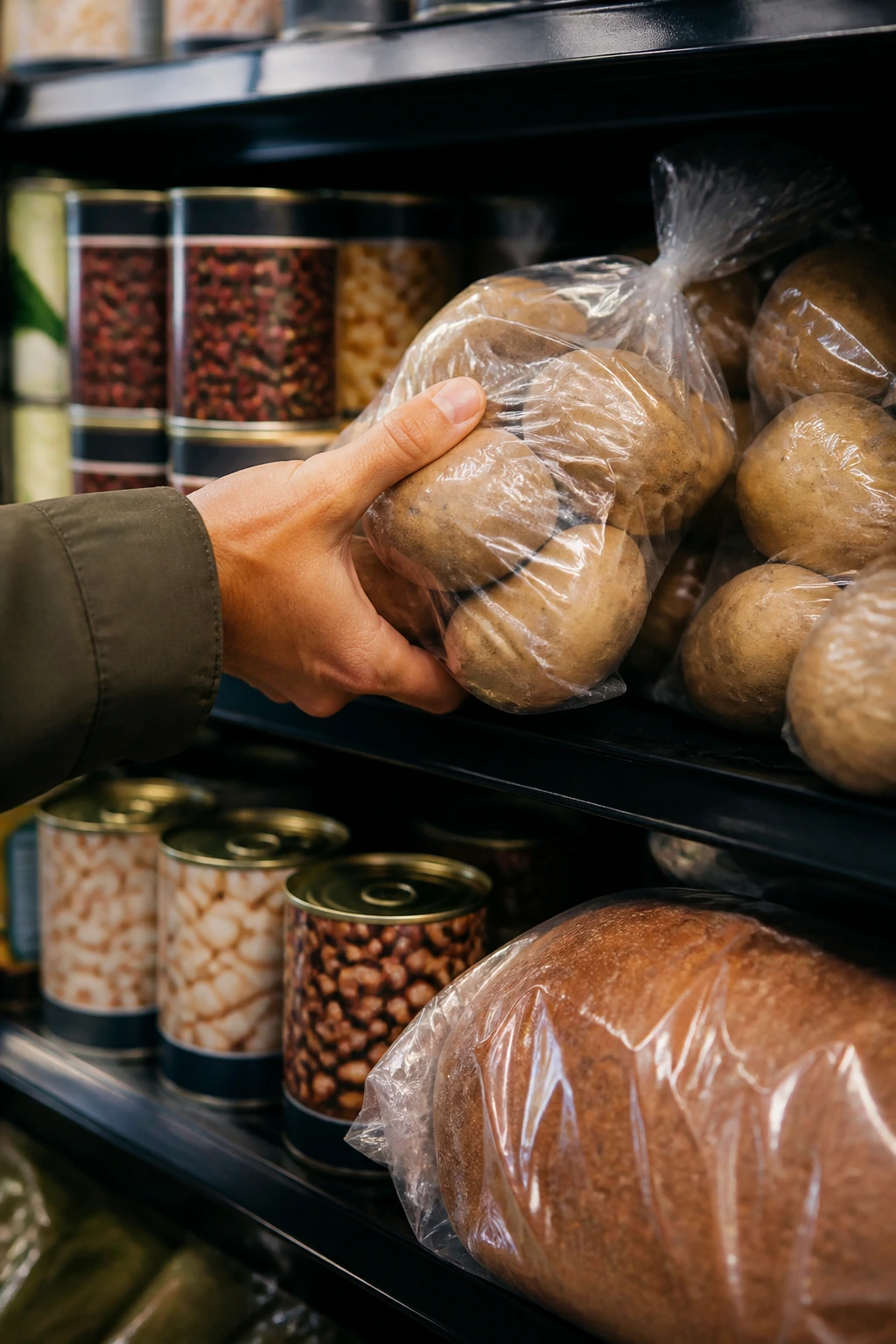
A tiny budget doesn’t have to produce tiny energy. If the food is salty, warm, and built on ingredients that know how to stretch, the table reads as full even when the shopping list was brief. That’s the real advantage of weeknight party food on a budget under $10: it rewards clear thinking more than money.
I’d rather set down one tray of browned potatoes, one bowl of bean dip, and one plate of toast points than buy a pile of packaged snacks and hope nobody notices the difference. People notice. They notice the smell first, the crunch second, and the fact that the food keeps moving from plate to mouth without anybody asking where the “real” dinner is.
If you remember one thing, make it this: choose one base, one bright finish, and one texture that snaps. The budget takes care of itself after that.