



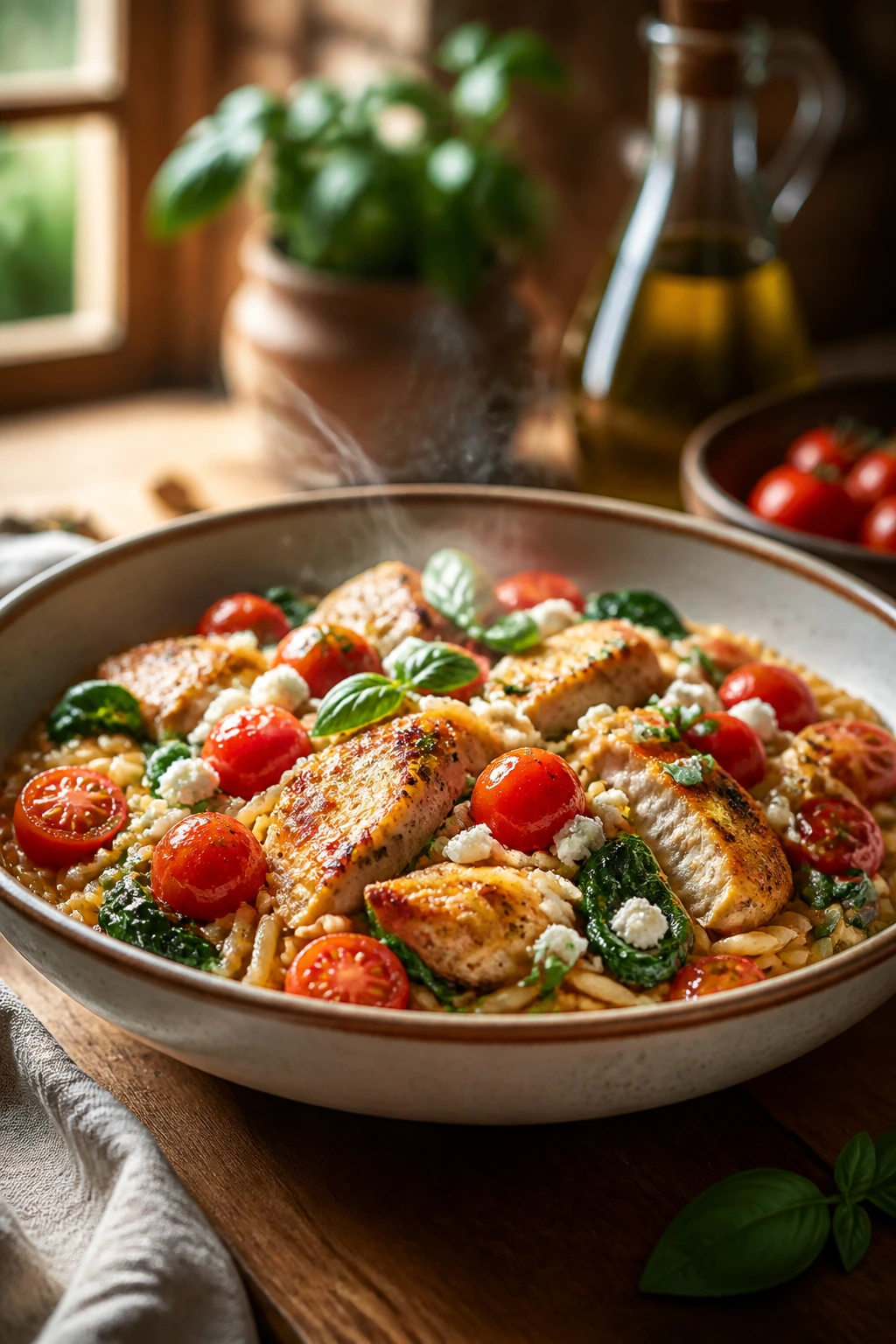
Steam rising from a shallow bowl of orzo, tomatoes, and browned chicken does something a plate never quite manages: it keeps the heat where you want it, right in the middle of the meal. Mediterranean bowls work especially well for cozy Italian nights because they let you stack warmth, texture, and brightness in one place — roasted vegetables against creamy cheese, brothy beans against crunchy toast, lemon against olive oil, herbs against something slow-cooked and deeply savory.
These are not salad bowls pretending to be dinner. They’re built for a spoon. Some lean Tuscan and bean-heavy, some feel like a trattoria version of grain bowls, and some borrow the salty, briny edge that makes the Mediterranean pantry such a good place to cook from. The trick is balance: enough acid to keep the bowl from feeling heavy, enough starch or bread to make it filling, and enough salt to make the tomatoes, herbs, and cheese sing.
A bowl like this also solves a very practical problem. It gives you a way to make a dinner that feels composed without making a mess of every pan in the kitchen. And if you’ve ever stood at the stove on a cool evening wondering whether to make pasta, soup, or a proper main, this style sits in the middle and takes the best parts of all three.
Why These Bowls Belong on an Italian-Inspired Table
- Warmth without fuss: A hot grain, pasta, or bean base holds heat better than a flat plated dinner, so the food stays appealing all the way to the last bite.
- Pantry-friendly comfort: Olive oil, canned beans, tomatoes, tuna, pasta, rice, olives, and capers can build a full meal without a special trip.
- Flexible by design: You can swap chicken for fish, farro for rice, or feta for ricotta and still keep the bowl grounded in the same flavor family.
- Bright and rich at the same time: Lemon, vinegar, herbs, and tomatoes cut through olive oil, cheese, and roasted vegetables so the bowl never turns dull.
- Easy to portion: Bowls make it simple to cook for two, four, or six without guessing at side dishes.
- Good leftovers, if you build them right: The trick is keeping wet and dry pieces separate until serving, which makes the next meal taste intentional instead of patched together.
1. Lemon Chicken Orzo Bowl
A lemon chicken orzo bowl is the sort of dinner that smells like the kitchen has been busy for longer than it has. The chicken gets browned first, then the orzo soaks up broth, garlic, and lemon until it turns creamy at the edges without becoming mushy. Add spinach and Parmesan at the end, and you get a bowl that lands somewhere between soup and risotto.
Why It Works:
Orzo cooks fast, which makes this feel rich without demanding a long simmer. The lemon zest keeps the broth from going flat, and the spinach softens just enough to disappear into the grains. A skillet, one pot of broth, and a quick sear are enough to build depth.
Key Ingredients:
- 1½ lbs boneless, skinless chicken thighs, trimmed
- 1½ cups orzo
- 4 cups chicken broth
- 2 lemons, zested and juiced
- 3 garlic cloves, minced
- 3 cups baby spinach
- ½ cup grated Parmesan
- 2 tbsp olive oil
- 1 tsp dried oregano
- Salt and black pepper
Quick Steps:
- Season the chicken with salt, pepper, and oregano.
- Sear in 2 tbsp olive oil over medium-high heat for 5 to 6 minutes per side.
- Add garlic and orzo; stir for 1 minute until the orzo smells nutty.
- Pour in broth and half the lemon juice, then simmer 10 to 12 minutes, stirring often.
- Return the chicken, fold in spinach and Parmesan, and finish with the remaining lemon juice.
Equipment for This Recipe:
- 12-inch skillet or sauté pan
- Wooden spoon
- Microplane or fine grater
- Citrus juicer or fork for squeezing lemons
How to Serve This Dish:
Spoon it into wide bowls so the broth settles around the orzo instead of pooling at the bottom of a plate. A small pile of extra Parmesan and a few torn basil leaves make the bowl look finished fast.
Pro Tips for This Recipe:
- Slice the chicken after resting so the juices stay in the meat.
- Add lemon juice in two rounds; too much early on can mute the broth.
- Stir the orzo often so it releases starch and thickens naturally.
Variations on This Dish:
- Creamier Finish: Stir in 2 tbsp mascarpone at the end for a softer, silkier broth.
- Vegetable Bowl: Swap the chicken for 2 cups roasted zucchini and mushrooms.
Common Mistakes to Avoid with This Dish:
- Don’t boil the orzo hard; it turns slack and breaks apart. Keep the simmer gentle.
- Don’t add Parmesan too early or it can clump instead of melting smoothly.
2. Sun-Dried Tomato White Bean Bowl
This is the bowl I make when I want something warm, deeply savory, and still meatless. White beans turn creamy as they simmer with garlic, sun-dried tomatoes, and a splash of broth, while a handful of kale gives the bowl enough structure to feel like dinner and not just a side dish.
Why It Works:
Sun-dried tomatoes carry concentrated sweetness, so a small amount goes a long way. White beans soften the sharpness of garlic and vinegar, and their starch gives the broth body. It tastes like the kind of thing that should have cooked longer than it did.
Key Ingredients:
- 2 cans cannellini beans, drained and rinsed
- ½ cup sun-dried tomatoes in oil, chopped
- 1 small yellow onion, diced
- 3 garlic cloves, minced
- 2 cups chopped kale
- 1½ cups vegetable broth
- 2 tbsp olive oil
- 1 tbsp red wine vinegar
- ½ tsp crushed red pepper
- Salt and black pepper
Quick Steps:
- Warm the olive oil in a skillet and cook the onion for 6 minutes until soft.
- Add garlic, sun-dried tomatoes, and red pepper; cook 1 minute.
- Stir in the beans and broth, then simmer 8 minutes.
- Add kale and vinegar, cooking until the greens wilt and the broth turns glossy.
- Mash a few beans against the pan to thicken before serving.
Equipment for This Recipe:
- Large skillet or shallow Dutch oven
- Potato masher or the back of a spoon
- Cutting board and chef’s knife
How to Serve This Dish:
Serve it over toasted sourdough or with a spoonful of ricotta on top. The ricotta softens the tomato acidity and makes the bowl feel a little more luxurious.
Pro Tips for This Recipe:
- Use the oil from the sun-dried tomato jar; it carries a lot of flavor.
- Mash only a small portion of the beans or the bowl turns pasty.
- Finish with vinegar at the end so the bowl stays bright.
Variations on This Dish:
- Pecorino Version: Swap ricotta for shaved Pecorino Romano if you want a saltier finish.
- Tomato-Basil Version: Stir in chopped basil right before serving for a fresher edge.
Common Mistakes to Avoid with This Dish:
- Don’t add the kale too early or it goes murky and limp.
- Don’t skip the vinegar; without it, the beans can taste heavy.
3. Herb Salmon Farro Bowl
A salmon and farro bowl feels sturdy in a way that pasta sometimes doesn’t. Farro brings chew, roasted tomatoes burst into the grains, and the salmon flakes into clean pieces that pick up dill, parsley, and lemon without needing much help.
Why It Works:
Farro holds its texture even after sitting a few minutes, which is useful if you’re building bowls for a table of people who never all sit down at once. Salmon’s fatty flesh stands up to herbs and acidity, and the roasted tomatoes add a sweet edge that keeps the bowl from feeling dry.
Key Ingredients:
- 4 salmon fillets, about 6 oz each
- 1 cup farro
- 2 cups cherry tomatoes
- 1 fennel bulb, thinly sliced
- 2 tbsp olive oil
- 1 lemon, sliced
- 2 tbsp chopped dill
- 2 tbsp chopped parsley
- Salt and black pepper
Quick Steps:
- Cook the farro in salted water for 25 to 30 minutes until chewy but tender.
- Roast the tomatoes and fennel at 425°F for 18 to 20 minutes.
- Season the salmon and roast on a separate pan for 10 to 12 minutes, until it flakes easily.
- Toss the farro with olive oil, lemon juice, dill, and parsley.
- Assemble with tomatoes, fennel, and salmon over the top.
Equipment for This Recipe:
- Rimmed sheet pan
- Medium saucepan
- Fish spatula or thin metal spatula
How to Serve This Dish:
Use shallow bowls and let the farro sit on the bottom like a warm salad base. A few fennel fronds or extra dill make the salmon look fresher without a lot of effort.
Pro Tips for This Recipe:
- Dry the salmon well before roasting so the surface browns instead of steams.
- Salt the farro water generously; bland grains drag down the whole bowl.
- Let the tomatoes blister a little longer if they’re very firm.
Variations on This Dish:
- Lemon-Caper Version: Add 1 tbsp capers to the farro for a sharper, brinier bite.
- Creamy Herb Version: Stir 2 tbsp plain yogurt into the farro while it’s still warm.
Common Mistakes to Avoid with This Dish:
- Don’t overcook the salmon; dry fillets make the bowl fall flat.
- Don’t underseason the farro. It needs salt more than people think.
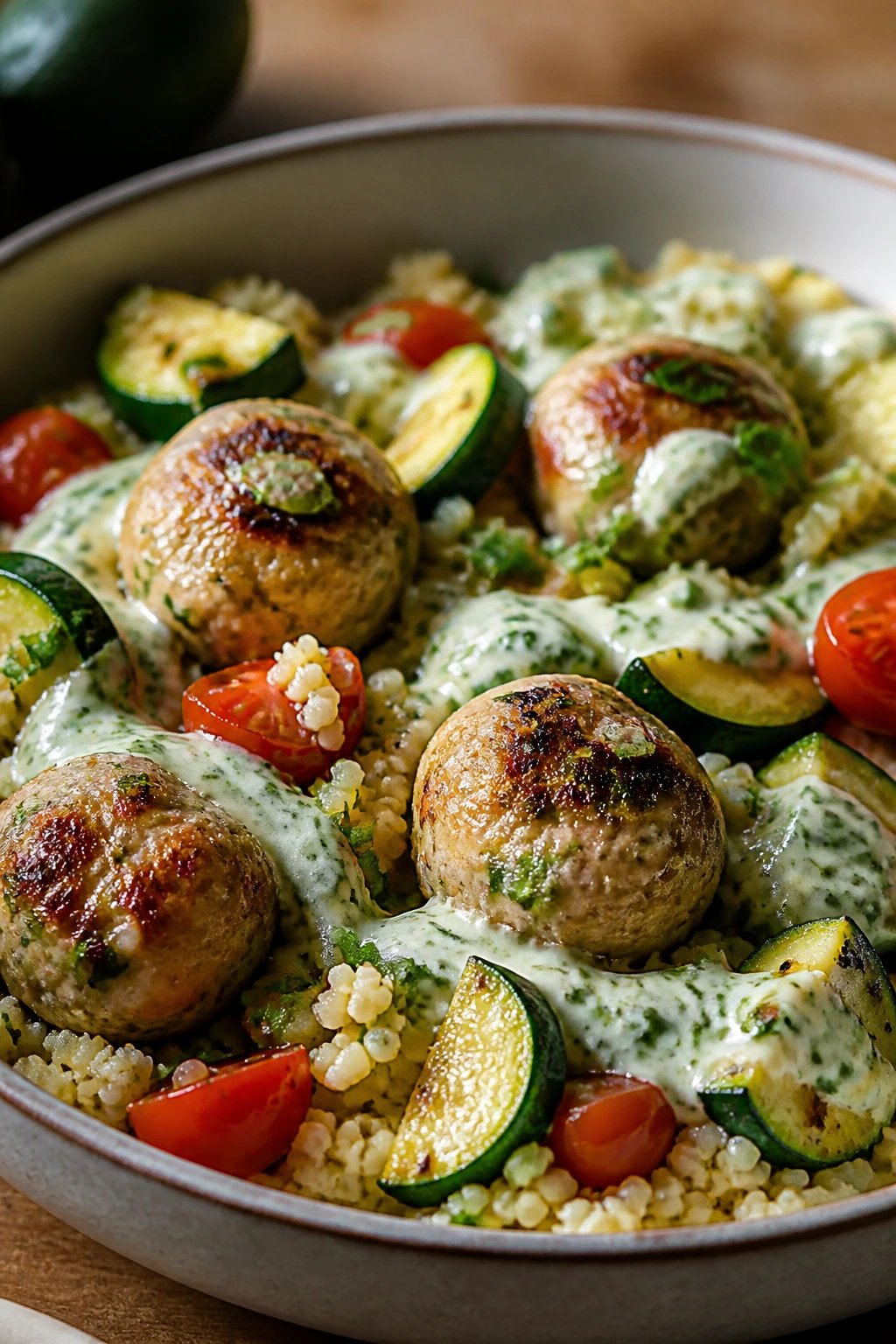
4. Pesto Turkey Meatball Couscous Bowl
These meatballs are soft, herby, and a little garlicky, the kind of thing that tastes much more expensive than it is. Couscous makes the bowl fast, zucchini keeps it from feeling heavy, and a spoon of pesto yogurt pulls the whole thing together.
Why It Works:
Turkey meatballs can go dry if you treat them like beef, so pesto and breadcrumbs help keep them tender. Couscous absorbs the pan juices in minutes, which is a nice trick on a night when you want a bowl, not a project.
Key Ingredients:
- 1 lb ground turkey
- ½ cup breadcrumbs
- 1 egg
- 2 tbsp pesto, plus more for serving
- 1 cup couscous
- 1 zucchini, sliced into half-moons
- 1½ cups chicken broth
- ½ cup plain yogurt
- 2 tbsp olive oil
- Salt and black pepper
Quick Steps:
- Mix turkey, breadcrumbs, egg, 2 tbsp pesto, salt, and pepper.
- Form 16 small meatballs and bake at 425°F for 12 to 14 minutes.
- Simmer the couscous in hot broth, covered, for 5 minutes.
- Sauté the zucchini in olive oil until lightly browned.
- Stir pesto into yogurt and spoon it over the bowl.
Equipment for This Recipe:
- Baking sheet
- Large mixing bowl
- Medium saucepan
- Nonstick skillet
How to Serve This Dish:
Pile the couscous in the center, tuck the zucchini around it, and set the meatballs on top so the pesto can run into the grains. A little extra black pepper on the yogurt is enough.
Pro Tips for This Recipe:
- Make the meatballs small; they cook evenly and stay tender.
- Don’t pack the turkey mixture tightly or the texture goes rubbery.
- Warm the pesto before mixing with yogurt if it’s very thick.
Variations on This Dish:
- Spicy Version: Add a pinch of Calabrian chile paste to the yogurt sauce.
- Rice Bowl Version: Swap couscous for short-grain rice if you want a softer base.
Common Mistakes to Avoid with This Dish:
- Don’t overbake the meatballs. Pull them as soon as they reach 165°F.
- Don’t drown the couscous in liquid or it turns gluey.
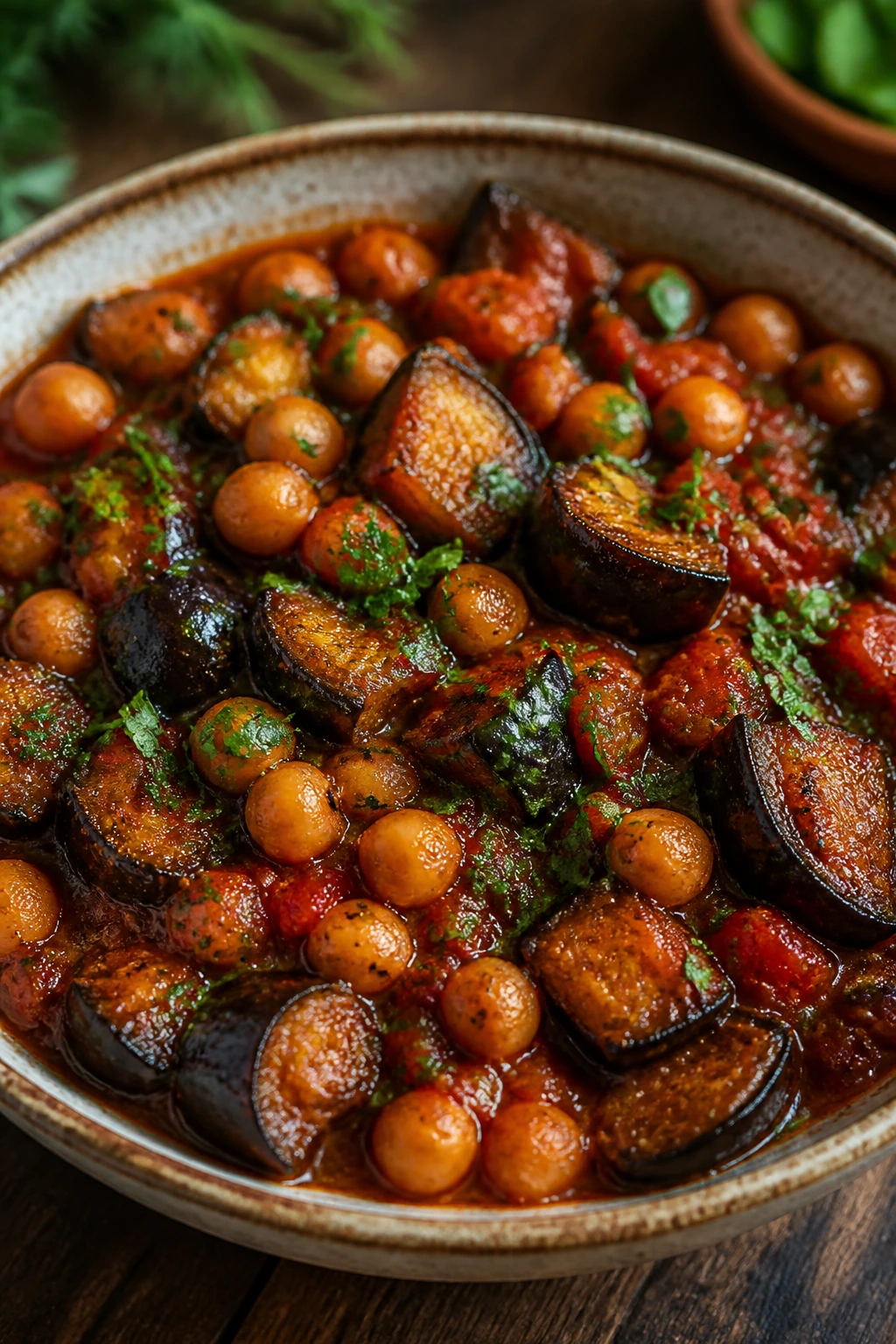
5. Smoky Eggplant Chickpea Bowl
Eggplant deserves more respect than it gets. When it’s roasted until the edges collapse and the center turns almost custardy, it brings a rich, almost meaty quality to a bowl, and chickpeas pick up that flavor without disappearing.
Why It Works:
Eggplant absorbs seasoning like a sponge, so olive oil, garlic, and smoked paprika matter here. Chickpeas bring substance, and a tomato-based sauce keeps the bowl grounded in a familiar Italian direction rather than wandering off into dip territory.
Key Ingredients:
- 1 large eggplant, cubed
- 2 cans chickpeas, drained and rinsed
- 1 small onion, sliced
- 3 garlic cloves, minced
- 1 can crushed tomatoes, 14 oz
- 2 tbsp olive oil
- 1 tsp smoked paprika
- 1 tsp dried oregano
- ¼ cup chopped parsley
- Salt and black pepper
Quick Steps:
- Toss eggplant with olive oil, salt, and paprika; roast at 425°F for 25 minutes.
- Sauté onion and garlic until soft.
- Add chickpeas, tomatoes, oregano, and roasted eggplant.
- Simmer 10 minutes until the sauce thickens and the eggplant nearly melts.
- Finish with parsley and a drizzle of olive oil.
Equipment for This Recipe:
- Rimmed sheet pan
- Large skillet
- Wooden spoon
How to Serve This Dish:
Serve over polenta or with torn bread to catch the tomato sauce. A spoon of ricotta on top is a useful move if you want more creaminess.
Pro Tips for This Recipe:
- Salt the eggplant lightly before roasting if your slices are thick.
- Let the chickpeas simmer long enough to take on the tomato flavor.
- Use a hot oven; a lukewarm one leaves eggplant spongy.
Variations on This Dish:
- Herbed Version: Stir in basil and mint at the end for a fresher finish.
- Roasted Pepper Version: Add 1 cup sliced roasted peppers for a sweeter bowl.
Common Mistakes to Avoid with This Dish:
- Don’t crowd the eggplant on the pan or it steams instead of browns.
- Don’t skip the finishing oil; the bowl needs that last glossy layer.
6. Shrimp Saffron Rice Bowl
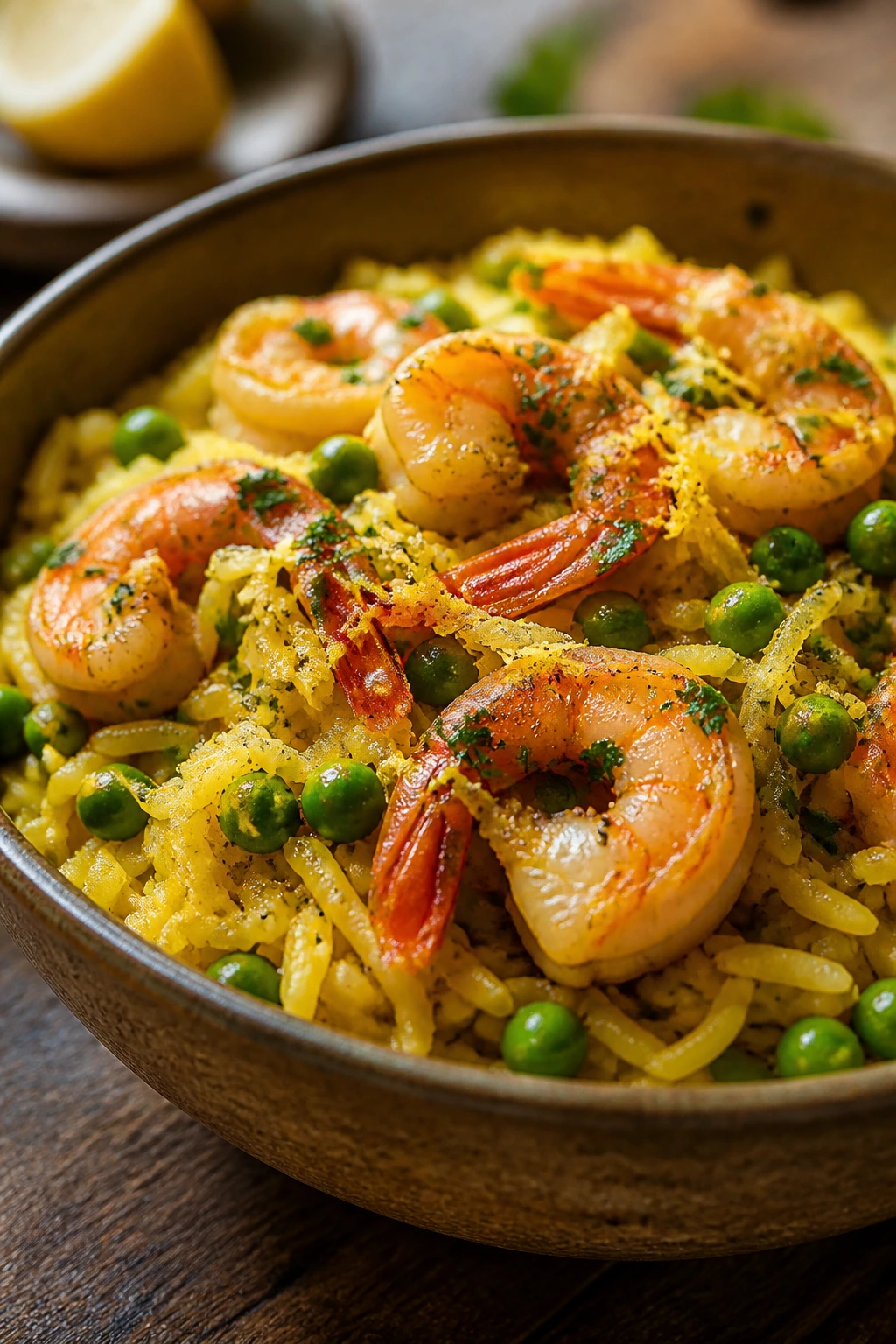
Saffron changes the whole mood of a rice bowl with very little effort. The rice turns golden and fragrant, the shrimp cook fast in garlic and olive oil, and peas or fennel add a little sweetness so the bowl doesn’t lean too hard into brine.
Why It Works:
Shrimp cooks in minutes, which keeps the texture tender if you pull it the moment it turns opaque. Saffron blooms in hot stock and gives the rice a deep floral note that feels warmer than plain white rice.
Key Ingredients:
- 1½ cups arborio or short-grain rice
- 1 lb large shrimp, peeled and deveined
- 3 cups chicken or fish stock
- ½ tsp saffron threads
- 3 garlic cloves, minced
- 1 cup peas
- 2 tbsp olive oil
- 1 lemon, zested
- 2 tbsp chopped parsley
- Salt and black pepper
Quick Steps:
- Warm the stock and steep the saffron for 5 minutes.
- Cook the rice in saffron stock until tender and slightly creamy, about 18 minutes.
- Sauté garlic in olive oil, then cook shrimp 2 minutes per side.
- Stir peas into the rice during the last 3 minutes.
- Top with shrimp, lemon zest, parsley, and extra olive oil.
Equipment for This Recipe:
- Saucepan with lid
- Large skillet
- Fine-mesh strainer, if needed for rinsing rice
How to Serve This Dish:
Use warm bowls so the saffron rice stays fragrant. A lemon wedge on the side helps sharpen the shrimp without making the rice taste sour.
Pro Tips for This Recipe:
- Don’t overcook the shrimp; they go chalky fast.
- Bloom the saffron in hot stock, not cold water.
- Add peas near the end so they stay bright.
Variations on This Dish:
- Garlic-Lemon Version: Add an extra garlic clove and a touch more lemon zest.
- Tomato Version: Stir in ½ cup chopped cherry tomatoes for a red-gold bowl.
Common Mistakes to Avoid with This Dish:
- Don’t walk away from the rice; short-grain rice can stick if ignored.
- Don’t cook the shrimp in a crowded pan or they’ll steam.
7. Caprese Chicken Rice Bowl
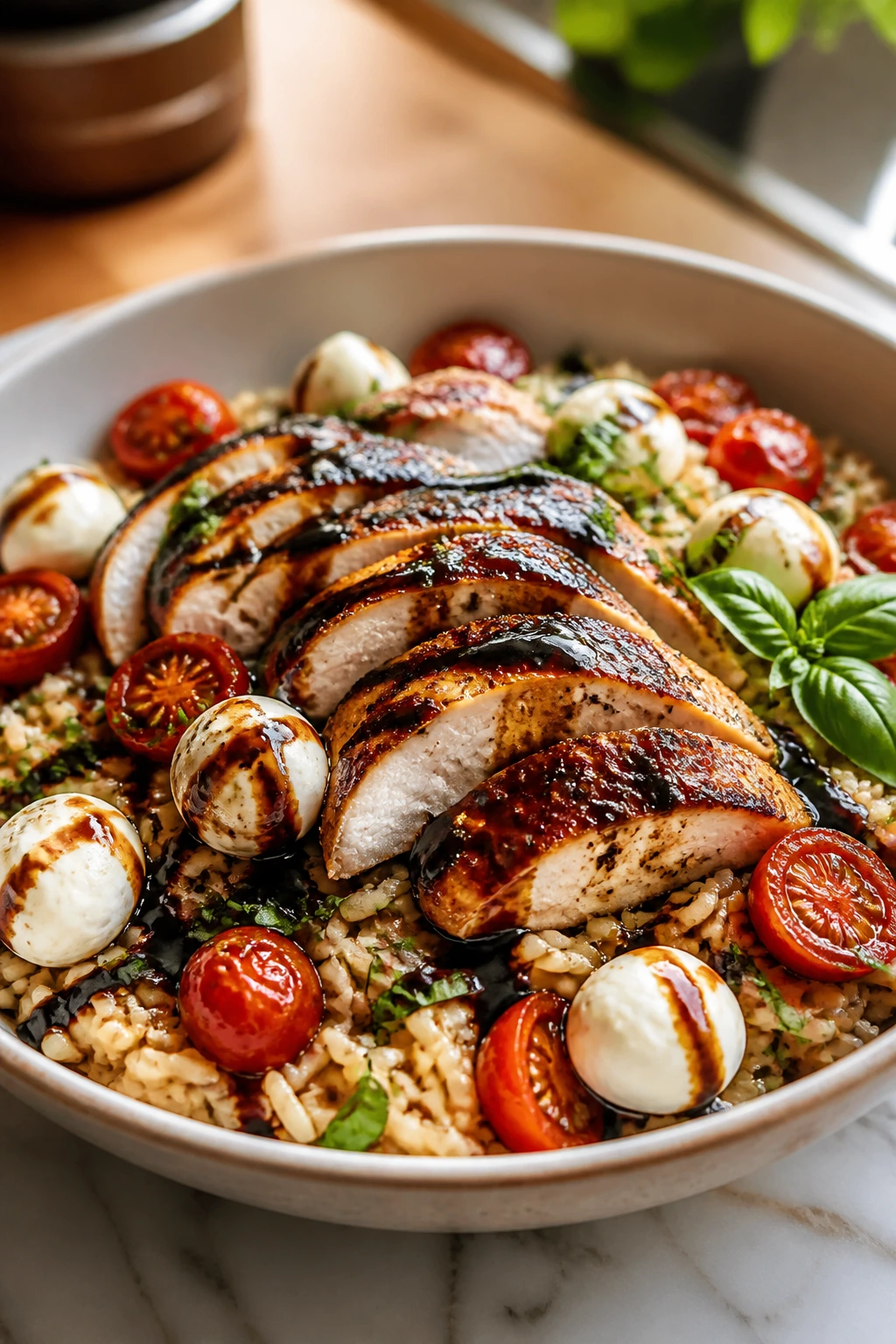
This one takes the familiar Caprese trio — tomato, mozzarella, basil — and turns it into dinner. Grilled or seared chicken gives it heft, rice makes it steady, and balsamic reduction adds a sharp, almost syrupy finish that keeps the bowl from tasting like a picnic.
Why It Works:
Caprese works because the ingredients are few and very loud. Chicken and rice create a neutral base, so the tomatoes can stay juicy, the mozzarella can melt at the edges, and the basil can stay fresh instead of fading into the background.
Key Ingredients:
- 4 chicken breasts, about 6 oz each
- 1½ cups cooked rice
- 2 cups cherry tomatoes
- 8 oz fresh mozzarella balls, halved
- ½ cup basil leaves
- 2 tbsp olive oil
- 2 tbsp balsamic glaze
- Salt and black pepper
Quick Steps:
- Season the chicken with salt and pepper, then sear or grill until it reaches 165°F.
- Toss the tomatoes with olive oil and a pinch of salt.
- Warm the rice and mound it into bowls.
- Slice the chicken and arrange it over the rice.
- Top with tomatoes, mozzarella, basil, and balsamic glaze.
Equipment for This Recipe:
- Grill pan or skillet
- Cutting board
- Small spoon for drizzling glaze
How to Serve This Dish:
Keep the bowl loose and colorful, not packed tight. A few torn basil leaves on top look better than a mountain of whole leaves dumped in at the end.
Pro Tips for This Recipe:
- Let the chicken rest before slicing or the rice gets watery.
- Use room-temperature mozzarella if you want it softer on the bowl.
- Salt the tomatoes lightly before plating; it wakes them up fast.
Variations on This Dish:
- Pesto Caprese: Replace balsamic glaze with a spoon of basil pesto.
- Gluten-Free Bowl: Serve over quinoa instead of rice for more chew.
Common Mistakes to Avoid with This Dish:
- Don’t chill the mozzarella too hard or it turns rubbery.
- Don’t drown the bowl in glaze; it should accent, not cover.
8. Tuna Olive Potato Bowl
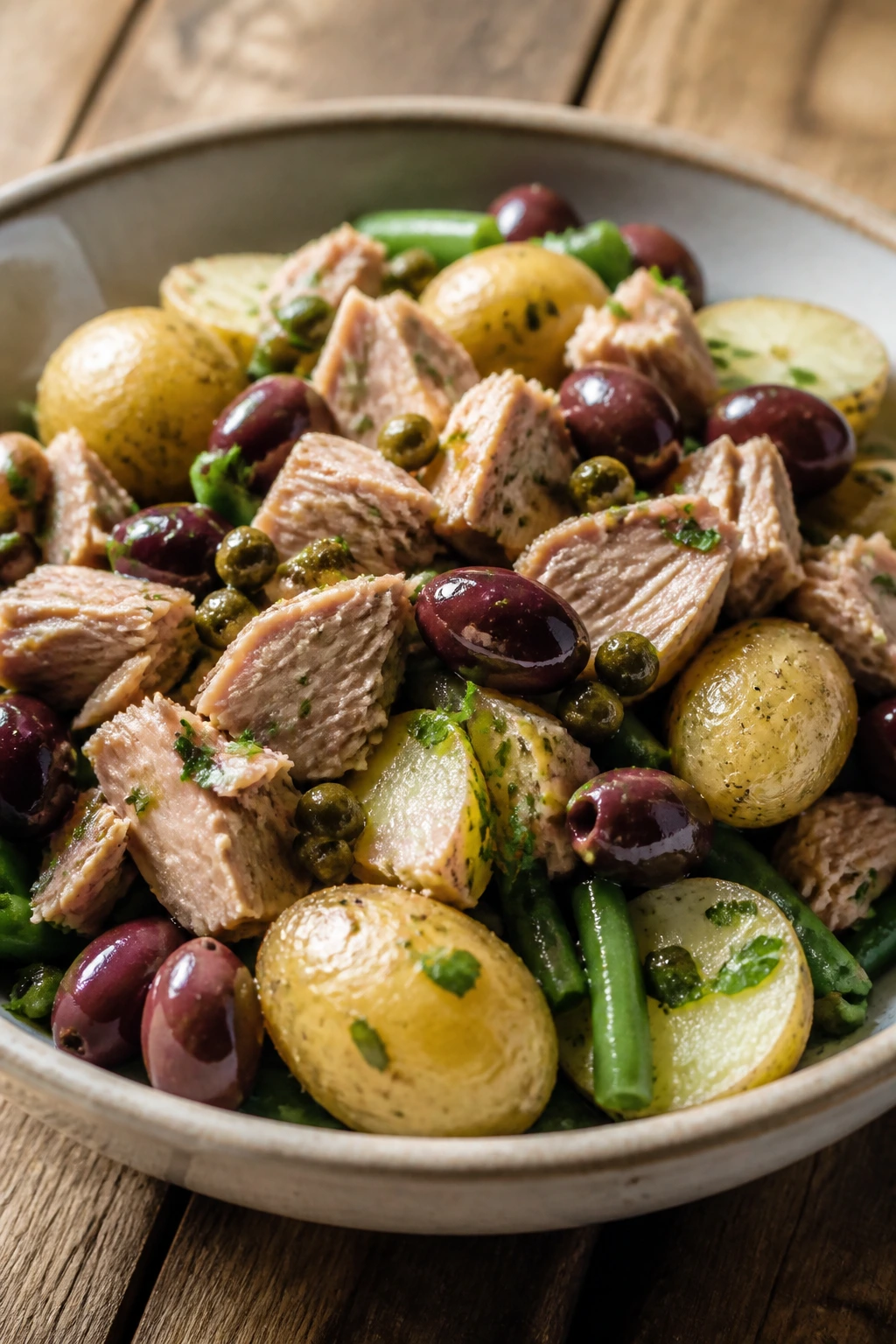
If you like food with a briny backbone, this is your bowl. Tuna, potatoes, olives, capers, and green beans all bring their own salt and shape, and the trick is using enough olive oil and lemon to keep the whole thing from feeling stern.
Why It Works:
This bowl borrows from the Mediterranean habit of pairing sturdy starch with bright, salty ingredients. Potatoes carry the bowl, tuna supplies protein, and capers give quick bursts of flavor that keep every forkful changing a little.
Key Ingredients:
- 1 lb baby potatoes
- 2 cans good tuna in olive oil, drained slightly
- 1 cup green beans, trimmed
- ¼ cup Kalamata olives, pitted and halved
- 2 tbsp capers
- 2 tbsp olive oil
- 1 lemon, juiced
- 2 hard-boiled eggs, halved
- 2 tbsp chopped parsley
Quick Steps:
- Boil the potatoes until just tender, about 12 to 15 minutes.
- Blanch the green beans for 2 to 3 minutes.
- Whisk olive oil and lemon juice with a little salt.
- Toss potatoes, beans, olives, and capers with the dressing.
- Top with tuna, eggs, and parsley.
Equipment for This Recipe:
- Saucepan
- Slotted spoon
- Mixing bowl
- Knife for halving the potatoes if needed
How to Serve This Dish:
Serve it slightly warm, not hot; that temperature keeps the tuna pleasant and the potatoes from tasting stiff. A slice of grilled bread on the side is enough.
Pro Tips for This Recipe:
- Use tuna packed in olive oil if possible; it has better texture.
- Don’t overcook the potatoes or they’ll break when tossed.
- Dress the potatoes while they’re warm so they absorb the lemon.
Variations on This Dish:
- No-Egg Version: Leave out the eggs and add extra parsley and dill.
- Bean-Heavy Version: Add 1 cup cannellini beans for a softer, fuller bowl.
Common Mistakes to Avoid with This Dish:
- Don’t use dry tuna packed in water unless you add more olive oil.
- Don’t skip the herbs; the bowl needs something green and fresh.
9. Lamb Kofta Quinoa Bowl
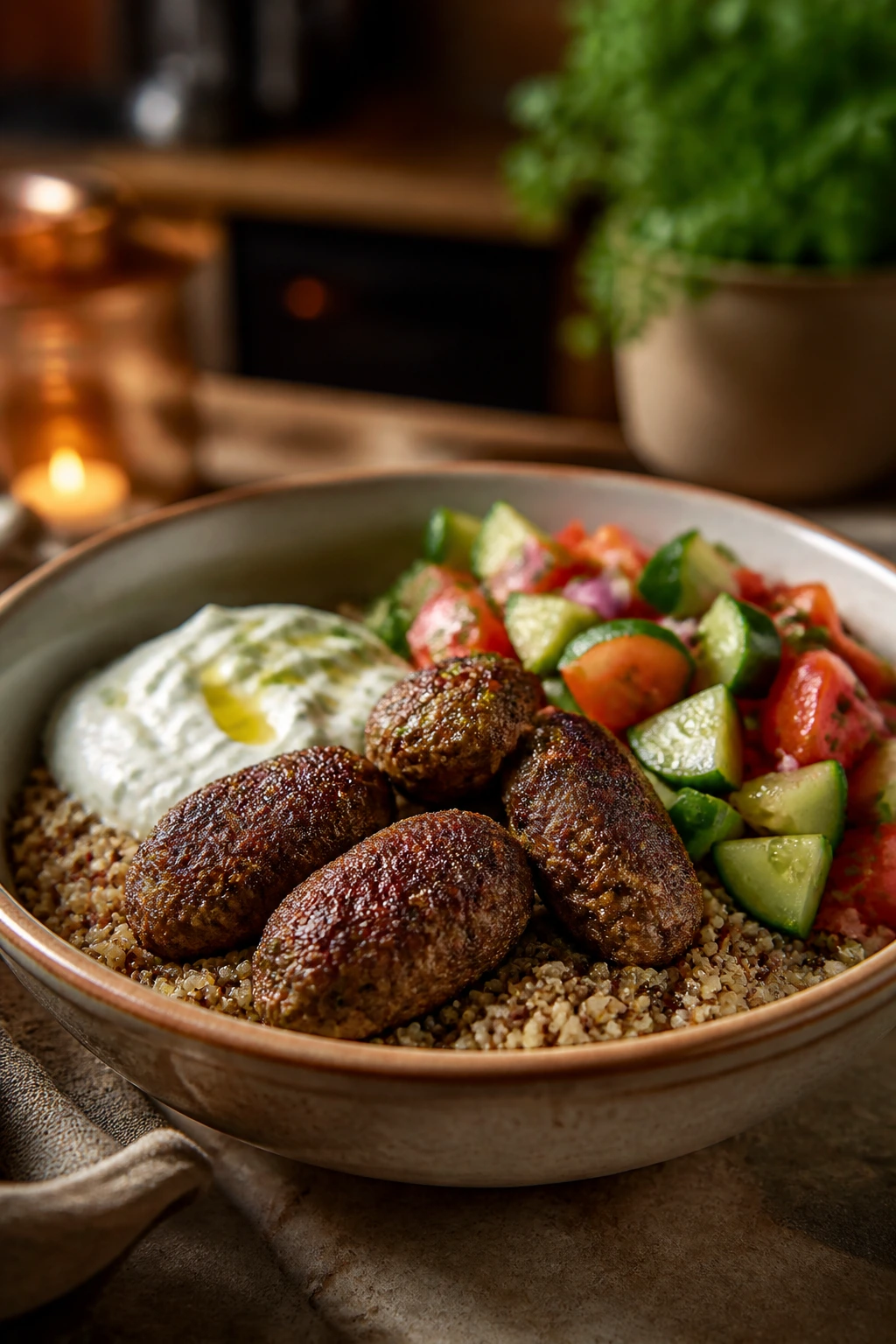
Kofta brings a warm, spiced edge that feels right on a cold night. Quinoa gives the bowl a light, fluffy base, and cucumber, tomato, and yogurt cool things down so the lamb’s richness doesn’t take over.
Why It Works:
Ground lamb has more flavor than most people give it credit for, and the spices wake it up without burying it. Quinoa catches the juices, which is useful because kofta is at its best when the seasoning from the meat spreads into the bowl.
Key Ingredients:
- 1 lb ground lamb
- 1 egg
- ½ cup breadcrumbs
- 1 tsp cumin
- 1 tsp coriander
- 1 cup quinoa
- 1 cucumber, diced
- 1 cup cherry tomatoes, halved
- ½ cup plain yogurt
- 2 tbsp olive oil
Quick Steps:
- Mix lamb with egg, breadcrumbs, cumin, coriander, salt, and pepper.
- Shape into 8 to 10 small logs or patties.
- Sear in a skillet for 8 to 10 minutes, turning until browned.
- Cook quinoa in salted water for 15 minutes.
- Assemble with cucumber, tomatoes, yogurt, and a drizzle of olive oil.
Equipment for This Recipe:
- Large skillet
- Medium saucepan
- Mixing bowl
- Spoon or small scoop for shaping kofta
How to Serve This Dish:
Put the yogurt on the side or in a wide streak across the top so it catches the lamb juices. A little chopped mint makes the bowl taste fresher than its ingredient list suggests.
Pro Tips for This Recipe:
- Keep the kofta small so they brown fast and stay juicy.
- Don’t overmix the lamb or the texture turns dense.
- Add a squeeze of lemon if the bowl needs lifting.
Variations on This Dish:
- Beef Version: Swap lamb for beef if you want a milder flavor.
- Herb-Heavy Version: Fold chopped parsley and mint into the meat mixture.
Common Mistakes to Avoid with This Dish:
- Don’t cook kofta on low heat; they need a real sear.
- Don’t let quinoa sit uncovered after cooking or it dries out fast.
10. Roasted Veggie Gnocchi Bowl
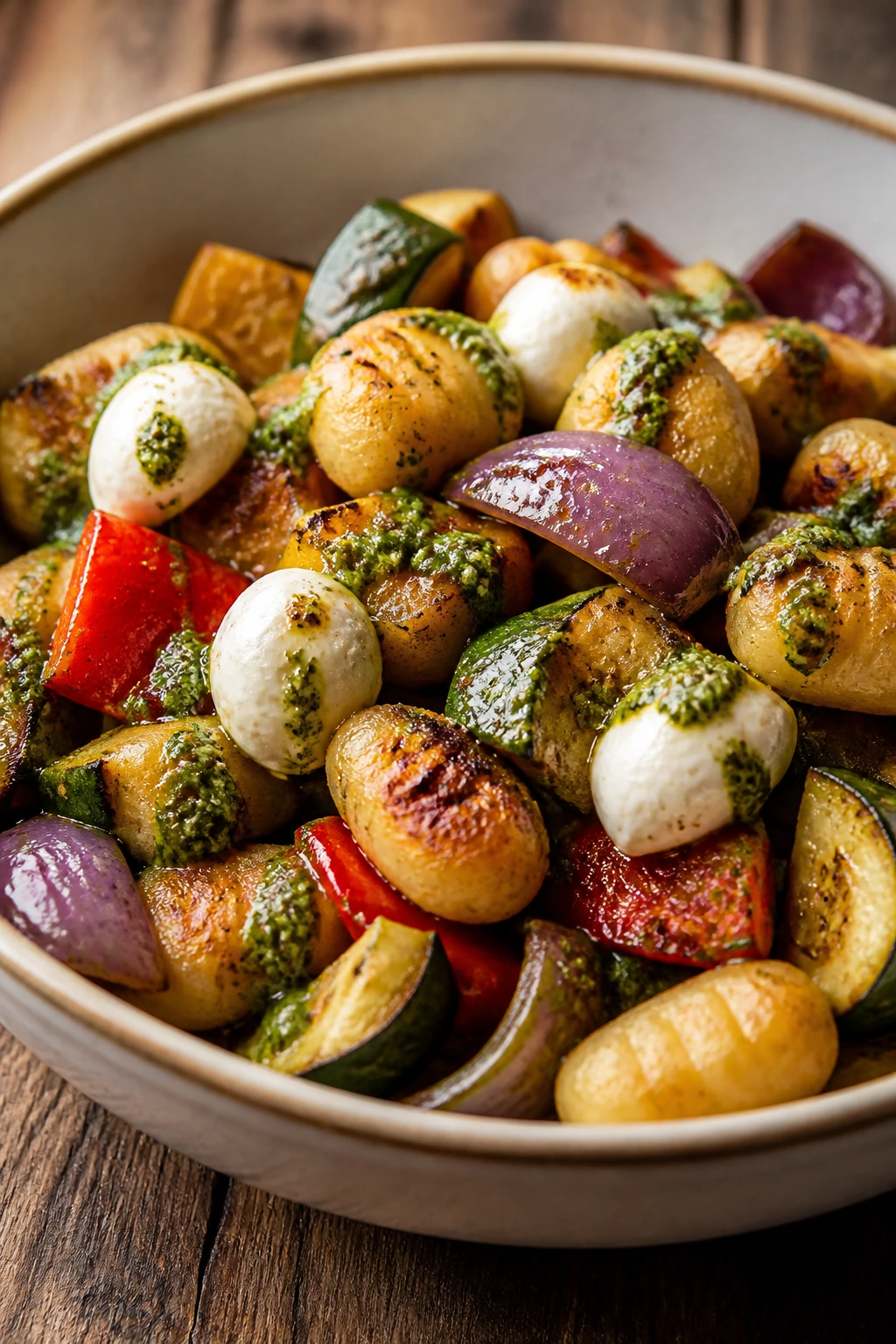
Gnocchi is a cheat code for cozy dinners because it gives you the comfort of pasta with almost no wait. Roast it with zucchini, peppers, and red onion until the edges blister, then finish with pesto and a little mozzarella and you’ve got a bowl with actual personality.
Why It Works:
Shelf-stable gnocchi browns in the oven better than people expect, especially when you toss it with oil first. The vegetables caramelize in the same pan, so you get sweet, savory, and chewy all at once.
Key Ingredients:
- 1 lb potato gnocchi
- 1 zucchini, sliced
- 1 red bell pepper, sliced
- 1 small red onion, sliced
- 2 tbsp olive oil
- ⅓ cup basil pesto
- 1 cup mozzarella pearls
- 2 tbsp grated Parmesan
- Salt and black pepper
Quick Steps:
- Toss gnocchi and vegetables with olive oil, salt, and pepper.
- Roast at 425°F for 20 to 25 minutes, stirring once.
- Spoon the hot mixture into bowls.
- Toss with pesto while everything is still hot.
- Finish with mozzarella pearls and Parmesan.
Equipment for This Recipe:
- Large rimmed sheet pan
- Mixing bowl
- Spatula
How to Serve This Dish:
Serve it as the main bowl with a simple arugula salad on the side. The pesto should coat the gnocchi lightly, not bury the vegetables.
Pro Tips for This Recipe:
- Don’t crowd the pan or the gnocchi softens instead of browns.
- Stir once halfway through; too much stirring keeps everything pale.
- Add the cheese while the pan is still hot so it softens at the edges.
Variations on This Dish:
- Tomato Version: Swap pesto for warm marinara and add basil.
- Smoky Version: Add sliced mushrooms and a pinch of smoked paprika.
Common Mistakes to Avoid with This Dish:
- Don’t boil the gnocchi first; it’s meant to roast straight from the package.
- Don’t add too much pesto or the bowl turns oily.
11. Ricotta Spinach Tortellini Bowl
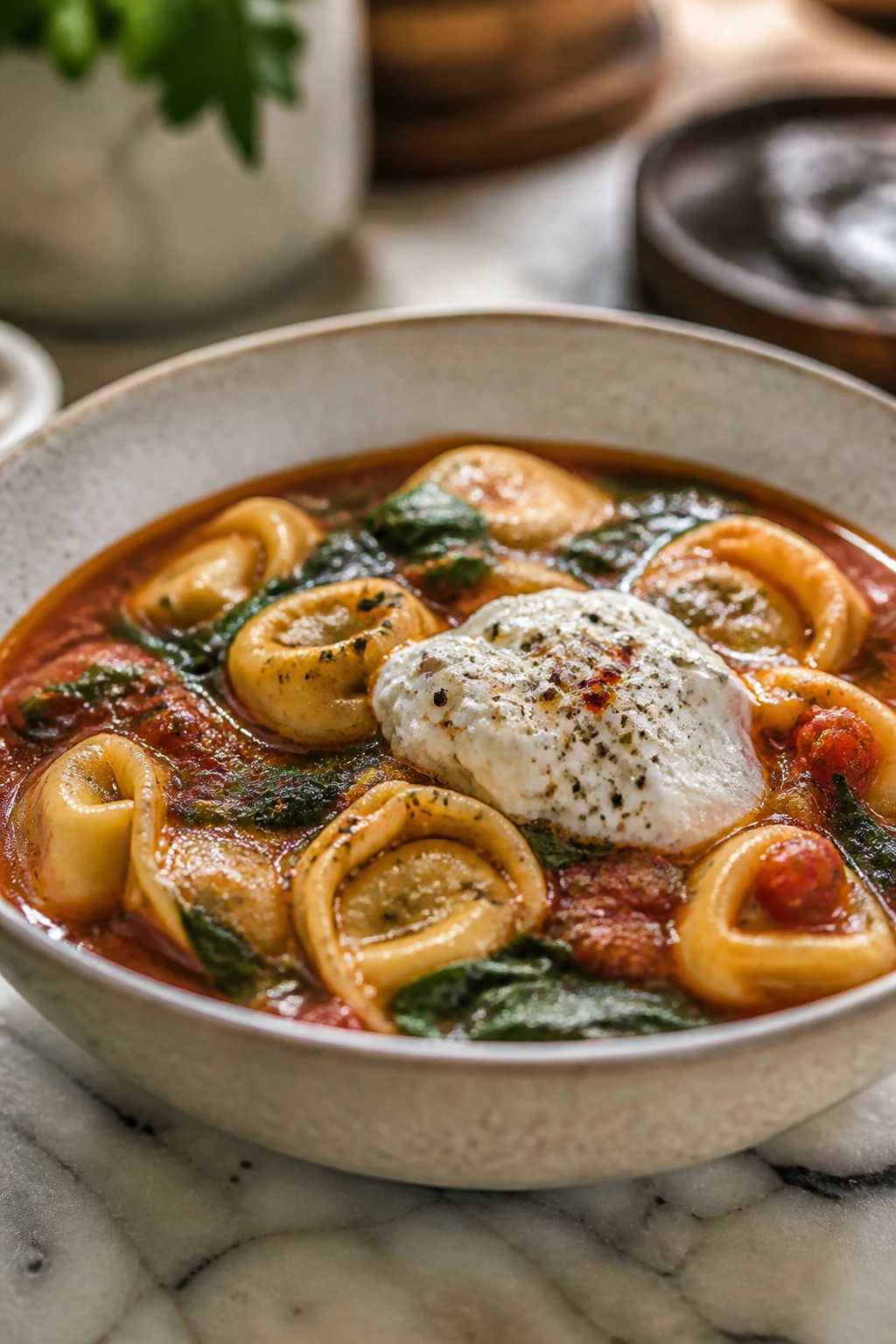
Store-bought tortellini can save a night, but it doesn’t have to feel like a shortcut. A quick tomato broth, spinach, and a spoon of ricotta give the pasta a softer, more soup-like edge that makes the bowl feel deliberate.
Why It Works:
Tortellini already carries filling, so the sauce only needs to support it, not fight for attention. Tomato broth gives the cheese filling a place to land, and ricotta makes the whole bowl creamy without heavy cream.
Key Ingredients:
- 1 lb cheese tortellini
- 1 can crushed tomatoes, 14 oz
- 3 cups vegetable broth
- 3 cups baby spinach
- 3 garlic cloves, minced
- ½ cup ricotta
- 2 tbsp olive oil
- 1 tsp dried basil
- Salt and black pepper
Quick Steps:
- Warm olive oil and cook garlic for 30 seconds.
- Add tomatoes, broth, basil, salt, and pepper; simmer 10 minutes.
- Cook tortellini in the broth until tender, 3 to 5 minutes.
- Fold in spinach until wilted.
- Ladle into bowls and top with ricotta.
Equipment for This Recipe:
- Large saucepan or Dutch oven
- Slotted spoon
- Ladle
How to Serve This Dish:
Use deep bowls so the broth can sit under the tortellini. A few cracks of black pepper over the ricotta make the bowl look sharper than it is.
Pro Tips for This Recipe:
- Taste the broth before adding pasta; it should be a little punchy.
- Add spinach at the very end so it keeps its color.
- Use fresh tortellini if you want a softer, faster-cooking bowl.
Variations on This Dish:
- Spicy Version: Add crushed red pepper with the garlic.
- Pesto Swirl Version: Stir a spoon of pesto into each bowl before serving.
Common Mistakes to Avoid with This Dish:
- Don’t overcook the tortellini or it falls apart in the broth.
- Don’t forget to salt the broth; pasta needs it.
12. Italian Sausage Polenta Bowl
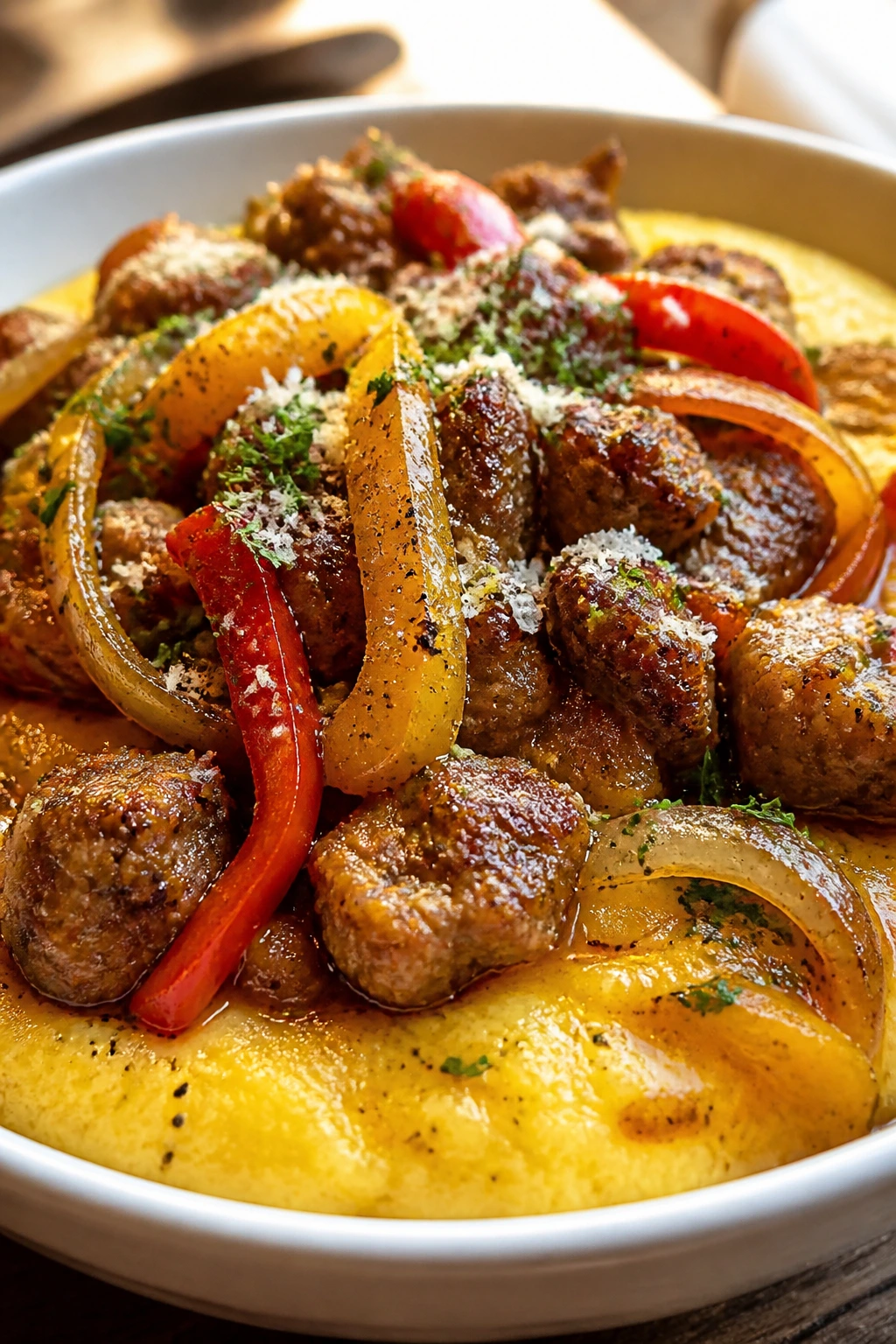
Polenta gives this bowl a soft, nearly spoonable base that catches sausage drippings the way rice catches sauce. With peppers, onions, and a little Parmesan, it feels like the kind of dinner you’d want after a long walk in cold air.
Why It Works:
Italian sausage brings fat and seasoning in one move, which helps the vegetables cook in the same pan. Polenta is plain on purpose; its job is to hold onto the saucy parts and make them feel slower and warmer.
Key Ingredients:
- 1 lb Italian sausage, casings removed
- 1 cup polenta
- 4 cups water or broth
- 1 bell pepper, sliced
- 1 onion, sliced
- ½ cup grated Parmesan
- 2 tbsp olive oil
- Salt and black pepper
Quick Steps:
- Cook the polenta in salted water or broth, stirring until thick, about 20 minutes.
- Brown the sausage in a skillet, breaking it up as it cooks.
- Add peppers and onions; cook until softened and browned at the edges.
- Stir Parmesan into the polenta.
- Spoon sausage mixture over the polenta and finish with pepper.
Equipment for This Recipe:
- Heavy saucepan
- Large skillet
- Wooden spoon
How to Serve This Dish:
Serve it right away while the polenta is still loose and glossy. A small spoonful of sautéed greens on the side keeps the bowl from feeling too heavy.
Pro Tips for This Recipe:
- Stir the polenta often so it stays smooth.
- Use broth instead of water if you want a deeper base.
- Add a splash of milk at the end if the polenta thickens too much.
Variations on This Dish:
- Broccoli Rabe Version: Swap peppers for chopped broccoli rabe.
- Turkey Sausage Version: Use turkey sausage for a lighter bowl.
Common Mistakes to Avoid with This Dish:
- Don’t leave polenta unattended; it sticks fast.
- Don’t let the sausage brown too hard or it tastes bitter.
13. Artichoke Cannellini Bowl with Toast
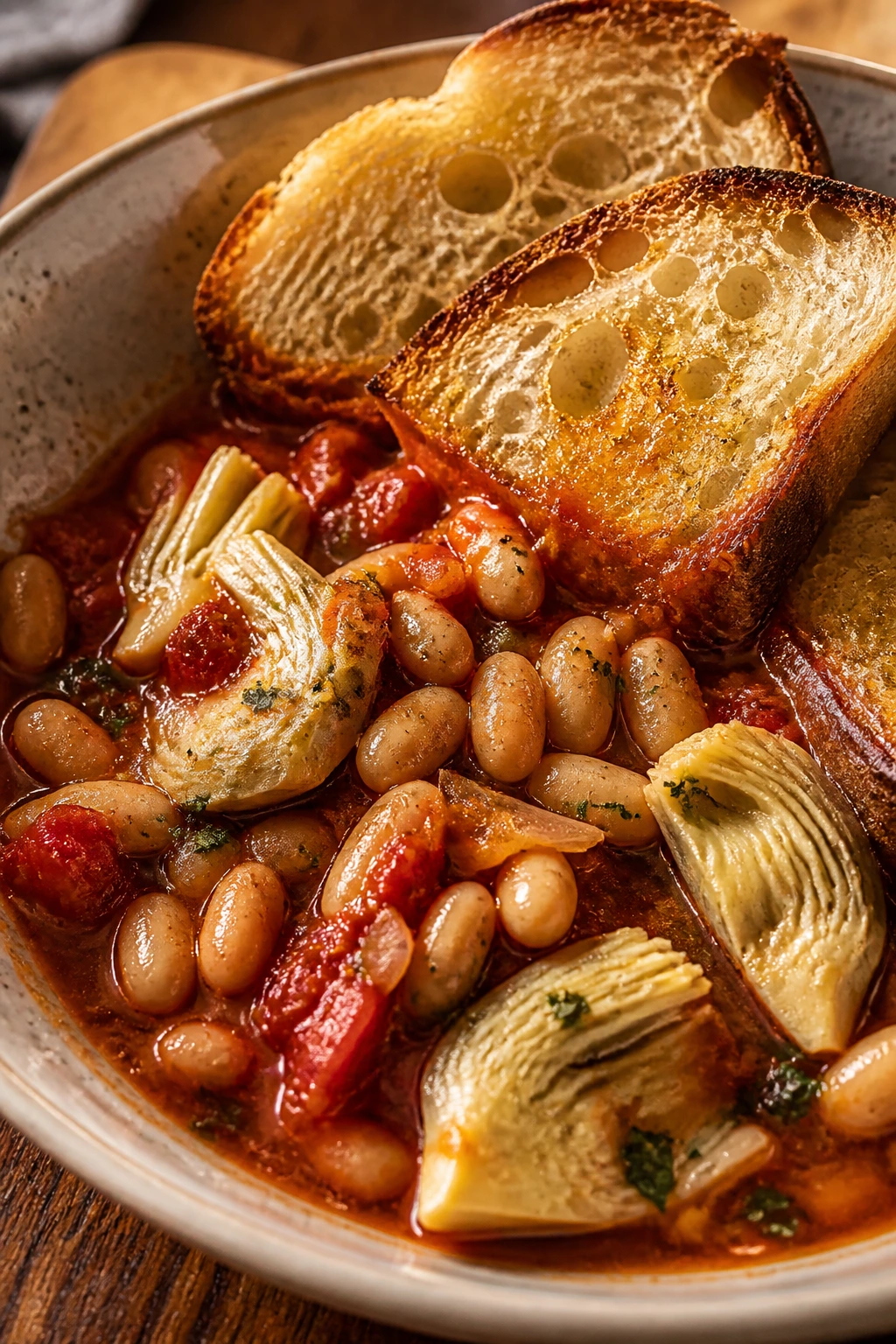
This bowl tastes like a pantry rescue that got dressed up. Artichokes bring a slightly tangy, almost buttery note, cannellini beans soften the edges, and toasted bread gives you the crunch that keeps the whole thing from feeling soft all the way through.
Why It Works:
Artichokes and white beans are a useful pair because both hold garlic and olive oil well. A quick tomato base gives the bowl color and makes it feel more substantial than a bean salad.
Key Ingredients:
- 2 cans cannellini beans, drained and rinsed
- 1 jar artichoke hearts, drained and chopped
- 1 small onion, diced
- 3 garlic cloves, minced
- 1 can diced tomatoes, 14 oz
- 2 tbsp olive oil
- 1 tsp dried oregano
- 4 slices sourdough, toasted
- 2 tbsp chopped parsley
Quick Steps:
- Sauté onion in olive oil until soft.
- Add garlic, artichokes, oregano, and tomatoes.
- Stir in the beans and simmer 10 minutes.
- Spoon over toasted bread in wide bowls.
- Finish with parsley and a little olive oil.
Equipment for This Recipe:
- Skillet or sauté pan
- Toaster or oven
- Wooden spoon
How to Serve This Dish:
Put the toast under the bean mixture so it absorbs the tomato juices. If you like a sharper finish, a little lemon zest works better here than extra cheese.
Pro Tips for This Recipe:
- Dry the artichokes a bit before cooking so the pan doesn’t get watery.
- Toast the bread well; soft toast turns soggy fast.
- Mash a few beans into the sauce for body.
Variations on This Dish:
- Pecorino Finish: Add shaved Pecorino at serving for a saltier edge.
- Greens Version: Stir in spinach or escarole in the last 2 minutes.
Common Mistakes to Avoid with This Dish:
- Don’t use very wet artichokes straight from the jar without draining.
- Don’t under-toast the bread or it disappears under the sauce.
14. Slow-Braised Beef and Cannellini Bowl
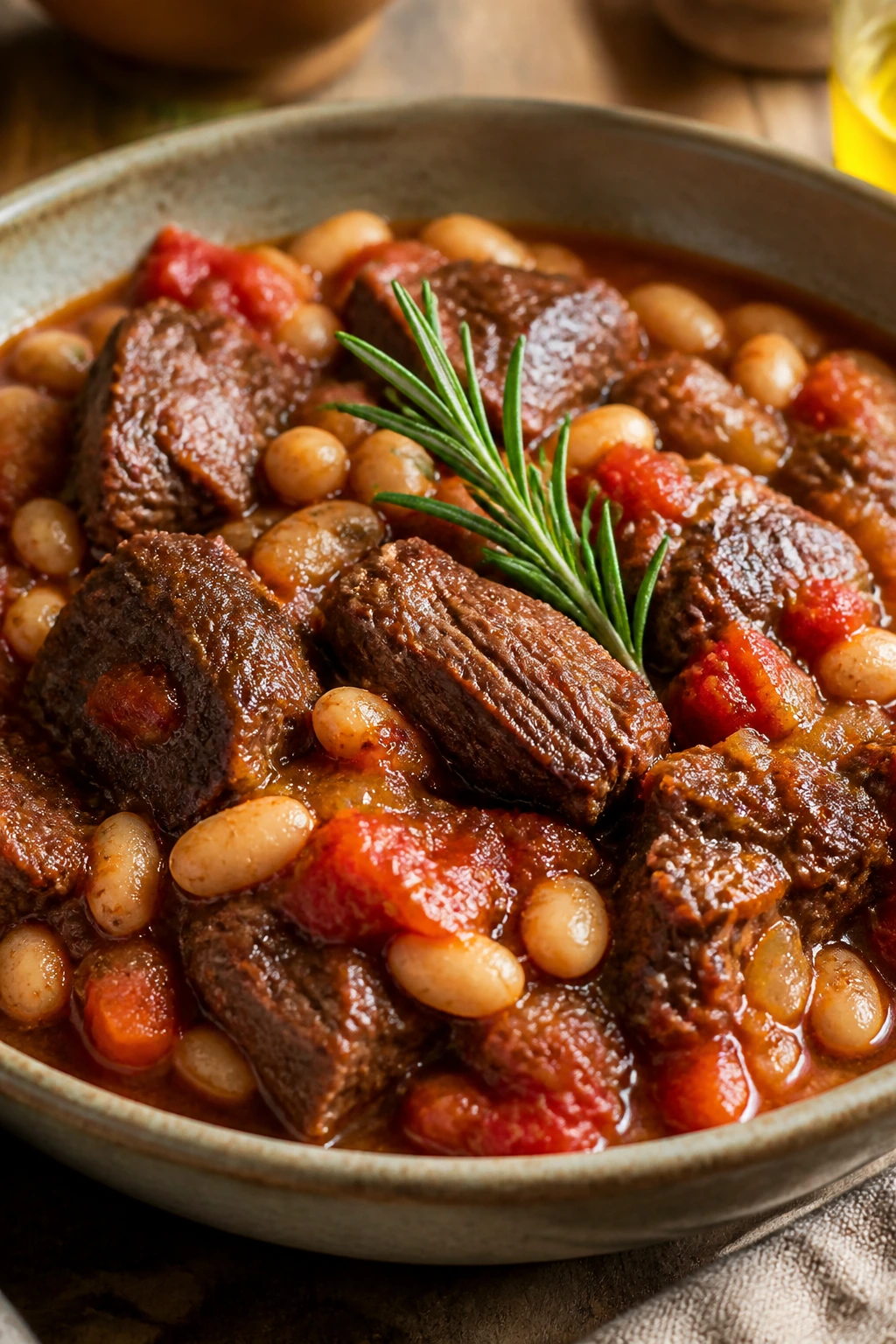
This is the richest bowl in the bunch, the one that tastes like it cooked all afternoon even if you only started it after lunch. Chuck roast turns tender in tomato, wine, garlic, and rosemary, and cannellini beans catch the sauce in every crease.
Why It Works:
Beef and white beans make sense together because both like a long, slow simmer. The rosemary and wine keep the dish from tasting flat, while the beans lighten the bowl just enough to keep the beef from feeling monolithic.
Key Ingredients:
- 2 lbs chuck roast, cut into large chunks
- 2 cans cannellini beans, drained
- 1 onion, chopped
- 4 garlic cloves, minced
- 1 cup dry red wine
- 1 can crushed tomatoes, 14 oz
- 2 tbsp olive oil
- 2 sprigs rosemary
- Salt and black pepper
Quick Steps:
- Brown the beef in olive oil in batches.
- Cook onion and garlic until soft.
- Deglaze with wine, scraping up browned bits.
- Add tomatoes, rosemary, beef, and enough water to barely cover; braise at 325°F for 2½ to 3 hours.
- Stir in beans for the last 20 minutes.
Equipment for This Recipe:
- Dutch oven
- Tongs
- Wooden spoon
How to Serve This Dish:
Serve over mashed potatoes, polenta, or thick slices of toasted bread. A spoon of the braising liquid over the top is nonnegotiable.
Pro Tips for This Recipe:
- Brown the beef well; pale meat makes pale sauce.
- Add the beans late so they keep their shape.
- Skim a little fat off the top if the braise looks greasy.
Variations on This Dish:
- Herb Version: Add thyme and bay leaf with the rosemary.
- Mushroom Version: Add sliced mushrooms when the onions cook.
Common Mistakes to Avoid with This Dish:
- Don’t rush the braise; the beef needs time to loosen.
- Don’t boil it hard or the meat tightens up.
15. Pesto Chickpea Pasta Bowl
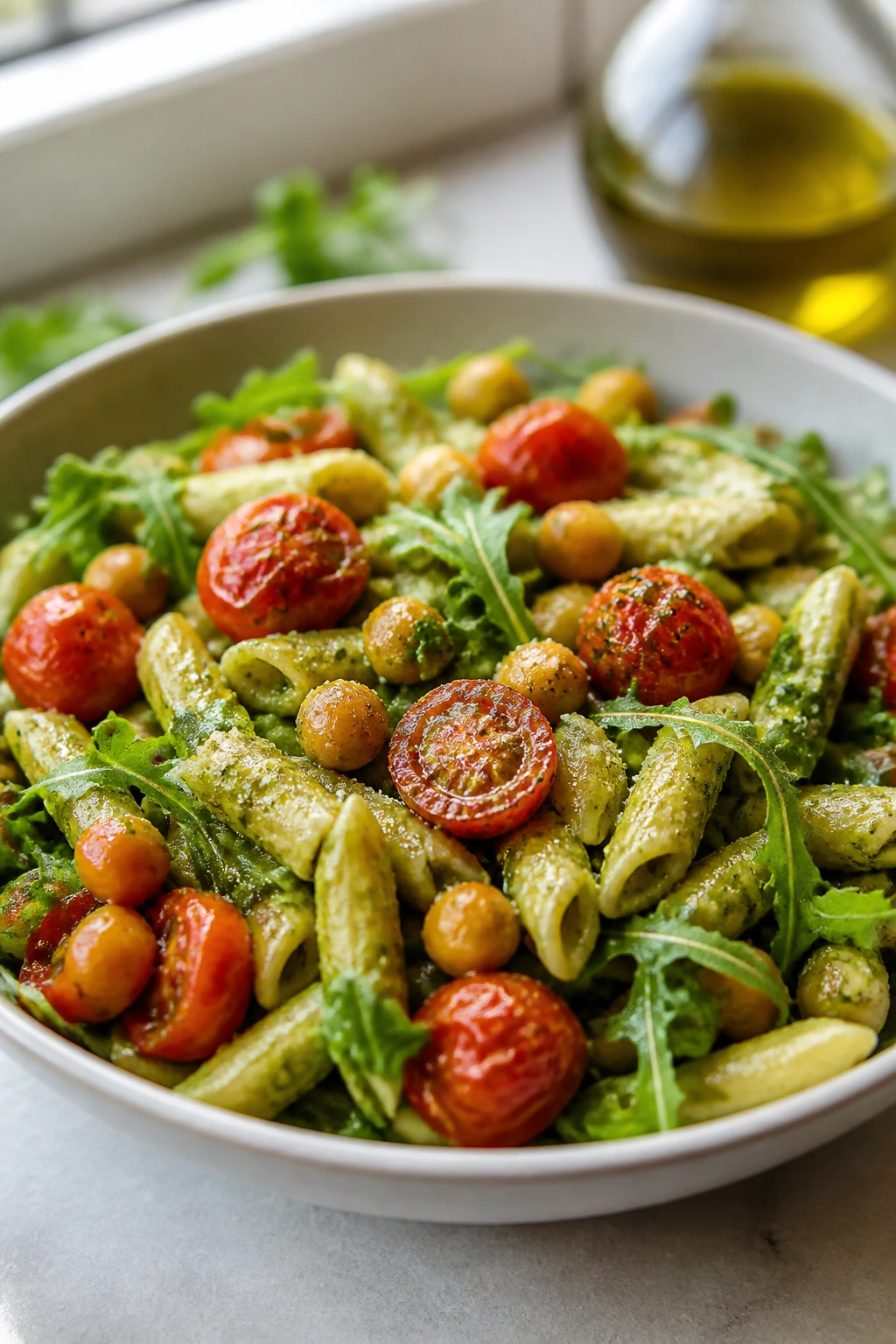
Pasta bowls can get boring if all the sauce sits on top. This one works because the chickpeas tuck into the noodles, the pesto clings to everything, and roasted tomatoes add enough acidity to keep the bowl from going dull after the third bite.
Why It Works:
Chickpeas bring protein and make pesto feel more like dinner than an accent. Pasta water helps the pesto turn into a light sauce, and the roasted tomatoes deliver concentrated sweetness without extra effort.
Key Ingredients:
- 12 oz short pasta
- 1 can chickpeas, drained and rinsed
- 2 cups cherry tomatoes
- ⅓ cup basil pesto
- 2 tbsp olive oil
- ¼ cup grated Parmesan
- 2 cups arugula
- Salt and black pepper
Quick Steps:
- Roast the tomatoes at 425°F for 15 minutes with olive oil and salt.
- Cook the pasta in salted water until just al dente.
- Toss pasta with pesto and a splash of pasta water.
- Add chickpeas, roasted tomatoes, arugula, and Parmesan.
- Serve while the arugula is still slightly wilted.
Equipment for This Recipe:
- Sheet pan
- Large pot
- Colander
- Large mixing bowl
How to Serve This Dish:
This one likes a big, shallow bowl so you can see the tomatoes and greens. A little extra Parmesan on top is enough; heavy garnishes make it feel cramped.
Pro Tips for This Recipe:
- Save more pasta water than you think you need.
- Add arugula off the heat so it wilts without collapsing.
- Use smaller pasta shapes; they catch pesto better.
Variations on This Dish:
- Creamier Version: Add a spoon of ricotta to the pesto.
- Nutty Version: Finish with toasted pine nuts if you want crunch.
Common Mistakes to Avoid with This Dish:
- Don’t rinse the pasta; it needs starch to hold the sauce.
- Don’t use too much pesto or the bowl turns greasy.
16. Burrata Tomato Focaccia Bowl
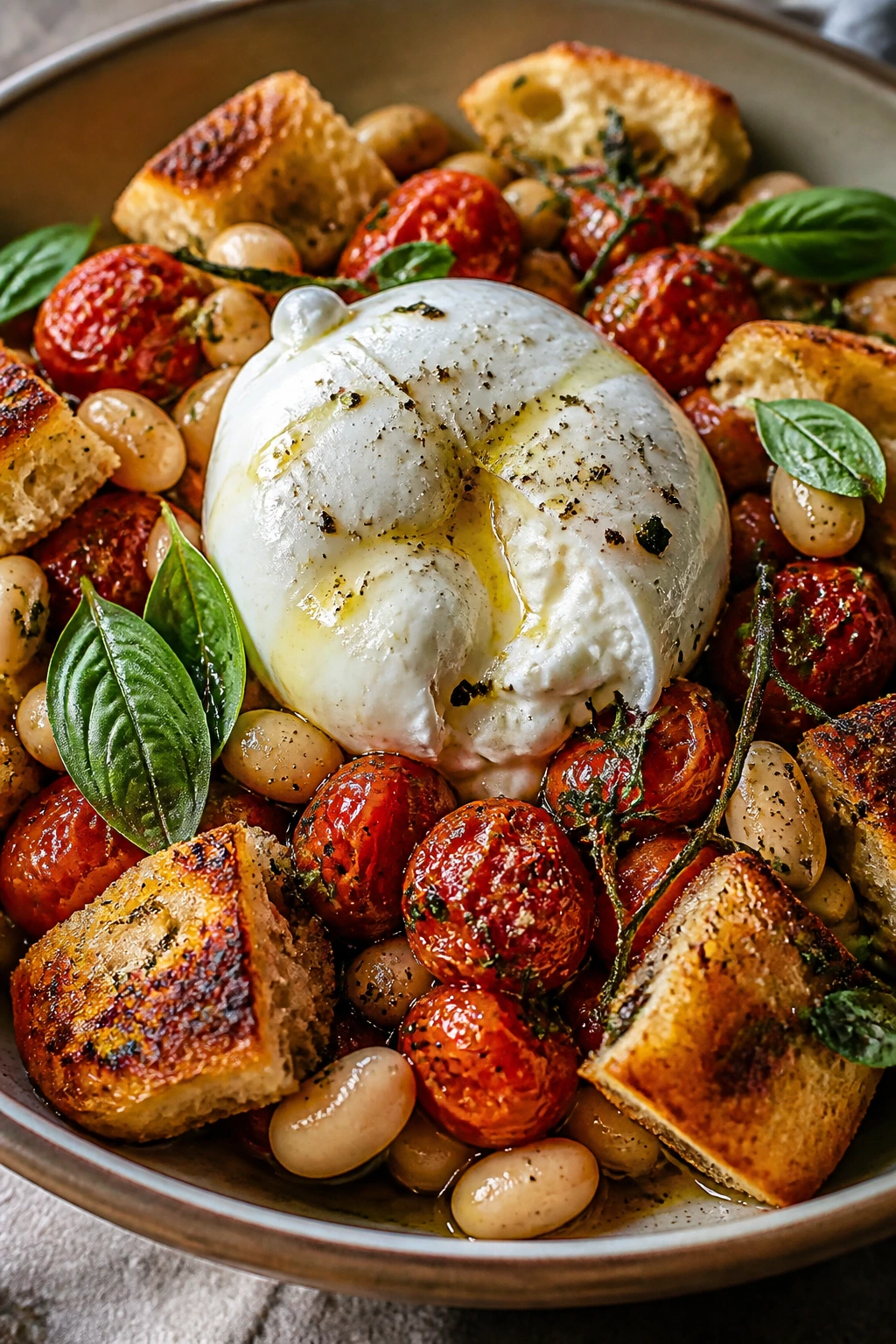
This bowl leans into the softer side of Italian food: torn bread, warm tomatoes, creamy burrata, and olive oil that tastes like it came from a tin lined pantry shelf. It’s part dinner, part bread course, and still somehow feels complete.
Why It Works:
Burrata wants heat from the tomatoes but not direct cooking, which is why this bowl works best with warm roasted vegetables and toasted focaccia underneath. Cannellini beans add substance so it doesn’t become a bread-only situation.
Key Ingredients:
- 1 loaf focaccia, torn into pieces
- 2 cups cherry tomatoes
- 1 can cannellini beans, drained
- 2 balls burrata
- 2 tbsp olive oil
- 1 garlic clove, grated
- 1 cup baby arugula
- 1 tbsp balsamic vinegar
- Salt and black pepper
Quick Steps:
- Roast tomatoes with olive oil, garlic, salt, and pepper at 425°F for 15 minutes.
- Warm the beans gently in a small pan.
- Toast or warm the focaccia pieces.
- Build the bowl with focaccia, beans, tomatoes, and arugula.
- Tear burrata over the top and drizzle with balsamic.
Equipment for This Recipe:
- Sheet pan
- Small saucepan
- Bread knife or your hands, honestly
How to Serve This Dish:
Serve immediately so the burrata softens over the warm tomatoes. A knife is optional; this is a fork-and-bread-both-hands bowl.
Pro Tips for This Recipe:
- Warm the focaccia first so it doesn’t go stale beside the tomatoes.
- Drain the burrata a little before tearing it.
- Don’t overdo the balsamic; a teaspoon or two is enough.
Variations on This Dish:
- Pesto Version: Spoon pesto under the burrata instead of balsamic.
- Roasted Pepper Version: Add strips of roasted peppers for more color and sweetness.
Common Mistakes to Avoid with This Dish:
- Don’t serve it cold; the whole point is the warm bread and tomatoes.
- Don’t drown the focaccia or it loses its chew.
17. Crispy Cod Puttanesca Bowl
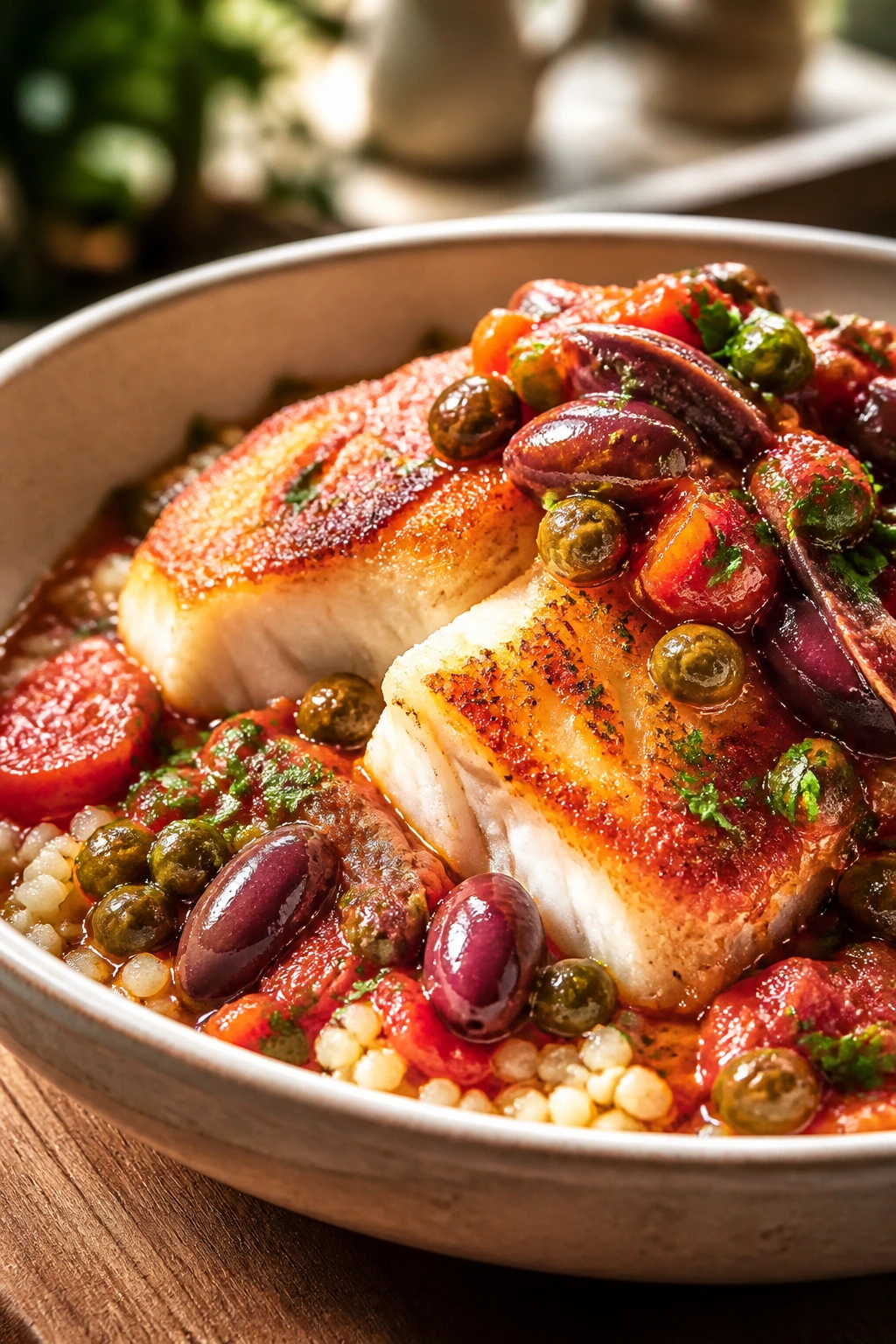
Puttanesca has always been a sauce with attitude. Capers, olives, garlic, anchovy, and tomatoes hit hard and fast, which makes them ideal for a bowl built around crisp cod and a simple starch like couscous or rice.
Why It Works:
Cod stays delicate, so it benefits from a sauce that does the talking. The briny tomato base gives the fish enough punch, and a soft starch underneath catches every drop.
Key Ingredients:
- 4 cod fillets, about 6 oz each
- 1 can crushed tomatoes, 14 oz
- 3 garlic cloves, minced
- 2 tbsp capers
- ¼ cup Kalamata olives, chopped
- 1 anchovy fillet, minced
- 2 tbsp olive oil
- 1 cup couscous
- 2 tbsp chopped parsley
Quick Steps:
- Cook couscous according to package directions.
- Sauté garlic and anchovy in olive oil for 30 seconds.
- Add tomatoes, capers, and olives; simmer 10 minutes.
- Season cod, then sear 3 to 4 minutes per side until it flakes.
- Spoon sauce over the couscous and top with cod and parsley.
Equipment for This Recipe:
- Nonstick skillet
- Small saucepan
- Fish spatula
How to Serve This Dish:
Keep the cod on top so the crispy edges stay visible. A few parsley leaves and a dusting of black pepper finish the bowl better than cheese here.
Pro Tips for This Recipe:
- Pat the cod dry before searing.
- Don’t let the anchovy burn; it should dissolve, not char.
- Make the sauce a little loose so it soaks into the couscous.
Variations on This Dish:
- Spicy Puttanesca: Add crushed red pepper with the garlic.
- Rice Bowl Version: Use jasmine rice if you want a softer base.
Common Mistakes to Avoid with This Dish:
- Don’t flip the cod too early or it sticks.
- Don’t over-salt; capers and olives already bring plenty.
18. Chicken Parmesan Grain Bowl
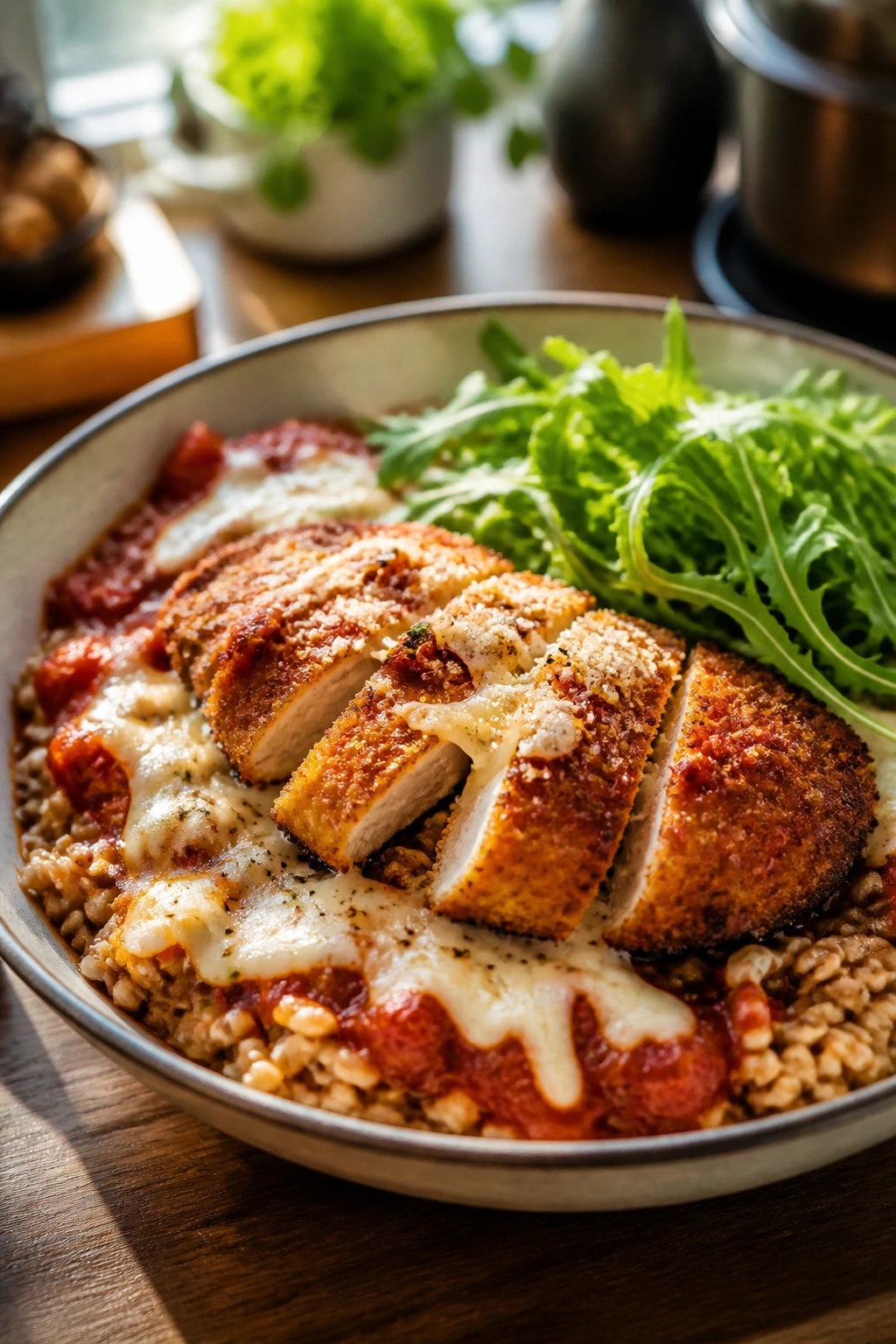
Chicken Parmesan can feel heavy on a plate, but as a grain bowl it behaves. Crispy chicken sits on farro with tomato sauce, greens, and a little mozzarella, so you still get the familiar comfort without the full brick-wall effect.
Why It Works:
Breaded chicken adds crunch, farro adds chew, and tomato sauce keeps the whole thing in the Italian lane. The greens matter more than they sound like they should; they lighten each bite and stop the bowl from tasting one-note.
Key Ingredients:
- 4 chicken cutlets
- 1 cup breadcrumbs
- ½ cup grated Parmesan
- 2 eggs, beaten
- 1 cup farro
- 2 cups marinara sauce
- 2 cups baby arugula
- 1 cup shredded mozzarella
- 2 tbsp olive oil
Quick Steps:
- Cook the farro until tender, about 25 minutes.
- Bread the chicken in egg, breadcrumbs, and Parmesan.
- Pan-fry in olive oil until golden and cooked through.
- Warm marinara and arugula separately.
- Build the bowl with farro, sauce, chicken, mozzarella, and greens.
Equipment for This Recipe:
- Skillet
- Shallow bowls for breading
- Saucepan
- Tongs
How to Serve This Dish:
Slice the chicken before placing it on the bowl so the sauce can slip into the cut edges. A little extra marinara on the side is useful if you like a saucier bowl.
Pro Tips for This Recipe:
- Press the breadcrumbs on firmly so the crust stays attached.
- Let the chicken rest 5 minutes before slicing.
- Use hot farro so the mozzarella softens slightly.
Variations on This Dish:
- Baked Version: Bake breaded chicken at 425°F until crisp and cooked through.
- Lighter Version: Swap farro for shredded cabbage slaw if you want less starch.
Common Mistakes to Avoid with This Dish:
- Don’t crowd the skillet or the crust turns patchy.
- Don’t put cold mozzarella on cold chicken and expect it to melt.
19. Farro Bowl with Roasted Tomatoes and Mozzarella
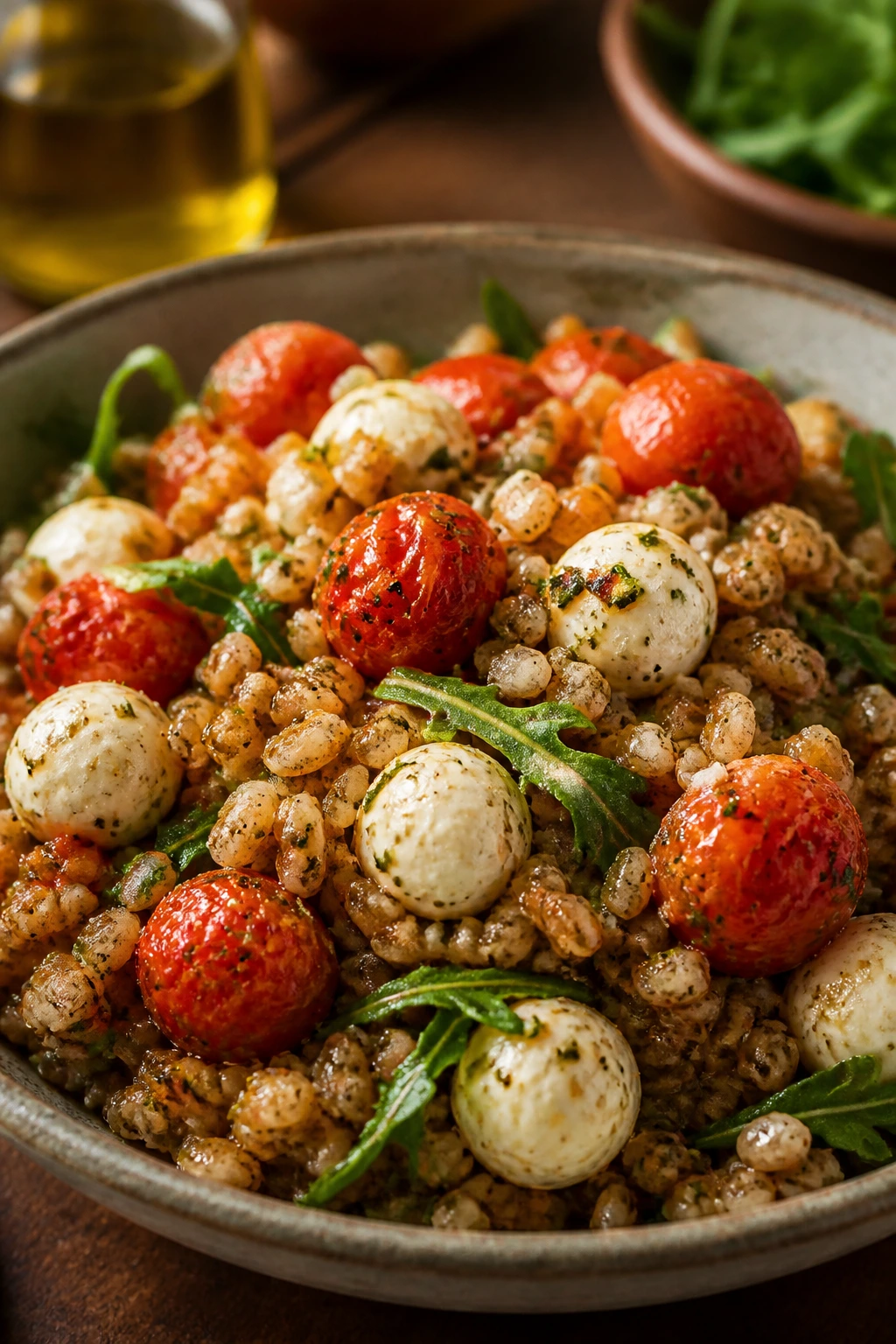
Farro is one of the best grains for a cozy bowl because it keeps its chew even after dressing. Roast the tomatoes until they slump, toss in creamy mozzarella, and the whole thing ends up tasting like a warm Caprese that grew up and got more interesting.
Why It Works:
Farro gives the bowl backbone. Roasted tomatoes bring acidity and sweetness in concentrated form, and mozzarella softens into little pockets that feel comforting without making the grain soggy.
Key Ingredients:
- 1 cup farro
- 2 cups cherry tomatoes
- 8 oz mozzarella pearls
- 2 cups arugula
- 2 tbsp olive oil
- 1 garlic clove, grated
- 1 tbsp red wine vinegar
- ¼ cup basil leaves
- Salt and black pepper
Quick Steps:
- Cook the farro in salted water until tender.
- Roast tomatoes with olive oil, garlic, salt, and pepper at 425°F for 15 to 18 minutes.
- Toss the farro with vinegar while warm.
- Fold in arugula, tomatoes, mozzarella, and basil.
- Serve before the mozzarella loses its chill completely.
Equipment for This Recipe:
- Saucepan
- Sheet pan
- Mixing bowl
How to Serve This Dish:
It works as a main bowl or alongside grilled chicken or fish. The basil should sit on top in rough pieces, not minced into confetti.
Pro Tips for This Recipe:
- Salt the farro water well so the grain isn’t bland.
- Dress the farro while it’s warm.
- Let the tomatoes roast until some skins split; that’s where the flavor lives.
Variations on This Dish:
- White Bean Version: Add cannellini beans for more protein.
- Pesto Version: Replace vinegar with a spoon of pesto.
Common Mistakes to Avoid with This Dish:
- Don’t overcook the farro or it loses its pleasant bite.
- Don’t add arugula too early or it wilts beyond usefulness.
20. Marinated Feta and Pepper Bowl
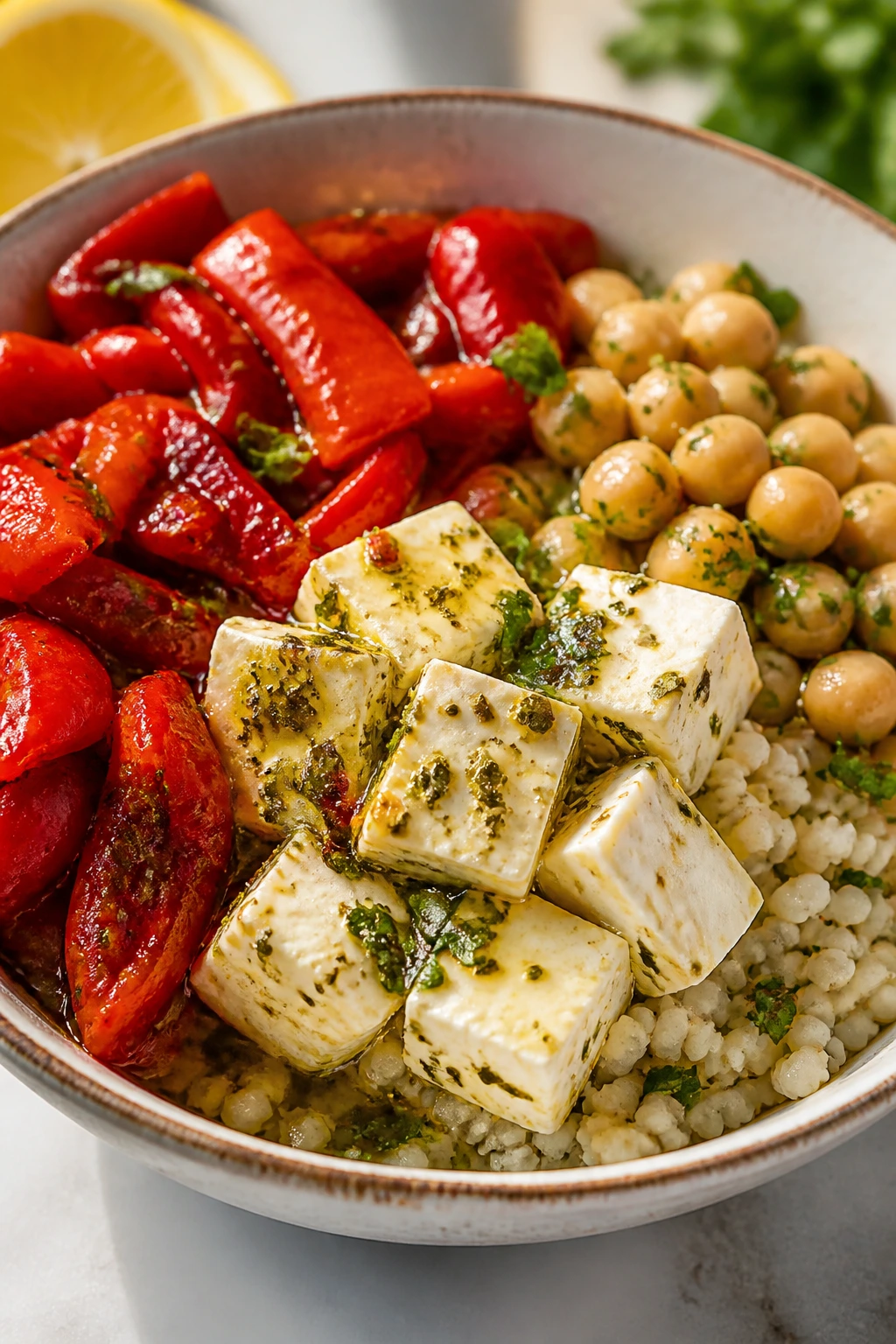
This bowl lives on contrast: cool marinated feta, sweet roasted peppers, chickpeas, and couscous with herbs. It’s bright, salty, and sturdy enough for dinner, which is a combination I trust more than most.
Why It Works:
Feta carries garlic and lemon well, and when you marinate it for even 20 minutes, the edges soften while staying crumbly. Chickpeas and couscous give the bowl weight, so the peppers can stay the brightest thing in it.
Key Ingredients:
- 1 block feta, 8 oz, cut into chunks
- 2 roasted red peppers, sliced
- 1 can chickpeas, drained and rinsed
- 1 cup couscous
- 2 tbsp olive oil
- 1 tbsp lemon juice
- 1 garlic clove, grated
- 2 tbsp chopped dill or parsley
- Black pepper
Quick Steps:
- Marinate the feta with olive oil, lemon, garlic, and pepper for 20 minutes.
- Prepare the couscous according to package directions.
- Warm the chickpeas briefly in a pan or microwave.
- Combine couscous, chickpeas, and peppers.
- Top with marinated feta and herbs.
Equipment for This Recipe:
- Small bowl for marinating
- Saucepan or kettle for couscous
- Large serving bowl
How to Serve This Dish:
This bowl looks best in a wide, low bowl where the feta can sit visibly on top. A spoon of the marinade over the finished bowl is a small move that matters.
Pro Tips for This Recipe:
- Use a block of feta, not pre-crumbled cheese.
- Let the peppers drain so they don’t water down the couscous.
- Add herbs at the end for the cleanest flavor.
Variations on This Dish:
- Tomato Version: Add chopped cherry tomatoes for more juiciness.
- Olive Version: Stir in sliced green olives for extra brine.
Common Mistakes to Avoid with This Dish:
- Don’t skip the marinating step; plain feta tastes sharper and drier.
- Don’t over-salt before tasting the feta and chickpeas together.
21. Turkey Zucchini Meatball Bowl
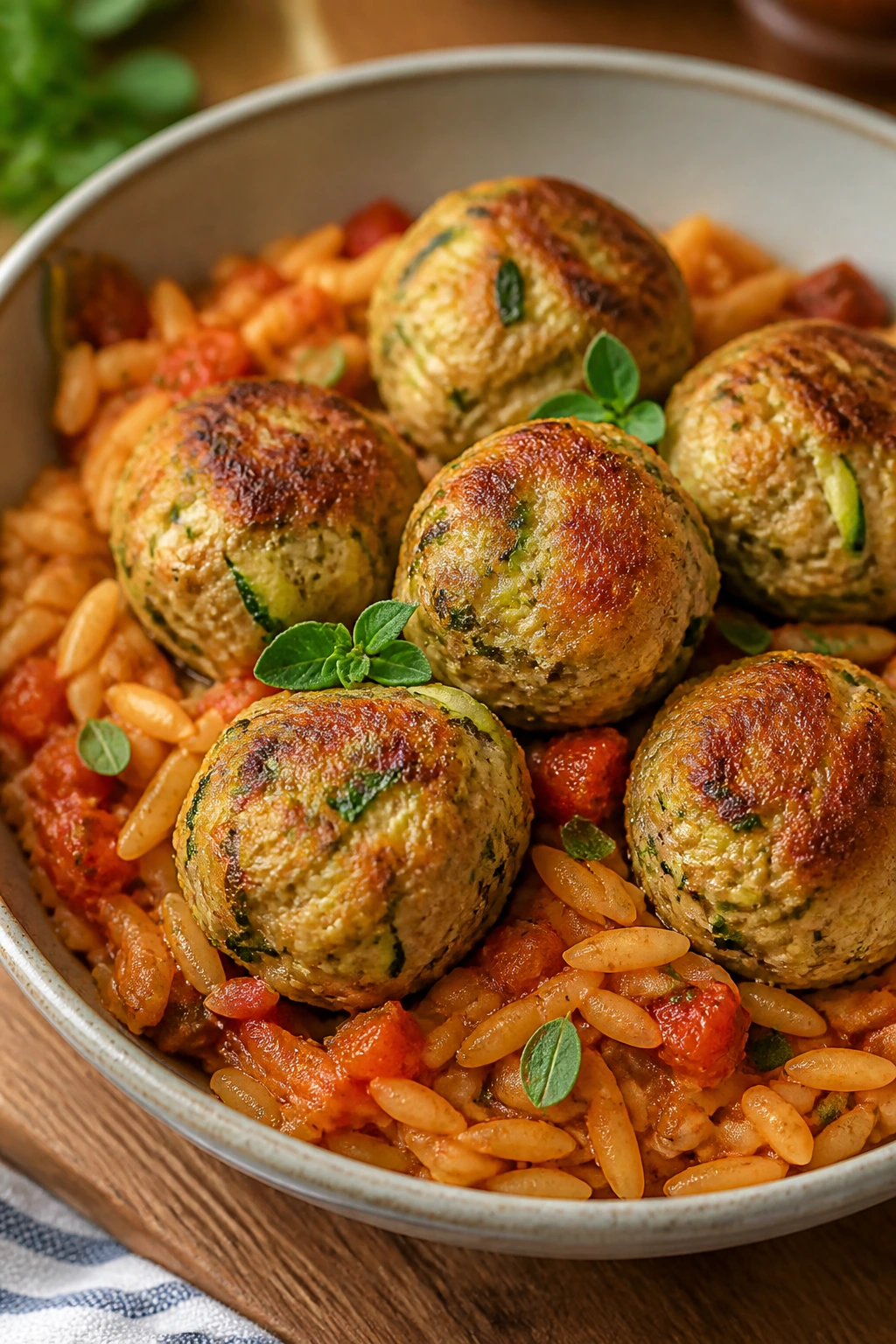
Turkey meatballs can go bland fast, so zucchini and grated Parmesan help keep them soft and seasoned. Put them over orzo or rice with tomato sauce, and the bowl feels like a lighter cousin of classic meatballs and pasta.
Why It Works:
Grated zucchini adds moisture without making the meatballs wet, and Parmesan gives the turkey a salty edge. A simple tomato sauce is enough here because the meatballs bring their own flavor and texture.
Key Ingredients:
- 1 lb ground turkey
- 1 small zucchini, grated and squeezed dry
- ½ cup breadcrumbs
- ¼ cup grated Parmesan
- 1 egg
- 2 cups marinara sauce
- 1½ cups cooked orzo or rice
- 2 tbsp olive oil
- Salt and black pepper
Quick Steps:
- Mix turkey, zucchini, breadcrumbs, Parmesan, egg, salt, and pepper.
- Shape into 16 meatballs.
- Brown in olive oil, then cover with marinara and simmer 10 minutes.
- Cook the orzo or rice.
- Serve meatballs and sauce over the base.
Equipment for This Recipe:
- Large skillet with lid
- Mixing bowl
- Grater or box grater
How to Serve This Dish:
Pile the meatballs over the starch, then spoon sauce around the sides so some grains stay visible. A little chopped parsley or basil keeps the bowl from feeling brown all over.
Pro Tips for This Recipe:
- Squeeze the zucchini dry or the meatballs soften too much.
- Brown first, then simmer; it helps the meatballs hold their shape.
- Keep the meatballs small for even cooking.
Variations on This Dish:
- Spicy Version: Add red pepper flakes to the sauce.
- Dairy-Free Version: Skip the Parmesan and add a little extra salt plus garlic powder.
Common Mistakes to Avoid with This Dish:
- Don’t mix the turkey too much or the texture gets dense.
- Don’t simmer too hard or the meatballs break apart.
22. Mussels and White Bean Broth Bowl
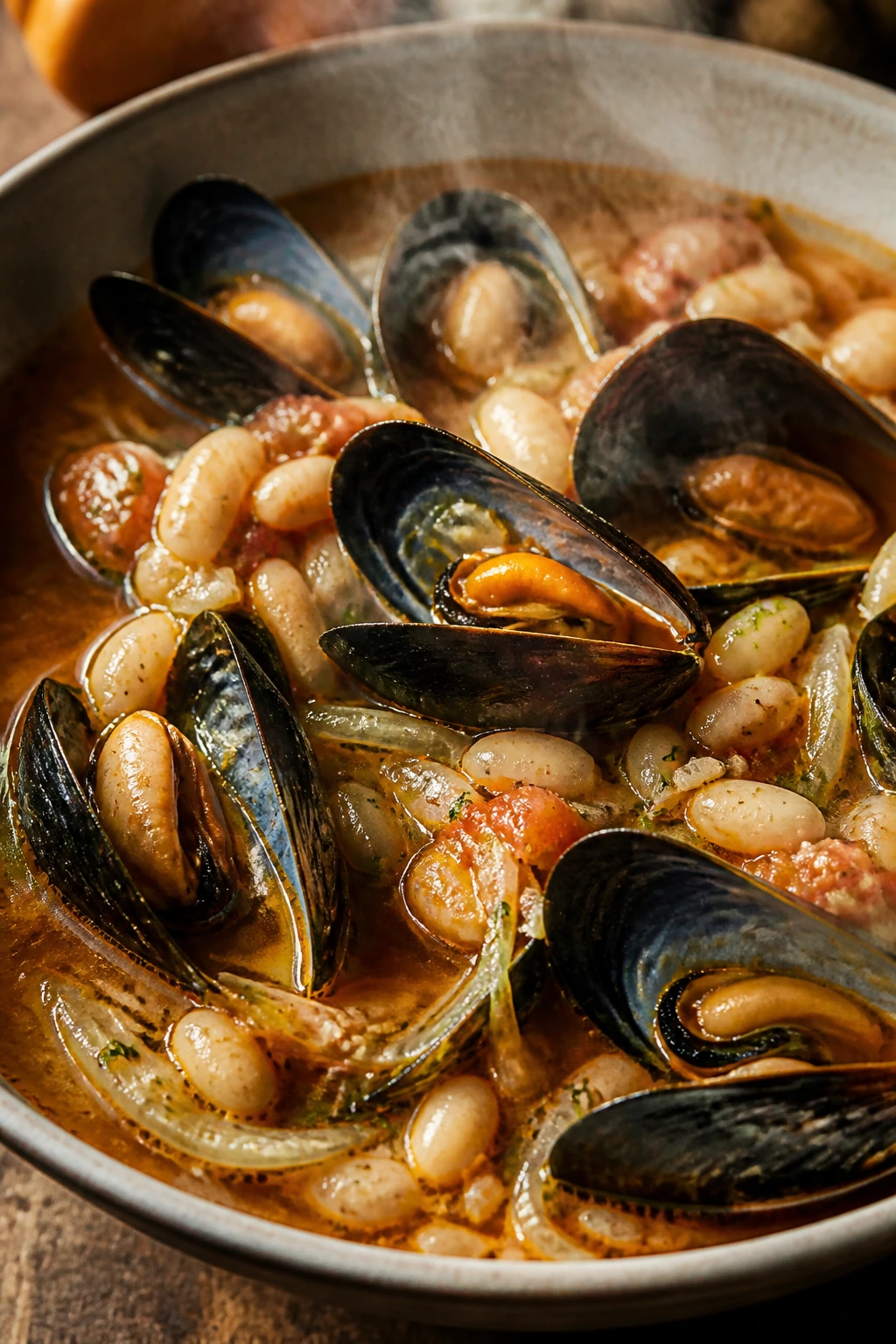
Mussels bring a briny, almost oceanic depth that plays beautifully against beans and garlic. This bowl feels restaurant-like without acting precious, especially when the broth picks up tomato, fennel, and a little white wine.
Why It Works:
Mussels release their own juices as they open, and those juices flavor the broth in a way you can’t fake. Beans make the bowl filling, and crusty bread or toast catches the broth so none of that flavor gets left behind.
Key Ingredients:
- 2 lbs mussels, scrubbed and debearded
- 2 cans cannellini beans, drained
- 1 small fennel bulb, sliced
- 3 garlic cloves, sliced
- 1 cup dry white wine
- 1 can diced tomatoes, 14 oz
- 2 tbsp olive oil
- 2 tbsp chopped parsley
- Salt and black pepper
Quick Steps:
- Sauté fennel and garlic in olive oil until fragrant.
- Add wine and tomatoes; simmer 5 minutes.
- Stir in beans and bring to a steady simmer.
- Add mussels, cover, and cook 5 to 7 minutes until opened.
- Discard unopened mussels and finish with parsley.
Equipment for This Recipe:
- Large pot with lid
- Scrub brush
- Slotted spoon
How to Serve This Dish:
Ladle the broth first, then the beans and mussels, so every bowl gets liquid and shellfish. Toasted bread on the side is not optional in my book.
Pro Tips for This Recipe:
- Throw out any mussels that stay open before cooking.
- Don’t overcook them once they open or they toughen.
- Keep the broth hot but not violently boiling.
Variations on This Dish:
- Spicy Broth Version: Add a pinch of chile flakes with the garlic.
- Saffron Version: Steep a few saffron threads in the wine for a deeper color.
Common Mistakes to Avoid with This Dish:
- Don’t salt too aggressively before tasting; mussels are naturally briny.
- Don’t forget to scrub the shells well, or the broth gets gritty.
23. Ricotta Gnocchi with Broccoli Rabe Bowl
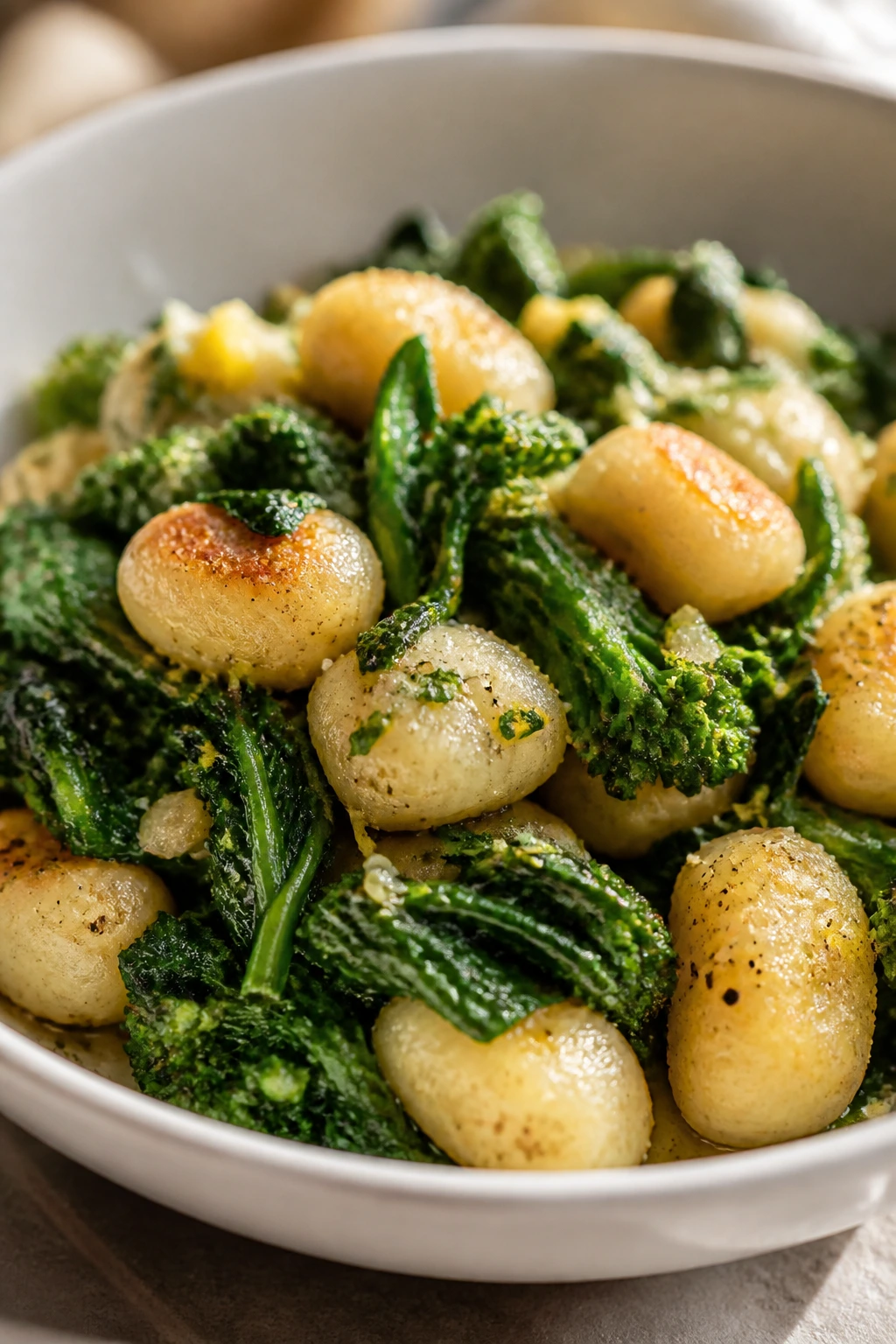
Broccoli rabe brings bitterness, ricotta gnocchi brings softness, and together they make a bowl that tastes like someone in southern Italy knew exactly how to keep dinner from being too sweet or too mild. A little garlic and olive oil are enough to carry the whole thing.
Why It Works:
Ricotta gnocchi are tender and quick, so they fit a bowl that needs to stay light on its feet. Broccoli rabe’s bitterness cuts through the ricotta, and a touch of lemon keeps the dish from leaning heavy.
Key Ingredients:
- 1 lb ricotta gnocchi
- 1 bunch broccoli rabe, trimmed
- 3 garlic cloves, sliced
- 2 tbsp olive oil
- ¼ tsp crushed red pepper
- ¼ cup grated Pecorino Romano
- 1 lemon, zested
- Salt and black pepper
Quick Steps:
- Blanch the broccoli rabe for 2 minutes, then drain.
- Sauté garlic and red pepper in olive oil.
- Add broccoli rabe and cook until coated and tender.
- Boil or pan-sear the gnocchi until heated through and lightly golden.
- Toss together with Pecorino and lemon zest.
Equipment for This Recipe:
- Pot for blanching
- Large skillet
- Slotted spoon
How to Serve This Dish:
Serve it hot, with the gnocchi on top so the edges stay a little crisp if you seared them. A drizzle of olive oil at the end helps the bowl look and taste finished.
Pro Tips for This Recipe:
- Don’t overcook the broccoli rabe during blanching; it should still have bite.
- If using store-bought gnocchi, dry them well before searing.
- Add lemon zest right at the end so it stays sharp.
Variations on This Dish:
- Sausage Version: Add browned Italian sausage for a richer bowl.
- Creamier Version: Stir in 2 tbsp ricotta with the Pecorino.
Common Mistakes to Avoid with This Dish:
- Don’t skip the blanching step or the broccoli rabe can taste harsh.
- Don’t crowd the gnocchi pan if you want any color on them.
24. Sardine and Citrus Rice Bowl
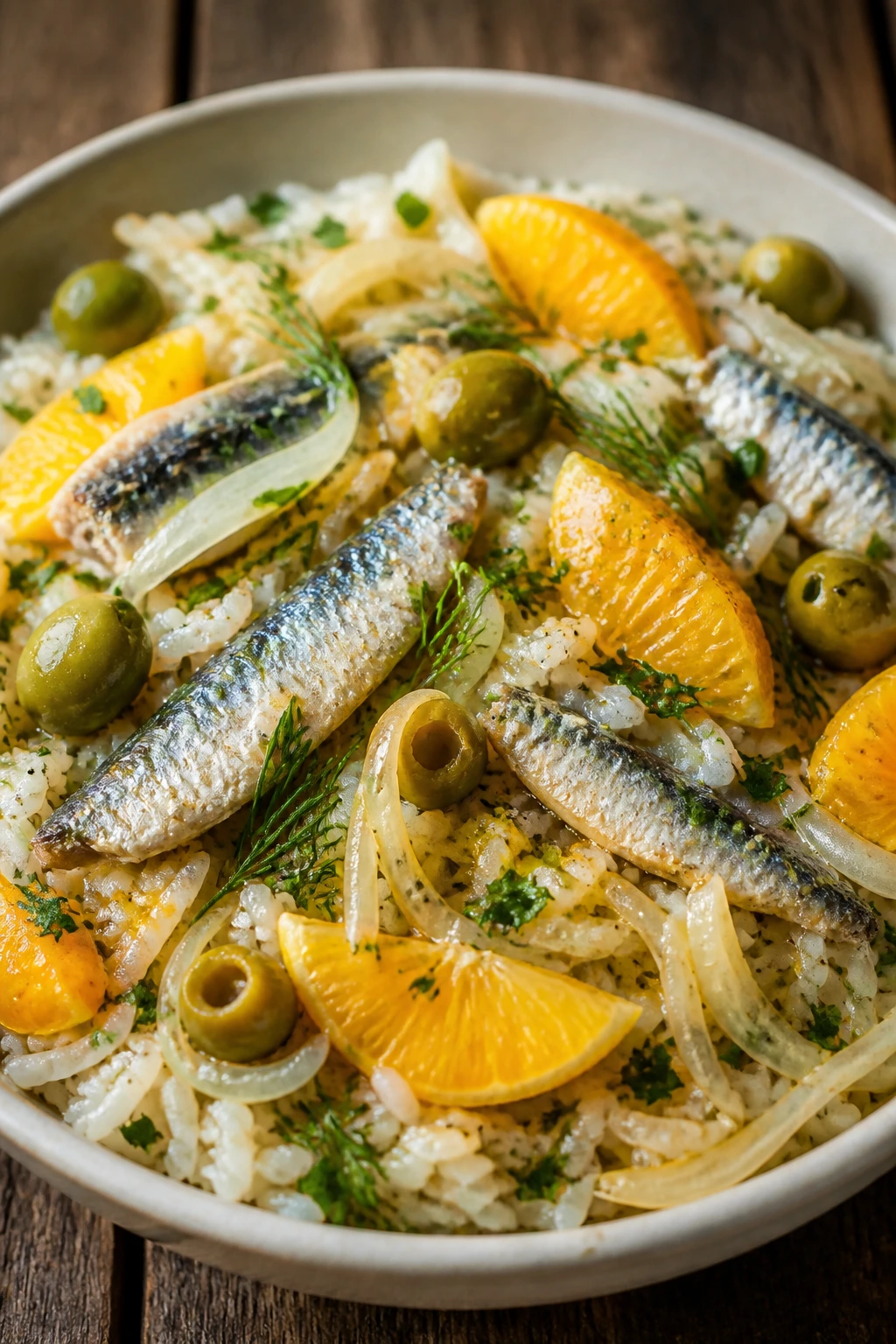
Sardines scare people off until they’re paired with the right things. Here, rice, fennel, orange, olives, and herbs give them a bright, Sicilian feel that’s salty, fresh, and a little unexpected in a way that works.
Why It Works:
Citrus cuts the richness of the sardines, while fennel gives the bowl a crisp, clean crunch. Rice is the neutral base that lets the fish stay center stage without making the whole bowl taste like the pantry.
Key Ingredients:
- 1½ cups cooked rice
- 2 cans sardines in olive oil
- 1 fennel bulb, very thinly sliced
- 1 orange, segmented
- ¼ cup green olives, sliced
- 2 tbsp olive oil
- 1 tbsp lemon juice
- 2 tbsp chopped parsley
- Black pepper
Quick Steps:
- Slice fennel thin and toss with lemon juice and a pinch of salt.
- Warm the rice gently.
- Fluff sardines apart if needed.
- Build the bowl with rice, fennel, orange, olives, and sardines.
- Finish with olive oil, parsley, and black pepper.
Equipment for This Recipe:
- Sharp knife
- Small bowl for dressing fennel
- Serving bowls
How to Serve This Dish:
Keep the citrus visible on top so the bowl looks bright instead of brown and beige. A little warm rice underneath softens the sardines without hiding them.
Pro Tips for This Recipe:
- Buy sardines packed in olive oil, not tomato sauce, for the cleanest flavor.
- Slice fennel as thin as you can manage.
- Add the orange at the end so it stays juicy.
Variations on This Dish:
- Herb Version: Add dill or mint for a greener finish.
- Bean Version: Stir in white beans if you want more heft.
Common Mistakes to Avoid with This Dish:
- Don’t mash the sardines too much unless you want a spread-like texture.
- Don’t skip the acid; without citrus, the bowl feels heavy and blunt.
Why Bowl Dinners Make So Much Sense on a Cool Night
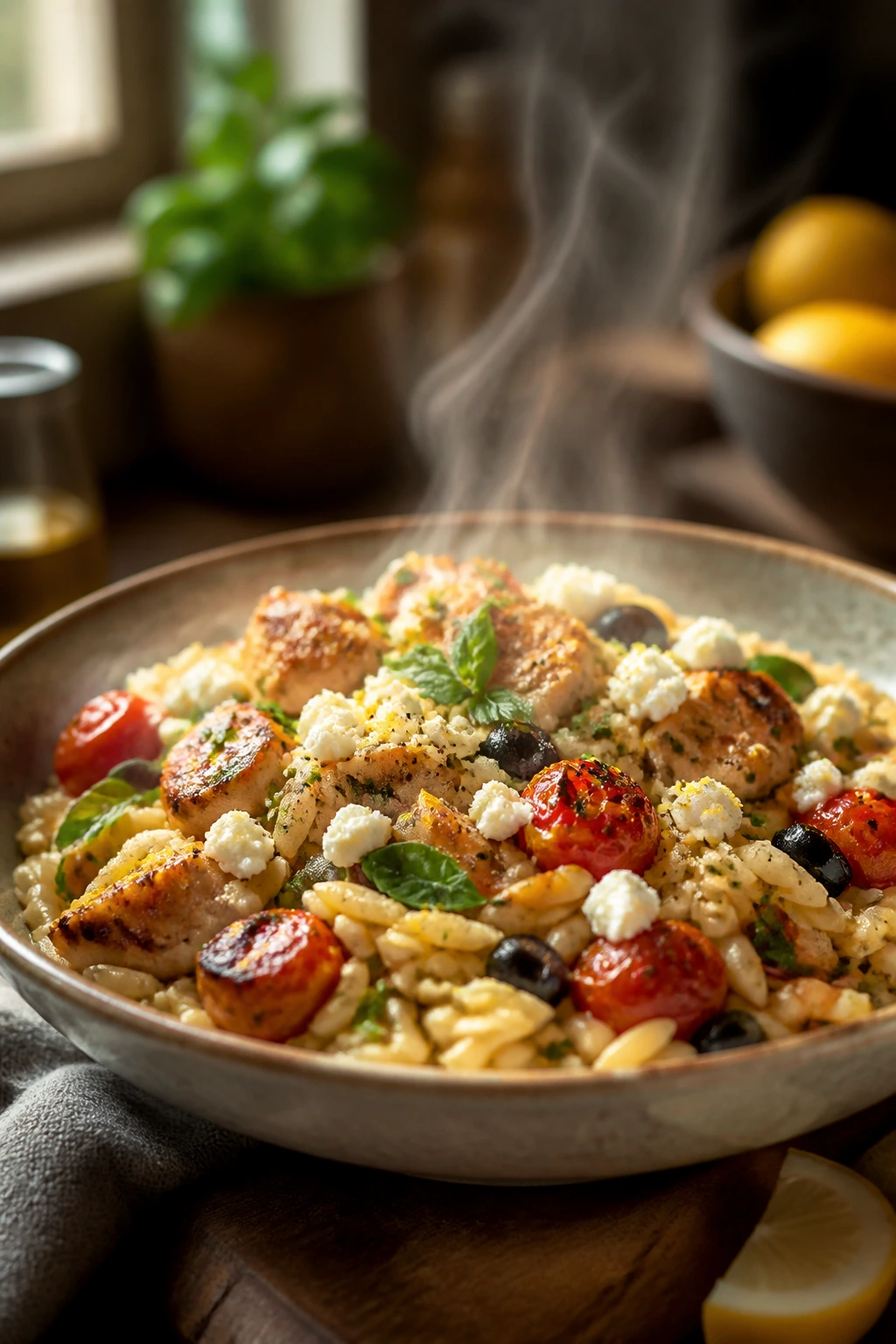
A good bowl dinner solves three problems at once. You get the warmth of soup, the substance of a main course, and the flexibility to use whatever is already in the pantry without turning the meal into leftovers by accident. That’s why Mediterranean bowls keep showing up in my kitchen when the evening feels a little colder than expected.
The best versions are rarely the most complicated ones. A grain with salt in the cooking water, a vegetable with edges browned in the pan, a finishing hit of lemon or vinegar, and a cheese or herb that goes on at the end — that formula does more than most elaborate sauces ever manage. It also gives you room to cook with your own pantry, which matters more than polish.
Essential Equipment for These Bowls
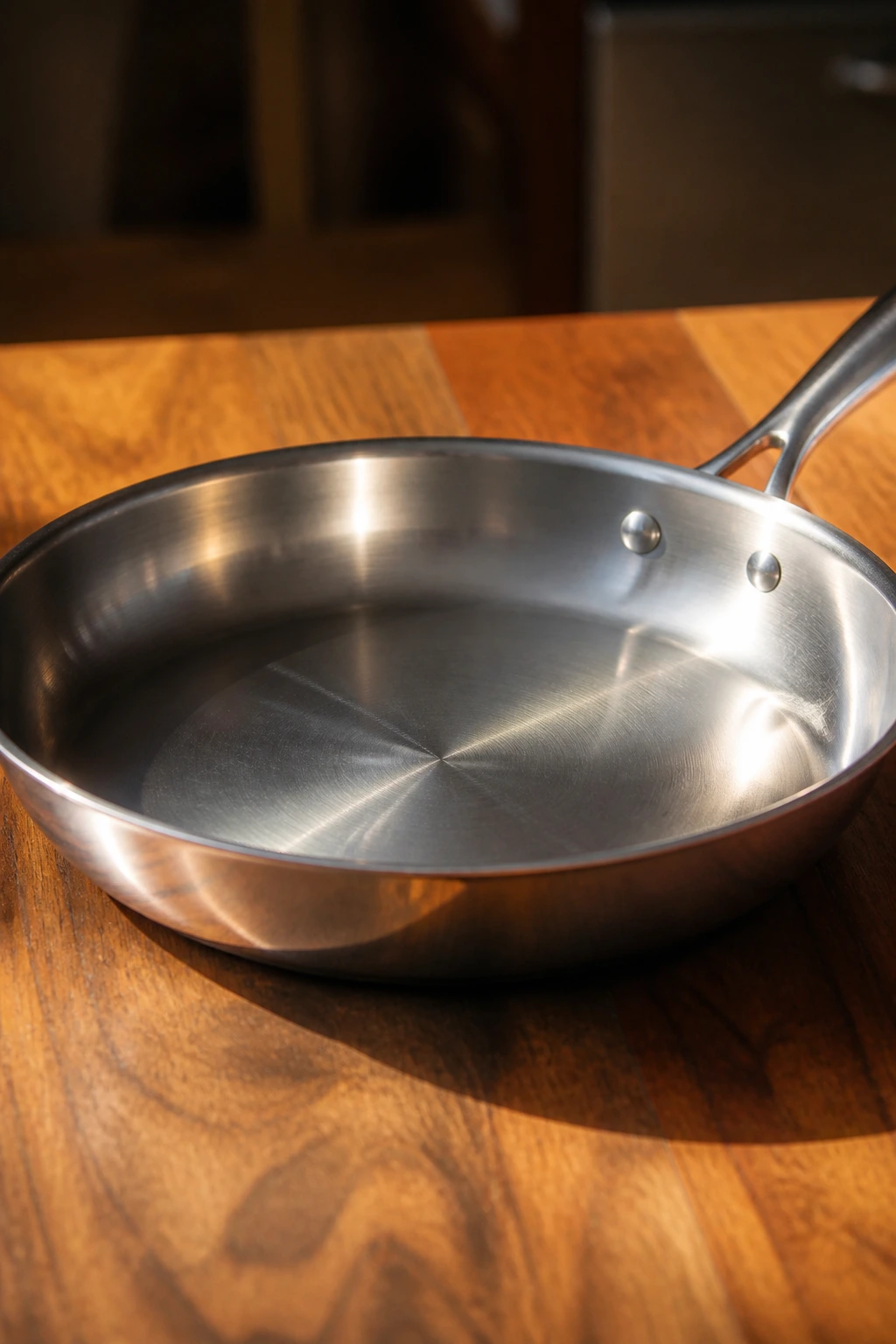
- 12-inch skillet or sauté pan: Large enough to brown chicken, sausage, meatballs, or vegetables without crowding.
- Rimmed sheet pan: Useful for salmon, roasted vegetables, gnocchi, tomatoes, and anything that needs dry heat.
- Medium and large saucepans: One for grains, one for brothy bowls or beans.
- Dutch oven: Best for braises, tomato-heavy sauces, and mussels.
- Sharp chef’s knife: Slicing fennel, onions, citrus, and herbs cleanly makes every bowl better.
- Cutting board with a damp towel underneath: Keeps the board from sliding when you’re chopping quickly.
- Microplane or fine grater: Good for lemon zest, Parmesan, and garlic.
- Tongs and a slotted spoon: Small tools, big payoff when you’re building bowls with different textures.
- Airtight containers: Useful for storing cooked grains, beans, and sauces separately.
Smart Shopping and Ingredient Tips
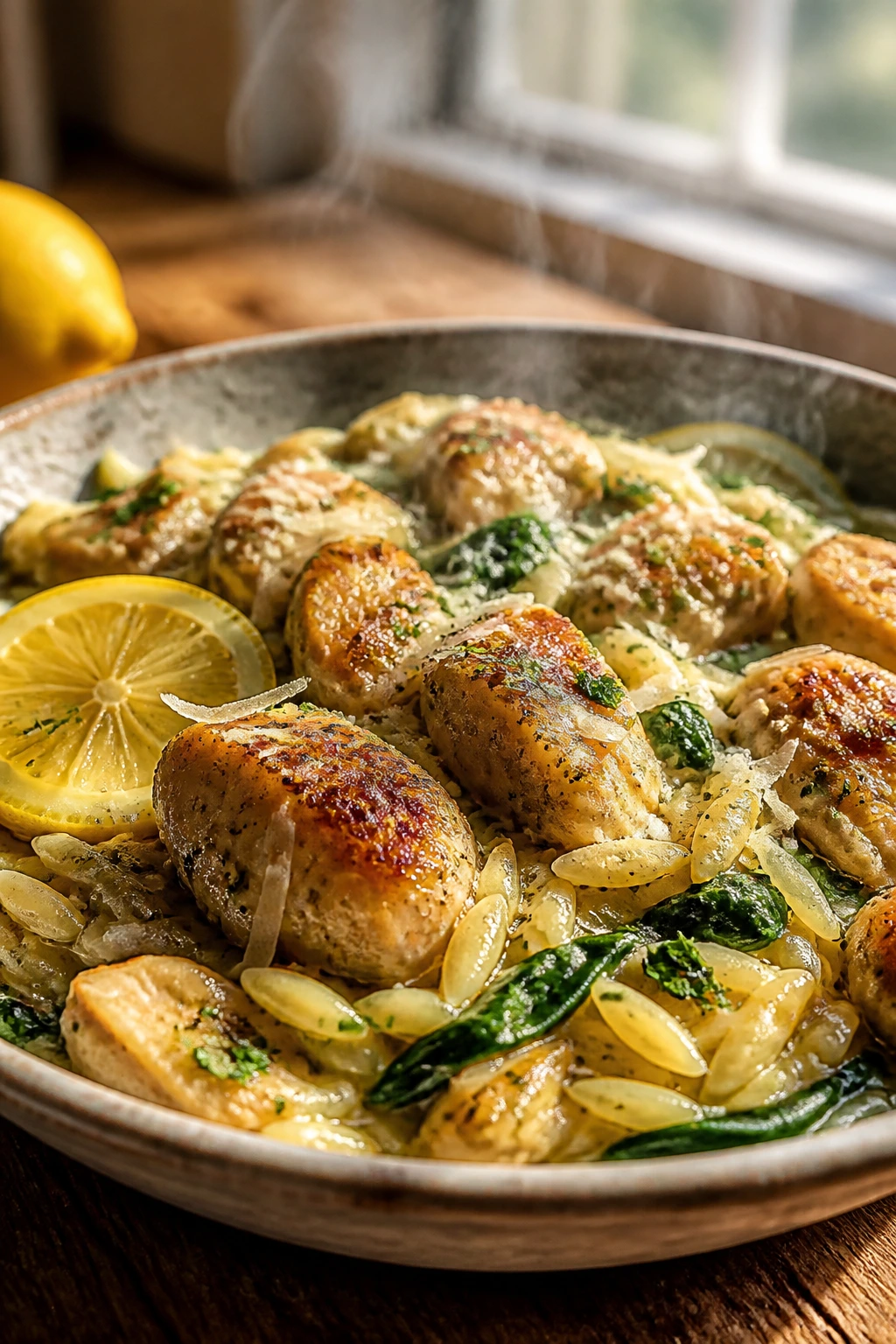
Buy the grain or starch with the final texture in mind. Farro keeps chew, orzo goes creamy, couscous cooks in minutes, and polenta turns soft and spoonable. If you want the bowl to feel rustic and slow-cooked, farro or polenta gives you that mood right away.
For tomatoes, go for canned crushed tomatoes when you want body and diced tomatoes when you want a looser sauce with more shape. Fresh cherry tomatoes matter most when they’re roasted; if they’re bland out of the package, roasting rescues them. Same with onions and fennel — heat does the heavy lifting, not raw sharpness.
Beans deserve more care than they get. Cannellini beans should be plump and intact, not split and chalky, because split beans disappear into the sauce too fast. Tuna in olive oil, good sardines, and decent canned chickpeas make a visible difference here too; you taste the oil and the packing liquid, not just the fish or bean itself. That’s not a small thing. It’s the foundation.
How to Serve These Bowls at the Table
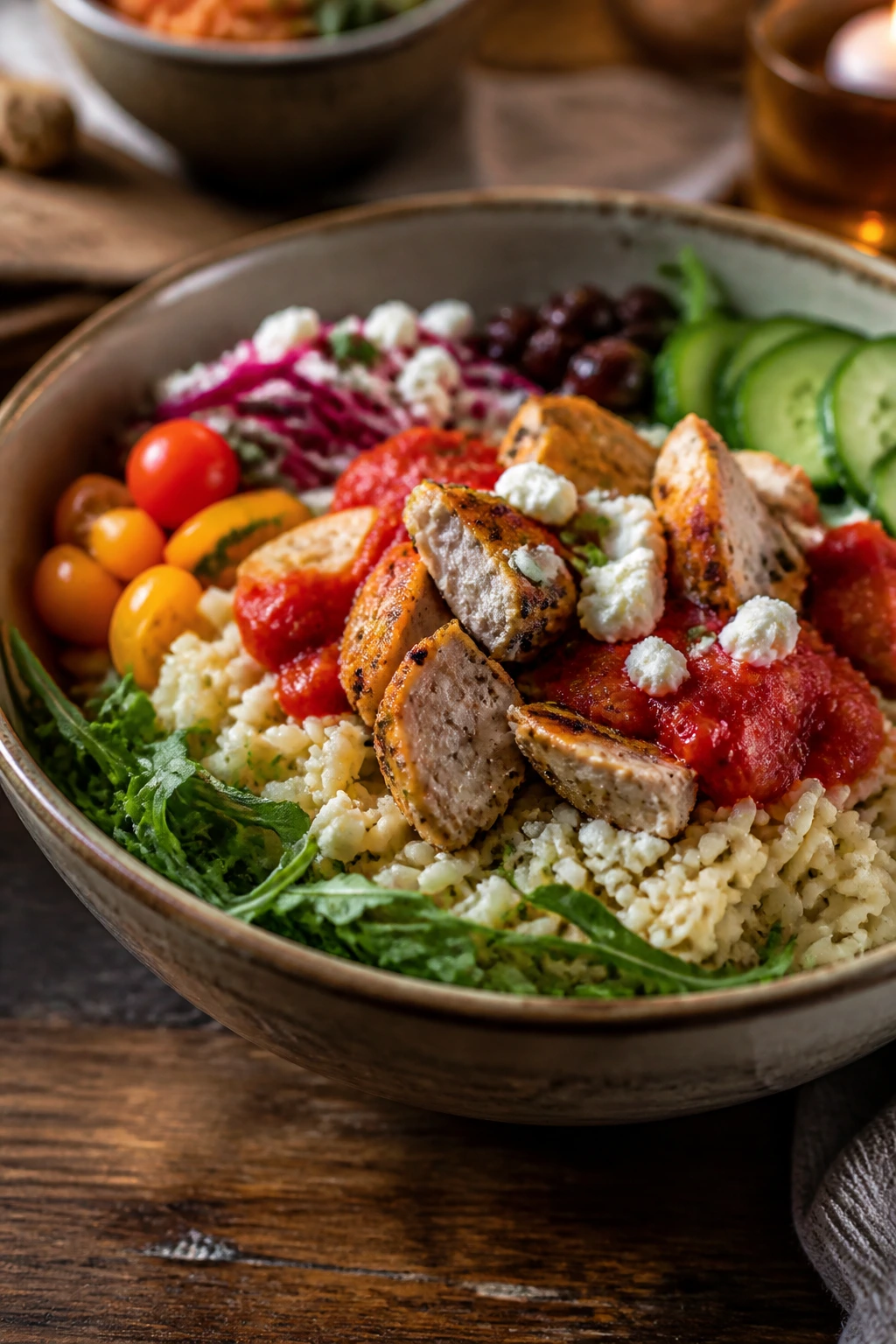
Presentation: Build the bowls in layers, not piles. Put the starch or greens down first, spoon sauce toward the center, and leave at least one edge visible so the bowl looks composed instead of dumped together.
Accompaniments: Warm bread is the obvious answer, but not the only one. A simple arugula salad, roasted broccoli, charred green beans, or a bowl of olives on the side makes these dinners feel more finished.
Portions: Most of these bowls land comfortably at one generous bowl per person, especially when you include bread or a side salad. For smaller appetites, serve about 1 cup of grains or pasta with 4 to 5 oz protein; for hungrier tables, push that starch to 1½ cups.
Beverage Pairing: A dry Italian white, a light red like Chianti, or sparkling water with lemon all fit well. If you want something nonalcoholic with a little edge, blood orange soda or bitter citrus soda matches the briny and herb-heavy bowls.
Extra Flavor Moves and Finishing Touches
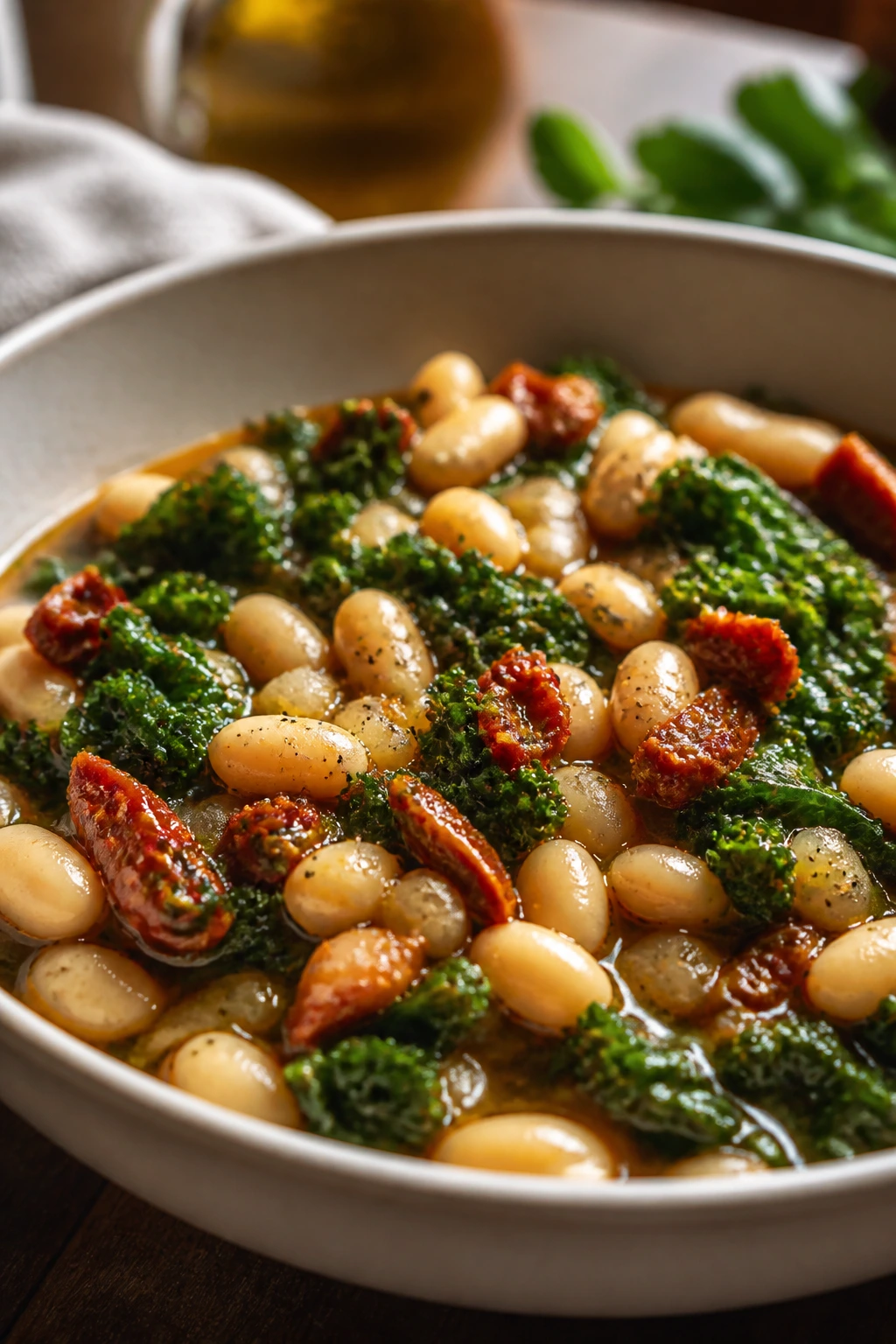
Flavor Enhancement: Keep a jar of lemon zest, chopped parsley, and grated Parmesan moving through the kitchen. That trio wakes up beans, grains, salmon, chicken, and even sardines with almost no effort.
Customization: Add olives, capers, roasted peppers, or toasted breadcrumbs depending on what the bowl needs. Crunch matters more than people think; a soft bowl with no contrast gets old fast.
Serving Suggestions: A drizzle of good olive oil at the end is never wasted here. Neither is a spoon of ricotta, yogurt, or pesto on top when the bowl needs a creamy note without turning into cream sauce.
Make-It-Yours: For a dairy-free bowl, skip the cheese and use extra herbs plus olive oil. For gluten-free bowls, choose rice, quinoa, polenta, or gluten-free pasta; the flavor profile stays intact as long as the seasoning is honest.
Make-Ahead, Storage, and Reheating Guidance
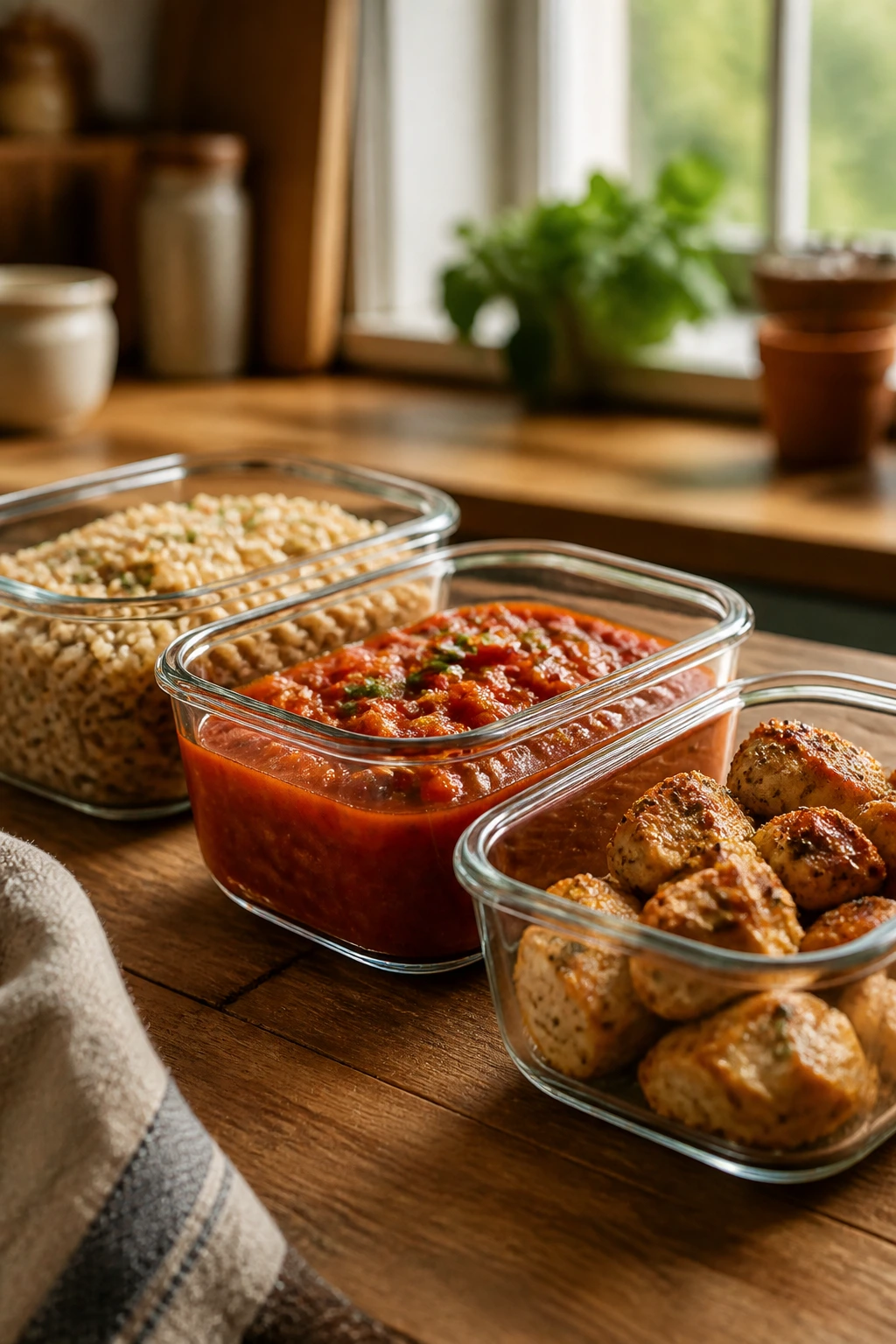
Cooked grains, beans, and sauces keep well in the fridge for 3 to 4 days if they’re cooled and stored separately. That separation matters. A bowl with the tomato sauce packed into the grain gets soggy by the next day, while a bowl with pieces stored on their own still tastes deliberate when you reheat it.
Most of these recipes freeze well for up to 2 months, though the best candidates are braises, bean bowls, and tomato-based sauces. Grain bowls freeze better when you freeze the grain and sauce in separate containers. Salmon, shrimp, burrata, fresh mozzarella, and leafy greens do not love the freezer, so keep those for fresh assembly.
For reheating, a skillet is usually better than a microwave. Warm grains or beans with a splash of water or broth over medium-low heat, stirring until they loosen and steam. Reheat chicken, sausage, or meatballs in the sauce so they stay juicy. Fish and shrimp should be reheated gently, just until warm, because a hard reheat changes them fast. If you’re dealing with tortellini or gnocchi, add a spoonful of broth or water and cover the pan for a minute to stop the texture from drying out.
Make-ahead order matters. Roast vegetables and cook grains a day ahead, but hold off on delicate things like basil, mozzarella, burrata, herbs, and crisped bread until serving. The bowl should taste assembled, not assembled in a hurry.
Variations and Adaptations to Try
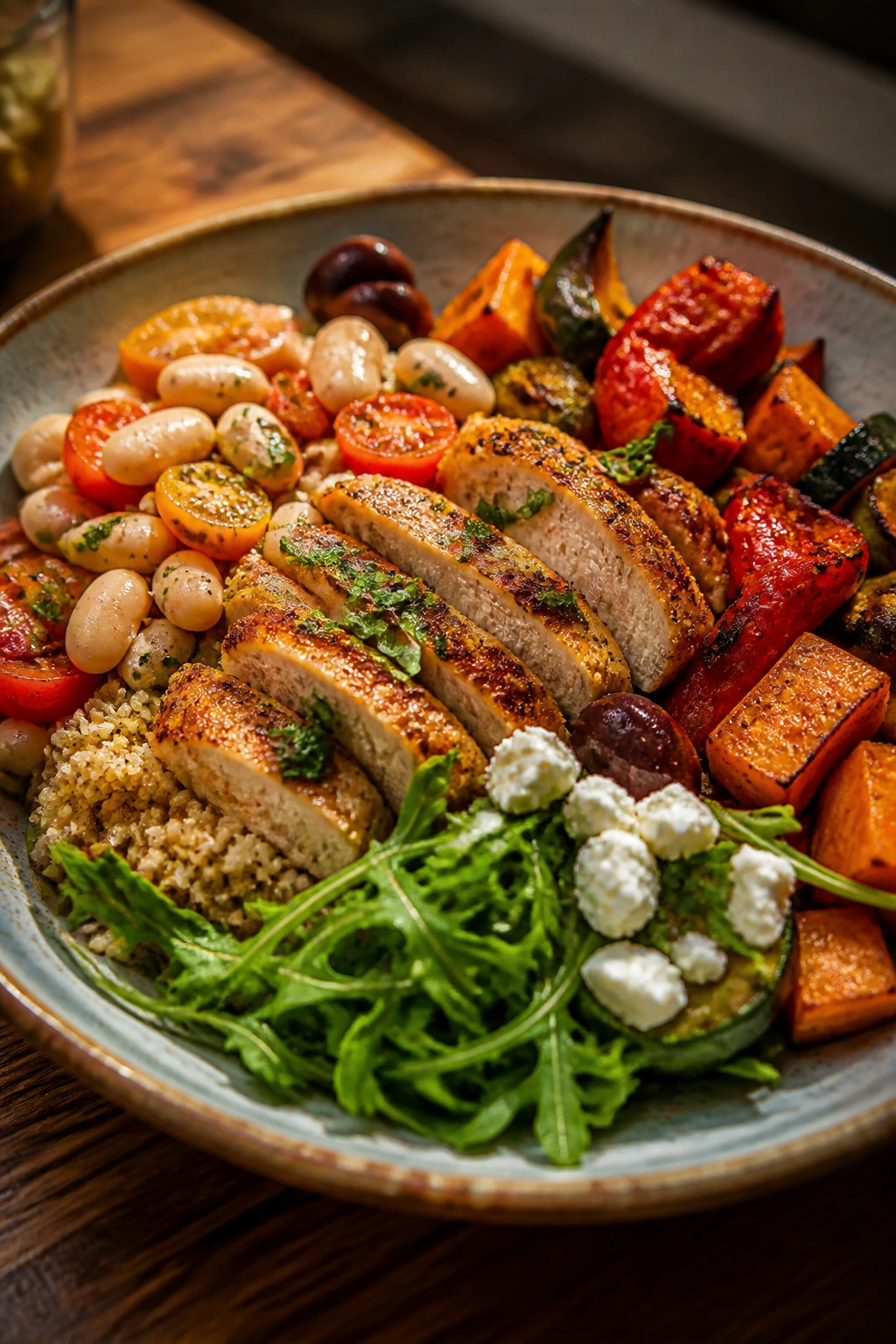
- Gluten-Free Bowls: Use rice, quinoa, polenta, or gluten-free pasta in place of farro, couscous, or standard pasta. The flavor holds if you keep the salt, acid, and herb balance steady.
- Dairy-Free Bowls: Skip Parmesan, ricotta, burrata, and yogurt, then finish with olive oil, lemon zest, and toasted breadcrumbs for richness and texture.
- Lower-Salt Bowls: Rinse canned beans well, choose unsalted broth, and lean harder on lemon, garlic, fennel, and herbs for flavor. You’ll miss less salt than you think if the food is cooked properly.
- Kid-Friendly Bowls: Keep the briny ingredients light, reduce capers and olives, and serve the sauces on the side. A bowl with chicken, rice, and mozzarella usually wins faster than one with lots of sharp edges.
- Spice-Forward Bowls: Calabrian chile paste, red pepper flakes, or a little harissa can wake up tomato and bean bowls without changing the structure.
- Vegetable-Heavy Bowls: Double the roasted vegetables and cut the starch portion back a little. Zucchini, eggplant, peppers, broccoli rabe, and fennel all hold their own in this format.
Common Mistakes to Avoid with Bowl Dinners
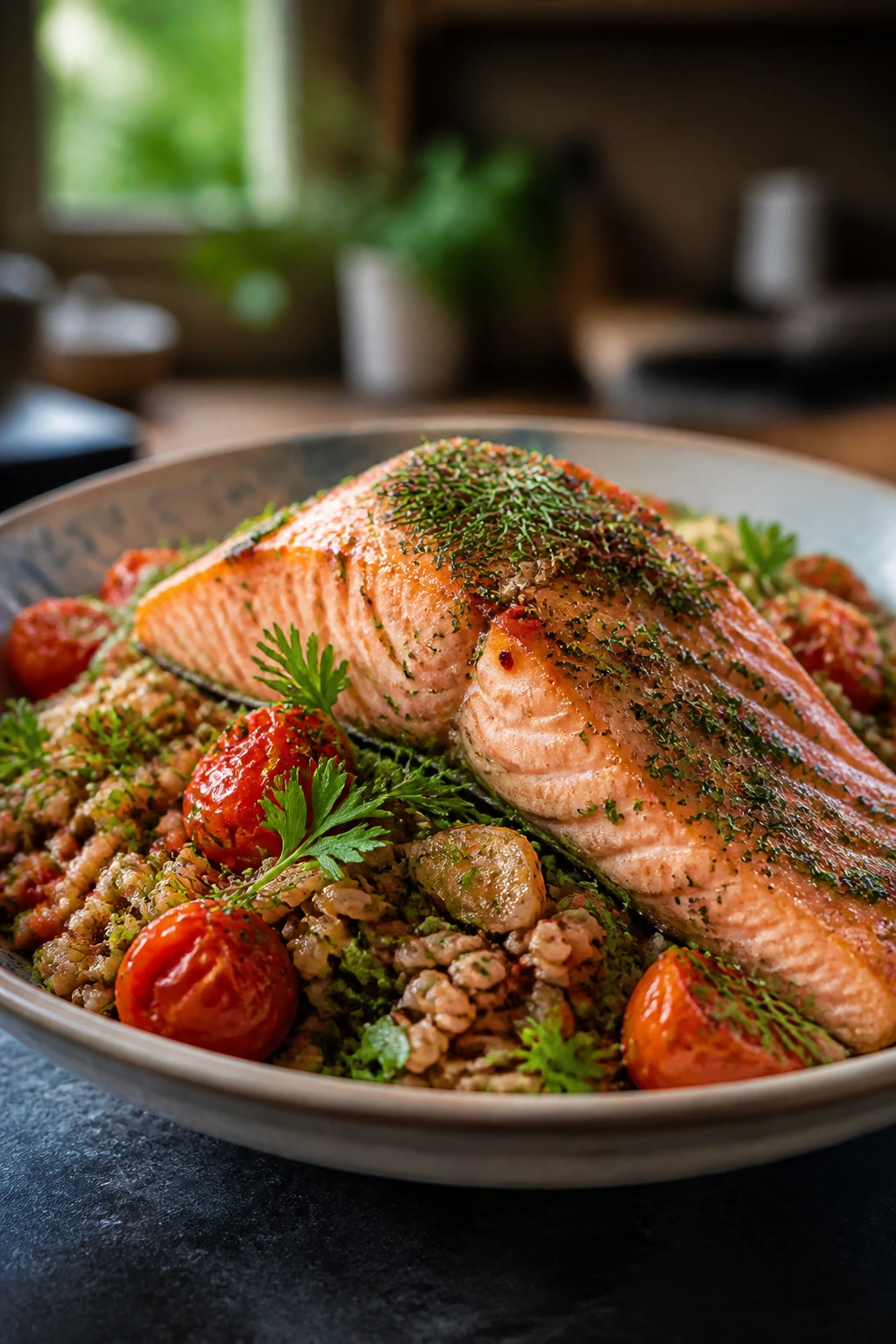
The biggest mistake is building a bowl that is all soft. Soft grain, soft protein, soft sauce, soft cheese — it eats like paste after three bites. Add something with crunch, something with acid, or something with real browning on it so the texture keeps moving.
Another easy miss is underseasoning the base. People season the topping and forget the rice, farro, couscous, or beans underneath. That’s a problem because the base is what carries the sauce and catches the juices. Salt it properly while it cooks, not only at the table.
Overcrowding the pan causes trouble too. Roasted vegetables need space. Salmon needs space. Gnocchi especially needs space if you want any color. When the pan is jammed, food steams and the bowl loses that browned edge that makes the whole thing feel warm and finished.
Watch the finish. Too many bowls get drowned in sauce or over-loaded with cheese. A good bowl has visible layers, not one blended mass. If you’re using a creamy element like ricotta, yogurt, or burrata, place it where it can soften the bowl instead of smothering it.
And don’t forget temperature. Some ingredients should be hot, some warm, and some room temperature. Burrata, herbs, citrus, and olives usually behave better when they aren’t blasted by heat. That small temperature contrast is part of what makes these bowls feel alive.
Questions People Ask About Mediterranean Bowls
Can I mix and match these bowl ideas with what I already have?
Yes, and that’s one of the reasons they work. Keep the structure: one base, one protein or bean, one cooked vegetable, one bright finish, and one creamy or briny accent if you want it.
What grains work best if I don’t want pasta every night?
Farro, rice, quinoa, and polenta are the strongest options here. Farro gives chew, rice stays neutral, quinoa cooks fast, and polenta makes the bowl feel softer and more comforting.
How do I keep leftovers from turning soggy?
Store the sauce, grain, and toppings separately whenever you can. Reheat the starch with a splash of broth or water, then add the sauce and cold toppings after the heat is back up.
Which bowls are best for a crowded table?
The bean bowls, chicken bowls, sausage bowls, and braises hold up well because they can sit for a short while without losing texture. Seafood and burrata bowls are better plated right before serving.
Can I make these bowls without meat?
Absolutely. Cannellini beans, chickpeas, artichokes, eggplant, roasted peppers, mushrooms, and eggs can all carry a bowl on their own if the seasoning is strong enough.
What if my grain tastes bland even after cooking?
That usually means the cooking water was under-salted or the grain never got dressed while warm. Add salt, lemon, olive oil, and herbs while the grain is still hot so it drinks in the flavor.
Do I need fancy olive oil for these recipes?
No, but avoid the thin, almost flavorless stuff if you can. A decent olive oil with a peppery finish makes a clear difference in bowls where the dressing is minimal.
What’s the easiest bowl to start with if I’m short on time?
The pesto chickpea pasta bowl, tuna olive potato bowl, and tortellini bowl are the fastest path in. They use pantry ingredients and still taste like you planned dinner instead of improvising it.
What I’d Put on the Table Again
The nicest thing about Mediterranean bowls is that they don’t ask you to choose between comfort and brightness. You can have a brothy bean bowl with toast, a crisp fish bowl with tomato sauce, or a grain bowl that tastes like it took longer than it did. That range is the whole point.
And for cozy Italian nights, range matters. Some evenings want lemon and herbs. Others want tomato, garlic, and a little cheese melting into the edges. The bowls above give you both moods without forcing the kitchen into a single routine, which is why I keep coming back to them when the air turns cool and dinner needs to feel like more than a stopgap.