



Italian dips appetizers earn their place on pasta night the second the water starts to roll. Before the first strand hits the sauce, you want a little something salty, creamy, briny, or bright on the table — something that makes people slow down, reach for bread, and stop hovering over the stove. That’s the whole trick. A good dip buys you a few quiet minutes and gives the meal a shape.
What I love about Italian dips appetizers is how little fuss they ask for and how much they give back. A tub of whole-milk ricotta becomes plush with five minutes of whisking. A can of beans turns into a rosemary-scented spread that feels far more deliberate than it has any right to. A pan of tomatoes, garlic, and cheese bubbles into a starter that smells like a red-sauce kitchen in the best possible way. None of it is precious. All of it is useful.
And that usefulness matters on pasta night, because pasta already wants attention. Sauce needs a watchful eye. Water needs salt. Bread needs toasting. A first course should not be another project. It should be the thing you can set out while the main pan simmers, the olive oil gleams, and everybody else starts finding their favorite spoon.
Why These Italian Dips Appetizers Work So Well Before Pasta
-
They bridge the gap between hungry and ready: Most of these dips take 15 to 25 minutes, and several can be mixed while the pasta water heats, which keeps the meal moving without forcing you to rush the sauce.
-
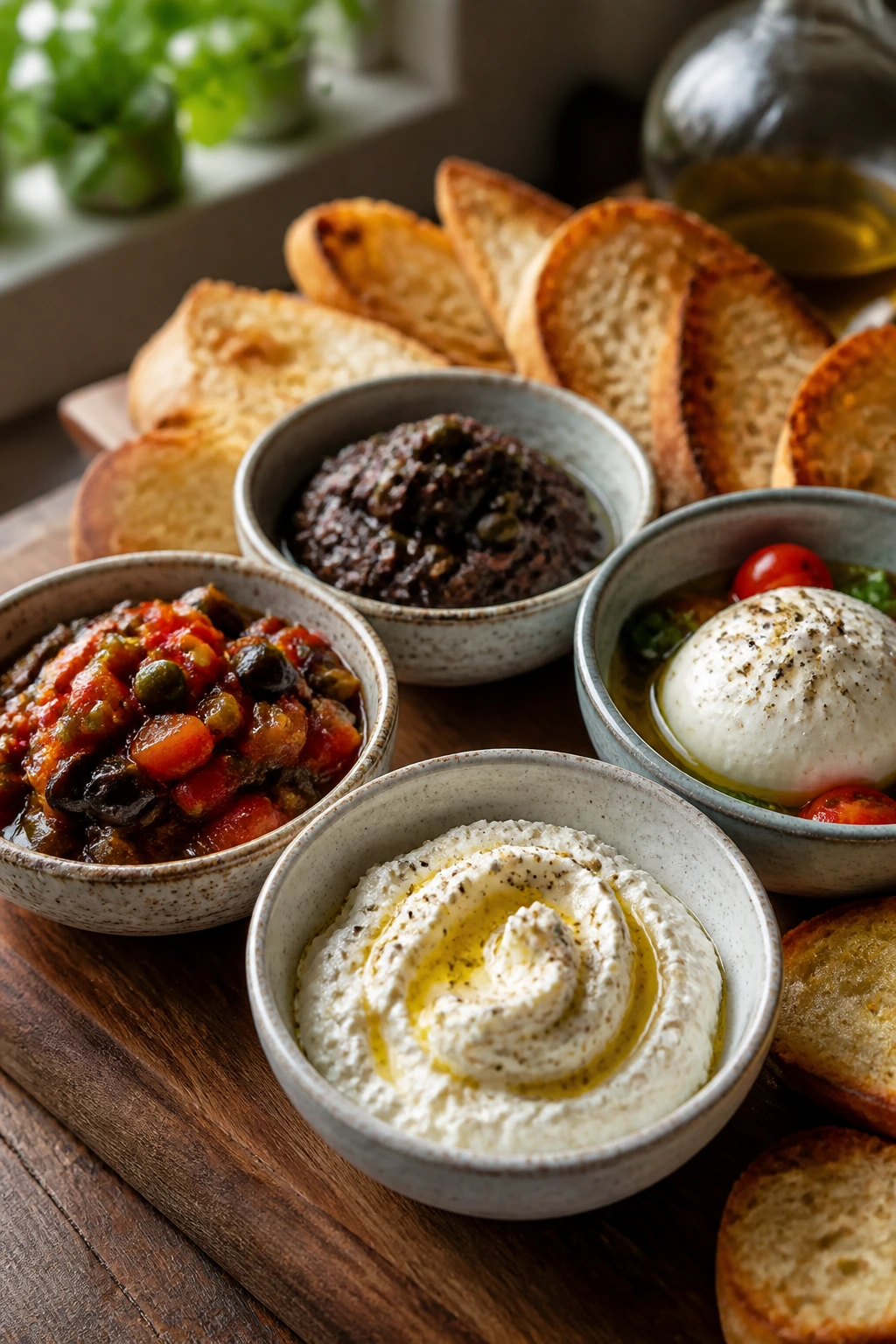
The textures are different on purpose: Whipped ricotta, caponata, tapenade, baked artichoke dip, and fresh burrata give you creamy, chunky, briny, and molten bites instead of one flat note.
-
Pantry ingredients do a lot of the work: Beans, canned tomatoes, jarred peppers, olives, capers, and sun-dried tomatoes carry strong flavor without a long shopping list.
-
Bread finally has a job: Toasted ciabatta, focaccia, or baguette slices hold up better than plain crackers, and they scoop up oil, cheese, and tomato juices without folding in half.
-
You can mix cold and hot bowls: One chilled dip and one warm dip make the table feel planned, even if the rest of dinner is a simple bowl of spaghetti.
1. Whipped Ricotta with Lemon, Olive Oil, and Black Pepper
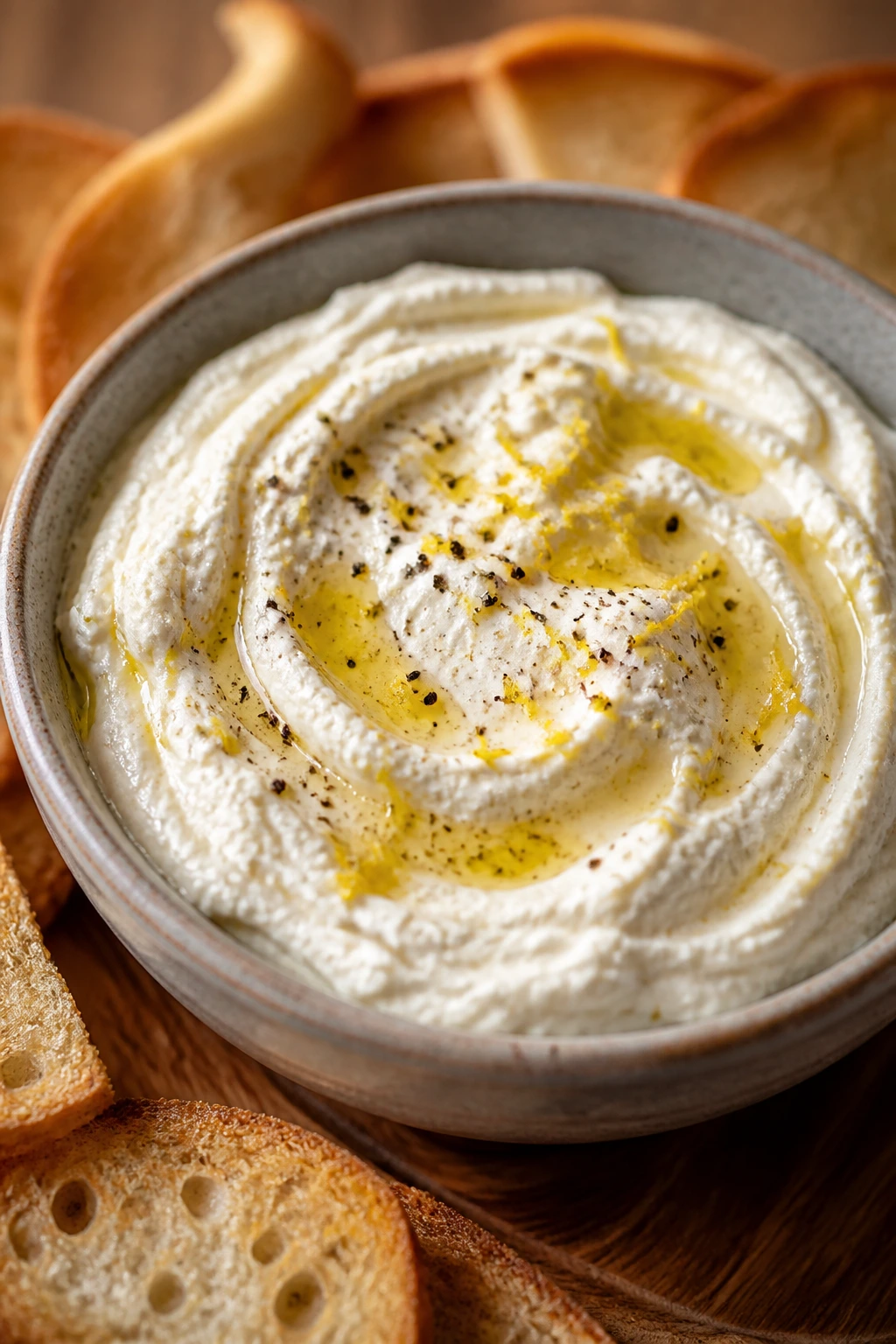
Whipped ricotta has no business being this useful. Cold from the tub, it can taste a little shy, even a little grainy. Whip it with a few smart additions, though, and it turns plush and spoonable, with a clean dairy sweetness that likes lemon, pepper, and a good olive oil drizzle.
Why It Works: Whole-milk ricotta has enough fat to carry the flavor, but not so much that it feels heavy before pasta. A short whip with a little cream loosens the curds and gives the dip that billowy texture you want on a shallow bowl. Lemon zest keeps the ricotta from tasting flat, and black pepper gives it a tiny sting that wakes up the palate.
Key Ingredients:
- 15 oz whole-milk ricotta, drained if watery
- 2 tbsp heavy cream or whole milk
- 1 tsp finely grated lemon zest
- 1 tbsp fresh lemon juice
- 1/2 tsp kosher salt
- 2 tbsp extra-virgin olive oil, plus more for serving
- 1/2 tsp freshly cracked black pepper
- Pinch red pepper flakes, optional
- 6 basil leaves, torn, for topping
- Crostini or toasted baguette slices, for serving
Quick Steps:
- Set a fine-mesh sieve over a bowl and drain the ricotta for 10 to 15 minutes if it looks loose or wet.
- Add the ricotta, cream, lemon zest, lemon juice, and salt to a mixing bowl.
- Whip on medium speed for 1 to 2 minutes, until the mixture looks smooth, airy, and a little glossy.
- Spoon the ricotta into a shallow serving bowl and make a small well in the center with the back of a spoon.
- Drizzle with olive oil, crack black pepper over the top, and finish with basil and red pepper flakes.
- Serve right away with warm crostini.
Equipment for This Recipe:
- Fine-mesh sieve for draining
- Mixing bowl
- Hand mixer or food processor
- Microplane for lemon zest
- Shallow serving bowl
How to Serve This Dish: Spoon it into a shallow bowl so the olive oil can pool in the center instead of sliding off the sides. I like it next to a simple tomato pasta or a bowl of buttered noodles for kids, because the lemon and pepper give the table a little spark before the main course arrives.
Pro Tips for This Recipe:
- If your ricotta looks wet in the tub, drain it. That one step keeps the dip from turning thin and sad.
- Whole-milk ricotta beats part-skim every time here. The low-fat version whips lighter, but it also tastes dusty.
- Add the lemon juice slowly. Too much and the ricotta starts tasting sharp instead of bright.
- Chill the bowl for 10 minutes before serving if your kitchen is warm; the dip holds its shape better.
Variations on This Dish:
- Garlic-Whisper Ricotta: Add 1 small garlic clove, finely grated, for a sharper edge that plays well with tomato sauce.
- Herb Garden Ricotta: Fold in 1 tablespoon each of chopped parsley, chives, and basil for a greener, fresher bowl.
- Honeyed Finish: Drizzle 1 teaspoon honey over the top if you want a sweeter starter for spicy pasta.
Common Mistakes to Avoid with This Dish:
- Skipping the drain: Wet ricotta leaves a puddle in the bowl. Drain it first, even if it feels annoying.
- Over-salting at the start: Parmesan or salty olive oil on top can push it over the edge. Taste after the whip, then finish the bowl.
- Using a deep bowl: Ricotta wants a wide, shallow shape so the oil and pepper sit on top instead of disappearing.
2. Bubbly Marinara and Parmesan Dip
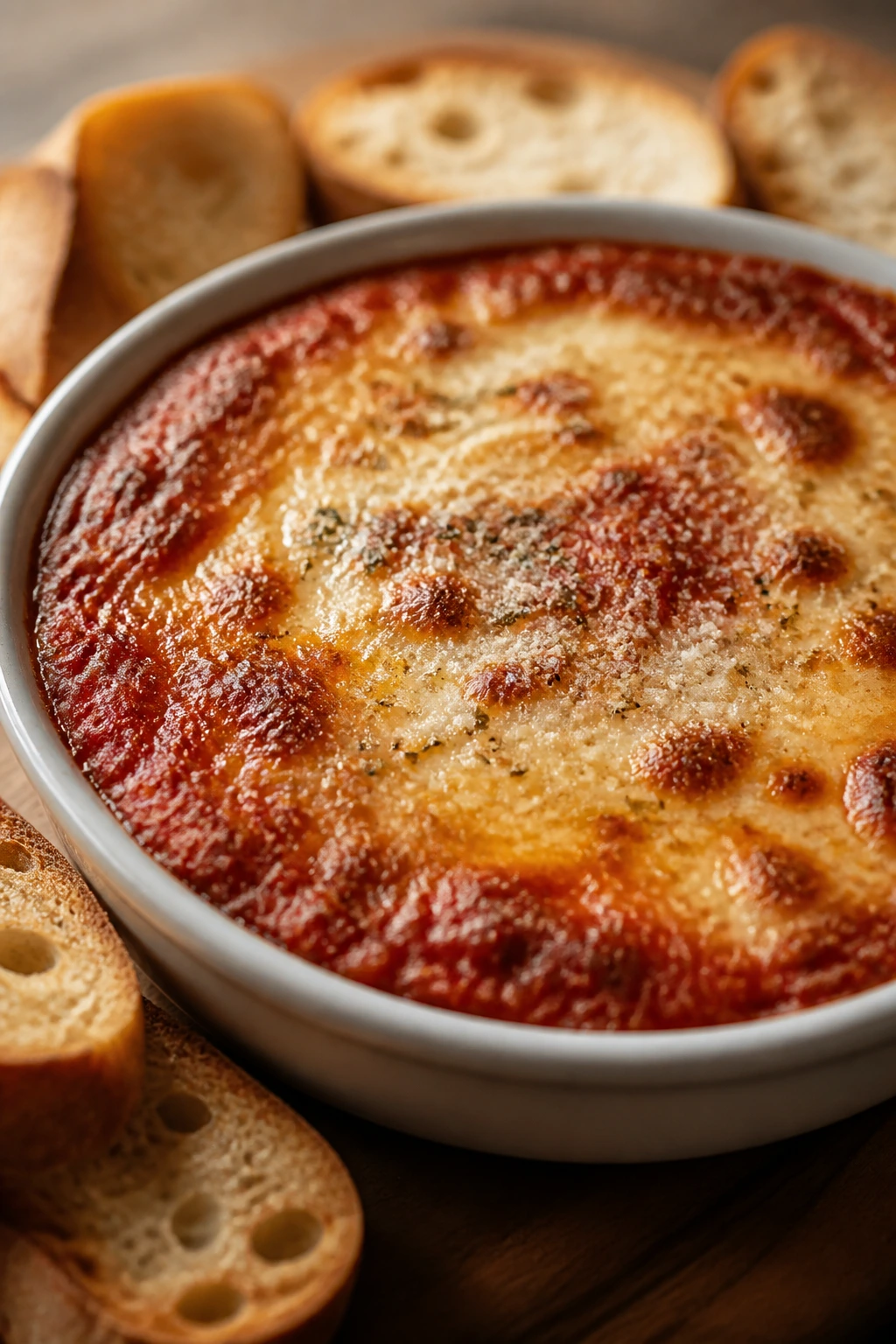
This is the kind of dip that makes the whole kitchen smell like garlic, tomato paste, and melted cheese in under half an hour. It’s thick, red, and unapologetically warm, with just enough parmesan in the sauce to make it feel richer than a simple marinara and enough mozzarella on top to pull into strings.
Why It Works: Tomato paste cooked in oil for a minute tastes deeper and sweeter than tomato paste stirred in raw. A little mascarpone softens the acid in the crushed tomatoes without turning the dip into cream soup, and a mix of mozzarella and Parmesan gives you both stretch and nutty salt. Bake it hot enough to bubble at the edges, and the top gets those bronzed spots that make people dig in fast.
Key Ingredients:
- 2 tbsp extra-virgin olive oil
- 1 small shallot, finely chopped
- 2 garlic cloves, minced
- 2 tbsp tomato paste
- 1 can (28 oz) crushed tomatoes
- 1 tsp dried oregano
- 1/2 tsp kosher salt, plus more to taste
- 1/4 tsp black pepper
- 1/2 tsp sugar, optional if the tomatoes taste sharp
- 1/4 cup mascarpone
- 1 cup shredded low-moisture mozzarella
- 1/2 cup finely grated Parmesan
- 1 tbsp chopped basil, for serving
Quick Steps:
- Preheat the oven to 400°F and set an 8-inch baking dish aside.
- Warm the olive oil in a skillet over medium heat, then cook the shallot for 2 to 3 minutes until soft.
- Add the garlic and tomato paste and stir for 1 minute, until the paste darkens slightly and smells sweet.
- Stir in the crushed tomatoes, oregano, salt, pepper, and sugar if needed. Simmer for 15 minutes, until thick enough to coat a spoon.
- Remove from the heat and stir in the mascarpone and half the Parmesan.
- Spoon into the baking dish, top with mozzarella and the remaining Parmesan, and bake for 10 to 12 minutes, until bubbling at the edges. Broil for 1 minute if you want extra browning.
- Finish with basil and serve hot.
Equipment for This Recipe:
- Medium skillet
- 8-inch baking dish
- Wooden spoon
- Measuring spoons
- Cheese grater
How to Serve This Dish: Put the hot dish in the center of the table with a stack of toasted ciabatta or focaccia. It also works well beside a plain bowl of spaghetti with olive oil and herbs, since the dip gives the meal an extra tomato hit without competing with the pasta.
Pro Tips for This Recipe:
- Cook the tomato paste before adding the tomatoes. Raw paste tastes blunt.
- Use crushed tomatoes with a short ingredient list. If they’re very acidic, that tiny bit of sugar helps.
- Keep the cheese out of a full boil. Stir it into the sauce off heat so it melts cleanly.
- If you want a smoother dip, blend the sauce before baking. I usually leave it a little rustic.
Variations on This Dish:
- Calabrian Kick: Stir 1 teaspoon Calabrian chili paste into the sauce for heat that lands after the tomato.
- Sausage-Heavy Version: Brown 1/2 pound sweet Italian sausage with the shallot for a heartier version.
- Lighter Tomato Dip: Skip the mascarpone and finish with a little olive oil instead; it’s less rich but still spoonable.
Common Mistakes to Avoid with This Dish:
- Adding cheese to a boiling sauce: That’s how you get grainy, oily patches. Take the pan off the heat first.
- Serving it too thin: Simmer until it’s thick enough to cling to bread, not slide off it.
- Using cold cheese straight from the fridge: Let the mascarpone soften a bit so it melts into the tomatoes smoothly.
3. Tuscan Cannellini Bean Dip with Rosemary
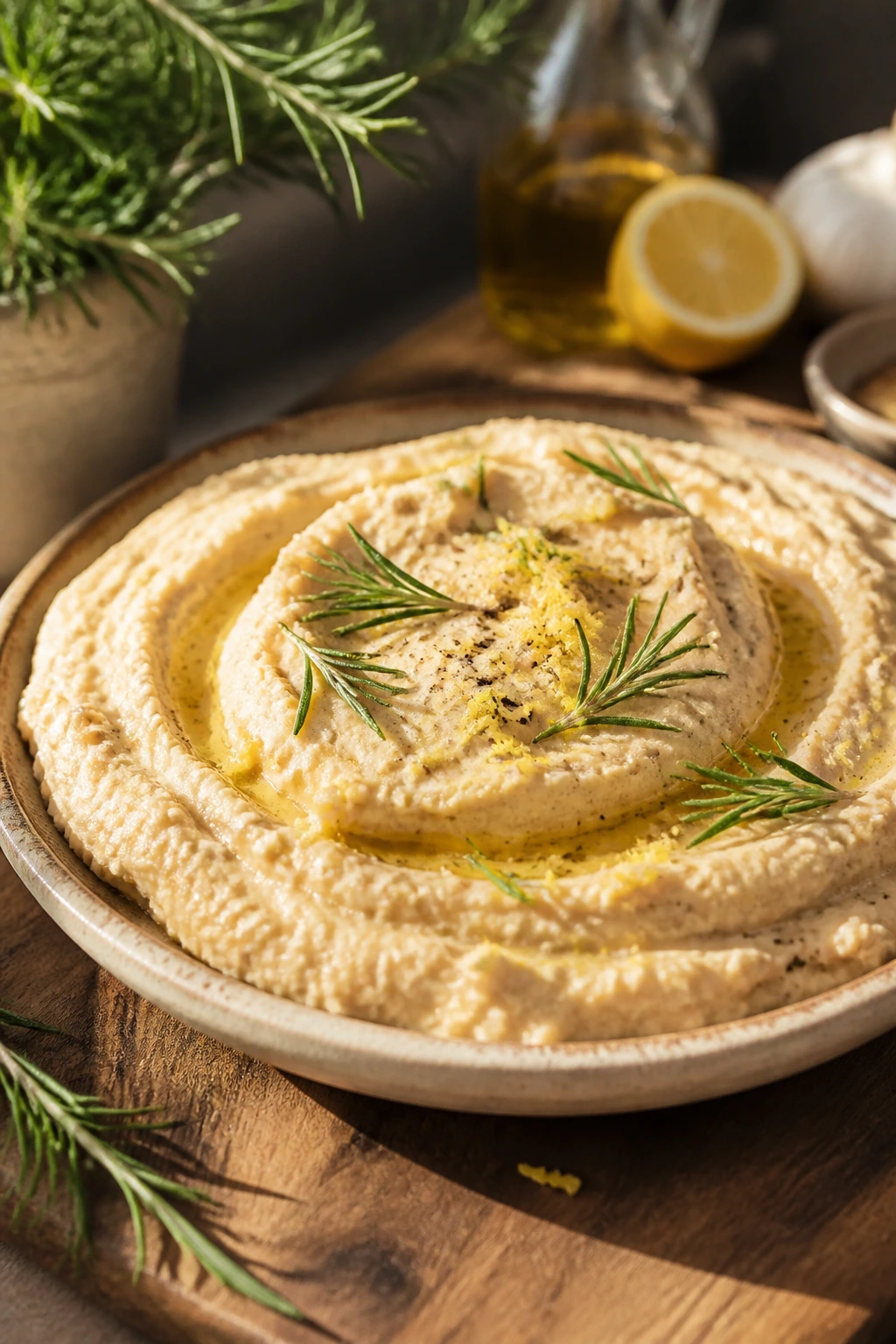
Cannellini beans are one of those quiet ingredients that can look plain in the can and taste almost silky once you treat them properly. A little rosemary in hot oil, a squeeze of lemon, and a splash of bean liquid turn them into a dip that feels old-school in the best way: soft, garlicky, earthy, and faintly piney.
Why It Works: Cannellini beans puree into a smoother paste than most white beans, which gives this dip a cushiony texture without needing cream. Rosemary blooms quickly in warm oil, so the herb tastes fragrant instead of woody. Lemon keeps the beans awake, and a spoon of Parmesan adds a savory edge that makes the whole bowl feel finished.
Key Ingredients:
- 2 cans (15 oz each) cannellini beans, rinsed and drained
- 2 tbsp extra-virgin olive oil, plus more for serving
- 2 garlic cloves, minced
- 1 tsp chopped fresh rosemary, plus a few small sprigs for topping
- 1 tbsp lemon juice
- 1/2 tsp lemon zest
- 1/2 tsp kosher salt
- 1/4 tsp black pepper
- 2 to 4 tbsp reserved bean liquid or warm water
- 2 tbsp finely grated Parmesan, optional
Quick Steps:
- Warm the olive oil in a small skillet over medium-low heat.
- Add the garlic and rosemary and cook for 45 to 60 seconds, just until fragrant; do not let the garlic brown.
- Add the beans, lemon juice, lemon zest, salt, pepper, and Parmesan if using to a food processor.
- Pour in the garlic-rosemary oil and 2 tablespoons bean liquid, then blend until mostly smooth.
- Scrape down the sides, add more liquid a tablespoon at a time, and pulse until the texture is creamy but still has a little body.
- Spoon into a bowl, swirl the top, and finish with olive oil and a rosemary leaf or two.
Equipment for This Recipe:
- Food processor
- Small skillet
- Measuring spoons
- Serving bowl
- Rubber spatula
How to Serve This Dish: Spread it thick on toasted bread and top with a few flakes of salt and a drizzle of peppery olive oil. I also like it next to roasted peppers or a simple green salad before a tomato-heavy pasta, because the bean dip softens the sharp edges of the meal.
Pro Tips for This Recipe:
- Rinse the beans well. The can liquid is useful for texture, but the beans themselves need to be clean and not metallic.
- Start with less liquid than you think. Beans absorb more after blending.
- If the rosemary tastes too strong, strain it out of the oil before blending.
- A small pinch of Parmesan does more than a large one. It should support the beans, not dominate them.
Variations on This Dish:
- Lemony White Bean Purée: Skip the Parmesan and add a little more lemon for a vegan bowl.
- Roasted Garlic Version: Swap the raw garlic for 4 roasted cloves if you want a sweeter, softer flavor.
- Smoky Herb Bean Dip: Add a pinch of smoked paprika and extra black pepper for a warmer finish.
Common Mistakes to Avoid with This Dish:
- Overloading the food processor with liquid: The dip turns runny fast. Add bean liquid slowly.
- Using too much rosemary: It can go bitter. Keep it at 1 teaspoon chopped, no more.
- Serving it straight from the fridge: The olive oil and bean starch both taste better after 15 minutes at room temperature.
4. Basil Pesto Cream Cheese Dip with Toasted Pine Nuts
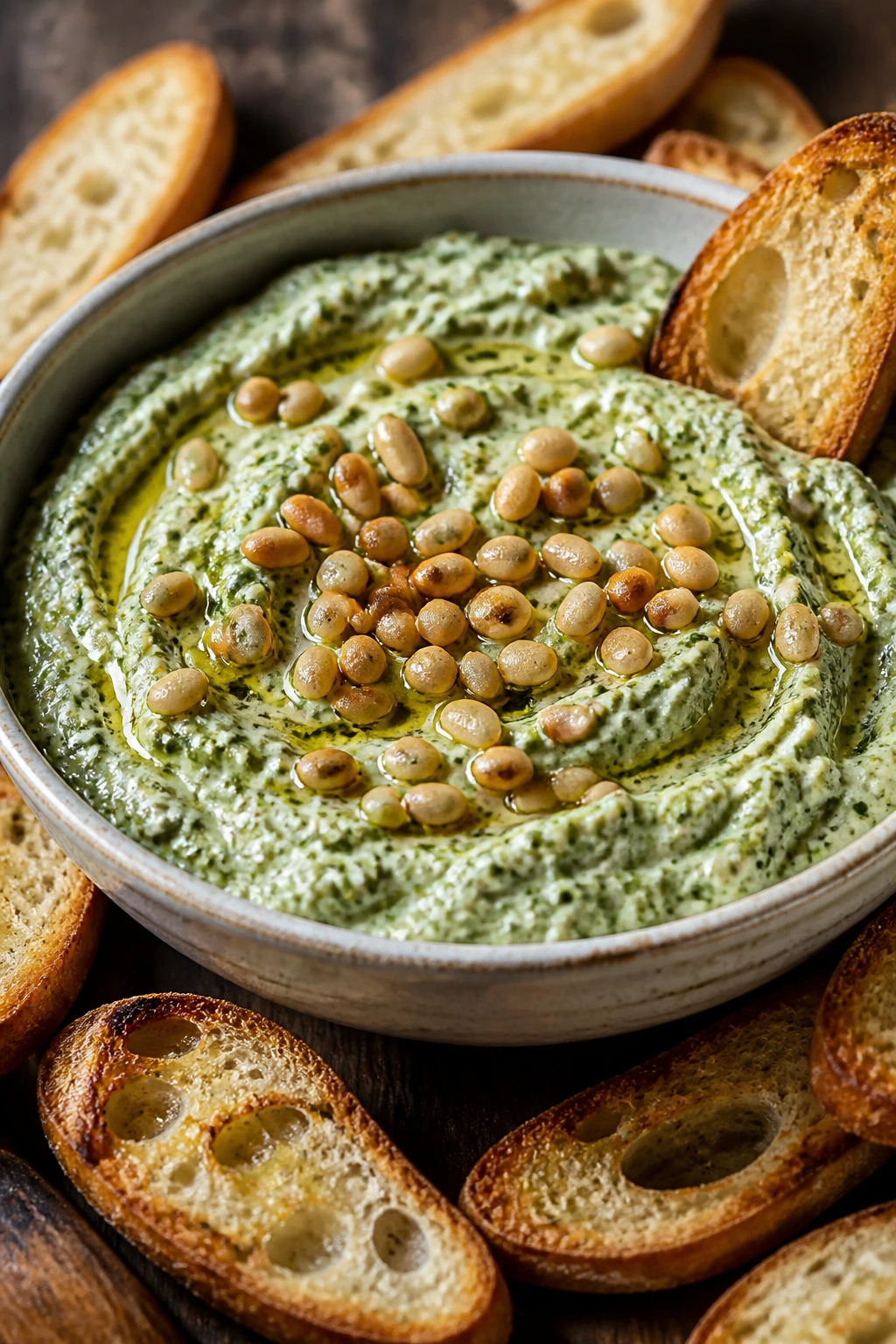
If pesto is the loud friend at the table, cream cheese is the one that slows it down just enough to make it useful. Together, they make a dip that tastes like a basil patch after rain, with a cool, tangy base and enough Parmesan and pine nut richness to feel right at home before a big bowl of pasta.
Why It Works: Pesto already carries basil, garlic, cheese, oil, and salt, so cream cheese mostly acts as a thickener and cushion. Greek yogurt or sour cream adds a little lift and keeps the dip from feeling dense. Toasted pine nuts on top matter more than they look like they should; they bring crunch to a dip that would otherwise be all soft edges.
Key Ingredients:
- 8 oz cream cheese, softened
- 1/3 cup basil pesto
- 2 tbsp Greek yogurt or sour cream
- 1 tbsp lemon juice
- 2 tbsp grated Parmesan
- 2 tbsp pine nuts, toasted
- 1 tbsp chopped basil, for topping
- 1/4 tsp black pepper
- Crostini, crackers, or sliced cucumber, for serving
Quick Steps:
- Toast the pine nuts in a dry skillet over medium heat for 2 to 3 minutes, shaking the pan often, until golden.
- Beat the cream cheese and Greek yogurt in a bowl until smooth.
- Add the pesto, lemon juice, Parmesan, and black pepper, then mix until fully combined and streak-free.
- Spoon the dip into a serving bowl and smooth the top with the back of a spoon.
- Scatter over the pine nuts and chopped basil.
- Serve cold or let it sit for 10 minutes so the flavor opens up.
Equipment for This Recipe:
- Mixing bowl
- Hand mixer or sturdy spoon
- Small skillet
- Serving bowl
- Measuring spoons
How to Serve This Dish: This is good with crostini, but I like it even more with endive leaves and sliced cucumber when the pasta course is already rich. If you’re serving pesto pasta later, keep the dip lighter on the table so the basil doesn’t take over the whole meal.
Pro Tips for This Recipe:
- Let the cream cheese soften all the way. Cold blocks leave little lumps that don’t blend out well.
- Use a thick pesto, not a thin oily one. If the jar looks loose, drain a spoonful of oil first.
- Toast the pine nuts separately and add them last so they stay crisp.
- If the dip tastes flat, add a pinch of salt before reaching for more pesto.
Variations on This Dish:
- Sun-Dried Pesto Dip: Stir in 2 tablespoons minced sun-dried tomatoes for a sweeter, deeper flavor.
- Lighter Green Dip: Replace half the cream cheese with ricotta for a softer texture.
- Spicy Basil Dip: Add a small spoon of Calabrian chili paste for heat.
Common Mistakes to Avoid with This Dish:
- Using watery pesto: That makes the dip loose. Start with a thick pesto and taste before adding more.
- Forgetting the lemon: Basil and cheese can taste sleepy without acid.
- Adding the pine nuts too early: They soften in the fridge. Keep them on top at the end.
5. Roasted Red Pepper Romesco Dip
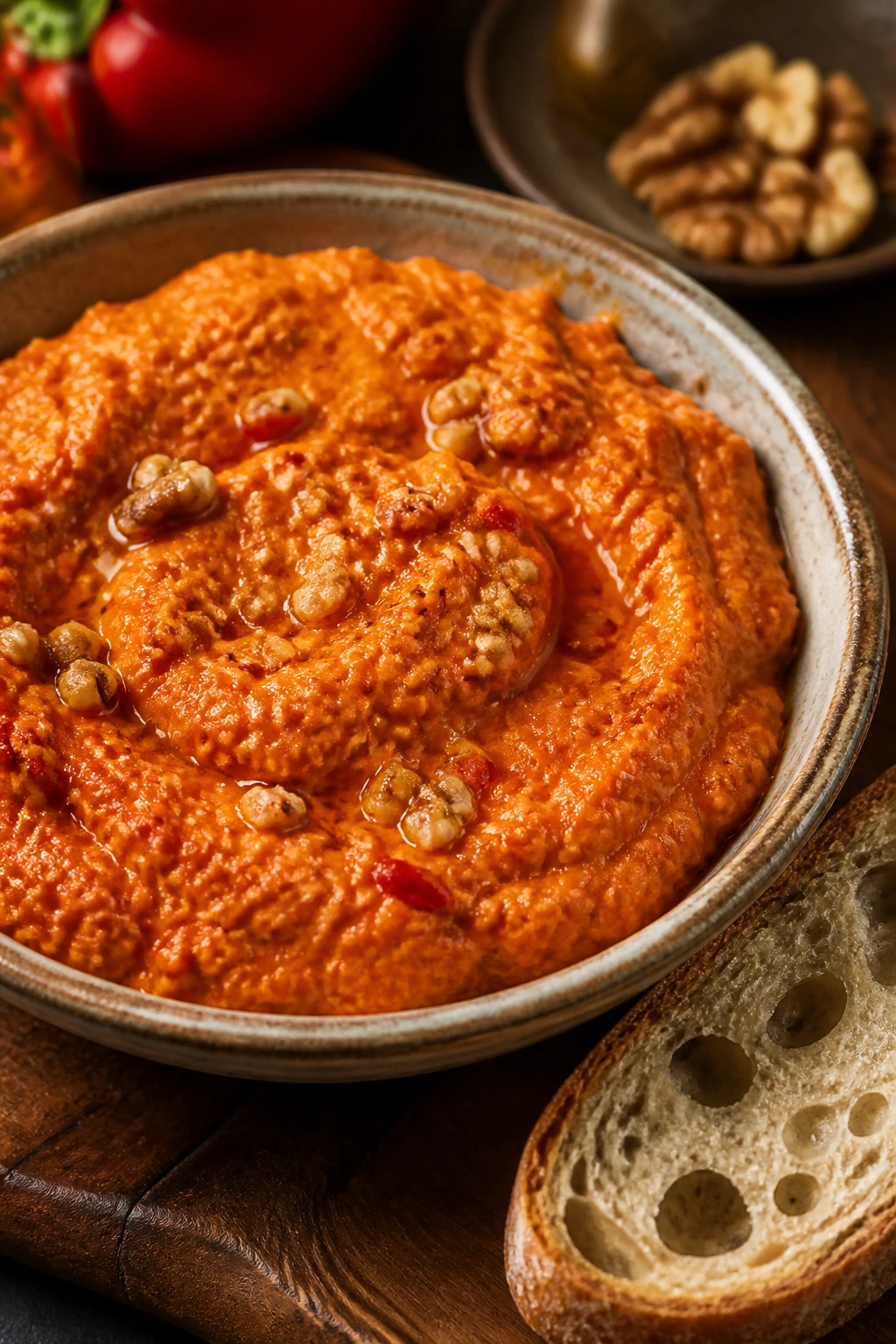
This one tastes smoky, nutty, and a little sweet, with the kind of red color that wakes up a table even before the first bite. Roasted peppers give it body, walnuts give it grit, and a little vinegar keeps the whole thing from flattening out into roasted vegetable mush.
Why It Works: Romesco depends on contrast. The peppers are soft and sweet, the walnuts are earthy and a little rough, and the vinegar cuts through the oil so the dip stays lively. A slice of toasted bread or a spoonful of breadcrumbs thickens the sauce into something scoopable instead of pourable, which is exactly what you want on a bread board.
Key Ingredients:
- 12 oz jarred roasted red peppers, well drained
- 1/2 cup walnuts, toasted
- 1 garlic clove
- 1 slice toasted country bread or 1/4 cup fresh breadcrumbs
- 1 tbsp red wine vinegar
- 1 tbsp tomato paste
- 1 tsp smoked paprika
- 1/4 cup extra-virgin olive oil
- 1/2 tsp kosher salt
- Pinch cayenne, optional
- 1 tbsp chopped parsley, for serving
Quick Steps:
- Toast the walnuts in a dry skillet for 3 to 4 minutes, then let them cool.
- Add the peppers, walnuts, garlic, bread, vinegar, tomato paste, paprika, salt, and cayenne to a food processor.
- Pulse until the mixture is coarse, then drizzle in the olive oil while the machine runs.
- Stop and scrape down the sides, then pulse again until the dip is thick but still a little rustic.
- Taste for salt and vinegar; adjust if needed.
- Let it rest for 10 minutes before serving so the flavors settle.
Equipment for This Recipe:
- Food processor
- Dry skillet
- Spatula
- Serving bowl
- Knife and cutting board
How to Serve This Dish: Spread it on toasted baguette slices or spoon it onto a platter beside grilled zucchini and peppers. It sits nicely next to tomato pasta because it adds smoke and nutty depth without repeating the same tomato note.
Pro Tips for This Recipe:
- Drain the peppers well and pat them dry. Extra brine can thin the dip fast.
- Use roasted walnuts, not raw ones. That minute or two of toasting matters.
- If the romesco tastes dull, it usually needs salt or vinegar before anything else.
- A few tablespoons of leftover olive oil from a jarred pepper jar can add flavor, but use it carefully because it can be salty.
Variations on This Dish:
- Almond Romesco: Swap the walnuts for toasted almonds if you want a cleaner, sharper nut flavor.
- Charred Pepper Version: Roast your own peppers for a deeper smoky edge.
- Herb-Heavy Finish: Add a handful of parsley or basil at the end for a fresher dip.
Common Mistakes to Avoid with This Dish:
- Pureeing it into paste: Romesco should be thick and textured, not baby-smooth.
- Skipping the acid: Vinegar keeps it bright. Without it, the dip tastes heavy.
- Using oily peppers without adjusting: If your jarred peppers are packed in oil, drain them extra well or the dip gets greasy.
6. Italian-Style Artichoke and Spinach Dip
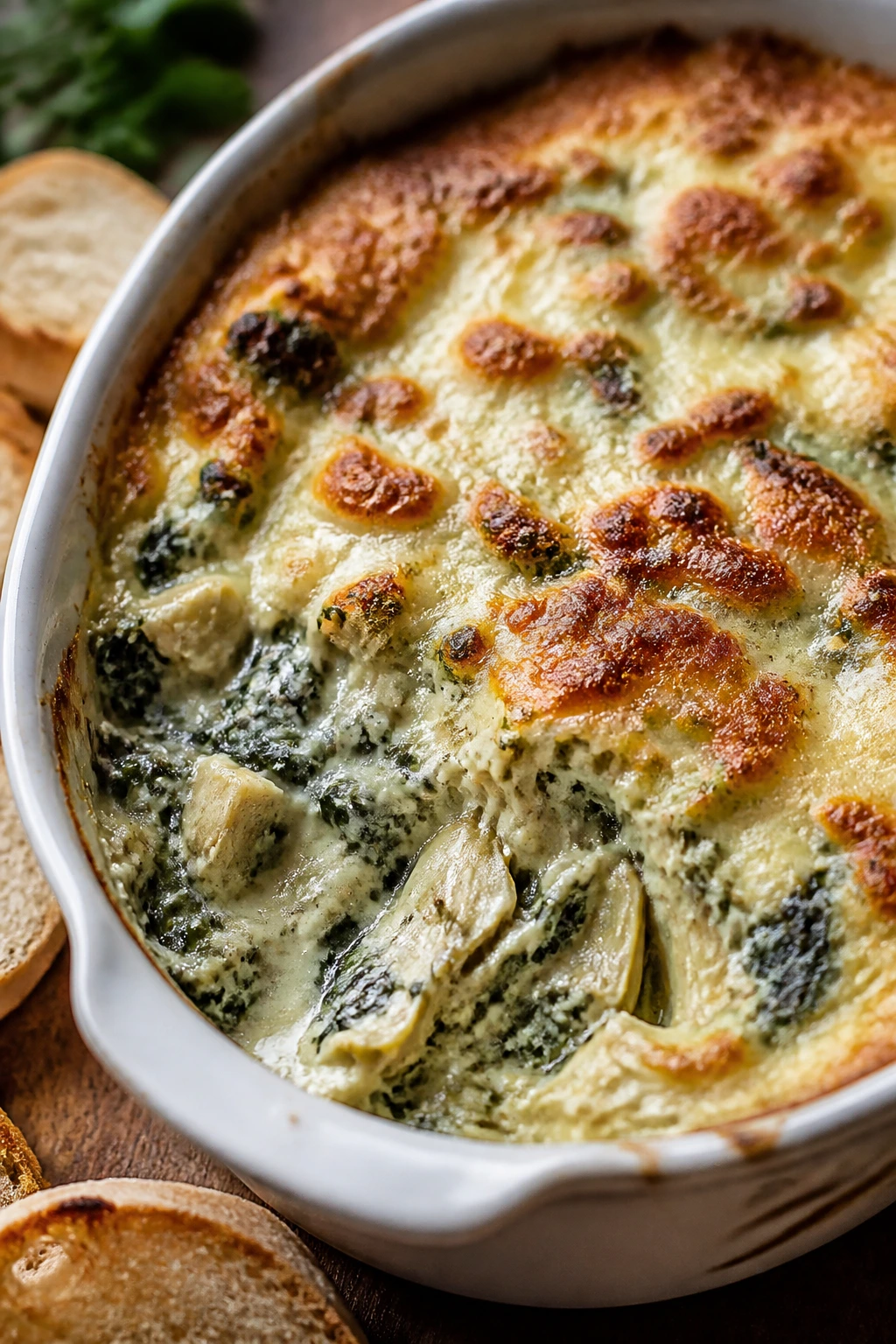
This is the baked dip people pretend they’re only going to taste once and then go back for a second spoonful before the pasta even lands. It’s creamy, garlicky, and just tangy enough from the artichokes to keep the cheese from turning sleepy. A little lemon at the end makes a bigger difference than most people expect.
Why It Works: Spinach brings volume and a little earthiness, while artichoke hearts add chew and a faint briny snap. Ricotta and mascarpone keep the texture soft, but Parmesan and mozzarella give the top that bubbly, bronzed crust. If you squeeze the spinach dry and chop the artichokes into bite-sized pieces, the whole dish stays thick instead of watery.
Key Ingredients:
- 2 tbsp extra-virgin olive oil
- 1 small shallot, finely chopped
- 2 garlic cloves, minced
- 10 oz frozen chopped spinach, thawed and squeezed very dry
- 1 can (14 oz) artichoke hearts, drained and chopped
- 1 cup ricotta
- 4 oz mascarpone or cream cheese
- 1 cup shredded mozzarella
- 1/2 cup grated Parmesan
- 1 tbsp lemon juice
- 1/4 tsp red pepper flakes
- 1/2 tsp kosher salt
- 1/4 tsp black pepper
Quick Steps:
- Preheat the oven to 400°F and grease a small baking dish.
- Warm the olive oil in a skillet over medium heat and cook the shallot for 2 minutes, until soft.
- Add the garlic and cook for 30 seconds, then stir in the spinach and artichokes.
- In a bowl, mix the ricotta, mascarpone, mozzarella, Parmesan, lemon juice, red pepper flakes, salt, and pepper.
- Fold the spinach mixture into the cheese mixture, then spread everything into the baking dish.
- Bake for 20 to 25 minutes, until bubbling at the edges and lightly browned on top. Broil for 1 minute if you want a deeper crust.
- Let it sit for 5 minutes before serving.
Equipment for This Recipe:
- Skillet
- Mixing bowl
- Small baking dish
- Spoon or spatula
- Colander or clean kitchen towel for squeezing spinach
How to Serve This Dish: Put it on the table with pita chips, toasted bread, or sturdy crackers that won’t collapse after one scoop. It also works beside a baked pasta dinner if you want the starter to echo the main course without feeling like a duplicate.
Pro Tips for This Recipe:
- Squeeze the spinach until it feels almost dry. One soggy handful ruins the texture.
- Chop the artichokes fairly small, but leave some pieces chunky so the dip isn’t paste-like.
- Use mascarpone if you want a softer, richer dip; cream cheese if you want a firmer one.
- Lemon at the end matters. It cuts through the cheese and makes the artichokes taste more like themselves.
Variations on This Dish:
- Pesto Swirl Version: Spoon a little pesto over the top before baking.
- Lighter Ricotta Dip: Skip the mascarpone and use more ricotta for a softer, less rich bowl.
- Dairy-Free Spinach Artichoke: Use cashew cream and olive oil, then add nutritional yeast for savoriness.
Common Mistakes to Avoid with This Dish:
- Leaving moisture in the spinach: The dip gets loose and steamy instead of creamy.
- Using watery artichokes: Drain them well and blot them if they seem wet.
- Overbaking until the oils separate: Pull it when it bubbles and the top just starts to color.
7. Burrata and Cherry Tomato Dip
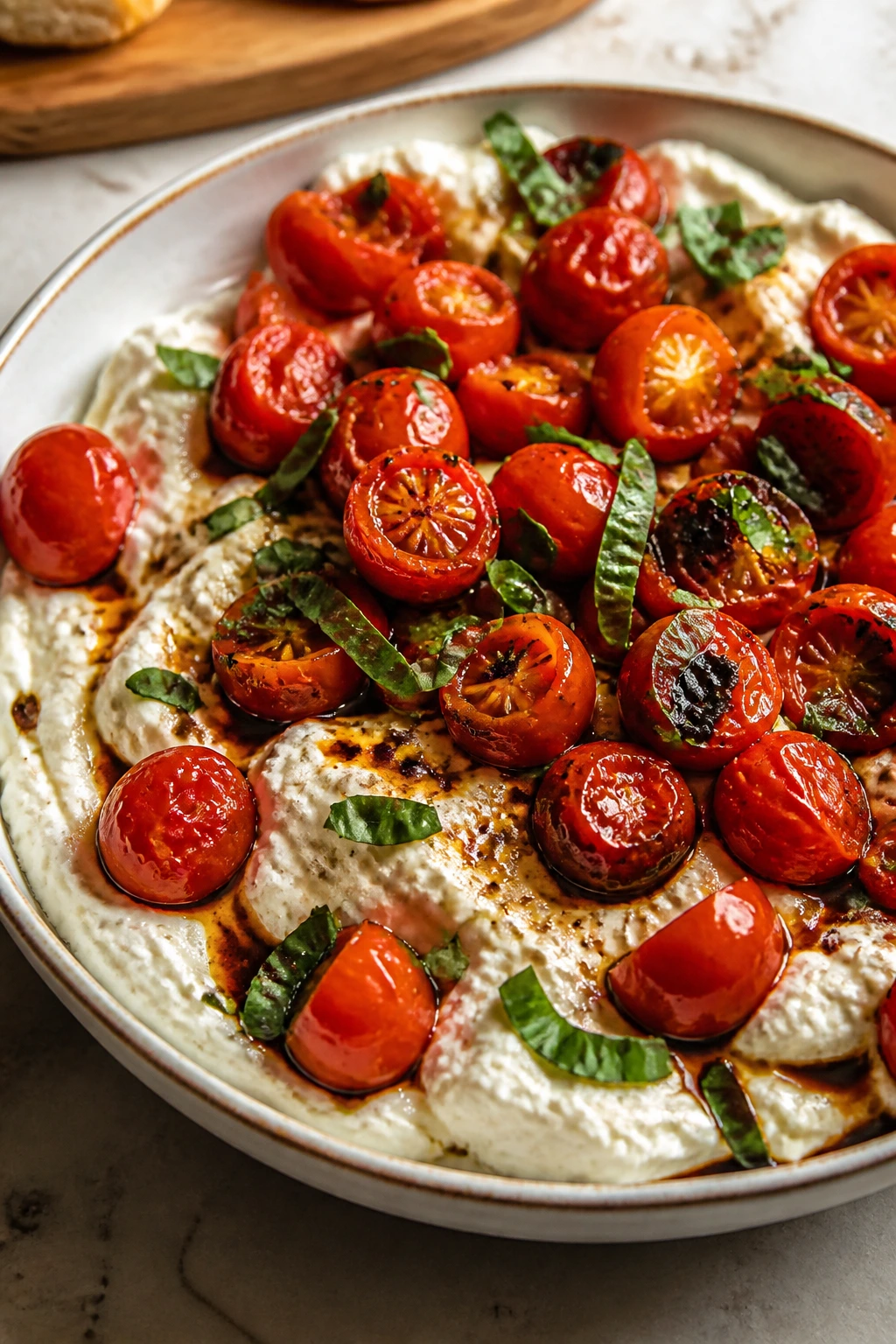
What happens when you roast cherry tomatoes until they burst and then spoon them over burrata? You get a dip that tastes like summer met pasta night and decided to stay for dinner. The burrata turns the tomato juices creamy, while basil and a little balsamic keep the whole bowl bright and sharp.
Why It Works: Roasting concentrates the tomatoes so they taste sweeter and less watery. Burrata brings a soft, rich center that behaves like a sauce once the hot tomatoes hit it. A little garlic in the roasting pan gives the tomatoes enough backbone to stand up to bread without turning aggressive.
Key Ingredients:
- 2 pints cherry tomatoes
- 3 tbsp extra-virgin olive oil
- 2 garlic cloves, smashed
- 1/2 tsp kosher salt
- 1/4 tsp black pepper
- 8 oz burrata
- 1 tbsp balsamic glaze
- 6 basil leaves, torn
- Pinch red pepper flakes, optional
- Toasted bread for serving
Quick Steps:
- Preheat the oven to 425°F and line a sheet pan with parchment.
- Toss the tomatoes, olive oil, garlic, salt, and pepper on the pan.
- Roast for 15 to 18 minutes, until the tomatoes have burst and the juices are glossy.
- Transfer the burrata to a shallow bowl and tear it open a little with a spoon.
- Spoon the hot tomatoes and their juices over the burrata.
- Drizzle with balsamic glaze, scatter basil and red pepper flakes on top, and serve immediately.
Equipment for This Recipe:
- Sheet pan
- Parchment paper
- Shallow serving bowl
- Spoon
- Knife
How to Serve This Dish: Serve it the second it comes together, while the tomatoes are still hot and the burrata is soft in the center. I like it with thick slices of toasted sourdough or focaccia, and I like having a little spoon nearby because some of the best bites are more sauce than cheese.
Pro Tips for This Recipe:
- Use burrata at room temperature if you can. Cold cheese dulls the tomatoes.
- Salt the tomatoes before roasting. It helps them burst and seasons the juices.
- Don’t drown the bowl in balsamic glaze. A thin drizzle is enough.
- If the tomatoes look pale, give them 2 to 3 extra minutes under the broiler.
Variations on This Dish:
- Stracciatella Swap: Use stracciatella instead of burrata if you want a looser, creamier center.
- Heirloom Tomato Bowl: Roast halved heirloom cherry tomatoes for a sweeter, less acidic dip.
- Garlic Herb Version: Add thyme or oregano to the tomatoes for a more savory profile.
Common Mistakes to Avoid with This Dish:
- Using cold burrata straight from the fridge: It won’t melt into the tomato juices properly.
- Undertoasting the bread: Soft bread gives up too soon under the tomatoes.
- Letting the tomatoes sit too long after roasting: They lose their heat and the cheese never loosens.
8. Sicilian Caponata Spread
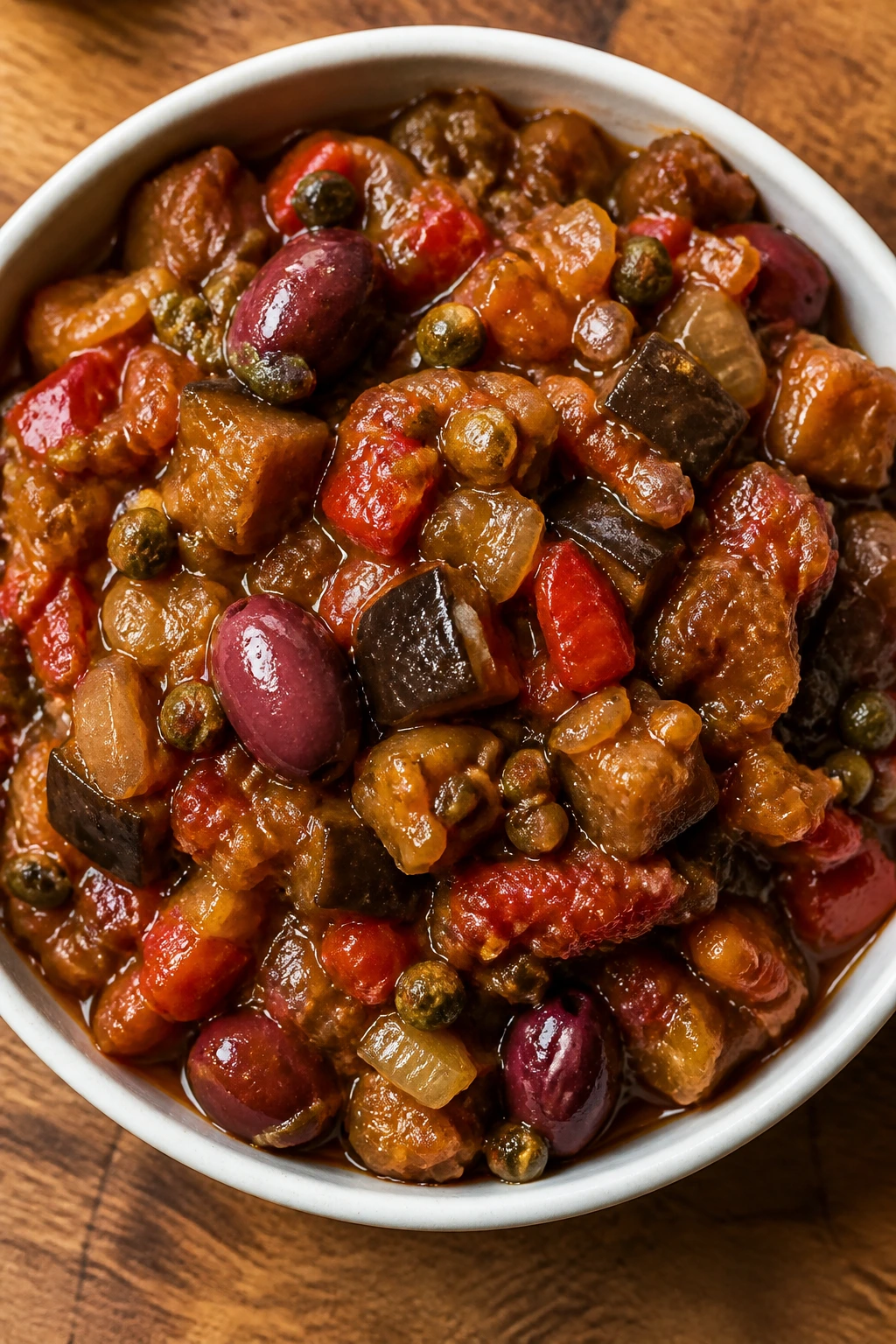
Caponata is the sort of appetizer that tastes better after it has had a little time to think. Eggplant, vinegar, olives, capers, and a touch of sweetness make it sweet-sour and deeply savory, with enough texture that you can spread it on bread or scoop it with a fork and never feel bored.
Why It Works: Eggplant needs either high heat or a good sauté to keep its shape; if you skip that part, it goes damp and sad. The vinegar and sugar create the classic caponata balance, which is what keeps the dish from tasting like plain stewed vegetables. Capers, olives, and raisins, if you use them, each push the flavor in a different direction and make every bite a little different.
Key Ingredients:
- 1 large eggplant, cut into 1/2-inch cubes
- 1/2 tsp kosher salt
- 3 tbsp extra-virgin olive oil, plus more if needed
- 1 small onion, chopped
- 2 celery ribs, sliced thin
- 2 tbsp tomato paste
- 2 tbsp red wine vinegar
- 1 tsp sugar
- 2 tbsp capers, rinsed
- 1/3 cup green olives, chopped
- 2 tbsp golden raisins, optional
- 2 tbsp pine nuts, toasted
- 1/4 cup chopped basil or parsley
Quick Steps:
- Toss the eggplant with salt and let it sit for 10 minutes, then pat it dry.
- Roast the eggplant on a sheet pan at 425°F for 20 minutes, or sauté it in olive oil until browned and tender.
- Warm the remaining olive oil in a skillet and cook the onion and celery for 5 minutes, until soft.
- Stir in the tomato paste for 1 minute, then add the vinegar, sugar, capers, olives, raisins if using, and the cooked eggplant.
- Cook for 2 to 3 minutes more, until the mixture looks glossy and cohesive.
- Fold in the pine nuts and herbs, then cool slightly before serving.
Equipment for This Recipe:
- Sheet pan or skillet
- Large skillet
- Spoon or spatula
- Knife and cutting board
- Serving bowl
How to Serve This Dish: Caponata likes toasted bread, grilled focaccia, or even a plain spoon and a little patience. It’s also one of the few dips here that can sit at room temperature without losing itself, which makes it handy when the pasta sauce needs your full attention.
Pro Tips for This Recipe:
- Roast the eggplant if you want less oil absorption and a cleaner flavor.
- Keep the sweet-sour balance visible. If it tastes flat, it usually needs a little more vinegar, not more salt.
- Caponata is better after 20 to 30 minutes of resting.
- Toast the pine nuts separately; their nutty crunch matters against the soft eggplant.
Variations on This Dish:
- Raisin-Free Version: Skip the raisins if you want a more savory, less sweet bowl.
- Pepper Caponata: Add diced roasted peppers for extra color and a softer finish.
- Briny Olive-Forward Version: Use more olives and fewer raisins for a sharper antipasto feel.
Common Mistakes to Avoid with This Dish:
- Undercooking the eggplant: It should be tender and browned, not spongy.
- Pushing the vinegar too far: Caponata should be bright, not sour.
- Serving it piping hot: The flavors settle into place as it cools slightly.
9. Olive Tapenade with Anchovy and Parsley
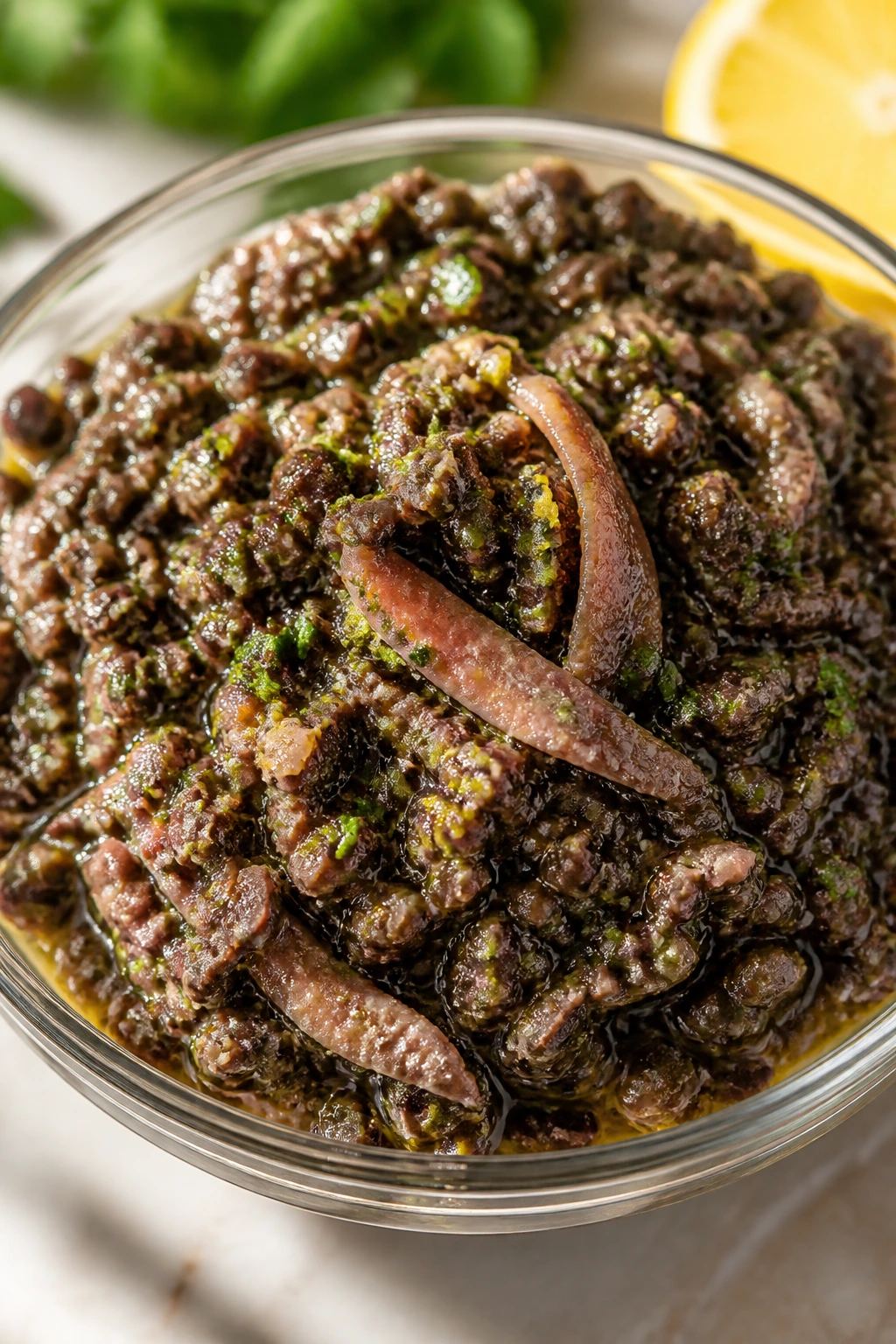
Tapenade is all about salt, fat, and a clean, briny punch. There’s no need to dress it up. The olives do the heavy lifting, capers add sting, and anchovy — if you use it — disappears into the background and makes everything taste deeper.
Why It Works: A good tapenade isn’t smooth like hummus; it wants a coarse, spreadable chop so the olives still taste like olives. Anchovy fillets melt into the mixture and read as savoriness, not fishiness, especially when lemon zest and parsley are in the bowl. A little olive oil brings the whole thing together without making it greasy.
Key Ingredients:
- 1 cup pitted Castelvetrano or Kalamata olives
- 2 tbsp capers, rinsed
- 2 anchovy fillets or 1 tsp anchovy paste
- 1 garlic clove
- 2 tbsp chopped parsley
- 1 tsp lemon zest
- 2 to 3 tbsp extra-virgin olive oil
- 1/4 tsp black pepper
- 2 tbsp toasted almonds or walnuts, optional
Quick Steps:
- Add the olives, capers, anchovy, garlic, parsley, lemon zest, pepper, and nuts if using to a food processor.
- Pulse in short bursts until the mixture is chopped but still chunky.
- Drizzle in the olive oil and pulse once or twice more to bind it.
- Taste the tapenade on a piece of bread, then adjust with more lemon zest or pepper if needed.
- Let it sit for 10 minutes so the salt and acid settle into each other.
- Serve at room temperature.
Equipment for This Recipe:
- Food processor
- Knife
- Cutting board
- Spoon
- Small serving bowl
How to Serve This Dish: A small bowl of tapenade beside warm bread disappears fast, so I usually put out a second spoon and a little extra olive oil on the side. It’s also one of the few dips here that works beautifully with raw fennel or celery, which helps when the rest of the table leans rich.
Pro Tips for This Recipe:
- Rinse the capers if they’re packed heavily in salt or vinegar.
- Use pitted olives so the texture stays consistent and the machine doesn’t overwork them.
- Pulse, don’t puree. A paste loses the whole point.
- If you skip the anchovy, add a tiny bit more caper and a pinch of salt.
Variations on This Dish:
- Green Olive Tapenade: Use all Castelvetrano olives for a softer, buttery flavor.
- No-Anchovy Version: Leave the anchovy out and add a little more garlic and capers.
- Nuts-Free Tapenade: Omit the nuts and add a spoon of breadcrumbs for body.
Common Mistakes to Avoid with This Dish:
- Turning it into olive butter: Too much processing destroys the texture.
- Over-salting before tasting: Olives and capers already bring a lot to the bowl.
- Serving it straight from the fridge: The oil stiffens and the flavors dull.
10. Sun-Dried Tomato Mascarpone Dip
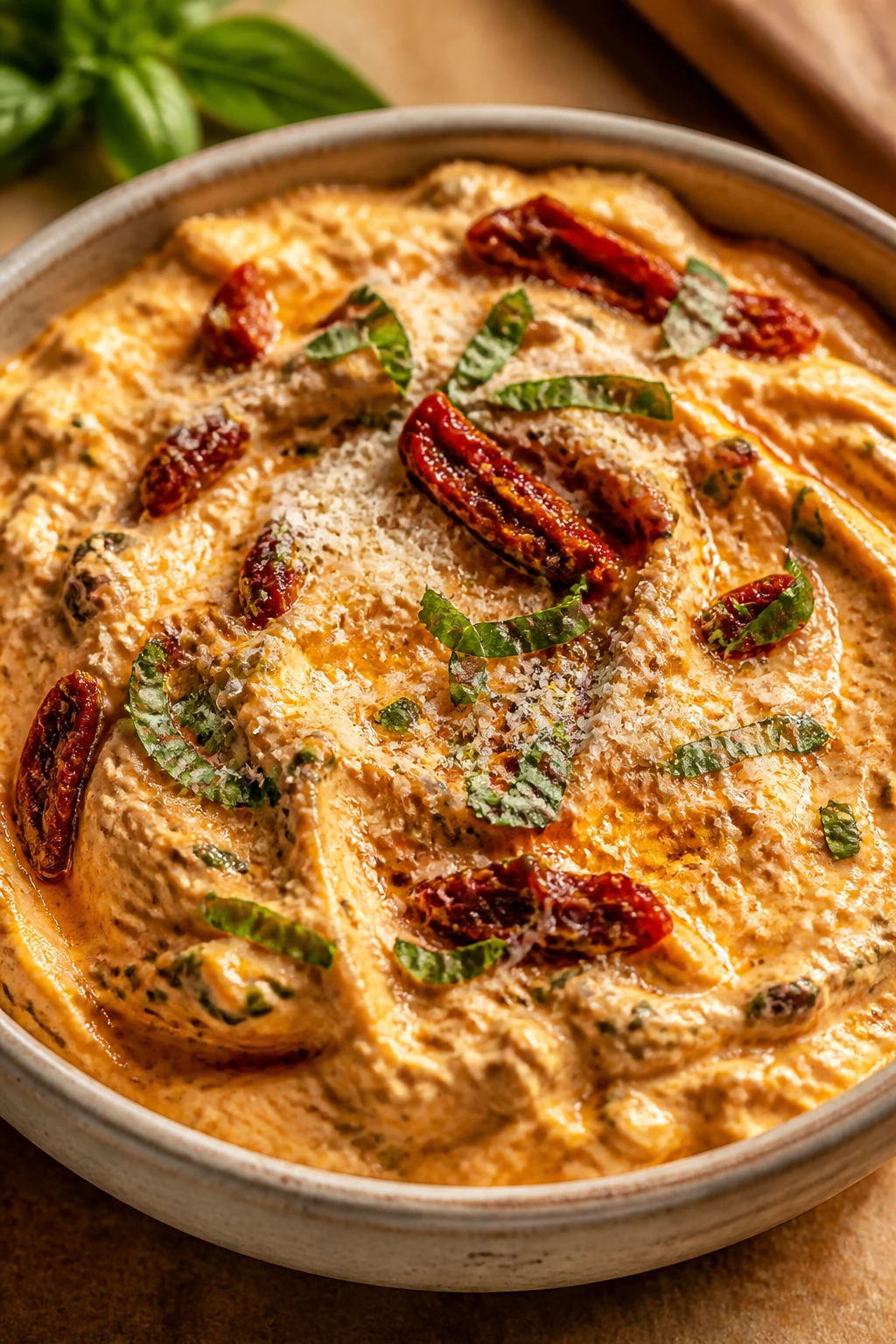
This one is dense in the best way. Sun-dried tomatoes taste like concentrated tomato sauce with the water pulled out, and mascarpone smooths them into a spread that feels rich without needing a stove. It’s the dip I’d put out when the pasta course is something simple, like olive oil spaghetti or baked ziti, and the table needs a stronger opening act.
Why It Works: Sun-dried tomatoes bring sweetness, salt, and a chewy texture that fresh tomatoes can’t match. Mascarpone adds body, cream cheese gives it a firmer base, and a little balsamic keeps the tomato flavor from feeling one-note. Basil at the end gives the dip the fresh herbal finish that makes it read as Italian instead of just rich.
Key Ingredients:
- 1 cup oil-packed sun-dried tomatoes, drained well
- 8 oz mascarpone
- 4 oz cream cheese, softened
- 1 garlic clove
- 1 tbsp balsamic vinegar
- 2 tbsp extra-virgin olive oil
- 2 tbsp grated Parmesan
- 1 tsp dried oregano
- 1 tbsp chopped basil
- Black pepper, to taste
Quick Steps:
- Drain the sun-dried tomatoes, reserving a little of the oil if you want extra flavor.
- Add the tomatoes, mascarpone, cream cheese, garlic, balsamic, olive oil, Parmesan, oregano, and a few grinds of black pepper to a food processor.
- Blend until smooth or leave it a little coarse if you want more tomato texture.
- Taste and add a spoonful of reserved tomato oil if the dip feels too stiff.
- Spoon into a bowl and top with basil.
- Chill for 15 minutes if you want a firmer spread, or serve immediately for a softer one.
Equipment for This Recipe:
- Food processor
- Rubber spatula
- Serving bowl
- Knife
- Measuring cups
How to Serve This Dish: This is best with bread that has some chew, like ciabatta or grilled sourdough, because the dip is thick and needs structure. I also like it with raw bell pepper strips when the pasta coming later is already creamy and heavy.
Pro Tips for This Recipe:
- Drain the tomatoes well so the dip doesn’t split or turn oily.
- If the tomatoes are packed with basil or garlic, taste before adding extra herbs.
- Make it at least 15 minutes ahead if you can. The flavor settles and gets rounder.
- Keep the Parmesan modest; the sun-dried tomatoes already bring a lot of salt.
Variations on This Dish:
- Roasted Pepper Blend: Replace half the tomatoes with roasted red peppers for a softer sweetness.
- Spicy Tomato Dip: Add a pinch of Calabrian chili flakes.
- Herb-Less, Pantry Version: Use only oregano and black pepper when basil isn’t on hand.
Common Mistakes to Avoid with This Dish:
- Using tomatoes straight from the oil: That can make the dip greasy. Drain them first.
- Skipping the acid: Balsamic keeps the flavor from feeling heavy.
- Over-chilling it too long: It firms up a lot in the fridge; let it sit out before serving.
11. Cannellini Hummus with Roasted Garlic and Rosemary
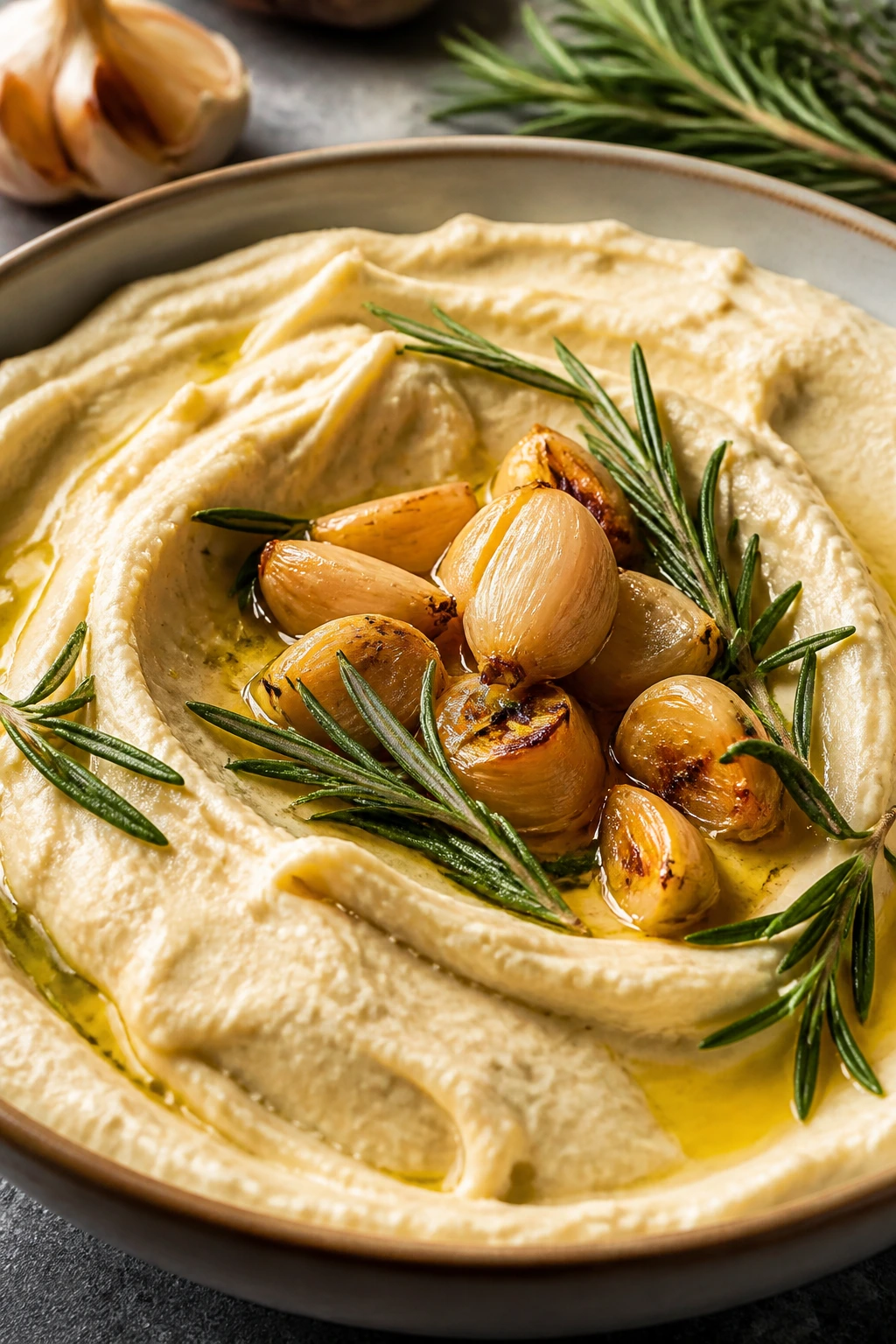
This dip sits somewhere between hummus and an Italian bean spread, which is exactly why it works so well. Cannellini beans give it a softer flavor than chickpeas, roasted garlic turns sweet instead of sharp, and rosemary pushes the whole thing toward Tuscany without getting loud about it.
Why It Works: Cannellini beans blend into a very smooth purée, especially with tahini and olive oil helping the machine along. Roasting the garlic changes its flavor from hot and raw to mellow and almost caramel-like, which matters because bean dips can taste flat if they lean too hard on raw garlic. Rosemary and lemon keep the texture from feeling heavy.
Key Ingredients:
- 2 cans (15 oz each) cannellini beans, rinsed and drained
- 1 head garlic, roasted
- 2 tbsp tahini
- 2 tbsp lemon juice
- 3 tbsp extra-virgin olive oil, plus more for serving
- 1/2 tsp kosher salt
- 2 to 4 tbsp cold water or bean liquid
- 1 tsp chopped rosemary
- 1/4 tsp black pepper
- Paprika or chopped parsley, for topping
Quick Steps:
- Roast the garlic at 400°F for about 35 minutes, wrapped in foil with a drizzle of olive oil, until soft and pale gold; let it cool.
- Squeeze the softened garlic cloves into a food processor.
- Add the beans, tahini, lemon juice, olive oil, salt, rosemary, and black pepper.
- Blend until smooth, adding water or bean liquid a tablespoon at a time until the texture loosens into a silky dip.
- Taste and adjust with more lemon or salt if needed.
- Spoon into a bowl, smooth the top, and finish with olive oil and paprika or parsley.
Equipment for This Recipe:
- Oven
- Foil
- Food processor
- Measuring spoons
- Serving bowl
How to Serve This Dish: Serve it with toasted bread, cucumber rounds, or fennel slices if you want something crisp before pasta. It also works well with olive oil-drizzled bread and a simple green salad, especially when the pasta course is going to be red and rich.
Pro Tips for This Recipe:
- Roast the garlic ahead if you can. It makes the recipe much faster on the day of.
- Blend longer than you think you need to. Cannellini beans go from grainy to silky with a little patience.
- Add lemon at the end if the beans taste heavy.
- Keep the rosemary finely chopped; big needles can feel pokey in a smooth dip.
Variations on This Dish:
- Vegan Tuscan Bowl: Leave it as is and finish with extra olive oil and herbs.
- Pecorino Finish: Add 2 tablespoons grated Pecorino Romano for a sharper edge.
- Lemony Herb Dip: Double the lemon zest and add parsley for a brighter spread.
Common Mistakes to Avoid with This Dish:
- Not roasting the garlic enough: Pale, half-raw garlic tastes harsh and dominates the bowl.
- Adding all the liquid at once: The dip can turn thin fast. Go slowly.
- Underseasoning the beans: They need salt and acid or they taste sleepy.
12. Sausage and Fontina Skillet Dip
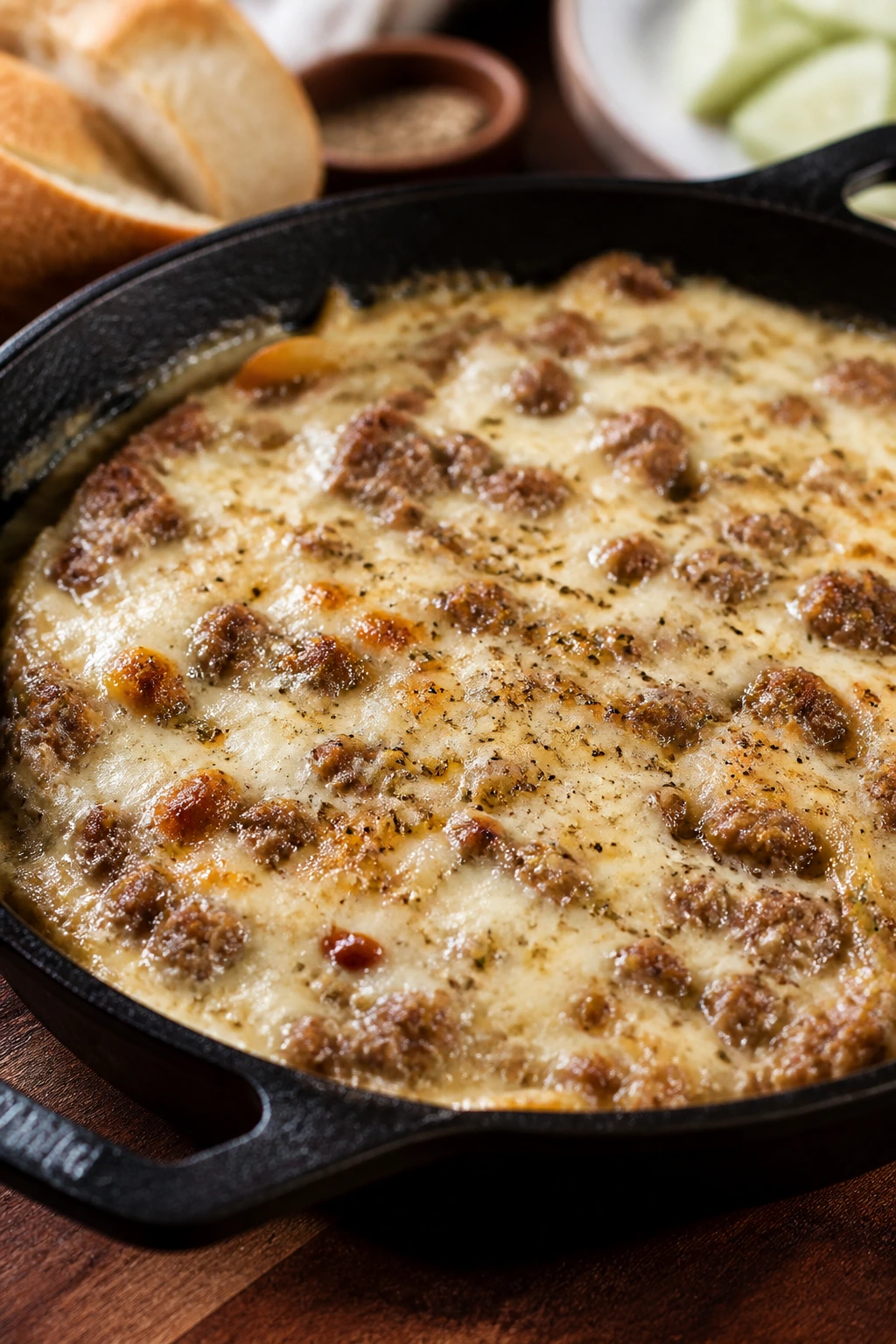
This is the hearty option, the one that walks in wearing boots. Sweet Italian sausage, fontina, and cream make a dip that tastes like a stuffed shell got stripped down to its best parts: browned meat, melted cheese, and just enough fennel and pepper to keep it interesting.
Why It Works: Sausage gives the dip a savory base and enough fat to carry the cheese. Fontina melts into a smooth, stretchy pool, while Parmesan tightens the flavor and keeps the whole thing from tasting soft and blurry. A splash of dry white wine lifts the pan juices and stops the dip from becoming one long note of meat and cream.
Key Ingredients:
- 8 oz sweet Italian sausage, casings removed
- 1 small onion, finely diced
- 2 garlic cloves, minced
- 1/4 tsp crushed fennel seed
- 1/4 cup dry white wine
- 1/2 cup heavy cream
- 8 oz fontina, shredded
- 1/2 cup finely grated Parmesan
- 2 tbsp chopped parsley
- Black pepper, to taste
- Pinch red pepper flakes, optional
Quick Steps:
- Preheat the oven to 375°F.
- Cook the sausage in an oven-safe skillet over medium heat, breaking it into small pieces, until browned and cooked through.
- Add the onion and cook for 3 to 4 minutes, then stir in the garlic and fennel seed for 30 seconds.
- Pour in the white wine and cook until it mostly evaporates.
- Stir in the cream, then remove the skillet from the heat and add the fontina and Parmesan.
- Transfer to the oven and bake for 8 to 10 minutes, until bubbling. Finish with parsley, black pepper, and red pepper flakes.
Equipment for This Recipe:
- Oven-safe skillet
- Wooden spoon
- Cheese grater
- Measuring cups
- Serving spoon
How to Serve This Dish: Put it out with toasted baguette slices or grilled focaccia, because this dip is rich enough to need a sturdy scoop. It’s the best choice when the pasta on the way is light, like olive oil spaghetti or a simple marinara, and you want the starter to bring some muscle.
Pro Tips for This Recipe:
- Shred the fontina yourself. Pre-shredded cheese tends to melt a little less cleanly.
- Don’t skip the white wine. Even a small splash keeps the cheese from feeling heavy.
- Brown the sausage well so the pan picks up those little dark bits.
- Let the dip sit for 5 minutes before serving so it tightens slightly.
Variations on This Dish:
- Hot Sausage Version: Use hot Italian sausage if you want more heat in the first bite.
- Mushroom Swap: Replace half the sausage with finely chopped mushrooms for a less meaty version.
- Pecorino Sharpener: Use some Pecorino Romano with the Parmesan for a saltier top note.
Common Mistakes to Avoid with This Dish:
- Cooking the cheese over direct heat: That can make it stringy and oily. Add it off the heat.
- Using sausage with too much casing left on: Break it fully apart so the dip scoops well.
- Skipping the oven finish: The last bake turns it from skillet meat into an actual dip.
13. Stracciatella Dip with Herbs and Chili Oil
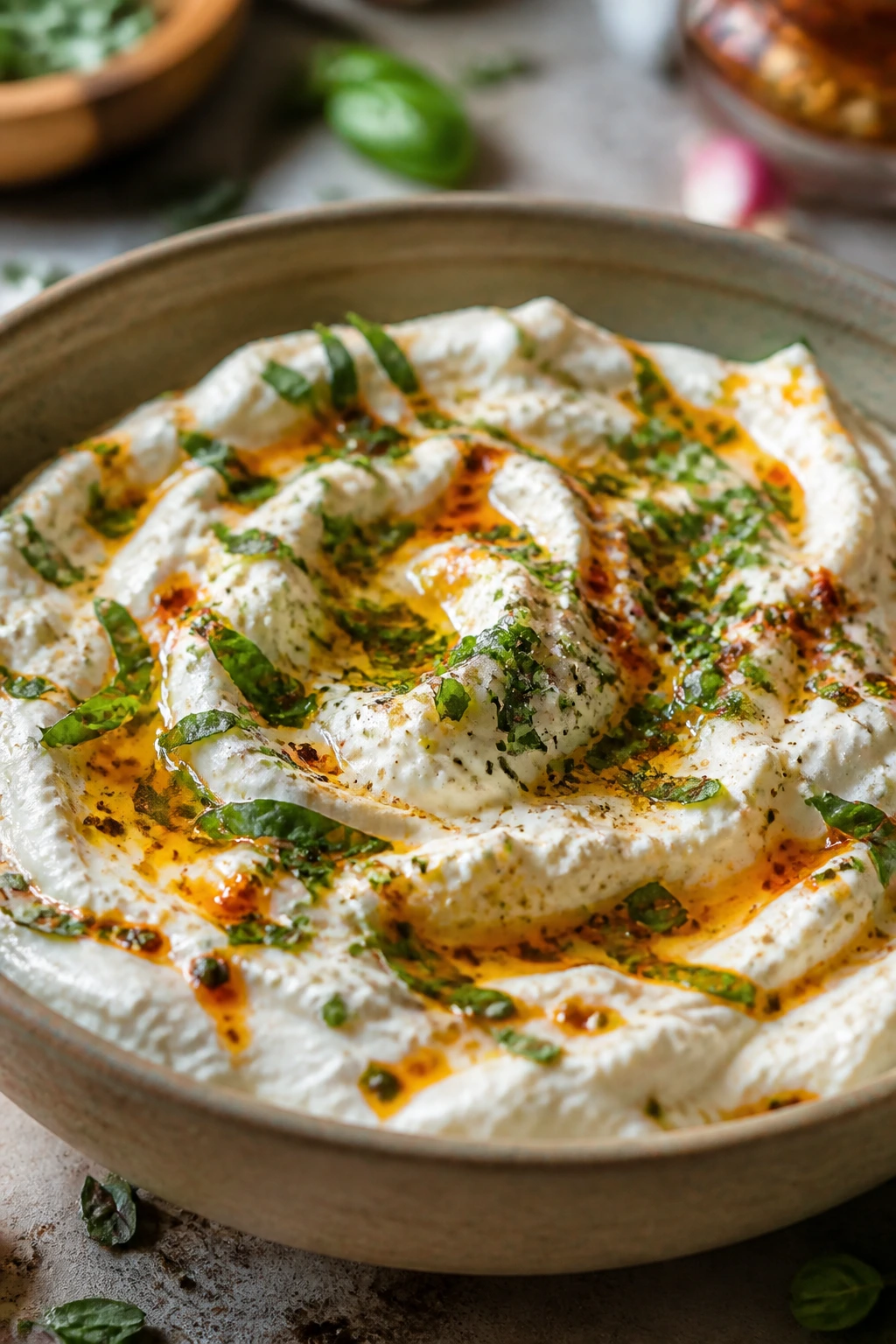
This is the softest, coolest bowl in the lineup. Stracciatella is the creamy heart of burrata, and when you loosen it with a touch of cream and scatter herbs over the top, it becomes a dip that tastes like fresh milk, basil, and a little peppery heat all at once.
Why It Works: Stracciatella is already spreadable, so you don’t need much more than a gentle hand and some salt. The herbs keep the flavor from feeling sleepy, and chili oil adds heat in a thin layer instead of burning the whole bowl. If you can’t find stracciatella, burrata torn into pieces gets close enough that nobody at the table will complain.
Key Ingredients:
- 12 oz stracciatella cheese, or 8 oz burrata torn apart
- 2 tbsp heavy cream
- 1 tsp lemon zest
- 1 tbsp chopped basil
- 1 tbsp chopped parsley
- 1 small pinch kosher salt
- 1 to 2 tsp chili oil
- 1 tbsp extra-virgin olive oil
- Black pepper, to taste
- Toasted bread or grissini, for serving
Quick Steps:
- Spoon the stracciatella into a shallow bowl, or tear the burrata into the bowl if that’s what you have.
- Stir in the heavy cream, lemon zest, and salt just until the mixture looks loose and creamy.
- Scatter the basil and parsley over the top.
- Drizzle with olive oil and chili oil.
- Finish with black pepper and serve immediately.
Equipment for This Recipe:
- Shallow bowl
- Spoon
- Microplane
- Knife and cutting board
- Measuring spoon
How to Serve This Dish: This wants warm toast, not crackers, because the cheese is soft and deserves a little structure. I like serving it with a bowl of olives nearby and a tomato pasta later in the meal so the freshness keeps the whole table from leaning too heavy.
Pro Tips for This Recipe:
- Bring the cheese to room temperature before serving. Cold stracciatella tastes muted.
- Use a shallow bowl so the herbs and oil sit on top instead of sinking.
- Don’t stir in the chili oil until the end. You want ribbons, not orange cheese.
- If the cheese tastes flat, it usually needs more salt, not more cream.
Variations on This Dish:
- Basil-Bomb Version: Double the basil and add a few torn mint leaves.
- Roasted Tomato Topper: Spoon warm roasted tomatoes over the cheese for more color and acidity.
- Garlic Oil Finish: Swap chili oil for a garlic-chili oil if you want more bite.
Common Mistakes to Avoid with This Dish:
- Serving it too cold: The texture gets stiff and the flavor closes up.
- Overmixing: You want loose, creamy folds, not a smooth paste.
- Forgetting the salt: Fresh cheese needs it more than people expect.
14. Gorgonzola Pear Dip with Honey and Walnuts
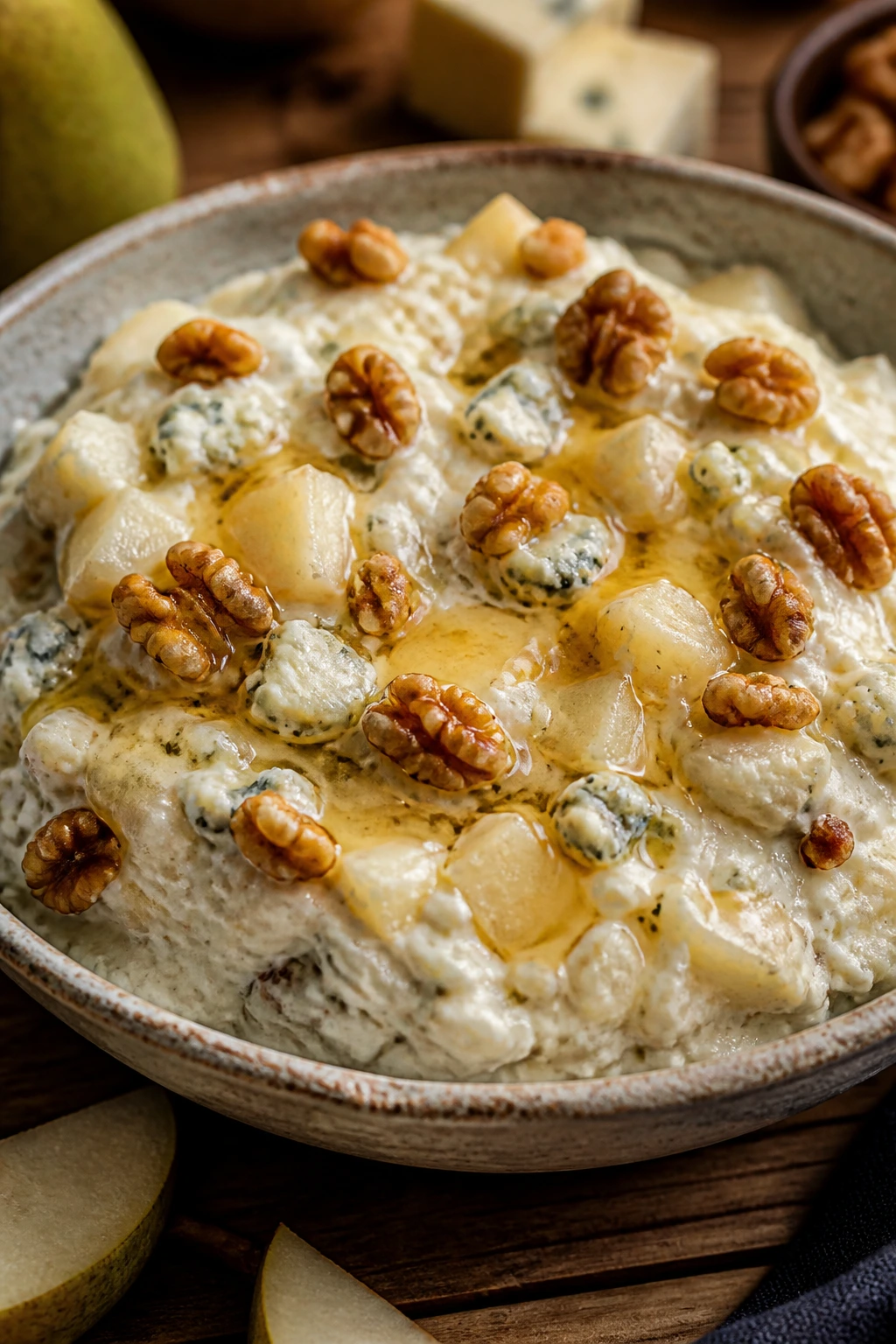
This dip is built on a useful little contrast: sharp cheese, sweet fruit, and crunch. Gorgonzola dolce softens nicely when mixed with cream cheese, and pear keeps it fresh instead of leaden. A drizzle of honey ties the bowl together without making it taste like dessert.
Why It Works: Gorgonzola dolce is milder and creamier than the crumbly sharp version, which makes it easier to serve before pasta. Pear brings moisture and sweetness, but not so much that it turns the dip watery if you dice it small and use it at the right ripeness. Walnuts give the whole thing a dry, toasted finish that keeps the bowl from feeling too soft.
Key Ingredients:
- 4 oz gorgonzola dolce
- 4 oz cream cheese, softened
- 1/4 cup sour cream or mascarpone
- 1 ripe but firm pear, finely diced
- 1 tsp lemon juice
- 1 tsp honey, plus more for drizzling
- 1/4 cup walnuts, toasted and chopped
- Black pepper, to taste
- A few thyme leaves, optional
Quick Steps:
- Beat the gorgonzola, cream cheese, and sour cream together until smooth.
- Stir in the lemon juice and honey.
- Fold in the diced pear gently so it stays in small pieces.
- Spoon into a serving bowl and top with walnuts, black pepper, and thyme if using.
- Drizzle with a little extra honey.
- Serve right away or chill for 15 minutes if you want a firmer texture.
Equipment for This Recipe:
- Mixing bowl
- Hand mixer or fork
- Knife and cutting board
- Toasting skillet
- Serving bowl
How to Serve This Dish: Endive leaves are excellent here, especially if the rest of the table already has bread-heavy dips. It also works with crostini and thin pear slices, and it gives a pasta night table a slightly more polished edge without asking you to do much.
Pro Tips for This Recipe:
- Choose a pear that’s ripe but still firm. Soft pears turn mushy fast.
- Toast the walnuts. Raw walnuts taste flat beside the cheese.
- Use gorgonzola dolce, not the sharpest crumbles you can find.
- Taste before adding more honey; the pear may be sweet enough already.
Variations on This Dish:
- Blue Cheese-Forward Version: Replace part of the gorgonzola with stronger blue cheese for more bite.
- Apple Swap: Use diced apple instead of pear for a crisper, tarter version.
- No-Honey Option: Skip the honey and use extra fruit for a less sweet dip.
Common Mistakes to Avoid with This Dish:
- Using overripe pear: It makes the dip watery and soft.
- Serving it too cold: The cheese tastes sharper and less balanced.
- Adding too much honey: The dip should lean savory, not sugary.
15. Fennel-Scented Tomato Bruschetta Dip
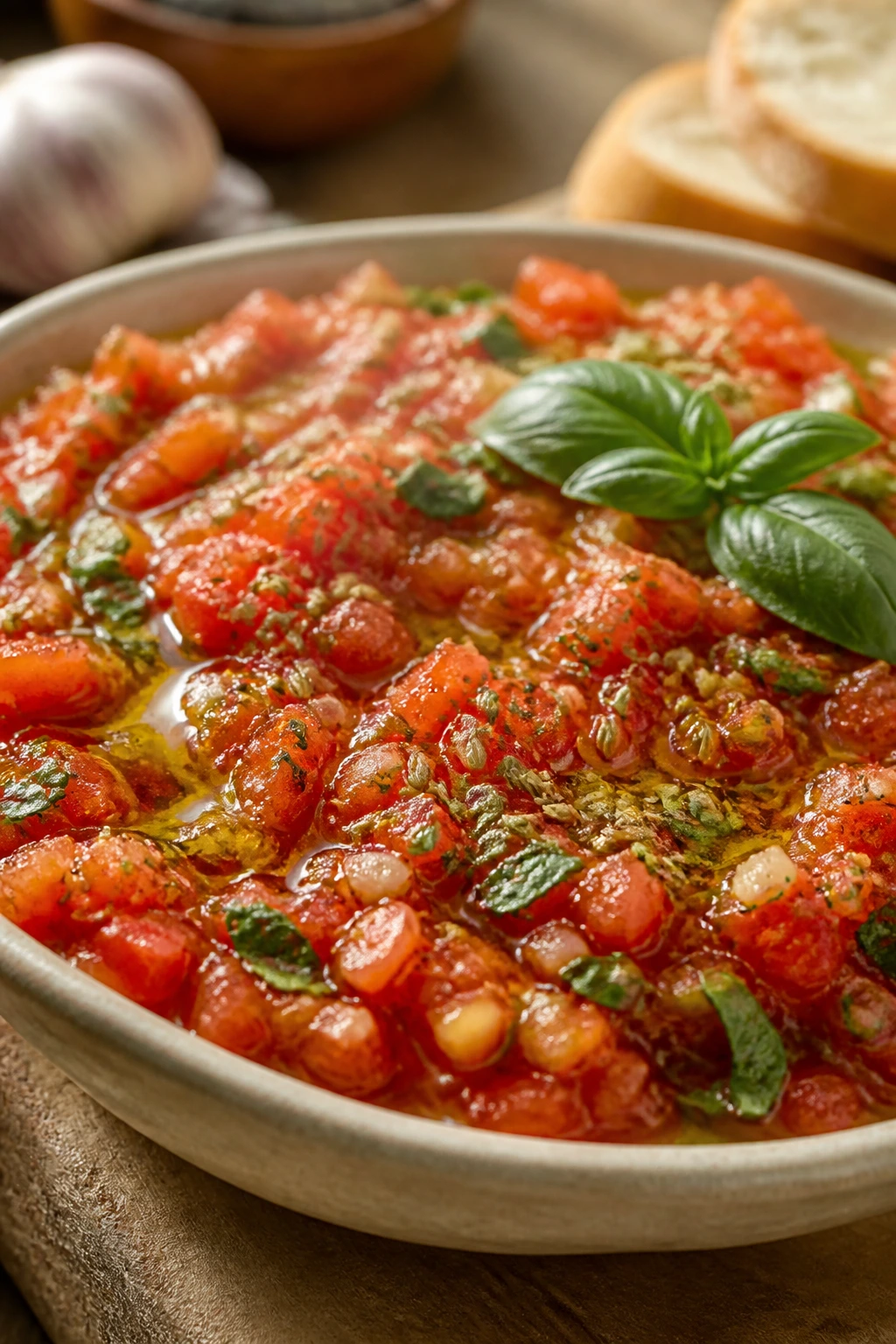
This one is basically the good part of bruschetta without the fussy assembly. Tomatoes, garlic, basil, and olive oil do what they always do, but a small pinch of fennel seed gives the bowl a faint bakery scent that makes the whole thing feel more distinctly Italian.
Why It Works: Salt pulls the tomato juices out, which creates the juicy part of the dip and seasons the whole bowl from the inside. Fennel seed is the part most people skip, and it matters more than it seems; crushed lightly, it gives the tomatoes that gentle anise note you find in a lot of Italian sausage and bread flavors. A splash of vinegar keeps the tomatoes bright and stops the bowl from tasting like chopped salad.
Key Ingredients:
- 4 plum tomatoes, diced small
- 1 garlic clove, grated or finely minced
- 1/2 tsp fennel seed, lightly crushed
- 2 tbsp chopped basil
- 1 tbsp red wine vinegar
- 2 tbsp extra-virgin olive oil
- 1/2 tsp kosher salt
- Black pepper, to taste
- 1/4 cup diced fresh mozzarella, optional
- Pinch sugar, optional if the tomatoes are bland
Quick Steps:
- Combine the tomatoes, garlic, fennel seed, basil, vinegar, olive oil, salt, pepper, and sugar if using in a bowl.
- Stir gently, then let the mixture sit for 15 minutes so the tomatoes release their juices.
- Taste and adjust with a little more salt or vinegar if needed.
- Fold in the mozzarella, if using, just before serving.
- Spoon into a shallow bowl and serve with toasted bread.
Equipment for This Recipe:
- Mixing bowl
- Knife and cutting board
- Spoon
- Measuring spoons
- Serving bowl
How to Serve This Dish: Serve it on toasted baguette or ciabatta, and don’t be shy about letting a little tomato juice soak into the bread. It’s a good bridge between a light starter and a heavier pasta main, especially if the dinner sauce is creamy or cheese-based.
Pro Tips for This Recipe:
- Use ripe tomatoes with some heft. Pale tomatoes need too much help.
- Crush the fennel seed lightly, not into powder. You want little bursts of flavor.
- Make it close to serving time so the tomatoes stay lively.
- If the bowl tastes flat, add vinegar before adding more salt.
Variations on This Dish:
- Garlic-Lover’s Bruschetta Dip: Add a second grated clove for a sharper finish.
- Caprese Bruschetta Dip: Add mozzarella pearls and a few torn basil leaves.
- Peppery Version: Add a pinch of crushed red pepper for heat.
Common Mistakes to Avoid with This Dish:
- Letting the tomatoes sit too long before serving: They can turn watery. Fifteen to twenty minutes is enough.
- Using too much fennel seed: It can take over fast. Keep it subtle.
- Forgetting to toast the bread: Soft bread won’t hold the tomato juices well.
Why a Bowl of Dip Belongs on Pasta Night
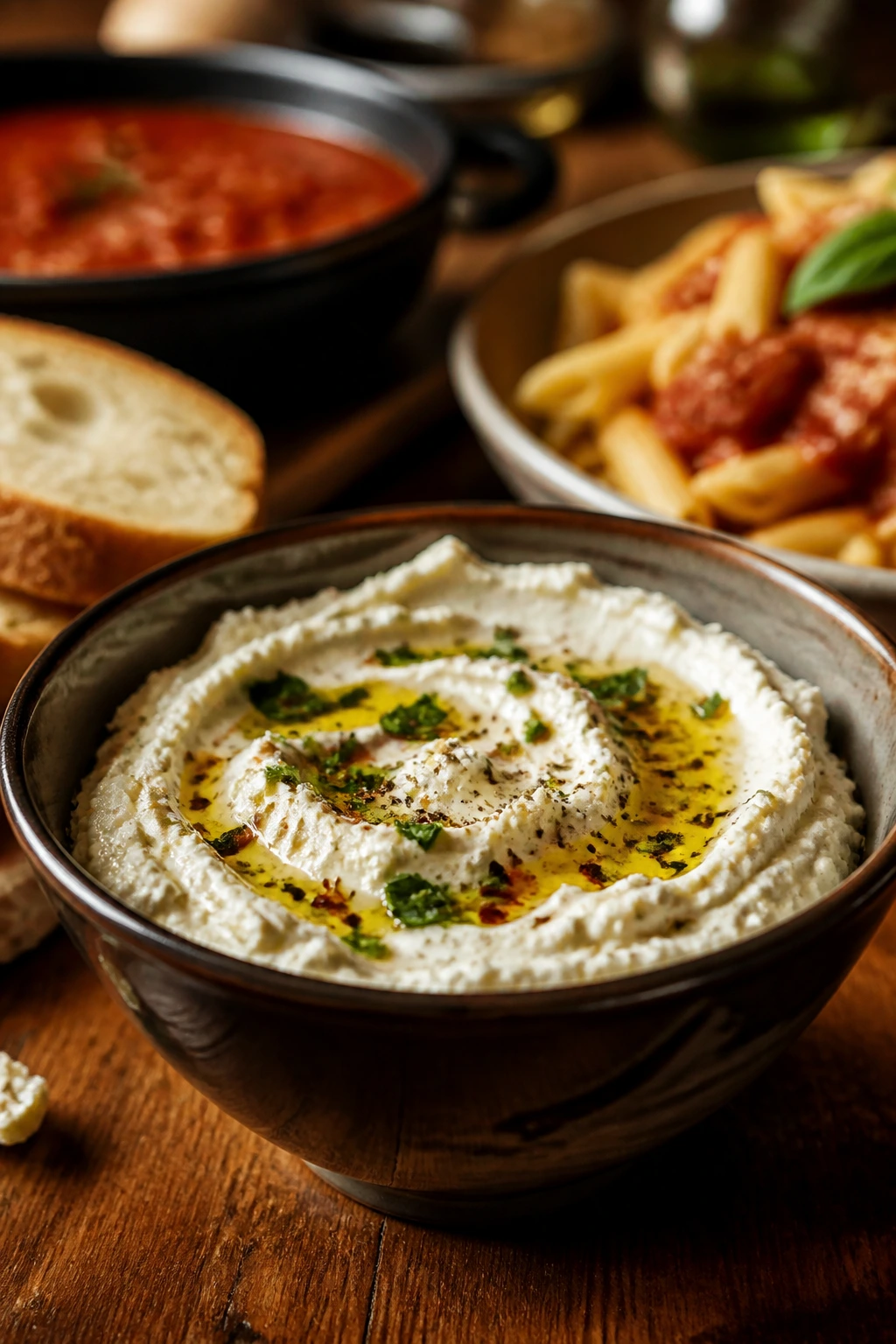
Pasta night gets easier when the starter does a small, smart job. You don’t need a spread of fussy little plates or a second cooking project that steals the burner you need for sauce. A dip gives people something to do with their hands while the water boils, and it lets you set a rhythm for the meal before the pasta ever reaches the bowl.
There’s also a very practical Italian logic to this. Olive oil, beans, tomatoes, cheese, herbs, capers, garlic, and bread are not random ingredients; they’re the backbone of a table that likes to feel generous without being complicated. A cold ricotta bowl wakes up the mouth. A hot skillet of marinara or sausage dip gives the bread a job. Caponata or tapenade brings salt and acid, which is useful when the main course leans rich.
Creamy, Bright, and Briny in the Same Meal
The best dip boards balance fat with something sharp. That’s why a ricotta bowl next to caponata works so well, and why a warm cheese dip feels better when there’s a tomato or olive-based bowl nearby. If every appetizer is rich, the table gets dull fast. If every appetizer is acidic, nobody feels settled enough for pasta.
Bread Matters More Than Most People Think
A soft loaf sliced too thick turns into a sponge. A good ciabatta, focaccia, or baguette slice with a little toast on it keeps its shape and carries cheese, tomato, and oil without falling apart. I’m partial to brushing the bread with olive oil and toasting it on a sheet pan for 7 to 9 minutes at 425°F. It’s a tiny thing. It makes a real difference.
Warm Dips and Cold Dips Serve Different Jobs
Cold dips hold the table while you finish the stove work. Warm dips smell like dinner is already happening. Put one of each out if you can. That contrast feels intentional, even if the rest of the meal is a simple pot of spaghetti with red sauce.
Essential Equipment for These Italian Dip Recipes
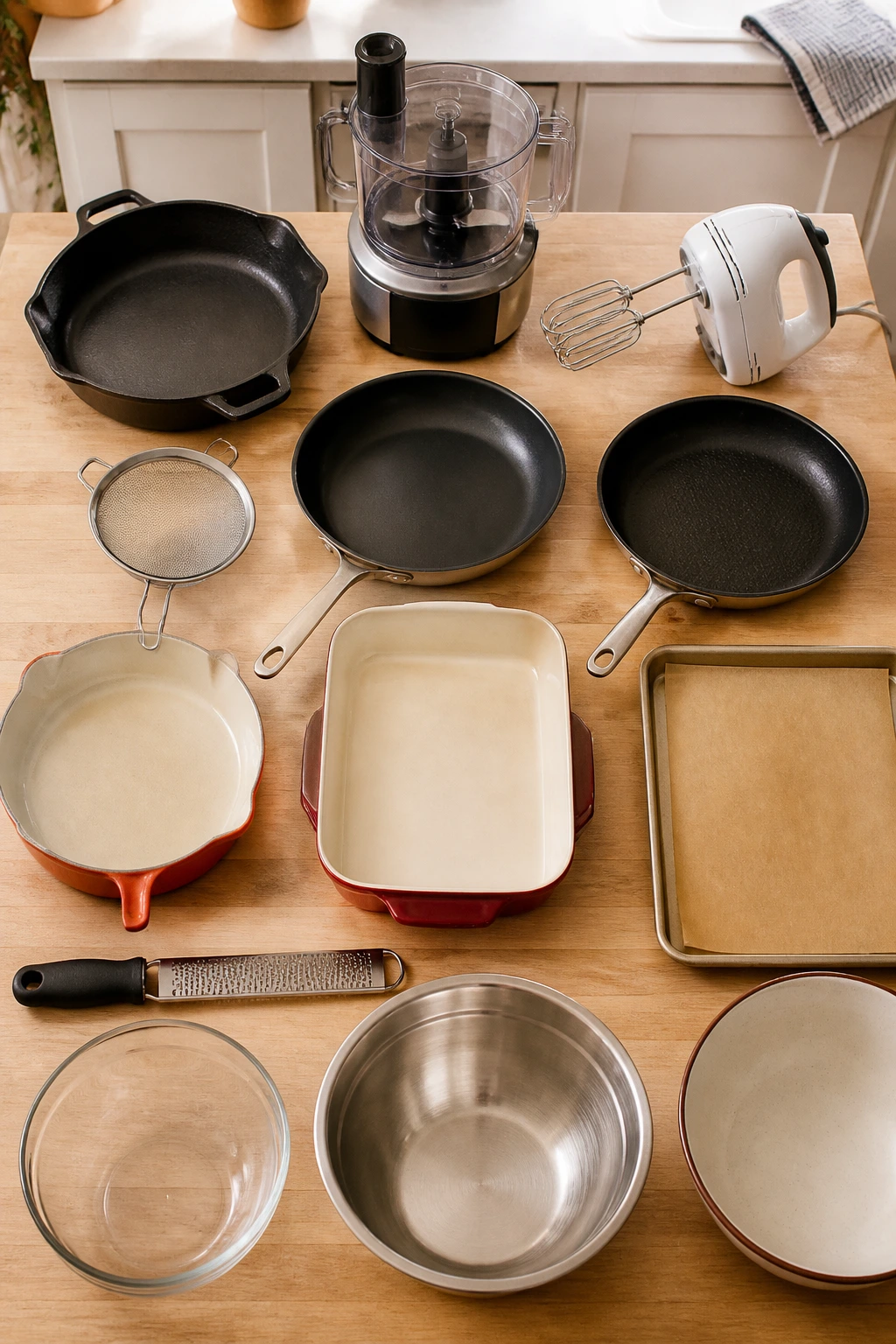
- Food processor or high-speed blender — Best for bean dips, romesco, tapenade, and any spread that needs a smooth base.
- Hand mixer — Helpful for whipped ricotta, pesto cream cheese, and gorgonzola dips when you want a lighter texture fast.
- Fine-mesh sieve — Useful for draining ricotta and for pulling extra water off tomatoes or soft cheeses.
- Medium skillet and small skillet — One for sautéing onions, garlic, and sausage; the other for toasting nuts or warming herbs.
- Oven-safe skillet — Necessary for sausage fonduta and handy for any baked dip you want to serve hot at the table.
- 8-inch or 9-inch baking dish — A shallow dish gives baked dips browned edges instead of a deep, sluggish center.
- Sheet pan with parchment — For roasting tomatoes, peppers, garlic, or eggplant without a lot of cleanup.
- Microplane or fine grater — The best tool for lemon zest, Parmesan, and garlic when you want the flavor spread evenly.
- Mixing bowls in two sizes — A wide bowl works better for whipped dips, and a medium bowl keeps messy ingredients under control.
- Good serving bowls and spoons — Shallow bowls help oil and herbs stay visible, and wide spoons make scooping less clumsy.
Smart Shopping for Italian Dips and Appetizers
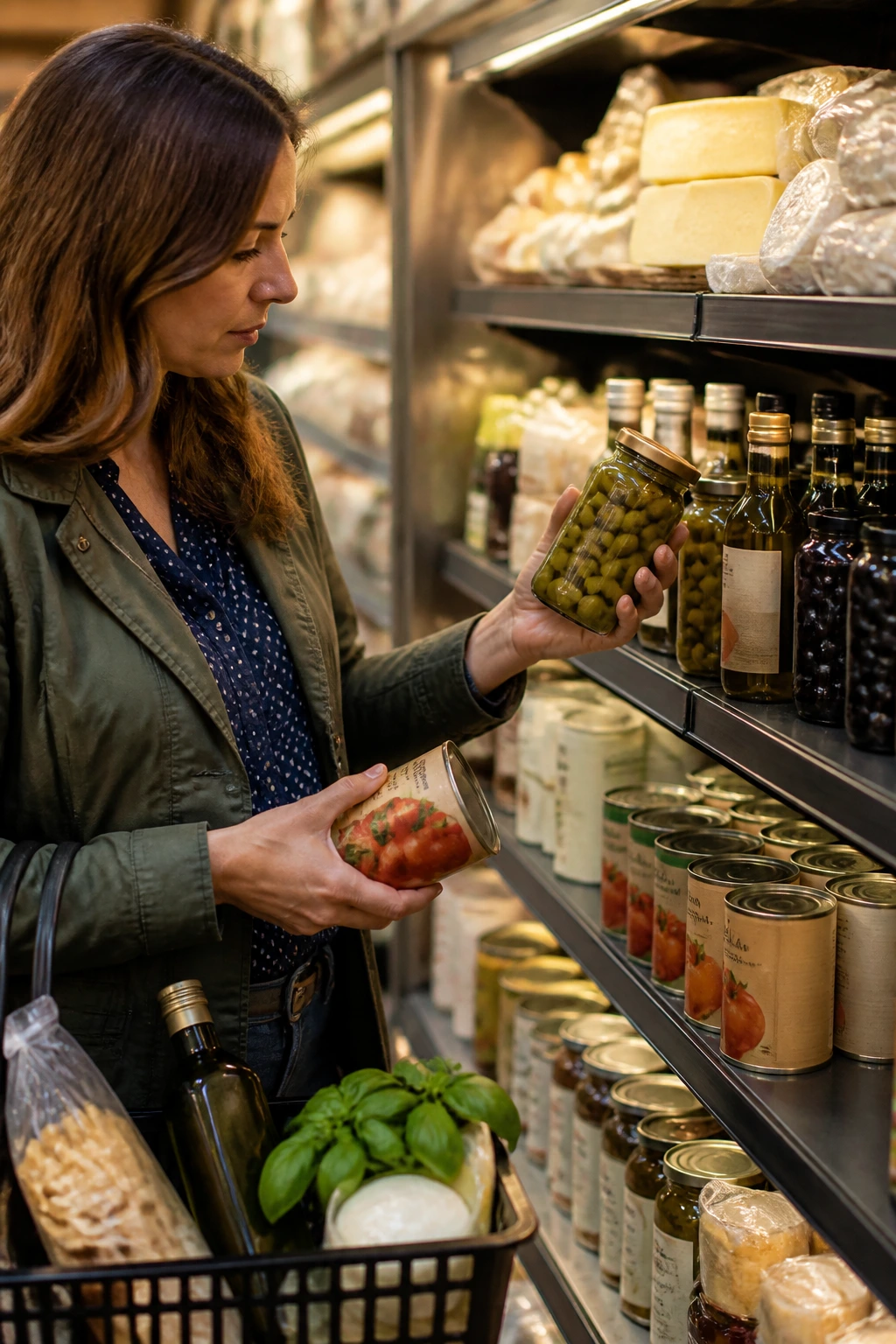
Buy dairy that can actually carry flavor
For ricotta, mascarpone, cream cheese, burrata, and fontina, I’d go for whole-milk versions unless a recipe says otherwise. Whole-milk ricotta whips better and tastes rounder. Mascarpone makes a sauce smoother without tasting sour. Fontina melts like a dream if you grate it yourself. The pre-shredded bags work in a pinch, but they usually have anti-caking powder, which can make a baked dip less silky.
Choose canned and jarred ingredients with a short label
Crushed tomatoes should taste like tomatoes, not sugar and filler. Beans should be low-sodium if you can find them, because brined olives, capers, cheese, and cured meat already bring plenty of salt. Jarred roasted peppers and sun-dried tomatoes are worth buying, but drain them well and taste before adding more oil. A lot of the final flavor here comes from what the jar was packed in.
Don’t treat olives, capers, and herbs like afterthoughts
Briny ingredients can make or break these recipes. Castelvetrano olives are buttery and mild; Kalamatas are deeper and more winey. Capers should be rinsed if they’re packed aggressively in salt or vinegar. Fresh basil bruises fast, so buy it close to the day you plan to serve. Parsley keeps longer, which is one reason I reach for it when I want a finishing herb that won’t wilt on me.
Pick bread with structure
Ciabatta, focaccia, baguette, and good country loaf slices do the best work here. Thin, dry crackers can handle tapenade or whipped ricotta, but they struggle with heavy cheese dips and juicy tomato bowls. Day-old bread is not a problem; it’s an advantage. Toasted with a little olive oil, it becomes the thing the dip actually needed.
How to Serve These Italian Dips Appetizers
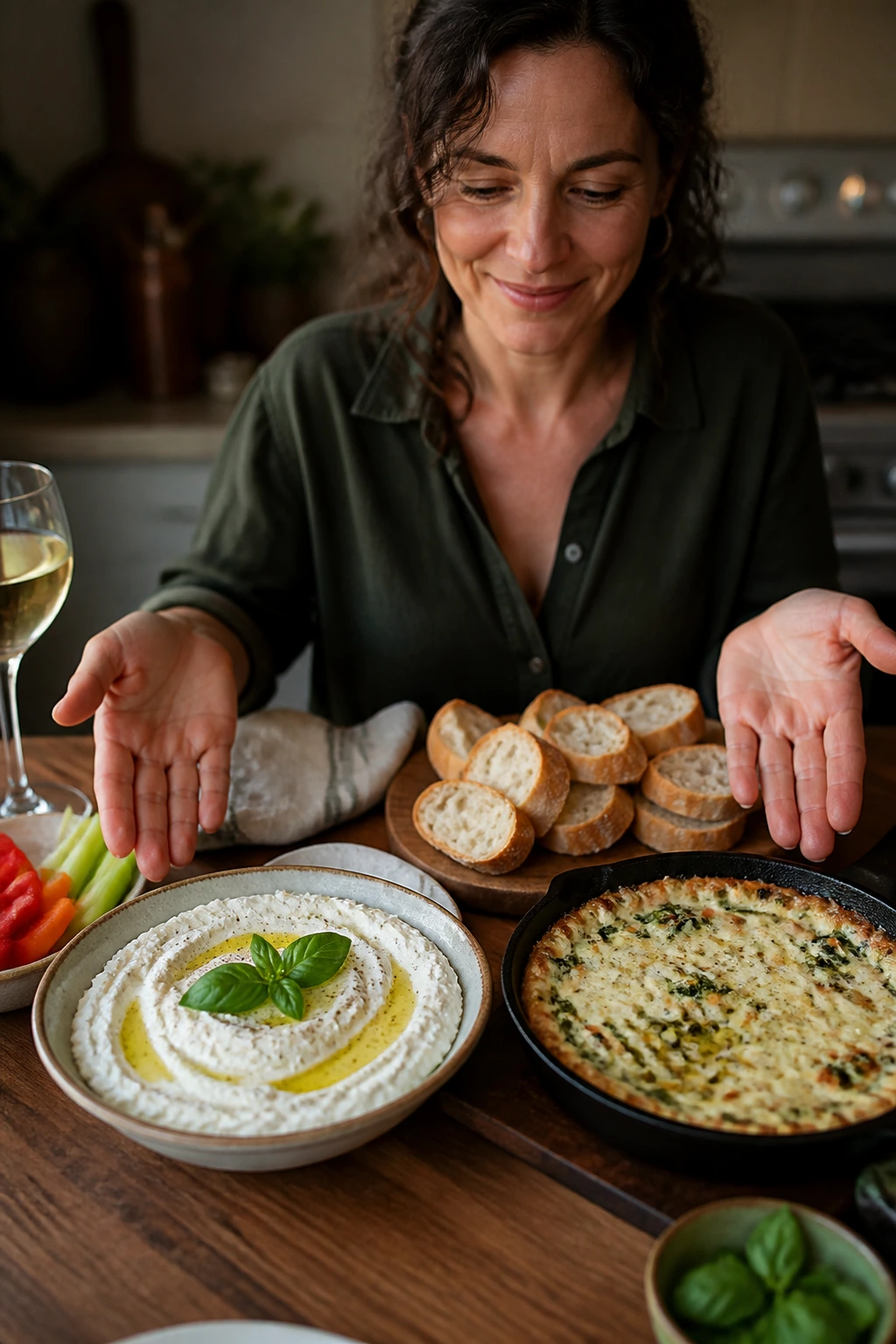
Presentation: Put out one cold bowl and one warm dish if you can. A shallow bowl with a swirl of olive oil, a few basil leaves, or a crack of black pepper looks more inviting than a deep bowl buried in its own contents. For baked dips, bring the pan straight to the table if it’s safe to do so; people love the steam and the bubbling edges.
Accompaniments: Toasted ciabatta, focaccia, crostini, and grilled baguette slices are the obvious choices, but raw fennel, celery, bell peppers, cucumber, and endive give you a crisper contrast. If the pasta is already rich and cheesy, lean on vegetables and olives so the starter does not repeat the same texture three times.
Portions: For a dinner with several dips, figure on about 2 to 3 tablespoons per person per dip. A single dip as the main appetizer should be closer to 1/4 to 1/3 cup per person. If you’re feeding a bigger group, make one creamy dip, one briny dip, and one warm dip rather than multiplying the same bowl.
Beverage Pairing: A dry Prosecco works with nearly everything here because it resets the palate between bites. Vermentino, Pinot Grigio, or a light Chianti also makes sense, especially when the pasta course leans tomato-heavy. If you want something a little softer, Lambrusco has enough fruit and fizz to stand up to cheese without flattening it.
Additional Tips and Flavor Boosters
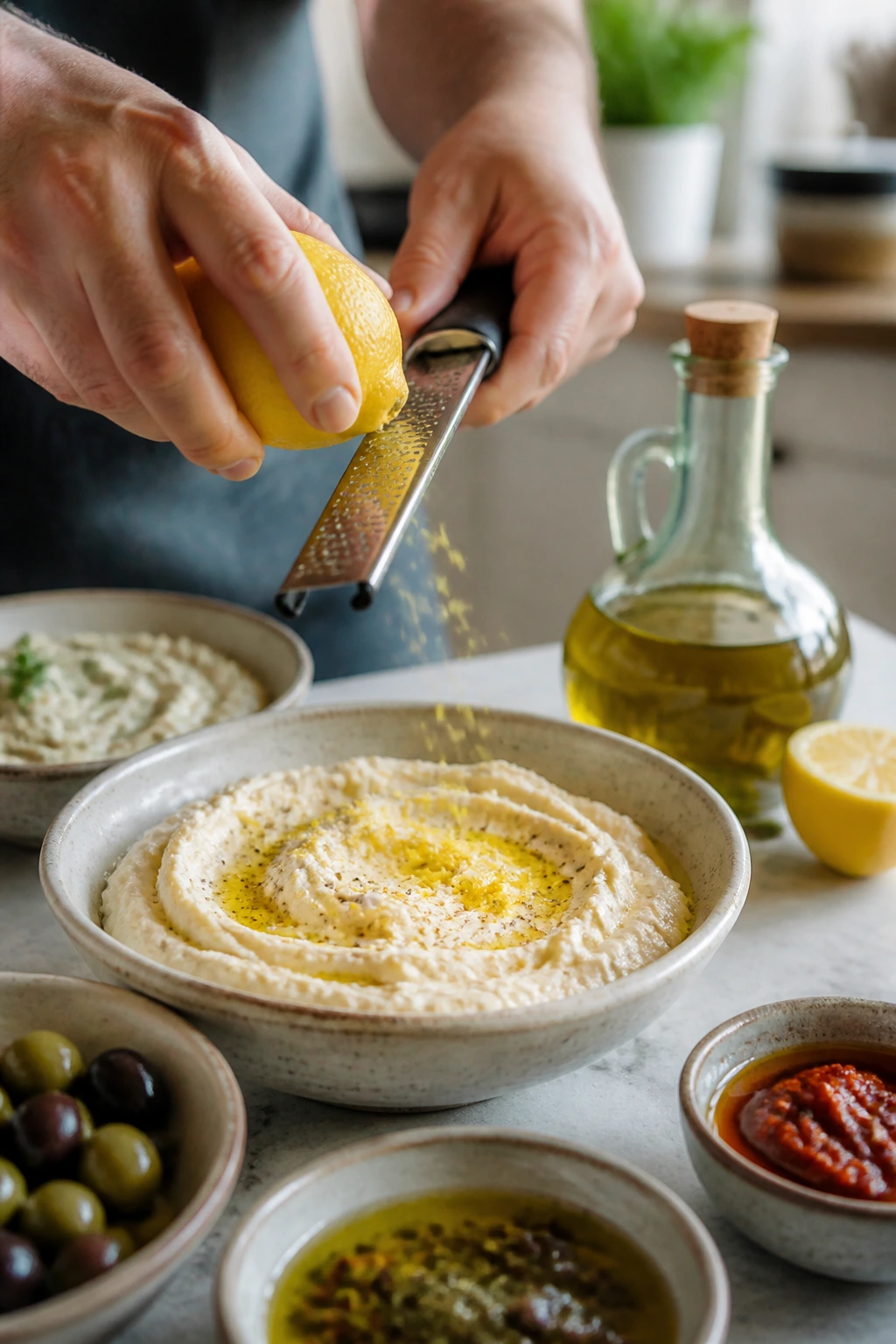
Flavor Enhancement: Finish most of these dips with a small hit of something sharp. That could be lemon zest, red wine vinegar, balsamic glaze, or a few chopped capers. The difference between a dip that tastes okay and one that wakes up the table is often one bright note at the end.
Customization: If you like heat, Calabrian chili paste is the move. It fits into ricotta, marinara, sun-dried tomato dip, sausage fonduta, and even caponata without tasting out of place. If you prefer a milder table, use black pepper, rosemary, or parsley instead and let the flavor come from herbs and olive oil.
Serving Suggestions: Keep a small dish of extra olive oil nearby. A drizzle right before serving makes bean dips, ricotta, and romesco look and taste more finished. I also like adding flaky salt to ricotta and burrata bowls at the table, not in the mixing bowl, because the crunch wakes up the creaminess.
Make-It-Yours: For dairy-free guests, the tapenade, caponata, romesco, tomato bruschetta, and bean dips already do most of the work. For a meatier board, a little browned sausage or pancetta can slide into the marinara or artichoke dip without changing the method. For a lighter spread, use more beans or vegetables and less cheese. It’s the same table, just tuned differently.
Make-Ahead, Storage, and Reheating Guidance
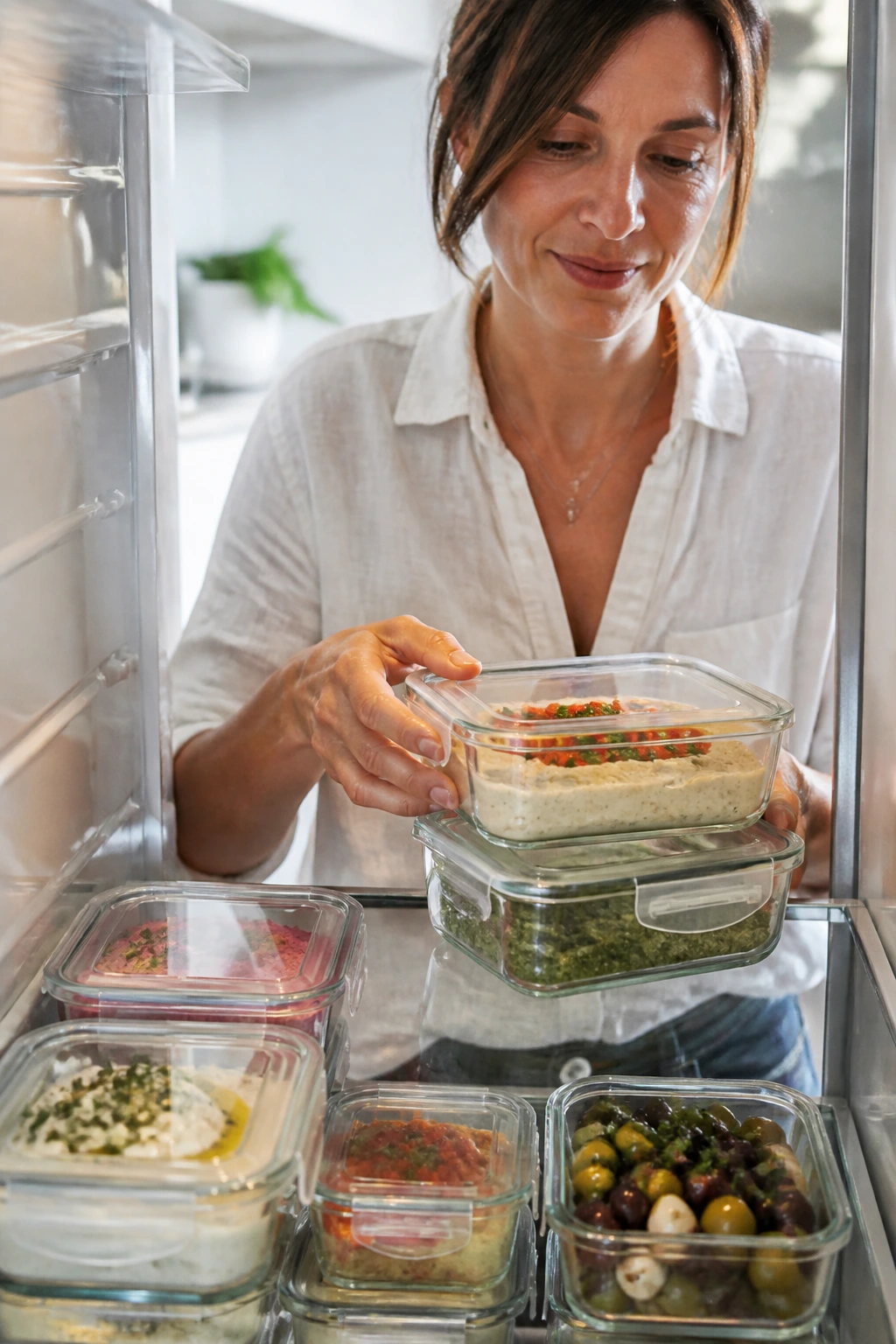
Cold Dips and Spreads
Whipped ricotta, pesto cream cheese dip, tapenade, sun-dried tomato mascarpone dip, cannellini hummus, and gorgonzola pear dip all keep well in the fridge for 3 to 4 days in airtight containers. Caponata often tastes better after a night in the refrigerator and can hold for 4 to 5 days. Before serving, let chilled dips sit at room temperature for 15 to 20 minutes so the oil softens and the flavors open up.
Fresh cheese dips are different. Burrata and stracciatella are best the day they’re made, and they don’t freeze well. If you need to prepare ahead, roast the tomatoes, toast the bread, and keep the cheese separate until the last minute.
Baked and Warm Dips
Bubbly marinara dip, artichoke spinach dip, and sausage fontina dip can be made a day ahead, covered, and refrigerated before their final bake. Reheat them in a 350°F oven until hot in the center and bubbling at the edges, usually 15 to 20 minutes depending on the dish and the depth of the pan. If the top is browning too fast, cover it loosely with foil.
Do not rely on the microwave for these. It can make the cheese separate and leave the middle colder than you want.
Bean, Vegetable, and Tomato-Based Spreads
Bean dips, romesco, and bruschetta-style tomato dips freeze better than the dairy-heavy bowls. Caponata and cannellini-based spreads can go into the freezer for up to 2 months if stored in a freezer-safe container with a little space at the top. Thaw overnight in the refrigerator, then stir in a little olive oil, lemon, or vinegar to wake them back up. Tapenade will keep in the freezer in a pinch, but it’s better in the fridge because the texture stays brighter.
For food safety, keep dairy-heavy dips out for no more than 2 hours at room temperature, and shorten that if the kitchen is warm. That rule sounds fussy until you’ve seen a beautiful cheese dip go dull and loose on the table.
Variations and Adaptations to Try
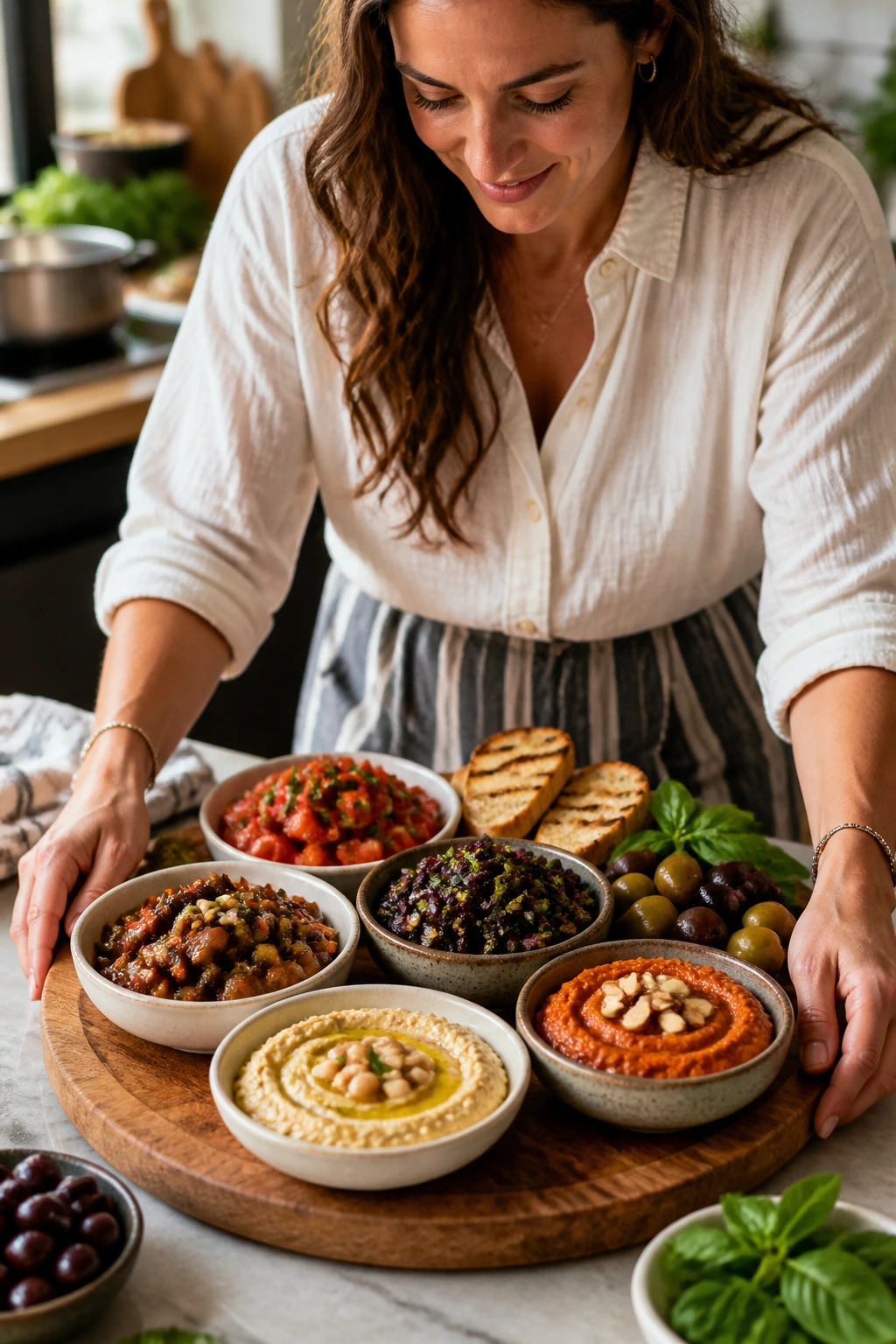
Dairy-Free Antipasto Board: Lean on caponata, tapenade, romesco, tomato bruschetta, and cannellini hummus, then finish everything with extra olive oil and herbs. You still get briny, creamy, and sharp flavors, just without the cheese. Add toasted bread and marinated vegetables, and nobody will feel shortchanged.
Gluten-Free Table: Serve every dip with gluten-free crackers, roasted potato rounds, polenta crisps, and raw vegetables instead of bread. The dips themselves are already gluten-free if you skip bread crumbs in romesco or swap them for ground almonds. That small swap keeps the whole spread easy to manage.
Calabrian Heat Sweep: Add 1 teaspoon Calabrian chili paste to the ricotta, marinara dip, sun-dried tomato dip, or sausage fonduta. The flavor lands warm and fruity rather than bluntly hot, which works better with pasta night than a hard burn. Use it sparingly at first; the paste builds.
Kid-Friendly Mild Bowls: Skip anchovy, capers, and extra chili flakes, then favor ricotta, burrata, mozzarella, and tomatoes. A simple pesto cream cheese dip or whipped ricotta with lemon is usually an easier sell than tapenade or caponata. Keep the garnish light and the bread toasted, and the bowl feels inviting instead of complicated.
Extra-Hearty Antipasto Night: Make one bean dip, one tomato or cheese dip, and one briny dip, then add olives, marinated artichokes, roasted peppers, and sliced salami if you want a fuller starter. This version works when pasta night is feeding a bigger crowd and you need the appetizer to behave like a small board, not just one dish.
Lighter Herb-First Version: Use more parsley, basil, and lemon across the dips, and lean on bean spreads or tomato bowls instead of heavy cheese. A lighter board is not less satisfying; it just leaves more room for the pasta course that comes next.
Common Mistakes to Avoid
-
Making every bowl rich and creamy: Three cheese dips in a row taste monotonous. Put at least one briny or tomato-based bowl on the table so the palate keeps moving.
-
Underseasoning briny ingredients: Olives, capers, anchovies, Parmesan, and jarred peppers already carry salt, but they still need tasting. If a dip tastes flat, it usually needs acid or salt in small steps, not a bigger spoonful of cheese.
-
Serving bread that can’t carry the job: Soft sandwich bread or flimsy crackers collapse under hot cheese and juicy tomatoes. Toasted ciabatta, focaccia, or baguette slices hold up better and make the dips taste more deliberate.
-
Skipping the drain step: Wet ricotta, undrained artichokes, watery tomatoes, and oil-heavy jarred peppers all loosen the bowl. Blot or drain first, and your dips will hold their shape.
-
Overprocessing chunky dips: Tapenade, romesco, and caponata need texture. If you blend them into a smooth paste, they lose the point. Pulse in short bursts and stop while the texture is still visible.
-
Leaving fresh cheese out too long: Burrata and stracciatella are best when they’re just warmed through, not left to sweat on the table. Set them out right before serving and finish the bowl quickly.
Frequently Asked Questions
Can I make these dips ahead of pasta night?
Yes, and some actually improve with a little rest. Caponata, tapenade, bean dips, romesco, and the baked cheese dips can all be made ahead by several hours or even a day. Burrata, stracciatella, and tomato bruschetta are better made close to serving time so they stay bright and fresh.
Which dips should be served warm and which should stay cold?
The baked marinara dip, artichoke spinach dip, and sausage fontina dip want heat. Whipped ricotta, tapenade, pesto cream cheese, bean dips, gorgonzola pear, and stracciatella-style bowls are better cold or just barely room temperature. Mixing one of each is the easiest way to keep the table interesting.
What bread works best with these Italian dips appetizers?
Ciabatta, focaccia, baguette, and country loaf slices are the most reliable because they toast well and stay sturdy. Grissini and crackers work for lighter dips like tapenade or ricotta, but they struggle with thick, hot cheese bowls. If in doubt, toast the bread a little harder than you think you should.
Can I freeze any of these dips?
Bean-based dips, caponata, and romesco freeze reasonably well for up to 2 months. Cheese-heavy dips and anything with burrata or stracciatella do not freeze well because the texture breaks. If you want to get ahead, freeze the bean or vegetable dips and make the dairy bowls fresh.
How do I keep ricotta dip from turning watery?
Drain the ricotta before whipping it, and use whole-milk ricotta if possible. A little cream is fine, but too much liquid makes the bowl loose and dull. If it still seems soft, chill it for 10 minutes and stir before serving.
What if my baked dip separates or looks oily?
That usually means the heat was too high or the cheese sat in the oven too long. Pull the dip as soon as the edges bubble and the top just starts to color, and avoid boiling the cheese mixture on the stove. A splash of cream or a spoon of mascarpone can sometimes bring it back if it hasn’t broken badly.
Are these dips good with vegetables instead of bread?
Absolutely. Fennel, celery, cucumber, radishes, bell peppers, and endive all work well, especially with the richer dips. I like using vegetables when the pasta course is already heavy, because they keep the starter from feeling repetitive.
Can I make one dip fit both adults and kids?
Yes. Whipped ricotta, marinara dip, pesto cream cheese dip, and burrata with tomatoes are usually the easiest middle ground. Keep the heat low, leave the anchovy out of tapenade, and put spicy chili oil on the side instead of in the bowl.
A Quiet Finish for Pasta Night
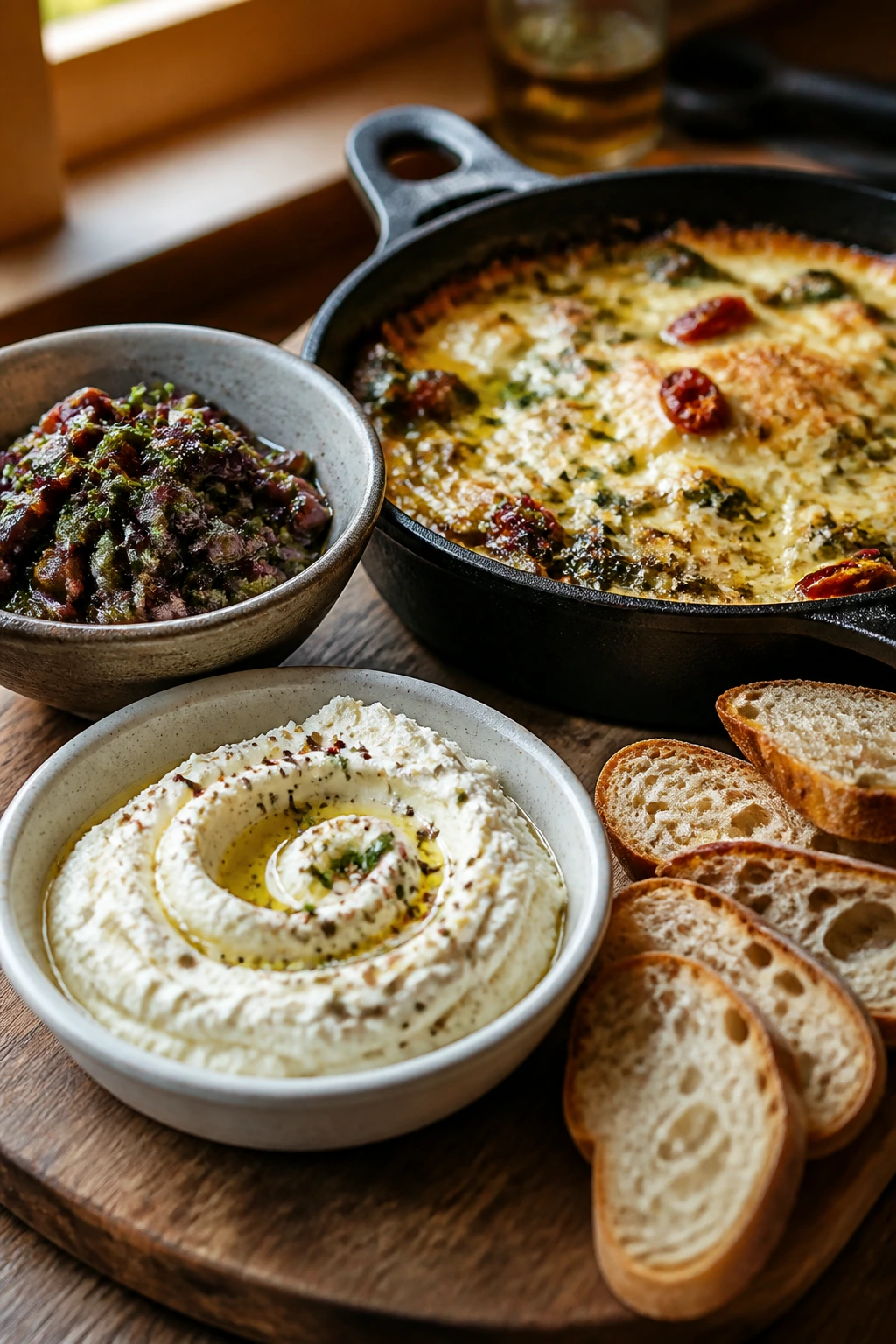
A pasta dinner can feel rushed if every part of it asks for attention at once. A good dip changes that. It gives you a place to start, a little breathing room, and a first bite that tastes like the meal has already decided to be generous.
I’m partial to having one creamy bowl, one briny bowl, and one warm skillet in rotation. That combination covers most moods, and it keeps the table from settling into one texture for too long. If you keep toasted bread on hand and let the dips do what they do best, pasta night stops feeling like a sprint and starts feeling like a ritual.