



A roasted chicken diet for weeknight dinners looks plain on paper. In practice, it’s one of the few dinner habits that actually pays you back. One bird gives you crisp skin on night one, sliced meat on night two, shredded chicken on night three, and—if you’re paying attention—the makings of broth before the week is over. It’s the kind of cooking that sounds old-fashioned until you’re standing in front of the fridge at 6:40 p.m. and realize there’s already dinner waiting.
The trick is not making roast chicken fancy. The trick is making it useful. A good roast chicken is less about a single plated dinner and more about a chain reaction: salt, heat, rest, carve, reuse, repeat. That’s why this way of eating works so well for weeknights. It gives you one clean starting point and then keeps multiplying into other meals without asking you to start from scratch every time.
And yes, the details matter. Chicken that’s roasted too wet stays pale and soft. Chicken carved too soon bleeds juice onto the board instead of staying in the meat. Chicken that sits around in the fridge for a week because nobody planned the leftovers turns into a sad science project. The useful version of this routine is much more grounded than that. It’s a bird, a thermometer, a few vegetables, and a little bit of discipline around storage.
Why a Roasted Chicken Dinner Routine Works on Weeknights
- One roast becomes several meals: A single 4- to 5-pound chicken can feed a family dinner and still leave enough meat for tacos, rice bowls, soup, or sandwiches later in the week.
- The oven does the heavy lifting: Once the bird is salted and dried, most of the work is passive time, which matters when you’re trying to answer emails, help with homework, or chop a salad at the same time.
- The leftovers taste like dinner, not rescue food: Roasted chicken keeps more flavor than plain poached chicken, so tomorrow’s meal still feels planned.
- The bones are not waste: A stripped carcass gives you broth with actual body, the kind that tastes like chicken because it is chicken.
- It scales up or down without drama: One bird works for two people and lunch leftovers, or for a larger household if you add a tray of vegetables and a starch.
- It cuts decision fatigue: You stop asking “what’s for dinner?” and start asking “what shape should tonight’s chicken take?” That’s a much nicer problem.
Choosing the Right Bird for Fast, Reliable Roasting
Size matters more than people admit. For weeknight cooking, I like a chicken in the 3 1/2- to 5-pound range. Smaller birds cook faster and more evenly, and they’re less likely to leave you with dry breast meat while the thighs are still lagging behind. Bigger chickens have their place, but they lean toward Sunday cooking, where an extra 20 minutes doesn’t feel like a negotiation with your own patience.
Whole chickens are the obvious starting point, but they’re not the only one. Bone-in, skin-on thighs roast beautifully on a weeknight and forgive a wider range of oven temperatures. Split breasts work too, though they dry out faster if you’re not watching them. If you want the least fuss, a whole chicken gives you the broadest leftovers: white meat for sandwiches, dark meat for bowls, skin for snacking, bones for broth.
Whole Bird vs. Chicken Parts
A whole chicken is the best bet if you want a flexible dinner plan. It gives you the crisp skin people love, the thighs that stay juicy, and enough contrast in texture that leftovers don’t all taste the same. Parts are faster, though, and there’s no shame in choosing speed when the week is already loud.
Chicken parts are also easier to fit into a sheet-pan setup with vegetables. Thighs and drumsticks roast in about the same time as carrots, onions, and potatoes, which means fewer moving pieces. Breasts are trickier. They ask for attention, and they get picky if the oven runs hot.
If you shop with this in mind, you can make a quiet little rule for yourself: whole bird on nights when you want leftovers, pieces on nights when you want speed. That’s the whole game.
What to Look for at the Store
Look for a chicken with intact skin, no torn patches around the cavity, and a size that feels practical to lift with one hand. Air-chilled birds often roast with better skin because they carry less surface moisture, though the price can be higher. If you’re buying frozen chicken, thaw it in the fridge, not on the counter, because the outside gets warm long before the center does.
I also pay attention to the packaging. If the chicken is sitting in a lot of liquid, I expect to spend more time patting it dry. If the skin already looks stretched and glossy, that bird usually needs more drying and more salt before it goes anywhere near the oven.
The Roast That Gives You Crisp Skin and Juicy Meat
The difference between decent roasted chicken and the kind you remember two days later is usually not a secret ingredient. It’s moisture management. Dry the bird well. Salt it early. Give the oven room to work. Pull it at the right temperature and let it rest long enough that the juices settle back into the meat instead of running all over the cutting board.
That sounds almost boring. It isn’t. It’s the whole point.
The USDA’s safety line is 165°F in the thickest part of the chicken, and that number is worth trusting. If you want the best texture, a lot of cooks aim for the breast to land right around that mark and the thighs a little higher. The exact route depends on your oven, your pan, and the size of the bird, but the thermometer doesn’t care about vibes. It tells the truth.
Dry Brine, Salt, and Airflow
A dry brine is the easiest way to improve roasted chicken without adding steps that feel fussy. Salt the bird ahead of time—roughly 3/4 teaspoon kosher salt per pound if you’re using Diamond Crystal, or a little less if you use a denser salt like Morton’s—and leave it uncovered in the fridge for at least 4 hours. Overnight is better. The skin dries out, the seasoning reaches deeper into the meat, and the whole bird roasts with a cleaner finish.
Airflow matters too. A wire rack set inside a rimmed sheet pan lets heat circulate under the chicken instead of trapping it in its own juices. If you do not have a rack, use thick onion slices, carrot chunks, or halved lemons as a rough bed. It is not the same thing, but it keeps the chicken out of the puddle.
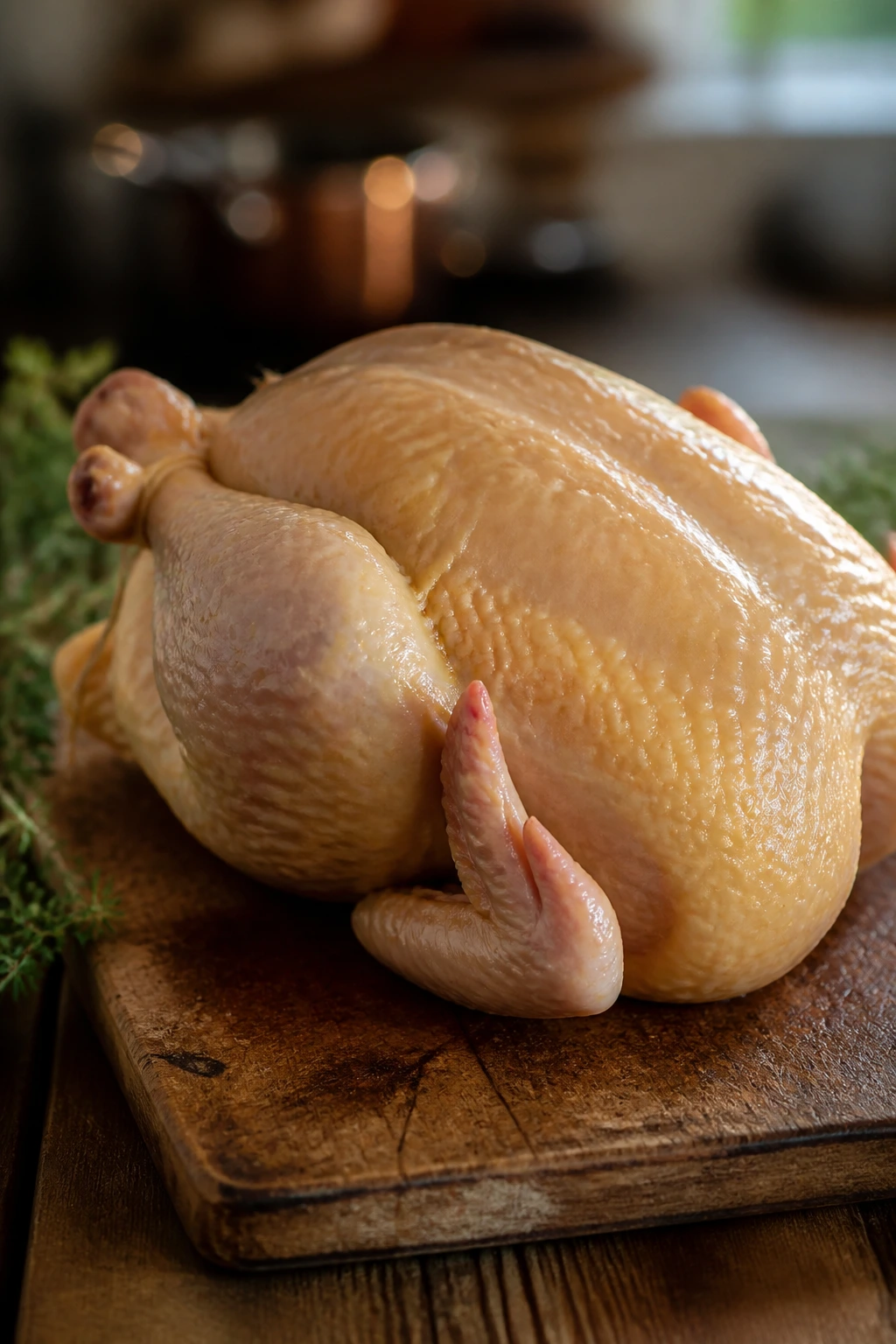
And please, pat the chicken dry before it goes in the oven. Wet skin steams. Steam gives you flabby skin. Nobody needs that.
Oven Temperature and Timing
For a standard bird, I like 425°F. It’s hot enough to brown the skin well, but not so aggressive that the outside burns before the inside is done. A 4-pound chicken often needs somewhere in the neighborhood of 50 to 65 minutes, though the exact timing shifts with oven strength and whether the bird is spatchcocked or left whole. Spatchcocked chickens cook faster, usually in 40 to 55 minutes, because the bird lies flatter and the heat reaches more of the surface at once.
If the breast is browning too quickly, tent it loosely with foil after the skin has already turned golden. Do not wrap it tightly. That turns the chicken into a steam bath right when you’re trying to keep the skin crisp.
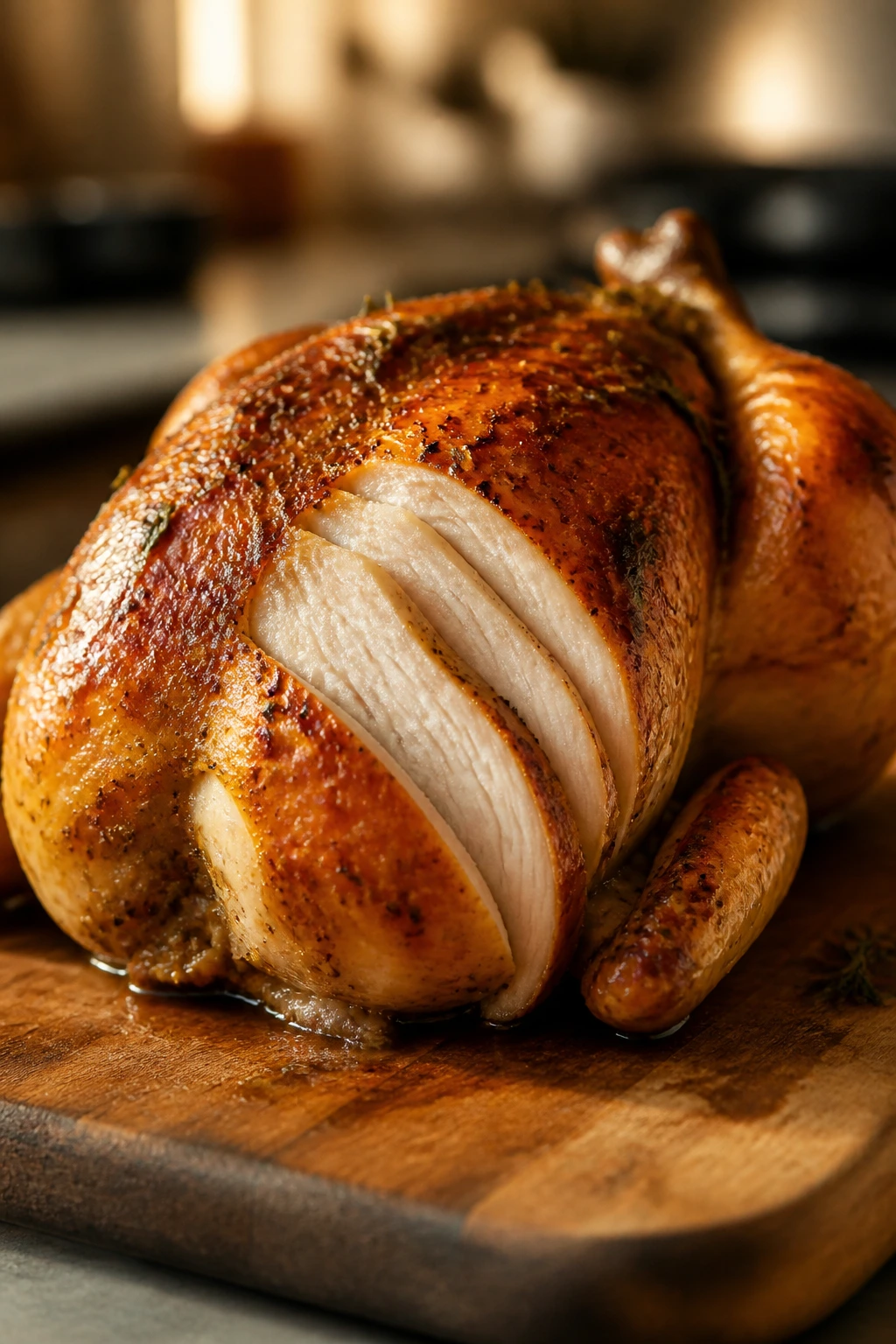
Rest the bird for 10 to 15 minutes after roasting. That pause matters more than people think. The juices settle, the meat firms up slightly, and carving gets cleaner. Carve too early and the cutting board does the flavor stealing for you.
Turning One Bird Into Several Dinners
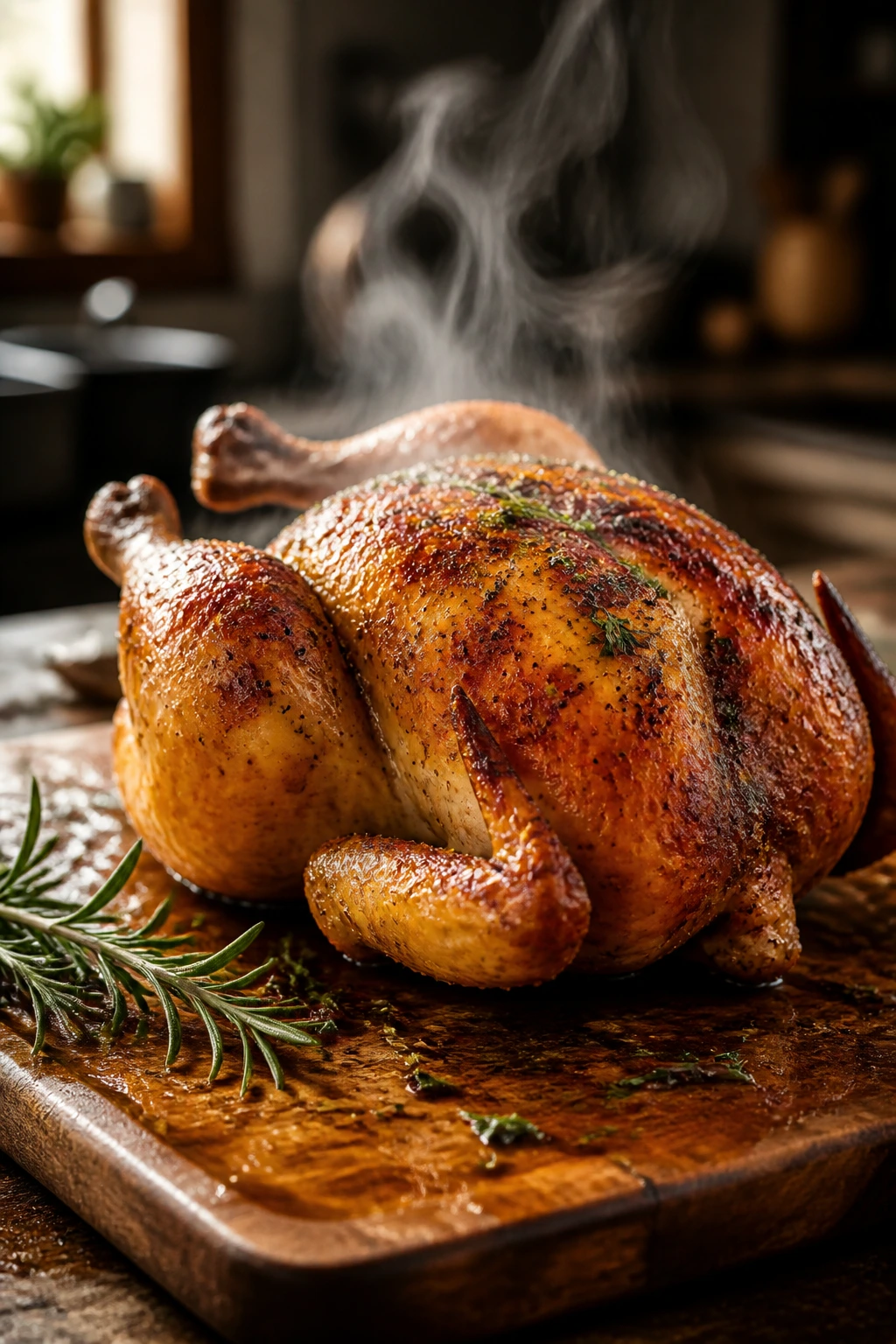
Roast chicken earns its keep when you stop thinking of it as one dinner and start treating it like a pantry item with better manners. The first night can be the obvious one: carve it hot, add a starch, put something green on the plate, and call it done. The next nights are where the usefulness shows up.
Night One: The Obvious Dinner
Serve the chicken with whatever sides are already close to being finished. Roasted potatoes, buttered rice, a green salad, blistered green beans—anything that doesn’t demand a separate production schedule works. This is when the skin stays crisp and the breast meat is still at its best texture.
Night Two: Slice or Shred for Bowls
Cut the remaining breast meat into thin slices or pull the thighs into shreds. Put it over rice, couscous, farro, or leftover roasted potatoes. Add a sauce that wakes it up: yogurt with lemon and garlic, salsa verde, hot sauce mixed with olive oil, or a spoonful of pan drippings loosened with stock. The point is to change the shape of the meal without making new work.
Night Three: Move It Into a New Format
This is where chicken tacos, tostadas, pasta, or fried rice make sense. If the leftover meat has already been roasted with good seasoning, you do not need to drown it in sauce. A hot skillet and a few fresh toppings often do more than a long recipe ever will. Cabbage, scallions, pickled onions, and a squeeze of lime can make yesterday’s chicken feel like it was always meant for tonight.
The Carcass Still Has a Job
Take the bones, skin scraps that are too far gone to save, and the dark bits from the roasting pan. Simmer them with onion, celery, carrot, peppercorns, and water for a simple broth. Even two hours gives you something useful. That broth can become soup, risotto, or the base for a pot of noodles later in the week. Waste less. Eat better. It’s not complicated.
Flavor Profiles That Keep Leftovers Interesting
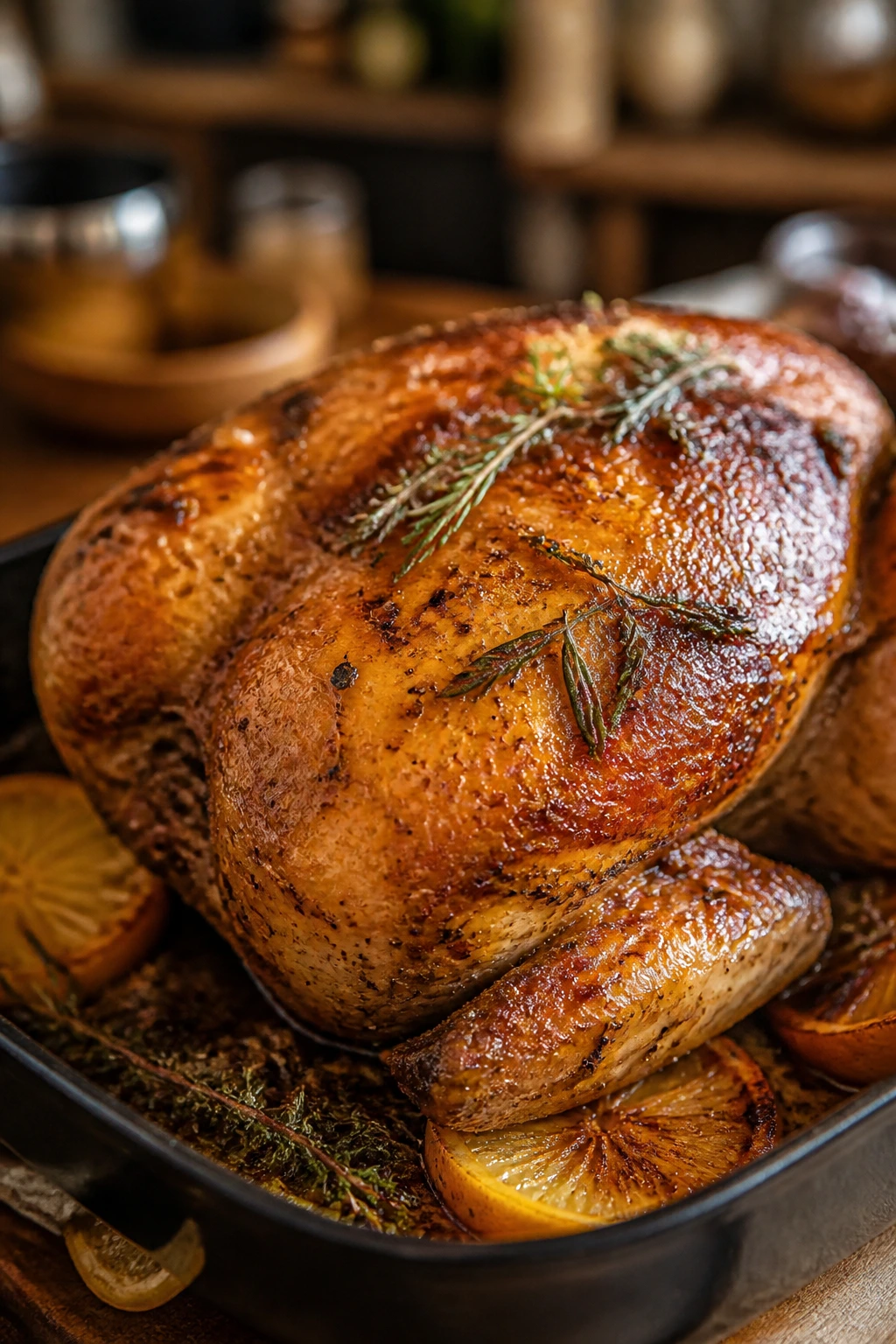
The easiest mistake with a chicken-centered dinner routine is seasoning every bird the same way and then wondering why the leftovers feel flat by day three. If you want this to stay interesting, change the seasoning profile enough that the chicken can move into different meals without fighting itself. Broad flavors tend to work better than sugary glazes because they survive reheating and don’t turn sticky in weird ways.
Lemon, Garlic, and Herb
This is the cleanest route. Lemon zest, smashed garlic, thyme, parsley, and black pepper give you a bird that tastes bright without being sharp. It works especially well if you plan to turn leftovers into salads or chicken soup, because the flavor stays flexible.
Smoked Paprika and Onion
Smoked paprika, onion powder, black pepper, and a little garlic powder make the chicken taste deeper and a bit darker, almost as if it spent more time near a wood fire than it really did. This profile is excellent for potatoes, beans, and grain bowls. It also plays nicely with a quick pan sauce made from the drippings.
Soy, Ginger, and Sesame
A light soy-ginger rub gives roasted chicken a savory edge that leans toward fried rice, noodle bowls, and lettuce cups. Use it sparingly. Too much soy can make the skin dark before the bird is done, so keep the seasoning thin and finish with scallions or sesame seeds rather than drowning the chicken in sauce.
Chili, Cumin, and Lime
This is the version I reach for when I know tacos are coming. Cumin gives warmth, chili powder gives backbone, and lime brightens the leftovers enough that they don’t taste heavy the next day. Serve it with cabbage slaw or rice and beans, and it feels like a completely different meal from the lemon-herb bird.
Weeknight Sides That Don’t Fight the Chicken
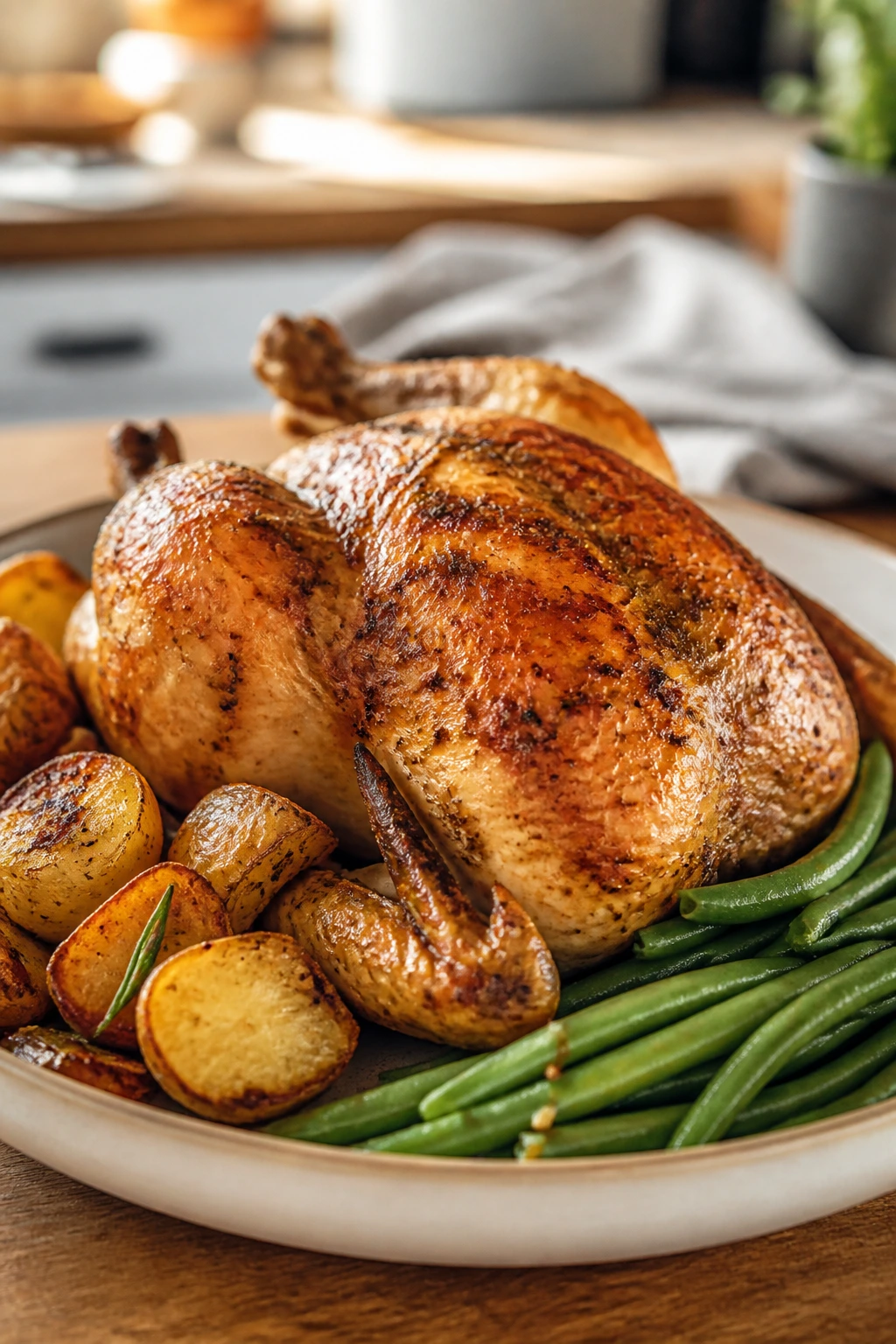
A roasted chicken dinner does not need elaborate sides. It needs sides that finish on time and don’t compete with the oven. That means vegetables that can roast beside the chicken, grains that cook while the bird rests, and quick salads that bring crunch or acid to the plate.
Potatoes are the most obvious partner, and they’re obvious for a reason. Cut them small enough—about 1-inch chunks—and they’ll finish in the same general window as the chicken if they share a hot oven. Toss them with olive oil, salt, and pepper, and let the edges go brown. If you want less hands-on work, use baby potatoes and crush them slightly after boiling.
Rice and couscous are the other easy winners. Rice can simmer while the chicken roasts. Couscous needs only hot water and a lid, which means dinner can come together in the time it takes to carve the bird. If you’re using rice, save a little broth or pan drippings to stir in at the end. It makes the grain taste less plain.
Vegetables That Fit the Roast
Green beans, broccoli, carrots, Brussels sprouts, and zucchini all behave differently, but they share one useful trait: they’re happy with salt, fat, and high heat. Green beans like a hotter blast and a shorter cook. Carrots can roast alongside the chicken from the start. Broccoli and Brussels sprouts need space on the pan or they’ll steam.
A simple salad works too, and sometimes it’s the best answer. Crisp romaine with lemon vinaigrette, shaved cucumber with dill, or shredded cabbage with a little mayo and vinegar can cut through the richness of the chicken skin. That contrast keeps the meal from feeling heavy, which matters more on a Tuesday than people admit.
Use the Pan Drippings
A spoonful of the roasting juices, skimmed of excess fat, can become a fast sauce. Stir in a little stock, a splash of lemon juice, or a bit of mustard, and you’ve got something that can be drizzled over potatoes, rice, or the carved meat itself. Don’t overthink it. The drippings already did half the work.
A Three-Day Chicken Dinner Rhythm That Actually Holds Up
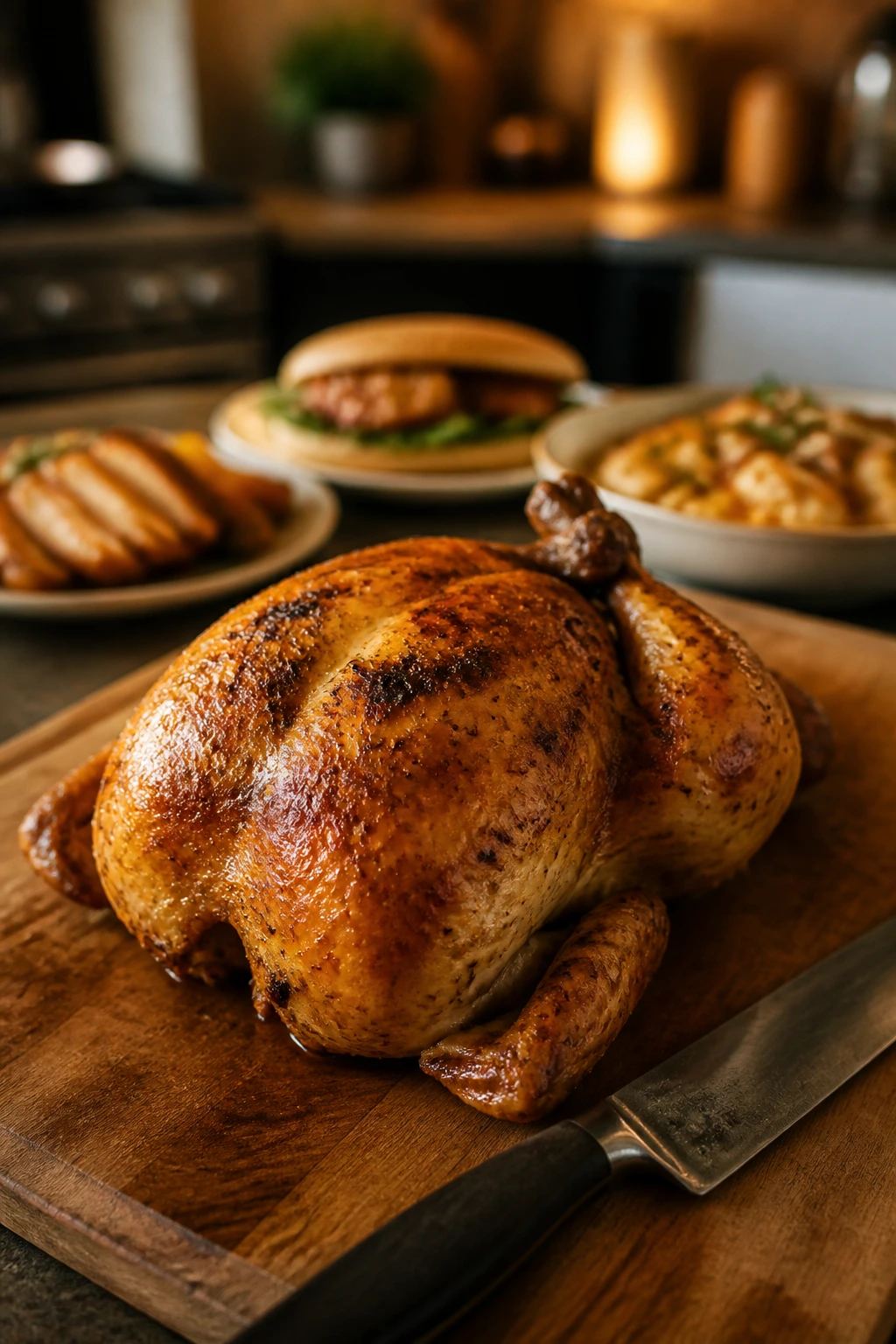
A chicken routine only works if it has a shape. Otherwise the leftovers drift to the back of the fridge and you end up ordering dinner because “there’s chicken somewhere” is not a plan. I like to think in three or four stages, with the bird changing form just enough to keep things from feeling repetitive.
Night One: Roast and Serve
Roast the chicken, carve it, and serve it with a vegetable and one starch. That’s the cleanest possible opening move. Save the breast slices first if you know they dry out faster than the dark meat. The best pieces go on the first plate because that is exactly what they should do.
Night Two: Bowls, Salads, or Sandwiches
Take the remaining white meat and build a dinner around it. A grain bowl with cucumbers, herbs, and yogurt works well. So does a chopped salad with tomatoes, olives, and hard-boiled eggs. If sandwiches are easier, pile the chicken on toasted bread with mayo, pickles, and a handful of greens. No one is asking for a culinary dissertation.
Night Three: Heat-Through Meal
Shred the darker meat into a skillet with onions, garlic, and a little broth. Add noodles, rice, or tortillas, depending on your mood. This is the night where leftovers can become a completely different dinner without much effort. The chicken has already been cooked once, so your job is just to wake it back up.
Night Four: Broth or Soup
If there’s still some meat on the carcass, pull it off and simmer the bones. Turn the broth into noodle soup, bean soup, or a simple vegetable soup with shredded chicken scattered through it. The texture changes again, and somehow that matters. People get tired of eating the same thing only when it looks and feels the same thing.
That rhythm isn’t rigid. It doesn’t need to be. But having a rough sequence keeps the chicken moving before it loses its edge, and that’s the difference between a useful habit and a fridge full of regret.
Essential Equipment for Roasted Chicken Nights
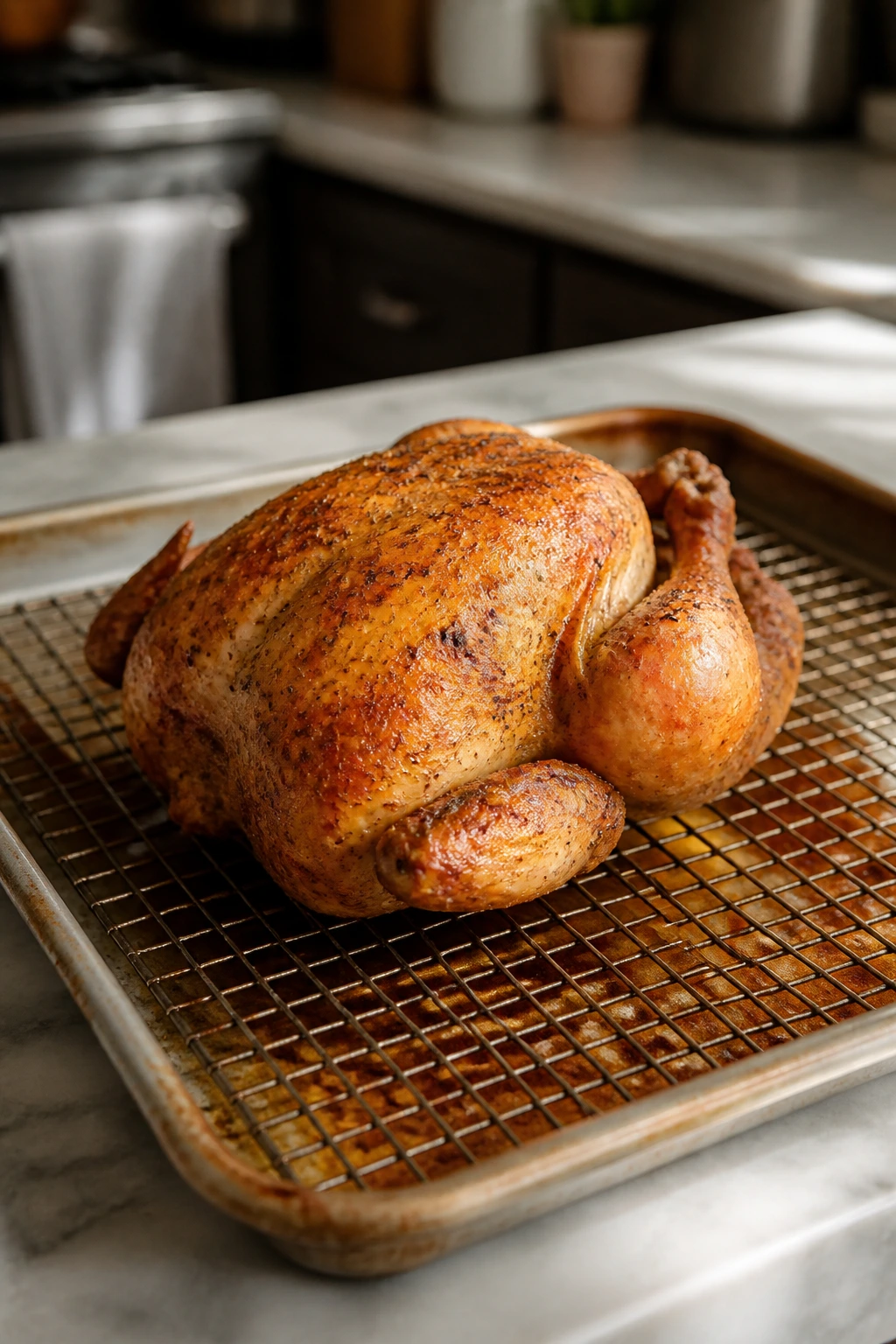
- Rimmed sheet pan or roasting pan — Holds drippings and gives you enough room for vegetables if you want to roast them underneath.
- Wire rack — Optional, but it helps air circulate under the chicken and gives you crisper skin.
- Instant-read thermometer — The single most useful tool here; it keeps breast meat from drying out and thighs from staying underdone.
- Sharp chef’s knife — Makes carving faster and cleaner, which matters when dinner is already late.
- Cutting board with a groove — Catches juices so the board doesn’t turn into a spill zone.
- Tongs — Handy for turning vegetables, moving the bird, or pulling hot pieces apart without shredding the skin.
- Mixing bowl — Useful for tossing potatoes, carrots, or other sides with oil and seasoning.
- Airtight storage containers — Keep leftovers from drying out and make it easier to portion chicken into future meals.
- Small saucepan — Helpful if you turn drippings into a quick sauce or simmer broth from the carcass.
Practical Tips for Better Skin, Better Leftovers, and Less Stress
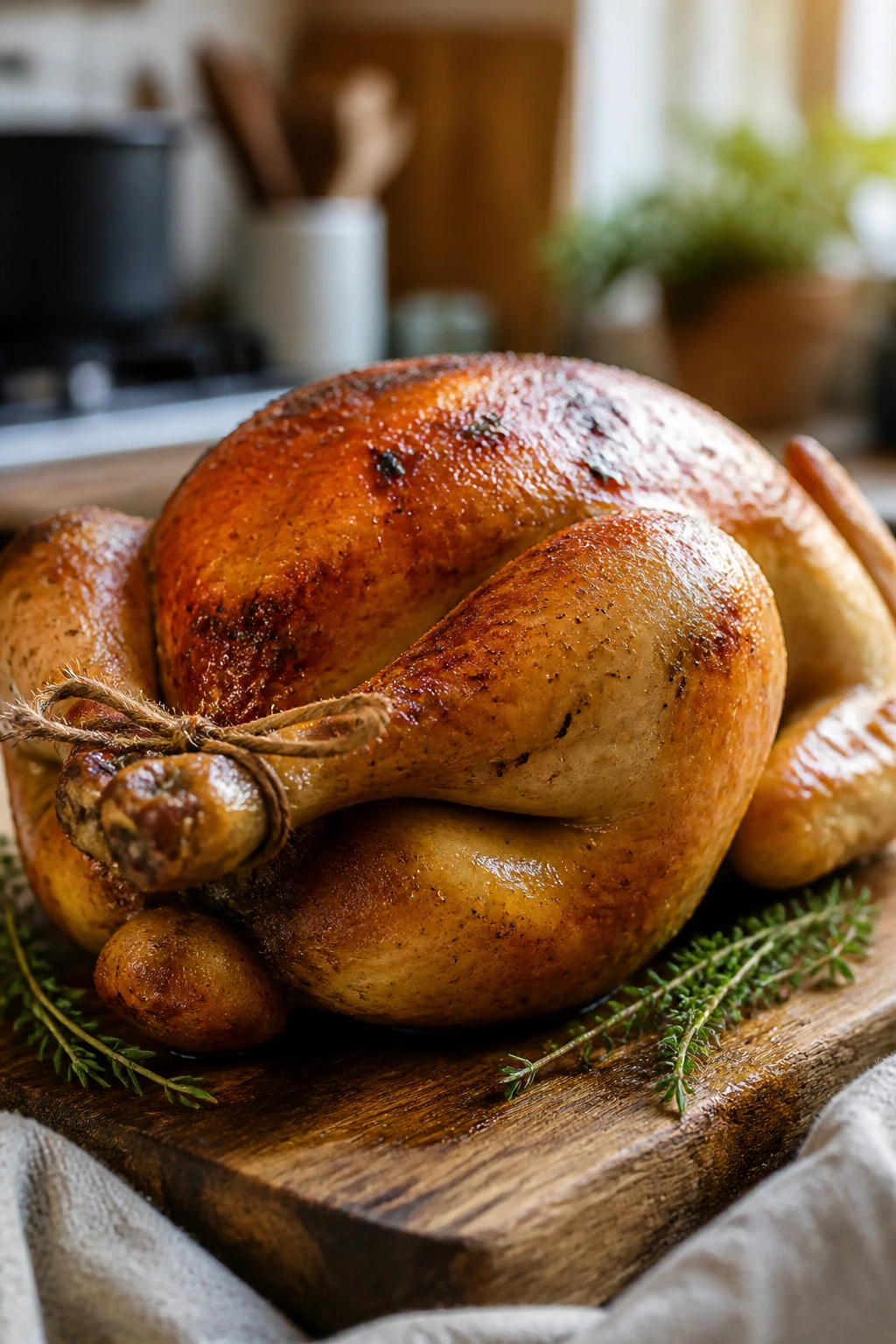
Dry the bird before it ever hits the pan. Paper towels are not glamorous, but they’re the difference between skin that browns and skin that steams. If the chicken came in liquid, dry the cavity too. Moisture hides in the folds.
Salt ahead if you can. Even four hours in the fridge changes the result. Overnight is better. The skin dries a bit, the seasoning gets deeper, and the meat tastes less like it was seasoned at the table by committee.
Use the thermometer before you think you need it. Chicken can go from underdone to dry in a surprisingly short stretch, especially if the bird is small or the oven runs hot. Start checking around the midpoint of the expected roast time, aiming for the thickest part of the breast and the deepest part of the thigh.
Carve in layers, not all at once. Pull the legs and thighs off first, then remove the breasts, then slice those against the grain. That keeps the meat neater and makes it easier to divide into dinner and leftovers without tearing everything apart.
Save the drippings, but don’t drown the chicken in them. If the pan juices taste rich and savory, use them as a sauce base. If they’re greasy, skim the fat first. A spoonful of stock and a squeeze of lemon can turn them into something much more useful.
One more thing. If you know you’ll be tired later, portion the leftover chicken while it’s still warm. It feels fussy in the moment and wonderfully calm tomorrow night.
Common Mistakes That Make the Whole Plan Fall Apart
The biggest problem with roasted chicken weeknight dinners is not the roast itself. It’s all the little habits that make it harder than it needs to be.
Crowding the pan. When chicken sits too close to vegetables or walls of the pan, steam hangs around and the skin stays soft. Give the bird some space. If you’re roasting vegetables too, keep them in a single layer and don’t pile them under the chicken unless you want them glazed by the drippings rather than roasted on their own.
Skipping the thermometer. Guessing feels fast. It’s not. Without a thermometer, you’re either cutting too early or overcooking the bird because you’re nervous. The breast should hit the safe range in the thickest part, and the thighs should be checked where the meat meets the bone.
Carving immediately. This is the classic error. Hot chicken looks ready before the juices have settled, so people cut in and watch the good stuff run away. Give it 10 to 15 minutes. The meat will hold together better, and the board will stay drier.
Starting with a too-large chicken. A 6-pound bird can absolutely be roasted, but it asks for more time and more patience. If your goal is a fast weeknight dinner, a smaller bird or chicken pieces is a better fit. Bigger is not better when the breast is drying out while the thighs chase temperature.
Treating leftovers like an afterthought. If you shove hot chicken straight into a closed container, the steam softens the skin and makes the meat soggy. Let it cool a bit on a rack, then pack it up. If you want crisp skin the next day, store a few pieces uncovered for a short stretch in the fridge, then reheat them in the oven rather than the microwave.
The fix for most of these mistakes is the same: slow down in the right places and move faster in the others. Dry the bird. Check the temp. Rest the meat. Put leftovers away with a plan.
Variations and Alternate Routes for Different Kitchens
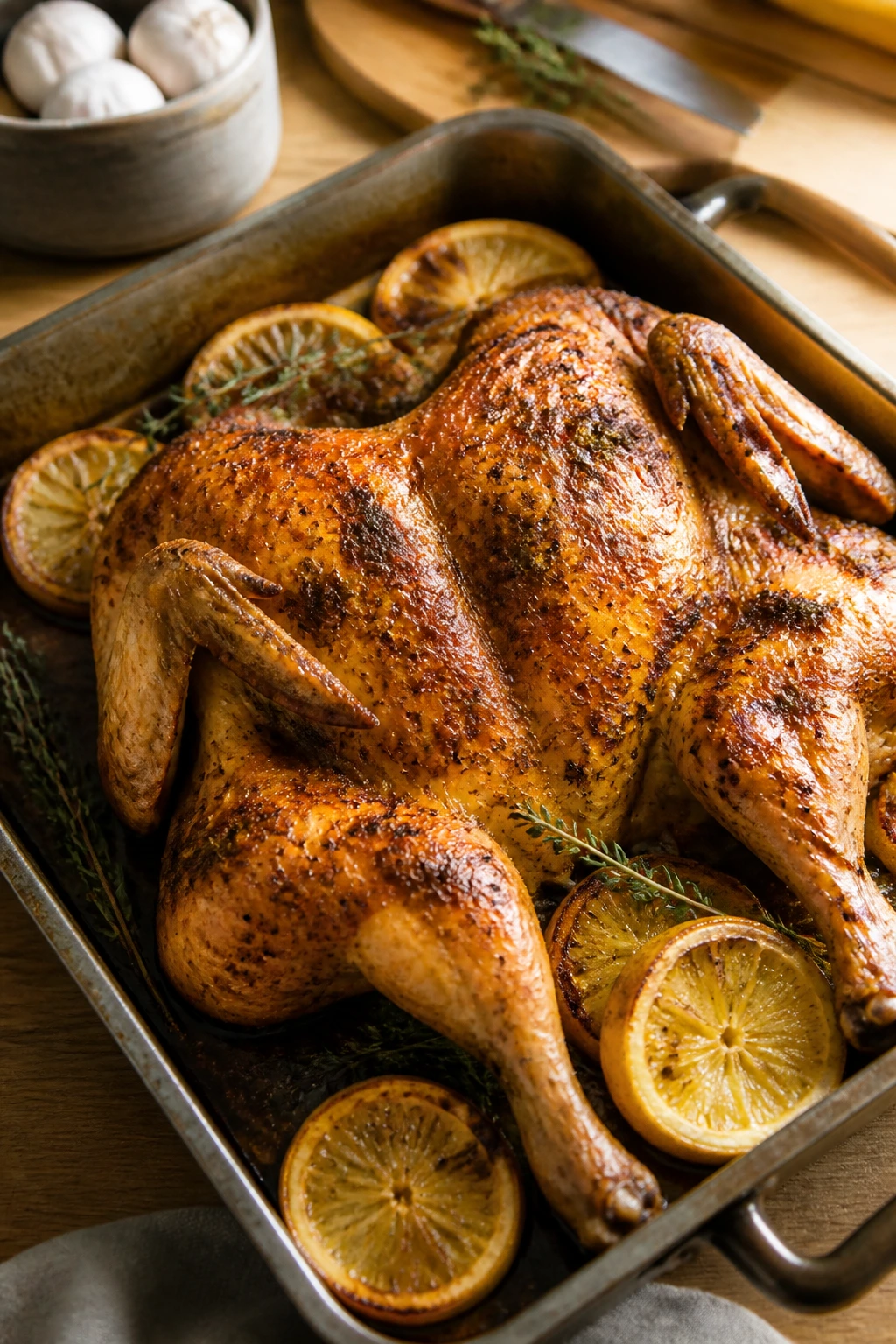
Lemon-Herb Sunday Roast
This version leans on lemon zest, garlic, thyme, and parsley for a clean, bright flavor that works with almost any side. It’s the safest choice if you want leftovers that can move into soup, salad, or sandwiches without fighting the seasoning.
Smoky Paprika Chicken Tray
Rub the bird or chicken parts with smoked paprika, onion powder, garlic powder, salt, pepper, and a little oil. It gives the meat a darker, deeper flavor and pairs especially well with roasted potatoes, beans, or a quick cabbage slaw.
Spatchcock Fast Lane
Remove the backbone, flatten the bird, and roast it on a sheet pan. The bird cooks faster, the skin browns more evenly, and the thighs and breasts finish closer to each other. This is the move for nights when you want the oven to work hard and wait less.
Soy-Ginger Weeknight Roast
Use a light hand with soy sauce, grated ginger, garlic, and a touch of sesame oil. The flavor leans toward rice bowls and stir-fried vegetables. Keep the seasoning balanced so the skin still crisps instead of going dark too quickly.
Thighs-Only Shortcut
If a whole chicken feels like more than you need, roast bone-in, skin-on thighs instead. They’re more forgiving, they cook faster, and they reheat better than breasts. This version is the one I’d choose if the week is packed and the meal needs to survive a couple of days in the fridge.
Storage, Reheating, and Make-Ahead Timing
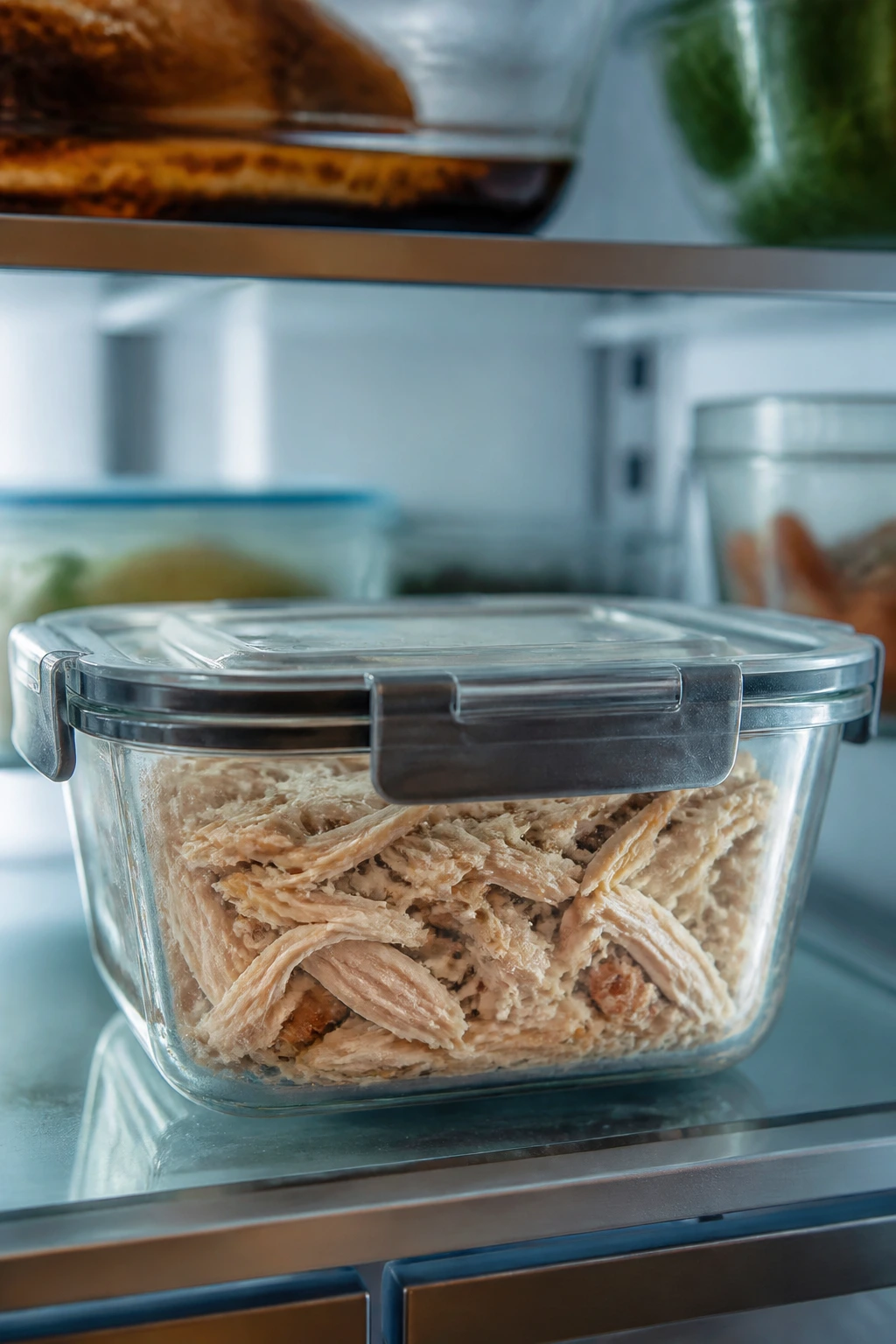
Cooked chicken should be cooled and refrigerated within 2 hours of coming out of the oven. That window matters. Let the bird sit long enough to stop steaming, then pack the meat into shallow containers so it chills quickly. If you’ve got a lot of leftovers, separate the white meat from the dark meat; they reheat differently, and that difference shows up in texture.
In the fridge, cooked chicken keeps for 3 to 4 days. That’s the safe, practical window most home cooks should use. If you know you won’t get to it by then, freeze it instead. For the best texture, frozen cooked chicken is nicest within 2 to 3 months, though it remains safe longer if held properly. Freezing in small portions helps, because thawed chicken is easier to use in a soup, skillet meal, or sandwich filling than a giant clump you have to chip apart.
Skin deserves special handling. If you want it crisp again, don’t expect the microwave to do the job. Reheat chicken pieces in a 300°F oven for about 10 to 15 minutes, uncovered, until warmed through. A splash of stock or a few drops of water in the pan can keep breast meat from drying out, but don’t overdo it. Too much liquid turns reheating into steaming.
For shredded chicken, a skillet is often better. Warm it over medium heat with a spoonful of broth, a drizzle of olive oil, or a dab of butter until it’s hot all the way through. That gives the meat a better texture than blasting it in the microwave. If the chicken is going into soup or tacos, reheat it directly in the sauce or filling so it doesn’t dry out on its own.
The one prep move I always recommend is seasoning the bird ahead of time. Salt it the night before, leave it uncovered in the fridge, and roast it the next day. That tiny bit of planning does more for the final result than any fancy garnish ever will.
Questions People Ask About Roasted Chicken Dinners
Is it better to roast a whole chicken or buy chicken parts for weeknight dinners?
A whole chicken gives you the best leftovers and the most flexible meals, especially if you want soup or broth later. Chicken parts are faster and easier when time is tight, so thighs are my pick for the most forgiving weeknight version.
How do I keep the breast meat from drying out?
Use a thermometer, pull the bird as soon as the thickest part of the breast reaches safe temperature, and rest it before carving. A smaller bird helps too, because oversized chickens often leave the breast waiting too long for the thighs to catch up.
Can I roast the chicken with vegetables on the same pan?
Yes, and it’s one of the smartest ways to keep dinner simple. Choose vegetables that can handle the same oven temperature and cut them into even pieces so they finish at roughly the same time as the bird.
Do I need to brine the chicken for this to work?
No, but a dry brine improves the result a lot. Even a few hours of salted, uncovered rest in the fridge changes the skin texture and seasons the meat more deeply than salting at the last minute.
What should I do if the skin is brown but the chicken isn’t done?
Tent the bird loosely with foil and keep roasting. That protects the skin from burning while the inside catches up. A thermometer is your best friend here, because color alone can fool you.
Can I freeze roasted chicken after it’s cooked?
Yes. Portion it into containers or freezer bags, press out extra air, and freeze it within a couple of days. It’s best used later in soups, casseroles, enchiladas, or skillet meals where a little texture loss won’t matter.
How do I make leftovers taste like a fresh dinner instead of leftovers?
Change the form and the sauce. Slice the chicken thin, shred it, or chop it small, then pair it with a new acid, a fresh herb, or a different starch. A quick yogurt sauce, salsa verde, or pan gravy changes the whole mood.
What if I only have a toaster oven or a small oven?
Use chicken parts instead of a whole bird, or spatchcock a smaller chicken so it takes up less vertical space. Small ovens brown food fast, so start checking early and keep an eye on the skin.
A Chicken Worth Repeating
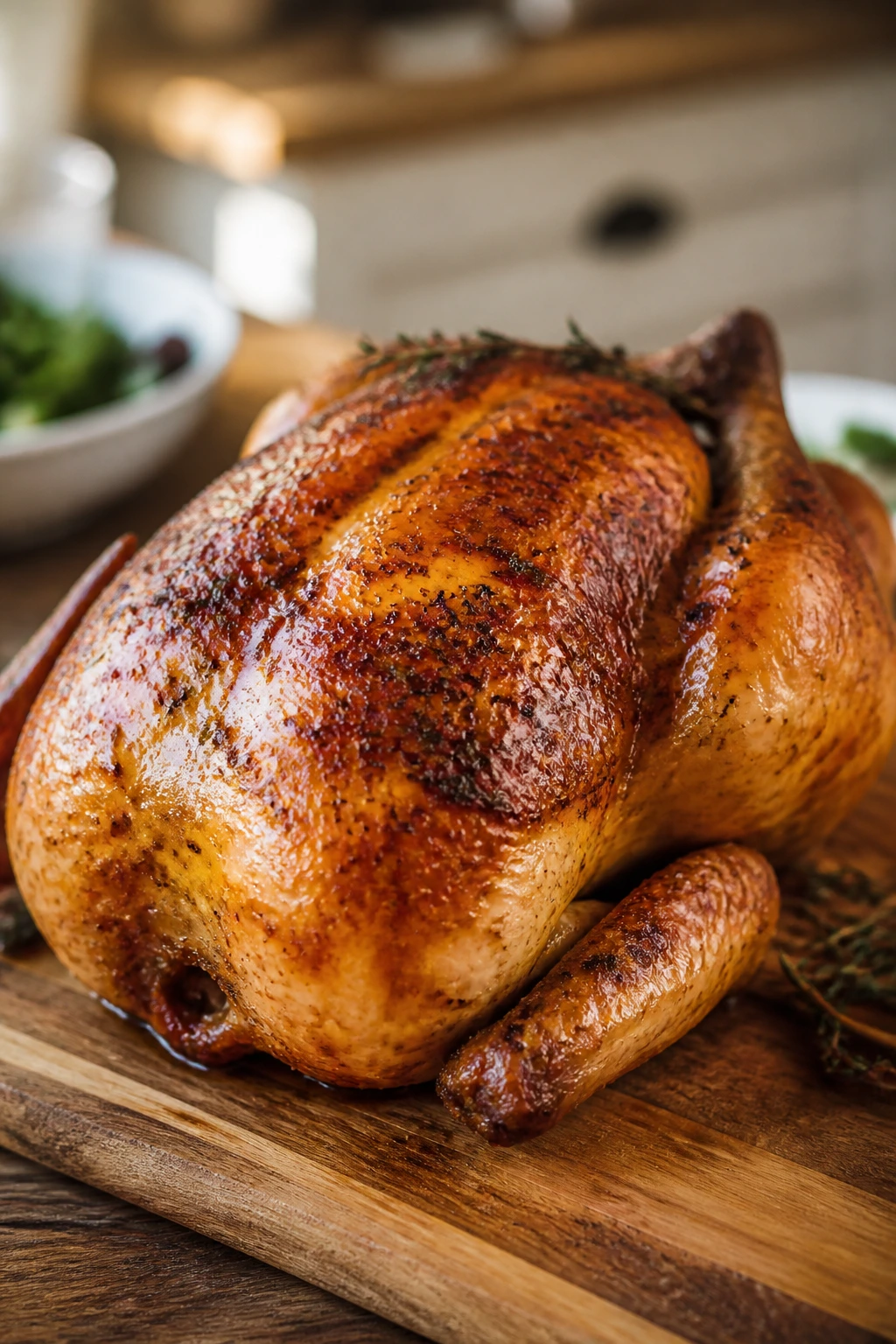
The real virtue of this kind of cooking is that it refuses to be dramatic. It doesn’t ask you to shop for twelve obscure ingredients or build a whole evening around one dinner. It just wants one well-seasoned bird, a hot oven, and a little bit of discipline about what happens next.
That’s why roasted chicken keeps earning its place in weeknight cooking. It gives you dinner tonight, options tomorrow, and usually one more meal hiding in the bones if you’re willing to simmer them down. Keep the method simple, keep the leftovers moving, and keep the skin as dry as you can get it. The rest starts to feel almost automatic—and that is a very nice thing to have waiting on a Tuesday.