



The first smell is the one that gets people moving toward the kitchen: cinnamon and tomato from the meat sauce, butter warming in the béchamel, and pasta steaming under a blanket of cheese. Rustic Greek pastitsio has that effect. It is a baked pasta that feels generous the moment it comes out of the oven, with a sharp-edged knife slicing through three distinct layers instead of one mushy, collapsed middle.
What makes this version worth keeping is the balance. The meat sauce should taste savory and deep, not sweet or spiced like dessert. The béchamel needs to be thick enough to set into a clean square, but still soft at the center. And the pasta layer has to hold its own, which is why a little butter, egg, and grated cheese get tossed in before everything goes into the pan. That small extra step is the difference between a bake that holds and a bake that slumps.
If you’ve ever had pastitsio that tasted flat, watery, or too heavy, you already know how easy it is to lose the plot. The dish needs structure. It also needs restraint. Done well, it lands somewhere between a Greek Sunday pan and the kind of baked pasta that disappears fast because nobody wants to stop at one square.
Why This Pan Earns Its Place at the Table
-
Aromatics with a purpose: The onion, carrot, celery, and garlic build a sauce that tastes slow-cooked even when you’re working on a weeknight clock.
-
The cinnamon stays in the background: You get warmth, not perfume. That keeps the tomato sauce savory and gives the whole pan a rounder finish.
-
The pasta layer does real work: Tossing the hot pasta with egg, butter, and cheese helps the base stay firm after baking instead of turning loose and watery.
-
The béchamel sets the whole thing: A properly thick white sauce gives you those neat squares everyone fights over at the corner of the pan.
-
It reheats with dignity: Pastitsio slices cleanly the next day, and the flavors settle in a way that raw, freshly baked pasta casseroles often miss.
-
It feeds a real crowd: One 9×13-inch pan handles a full table without needing a second starch or an emergency side dish.
What Makes Pastitsio Different from Lasagna
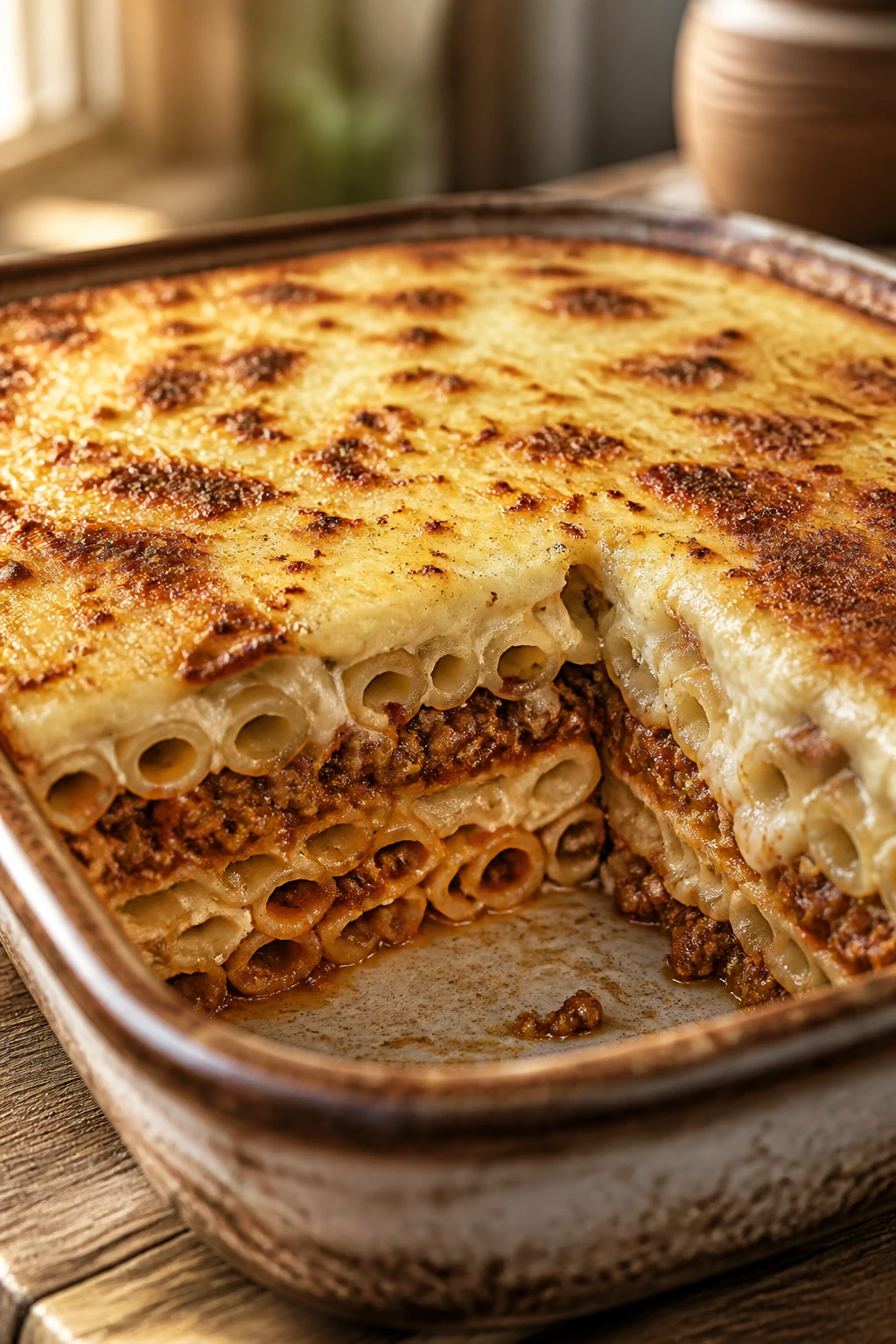
Pastitsio gets compared to lasagna all the time, and I get why. Both are layered. Both end with a creamy top. Both ask you to wait a bit before slicing, which is rude but necessary. Still, the flavor profile is different enough that the comparison only goes so far.
Greek pastitsio leans on a meat sauce scented with cinnamon and allspice, sometimes with a little nutmeg tucked into the béchamel. That combination gives the dish a warmer, more aromatic feel than an Italian-style red-sauce bake. You taste tomato, yes, but you also taste the spice cabinet in a restrained way, almost like a whisper behind the beef.
The shape matters too. Lasagna wants flat sheets and a layered, lashed-together structure. Pastitsio usually uses tubular pasta or a long macaroni shape, and that creates little pockets that catch sauce inside and out. When you cut into it, the middle looks more like a set casserole than a stack of sheets. Less drama. More comfort in square form.
There’s also a rustic quality to a good pastitsio that I love. It does not need every corner to be pristine. A little spillover at the edges is fine. A browned ridge on top is fine. The pan is supposed to look like food people actually plan to eat, not a museum piece.
That said, it still rewards care. If the sauce is loose, the whole thing slips. If the béchamel is thin, the top never firms up. If the pasta is cooked all the way through before baking, you end up with soft elbows and regret. So yes, rustic. Not careless.
Yield, Timing, and the Resting Window
Yield: Serves 8 to 10
Prep Time: 40 minutes
Cook Time: 1 hour 15 minutes
Total Time: 1 hour 55 minutes, plus 25 to 30 minutes resting
Difficulty: Intermediate — the steps are straightforward, but the sauce, pasta, and béchamel each need attention at the right moment.
Chill/Rest Time: 25 to 30 minutes before slicing; overnight chilling also works if you want even cleaner squares.
Best Served: Warm, after the pan has had time to set and the layers won’t slide apart when you cut them.
The Ingredient List for the Meat Sauce, Pasta, and Béchamel
For the Meat Sauce:
- 2 tablespoons extra-virgin olive oil
- 1 large yellow onion, finely diced
- 1 medium carrot, finely diced
- 1 celery stalk, finely diced
- 4 cloves garlic, minced
- 2 pounds ground beef, 85/15
- 2 tablespoons tomato paste
- 1 cup dry red wine
- 1 (28-ounce) can crushed tomatoes
- 1/2 cup beef stock or water
- 1 teaspoon kosher salt, plus more to taste
- 1/2 teaspoon black pepper
- 1 teaspoon ground cinnamon
- 1/4 teaspoon ground allspice
- 1 bay leaf
- 1/4 teaspoon red pepper flakes, optional
- 2 tablespoons chopped flat-leaf parsley, optional
For the Pasta Layer:
- 1 pound ziti or penne rigate
- 1 tablespoon kosher salt, for the pasta water
- 2 tablespoons unsalted butter, melted
- 1 large egg, lightly beaten
- 1/2 cup grated Parmesan or Kefalotyri
- 1/4 teaspoon ground nutmeg
- 1/4 teaspoon black pepper
For the Béchamel and Finish:
- 6 tablespoons unsalted butter
- 6 tablespoons all-purpose flour
- 4 cups whole milk, warmed
- 1 teaspoon kosher salt
- 1/4 teaspoon white pepper or black pepper
- 1/4 teaspoon freshly grated nutmeg
- 2 large eggs, lightly beaten
- 1 cup grated Parmesan or Kefalotyri
- 1/4 cup grated Parmesan or Kefalotyri, for the top
- 1 tablespoon unsalted butter, cut into small pieces, for the top
- 1 tablespoon chopped parsley, optional, for serving
What Each Ingredient Is Doing in the Pan
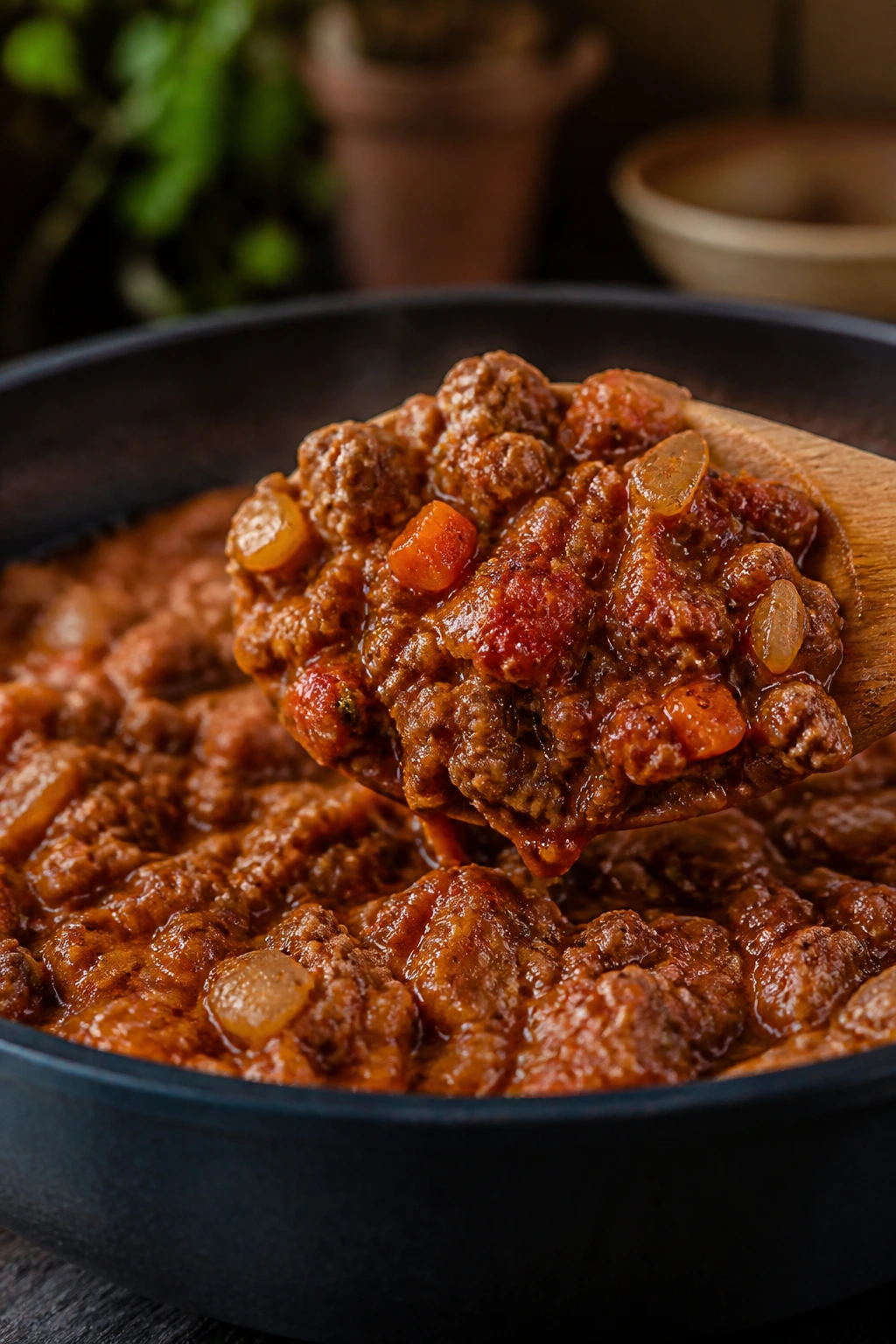
The Meat Sauce Has to Taste Deep, Not Loud
What to use: The sauce starts with 2 pounds of 85/15 ground beef, onion, carrot, celery, garlic, tomato paste, red wine, crushed tomatoes, stock, cinnamon, allspice, and bay leaf.
Preparation: Dice the onion, carrot, and celery finely so they melt into the sauce instead of sitting in chunky bits. Measure the spices before the pan gets hot, because once the beef goes in, things move fast.
Substitutions: Half lamb and half beef gives a richer, more traditional-feeling pan. Ground turkey works if you want something lighter, but it needs extra olive oil and a longer simmer so it doesn’t taste dry.
Tips: Brown the meat in a wide pan so it can actually sear instead of steaming. The tomato paste should darken a shade or two before you add the wine; that tiny caramelized edge is where a lot of the flavor lives.
The Pasta Layer Is the Structural Beam
What to use: Use 1 pound of ziti or penne rigate, plus butter, egg, grated cheese, nutmeg, and black pepper.
Preparation: Cook the pasta until it is about 2 minutes shy of fully done. Drain it well, then toss it while it’s still hot so the butter melts and the egg coats the noodles evenly.
Substitutions: Any sturdy tubular pasta works here, but avoid fragile shapes that go soft in the oven. Gluten-free penne can work if it holds its shape after boiling; check the package and pull it early.
Tips: The pasta should look glossy, not greasy. If it sits in a puddle of water before assembly, the whole bake can loosen.
The Béchamel Crown Is What Makes the Slices Set
What to use: Butter, flour, warm whole milk, salt, pepper, nutmeg, eggs, and a full cup of grated Parmesan or Kefalotyri.
Preparation: Warm the milk before adding it to the roux. Beat the eggs in a bowl first, because they’ll need to be tempered into the sauce instead of dumped in cold.
Substitutions: Parmesan is easy to find and works well. Kefalotyri is saltier and sharper, so if you use it, cut back a little on the salt in the béchamel.
Tips: The béchamel should be thick enough to mound softly on a spoon. If it pours like milk, keep cooking. If it boils hard after the eggs go in, you risk curdling.
The Finish Needs Enough Salt to Wake the Whole Pan Up
What to use: A final sprinkle of grated cheese, a few small butter pieces, and optional parsley.
Preparation: Keep the finishing cheese fine-grated so it melts into a pale, even top layer instead of forming dry clumps.
Substitutions: Pecorino Romano can step in for a sharper top, though it brings more salt. If you want a softer finish, use half Parmesan and half mozzarella, but know that the texture gets a little more stretchy and less classic.
Tips: Little butter pieces on top help the surface brown in patches instead of drying out. You do not need much. A few bits go a long way.
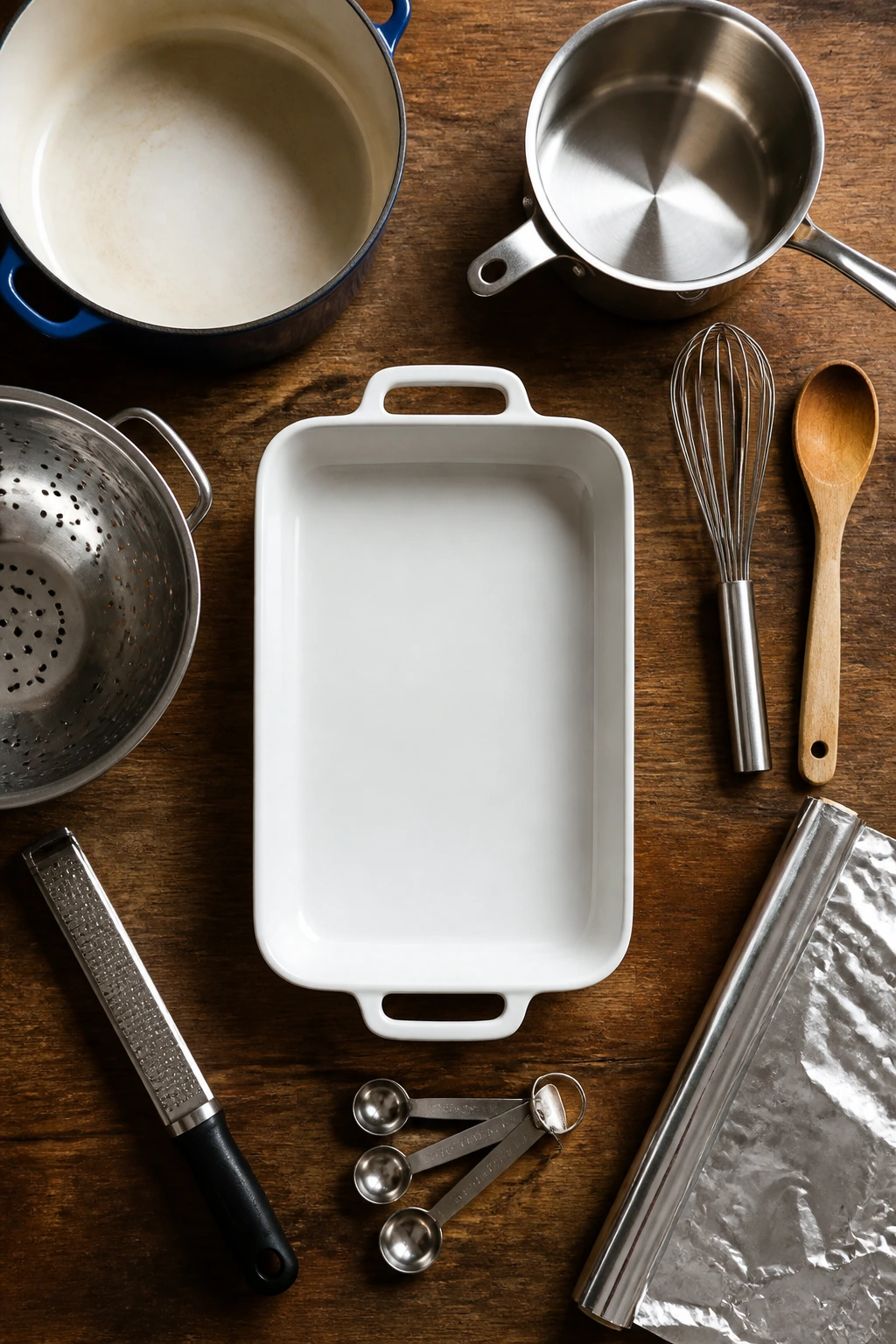
Equipment That Makes the Assembly Smoother
-
9×13-inch baking dish — This is the right size for a full, tall pan of pastitsio; anything smaller risks overflow.
-
Large Dutch oven or heavy skillet — You want enough surface area to brown the beef instead of crowding it.
-
Medium saucepan — Best for the béchamel, where steady heat matters more than speed.
-
Whisk — Essential for smoothing out the roux and keeping the béchamel from turning lumpy.
-
Large pot for pasta — Give the noodles plenty of room so they cook evenly and don’t clump.
-
Colander — Drain the pasta fast, then toss it before it cools.
-
Wooden spoon or sturdy spatula — Handy for breaking up the beef and scraping the pan bottom clean.
-
Microplane or fine grater — Better cheese, better nutmeg, better top layer. Small detail. Big payoff.
-
Measuring cups and spoons — Worth using here, especially for the roux and the milk.
-
Aluminum foil — Optional, but useful if the top browns too quickly before the center is hot.
Building the Meat Sauce, Pasta, and Béchamel
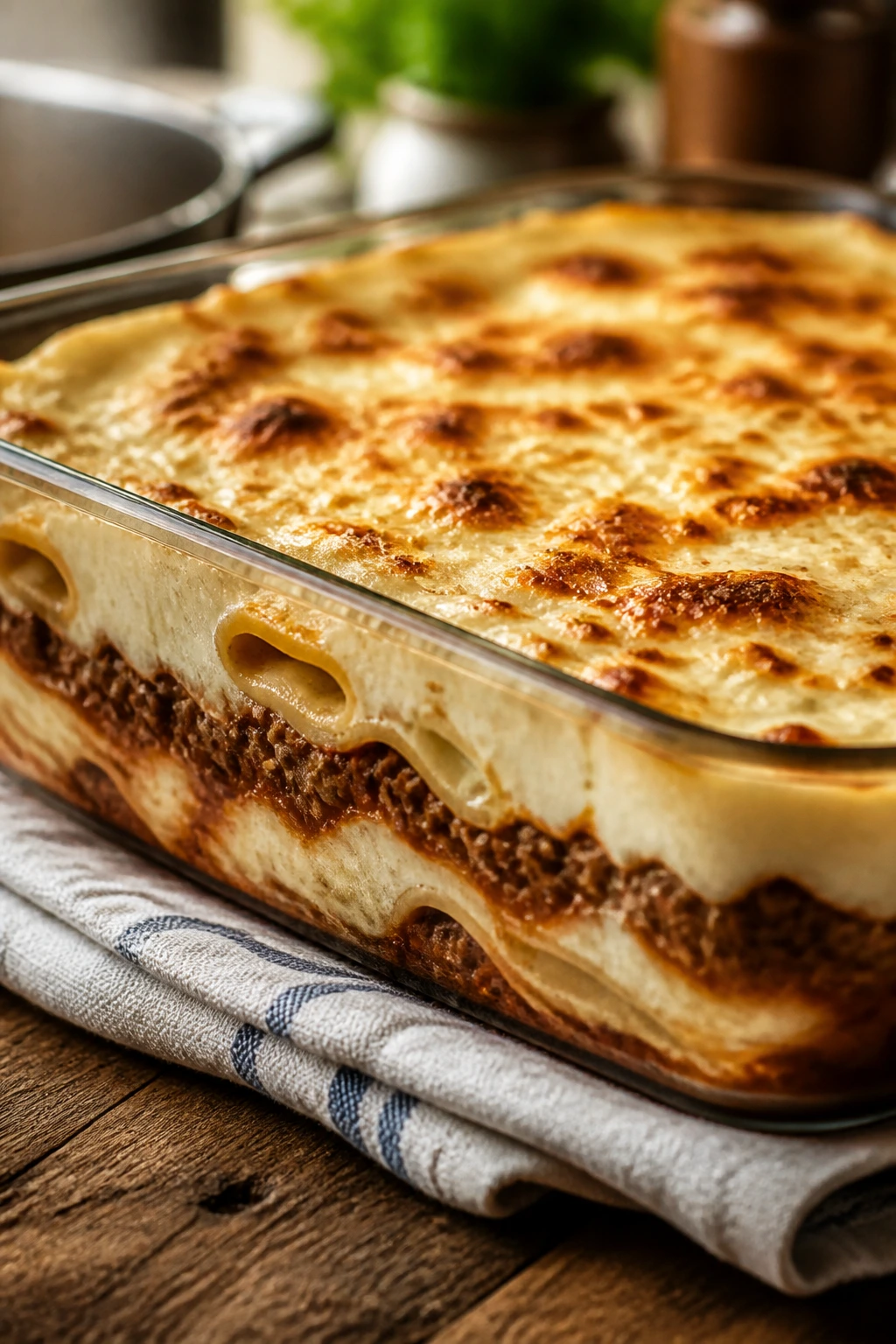
Make the Meat Sauce
-
Preheat the oven to 375°F (190°C) and grease a 9×13-inch baking dish with butter or olive oil. Set it aside so you’re not scrambling later.
-
Warm 2 tablespoons of olive oil in a large Dutch oven over medium heat. Add the onion, carrot, and celery, and cook for 6 to 8 minutes, stirring now and then, until the onion turns translucent and the carrots start to soften at the edges.
-
Add the garlic and cook for 30 seconds, just until it smells sweet and not raw. Then add the ground beef and break it up with a spoon. Cook for 8 to 10 minutes, until the meat is browned and there is no pink left in the pan. If there is a lot of fat in the pot, spoon off most of it, but leave about 1 to 2 tablespoons for flavor.
-
Stir in the tomato paste and cook for 1 minute, pressing it into the meat so it darkens slightly. Pour in the red wine and scrape the bottom of the pan well. Simmer for 2 to 3 minutes, until the wine smell sharpens less and the liquid looks reduced by about half.
-
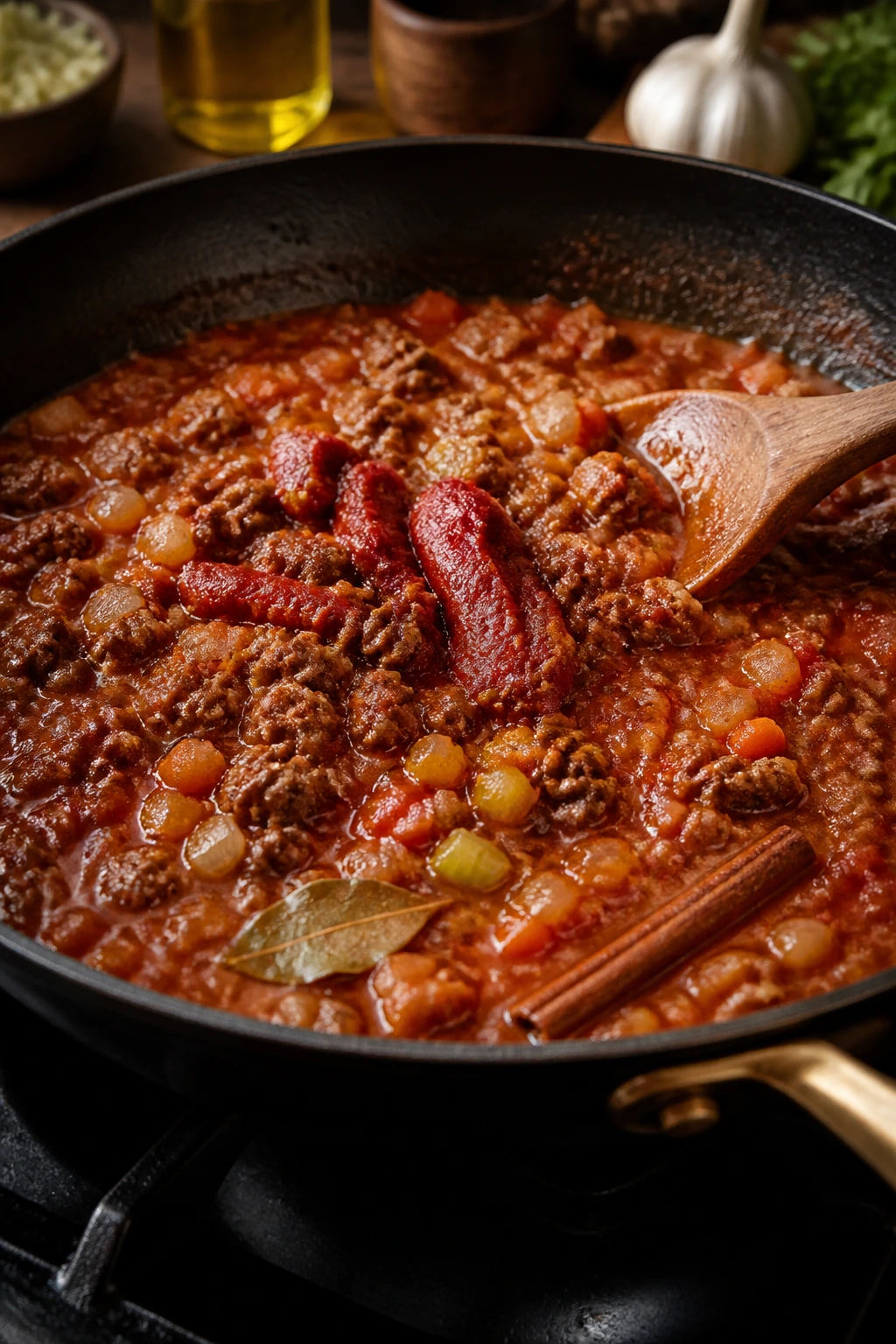
Add the crushed tomatoes, stock, salt, pepper, cinnamon, allspice, bay leaf, and red pepper flakes if using. Lower the heat and simmer for 25 to 35 minutes, stirring every few minutes, until the sauce is thick enough that a spoon dragged through the pan leaves a clear line for a moment before the sauce closes back in. Remove the bay leaf and stir in the parsley if you’re using it. Taste and adjust salt.
Cook the Pasta and Mix the Base
-
Bring a large pot of salted water to a boil and cook the ziti or penne until it is 2 minutes shy of al dente. The pasta should still have a little bite in the center, because it will keep cooking in the oven.
-
Drain the pasta well and return it to the warm pot or a large bowl. Add the melted butter, beaten egg, 1/2 cup cheese, nutmeg, and black pepper. Toss quickly so the egg coats the noodles without clumping. The pasta should look lightly glossy and feel coated, not wet.
Make the Béchamel
-
Melt the butter in a medium saucepan over medium heat. Whisk in the flour and cook for 1 to 2 minutes, stirring constantly, until the mixture smells a little nutty and looks like smooth sand. Do not let it darken much.
-
Slowly whisk in the warm milk in three additions, whisking until smooth after each pour. Cook the sauce over medium heat for 6 to 8 minutes, whisking often, until it thickens enough to coat the back of a spoon and leave a clean line when you swipe a finger through it.
-
Lower the heat and season the béchamel with salt, pepper, and nutmeg. Whisk a small spoonful of the hot sauce into the beaten eggs to temper them, then slowly whisk the egg mixture back into the saucepan. Add the 1 cup of cheese and stir until melted. Do not let the sauce boil after the eggs go in. It should look thick, smooth, and glossy.
Assemble and Bake
-
Spread half of the pasta mixture into the prepared baking dish and press it into an even layer. Spoon all of the meat sauce over the pasta and spread it edge to edge. Add the remaining pasta on top and settle it into a flat layer with the back of a spoon.
-
Pour the béchamel over the top and spread it all the way to the corners. Sprinkle with the remaining 1/4 cup cheese and dot the surface with the butter pieces.
-
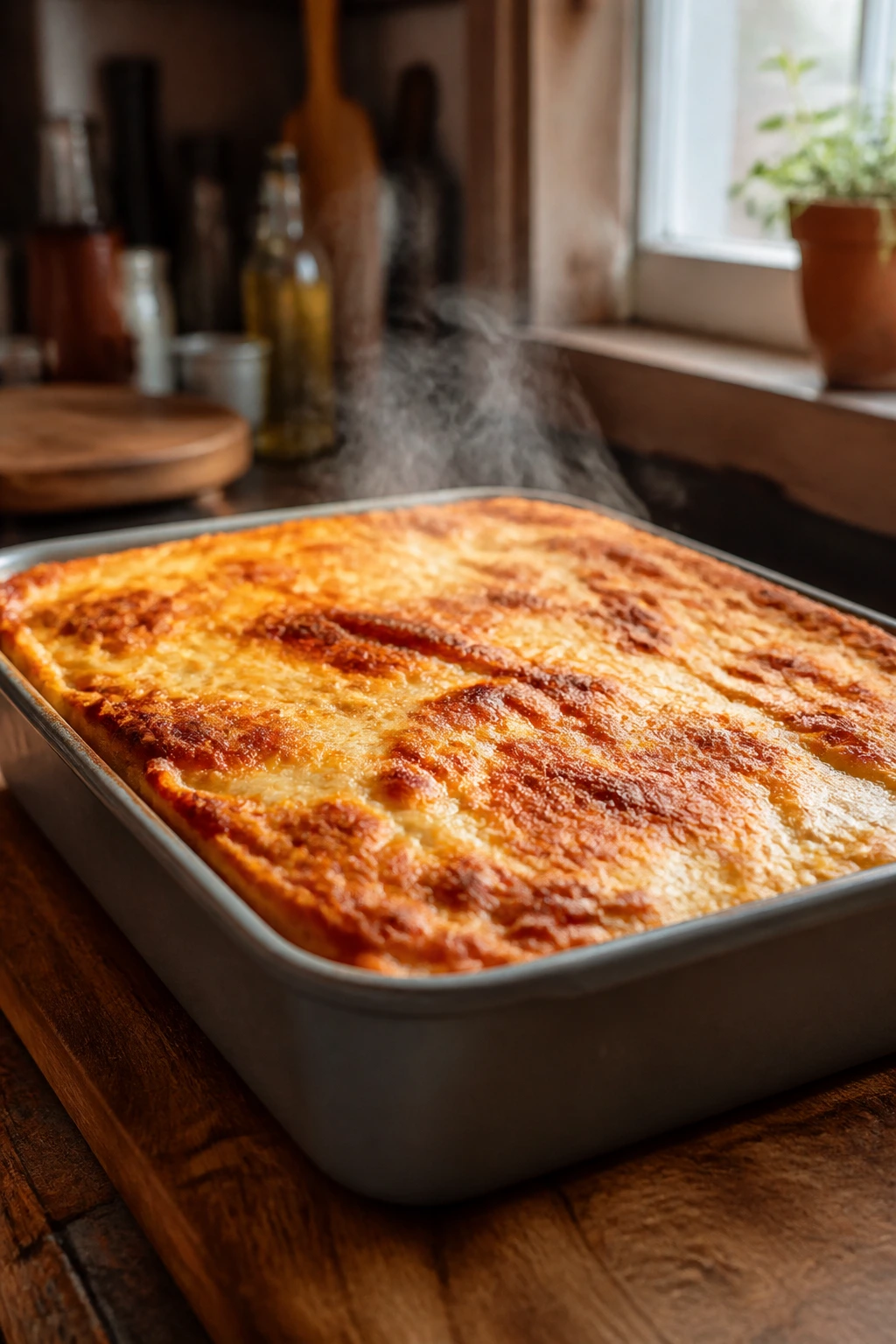
Bake for 35 to 45 minutes until the top is pale gold with deeper browned spots at the edges and the filling is bubbling around the sides. If the top starts to color too fast, tent the dish loosely with foil for the last 10 to 15 minutes.
Rest and Slice
- Let the pastitsio rest for 25 to 30 minutes on a rack before cutting. This is the part people want to skip, and it is the part that keeps the slices upright. Garnish with parsley if you like, then cut into squares and serve warm.
How to Serve It at the Table
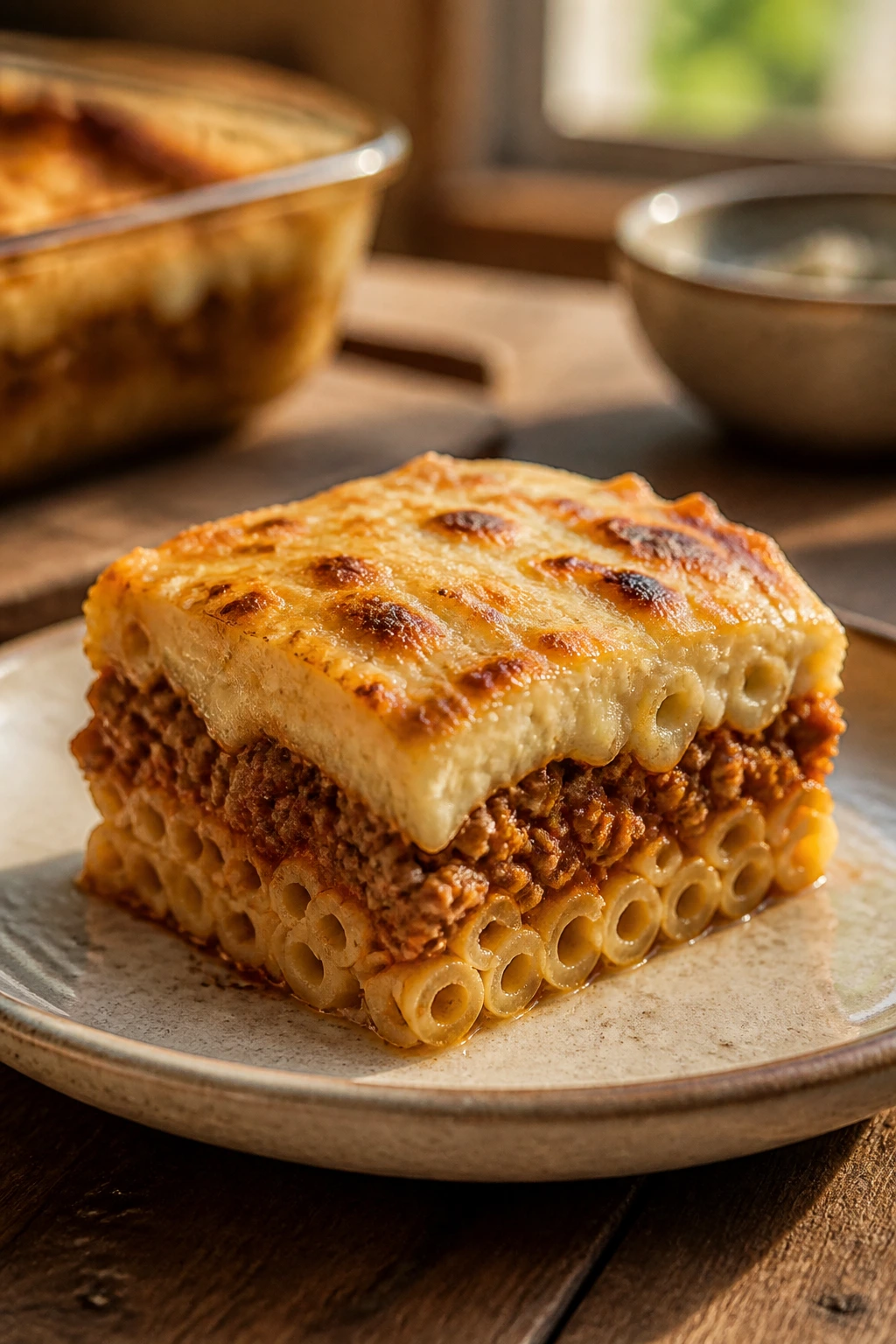
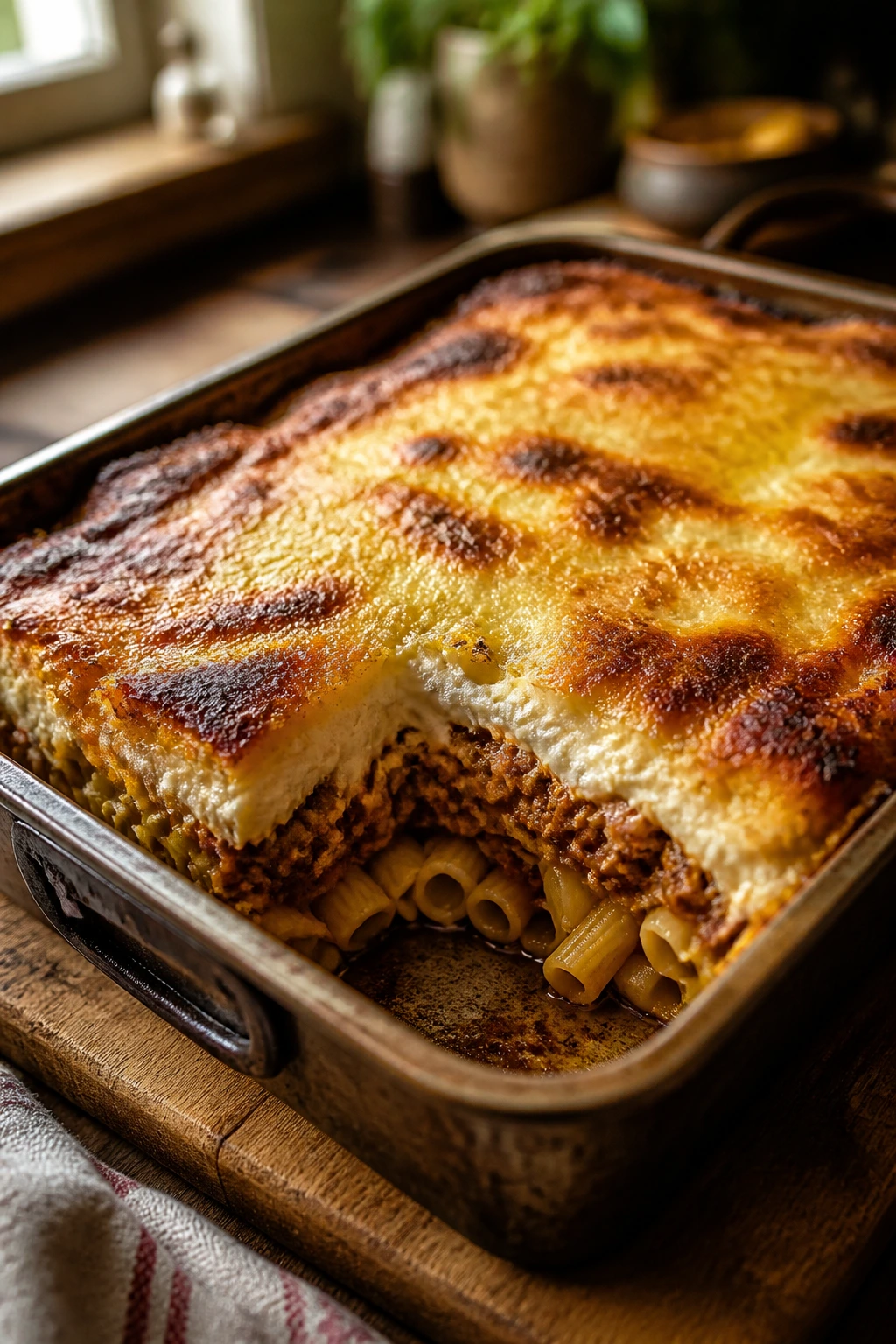
Presentation: Slice the pastitsio into wide squares and lift them out with a flat spatula so the layers stay stacked. I like to let one corner show the cross-section on purpose; it tells you the dish was built properly. A little browned edge on the béchamel is a good thing.
Accompaniments: A sharp green salad with cucumber, tomato, red onion, olives, and feta cuts through the richness better than a heavy side ever could. Roasted green beans, garlicky zucchini, or a lemon-dressed romaine salad all work. If you want bread, keep it modest — one crusty loaf is enough for sauce mopping.
Portions: Plan on one square for a lighter meal and a larger slab if this is the main event with only a salad on the side. The recipe serves 8 to 10, but very hungry eaters can shrink that number fast. If you’re feeding a mixed group, cut the pan into 10 pieces and let people go back for the awkward corner pieces first.
Beverage Pairing: A medium-bodied dry red wine with decent acidity suits the cinnamon-scented meat sauce. If you’re not pouring wine, sparkling water with lemon keeps the palate clean between bites. Strong coffee after dinner also works, especially if the meal stretched long enough to turn into a conversation.
Practical Tips for a Cleaner Slice and a Richer Sauce
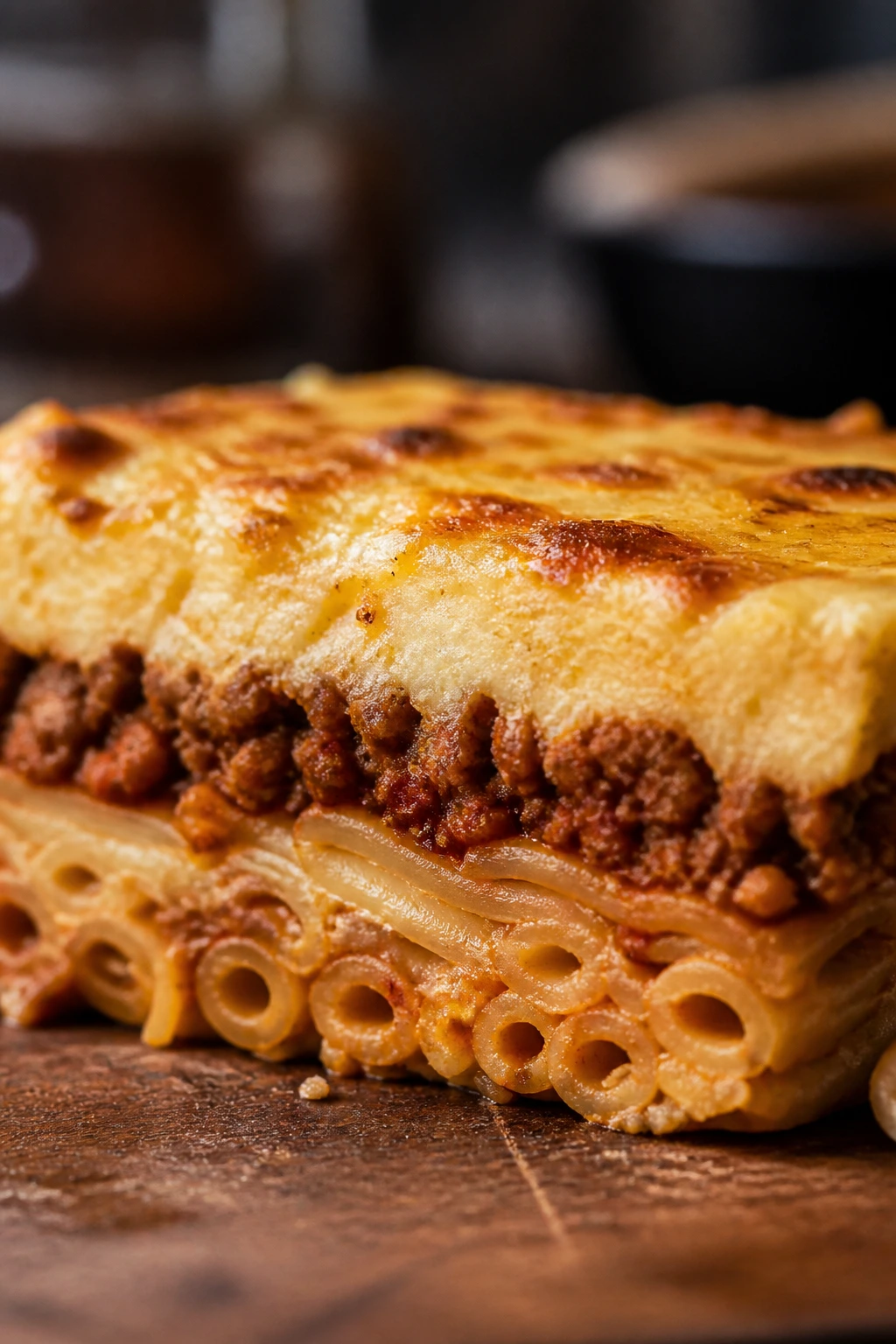
Flavor Enhancement: Let the meat sauce reduce until it looks almost too thick. That’s usually the right point. A sauce that still sloshes in the pan will loosen the pasta layer and make the béchamel slide when you cut into it.
Time-Saver: Make the meat sauce a day ahead if you can. It tastes deeper after a night in the fridge, and chilled sauce is easier to spread without tearing the pasta layer underneath.
Pro Move: Warm the milk before it hits the roux. Cold milk works, but it takes longer to smooth out, and you’re more likely to chase lumps around the pan like a bad side quest. Warm milk gives you a silkier béchamel with less whisking.
Cost-Saver: Parmesan does a fine job if Kefalotyri is hard to find. Use the sharper cheese where it matters most — the béchamel and top — and save the more expensive wedge for another dish.
One Small Upgrade: Grate a fresh little bit of nutmeg over the béchamel instead of using old powder from the back of the cabinet. The difference is subtle but real. It smells cleaner, and that matters in a sauce this simple.
Common Mistakes That Leave Pastitsio Heavy or Watery
-
Using a loose meat sauce: If the sauce still pools around the spoon, it will seep into the pasta and turn the bake soft. Fix it by simmering longer before assembly. The sauce should be thick enough to mound, not pour like soup.
-
Cooking the pasta all the way through: Fully cooked pasta turns soft after 35 to 45 minutes in the oven. Pull it early. The center should still have a small bite, or the texture will go mushy under the béchamel.
-
Adding eggs to a too-hot béchamel: That’s how you end up with tiny scrambled flecks instead of a smooth top. Lower the heat, temper the eggs with a spoonful of sauce first, and keep whisking while they go in.
-
Skipping the resting time: Cut too soon and the layers slide out in a soft heap. Resting for 25 to 30 minutes lets the béchamel firm and the sauce settle. The pan slices much better after that pause.
-
Overdoing the cinnamon: A heavy hand makes the meat sauce taste strange and the whole pan drift toward sweet spice territory. The measured teaspoon in this recipe is enough. If you are nervous, use slightly less the first time, but do not dump it in casually.
-
Browning the top too fast: Ovens run hot in odd spots, and béchamel can darken before the center is done. If the top gets dark early, tent it loosely with foil and keep baking until the edges bubble.
Variations That Still Taste Like Pastitsio
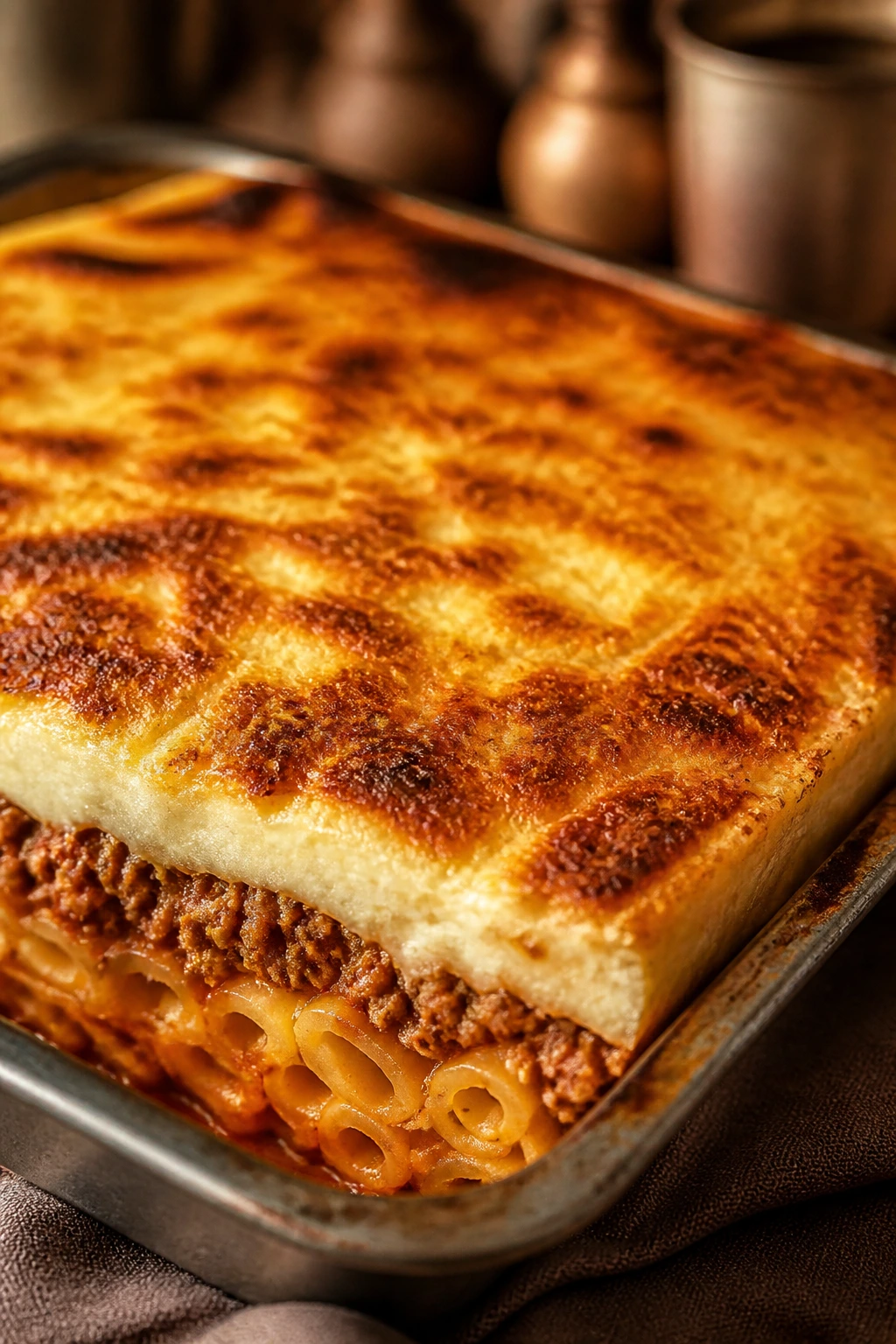
Lamb-and-Beef Sunday Pan: Swap half the beef for ground lamb and keep the rest of the recipe the same. The lamb brings a deeper, richer flavor that plays nicely with cinnamon and allspice. This version tastes a little more old-world and a little less everyday, which is fun when you want the pan to feel special.
Spinach and Feta Middle Layer: Stir 8 ounces of thawed, well-squeezed spinach and 4 ounces of crumbled feta into the meat sauce or scatter it between the pasta layers. The spinach adds moisture, so keep the sauce extra thick, and the feta sharpens the whole pan. A small bit of lemon zest in the béchamel helps here.
Turkey and Mushroom Bake: Replace the beef with 2 pounds of ground turkey and add 8 ounces of finely chopped cremini mushrooms. You’ll need a little extra olive oil and a longer sauté so the mushrooms lose their moisture before the tomato goes in. The result is lighter, but still sturdy enough to slice.
Gluten-Free Pastitsio: Use gluten-free penne and a 1:1 gluten-free flour blend for the béchamel. Watch the pasta closely, because many gluten-free shapes go from firm to soft in a minute. If the sauce seems thin, let it bake a little longer before slicing.
Vegetarian Lentil Version: Swap the meat for 1 1/2 cups cooked brown lentils and 8 ounces of chopped mushrooms browned until deeply caramelized. Keep the cinnamon, tomato paste, wine, and bay leaf, because the sauce still needs that same warm backbone. The lentils bring structure, not mush, which is what you want.
Make-Ahead, Storage, and Reheating
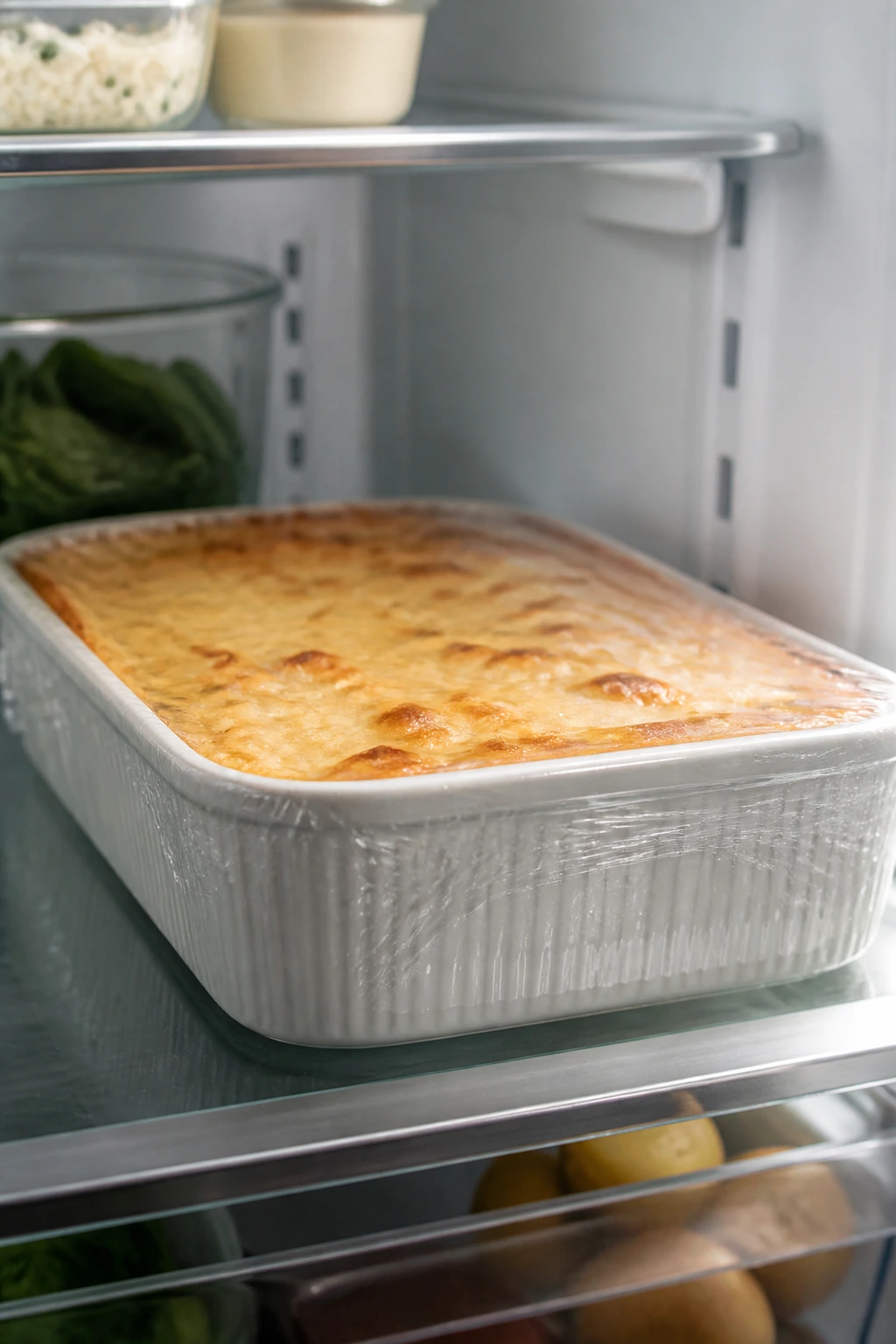
Pastitsio does well with planning. The meat sauce can be made up to 2 days ahead and kept in the fridge in an airtight container. In fact, I think it tastes better after the flavors settle overnight. The béchamel can also be made a day ahead, but press plastic wrap directly onto the surface so it doesn’t skin over.
If you want to assemble the whole pan early, you can do that too. Cover it tightly and refrigerate for up to 24 hours before baking. When it goes into the oven cold from the fridge, add 10 to 15 minutes to the bake time and keep an eye on the top. If it browns before the center heats through, foil handles the problem.
Leftovers keep well for 3 to 4 days in the refrigerator in a sealed container, or covered right in the baking dish if you’re not fussed about perfect storage. For freezing, wrap individual slices or the entire cooled pan tightly and freeze for up to 2 months. Thaw overnight in the refrigerator if you can.
Reheat slices covered at 325°F (165°C) for about 20 minutes, or until hot in the center. A small splash of milk under the foil helps keep the béchamel from drying out. The microwave works for one serving, but use medium power and stop once or twice to let the heat spread; otherwise, the edges turn rubbery and the center stays cold.
Questions Readers Ask Before They Bake

Can I use penne instead of ziti?
Yes. Penne rigate is one of the easiest swaps because the ridges hold sauce well and the shape keeps its structure in the oven. If you use a very thin pasta, the bake can go soft.
Do I have to use wine in the meat sauce?
No, but it adds depth. If you skip it, use the beef stock instead and stir in 1 teaspoon of red wine vinegar at the end to wake up the tomato flavor a little.
Can I make pastitsio the day before serving?
Absolutely. Assemble it, cover it, and refrigerate overnight. Bake it cold from the fridge, adding 10 to 15 extra minutes, and rest it before cutting so the layers stay neat.
Why did my béchamel turn lumpy?
The roux may have been too hot when the milk went in, or the milk may have been added too fast. Whisk in a splash of warm milk at a time, keep the heat moderate, and strain the sauce if a few small lumps refuse to smooth out.
Can I freeze pastitsio after baking?
Yes. Cool it completely first, then wrap tightly and freeze in slices or as a whole pan. Thaw in the fridge before reheating so the béchamel warms evenly instead of splitting at the edges.
What can I use instead of Kefalotyri?
Parmesan is the easiest answer, and Pecorino Romano is a sharper one. If you use Romano, taste before adding extra salt because it brings more salinity than Parmesan does.
Can I make it without eggs?
You can, but the texture will be softer and less sliceable. If you leave the eggs out, cook the béchamel a little thicker and let the dish rest longer after baking. It will still taste good, just less firm at the cut.
A Pan Worth Keeping on Repeat
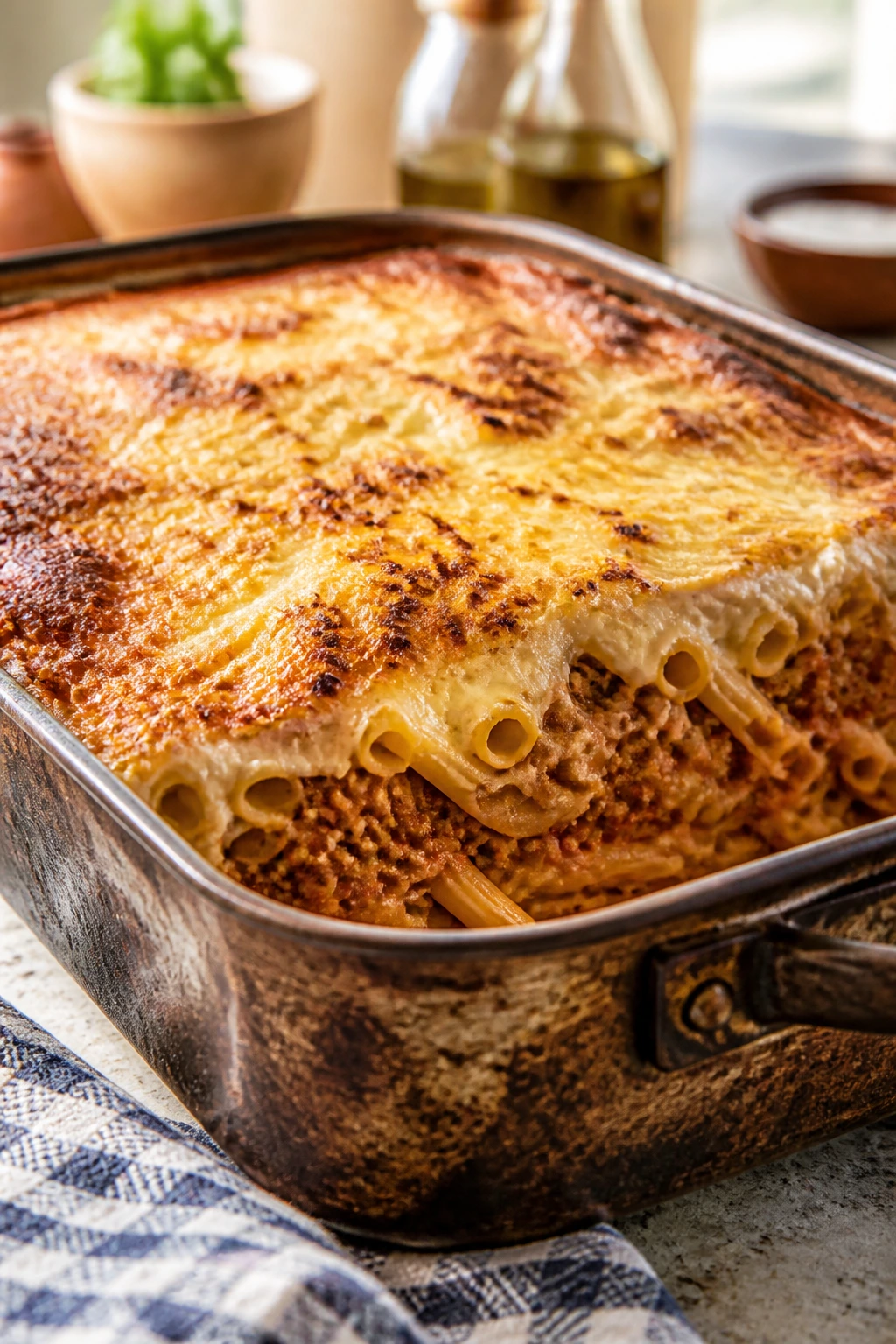
There’s a reason baked pasta like this hangs around for generations. It feeds people well, it holds its shape, and it tastes like somebody paid attention to the layers. Rustic Greek pastitsio is not fussy food, but it does ask for care in the right spots — a thick sauce, a steady béchamel, a little patience before the first slice.
That patience pays off fast. The next day, the flavors settle even more, the edges firm up, and the whole pan starts to feel like the kind of dish you plan around instead of merely serving alongside other things. Make it once, and you’ll start thinking in terms of “Do I have ziti and beef?” which is usually the beginning of a very good dinner habit.
Rustic Greek Pastitsio Like Nonna Used to Make — Recipe Card
Recipe Name: Rustic Greek Pastitsio Like Nonna Used to Make
Description: A layered Greek baked pasta with cinnamon-scented meat sauce, buttered pasta, and a thick béchamel top that bakes into neat, sliceable squares. The flavor is warm, savory, and deeply comforting without turning heavy.
Prep Time: 40 minutes
Cook Time: 1 hour 15 minutes
Total Time: 1 hour 55 minutes, plus 25 to 30 minutes resting
Course: Main Course
Cuisine: Greek
Servings: 8 to 10 servings
Calories: About 620 kcal per serving
Ingredients
For the Meat Sauce:
- 2 tablespoons extra-virgin olive oil
- 1 large yellow onion, finely diced
- 1 medium carrot, finely diced
- 1 celery stalk, finely diced
- 4 cloves garlic, minced
- 2 pounds ground beef, 85/15
- 2 tablespoons tomato paste
- 1 cup dry red wine
- 1 (28-ounce) can crushed tomatoes
- 1/2 cup beef stock or water
- 1 teaspoon kosher salt, plus more to taste
- 1/2 teaspoon black pepper
- 1 teaspoon ground cinnamon
- 1/4 teaspoon ground allspice
- 1 bay leaf
- 1/4 teaspoon red pepper flakes, optional
- 2 tablespoons chopped flat-leaf parsley, optional
For the Pasta Layer:
- 1 pound ziti or penne rigate
- 1 tablespoon kosher salt, for the pasta water
- 2 tablespoons unsalted butter, melted
- 1 large egg, lightly beaten
- 1/2 cup grated Parmesan or Kefalotyri
- 1/4 teaspoon ground nutmeg
- 1/4 teaspoon black pepper
For the Béchamel and Finish:
- 6 tablespoons unsalted butter
- 6 tablespoons all-purpose flour
- 4 cups whole milk, warmed
- 1 teaspoon kosher salt
- 1/4 teaspoon white pepper or black pepper
- 1/4 teaspoon freshly grated nutmeg
- 2 large eggs, lightly beaten
- 1 cup grated Parmesan or Kefalotyri
- 1/4 cup grated Parmesan or Kefalotyri, for the top
- 1 tablespoon unsalted butter, cut into small pieces, for the top
- 1 tablespoon chopped parsley, optional, for serving
Instructions
-
Preheat the oven to 375°F (190°C) and grease a 9×13-inch baking dish.
-
Cook the onion, carrot, celery, and garlic in olive oil until softened, then brown the ground beef.
-
Stir in tomato paste, add the wine, then simmer with tomatoes, stock, salt, pepper, cinnamon, allspice, bay leaf, and optional red pepper flakes until thick.
-
Cook the pasta in salted water until 2 minutes shy of al dente, then drain and toss with melted butter, egg, 1/2 cup cheese, nutmeg, and black pepper.
-
Make the béchamel by cooking butter and flour into a roux, whisking in warm milk, then thickening it and seasoning it with salt, pepper, and nutmeg.
-
Temper the beaten eggs with a little hot béchamel, stir them back into the sauce, then mix in 1 cup cheese.
-
Layer half the pasta in the dish, spread the meat sauce over it, add the remaining pasta, and pour the béchamel over the top.
-
Sprinkle with the remaining cheese and dot with the small pieces of butter.
-
Bake for 35 to 45 minutes, until the top is golden and the edges are bubbling.
-
Rest for 25 to 30 minutes before slicing and serving.
Notes: Keep the meat sauce thick; a loose sauce makes the pan collapse. If baking from cold, add 10 to 15 minutes to the oven time.